She booked her flight a year in advance, and it cost her more. Why?
 General
Travel tips
She booked her flight a year in advance, and it cost her more. Why?
When you start planning a trip, it is easy to remember all those travel tips you have heard over the years. Some sound useful, and some probably made sense once. But travel changes, and not every piece of advice stays true forever. In fact, some of those "rules" were probably always more myth than fact. Before letting an old tip shape your plans, here are 10 travel myths that can help you travel smarter and enjoy the trip the way it deserves.
Booking early means paying less
Booking early can feel like the right thing to do, but it doesn't always save you money. Airlines change prices dozens of times a day based on demand, not on how far ahead you buy. The lowest domestic fares usually appear one to three months before departure, while international trips usually have a two- to eight-month window.
If you buy six months or more ahead, you’ll probably pay more than you would closer to the date, because the idea of locking in a fare a year in advance mostly worked when prices didn't move as often. Today, price alerts are the best indicators. The only exception is peak travel, such as Christmas or spring break, when earlier booking still helps.
Tourist traps are always a waste of time
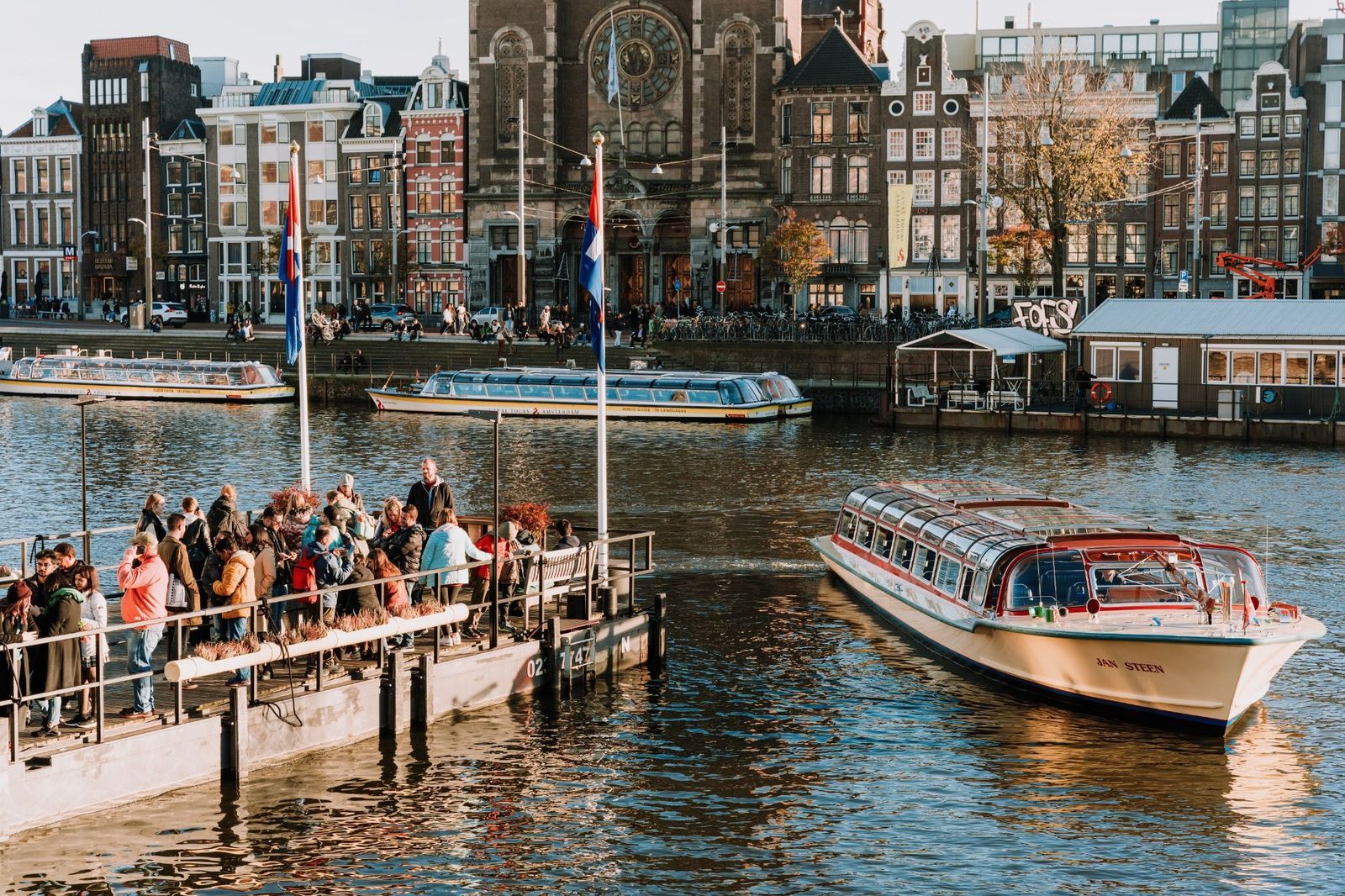
Calling something a tourist trap makes it sound like it's not worth your time, but that label mostly means a place is just very popular. What often ruins the experience isn't the location; it's arriving during peak hours. Going early, going late, or visiting outside high season can partially solve that problem.
However, there are always some attractions, like overpriced souvenir strips, that are really best skipped. But most of the world-famous landmarks have earned their reputation and are worth visiting, although it might not be the most intimate experience. Before crossing a place off your list, the best you can do is check whether it's actually overrated or just busy.
The best restaurants are always near the main sights
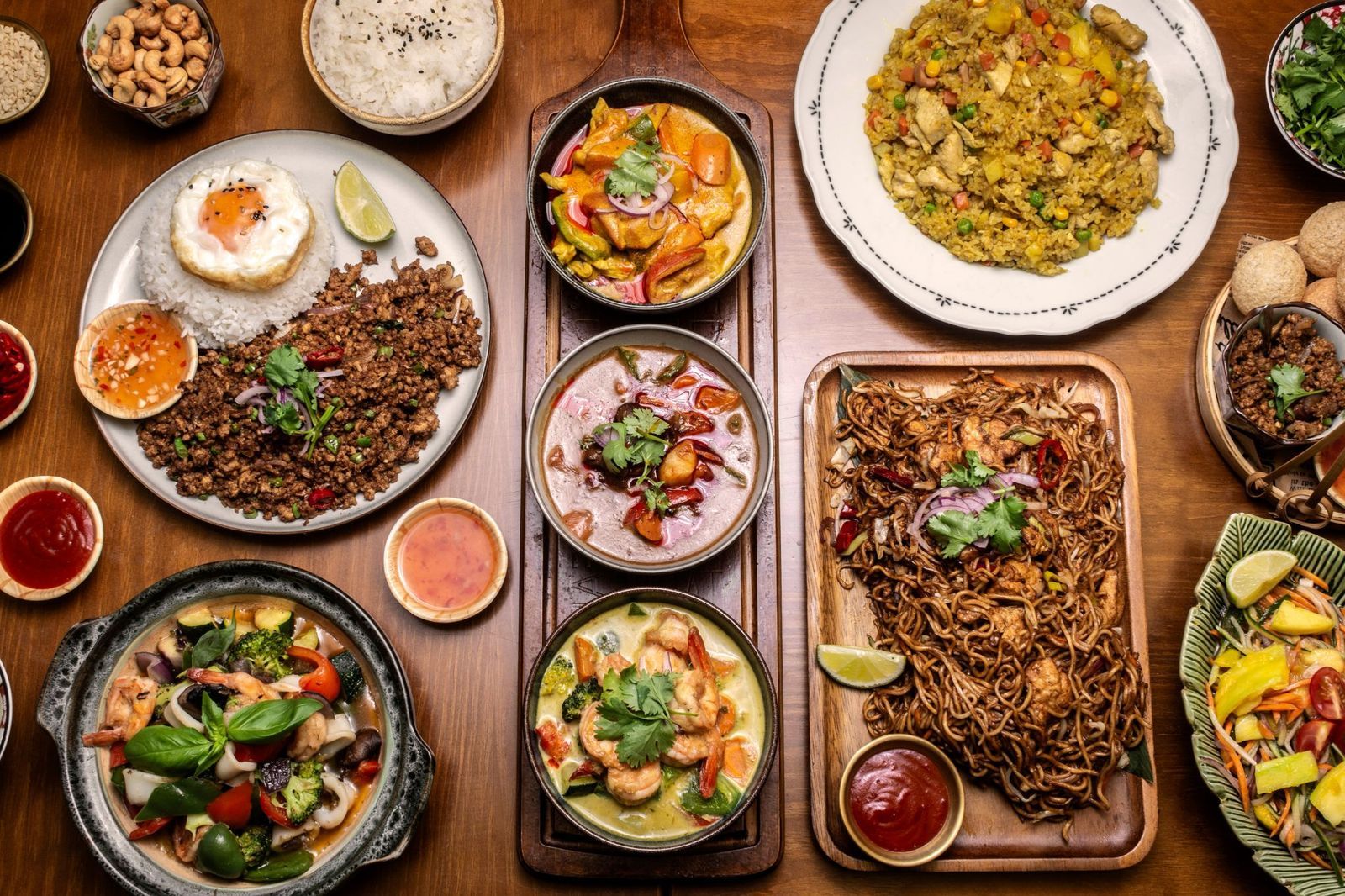
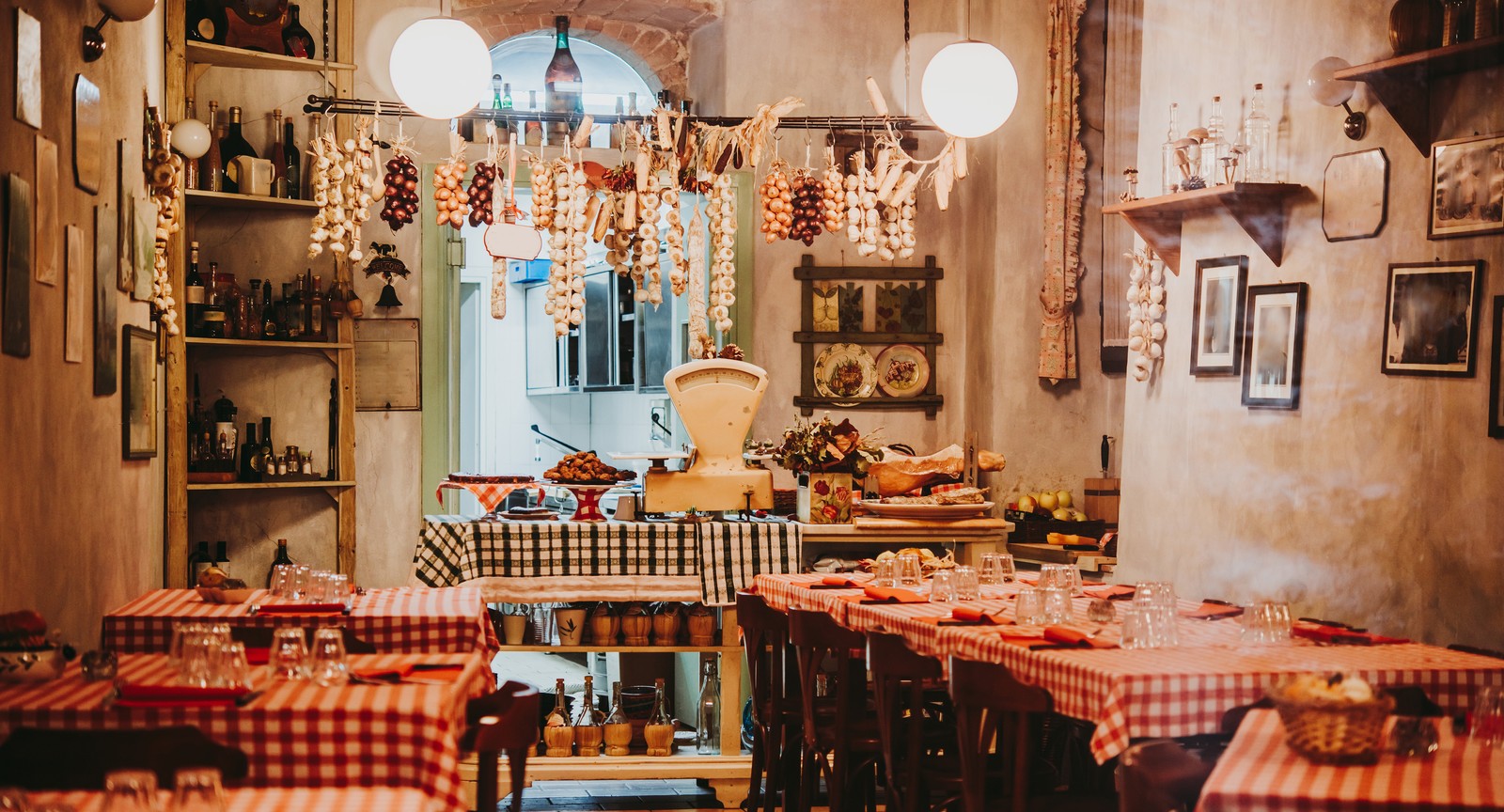
Picture yourself after visiting a museum, a famous square, or a landmark, and getting hungrier and hungrier. Eating at the first restaurant you see could feel like the easiest choice: you are already there, you are tired, and there are many restaurants in front of you.
But the busiest areas have higher prices and menus made for tourists. Walking just a few blocks away from the crowd can expand the options and lead to better food and a cheaper bill. When you enter a restaurant with a mix of locals and tourists, it’s usually a good sign.
Direct flights never cause baggage problems
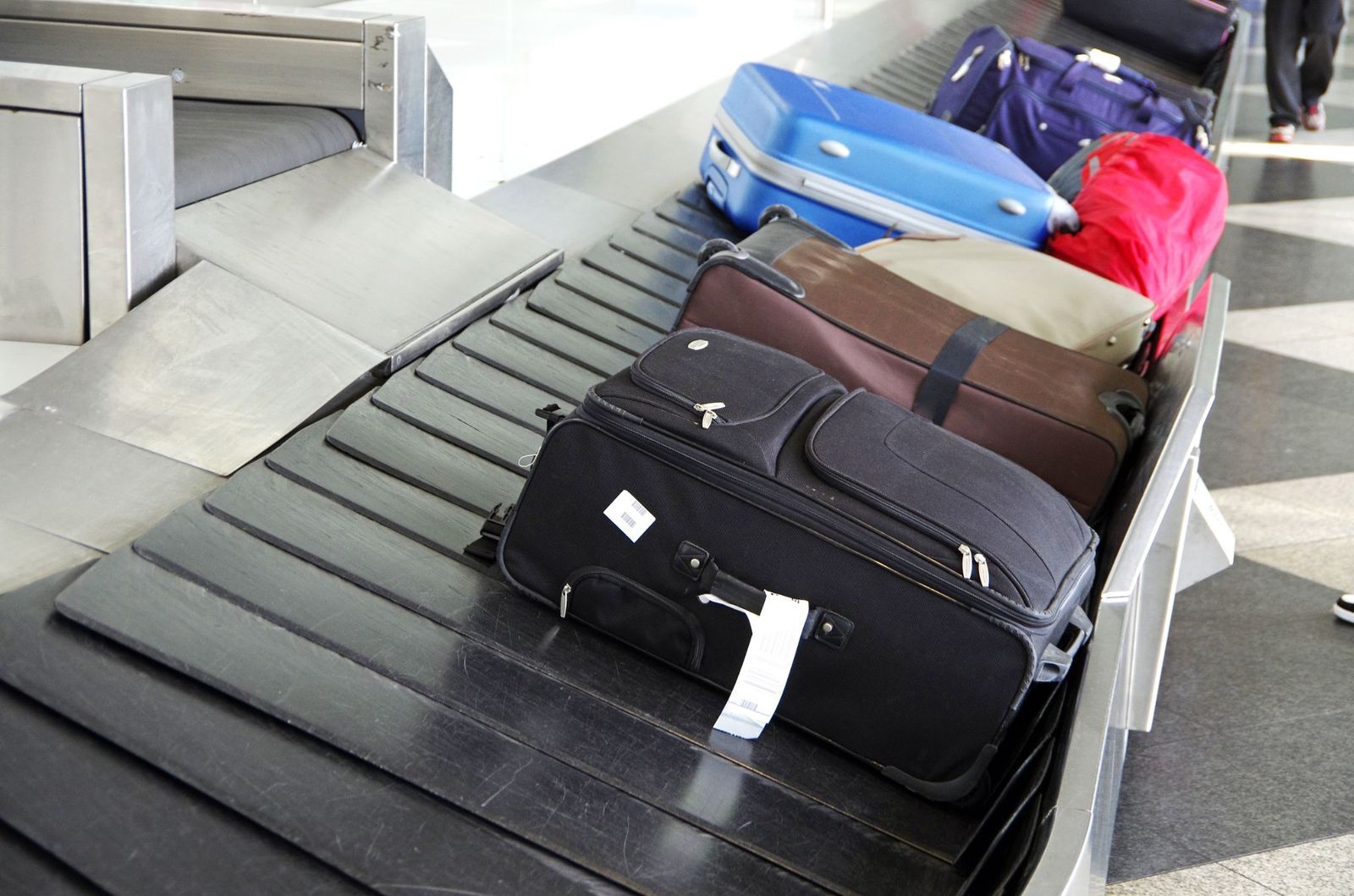
It's easier to assume direct flights mean your bag travels as simply as you do, but that's not always true. "Direct" means you don't change planes, not that the plane skips every stop along the way. And each stop is a new chance for something to go wrong with checked luggage.
The Department of Transportation ranks flight types by baggage risk, and nonstop flights come out safest, with direct and connecting flights ranking below them. A large portion of lost or delayed bags happens specifically during transfers between flights. The safest option is a true nonstop, but if you can’t find one, allowing more time between connections is the better fix.
Hotels are always cheaper than rentals
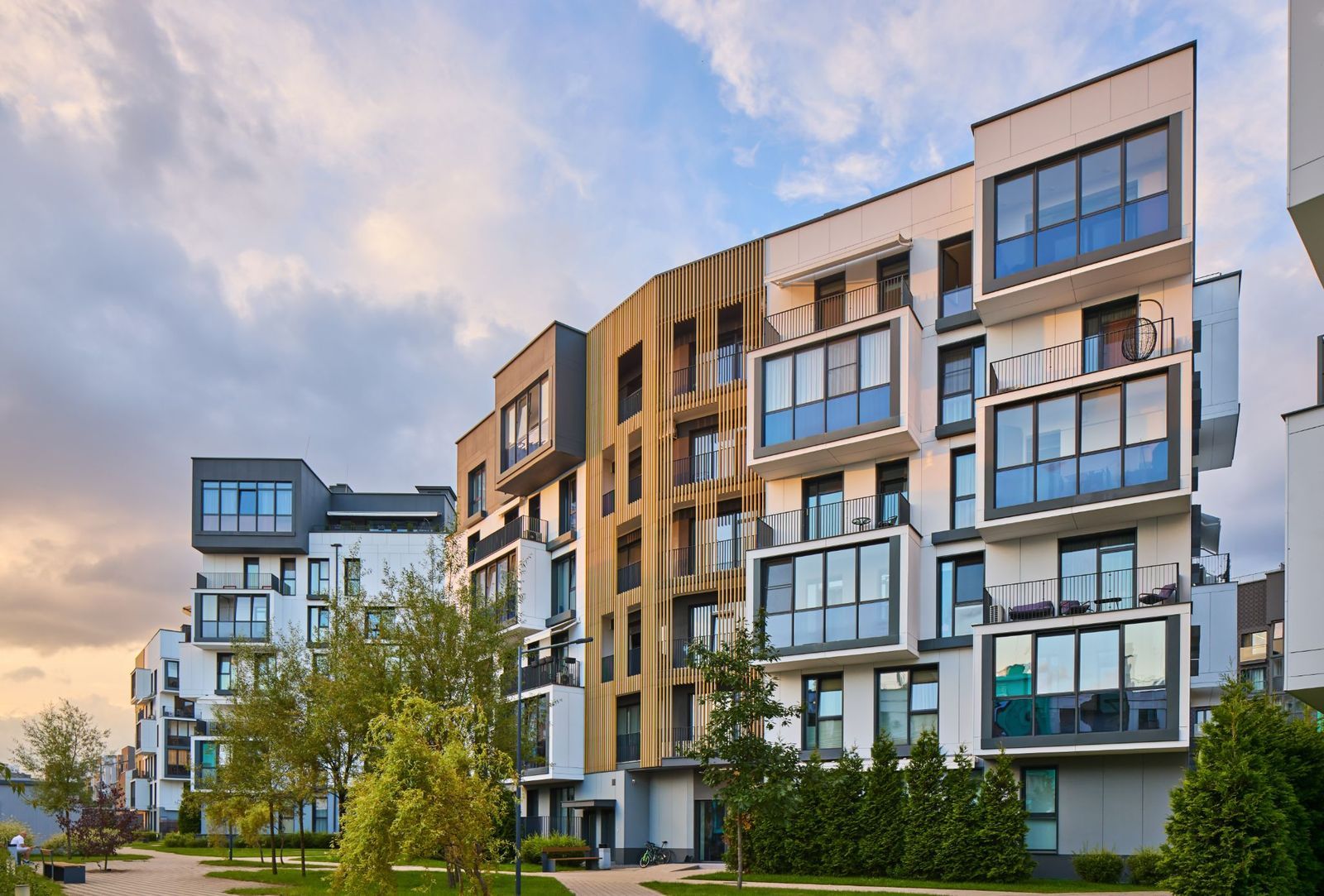
There's no single answer to whether hotels or vacation rentals cost less, because it depends on your group size and how long you're staying. Solo travelers and couples on short trips usually do better with a hotel, and larger families or groups often save more with a rental, since the cost of the home gets divided among everyone. Rental means fewer restaurant bills and less street food. Hotel resort fees and parking charges can also raise the final budget, as the rental cleaning fee added at checkout does.
So, the best thing to do is to compare the two at the full cost for your entire stay, not just the nightly rate. For a quick weekend alone, a hotel usually wins, while for a week with the whole family, a rental usually does.
Bigger airports are always better
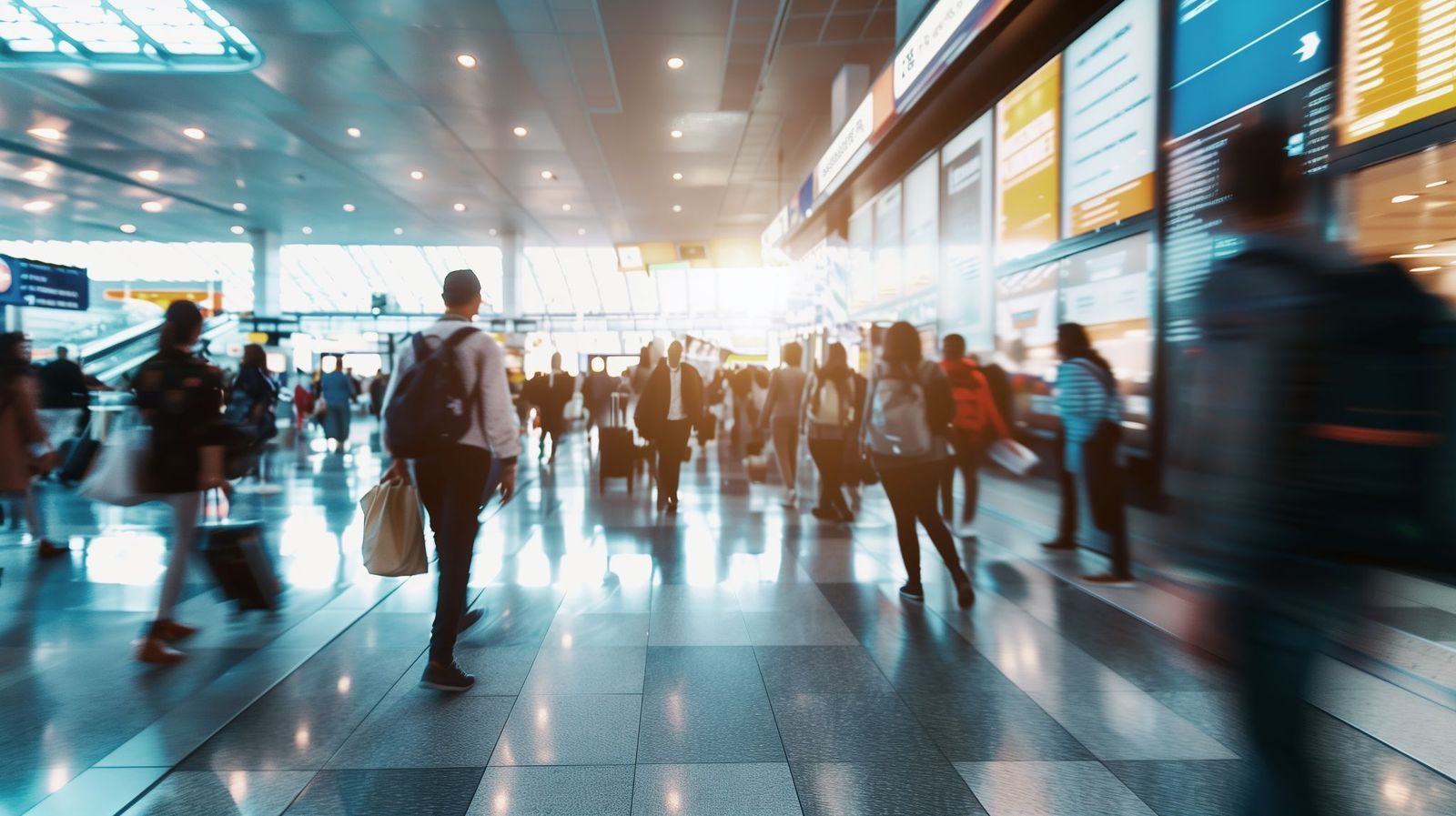
Are bigger airports always a better option? Big airports often have more nonstop flights and more airlines, which can mean lower prices, but they also have more crowds, longer security lines, and more delays when one problem affects many flights. Some smaller airports may actually be faster and less stressful, as they can get you through security with fewer risks. Before choosing, it helps to compare each airport’s delay record, prices, and flight times.
Travel insurance covers everything

Is travel insurance a protection for anything that might go wrong? That’s not always the case. Some medical issues may not be covered, especially if they are connected to a condition you already had before the trip. Routine prenatal care, elective procedures, and some mental health treatment are often not included either. Risky activities, such as scuba diving or off-trail skiing, may also need extra coverage. And claims can eventually be denied if alcohol or drug use was involved. The safest move is to call the insurance company before your trip and ask exactly what your policy covers.
Weekday flights are always cheaper

For years, Tuesday had a reputation as the cheapest day to fly, and plenty of travelers still plan around it. But pricing now updates dozens of times a day, so there's no longer a predictable weekly pattern the way there was decades ago. Some recent reports point to Friday as the better day for domestic and international fares, while others still favor Tuesday or Wednesday.
Truth is, setting a price alert for your route beats picking a "lucky" day of the week. The differences between days are often small, sometimes just a few dollars on an international ticket. Now, what really moves the price far more is how far ahead you book and how much demand there is for that route.
Packing more means being better prepared

How many times have you reached the end of a trip and realized you only used half of what you packed? It happened to all of us at least once. That’s because packing extra "just in case" may feel smart, but it actually makes travel harder. Many airlines have weight limits, and going over them can lead to expensive fees. Also, a heavy suitcase is harder to lift and fit into a car.
A better plan is to pack a few outfits that can work in different situations. Checking weather conditions before packing and doing laundry during the trip can also be a great idea. Being prepared means choosing the right things, not carrying everything with you.
The best trips need a perfect plan

Finding the balance between enjoying the planning and getting stressed by it can be tricky. It is always smart to secure the important things first, like flights, hotels, and one or two reservations. But some of the best travel days are also the ones that are not fully planned. Leaving room for surprises can lead to experiences you couldn’t have imagined at first, like trying a dish at a restaurant that barely appears online or getting lost in the charming streets of a new city. When every hour is planned, there is less room for unexpected, worth-experiencing moments.
From Stonehenge to the Parthenon, these spots once looked much different
 Geography
Titles/subj lines to change:
Most people don't know how much these landmarks have evolved over time
To
From Stonehenge to the Parthenon, these landmarks looked much different back in the day
This last one doesn’t fit the 73-character limit; I could change it to:
"From Stonehenge to the Parthenon, these spots once looked much different" (72 ch)
What do you think?
Stories of icons
You wouldn’t recognize them: These landmarks used to look very different
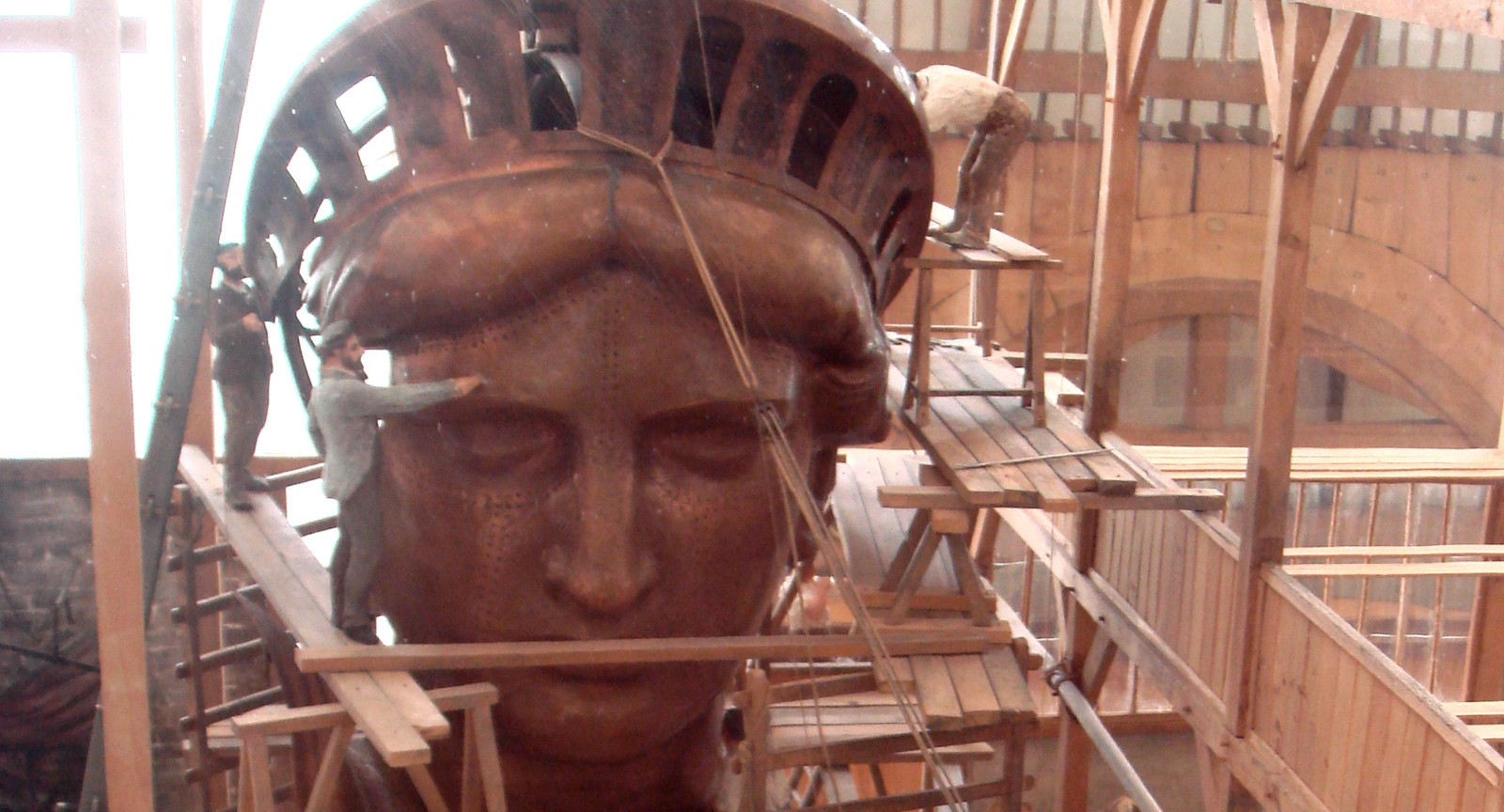
We know that the Statue of Liberty wasn’t always turquoise green; it was originally copper colored, but the salt and air naturally oxidized it. But did you know that the Eiffel Tower wasn’t originally gray, either? Have you ever seen a photo of the marsh that once surrounded Lincoln’s Memorial? Let’s explore what some world-famous landmarks used to look like —and see if we would recognize them.
Statue of Liberty, New York, US
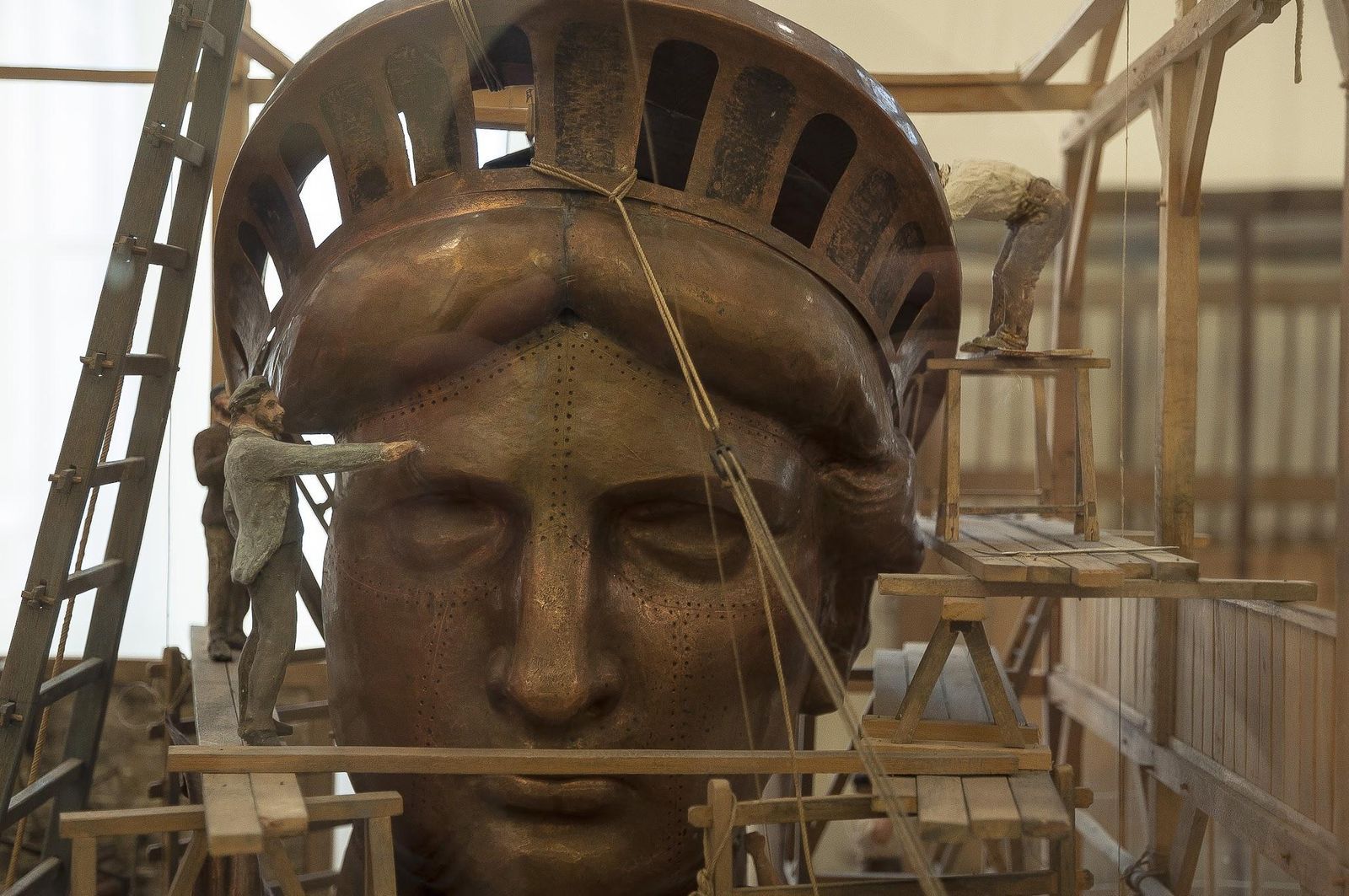
When Lady Liberty was unveiled in New York Harbor on October 28, 1886, she wasn’t the sea-green icon we know today. She was the color of a brand-new penny. It took nearly 30 years of exposure to salt air, ocean spray, and coastal weather to transform her copper skin into the blue-green patina that eventually became her signature.
By 1906, the discoloration had become noticeable enough that Congress actually debated repainting her. The sculptor himself, Frédéric Bartholdi, had expected the copper to darken to a deep reddish-brown, not green. He never saw the version the world now considers iconic.
Hollywood Sign, Los Angeles, US
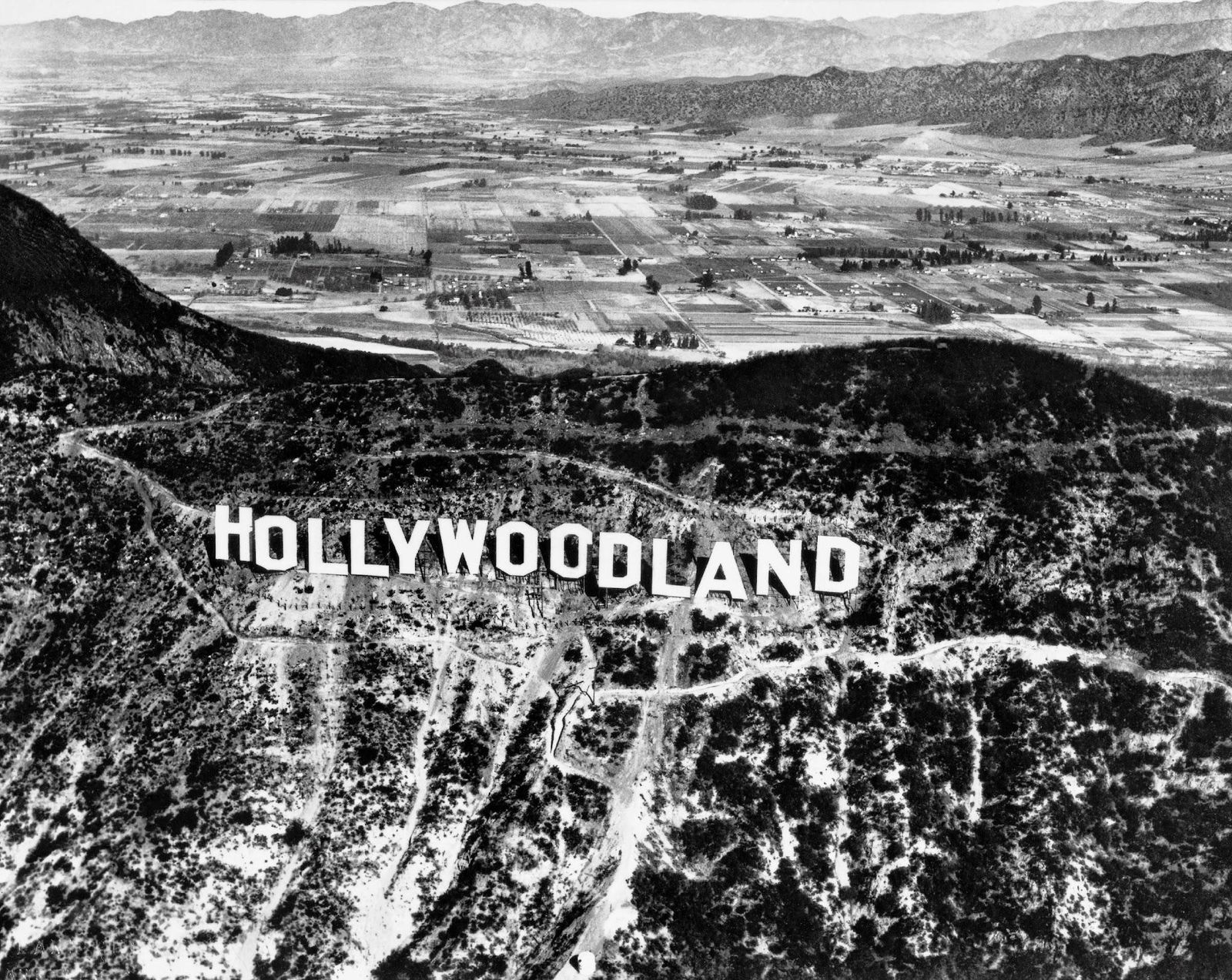
The most famous sign in the world was never supposed to be permanent, nor as meaningful as it has become. When it went up on the slope of Mount Lee in 1923, it was a billboard which read "HOLLYWOODLAND," commissioned to advertise the real estate development "on the Hollywood side of the hills." The broader neighborhood was already called Hollywood, but "Hollywoodland" was its branding name.
In the end, it outlasted the development itself. Locals had gotten so used to the view of the popular sign that in 1944, it was purchased by the City of Los Angeles. In 1949, the Hollywood Chamber of Commerce agreed to restore it, on one condition: to cut costs, the last four letters, "LAND," had to go.
Mount Rushmore, South Dakota, US
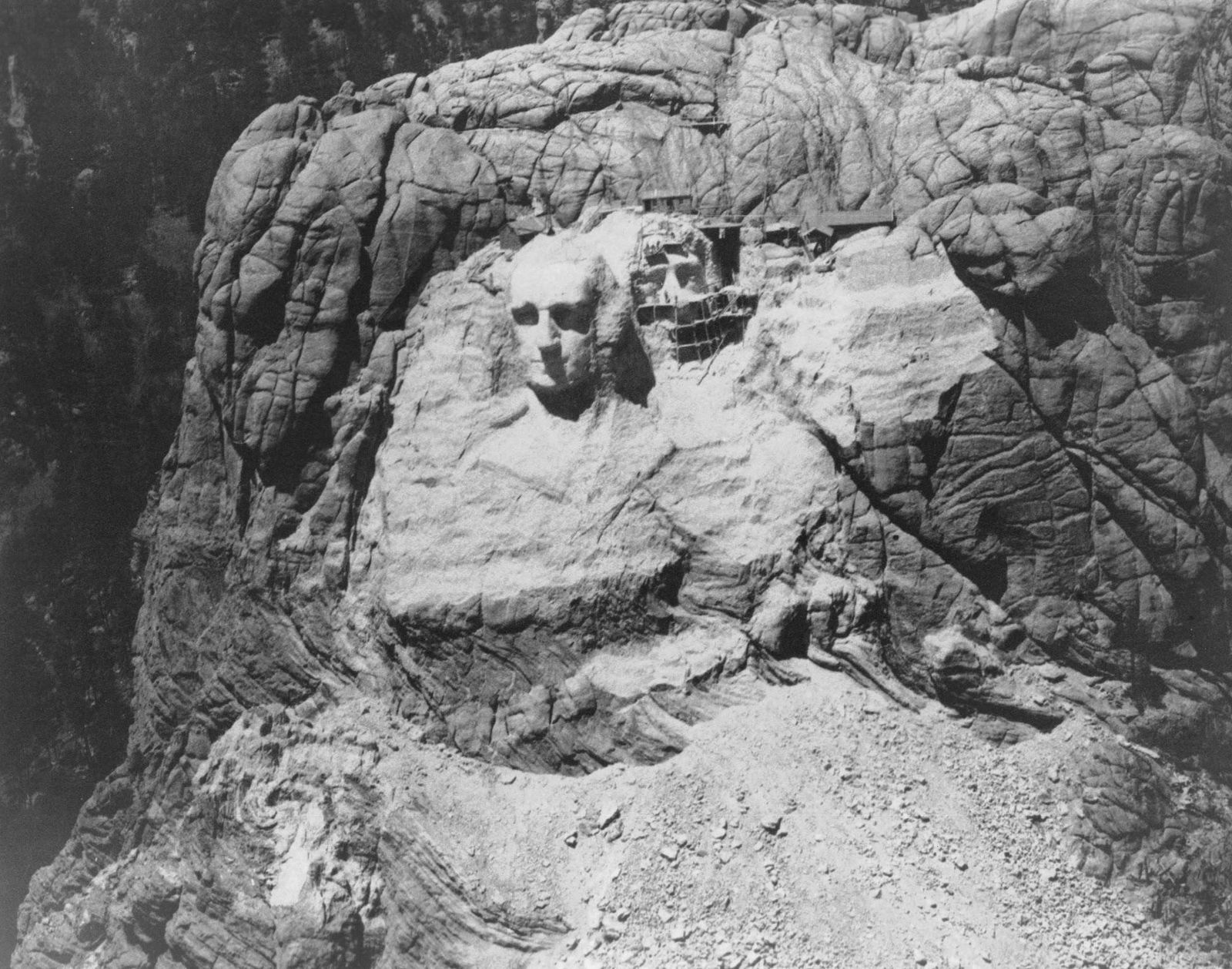
Known to the Lakota Sioux as "Six Grandfathers," this mountain was a sacred site on a spiritual route. The granite cliff was untouched. In 1884, it was renamed "Rushmore" in 1884 after Charles E. Rushmore, a New York lawyer on a prospecting trip who asked what the mountain was called and was told it could have his name.
Construction for the monument began in 1927. For the next 14 years, more than 400 workers hung from steel cables on the mountainside, using dynamite to blast away over 450,000 tons of rock while earning $8 a day. The sculptor, Gutzon Borglum, died in March 1941 and never saw the project completed.
The Great Sphinx of Giza, Giza, Egypt
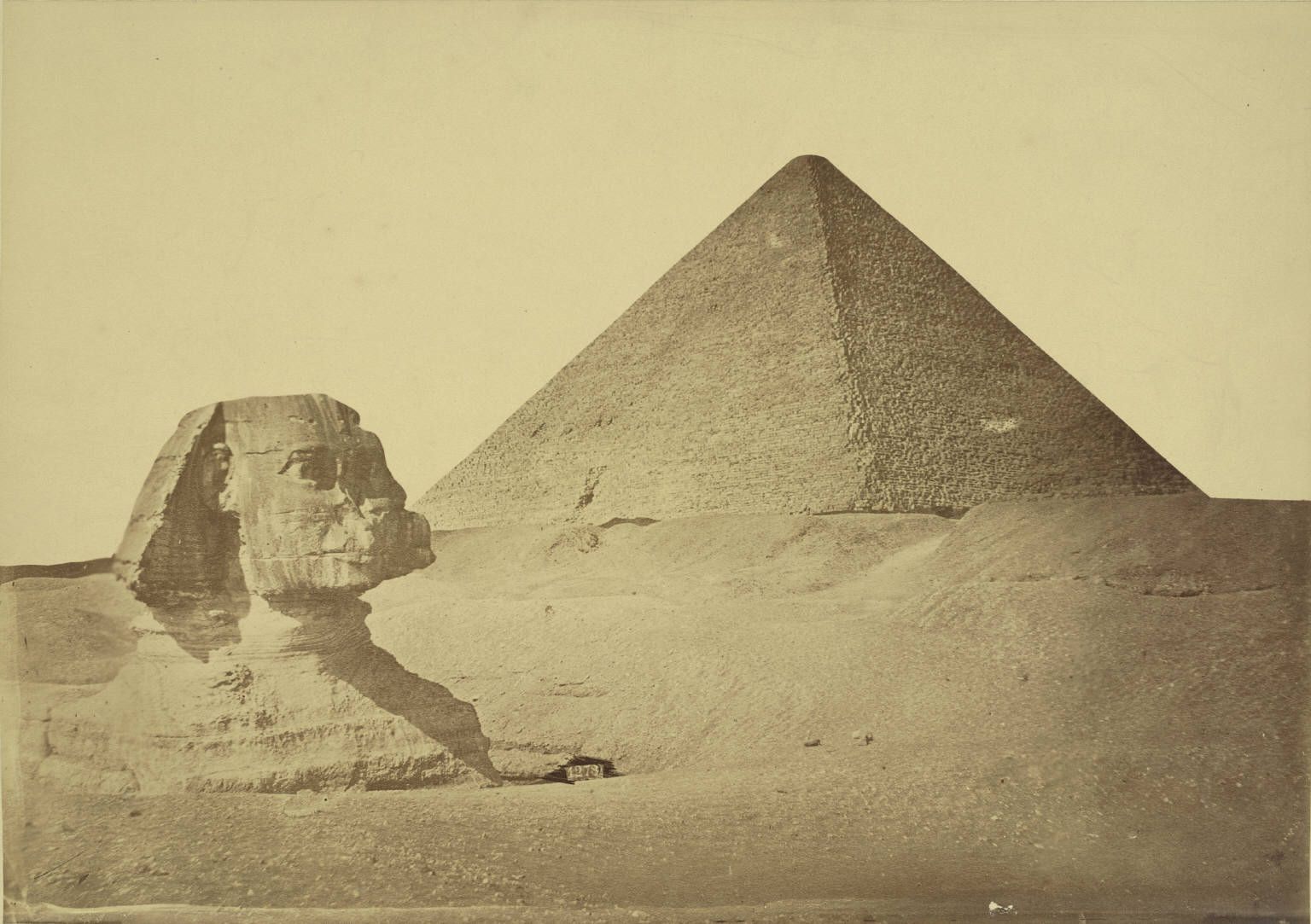
The image of the Great Sphinx rising fully from the desert floor is, historically speaking, very new. For most of the 4,500 years since it was carved, the Sphinx's body (240 feet long, 66 feet high) lay buried beneath desert sand. Only its head and shoulders were visible.
When Napoleon arrived in Egypt in 1798, he found it buried to the shoulders. A Genoese adventurer tried to excavate it in 1817 with a team of 160 men, but the sand poured back in nearly as fast as they could dig.
It wasn't until Egyptian archaeologist Selim Hassan led a sustained excavation between 1925 and 1936 that the Sphinx was fully revealed for the first time in modern history. That’s the open-air way it has looked for less than a century.
Eiffel Tower, Paris, France
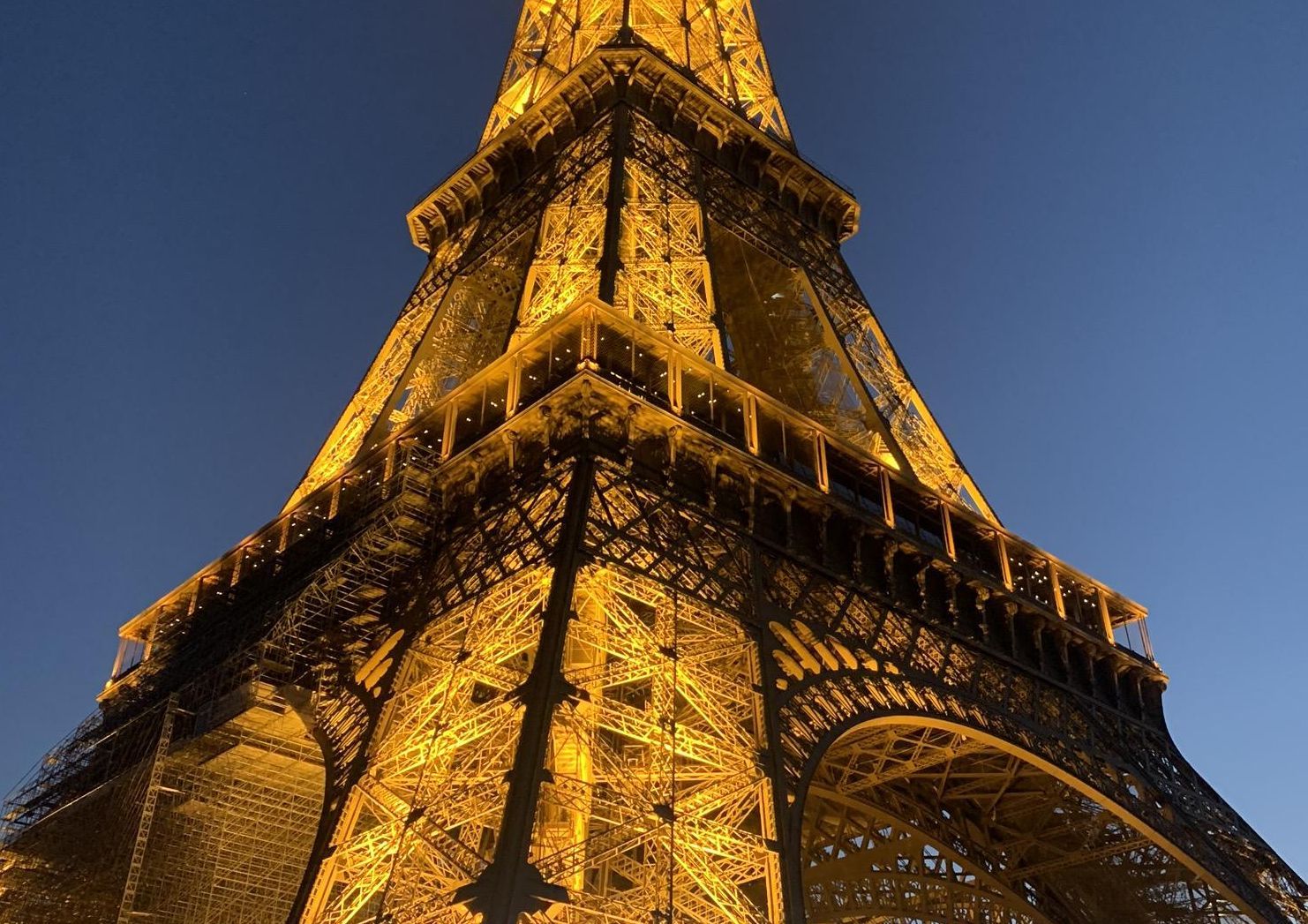
The Eiffel Tower has been many different colors over its lifetime. When its iron parts were being assembled in Gustave Eiffel's workshop in 1887 and 1888, they were painted a bold Venetian red. By the time it opened for the 1889 World's Fair, it had been repainted a deep reddish-brown.
Three years later, it turned ochre. To sum up, it has been repainted 20 times in its 136-year life, cycling through yellow-brown, brownish-red, and the "Eiffel Tower brown" most visitors know today.
The Iron Lady currently boasts a yellow-brown, which was applied for the 2024 Paris Olympics to evoke its original color. The lighting system still in place today was inaugurated in 1985, when 336 sodium-vapor lights were installed in its structure to transform the tower itself into a source of light.
Lincoln Memorial, Washington, D.C., US
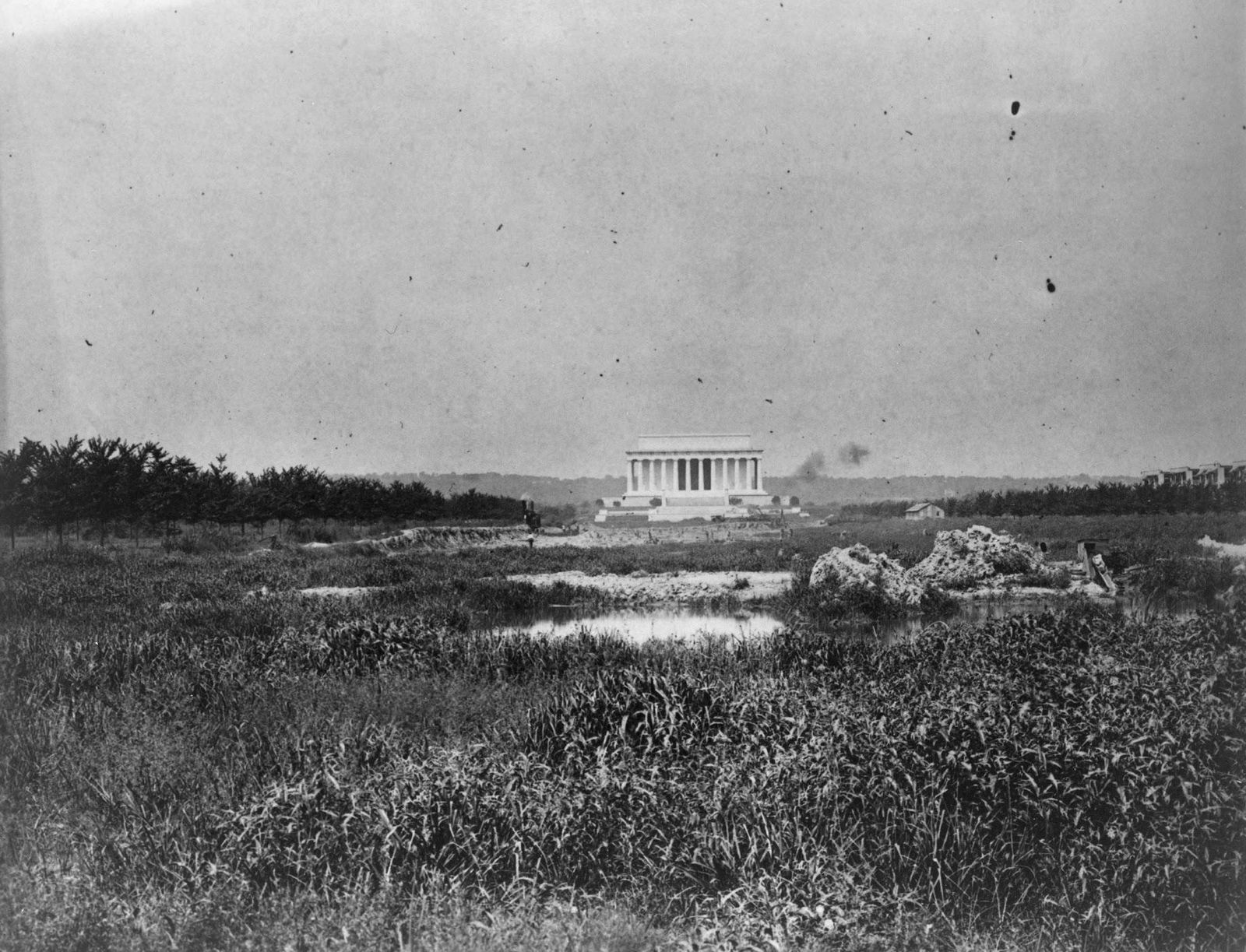
Did you know that the Lincoln Memorial was built on land reclaimed from tidal swampland at the edge of the Potomac River? Early photographs from the beginning of the 20th century show the foundation surrounded by murky, reed-filled water; a far cry from the dignified marble plaza and long Reflecting Pool that greet visitors today.
The Reflecting Pool itself wasn't completed until 1923, a year after the Memorial was dedicated. For the dedication ceremony in May 1922, the land was still raw and unlandscaped. It was attended by Lincoln's 79-year-old son, Robert Todd Lincoln, one of the last living direct connections to the president.
Times Square, New York, US
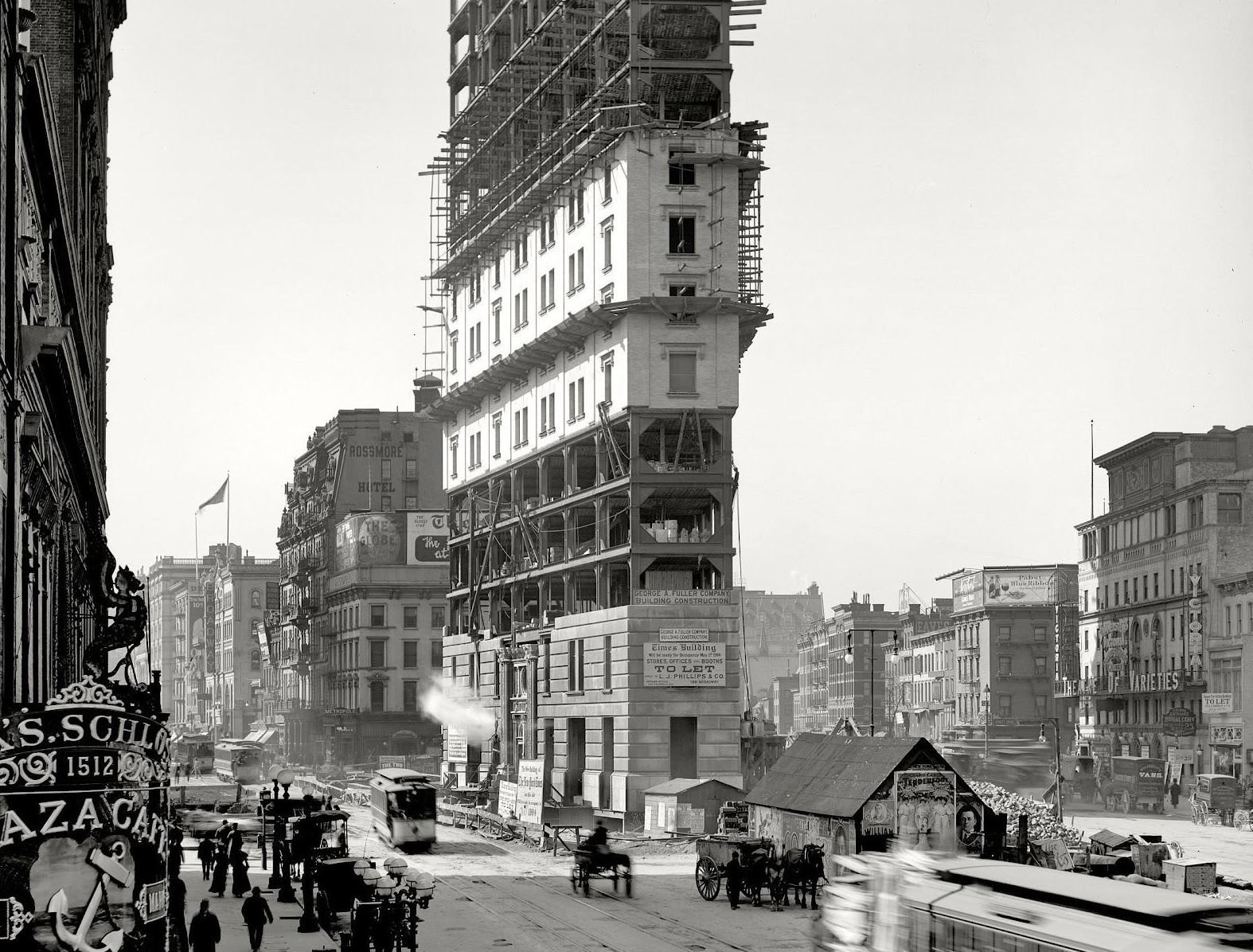
In 1904, the intersection now known as Times Square was called Longacre Square, a modest uptown neighborhood of carriage makers, horse stables, and low-rise commercial buildings. It was renamed when The New York Times moved its headquarters to a new 25-story tower there and persuaded the mayor to rename the block in the paper's honor.
It’s hard to recognize the world-famous hub without neon, billboards, or throngs of tourists.
Taj Mahal, Agra, India
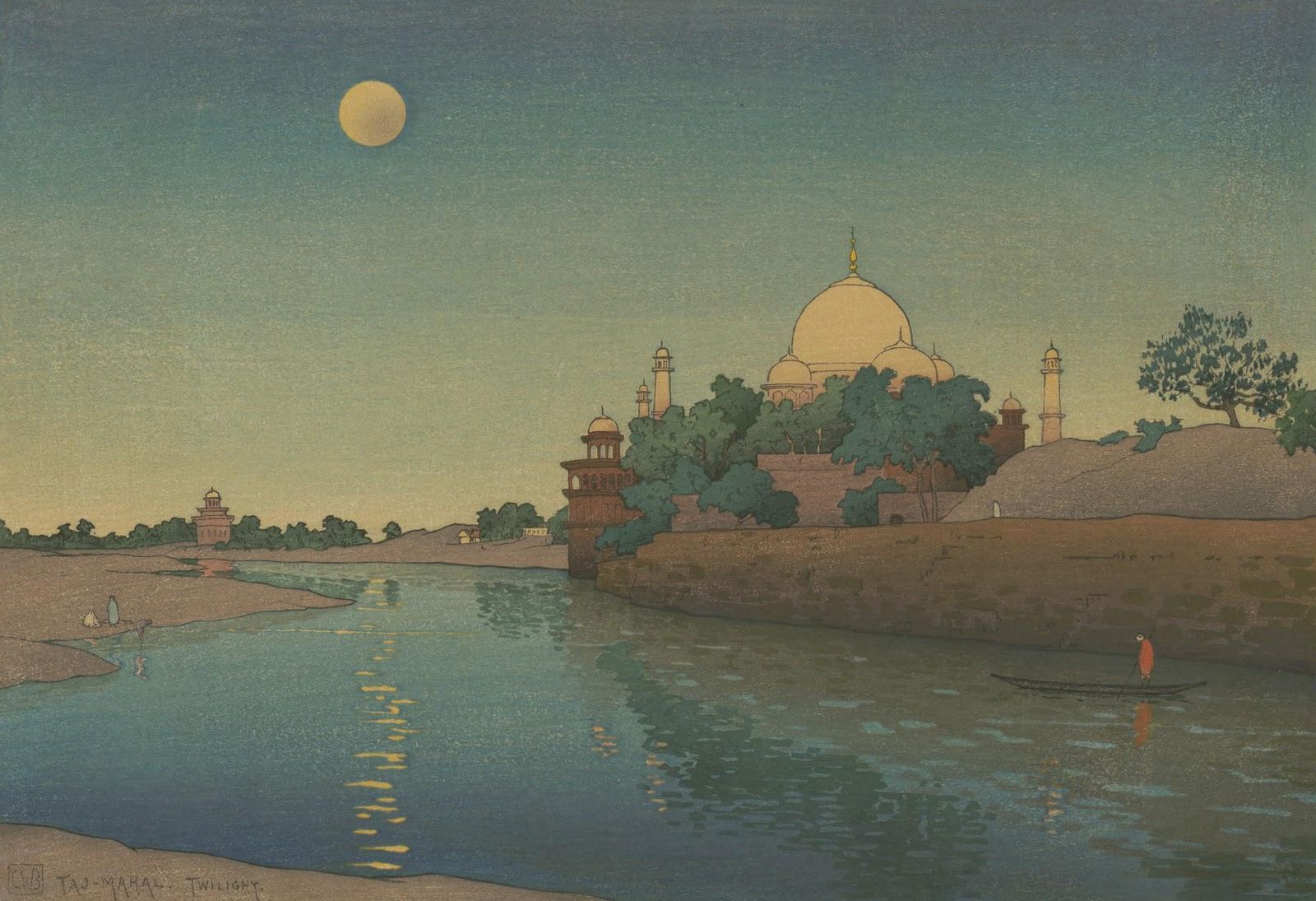
When the Taj Mahal was commissioned by Emperor Shah Jahan in 1632, he chose the location specifically because the Yamuna River curved sharply there, creating a broad, calm surface that would mirror the white marble mausoleum in a beautiful reflection.
Historical records show that massive foundations were built to stabilize the soft riverbank and protect the structure from the river's natural flow. As late as the 1890s and early 1900s, pictures show the Yamuna as a wide, shimmering river framing the monument exactly as Shah Jahan intended.
But today, that river behind the Taj has been depleted due to upstream dams and canals, and what’s left looks cloudier because of industrial pollution and sewage.
Parthenon, Athens, Greece
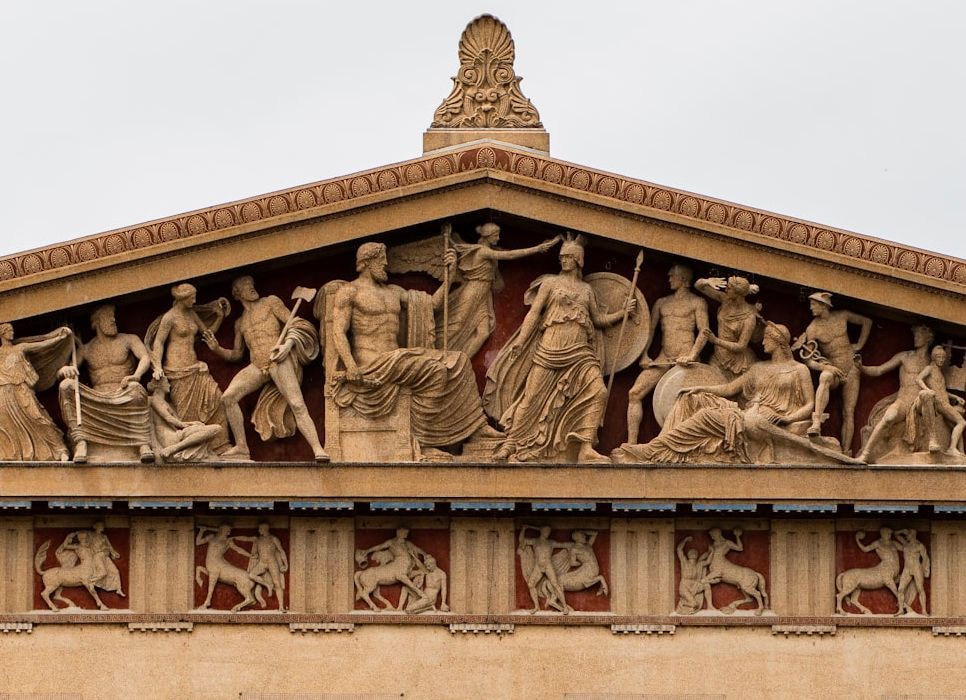
It’s easy to assume that ancient Greek buildings and statuary were pearly-white like the marble we see today. But the truth is that, like similar buildings, when the Parthenon was completed in 438 BC, it was painted in vibrant colors.
Scientific analysis using ultraviolet light and laser scanning has found clear traces of Egyptian blue, red ochre, and green malachite across the friezes, columns, and sculptures. The pigments were mixed with beeswax and applied by hand to every surface.
The ruin we know today is the result of 2,400 years of weather, war, and awkward restoration.
Stonehenge, Wiltshire, England
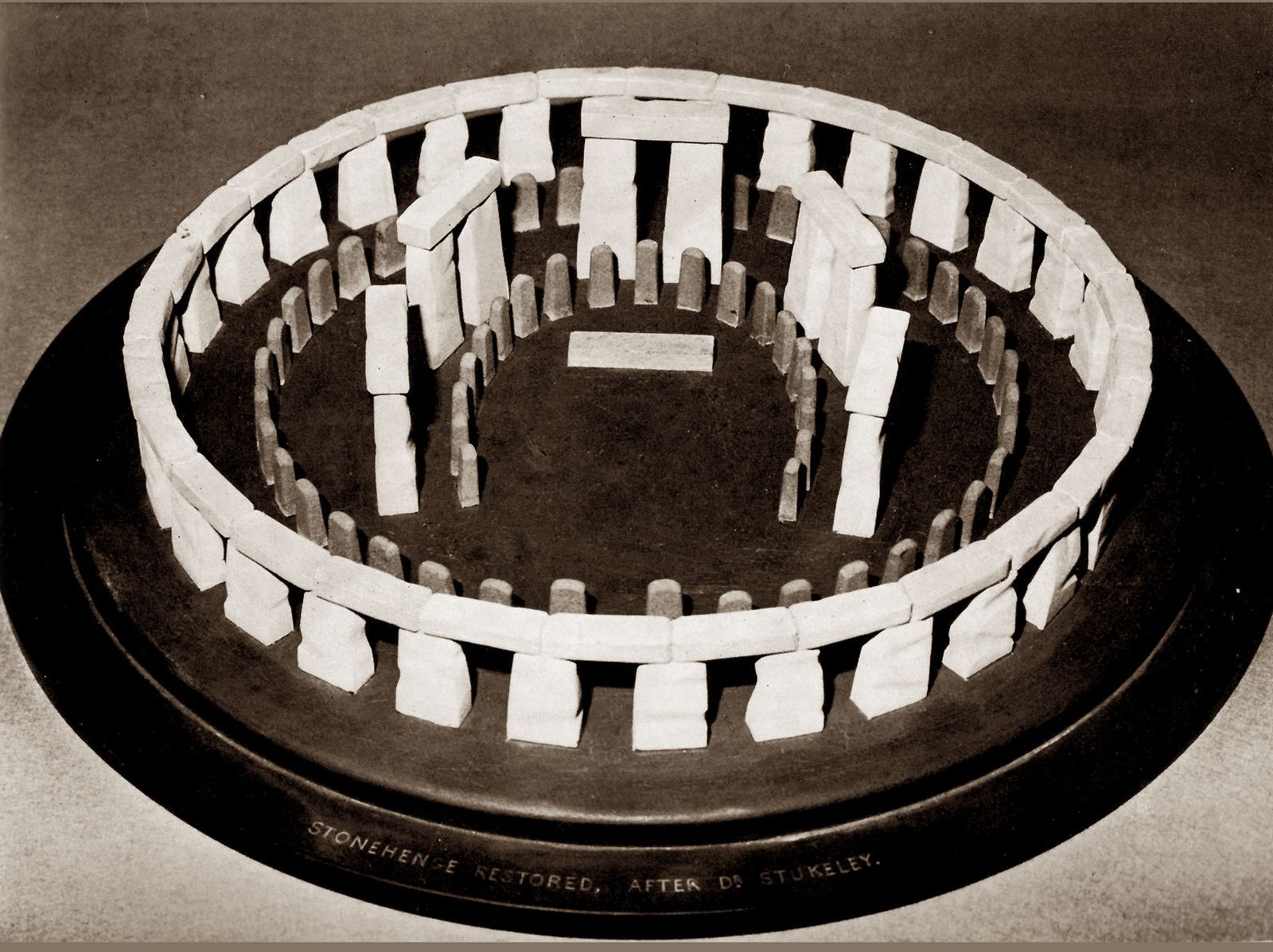
The Stonehenge we see today is merely a ruin in fragments. The original structure, completed around 2500 BC, was an unbroken double ring: an outer circle of 30 upright sarsen stones.
There once was a continuous ring 100 feet across, with 80 bluestones arranged inside it. Only 17 of the original 30 outer uprights still stand, but it’s enough to suggest reconstructions like the one illustrated.
Keep wandering

 Culture