The Prettiest Towns in 10 US States
 General
Picture-Perfect Places
The Prettiest Towns in 10 US States
There’s no doubt that America is filled with beautiful small towns, but which ones deserve to be called the prettiest? Architectural Digest recently picked one standout town in every state, based on a combination of beauty, culture, architecture, and character. From locations with healing springs to the film set of The Truman Show, here are the first 10 on its list (in alphabetical order). Let’s look at some of the most stunning towns across the country and see if we agree.
Fairhope, Alabama
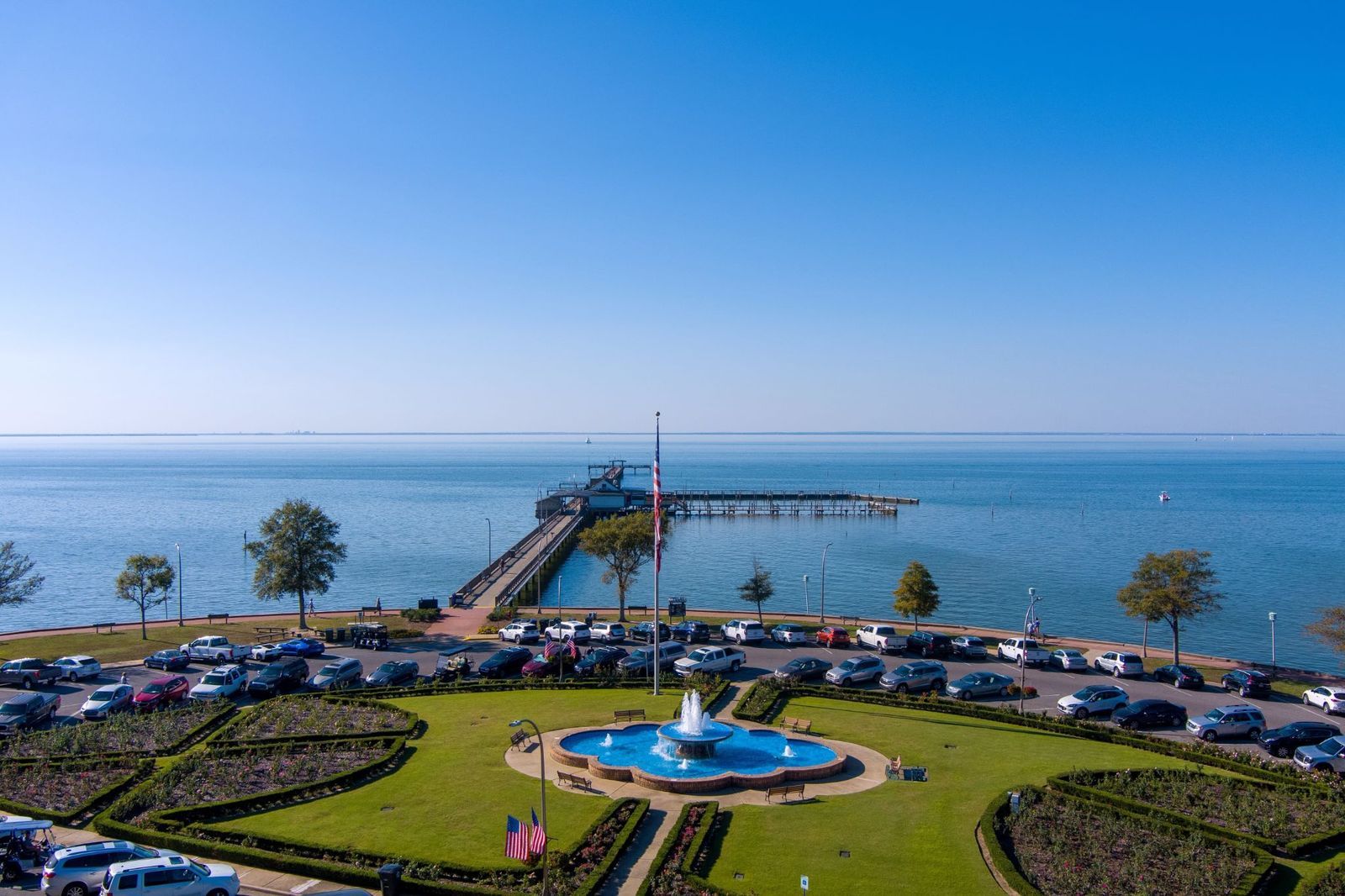
Fairhope, Alabama, sits on the high bluffs of the eastern shore of Mobile Bay. It has sprawling live oak trees that form green canopies nearly everywhere you look, brightly colored storefronts, and local art galleries along the historic downtown streets.
Its walkable downtown is filled with shops and cafés, while the waterfront offers beautiful views across Mobile Bay.
Seward, Alaska
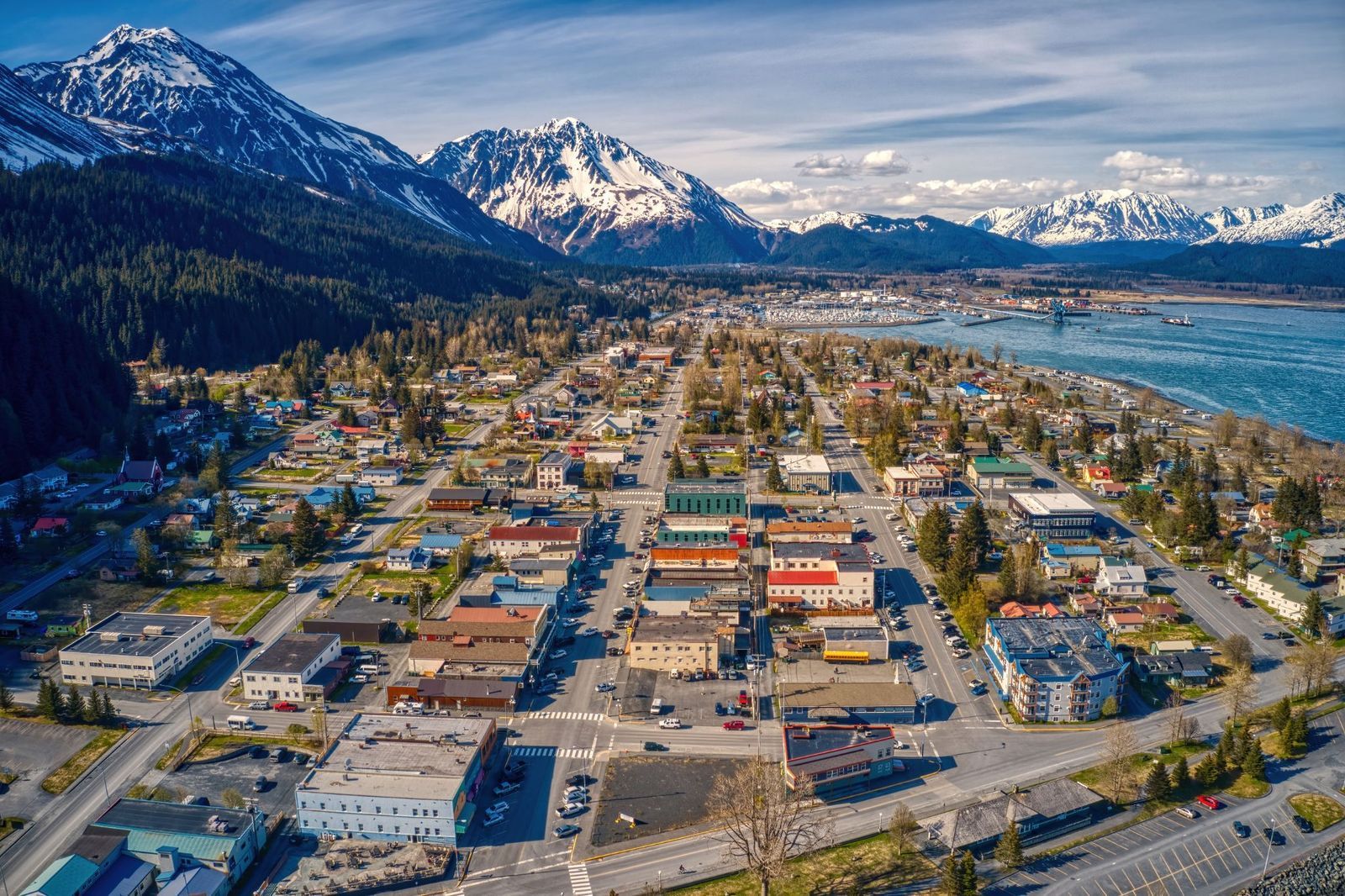
Seward, Alaska, is a stunning coastal port city on Resurrection Bay. About 120 miles south of Anchorage, Seward is surrounded by dramatic mountain scenery and deep blue water.
Its picturesque marina and charming downtown add to its appeal, while nearby Kenai Fjords National Park provides spectacular opportunities to experience Alaska’s glaciers and wilderness.
Sedona, Arizona
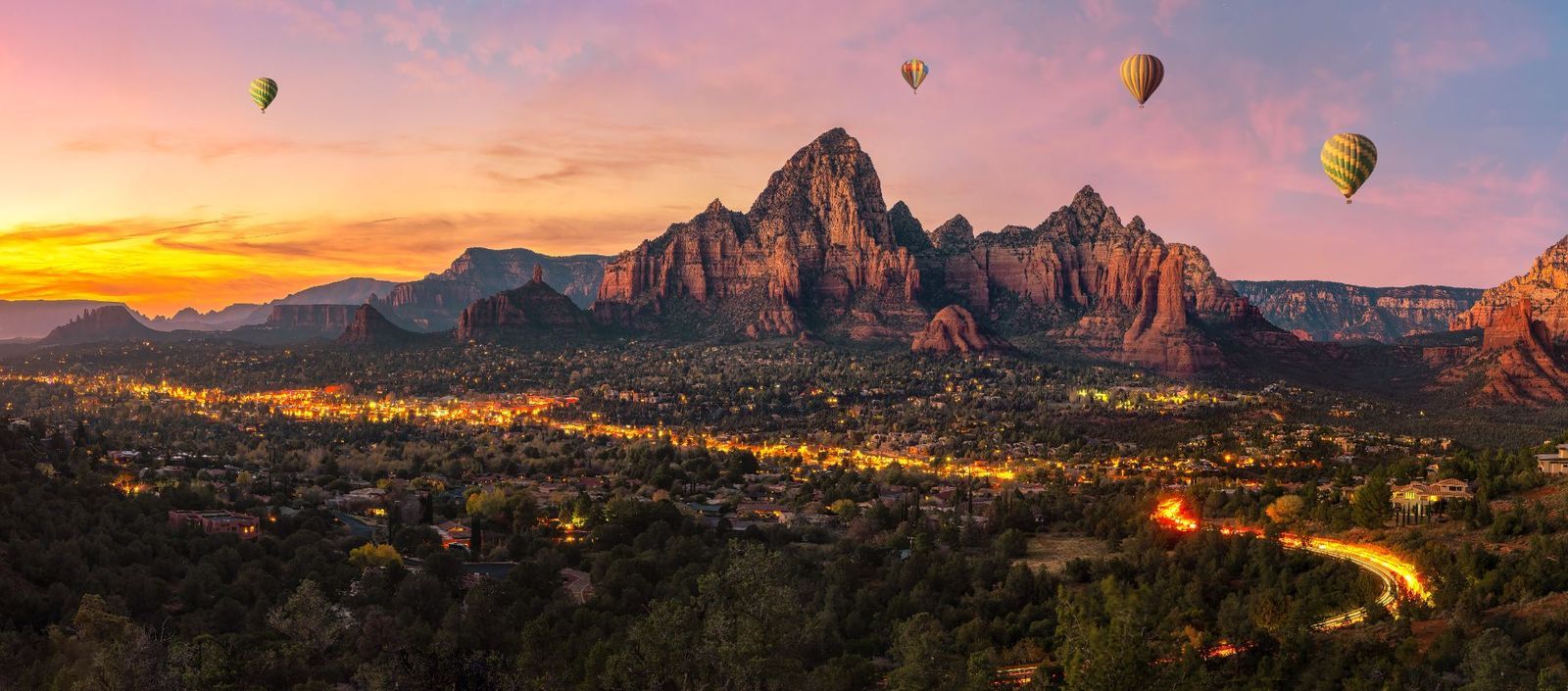
Sedona, Arizona is a striking desert town surrounded by enormous red and orange rock formations. It is also known for its alleged energy vortices, which attract visitors interested in their supposed spiritual properties.
Cathedral Rock is a popular hiking destination known for its clear nights that offer great stargazing without light pollution. The main street features a walkable district with shops, art galleries, and an Old West feel.
Eureka Springs, Arkansas
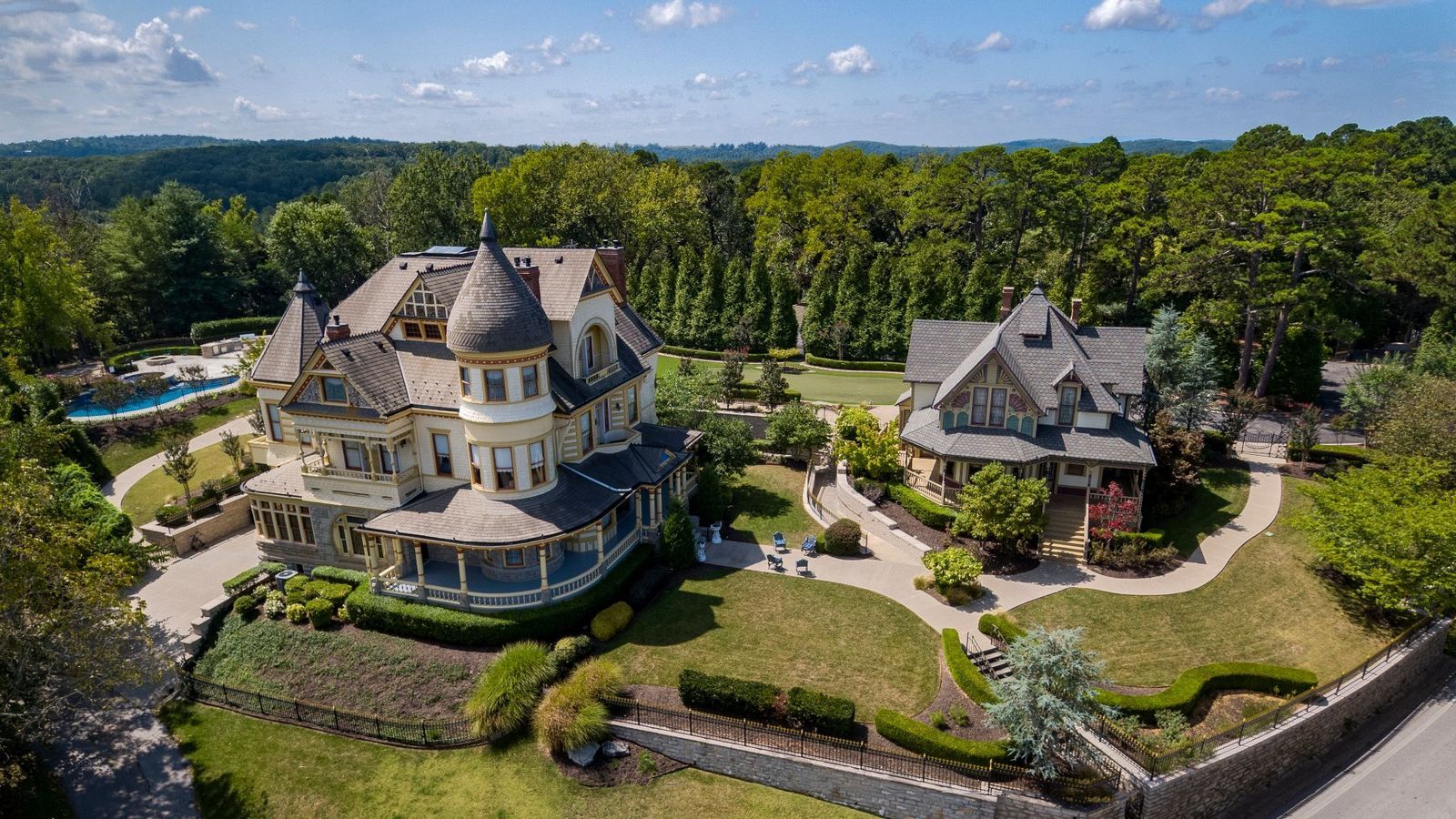
Eureka Springs, Arkansas, is a picturesque Ozark Mountain community known for its 19th-century Victorian architecture and natural mineral springs. Set against steep, winding hills, it offers a unique mix of history, wellness, and local art.
The town grew rapidly in 1879 around 60 natural mineral springs believed to have healing powers. Buildings cling to steep hillsides along stair-step streets. Home to over 400 working artists, the town features galleries, studios, and an annual art festival.
Carmel-by-the-Sea, California
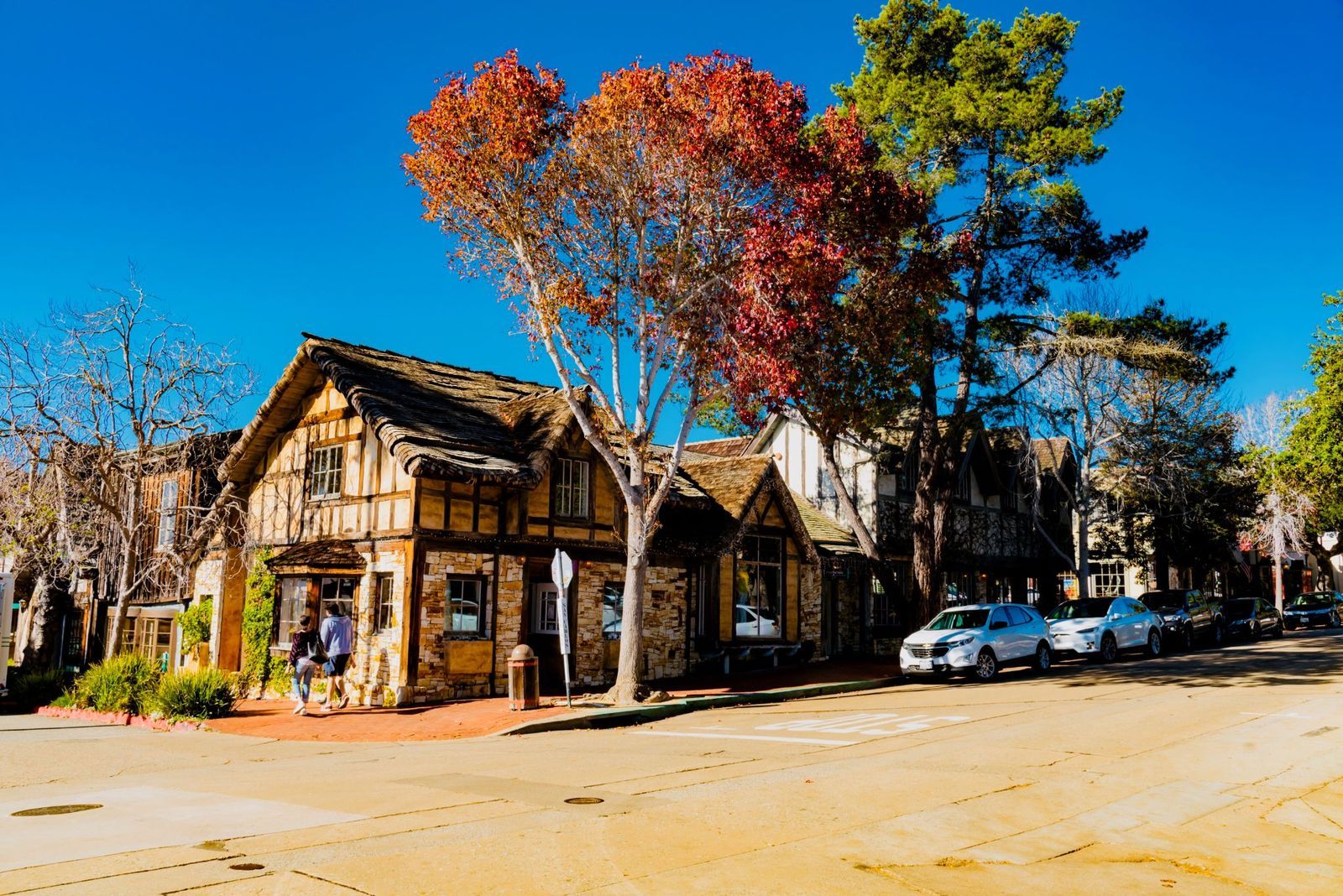
Carmel-by-the-Sea is a one-square-mile coastal village on California's Monterey Peninsula famous for its fairytale cottages and cobblestone alleys built without standard street addresses or neon billboards.
Point Lobos State Natural Reserve sits just south of the town, offering turquoise coves and wildlife viewing. Its compact downtown feels like a storybook village, while the Pacific coastline of white-sand beaches provides an unforgettable backdrop. (Fun fact: Clint Eastwood was its mayor from 1986 to 1988.)
Breckenridge, Colorado
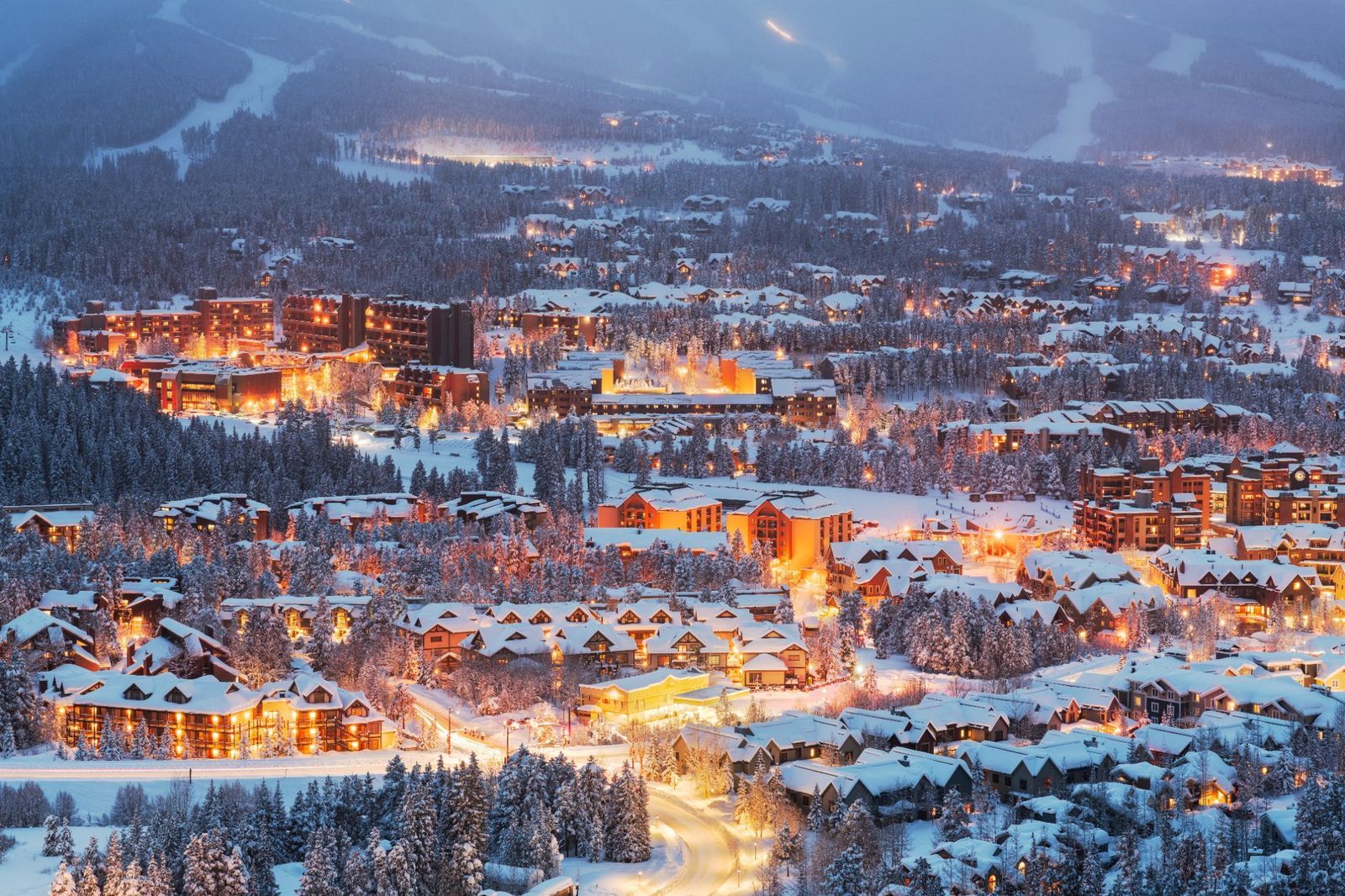
Breckenridge, Colorado, is a scenic historic mining and resort town located at an elevation of 9,600 feet in the Rocky Mountains, in Summit County, about 90 minutes southwest of Denver.
Founded in the 1850s during the Gold Rush, it later became a popular destination for skiing and other mountain activities. Today, visitors can enjoy winter sports, summer hiking and biking, and a stroll through the historic downtown district.
Rehoboth Beach, Delaware
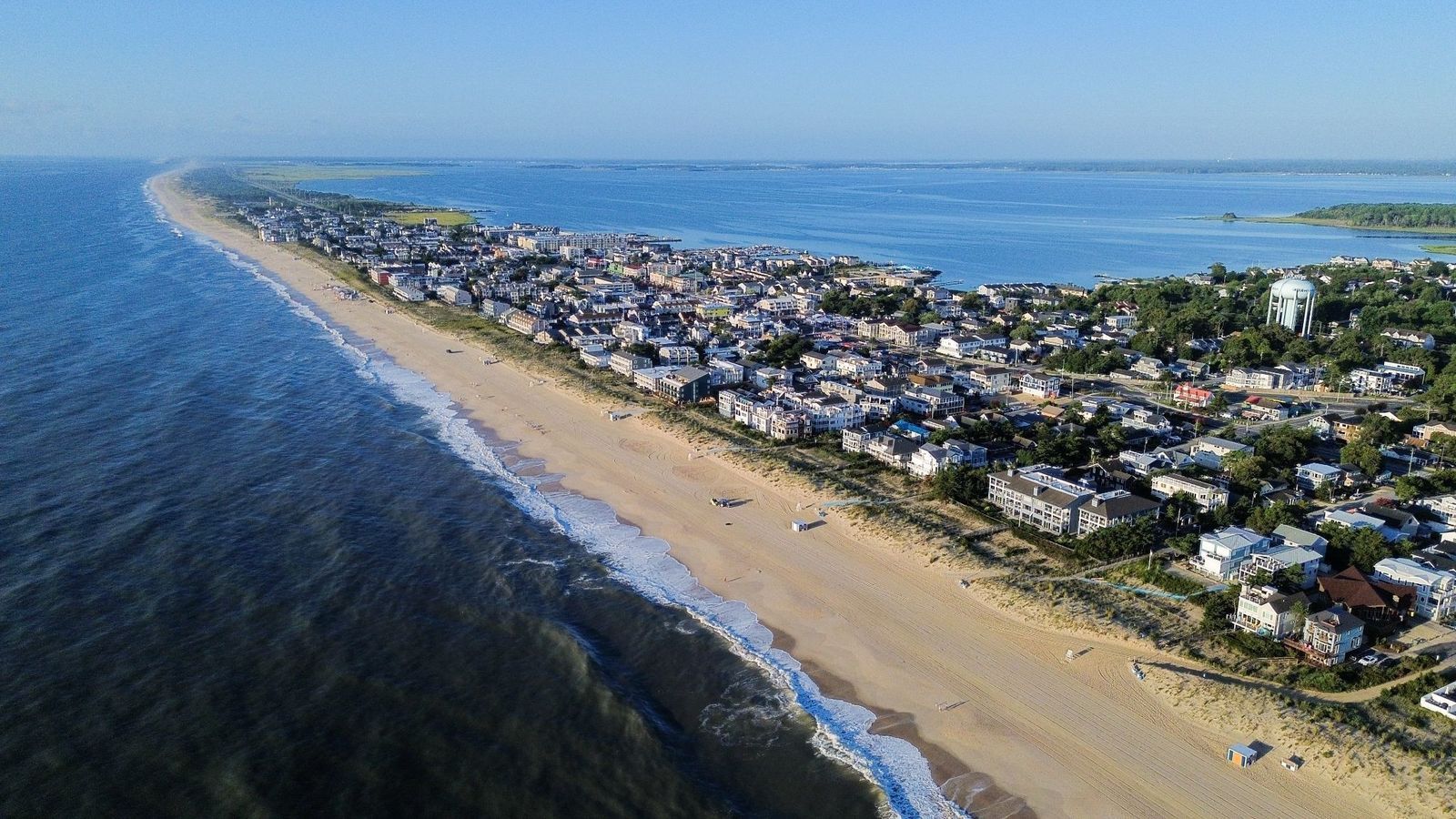
Rehoboth Beach, Delaware, is a premier coastal destination known as the "Nation's Summer Capital," featuring a nostalgic mile-long boardwalk, free public beaches, and tax-free shopping.
It also has convenient access to outdoor recreation, with Cape Henlopen State Park and Delaware Seashore State Park nearby. While the beach can get crowded in summer, its shoreline is a major part of the town’s enduring appeal.
Seaside, Florida
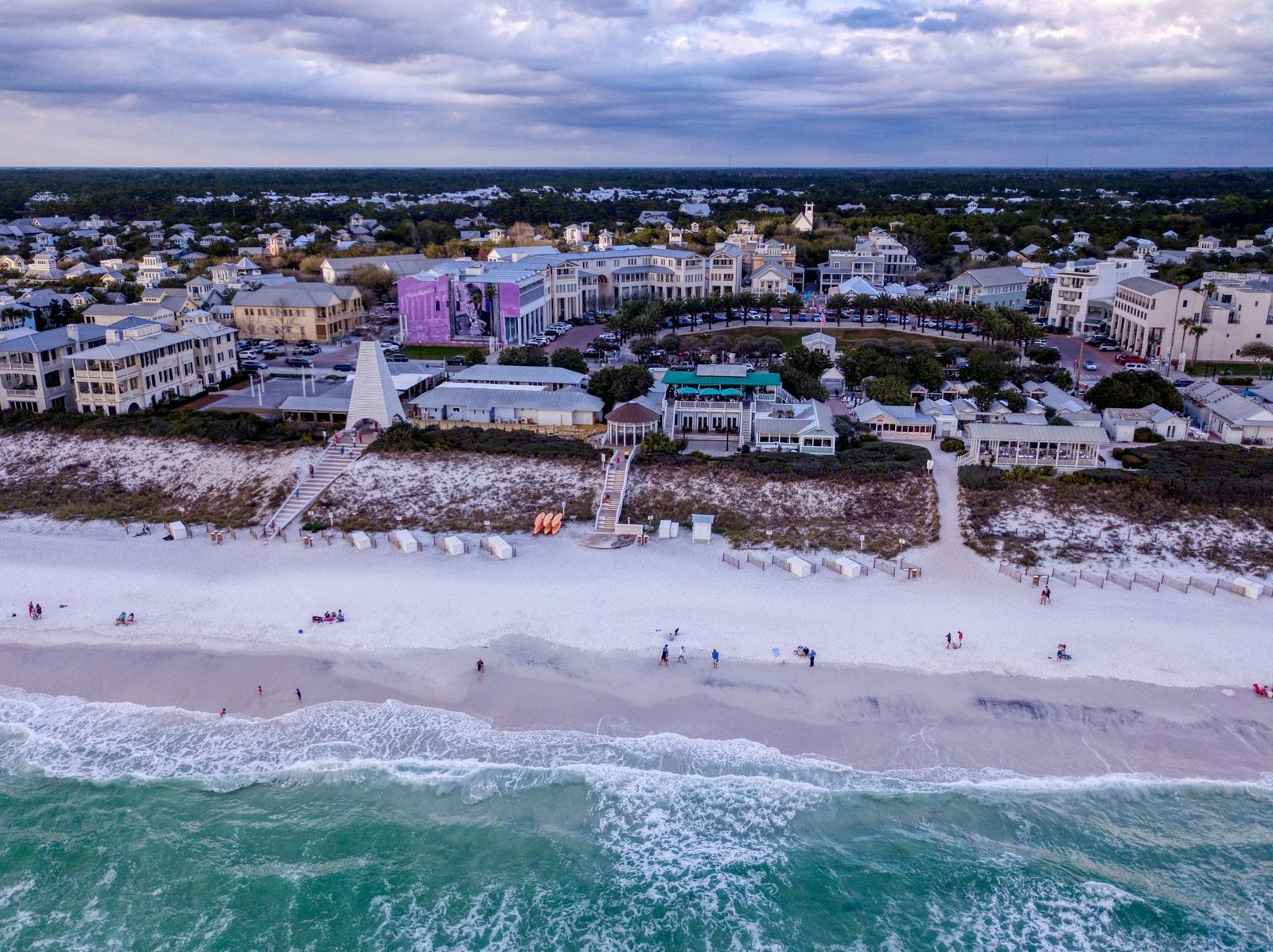
Located on the Florida Panhandle, Seaside is a pretty and walkable beach town on scenic Highway 30A known for its pastel houses and clear emerald water.
The town features bright, colorful beach homes and white sand. It is one of the country’s earliest examples of New Urbanism, a design movement centered on walkable, pedestrian-friendly communities. The 1998 movie The Truman Show, starring Jim Carrey, was filmed there, adding another layer of pop-culture history to this picture-perfect community.
St. Marys, Georgia
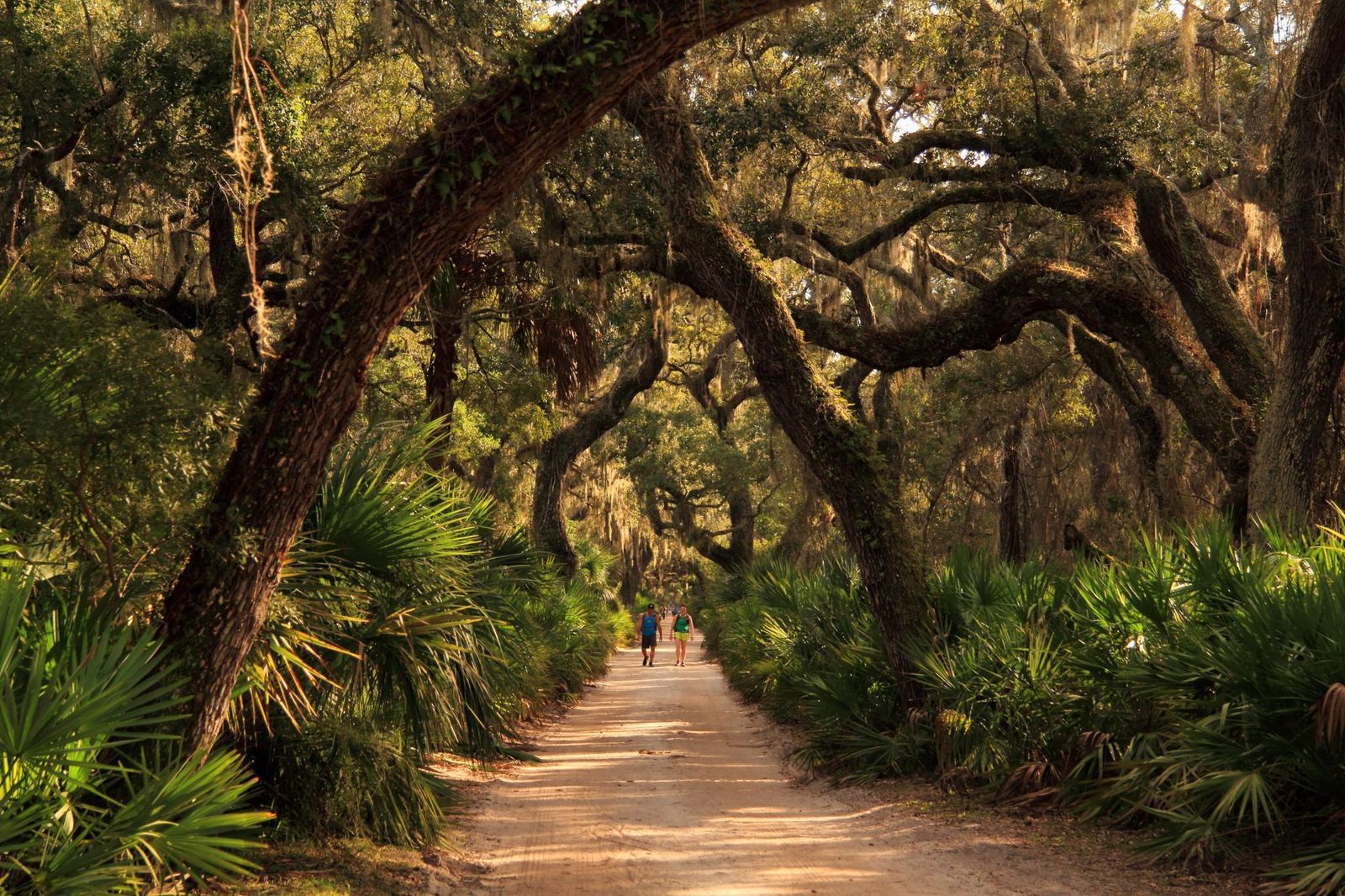
St. Marys, Georgia is a historic coastal community. less than 40 miles north of Jacksonville, Florida. It acts as the primary ferry departure point for the pristine Cumberland Island National Seashore.
Established in 1787, it's one of the oldest continually inhabited cities in the United States.
Paia, Hawaii
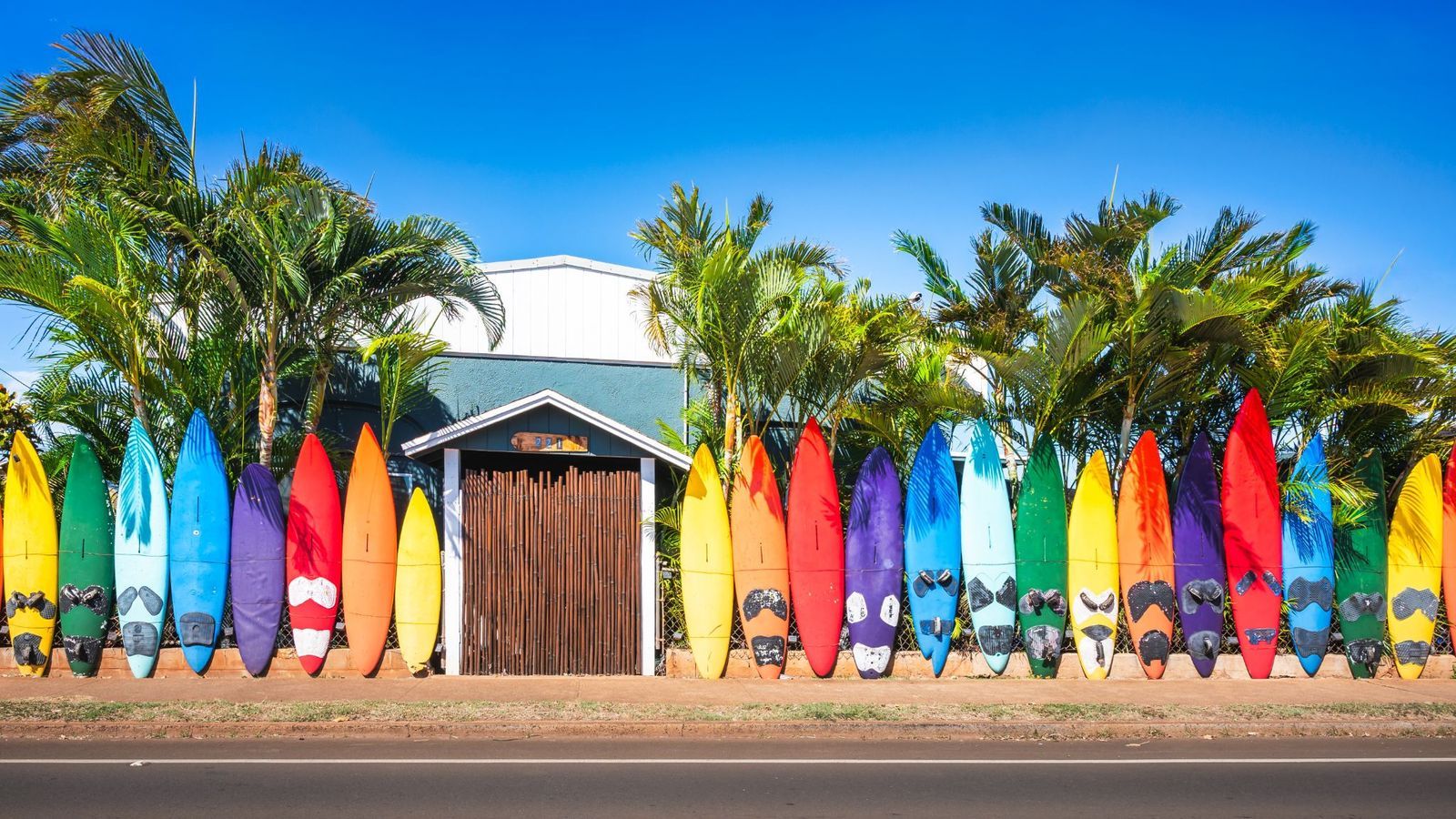
Paia is a charming, historic sugar plantation town from the 1800s, located on the North Shore of Maui, Hawaii. Nowadays, it has a relaxed, bohemian vibe filled with colorful, rustic wooden storefronts.
The town attracts surfers, yogis, and travelers from all over the country and around the world, looking for a slow pace of life. Its beautiful shoreline and laid-back atmosphere make it an appealing stop for anyone exploring Maui’s North Shore.
Look how 100 years have modified these popular destinations
 History
Peeks into the past
Compare these famous spots around the world, then and now
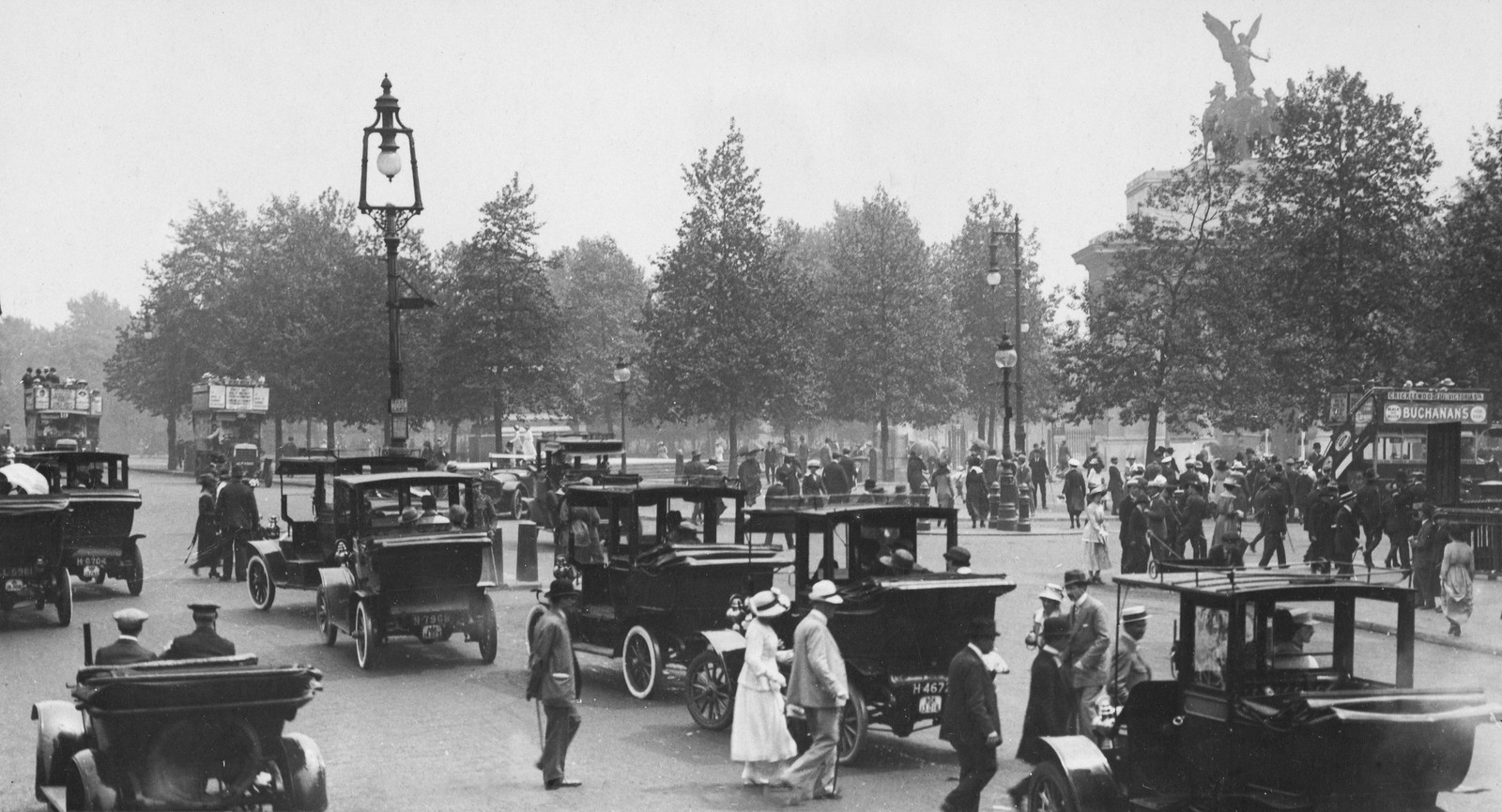
Could you identify a picture of Sydney from before the construction of the Sydney Opera House? Or do you happen to know how, exactly, the exterior of the London Bridge ended up in Havasu Lake City, Arizona? Looking at photographs from the 19th or 20th centuries not only exposes the style of carts and hats used a hundred years ago, but it also gives us clues about the evolution of these popular destinations. Read on to dive into the stories of 5 cities.
London, U.K. (circa 1890)
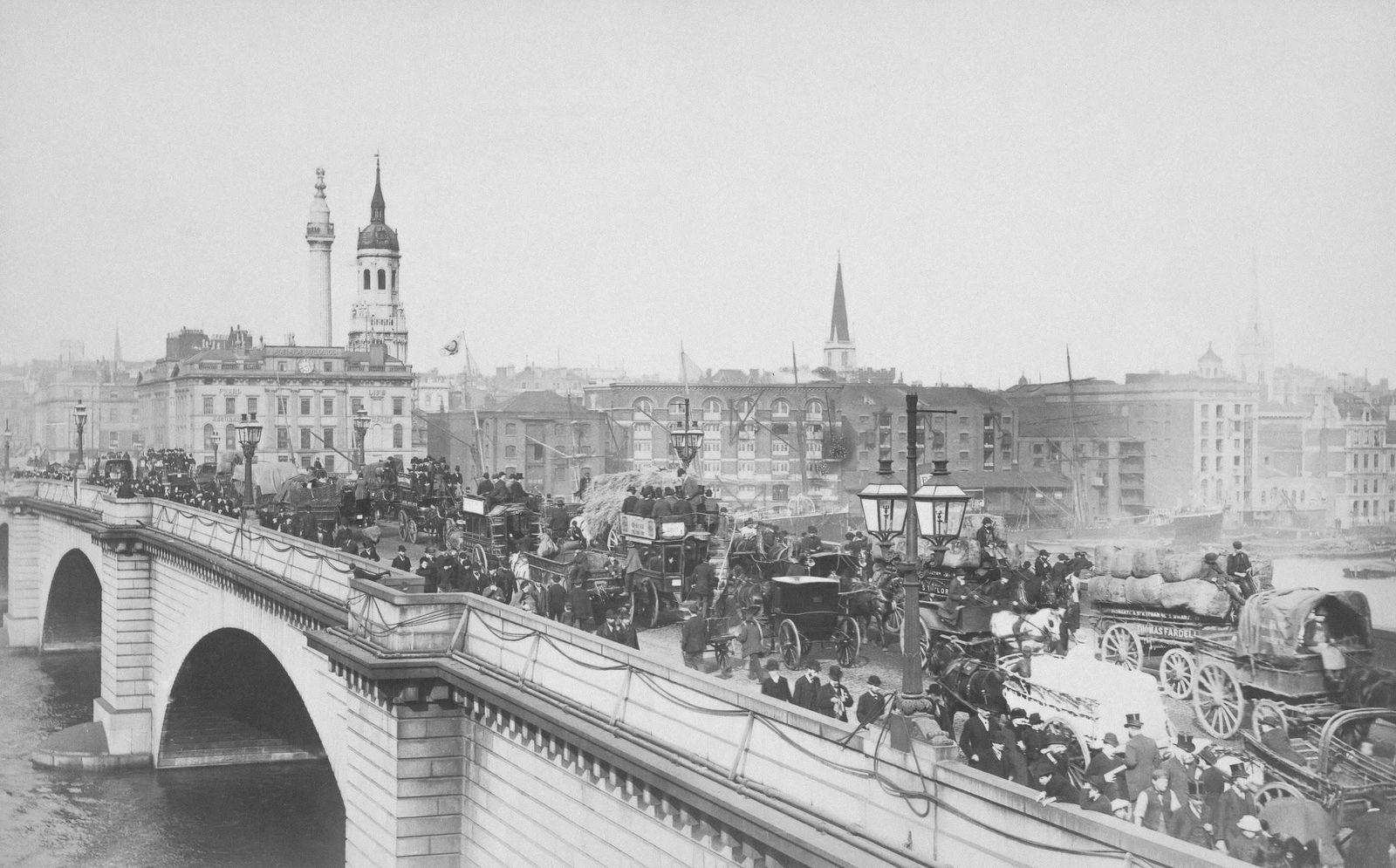
This picture of the bustling chaos on London Bridge was taken sometime between 1890 and 1900. That tall fluted Doric column starting from the left still stands today: that’s the Monument to the Great Fire of London, which occurred in 1666. Next to it, you can also see the steeple of the St. Magnus-the-Martyr church, which, at the time, sat right next to the bridge’s entrance.
But, of course, the most striking thing about this picture is the number of packed commercial carts, horses, and hordes of bowlers and top hats rushing across the River Thames.
London, U.K. Now (2017)
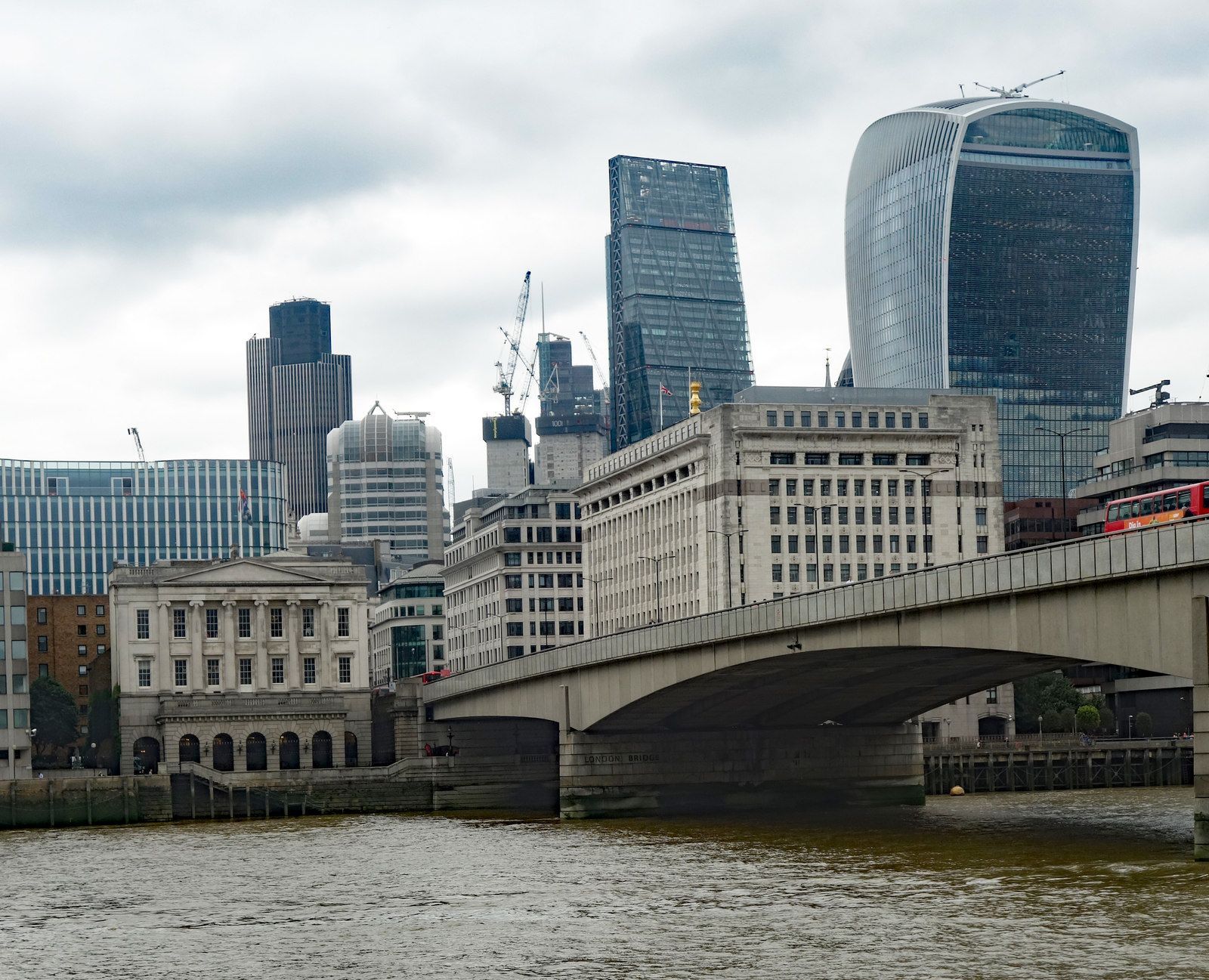
This spot of London looks unrecognizable over 100 years later. Behind the office block that is Adelaide House, the large rectangular building, you can still see the "urn of fire" from the same Great Fire monument. Not to mention all of the modern buildings built around them, among which stands out the distinctively shaped 20 Fenchurch Street, aka "The Walkie-Talkie."
The red double-decker on the bridge is also telling of the passing of time. If you are an acute observer, you’ll also notice that the bridge looks entirely different. You’d be correct; it had to be replaced in the 1960s by one that supported modern use. The City of London put it up for sale, an American entrepreneur bought it, and transported its exterior to be used in the construction of a new bridge in Lake Havasu City, Arizona.
Sydney, Australia (circa 1950)
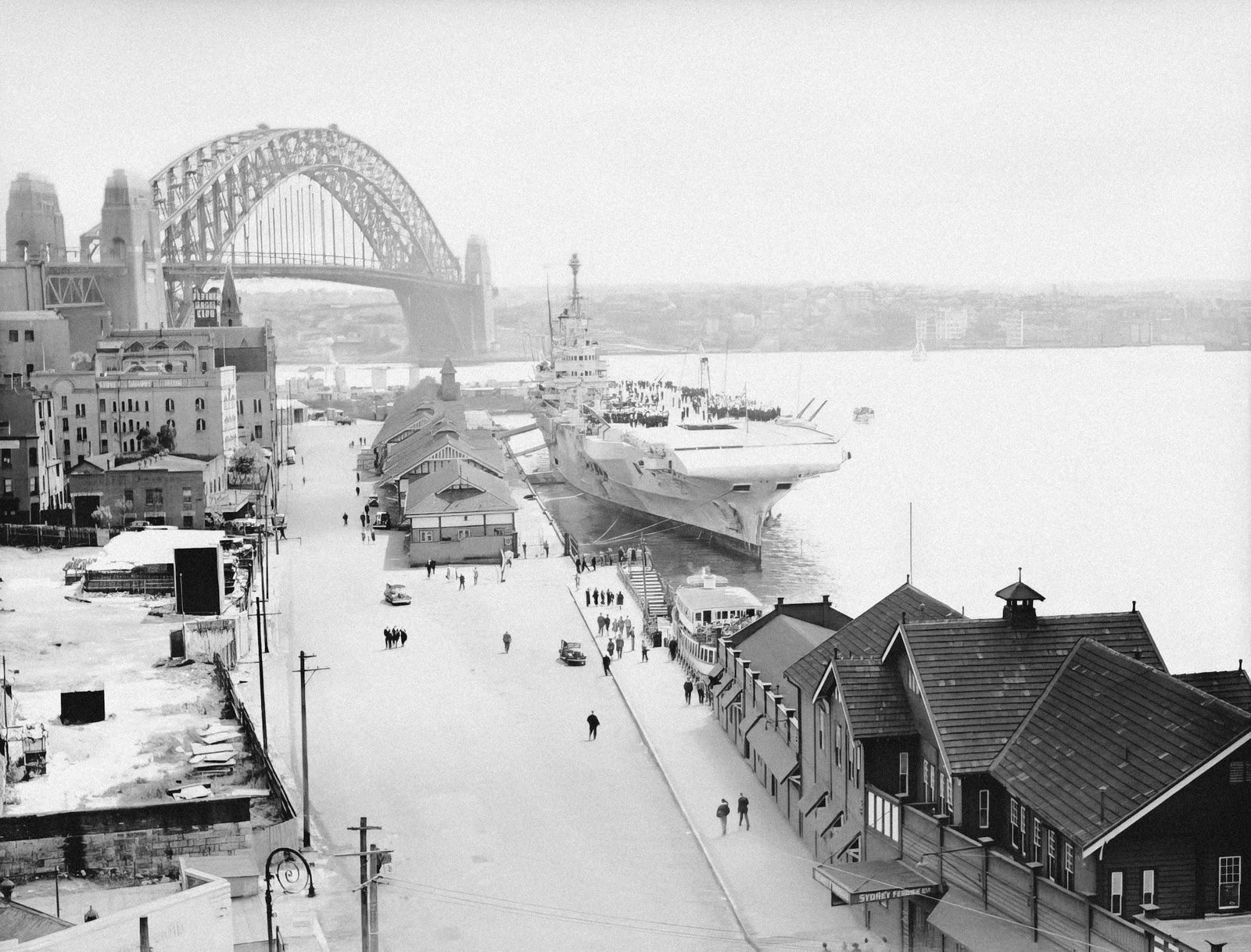
This picture shows a historic view of Sydney, Australia, taken from the Circular Quay West area. The presence of the aircraft carrier means this was taken shortly after WWII, towards the late 1940s. Back then, the Sydney Harbour Bridge, seen on the left, was probably the main icon of the city.
Of course, only a few years later, in 1959, the city would begin the construction of what was to become one of the most famous structures in the world: The Sydney Opera House, finally opened in 1973.
Sydney, Australia (2016)
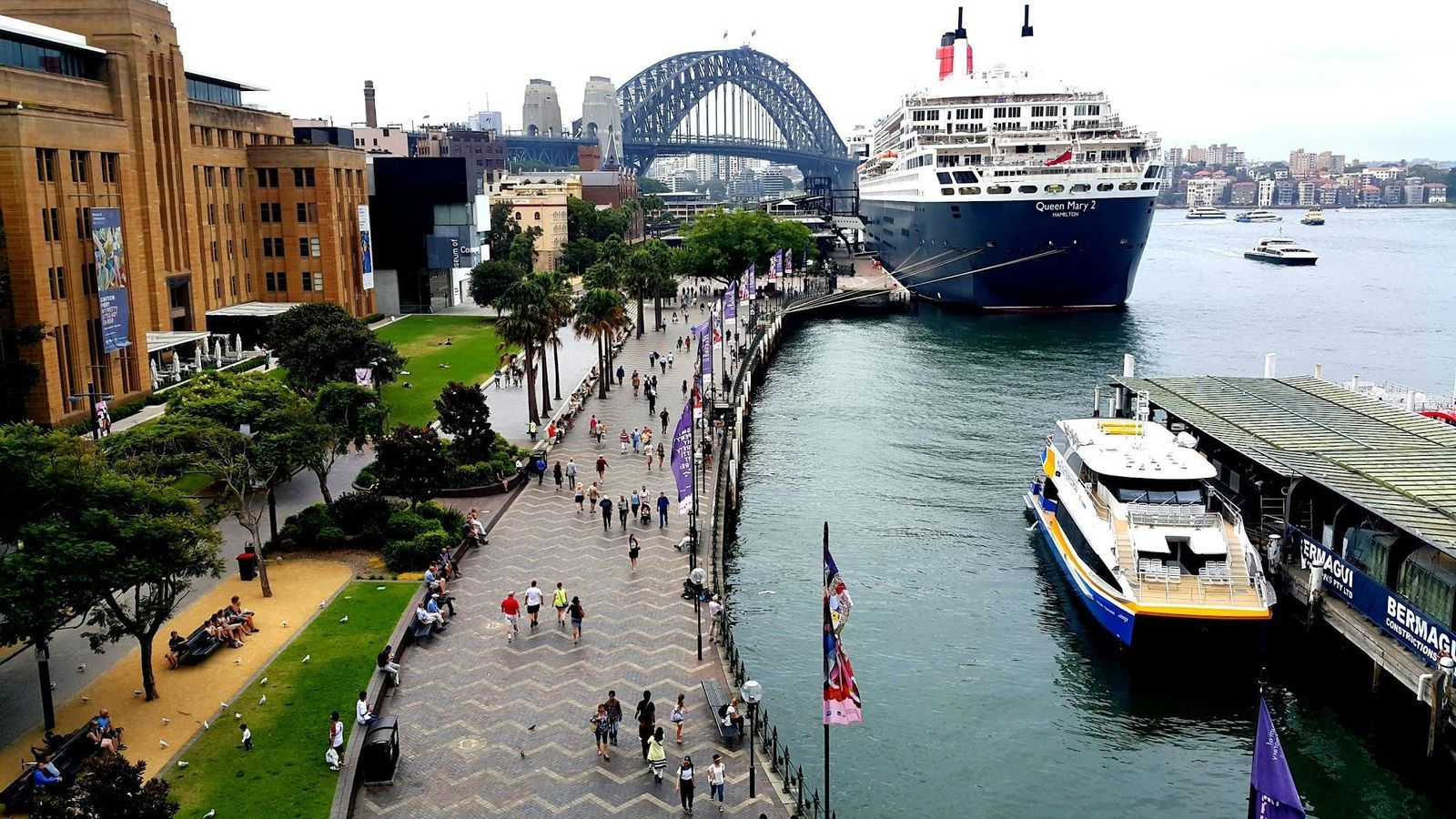
This picture was taken from nearly the same spot, around 70 years later. You can see that the bridge and some of the surrounding buildings are intact. The aircraft carrier has been replaced by a colossal cruise, like the ones that bring tourists to the city every day to the Overseas Passenger Terminal Site.
The sand-colored brick facade is the former Maritime Services Board building, which nowadays is famous as the Museum of Contemporary Art (MCA).
Valencia, Spain (circa 1920)
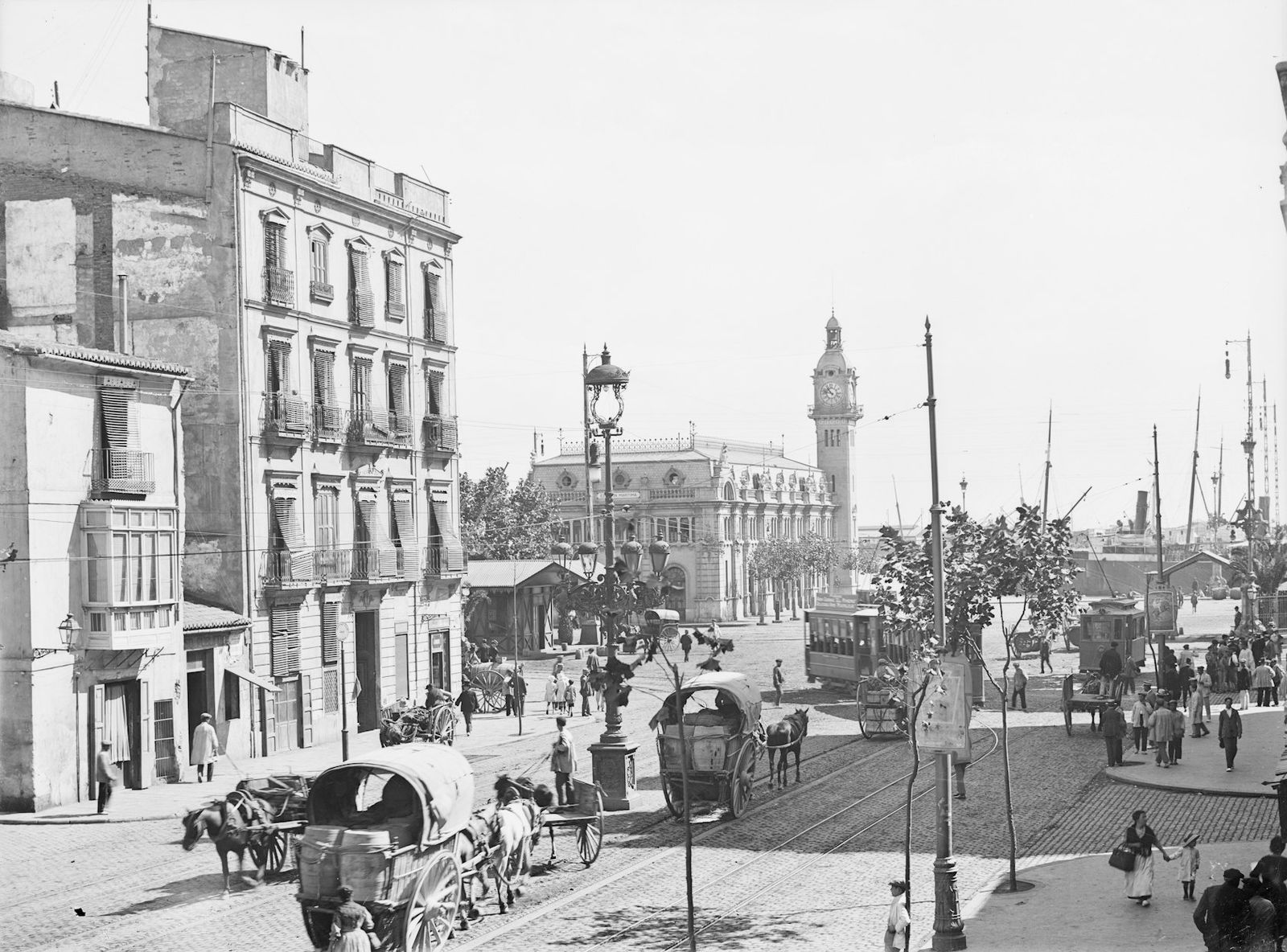
This is a view of the old Port of Valencia, a coastal city in the eastern Mediterranean coast of Spain. Prominent in the background, you can see the Clock Building, built in 1916, an example of the influence French architecture had in the area.
Early in the 20th century, Valencia was already a major hub for exports, which is why you can see its busy port where horse carts, streetcars, and ships converged.
Valencia, Spain (2022)
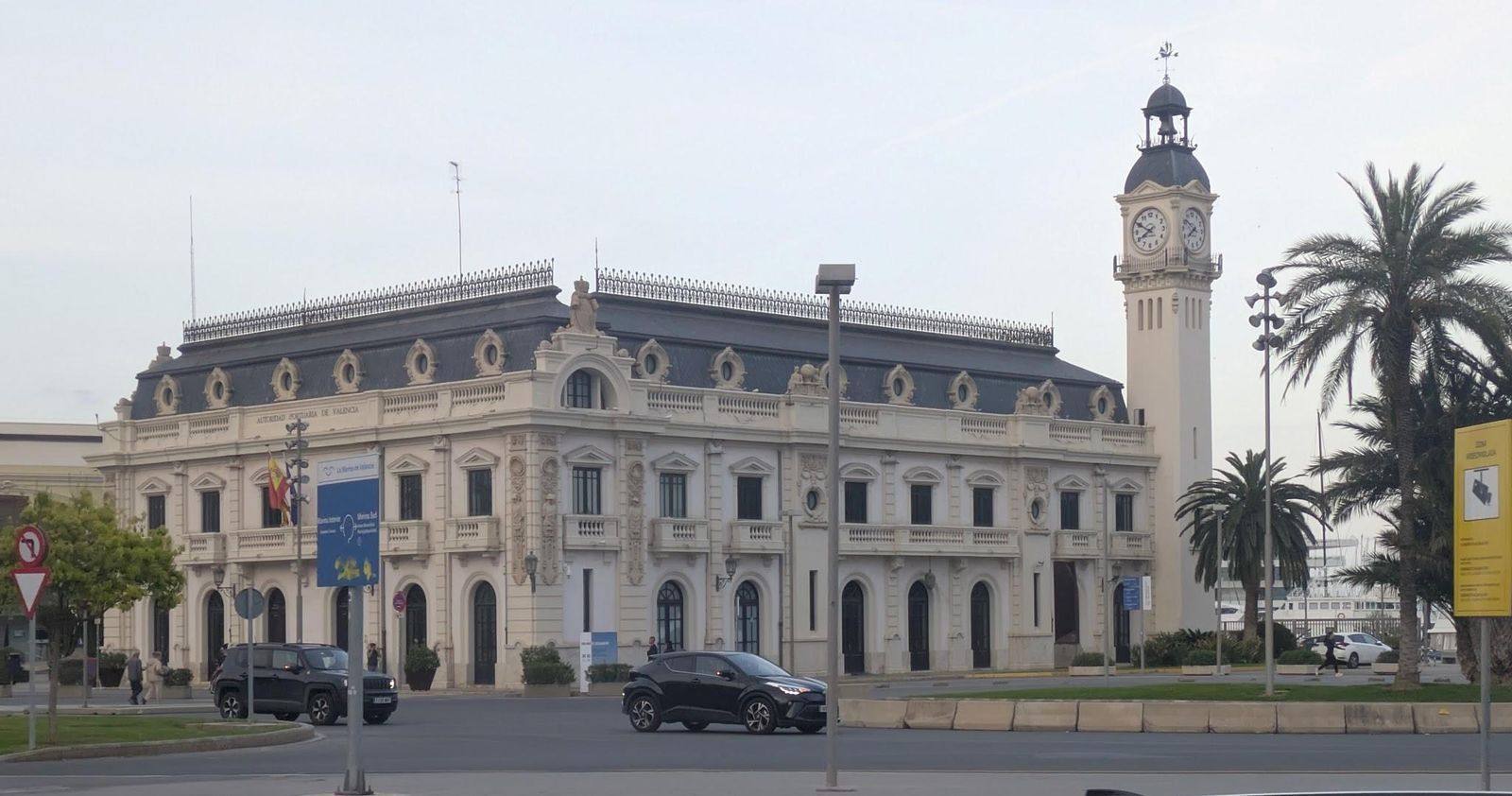
A century later, the port and its iconic edifice are just as important. But pay attention, and you’ll notice that the block contains far more windows and doors. The exponential growth of the city and its port in the mid 20th century meant that the house of the Valencian Port Authority needed expansion, so, over the decades, both its exterior and interior were modified. However, the neoclassical details were respected for their cultural and historical value.
Paris, France (circa 1890)
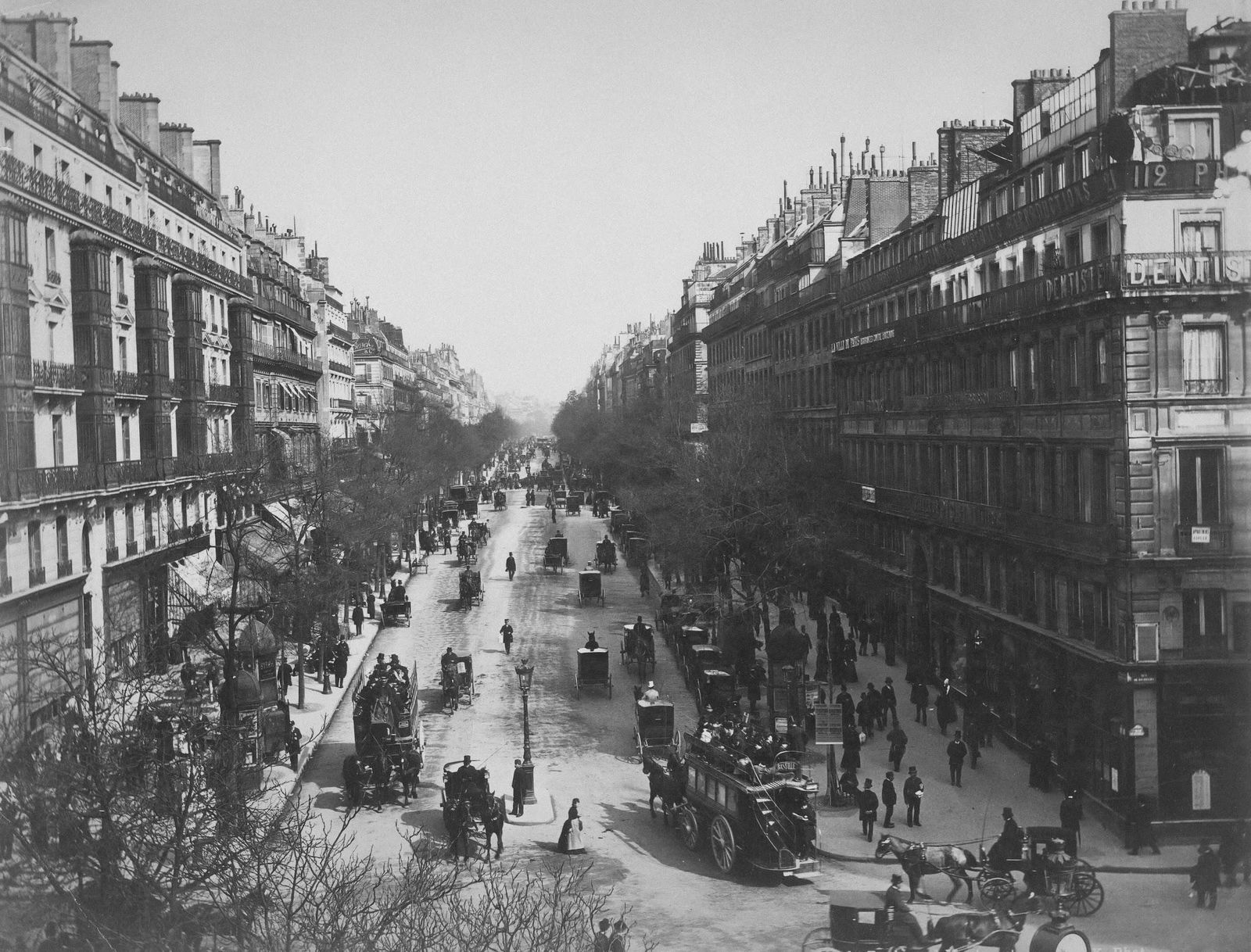
The streets of Paris, with their Haussmann-style architecture, are recognizable enough to identify the capital of France even when the Eiffel Tower isn’t in the frame. They are the result of Baron Haussmann’s massive renovation of Paris (1853–1870), which replaced cramped medieval alleys with these wide, airy boulevards. This specific corner was a very well-documented landmark in 19th-century street photography.
Paris, France (2011)
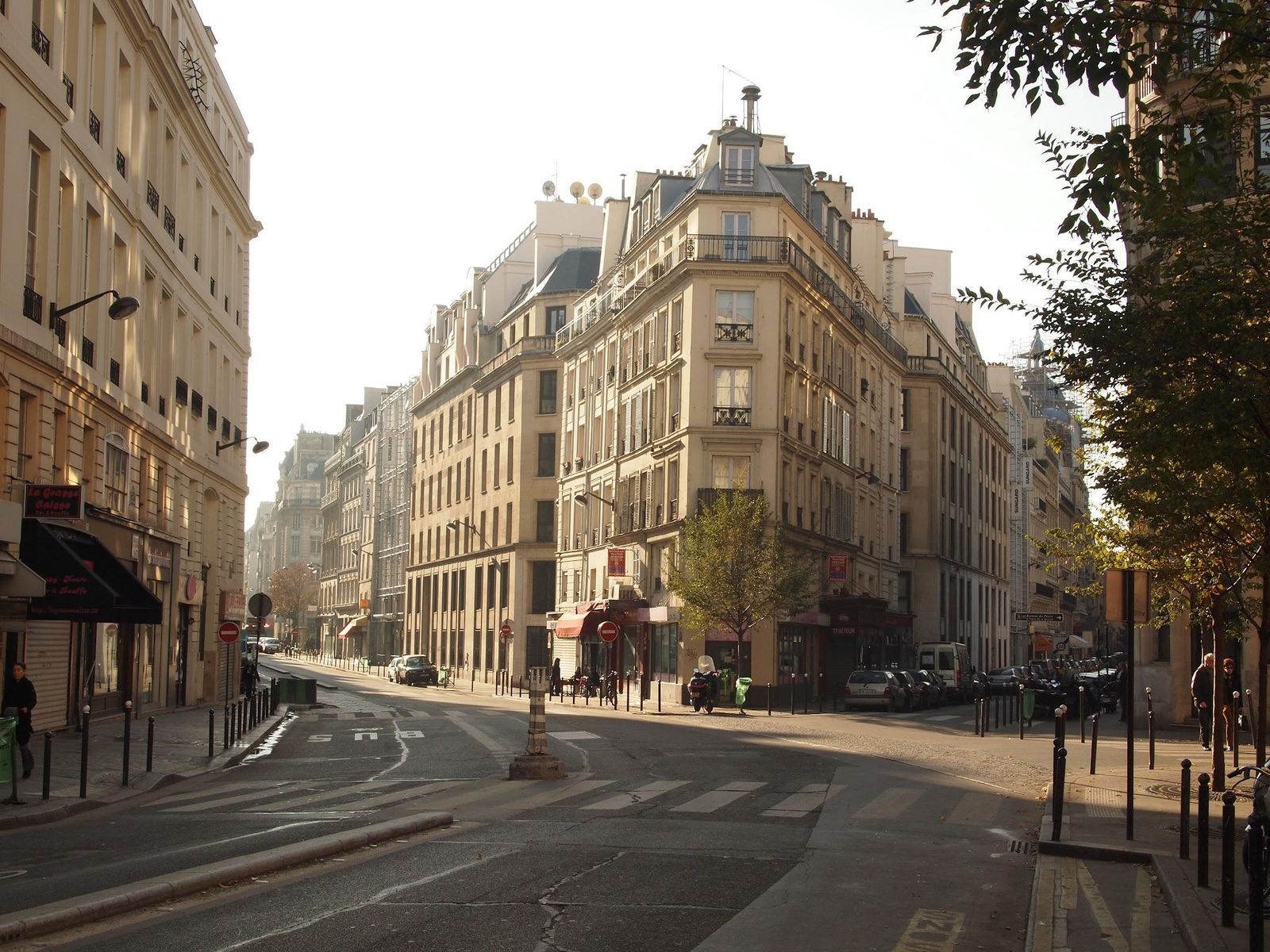
Very little has changed in the facades of the buildings in this Parisian area. The intersection of Rue Montmartre and Rue du Faubourg Montmartre would look the same if not for the modern cars and the updated pavement.
n the 2020s, many of the side streets branching off this intersection have been subject to increasing pedestrianization and traffic restrictions, or transformed into "Meeting Zones."
Venice, Italy (circa 1880)
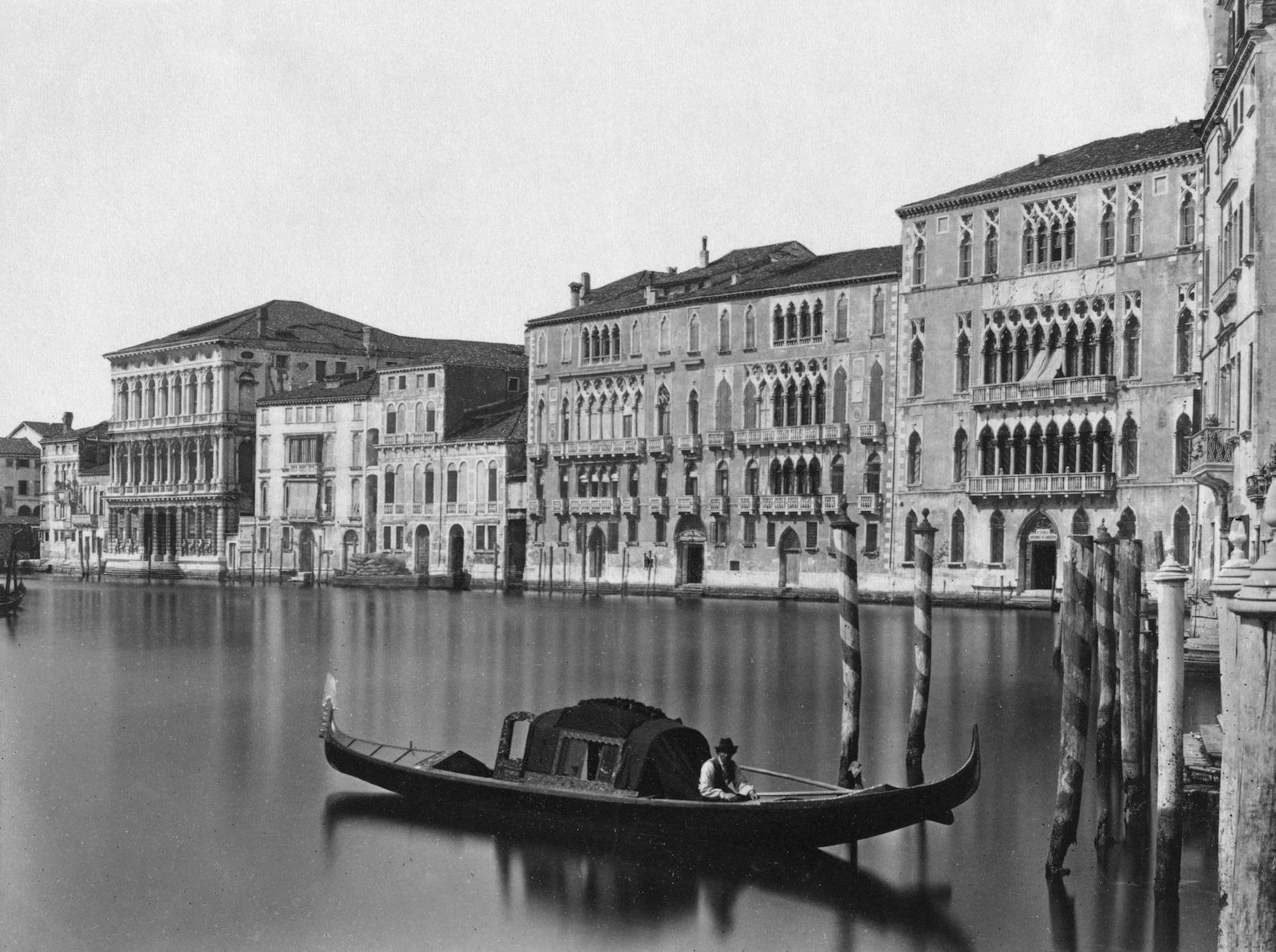
Since Venice, Italy, is bent on conserving its facades as loyally as possible, sometimes it’s very difficult to place old pictures in time. In this case, however, we can look at the water for clues. Its still, blurry appearance suggests long-exposure photography typical of the late 19th century.
The main buildings you can see towards the right side are the Ca' Foscari and the Palazzo Giustinian, both examples of Venetian Gothic Architecture from the 15th century, standing in front of the Grand Canal.
Venice, Italy (2021)
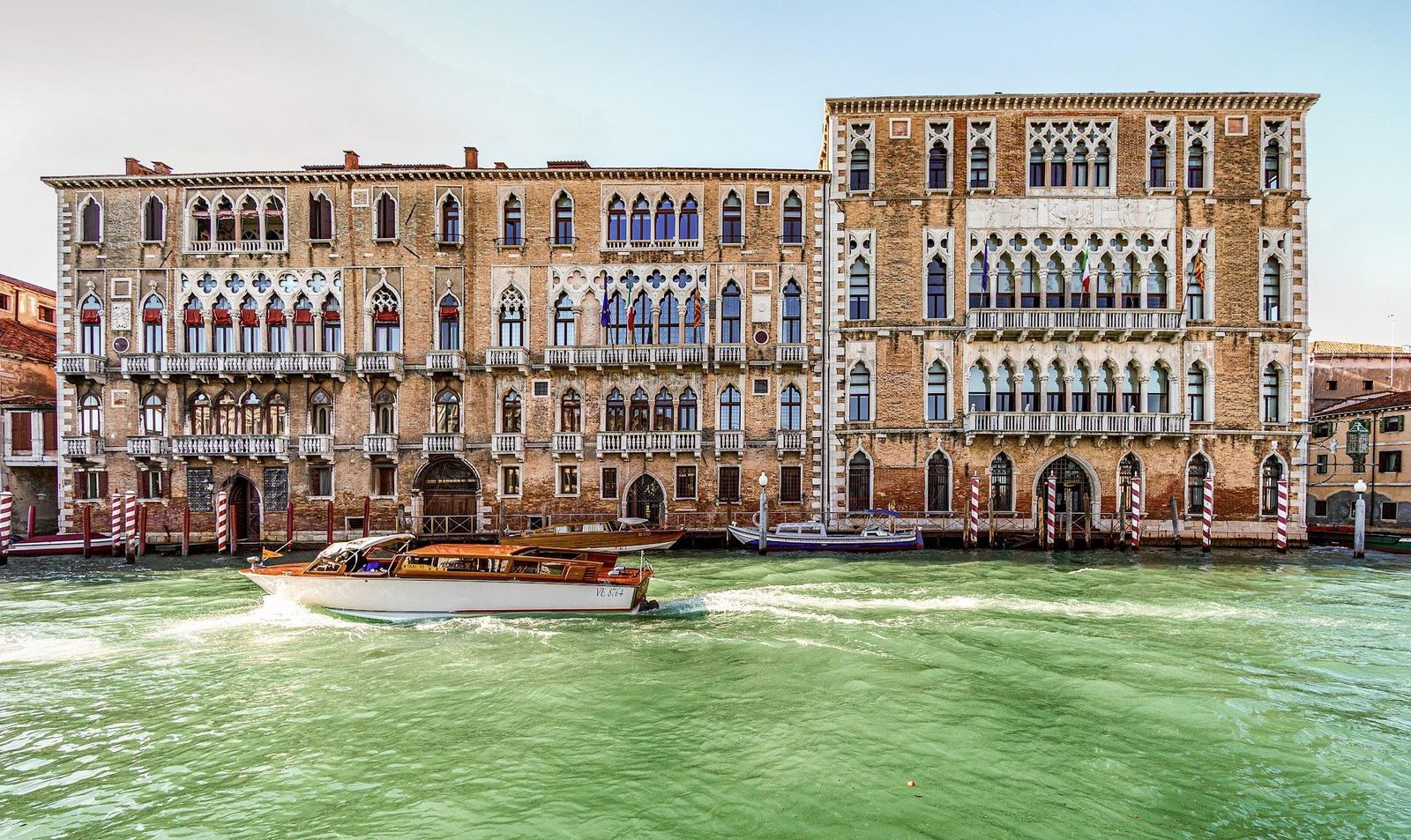
Don’t be fooled by the lack of gondolas in this shot; the thin rowing boats are an icon of Venice as much as they have been for hundreds of years, and any tourist will get their fair share of sightings upon arriving. But the modern motoscafo (water taxi) cutting through the green waters can only mean the 21st century.
The same buildings stand with their intricate decoration well preserved. Even the placement of the paline (the striped wooden poles where people tie their boats) has only shifted slightly through the decades.
Keep wandering
There’s always
more to explore

What should you do if you lose your passport while traveling?
4 min.
Read Now

O Canada: 10 facts about our upstairs neighbor
4 min.
Read Now
 Landmarks
What's hiding beneath Alcatraz, and why can't anybody visit it?
6 min.
Read Now
 Culture
How to spot a great place to eat while traveling
4 min.
Read Now