How to spot a great place to eat while traveling
 Culture
Great food makes a trip
How to spot a great place to eat while traveling
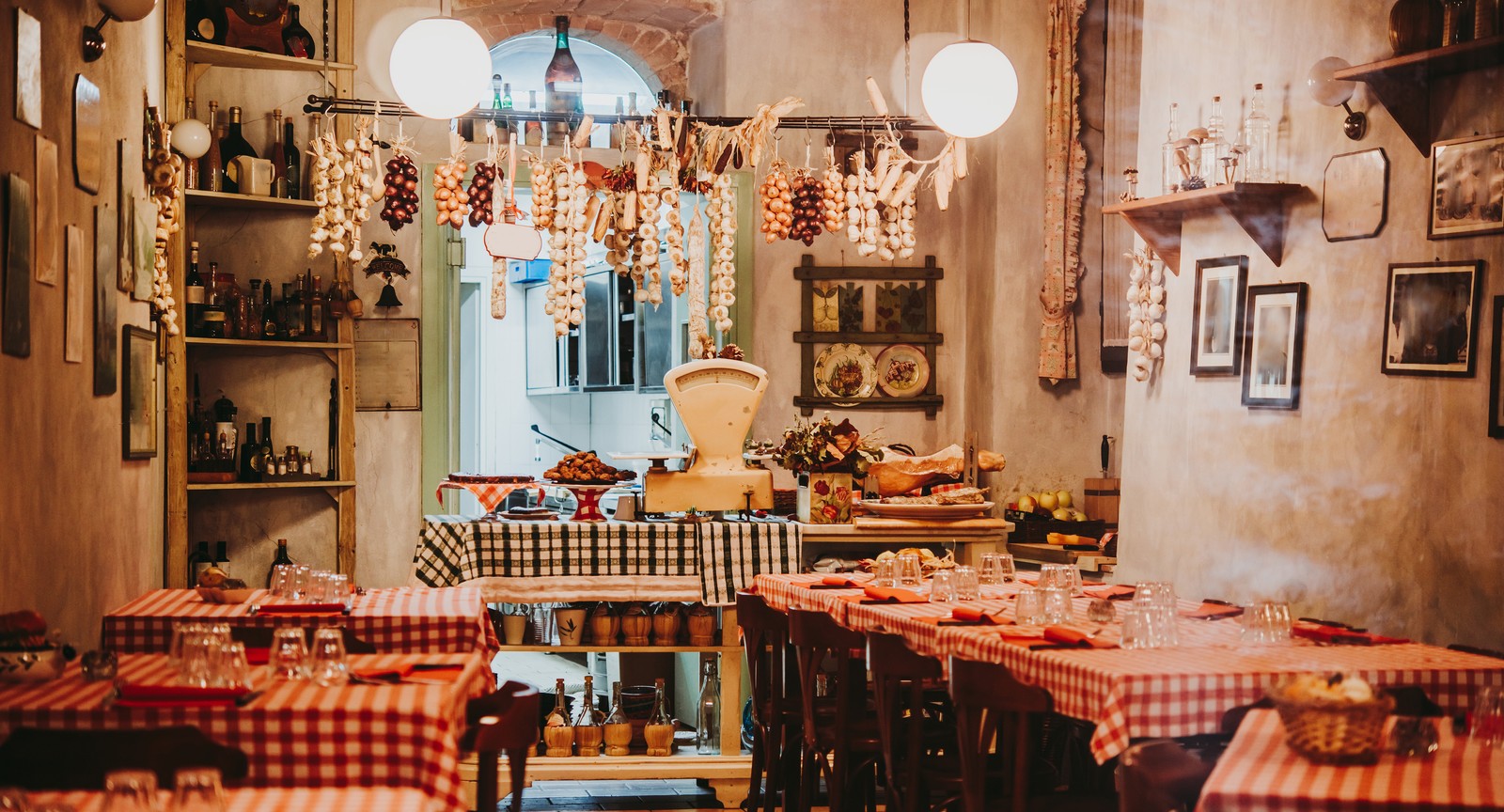
One of the quickest ways to know a destination is by sitting down to eat a local meal. While it's tempting to play it safe and stick with familiar chain restaurants, those rarely lead to the most memorable dining experiences. Some of the best meals you'll ever have are hidden away on quiet side streets or inside buildings you'd otherwise zoom right past. Here are some tips and clues to look out for when choosing where to eat away from home.
Look for full parking lots
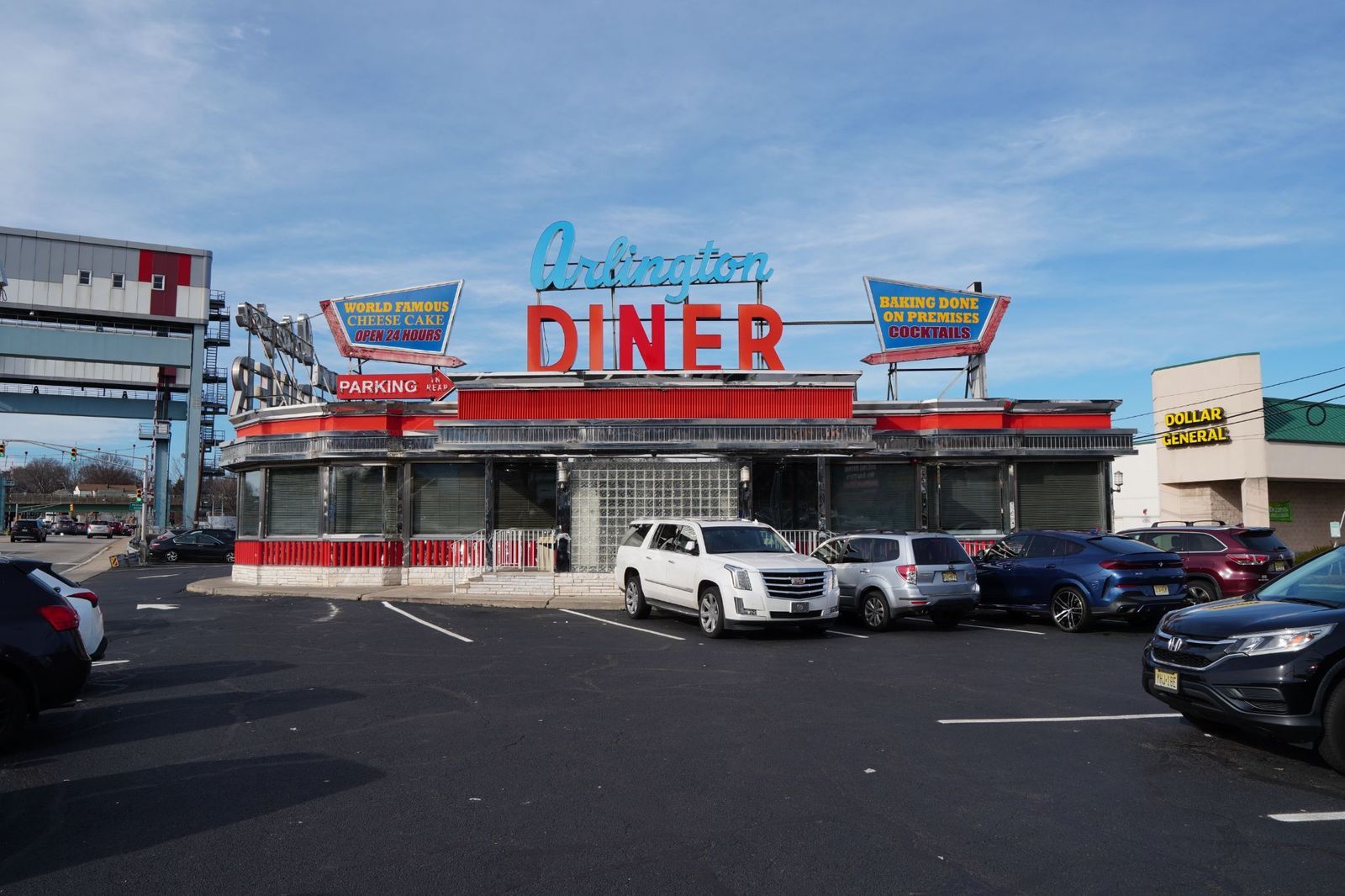
One of the oldest tricks in the book is also one of the most reliable: if a restaurant is packed with customers during mealtimes, there's usually a good reason. Consistently busy dining rooms often indicate a mix of good food, fair prices, and dependable service.
Here's an extra trick: pay close attention to who's filling the parking lot. A mix of local licence plates is often a better sign than a line of tour buses. Restaurants that have earned the loyalty of local customers are generally a safer bet than those that rely entirely on tourists.
Explore the side streets
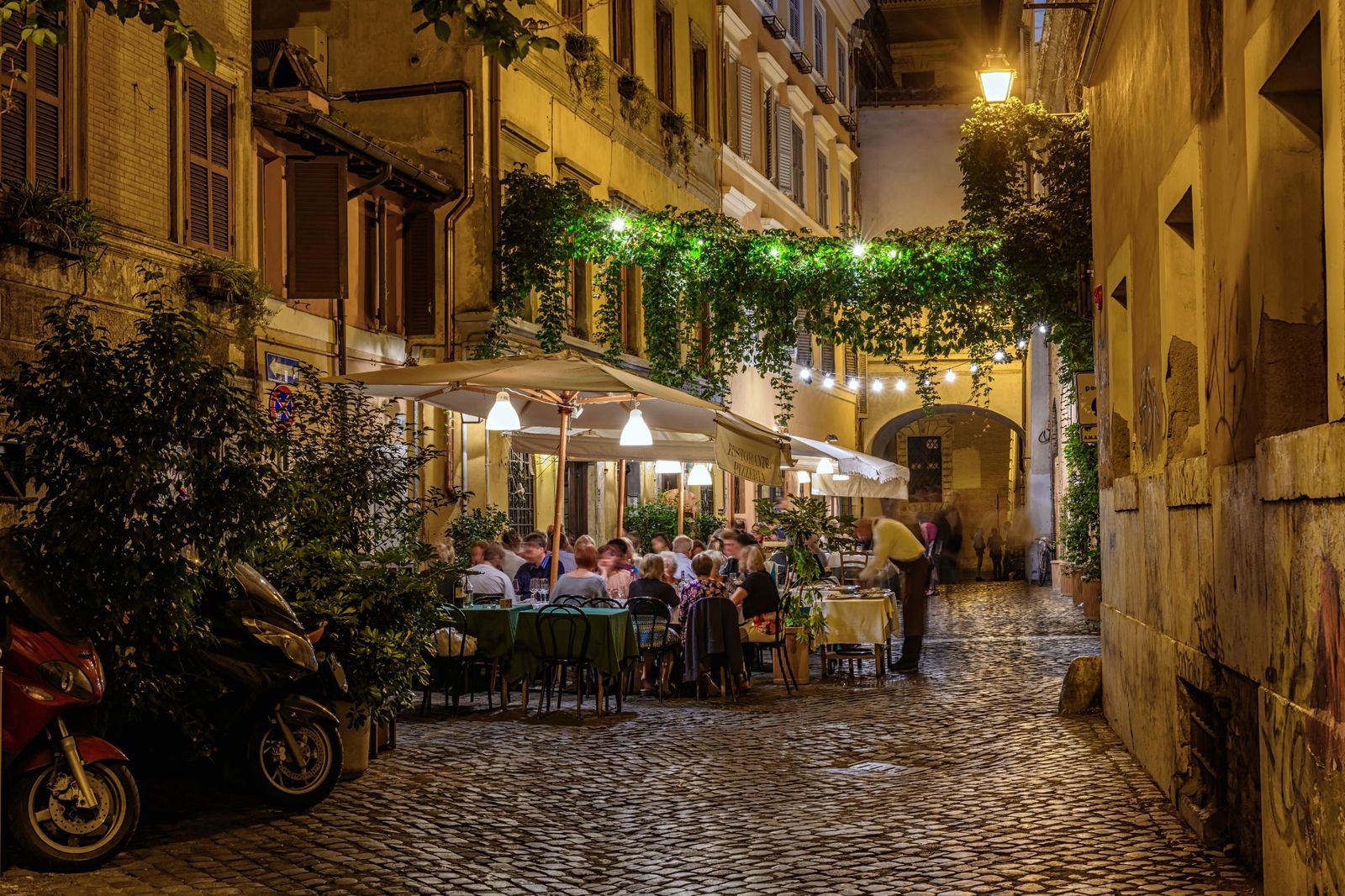
Restaurants located directly beside famous attractions often benefit from convenience rather than reputation. Since new visitors arrive every day, they have little incentive to compete on quality: they've already secured a prime location.
Walk a few blocks away from the busiest streets, and you'll often discover smaller establishments serving better food at lower prices. This simple detour can transform an average meal into the highlight of your trip.
Check the menu beforehand
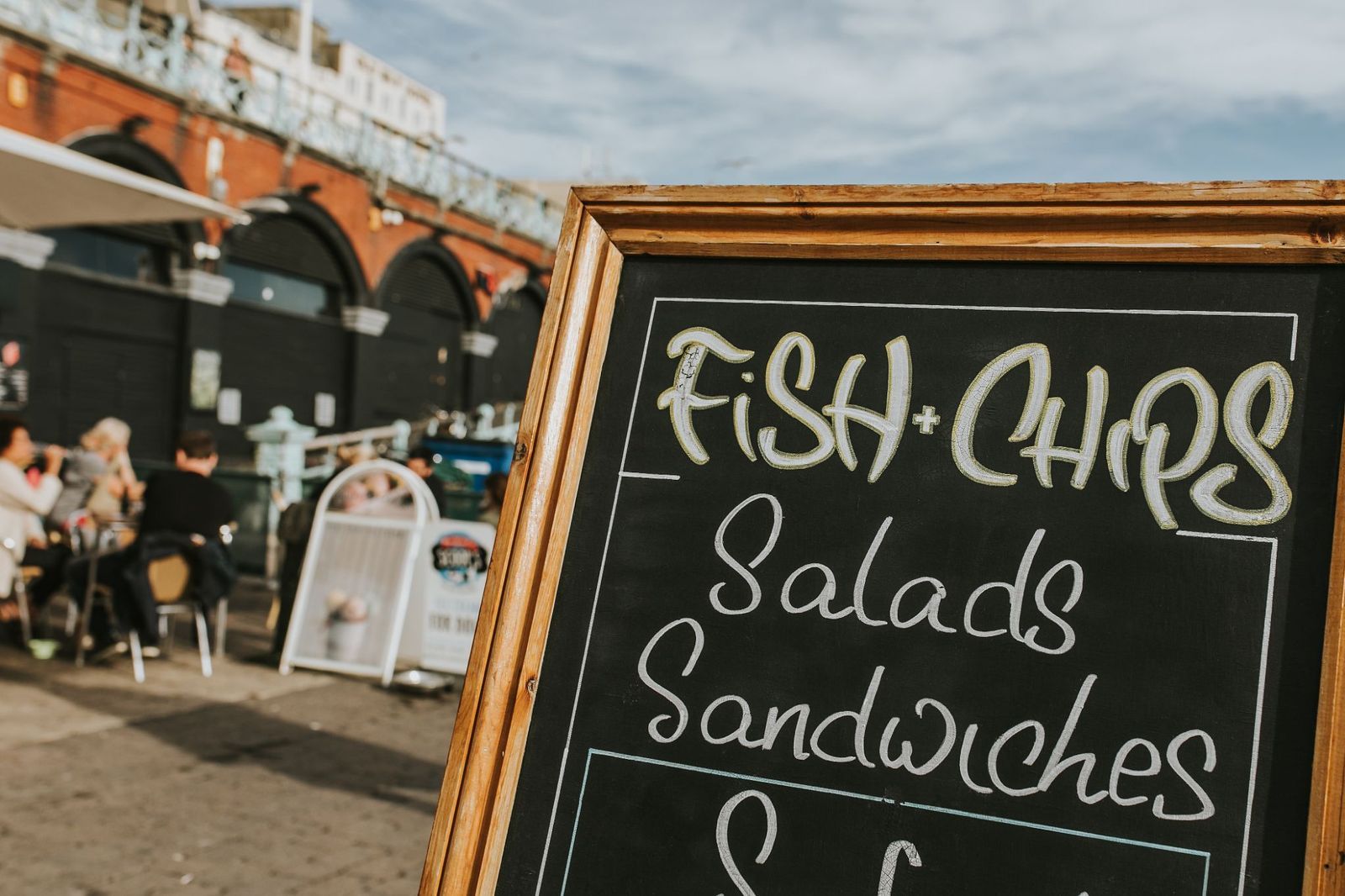
Many restaurants post their menus outside or online, making it easy to get a sense of what they offer before committing. Don't just look at prices: pay attention to the overall selection. A menu featuring regional specialties often suggests that the restaurant takes pride in local cuisine. On the other hand, a menu composed of thousands of unrelated dishes (from tacos to sushi and spaghetti) may be trying to please everyone without excelling at anything in particular.
Look for a short, focused menu. This is especially true for regional favorites like barbecue, seafood, Cajun cooking, or Italian family restaurants. When a restaurant knows exactly what it does best, that's usually reflected in the quality of the food.
Ask your hotel staff

Concierges and front desk employees often recommend the popular restaurants because it's convenient and guests ask every day. However, if you ask them where they eat when they're not working, you are more likely to receive recommendations for genuine local favorites.
Local workers, such as drivers and maintenance staff, can also be excellent sources of advice. They live in the community and often know family-owned restaurants that are not typically featured in travel guides.
Don't judge a book by its cover
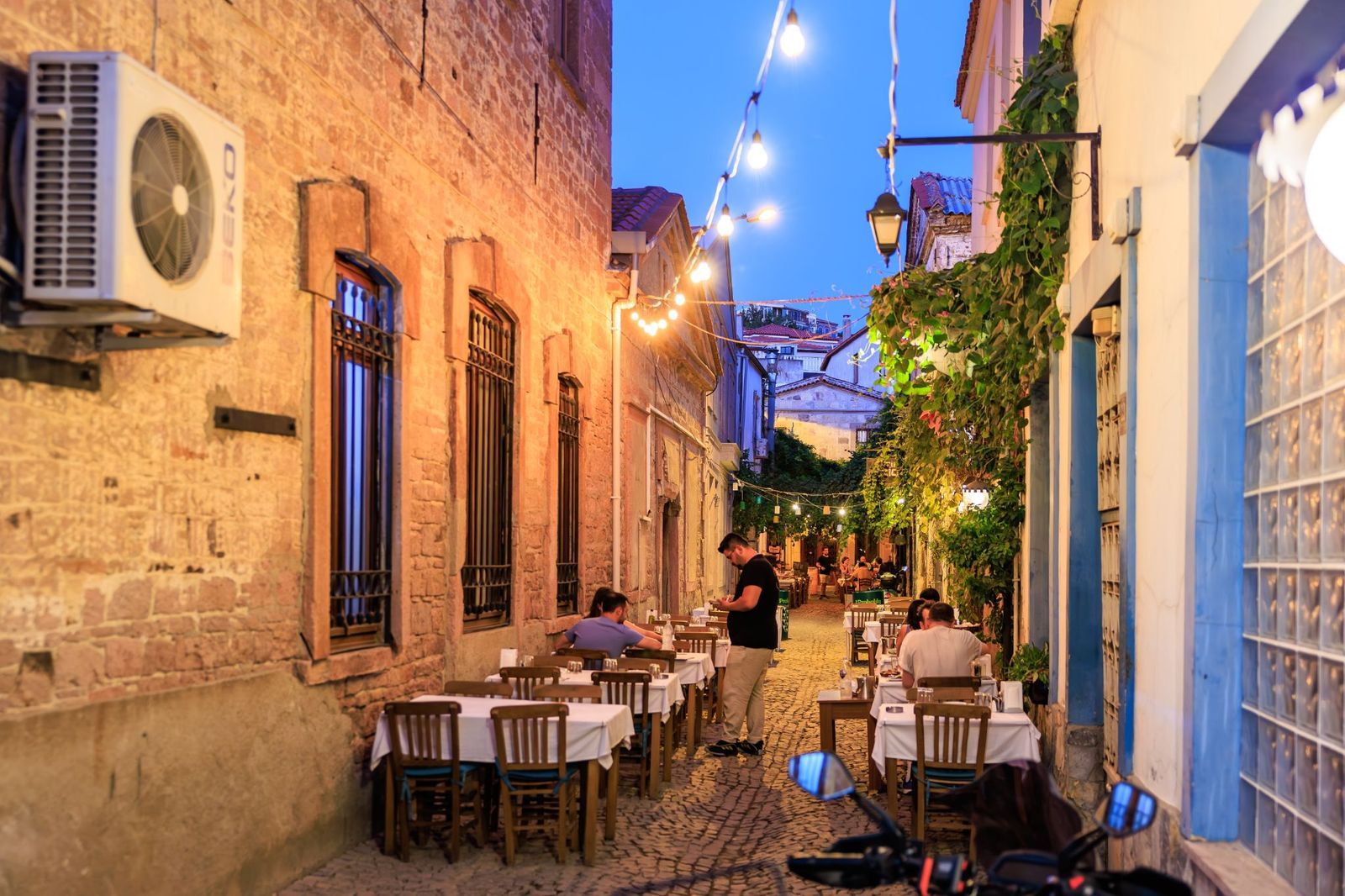
Some of the most beloved restaurants in the world operate out of surprisingly modest buildings. Simple roadside diners, converted farmhouses, or aging storefronts may not look impressive from the outside, but that's often where unforgettable meals are found.
Many legendary barbecue joints, seafood shacks, and neighborhood cafés built their reputation on the quality of their food rather than expensive renovations. Keep an open mind, especially if you see a waiting line or a full parking lot.
When in Rome…
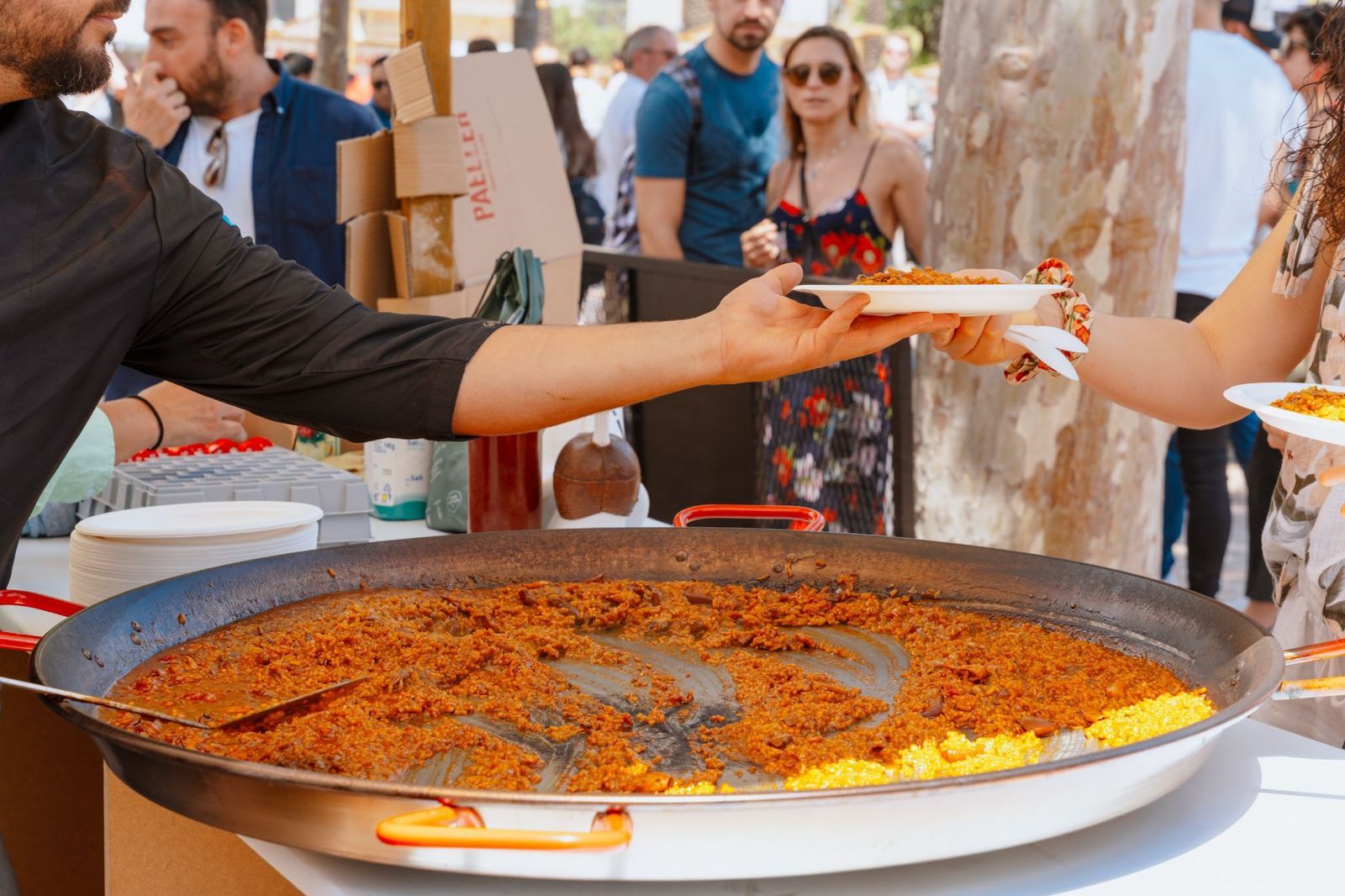
Do as the Romans do. Once you've committed to a restaurant, take a moment to observe what nearby tables ordered. Locals often know which dishes made the restaurant famous, and you are likely to spot regional specialties if you watch carefully.
Don't hesitate to ask your server for recommendations. Staff members are usually proud of their signature dishes and will be happy to steer you towards customer favorites.
Read reviews carefully
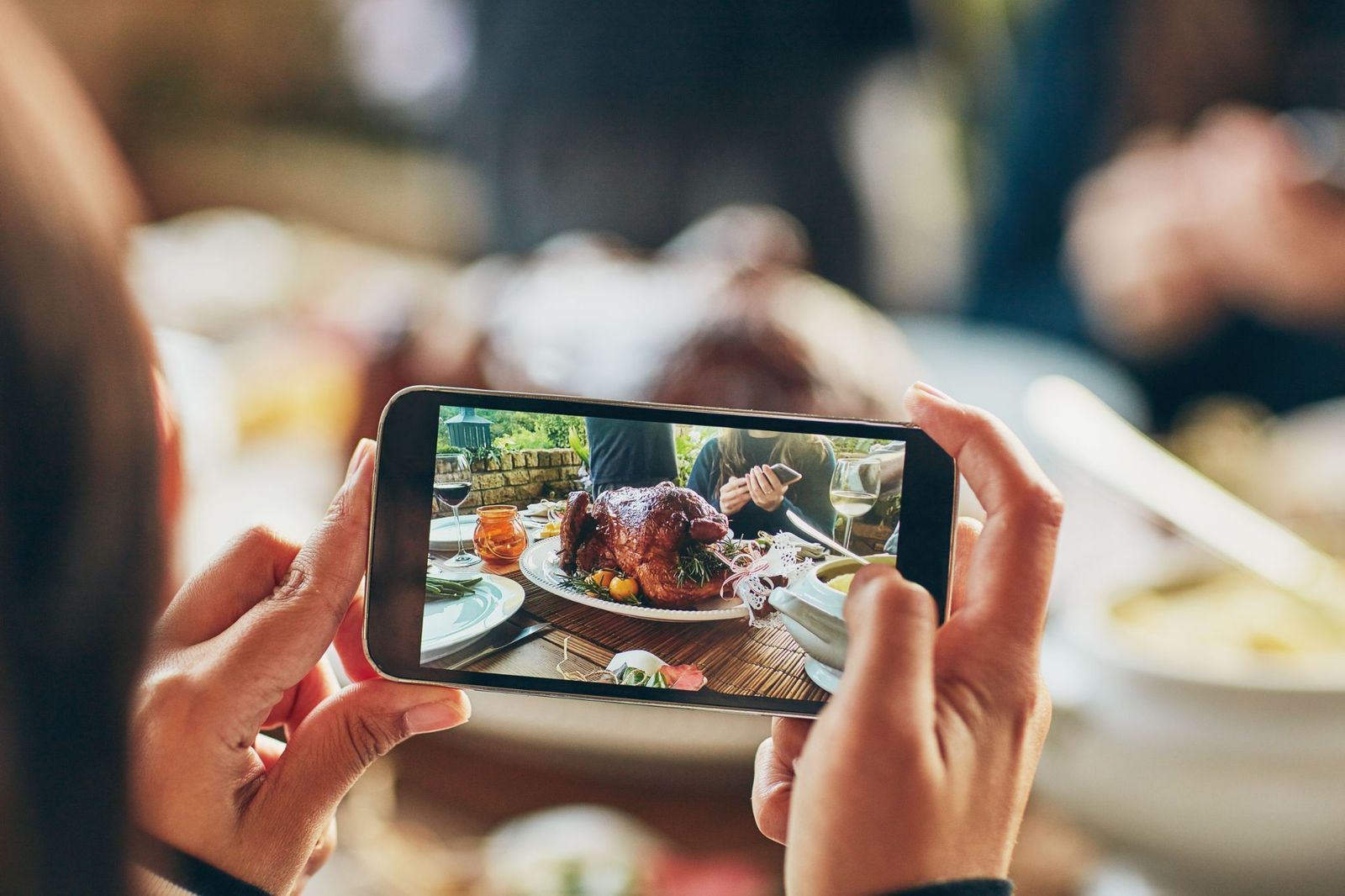
Average scores are useful, but a restaurant with 4.5 stars isn't automatically better than one with just 4. Instead of focusing solely on the number, spend a few minutes reading recent reviews.
Look for repeated compliments about friendly service or standout dishes. Likewise, pay close attention to recurring complaints about long wait times or declining quality. A handful of thoughtful reviews often tells you more about a restaurant than a numerical rating ever could.
Look out for regulars
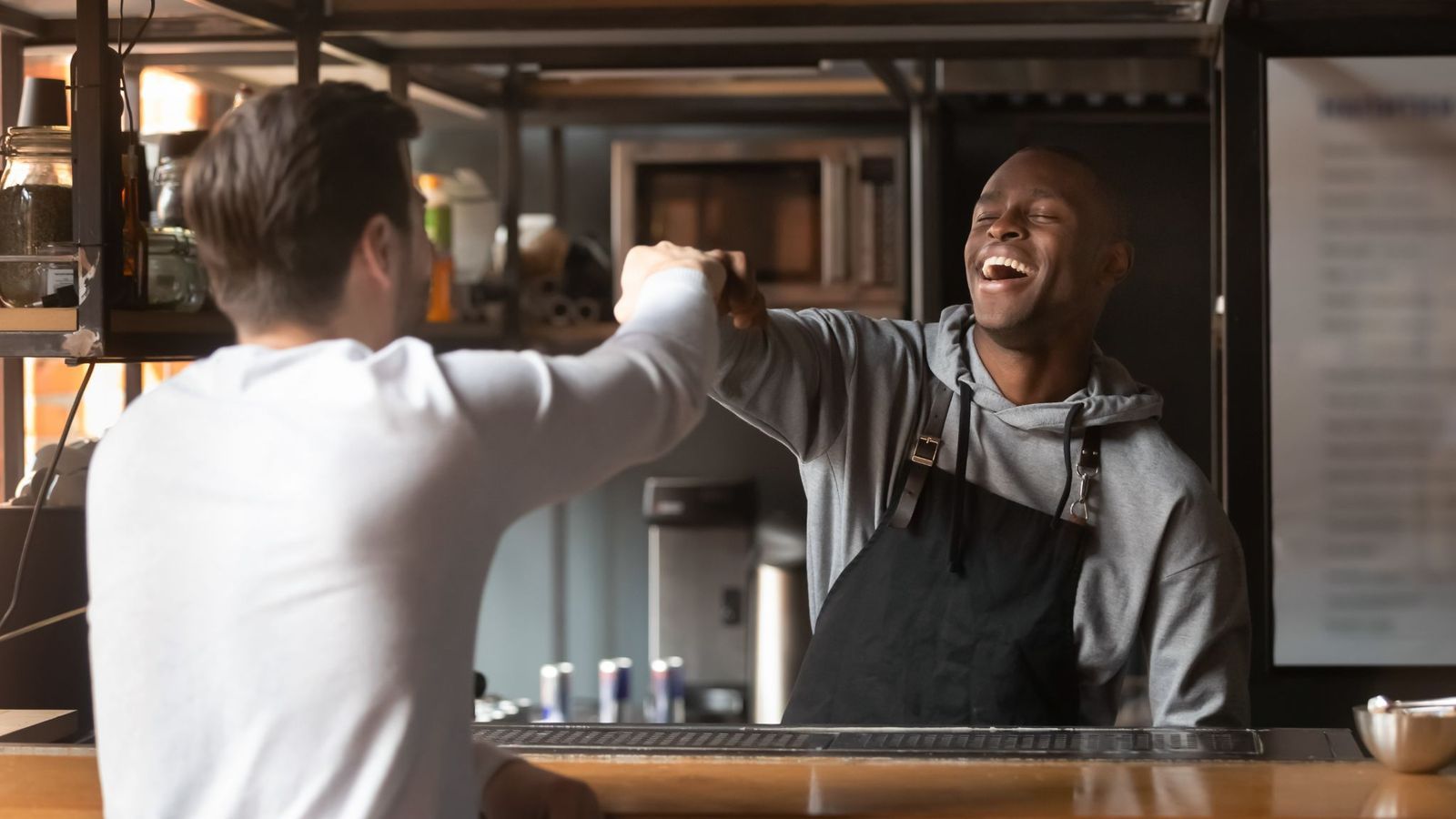
One of the clearest signs that you've found a neighborhood favorite is when you see servers greet customers by name or chat with them like they're old friends. That kind of familiarity only develops after years of consistently good service.
Even if you are just passing through, restaurants with loyal regulars often extend the same warmth to newcomers. Friendly and attentive service can turn a good meal into a memorable one.
Be curious
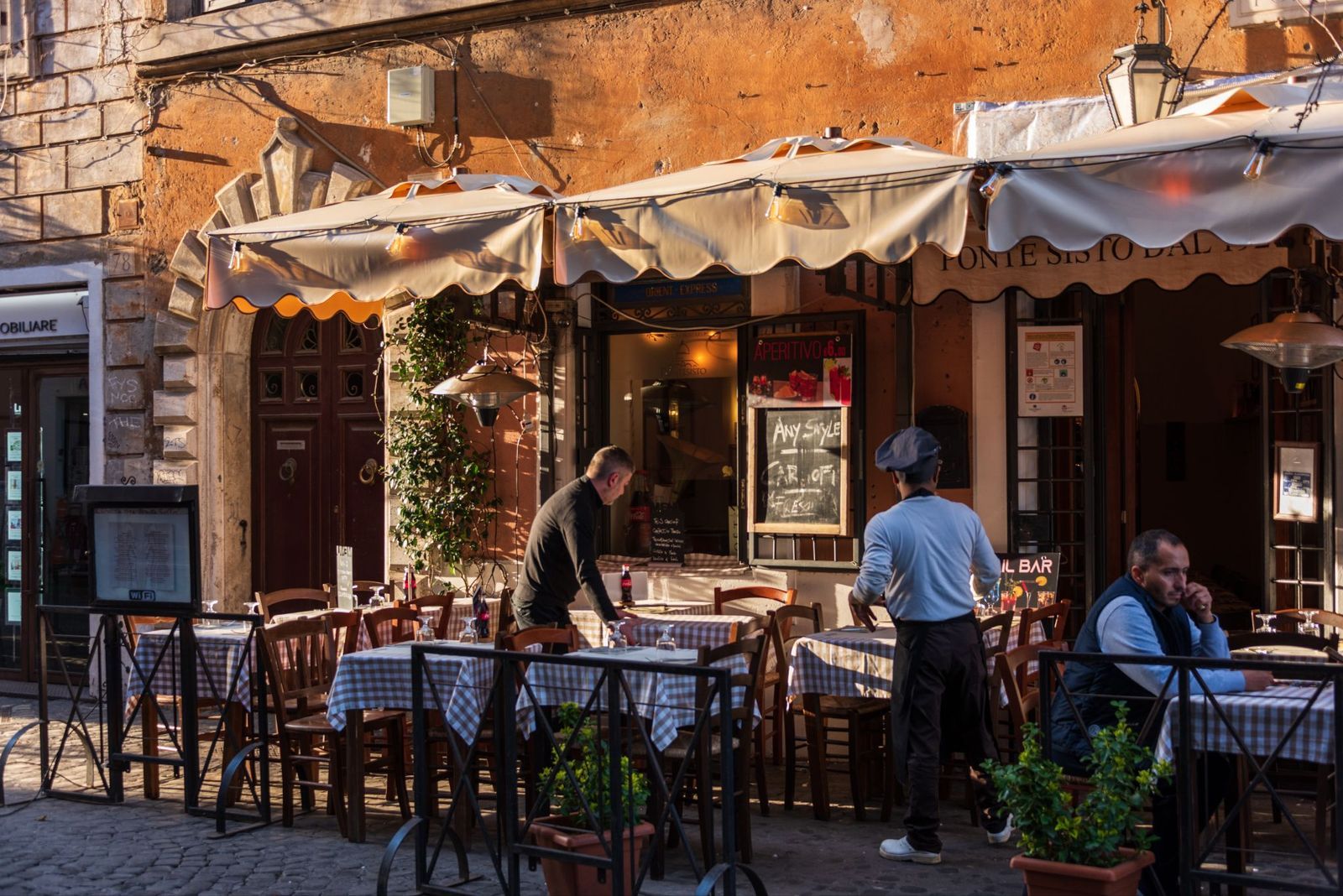
Some of the most memorable restaurants have histories that are just as interesting as their menus. You might discover a family business that's been serving the community for multiple generations, or a café operating out of a restored storefront.
Ask questions, take a good look at the photographs on the walls, and have a chat with the staff or the owner. A meal becomes even more meaningful when you understand the people and history behind it, and being curious adds a whole new layer to the experience.
Trust your instincts
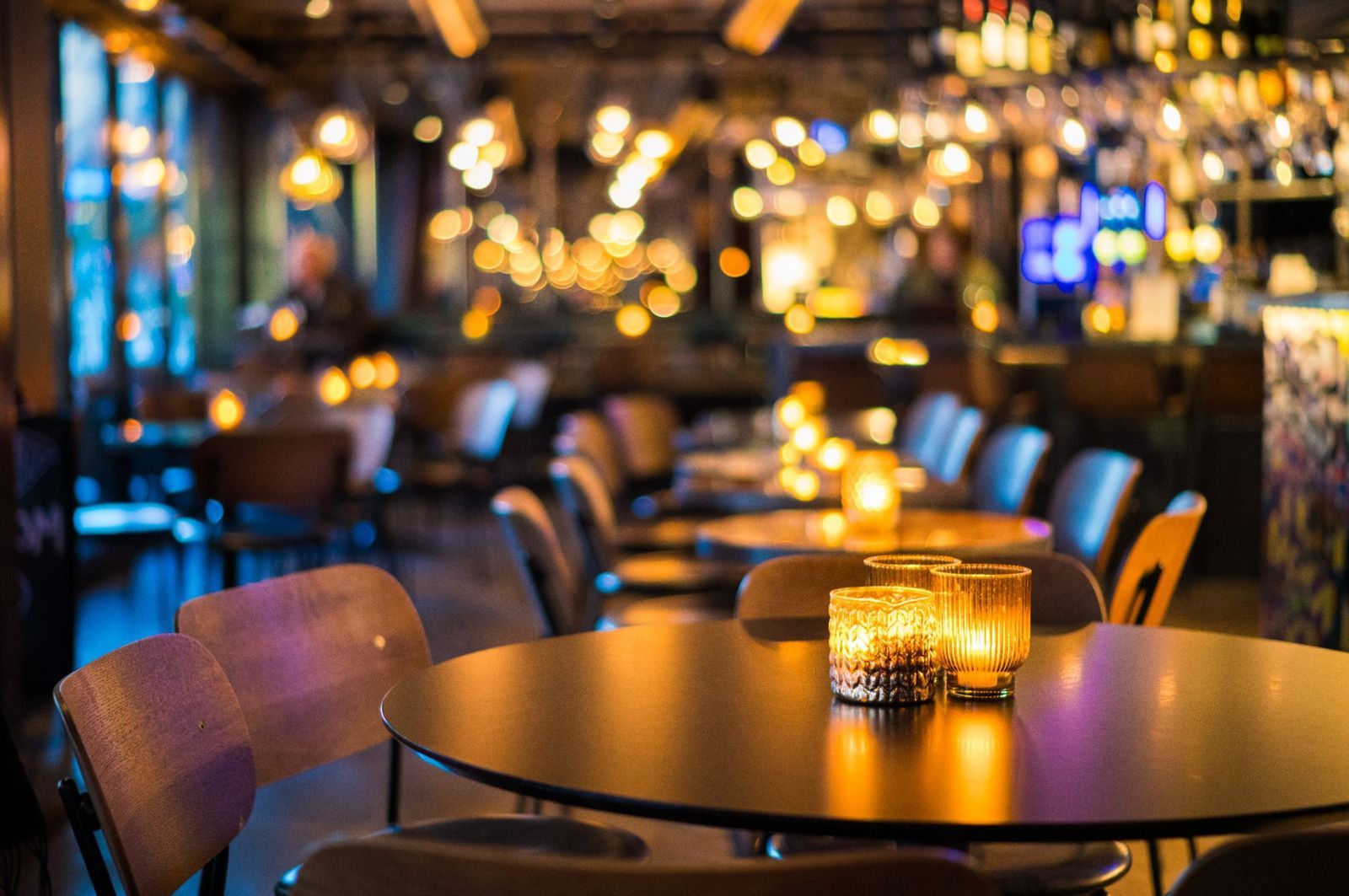
Before you even order, you'll often get a feel for a restaurant. Is it clean and welcoming? Does the staff seem genuinely happy to see customers? Are customers taking their time, or are they rushing out?
While no single clue guarantees a great dining experience, paying attention to these small details can inform your choices. The restaurants you'll remember the most are rarely the flashiest ones, but the ones where good food, friendly people, and local character come together.
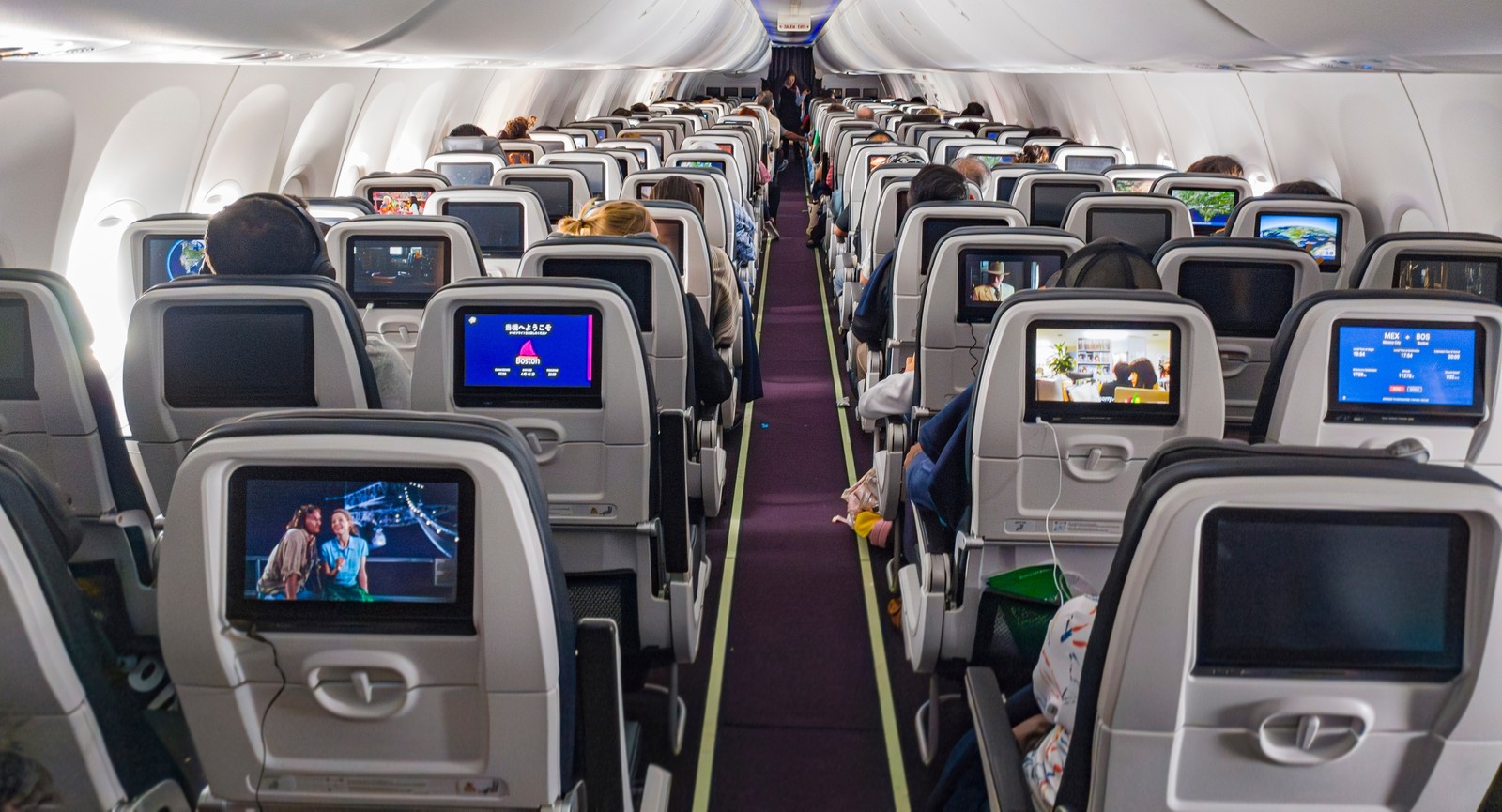
Why can't you call mid-flight? Here's the real reason
 General
Before and after: Flight rules
Forget what you knew about flying: 10 rules that changed
Flying felt almost casual some decades ago. Passengers could visit inside the cockpit, make phone calls, and even smoke during the flight. Time changes everything, including the rules we once thought were set in stone. Here are 10 flying rules that have changed over the years.
Visiting the cockpit during a flight
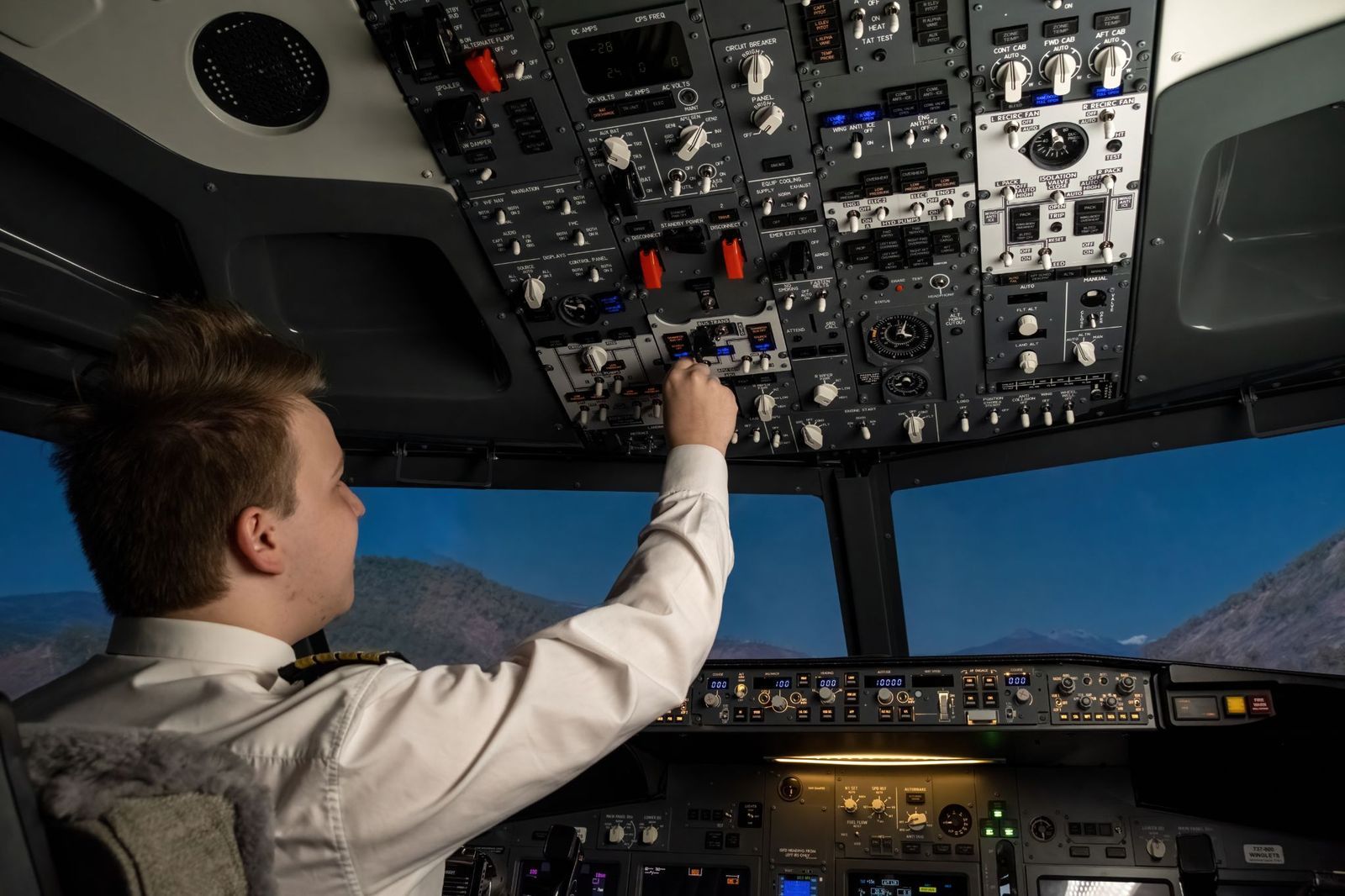
There was a time when visiting the cockpit was part of the fun of flying. Not so long ago, pilots invited passengers to meet the crew and take a look at the controls. Occasionally, this could even happen while the plane was in the air.
After the tragic events of September 11, 2001, it became clear that the cockpit needed much stronger protection. Airlines began reinforcing the doors, keeping them locked during the flight, and limiting access to authorized crew members. Today, passengers may still be allowed to visit before takeoff or after landing, but walking into the cockpit during a flight is definitely no longer part of the experience.
Making cellphone calls in the air
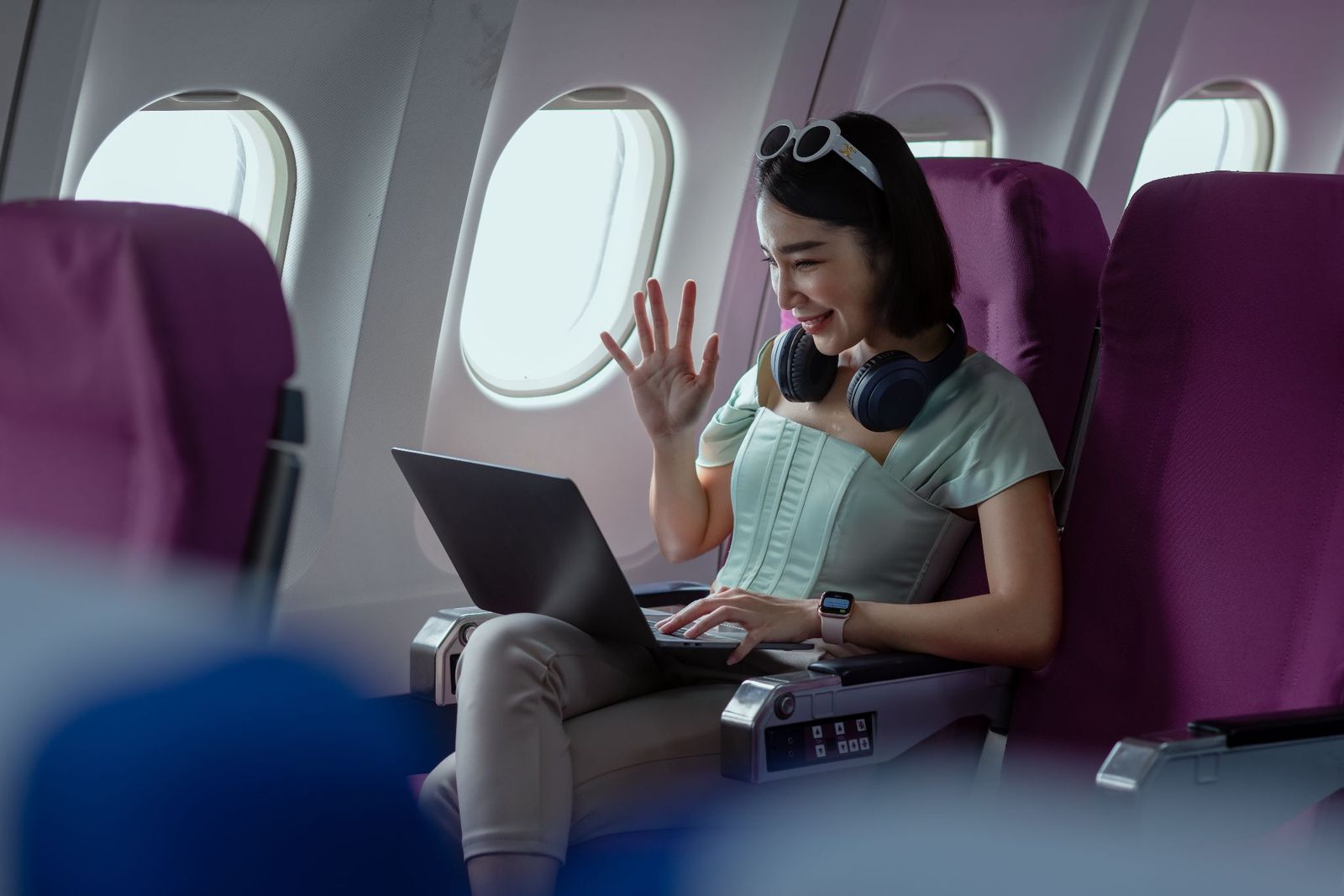
Not every restriction protects passengers from extreme danger. Some rules are just meant to keep the flight peaceful and quiet. That is the main reason cell phone calls are prohibited during the flight. But this wasn’t always the purpose. In 1991, when very few folks had mobile phones to begin with, the Federal Communications Commission banned most cellphone use during flights because signals from phones in the air could interfere with cellular networks on the ground.
Technology has changed a lot since then, and passengers can now use many devices in airplane mode or connect to onboard Wi-Fi. Cellular calls, however, are still not allowed principally because few people want to spend an entire flight listening to someone else’s phone conversation. Can you imagine what it would be like if everyone took calls during the flight?
Smoking during a flight
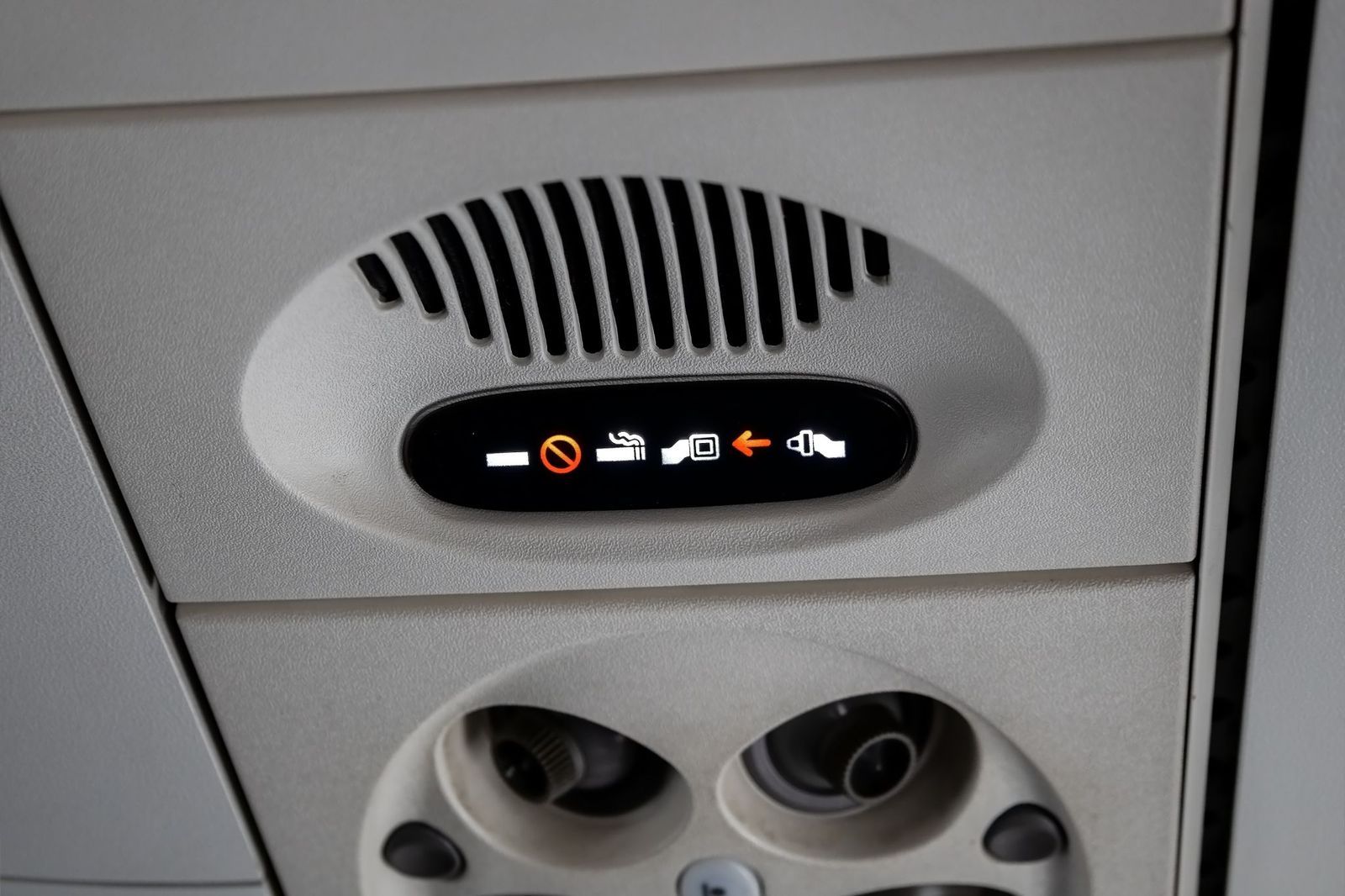
Although these days it seems like one of the most dangerous rules to break on a plane, there was a time when smoking while flying was completely normal. Cigarette smoking became popular during the early 1900s, just before commercial passenger flights began taking off in the 1910s and 1920s. Airlines even handed out cigarettes to passengers as part of the premium flying experience.
But in 1988, that started to change among shorter U.S. domestic flights. Smoking was banned after health officials confirmed the dangers of secondhand smoke, which can damage the lungs and increase the risk of heart disease, stroke, and lung cancer. A lit cigarette can also start a fire, especially if it is thrown into a lavatory trash bin. By the 2000s, smoking was banned on all scheduled passenger flights within, to, and from the United States.
Walking to the gate without a ticket
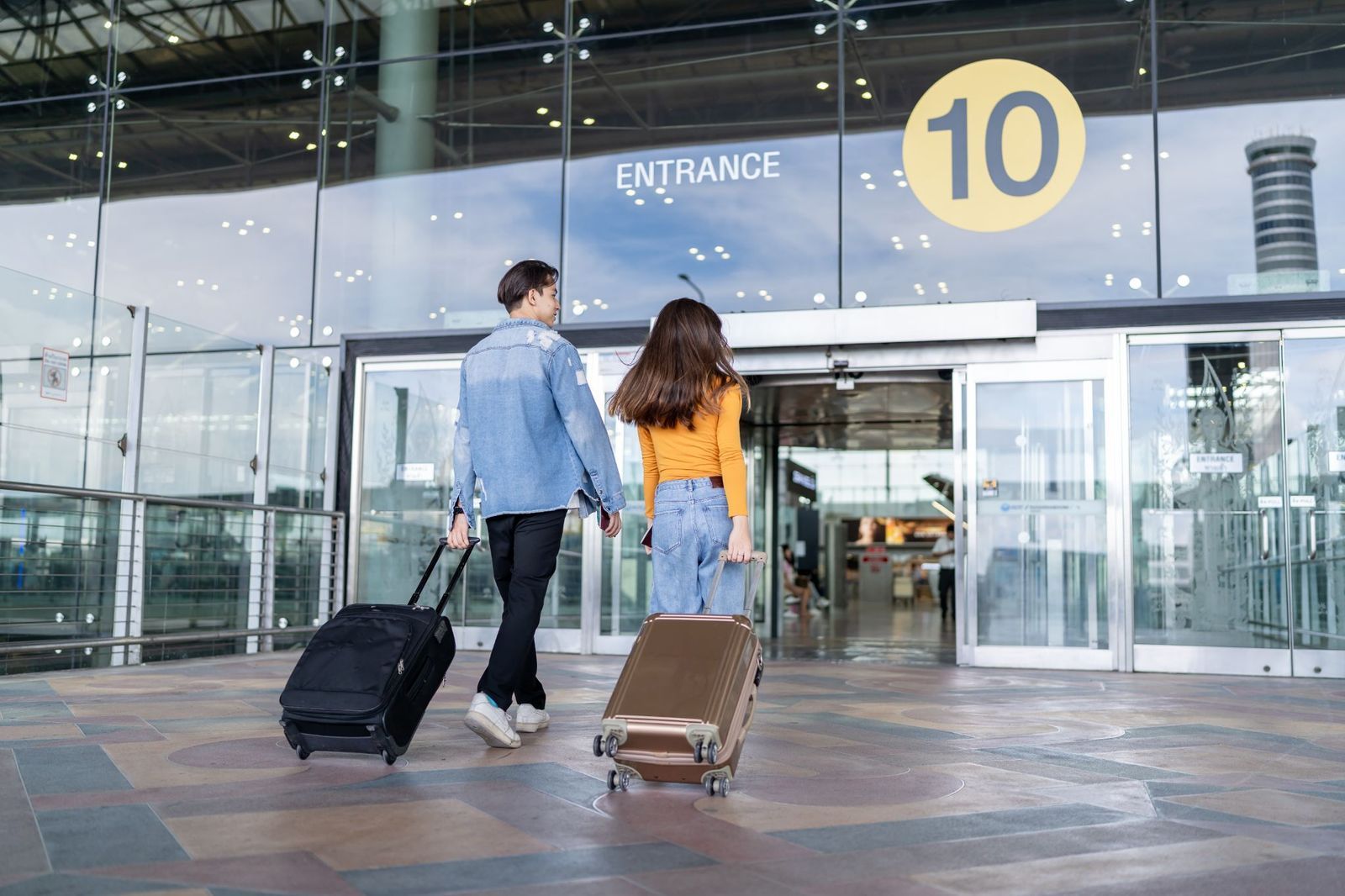
Imagine walking through airport security without a ticket. Back in the day, people didn't need a boarding pass to reach the gate. Family and friends could pass through the metal detector, wait with travelers until boarding, or meet them as soon as they stepped off the plane. Airport gates were more like public meeting places, not restricted areas.
But in the 2000s, after 9/11, the situation changed. Access beyond the security checkpoint was limited mainly to ticketed passengers with a boarding pass. Families now have to say goodbye before security and watch their loved ones continue toward the gate on their own.
Packing power banks in checked luggage
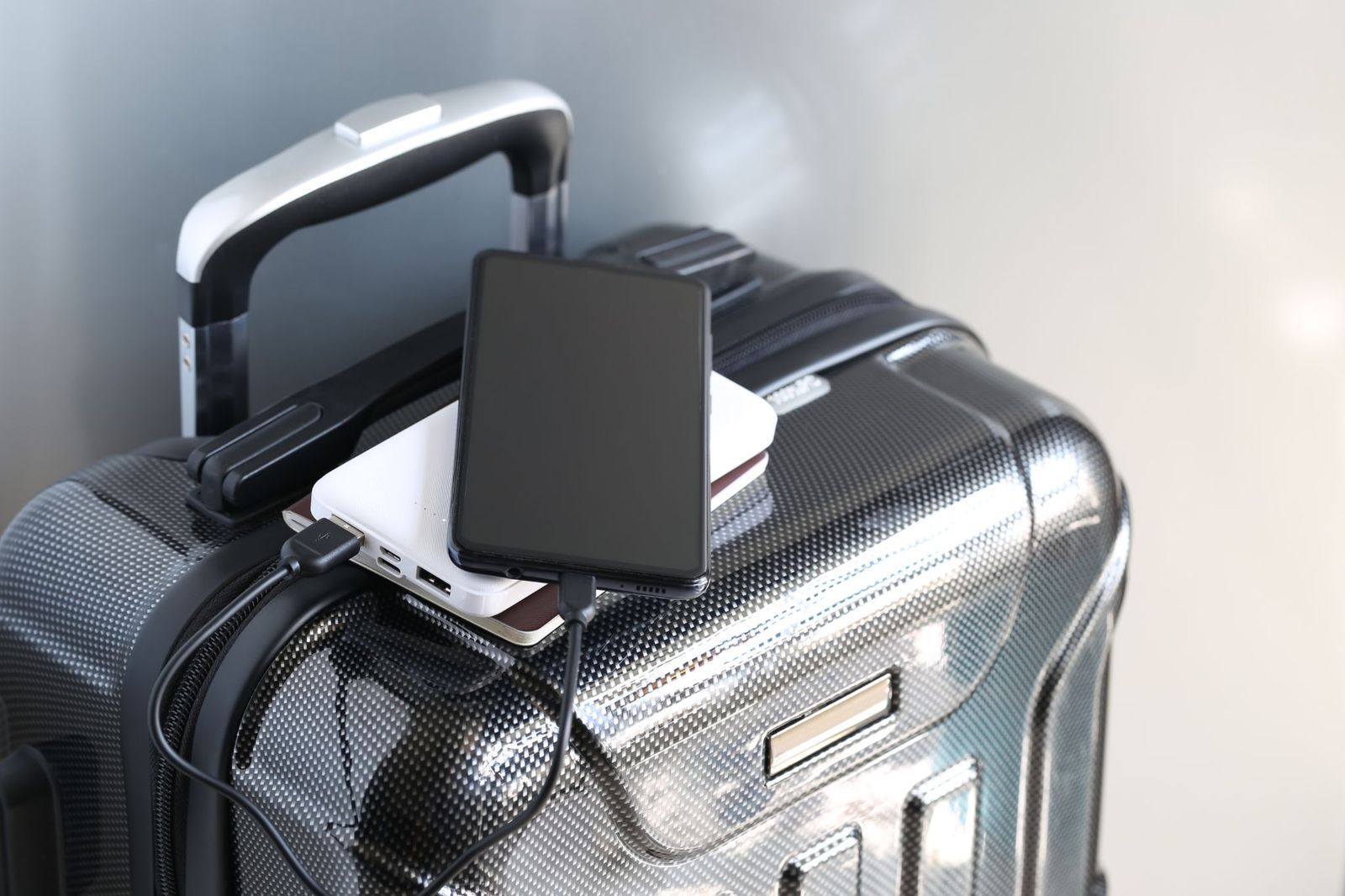
Are power banks really that dangerous? The answer is yes, because power banks contain lithium-ion batteries. If one is damaged, crushed, overheated, or short-circuits, it can smoke or catch fire. That is why they aren’t allowed in checked luggage and must stay in your carry-on bag. While in the cabin, the crew can quickly see smoke or heat and deal with the problem. So, before onboarding, keep your power bank with you, protect it from damage, and never travel with one that is swollen or broken.
Keeping shoes on at security
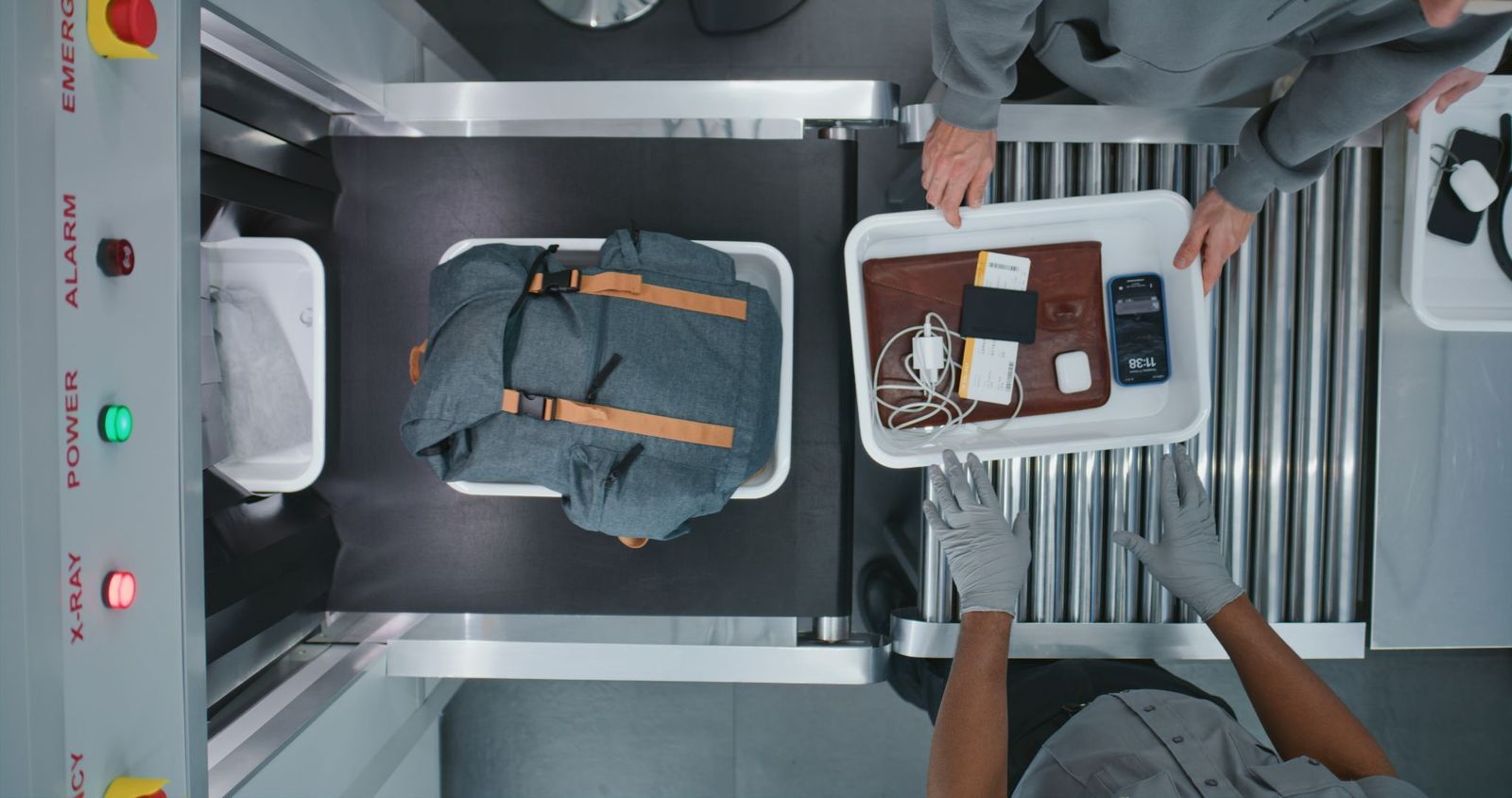
Why were passengers once asked to remove their shoes? For years, shoes weren’t considered dangerous, and passengers walked through airport security without taking them off. On December 22, 2001, the situation changed when a British man named Richard Reid boarded an American Airlines flight from Paris to Miami with explosives hidden inside his shoes. When he tried to set them off in the air, passengers and crew stopped him, and the plane was then diverted to Boston.
After that, shoes became a security concern, and passengers began taking them off so officers could check them more closely along with the bags. In July 2025, the rule changed again, and now most passengers can keep their shoes on unless security asks otherwise.
Boarding without full security screening
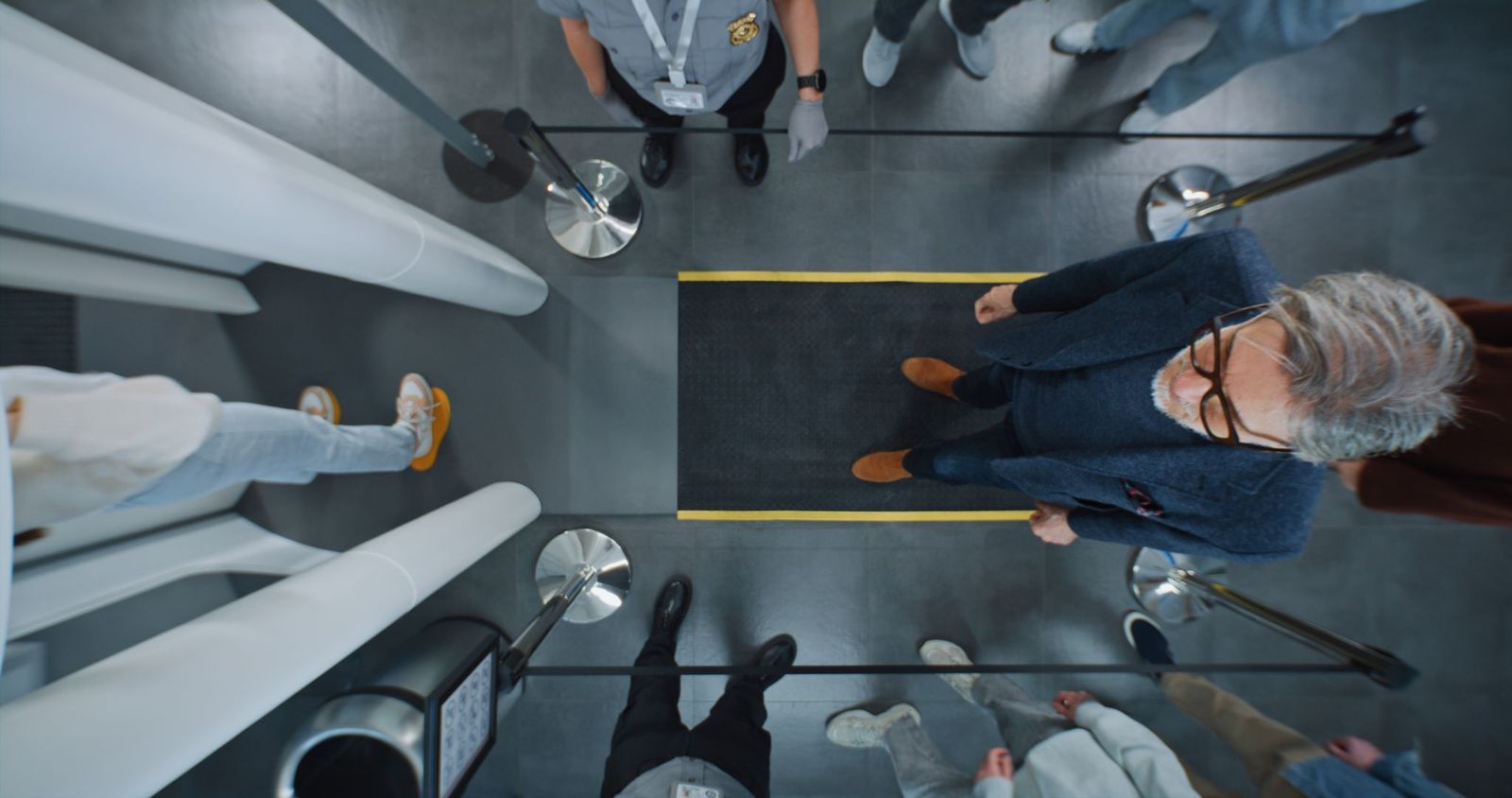
Before the system changed, each airline was in charge of airport security. Most of them hired private companies to check passengers and their bags, but the rules and training were not always the same from one airport to another. In many cases, airlines simply chose the company that offered the lowest price.
After the tragic events of September 11, 2001, Congress created the Transportation Security Administration, and federal officers replaced private screeners at most airports. Today, TSA officers check passengers and bags under the same national rules, airport workers who enter secure areas must also pass background checks, and police help protect the terminals. A few airports still use private screeners, but they must follow federal rules.
Bringing small knives and box cutters on board

Before 2001, passengers could carry small knives in their hand luggage, as long as the blade was less than four inches long. Airport security rules were less strict, and small blades were not considered a serious threat inside an airplane cabin.
That changed in September 2001, when the Federal Aviation Administration banned knives of any size from carry-on luggage. Shortly after, the Transportation Security Administration was created to oversee airport security and reinforce this measure. Today, knives are still prohibited in carry-on bags, except for plastic knives and butter knives with rounded edges. Regular knives can also travel in checked baggage as long as they are wrapped correctly.
Carrying full-size liquids through security

This rule began with a real-life plot. In August 2006, British authorities stopped a terrorist plot to use liquid explosives on flights leaving London’s Heathrow Airport for the United States and Canada. The Federal Bureau of Investigation also worked with British security teams during the case. At first, airports banned almost all liquids, but a total ban was not practical for everyday travel.
Government agencies and national laboratories then tested how much liquid passengers could carry safely. This led to the rule still used today: each container can hold no more than 3.4 ounces, all containers must fit inside one clear quart-size bag, and each passenger can bring only one bag.
Using E-Cigarettes during a flight

First came the ban on cigarettes. Years later, as technology evolved, the same rule caught up with vaping. In March 2016, the U.S. Department of Transportation banned the use of e-cigarettes on commercial flights, but not specifically for the smoke. Vape aerosol may contain harmful chemicals that other passengers could breathe in. It also has lithium batteries, just like power banks. These batteries can overheat or catch fire, so the devices can’t go in checked luggage or be charged during the flight. Passengers can carry them in the cabin, but turned off during the entire flight.
Keep wandering
There’s always
more to explore
What should you do if you lose your passport while traveling?
4 min.
Read Now

O Canada: 10 facts about our upstairs neighbor
4 min.
Read Now
 Landmarks
What's hiding beneath Alcatraz, and why can't anybody visit it?
6 min.
Read Now

The Prettiest Towns in 10 US States
4 min.
Read Now