Some of these state fairs have seriously weird attractions
 Culture
State fair attractions
Some of these state fairs have seriously weird attractions
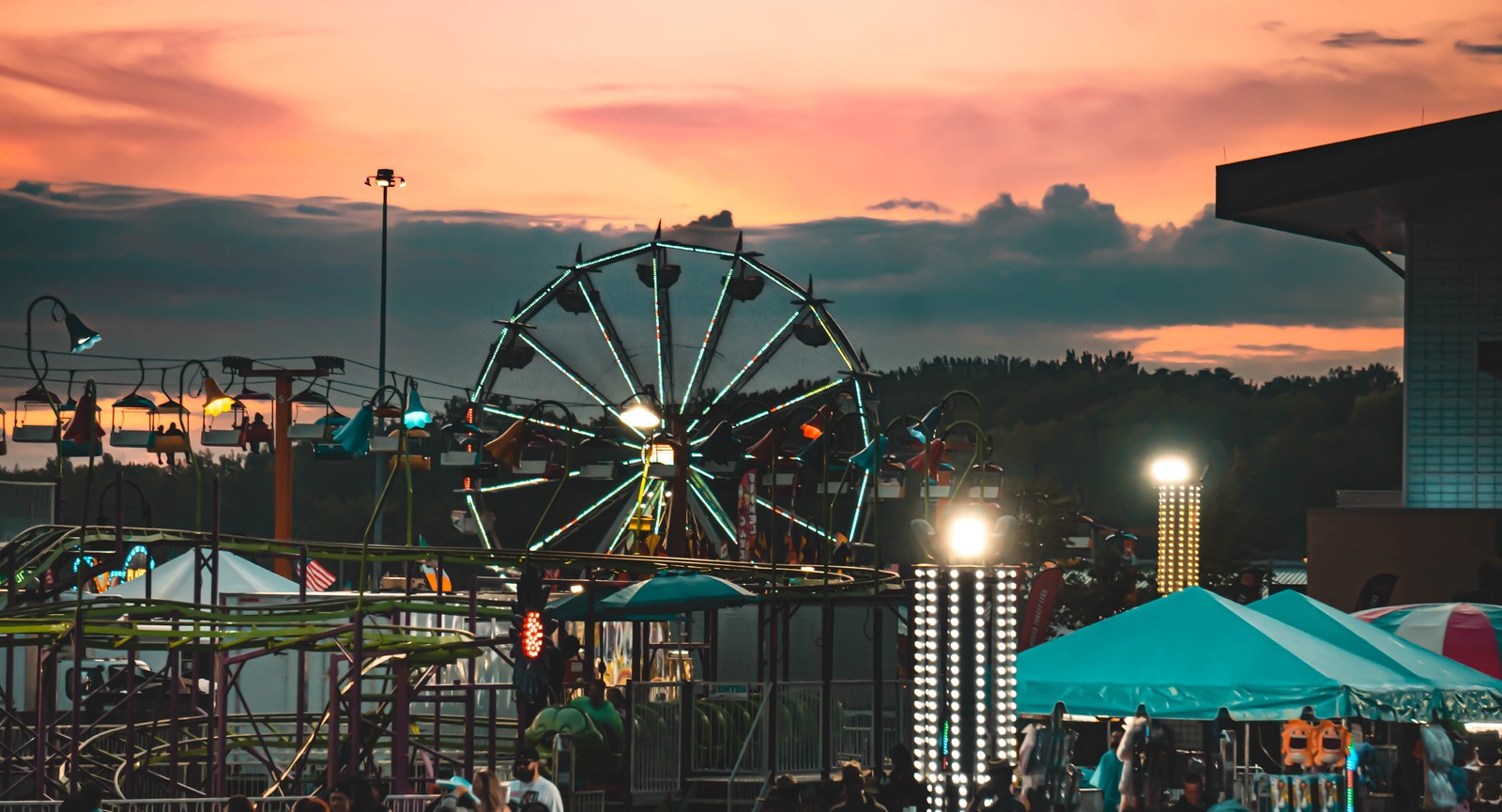
Few things bring back summer memories quite like a day at the state fair. The smell of funnel cakes, prize-winning pies, and the sound of a Ferris wheel turning are all part of the experience. But some have their own unique appeal and attractions. Did you know about the giant cowboy mascot at the Dallas State Fair? Or the customized 90-pound butter sculptures in the Minnesota State Fair? Each with its own quirks, here are 10 beloved state fairs you should visit.
State Fair of Texas

Have you ever seen a 55-foot cowboy? Then you haven’t been to the State Fair of Texas in Dallas. Since 1886, when two rival fairs merged into one, it has become one of the biggest and most famous in the country. More than 2 million people visit the fair each year to see Big Tex (the giant cowboy statue), try the fair’s inventive, over-the-top deep-fried food, and catch the annual Texas–Oklahoma football game at the Cotton Bowl.
Minnesota State Fair
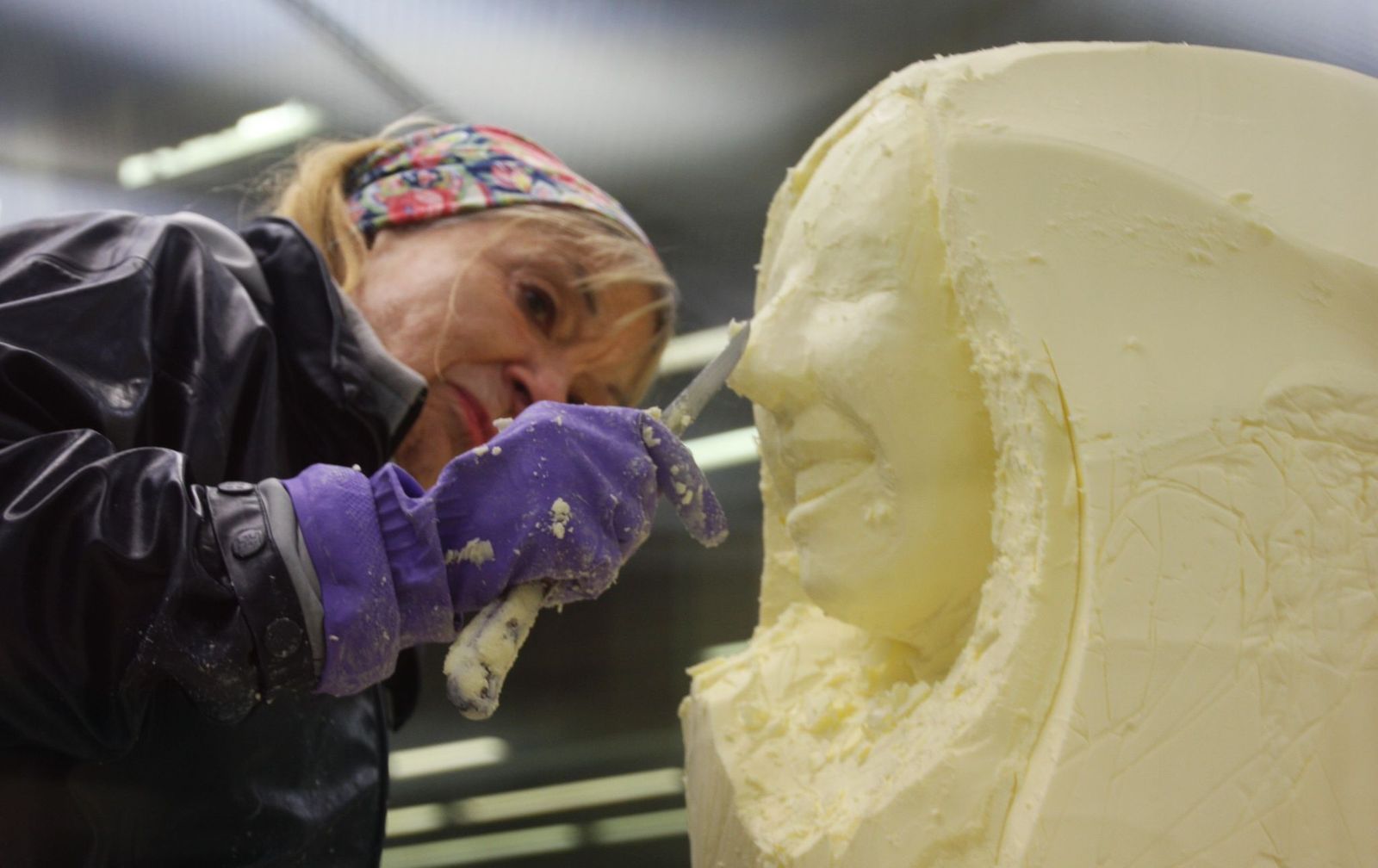
Have you ever had your face carved into a 90-pound block of butter? This is the prize you get if you are one of the finalists in the Minnesota State Fair’s Midwest Dairy Princess Kay of the Milky Way competition.
Minnesota held its first official State Fair in 1859, just one year after becoming a state. The event began as a showcase for agriculture that evolved into one of the largest fairs in the U.S., with roughly 177,000 visitors per day. The fair is also famous for its food-on-a-stick creations and Sweet Martha's Cookie Jar.
Iowa State Fair
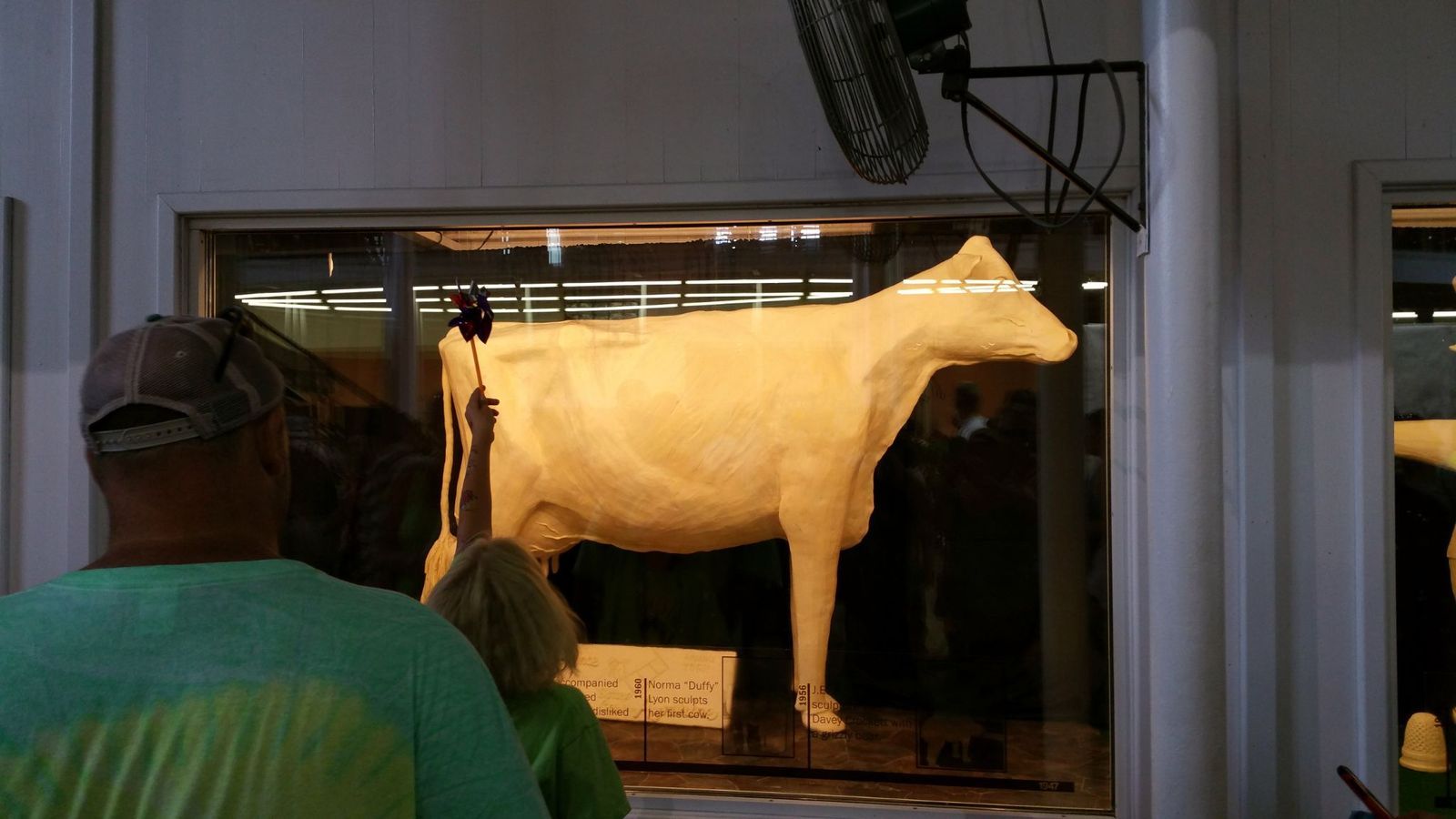
You don’t see a Butter Cow every day unless you attend the Iowa State Fair. Now held in Des Moines, the fair dates back to 1854. One of its signature attractions is the Butter Cow, a life-size sculpture made from 600 pounds of Iowa butter.
But the cow isn’t the only butter statue at the Iowa State Fair. Over the years, artists have created everything from Elvis Presley and John Wayne to Harry Potter and the Peanuts gang. More than a million people visit the fair every year to attend livestock shows, agricultural exhibits, concerts, food competitions, and more.
Tulsa State Fair
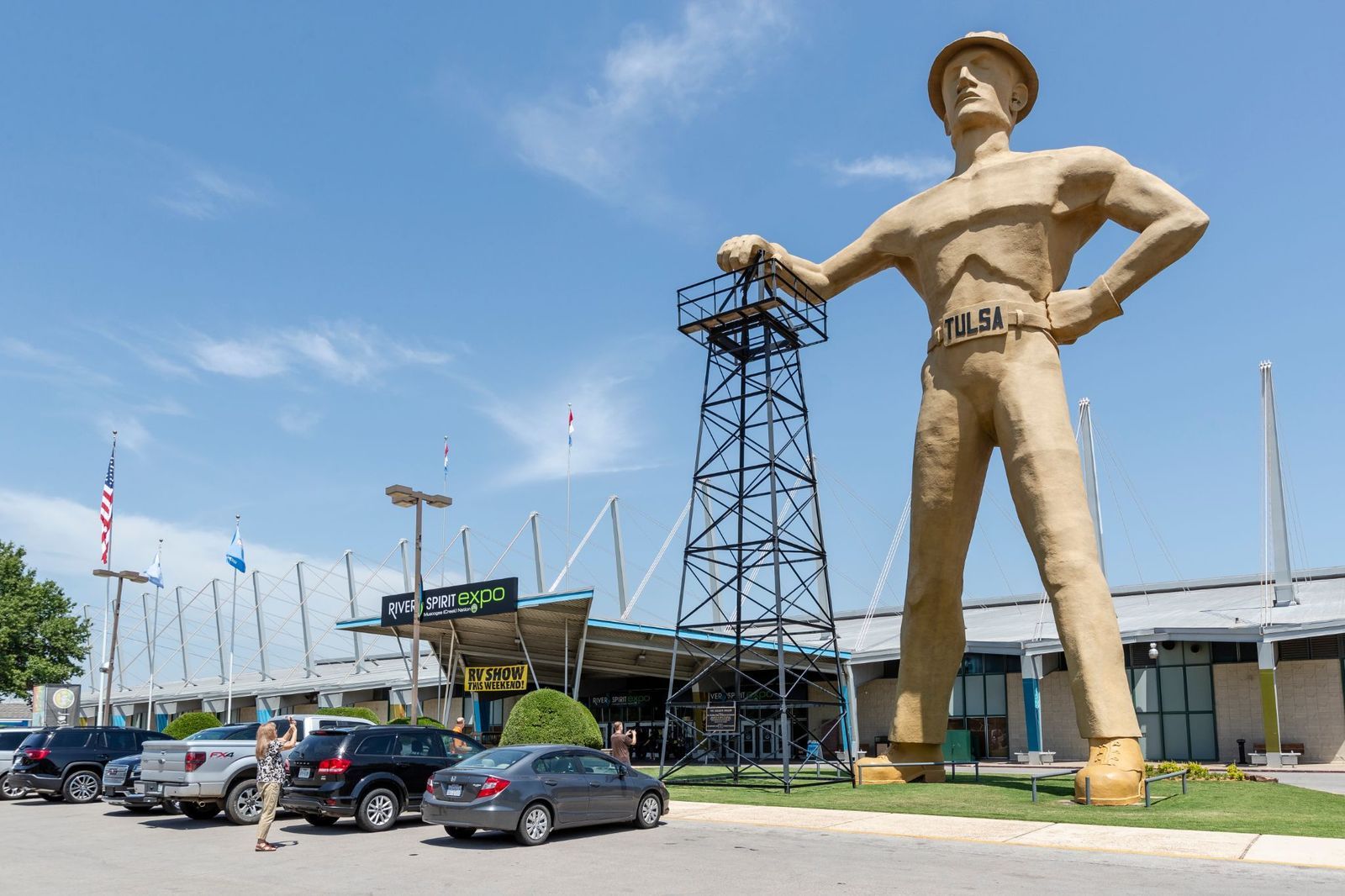
What's the one attraction you can't miss at the Tulsa State Fair? Most likely, it's the 76-foot-tall oilman statue standing right at the entrance. The fair began in 1903, but this massive statue came about later. In 1966, the 76-foot Golden Driller was built for the International Petroleum Exposition.
But there’s another landmark worth visiting at the fair: the historic Expo Square Pavilion, an Art Deco arena built in 1932 that can seat 6.311 people. The fair runs for 11 days and features livestock shows, carnival rides, games, and other classic fair attractions.
Wisconsin State Fair
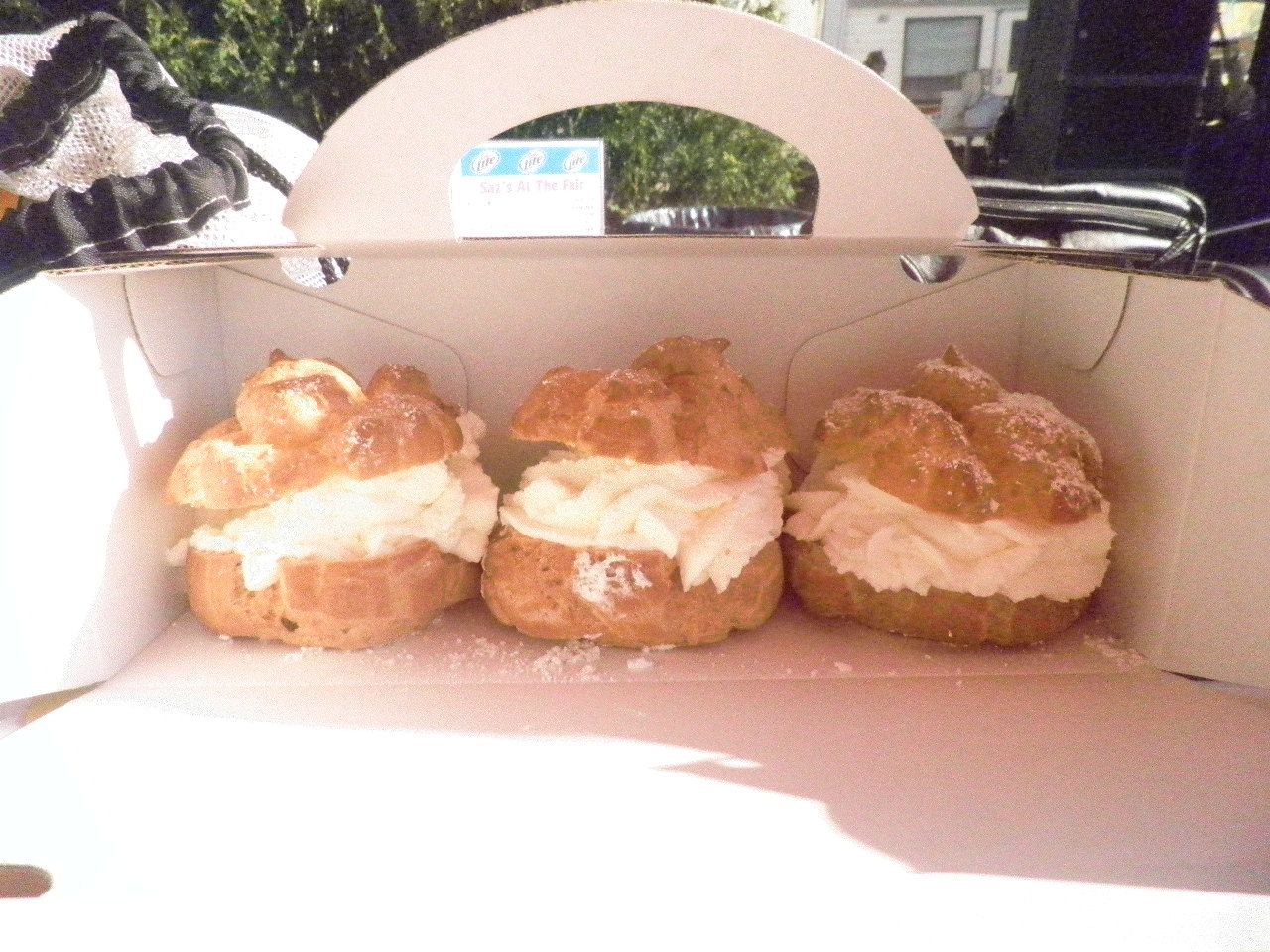
If you have a sweet tooth, the Wisconsin State Fair may be the right place for you. Held in West Allis, this fair dates back to 1852 and is famous for its giant cream puffs—visitors eat around 300,000 cream puffs every year.
But the fair is more than just cream puffs; guests can check out some unique attractions like the Sporkies food competition, watch races at the historic Milwaukee Mile, and animal contests like rabbit long-jump and classic pig races.
The Big E

Did you know you could visit all six New England states in one day? You can do just that at the Big E, aka the State Fair of New England, held in West Springfield, Massachusetts. This 17-day fair brings the New England states together in its famous Avenue of States, where folks can see state-themed buildings and buy local products.
The fair began in 1917 as a way to promote agriculture, industry, education, and commerce across New England and grew into one of the largest and most unusual fairs in the country.
Washington State Fair
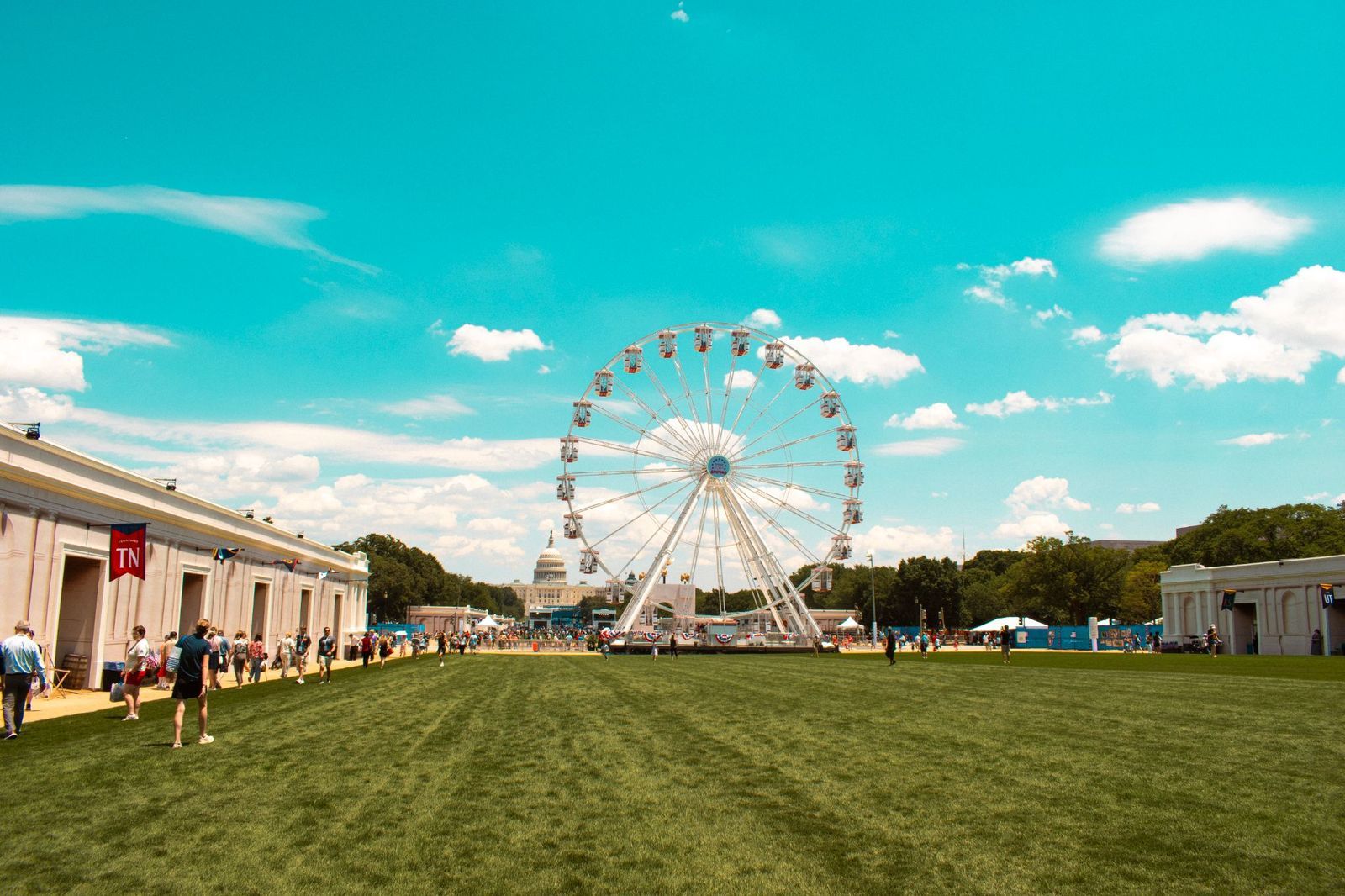
Imagine a scone so famous that a state fair celebrates its 100th anniversary. That's what happened at the Washington State Fair in Puyallup. The famous Fisher Scones originated in 1911 and have been the fair’s signature food since 1915. They are served warm with butter and raspberry jam, and in 2011 the fair celebrated the scones’ 100th anniversary and the sale of its 100 millionth scone.
The first Washington State Fair was held in 1900. Today, in addition to its famous scones, the fair is known for its concerts, rodeo, carnival rides, fair food, and livestock shows.
Arizona State Fair
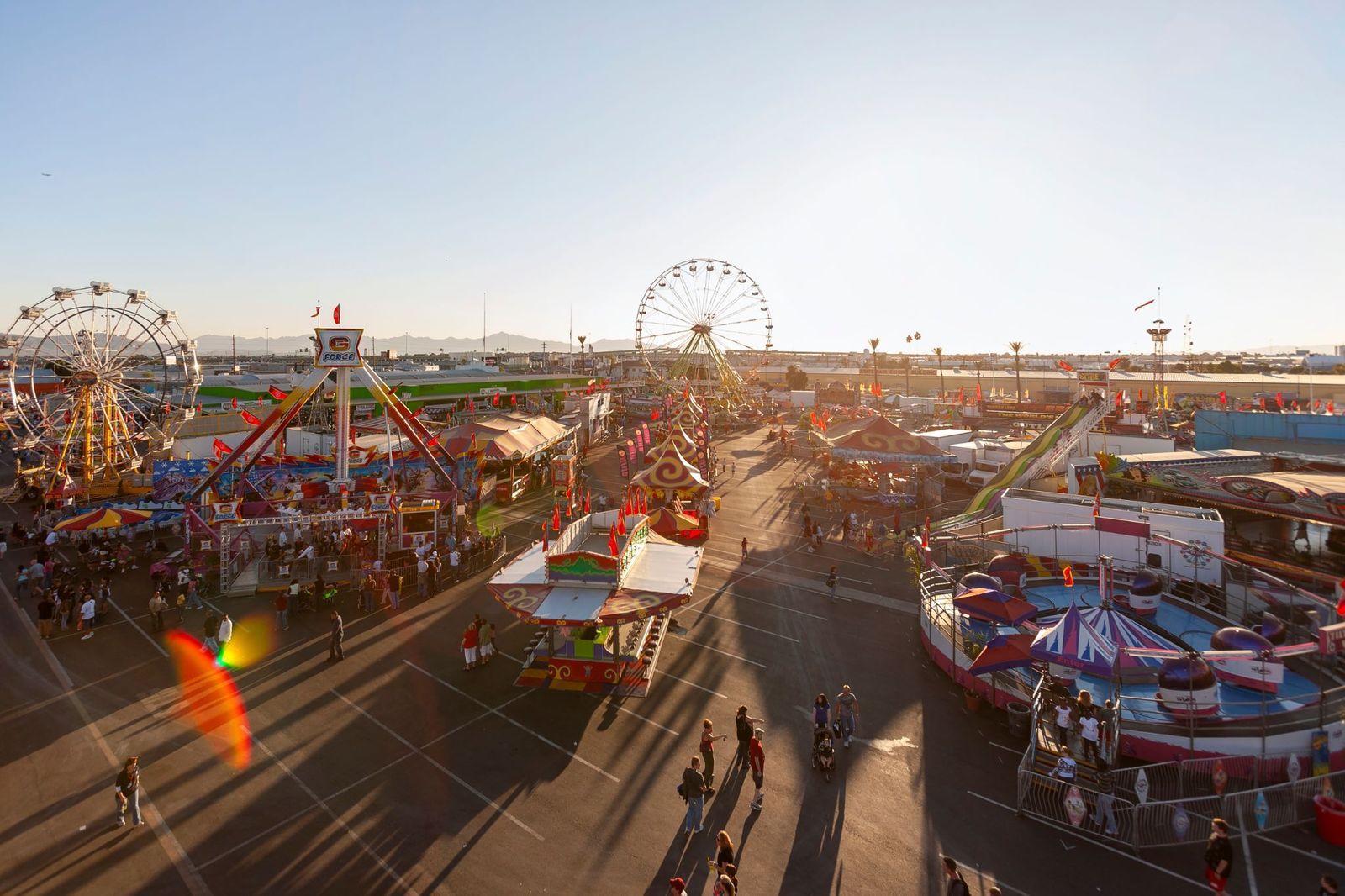
Did you know the Arizona State Fair existed before Arizona was even a state? The event began in 1884, nearly 28 years before Arizona officially became the 48th U.S. state. It started as an agricultural gathering in Phoenix that eventually grew into a celebration of Arizona’s culture.
Unlike many state fairs, this one takes place in the fall, from October to early November. One of the fair’s most notable landmarks is the Veterans Memorial Coliseum, which has hosted iconic people like Elvis Presley, Cher, and even Pope John Paul II.
North Carolina State Fair
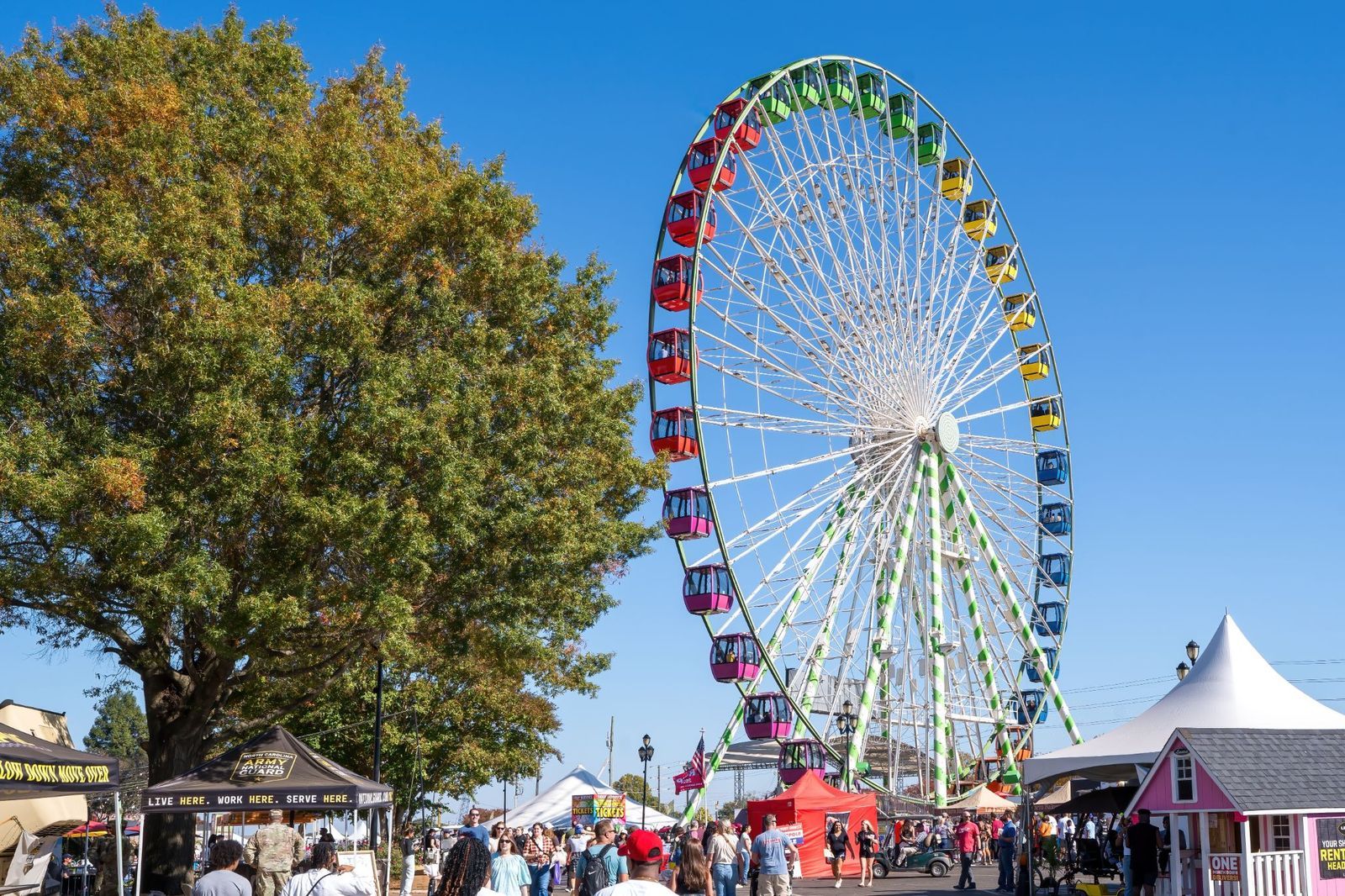
The North Carolina State Fair is 173 years old, but were you aware that it shut down during the Civil War? The fair began in 1853 as a way to promote better farming and agricultural innovation. In 1861, however, the fairgrounds in Raleigh were repurposed as a training camp for Confederate soldiers and later housed the Fairgrounds Hospital.
The fair returned in 1869 and has remained a state tradition ever since, welcoming some famous visitors, such as President Theodore Roosevelt in 1905, who gave a speech to fairgoers.
Oklahoma State Fair
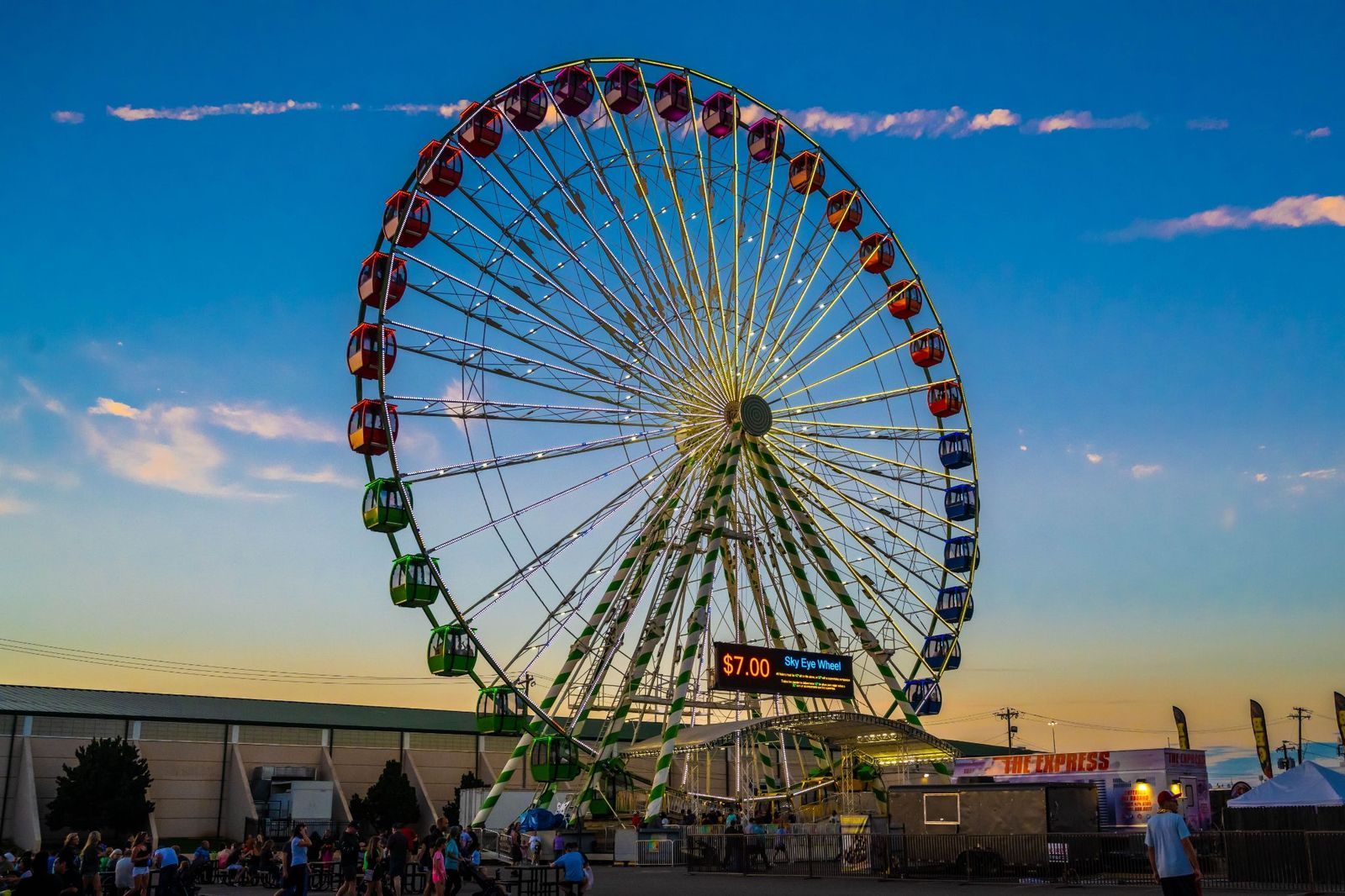
The Oklahoma State Fair opened in 1907, just six weeks before Oklahoma officially became the 46th state. This fair has made it through difficult periods, including World War II, when many fairs and other venues closed, but the Oklahoma State Fair managed to keep going.
In January 2026, the fair added a new landmark to OKC Fair Park: the Bolt Tower, a 72-foot sculpture that includes a 3D-printed time capsule filled with photos and memories connected to the fair.
Maps might be lying to you: 10 geographic truths that will blow your mind
 Geography
Is Australia really wider than the Moon? 10 geography paradoxes explained
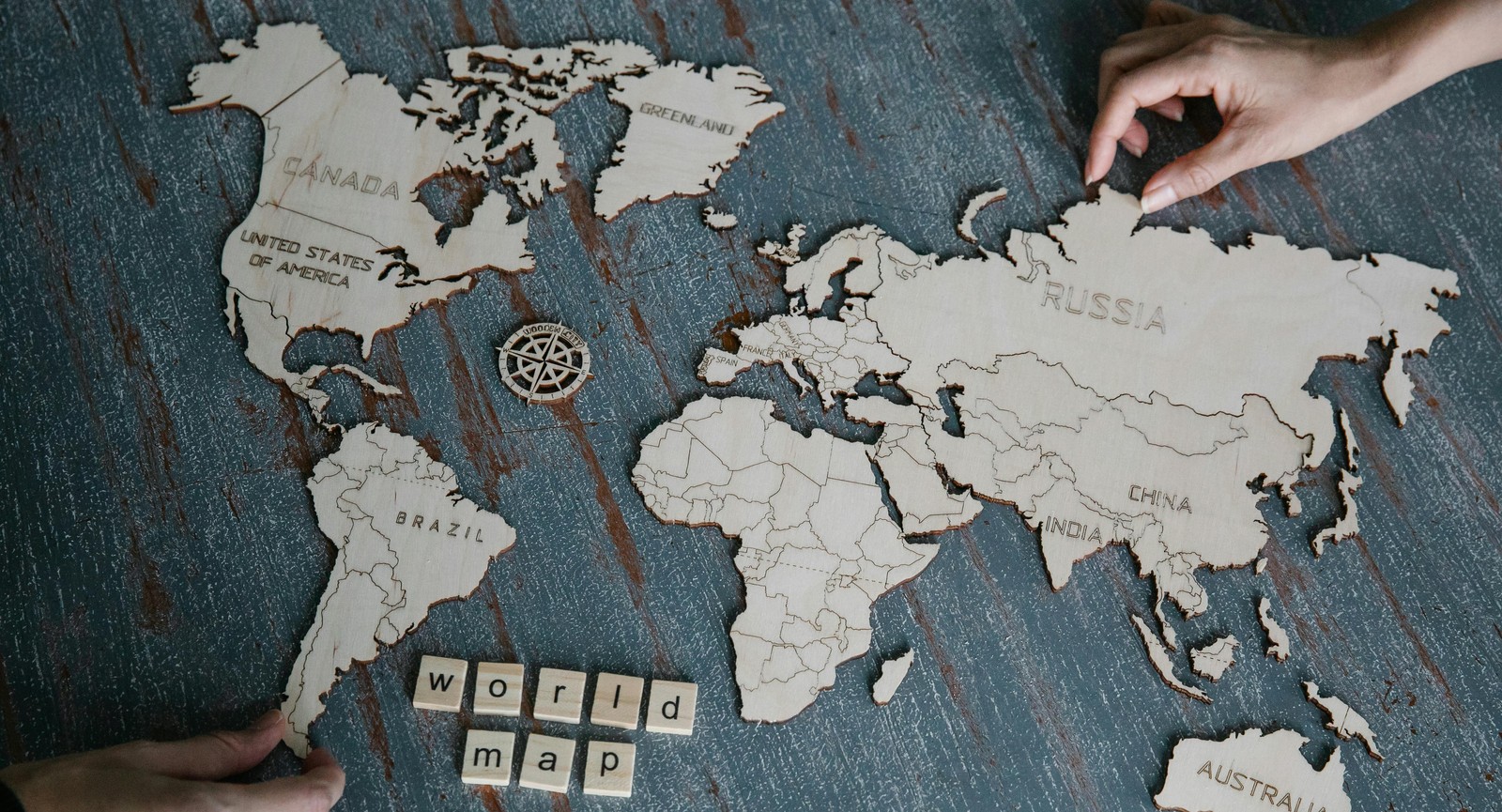
Maps often serve as our first glimpse into the world, but they can also be misleading. Because it’s mathematically impossible to flatten a 3D sphere into a 2D rectangle without stretching reality, most of us grew up with a distorted view of continents, distances, and even time. From islands that exist in two hemispheres at once to a tiny country with multiple time zones, the true layout of our planet is far more paradoxical than your wall map might suggest. Get ready to set aside what you learned at school as we explore 10 geographic facts that prove our world is much weirder than it looks.
Australia is wider than the Moon
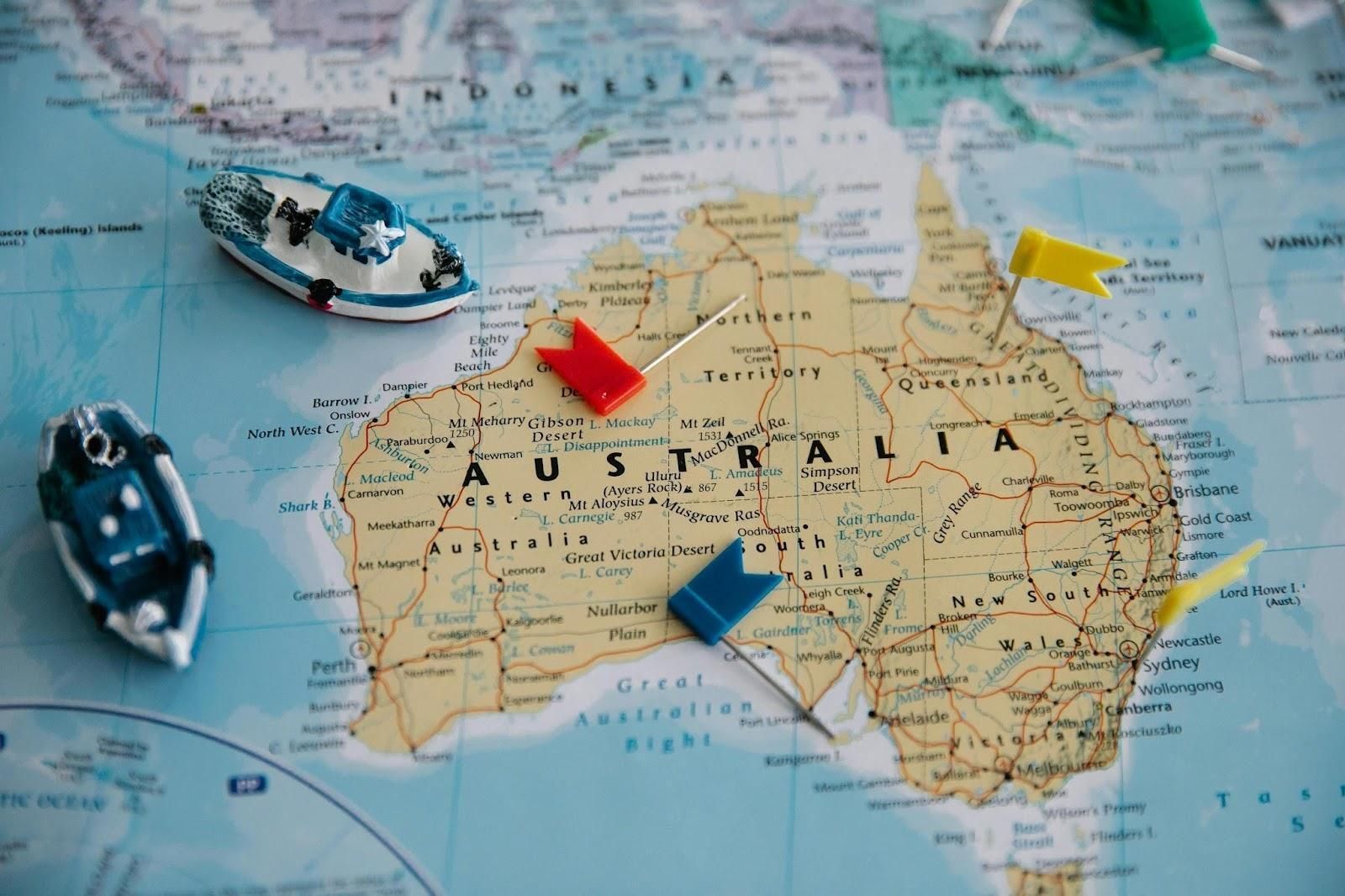
From east to west, Australia spans roughly 2,500 miles, slightly wider than the Moon’s diameter of about 2,160 miles. This means Australia is wider than the Moon across a straight line. However, because the Moon is a sphere, it has a much larger surface area overall. This comparison highlights how large Australia is across its width, even if it’s hard to picture on a flat map.
Alaska is both the easternmost and westernmost state
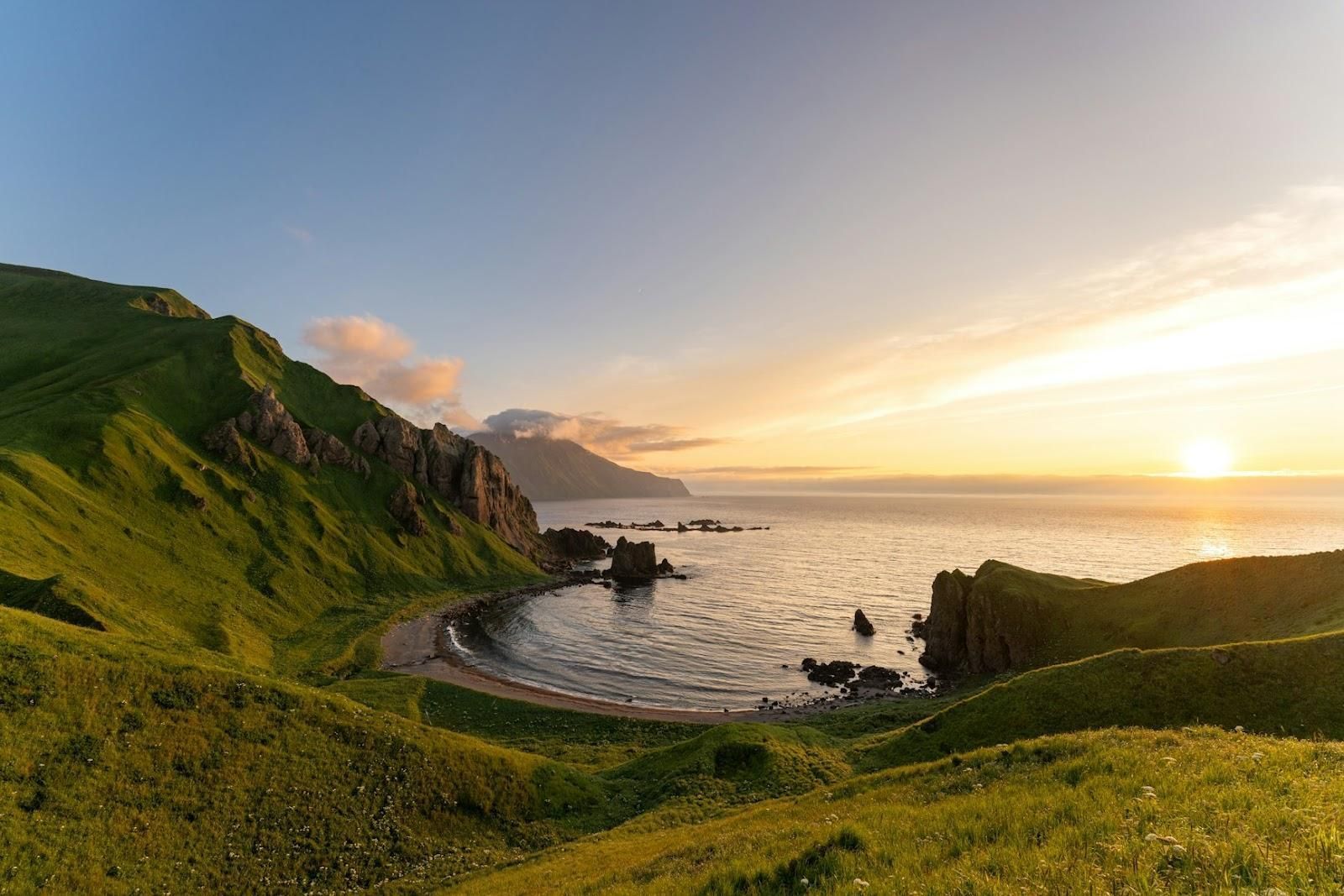
Here’s a fact that sounds wrong until you look at a globe. We all know Alaska extends far west, but its Aleutian Islands continue past the 180th meridian, the line used to separate eastern and western longitudes. Since longitude resets at that meridian, land just beyond it is considered a part of the Eastern Hemisphere. As a result, Alaska contains both the westernmost point of the United States and, by longitude, the easternmost point too.
A country with 12 time zones
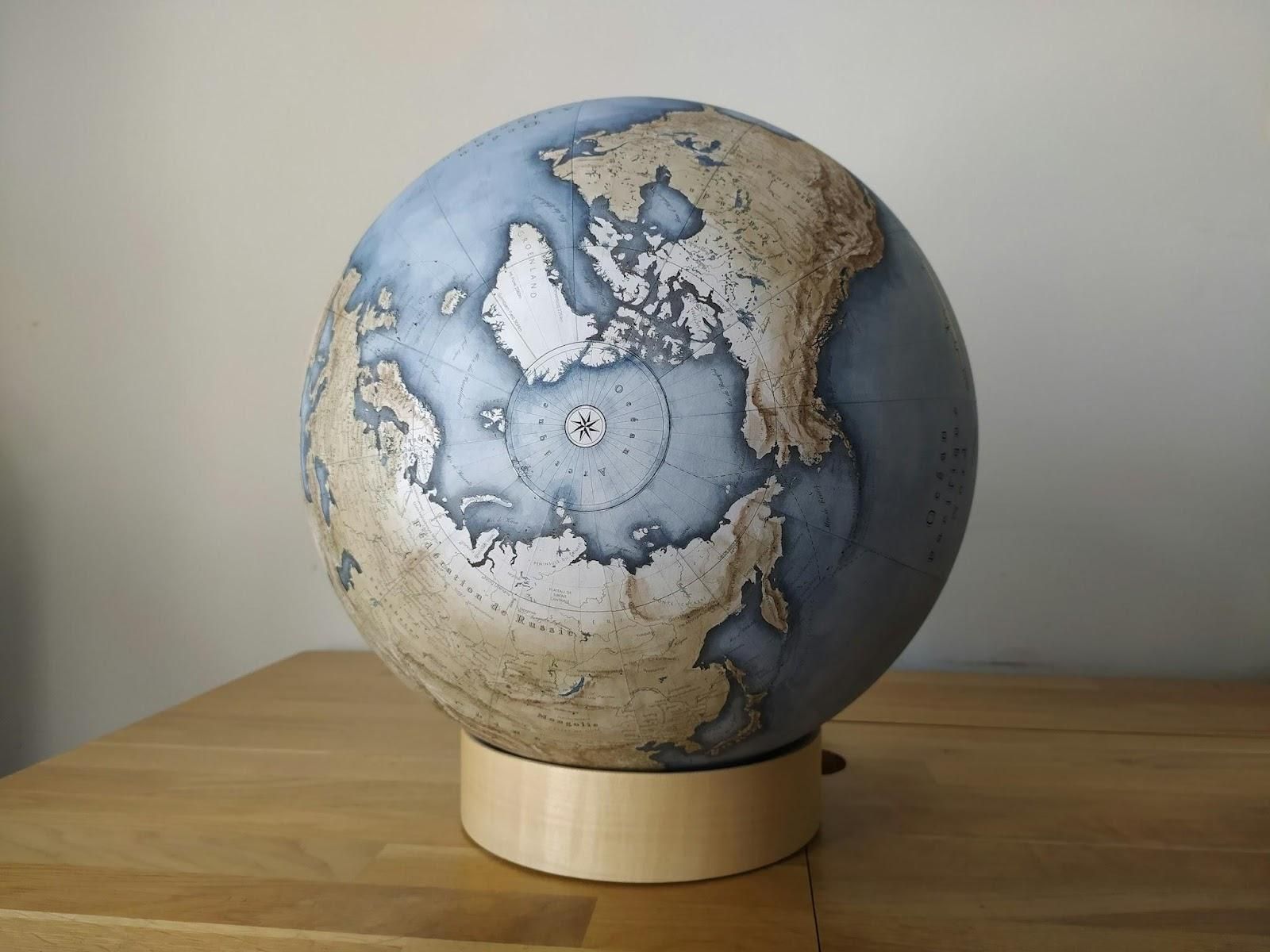
Do you know which country has the most time zones? At first thought, Russia might seem like the obvious answer, but actually, France holds the record for the most time zones. The European country officially spans 12 time zones, even though mainland France uses only one. The extra zones come from overseas territories located in several parts of the world, such as the Caribbean, South America, the Indian Ocean, and the Pacific. These territories are governed by France, which is why their local time zones are included in the national count.
Eastern Russia serves breakfast when Western Russia has dinner
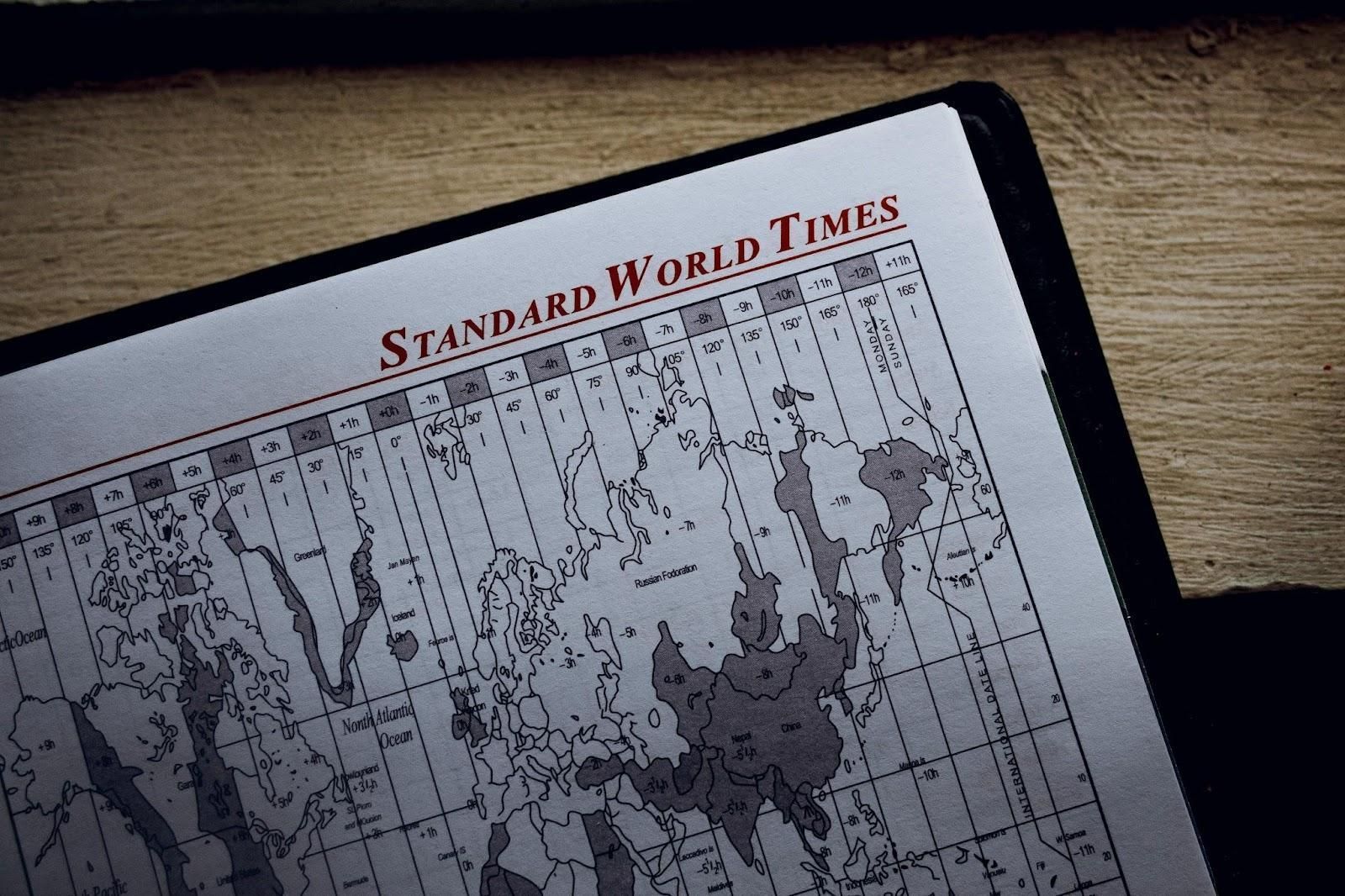
Okay, France has the most time zones, but Russia isn’t that far behind. In fact, Russia covers a huge area with 11 official time zones stretching about 5,600 miles from east to west. This means daily life can look very different depending on where you are. When people in the far eastern city of Petropavlovsk-Kamchatsky start their workday, people in Moscow are likely finishing theirs. Pretty amazing, right?
Maine is the closest U.S. state to Africa
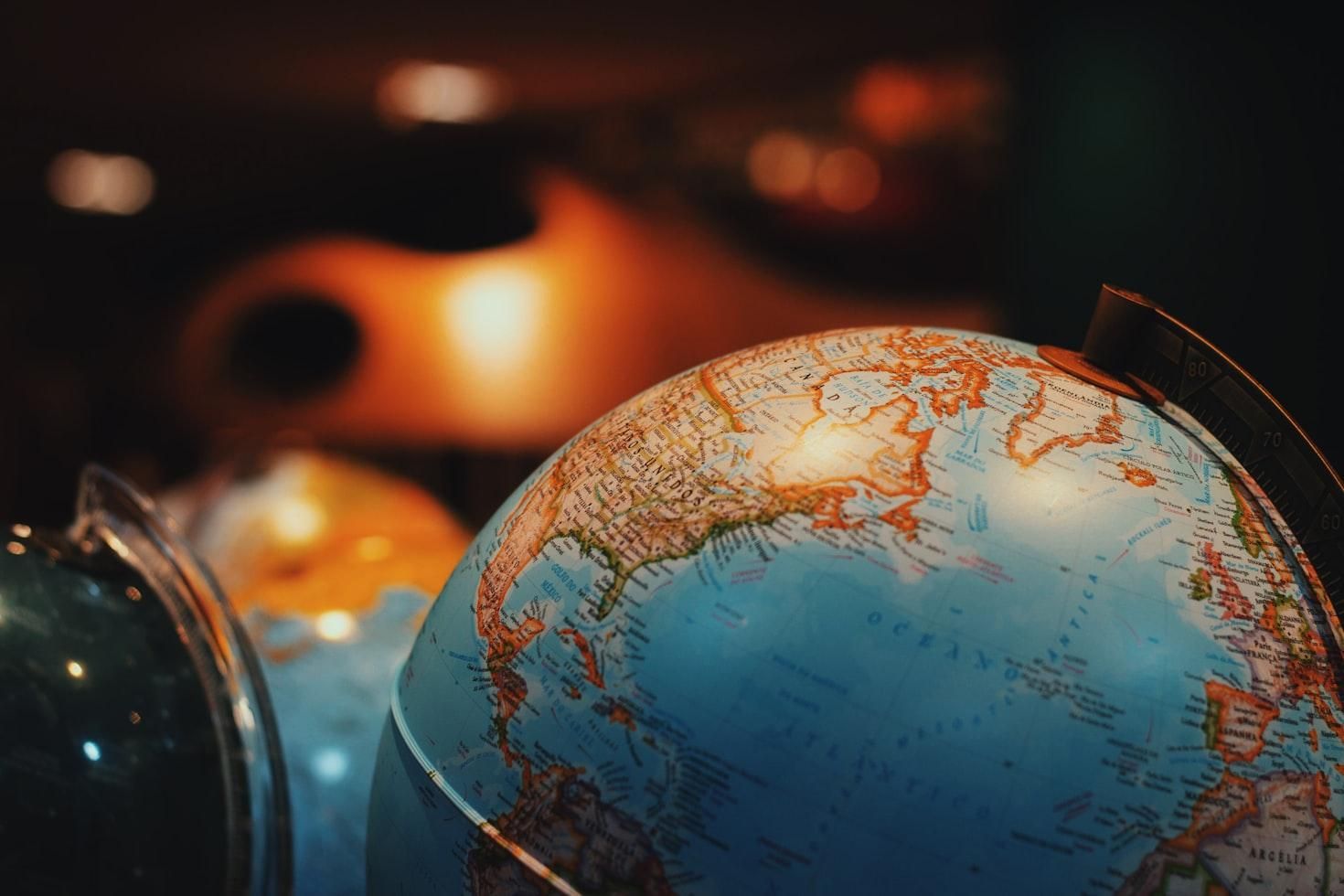
Flat maps can be misleading because they distort distance and direction. When viewed on a globe, Maine’s easternmost point, West Quoddy Head, clearly extends farther east than Florida. If you draw a straight line across the Atlantic Ocean, Maine is closer to parts of North Africa than any other U.S. state. Although Florida lies farther south, in terms of direct distance across the ocean, it is actually farther away.
Most Canadians live south of Seattle
Canada is often thought of as mostly northern, but its population tells a different story. About 60 percent of Canadians live south of Seattle’s latitude, which is roughly 47.6 degrees north. Major cities such as Toronto, Montreal, and Ottawa are all located below that line. Much of northern Canada has harsh weather, long winters, and limited infrastructure, which explains why so few people live there. Have you ever thought about that?
China uses just one time zone
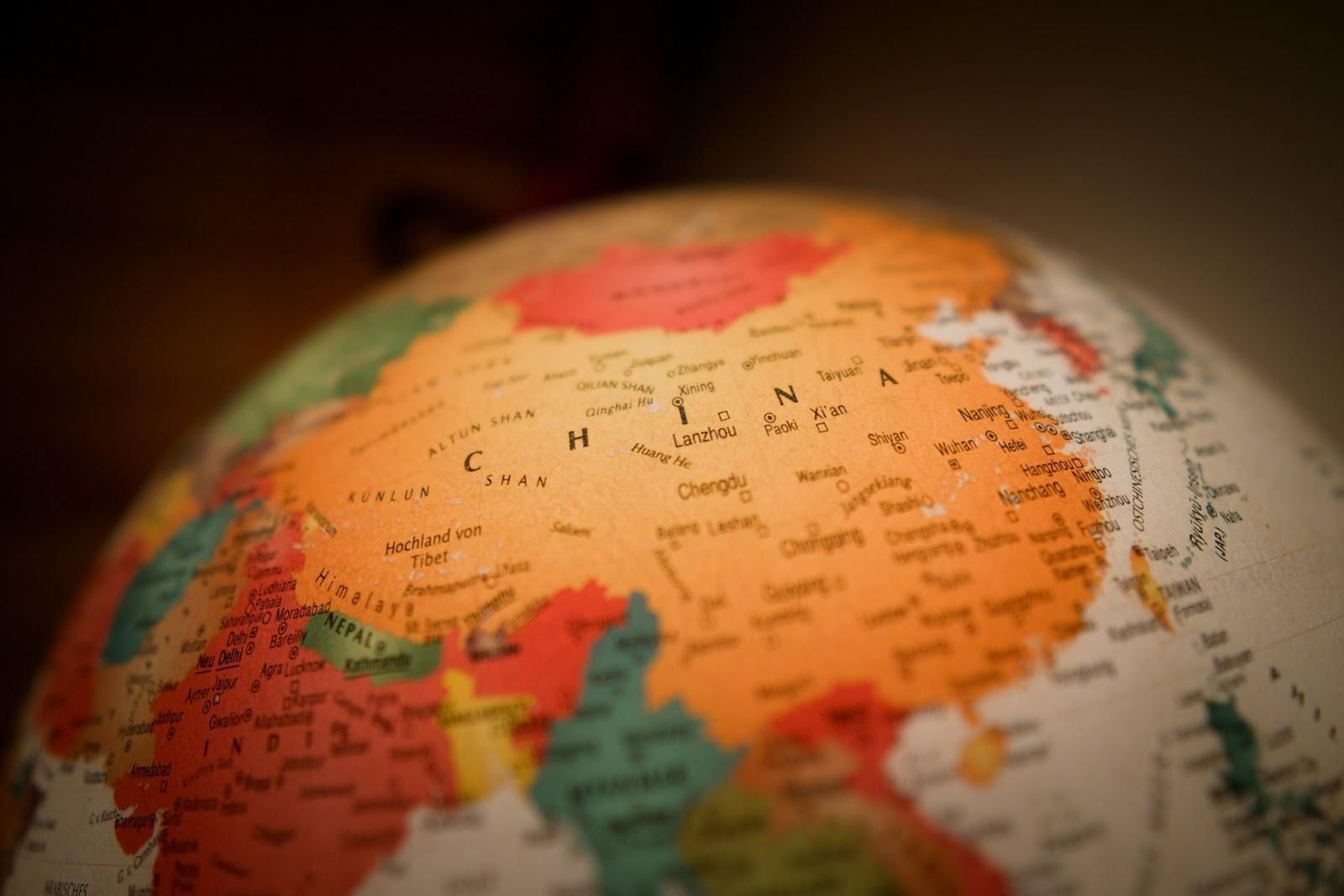
Wait, what? Though China stretches across nearly the same east-to-west distance as the continental United States, the entire country officially follows a single time zone known as Beijing Time. This system has been in place since 1949, when the government unified the country’s clocks. In far western regions like Xinjiang, the sun might not rise until late in the morning. Because of this, many residents adjust their routines and use unofficial local times for work, school, and social activities, even though Beijing Time remains the official standard.
Norway has a longer coastline than Russia
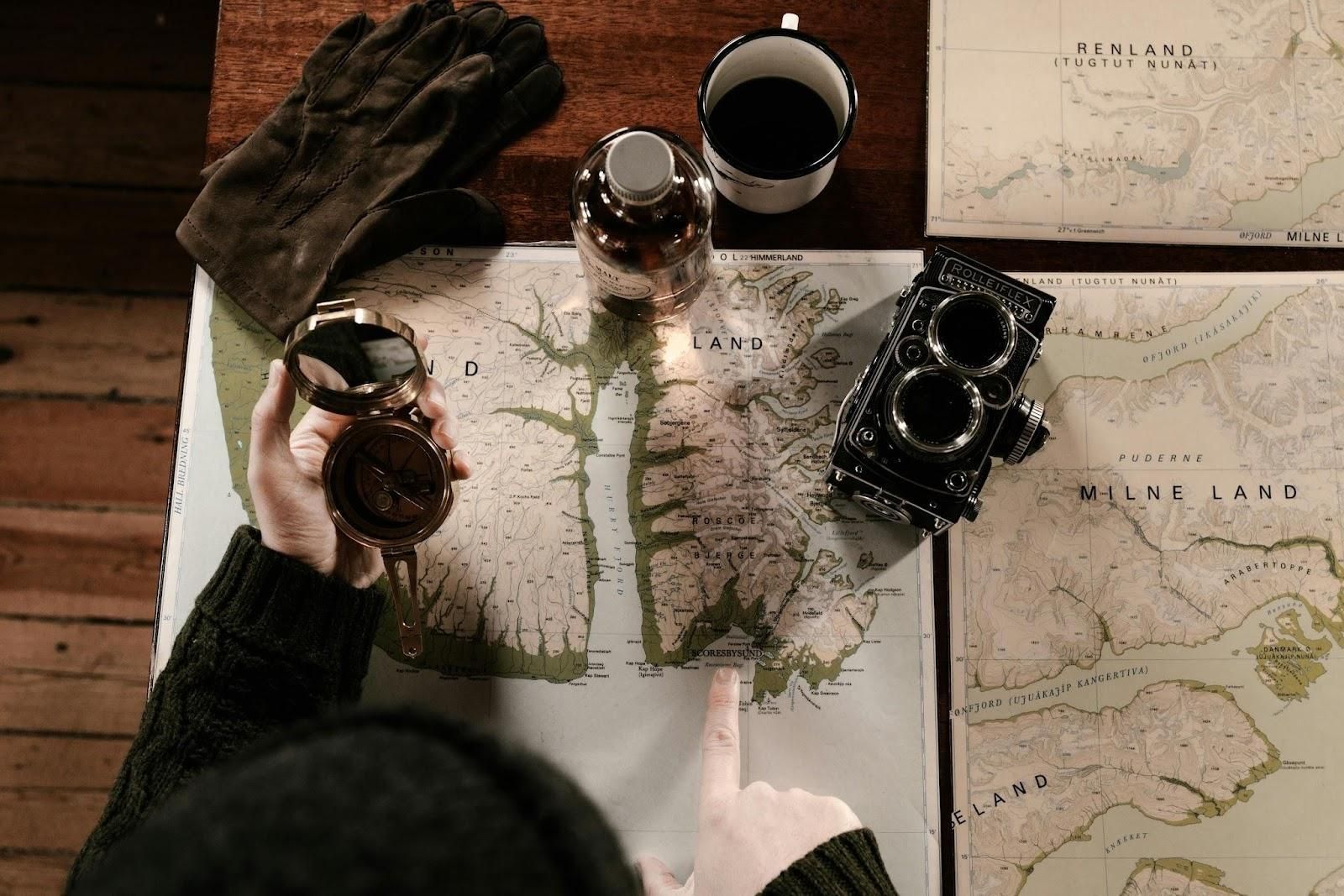
Size alone doesn’t always determine coastline length. Norway’s deeply indented shores, shaped by fjords, islands, and inlets, create many curves and narrow waterways that increase the total length. When measuring these features, Norway’s coast totals around 64,000 miles. Russia’s coastline spans across several oceans and seas but is generally smoother, with fewer deep inlets. Because standard measurement methods count fewer small bends, Russia’s total coastline appears shorter despite the country’s much larger land area.
The world’s population could fit in Texas
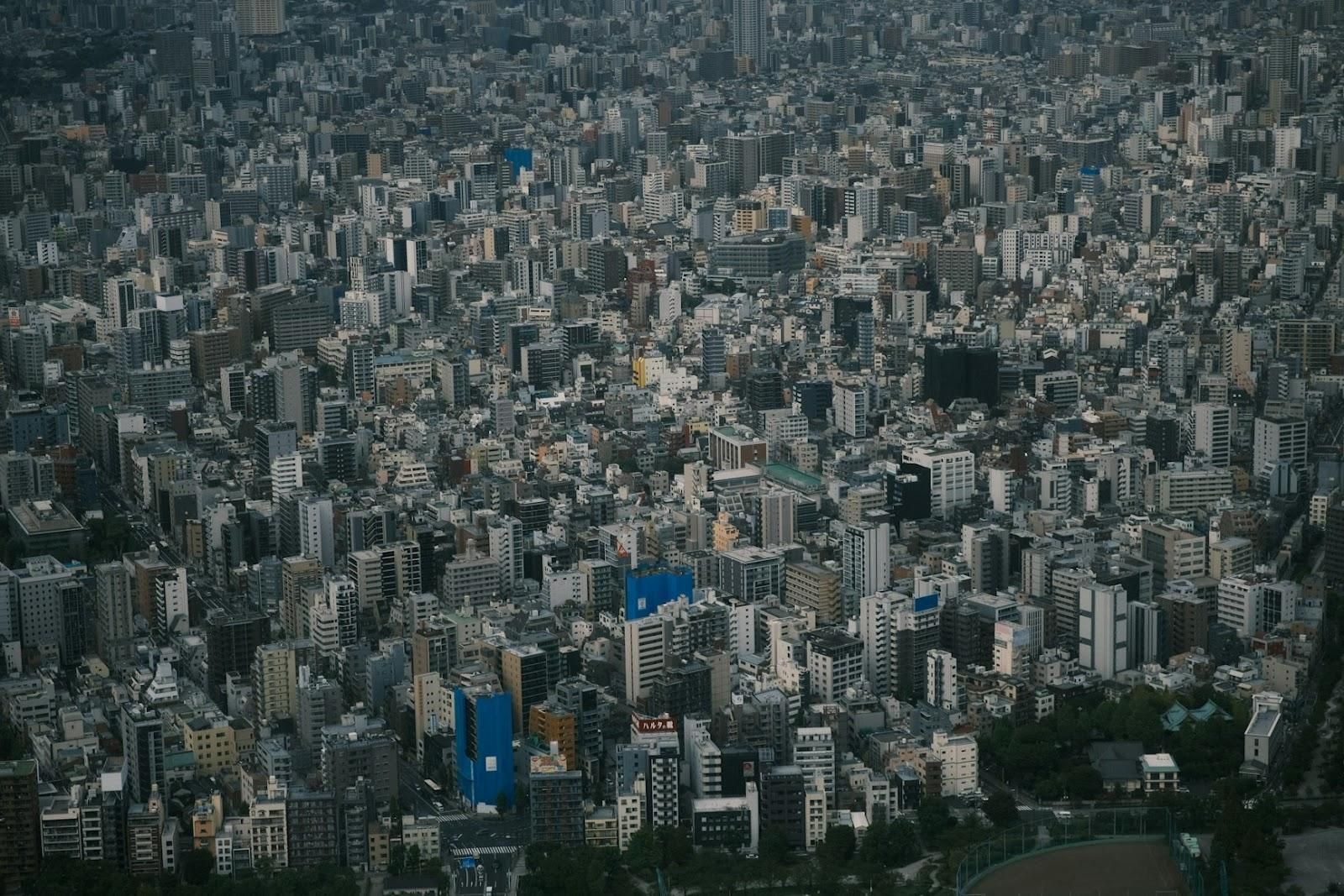
Texas covers about 268,000 square miles, making it one of the largest states in the United States. When people say the world’s population could fit in Texas, they are comparing the average population density of major U.S. cities to the state’s land area. At dense urban population levels, Texas could theoretically hold billions of people. Of course, that’s not a realistic living scenario, but it shows how population density, infrastructure, and settlement patterns matter more than land size alone.
Samoa is among the first and last places to celebrate New Year’s
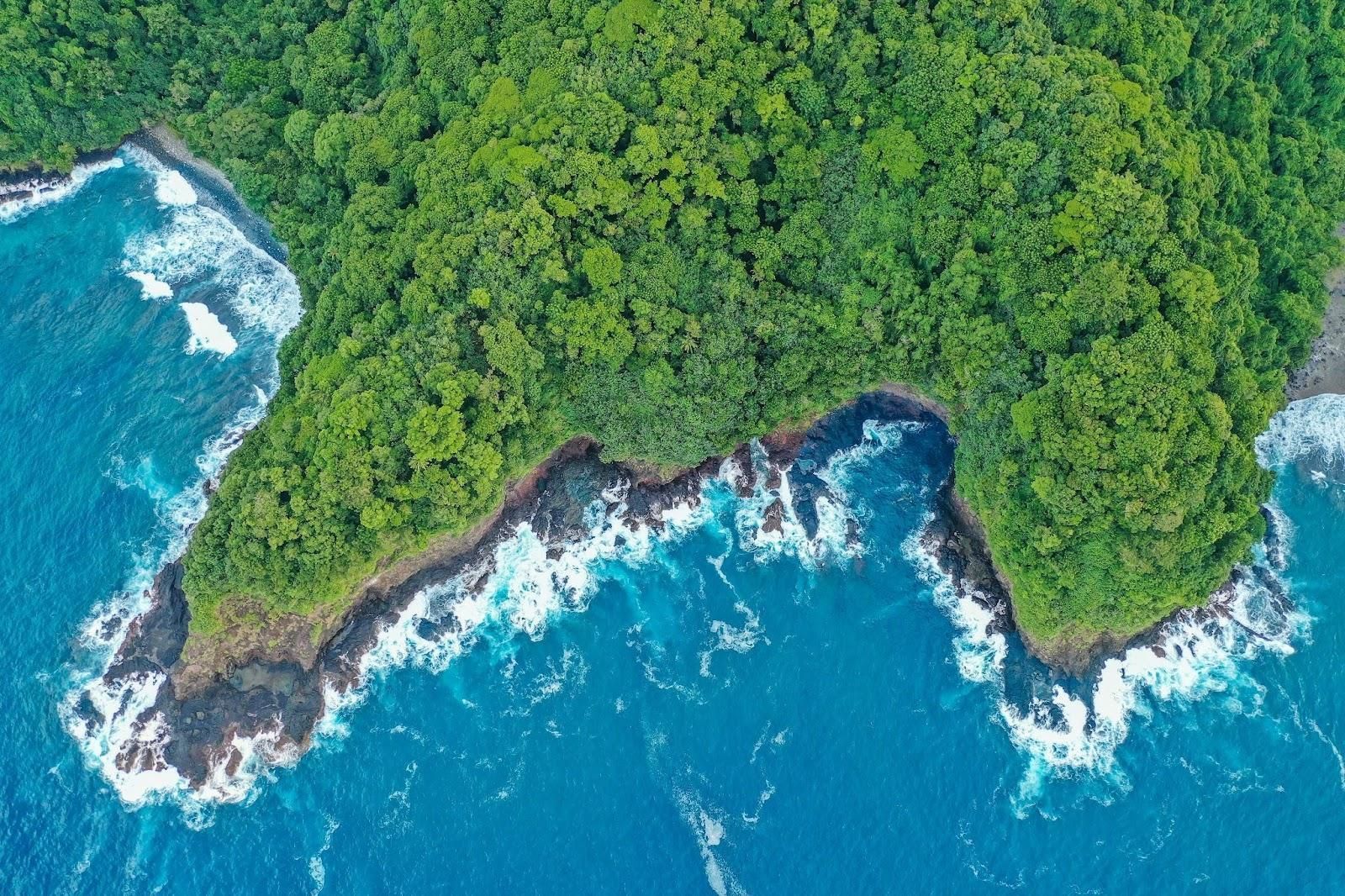
How can two locations less than 100 miles apart be nearly a full day apart? Samoa and American Samoa sit on opposite sides of the International Date Line, which marks the change from one calendar day to the next. In 2011, the nation of Samoa shifted its position relative to the Date Line to better align its workweek with major trading partners in Asia and Australia. This decision caused Samoa to skip a day on the calendar. Since then, Samoa has been among the first places to enter the New Year, while American Samoa remains among the last.
Keep wandering
There’s always
more to explore
 General
How one package of macadamia nuts made the pilot turn the plane around
5 min.
Read Now
Nearly everyone in this town lives in one 14-story building
6 min.
Read Now

Can too many visitors change a town forever? The truth about tourism
6 min.
Read Now
Chernobyl: the residents were told they’d be back in three days
6 min.
Read Now