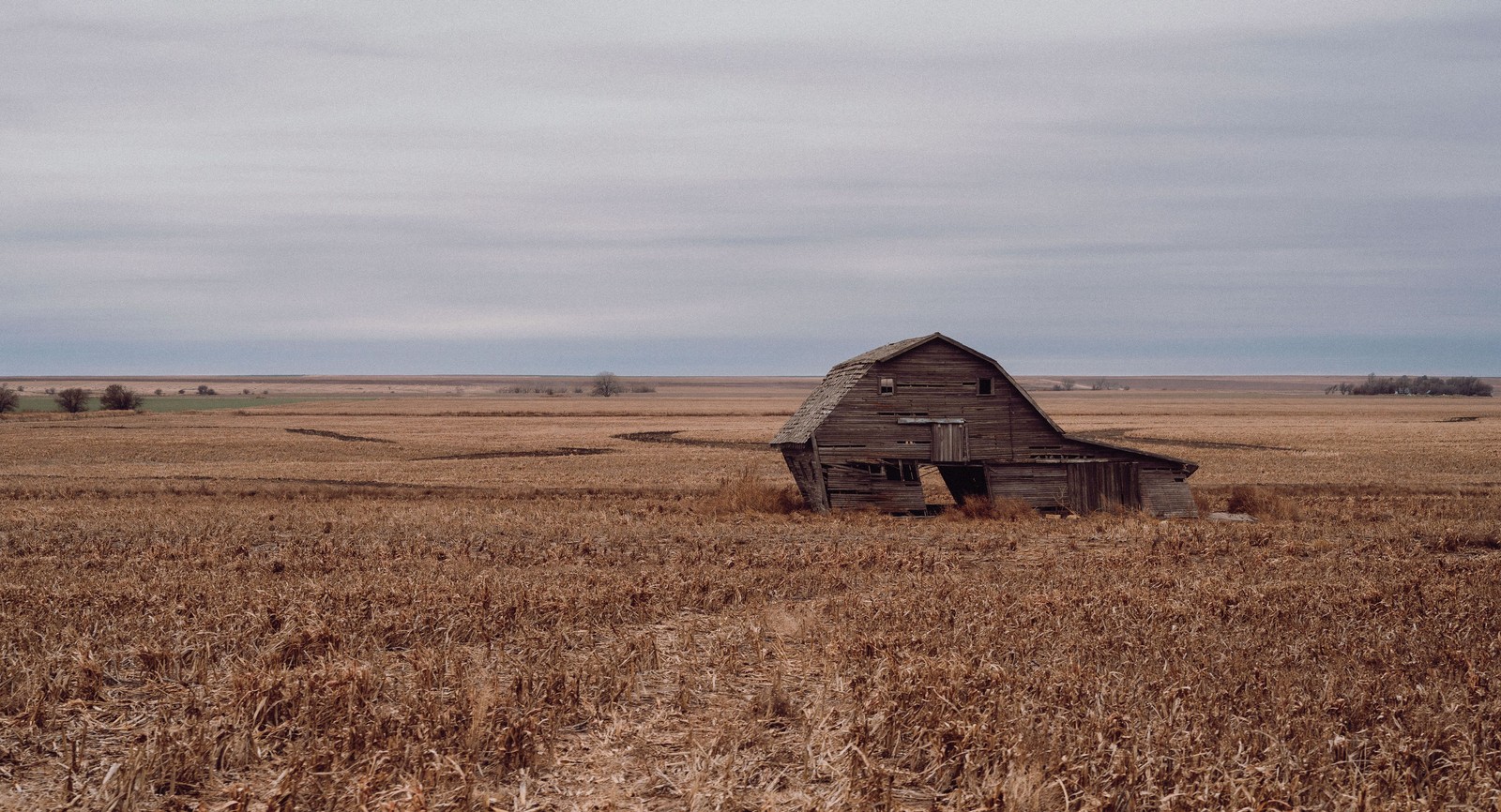
Nearly everyone in this town lives in one 14-story building
 General
Home, unusual home
Nearly everyone in this town lives in one 14-story building
Some towns sit atop a fire that has been burning underground for more than 60 years. Others fit nearly every resident inside a single 14-story building. And these are just the beginning. Across the globe, there are places where the rules of everyday life look very different from what most of us grew up with, shaped by extreme landscapes, surprising history, and the people stubborn (or brave) enough to call them home. Scroll down to meet the places that will change how you picture a "hometown."
Whittier, Alaska: Almost everyone lives in the same building
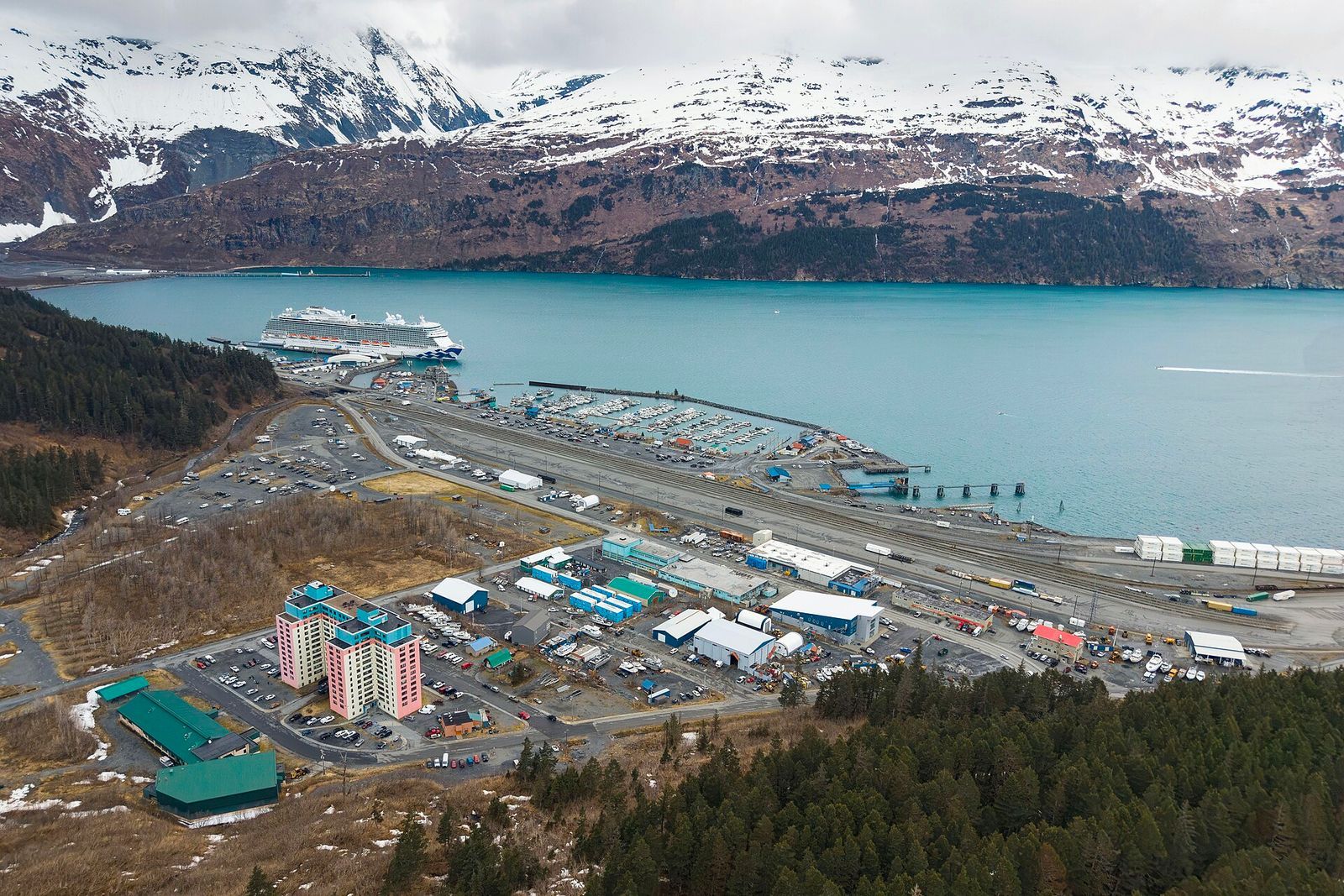
Imagine living in a town where your neighbors, the local post office, and even some public services are all just an elevator ride away. Whittier, a small coastal community in Alaska, has around 275 year-round residents, and roughly 80% to 90% live in Begich Towers, a 14-story building originally built for military personnel during World War II.
The building makes daily life particularly convenient in a place known for its remote location and harsh weather. Many residents can reach essential services without spending much time outdoors, and the local school is just across the street. Getting in and out of town is unusual, too: a road-and-rail tunnel through a mountain connects Whittier to the rest of Alaska, operating on a schedule shared by cars and trains. Could you imagine having almost everything you need under one roof, without ever having to go far from home?
Coober Pedy, Australia: A city underground
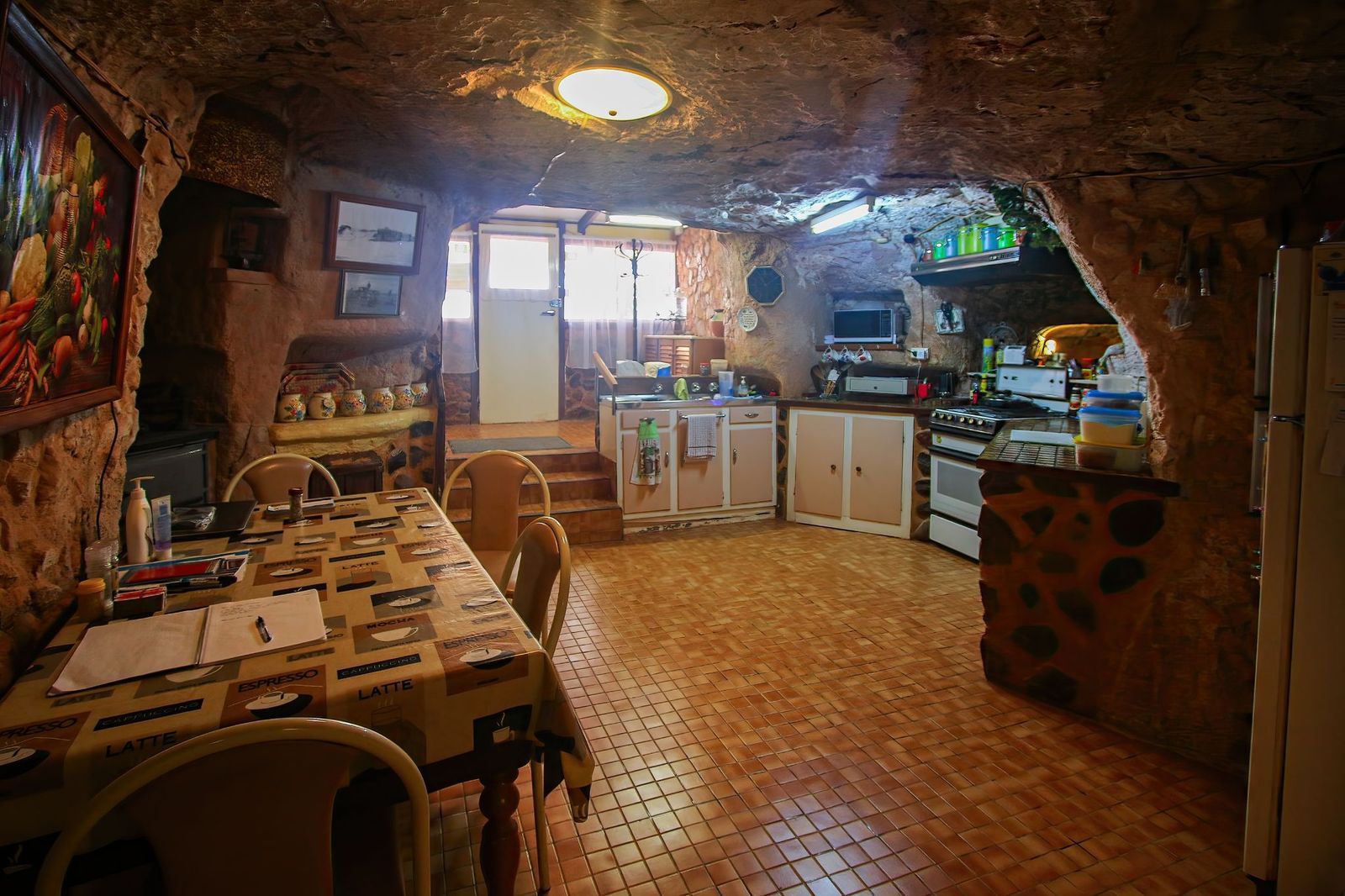
In the Australian Outback, where summer temperatures can become intense, some residents have found an unconventional way to stay comfortable: they live underground. Coober Pedy is famous for its dugouts, homes, and other spaces excavated into the hillsides. From the outside, these dwellings may look like ordinary holes in the ground, but inside, many have bedrooms, kitchens, bathrooms, and comfortable living areas.
Living underground helps residents escape the Outback’s extreme heat. Coober Pedy is also famous for opal mining, which draws people from around the world. Visitors can explore underground churches, museums, and hotels in a town that feels unlike anywhere else in Australia.
Yakutsk, Russia: A city built on permafrost
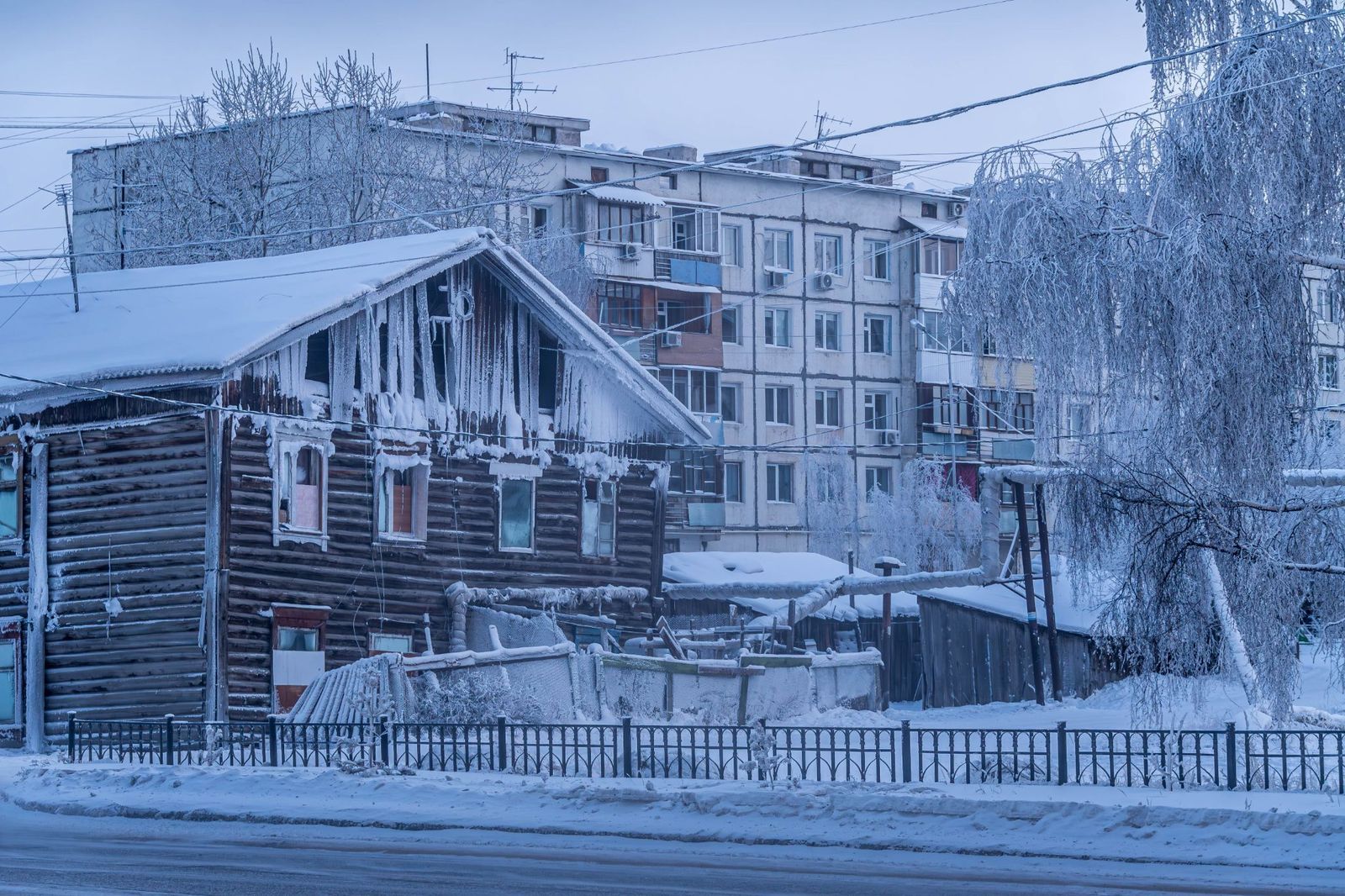
Winter in Yakutsk, eastern Siberia, is brutally cold, with temperatures sometimes dropping below minus 40 degrees Fahrenheit. Yet thousands of people call the city home, and daily life goes on through the long winter, with schools, shops, and businesses staying open despite the freezing conditions.
One of the biggest challenges lies beneath the streets. The ground in this region remains frozen year-round in many places, a condition known as permafrost. Buildings must be designed to avoid transferring too much heat into the frozen soil, which could thaw and destabilize their foundations. As a result, many structures stand on elevated supports rather than resting directly on the ground. In Yakutsk, engineering around the frozen earth is an essential part of urban life.
Auroville, India: A city designed to belong to no country
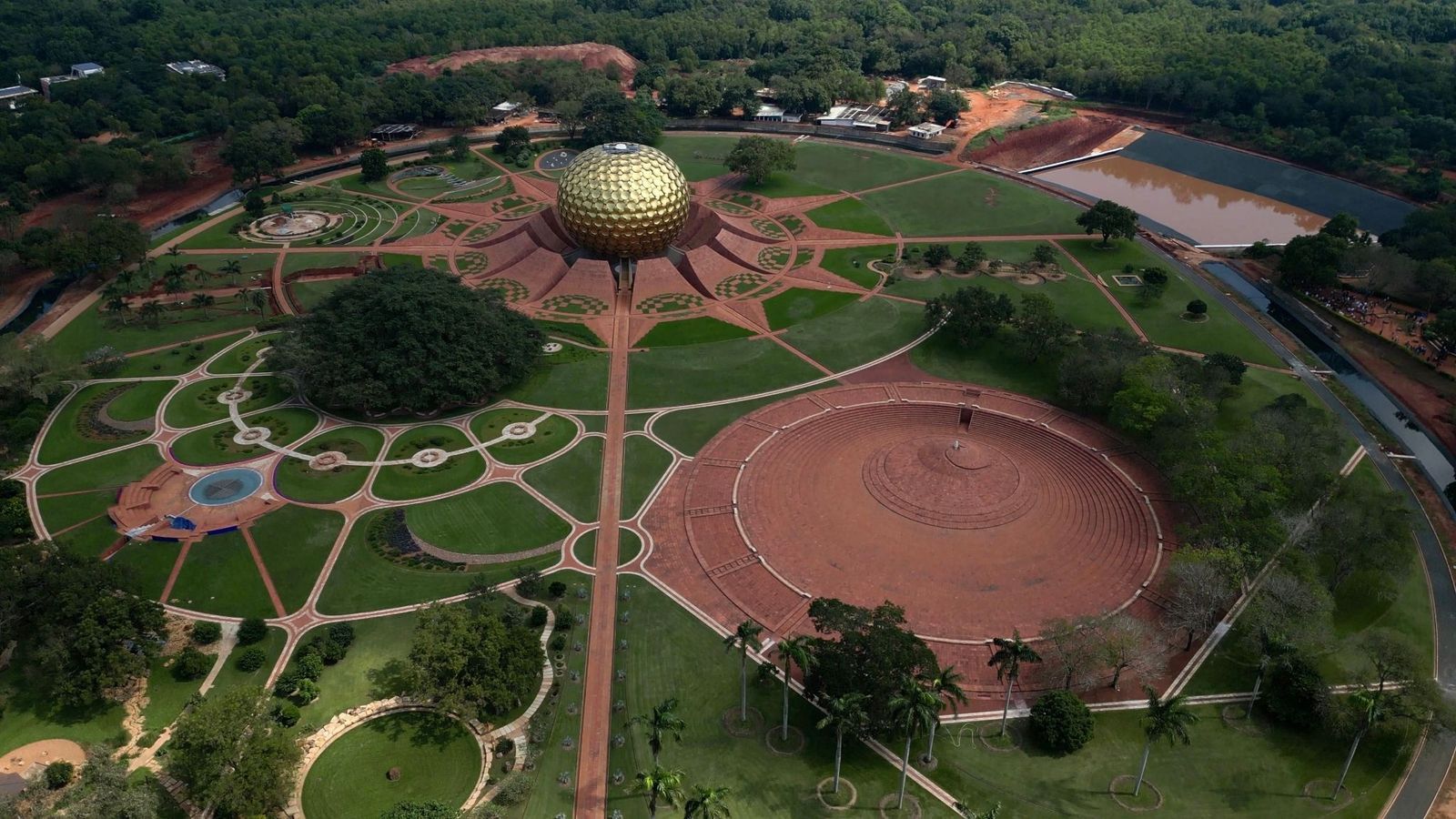
Founded in 1968 in Tamil Nadu, southern India, Auroville was created around an unusual idea: a community where people from different countries could live and work together, putting human unity ahead of national identity. Its founding charter, written by spiritual leader Mirra Alfassa, states that Auroville belongs to humanity as a whole, rather than to any one person or nation.
Auroville is part of India, but its international community brings together people from dozens of countries who share a vision of living and working together. Residents take part in farming, education, and sustainability projects. The community’s best-known landmark is the Matrimandir, a striking golden sphere surrounded by greenery.
Monowi, Nebraska: A town with only one resident
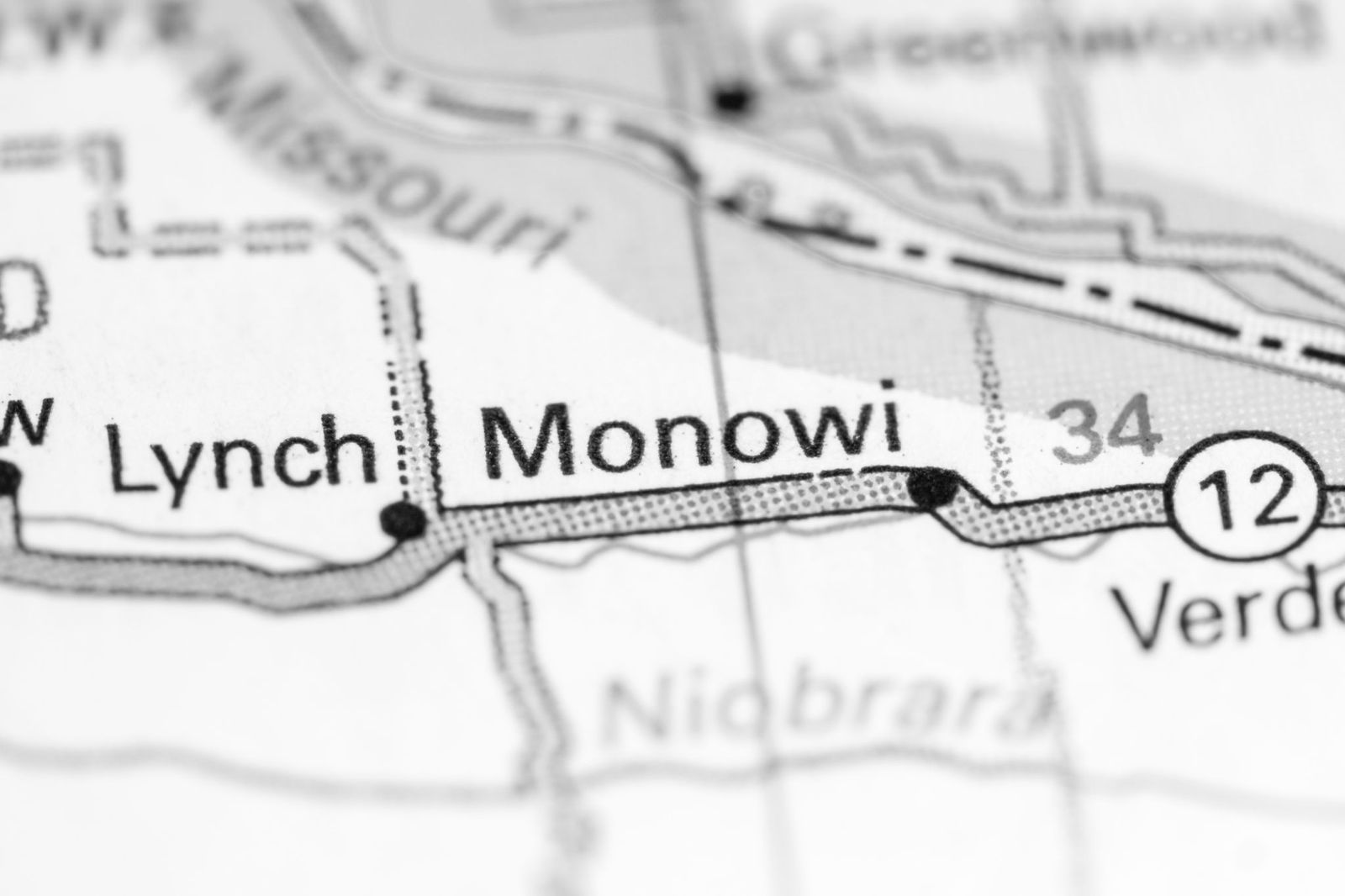
In Monowi, Nebraska, one woman wears several hats: mayor, librarian, and bar owner. Elsie Eiler is the town's only resident, after decades of population decline led nearly everyone else to leave. Like many small rural communities, Monowi gradually lost residents as people moved elsewhere for work and other opportunities.
So, what does a town of one look like? Eiler runs the Monowi Tavern, which attracts visitors passing through the area, and maintains Rudy's Library, a collection of thousands of books named after her late husband. She also handles the town's official paperwork, including the permits and taxes needed to keep its local government running. Although Monowi has no other permanent residents, it hasn't disappeared entirely: curious travelers still stop by to see this one-of-a-kind place.
Have you ever thought what your daily life would look like if you were the only person who called your town home?
Centralia, Pennsylvania: The town sitting above an underground fire
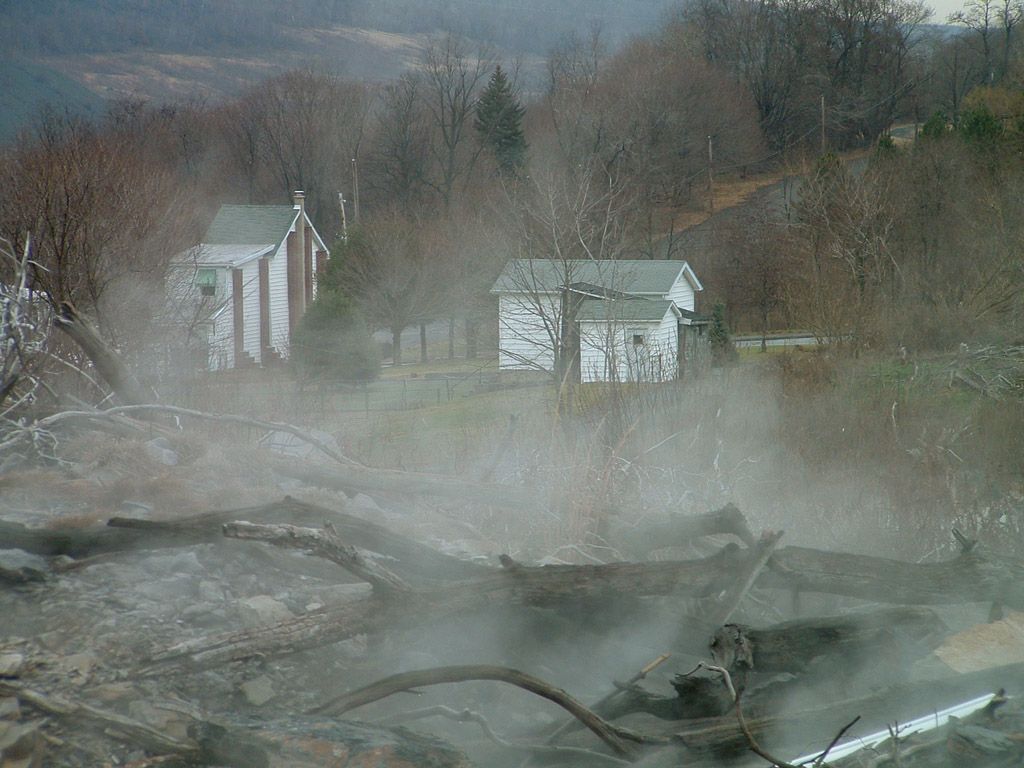
Centralia, Pennsylvania, was once a small mining town where coal was a major source of jobs. In 1962, a fire ignited in a landfill and spread into an abandoned coal mine beneath the town. The problem was that the underground tunnels contained plenty of coal to keep the fire going. Once it spread through the network of mines, putting it out became extremely difficult.
The fire has continued burning underground for decades, moving through coal deposits that are difficult to reach directly. At the surface, residents began dealing with smoke, dangerous gases, and ground that could become unstable as the fire spread below. Most people eventually left, and the government bought out many properties to relocate residents. Today, Centralia has almost no permanent population, and the underground fire remains a reminder of how a seemingly ordinary fire can change a town forever.
Arviat, Canada: An Arctic community where trees are scarce
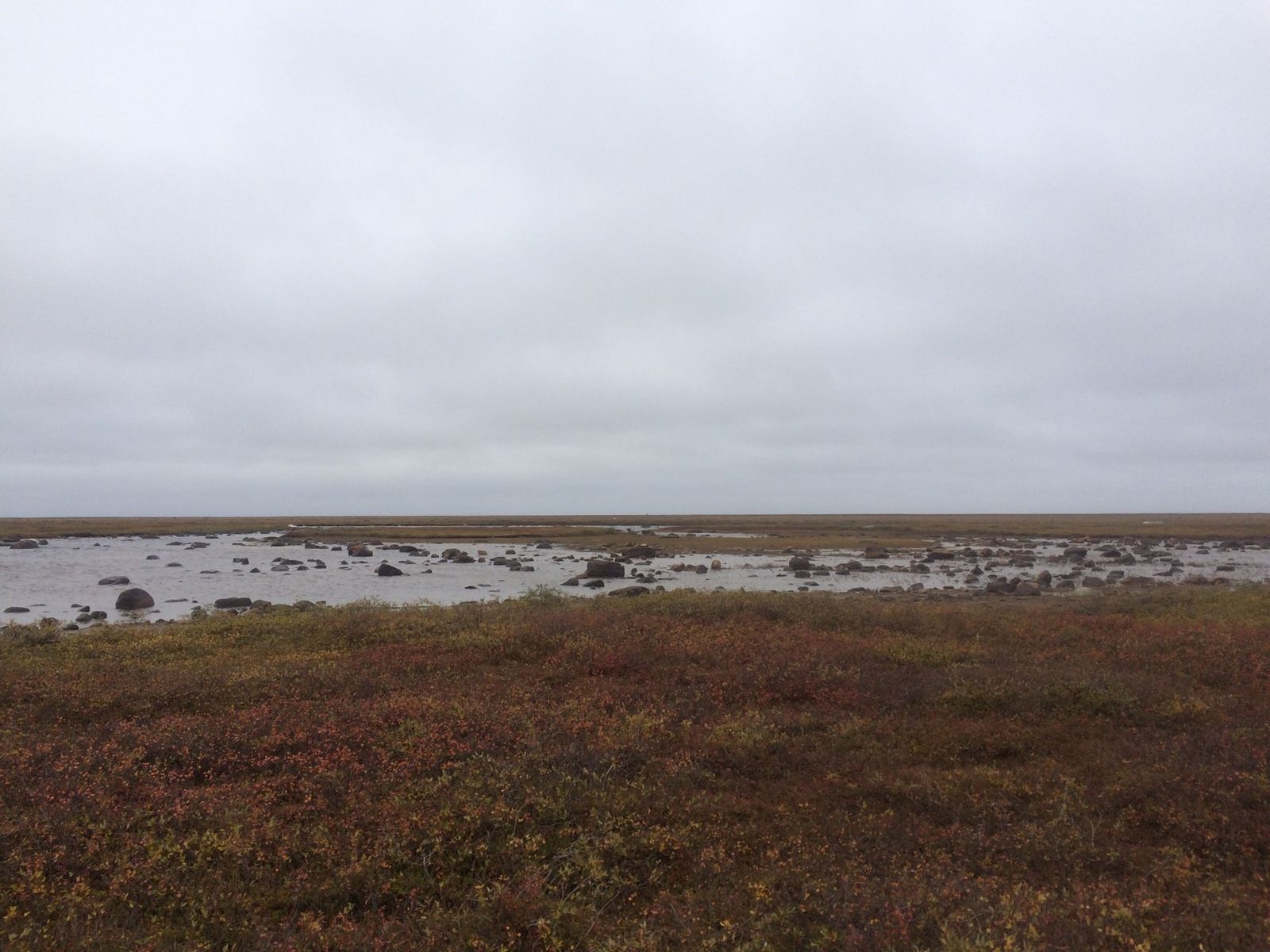
Arviat, a community in Nunavut, Canada, looks nothing like the forested landscapes many people picture when they think of North America. Trees are almost nowhere to be seen. Located in the Arctic tundra along Hudson Bay, Arviat is surrounded by miles of flat, open land covered in grasses, mosses, and low-growing plants. The ground stays frozen for much of the year, and the short summers don't give trees enough time to grow.
For Arviat’s Inuit residents, life without forests is nothing unusual. Hunting and fishing have long been part of the community’s way of life, and caribou and Arctic foxes roam the surrounding tundra. With no tree-lined streets or wooded areas, the landscape opens up into a vast stretch of land beneath the sky.
Utqiaġvik, Alaska: A city where the sun disappears for months
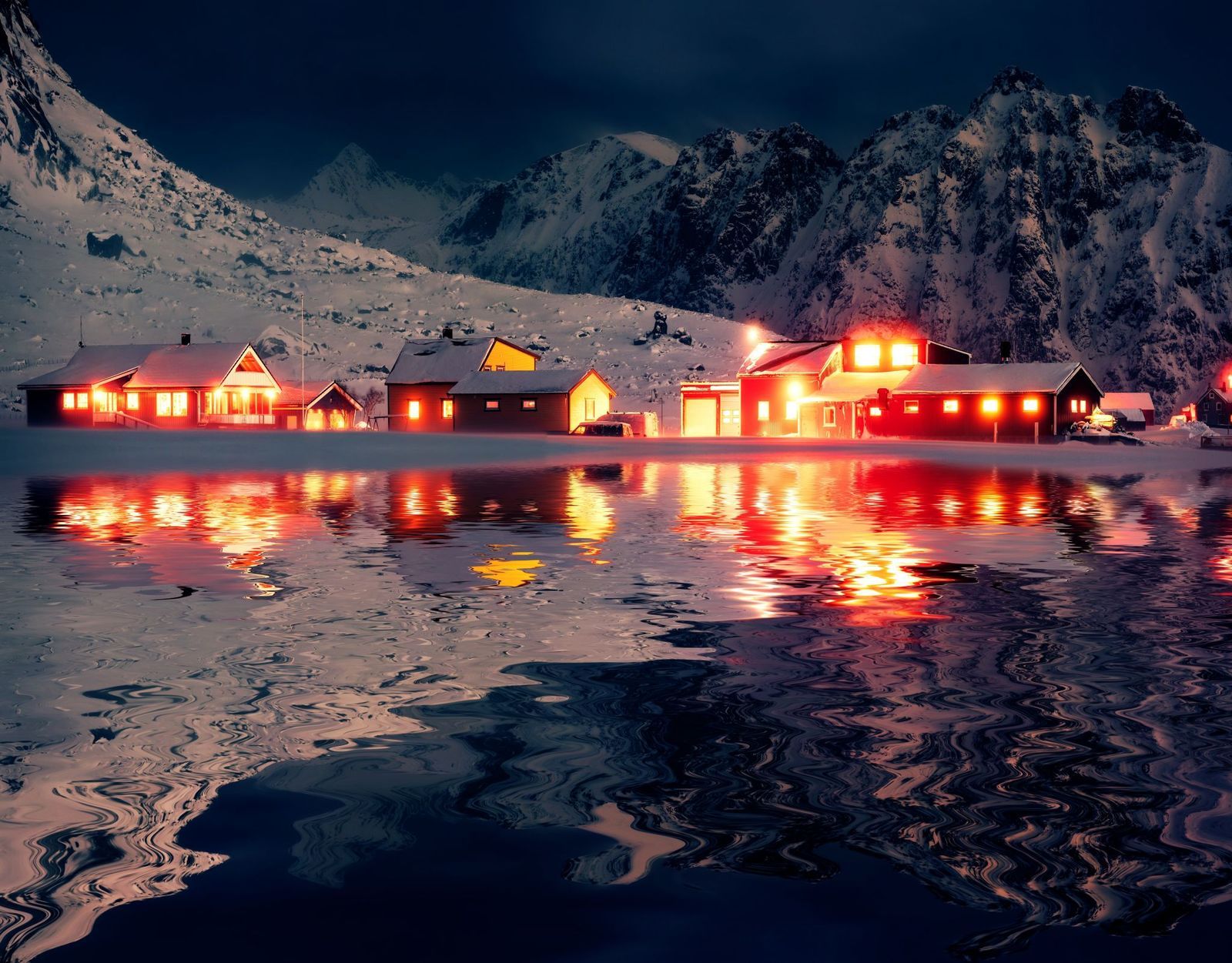
Imagine going to bed in November and knowing that the sun will not rise above the horizon again for weeks. That's part of life in Utqiaġvik, Alaska, the northernmost community in the United States. Because of its location above the Arctic Circle, the city experiences a phenomenon known as polar night, when the sun remains below the horizon throughout the day. This period typically lasts from mid-November until late January.
Even during the polar night, the sky can glow with shades of blue and pink around midday. Summer brings the opposite extreme: the sun stays up for weeks, a phenomenon known as the midnight sun. For the Iñupiat people, who have lived in the region for generations, these dramatic seasonal changes have long been part of life in the Arctic.
Nördlingen, Germany: A city inside a meteorite crater
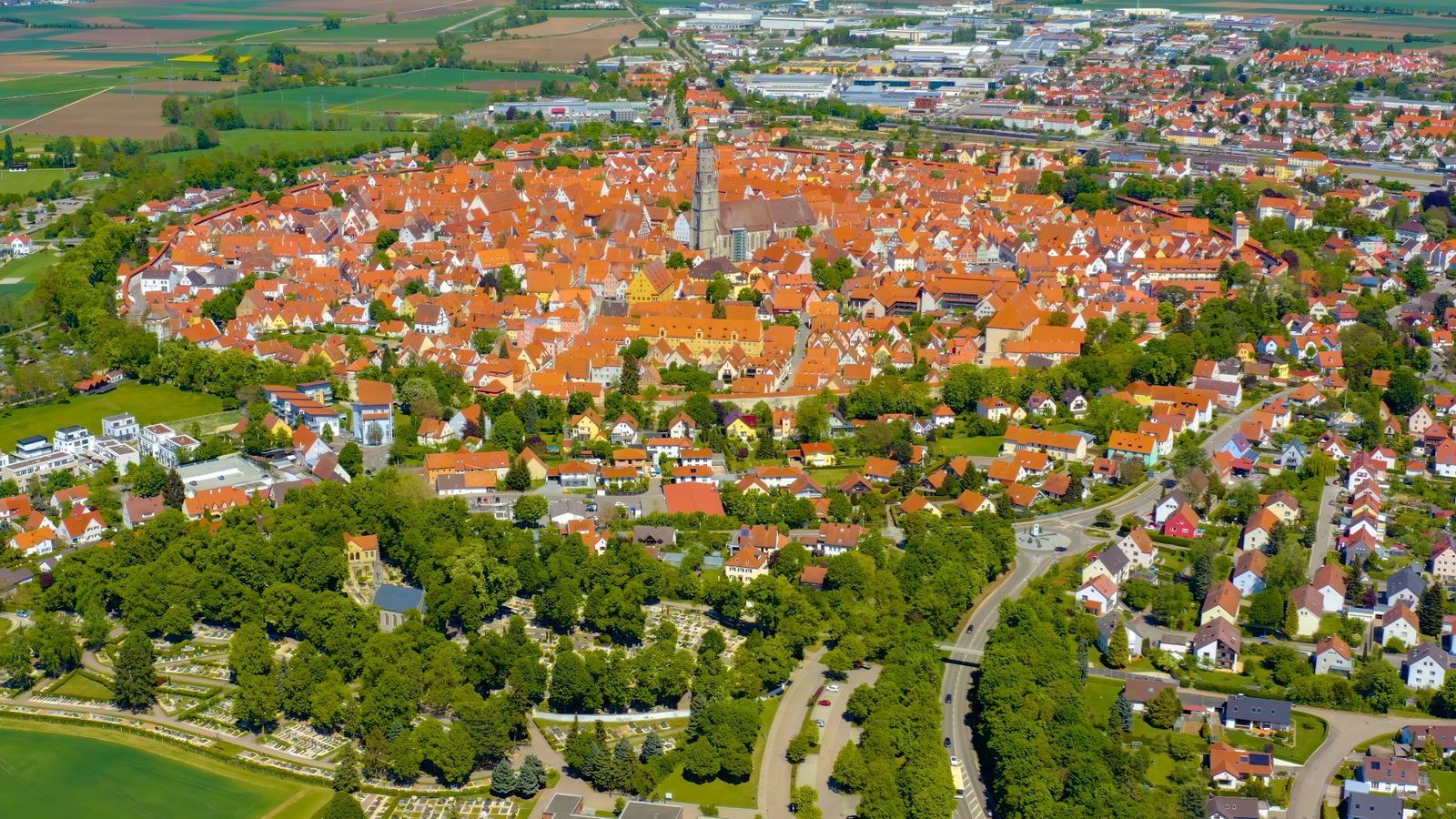
Nördlingen looks like a typical historic German town, with traditional buildings and medieval walls. But around 15 million years ago, a meteorite struck the area, creating a crater about 15 miles wide. The town was later built right inside it.
The impact left behind a rock called suevite, which residents used to build their homes without knowing its unusual origins. Today, Nördlingen’s circular layout and medieval walls make it a charming place to visit, while its connection to an ancient meteorite gives it a story unlike most European towns.
Jakarta, Indonesia: The city that is sinking
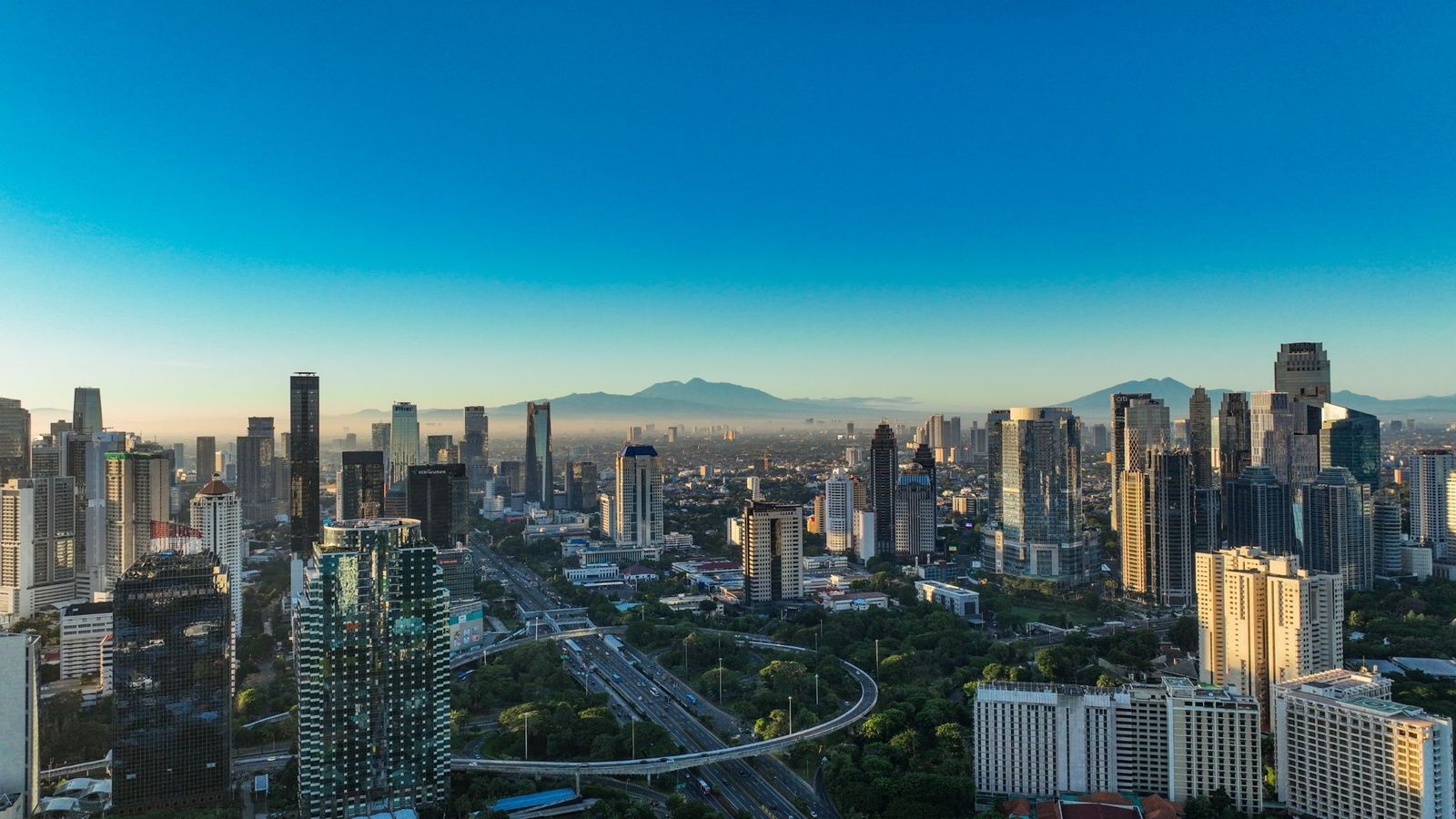
Jakarta, Indonesia's sprawling capital, faces a serious problem: parts of the city are sinking into the ground. In northern Jakarta, excessive groundwater extraction has caused the land to sink, while rising sea levels and frequent flooding make matters worse.
Indonesia is developing a new capital, Nusantara, on the island of Borneo, but Jakarta remains the country's main economic hub. Efforts to protect its millions of residents include better flood defenses and water management. With parts of the city sinking, Jakarta faces a growing challenge in keeping its streets and neighborhoods above water.
How to spot a great place to eat while traveling
 Culture
Great food makes a trip
How to spot a great place to eat while traveling
One of the quickest ways to know a destination is by sitting down to eat a local meal. While it's tempting to play it safe and stick with familiar chain restaurants, those rarely lead to the most memorable dining experiences. Some of the best meals you'll ever have are hidden away on quiet side streets or inside buildings you'd otherwise zoom right past. Here are some tips and clues to look out for when choosing where to eat away from home.
Look for full parking lots
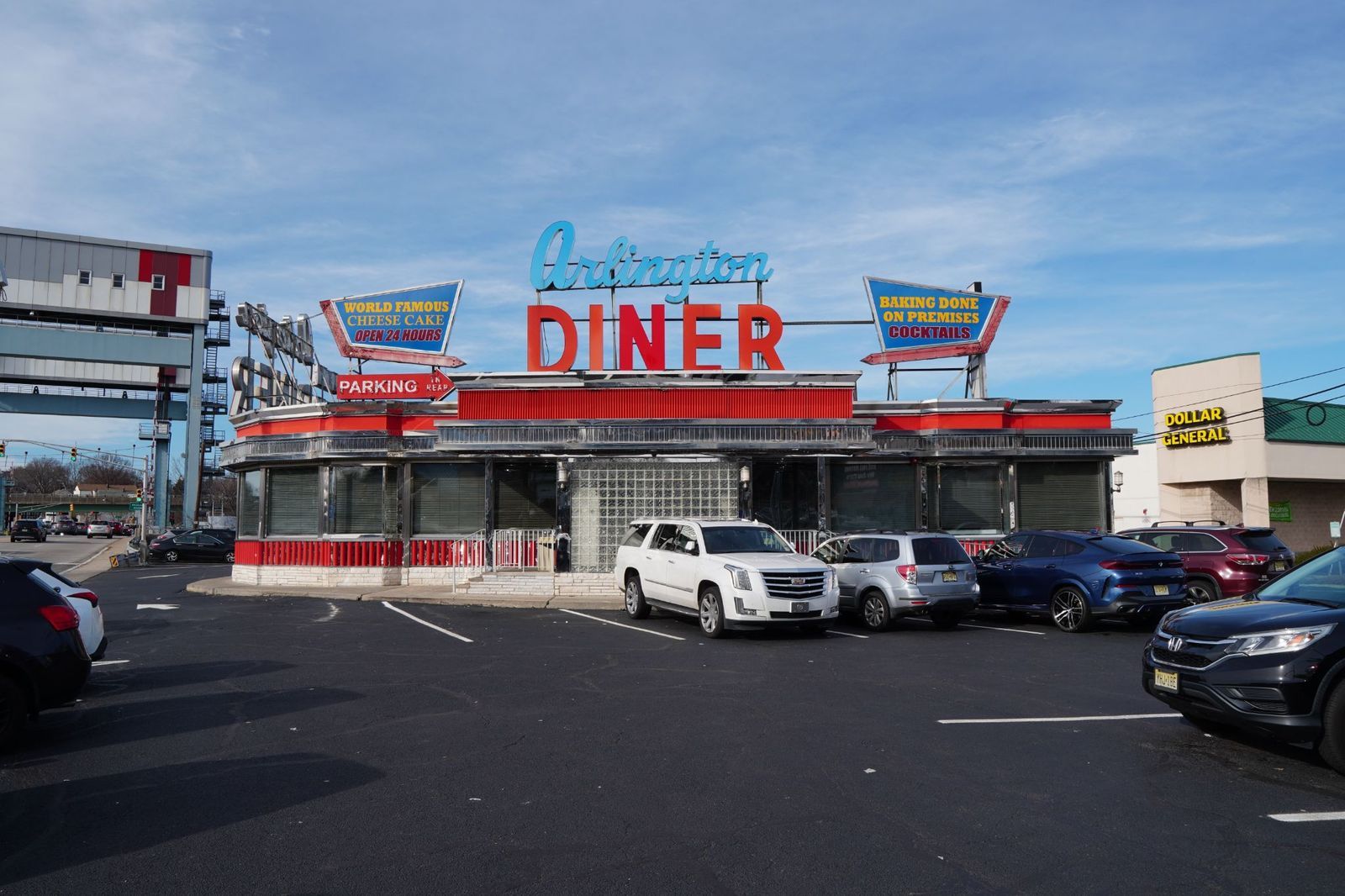
One of the oldest tricks in the book is also one of the most reliable: if a restaurant is packed with customers during mealtimes, there's usually a good reason. Consistently busy dining rooms often indicate a mix of good food, fair prices, and dependable service.
Here's an extra trick: pay close attention to who's filling the parking lot. A mix of local licence plates is often a better sign than a line of tour buses. Restaurants that have earned the loyalty of local customers are generally a safer bet than those that rely entirely on tourists.
Explore the side streets
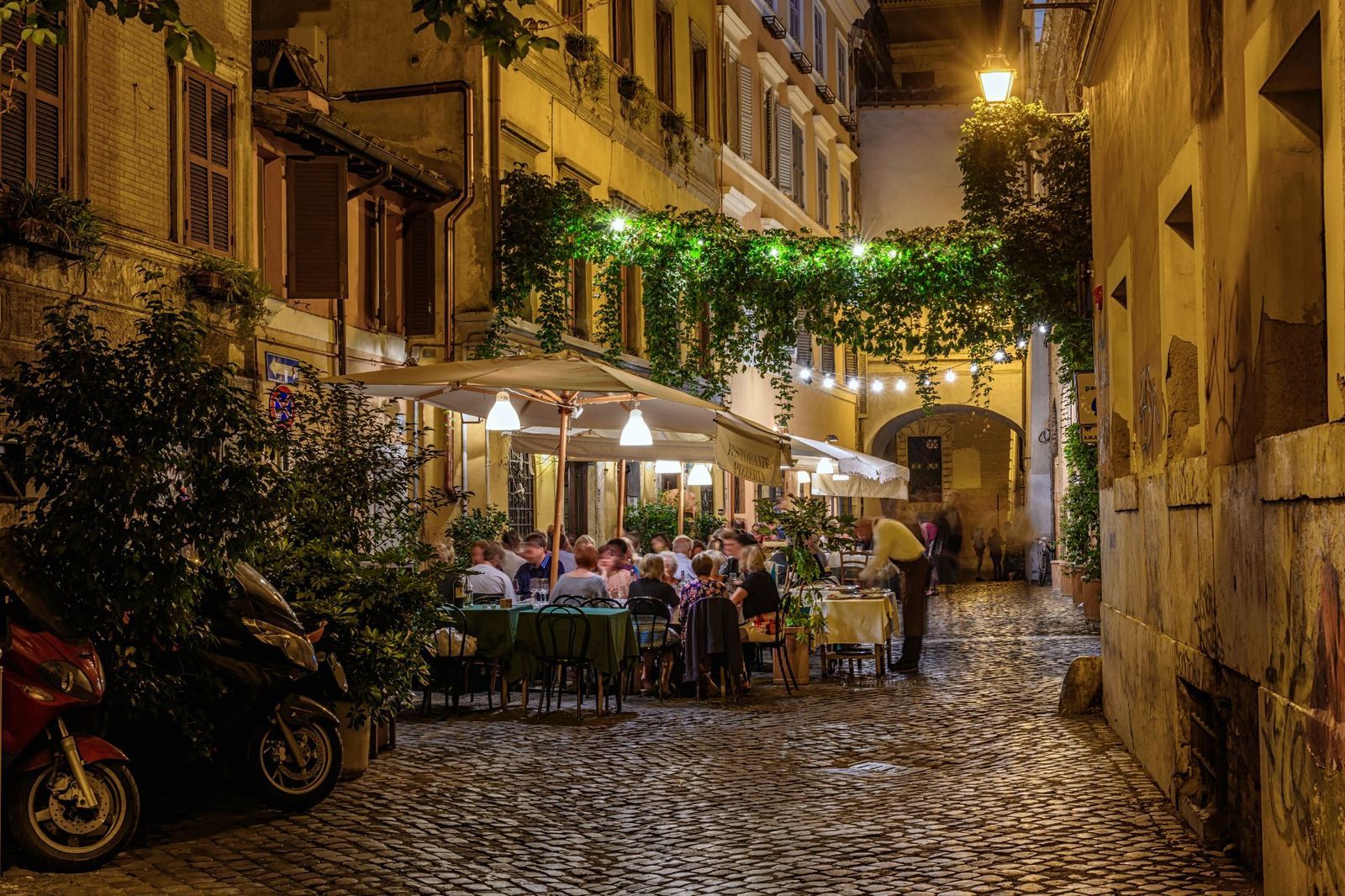
Restaurants located directly beside famous attractions often benefit from convenience rather than reputation. Since new visitors arrive every day, they have little incentive to compete on quality: they've already secured a prime location.
Walk a few blocks away from the busiest streets, and you'll often discover smaller establishments serving better food at lower prices. This simple detour can transform an average meal into the highlight of your trip.
Check the menu beforehand
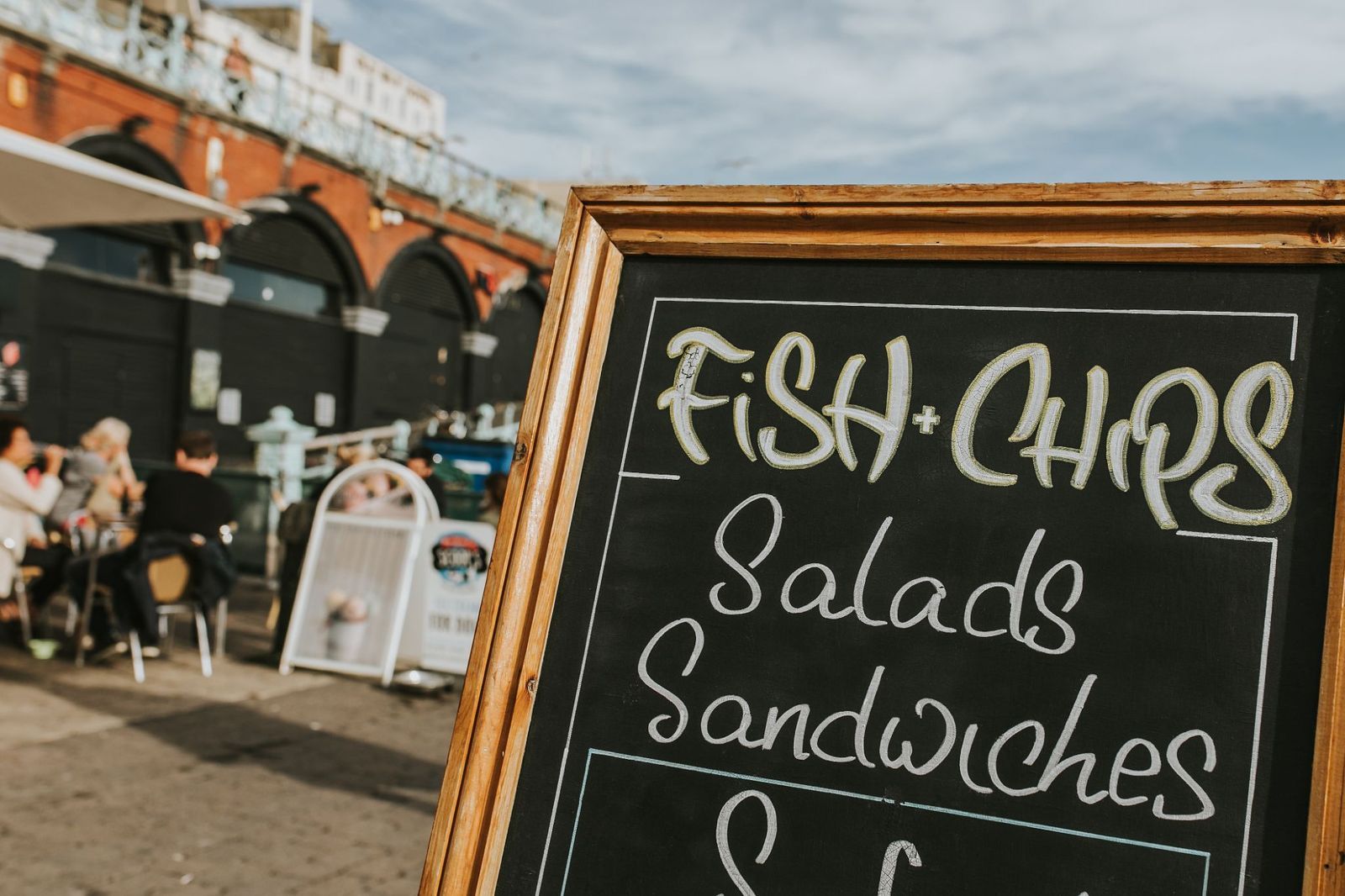
Many restaurants post their menus outside or online, making it easy to get a sense of what they offer before committing. Don't just look at prices: pay attention to the overall selection. A menu featuring regional specialties often suggests that the restaurant takes pride in local cuisine. On the other hand, a menu composed of thousands of unrelated dishes (from tacos to sushi and spaghetti) may be trying to please everyone without excelling at anything in particular.
Look for a short, focused menu. This is especially true for regional favorites like barbecue, seafood, Cajun cooking, or Italian family restaurants. When a restaurant knows exactly what it does best, that's usually reflected in the quality of the food.
Ask your hotel staff

Concierges and front desk employees often recommend the popular restaurants because it's convenient and guests ask every day. However, if you ask them where they eat when they're not working, you are more likely to receive recommendations for genuine local favorites.
Local workers, such as drivers and maintenance staff, can also be excellent sources of advice. They live in the community and often know family-owned restaurants that are not typically featured in travel guides.
Don't judge a book by its cover
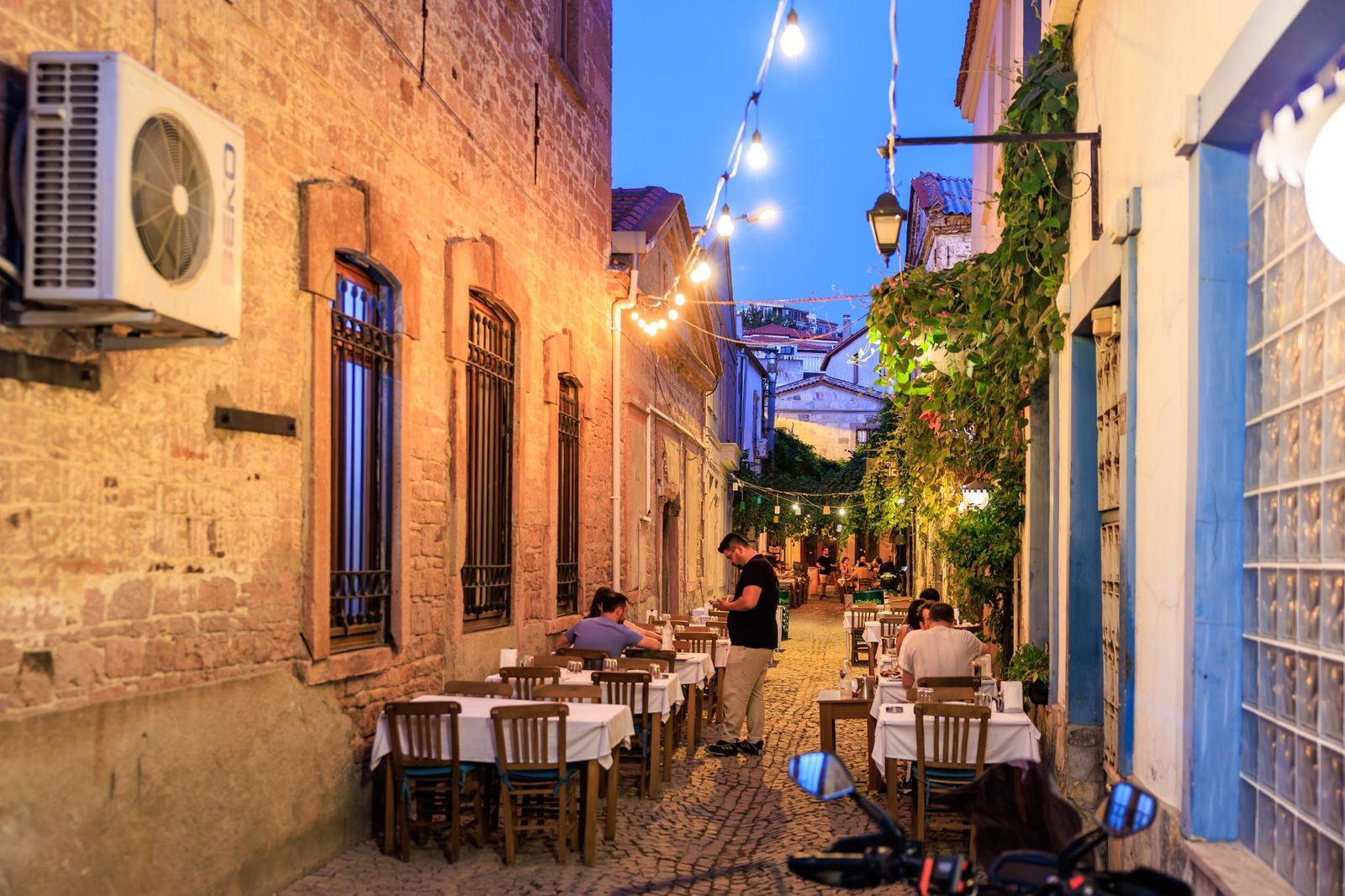
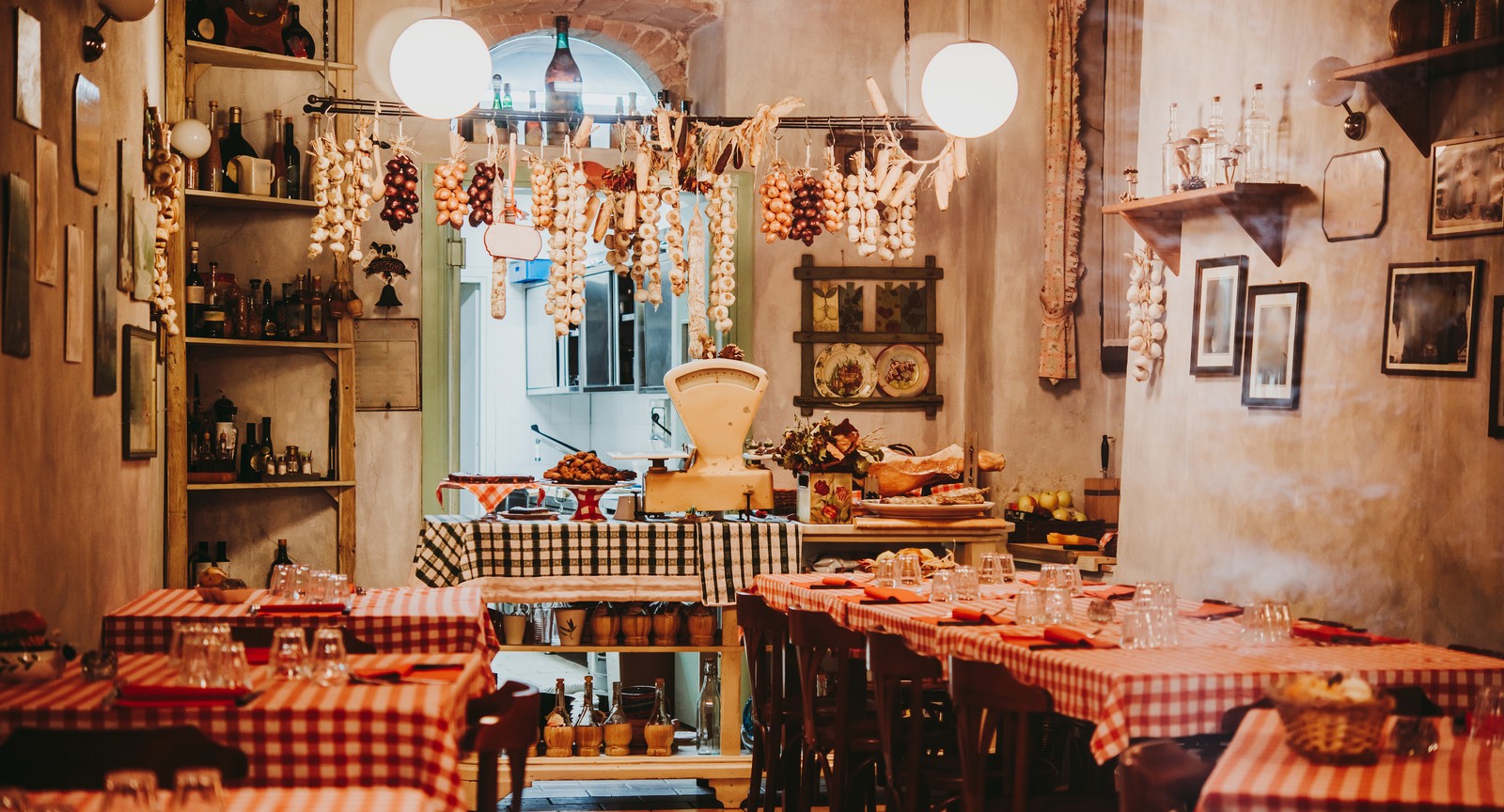
Some of the most beloved restaurants in the world operate out of surprisingly modest buildings. Simple roadside diners, converted farmhouses, or aging storefronts may not look impressive from the outside, but that's often where unforgettable meals are found.
Many legendary barbecue joints, seafood shacks, and neighborhood cafés built their reputation on the quality of their food rather than expensive renovations. Keep an open mind, especially if you see a waiting line or a full parking lot.
When in Rome…
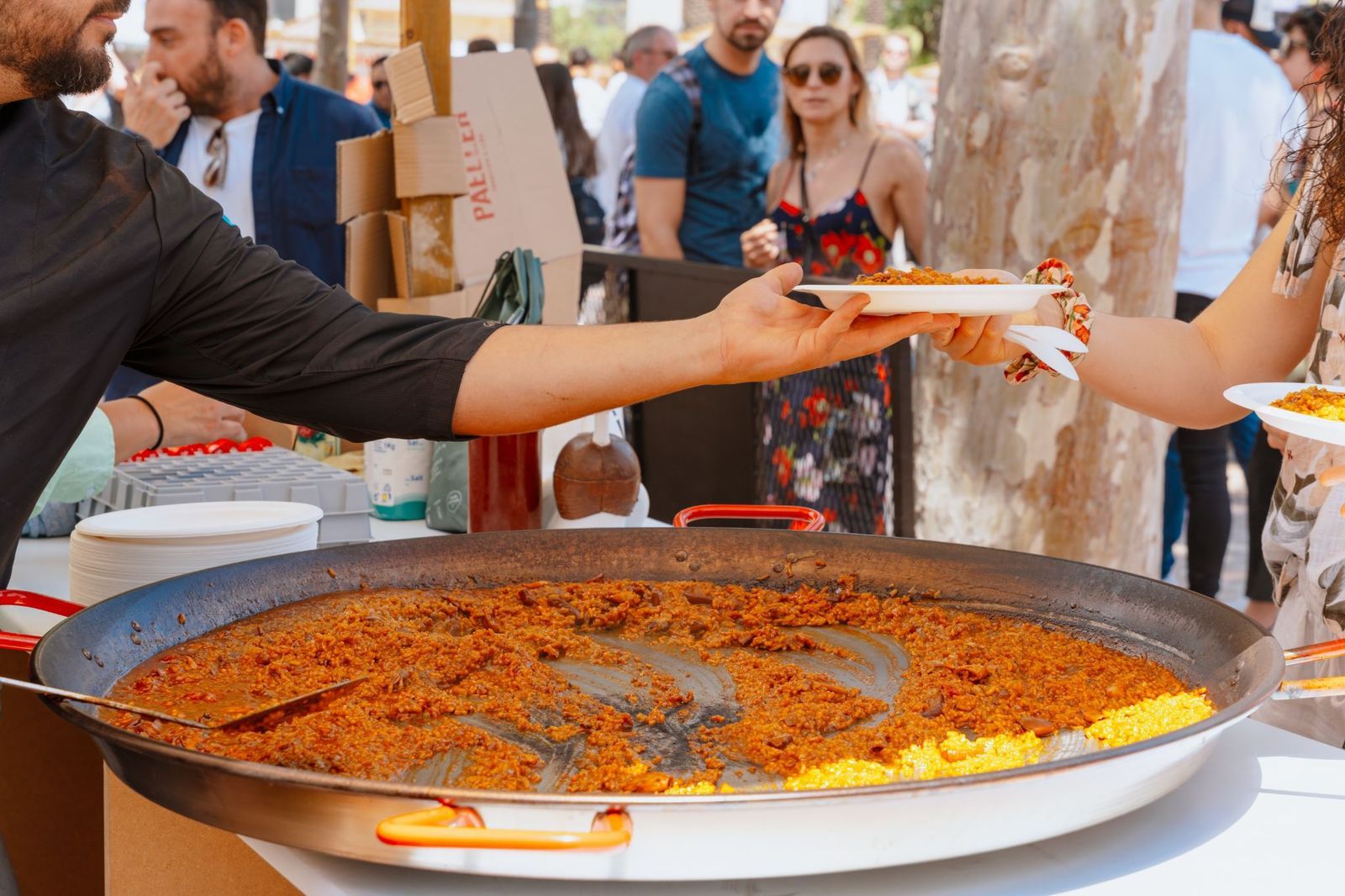
Do as the Romans do. Once you've committed to a restaurant, take a moment to observe what nearby tables ordered. Locals often know which dishes made the restaurant famous, and you are likely to spot regional specialties if you watch carefully.
Don't hesitate to ask your server for recommendations. Staff members are usually proud of their signature dishes and will be happy to steer you towards customer favorites.
Read reviews carefully

Average scores are useful, but a restaurant with 4.5 stars isn't automatically better than one with just 4. Instead of focusing solely on the number, spend a few minutes reading recent reviews.
Look for repeated compliments about friendly service or standout dishes. Likewise, pay close attention to recurring complaints about long wait times or declining quality. A handful of thoughtful reviews often tells you more about a restaurant than a numerical rating ever could.
Look out for regulars

One of the clearest signs that you've found a neighborhood favorite is when you see servers greet customers by name or chat with them like they're old friends. That kind of familiarity only develops after years of consistently good service.
Even if you are just passing through, restaurants with loyal regulars often extend the same warmth to newcomers. Friendly and attentive service can turn a good meal into a memorable one.
Be curious
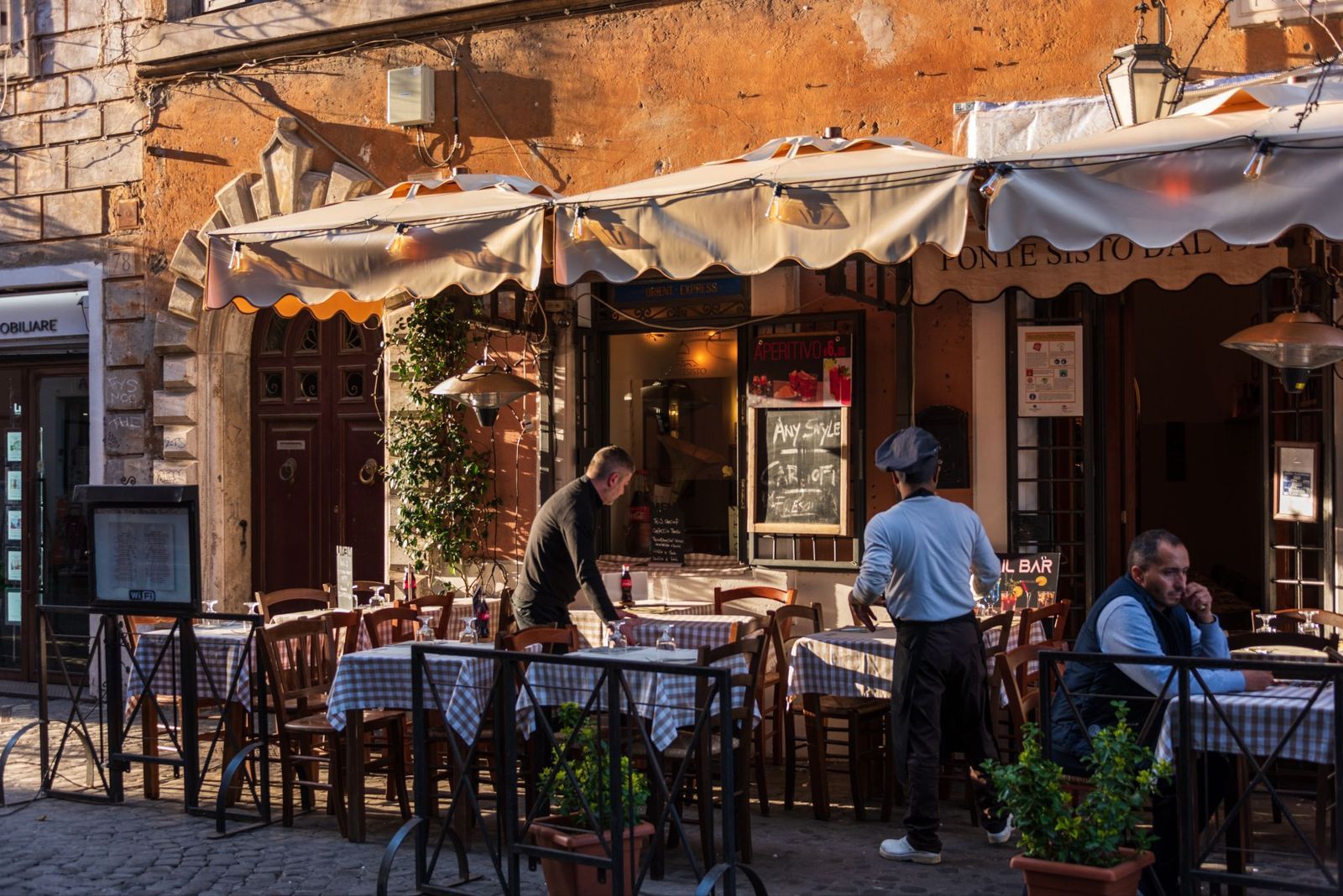
Some of the most memorable restaurants have histories that are just as interesting as their menus. You might discover a family business that's been serving the community for multiple generations, or a café operating out of a restored storefront.
Ask questions, take a good look at the photographs on the walls, and have a chat with the staff or the owner. A meal becomes even more meaningful when you understand the people and history behind it, and being curious adds a whole new layer to the experience.
Trust your instincts
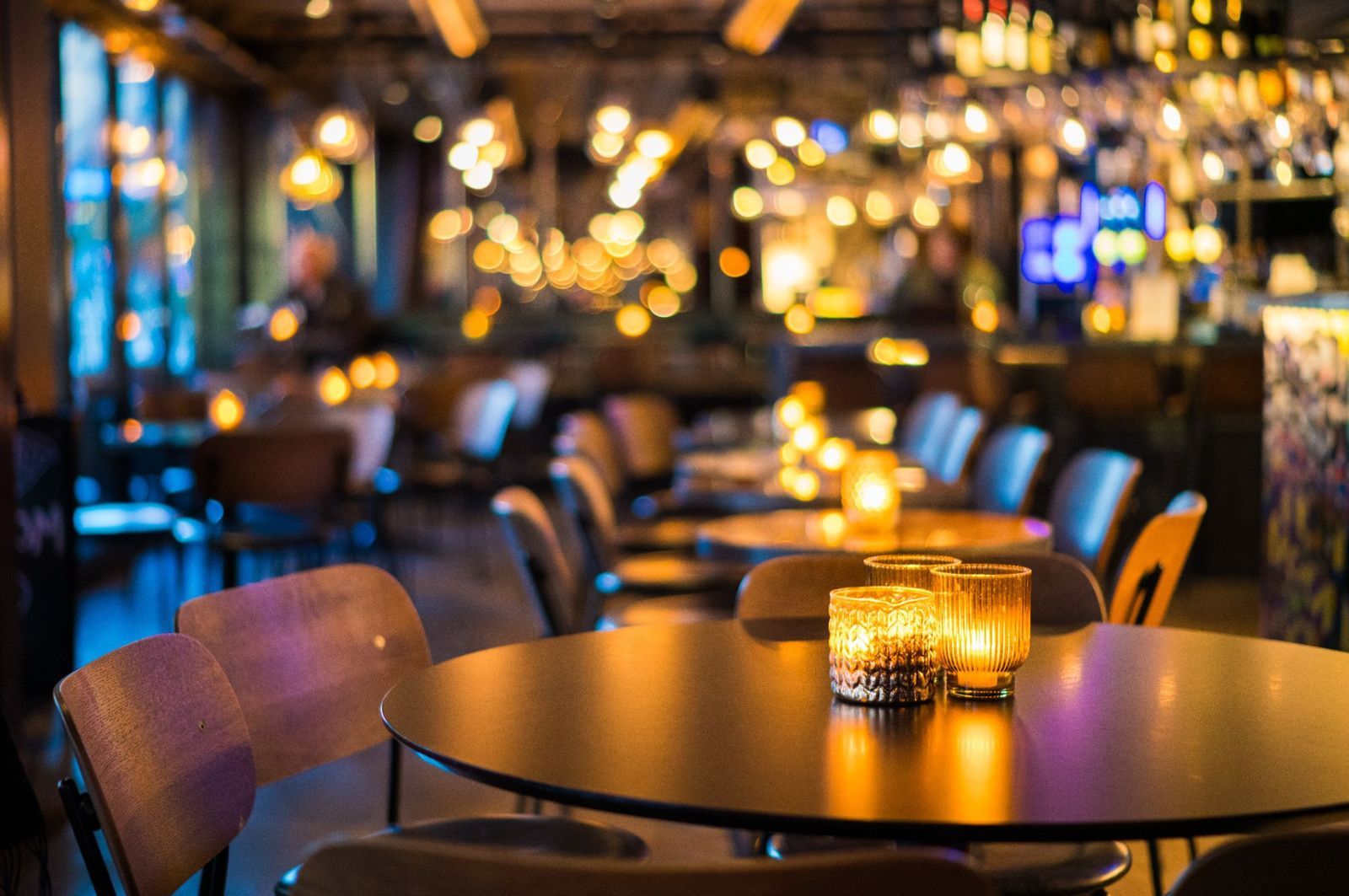
Before you even order, you'll often get a feel for a restaurant. Is it clean and welcoming? Does the staff seem genuinely happy to see customers? Are customers taking their time, or are they rushing out?
While no single clue guarantees a great dining experience, paying attention to these small details can inform your choices. The restaurants you'll remember the most are rarely the flashiest ones, but the ones where good food, friendly people, and local character come together.
Keep wandering
There’s always
more to explore
Chernobyl: the residents were told they’d be back in three days
6 min.
Read Now
 Landmarks
10 mysterious wonders you can only see from the sky
4 min.
Read Now

Why toasting with a glass of water could get you into serious trouble
6 min.
Read Now

How can you skip airport lines without paying for VIP service? Find out
5 min.
Read Now