Chernobyl: the residents were told they’d be back in three days
 General
Gone but not forgotten
Chernobyl: the residents were told they’d be back in three days
Imagine leaving your home with just a few bags, believing you’ll be back in three days, but never returning. That’s exactly what happened to the 50,000 residents of Pripyat, Ukraine, after the1986 Chernobyl disaster. Not every ghost town emptied so suddenly, but each one hides a fascinating story. Here are ten ghost towns that will make you wonder what really happened, and whether you’d dare to visit.
Pripyat, Ukraine (a.k.a. Chernobyl)
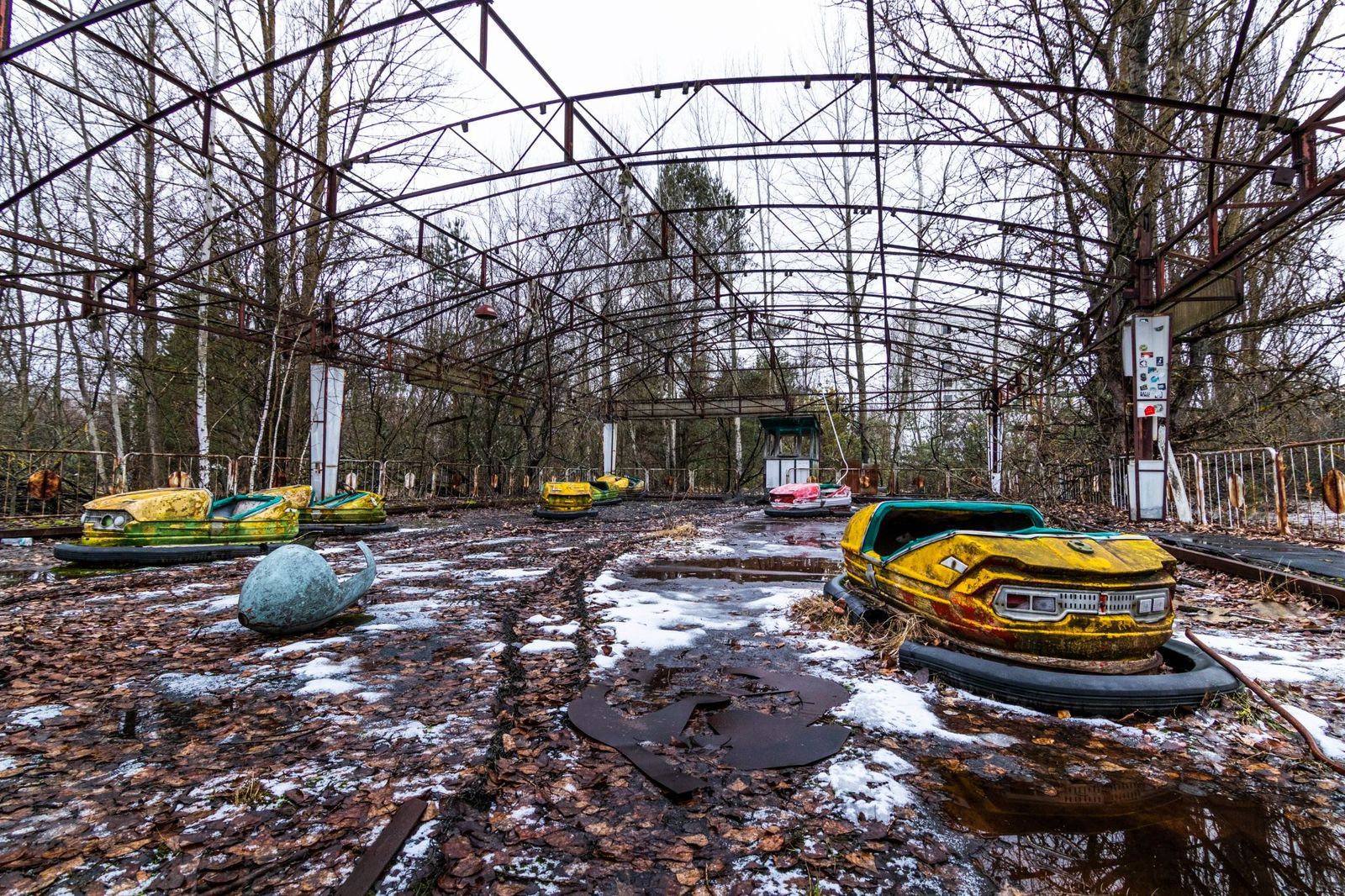
Pripyat was built in 1970 as a model Soviet city for workers at the Chernobyl Nuclear Power Plant and their families. On April 26, 1986, the plant’s reactor exploded, and radiation levels soared up to a thousand times above normal. The next afternoon, all 50,000 residents left the city on buses. They were told to pack only the basics, since they’d be back in three days. But that never happened, and authorities later decided the city had to stay empty forever because the long-lived radioactive isotopes the plant liberated had stuck directly into the soil, water, and local ecosystems.
Pripyat became a silent ghost town and one of the most recognizable symbols of the world's worst nuclear disaster. The tragedy attracted worldwide attention and inspired many documentaries and dramatizations, including HBO's acclaimed 2019 miniseries Chernobyl, which brought the story to new generations. Before 2022, tourists could explore the abandoned city on guided tours, walking past empty schools, apartment buildings, and its famous rusting Ferris wheel. But as of 2026, visits remain suspended because of the ongoing war in Ukraine and security restrictions in the exclusion zone.
Centralia, Pennsylvania
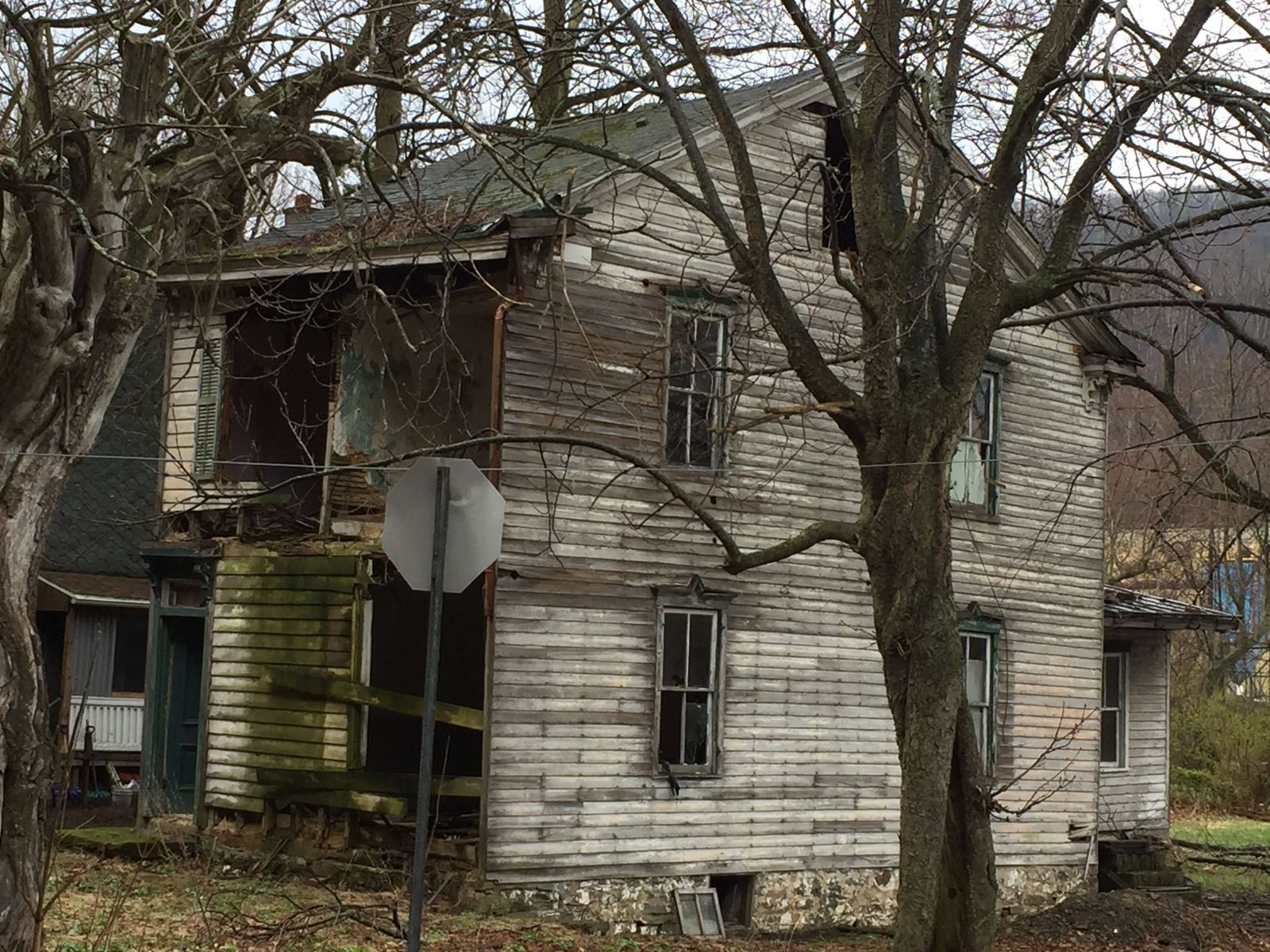
Centralia is a ghost town in Columbia County, Pennsylvania. Back in May 1962, Centralia’s council hired men to clean up the local dump left in an abandoned strip mine pit. To get rid of the trash, they set it on fire. But the fire reached the coal underground and spread through old mine tunnels below the town. No one could reach it, and it’s still burning today.
Toxic gases, like carbon monoxide, started leaking up through the ground and into people’s homes. The ground became unstable and hot enough to buckle roads. In 1983, Congress set aside $42 million to buy people’s homes and help them move away. Then in 1992, Pennsylvania condemned the buildings, and the town eventually lost its ZIP code.
Terlingua, Texas
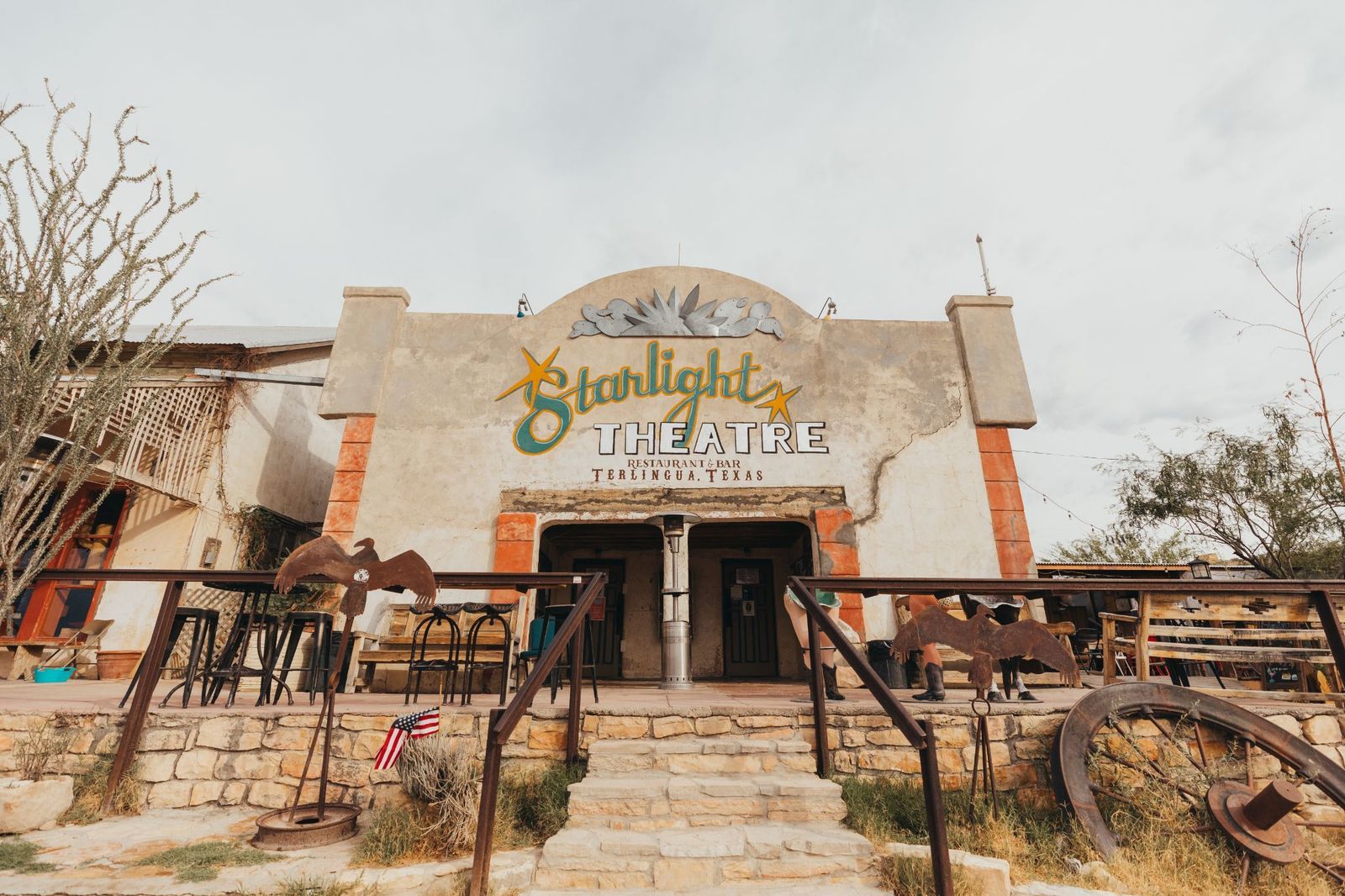
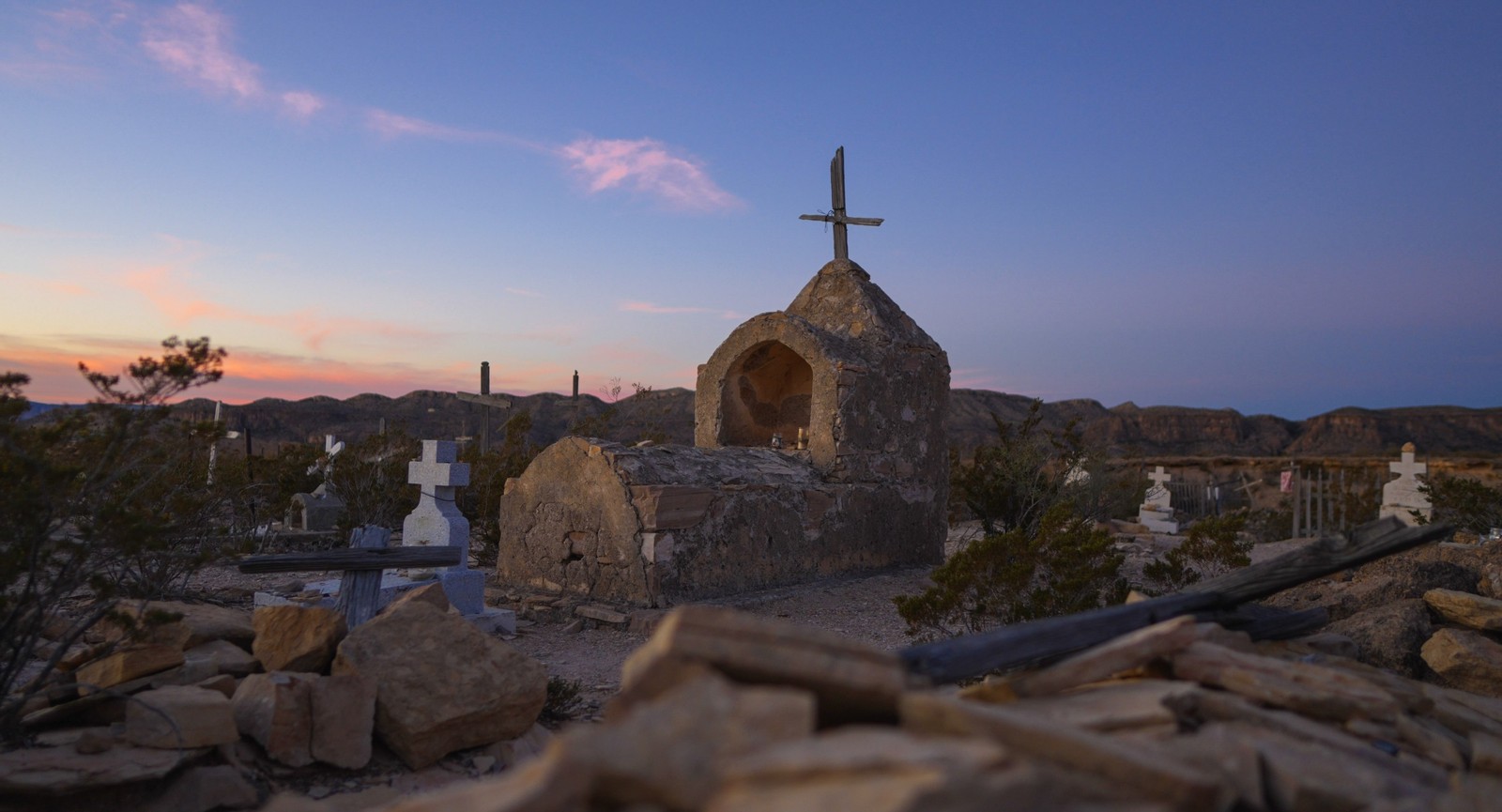
Terlingua, in southwestern Texas near the Rio Grande, became a busy mining town after people discovered quicksilver (mercury) in the mid-1880s. Mercury production peaked during World War I, and by 1922 Terlingua supplied 40 percent of all the quicksilver mined in the United States. But production dropped in the 1930s; the mining companies went bankrupt in 1942, and when the last operations finished at the end of World War II, most people left.
Luckily, tourism brought the town back to life in the late 1960s and early 1970s. This time it wasn’t mercury; it was its famous annual chili cook-off, which earned it the title of "Chili Capital of the World." Buildings have even found new uses: the old cantina now offers river float trips, and the old movie theater has become a dinner theater.
Glenrio, Texas/New Mexico
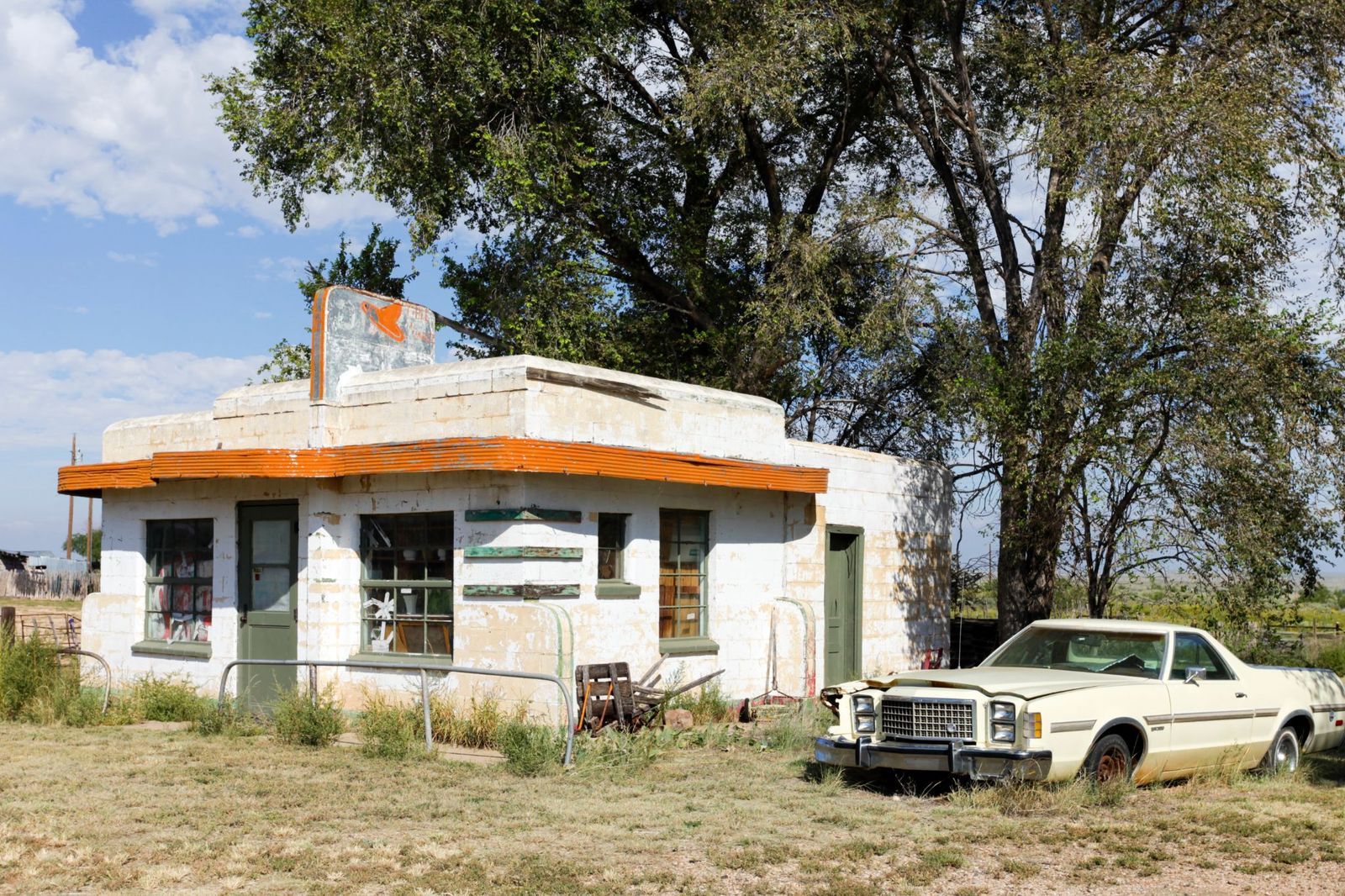
Glenrio was a stop on the Rock Island Railroad on the Texas-New Mexico border. When Route 66 came through in 1926, the town filled up with gas stations, diners, and motels for travelers heading west. Being on the state line came with some advantages: Gas was sold only on the Texas side, where taxes were lower, while the bar stood on the New Mexico side, since that part of Texas was dry.
But in 1973, the new Interstate 40 bypassed the town, and travelers stopped driving through. Businesses closed one by one, and so did the Texas Longhorn Motel, once called the "First/Last Motel in Texas." Today, visitors can still see the motel remains, the café, and the old Route 66 roadbed, just off I-40 at the state line.
Fun fact: Parts of John Ford’s The Grapes of Wrath (1940) were shot there.
Bodie, California
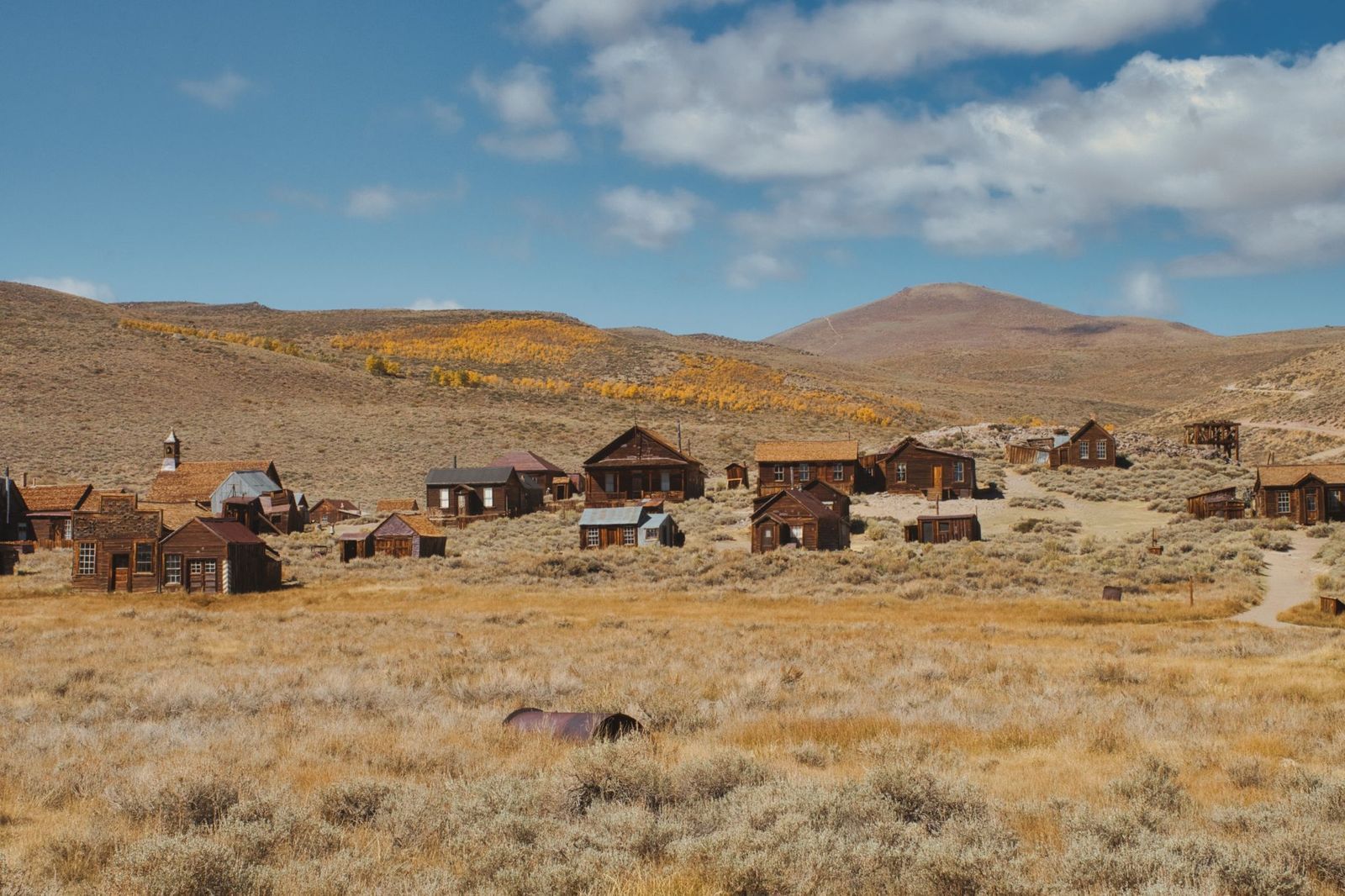
In 1876, rich gold veins were discovered in Bodie, California. As a result, the town’s population grew, reaching nearly 10,000 inhabitants. But by the early 1900s, gold reserves ran out, and investors and miners left Bodie for new opportunities elsewhere in the American West.
But that wasn’t the only reason people left. In 1892, a major fire burned a large section of the town west of Main Street. In 1932, another fire tragically burned 95% of the city’s wooden structures, caused by a child playing with matches. The town's last residents left in 1942 after the Great Depression's economic repercussions ended all possibilities of large-scale mining operations.
Bannack, Montana
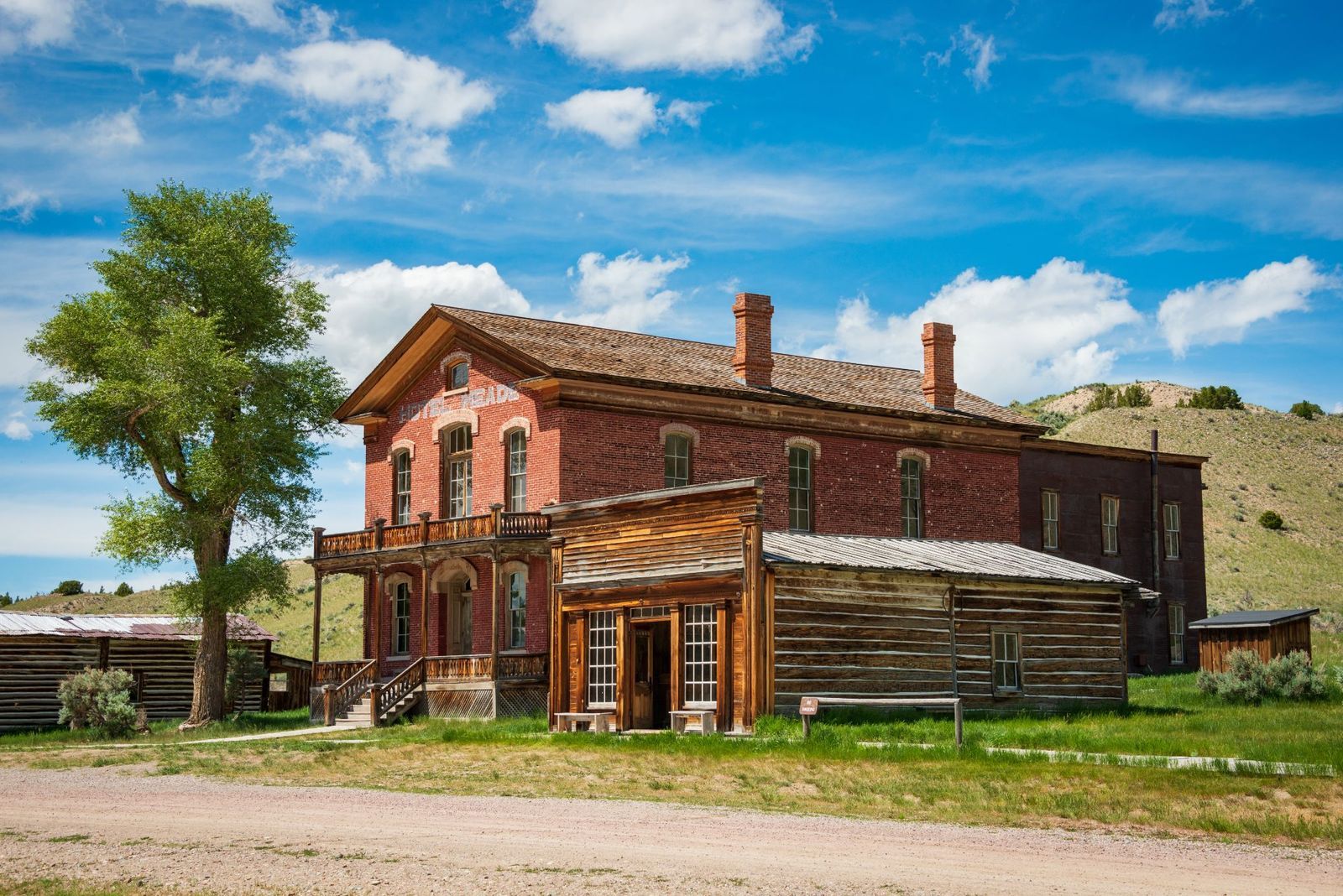
When miners first found gold in Bannack in 1862, they tried hard to keep it a secret. But information spread anyway, and by the spring of 1863 Bannack had grown into a town of five thousand. Robberies and crimes became so frequent that locals suspected there was a secret gang led by their own sheriff, Henry Plummer. In response, local leaders formed a "Vigilance Committee" that executed about twenty-two people without real trials, Plummer included.
Once order was restored, Bannack became Montana’s capital. But richer gold fields were discovered nearby, and people soon left the town. The capital was moved to Virginia City. By the 1960s, the town was completely abandoned, and today, it is a state park open to the public.
Craco, Italy
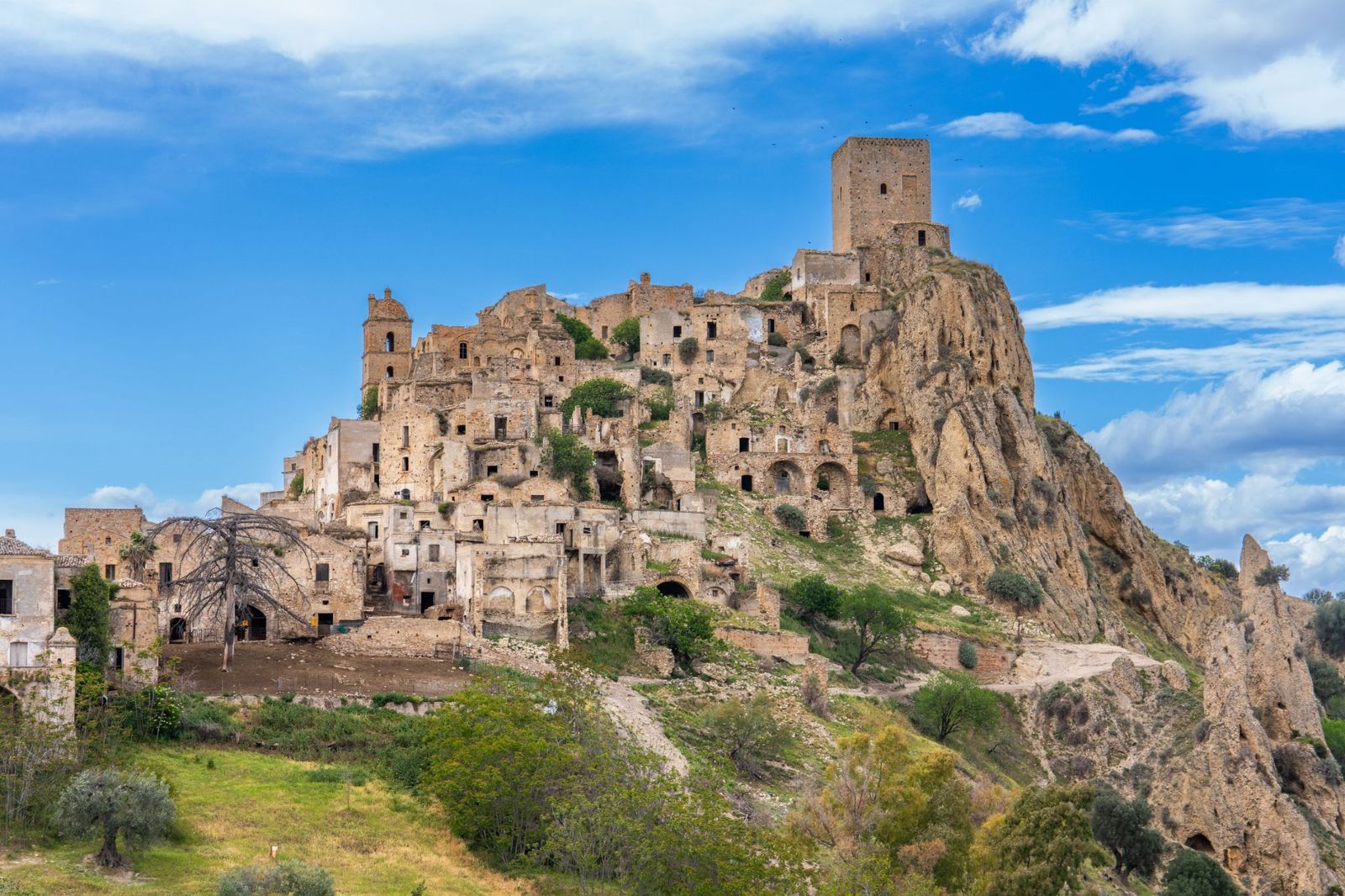
Craco is a medieval hilltop town in southern Italy. For centuries, people lived there even though they knew the clay ground beneath it was unstable. In the 1950s, new sewer lines, water pipes, and a road were built without proper studies. As a result, the ground slid, and by 1963 the government evacuated all 1,800 residents to a new town in the valley below, Craco Peschiera. Later, a 1972 flood and a powerful 1980 earthquake made the town completely uninhabitable.
Today you can visit, but only via a guided tour, which takes you through the ruins to the tower at the top. And you’ll need to wear a safety helmet, since some buildings are still crumbling.
Cahaba, Alabama
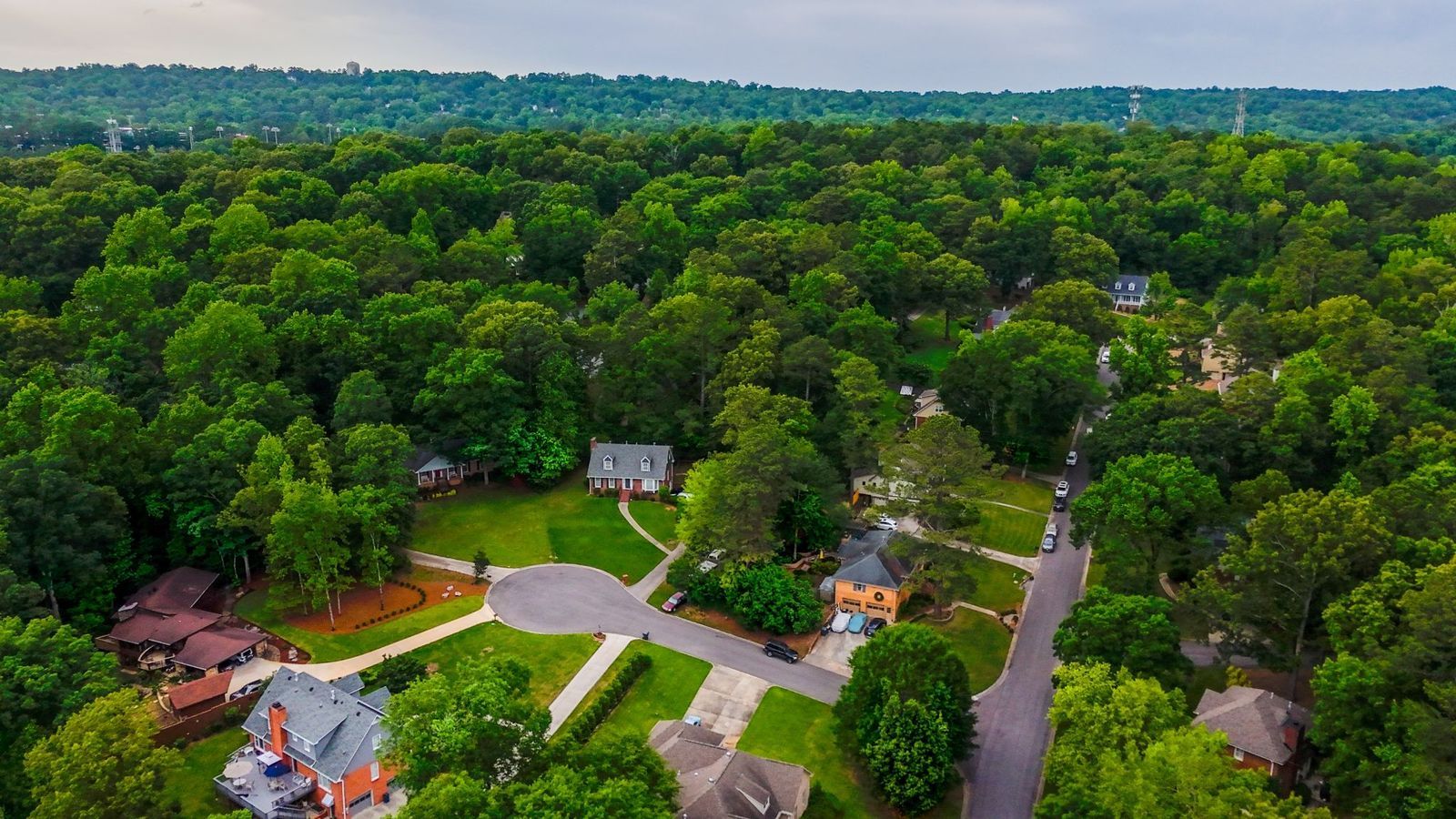
Cahaba was Alabama’s first permanent state capital from 1820 to 1825. But the town flooded so often that lawmakers worried about illnesses linked to it, so in 1826 they moved the capital to Tuscaloosa. Cahawba soon became a busy cotton port on the Alabama River; wealthy planters built mansions, and a railroad arrived in 1859. In 1865, another big flood hit the town, and the county seat moved to Selma. Little by little, people and businesses followed.
The town is now protected as the Old Cahawba Archaeological Park, where visitors can walk its streets, cemeteries, and ruins. The town also has its most famous legend: a glowing orb said to float around the garden of one of its old mansions.
Kennecott, Alaska
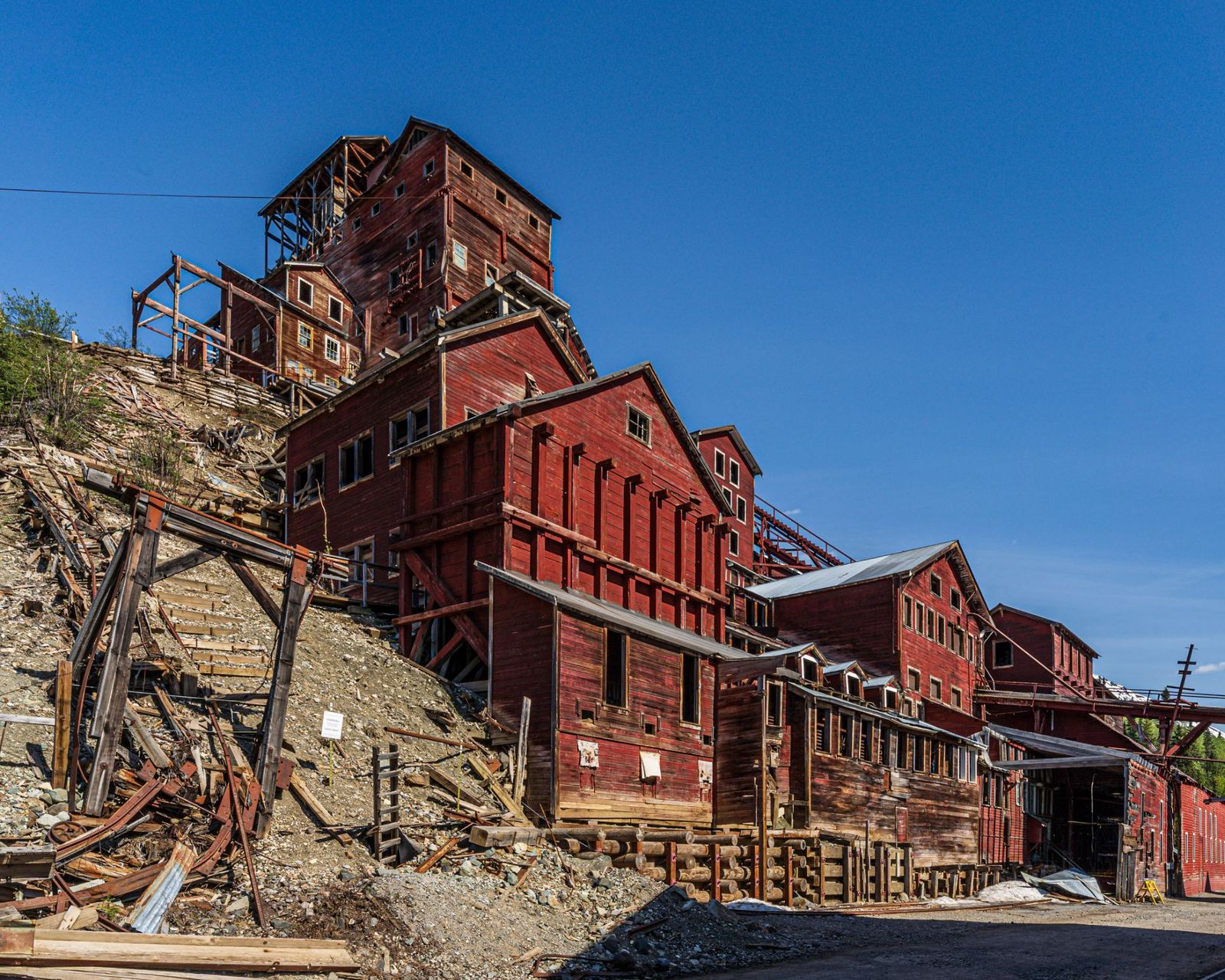
Kennecott is one of Alaska’s most popular destinations. Visitors can explore the ghost town with a National Park Service map or a guided tour. Kennecott's highlight is the giant red mills, which rise 14 stories above the Kennicott Glacier.
Its story began in 1900, when two prospectors found the richest copper deposit ever discovered. And the timing was perfect, since new inventions like electricity, cars, and telephones needed lots of copper. Wealthy investors like J.P. Morgan jumped in, and the town became a busy mining camp with high salaries for workers. For years, the mines were successful, until copper prices dropped during the Great Depression. By 1938, all the ore had run out, the mines closed, the railroad also shut down, and Kennecott was left a ghost town with almost no residents.
Calico, California
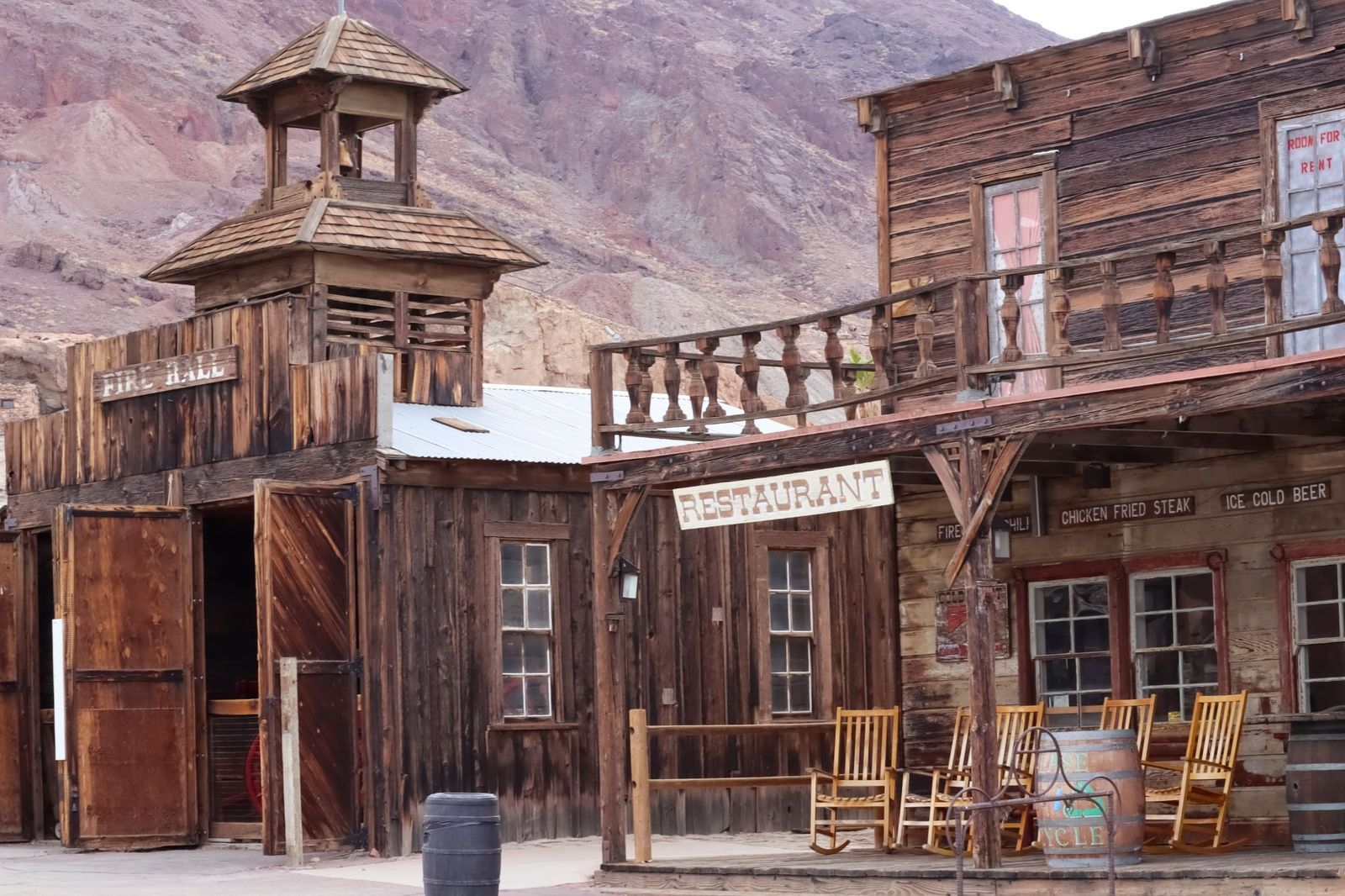
Calico sprang up in 1881 in the Mojave Desert, after four prospectors found silver in a colorful mountain they described as "calico-colored." Their Silver King Mine soon became California’s biggest silver producer. The town grew fast, and by 1890 around 3,500 people lived there. But in the 1890s, the price of silver dropped so much that the mines ceased operations, and the town was pretty much abandoned.
Things changed in 1951, when farmer Walter Knott bought it and rebuilt it to look like it did in the 1880s, keeping the original buildings standing. In 1966, he donated it to San Bernardino County, which turned it into a regional park. Today it’s open every day except Christmas and offers mine tours, gold panning, gunfight shows, and overnight camping.
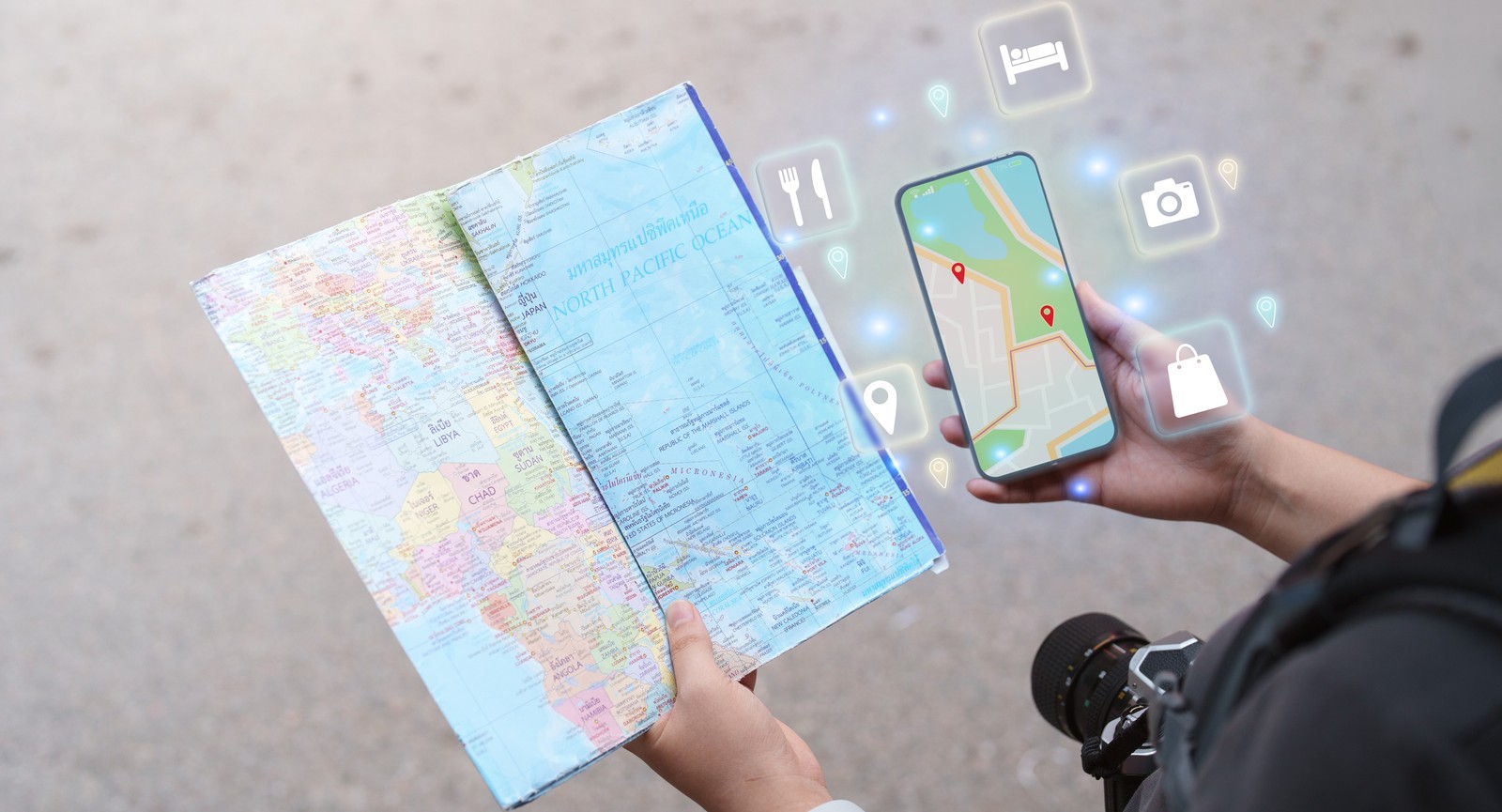
Do you still use any of these “old” technologies when travelling?
Which one is best for you?
Map and compass, or smartphone? Old vs. new tech for travelers
Whether old or new, travel has always required a little technology. What changed is what we mean by "technology." Not long ago, a well-prepared traveler carried maps, paper tickets, a phrasebook, an alarm clock, and perhaps a few rolls of film. Today, one small device can replace nearly all of them. Here are 10 travel routines that have changed dramatically.
Paper road maps and road atlases vs. GPS navigation
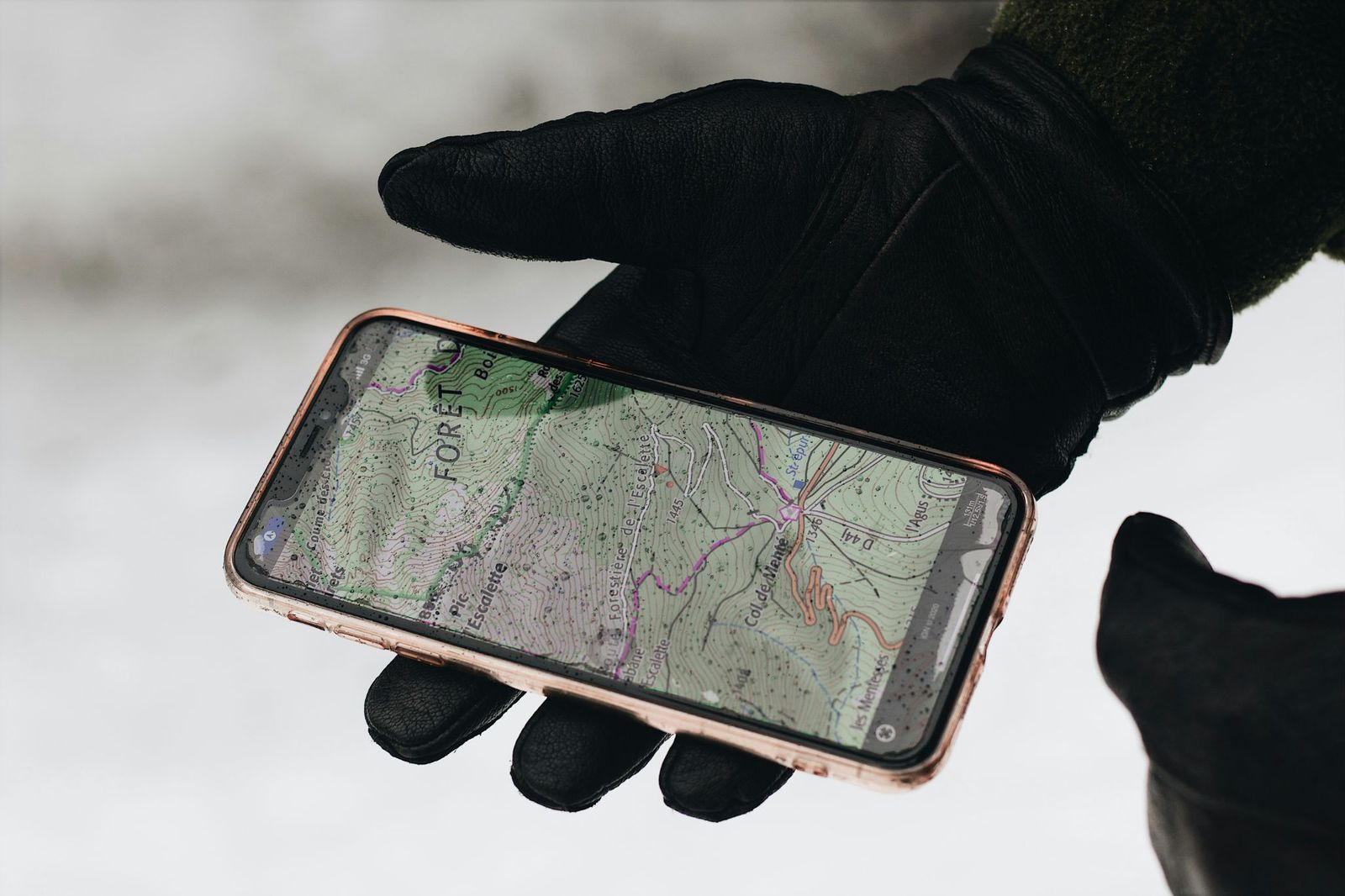
For generations, an American road trip meant unfolding a map large enough to cover half the dashboard. AAA issued its first map in 1905 and later became famous for TripTiks, customized routes that helped motorists navigate unfamiliar highways. Taking a wrong turn wasn't corrected by a friendly voice; you had to figure out where you were first.
GPS made navigation almost effortless. A major turning point came in 2000, when the U.S. government stopped deliberately degrading civilian GPS accuracy, greatly improving its usefulness. Today's navigation apps can reroute us within seconds and warn of traffic ahead.
Film cameras vs. digital cameras
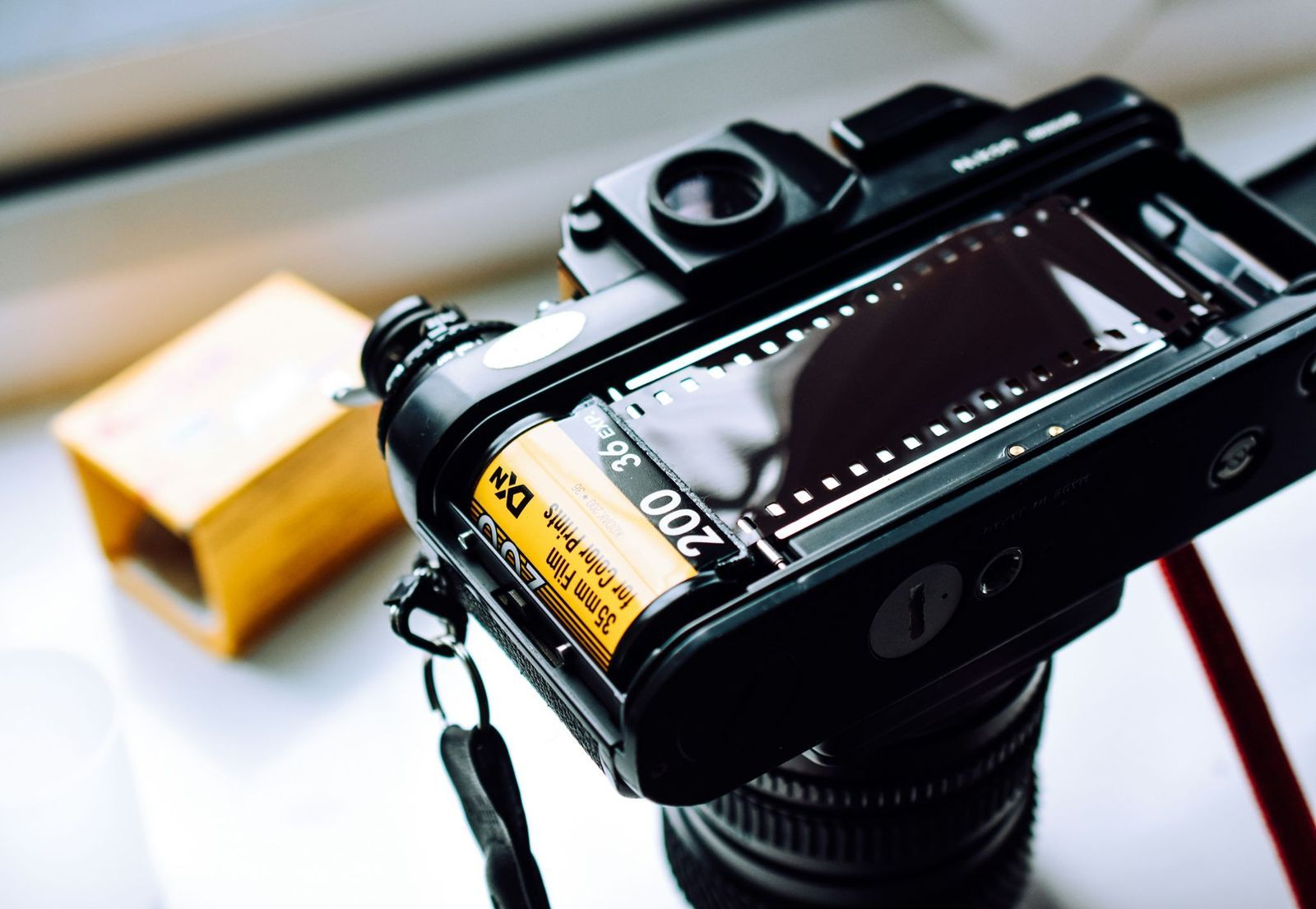
Vacations once came with a strict photographic budget: 12, 24, or 36 exposures per roll. You couldn't instantly check whether someone's eyes were closed or your thumb had wandered into the frame. Instead, exposed film traveled home with you, and only after developing it did you discover whether those once-in-a-lifetime pictures actually worked.
Digital cameras changed that ritual completely. By the 1990s, cameras were appearing that allowed photographers to preview images, while increasingly affordable models soon brought the technology to vacationers.
Traveler’s checks vs. debit/credit cards

For much of the 20th century, traveling abroad often meant buying traveler's checks before leaving home. American Express introduced its Travelers Cheque in 1891 after company president James C. Fargo experienced the difficulties of accessing money overseas. Unlike cash, the checks could generally be replaced if lost or stolen.
Using them involved a small ceremony. Travelers signed each check when purchasing it, then countersigned it when spending or cashing it so the signatures could be compared. Credit and debit cards gradually made that routine seem antiquated. Now a small piece of plastic, or even a phone, can handle purchases that once required carrying a carefully guarded stack of signed paper.
Printed guidebooks vs. online travel information
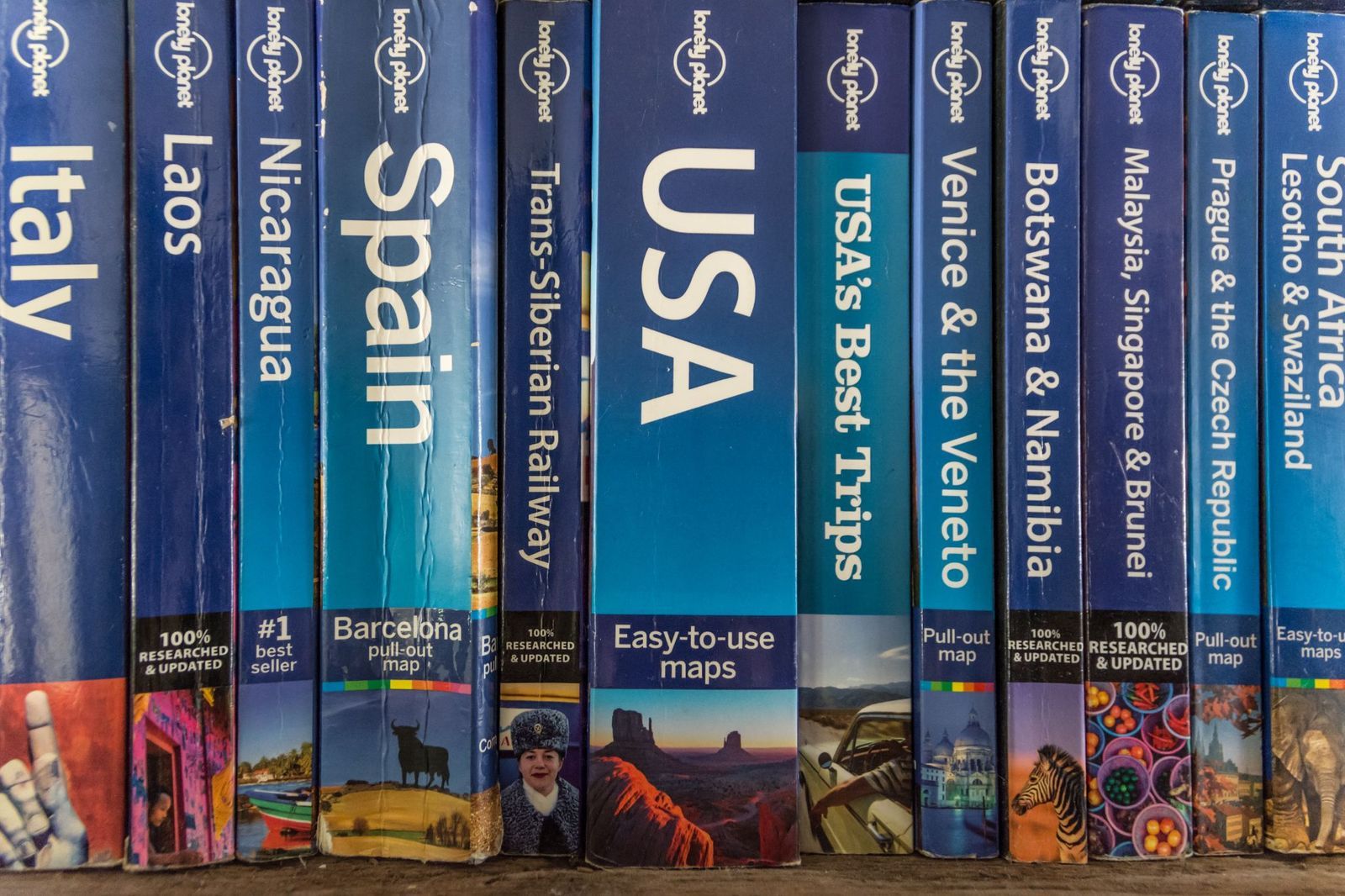
Before travelers could search for "restaurants near me," somebody had to investigate for them. Arthur Frommer's Europe on $5 a Day, published in 1957, showed Americans how to travel abroad without luxury budgets. Lonely Planet had similarly humble beginnings: Tony and Maureen Wheeler's first guide was assembled after an overland journey to Australia.
A good guidebook could become a trusted traveling companion, filled with folded corners, underlining, receipts, and handwritten discoveries. Its weakness was unavoidable: information could become outdated before the book did. Online guides, maps, reviews, and opening hours can change almost instantly.
Paper airline tickets vs. e-tickets
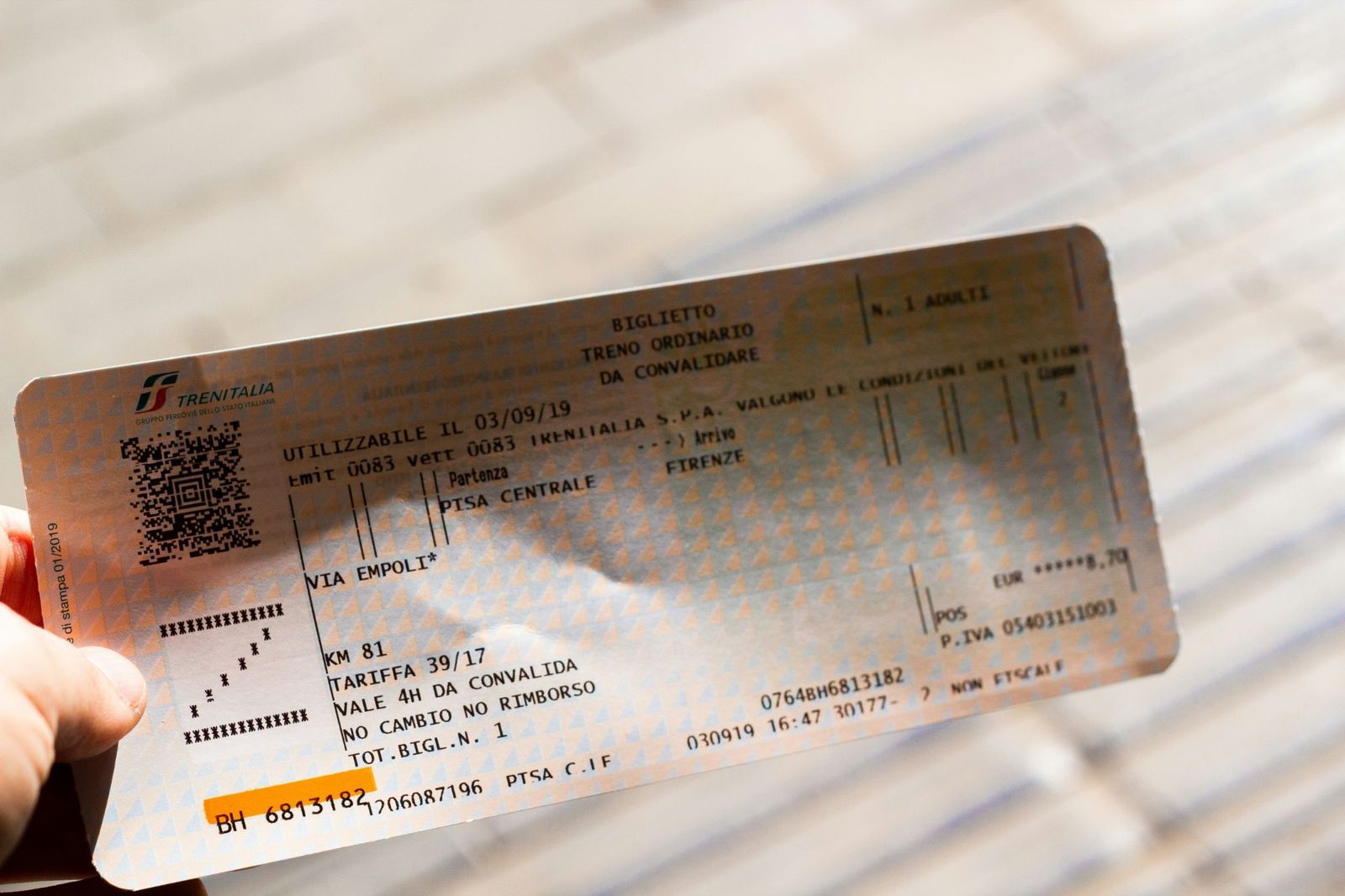
An airline ticket was once a genuinely valuable physical object. Those familiar paper documents contained flight coupons, and losing one could mean far more trouble than simply printing another copy. Travelers guarded their tickets alongside passports, cash, and traveler's checks, and probably checked their pockets repeatedly on the way to the airport.
Electronic ticketing rapidly swept that system away. By 2006, e-tickets already represented 74% of tickets processed through IATA settlement systems, and IATA estimated that eliminating paper tickets could save airlines billions of dollars. In 2008, its industry system became fully electronic. Now the ticket can live in a database while the boarding pass lives on your phone.
Hotel metal keys vs. electronic keycards

Traditional hotel keys weren't subtle. Many came attached to hefty numbered fobs that made them harder to lose, or "accidentally" carry home. But metal keys had a more serious weakness: if one disappeared or was copied, it could potentially keep opening the same room until the hotel changed the lock.
Norwegian inventor Tor Sørnes helped transform hotel security in the 1970s. His work led to VingCard, introduced in 1976 as a recordable hotel keycard locking system. Later electronic versions allowed hotels to give each guest temporary access that could simply expire or be replaced.
Payphones and hotel phones vs. cellphones
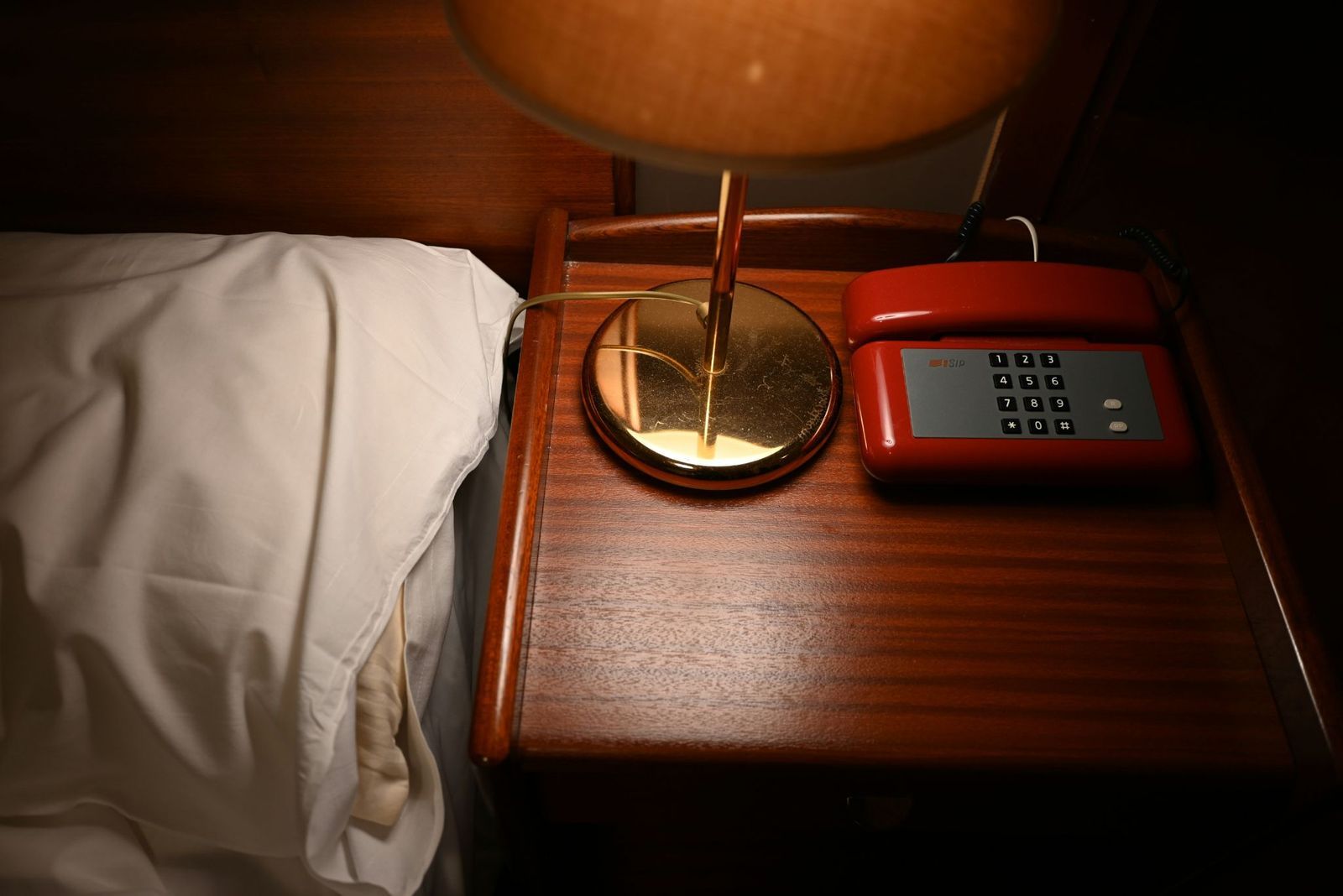
Before cellphones, "call me when you arrive" involved finding an actual telephone. Travelers used hotel phones, airport booths, calling cards, coins, and occasionally collect calls to stay connected. In 1999, FCC statistics counted more than 2.1 million payphones in the U.S., a reminder of how essential public phones once were.
Mobile phones didn't just make those booths unnecessary. They changed travel planning itself. Friends separated in a strange city can now text their locations; delayed travelers can send updates instantly; families can call from almost anywhere. Previously, missing an agreed meeting place could become a miniature crisis. If your companion wasn't beneath the clock tower at 3:00, you waited and hoped.
Printed airline timetables vs. online flight searches
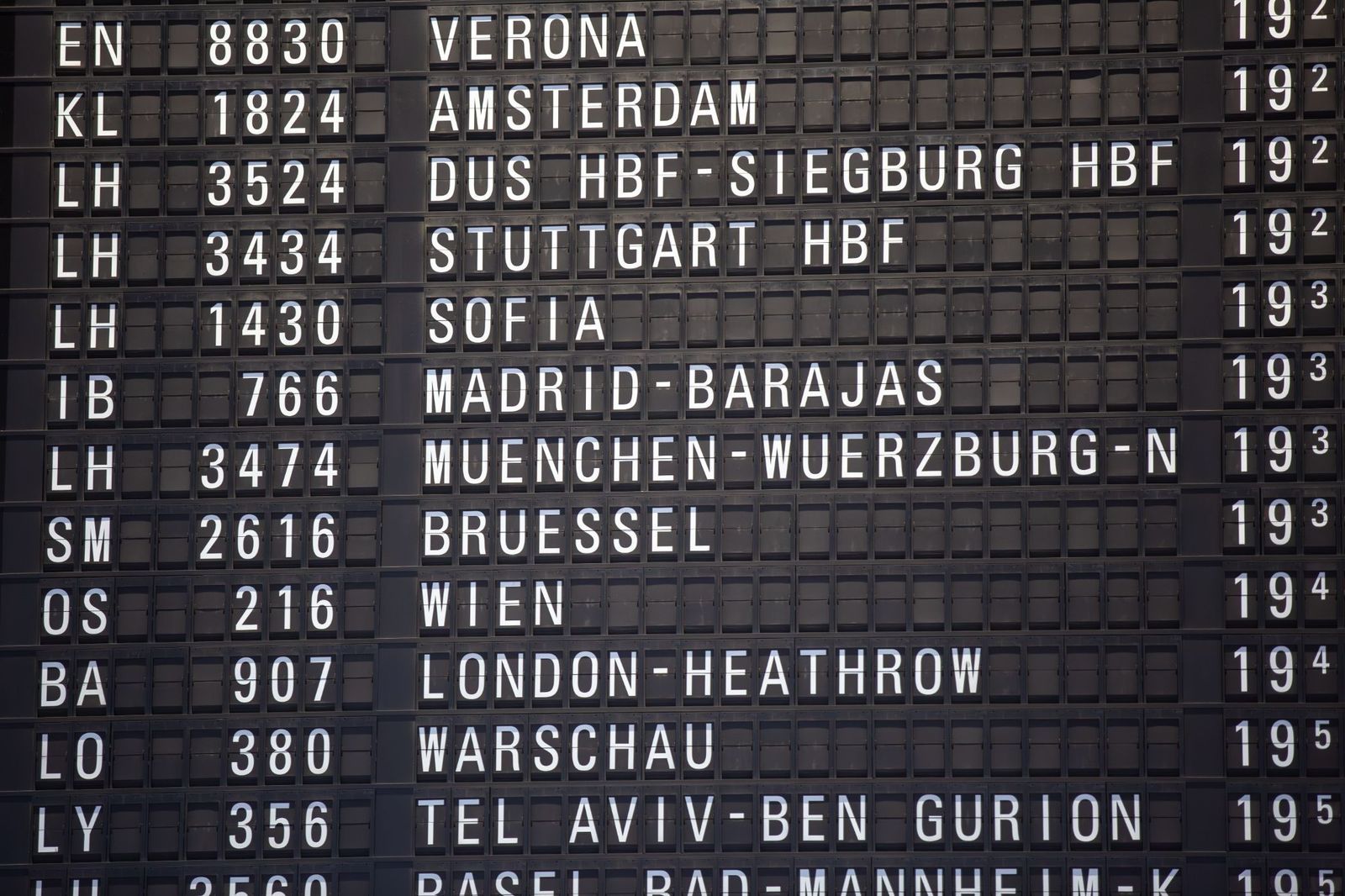
Comparing flights once required considerably more patience. Airlines published printed schedules, while travel professionals relied on enormous references such as the Official Airline Guide. First published in 1929, the OAG brought flight information together in one place at a time when passengers couldn't simply type two cities into a search box.
Computers began making the process easier decades before the internet became commonplace. By 1958, schedules could be organized by city pair, simplifying comparisons between flights serving the same route. Today, an online search can compare airlines, departure times, connections, and prices in seconds.
Travel alarm clocks and hotel wake-up calls vs. phone alarms

Catching a 6 a.m. flight once required a little more preparation. Frequent travelers often packed compact folding alarm clocks, while hotels offered another reassuring solution: call the front desk, request a wake-up time, and trust that the room telephone would ring the next morning.
The cellphone made the travel alarm clock largely unnecessary. It lets us set multiple alarms, carry familiar sounds across time zones, and schedule reminders without asking anyone for help.
Phrasebooks and pocket dictionaries vs. electronic translation

Travelers carried pocket dictionaries and phrasebooks organized around useful situations: hotels, restaurants, train stations, emergencies. If pronunciation failed, there was always the universal fallback: find the right sentence and point at it.
Google Translate arrived in 2006, initially working between Arabic and English, and electronic translation has since become astonishingly sophisticated. Modern tools can translate typed words, spoken conversations, and even text viewed through a phone camera. That's an enormous advantage when facing an unfamiliar menu or sign.
Keep wandering
There’s always
more to explore
 Culture

Why toasting with a glass of water could get you into serious trouble
6 min.
Read Now
Do you know which U.S. beach has sand that’s 99% pure quartz?
7 min.
Read Now
The one confectionery you should never bring back to the U.S.
4 min.
Read Now

10 passenger protections airlines won't tell you about
6 min.
Read Now