Why toasting with a glass of water could get you into serious trouble
 Culture
Would you do these?
Why toasting with a glass of water could get you into serious trouble
Have you ever picked up a lucky penny, toasted with a glass of water, or walked away from an unpleasant encounter with a bird? To most of us, they're just ordinary moments. But somewhere in the world, each action is believed to bring either incredible luck… or terrible misfortune. Across cultures, everyday habits have inspired remarkable superstitions passed down for centuries. From the reason many buildings in China skip the fourth floor to why some people refuse to leave a loaf of bread upside down, here are 10 fascinating superstitions from around the world that may change the way you look at the little things.
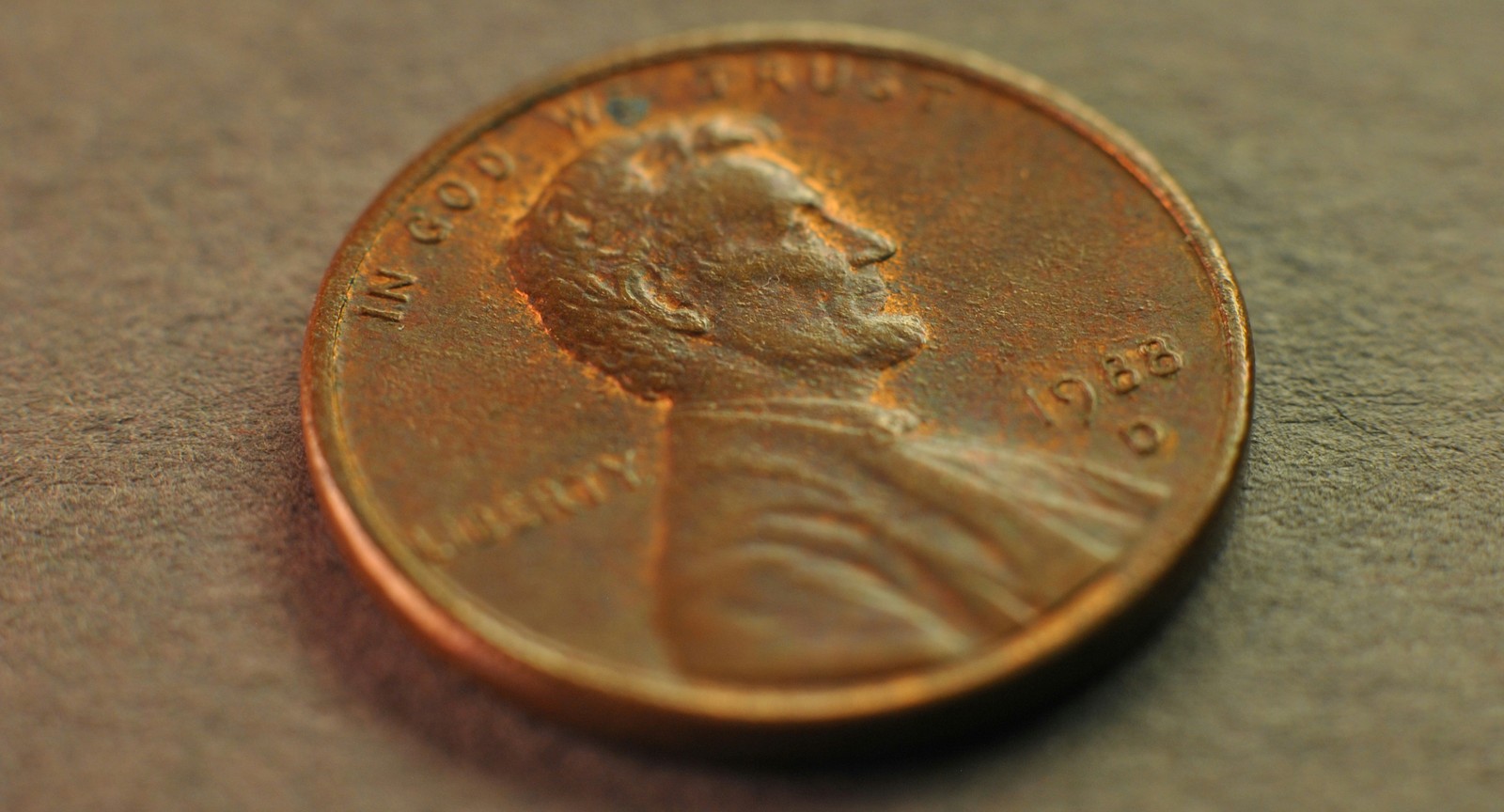
The US: Finding a heads-up penny
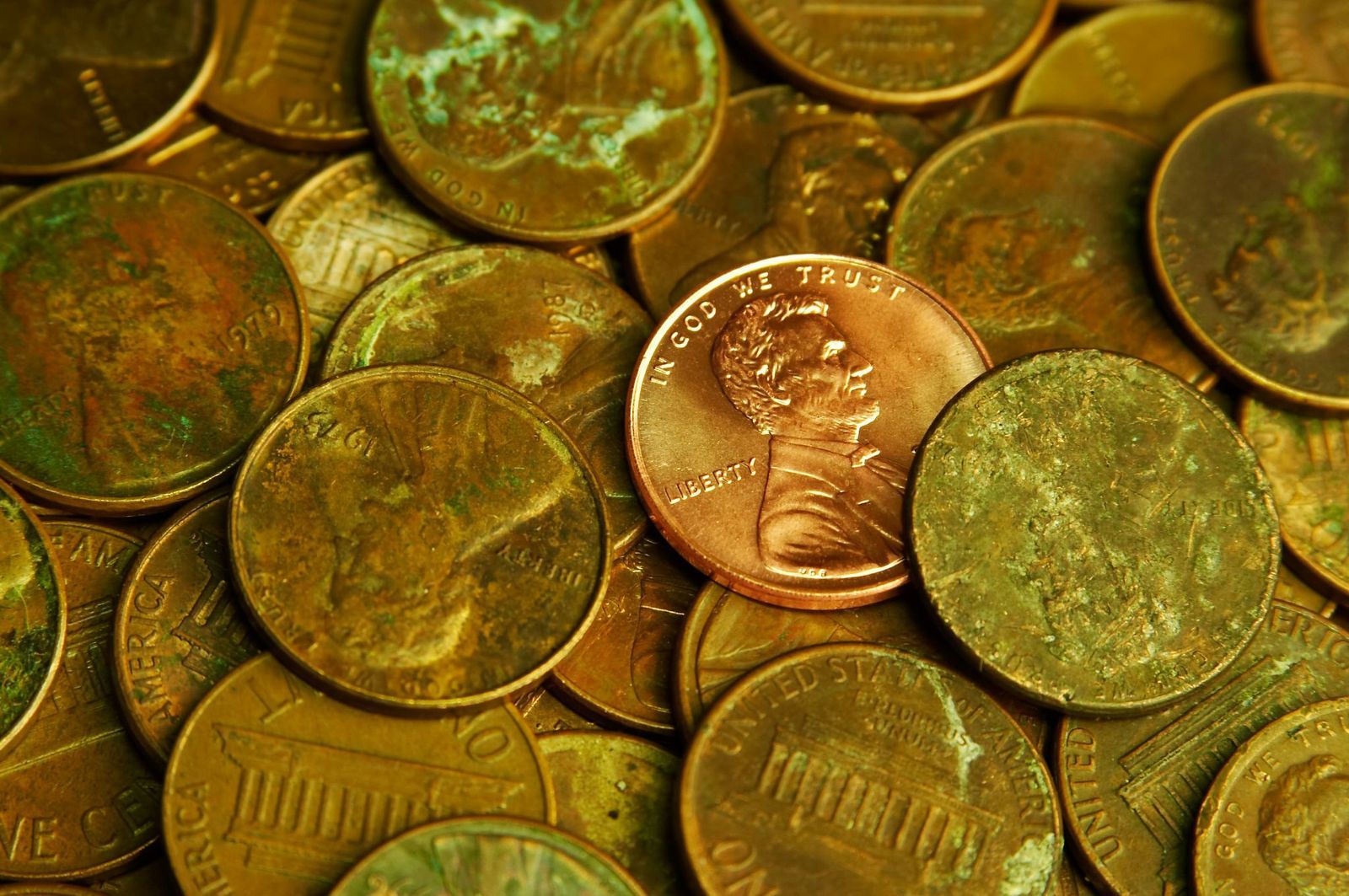
Have you ever spotted a penny on the sidewalk? Even if you haven't, you've probably heard the old saying: "Find a penny, pick it up, and all day long you'll have good luck." But according to superstition, you shouldn't pick up just any penny.
A long-standing American belief says that finding a penny heads up brings good fortune if you pick it up. However, if it's tails up, it's considered bad luck, so you're supposed to turn it over and leave it for the next person. But where did this idea come from? One popular theory traces it back to ancient Rome, Greece, and early Celtic societies, where metals such as copper and iron were believed to be gifts from the gods with protective powers. People turned them into amulets, rings, and other objects, believing they offered divine favor and protection from evil spirits. Over the centuries, that belief gradually became associated with coins, and eventually with the penny.
Germany: No toasting with water

No matter what's being celebrated, one tradition always brings everyone together: the toast. It's one of the world's oldest customs, but it also comes with some surprising superstitions.
One of the best-known is highly popular among Germans, for whom toasting is perfectly acceptable, just never with water. In Germany and other countries such as Italy, Spain, and parts of the UK, clinking glasses with water or an empty glass is widely considered bad luck. The belief is often traced back to ancient Greece. According to Greek mythology, the dead drank from the River Lethe, whose waters erased the memories of earthly life. Because water became associated with the underworld, offering a water toast to a living person was seen as wishing them death. That symbolism gradually evolved into the superstition that many people still follow today.
China: The number 4

In China, the number four is widely avoided. Just as many buildings in the West skip the 13th floor, many buildings, hotels, hospitals, and apartment complexes in China skip the 4th, 14th, 24th, and sometimes even every floor from 40 to 49.
The explanation may be simpler than one might think: in both Mandarin and Cantonese, the word for "four" (四), pronounced sì or sei, sounds almost identical to the word for "death" (死), also pronounced sǐ or sei. Because of that similarity, the number has long been associated with misfortune, and many people prefer to avoid it altogether.
Italy: Bird droppings are good luck
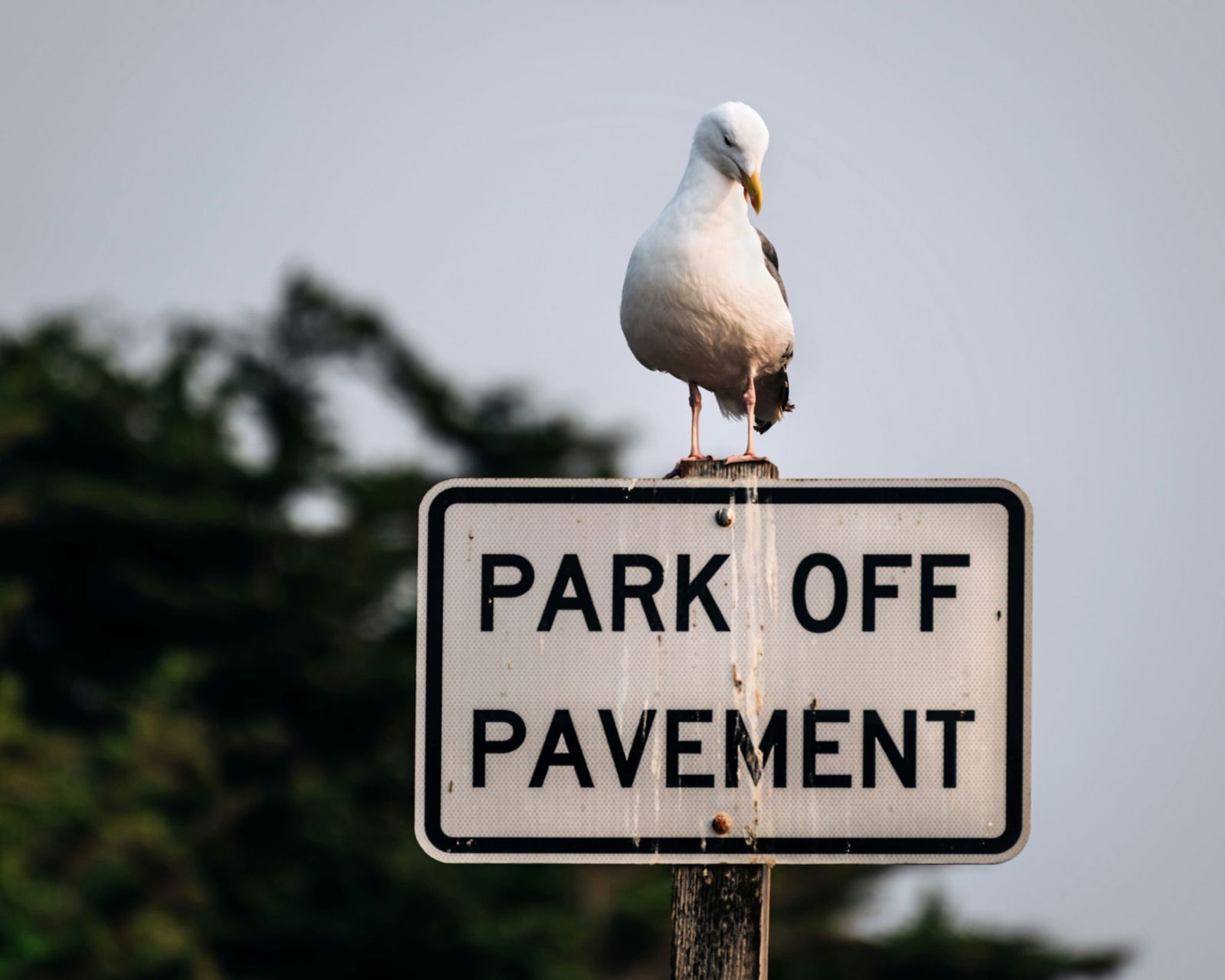
Nobody wants a bird to leave a surprise on their jacket. But in Italy and several other countries, including Russia, Turkey, and India, that messy moment is often seen as something to celebrate rather than complain about.
Although you'll still have to wash your clothes, being hit by bird droppings is traditionally considered a sign of good luck. Why? One theory goes back to ancient times, when birds were believed to be messengers of the gods. Anything they "delivered" from the sky, even something unpleasant, could be interpreted as a blessing or a sign of divine favor. Another explanation is much simpler: the odds of a bird in flight hitting you, out of all the open space below, are small. Because it can be such a rare event, people gradually came to see it as the kind of unlikely stroke of luck that might be followed by another one.
France: The upside-down baguette

In France, if someone sees a loaf of bread sitting upside down (with the bottom side facing up), they'll often turn it over right away. It's not about neatness; it's an old superstition.
An upside-down loaf is believed to bring bad luck, and some even say you should mark an X on it with a knife before turning it over to drive away bad fortune. The tradition dates back to the Middle Ages. By royal decree, executioners in medieval France had the right to take bread and other foods from local bakers without paying. To avoid accidentally selling the loaf reserved for the executioner, then associated with death and misfortune, bakers placed it upside down so everyone would know to leave it alone. Over time, that peculiar habit evolved into one of France's most enduring superstitions.
The UK: Greeting magpies

In many parts of England, Scotland, Wales, Northern Ireland, and even Ireland, seeing a single magpie is considered very bad luck.
That's why many people greet it by saying, "Hello, Mr. Magpie, how are your wife and children today?" Some even give a small nod or tip an imaginary hat, believing this helps ward off bad luck. If you see this, don’t worry; this is a superstition that dates back centuries. One legend claims magpies refused to mourn at the crucifixion of Jesus, while another says they wouldn't enter Noah's Ark, both of which have linked this bird to negative beliefs. These ideas also inspired the famous rhyme: "One for sorrow, two for joy, three for a wedding, four for a birth, five for silver, six for gold, seven for a secret, never to be told," with each number of magpies said to predict a different fortune.
India: No hair washing on Saturdays

In many Hindu families, washing your hair, getting a haircut, shaving, or even buying iron items on a Saturday is considered highly unlucky.
The reason goes back to Hindu tradition: Saturday (Shanivar) is dedicated to Shani Dev, the deity associated with karma, discipline, patience, and justice. In Vedic astrology, both hair and iron are linked to Shani Dev, so cutting hair or bringing new iron into the home on this day is traditionally seen as disrespectful and is believed to invite misfortune or financial hardship. Interestingly, donating iron on a Saturday is thought to have the opposite effect and is considered a sign of good fortune.
Russia: Leaving empty bottles on the table

If you ever have dinner in Russia, don’t be surprised if empty bottles end up on the floor instead of the table. But why do Russians do this?
According to a popular superstition, leaving an empty bottle on the table invites bad luck and financial ruin. The custom is often traced back to 1814, when Russian troops entered Paris during the Napoleonic Wars. The story goes that, while dining in French taverns, they noticed that waiters calculated the bill by counting the empty bottles left on the table. The soldiers soon figured out a clever way to pay less: they hid their empty bottles under the table. Legend has it that they brought the habit home to Russia, where it eventually became today's popular superstition.
Finland: Killing a spider

In Finland and in parts of Sweden, many people prefer to catch spiders and release them outside rather than squash them. But it's not just kindness toward the little critters. According to local folklore, killing a spider is said to bring heavy rain the next day. Where did that idea come from?
Folklore experts believe it may have started with careful observations of nature. Spiders can detect changes in air pressure and humidity through tiny sensory hairs, so they often move indoors or seek shelter before a storm. After noticing this pattern for generations, people came to associate spiders with approaching rain, and eventually came to believe that killing one would only make the downpour even worse.
Japan: Hiding the thumbs

In Japan, if someone passes a hearse, a funeral procession, or even a cemetery, they may quietly tuck their thumbs inside their fists.
The Japanese word for thumb, oyayubi (親指), literally means "parent finger." According to tradition, hiding your thumbs shields your mother and father from spirits believed to linger near places associated with death.
What should you do if you lose your passport while traveling?
 General
Navigating embassies and consulates
Lost your passport abroad? Here is what to do step by step
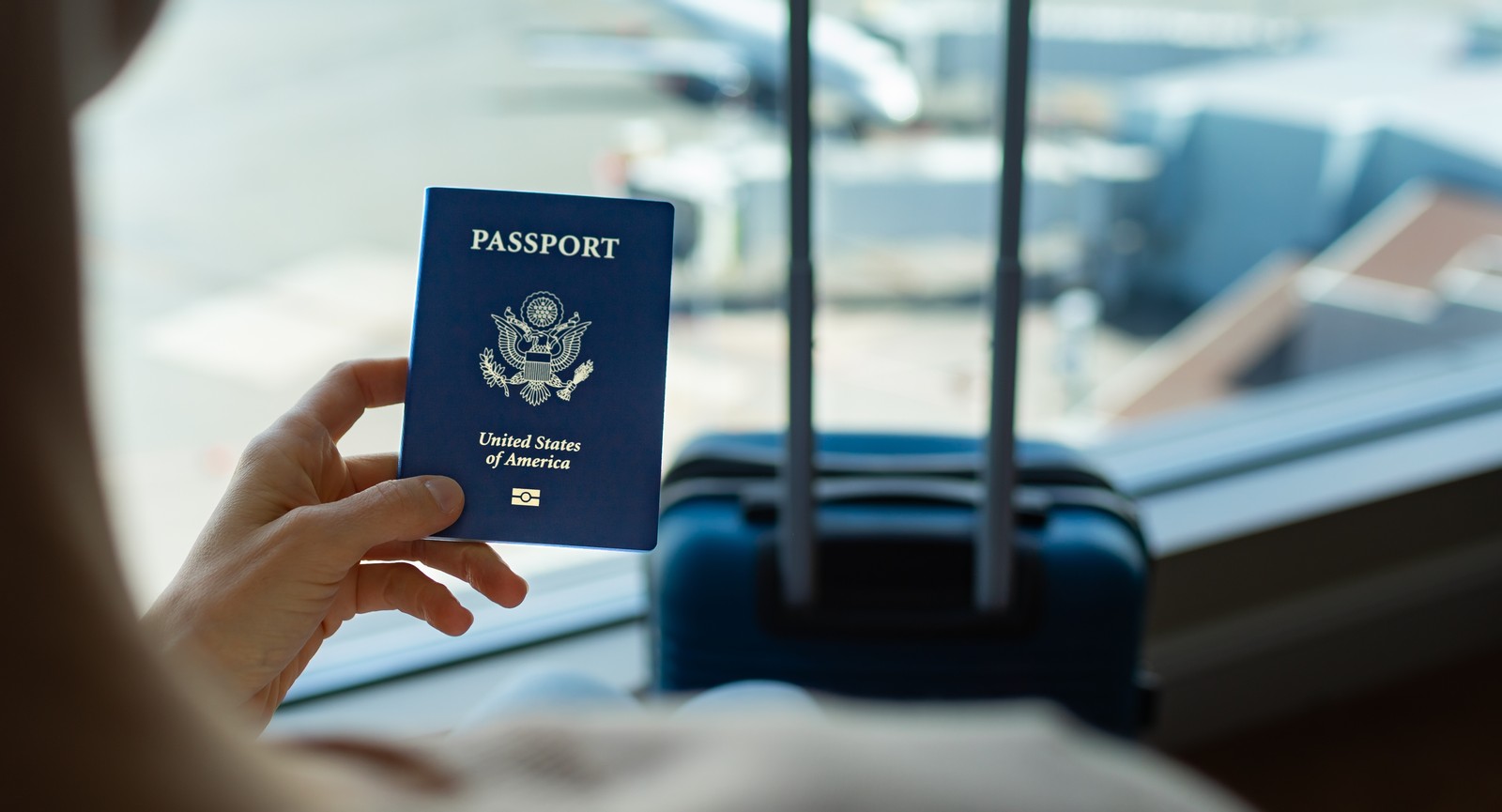
Few scenarios are as alarming as reaching into your pocket or bag and realizing your passport isn’t there. Losing your primary identity document in a foreign country can ruin your entire trip. However, although the situation is stressful, it’s entirely manageable if you stay calm and follow these 10 vital steps.
Step one: Search thoroughly before assuming it's gone

Before initiating an official replacement process, conduct an exhaustive search. Panic often causes travelers to overlook obvious spots. First, retrace your recent steps: contact the last restaurant you visited and local transport offices. Then, check hidden compartments, pockets, money belts, and hotel room safes.
Once a passport is officially reported as lost or stolen to embassy authorities, its electronic record is permanently canceled for security reasons. Confirming it’s surely lost saves you significant time and money.
Step two: File a police report
If you still can’t find your passport after your thorough search, your next stop must be the local police station. Requesting a formal police report is a vital legal safeguard. For one, filing a report creates an official record in case an identity thief attempts to use your stolen passport. Also, U.S. consular officers frequently ask for a local report as supporting evidence when issuing an emergency replacement.
Ensure you receive a written copy of the report or at least an official case number written on police letterhead.
Step three: Contact the U.S. embassy or consulate
With your police report in hand, locate the nearest U.S. embassy or consulate. You will need to ask for the Consular Section / American Citizen Services (ACS) unit. Most embassies allow walk-ins for urgent travel emergencies, but booking an appointment online beforehand can speed up the process.
When visiting the embassy, it’s best if you bring proof of citizenship and identity, a 2x2-inch color photo, a travel itinerary, and the replacement fee (usually payable by cash or credit card).
What is an emergency travel document?
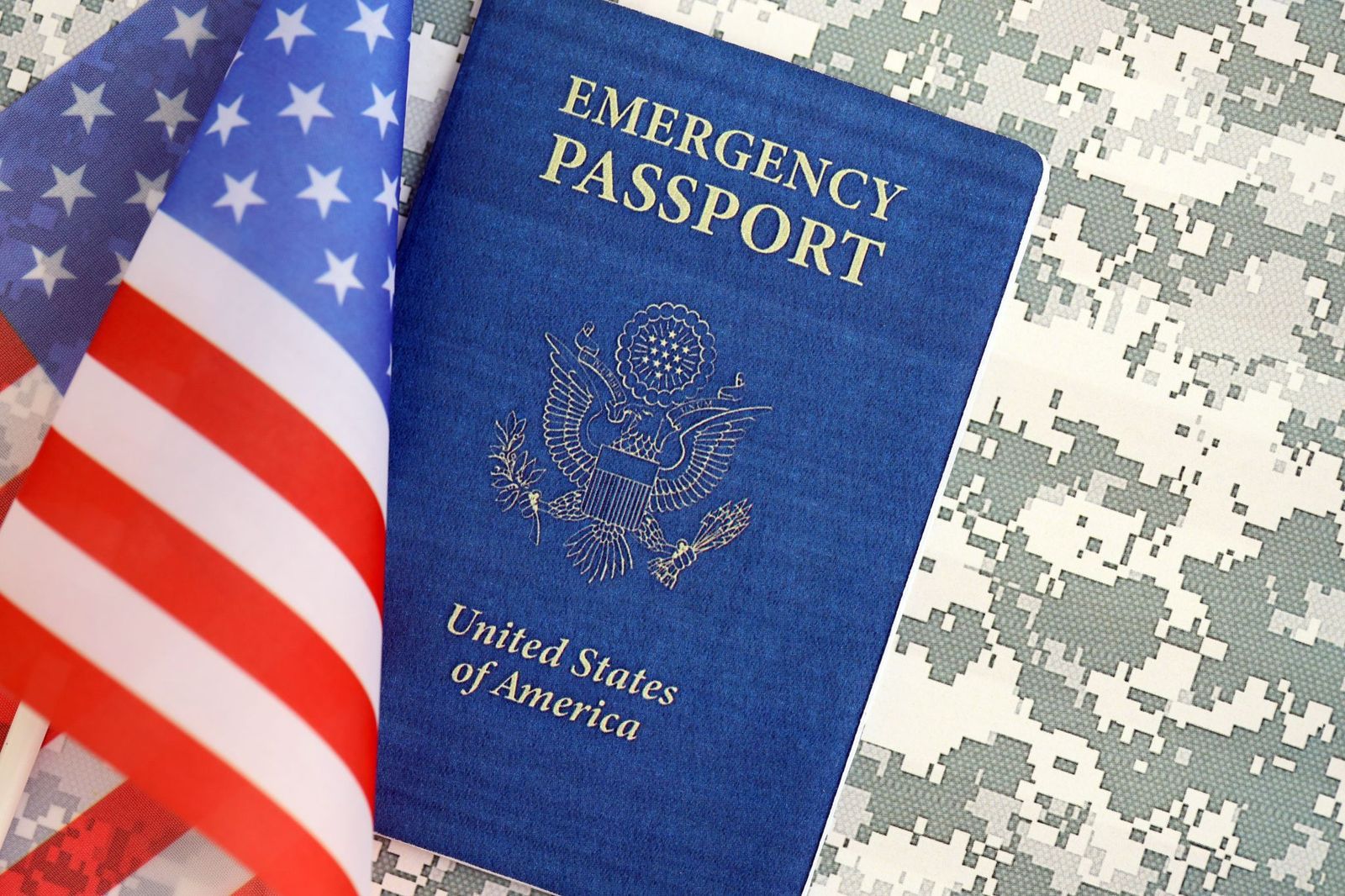
If you have to keep traveling or return home, the consulate will issue an Emergency Passport (sometimes called a Limited-Validity Passport).
Unlike a standard passport, an emergency passport is typically valid for 12 months or less. It contains fewer pages and comes with a warrant indicating its limited validity. Once back in the United States, you can apply for a replacement passport without paying additional fees, provided you do so within the next year.
Can you get compensation for a lost passport?
Although the U.S. government does not reimburse you for a lost passport, a travel insurance policy may help you financially. Depending on your coverage, insurance may compensate you for consular fees and expenses for delayed flights or extra hotel nights.
Keep all receipts (including local transportation and government fees) and submit them along with your police report to your insurance provider when you return home.
Navigating visa complications
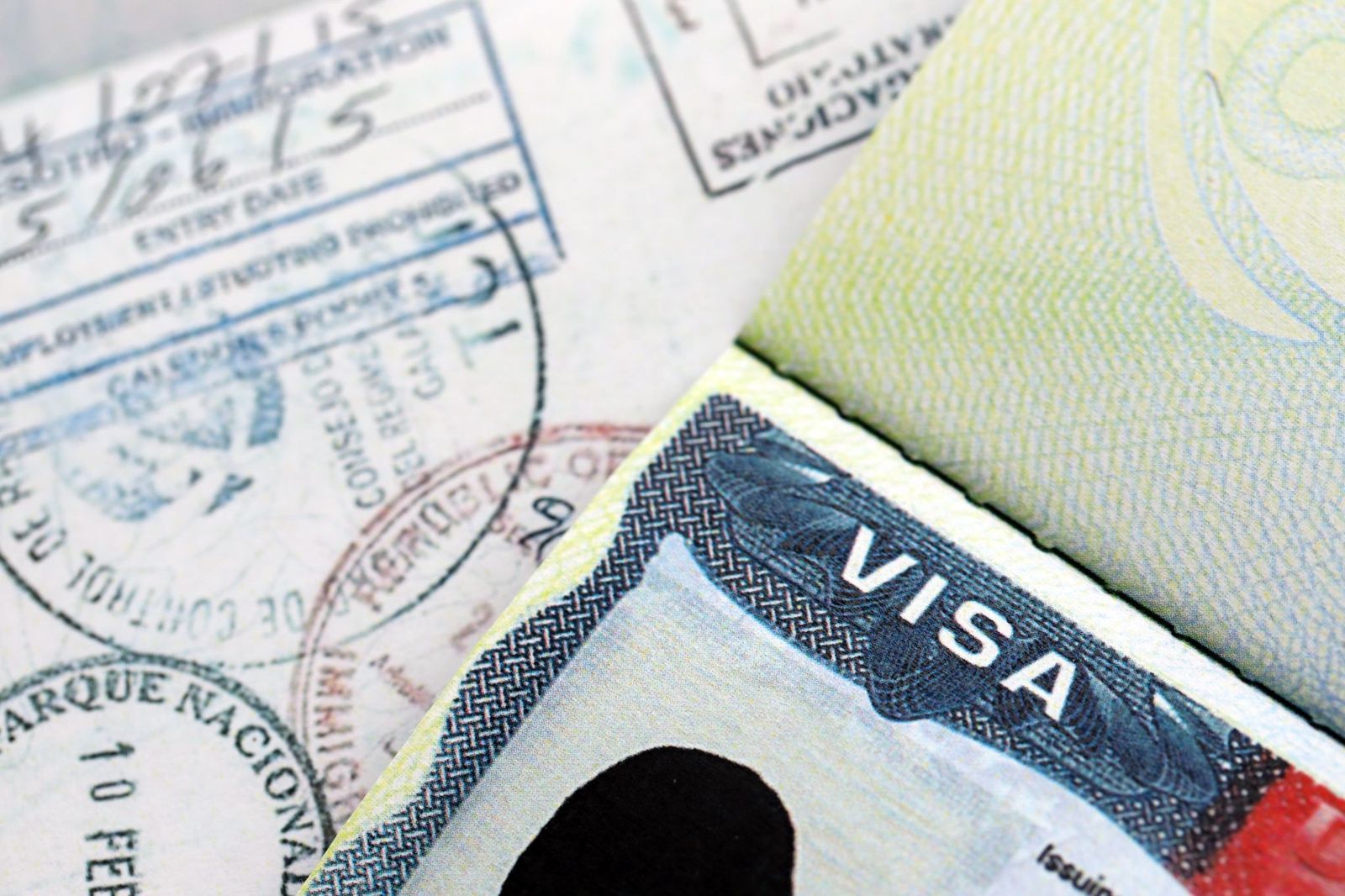
Losing your passport also means losing any entry or visa stamps. This introduces a few legal hurdles with local immigration authorities when trying to exit the country.
Certain countries require an exit visa or replacement entry stamp before allowing you to go through border control. You may need to visit the host country’s immigration department after receiving your emergency passport to have your entry status verified.
Managing money and practical logistics
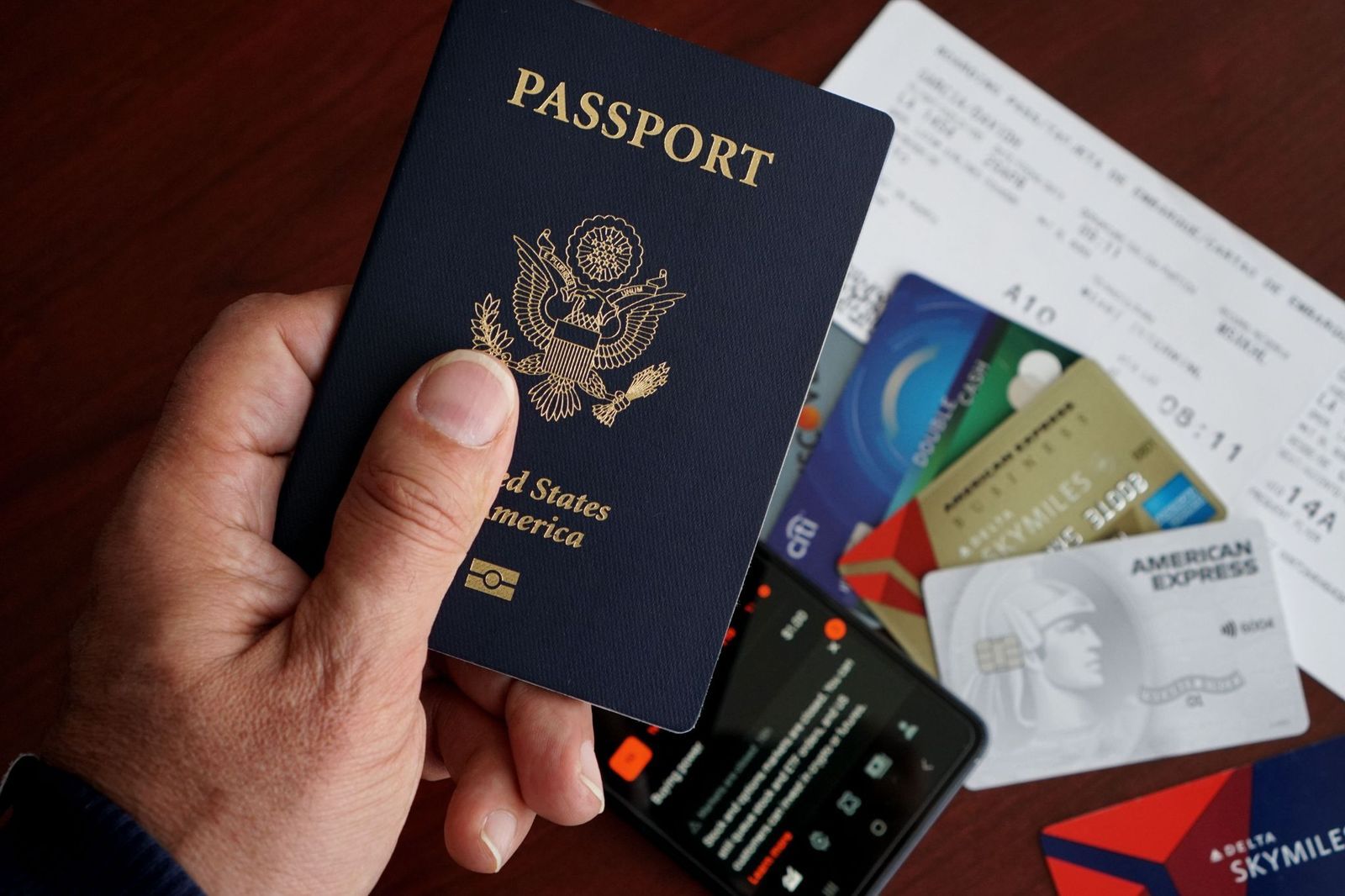
Losing a passport often coincides with losing a wallet or bag containing cash and credit cards. If that happens, the first thing you have to do is contact your bank as soon as possible to freeze your cards and request an expedited replacement card delivered to your hotel.
If you need cash, family or friends can transfer funds to you via services like Western Union or MoneyGram, which allow money pickup using secondary ID or embassy verification.
I found my lost passport; can I still use it?
The short answer is no. Once you report a passport as lost or stolen to the Department of State or an embassy, that passport is permanently invalidated in global databases.
If you happen to find your lost passport after reporting it to the police, don’t attempt to travel with it. Border agencies will flag the document as fraudulent or stolen, leading to confiscation, interrogation, denied entry, or even detention. Best to safely destroy the invalid document.
Getting home: Booking flights with an emergency document

Once you have an emergency passport, you must update your flight details. Contact your airline to update your Advanced Passenger Information (APIS) with your new passport number, expiration date, and issue date.
Also, be careful when booking layovers. Some countries don’t accept limited emergency passports for transit without a visa. Whenever possible, book direct flights back to your home to avoid border complications.
Before you travel: Prevention and preparation
A few proactive steps before departure can turn a potential nightmare into a minor inconvenience. For instance, you can keep scanned copies of your passport photo page, driver’s license, travel insurance policy, and birth certificate in cloud storage accessible from any device.
Also, keep two printed copies of your passport in separate bags from the physical passport. Register your trip through the U.S. Department of State’s Smart Traveler Enrollment Program (STEP). This makes it easier for the nearest embassy to locate and assist you in an emergency.
Keep wandering
There’s always
more to explore

They left a winning lottery ticket behind at the hotel—What happened next
6 min.
Read Now
Pilots would rather you didn’t bring a banana on board. Here’s why
5 min.
Read Now

You order dinner, and the menu has no dollar signs. Why?
6 min.
Read Now

10 passenger protections airlines won't tell you about
6 min.
Read Now