Pilots would rather you didn’t bring a banana on board. Here’s why
 General
Superstition beats science sometimes
Pilots would rather you didn’t bring a banana on board. Here’s why
Modern airplanes are packed with cutting-edge technology, but step inside the aviation world, and you’ll find traditions that are much older than the aircraft themselves. Some airlines skip row 13, pilots quietly tap their seatbelts before takeoff, and certain crews refuse to say "last flight" out loud. These customs don’t make flying any safer, but they reveal a fascinating side of aviation that most passengers never see.
No bananas on board
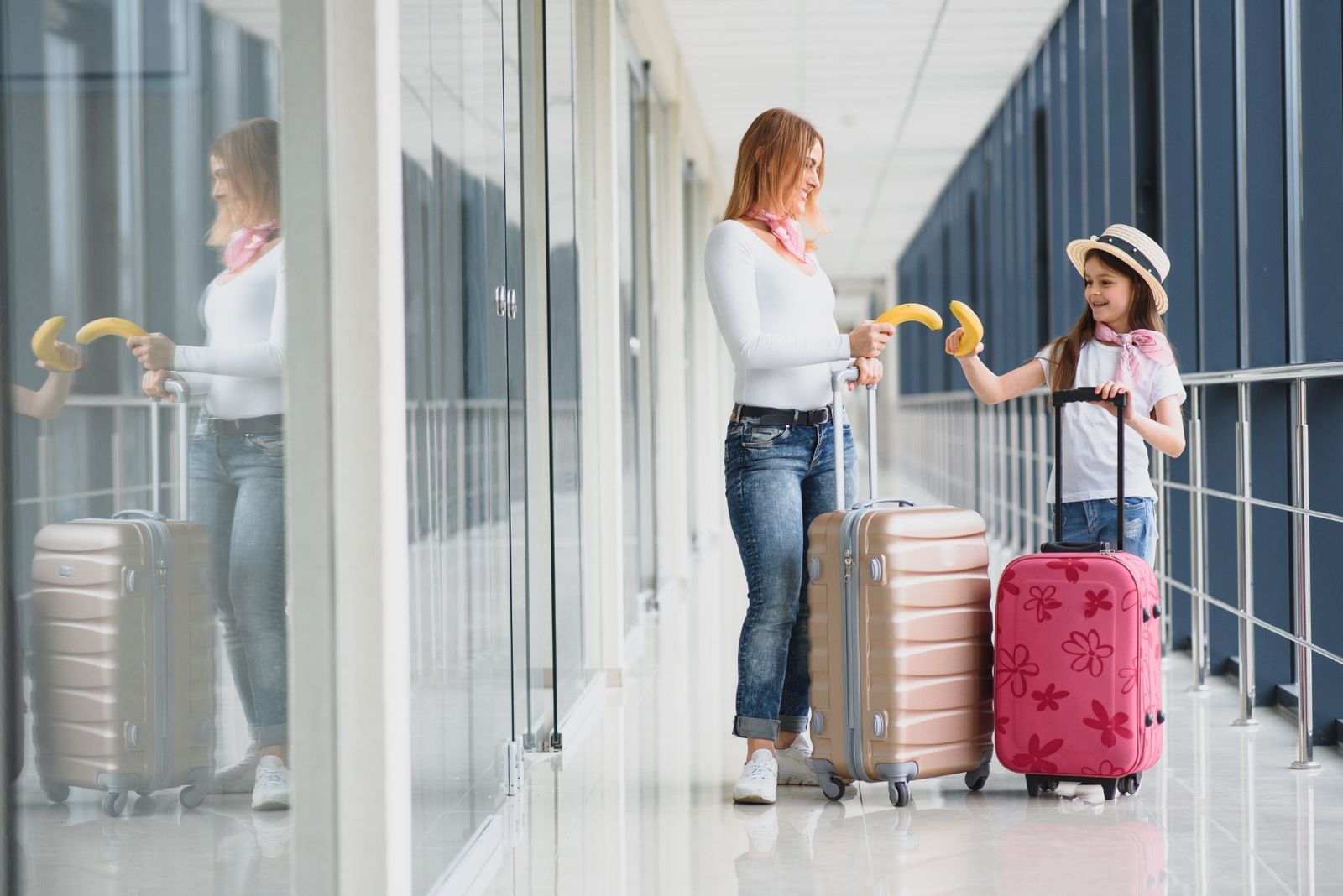
Packing a banana before leaving home seems like a healthy travel choice, yet some seaplane pilots would rather not see one on board.
The superstition dates back hundreds of years to maritime folklore, when sailors blamed bananas for spoiled voyages, poor fishing, and mysterious accidents at sea. There were practical reasons behind the stories. Bananas ripened quickly during long voyages, attracted insects, and often spoiled other cargo. As flying boats and seaplanes became more common during the twentieth century, some of these nautical beliefs quietly followed pilots into aviation.
Weather superstitions
Weather remains one of aviation’s greatest challenges. Forecasting has improved dramatically over the decades, but pilots still joke that the weather has a mind of its own. That uncertainty has produced countless superstitions.
Pilots generally avoid pointing at the sky and complimenting the weather directly. They can mention the sun, but never the bright sky. Besides, when a storm comes rather suddenly, many whisper an apology to the sky, as a way to make it go away quickly. Others joke that washing an airplane is the fastest way to guarantee rain, much like washing the family car before a downpour. Nobody mistakes these sayings for science, yet they continue to circulate because they add humor to a profession where the weather always deserves respect.
Beware of row 13
Anyone who has searched for an airplane seat has probably noticed something strange. The cabin goes from row 12 straight to row 14, leaving passengers wondering what happened to row 13. In many cases, it never existed to begin with.
Airlines began skipping the number because many travelers associate 13 with bad luck, a belief that has existed for centuries. Some carriers, including American Airlines, have omitted the row entirely to make uneasy passengers feel more comfortable. The superstition even extends to Friday the 13th, when demand is always lower than on any other date in the calendar. Aviation safety has never shown any connection between the date and accidents, but old beliefs are difficult to leave on the ground.
Lucky charms in the cockpit
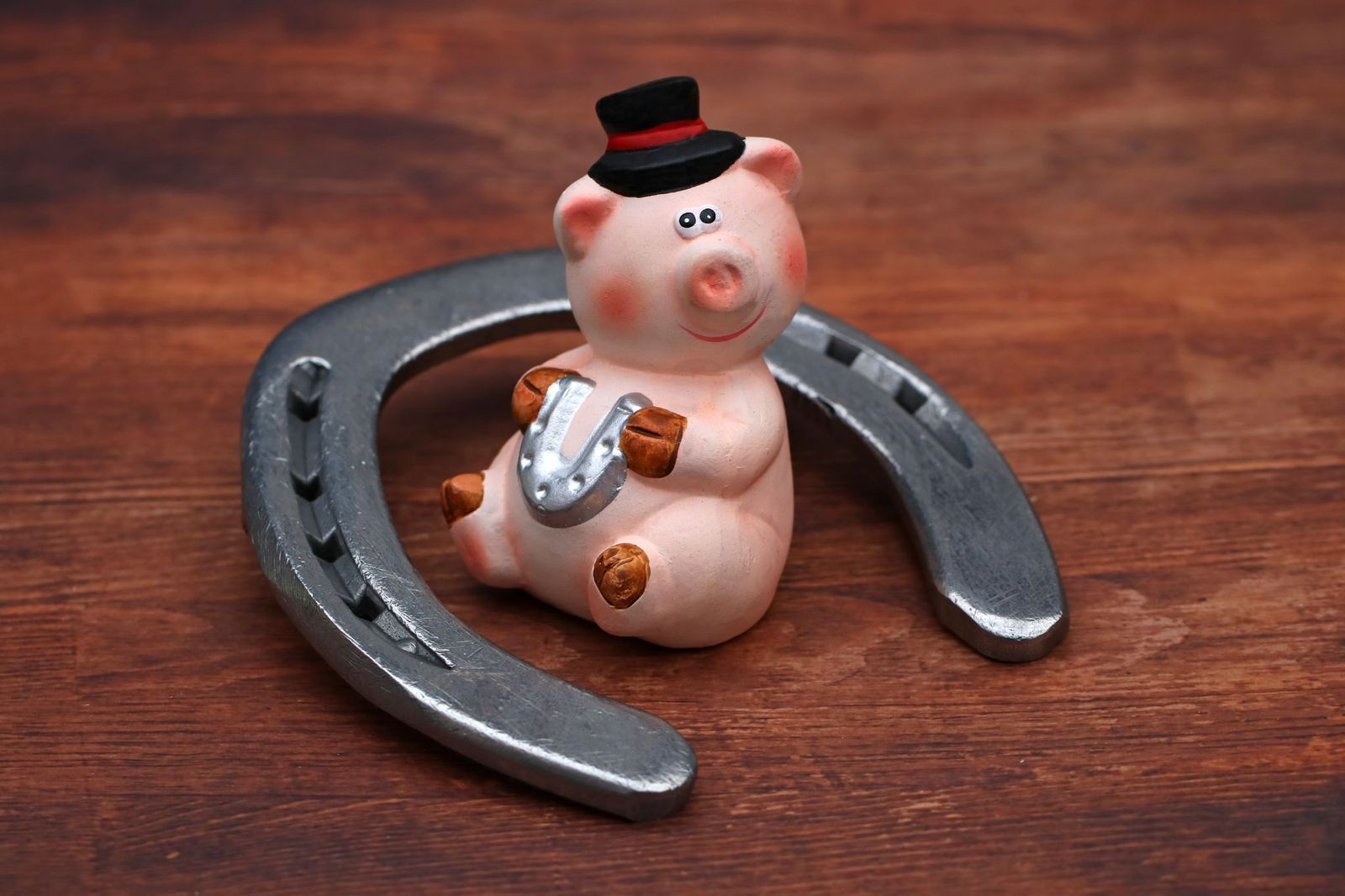
Many people carry something that reminds them of home, whether it is an old photograph, a special coin, or a gift from someone they love. Pilots are no exception. Some quietly keep a small good luck charm in their flight bag or pocket before every trip. It might be a religious medal, a challenge coin from military service, or a keepsake received from a mentor early in their career.
One of history’s most famous aviators, Charles Lindbergh, reportedly carried a rabbit's foot during his record-setting solo crossing of the Atlantic in 1927. Most modern pilots would never claim these objects influence a flight, but they often provide something equally valuable: reassurance.
No whistling in the cockpit
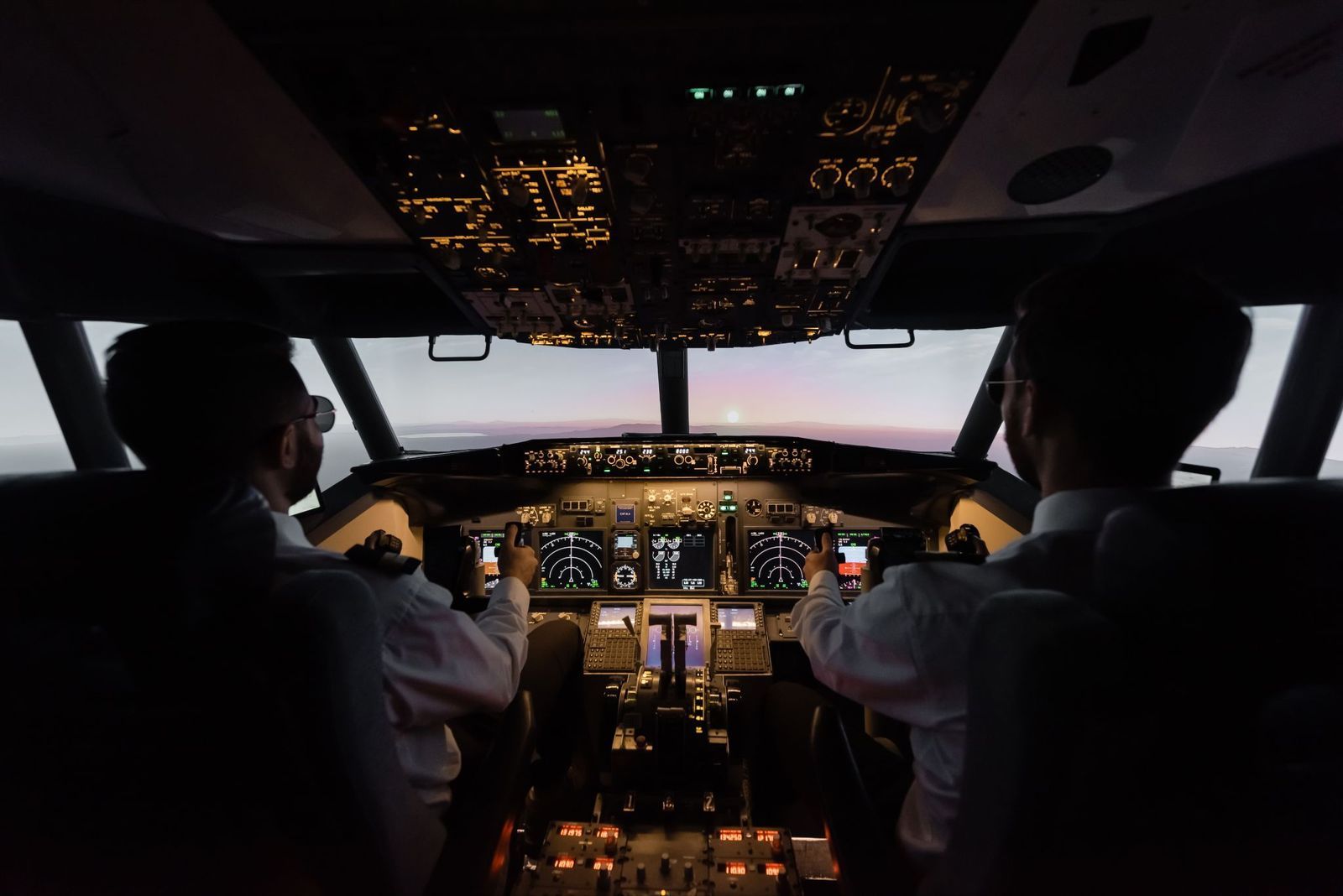
Walking through an airport, hearing someone whistle hardly seems unusual. In certain cockpits, however, it may earn a playful warning.
The belief probably originated centuries ago among sailors, who feared that whistling would "call up the wind" and bring dangerous storms. Aviation inherited many traditions from the maritime world because early pilots and navigators often came from seafaring backgrounds. As those customs moved from ships to airplanes, whistling became another act that some crews preferred to avoid.
Never say "last flight"
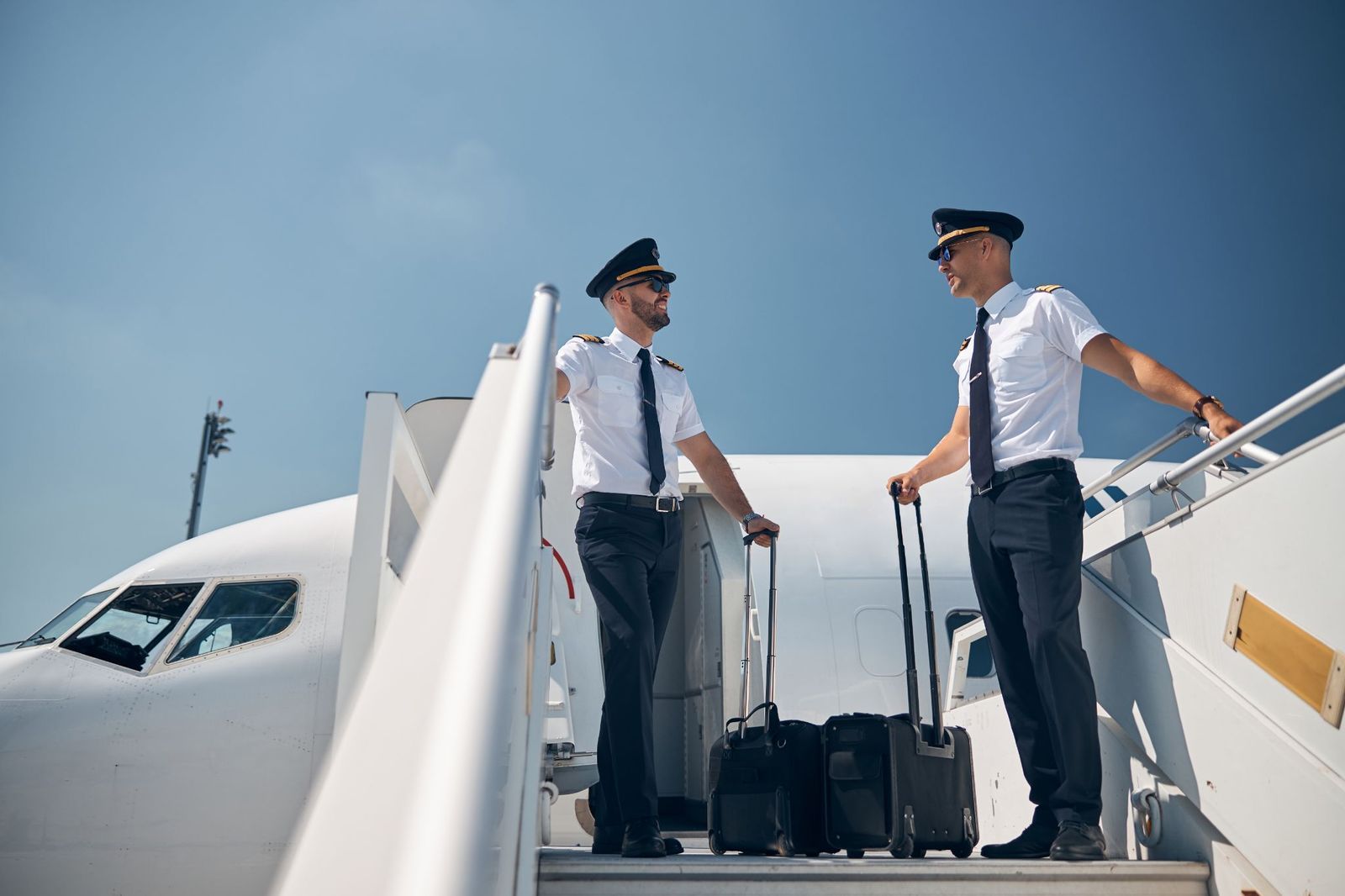
Toward the end of a busy day, most people casually mention their last meeting or last errand before heading home.
Airline crews often avoid that wording altogether. Instead of saying "last flight," many prefer expressions such as "final sector" or "next flight." The reason has nothing to do with regulations or company policy. It is an old superstition built on the idea that calling something the "last" flight somehow tempts fate. And there’s no sensible reason to do so while the stakes are 35,000 feet high already.
Avoid talking about crashes
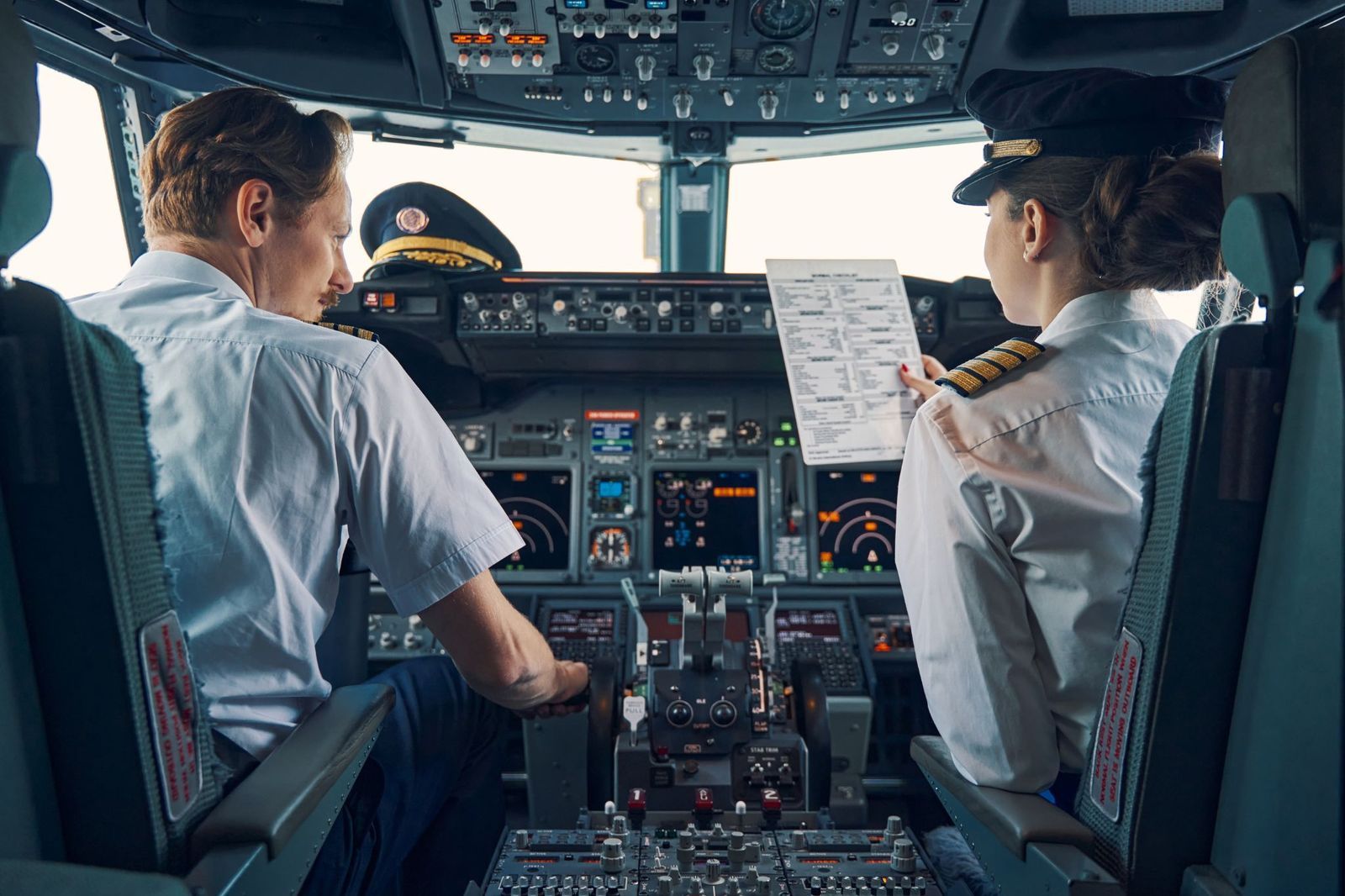
Imagine settling in your seat as someone starts describing a terrible accident. Even if there’s no real connection, the timing feels uncomfortable. Something similar happens in many cockpits.
Among some flight crews, discussing airplane crashes while aboard the aircraft, even before the engines are running, is considered bad luck. Serious conversations about past disasters are best left for the briefing room. Pilots spend their careers studying accidents to learn valuable lessons, but once it’s time to fly, the focus shifts completely to the flight ahead.
Chewing gum on the wing
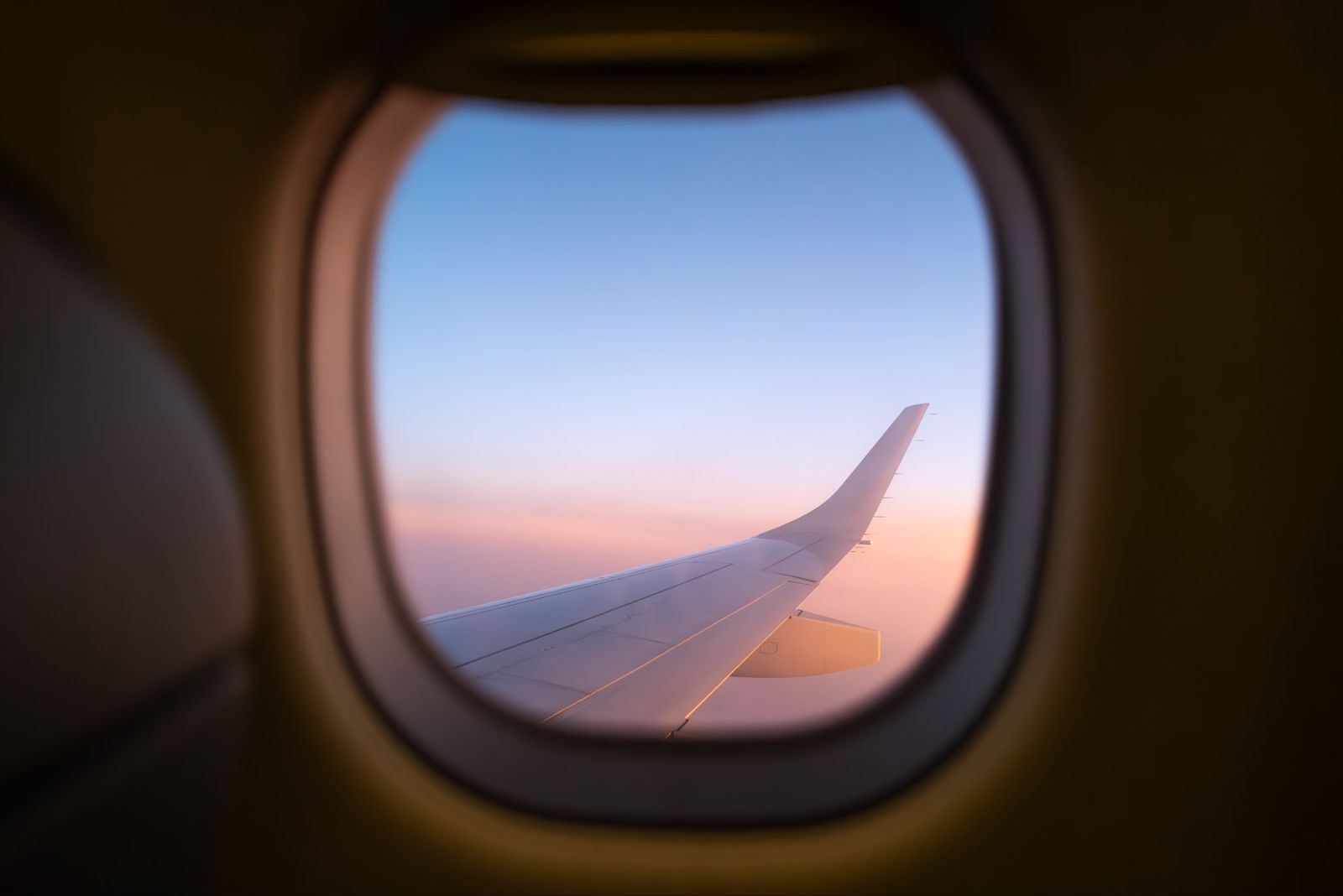
Most travelers throw away their chewing gum before boarding, but among some military pilots during WWII, it occasionally found an unexpected destination.
Stories passed through flying squadrons describe aviators sticking their chewed gum to the wing before takeoff, believing the small ritual might tip fortune in their favor. The practice was never widespread or officially encouraged, but it reflected the intense psychological pressure crews faced during dangerous combat missions. When every flight carried enormous risk, even the smallest personal ritual could provide a sense of confidence.
Naming aircraft
Think about famous ships like the Titanic or the USS Constitution. One thing they have in common is that they all had names, and early aviators borrowed that same tradition.
As commercial aviation expanded during the 1930s, many airlines began naming their aircraft after cities, historical figures, or symbols. Crews often felt a stronger connection to an airplane with a name than one known only by a registration number. Military pilots embraced the practice as well. Even today, airlines like Virgin Atlantic, the British airline, continue the tradition with playful names that give each aircraft its personality.
The seatbelt tug and harness tapping
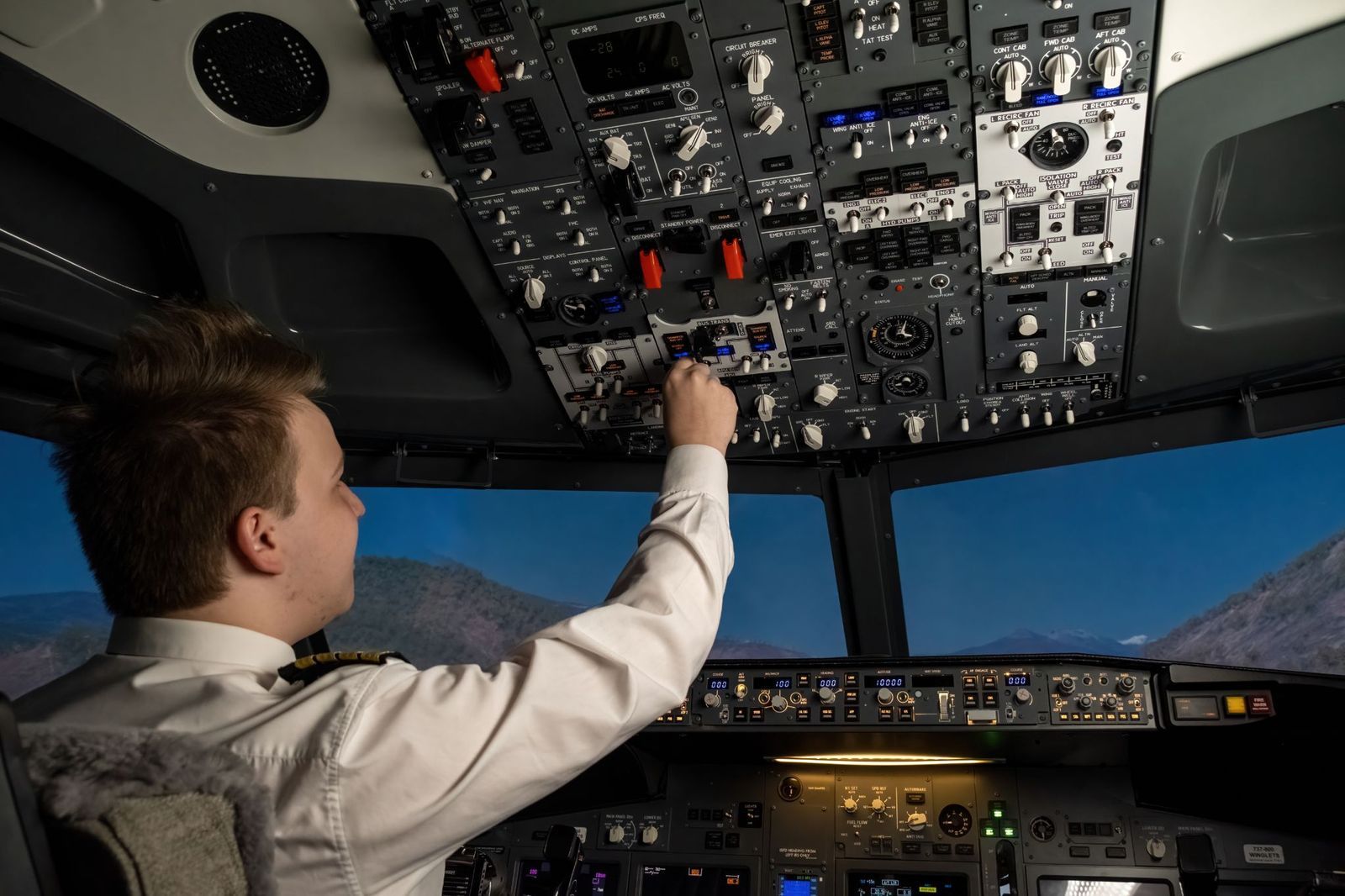
Buckling a seatbelt usually ends with one final pull to make sure everything feels secure. Many pilots do something remarkably similar.
After every required checklist has been completed, some instinctively give their harness a final tug or lightly tap the buckle before takeoff or landing. It’s not part of any operating manual, nor does it replace a safety check. Instead, it has become a personal ritual that signals it is time to focus completely on the task ahead with all the possible good luck.
10 unbelievable cons from around the world
10 unbelievable cons from around the world
You might think you’d never fall for a ridiculous con, but don’t be so sure. From a man who tried to sell the Eiffel Tower (piece by piece) to two young girls who passed off doctored photos of fairies in their garden as real, these 10 stories are some of the most incredible cons and hoaxes ever. Let’s find out how each one unfolded and see whether we might have fallen for it.
The Eiffel Tower Con

We wouldn’t even think that the Eiffel Tower could be sold, but Victor Lustig had a wild scheme in mind. Amazingly, in 1925, he convinced a group of French scrap-metal dealers that the landmark would be dismantled.
Posing as a French government official in Paris, he smooth-talked the group into believing it was going to be taken apart because the upkeep costs were too high, and that he could sell them its valuable metal, pocketing a massive amount of cash before fleeing.
The Spaghetti Tree Spoof
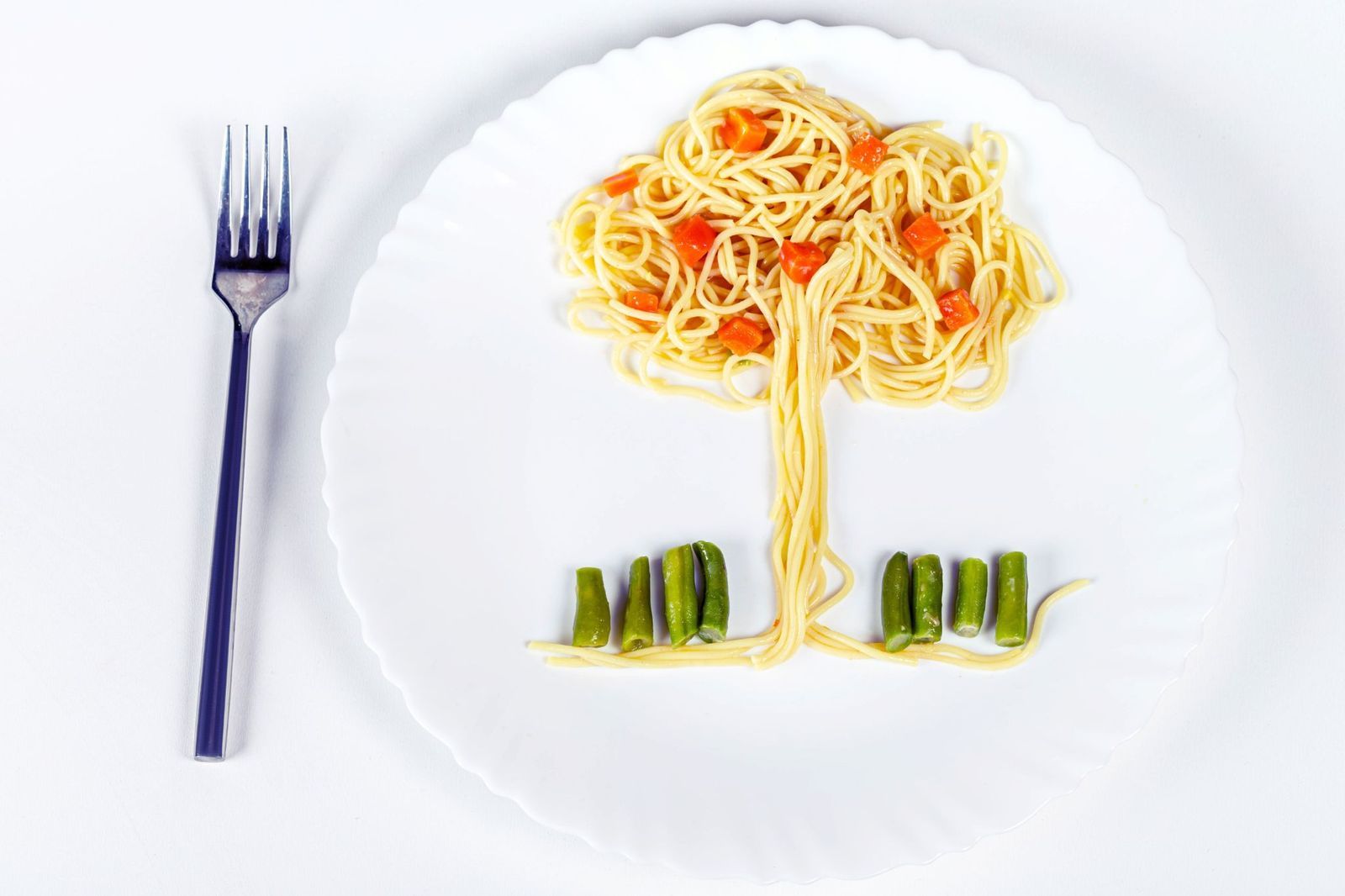
Say you’re watching British TV and suddenly see on the BBC a Swiss family harvesting spaghetti from trees; would you question it or want to find out more?
This happened in 1957, when the BBC aired this playful April Fools’ segment. Some viewers even called to ask how to grow their own, and in response, the BBC famously told callers to "place a sprig of spaghetti in a tin of tomato sauce and hope for the best."
The McDonald’s Monopoly Scam
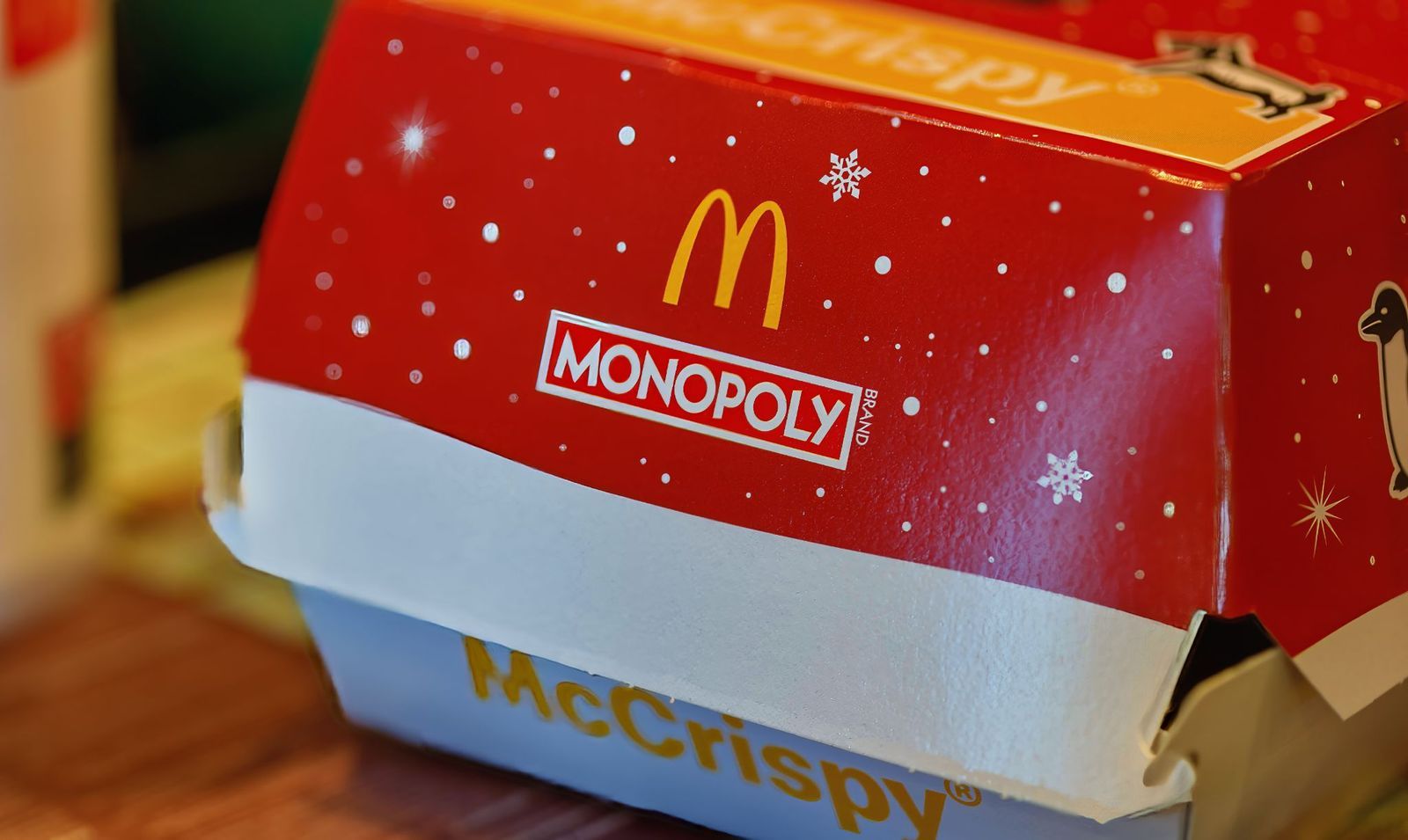
Jerry Jacobson, a former police officer, worked for Simon Marketing as a security consultant and was trusted to place rare winning pieces into game packets (envelopes) for the McDonald’s Monopoly Promotion.
But instead, he ended up stealing those winning envelopes for himself, secretly distributing them to people (including mobsters and psychics) who paid him a cut. The scheme was exposed after an informant contacted the FBI in 2001, and investigators discovered that several supposed winners were connected to Jacobson. The shocking scandal was the subject of McMillions (2000), a popular, acclaimed docu-series on HBO.
The Cottingley Fairies
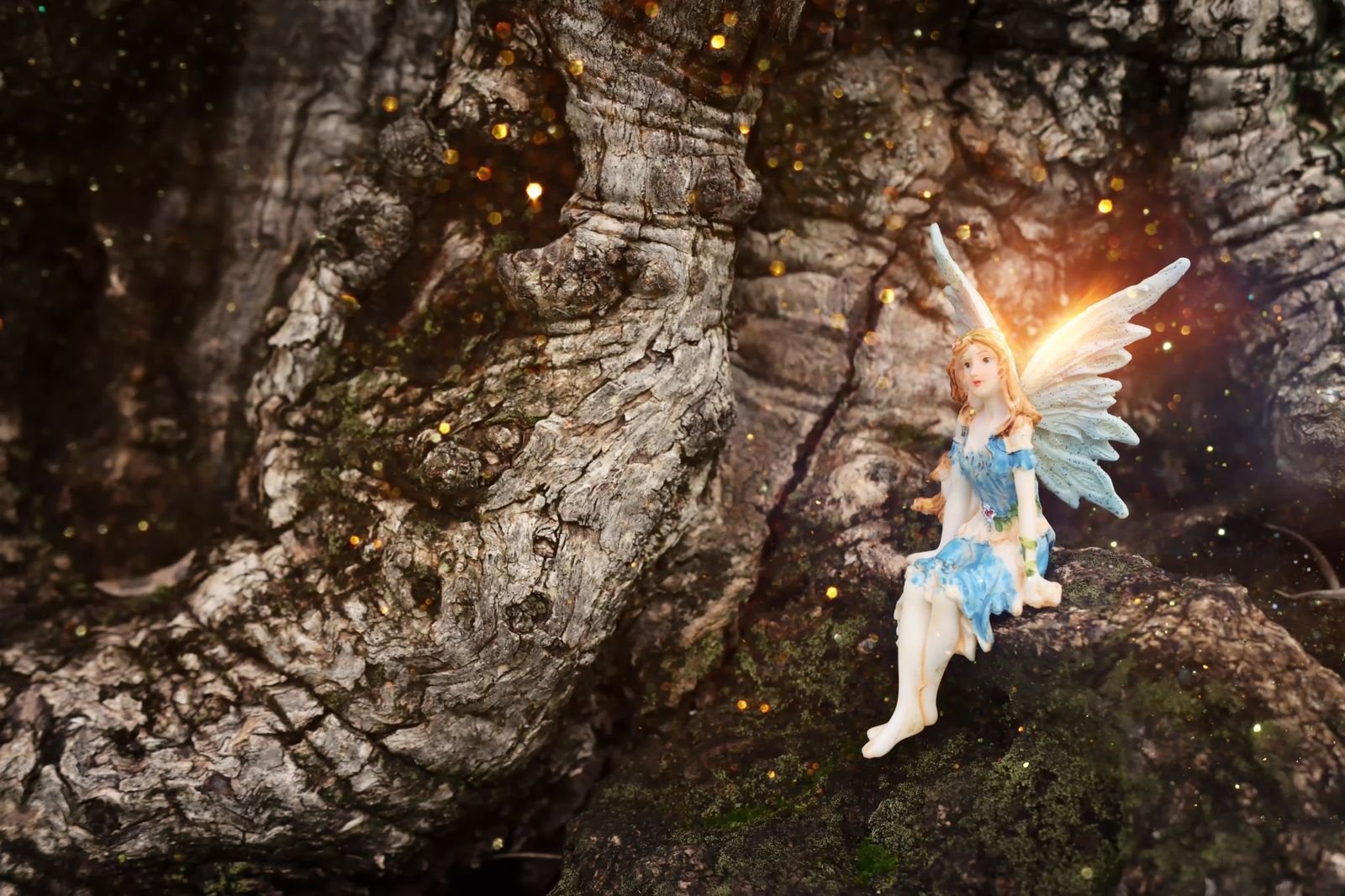
Imagine seeing "official" photographs of fairies in the newspaper. This happened in 1917, when two English cousins, 16-year-old Elsie Wright and 10-year-old Frances Giffiths, photographed paper cut-out fairies by a stream so their parents would stop doubting their claims of seeing magical creatures.
The photos were so convincing that they sparked a worldwide debate that lasted for decades. The images even fooled the Sherlock Holmes’ creator, Sir Arthur Conan Doyle, before the women confessed to the prank nearly 70 years later, in 1983.
Catch Me If You Can
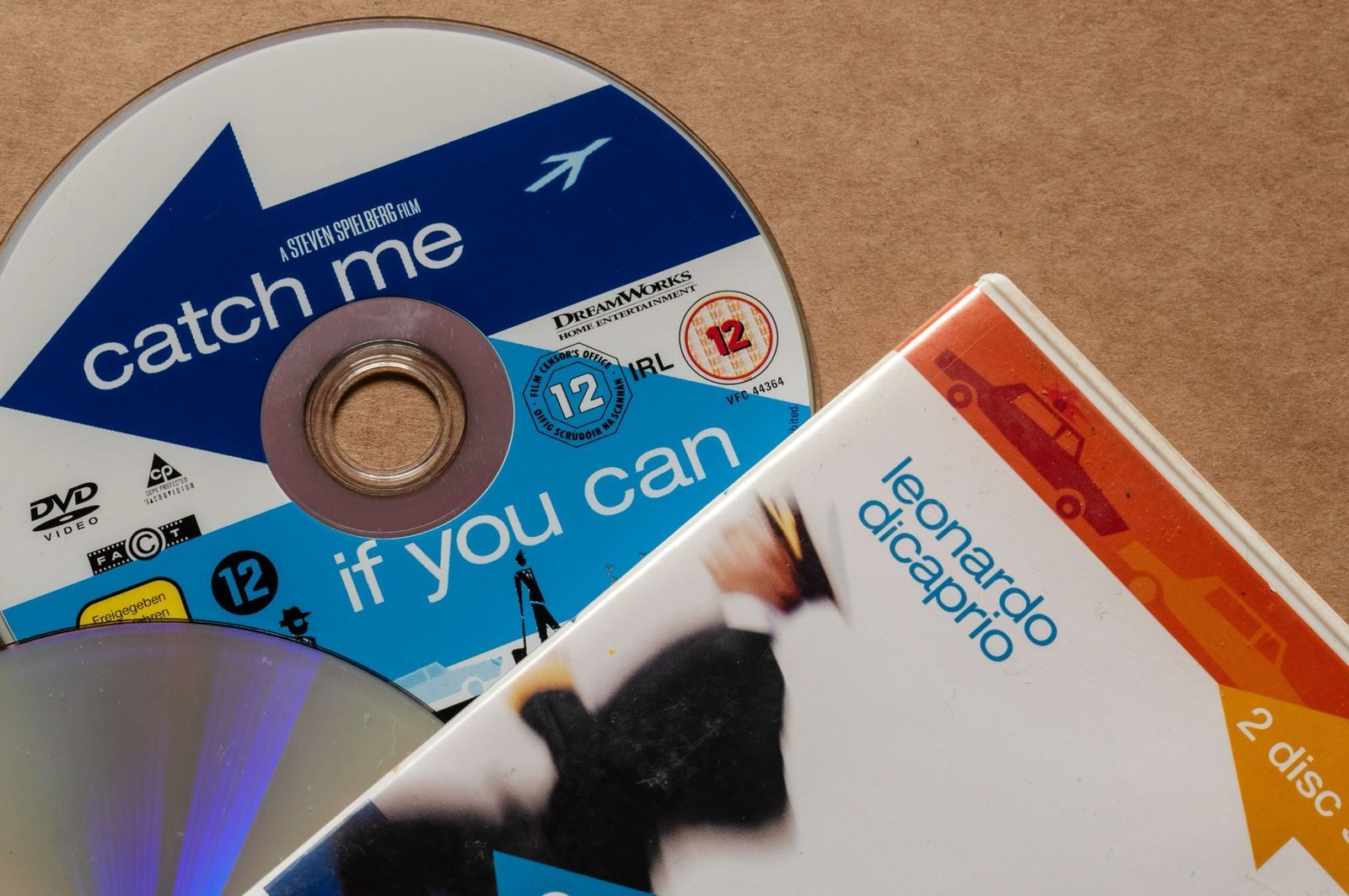
Beginning in the 1970s, a man named Frank Abagnale Jr. claimed that he faked a Columbia University medical degree to work as a Georgia hospital supervisor, passed the Louisiana bar exam after faking a Harvard law degree, and printed fake payroll checks, cashing $2.5 million across 26 countries. However, many of these claims have since been disputed.
Based on Abagnale Jr.’s memoir, the story inspired 2002’s Catch Me If You Can, directed by Steven Spielberg and starring Leonardo DiCaprio_,_ about a young man who allegedly posed as all sorts of professions before being captured in France in 1969. He was later released from federal prison on the condition that he assist the government with fraud-related work.
Anna Delvey: The Fake Heiress
During the 2010s, Anna Delvey, born Anna Sorokin, lived in luxury boutique hotels, wore designer clothes, and tipped staff $100 in cash. She even forged bank statements to apply for a $22 million loan for a private arts club foundation, but it was all a lie.
To keep up that lifestyle, she convinced New York’s wealthy and fashionable that she was a German heiress with millions in a €60 million trust fund in Europe, a story that later turned into the Netflix series Inventing Anna. Ultimately, she charmed the richest into paying her way and kept her lies going until the police arrested her in Malibu, California, in 2017.
The War of the Worlds Broadcast
Picture sitting at home or in your car when you suddenly hear a radio broadcast about an alien invasion. This is exactly what happened to millions of listeners in 1938 when Orson Welles delivered one of the most unforgettable radio dramatizations of all time.
It became infamous for supposedly causing widespread panic, although this wasn’t an intentional con. Instead, listeners panicked when they tuned in late and missed the opening disclaimer, mistaking the realistic simulated news bulletins about a Martian invasion for an actual news event. However, historians have questioned how widespread the distress truly was.
The Balloon-Hoax
On April 13, 1844, Gothic literary legend Edgar Allan Poe published a story in the New York paper The Sun, claiming that a European aeronaut, Monck Mason, and others had crossed the Atlantic in a gas balloon in just 75 hours. Readers initially believed the account was real, and crowds swarmed the publication office for copies of the historic breakthrough —until it was exposed as a complete fabrication, with a retraction published on April 15.
The Fyre Festival

The subject of two documentaries, the Fyre Festival scam of April 2017 is a true story about a luxury music festival in the Bahamas promoted by celebrities and influencers that turned into a disaster. When guests arrived, they found that the promised paradise actually included disaster-relief tents, cheese sandwiches, and inadequate infrastructure. Billy McFarland, one of the organizers alongside rapper Ja Rule, was later sentenced to six years in prison for wire fraud
The Cardiff Giant
A supposed 10-foot-tall petrified man was "discovered" on a New York farm in 1869, attracting crowds and proving surprisingly profitable before being exposed as a fake.
Conceived by cigar maker George Hull to question biblical literalism, the statue was secretly carved, aged with acid, and buried. Thousands paid to see it before the creator confessed the truth. Today, the original Cardiff Giant remains on display at the Farmers' Museum in Cooperstown, New York.
Keep wandering
There’s always
more to explore
Your camera can read a menu in 200 languages instantly: Traveling hacks
5 min.
Read Now

The 10 best chocolate desserts in the world
5 min.
Read Now

Some hotels are destinations all by themselves
7 min.
Read Now
 Culture
11 movies that made millions want to pack their bags
6 min.
Read Now