You order dinner, and the menu has no dollar signs. Why?
 General
What restaurants don’t tell you?
You order dinner, and the menu has no dollar signs. Why?
Going out to eat isn’t just about the food: it’s about relaxing and being pampered for a bit. But many restaurants plan small details to shape what you choose and how much you spend. How? Keep reading to discover 10 things most diners never notice.
Why the dollar signs are missing

Many restaurant menus deleted the dollar sign next to the price a long time ago. And it isn’t a matter of style. Menus often show plain numbers, like "18" instead of "$18" because they want you to think about food, not your wallet.
Studies say the dollar sign reminds people that they are spending money. Researchers believe this sign triggers what they call the "pain of paying," which makes patrons more careful with their order. People tend to pay more when the dollar sign is absent. Writing out the word "dollars" has the same suppressive effect.
The Caesar salad and Prohibition

Because of its name, many people think the Caesar salad comes from ancient Rome. But it has no real connection to Julius Caesar. It is named after Caesar Cardini, an Italian immigrant who lived in San Diego. During the Prohibition era, he ran a restaurant across the border in Tijuana, Mexico, where Americans went to drink. His daughter, Rosa, said he invented the salad on July 4, 1924, when a holiday rush left the kitchen low on supplies. That day, Cardini mixed what he had left: romaine lettuce, croutons, Parmesan cheese, garlic, eggs, olive oil, and Worcestershire sauce. Customers loved it, and the recipe quickly spread around the country.
Because the base is so simple, the salad is also very flexible, and many other ingredients can be added (anchovies, chicken, bacon, nuts, mustard). Today, Caesars appear on every menu, from fast-food spots to the most elegant restaurants. The original restaurant in Tijuana is still open and offers the salad.
Diner code for eggs on toast

Decades ago, customers used to hear waiters at diners shout strange phrases toward the kitchen. One of the most famous was "Adam and Eve on a raft!" As strange as it sounds, it just meant two poached eggs ("Adam and Eve") on toast ("a raft"). If the eggs were ordered scrambled, the waiter would also say "and wreck ’em."
Waiters use diner lingo to call out orders to the cooks quickly. This phrase has been around since at least 1892, and diner slang peaked from the 1920s to the 1970s. Although it isn’t so common today, some diners still use it.
Why slow songs keep you at the table
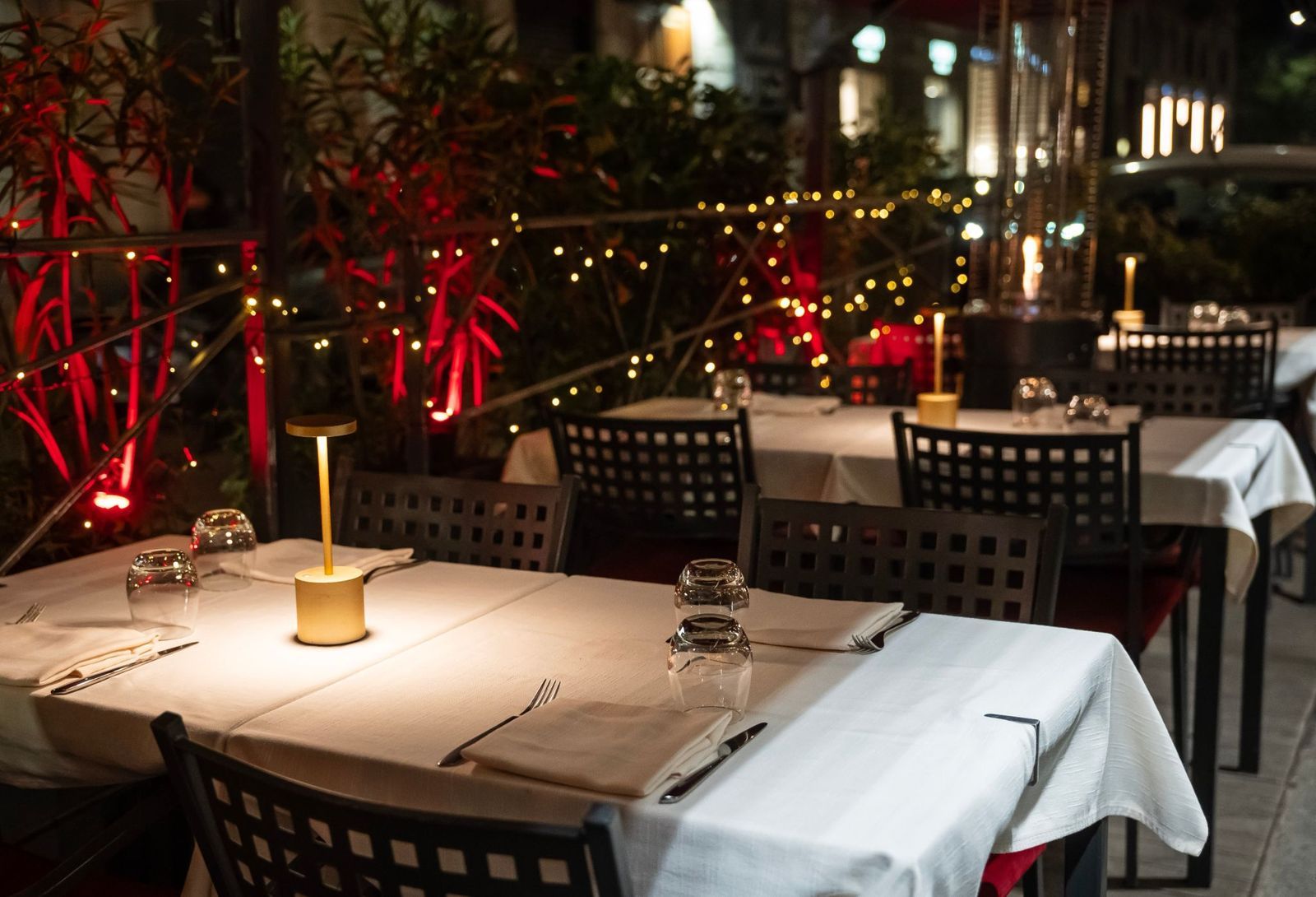
Background music in a restaurant is about setting the perfect mood. But the speed of music can also change how you behave. And restaurants know this very well. When you feel relaxed and want to stay longer, you usually order more, and that means a bigger bill.
Studies say slow music makes people linger at their tables, and they spend more, mostly on drinks. With fast music, customers eat faster, leave sooner, and free up tables. The simple reason is that slow music makes time feel like it is passing more slowly. This can be a double-edged sword. While classy restaurants prefer slow music, fast-food spots that need quick service and more customers per shift choose faster tunes.
The dish that’s there to be skipped
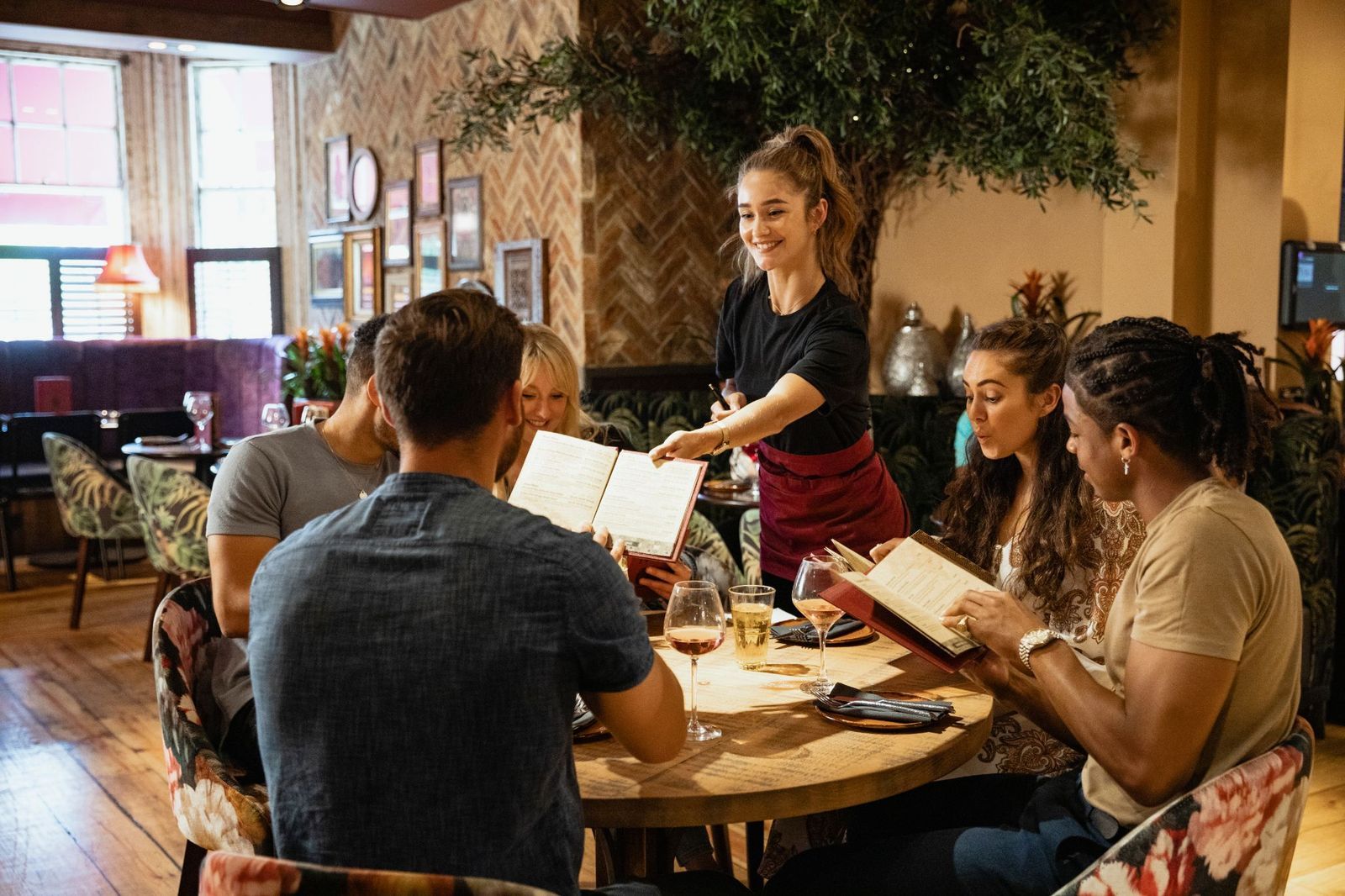
Menus usually have that one dish that is extremely expensive compared to the others. That stands out for the unbelievable contrast. Most customers will think it is the most delicious dish, while others will never order it, and for many restaurants, that is the plan.
This trick is called decoy pricing: the expensive dish isn’t really meant to sell. It’s there to make the other options look like a better deal. For example, a steakhouse might list a $95 seafood platter at the top of the menu. Next to it, a $45 steak suddenly seems reasonable. The same goes for wine. Few diners order the $120 bottle, but the $45 one below it now looks like a smart middle choice. Restaurants often place it near the top of the menu, so everything below seems more reasonable. Studies also say that people tend to skip both the most expensive and the cheapest dishes and pick something in the middle. This helps steer customers toward dishes that bring the restaurant more profit.
In-N-Out’s not-so-secret menu
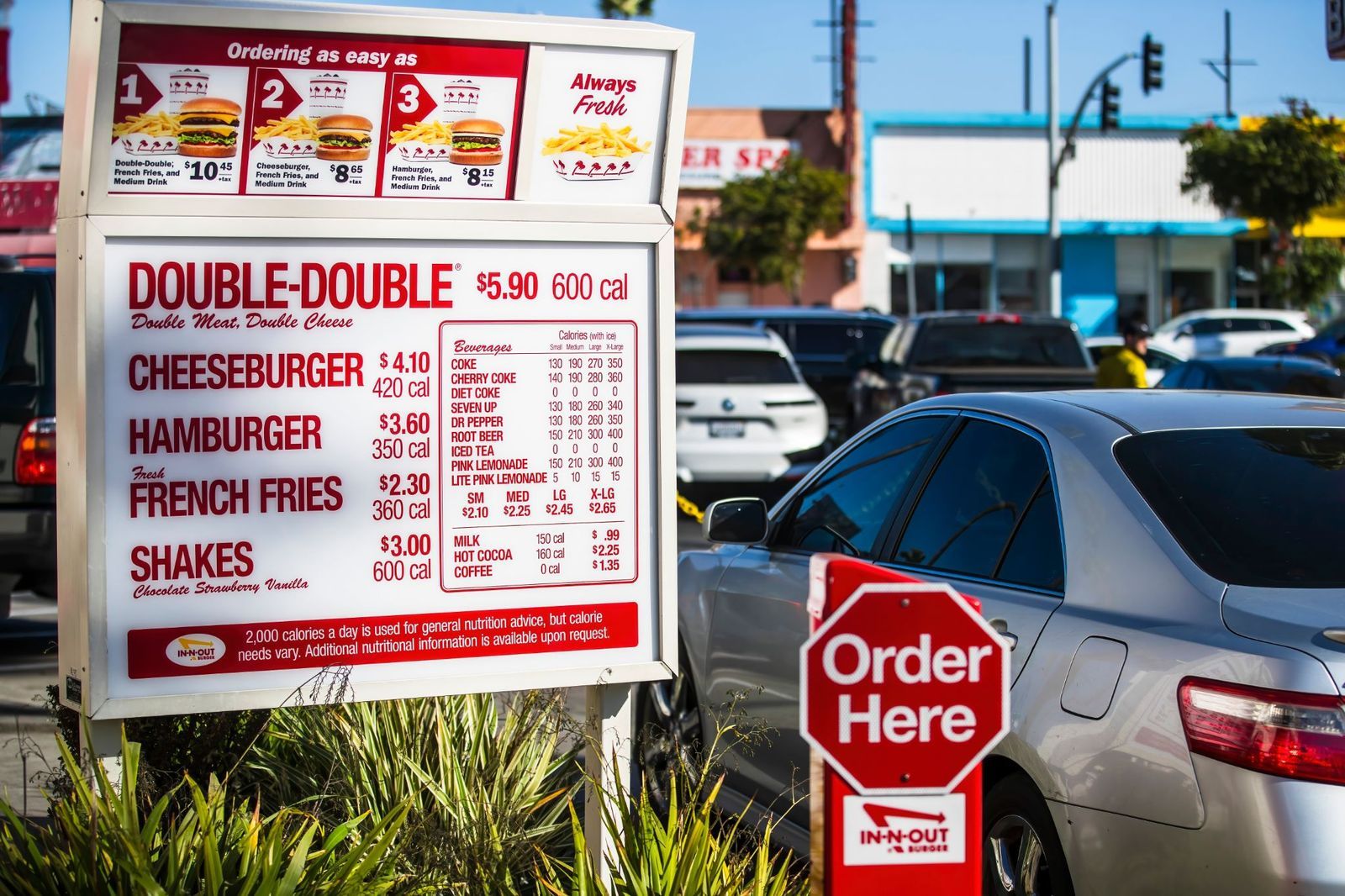
In-N-Out is a Californian burger chain, and its menu is about as simple as it gets: burgers, fries, drinks, and shakes. But everyone knows there’s a lot more you can order.
It all started in the early 1960s. The story goes that a group of teens who hung out outside the restaurant always asked for burgers with extra sauce, grilled onions, extra pickles, and the patty cooked in mustard. The order got the name "Animal Style," and it became In-N-Out's first known secret menu item. After that, more customers started making their own custom requests. The Double-Double, a burger with two patties and two slices of cheese, became so popular that it made it onto the official menu in 1966. Today, the company even lists these orders on its website under the "Not So Secret Menu" list.
Why old diners look like train cars
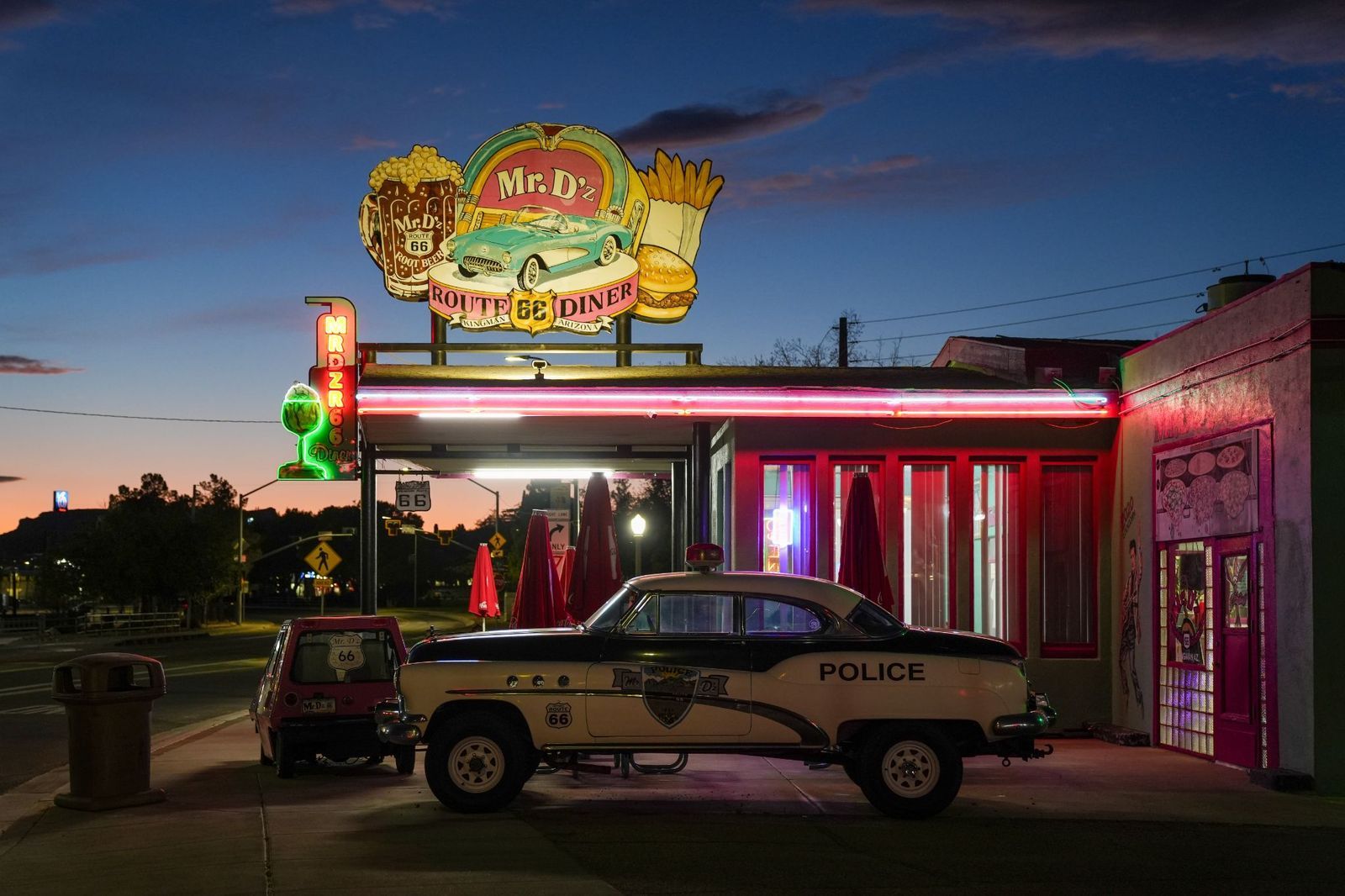
The first diner was actually a horse-drawn wagon. Around 1872, Walter Scott, a street vendor in Providence, Rhode Island, started selling simple meals from it to night-shift workers. The idea caught on fast, and soon companies were building bigger wagons where customers could sit inside. Over the years, those wagons stopped moving and turned into permanent restaurants.
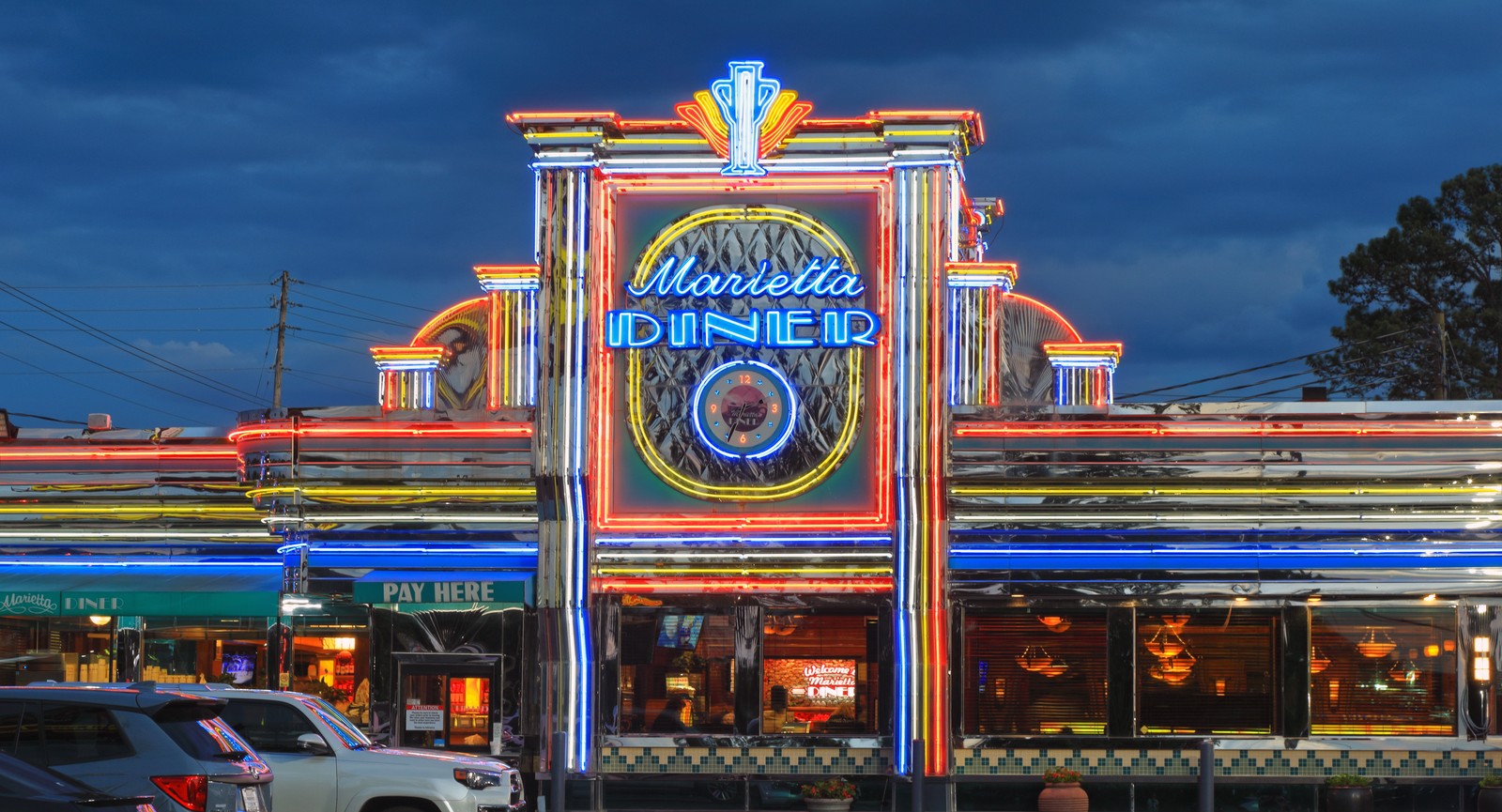
By the early 1900s, companies built these restaurants in factories and shipped them by rail or truck. To make the trip, they had to be long and narrow, so they ended up looking a lot like railroad dining cars. That’s where the name "diner" comes from. It’s also why so many have the same layout: a long counter, a row of stools, and booths by the windows. Then, after World War II, diners added shiny stainless steel, bright neon signs, and extra booths for families.
The real reason fortune cookies aren't Chinese

It makes sense to assume that fortune cookies come from China, since they’re given at almost every Chinese restaurant in America. But the idea actually started in Japan.
Back in the late 1800s, shops in Japan sold a folded cracker with a small fortune tucked inside, called tsujiura senbei. In the early 1900s, Japanese immigrants brought the idea to San Francisco. They served a sweeter version at the Japanese Tea Garden in Golden Gate Park. Then, during World War II, the U.S. government forced about 120,000 Japanese Americans to leave their homes and move to camps, and many Japanese bakeries had to close. Chinese American bakers began making the cookies instead. After the war, fortune cookies became a regular part of Chinese restaurants across the country, and they’ve stayed there ever since.
How tipping started in America

Tipping started in Europe in the Middle Ages, when English aristocrats gave small amounts of money to the people who worked for them. After the Civil War, more Americans started traveling, and some wealthy travelers brought the habit home to show off their wealth and taste. However, many locals didn't like it. Critics even said it went against the country’s democratic values. In 1904, a group called the Anti-Tipping Society of America formed in Georgia, and more than 100,000 people promised not to tip. A few states passed laws against it, but by 1926 all of those laws were gone.
After World War II, Europe moved away from tips and toward service charges, while today, in America, under the Fair Labor Standards Act, restaurants in most states can pay servers as little as $2.13 an hour, a rate that hasn’t changed since 1991. Tips are expected to make up the rest, bringing their pay up to the federal minimum wage of $7.25, which hasn’t changed since 2009.
Heinz just liked the number 57
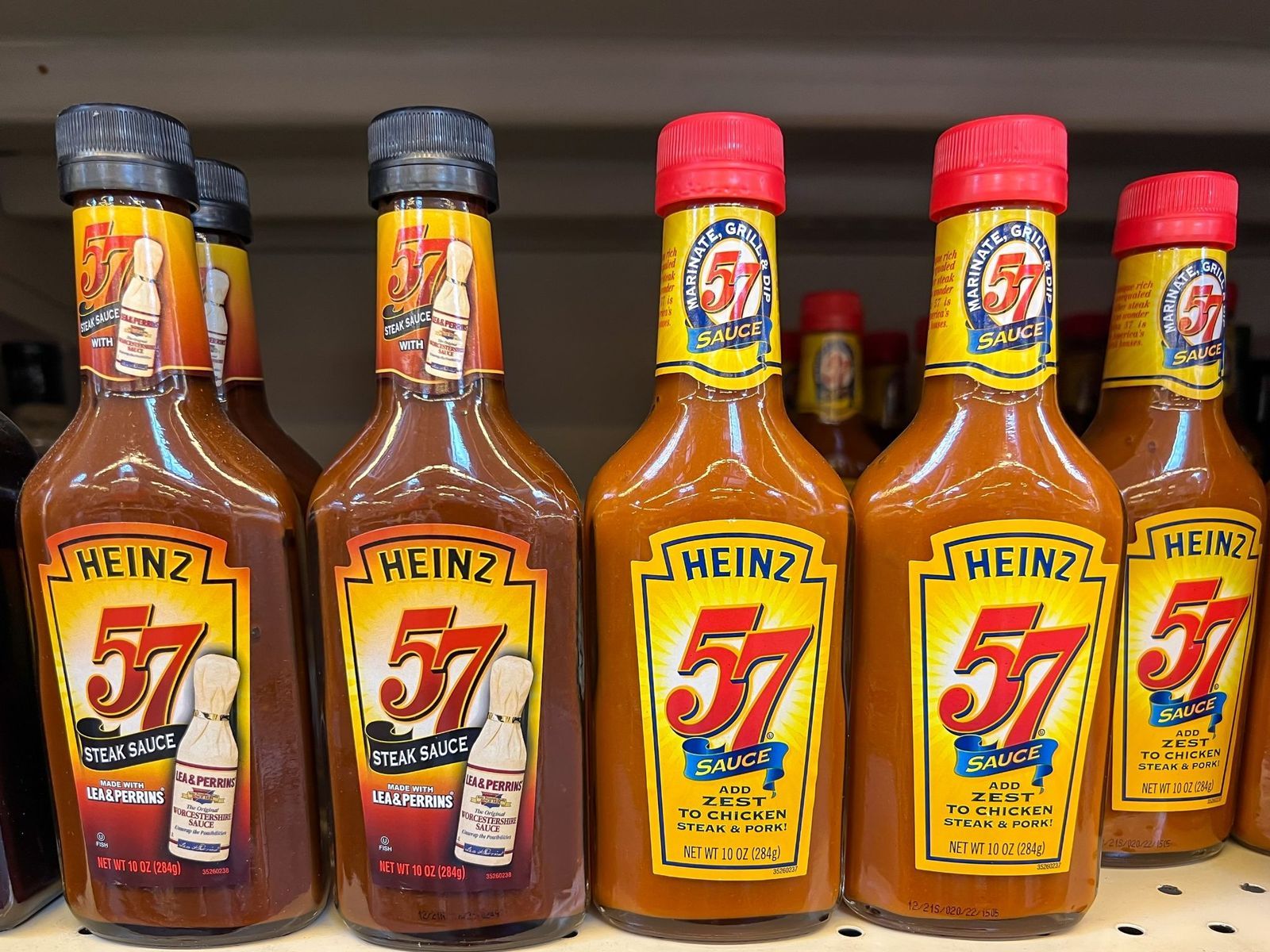
Heinz is closely linked to the number 57. The number was just a marketing choice. The story goes that in 1896, Henry Heinz was riding an elevated train in New York when he saw an ad for a shoe store offering "21 styles." He liked the idea and decided to advertise his own "varieties." His company already made more than 60 products, but he supposedly picked 57 because 5 was his lucky number and 7 was his wife’s. A few days later, the slogan "57 Varieties" was everywhere, and in 1940, Heinz even launched a steak sauce called "57."
Ancient cities that have stood the test of time
 History
Echoes of history
Most of these cities were already ancient when Cleopatra was born
Some cities have disappeared into history. Others never left. For thousands of years, these remarkable places have survived wars, natural disasters, changing empires, and the rise and fall of civilizations. Today, people still walk their streets, visit their markets, and live among monuments that were already there centuries ago. From Europe to the Middle East and Asia, these living treasures continue to connect the modern world with humanity's distant past.
Athens: The city that shaped Western civilization
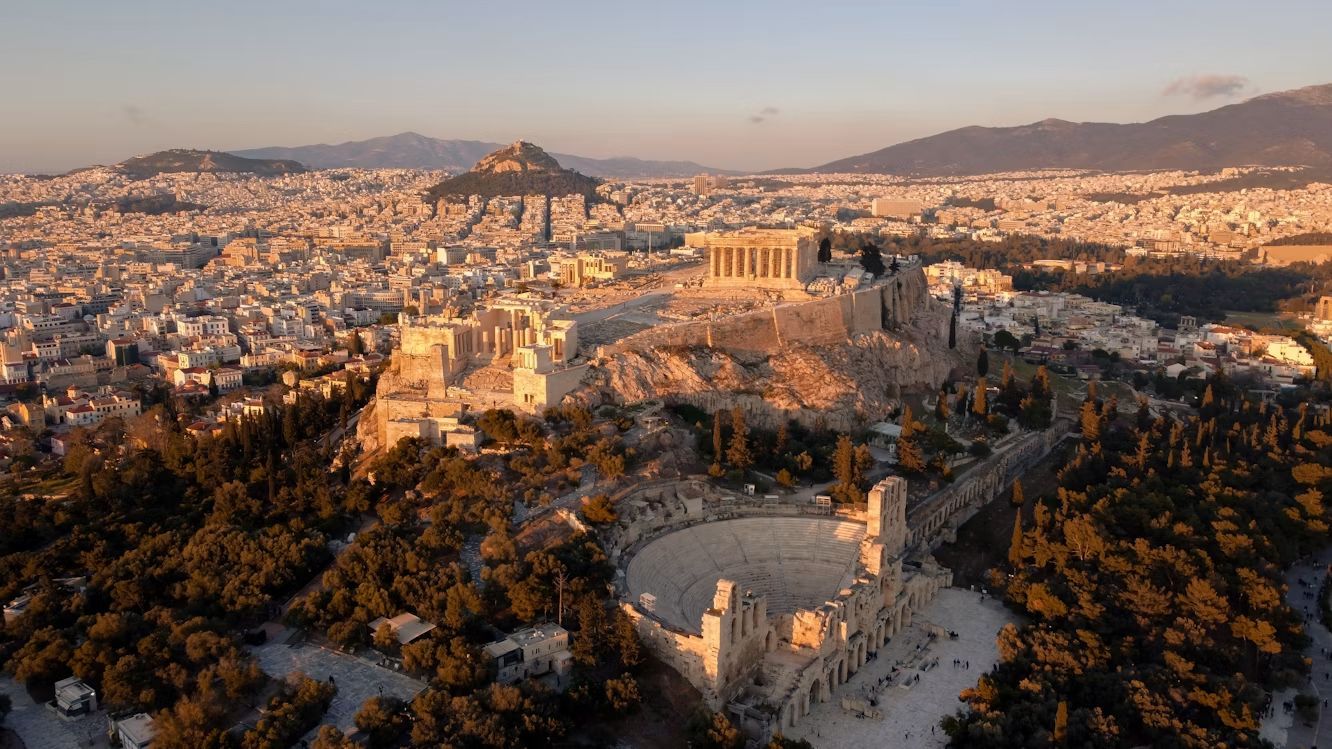
Few cities connect the ancient and modern worlds like Athens. Human settlement in the area dates back to the Neolithic Period, before 3000 BCE, giving the city more than 5,000 years of history.
The Greek capital has remained continuously inhabited while witnessing the rise and fall of countless civilizations. Modern cafés, shops, and neighborhoods surround legendary landmarks like the Acropolis and the Parthenon, where the foundations of democracy, philosophy, and Western thought first took shape. Today, visitors can experience those ancient roots while exploring one of Europe's most vibrant capital cities.
Rome: Where ancient history meets modern life
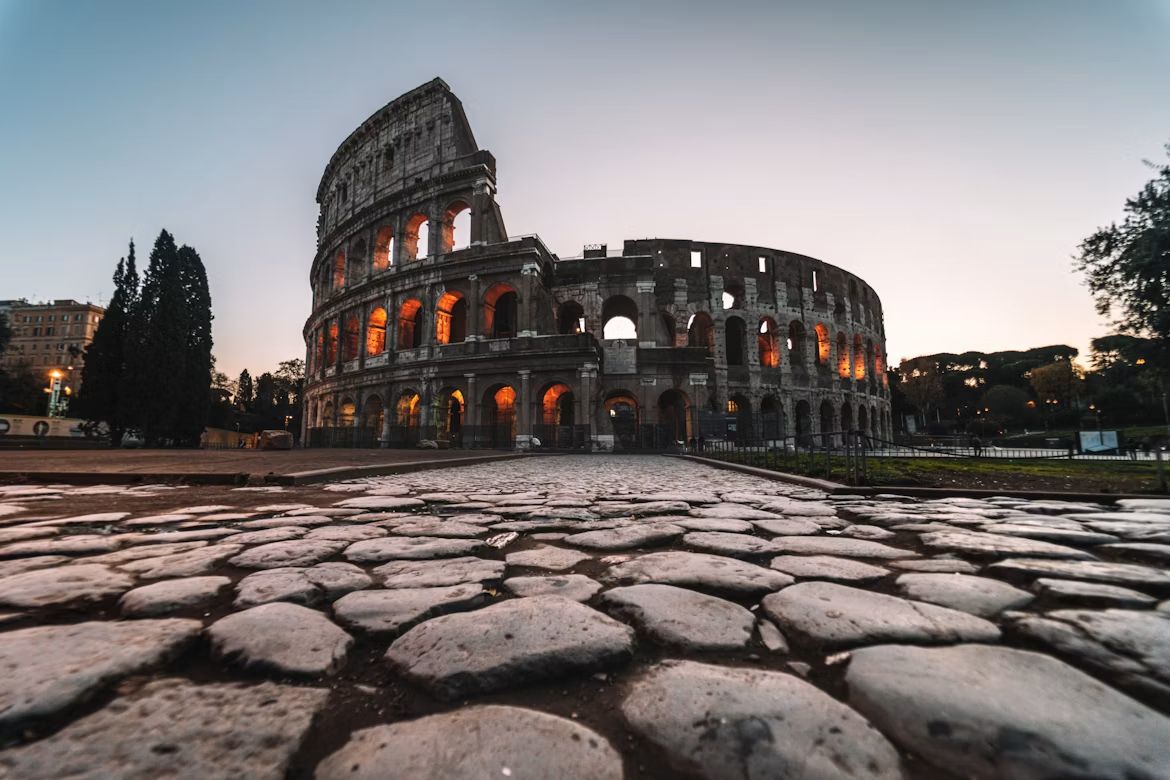
In Rome, the past is never far away. Founded in 753 BC, the Eternal City grew from a small settlement into the center of the Roman Empire. It has remained one of the world's most influential urban centers since the days of the Roman Empire.
Walking through the city often feels like traveling back to the ancient world, as centuries-old streets lead to landmarks like the Colosseum, the Pantheon, and the Roman Forum. The Colosseum, opened nearly 2,000 years ago, once hosted gladiatorial games and other massive public spectacles for Roman crowds. Yet beyond these remarkable monuments, Rome is a thriving modern capital where cafés, shops, and everyday life coexist with nearly 3,000 years of history.
Istanbul: The city where ancient empires meet
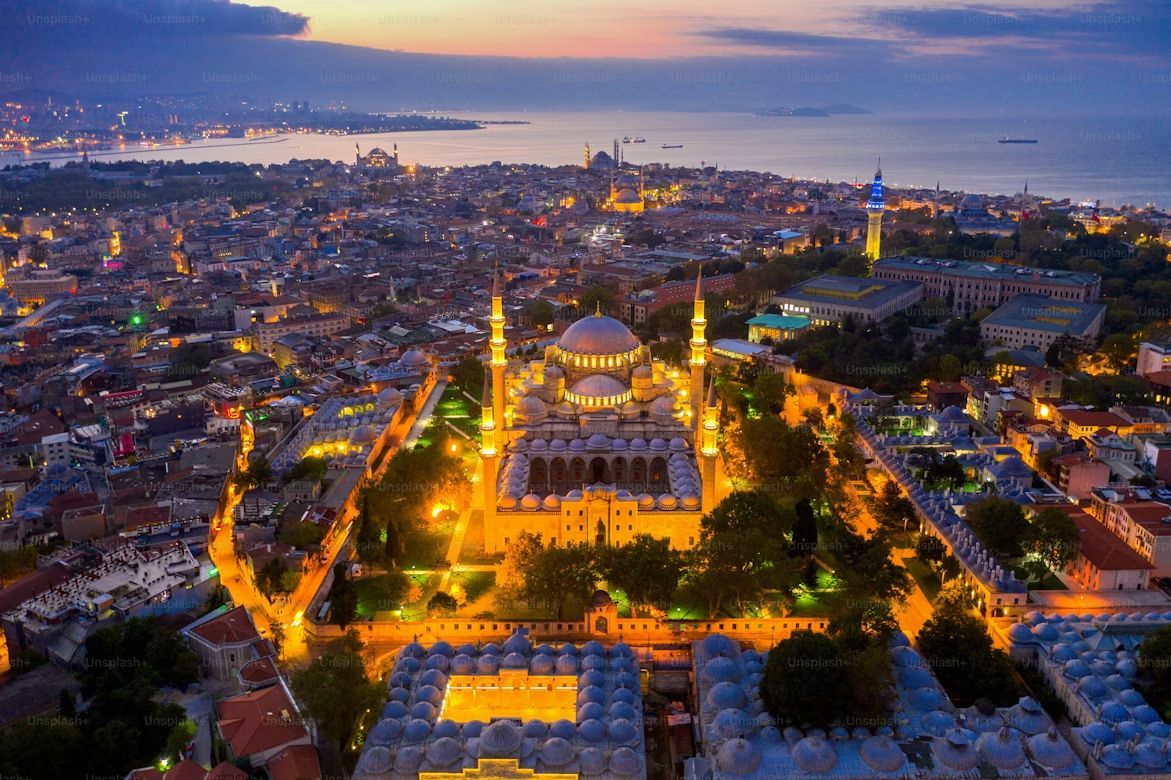
Straddling Europe and Asia, Istanbul has stood at the crossroads of civilizations since its founding as Byzantium around 660 BC. Located along the Bosphorus Strait, where Europe and Asia meet, it has served as the capital of the Roman, Byzantine, and Ottoman Empires. In 1453, Sultan Mehmed II conquered Constantinople, bringing the Byzantine Empire to an end.
The city preserves centuries of history through magnificent landmarks like Hagia Sophia, the Hippodrome, and the Grand Bazaar. Today, ferries cross the Bosphorus between the city's European and Asian sides, while bustling markets, cafés, restaurants, and neighborhoods surround its historic landmarks. Few cities blend thousands of years of history with the energy of modern life as seamlessly as Istanbul.
Jerusalem: A sacred city shared by three faiths
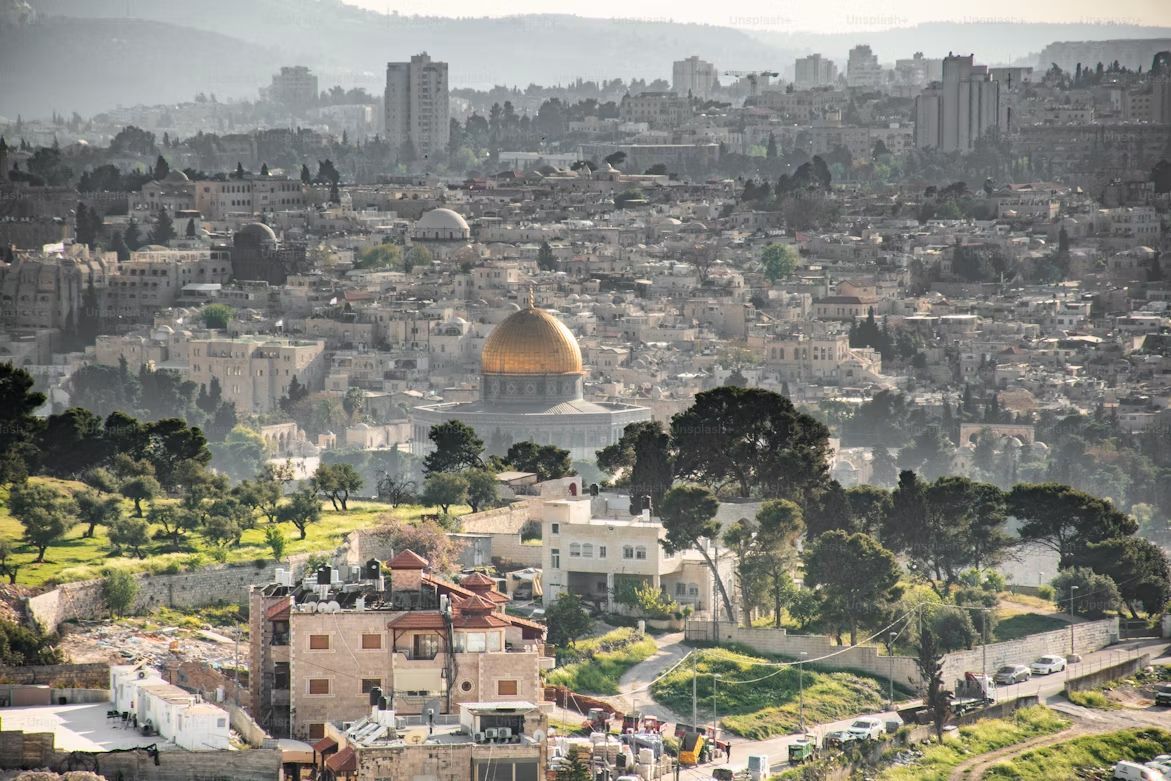
Few cities have shaped history as profoundly as Jerusalem. Founded more than 3,000 years ago, it has remained one of the world's oldest continuously inhabited cities. Located in the Judean Mountains between the Mediterranean and the Dead Sea, the city is home to some of the world's most sacred sites for Judaism, Christianity, and Islam, including the Western Wall, the Church of the Holy Sepulchre, and the Dome of the Rock.
In AD 70, Roman forces destroyed the Second Temple, a pivotal event that profoundly shaped Jewish history and left its mark on the city. Today, Jerusalem remains a vibrant city where everyday life unfolds alongside more than three millennia of history, with modern neighborhoods, markets, restaurants, and businesses surrounding its ancient Old City.
Alexandria: The legendary city of ancient Egypt
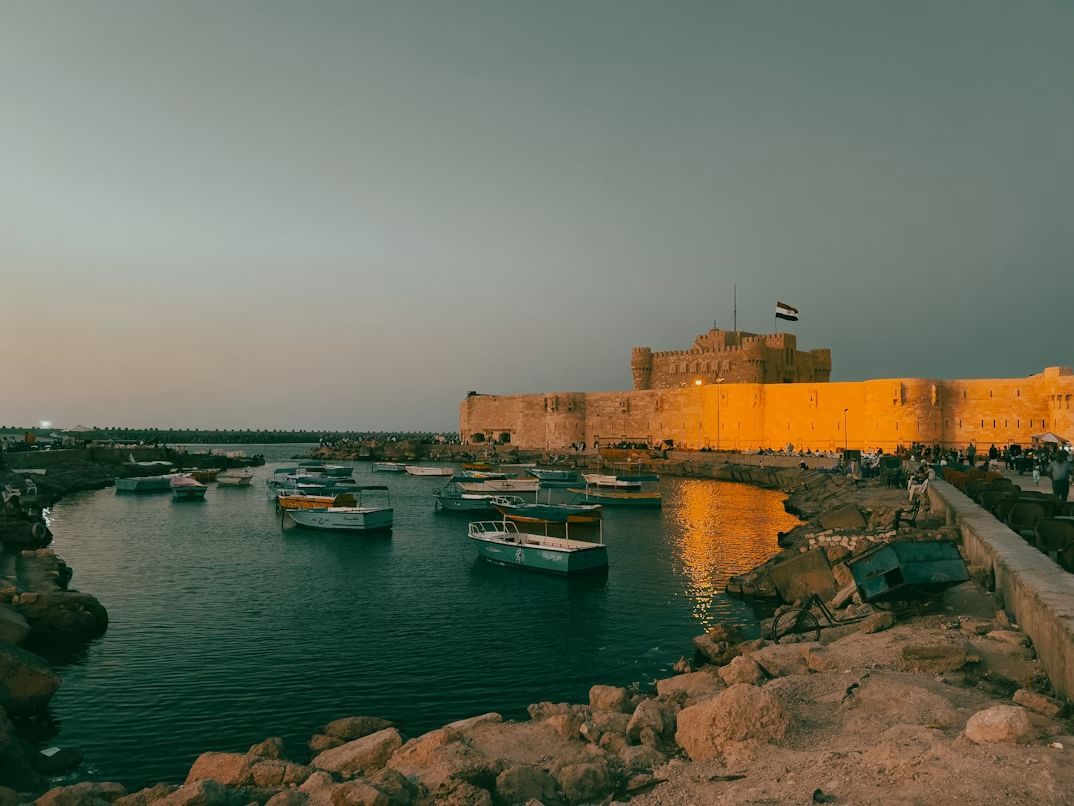
Founded by Alexander the Great in 331 BC on Egypt's Mediterranean coast, Alexandria quickly became one of the ancient world's greatest centers of learning and culture. Built as part of Alexander's vision for a major city, it later flourished under the Ptolemaic dynasty. It was once home to the famous Library of Alexandria and the towering Lighthouse of Alexandria, one of the Seven Wonders of the Ancient World.
More than 2,300 years later, Alexandria remains Egypt's second-largest city and one of its most important cultural and economic centers. Today, its busy waterfront and modern neighborhoods stretch along the Mediterranean, surrounding a city whose story began more than two millennia ago.
Damascus: A city with thousands of years of stories
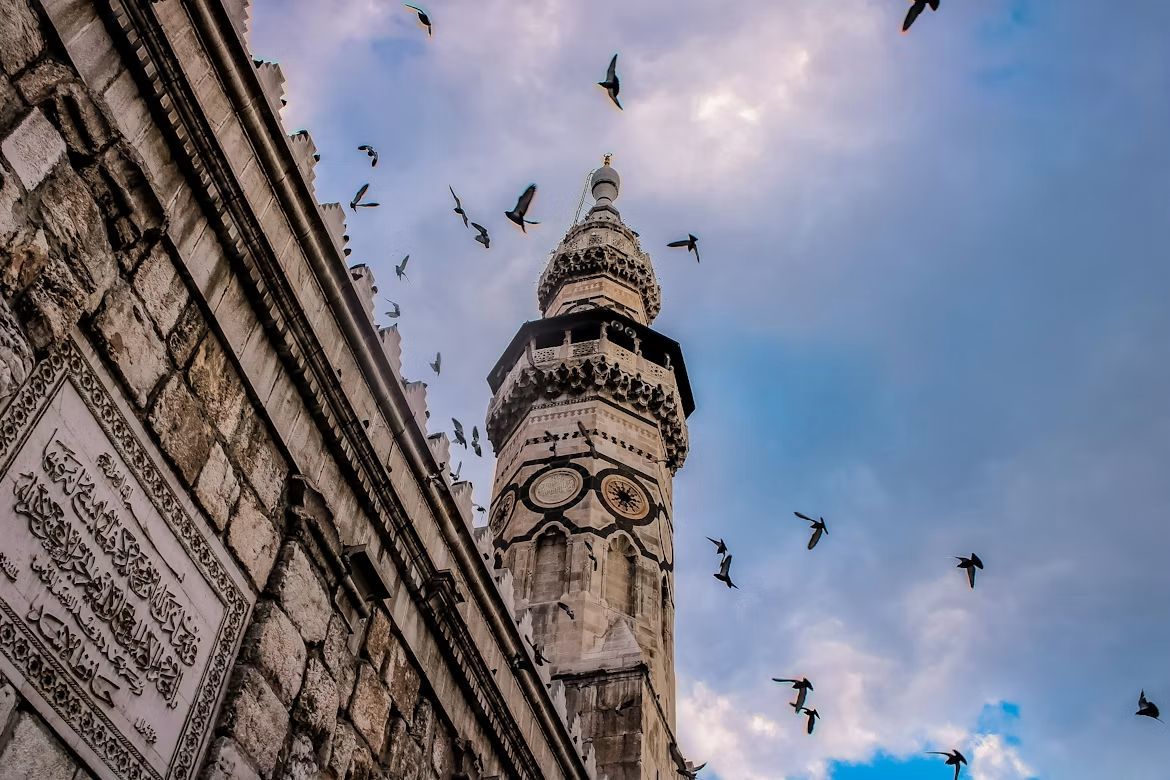
Widely considered one of the world's oldest continuously inhabited cities, Damascus has been home to people for at least 4,000 years. Located in southwestern Syria at the foothills of the Anti-Lebanon Mountains, the city has welcomed generations of traders, travelers, and civilizations throughout its long history. Its maze-like Old City, ancient mosques, traditional markets, and historic buildings reflect its long history as an important crossroads between Asia, Europe, and Africa.
Damascus also played a major role in the early history of Islam: in the 8th century, it became the capital of the Umayyad Caliphate, one of the largest empires of the medieval world. Today, many of these centuries-old streets and bustling souks, or traditional marketplaces, remain at the heart of daily life, alongside modern neighborhoods and businesses.
Jericho: One of the world's oldest continuously inhabited cities
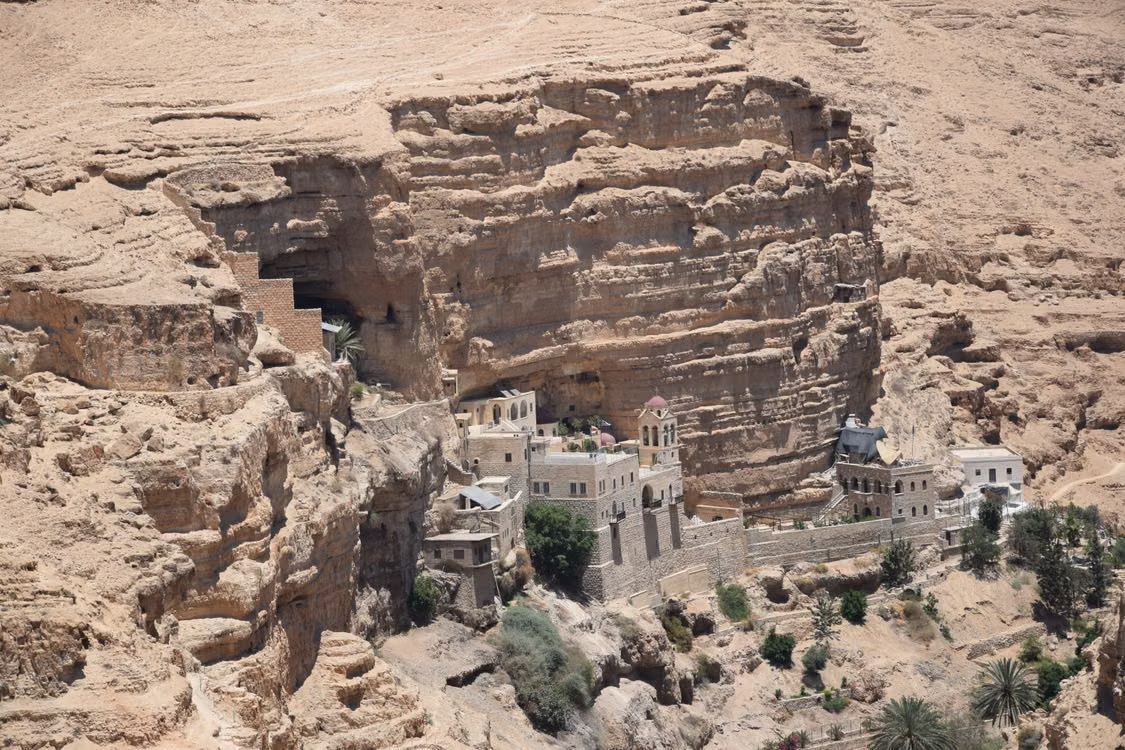
Located in the Jordan Valley, near the Dead Sea, Jericho is among the world's oldest continuously inhabited cities, with evidence of human settlement dating back more than 10,000 years.
Ancient walls, towers, and archaeological sites reveal its extraordinary past, including Tell es-Sultan, the archaeological site of ancient Jericho, where archaeologists uncovered a massive stone tower built around 8000 BC, one of the world's earliest known monumental structures. The tower offers evidence of the sophisticated communities that lived here thousands of years before ancient Egypt and Mesopotamia.
Today, modern Jericho is a functioning city where residents, shops, restaurants, and visitors live alongside archaeological sites preserving some of humanity's earliest urban history.
Byblos: The ancient city connected to the birth of the alphabet
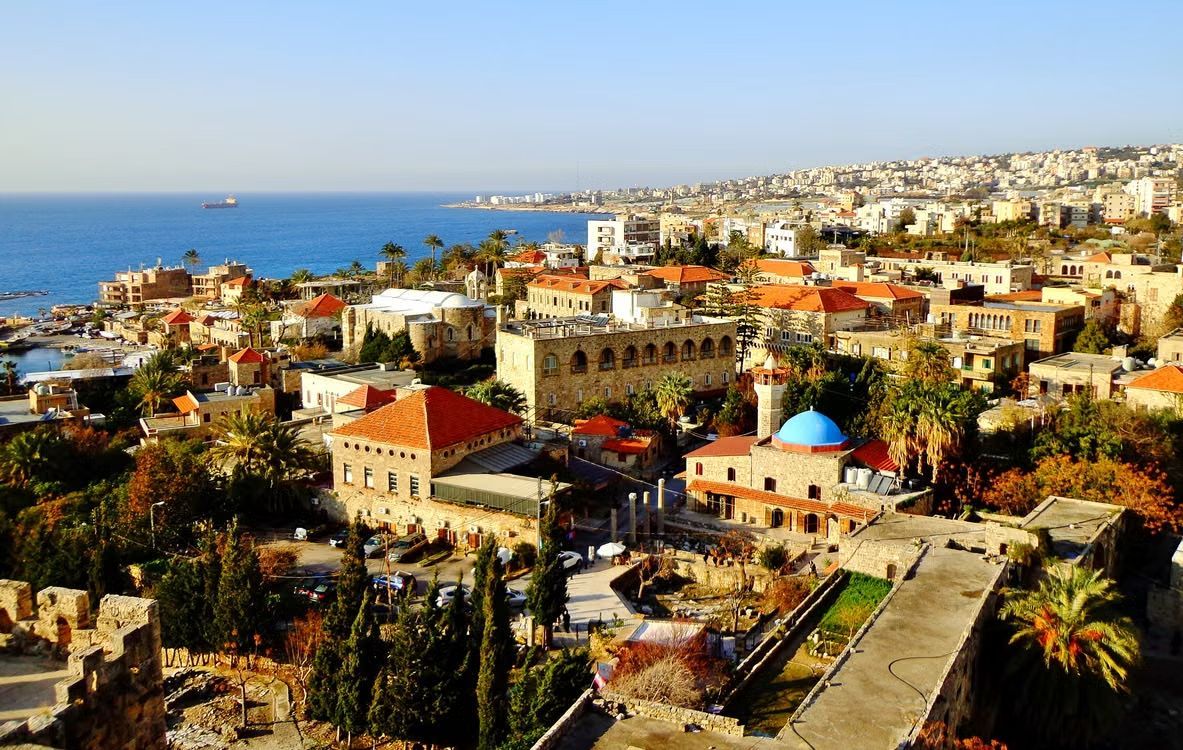
Today known locally as Jbeil, Byblos is another one of the world's oldest continuously inhabited cities, with roots dating back to the Neolithic period, around 8800-7000 BCE. Located on Lebanon's Mediterranean coast, it became a major Phoenician trading hub, particularly important for the papyrus trade.
Its commercial connections also helped spread the Phoenician alphabet, developed in the city around the second millennium BC. This 22-consonant phonetic system revolutionized communication and became the basis for the Greek, Latin, and modern alphabets.
Today, this UNESCO World Heritage Site welcomes visitors to its picturesque harbor, medieval streets, and ancient ruins, while modern cafés, restaurants, and shops bring everyday life to a city with thousands of years of history.
Cádiz: One of Europe's oldest coastal cities
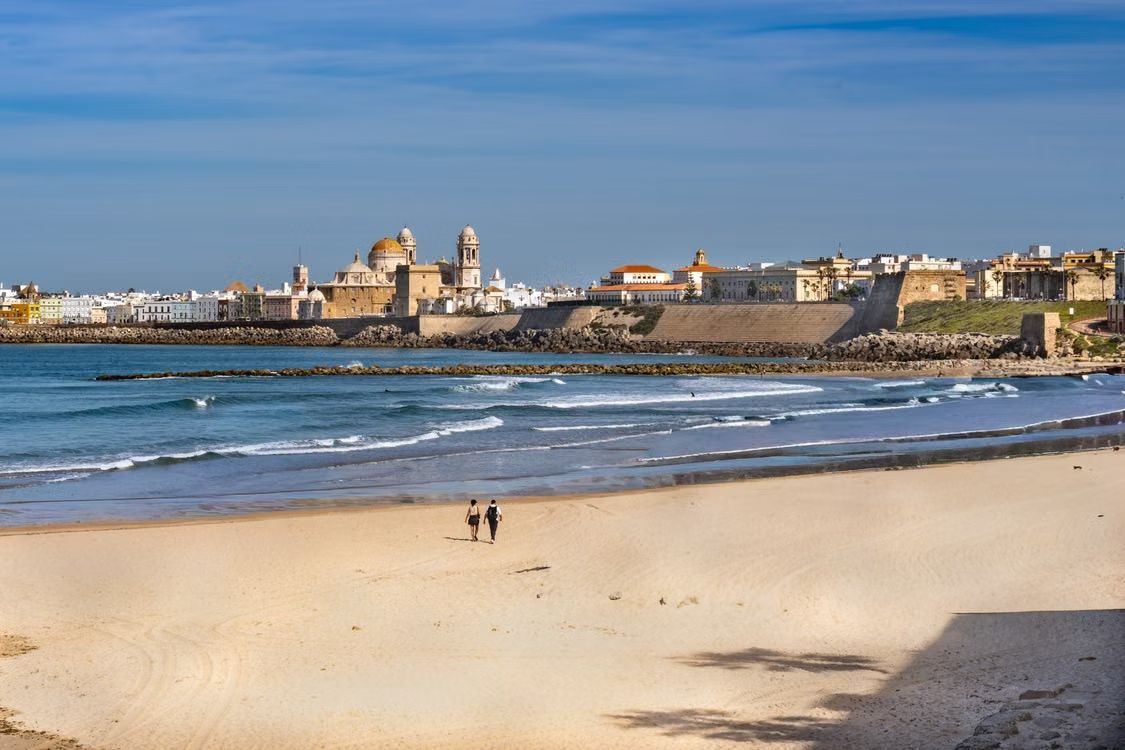
Founded by Phoenician sailors from Tyre more than 3,000 years ago on Spain's Atlantic coast, traditionally dated to 1100 BCE, Cádiz has remained an important port throughout much of its history.
Located in the region of Andalusia in southwestern Spain, the city sits on a narrow peninsula near the mouth of the Mediterranean Sea. It was from here that the Carthaginian general Hannibal set sail on his campaign to conquer Italy, cementing the city's place in ancient military history. Surrounded by the Atlantic Ocean, the city combines ancient ruins, historic fortifications, charming plazas, and beautiful beaches, offering visitors a unique glimpse into Spain's maritime past.
Varanasi: A sacred city that has lasted for millennia
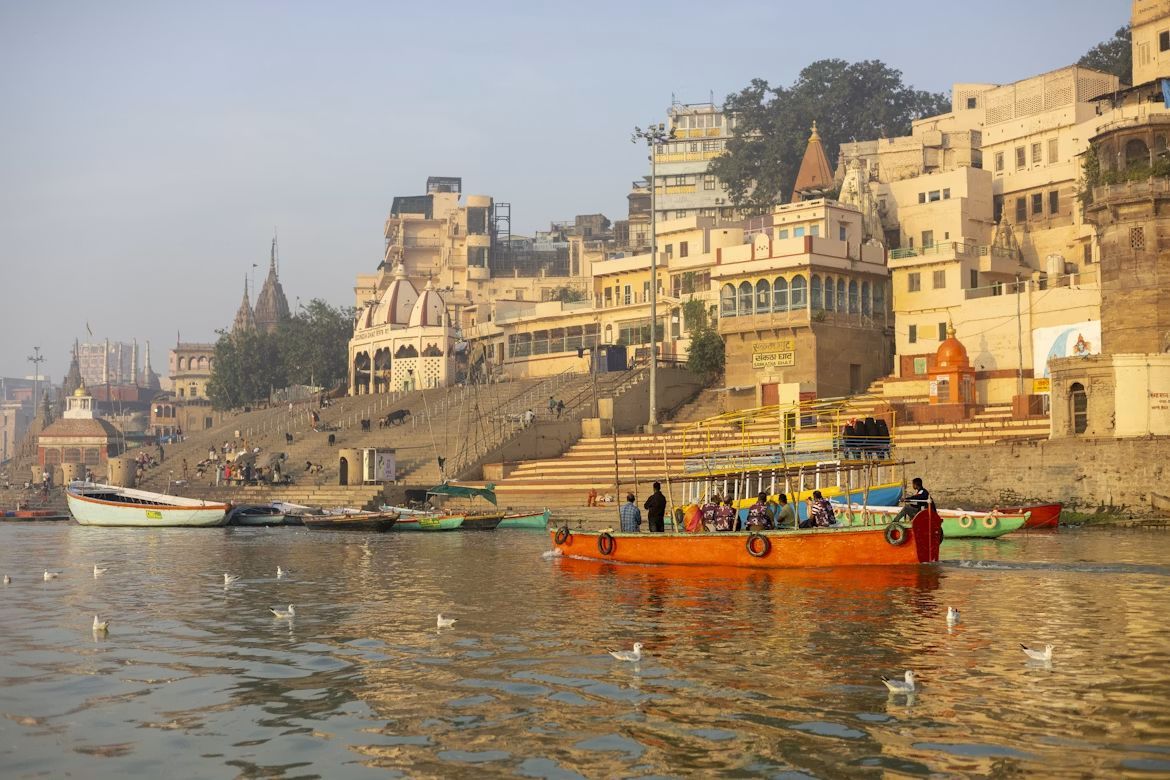
One of the world's oldest living cities, Varanasi has been continuously inhabited for more than 3,000 years, with roots dating back to around 1200 BCE. It has served as the spiritual heart of Hinduism throughout much of its history and, by the 6th century BCE, was the capital of the ancient kingdom of Kashi.
Located in the northern Indian state of Uttar Pradesh, on the banks of the sacred Ganges River, it’s a major pilgrimage destination where religion, daily life, and centuries-old traditions come together in a way found almost nowhere else. The city has long been revered as the earthly abode of Shiva, drawing sages and pilgrims for millennia. Today, its ghats, or stone steps leading down to the Ganges, still bustle at dawn with worshippers bathing in the Ganges, even as silk shops, cafés, and university life keep the city firmly rooted in the present.
Plovdiv: Europe's ancient city still full of life
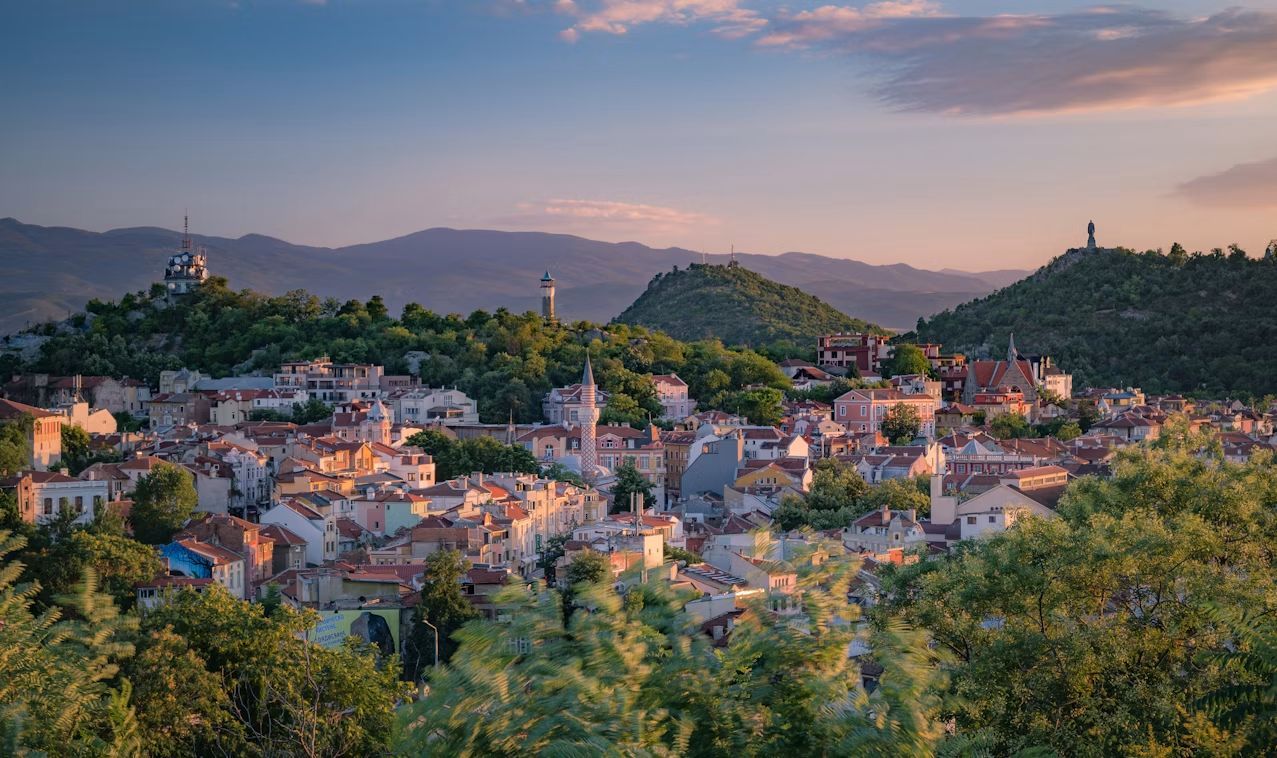
Built across seven hills in southern Bulgaria, Plovdiv has been continuously inhabited since Neolithic settlements first appeared here around 6000 BC, making it one of the oldest cities in Europe. In 342 BC, the Thracian settlement was conquered by Philip II of Macedon, father of Alexander the Great, who renamed it Philippopolis after himself.
Its remarkably preserved Roman Theater, once capable of seating around 6,000 spectators, still hosts concerts, operas, and cultural events today. Throughout the city, ancient ruins stand alongside colorful neighborhoods, while museums and archaeological sites reveal more than 8,000 years of history.
Keep wandering
There’s always
more to explore
 Culture
Can you guess where Tutankhamun's golden mask is actually kept?
7 min.
Read Now

Your camera can read a menu in 200 languages instantly: Traveling hacks
5 min.
Read Now
 Landmarks
Where in the world is it famously illegal to die?
4 min.
Read Now

The 10 best chocolate desserts in the world
5 min.
Read Now