10 things to pack that could save your vacation
 General
Pack your lifesavers
10 things to pack that could save your vacation
A missing suitcase, a dead phone battery, or an unexpected downpour can turn a dream vacation into a totally stressful experience. But a few surprisingly simple items, from a spare outfit to resealable bags and a portable charger, can save the day. Here are 10 things worth making room for in your luggage.
A spare outfit in your carry-on

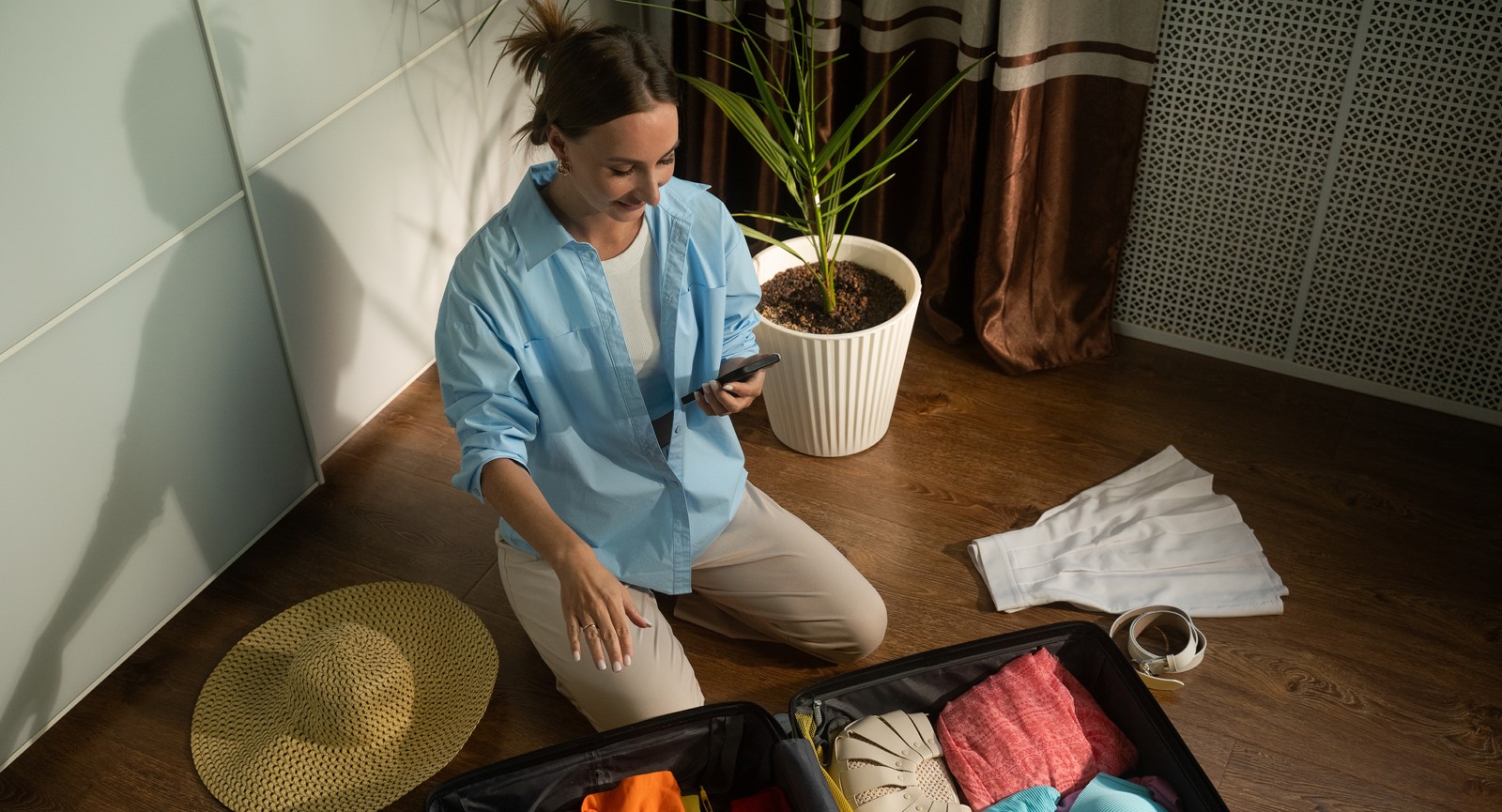
Imagine arriving at your dream destination, only to discover that your checked suitcase has gone missing. A spare outfit (don’t forget the underwear) in your carry-on bag is one of the most effective ways to protect your trip against delayed, lost, or mishandled luggage.
Plus, if you spill coffee on yourself, get caught in a downpour, or experience a wardrobe malfunction mid-transit, you'll have an immediate backup. On beach or resort vacations, packing swimwear or a light change of clothes in your hand luggage will let you head straight to the pool or explore your destination even if your room isn't ready yet.
A portable phone charger
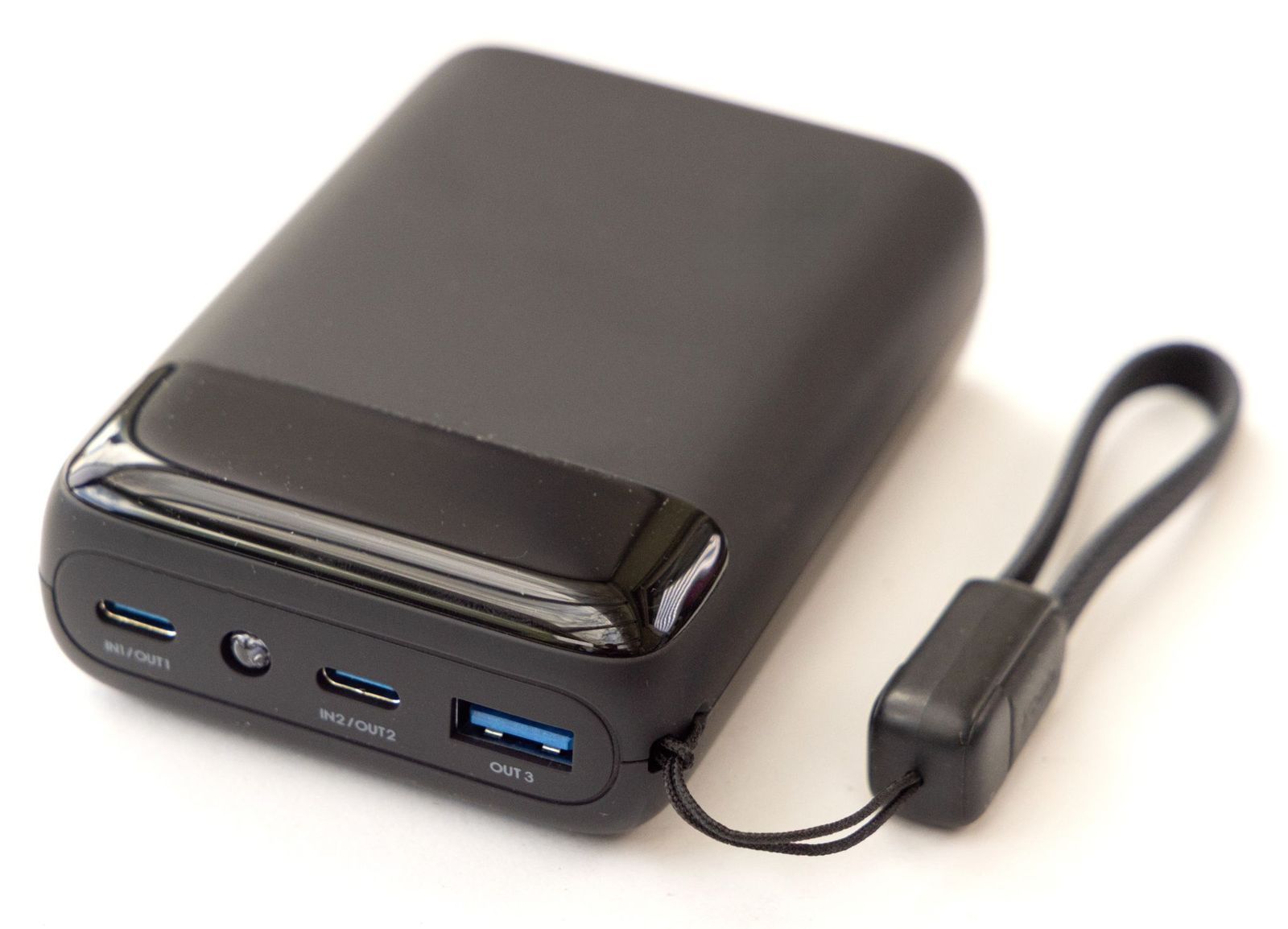
What happens when your phone dies just as you're trying to find your hotel, board a flight, or pull up your digital boarding pass? It’s distressing just thinking about it. A portable phone charger, also known as a power bank, can prevent a dead battery from turning a minor inconvenience into a major travel headache.
Your phone often doubles as your GPS, hotel key, transit pass, and camera, making it especially important to keep it charged. Outlets on planes, buses, and in airports can be broken, crowded, or unavailable. That’s why having one of these is so important. And don’t forget to check safety rules. For example, according to the Transportation Security Administration (TSA), portable chargers containing lithium-ion batteries must be packed in your carry-on luggage, not your checked bags.
A lightweight rain jacket

Dark clouds can roll in unexpectedly, even when the forecast looks promising. In such cases, a lightweight, packable rain jacket can keep an unexpected downpour from ruining your plans without taking up precious luggage space.
Many modern rain jackets fold into their own pockets or pack down to roughly the size of an apple, fitting easily into daypacks, purses, or carry-ons. Beyond protecting you from rain, a thin, waterproof-breathable shell blocks biting wind and works well over warmer layers. It's particularly useful during hikes, city walks, and transit runs when holding an umbrella would be inconvenient.
A compact first-aid kit
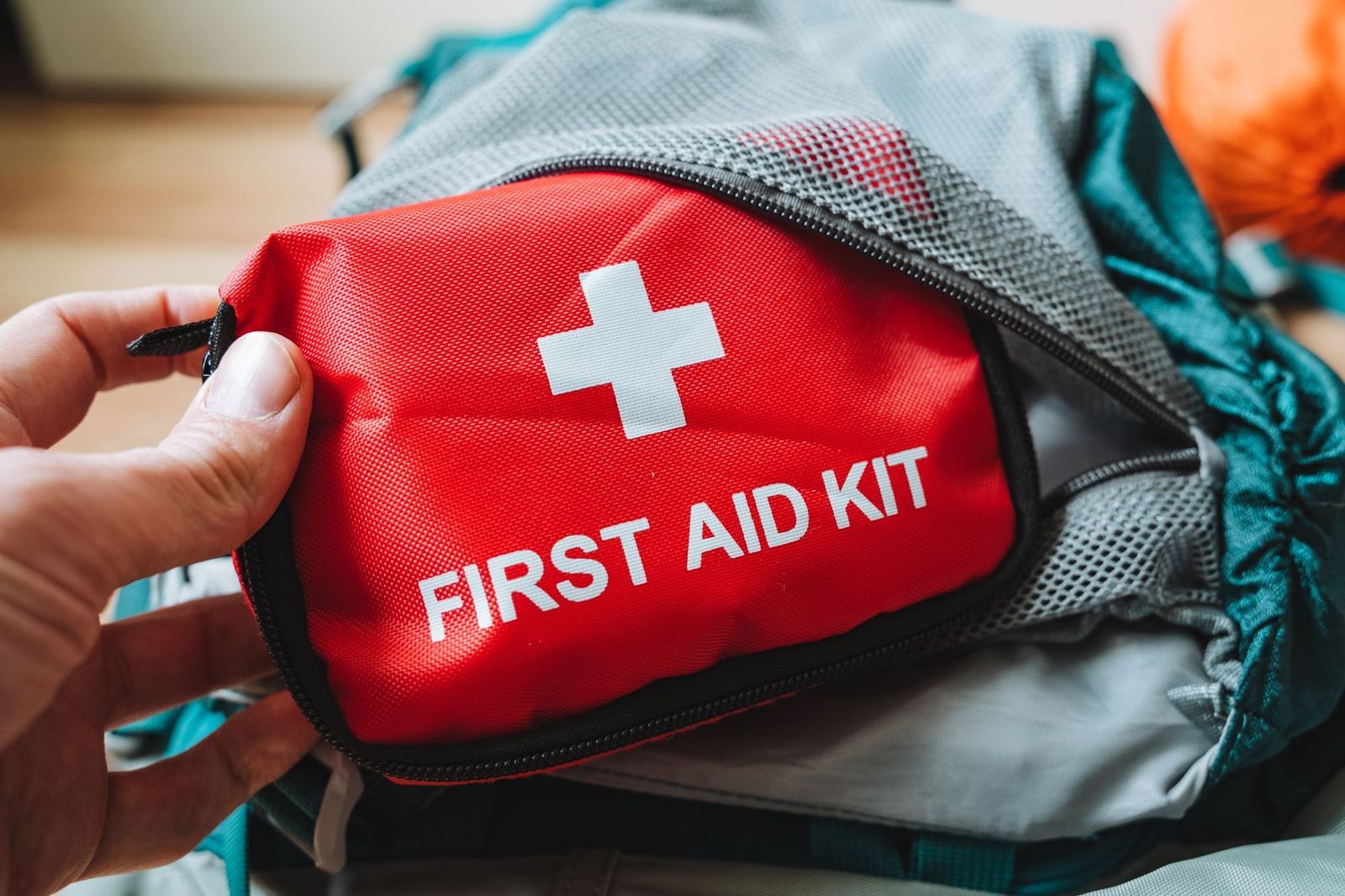
A blister, an unexpected headache, or a bleeding scratch can quickly derail a day of sightseeing. Having a compact first-aid kit on hand means you can deal with minor mishaps immediately instead of wasting precious holiday time searching for an unfamiliar pharmacy.
A travel-ready pouch should focus on immediate relief and minor wound care. Pack assorted adhesive bandages, blister pads, antiseptic wipes, and antibiotic ointment to handle cuts and scrapes. Include familiar over-the-counter medications, such as pain relievers, antacids, anti-diarrheal medication, and antihistamines, for common travel ailments. Finally, add tweezers, a small thermometer, and any personal prescription medications. You can also use the American Red Cross's travel first-aid recommendations as a packing guide.
A few resealable bags
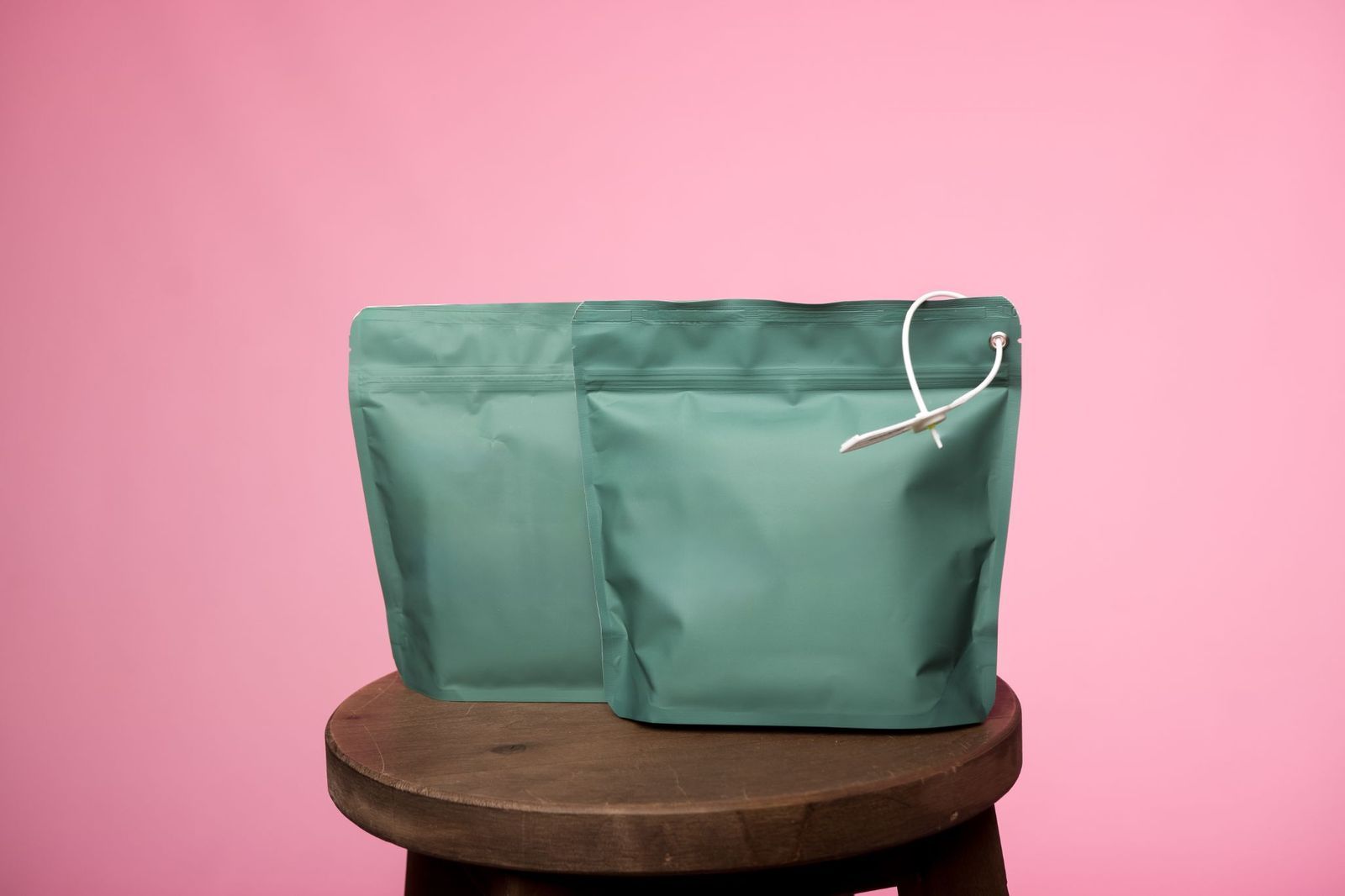
From leaking toiletries to soggy swimsuits, some of the messiest travel mishaps can be avoided with one surprisingly simple item. A few resealable plastic bags, such as Ziploc bags in gallon, quart, and snack sizes, can protect your belongings, separate wet clothes, and keep essentials dry.
Enclosing shampoo, lotion, sunscreen, or liquid medications in sealed bags helps prevent accidental spills from ruining everything. Even slipping your phone, cash, or important travel documents into a resealable bag can help protect them from heavy rain, pool splashes, or beach sand.
A small laundry kit

Ever wished you could make your suitcase feel twice as big without paying for extra baggage? A compact travel laundry kit lets you wash clothes on the go, reuse outfits, and deal with unexpected spills without packing an entirely new wardrobe.
A few detergent sheets or pre-measured soap packets take up very little room and are less likely to spill than liquid detergent. A universal sink stopper, a small travel clothesline with clips, and a dedicated laundry bag can also come in handy. For an extra time-saving trick, roll damp clothes in a microfiber towel and gently squeeze out excess water before hanging them to dry.
A little emergency cash

Imagine arriving somewhere new only to discover that the card machine isn't working or your taxi doesn't accept credit cards. Keeping a small amount of local currency tucked away separately from your wallet can save you from an unexpected payment problem.
Cash is particularly useful for small purchases, tips, local markets, and businesses that don't accept cards. It can also come in handy when traveling through rural areas or smaller towns where electronic payment options may be limited. Just make sure to keep your emergency cash in a separate, secure place rather than carrying it all in your everyday wallet.
A reusable shopping bag

A lightweight, foldable tote takes up almost no room in your luggage but can become a beach bag, an extra shopping bag, or a makeshift laundry hamper whenever you need one.
It expands your carrying capacity when you buy extra gifts, local snacks, or groceries that don't fit back into your suitcase. On beach days, use it to carry a towel, sunscreen, and a book without having to bring your heavier everyday bag. If your suitcase becomes too full on the return trip, it can also provide extra room for lightweight items, provided your airline's carry-on allowance permits it.
A paper copy of key travel details
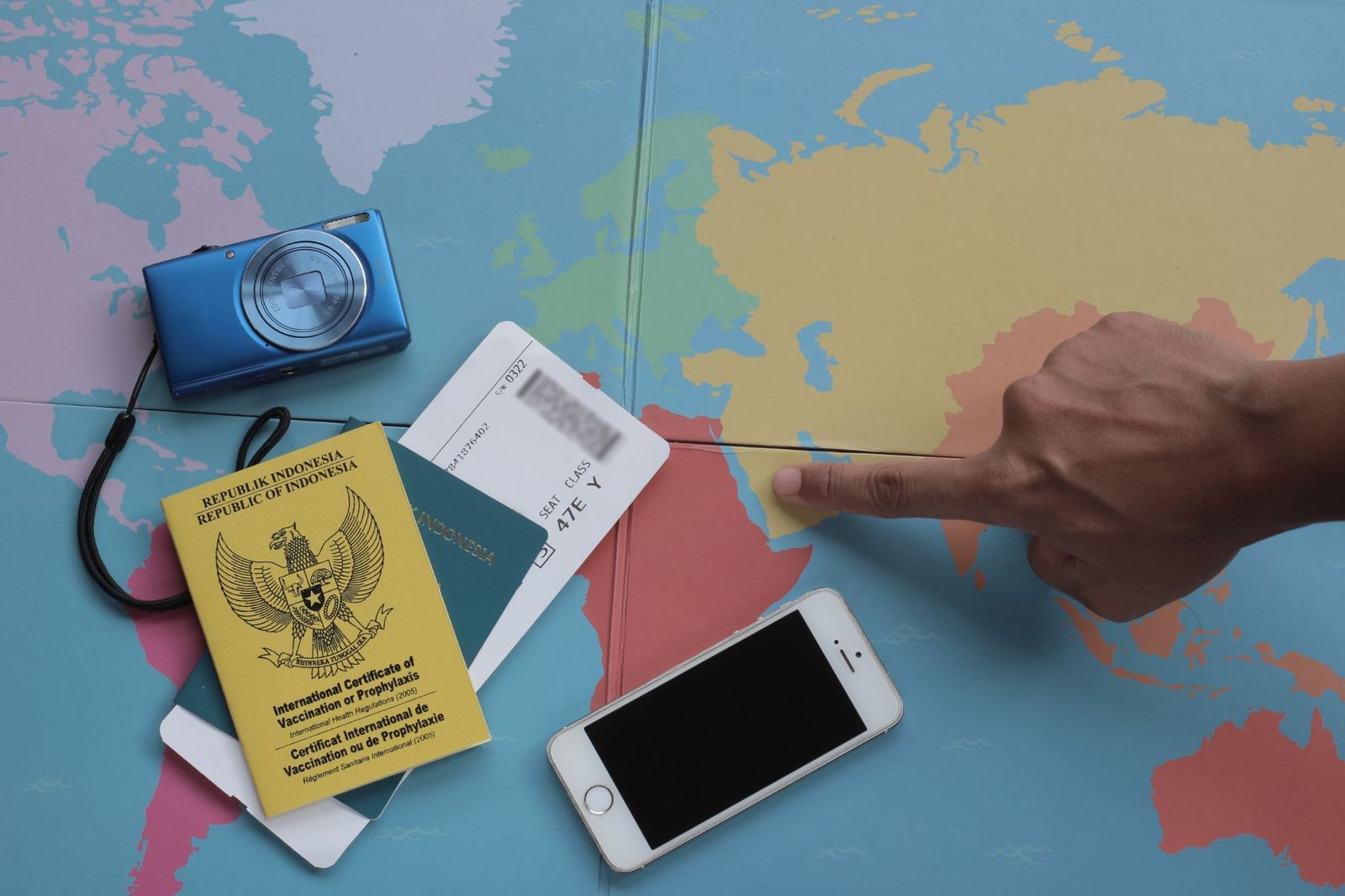
What would happen if your phone suddenly stopped working completely while you were traveling? A printed copy of your essential travel information can be a lifesaver if your battery dies, your device breaks, or you lose internet access.
Print copies of your passport information, booking confirmations, travel insurance details, and emergency contacts so you can access important information even if your phone fails. It's also wise to store these copies in a separate bag or location from your original identification documents and wallet. That way, you'll still have access to essential details if your primary valuables are lost or stolen.
A universal travel adapter
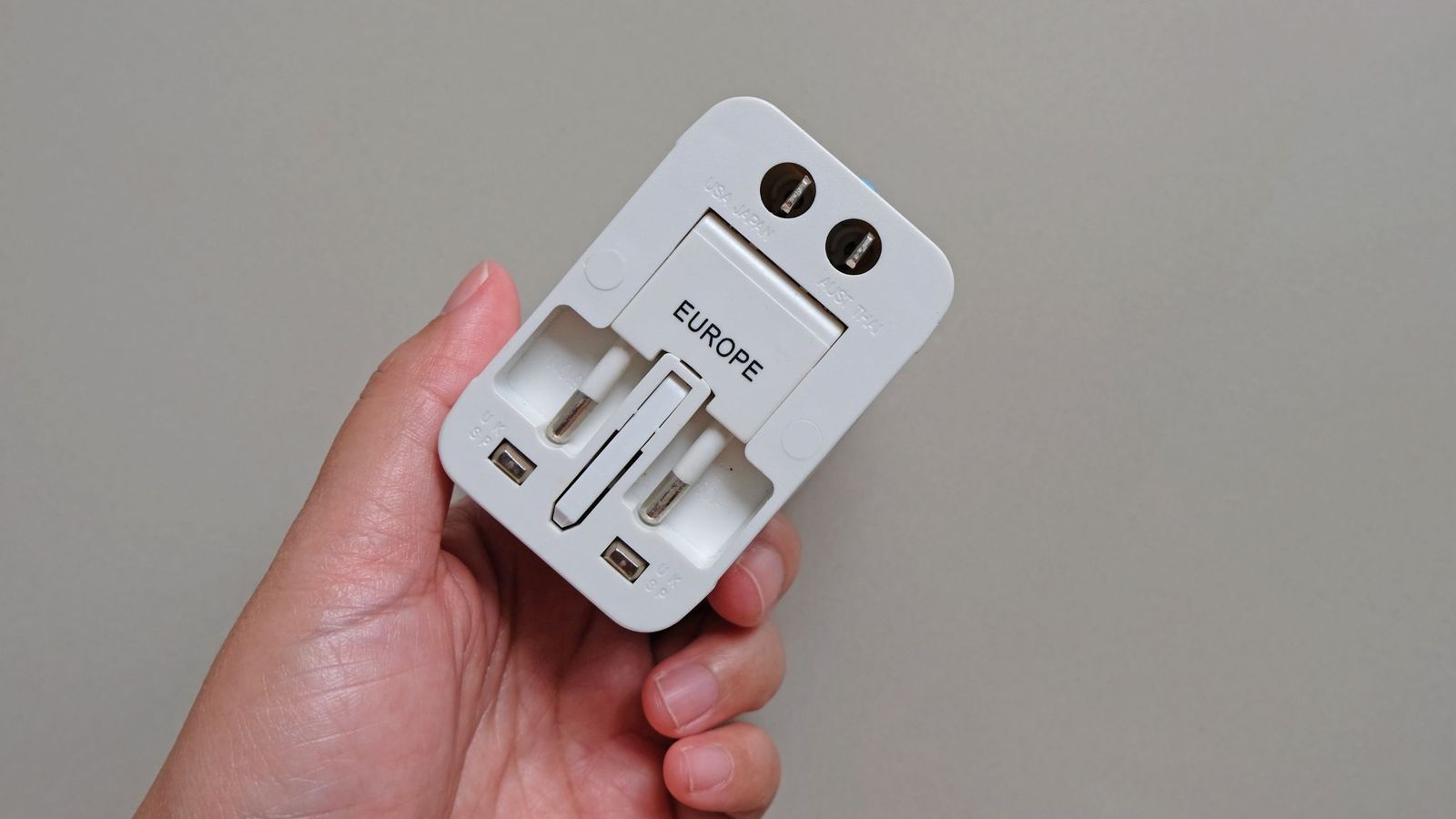
One small detail can cause a surprisingly big headache when traveling abroad: incompatible electrical outlets. A universal travel adapter lets you plug in your phone charger, laptop, and other essential devices even when your destination uses a different one.
Many models feature interchangeable plugs for multiple countries, along with USB-A or USB-C ports that let you charge several devices at once. It's a particularly useful addition if you're visiting multiple destinations with different electrical standards. Just remember that a plug adapter doesn't automatically convert voltage, so check that your devices support the local voltage before plugging them in.
An extra pair of comfortable socks

Don't underestimate the power of a clean, dry pair of socks when you're far from home. Whether your feet get soaked in an unexpected downpour, you're facing a long day of walking, or the airplane cabin feels freezing, an extra pair can make all the difference.
Ultimately, it's a tiny, space-saving addition to your luggage that can help prevent a lot of discomfort. This can make a huge difference when you're spending hours exploring a new destination.
Why planes are painted white: The real reason
What happens at 35,000 feet
If an engine stops, the plane keeps flying: 10 key things to know
Have you ever wondered what would happen if a passenger got stuck in the bathroom of an airplane? Do you know what that tiny hole in the airplane window is for? Or why airplane food always tastes different? These are the little details passengers see, hear, and experience on almost every flight without really understanding them. From why most commercial planes are white to where the toilet waste actually goes, here are 10 things every passenger should know about flying.
What happens when a plane faces engine problems?
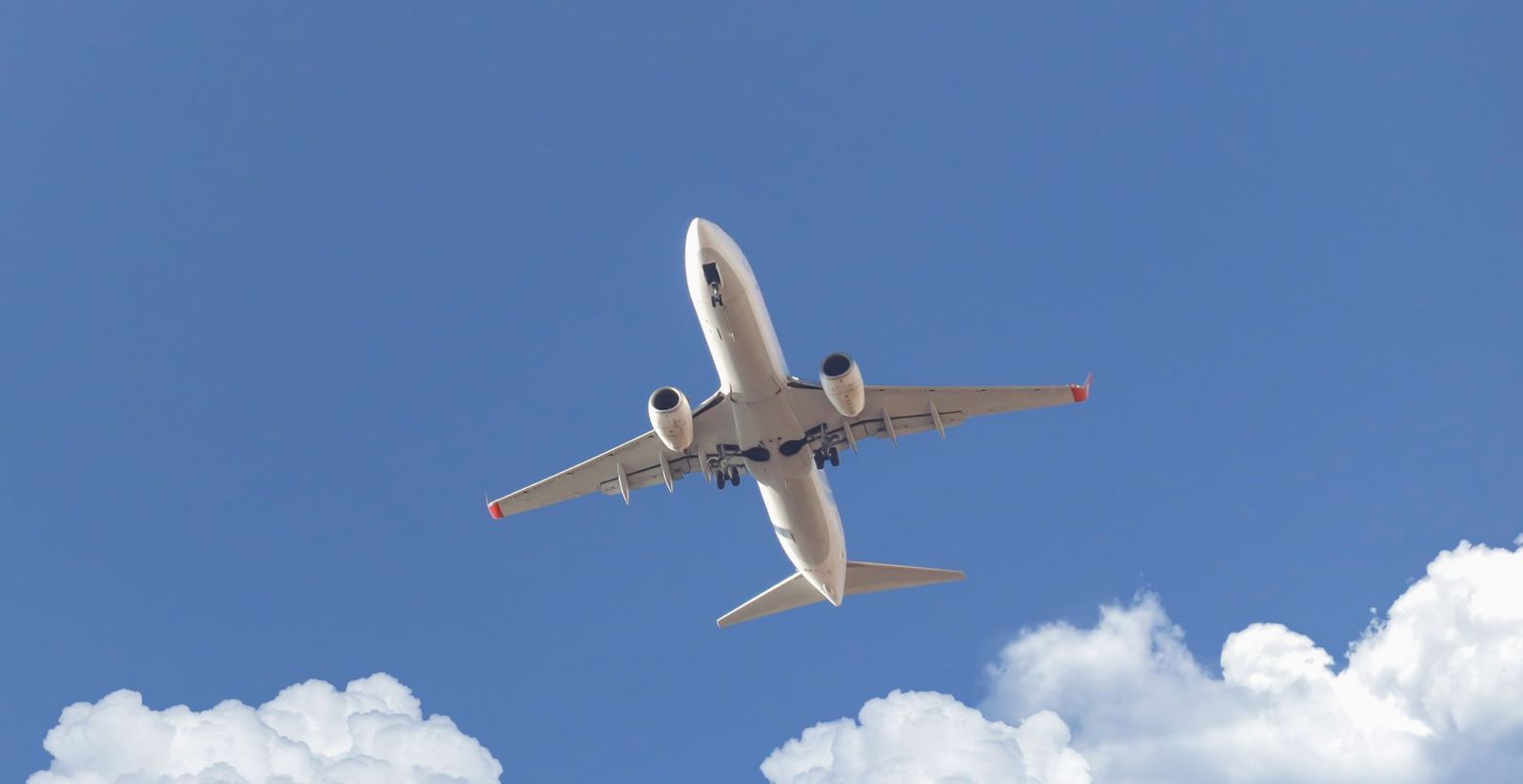
Fear of engine failure is common among air passengers. But there’s some good news.
Modern commercial aircraft are designed to handle emergencies, and even if all the engines lose power, the plane can still glide. That’s because the wings continue to generate lift as long as air is moving over them, even without engine thrust. A powerless aircraft can therefore remain controllable long enough for the pilots to find the best possible place to land. A dramatic real-life example came on January 15, 2009, when Captain Chesley "Sully" Sullenberger successfully ditched US Airways Flight 1549 in the Hudson River after both engines lost thrust following a bird strike. All 155 people aboard survived.
The pilot in command's powers
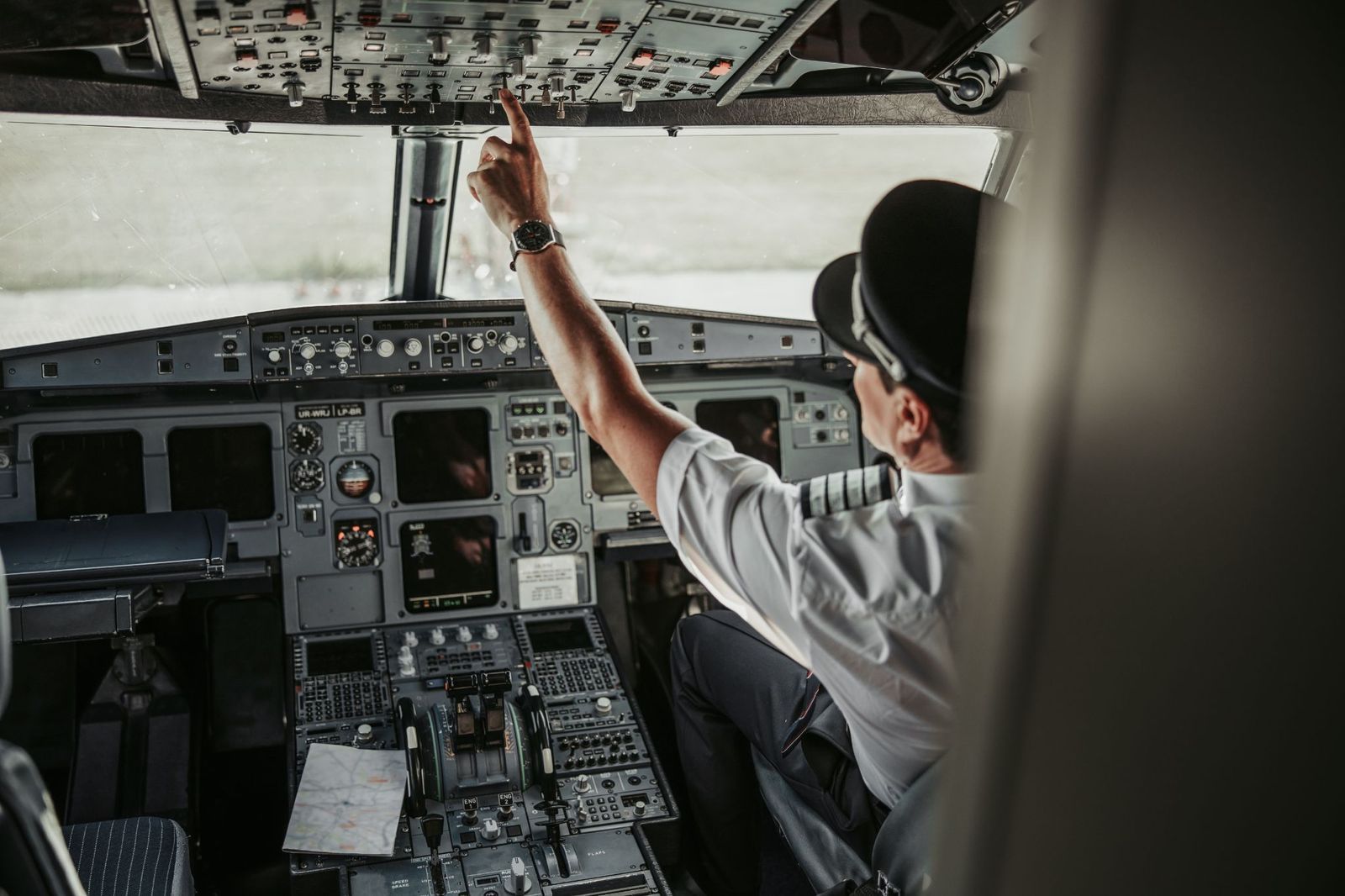
If you think a pilot’s job is simply to fly the plane, think again.
Under FAA (Federal Aviation Administration) rules, the pilot is responsible for the safety of the passengers, crew, cargo, and aircraft. And in an emergency, the pilot can even deviate from a regulation or an air traffic control instruction when necessary to deal with the situation and protect lives. But that’s not all; airlines are prohibited from allowing intoxicated passengers to board, and unruly passengers can face serious consequences. If someone becomes disruptive or threatens safety during a flight, the pilot can give the order to take action and restrain a passenger until law enforcement takes over after landing.
What is that little hole in the airplane window for?
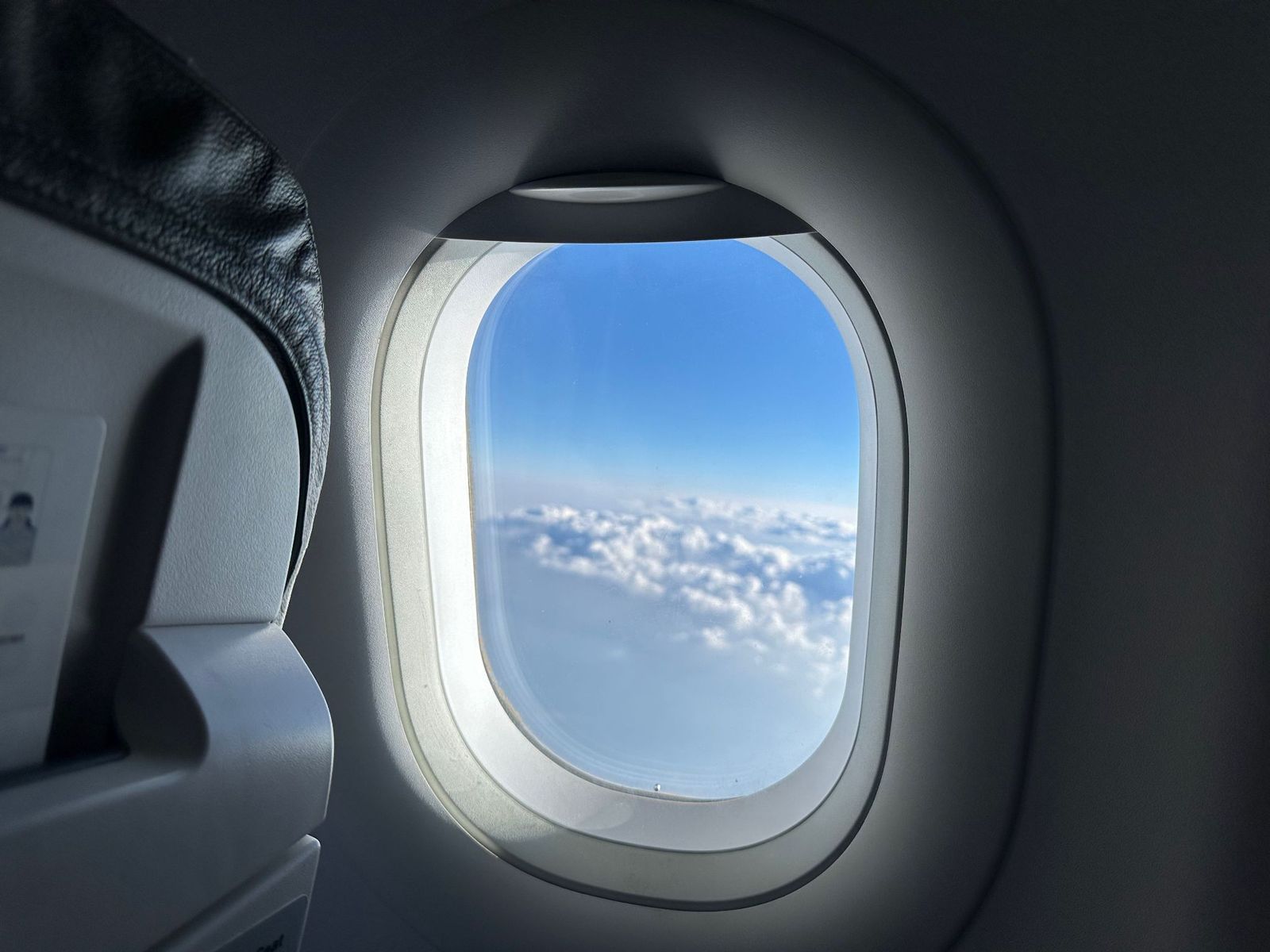
If you’re the kind of passenger who notices the little details, you may have spotted the tiny hole at the bottom of an airplane window. It might look like a flaw, but it’s actually there for a very good reason.
Called a bleed hole, it’s an intentional part of the window’s design. At a cruising altitude of around 35,000 feet, the air outside is far too thin to breathe, so the cabin is pressurized to keep passengers comfortable and safe. That creates a major difference between the pressure inside and outside the aircraft. The tiny hole helps manage that pressure difference by allowing air to move between the window panes.
Why do they dim the cabin lights before takeoff?
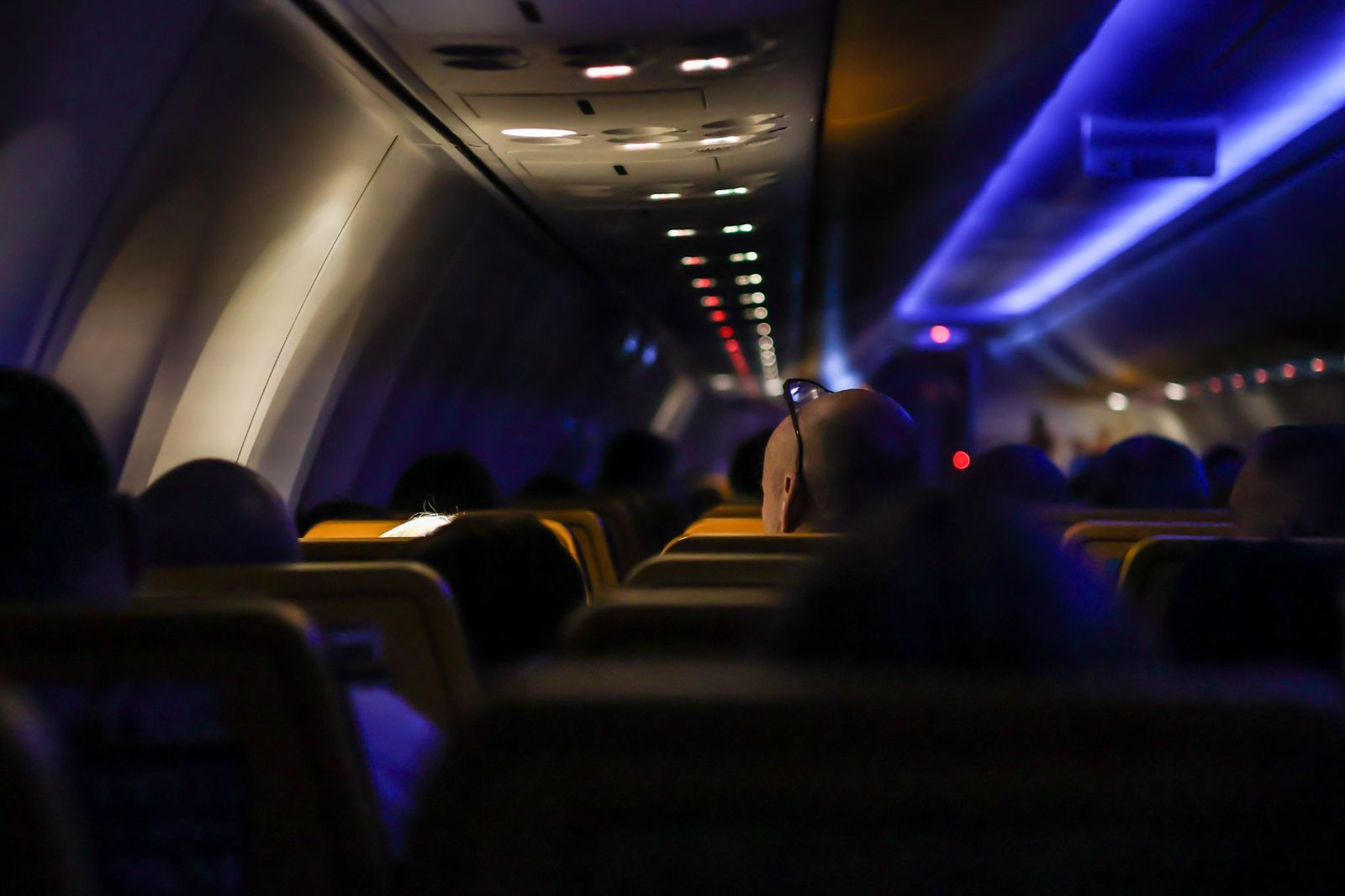
You’ve probably noticed that on night flights, the cabin lights are dimmed during takeoff and landing. There’s a good safety reason for it.
There’s no federal or international rule requiring airlines to dim the lights, but it’s a common practice. By keeping the cabin closer to the darkness outside, passengers and crew can adjust their eyes in case of an emergency. As human vision takes time to adapt when moving from bright light to darkness, dimming the cabin in advance can help people see more quickly if an evacuation becomes necessary, when every second counts.
What happens if you get stuck in the bathroom?
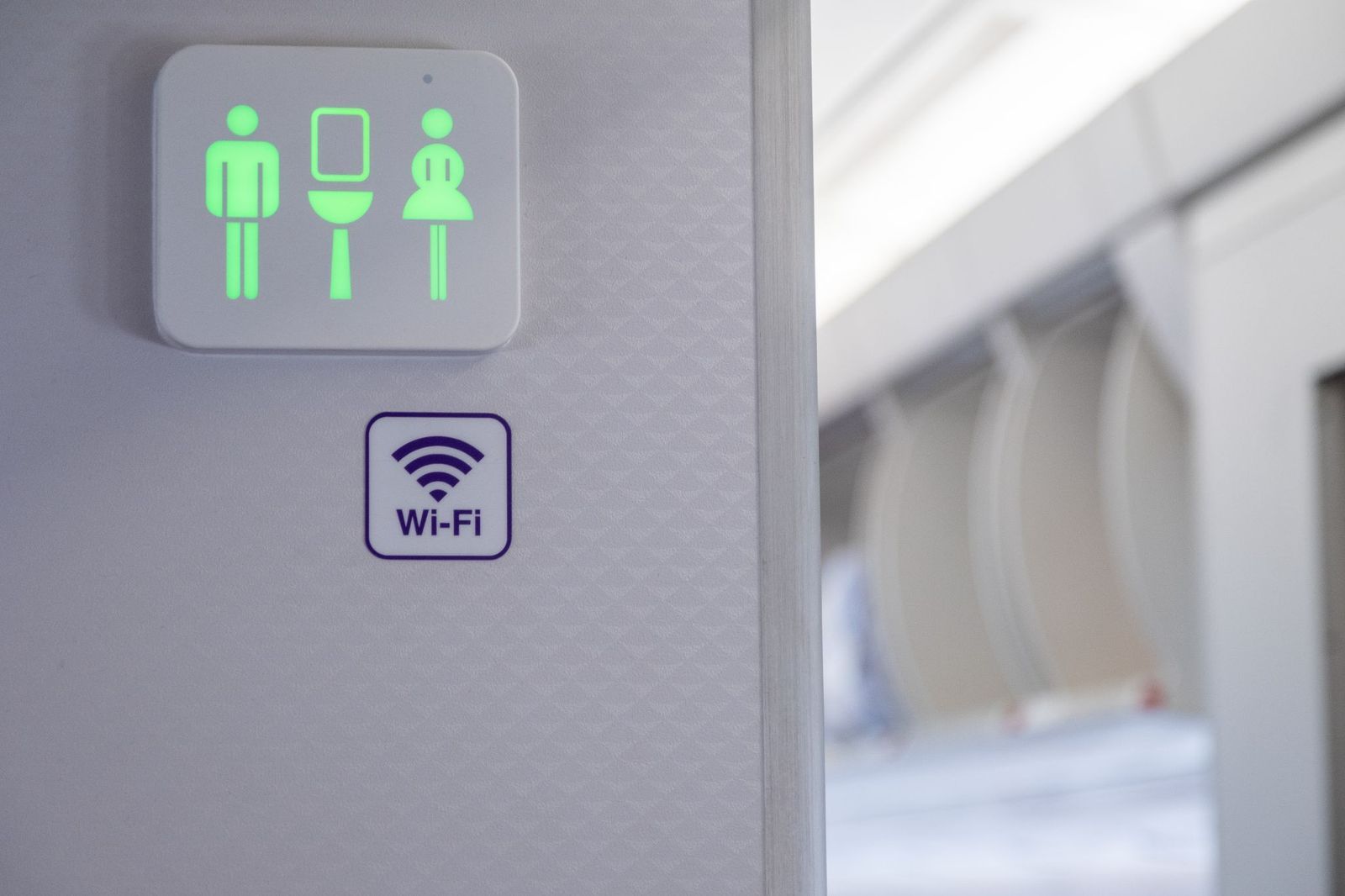
One of the more unsettling thoughts at 35,000 feet is getting stuck inside an airplane bathroom. After all, squeezing into a space that’s barely a few inches wide isn’t exactly anyone’s idea of fun, but there’s less to worry about than you might think.
Flight attendants are trained to unlock and lock the lavatory door from the outside if necessary. Most aircraft have a hidden emergency-access mechanism, typically located behind the "Lavatory" or "No Smoking" sign or panel. The exact design varies by aircraft, but that system allows crew members to open the door if a passenger is trapped, becomes ill, or needs assistance.
Your oxygen mask first
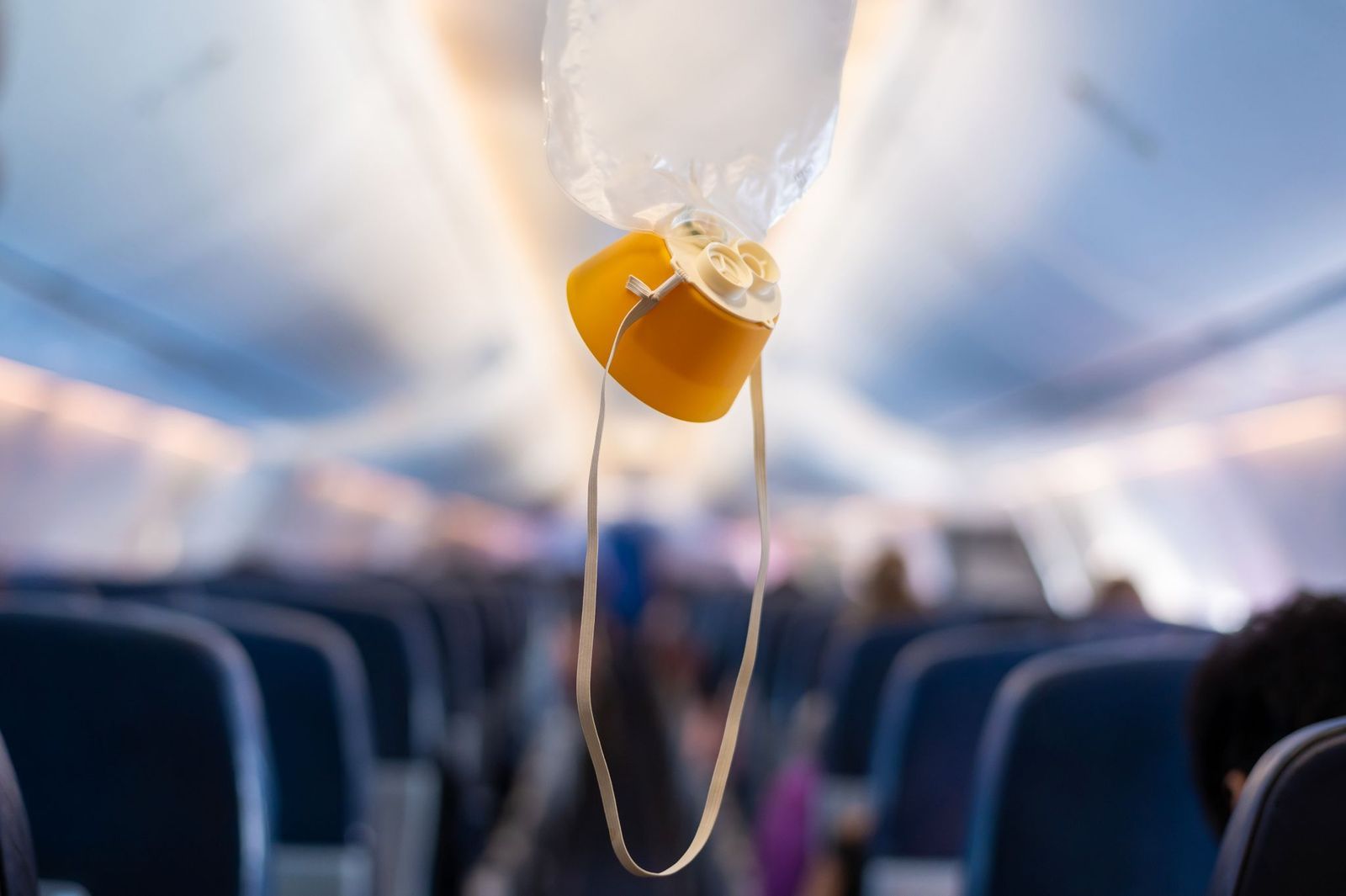
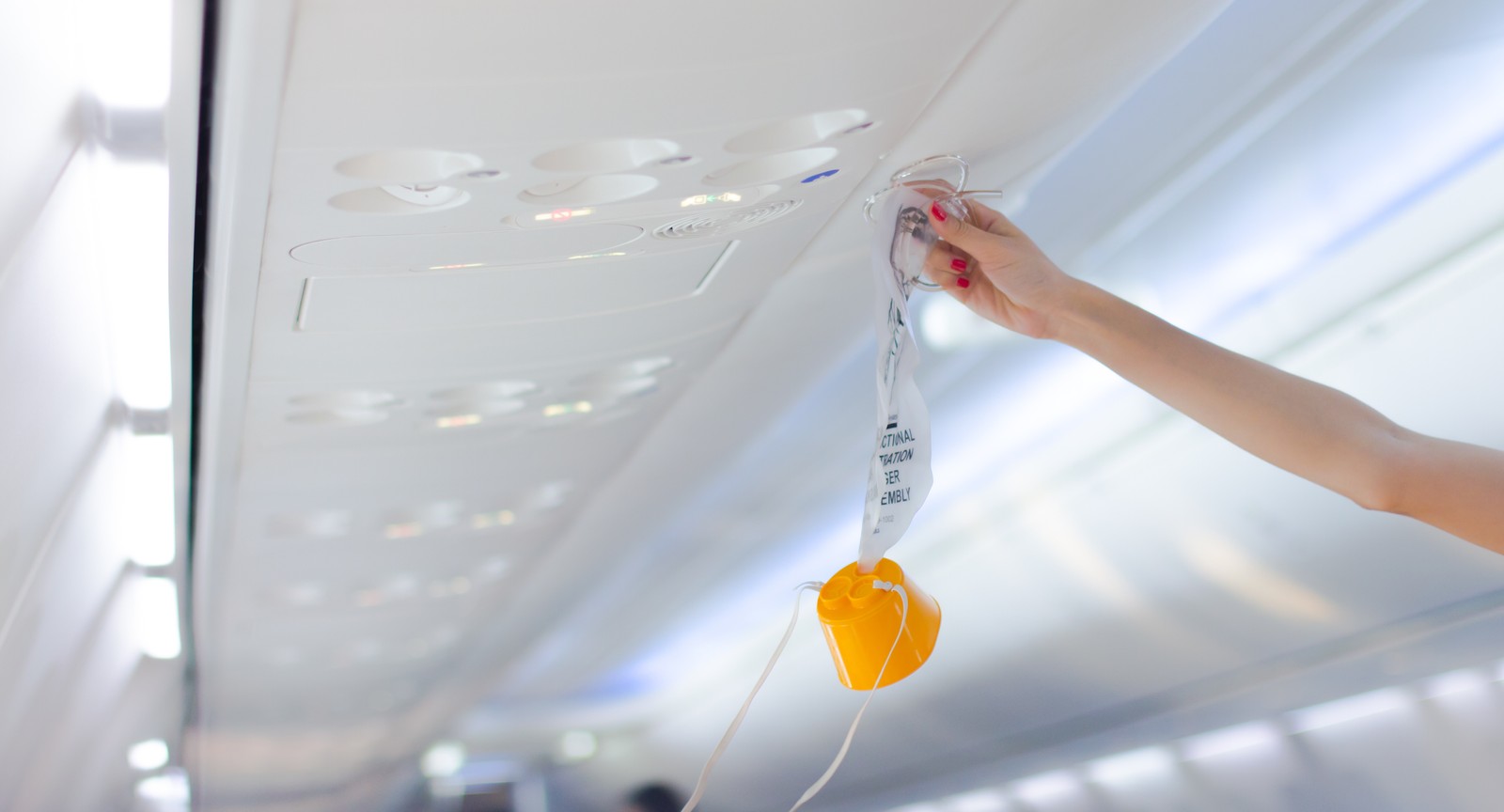
You’ve probably heard the rule (and the life-lesson metaphor): put on your own oxygen mask before helping someone else with theirs. But why is that so important?
At typical cruising altitudes, the air outside the aircraft is under extremely low pressure. If the cabin suddenly loses pressure for an emergency, the amount of oxygen available to your body drops quickly, and your ability to think clearly and act can disappear within seconds. At that altitude, the time of useful consciousness can be as little as 15 to 30 seconds after a rapid decompression. That’s why you’re told to secure your own mask first. Once you’re getting oxygen, you’re far more likely to remain conscious and capable of helping the person next to you.
Where the water goes when you flush
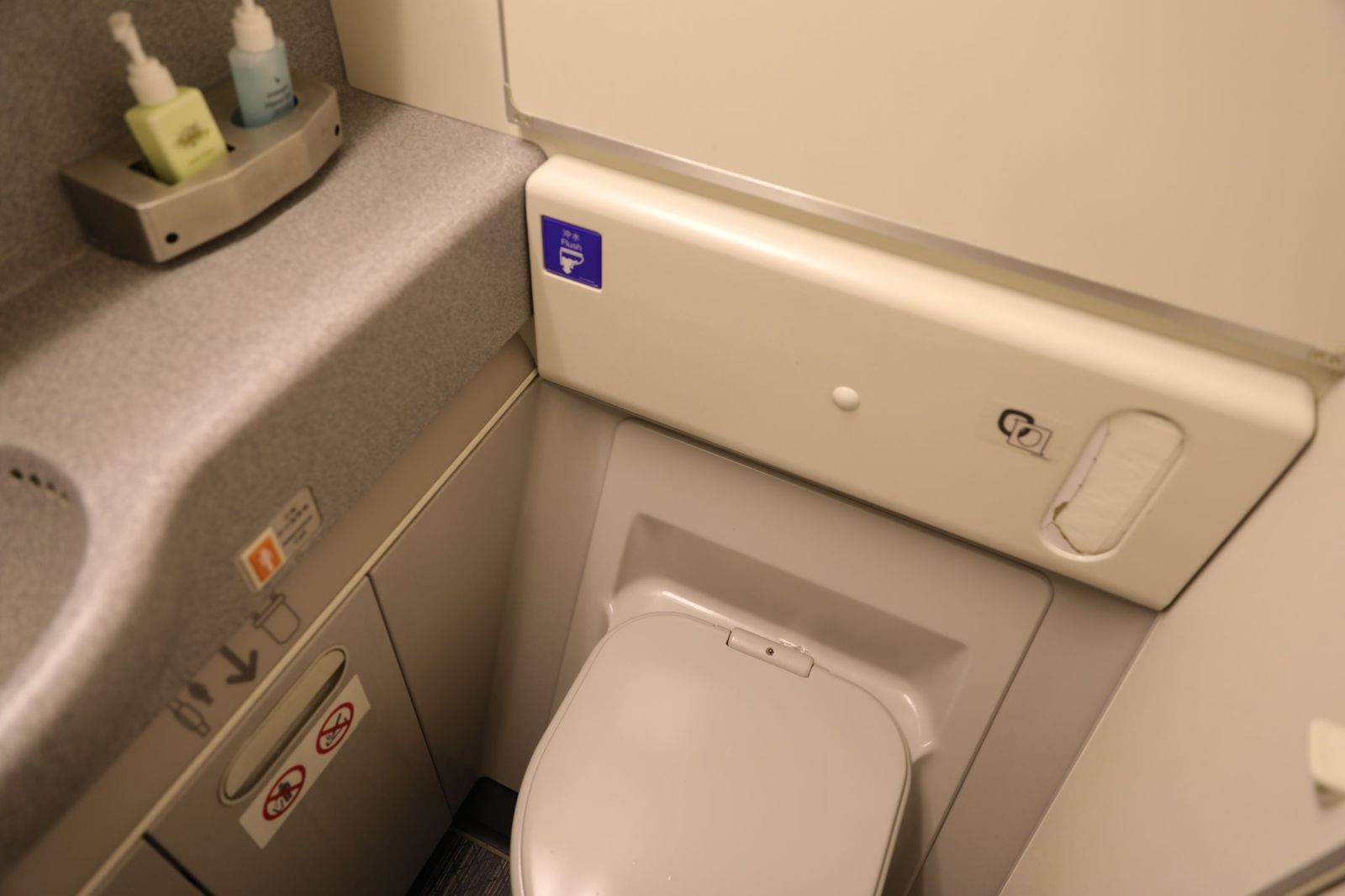
If you’ve ever used an airplane bathroom, you’ve probably wondered: where does the waste go when you flush?
Contrary to a long-standing myth, commercial planes don’t dump toilet waste into the sky. Instead, commercial aircraft have a sealed waste tank inside the plane. When you flush, a valve opens at the bottom of the toilet bowl, and a powerful vacuum pulls the waste through the pipes and into the tank. After the plane lands, airport workers connect a hose from a specialized service truck to the aircraft’s external waste port. The truck then pumps out the waste and transports it for proper disposal through the local wastewater system.
Why planes are painted white
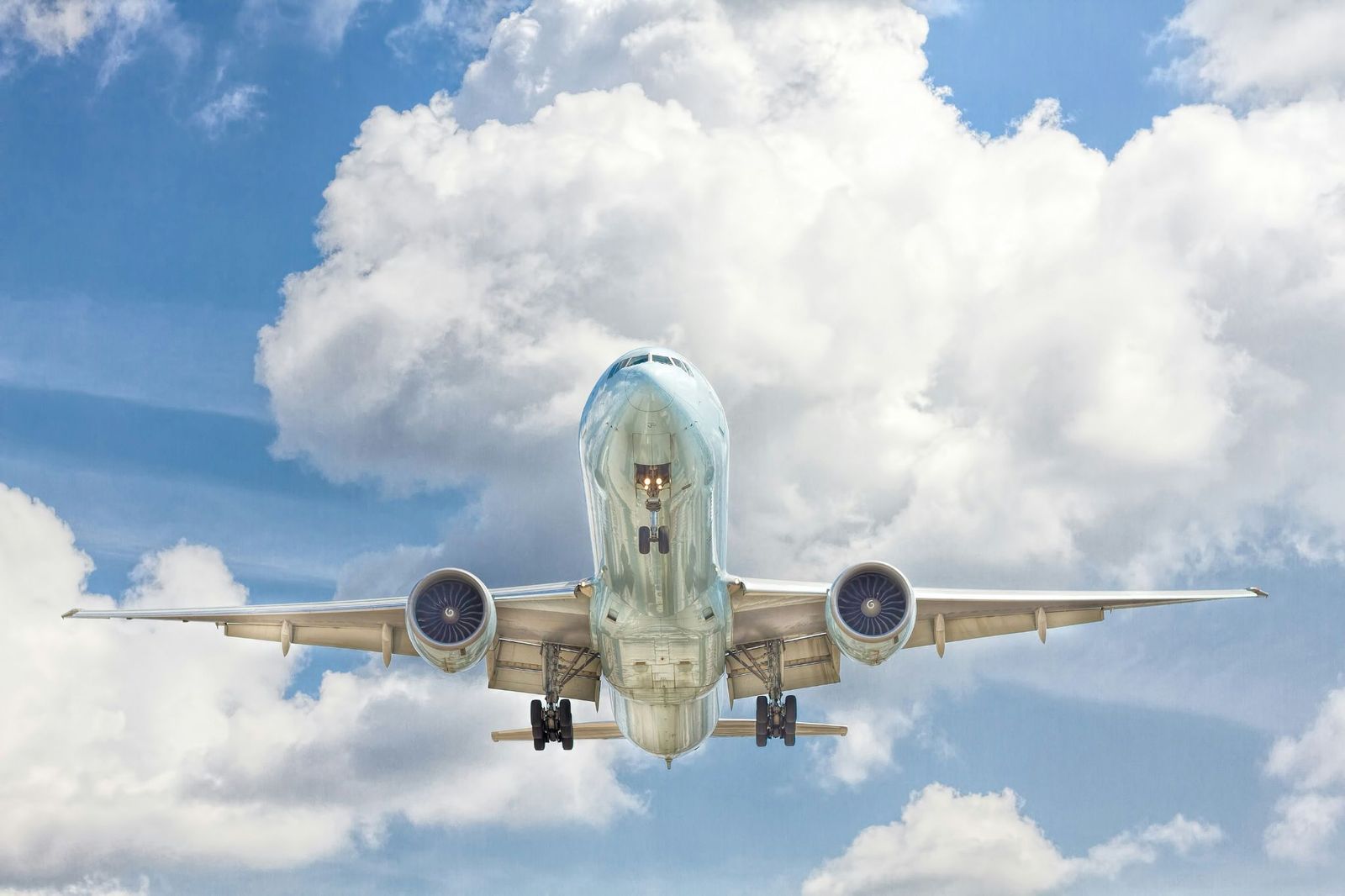
There’s something most commercial airplanes have in common: they’re usually white. But why?
The white paint on an aircraft is no accident, and it’s not simply because the hue is inexpensive. There are practical and safety reasons for the choice. First, white reflects much of the sun’s radiation, helping reduce solar heating of the fuselage and cabin, especially while the aircraft is on the ground. It can also make an airplane easier to see against a blue sky during the day. But there’s another important advantage: white makes cracks, dents, oil leaks, and signs of corrosion easier to see, helping maintenance crews identify potential problems during inspections. Finally, white tends to fade less than darker colors, which can help airlines reduce repainting and maintenance costs.
The truth about using your phone on a flight
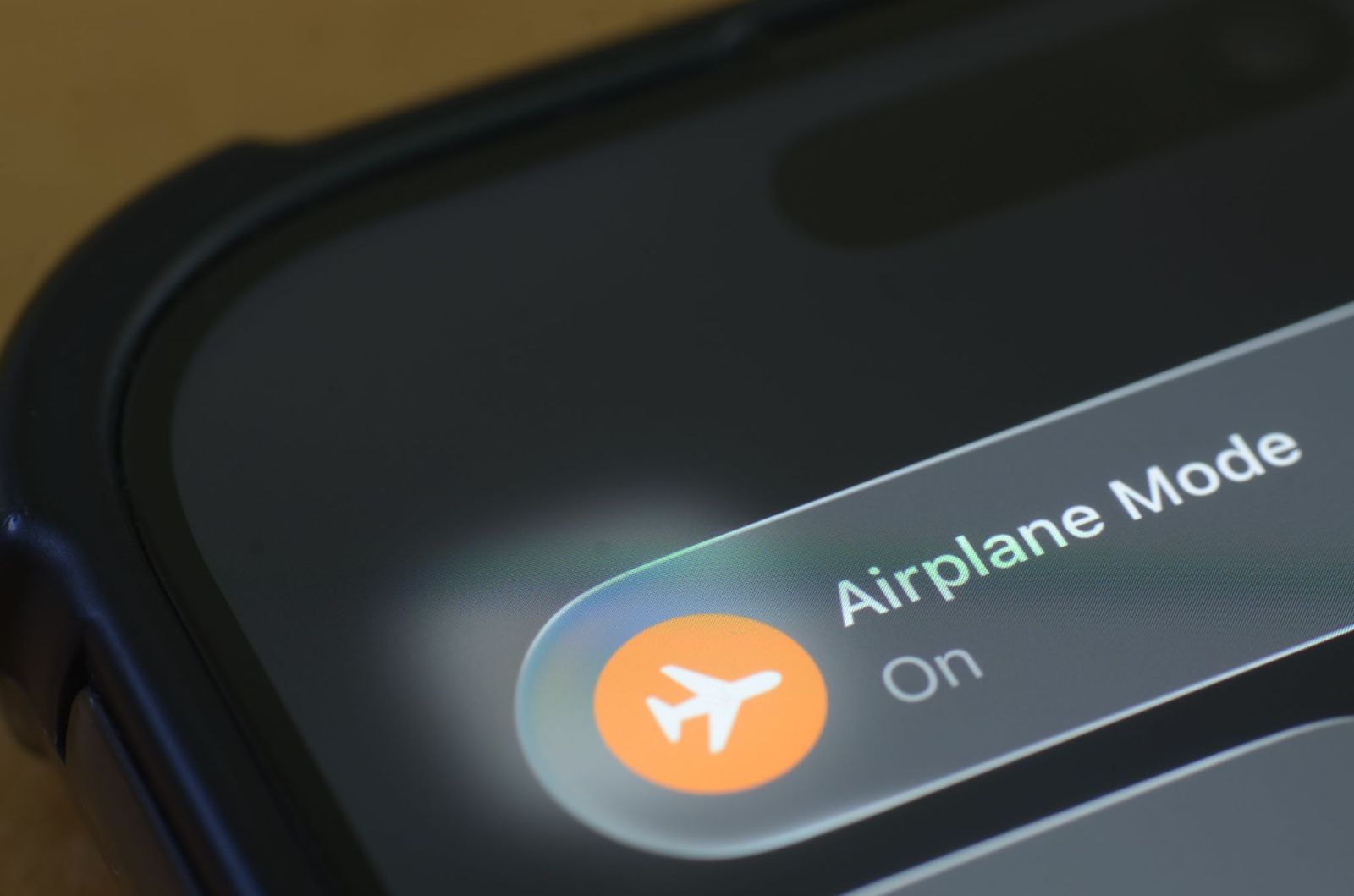
Many passengers still believe that leaving their phone connected during a flight could make the plane crash. Fortunately, that’s not how it works.
If you’ve ever spotted someone quietly using a cell phone after takeoff, don’t panic. The rules around phones in flight are mainly about potential radio interference and the effects of airborne cellular signals on ground networks. Active phones can sometimes cause a faint clicking or buzzing sound in a pilot’s headset, which can be really distracting. In addition, in 1991, the FCC prohibited airborne cellular calls because phones operating at altitude could interfere with terrestrial cellular networks.
The food isn't that bad
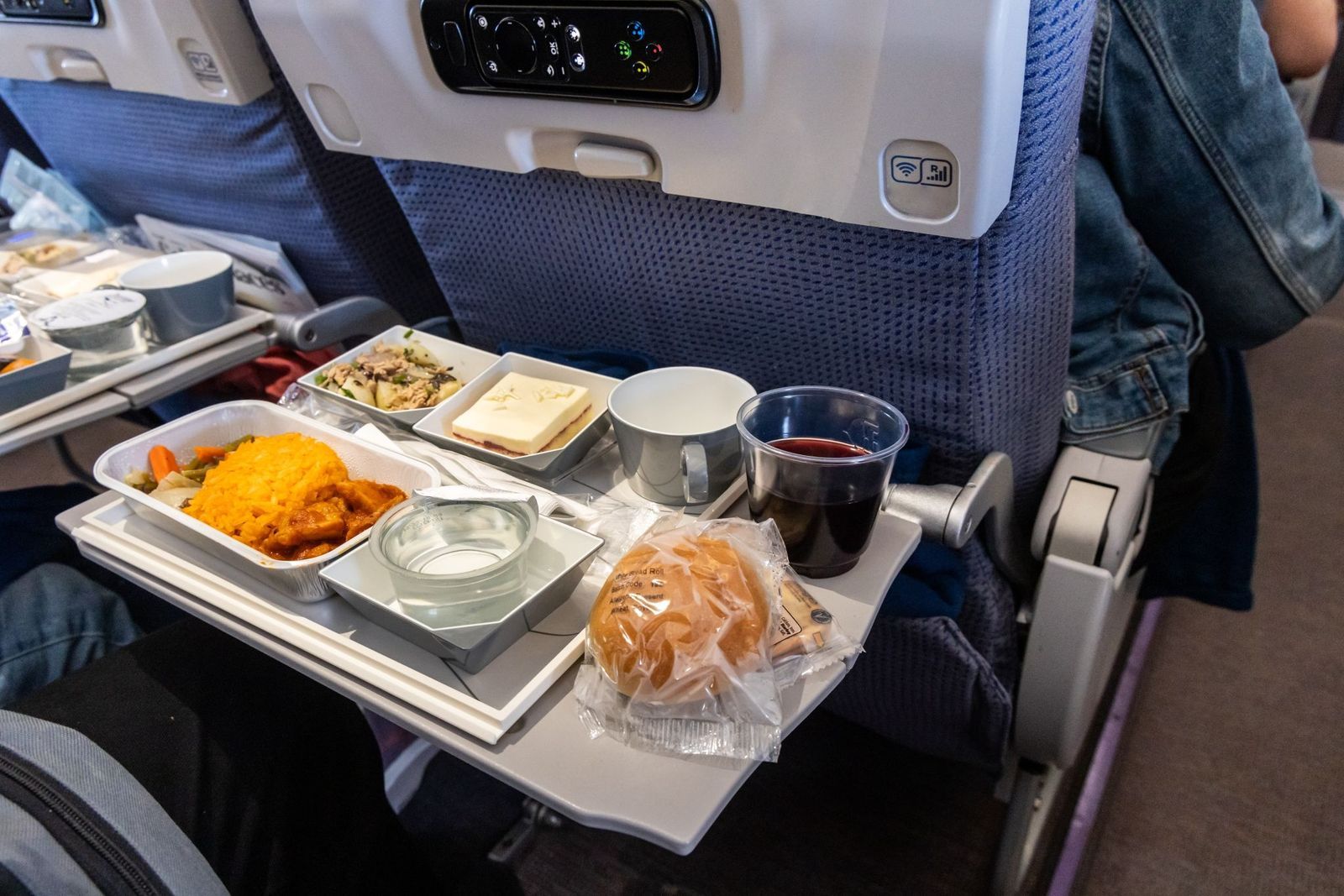
Does airplane food always taste a little… different to you? It’s not your imagination. There’s actually a scientific reason for that.
The blander taste has less to do with the food itself than with the conditions inside the aircraft. Cabin humidity is often below 20%, which dries out your nose and mouth and makes it harder to detect aromas. Since your sense of smell plays a major role in how you experience flavor, that can make food seem less flavorful. Then, the lower cabin pressure can also slightly reduce your sensitivity to sweet and salty flavors. And finally, there’s something you might never suspect: the noise. The constant roar of the engines can affect how your brain processes flavor. Studies have found that loud background noise can make sweet and savory flavors seem weaker while making some other flavors more noticeable.
Keep wandering
There’s always
more to explore

Nearly everyone in this town lives in one 14-story building
6 min.
Read Now
 Landmarks

10 mysterious wonders you can only see from the sky
4 min.
Read Now

A pilot woke up in a snow-covered field with no memory of landing
7 min.
Read Now
 Culture
Why toasting with a glass of water could get you into serious trouble
6 min.
Read Now