
A pilot woke up in a snow-covered field with no memory of landing
 General
Real-life stories
A pilot woke up in a snow-covered field with no memory of landing
For most, a flight gone wrong includes some turbulence or a missed connection. But pilots sometimes face problems that are in a completely different league. One battled a fire inside the cockpit, another lost consciousness from carbon monoxide, and another watched his airplane’s engine quit over a black ocean at night. These are 10 real stories of pilots who had to make split-second decisions with very little room for error.
Fighting a cockpit fire mid-air

A little electrical smell in an airplane is not something a pilot can simply ignore. Commercial pilot and flight instructor Greg Soter discovered just how quickly an unusual smell can become an emergency in June 2013.
Soter was asked by a radar company to test equipment on a Cessna 172. He and a radar engineer departed from Birdseye, Utah, and a few minutes into the flight, the equipment in the back of the airplane caught fire. Smoke and fumes filled the cockpit as Soter, with no airport close enough, searched for a place to land. The only available option was a narrow road. The emergency landing ended in tragedy when the airplane struck power lines, and Soter’s passenger didn’t survive. Soter himself was seriously injured but recovered, and later shared the details of that flight with the AOPA Air Safety Institute so other pilots could learn from the impossible, split-second decisions he had to make that day.
The silent ghost flight
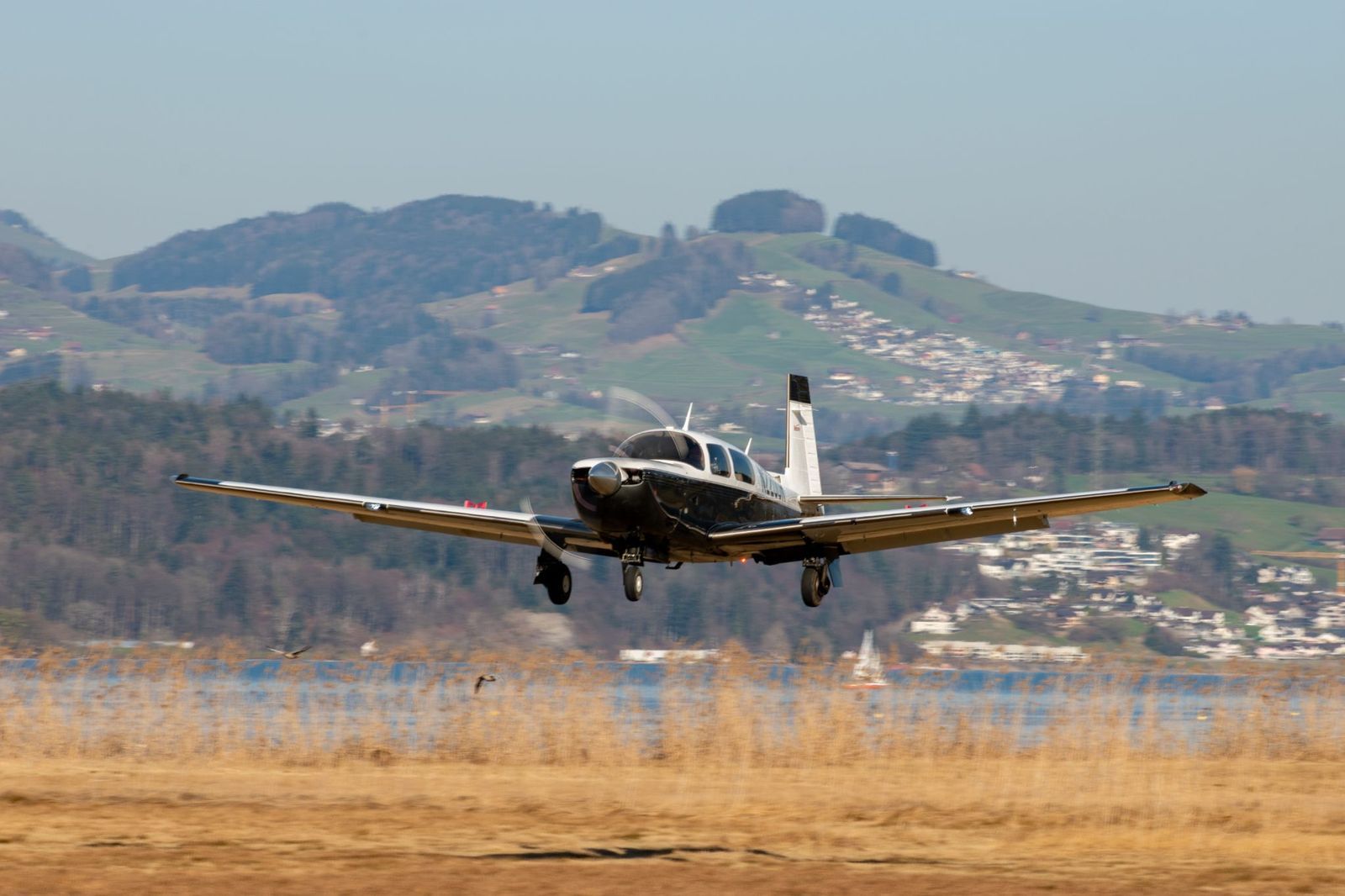
Imagine flying along normally and then realizing you have no idea what happened during part of that trip. Dan Bass from Minnesota experienced that and lived to tell about it
While returning home in his Mooney aircraft, Bass was overcome by carbon monoxide that entered the cabin and lost consciousness at the controls. The airplane continued flying until it eventually ran out of fuel and crashed in a snow-covered field in February. Carbon monoxide is particularly dangerous because it has no color or smell, making it difficult to detect without a warning device he didn’t have at the time. Bass survived and later told the Air Safety Institute at AOPA (Aircraft Owners and Pilots Association) how the accident unfolded.
Trapped under sinking metal
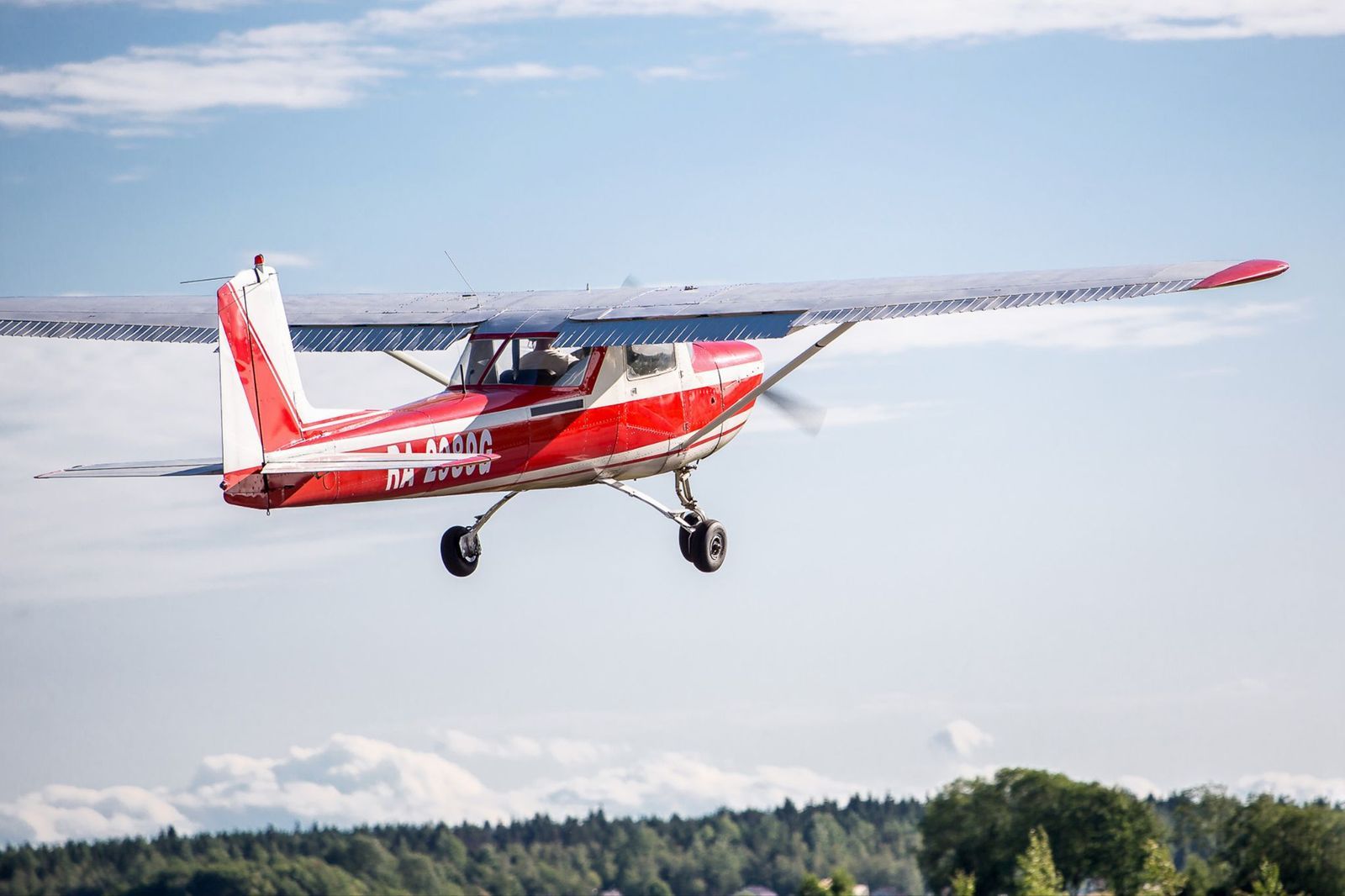
Water landings are rare, but escaping an airplane after it flips upside down underwater presents a very different problem.
Long before he became a well-known water safety instructor, Bryan Webster was just a high-school student in British Columbia, riding with a co-pilot friend in a Cessna 150 over the Fraser River in 1975. Flying low along the river at sunset, the co-pilot spotted newly strung high-tension power lines too late to climb safely over them. Trying to dodge the wires sent the little airplane straight into the water at more than 100 miles per hour, flipping it upside down and submerging the cabin in complete darkness. Webster first freed himself from his harness and swam around to pull the unconscious co-pilot out through his door before the airplane sank beneath the surface. Both survived, and the accident later inspired Webster to spend decades teaching pilots how to escape a sinking aircraft.
Frozen judgment at night
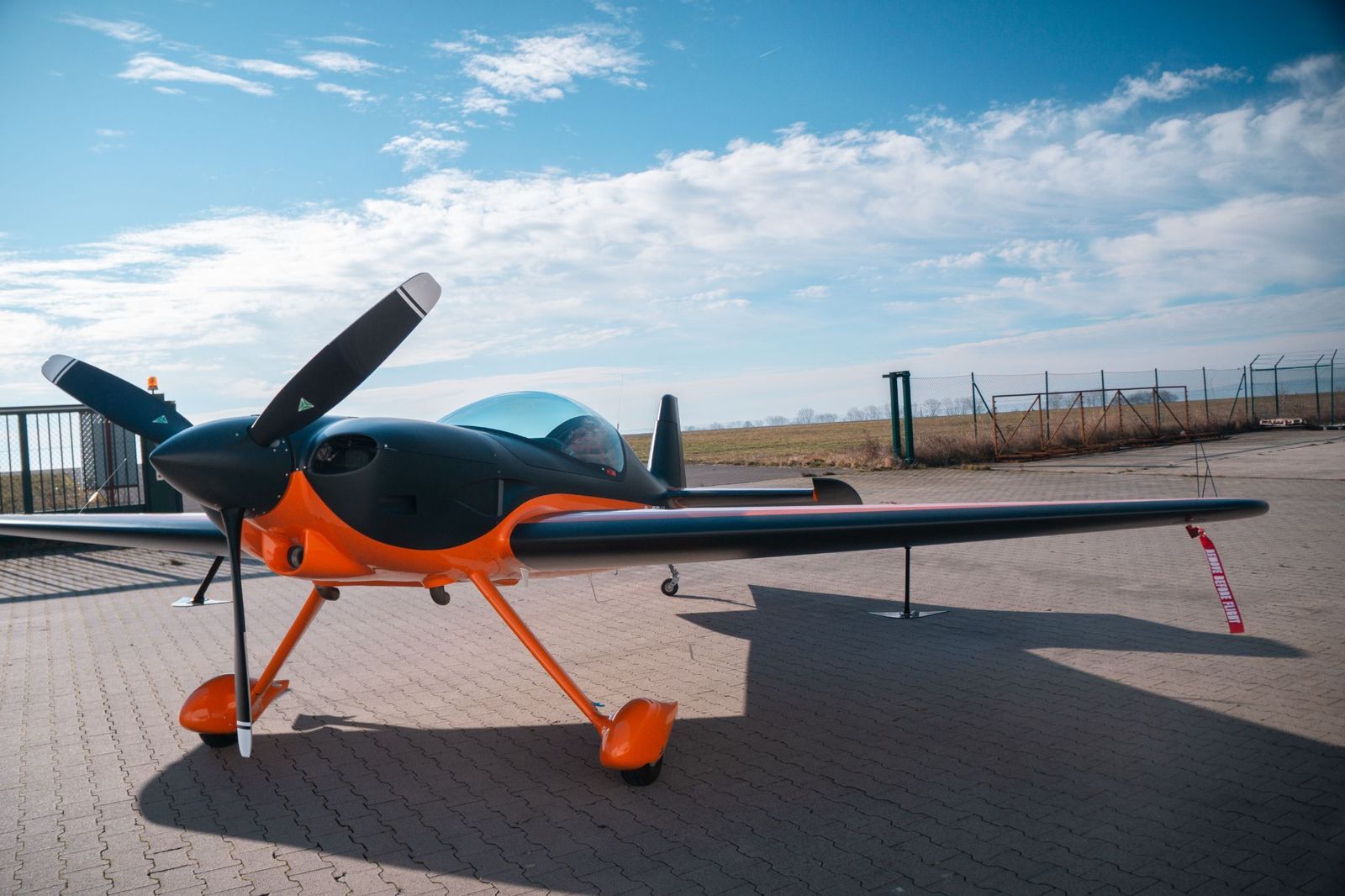
Cold weather can make a familiar flight feel very different, especially when a pilot is already tired and trying to finish a long trip,
Private pilot John Berman learned that during a winter night flight in 2018, the final leg of a journey from Olathe, Kansas, to Santa Fe, New Mexico. Flying his Velocity XL, Berman encountered severe icing and low visibility near 9,000 feet. Having spent a prolonged time exposed to extreme cold, the effects began to interfere with his judgment and decision-making. The cold became one link in a chain of decisions that eventually led to the accident. He declared the emergency on the radio and received the instruction to climb to 10,000 feet. After struggling to do so, the aircraft crashed roughly 8.5 miles south of Santa Fe Regional Airport. The plane was completely wrecked, and Berman was injured but managed to survive, later recognizing that his judgment had been impaired.
The pitch-black ocean dive
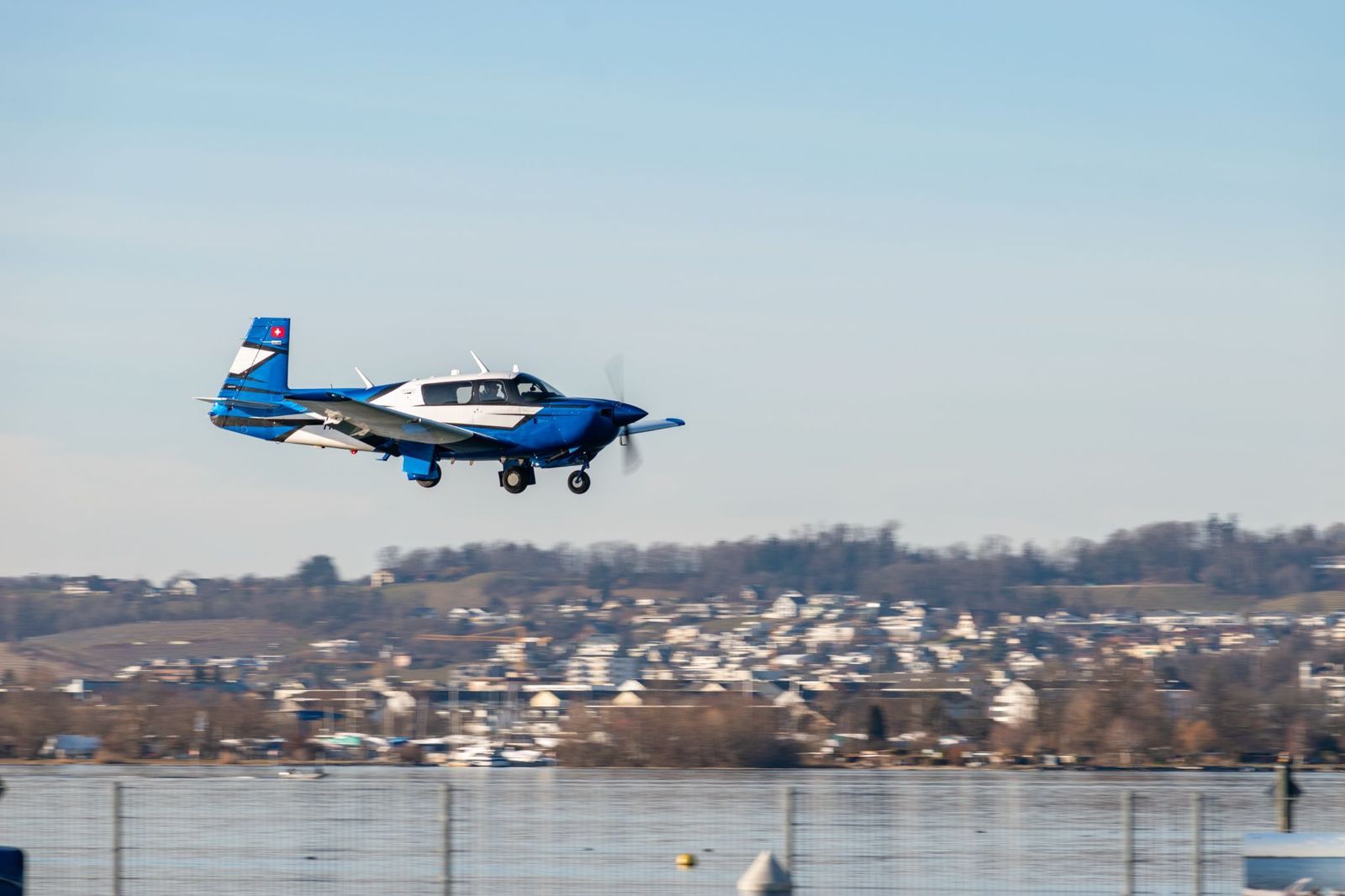
An engine failure over land is frightening enough. At night, over open water, there may not even be a visible horizon to aim for.
On the night of October 9, 2009, pilot Peter Jacobson and his two passengers were cruising in his Mooney from Tampa Vandemberg Airport to Marathon, Florida, when, only 30 miles before getting there, the engine suddenly failed. Jacobson tried to restart the aircraft and checked the fuel, and knowing he was in trouble, he called Mayday to the Miami center. He lost contact minutes after that, and since there was no land close enough to glide to, he only had one option: ditching in the dark, choppy water below with no visual reference to judge the surface. Landing an airplane on open water is difficult enough in daylight, but doing it at night means bracing for impact without ever truly knowing when the craft will hit the water. The pilot pulled it off, and all three people aboard made it out alive.
Trapped in a mountain canyon

A familiar family flight became a survival ordeal for California pilot Brian Brown on May 26, 2012.
Brown was flying a Cessna 172 from Lodi, California, to Mountain Home, Idaho, with his wife and daughter when weather over the Idaho mountains deteriorated. Brown had expected conditions to improve, but they didn’t. Near the destination, the family was flying low beneath the clouds until Brown became trapped in a canyon. The airplane eventually struck a steep mountainside. Brown and his wife were injured, while their daughter managed to call 911, triggering a search and rescue effort that thankfully ended with the family surviving.
The control stick that malfunctioned
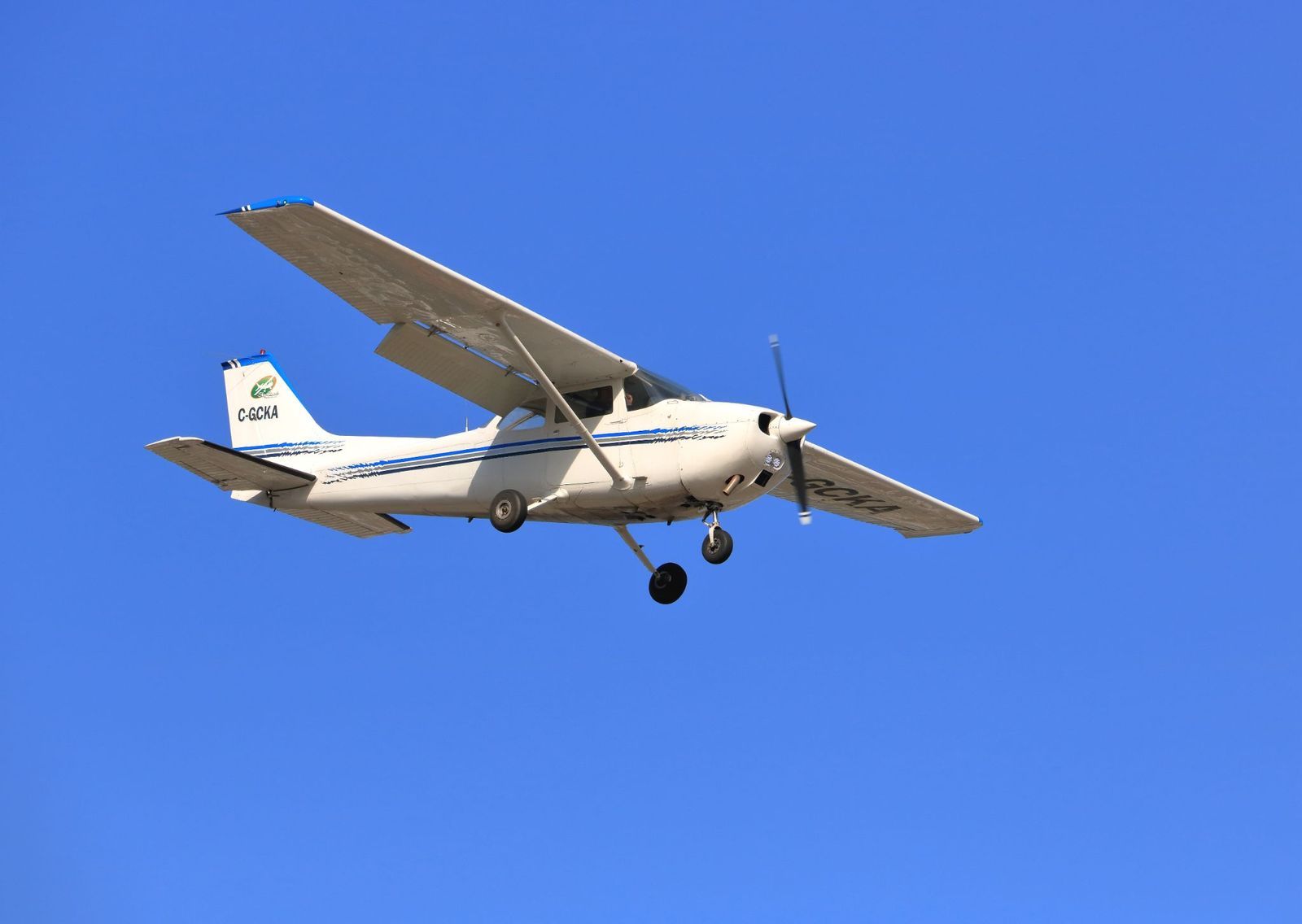
Most people picture the pilot moving the controls to make an airplane climb or descend. But what happens when one of those controls suddenly stops working?
The elevator lever helps the plane ascend, and once in a blue moon, they malfunction. Alaska pilot Rob Olsen-Dryewas was cruising along at 1,300 feet on a clear summer day in 2020 when he heard a sudden pop. He pulled back on the lever out of habit, but nothing happened. The airplane’s altitude simply didn’t respond, meaning he had just lost the control that raises and lowers the nose. With no way to pitch up or down, he had to rely entirely on engine power and the trim wheel to manage a descent, a technique most pilots only read about. Luck was on his side that day, as a narrow road cutting through the dense Alaskan forest sat within gliding distance. He brought the airplane down, and while the aircraft was totaled, Olsen-Drye walked away completely unharmed.
Trapped above an impenetrable cloud deck
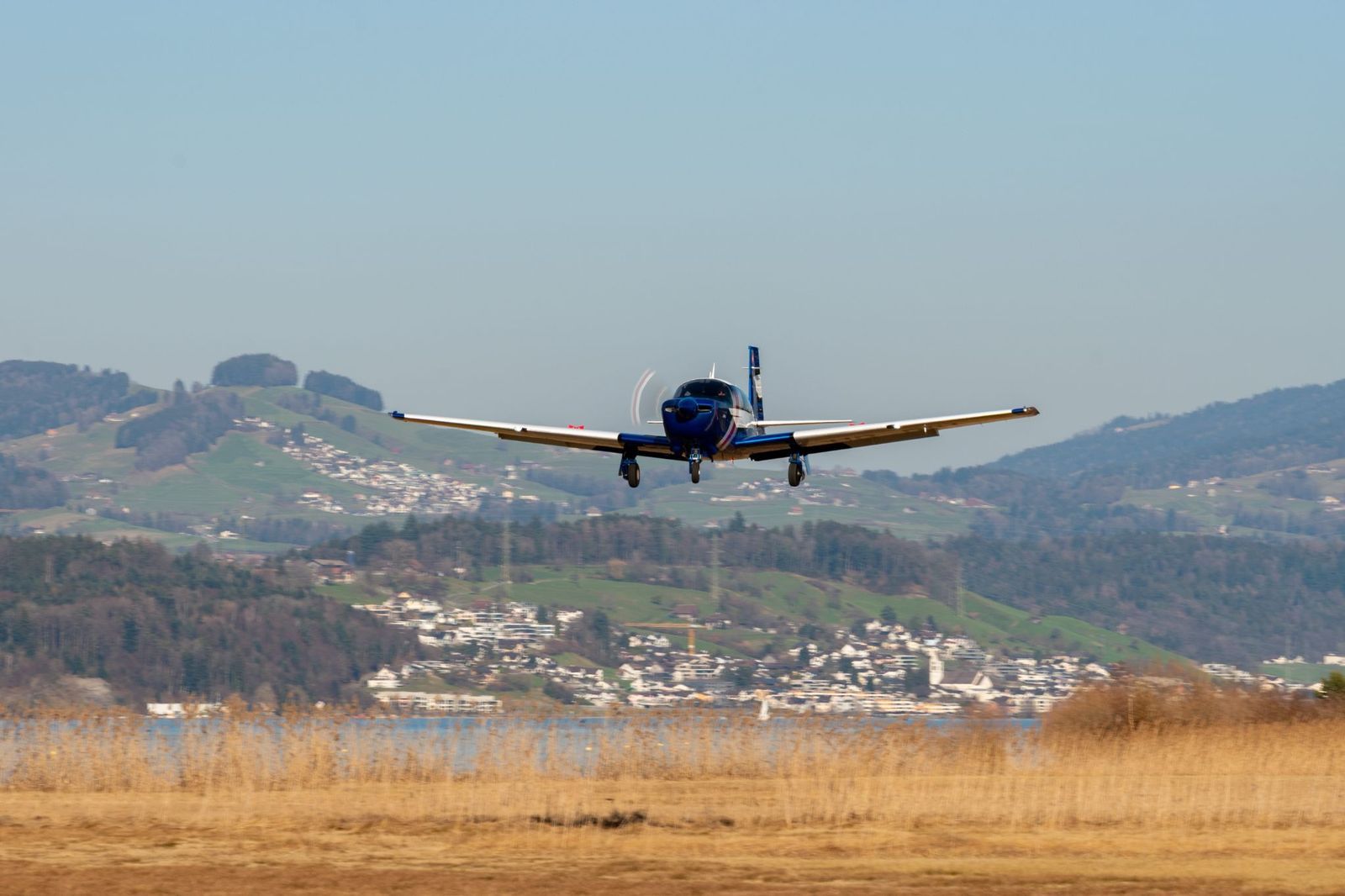
A layer of clouds can look harmless from above, especially when the sky is clear and blue around you. The problem comes when that’s all you see from above.
Pilot Ken Lawson set out from Afton, Wyoming, with a simple goal: deliver Christmas gifts to his son’s family near North Bend, Washington, in his Mooney. Low clouds began moving in during the flight, and Lawson climbed above a thin layer to stay in clear air, expecting a break to appear before he reached his destination. It never did. The clouds formed an unbroken blanket beneath him, forcing him to fly past both his destination and his backup airport while trying to find a spot to land on. With fuel dwindling, Lawson finally admitted he needed help and reached out to air traffic control. A team of controllers talked him through a safe descent and landing, a rescue so impressive that three controllers involved later received the nation’s top award for an outstanding flight assist.
Flying an explosive vintage warbird with no power

A P-51 Mustang, originally used in the 1940s, is not the airplane most people would choose for an emergency landing in a farm field. Mark Levy had little choice in July 2017 while flying the famous warbird in a 21-airplane formation at the Duxford airshow in England. The engine first stumbled and lost power completely less than two minutes later.
With a 7,000-pound fighter and no power, Levy had seconds to pick a landing spot and manage an enormous amount of built-up speed. He lined up for a nearby cornfield, and in the final moments before touchdown, made the split-second call to raise the landing gear he had already lowered, since landing on wheels at that angle would likely have flipped the aircraft. The Mustang skidded to a stop upright in the field, and Levy climbed out without a scratch.
Flying blind over the Arabian desert

A routine ferry flight can turn into a very different kind of journey when the airplane starts losing pieces of its normal equipment. That’s exactly what happened to veteran ferry pilot Kerry McCauley in 2015, while flying a Piper Navajo from Fort Lauderdale, Florida, toward Thailand.
Over the Arabian Peninsula, a dust storm reduced visibility just as McCauley experienced sequential failures of both vacuum pumps. Then an extensive oil leak forced him to shut down the right engine. With limited instruments and a crippled twin-engine aircraft, he managed to reach Oman and land safely. McCauley later decided not to continue the mission after the owner pressured him to fly on with the defective engine.

10 travel mistakes that could cost you hundreds
Save Before Booking
10 travel mistakes that could cost you hundreds
That "cheap" airfare, hotel, or rental car may not be such a bargain after all. More often than not, we assume truths we’ve learnt over time as absolutes and make big spending decisions based on them. But if we double-click, we might find we were wrong all along. Let’s look at 10 travel principles most of us expect to be true, but aren’t. They might make you rethink the way you've been booking travel for years.
Always flying from your nearest airport

Always flying from your nearest airport can cost you hundreds of dollars for no reason, because a nearby larger airport may offer more competitive fares.
This can happen when your closest airport is dominated by one or two airlines, meaning there’s less competition and higher prices. You may also miss deals at secondary airports, with more competition and airline options. That extra hour or two in the car could be worth it if the savings are substantial. Just remember to factor in gas, tolls, parking, and other transportation costs before deciding.
Traveling on the most expensive dates

Traveling on the most expensive dates, such as major holidays, can quickly inflate your flight and hotel bills. The temptation to book during those periods is understandable, but airlines and hotels typically charge more when demand is high.
Also, don’t assume a particular weekday is always cheapest; compare several departure dates. Sunday, in particular, is often among the more expensive days to fly, but prices vary by route and season. Moving your trip by just one day can sometimes make a surprisingly big difference.
Booking the first airfare you find

Booking the first airfare you find can cost you. The cheapest ticket often excludes carry-on or checked bags, and baggage fees can vary significantly by airline and fare type. Basic economy tickets often limit seat selection, changes, or refunds, which can cost more if your plans shift.
In addition, a cheap ticket with a terrible layover might force you to pay for extra food, transport, or even a hotel. The cheapest fare isn't always the cheapest trip. That's the part many travelers discover too late.
Assuming a popular destination must be expensive

Assuming a popular destination is automatically out of your budget can cause you to miss affordable experiences hidden just beneath the surface. Famous cities often have fierce competition among hotels, budget airlines, and eateries, pushing prices down.
Main tourist strips come with higher prices, but districts just a short walk or transit ride away may offer better value. So spend a little extra time researching the neighborhood where you'll stay. The destination isn't necessarily the problem. Where you stay may be.
Choosing the cheapest hotel without checking the total

Say hello to the hidden costs: choosing the cheapest hotel without checking the final total price can add lots of dollars to your trip once taxes, resort fees, and other charges are included.
This is why we advise you to look past the initial nightly rate and check the total price on the final payment screen. Also, calculate whether paying slightly more upfront for a place that includes breakfast, Wi-Fi, or parking will save you money overall.
Ignoring foreign transaction fees

This is a big one. Ignoring foreign transaction fees can add 1% to 3% to purchases made abroad, depending on your card, quietly increasing the cost of your trip. A few dollars here and there may not seem significant, but those fees can add up significantly.
That’s why we suggest you review your current bank and credit card agreements before you depart and, if necessary, switch to a credit or debit card that explicitly waives foreign transaction fees. And, once you’re travelling, always decline prompts on card terminals to be billed in your home currency.
Falling for a "free" vacation

This one deserves your full attention. All of a sudden, you might receive a postcard, phone call, or pop-up ad stating you won a "free" trip to a tropical resort or cruise. To claim the prize, you must pay "taxes," "port fees," or "registration costs" upfront using a credit card. Plus, real expenses like mandatory flights, meals, and resort fees aren’t included in the "free" package.
The Federal Trade Commission (FTC) warns that if you're told you must pay money to receive a prize, you're dealing with a scam. And here's the biggest red flag: you don't remember entering the contest in the first place.
Picking a rental car by the advertised rate

That tempting $29-a-day rental may look great until you see the final bill. Look past that daily amount and check the final estimated total before checkout.
If you need extras, try using your own, like your smartphone for navigation instead of renting accessories like a GPS or a toll pass, or taking the child car seat your family needs (avoiding costs that can otherwise pile on monumentally). Finally, choose a full-to-full fuel policy when available and refuel the car yourself before returning it.
Ignoring cancellation policies

We tend to hope or assume that everything will go according to plan, but that’s not always the case. That’s why ignoring cancellation policies can cost you a lot of money.
To avoid this, check the refund rules before you click "buy," rather than assuming you can change your mind. In addition, choose refundable rates when your schedule feels uncertain. It may cost more upfront, but that extra flexibility could be worth it if your plans change.
Rushing because a deal says "BOOK NOW!"

Making rushed decisions is never a good idea. That’s why the motto "stay calm and carry on" is the key to saving money here.
Before clicking "Book Now," add up the real cost of the trip, including flights, bags, lodging, transportation, and fees. Then, verify how far the hotel or airport is from your actual destinations. If a deal disappears in 10 minutes, that's pressure, not necessarily a bargain. The FTC specifically warns consumers to be cautious when travel sellers push to make a quick decision.
Keep wandering
There’s always
more to explore

How one package of macadamia nuts made the pilot turn the plane around
5 min.
Read Now
Nearly everyone in this town lives in one 14-story building
6 min.
Read Now

10 passenger protections airlines won't tell you about
6 min.
Read Now

Chernobyl: the residents were told they’d be back in three days
6 min.
Read Now