
10 travel mistakes that could cost you hundreds
 General
Save Before Booking
10 travel mistakes that could cost you hundreds
That "cheap" airfare, hotel, or rental car may not be such a bargain after all. More often than not, we assume truths we’ve learnt over time as absolutes and make big spending decisions based on them. But if we double-click, we might find we were wrong all along. Let’s look at 10 travel principles most of us expect to be true, but aren’t. They might make you rethink the way you've been booking travel for years.
Always flying from your nearest airport
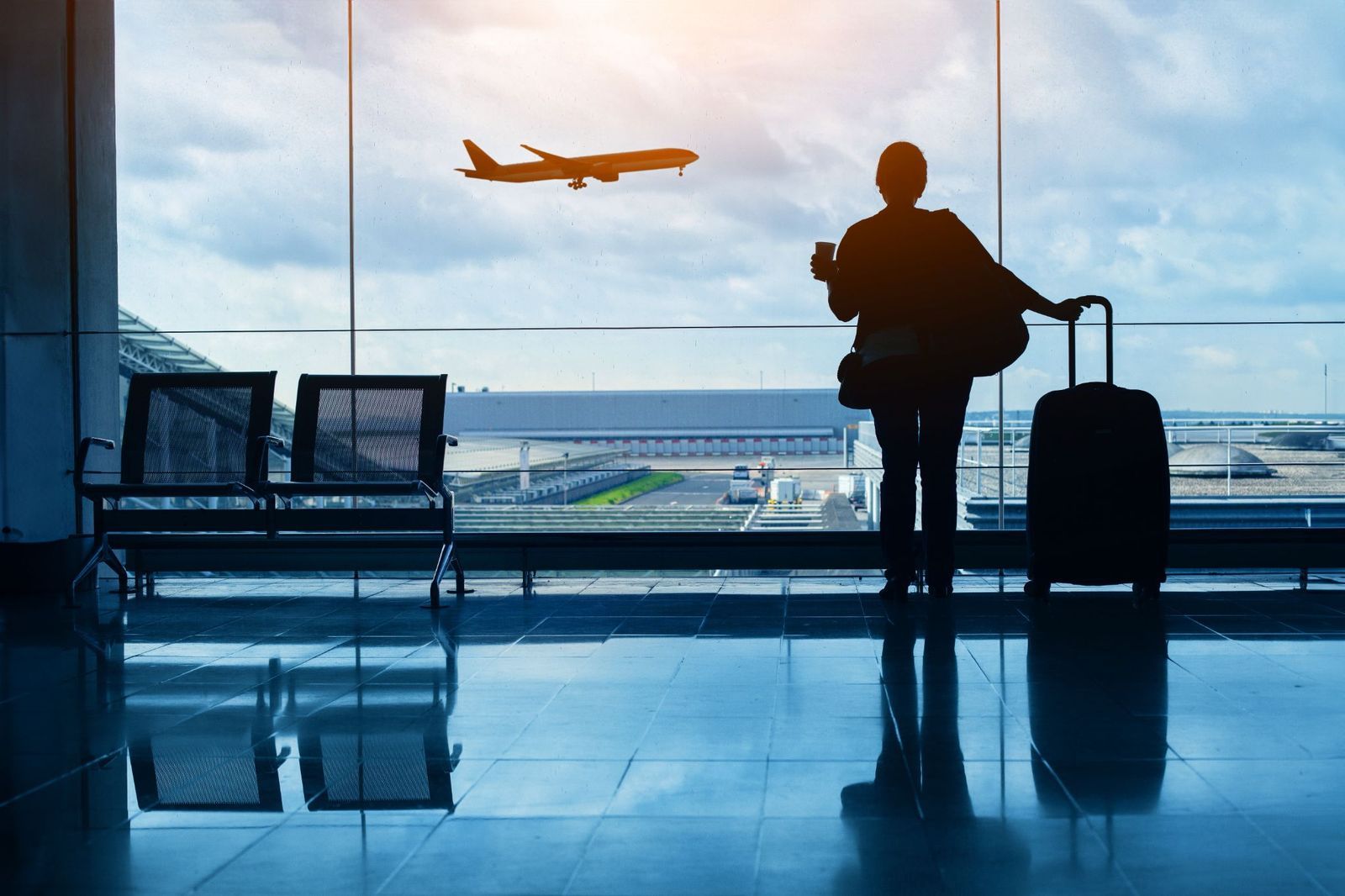
Always flying from your nearest airport can cost you hundreds of dollars for no reason, because a nearby larger airport may offer more competitive fares.
This can happen when your closest airport is dominated by one or two airlines, meaning there’s less competition and higher prices. You may also miss deals at secondary airports, with more competition and airline options. That extra hour or two in the car could be worth it if the savings are substantial. Just remember to factor in gas, tolls, parking, and other transportation costs before deciding.
Traveling on the most expensive dates
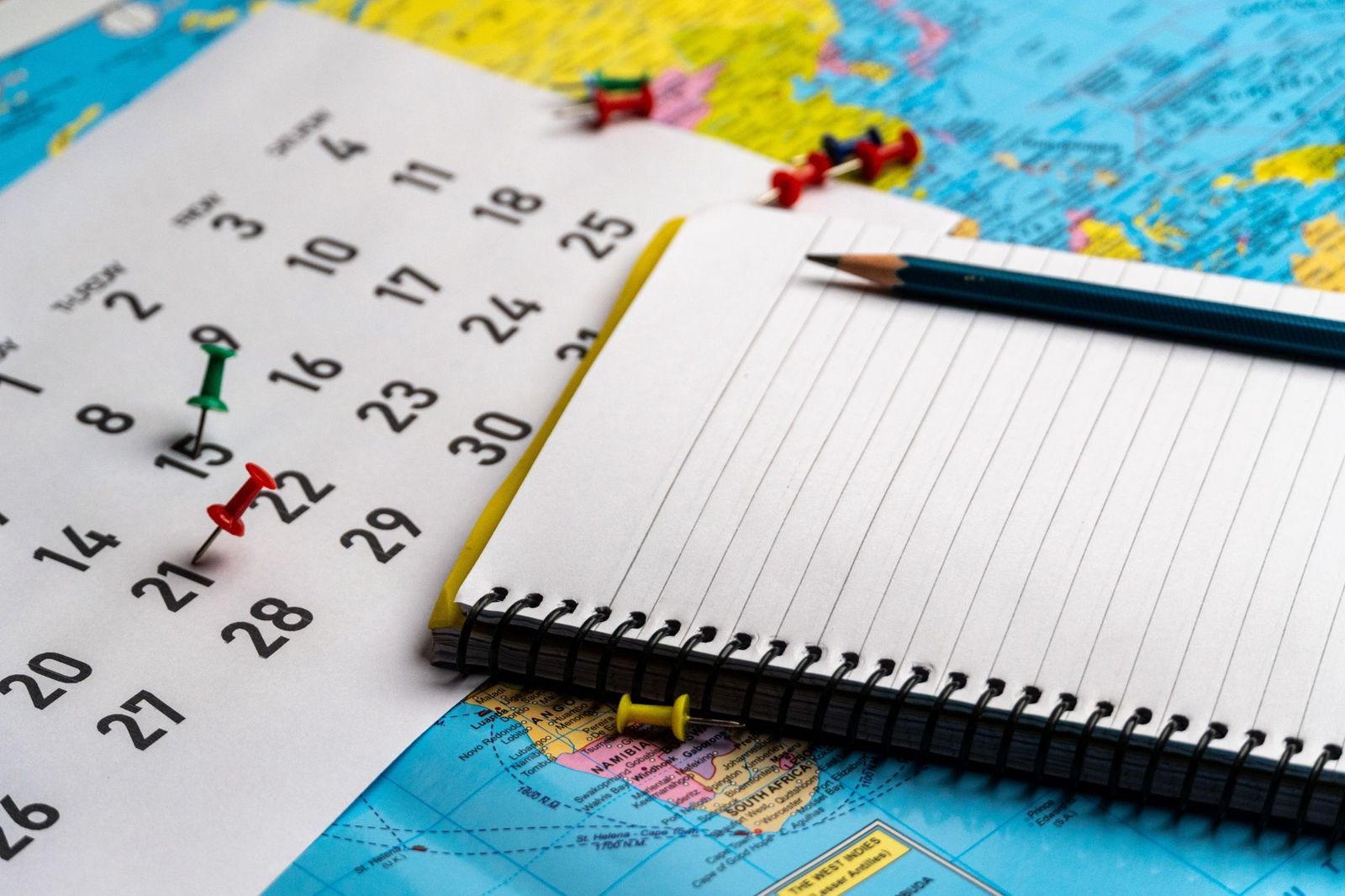
Traveling on the most expensive dates, such as major holidays, can quickly inflate your flight and hotel bills. The temptation to book during those periods is understandable, but airlines and hotels typically charge more when demand is high.
Also, don’t assume a particular weekday is always cheapest; compare several departure dates. Sunday, in particular, is often among the more expensive days to fly, but prices vary by route and season. Moving your trip by just one day can sometimes make a surprisingly big difference.
Booking the first airfare you find
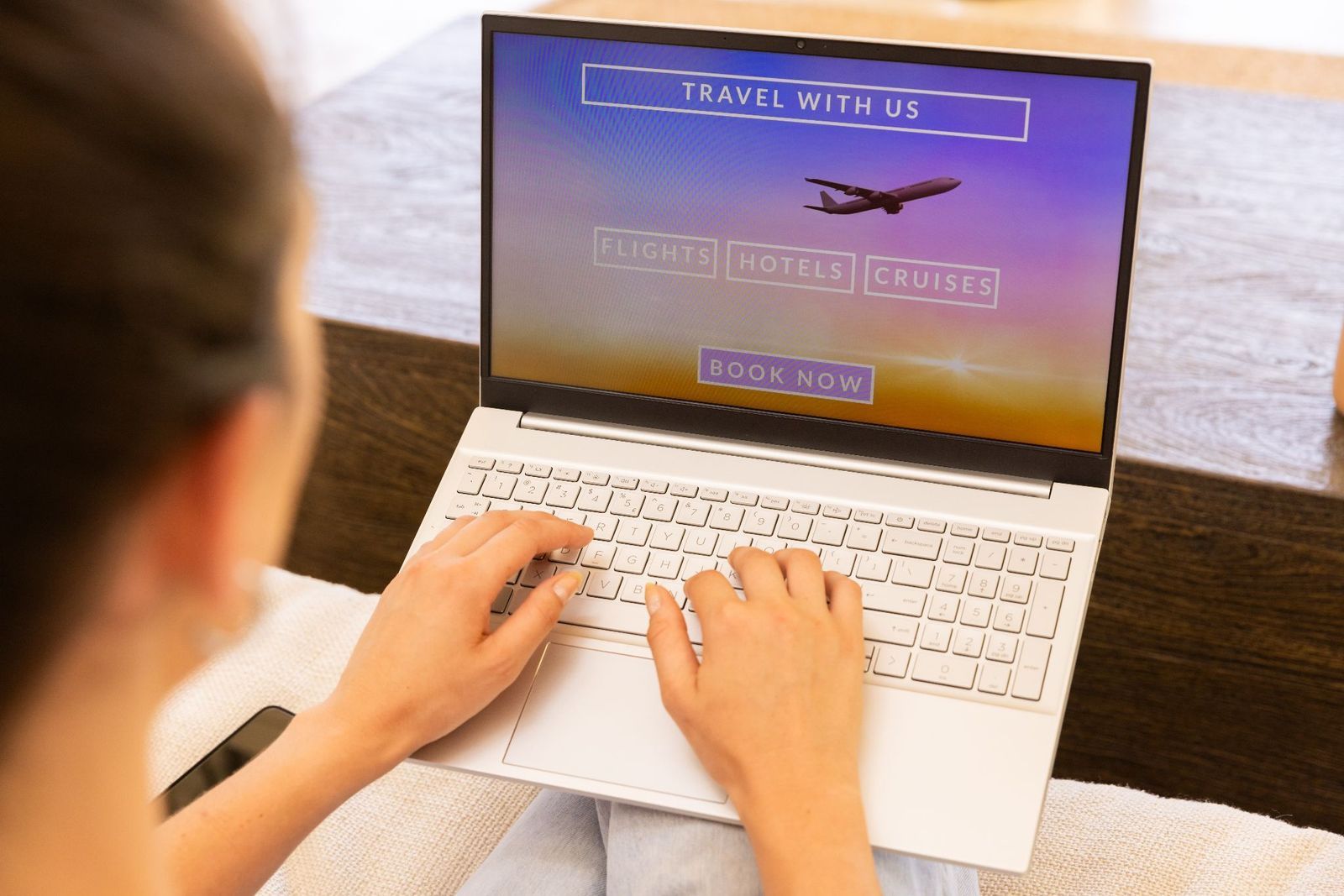
Booking the first airfare you find can cost you. The cheapest ticket often excludes carry-on or checked bags, and baggage fees can vary significantly by airline and fare type. Basic economy tickets often limit seat selection, changes, or refunds, which can cost more if your plans shift.
In addition, a cheap ticket with a terrible layover might force you to pay for extra food, transport, or even a hotel. The cheapest fare isn't always the cheapest trip. That's the part many travelers discover too late.
Assuming a popular destination must be expensive
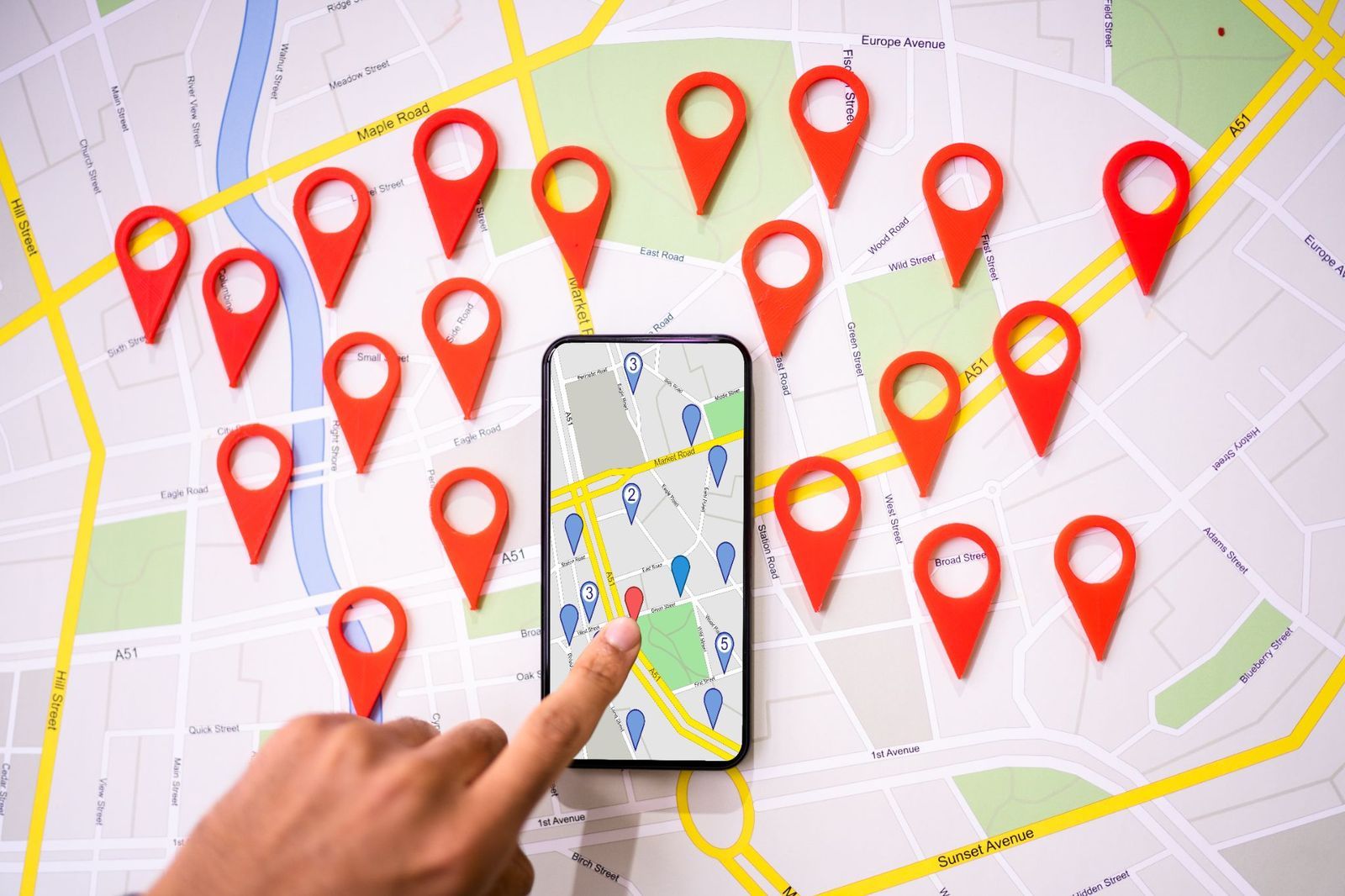
Assuming a popular destination is automatically out of your budget can cause you to miss affordable experiences hidden just beneath the surface. Famous cities often have fierce competition among hotels, budget airlines, and eateries, pushing prices down.
Main tourist strips come with higher prices, but districts just a short walk or transit ride away may offer better value. So spend a little extra time researching the neighborhood where you'll stay. The destination isn't necessarily the problem. Where you stay may be.
Choosing the cheapest hotel without checking the total

Say hello to the hidden costs: choosing the cheapest hotel without checking the final total price can add lots of dollars to your trip once taxes, resort fees, and other charges are included.
This is why we advise you to look past the initial nightly rate and check the total price on the final payment screen. Also, calculate whether paying slightly more upfront for a place that includes breakfast, Wi-Fi, or parking will save you money overall.
Ignoring foreign transaction fees
This is a big one. Ignoring foreign transaction fees can add 1% to 3% to purchases made abroad, depending on your card, quietly increasing the cost of your trip. A few dollars here and there may not seem significant, but those fees can add up significantly.
That’s why we suggest you review your current bank and credit card agreements before you depart and, if necessary, switch to a credit or debit card that explicitly waives foreign transaction fees. And, once you’re travelling, always decline prompts on card terminals to be billed in your home currency.
Falling for a "free" vacation
This one deserves your full attention. All of a sudden, you might receive a postcard, phone call, or pop-up ad stating you won a "free" trip to a tropical resort or cruise. To claim the prize, you must pay "taxes," "port fees," or "registration costs" upfront using a credit card. Plus, real expenses like mandatory flights, meals, and resort fees aren’t included in the "free" package.
The Federal Trade Commission (FTC) warns that if you're told you must pay money to receive a prize, you're dealing with a scam. And here's the biggest red flag: you don't remember entering the contest in the first place.
Picking a rental car by the advertised rate
That tempting $29-a-day rental may look great until you see the final bill. Look past that daily amount and check the final estimated total before checkout.
If you need extras, try using your own, like your smartphone for navigation instead of renting accessories like a GPS or a toll pass, or taking the child car seat your family needs (avoiding costs that can otherwise pile on monumentally). Finally, choose a full-to-full fuel policy when available and refuel the car yourself before returning it.
Ignoring cancellation policies

We tend to hope or assume that everything will go according to plan, but that’s not always the case. That’s why ignoring cancellation policies can cost you a lot of money.
To avoid this, check the refund rules before you click "buy," rather than assuming you can change your mind. In addition, choose refundable rates when your schedule feels uncertain. It may cost more upfront, but that extra flexibility could be worth it if your plans change.
Rushing because a deal says "BOOK NOW!"
Making rushed decisions is never a good idea. That’s why the motto "stay calm and carry on" is the key to saving money here.
Before clicking "Book Now," add up the real cost of the trip, including flights, bags, lodging, transportation, and fees. Then, verify how far the hotel or airport is from your actual destinations. If a deal disappears in 10 minutes, that's pressure, not necessarily a bargain. The FTC specifically warns consumers to be cautious when travel sellers push to make a quick decision.
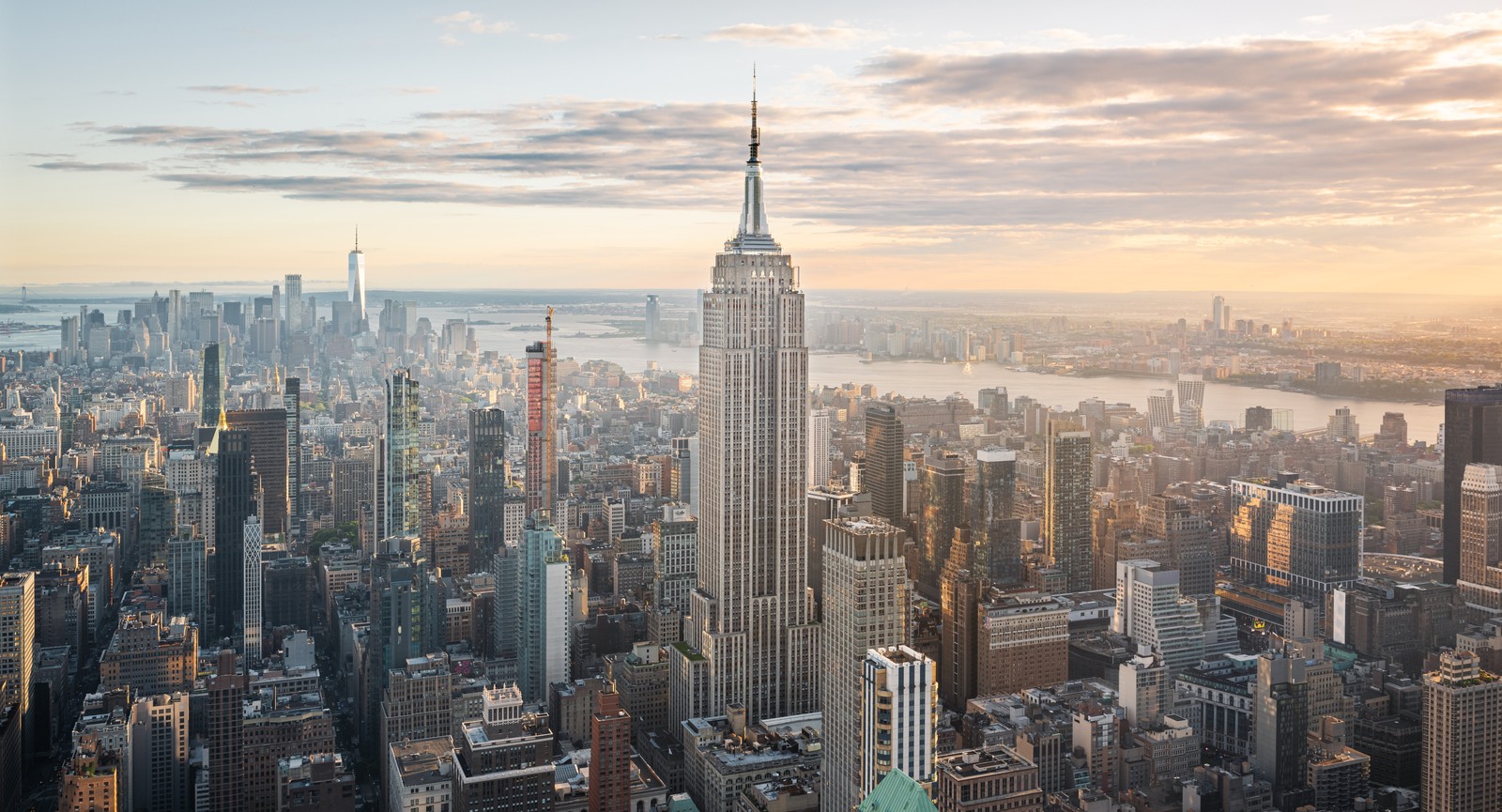
The Empire State Building has more secrets than you'd think
 Landmarks
Empire State secrets
Surprising facts about the Empire State Building
You've probably seen it in person, on a postcard, or watched King Kong scale it on the big screen. But behind that famous skyline silhouette, there's a lot more going on than most folks realize. Did you know it was built in just over a year, or that it was originally designed with a docking station for airships? Here are 10 fun facts and hidden secrets about this iconic New York landmark.
It was designed to have an airship docking station
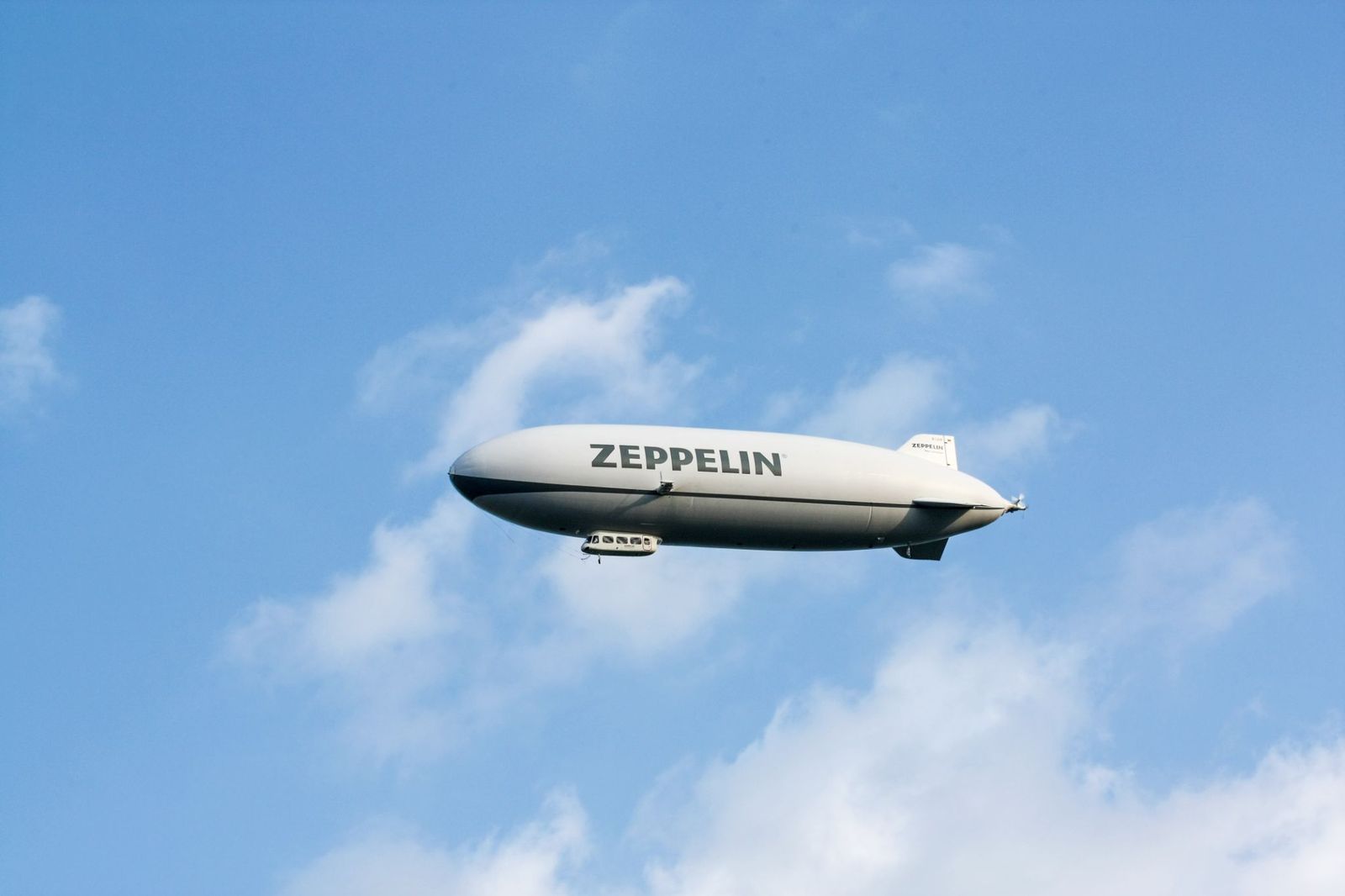
This one sounds like science fiction, but it's true. The original plan included a mooring mast at the top where blimps and dirigibles could dock, letting passengers walk right down into Manhattan. Engineers quickly realized the winds at that height were far too strong and unpredictable for it to work safely.
One test attempt in 1931 nearly sent an airship crew tumbling, and the whole idea was scrapped for good.
It was built in just over a year
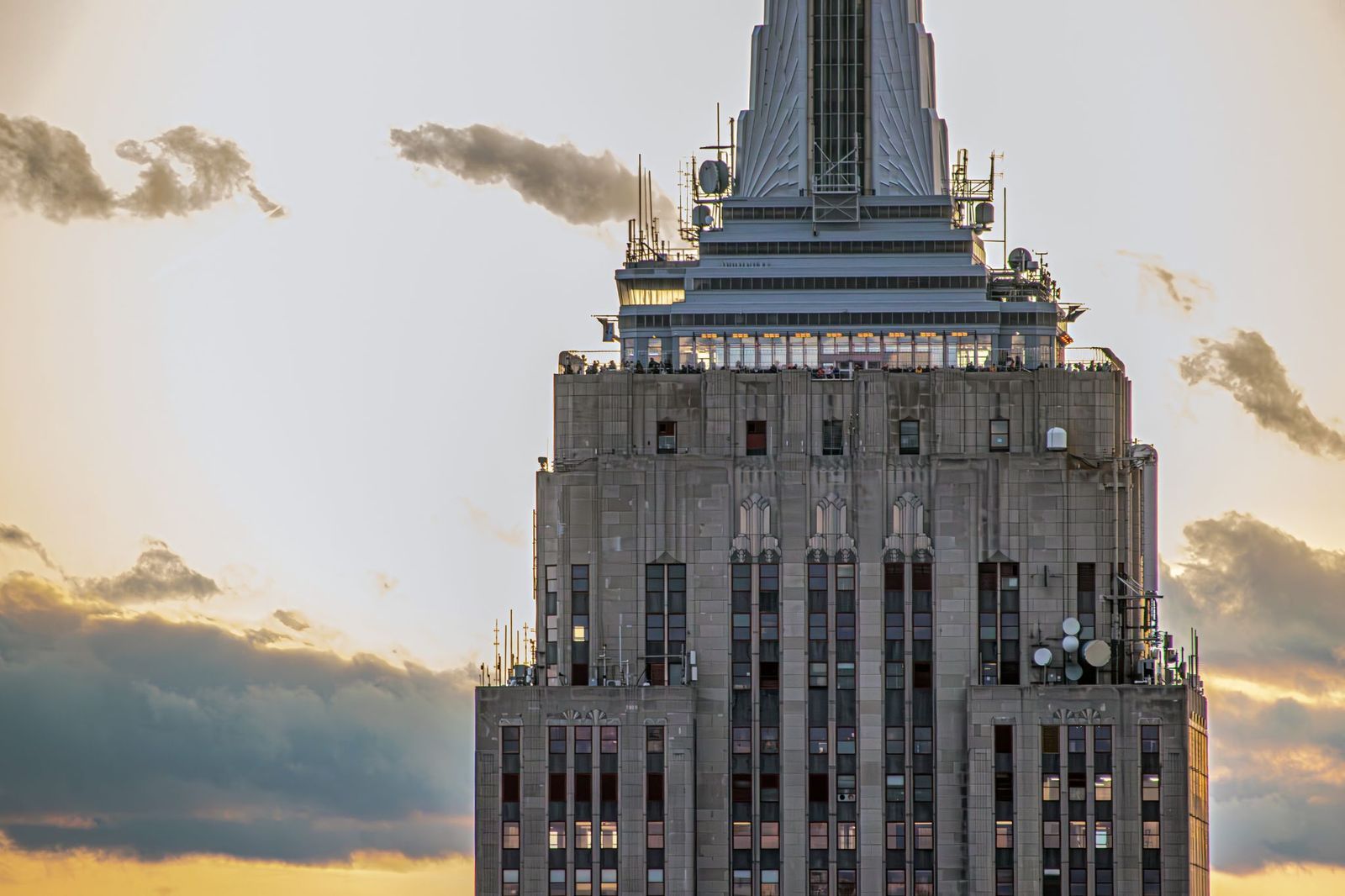
Believe it or not, this 102-story giant went up in about 13 months, starting in 1930. Construction crews worked at a blistering pace, sometimes putting up more than four floors a week. That's almost unheard of today, even with modern equipment.
Back then, it was mostly manpower, steel, and grit. The building officially opened on May 1, 1931, right on schedule and even a bit ahead of it, which was a huge point of pride during the Great Depression.
It has its own zip code
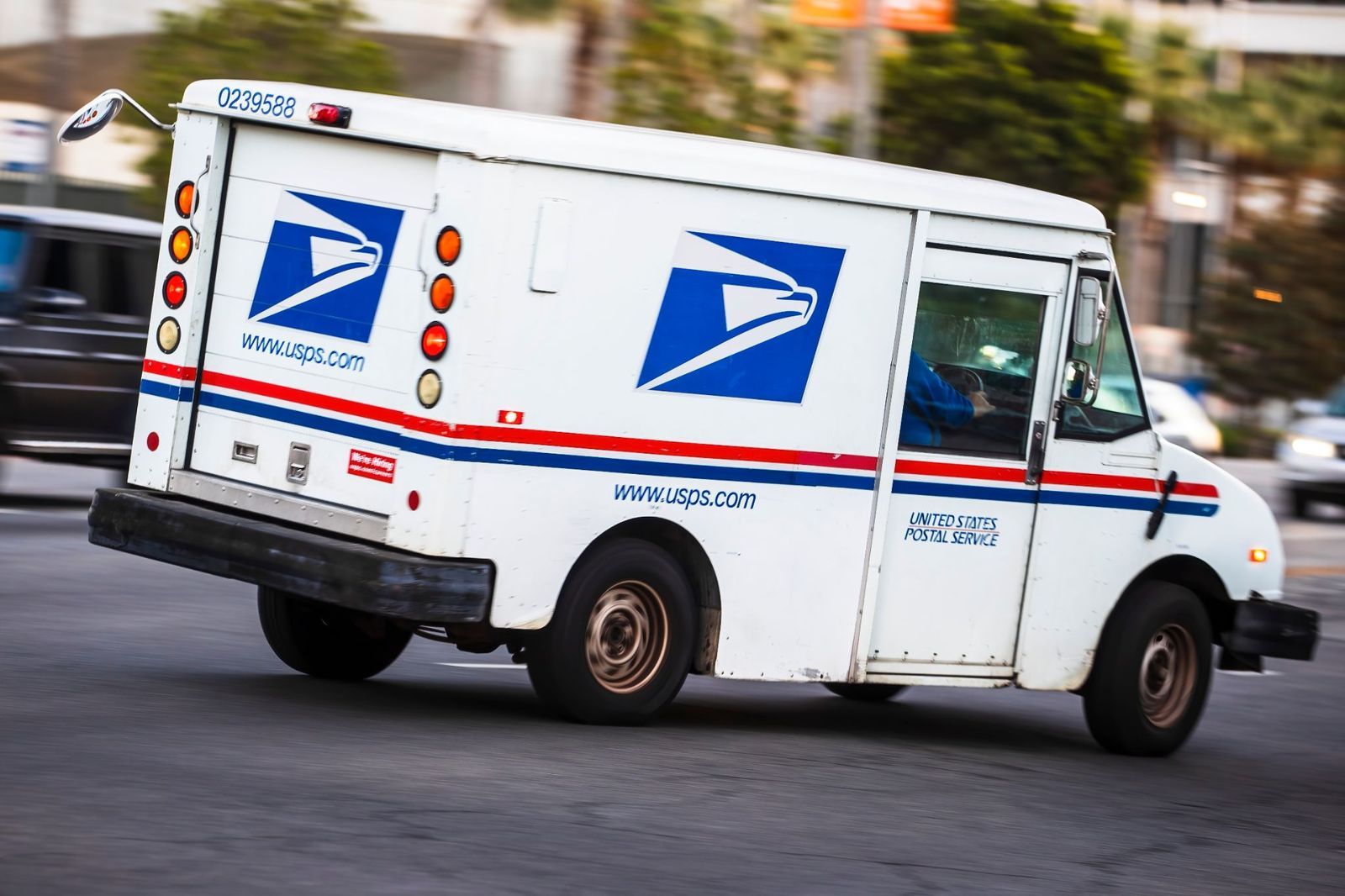
Yes, really: 10118. That's because so many businesses operate inside the building that it functions almost like its own little city. Thousands of people work there daily across hundreds of offices, so the postal service treats it as a unique address all its own.
The building sways several inches in high winds
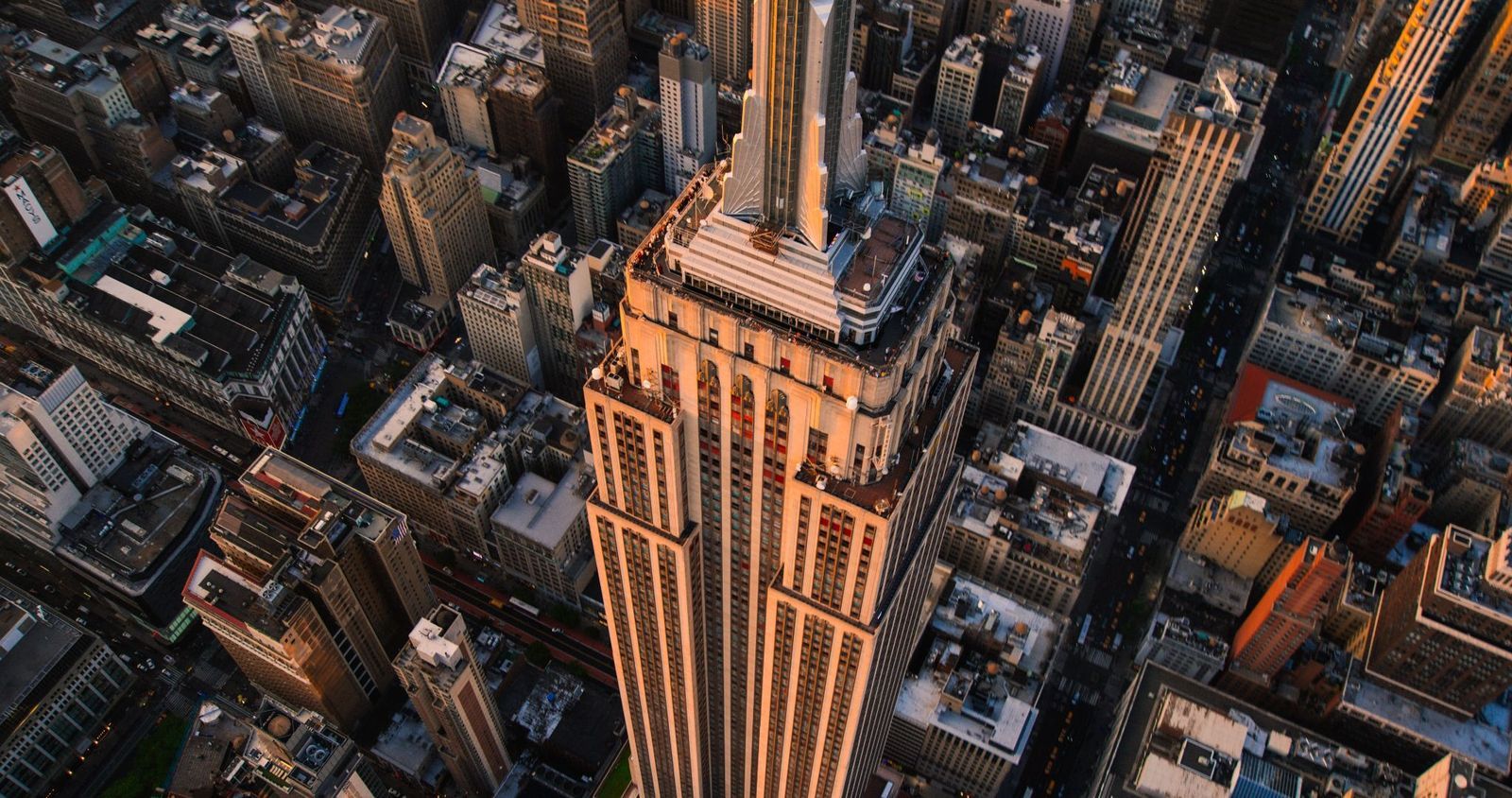
It sounds alarming, but it's actually by design. Skyscrapers need some flexibility so they don't crack under pressure from strong gusts. The Empire State Building can sway up to about six inches during severe storms. Engineers built it that way on purpose, since a completely rigid structure would be far more likely to suffer real damage.
It has been struck by lightning multiple times a year
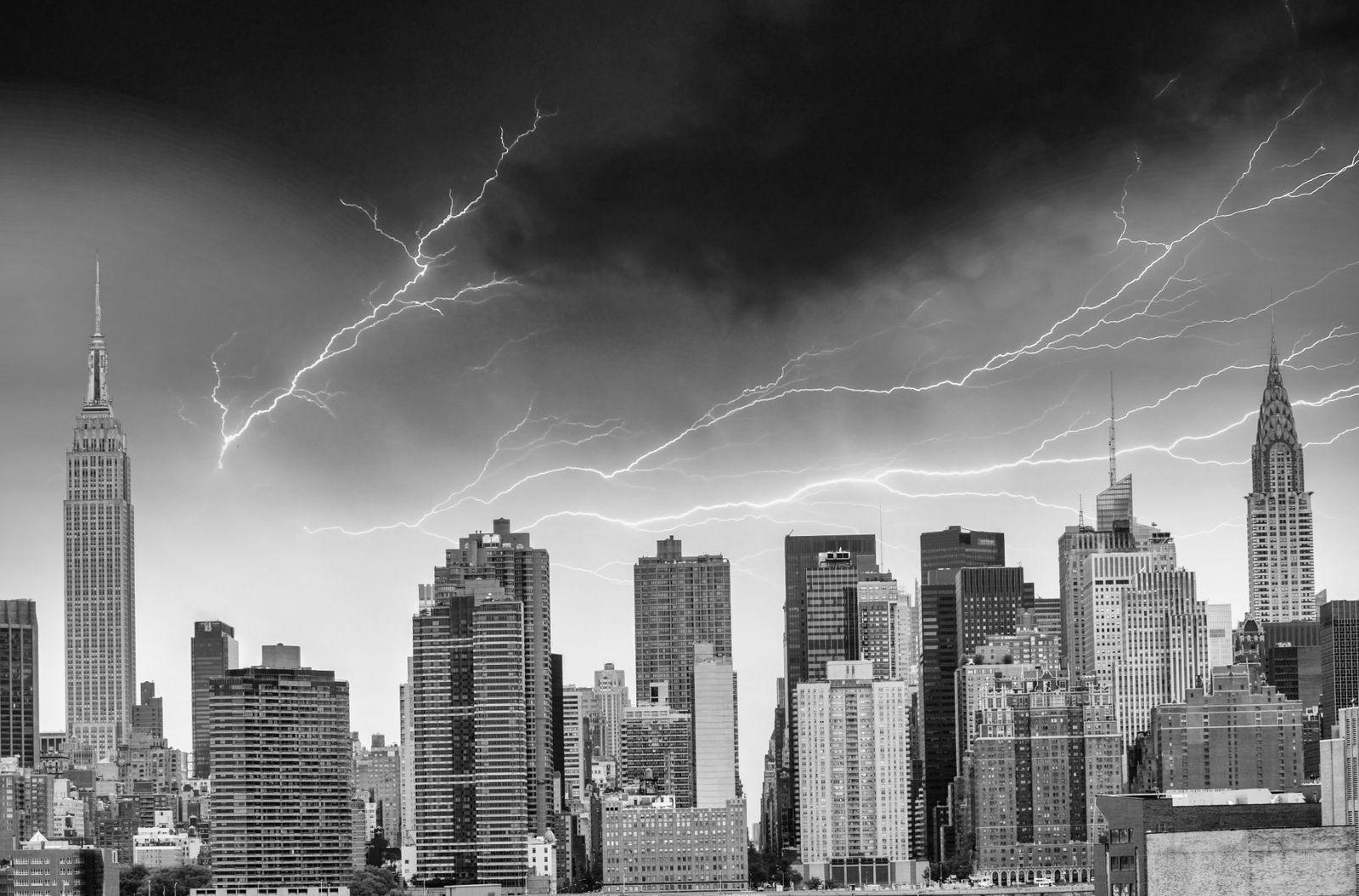
Thanks to its height, the building acts like a giant lightning rod, getting struck roughly 20 to 25 times annually. Photographers have captured some genuinely stunning shots of bolts hitting the spire during summer storms. There's even old footage from the 1940s showing lightning practically dancing off the top. Thankfully, special grounding systems keep it perfectly safe every single time.
Its lights change color for holidays and special events
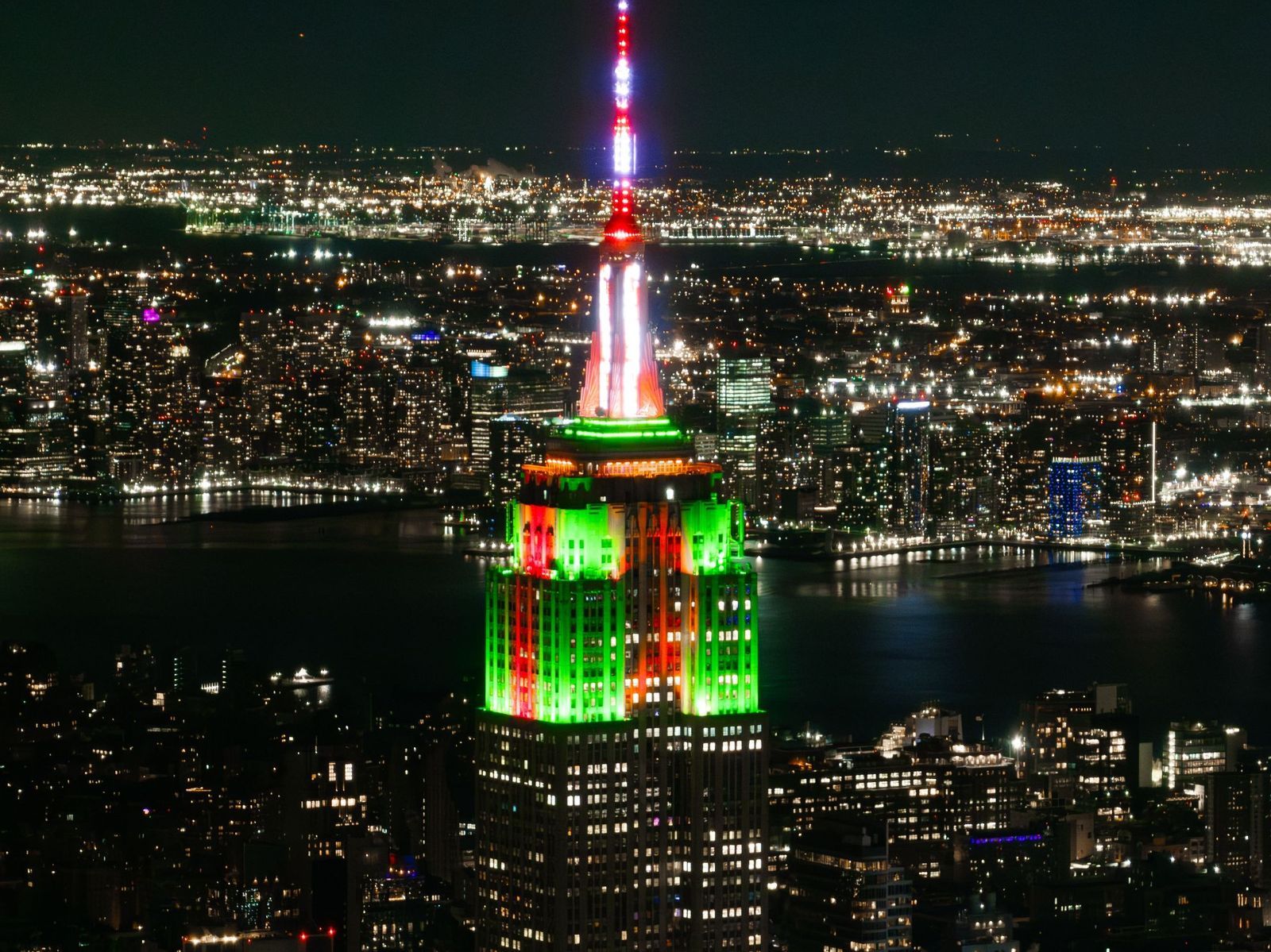
Since 1976, the top of the building has been lit up in different colors to mark holidays, causes, and celebrations. Red and green for Christmas, blue and white for Hanukkah, rainbow colors for Pride Month, you name it.
It held the title of the world's tallest building for nearly 40 years
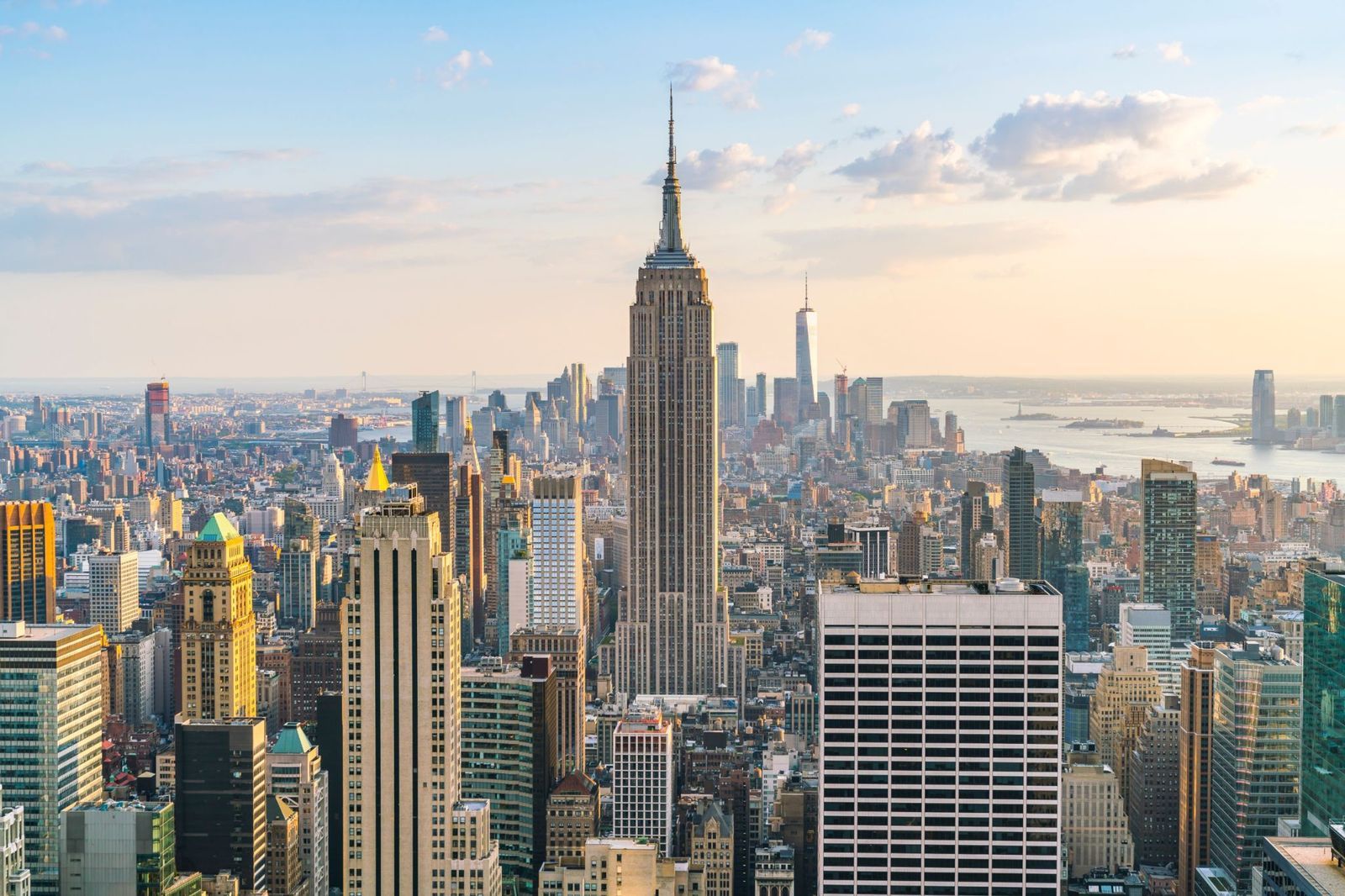
Construction began on March 17, 1930, and the building officially opened on May 1, 1931, rising 1,454 feet and using more than 60,000 tons of steel. From that day until 1970, nothing on Earth stood taller, a remarkably long reign compared to today's skyscrapers, which often lose the title within a decade or two.
There's a hidden 103rd-floor observation deck
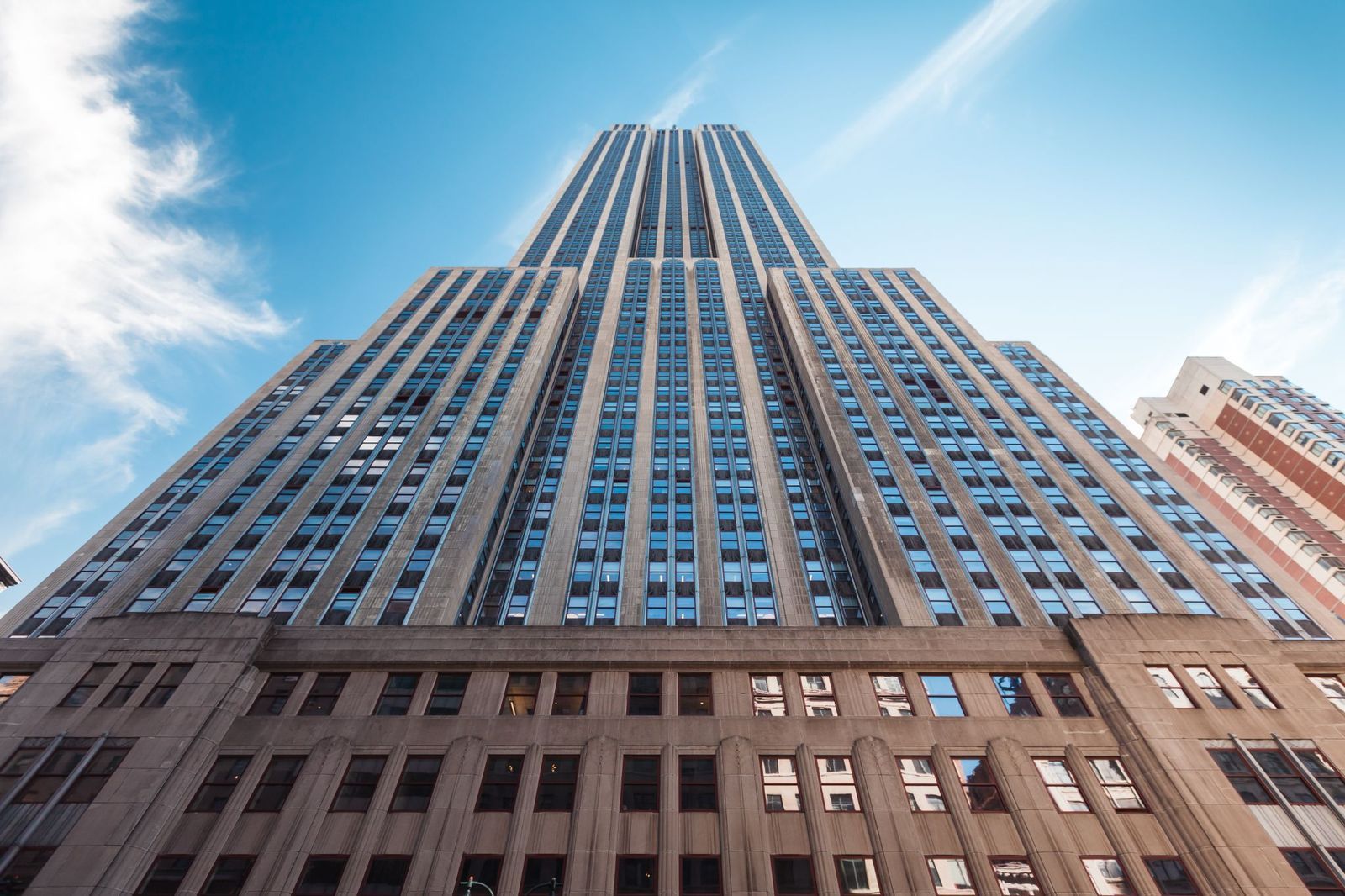
Most visitors know about the famous 86th-floor deck, but there's a smaller, less crowded VIP observation deck way up on the 103rd floor that is not open to the public. It offers even more dramatic views and originally served as the airship docking area before those plans fell through.
It took over 3,000 workers to construct
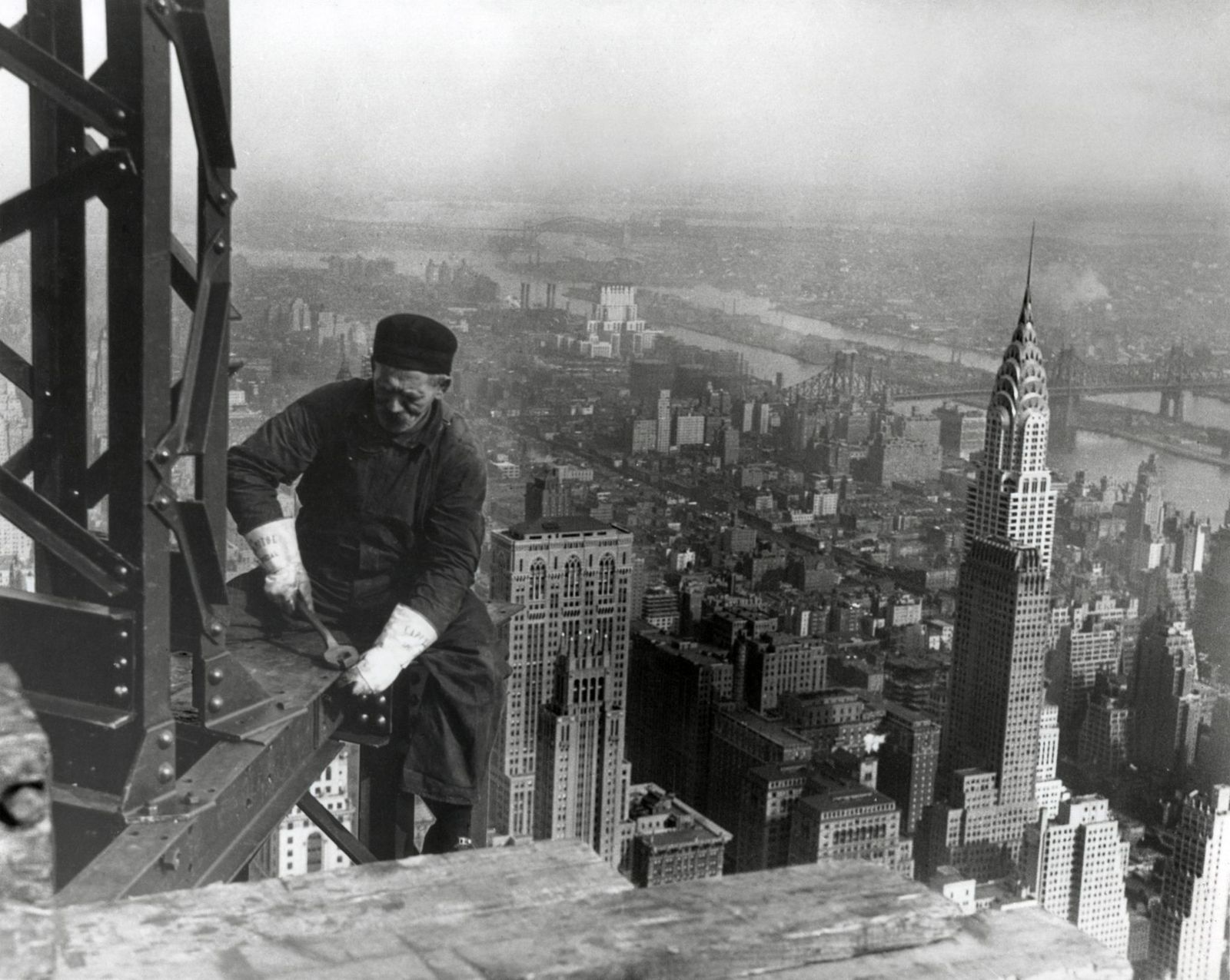
An enormous workforce, including many skilled ironworkers, built this skyscraper at record speed. Sadly, the job wasn't without danger, and several workers lost their lives during construction. Their incredible effort is part of why this building still feels like such a monumental achievement, a true team triumph etched permanently into the New York skyline.
Keep wandering
There’s always
more to explore

The Prettiest Towns in 10 US States
4 min.
Read Now
 History
10 aspects of modern commercial air travel that have objectively improved
4 min.
Read Now

Is airport car rental really more expensive than downtown?
4 min.
Read Now
 Culture

How to spot a great place to eat while traveling
4 min.
Read Now