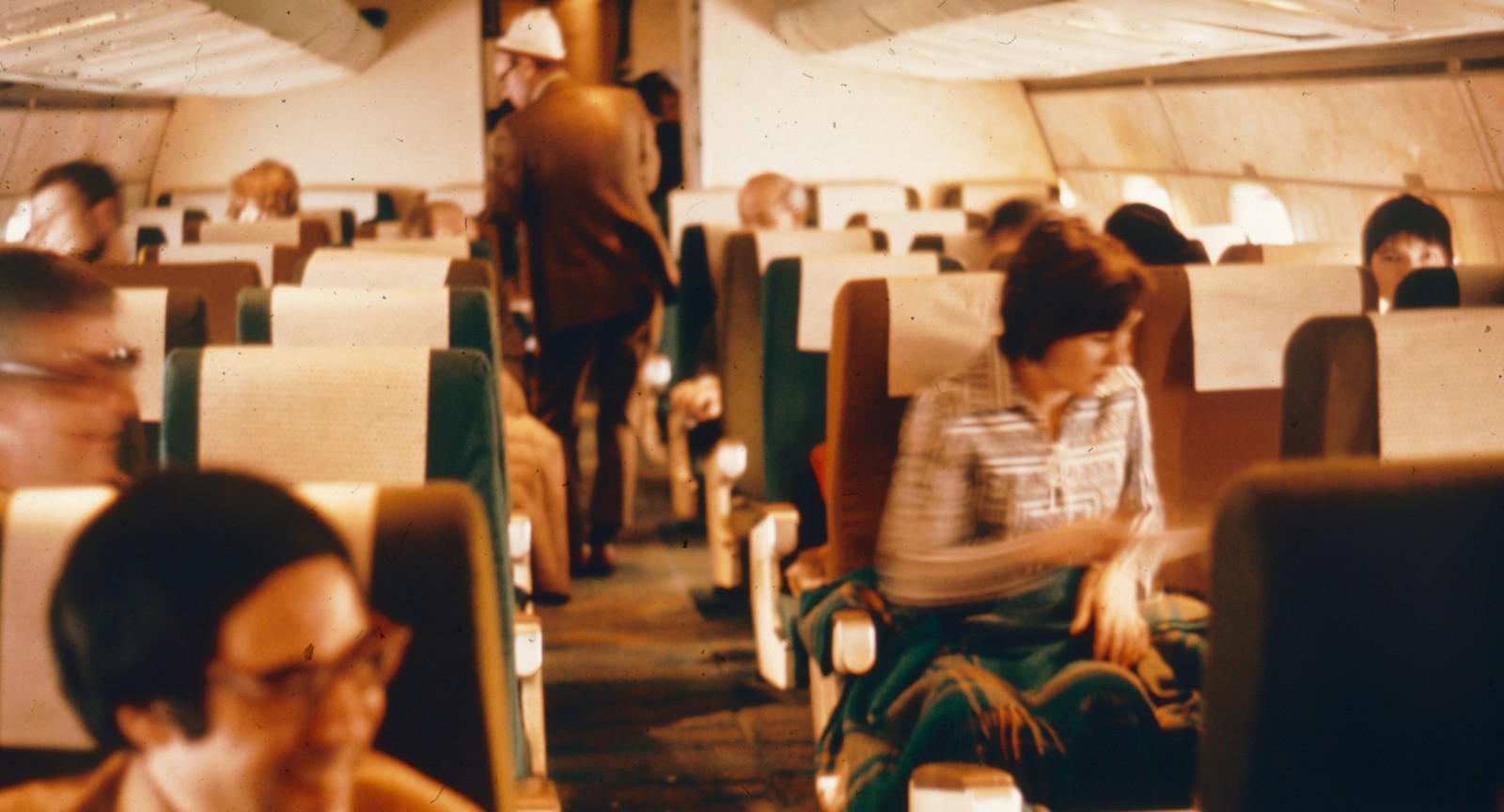
10 aspects of modern commercial air travel that have objectively improved
 History
Do you agree?
10 aspects of modern commercial air travel that have objectively improved
Anyone who remembers generous legroom, elaborate airline meals, or the days before seemingly endless fees might reasonably wonder whether flying has really gotten better. In some ways, that's debatable. But in others, there's simply no contest. From dramatically improved safety to smoke-free cabins and bags that are less likely to go astray, here are 10 parts of commercial air travel that have genuinely improved with time.
Safety
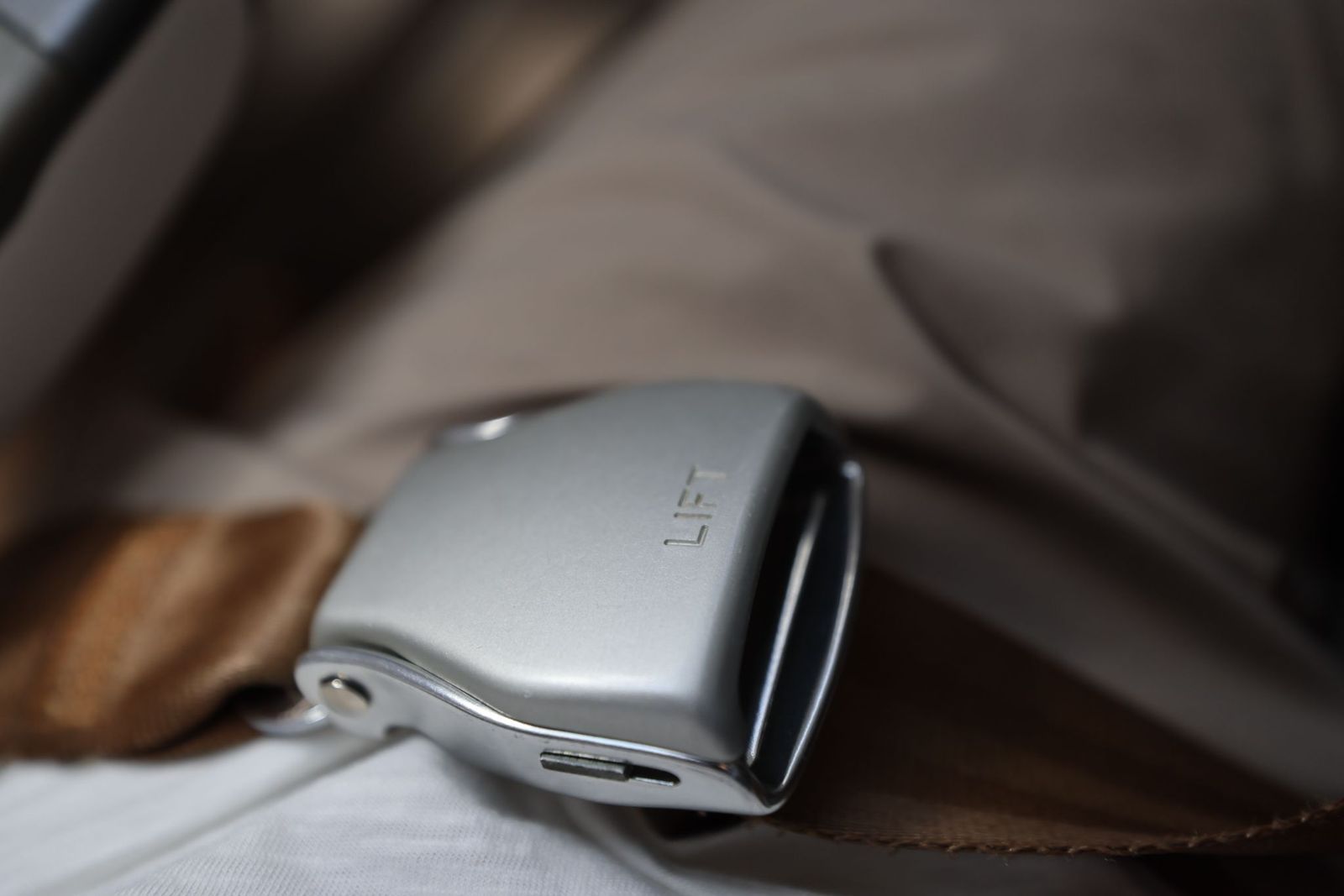
Commercial flying has become remarkably safer. According to the International Air Transport Association, the global accident rate fell from 3.72 accidents per million flight sectors in 2005 to 1.32 in 2025. That year, airlines operated roughly 38.7 million flights worldwide.
There was no single miracle invention behind the change. Safer aircraft, improved navigation, better maintenance, stricter procedures, crew training, accident investigations, and international data sharing all played roles. Whatever else passengers may miss about the golden age of flying, today's odds are firmly on their side.
Smoke-free cabins
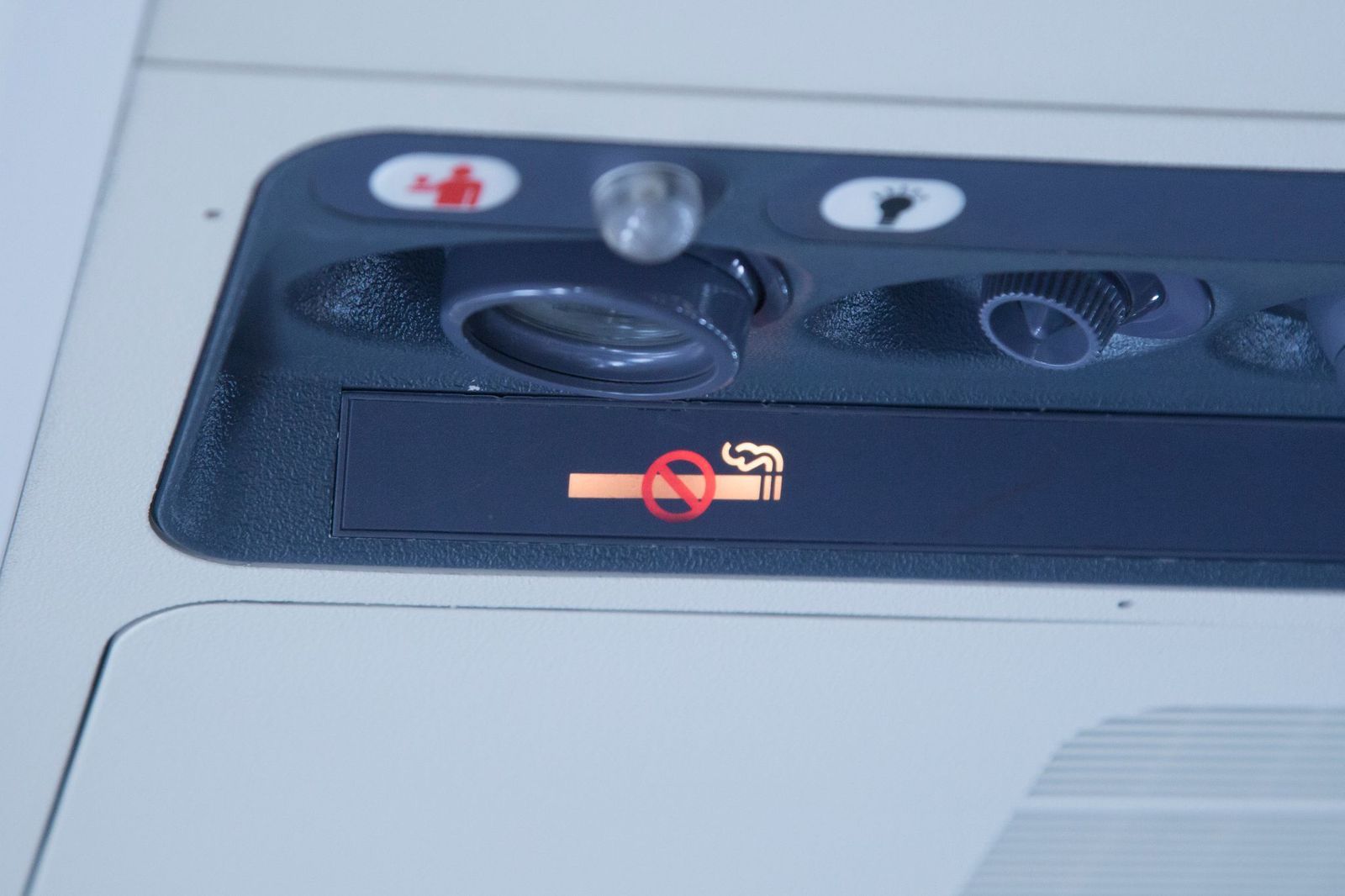
Anyone who flew a few decades ago may remember the strange concept of an airplane "smoking section." There was no wall separating it from everyone else, of course. In the U.S., smoking was banned on domestic flights of two hours or less in 1988, with the restriction expanding to flights of six hours or less in 1990.
Flight attendants had campaigned against cabin smoke for years, since they endured it for entire working days rather than a single trip. By 2000, federal restrictions covered scheduled passenger flights between the U.S. and foreign destinations too.
Fewer mishandled bags
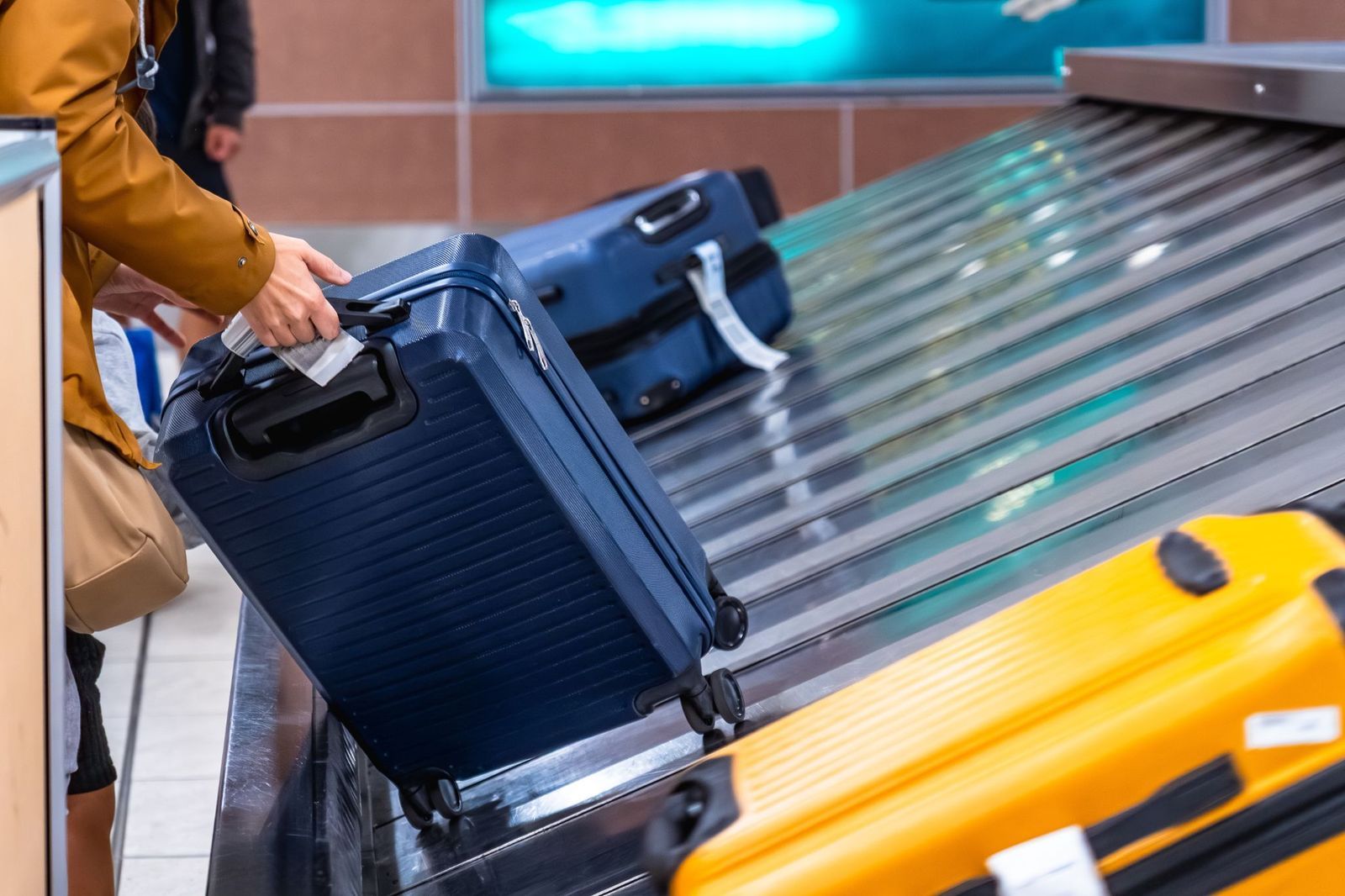
The baggage carousel can still inspire nervous glances, but the odds have improved considerably. SITA estimates that airlines mishandled about 46.9 million bags in 2007, when roughly 2.48 billion passengers flew. By 2024, passenger numbers had more than doubled, yet the mishandling rate had fallen dramatically.
In fact, SITA recorded just 6.3 mishandled bags per 1,000 passengers in 2024, a 67% improvement since 2007. Barcode scanning, automated sorting, better tracking, and improved communication between airports and airlines deserve much of the credit.
Booking your flight
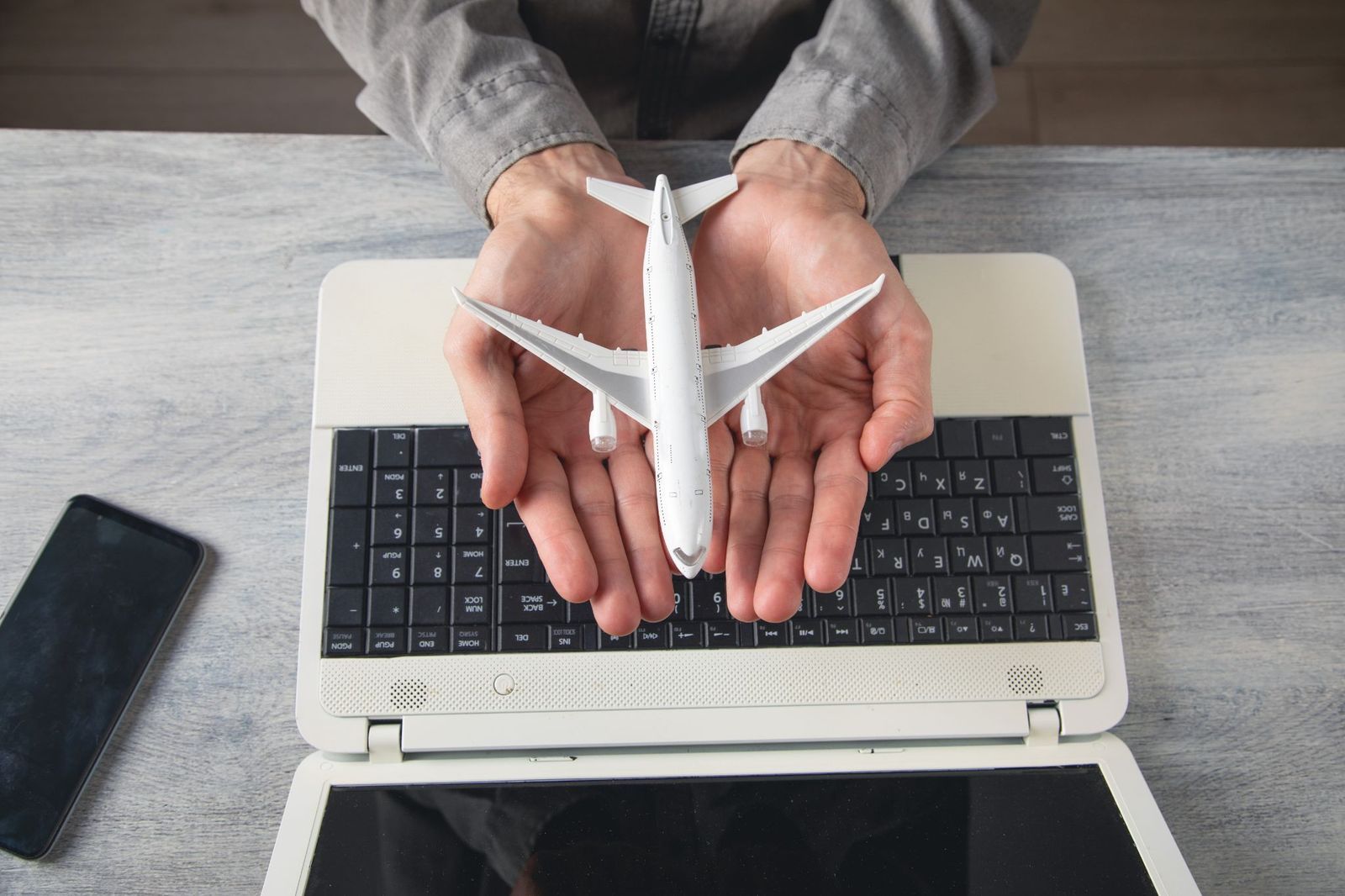
When IATA launched its global e-ticket initiative in 2004, only 19% of tickets processed through its systems were electronic. By June 2008, IATA announced the end of paper ticketing in its settlement system.
The change opened the door to conveniences now taken for granted: booking from home, checking in online, selecting seats, changing reservations, and carrying a boarding pass on a phone. In 2024, SITA found that 90% of surveyed passengers used technology during booking.
Real-time information

A delayed flight once meant staring at an airport board, listening carefully to announcements, or joining the growing line at an airline desk. Today, travelers can learn about a delay, cancellation, gate change, or boarding update through an app, sometimes before they've even left home.
Modern airport apps can provide much more. Heathrow's, for example, offers live information about check-in, security, gates, and boarding. The FAA also publishes near-real-time information about major U.S. airport delays, closures, and ground stops. Delays are still aggravating, but being completely in the dark is much less inevitable.
Airports are easier to navigate
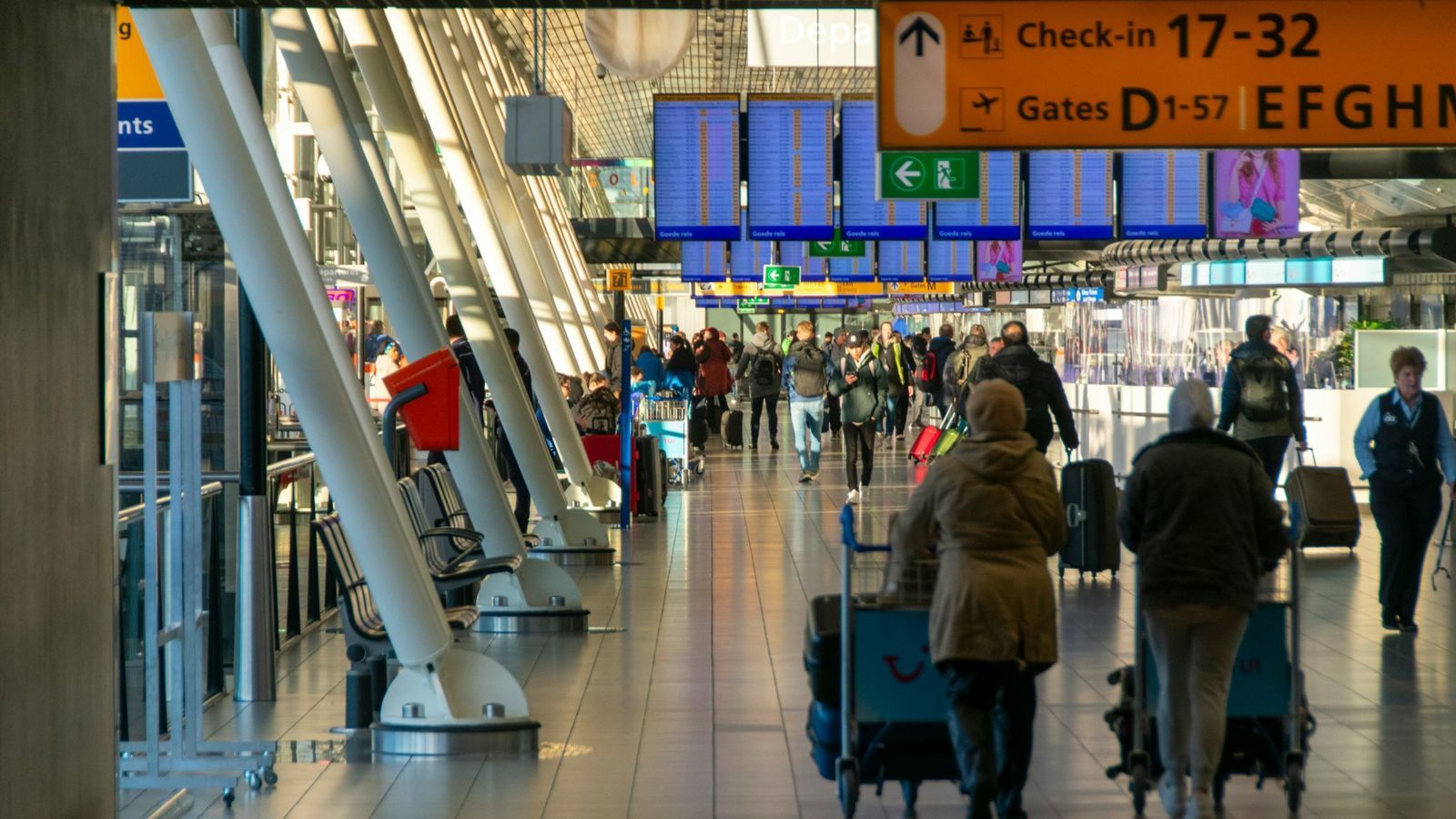
Huge airports have never been particularly forgiving to confused travelers. Printed terminal maps and overhead signs remain useful, but passengers now have something their younger selves would have appreciated enormously: searchable airport maps that can tell them exactly where that elusive gate is hiding.
Atlanta's official interactive map lets travelers locate gates, terminals, restaurants, shops, and services, while Heathrow offers turn-by-turn airport navigation through its app. Digital wayfinding is increasingly common worldwide.
Accessibility
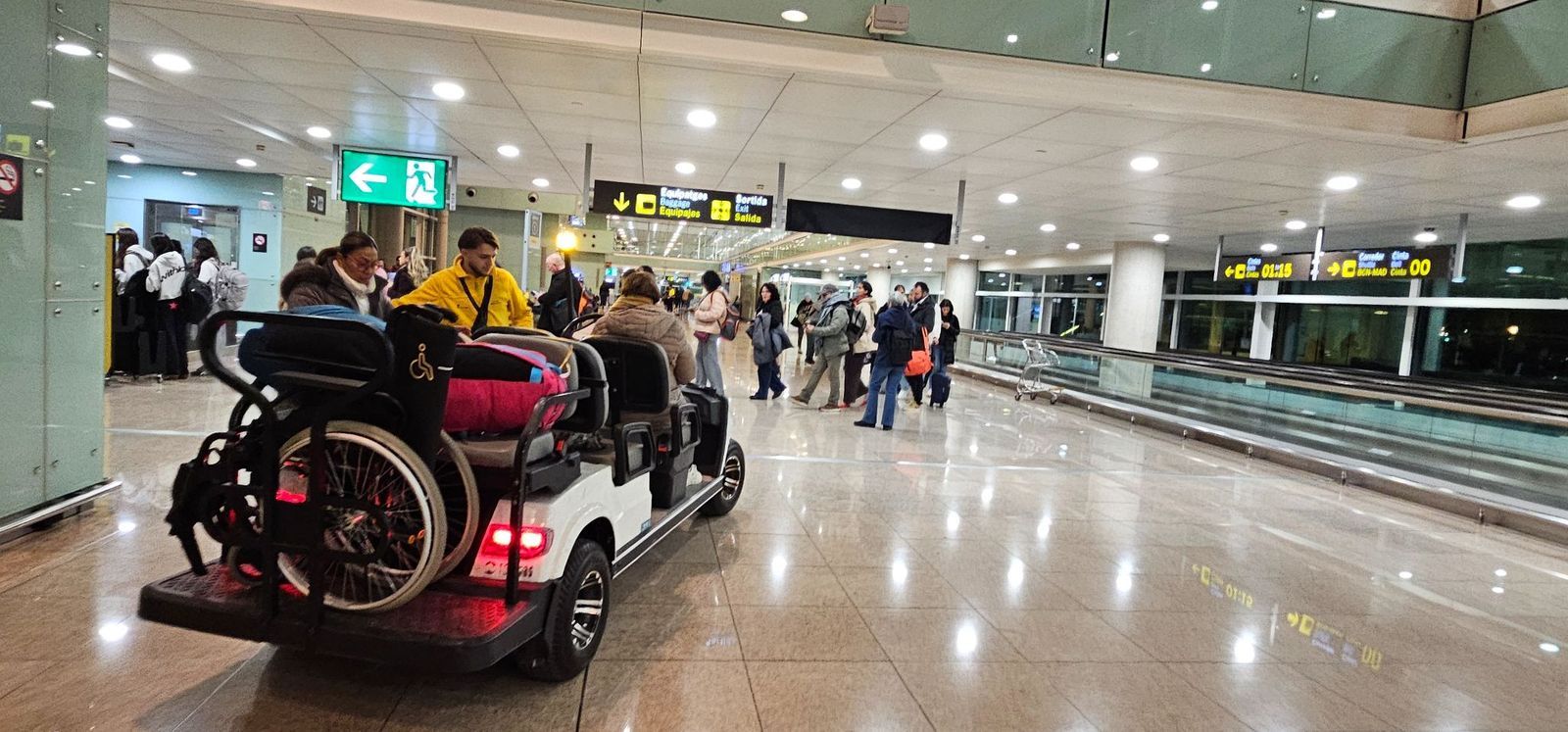
Air travel once presented even greater obstacles for passengers with disabilities. In the U.S., the Air Carrier Access Act prohibits disability discrimination by airlines, while subsequent regulations have established rights covering boarding assistance, seating accommodations, airport assistance, accessible information, and the handling of mobility devices.
The improvements continue. New U.S. requirements are expanding accessible lavatories on single-aisle aircraft and strengthening protections for passengers using wheelchairs. Airports have also introduced accessible kiosks, sensory rooms, wheelchair charging stations, and digital navigation tools.
Passenger refund rights

For years, getting money back after a disrupted flight could depend on an airline's own definition of words like "significant." U.S. rules adopted in 2024 made the situation much clearer: when an airline cancels or significantly changes a flight, and the passenger rejects the alternative offered, a refund must generally be automatic.
The rules also define what counts as significant. Examples include arriving three or more hours late domestically, six or more hours internationally, changing the destination airport, or adding connections. Refunds can also apply to certain paid services that weren't delivered. Cancellations remain miserable, but passengers now have clearer rules on when the money belongs back in their pockets.
In-flight entertainment
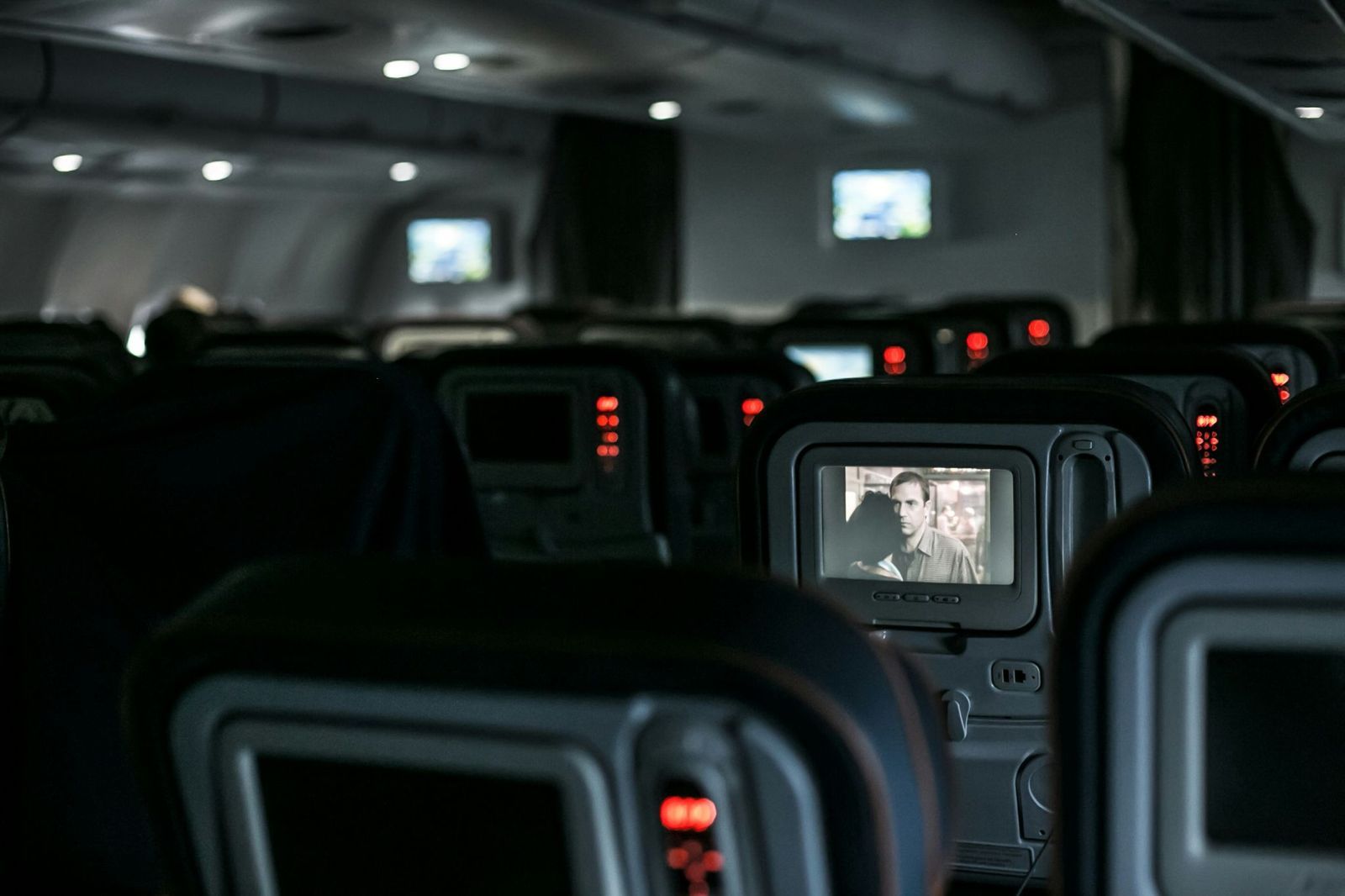
In 1921, 11 passengers aboard an Aeromarine flying boat watched the silent promotional film Howdy Chicago! while circling above the city. Regular in-flight movies came much later. In 1961, TWA began showing feature films aboard scheduled flights, starting with the Lana Turner drama By Love Possessed.
The projector developed for TWA weighed about 75 pounds, and everyone watched the same movie. Today, individual passengers may choose among hundreds of movies, shows, albums, and games, or stream entertainment to their own devices. Being stuck with the in-flight movie is another aviation experience that's largely gone.
Staying connected while flying
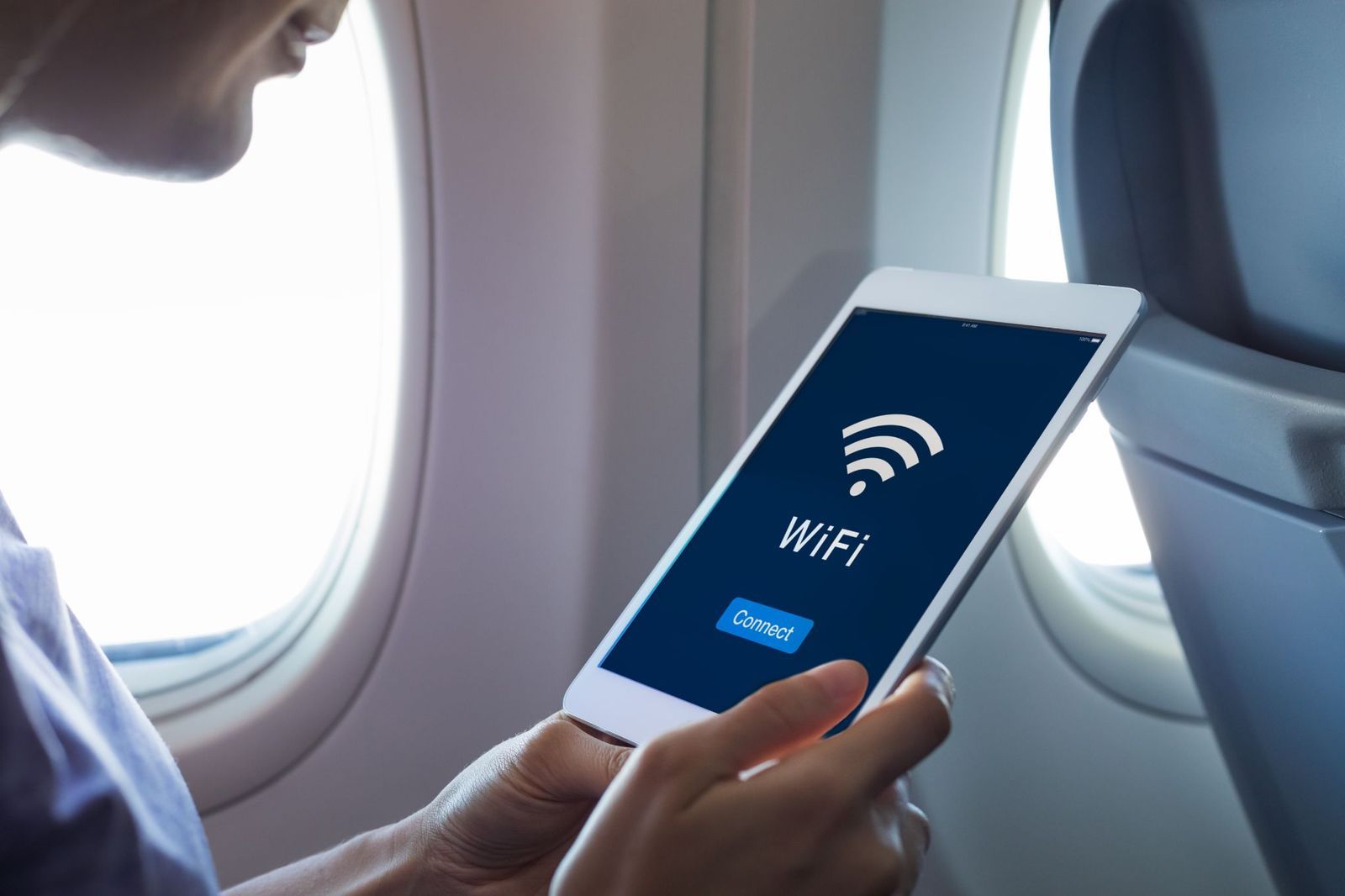
For generations, boarding an airplane meant becoming temporarily unreachable, and the "airplane mode" in our smartphones was a staple. One early breakthrough arrived in 2003, when Lufthansa passengers aboard a Boeing 747 tested Boeing's Connexion broadband service. Commercial service followed in 2004, although early airborne internet could be slow, expensive, and unreliable.
Today's satellite systems are a different proposition. Modern in-flight Wi-Fi can support messaging, web browsing, work, and, on sufficiently capable systems, streaming. Low-Earth-orbit satellites promise still faster and more responsive connections.
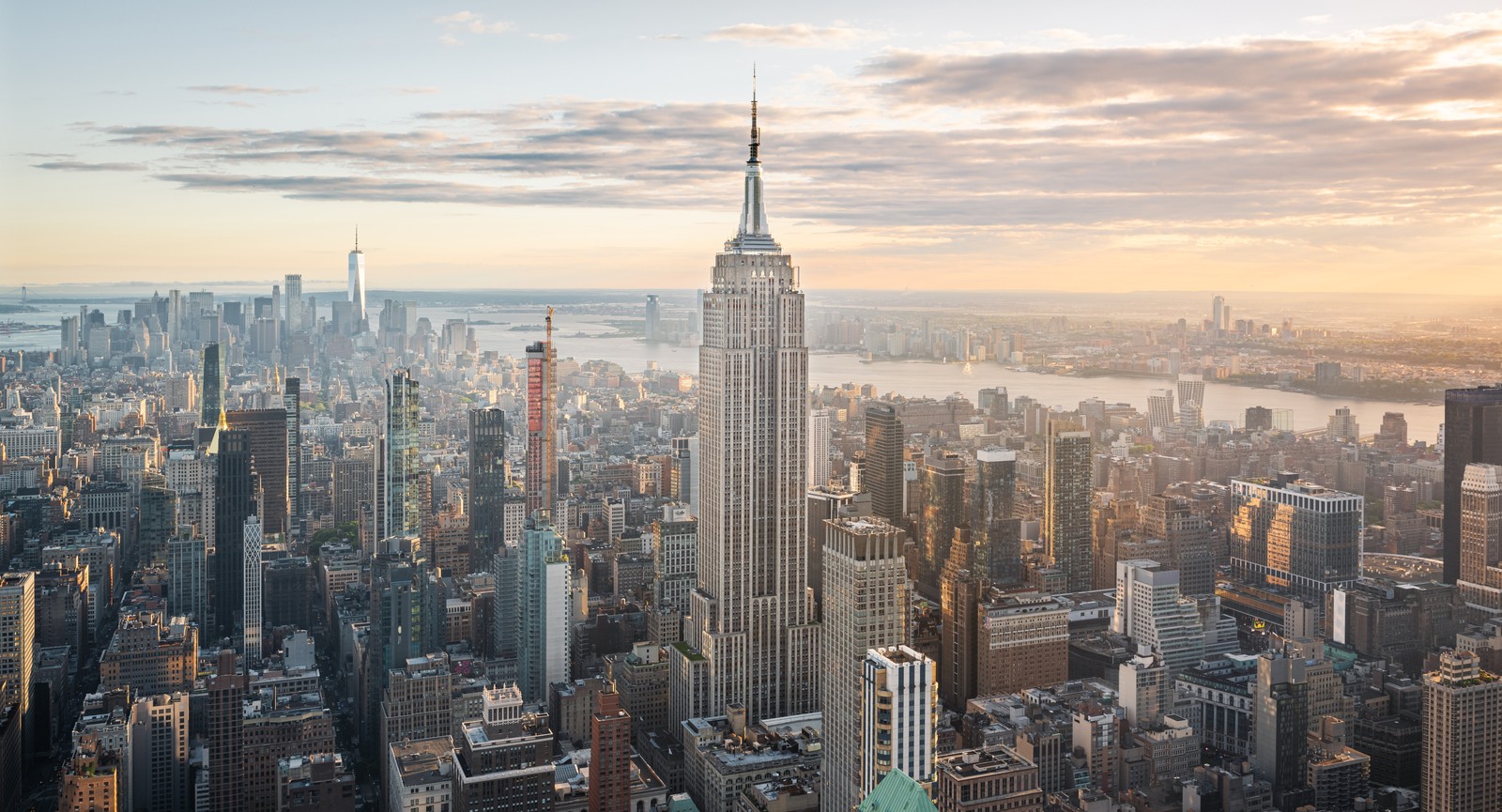
The Empire State Building has more secrets than you'd think
 Landmarks
Empire State secrets
Surprising facts about the Empire State Building
You've probably seen it in person, on a postcard, or watched King Kong scale it on the big screen. But behind that famous skyline silhouette, there's a lot more going on than most folks realize. Did you know it was built in just over a year, or that it was originally designed with a docking station for airships? Here are 10 fun facts and hidden secrets about this iconic New York landmark.
It was designed to have an airship docking station
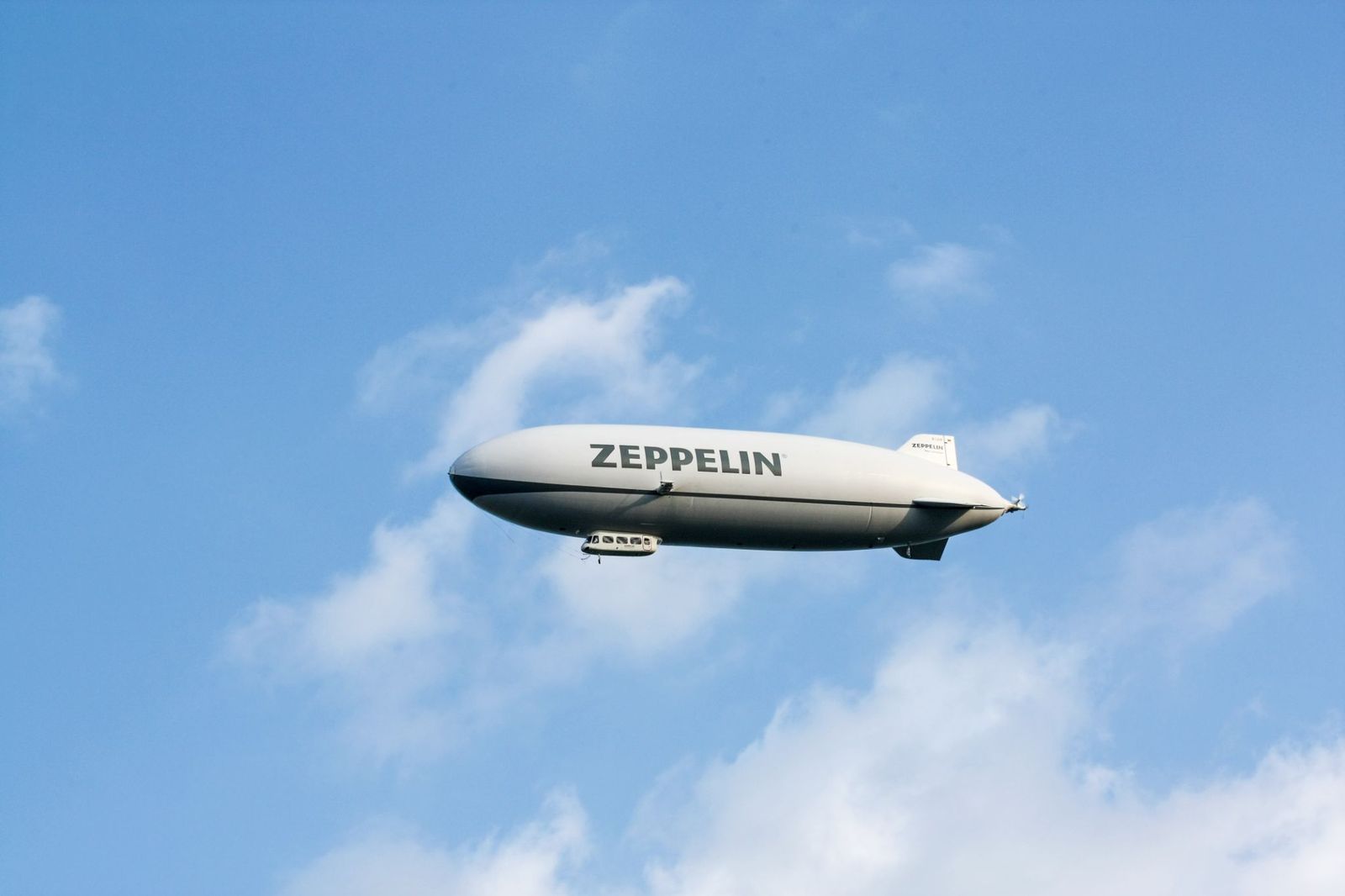
This one sounds like science fiction, but it's true. The original plan included a mooring mast at the top where blimps and dirigibles could dock, letting passengers walk right down into Manhattan. Engineers quickly realized the winds at that height were far too strong and unpredictable for it to work safely.
One test attempt in 1931 nearly sent an airship crew tumbling, and the whole idea was scrapped for good.
It was built in just over a year
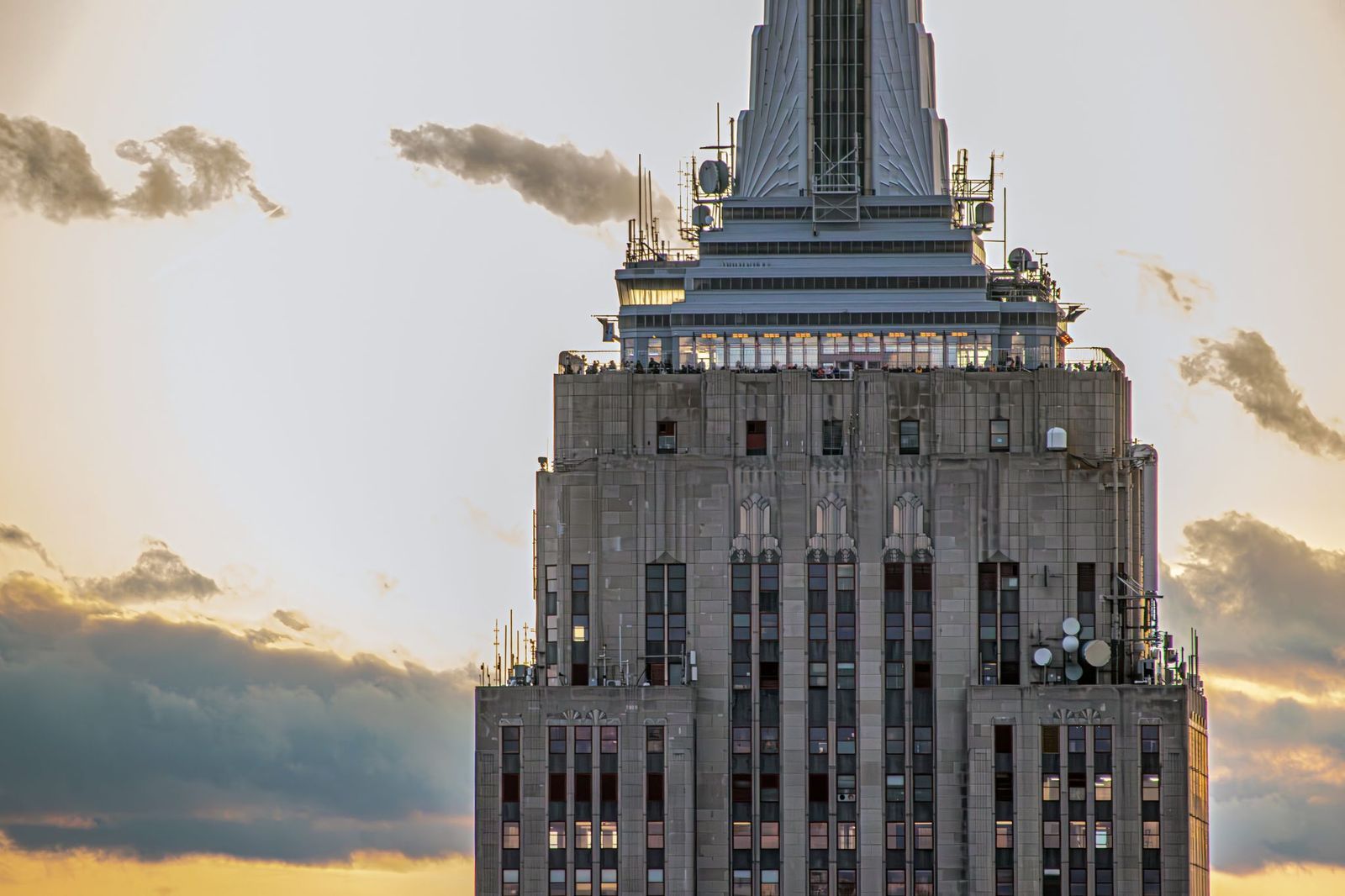
Believe it or not, this 102-story giant went up in about 13 months, starting in 1930. Construction crews worked at a blistering pace, sometimes putting up more than four floors a week. That's almost unheard of today, even with modern equipment.
Back then, it was mostly manpower, steel, and grit. The building officially opened on May 1, 1931, right on schedule and even a bit ahead of it, which was a huge point of pride during the Great Depression.
It has its own zip code
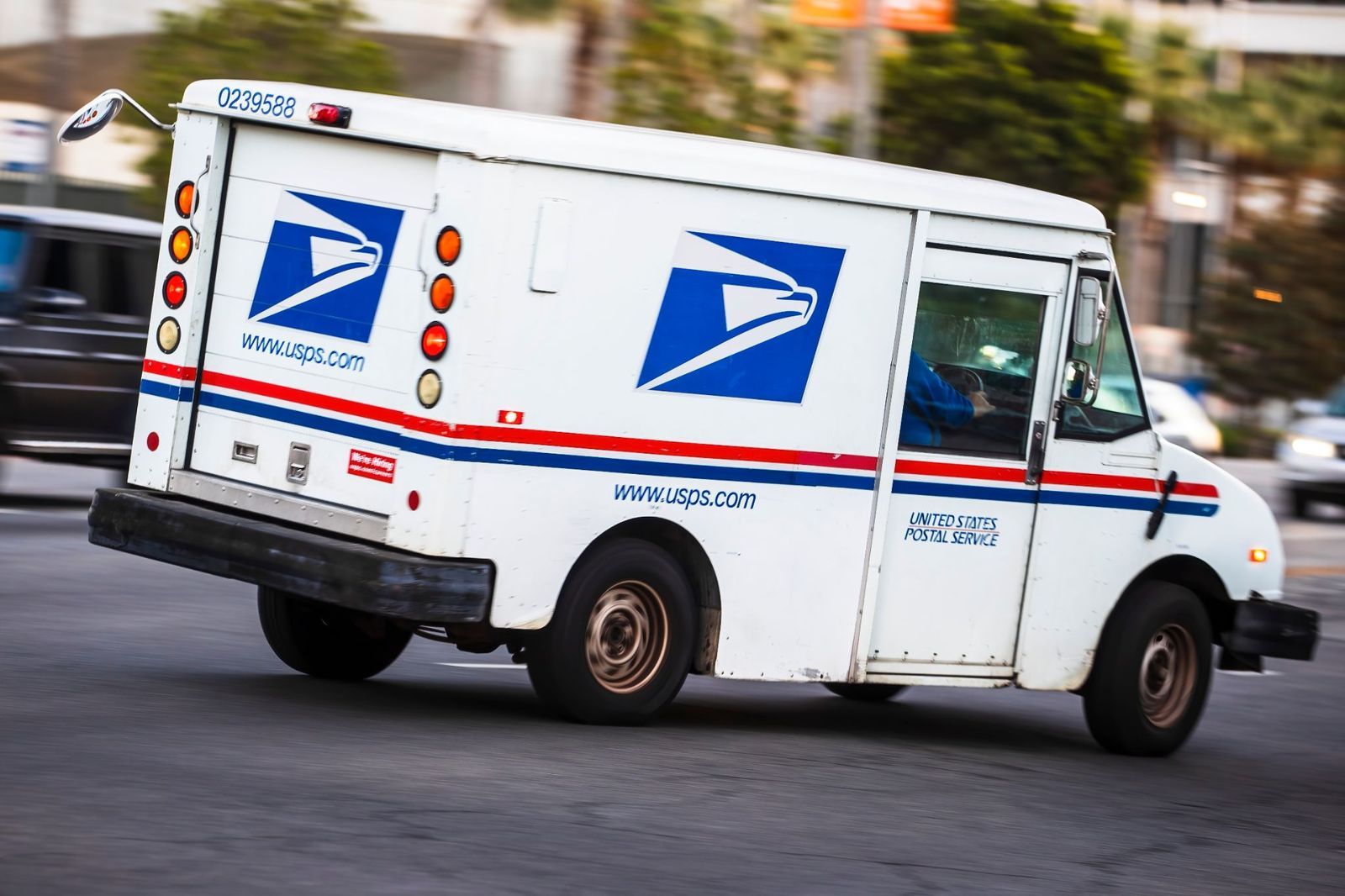
Yes, really: 10118. That's because so many businesses operate inside the building that it functions almost like its own little city. Thousands of people work there daily across hundreds of offices, so the postal service treats it as a unique address all its own.
The building sways several inches in high winds
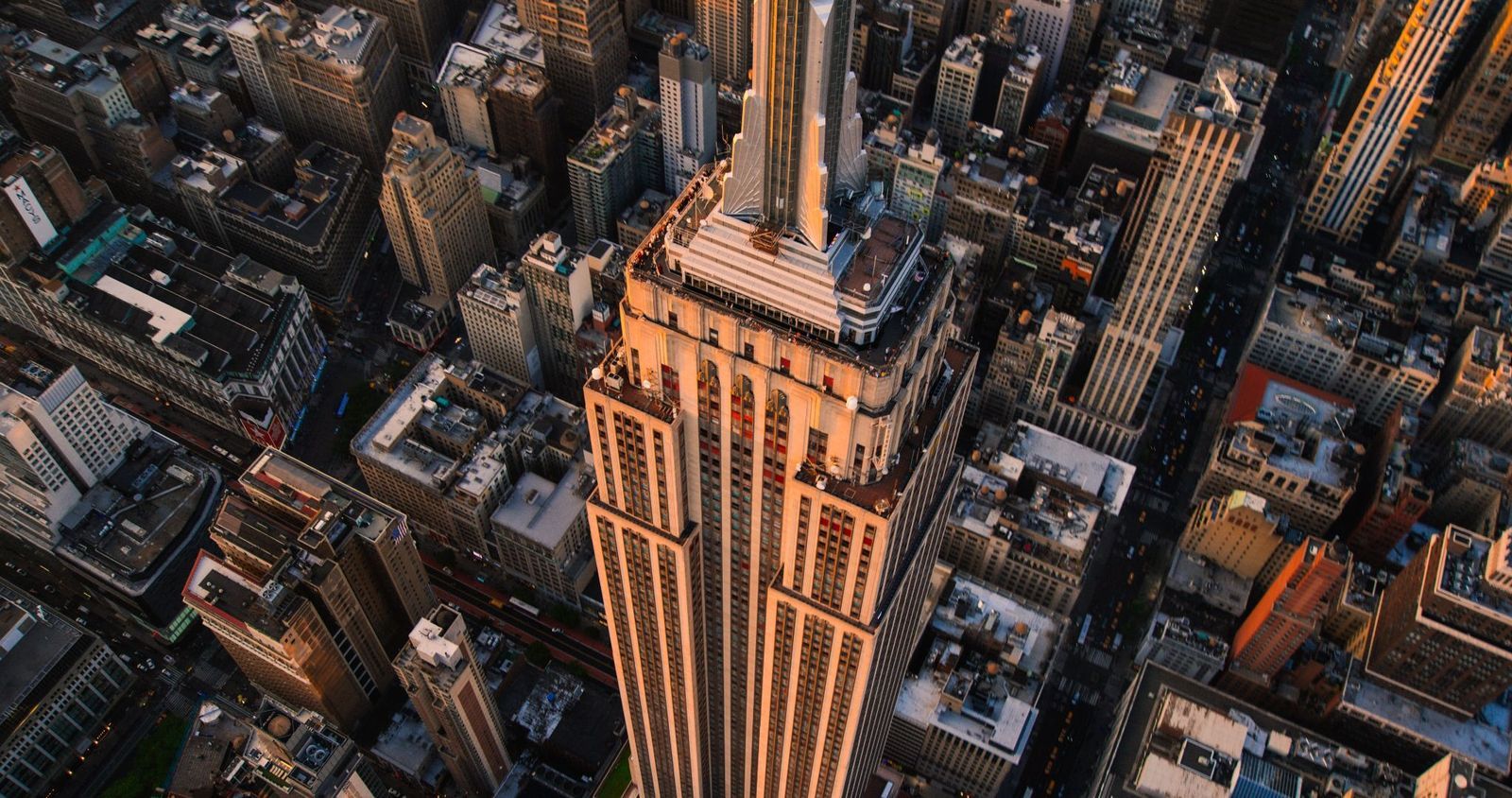
It sounds alarming, but it's actually by design. Skyscrapers need some flexibility so they don't crack under pressure from strong gusts. The Empire State Building can sway up to about six inches during severe storms. Engineers built it that way on purpose, since a completely rigid structure would be far more likely to suffer real damage.
It has been struck by lightning multiple times a year
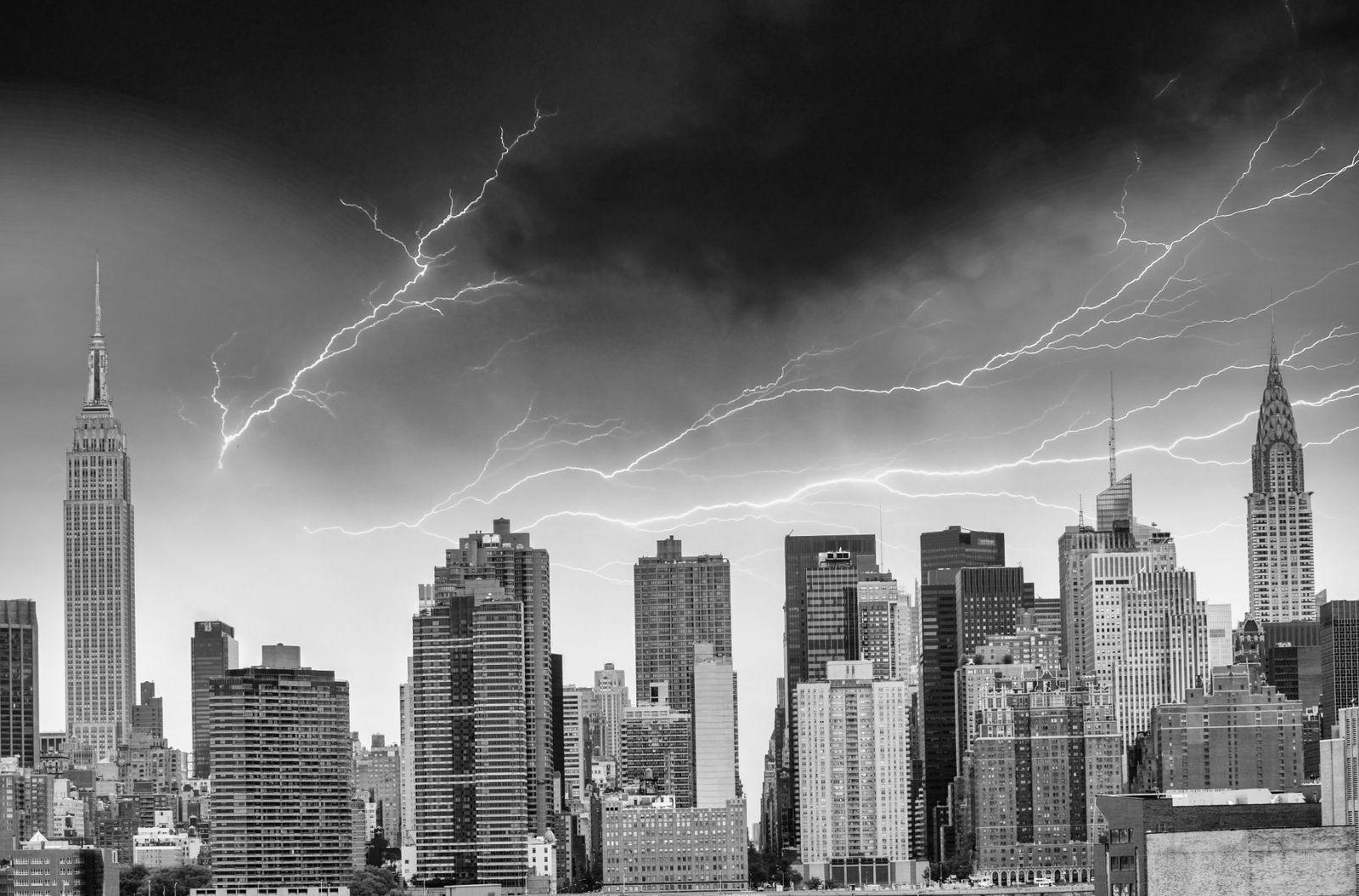
Thanks to its height, the building acts like a giant lightning rod, getting struck roughly 20 to 25 times annually. Photographers have captured some genuinely stunning shots of bolts hitting the spire during summer storms. There's even old footage from the 1940s showing lightning practically dancing off the top. Thankfully, special grounding systems keep it perfectly safe every single time.
Its lights change color for holidays and special events
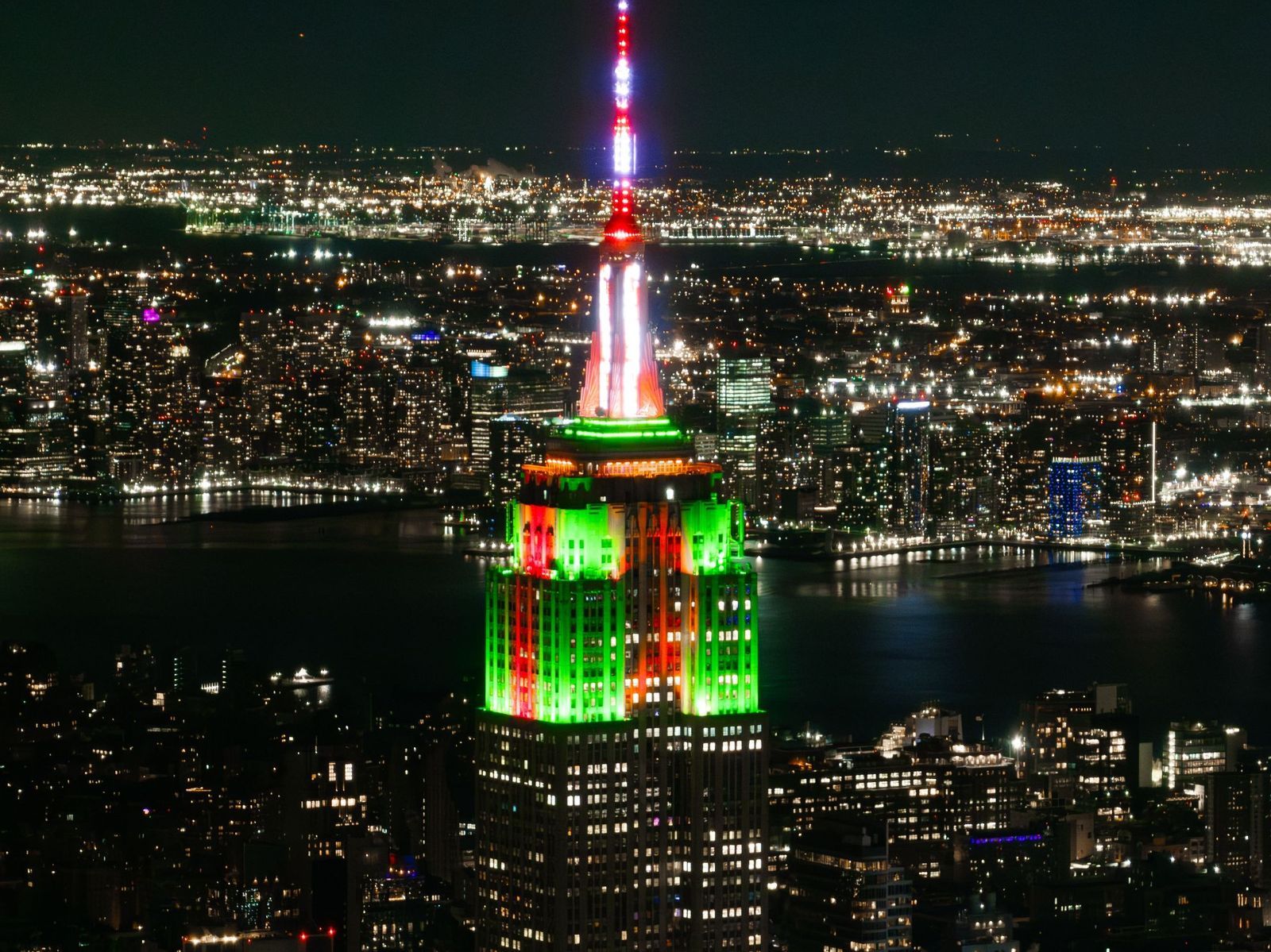
Since 1976, the top of the building has been lit up in different colors to mark holidays, causes, and celebrations. Red and green for Christmas, blue and white for Hanukkah, rainbow colors for Pride Month, you name it.
It held the title of the world's tallest building for nearly 40 years
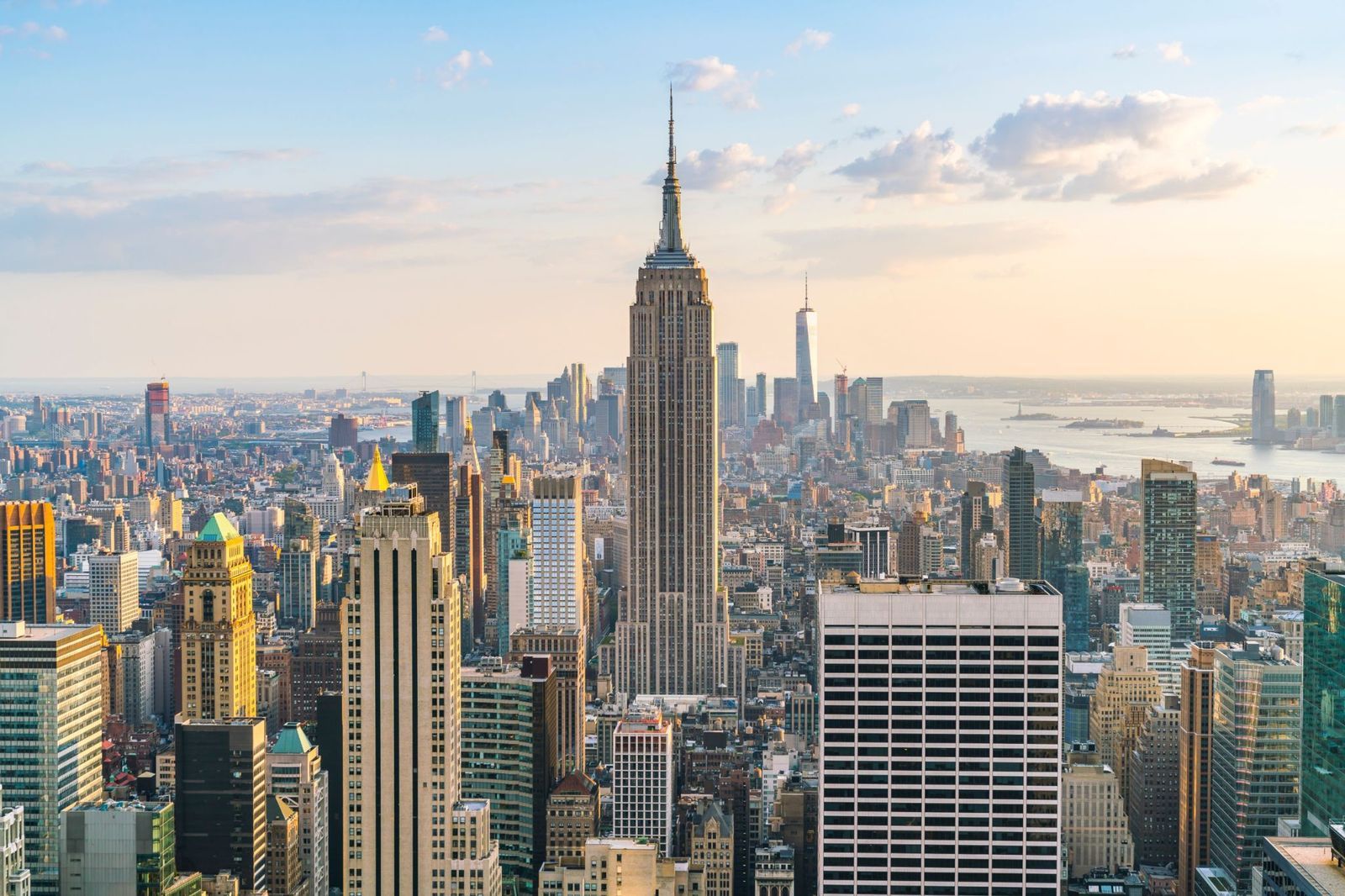
Construction began on March 17, 1930, and the building officially opened on May 1, 1931, rising 1,454 feet and using more than 60,000 tons of steel. From that day until 1970, nothing on Earth stood taller, a remarkably long reign compared to today's skyscrapers, which often lose the title within a decade or two.
There's a hidden 103rd-floor observation deck
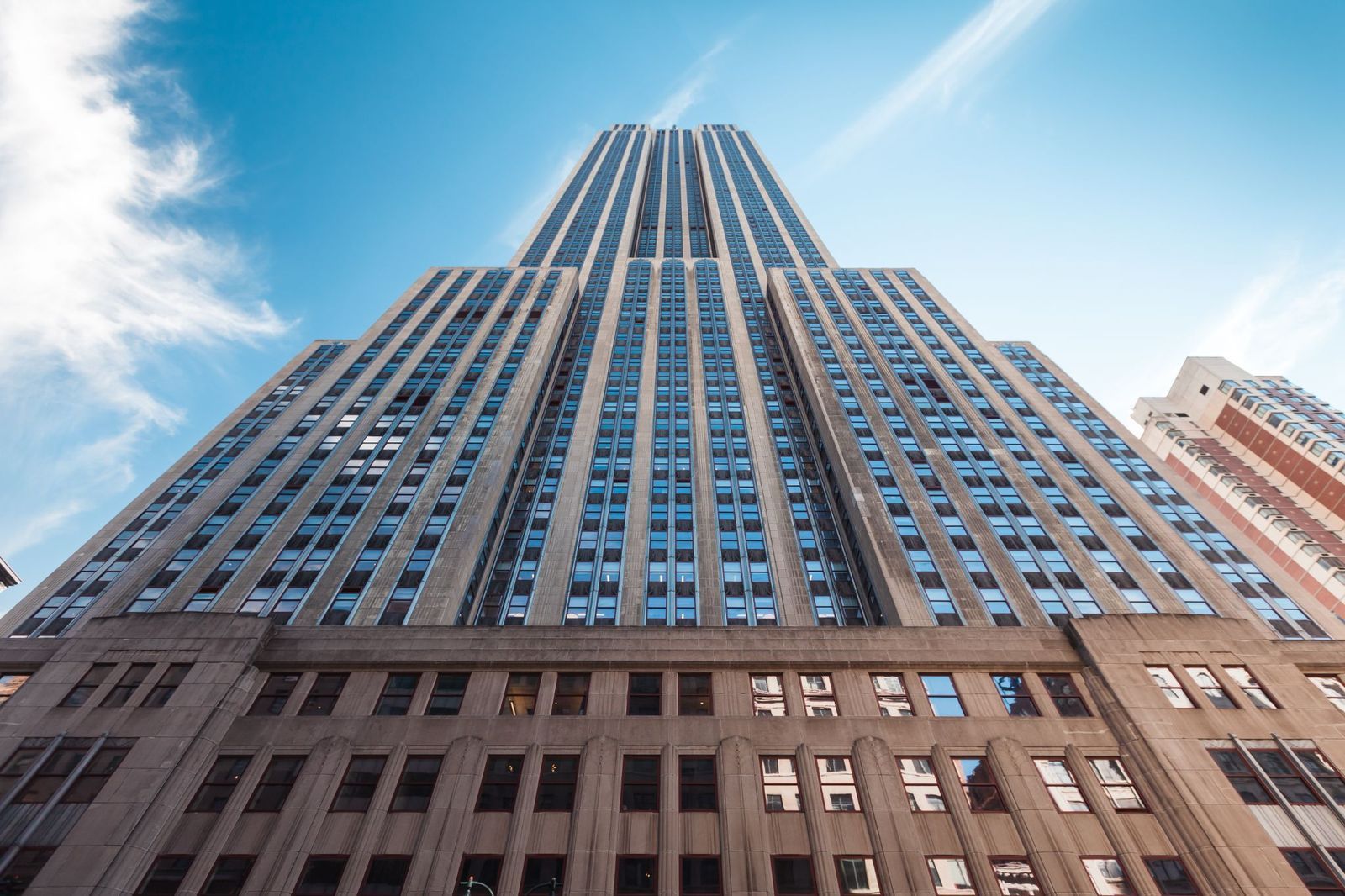
Most visitors know about the famous 86th-floor deck, but there's a smaller, less crowded VIP observation deck way up on the 103rd floor that is not open to the public. It offers even more dramatic views and originally served as the airship docking area before those plans fell through.
It took over 3,000 workers to construct
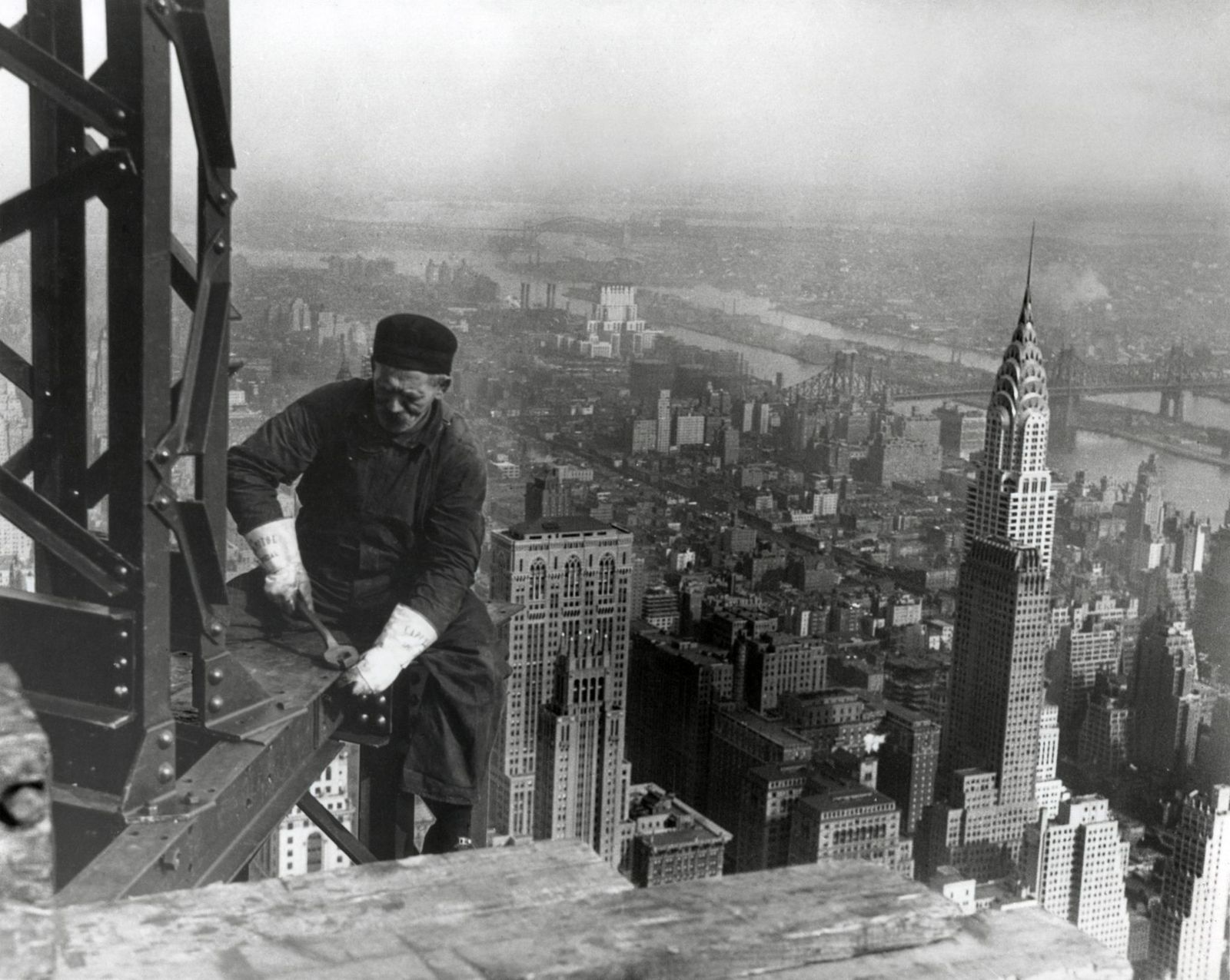
An enormous workforce, including many skilled ironworkers, built this skyscraper at record speed. Sadly, the job wasn't without danger, and several workers lost their lives during construction. Their incredible effort is part of why this building still feels like such a monumental achievement, a true team triumph etched permanently into the New York skyline.
Keep wandering
 General

 Culture