
Is airport car rental really more expensive than downtown?
 General
Is airport car rental really more expensive than downtown?
Renting a car can make your vacation more comfortable. However, rental car fees can damage your travel budget if you are not careful. Car rental companies often charge extra for insurance, GPS units, fuel plans, and extra drivers. By understanding how the process works, you can easily save money and protect yourself against unfair fees. Follow these 10 practical tips to keep your trip wallet-friendly.
Book early and compare prices

Rental car prices change based on demand, just like plane tickets. As vehicle availability drops in a destination, prices rise. To secure the lowest possible rate, start searching comparison sites months before your travel date.
Whenever possible, choose options with free cancellation and no deposit required. This flexibility will allow you to lock in an initial baseline price. If prices drop closer to your trip date, you can simply rebook at the lower rate and cancel the original reservation.
Choose your pickup location strategically
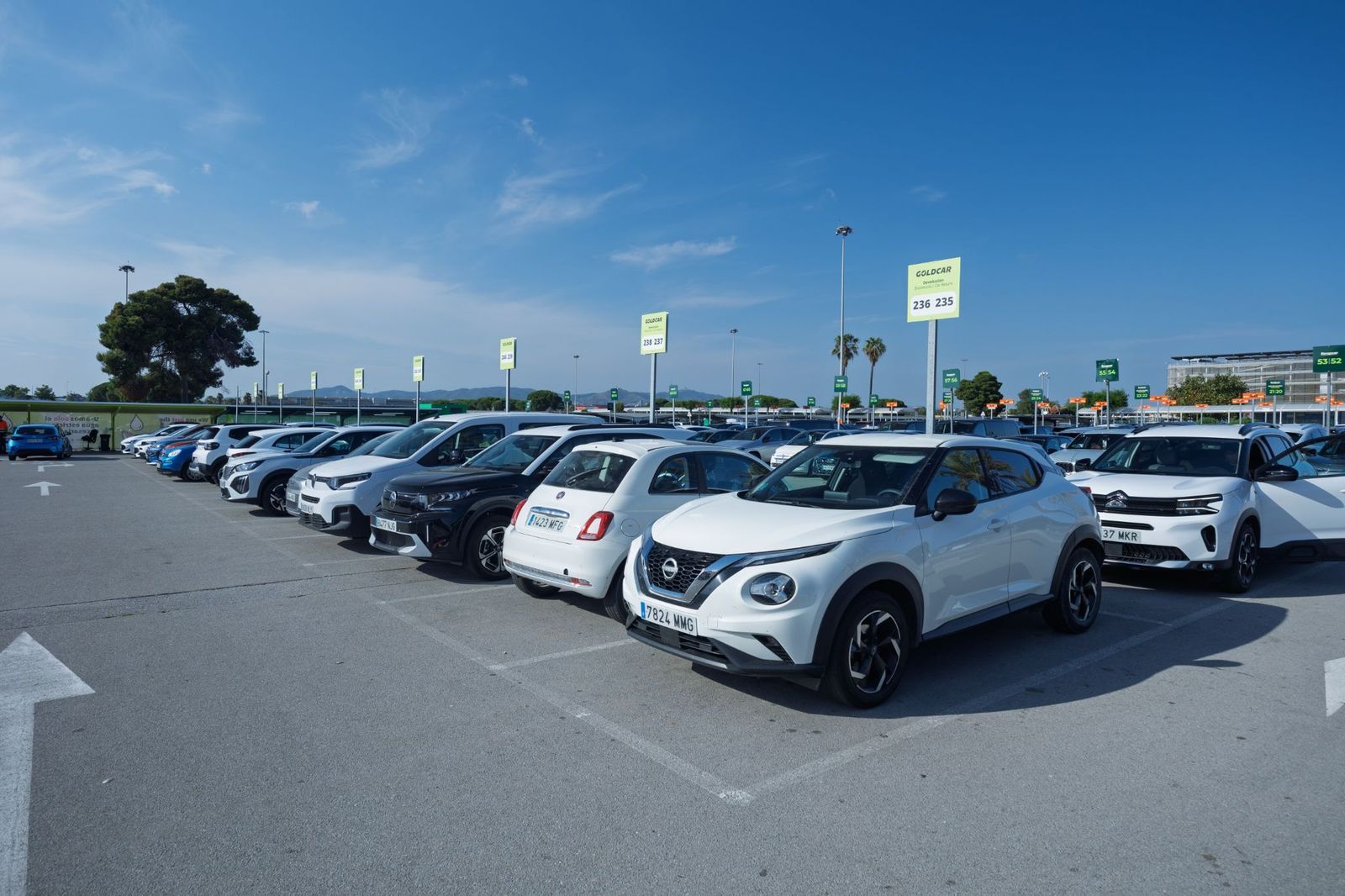
Picking up your car directly at an airport terminal may seem convenient, but that convenience can be costly. Airports charge rental companies concession fees and facility charges, which are passed straight down to travelers.
Picking up your car at a location rather than the airport can cut daily rates by 10% to 30%. Compare the cost of a public transit ride to a downtown branch against the airport total price and decide which option suits you best.
Check your existing insurance coverage

Rental car agents will frequently push you to buy optional insurance policies. These optional coverages can easily double your daily rental fee.
Before you leave home, review the policies you already have, as your regular car insurance may extend collision and liability coverage to rental cars of similar value. Also, many major credit cards provide collision coverage automatically when you pay for the rental with that card.
Join free loyalty programs

Almost every major car rental brand offers a rewards or loyalty program, and nearly all of them are free to join. Membership provides benefits that make your rental experience much easier.
For example, loyalty members often avoid the main line and walk straight to their assigned vehicle in the parking lot. Also, programs may offer discounted daily rates, free additional driver privileges, or points that can be redeemed for free rental days.
Watch out for hidden fees
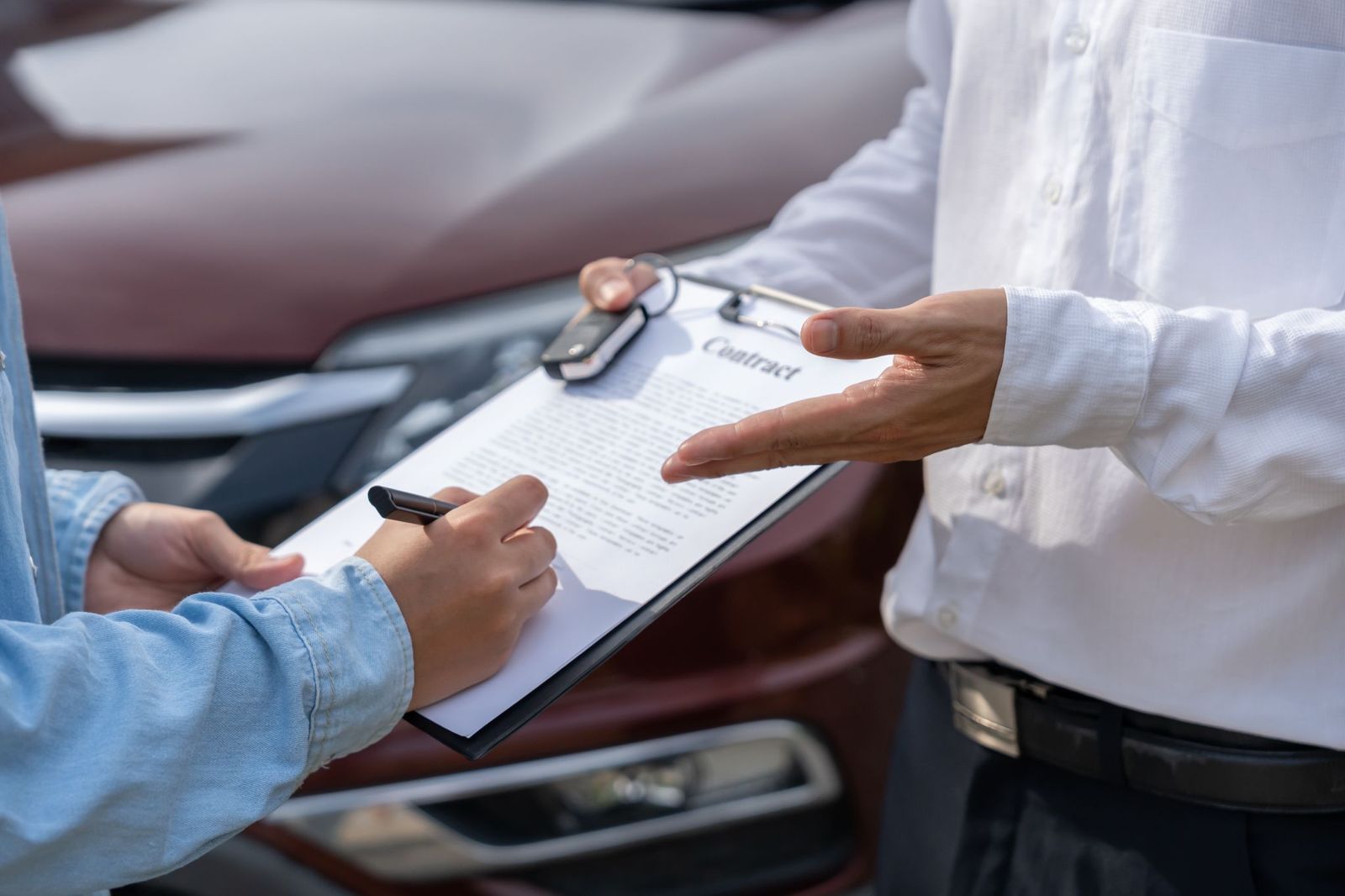
The base daily rate listed on a rental search engine is rarely the final price you pay unless you decline extra add-ons. Rental agencies make high profit margins by selling optional accessories at inflated rates.
Common fees to watch out for include: GPS navigation devices ($10 to $15 per day), toll pass packages, and young driver surcharges (drivers under the age of 25 usually face steep daily fees).
Limit the number of registered drivers

Adding extra drivers to your rental agreement can increase your daily costs significantly. Rental agencies typically charge a fee of $10 to $15 per day for each additional driver listed on the contract.
If possible, designate one primary driver for the duration of your trip to keep costs down. If you must share, look for rental companies or loyalty programs that include a spouse or partner as an additional driver for free. Never allow an unregistered person to drive the car, as doing so cancels all insurance coverage.
Choose the right car and equipment
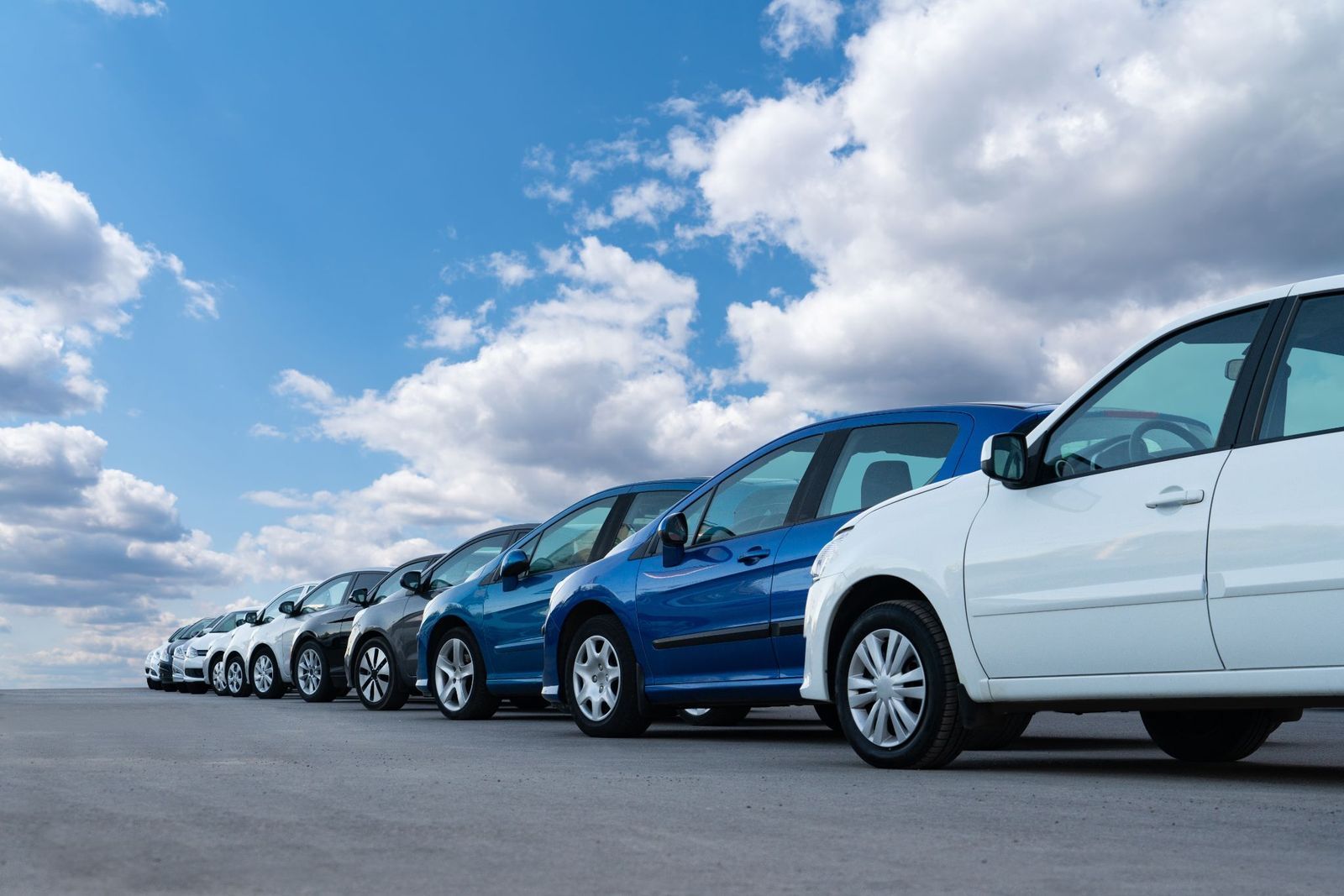
Select the vehicle based on your actual travel needs rather than luxury preferences. Compact and economy cars are not only cheaper to rent per day, but they are also much more fuel efficient and far easier to park in crowded city centers.
If you are travelling with young children, consider bringing your own child safety seats from home. Most airlines allow families to check car seats for free, saving you the daily rental fees charged by the rental company.
Be smart about fuel
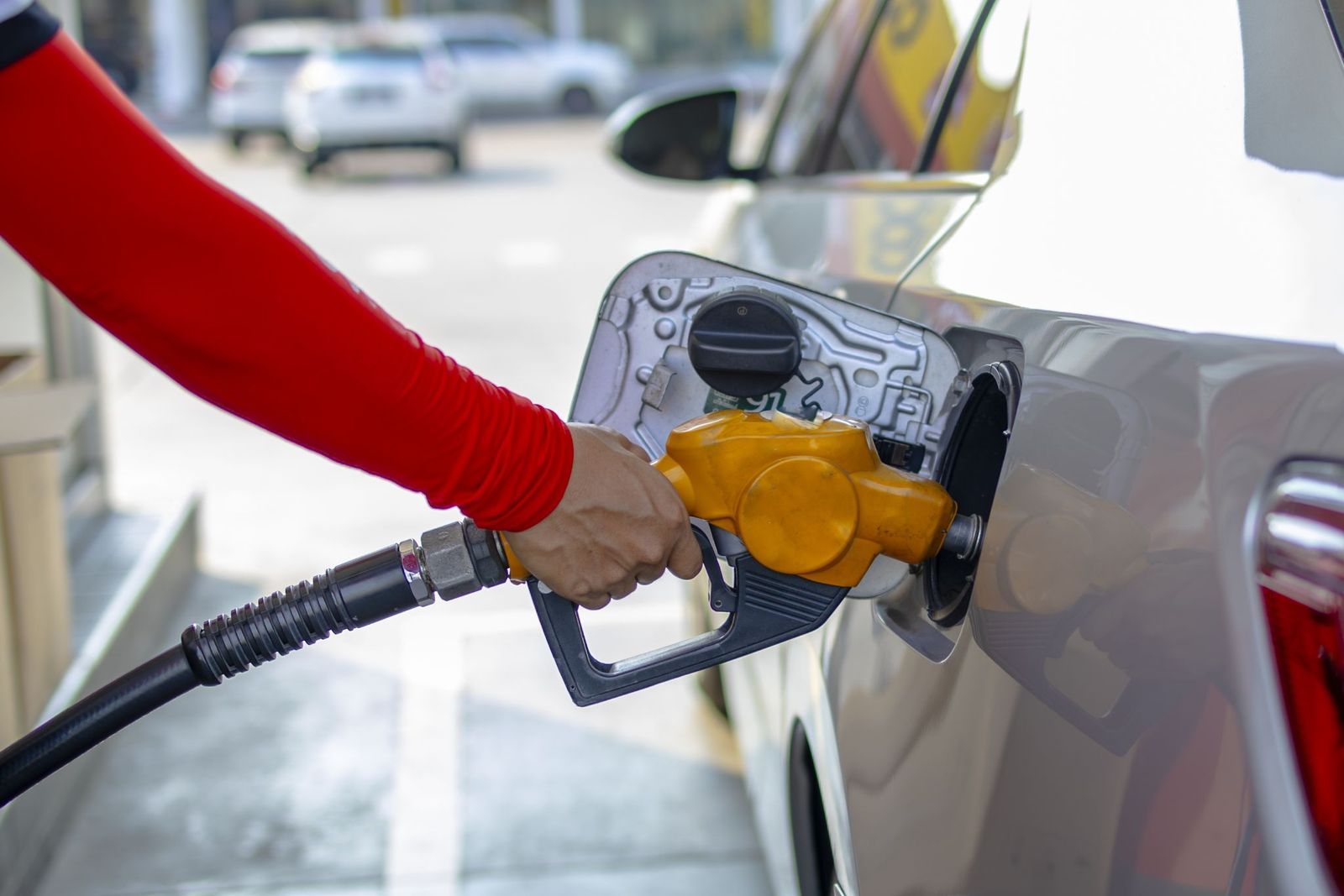
When picking up your rental car, the agent will usually offer you two fuel plans: Prepaid Fuel (you pay upfront for a full tank of gas and return the car empty) or Full-to-Full (you receive the car with a full tank of gas and return it with a full tank).
Always choose the Full-to-Full policy. With prepaid fuel, you pay for an entire tank regardless of how much gas is left in the car when you return it, meaning you pay for unused fuel. To avoid expensive refilling penalties, stop at a gas station within 5 to 10 miles of the return location, fill up the tank completely, and keep your receipt.
Pay attention to the 24-hour rental clock

Car rental prices are calculated on a strict 24-hour clock cycle. For example, if you pick up a car on Monday at 10:00 AM and return it on Tuesday at 10:00 AM, you are charged for one full day (24 hours).
However, if you return the car on Tuesday at 11:30 AM, many rental companies will charge you for an additional full day or apply expensive hourly late fees. Plan your pickup and drop-off times carefully so that your return time matches or precedes your pickup time, preventing extra charges.
Document everything to avoid extra fees
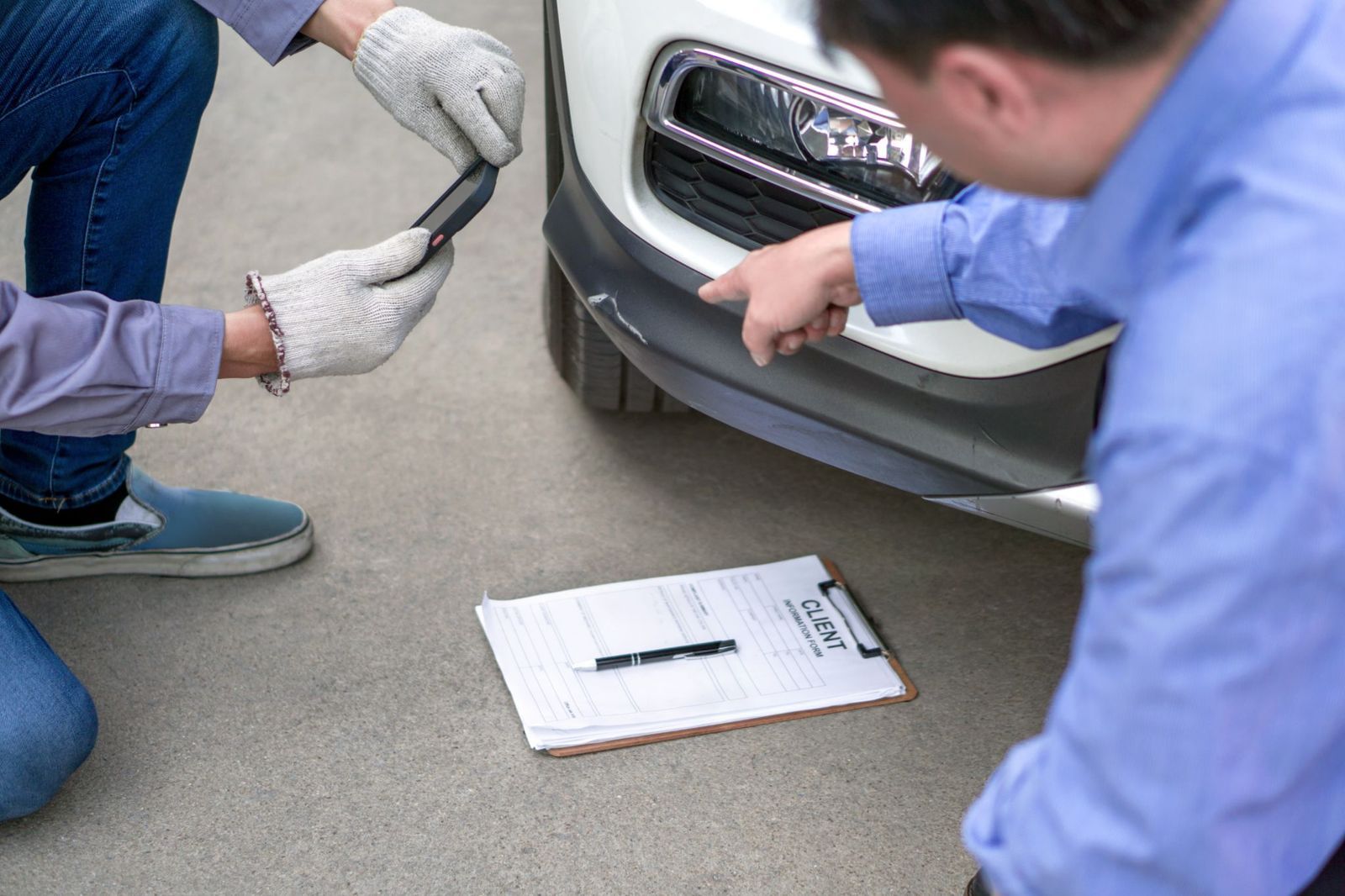
Before driving your rental car out of the parking lot, do a thorough inspection. Failing to document existing damage is one of the most common reasons travelers lose their security deposits.
Check body panels, bumpers, windshield, mirrors, lights, and tires for scratches, dents, or cracks. Also inspect the interior, like seats, dashboard, and electronic features. Use your smartphone to take photos of existing damage. Finally, notify the agent before you leave the lot.
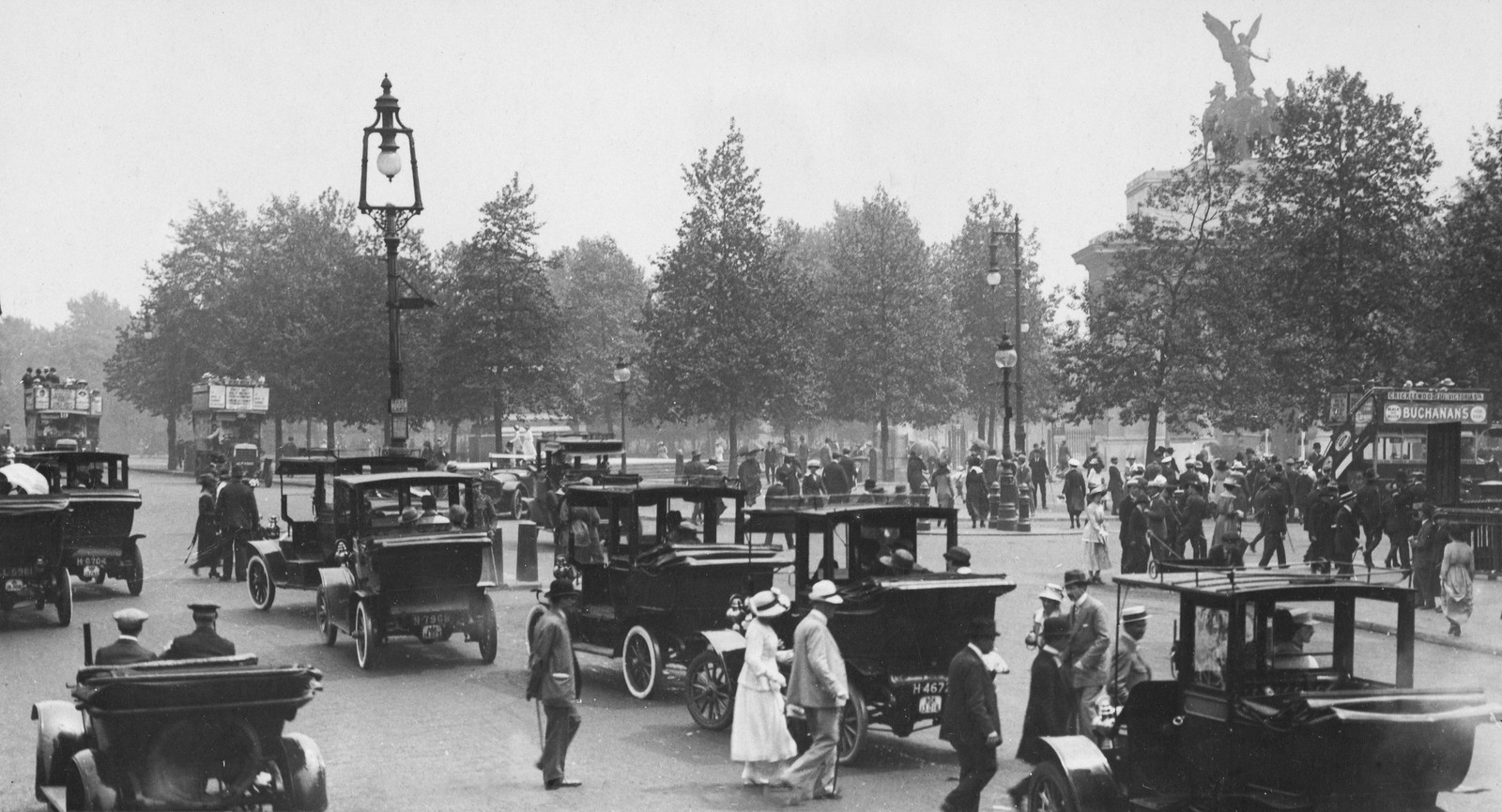
Look how 100 years have modified these popular destinations
 History
Peeks into the past
Compare these famous spots around the world, then and now
Could you identify a picture of Sydney from before the construction of the Sydney Opera House? Or do you happen to know how, exactly, the exterior of the London Bridge ended up in Havasu Lake City, Arizona? Looking at photographs from the 19th or 20th centuries not only exposes the style of carts and hats used a hundred years ago, but it also gives us clues about the evolution of these popular destinations. Read on to dive into the stories of 5 cities.
London, U.K. (circa 1890)
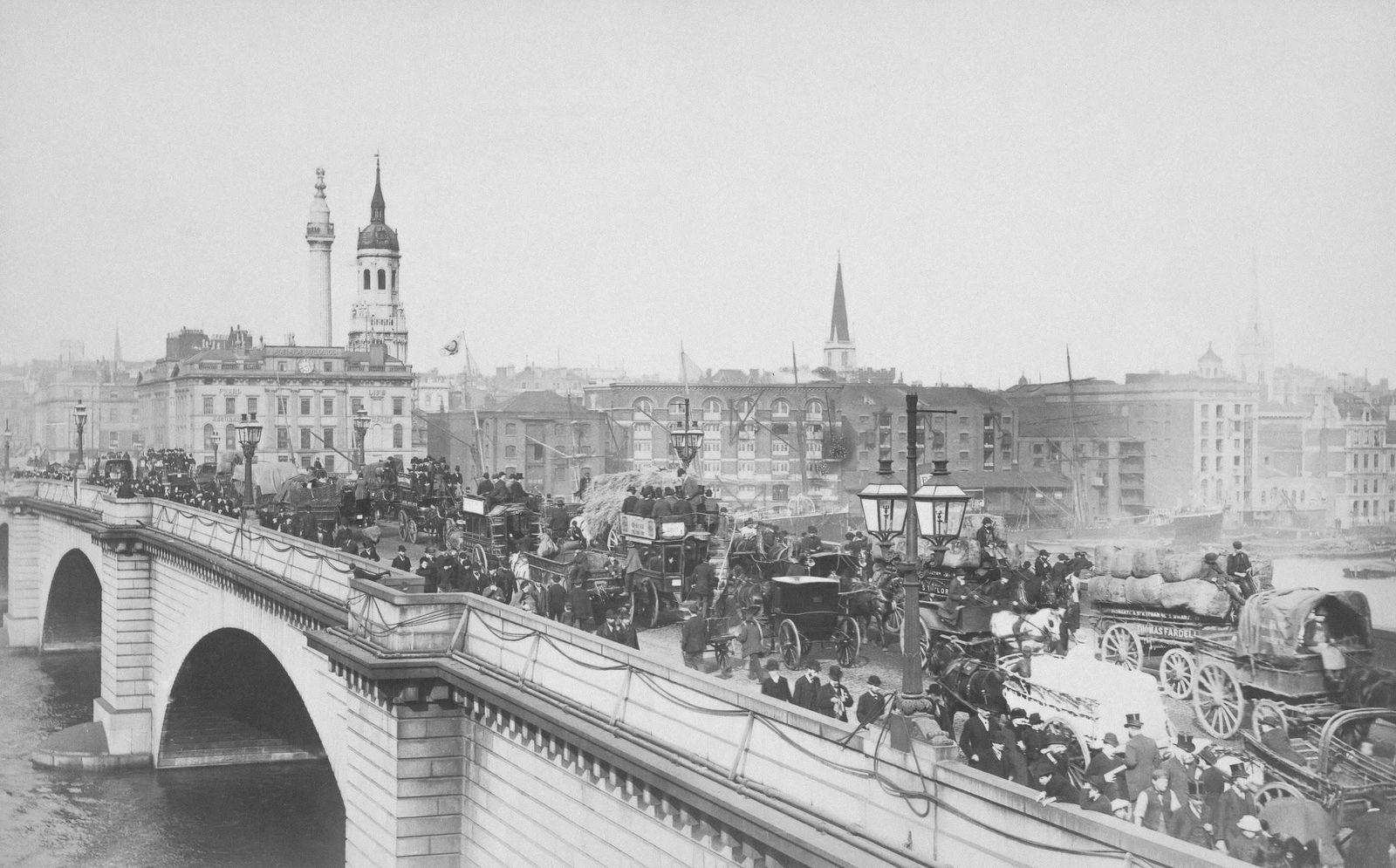
This picture of the bustling chaos on London Bridge was taken sometime between 1890 and 1900. That tall fluted Doric column starting from the left still stands today: that’s the Monument to the Great Fire of London, which occurred in 1666. Next to it, you can also see the steeple of the St. Magnus-the-Martyr church, which, at the time, sat right next to the bridge’s entrance.
But, of course, the most striking thing about this picture is the number of packed commercial carts, horses, and hordes of bowlers and top hats rushing across the River Thames.
London, U.K. Now (2017)
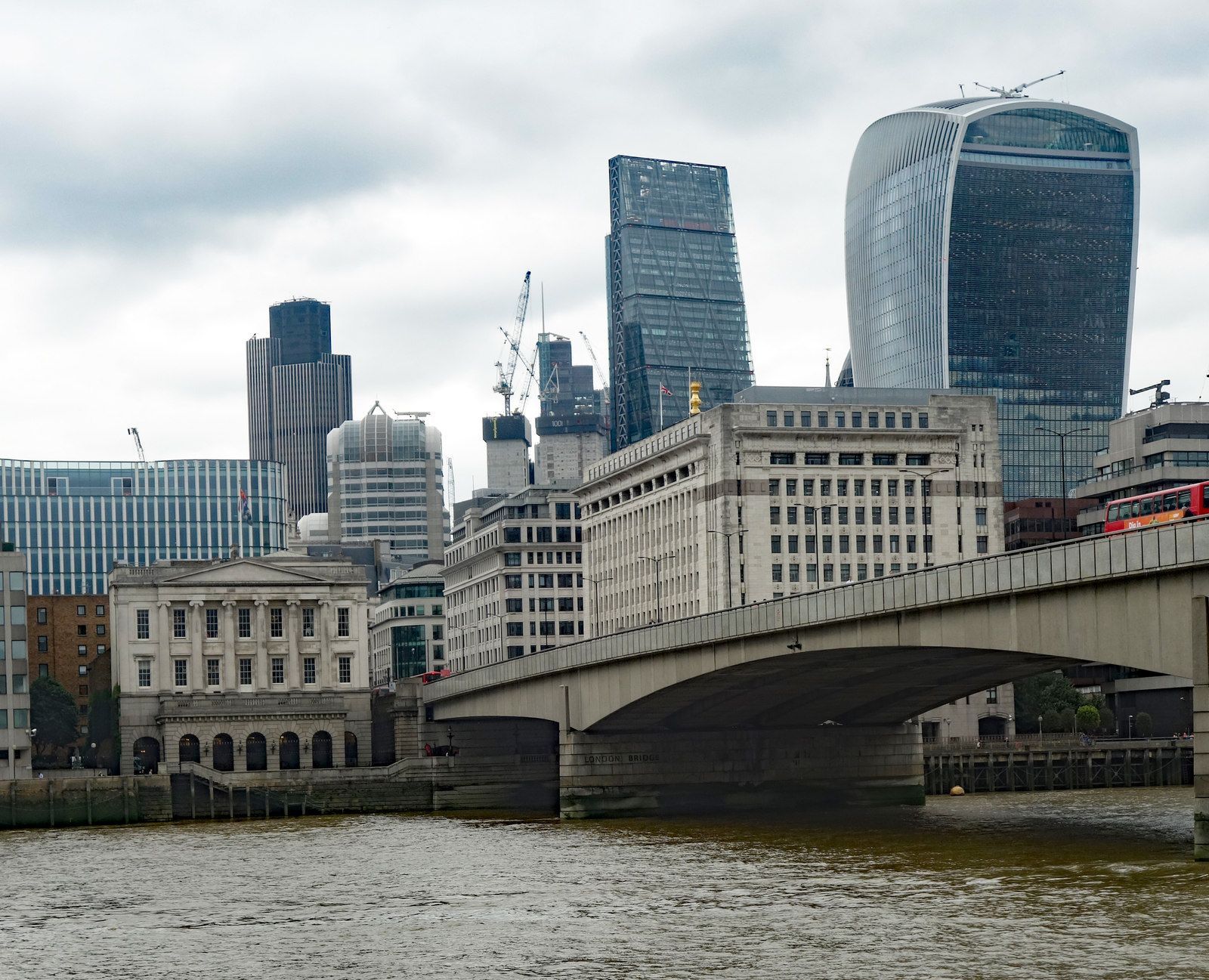
This spot of London looks unrecognizable over 100 years later. Behind the office block that is Adelaide House, the large rectangular building, you can still see the "urn of fire" from the same Great Fire monument. Not to mention all of the modern buildings built around them, among which stands out the distinctively shaped 20 Fenchurch Street, aka "The Walkie-Talkie."
The red double-decker on the bridge is also telling of the passing of time. If you are an acute observer, you’ll also notice that the bridge looks entirely different. You’d be correct; it had to be replaced in the 1960s by one that supported modern use. The City of London put it up for sale, an American entrepreneur bought it, and transported its exterior to be used in the construction of a new bridge in Lake Havasu City, Arizona.
Sydney, Australia (circa 1950)
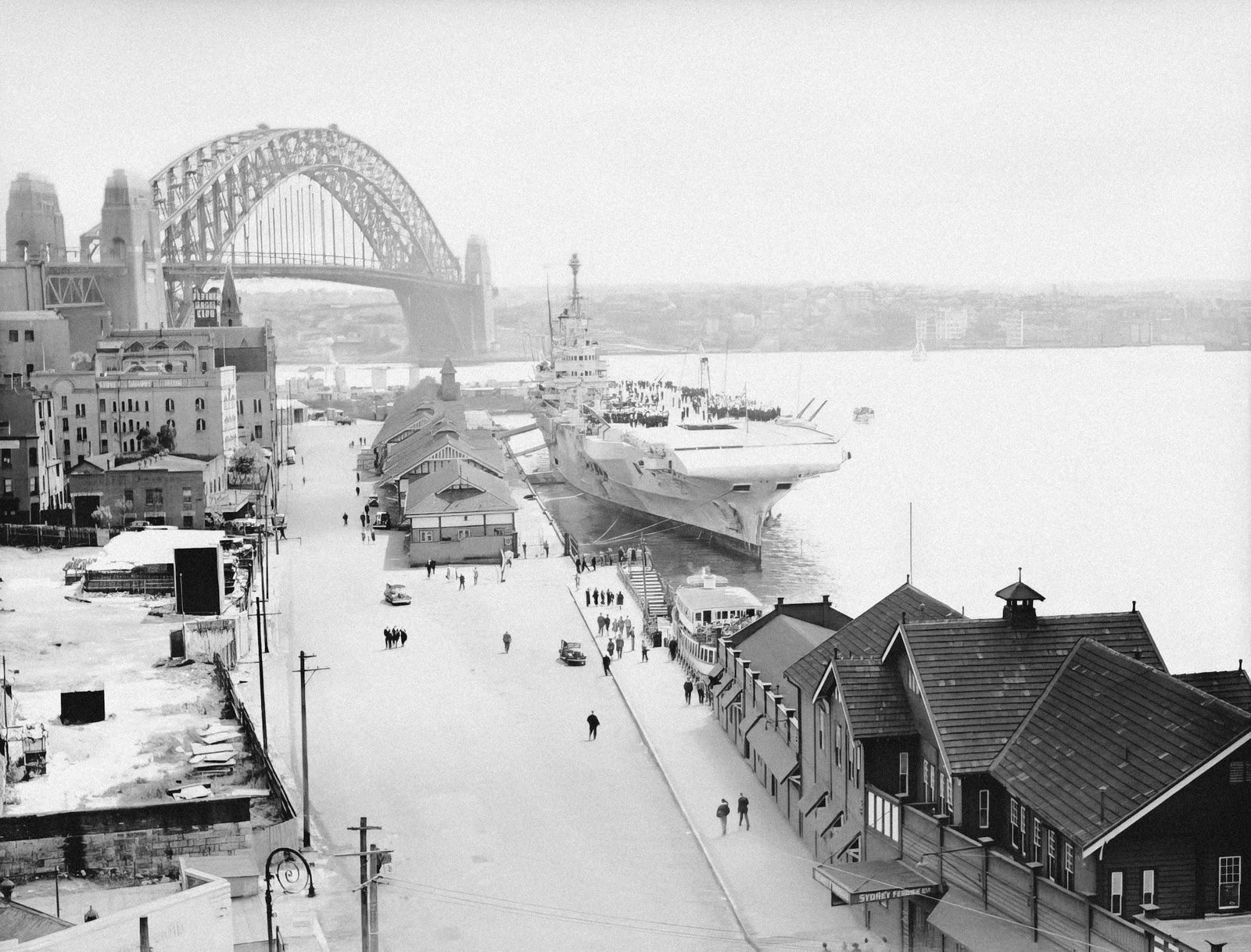
This picture shows a historic view of Sydney, Australia, taken from the Circular Quay West area. The presence of the aircraft carrier means this was taken shortly after WWII, towards the late 1940s. Back then, the Sydney Harbour Bridge, seen on the left, was probably the main icon of the city.
Of course, only a few years later, in 1959, the city would begin the construction of what was to become one of the most famous structures in the world: The Sydney Opera House, finally opened in 1973.
Sydney, Australia (2016)
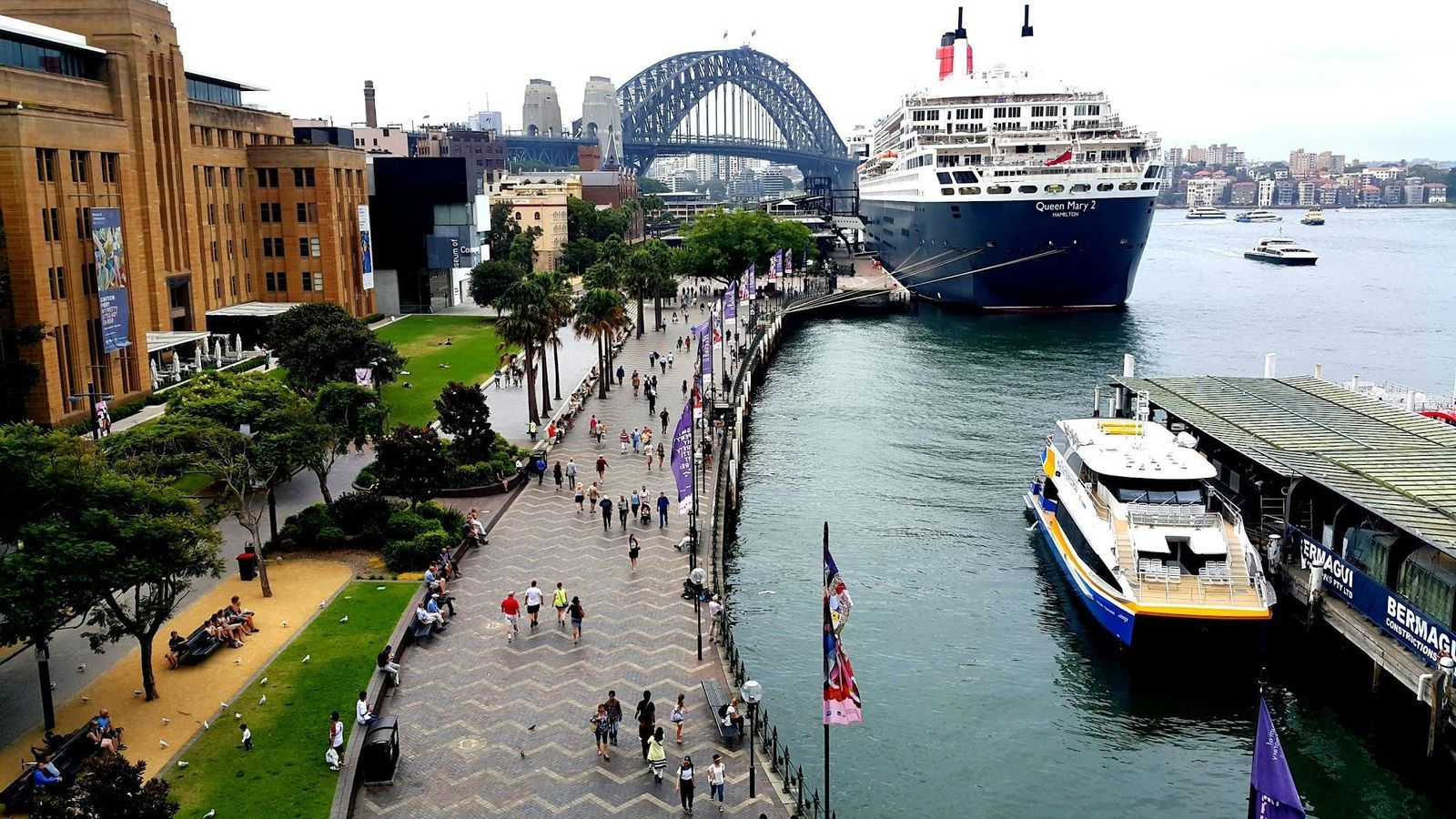
This picture was taken from nearly the same spot, around 70 years later. You can see that the bridge and some of the surrounding buildings are intact. The aircraft carrier has been replaced by a colossal cruise, like the ones that bring tourists to the city every day to the Overseas Passenger Terminal Site.
The sand-colored brick facade is the former Maritime Services Board building, which nowadays is famous as the Museum of Contemporary Art (MCA).
Valencia, Spain (circa 1920)
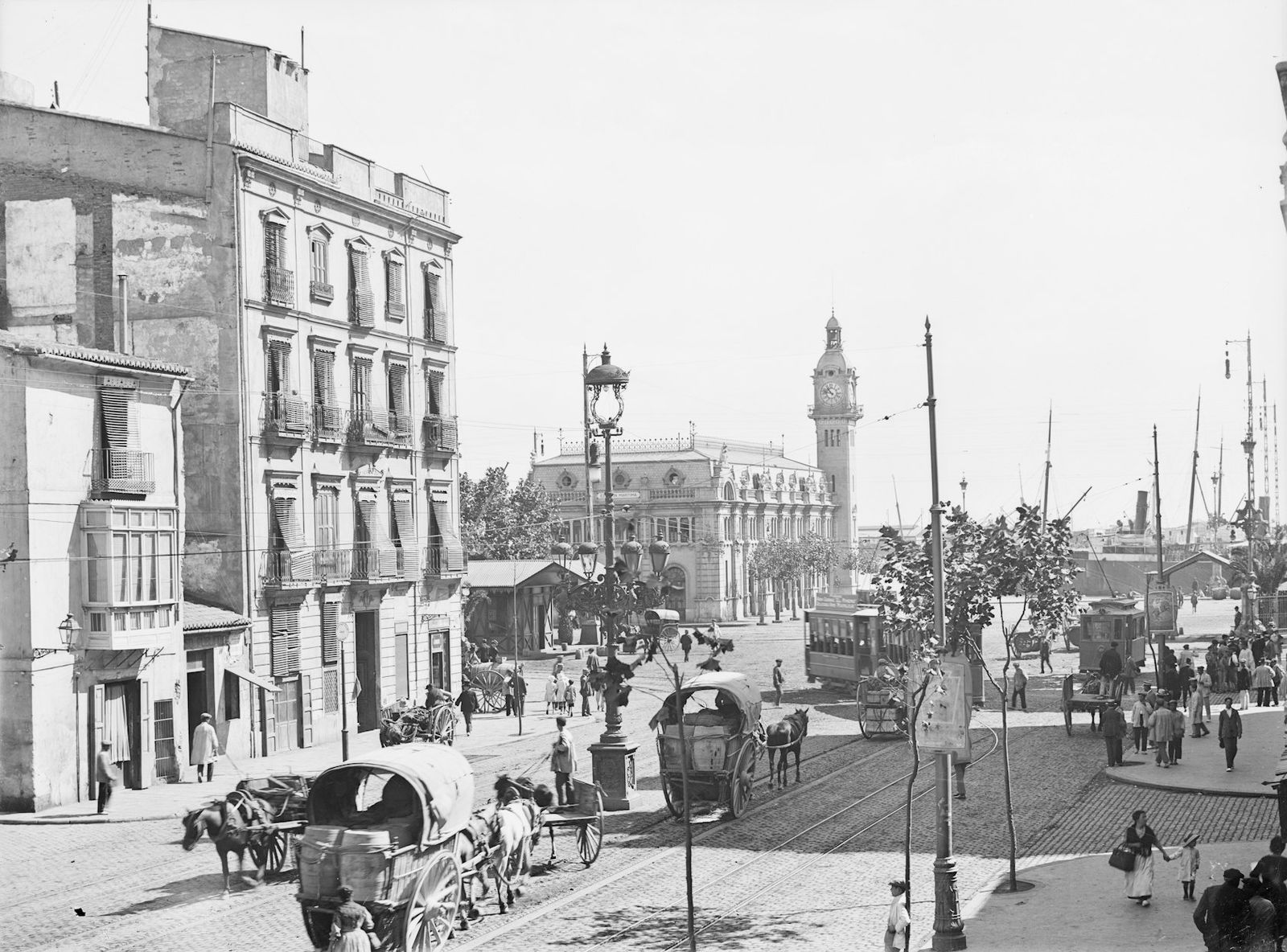
This is a view of the old Port of Valencia, a coastal city in the eastern Mediterranean coast of Spain. Prominent in the background, you can see the Clock Building, built in 1916, an example of the influence French architecture had in the area.
Early in the 20th century, Valencia was already a major hub for exports, which is why you can see its busy port where horse carts, streetcars, and ships converged.
Valencia, Spain (2022)
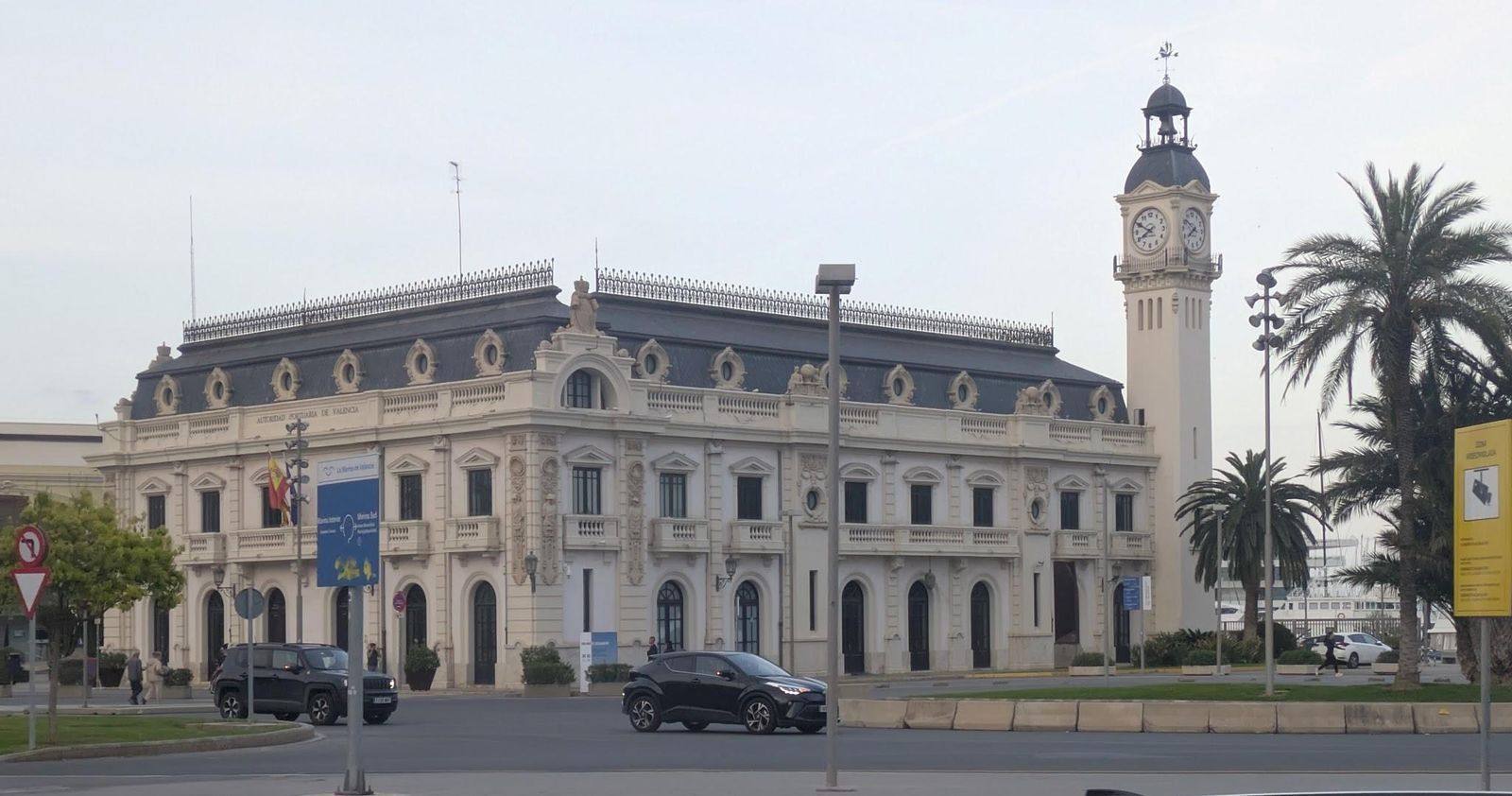
A century later, the port and its iconic edifice are just as important. But pay attention, and you’ll notice that the block contains far more windows and doors. The exponential growth of the city and its port in the mid 20th century meant that the house of the Valencian Port Authority needed expansion, so, over the decades, both its exterior and interior were modified. However, the neoclassical details were respected for their cultural and historical value.
Paris, France (circa 1890)
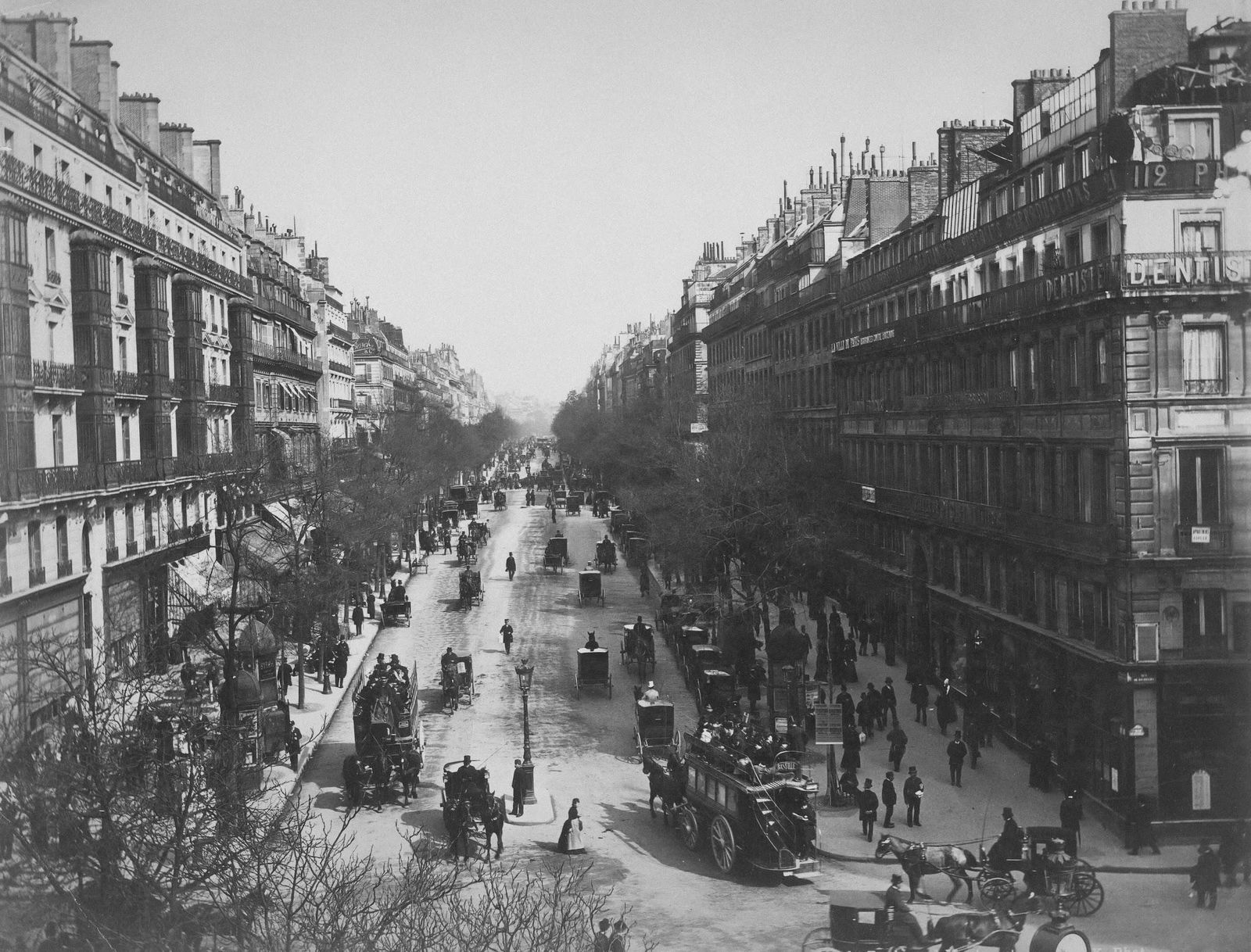
The streets of Paris, with their Haussmann-style architecture, are recognizable enough to identify the capital of France even when the Eiffel Tower isn’t in the frame. They are the result of Baron Haussmann’s massive renovation of Paris (1853–1870), which replaced cramped medieval alleys with these wide, airy boulevards. This specific corner was a very well-documented landmark in 19th-century street photography.
Paris, France (2011)
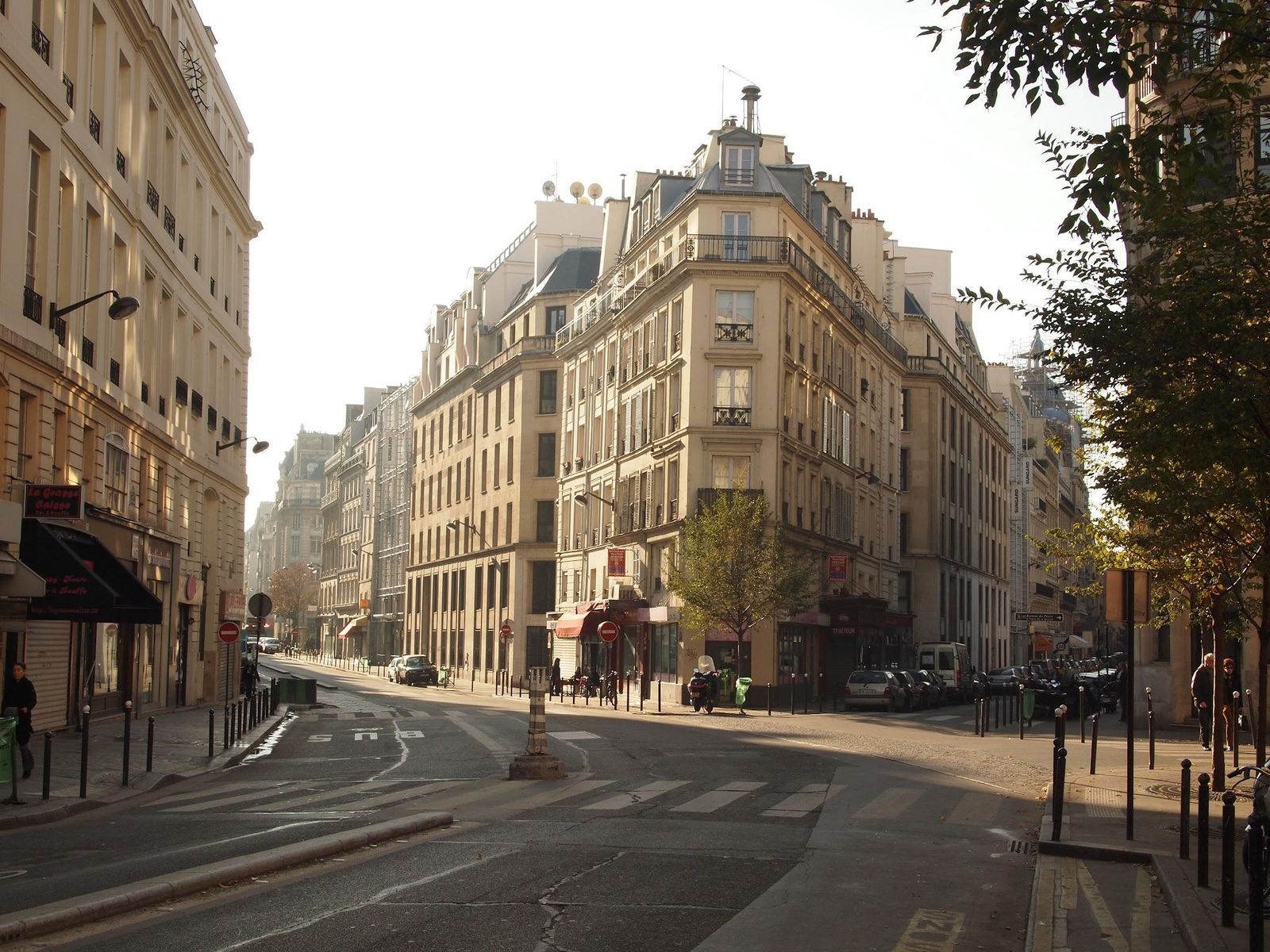
Very little has changed in the facades of the buildings in this Parisian area. The intersection of Rue Montmartre and Rue du Faubourg Montmartre would look the same if not for the modern cars and the updated pavement.
n the 2020s, many of the side streets branching off this intersection have been subject to increasing pedestrianization and traffic restrictions, or transformed into "Meeting Zones."
Venice, Italy (circa 1880)
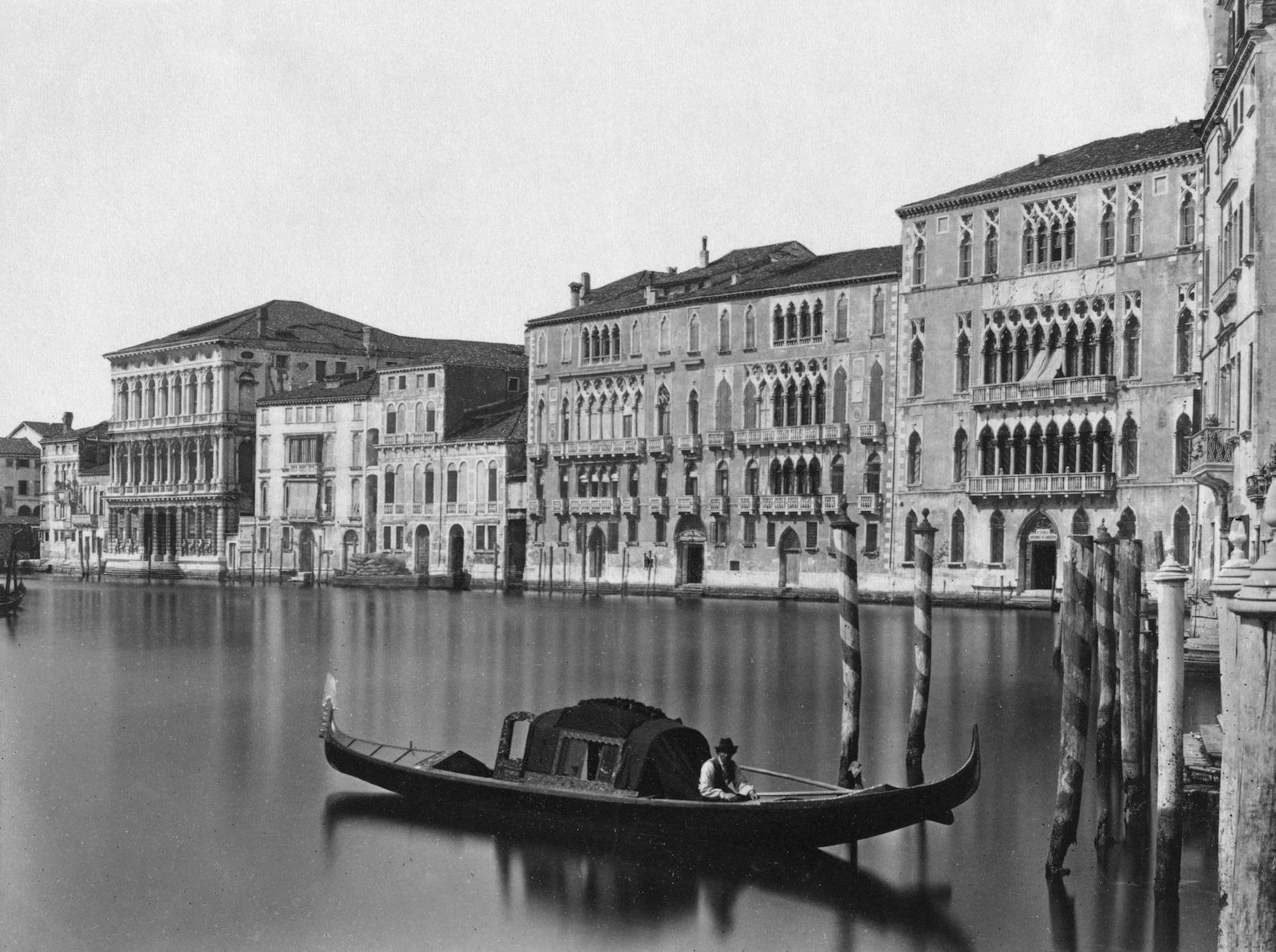
Since Venice, Italy, is bent on conserving its facades as loyally as possible, sometimes it’s very difficult to place old pictures in time. In this case, however, we can look at the water for clues. Its still, blurry appearance suggests long-exposure photography typical of the late 19th century.
The main buildings you can see towards the right side are the Ca' Foscari and the Palazzo Giustinian, both examples of Venetian Gothic Architecture from the 15th century, standing in front of the Grand Canal.
Venice, Italy (2021)
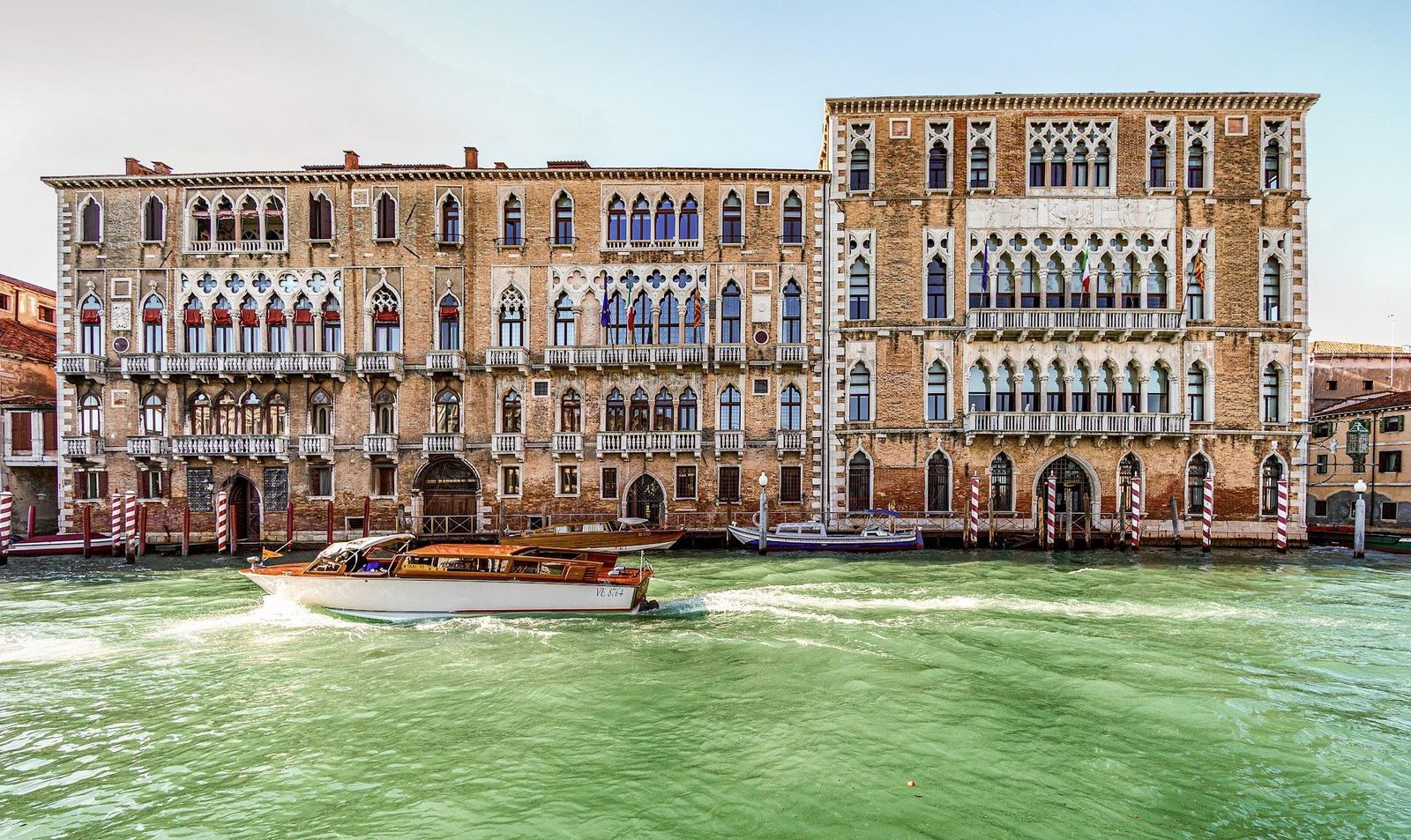
Don’t be fooled by the lack of gondolas in this shot; the thin rowing boats are an icon of Venice as much as they have been for hundreds of years, and any tourist will get their fair share of sightings upon arriving. But the modern motoscafo (water taxi) cutting through the green waters can only mean the 21st century.
The same buildings stand with their intricate decoration well preserved. Even the placement of the paline (the striped wooden poles where people tie their boats) has only shifted slightly through the decades.
Keep wandering
There’s always
more to explore
The Prettiest Towns in 10 US States
4 min.
Read Now
 Landmarks
The rooftop sign welcomes you to Cleveland; the plane lands in Milwaukee
6 min.
Read Now
What's hiding beneath Alcatraz, and why can't anybody visit it?
6 min.
Read Now
10 destinations that are nearly impossible to visit
3 min.
Read Now