11 U.S. islands you thought you knew (spoiler: you probably don’t)
 History
Paradise found
11 U.S. islands you thought you knew (spoiler: you probably don’t)
Because of their insular nature, islands often exist as self-contained worlds, where their own logic governs evolution, rules, and almost everything else. From animal populations that thrived against all odds to prison islands and immigration hubs, these 11 islands in U.S. territory have very curious stories.
Mackinac Island said no to cars
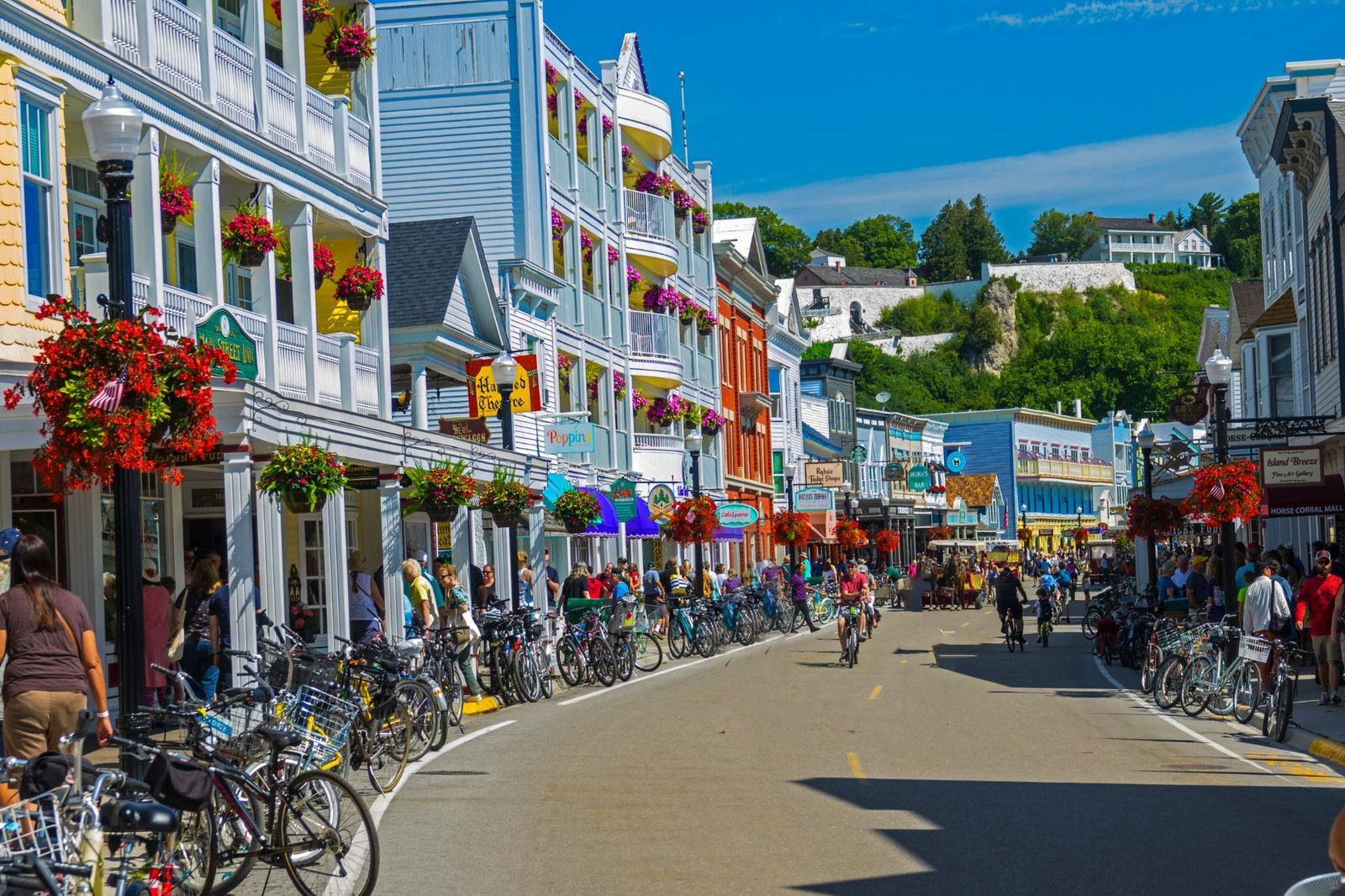
In 1898, Michigan´s Mackinac Island carriage drivers petitioned the village council to ban horseless carriages that frightened their horses, and the ban took effect on July 6. In 1901, the state park commission added its own restrictions after a summer resident’s car spooked horses.
Over a century later, the island still restricts ordinary cars, and the ban is now state law. Its only highway, M-185, is famously motorless. Visitors travel by foot, bike, or horse-drawn carriage, and a few exceptions exist. Horses have worked on the island since about 1780.
Angel Island´s poems on the walls
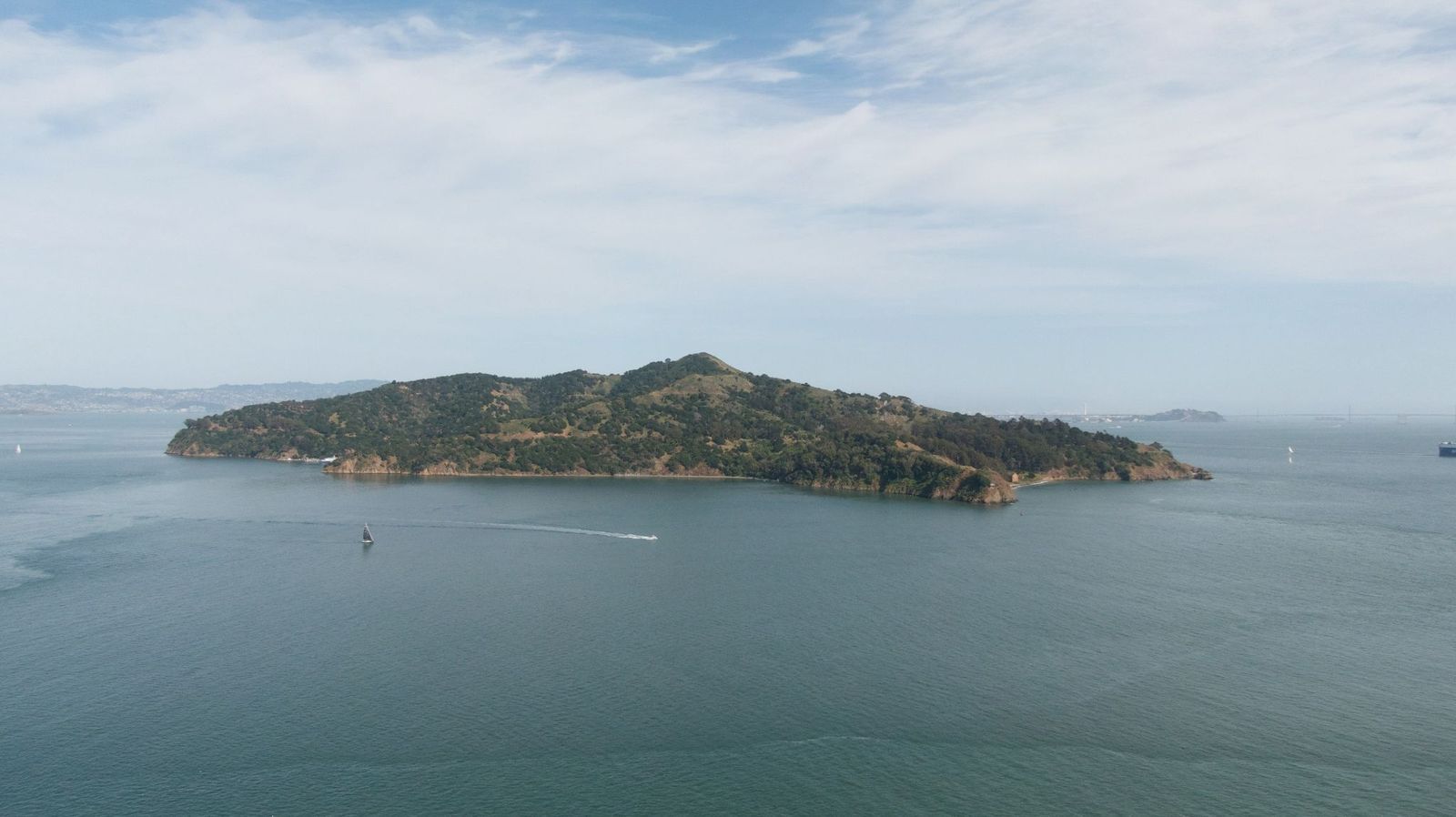
From 1910 to 1940, Angel Island’s immigration station, located in the middle of San Francisco Bay, processed roughly a million people, and an estimated 100,000 Chinese were detained there carved poems into the wooden barracks walls. More than 200 of those poems survive today. Inscriptions also appear in Japanese, Korean, Russian, and Punjabi.
In 1970, with the buildings facing demolition, park ranger Alexander Weiss noticed the carvings despite orders to ignore them and alerted a professor, who helped document them. The station became a National Historic Landmark in 1997.
Alcatraz and the occupation that followed
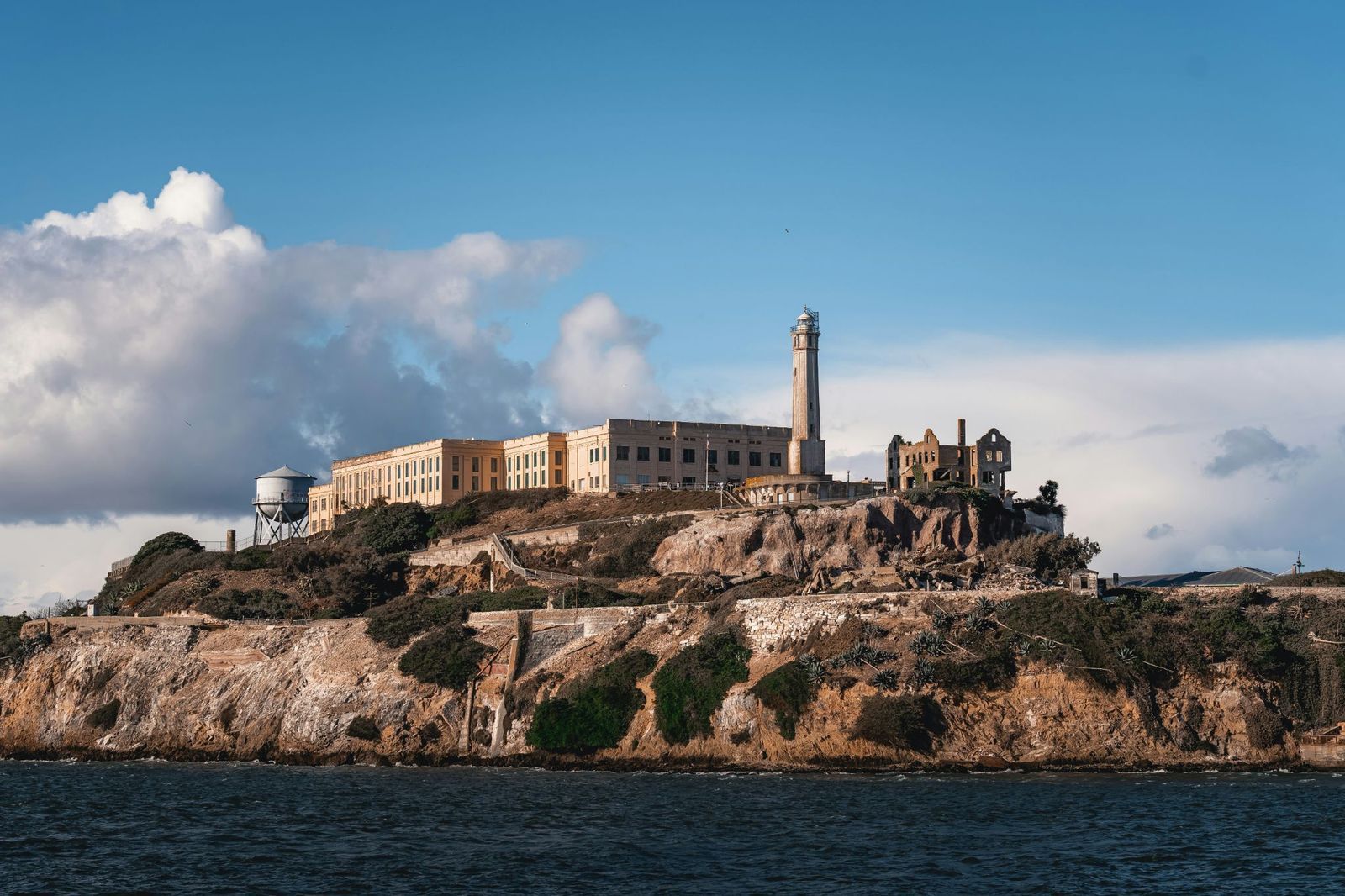
After its prison days, Alcatraz became the stage for a very different story. On November 20, 1969, a group called Indians of All Tribes began an occupation that started with 89 people. They elected a council and organized security, sanitation, day care, and a school. A fire at San Francisco’s American Indian Center had helped spark the effort.
It lasted until June 1971 and is widely described as the longest Native American occupation of a federal facility. It drew national attention, and federal policy later shifted from termination toward self-determination.
Governors Island turned its fortress into a playground
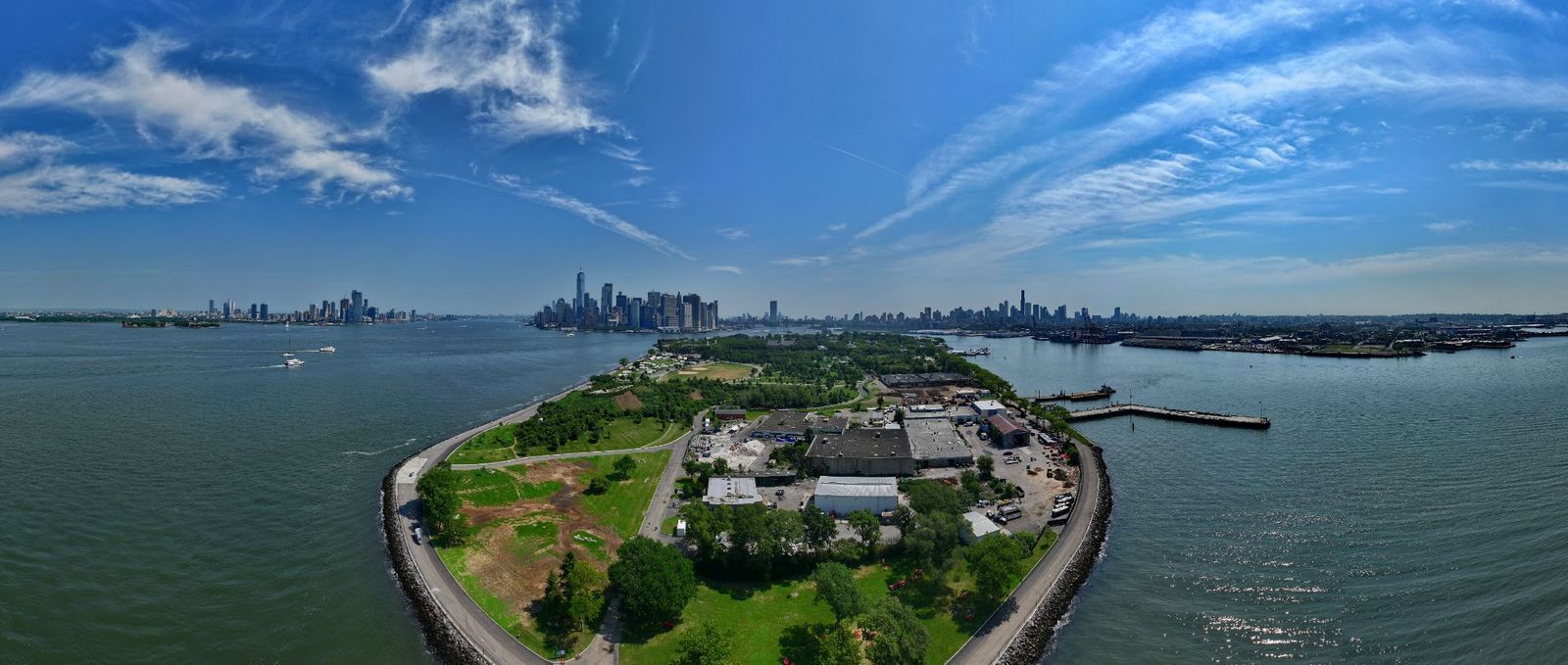
For nearly two centuries, Governors Island in New York Harbor was a military post, run by the Army and then, from 1966 to 1996, the Coast Guard. Castle Williams served as a military prison and held prisoners of war during World War II. Fort Jay honors John Jay. A park was first proposed in 1897, but the Army said no.
After the Coast Guard left, New York bought the island’s remaining acres for just $1, and Fort Jay and Castle Williams became a national monument. It opened to the public in 2005 and drew over 800,000 visitors a year by 2018.
Assateague’s horses and their origin story
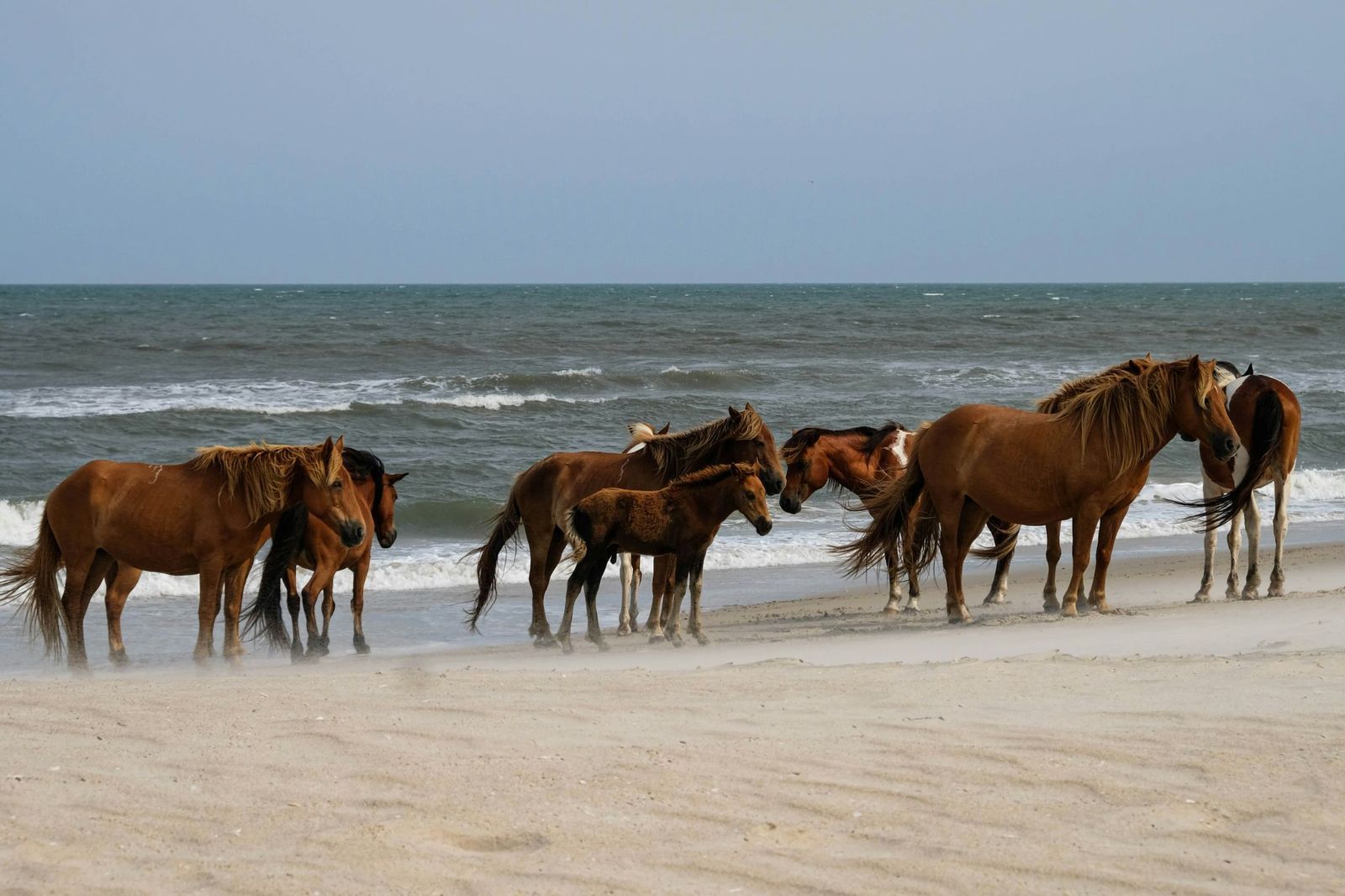
Located along the Atlantic coast of Maryland and Virginia, Assateague’s wild horses come with competing tales. The National Park Service says colonists in the 1600s let horses roam the island to avoid livestock taxes and fencing rules. A popular legend says they descend from horses that swam ashore from a wrecked Spanish ship.
A 2022 study found DNA from a 16th-century Spanish colonial horse in Haiti closely related to Assateague’s herd. That makes a Spanish link plausible, though it doesn’t prove any shipwreck. A fence at the state line separates the Maryland and Virginia herds.
Garden Key´s prisoner turned doctor
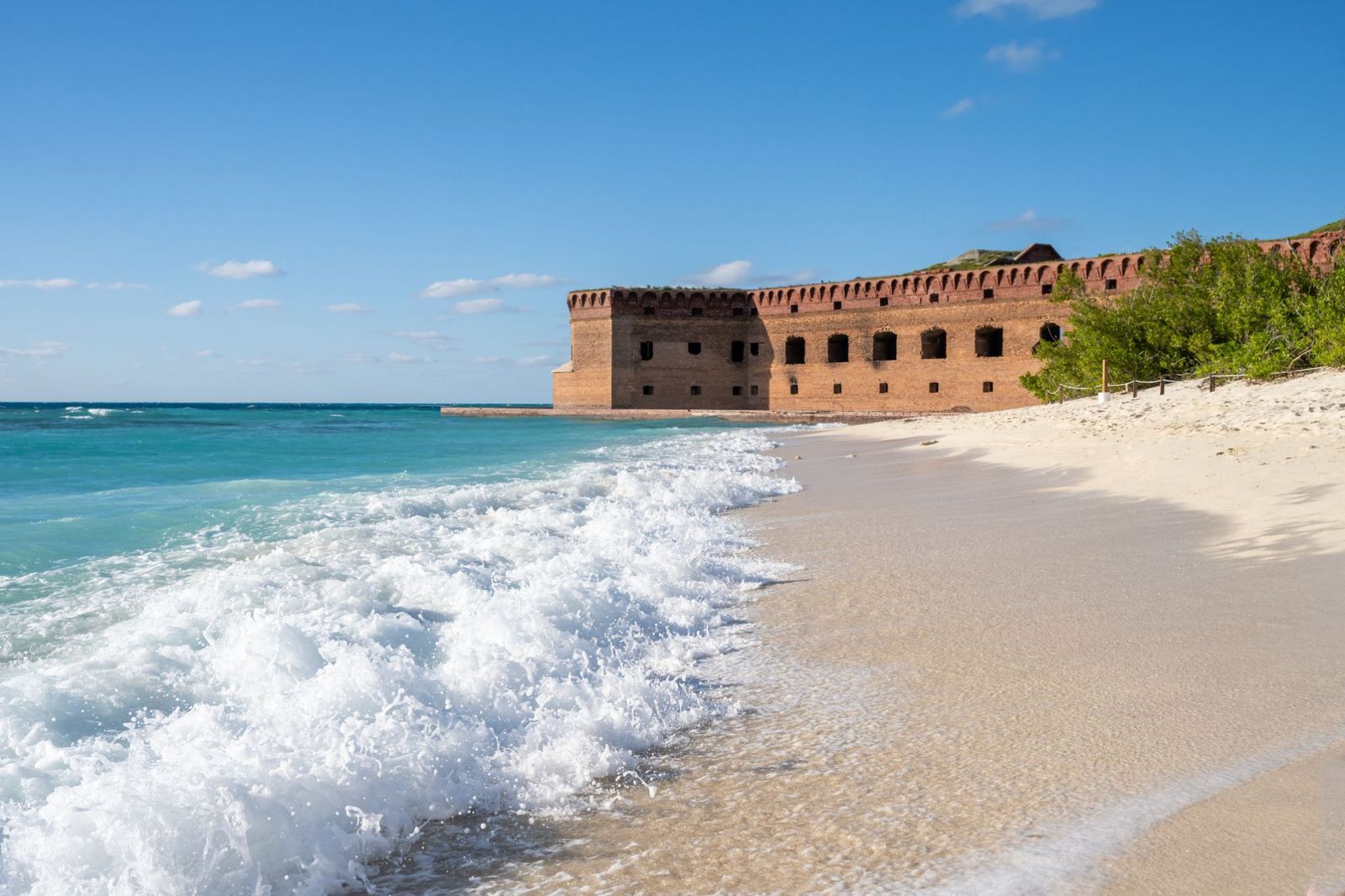
Garden Key in Florida’s Dry Tortugas holds Fort Jefferson, where Dr. Samuel Mudd was imprisoned after being convicted in the 1865 Lincoln assassination conspiracy for harboring and aiding John Wilkes Booth during his escape, a role historians still debate. In 1867, yellow fever struck the fort and killed its doctor.
Mudd volunteered to treat the sick. Soldiers later signed a petition with about 300 signatures for his release, and President Andrew Johnson pardoned him in 1869. Historians argue over how much the petition mattered, but his work in the epidemic became the heart of his legend.
Catalina´s Bison and a Hollywood movie
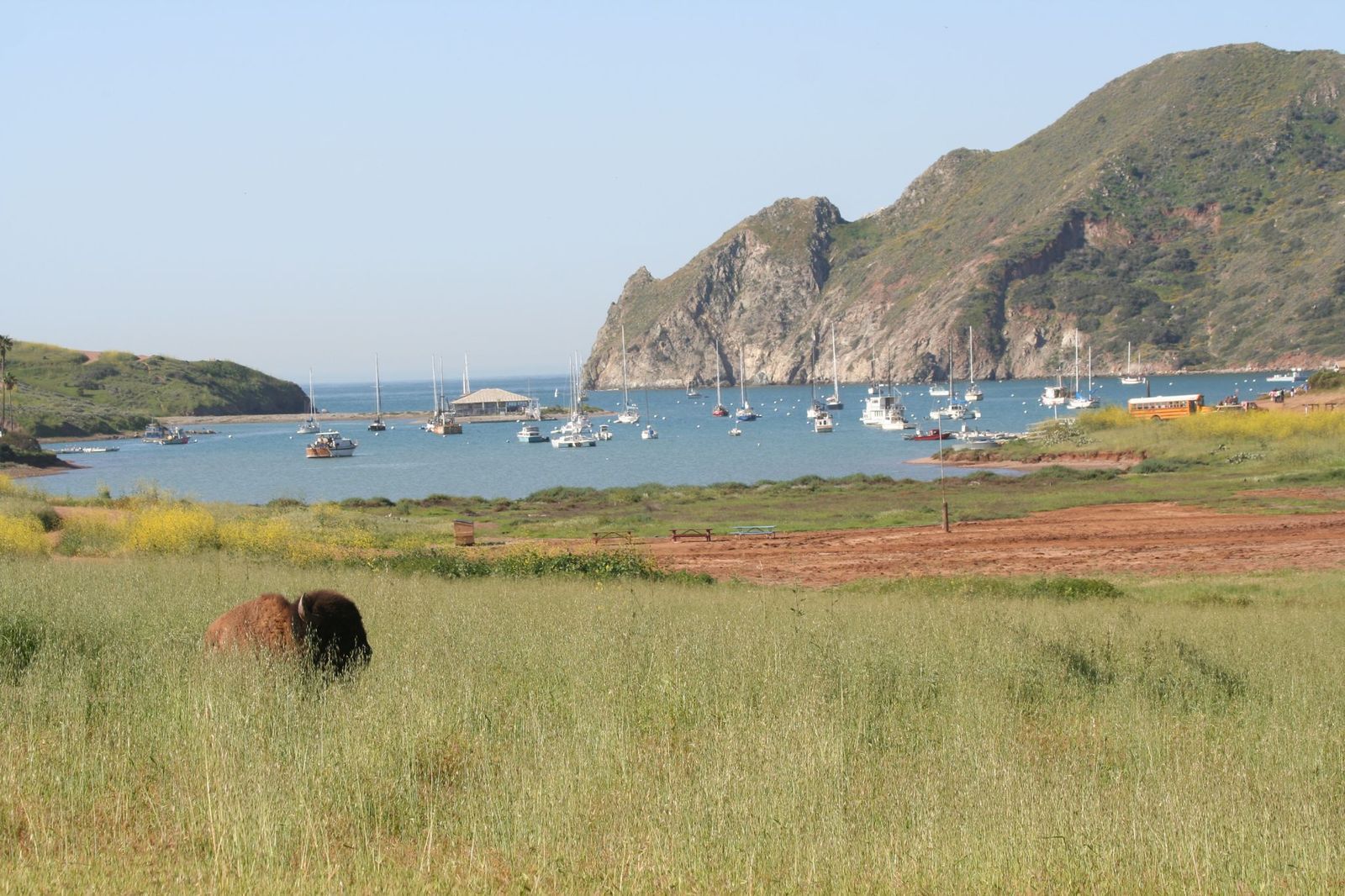
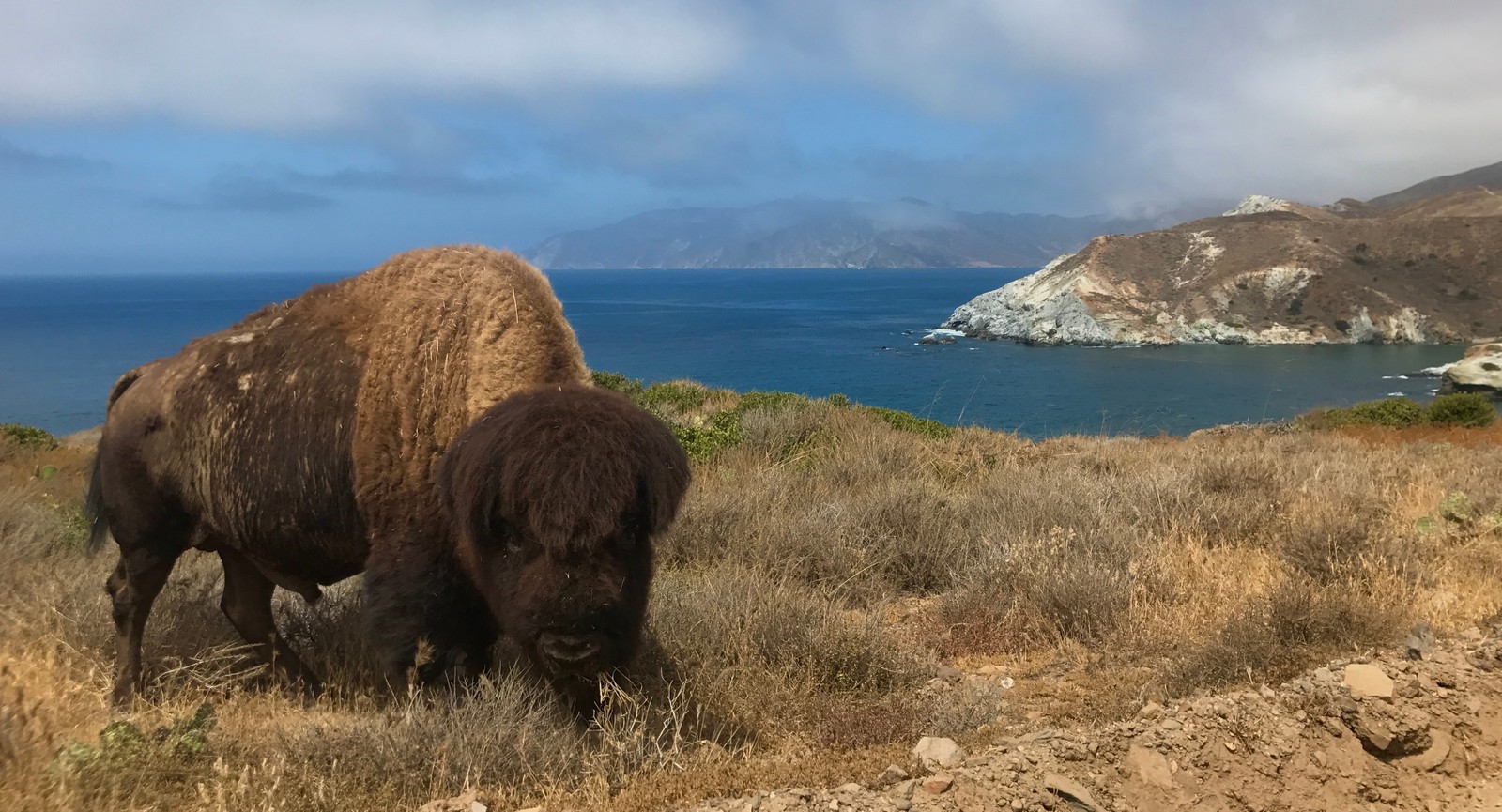
In 1924, 14 American bison arrived on Catalina Island, 22 miles off Los Angeles. Local lore says they were brought for the filming of The Vanishing American in 1925. Yet the final version of the movie has no bison.
Whatever the reason, the herd stayed and boomed to nearly 600 by the 1970s. Today the Catalina Island Conservancy keeps it near 150 through relocation and contraception, and the bison have become island icons. Visitors are told to stay at least 100 feet away.
San Juan Island and the pig war
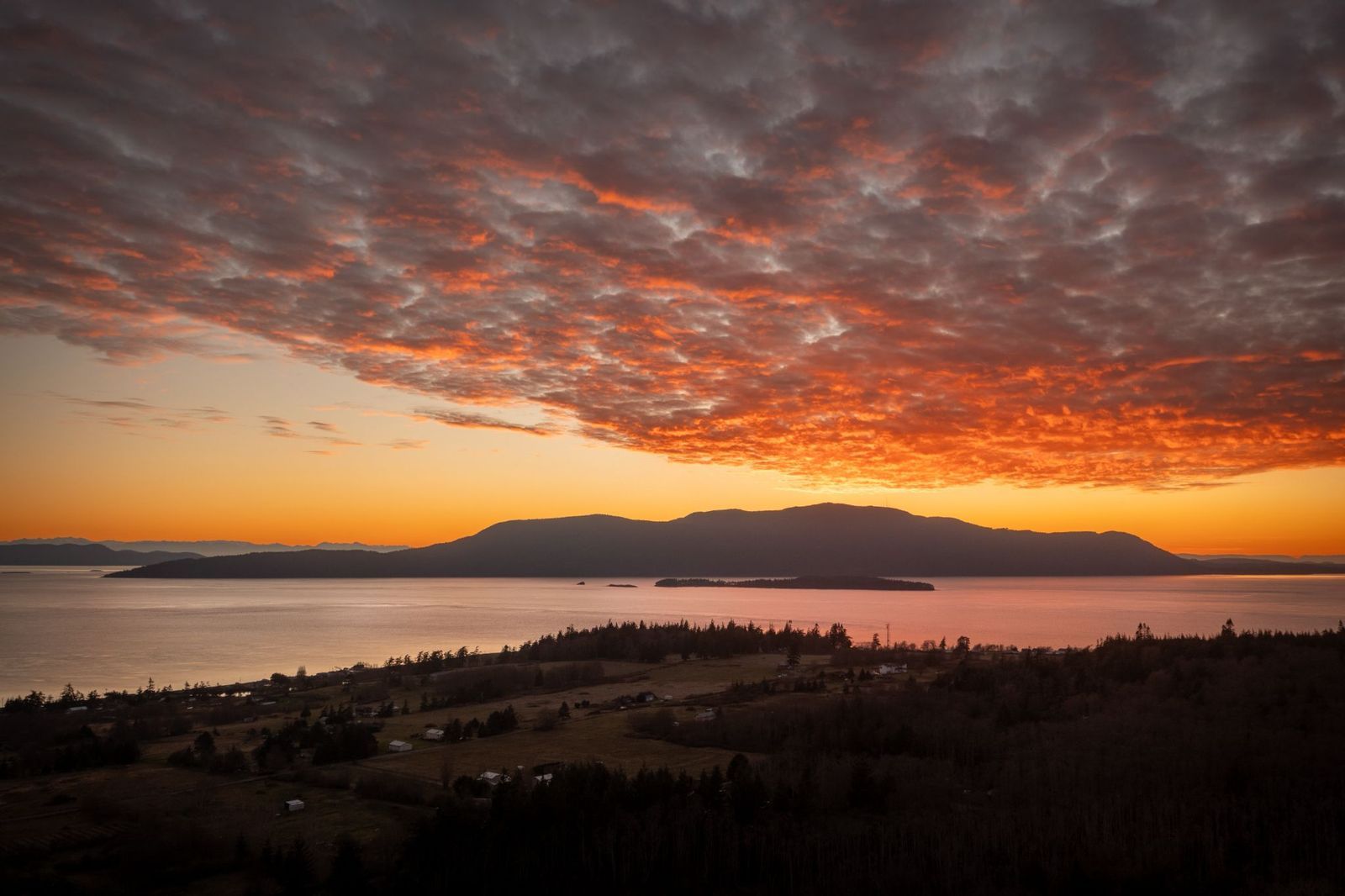
On June 15, 1859, American settler Lyman Cutlar shot a pig rooting in his garden on San Juan Island, in Washington State. The pig belonged to the British-run Hudson’s Bay Company, and an 1846 treaty left the island’s ownership unclear. Soon, 461 U.S. soldiers faced British warships.
A British admiral refused to go to war over a pig, and officers from both sides even shared meals. Finally, after 12 years of joint occupation, Germany’s Kaiser Wilhelm I ruled the islands to be American in 1872. The only casualty was the pig.
Isle Royale´s wolves and moose
Since 1958, scientists have tracked wolves and moose on Isle Royale, a roadless Lake Superior island in the state of Michigan. It is widely called the world’s longest-running predator-prey study. Researcher Rolf Peterson joined in 1970 and has been part of it for decades.
By 2018, only two wolves remained, so 19 were brought in over 2018 and 2019. The 2026 survey counted about 37 wolves, while moose had fallen to 524, down 75 percent from 2019. For the first time in 68 years, no moose calves were seen. Volunteers have searched for moose bones there since 1988.
Santa Cruz Island's fox comeback
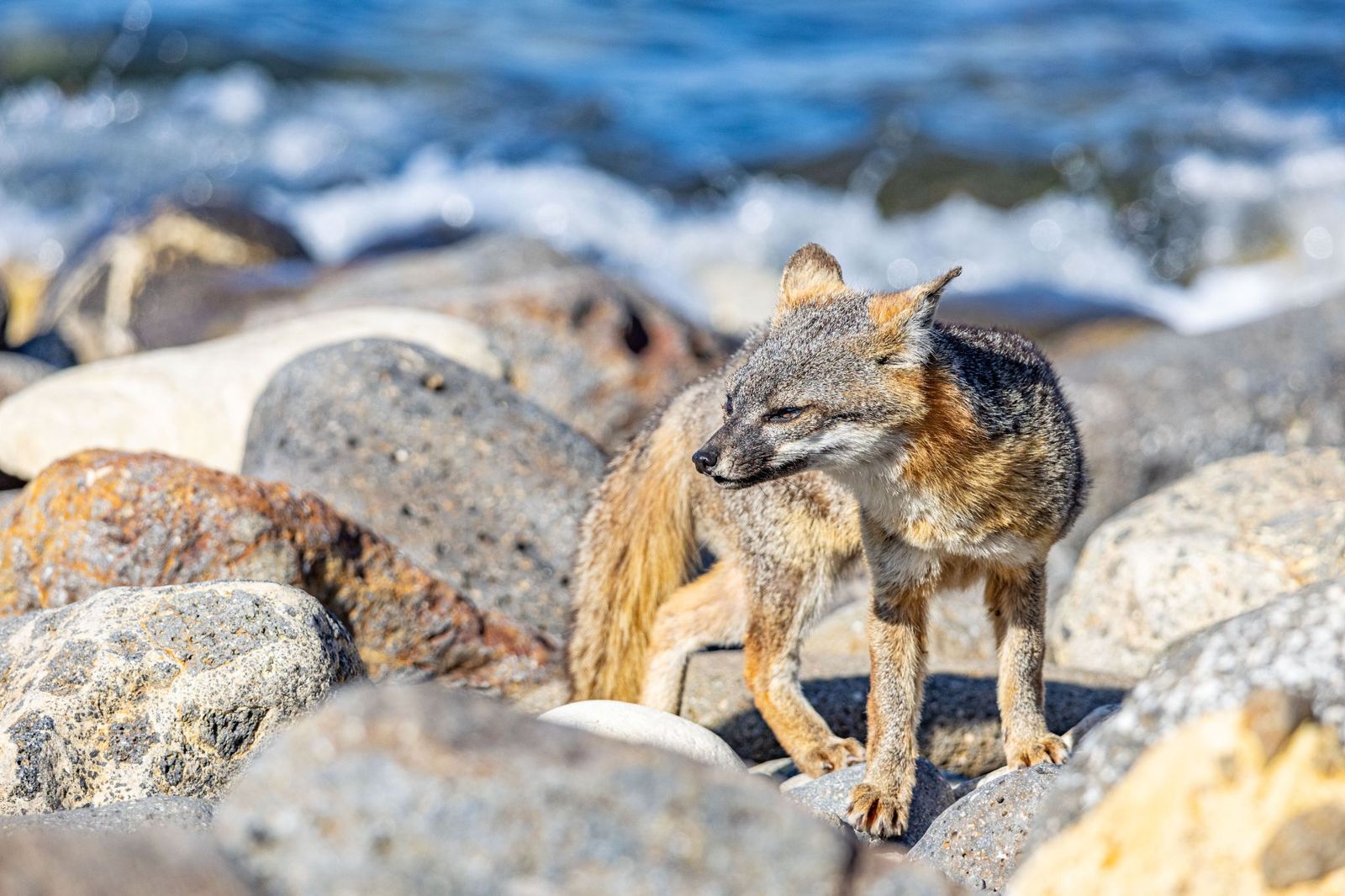
In the 1990s, island foxes on California’s Channel Islands crashed by over 90 percent, and by 2000 only 55 remained on Santa Cruz. A chain reaction was to blame: DDT wiped out bald eagles, golden eagles moved in, and they hunted feral piglets and then foxes.
Rescuers relocated 44 golden eagles, removed thousands of feral pigs, bred foxes in captivity, and brought back bald eagles. In 2016, three fox subspecies were delisted, the fastest recovery of any mammal under the Endangered Species Act. In 2006, bald eagles nested there for the first time in about half a century.
Cumberland Island´s Carnegie ruins
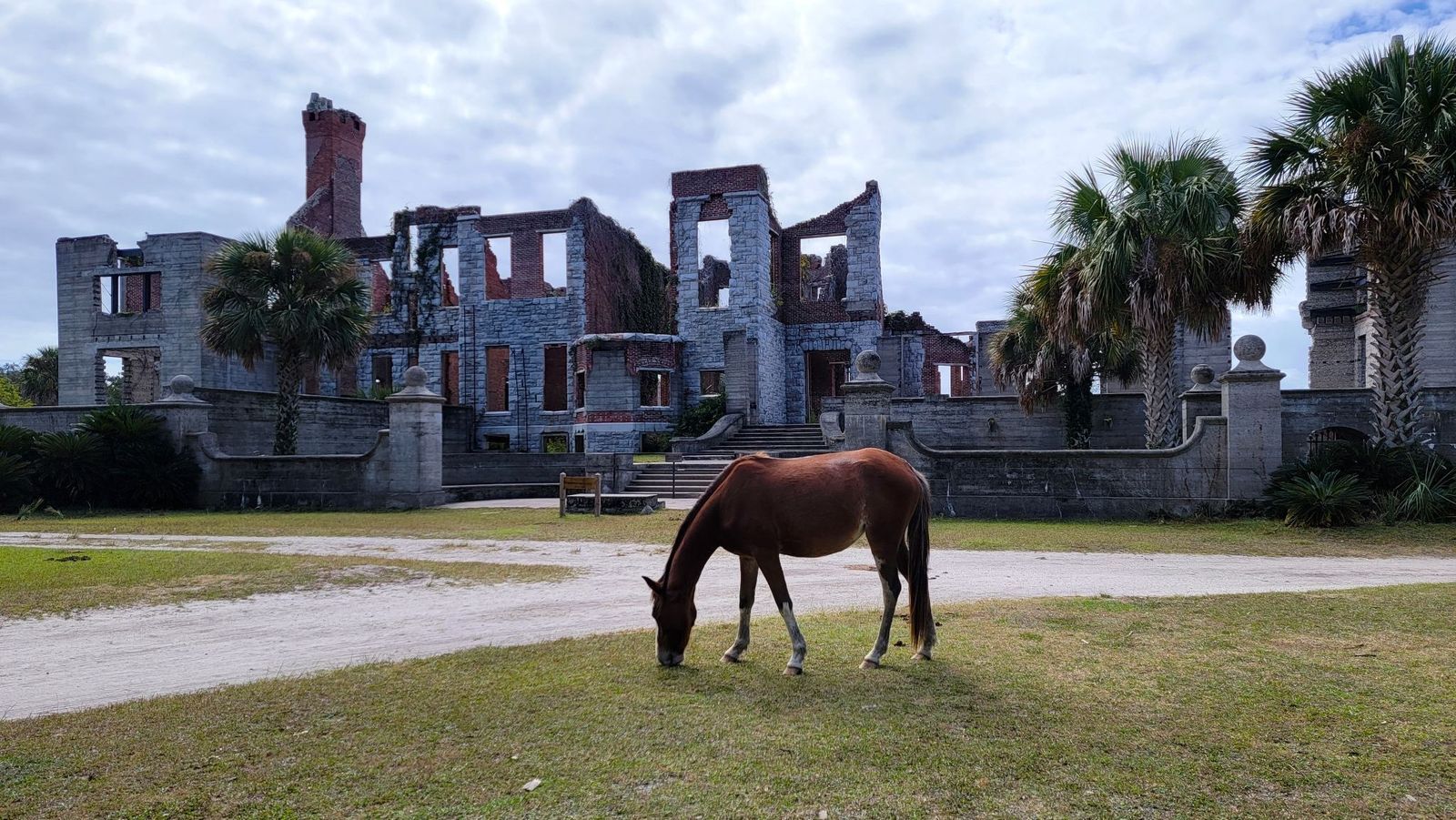
On Georgia’s Cumberland Island, the ruins of Dungeness recall the Carnegie family. Thomas Carnegie, brother of Andrew, began a 59-room mansion in 1884, and his family came to own about 90 percent of the island. They left in 1925, and a fire destroyed the house in 1959.
Dungeness had earlier lives: a hunting lodge from 1736 and a tabby mansion built by Nathanael Greene’s widow in 1803. Since 1972, the ruins have been part of a national seashore, where wild horses wander nearby.
Drive-in movies were invented for this surprisingly personal reason
 General
Behind the wheel
Cruise control was invented by a blind man: 10 car stories you never knew
Did you know cruise control was invented by a man who couldn't see? Or that cars weren’t required to come with seatbelts until 1968? Cars are such a big part of everyday life that we rarely stop to ask how certain features came to be. Some answers are surprising, like the carmaker that handed its best safety design to its rivals for free. Here are the stories behind some of the things we now take for granted on the road.
The blind engineer behind cruise control
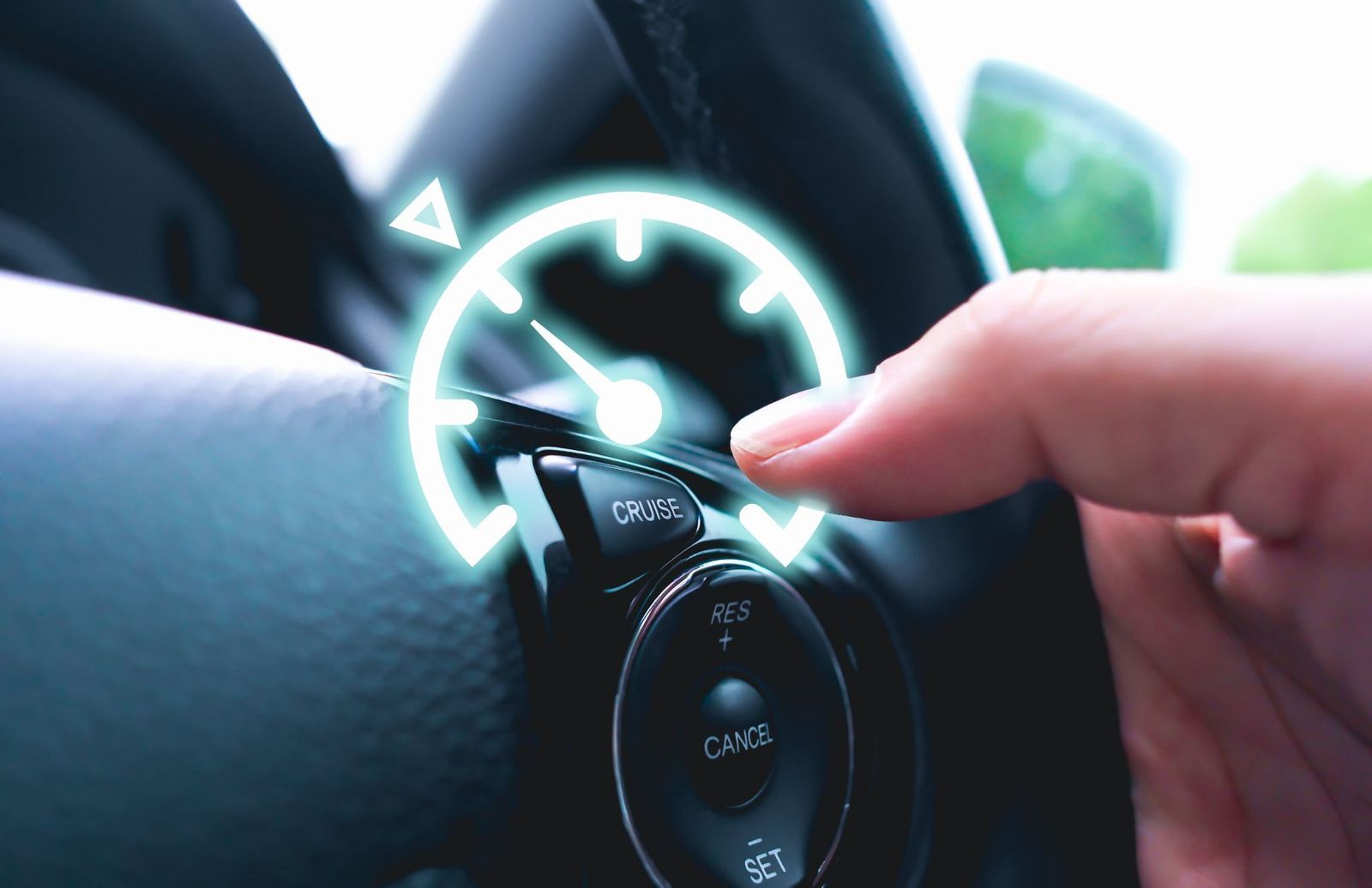
When Ralph Teetor was about six years old, he hurt his eyes in a knife accident and lost his sight. But this accident didn’t stop his ingenuity. At 12, he made a car using an engine from his father's machine shop. And in 1912, he graduated in mechanical engineering from the University of Pennsylvania.
Around 1936, he was a passenger riding with his patent lawyer, Harry Lindsey, who had the habit of slowing down when talking and speeding up when listening. Those rough movements annoyed Teetor enough that he decided to fix the problem. After 10 years, he created what’s now known as cruise control. He got the patent in 1950. In 1958, Chrysler put it in its Imperial, New Yorker, and Windsor models, with the name "Auto-Pilot." Cadillac later named it "Cruise Control," and that one stuck.
Why seatbelts weren't required until 1968
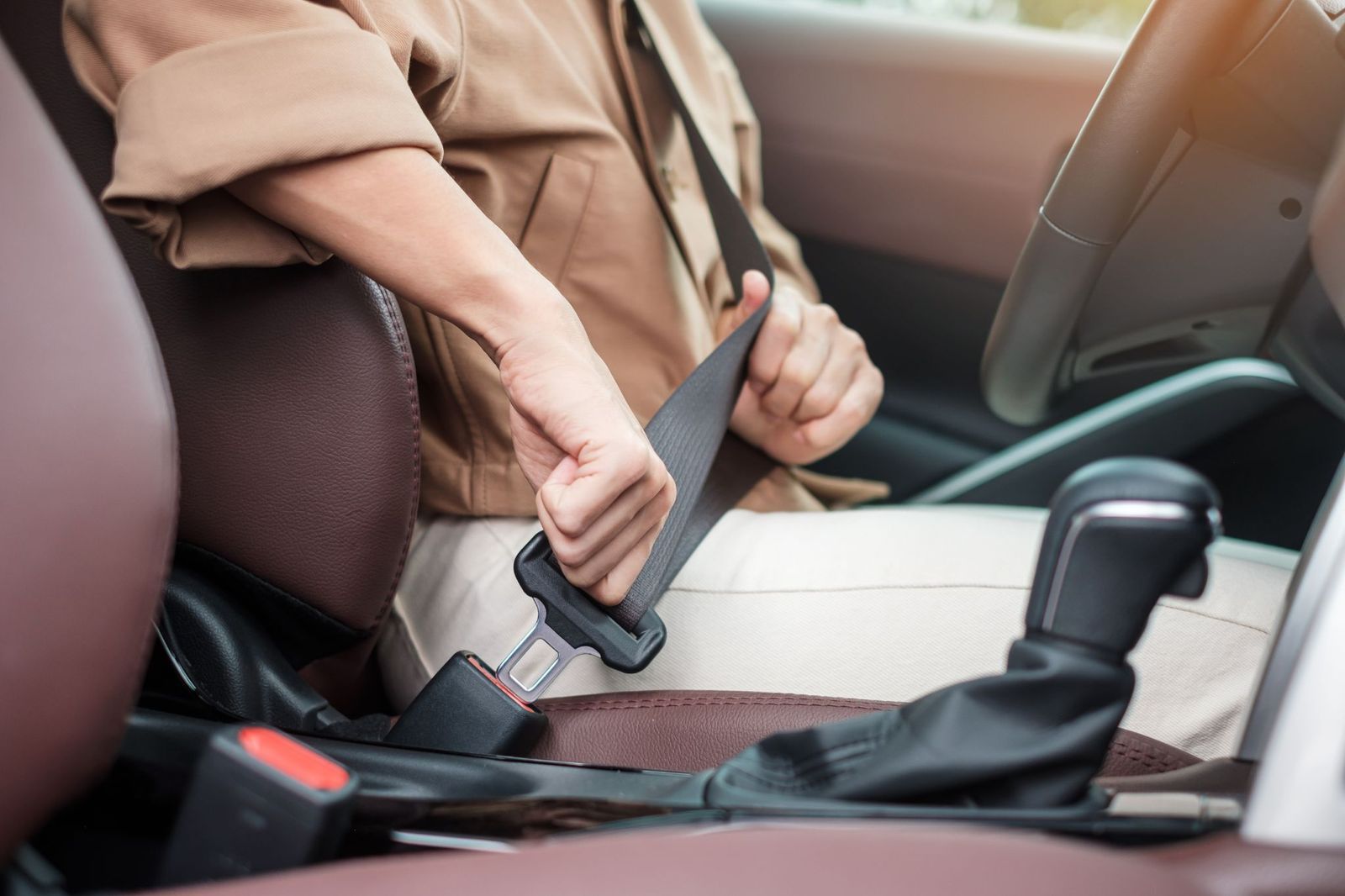
Seatbelts weren't very popular at first. Some car companies, such as Nash and Ford, offered them in their 1956 "Lifeguard" safety package, but only about one in five buyers ordered them.
Everything changed when President Lyndon B. Johnson signed the National Traffic and Motor Vehicle Safety Act in 1966. Under this law (starting on January 1, 1968), every new car had to have seatbelts, including lap-and-shoulder belts in the front seats next to the doors.
However, having seatbelts in the car didn't mean people wore them. That came later, in the 1980s. Because too many people were still dying in car accidents, New York stepped up and became the first state to make buckling up the law. It worked: more people started wearing their belts, and other states and countries soon followed.
Why Volvo gave away its seatbelt design for free
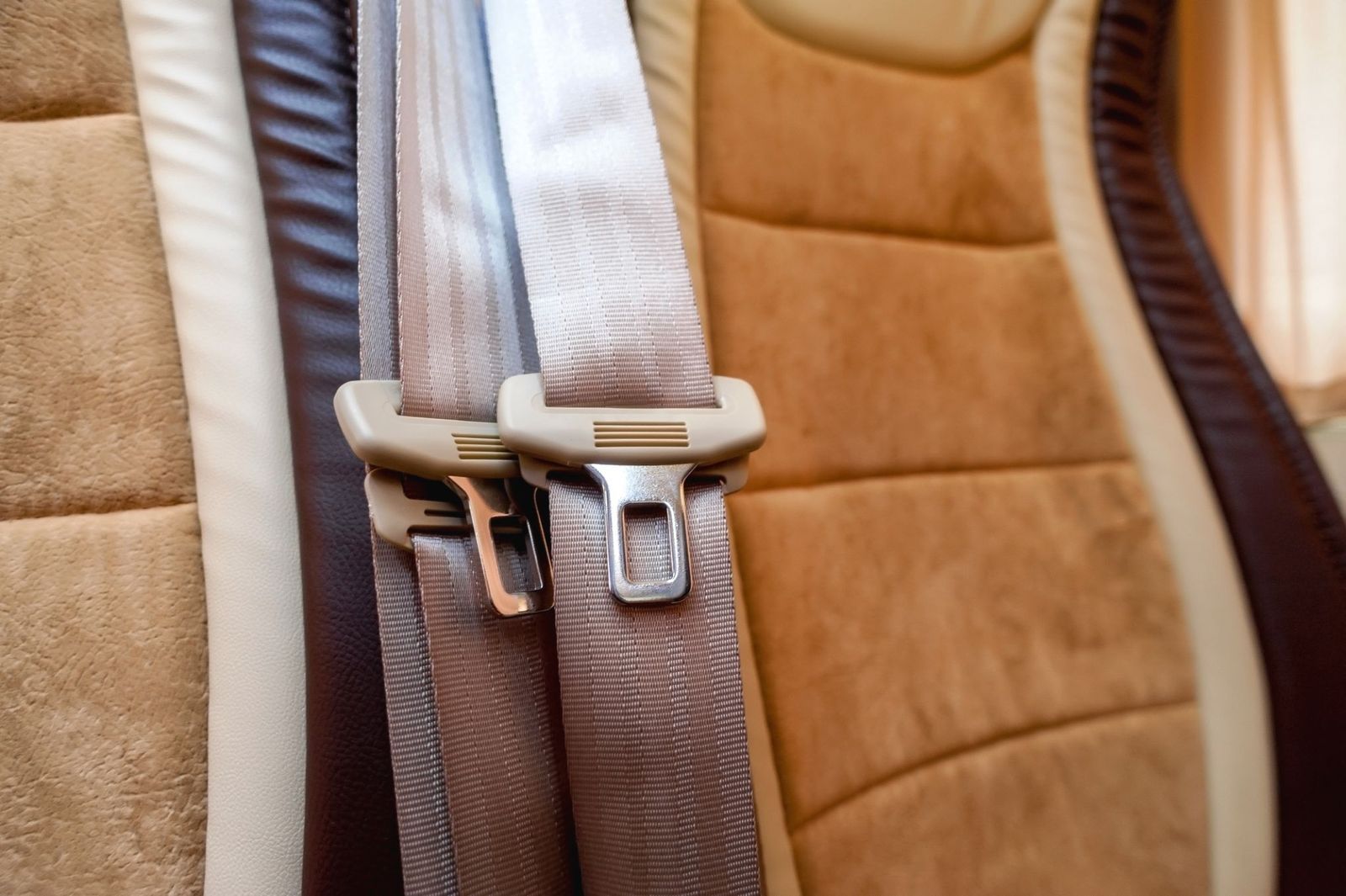
Did you know that the car seatbelts we use every day first appeared in 1959? They were designed by Swedish engineer Nils Bohlin, who, before cars, designed ejection seats for airplanes. In 1958, he joined the Swedish carmaker Volvo and created the three-point belt. It combined a lap belt and a shoulder belt, joined at one low point beside the seat, so it held both the upper and lower body in place during a crash. It was also simple enough to buckle with one hand.
The design was patented; still, Volvo made a surprising choice: it let other car companies use it for free, because it believed safety mattered more than profit. The company now estimates the three-point belt has saved at least one million lives worldwide.
How the first drive-in movie theater started in 1933
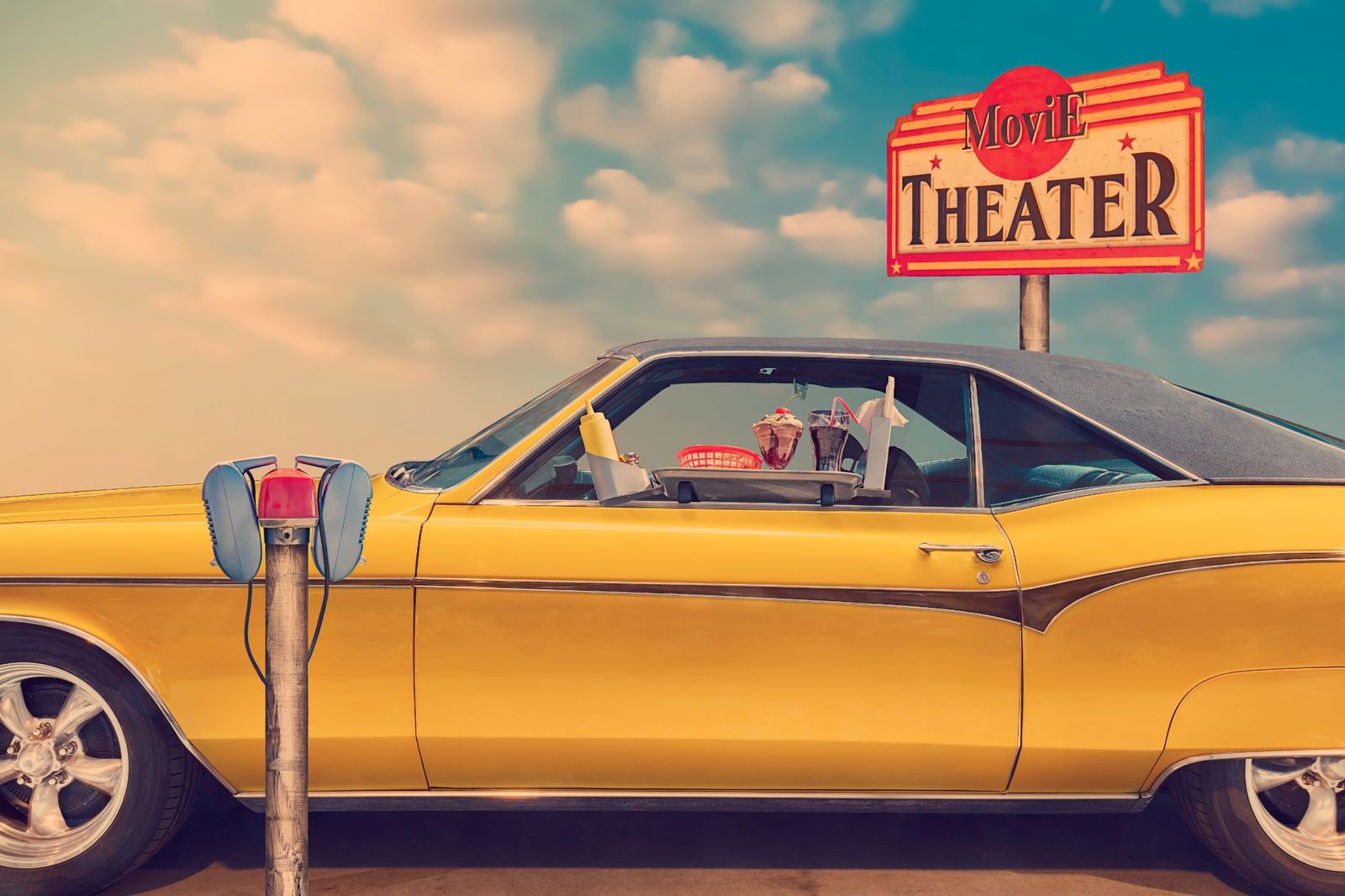
Richard Hollingshead came up with the idea for the first drive-in movie theater because his mother, who was overweight, had trouble fitting into regular theater seats. He was a sales manager at his family's auto parts company in Camden, New Jersey, and he started testing the idea in his driveway. He set a 1928 Kodak projector on the hood of his car, nailed a sheet to some trees for a screen, and put a radio behind it for sound. He even turned on his lawn sprinkler to see how a movie would look in the rain.
Once he had it all figured out, he patented his design in May 1933. A few weeks later, he opened the Park-In Theater in nearby Pennsauken. It cost about $30,000 to build it, and tickets cost 25 cents per car and 25 cents per person. The sound came from large speakers near the screen. Families loved it, and by the late 1950s there were about 4,000 drive-ins across the country.
Why 1950s cars had tailfins
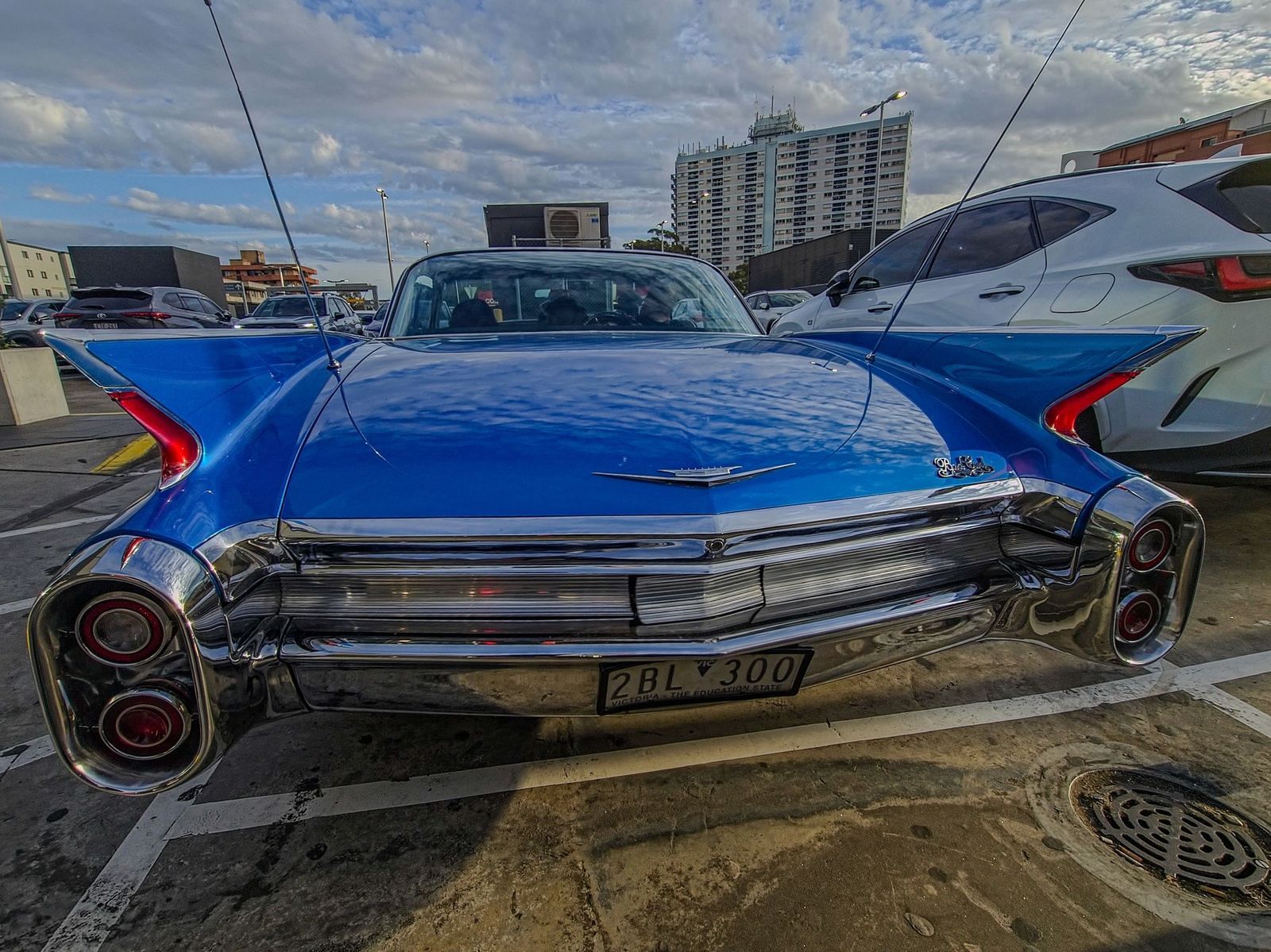
The 1950s were a decade when aviation and space travel were all the rage, so car manufacturers didn't miss the chance to jump on that trend. How? They added tailfins as a decorative feature at the back of their cars. Some companies claimed the fins were aerodynamic and helped keep cars steady on the road, but they were really just for looks.
Cadillac, operated by General Motors, became the most iconic car with this feature. Its sweeping fins stood for speed, futuristic rocket ships, and postwar American prosperity. Soon Chrysler and Ford joined in, and the three companies started a styling "arms race," adding bigger and bigger fins to stand out in the market. Critics later pointed out that the sharp fins could be dangerous for pedestrians and cyclists
Why the steering wheel is on the left in America
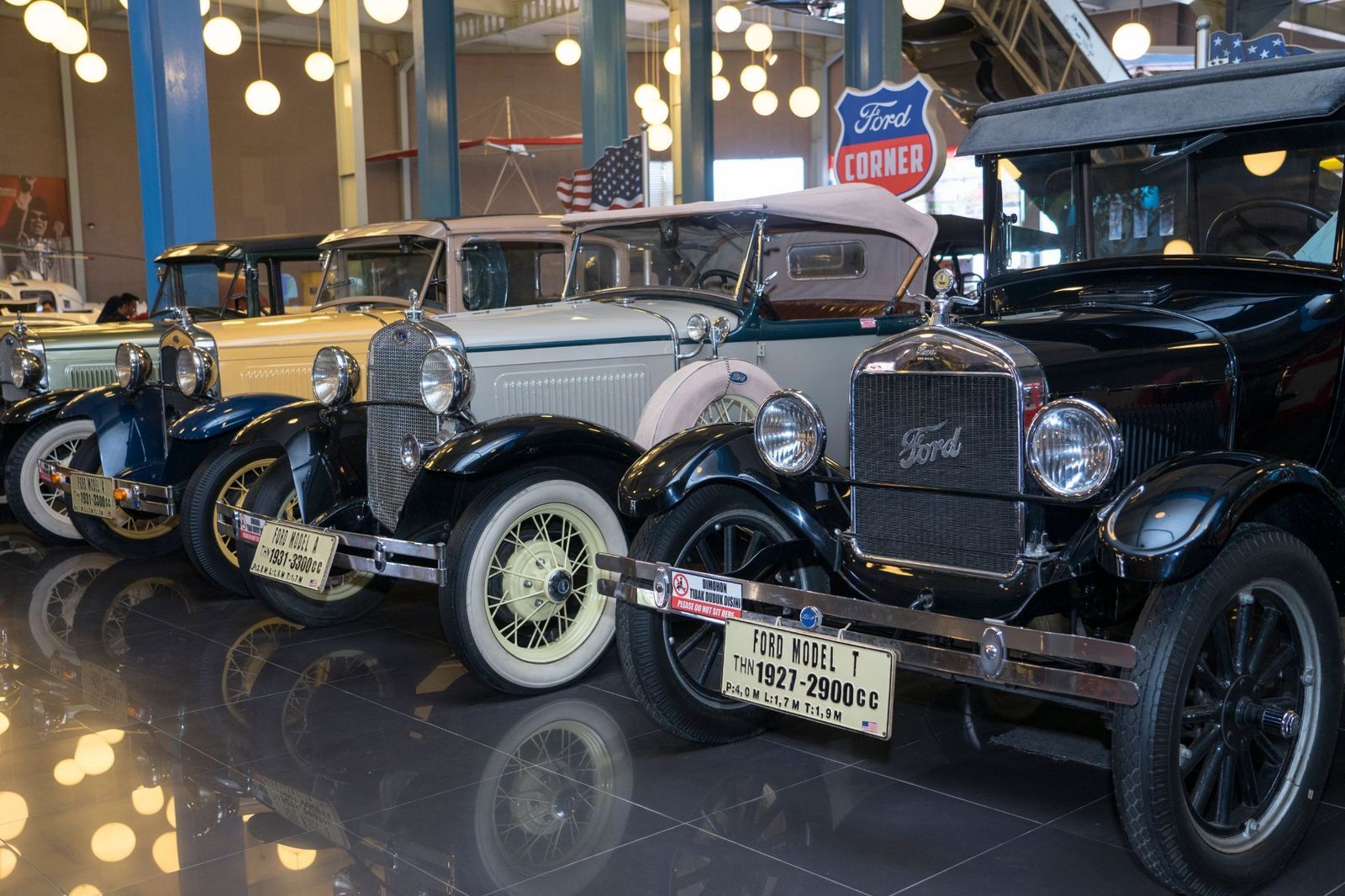
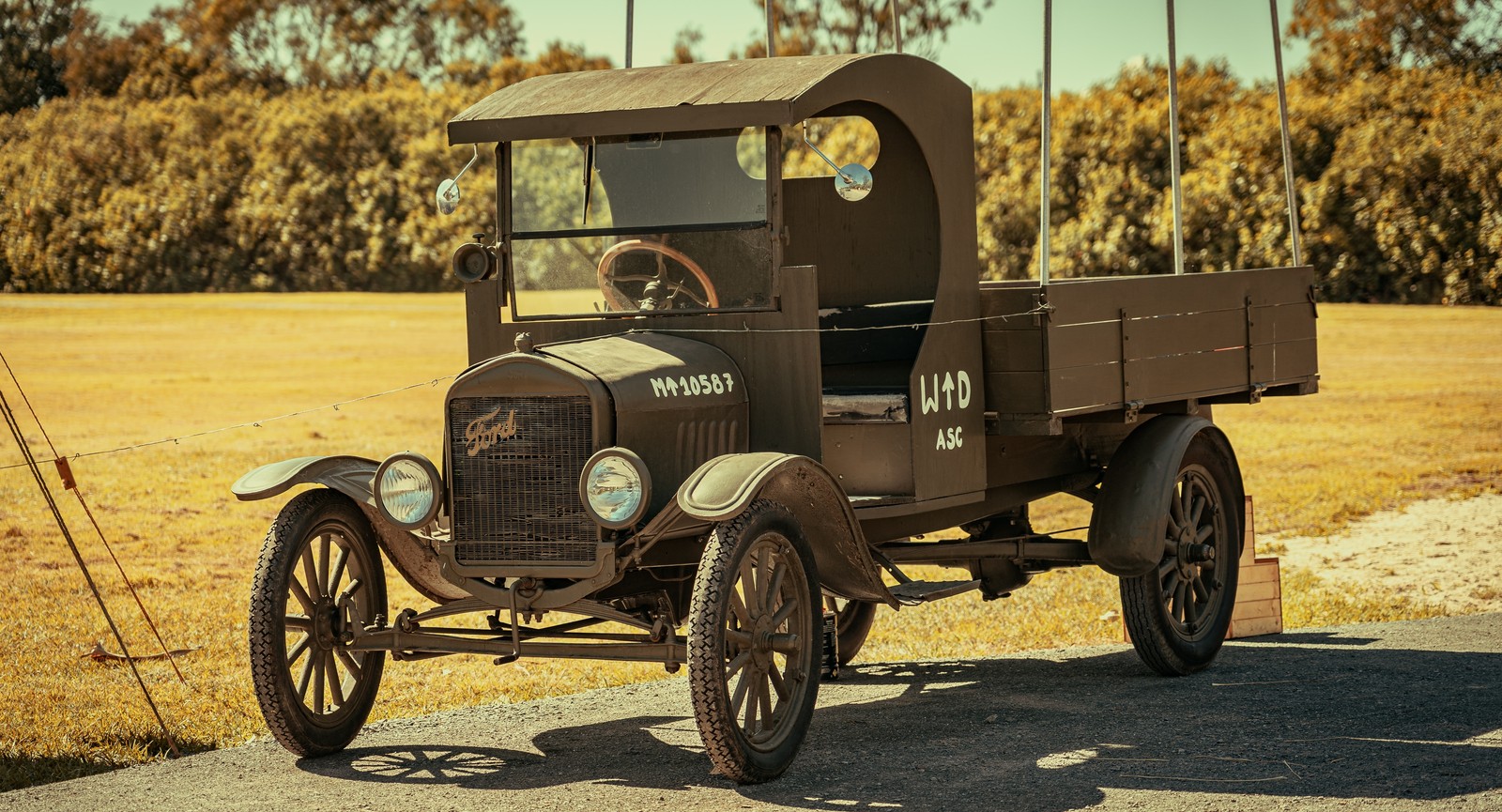
In the United Kingdom, the steering wheel is on the right. In American cars, it's on the left, and the reason is none other than Ford's Model T. Before Henry Ford launched it in 1908, many cars had the steering wheel on the right, even though Americans already drove on the right side of the road.
With the Model T's wheel on the left, the driver could see oncoming traffic better, and passengers could step out onto the sidewalk instead of into the street. It was the same idea drivers of the old Conestoga wagons had followed long before: they sat on the left to get a better view of the road.
How Motorola got its name from the car radio
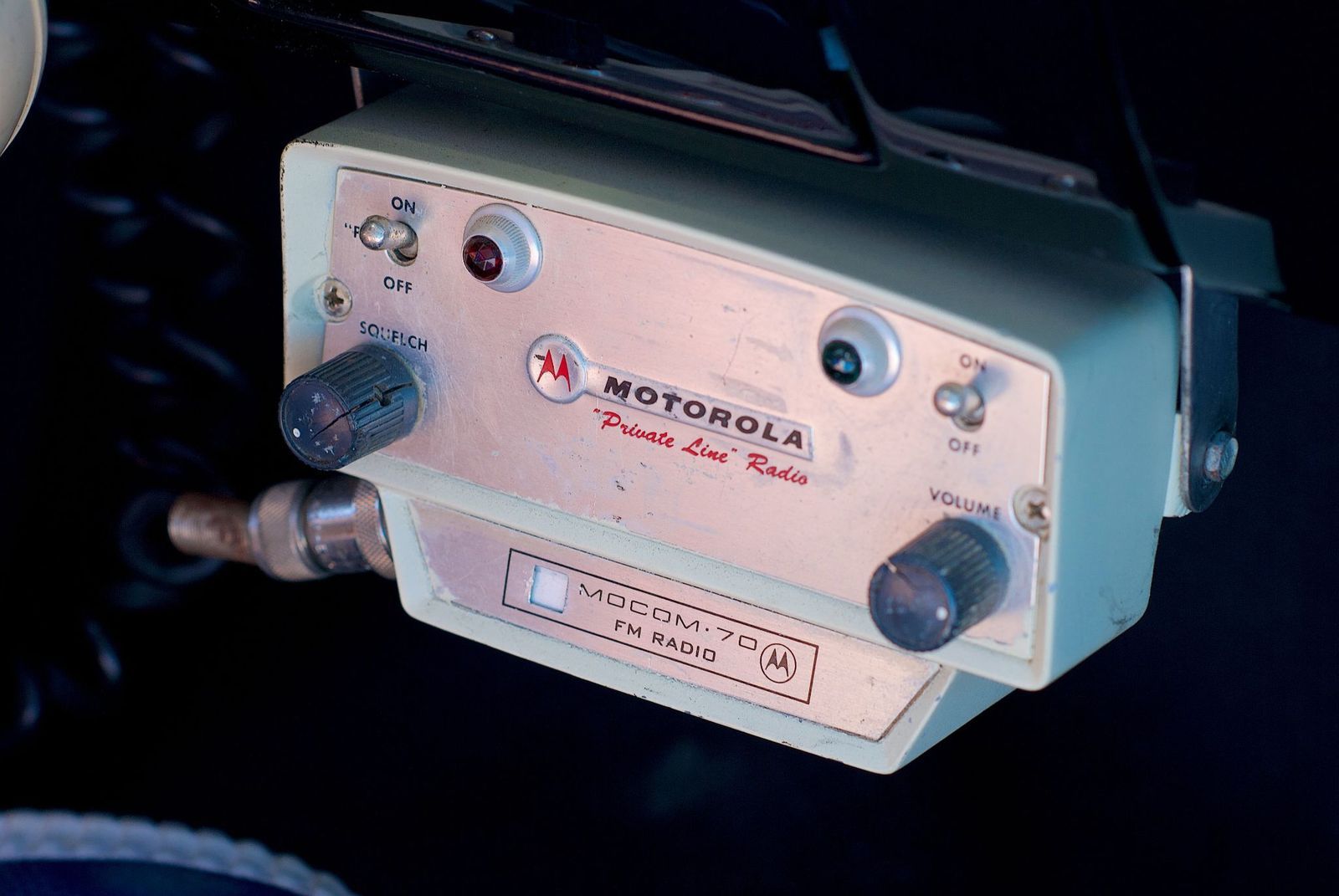
Many of us know Motorola as the company behind the first handheld cell phone, but it first made an impact decades earlier. In the 1930s, radios and cars were both booming, but it wasn’t until brothers Paul and Joseph Galvin stepped in that the two shared the same space. The Galvins ran the Galvin Manufacturing Corporation in Chicago; they made "battery eliminators" that let battery-powered radios run on household electricity. That was their job until their objective changed: to build affordable, sturdy radios for cars.
What would they call it? They took "motor" from motorcar and added "ola," borrowed from popular phonograph brands like Victrola. The result was Motorola, meaning "sound in motion." The radio was such a hit that in 1947 the company officially became Motorola, Inc.
The woman who invented the windshield wiper
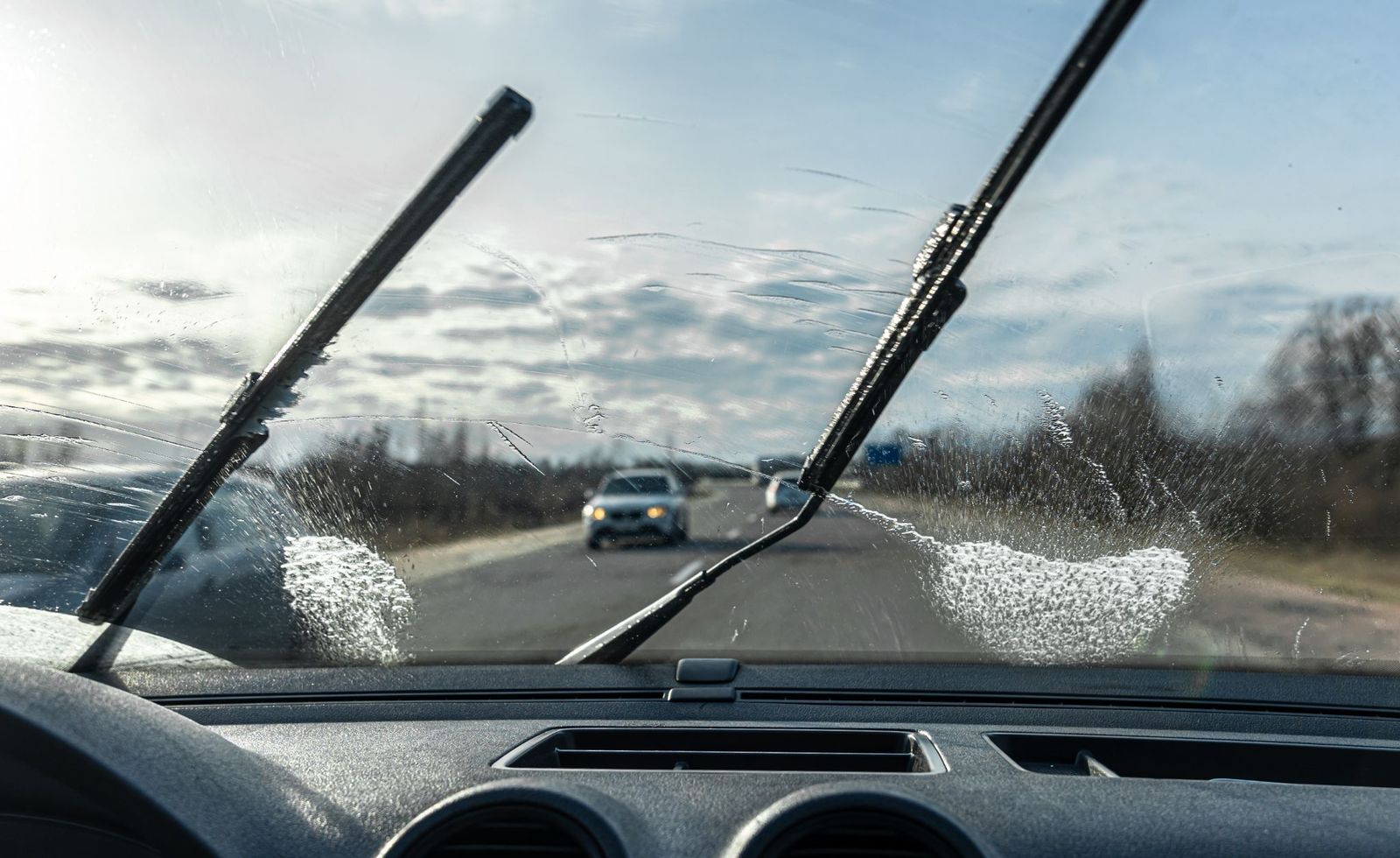
Mary Anderson was a real estate developer from Birmingham, Alabama. In the winter of 1902, she was riding a streetcar in New York City and noticed that the driver kept opening the window and stopping the car to clear snow and sleet off the glass. That gave her an idea, and she invented a simple device that worked with a lever inside the streetcar. When the driver moved the lever, a rubber blade swept across the windshield. A counterweight held the blade against the glass, and the whole thing could be taken off in better weather.
In 1903, she received a patent for her "window cleaning device for electric cars and other vehicles." But it expired in 1920, and she never made any money from it. Just two years later, Cadillac became the first carmaker to include windshield wipers as standard equipment, and soon they were part of every car. Anderson died in 1953 and was posthumously inducted into the National Inventors Hall of Fame in 2011.
The little arrow that tells you where your gas tank is
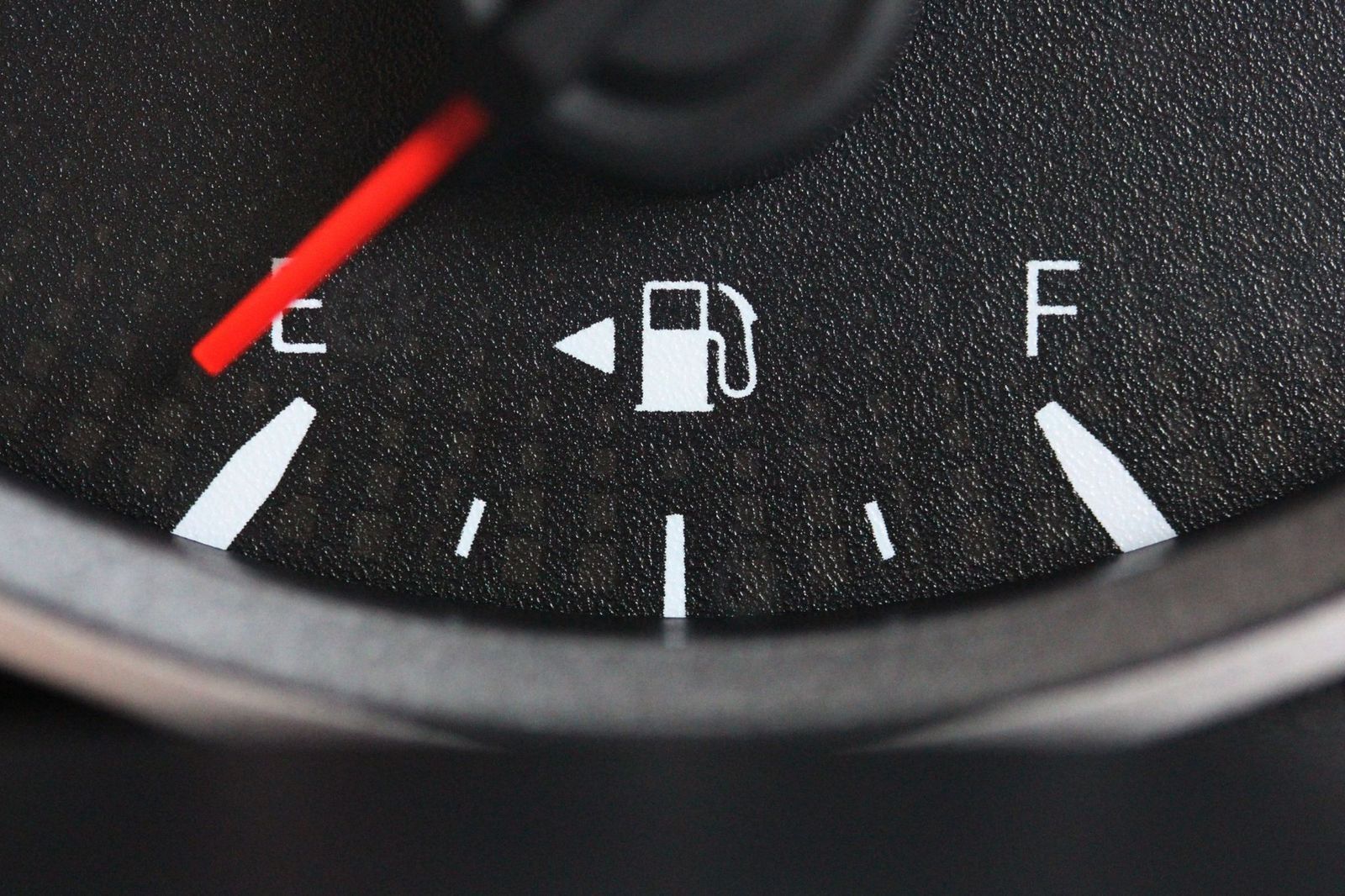
The Moylan Arrow is the small dashboard arrow that shows which side your gas tank is on. It's named after Jim Moylan, a Ford designer who, one rainy day in 1986, pulled into a gas station in a company car. He didn't know which side the tank was on, and he guessed wrong.
He had to get back in, move the car, and step out again into the rain. By the time the tank was full, he was dripping wet. Back at the office, he wrote down his idea: put a small arrow next to the fuel gauge, pointing to the gas door. Ford liked it, and in 1989 the arrow showed up on the Ford Escort and Mercury Tracer. Today, almost every carmaker uses it.
What really causes that "new car smell"
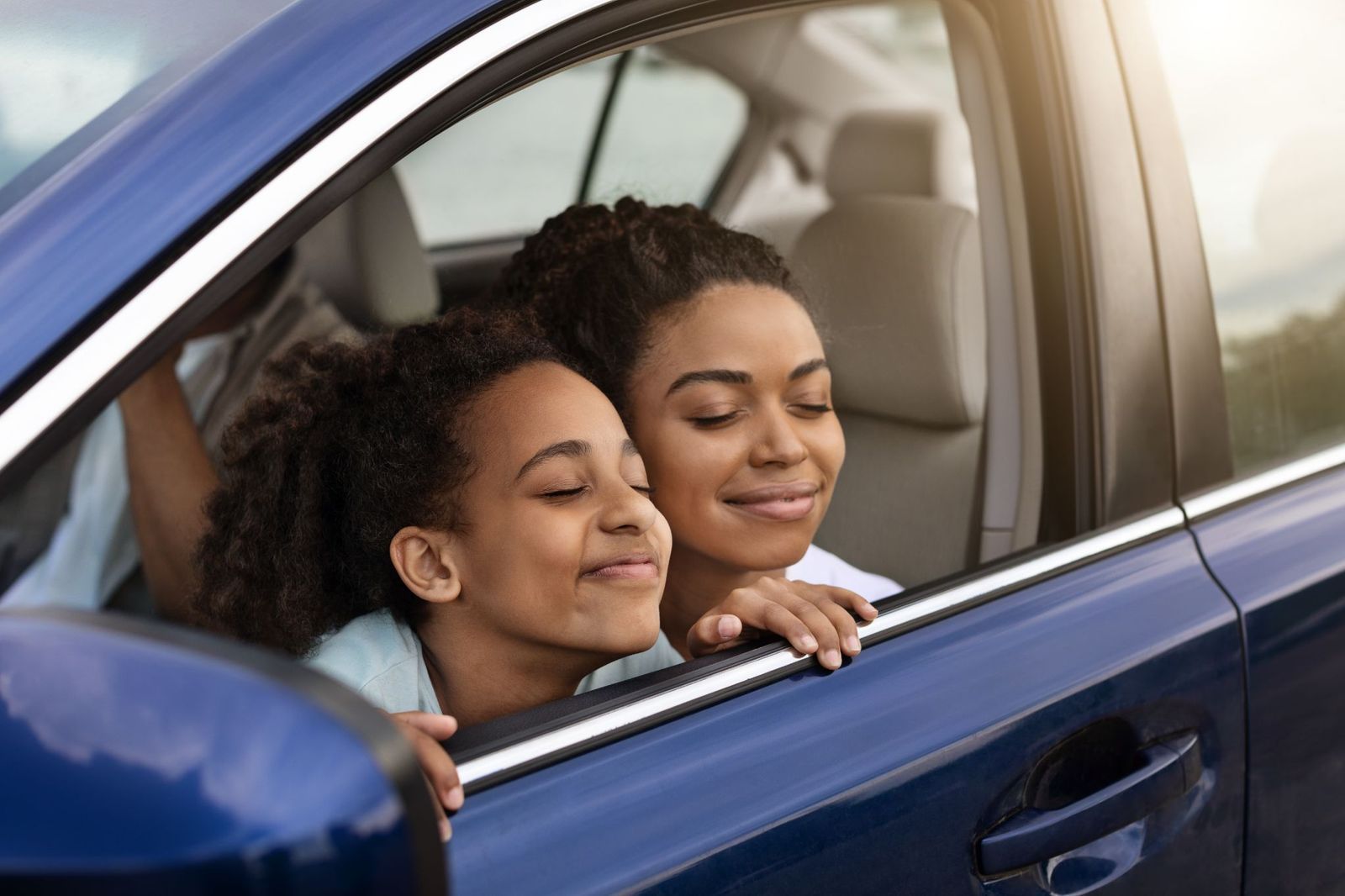
What’s behind that iconic "new car smell" beloved by many? The scent comes from chemicals, volatile organic compounds, released into the air as the new materials inside the car slowly dry out: the plastic and vinyl on the dashboard, the glue and sealants that hold everything together, the carpet, the foam in the seats, and the treatments used on leather. The smell fades in the first few weeks, but hot weather makes it stronger for a while.
Grocery shopping in disguise: Air Force One's oddest secret job
Presidential protocols
What happens to your plane when Air Force One is nearby?
Air Force One has more secrets than its famous blue-and-white paint job suggests. The president's helicopter may arrive with identical decoys, while cargo planes can quietly reach the destination days early. Even the groceries and medical supplies aboard the presidential jet are handled differently. Then there are the rules most folks never notice, from which side the plane parks to how much airspace can suddenly be restricted. Here are 10 presidential aviation protocols worth knowing about.
Airspace sterilization
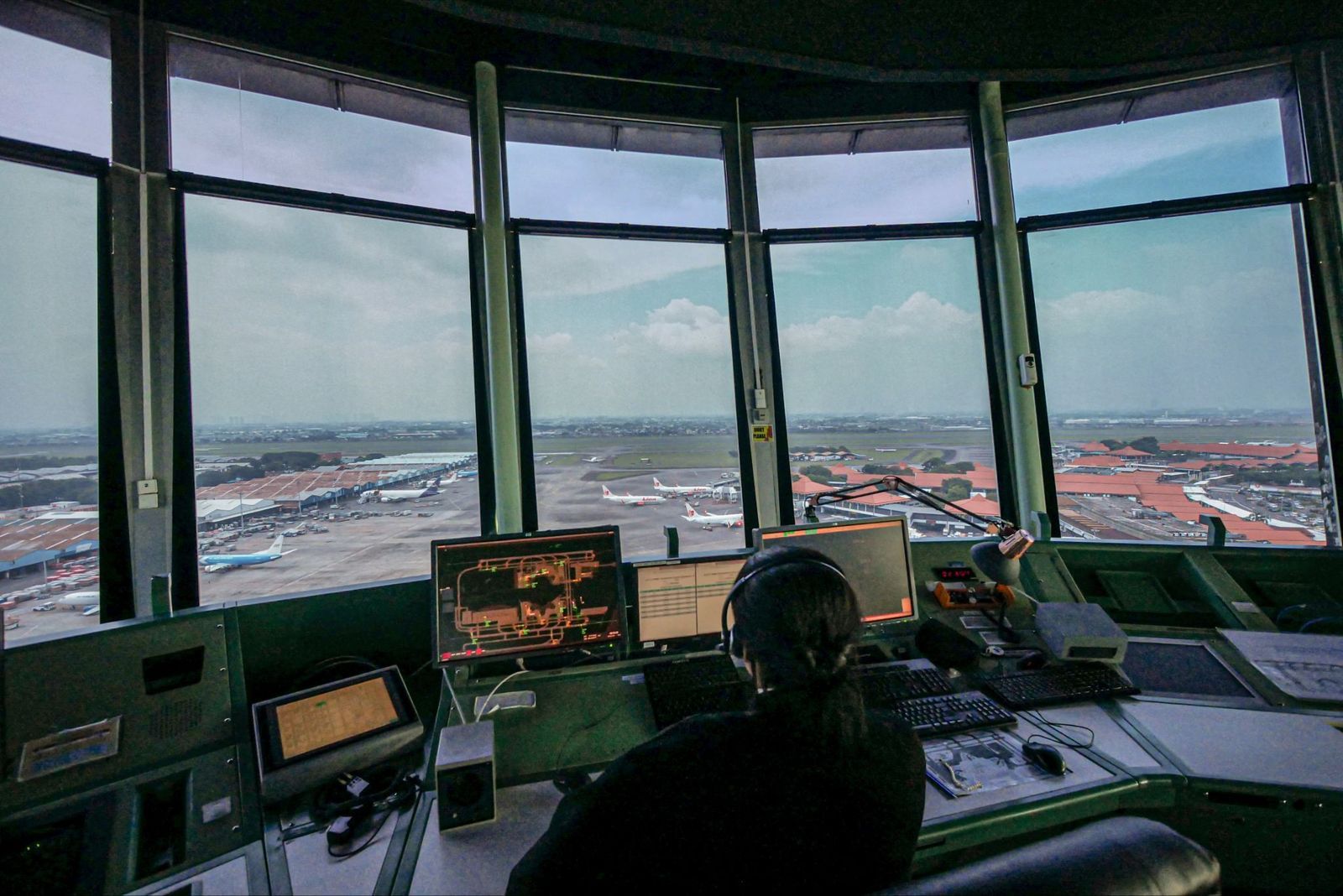
A presidential visit can affect travelers who never see the president and never come close to the motorcade.
The FAA can establish a Temporary Flight Restriction, or TFR, around areas the president will visit or travel through. The size and exact rules depend on the operation, but presidential restrictions can extend for many nautical miles and limit general aviation activity. Air traffic may also be rerouted, and airports inside or near the restricted area can face delays or ground stops. The purpose is straightforward: reduce the number of unpredictable aircraft near the president’s route. For pilots, the restriction appears through FAA notices. For passengers, the result can be familiar: a perfectly ordinary flight suddenly sitting on the ground while the president is somewhere nearby.
"Air Force One" is a call sign, not an aircraft
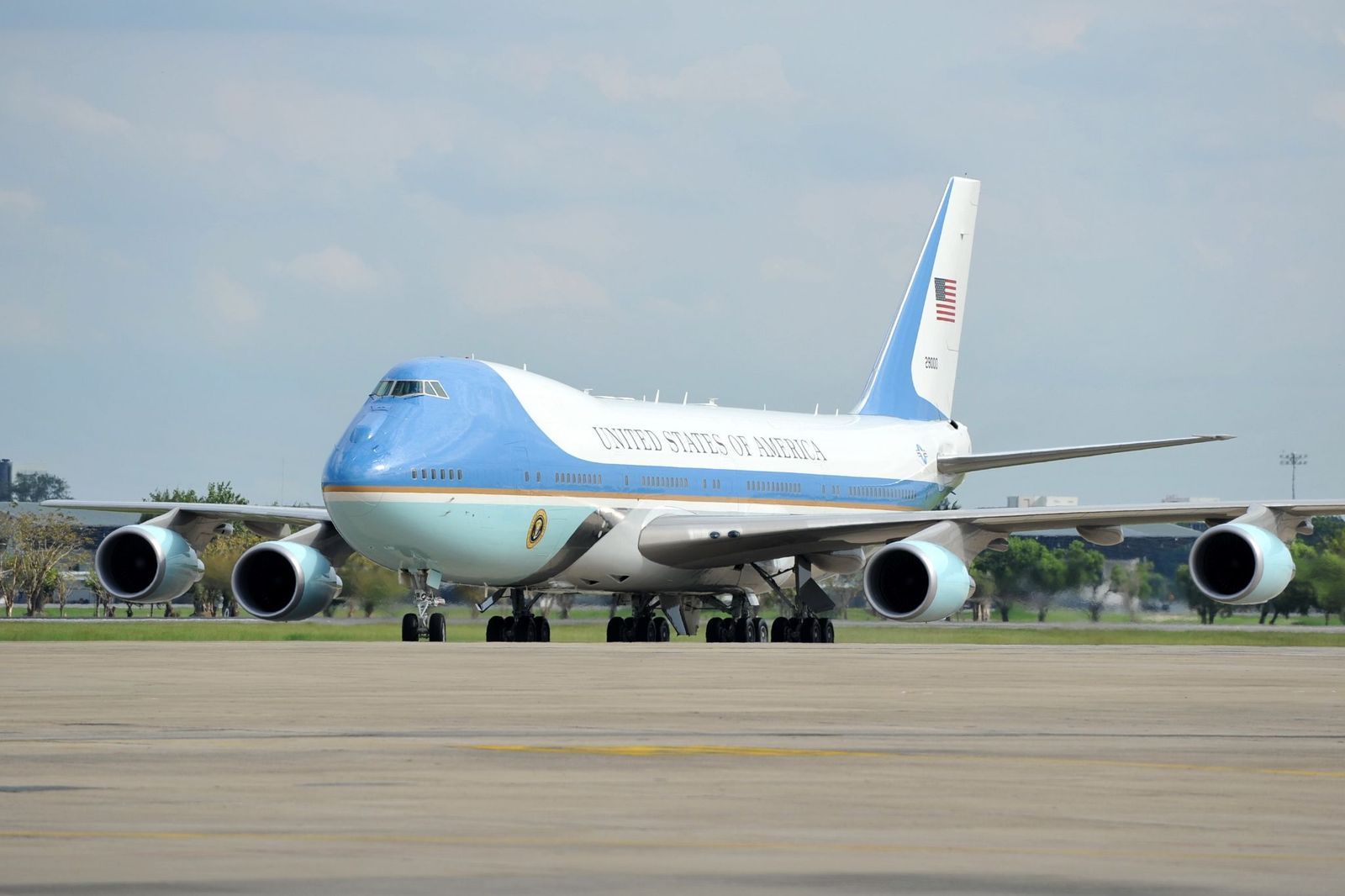
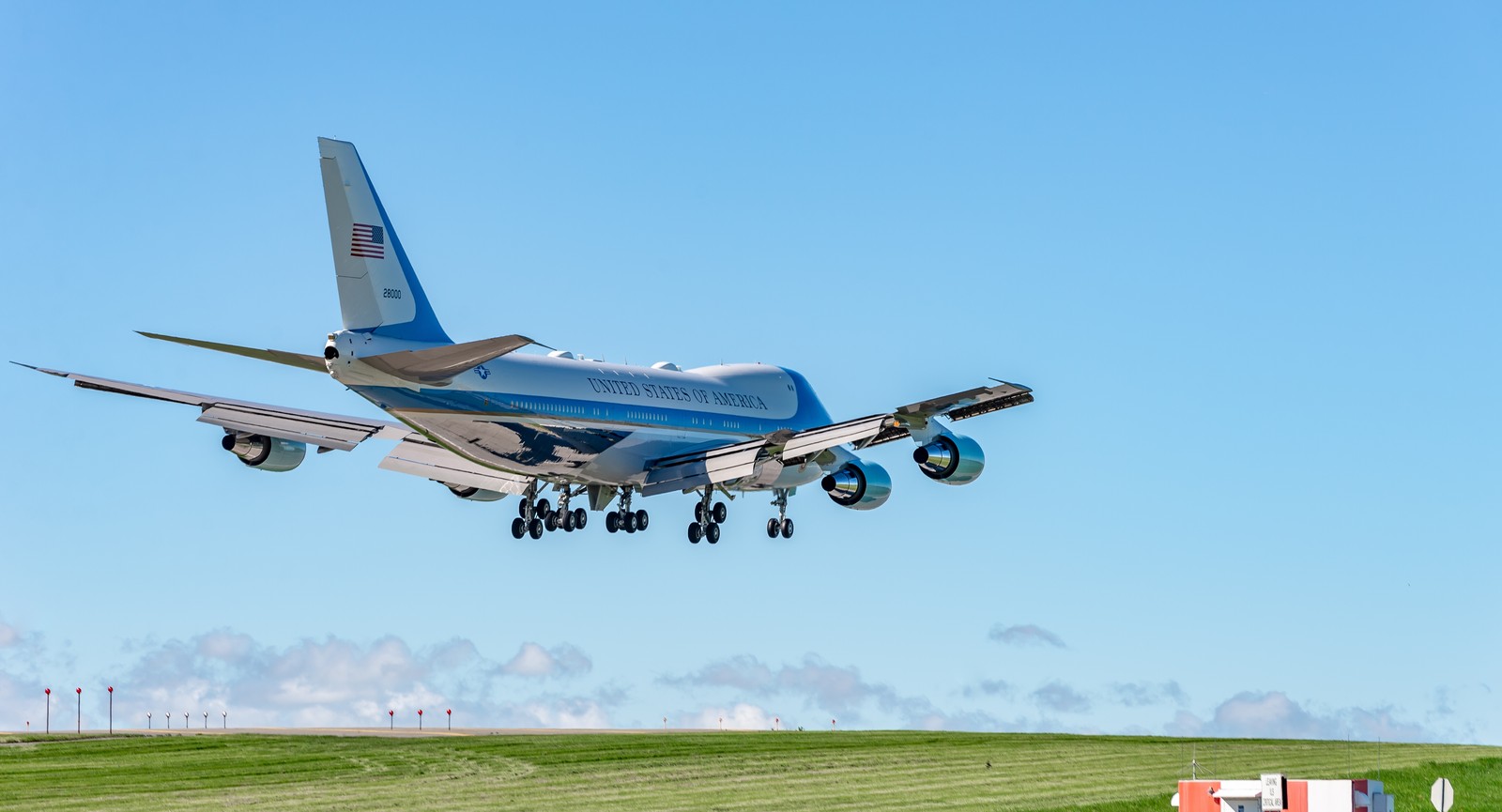
The name sounds as if it belongs to one enormous blue-and-white jet, but Air Force One is actually a radio call sign. Whenever the president is aboard any U.S. Air Force aircraft, air traffic controllers use "Air Force One," whether the aircraft is the familiar VC-25A or something smaller.
The distinction dates to 1953, when President Dwight D. Eisenhower’s presidential aircraft, then identified as Air Force 8610 in historical accounts, was confused with an Eastern Airlines flight using the same designation (Eastern 8610). The near-miss exposed the danger of similar call signs, leading to the distinctive presidential designation. So the famous jet is not technically Air Force One until the president boards.
The "Port-Side Only" parking protocol
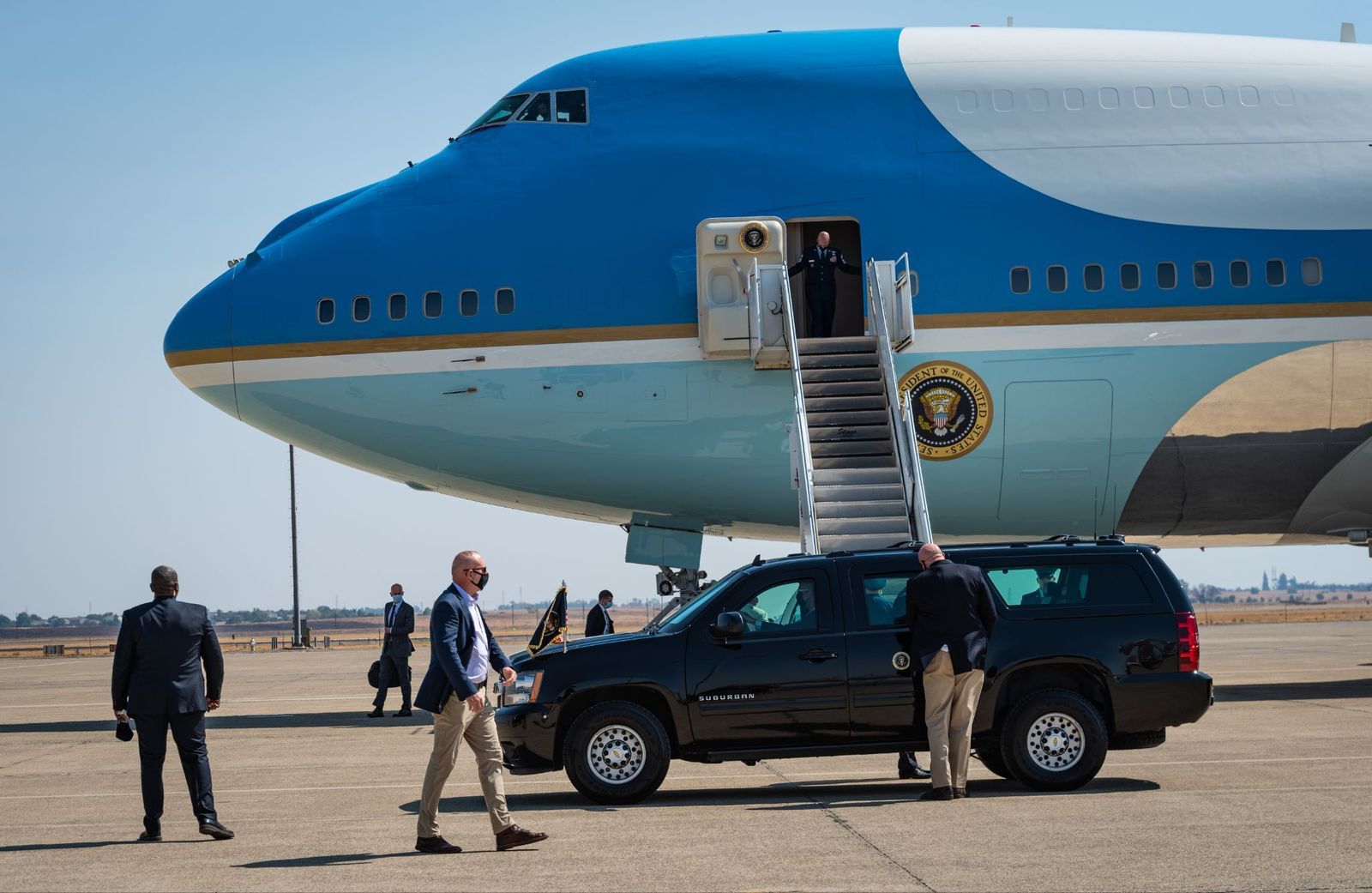
At a normal airport, parking an airliner is mostly a matter of convenience, but presidential arrivals are choreographed down to which side faces the audience.
The VC-25 is positioned so its left, or port, side faces the crowd, press area, or nearby building when practical. That side is where the presidential entrance is arranged, allowing the president to step out toward the controlled reception area rather than toward an open runway. More importantly, the president's private executive suite and quarters sit on the right (starboard) side near the nose; parking port-side to the crowd keeps those private quarters angled away from public sight. Anyone who has watched a president descend those stairs at a rally or state visit has seen the result without realizing there is a plan behind it. Even the familiar wave from the doorway begins with where the airplane is parked.
The Marine One shell game
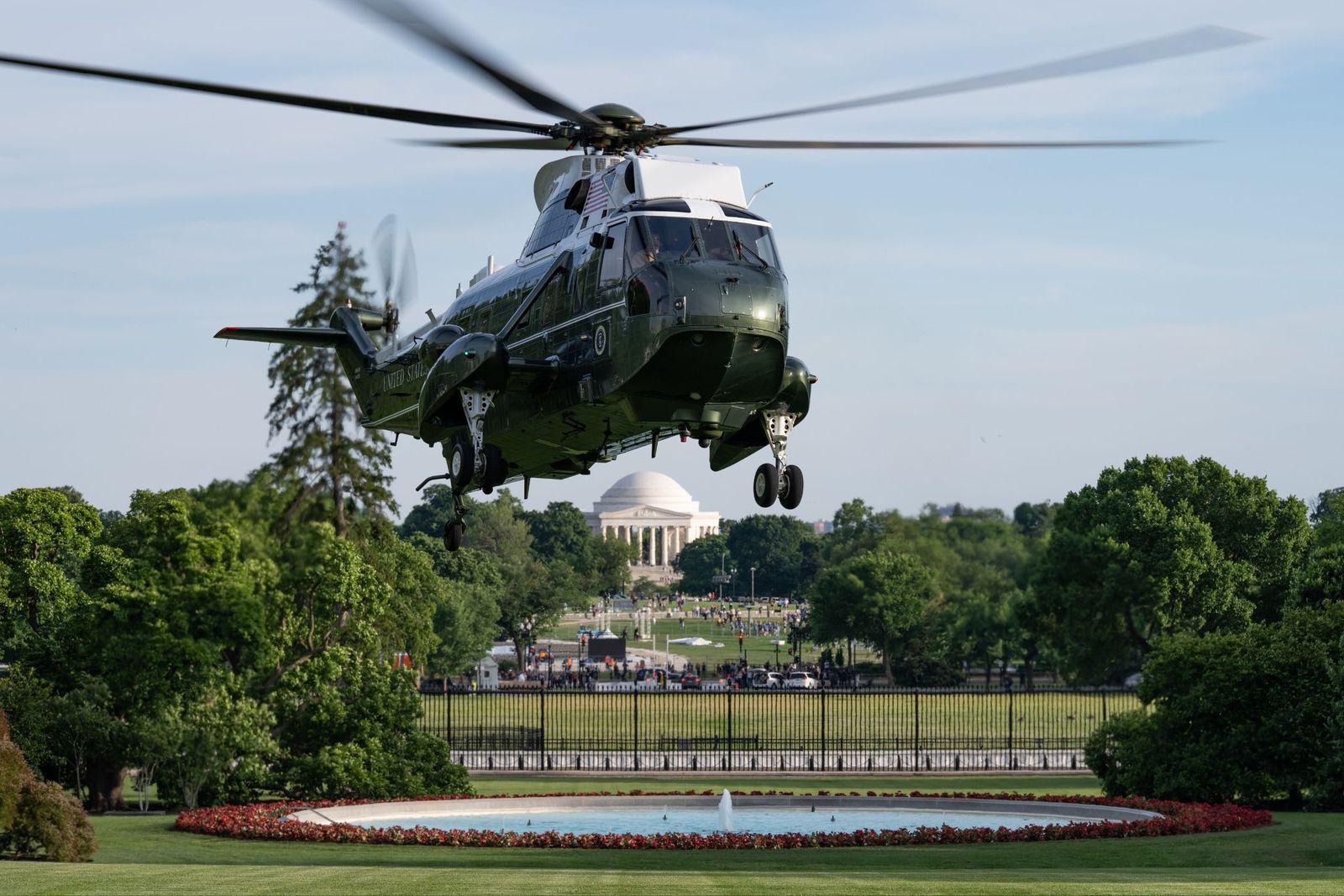
The next time several identical helicopters appear over a presidential event, there’s a good reason they look like copies.
Marine One is the call sign used by a Marine Corps aircraft carrying the president, and the aircraft normally operates within a formation of matching helicopters, typically between three and five. One carries the president while the others can serve as decoys, making it difficult for an observer on the ground to know which machine is the real one. The formation can shift during flight, adding another layer of uncertainty. The practice became a familiar part of presidential helicopter travel during the modern security era. It also explains why a televised arrival can look oddly theatrical: several helicopters may approach together, even though only one is carrying the president.
The "Pentagon" or "Doomsday" shadow plane
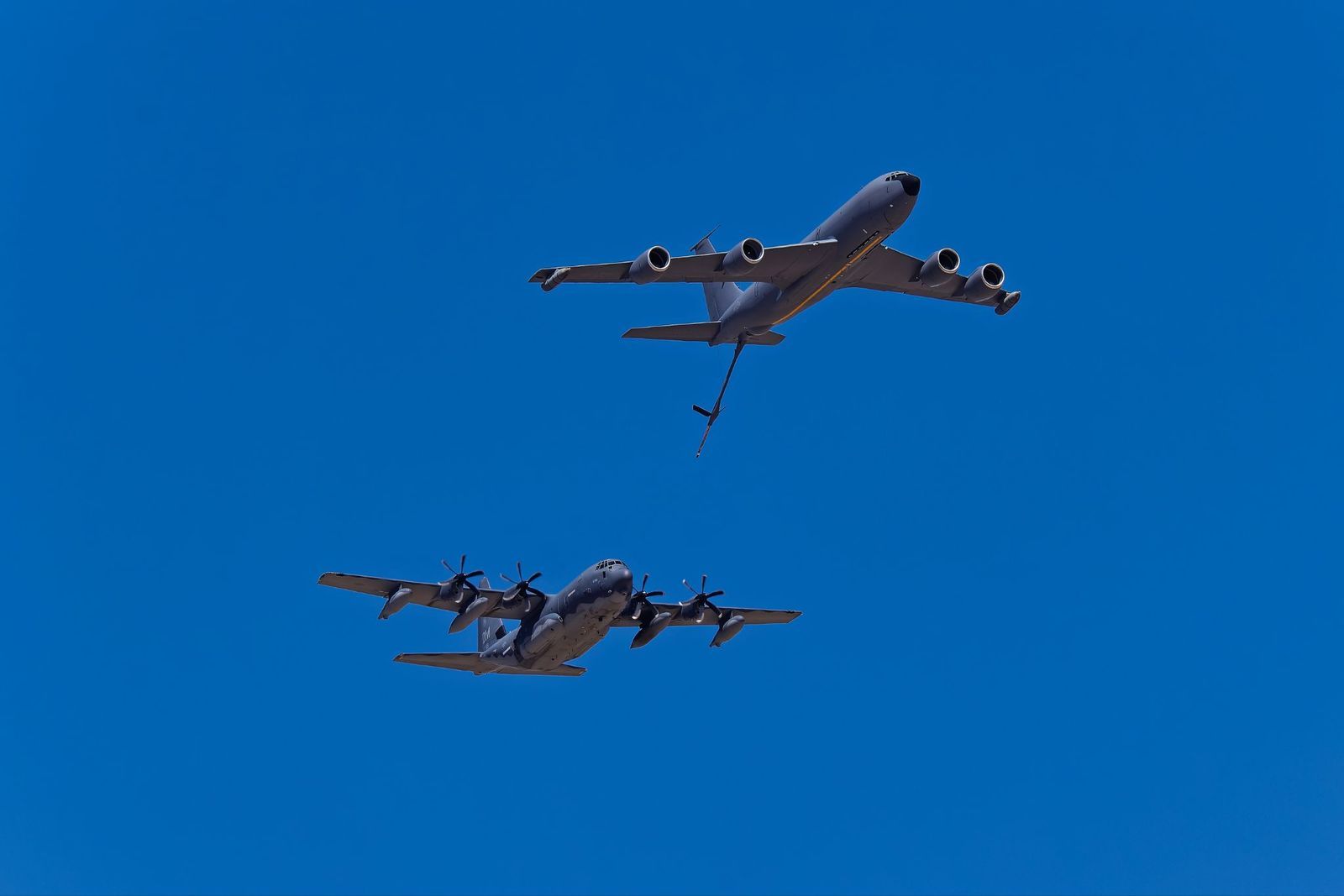
Air Force One may be built for security, but another Boeing 747 was designed for something far more grim.
During the Cold War in the 1970s, the U.S. military built four Boeing E-4 aircraft (National Airborne Operations Center) to serve as command posts if a nuclear attack ever knocked out communication and command centers on the ground. The plane soon picked up ominous nicknames, including the "Flying Pentagon" and "Doomsday Plane," and it frequently shadows the president on international travel. Many details remain classified, but the aircraft is believed to have radiation-resistant windows, thermal and nuclear shielding, and systems designed to withstand severe attacks. It also reportedly carries dozens of satellite communications antennas, allowing leaders to stay connected with military forces around the world if the worst happens.
Zero reliance on airport equipment
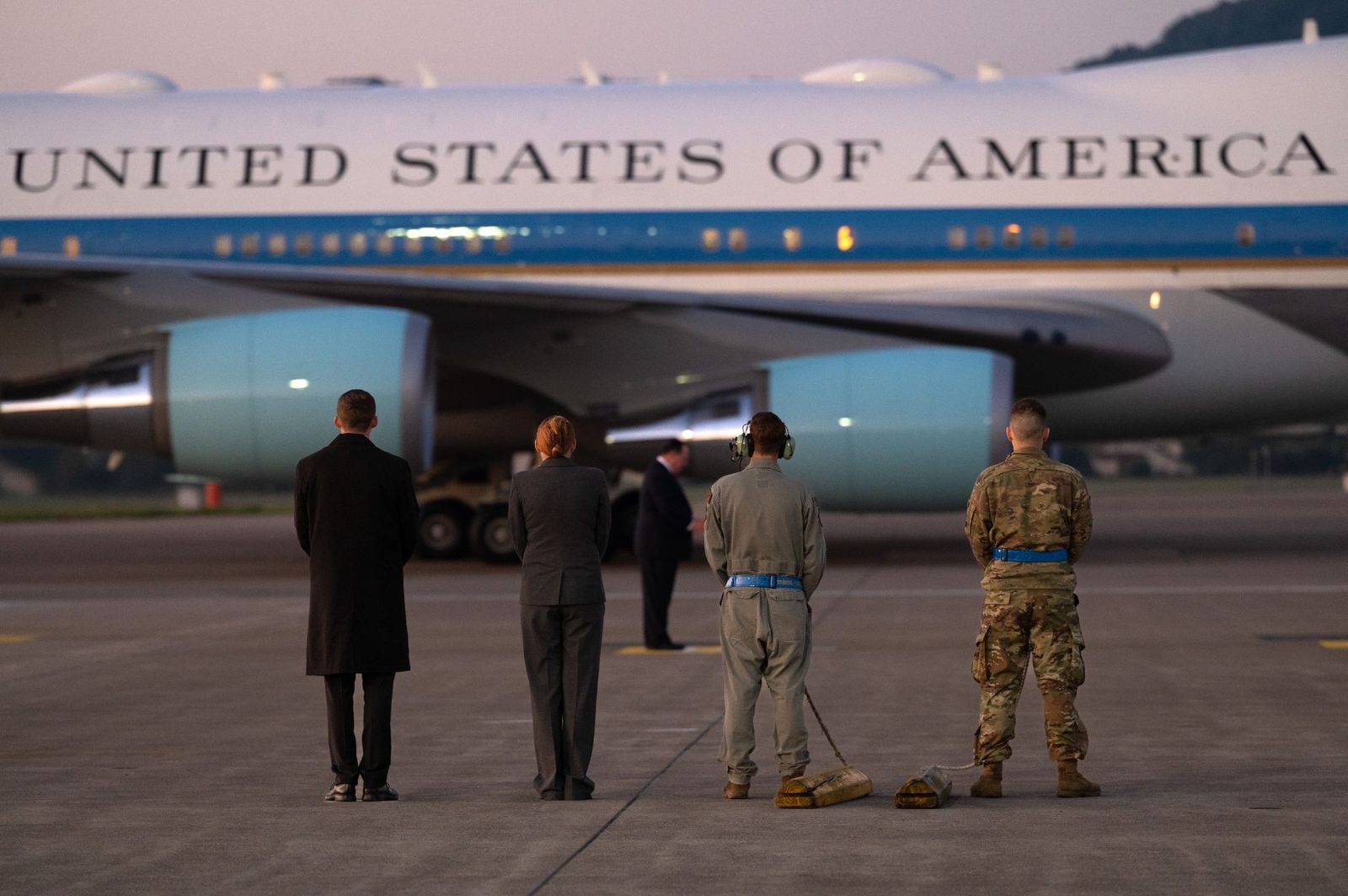
Commercial travelers know the routine: the jet pulls in, a staircase or passenger bridge appears, then baggage crews bring out the belt loader. The presidential VC-25A is designed to avoid depending on that chain of airport equipment.
It has its own built-in, retractable forward and aft airstairs and an internal, self-contained baggage loader. This allows crews to handle boarding and cargo without waiting for standard ground machinery, preventing tampering risks at unfamiliar airfields and ensuring the plane can depart immediately in an emergency. The result is an aircraft that arrives with much of what it needs already built in, useful when schedules and security leave little room for delays.
Undercover grocery shopping

A trip to the supermarket sounds worlds away from presidential security, yet food has long been handled with unusual care.
Former Air Force One chief steward Charles Palmer told the Los Angeles Times in 1987 that he sometimes provisioned the aircraft himself, wearing civilian clothes and pushing a cart through Giant or Safeway stores near Andrews Air Force Base, in order to keep the food supply under his personal watch. On foreign trips, he said the crew tried to remain self-sufficient but could restock perishables through U.S. facilities such as embassies or commissaries. The details have evolved, but the concern is easy to understand: food served to the president cannot be treated like any other food. Whatever measures are necessary to protect it from being tampered with have been, and still are, taken. The grocery cart may look mundane, but on presidential travel, even buying vegetables can become part of the security routine.
Onboard medical suite and blood storage
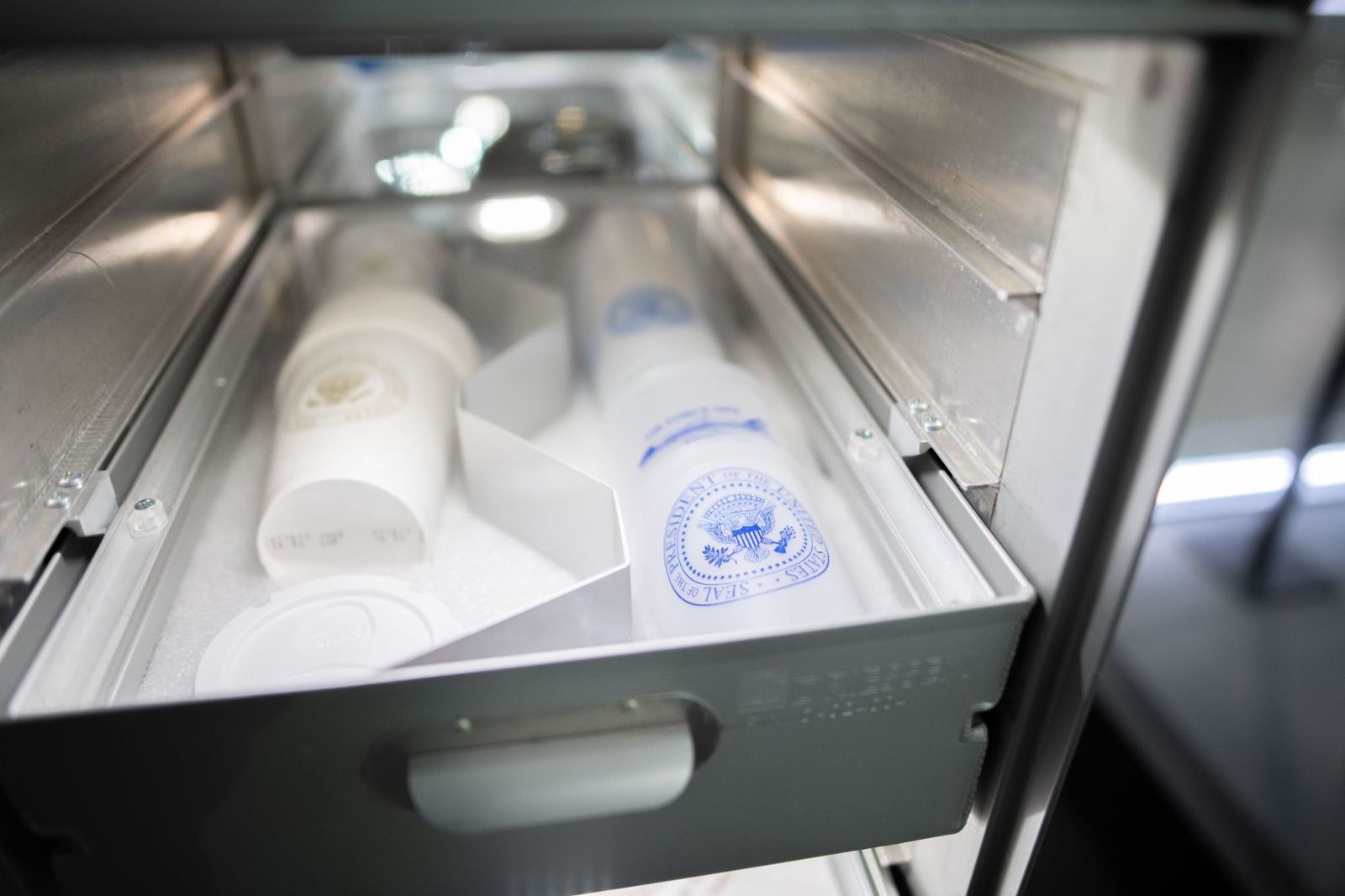
Even the healthiest traveler can have a medical emergency, and the president cannot simply wait for the next airport or hospital.
The VC-25A includes a compartment equipped with medical supplies, while a physician travels as part of the medical support team. Reports have also described a refrigerated reserve of the president’s blood type aboard the aircraft, particularly for longer overseas journeys. The arrangement reflects a practical problem of presidential travel: an ambulance cannot meet the aircraft in the middle of the Atlantic, and a hospital may be hours away after landing. Medical planning travels with the president, right down to supplies that could be needed in a crisis.
The invisible C-17 advance armada
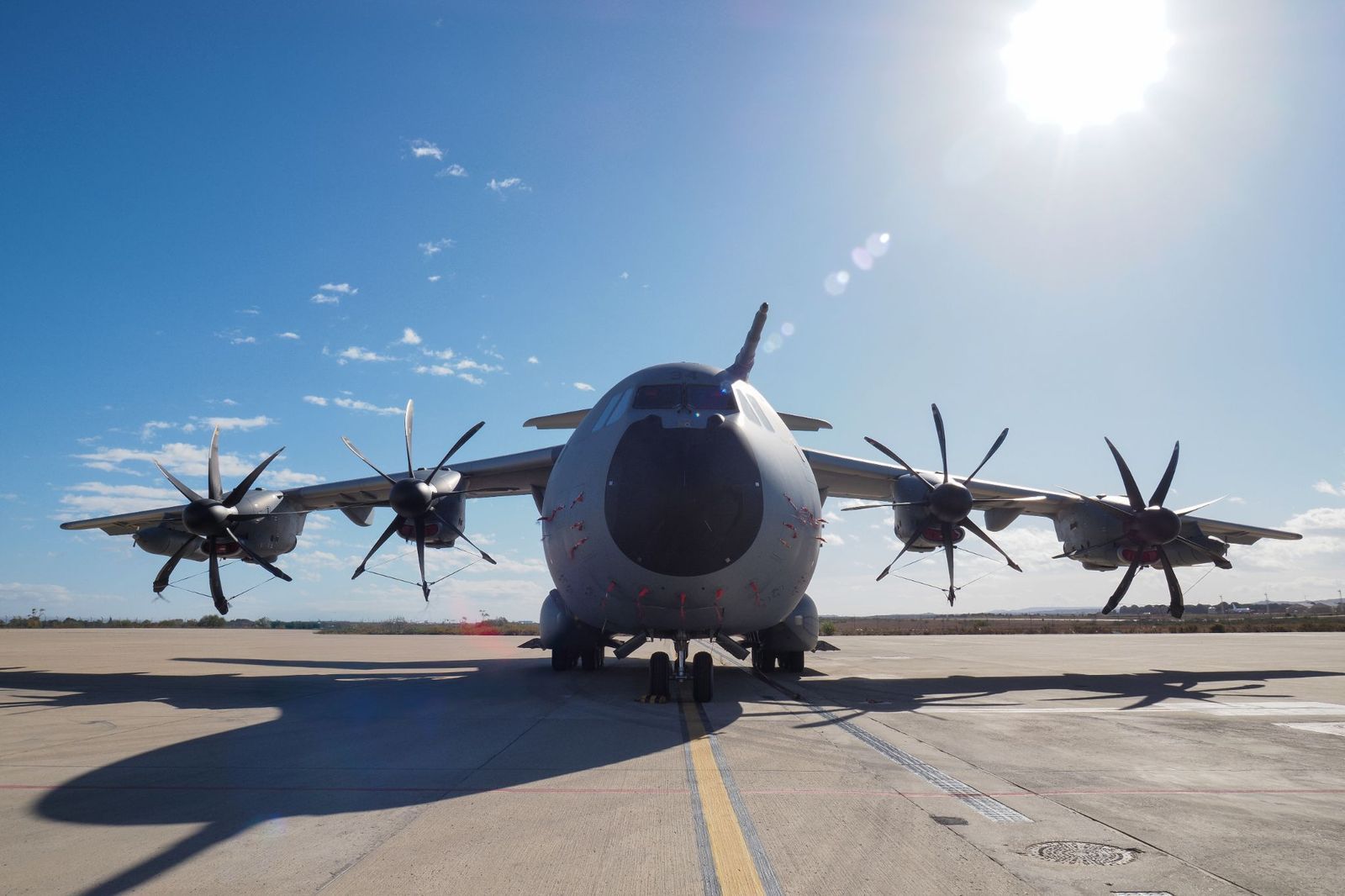
When a presidential trip begins, the blue-and-white aircraft is only the part most people notice.
The heavy lifting often happens beforehand, with military cargo aircraft such as the C-17 Globemaster III moving equipment to the destination.
Those loads can include the presidential limousine, helicopters, communications gear, vehicles, and other support equipment needed to recreate a secure operation far from Washington. A C-17 can carry cargo that would not fit into the presidential jet, and its global reach makes it ideal for this job. So while cameras wait for Air Force One, cargo crews may already have been preparing the runway.
Communication is protected aboard Air Force One
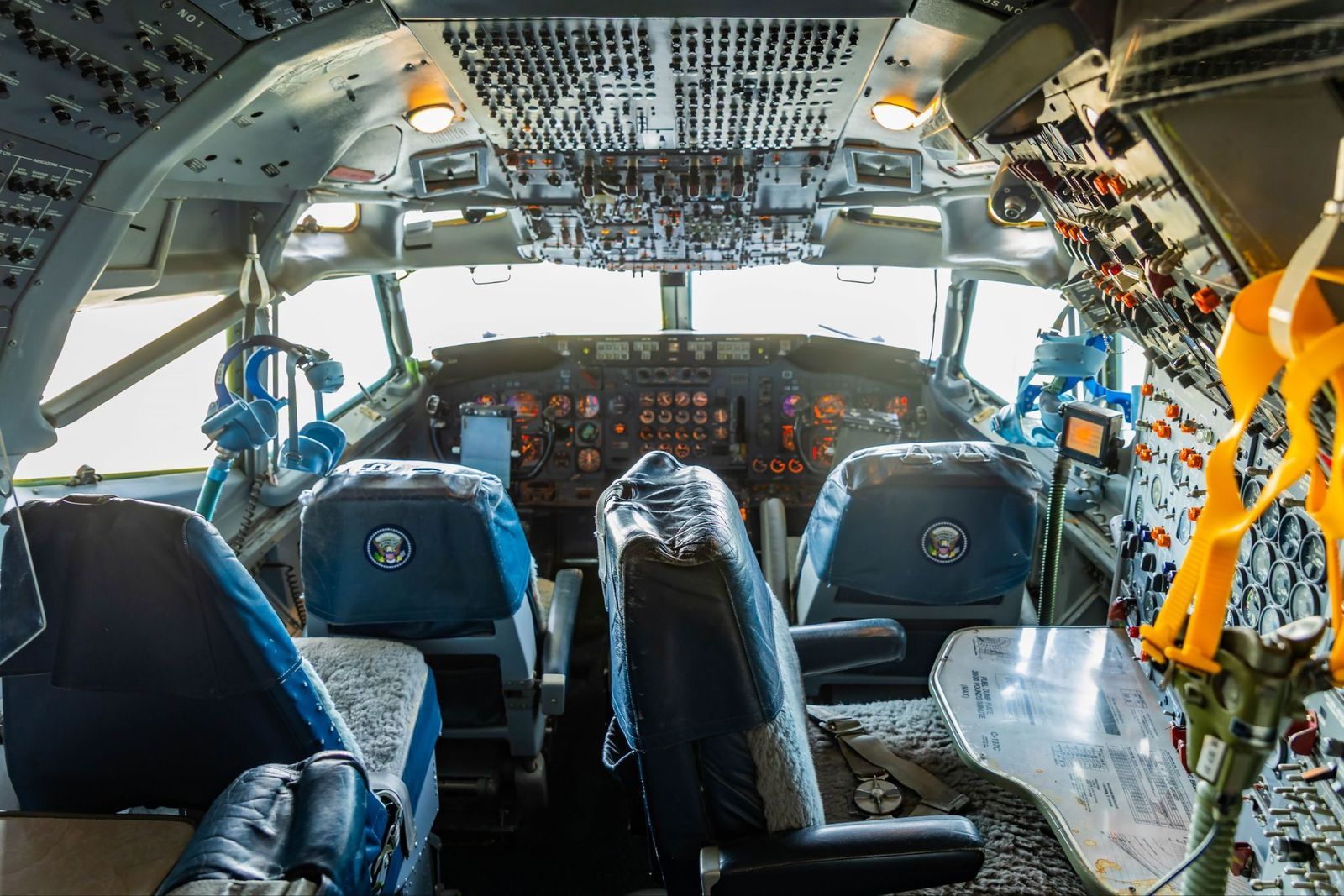
Air Force One is essentially a flying command center, with the communications equipment to keep the president connected during a crisis.
Alongside televisions, telephones, and other electronics, the aircraft carries highly secure systems designed to protect presidential communications. Much of the technology remains classified, but the aircraft is built to withstand serious disruptions, including electromagnetic pulses, and its communications systems are hardened against electronic threats. The White House has said the president can communicate with senior officials and respond to a major attack while airborne. So while the cabin may look like an unusually comfortable 747, behind the scenes it is equipped for one of the most demanding jobs in government.
Keep wandering
There’s always
more to explore
Why do pros take amazing photos even with a smartphone? 12 tips explained
4 min.
Read Now
Board the plane, do this right away, and land comfortably
6 min.
Read Now
Next must-see stop? Where the Treaty of Versailles was signed
5 min.
Read Now
Do you still need a paper boarding pass? 10 must-know flying rules
5 min.
Read Now