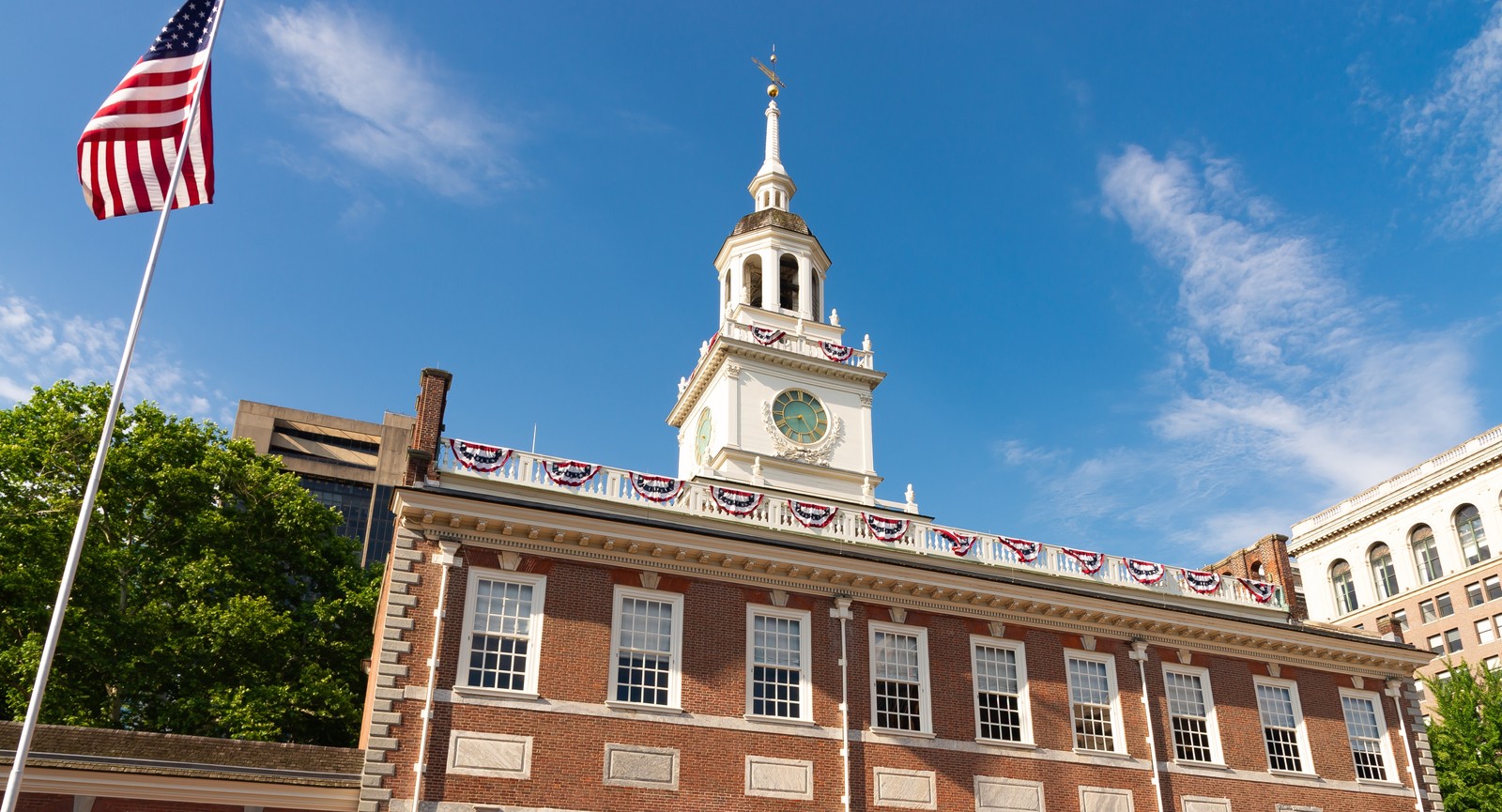
Next must-see stop? Where the Treaty of Versailles was signed
 General
Travel back in time
Next must-see stop? Where the Treaty of Versailles was signed
Some vacations are meant for relaxing on a beach or enjoying the mountain views. Others are about discovering the stories behind the places we visit. Nothing compares to standing right where world-changing events actually happened. From royal coronations to revolutionary battles, here are 10 historic buildings that are worth adding to your travel list.
Independence Hall, Philadelphia
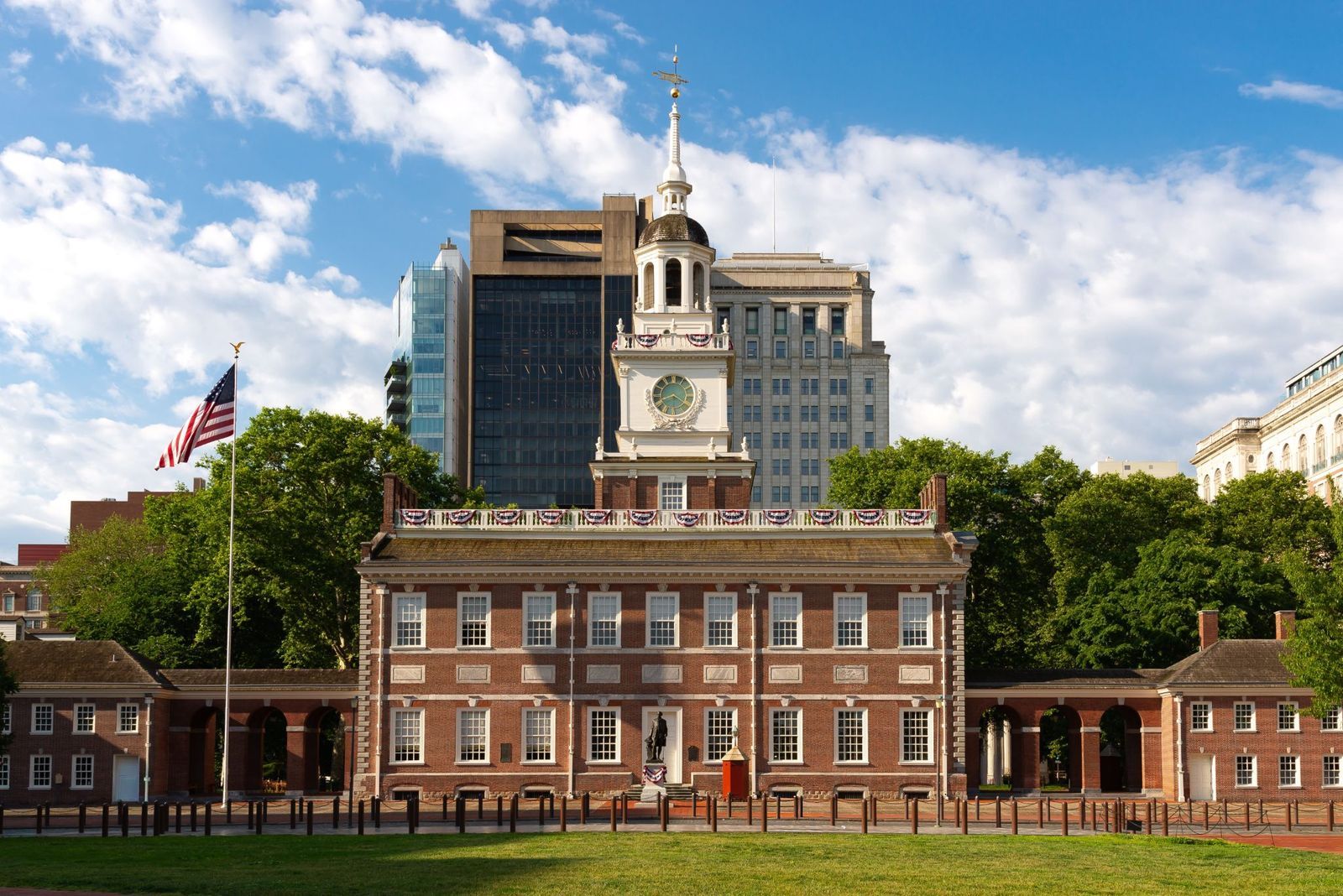
In the summer of 1776, after years of growing tensions with Britain, American colonial representatives gathered in Philadelphia's Pennsylvania State House to declare independence. On July 4, Congress approved the Declaration of Independence. Eleven years later, in 1787, George Washington, James Madison, and Benjamin Franklin joined delegates in the same room to draft the U.S. Constitution.
Independence Hall is now part of a National Historical Park, and visitors can enter the Assembly Room, where the delegates signed both founding documents. The National Park Service offers free morning access and also ranger-led tours, which require reservations.
Hall of Mirrors, Versailles
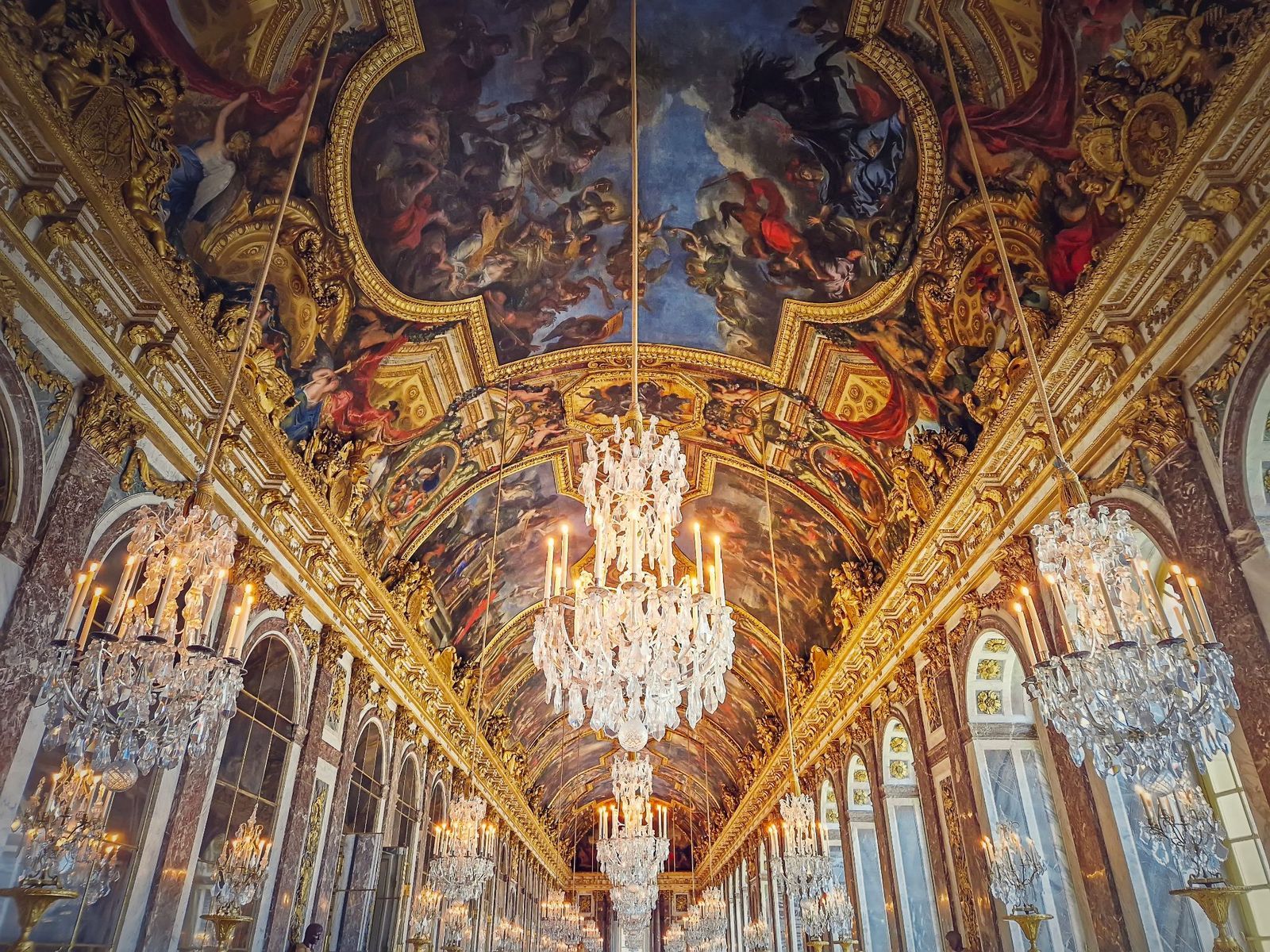
The Hall of Mirrors at the Palace of Versailles was originally designed to impress visitors to King Louis XIV court. The magnificent gallery features 17 large windows and 17 matching arches decorated with mirrors. It hosted royal celebrations and diplomatic meetings.
But centuries later, it became the setting for a historic event: the peace settlement following World War I, the Treaty of Versailles. The treaty imposed territorial losses, military restrictions, and financial obligations on Germany, creating tensions that lasted for decades. And, yes, it's open to the public! Tourists can walk through the famous gallery by booking a timed-entry ticket to the Palace of Versailles, just outside Paris.
The Alamo, San Antonio
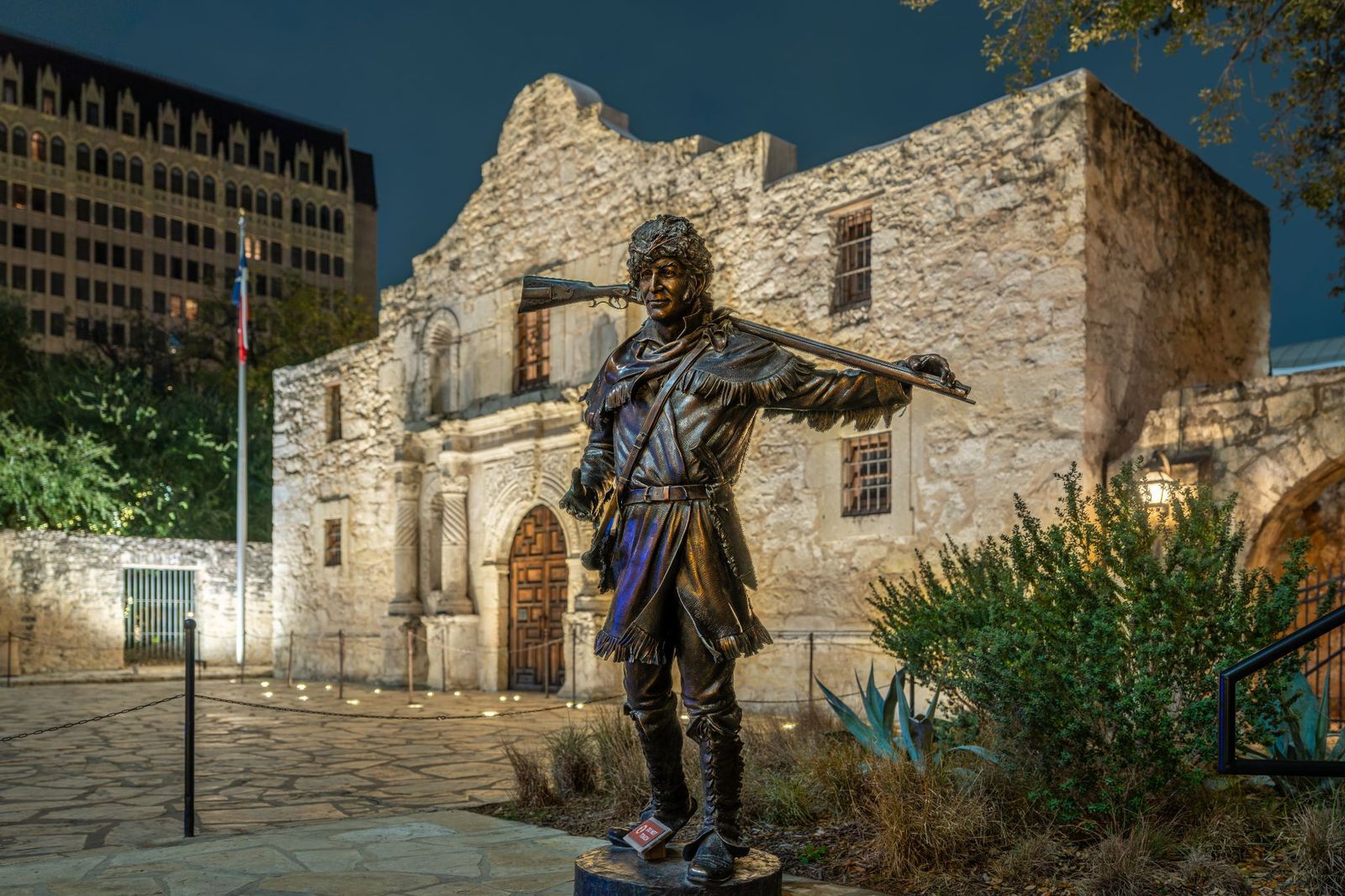
"Remember the Alamo!" became one of the most famous battle cries in American history. But what happened there? In February 1836, during the Texas Revolution, Mexican troops surrounded the Alamo, a former Spanish mission in San Antonio. Inside, a small group of Texan defenders, including James Bowie, William B. Travis, and Davy Crockett, resisted the much larger Mexican army for nearly two weeks.
On March 6, Mexican troops launched their final attack. Although the Texans lost the battle, their resistance became a symbol of the independence movement. Texan soldiers then shouted "Remember the Alamo!" during their victory at San Jacinto. Tourists can now step inside the surviving Alamo church in downtown San Antonio and imagine the battle that unfolded there nearly 200 years ago. Admission is free with a reserved timed-entry ticket.
Old North Church, Boston
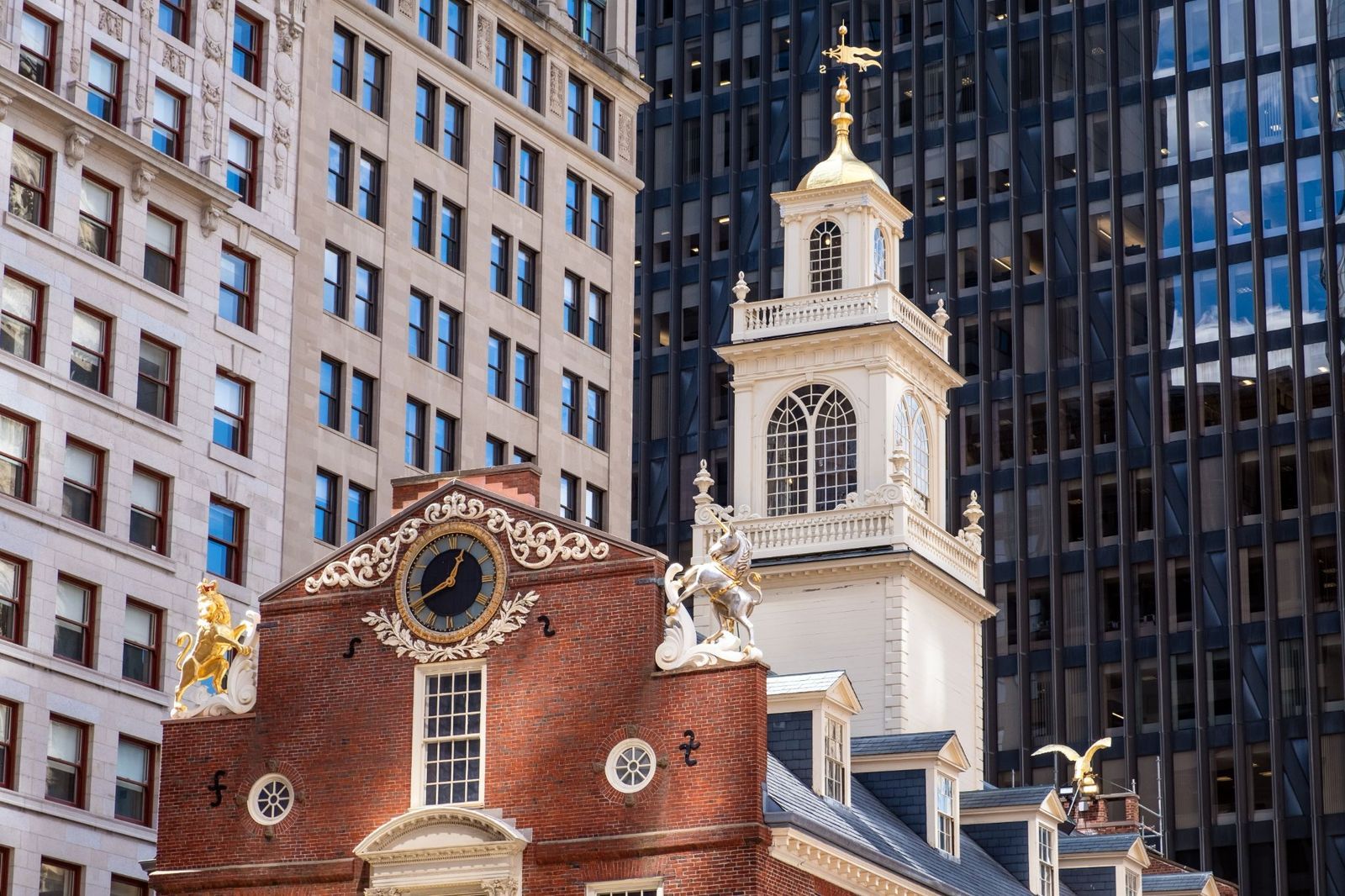
The American Revolutionary War began with a warning from here, Boston's Old North Church. On the night of April 18, 1775, British troops were preparing to march toward Lexington and Concord. To alert the Patriots, Paul Revere arranged a lantern signal from the church's steeple: one lantern meant the British were coming by land, while two meant they were crossing the Charles River.
Two lanterns were displayed, and Revere and other riders then spread the warning, helping the Patriots prepare for the approaching soldiers. The following morning, fighting broke out at Lexington and Concord, marking the beginning of the Revolutionary War. The Old North Church is now a legendary landmark to explore in Boston. It's the 13th official Freedom Trail stop, and its historic sanctuary is open to the public, the crypt where more than 1,100 people were buried, and the bell chamber Paul Revere once rang.
Ford's Theatre, Washington, D.C.
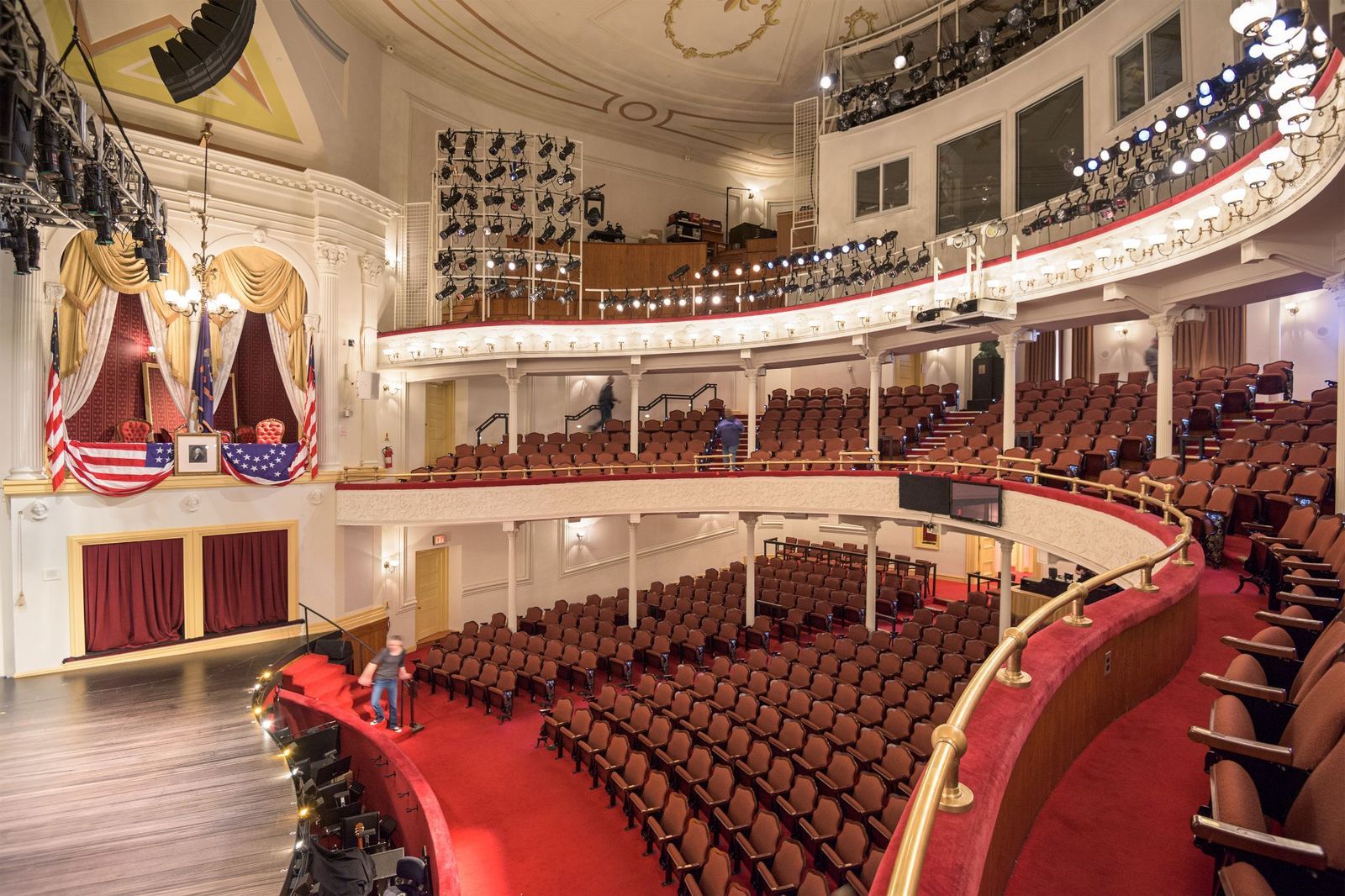
How did Ford's Theatre in Washington, D.C., become one of America's most famous historic sites? The answer lies in the tragic event on April 14, 1865. That evening, President Abraham Lincoln attended a performance of the comedy Our American Cousin with his wife, Mary. The Civil War was nearly over, and Confederate General Robert E. Lee had surrendered just five days earlier. But John Wilkes Booth, a well-known actor and Confederate sympathizer, had plans to assassinate the president, and he unfortunately succeeded.
Ford's Theatre remains a working theater and historic site. Visitors can book tickets to explore its museum and see the presidential box where Lincoln was assassinated.
Tower of London
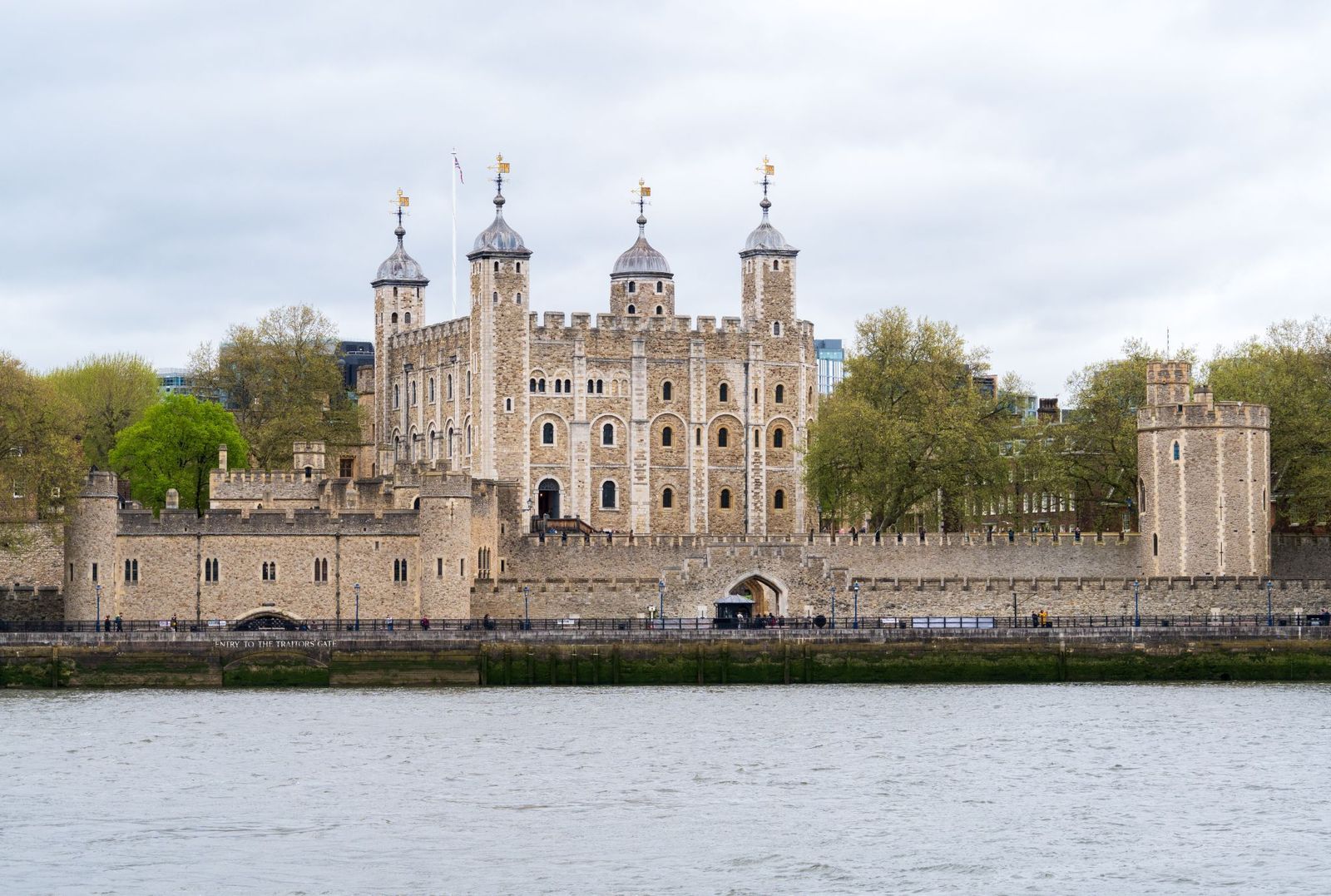
Few places bring together Britain's royal splendor and its darker past quite so dramatically as the Tower of London. Since William the Conqueror began building it in the 11th century, it has been a royal residence, a fortress, and eventually one of England's most feared prisons.
Among its famous prisoners was Anne Boleyn, King Henry VIII's second wife. Anne was accused of adultery and treason because she couldn’t give birth to a boy. She was arrested, imprisoned, and executed in the Tower, where she had prepared for her coronation just three years earlier. But that’s not all. The fortress also protects the Crown Jewels, including crowns still used in royal ceremonies. Curious visitors can explore the Tower, see the Crown Jewels, and join tours led by the famous Yeoman Warders, also known as Beefeaters.
The Colosseum, Rome
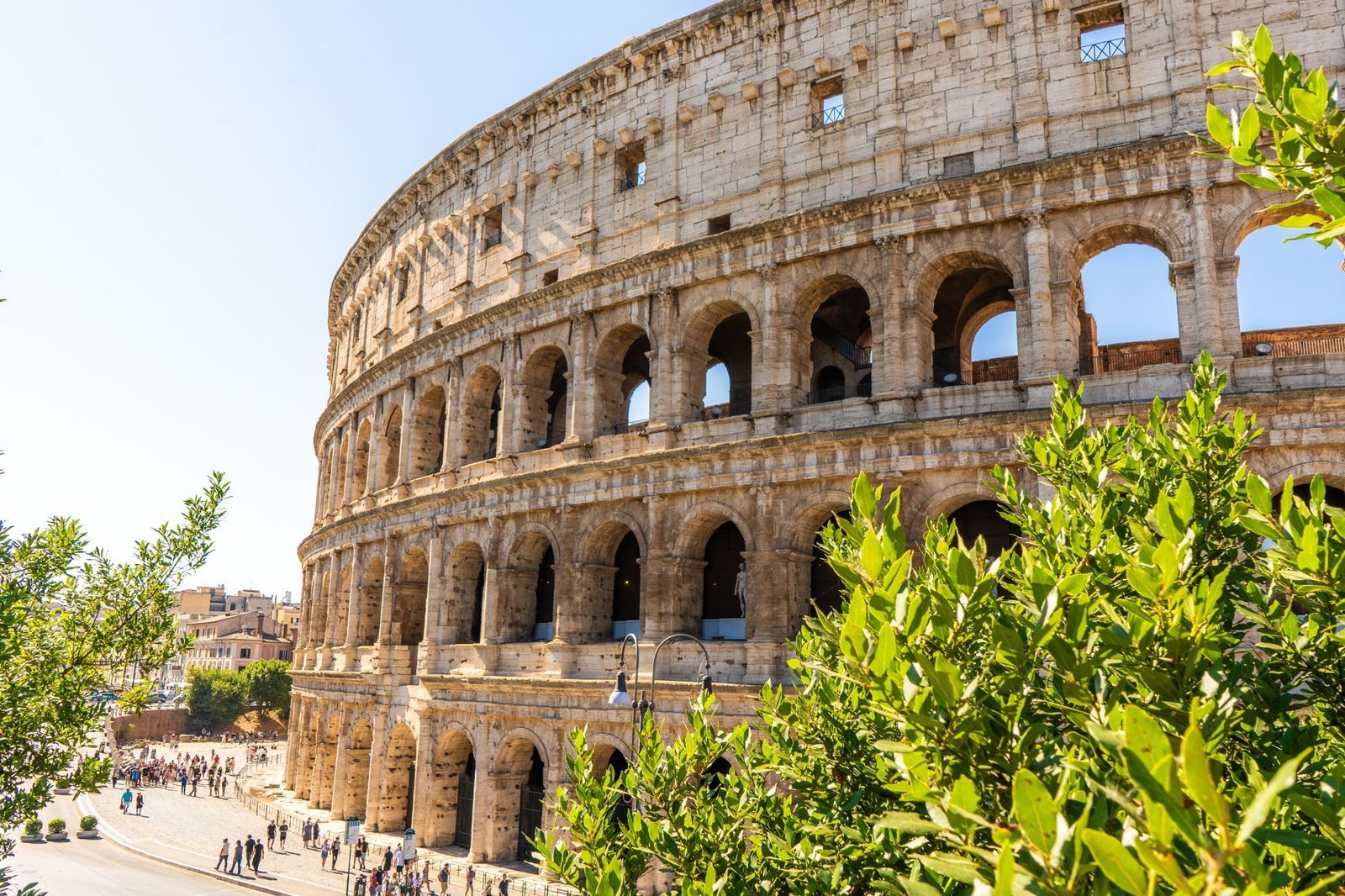
Nearly 2,000 years ago, Romans gathered at the Colosseum, a massive amphitheater in the heart of Rome, Italy. It opened with 100 days of gladiator fights, animal hunts, and other spectacles that were part of everyday Roman culture.
Beneath the arena was a network of passages, cages, and lifts that brought animals and scenery into view. Over the centuries, earthquakes and the removal of building materials damaged the Colosseum, but much of its structure still stands. Today, you can explore this ancient landmark with a timed-entry ticket, including special access to the arena floor and underground passages.
Sistine Chapel, Vatican City
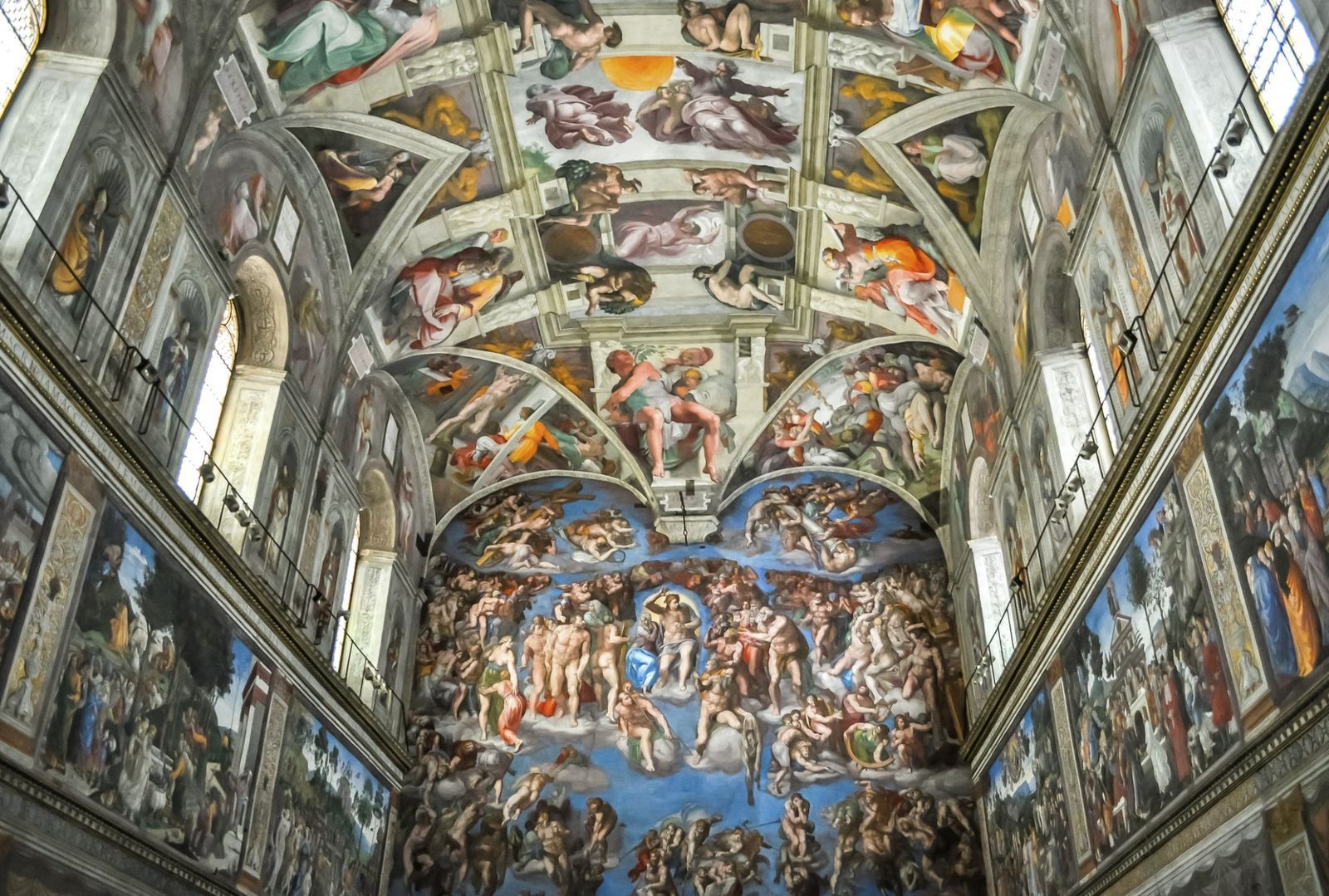
The Sistine Chapel is famous for Michelangelo’s ceiling paintings with Biblical scenes. In 1508, and over the next four years, Michelangelo created The Creation of Adam, showing God reaching toward the first man. Completed in 1512, the ceiling became one of the greatest achievements of Renaissance art.
But in the Sistine Chapel, cardinals also gather in secret to elect a new pope, the conclave. Only the Vatican Museums ticket includes access to the chapel when it is open to the public.
Notre-Dame, Paris
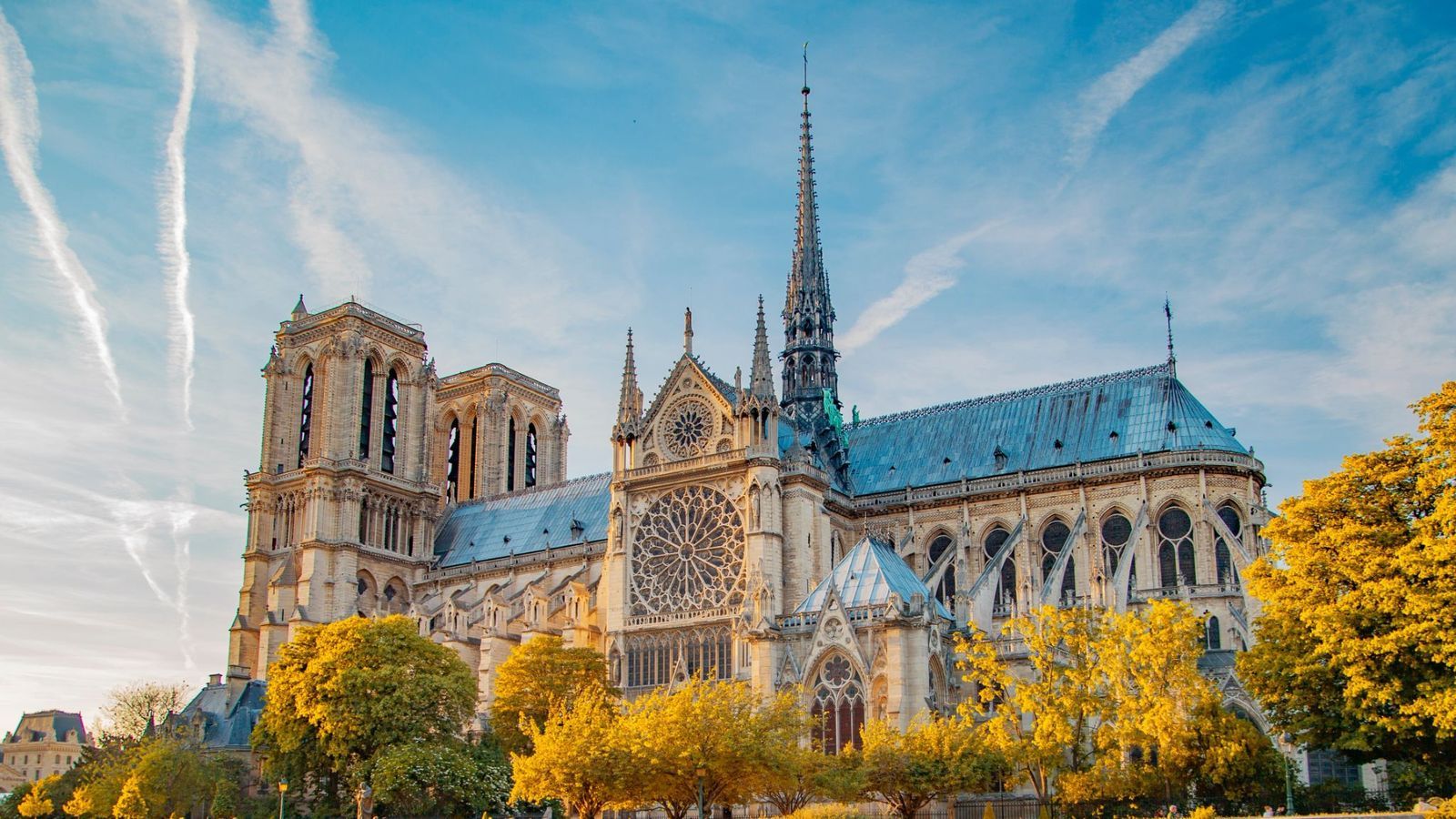
What made Notre-Dame Cathedral one of Paris's most famous landmarks? Beyond its impressive architecture, the cathedral has witnessed some of France's greatest historic moments. In 1804, Napoleon Bonaparte was crowned Emperor of the French here.
More than two centuries later, on April 15, 2019, a devastating fire destroyed Notre-Dame's roof and famous spire. After five years of restoration, the cathedral reopened in December 2024. Today, no trip to Paris feels quite complete without stepping inside Notre-Dame. Exploring its restored interior is free, either by joining the entrance line or reserving a time slot online.
Westminster Abbey, London
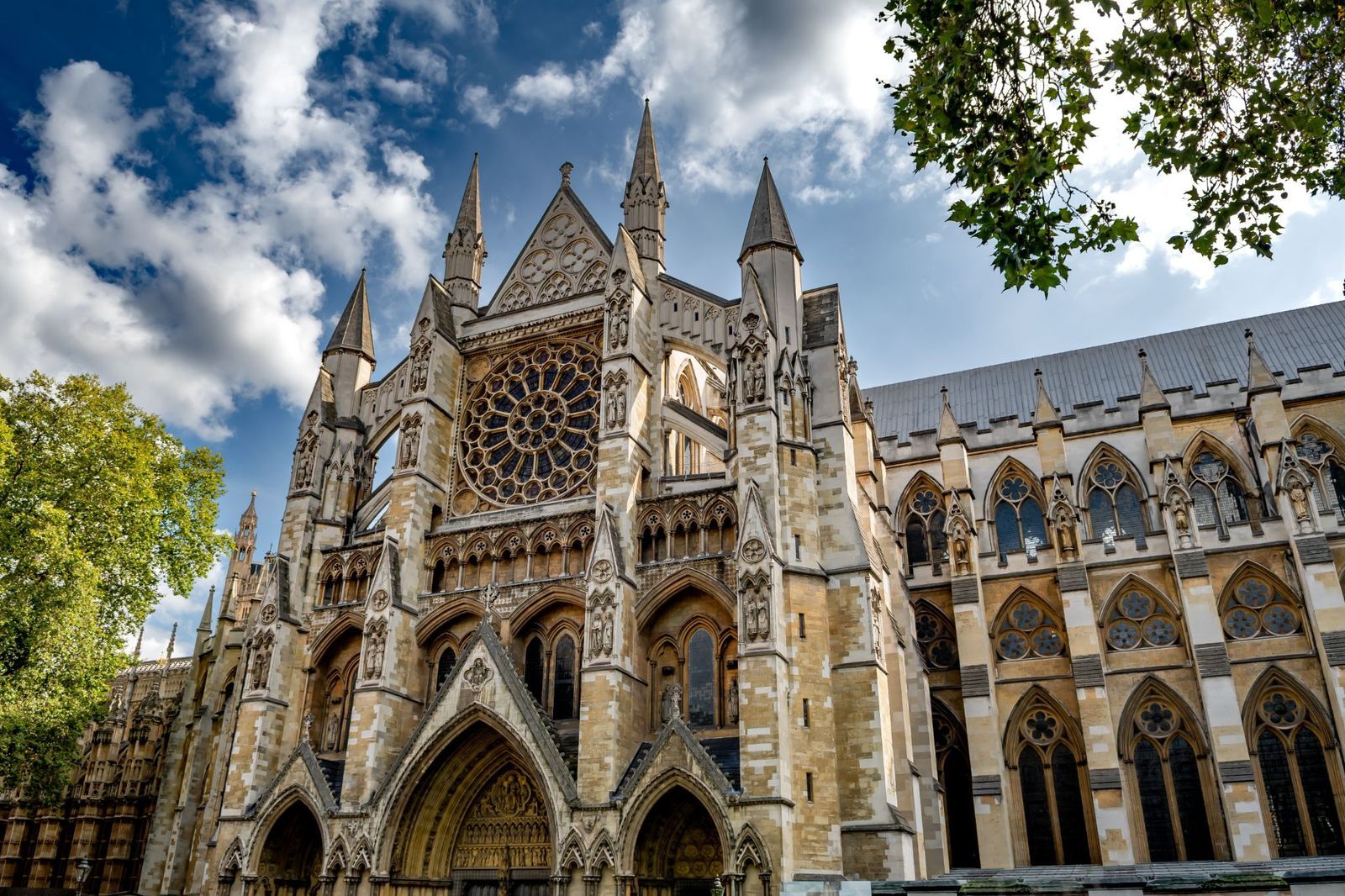
Westminster Abbey is a place of royal traditions and centuries of British history. Since William the Conqueror's coronation in 1066, generations of monarchs have been crowned there, including Queen Elizabeth II in 1953.
The tradition continued in May 2023, when King Charles III became the 40th monarch to be crowned at Westminster Abbey. The ceremony followed centuries-old customs, including the historic Coronation Chair. The Abbey also houses the tombs of famous figures such as Isaac Newton and Charles Darwin. Anyone can explore Westminster Abbey with an admission ticket or guided tour, generally on weekdays and Saturdays.
These 10 real places feel like stepping into famous paintings
 Culture
These 10 real places feel like stepping into famous paintings
Ever looked at a famous painting and wondered if you could visit its depicted setting? In fact, the unsettling landscape behind The Scream is a real place in Norway, and the humble farmhouse in American Gothic is still standing in a small Iowa town. From the misty mountains of Germany to the glowing streets of France, these 10 famous paintings have fascinating connections to places you can still visit today.
The Scream: Oslo, Norway
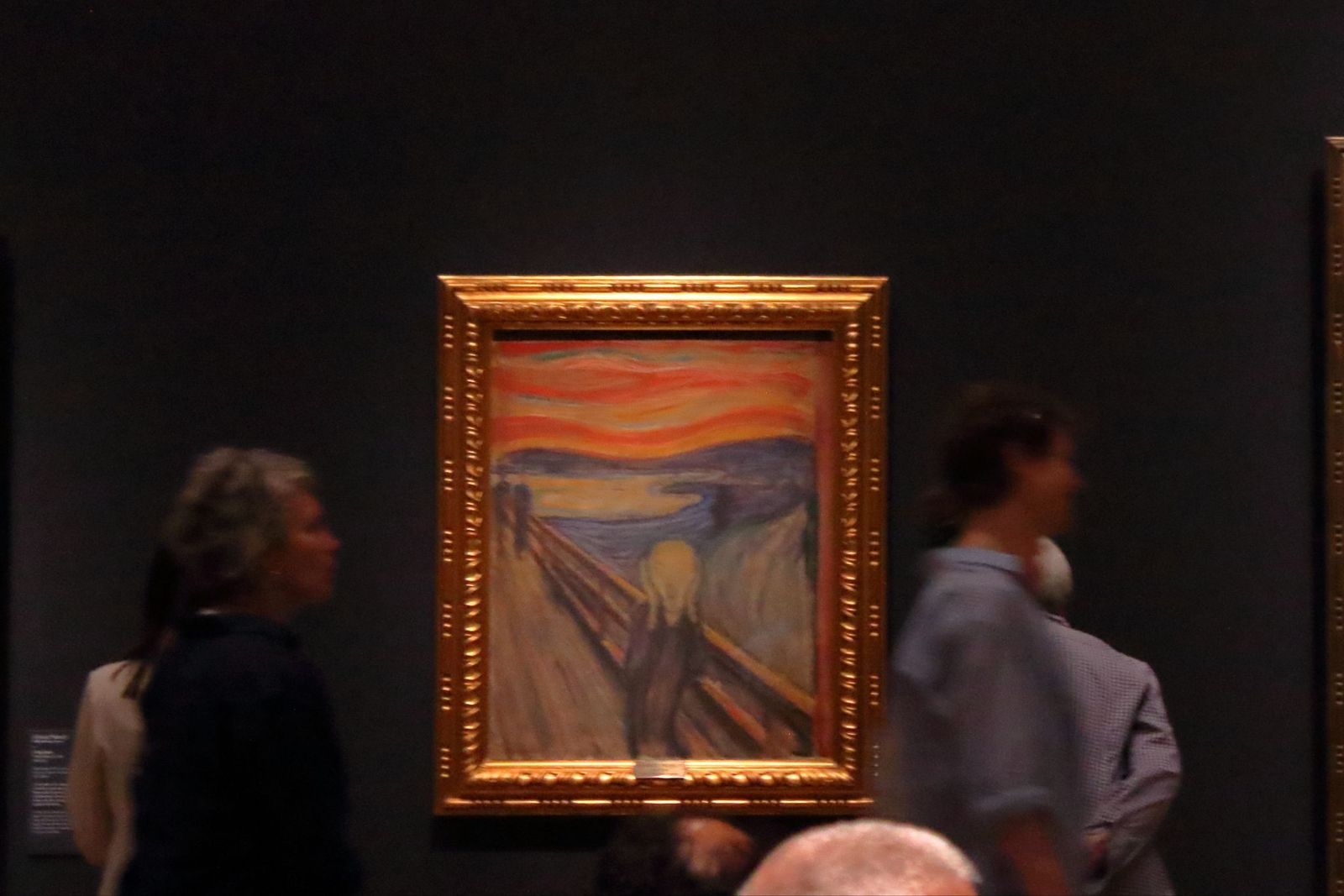
Edvard Munch’s The Scream is one of the most famous images in art history, and you can actually visit the place that inspired it. Munch created several versions of the painting, but the best-known dates back to 1893.
At the center of the work, a human figure screams in panic, and the landscape behind it is associated with Ekeberg, a hillside spot overlooking Oslo and the Oslofjord (a 75-mile-long body of water). Munch said he saw the sky turn blood-red at sunset in Ekeberg and felt intense anxiety that inspired him to create The Scream.
American Gothic: Iowa, USA
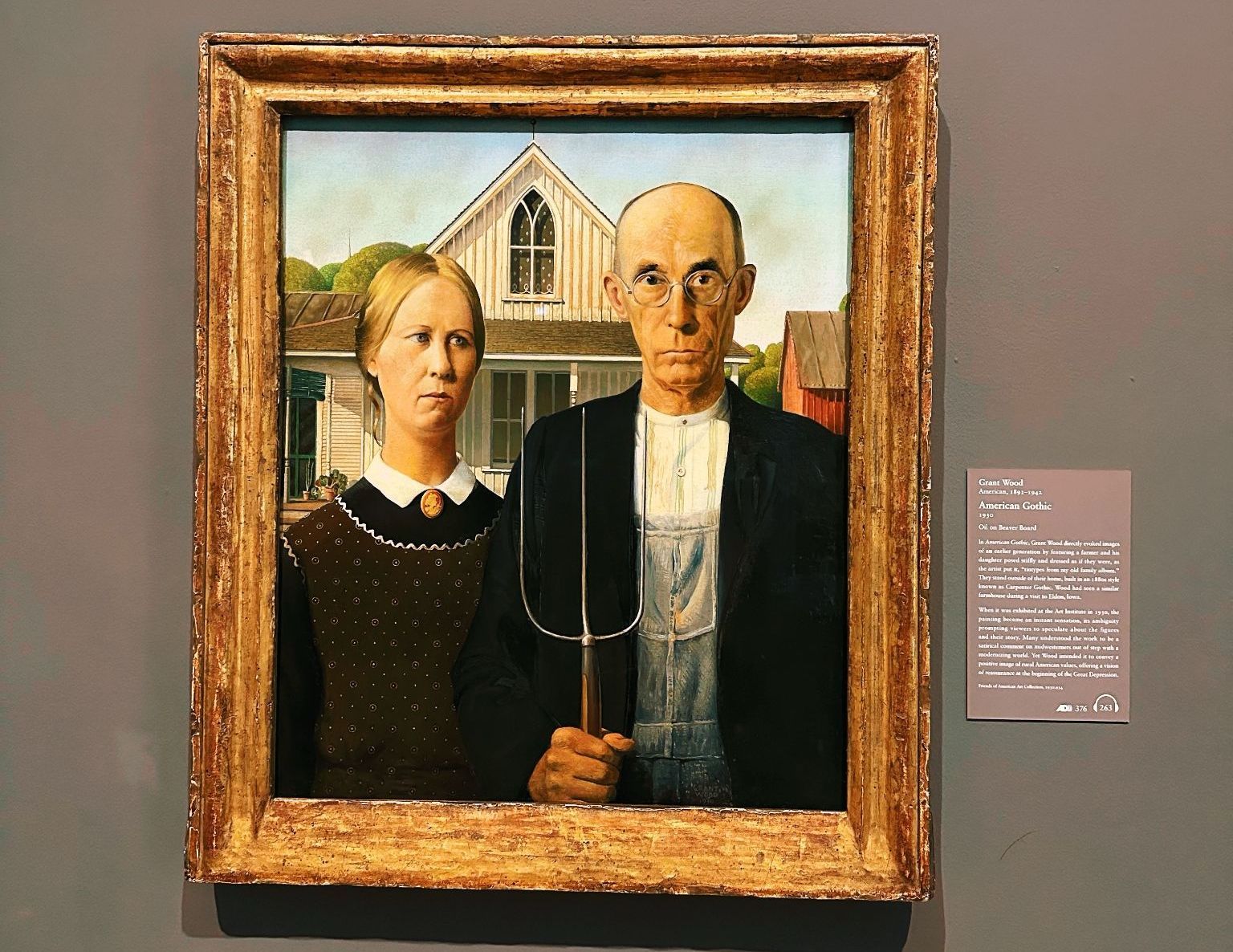
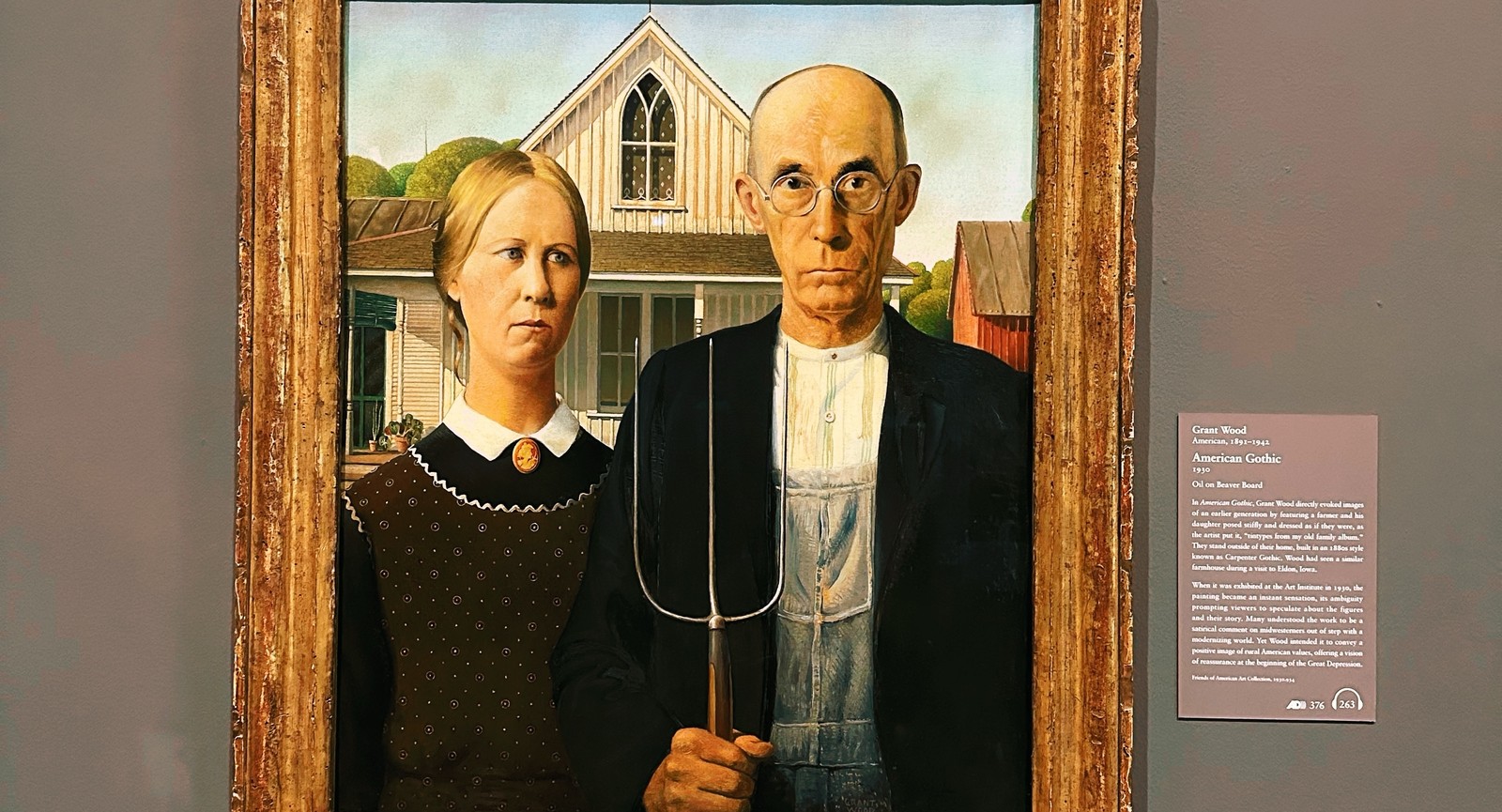
Did you know you can visit the house in Grant Wood’s famous 1930 American Gothic? Wood often depicted Midwestern people and rural life. The American Gothic House, also known as the Dibble House, stands at 300 American Gothic Street in Eldon, Iowa.
Wood was visiting Eldon, and the windows of this house caught his attention, so he stopped right there to sketch it. The painting itself shows a farmer and his unmarried daughter with the house behind them. The woman was modeled on Wood’s sister, Nan Wood Graham, and the farmer was modeled on the artist’s family dentist, Dr. Byron Henry McKeeby.
Washington Crossing the Delaware: Washington, USA
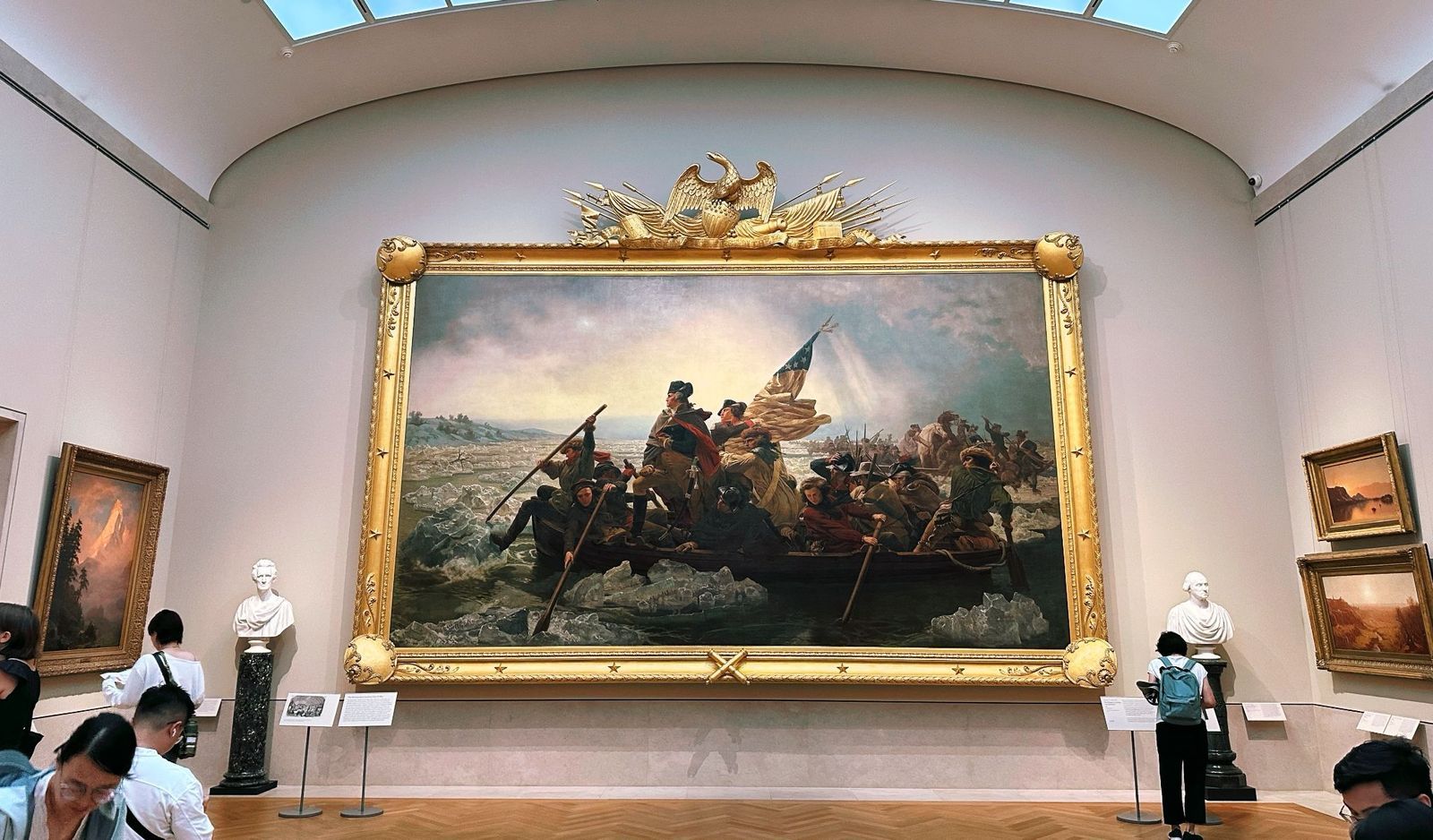
George Washington’s famous crossing of the Delaware River from Pennsylvania into New Jersey on Christmas night in 1776 to fight British troops was immortalized in Emanuel Leutze’s celebrated 1851 painting. But can you actually visit the place in the image? The answer is tricky.
The area around the historic crossing is now home to Washington Crossing Historic Park, and visitors can see it; however, Leutze based the setting partly on the Rhine in Germany, where he painted it 75 years after the real event, so the landscape isn’t entirely accurate.
Café Terrace at Night: Arles, France
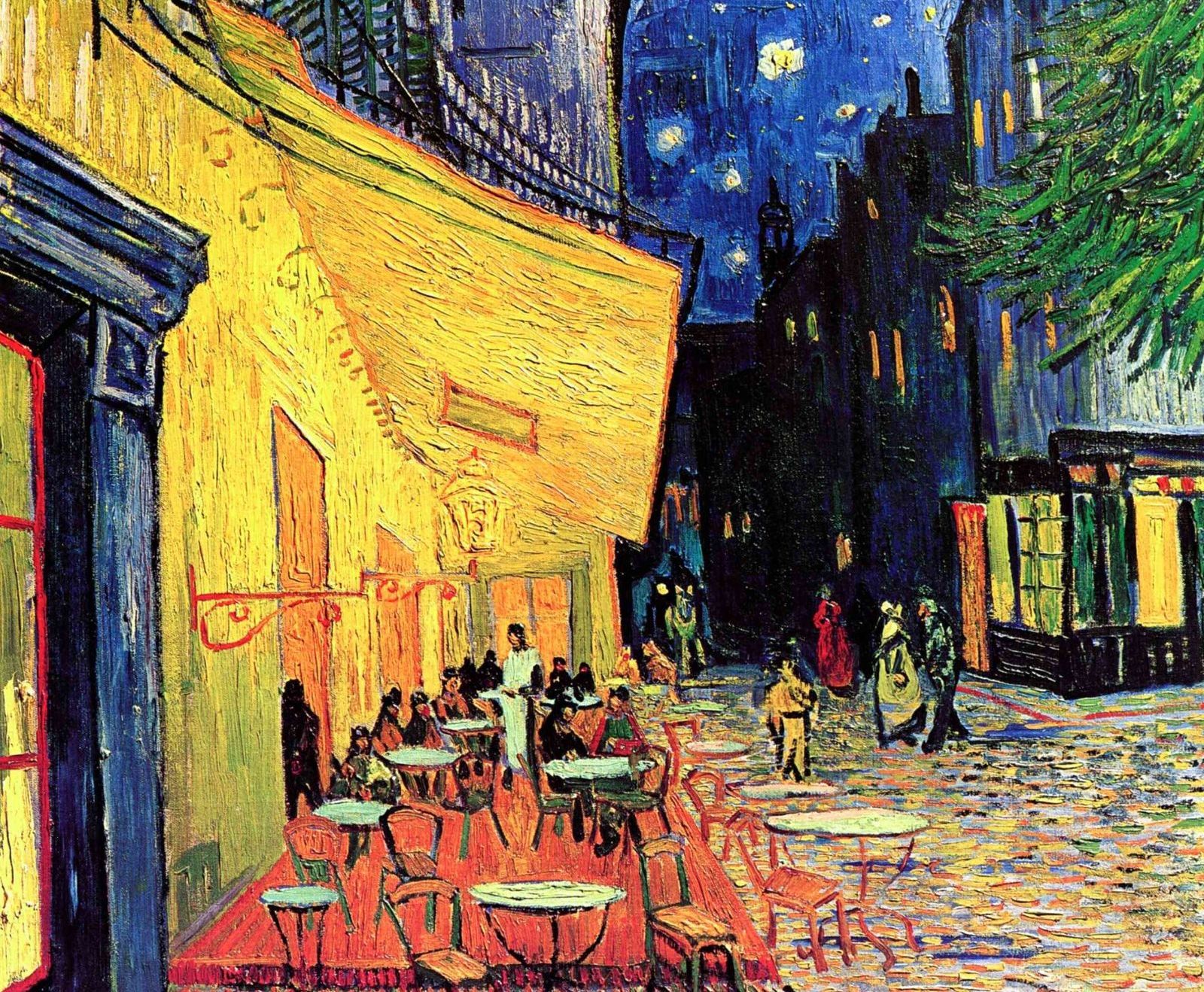
Could you have a coffee where Van Gogh painted his 1888 Café Terrace at Night? You bet. The famous Dutch painter created the scene outdoors at night, capturing the contrast between the warm gaslight and the deep blue, star-filled sky. He even set up his easel outside the café to paint the scene.
The real café stands in Place du Forum, Arles, France, and is now known as Café Van Gogh. And you can sit on its terrace and see for yourself what inspired Van Gogh.
Christina’s World: Cushing, Maine, USA
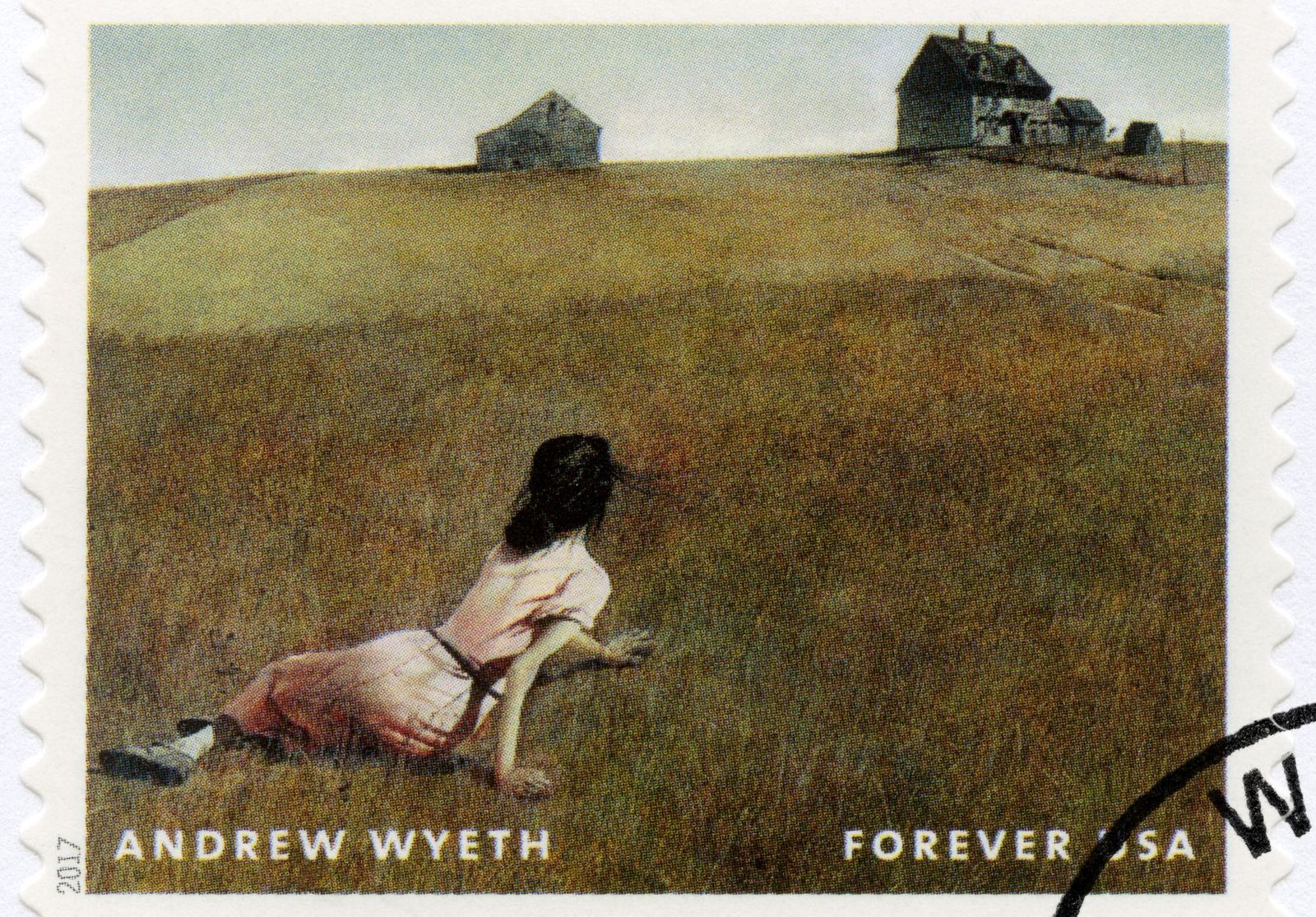
Andrew Wyeth’s 1948 Christina’s World depicts a woman in a dress lying on the grass, staring at a farmhouse on the horizon. Not only was the woman real, but so was the house. So, can you visit the place? The scene is based on the Olson family farm in Cushing, on Maine's midcoast, and the white farmhouse in the American painter’s work still stands today.
The Olson House is listed on the National Register of Historic Places, and you can visit it. Christina was a real woman who lived on the farm and had a rare condition that limited her mobility. Wyeth was inspired by Christina's determination and decided to paint her.
Impression, Sunrise: Normandy, France
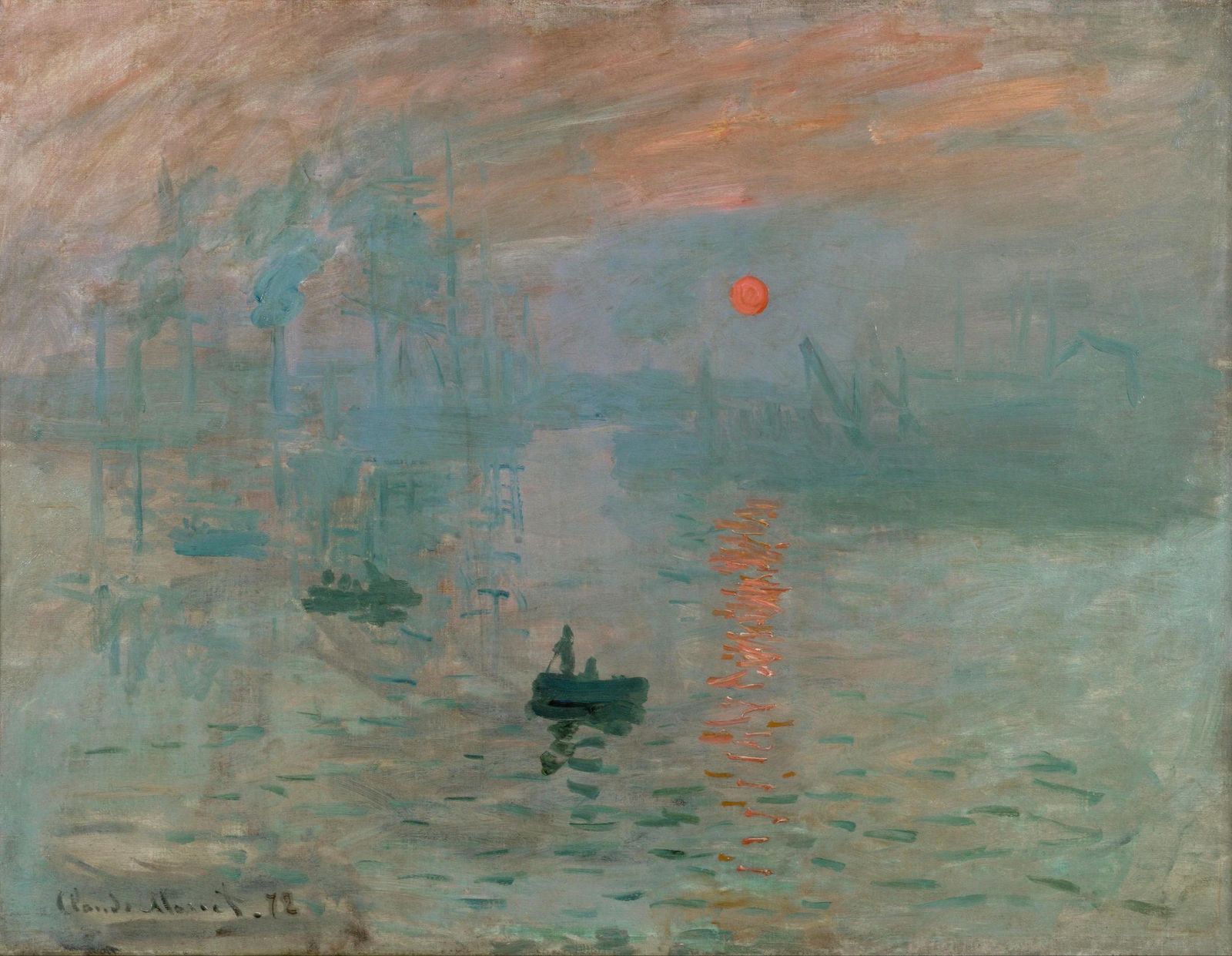
One of the most famous works by French painter Claude Monet is Impression, Sunrise (1872), but where can you find that view in real life? While staying at the Hôtel de l’Amirauté in Le Havre, Normandy, France, Monet had a window overlooking the harbour’s landscape.
He was inspired by a fleeting moment of light and atmosphere, so he painted an orange sun rising through mist over the harbor, with boats, ship masts, smokestacks, and industrial structures. Le Havre's harbor has changed a lot since the 1870s, but the city remains closely tied to the birth of Impressionism.
Pope Benedict XIV Visits the Trevi Fountain in Rome: Rome, Italy
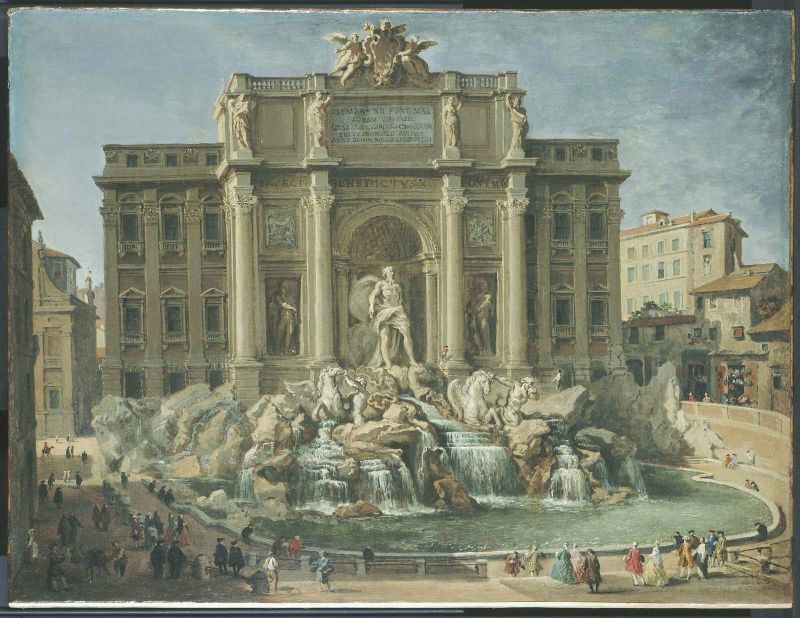
The title of Giovanni Paolo Panini’s iconic 1750 painting already gives it away. The Italian artist painted a detailed view of Rome's architecture and monuments. You can see the real Trevi Fountain for free from the surrounding piazza in Rome, or buy a ticket to enter the lower basin and get close to the water.
Interestingly, Pannini’s painting shows the fountain as if it were finished, even though he painted it more than a decade before the fountain’s official opening in 1762.
Starry Night Over the Rhône: Arles, France
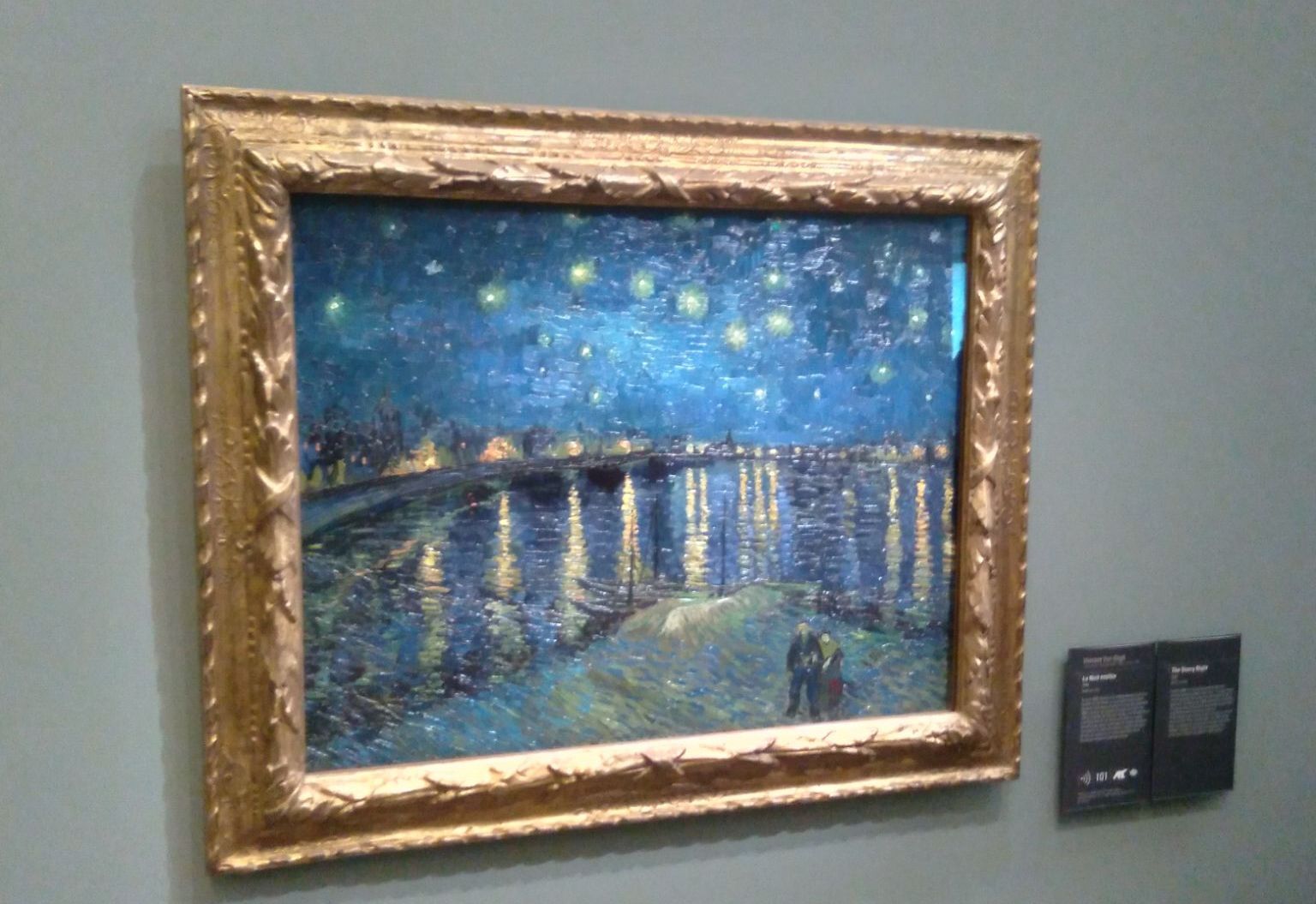
Van Gogh definitely had a thing for Arles, France. In the iconic Starry Night Over the Rhône (1888), the Dutch artist painted a night sky packed with stars above the river, with gas lamps reflecting orange and yellow light across the deep-blue water. And can you still see this view today?
Although the modern riverfront has changed since Van Gogh was there, you can still visit the banks of the Rhône River in Arles, where he painted the scene outdoors at night.
Mona Lisa: Italy

Renaissance masterwork The Mona Lisa remains one of the most famous paintings in history. But did you know that the location behind her is still a mystery? Leonardo da Vinci created the Mona Lisa around 1503–1519, depicting Lisa Gherardini, the wife of Florentine merchant Francesco del Giocondo.
Italian historian Silvano Vinceti said in 2023 that the bridge in the background was Ponte Romito near Laterina, Tuscany. But in 2024, geologist and art historian Ann Pizzorusso argued that the landscape instead resembles Lecco, near Lake Como. Neither theory is conclusively established.
Wanderer Above the Sea of Fog: Saxon Switzerland, Germany
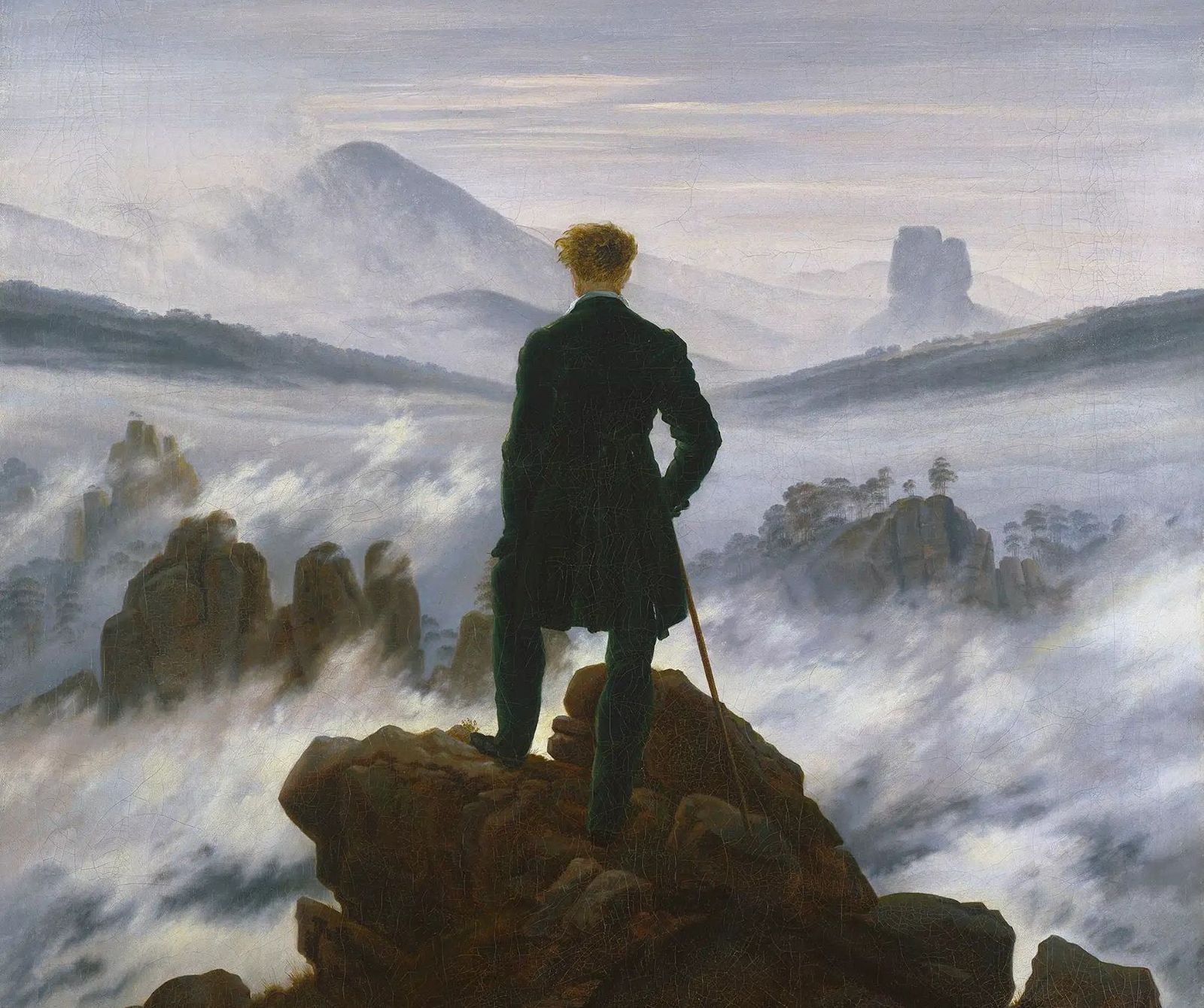
Between 1817 and 1818, German artist Caspar David Friedrich painted a lone man seen from behind standing on a rocky peak, looking across the mountains covered in fog. But is this mysterious landscape real?
The area is thought to be the Elbe Sandstone Mountains, along the German-Czech border, but it’s not an exact portrayal of the location. This work became one of the most influential paintings of the Romantic movement.
The 10 happiest cities in America in 2026
The 10 happiest cities in America in 2026
Maybe your town made the list. A new study by WalletHub ranked 182 U.S. cities according to 29 indicators across three broad categories: emotional and physical well-being, income and employment, and community and environment. Fremont, California, came out on top, with particularly strong scores in emotional and physical well-being and community and environment. Let’s see if one of these is your hometown, or perhaps somewhere you would consider your next happy place.
Fremont, California
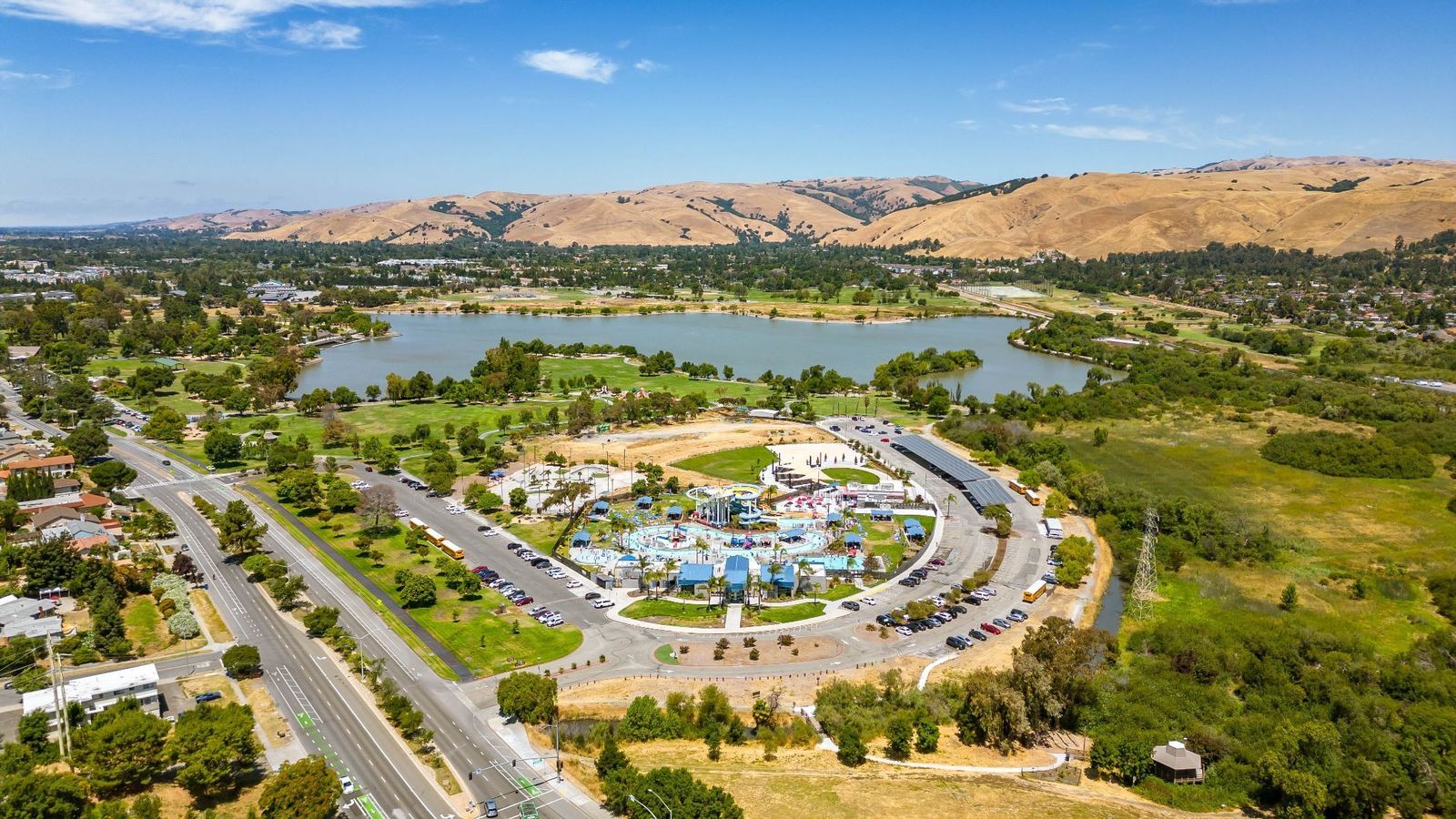
This city, located on the southeast shore of San Francisco Bay, leads the nation's happiness ranking. It has the highest percentage of households with an income above $75,000, with 79.7% of families exceeding that mark.
Fremont also has the seventh-lowest depression rate, the fifth-highest average life expectancy at about 82 years old, and the country's lowest separation and divorce rate, at 9.3%. WalletHub even notes that residents may be less inclined to move to Florida when they turn 65.
Bismarck, North Dakota
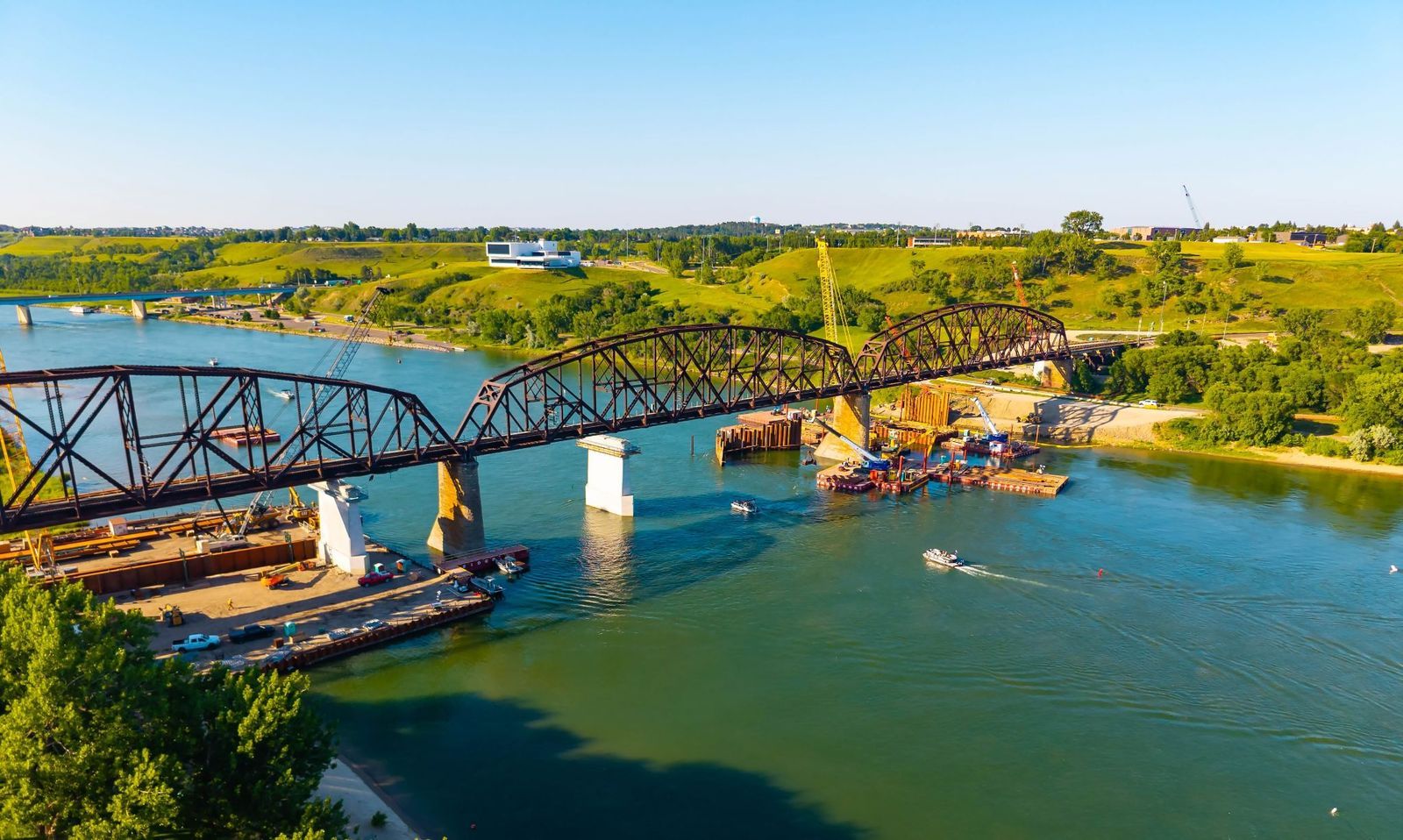
Bismarck, North Dakota, the nation's second-happiest city, stands out for its combination of good health, leisure time, and strong community ties. Residents have some of the most leisure time in the country, giving them more opportunities to relax, spend time with family and friends, and pursue their interests.
The city also boasts strong health and employment scores, helping it rank near the top overall.
Scottsdale, Arizona
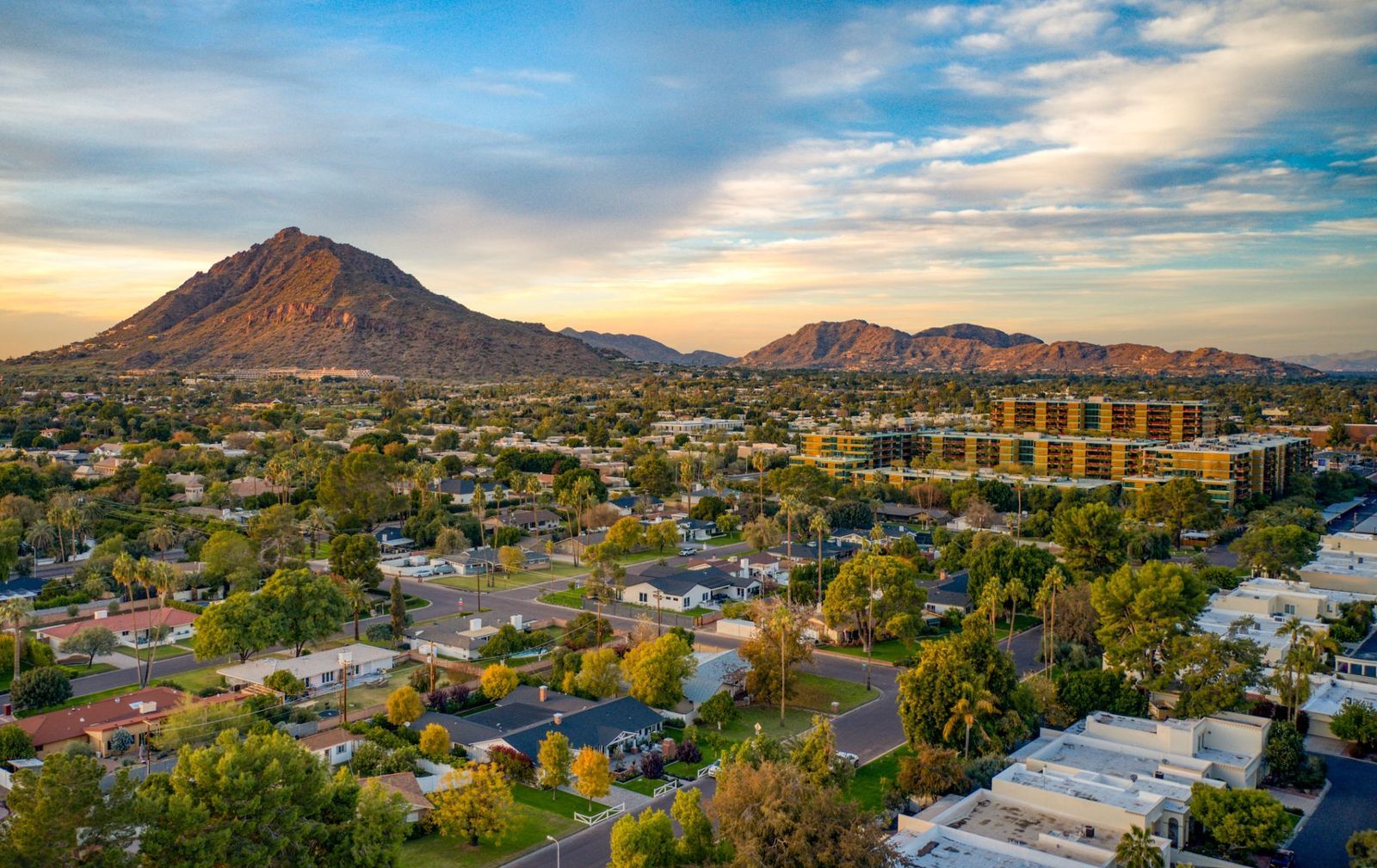
In Scottsdale, Arizona, almost 90% of residents report having good or better health, the third-highest in the country, while nearly 87% participate in some form of physical activity. The city also combines good health with financial stability: about 65% of households earn more than $75,000 a year, while the poverty rate is about 7%.
South Burlington, Vermont

South Burlington, Vermont, ranked fourth overall and has the highest rate of adequate sleep in the study. Residents are also highly active, with the city recording the highest sports participation rate. Strong scores in emotional and physical well-being, as well as income and employment, further helped it reach fourth place.
Fargo, North Dakota
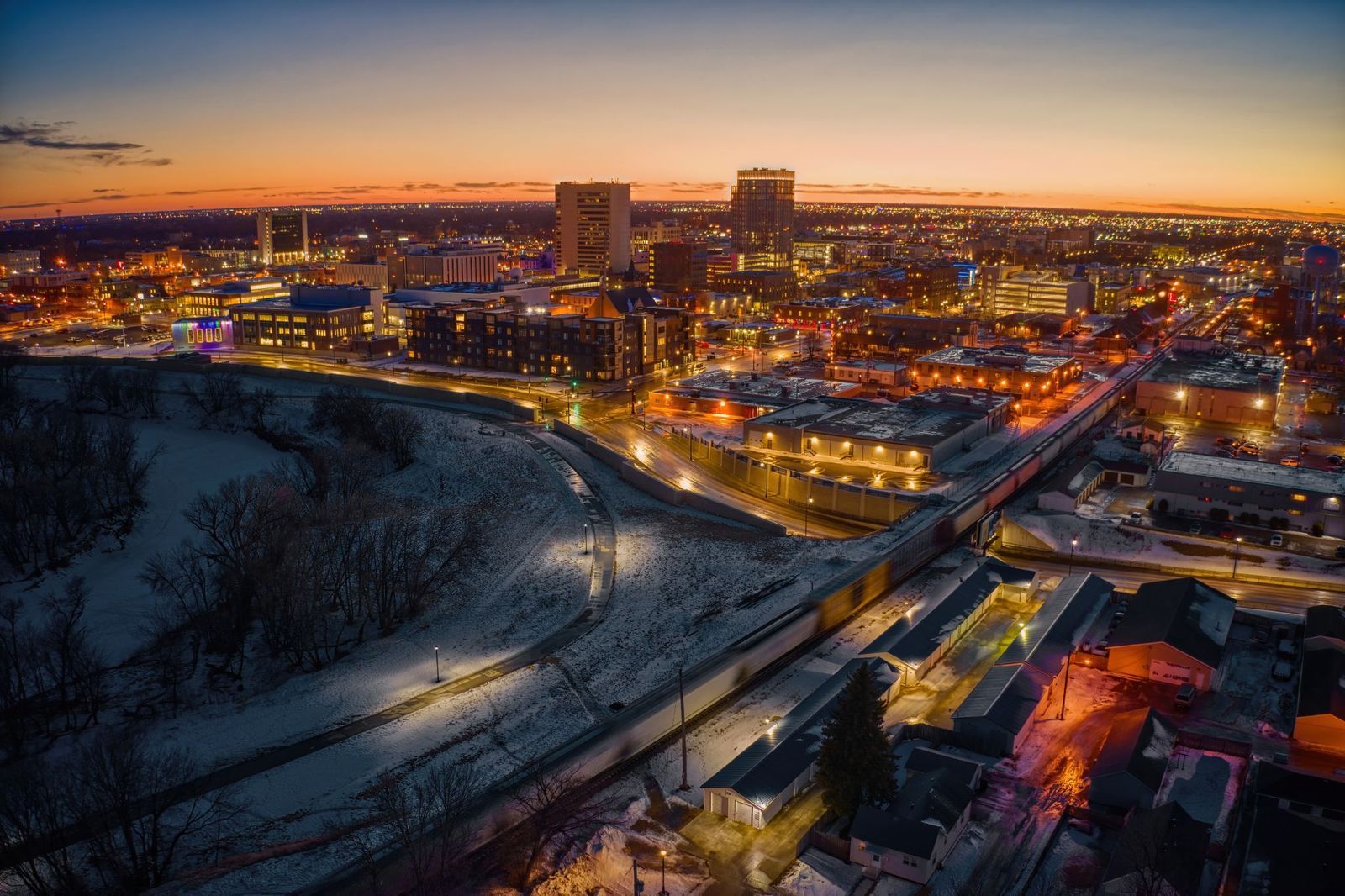
Fargo, North Dakota, not only has a movie and a series, both with the city's name in the title, but now also proudly ranks number five in the happiness rankings. According to the WalletHub study's results, its strength lies in its community.
Although winters can be brutally cold, residents consistently express high levels of life satisfaction, showcasing what tight-knit communities can do for emotional well-being, which also translates to good health.
Overland Park, Kansas
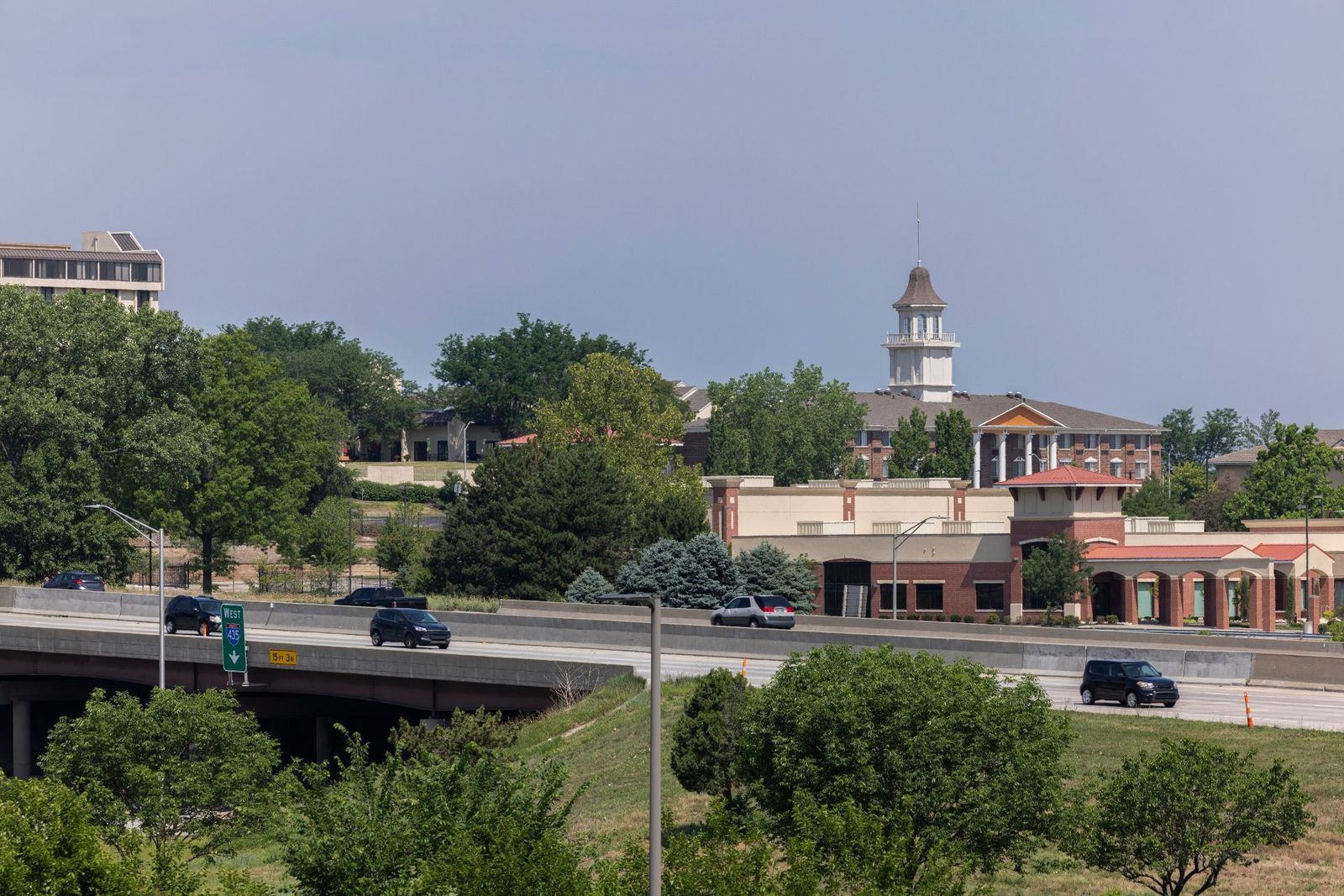
The second largest city in Kansas after Wichita, Overland Park hasn’t done badly at all, ranking at number six in the nation's happiness index.
It outshone the rest when it comes to health and joy, since it ranks second in the country in emotional and physical well-being, hand in hand with consistently high scores in mental health and personal life satisfaction.
Charleston, South Carolina
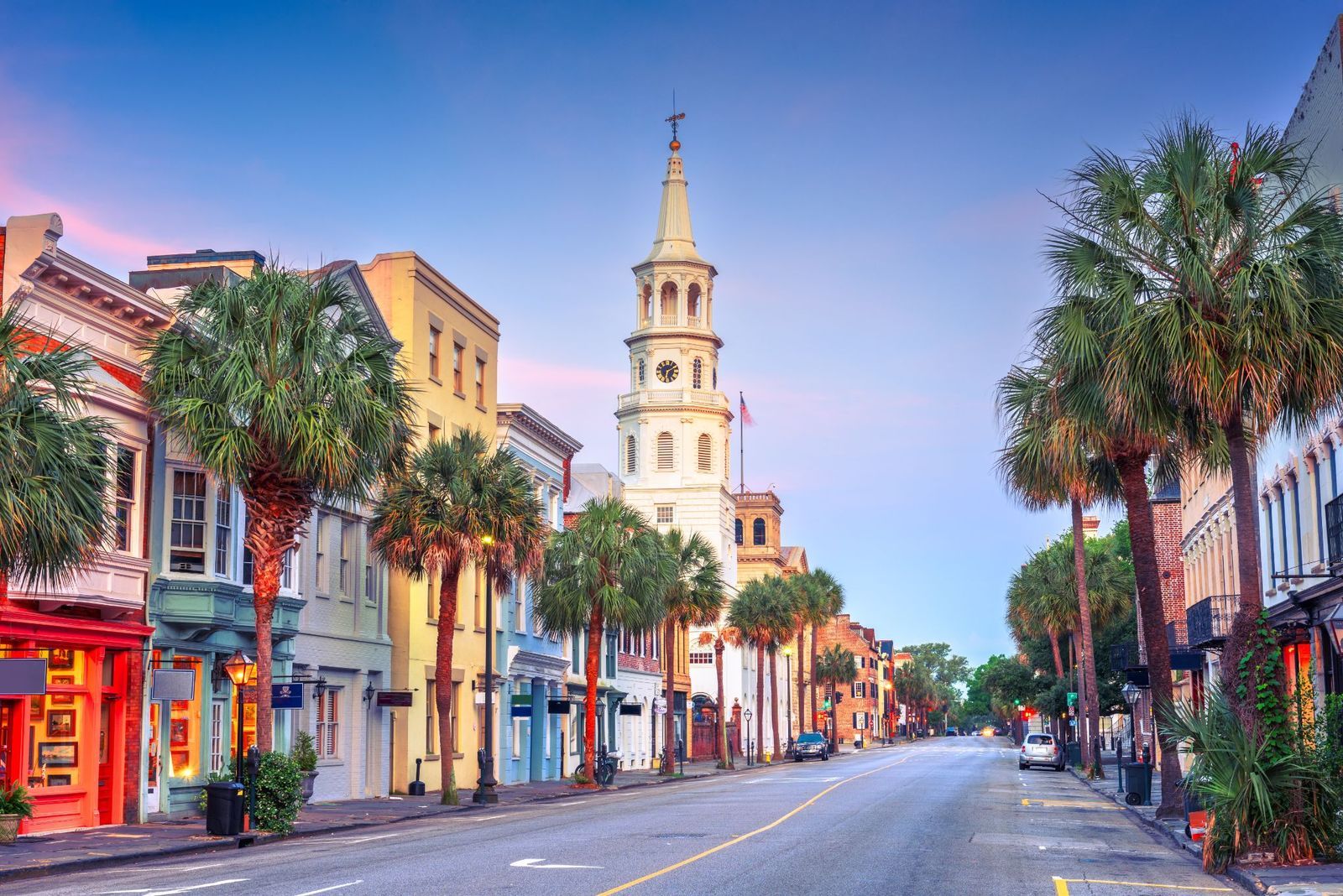
Charleston, South Carolina, proudly ranks seventh in this year’s ranking. When looking at its results in detail, it ranked third in community and environment and tenth in income and employment, giving it a particularly strong combination of community, lifestyle, and economic factors.
Irvine, California

Residents of Irvine, California, ranked number eight overall and located one hour south of Los Angeles, report a high quality of life across the board, including top-tier scores in emotional and physical well-being. Simultaneously, it is also positioned as one of the safest cities in America, which goes to show how feeling protected is one of the quieter drivers of day-to-day happiness.
Gilbert, Arizona

Gilbert, Arizona, came ninth in this joyous statistic, standing out from the rest because of its strong connections and community ties. Neighbors expressed feeling rooted, showcasing that a sense of belonging strongly impacts people’s well-being.
This town also came sixth in terms of community and environment, which takes into account factors such as weather, park space, and leisure time, among others.
San Jose, California
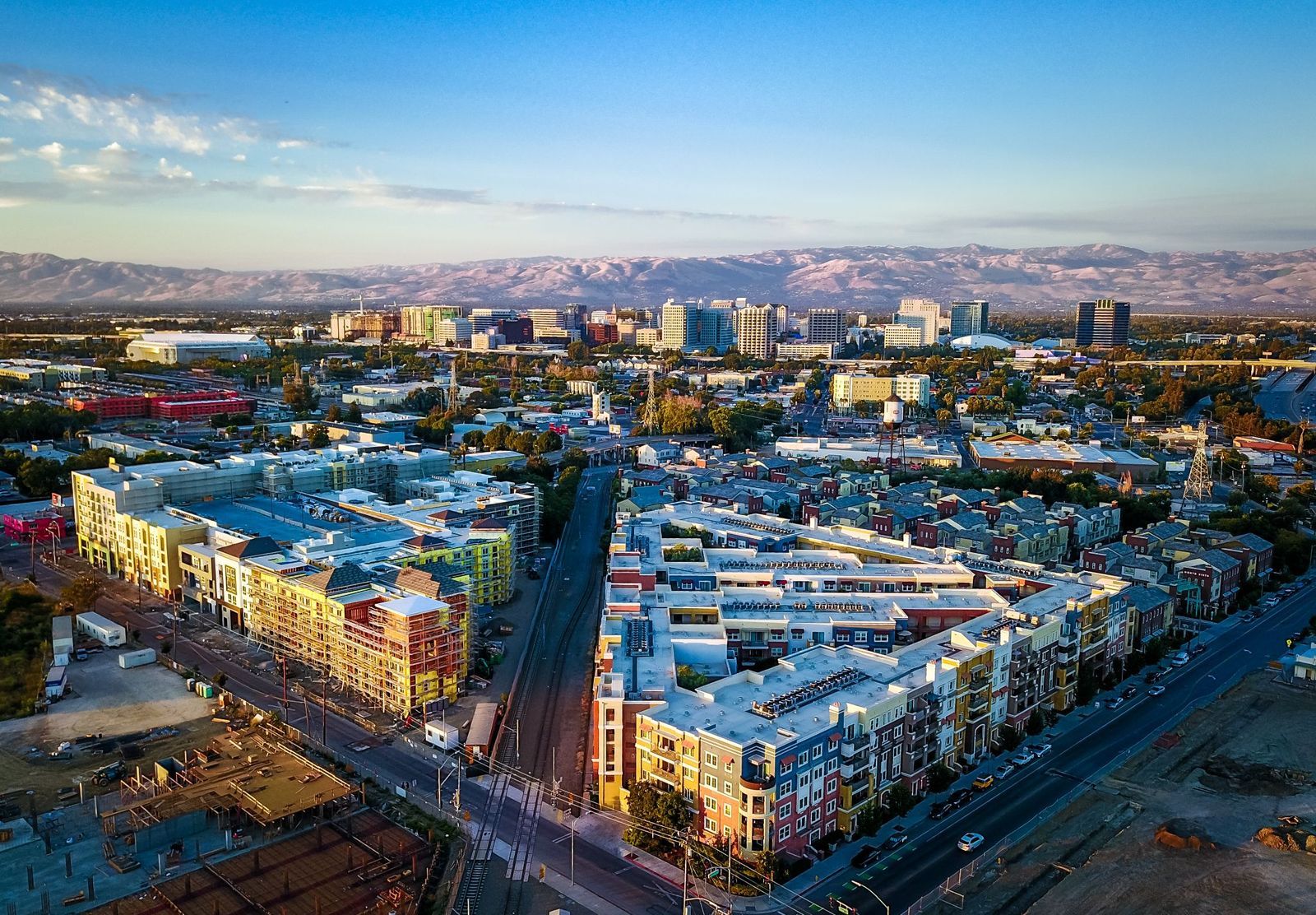
San Jose, California, rounds out the list at number 10 with a great combination of high incomes and overall peace of mind, described as a city with many opportunities, but where work-life balance might take a little more effort.
The Silicon Valley city also has 300 days of sunshine a year on average and, similar to Fremont, California, at number one, has one of the lowest marital separation rates in America.
Keep wandering
There’s always
more to explore

Why do pros take amazing photos even with a smartphone? 12 tips explained
4 min.
Read Now

Board the plane, do this right away, and land comfortably
6 min.
Read Now
 History
11 U.S. islands you thought you knew (spoiler: you probably don’t)
5 min.
Read Now

Do you still need a paper boarding pass? 10 must-know flying rules
5 min.
Read Now