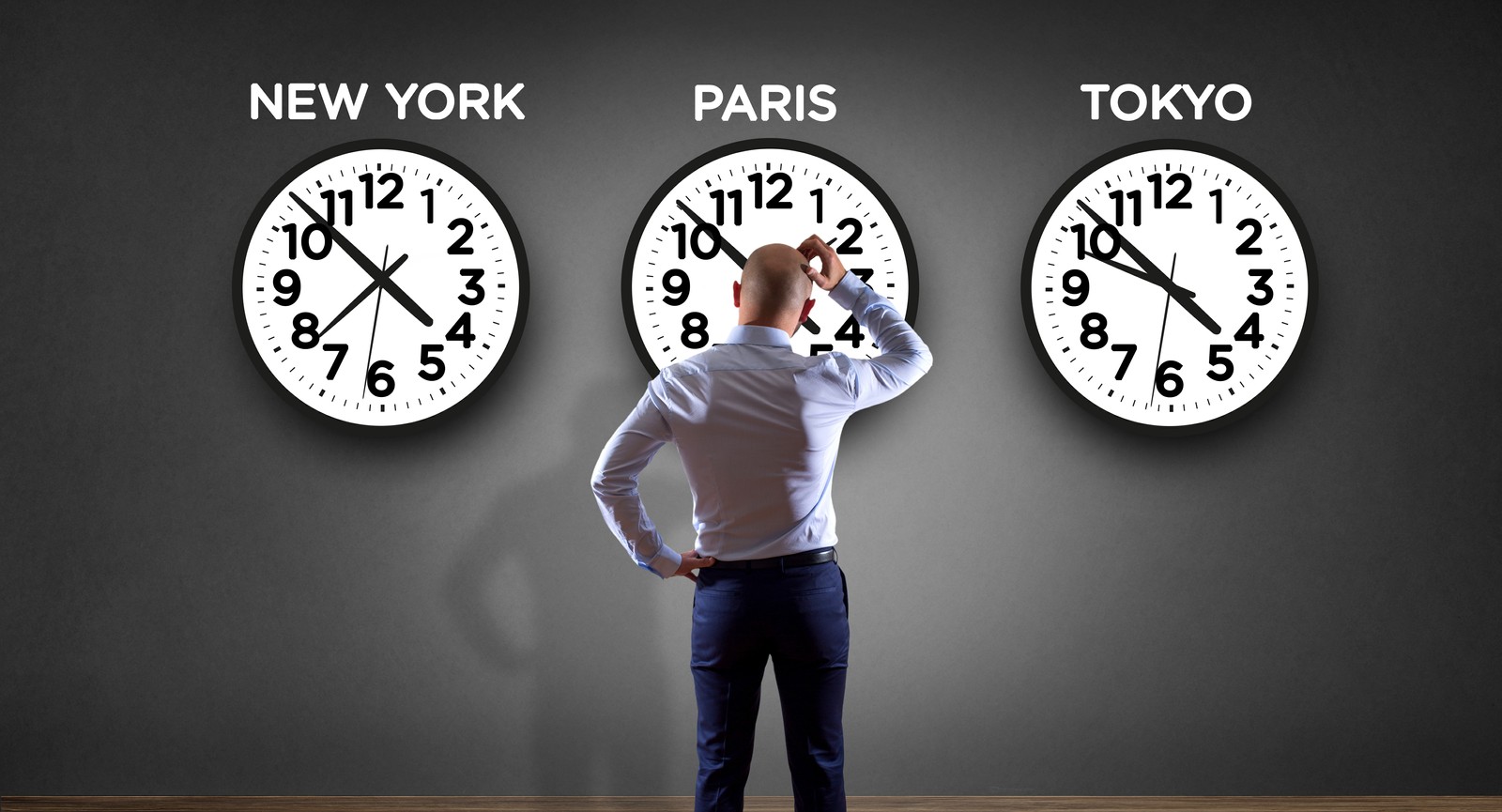
Board the plane, do this right away, and land comfortably
 General
Plan accordingly
Board the plane, do this right away, and land comfortably
Landing at your destination feeling exhausted, wide awake at 3 a.m., or ready for a nap just when everyone else is having lunch is not the ideal start to a relaxing trip. Jet lag can steal precious vacation time, but a few adjustments can make a difference. From shifting your bedtime three days before departure to choosing the right time to get sunlight, eating at local mealtimes, and resisting that tempting afternoon nap, these 10 tips can help your body adjust to your destination’s clock.
Shift your bedtime three days before traveling

Crossing several time zones can leave your body completely out of step with the local clock. One way to make the adjustment easier is to start before you leave home.
Two or three days before departure, gradually move your bedtime closer to the schedule at your destination. If you’re heading east, try going to bed about an hour earlier each night. If you’re traveling west, stay up an hour later instead. You can also adjust your waking time to match. Make these changes gradually to give your internal body clock time to adjust, and don’t sacrifice a good night’s sleep just to get ahead. Arriving already exhausted can make jet lag worse.
Once you board, set your clock to your destination’s time

Jet lag is a physical response to changing time zones, but your mindset can also influence how easily you adapt to a new schedule.
For that reason, once you board, change your clock to your destination’s local time. Every time you check it, you’ll see the hour there rather than back home, helping you start thinking in terms of your new schedule. Avoid constantly calculating how many hours ahead or behind your relatives and friends are. Instead, begin following the destination’s routine. Once you land, the local light and daily activities will feel more familiar, and it may be easier to recognize when it’s time for lunch, a walk, or bed.
Keep the first day light

It’s tempting to squeeze every possible attraction into the first day of a long-awaited vacation. But arriving after an overnight flight and immediately scheduling a full day of walking tours, museum visits, and restaurant reservations can backfire.
Your concentration, energy, and coordination may all be affected by jet lag and travel fatigue. Instead, keep the first day flexible. Check into your hotel, take a gentle walk, enjoy a nice meal, and get some daylight at the appropriate time. Don’t think of this as wasting your first day. Leaving yourself some breathing room can make the rest of your trip considerably more enjoyable.
Use daylight to your benefit before your trip

Sunlight does more than brighten a sightseeing day. It’s one of the strongest signals your brain uses to regulate its internal clock, known as the circadian rhythm. That’s why the timing of your outdoor activities before a long flight can help prepare your body for a new time zone.
If you’re traveling east, morning light generally helps shift your sleep schedule earlier. For example, someone flying from Los Angeles to New York may benefit from gradually getting more morning sunlight before departure. When traveling west, afternoon and evening light can help shift the body clock later. The best timing depends on how many time zones you cross, so plan accordingly.
Try blue-light-blocking glasses

Blue-light-blocking glasses are often advertised as a way to sleep better, particularly when looking at phones, tablets, and other screens late at night. They filter some short-wavelength light that can influence the body’s internal clock. This may make them useful when you’re trying to limit light exposure at a particular point in your adjustment schedule.
If your plan calls for shifting your sleep schedule earlier, limiting bright screen exposure in the evening can help. Glasses alone won’t prevent jet lag, but they may be one useful part of a broader strategy for adjusting to a new time zone.
Have a big breakfast when you arrive

Jet lag doesn’t only affect sleep. It can also leave you hungry at unusual hours. Planning your meals according to local time is one way to help your body adjust.
This tip applies to whichever meal happens to fall during your arrival, but many travelers land in the morning. If that’s your situation, have breakfast at a normal local breakfast hour rather than following the clock back home. Your digestive system has its own rhythms, and mealtimes provide additional signals that help regulate them. Keep lunch and dinner at reasonably consistent local times, too. There’s no need to force yourself to eat a huge breakfast, but a balanced meal with protein, fruit, and whole grains is a sensible way to prepare for the day ahead.
Stay hydrated in the sky and skip booze

That complimentary glass of wine with dinner on a long international flight can be tempting, but alcohol isn’t the best choice when you’re trying to arrive rested.
It may make you sleepy at first, but it can disrupt your sleep and leave you feeling worse later. Aircraft cabins also have relatively low humidity, which can contribute to dry eyes, a dry mouth, and general discomfort. Drink water regularly throughout the flight, and go easy on coffee, tea, and alcoholic beverages.
Beware long naps

After a 10-hour flight, the hotel bed can seem more tempting than any attraction you’ve traveled thousands of miles to see. However, think twice before settling in for an afternoon nap.
You might plan to rest for just 20 minutes, but once you get comfortable, it can be difficult to wake up on time. More importantly, sleeping too long during the local daytime can reduce your natural drive to sleep at night. If you need a nap, keep it short and set an alarm. Otherwise, try to push through the initial exhaustion and stay awake until a reasonable local bedtime. You’ll have a much better chance of waking up ready to enjoy the next morning.
Time your caffeine

A cup of coffee can be a lifesaver when your body insists it’s bedtime but the local clock says it’s only 10 a.m. Caffeine blocks adenosine, a chemical that builds up in the brain and contributes to feelings of sleepiness. That’s why it can help you stay alert while your internal clock catches up. The trick is to use it strategically.
Rather than drinking several cups close together, spread moderate amounts throughout the local daytime when you need them. Avoid relying on caffeine late in the afternoon or evening, especially if you’re hoping to fall asleep earlier than usual. Caffeine can remain active in the body for several hours, and its effects vary from person to person. If you’re sensitive to it, an earlier cutoff may work better.
Sleep according to your arrival time

Not every long flight calls for a full night’s sleep. The trick is to plan your rest around the time you’ll land rather than simply sleeping whenever you can during the journey.
If your flight arrives in the morning, try to get some sleep on the plane so you can start the local day feeling reasonably refreshed. An eye mask, earplugs, and a comfortable neck pillow can make a big difference, especially in economy class. On the other hand, if you’re landing in the evening, resist the temptation to sleep through the entire flight. Staying awake for at least part of the journey can help you feel sleepy at a normal local bedtime once you reach your hotel. Think ahead so you don’t arrive wide awake when everyone else is getting ready for bed, or struggle to stay awake when the day is just beginning.
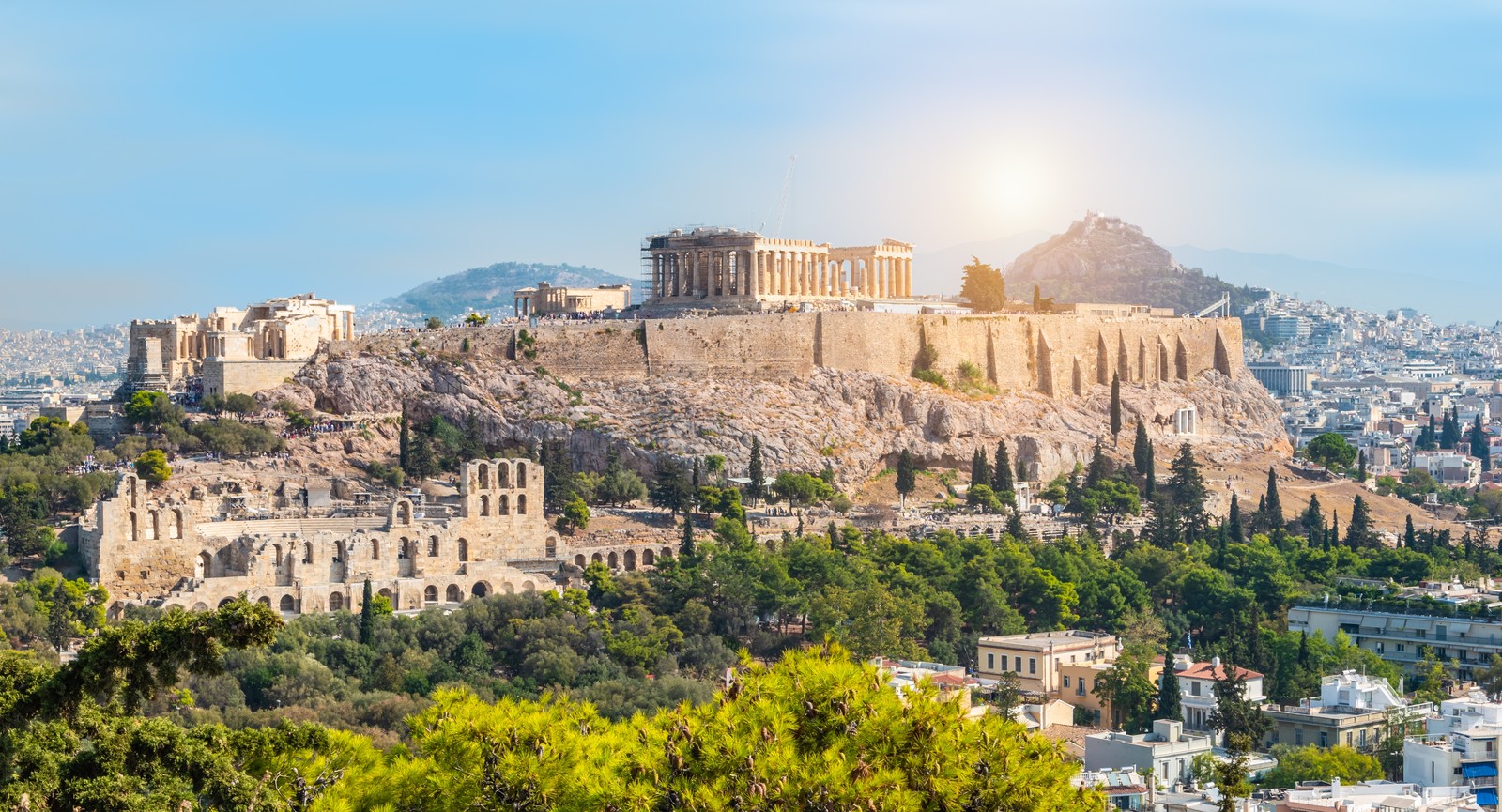
Did you know these 10 modern cities are built on ancient empires?
 Landmarks
Did you know these 10 modern cities are built on ancient empires?
When we look at modern metropolises, it’s easy to assume that their towering skyscrapers are new inventions carved out of raw wilderness. In reality, many of our world’s busiest cities are built directly over the bones, temples, and plazas of disappeared empires. From underground subway stations that double as archeological digs to royal sarcophagi found in modern districts, here are ten cities you probably didn't realize are sitting on ancient ruins.
Rome, Italy
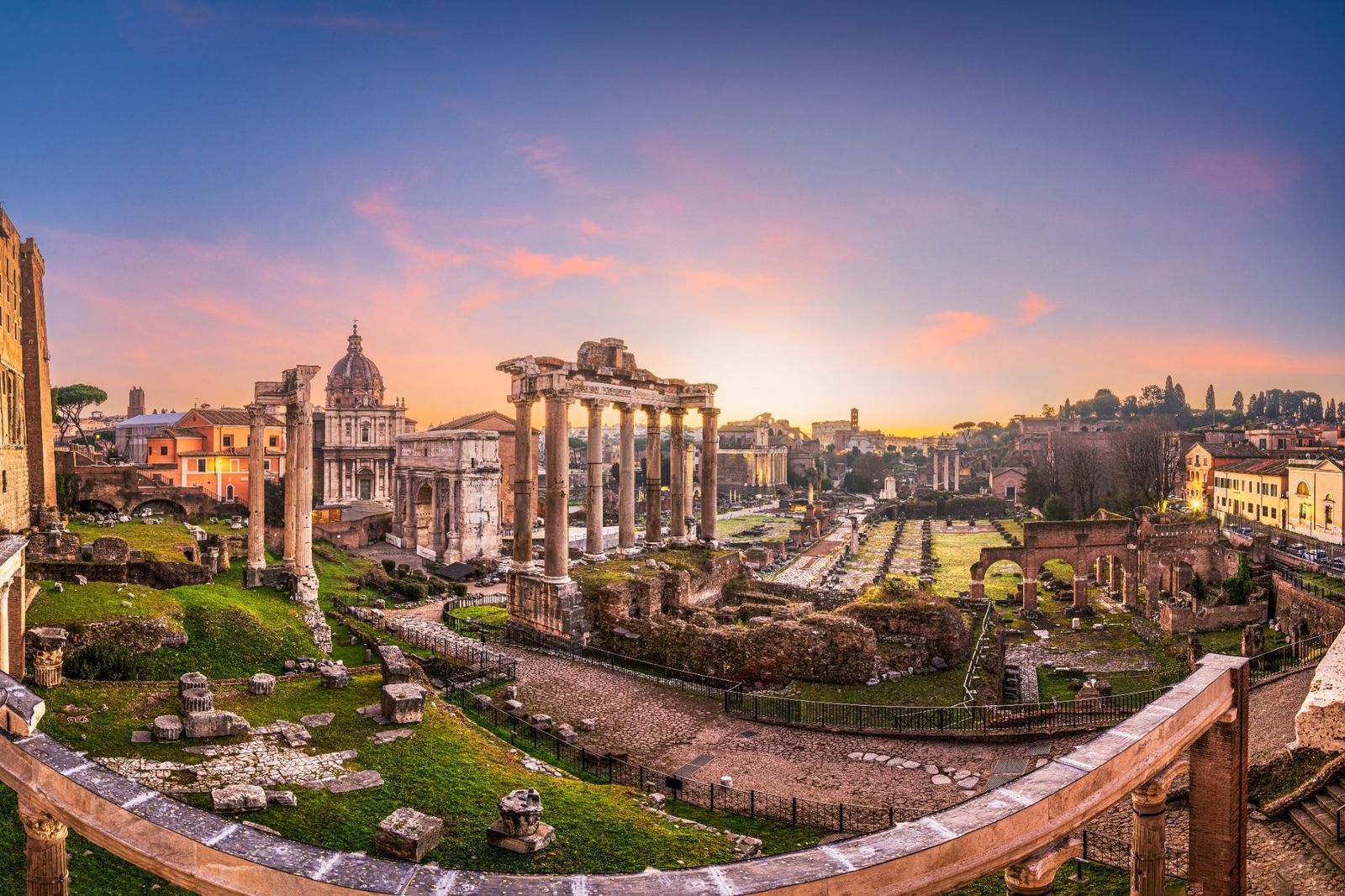
The modern capital of Italy sits many feet above the street level of the ancient Roman Empire. Over two millennia, fires, floods, and constant rebuilding projects caused the ground level to rise, sealing intact imperial structures beneath the modern asphalt.
For example, building a new subway line in Rome is a logistical nightmare. Whenever city engineers attempt to drill a new tunnel, they inevitably hit an underground archeological wall. Construction workers regularly stumble upon fully intact 2,000-year-old Roman military barracks, imperial villas, and ancient shopping centers deep beneath the modern traffic.
Istanbul, Turkey
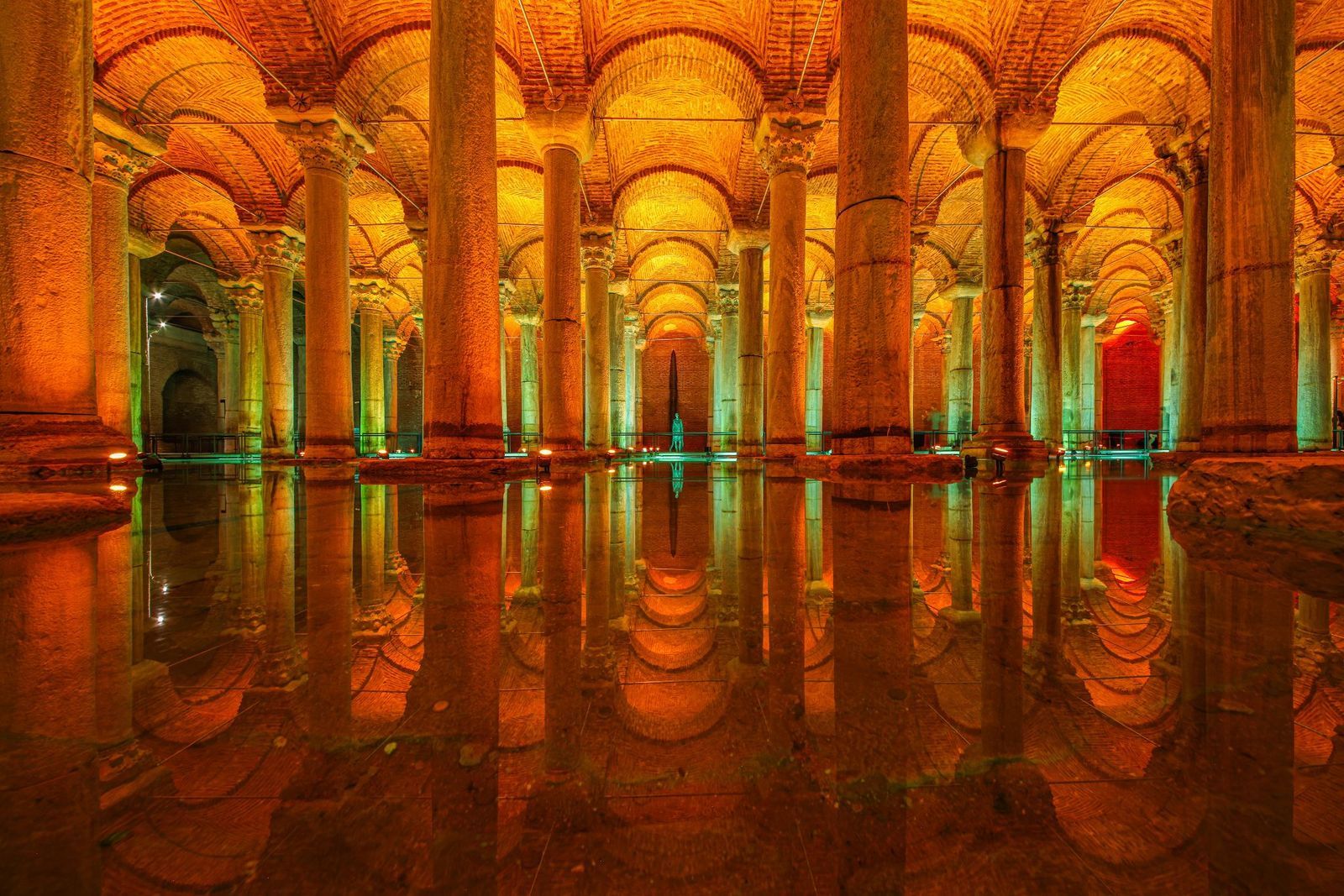
Istanbul has served as the capital of three major global empires: the Roman, the Byzantine, and the Ottoman. Modern Istanbul was once Constantinople and, before that, the ancient Greek city of Byzantium.
Because of this intense history, the city is literally hollowed out by ancient architecture. Beneath the busy streets of the Sultanahmet district lies a vast network of subterranean structures, the most famous of which is the Basilica Cistern. Built by Byzantine Emperor Justinian I in the 6th century, this cavernous underground water reservoir features 336 marble columns rising out of the water, sitting silently beneath the city’s bustling tram lines and markets.
Mexico City, Mexico

Mexico City is one of the clearest examples of a modern capital built directly on top of an ancient city. In the early 15th century, the Aztec Empire established its magnificent capital, Tenochtitlan, on an island in the middle of Lake Texcoco. When Hernán Cortés conquered the city in 1512, the Spanish drained the surrounding lake and used the stones of the demolished Aztec temples to build their own cathedrals and palaces.
If you visit the city’s central plaza, the Zócalo, you’re standing directly over the ceremonial heart of the Aztec world. Right next to the colonial Metropolitan Cathedral lie the excavated ruins of the Templo Mayot, which was completely lost under the city streets until electric company workers accidentally rediscovered it in 1978.
Athens, Greece
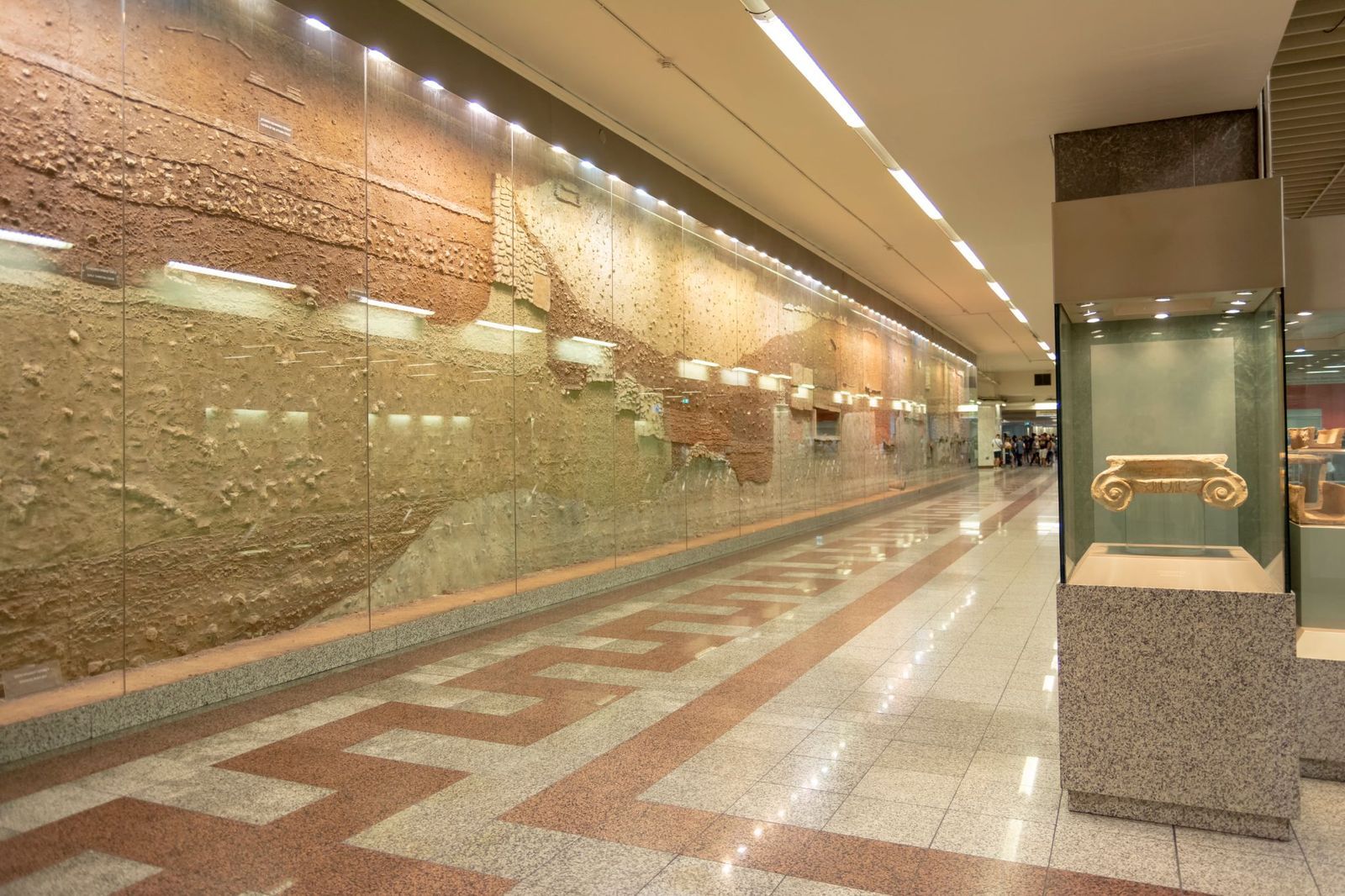
Much like Rome, the capital of modern Greece is a playground for urban archaeologists. During the early 21st century, as Athens prepared to host the 2004 Olympic Games, the city undertook a massive expansion of its underground metro system, which required digging through untouched subterranean layers of ancient history.
The excavation unearthed over 50,000 ancient artifacts, structural foundations, cemeteries, and ancient aqueducts. Instead of moving the items to distant museums, the city turned the subway stations themselves into galleries. If you catch a train at the Syntagma or Monastiraki stations, you can view ancient structural ruins and archaeological strata preserved alongside modern train platforms.
Kyoto, Japan
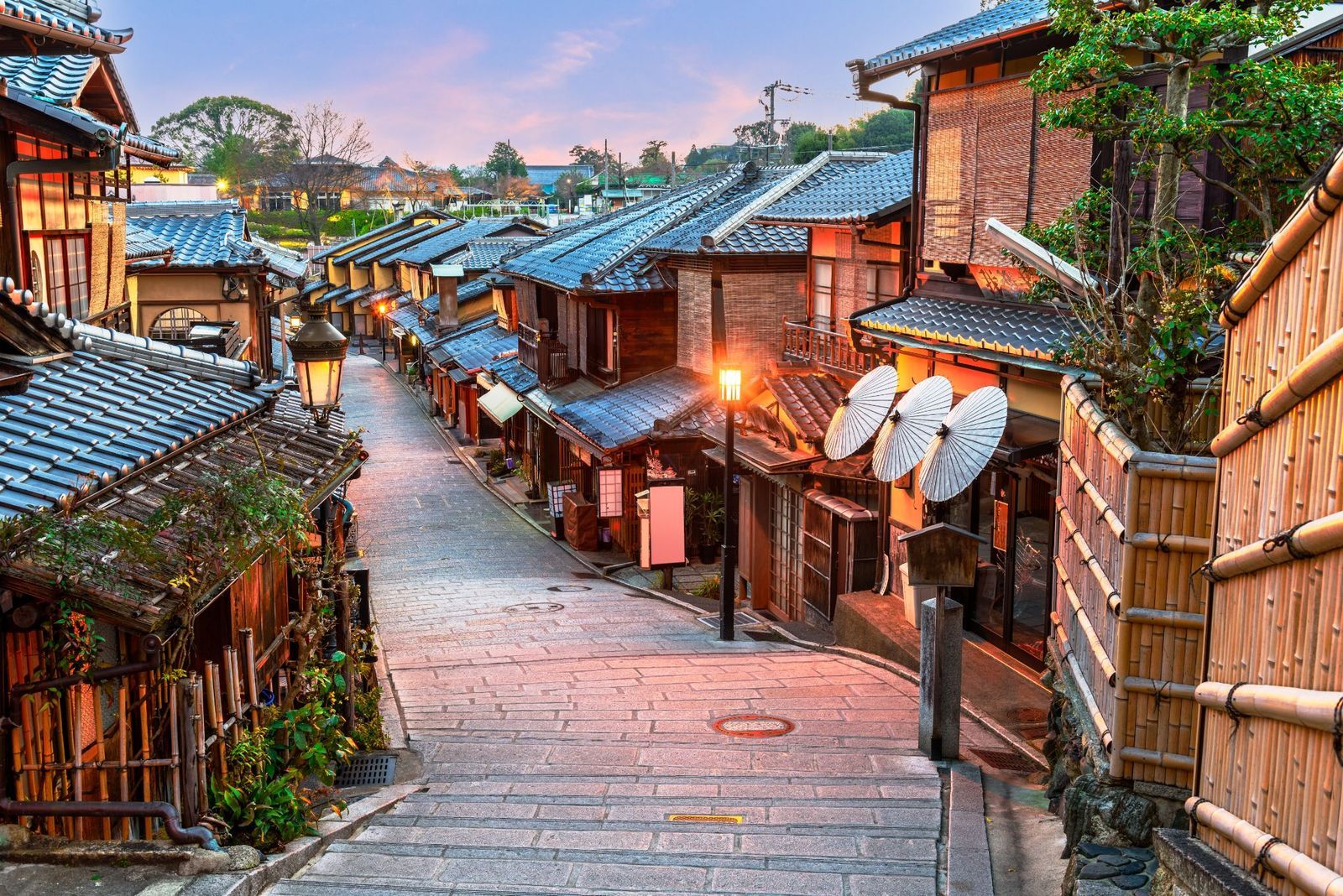
Kyoto is celebrated as the cultural heart of Japan, famous for preserving its historic wooden temples and geisha districts. The hidden secret of Kyoto, however, is that the entire grid of the modern city was laid out in the 8th century, when it was founded as Heian-kyō, the ancient capital of the Japanese Emperor. When utilities are upgraded beneath major thoroughfares like Karasuma Street, workers uncover buried wooden water pipes, old well systems, and pottery shards from the ancient Heian palace.
Cairo, Egypt
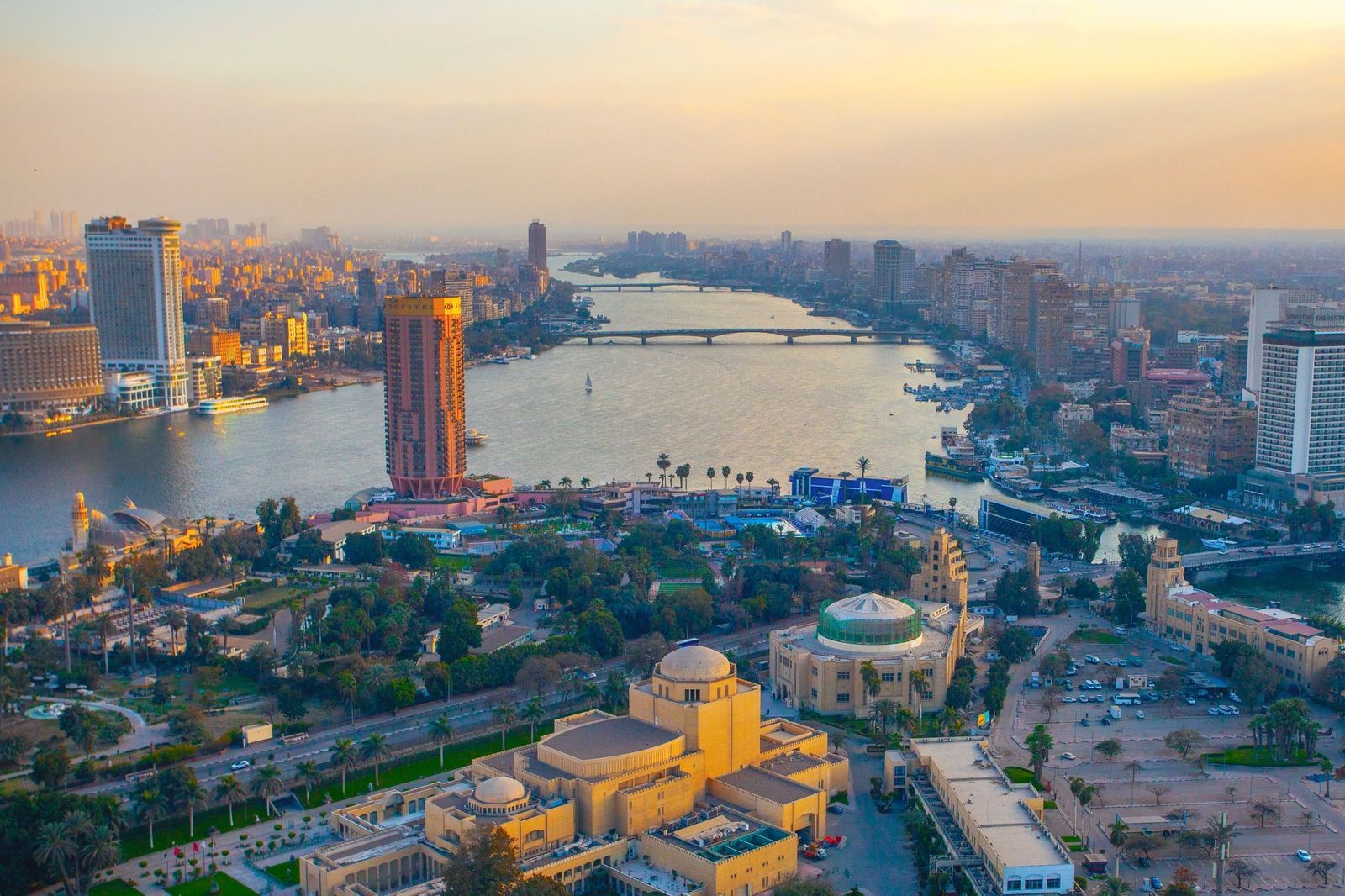
While tourists immediately look toward the Giza Plateau to see the pyramids, the city of Cairo sits on top of ancient Egyptian and early Islamic capitals.
Specifically, the northeast Cairo neighborhood of Ain Shams (meaning "Eye of the Sun" in Arabic) is built directly over the ruins of ancient Heliopolis, one of the oldest cities in ancient Egyptian history and the cult center of the sun god Ra. Because the modern neighborhood is densely populated, fully intact obelisks, temple columns, and royal sarcophagi are occasionally discovered by property developers digging out the basements for new residential apartments.
Madurai, India
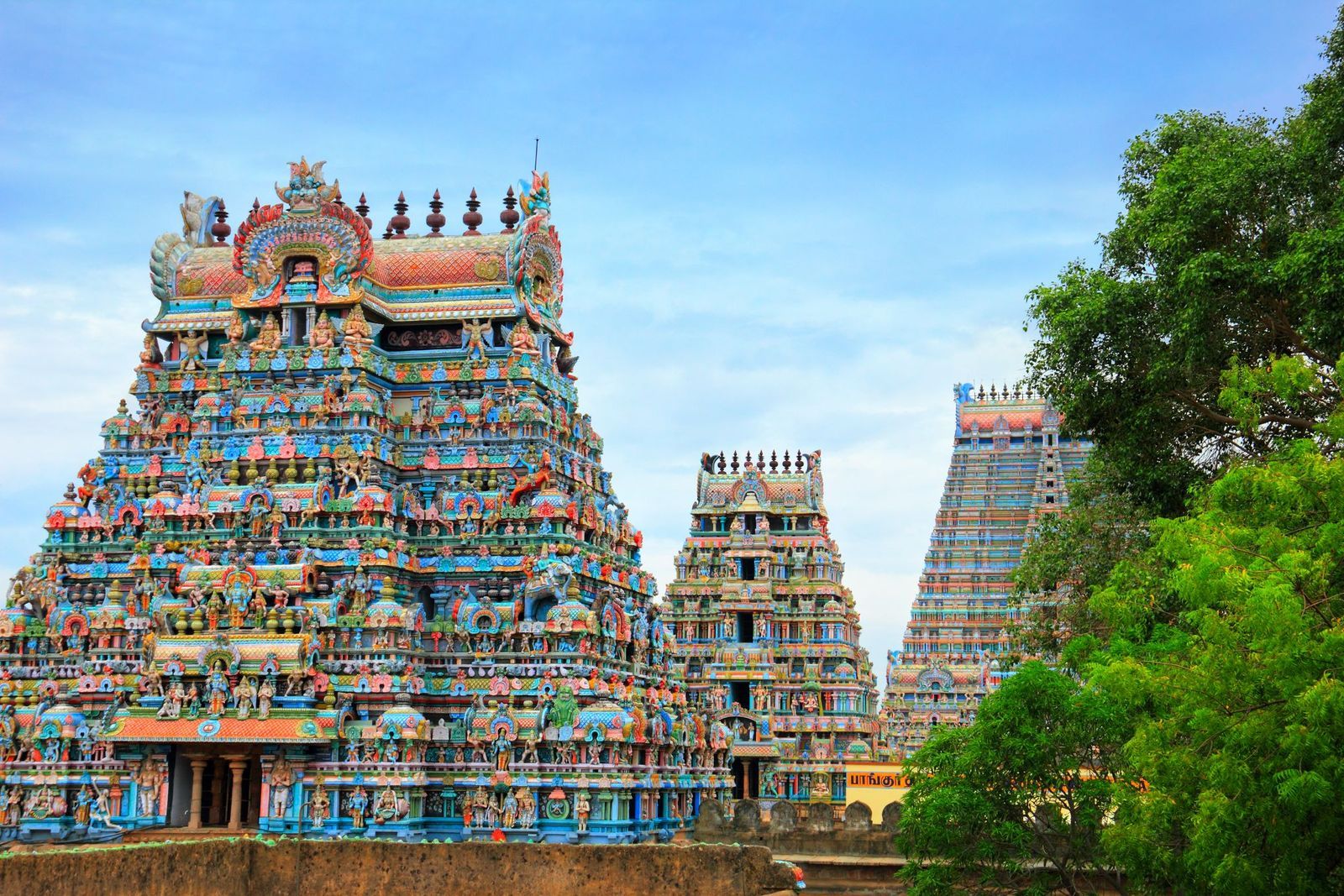
Located in the southern state of Tamil Nadu, Madurai is one of the oldest continuously inhabited cities in the world, with a recorded history of over 2,500 years. It was a major trading hub for the ancient Pandyan Dynasty that famously traded spices and silk with ancient Rome.
The modern city of Madurai is laid out in a series of concentric squares designed to mimic the shape of a lotus flower, radiating outward from the magnificent Meenakshi Amman Temple. Because the city has never been abandoned, modern shops, banks, and residences sit directly over the foundations of historic markets that have dictated the city’s geography for millennia.
Barcelona, Spain
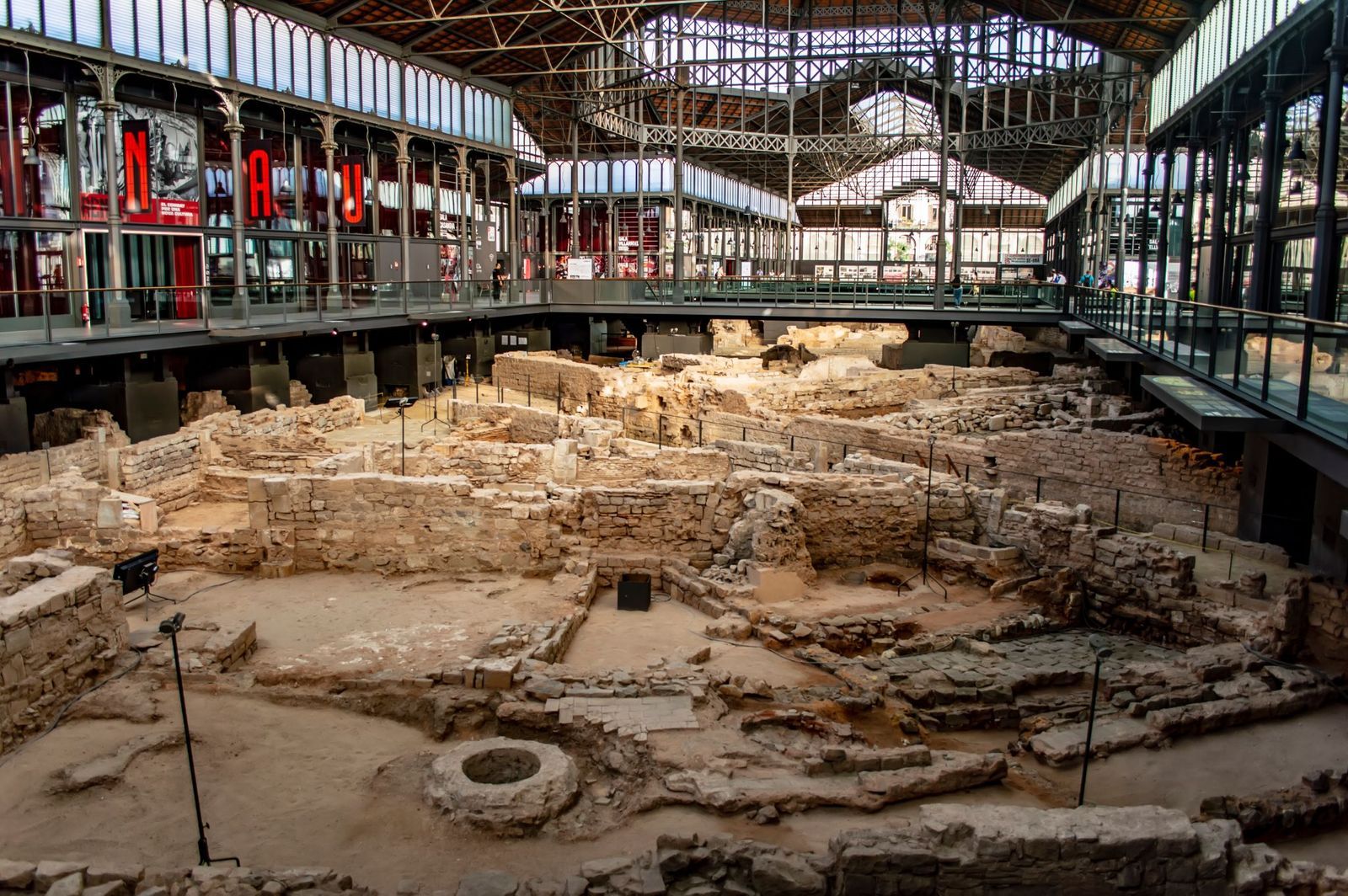
Today, Barcelona is synonymous with modern architecture and beach tourism, but the city was actually founded by the Roman Emperor Augustus around 15 BC as a modest military colony named Barcino.
If you walk into the Gothic Quarter, you can step inside the Museu d'Història de la Ciutat (MUHBA) and take an elevator down beneath the city streets. There, you’ll find yourself walking along elevated pathways over a 43,000-square-foot underground excavation of ancient Barcino. You can walk through 2nd-century Roman streets, inspect ancient laundry facilities, look at wineries, and touch the monumental defensive walls that still support the foundations of medieval and modern buildings above.
Xi’an, China
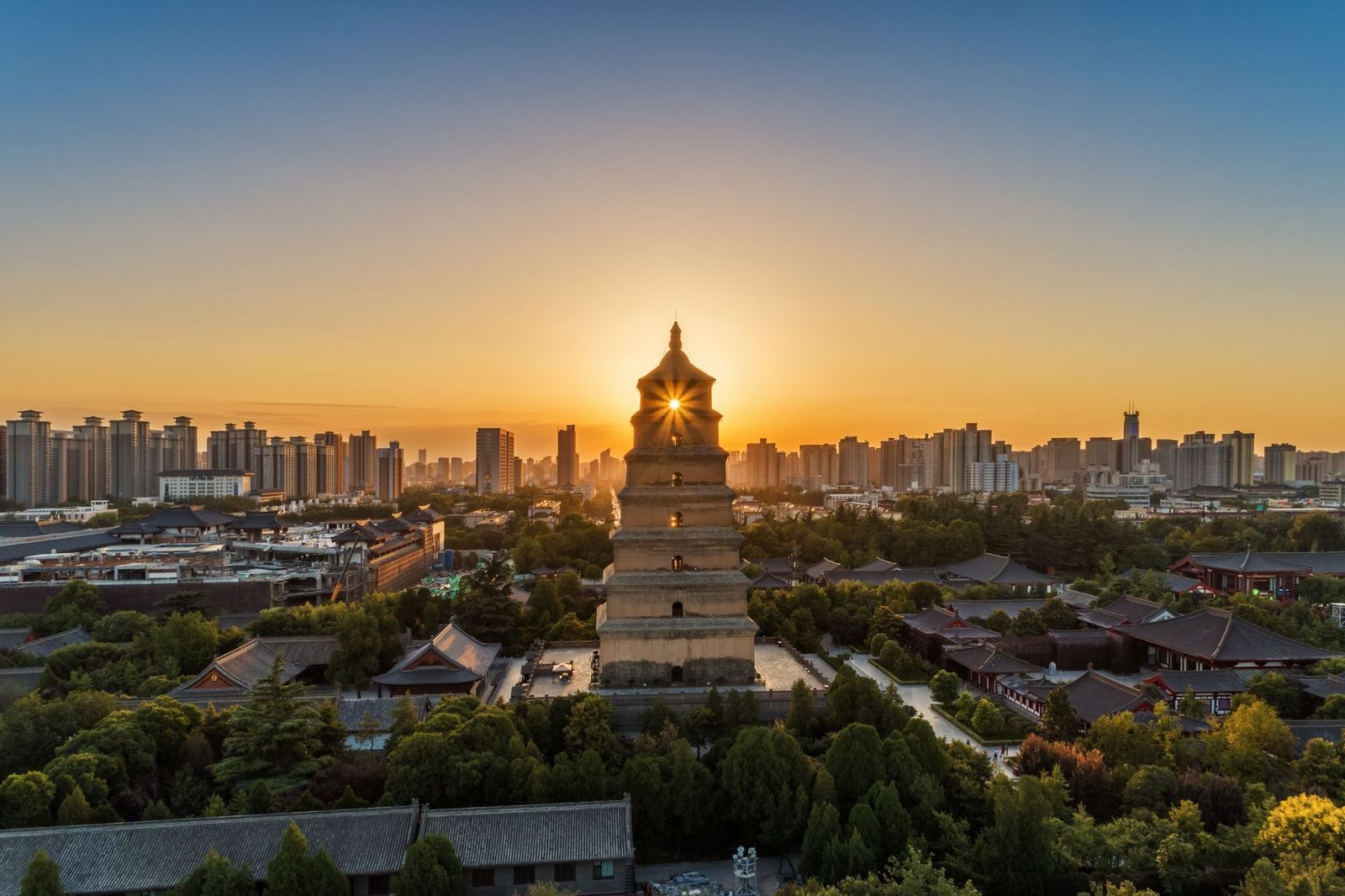
Today, Xi’an is a booming industrial and technological metropolis in western China. But during antiquity, this city was known as Chang'an, the eastern end of the Silk Road and the capital of 13 separate Chinese dynasties.
The intact Ming Dynasty city wall that surrounds downtown Xi'an sits on top of the much older foundations of the Tang Dynasty's imperial palace walls. Furthermore, when subways or new foundations are dug in the city’s outskirts, they usually find ancient tomb complexes, much like the famous discovery of the Terracota Army by local farmers in 1974.
Lima, Peru
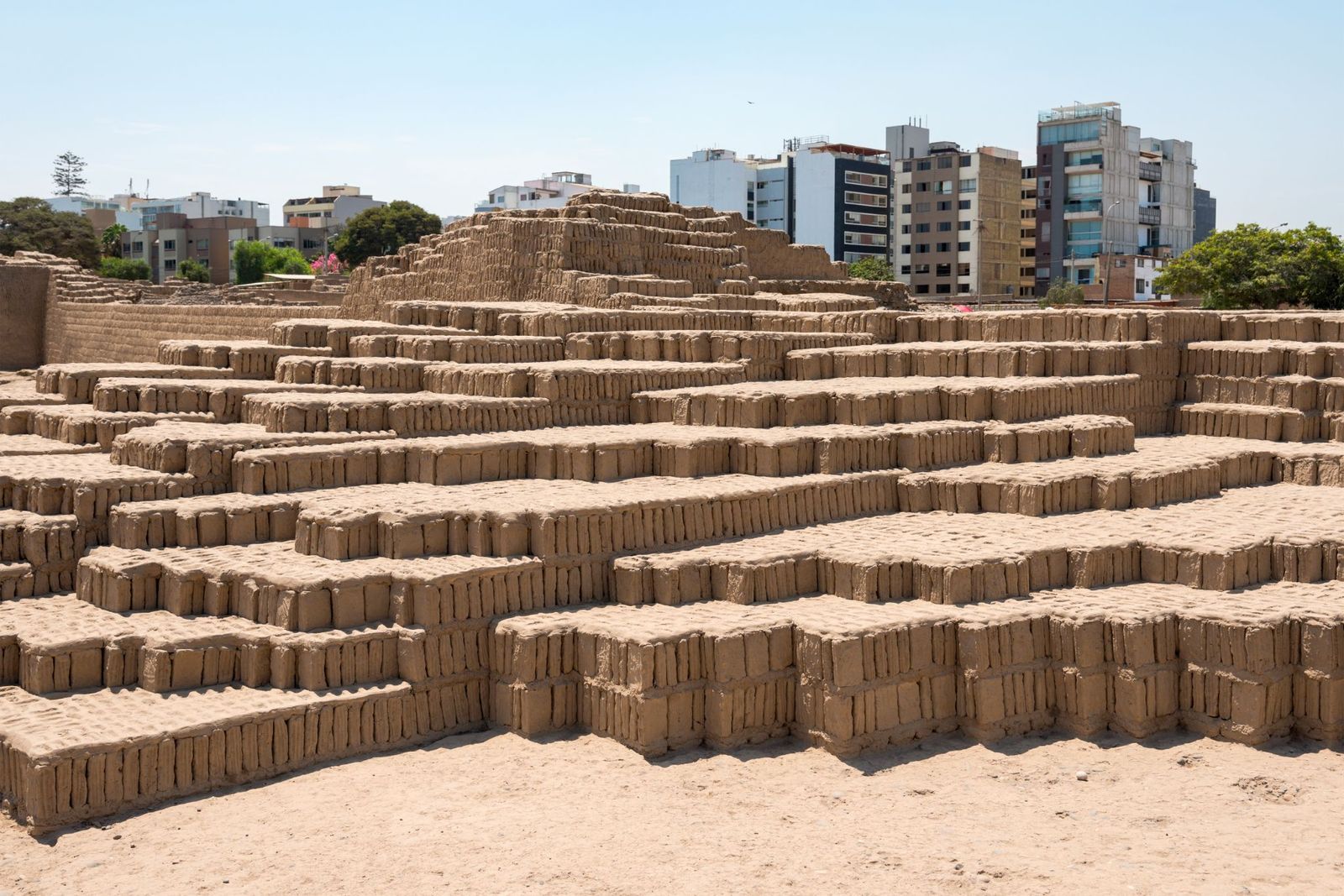
When travelers hear "Peruvian ruins", they picture Machu Picchu. Yet, Peru’s modern capital of Lima is home to a network of ancient archeological sites hiding in plain sight. Long before the Inca Empire rose to prominence, the Ychsma cultures constructed massive sacred complexes out of adobe bricks around the coastal Lima.
Today, these step pyramids, known as huacas, sit surrounded by modern life. If you walk through the wealthy financial district of Miraflores, you’ll run right into Huaca Pucllana, an enormous 1,500-year-old administrative and ceremonial complex. Rather than demolishing these sacred buildings, the city built its streets, restaurants, and apartments around them, creating an amazing architectural contrast.
The one thing your National Park pass won't cover: Mount Rushmore
Visit the National Parks
Mount Rushmore 101: The tips that change the whole experience
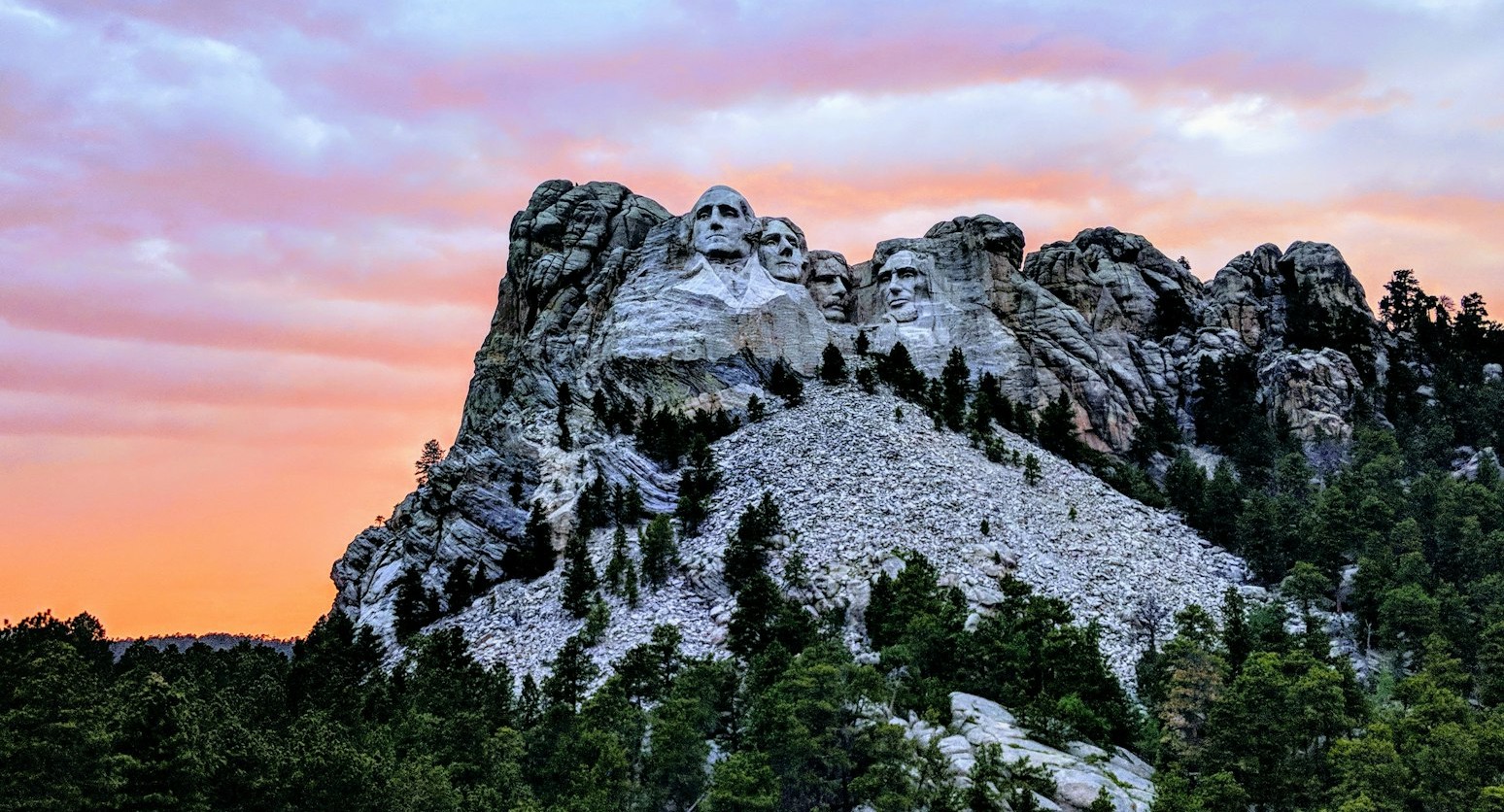
You've seen Mount Rushmore in pictures your whole life, but there's nothing quite like standing in front of those famous faces. The park receives approximately two million visitors a year, and for good reason; it’s glorious. But that many people can also be overwhelming. The good thing is that, with a few changes and the right information, the experience can be completely different. When the best time to arrive is, what your park pass actually covers, and where to go for the best views and the extra activities: Here’s all you need to know to do it right.
Understand the fees
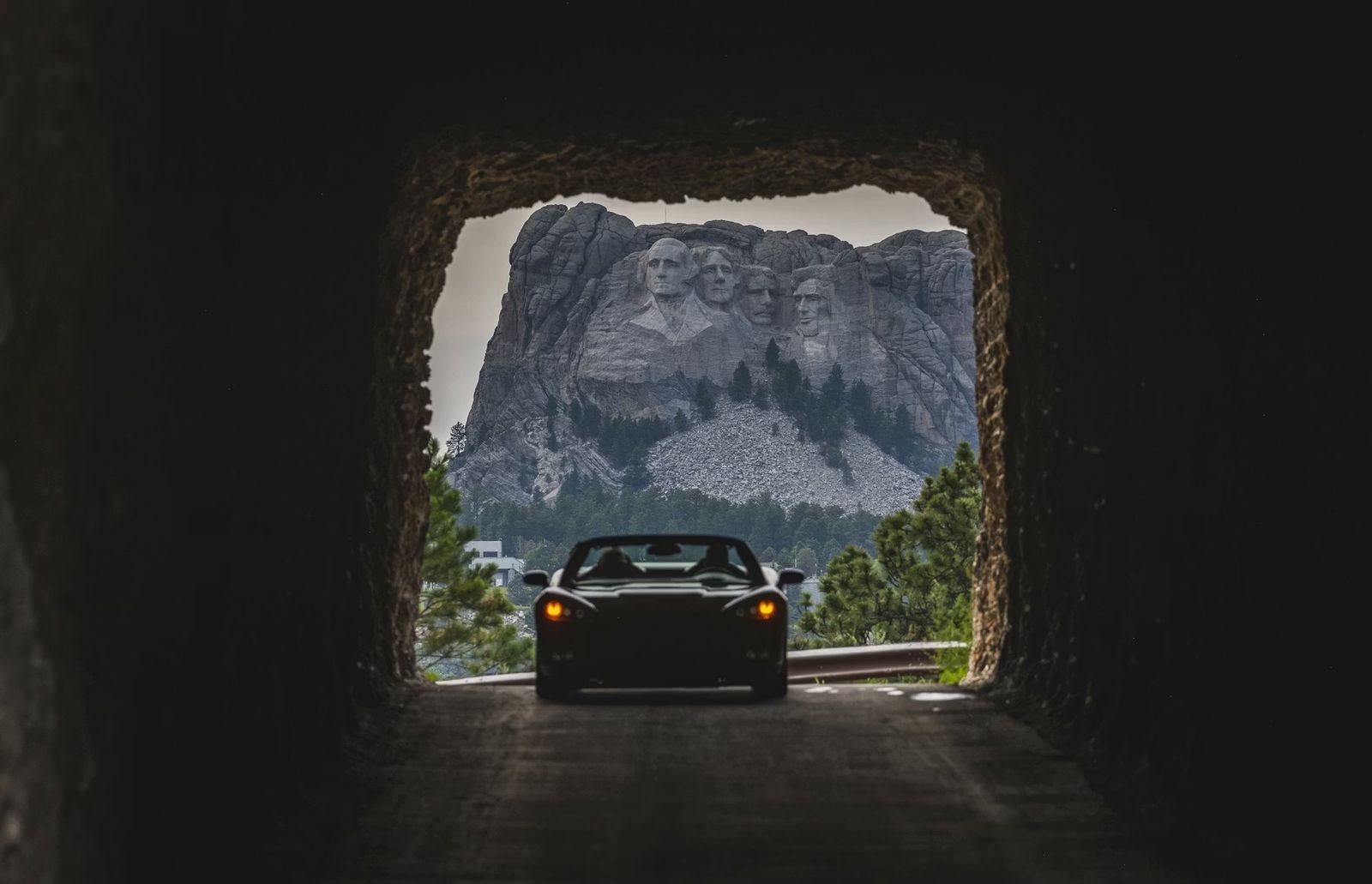
There’s no admission fee to see Mount Rushmore itself, which is always good news. However, there is a parking fee, and it applies to pretty much everyone. Even if you have a National Park pass, it won’t cover parking here.
Parking fees can be paid with cash or most major credit cards. As of July 2026, rates are $10 per vehicle, $5 for seniors (62 and older), and free for active-duty military personnel. It's good to know before you arrive and save yourself some frustration.
What’s the best time to go?
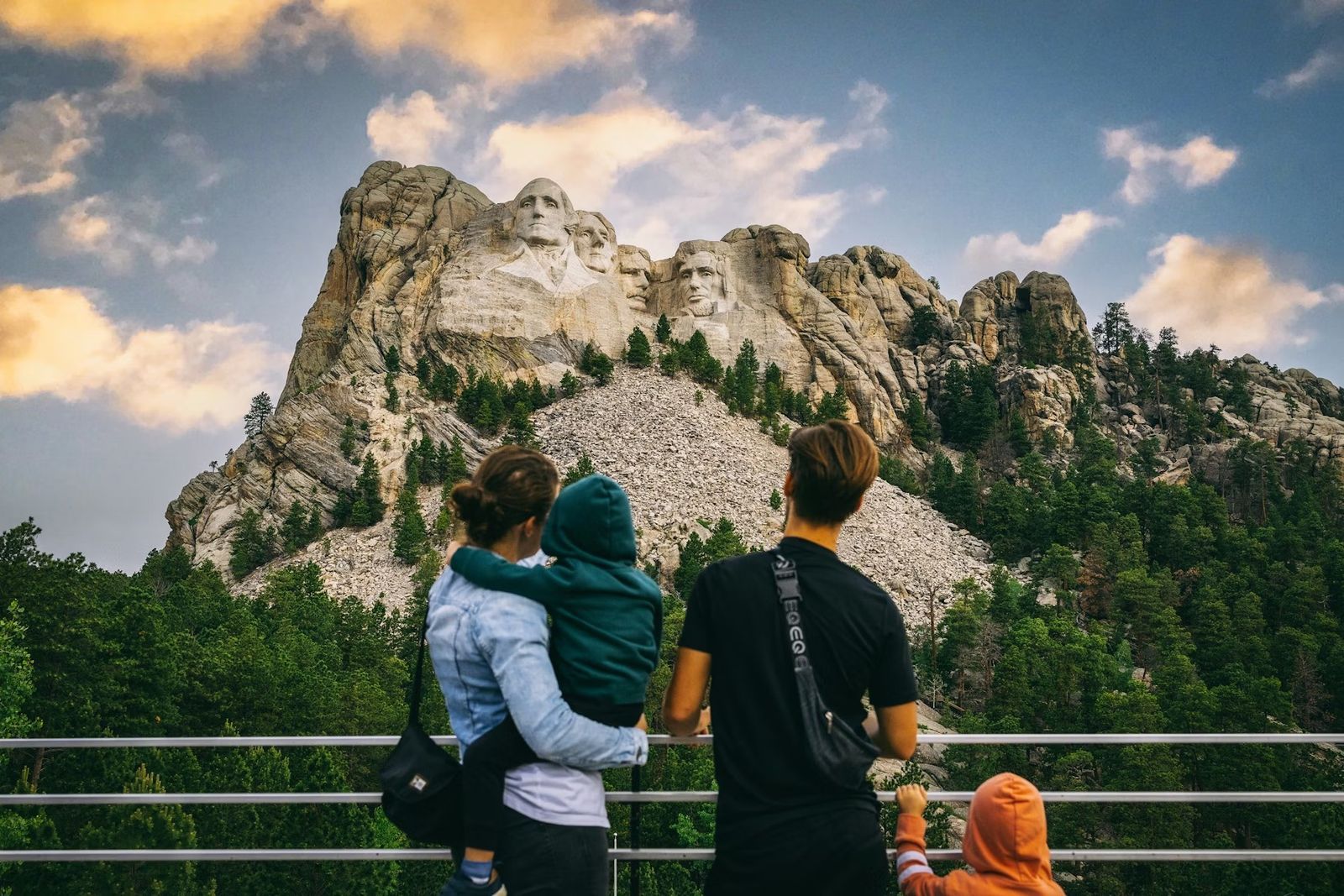
If you’ve ever shown up somewhere "fashionably late" and paid the price, you’ll understand this one. Considering it’s one of the most visited spots in the U.S., Mount Rushmore gets busy fast, especially in the summer months.
The sweet spot is around 8 in the morning: the air is cooler, the crowds are thin, and the morning light hits the faces just right for photos. By mid-morning, tour buses start rolling in, and the peaceful feeling fades. If you enjoy a quieter pace, early is the way to go here.
30 minutes is not enough
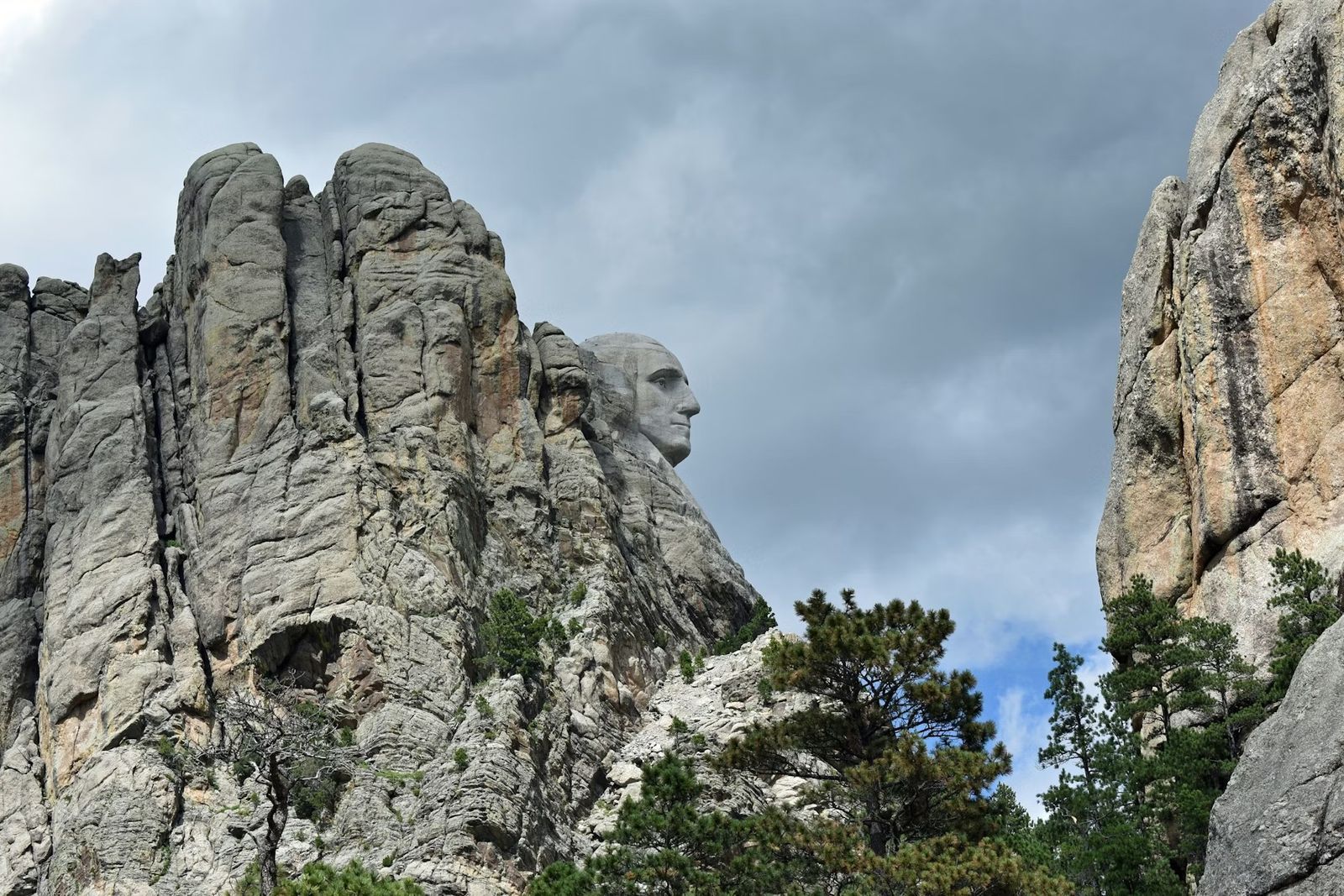
If you think a visit to Mount Rushmore is simply standing in front of the faces, snapping a quick picture, and moving on, think again. Yes, you can see Mount Rushmore in half an hour; plenty of people do, but you’d be missing out. It’s a good idea to give yourself one to two hours to fully enjoy Mount Rushmore, because while the famous faces are the main attraction, there’s much more to see and do.
You’ll have enough time to stroll along the main promenade, explore the exhibits, and take a walk on the Presidential Trail. The park also includes ranger talks, lighting ceremonies, and special events that you can check on mountrushmorememorial.com.
Stay for the evening
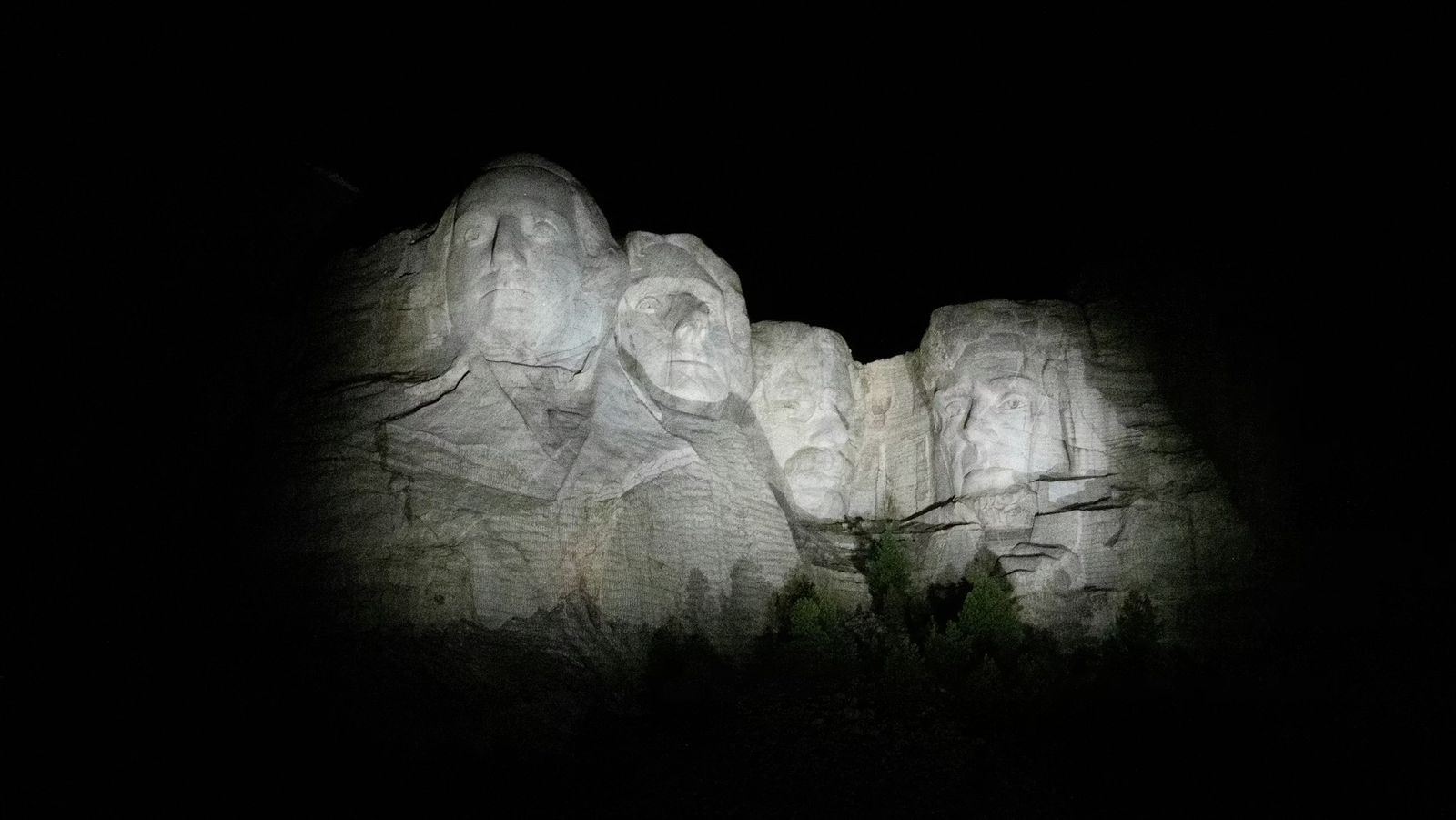
The monument is impressive, but wait until you see it at night. Every evening, between 8:00 and 8:30 p.m., there’s a lighting ceremony that takes place year-round. Following the sunset, the event includes a majestic turn-on of 1,600 individually focused LEDs, offering a new view of the site.
From late May through the end of September, you can also follow a park ranger to the outdoor amphitheater, where there’s a moving 45-minute program that begins at 9:00 p.m. and narrates the history of the carving, the presidents, and the country. The program concludes with the national anthem and a flag-folding ceremony.
Why these four presidents?
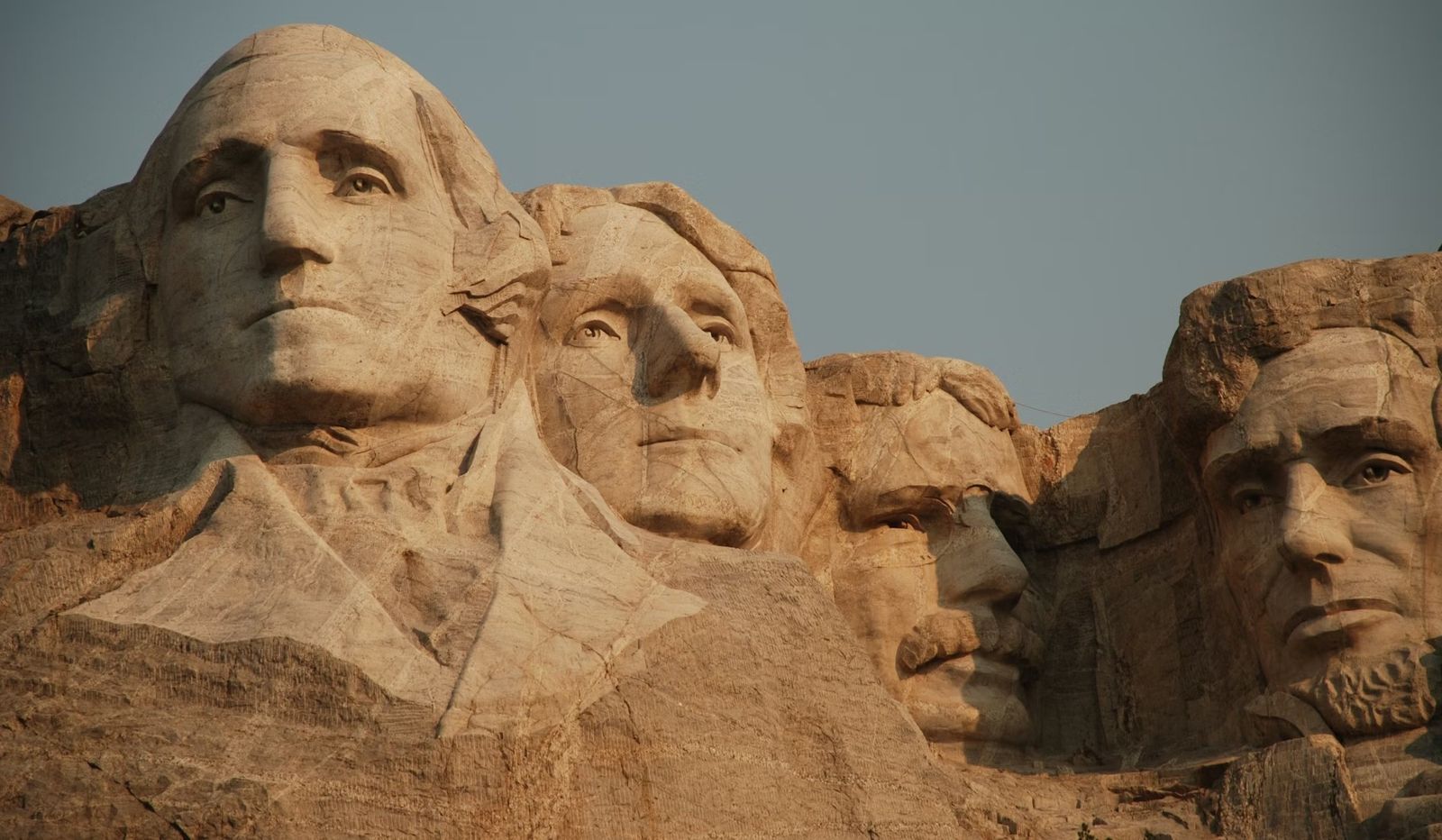
Of all the presidents America has seen, why did Gutzon Borglum, the sculptor, choose these four? From his perspective, the four presidents carved into the mountain represented the most important chapters in American history.
George Washington stands for the nation’s birth, not just as the first president but as the leader of the Revolutionary War. Thomas Jefferson represents expansion; beyond the Declaration of Independence, he was also responsible for the Louisiana Purchase and opened the door to territorial growth. Abraham Lincoln, in turn, was selected as a representative of preservation. He led the nation through the Civil War, and his leadership kept the U.S. together while abolishing slavery. And, finally, Theodore Roosevelt was the main figure of development; his presidency pushed the country into the modern era.
Join ranger programs
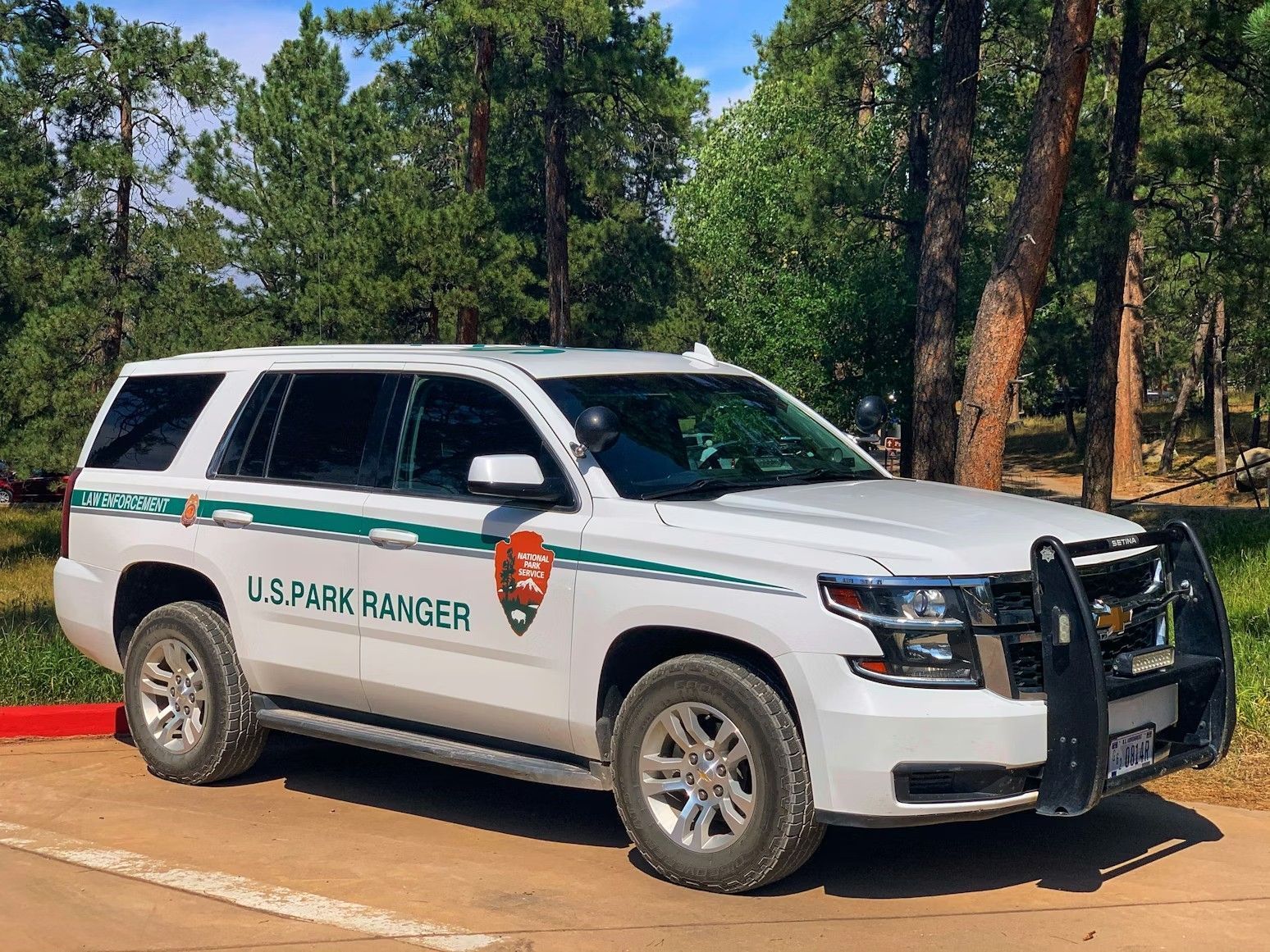
Once you’ve taken in the main view, you can join a variety of ranger programs, which give you a closer connection to the site beyond the photos. All these programs are available throughout the day and don’t require a reservation.
One option is the Hoop Dance performance, in which you can follow hoop dancers for an hour of dancing and storytelling. This program runs for 45 to 60 minutes, and it’s interactive. If you’re visiting during the summer months, the Youth Exploration Area is a nice addition. This shorter program of about 10 to 30 minutes is designed to take you around different parts of the park while you learn about natural, cultural, and historical aspects of the memorial. A complete schedule of programs is available within the Memorial at the Information Center, Lincoln Borglum Visitor Center, and the event calendar on the website.
Avenue of the Flags
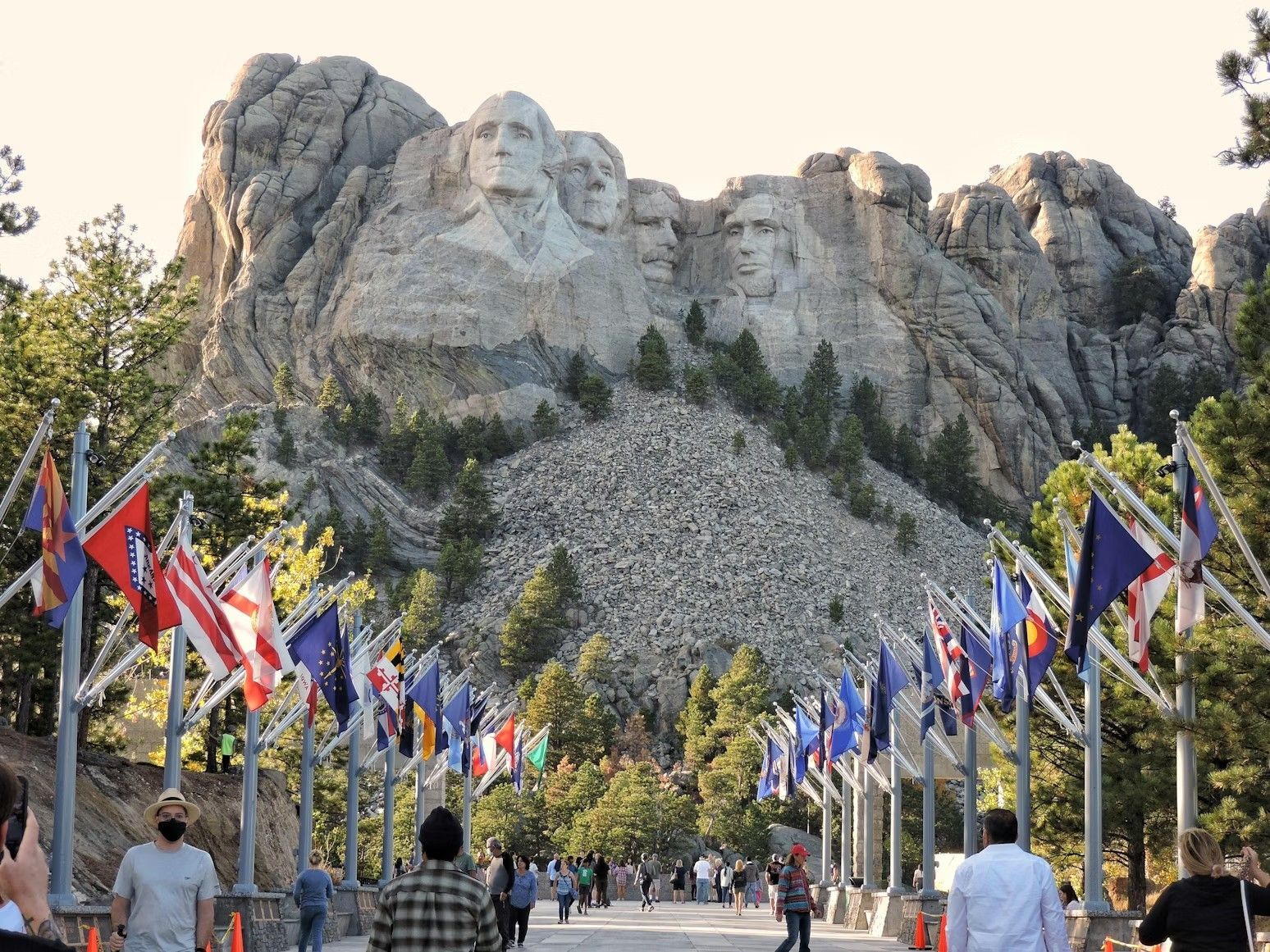
Right after you enter the park, there’s something easy to walk past if you’re in a hurry, but it’s worth slowing down for. The Avenue of Flags was added to the park as part of the U.S. Bicentennial celebration in 1976, and it lines the path with 56 flags arranged in alphabetical order.
The flags represent the 50 states, the District of Columbia, and the territories and commonwealths (Puerto Rico, Guam, American Samoa, U.S. Virgin Islands, and Northern Mariana Islands).
Presidential Trail
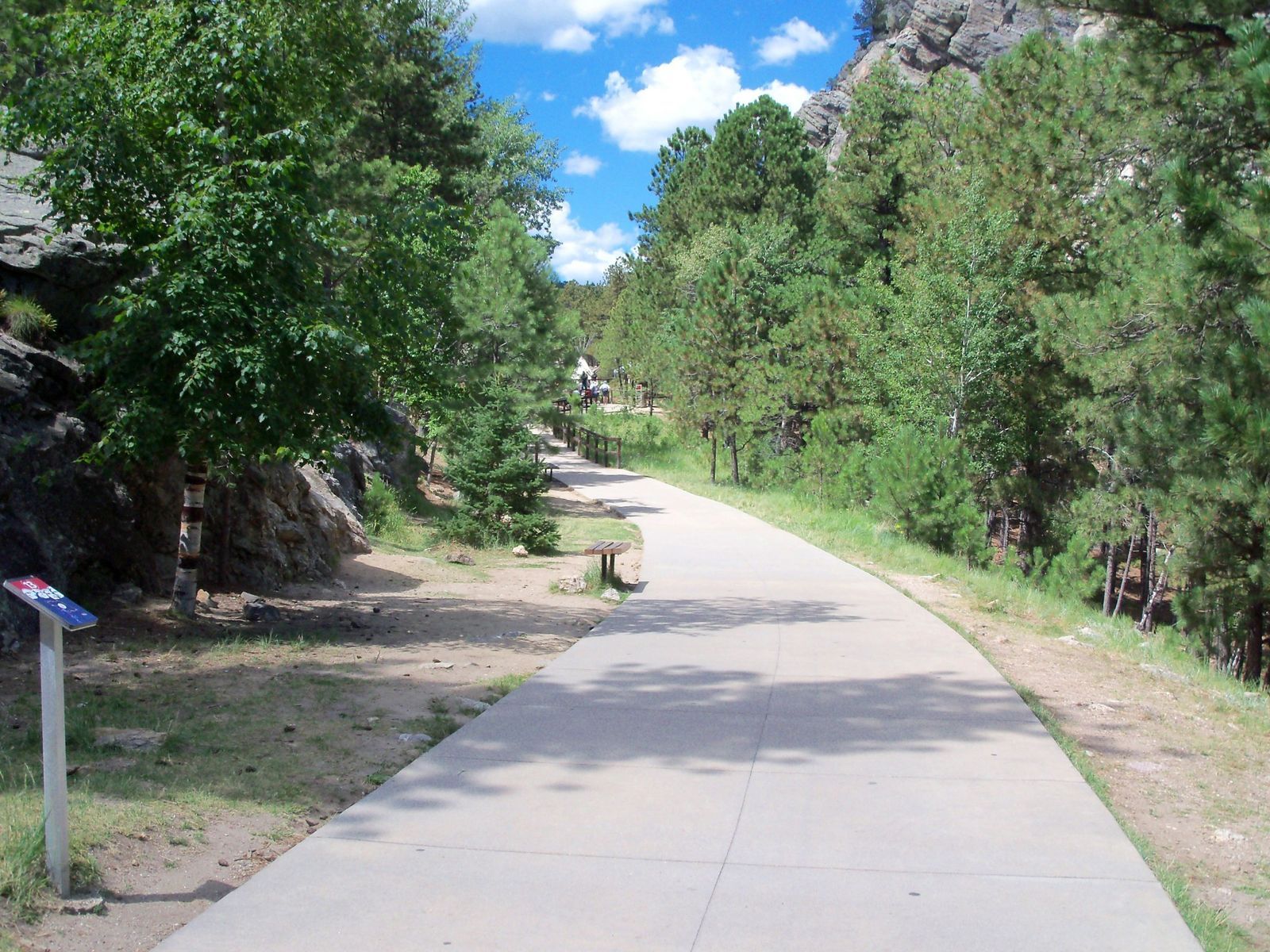
If you want to feel like you’ve actually experienced Mount Rushmore, not just seen it, this is the walk to take. The Presidential Trail is a 0.6-mile loop trail that gets you closer to the base of the monument and offers angles you won’t see from the main viewing area.
The first 0.2 miles is flat and wheelchair-accessible. The remaining 0.4 miles of the trail lead away from the mountain to the Sculptor’s Studio and are not accessible for people with mobility impairments since it consists of 422 stairs. It’s perfect to take time, stop for photos, and enjoy the perspective.
Sculptor’s Studio and Museum
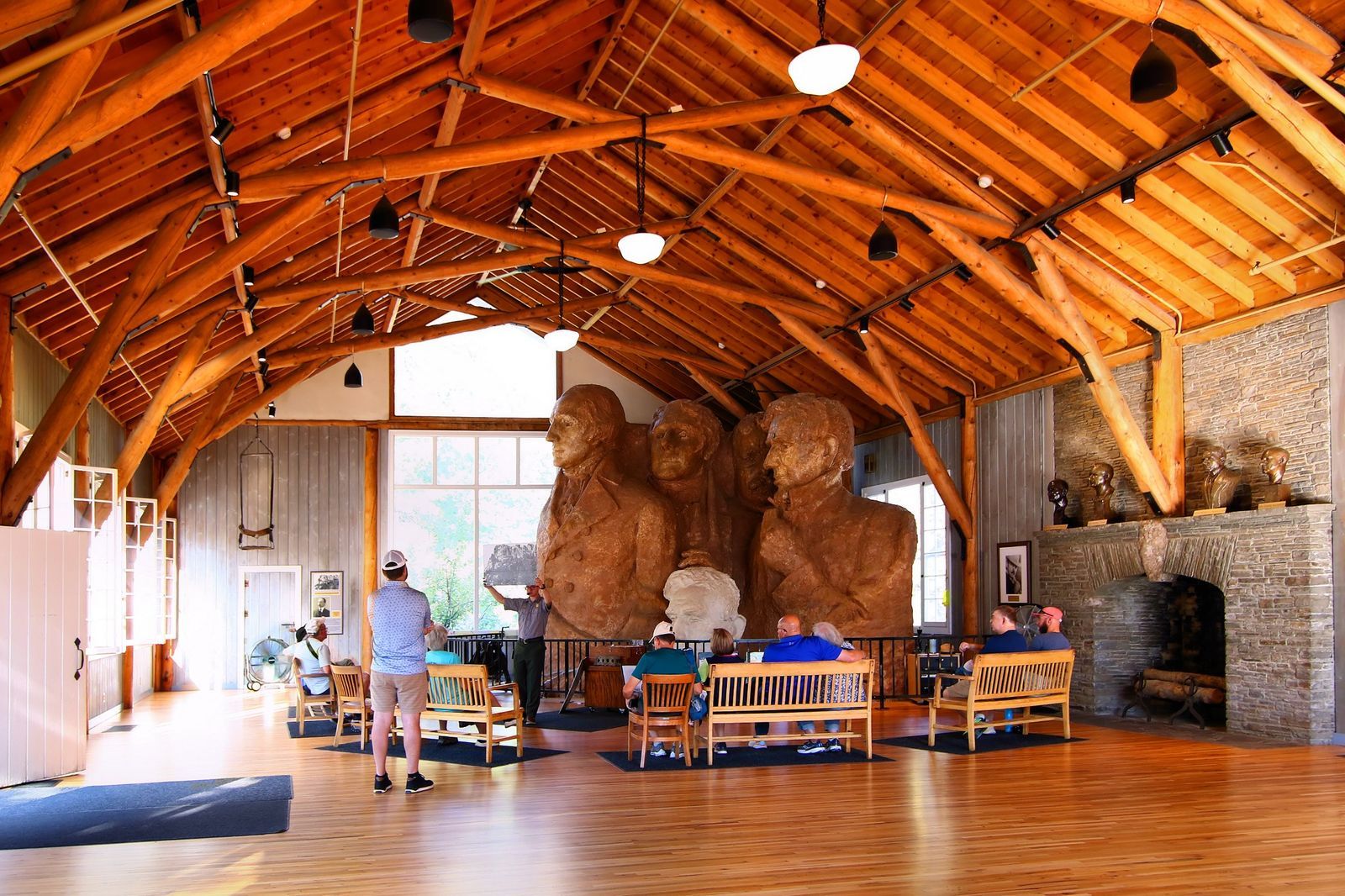
Rome wasn't built in a day, and neither was this park. The Sculptor’s Studio is where the story behind the memorial comes to life. Located along the Presidential Trail, this place was built to allow Borglum to oversee the monument's final stages of carving closely. Today, it offers visitors a detailed look at how they pulled this off between 1939 and 1941.
Moreover, you’ll be able to see a scale model of the monument and get a better sense of the original vision and the challenges they faced carving into a mountain. There’s also a museum in the main visitor center for those who want to delve deeper into the monument’s construction.
Nearby attractions
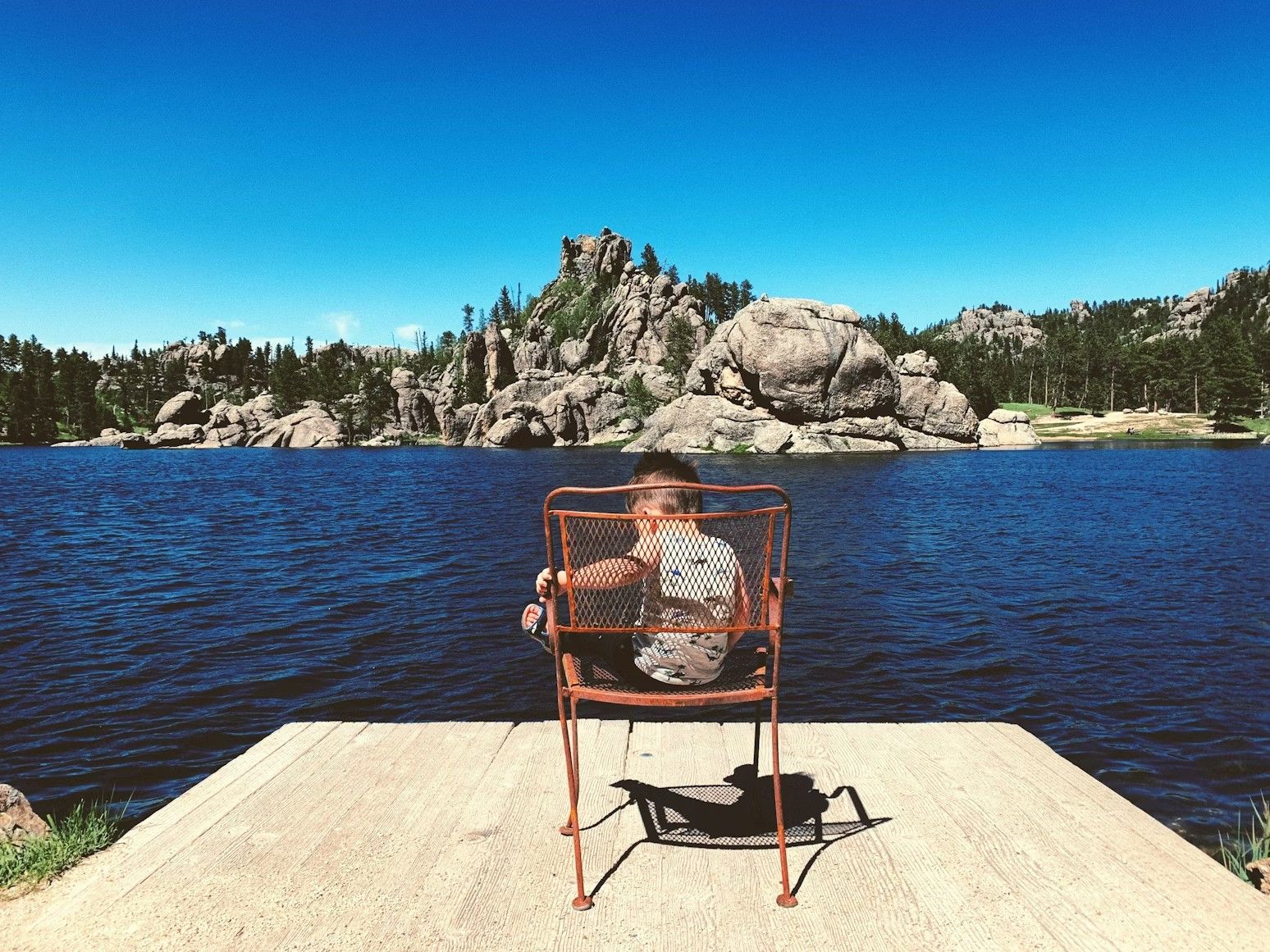
If you've made the trip to Mount Rushmore, it's worth taking a little extra time to explore the surrounding area. There's plenty more to see beyond the memorial itself. Located 27 miles South of Mount Rushmore, you can visit Custer State Park, a 71,000-acre park in the Black Hills, home to abundant wildlife and adventure, where you can go camping, hiking, biking, swimming, fishing, or relaxing.
South of Custer State Park, another option is Wind Cave National Park. Book a tour of Wind Cave to go through more than 84 miles of underground caves. Access is by a ranger-guided tour, and all tours leave from the Visitor Center within the National Park. Finally, five miles North of Custer Park is Crazy Horse Memorial. Sculptor Korczak Ziolkowski began work on this colossal tribute to Lakota hero and leader Crazy Horse in 1948, and it is still under construction.
Keep wandering
There’s always
more to explore
Do you still need a paper boarding pass? 10 must-know flying rules
5 min.
Read Now

What happens if you leave the airport during your layover?
6 min.
Read Now

Why you should never travel on an empty stomach
3 min.
Read Now
Did you know that you can see another galaxy without a telescope?
5 min.
Read Now