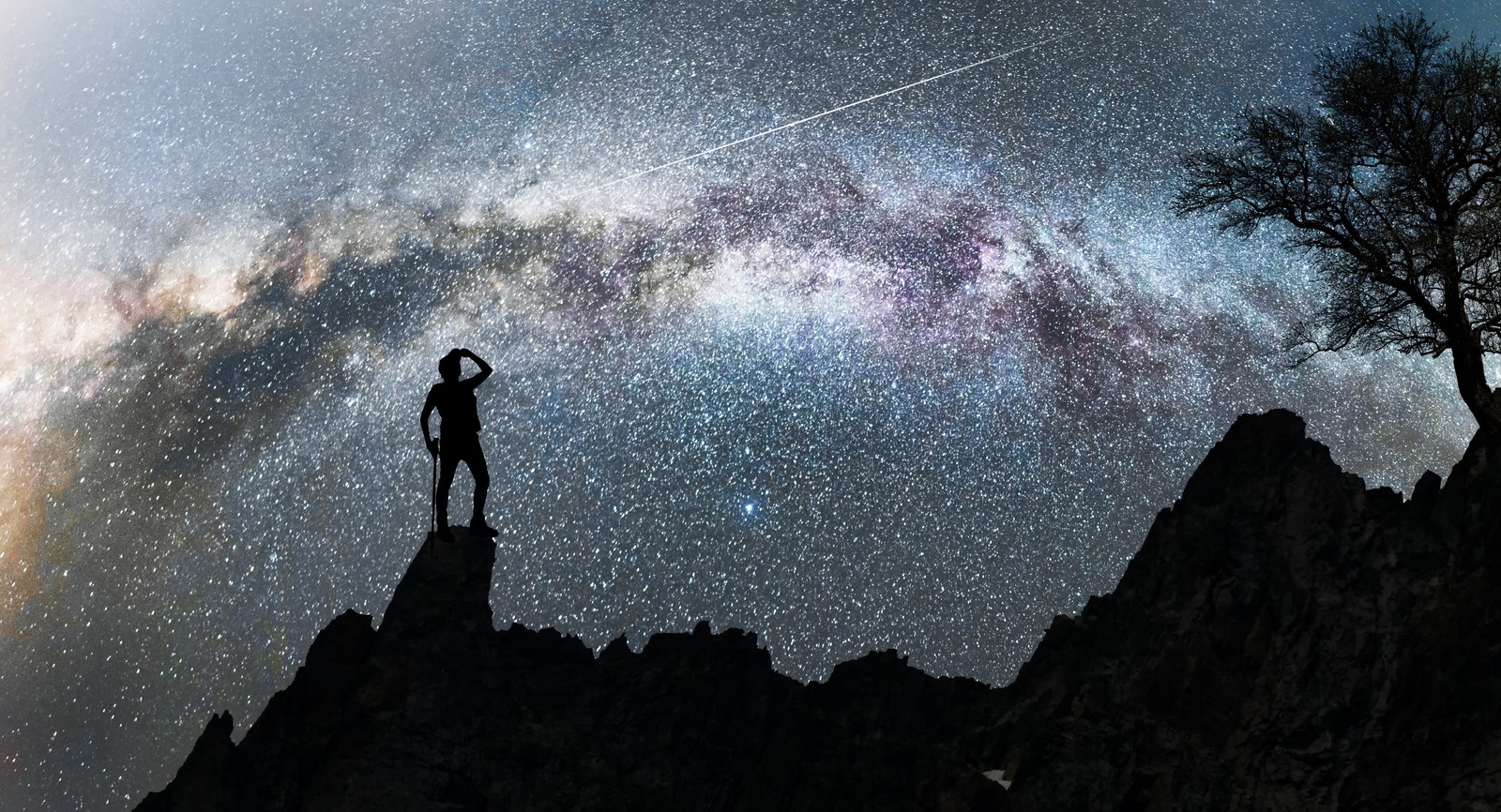
Did you know that you can see another galaxy without a telescope?
 General
Ad Astra
Did you know that you can see another galaxy without a telescope?
You don't need expensive equipment to start exploring the universe. On the right night, your own eyes can find planets, a space station, a stellar nursery, and even an entirely different galaxy. Sometimes the hardest part is simply knowing where—and when—to look. Some sights require dark skies, while others can shine through city lights. Take a look at these 12 space marvels that can be observed with the naked eye.
The Moon changes every night
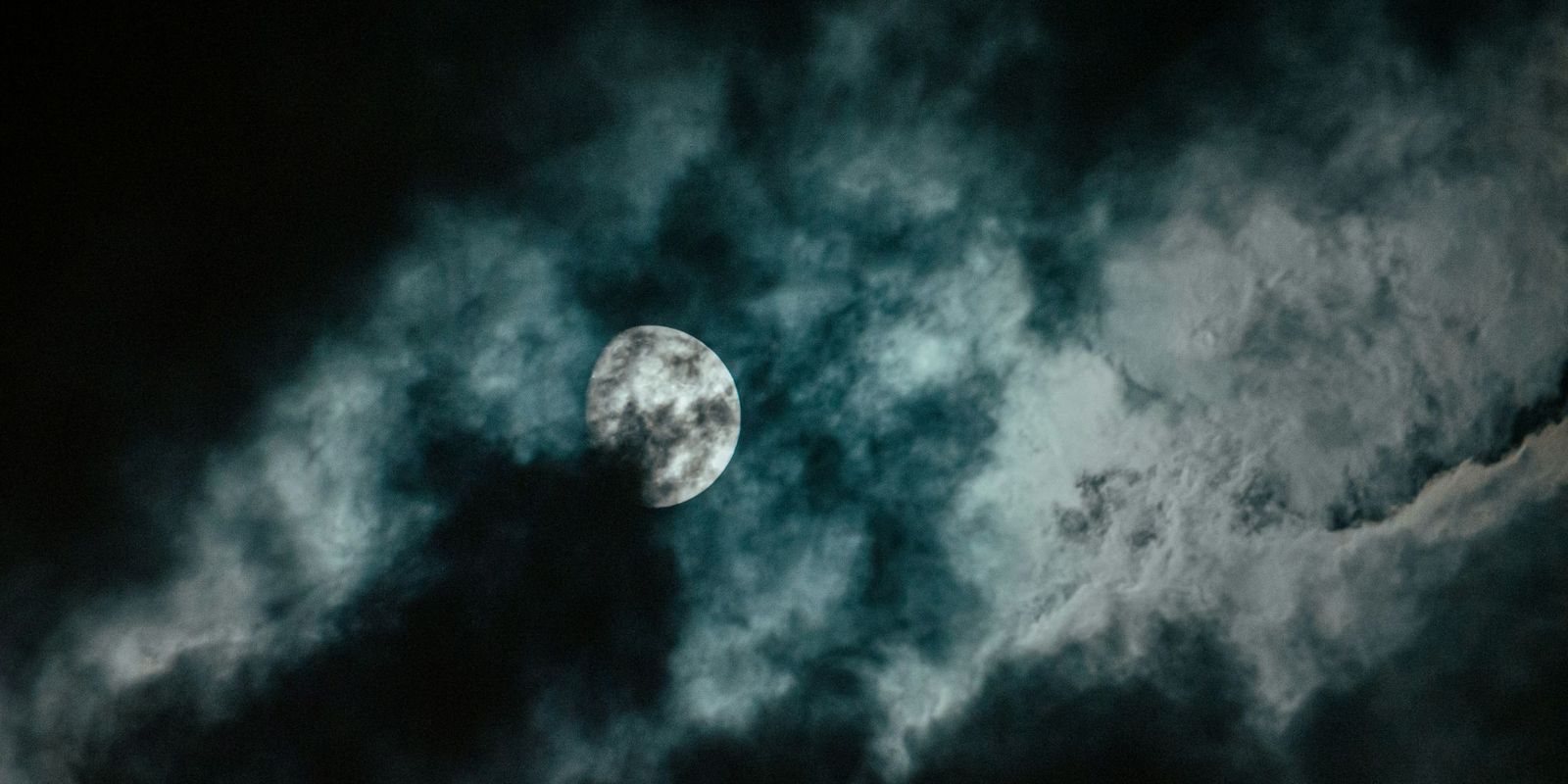
As the Moon orbits Earth, our view of its illuminated half changes continuously. The complete cycle from one new moon to the next takes about 29.5 days, creating crescents, quarters, gibbous moons, and full moons.
Its position changes, too. The Moon shifts eastward against the background stars each night and, on average, rises roughly 50 minutes later each day. Try observing it at the same hour on several consecutive evenings. You won’t simply see its shape change, you’ll also perceive its movement around Earth with your own eyes.
Venus can outshine almost everything
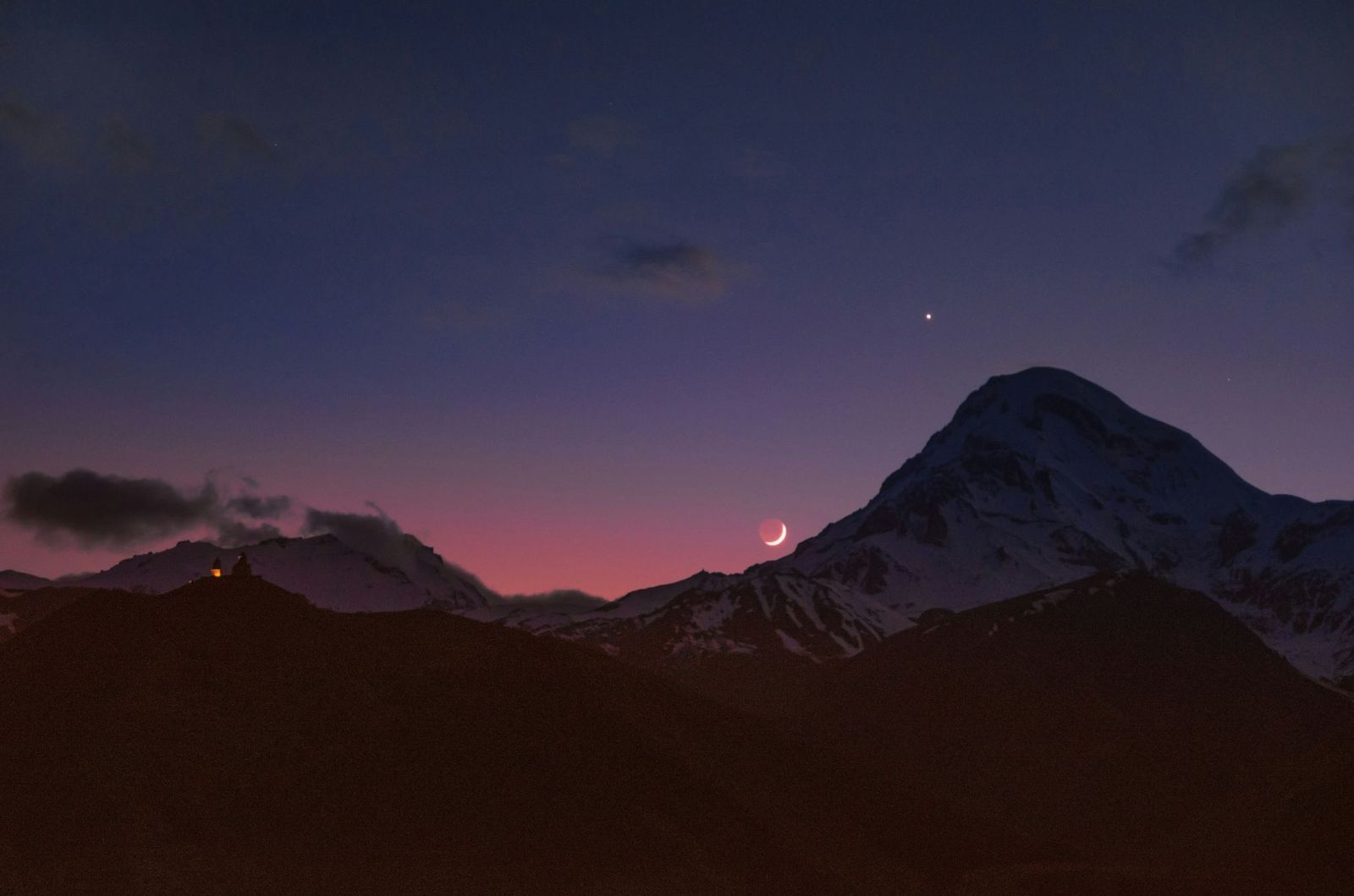
That extraordinarily bright "star" near the horizon may not be a star at all. Venus is the brightest planet seen from Earth and, under normal circumstances, the brightest natural object in our sky after the Sun and Moon. It can remain conspicuous even where city lights hide many stars.
Because Venus orbits closer to the Sun than Earth does, it never wanders very far from it. That's why it appears after sunset or before sunrise, earning the old nicknames "evening star" and "morning star."
Jupiter can disguise itself as a star
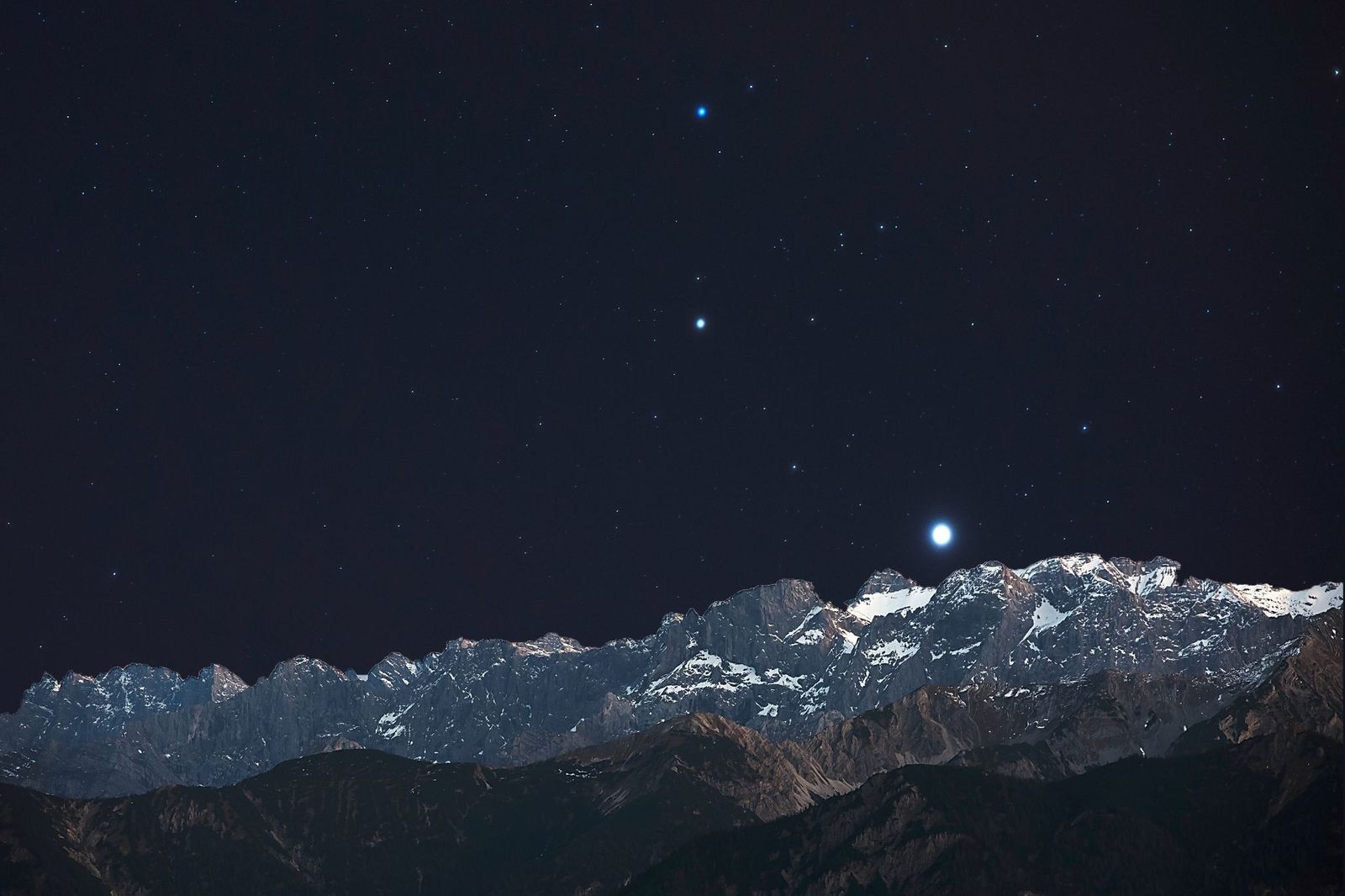
To the unaided eye, the solar system's largest planet looks like an exceptionally bright point of light. It’s generally the brightest planet after Venus, although its apparent brightness changes as Earth and Jupiter travel around the Sun.
How to distinguish a planet from a star? One clue is its steadiness: stars usually twinkle more noticeably, while a bright planet such as Jupiter tends to shine with a calmer light.
Mars really does look red
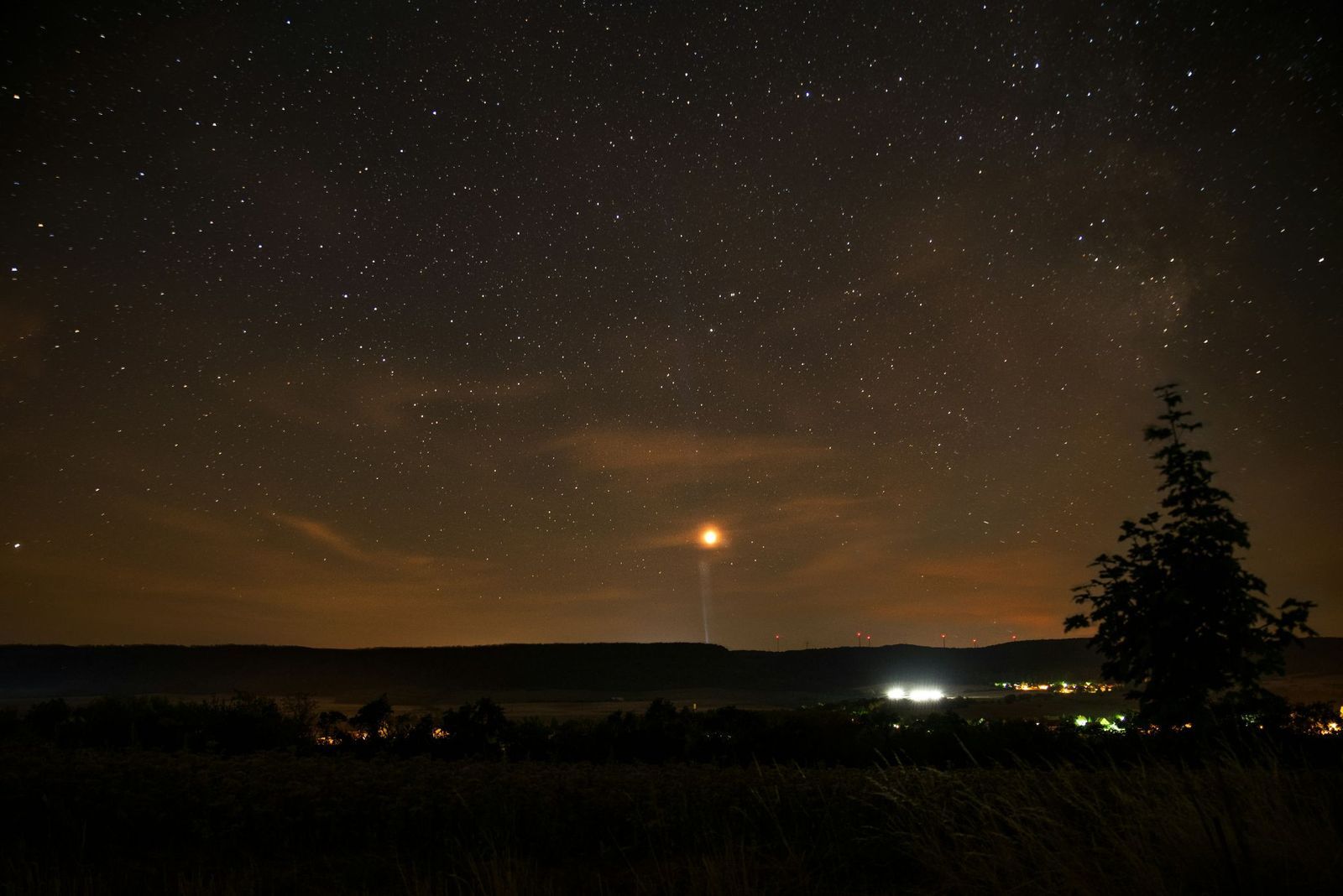
Mars didn't become the Red Planet because of modern spacecraft photographs. Its distinctive color is visible with the naked eye and was recognized by ancient civilizations. Egyptians called it "the red one," while Romans associated its bloodlike color with Mars, their god of war.
The color comes largely from iron minerals in Martian rocks and soil that have oxidized (essentially rusted). Mars doesn't always look equally impressive, though. Its apparent brightness varies dramatically as Earth and Mars change positions in their respective orbits. At favorable times, that reddish point becomes one of the easiest planets to recognize.
You may have already seen Saturn
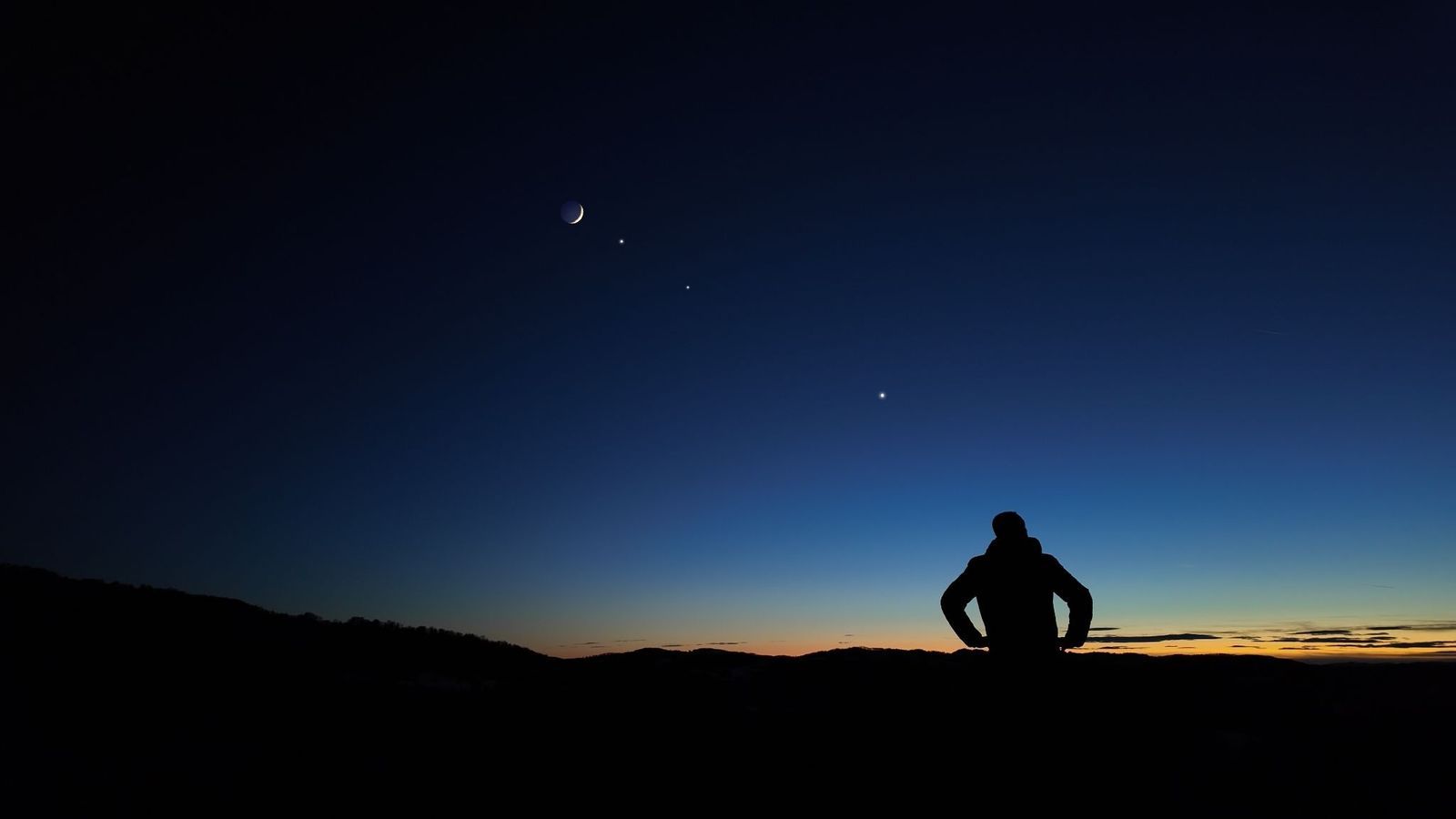
Saturn is the farthest planet that's easily visible to the naked eye. Without magnification, however, it looks nothing like the spectacular photographs we've all seen. Instead, you'll find a bright, fairly steady point of light that could easily be mistaken for an ordinary star.
Its rings are simply too small to see with unaided human vision. Only after telescopes appeared in the 17th century did observers discover what had been hiding around that familiar point of light all along.
The ISS can suddenly disappear
When conditions are right, the International Space Station (ISS) looks like a bright point gliding steadily across the sky. There's no need for a telescope, and unlike an airplane, it won't display blinking navigation lights. What you're actually seeing is sunlight reflecting from a laboratory orbiting hundreds of miles above Earth.
That's why good sightings often occur around dawn or dusk, when you're standing in darkness, but the station is still illuminated by the Sun. Occasionally, the bright moving dot suddenly disappears before reaching the horizon. Nothing went wrong: the ISS simply crossed into Earth's shadow, cutting off the sunlight that made it visible.
A shooting star may be smaller than a pea
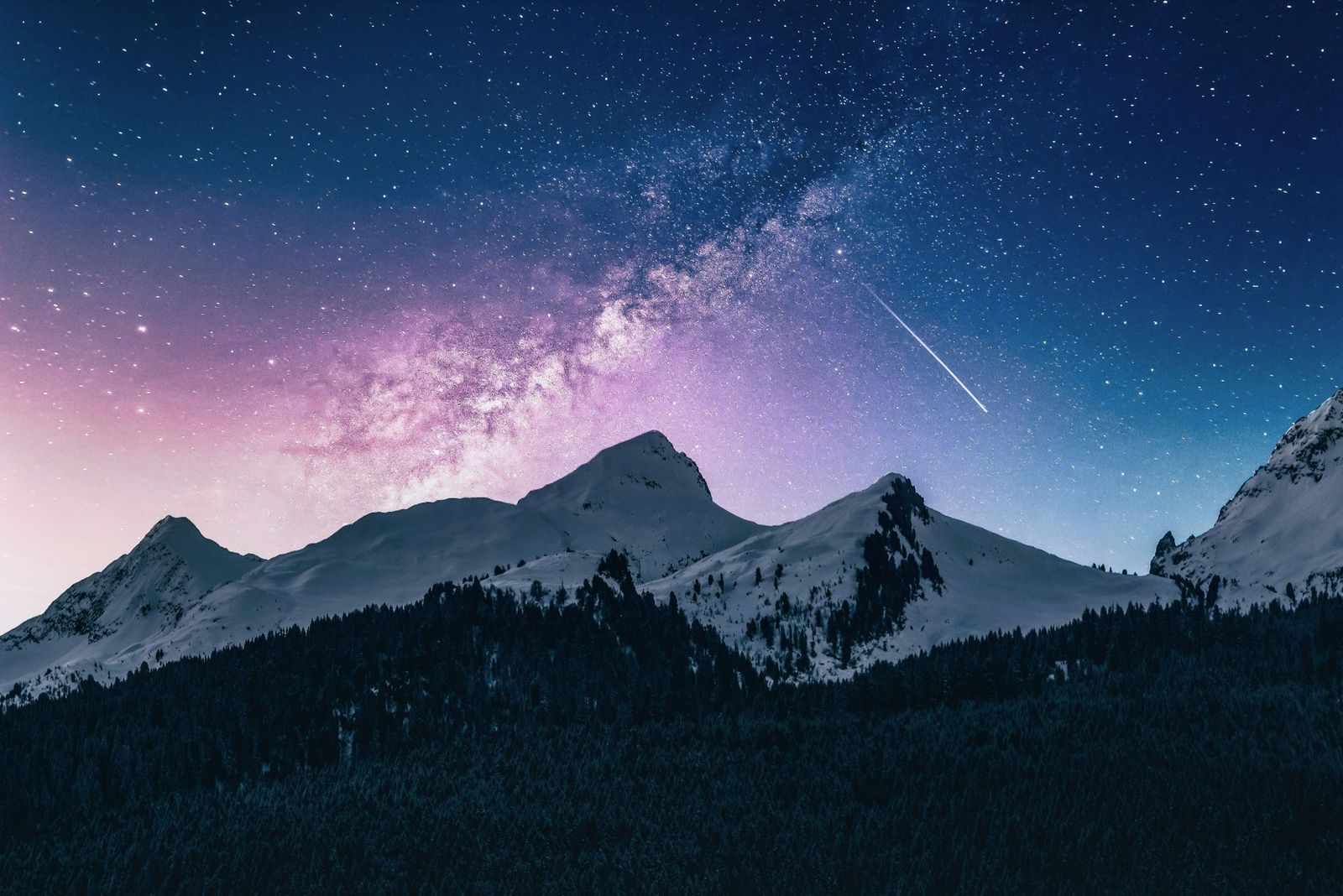
A meteor can produce a brilliant streak across the sky, yet the object responsible may be surprisingly tiny. Many meteoroids associated with annual showers are only around the size of grains of sand or peas. Yet, their tremendous speed through Earth's atmosphere produces the dramatic light show.
Meteor showers occur when Earth passes through streams of debris left behind by comets or other objects. The Perseids, for example, are associated with Comet Swift-Tuttle, while Halley's Comet supplies debris for two annual showers. For the best chance of spotting one, don't stare at a single point, but give yourself the widest possible view.
The Milky Way looks like a pale cloud
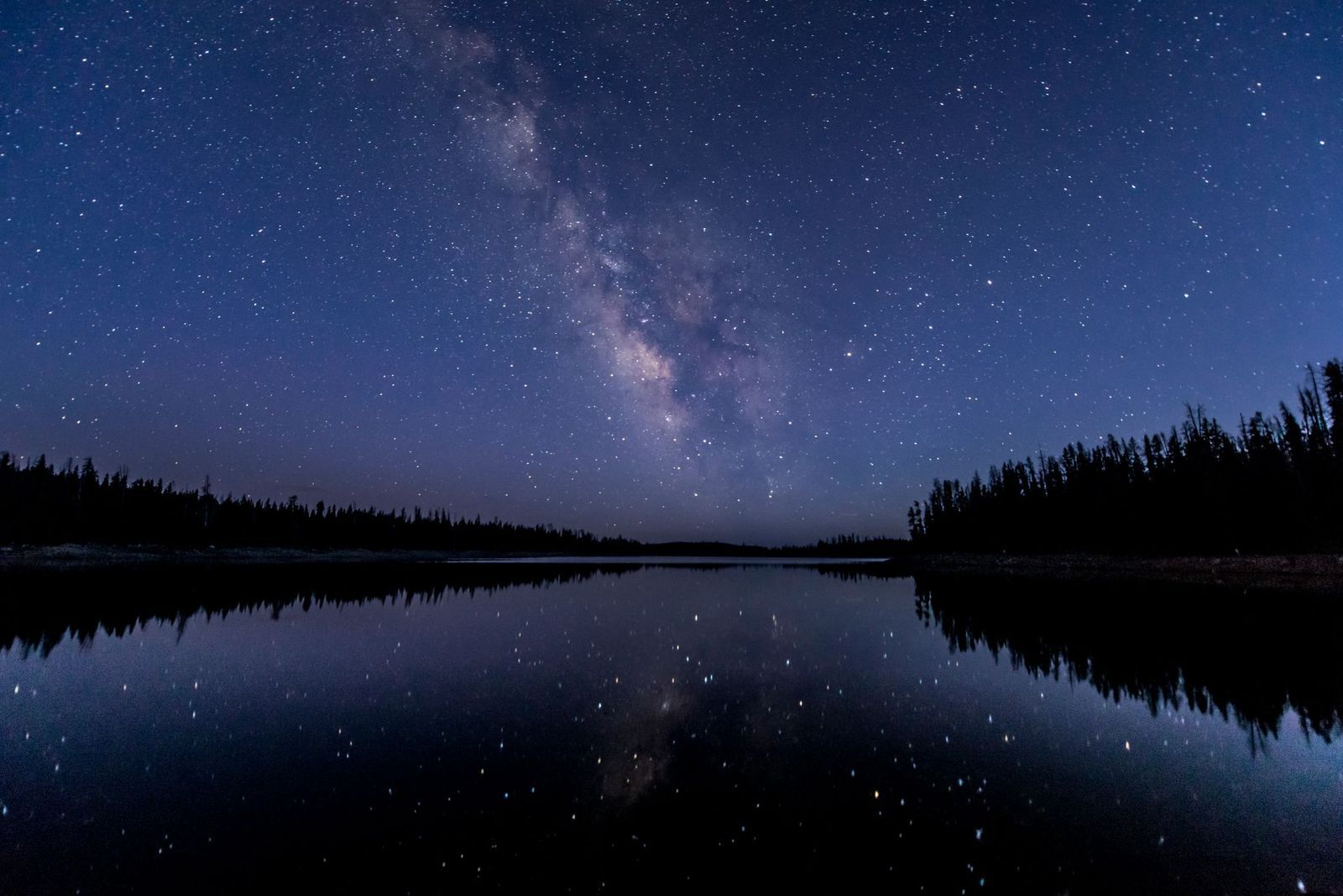
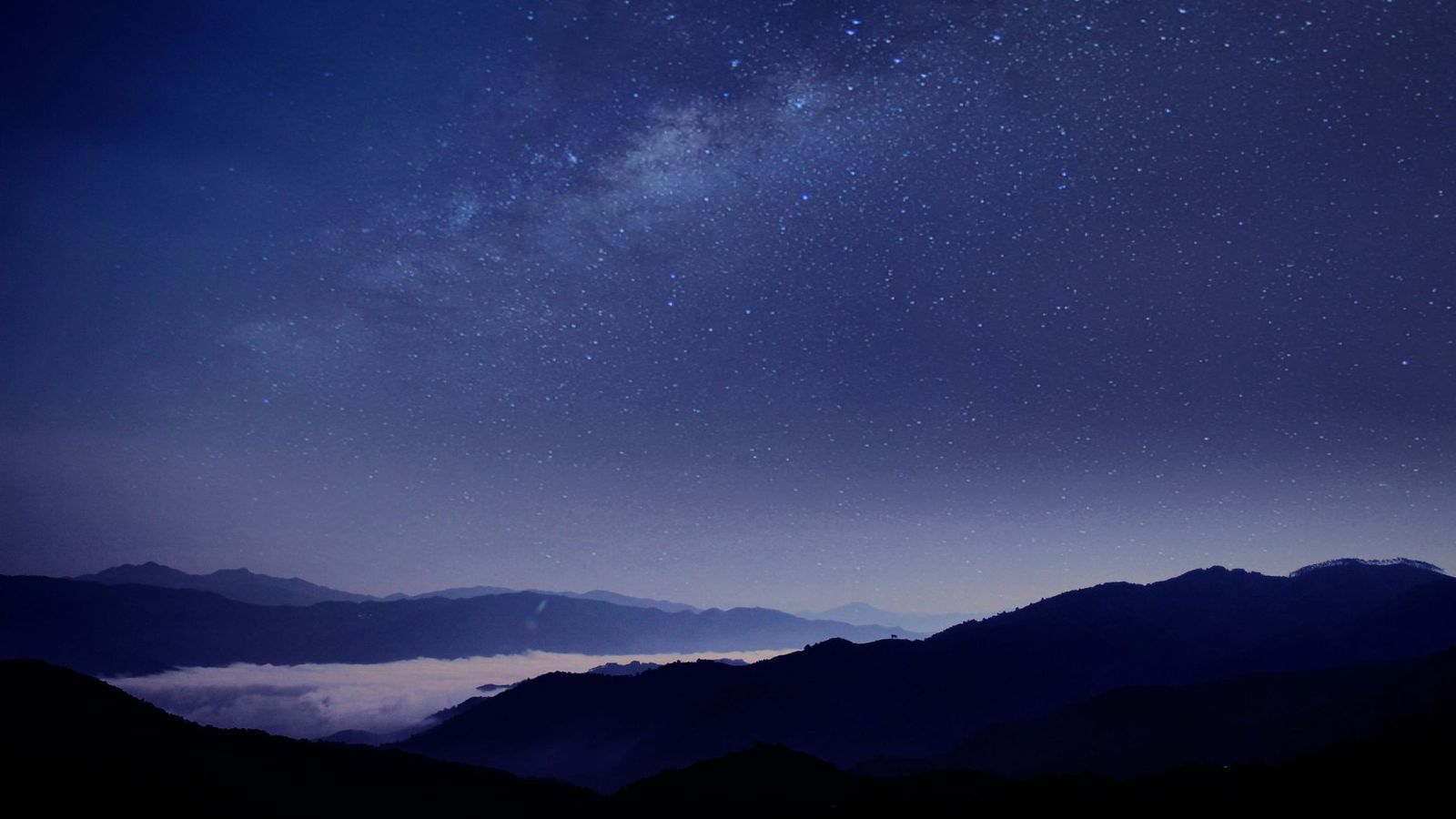
Get far enough from artificial lights on a clear, moonless night and a broad, ghostly band may stretch across the sky. That's the Milky Way. It can resemble a thin cloud, but you're actually seeing the combined glow of enormous numbers of stars along the crowded plane of our own galaxy.
Dark clouds of interstellar dust create some of the apparent gaps and irregularities in the band. Unfortunately, light pollution has made this once-familiar sight invisible from many cities. Find a truly dark location, give your eyes time to adjust, and avoid bright phone screens.
The Seven Sisters might not look like seven
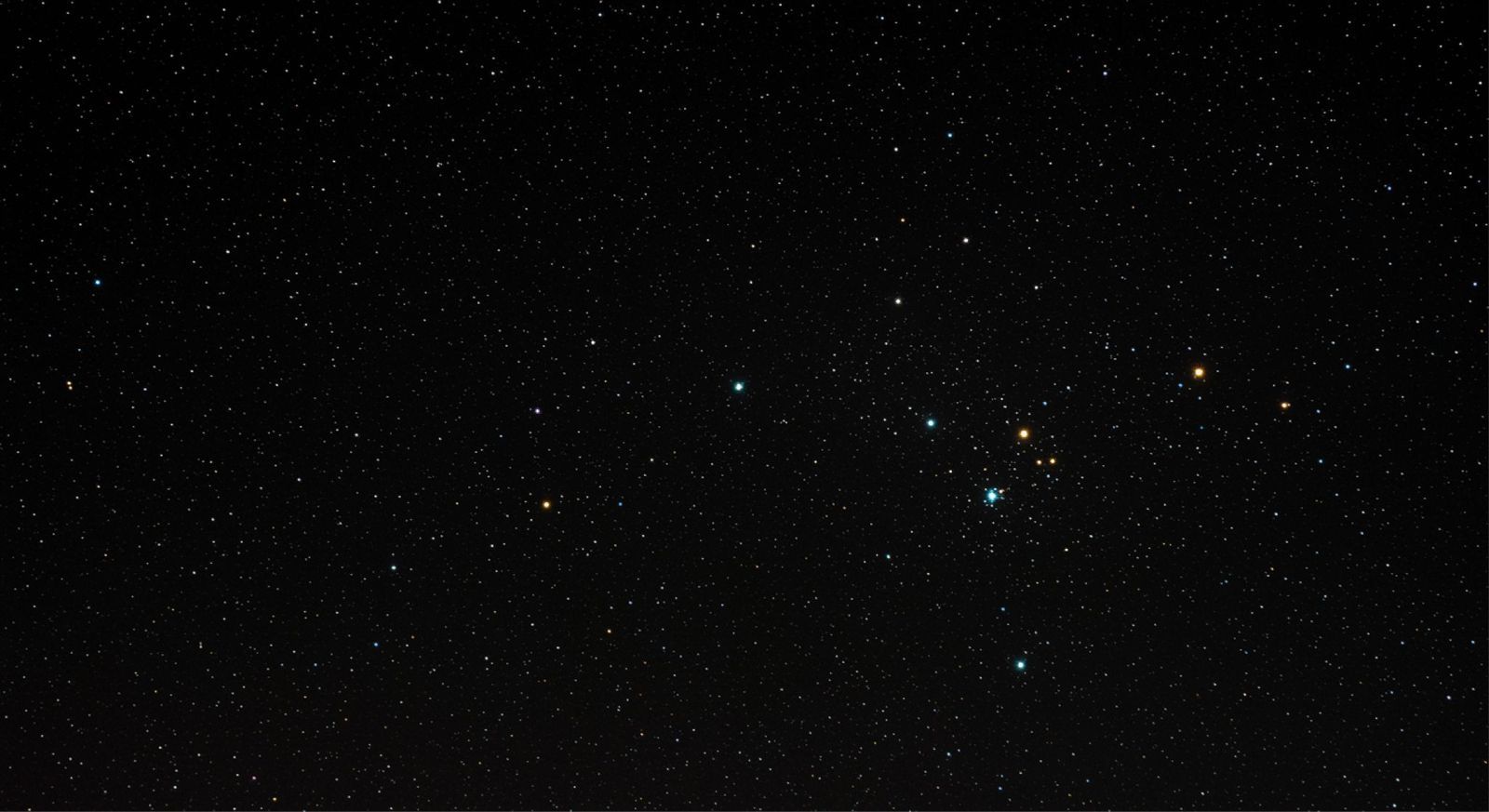
The Pleiades form a small, distinctive cluster in the constellation Taurus. Also called the Seven Sisters, the group lies roughly 400 light-years away and contains far more stars than its traditional name suggests. Only its brightest members stand out to unaided human vision.
Here's the fun part: observers don't necessarily count seven. Many people distinguish about six stars, while particularly sharp eyes under excellent skies may find more. The Pleiades are conspicuous enough to have inspired stories across cultures for thousands of years, and their brightest members can sometimes be visible even through substantial urban light pollution.
The fuzzy spot in Orion is making stars
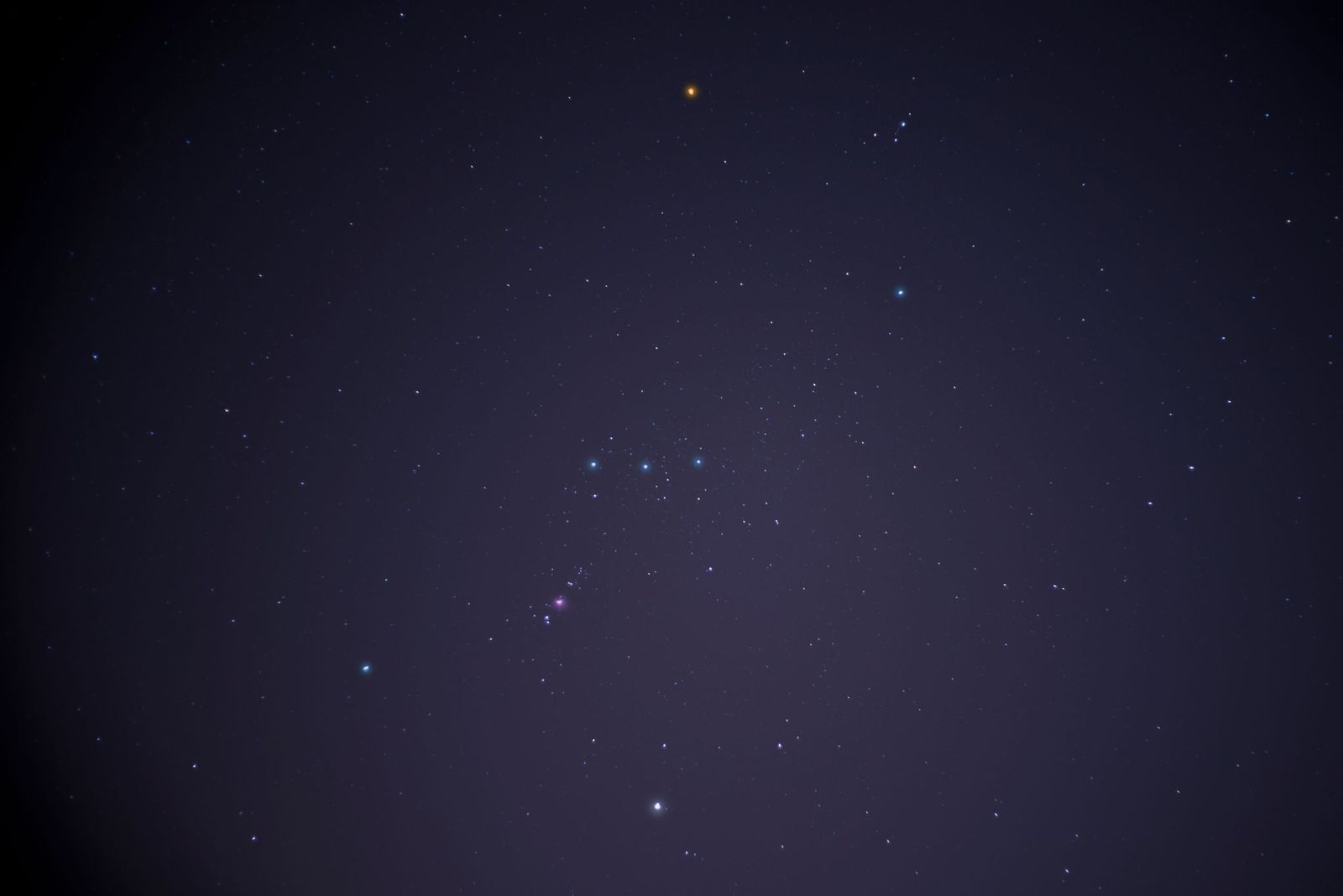
Find Orion's famous three-star belt and look below it toward the hunter's "sword." Under reasonably dark skies, one point won't look quite like a normal star. Instead, you may notice a tiny hazy patch. You're seeing the Orion Nebula without a telescope.
That faint blur lies about 1,500 light-years away and is the nearest large star-forming region to Earth. Inside its clouds of gas and dust, new stars are being born.
Auroras bring space weather down to Earth
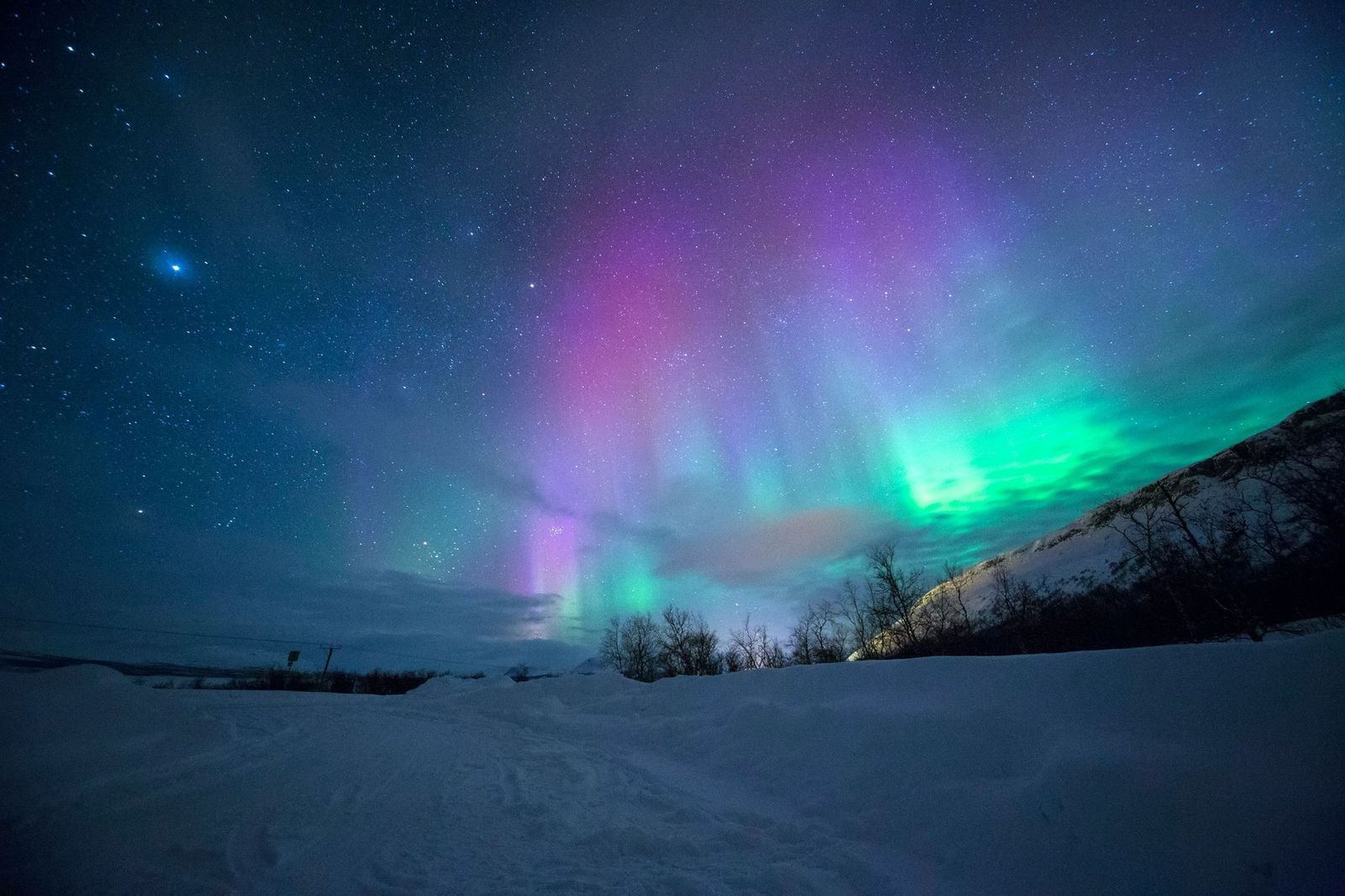
The northern and southern lights can fill the sky with shifting arcs, curtains, and patches of light. They result from interactions involving charged particles, Earth's magnetic environment, and the upper atmosphere. Strong geomagnetic activity can push visible auroras much farther from the polar regions than usual.
Dark, clear skies provide the best view, and displays often appear around late evening and midnight. During particularly strong geomagnetic storms, auroras can reach surprisingly low latitudes. Don't necessarily expect the intensely saturated colors seen in photographs, though: cameras can reveal colors that human eyes perceive much more subtly.
You can see another galaxy with your own eyes
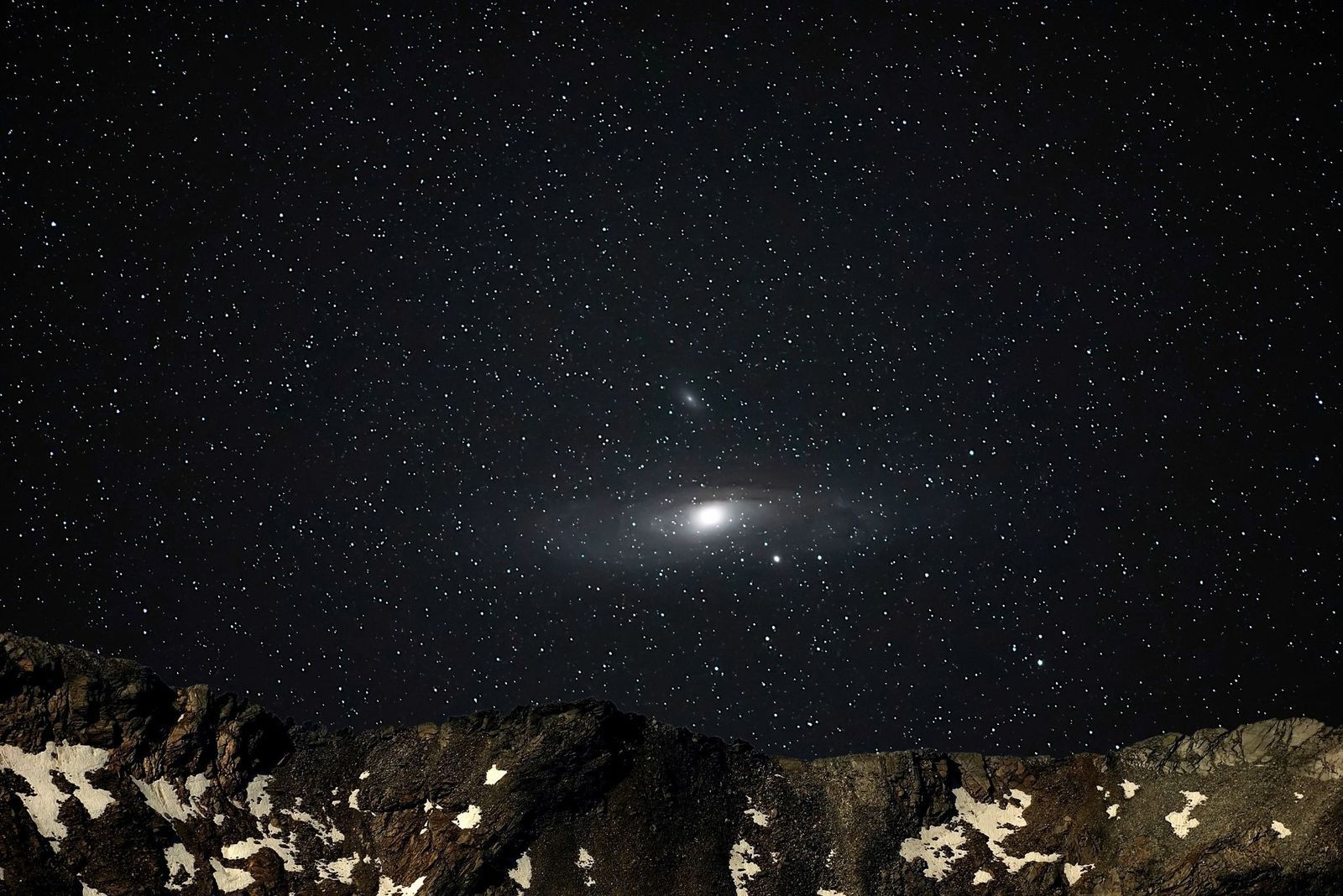
Under a genuinely dark sky, Andromeda looks modest: a faint, elongated smudge that could easily be overlooked. But that smudge is an entire galaxy roughly 2.5 million light-years away. The light entering your eyes tonight began traveling toward Earth about 2.5 million years ago.
Only Andromeda's bright central region is obvious without optical help; the galaxy's full visible structure covers an area roughly six times the apparent diameter of the full Moon.

These surprises catch the most experienced travelers off guard
Trip surprises ahead
This is what could go wrong on your next trip and how to fix it
Travel pulls you out of the same old routine, gets your brain working in new ways, and reminds you the world is bigger and more interesting than you thought. But even the best-planned trips throw curveballs, like longer lines than you bargained for, or a destination that turns out to be far safer (or riskier) than what you believed. A little know-how about those kinds of surprises goes a long way toward keeping your trip fun instead of frustrating.
Crowds and lines you don't anticipate

Picture yourself thrilled to finally see the Mona Lisa, then arriving at a two-hour line snaking around the museum. You'd imagined a quiet stroll through the galleries, not a human traffic jam. Unexpected crowds eat your vacation time and patience.
The fix: book timed-entry tickets online weeks ahead and go first thing in the morning. Do this, and you'll spend your precious hours actually seeing the art.
The cost of "free" walking tours

Say you join a "free" tour in Barcelona, love every minute of it, then panic when the guide mentions tips at the end and you're out of cash. These tours run on tips, not charity; guides expect roughly $10-$20 per person. Skipping this detail leaves you embarrassed or shortchanging someone's livelihood.
Solve it by researching the tipping norm beforehand and carrying small bills. Then you can enjoy the tour guilt-free and reward a guide who earned it.
Tipping customs that differ wildly by country

What if you tip generously at a restaurant in Tokyo, only to have the confused server chase you down to return the money? Tipping there can feel insulting. Meanwhile, skipping a tip in the U.S. is a real offense. Getting this wrong causes awkwardness or unintentional rudeness.
Again, a quick search on local tipping etiquette before you land fixes it instantly. Knowing the custom lets you show respect the right way, wherever you are.
Safety perceptions vs. reality

Imagine almost crossing an entire country off your list because of decades-old headlines about danger, then discovering a walkable, welcoming place once you actually arrive. News coverage often exaggerates risk in specific spots while ignoring how safe the rest of a place actually is. This mismatch can make you avoid wonderful destinations, or wrongly let your guard down elsewhere.
Solve it by checking your government's travel advisories and asking recent visitors directly. You'll travel with realistic confidence instead of needless fear or false comfort.
All-inclusive resorts: hidden costs and limitations

Suppose you book an all-inclusive in Mexico expecting everything’s covered, and then find out premium tequila, the spa, and the sunset catamaran tour all cost extra. "All-inclusive" often means basics only, and surprise charges can blow your budget.
Read the fine print before booking, and call the resort with specific questions about what's excluded. Doing this upfront means no unpleasant bill shocks at checkout, and you can budget properly for the extras you actually want.
Language barriers in "English-friendly" destinations

Consider assuming English will carry you through the Netherlands, and then you hit a wall ordering lunch in a small village bakery outside Amsterdam. Popular destinations aren't uniformly bilingual, especially outside city centers, and this can leave you stuck or misunderstood.
Learn a handful of key phrases before you go—"hello", "please", "thank you", "where's the bathroom?" Locals almost always light up when you try their language, even badly, and that little effort tends to earn you warmer service and genuine goodwill.
Weather surprises (Ireland's rain, desert cold nights)
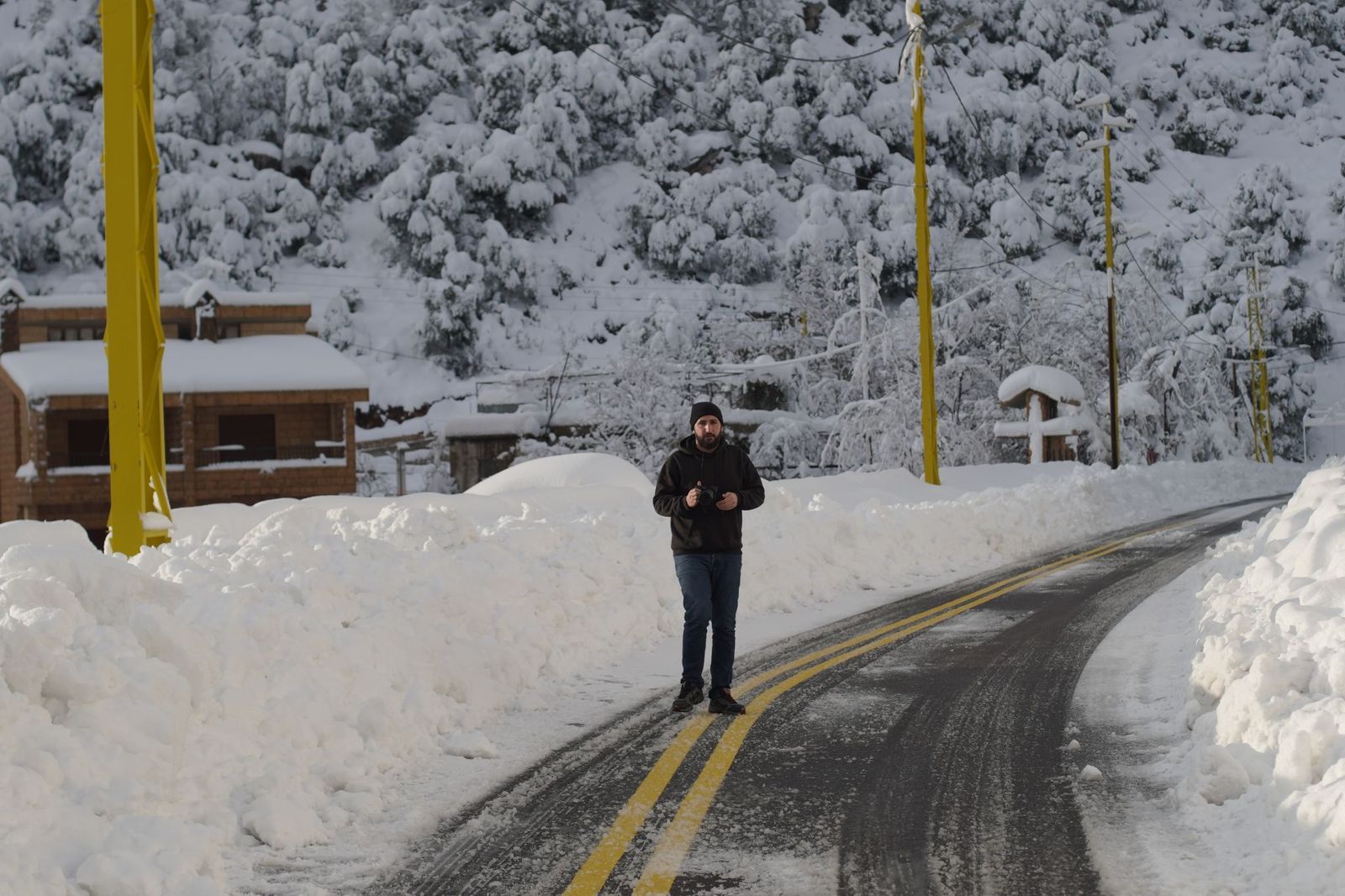
Visualize packing only shorts and t-shirts for a Moroccan desert trip, then shivering through nights that drop near freezing once the sun sets. Guidebook images rarely show a destination's full weather range. This mismatch means you're either soaked, sunburned, or freezing when you didn't expect it.
Research seasonal highs and lows before packing, and bring layers. You'll stay comfortable through the day's surprises instead of shopping for emergency sweaters abroad.
Jet lag is worse traveling east vs. west

Say you feel fine flying from New York to Los Angeles but are wrecked for days flying from New York to Rome. Eastward travel fights your body's natural clock harder than westward travel, making jet lag noticeably worse. This can wreck the first days of a trip you paid good money for.
Shift your sleep schedule a few days before departure and get sunlight first thing at your destination. You'll adjust faster and actually enjoy those first precious vacation days.
Local holidays that shut down entire cities

Imagine landing in Rome mid-August expecting a bustling capital, only to find shops shut and restaurants closed for Ferragosto, a national holiday. Local holidays can quietly empty out a destination you traveled far to see.
Check a country's holiday calendar before booking dates. Doing so lets you either avoid the shutdown or lean into it, since holidays often bring festivals and celebrations worth experiencing too.
Overtourism can affect bucket-list sites
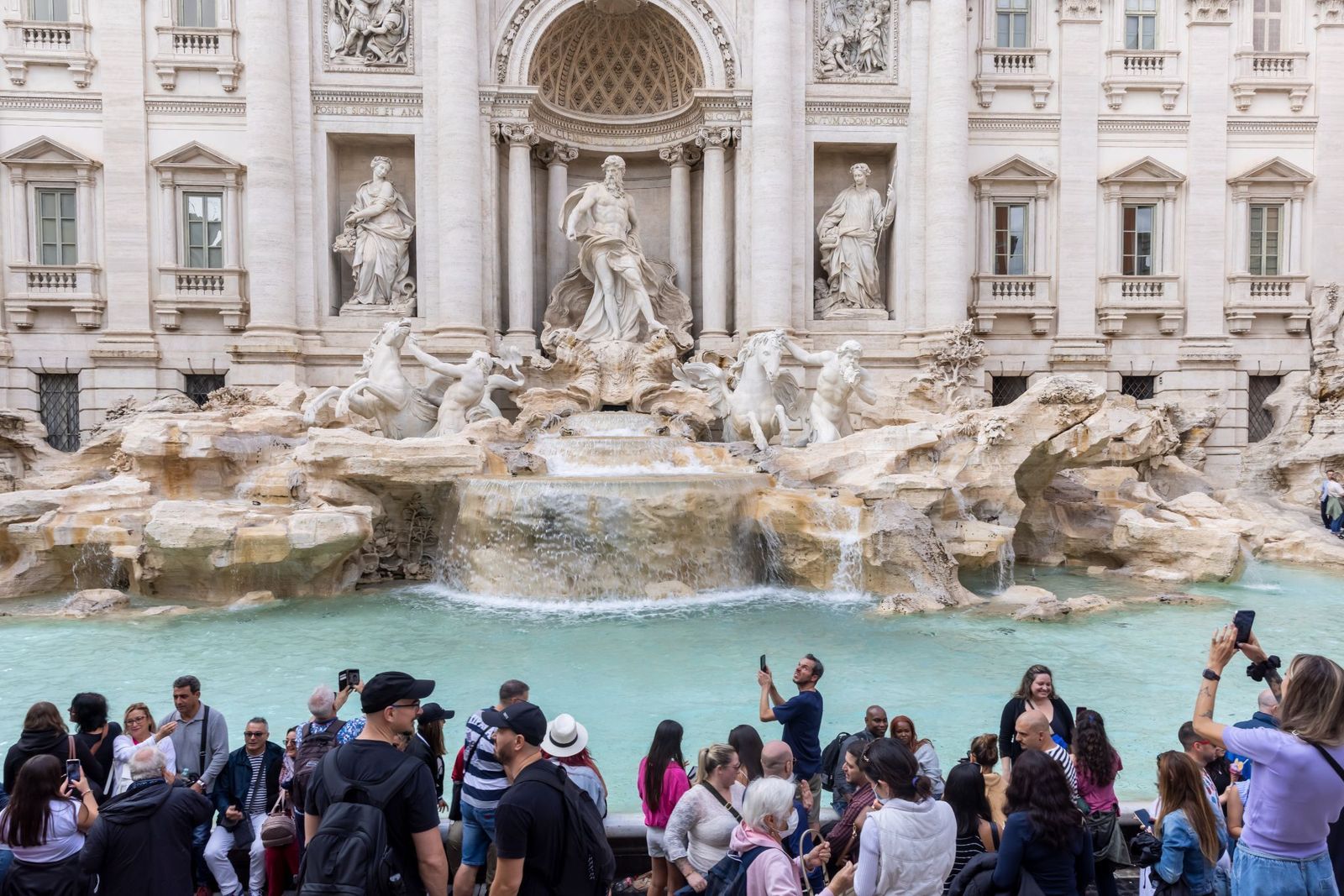
Picture dreaming of a romantic, quiet Venice, but finding yourself shuffling shoulder-to-shoulder through roped-off alleys with thousands of other tourists. Iconic destinations are often victims of their own fame, and overcrowding can flatten the magic you traveled for.
Visit shoulder seasons, go early morning, or explore nearby lesser-known towns instead. You'll get the beauty without the crowds, often at a lower cost too.
Airport transfer scams to watch out for

What if you step off your flight in Cancún, hop into an unofficial taxi outside baggage claim, and get overcharged triple the normal fare before you realize what happened? Scammers target tired, disoriented travelers right at arrival.
Book a licensed transfer or ride app in advance, or head straight to the official taxi stand. Arriving with a plan means you start your trip relaxed instead of ripped off.
Crocs, spiders, and deserts: 10 reasons Australia is Earth on hard mode
 Geography
Dangerous travel
Crocs, spiders, and deserts: 10 reasons Australia is Earth on hard mode
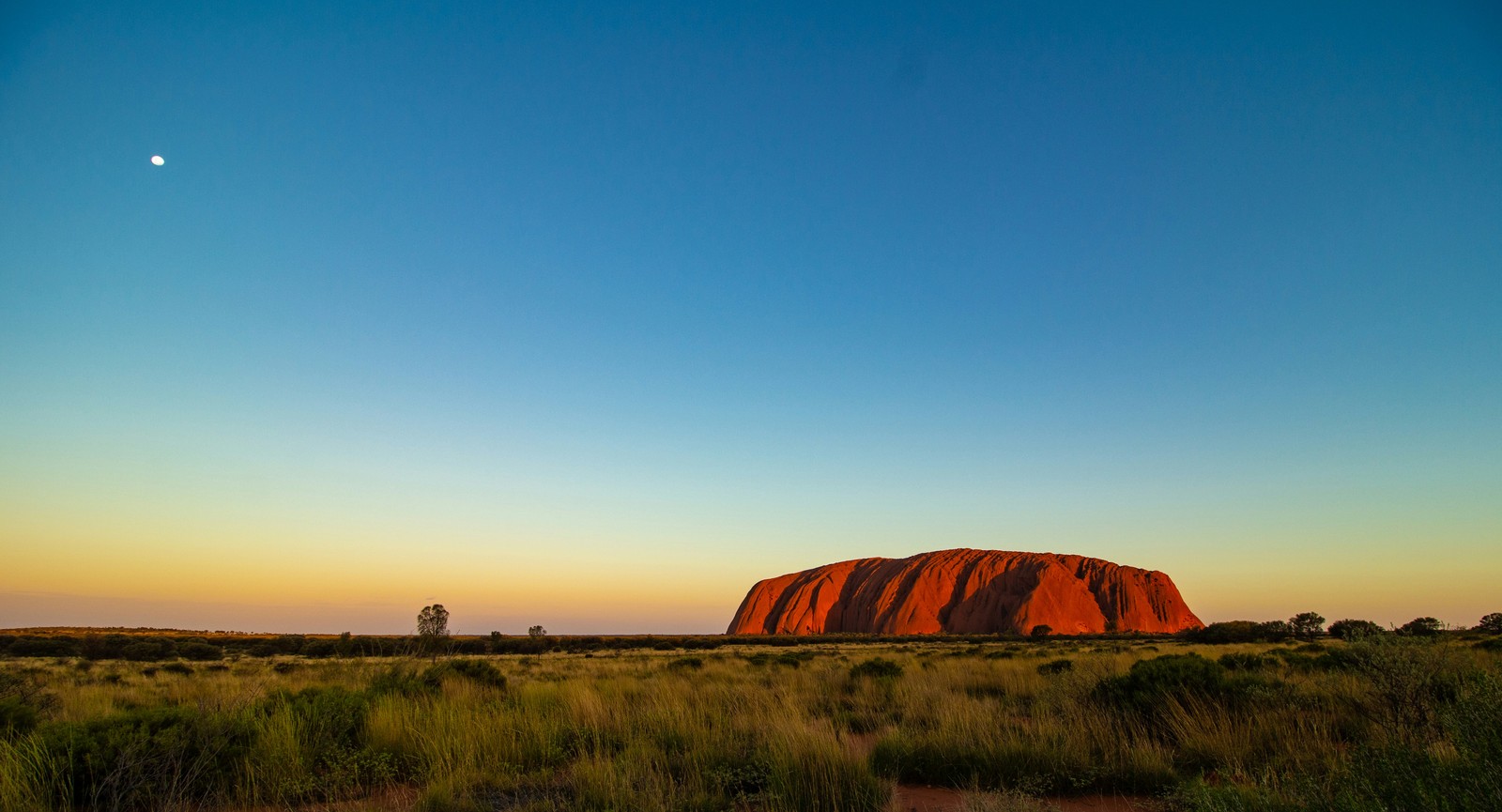
Australia isn’t just big and remote—it concentrates more natural, climatic, and biological extremes than almost anywhere else on Earth. From lethal wildlife to record-breaking heat, ancient geology to vast expanses of desert, the continent regularly pushes limits humans and ecosystems rarely face. These 10 facts show why Australia stands apart as one of the planet’s most extreme environments.
Deadliest wildlife
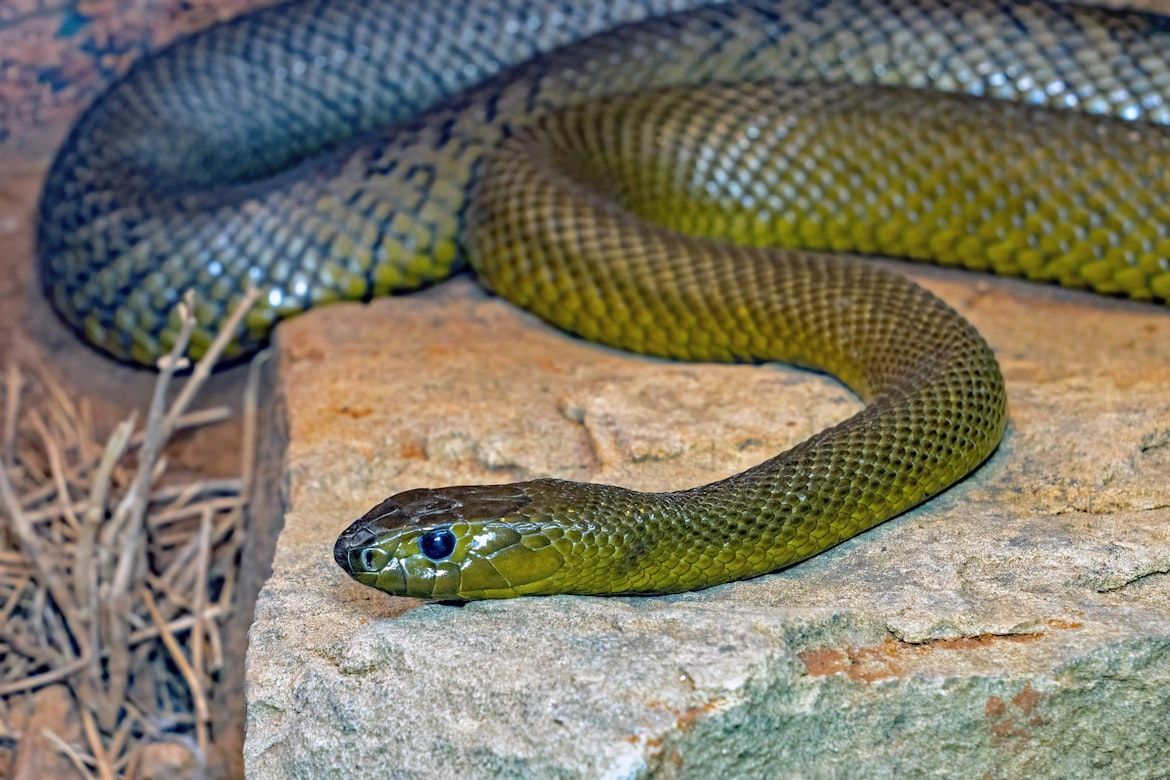 Image: David Clode
Australia hosts more venomous species than any other country, including the infamous inland taipans, funnel-web spiders, and box jellyfish. Many animals evolved potent toxins due to their long geographic isolation.
Despite this, fatalities are rare due to advanced antivenom programs and because most areas inhabited by these animals are sparsely populated.
Hottest landmass
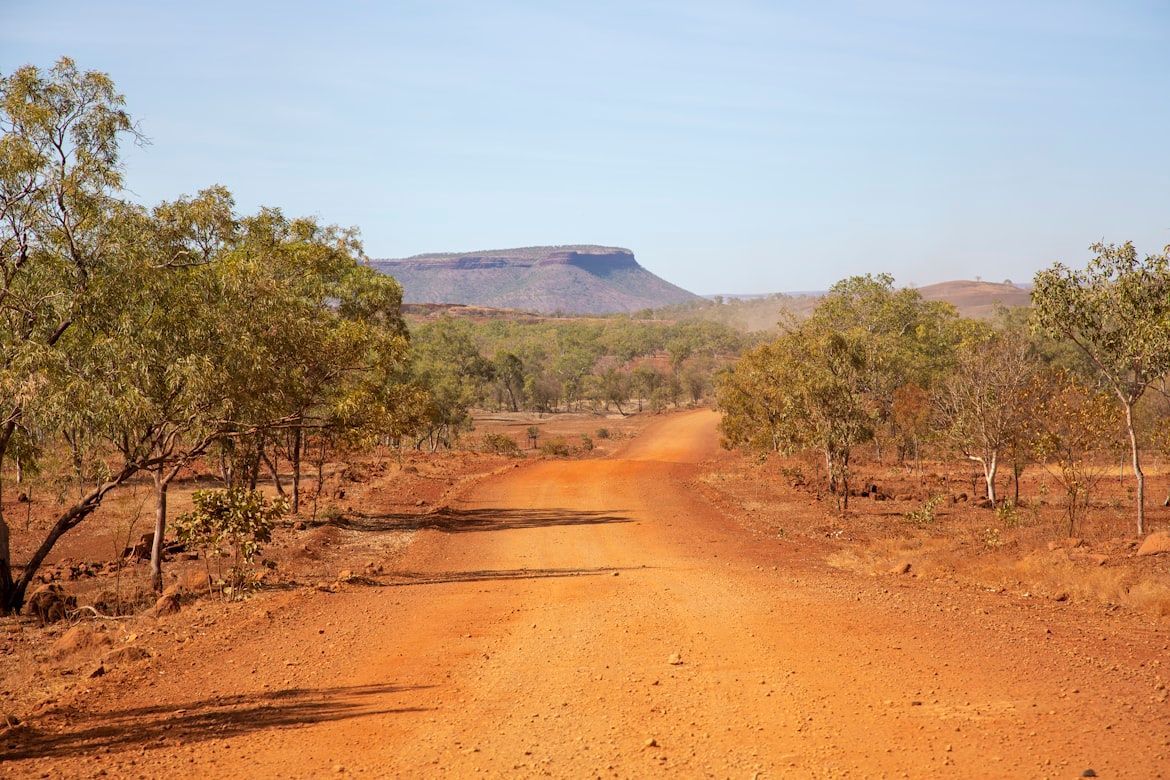 Image: Stephen Mabbs
Australia is the hottest inhabited continent by average temperature. Large interior regions regularly exceed 113°F during summer.
The combination of latitude, arid interiors, and climate patterns concentrates heat more consistently than in Africa or South America. To make matters worse, Australia experiences some of the highest UV radiation levels globally due to a mix of latitude and ozone thinning.
Unpredictable rainfall
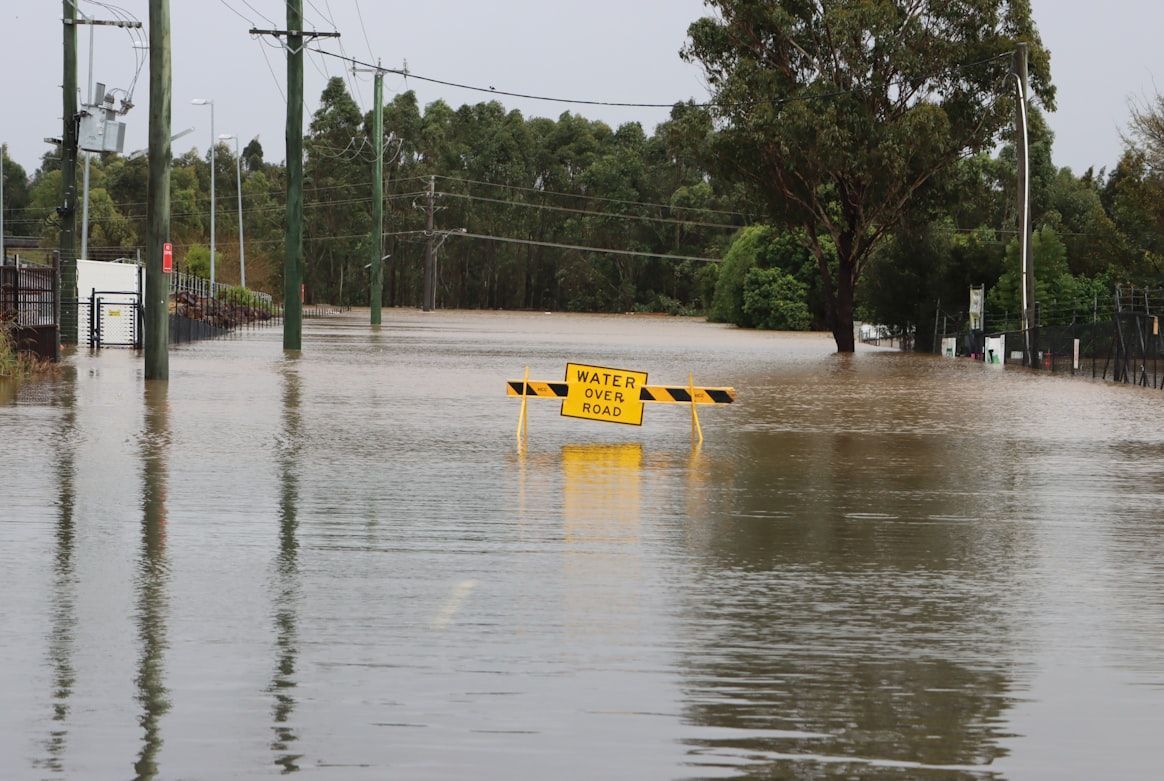 Image: Wes Warren
Australia’s climate is defined by some of the most variable rainfall patterns on Earth. Large parts of the continent experience extreme swings between drought and flooding, driven by ocean–atmosphere systems such as El Niño and La Niña.
Over evolutionary time, this unpredictability favored species capable of surviving long dry periods and rapidly exploiting brief wet conditions. Plants evolved deep roots, dormant seeds, or fire-resistant traits, while animals adapted flexible breeding cycles tied closely to rainfall rather than seasons.
Vast emptiness
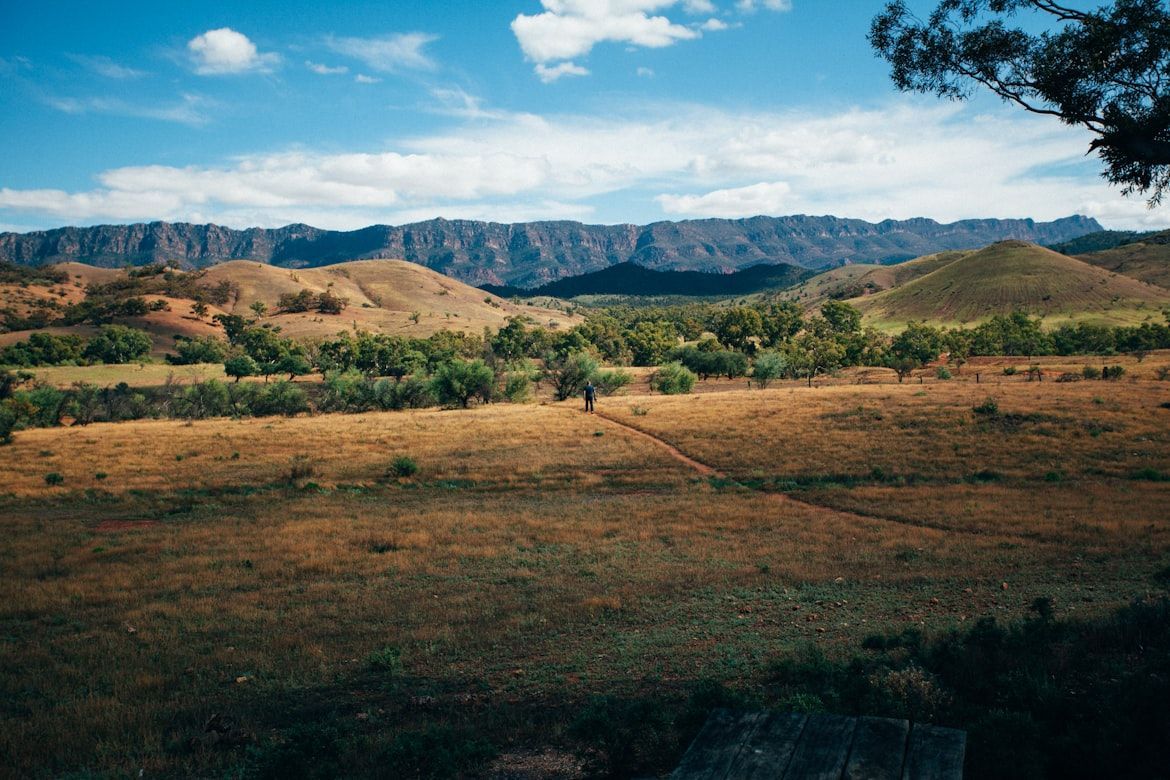 Image: Jay Wennington
Over 70% of Australians live in cities, leaving the vast interior—commonly known as the "Outback"—sparsely populated, with some regions averaging fewer than one person per square kilometer.
Australia contains ten major deserts covering nearly 20% of the continent, and distances between settlements can exceed hundreds of miles, making cross-country travel a logistical challenge.
Wildfire ecology
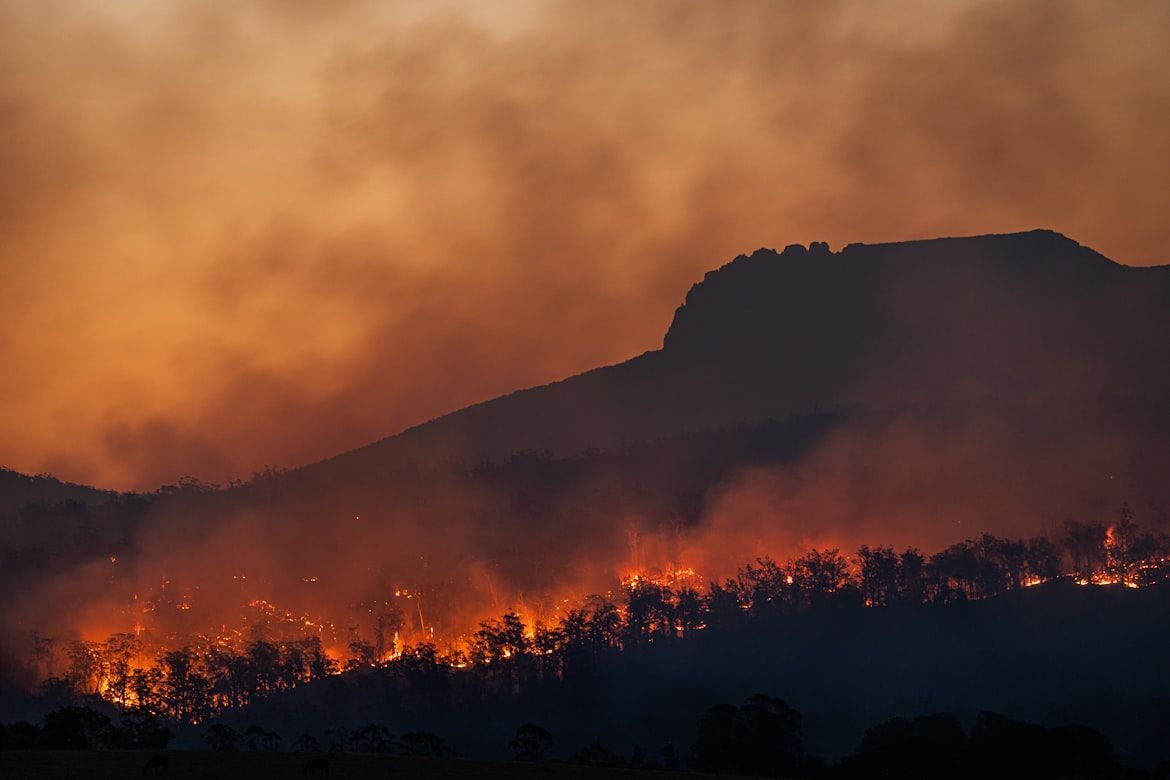 Image: Matt Palmer
As crazy as it sounds, Australian ecosystems evolved alongside fire. This is true to the point that many plants actually require heat or smoke to germinate, including eucalyptus and banksia species.
However, in recent years, climate change has intensified bushfires, creating longer fire seasons and larger burns than historically recorded.
Ancient continent
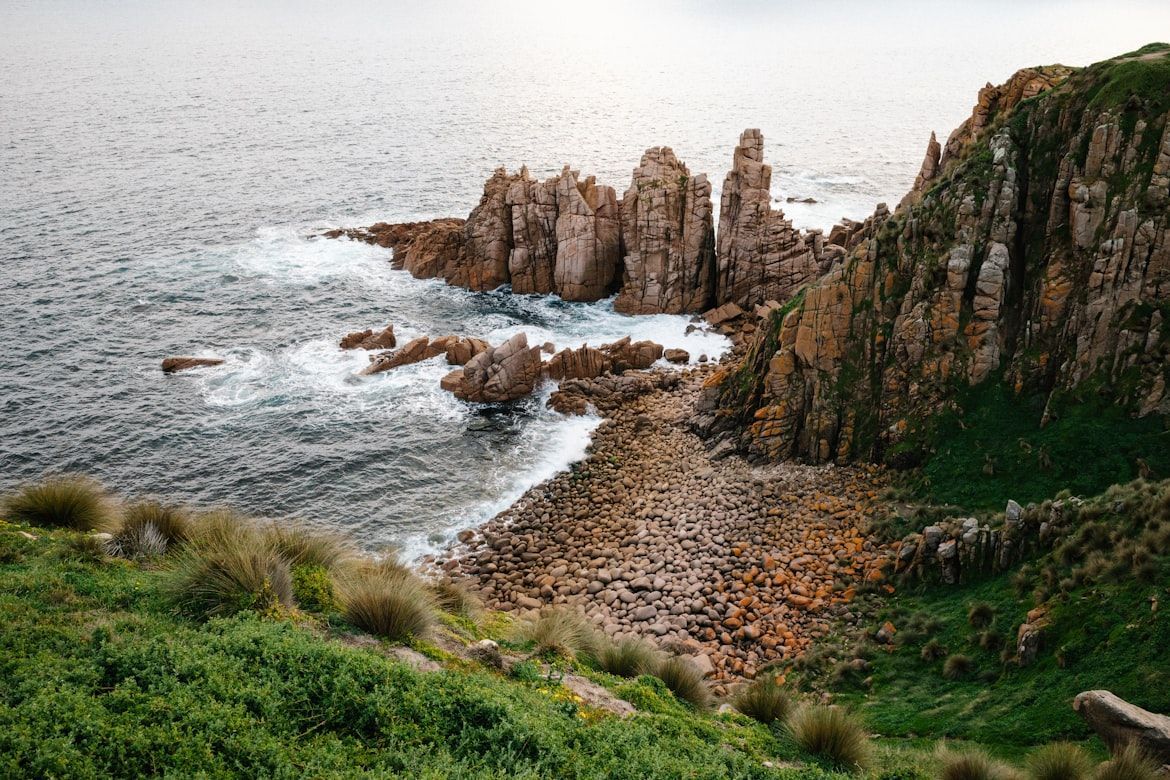 Image: Jesse Bauer
Australia sits on one of Earth’s oldest continental crusts, with rocks over 3 billion years old. Minimal tectonic activity preserved ancient soils, contributing to nutrient-poor landscapes and highly specialized plant life.
Australia is also one of the planet’s oldest continuous landmasses, having separated from Gondwana around 45 million years ago.
Mega reptiles
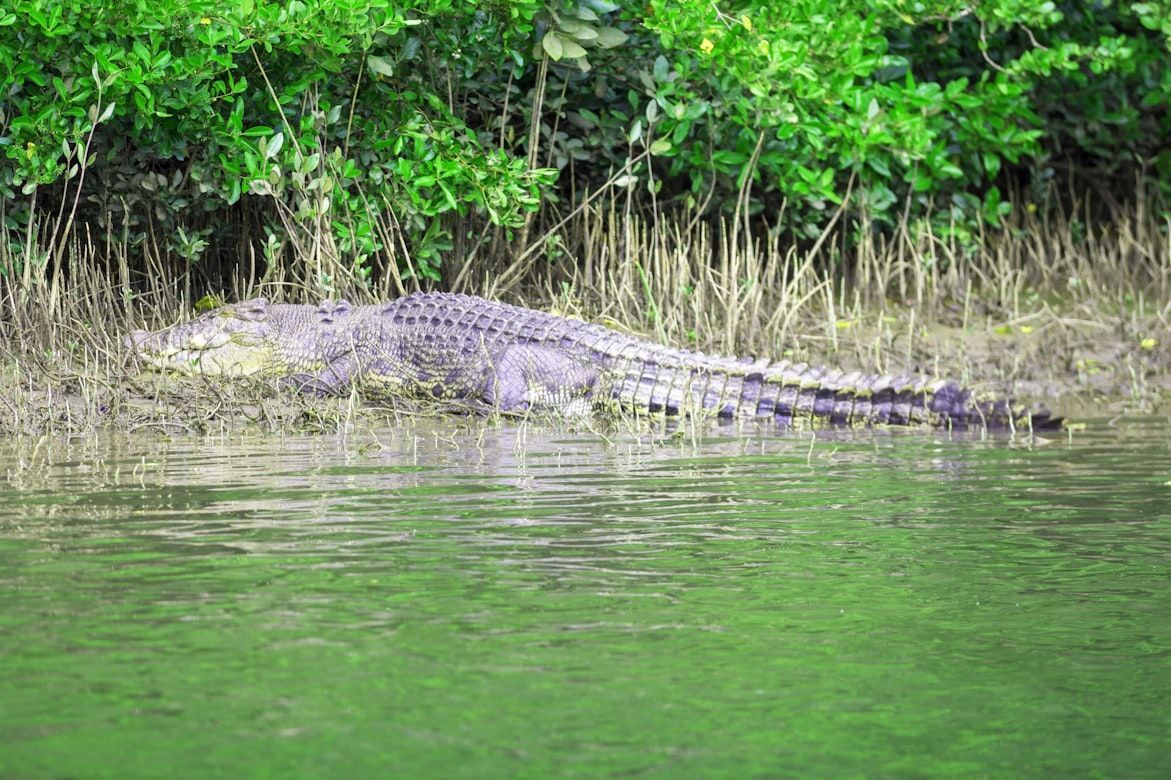 Image: Chris Deeming
Australia has the world’s largest reptile populations, including saltwater crocodiles that frequently exceed twenty feet. In fact, the continental fossil record reveals a long history of oversized reptiles, shaped by isolation and stable climates.
During the Miocene and Pleistocene epochs, the continent supported giant reptiles such as Megalania (Varanus priscus), a species of monitor lizard that may have reached over 22 feet in length and weighed several hundred pounds.
Deadly seas
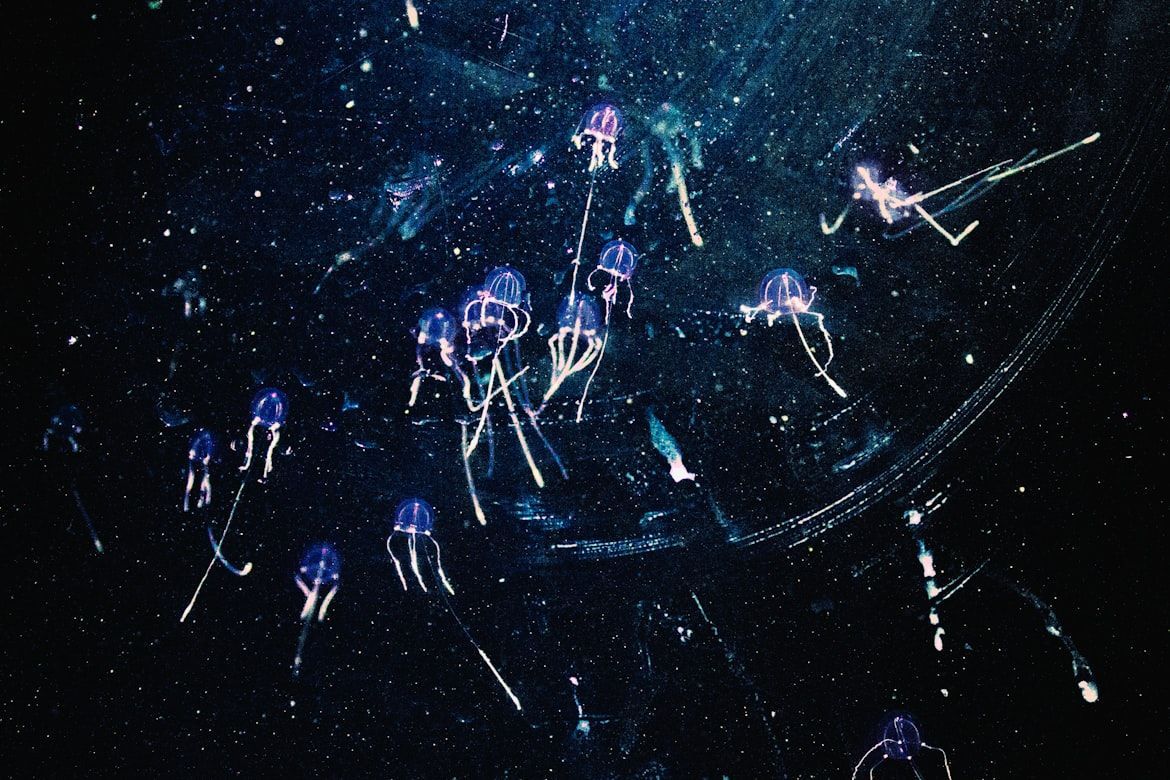 Image: Billy Huynh
Australia’s surrounding waters rank among the most biologically hazardous on Earth, particularly in the tropical north. Warm seas support a high diversity of venomous marine species, including box jellyfish (Chironex fleckeri), blue-ringed octopus, stonefish, and cone snails.
Seasonal conditions and nutrient-rich currents allow these species to thrive near shorelines, increasing human exposure. Despite the danger, fatalities remain rare due to public awareness, protective measures, and rapid medical response.
Extreme isolation
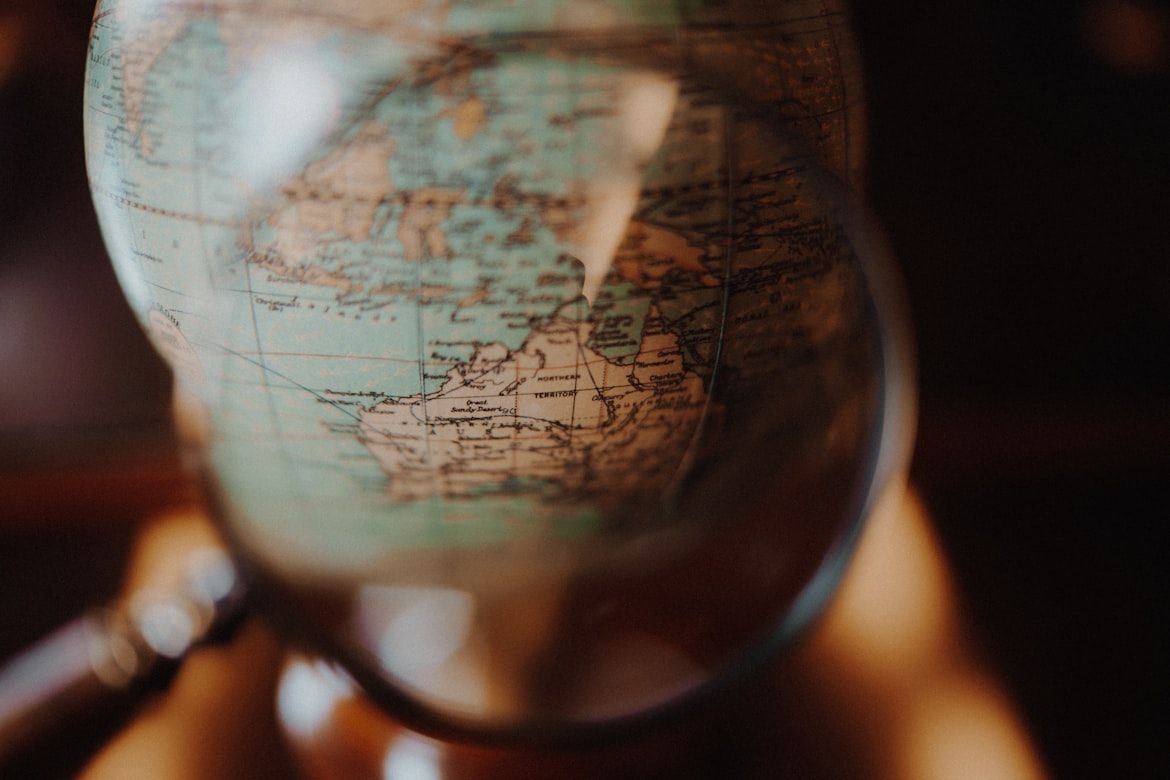 Image: Jay Wennington
Australia’s extreme isolation shaped its life in ways unmatched by any other continent. After breaking away from Gondwana roughly 45 million years ago, Australia remained largely cut off from other landmasses, limiting species migration and competition.
This long separation allowed ancient lineages to persist and diversify, favoring marsupials, monotremes, and highly specialized reptiles while placental mammals evolved elsewhere.
Invasive species
 Image: Fidel Fernando
A side effect of Australia’s long evolutionary isolation is that it left many native species poorly adapted to sudden competition or predation. When humans introduced foreign animals—whether intentionally or accidentally—these newcomers often filled ecological roles that had been absent for millions of years.
Species such as rabbits, red foxes, feral cats, and cane toads spread rapidly, outcompeting or preying on native wildlife. As a result, many endemic species declined or went extinct, making invasive species one of the most significant drivers of biodiversity loss on the continent.
Keep wandering
There’s always
more to explore
 Culture
Some of these state fairs have seriously weird attractions
5 min.
Read Now

Why you should never travel on an empty stomach
3 min.
Read Now
Do you still need a paper boarding pass? 10 must-know flying rules
5 min.
Read Now

He spent the night on an airport bench: 10 tips you should skip
6 min.
Read Now