
He spent the night on an airport bench: 10 tips you should skip
 General
Hacks gone wrong
He spent the night on an airport bench: 10 tips you should skip
We’re always looking for shortcuts — but it’s important to consider how much we could lose if something goes wrong. That includes popular travel hacks, which come with risks few people mention. A missed connection or a long night on an airport bench can quickly make you wish you’d done things differently. Here are 10 tips that can backfire, and a few cases where they might still make sense.
Hidden-city tickets
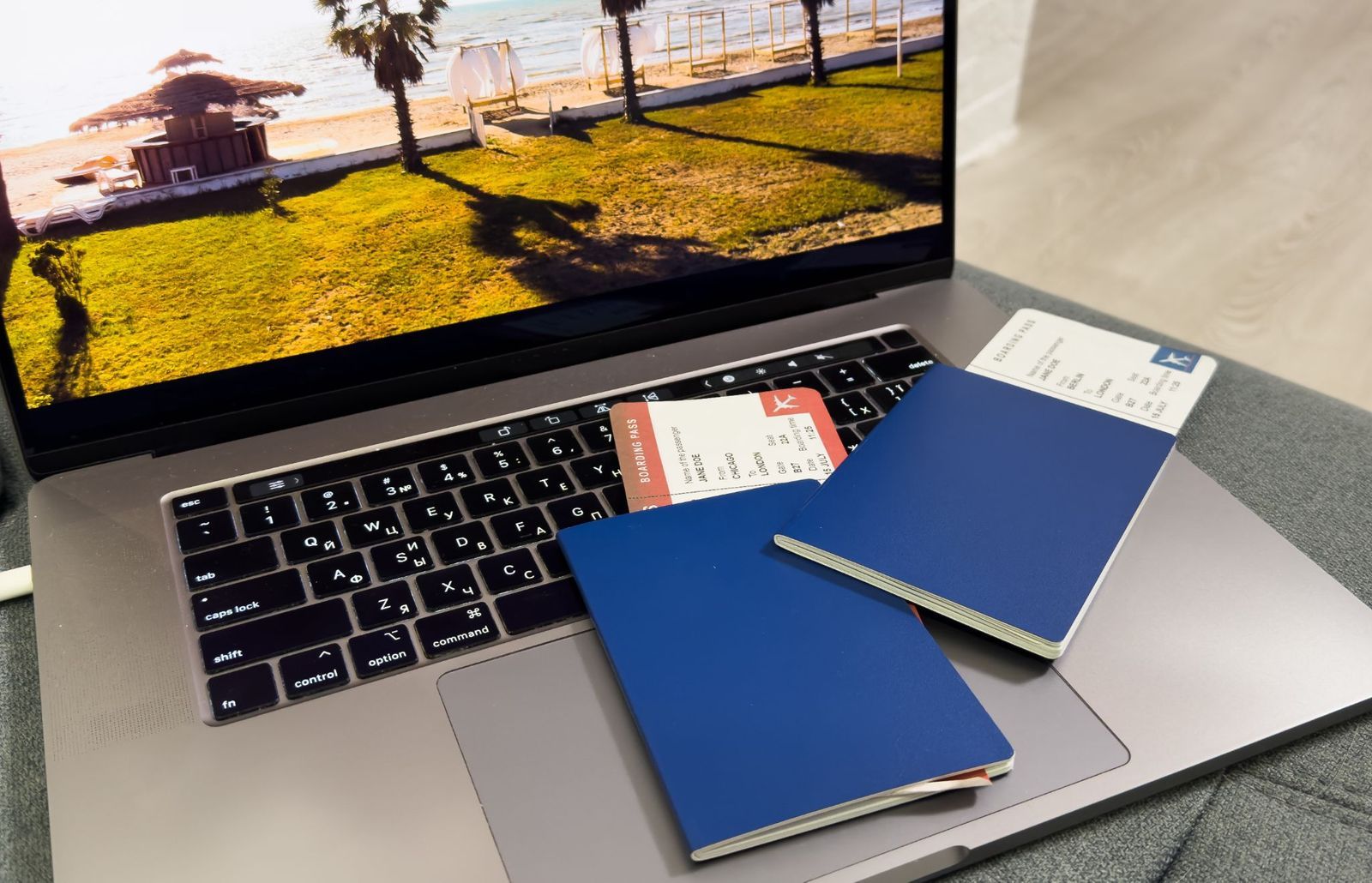
Hidden-city ticketing, also called "skiplagging," means booking a flight that has a layover in the city you actually want to reach. Then you just get off there and skip the last-leg flight. That ticket sometimes costs less than a nonstop flight to the same city. It isn’t illegal, but most airlines ban it in their contract of carriage, which are the rules you agree to when you buy a ticket.
The risks? You can’t check a bag because it will keep going to the last city on your ticket. Plus, if you skip a flight, the airline usually cancels the rest of your trip, including your flight home. And if your flight gets rerouted through a different city, your plan falls apart.
Pay in dollars?

At a shop in Rome or an ATM in Mexico City, the screen may ask if you want to be charged in U.S. dollars. Seeing your national currency may feel familiar, but when you agree, you let the store or ATM owner pick the exchange rate. And that rate usually has an extra charge built in.
In 2016, a German consumer group called Stiftung Warentest tested this in 13 countries outside the eurozone. Paying in your home currency costs 2% to 5% more at stores and hotels, and from about 2.6% to over 12% more at ATMs. This can also pop up at hotel checkout, when a server brings the card reader to your table, or on foreign websites where dollars are already selected. Try to pick the local currency every time you can.
Skipping travel insurance
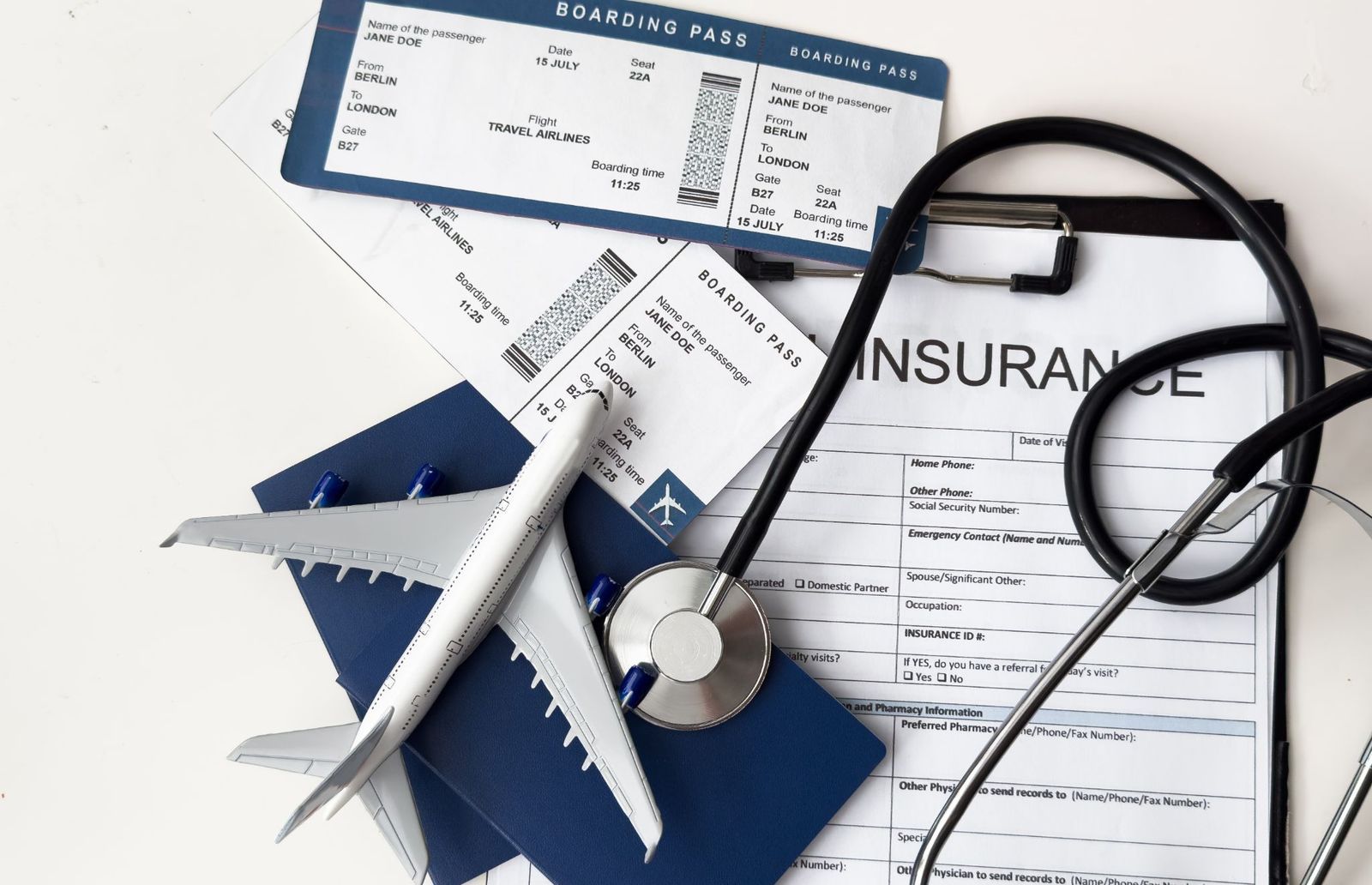
Nothing ever goes wrong on a trip… until it does. That’s why travel insurance can feel like an extra you’ll never use, and that’s why you don’t want to pay for it. But skipping it can cost more ultimately, especially on a big trip or overseas. Standard Medicare generally doesn’t pay for medical care outside the U.S., and most regular health plans offer little or no coverage abroad. Foreign doctors and hospitals often want payment up front.
So, what could happen? The biggest risk is medical evacuation, which is a special flight to a hospital or back home. The U.S. State Department warns it can cost well over $50,000, and some cases go past $100,000. Now, compared to that, travel insurance sounds fairly cheap, usually about 5% to 8% of the trip’s price. For a short, inexpensive trip close to home, it can be useless. However, check what your health plan and credit card already cover first.
Basic economy
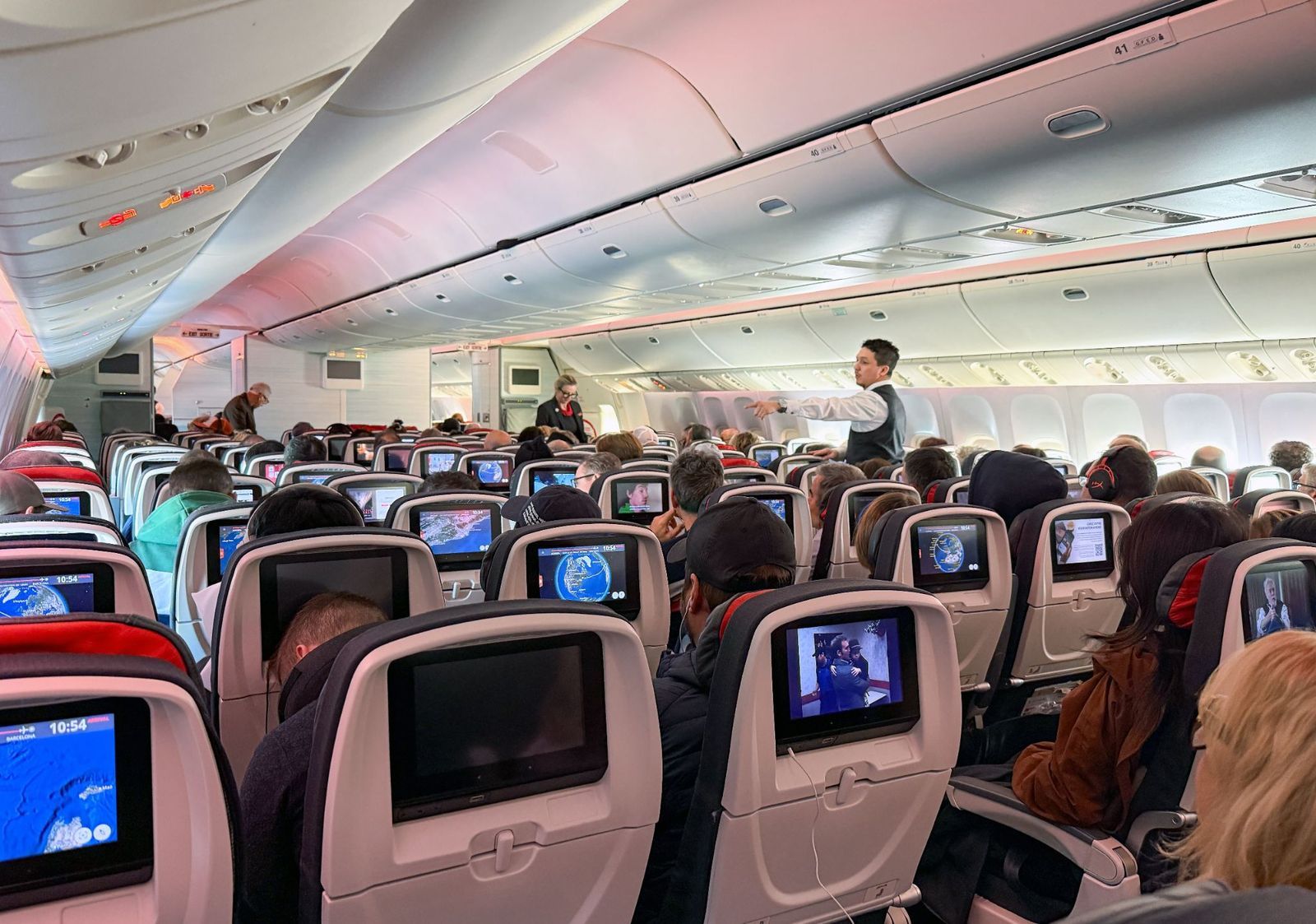
Basic economy is the cheapest fare the big airlines sell. You sit in the same seats as everyone else, but you give up much more. Basic fares mean you can’t pick your seat, you board last, you can’t change anything after you buy, and you earn few or no miles.
Of course, rules change depending on the airlines. On most United flights within the U.S., basic economy passengers can only bring a personal item that fits under the seat unless they have a United credit card or elite status. American and Delta allow a full-size carry-on. If you travel light and don’t mind where you sit, basic economy can be a real deal. But once you add a seat fee or a gate-checked bag, it may cost more than a regular coach ticket.
Nonrefundable booking

Nonrefundable plane tickets and hotel rooms cost less. But what happens if your plans change? You could lose some or all of that money. Even more so if you booked months ahead, or if your health or family plans could shift.
You do have more protection than many people think. Under a 2024 federal rule, if an airline cancels your flight or changes its schedule, you get your money back in cash, even on a nonrefundable ticket. A "change" really means more than three hours for flights within the U.S. and more than six hours for international flights. Most U.S. airlines also let you cancel within 24 hours of booking, as long as the flight is at least a week away. Try to choose nonrefundable only when your dates are locked in.
The tightest connection
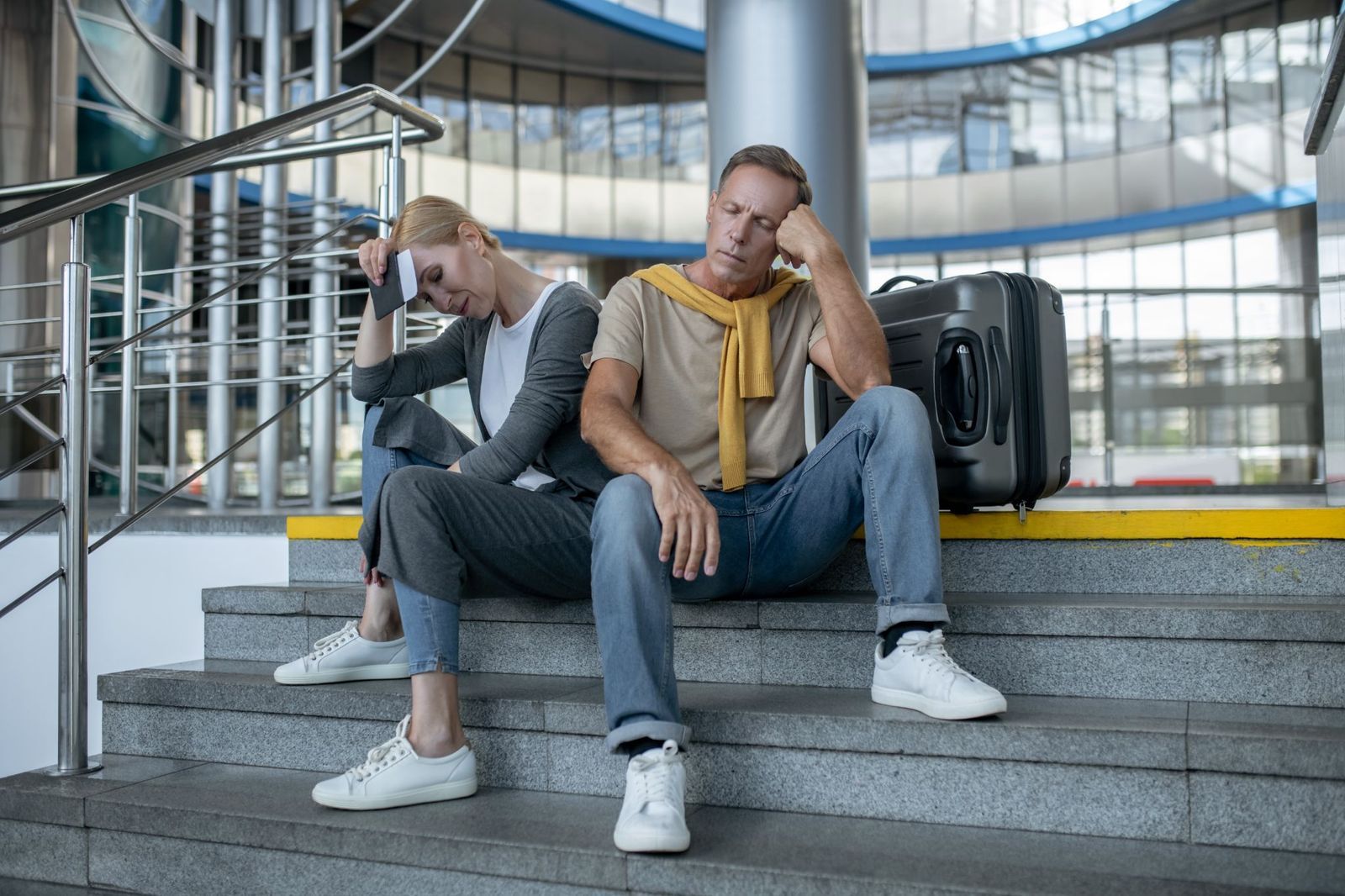
A short layover looks great when you’re booking. Less time at the airport means you get to your destination sooner. But delays are common, and even a short one can make you miss a tight connection.
If both flights are on the same ticket, the airline has to rebook you. But if you bought two separate tickets, you’re on your own. The second airline can treat you like a no-show and make you buy a new ticket. Most travel experts suggest at least an hour for connections inside the U.S. And two to three hours if you have to change terminals or go through customs.
Clearing your cookies for cheaper flights

A 2014 study from the University of North Carolina at Asheville checked prices on 41 routes flown by American, Delta, and United and found that cookies didn’t change the fares.
The study found that a seat price on a single flight can change 30 to 35 times while it’s on sale. So the fare you saw yesterday really might be gone today. Those changes depend on demand, how many seats are left, and the airline’s pricing software, but not on cookies. Clearing them won’t hurt, but fare alerts and flexible dates are much more likely to save you money.
The red-eye that saves a hotel night
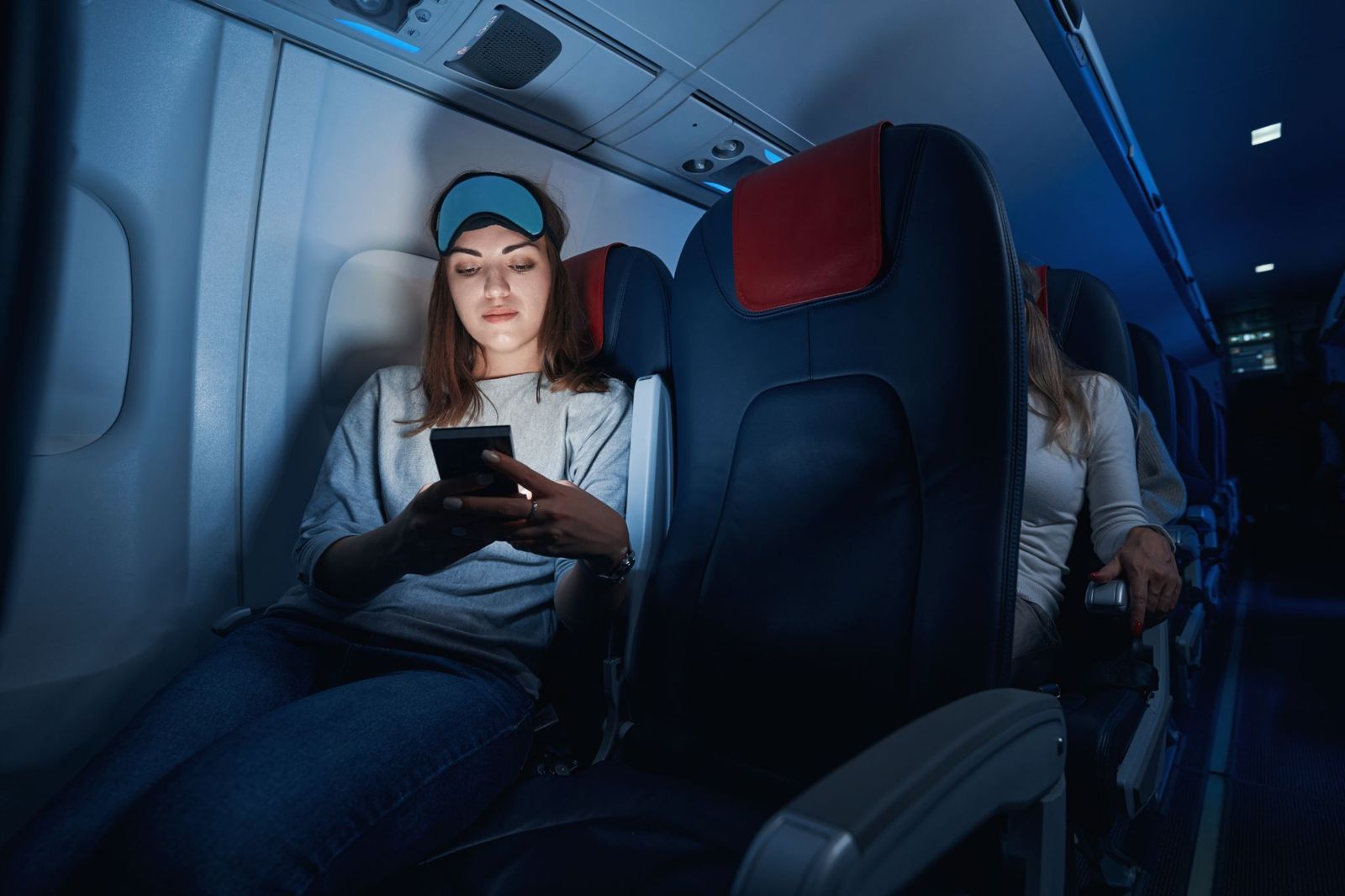
A red-eye flight leaves late at night and lands early the next morning. It's appealing. You don’t pay for a hotel that night, and you get a full day at your destination. These flights are usually cheaper too.
But how much can you really rest on the plane? And most hotels don’t let you check in until mid-afternoon, so you may have to wait hours for a room and a shower. If you book one, first ask the hotel about early check-in. Or plan to leave your bags at the front desk and rest somewhere else. If you never sleep well on planes, the extra cost of a daytime flight is worth it.
Wearing all your layers
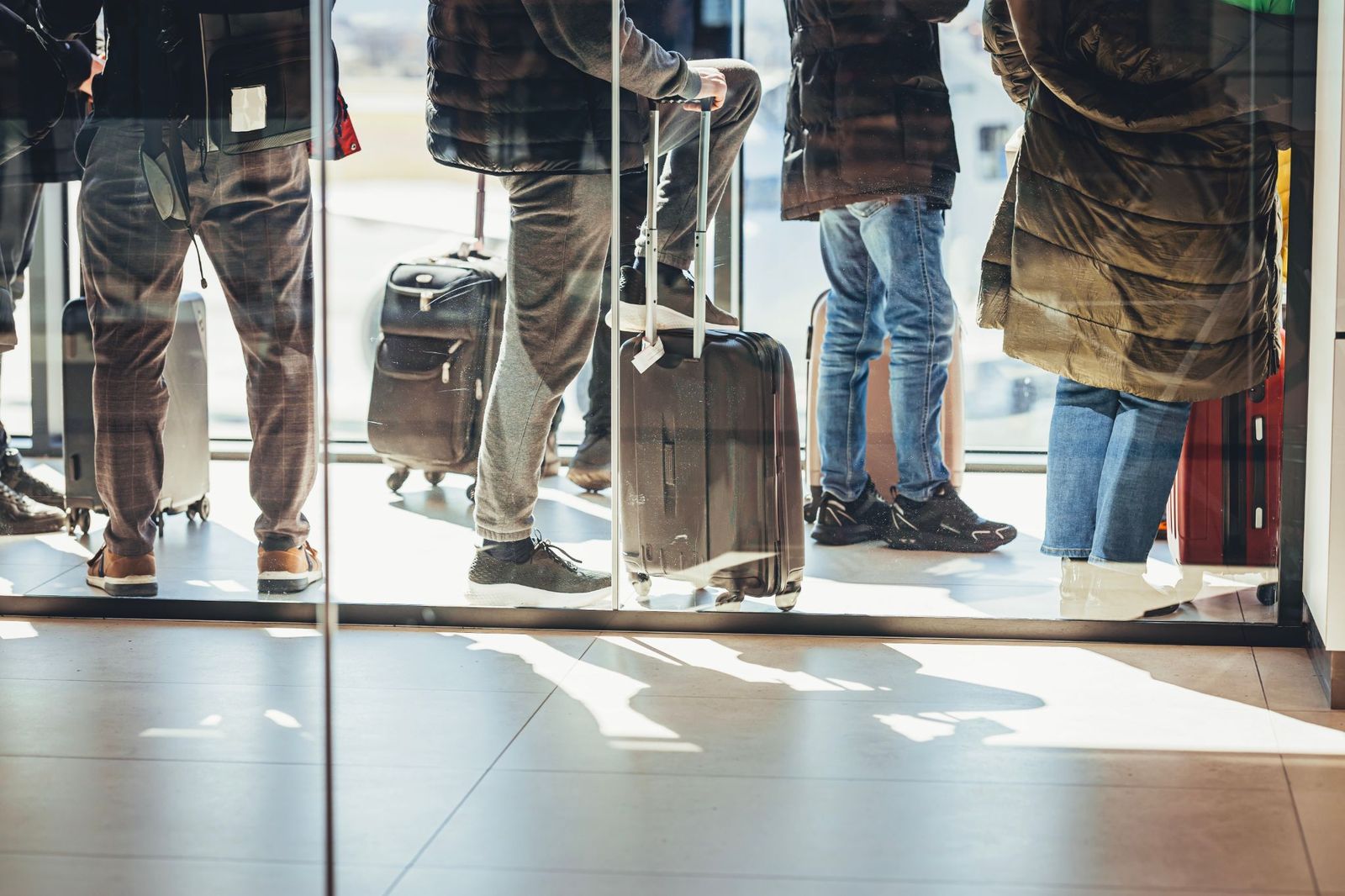
Everyone has done it at least once: piling on sweaters and jackets so your bag stays as light as possible. Because, luckily, there’s still no rule about how many clothes you can wear. But extra layers slow you down at security, where you have to take off every coat and jacket. A bulky outfit can also raise red flags with screeners.
Then there’s comfort. Planes can get warm, especially while you’re sitting at the gate. In 2015, Scottish boy band singer James McElvar collapsed from heat exhaustion on a flight after wearing 12 layers of clothes to avoid a baggage fee. The best thing to do is prevention. Choose one smart jacket and shoes, and the rest stays at home.
Sleeping at the airport
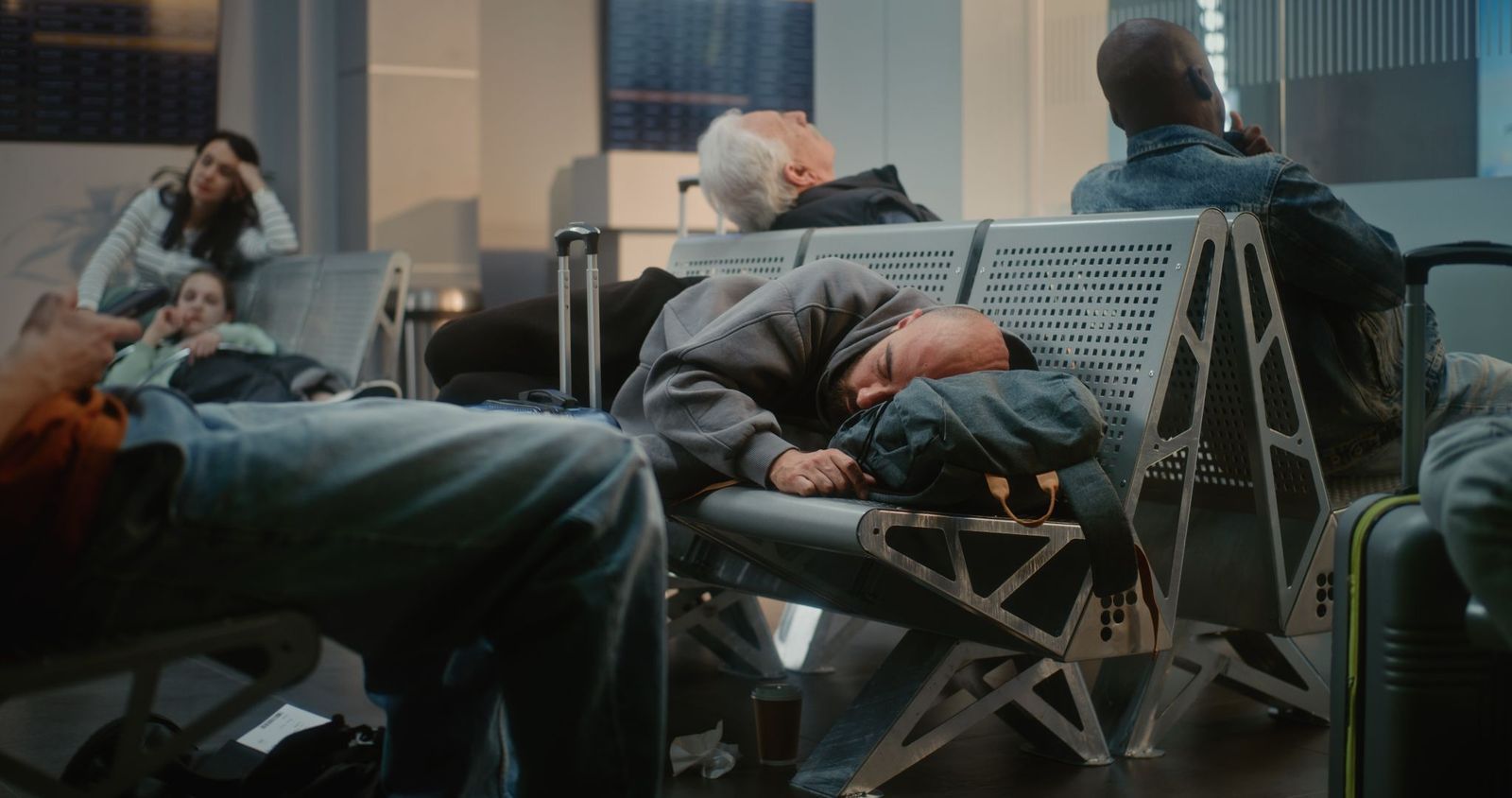
Spending the night at the airport before an early flight can save the cost of a hotel room. Most large airports allow it, especially if you have a boarding pass for an upcoming flight. But it’s rarely a good night’s sleep. Many seats have armrests you can’t lift, the lights stay on, and announcements and floor cleaners can keep going all night.
Some smaller airports also close overnight. Others shut down their security checkpoints, so you’re stuck in the public area until morning. At San Diego International, for example, overnight travelers have to stay outside security once the checkpoints close. If you plan to stay, check the airport’s website first, and always keep your bags close.
Where the Hobbit really lives, and the Von Trapp family had their house
Step into movies
Have I seen that? 10 iconic movie scenes you can visit in real life
There’s something about seeing the real-life locations where your favorite movies were shot or took place. From the streets of Paris and NYC to timeless Western settings and Hobbiton, here are the stunning real-world places that brought iconic films to life—and how to plan your visit.
New York City, in Breakfast at Tiffany’s

If you want to go for a walk around the famous Breakfast at Tiffany’s locations, released in 1961 and based on Truman Capote’s best-selling novel of the same name, New York City is the place to go. Start by heading to Fifth Avenue and 57th Street, outside the flagship Tiffany & Co., with a cup of coffee in a paper cup and a pastry in hand; just like Holly Golightly (Audrey Hepburn) did in the opening scene, while wearing her famous black Givenchy dress and sunglasses.
After that, you can stroll to 169 E 71st St on the Upper East Side, where the exterior of Holly's brownstone apartment was filmed. Finally, head to the Central Park location where Paul (George Peppard) meets Doc Golightly (Buddy Ebsen) near the park’s 72nd Street entrance, by the famous toy sailboat pond.
Rome, in Roman Holiday
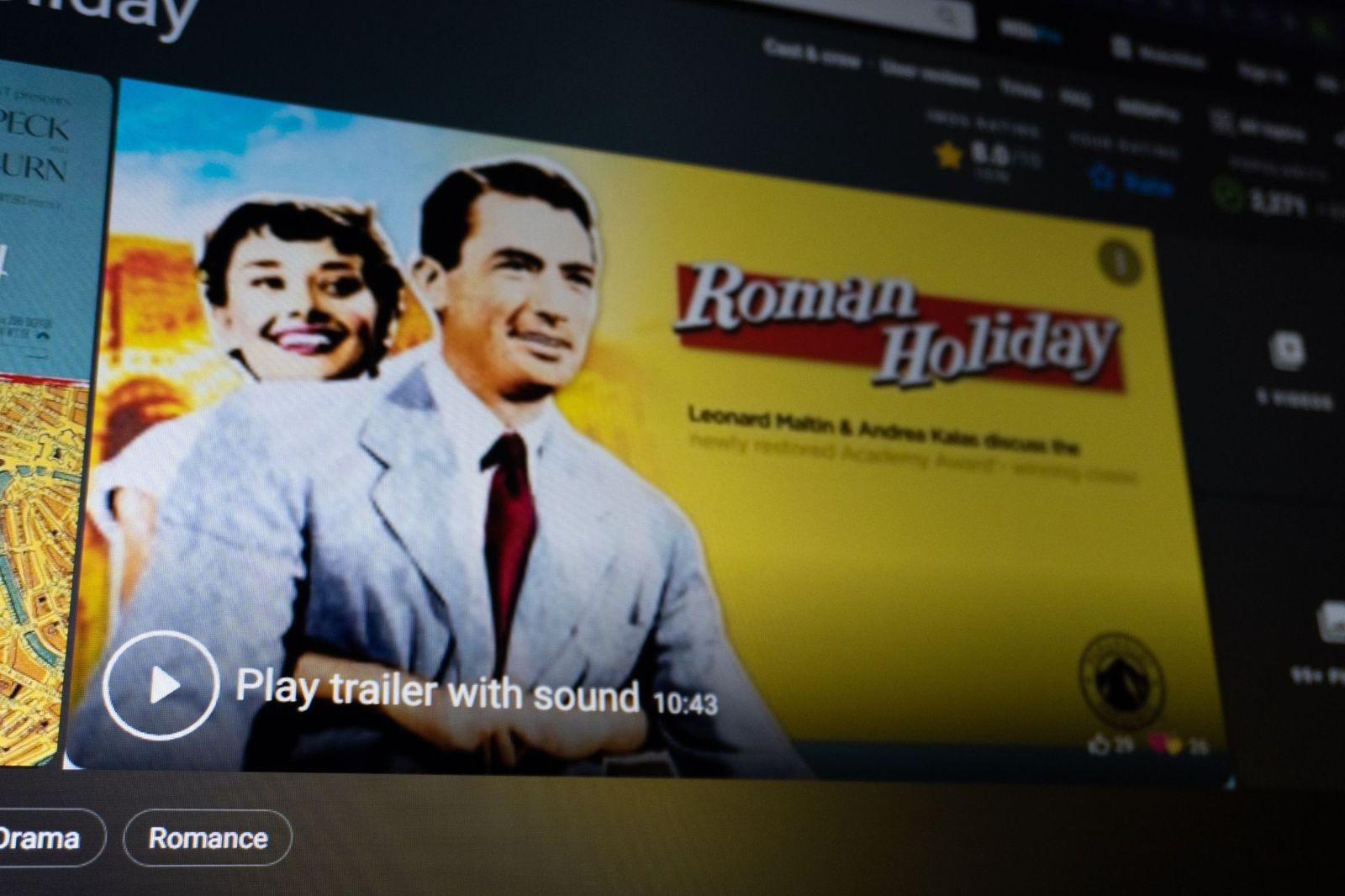
Rome features several iconic locations in the 1953 classic Roman Holiday. Among the iconic filming locations are the Spanish Steps, where Princess Anne (Audrey Hepburn) relaxes and eats gelato on these famous 18th-century stairs.
Another spot is the Mouth of Truth (Bocca della Verità), where Joe Bradley (Gregory Peck) and the Princess encounter the ancient stone face at the portico of the Basilica of Santa Maria in Cosmedin, and, of course, the Trevi Fountain, where Joe and the Princess stop.
Monument Valley, Arizona, in Stagecoach
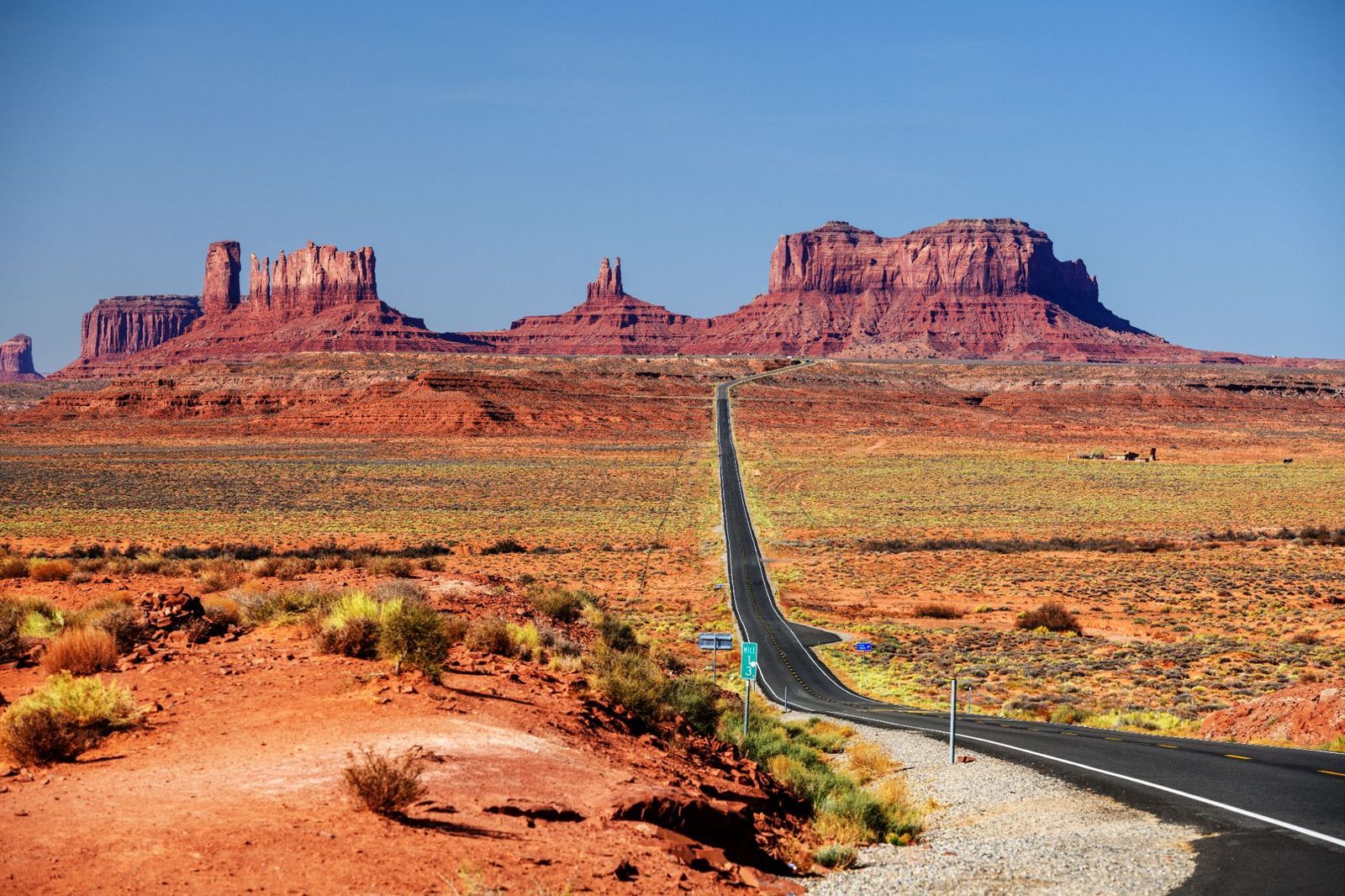
Director John Ford made Monument Valley famous by shooting his landmark Western Stagecoach there in 1939, helping establish John Wayne as a major Hollywood star. Its stunning red-sand desert region straddles the Arizona-Utah border and has become one of the defining images of the American West on film.
Located on the Navajo Nation Reservation, the valley extends from northeastern Arizona into southeastern Utah, and the Navajo Nation Parks Department manages it as a tribal park. Standout features include a scenic 27-kilometer dirt loop drive and guided tours by local Navajo operators.
Salzburg, Austria, in The Sound of Music
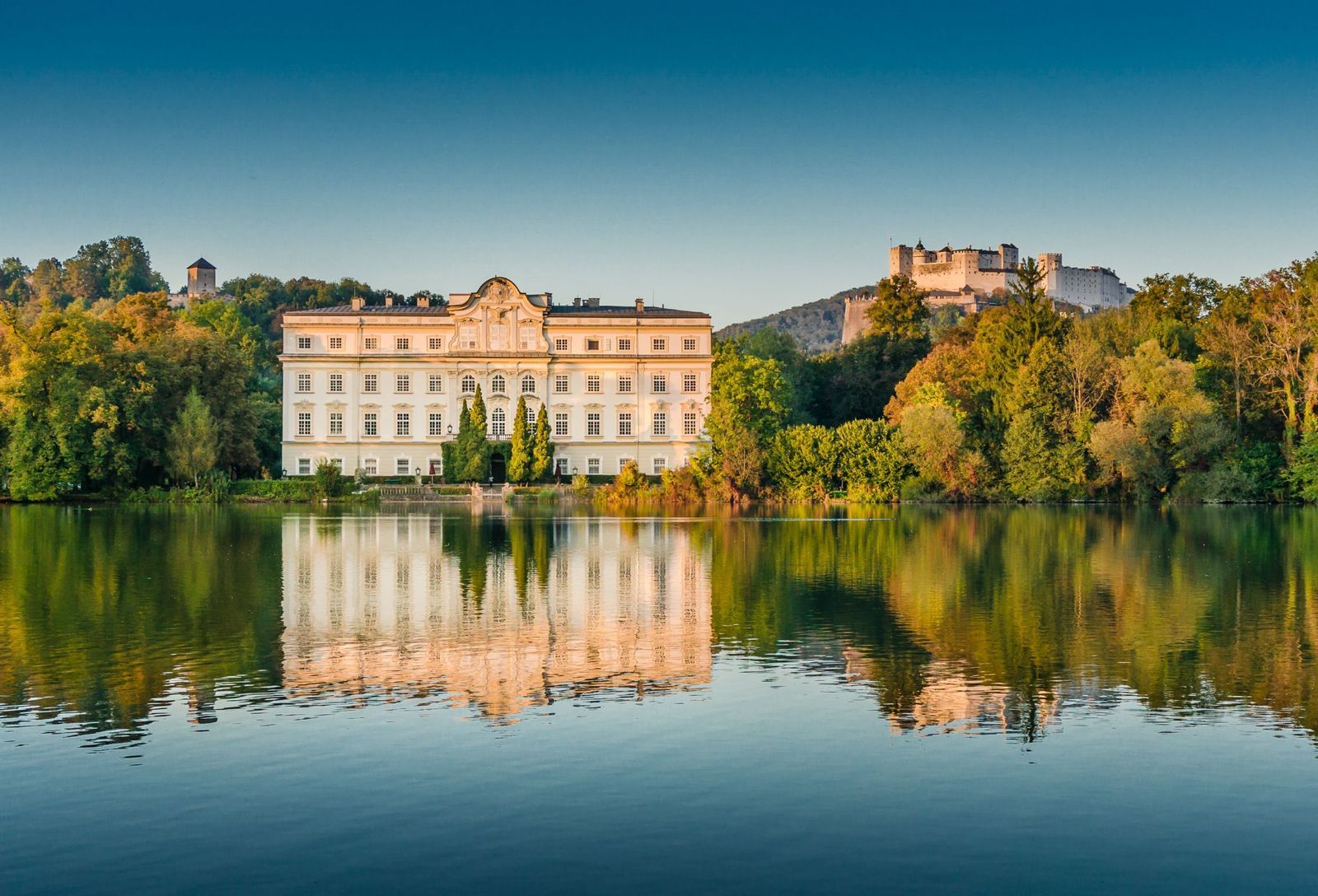
Who could forget Julie Andrews singing "The hills are alive with the sound of music" as Maria? This scene, and many other emblematic moments from 1965’s The Sound of Music, were filmed in or inspired by locations in and around Salzburg, Austria.
For example, the majestic Schloss Leopoldskron was the backdrop for the von Trapp family home, where the children fell into the lake. In another scene, Maria and the children sing "Do-Re-Mi" at the Mirabell Gardens while dancing around the Pegasus Fountain and jumping on the hedge stairs. The Hellbrunn Palace houses the famous glass gazebo where Liesl and Rolf danced and sang "I am 16, going on 17…", and the Mondsee Abbey, located 30 minutes outside Salzburg, is where the wedding scene was shot.
Paris in Amélie

You can visit several real-life locations in Paris featured in 2001’s Amélie, mostly centered in the bohemian Montmartre neighborhood. One of the most famous is the Café des Deux Moulins, at 15 Rue Lepic, which is the actual café where Amélie (Audrey Tautou) worked as a waitress. Stop by for a coffee or order a crème brûlée to crack with a spoon, just like in the movie.
Other options are the Canal Saint-Martin, a 19th-century tree-shaded waterway in eastern Paris where Amélie goes to skip stones, and Studio 28, located at 10 Rue Tholozé; this historic single-screen Montmartre cinema is where Amélie watches people in the audience.
Petra, Jordan, in Indiana Jones and the Last Crusade
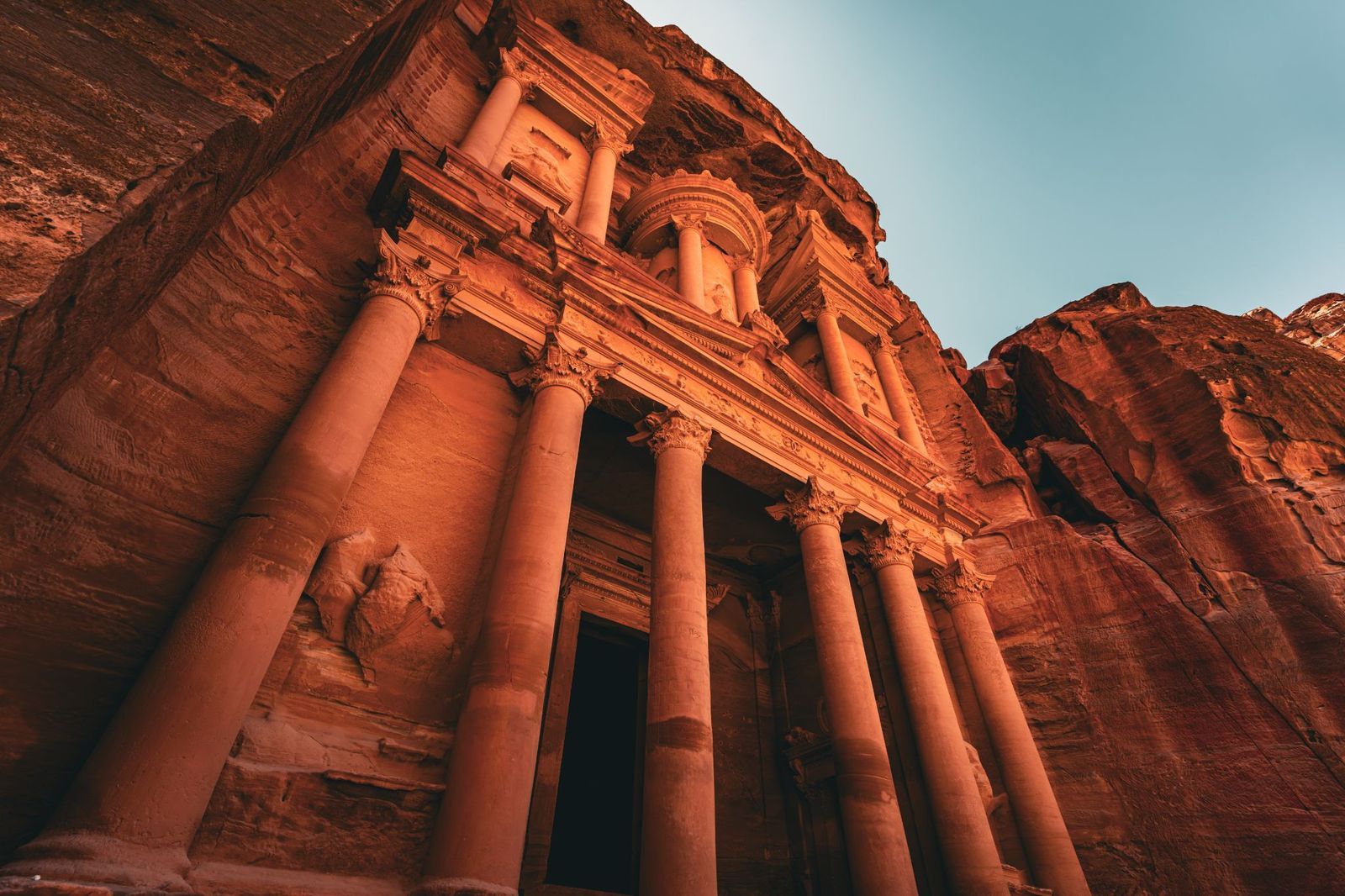
The majestic Petra, Jordan, served as the fictional "Canyon of the Crescent Moon" where the Holy Grail was kept in Indiana Jones and the Last Crusade, released in 1989.
The massive, ornate facade carved directly into the rose-red sandstone cliffs, is the most famous site in Petra. Built by the Nabataeans over 2,000 years ago, it served as a royal tomb and temple rather than a hiding place for the Holy Grail. Nowadays, visitors can walk through the Siq, a long and narrow canyon, just like in the movie. It’s recognized as one of the New Seven Wonders of the World.
Skopelos, Greece, in Mamma Mia!
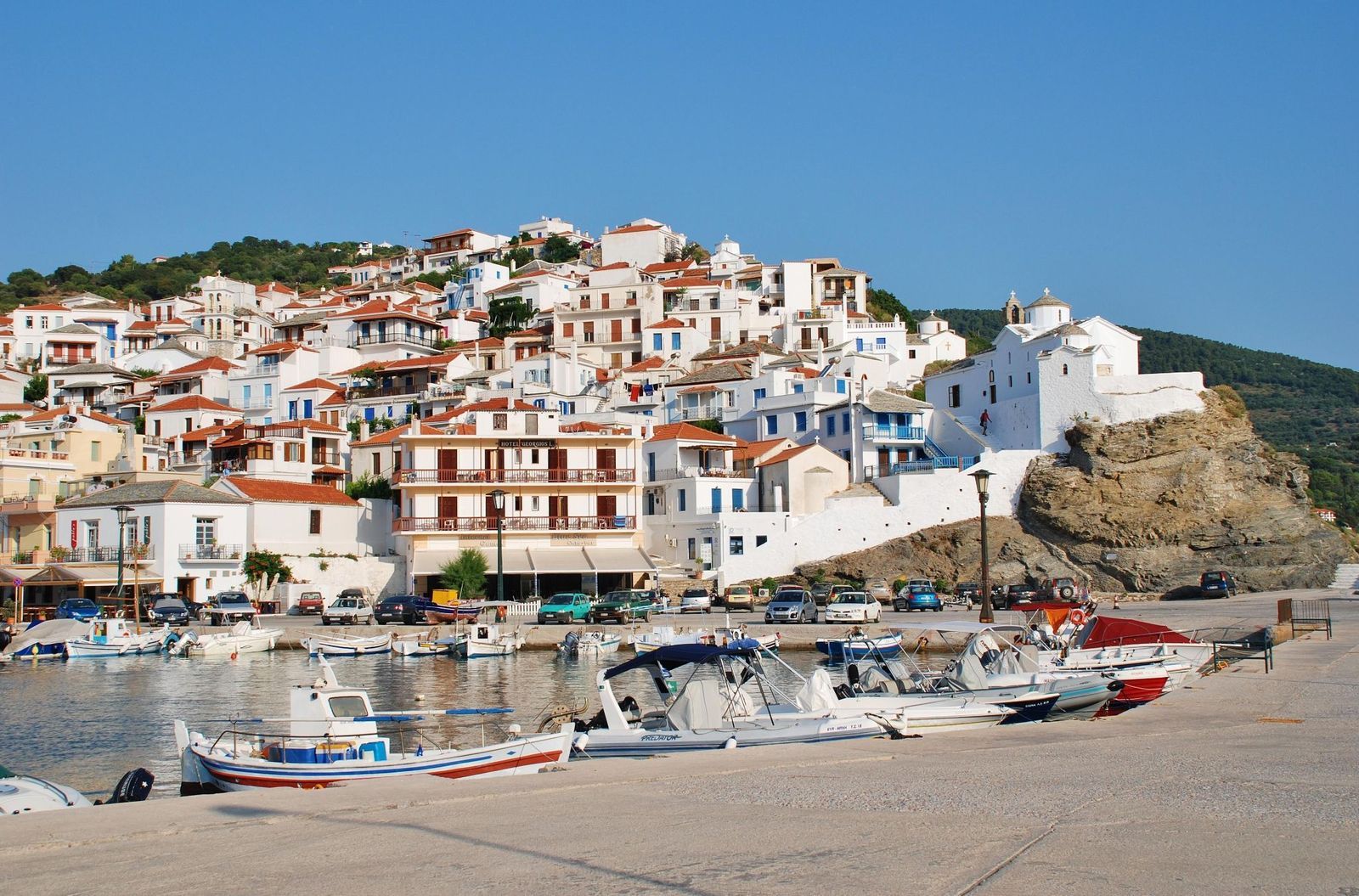
You know the ABBA soundtrack by heart, but if you head over to Skopelos, Greece, would you identify the spots where 2008’s Mamma Mia! was filmed? Fortunately, we know exactly where to look.
Skopelos served as the primary real-life setting for the fictional island of Kalokairi in Mamma Mia!, based on the hit Broadway musical. For example, the Agios Ioannis Kastri Chapel, a tiny clifftop church with nearly 200 steps carved into the rock, is where the famous wedding scenes and "The Winner Takes It All" performance were filmed. And don’t forget Cape Amarandos with its pine-covered cliffs featured in scenes like "Our Last Summer" and Sophie Sheridan (Amanda Seyfried) reading her mother's diary.
Dubrovnik, Croatia, in Star Wars: The Last Jedi
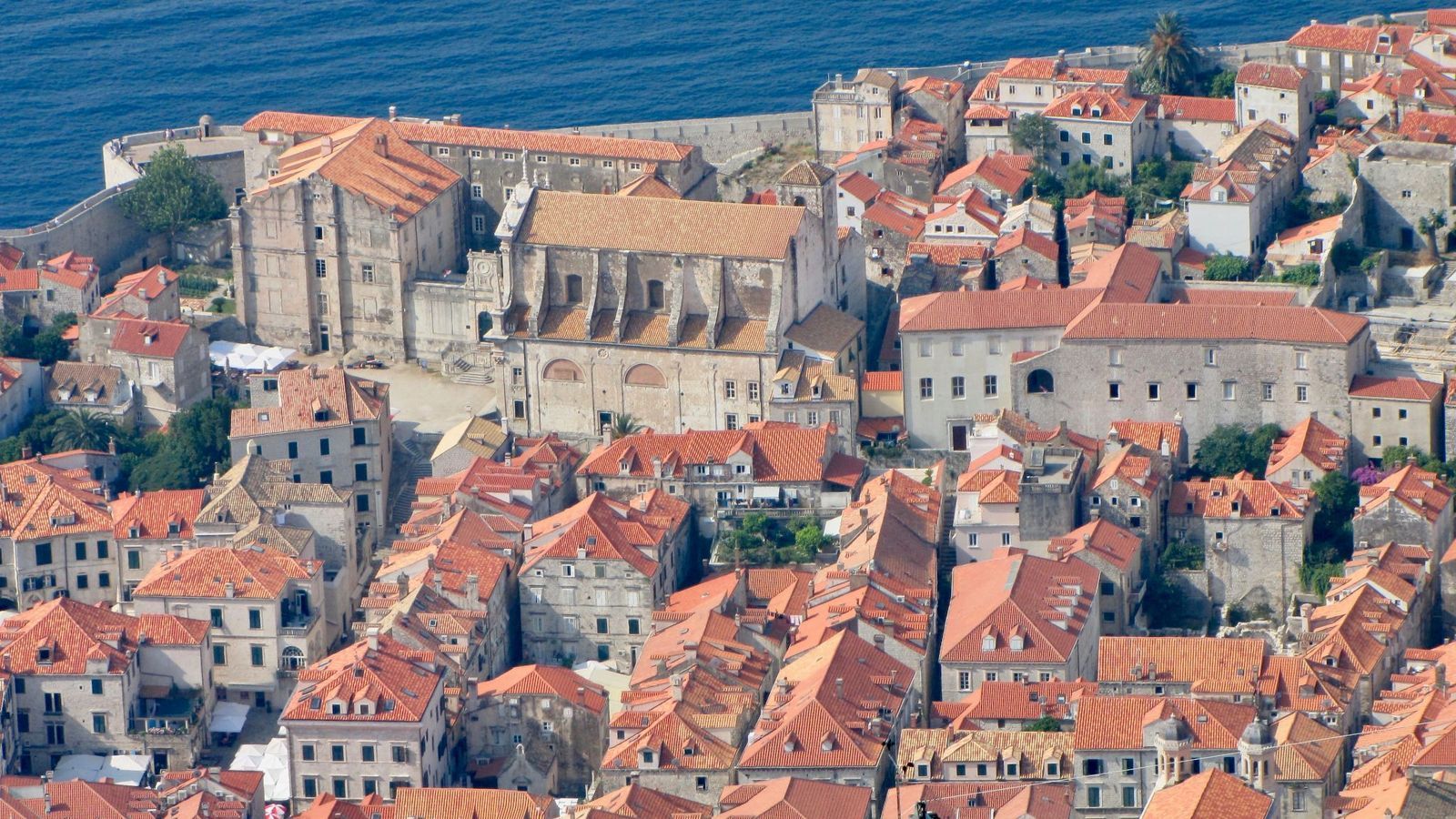
The historic Old Town of Dubrovnik in Croatia provided a key backdrop for 2017’s blockbuster film Star Wars: The Last Jedi. Specifically, this Croatian city stands in for the glitzy casino city of "Canto Bight."
The main limestone-paved street, Stradun, and surrounding areas were transformed into sleek, futuristic streets where Finn and Rose carried out their mission, thanks to production teams relying on a mix of physical and digital illusions (including practical set dressings and CGI). The city is also famous for portraying King's Landing in Game of Thrones. So, whether you’re a Star Wars fan, a Game of Thrones fan, or both, Dubrovnik belongs on the list.
Ushuaia, Argentina, in The Revenant
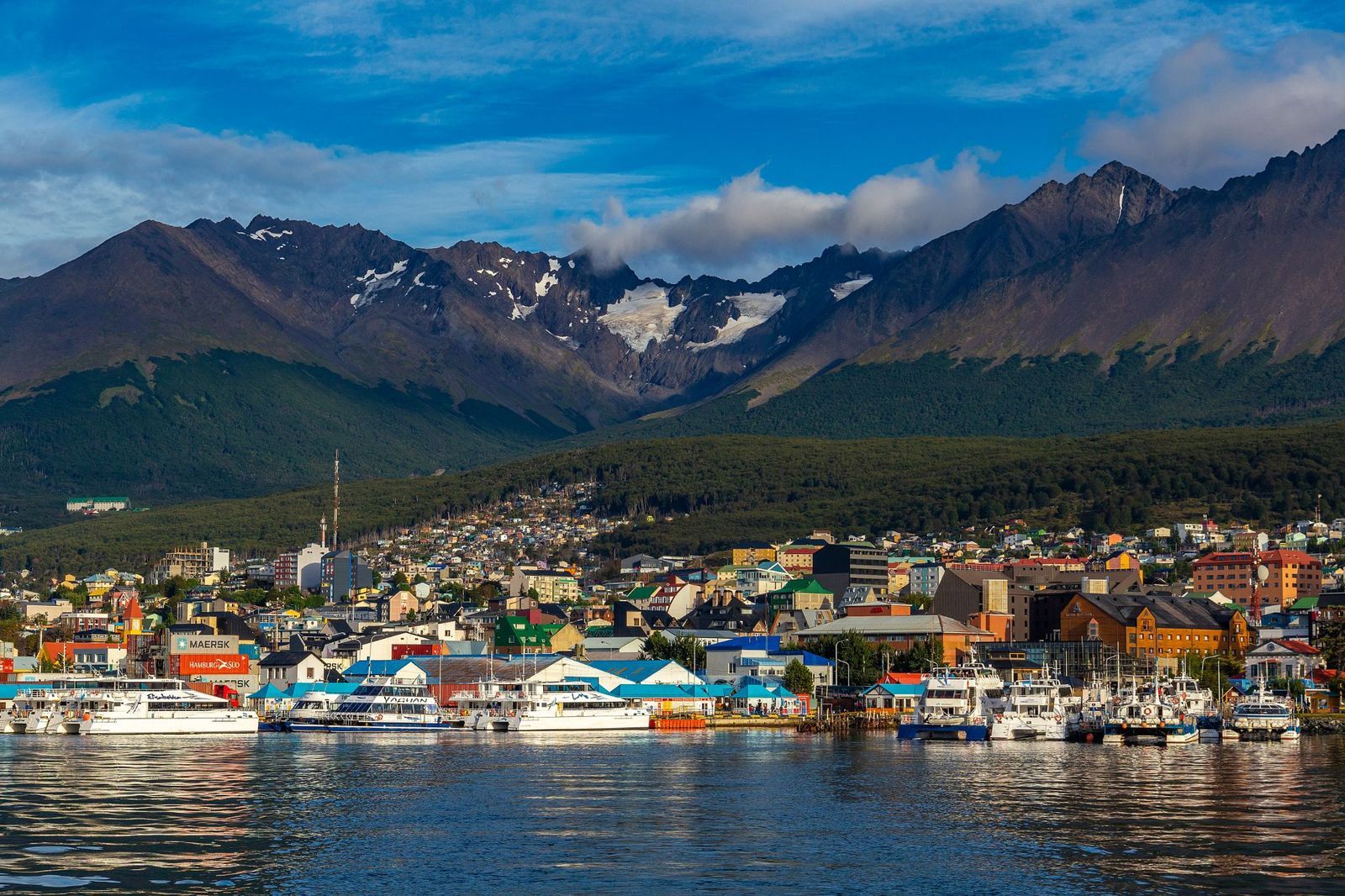
Ushuaia, Argentina, served as the stunning backdrop for the intense closing showdown in 2015’s The Revenant. Scenes were shot along the banks of the Olivia River near National Route 3 outside of Ushuaia.
The production was originally filmed in Alberta, Canada, but a sudden lack of snow forced director Alejandro González Iñárritu to relocate the crew to the southernmost tip of South America to finish the movie. The brutal final fight sequence between Hugh Glass (Leonardo DiCaprio) and John Fitzgerald (Tom Hardy) was filmed here in the snow-covered Patagonian landscape.
Matamata, New Zealand, in The Lord of the Rings

Matamata, New Zealand, is the real-life location of the Shire and the Hobbiton movie set from The Lord of the Rings, the beloved fantasy saga created by J.R.R. Tolkien and adapted for several films by Peter Jackson from 2001 onwards.
The rolling green pastures of the Shire in real life are part of a working sheep and dairy farm in the Waikato region near Matamata. The crews built 39 temporary hobbit holes for the original trilogy, then permanently reconstructed the set in 2009 for The Hobbit trilogy, which began with The Hobbit: An Unexpected Journey in 2012. If you’re thinking of heading over, take note that visitors can walk past Bag End, cross the stone bridge, and even have a drink at the Green Dragon Inn.

10 American bands & musicians became icons
 Culture
Made in USA
10 American bands & musicians that became icons
Before the Internet blew up, they had already conquered the world. These artists didn’t just make music; they rewrote culture. Elvis, Madonna, Michael Jackson, and more changed the music scene around the globe, becoming before-and-after sensations in entertainment history. Discover 10 Americans who not only made us sing and dance, but changed the way we experience music forever.
Elvis Presley – The birth of rock stardom

Elvis Presley, A.K.A The King of Rock and Roll, was an iconic American singer and songwriter. Born in 1935 in Tupelo, Mississippi, and raised in Memphis, Tennessee, Elvis grew up surrounded by music from the American South. This later influenced his style and turned him into a revolutionary artist who blended rock with gospel, country music, and R&B, giving rise to a new style known as rockabilly.
Not only that, his story represented the birth of modern global stardom. His career began in 1954, before influencers and algorithms. During that time, he became the first international star, having sold over a billion records globally, thanks to the combination of his talent, good looks, and charisma.
Bob Dylan – Voice of a generation

Bob Dylan, born Robert Allen Zimmerman, was a legendary American singer, songwriter, poet, and cultural star. His talent was so impactful that he was the first and only musician to have ever won the Nobel Prize in literature, cited for having created new poetic expressions within the great American song tradition.
During the 1960s, Dylan revolutionized songwriting by introducing poetic, intellectual, and socially charged issues into his songs. He also shocked many when he began incorporating electronic instruments, forever changing the landscape of traditional rock and roll.
Bruce Springsteen – Working-class storytelling

Bruce Springsteen, also known as The Boss, was born in 1949 in Freehold, New Jersey, and became a ground-breaking American singer, songwriter, and rock star. He was raised in a working-class family, which led him to develop a blend of cinematic narratives about ordinary day-to-day Americans, with roaring rock and roll soundtracks.
More specifically, his mother was known for being the breadwinner of the household, while his father struggled to maintain a job and with depression. Against all odds, in 1975, he skyrocketed to fame with his landmark album Born to Run.
With over 140 million records sold throughout his career, 20 Grammy awards, and an Oscar, this mythical performer has impacted the lives of many and influenced the music industry like very few others.
Michael Jackson – Global pop phenomenon

Also known as The King of Pop, Michael Jackson remains one of the most successful entertainers of all time, known for his incredible abilities in singing, songwriting, and dancing.
He is greatly admired for transforming popular music, shattering social barriers, and elevating music videos into cinematic art, with complex production and incredible choreographies; like ‘Thriller’, which is also the best-selling album in the history of the world.
Jackson was born in 1958 in Gary, Indiana, in a strict, working-class African-American family with strong roots tied to the industrial Midwest. He began his artistic career at the young age of five as the lead singer of The Jackson 5, alongside his siblings.
Madonna – Reinvention as power

She is the undisputed Queen of Pop. Born Madonna Louise Ciccone in 1958 in Bay City, Michigan, she later became the best-selling female artist in the world, with over 305 million albums sold worldwide.
She brought all sorts of taboo subjects into mainstream media and developed a continuous chameleon-like image, refusing to be stuck in one specific look; she consistently evolved into different looks and sounds, turning reinvention into a form of personal super-power.
The Beach Boys – California Dreamin'

Brian Wilson is known as the main creative mastermind behind The Beach Boys. Famously known for being afraid of the ocean and rarely going to the beach, Wilson co-created The California Myth, painting a vibrant picture of Southern California and co-crafting with his cousin, Mike Love, the West Coast Sunny Utopia, which coincided with its tourism boom in the 1960s.
He was also a vocal and sound genius, dedicating hours to teaching his cousins complex harmonic music. Pet Sounds is considered a revolutionary rock album, released in 1966, cited by Paul McCartney as an inspiration for The Beatles.
Nirvana – Rebellion and cultural shift

Formed in 1987 by Kurt Cobain (lead vocals & guitar) and Krist Novoselic (bass), with Dave Grohl (drums), Nirvana became an iconic American band. Their unique sound, characterized as raw and grunge, led to punk rock reaching the mainstream music scene.
Kurt Cobain had a crucial role in all this as he was the frontman, lead singer, songwriter, and main architect of the ensemble. Not only that, but he came from a small town called Aberdeen in Washington, where he felt alienated and often alone, heavily influencing his worldview and music. In 1991, the song Smells Like Teen Spirit was released and managed to knock off Michael Jacon from the top of the charts!
Johnny Cash – Outlaw image

Johnny Cash was born in Kingsland, Arkansas, in 1932. Just like Elvis, he rose to fame later on with Sun Records in Memphis, universally known as The Man in Black. This is because when country music was strongly associated with stars and rhinestones, Cash wore all black in protest of the poor, the prisoners, and the outlaws.
His authenticity and cultural impact turned him into a towering American singer and songwriter who blended myth with genuine rebellion, alongside his deep bass-baritone voice, with which he unapologetically advocated for those forgotten in society.
Although he never served hard prison time, he was arrested a few times for substance abuse problems, amongst other issues, magnifying his renegade persona.
Aretha Franklin – Voice and civil rights

Aretha Franklin, the irreplaceable Queen of Soul, was born in 1942 in Memphis, Tennessee. She is a legendary American singer, especially known for her unparalleled vocal power and her emotional intensity, as well as her commitment and impact on giving a voice to African American and women's rights movements of the 1960s.
In 1987, she made history by becoming the first woman inducted into the Rock and Roll Hall of Fame, having had incredibly successful hits such as (You Make Me Feel Like) a Natural Woman, Think, and I Never Loved a Man (the way I love you).
Prince – Genius and mystique

In Minneapolis, Minnesota, in 1958, the musical mastermind, multi-instrumentalist, and cultural icon, Prince Rogers Nelson, was born. Some referred to him as The One Band Man, since on many of his seminal records, such as Purple Rain, he wrote, arranged, produced, and performed every single instrument himself.
In parallel to his mysterious persona and incredible talent, he had an impeccable work ethic, which led him to pioneer what then became known as the Minneapolis Sound, while having written some of the most famous songs ever, including Nothing Compares 2 U (Sinead O’Connor) and Manic Monday (The Bangles).
Keep wandering
There’s always
more to explore
Some of these state fairs have seriously weird attractions
5 min.
Read Now
Why you should never travel on an empty stomach
3 min.
Read Now
Do you still need a paper boarding pass? 10 must-know flying rules
5 min.
Read Now
Did you know that you can see another galaxy without a telescope?
5 min.
Read Now