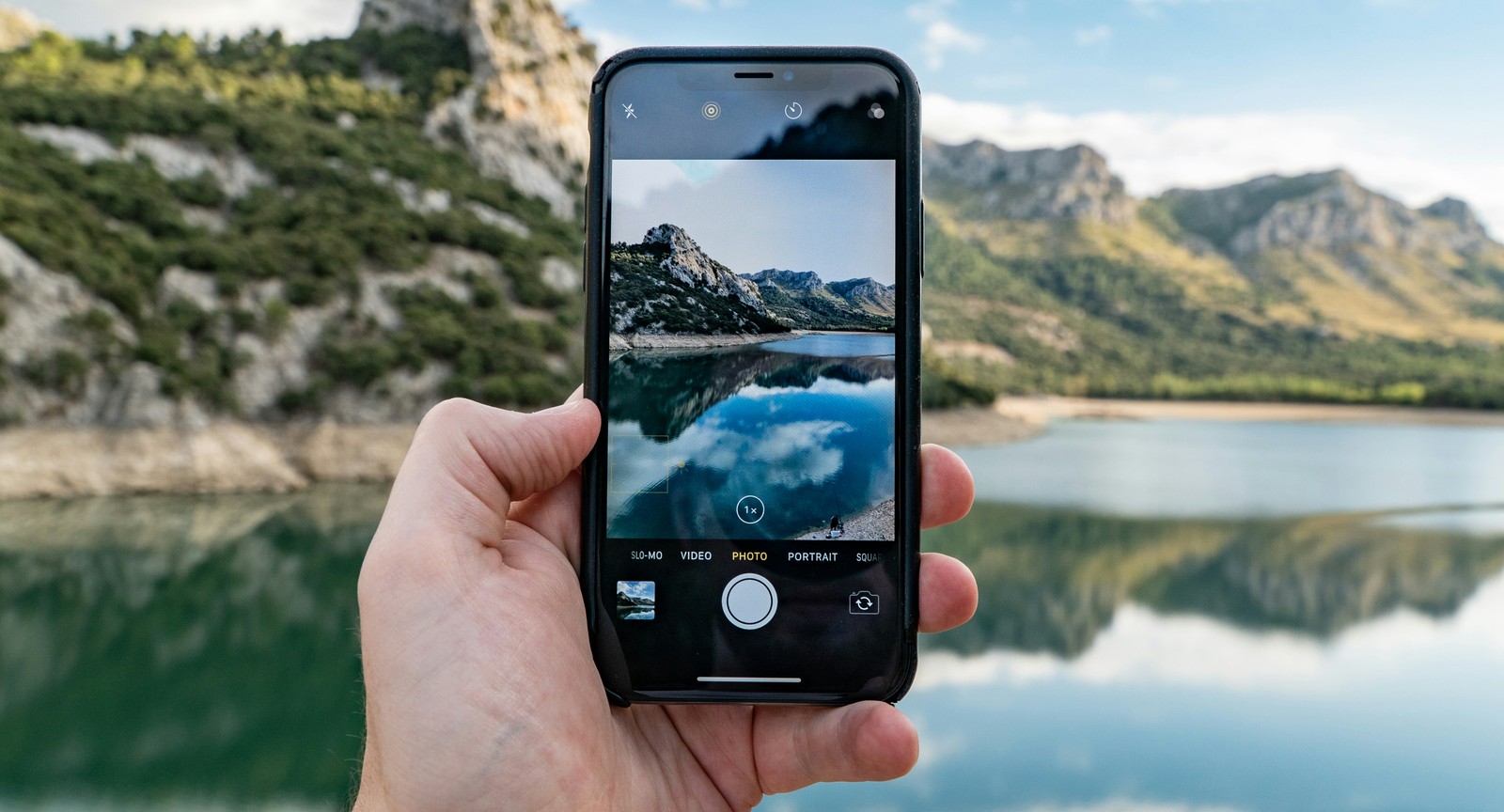
Why do pros take amazing photos even with a smartphone? 12 tips explained
 General
Say cheese!
Why do pros take amazing photos even with a smartphone? 12 tips explained
Smartphone cameras have become surprisingly powerful, but great photos still depend more on technique than technology. Professional photographers often rely on the same basic principles, whether they’re using a phone or a high-end camera. Small adjustments in lighting, composition, and stability can dramatically improve everyday snapshots and turn your humble vacation or trip pictures into beautiful portraits worth printing.
Clean the lens before every photo
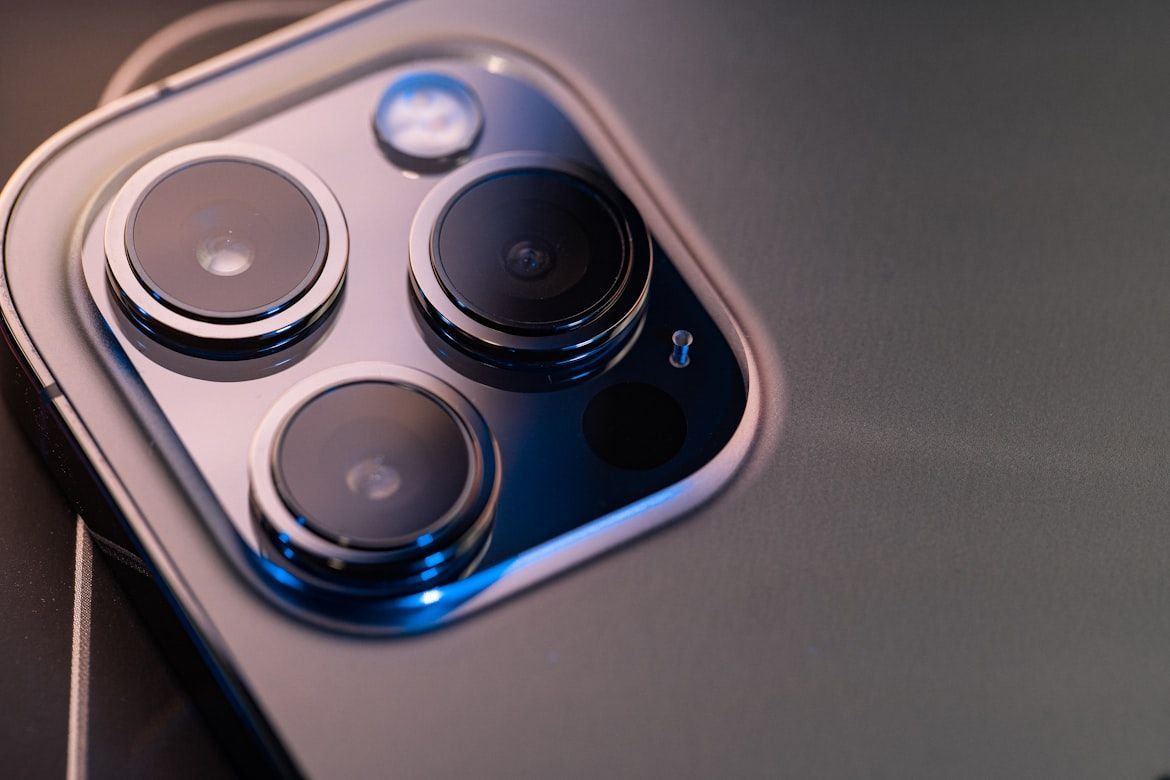
A phone spends most of its life in pockets, purses, and hands, collecting fingerprints, dust, and oils. Even a tiny smudge can soften details, reduce contrast, and create strange glare around lights, especially at night.
Many photography experts recommend giving the lens a quick wipe with a clean microfiber cloth before shooting. It’s one of the fastest ways to improve sharpness without changing any camera settings.
Use the grid feature for better composition
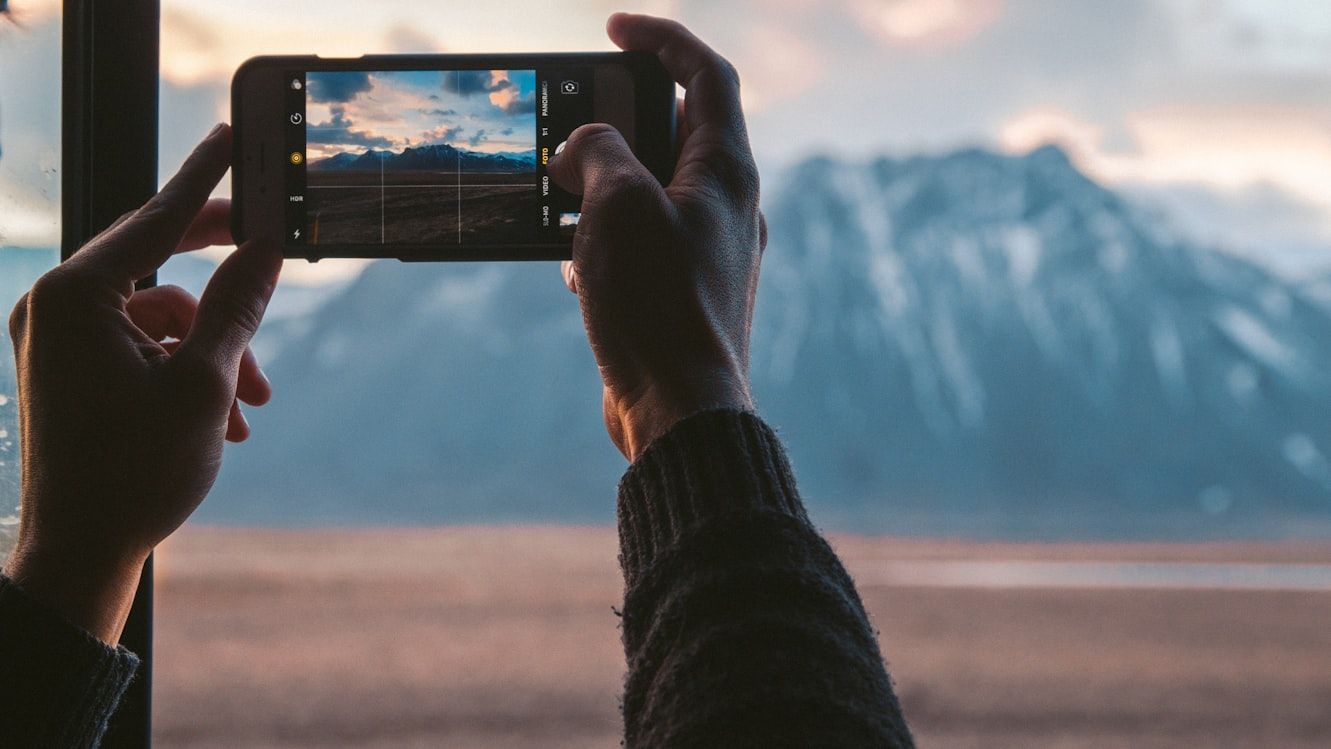
Most smartphones include a built-in grid that divides the screen into sections. This feature helps photographers apply the famous "rule of thirds": a composition technique used for decades in photography and filmmaking.
Instead of placing your subject directly in the center, try positioning it near a grid intersection. The result often feels more balanced, natural, and visually interesting.
Tap the screen to control focus manually
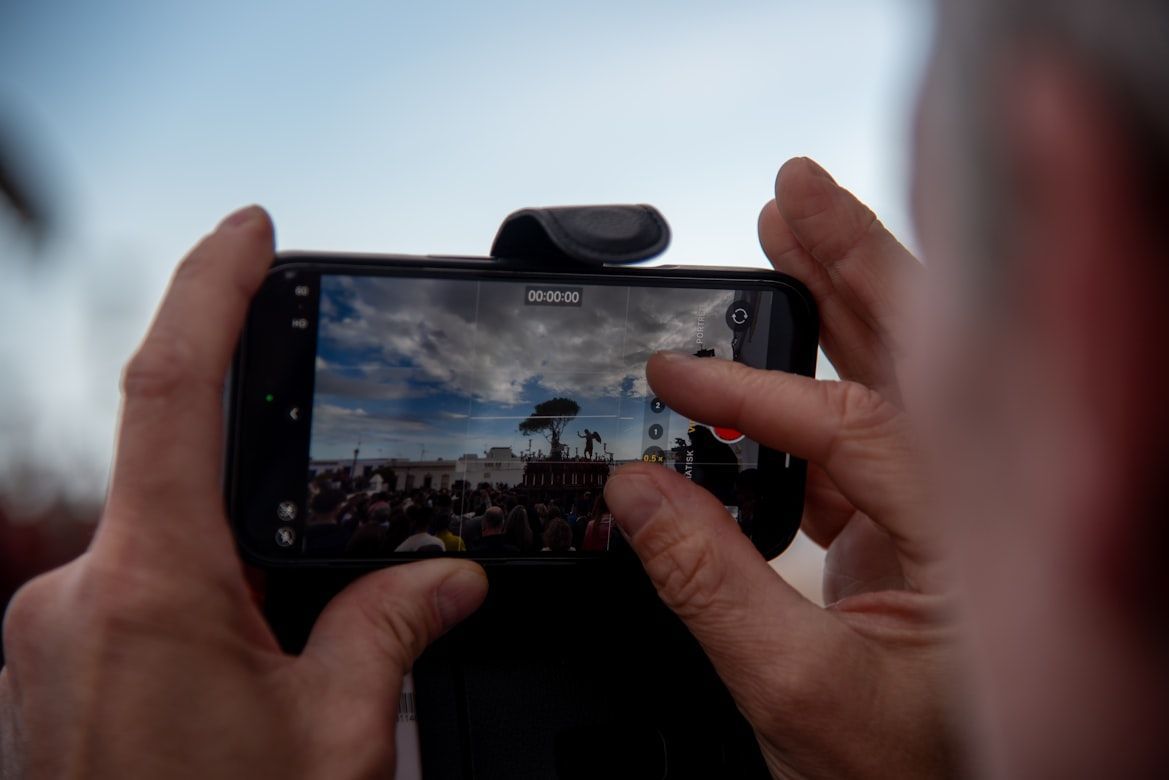
A phone camera doesn’t always focus on the part of the scene you want. If you’re photographing a person, flower, pet, or distant object, automatic focus may choose the wrong subject.
A simple tap on the screen tells the camera exactly where to focus. Many phones also allow you to adjust brightness after tapping, giving you more control over the final image.
Avoid using digital zoom whenever possible
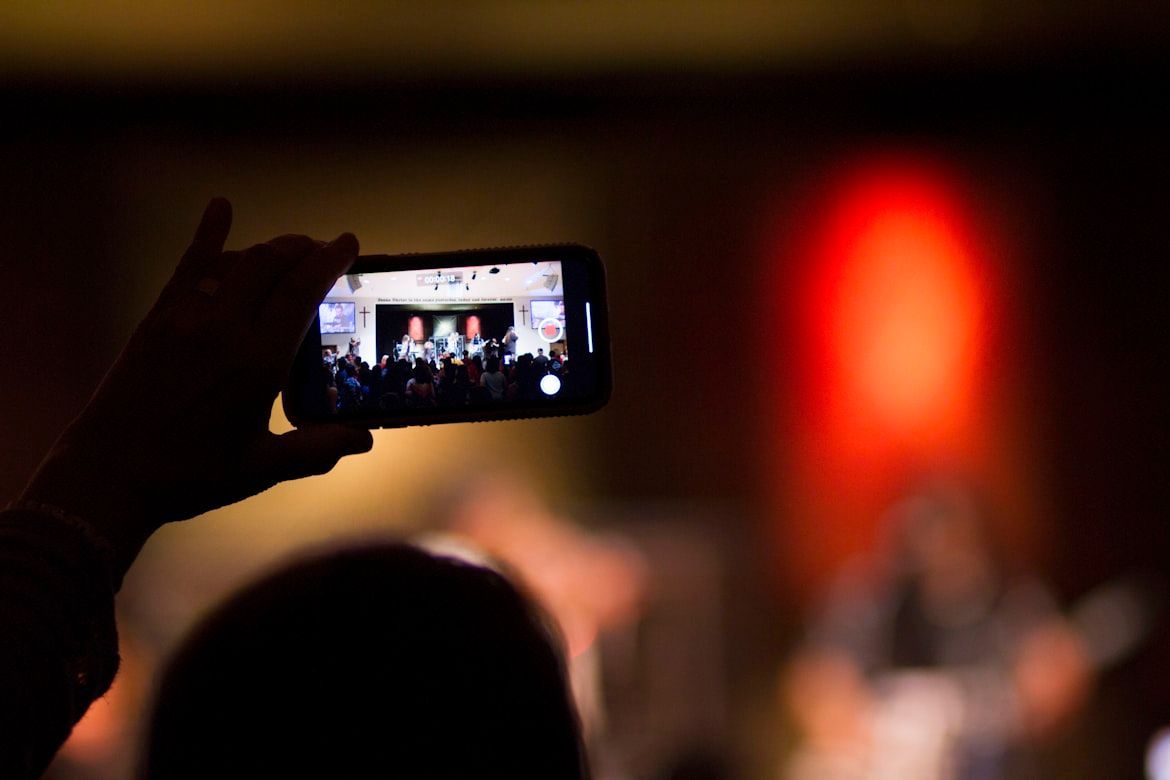
Digital zoom often reduces image quality because it simply crops and enlarges part of the photo. The farther you zoom digitally, the more detail you lose.
Photography instructors frequently recommend moving closer to the subject instead. If that’s impossible, take the photo normally and crop it later during editing for better results.
Use natural light whenever you can

Light is one of the most important ingredients of photography. Smartphone cameras generally perform best when they have plenty of natural light to work with.
Outdoors, even soft, cloudy light can produce excellent results. Indoors, try standing near a window rather than relying on overhead lighting, which can create harsh shadows and odd colors.
Hold your phone with both hands for steadier shots
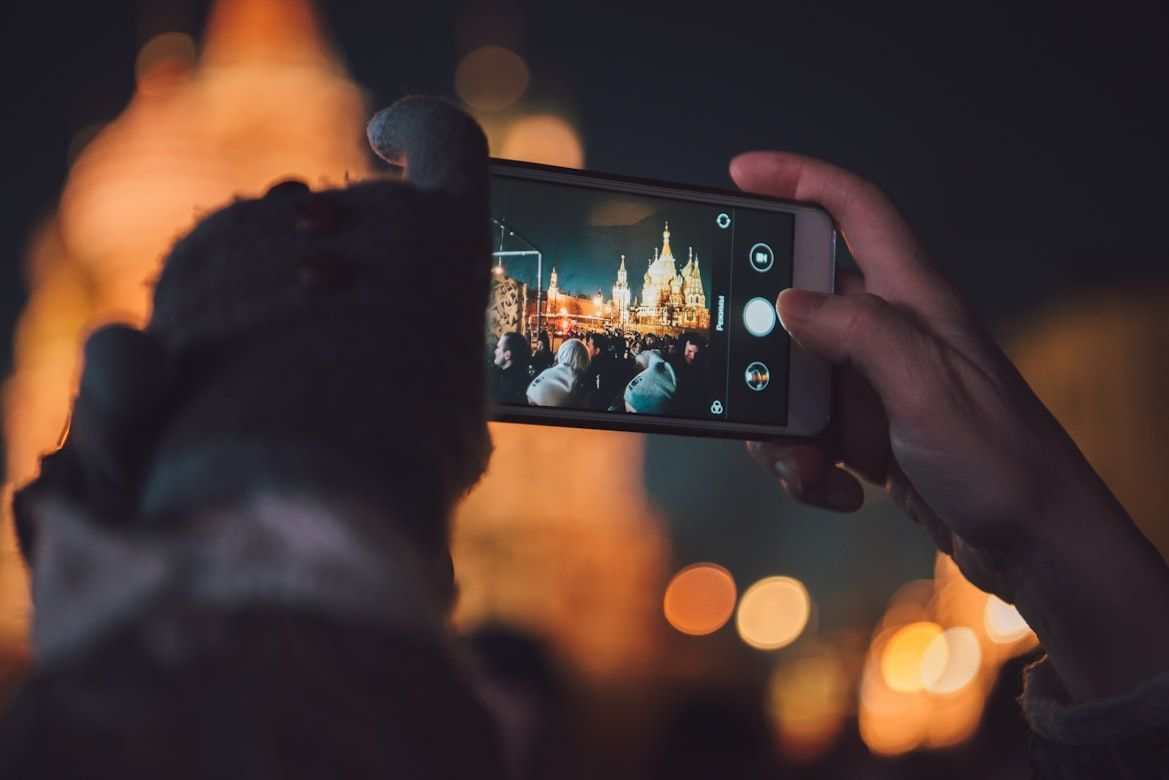
Tiny movements often cause blurry photos during exposure. This becomes especially noticeable indoors or in low-light situations.
Holding your phone with both hands creates a more stable platform and reduces camera shake. Some photographers also brace their elbows against their bodies or lean against a wall for extra steadiness.
Try portrait mode for people and pets

Portrait mode uses software and depth sensors to blur the background while keeping the subject sharp. The effect mimics the shallow depth of field commonly seen in professional photography.
Although designed for people, portrait mode often works well for pets, flowers, and other close subjects as well. A little separation between the subject and background usually produces the best results.
Take photos during "golden hour"

Photographers often call the hour after sunrise and the hour before sunset the "golden hour." During this period, sunlight becomes softer, warmer, and more flattering than the harsh midday sun.
The lower angle of the sun creates longer shadows and richer colors. Landscapes, travel photos, and portraits often look dramatically better during these times.
Use burst mode for moving subjects
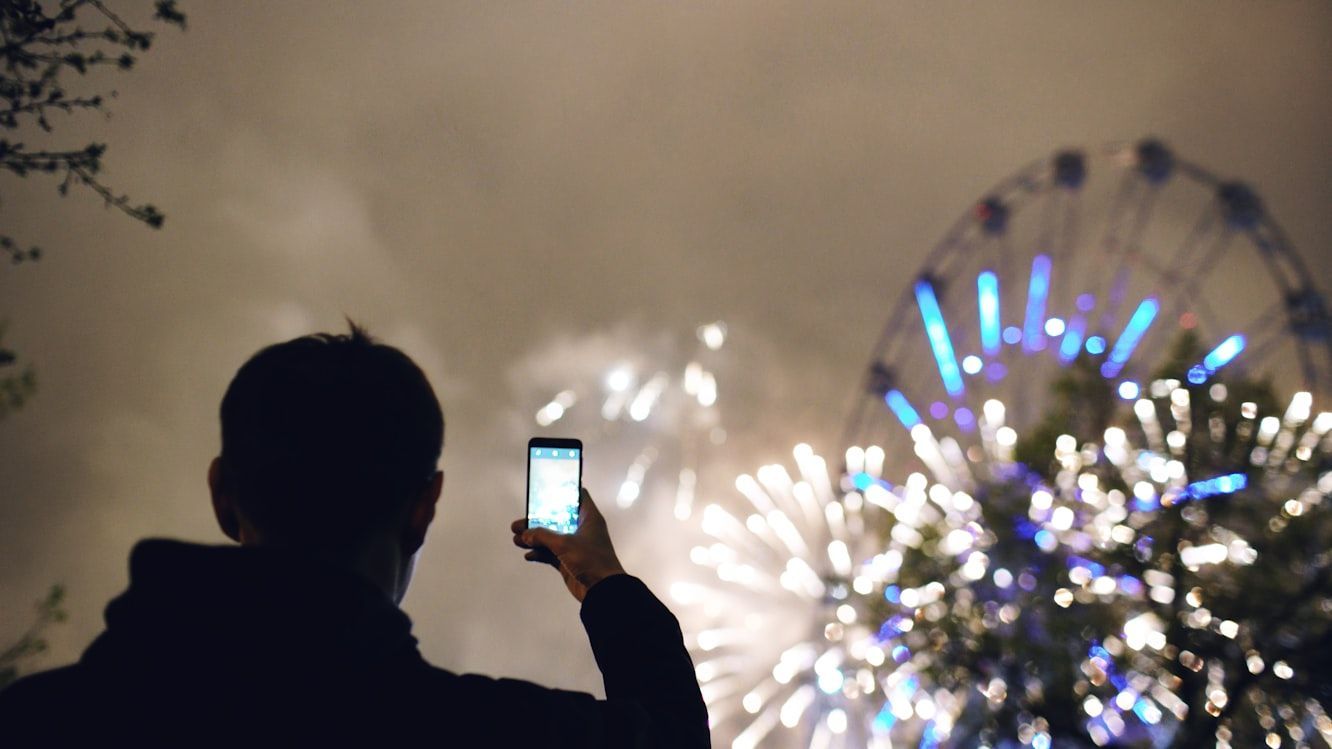
Children, pets, athletes, fireworks, and wildlife rarely stay still long enough for a perfect photo. Timing a single shot can be difficult.
Burst mode solves the problem by capturing multiple images in rapid succession. Afterwards, you can simply choose the sharpest frame or the one with the best expression or action.
Keep the horizon level in landscape shots
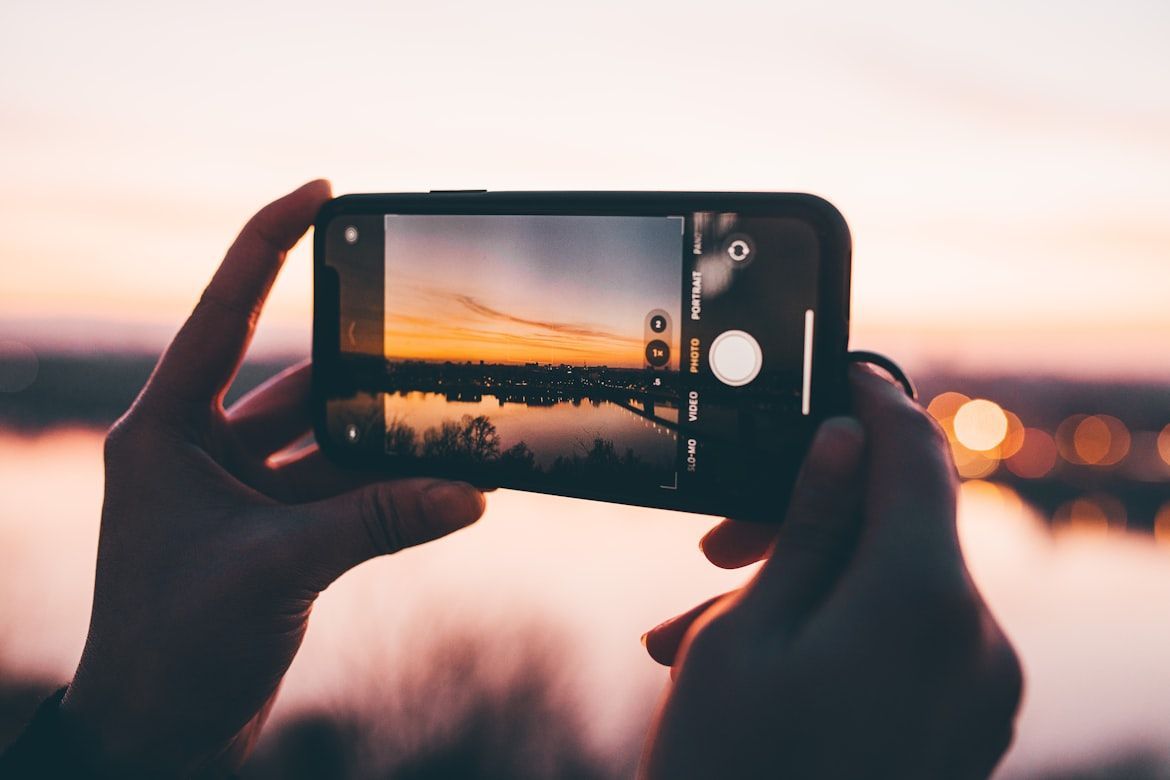
Nothing makes a landscape photo look amateurish faster than a crooked horizon. Even a slight tilt can make oceans, lakes, and skylines feel visually off-balance.
Using your phone’s grid lines can help keep horizons straight, but even without them, paying close attention to how level the framing is works. Many editing apps also allow quick corrections afterward if a photo needs a small adjustment.
Don’t rely too heavily on flash
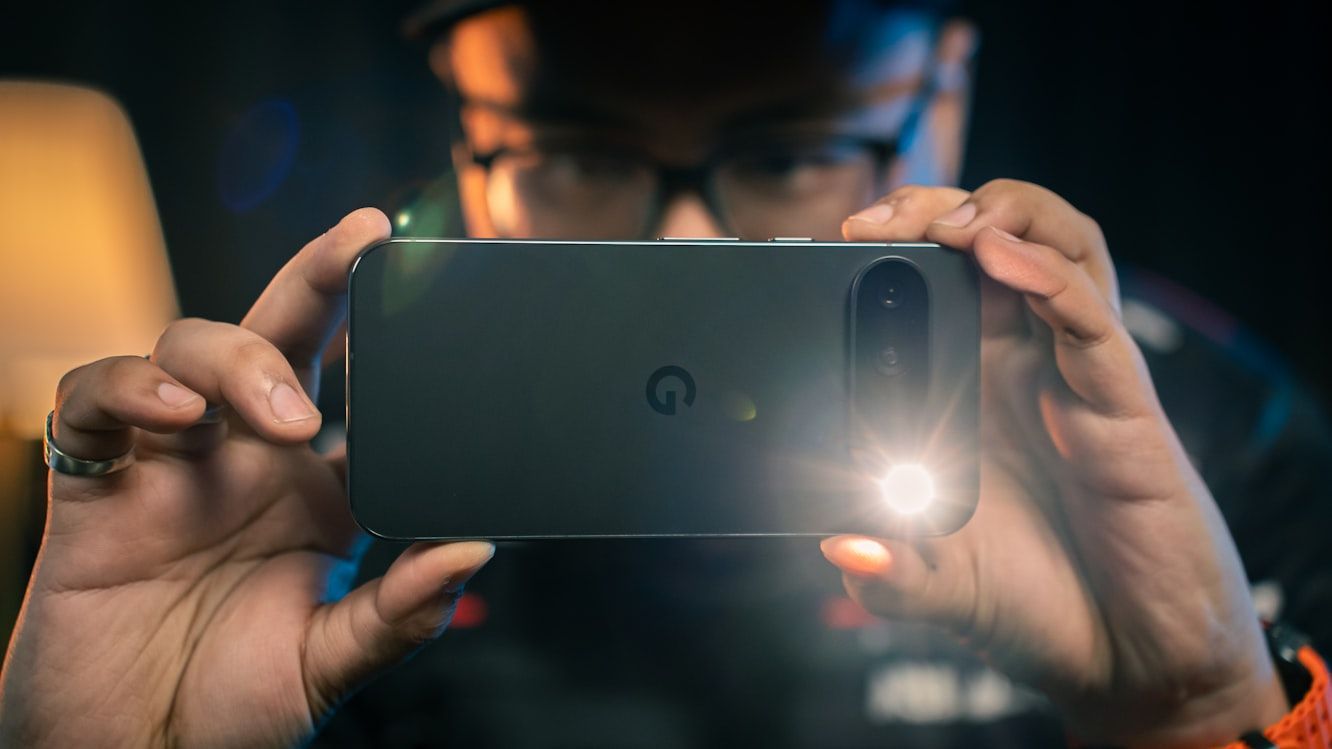
Built-in phone flashes often produce flat lighting, harsh shadows, and unnatural skin tones. They also create distracting reflections on nearby surfaces.
Whenever possible, photographers recommend finding better ambient light instead. Natural light, lamps, or a brighter location usually create a more pleasing and artistic result.
Edit lightly instead of over-filtering
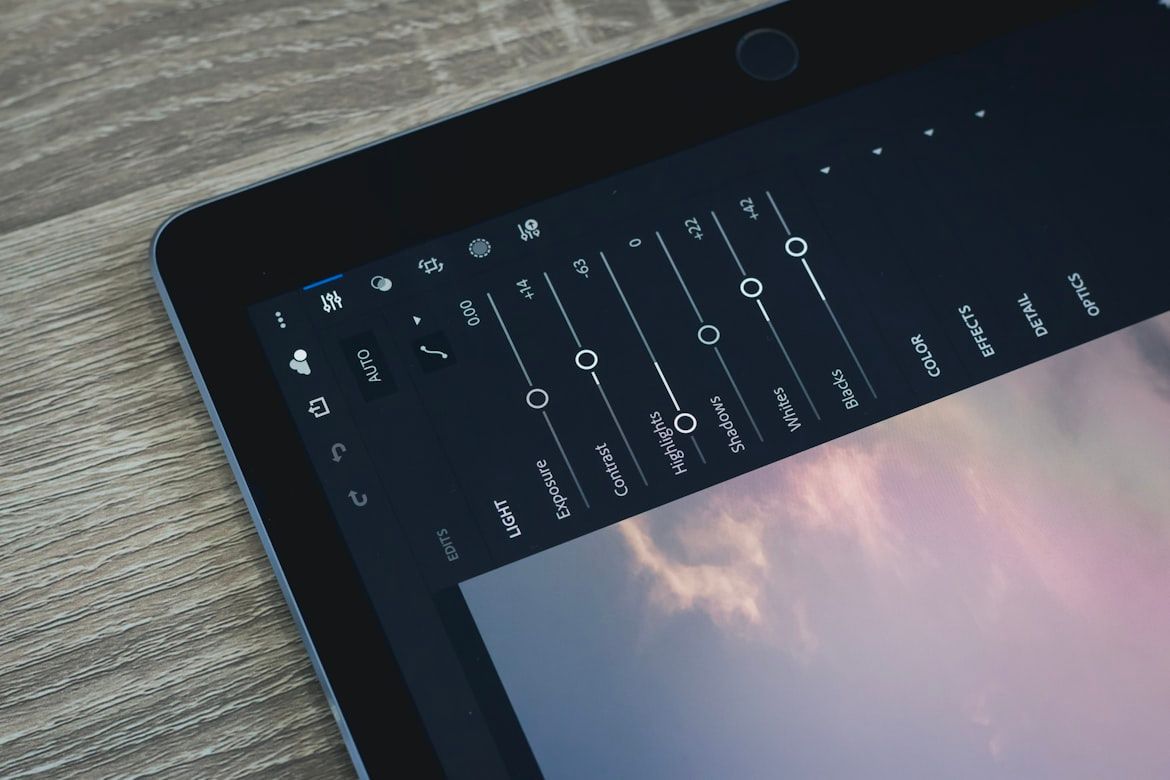
Editing can improve a photo, but excessive filters often make images look artificial. Oversaturated colors and extreme effects can quickly distract from the subject.
Most professionals recommend subtle adjustments to brightness, contrast, shadows, and sharpness instead. A gentle edit usually enhances a photo while preserving a natural appearance.
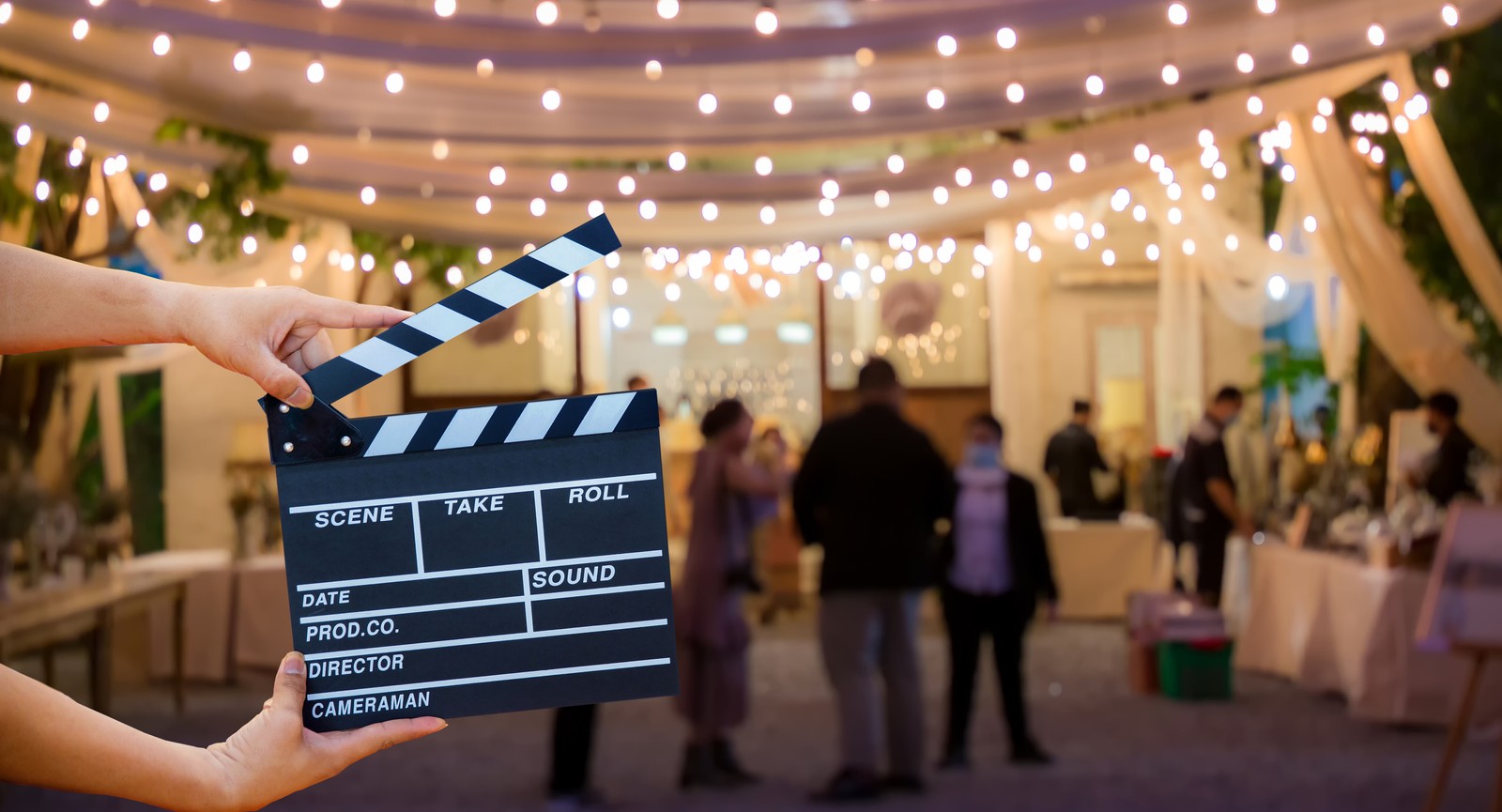
Where the Hobbit really lives, and the Von Trapp family had their house
Step into movies
Have I seen that? 10 iconic movie scenes you can visit in real life
There’s something about seeing the real-life locations where your favorite movies were shot or took place. From the streets of Paris and NYC to timeless Western settings and Hobbiton, here are the stunning real-world places that brought iconic films to life—and how to plan your visit.
New York City, in Breakfast at Tiffany’s

If you want to go for a walk around the famous Breakfast at Tiffany’s locations, released in 1961 and based on Truman Capote’s best-selling novel of the same name, New York City is the place to go. Start by heading to Fifth Avenue and 57th Street, outside the flagship Tiffany & Co., with a cup of coffee in a paper cup and a pastry in hand; just like Holly Golightly (Audrey Hepburn) did in the opening scene, while wearing her famous black Givenchy dress and sunglasses.
After that, you can stroll to 169 E 71st St on the Upper East Side, where the exterior of Holly's brownstone apartment was filmed. Finally, head to the Central Park location where Paul (George Peppard) meets Doc Golightly (Buddy Ebsen) near the park’s 72nd Street entrance, by the famous toy sailboat pond.
Rome, in Roman Holiday

Rome features several iconic locations in the 1953 classic Roman Holiday. Among the iconic filming locations are the Spanish Steps, where Princess Anne (Audrey Hepburn) relaxes and eats gelato on these famous 18th-century stairs.
Another spot is the Mouth of Truth (Bocca della Verità), where Joe Bradley (Gregory Peck) and the Princess encounter the ancient stone face at the portico of the Basilica of Santa Maria in Cosmedin, and, of course, the Trevi Fountain, where Joe and the Princess stop.
Monument Valley, Arizona, in Stagecoach
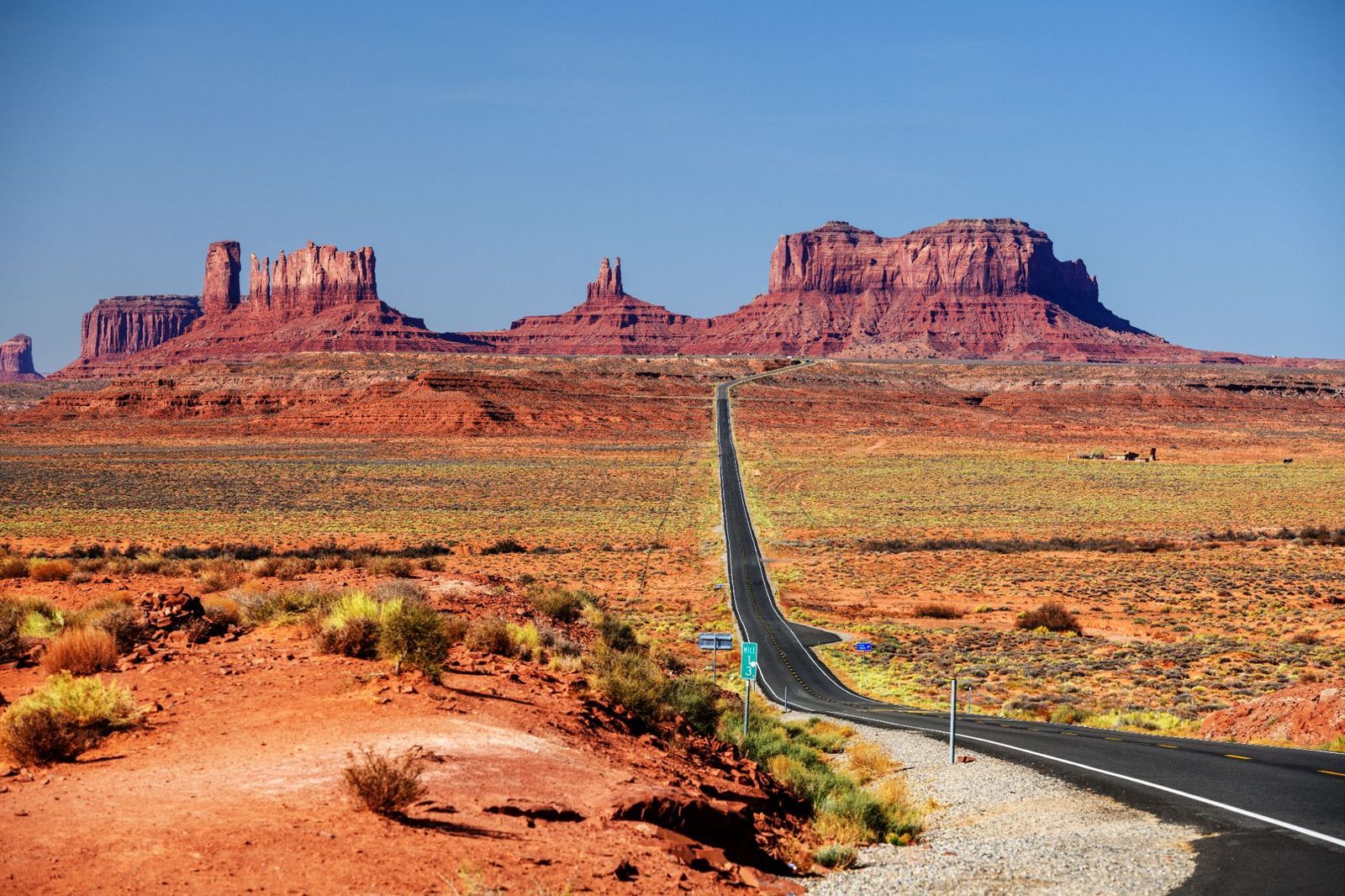
Director John Ford made Monument Valley famous by shooting his landmark Western Stagecoach there in 1939, helping establish John Wayne as a major Hollywood star. Its stunning red-sand desert region straddles the Arizona-Utah border and has become one of the defining images of the American West on film.
Located on the Navajo Nation Reservation, the valley extends from northeastern Arizona into southeastern Utah, and the Navajo Nation Parks Department manages it as a tribal park. Standout features include a scenic 27-kilometer dirt loop drive and guided tours by local Navajo operators.
Salzburg, Austria, in The Sound of Music
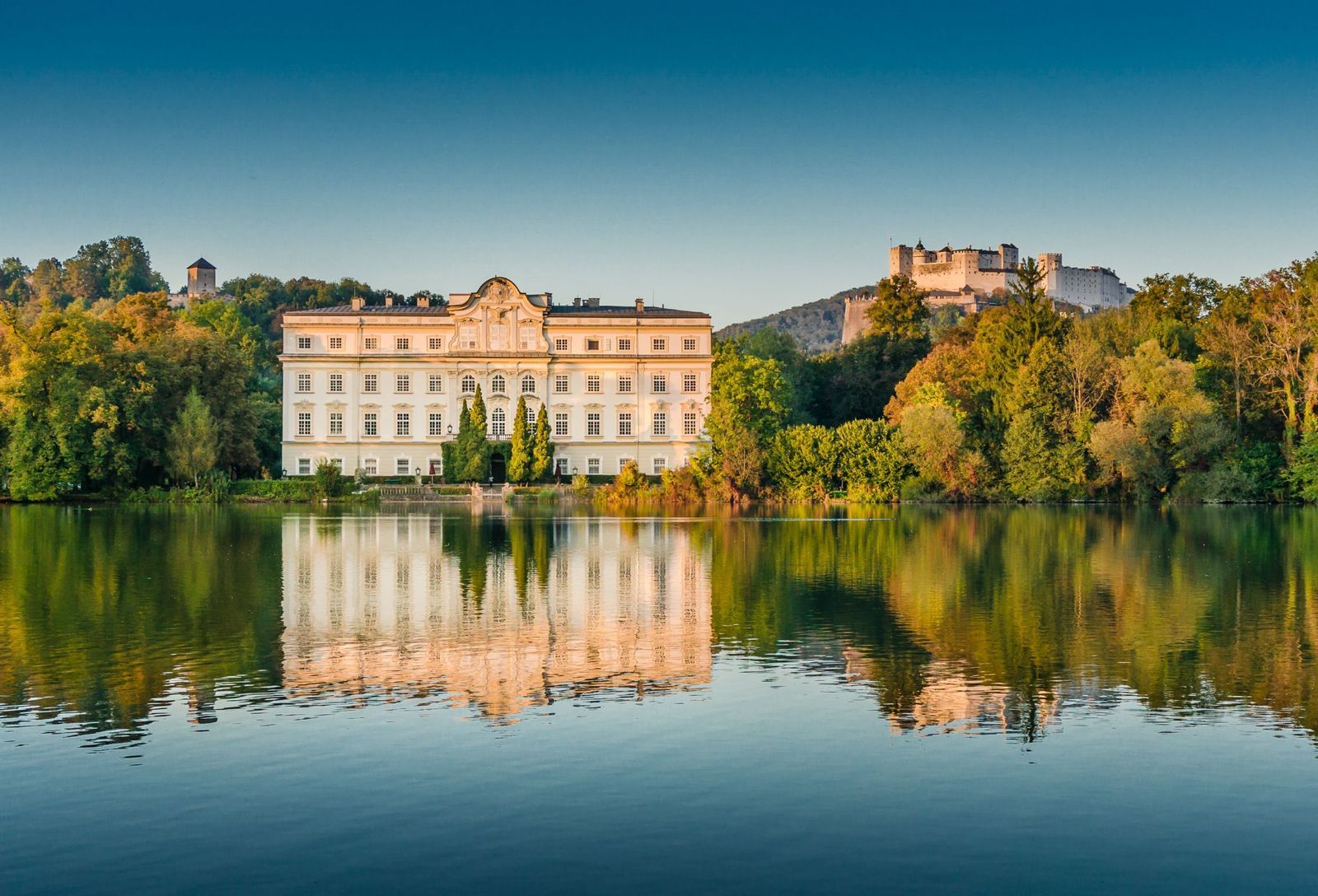
Who could forget Julie Andrews singing "The hills are alive with the sound of music" as Maria? This scene, and many other emblematic moments from 1965’s The Sound of Music, were filmed in or inspired by locations in and around Salzburg, Austria.
For example, the majestic Schloss Leopoldskron was the backdrop for the von Trapp family home, where the children fell into the lake. In another scene, Maria and the children sing "Do-Re-Mi" at the Mirabell Gardens while dancing around the Pegasus Fountain and jumping on the hedge stairs. The Hellbrunn Palace houses the famous glass gazebo where Liesl and Rolf danced and sang "I am 16, going on 17…", and the Mondsee Abbey, located 30 minutes outside Salzburg, is where the wedding scene was shot.
Paris in Amélie

You can visit several real-life locations in Paris featured in 2001’s Amélie, mostly centered in the bohemian Montmartre neighborhood. One of the most famous is the Café des Deux Moulins, at 15 Rue Lepic, which is the actual café where Amélie (Audrey Tautou) worked as a waitress. Stop by for a coffee or order a crème brûlée to crack with a spoon, just like in the movie.
Other options are the Canal Saint-Martin, a 19th-century tree-shaded waterway in eastern Paris where Amélie goes to skip stones, and Studio 28, located at 10 Rue Tholozé; this historic single-screen Montmartre cinema is where Amélie watches people in the audience.
Petra, Jordan, in Indiana Jones and the Last Crusade
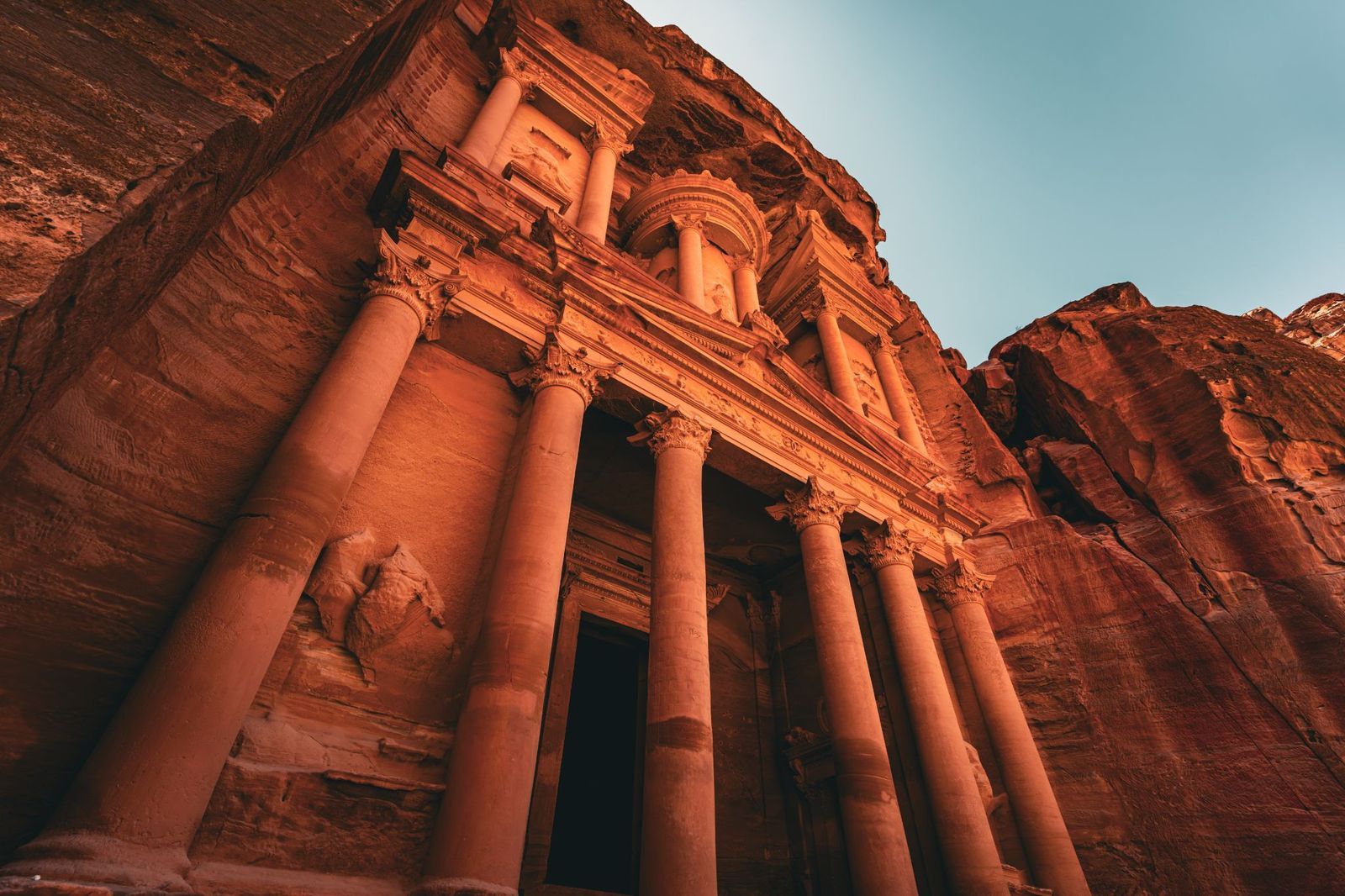
The majestic Petra, Jordan, served as the fictional "Canyon of the Crescent Moon" where the Holy Grail was kept in Indiana Jones and the Last Crusade, released in 1989.
The massive, ornate facade carved directly into the rose-red sandstone cliffs, is the most famous site in Petra. Built by the Nabataeans over 2,000 years ago, it served as a royal tomb and temple rather than a hiding place for the Holy Grail. Nowadays, visitors can walk through the Siq, a long and narrow canyon, just like in the movie. It’s recognized as one of the New Seven Wonders of the World.
Skopelos, Greece, in Mamma Mia!
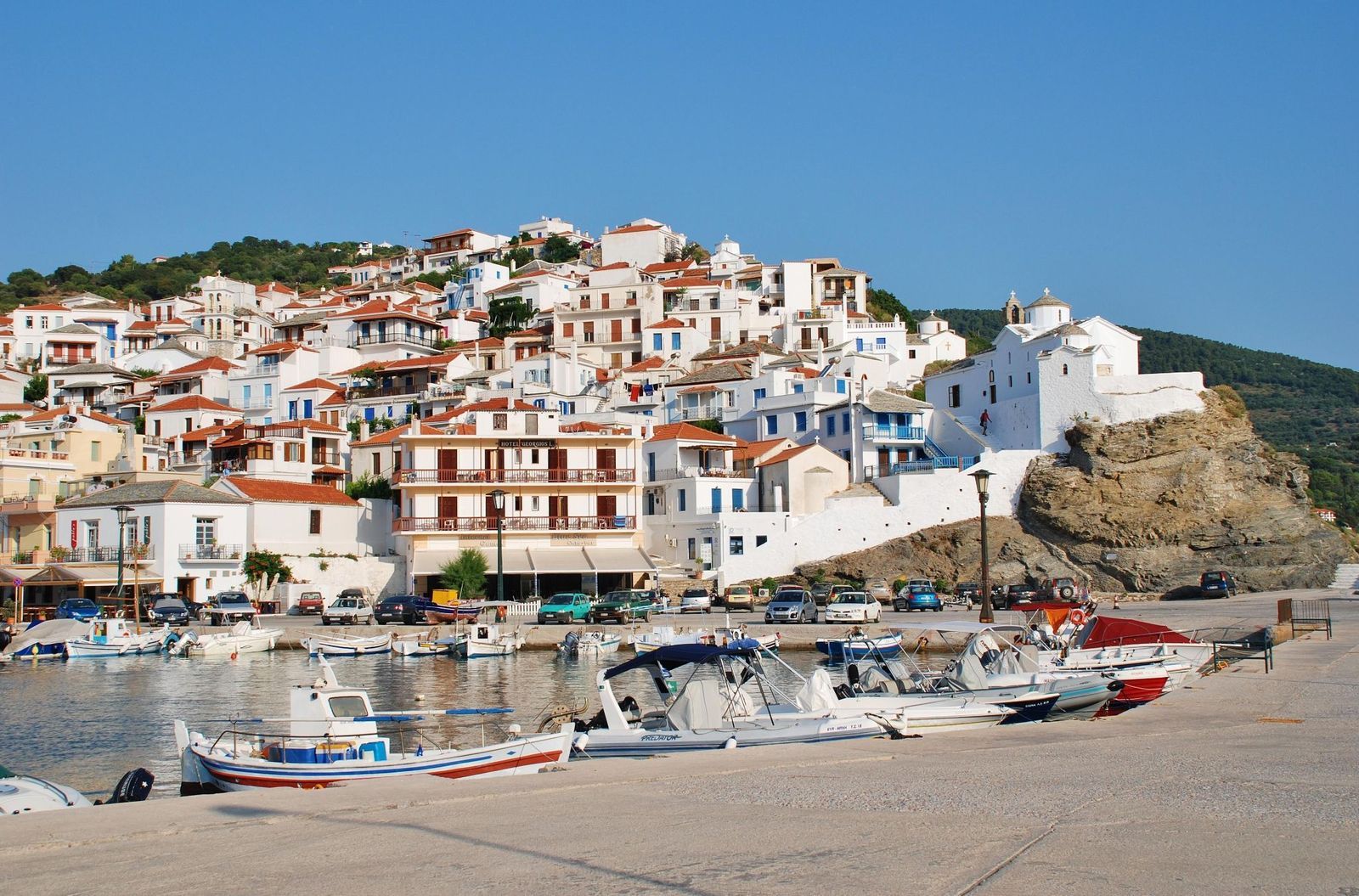
You know the ABBA soundtrack by heart, but if you head over to Skopelos, Greece, would you identify the spots where 2008’s Mamma Mia! was filmed? Fortunately, we know exactly where to look.
Skopelos served as the primary real-life setting for the fictional island of Kalokairi in Mamma Mia!, based on the hit Broadway musical. For example, the Agios Ioannis Kastri Chapel, a tiny clifftop church with nearly 200 steps carved into the rock, is where the famous wedding scenes and "The Winner Takes It All" performance were filmed. And don’t forget Cape Amarandos with its pine-covered cliffs featured in scenes like "Our Last Summer" and Sophie Sheridan (Amanda Seyfried) reading her mother's diary.
Dubrovnik, Croatia, in Star Wars: The Last Jedi
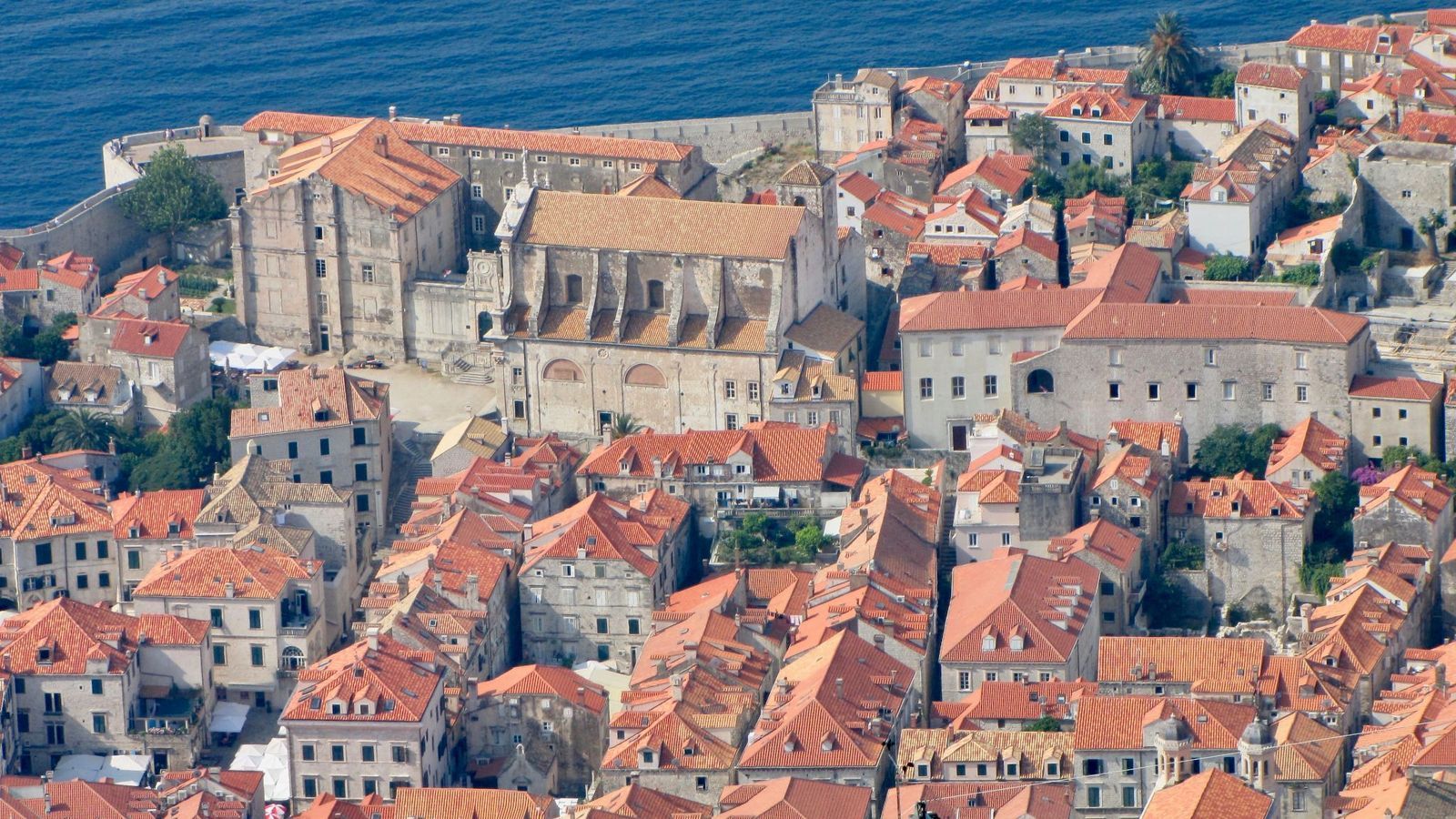
The historic Old Town of Dubrovnik in Croatia provided a key backdrop for 2017’s blockbuster film Star Wars: The Last Jedi. Specifically, this Croatian city stands in for the glitzy casino city of "Canto Bight."
The main limestone-paved street, Stradun, and surrounding areas were transformed into sleek, futuristic streets where Finn and Rose carried out their mission, thanks to production teams relying on a mix of physical and digital illusions (including practical set dressings and CGI). The city is also famous for portraying King's Landing in Game of Thrones. So, whether you’re a Star Wars fan, a Game of Thrones fan, or both, Dubrovnik belongs on the list.
Ushuaia, Argentina, in The Revenant
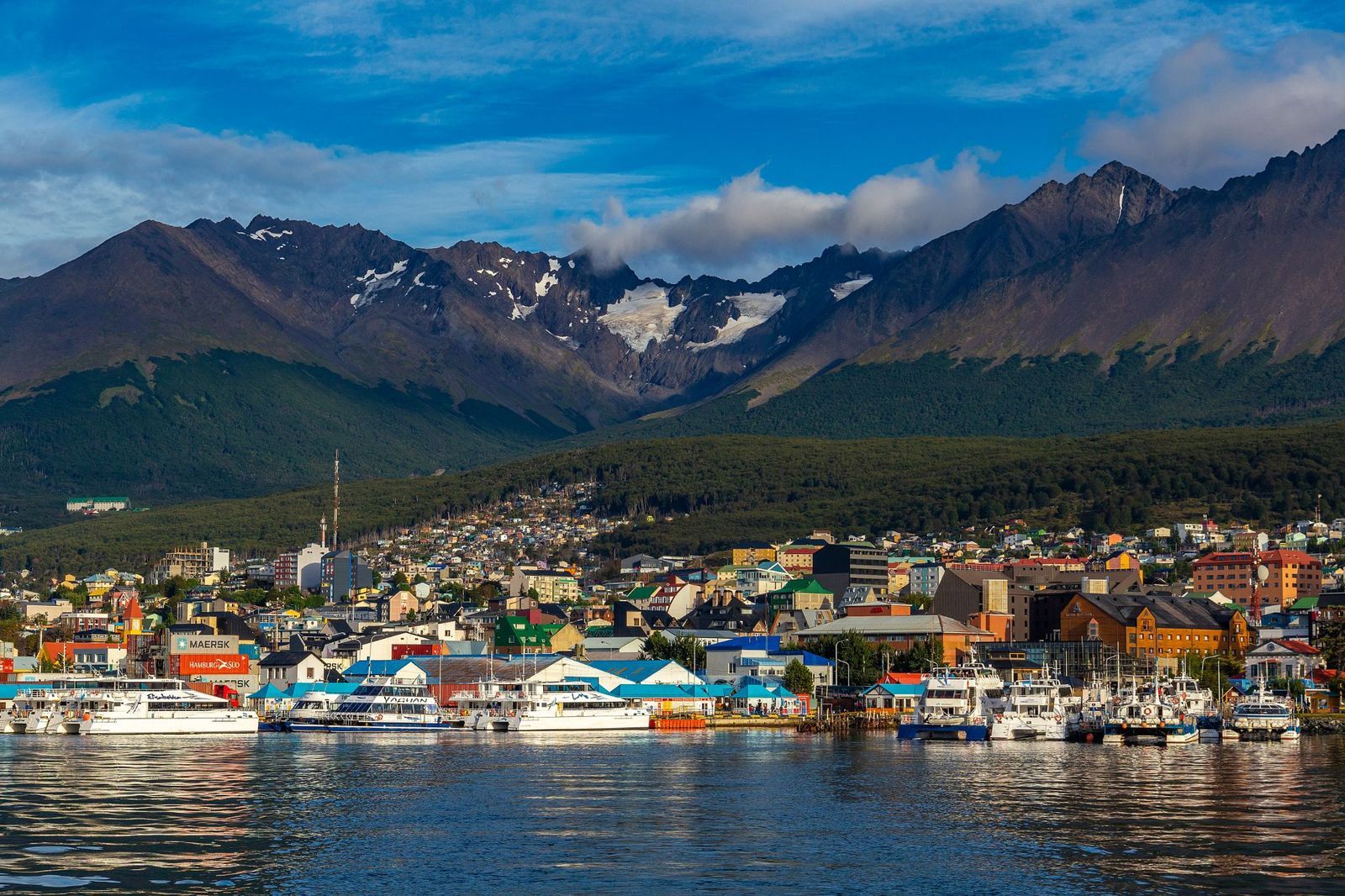
Ushuaia, Argentina, served as the stunning backdrop for the intense closing showdown in 2015’s The Revenant. Scenes were shot along the banks of the Olivia River near National Route 3 outside of Ushuaia.
The production was originally filmed in Alberta, Canada, but a sudden lack of snow forced director Alejandro González Iñárritu to relocate the crew to the southernmost tip of South America to finish the movie. The brutal final fight sequence between Hugh Glass (Leonardo DiCaprio) and John Fitzgerald (Tom Hardy) was filmed here in the snow-covered Patagonian landscape.
Matamata, New Zealand, in The Lord of the Rings
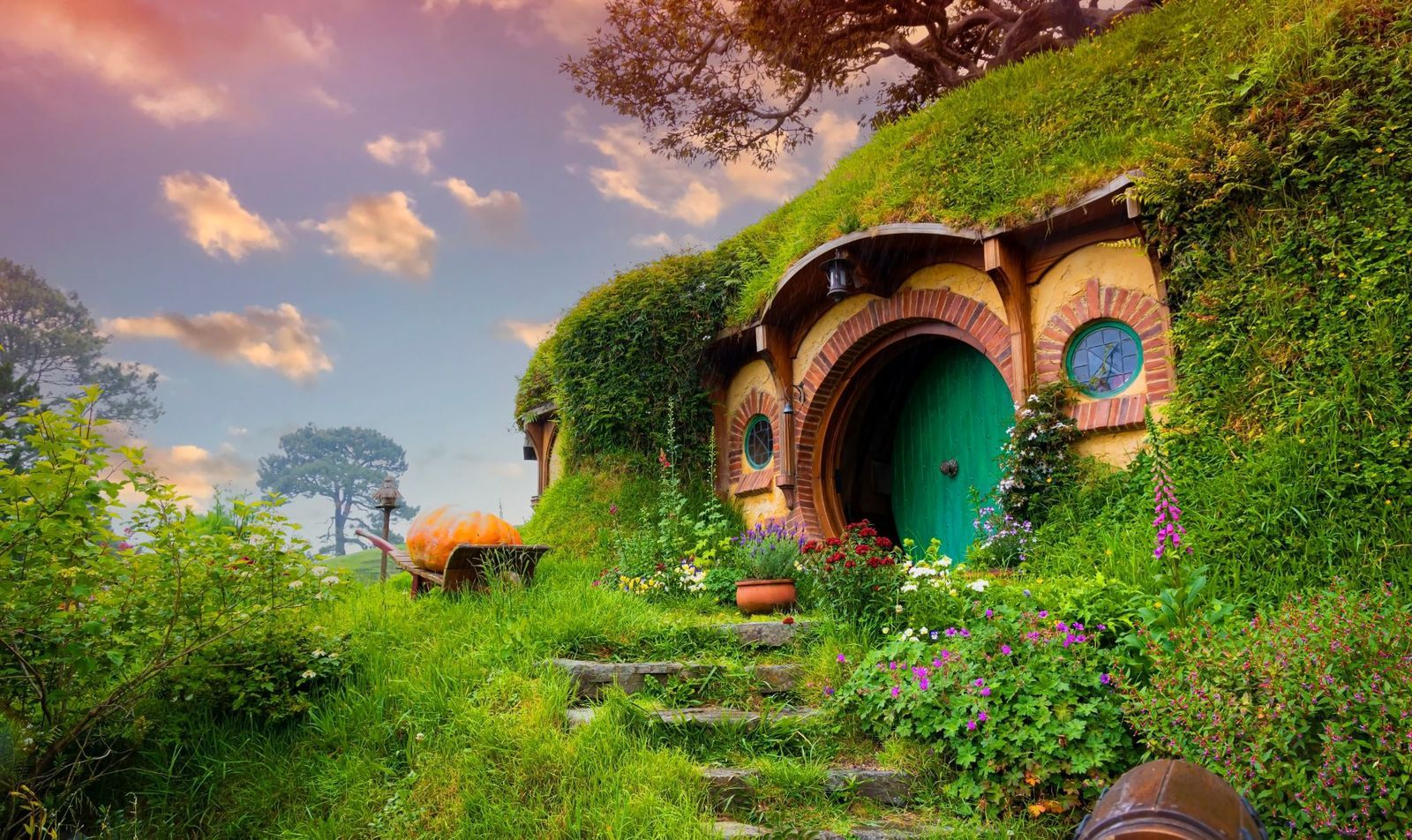
Matamata, New Zealand, is the real-life location of the Shire and the Hobbiton movie set from The Lord of the Rings, the beloved fantasy saga created by J.R.R. Tolkien and adapted for several films by Peter Jackson from 2001 onwards.
The rolling green pastures of the Shire in real life are part of a working sheep and dairy farm in the Waikato region near Matamata. The crews built 39 temporary hobbit holes for the original trilogy, then permanently reconstructed the set in 2009 for The Hobbit trilogy, which began with The Hobbit: An Unexpected Journey in 2012. If you’re thinking of heading over, take note that visitors can walk past Bag End, cross the stone bridge, and even have a drink at the Green Dragon Inn.
Did you know these iconic landmarks were once considered mistakes?
 Landmarks
History-filled walls
Believe it or not: These 10 beloved landmarks were hated at first!
Did you know that many of the buildings we now see as iconic were initially rejected? A country’s history can be understood, told, and even projected through its architecture. The way we design government institutions, museums, homes, parks, office buildings, and even shops and restaurants reveals what we value and how we express our identity. However, some architectural designs were simply ahead of their time. Today, we’re diving into the stories of 10 famous American buildings that were anything but loved at first sight. Let’s get started!
Guggenheim Museum - New York City
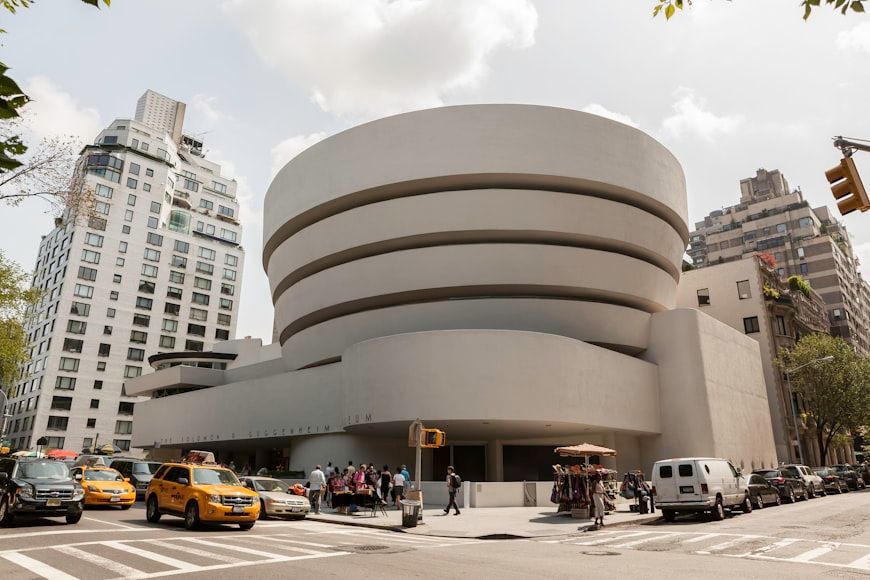 Image: Reno Laithienne
Today, it’s hard to imagine the Manhattan skyline without the Guggenheim Museum’s impressive presence. But when Frank Lloyd Wright first proposed its design, it was met with anything but praise. In the 1940s and 1950s, New York’s boxy buildings made the museum’s spiral form feel out of place, and some critics even called it "the upside-down washing machine". Others worried that its unusual shape would make displaying art nearly impossible. Time proved them wrong: the Guggenheim now stands proudly as a beloved icon, admired not just by New Yorkers but by Americans everywhere.
Transamerica Pyramid - San Francisco
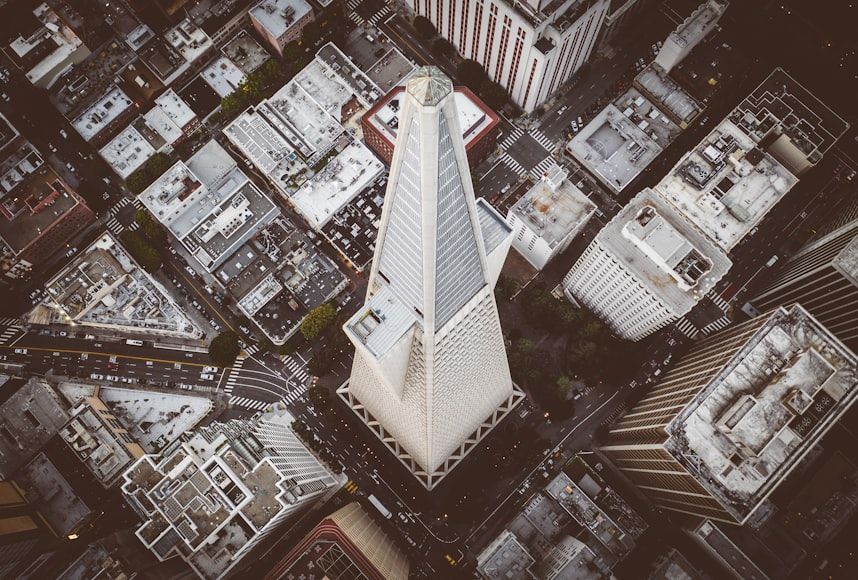 Image: Denys Nevozhai
At the end of the 1960s, construction began on what would become San Francisco’s famous Transamerica Pyramid, but not without controversy. Many residents, along with architects and critics, opposed it, expressing that its futuristic shape didn’t fit in with the city’s traditional architecture. Protests broke out in different parts of the city, with people wearing dunce caps to mock the building’s pointed form. However, time did its work: today, the Transamerica Pyramid is no longer debated and stands as one of San Francisco’s iconic landmarks.
Boston City Hall
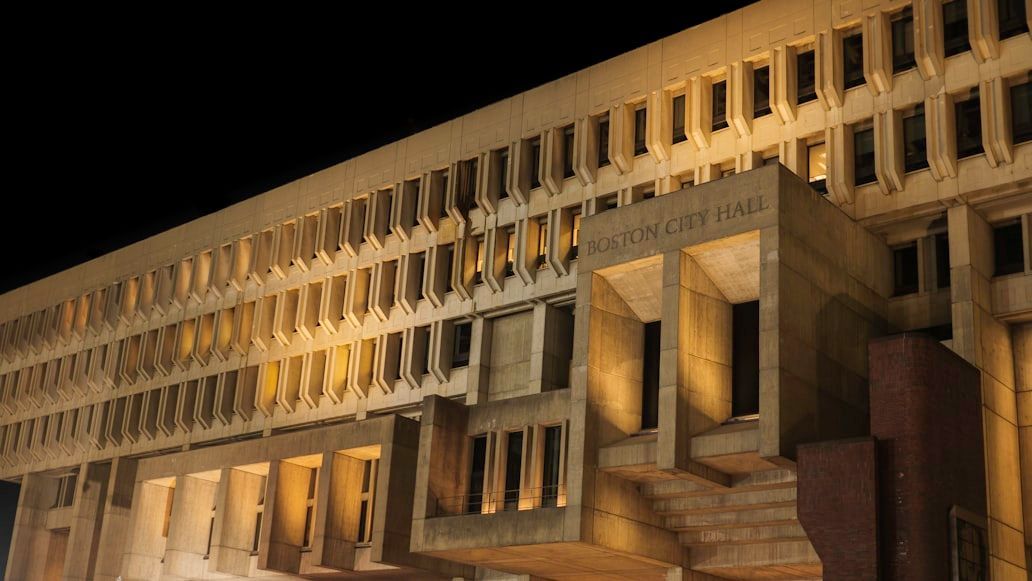 Image: Leon Bredella
Boston City Hall is undeniably a building with personality, as Brutalist architecture tends to be. When it was completed in the late 1960s, many felt its style contradicted the surrounding cityscape and that its massive concrete form made the space feel cold and soulless. Even today, its geometry and massive size still divide opinions. Over time, however, citizens, critics, and architects have come to recognize and appreciate Boston City Hall for its ambition and historical significance.
Empire State Building - New York City
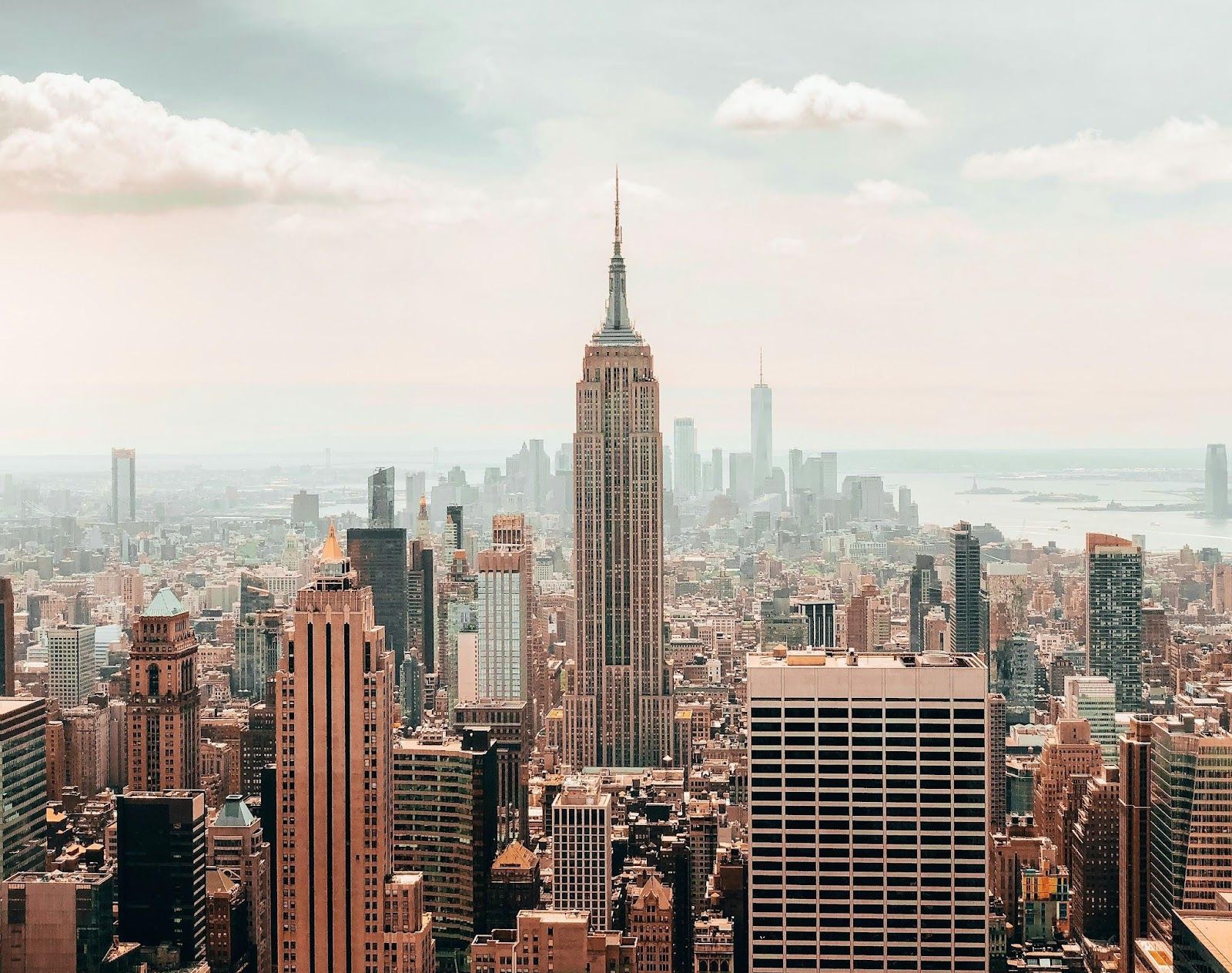 Image: Christian Ladewig
"Empty State Building" was the nickname critics gave to the Empire State Building when the iconic skyscraper, rising 1,250 feet, was completed in 1931, just one year and 45 days after construction began. But it wasn’t embraced as quickly as it was built. Opening during the Great Depression, it was initially seen as an extravagance and a failure, with 75% of its space empty. Over time, however, the nation’s economic recovery (and a boost from Hollywood, thanks to films like King Kong) helped attract tenants and attention, turning it into one of the most recognizable buildings in America.
Washington Monument - Washington, D.C.
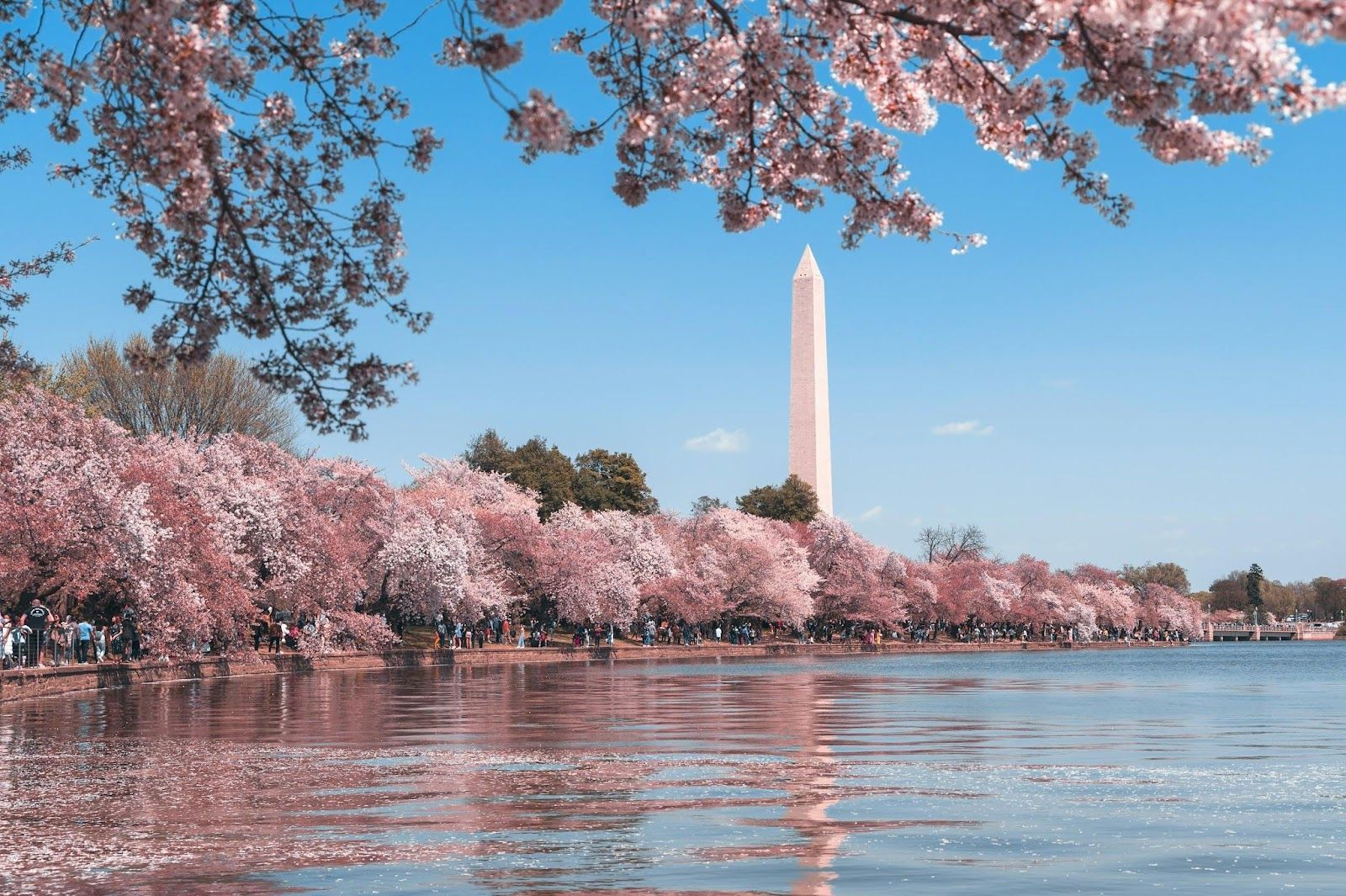 Image: Andy He
Designed by Robert Mills, construction of the Washington Monument in Washington, D.C., began in 1848 and took nearly 40 years to complete, with several long interruptions along the way. It wasn’t just a lack of funding that slowed its progress, but also public disagreement. Many felt the obelisk's shape failed to capture the spirit of the "Father of His Country," and others worried its height would disrupt the landscape near the Tidal Basin. But once the monument was finally completed and its full scale and magnificence could be appreciated, opinions began to change.
Rockefeller Center - New York City
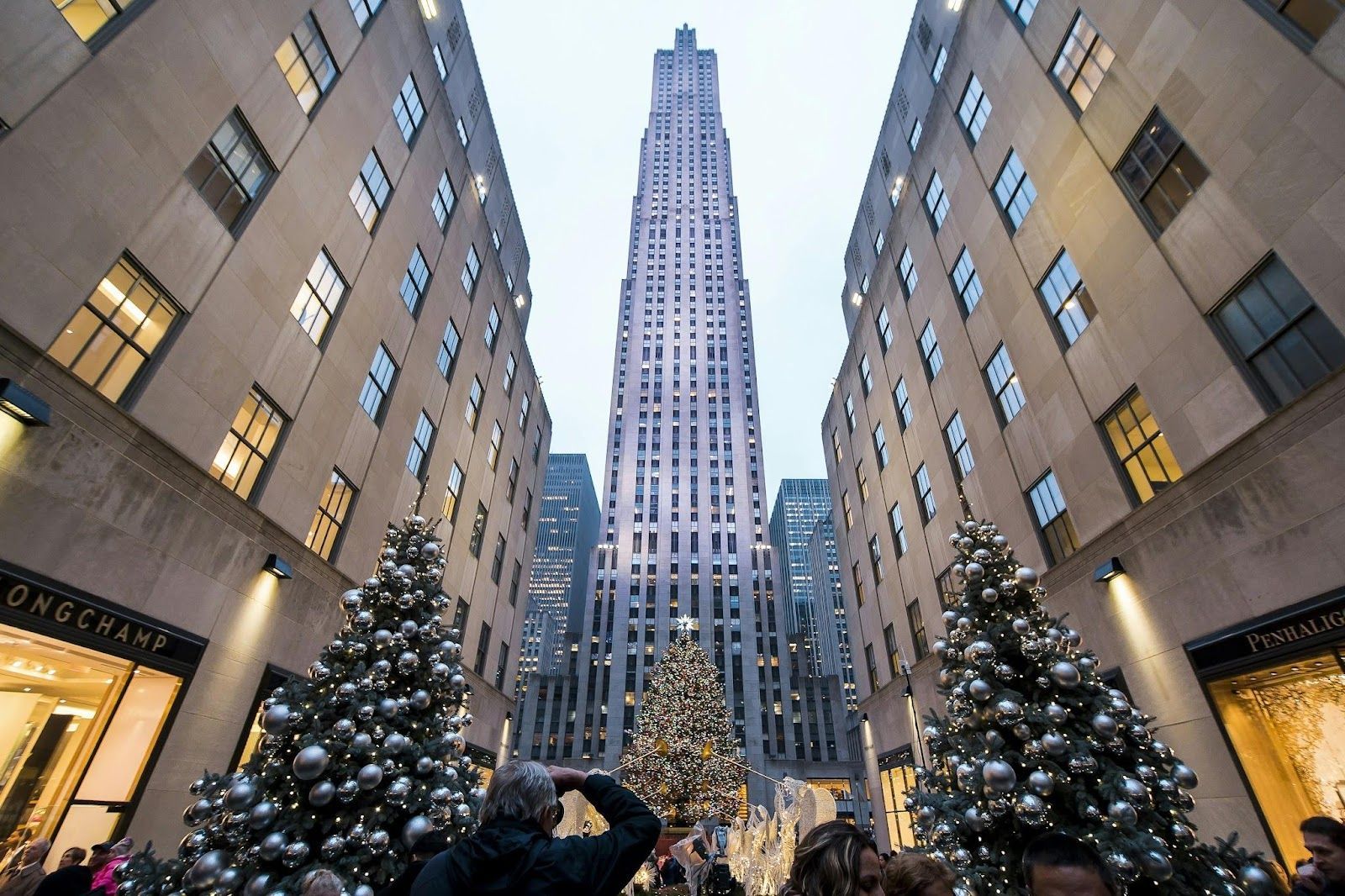 Image: Elias Andres-Jose
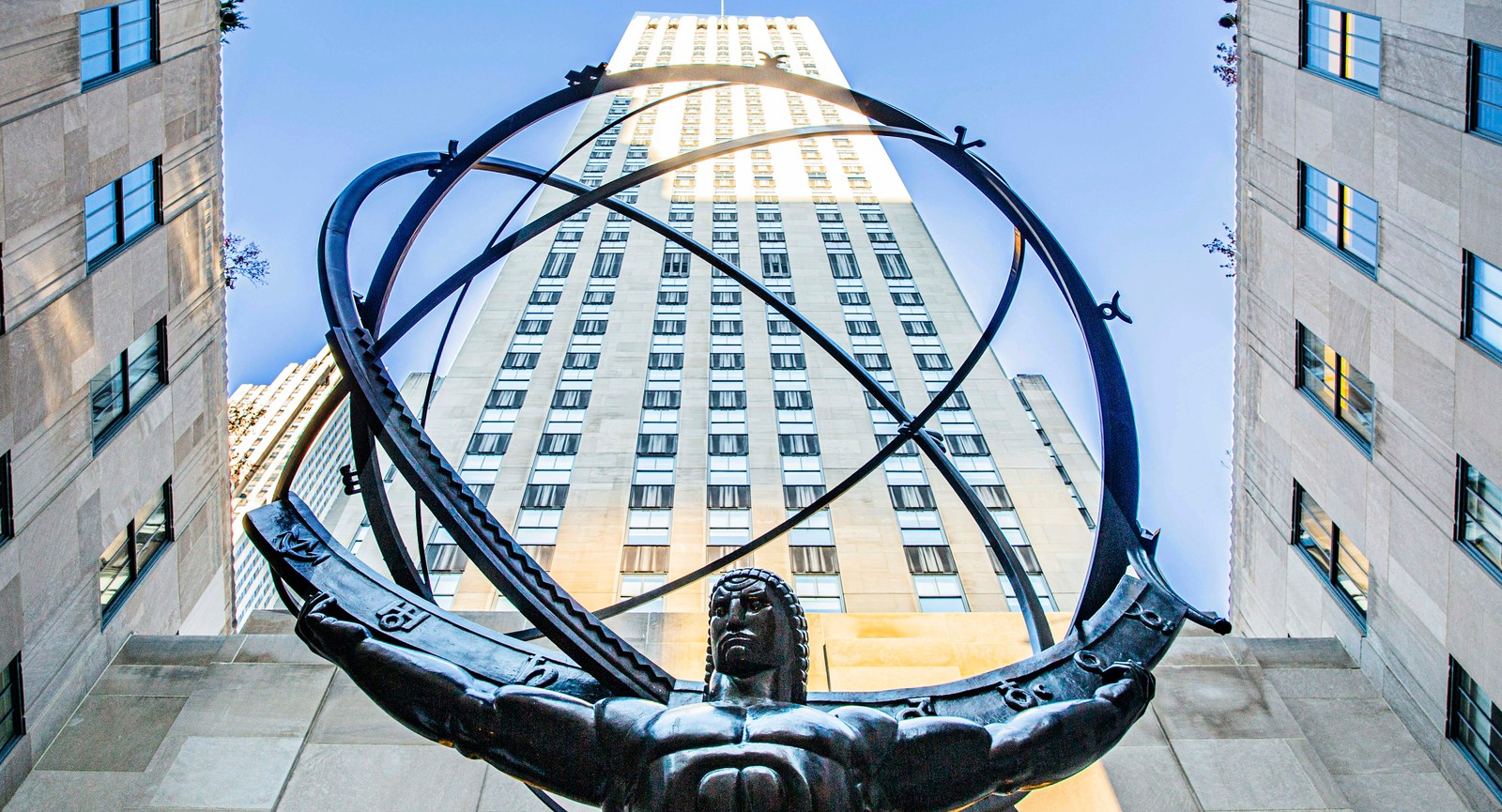
Although it is now a vital part of NYC, the Rockefeller Center was initially met with resistance. Developed during the Great Depression, the massive project was seen by many as an ostentatious waste of money. Its Art Deco design, still uncommon at the time, also drew criticism. However, once the complex became fully operational, it was quickly embraced by the city, evolving into a hub for business, culture, and entertainment.
Philadelphia City Hall - Philadelphia
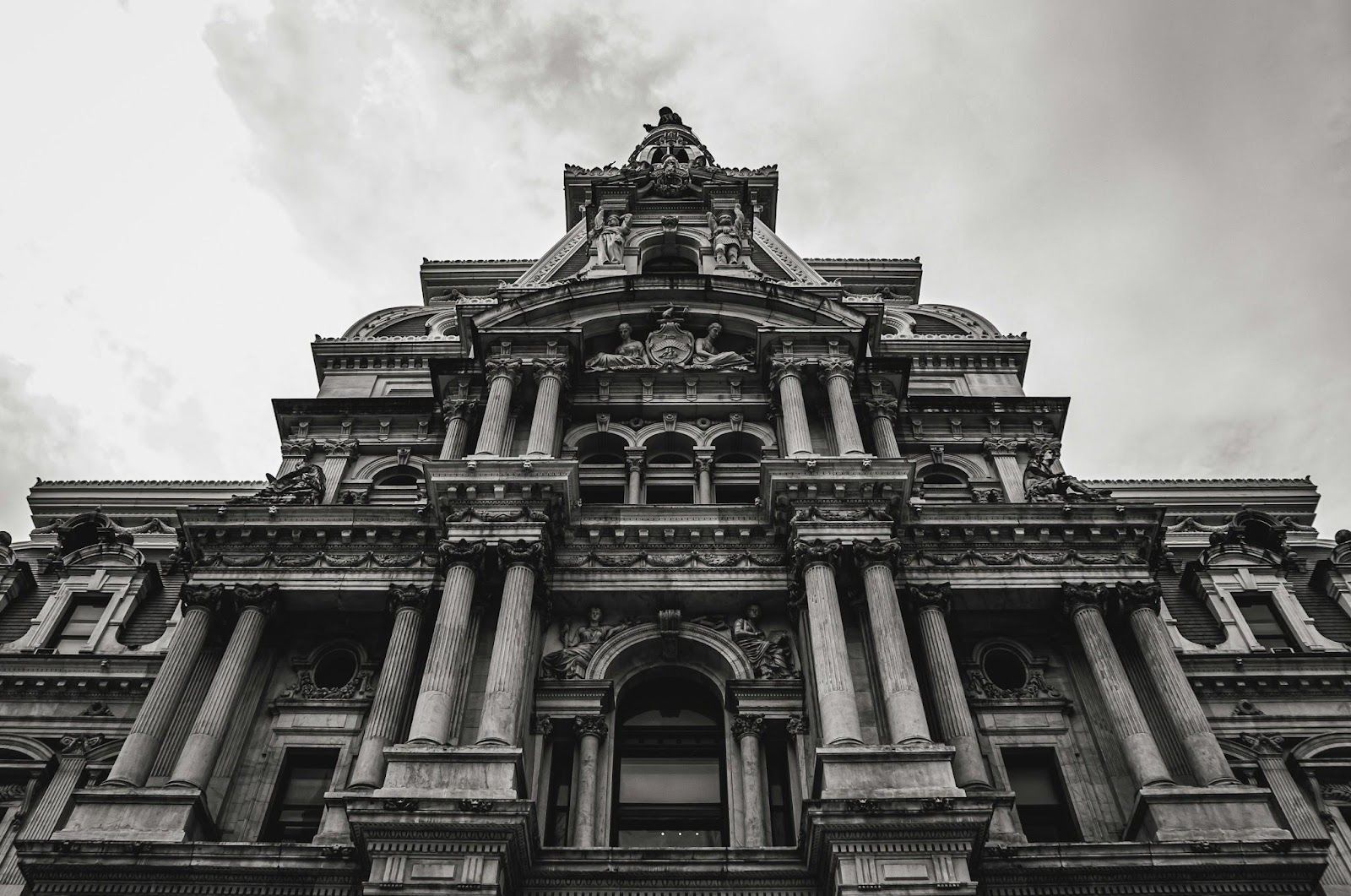 Image: Olga Müller
"When construction began, it was already out of fashion," that’s what the critics of Philadelphia City Hall claimed. Built between 1872 and 1901 in the French Second Empire style, architect John McArthur, Jr.'s design features grand forms, complex ornamentation, and, as if that weren't enough, a towering statue of William Penn atop the building. Ironically, the building is now celebrated and admired for the same features that were once hated and criticized.
The Gateway Arch - St. Louis
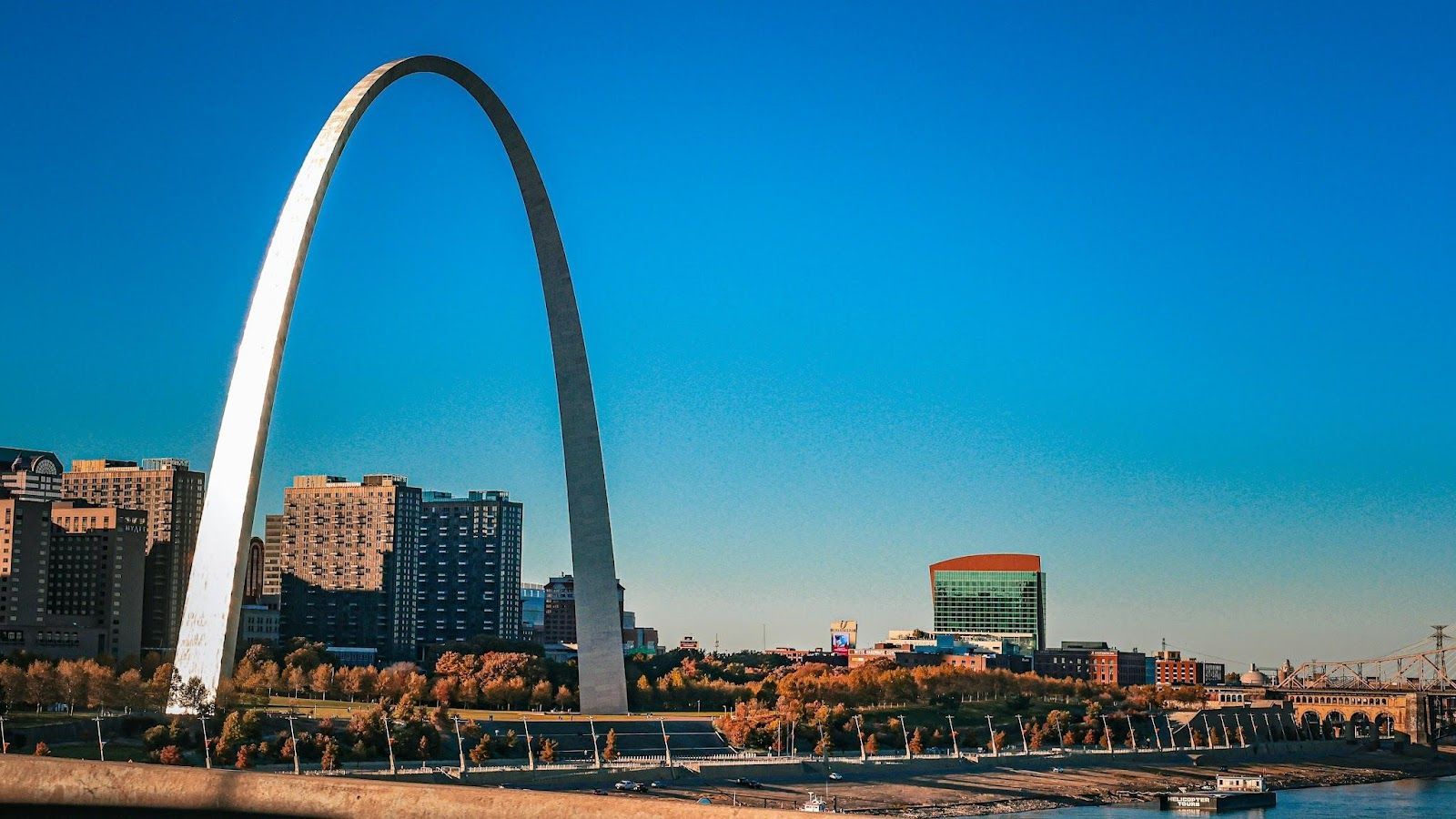 Image: Sara Kozak
We now take the iconic Gateway Arch in St. Louis for granted, and even love it. But imagine waking up today with no memory of the past; what would you think if you saw a 630-foot stainless steel arch rising in the middle of the city? Weird, right? That was exactly the reaction of St. Louis residents when the design first appeared in the early 1960s. Many disliked its unusual shape, and on top of that, they opposed the relocation of thousands of residents that the project required.
JFK Airport Terminals - New York City
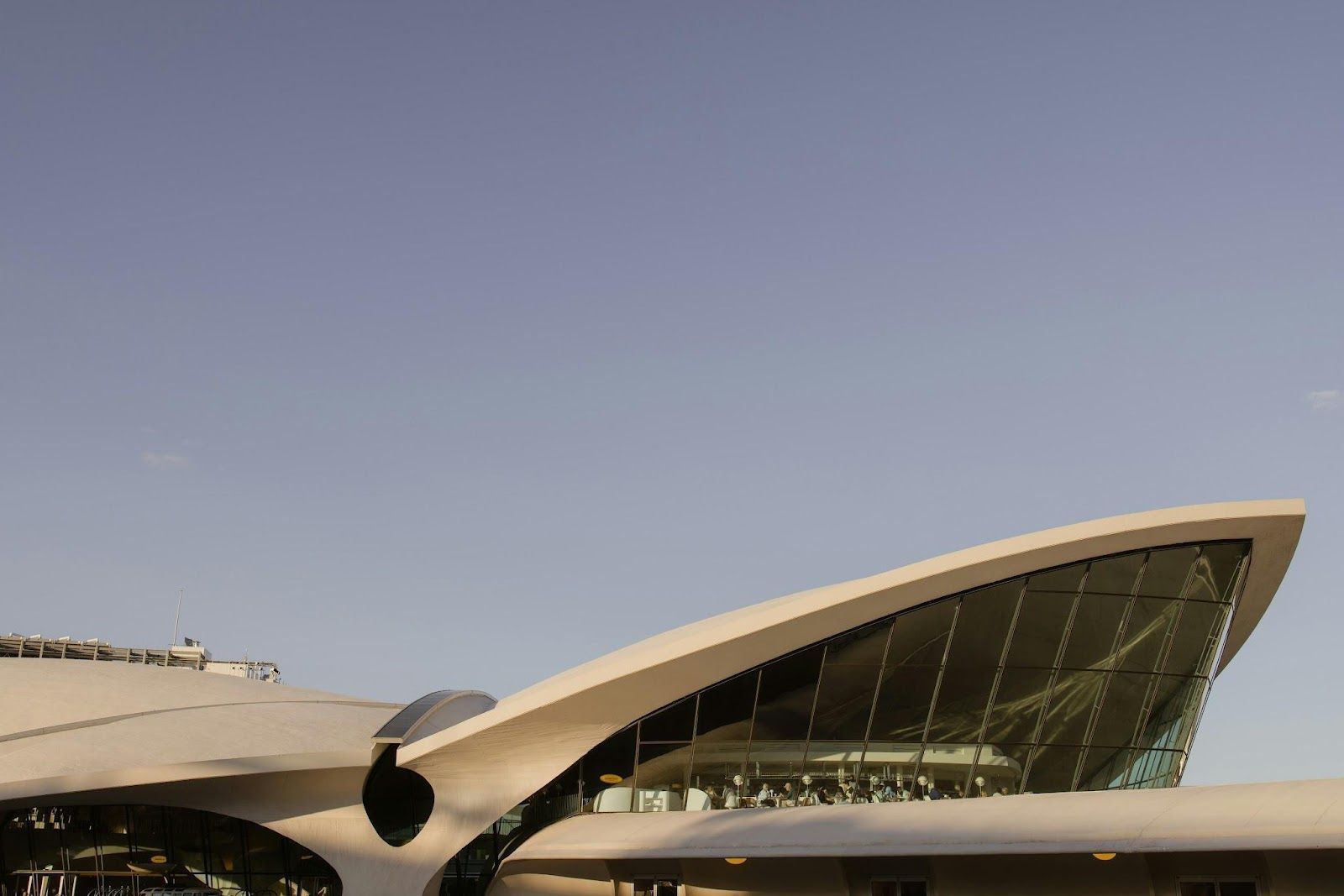 Image: Josh Withers
Many people struggle to accept something new at first, and that was certainly true when Eero Saarinen unveiled his design for the TWA Flight Center at JFK International Airport. Built between 1959 and 1962, its futuristic shape mimics the wings of a bird in flight. At the time, critics were harsh, arguing that its exterior didn’t match the more traditional interior. Today, however, the terminal is celebrated for its one-of-a-kind design, making it unlike any other airport in the world.
Seagram Building - New York City
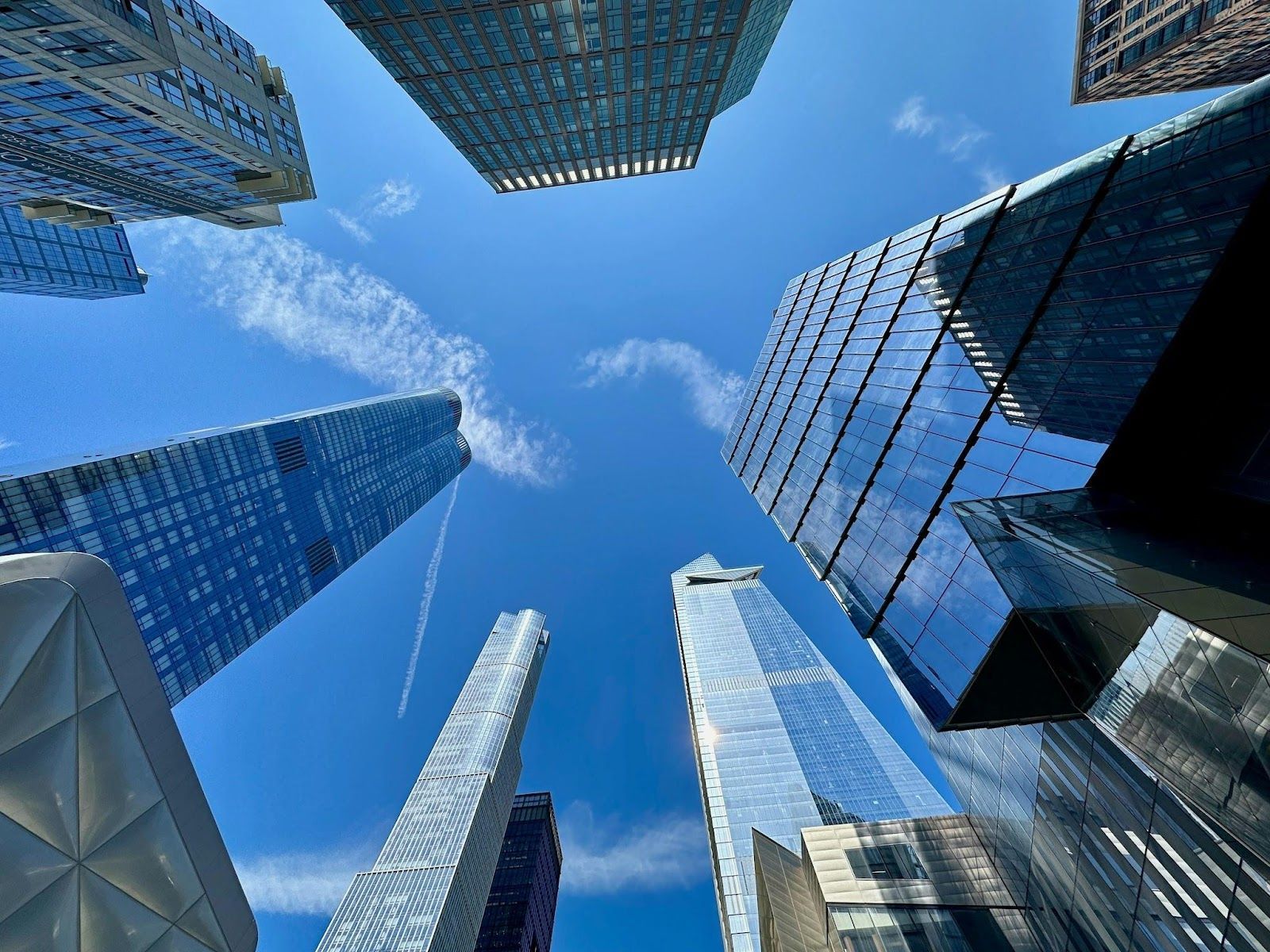 Image: Yaron Cohen
Today, New York City is filled with imposing glass skyscrapers, but it wasn’t always that way. Completed in 1958, the Seagram Building was the first skyscraper with fully glass walls. At the time, this design wasn’t widely accepted, and critics even called it "a soulless glass box." Its modern, minimalist style felt cold and impersonal to many, but over time, architects came to admire its high-quality materials and functional, groundbreaking design.
Keep wandering
There’s always
more to explore
 Culture
These 10 real places feel like stepping into famous paintings
5 min.
Read Now

What happens if you leave the airport during your layover?
6 min.
Read Now

Why you should never travel on an empty stomach
3 min.
Read Now

Do you still need a paper boarding pass? 10 must-know flying rules
5 min.
Read Now