
These 10 real places feel like stepping into famous paintings
 Culture
These 10 real places feel like stepping into famous paintings
Ever looked at a famous painting and wondered if you could visit its depicted setting? In fact, the unsettling landscape behind The Scream is a real place in Norway, and the humble farmhouse in American Gothic is still standing in a small Iowa town. From the misty mountains of Germany to the glowing streets of France, these 10 famous paintings have fascinating connections to places you can still visit today.
The Scream: Oslo, Norway
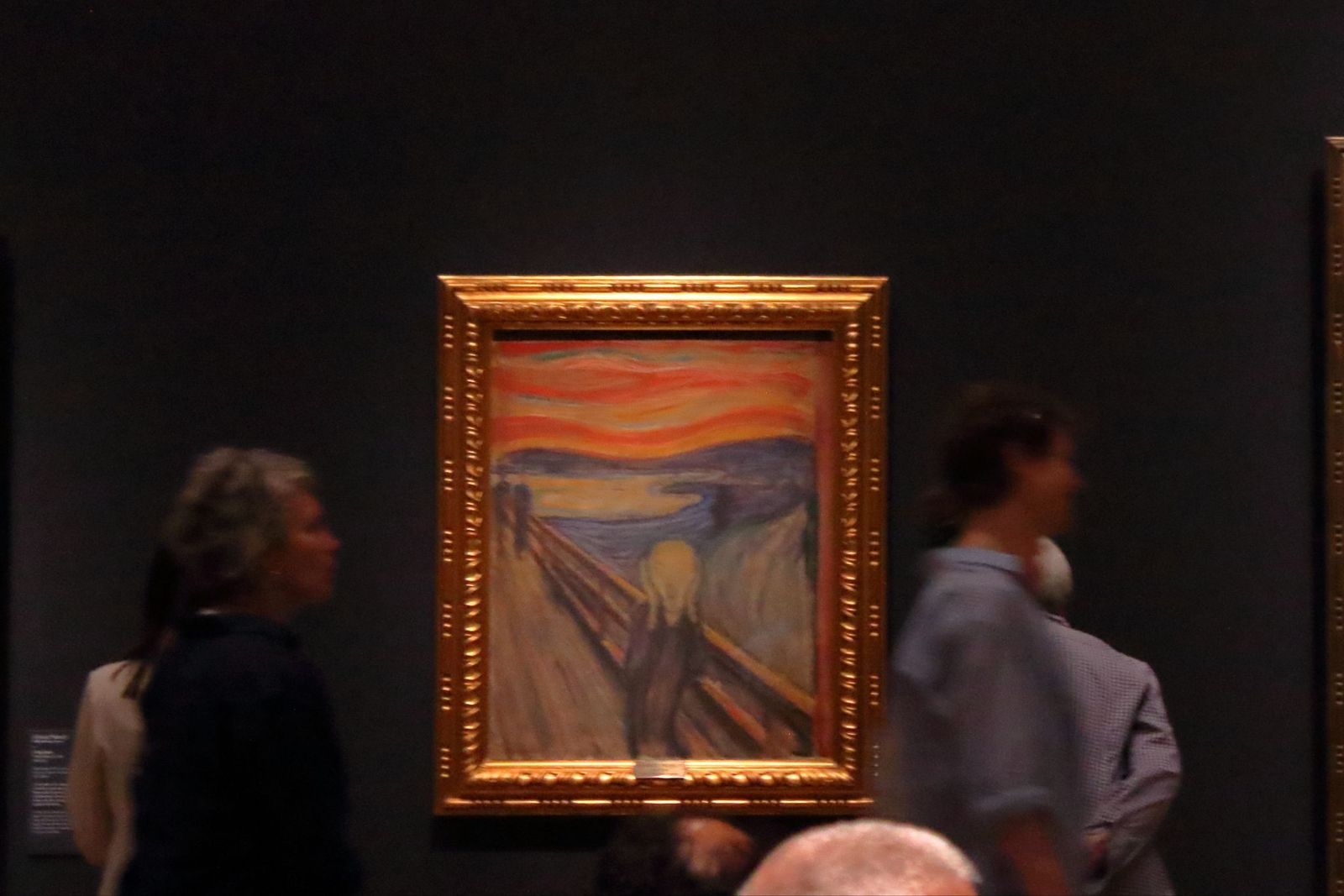
Edvard Munch’s The Scream is one of the most famous images in art history, and you can actually visit the place that inspired it. Munch created several versions of the painting, but the best-known dates back to 1893.
At the center of the work, a human figure screams in panic, and the landscape behind it is associated with Ekeberg, a hillside spot overlooking Oslo and the Oslofjord (a 75-mile-long body of water). Munch said he saw the sky turn blood-red at sunset in Ekeberg and felt intense anxiety that inspired him to create The Scream.
American Gothic: Iowa, USA
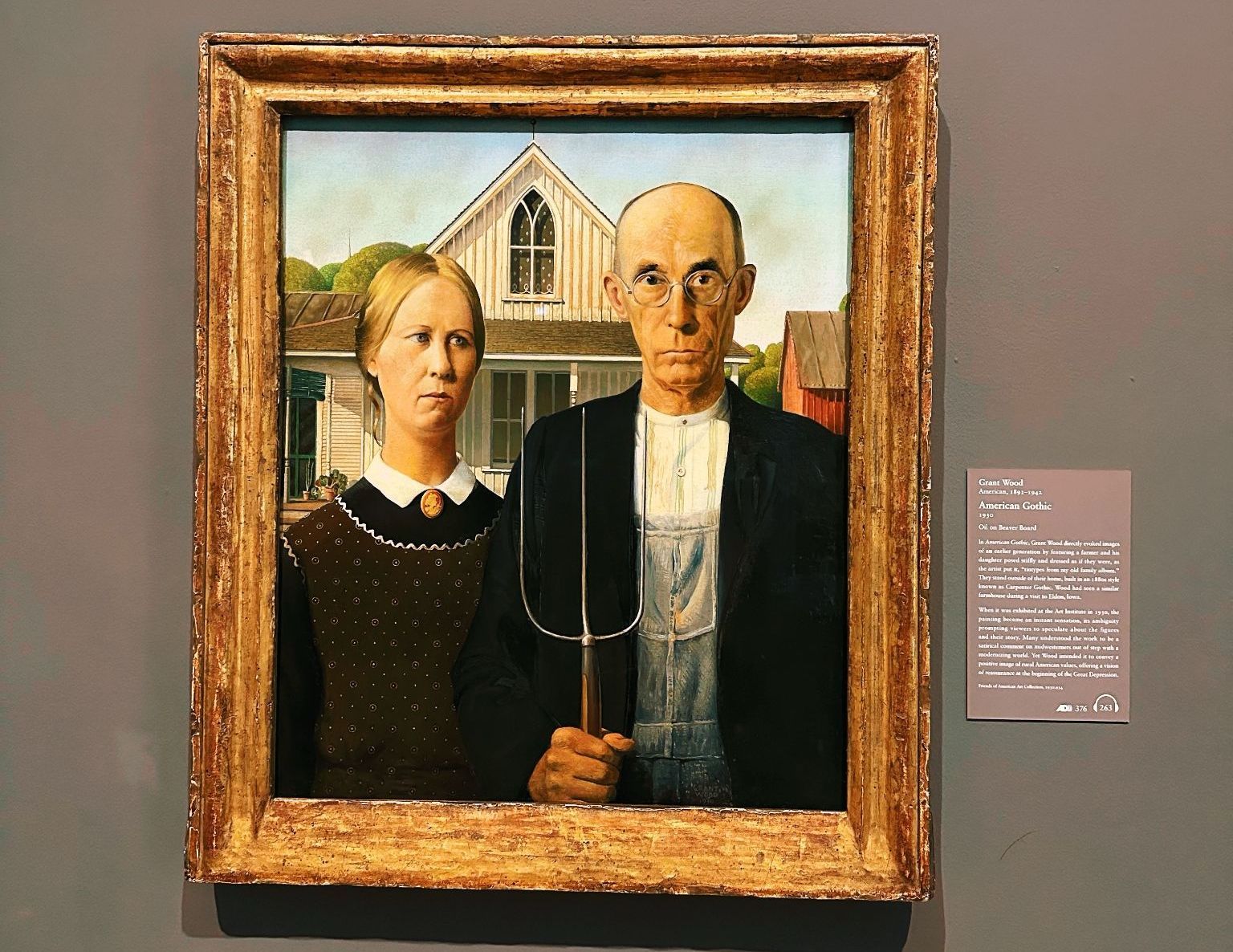
Did you know you can visit the house in Grant Wood’s famous 1930 American Gothic? Wood often depicted Midwestern people and rural life. The American Gothic House, also known as the Dibble House, stands at 300 American Gothic Street in Eldon, Iowa.
Wood was visiting Eldon, and the windows of this house caught his attention, so he stopped right there to sketch it. The painting itself shows a farmer and his unmarried daughter with the house behind them. The woman was modeled on Wood’s sister, Nan Wood Graham, and the farmer was modeled on the artist’s family dentist, Dr. Byron Henry McKeeby.
Washington Crossing the Delaware: Washington, USA
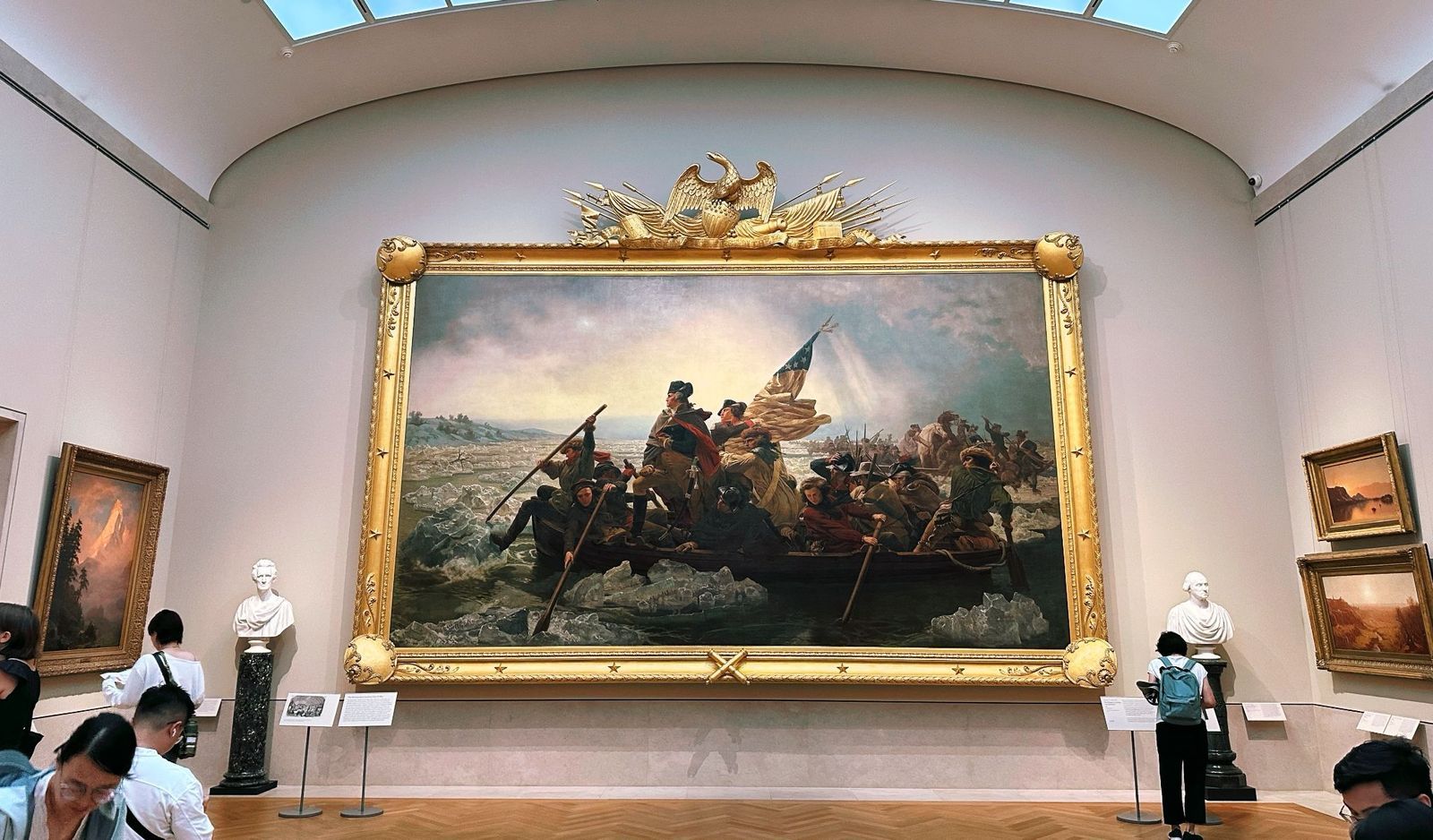
George Washington’s famous crossing of the Delaware River from Pennsylvania into New Jersey on Christmas night in 1776 to fight British troops was immortalized in Emanuel Leutze’s celebrated 1851 painting. But can you actually visit the place in the image? The answer is tricky.
The area around the historic crossing is now home to Washington Crossing Historic Park, and visitors can see it; however, Leutze based the setting partly on the Rhine in Germany, where he painted it 75 years after the real event, so the landscape isn’t entirely accurate.
Café Terrace at Night: Arles, France
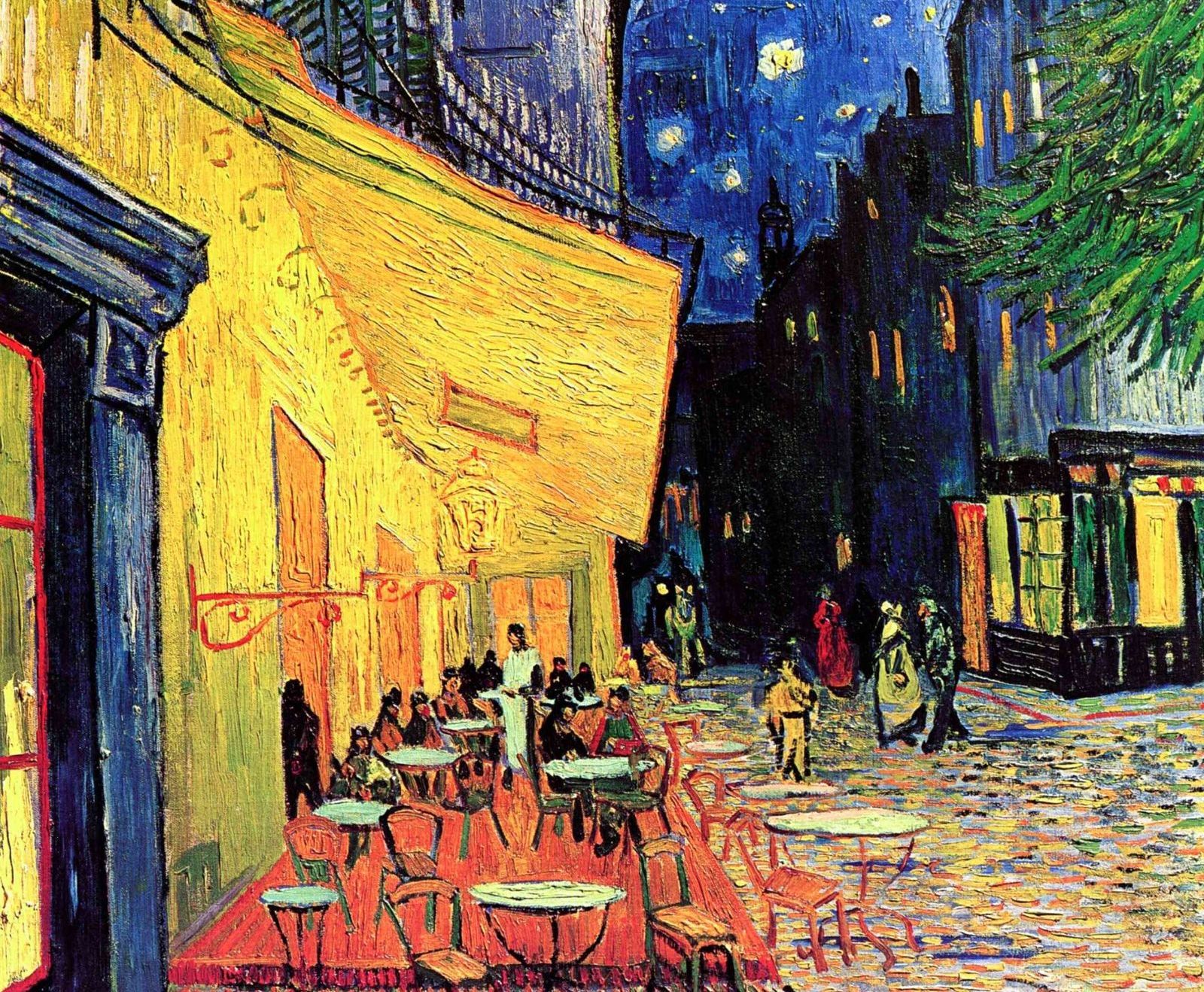
Could you have a coffee where Van Gogh painted his 1888 Café Terrace at Night? You bet. The famous Dutch painter created the scene outdoors at night, capturing the contrast between the warm gaslight and the deep blue, star-filled sky. He even set up his easel outside the café to paint the scene.
The real café stands in Place du Forum, Arles, France, and is now known as Café Van Gogh. And you can sit on its terrace and see for yourself what inspired Van Gogh.
Christina’s World: Cushing, Maine, USA

Andrew Wyeth’s 1948 Christina’s World depicts a woman in a dress lying on the grass, staring at a farmhouse on the horizon. Not only was the woman real, but so was the house. So, can you visit the place? The scene is based on the Olson family farm in Cushing, on Maine's midcoast, and the white farmhouse in the American painter’s work still stands today.
The Olson House is listed on the National Register of Historic Places, and you can visit it. Christina was a real woman who lived on the farm and had a rare condition that limited her mobility. Wyeth was inspired by Christina's determination and decided to paint her.
Impression, Sunrise: Normandy, France
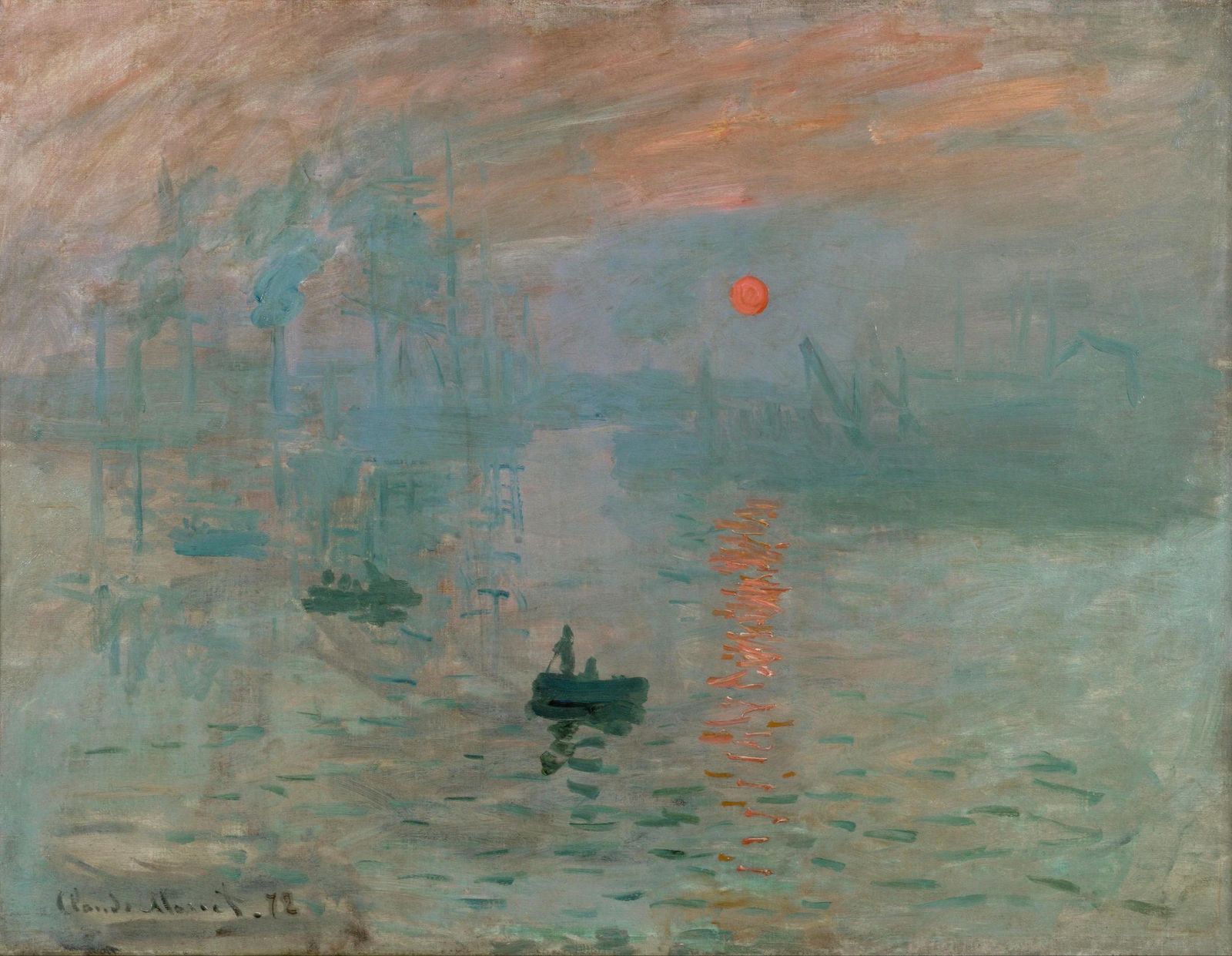
One of the most famous works by French painter Claude Monet is Impression, Sunrise (1872), but where can you find that view in real life? While staying at the Hôtel de l’Amirauté in Le Havre, Normandy, France, Monet had a window overlooking the harbour’s landscape.
He was inspired by a fleeting moment of light and atmosphere, so he painted an orange sun rising through mist over the harbor, with boats, ship masts, smokestacks, and industrial structures. Le Havre's harbor has changed a lot since the 1870s, but the city remains closely tied to the birth of Impressionism.
Pope Benedict XIV Visits the Trevi Fountain in Rome: Rome, Italy
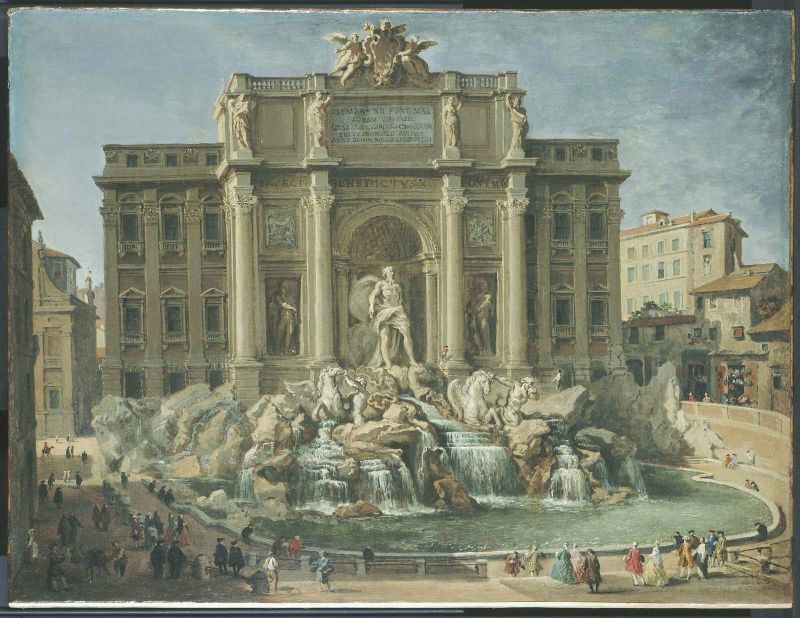
The title of Giovanni Paolo Panini’s iconic 1750 painting already gives it away. The Italian artist painted a detailed view of Rome's architecture and monuments. You can see the real Trevi Fountain for free from the surrounding piazza in Rome, or buy a ticket to enter the lower basin and get close to the water.
Interestingly, Pannini’s painting shows the fountain as if it were finished, even though he painted it more than a decade before the fountain’s official opening in 1762.
Starry Night Over the Rhône: Arles, France
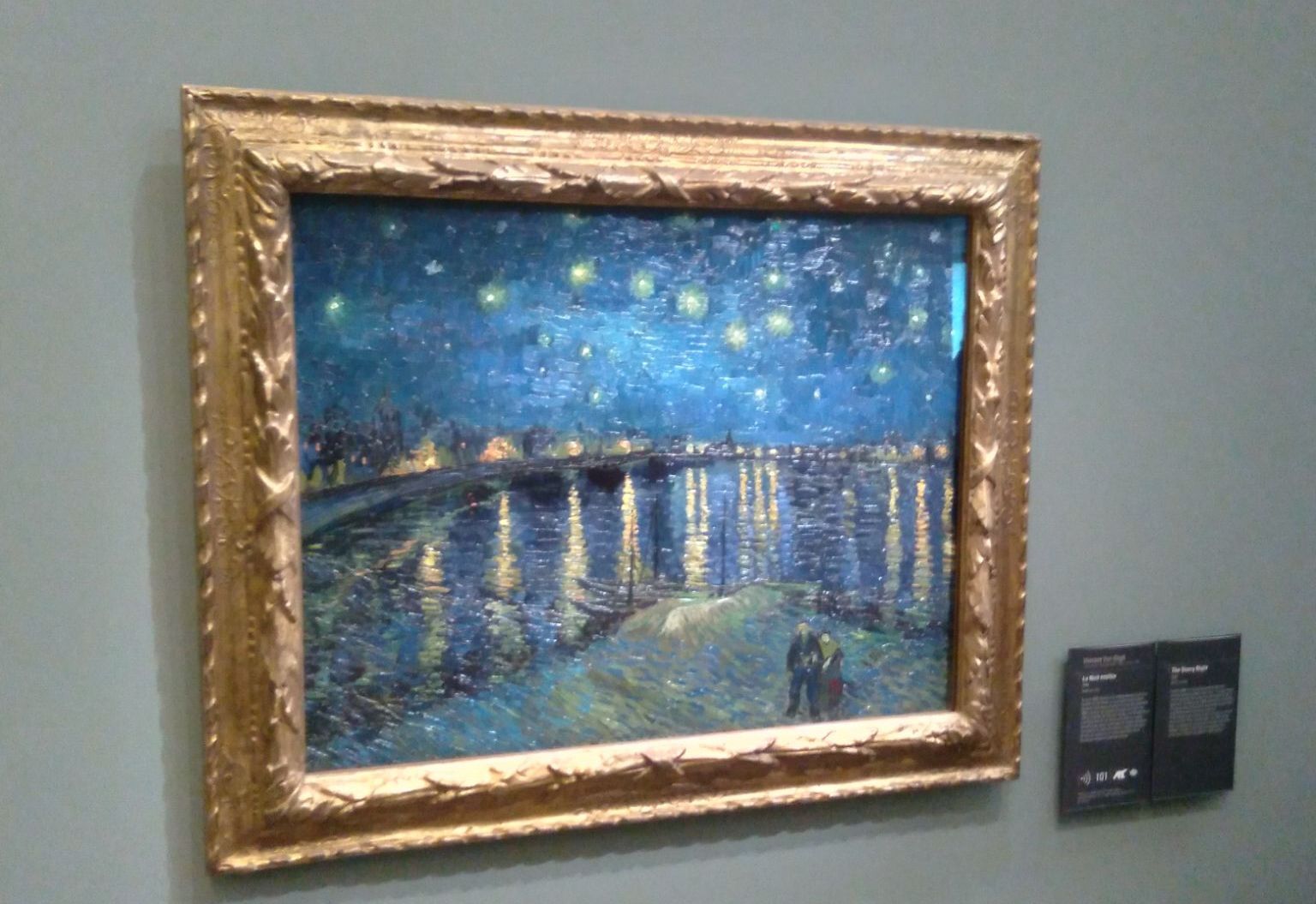
Van Gogh definitely had a thing for Arles, France. In the iconic Starry Night Over the Rhône (1888), the Dutch artist painted a night sky packed with stars above the river, with gas lamps reflecting orange and yellow light across the deep-blue water. And can you still see this view today?
Although the modern riverfront has changed since Van Gogh was there, you can still visit the banks of the Rhône River in Arles, where he painted the scene outdoors at night.
Mona Lisa: Italy
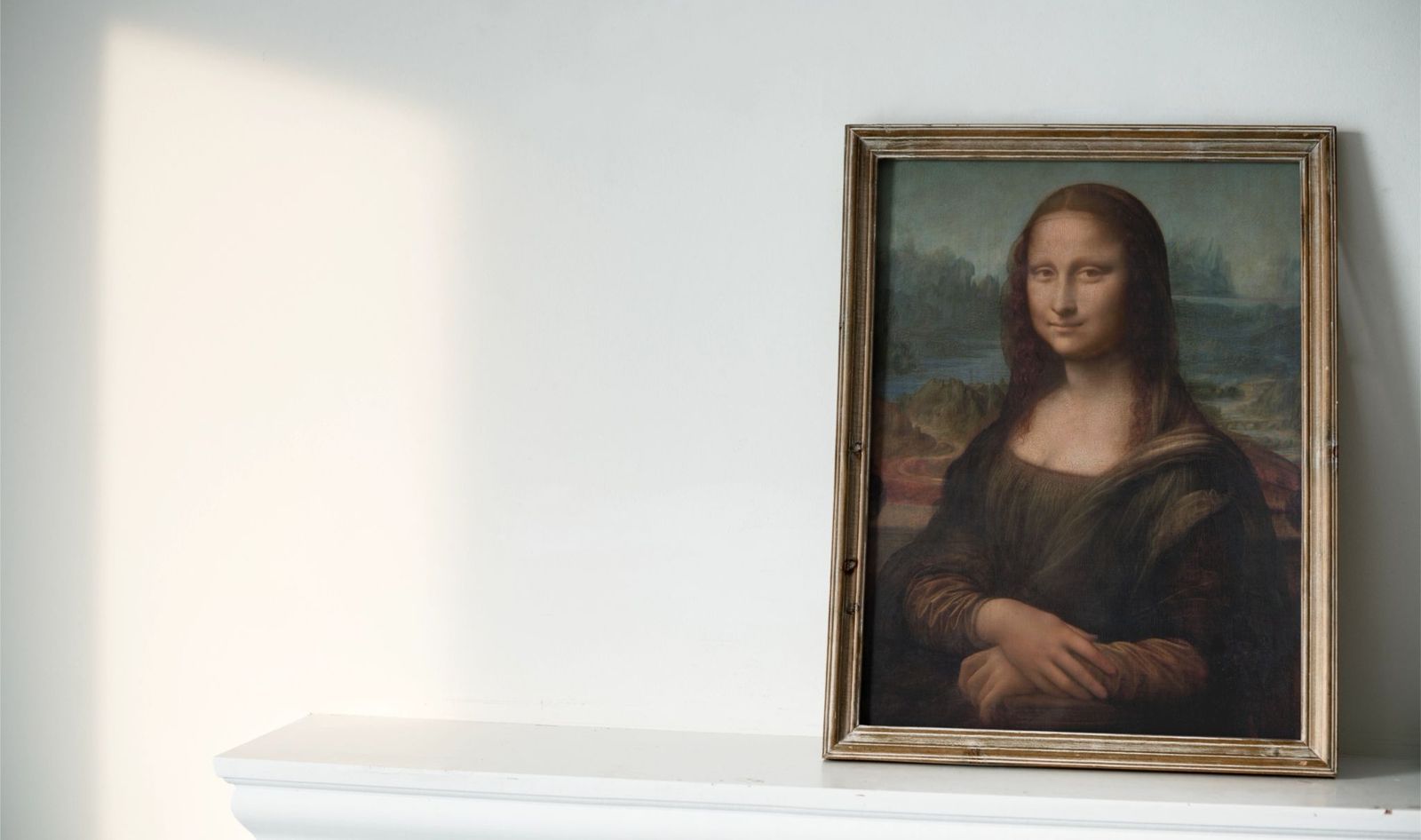
Renaissance masterwork The Mona Lisa remains one of the most famous paintings in history. But did you know that the location behind her is still a mystery? Leonardo da Vinci created the Mona Lisa around 1503–1519, depicting Lisa Gherardini, the wife of Florentine merchant Francesco del Giocondo.
Italian historian Silvano Vinceti said in 2023 that the bridge in the background was Ponte Romito near Laterina, Tuscany. But in 2024, geologist and art historian Ann Pizzorusso argued that the landscape instead resembles Lecco, near Lake Como. Neither theory is conclusively established.
Wanderer Above the Sea of Fog: Saxon Switzerland, Germany
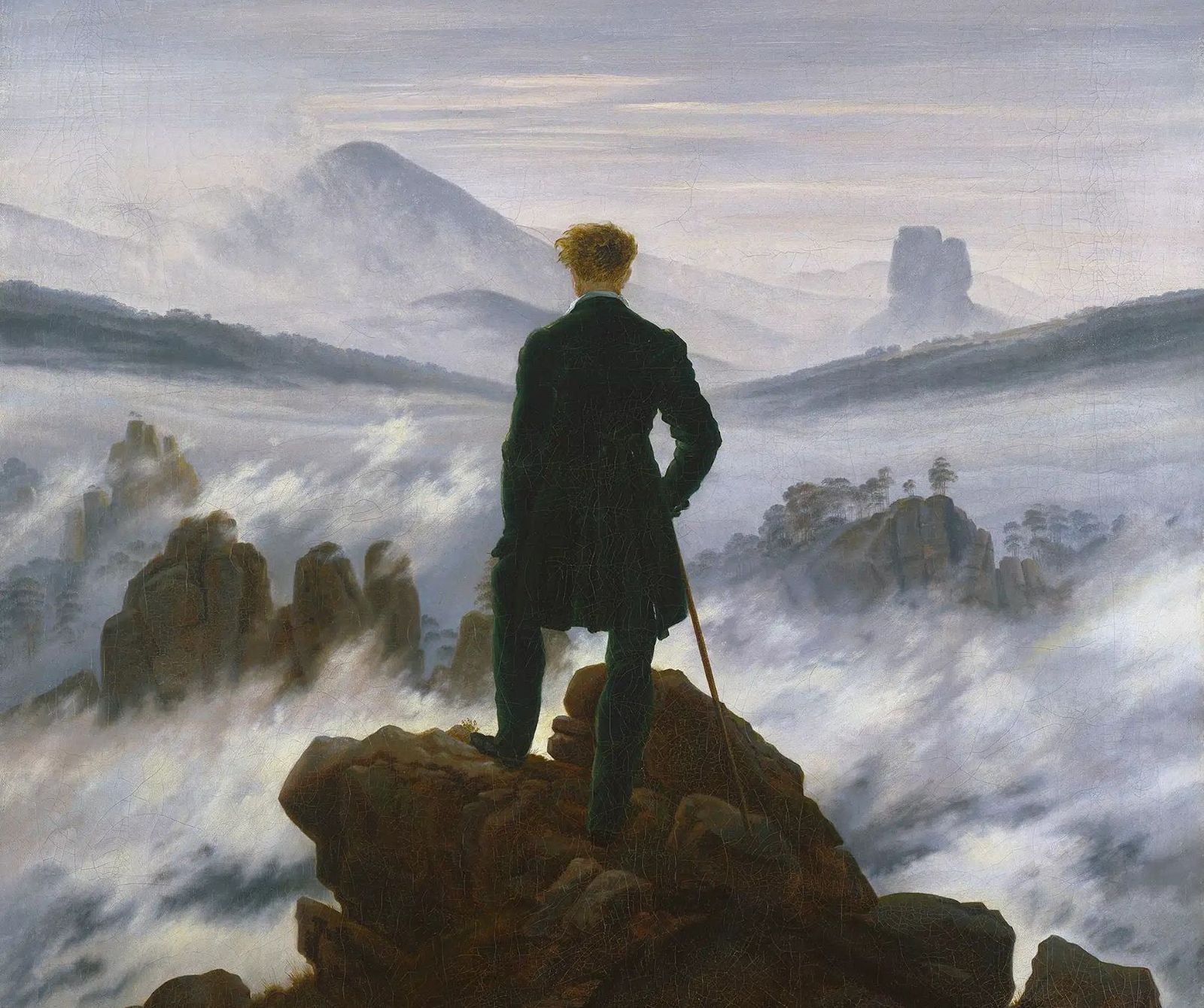
Between 1817 and 1818, German artist Caspar David Friedrich painted a lone man seen from behind standing on a rocky peak, looking across the mountains covered in fog. But is this mysterious landscape real?
The area is thought to be the Elbe Sandstone Mountains, along the German-Czech border, but it’s not an exact portrayal of the location. This work became one of the most influential paintings of the Romantic movement.
What to expect during airport security around the world?
 General
How different is airport security from country to country?
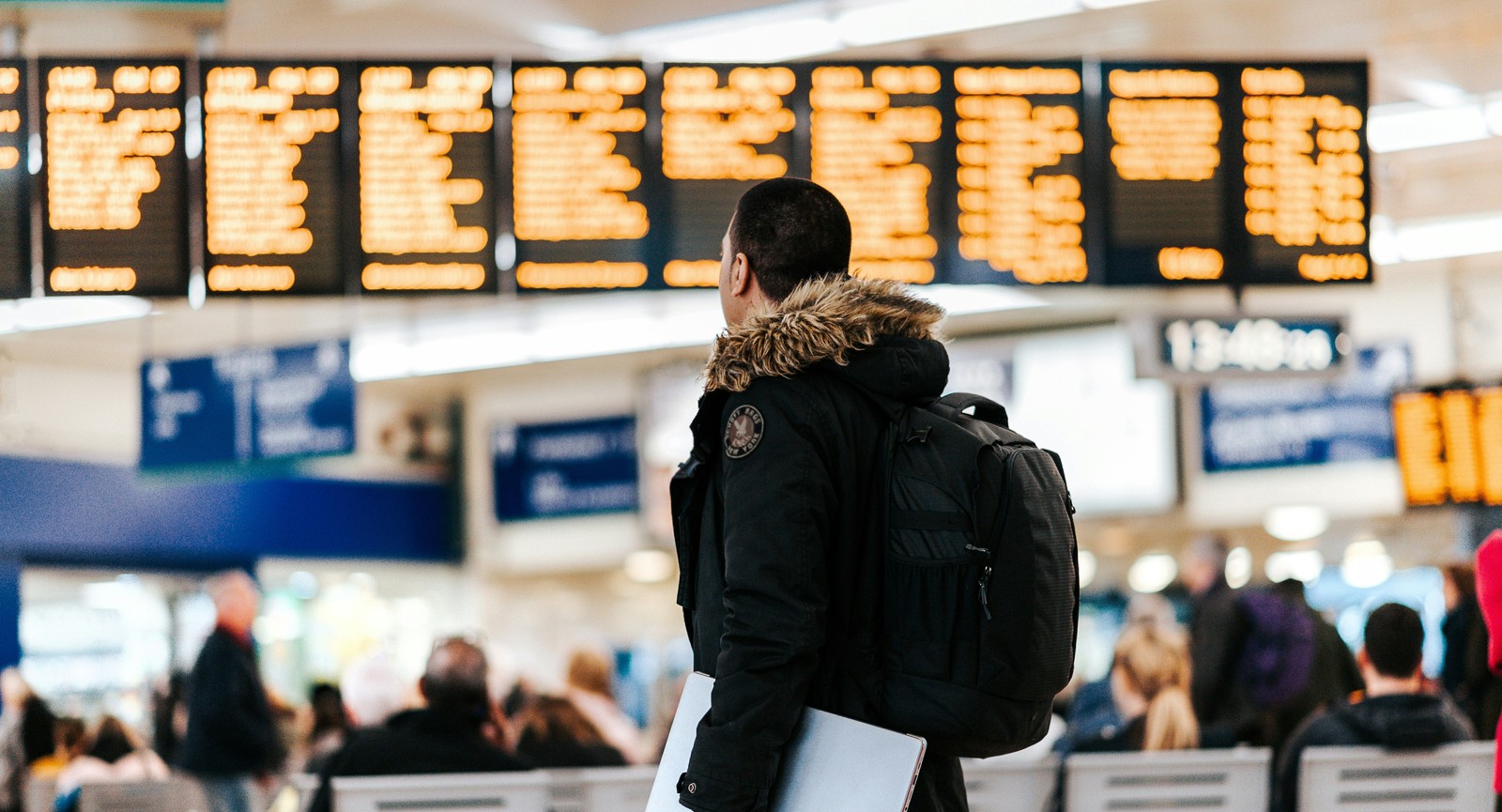
Airport security can feel like a universal experience—long lines, plastic bins, and the quiet panic of wondering whether you forgot a water bottle. But the reality is that security procedures vary widely depending on where you’re flying. What’s normal in one country may surprise you in another, from how strictly liquid restrictions are enforced to whether you’ll pass through full-body scanners or undergo manual checks.
Understanding what to expect can make the process faster, calmer, and a lot less stressful. Here’s a country-by-country look at how airport security works around the world and what travelers should be prepared for.
United States
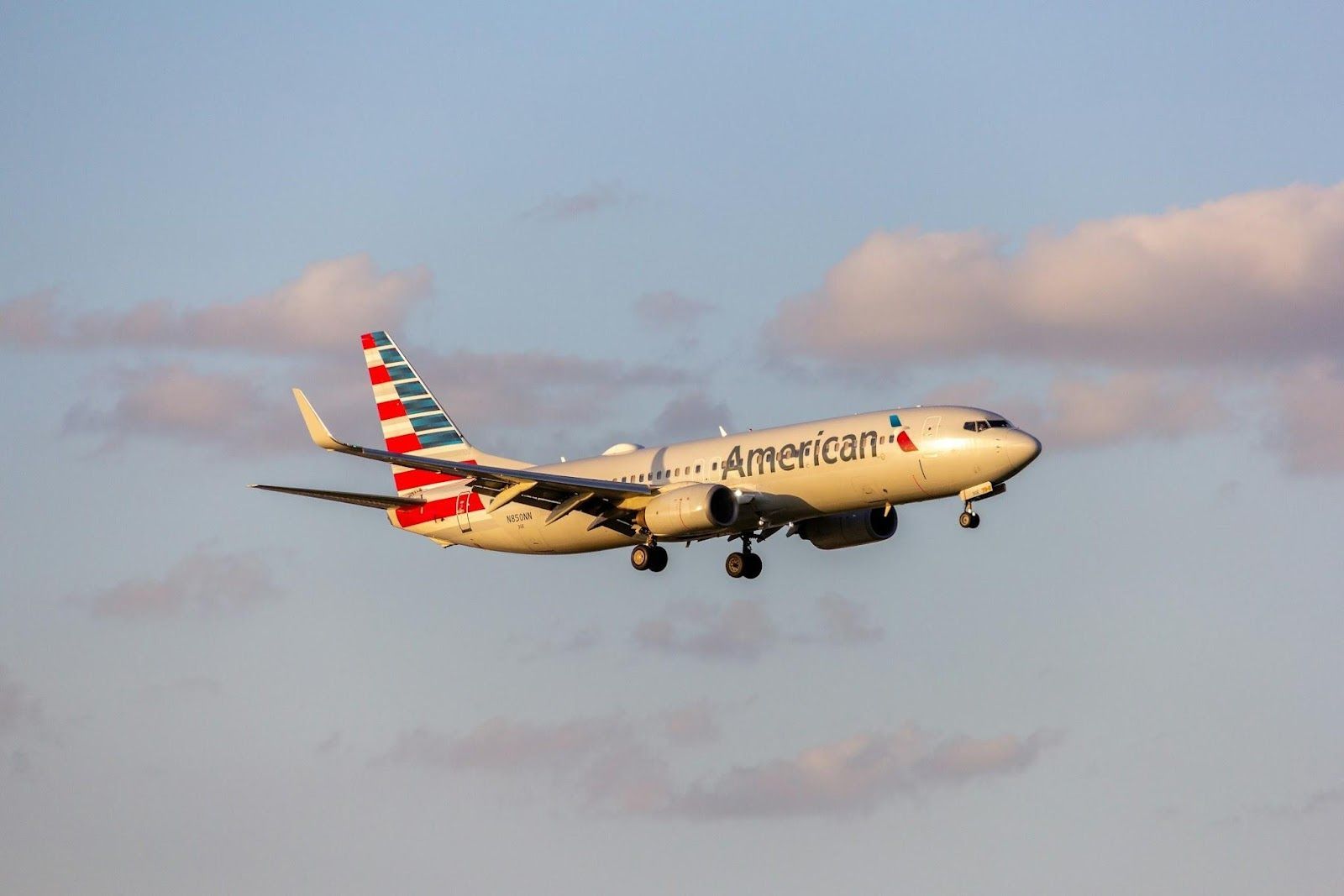
Security screening in the U.S. is handled by the Transportation Security Administration (TSA) and is known for being thorough and standardized. Expect to remove shoes, belts, jackets, and electronics larger than a phone unless you’re enrolled in TSA PreCheck. Liquids must follow the 3.4 oz (100 ml) rule and fit in a quart-sized bag.
Security lines can be long at major hubs, especially during holidays and peak travel seasons. Officers are generally professional but direct, and the process can feel rushed. Arriving early is essential, particularly for domestic flights, when many travelers underestimate wait times.
United Kingdom
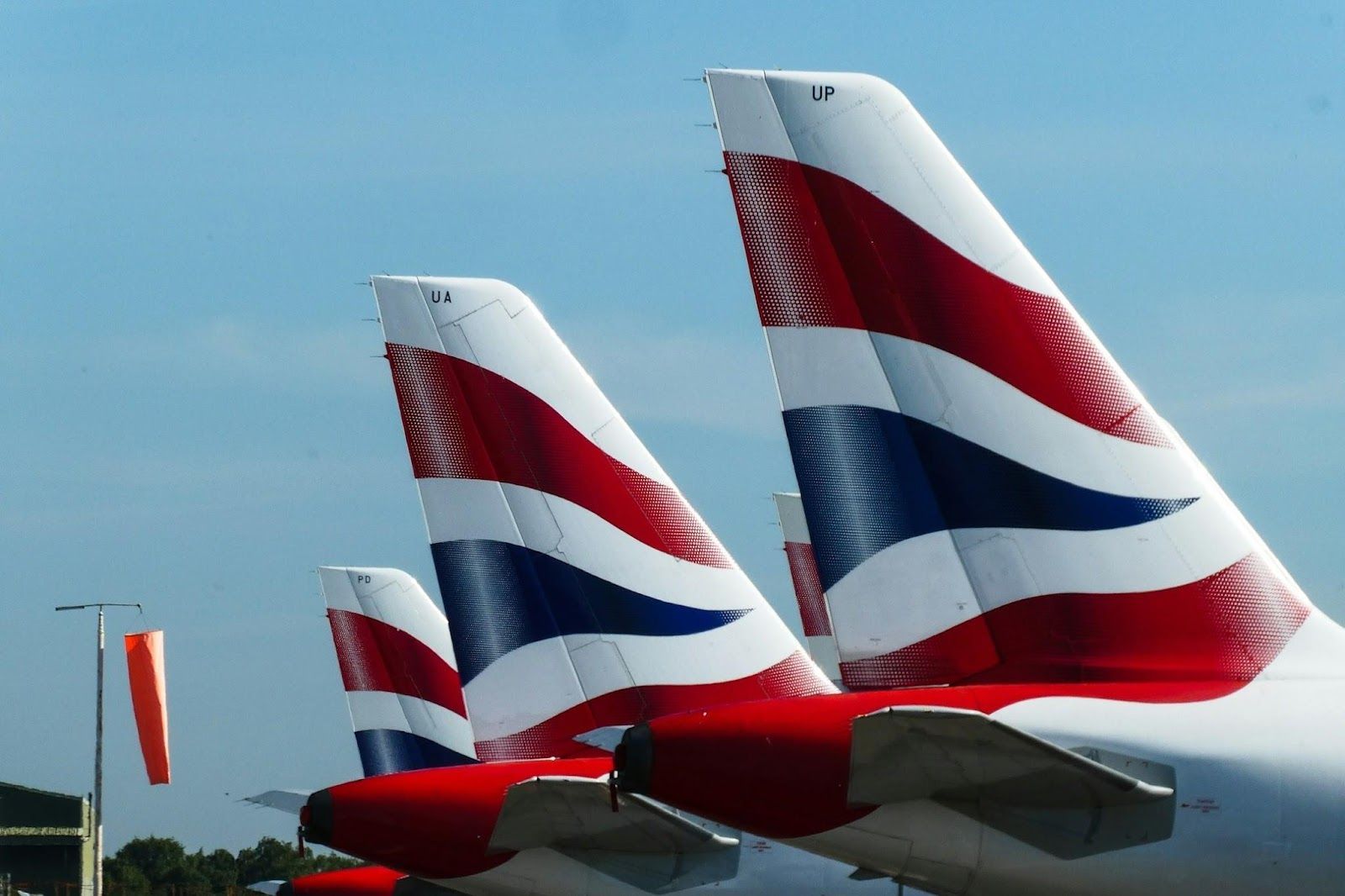
UK airport security is efficient but strict about liquids and electronics. Liquids must be in containers of 100 ml (3.4 oz) or less and placed in a clear plastic bag, and electronics are often required to be removed from carry-ons. Heathrow Airport and Gatwick Airport can be especially busy, with heavy enforcement of the rules.
Security staff tend to be polite but firm, and there is little flexibility if your liquids bag isn’t properly prepared. Some UK airports are beginning to roll out new scanners that allow liquids to stay in bags, but these rules vary by terminal, so it’s safest to follow the traditional guidelines.
European Union (Schengen Area)
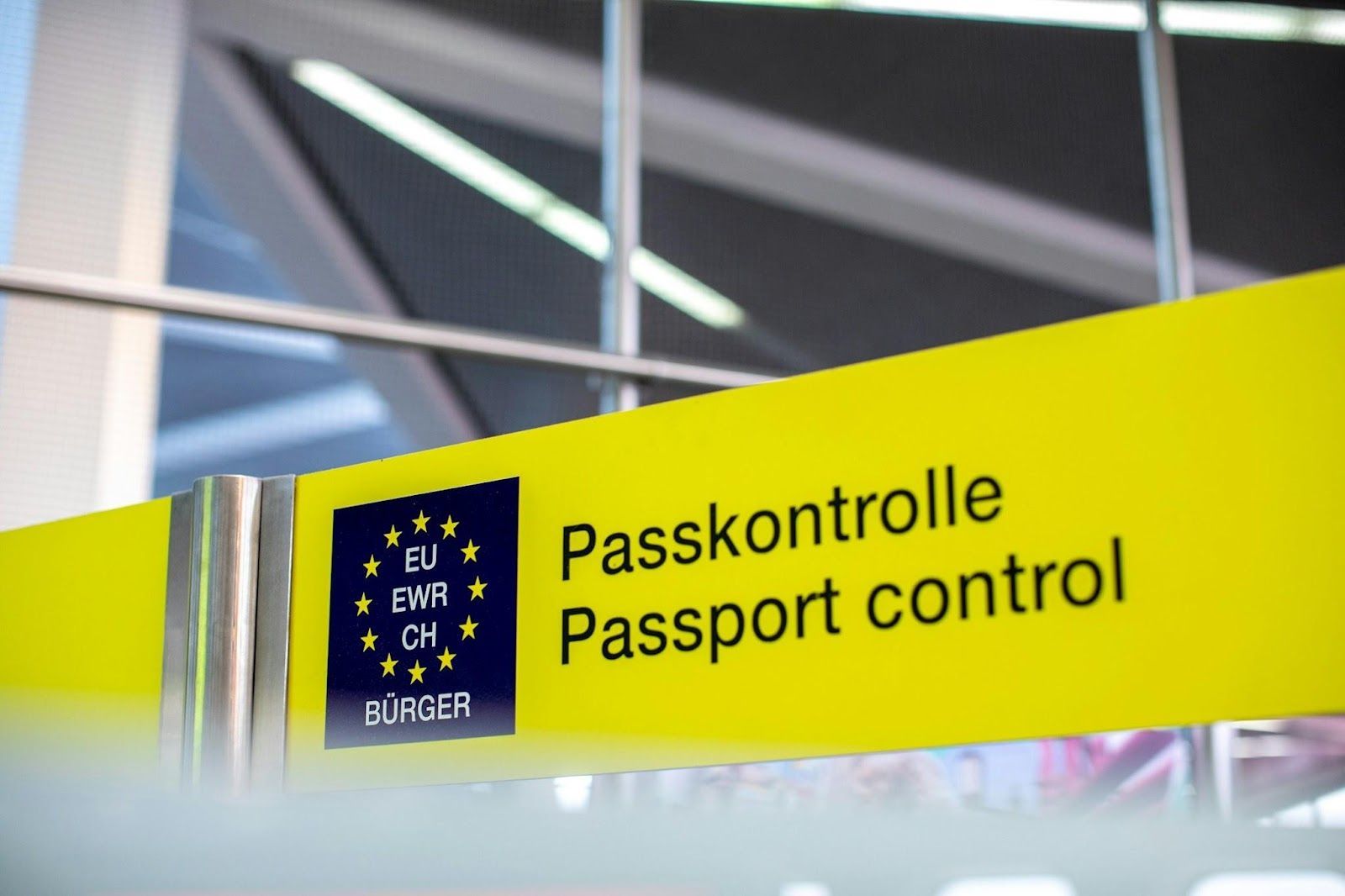
Security procedures across the European Union are fairly consistent, though the pace and strictness can vary by country. You’ll usually need to remove laptops and liquids, and shoes may or may not need to come off, depending on the airport. Some newer airports use advanced scanners that allow liquids and electronics to stay in your bag.
In places like Germany and the Netherlands, screening can feel very systematic and rule-focused. Southern European airports may feel more relaxed, but the rules are still enforced. Expect clear instructions and a generally smooth process once you’re in line.
Japan
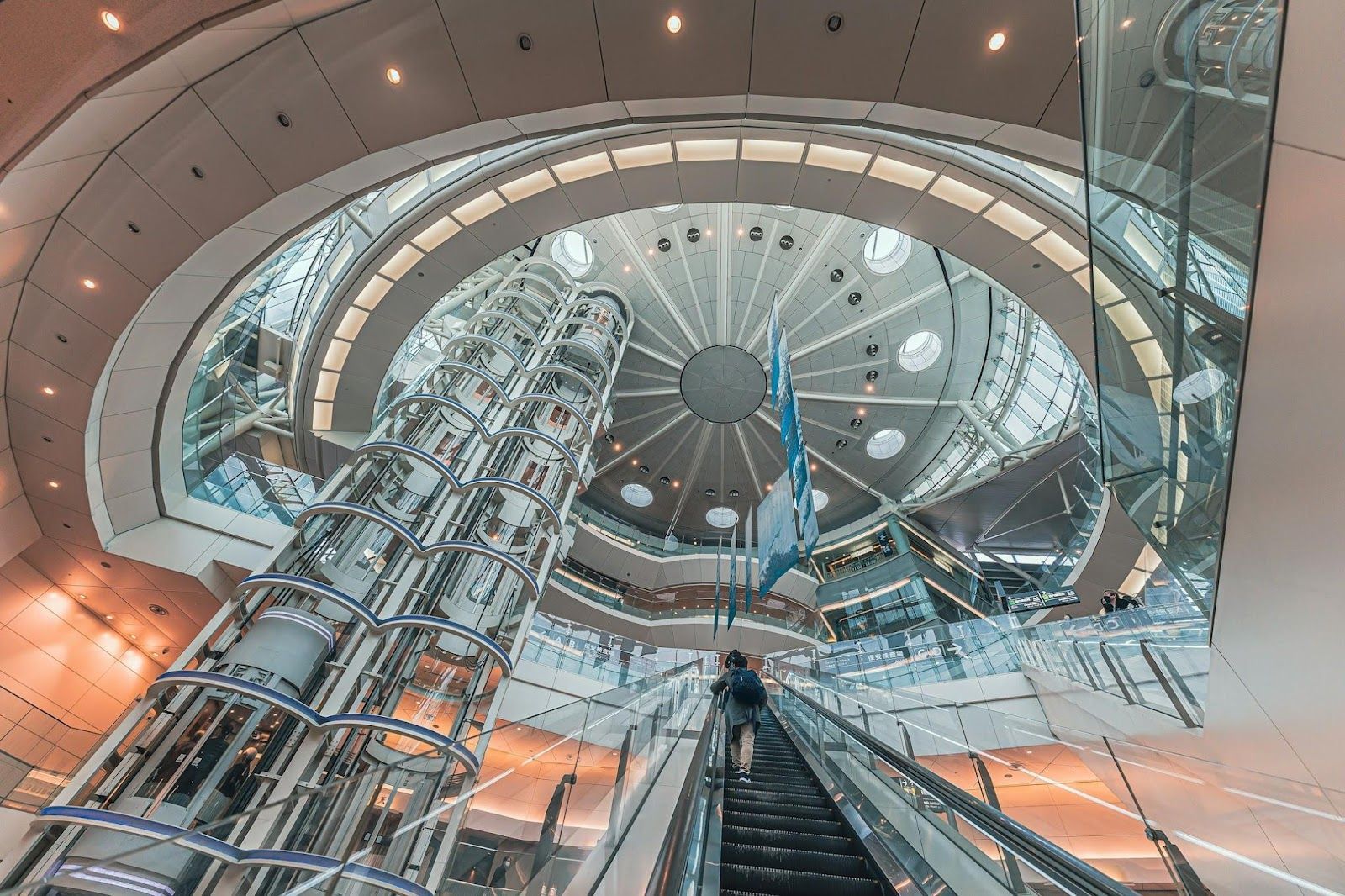
Airport security in Japan is known for being orderly, calm, and extremely polite. Instructions are clearly given, lines move efficiently, and staff often guide passengers step by step through the screening process. The atmosphere is quiet and respectful, even during busy travel times.
While the process is thorough, it rarely feels stressful. Travelers often notice how organized everything is, from tray placement to the way belongings are returned. The experience tends to feel less chaotic than at many Western airports.
South Korea
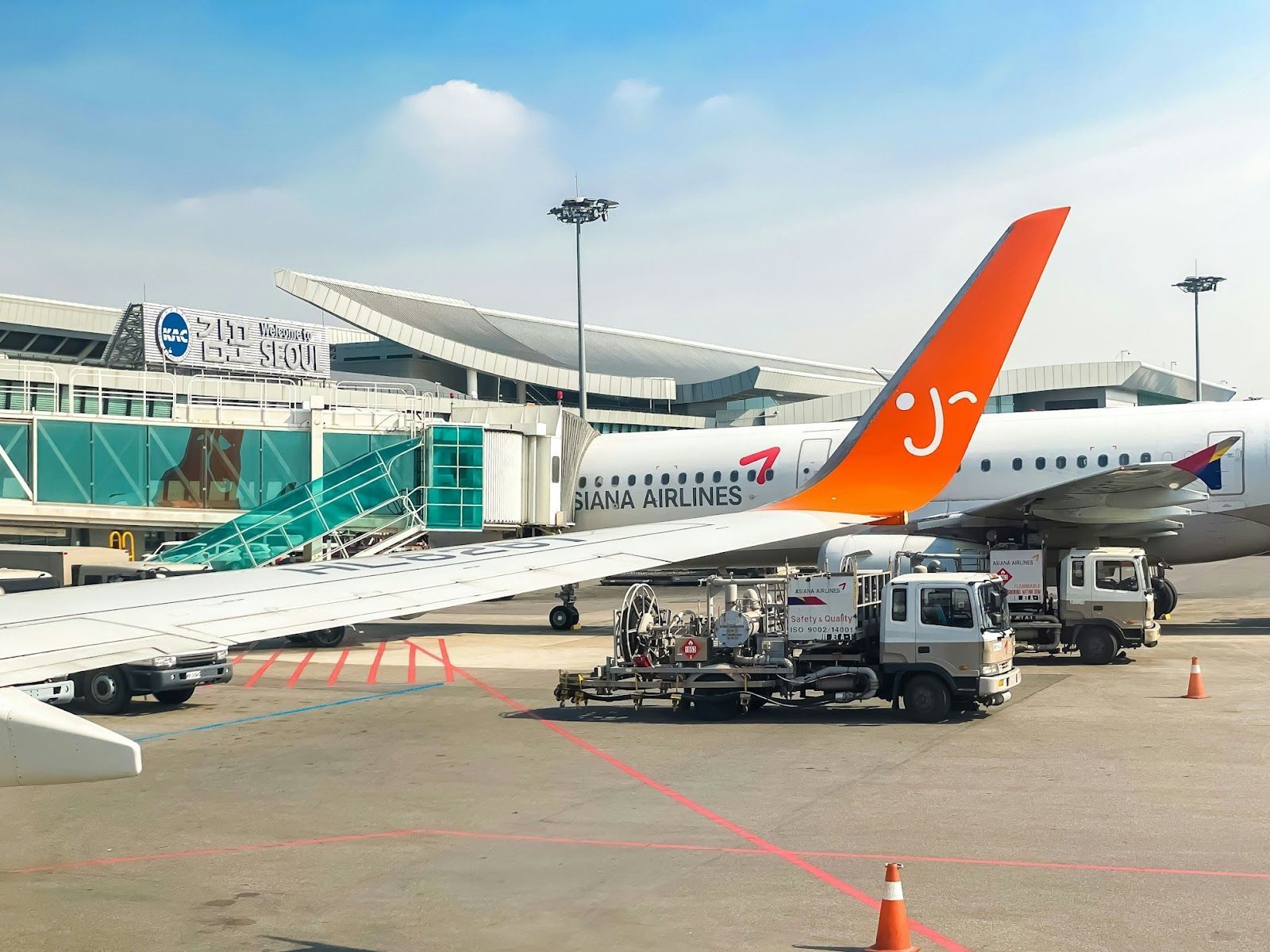
Airports like Incheon International Airport are famous for efficiency and traveler comfort, and security procedures reflect that. Screening is thorough but well organized, with clear signage in English and staff ready to assist. Liquids and electronics are typically screened separately, and procedures are followed closely.
Despite the high volume of international travelers, lines move quickly. The overall experience feels smooth, modern, and surprisingly calm for such a major global hub.
China
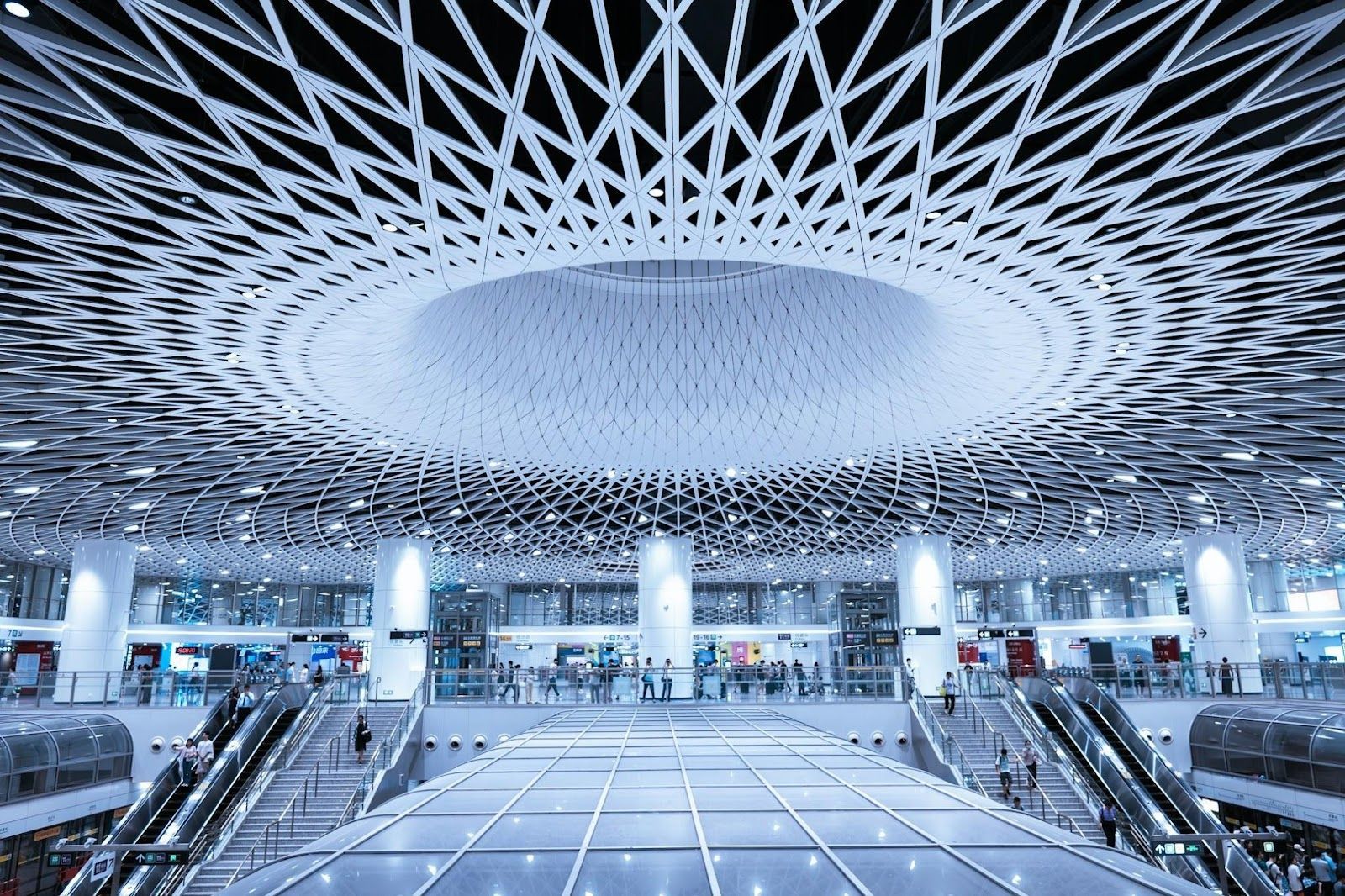
Airport security in China can involve multiple layers of screening, especially for international flights. At some airports, you may pass through security more than once, and boarding gates may include additional checks. Expect your carry-on and even power banks to be inspected carefully.
Rules are strictly enforced, and certain items that might pass elsewhere may be questioned. Language barriers can occasionally make the process slower, so it helps to follow instructions closely and allow extra time at the airport.
Middle East (UAE, Qatar, Saudi Arabia)
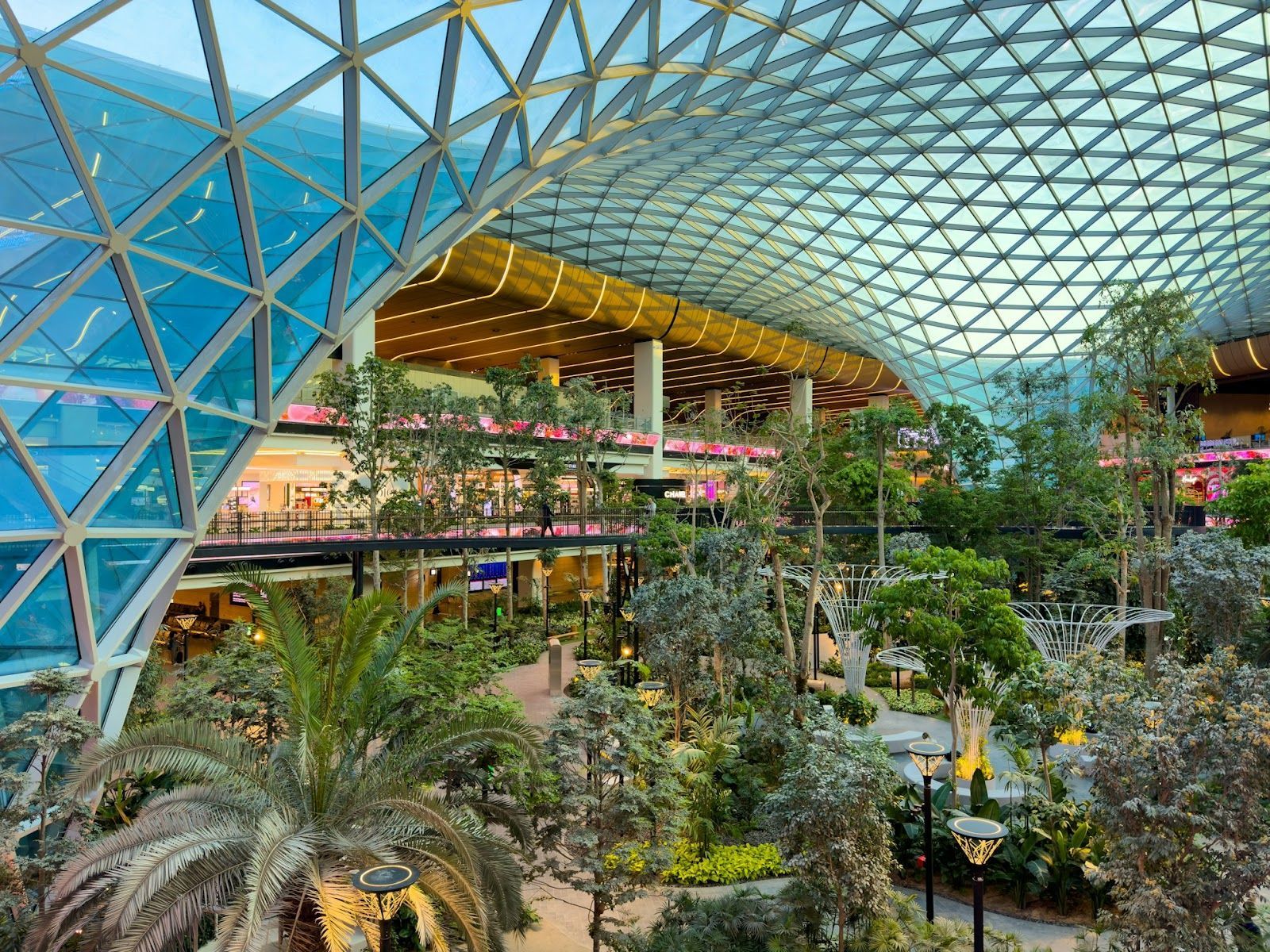
Major airports in the Middle East are modern, high-tech, and tightly secured. Expect advanced scanners, attentive staff, and occasional additional document checks. Liquid and electronics rules are enforced, but the process is usually fast due to efficient crowd management.
Security can feel more formal, and there may be extra screening at boarding gates. Despite the thoroughness, these airports are designed for high-volume international travel, so procedures are typically streamlined and well organized.
Latin America
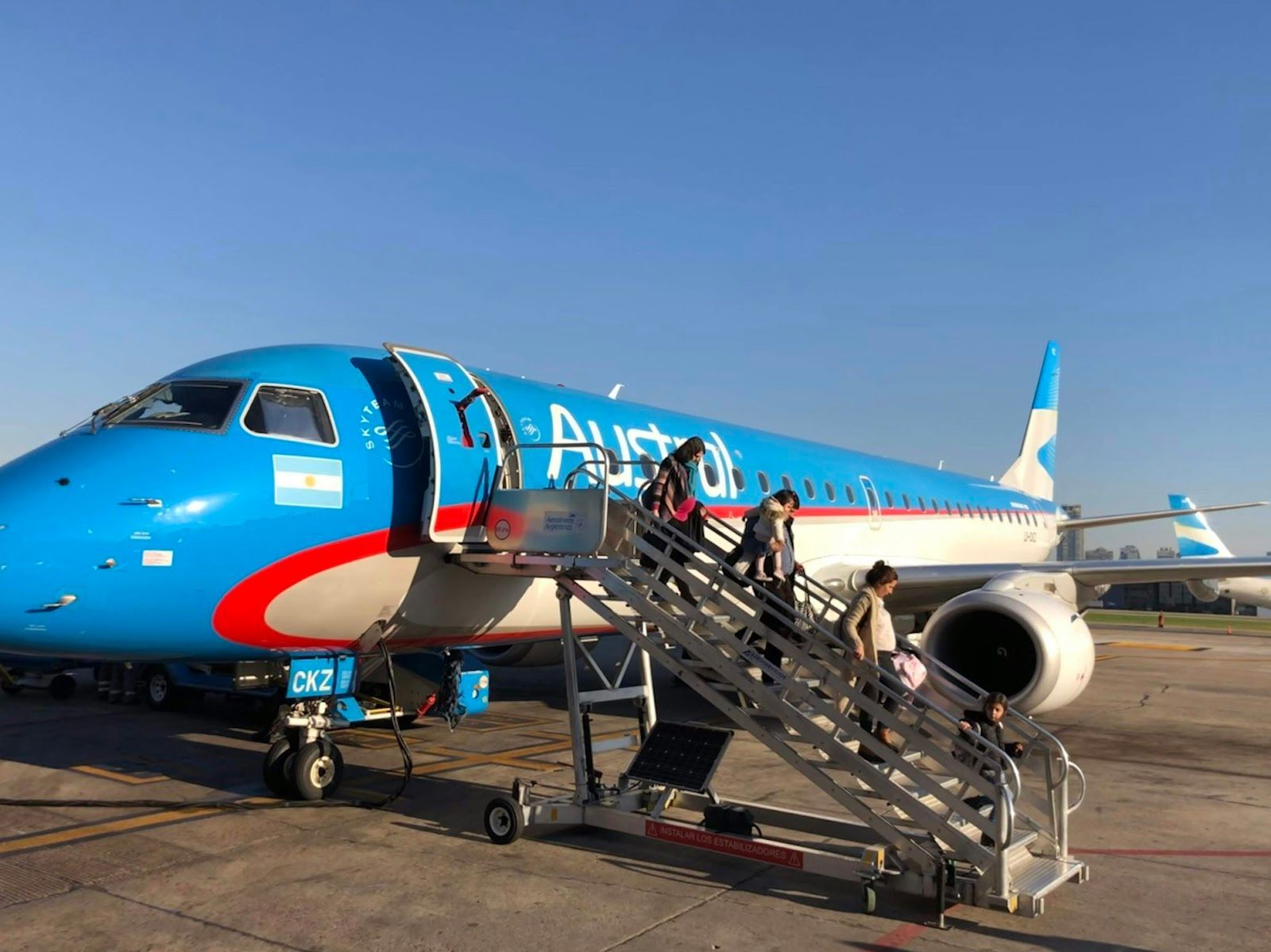
Security procedures in Latin American airports vary widely by country and airport size. Major international hubs generally follow global standards for liquids and electronics, while smaller airports may feel less structured. Lines can move slowly due to staffing or infrastructure limitations.
In some places, you might encounter additional manual bag checks or document verification. While the process may feel less standardized than in the U.S. or Europe, being patient and allowing extra time will usually keep the experience stress-free.
Southeast Asia
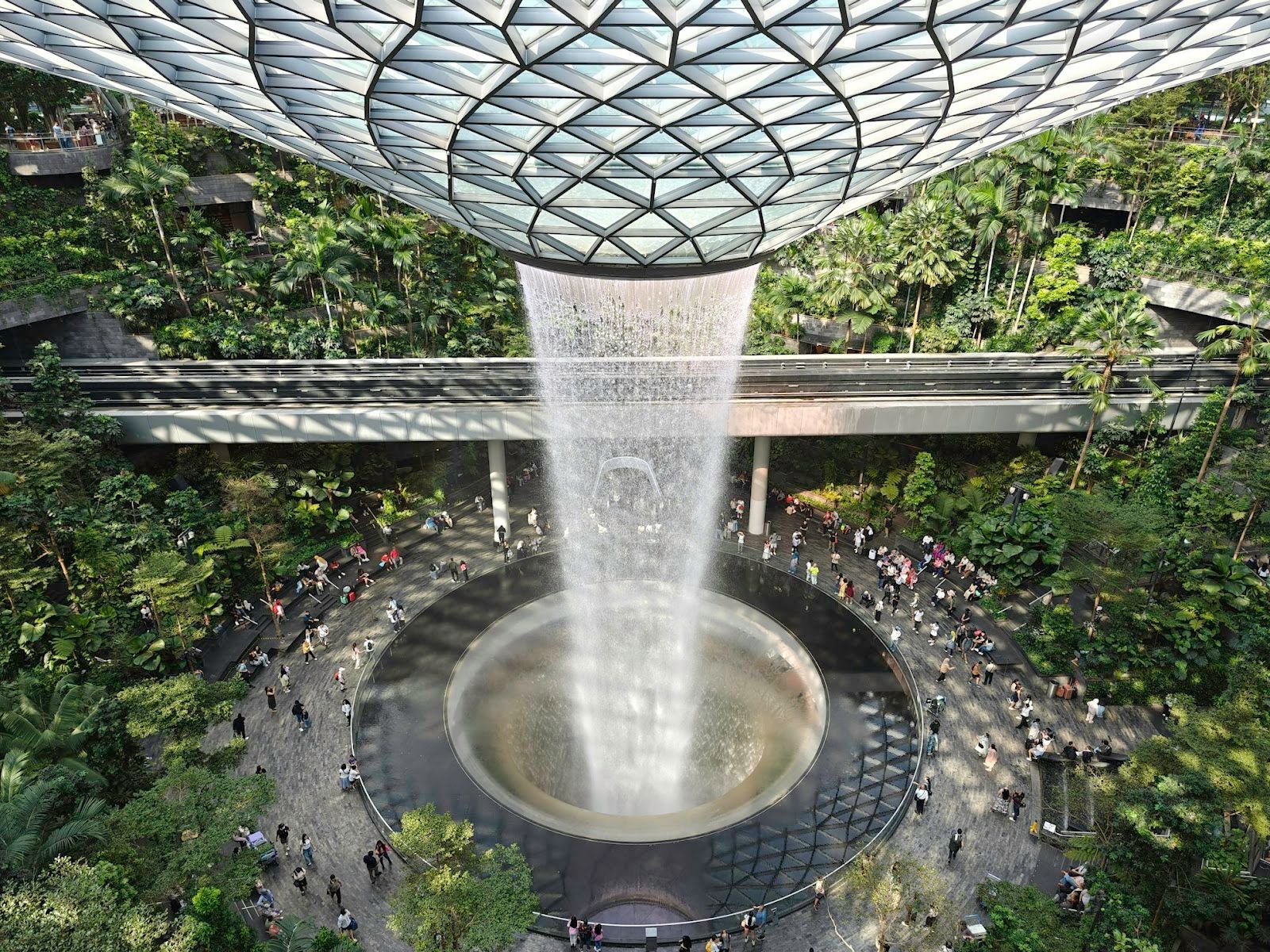
Security screening in Southeast Asia ranges from very relaxed to surprisingly strict, depending on the country and airport. Major hubs, such as Changi Airport in Singapore and Kuala Lumpur International Airport in Malaysia, tend to be highly organized and efficient, while smaller regional airports may rely more on manual checks.
Some airports conduct security screening at the gate rather than at terminal entry, which can catch travelers off guard. This means you may go through checks just before boarding, so don’t wait until the last minute to head to your gate.
Australia & New Zealand
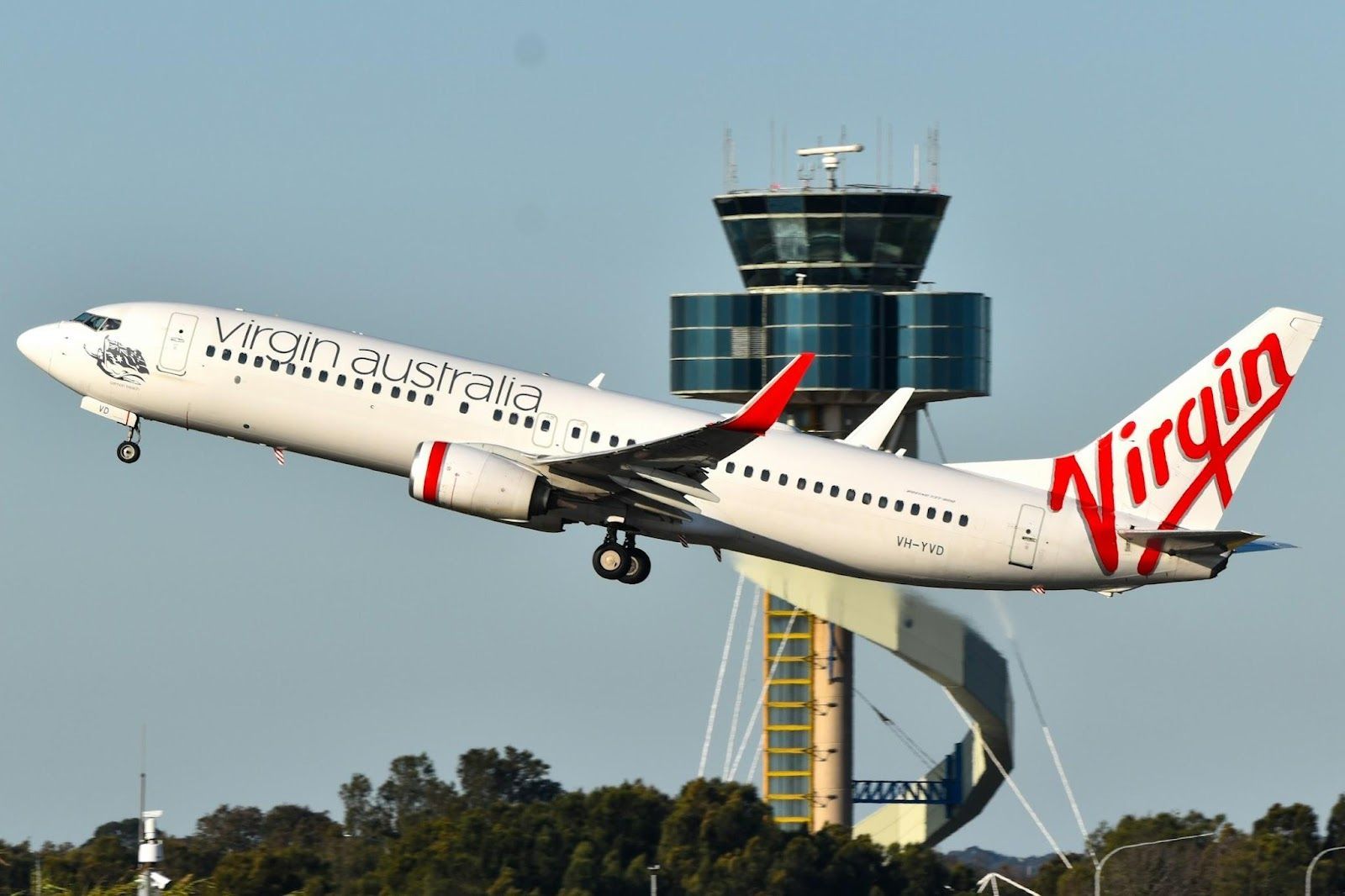
Airport security in Australia and New Zealand is thorough but generally calm. Liquids and electronics rules are enforced, and biosecurity checks add an extra layer that many travelers find unique. You may be questioned about food, plants, or outdoor gear.
The process is clearly explained, and staff are usually friendly but firm about compliance. Expect additional screening if you’re arriving internationally, as customs and biosecurity are taken very seriously in both countries.
Africa
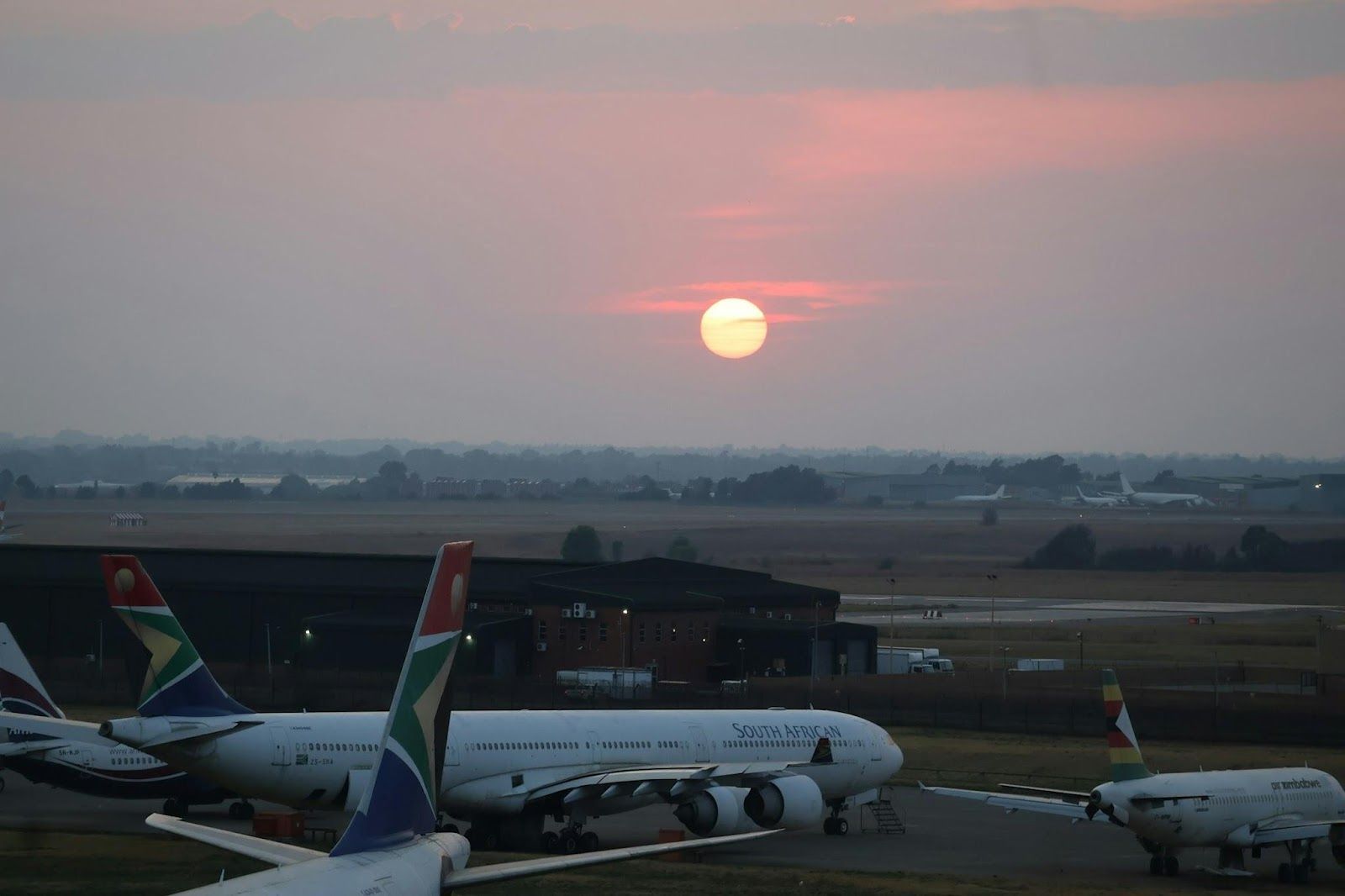
Security experiences across Africa vary widely depending on the airport and country. Major international airports such as O.R. Tambo International Airport (South Africa), Cairo International Airport (Egypt), and Jomo Kenyatta International Airport (Kenya) generally follow standard screening procedures, while smaller or regional airports may include more manual inspections and document checks.
You may encounter additional checkpoints before even entering the terminal. Lines can move slowly, and procedures may feel repetitive, but allowing extra time and staying patient usually makes the experience manageable.
What’s Universal (No Matter Where You Go)
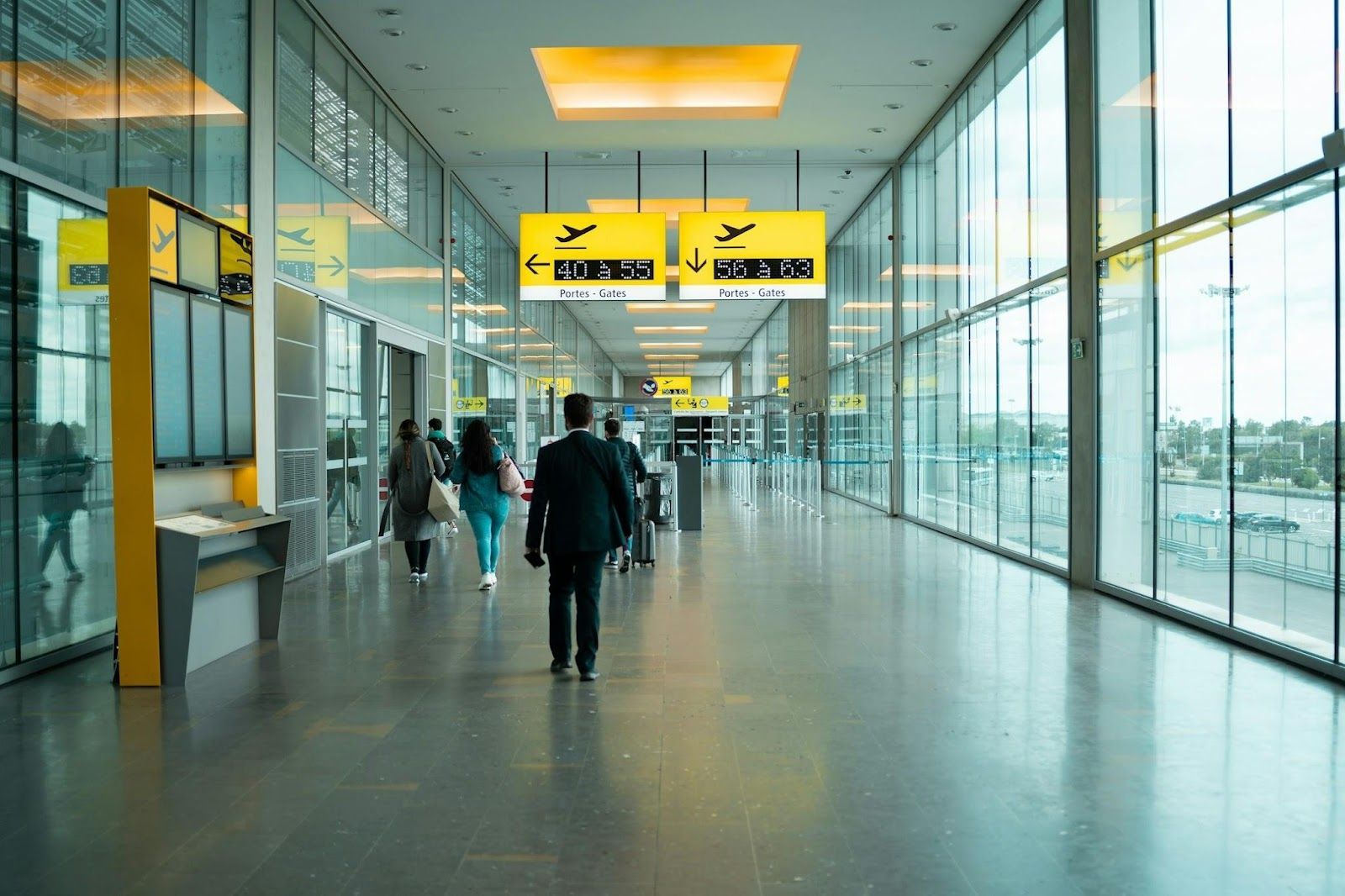
No matter the country, security screening always prioritizes safety, which means rules can change with little notice. Expect random additional screening, secondary bag checks, and occasional delays. Having your documents ready and your bags organized will make the process smoother everywhere.
The biggest universal rule is to arrive early and stay flexible. Even the most efficient airport can have sudden backups, and the most relaxed one can enforce strict rules on a bad day. A calm attitude goes a long way in getting through security with minimal stress.
Keep wandering
There’s always
more to explore
A town called Chicken? Why are these 10 U.S. places named after food?
4 min.
Read Now
10 things to pack that could save your vacation
5 min.
Read Now
How one package of macadamia nuts made the pilot turn the plane around
5 min.
Read Now
Some of these state fairs have seriously weird attractions
5 min.
Read Now