11 U.S. islands you thought you knew (spoiler: you probably don’t)
 History
Paradise found
11 U.S. islands you thought you knew (spoiler: you probably don’t)
Because of their insular nature, islands often exist as self-contained worlds, where their own logic governs evolution, rules, and almost everything else. From animal populations that thrived against all odds to prison islands and immigration hubs, these 11 islands in U.S. territory have very curious stories.
Mackinac Island said no to cars
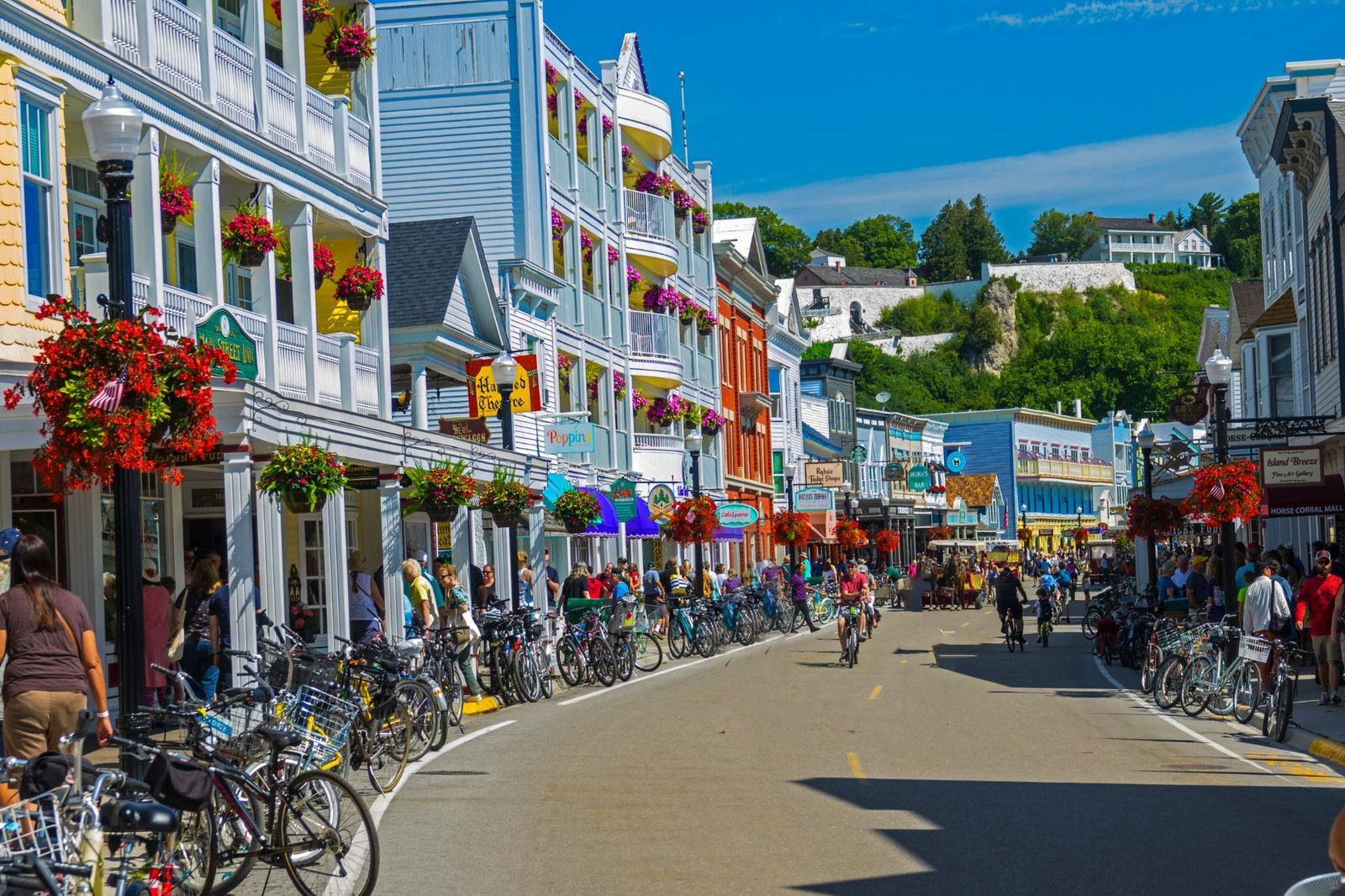
In 1898, Michigan´s Mackinac Island carriage drivers petitioned the village council to ban horseless carriages that frightened their horses, and the ban took effect on July 6. In 1901, the state park commission added its own restrictions after a summer resident’s car spooked horses.
Over a century later, the island still restricts ordinary cars, and the ban is now state law. Its only highway, M-185, is famously motorless. Visitors travel by foot, bike, or horse-drawn carriage, and a few exceptions exist. Horses have worked on the island since about 1780.
Angel Island´s poems on the walls
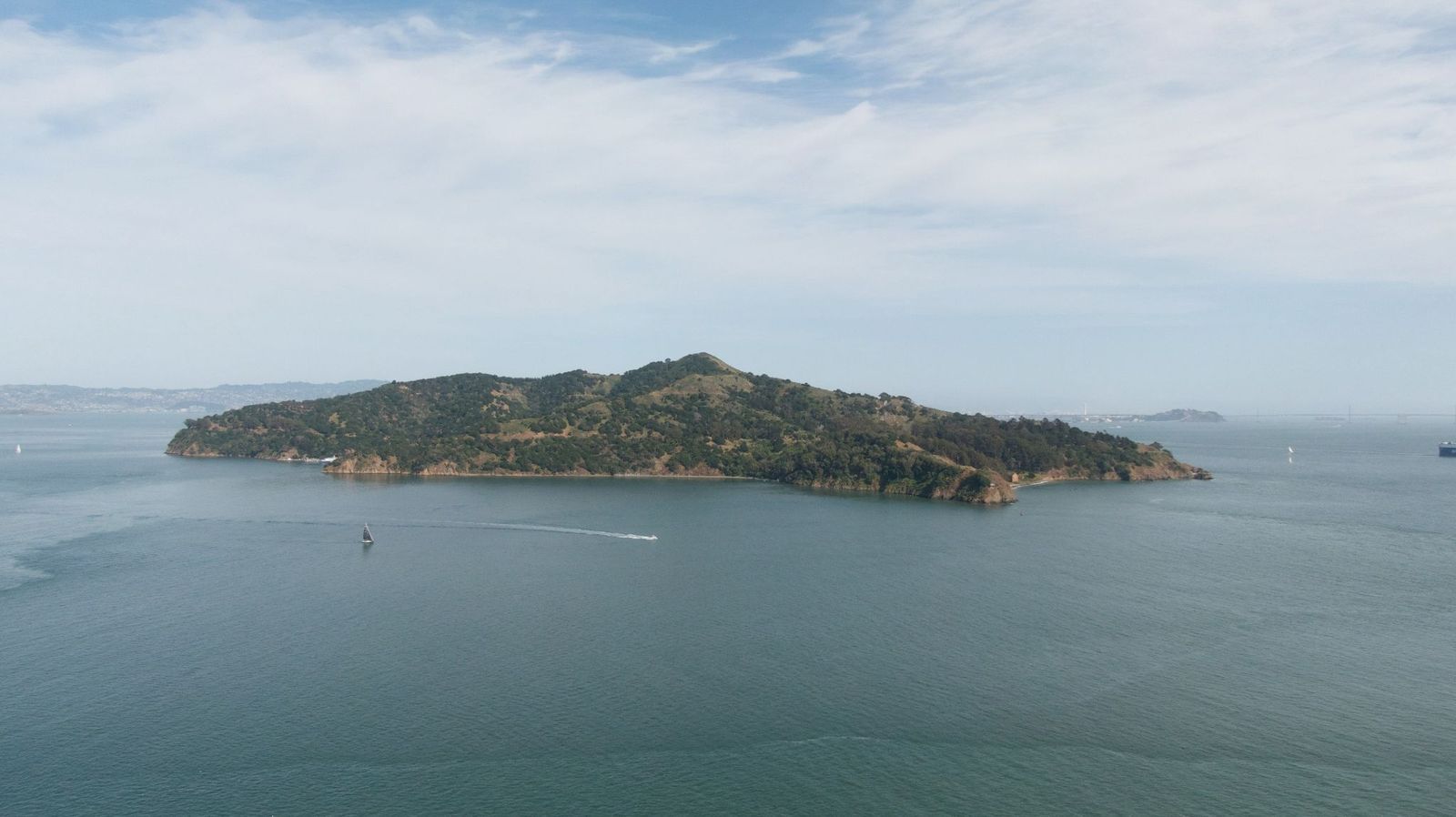
From 1910 to 1940, Angel Island’s immigration station, located in the middle of San Francisco Bay, processed roughly a million people, and an estimated 100,000 Chinese were detained there carved poems into the wooden barracks walls. More than 200 of those poems survive today. Inscriptions also appear in Japanese, Korean, Russian, and Punjabi.
In 1970, with the buildings facing demolition, park ranger Alexander Weiss noticed the carvings despite orders to ignore them and alerted a professor, who helped document them. The station became a National Historic Landmark in 1997.
Alcatraz and the occupation that followed
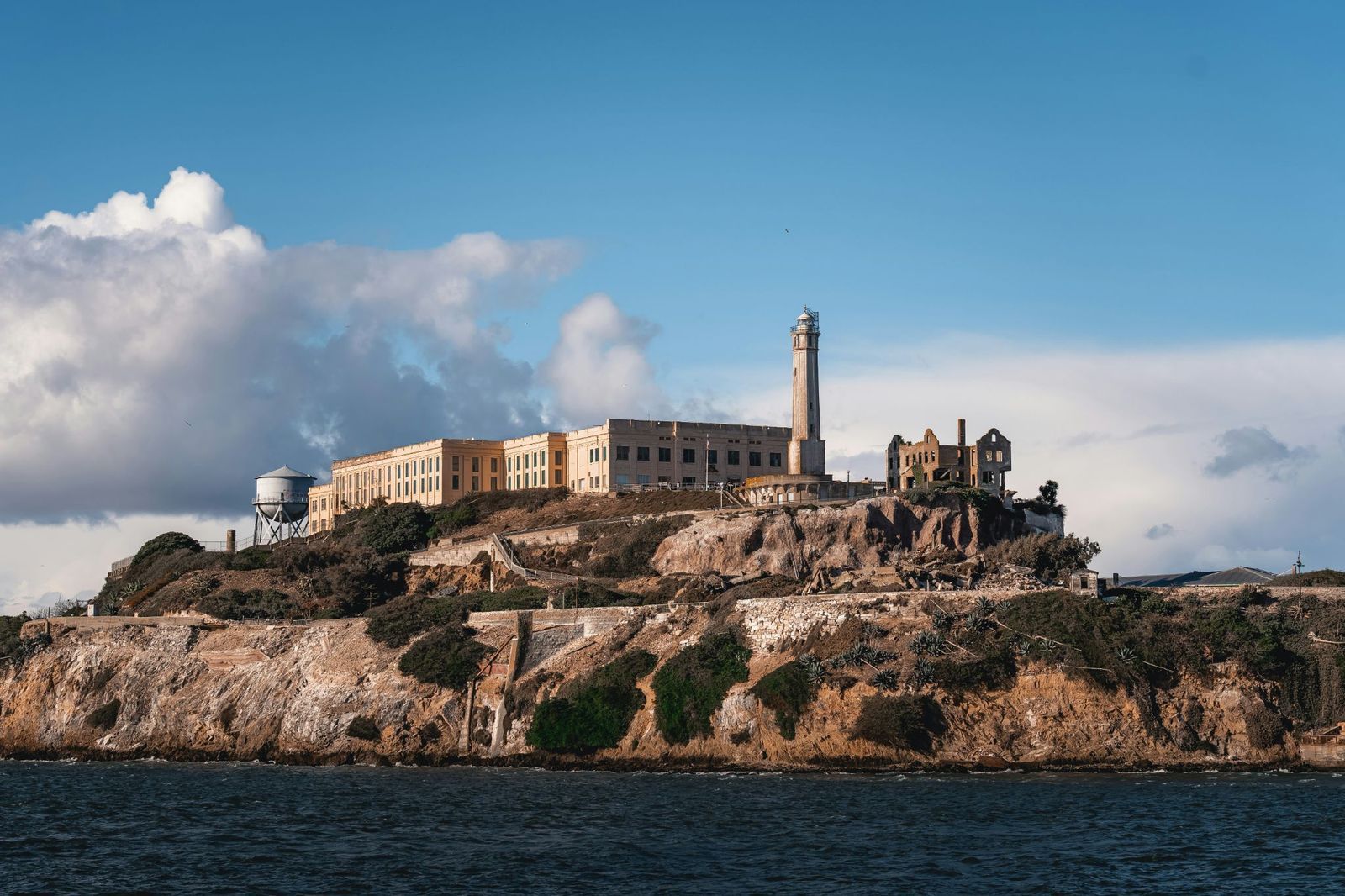
After its prison days, Alcatraz became the stage for a very different story. On November 20, 1969, a group called Indians of All Tribes began an occupation that started with 89 people. They elected a council and organized security, sanitation, day care, and a school. A fire at San Francisco’s American Indian Center had helped spark the effort.
It lasted until June 1971 and is widely described as the longest Native American occupation of a federal facility. It drew national attention, and federal policy later shifted from termination toward self-determination.
Governors Island turned its fortress into a playground
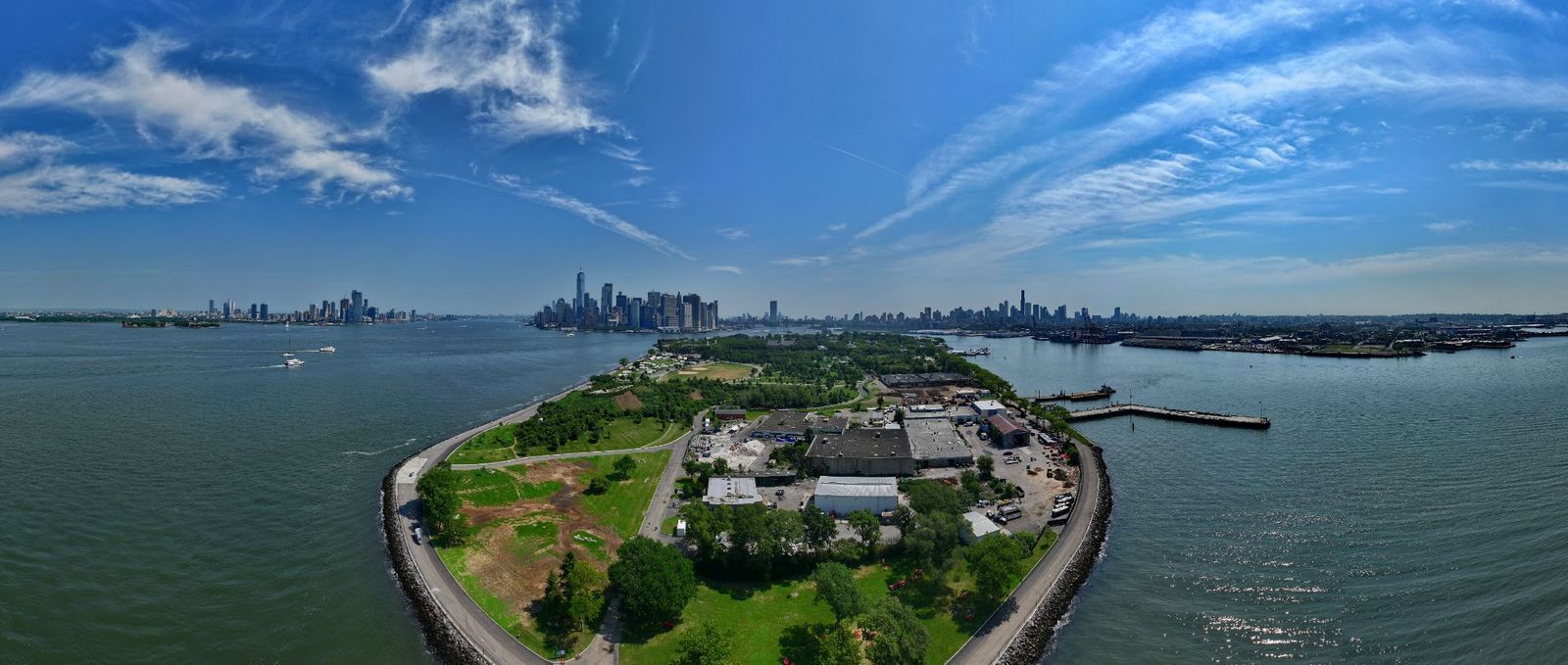
For nearly two centuries, Governors Island in New York Harbor was a military post, run by the Army and then, from 1966 to 1996, the Coast Guard. Castle Williams served as a military prison and held prisoners of war during World War II. Fort Jay honors John Jay. A park was first proposed in 1897, but the Army said no.
After the Coast Guard left, New York bought the island’s remaining acres for just $1, and Fort Jay and Castle Williams became a national monument. It opened to the public in 2005 and drew over 800,000 visitors a year by 2018.
Assateague’s horses and their origin story
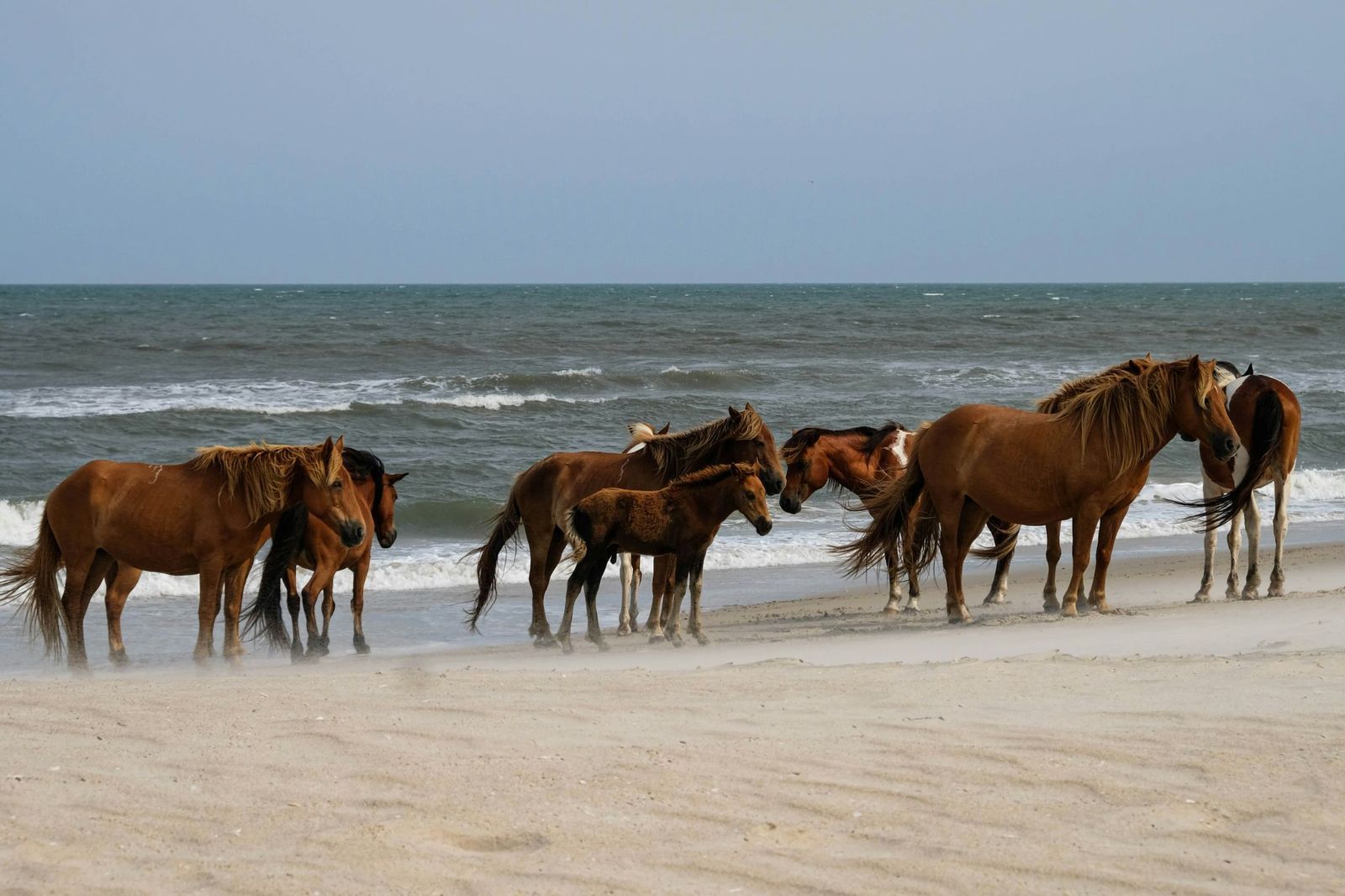
Located along the Atlantic coast of Maryland and Virginia, Assateague’s wild horses come with competing tales. The National Park Service says colonists in the 1600s let horses roam the island to avoid livestock taxes and fencing rules. A popular legend says they descend from horses that swam ashore from a wrecked Spanish ship.
A 2022 study found DNA from a 16th-century Spanish colonial horse in Haiti closely related to Assateague’s herd. That makes a Spanish link plausible, though it doesn’t prove any shipwreck. A fence at the state line separates the Maryland and Virginia herds.
Garden Key´s prisoner turned doctor
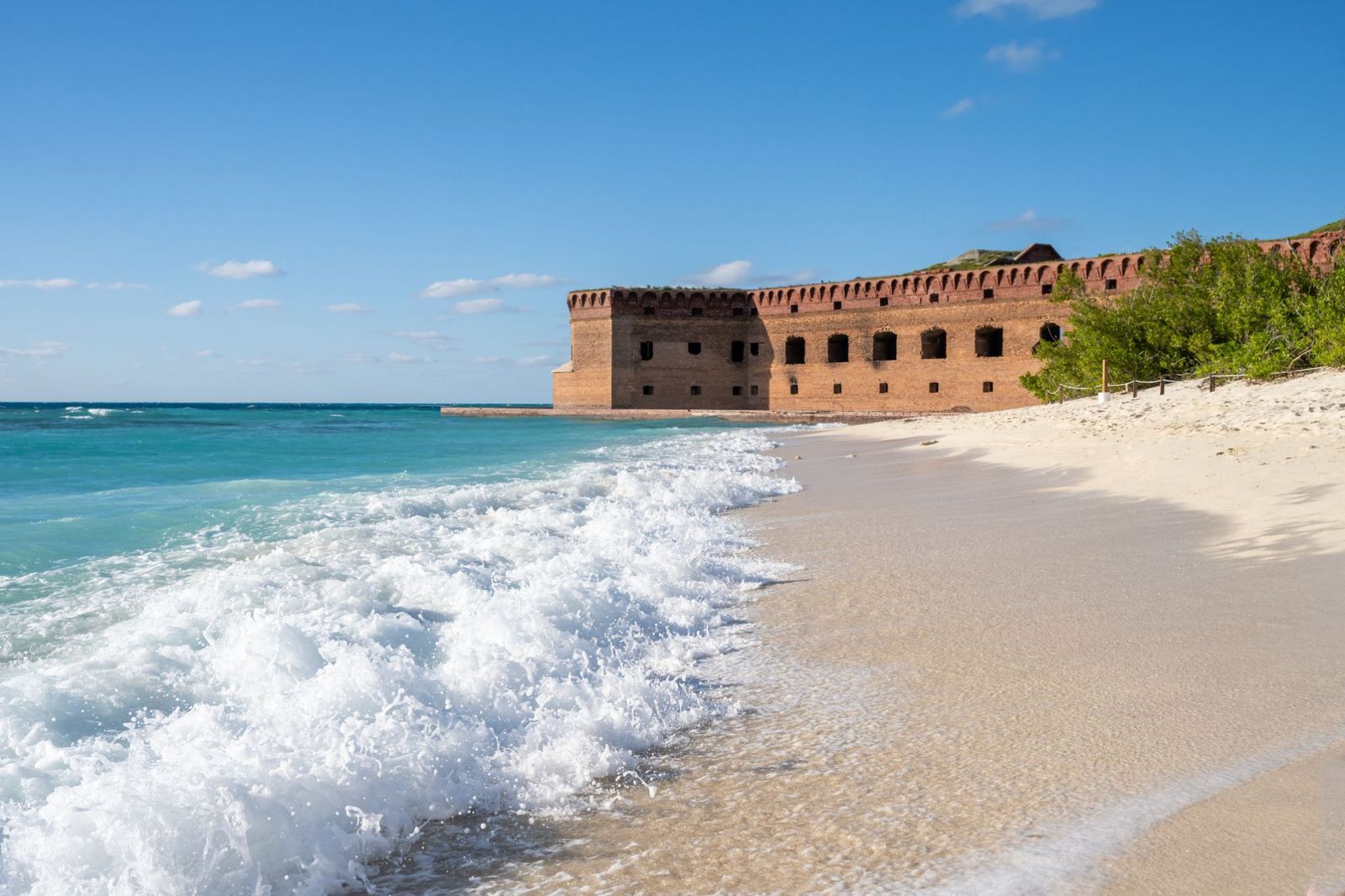
Garden Key in Florida’s Dry Tortugas holds Fort Jefferson, where Dr. Samuel Mudd was imprisoned after being convicted in the 1865 Lincoln assassination conspiracy for harboring and aiding John Wilkes Booth during his escape, a role historians still debate. In 1867, yellow fever struck the fort and killed its doctor.
Mudd volunteered to treat the sick. Soldiers later signed a petition with about 300 signatures for his release, and President Andrew Johnson pardoned him in 1869. Historians argue over how much the petition mattered, but his work in the epidemic became the heart of his legend.
Catalina´s Bison and a Hollywood movie
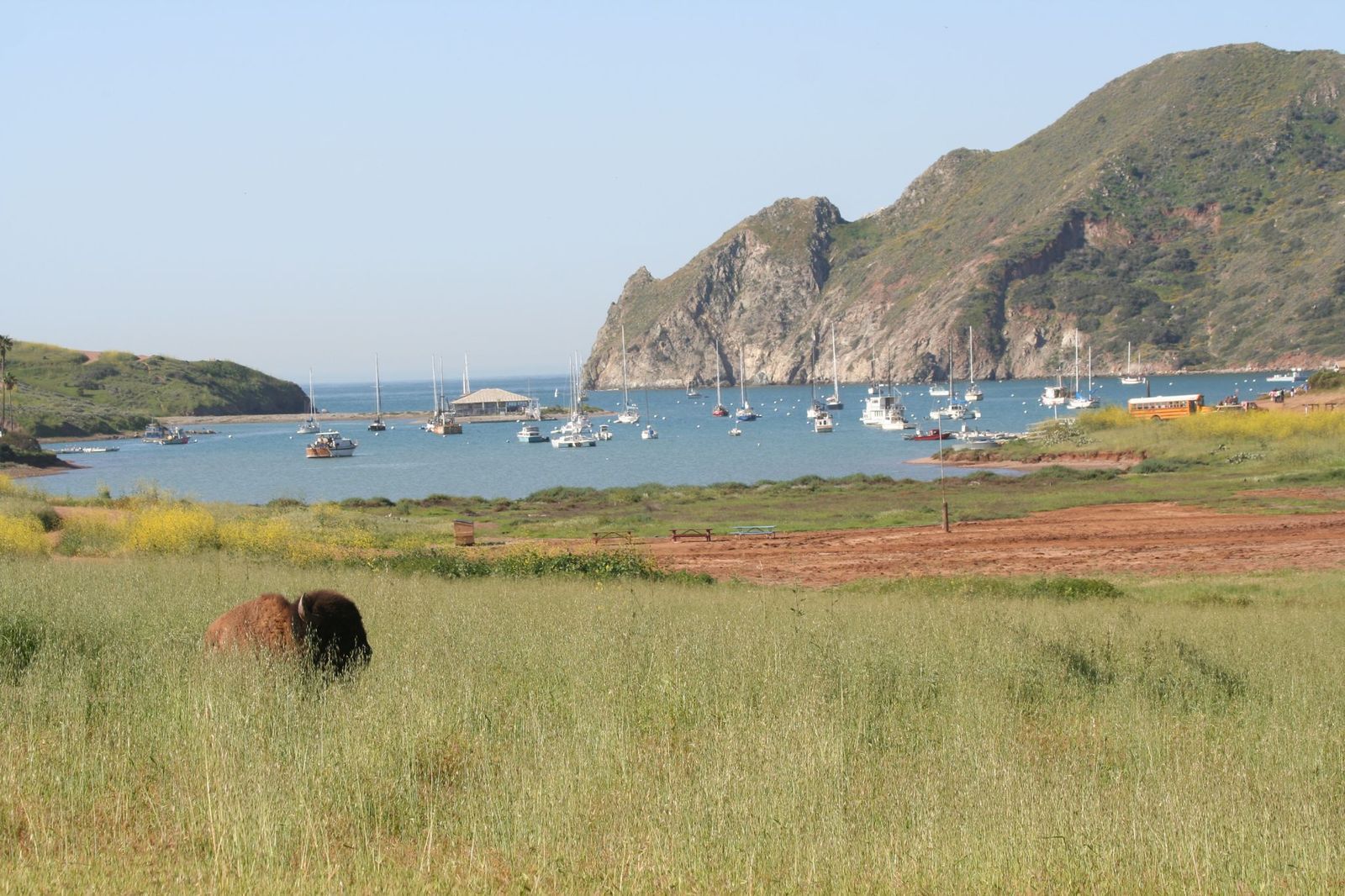
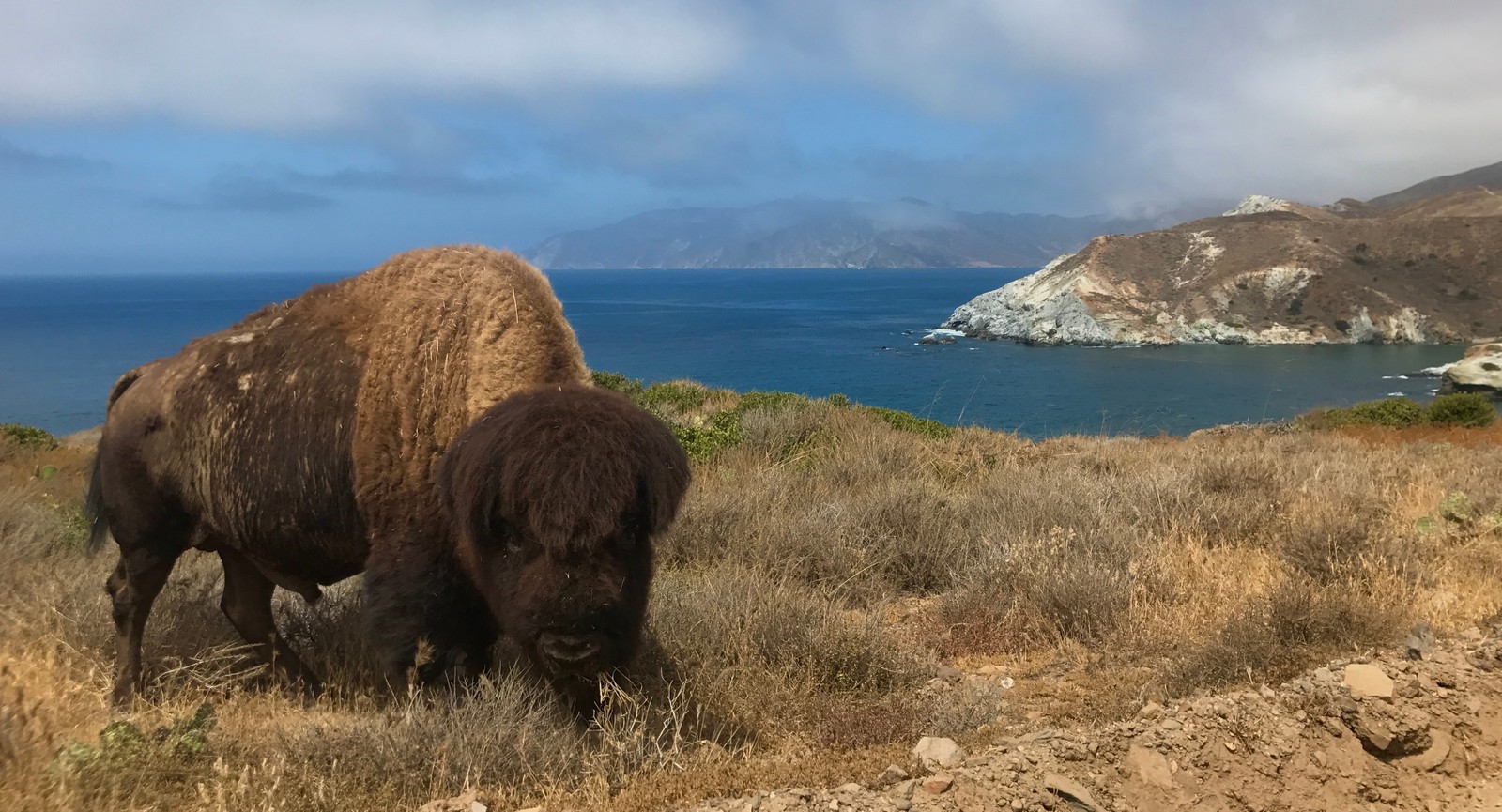
In 1924, 14 American bison arrived on Catalina Island, 22 miles off Los Angeles. Local lore says they were brought for the filming of The Vanishing American in 1925. Yet the final version of the movie has no bison.
Whatever the reason, the herd stayed and boomed to nearly 600 by the 1970s. Today the Catalina Island Conservancy keeps it near 150 through relocation and contraception, and the bison have become island icons. Visitors are told to stay at least 100 feet away.
San Juan Island and the pig war
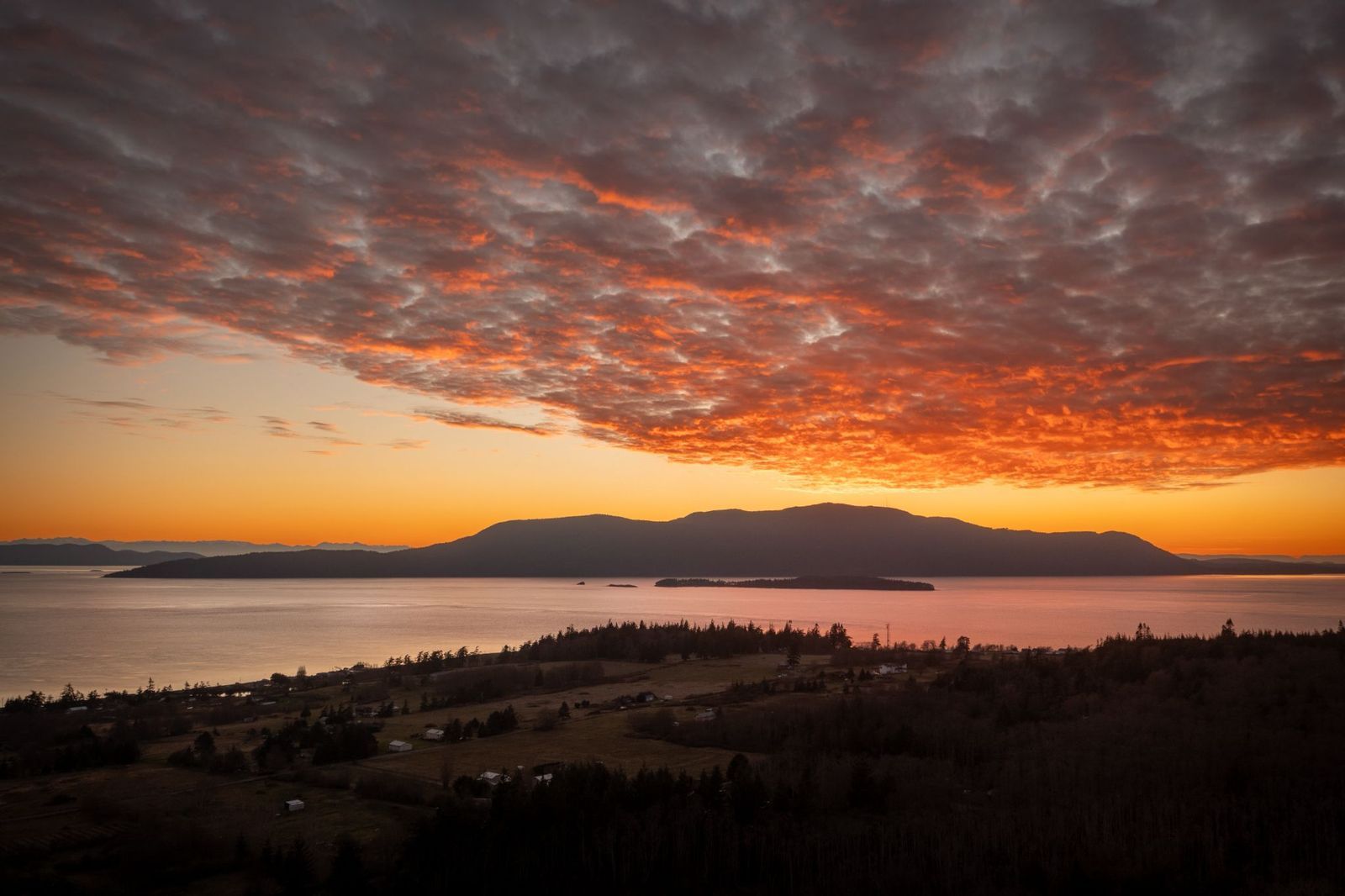
On June 15, 1859, American settler Lyman Cutlar shot a pig rooting in his garden on San Juan Island, in Washington State. The pig belonged to the British-run Hudson’s Bay Company, and an 1846 treaty left the island’s ownership unclear. Soon, 461 U.S. soldiers faced British warships.
A British admiral refused to go to war over a pig, and officers from both sides even shared meals. Finally, after 12 years of joint occupation, Germany’s Kaiser Wilhelm I ruled the islands to be American in 1872. The only casualty was the pig.
Isle Royale´s wolves and moose
Since 1958, scientists have tracked wolves and moose on Isle Royale, a roadless Lake Superior island in the state of Michigan. It is widely called the world’s longest-running predator-prey study. Researcher Rolf Peterson joined in 1970 and has been part of it for decades.
By 2018, only two wolves remained, so 19 were brought in over 2018 and 2019. The 2026 survey counted about 37 wolves, while moose had fallen to 524, down 75 percent from 2019. For the first time in 68 years, no moose calves were seen. Volunteers have searched for moose bones there since 1988.
Santa Cruz Island's fox comeback
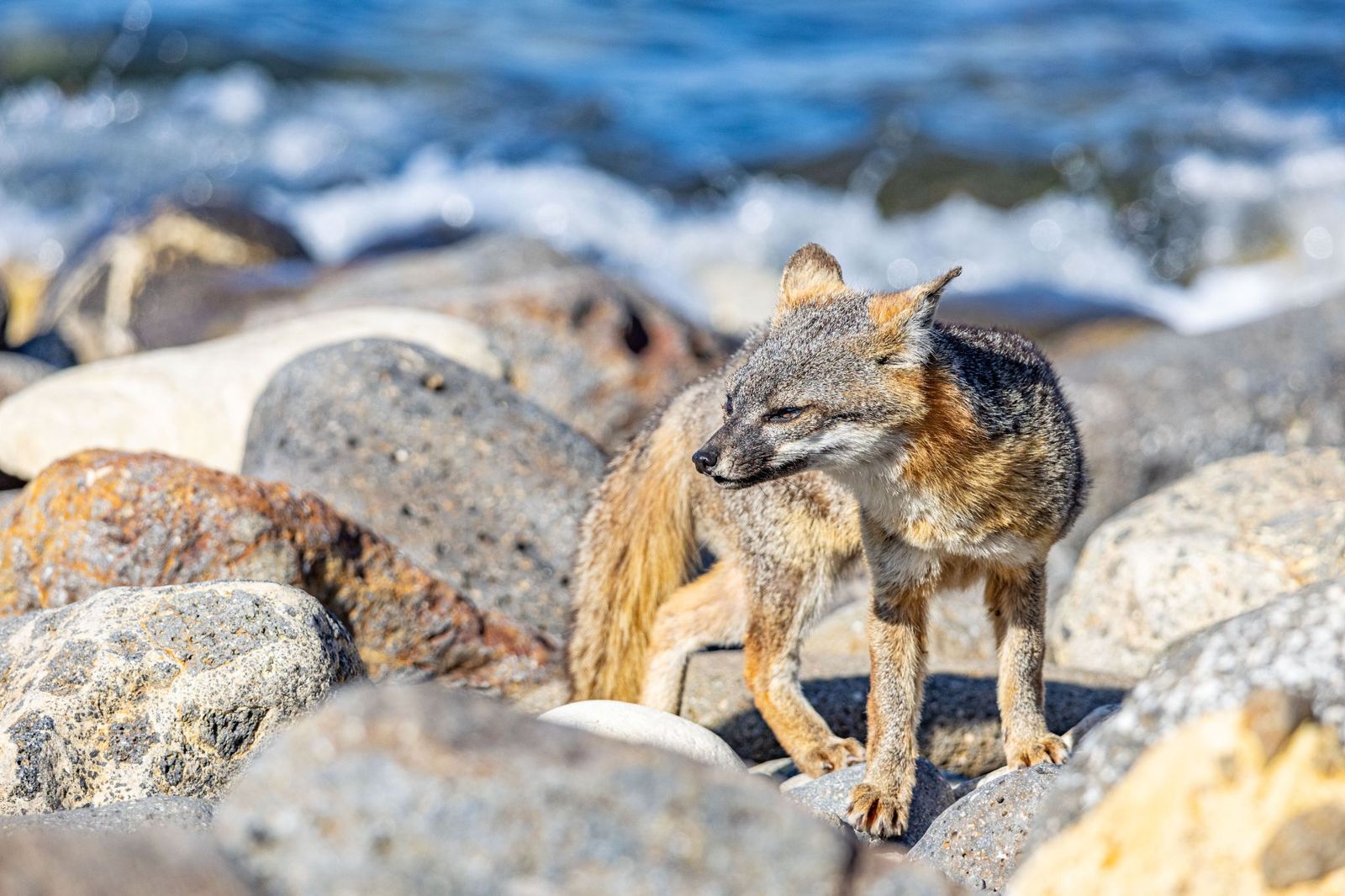
In the 1990s, island foxes on California’s Channel Islands crashed by over 90 percent, and by 2000 only 55 remained on Santa Cruz. A chain reaction was to blame: DDT wiped out bald eagles, golden eagles moved in, and they hunted feral piglets and then foxes.
Rescuers relocated 44 golden eagles, removed thousands of feral pigs, bred foxes in captivity, and brought back bald eagles. In 2016, three fox subspecies were delisted, the fastest recovery of any mammal under the Endangered Species Act. In 2006, bald eagles nested there for the first time in about half a century.
Cumberland Island´s Carnegie ruins
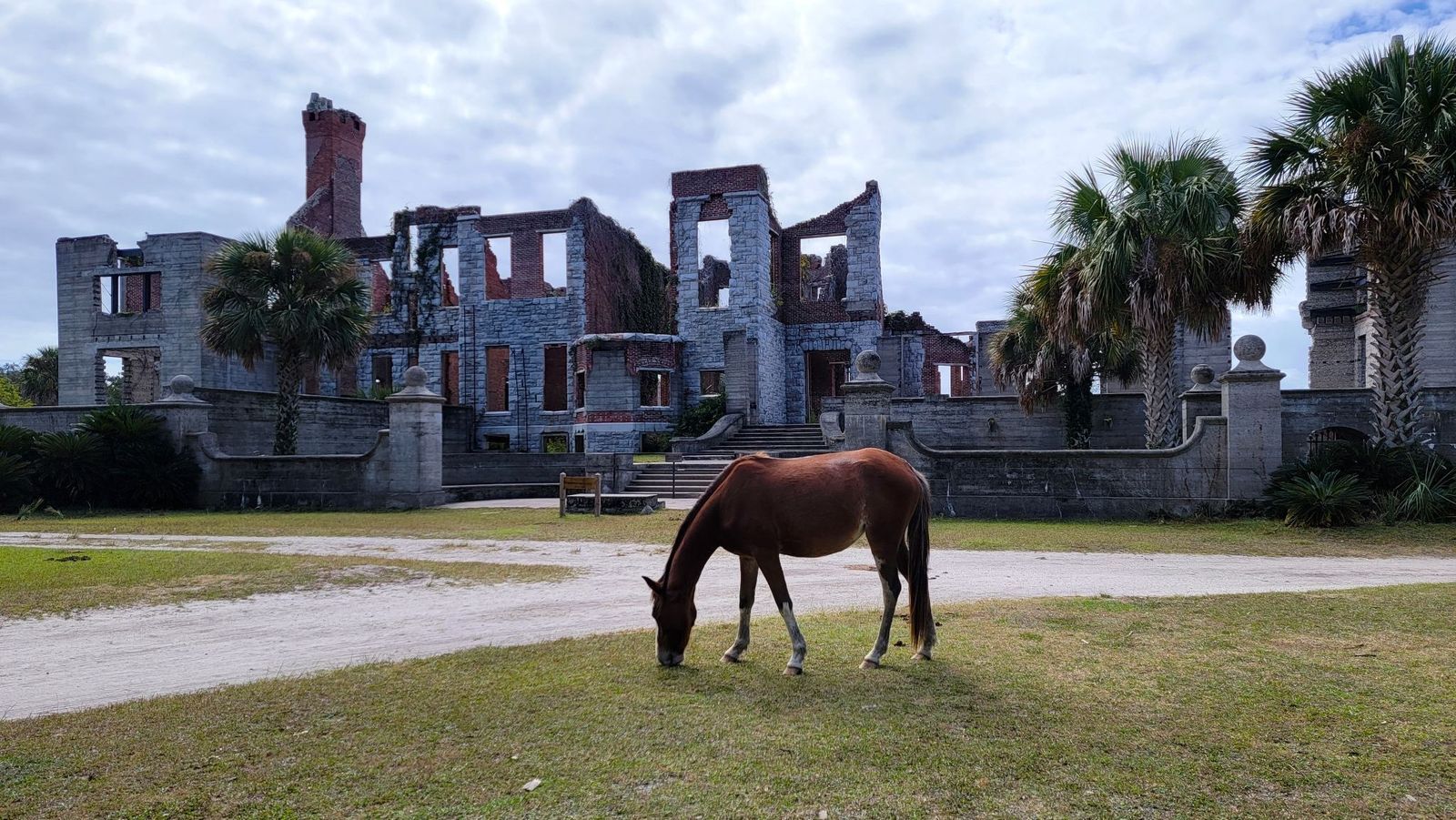
On Georgia’s Cumberland Island, the ruins of Dungeness recall the Carnegie family. Thomas Carnegie, brother of Andrew, began a 59-room mansion in 1884, and his family came to own about 90 percent of the island. They left in 1925, and a fire destroyed the house in 1959.
Dungeness had earlier lives: a hunting lodge from 1736 and a tabby mansion built by Nathanael Greene’s widow in 1803. Since 1972, the ruins have been part of a national seashore, where wild horses wander nearby.
Why you should never travel on an empty stomach
 General
Don’t let nausea beat you!
Are you a queasy traveler? These tips might help you
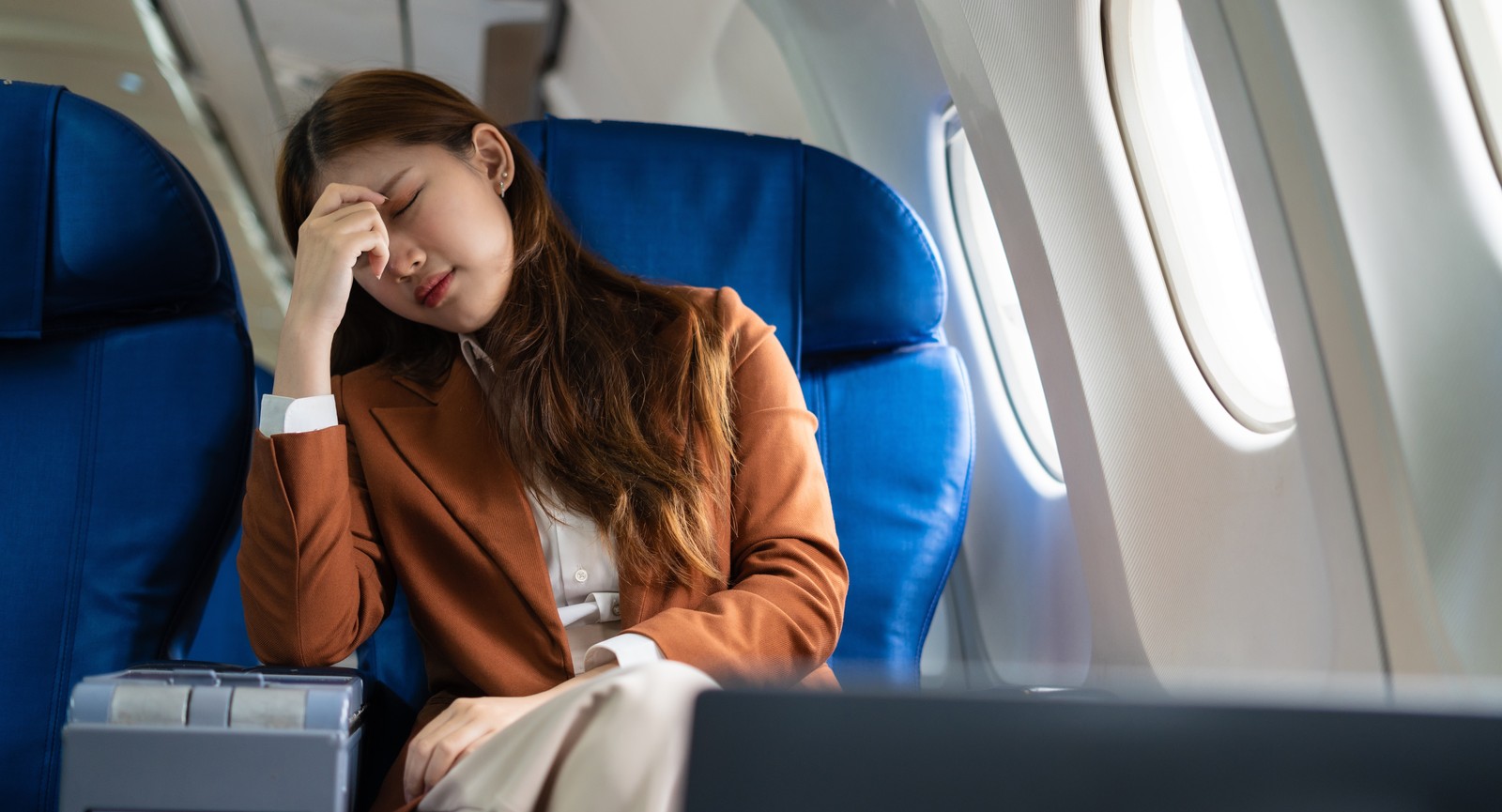
Few things can ruin a trip like nausea, whether because of motion sickness or anxiety. But being prone to nausea doesn’t mean you're destined for a lifetime of uncomfortable journeys. Here are some tips for queasy travelers.
Choose your seat carefully
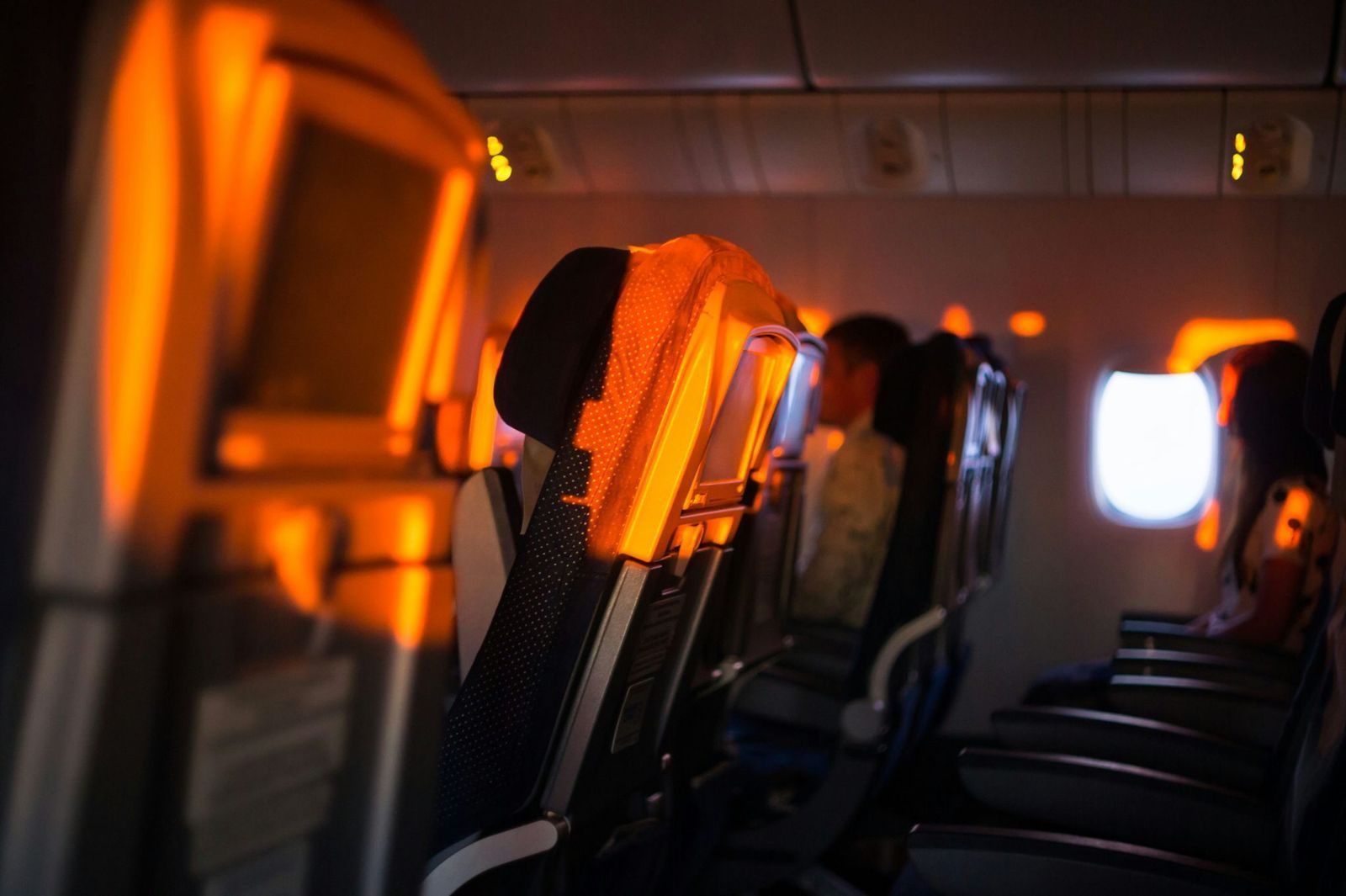
Most of the time, nausea while travelling is caused by motion sickness, and where you sit is a big part of it. If you're travelling by plane, window seats in the middle of the cabin (directly over the wings) are more stable, and this also applies to buses and boats. For car rides, the front passenger seat is the best spot; for trains, choose any front-facing seat, but ideally towards the front.
Never travel on an empty stomach

Traveling with an empty stomach can worsen the situation. Being hungry can make you shaky, light-headed, and more sensitive to motion, all of which will exacerbate your nausea. To settle your stomach, you should eat a light meal, such as toast, a banana, or crackers, a few hours before travelling. Anything heavy or greasy will make you feel bloated, heavy, and more prone to nausea.
Avoid stimulants

Coffee and other caffeinated drinks are common while travelling, especially during long journeys, but they will worsen your motion sickness. Caffeine and stimulants speed up your nervous system and can irritate your gut, both things that make you sensitive and more susceptible to nausea and vomiting.
Don’t wait until you feel nauseated
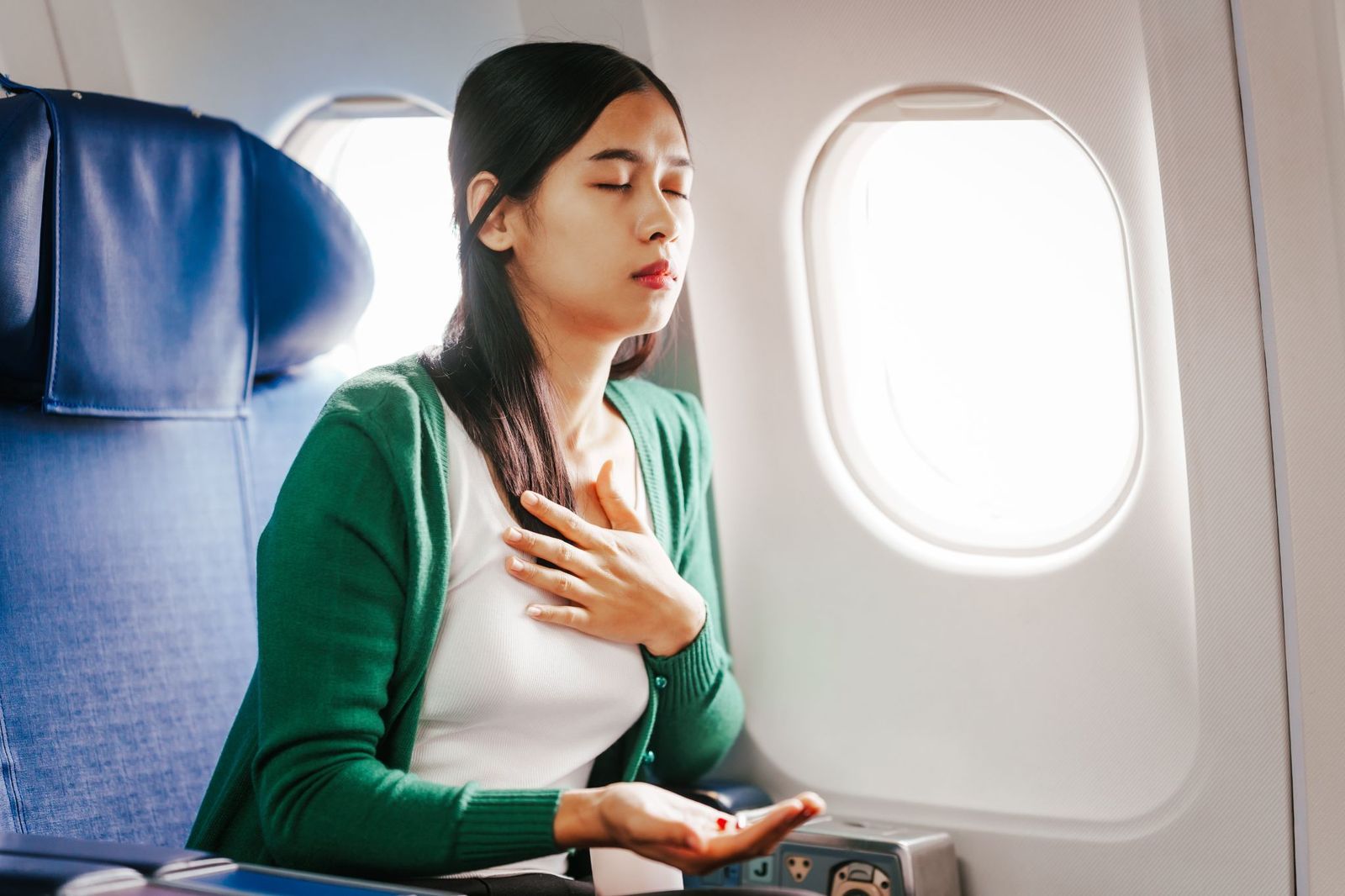
Medication for motion sickness, both over-the-counter and prescription, can be a lifesaver, but many wait too long to use it. Depending on the type of medication, it should be taken an hour and a half to two hours before travelling for it to take full effect. If you wait until you feel the first symptoms, it will take a while for you to feel relief.
Your drink matters

It’s not just a matter of avoiding caffeine and other stimulants. Carbonated drinks (even those that are caffeine-free), alcohol, and heavy or acidic drinks such as milk or citrus juices can also irritate your gut and exacerbate the symptoms. Mild, soothing drinks like ginger tea, peppermint tea, cold water, or clear electrolyte or sports drinks will help settle your stomach and keep you hydrated.
Fresh air always works
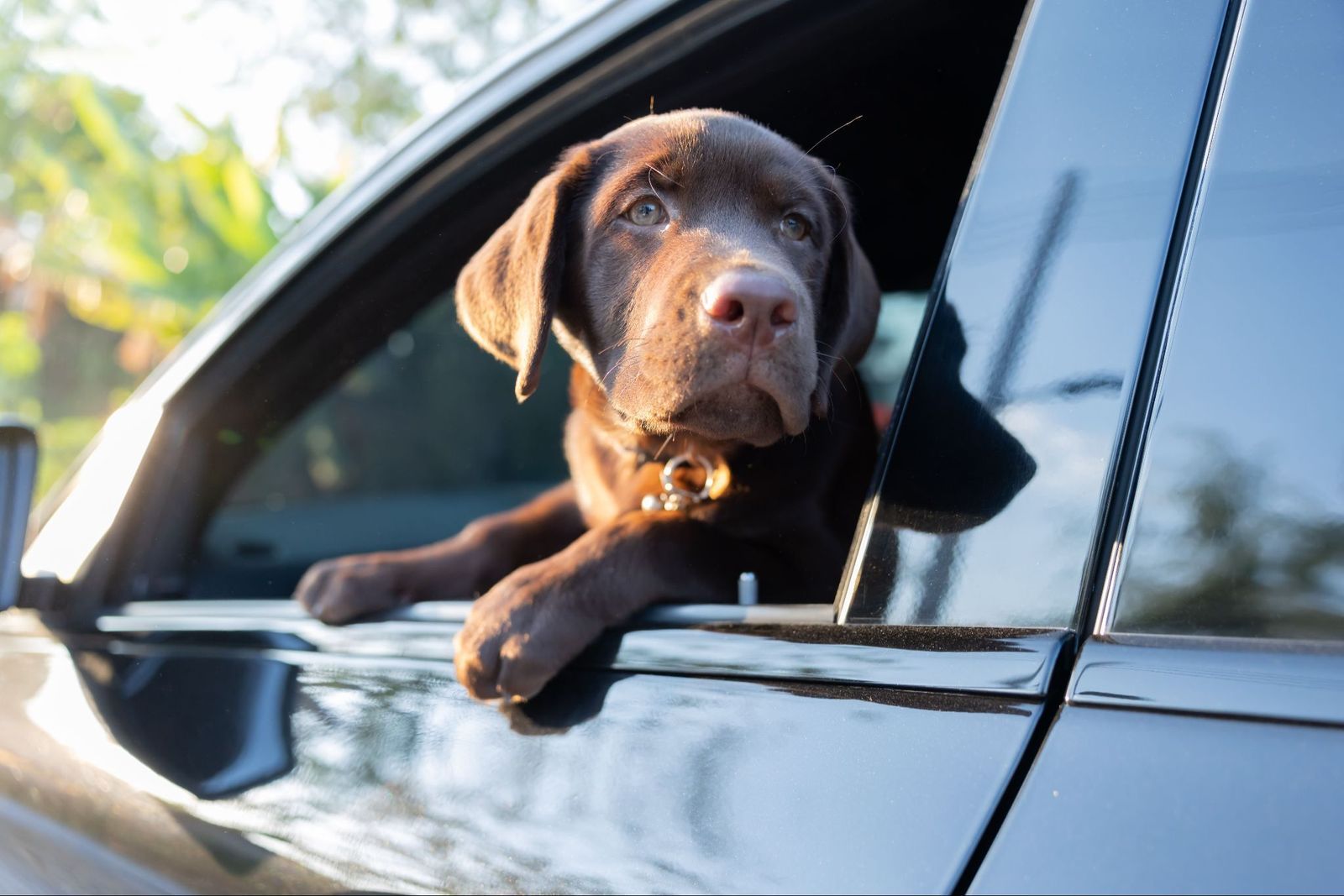
Having a source of fresh air directed at your face can cool your body and help settle your nausea, while also distracting you from the queasiness. On planes and trains, look for an overhead air vent, and crack the window open on car rides. If you’re on a boat or a train with an outside platform, stepping outside for a bit will do you wonders.
Avoid screens and books; try audio entertainment instead

The signals that go into our brain are a big part of motion sickness, so the lower the input, the better. Screens and books can worsen nausea symptoms because our eyes are stationary while our brain detects the motion of the vehicle, and these two signals crash. If you need entertainment, music and audiobooks are a great choice.
Research breathing exercises

A properly executed breathing exercise can be of tremendous help with calming the nervous system and reducing nausea symptoms. Inhale, hold your breath, exhale, and hold empty for four seconds each, or take a deep breath so your belly expands to its maximum capacity, and then release the air slowly.
Try to sleep
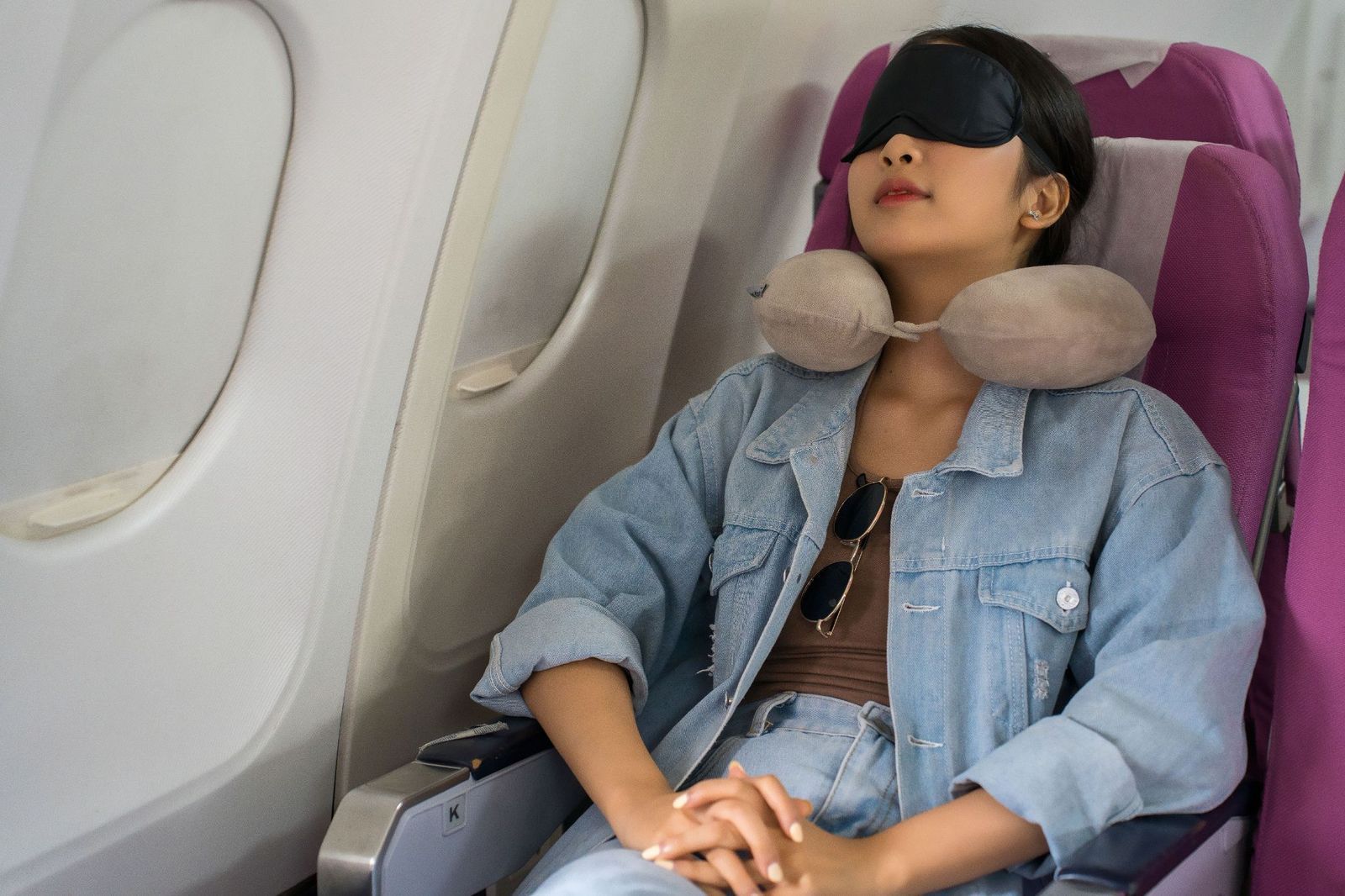
It seems logical: if you’re asleep, you can't feel nauseated, as your brain will "shut down" and won’t feel the conflicting signals that cause motion sickness. But the challenge here is falling asleep while feeling nauseated. If you’re struggling, try to elevate your head slightly and rest on your left side to keep your stomach settled. Many medications for nausea will also cause drowsiness, so ask your doctor for the best option.
Counteract the nausea

Smells play a big role in nausea and motion sickness, and you can use this to your advantage. Some specific strong scents like peppermint, ginger, lemon, lavender, and even rubbing alcohol are proven to counteract nausea symptoms, so play around and see which one is best for you. Keep a small bottle of essential oil or rubbing alcohol with you, and smell it when you start feeling nauseated, but remember to be mindful of others when using strong scents in public.

The minibar trick that charges you before you even open it
Hotel tips
What hotels don't tell you: 10 rules that can cost you money
Travel is full of surprises. Sometimes you meet people who end up staying in your life. Sometimes a place turns out to be even more beautiful than it looked in the photos. But not every surprise is a good one, especially when extra hotel charges show up in the bill and don’t seem to make sense at first. Here are 10 hotel rules that can catch travelers off guard and help them avoid unnecessary frustration.
Paying extra for air conditioning
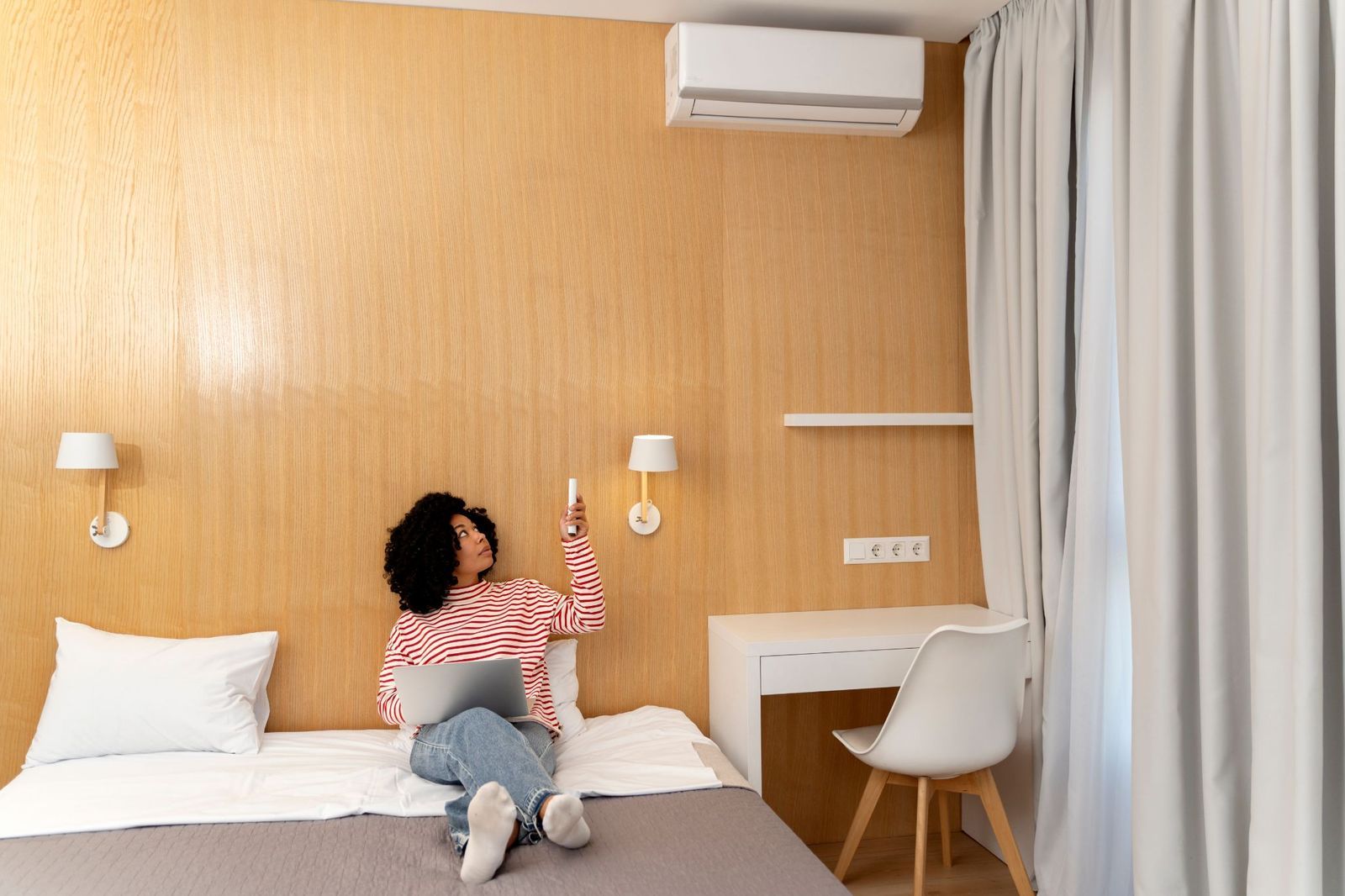
Picture yourself on a summer vacation in Greece. The heat is stifling, and locals tell you that temperatures reach these high levels every year. When the hotel bill arrives, you find an extra air-conditioning fee you didn’t even know existed. In some places, certain hotels may charge extra for air conditioning, especially where energy costs are high.
The best way to avoid this is to check the policy before booking. "However, you're always better off booking directly through the official website. Confirm before booking; in the "amenities" section of travel booking sites, check if air conditioning is listed as included. If you can’t find it, it is probably an extra charge. Another option could be upgrading to a slightly more expensive room. Premium rooms usually include this service in the standard rate, which can be cheaper than the fee itself.
Paying for minibar items
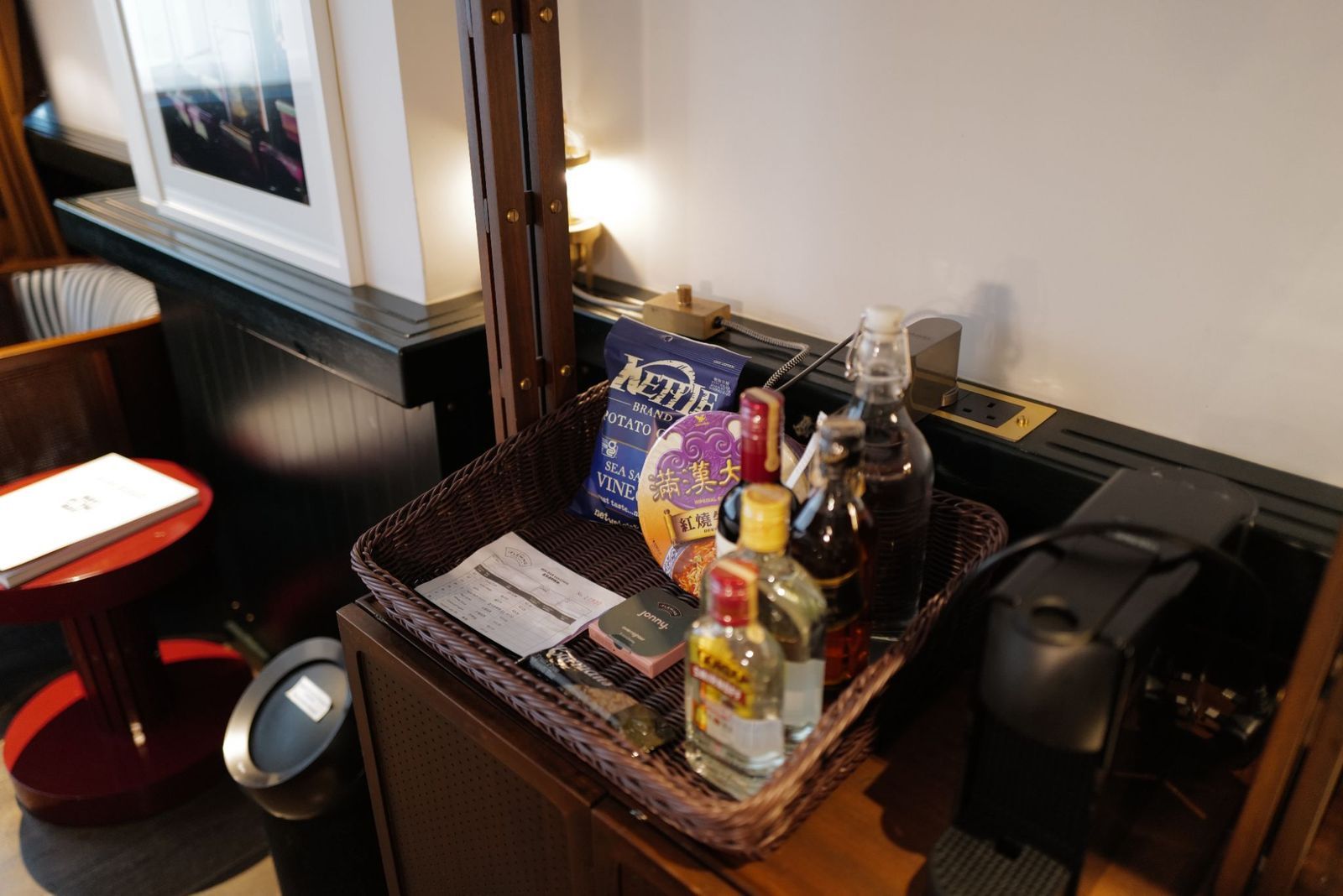
Hotel minibar items carry heavy markups with prices much higher than regular retail prices, because guests are paying for convenience, and that’s no surprise. However, in some hotels, newer technology has changed how these items are billed.
Many modern minibars use infrared or weight sensors to track inventory, so when you pick up an item to read the label or move it to make space for your own drinks, the system may charge you instantly. To avoid inconveniences, you should ask for an empty fridge at the reception desk, and be careful not to buy identical items to replace what’s in the minibar fridge, because staff are trained to track expiration dates and specific item codes.
Completing a check-in and check-out inspection
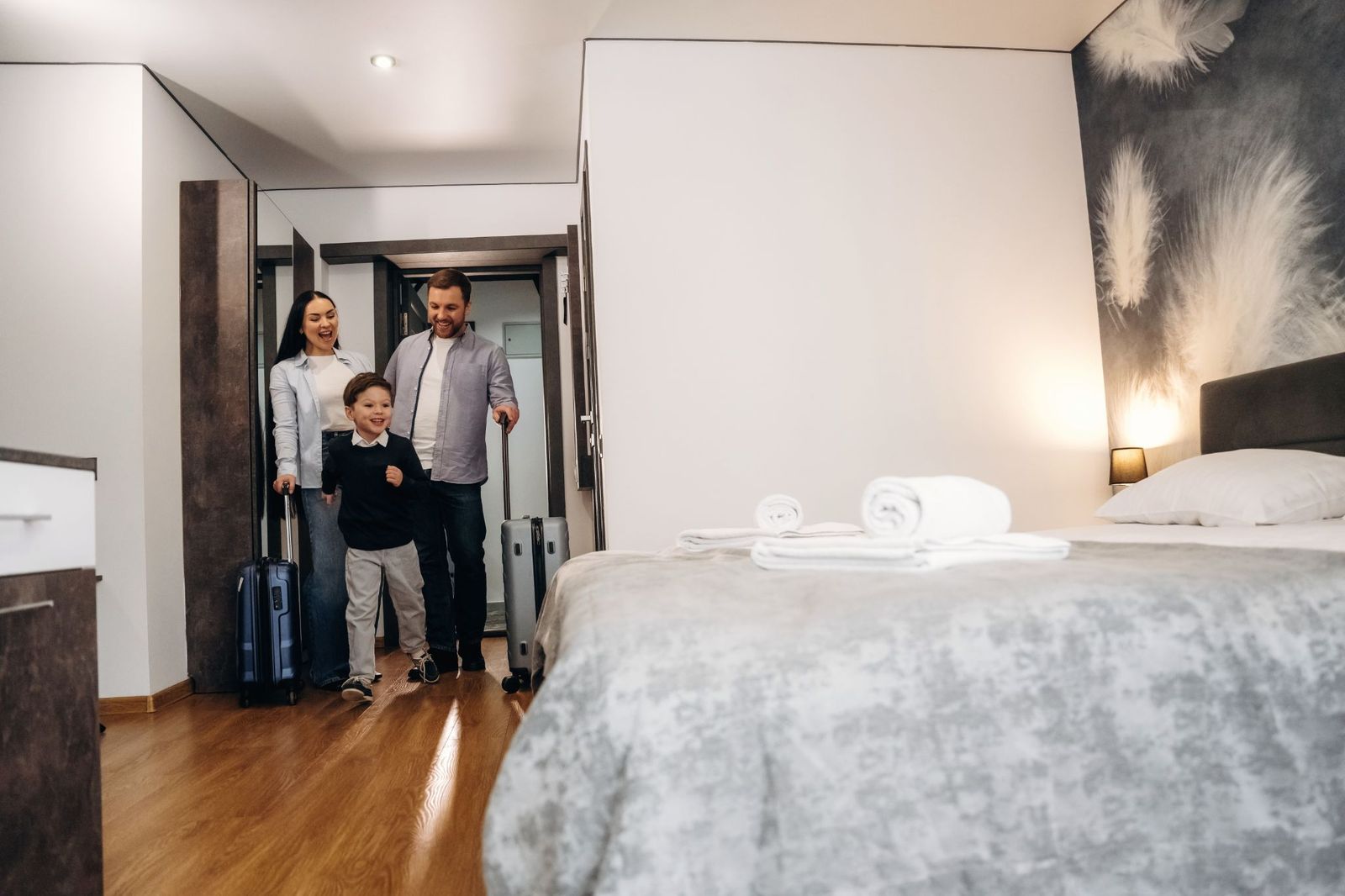
This step is easy to miss, but it can be one of the most important ways to avoid hassle and unexpected costs. When you arrive at your hotel room, do a quick check: turn on the TV, test the lamps, water pressure, power outlets, air conditioning, toilet flushing, and contact maintenance right away if something isn’t working properly. This is the best way to avoid misunderstandings and unfair charges at the end of your stay.
Before checking out, always look under the bed, inside closets and drawers, on nightstands, and on the bathroom floor. Even if you think you have packed everything, you may still find something you missed, and it could be valuable enough to justify the cost of going back or having it shipped home.
Losing your passport
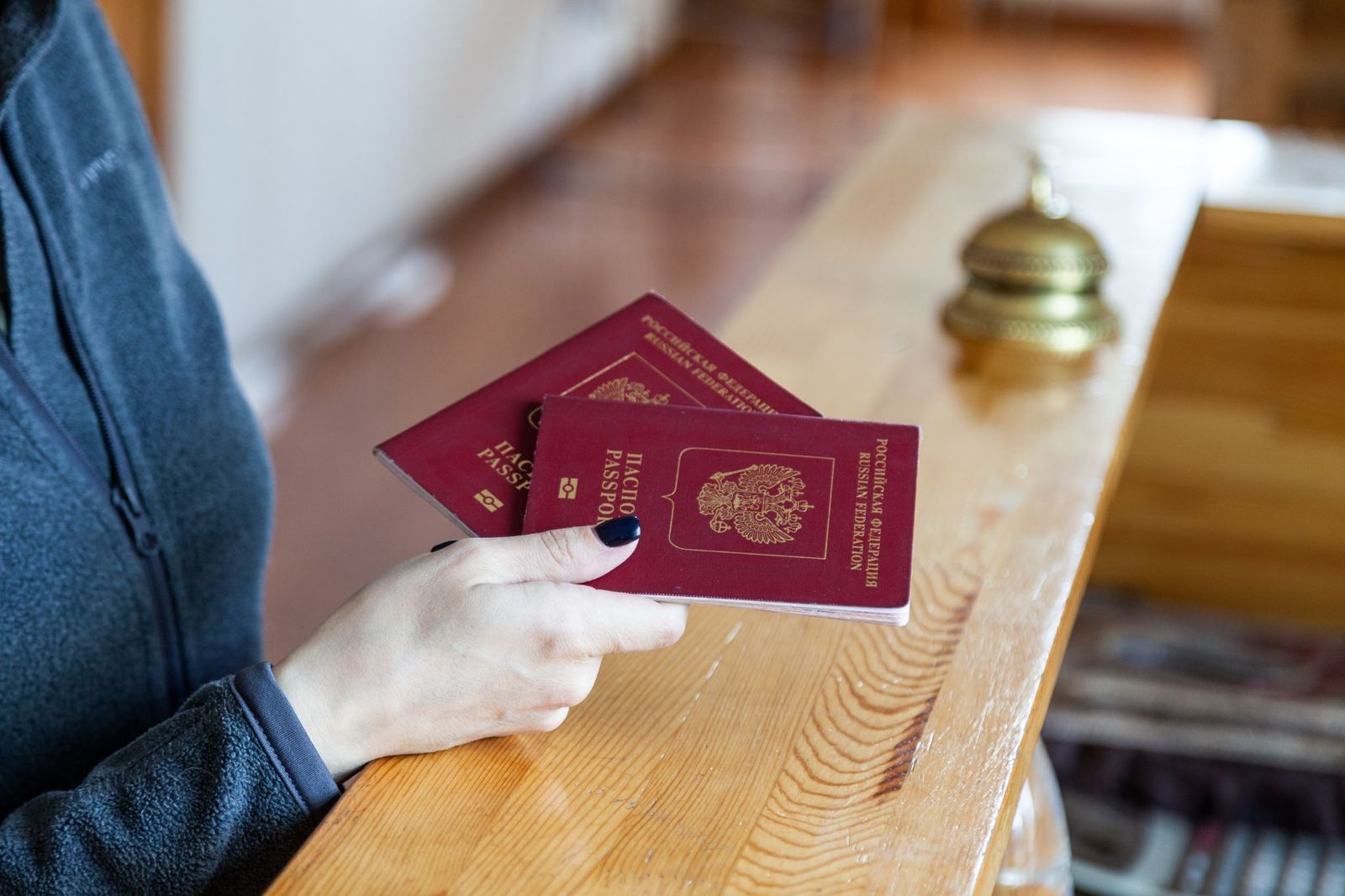
Losing a passport can also become an expensive travel problem. If the wrong person gains access to your passport, the chances of identity theft or fraud increase. You may have to pay replacement or emergency-document fees, take new passport photos, travel to an embassy or consulate, and change flights or hotel reservations while waiting for the paperwork.
It is usually safer to carry a clear photocopy of your passport and keep the original in the room safe. Hotel staff may need to see the original to verify your identity or complete local registration requirements, but they should normally return it after recording the necessary details.
Bringing visitors to your room

Bringing someone up to your room is not always as simple as it may seem. Some hotels have strict visitor policies for security and occupancy reasons, and sometimes because of local registration rules. A friend, relative, or guest may need to show ID at the front desk, be added to the room record, or leave before a certain hour.
These rules can surprise travelers who expect a hotel room to be as private as their own apartment. But hotels are responsible for everyone inside the building and may request each visitor’s information, even if the person only plans to stay briefly. Ignoring the policy could result in an extra guest fee, a penalty, or even the cancellation of the reservation.
Showing ID for every guest
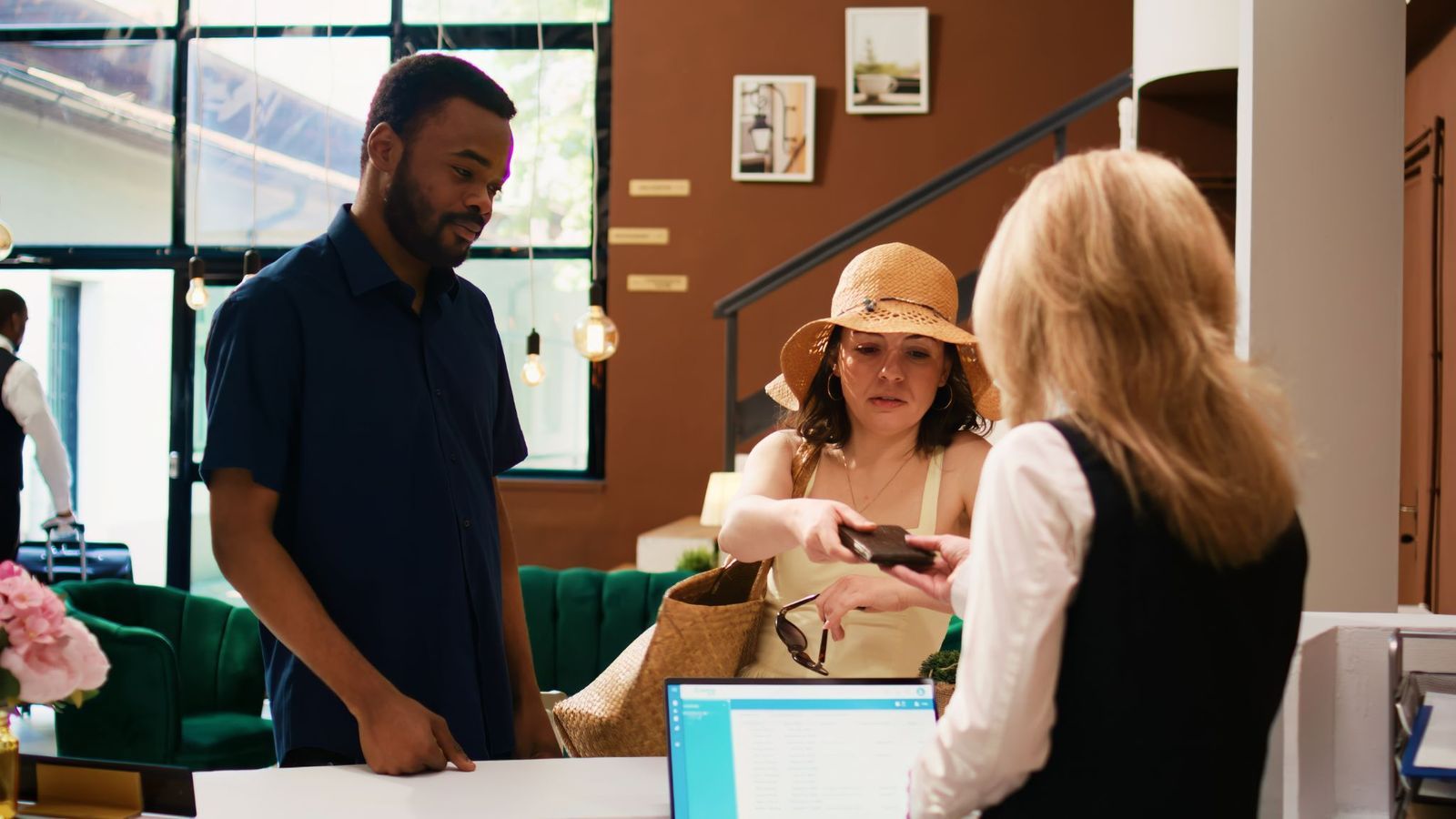
Most hotels are required to register every person staying in the room, not just the person who made the reservation. Travelers who are used to checking in under one name and simply adding a second guest without much paperwork could find this unusual.
However, the front desk may ask for passports or official ID from everyone in the room, even family members or travel companions. If someone isn’t listed on the booking, the hotel may ask to update the reservation, charge an extra fee, or refuse access until the guest is properly registered.
Paying a local tourist tax
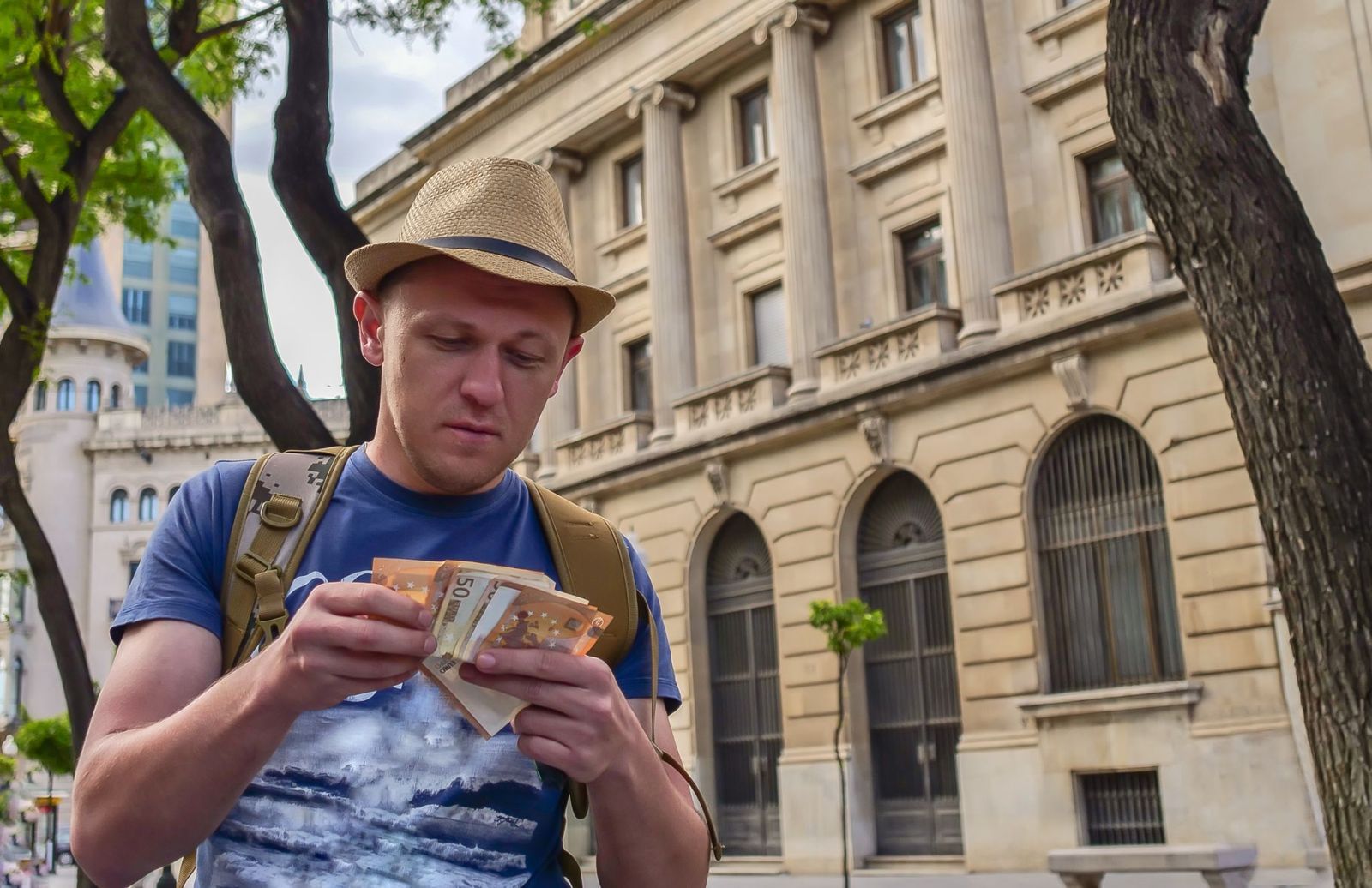
The Local Tourist Tax is a mandatory, government-applied levy charged per person, per night. They are generally required to be paid in the local currency, and it is better to have some cash because small properties often don’t accept local taxes with cards. If you refuse to pay it, your accommodation has the right to refuse your check-in or withhold your keys.
Following strict quiet hours

Most hotels take nighttime quiet hours seriously. It often runs from 10:00 pm to 7:00 am, and guests are expected to keep volume levels to a minimum in rooms and corridors during this period. If you’re in your hotel room and the noise at night is disturbing, you can contact the front desk and let the night staff handle the situation. If the issue persists, you may ask for a room change, a later check-out, or compensation for the disturbance.
But if you are the guest causing the disruption, you could receive a fine or an extra charge added to your bill the following day. Repeated complaints may even lead the hotel to ask you to leave.
Following pool towel rules
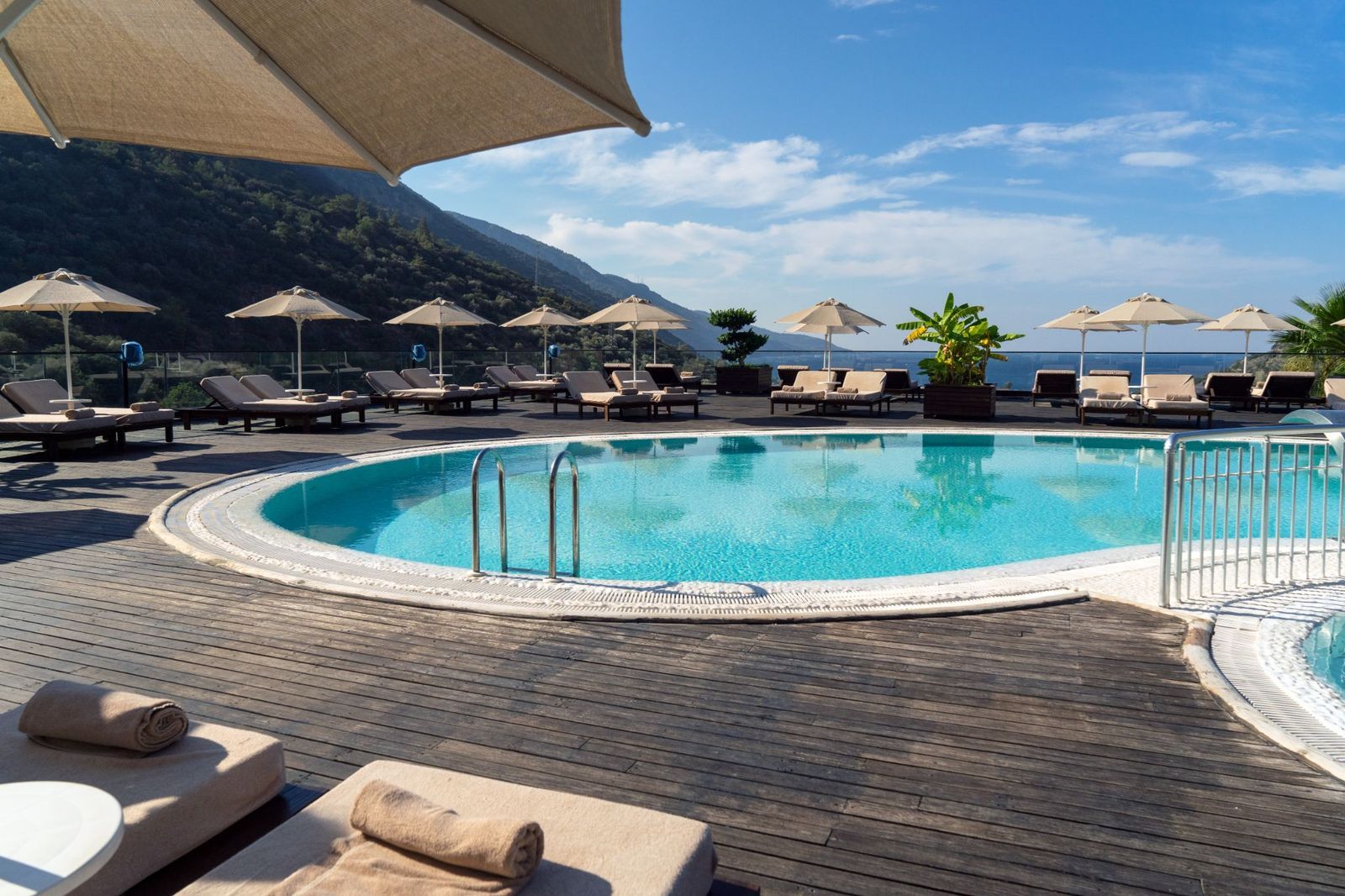
Hotel pool towels are their own separate issue. They should be kept separate from bath towels at all times, and bath towels shouldn’t be taken to the pool area either. Guests should check whether there is a designated spot in the pool area for used pool towels, so they don’t bring them back to the room. Some hotels may also charge guests who take more pool towels than their room allowance. Also, a common but often unspoken hotel rule is that you shouldn’t reserve a lounge chair with only your pool towel for more than an hour if no one is around.
Using shared bathrooms
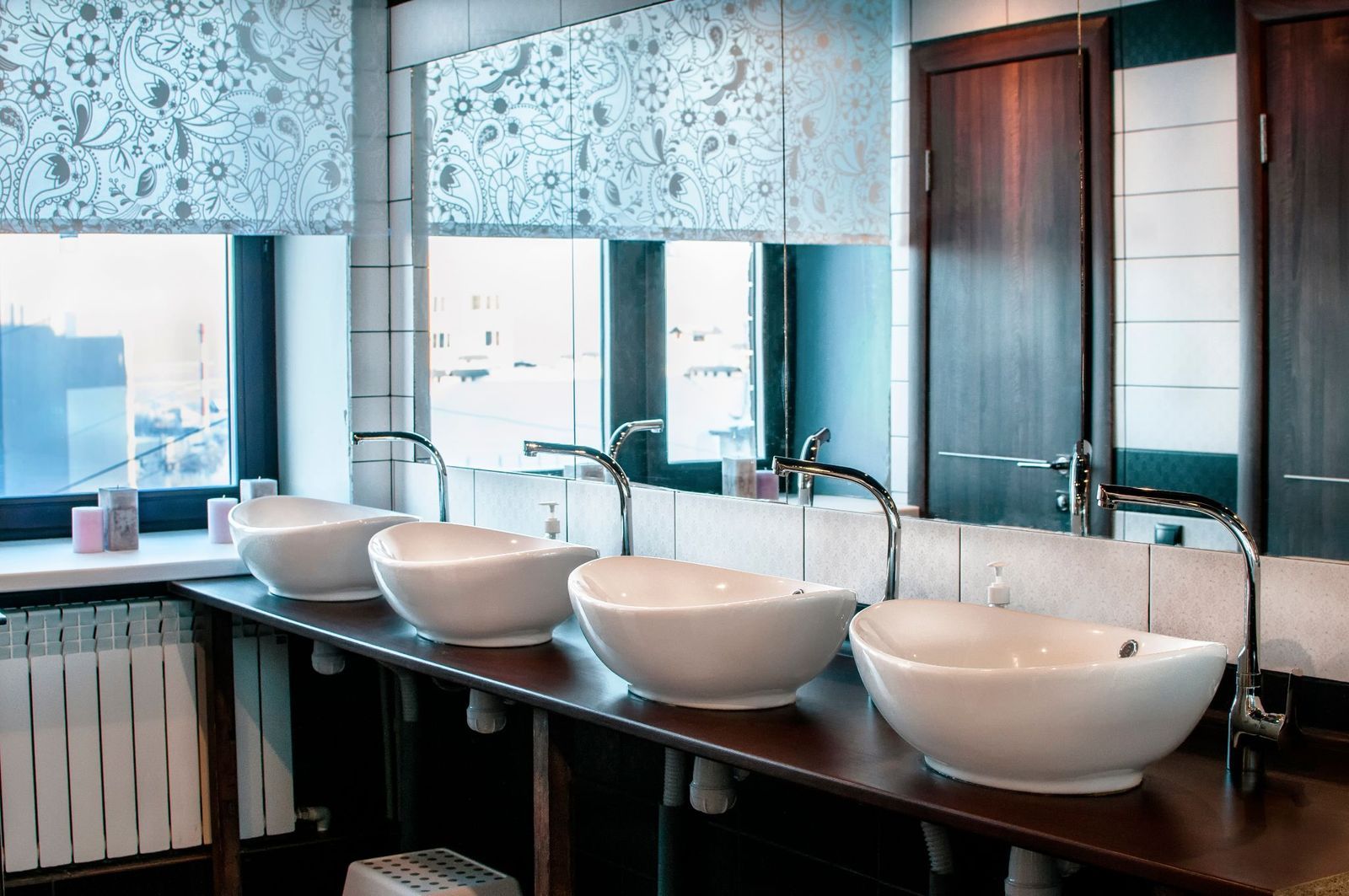
In many destinations, especially in Europe, booking a private room doesn’t necessarily mean you will have a private bathroom. In smaller hotels, guesthouses, and budget accommodations, rooms are often designed mainly as places to sleep, while several guests share bathrooms located in the hallway.
A private bathroom may cost extra or only be available with a larger, more expensive room. Before booking, check whether the listing says "private bathroom," "ensuite," or "shared bathroom." Otherwise, you may arrive expecting complete privacy and discover that the shower and toilet are shared with other guests.
Keep wandering
There’s always
more to explore
Why do pros take amazing photos even with a smartphone? 12 tips explained
4 min.
Read Now
Board the plane, do this right away, and land comfortably
6 min.
Read Now
Next must-see stop? Where the Treaty of Versailles was signed
5 min.
Read Now
Do you still need a paper boarding pass? 10 must-know flying rules
5 min.
Read Now