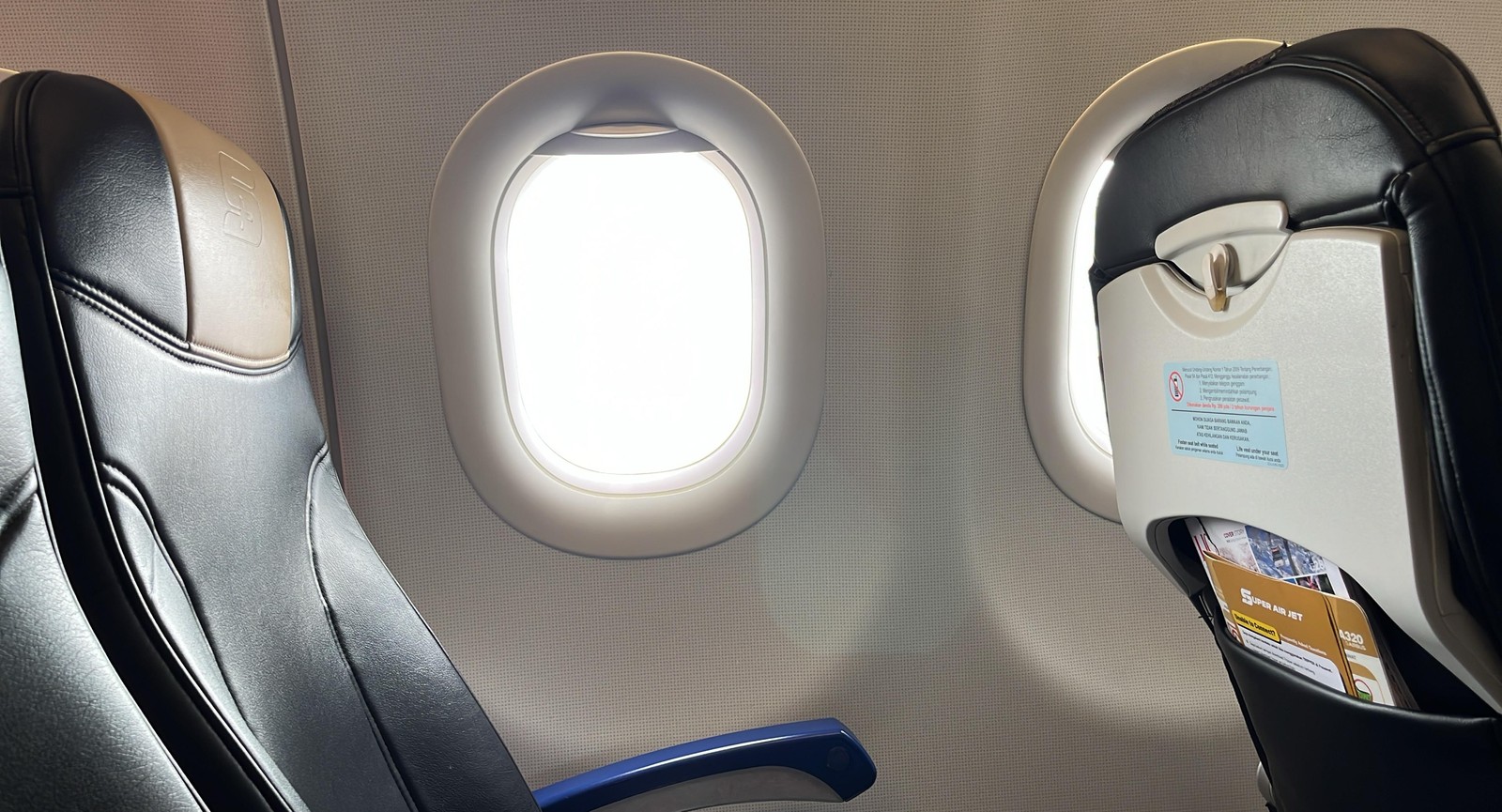
Look closely: these 12 airplane details could save your life
 General
Details matter
Look closely: these 12 airplane details could save your life
Airplanes feature big and small details that seem strange until you discover their function. A pinhole in your window helps manage cabin pressure. Tiny rods on the wings deal with static electricity. Even the colored lights have a purpose. From flexible wings to a hidden turbine in the tail, here are 12 aircraft details that make much more sense once you know why they exist.
The tiny hole at the bottom of airplane windows
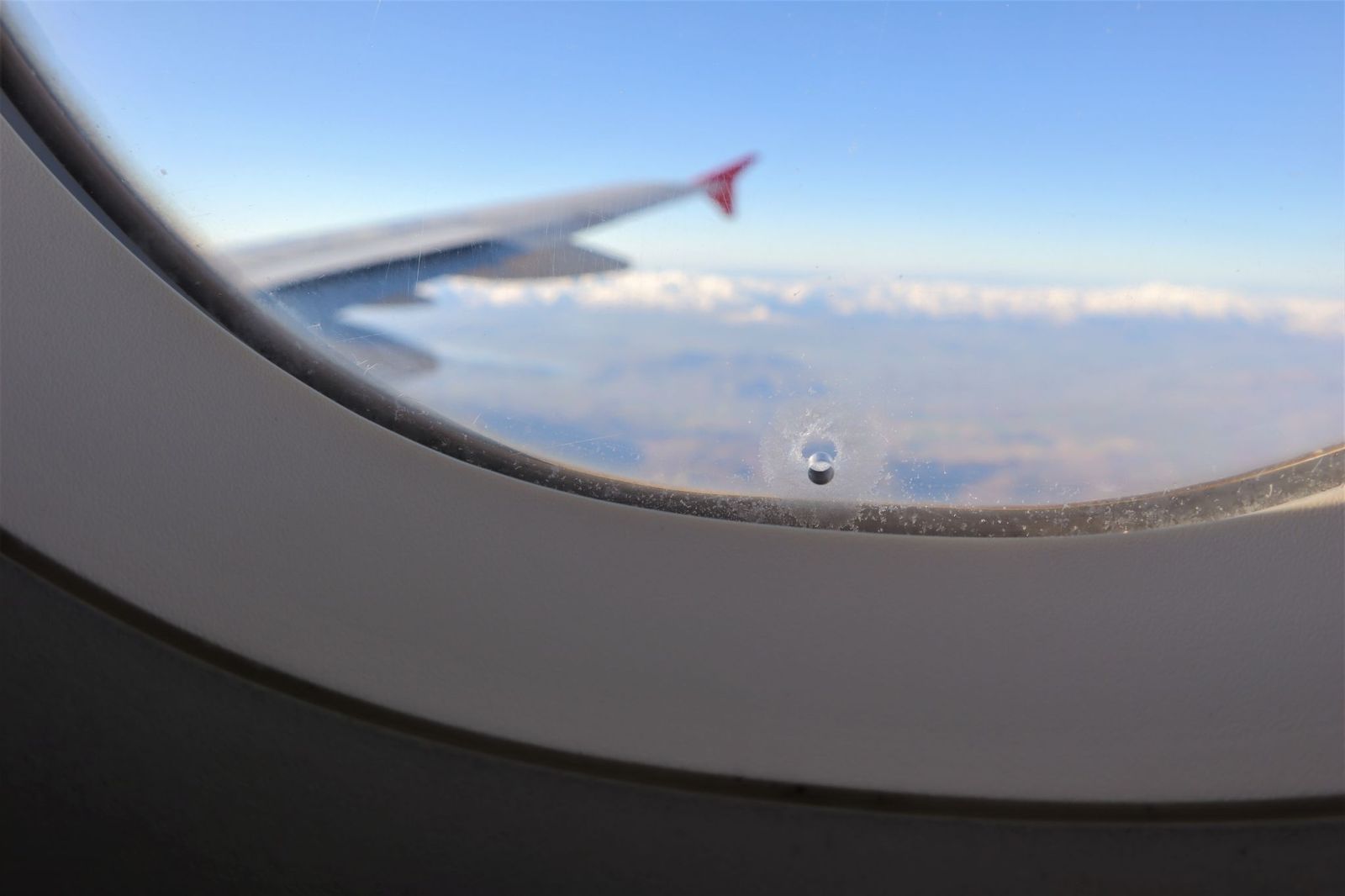
Look closely at an airliner window, and you may notice a tiny hole near the bottom. Known as a bleed hole, it sits in the middle of the multiple panes that make up the window and plays an important role when the aircraft climbs into the thin air at cruising altitude.
The hole helps equalize pressure between the cabin and the space between the panes, allowing the outer pane to bear most of the pressure difference. It also helps control moisture and fogging between the layers. In other words, that seemingly insignificant hole is part of the system keeping a pressurized window working properly miles above the ground.
Why are windows rounded?
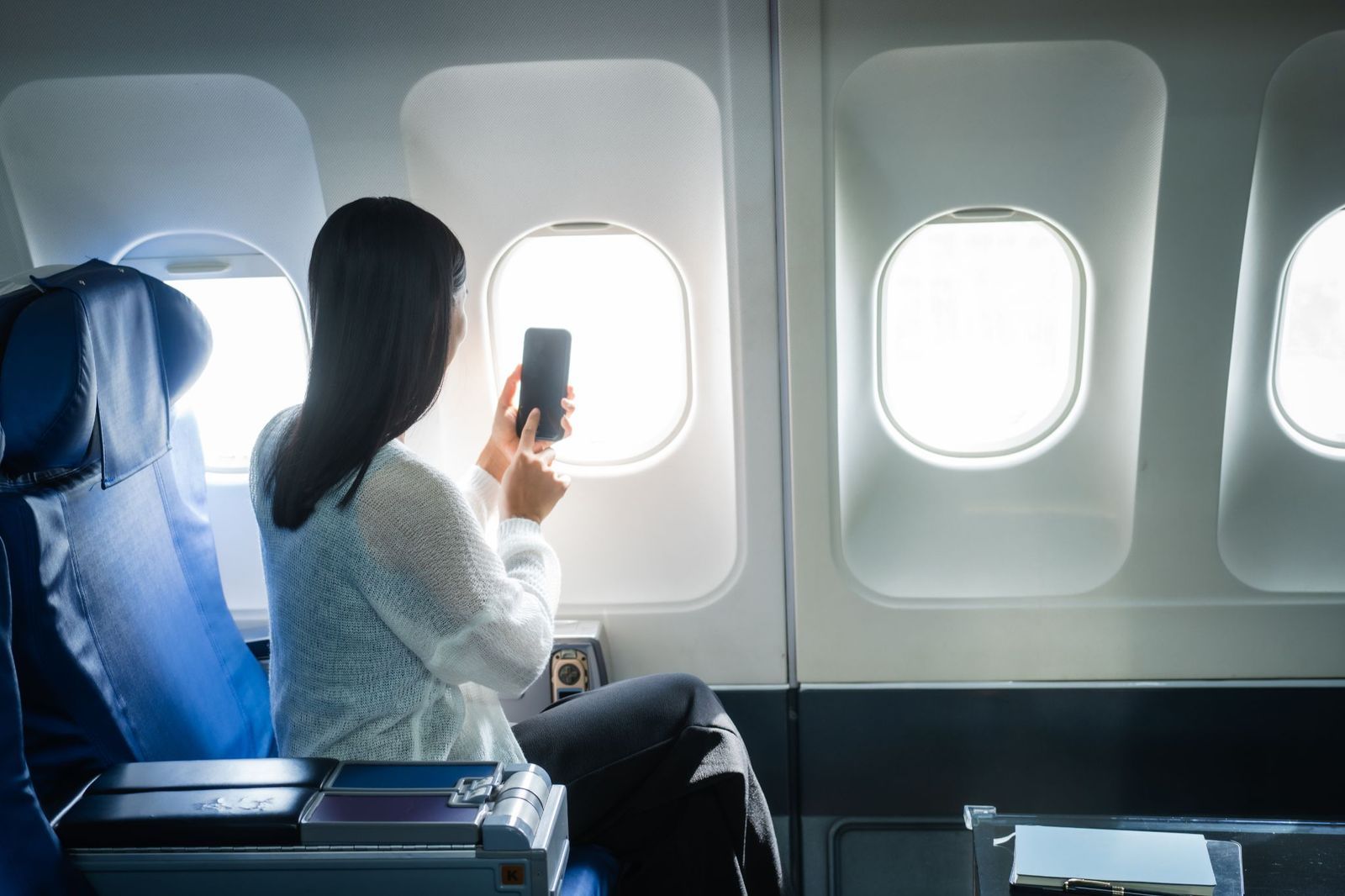
Rounded windows aren't an aesthetic choice. Sharp corners concentrate stress, a serious concern when an airplane's fuselage repeatedly expands and contracts slightly as the cabin is pressurized and depressurized. Curved corners distribute those stresses more smoothly around the opening.
A tragic lesson came with the world's first commercial jet airliner, Britain's pioneering de Havilland Comet in the 1950s. Investigations of catastrophic accidents revealed fatigue cracking associated with highly stressed fuselage openings.
Why do airplane wings bend so much?
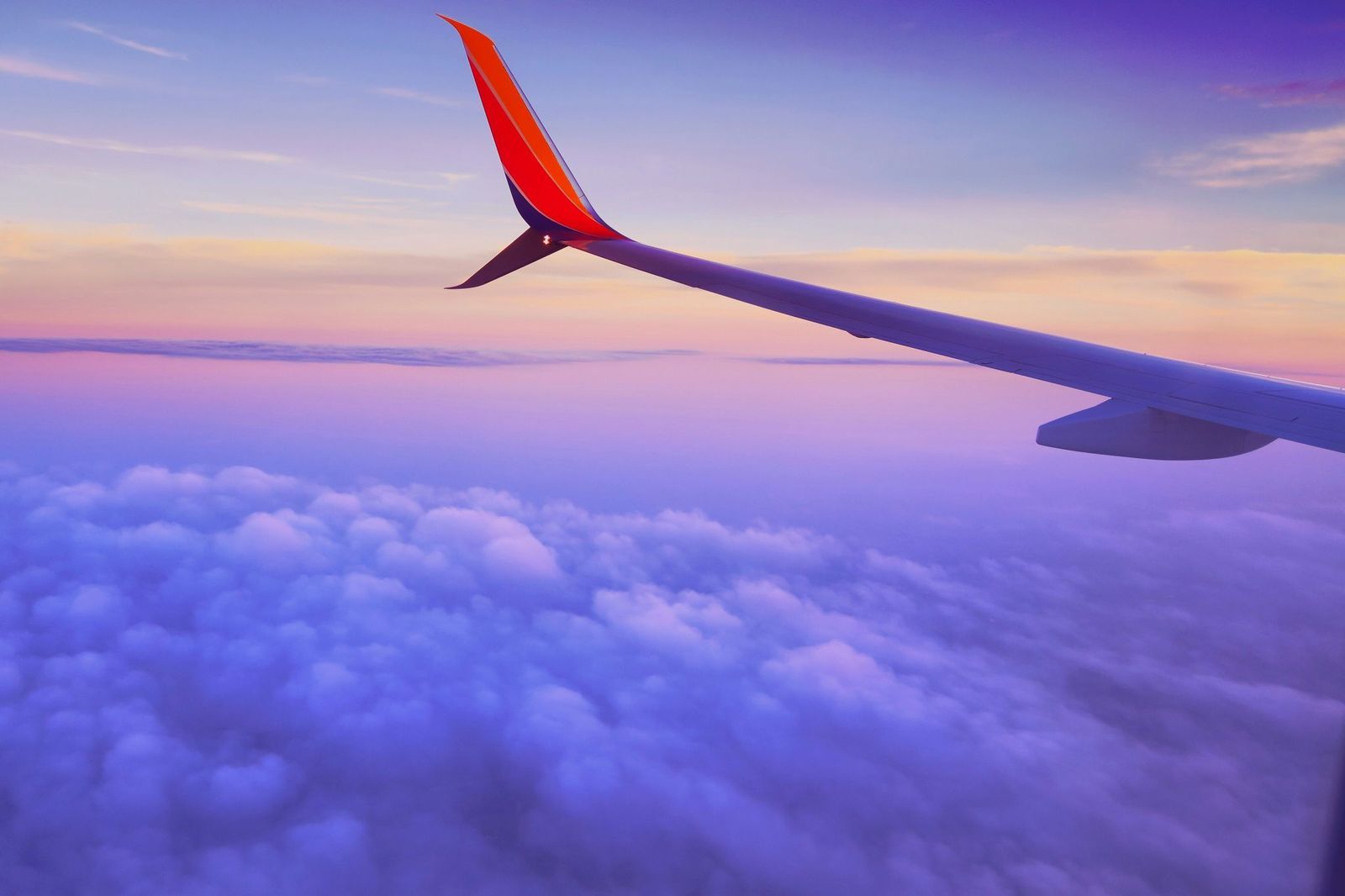
Watching a wing bounce and flex in turbulence can be unsettling, but flexibility isn't evidence that it's about to break. Aircraft wings are deliberately engineered to flex while carrying enormous aerodynamic loads. Making them perfectly rigid wouldn't necessarily make them safer.
Boeing demonstrated just how far that flexibility can go during a 2010 test of the 787 Dreamliner. Engineers loaded the wings to 150% of the most extreme forces expected in service. Their tips bent upward approximately 25 feet while maintaining the required structural integrity. What can look alarming through your window is actually part of the wing doing what it was designed to do.
Why do modern wingtips curve upward?
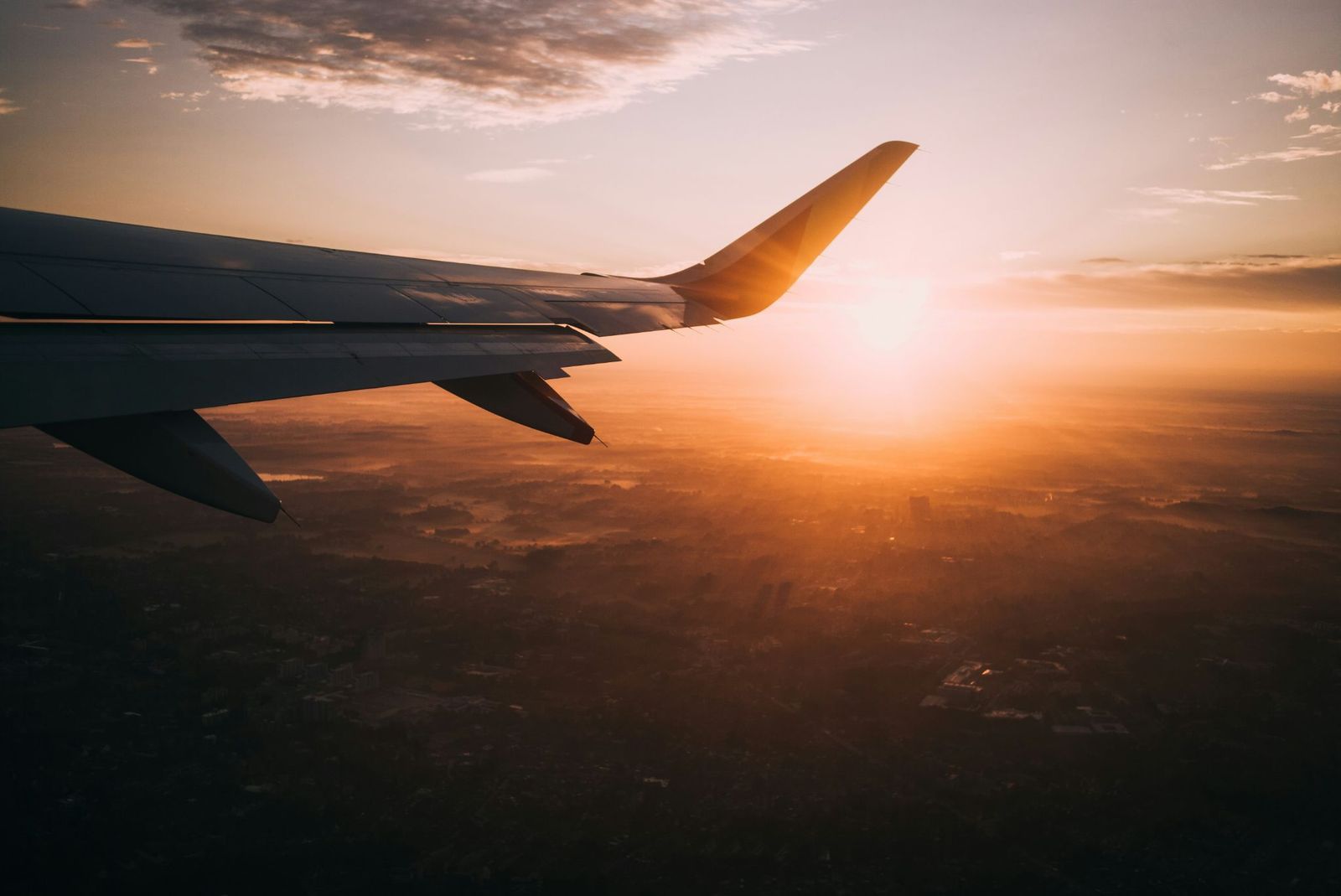
Those upward extensions are generally called winglets, although today's aircraft use several different wingtip designs. Air flowing around a conventional wingtip creates vortices and wastes some of the energy the aircraft uses to stay aloft.
NASA engineer Richard Whitcomb helped pioneer the modern winglet during the 1970s. These devices improved fuel efficiency by roughly 6% to 7%, which might not seem like much, but it adds up to huge savings over thousands of flights.
Why are spirals painted in the center spinner of jet engines?

The hypnotic white spiral on the cone at the center of many jet engines isn't simply decoration. When the engine rotates, the changing pattern provides an easily visible indication that the enormous fan is turning, which is useful information for ground personnel working around a potentially dangerous running engine.
You may also have heard that the spirals are painted to frighten birds. Spinner markings have been studied in connection with bird visibility, but bird deterrence isn't a sufficiently universal explanation for the familiar spirals. Their much more straightforward safety benefit is making rotation easier for people on the ground to recognize.
What is that extra engine in the aircraft tail?
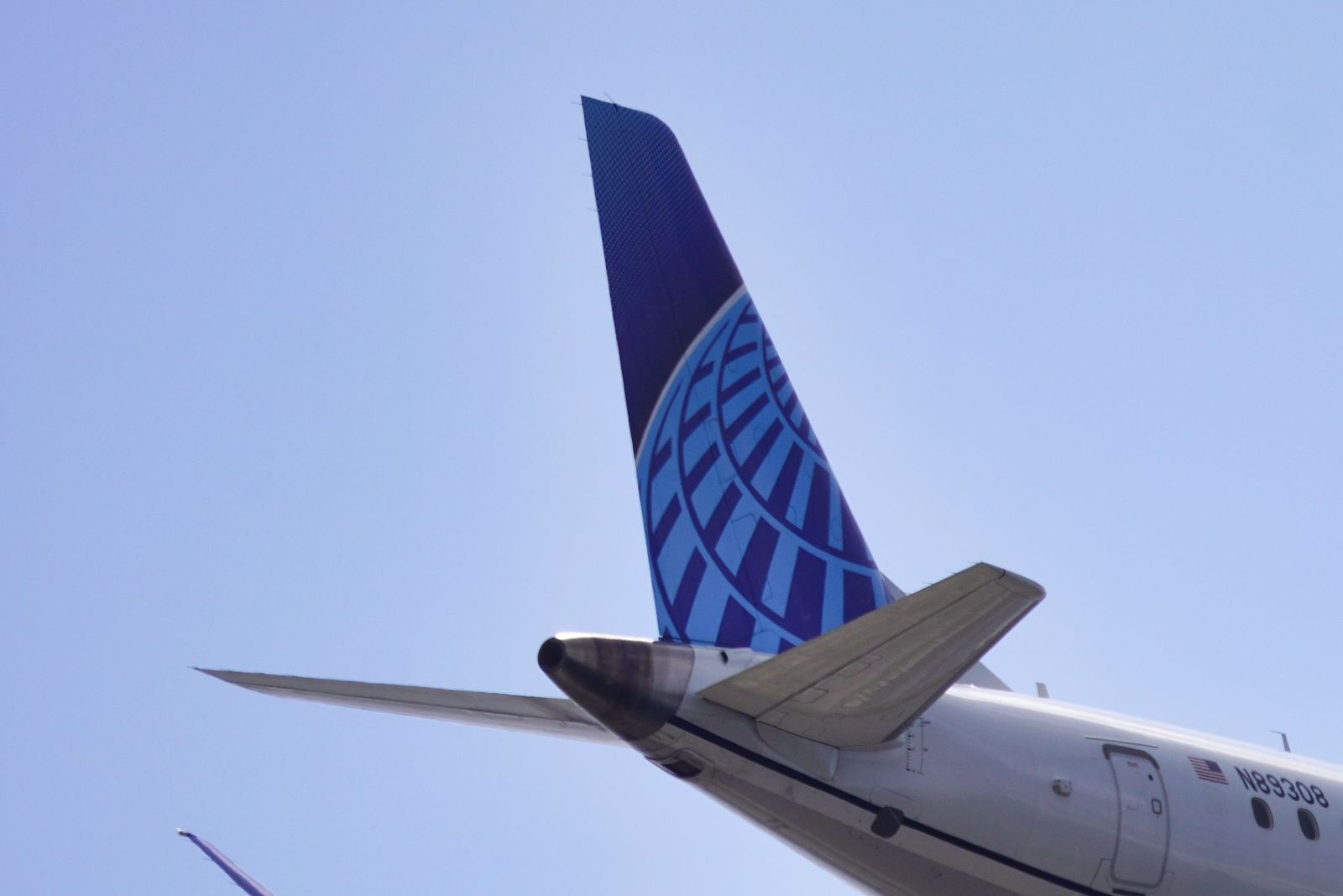
That little exhaust opening at the rear of many airliners belongs to the auxiliary power unit, or APU. Hidden inside the tail is a small gas-turbine engine that can provide electrical power and compressed air without relying on the aircraft's main engines.
The APU helps power aircraft systems on the ground and can supply the air needed to start the much larger engines under the wings. That's why you may hear a turbine-like whine while sitting at the gate even though the main engines haven't started. The airplane really does have another little turbine running behind you.
Why are airplane tires so small?
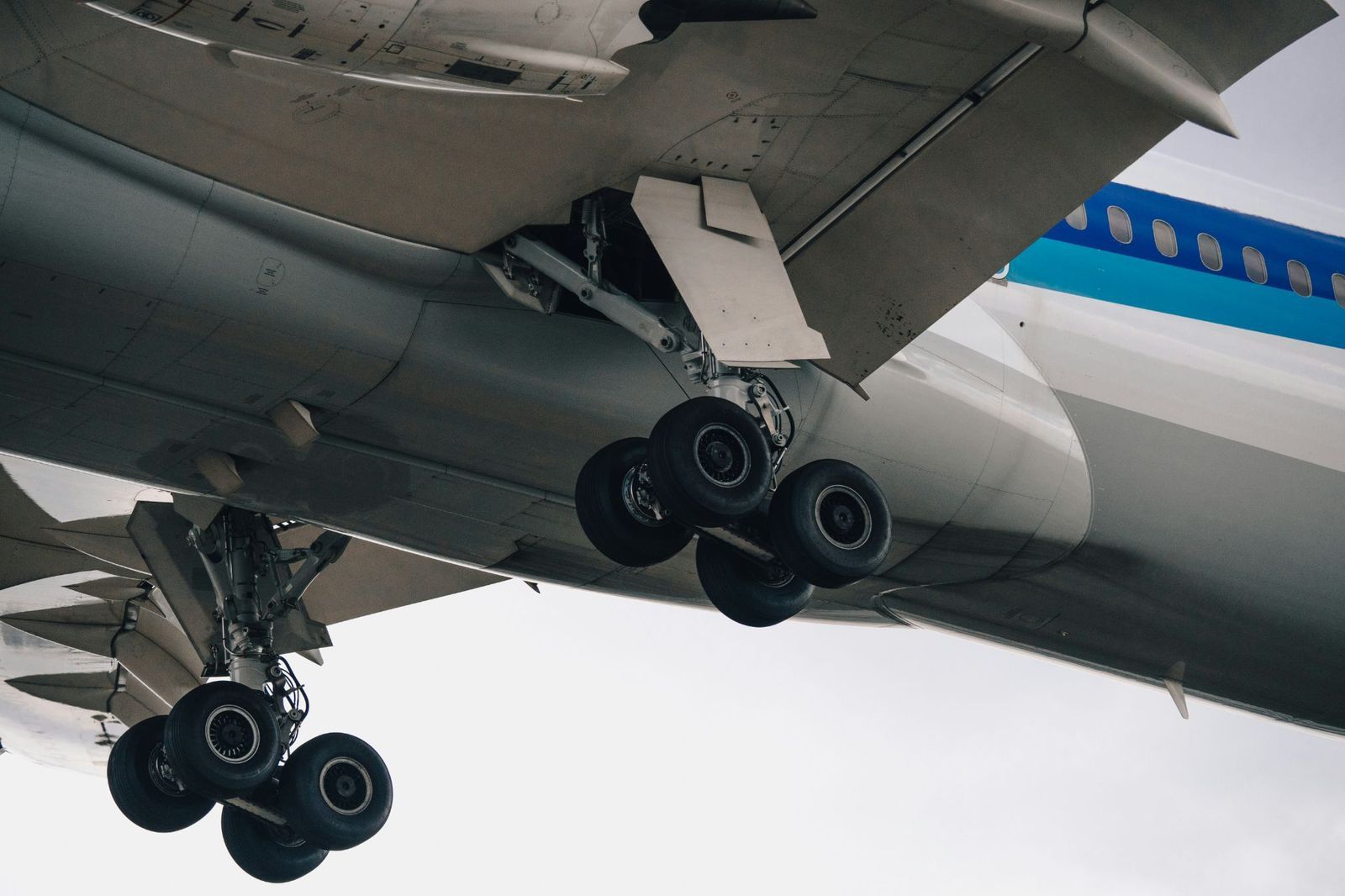
Considering the enormous weight of an airliner, its tires can look surprisingly petite. They manage the job partly because the aircraft's weight is spread across multiple wheels and because aviation tires operate at pressures far higher than those found on a typical family car.
Keeping the tires relatively compact also matters because the landing gear must retract into limited space aboard the aircraft. They may look undersized beneath a giant jet, but they are highly specialized pieces of engineering built for extraordinary loads.
How do airplane tires survive hitting the runway at high speeds?
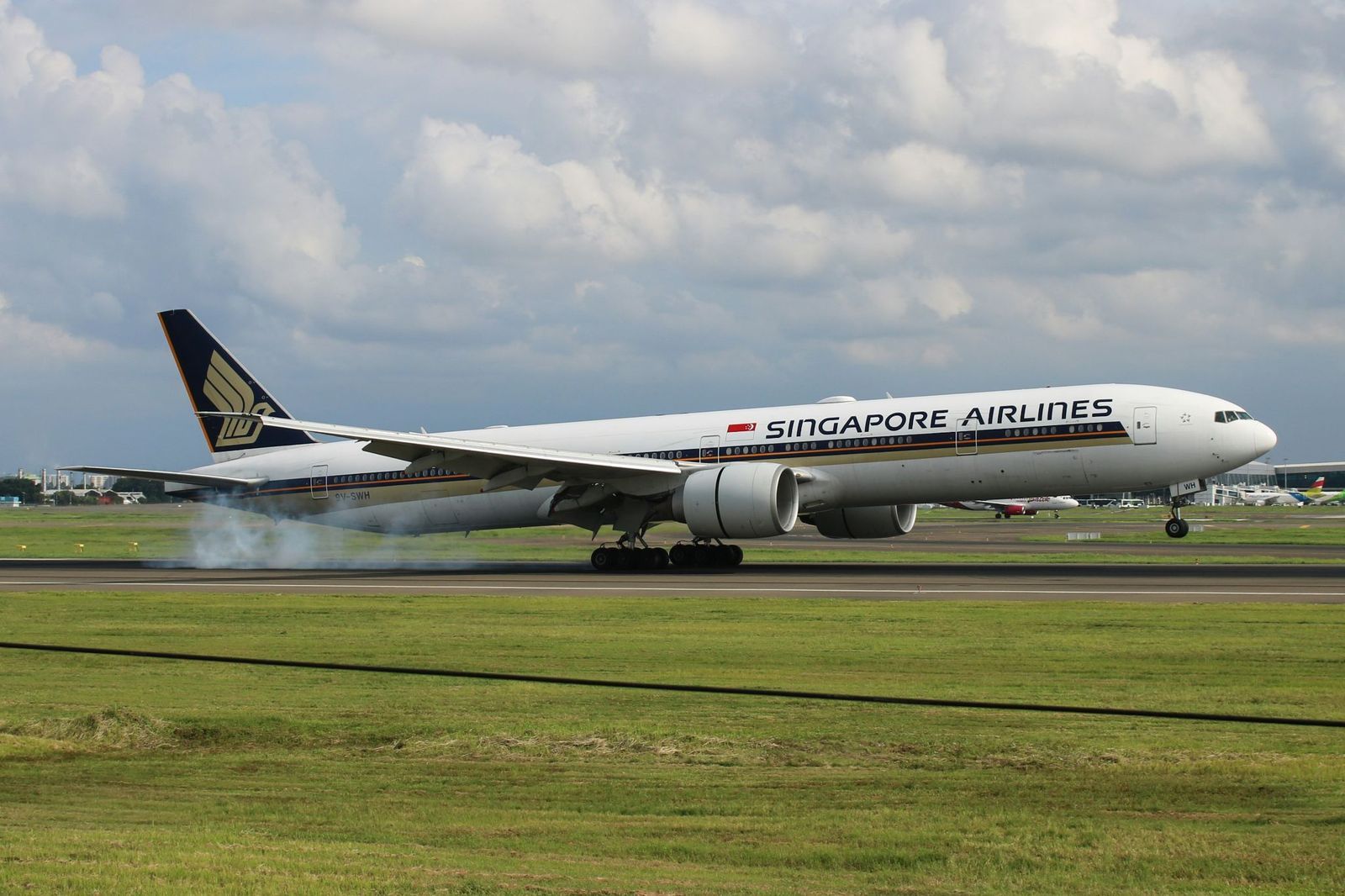
Aircraft tires aren't indestructible, and they can fail. But they're specifically engineered to withstand tremendous loads, rapid acceleration as the wheels meet the runway, and the heat associated with landing and braking. Careful pressure monitoring and maintenance are essential to keeping them within those limits.
There is another clever safeguard hidden in many transport-aircraft wheels: thermal fuse plugs. If the brakes become dangerously hot, these plugs can melt and allow excessive air pressure to escape before heat causes a more dangerous wheel or tire failure.
What are the little stick rods at the end of wings and tail?
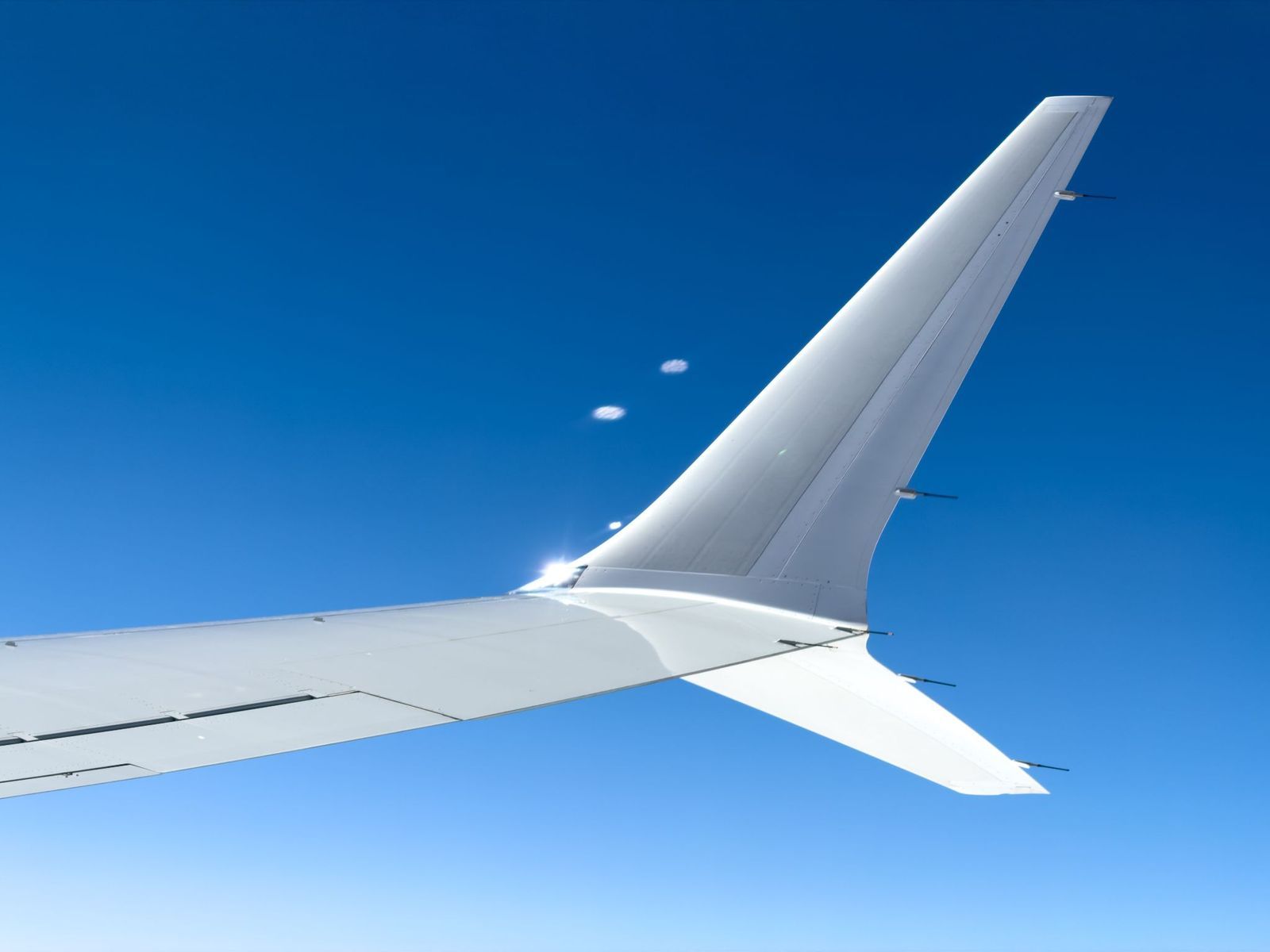
Those thin rods projecting from trailing edges are called static dischargers, or static wicks. As an airplane flies through rain, snow, ice crystals, and other particles, electrical charge can accumulate on its surface. Left uncontrolled, the resulting static can interfere with radio communications and navigation equipment.
Static wicks provide locations where that accumulated charge can dissipate into the surrounding atmosphere. They aren't conventional lightning rods, as they're sometimes described; their primary job is controlling static electricity and the interference it can create.
Why do some airplanes have red or yellow markings?
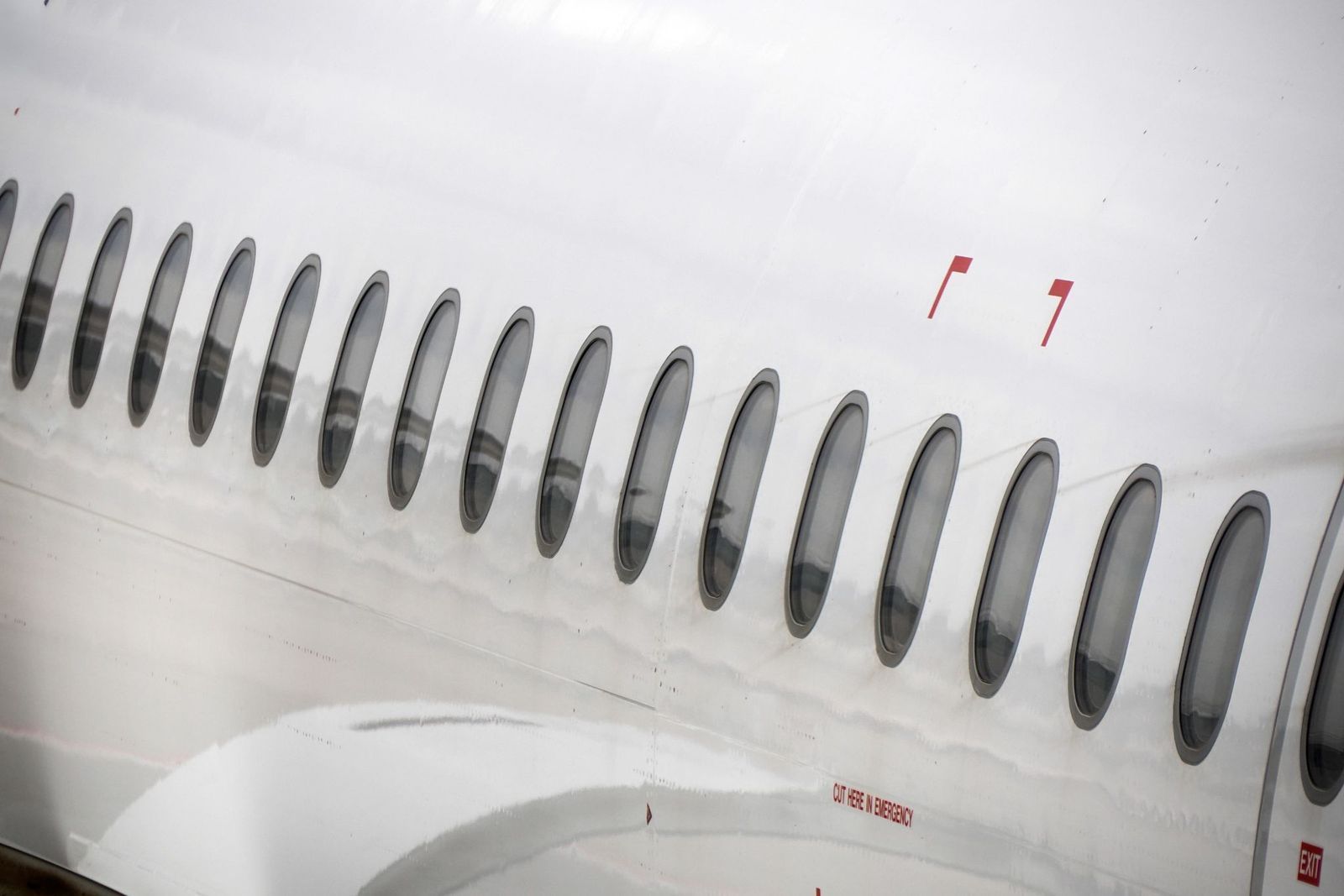
Some aircraft carry small markings outlining areas where emergency crews can break through the fuselage after an accident. Known as break-in point markings, they give rescuers guidance about suitable locations for gaining access when ordinary doors or exits can't be used.
Interestingly, you won't necessarily see them on every airplane. European aviation rules address these rescue markings, which may be red or yellow depending on the aircraft and required contrast. The U.S. does not impose the same break-in-point marking requirement. They're an excellent example of an aircraft detail designed not for everyday passengers, but for the people who may someday need to rescue them.
What’s with the red and green lights on opposite sides?

Aircraft position lights use a remarkably old navigational language. Red marks the left, or port, side; green marks the right, or starboard, side; and a white light is visible toward the rear. The system closely follows conventions long used aboard ships.
The colors allow pilots to determine another aircraft's orientation in darkness. If you see an aircraft's red light on your right and green on your left, for instance, you can assume that the vessel is coming your way, instead of moving away.
What is the white mist appearing over a wing?
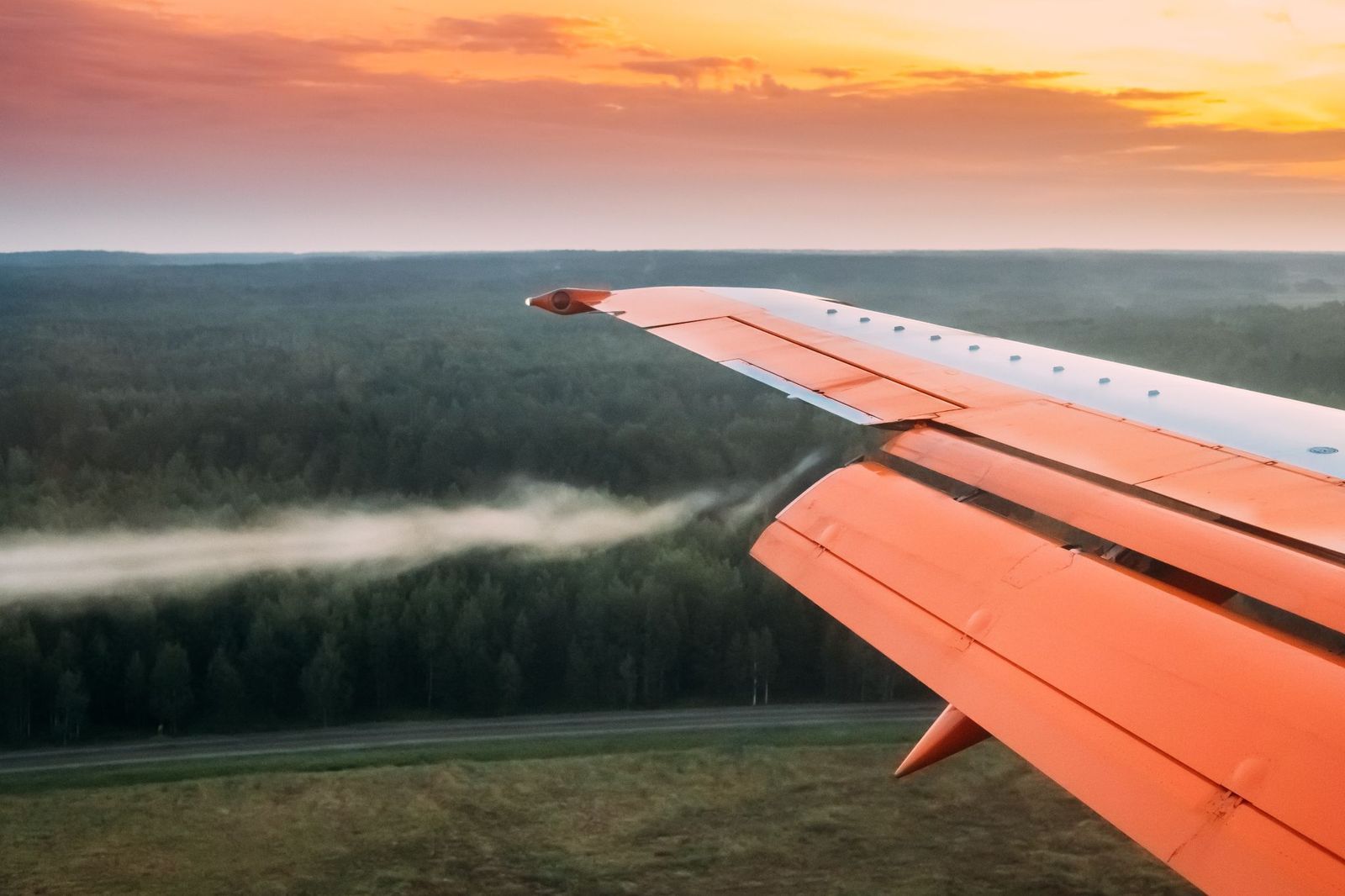
A sudden white cloud spilling across an airplane wing during takeoff or landing can look dramatic and make a passenger wonder whether something has gone wrong.
Air moving through low-pressure regions around the wing can cool enough for atmospheric water vapor to condense into tiny droplets. Similar condensation can make wingtip vortices visible as twisting trails. Unlike persistent high-altitude contrails formed behind engines, these aerodynamic clouds usually vanish quickly.
Why shout "Elmer!" at sundown? Yosemite and 9 other spots with odd quirks
 Landmarks
Weird rituals
When in Rome... Odd traditions tied to specific destinations
Tourists love copying what they see others do. Arrive at spots like the Trevi Fountain, and you might have to get in line to toss a coin. Step into the Epidaurus Theatre in Greece, and you’ll have to wait until others are done whispering to try the acoustics yourself. People will even queue for an hour to attempt to bend backwards on the floor and kiss the Blarney Stone in Ireland. How did these very strange traditions begin? Read on to learn 10 site-specific odd rituals.
People shouting "Elmer!" at sundown at Yosemite National Park, USA

Every summer evening in Yosemite Valley, as the campfires die down, someone in one of the campgrounds shouts it into the dark: "ELLLLMEERRR!" And it always gets an answer.
Suddenly, the valley erupts into dozens of voices from different camps echoing the name back. The tradition has been going on since at least the 1930s, and no one knows exactly how it started. Nobody knows who Elmer was, either, but that’s part of the joke. The most popular legend says a boy named Elmer went missing in the woods one summer, and nearby campers started calling his name.
Another version claims he was a park ranger disfigured in the Yosemite Firefall who now haunts the camp looking for a new face, and if you shout his name, he'll know you're a friend and leave you alone. The National Park Service has officially acknowledged that the tradition exists, even though they have no explanation for it either.
Swearing nonsensical oaths at Highgate, London
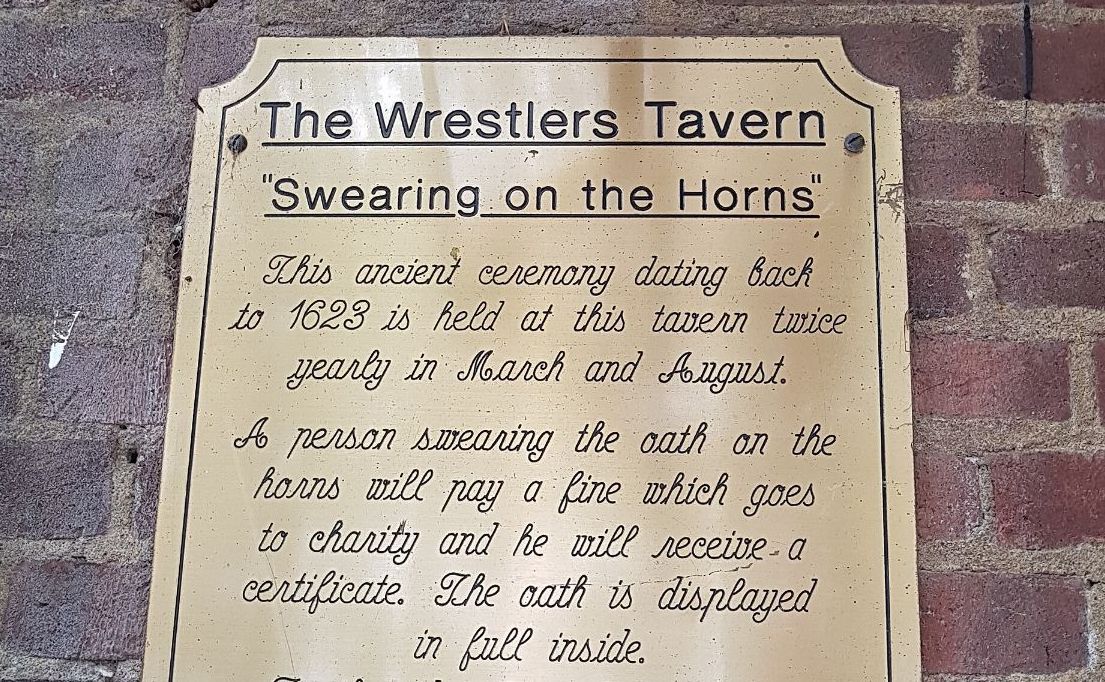
In the village of Highgate in north London, a pub tradition has been running since the 17th century that makes absolutely no sense. At taverns like The Wrestlers and The Flask, visitors can be sworn in as a "Freeman of Highgate" by reciting an oath of pure gibberish before a landlord dressed in ceremonial costume, then kissing a set of ram's horns.
The rewards are famous for their uselessness. They include the right to free drinks whenever you are penniless in the village, and the right to sleep in a local ditch if you first evict whichever pig is occupying it. If there are three pigs, you may only remove the middle one and sleep between the others.
Lord Byron swore the oath and referenced it in his poem "Childe Harold’s Pilgrimage." The ceremony was revived in recent years at The Wrestlers, where the horns and the full text of the oath still hang on the wall.
Putting hands into the Mouth of Truth in Rome
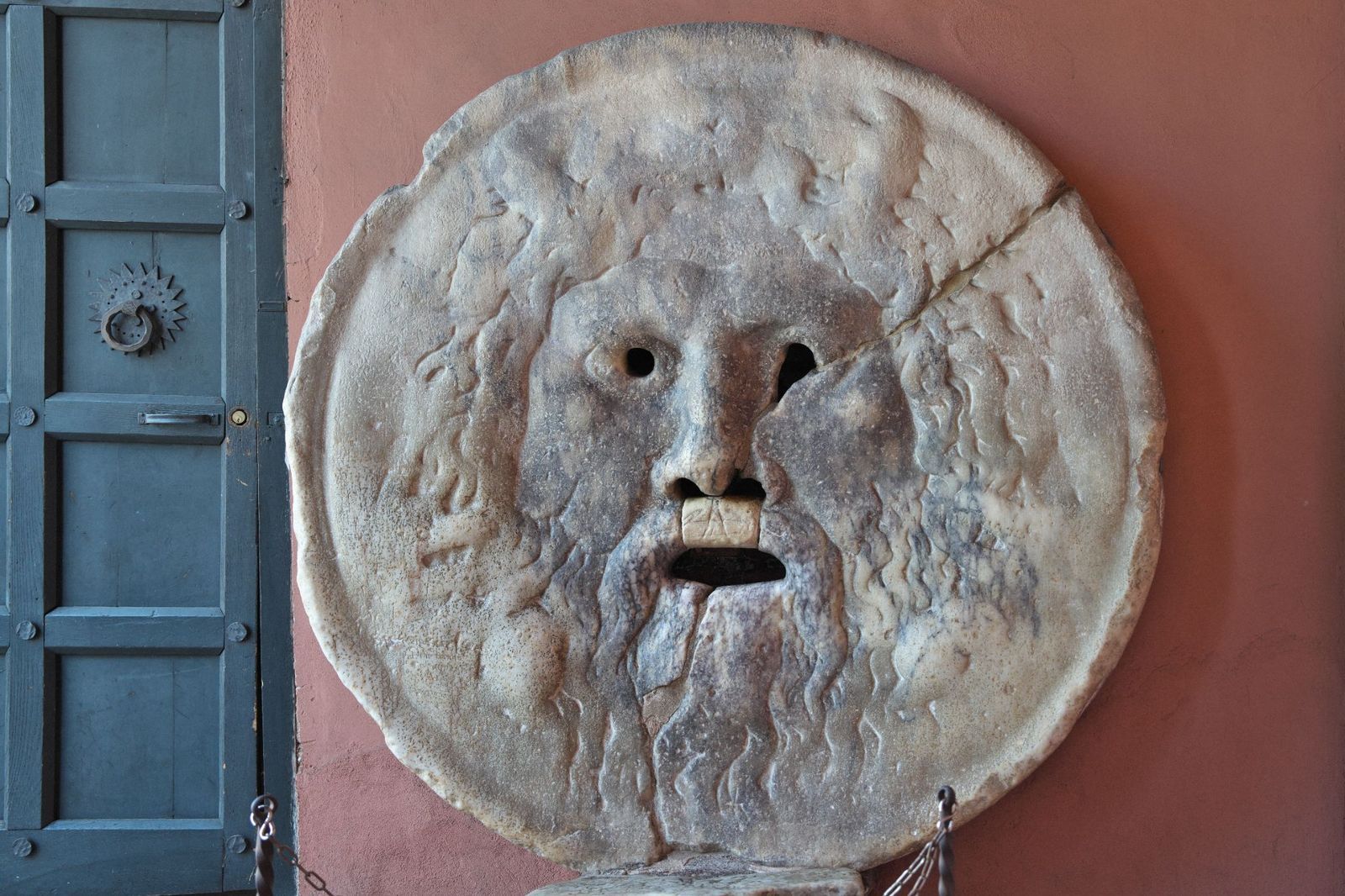
Long before Gregory Peck used it to terrify Audrey Hepburn in the film Roman Holiday, the Bocca della Verità had already been frightening people for roughly a thousand years. The ancient marble disc has sat at the entrance to the Basilica of Santa Maria in Cosmedin since the 13th century, though it was carved sometime in the 1st century CE, possibly as a drain cover for Rome's great sewer.
The legend, documented as far back as 1485, holds that any liar who places their hand inside its gaping mouth will lose it. Medieval husbands reportedly brought their wives here to prove their fidelity. The scene in Roman Holiday in which Peck hid his hand up his sleeve and pretended it had been bitten off, causing Hepburn's genuine shriek of terror, made the Bocca world-famous in 1953. Tourists now queue for up to two hours to stick their hand in and pose for the photo.
Sticking gum at the Seattle Gum Wall, USA
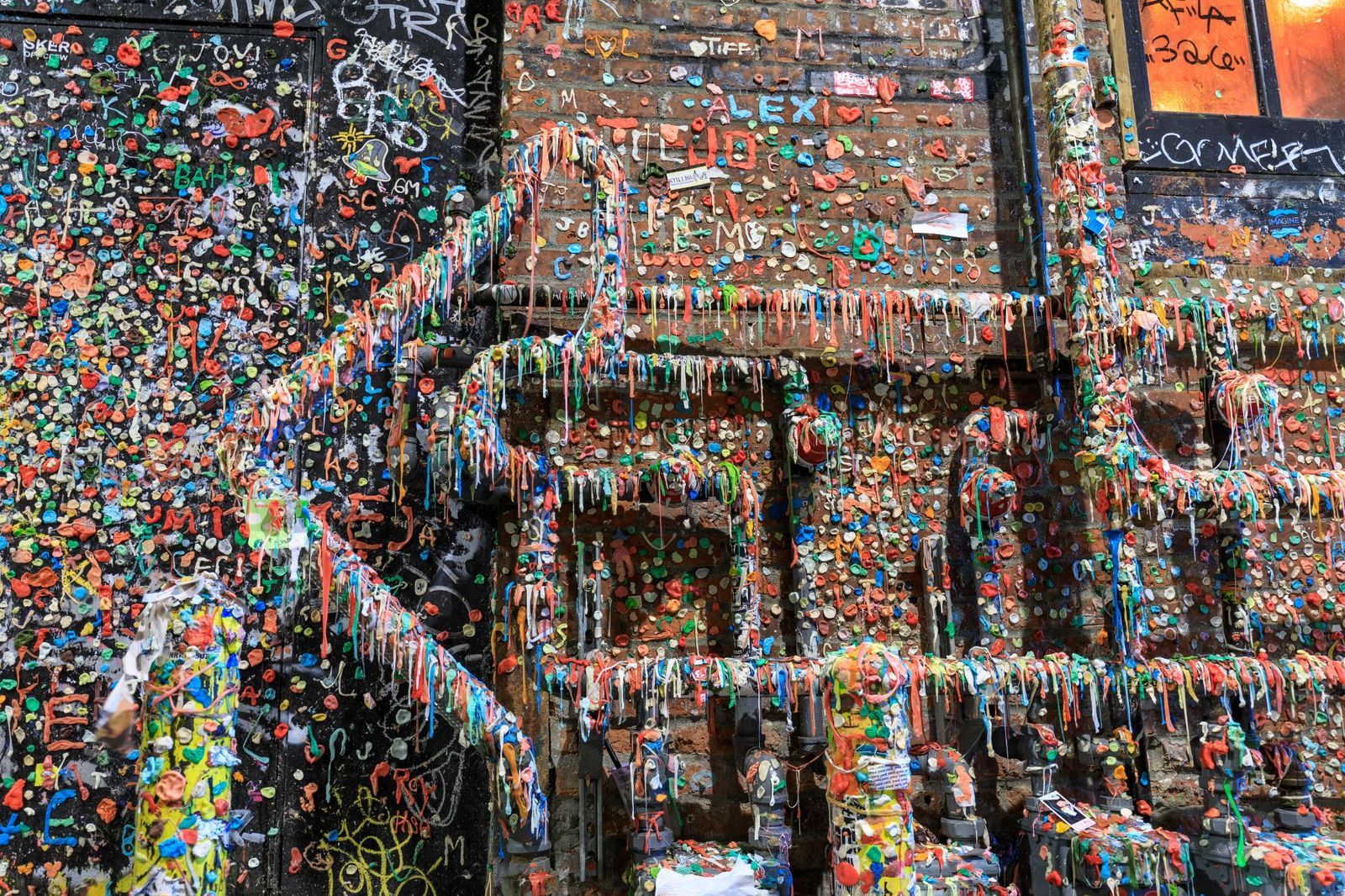
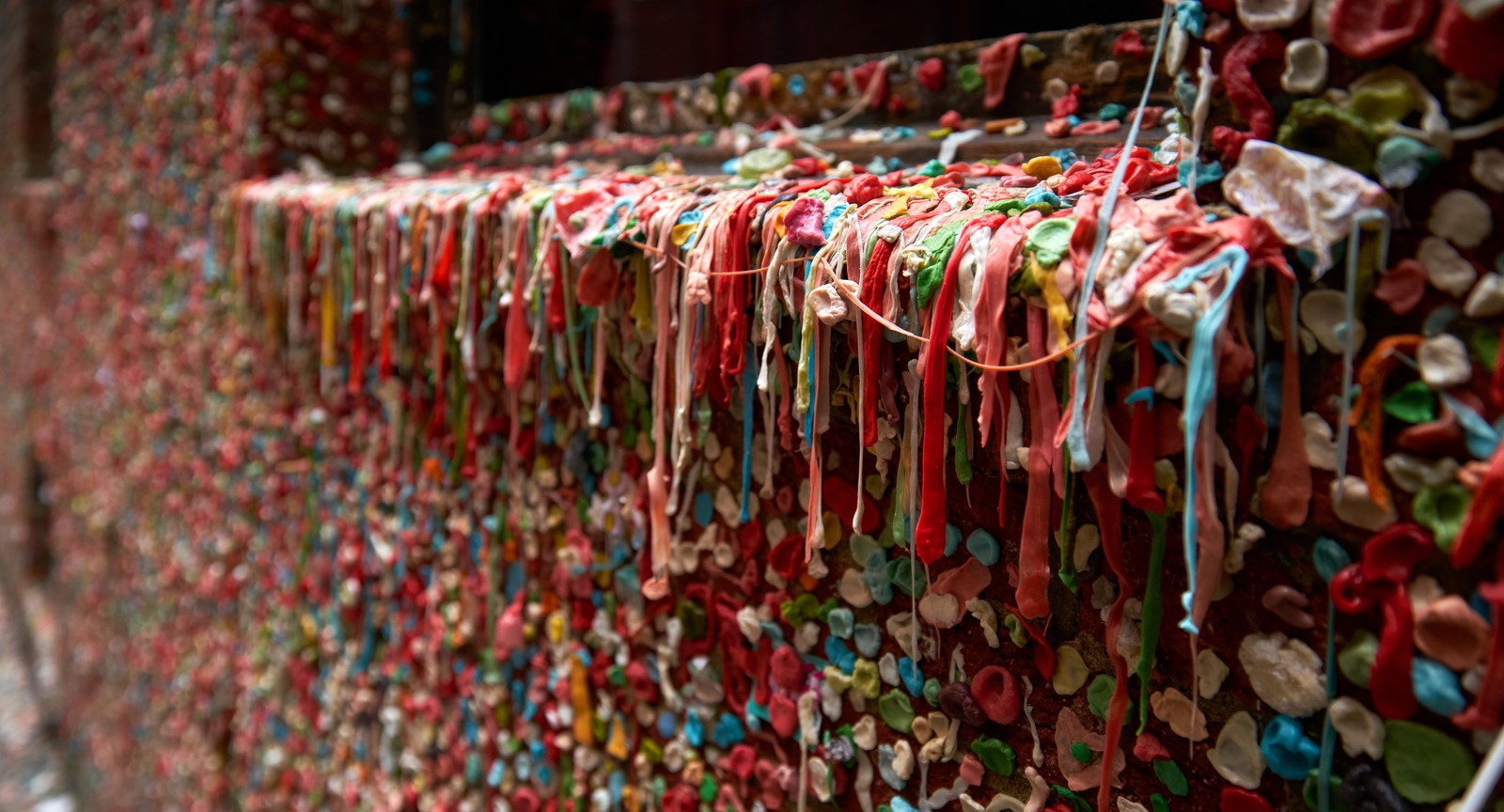
In 1993, people waiting in line for an improv comedy show at the Market Theater in Seattle's Post Alley started pressing their chewed gum to the brick wall outside. Management had the wall scraped clean. But the gum came back in the following show nights.
Locals carried out this back-and-forth until 1999, when the area authority gave up entirely and officially declared the wall a tourist attraction. Today, the Gum Wall stretches over 50 feet long and more than six feet high, covered in a thick, technicolor crust of chewed bubble gum from visitors around the world.
It’s consistently ranked among the germiest tourist attractions on earth. The wall is periodically cleaned to protect the historic brickwork underneath, but it doesn’t stay clean for long. In 2015, a full cleaning took 130 hours and removed over 2,350 pounds of gum, but it was rebuilt by passing tourists in about five months.
Kissing the lips of the Victor Noir statue in France
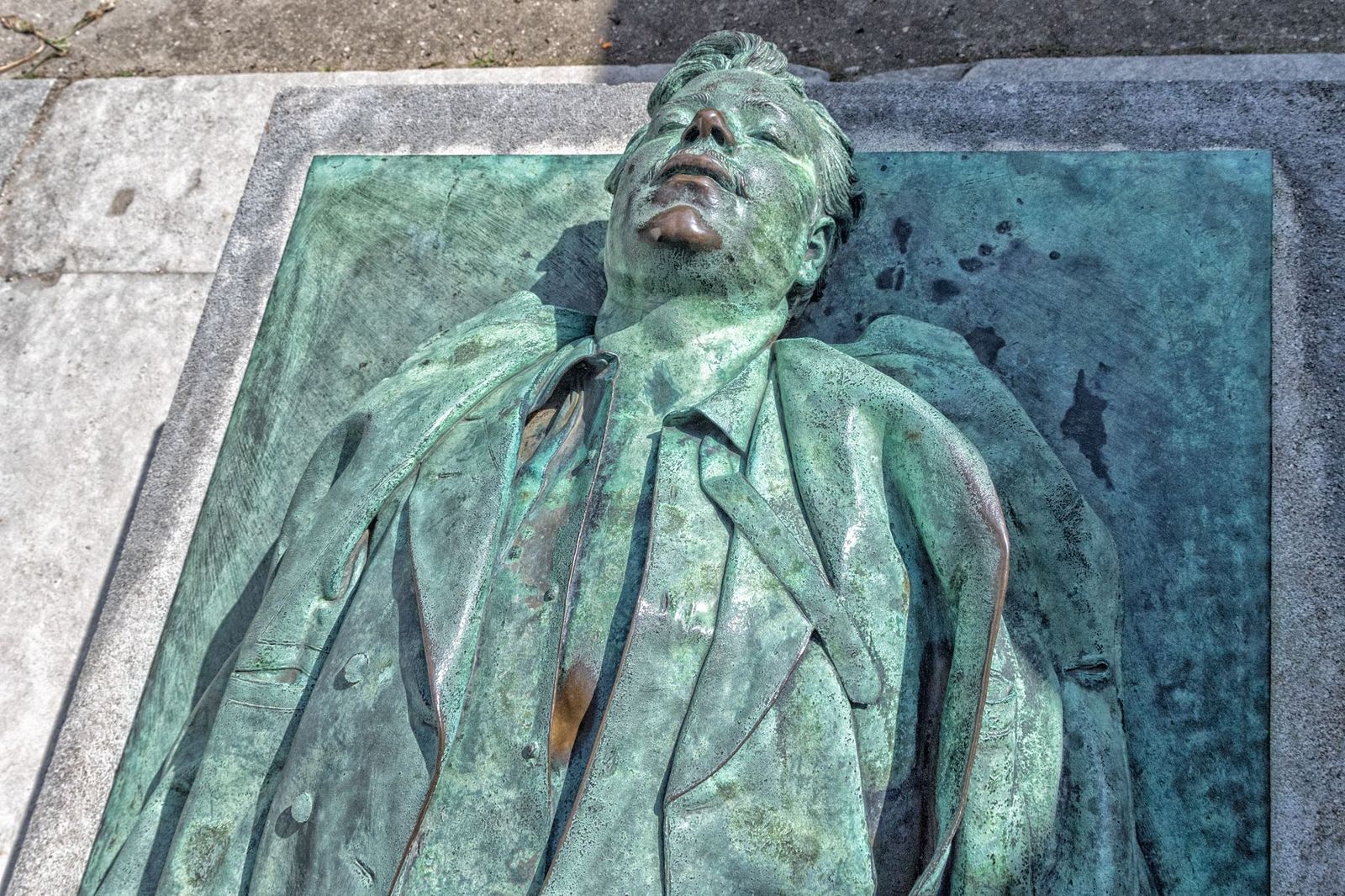
Victor Noir was 21 years old and working as a journalist for a radical Paris newspaper when, in 1870, he was shot dead by Prince Pierre Bonaparte, a cousin of Napoleon III. This happened in a dispute over a dueling arrangement Bonaparte had with Noir’s boss. His murder was so politically explosive that nearly 100,000 people attended his funeral procession, outraged that the prince was later acquitted.
Two decades later, when the Third Republic had the journalist's body moved to Père Lachaise cemetery, sculptor Jules Dalou created a life-size bronze of Noir lying exactly as he fell on the street, hat beside him. For reasons no one has fully explained, the statue became a symbol of good fortune in love, and the tradition of kissing his bronze lips took hold.
His lips are now worn to a bright gold shine against the rest of the oxidized green statue. In 2004, city authorities erected a fence around the tomb to stop the practice, but the public protested until it came down.
Writing love letters to Juliet in Verona, Italy
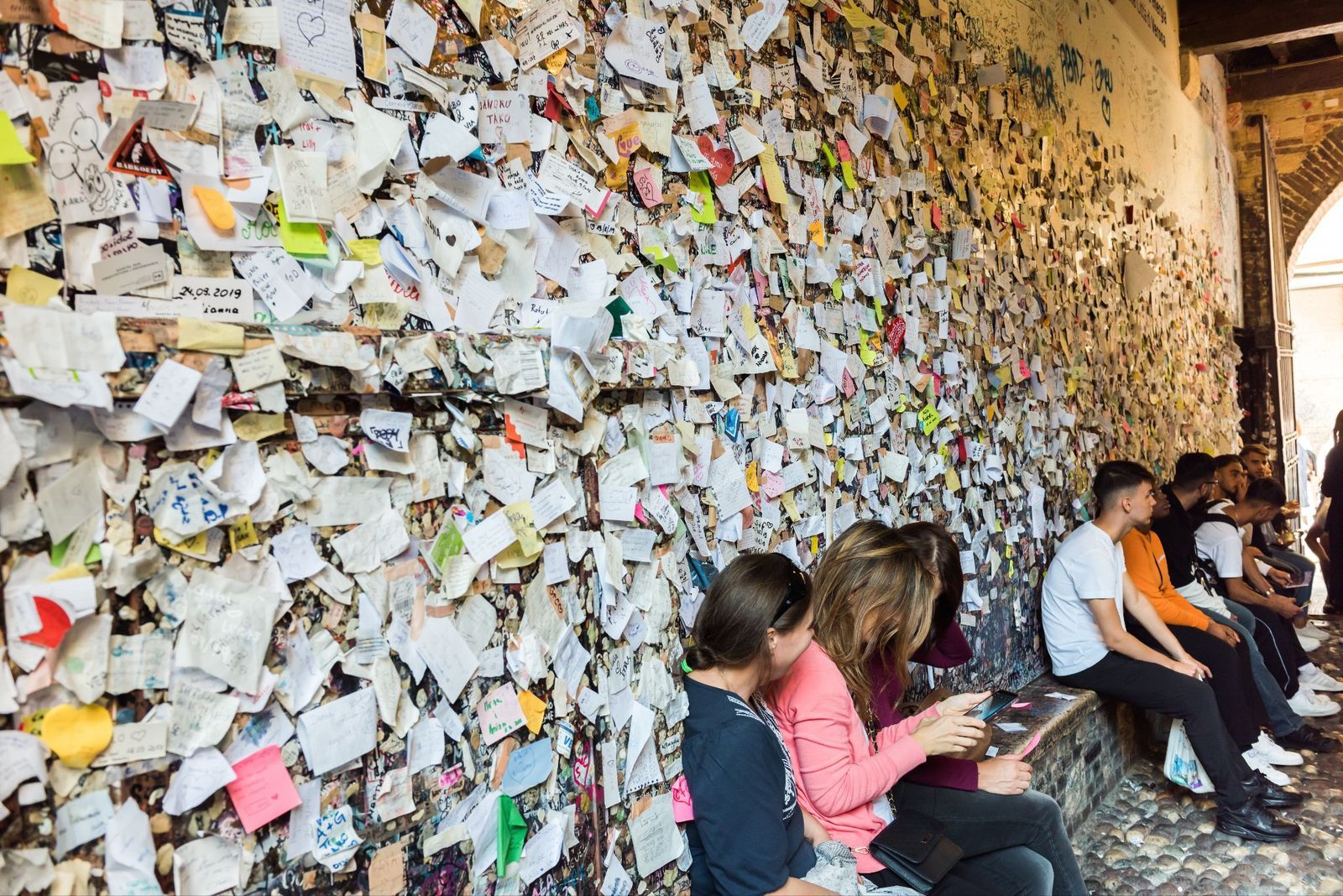
Juliet Capulet never existed, and Shakespeare almost certainly never visited Verona before or after writing Romeo and Juliet. And yet thousands of people each year write heartfelt letters addressed to "Juliet, Verona, Italy."
Each of them is answered. The tradition began in the 1930s: visitors were leaving love letters at Juliet’s Tomb, a nameless and empty crypt in Verona that had popularly become a pilgrimage site honoring the tragic fictional character. Ettore Solimani, the caretaker of the site, began collecting the letters visitors left behind and writing back. He signed them "Juliet's Secretary." This led to the Club di Giulietta, formally founded in 1972, which now has around 50 volunteer secretaries who reply to roughly 10,000 letters a year in over a dozen languages.
The 2010 film Letters to Juliet, starring Amanda Seyfried, introduced the tradition to a global audience and significantly increased the mail volume.
Weekly Siesta Key Drum Circle, Florida, USA
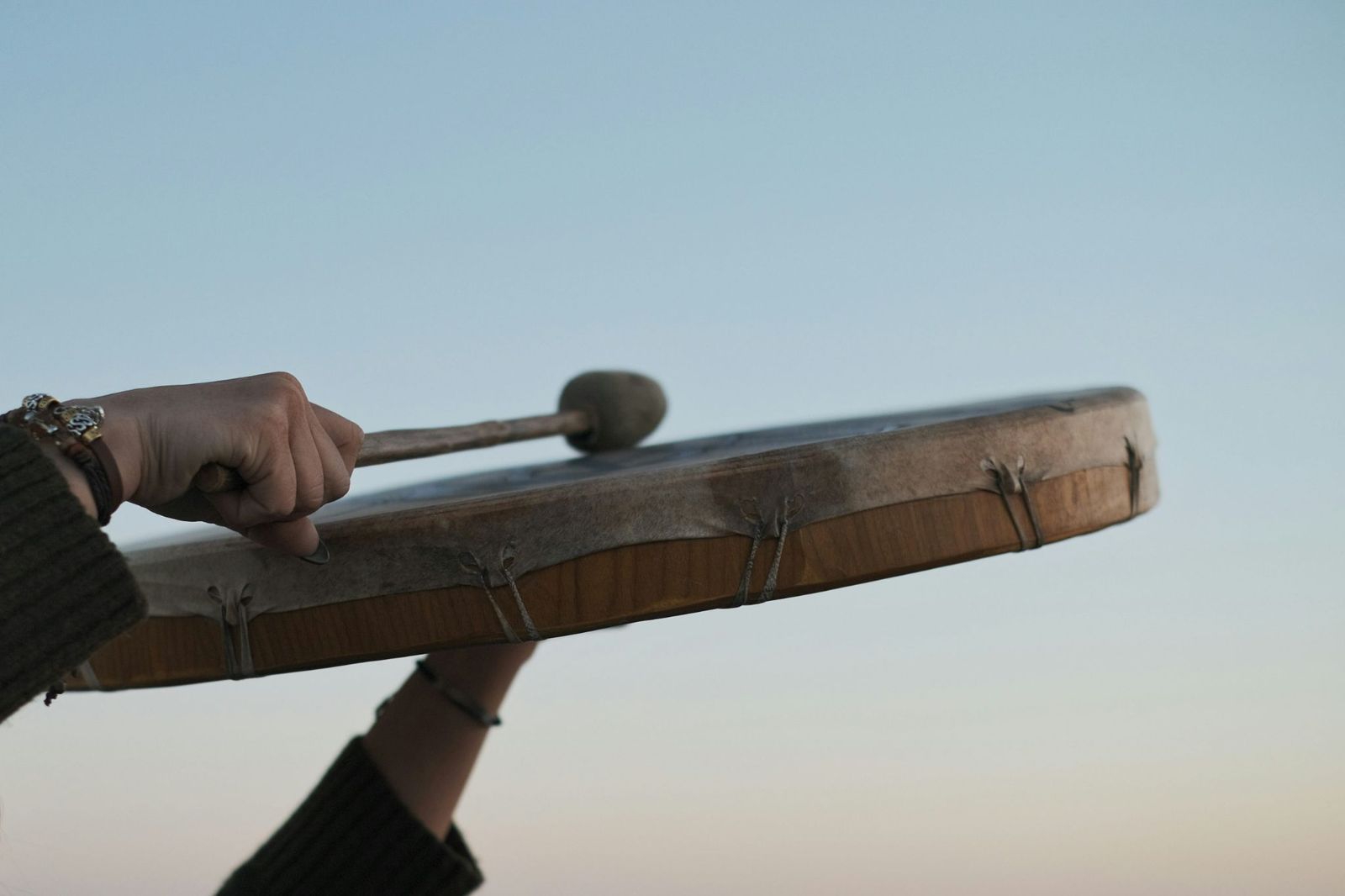
In March 1996, a man named David Gittens gathered about a dozen friends on Siesta Beach on Florida's Gulf Coast to drum together and mark the spring equinox. Thirty years later, that gathering has transformed into a weekly tradition. Every Sunday evening, an hour before sunset, people converge on Siesta Beach; musicians with djembes, congas, and tambourines, dancers with hula hoops, families with children, and tourists who stumbled into a show they only half understand.
By peak season, the crowd can reach a thousand people. There are no tickets, no stage, no vendors, no amplification, and no organizers.
Kissing the Blarney Stone in County Cork, Ireland
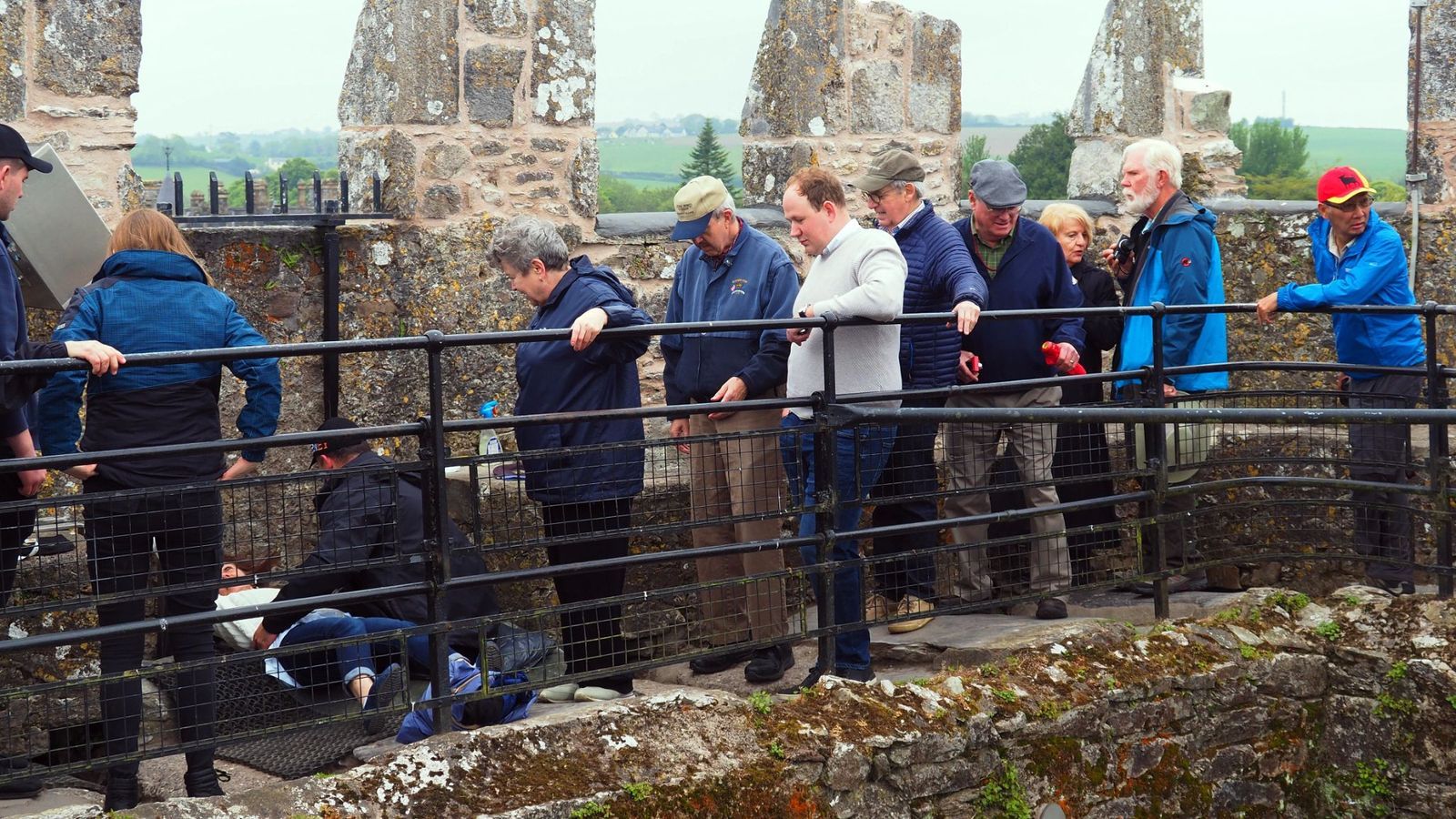
The Blarney Stone promises the gift of eloquence. It is said that if you manage to kiss it, you’ll gain the ability to speak well, charm effortlessly, and talk your way out of any situation. The price is modest: you simply have to climb to the top of a 15th-century castle, lie on your back, lean backwards over the edge of the battlements 90 feet above the ground, and press your lips to a stone set into the parapet below.
About 400,000 people a year do it, assisted by a staff member called "Butter Fingers," whose job is to hold your legs. The legend traces back to Cormac Laidir MacCarthy, builder of the castle, who was facing a hopeless legal dispute around the year 1446. He prayed to the goddess Clíodhna, who told him to kiss the first stone he found in the morning, then go to court and speak. As legend has it, he did, and he won.
Whispering at the Epidaurus Stage in Peloponnese, Greece
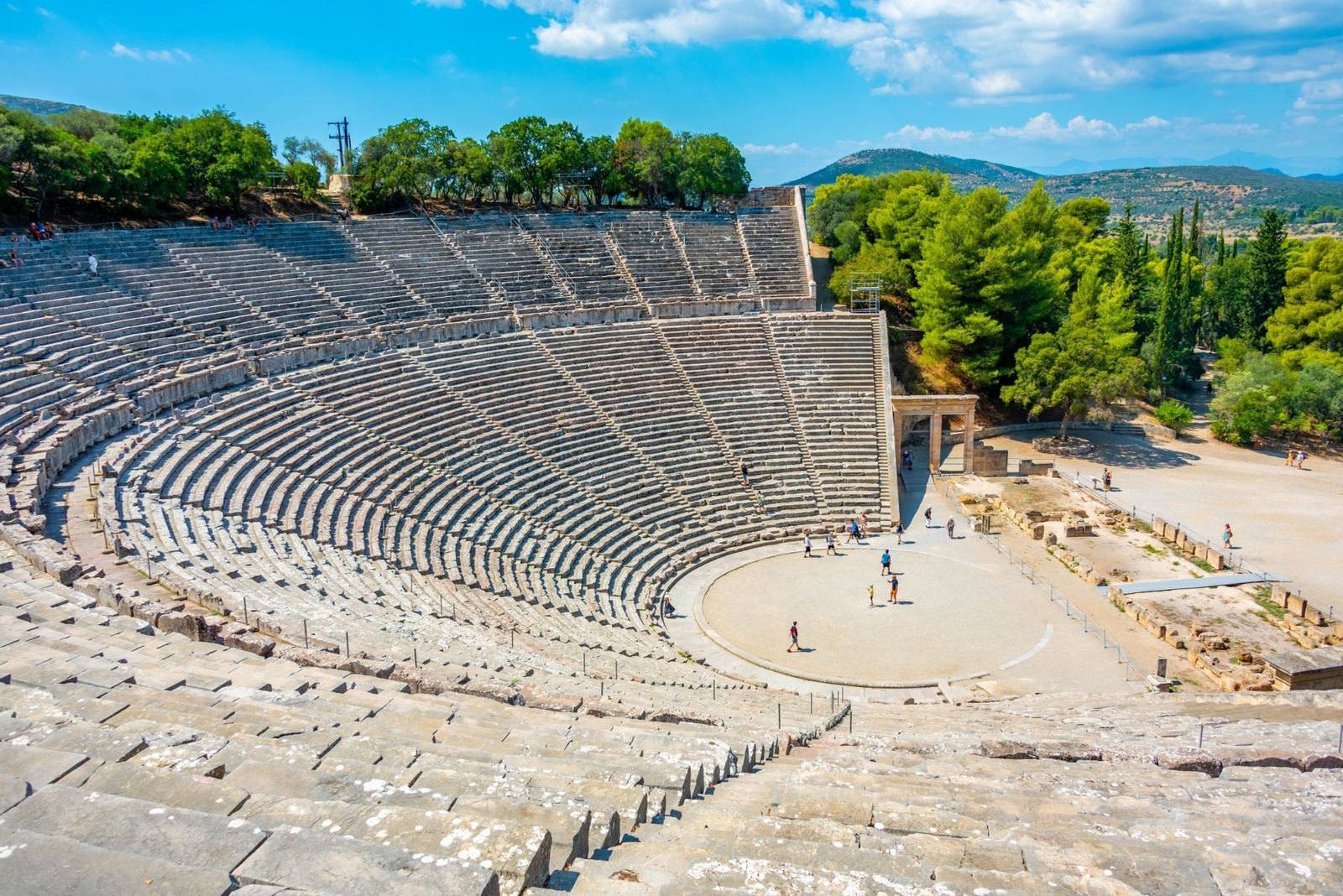
The Theatre of Epidaurus was built in the 4th century BC as part of a healing sanctuary dedicated to Asclepius, the Greek god of medicine. Today, it seats around 14,000 people on limestone tiers that rise in a perfect semicircle from the stage.
Every day, without any official encouragement, tourists perform a ritual: one person walks to the center of the ancient stage while their companions climb as high as they can go, and then the person on stage tears a piece of paper, strikes a match, or whispers. The people in the highest row hear it perfectly.
The acoustics are so precise that researchers from Georgia Tech spent years trying to explain them, eventually determining that the limestone seats themselves act as acoustic filters, absorbing low-frequency background noise while reflecting high-frequency sound from the stage with uncanny clarity.
Locking love to bridges in Paris, France
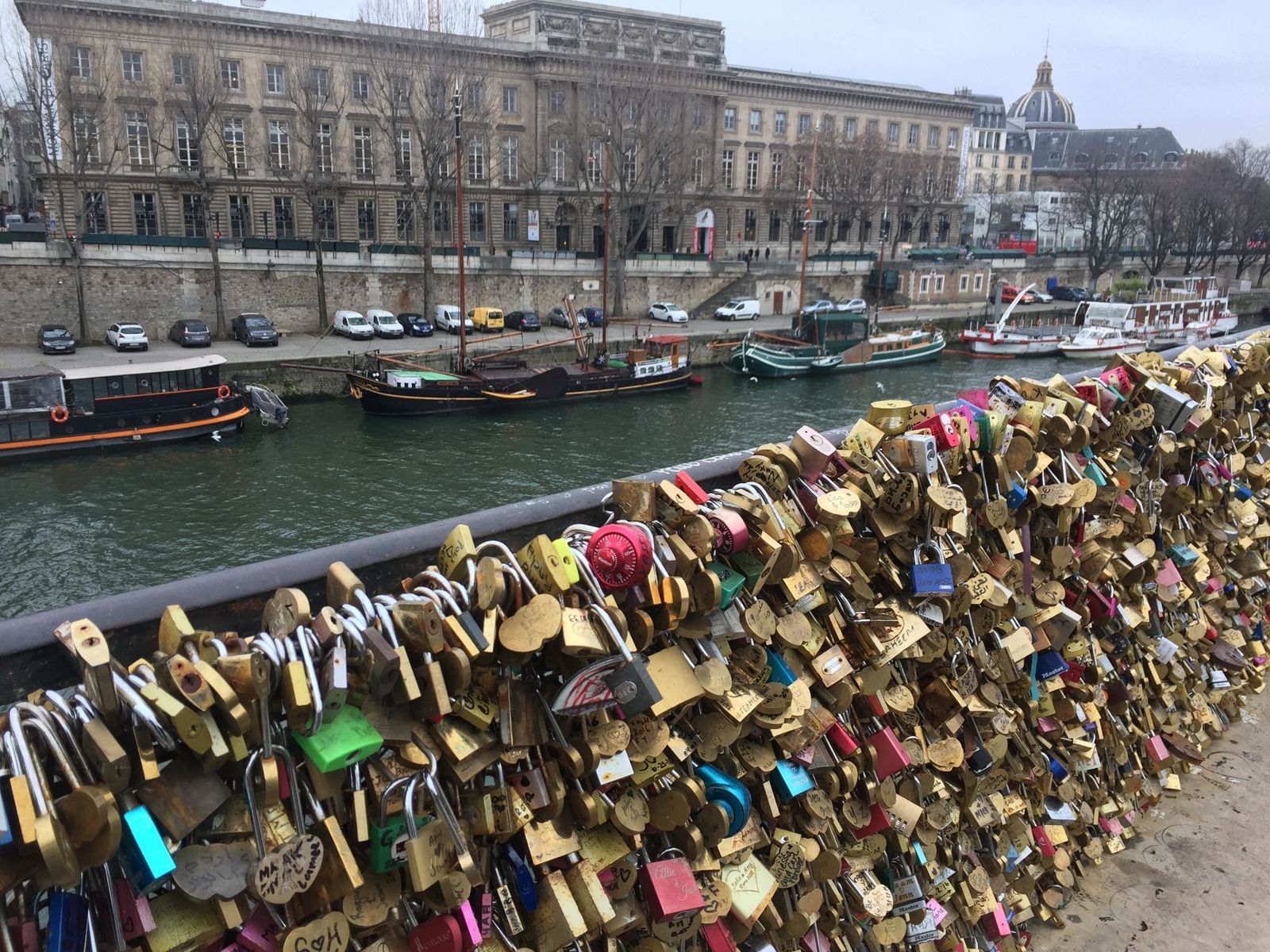
A couple attaches a padlock to the iron railings of a Parisian bridge, tosses the key into the Seine below, and thus symbolically seals their love. Nobody is quite sure when or why the ritual started. Some say it began in the early 2000s, with the practice spreading rapidly through social media.
By 2014, the Pont des Arts had become one of the most visited spots in Paris, and its railings were covered with heavy padlocks. The accumulated locks weighed 45 tonnes, the equivalent to 20 elephants. Eventually, a part of the bridge’s railing collapsed. In 2015, the city resolved to remove all of the padlocks and install glass panels to prevent the practice from returning.
This only resulted in couples finding other railings across the city to lock their love in; the tradition continues on the Pont de l'Archevêché behind Notre-Dame to this day.
Keep wandering
There’s always
more to explore
 Culture
What happens to tourist towns after everyone goes home?
5 min.
Read Now

The construction mistake that made this tower famous
5 min.
Read Now
Why did San Antonio move an entire hotel through downtown?
6 min.
Read Now
Most tourists never find these London spots hiding in plain sight
3 min.
Read Now