Why did San Antonio move an entire hotel through downtown?
 General
Travel curiosities
Why did San Antonio move an entire hotel through downtown?
How did London Bridge end up in Arizona? Did the Fairmount Hotel really roll through downtown San Antonio? And what is a medieval Spanish monastery doing among the palm trees of South Florida? Some landmarks simply weren’t meant to stay where they were first built. Along the way, their moves became part of history and a new identity. Here are 10 landmarks that no longer stand where they were originally built.
London Bridge, Lake Havasu City, Arizona
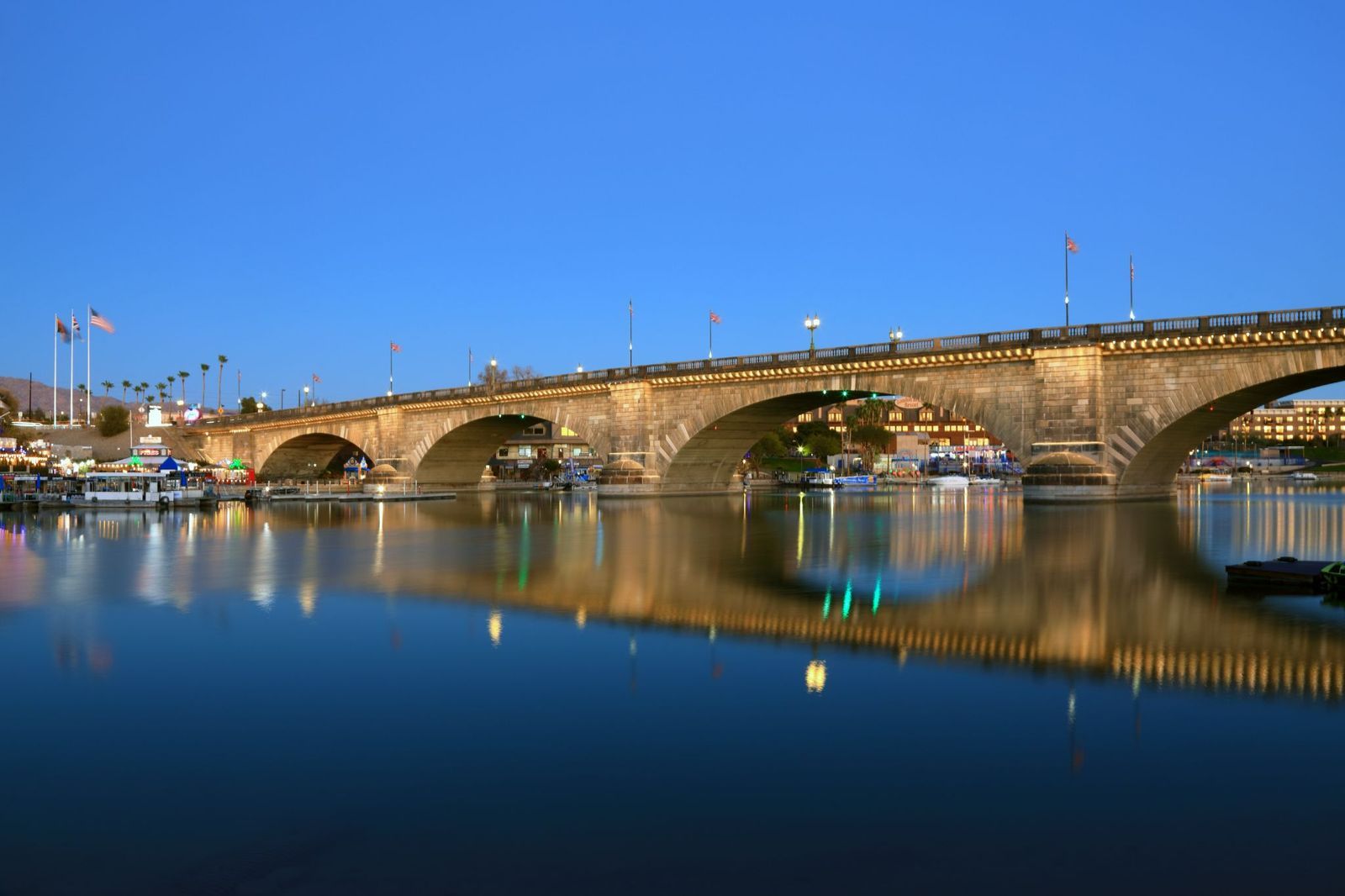
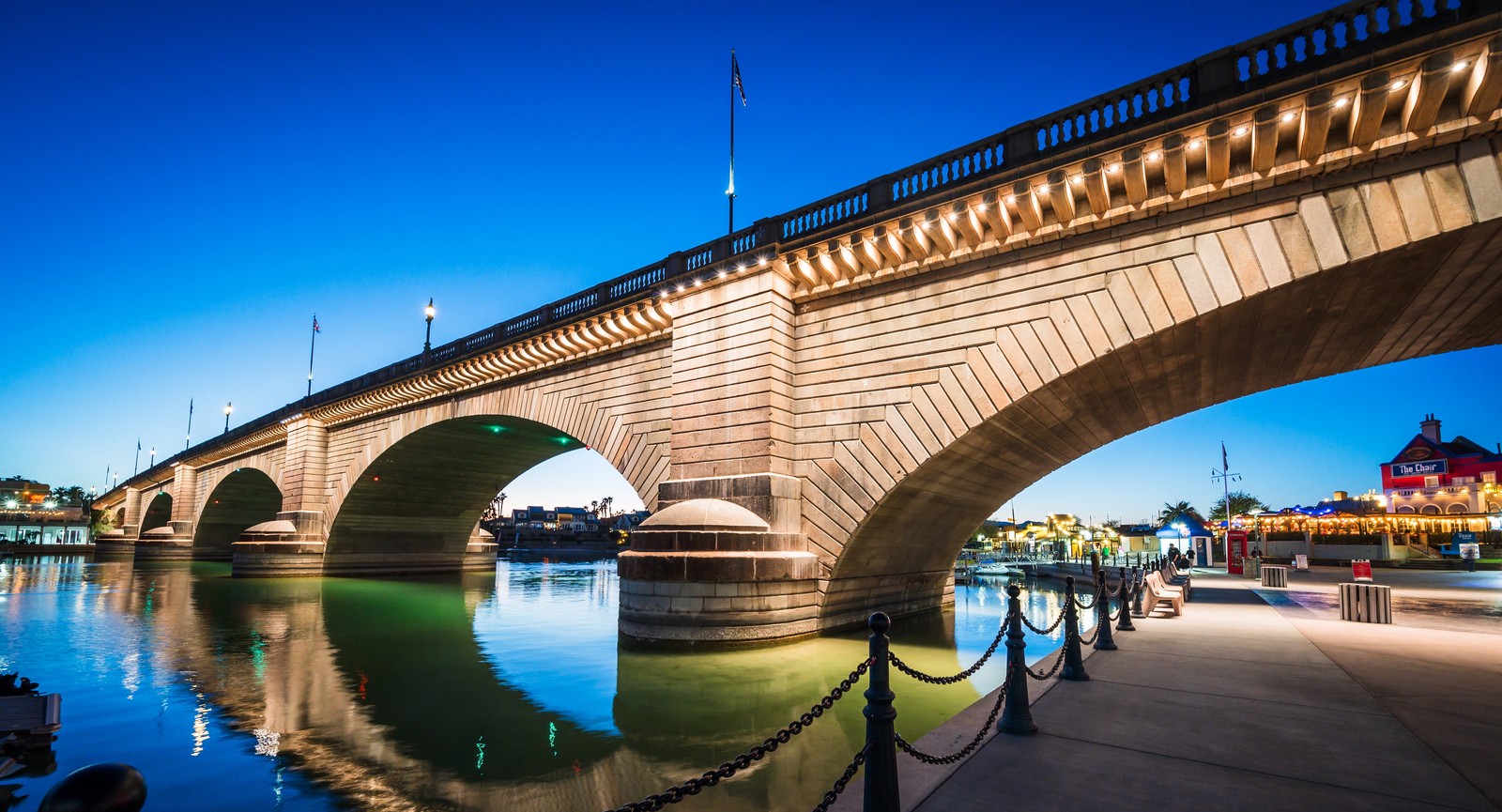
London Bridge looks a little out of place among Arizona’s palm trees and desert mountains, but its granite stones actually did come from the bridge that once crossed London’s River Thames.
By the 1960s, the old bridge could no longer handle London’s growing traffic, and entrepreneur Robert P. McCulloch bought it in 1968, hoping it would attract more visitors to the developing Lake Havasu City. Its exterior granite blocks were shipped through the Panama Canal to California, then taken by truck to Arizona. There, the stones were placed around a new internal structure. The rebuilt bridge opened in 1971, and visitors can still drive, walk, or cycle across it today. According to a popular urban legend, McCulloch thought he was buying the iconic Tower Bridge and was disappointed when he realized it wasn’t the bridge he intended. Although it makes a great story, McCulloch’s family has dismissed it as false. He knew exactly which bridge he was buying.
The Fairmount Hotel, San Antonio, Texas
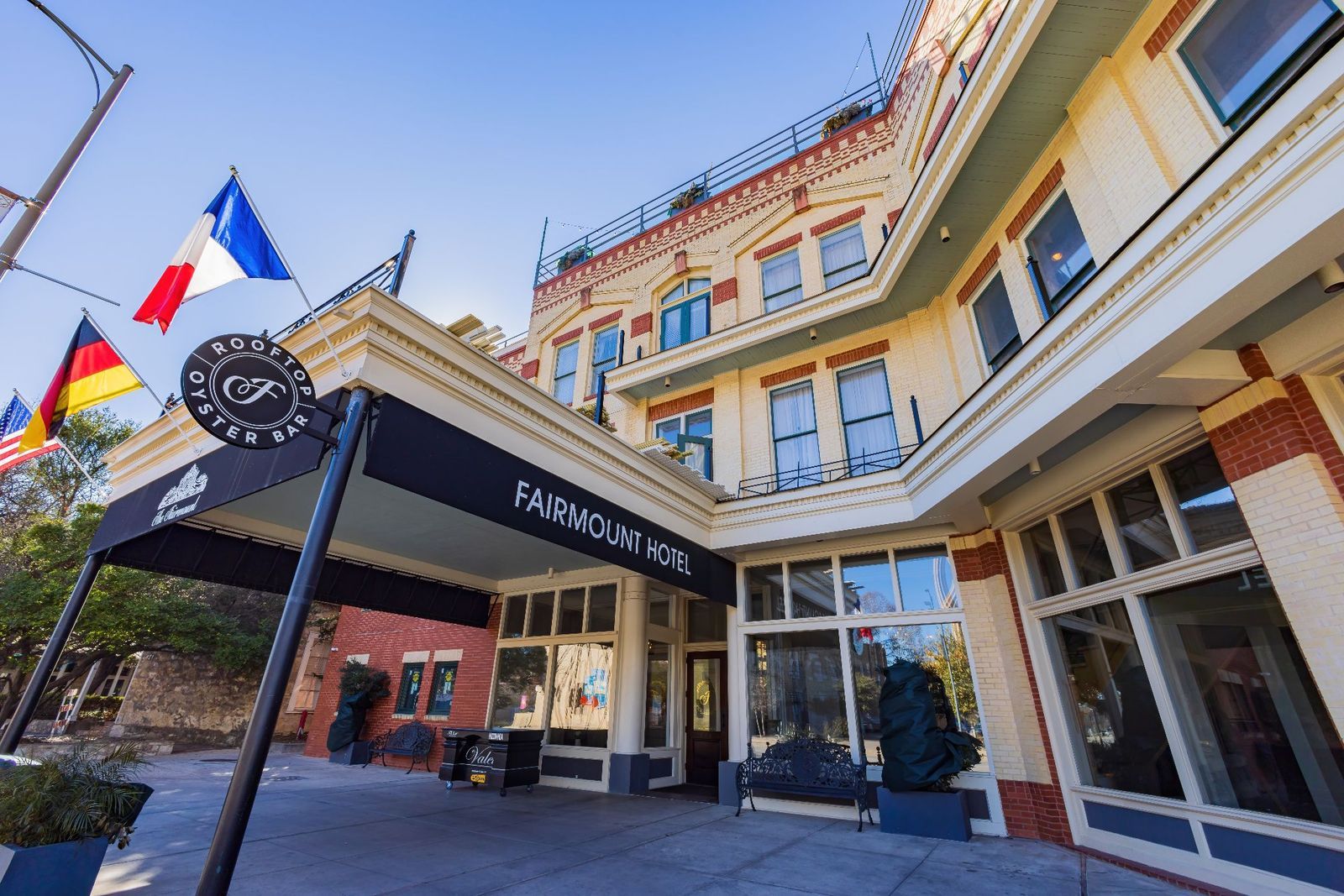
Imagine looking down a city street and seeing an entire hotel slowly rolling toward you. San Antonio residents got that view in 1985. The Fairmount Hotel had stood in the city since 1906, but new development put the building in danger of demolition.
With help from local preservationists, engineers moved the entire 14,000-square-foot, three-story hotel six blocks to a new site. The 1,600-ton building rolled through downtown on 36 rubber-tired hydraulic dollies. The trip lasted four days and even required crossing a bridge over the River Walk. Crews reinforced the bridge to support the hotel’s enormous weight, and the Fairmount eventually reached its new home safely.
The Ancient Spanish Monastery, Miami, Florida
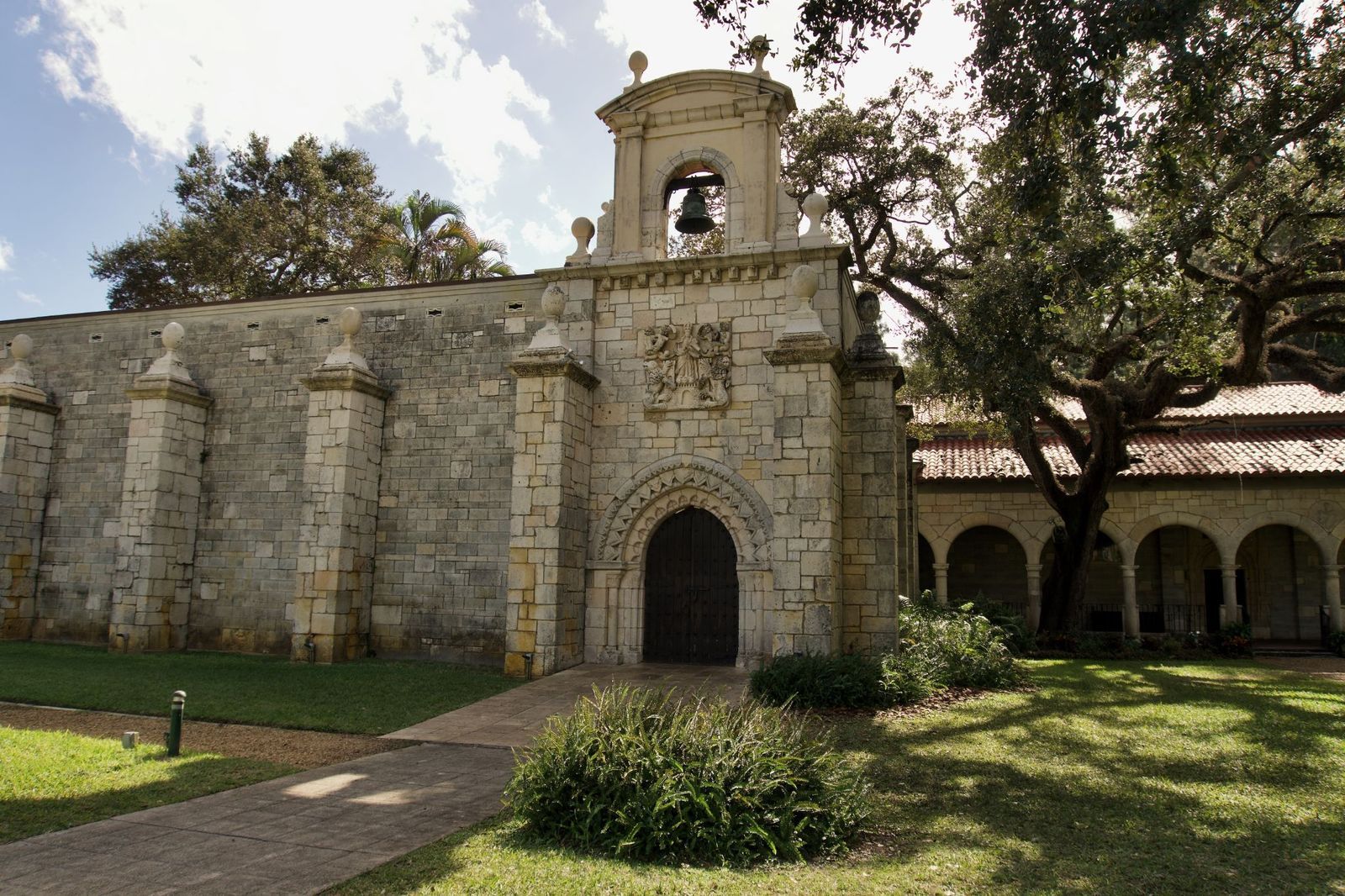
What is a medieval monastery doing in North Miami Beach? The story begins in northern Spain, in a province called Segovia, where it had stood for centuries. Newspaper publisher William Randolph Hearst was an avid collector of European art and architecture, and he bought the cloisters and several outbuildings in 1925 with plans to bring them to the country. However, the monastery itself has no historic connection to the United States.
It was taken apart stone by stone, and the pieces were packed into wooden crates before crossing the Atlantic. Hearst planned to rebuild it at his San Simeon estate in California, but financial problems stopped the project. The crates instead sat in a Brooklyn warehouse for 26 years. New owners finally bought the pieces in the 1950s and brought them to Florida. Rebuilding the monastery took 19 months, and it eventually became part of an active Episcopal church.
Hamilton Grange, New York City
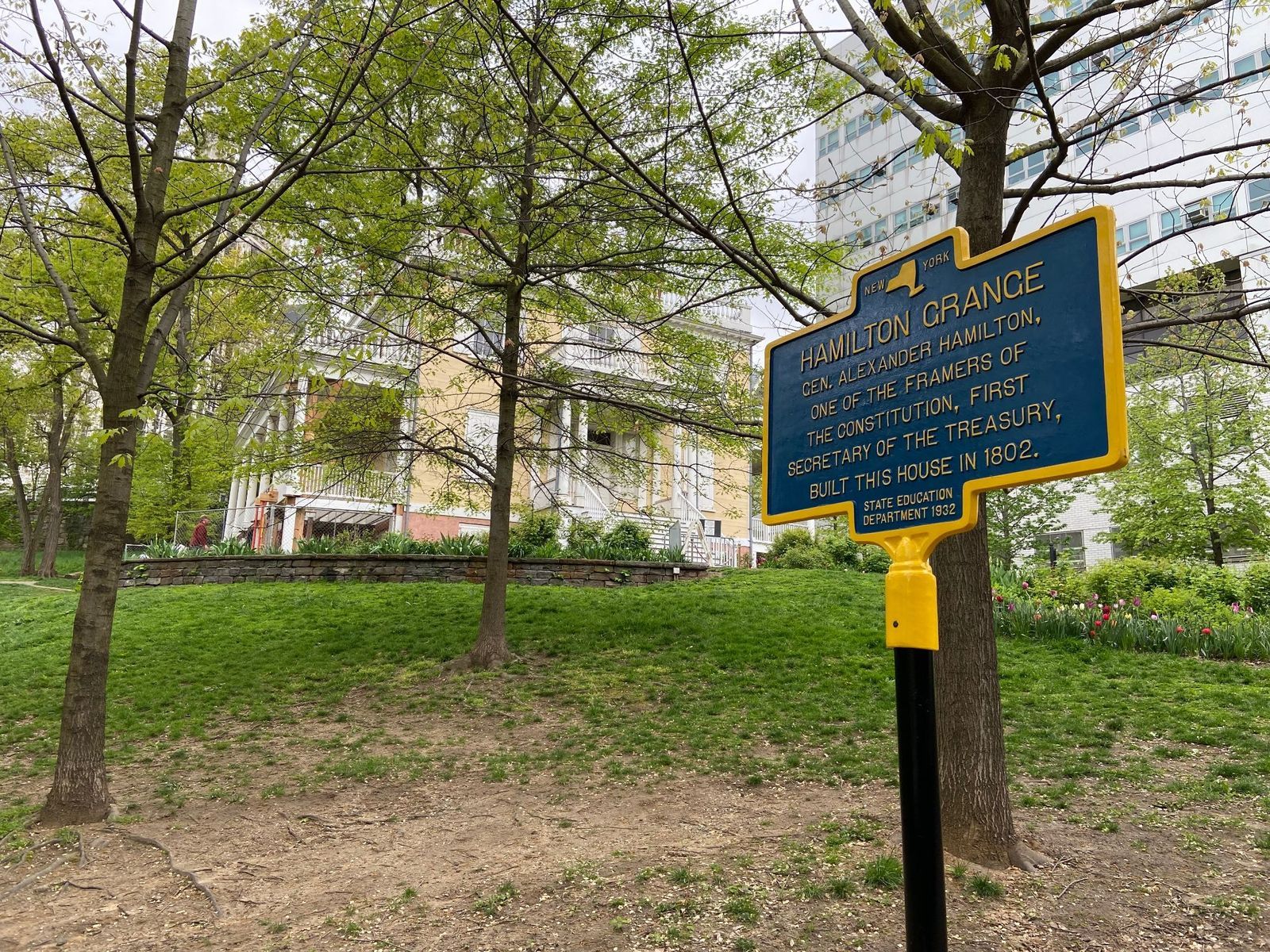
Alexander Hamilton lived in Hamilton Grange from 1802 until he died in 1804. But his wife, Elizabeth Schuyler Hamilton, lived there for another 30 years. The house was actually moved twice. The house originally stood near what is now West 143rd Street and Convent Avenue, in Upper Manhattan. But as the city expanded, the Manhattan street grid reached the property. In 1889, the house was moved nearby to land owned by St. Luke’s Episcopal Church.
That move saved the building, but the neighborhood kept growing, and the National Park Service moved it again in 2008. The house traveled to St. Nicholas Park, which had once been part of Hamilton’s original estate. The new site also gave the house more open space, making it possible to restore more of its original setting and appearance.
Marble Arch, London, United Kingdom
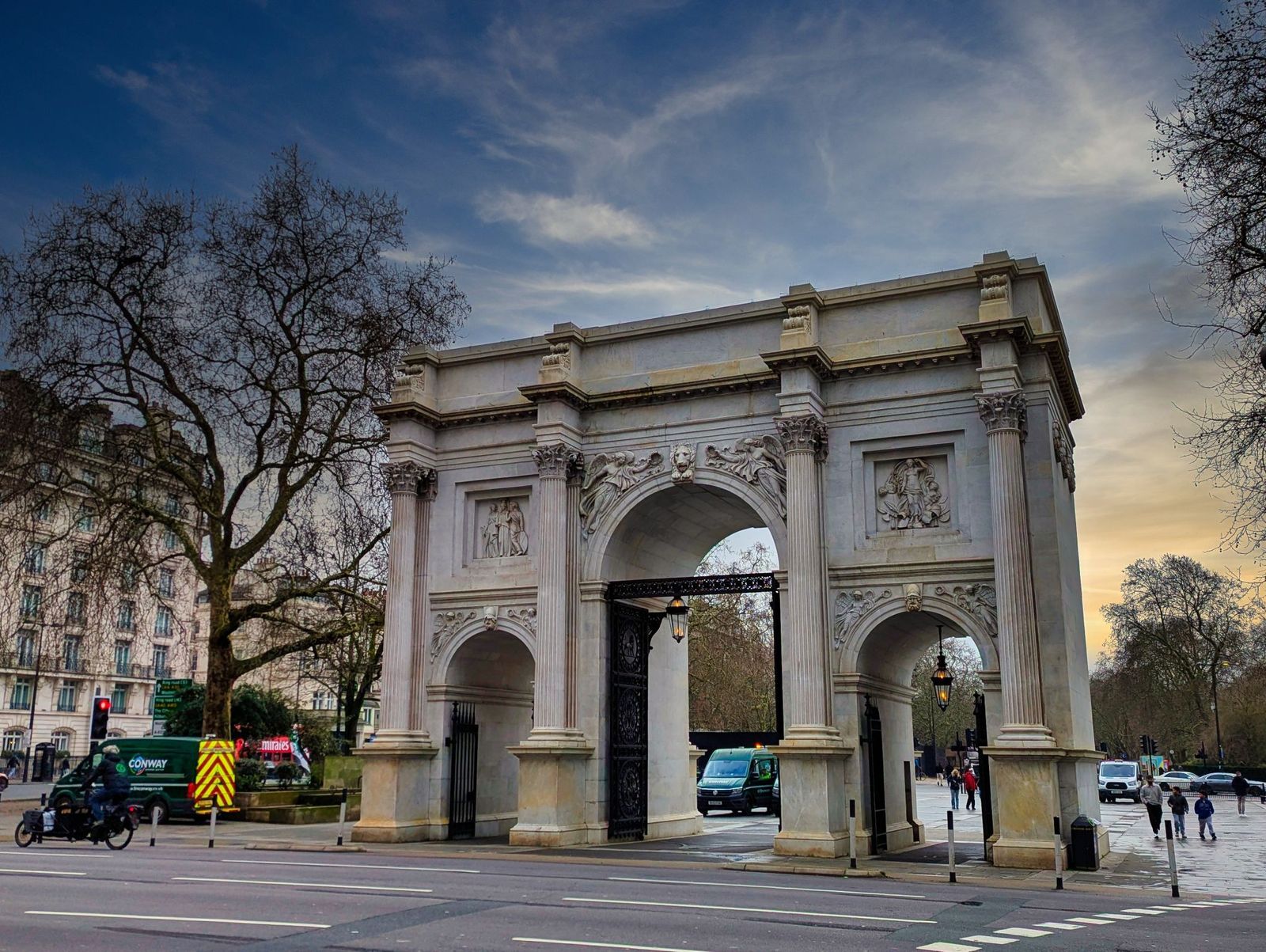
Architect John Nash designed the white marble monument as the main entrance to Buckingham Palace in 1827. But when the palace was expanded for Queen Victoria and her growing family, the monument stood in the way of the new wing.
Instead of removing it for good, it was taken apart and rebuilt at Cumberland Gate in 1851, where it became a grand entrance to Hyde Park. The location was especially fitting that year, as Hyde Park was hosting the Great Exhibition, the first international world's fair, celebrating industrial, technological, and artistic achievements from around the globe. Later road changes left the arch separated from the park on the traffic island where visitors see it today.
Cape Hatteras Lighthouse, North Carolina
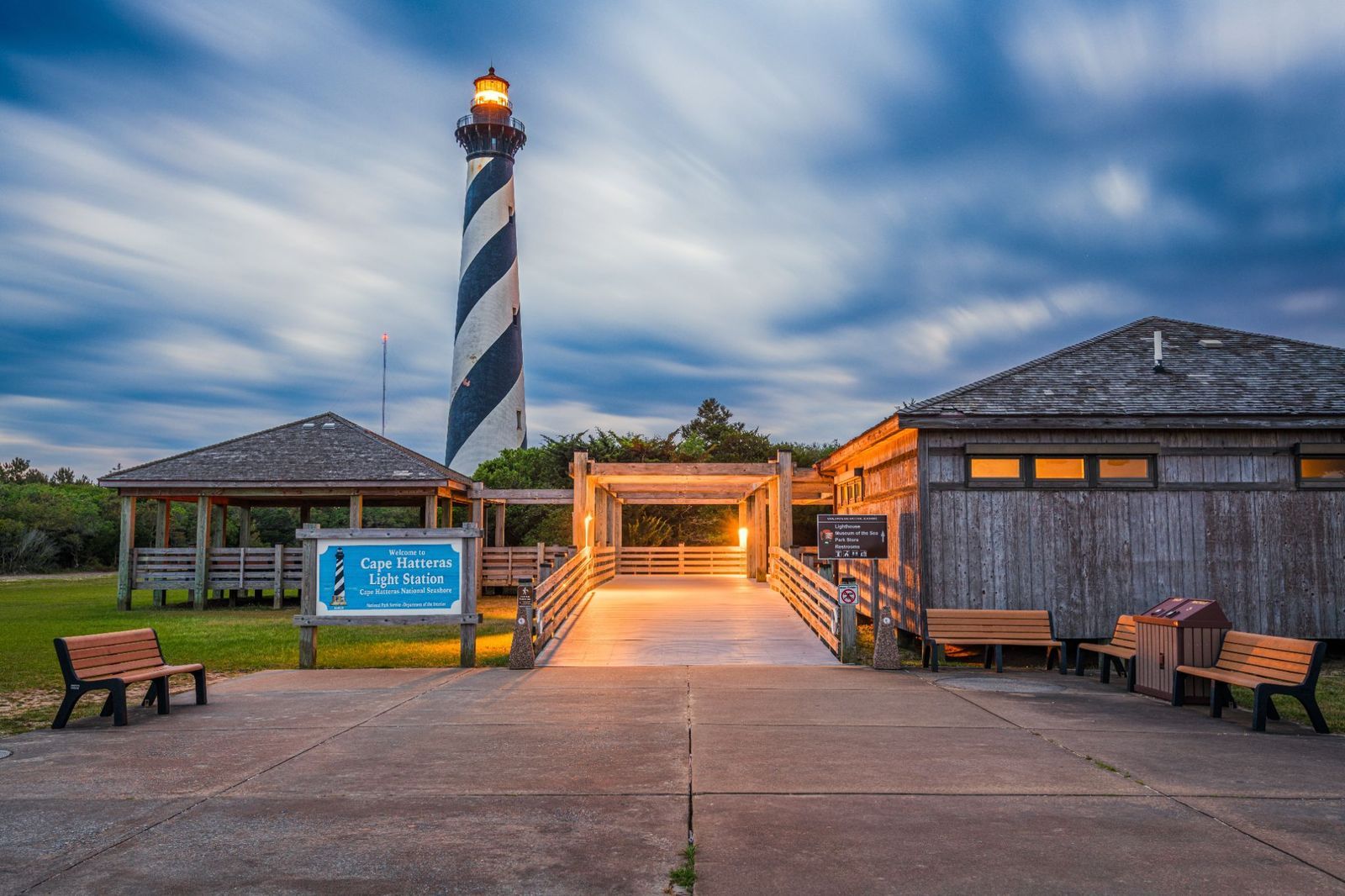
Cape Hatteras Lighthouse stands in North Carolina’s Outer Banks, but not where it was built in 1870. Today, it sits 2,900 feet southwest of its original location. The main cause was erosion, as the shoreline kept moving closer to the lighthouse until the ocean was only about 60 feet away. After years of trying to protect it in place, the National Park Service decided that moving the entire structure was the safest option.
In 1999, engineers lifted the lighthouse and placed it on a system of steel beams and rollers, where hydraulic jacks pushed it along a prepared track about five feet at a time. After 23 days, the lighthouse reached its new location without being taken apart. And its other historic buildings were moved too, keeping the light station together as it had been before.
The Temple of Dendur, New York City
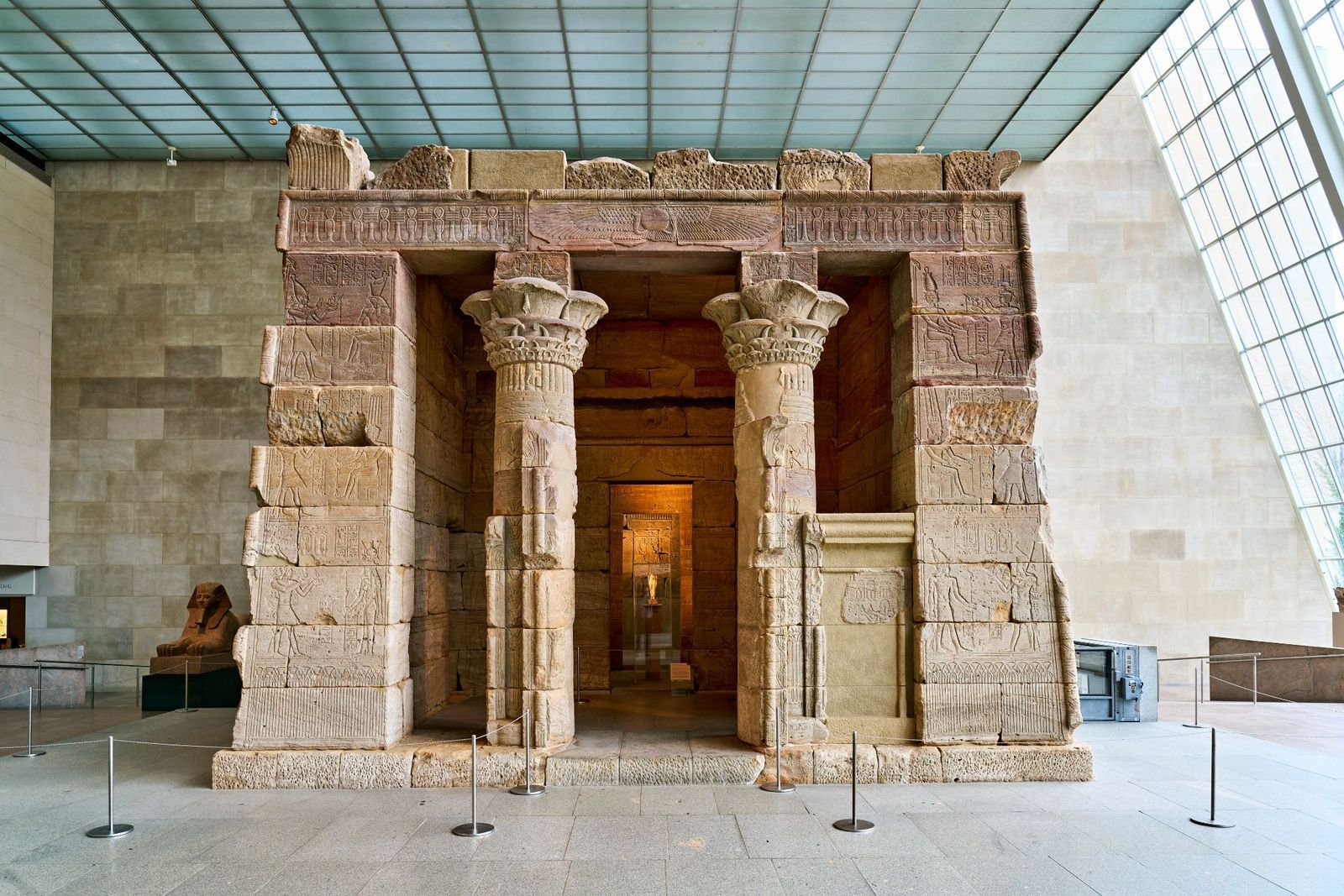
If you’ve ever visited the Metropolitan Museum of Art in Manhattan, you’ve probably come across the ancient Egyptian Temple of Dendur that once stood along the Nile in Egypt. When Egypt built the Aswan High Dam between 1960 and 1970, the new Lake Nasser would flood the temple’s original site, so it was taken apart as an international effort to save the region’s ancient monuments.
Egypt later gave it to the United States as a thank-you for helping with the rescue. Its stone blocks crossed the Atlantic and arrived in New York in 1968. The Met then rebuilt the temple inside a designed gallery, which opened to the public in 1978. Nowadays, visitors can actually see a 2,000-year-old Egyptian temple without leaving Manhattan.
Highland Light, Cape Cod, Massachusetts
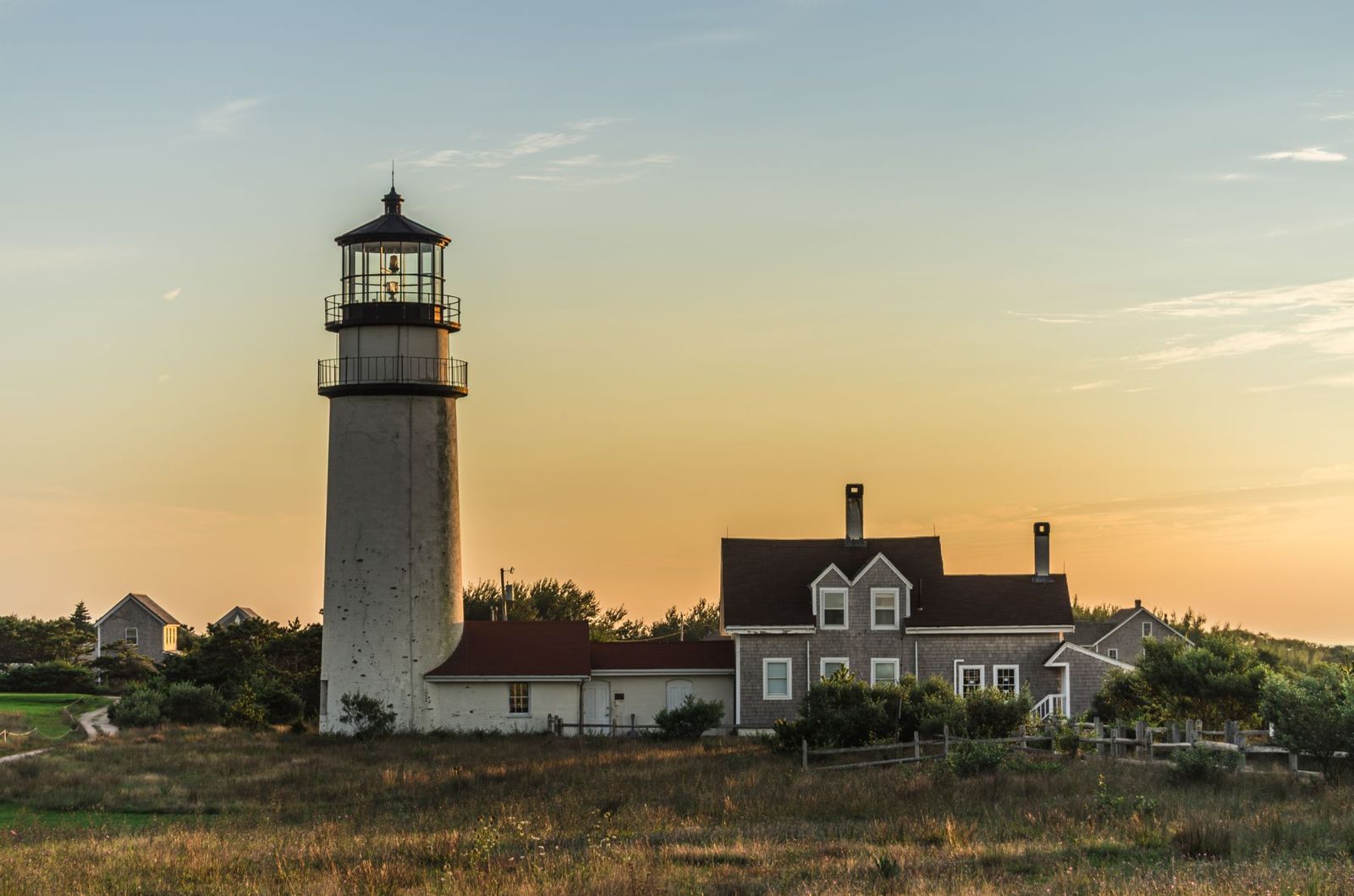
Highland Light had watched over Cape Cod for generations, turning into one of the peninsula’s classic views. But erosion brought the edge closer, and by the early 1990s, the light station stood only about 100 feet from the cliff. At that point, moving the historic structure became the only option for saving it.
In 1996, Highland Light was moved 450 feet away from the cliff during an 18-day operation. Once it reached safer ground, it was placed on a new foundation and returned to service that November. It still works today as an active navigation light.
Belle Tout Lighthouse, East Sussex, England
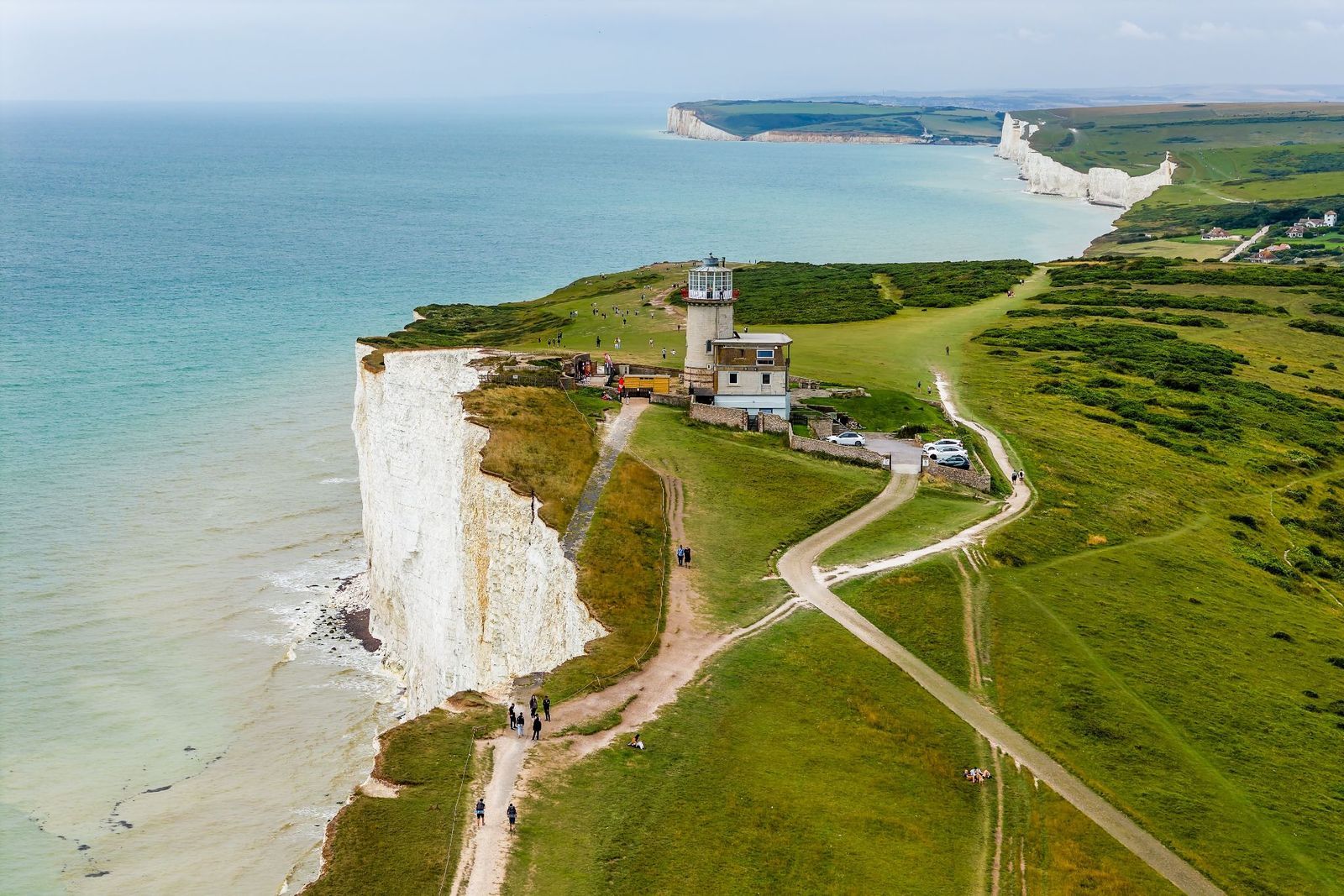
By the late 1990s, Belle Tout Lighthouse was getting dangerously close to the edge of the cliffs at Beachy Head. Years of coastal erosion and several landslides had worn away the land around it. By 1998, the lighthouse stood only about 13 feet from the edge, with a drop of roughly 200 feet below.
In 1999, engineers lifted the lighthouse with 22 hydraulic jacks and placed it on concrete beams. The structure was then slowly pushed about 56 feet inland. Its new foundation was designed so the lighthouse could be moved again if erosion continues, so it may actually not have reached its final address yet.
Abu Simbel, Egypt
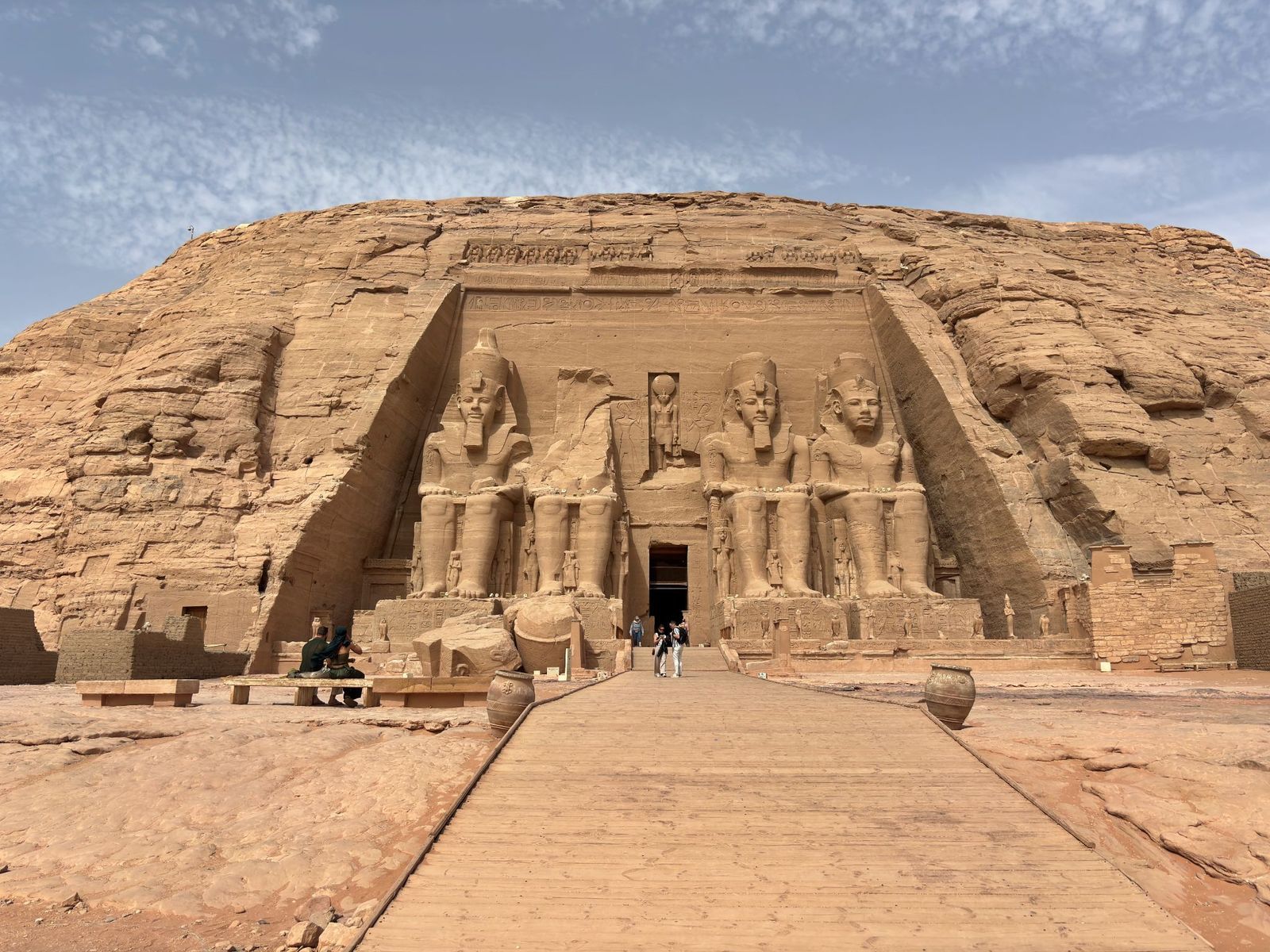
The temples of Abu Simbel aren’t where they were carved between approximately 1264 BC and 1244 BC; they were moved in the 1960s to save them from flooding. Egypt was building the Aswan High Dam, which would create a huge reservoir across parts of Nubia. The rising water would cover Abu Simbel, so UNESCO brought several countries together to help save the temples.
Engineers cut the temples into more than 1,000 numbered blocks, and the pieces were moved about 210 feet higher and 590 feet inland, then carefully rebuilt inside an artificial cliff. Abu Simbel finally reopened at its new location in 1968.

The most forgotten item in hotels and airplanes is not what you think
Leave No Object Behind!
Ever wondered which items are most commonly lost in hotels and planes?
There are two kinds of travelers: those who have forgotten something in a hotel or on a plane... and those who eventually will. Between rushing through airport security, checking into hotels, charging devices, and keeping track of passports, it's surprisingly easy for even seasoned travelers to leave something behind. Hotels, airlines, and airports process countless lost-and-found reports every year, and while the occasional forgotten wedding dress or pet lizard grabs headlines, the 12 top items are more familiar.
Phone chargers and charging cables
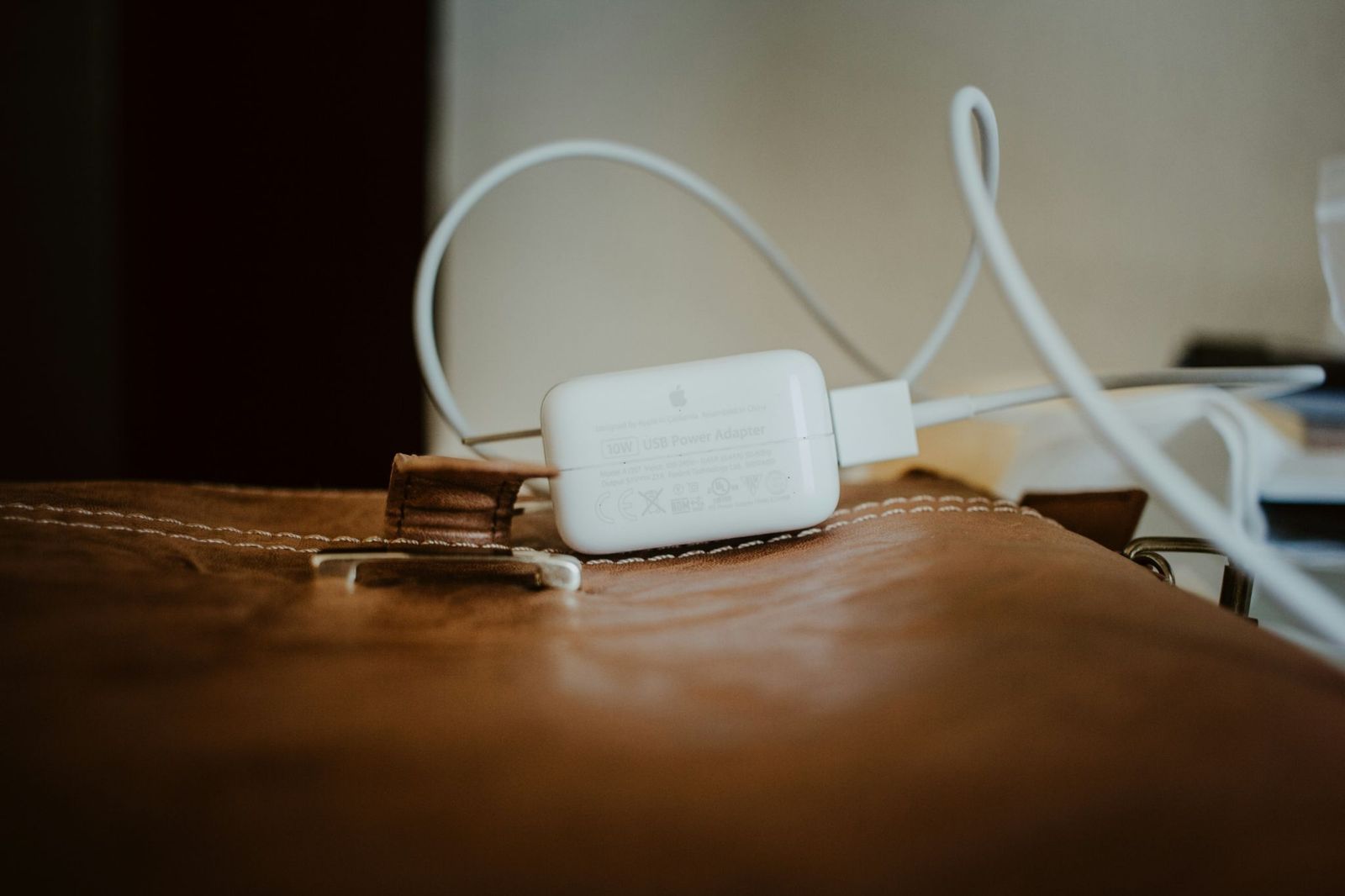
It almost feels inevitable. You plug your charger into the wall beside the hotel bed, use it overnight, pack your suitcase the next morning, and the charger quietly remains in the outlet. Airport charging stations create the same problem, especially when boarding announcements interrupt your break.
Industry surveys consistently place chargers and cables among the most commonly forgotten travel items. Choice Hotels Europe found chargers and adapters topped its list of hotel room leftovers, while Hotels.com also reports them as one of the biggest categories recovered by housekeeping. Their small size, universal appearance, and habit of disappearing behind furniture make them easy to overlook until your phone battery starts running low hours later.
Cell phones
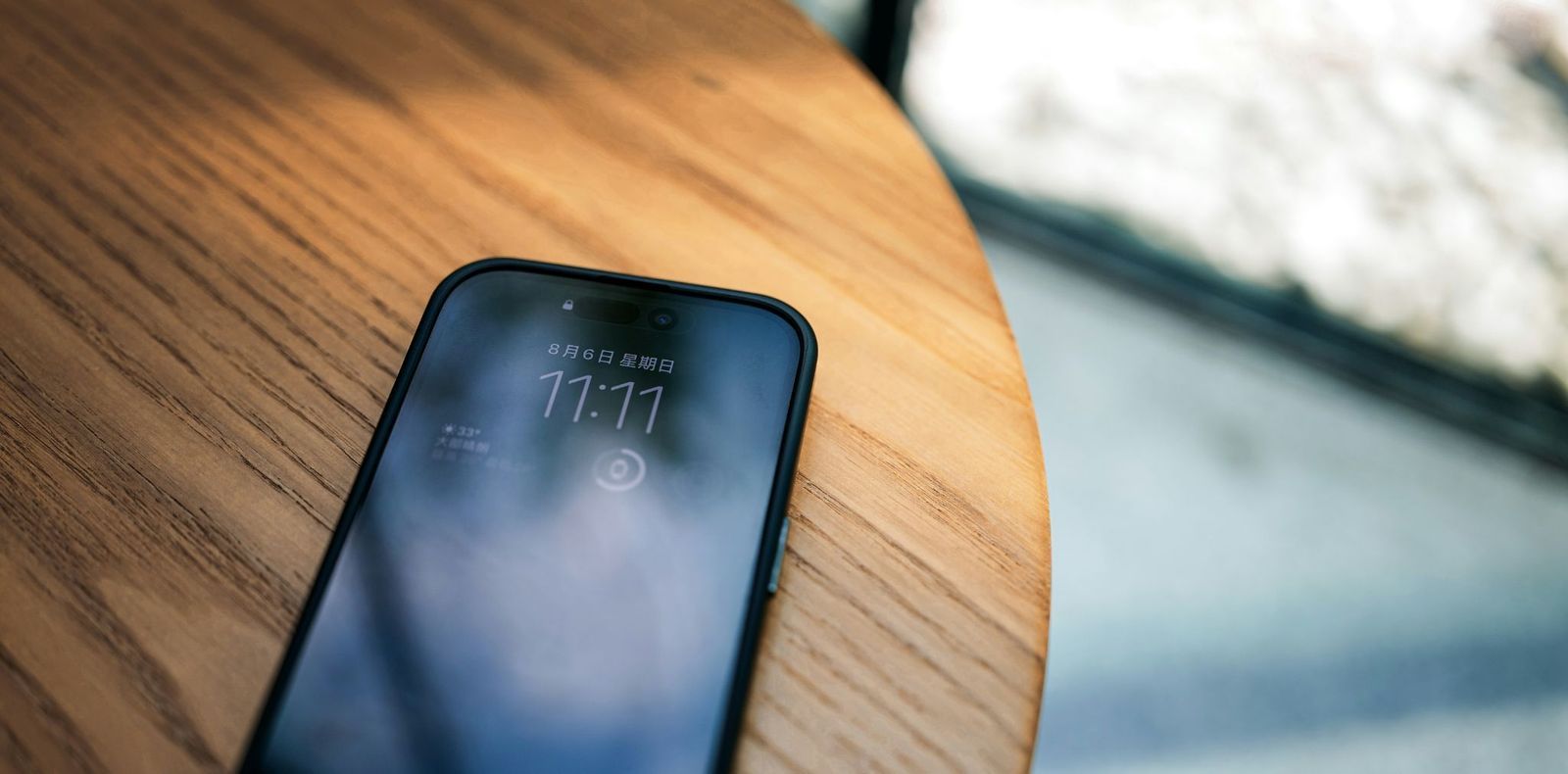
Modern smartphones hold boarding passes, hotel reservations, maps, photos, payment apps, and sometimes even passports in digital form. Ironically, the one item travelers depend on most is also one of the easiest to forget.
GroundLink's traveler survey found cell phones were the single most commonly misplaced item reported by travelers. Hotels frequently recover them from bedside tables, while airlines routinely find them tucked into seat pockets or wedged between airplane cushions. Airport charging stations are another notorious hotspot, as passengers often disconnect their phones just moments before rushing to the gate.
Sunglasses
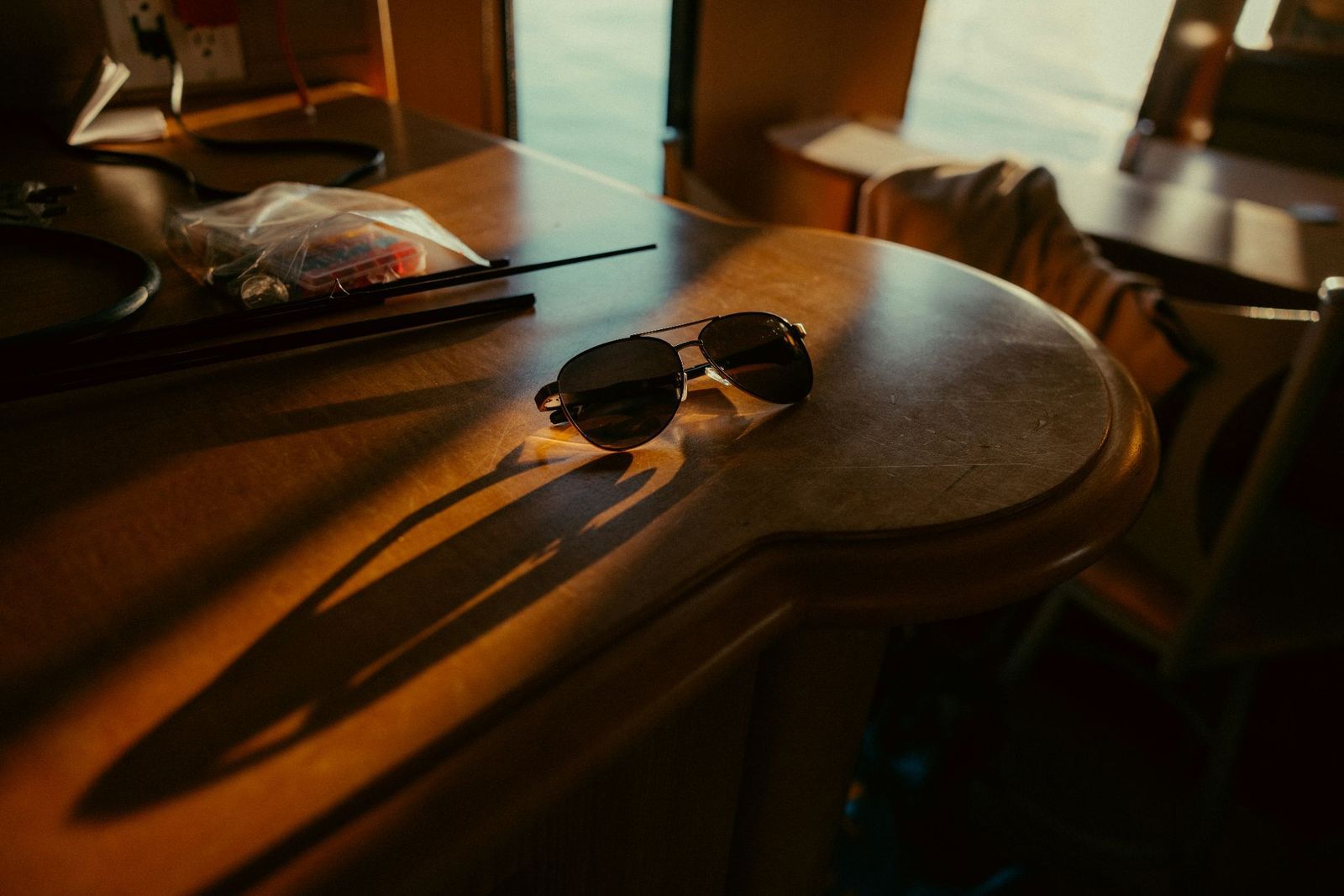
Whether you're arriving at a sunny beach or exploring a new city, sunglasses spend the entire trip moving on and off your face. That constant juggling explains why they regularly appear in lost-and-found collections.
Travel surveys consistently rank sunglasses among the most forgotten vacation accessories. They're commonly discovered beside hotel pools, left on café tables inside terminals, forgotten in rental cars, or tucked into airplane seat pockets after passengers remove them for a movie. Since many people own multiple inexpensive pairs, they sometimes don't even realize one is missing until they get home.
Prescription glasses
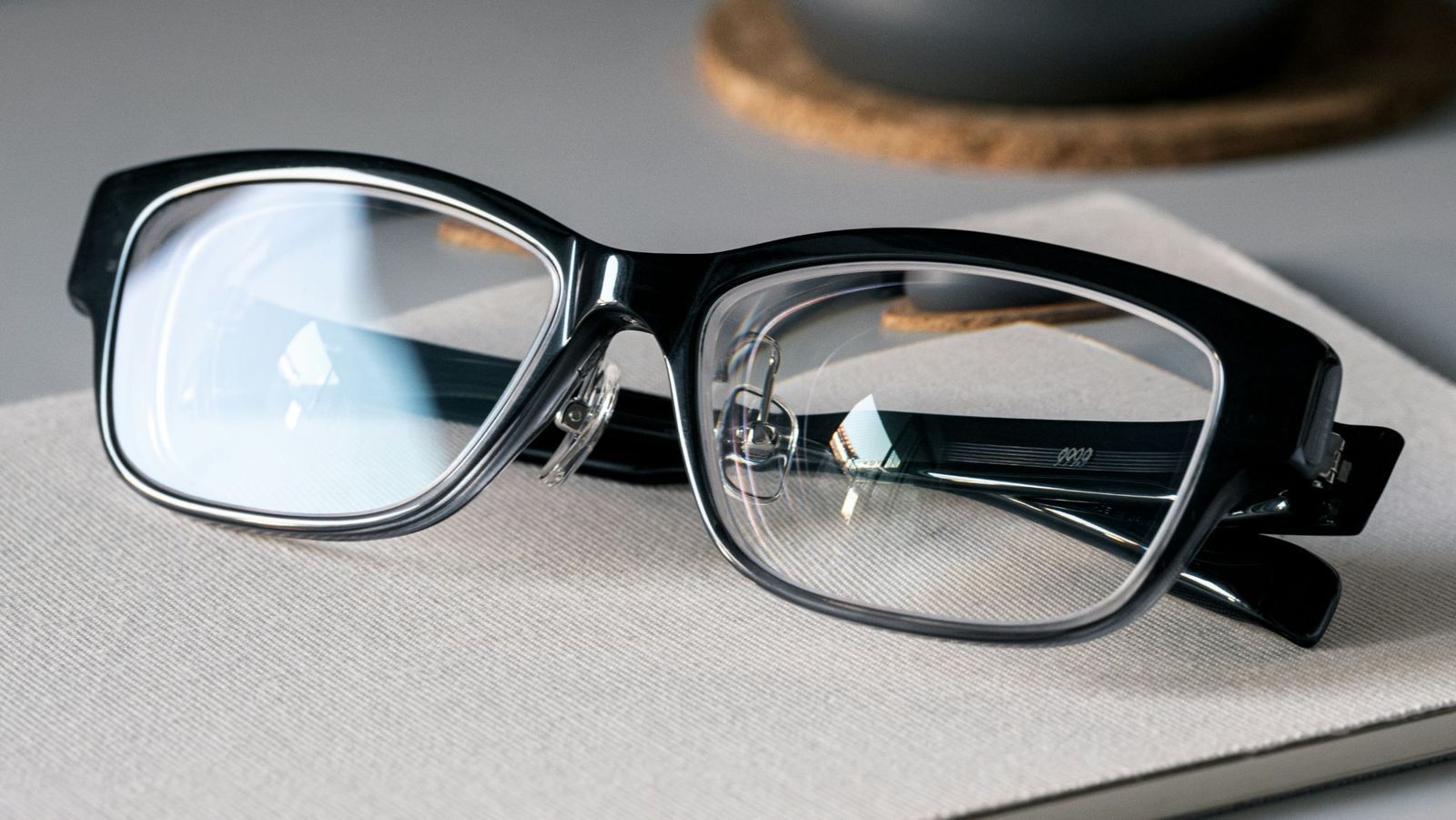
Unlike sunglasses, prescription glasses usually go missing when travelers switch to contact lenses or remove them before sleeping. Hotel bathrooms and bedside tables are particularly common places where they end up being forgotten.
Hotel staff frequently report finding reading glasses, bifocals, and prescription eyewear after checkout. Airlines recover plenty of them from seat-back pockets as well, where passengers place them while watching in-flight entertainment or reading. Replacing prescription lenses while traveling can be both expensive and time-consuming, making this one of the more frustrating items to lose.
Headphones and AirPods
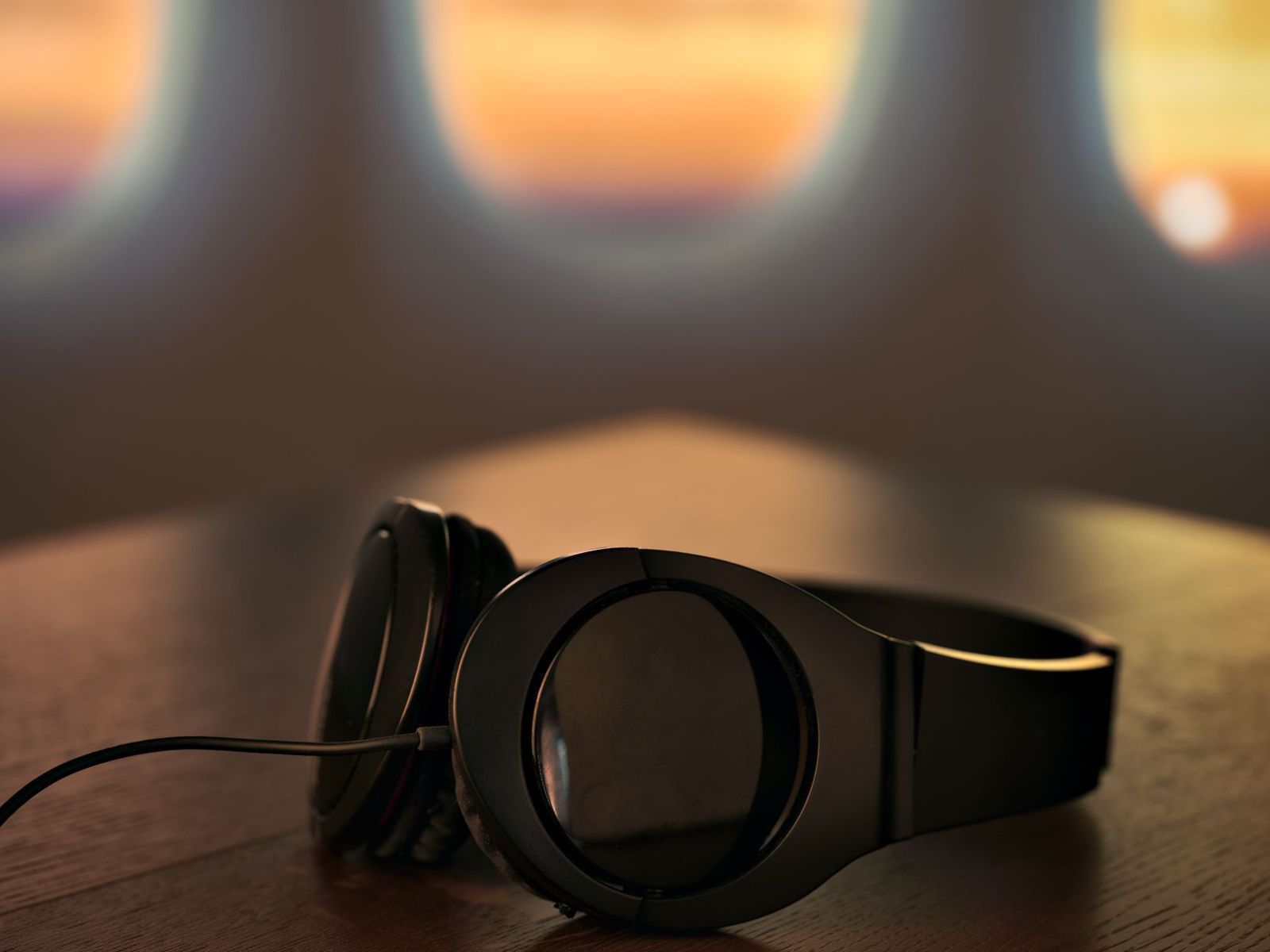
Tiny wireless earbuds have revolutionized travel and created a brand-new category of lost property. Their compact size allows them to slip between airplane seats, disappear into hotel bedding, or hide beneath furniture almost unnoticed.
Lost-and-found departments regularly list headphones among the most recovered electronics. Individual AirPods are particularly problematic because travelers often notice only after they've reached their destination that one earbud, or the entire charging case, never made the trip. Hotel staff often discover them while changing sheets, long after guests have checked out.
Wallets and credit cards
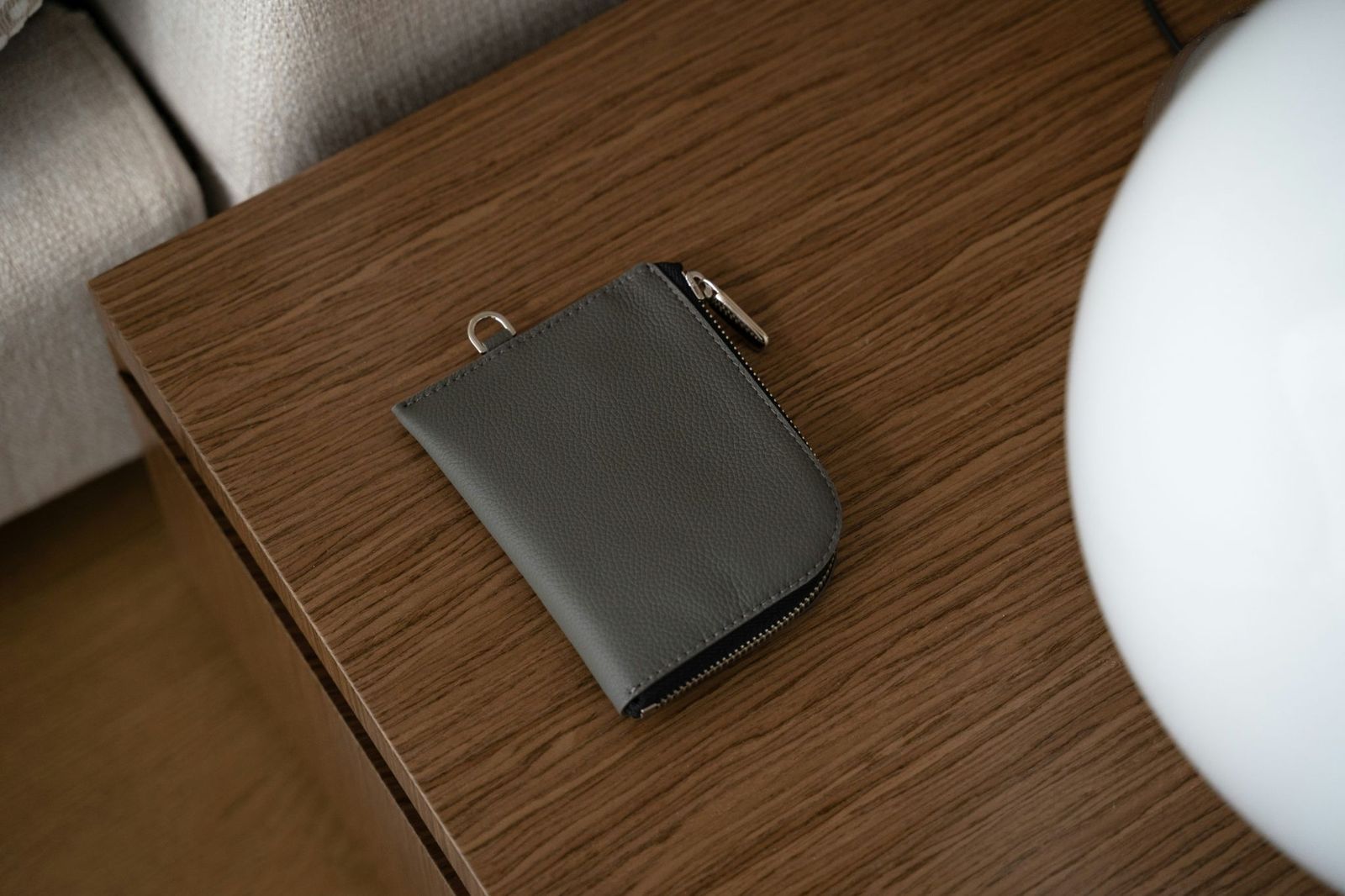
Few travel mishaps create instant panic like realizing your wallet isn't where it should be. Besides the cash itself, it usually contains identification, payment cards, driver's licenses, and other important documents.
Travelers take wallets out repeatedly during a trip for hotel check-in, airport security, boarding, dining, and transportation, which creates countless opportunities to leave them behind. Hotels commonly recover forgotten credit cards from room safes, desks, and nightstands, while airports frequently collect wallets left in security bins after passengers become distracted gathering their luggage.
Passports and travel documents
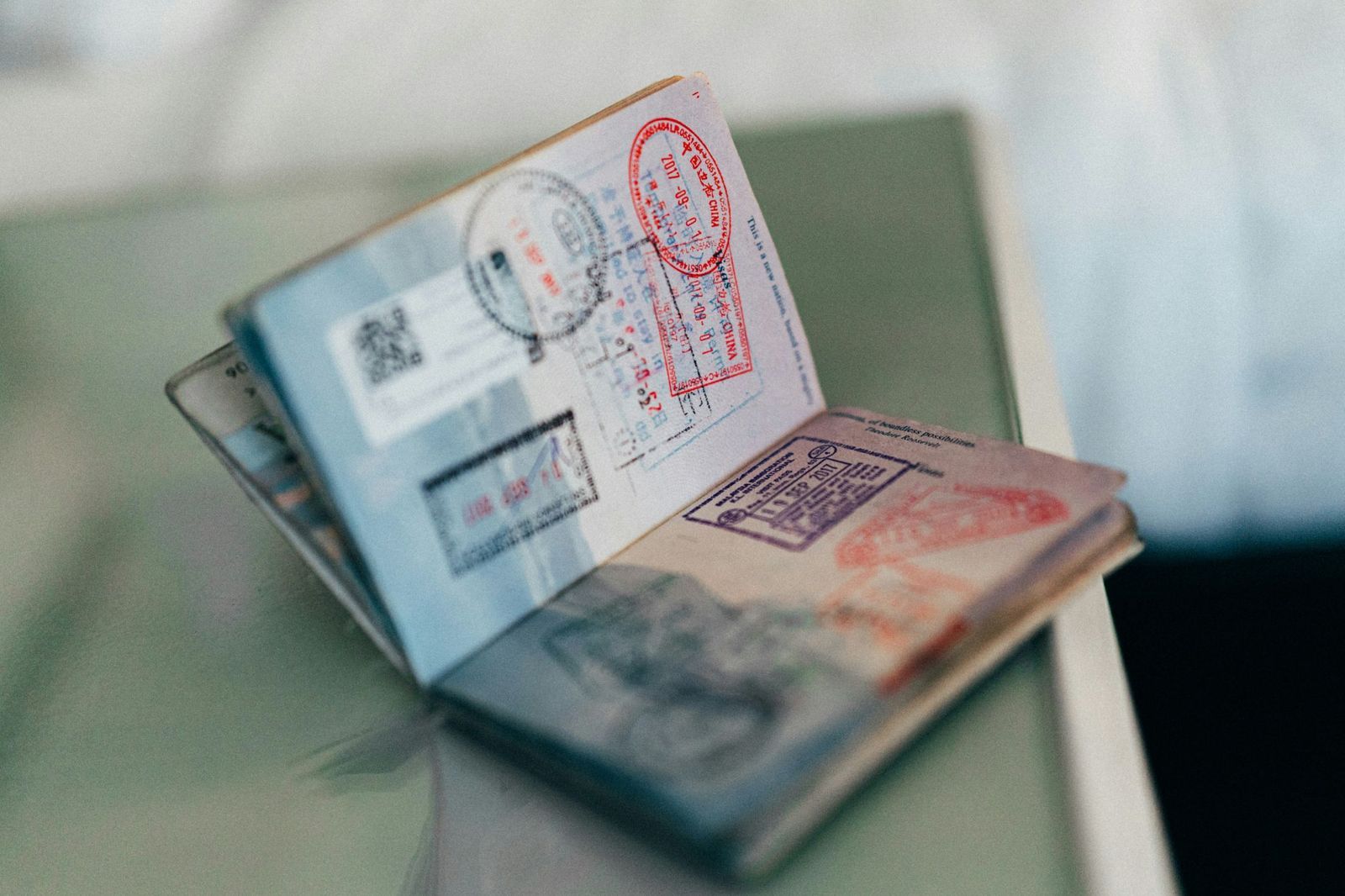
Nothing can derail an international trip faster than losing a passport. It's one of the most valuable items travelers carry, yet it still appears regularly in hotel safes and airport lost-property offices.
Many travelers deliberately store passports in hotel room safes for security, only to forget to retrieve them before checking out. Others accidentally leave travel folders at airline counters or in airport seating areas while organizing boarding passes and identification. Travel experts recommend creating a final "passport check" before leaving every hotel room, a simple habit that can prevent an enormous headache abroad.
Jewelry
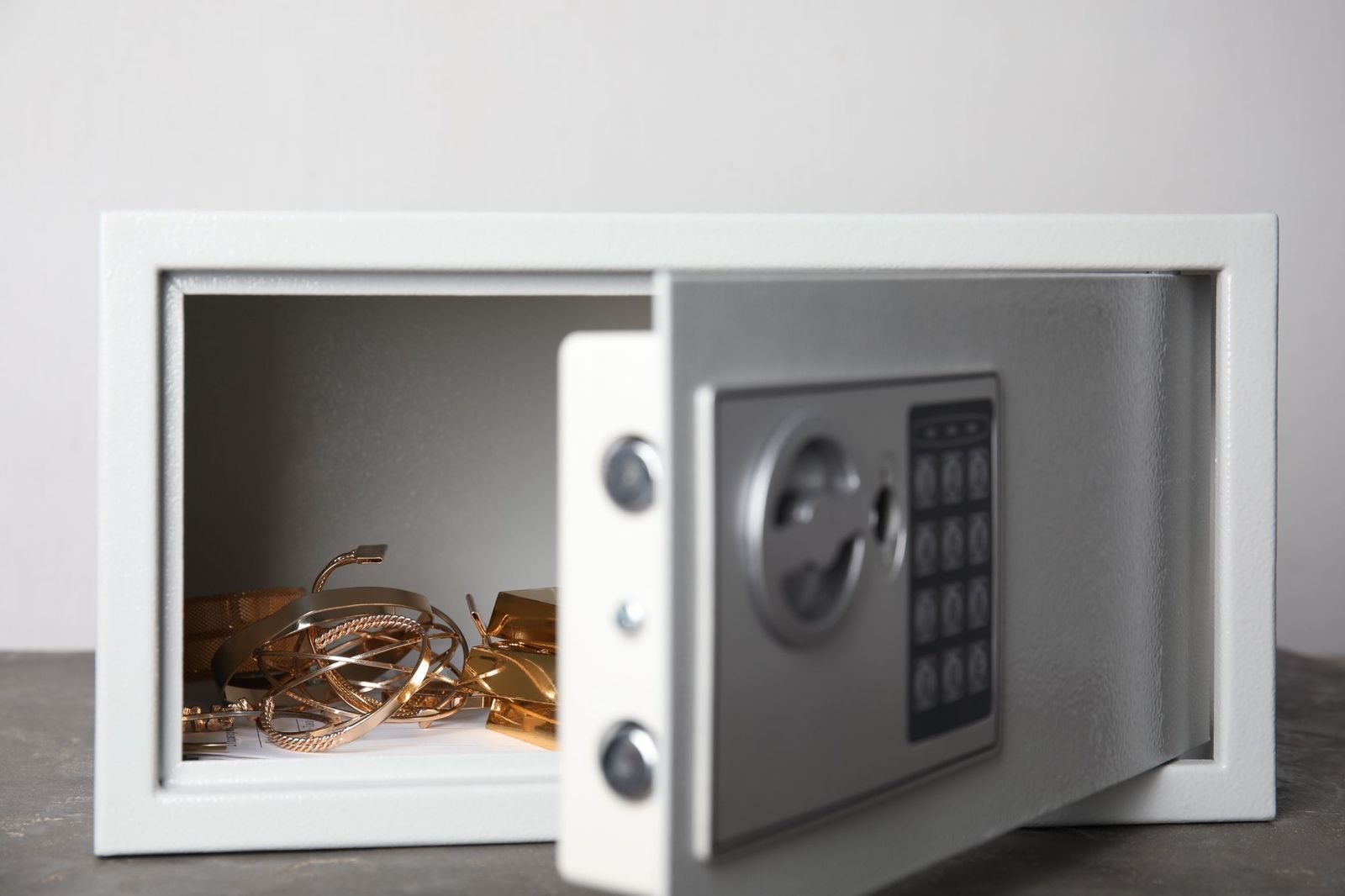
Jewelry often comes off for perfectly reasonable reasons: removing rings to wash hands, taking off watches before sleeping, or placing bracelets in airport security trays. Unfortunately, remembering to put them back on isn't always as automatic.
Hotels and airports regularly recover expensive jewelry, from wedding bands to luxury watches. Hotels.com even reported one forgotten watch valued at roughly $6.1 million, proving that even extraordinarily valuable possessions sometimes get left behind. While most forgotten jewelry isn't nearly that expensive, sentimental value often makes these losses especially painful.
Medications

Unlike many forgotten belongings, medications aren't simply inconvenient, they can quickly become a health concern. Prescription medicines, insulin, inhalers, and daily medications are among the most important things travelers pack.
Hotels frequently find medications on bathroom counters, bedside tables, and even inside room refrigerators where temperature-sensitive prescriptions were stored. Airport security areas also recover medicine bags left in inspection trays. Because replacing prescriptions overseas can involve doctors, pharmacies, insurance, and language barriers, travel experts consistently recommend carrying medications in clearly organized, easy-to-check pouches.
Clothing and jackets

Jackets draped over chairs. Sweaters hanging inside closets. Shirts drying in hotel bathrooms. Clothing is by far one of the largest categories of forgotten travel items simply because travelers unpack and spread it throughout a room.
Hotels.com lists clothing among the most common objects housekeeping collects after checkout, while travel surveys in Europe have found clothing to be the category travelers most often realize they've left behind. Cooler airplane cabins also encourage passengers to wear extra layers during flights, making jackets especially likely to remain in overhead bins or on seat backs after landing.
Shoes
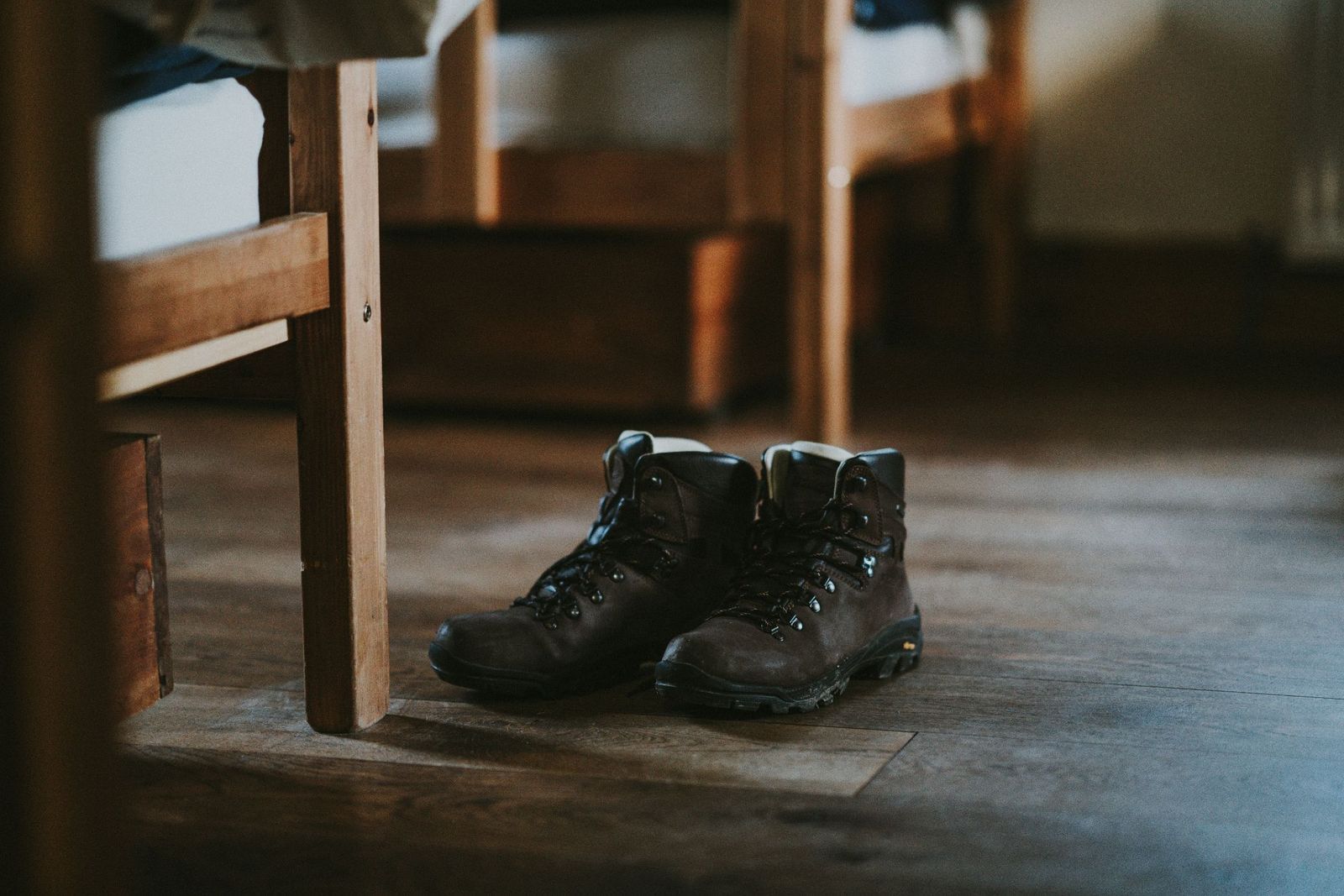
It sounds unlikely until it happens. Shoes are often removed to relax in hotel rooms, placed under beds, left beside balconies, or stored in closets to keep the floor tidy, and then forgotten during the rush to leave.
Hotel employees routinely report finding single shoes or complete pairs hidden beneath furniture. Travelers sometimes pack one shoe while the other remains under the bed, especially during early-morning departures. Because shoes aren't usually packed until the very last moment, they're surprisingly vulnerable to being overlooked.
Toiletry and makeup bags

Toiletries are often the very first things unpacked after arriving at a hotel, and the very last things used before checking out. That combination makes them especially easy to forget.
Toothbrushes, razors, cosmetics, skincare products, hairbrushes, electric toothbrushes, and complete makeup bags regularly end up in hotel bathrooms after guests leave. Many hotels report that entire toiletry kits are recovered almost daily. A glance inside the bathroom before closing the hotel room door for the final time remains one of the simplest ways to avoid becoming part of that statistic.
Keep wandering
There’s always
more to explore

Ten "hidden" tricks that make luxury travel actually affordable
4 min.
Read Now
He spent a week in Vegas without gambling. What did he do?
5 min.
Read Now
Why do flight attendants seem to sit on their hands during takeoff?
5 min.
Read Now

10 sneaky secrets restaurant staff won't tell you
4 min.
Read Now