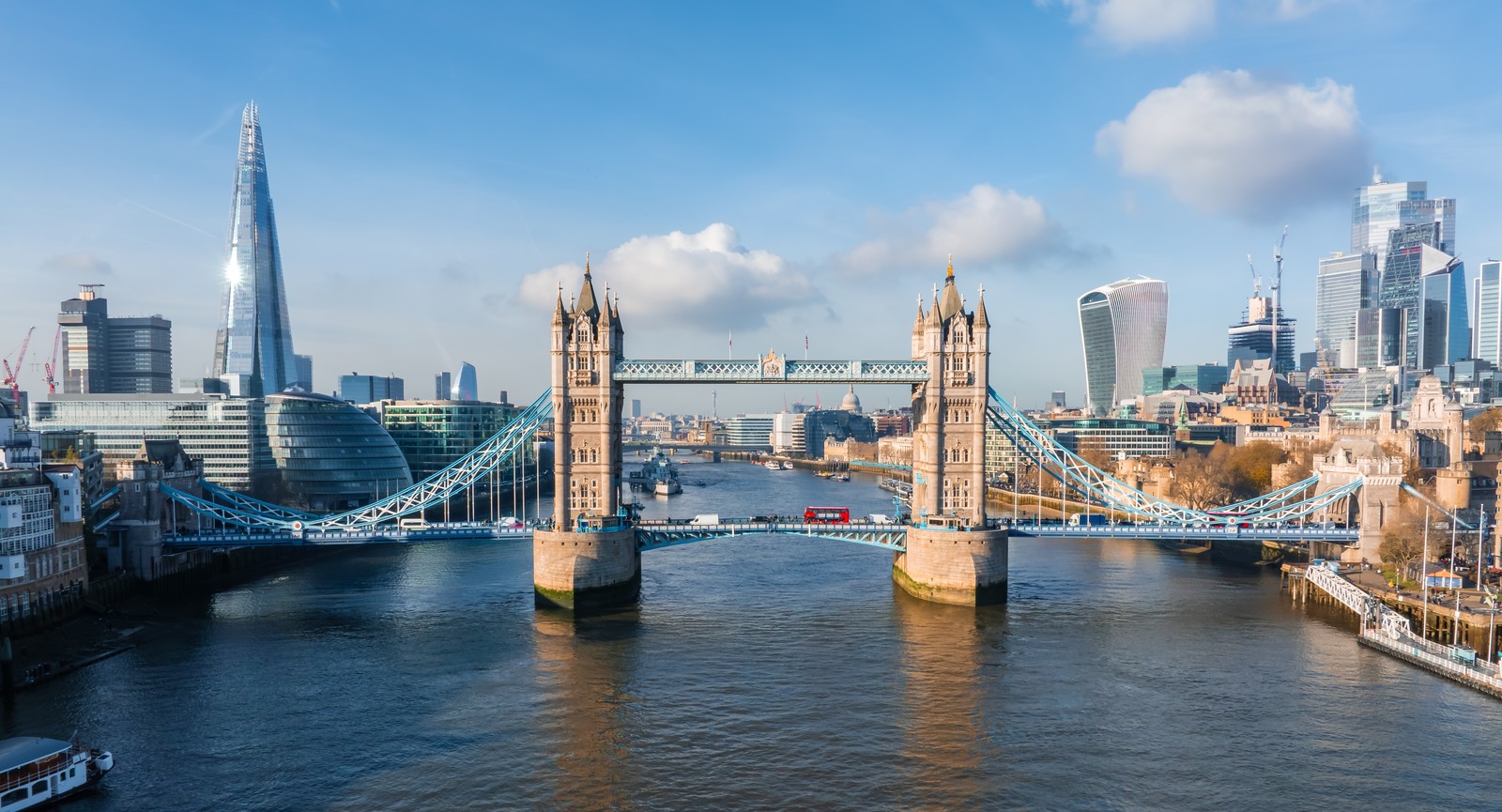
Most tourists never find these London spots hiding in plain sight
 General
London's hidden treasures
Most tourists never find these London spots hiding in plain sight
So you've done Big Ben, the Tower of London, and Buckingham Palace, and you took the photo everyone takes. But maybe you're headed back to London, or maybe you just want to dodge the tour-bus crowds this time around. Either way, here are 10 spots that don't make the postcards but tell you more about who Londoners really are. These places carry England's history, culture, and identity in a quieter, more personal way.
Leadenhall Market's Victorian arcades
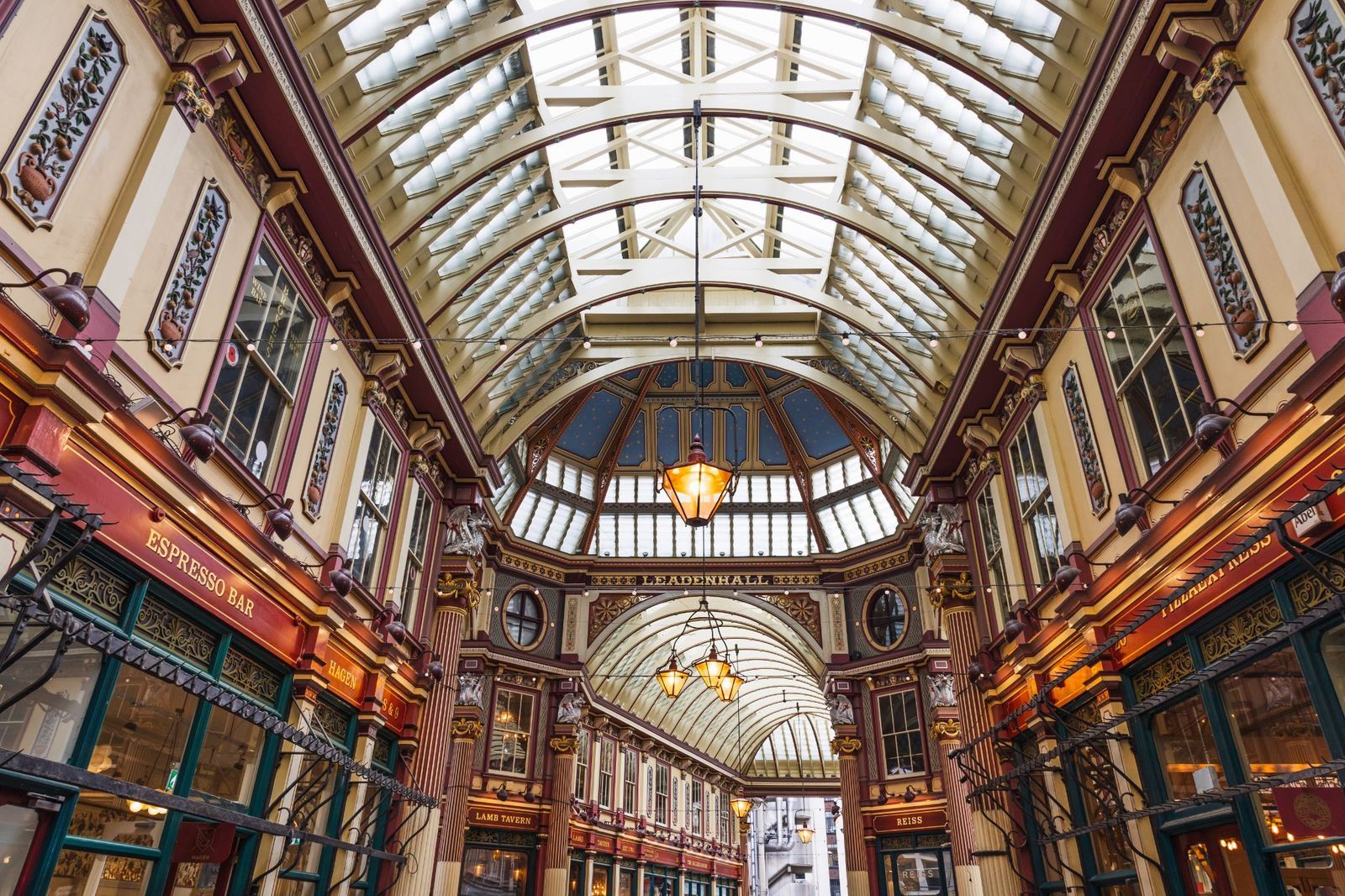
Tucked in the City of London, near Bank station, this covered market was designed by architect Horace Jones and opened in 1881. With its wrought-iron arches, painted ceilings, and cobblestones, this place doubled as Diagon Alley in the Harry Potter films.
Grab a coffee and just look up. You'll feel like you've wandered into a Victorian painting, minus the smog.
The hidden gardens of Postman's Park
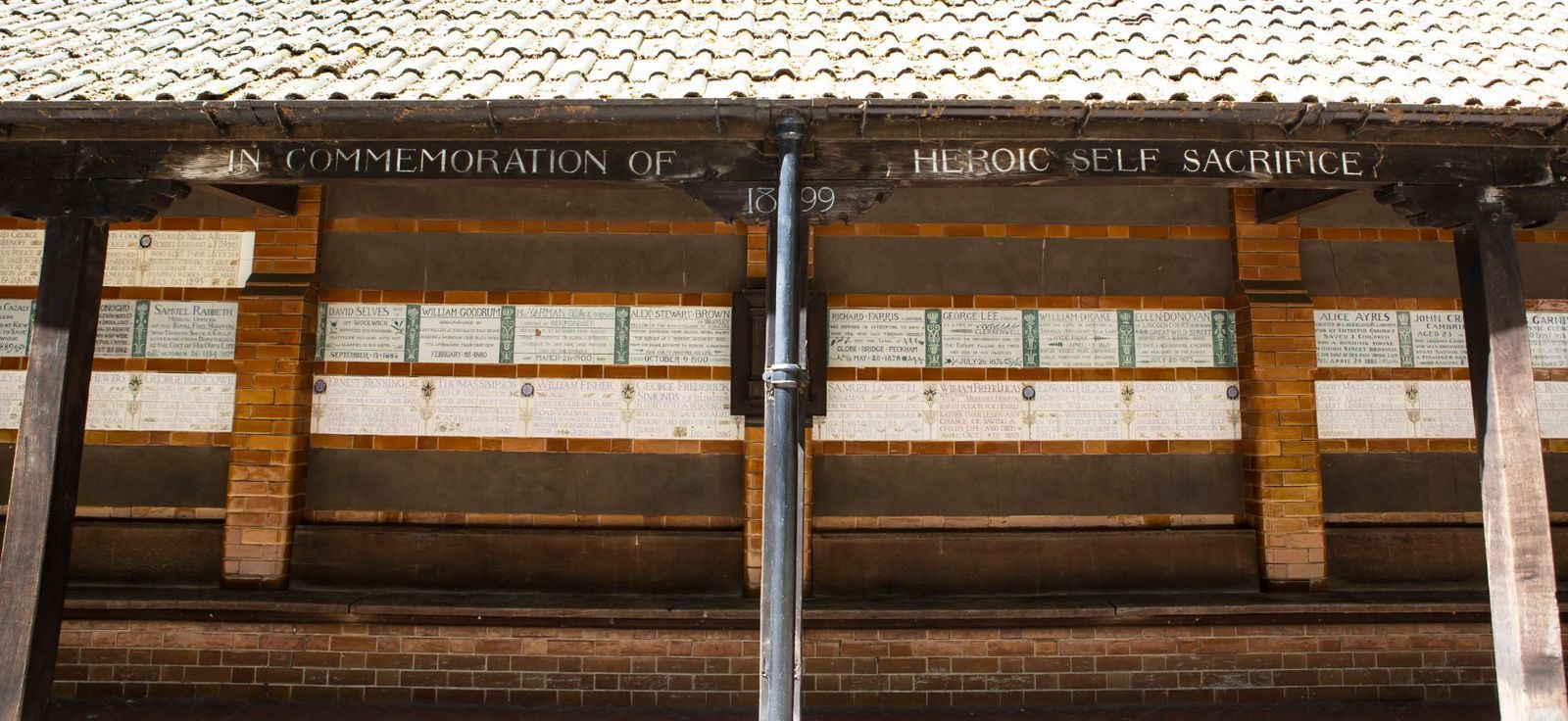
Near St. Paul's Cathedral sits a small park with a big emotional punch. In the 1880s, painter G.F. Watts installed ceramic plaques honoring ordinary Londoners who died saving others' lives: a child who drowned rescuing a friend, a man who ran into a burning building. It's quiet, shaded, and easy to miss, and it's as moving as it is beautiful.
Neal's Yard's colorful courtyard
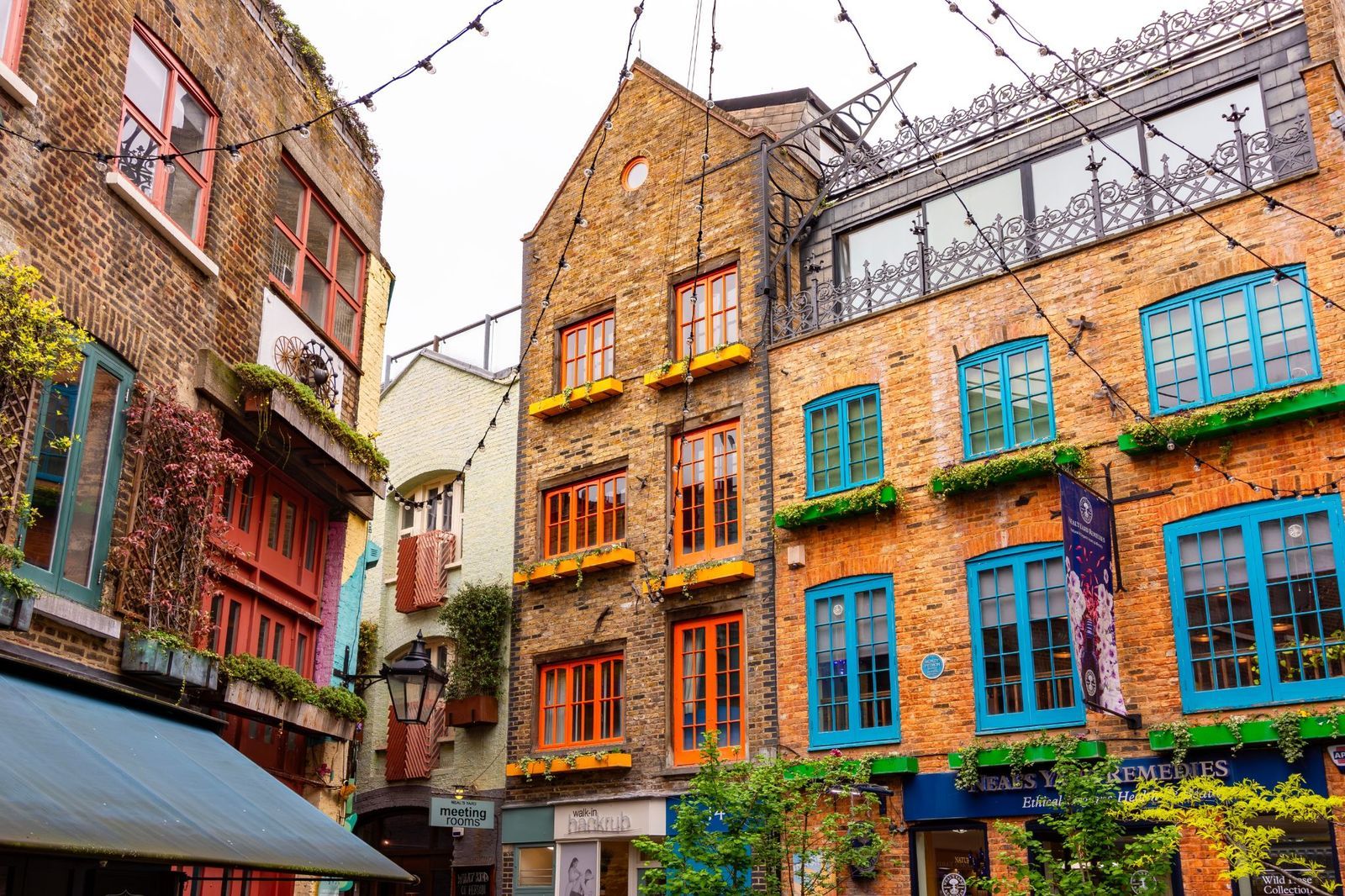
Hidden off a side street in Covent Garden, this tiny courtyard exploded with rainbow-painted buildings starting in the late 1970s, when entrepreneur Nicholas Saunders transformed it into a hub for health food shops and alternative culture. It's pure eye candy: bright blues, pinks, and yellows stacked three stories high.
You can sip a coffee, grab a slice of pizza, or browse shops selling artisan cheeses, organic remedies, and handmade soaps.
Sky Garden's free city views
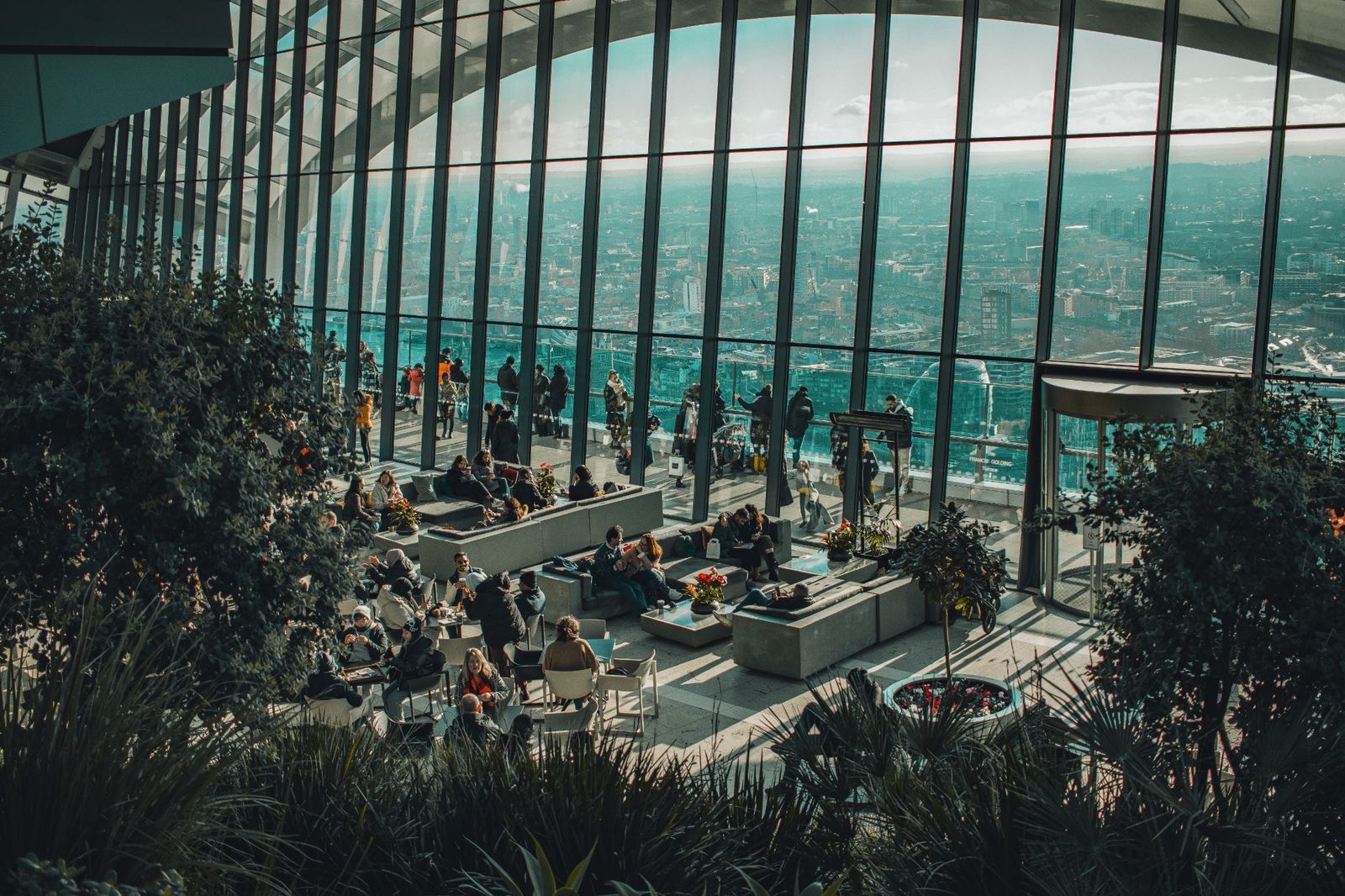
Perched atop the "Walkie Talkie" skyscraper at 20 Fenchurch Street, this glass-domed garden opened in 2015 and offers one of London's best skyline views. It’s completely free, though you'll want to book a ticket online in advance. Palm trees, terraces, and 360-degree views of the Thames await.
Standing up there, you'll feel a genuine sense of awe, especially at sunset when the whole city glows gold.
Little Venice's canal boats
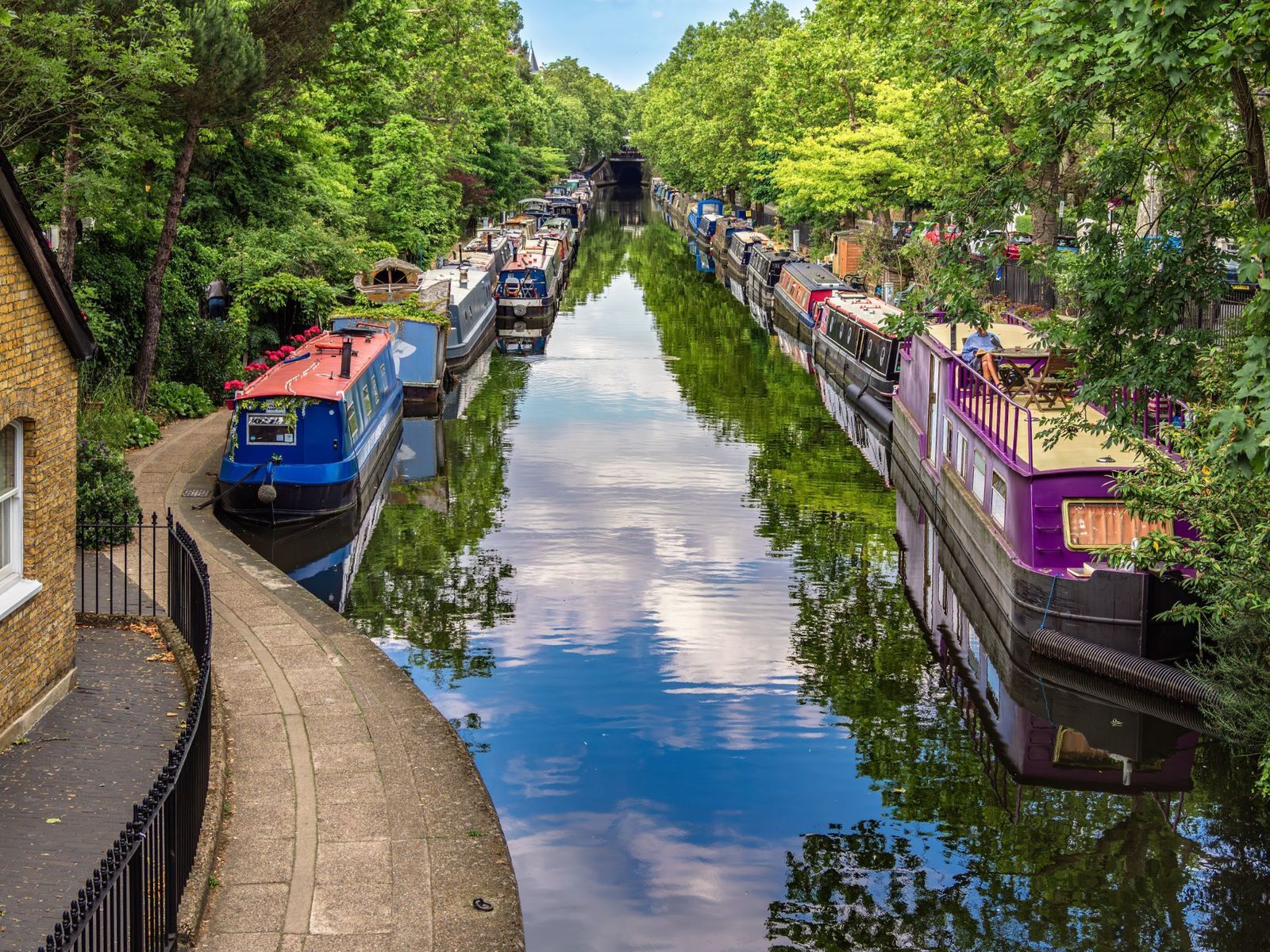
Where the Regent's and Paddington canals meet, in West London near Maida Vale, colorful houseboats line peaceful waterways. Poet Robert Browning supposedly gave the area its dreamy name in the 19th century, charmed by its resemblance to the Italian city. Wander the towpaths or grab a canal-boat coffee. It's slow, romantic, and calming.
Dennis Severs' House time capsule
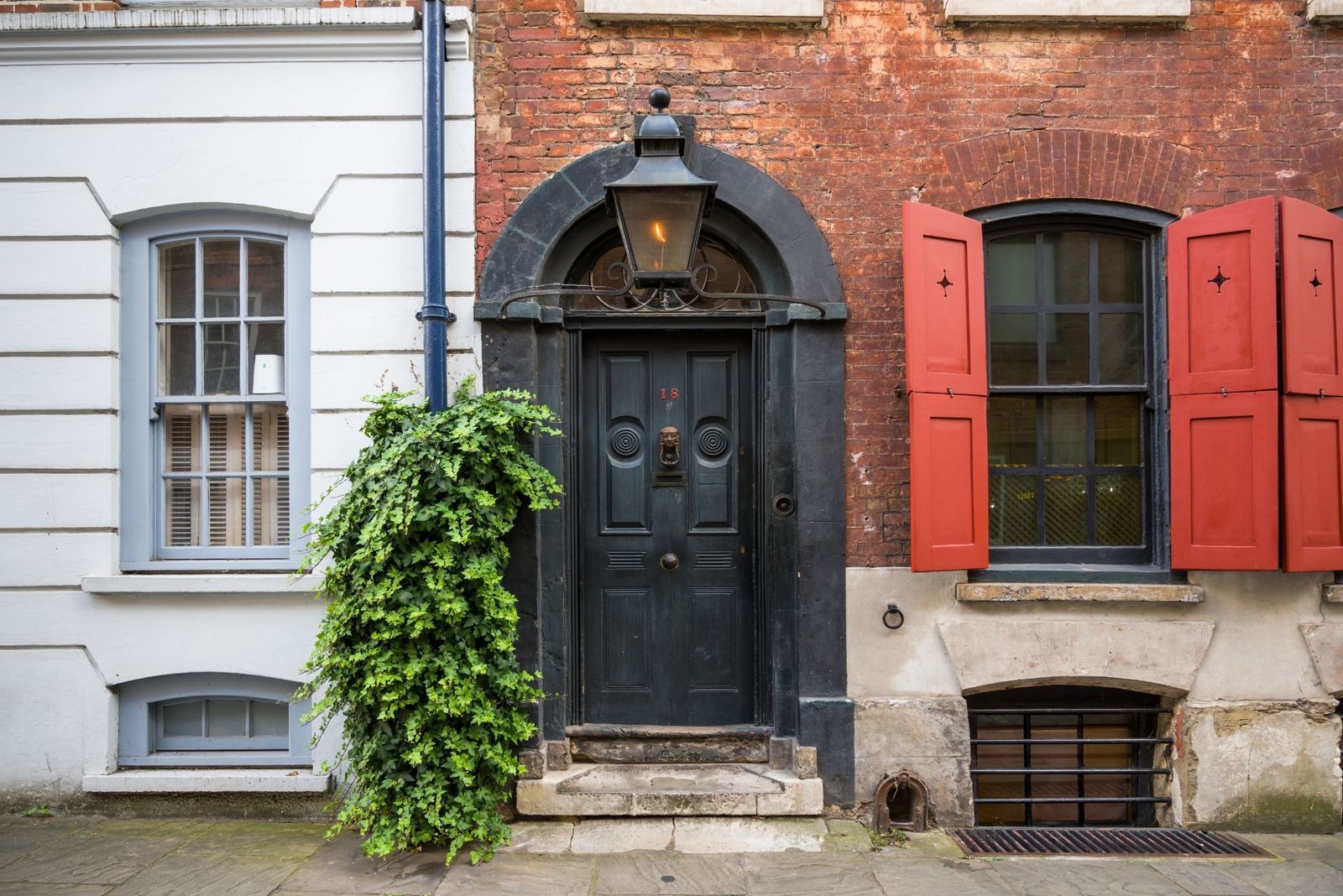
In Spitalfields, East London, this 18th-century townhouse was transformed by American artist Dennis Severs starting in 1979 into what he called a "still-life drama." Rooms look exactly as if a Huguenot silk-weaving family just stepped out: half-eaten meals, rumpled beds, candlelight. No talking is allowed inside.
It's eerie and immersive, and you'll leave feeling like you just walked through a ghost story.
The Columbia Road flower market
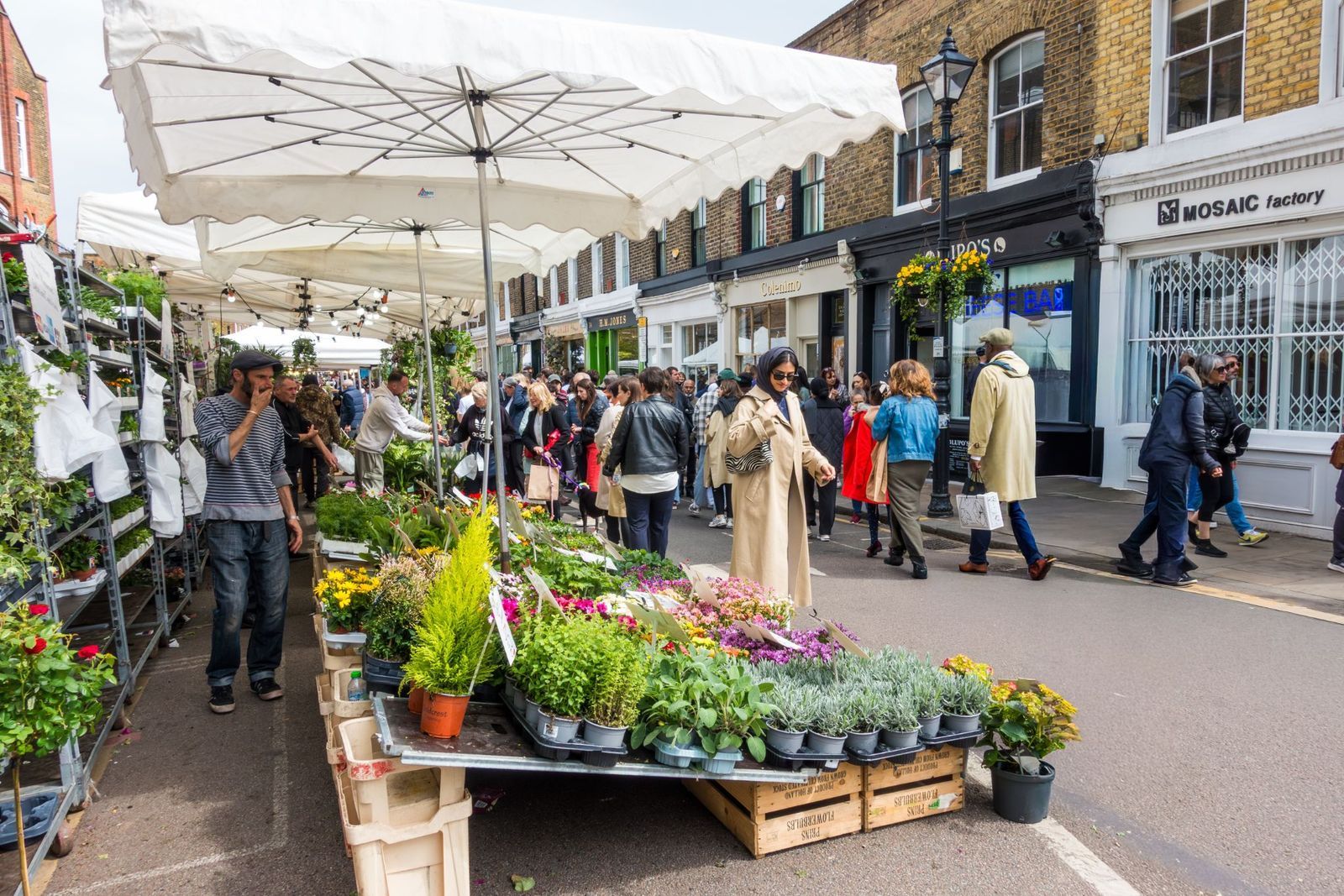
Every Sunday since Victorian times (dating to 1869), this East London street in Bethnal Green transforms into a riot of color, scent, and shouting flower vendors. Get there early to beat the crowds and grab a fresh bunch of tulips for a few pounds. This sensory experience has a chaotic and joyful energy all at once.
Highgate Cemetery's Victorian tombs
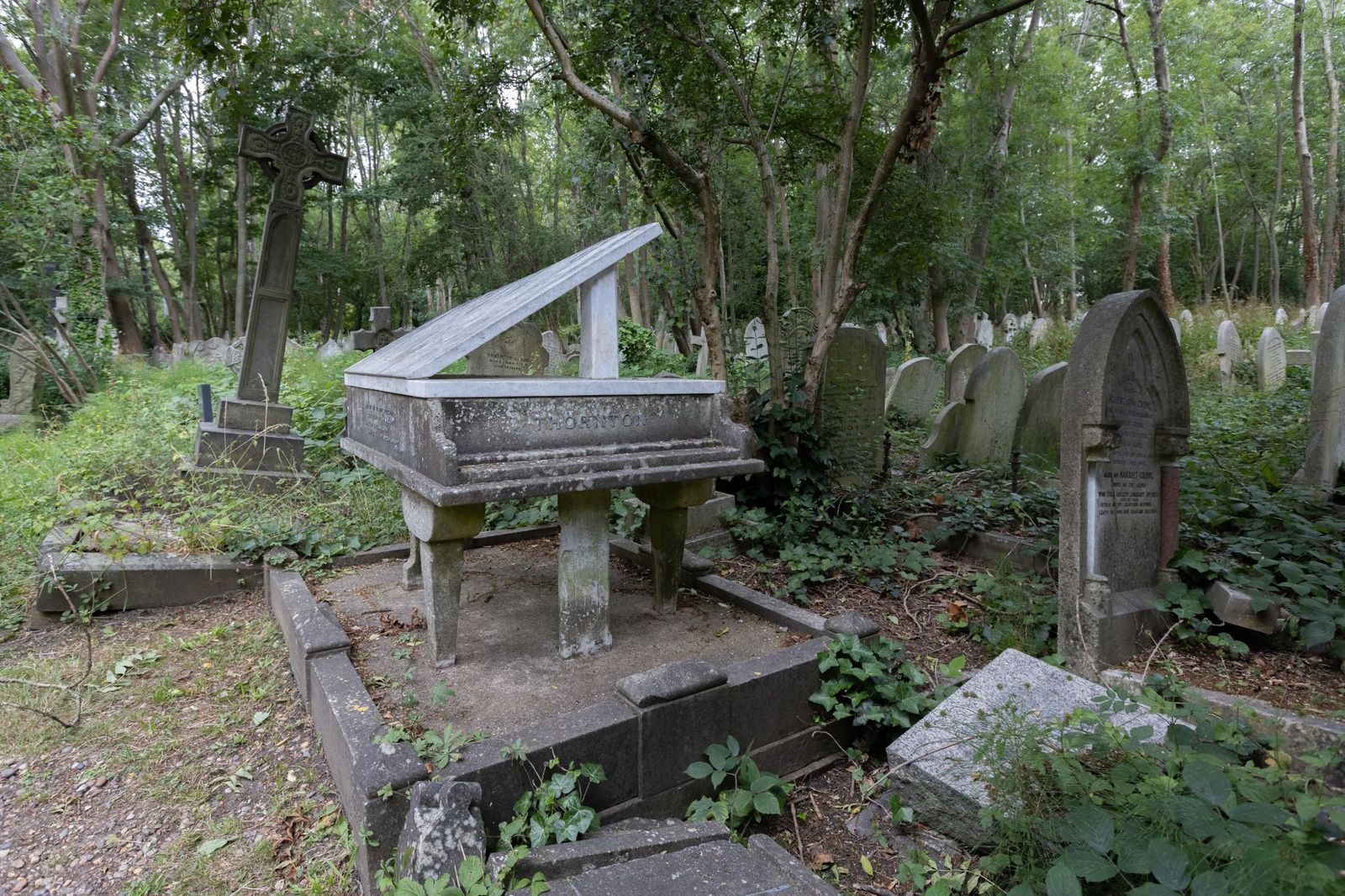
In North London, this atmospheric cemetery opened in 1839 as one of London's original "Magnificent Seven" burial grounds. Ivy-covered angels, crumbling mausoleums, and the grave of Karl Marx sit among towering trees in the older West Cemetery, accessible only by guided tour. It's hauntingly beautiful rather than creepy.
God's Own Junkyard neon gallery
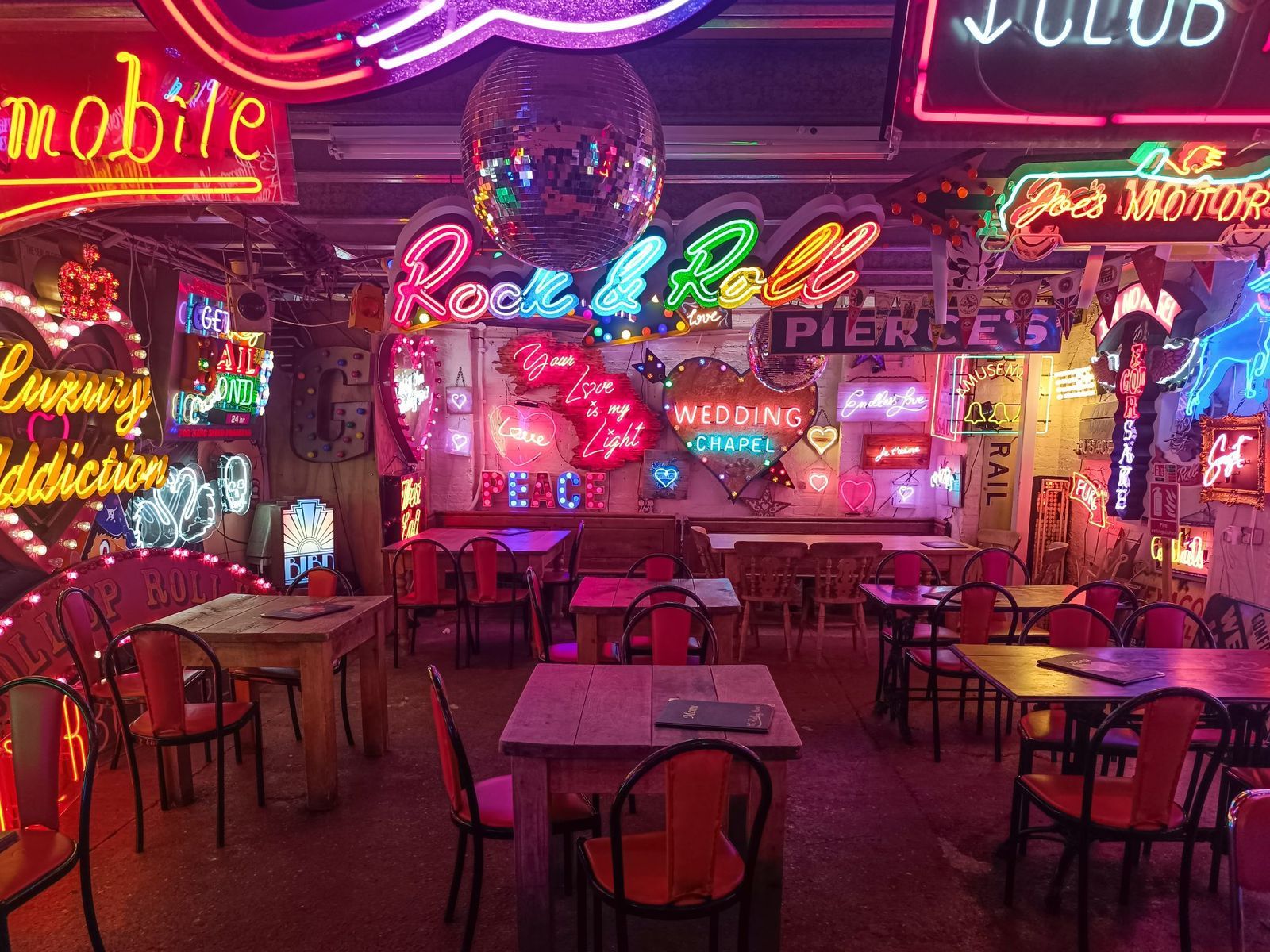
Out in Walthamstow, East London, this warehouse-turned-gallery has been run by the Bracey family since the 1950s, with founder Chris Bracey building its wild reputation from the 1980s onward, creating neon signs for films and rock stars. Walk in, and you're swallowed by thousands of glowing signs (pink lips, vintage marquees, flickering slogans) covering every wall and ceiling.
Standing in that electric glow feels genuinely otherworldly, like you've stepped into a dream.
The Golden Hinde replica ship
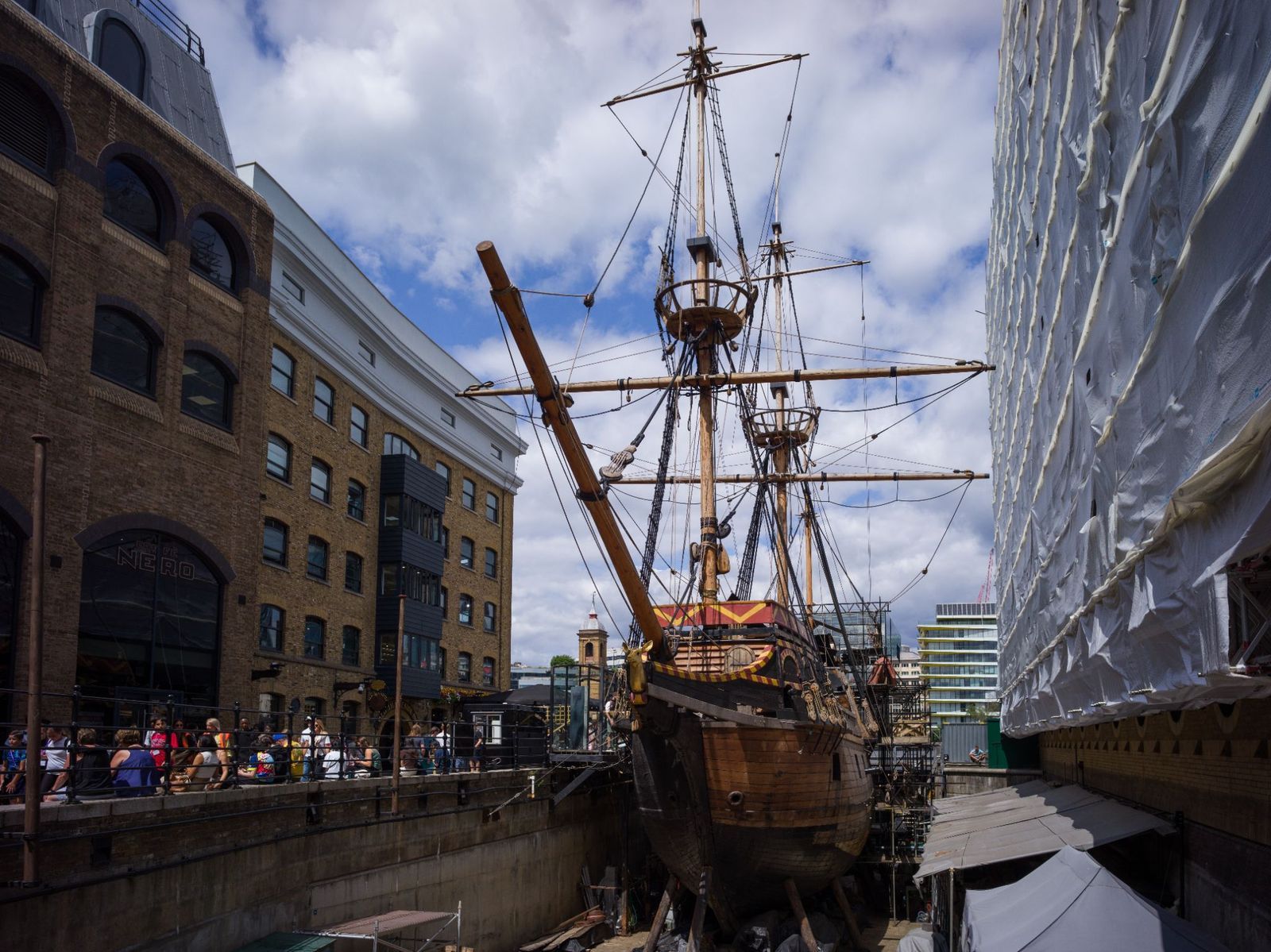
Docked on the Bankside in Southwark, near Shakespeare's Globe, this full-size replica recreates Sir Francis Drake's 16th-century galleon, which circumnavigated the globe between 1577 and 1580. The current ship was built in 1973 and has crossed oceans itself.
Climb aboard the creaky wooden decks and imagine sailors braving unknown seas five centuries ago.
10 bizarre traditions at famous tourist spots and the reasons behind them
 Landmarks
Weird rituals
When in Rome... Odd traditions tied to specific destinations
Tourists love copying what they see others do. Arrive at spots like the Trevi Fountain, and you might have to get in line to toss a coin. Step into the Epidaurus Theatre in Greece, and you’ll have to wait until others are done whispering to try the acoustics yourself. People will even queue for an hour to attempt to bend backwards on the floor and kiss the Blarney Stone in Ireland. How did these very strange traditions begin? Read on to learn 10 site-specific odd rituals.
People shouting "Elmer!" at sundown at Yosemite National Park, USA

Every summer evening in Yosemite Valley, as the campfires die down, someone in one of the campgrounds shouts it into the dark: "ELLLLMEERRR!" And it always gets an answer.
Suddenly, the valley erupts into dozens of voices from different camps echoing the name back. The tradition has been going on since at least the 1930s, and no one knows exactly how it started. Nobody knows who Elmer was, either, but that’s part of the joke. The most popular legend says a boy named Elmer went missing in the woods one summer, and nearby campers started calling his name.
Another version claims he was a park ranger disfigured in the Yosemite Firefall who now haunts the camp looking for a new face, and if you shout his name, he'll know you're a friend and leave you alone. The National Park Service has officially acknowledged that the tradition exists, even though they have no explanation for it either.
Swearing nonsensical oaths at Highgate, London
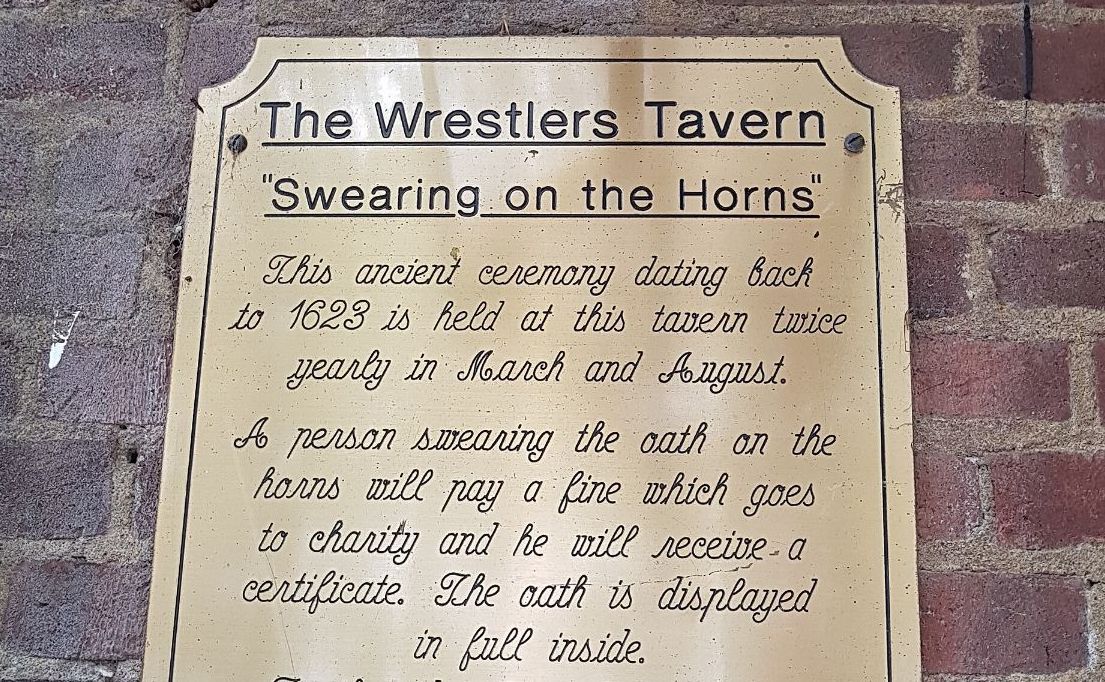
In the village of Highgate in north London, a pub tradition has been running since the 17th century that makes absolutely no sense. At taverns like The Wrestlers and The Flask, visitors can be sworn in as a "Freeman of Highgate" by reciting an oath of pure gibberish before a landlord dressed in ceremonial costume, then kissing a set of ram's horns.
The rewards are famous for their uselessness. They include the right to free drinks whenever you are penniless in the village, and the right to sleep in a local ditch if you first evict whichever pig is occupying it. If there are three pigs, you may only remove the middle one and sleep between the others.
Lord Byron swore the oath and referenced it in his poem "Childe Harold’s Pilgrimage." The ceremony was revived in recent years at The Wrestlers, where the horns and the full text of the oath still hang on the wall.
Putting hands into the Mouth of Truth in Rome
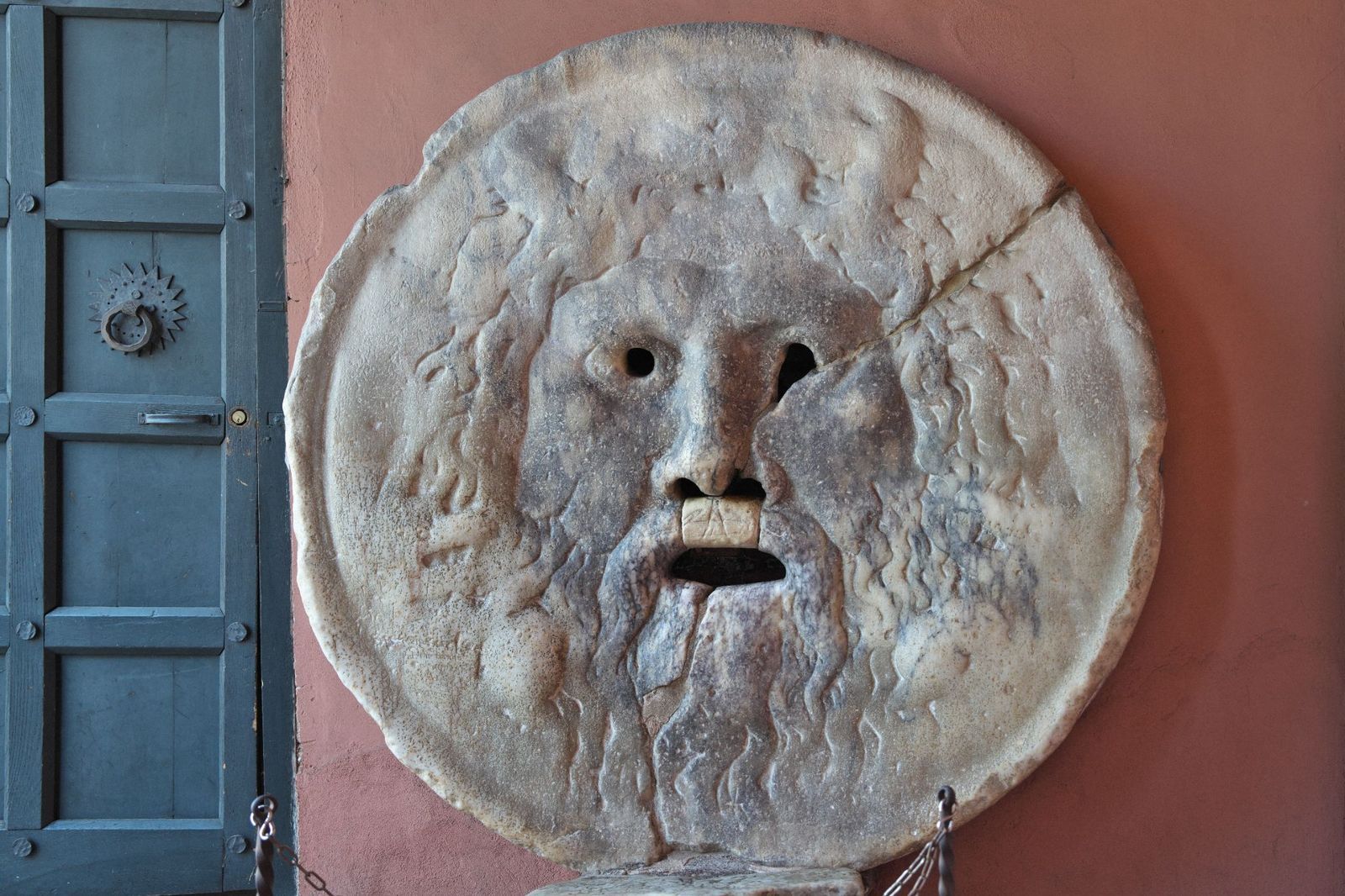
Long before Gregory Peck used it to terrify Audrey Hepburn in the film Roman Holiday, the Bocca della Verità had already been frightening people for roughly a thousand years. The ancient marble disc has sat at the entrance to the Basilica of Santa Maria in Cosmedin since the 13th century, though it was carved sometime in the 1st century CE, possibly as a drain cover for Rome's great sewer.
The legend, documented as far back as 1485, holds that any liar who places their hand inside its gaping mouth will lose it. Medieval husbands reportedly brought their wives here to prove their fidelity. The scene in Roman Holiday in which Peck hid his hand up his sleeve and pretended it had been bitten off, causing Hepburn's genuine shriek of terror, made the Bocca world-famous in 1953. Tourists now queue for up to two hours to stick their hand in and pose for the photo.
Sticking gum at the Seattle Gum Wall, USA
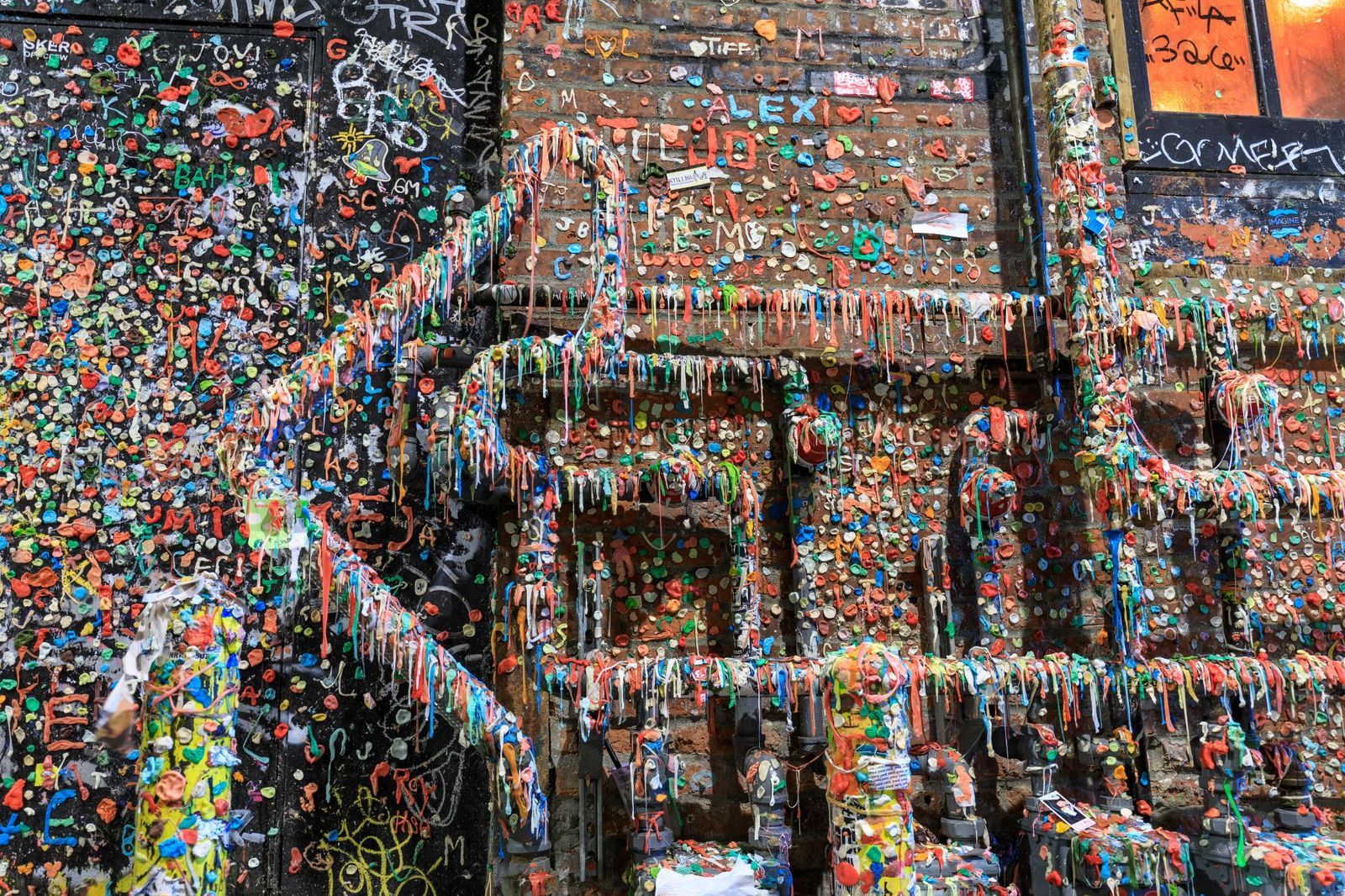
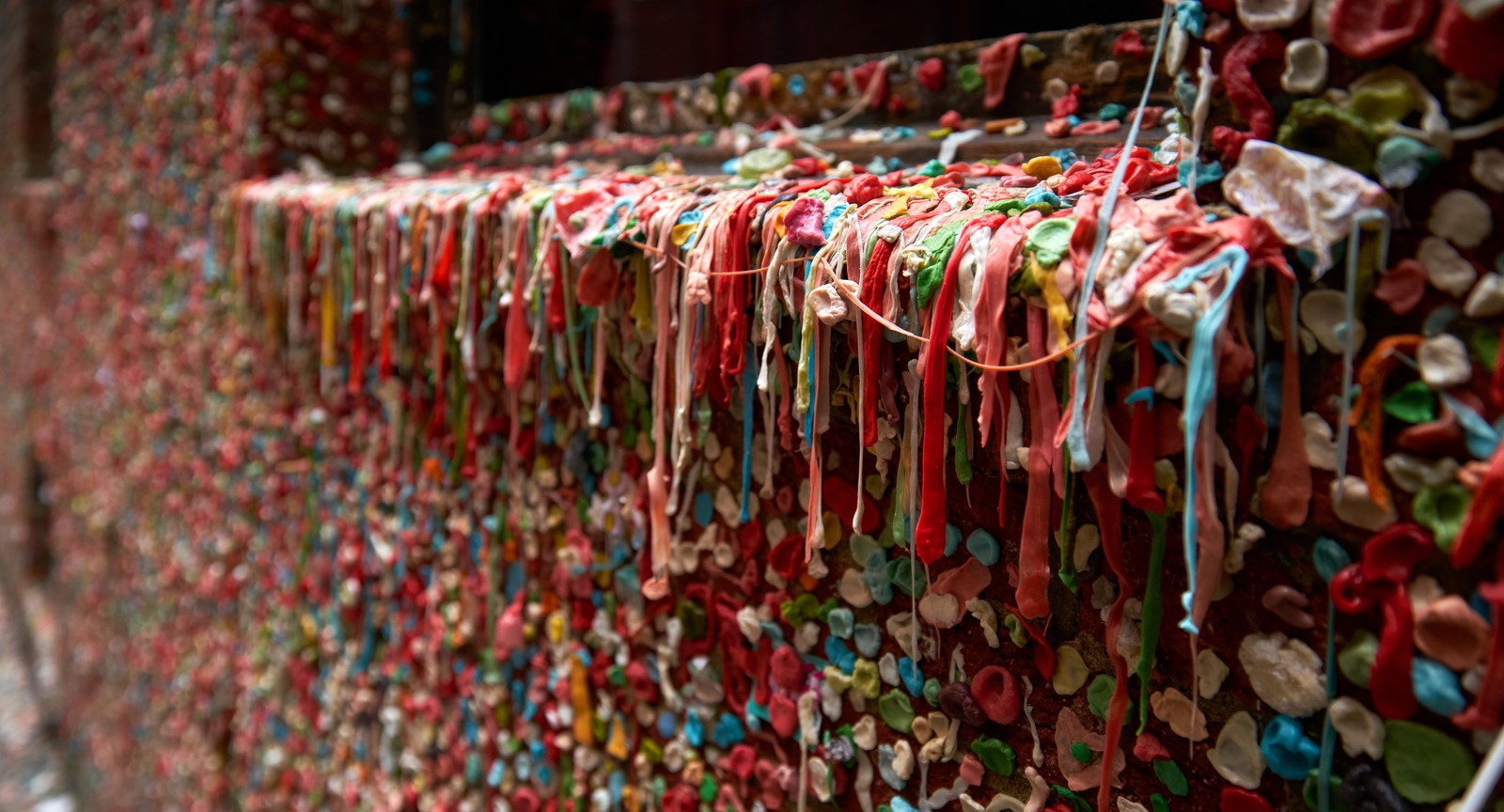
In 1993, people waiting in line for an improv comedy show at the Market Theater in Seattle's Post Alley started pressing their chewed gum to the brick wall outside. Management had the wall scraped clean. But the gum came back in the following show nights.
Locals carried out this back-and-forth until 1999, when the area authority gave up entirely and officially declared the wall a tourist attraction. Today, the Gum Wall stretches over 50 feet long and more than six feet high, covered in a thick, technicolor crust of chewed bubble gum from visitors around the world.
It’s consistently ranked among the germiest tourist attractions on earth. The wall is periodically cleaned to protect the historic brickwork underneath, but it doesn’t stay clean for long. In 2015, a full cleaning took 130 hours and removed over 2,350 pounds of gum, but it was rebuilt by passing tourists in about five months.
Kissing the lips of the Victor Noir statue in France
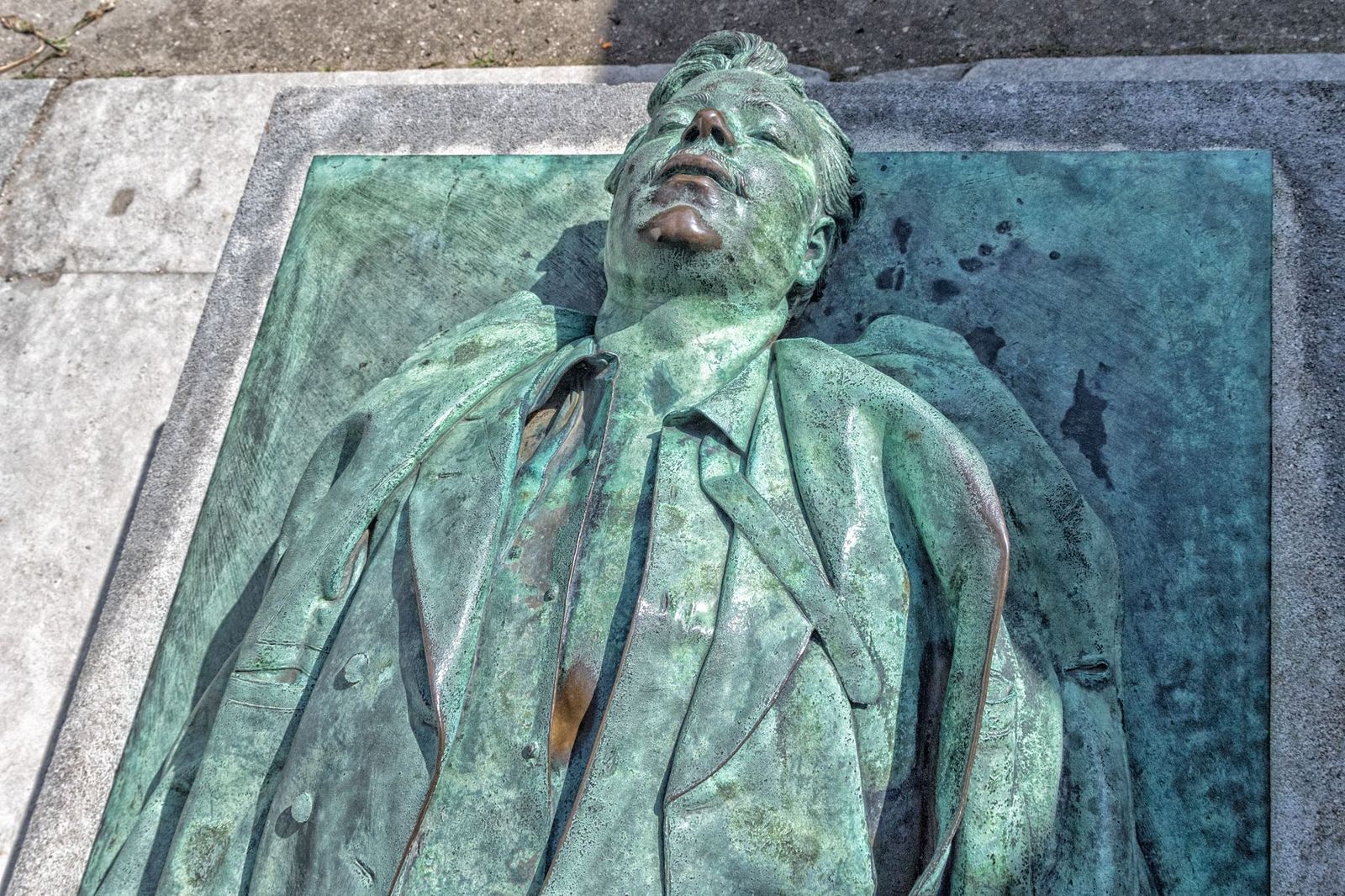
Victor Noir was 21 years old and working as a journalist for a radical Paris newspaper when, in 1870, he was shot dead by Prince Pierre Bonaparte, a cousin of Napoleon III. This happened in a dispute over a dueling arrangement Bonaparte had with Noir’s boss. His murder was so politically explosive that nearly 100,000 people attended his funeral procession, outraged that the prince was later acquitted.
Two decades later, when the Third Republic had the journalist's body moved to Père Lachaise cemetery, sculptor Jules Dalou created a life-size bronze of Noir lying exactly as he fell on the street, hat beside him. For reasons no one has fully explained, the statue became a symbol of good fortune in love, and the tradition of kissing his bronze lips took hold.
His lips are now worn to a bright gold shine against the rest of the oxidized green statue. In 2004, city authorities erected a fence around the tomb to stop the practice, but the public protested until it came down.
Writing love letters to Juliet in Verona, Italy
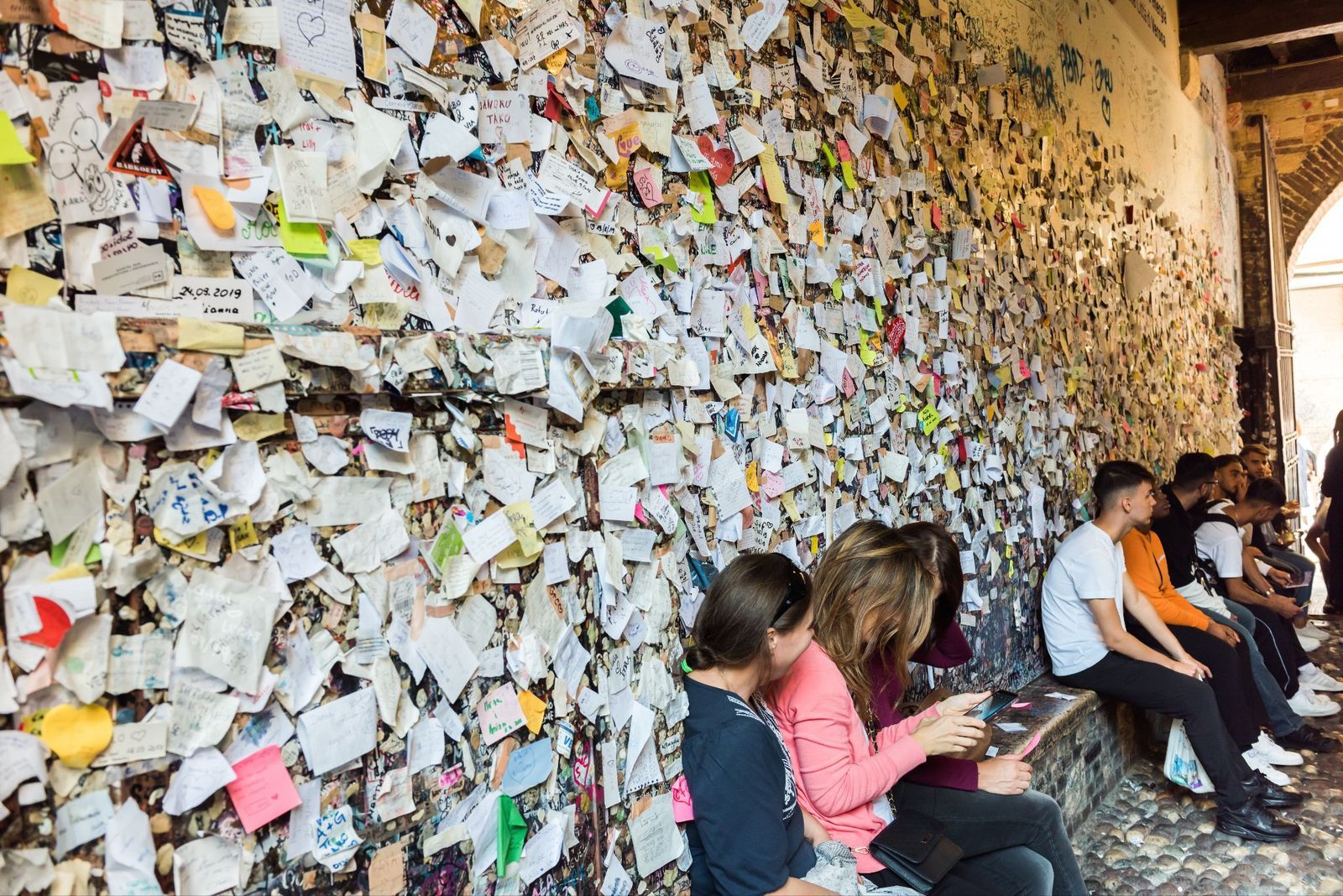
Juliet Capulet never existed, and Shakespeare almost certainly never visited Verona before or after writing Romeo and Juliet. And yet thousands of people each year write heartfelt letters addressed to "Juliet, Verona, Italy."
Each of them is answered. The tradition began in the 1930s: visitors were leaving love letters at Juliet’s Tomb, a nameless and empty crypt in Verona that had popularly become a pilgrimage site honoring the tragic fictional character. Ettore Solimani, the caretaker of the site, began collecting the letters visitors left behind and writing back. He signed them "Juliet's Secretary." This led to the Club di Giulietta, formally founded in 1972, which now has around 50 volunteer secretaries who reply to roughly 10,000 letters a year in over a dozen languages.
The 2010 film Letters to Juliet, starring Amanda Seyfried, introduced the tradition to a global audience and significantly increased the mail volume.
Weekly Siesta Key Drum Circle, Florida, USA

In March 1996, a man named David Gittens gathered about a dozen friends on Siesta Beach on Florida's Gulf Coast to drum together and mark the spring equinox. Thirty years later, that gathering has transformed into a weekly tradition. Every Sunday evening, an hour before sunset, people converge on Siesta Beach; musicians with djembes, congas, and tambourines, dancers with hula hoops, families with children, and tourists who stumbled into a show they only half understand.
By peak season, the crowd can reach a thousand people. There are no tickets, no stage, no vendors, no amplification, and no organizers.
Kissing the Blarney Stone in County Cork, Ireland
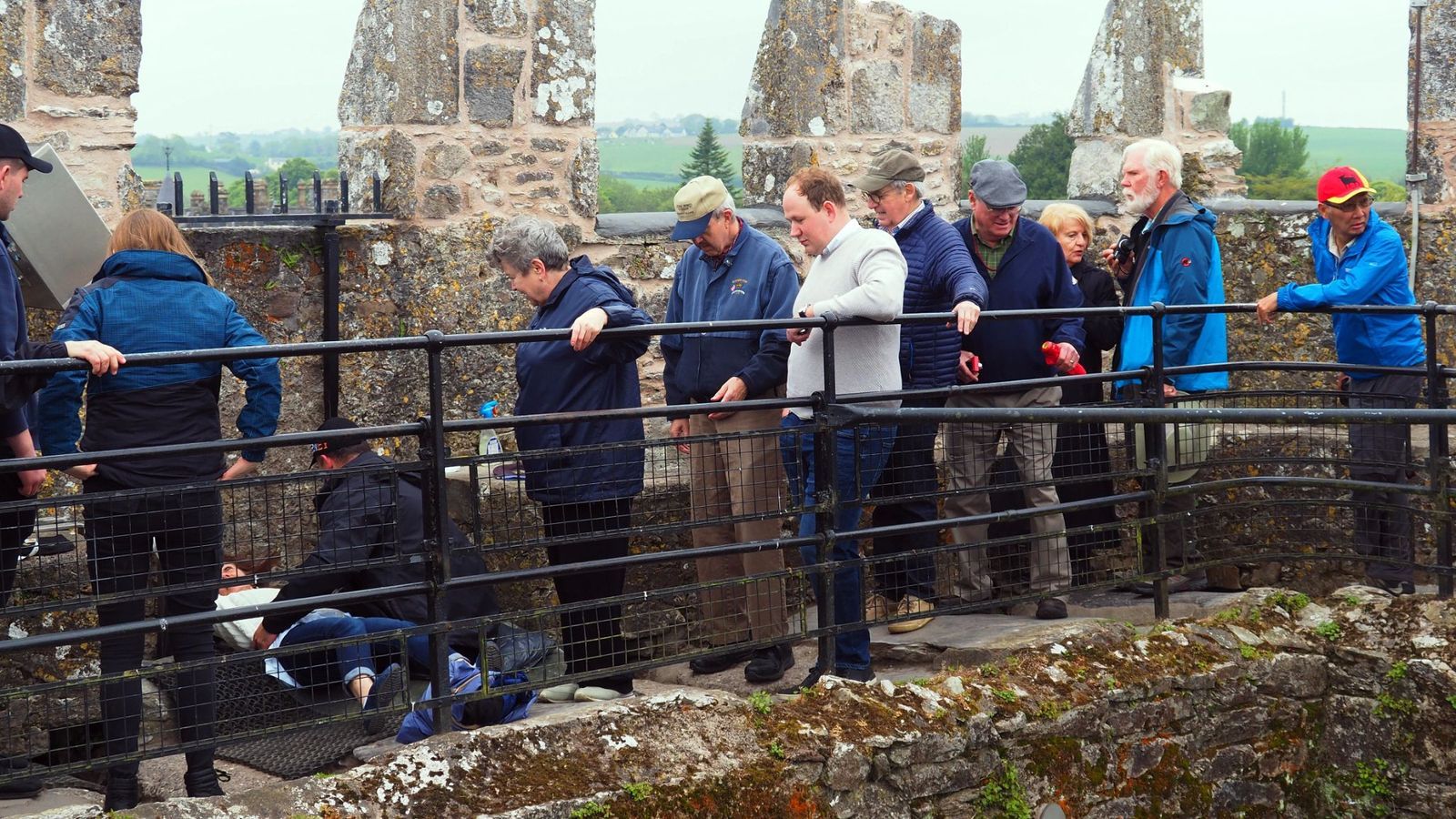
The Blarney Stone promises the gift of eloquence. It is said that if you manage to kiss it, you’ll gain the ability to speak well, charm effortlessly, and talk your way out of any situation. The price is modest: you simply have to climb to the top of a 15th-century castle, lie on your back, lean backwards over the edge of the battlements 90 feet above the ground, and press your lips to a stone set into the parapet below.
About 400,000 people a year do it, assisted by a staff member called "Butter Fingers," whose job is to hold your legs. The legend traces back to Cormac Laidir MacCarthy, builder of the castle, who was facing a hopeless legal dispute around the year 1446. He prayed to the goddess Clíodhna, who told him to kiss the first stone he found in the morning, then go to court and speak. As legend has it, he did, and he won.
Whispering at the Epidaurus Stage in Peloponnese, Greece
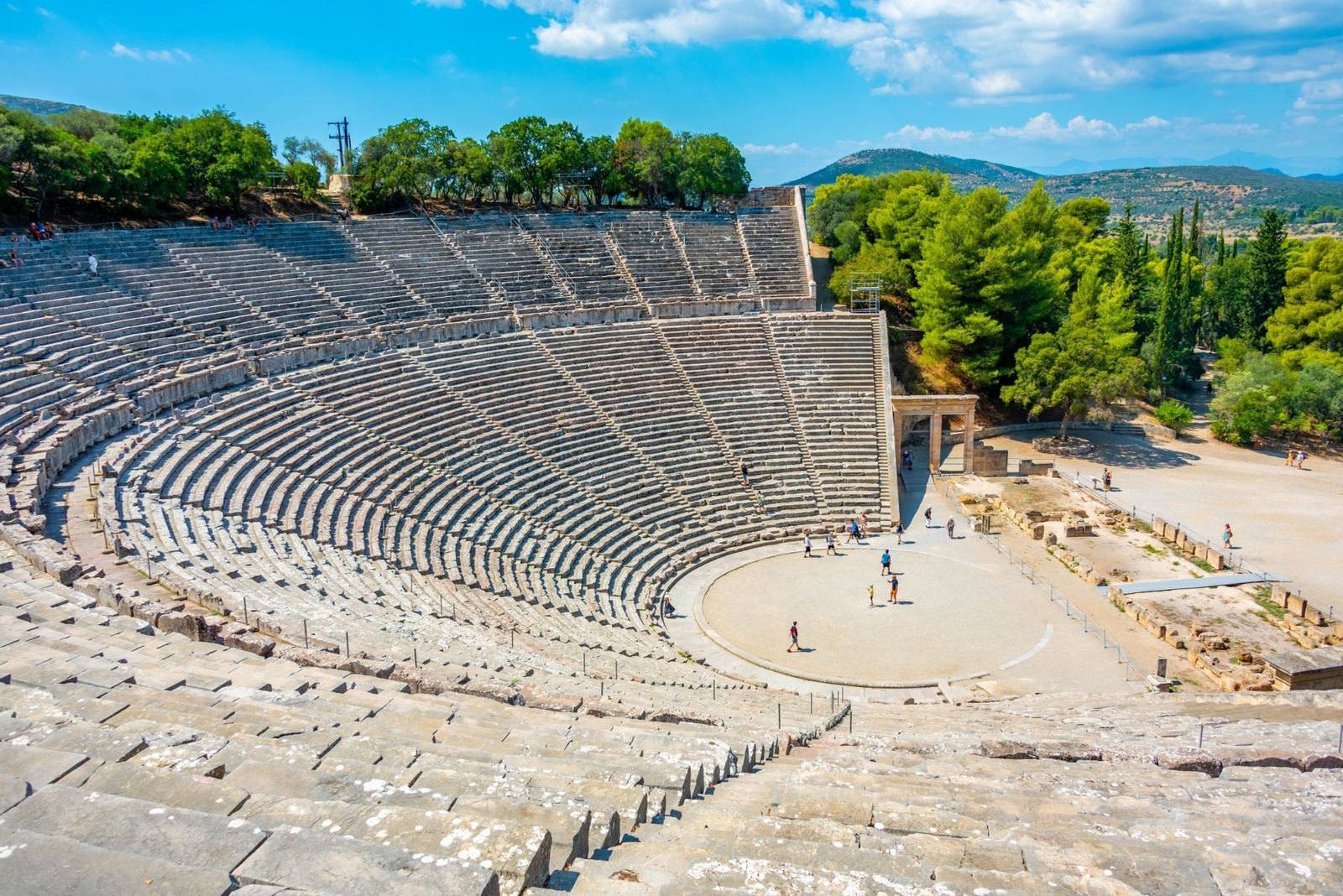
The Theatre of Epidaurus was built in the 4th century BC as part of a healing sanctuary dedicated to Asclepius, the Greek god of medicine. Today, it seats around 14,000 people on limestone tiers that rise in a perfect semicircle from the stage.
Every day, without any official encouragement, tourists perform a ritual: one person walks to the center of the ancient stage while their companions climb as high as they can go, and then the person on stage tears a piece of paper, strikes a match, or whispers. The people in the highest row hear it perfectly.
The acoustics are so precise that researchers from Georgia Tech spent years trying to explain them, eventually determining that the limestone seats themselves act as acoustic filters, absorbing low-frequency background noise while reflecting high-frequency sound from the stage with uncanny clarity.
Locking love to bridges in Paris, France
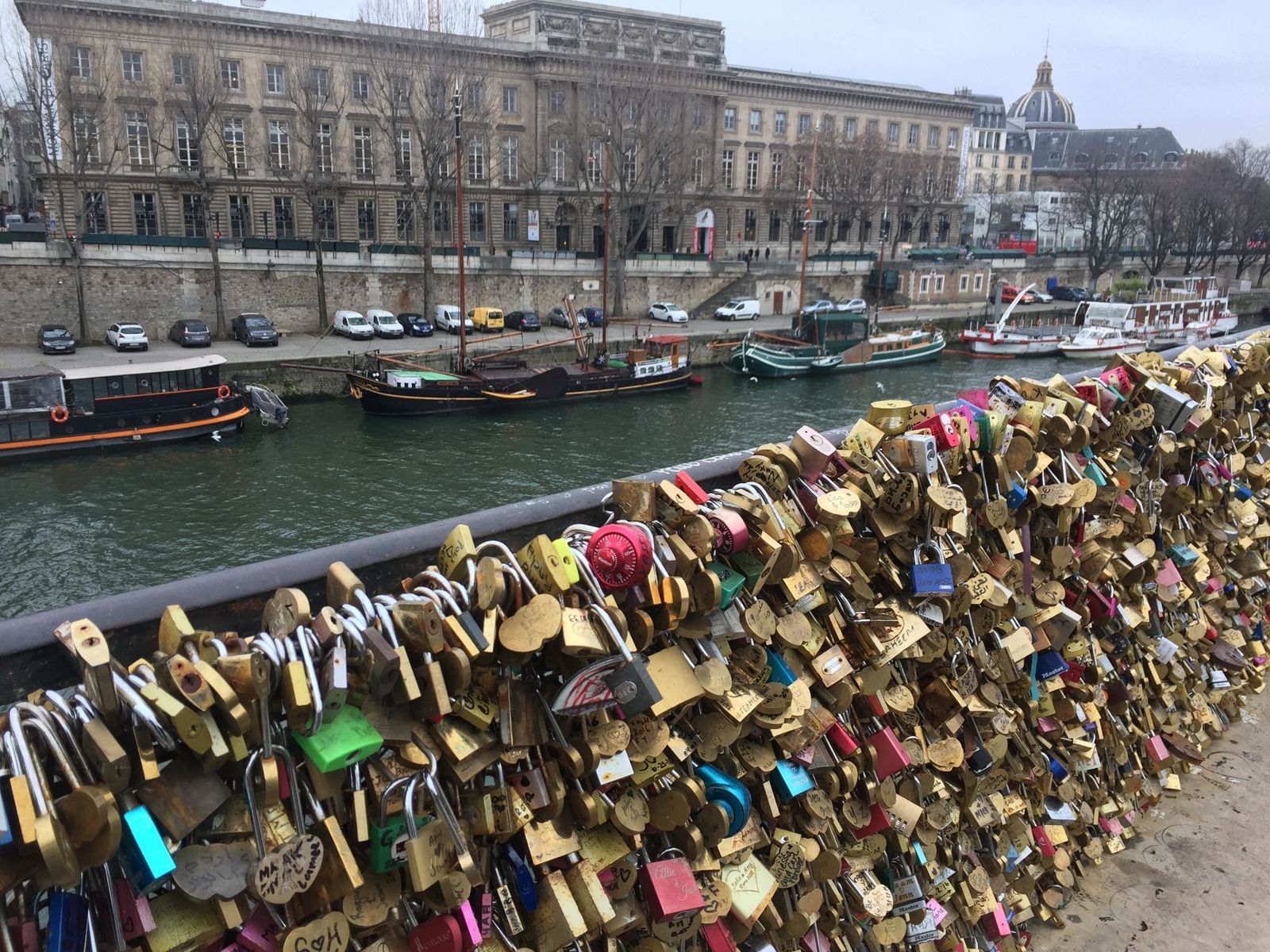
A couple attaches a padlock to the iron railings of a Parisian bridge, tosses the key into the Seine below, and thus symbolically seals their love. Nobody is quite sure when or why the ritual started. Some say it began in the early 2000s, with the practice spreading rapidly through social media.
By 2014, the Pont des Arts had become one of the most visited spots in Paris, and its railings were covered with heavy padlocks. The accumulated locks weighed 45 tonnes, the equivalent to 20 elephants. Eventually, a part of the bridge’s railing collapsed. In 2015, the city resolved to remove all of the padlocks and install glass panels to prevent the practice from returning.
This only resulted in couples finding other railings across the city to lock their love in; the tradition continues on the Pont de l'Archevêché behind Notre-Dame to this day.
Keep wandering
There’s always
more to explore
 Culture
What happens to tourist towns after everyone goes home?
5 min.
Read Now

The construction mistake that made this tower famous
5 min.
Read Now
Why did San Antonio move an entire hotel through downtown?
6 min.
Read Now

Ever wonder why there’s a tiny hole in airplane windows?
6 min.
Read Now