
You should be stopping on the road every 2 hours: Tips for nicer trips
 General
Tips for smart travel
You should be stopping on the road every 2 hours: Tips for nicer trips
How exciting is leaving on a long-awaited trip? But let’s be honest, it can also be uncomfortable. Sleepless flights, long drives, rushed schedules, missing pens, wrong clothes, and forgotten essentials can quietly drain the joy out of any trip. So, today, let’s look at a few smart, small habits that can make all the difference.
Don’t forget your sleep setup
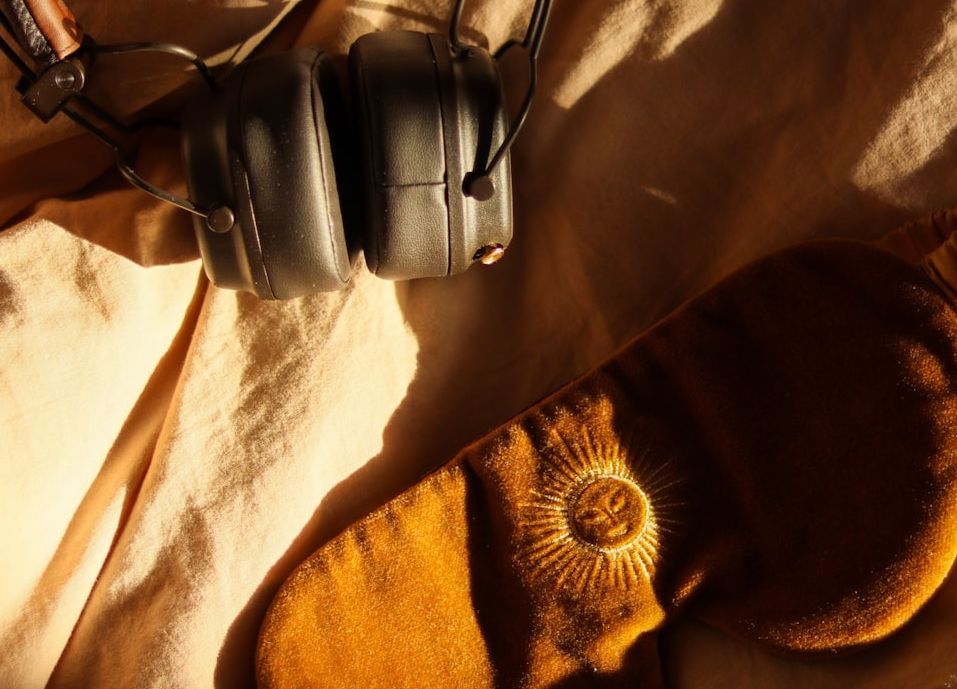
Long-haul flights expose you to bright cabin lighting, constant engine noise, awkward seat angles, and unfamiliar surroundings. All of them are enemies of rest!
So, you can always turn to the simple trio that changes everything: a comfortable eye mask to block disruptive light, supportive neck pillows to prevent the head drop, and noise-reducing headphones or earplugs that soften the relentless hum of the cabin.
"Micro-stops" in road trips
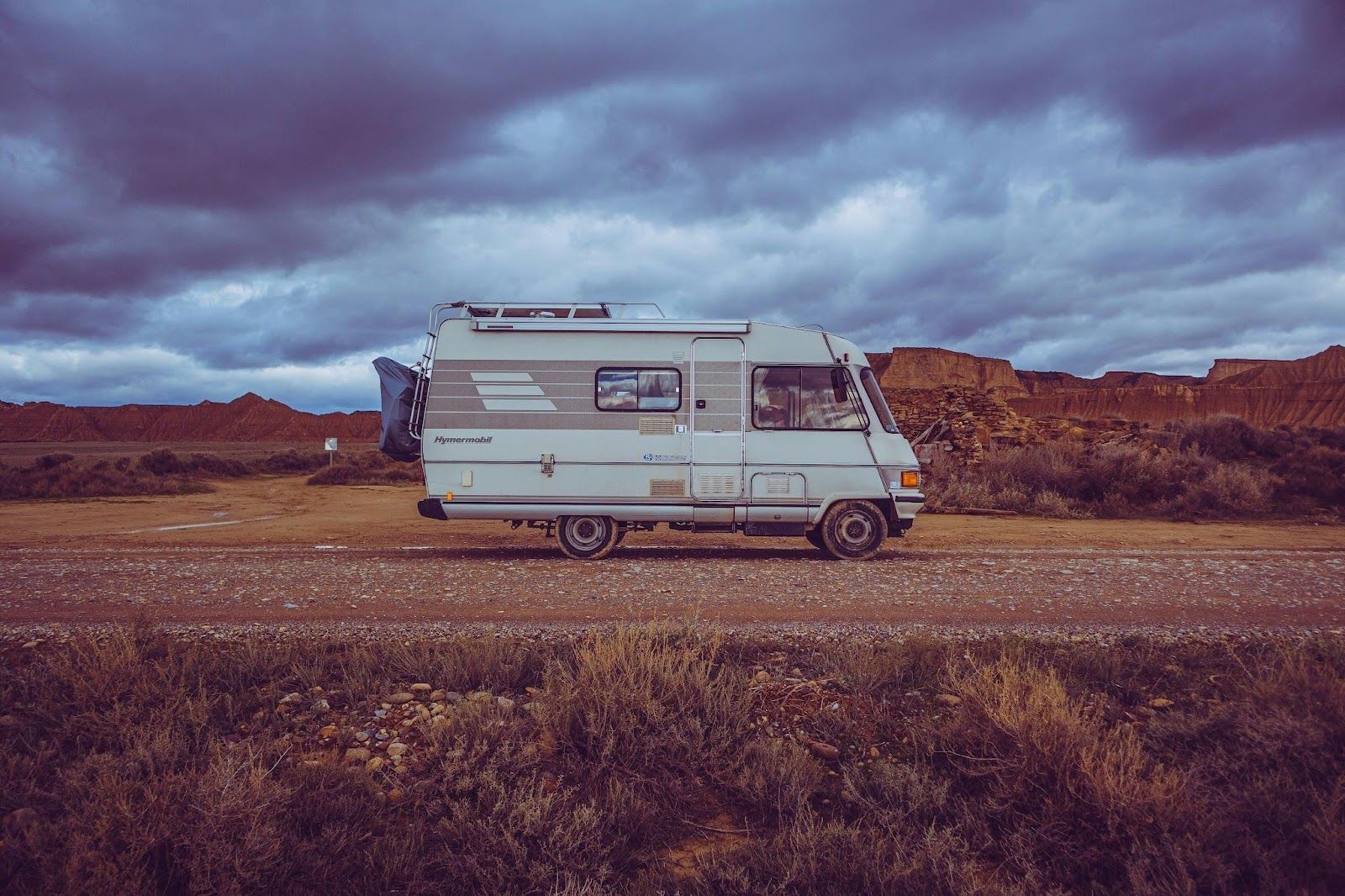
The classic road-trip fantasy involves long, uninterrupted drives. But driving fatigue builds gradually, attention fades, and it can quickly become exhausting.
So, experienced drivers now recommend "micro-stops": short, frequent breaks every hour or two instead of pushing for long stretches between stops. Short pauses to stretch, grab a coffee, or simply walk for five minutes reset both body and mind.
Adjust your seat as best you can
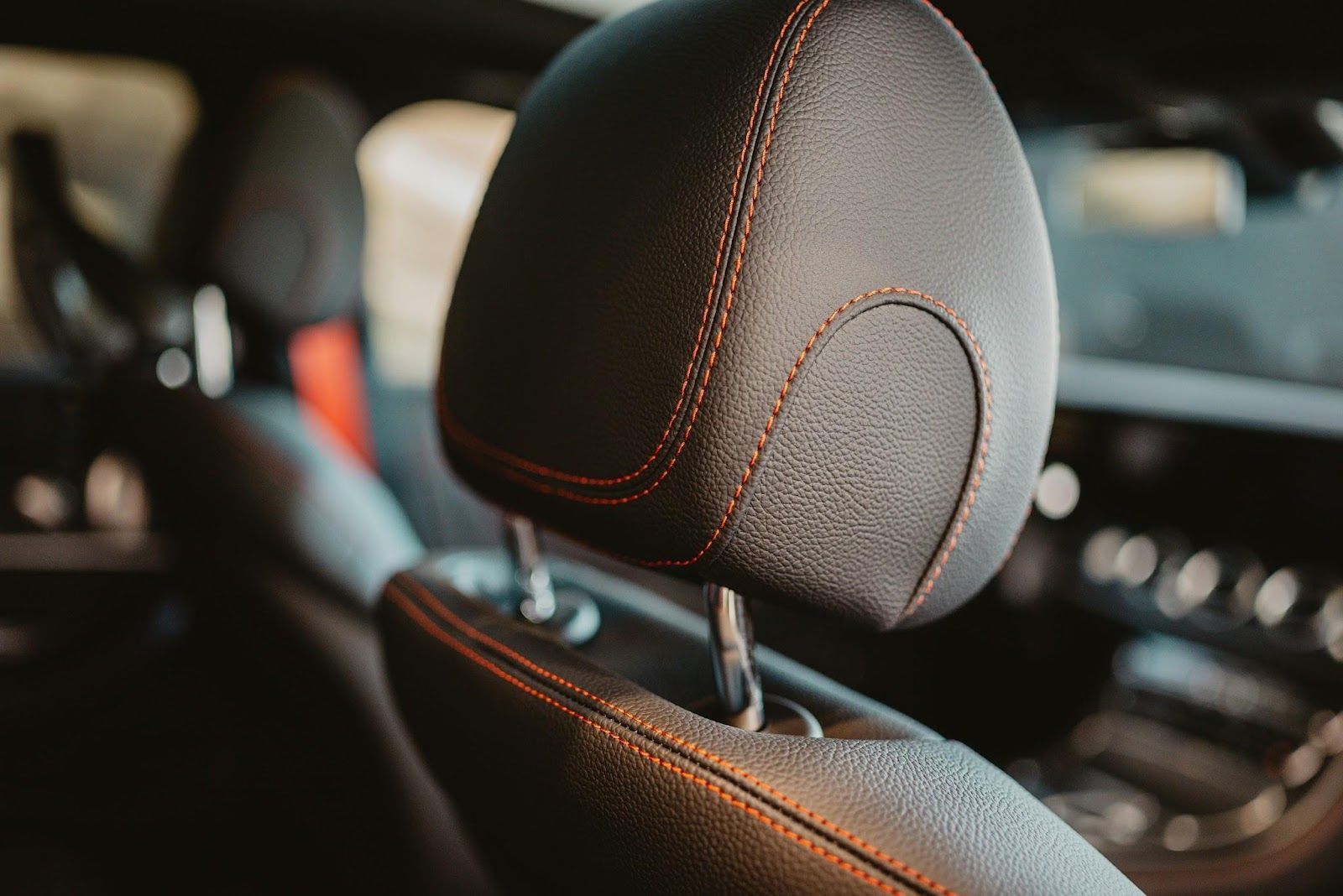
Many travelers just eagerly jump into their car and never think about it again. But your roadtrip would be so much more enjoyable if you made the small ergonomic tweaks that car seats are prepared for!
Make sure you spend a few minutes adjusting the seat just for you. You’ll feel a dramatic change in how the body feels after hours on the road. Particularly if you are the one driving!
Pack for accessibility

Nothing will ruin your mood worse than needing a pen that you know for sure that you brought… but is probably now sitting in the very bottom corner of your backpack.
You really don’t want to ruin the setup that you carefully managed to pack. Make sure you mindfully consider efficient packing before leaving home! What are you most likely to need, and when?
Layered clothing instead of heavy outfits

When we travel far away, especially by plane, or to distant places with entirely different weather, clothes can turn on us very fast. That’s why many advise avoiding bulky outfits and instead relying on layers: breathable base pieces, light sweaters, scarves, or packable jackets that can be added or removed without effort.
Extra tip: If you are traveling somewhere warm, pack some summer clothes in your backpack so you can change easily as soon as you get there!
Snack planning instead of random roadside food

Sure, you can stop for some fresh coffee at some point in your trip. But you know it doesn’t end there. Road trips often lead to impulse snacks: sugary treats, heavy meals, and energy crashes that follow.
Take this suggestion: plan ahead to pack simple combinations like nuts, fruit, yogurt, or sandwiches that balance protein and carbohydrates. Although, of course, you can leave room for some treat along the way!
Building buffer time into itineraries
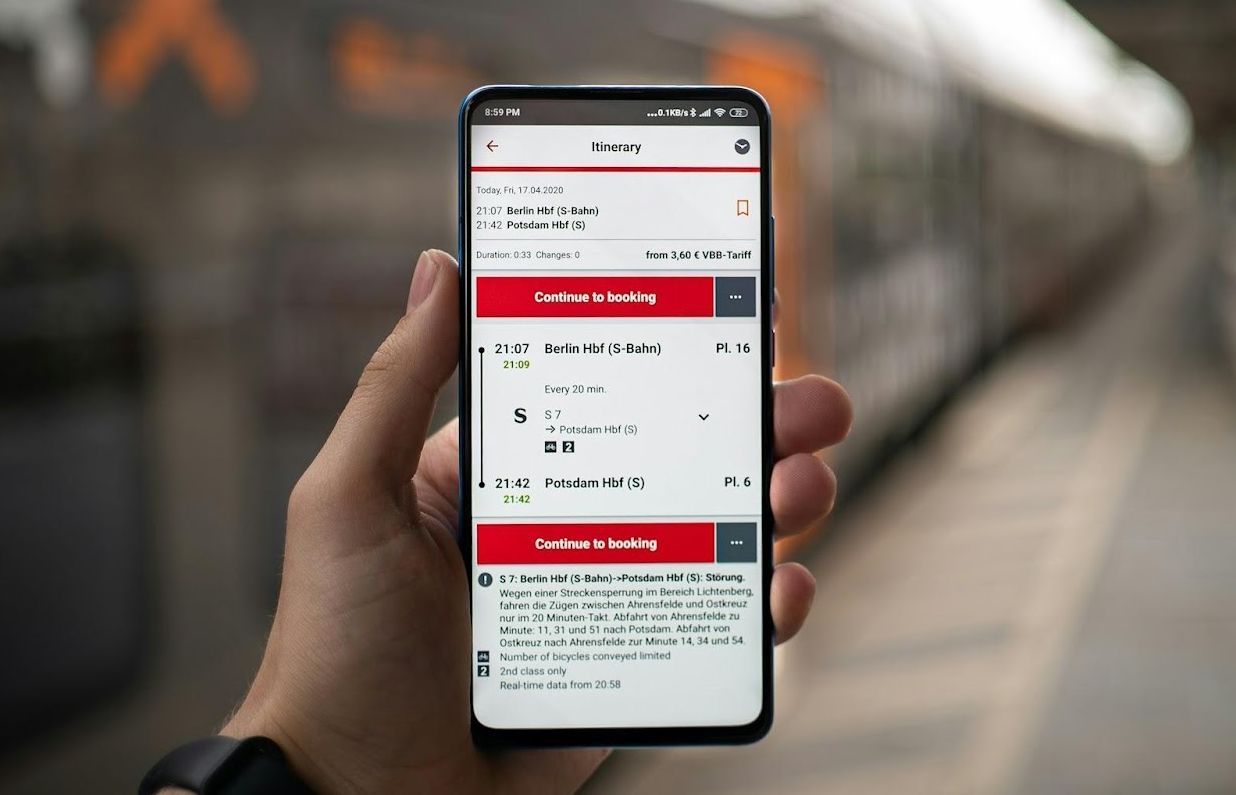
Tight connections and packed schedules turn delays into major stress. Instead, be clever about leaving buffer time. That will give you and your group space to breathe, explore, or simply recover from unexpected hiccups. Maybe adding even 30 to 60 extra minutes between plans transforms the experience from rushed and reactive into relaxed and enjoyable.
Keep digital copies of documents

Before leaving home, make sure to scan important documents! A simple picture on your phone will do. This will become invaluable if anything goes missing. Save copies of passports, IDs, insurance information, and reservations. And, of course, make sure your phone is fully charged and that you stored your charger nearby, just in case.
Keep early schedules to avoid crowds

How about being the first to breakfast every day? Sure, sometimes we need the extra sleep. But the truth is that early risers often discover a quieter version of popular destinations.
If you set the alarm clock a bit sooner than you’d like, you’ll get yourself a whole day of arriving at viewpoints before the crowds, or dining without needing to stand in line.
Pack folding shopping bags

Trust us, at some point in your trip, you will need an extra bag! Think about snacks or unexpected shopping that you may make along the way. And, unless you are a very modern collector, you don’t really need to spend on yet another overpriced shopping bag.
Next time, before you leave home, make sure you pack one or two lightweight folding bags in an accessible corner of your travel kit.
You probably stopped doing these wonderful travel traditions
These old-school travel habits are worth reviving today
Forgotten travel traditions that deserve a comeback
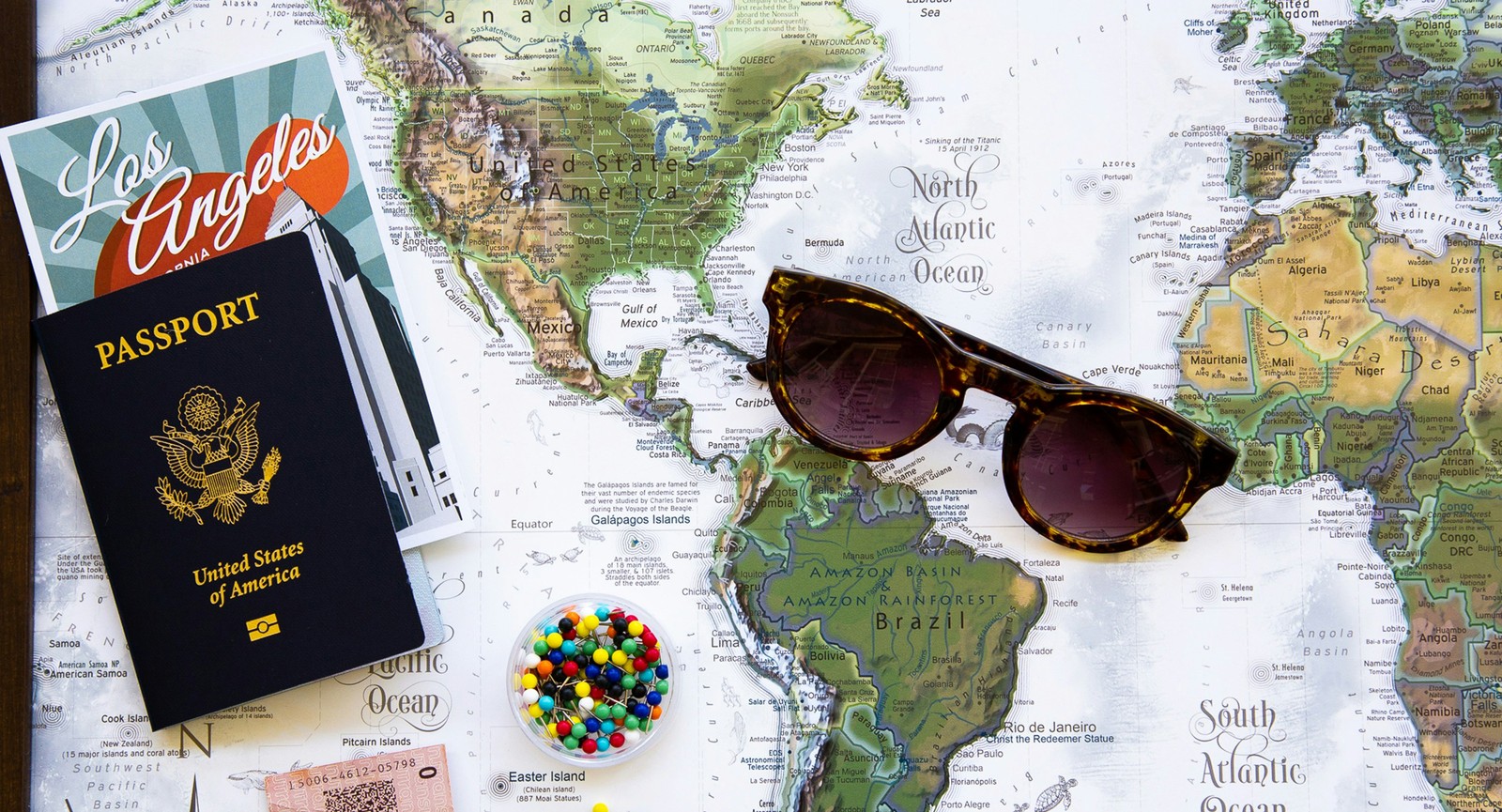
Travel used to involve a lot more effort and a lot less Wi-Fi. We've gained convenience and lost some charm along the way—that's just how progress works. But honestly? A few of those old habits weren't half bad. Here are ten vintage travel traditions worth dusting off and trying again, even in our hyperconnected world.
Sending postcards to yourself
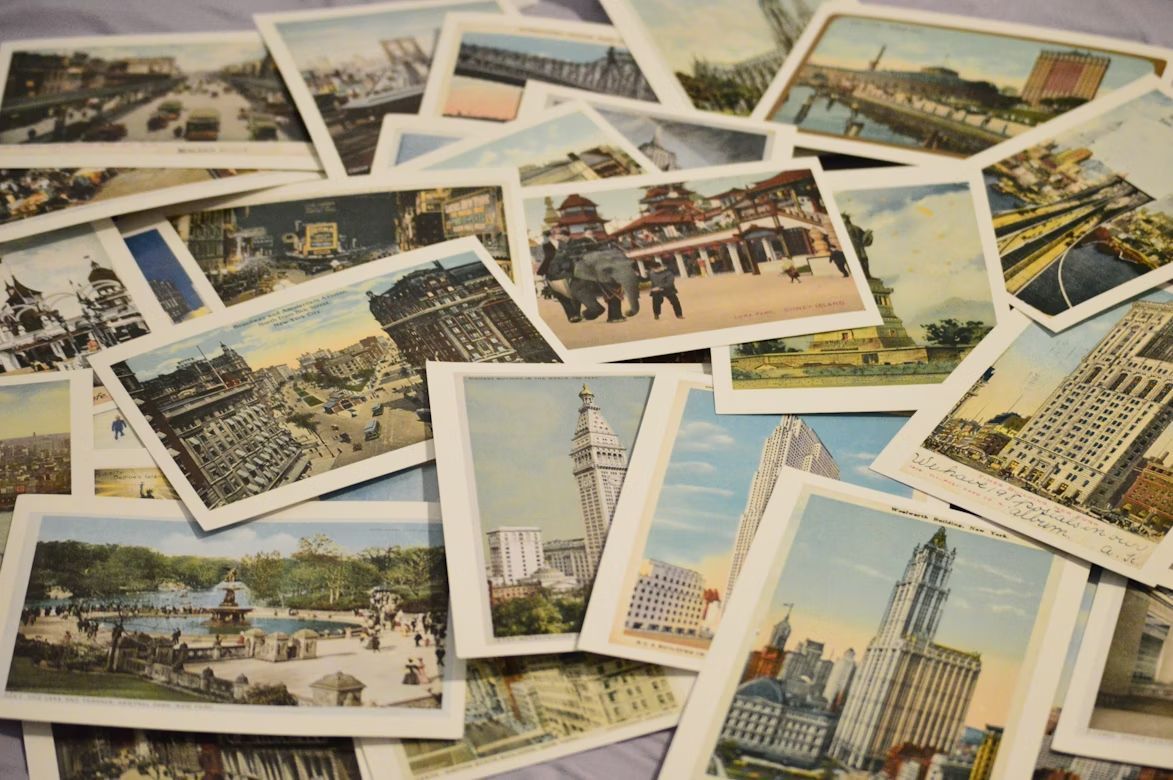 Image: Becky Phan
Before smartphones turned us all into amateur photographers, travelers would mail postcards to their own address as souvenirs. You'd pick the cheesiest, most touristy card you could find, scribble a few notes about your day, and drop it in a mailbox.
The magic happened weeks later when you'd forgotten all about it. That postcard would arrive in your regular mail like a little time capsule from your trip.
Dressing up for flights
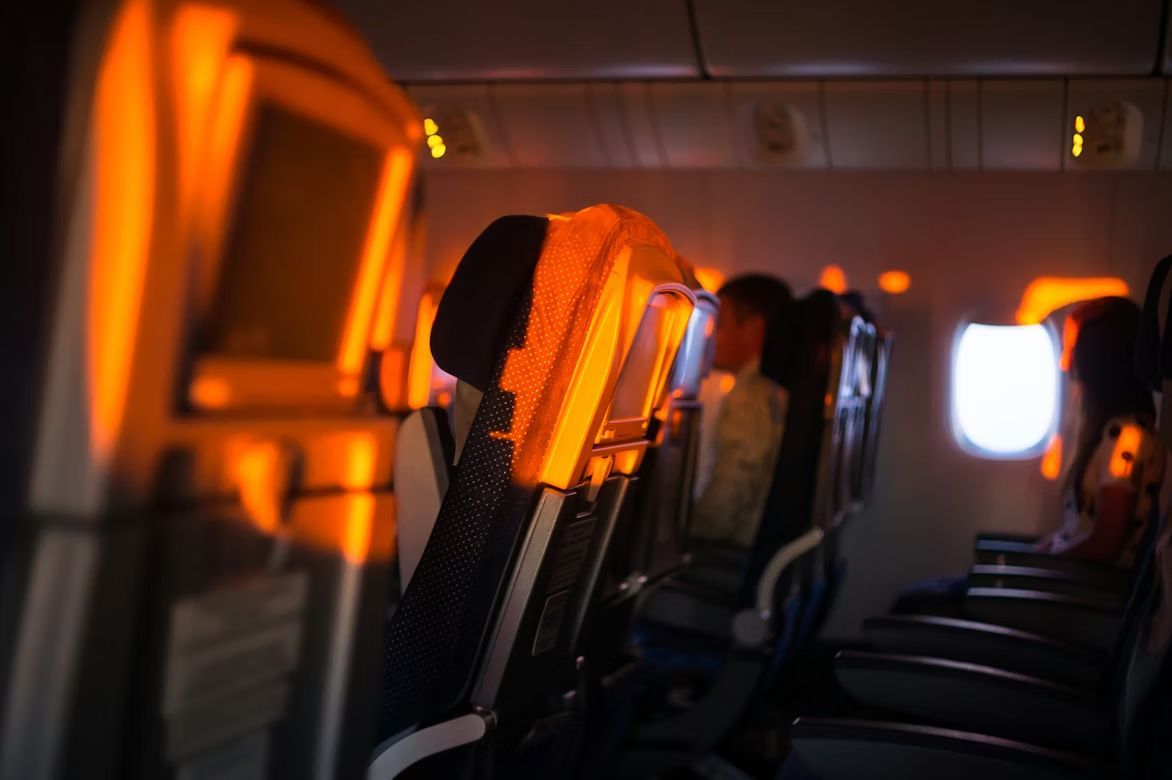 Image: Aleksei Zaitcev
Flying used to be an occasion. People wore their Sunday best just to sit in coach and eat peanuts. Men donned suits and ties, women wore dresses and heels—the whole nine yards.
Sure, nobody's suggesting we go back to wearing pantyhose on a red-eye to Phoenix. But there's something to be said for putting in a little effort.
Writing in travel journals
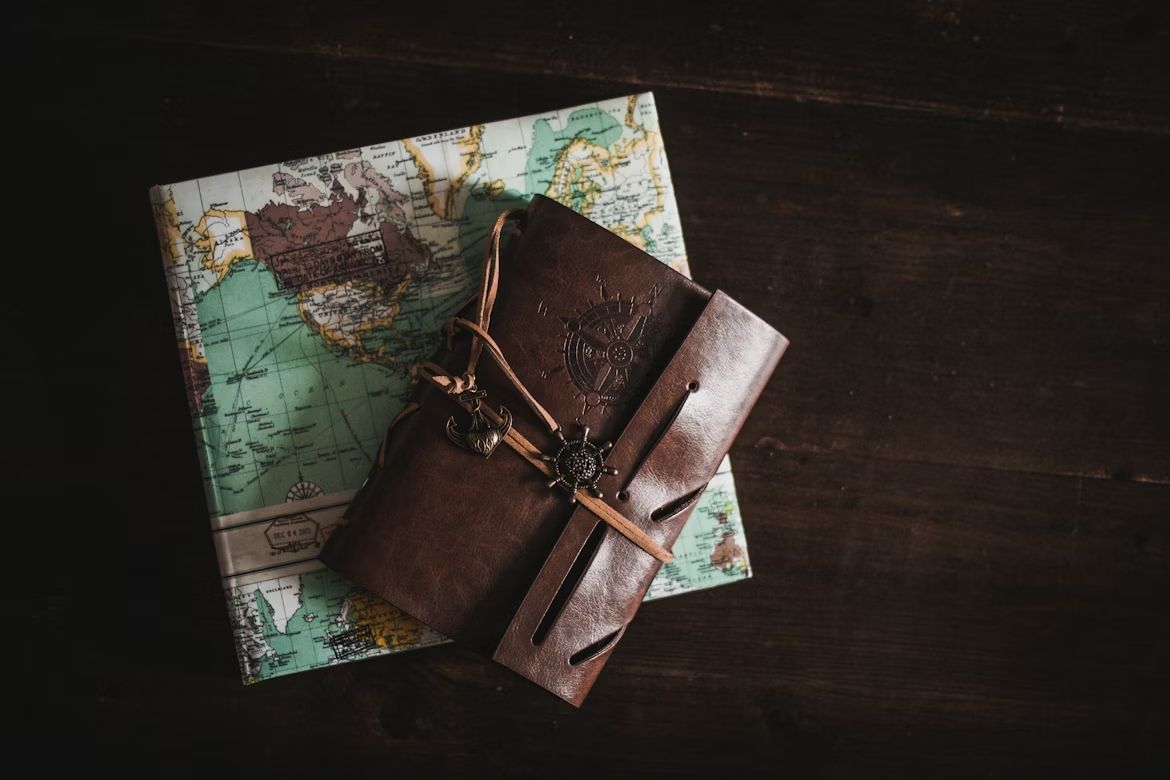 Image: Kira auf der Heide
We used to actually write things down during trips—not just take 500 photos we'll never look at again. A small notebook would capture the funny waiter's name, that weird thing you ate, or the locals' recommendation that wasn't on TripAdvisor.
These journals became treasures later: the name of that street musician in New Orleans, the joke your travel buddy told at dinner, the way the coffee tasted that perfect morning—all preserved in your own handwriting, typos and all.
Visiting tourist information centers
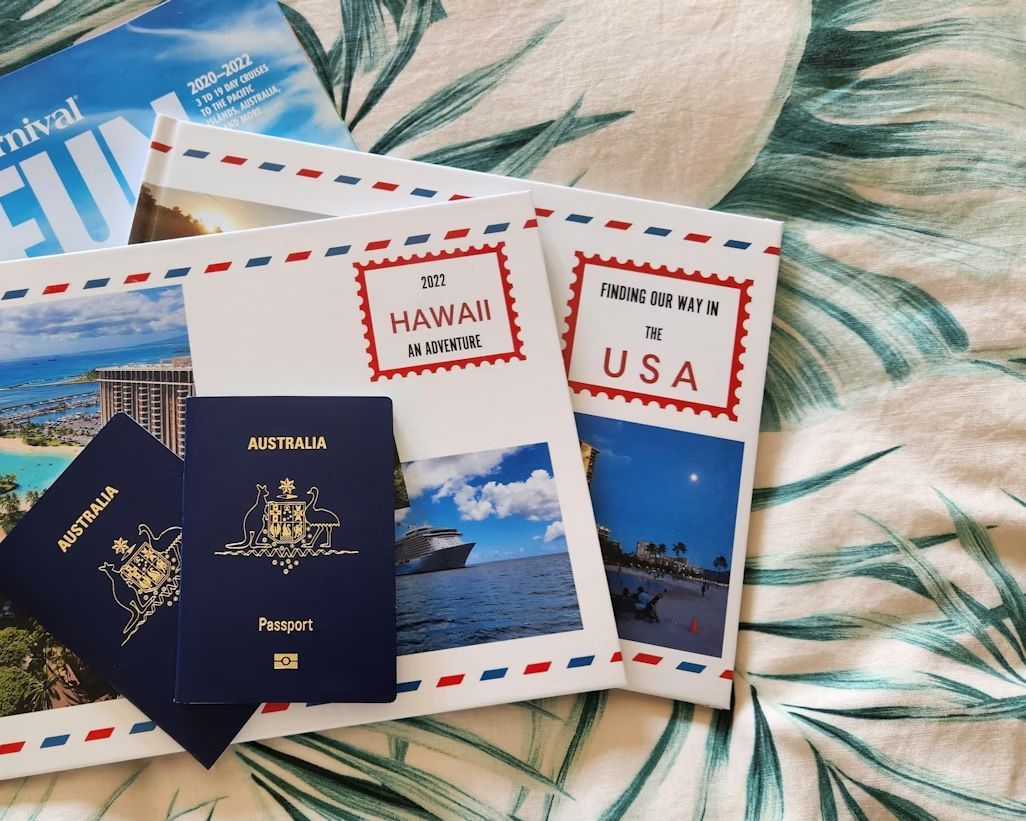 Image: Nico Smit
Remember those little buildings at highway rest stops and town entrances? Actual humans would hand you paper maps and tell you about the best local restaurants. They knew which attractions were worth your time and which were tourist traps.
Now we trust our phones to navigate everything, and half the time we end up at a closed restaurant or following some algorithm's idea of "highly rated." Those tourist center folks actually lived there. They had opinions, stories, and bathroom keys.
Bringing back souvenirs for neighbors
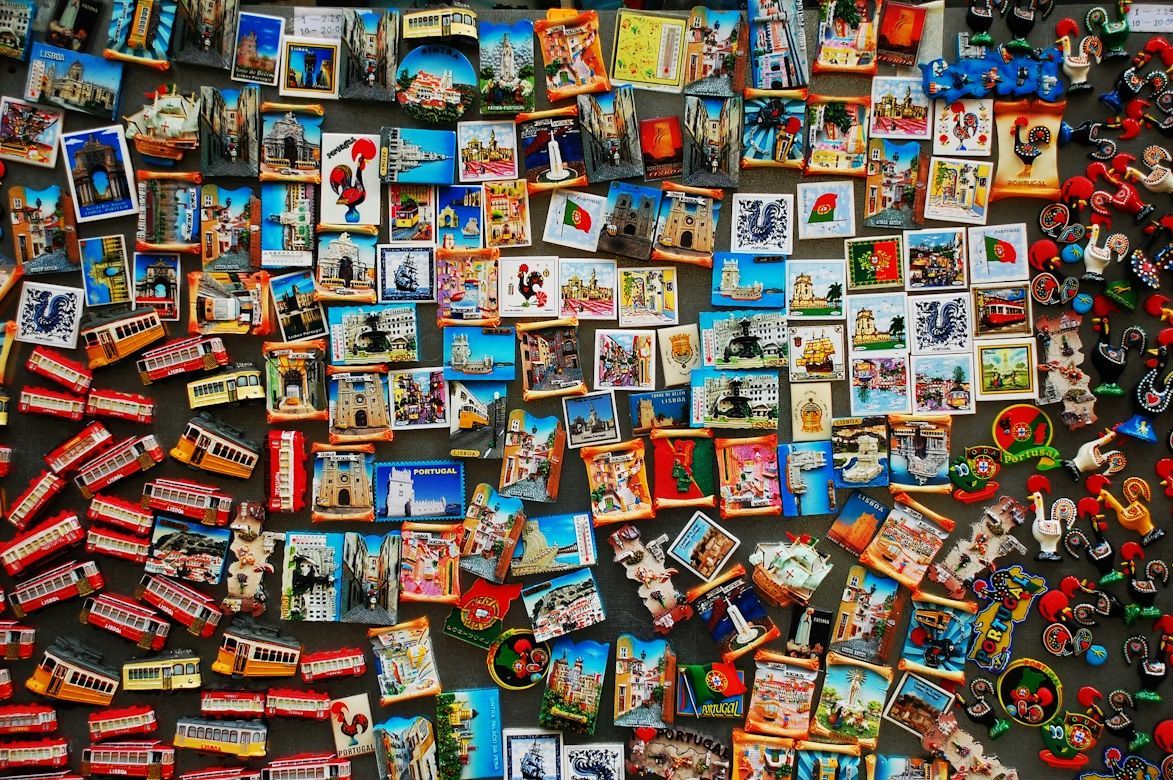 Image: Sunguk Kim
There was a time when you'd bring back little gifts for everyone—the neighbors who collected your mail, your coworkers, even your hairdresser. Nothing fancy, just local chocolates, keychains, or those little spoons with state names on them.
It wasn't about the stuff itself. It was about sharing your experience and saying thanks to the people who made your trip possible.
Taking the scenic route on purpose
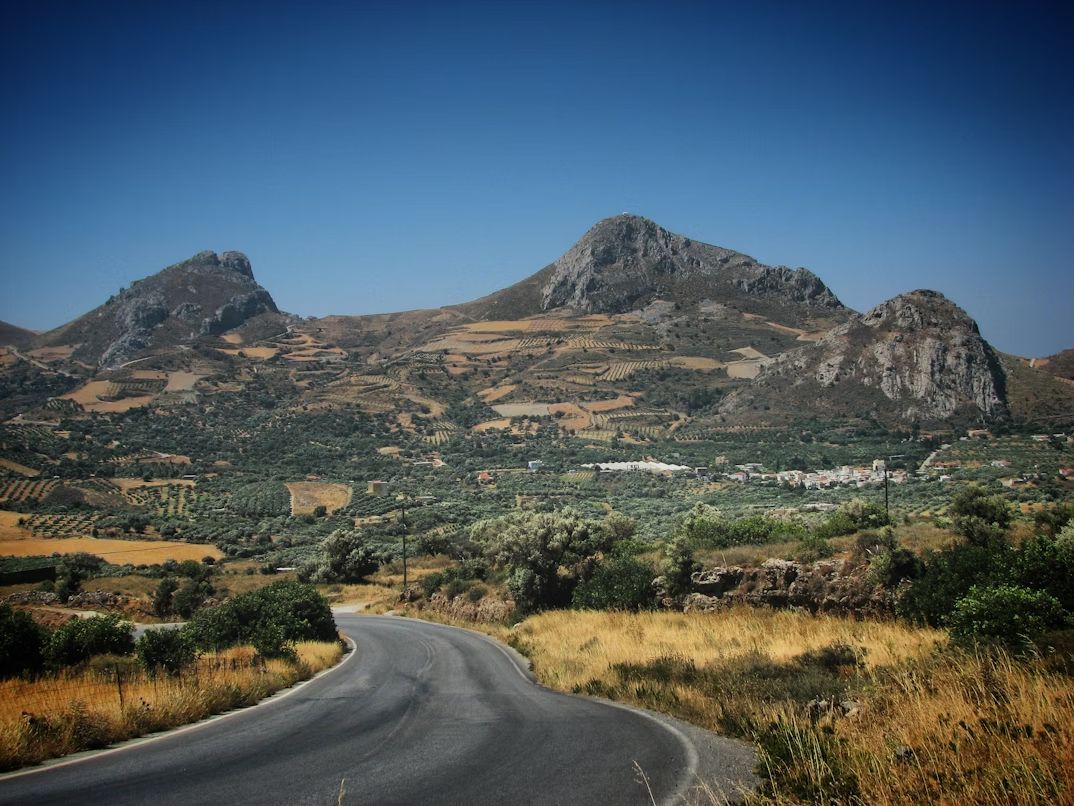 Image: Sergei Gussev
Before GPS optimized every drive, getting somewhere was half the adventure. You'd deliberately take the long way, following those "Scenic Route" signs just to see where they led. Sometimes you'd discover amazing roadside diners or quirky attractions.
The whole point was seeing things, not just arriving efficiently. You were already on vacation the minute you left the driveway.
Chatting with strangers at rest stops
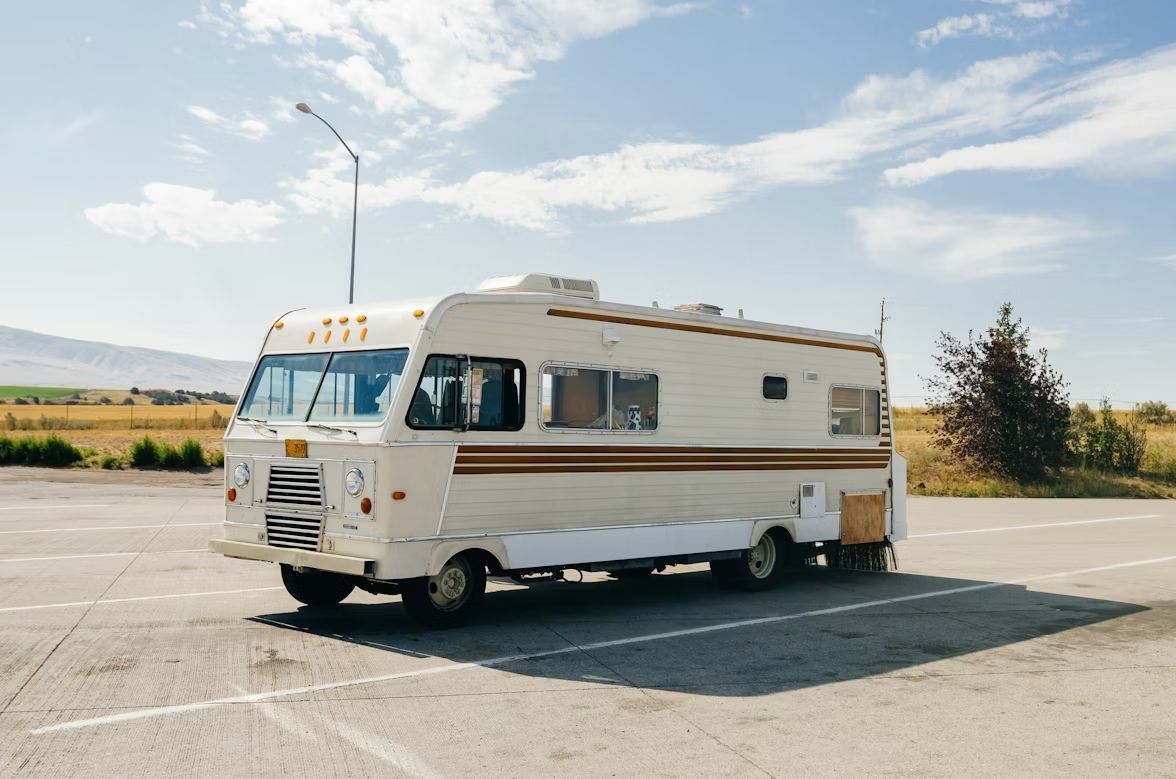 Image: Steven Weeks
Rest stops used to be social events. People would strike up conversations while stretching their legs, compare notes about traffic, and swap recommendations.
Now everyone just stares at their phones in the parking lot, missing out on those random human connections that made road trips memorable. Some of the best travel tips came from a chatty stranger who pulled up next to you at a rest area in Kansas.
Keeping travel scrapbooks
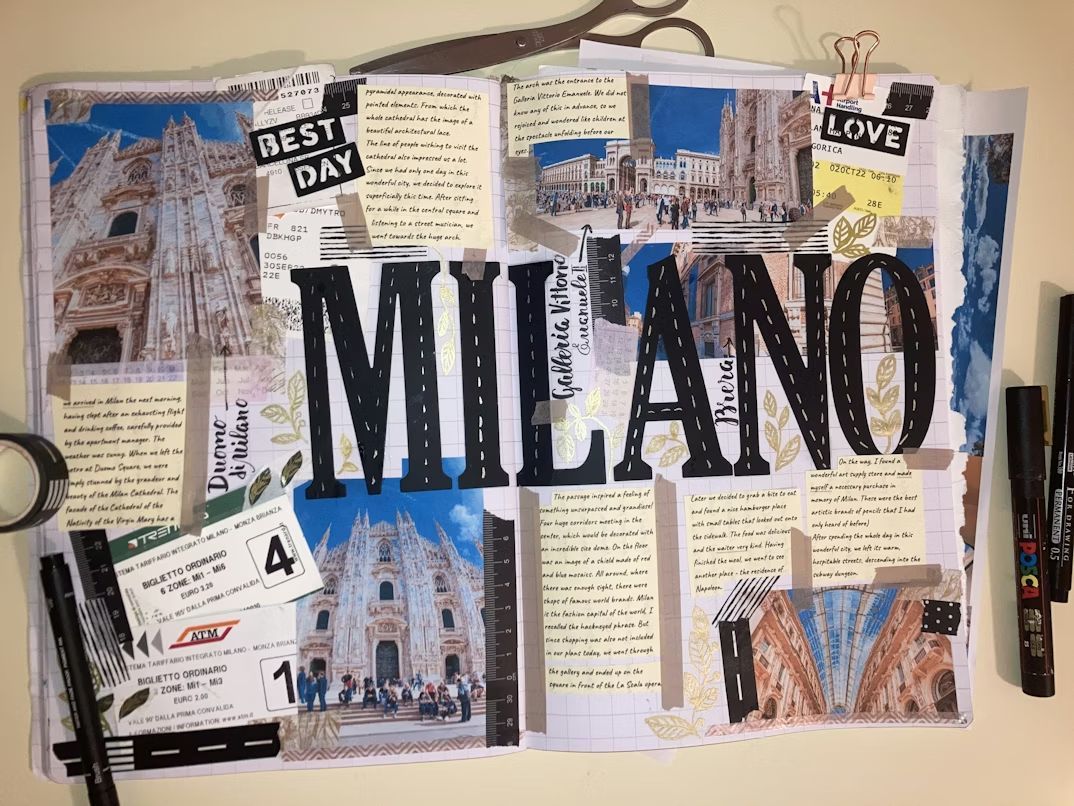 Image: Elena Mozhvilo
After trips, people would spend evenings cutting, pasting, and arranging their photos in actual albums with handwritten captions. You'd include ticket stubs, brochures, pressed flowers—whatever captured the moment. It was crafty and time-consuming, but kind of therapeutic.
These scrapbooks became family heirlooms that actually got looked at, unlike the 10,000 digital photos buried in your cloud storage.
Planning with paper maps
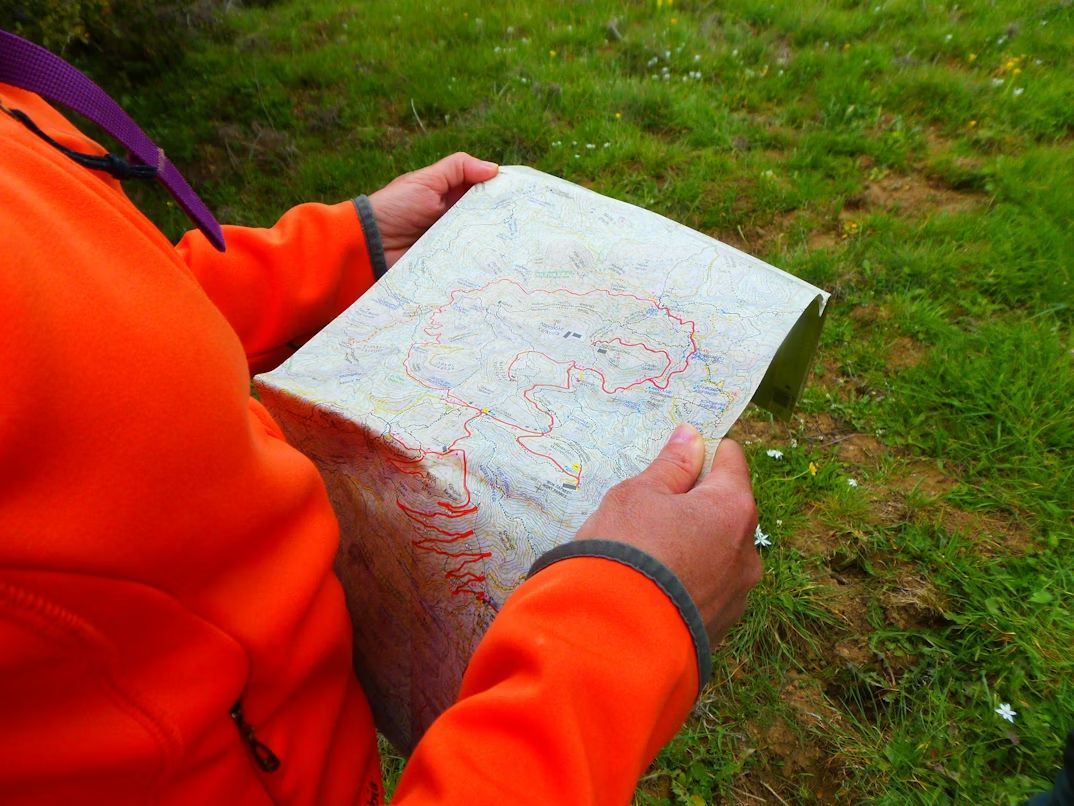 Image: Feri & Tasos
Unfolding a massive map on the hotel bed and tracing your route with a highlighter was part of the adventure. You'd circle attractions, estimate driving times, and discover interesting towns you'd never heard of just because they were along the way.
Sure, GPS is more accurate and doesn't require origami skills to refold. But studying a map gave you a sense of where you actually were in the world, not just blindly following turn-by-turn directions.
Taking film to be developed after trips
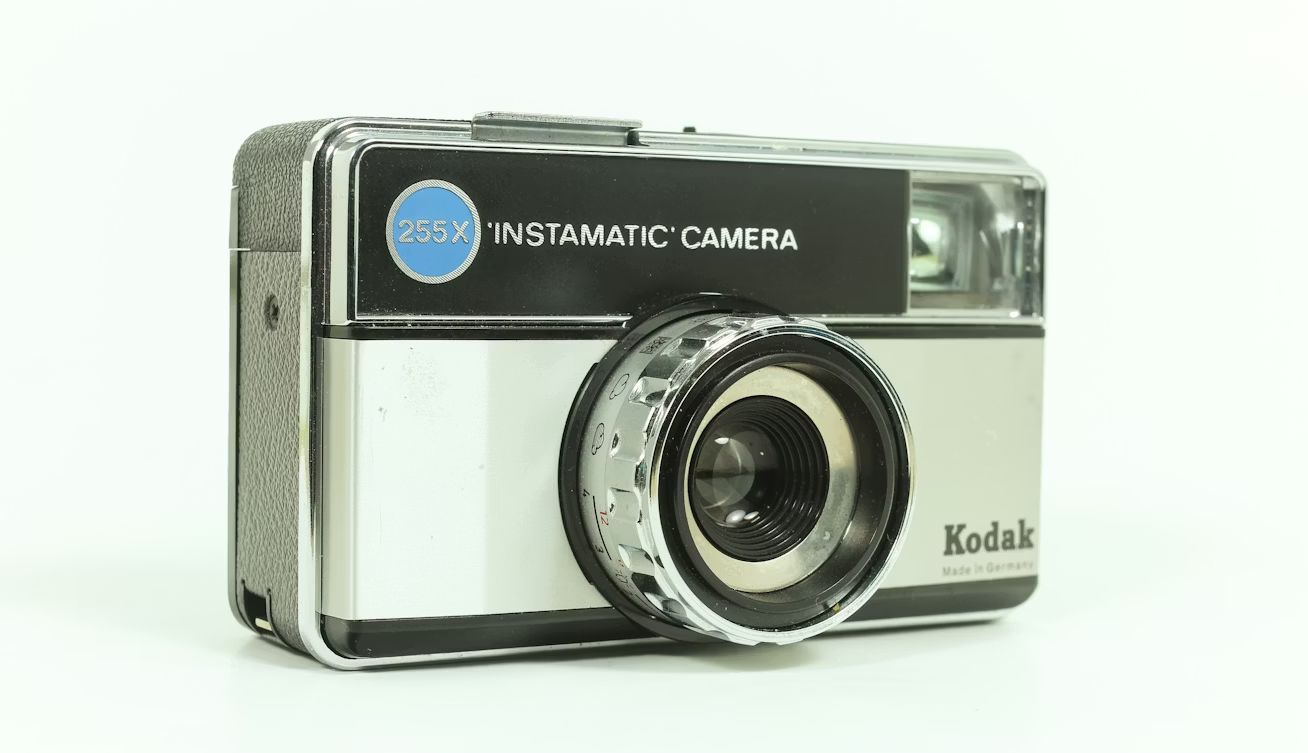 Image: Thomas Verleene
The anticipation of picking up your photos from the drugstore was almost as fun as the trip itself. You'd drop off the film and spend a week wondering if your shots turned out. Sometimes you'd discover you'd accidentally taken 12 photos of your thumb.
That delayed gratification made you appreciate the good photos more. Plus, you actually had to be selective about what you photographed because film cost money.
Keep wandering
There’s always
more to explore
I wish I had known these 12 car tips before embarking on a long road trip
4 min.
Read Now
 Culture

Domestic vs. International Travel: the pros and cons
4 min.
Read Now
America's greatest festivals—and the secrets most visitors never discover
7 min.
Read Now

Do you know where the best place for watching whales up close is?
4 min.
Read Now