
 General
Life hacks
I wish I had known these 12 car tips before embarking on a long road trip
Sometimes, the best road-trip solutions are surprisingly simple. Long before smartphones and roadside apps, drivers relied on clever tricks, household items, and a little ingenuity to handle unexpected problems on the road. From icy tires to foggy headlights, these practical car hacks can help you stay safer, save time, and avoid unnecessary headaches. Here are 12 clever tips that would make even good ol’ MacGyver proud.
Use kitty litter for traction

Non-clumping kitty litter can provide extra grip when a vehicle gets stuck on ice, snow, or mud. The rough granules create friction beneath the tires, helping them gain traction. Emergency preparedness agencies and winter driving experts often recommend carrying a small bag during cold-weather travel.
The trick became popular in snowy regions of the U.S. and Canada, where drivers often keep kitty litter in their trunks alongside jumper cables and emergency blankets.
Clear foggy headlights with toothpaste
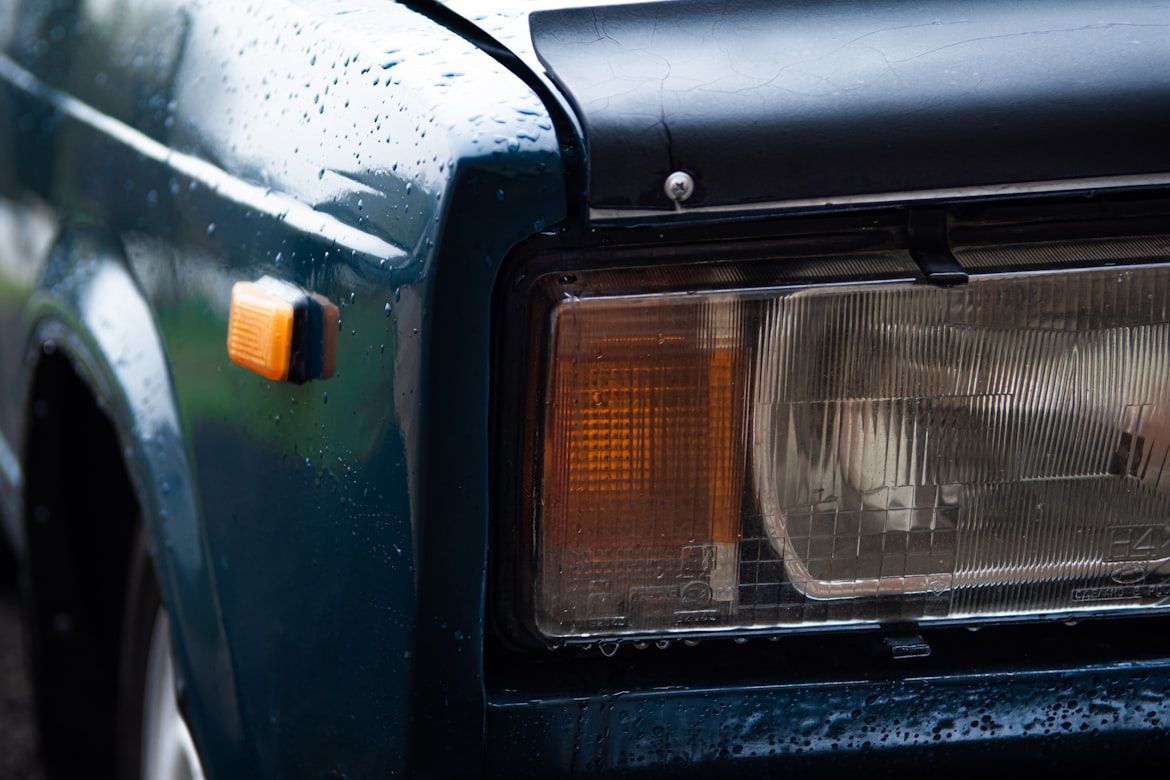
Many drivers use toothpaste as a temporary fix for cloudy headlights. Because most toothpaste contains mild abrasives, it can help polish some of the oxidation that builds up on plastic headlight lenses over time.
While it is not a permanent replacement for professional restoration, automotive maintenance guides frequently mention toothpaste as a quick roadside solution when visibility becomes noticeably reduced.
Warm a frozen lock with hand sanitizer
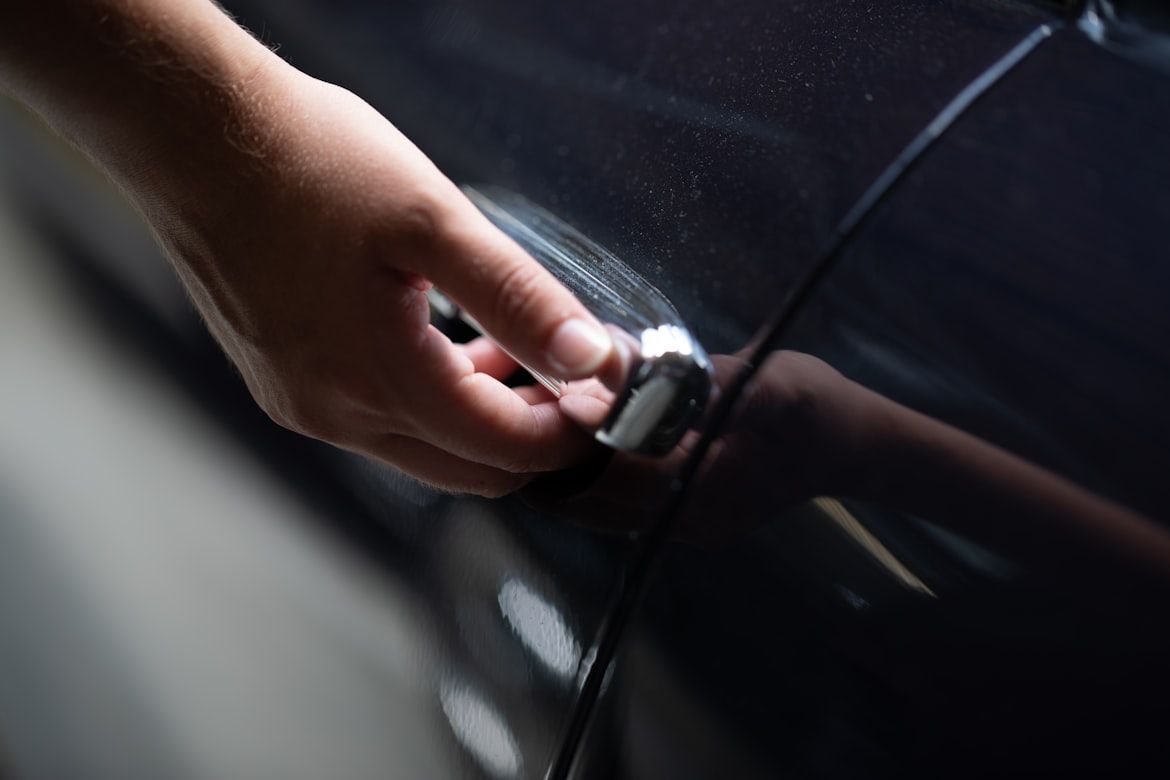
Hand sanitizer contains alcohol, which has a much lower freezing point than water. Applying a small amount to a key can help melt thin ice inside a frozen lock and make it easier to insert and turn.
This trick works best for lightly frozen locks and became especially popular during winter travel seasons when alcohol-based sanitizer became a common item people carried with them.
Use a tennis ball to judge parking distance

Some drivers suspend a tennis ball from their garage ceiling so it lightly touches the windshield when the car reaches the perfect parking position. The method helps prevent bumping walls, shelves, or stored items.
The idea has been passed down for decades as a simple do-it-yourself solution. It remains popular because it requires no electronics, sensors, or expensive garage equipment.
Cover side mirrors with plastic bags before ice storms
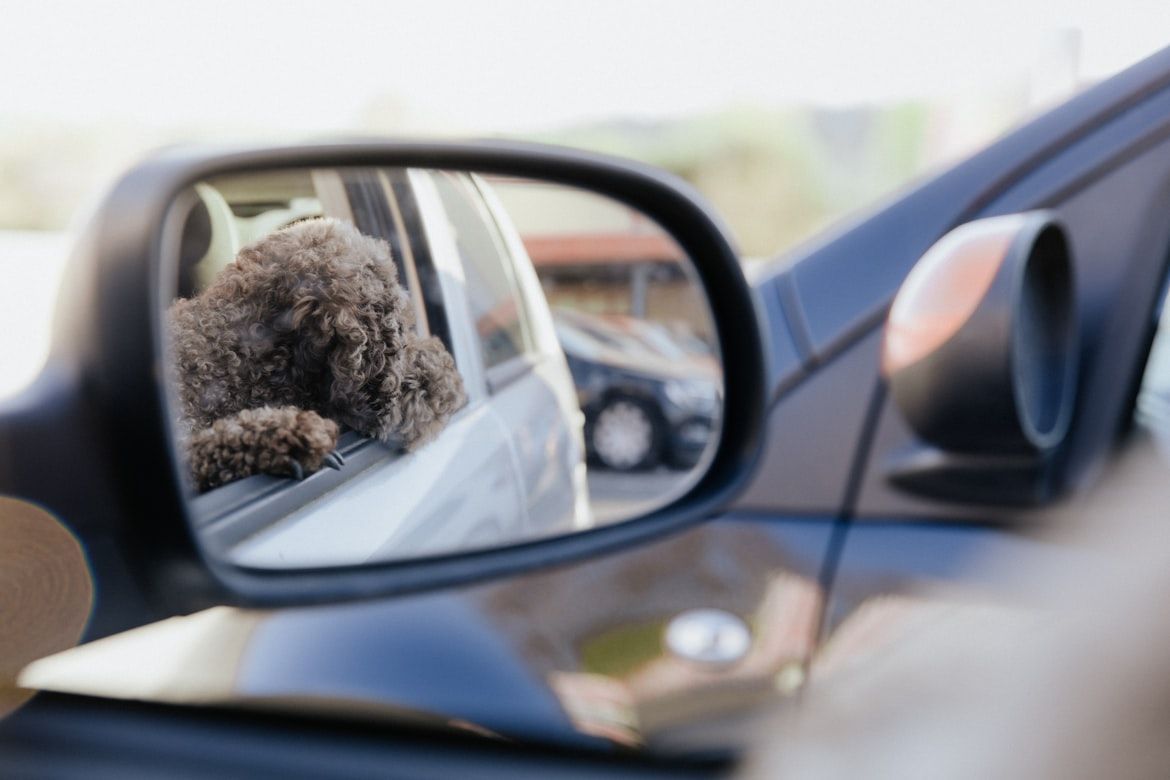
Slipping plastic bags over the side mirrors before freezing rain or snow can prevent ice from forming directly on the glass. Once the storm passes, the bags can simply be removed, leaving the mirrors much clearer.
Winter weather experts often recommend protecting mirrors and windshield areas whenever freezing precipitation is expected, especially during overnight parking.
Turn your steering wheel toward the curb when parking on a hill
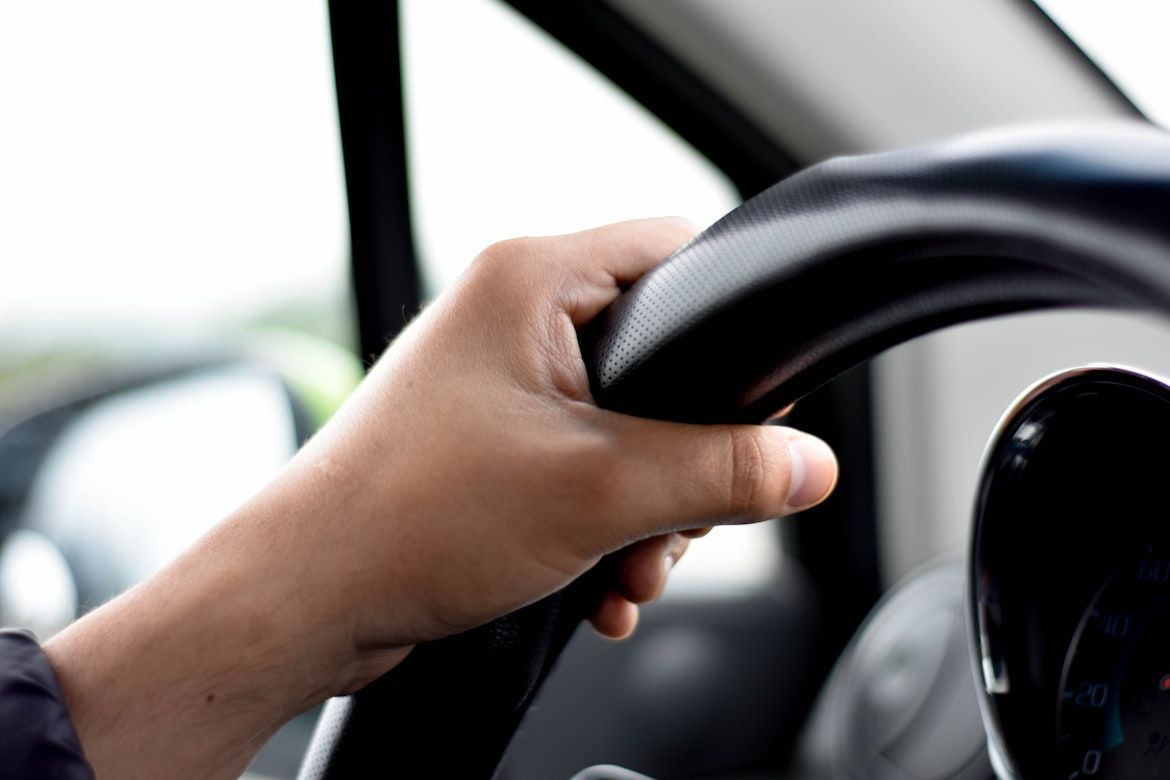
Parking experts recommend turning the wheels toward the curb when facing up or downhill. The goal is to keep the vehicle from rolling into traffic if the brakes fail.
The practice is taught in many driver education programs and is often included in road test requirements because it provides an extra layer of safety on steep streets.
Use cruise control to save fuel
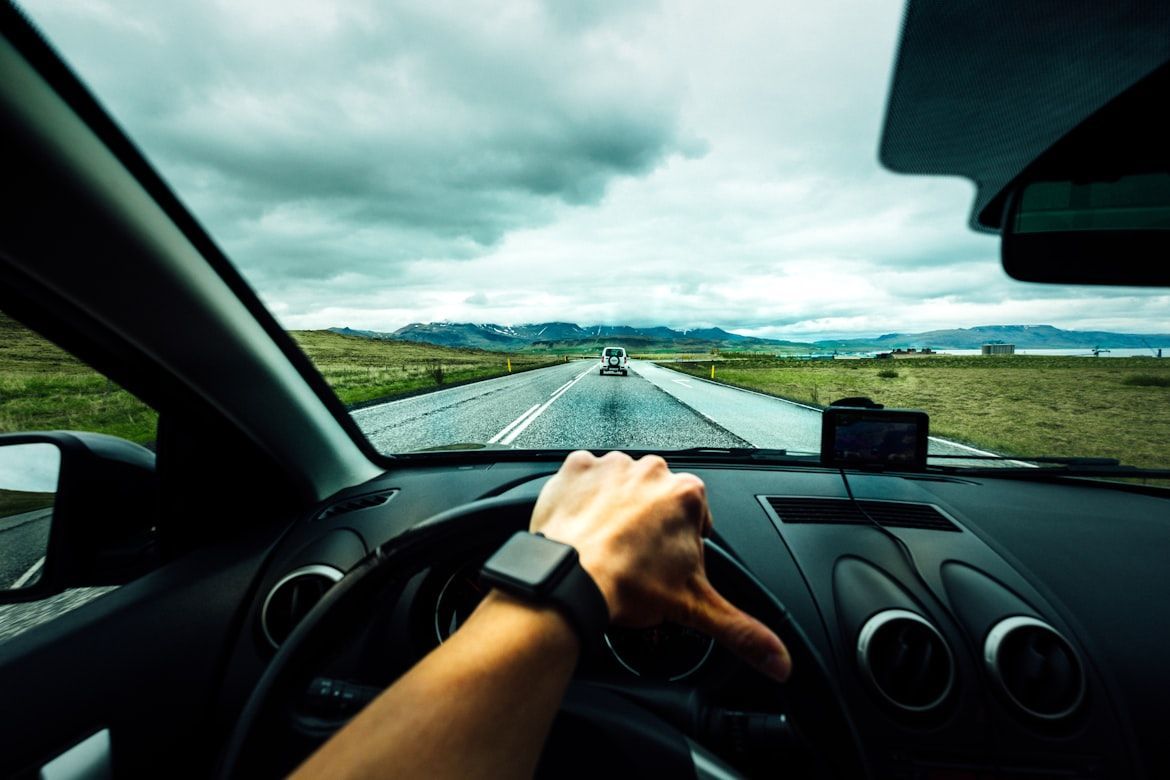
On long, flat highways, cruise control can help maintain a steady speed, reducing unnecessary acceleration and improving fuel economy. Consistent speeds generally require less fuel than frequent speeding up and slowing down.
However, many driving experts advise against using cruise control in heavy rain, snow, ice, or other slippery conditions where sudden changes in traction can occur.
A dollar bill can test windshield wipers
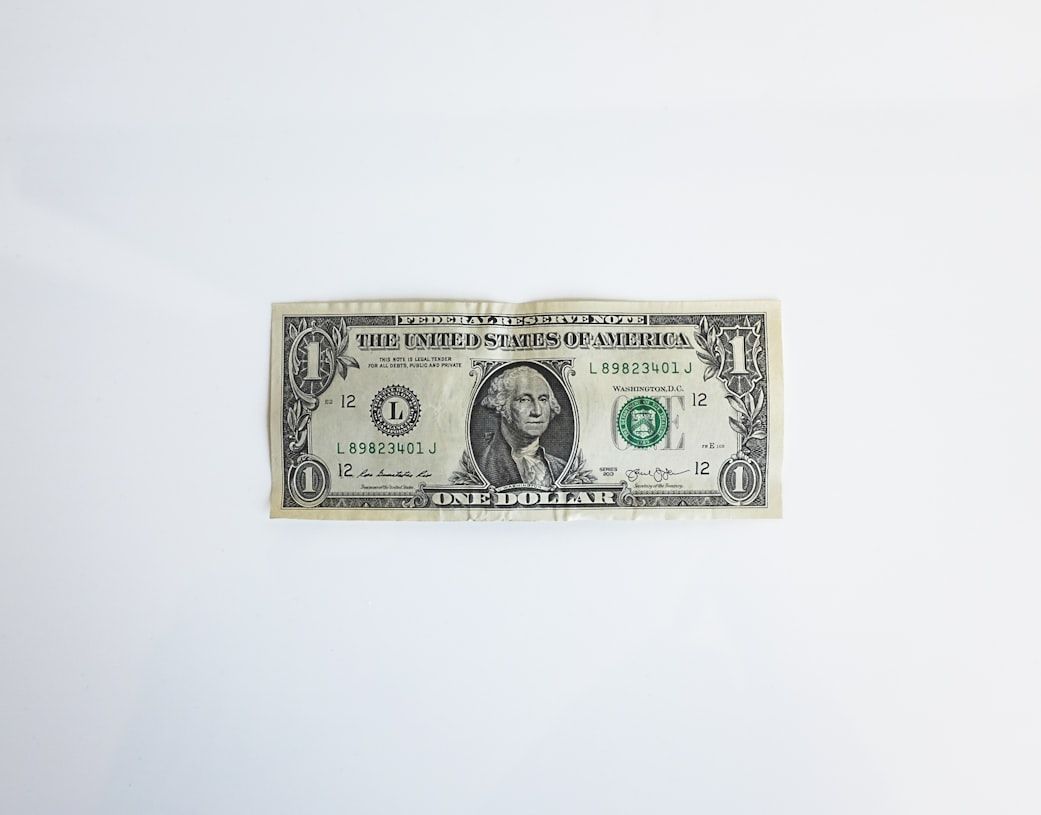
A worn windshield wiper often leaves streaks, skips, or squeaks. Some mechanics suggest running a dollar bill along the rubber edge because the paper’s texture can help reveal cracks, rough spots, or hardened sections.
The test is not a substitute for inspection, but it can quickly show whether the rubber has become damaged enough to justify replacement before a long trip.
Keep your gas tank above one-quarter full in winter
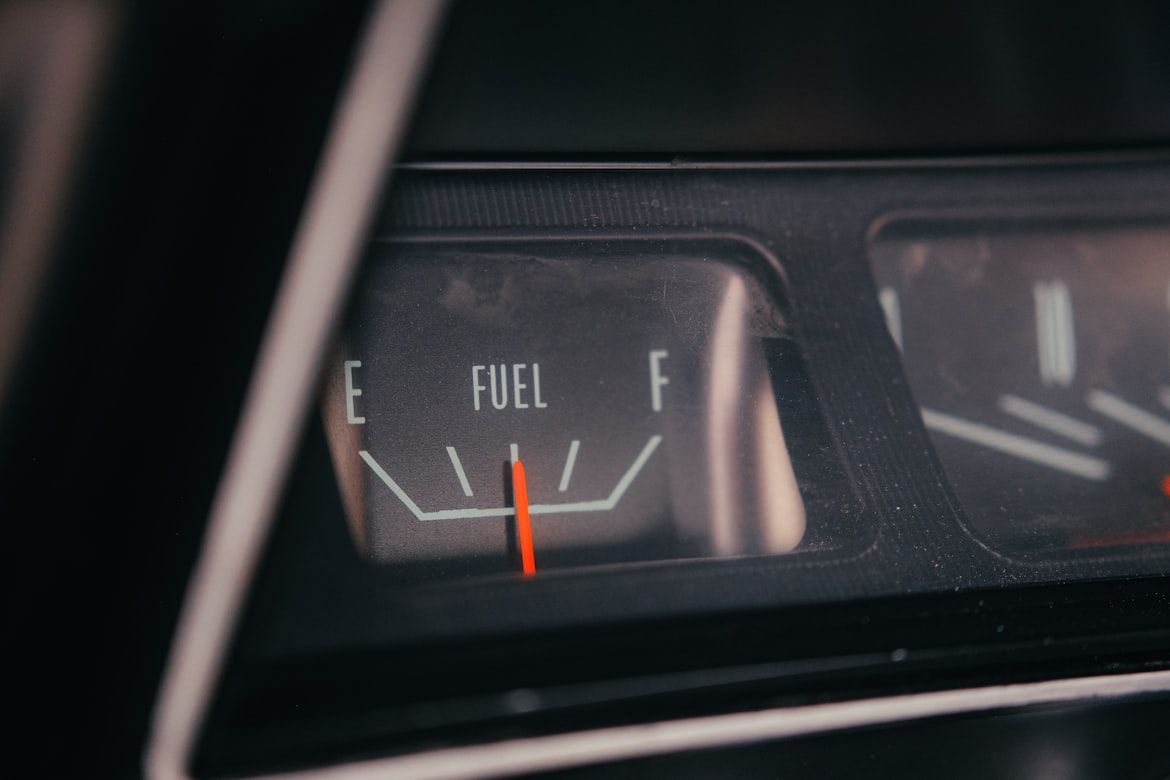
Winter driving organizations frequently recommend keeping at least a quarter tank of fuel. A fuller tank reduces the chance of moisture forming inside the fuel system and provides a safety buffer during delays caused by storms or traffic.
It also ensures drivers can continue running the heater if they become stranded. Many roadside emergency guides include this advice as a basic winter preparedness rule.
Use your car’s sun visor against side glare
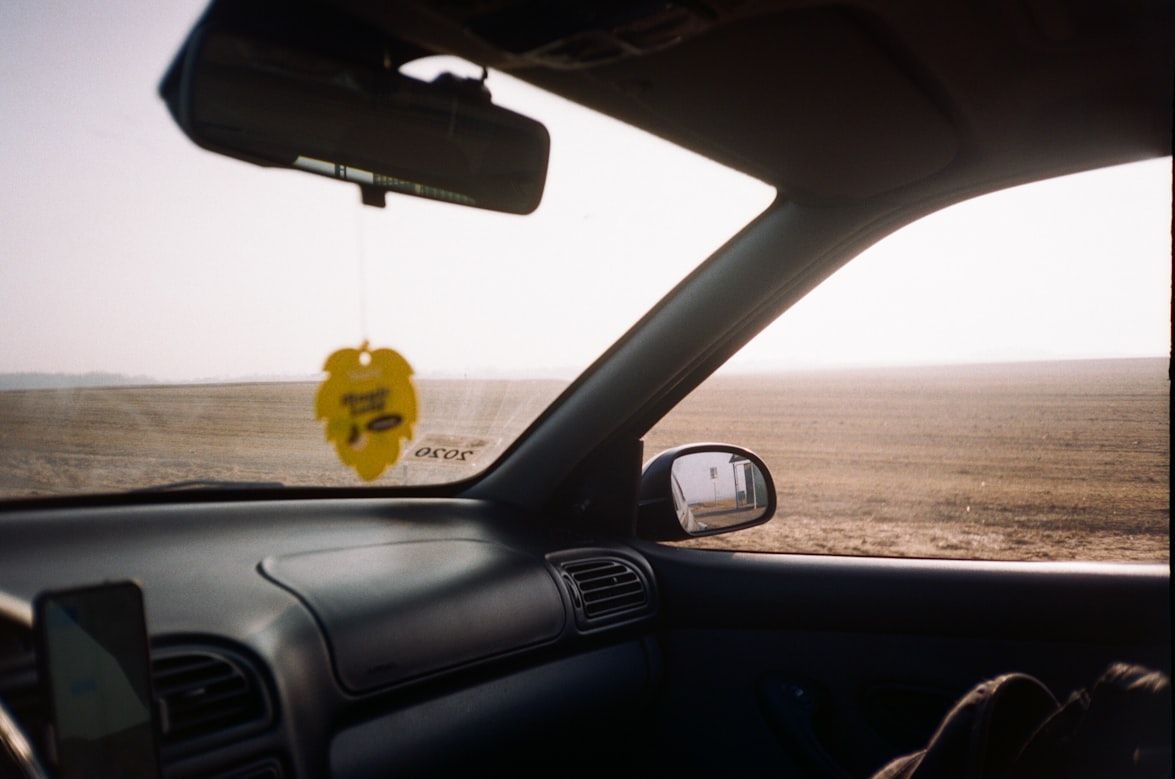
Most drivers know sun visors fold downward, but many also swing sideways toward the side window. This feature helps block low-angle sunlight that enters from the left or right during morning or evening drives.
Using the visor properly can reduce eye strain and improve visibility without needing sunglasses or aftermarket accessories.
Park facing east on cold mornings
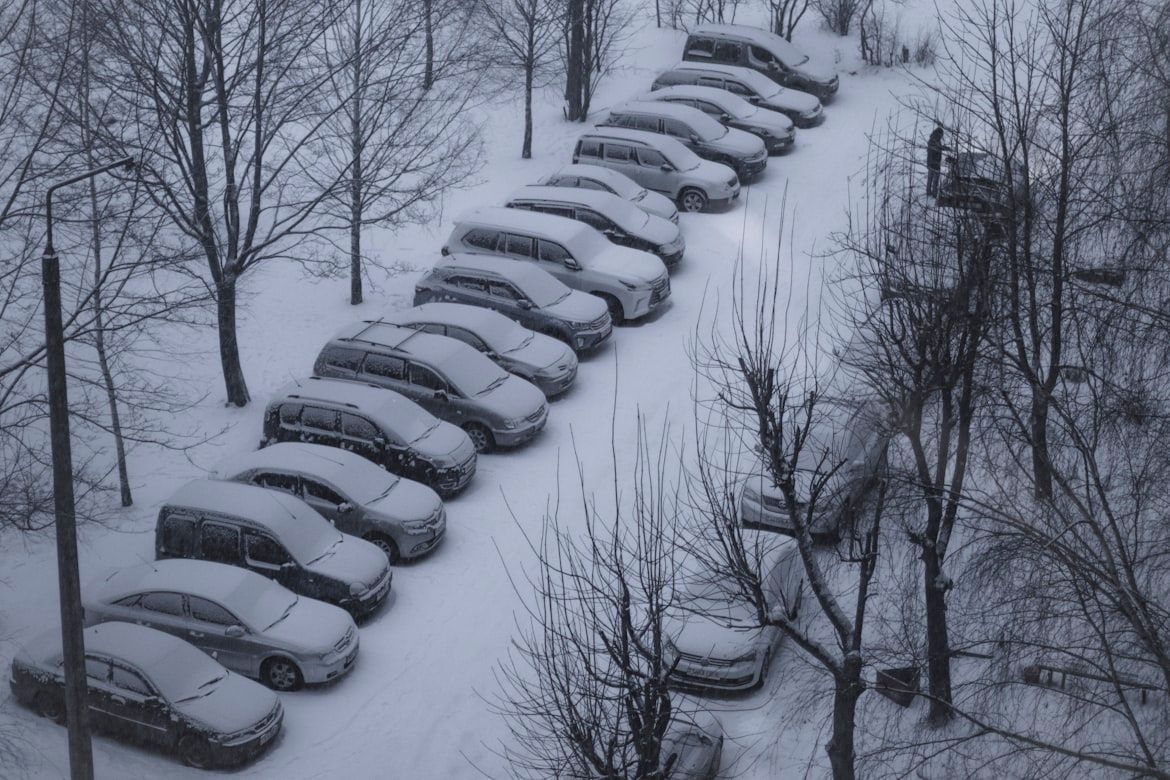
In regions that experience freezing temperatures, some drivers intentionally park facing east so the rising sun strikes the windshield sooner. The extra warmth can help loosen frost and ice before the morning commute.
While it will not replace a scraper on extremely cold days, the technique can make clearing the glass faster and easier.
Listen to changes in tire noise
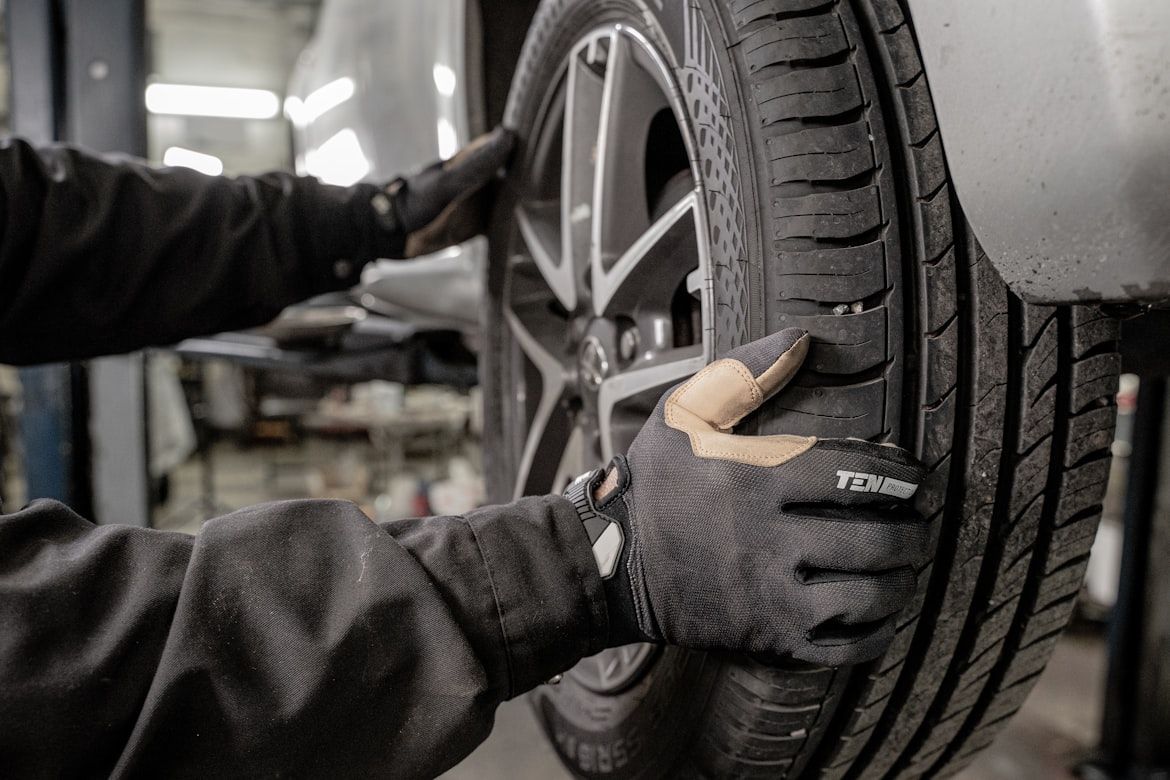
Experienced drivers often notice tire problems by sound before they see them. A sudden hum, thump, whine, or rhythmic vibration can indicate uneven tire wear, low tire pressure, alignment issues, or damage from road hazards.
Automotive maintenance experts encourage drivers to pay attention to new sounds because early detection can prevent more serious tire failures and expensive repairs later.
These 10 classic traveling habits seem to have slowly disappeared
 Culture
Do you miss these?
These 10 classic traveling habits seem to have slowly disappeared
Not so long ago, traveling looked very different. We carried phrasebooks. We scribbled on postcards and actually sent them out. We snapped photos, not knowing whether we’d find our thumb ruining them weeks later. It seems that some travel habits, be it due to the evolution of technology or culture, have slowly faded. Here are some of the traditions that we miss, and some that we don’t!
Writing (and sending) postcards
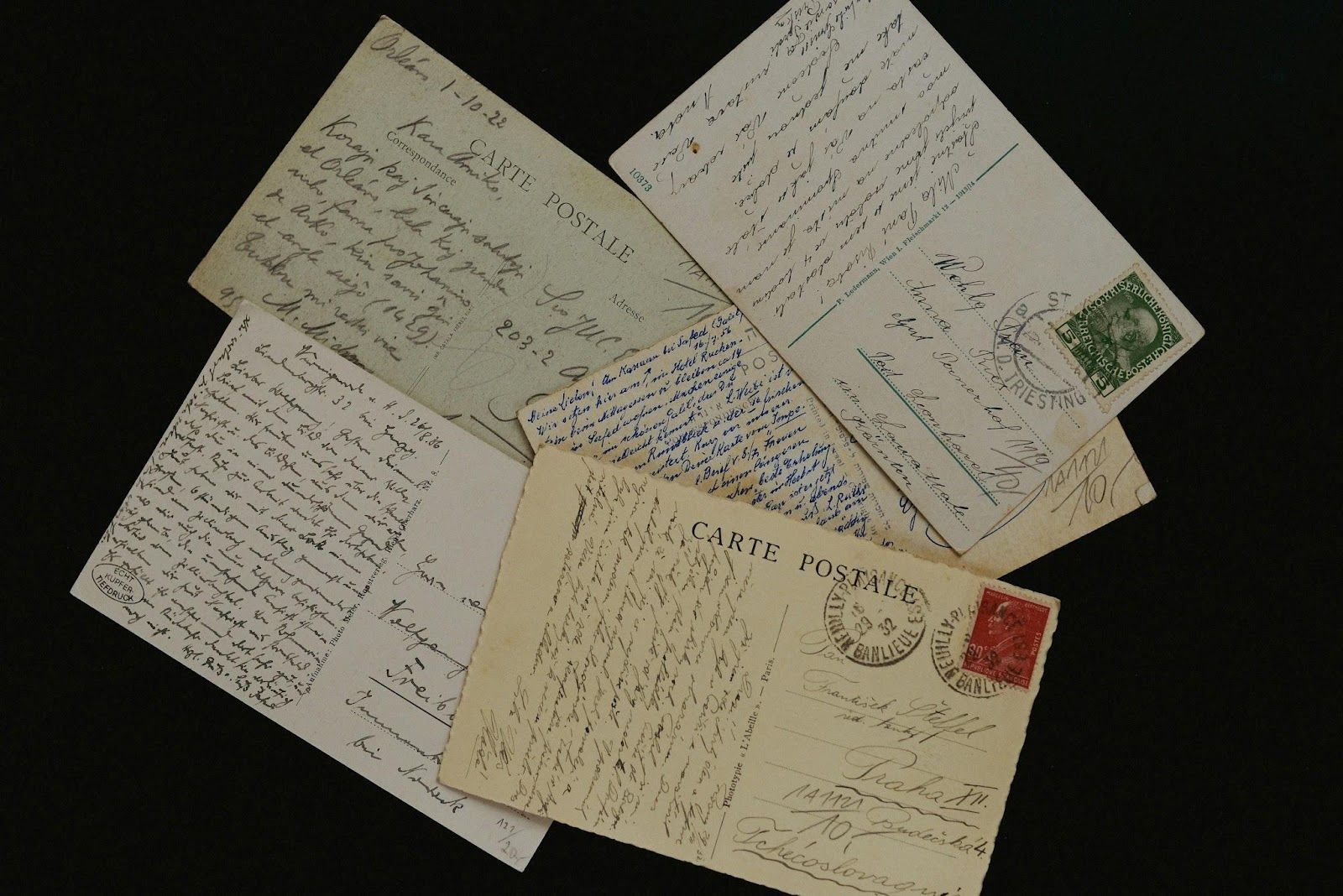
Have you ever carefully picked a postcard that your mom would love, sat down after a day of traveling, and then sent it from the hotel’s desk? The times before instant messaging certainly held more magic!
Of course, there was an incomparable delay, and you might even have gotten back home before your letter arrived. But that was part of the charm. Simply texting your family doesn’t feel quite as special.
Carrying a pocket phrasebook
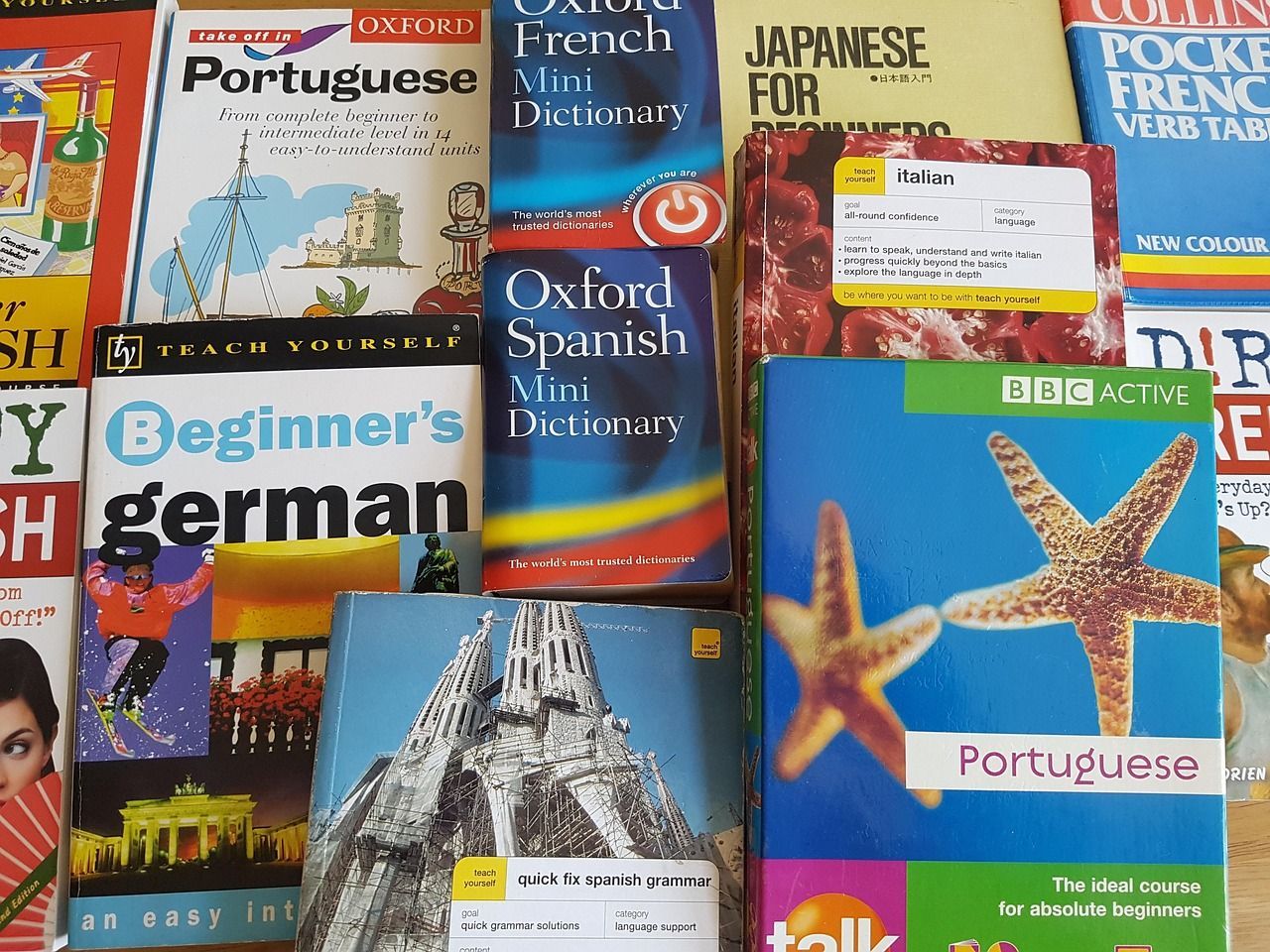
Wasn't it scary to land somewhere with a foreign language equipped only with a phrasebook that you had read a couple of pages from? Small language guides with basic phrases like "Where is the train station?" or "How much does this cost?" used to be essential.
Nowadays, translation apps have replaced phrasebooks almost entirely. Why carry the extra weight when your phone can perform the same task more expediently?
Developing film after your trip
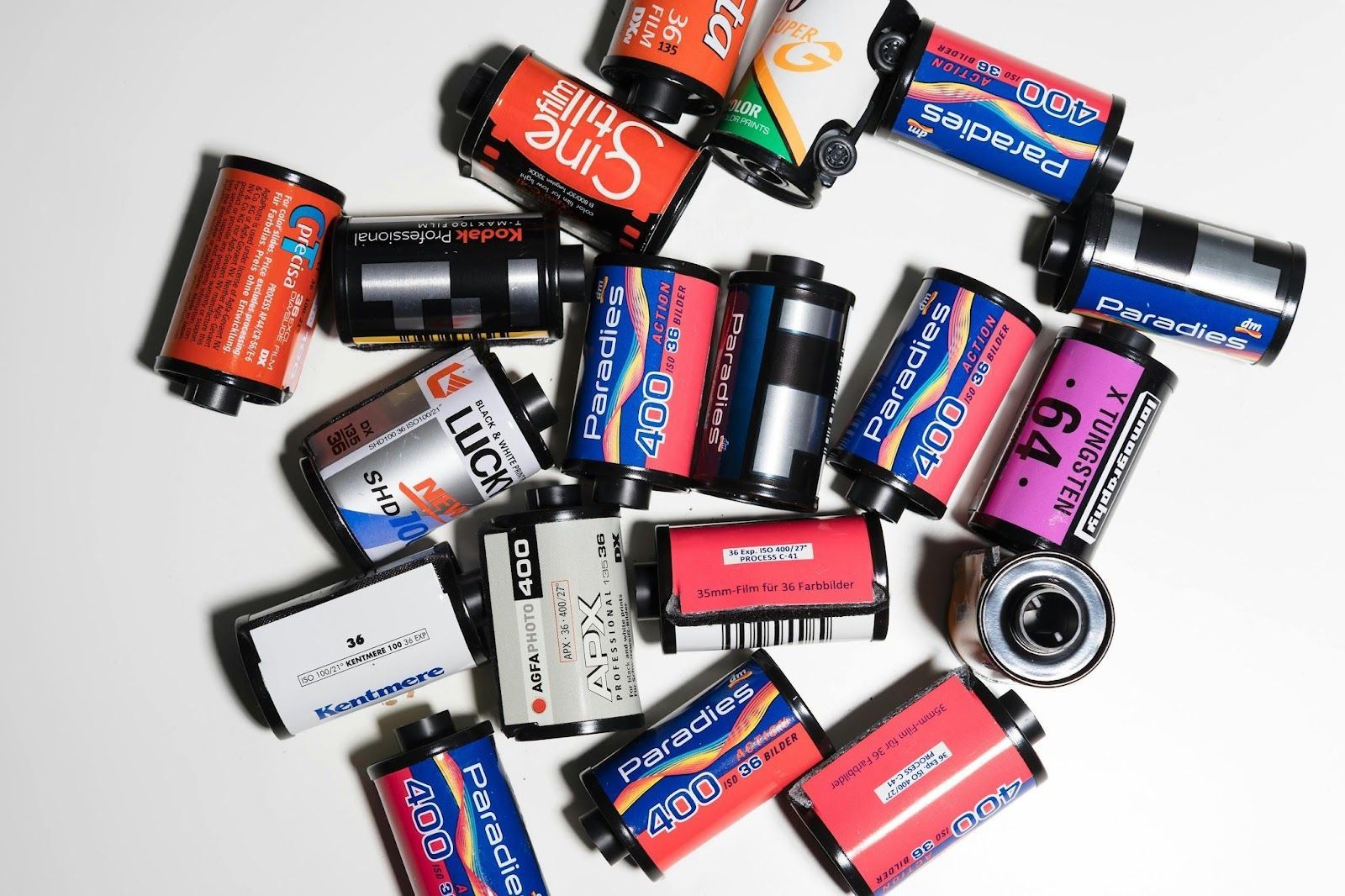
Modern smartphones allow us to snap pictures to our heart’s content. But there are many amateur photographers out there who miss the satisfaction that came from holding the perfect printed photo of a memory.
Analog photography is experiencing a comeback, its shortcomings becoming its selling point. You have a limited number of frames, so you need to show restraint. You can’t know if your photos turned out ok until you develop the film, so you have to exercise patience. If some of your pictures show up with awkward faces or a random finger covering the lens, well… that's part of the charm.
Printing boarding passes and travel confirmations

Do you recall having to travel with a whole stack of paper documents? If you were a neat traveller, you carried a folder stuffed with printed hotel reservations, flight details, and car rental confirmations.
Of course, now we can fit all of those into our smartphones. We simply have to make sure we don't run out of battery!
Visiting internet cafés

Before widespread smartphones and roaming data, we used to sit at internet cafés to check emails, print tickets, or update family. Time was paid by the minute, but it often made for interesting experiences.
Do you have memories of fumbling with foreign keyboard layouts while trying to send an email home letting them know you were okay? Many do, and it was as cumbersome as it sounds.
Buying souvenirs for everyone
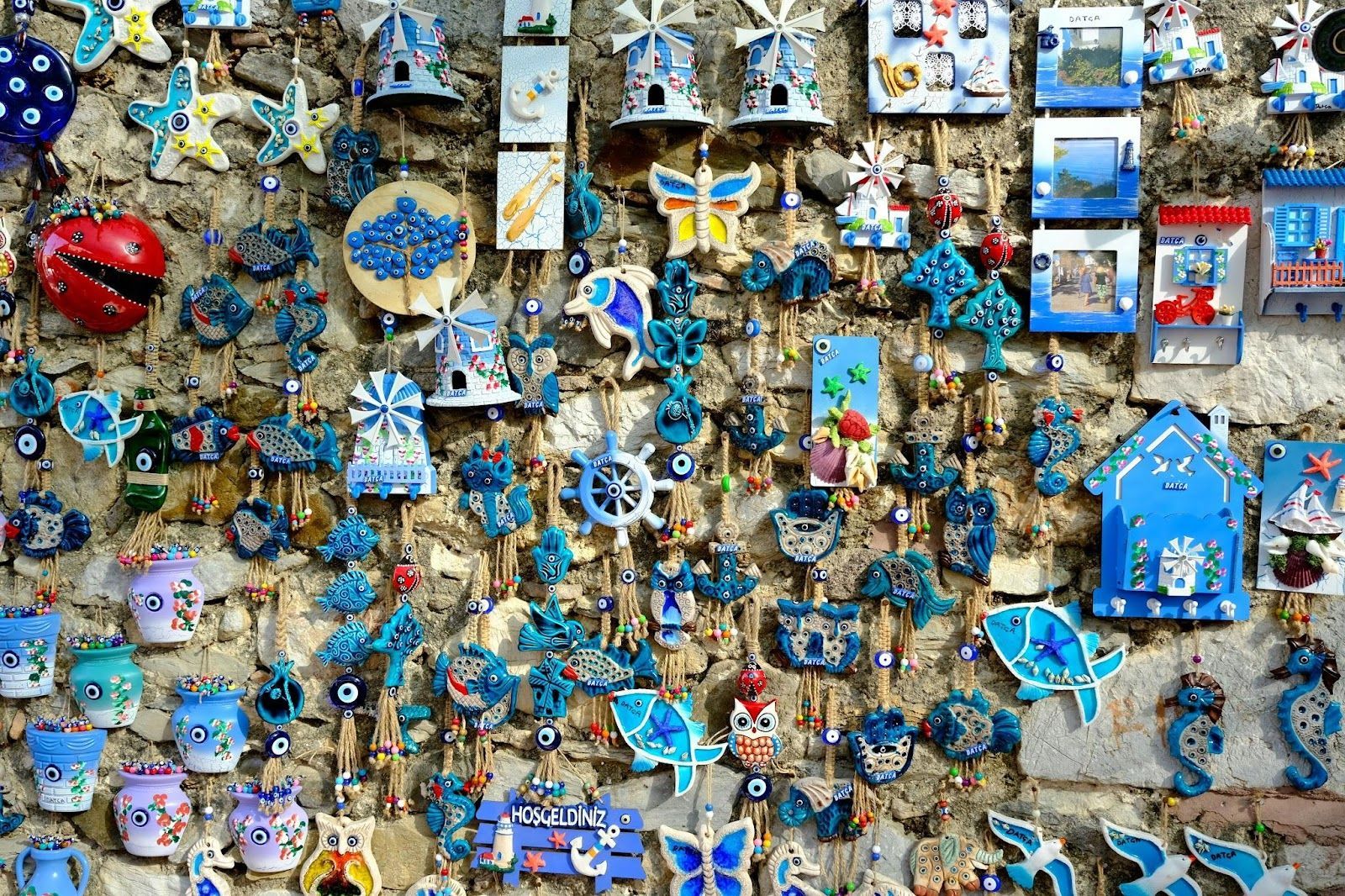
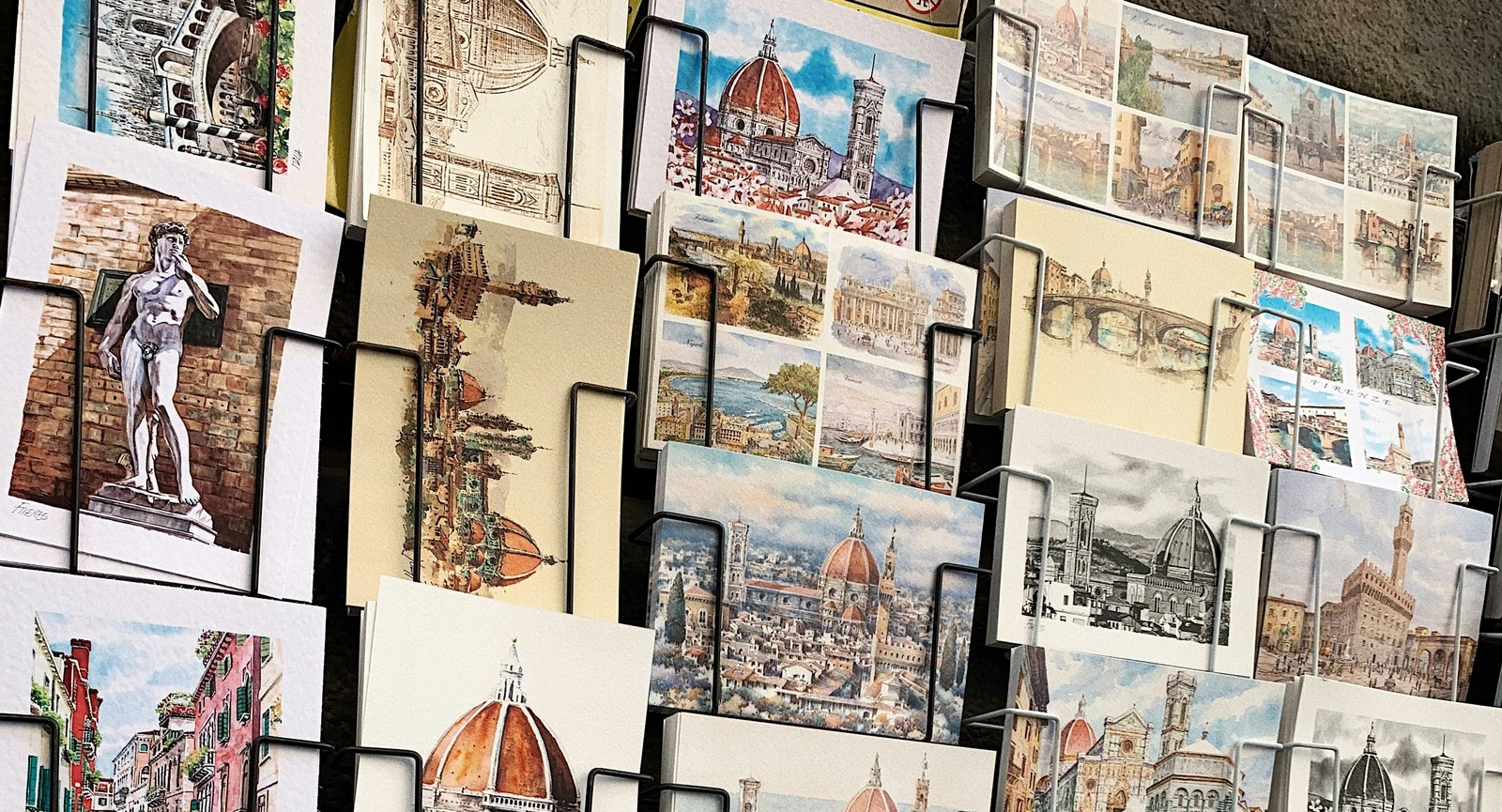
There was a time when traveling meant mentally keeping a list of people back home and thinking, "What should I bring them?" Keychains, magnets, snow globes, and local sweets were all thoroughly browsed to match each item to a coworker, cousin, neighbor, or teacher. Also, some of these trinkets could be pricey.
It seems that now the habit has faded, and digital photos and social media have replaced physical mementos.
Meeting strangers, not knowing what they looked like

When meeting someone abroad, you relied on description: "I’ll be wearing a green jacket." That’s because we had no instant photo sharing and no live location pin. You simply showed up at the agreed place and trusted the plan.
Sometimes you would awkwardly approach the wrong person. Which, of course, made for a funny anecdote. And when you finally spotted each other, there was a small rush of relief and excitement.
Using paper maps
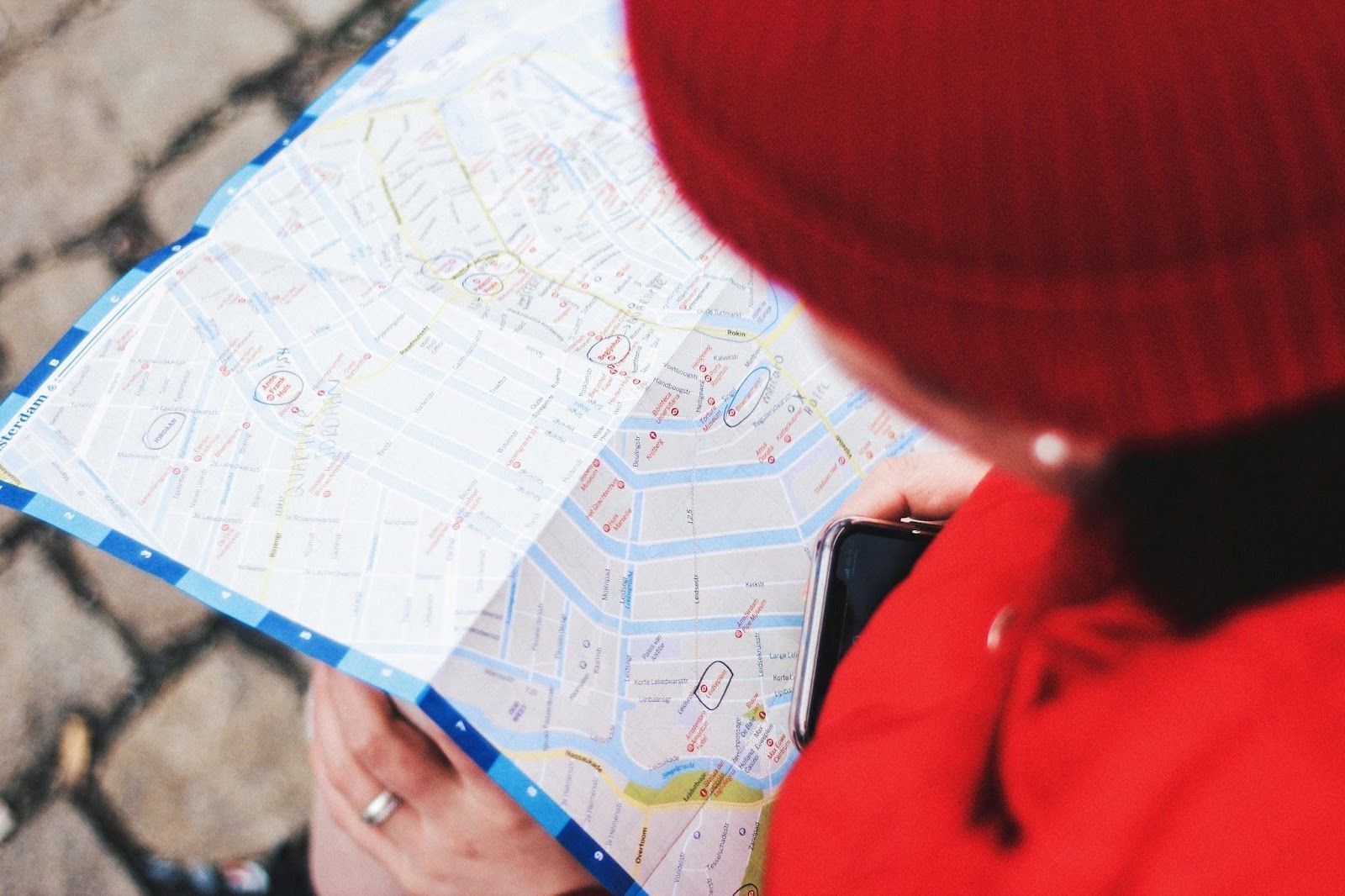
Before blue dots told us where we stood, we unfolded giant paper maps in the middle of sidewalks and tried to make sense of a maze of streets. They used to tear at the seams, and they never folded back properly; they turned into an origami mess within days. But you could always resort to asking strangers for help, which seemed to be far more ordinary back then.
Relying entirely on travel agencies
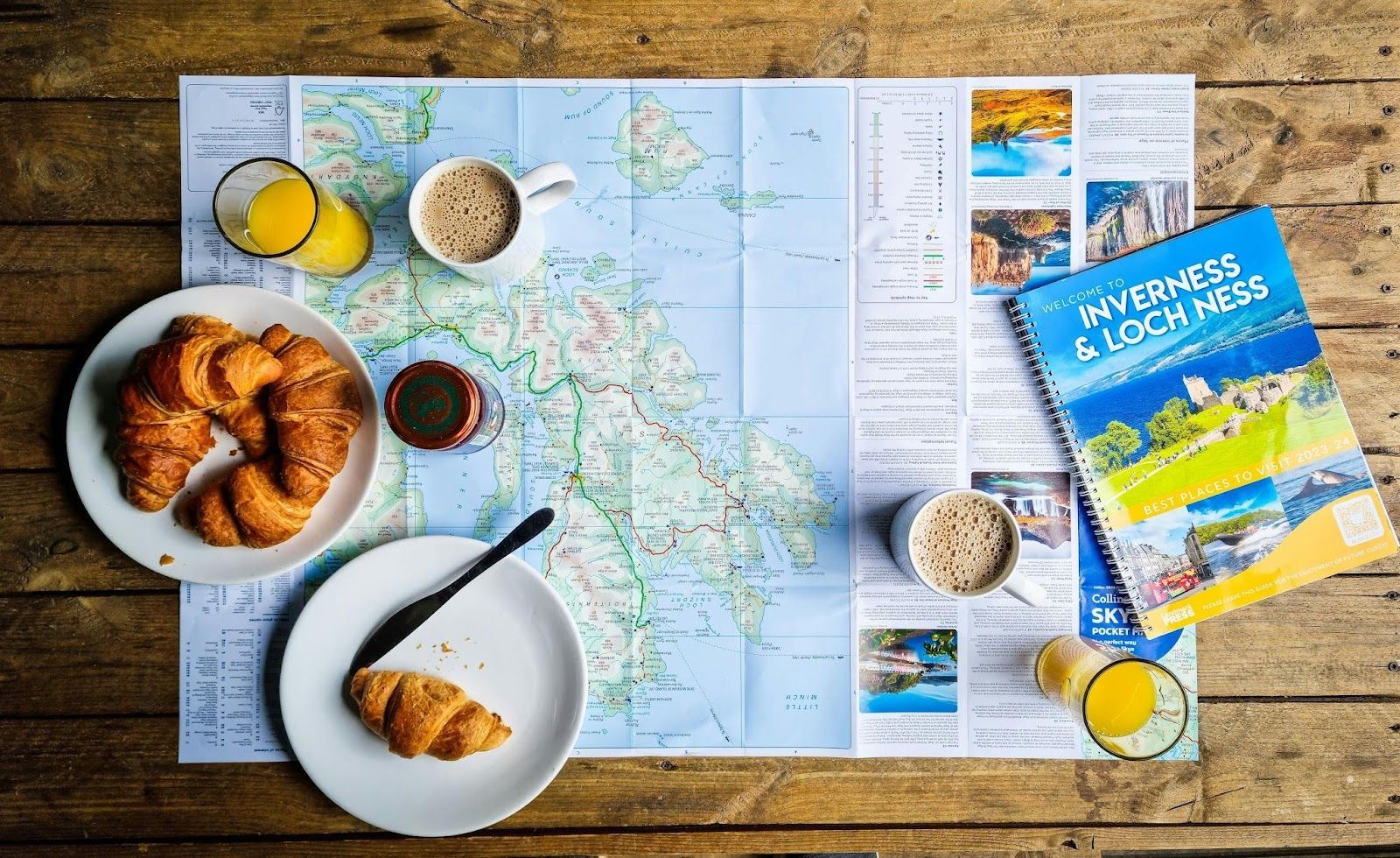
Planning a trip once meant sitting across from a travel agent, flipping through brochures filled with glossy photos and circled prices. They booked your flights, printed your tickets, arranged transfers, and handed you an envelope with everything neatly organized.
Nowadays, it’s all comparison tabs open and endless review scrolling.
Dressing formally for air travel
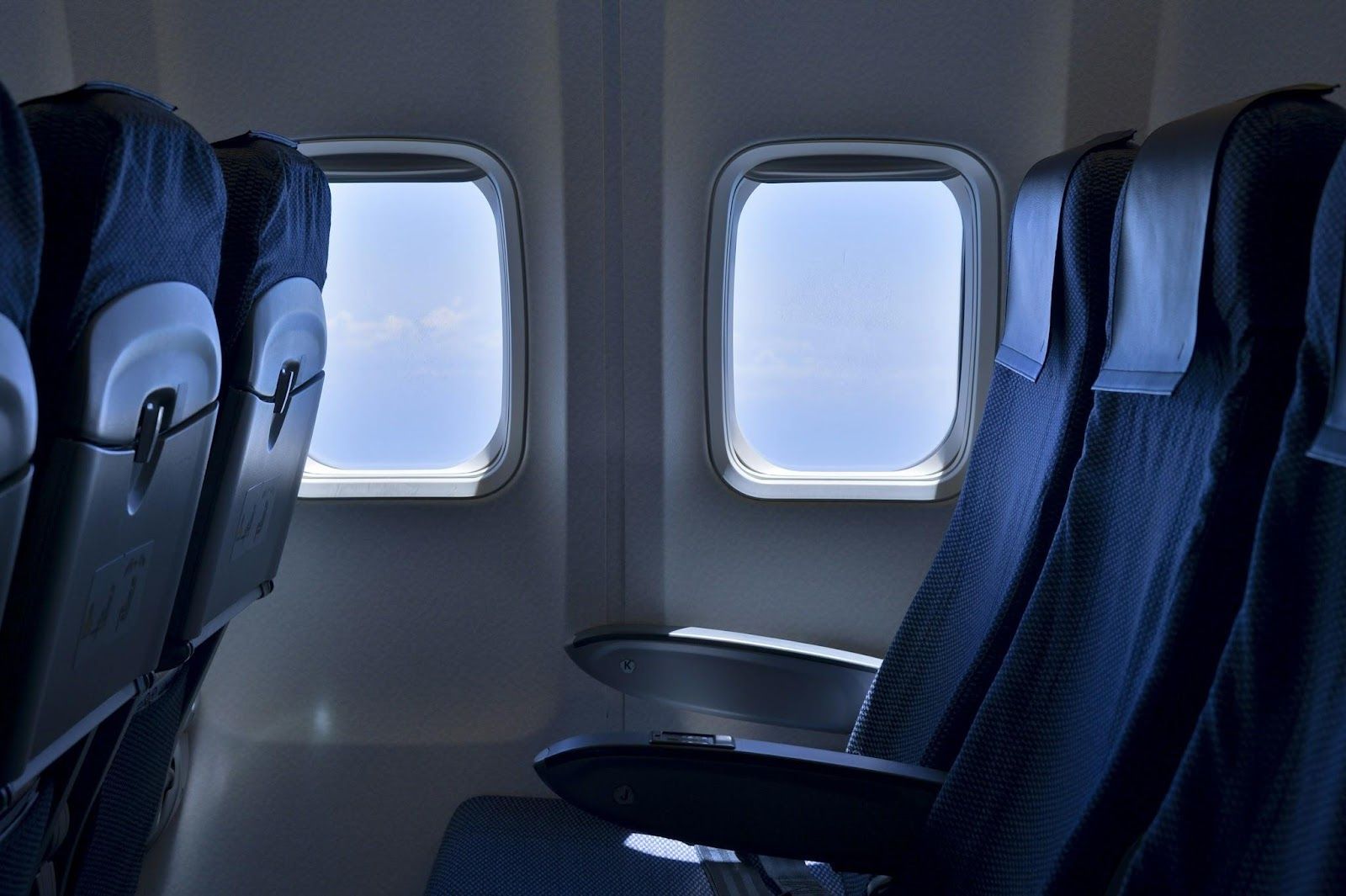
We can be thankful that this one was left out. Nobody really enjoyed wearing ties or pearls on the plane, right? We know that loose cotton clothes and travel neck pillows may not be the most elegant looks, but today they are perfectly acceptable. Particularly for long flights!
Keep wandering
There’s always
more to explore
 Landmarks

Did the three men who escaped Alcatraz in 1962 actually survive?
7 min.
Read Now
 History
Ancient cities that have stood the test of time
6 min.
Read Now

Hotel staff can tell these 10 things about you almost immediately
6 min.
Read Now

Maps lie: 10 famous cities that love to trick tourists
6 min.
Read Now