Domestic vs. International Travel: the pros and cons
 Culture
Worlds apart
Domestic vs. International Travel: the pros and cons
Travel has a way of reminding us how large and fascinating the world really is. For some, that means boarding a plane to Paris, Rome, or Tokyo. For others, it means packing up the car and discovering every secret corner of America they've never seen before. Both approaches have their charm, and both can lead to unforgettable memories. However, they satisfy different kinds of curiosity. Let's list some of the biggest differences between exploring your own country and venturing beyond its borders.
Domestic travel: Ease of planning
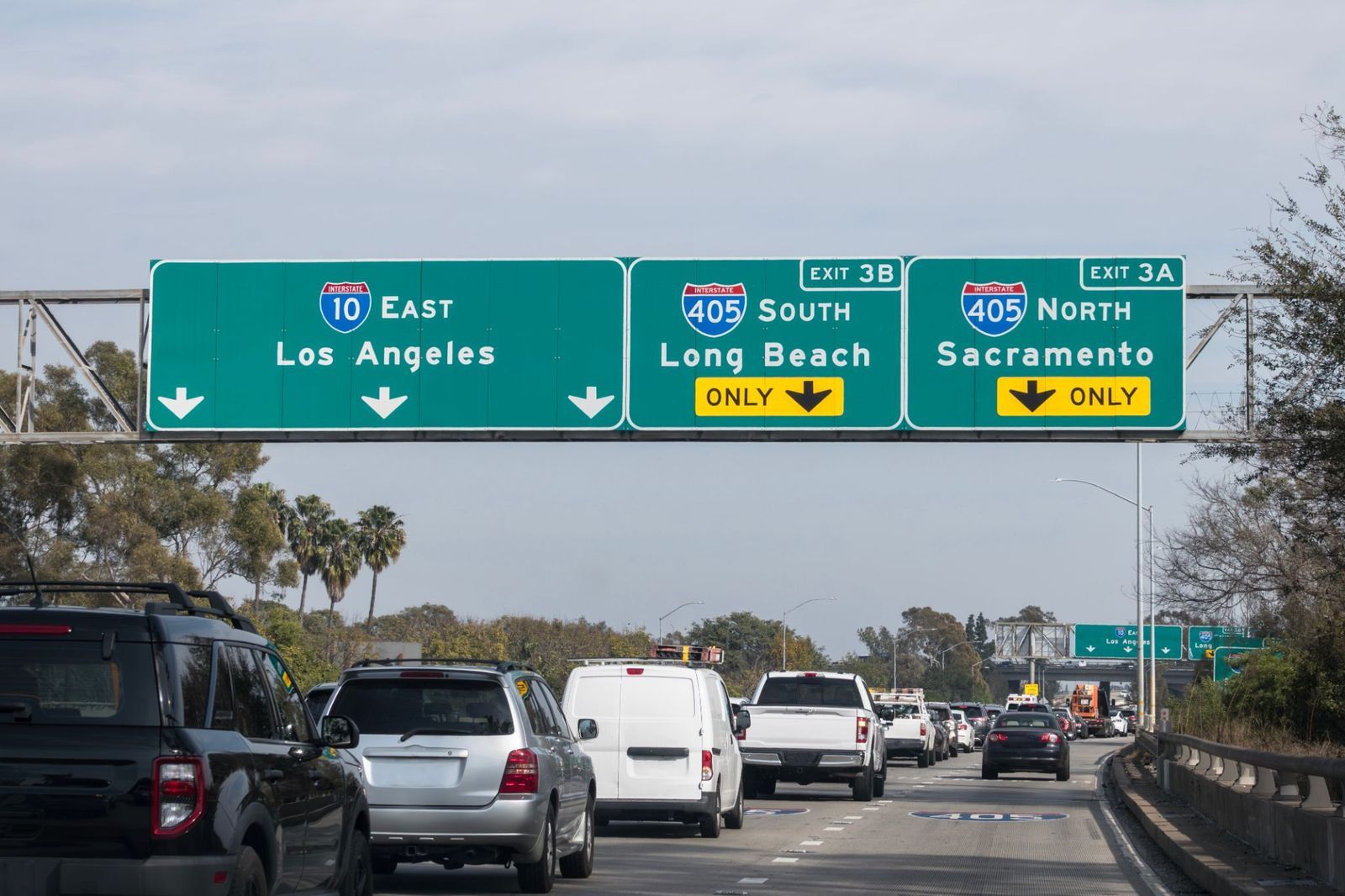
One of the greatest advantages of traveling within the United States is simplicity. There are fewer papers to juggle, no currency exchanges to worry about, and no immigration lines waiting at the other end of your flight.
That ease can make spontaneous travel much more realistic. A long weekend in the Smoky Mountains or a few days in Santa Fe can often be planned in a matter of days, while an overseas trip may require months of careful preparation.
International travel: A whole new world

International travel sometimes feels like entering another world. The signs look different, the language sounds unfamiliar, and even ordinary things like grocery stores or gas stations can feel novel.
That sense of discovery is one of the biggest appeals of international travel. Everyday activities become adventures, and lasting memories are waiting for you around every corner.
Domestic travel: Unexpected variety

As exhilarating as going abroad can be, many travelers dream of seeing distant countries while overlooking the extraordinary diversity found within the United States itself. Deserts, rainforests, glaciers, tropical islands, and towering mountain ranges can all be found without ever leaving the country.
You could spend years exploring places like Alaska, Hawaii, Utah, Maine, and Florida, and still encounter dramatically different landscapes along the way.
International travel: Other ways of life

Traveling abroad provides an opportunity to see how other societies approach daily life. Everything from transportation systems to meal times may be different from what you're used to.
These differences can be eye-opening. Many travelers return home with a fresh perspective on their own routines and a deeper appreciation for cultures beyond their own.
Domestic travel: Fewer surprises

When traveling within the United States, most things work the way you expect them to. The language is familiar, you recognize the road signs, and know the proper etiquette required in restaurants, stores, and hotels.
That familiarity reduces stress and allows you to focus on enjoying your destination, rather than navigating through unfamiliar systems.
International travel: Culture shock

Contrary to what you may think, culture shock is not always a bad thing. In fact, many travelers seek it out. Experiencing a different language, cuisine, and social customs can be exciting and rewarding.
At the same time, it can push you outside of your comfort zone. Ordering food, navigating public transportation, or asking for directions may require more patience and flexibility than you're accustomed to.
Domestic travel: Road trips
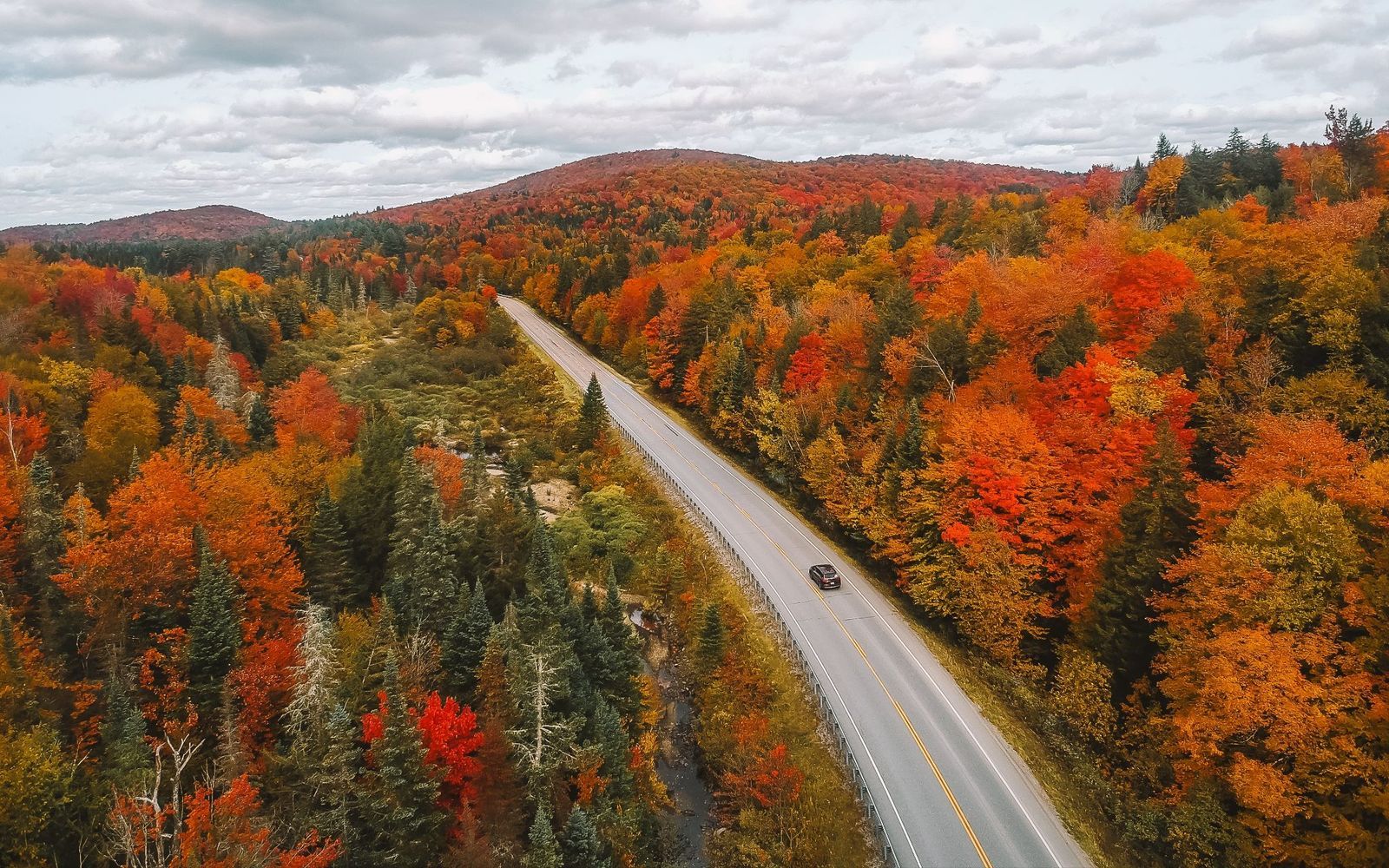
Few countries are as well-suited for road trips as the United States. Scenic routes like the Blue Ridge Parkway, the Pacific Coast Highway, and the Overseas Highway offer unmatched opportunities to enjoy the journey just as much as the destination.
Road trips also offer a form of freedom. You can stop whenever something catches your eye, take a detour to a small town, or change plans without needing to worry about airline schedules.
International travel: World-famous history

America has plenty of historic sites, but international destinations place visitors face-to-face with thousands of years of history. Ancient castles, Roman ruins, pyramids, medieval towns, and centuries-old cathedrals provide a tangible connection to the distant past.
Walking through a city that predates the foundation of the United States by hundreds or even thousands of years can be a remarkable experience.
Domestic travel: Easier on the budget

While there are certainly expensive destinations within the United States, domestic trips often eliminate some major costs that come with flying overseas. There are no international airfare premiums, and you don't have to worry about tourist taxes as much.
You can also save money by driving instead of flying, making domestic vacations especially appealing for families on a budget.
International Travel: Foreign food

Even if you're accustomed to ordering foreign food at home, what you typically get is a heavily Americanized version of the original. One of the greatest pleasures of traveling overseas is experiencing local cuisine in its native setting. Whether it's pasta in Italy or pastries in France, meals often become highlights of the journey.
Food offers a unique glimpse into a culture's history and traditions. It's not unusual for people to choose destinations based primarily on what they hope to eat.
The takeaway: Travel is always rewarding
The beauty of travel is that it doesn't need to be an either-or choice. Both domestic trips and international travel offer different kinds of advantages and challenges. The most rewarding travel life often includes a mix of both.
One year, you might be watching the sunrise over the Grand Canyon, and the next you could be wandering the streets of Florence. Each experience brings something valuable to the table, and together they create a richer understanding of the world as a whole.
These 10 classic traveling habits seem to have slowly disappeared
Do you miss these?
These 10 classic traveling habits seem to have slowly disappeared
Not so long ago, traveling looked very different. We carried phrasebooks. We scribbled on postcards and actually sent them out. We snapped photos, not knowing whether we’d find our thumb ruining them weeks later. It seems that some travel habits, be it due to the evolution of technology or culture, have slowly faded. Here are some of the traditions that we miss, and some that we don’t!
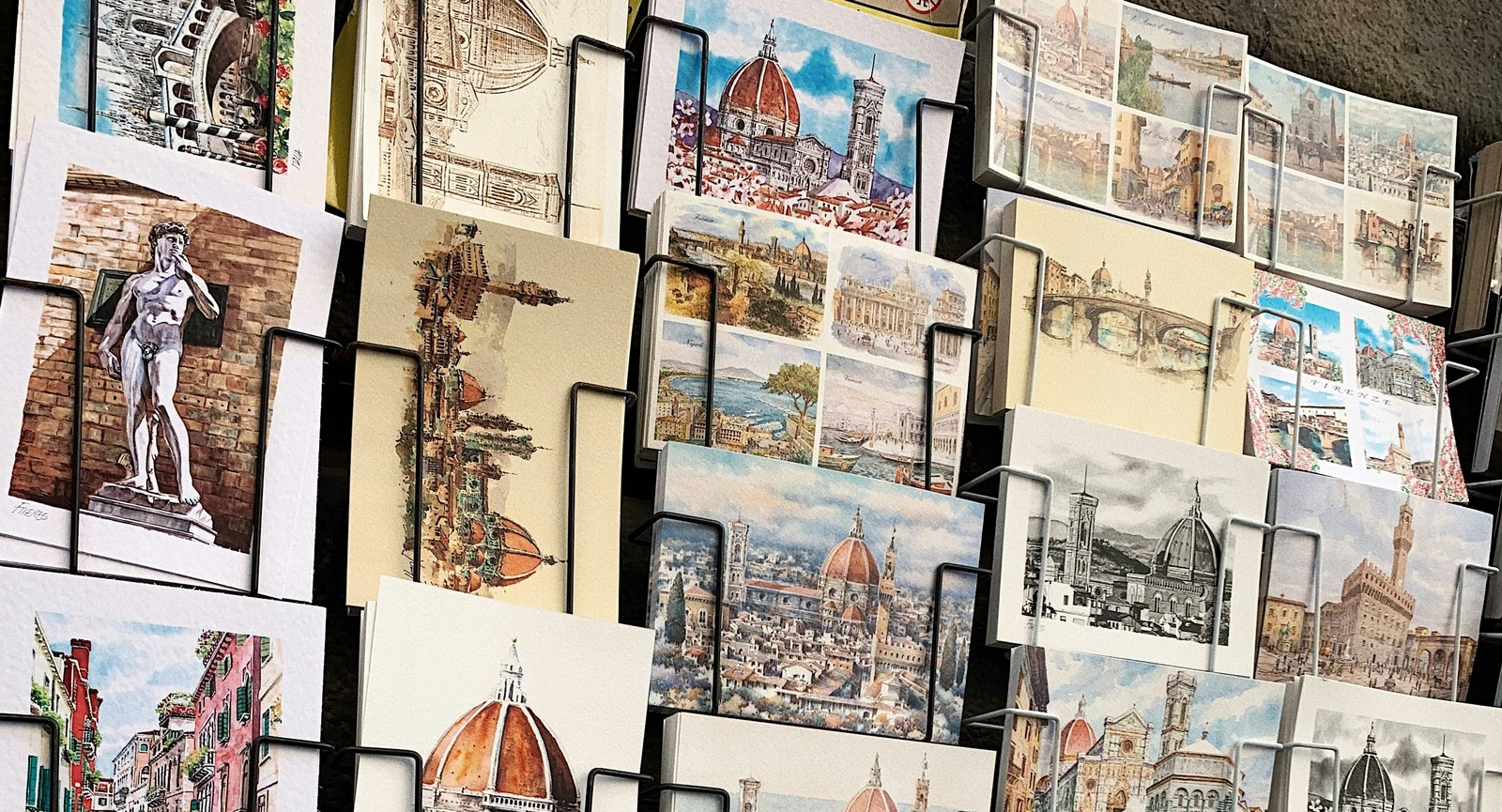
Writing (and sending) postcards
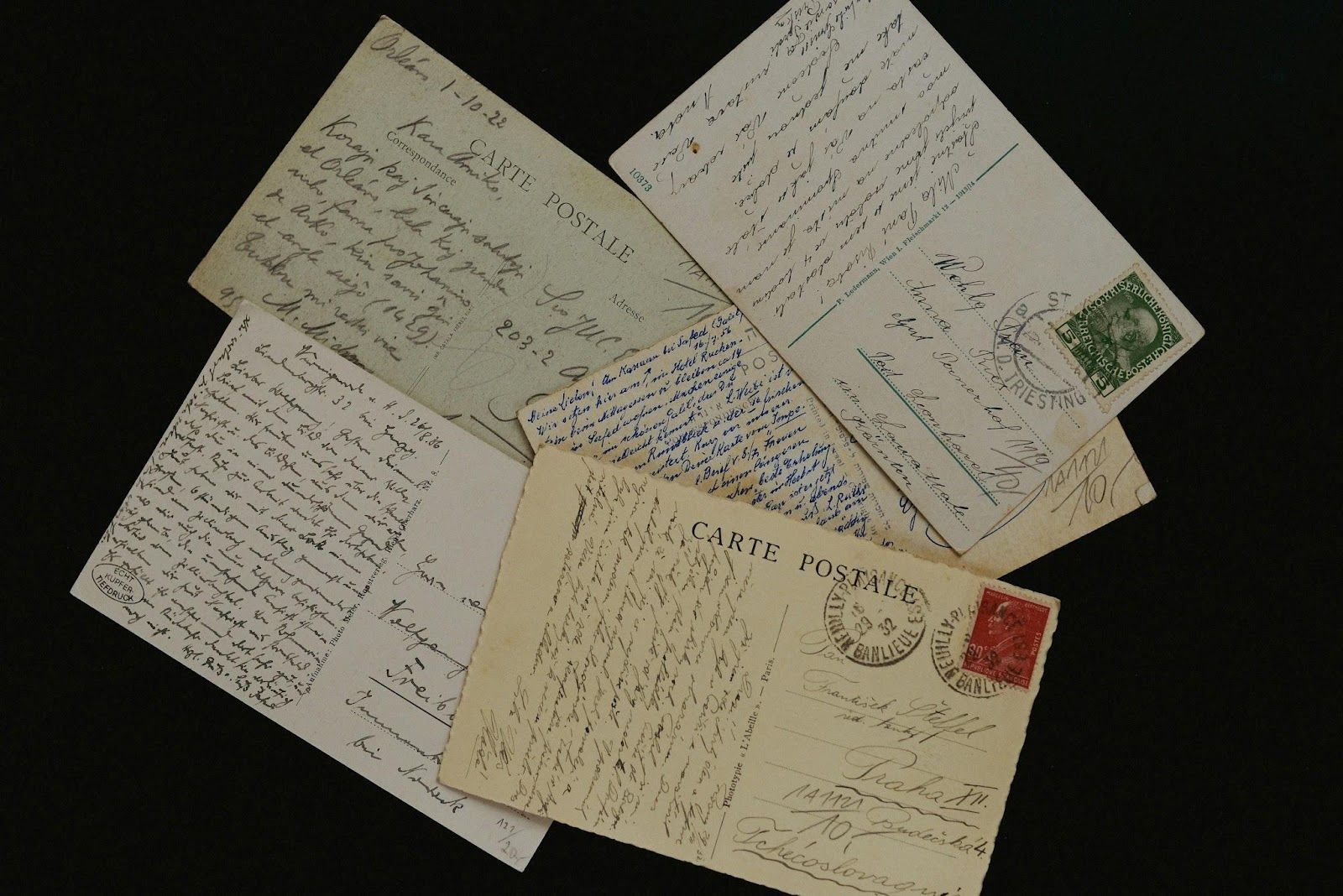
Have you ever carefully picked a postcard that your mom would love, sat down after a day of traveling, and then sent it from the hotel’s desk? The times before instant messaging certainly held more magic!
Of course, there was an incomparable delay, and you might even have gotten back home before your letter arrived. But that was part of the charm. Simply texting your family doesn’t feel quite as special.
Carrying a pocket phrasebook
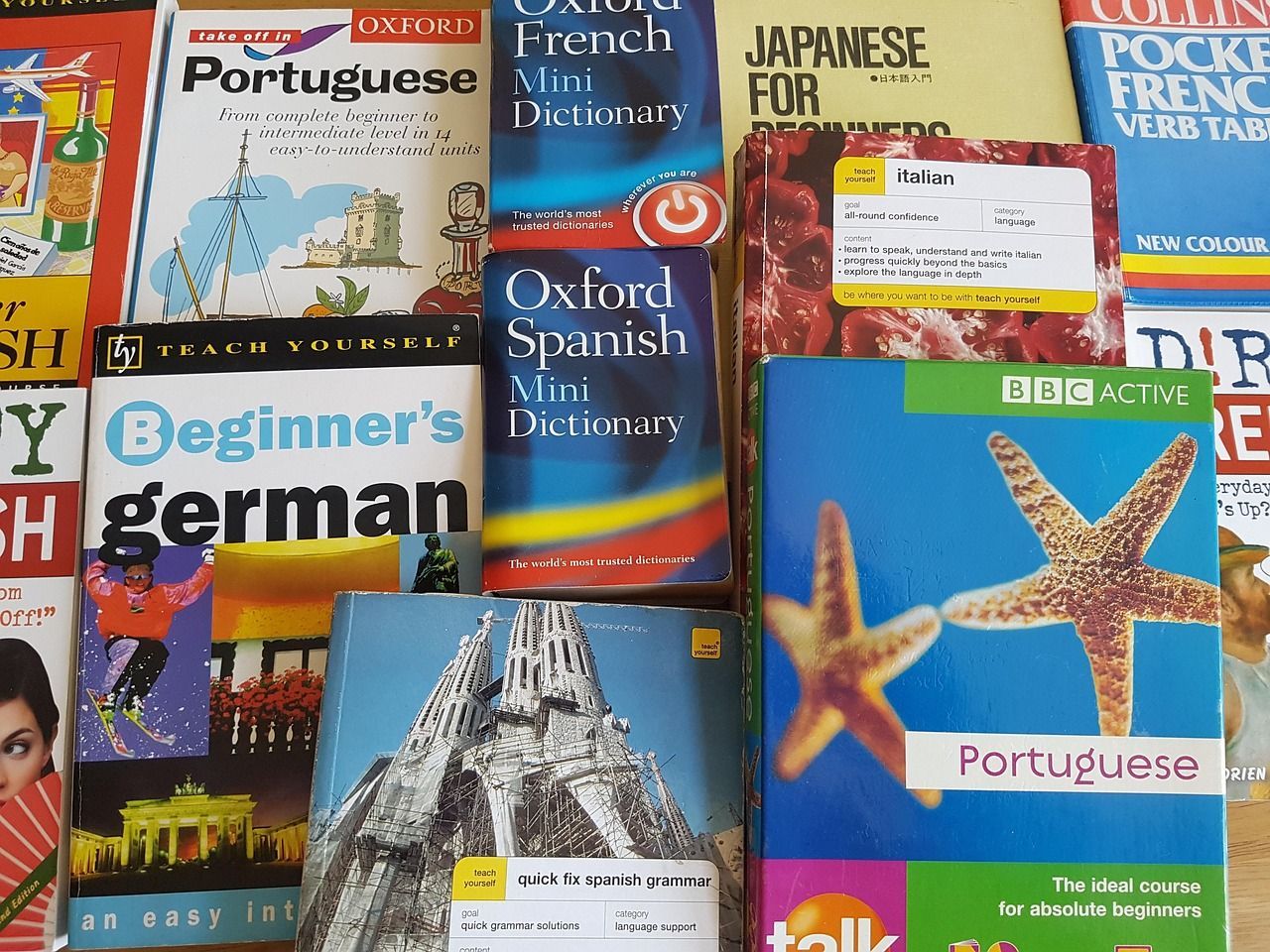
Wasn't it scary to land somewhere with a foreign language equipped only with a phrasebook that you had read a couple of pages from? Small language guides with basic phrases like "Where is the train station?" or "How much does this cost?" used to be essential.
Nowadays, translation apps have replaced phrasebooks almost entirely. Why carry the extra weight when your phone can perform the same task more expediently?
Developing film after your trip

Modern smartphones allow us to snap pictures to our heart’s content. But there are many amateur photographers out there who miss the satisfaction that came from holding the perfect printed photo of a memory.
Analog photography is experiencing a comeback, its shortcomings becoming its selling point. You have a limited number of frames, so you need to show restraint. You can’t know if your photos turned out ok until you develop the film, so you have to exercise patience. If some of your pictures show up with awkward faces or a random finger covering the lens, well… that's part of the charm.
Printing boarding passes and travel confirmations

Do you recall having to travel with a whole stack of paper documents? If you were a neat traveller, you carried a folder stuffed with printed hotel reservations, flight details, and car rental confirmations.
Of course, now we can fit all of those into our smartphones. We simply have to make sure we don't run out of battery!
Visiting internet cafés
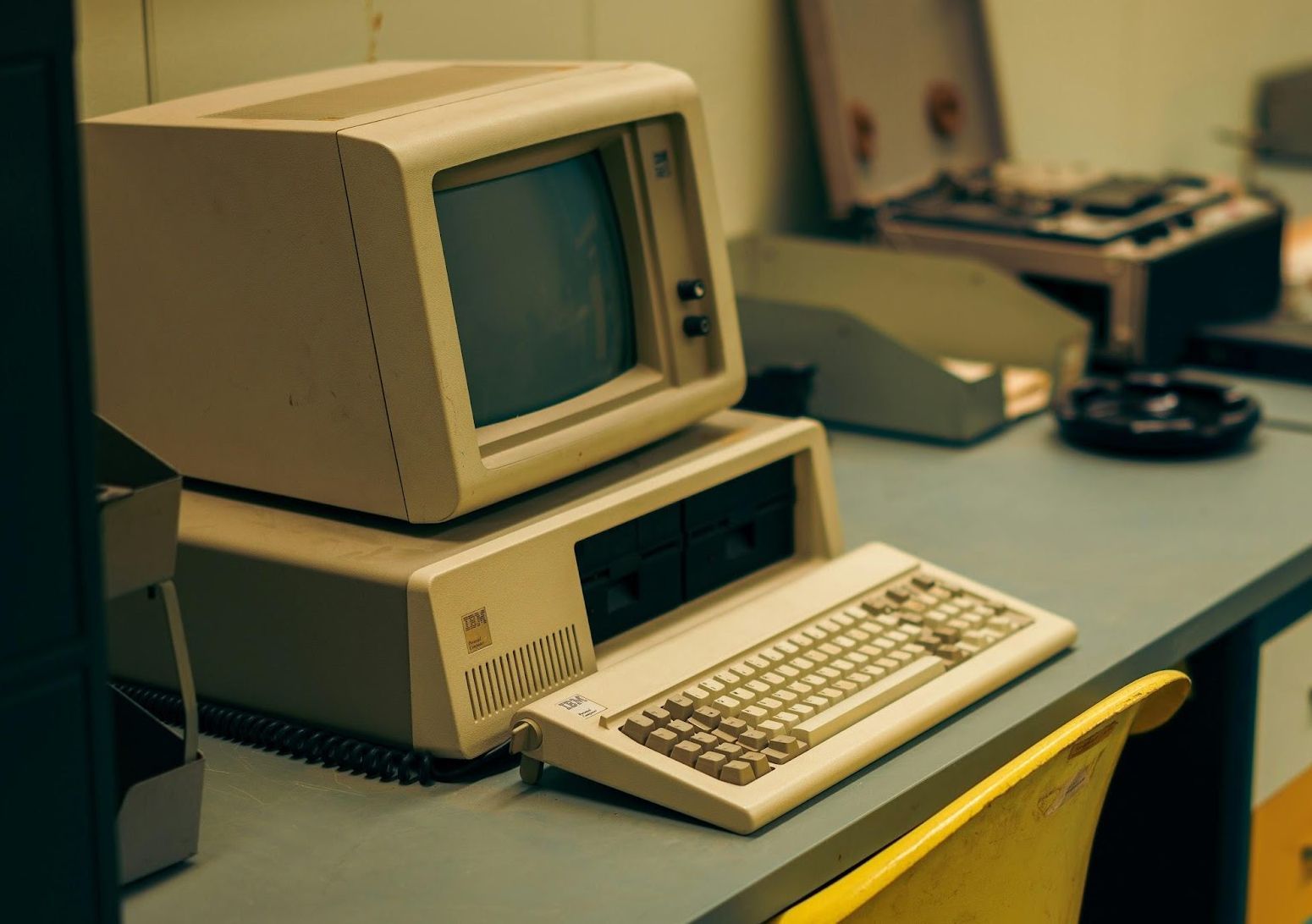
Before widespread smartphones and roaming data, we used to sit at internet cafés to check emails, print tickets, or update family. Time was paid by the minute, but it often made for interesting experiences.
Do you have memories of fumbling with foreign keyboard layouts while trying to send an email home letting them know you were okay? Many do, and it was as cumbersome as it sounds.
Buying souvenirs for everyone
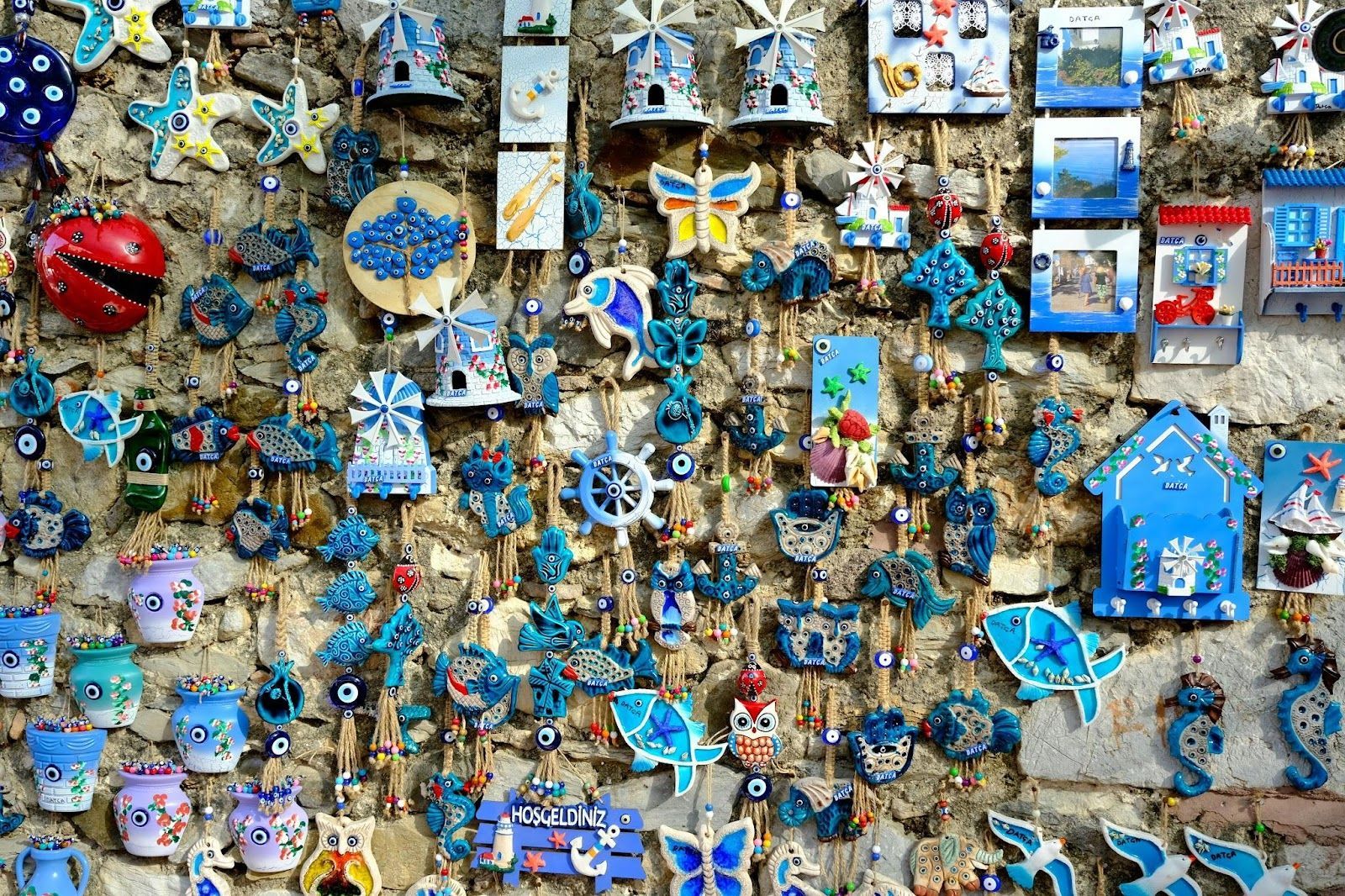
There was a time when traveling meant mentally keeping a list of people back home and thinking, "What should I bring them?" Keychains, magnets, snow globes, and local sweets were all thoroughly browsed to match each item to a coworker, cousin, neighbor, or teacher. Also, some of these trinkets could be pricey.
It seems that now the habit has faded, and digital photos and social media have replaced physical mementos.
Meeting strangers, not knowing what they looked like

When meeting someone abroad, you relied on description: "I’ll be wearing a green jacket." That’s because we had no instant photo sharing and no live location pin. You simply showed up at the agreed place and trusted the plan.
Sometimes you would awkwardly approach the wrong person. Which, of course, made for a funny anecdote. And when you finally spotted each other, there was a small rush of relief and excitement.
Using paper maps
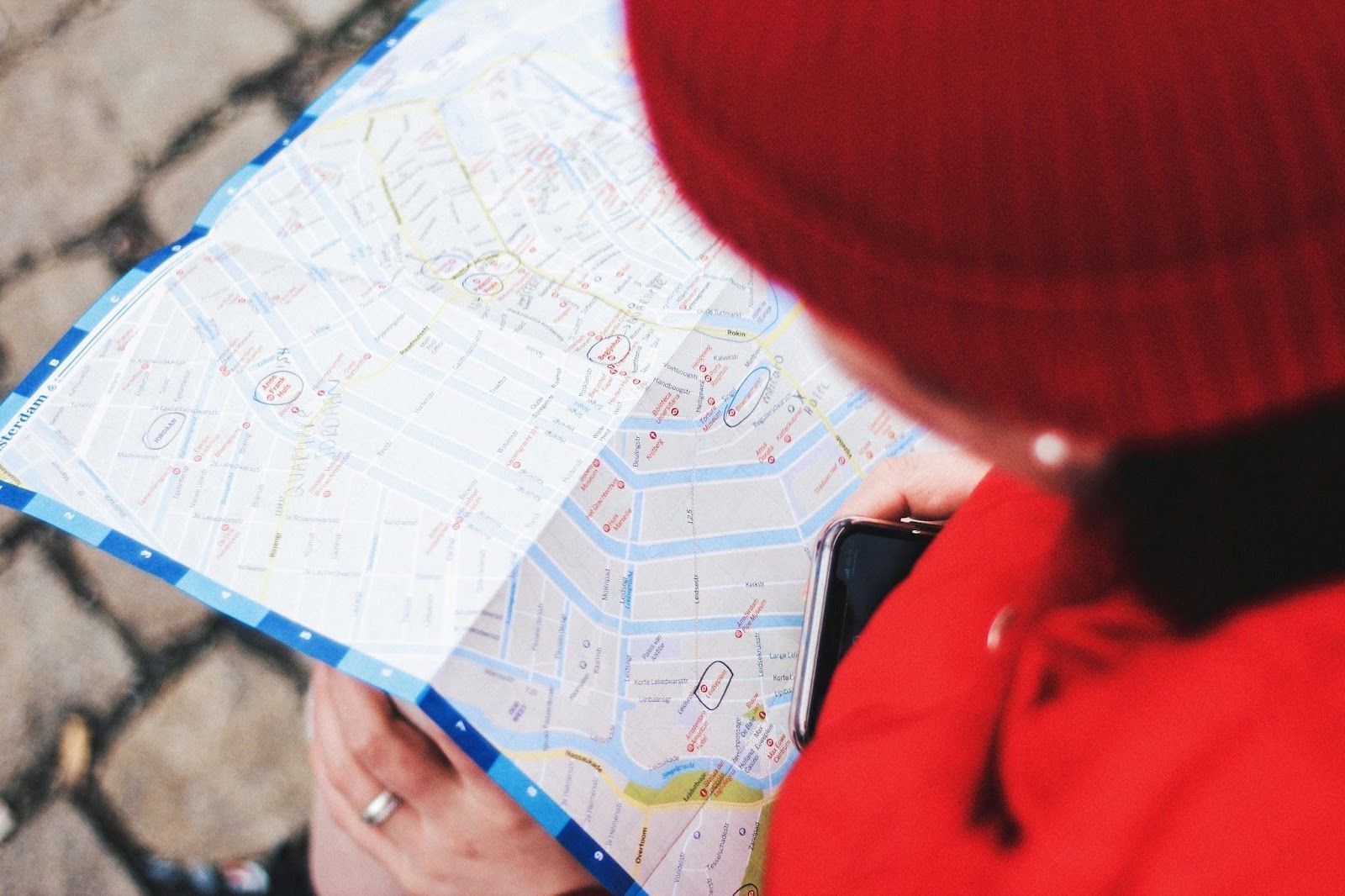
Before blue dots told us where we stood, we unfolded giant paper maps in the middle of sidewalks and tried to make sense of a maze of streets. They used to tear at the seams, and they never folded back properly; they turned into an origami mess within days. But you could always resort to asking strangers for help, which seemed to be far more ordinary back then.
Relying entirely on travel agencies
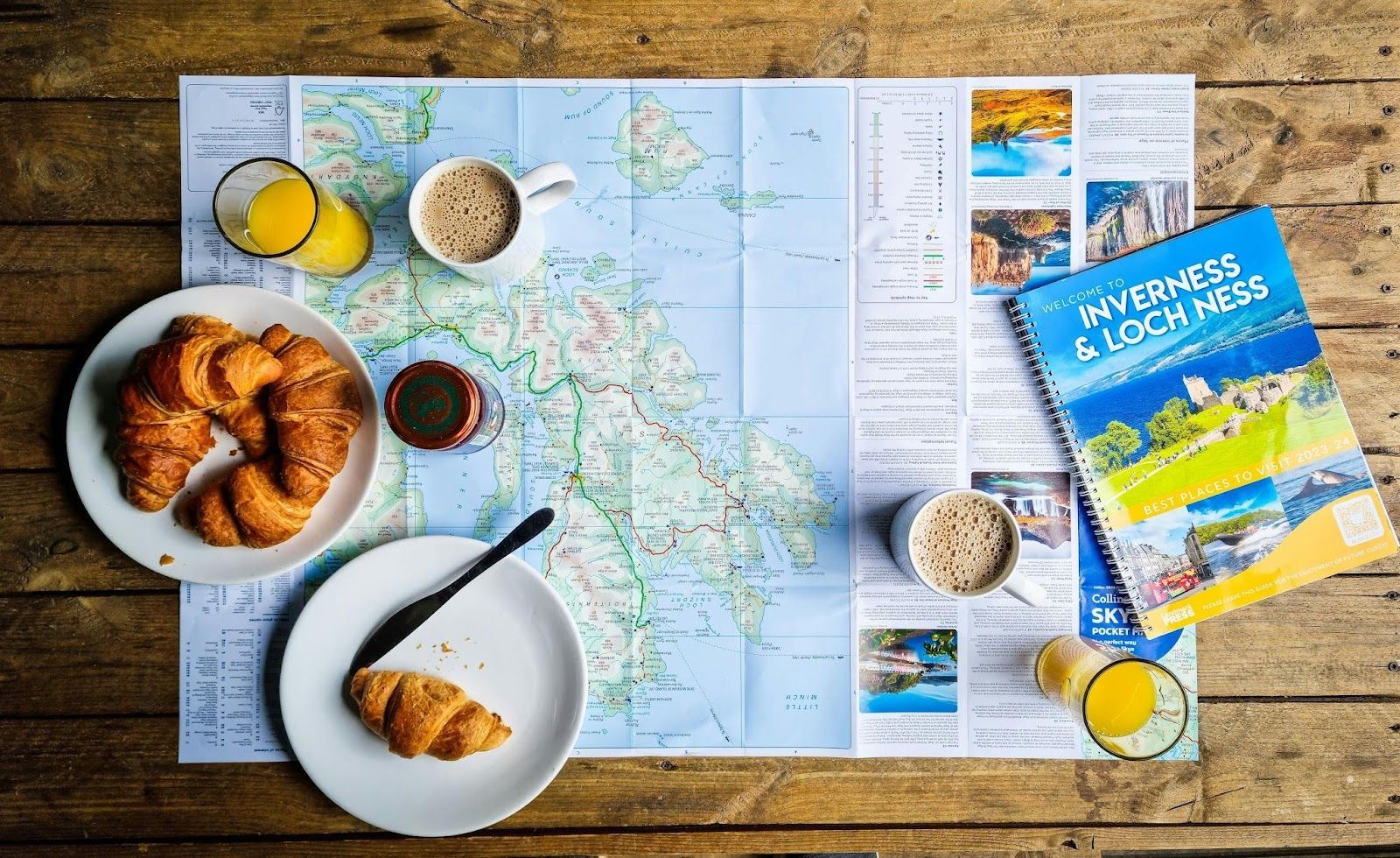
Planning a trip once meant sitting across from a travel agent, flipping through brochures filled with glossy photos and circled prices. They booked your flights, printed your tickets, arranged transfers, and handed you an envelope with everything neatly organized.
Nowadays, it’s all comparison tabs open and endless review scrolling.
Dressing formally for air travel
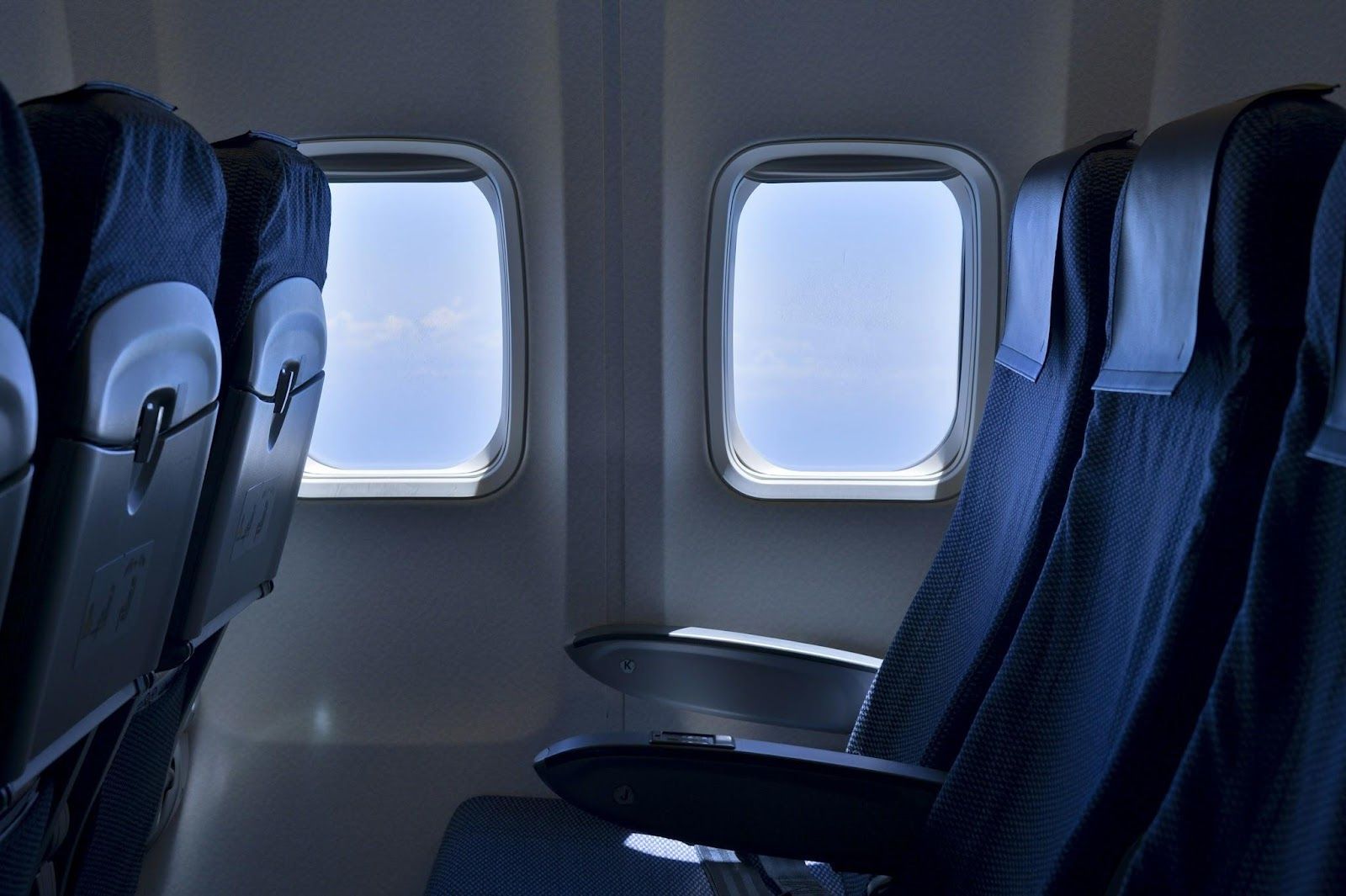
We can be thankful that this one was left out. Nobody really enjoyed wearing ties or pearls on the plane, right? We know that loose cotton clothes and travel neck pillows may not be the most elegant looks, but today they are perfectly acceptable. Particularly for long flights!
Keep wandering
There’s always
more to explore
 General
Why are hard landings sometimes the perfect landings?
6 min.
Read Now
 History

Was Moby-Dick a real whale? These marine stories have real backgrounds
6 min.
Read Now

What passengers never see after midnight on a cruise ship
4 min.
Read Now
These 10 mysteries were solved. So why do we still believe them?
6 min.
Read Now