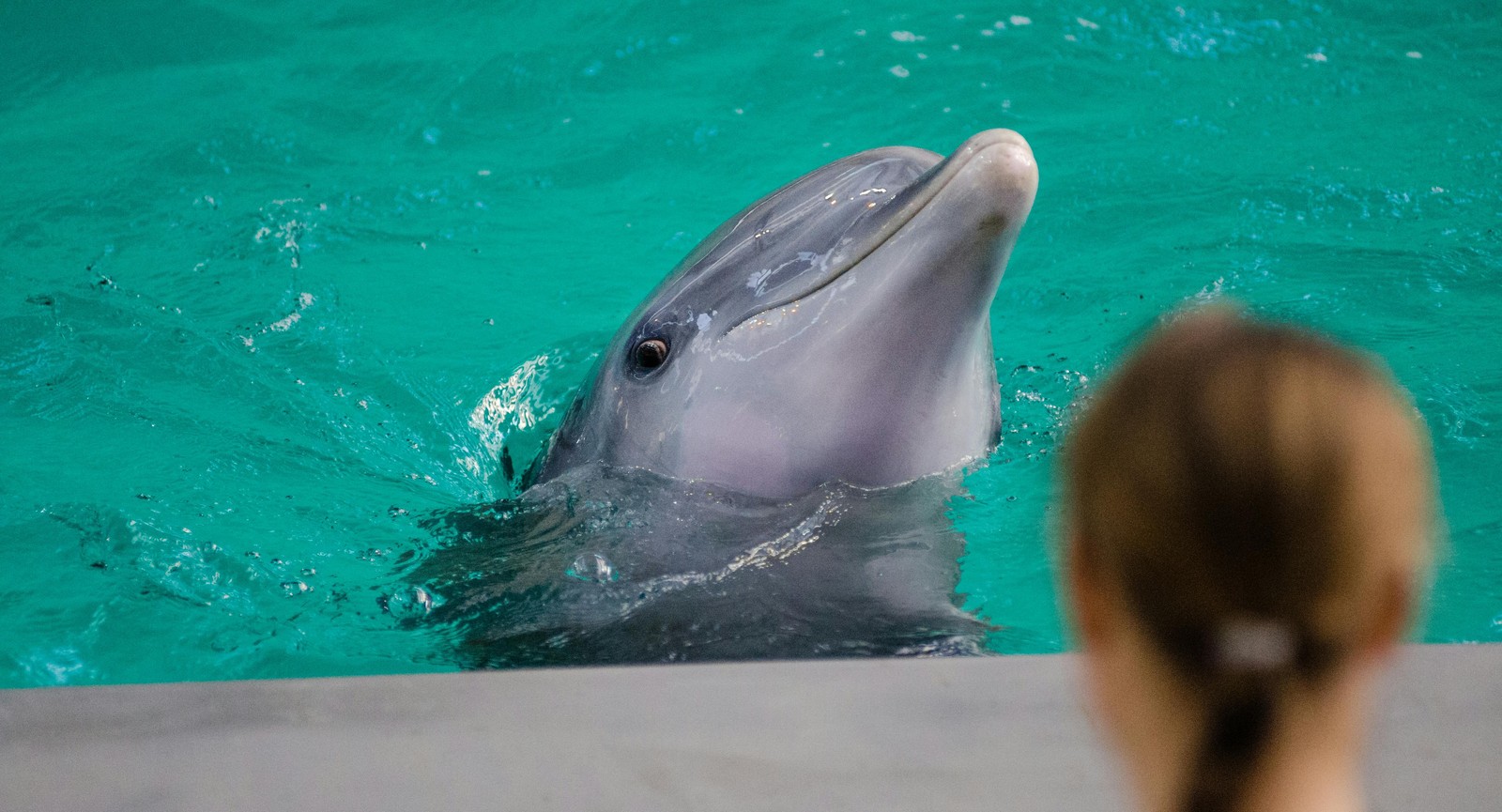
Do you know where the best place for watching whales up close is?
 General
Do you know where the best place for watching whales up close is?
For many of us, the ultimate travel bucket list isn’t defined by five-star resorts or Michelin-starred restaurants, but by the chance to share a moment with the other species that call this planet home. For that reason, we have prepared a list of 10 incredible and awe-inspiring travel experiences around the world perfect for the ultimate animal lover.
Swimming with sea turtles, sea lions & sharks – Galapagos
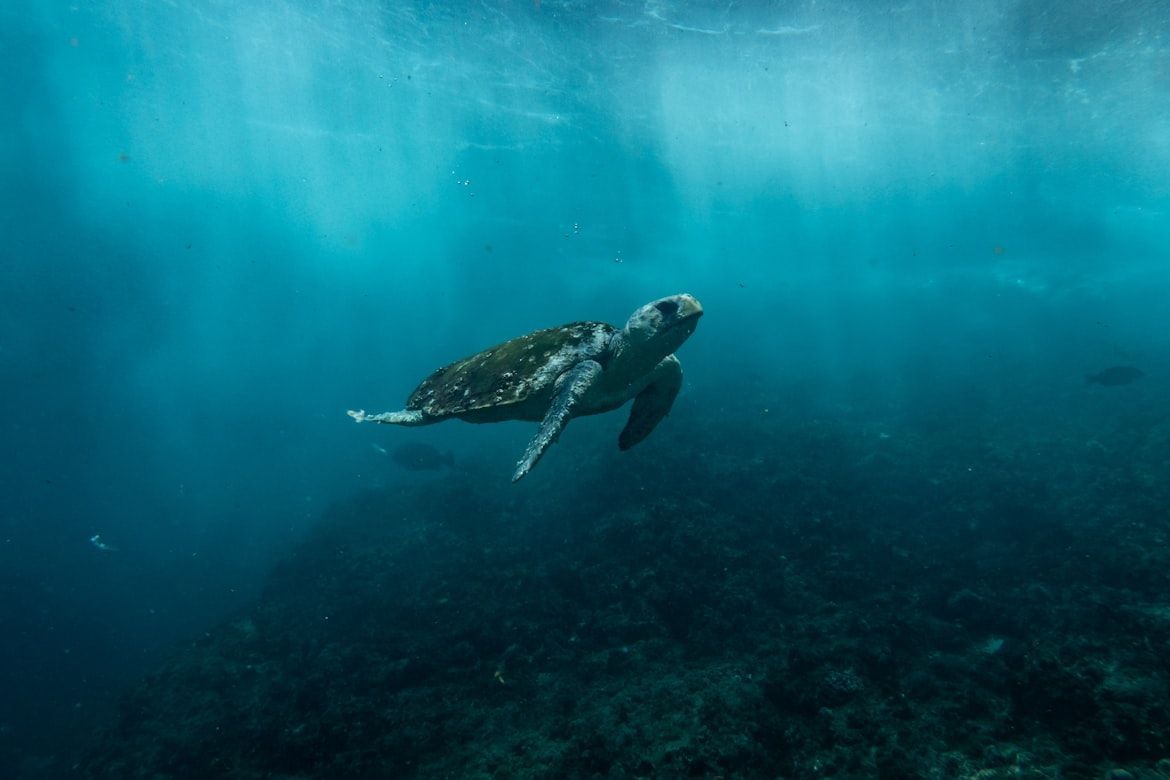
Charles Darwin’s living laboratory remains the gold standard for wildlife travel. Because the animals in Galapagos evolved without human predators, they exhibit a famous lack of fear.
Donning a snorkel in the waters of the Galápagos Marine Reserve is a unique experience. You might find yourself locked in a playful game of underwater twirls with a sea lion pup, watching a prehistoric-looking marine iguana graze on algae, or floating peacefully above a group of resting white-tip reef sharks.
Becoming a shepherd for a week – Finland

For a truly off-grid, grounding experience, Finland’s national parks offer something called "Shepherd Weeks." Visitors can rent a rustic cabin in breathtaking natural reserves and take on the responsibility of caring for a flock of native sheep.
Your duties include counting the sheep, ensuring they have fresh water, and moving them to fresh pastures. It is the ultimate digital detox that allows you to contribute directly to the maintenance of Finland's traditional heritage landscapes, which rely on sheep grazing to thrive.
Dolphin trainer-for-a-day – Roatan, Honduras
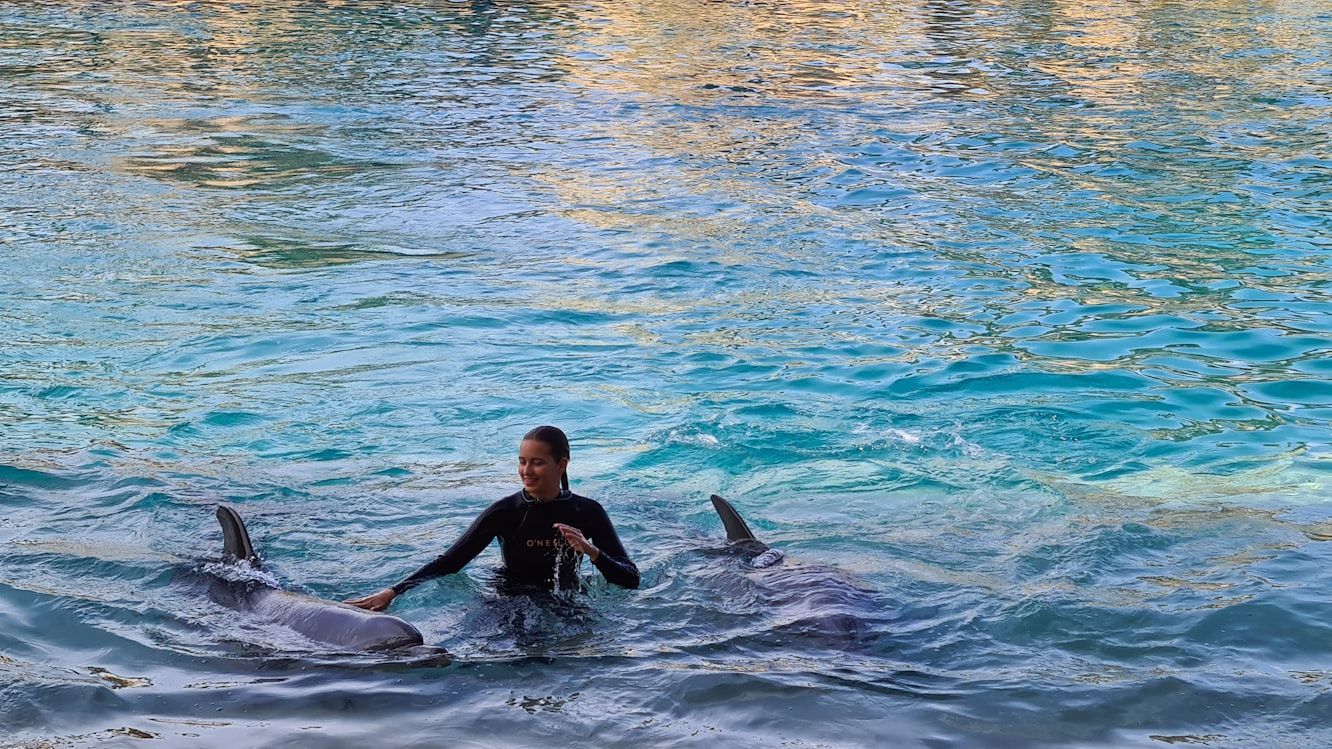
If you’ve ever watched a pod of dolphins and wondered what it would be like to actually understand their behavior, the Roatán Institute for Marine Sciences (RIMS) in Honduras offers a dream come true. Located at Anthony's Key Resort, this program goes far beyond the typical "kiss a dolphin" tourist trap.
As a trainer-for-a-day, you work alongside professional marine biologists. You'll learn about cetacean anatomy, the acoustics of echolocation, and the positive reinforcement techniques used to care for these highly intelligent mammals.
Walk with lions – Mauritius
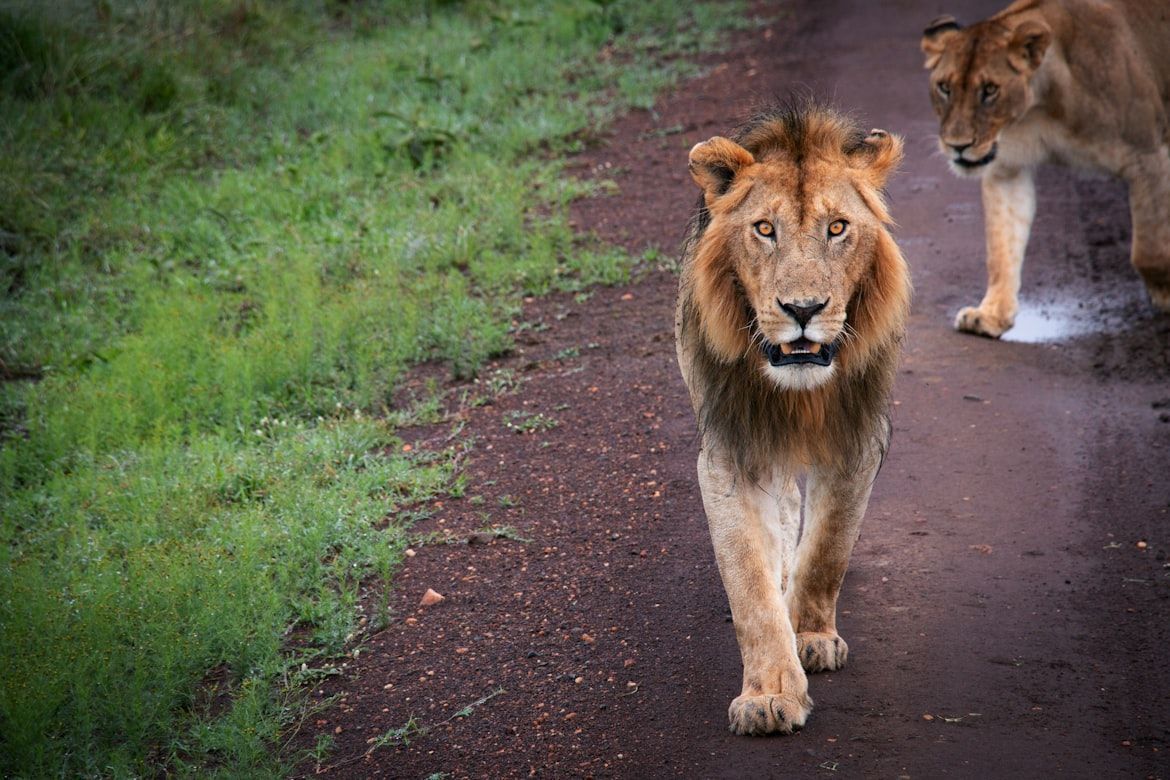
Mauritius is famous for its luxury resorts, but for animal enthusiasts, the real deal is Casela Nature Parks. Their "Walk with Lions" experience allows visitors to accompany these predators on foot through the reserve. Guided by expert handlers, you get to observe the natural instincts, raw power, and social dynamics of a pride.
Whale Watching – Puerto Pirámides, Argentina
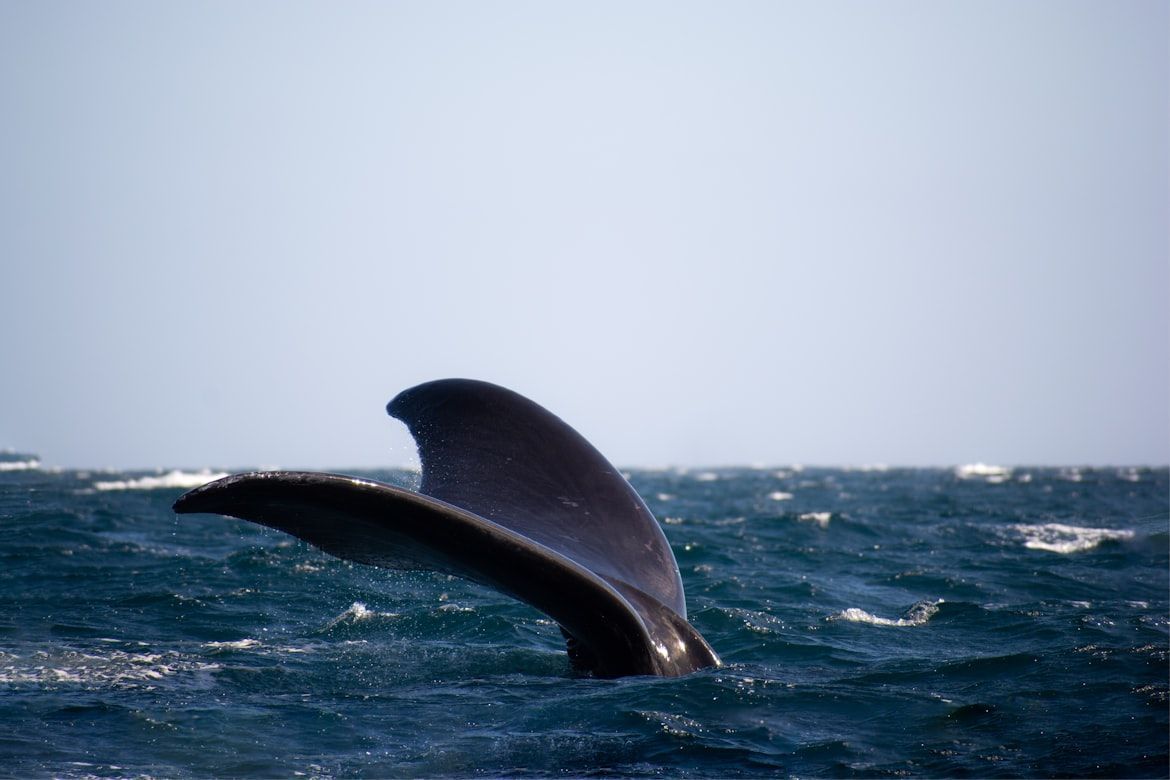
Located on the Península Valdés, Puerto Pirámides is one of the premier whale-watching destinations on Earth. Between June and December, the sheltered gulfs fill with Southern right whales who come here to mate and give birth.
These whales are known for their curiosity. It is not uncommon for a massive, 50-ton mother and her calf to swim right up to a boat to inspect the passengers. Witnessing the scale of these peaceful giants in their natural habitat is an emotional experience that leaves a lasting impression on anyone lucky enough to make the trip.
Visiting cat cafes – Tokyo, Japan
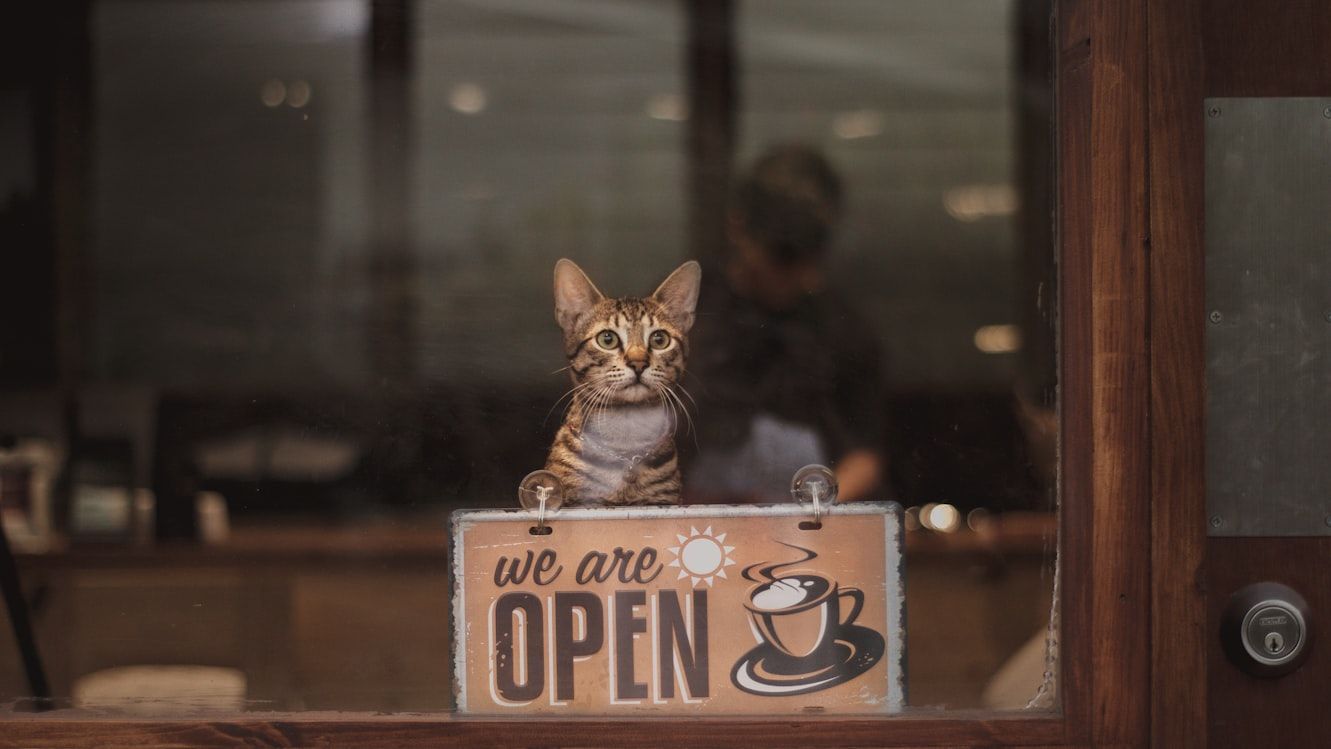
If you prefer your animal encounters with a side of cappuccino, Tokyo is your mecca. While cat cafés have spread across the globe, Japan perfected the art.
In a densely populated city where many landlords forbid pets, these cafés serve as vital stress-relief hubs for locals. For the traveler, they offer a cozy, quiet retreat to observe the quirky personalities of various feline breeds in meticulously designed, clean environments.
Visiting the Saint Bernard Dog Museum – Martigny, Suiza

High in the Swiss Alps, the Saint Bernard dog is a national icon. At Barryland in Martigny, visitors can explore the rich history of these legendary mountain rescue dogs.
The museum is named after Barry, a famous rescue dog who reportedly saved over 40 lives in the early 1800s. Not only do you get to learn about the incredible search-and-rescue genetics of the breed, but the museum also features a kennel where you can meet the dogs and, if you time it right, even cuddle with Saint Bernard puppies.
Discovering a hummingbird sanctuary – Mexico City, Mexico and Cochise County, Arizona

With heart rates that can exceed 1,200 beats per minute, hummingbirds are marvels of biological engineering. To see them in staggering numbers, animal lovers have two incredible hotspots.
For one, you can visit Catia, a sanctuary for injured hummingbirds in Mexico City run by a generous 73-year-old woman. Also, Cochise County, Arizona, known as the "Hummingbird Capital of the U.S.," has places like Ramsey Canyon Preserve, which hosts up to 15 different species during peak migration.
Swimming with millions of jellyfish – Jellyfish Lake, Palau
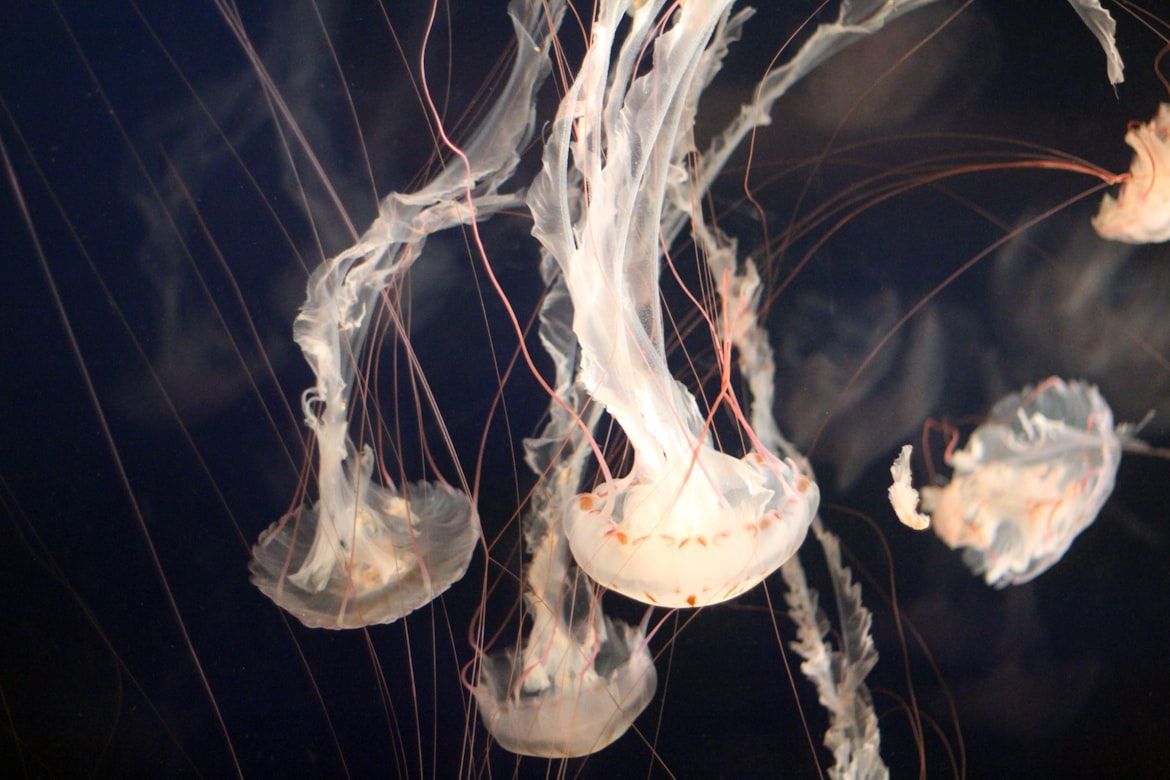
Imagine floating in a marine lake surrounded by millions of golden jellyfish. For anyone who has ever been stung at the beach, this sounds like the plot of a horror movie. But in Palau's famous Jellyfish Lake, it is pure magic.
Because this lake was isolated from the ocean thousands of years ago, the resident golden jellyfish lost their need for potent stingers to ward off predators. Today, their sting is so mild it cannot be felt by human skin. Swimming among them during their daily migration across the lake is a surreal, otherworldly experience.
Riding a camel around the Pyramids – Giza, Egypt
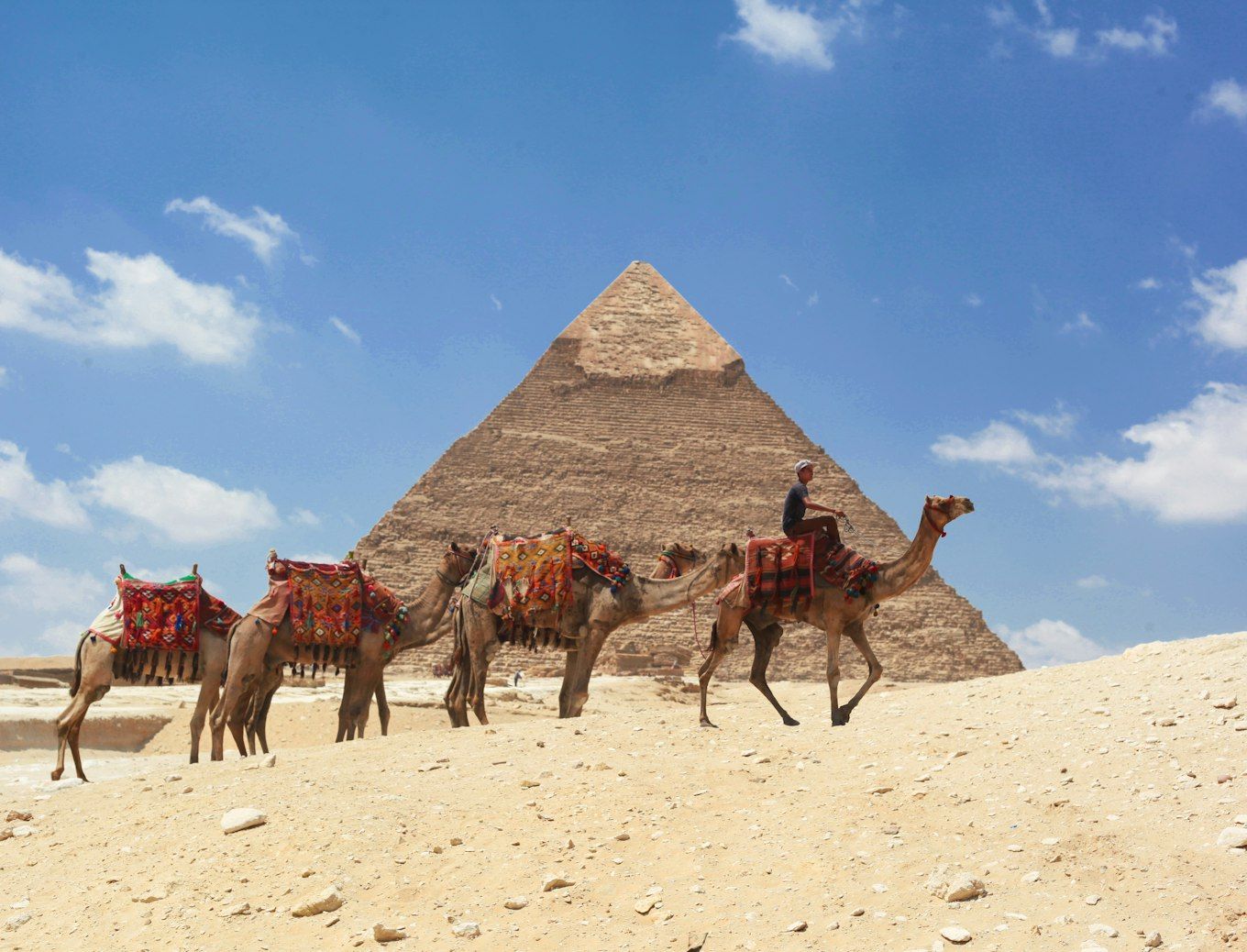
Riding a camel in front of the Great Sphinx is a classic travel trope. But to do this right, an animal lover needs to do their homework.
Camels feature specialized kidneys and blood cells that allow them to survive days without water. When riding one around the ancient pyramids, it is crucial to seek out ethical operators who treat their animals with respect, provide ample shade, and do not overload them. Experiencing the rolling gait of a dromedary while gazing at 4,500-year-old monuments is a powerful connection to human and animal history combined.

You should be stopping on the road every 2 hours: Tips for nicer trips
Tips for smart travel
Bring a sleep mask! Ideas to make your traveling more comfortable
How exciting is leaving on a long-awaited trip? But let’s be honest, it can also be uncomfortable. Sleepless flights, long drives, rushed schedules, missing pens, wrong clothes, and forgotten essentials can quietly drain the joy out of any trip. So, today, let’s look at a few smart, small habits that can make all the difference.
Don’t forget your sleep setup

Long-haul flights expose you to bright cabin lighting, constant engine noise, awkward seat angles, and unfamiliar surroundings. All of them are enemies of rest!
So, you can always turn to the simple trio that changes everything: a comfortable eye mask to block disruptive light, supportive neck pillows to prevent the head drop, and noise-reducing headphones or earplugs that soften the relentless hum of the cabin.
"Micro-stops" in road trips
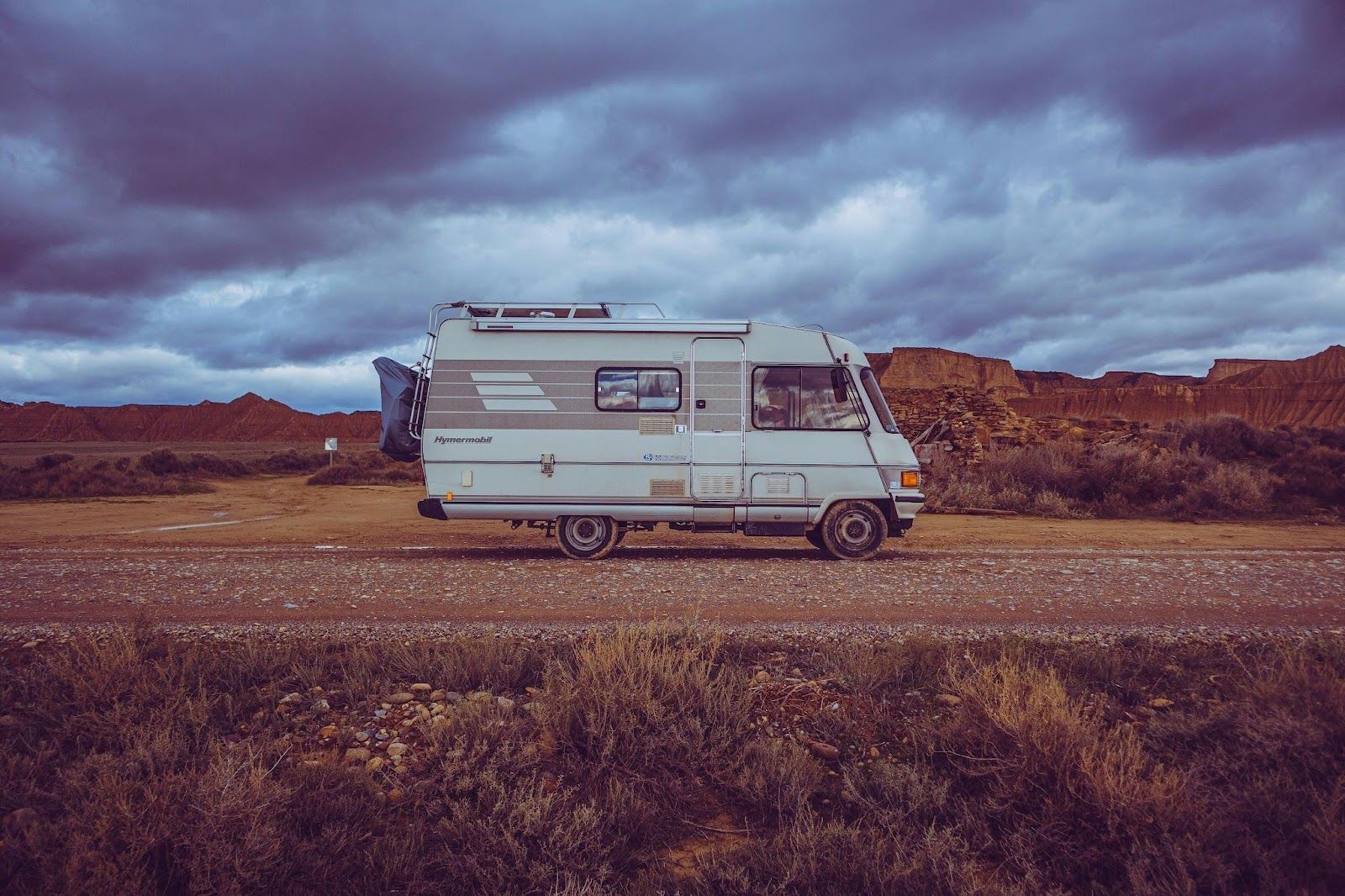
The classic road-trip fantasy involves long, uninterrupted drives. But driving fatigue builds gradually, attention fades, and it can quickly become exhausting.
So, experienced drivers now recommend "micro-stops": short, frequent breaks every hour or two instead of pushing for long stretches between stops. Short pauses to stretch, grab a coffee, or simply walk for five minutes reset both body and mind.
Adjust your seat as best you can

Many travelers just eagerly jump into their car and never think about it again. But your roadtrip would be so much more enjoyable if you made the small ergonomic tweaks that car seats are prepared for!
Make sure you spend a few minutes adjusting the seat just for you. You’ll feel a dramatic change in how the body feels after hours on the road. Particularly if you are the one driving!
Pack for accessibility

Nothing will ruin your mood worse than needing a pen that you know for sure that you brought… but is probably now sitting in the very bottom corner of your backpack.
You really don’t want to ruin the setup that you carefully managed to pack. Make sure you mindfully consider efficient packing before leaving home! What are you most likely to need, and when?
Layered clothing instead of heavy outfits

When we travel far away, especially by plane, or to distant places with entirely different weather, clothes can turn on us very fast. That’s why many advise avoiding bulky outfits and instead relying on layers: breathable base pieces, light sweaters, scarves, or packable jackets that can be added or removed without effort.
Extra tip: If you are traveling somewhere warm, pack some summer clothes in your backpack so you can change easily as soon as you get there!
Snack planning instead of random roadside food

Sure, you can stop for some fresh coffee at some point in your trip. But you know it doesn’t end there. Road trips often lead to impulse snacks: sugary treats, heavy meals, and energy crashes that follow.
Take this suggestion: plan ahead to pack simple combinations like nuts, fruit, yogurt, or sandwiches that balance protein and carbohydrates. Although, of course, you can leave room for some treat along the way!
Building buffer time into itineraries

Tight connections and packed schedules turn delays into major stress. Instead, be clever about leaving buffer time. That will give you and your group space to breathe, explore, or simply recover from unexpected hiccups. Maybe adding even 30 to 60 extra minutes between plans transforms the experience from rushed and reactive into relaxed and enjoyable.
Keep digital copies of documents

Before leaving home, make sure to scan important documents! A simple picture on your phone will do. This will become invaluable if anything goes missing. Save copies of passports, IDs, insurance information, and reservations. And, of course, make sure your phone is fully charged and that you stored your charger nearby, just in case.
Keep early schedules to avoid crowds

How about being the first to breakfast every day? Sure, sometimes we need the extra sleep. But the truth is that early risers often discover a quieter version of popular destinations.
If you set the alarm clock a bit sooner than you’d like, you’ll get yourself a whole day of arriving at viewpoints before the crowds, or dining without needing to stand in line.
Pack folding shopping bags

Trust us, at some point in your trip, you will need an extra bag! Think about snacks or unexpected shopping that you may make along the way. And, unless you are a very modern collector, you don’t really need to spend on yet another overpriced shopping bag.
Next time, before you leave home, make sure you pack one or two lightweight folding bags in an accessible corner of your travel kit.
Keep wandering
There’s always
more to explore

The smartest travelers avoid flying on these days: 10 US airport facts
6 min.
Read Now

Do you know what John Lennon's home in New York City was like?
6 min.
Read Now
 Geography

No one can explain: 10 geographical mysteries that broke science
6 min.
Read Now
 Landmarks

10 American place names you’ve been mispronouncing your entire life
5 min.
Read Now