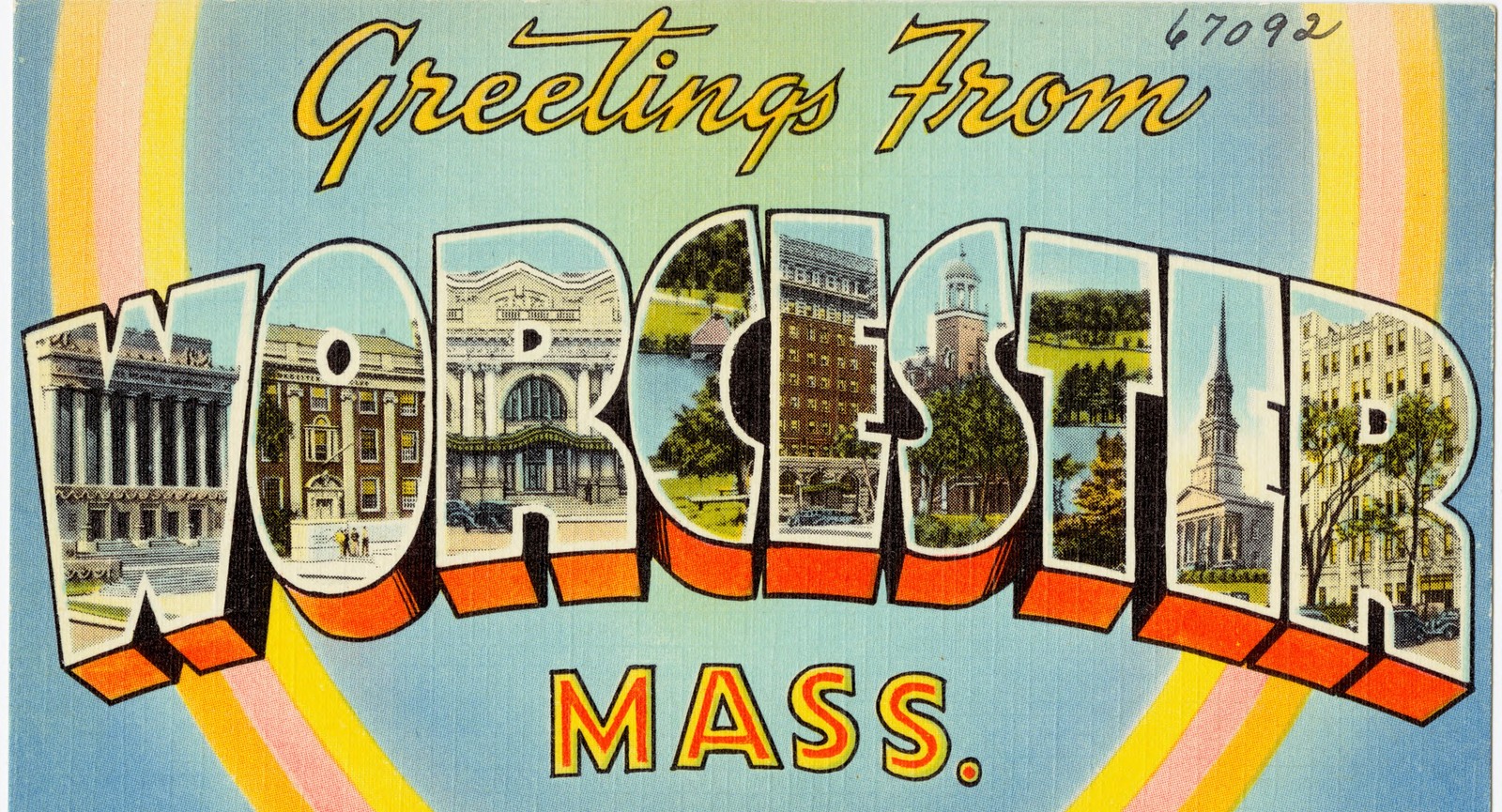
10 American place names you’ve been mispronouncing your entire life
 Landmarks
10 American place names you’ve been mispronouncing your entire life
The English language may be a bit erratic, but American geography takes linguistic chaos to an entirely different level. Across the United States, place names are a beautiful mixture of ancient Native American dialects, old European titles, and regional accents that have mutated over centuries. From coastal New England towns to deep southern bayous, here are 10 places whose names you most certainly have been mispronouncing your entire life.
Worcester, Massachusetts
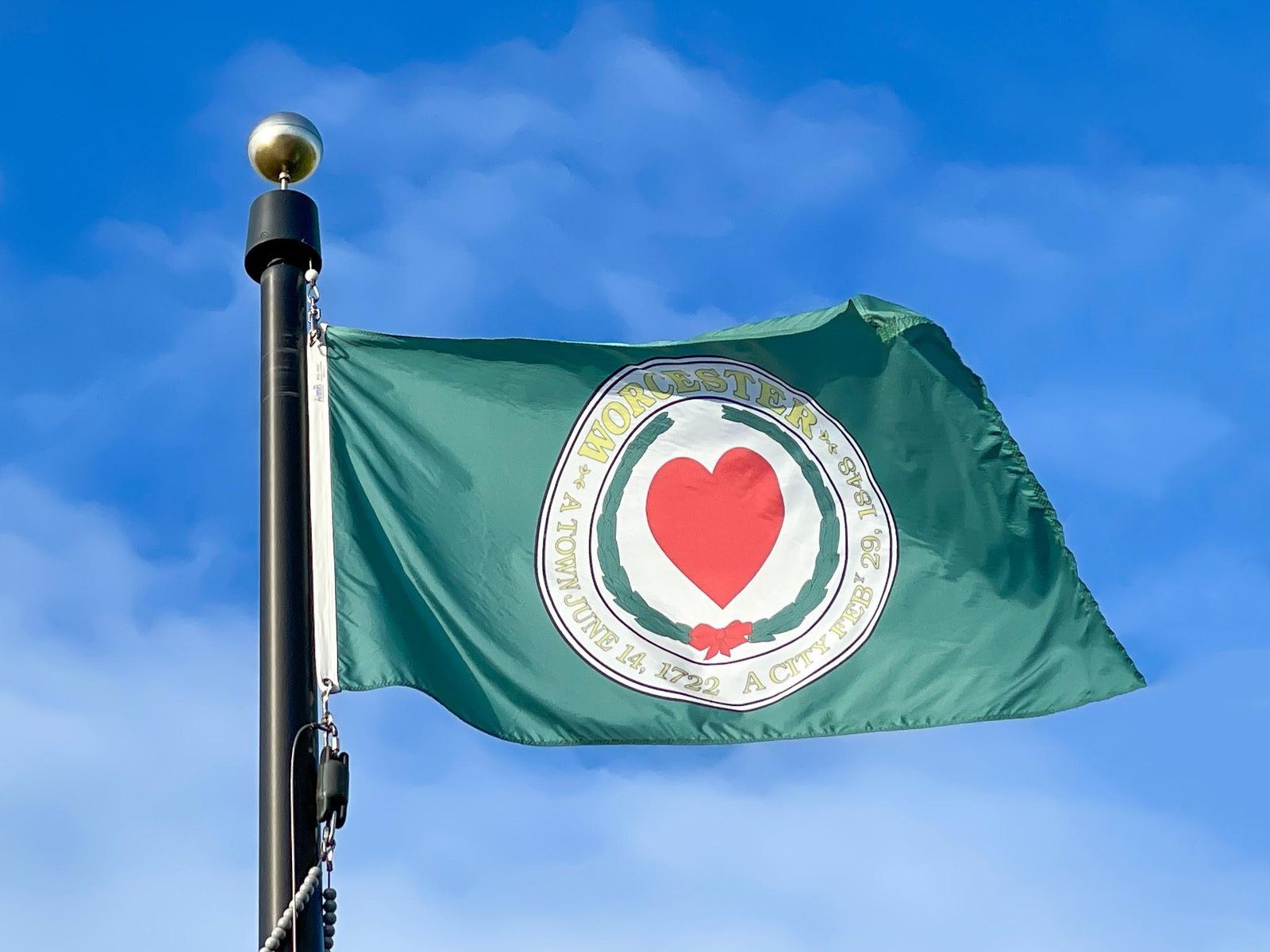
We’ll start with the ultimate gateway to linguistic confusion: New England. If you try to pronounce every syllable written on the map in Massachusetts, you’re going to have a rough time. Out-of-towners frequently look at Worcester and confidently utter "War-ces-ter" or create an assumed "War-chester".
Yet, locals completely bypass the middle of the word. Worcester is properly pronounced "WUST-er" (rhyming with the first syllable of "buster"). The spelling is directly inherited from Worcester, England, where the silent "ce" is a standard quirk of British town names.
Versailles, Kentucky
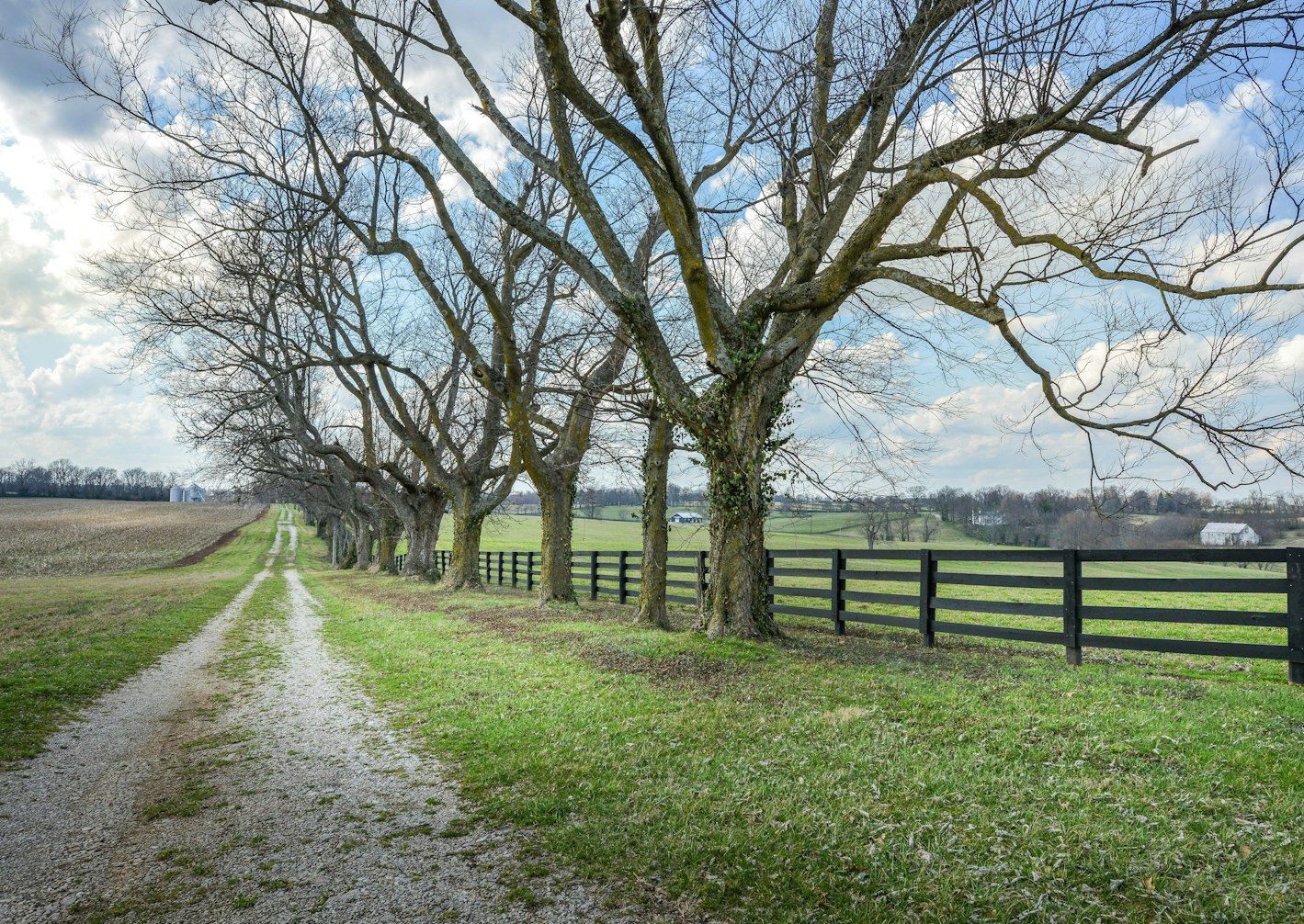
If you’ve taken a high school French class, your instinct when rolling into this Kentucky town will be to channel your inner Marie Antoinette and pronounce it "Ver-SIGH", just like the famous palace outside of Paris.
Do that in Kentucky, and you’ll get a round of weary but polite eye rolls. In a classic example of historic Americanization, the locals have rejected the French inflection. The town is proudly pronounced "Ver-SAYLS" (rhyming with "sales").
Spokane, Washington
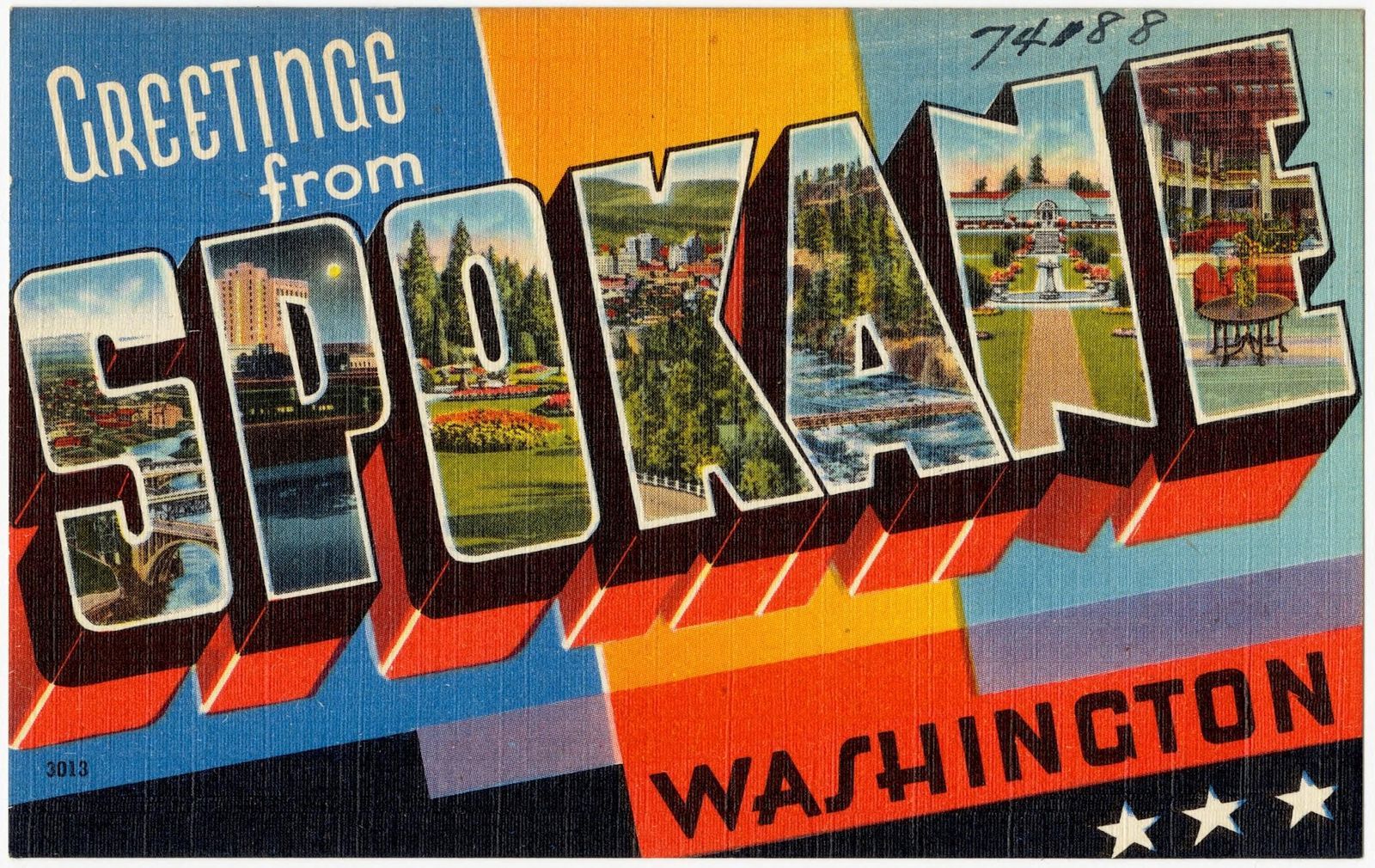
Located in eastern Washington, this vibrant Pacific Northwest city gets its name from the indigenous Spokane people, translating to "children of the sun".
The phonetic trap here lies right at the very end of the word. Because it ends in "ane", tourists almost universally read it with a long "A" sound, pronouncing it "Spo-CANE. But locals pronounce the final syllable with a short, flat "A", making it "Spo-CAN" (like a tin can).
Boise, Idaho
On paper, Idaho’s capital city seems straightforward. It is only five letters long, yet it is arguably one of the most mispronounced state capitals in the country.
Nearly everyone outside the Pacific Northwest inflects the middle consonant with a heavy "Z" sound, calling it "BOY-zee". If you want to blend in seamlessly with the locals, you need to soften that consonant into a crisp "S" sound. It’s "BOY-see".
Kissimmee, Florida
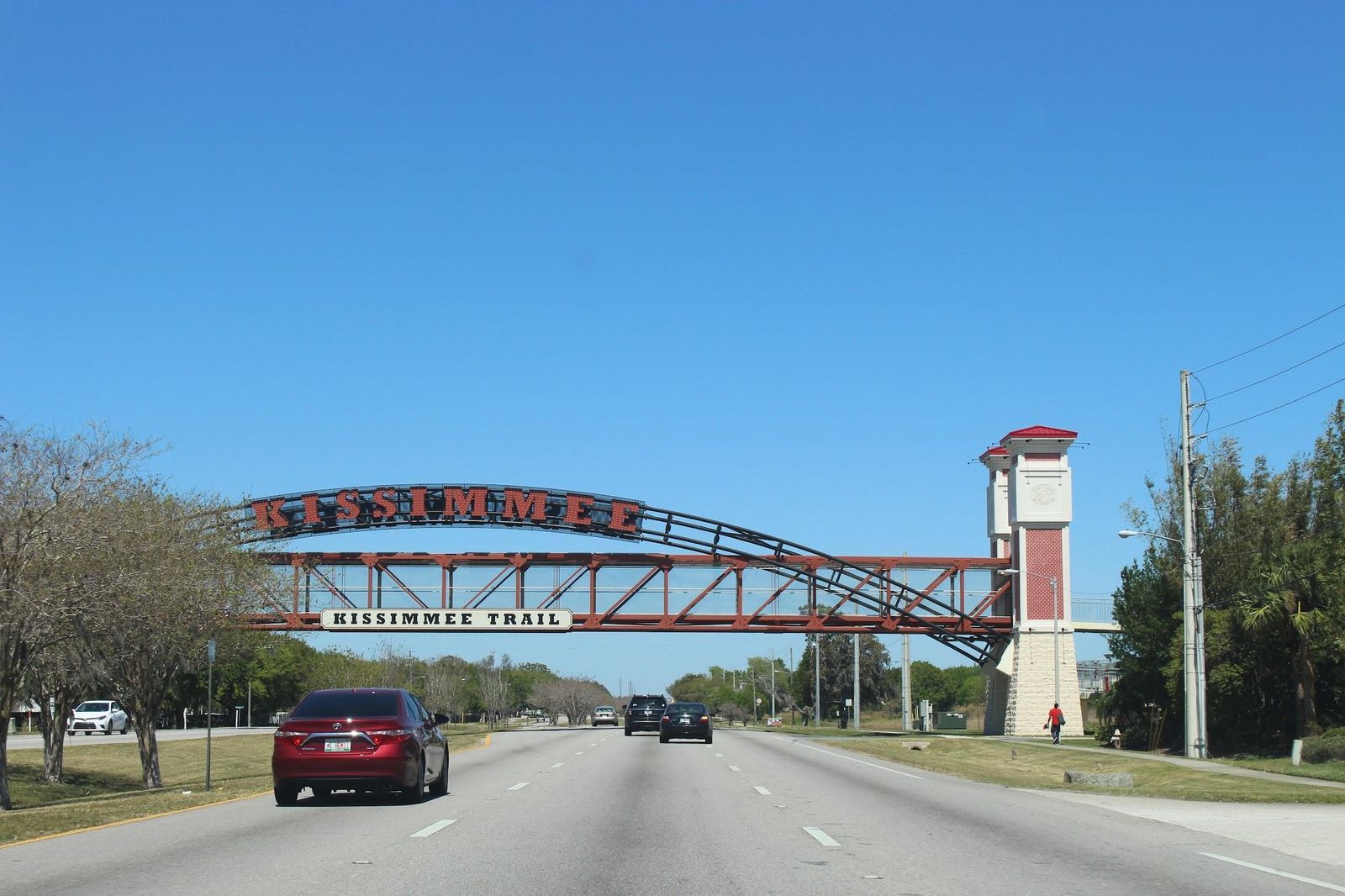
Located right next door to the massive tourism hub of Orlando and Walt Disney World, Kissimmee sees millions of international visitors pass through each year. And almost every single one of those visitors says it wrong.
Tourists instinctively put the stress on the very first syllable, making it sound like an invitation: "KISS-i-mee". The name, probably a modern spelling of a tribal word, can be traced back to the language of the Jororo people and means "long water." In turn, the proper, local pronunciation shifts the emphasis to the second syllable: "Kug-SIM-ee".
Patchogue, New York
Long Island, New York, is packed with complex place names left behind by the region’s original Native American inhabitants (think Ronkonkoma, Amagansett, or Massapequa). But Patchogue is the one that regularly stops travelers dead in their tracks.
Readers look at the "ogue" ending and panic, guessing everything from "Patch-o-gew" to "Pay-chog". The actual pronunciation is much more blunt: "PATCH-awg". Once you realize it rhymes with words like "dog" or "log," the fear of navigating Long Island’s highway signs disappears.
Wilkes-Barre, Pennsylvania
This historic northeastern Pennsylvania city was named in the 18th century to honor two distinct British politicians who supported the American colonies: John Wilkes and Isaac Barré. Because it combines two separate last names, the pronunciation has been a nuisance for decades.
The worst thing you can say is "Wilkes-BARE" as a single syllable. To say it correctly, you have to give Isaac Barré his due. Locals generally split into two acceptable options: the common "WILKS-berry" or the more traditional "WILKS-bar-uh". Both honor the two-syllable nature of the original names.
Helena, Montana
When people see the name of Montana’s capital city, their brains automatically map it to the classical European pronunciation: "He-LAY-nuh" or "He-LEE-nuh".
Yet, the founders of this frontier town had a much simpler cadence in mind. The city is named exactly like the woman’s name Helen, with an unstressed "schwa" sound added to the end. It is pronounced "HEL-i-nuh", with the emphasis landing on the very first syllable.
Norfolk, Virginia
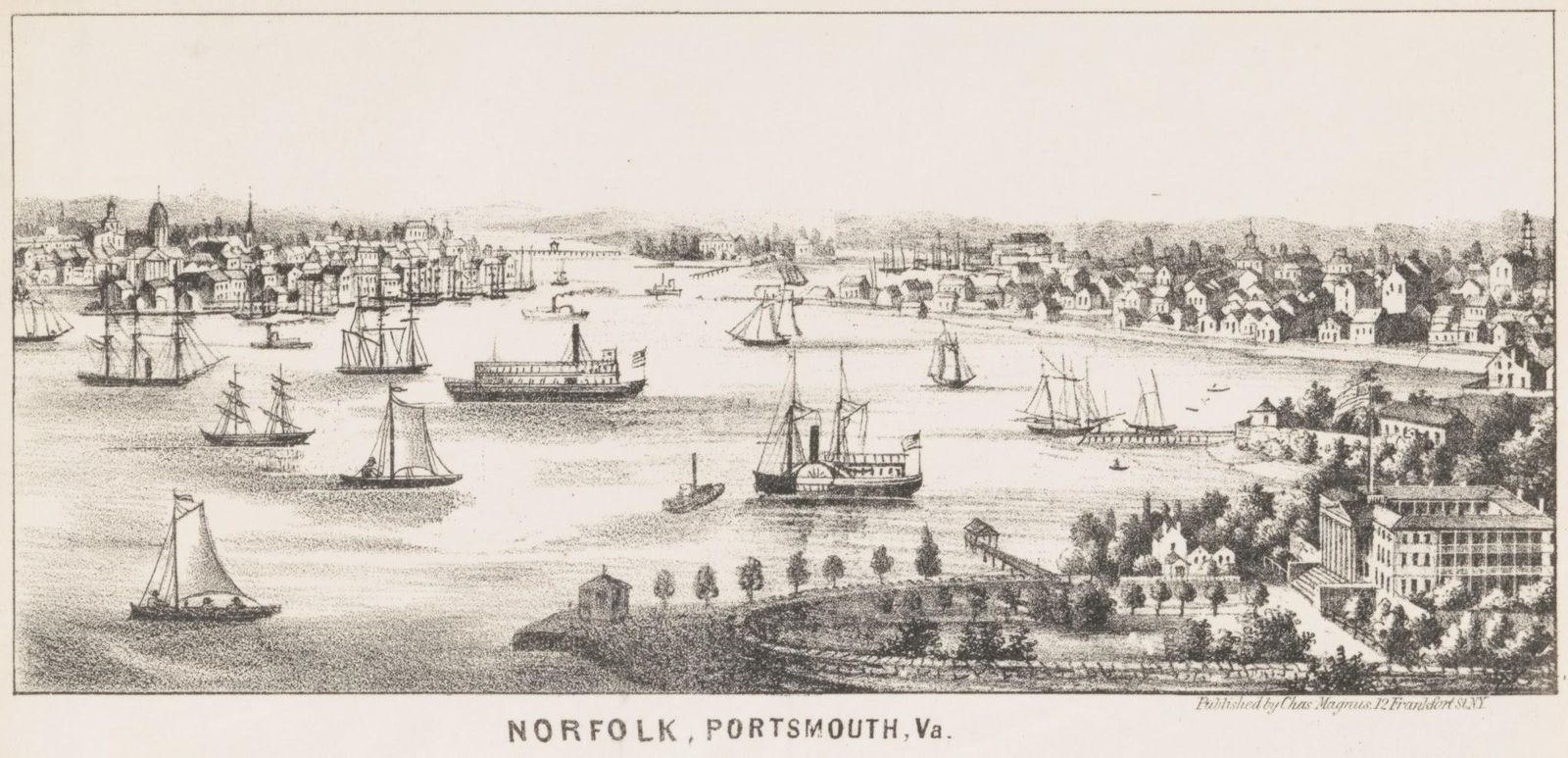
Norfolk is home to the world’s largest naval base, meaning thousands of sailors from across the globe arrive here every year. This massive influx of new residents creates a constant battle over how the city’s name should sound.
Phonetic readers will try to enunciate every letter, resulting in a stiff "Nor-FOLK". Locals, however, treat the "L" as if it doesn’t exist. Depending on how deep into the local accent you want to go, the accepted pronunciations range from a quick "NOR-fuk" to a very relaxed "NAW-fok".
Beaufort (NC) and Beaufort (SC)
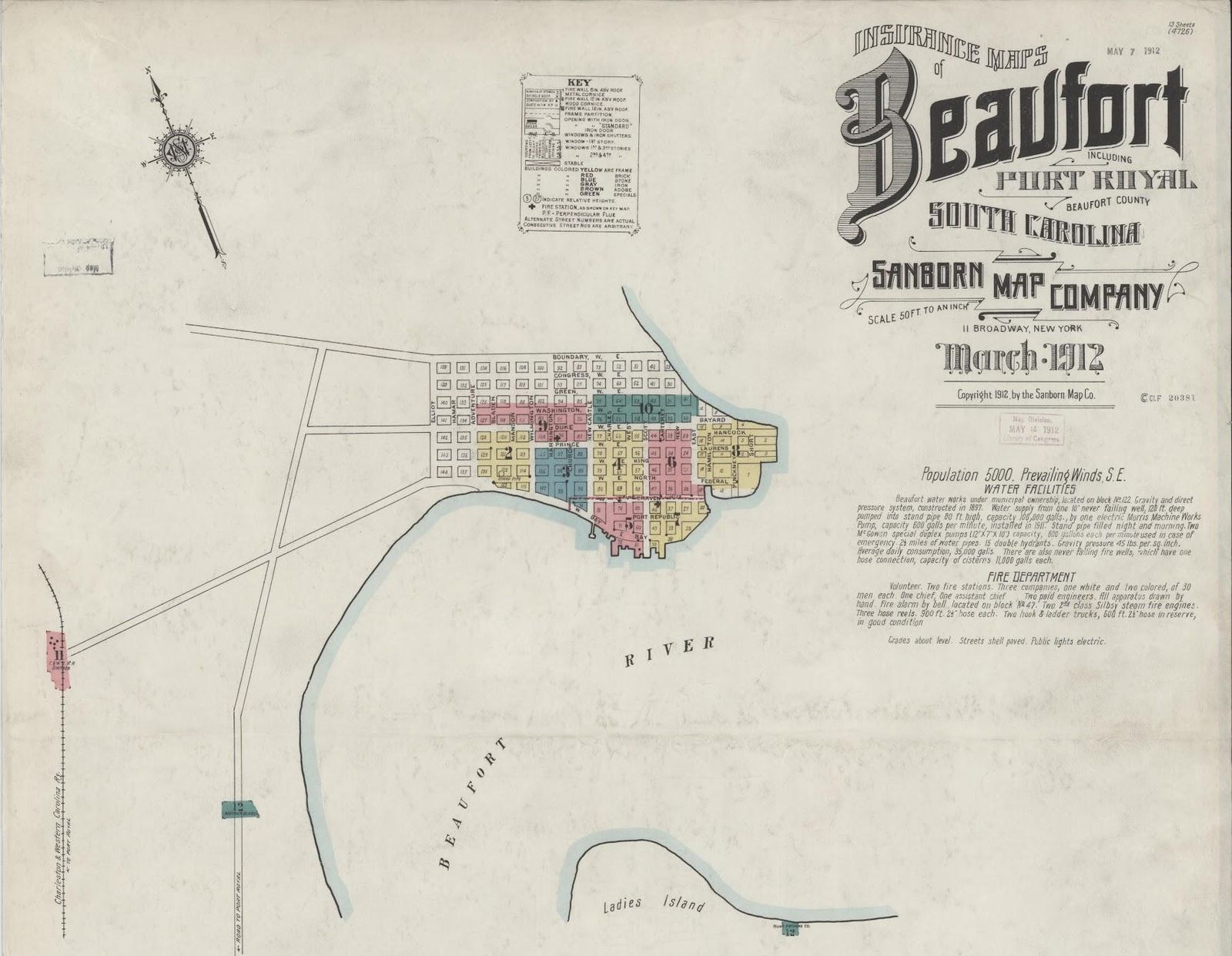
To wrap up our tour of geographical anomalies, we have an identical twin spelling trap located along the southeastern coast. There is a Beaufort in North Carolina and a Beaufort in South Carolina. They are spelled exactly the same way, but pronounced differently.
The difference comes down to accents: both towns were named after the British Duke of Beaufort. Yet, while Beaufort, South Carolina, is pronounced "BYOO-fort" (rhyming with beautiful), across the border, people in North Carolina pronounce it "BOW-fort".
Why are there two different rooms for one restroom in Europe?
 Culture
Cultural differences
10 European quirks and habits that might surprise you
If you are planning a long-awaited trip to Europe, get ready for incredible historic sites, stunning art, and maybe... a few surprises. You might be used to a certain way of doing things, and Europe has its own charming (and sometimes puzzling) quirks. Here are 10 things that might make you say "Wait, what?" – and some that are actually pretty great.
The disappearing dinner hour
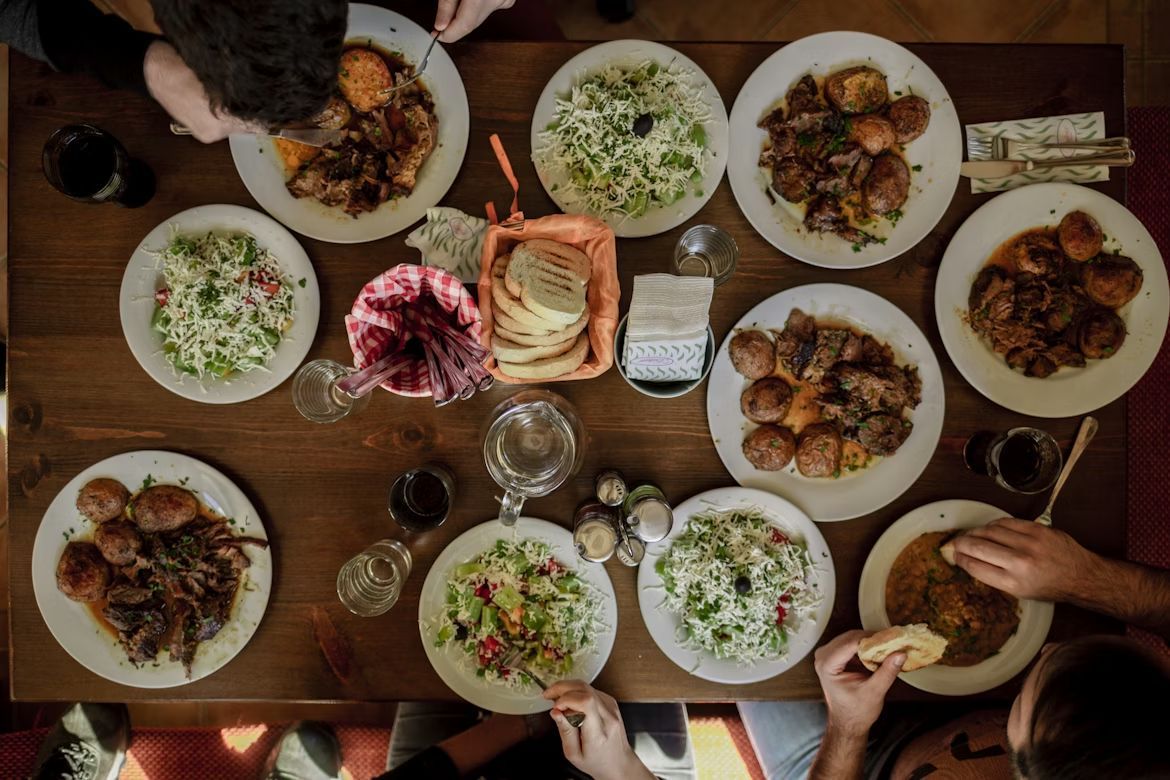
Dinner in Europe usually happens late. You might not see locals eating dinner until 9:00 or 10:00 PM, or even later. "How don't they starve?" you may ask. Well, in many European countries, particularly in Spain, they bridge the gap with a 'merienda' — a light afternoon snack — to tide them over until dinner. While some tourist-oriented restaurants cater to earlier diners, the true local experience involves a later meal.
The wonderful world of public transport
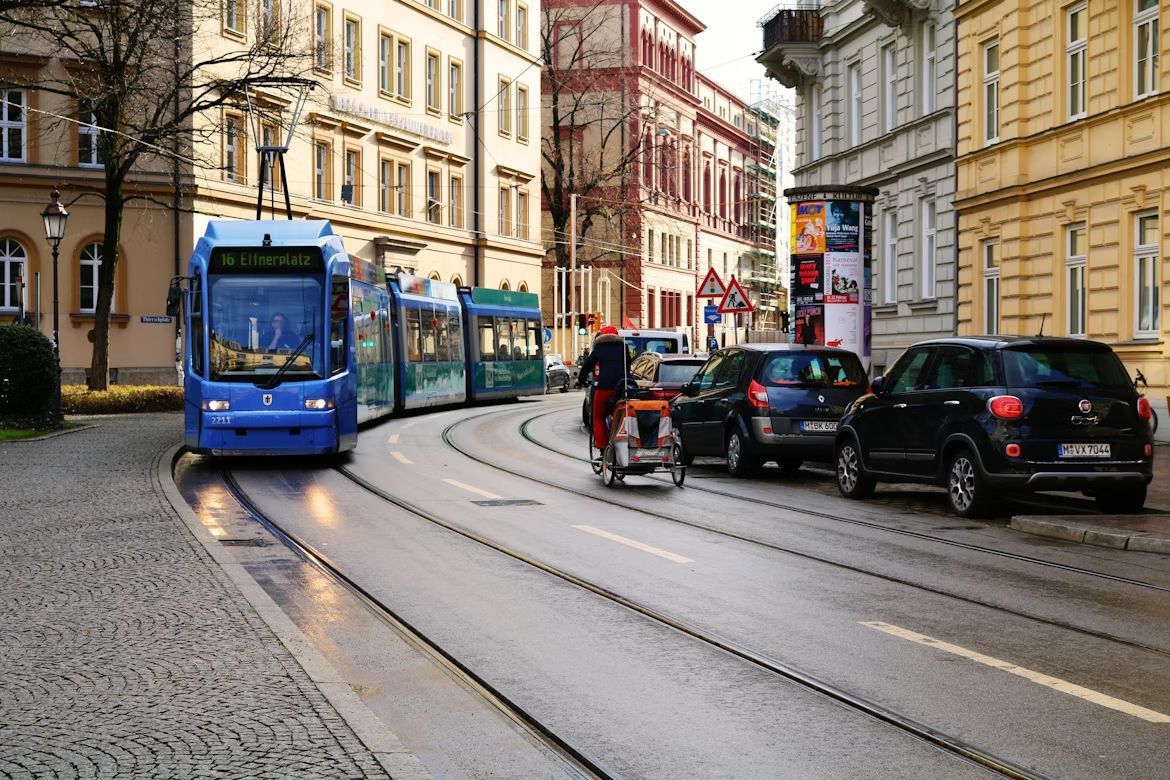
European cities often boast incredible public transportation systems – subways, trams, and buses that are clean, efficient, and affordable. Forget Uber and taxis! Getting around on the métro in Paris or the Tube in London is an adventure in itself. Purchase day passes or use contactless payment and enjoy the ease of navigating like a local.
The tipping tease: Service included?
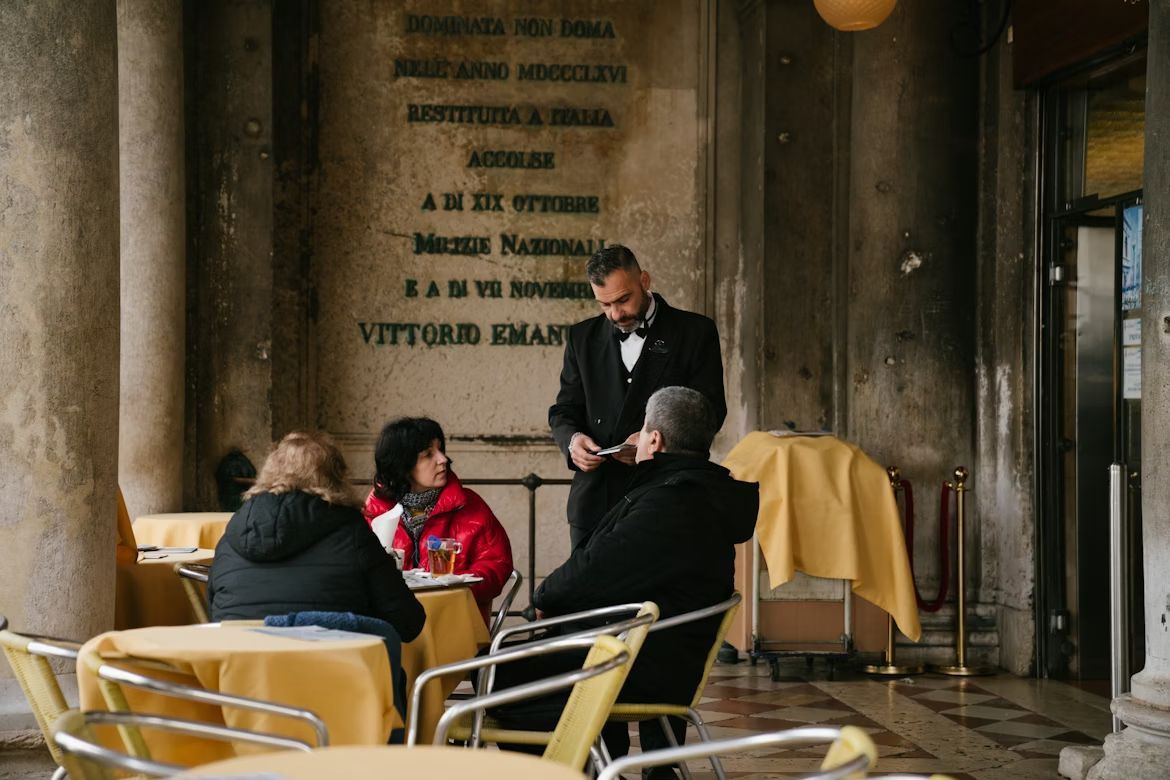
Tipping in Europe is far less common and generous than in the U.S. In many countries, a service charge is already included in your bill. If not, a small tip (maybe 5-10% for exceptional service) is appreciated but rarely expected. Don’t feel obligated to tip 20% like back home.
The "where's the water?" waiter mystery
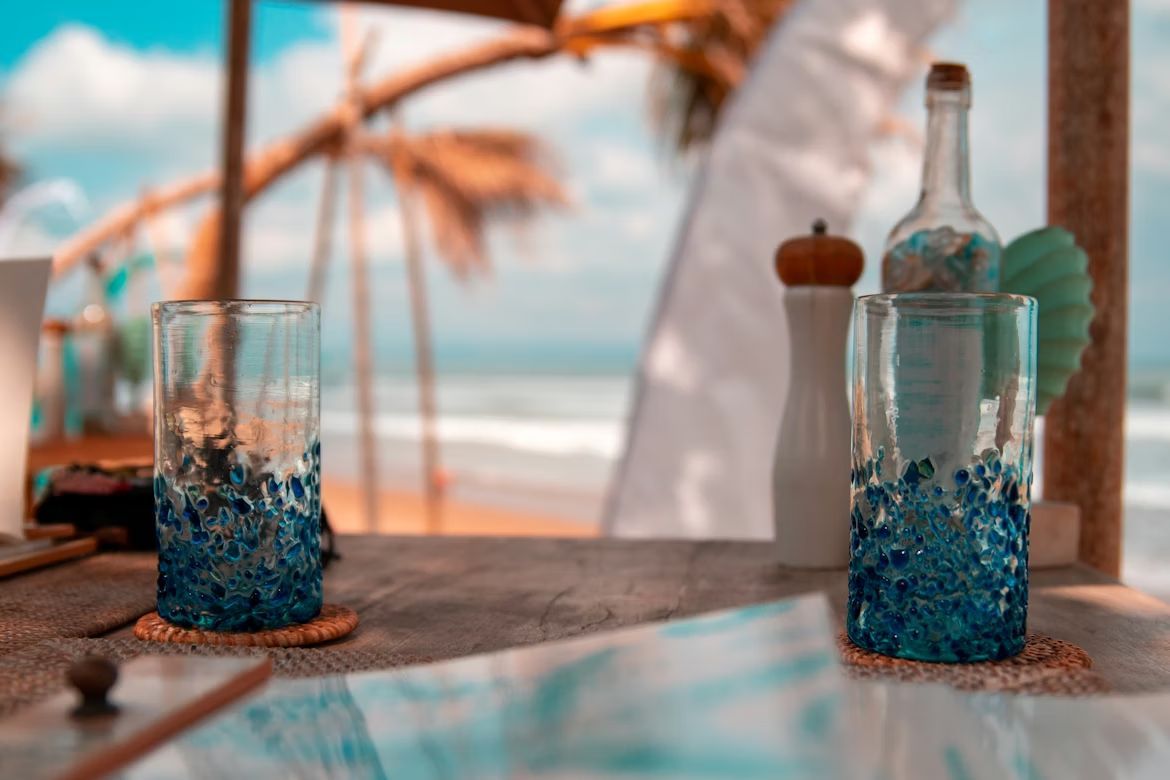
Don't expect that ice-cold glass of water to magically appear on your table the moment you sit down. In most European restaurants, you’ll need to order and pay for bottled water. The waiter will probably ask you to choose between sparkling water (carbonated) or still water (non-carbonated). You can ask for tap water if you want to, and you will be served a courtesy glass, but it is not standard practice.
Small wonders: When bigger isn't better
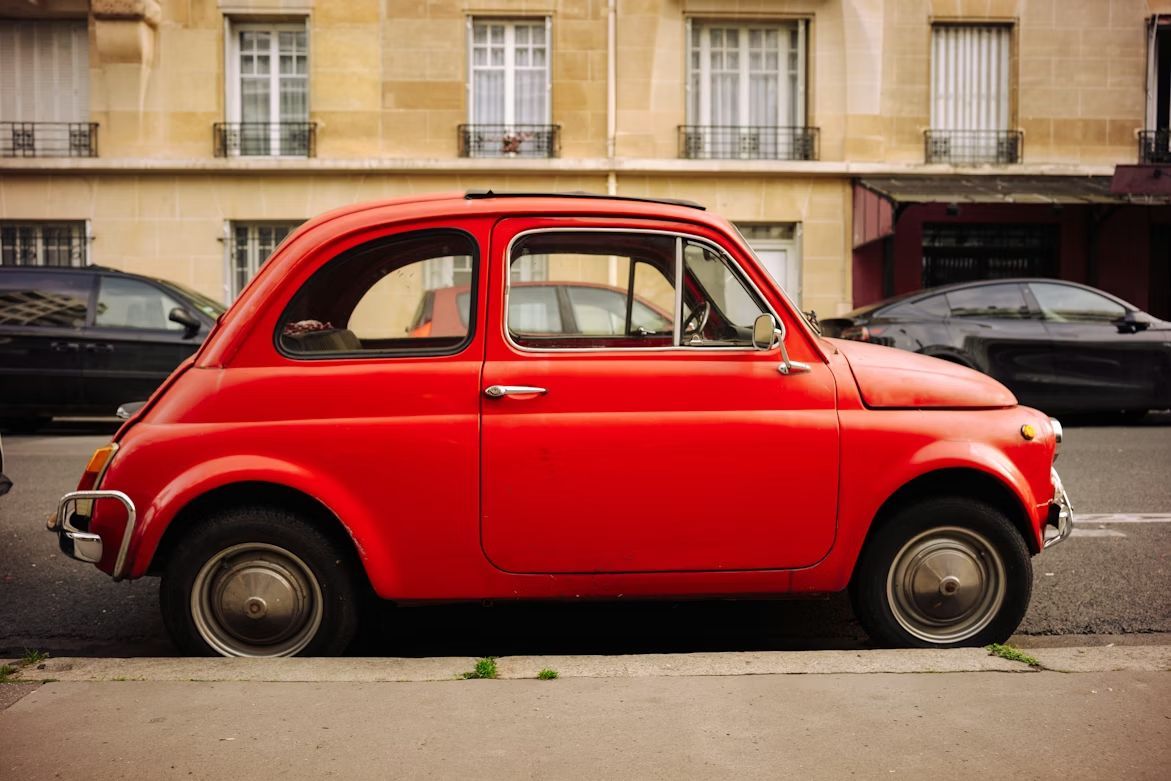
From coffee cups to car sizes, everything in Europe feels just a little bit smaller. Expect smaller portions at restaurants, smaller cars on narrower roads, and yes, smaller hotel rooms and even elevators. Think of it as part of the European charm. You might even find yourself preferring a café noisette (tiny espresso with a dash of milk) to your massive cup of Starbucks.
Those amazing, efficient little bathrooms
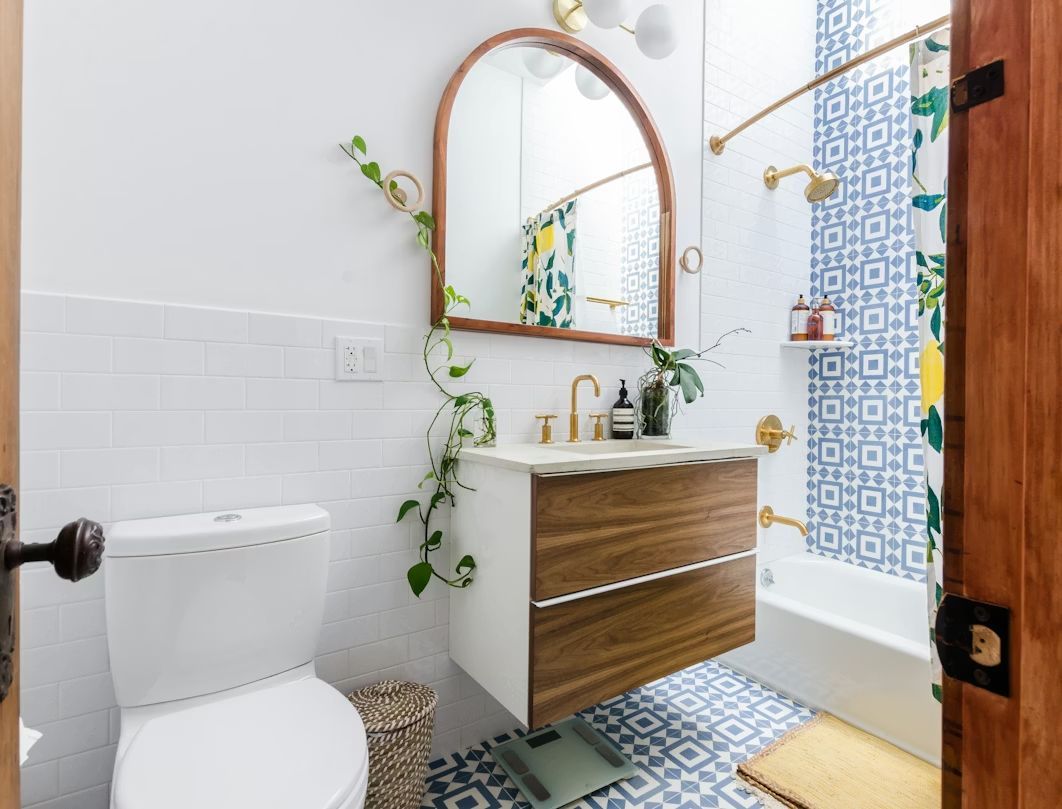
Prepare yourself for different bathroom configurations. You might find a pull chain for the toilet, a separate room for the toilet itself, or a combo shower/toilet space in older buildings. They get the job done, often with an ingenuity that might surprise you. Some public restrooms require a small fee for use, so make sure to keep some coins handy.
"Wait, it's 20:00?" Mastering military time
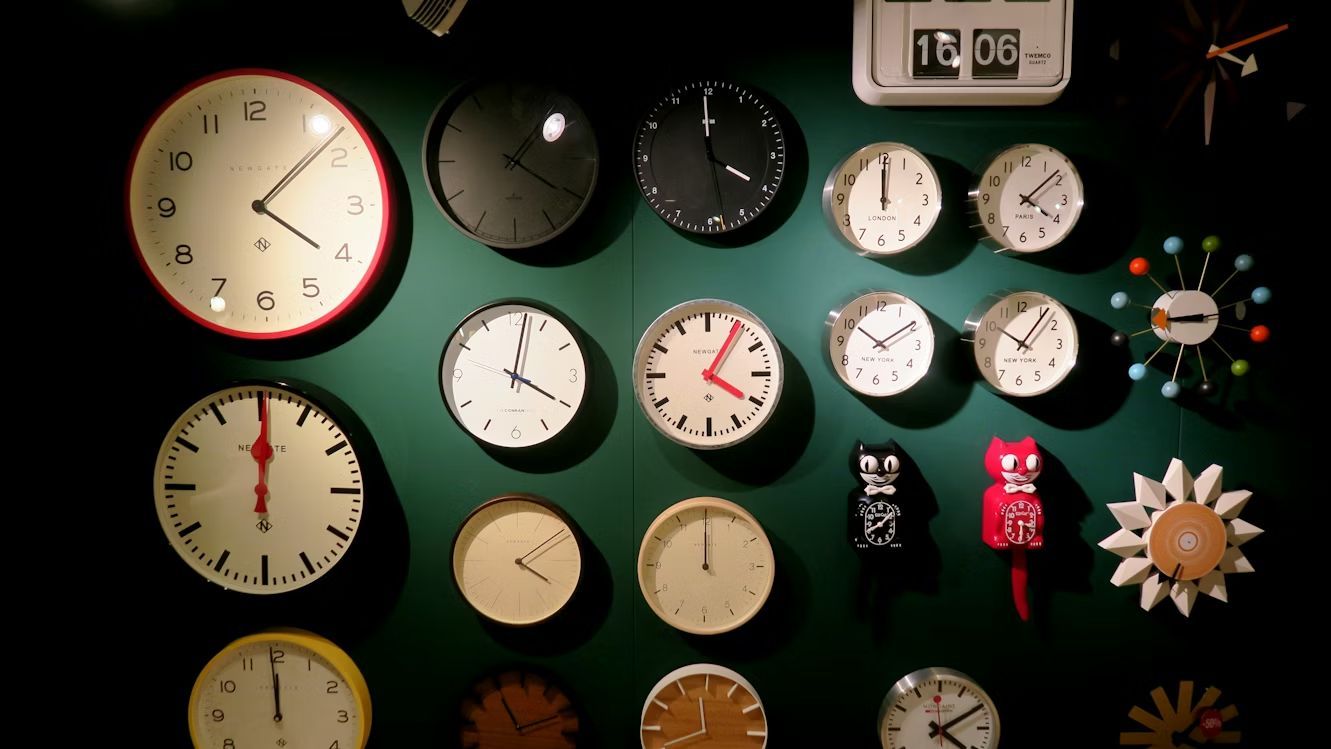
In Europe, the 24-hour clock (military time) is standard. Train schedules, museum hours, and even restaurant reservations will often use this format. Remember: for times after 1:00 PM, just add 12. So, 3:00 PM becomes 15:00. It takes a little getting used to, but it avoids any AM/PM confusion!
The sweet simplicity of "just coffee"
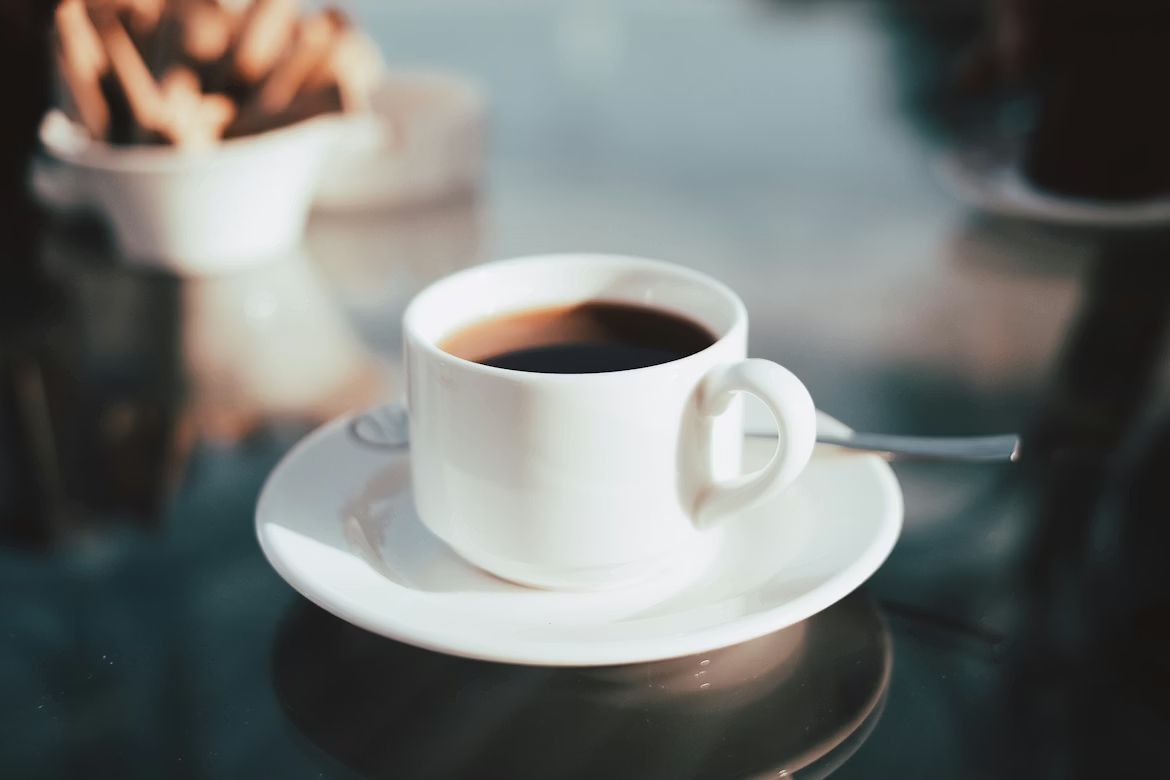
Ordering a "coffee" (or café in Spain) will likely get you an espresso: a small cup of strong, rich coffee. European coffee culture is about taking your time to savor your drink, often standing at a bar.
If you want something closer to what you get back home, look for a "café Americano" or a latte. On the other hand, if you are in the mood for something new, try a local specialty. Just remember not to expect free refills (another US-specific perk).
Sundays: The day the city (partially) sleeps
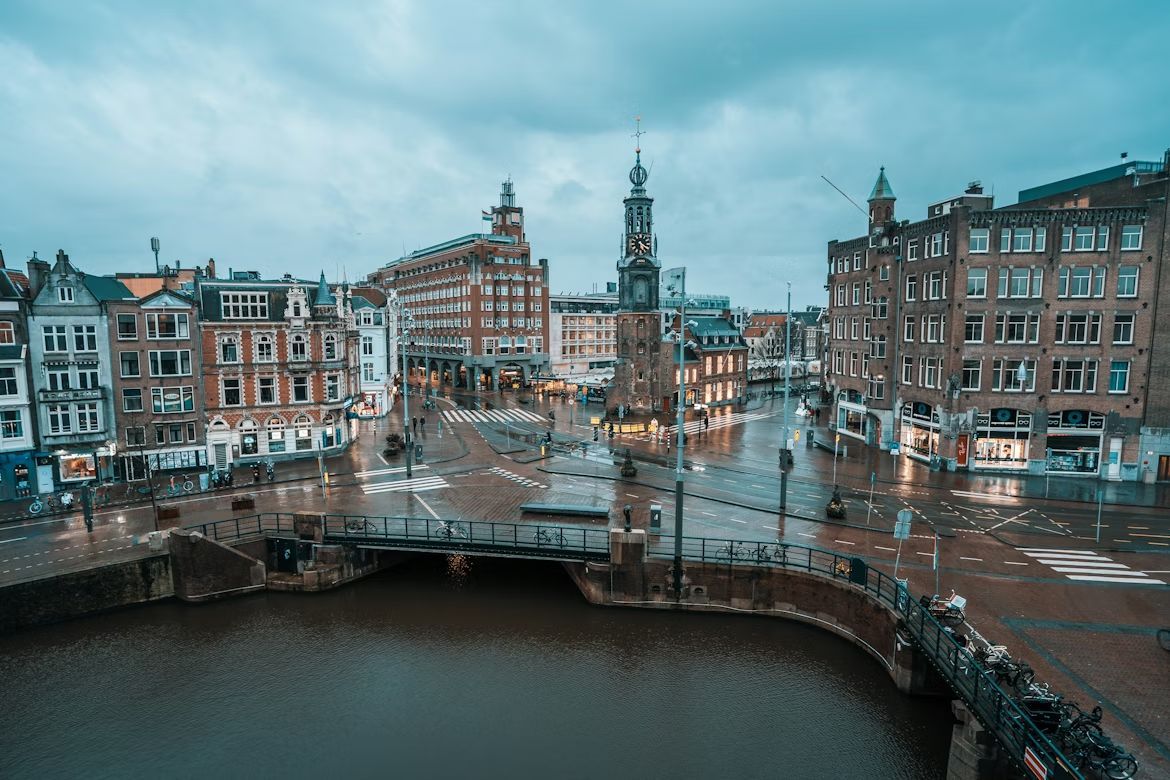
Don’t expect malls to be bustling on Sundays. In many European countries, Sunday is a day of rest, and many shops (especially smaller ones) are closed. Museums and major tourist attractions are usually open, but many smaller boutiques and grocery stores won't be. Plan your shopping accordingly and enjoy a slower-paced Sunday, perhaps with a long lunch or a park visit.
The "walkable city" wonder
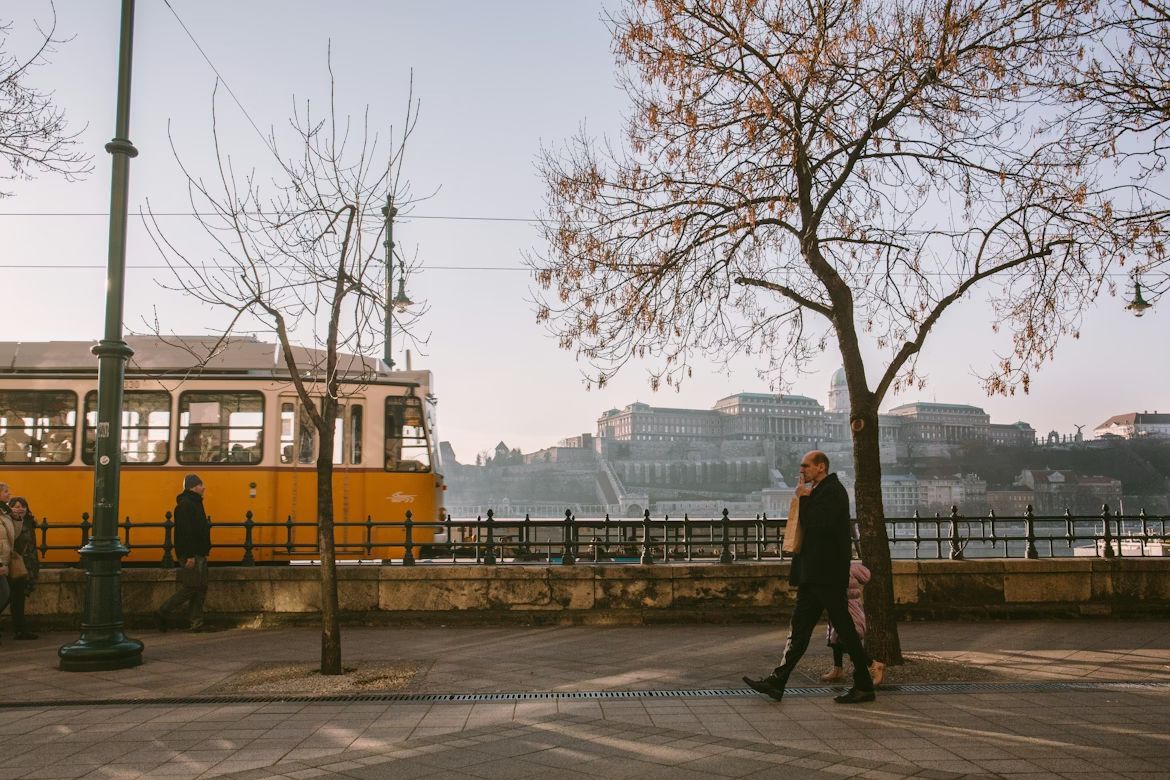
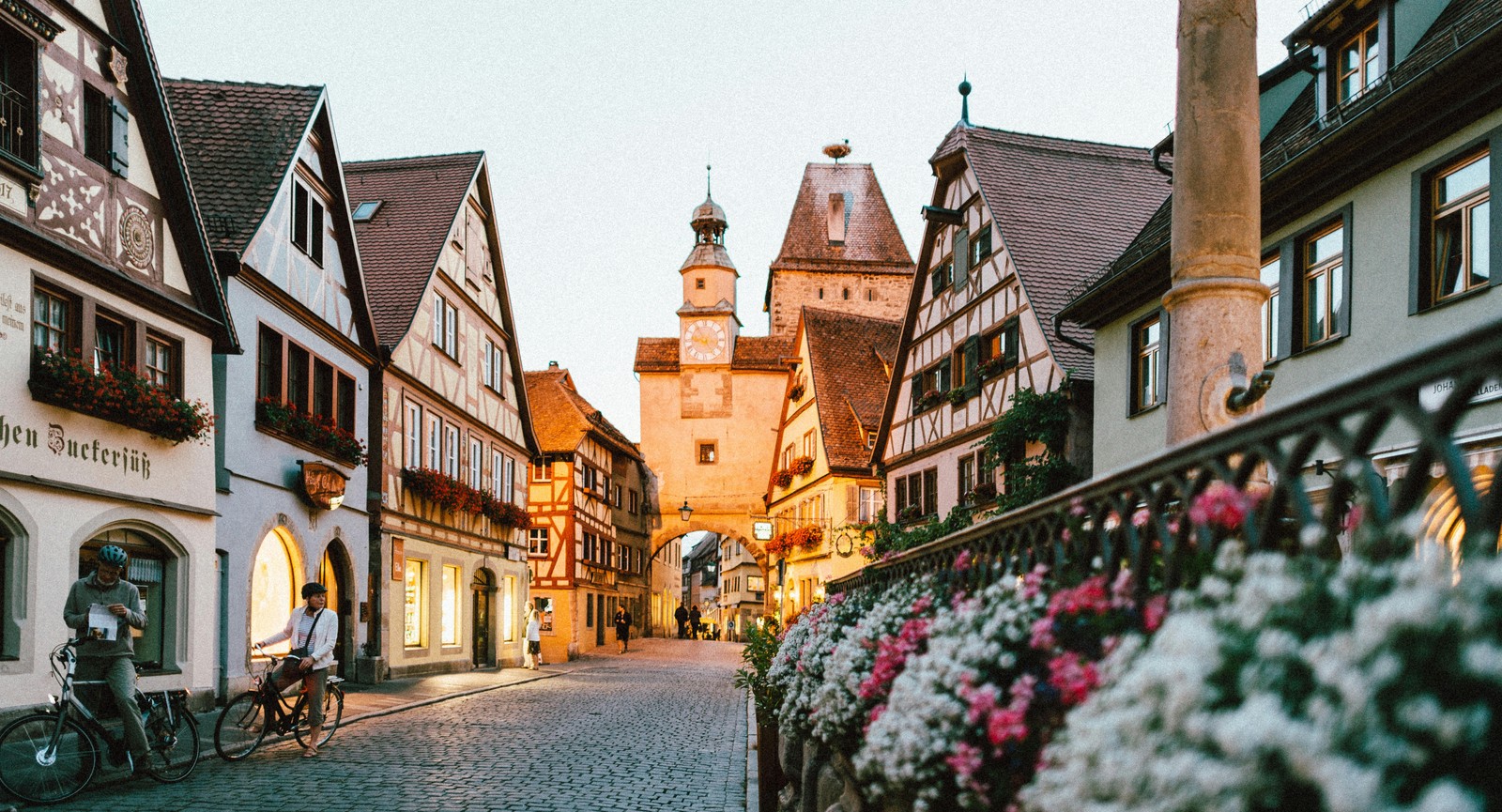
European cities are designed for walking! Ancient cobblestone streets, charming squares, and countless sights are best explored on foot. You’ll find yourselves walking a lot more than you do at home. Leave the high heels and uncomfortable shoes behind – sturdy, comfortable walking shoes are absolutely essential.
Keep wandering
There’s always
more to explore
 Geography
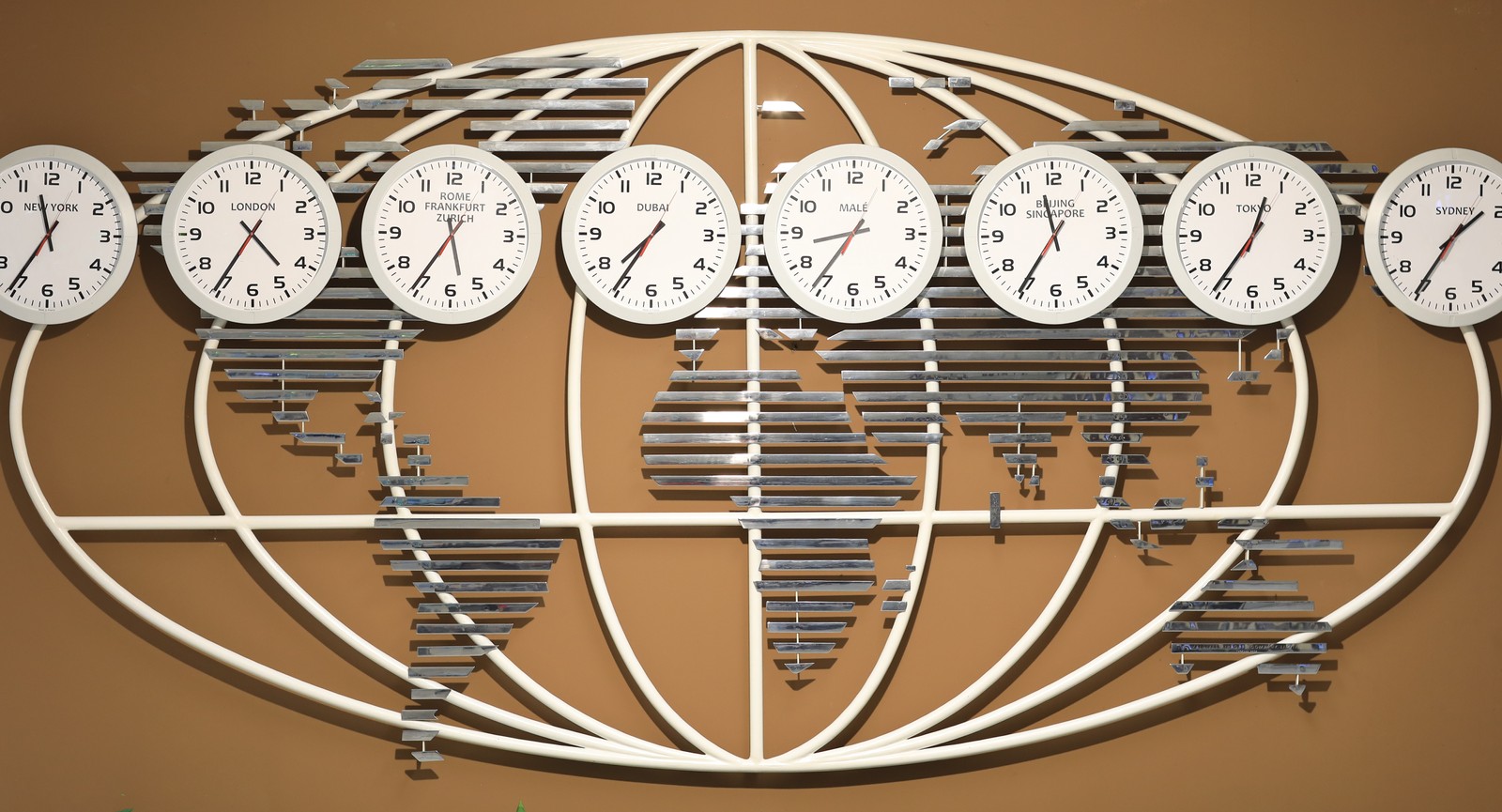
How many time zones does the United States have?
5 min.
Read Now
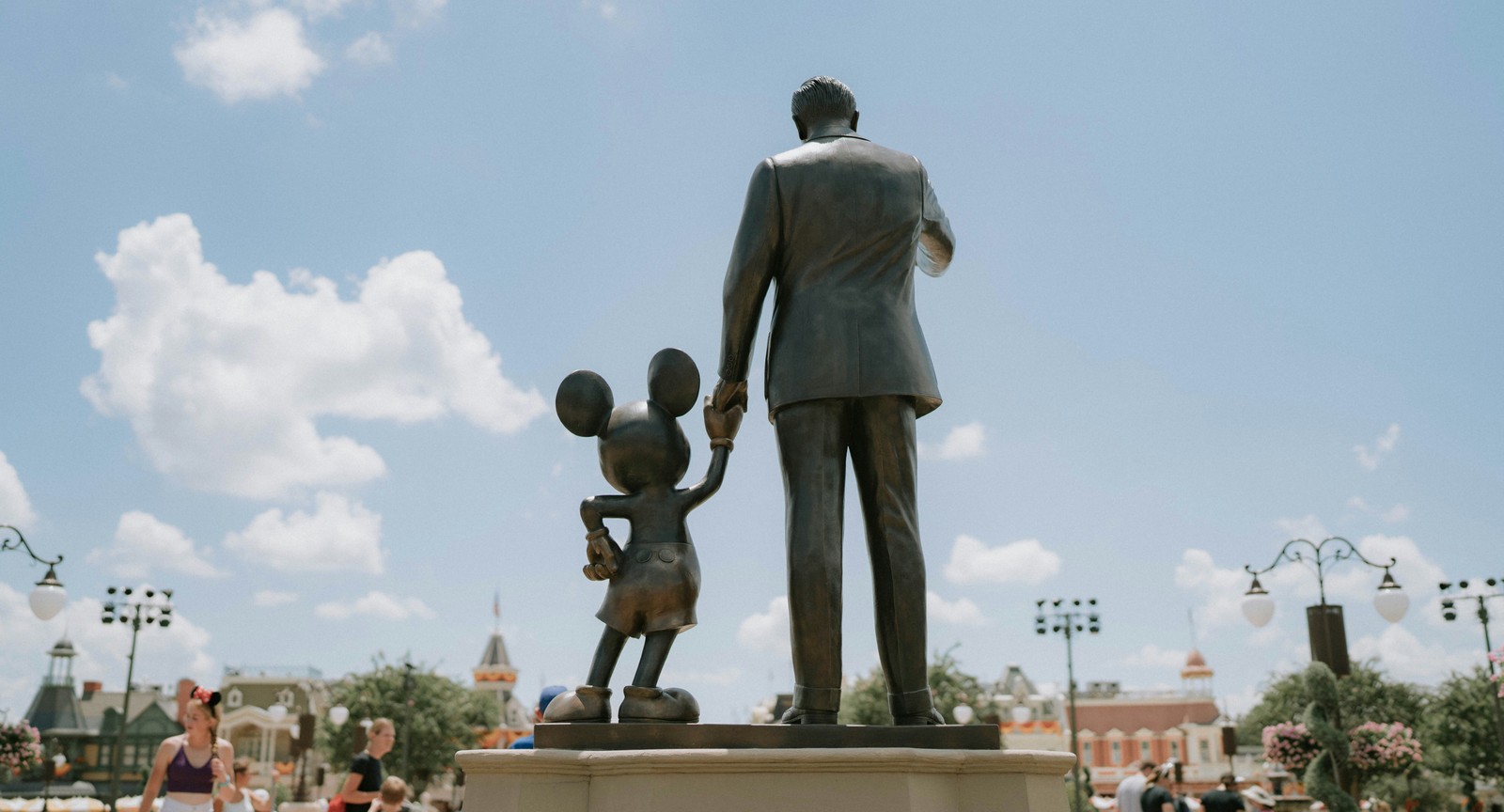
The bizarre reason there are no restrooms within Disney's Liberty Square
6 min.
Read Now
 General
You've watched these movies 100 times... Go stand where they were filmed
3 min.
Read Now
The one thing thieves hope you leave in your car
4 min.
Read Now