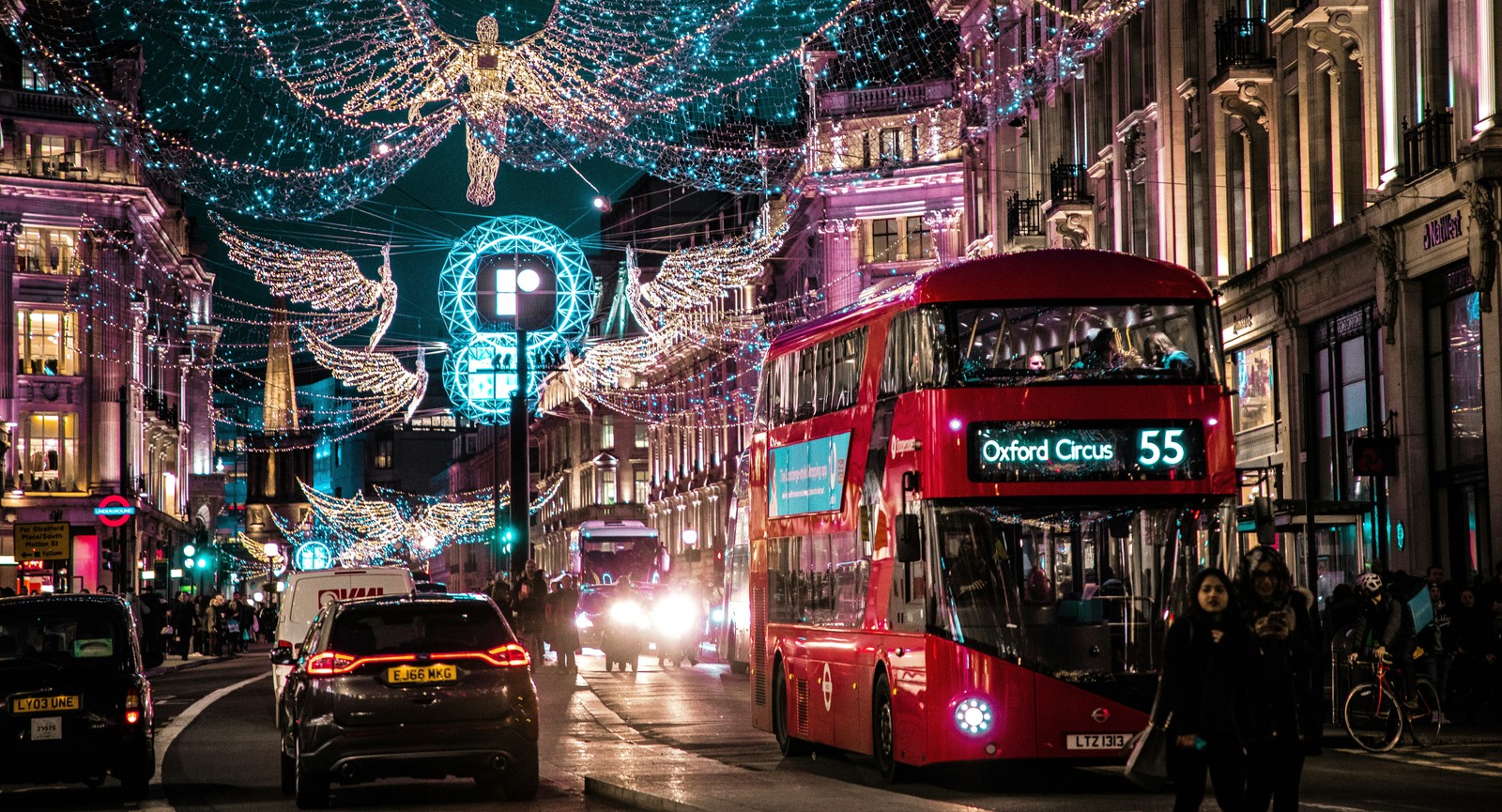
America's greatest festivals—and the secrets most visitors never discover
 Culture
Celebration culture
America's greatest festivals—and the secrets most visitors never discover
Whether you’re watching a million people count down to midnight in Times Square or losing yourself in the chaos of New Orleans during Mardi Gras, there’s an American festival or holiday celebration with your name on it. Read on to find out about cities in which festivals are not parties: they're pieces of American history that are constantly evolving.
New Orleans, LA: Mardi Gras
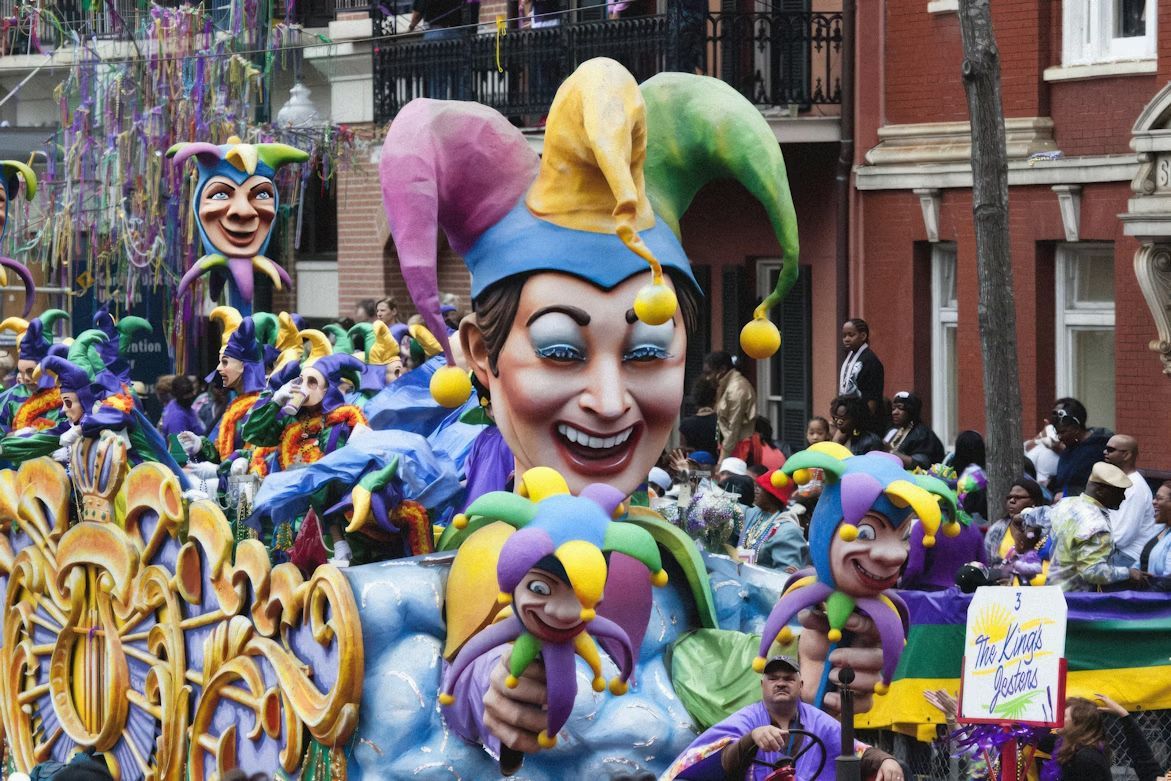
Mardi Gras in New Orleans traces back to the early 1700s, when French settlers brought the Catholic pre-Lent tradition to Louisiana and turned it into something all their own. Today it's a full-blown city takeover every February: parades, masked balls, jazz spilling out of every doorway, and enough beads to fill a swimming pool. The krewes (parade organizations) have colorful names like Zulu and Rex, and each one has its own personality.
The Krewe of Zulu parade, rolling through the city's historically Black neighborhoods, is where the real soul of Mardi Gras lives. The most coveted moment? Catching a hand-painted Zulu coconut—the parade's signature throw—is considered the ultimate Mardi Gras prize.
New York City, NY: New Year's Eve
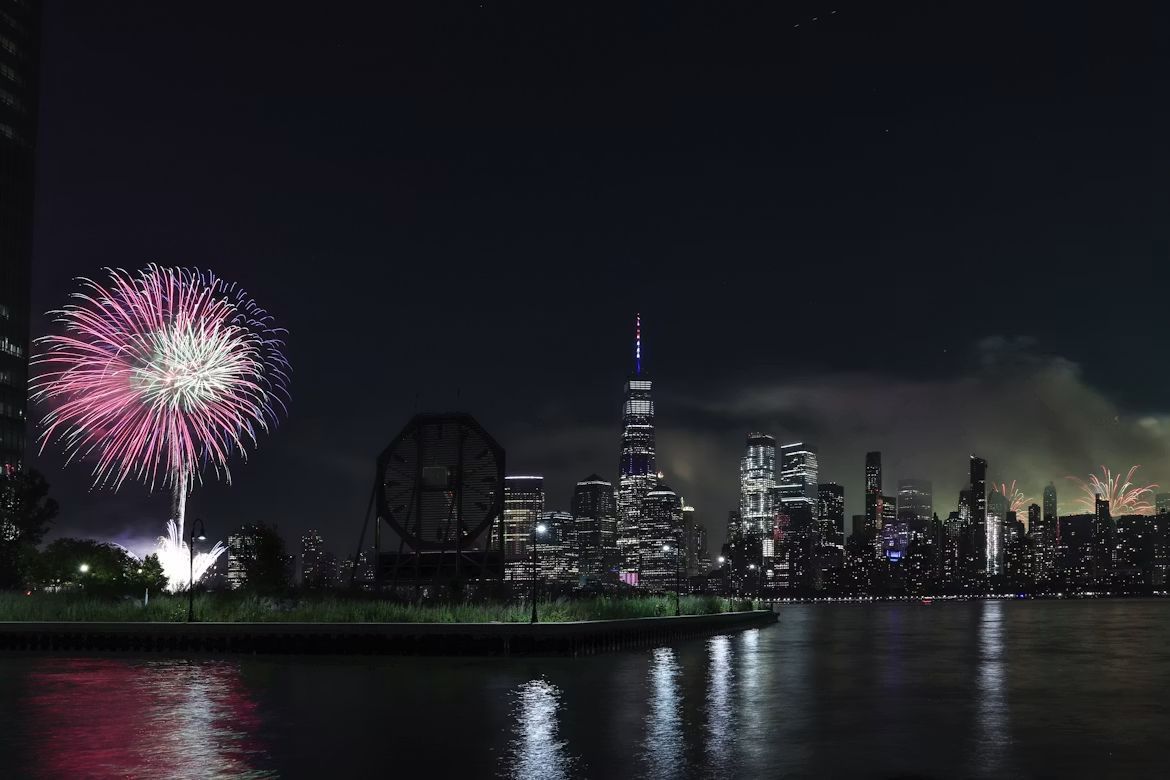
Times Square on December 31st is one of those things every American should experience at least once. The tradition started in 1907, when a 700-pound iron-and-wood ball first dropped from a flagpole above Times Square to ring in the New Year. Today, over a million people pack the streets while hundreds of millions more watch on TV.
The ball itself is covered in 2,688 Waterford Crystal triangles and never actually touches the ground. And it starts its 70-foot descent a full 60 seconds before midnight. Arrive at noon or earlier if you want a good spot, dress in serious layers, and bring snacks.
Washington, D.C.: Fourth of July
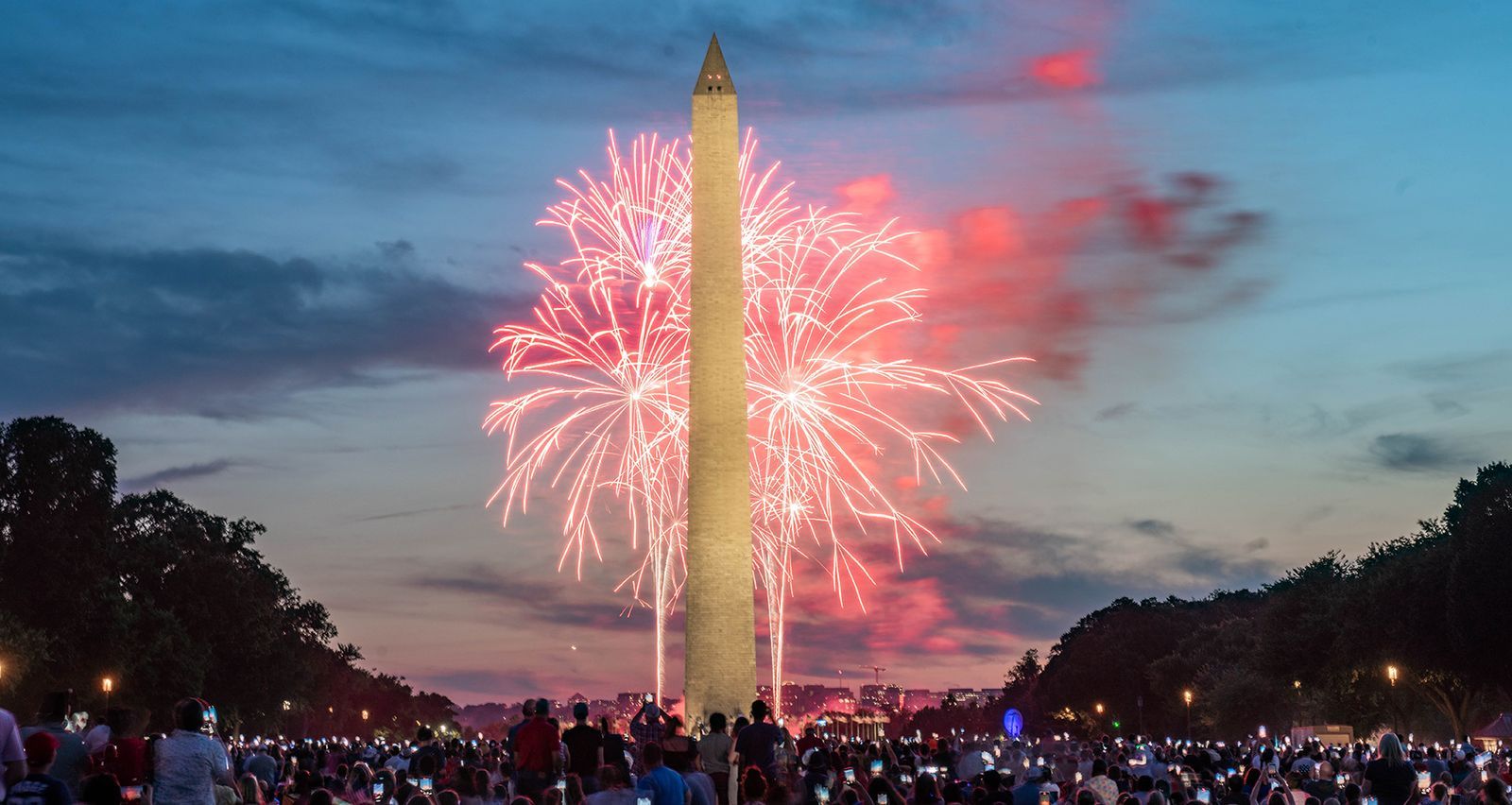
There's no more fitting place to celebrate Independence Day than our nation’s capital. The National Mall fills with families, the smell of grilled food floats through the air, and by evening, the Washington Monument stands lit against a darkening sky. The National Symphony Orchestra performs on the Capitol steps before the fireworks begin.
The fireworks display over the Mall is choreographed to a musical score broadcast on WPAS radio—tune in while you watch, and the whole show takes on a completely different dimension. The most breathtaking moment comes when the finale lights up the entire skyline at once, reflecting off the Reflecting Pool in a burst of red, white, and blue.
Albuquerque, NM: Balloon Fiesta
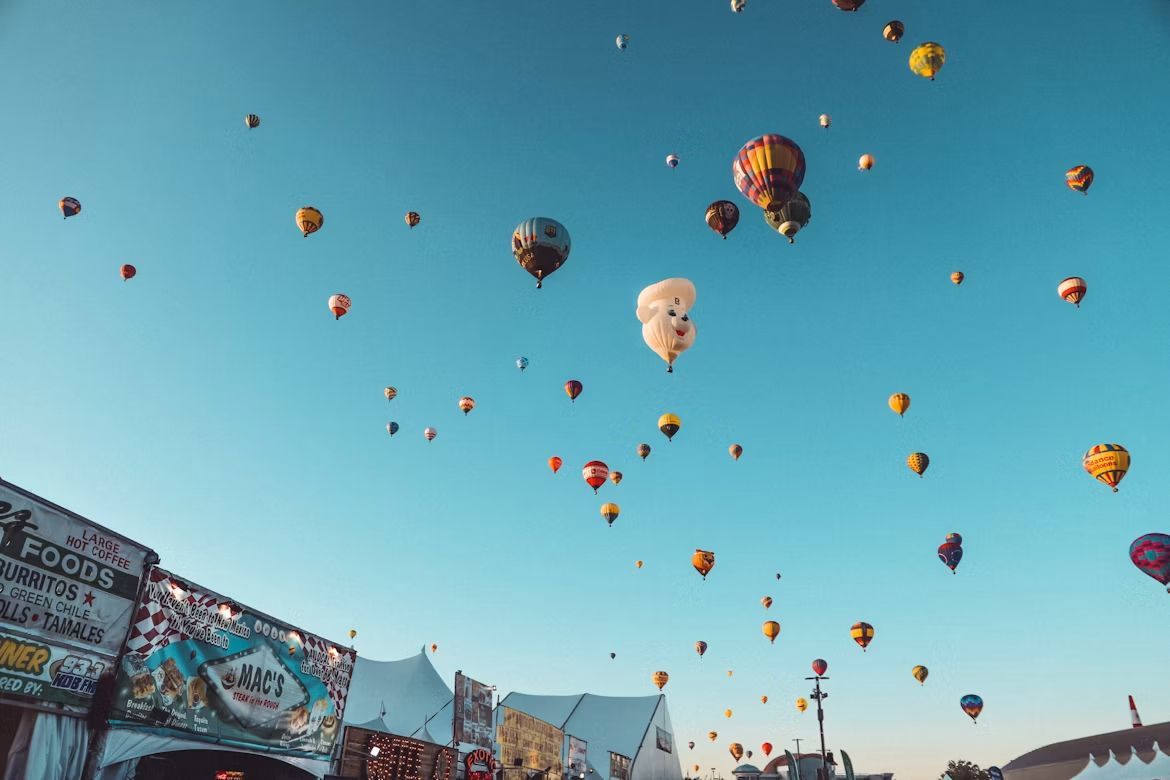
Every October, the Albuquerque International Balloon Fiesta, launched in 1972, fills the desert sky with over 500 hot-air balloons over nine days, making it the largest balloon festival in the world. The balloons come in every imaginable shape: giant frogs, cartoon characters, classic teardrops in every color of the rainbow.
But most first-timers miss the Balloon Glow: at dusk, before the night flights begin, hundreds of balloons inflate on the ground but don't take off; they simply glow like enormous paper lanterns against the desert darkness. It is genuinely one of the most beautiful things you'll ever see.
Salem, MA: Halloween
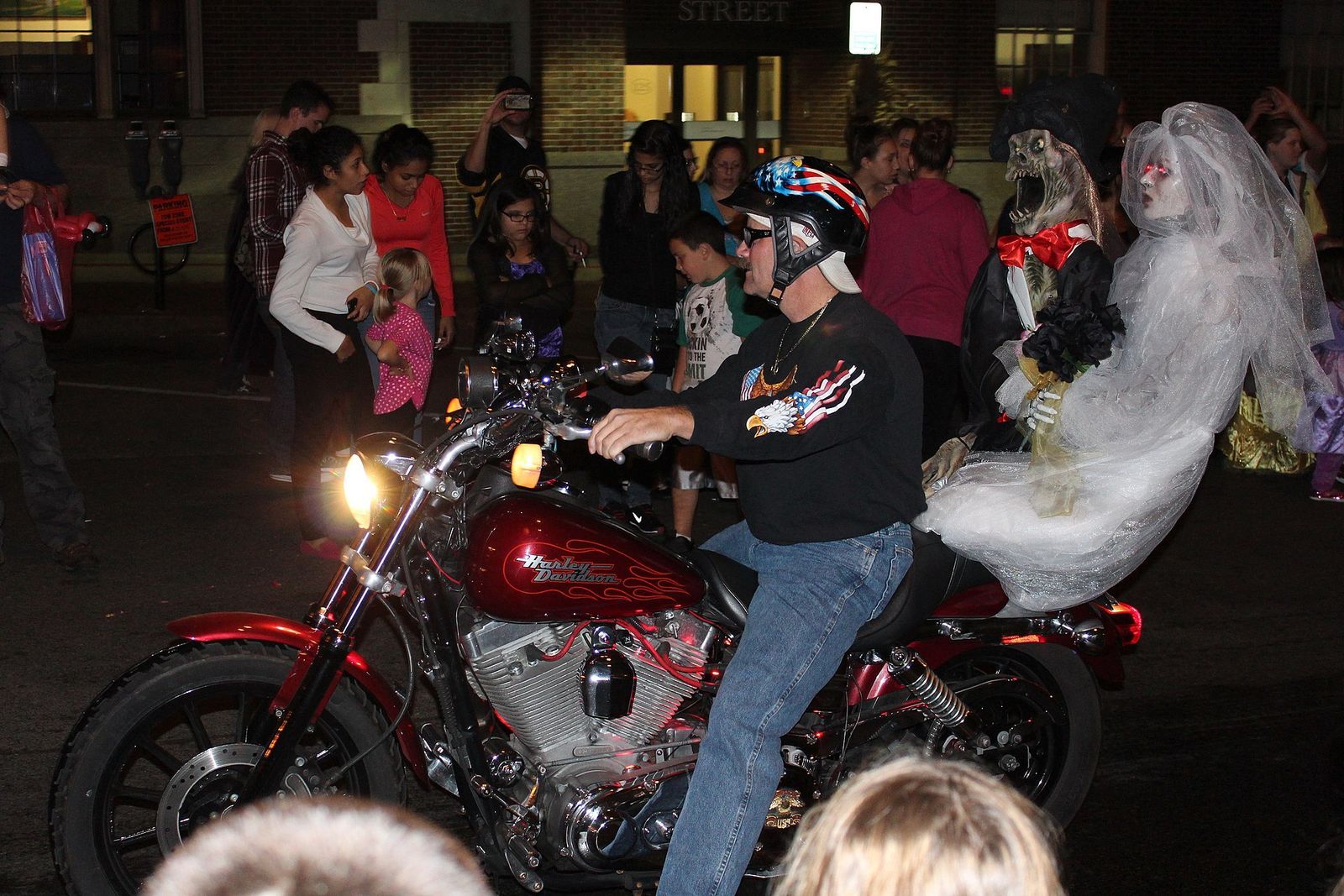
The 1692 witch trials left a mark that still echoes through every cobblestone street of Salem, Massachusetts. Every October, the city leans into that history with ghost tours, theatrical performances, candlelit cemetery walks, and a Halloween celebration that stretches across the entire month. It's spooky, yes, but the history here is real and worth knowing.
But October 31st itself is actually the worst day to visit: Go in the first two weeks of October, when it’s less crowded, and the atmosphere and tours are just as good. Pro tip: Try a nighttime ghost tour through Charter Street Cemetery with a knowledgeable guide and a nearly full moon overhead.
San Francisco, CA: Chinese New Year Parade
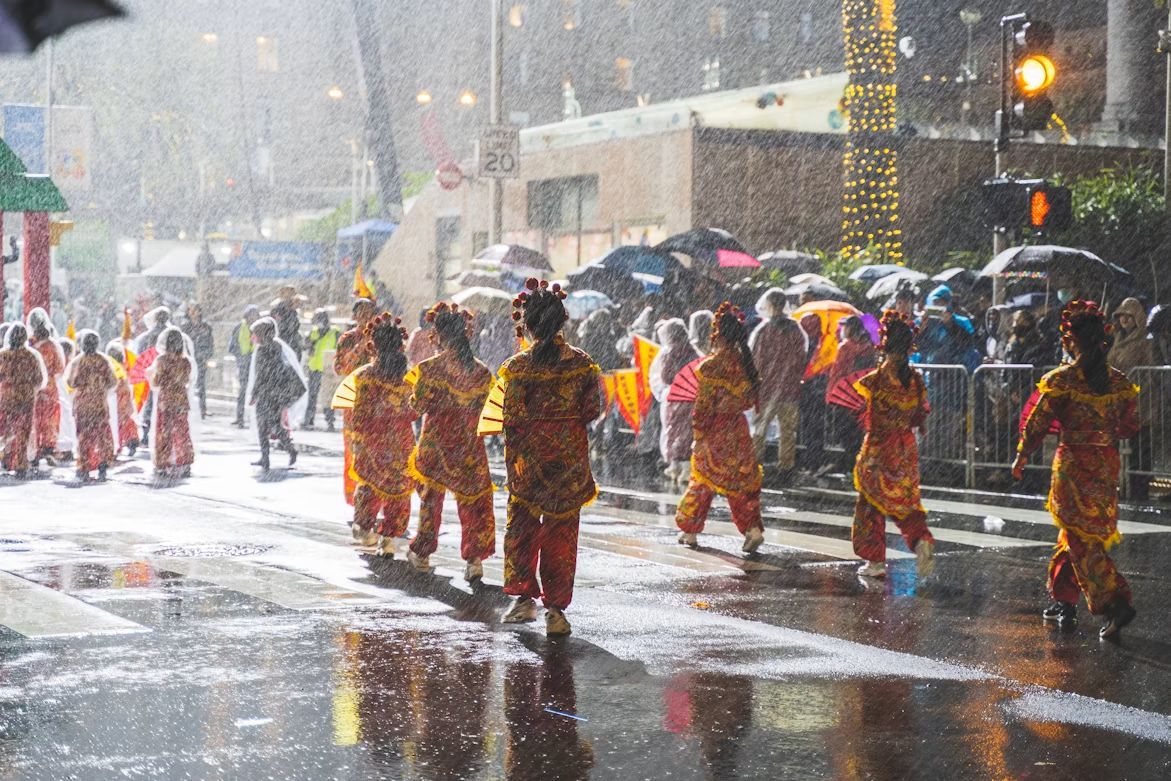
San Francisco's Chinese New Year Parade is the largest celebration of Chinese culture outside of Asia, drawing hundreds of thousands of spectators to the streets of downtown and Chinatown each January or February. The tradition dates back to the Gold Rush era, when Chinese immigrants came to work in the gold mines and brought their New Year traditions to California, making this one of the oldest continuous cultural parades in the United States.
The parade route passes directly over the spot where gold was first struck during the Gold Rush. The most spectacular moment is the Golden Dragon, a 268-foot-long serpent carried by over 100 performers, weaving through the street to the thunder of firecrackers and drums.
Punxsutawney, PA: Groundhog Day
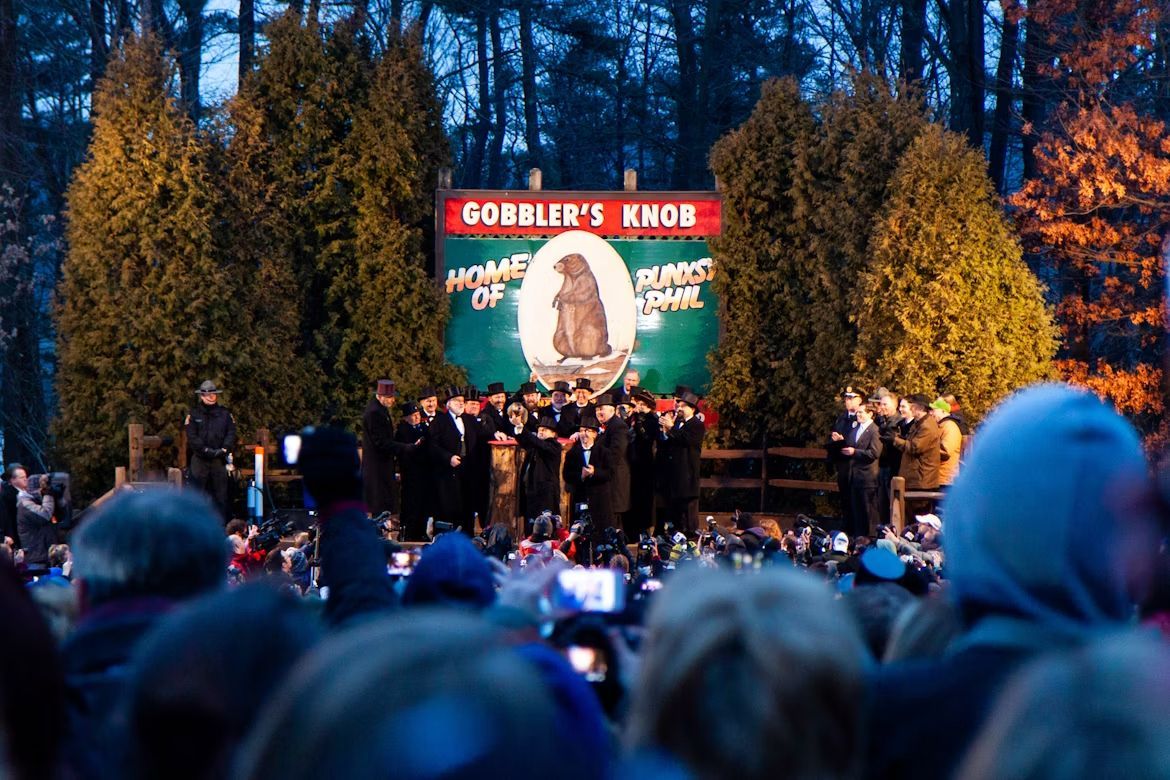
Groundhog Day in Punxsutawney, Pennsylvania, is one of the most joyful celebrations you'll ever stumble into. Every February 2nd, tens of thousands of people descend on the tiny town of Punxsutawney to watch a groundhog named Phil emerge from his burrow on Gobbler's Knob and predict the weather.
The tradition dates to 1887, brought over by German immigrants who had a similar custom involving a badger, and then Bill Murray made it immortal with his 1993 classic film. The festivities start the night before with bonfires, live music, and a carnival atmosphere that makes the cold completely irrelevant. The best moment is the announcement itself at dawn: the crowd packed around Gobbler's Knob, waiting to hear whether Phil saw his shadow. Of course, as the legend goes, if he sees his shadow, six more weeks of winter await. If not, spring arrives soon.
Pasadena, CA: New Year’s Day Rose Parade
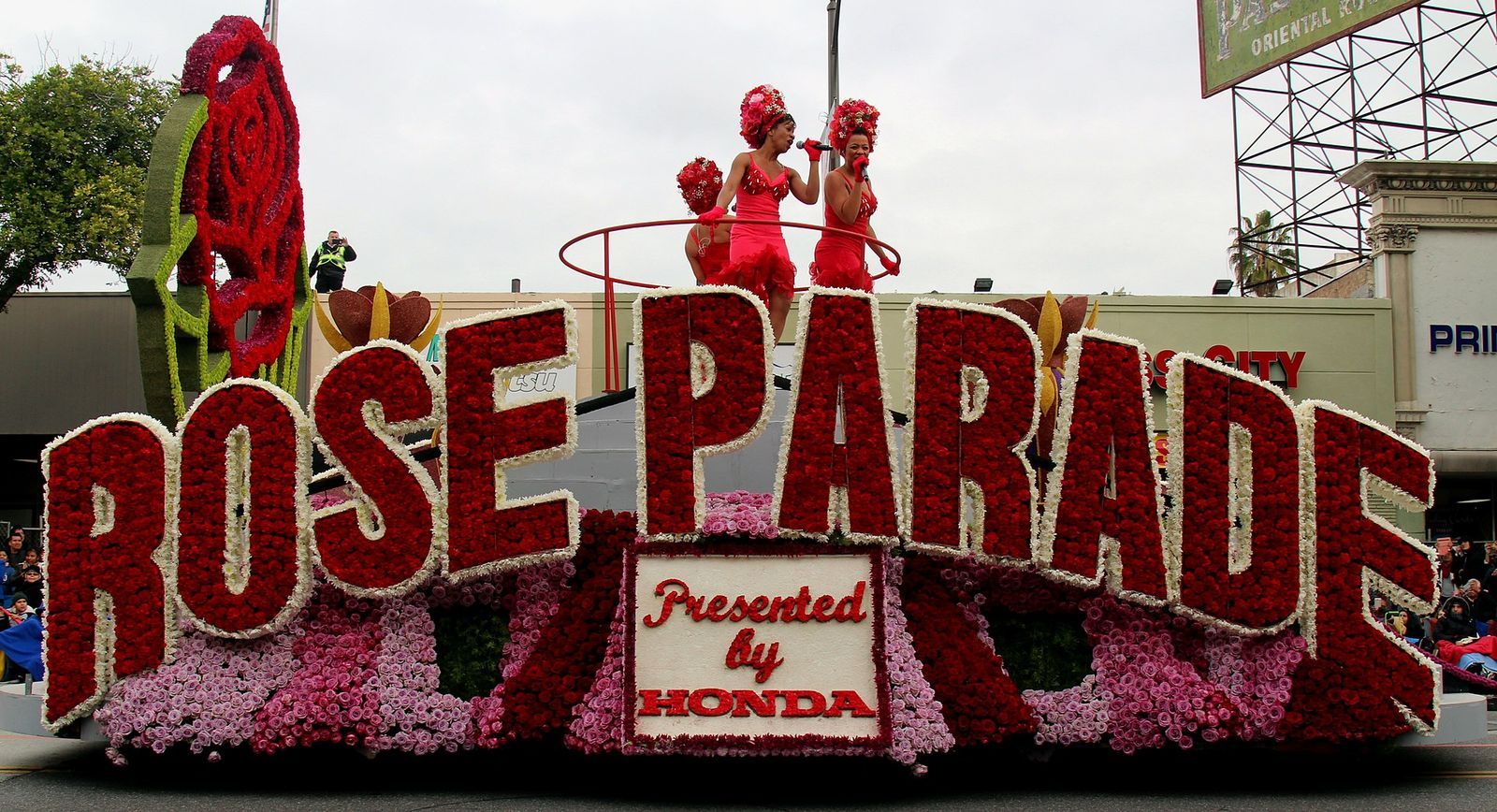
The Tournament of Roses Parade has rolled down Colorado Boulevard in Pasadena every New Year's Day since 1890. What started as a way for Californians to show off their winter sunshine to the snow-buried East Coast has grown into one of the most-watched parades on earth, with floats so elaborate they look like moving gardens.
Every single float must be covered entirely in natural materials like flowers, seeds, bark, and leaves.
Nashville, TN: CMA Fest
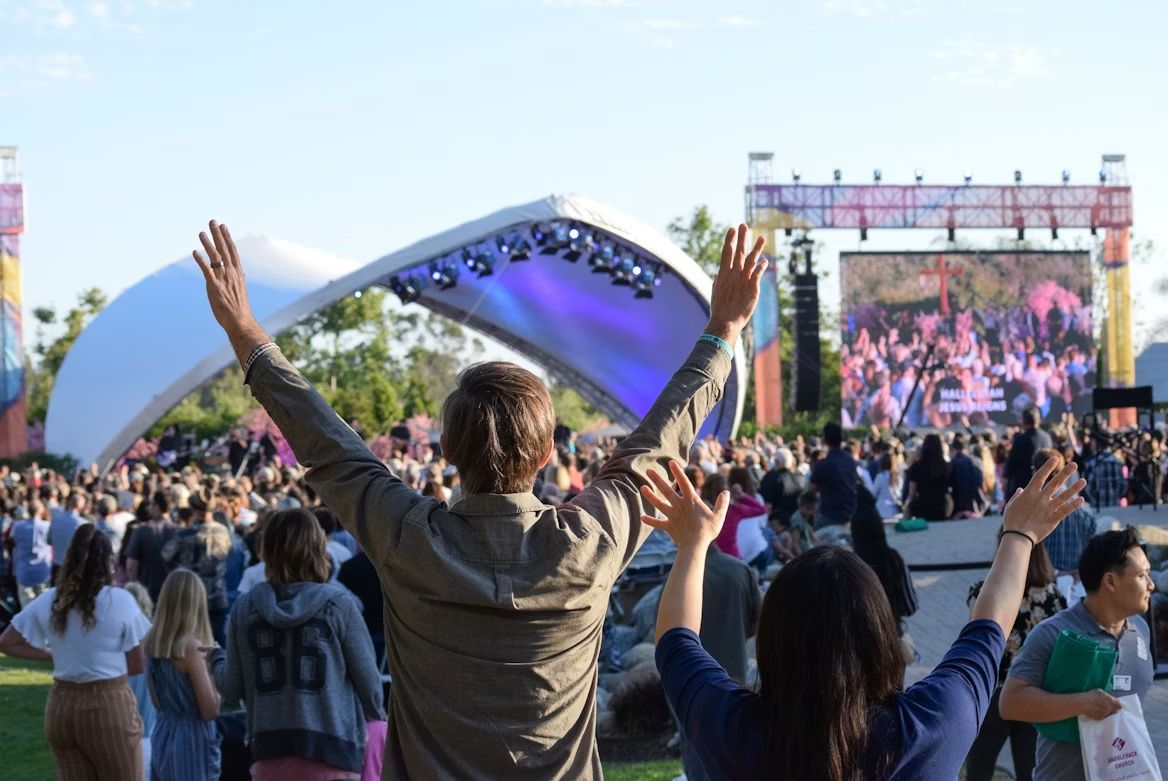
Country music has been the soundtrack of America for over a century, and every June, Nashville becomes its beating heart. The CMA Music Festival started in 1972 as a fan appreciation event and has grown into a four-day extravaganza with dozens of stages, thousands of performers, and a crowd of over 80,000 fans per day. Nissan Stadium hosts the big headline acts, but the real festival is all around you, spilling through the streets of downtown.
Artists also regularly show up unannounced at the honky-tonks along Lower Broadway for late-night sets. Wear comfortable shoes, get the official app for the schedule, and don't try to see everything. Count yourself lucky if you catch one of those midnight surprise sets, where a major artist plays for a room of 200 people like it's 1975 all over again.
New Orleans, LA: Jazz & Heritage Festival
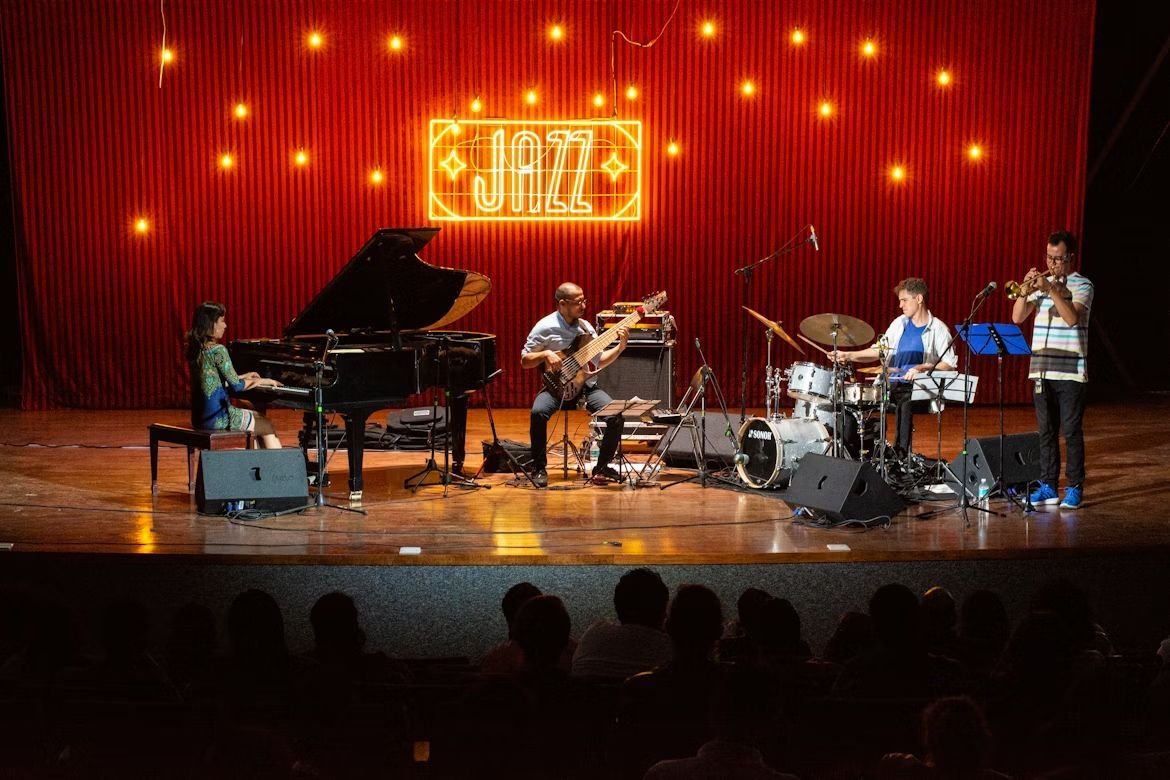
Held each spring in New Orleans City Park, Jazz Fest has been running since 1970 and showcases not just jazz but gospel, blues, Cajun, zydeco, R&B, and everything in between. Dozens of stages run simultaneously, and the food is treated with the same reverence as the music: Crawfish Monica, beignets and café au lait, and cochon de lait po-boys are among the most popular.
The most special experience is actually stumbling onto a smaller stage and discovering an artist you've never heard of who completely blows your mind. That's the soul of Jazz Fest.
Sturgis, SD – Motorcycle Rally
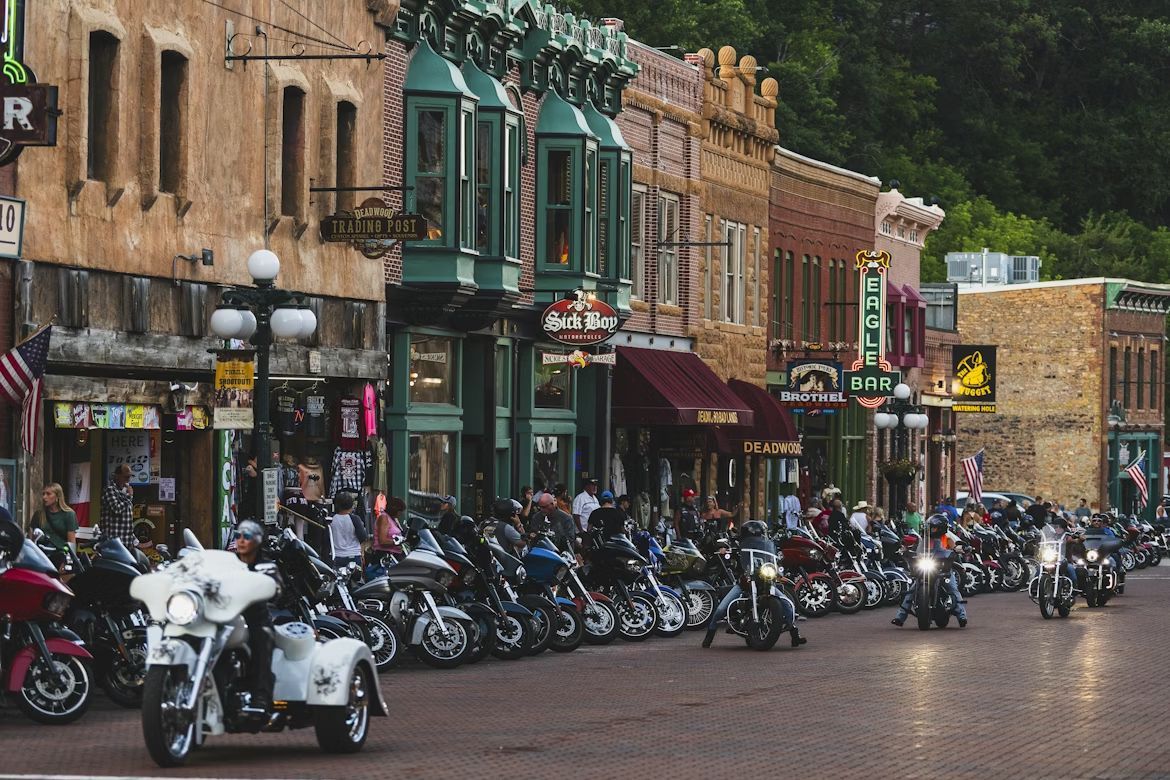
In 1938, a man named J.C. "Pappy" Hoel organized a motorcycle race in the small town of Sturgis, South Dakota. Nine riders showed up. Today, that same event draws half a million bikers to the Black Hills every August. For an entire week, the town—population 7,000—becomes a roaring, rumbling city unto itself.
You don't have to own a Harley to love it here: the rally fills the streets with stunt shows and bike exhibitions. The Black Hills are staggeringly beautiful, and Sturgis is surrounded by Mount Rushmore, Crazy Horse Memorial, and Custer State Park—all worth visiting during rally week. The hidden gem: Pappy's actual Indian motorcycle, quietly on display at the Sturgis Motorcycle Museum.
Telluride, CO – Film Festival
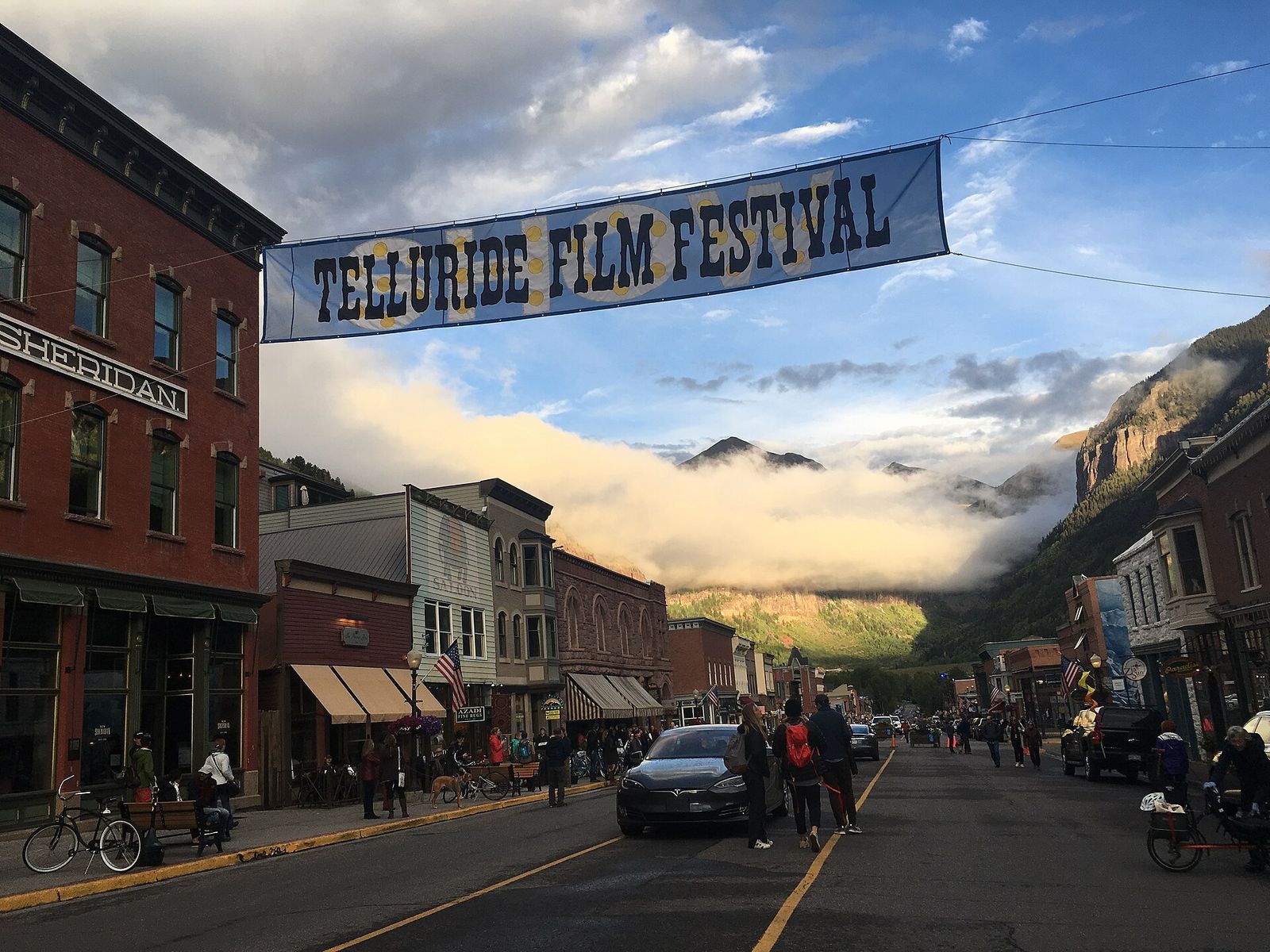
Nestled in a box canyon in the Colorado Rockies, the Telluride Film Festival during Labor Day weekend has been one of the most prestigious movie events in the world since 1974. Telluride keeps its lineup a complete secret until opening day. You buy a pass and show up, and first screenings have included future classics like Schindler's List, Brokeback Mountain, and Slumdog Millionaire.
The magic of Telluride is that everyone—directors, actors, critics, and regular film lovers—stands in the same lines, breathes the same mountain air, and watches the same movies. An annual highlight: the outdoor screening on the open-air Garden Theatre under a canopy of stars at 9,000 feet elevation.
Never do this on a plane: 10 things that could get you kicked off
 General
Conflicts in the air
Never do this on a plane: 10 things that could get you kicked off
Have you ever seen someone get kicked off a plane before takeoff? If you think it could never happen to you, think again; reality might surprise you. From safety concerns to purely administrative rules, there are more reasons than you might expect that could lead to removal. Here’s what you need to know to stay on board.
Leave safety equipment alone

Tampering with safety equipment on a plane can lead to consequences much more serious than simply being removed from the flight. Interfering with items such as smoke detectors, emergency exits, or the cockpit door is considered a serious offense in the US, and it could lead to the passenger being detained and arrested after landing. Penalties may include hefty fines (sometimes up to several thousand dollars) and even a permanent ban from the airline.
One drink is fine
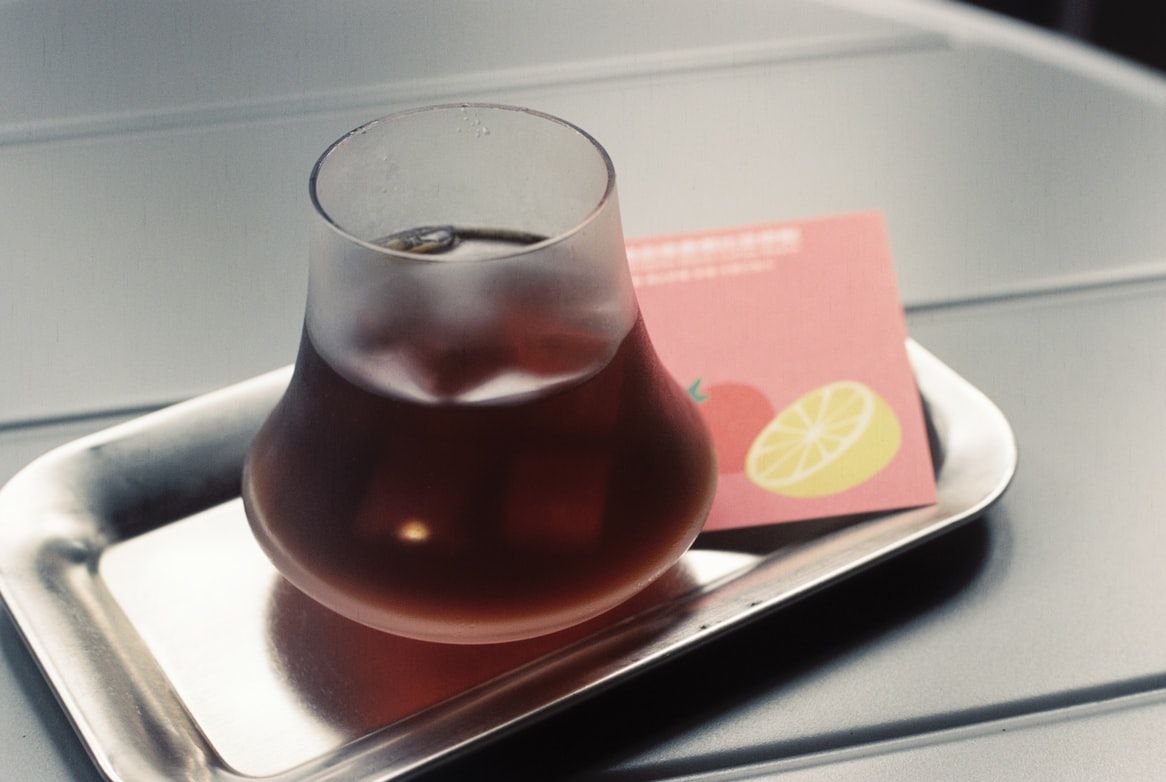
On most flights, flight attendants offer adult passengers a drink or two. And while that can be enjoyable, be careful not to overdo it. Arriving at the plane or being on board while clearly intoxicated can result in removal from the flight. It actually happens more often than you’d think: alcohol-related incidents are among the most common reasons passengers are removed, and airlines have strict policies regarding intoxication and disruptive behavior.
No smoking
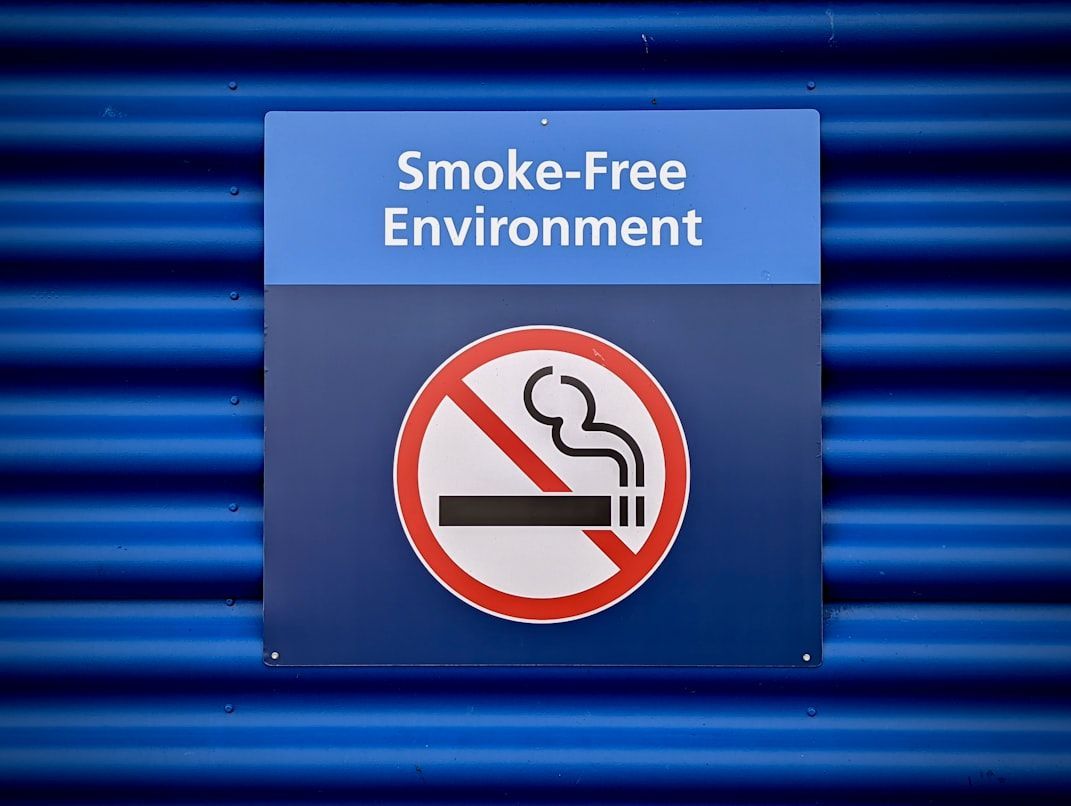
A few decades ago, it wasn’t unusual to see people smoking on airplanes, something that would feel almost unthinkable today. Smoking is now banned on virtually all commercial flights around the world, and the reason isn’t just about protecting other passengers’ health. It’s also about safety, since smoke, open flames, or even hot ash can pose a serious risk in such a confined space. What about vapes? They’re banned as well, primarily due to safety concerns related to their lithium batteries and the potential for overheating or fire.
Unpleasant odors

Items or conditions that could affect the health or comfort of other passengers may violate most airlines’ policies. And this can include poor hygiene. If a passenger’s body odor is strong enough that it’s noticed by the crew or leads to complaints from others, that person could be asked to leave the aircraft.
They assign a seat for a reason
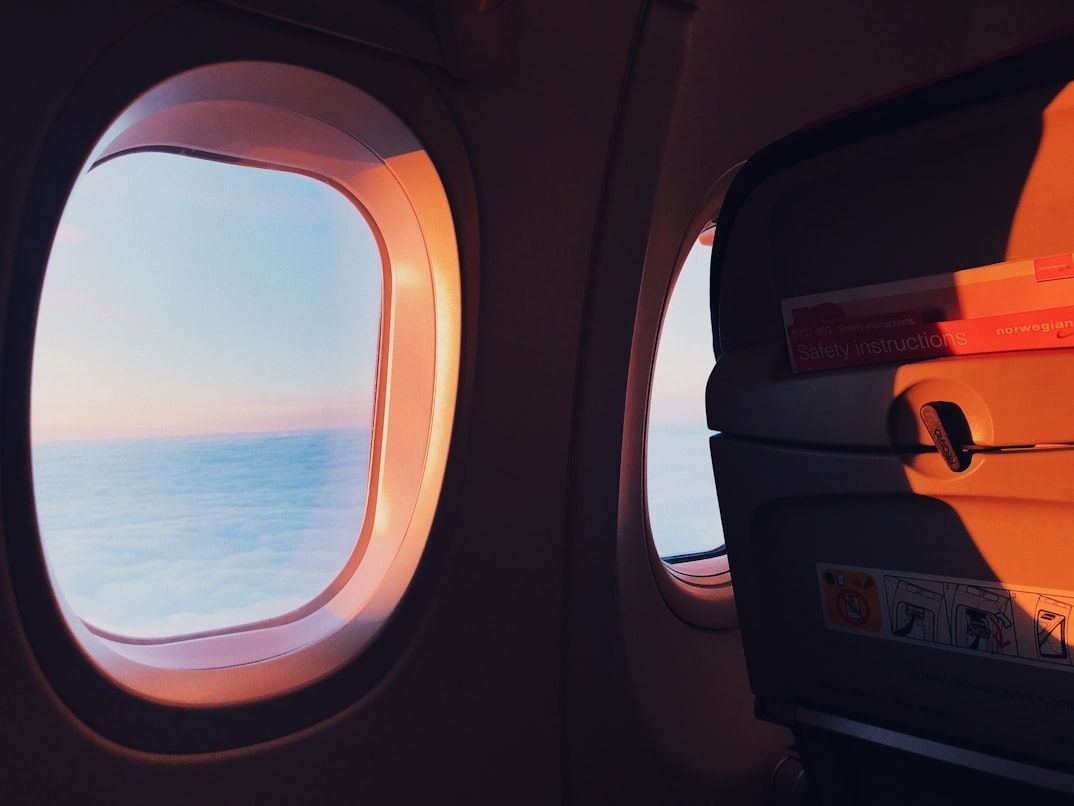
The seat number on your ticket does more than just tell you where to sit; it serves several important purposes. It helps speed up boarding, keeps the cabin properly balanced, and ensures that certain seats are reserved for specific passengers. If you refuse to sit in your assigned seat or get into a dispute over a seat that isn’t yours, the situation could escalate to the point where you may be asked to leave the aircraft.
Passengers' belongings
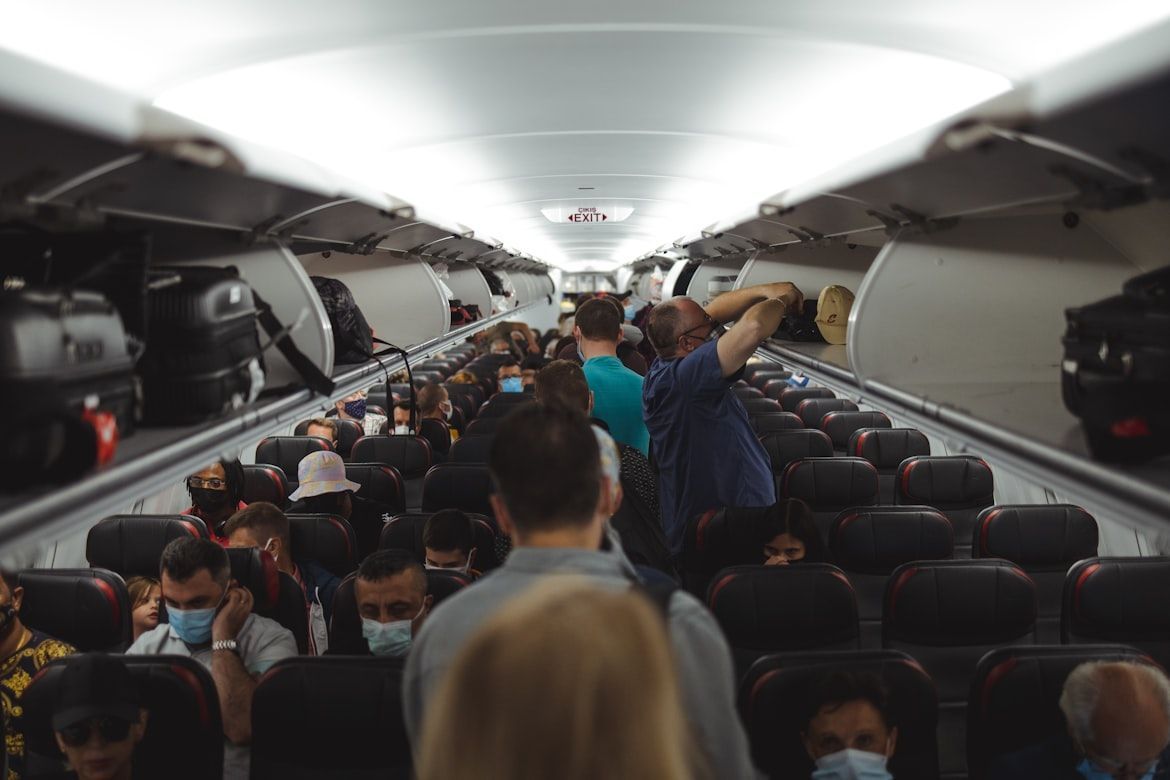
Checked luggage is stored safely in the cargo hold, but what about your carry-on? It’s always a good idea to keep an eye on it during the flight, but airlines also have policies in place to protect passengers’ belongings. If someone starts moving, touching, or opening your bag without permission, you can report it to the crew. Depending on the situation, that person may be warned or, in more serious cases, asked to leave the plane before takeoff. Did you know about this rule?
When the flight attendant talks, it’s class time
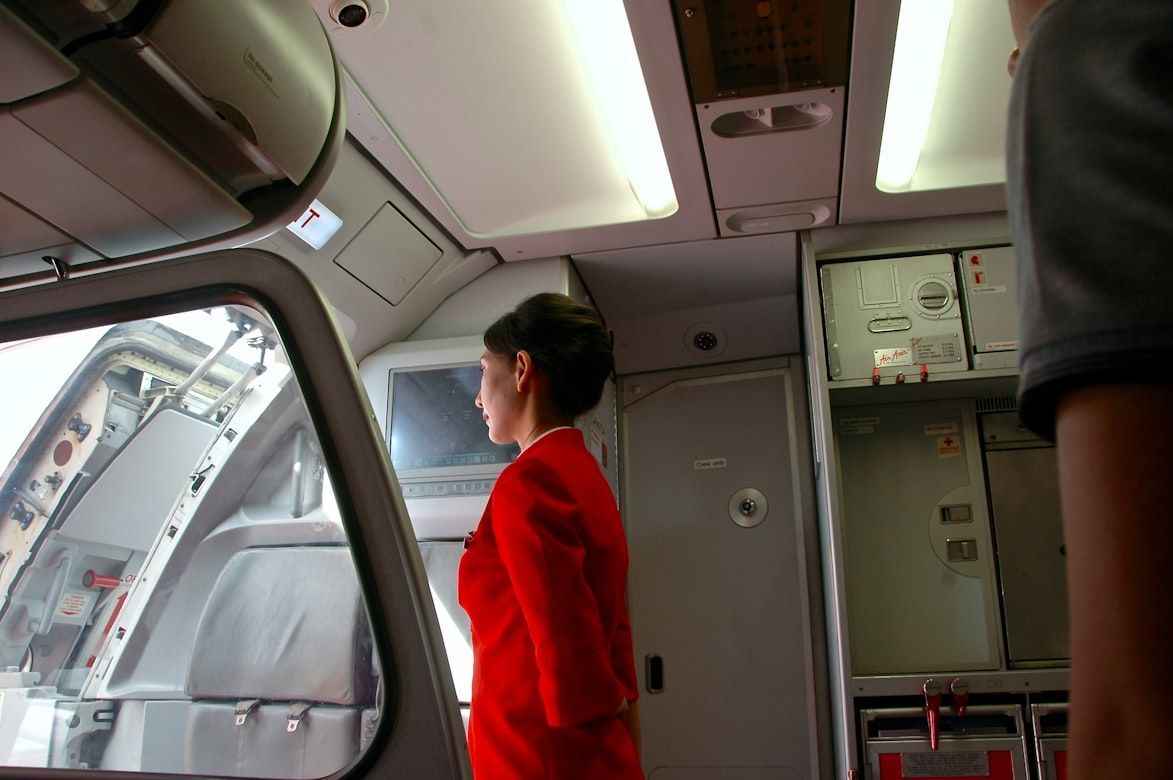
If a passenger refuses to fasten their seatbelt or remain seated when instructed, they’re not just being difficult; they’re also risking getting kicked off the plane. When you buy a ticket, you’re agreeing to follow the rules on board, so ignoring a flight attendant or refusing to comply with their instructions can be sufficient grounds for the airline to ask you to leave the aircraft.
If you wear it to the beach, don't wear it on the plane
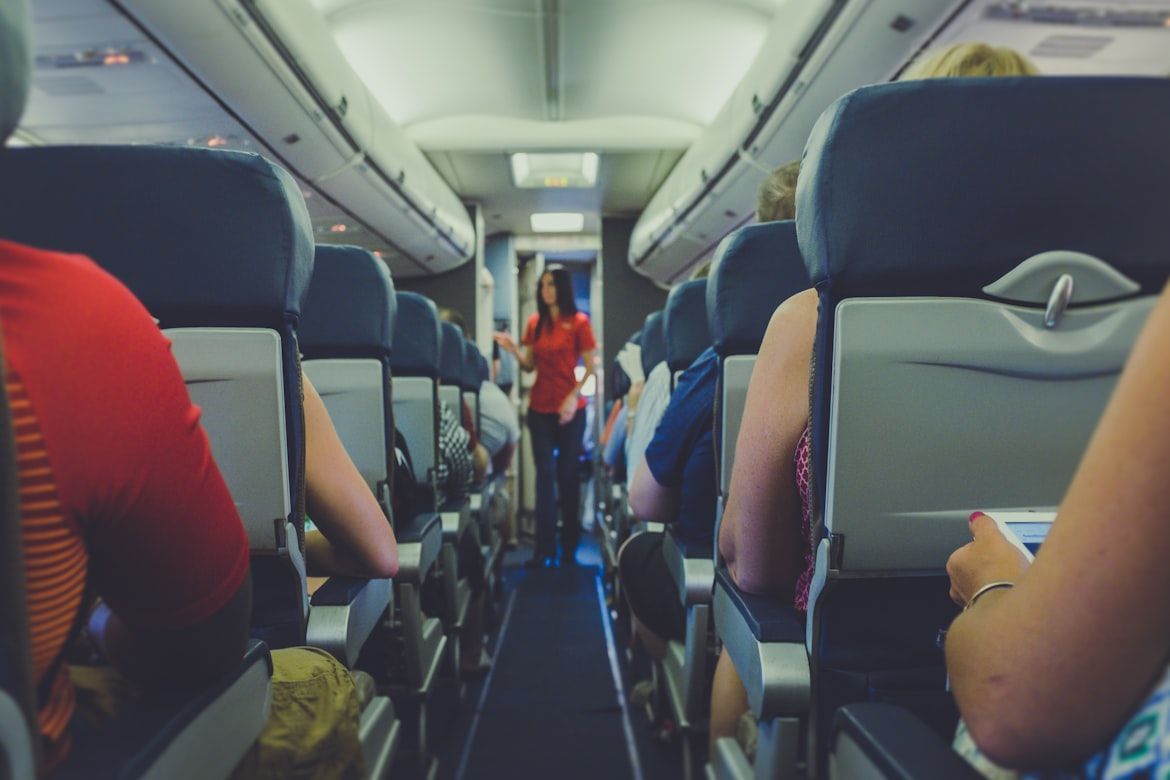
Most people think dress codes are only for parties or formal settings, but airlines have them too. They’re generally much more relaxed, but passengers are still expected to follow a few basic guidelines. It’s nothing complicated: avoid overly revealing outfits, clothing with offensive or inappropriate slogans, and of course, keep your shoes on when you’re not in your seat.
God bless you, but get off the plane

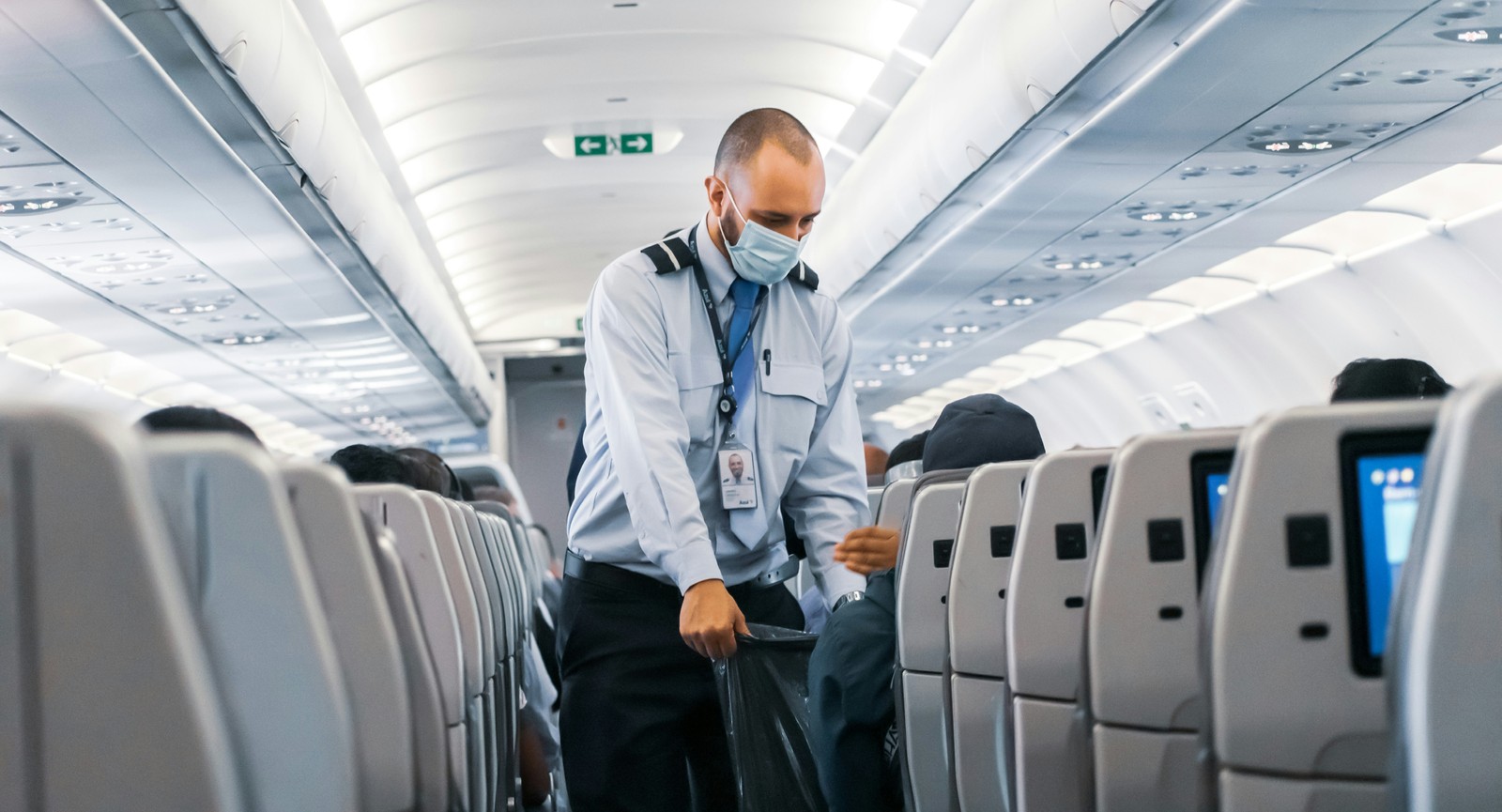
Airlines must prioritize the health and safety of everyone on board. So if a passenger appears seriously ill or shows signs of a potentially contagious condition, the airline may decide not to let them fly. As a general rule, if you’re dealing with a bad cold or flu symptoms, it’s best to wait until you’re feeling better before traveling.
Good behavior is a must
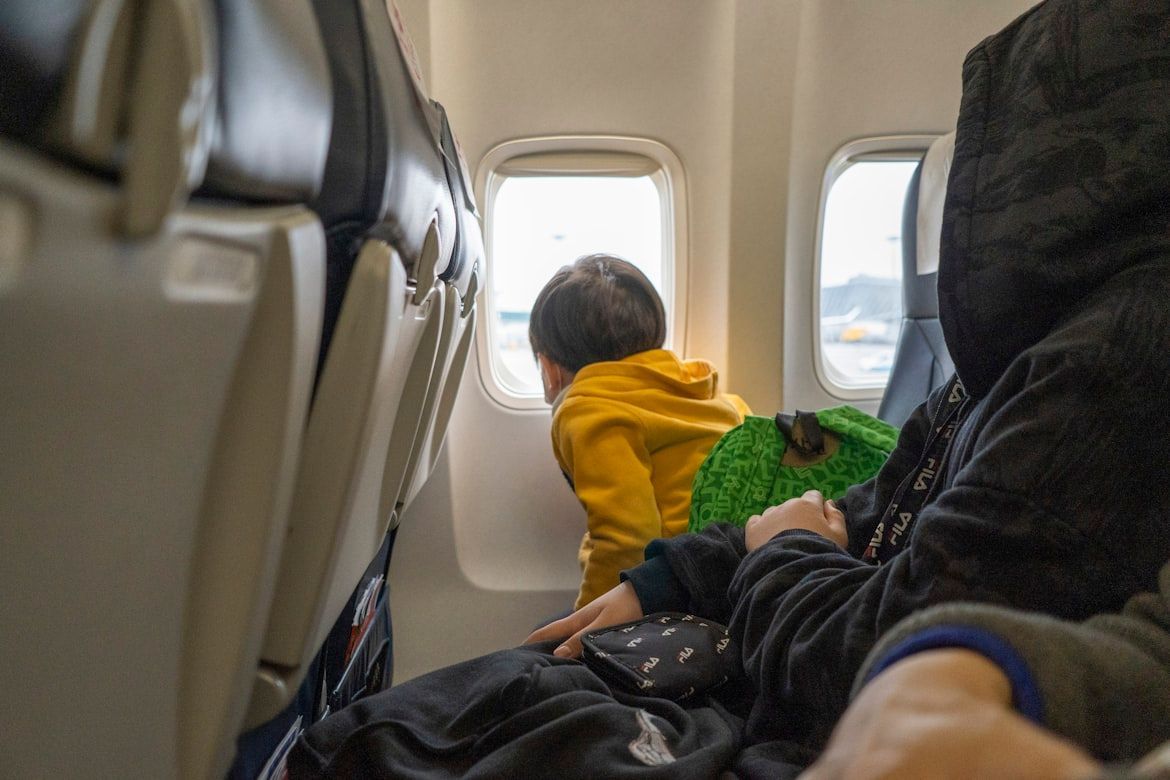
We’ve saved the most important one for last. Even when you follow the dress code, remain seated, and avoid alcohol or smoking, your spot on the flight isn’t guaranteed if you behave aggressively toward other passengers or the crew. Violence, threats, or abusive language on a plane are taken very seriously. Airlines and the Federal Aviation Administration enforce a strict, often zero-tolerance policy for dangerous behavior, and passengers who cross the line can face serious consequences.
Keep wandering
There’s always
more to explore
Why are hard landings sometimes the perfect landings?
6 min.
Read Now
 History
Was Moby-Dick a real whale? These marine stories have real backgrounds
6 min.
Read Now
What passengers never see after midnight on a cruise ship
4 min.
Read Now

These 10 mysteries were solved. So why do we still believe them?
6 min.
Read Now