These 11 U.S. islands have stories that are hard to believe
 History
Paradise found
These 11 U.S. islands have stories that are hard to believe
Because of their insular nature, islands often exist as self-contained worlds, where their own logic governs evolution, rules, and almost everything else. From animal populations that thrived against all odds to prison islands and immigration hubs, these 11 islands in U.S. territory have very curious stories.
Mackinac Island said no to cars
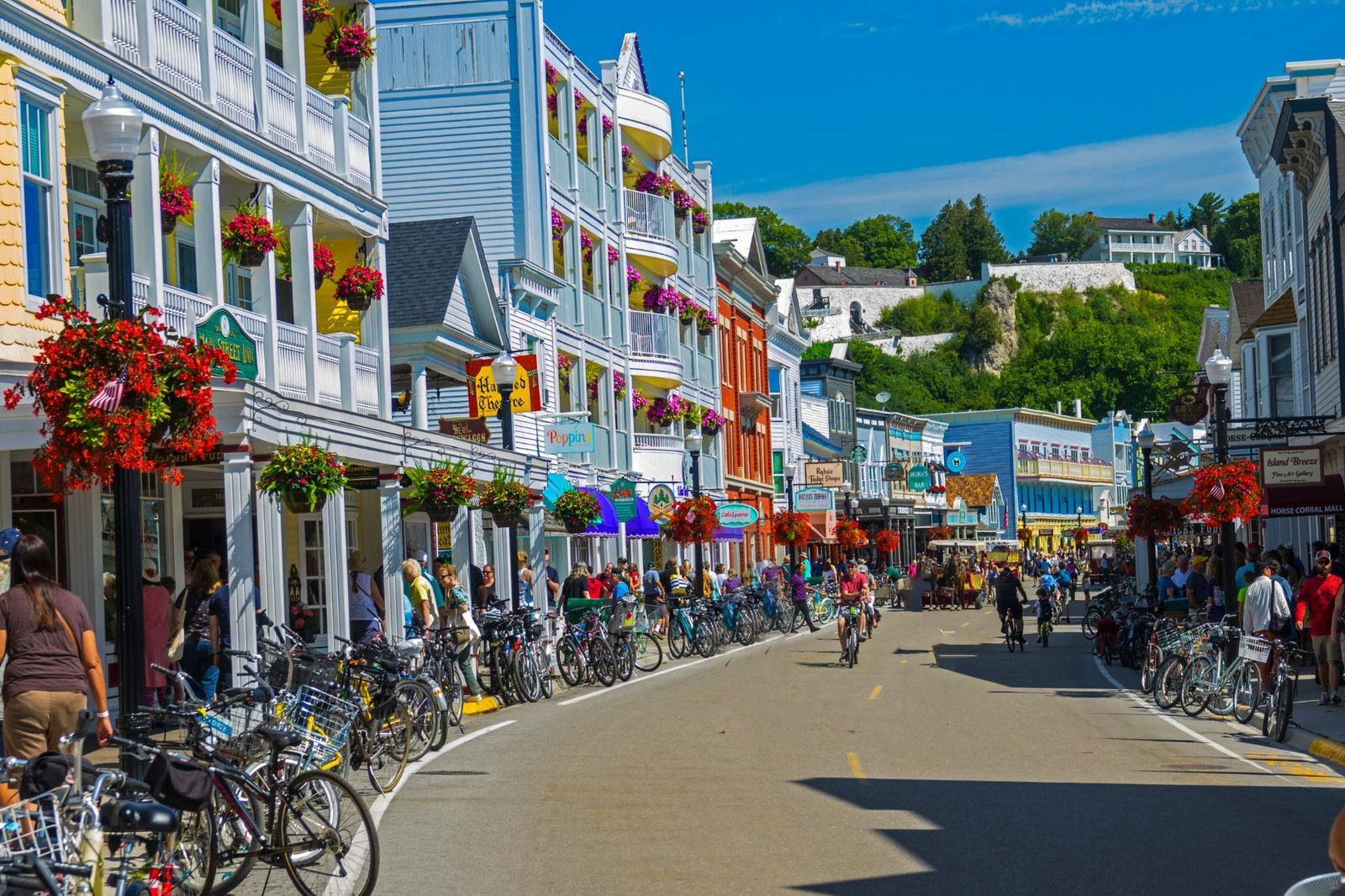
In 1898, Michigan´s Mackinac Island carriage drivers petitioned the village council to ban horseless carriages that frightened their horses, and the ban took effect on July 6. In 1901, the state park commission added its own restrictions after a summer resident’s car spooked horses.
Over a century later, the island still restricts ordinary cars, and the ban is now state law. Its only highway, M-185, is famously motorless. Visitors travel by foot, bike, or horse-drawn carriage, and a few exceptions exist. Horses have worked on the island since about 1780.
Angel Island´s poems on the walls
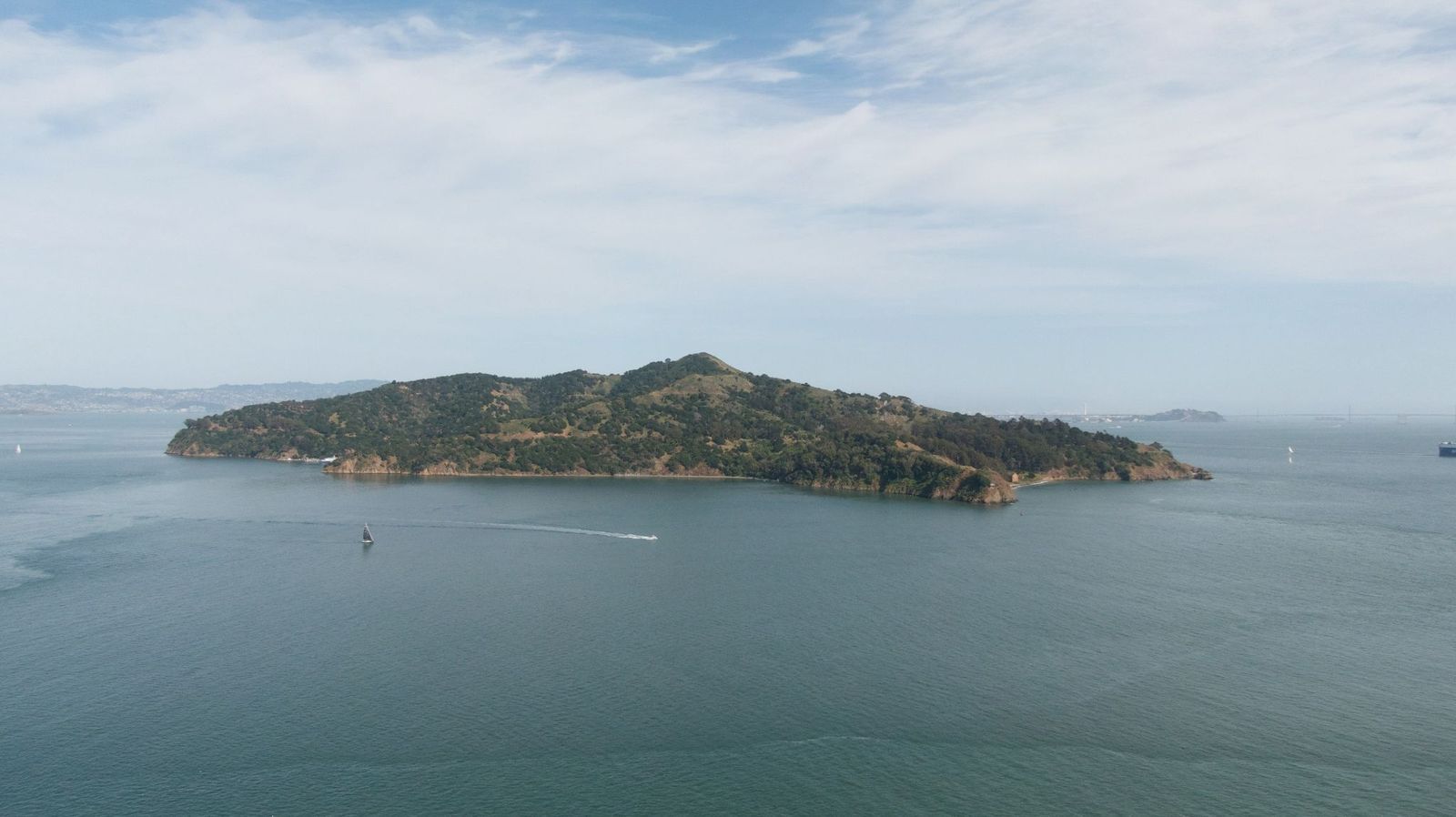
From 1910 to 1940, Angel Island’s immigration station, located in the middle of San Francisco Bay, processed roughly a million people, and an estimated 100,000 Chinese were detained there carved poems into the wooden barracks walls. More than 200 of those poems survive today. Inscriptions also appear in Japanese, Korean, Russian, and Punjabi.
In 1970, with the buildings facing demolition, park ranger Alexander Weiss noticed the carvings despite orders to ignore them and alerted a professor, who helped document them. The station became a National Historic Landmark in 1997.
Alcatraz and the occupation that followed
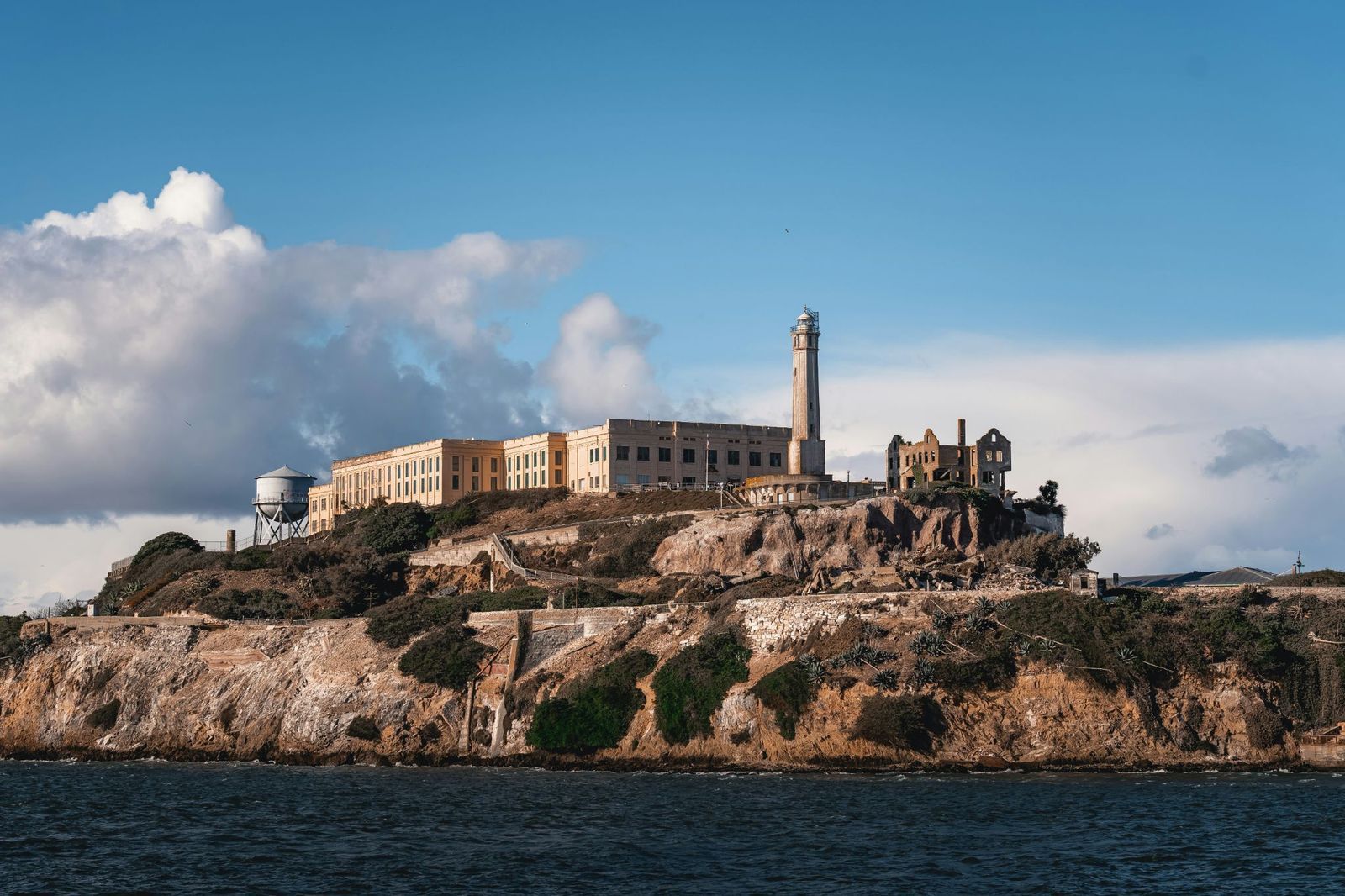
After its prison days, Alcatraz became the stage for a very different story. On November 20, 1969, a group called Indians of All Tribes began an occupation that started with 89 people. They elected a council and organized security, sanitation, day care, and a school. A fire at San Francisco’s American Indian Center had helped spark the effort.
It lasted until June 1971 and is widely described as the longest Native American occupation of a federal facility. It drew national attention, and federal policy later shifted from termination toward self-determination.
Governors Island turned its fortress into a playground
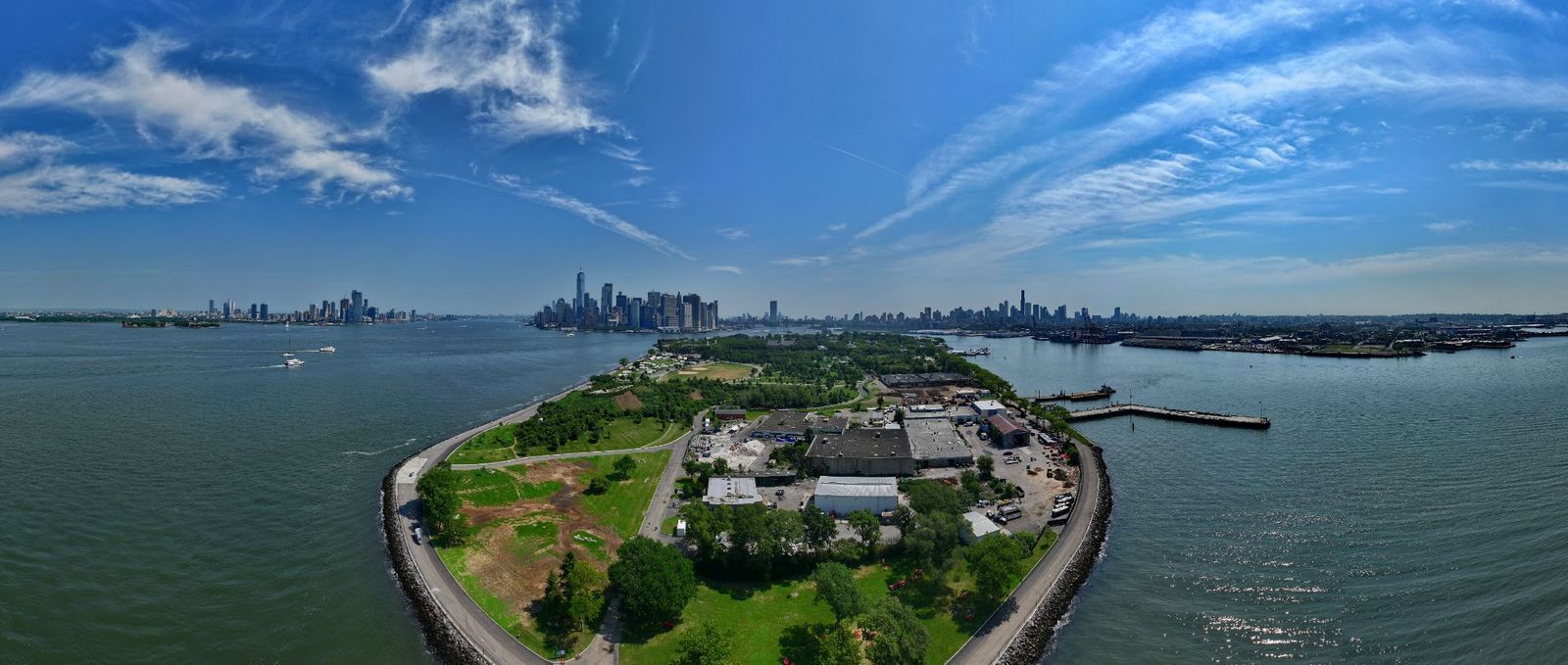
For nearly two centuries, Governors Island in New York Harbor was a military post, run by the Army and then, from 1966 to 1996, the Coast Guard. Castle Williams served as a military prison and held prisoners of war during World War II. Fort Jay honors John Jay. A park was first proposed in 1897, but the Army said no.
After the Coast Guard left, New York bought the island’s remaining acres for just $1, and Fort Jay and Castle Williams became a national monument. It opened to the public in 2005 and drew over 800,000 visitors a year by 2018.
Assateague’s horses and their origin story
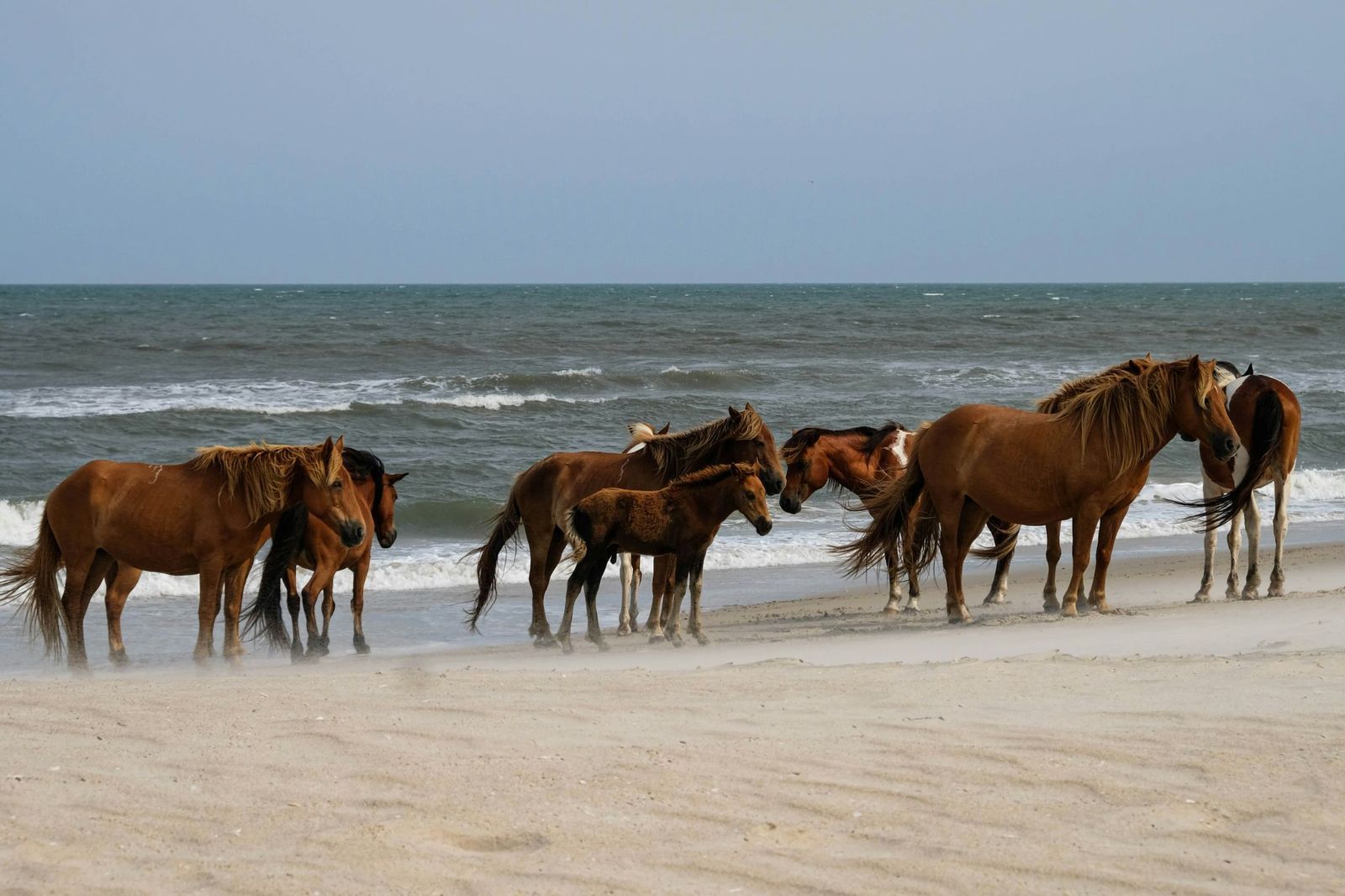
Located along the Atlantic coast of Maryland and Virginia, Assateague’s wild horses come with competing tales. The National Park Service says colonists in the 1600s let horses roam the island to avoid livestock taxes and fencing rules. A popular legend says they descend from horses that swam ashore from a wrecked Spanish ship.
A 2022 study found DNA from a 16th-century Spanish colonial horse in Haiti closely related to Assateague’s herd. That makes a Spanish link plausible, though it doesn’t prove any shipwreck. A fence at the state line separates the Maryland and Virginia herds.
Garden Key´s prisoner turned doctor
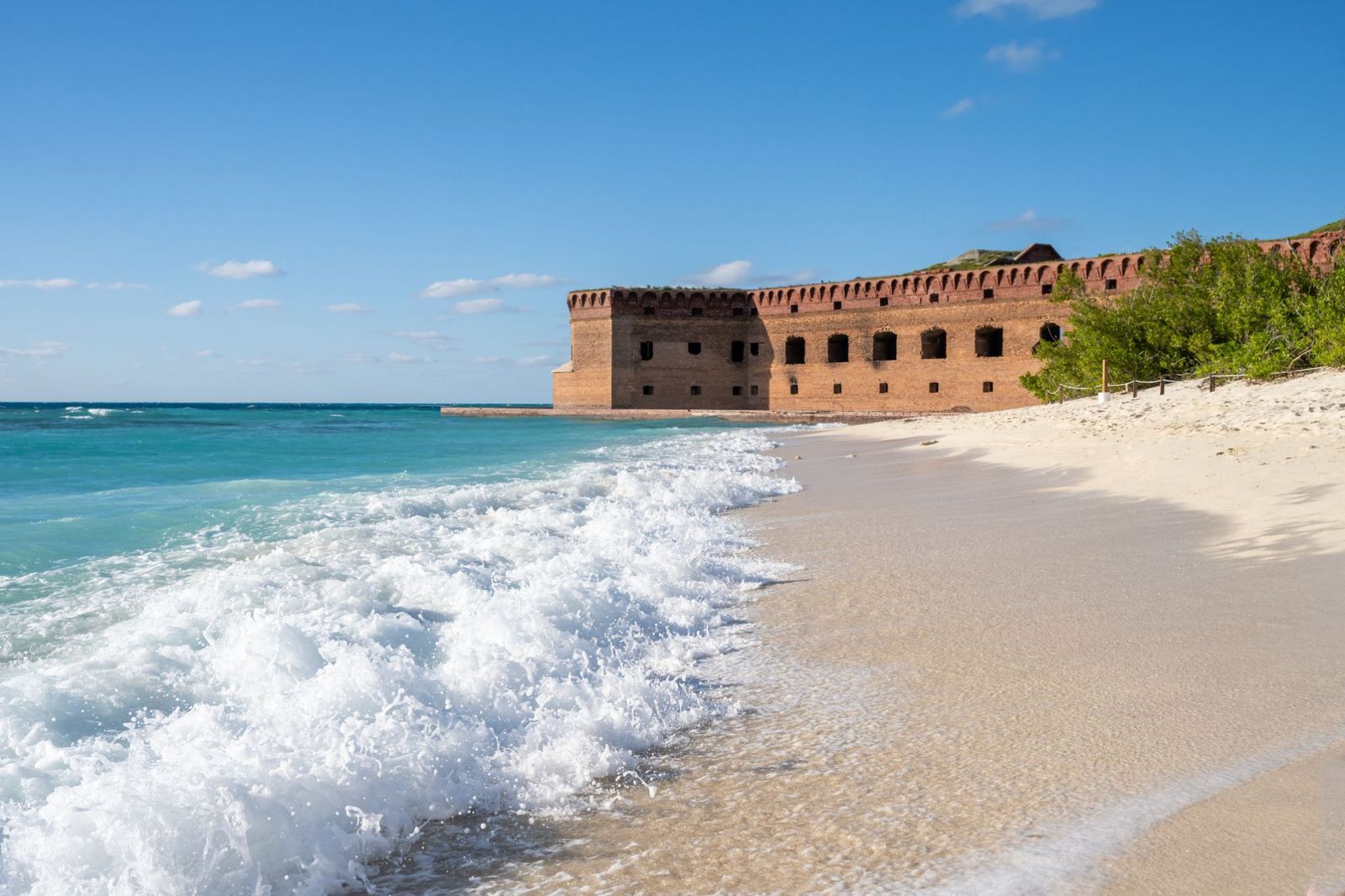
Garden Key in Florida’s Dry Tortugas holds Fort Jefferson, where Dr. Samuel Mudd was imprisoned after being convicted in the 1865 Lincoln assassination conspiracy for harboring and aiding John Wilkes Booth during his escape, a role historians still debate. In 1867, yellow fever struck the fort and killed its doctor.
Mudd volunteered to treat the sick. Soldiers later signed a petition with about 300 signatures for his release, and President Andrew Johnson pardoned him in 1869. Historians argue over how much the petition mattered, but his work in the epidemic became the heart of his legend.
Catalina´s Bison and a Hollywood movie
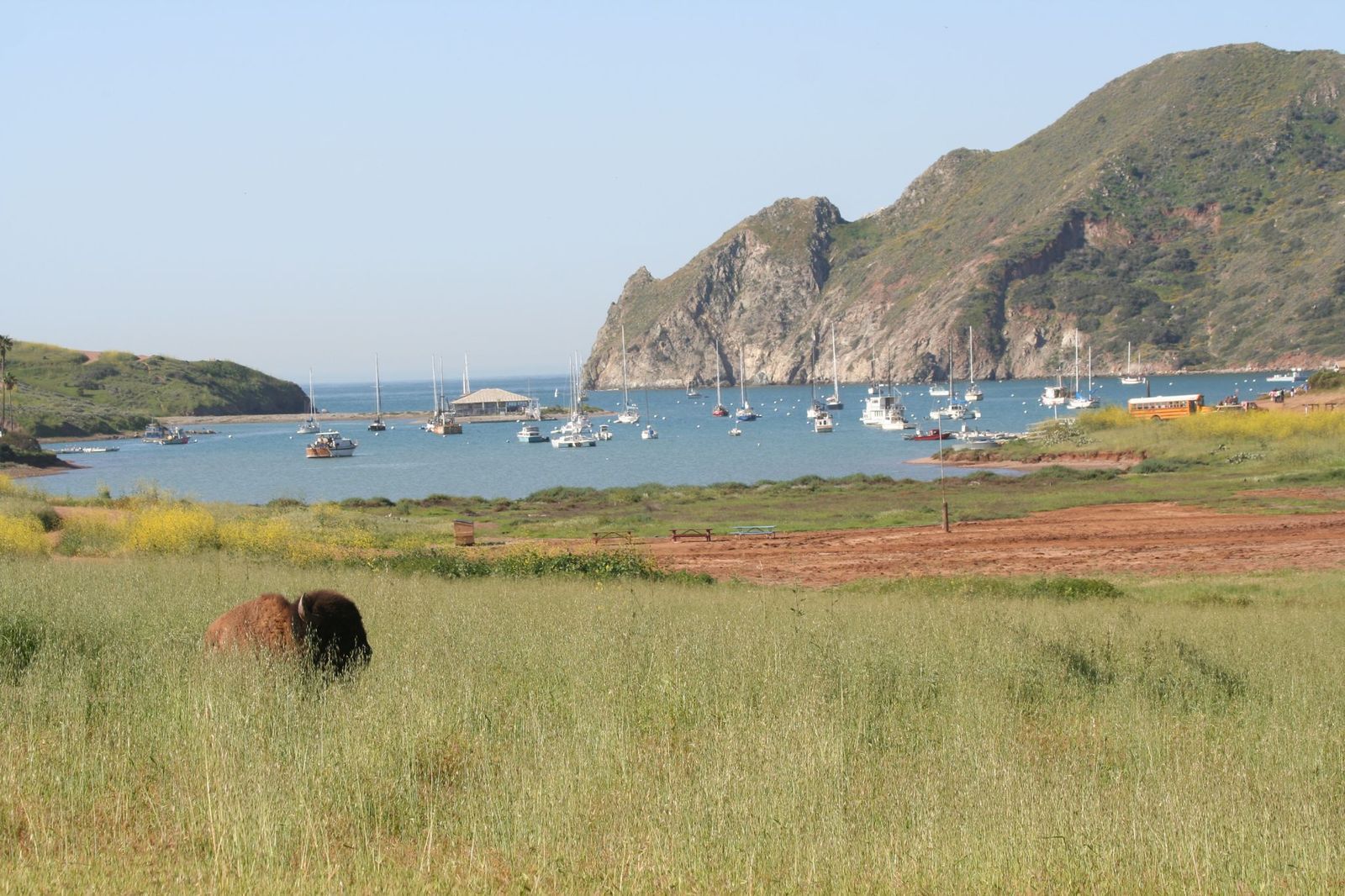
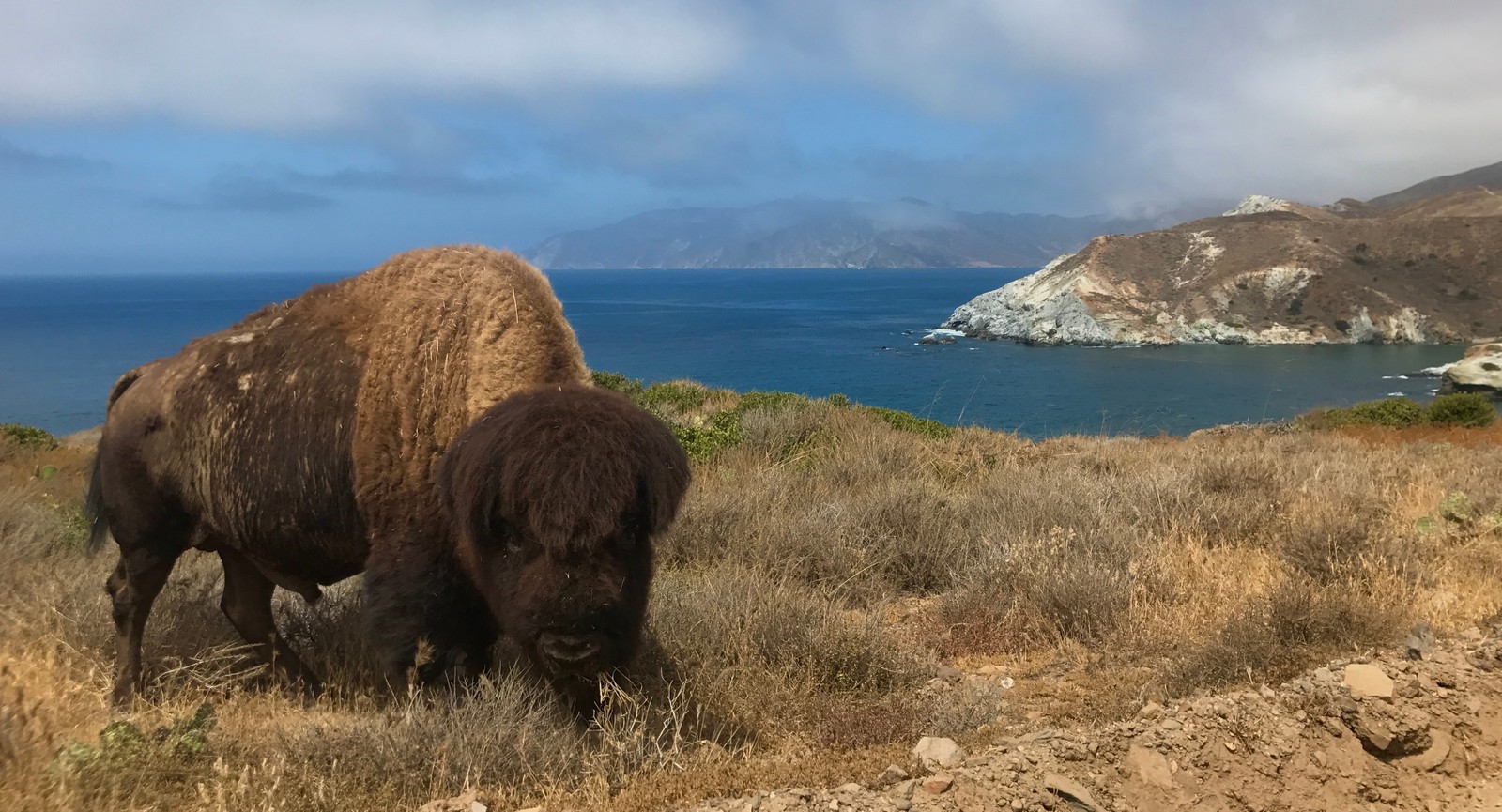
In 1924, 14 American bison arrived on Catalina Island, 22 miles off Los Angeles. Local lore says they were brought for the filming of The Vanishing American in 1925. Yet the final version of the movie has no bison.
Whatever the reason, the herd stayed and boomed to nearly 600 by the 1970s. Today the Catalina Island Conservancy keeps it near 150 through relocation and contraception, and the bison have become island icons. Visitors are told to stay at least 100 feet away.
San Juan Island and the pig war
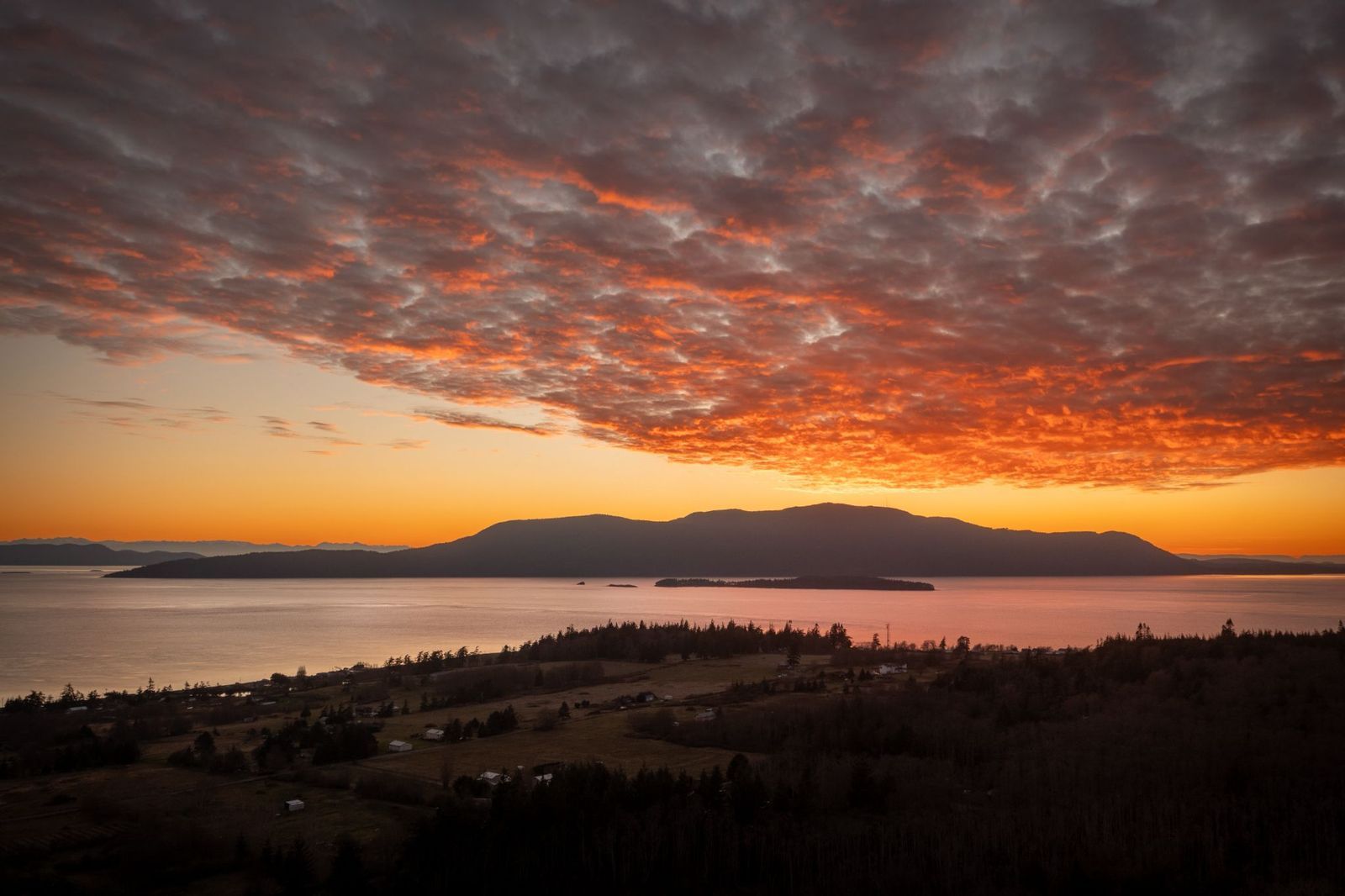
On June 15, 1859, American settler Lyman Cutlar shot a pig rooting in his garden on San Juan Island, in Washington State. The pig belonged to the British-run Hudson’s Bay Company, and an 1846 treaty left the island’s ownership unclear. Soon, 461 U.S. soldiers faced British warships.
A British admiral refused to go to war over a pig, and officers from both sides even shared meals. Finally, after 12 years of joint occupation, Germany’s Kaiser Wilhelm I ruled the islands to be American in 1872. The only casualty was the pig.
Isle Royale´s wolves and moose
Since 1958, scientists have tracked wolves and moose on Isle Royale, a roadless Lake Superior island in the state of Michigan. It is widely called the world’s longest-running predator-prey study. Researcher Rolf Peterson joined in 1970 and has been part of it for decades.
By 2018, only two wolves remained, so 19 were brought in over 2018 and 2019. The 2026 survey counted about 37 wolves, while moose had fallen to 524, down 75 percent from 2019. For the first time in 68 years, no moose calves were seen. Volunteers have searched for moose bones there since 1988.
Santa Cruz Island's fox comeback
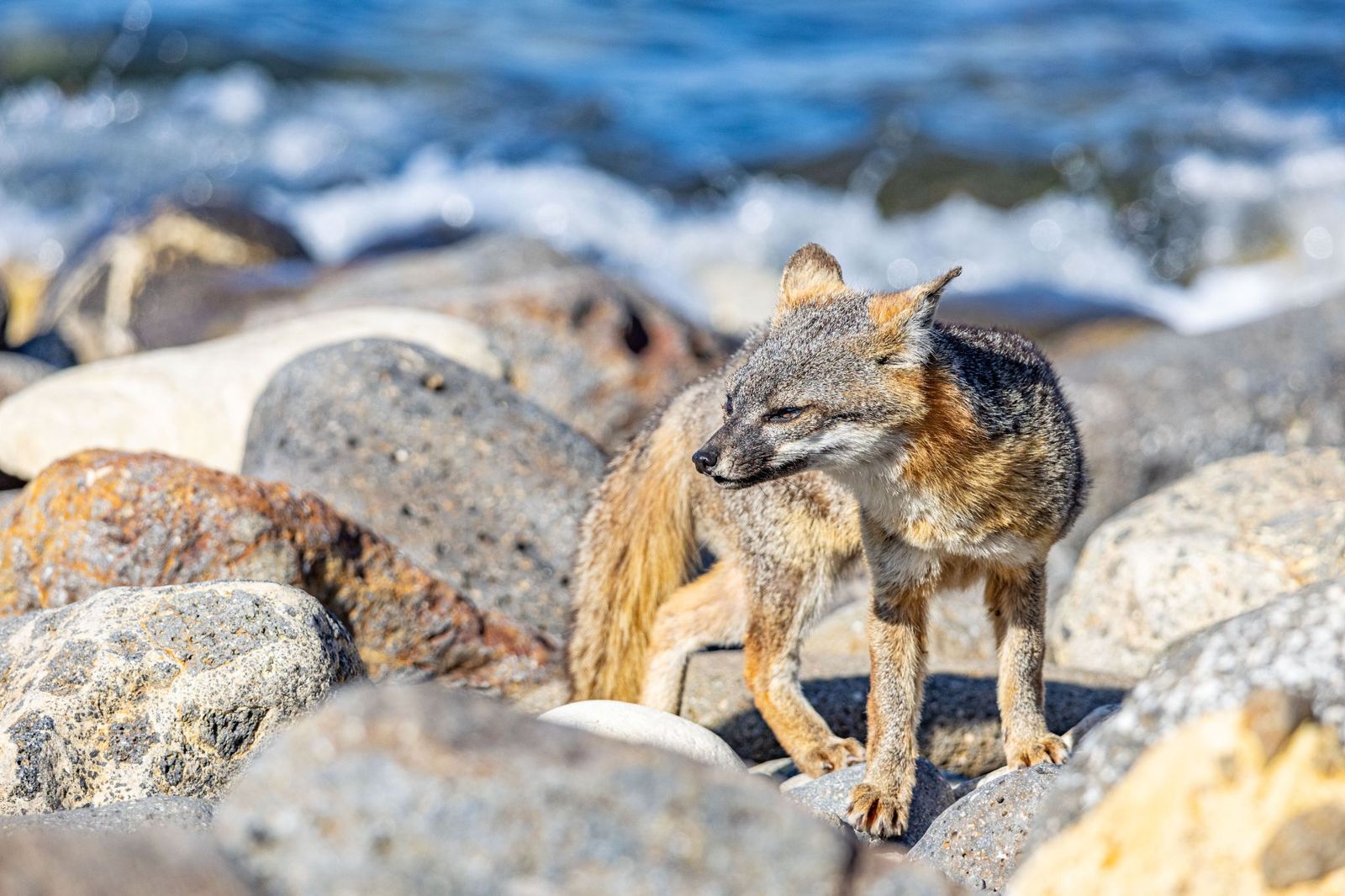
In the 1990s, island foxes on California’s Channel Islands crashed by over 90 percent, and by 2000 only 55 remained on Santa Cruz. A chain reaction was to blame: DDT wiped out bald eagles, golden eagles moved in, and they hunted feral piglets and then foxes.
Rescuers relocated 44 golden eagles, removed thousands of feral pigs, bred foxes in captivity, and brought back bald eagles. In 2016, three fox subspecies were delisted, the fastest recovery of any mammal under the Endangered Species Act. In 2006, bald eagles nested there for the first time in about half a century.
Cumberland Island´s Carnegie ruins
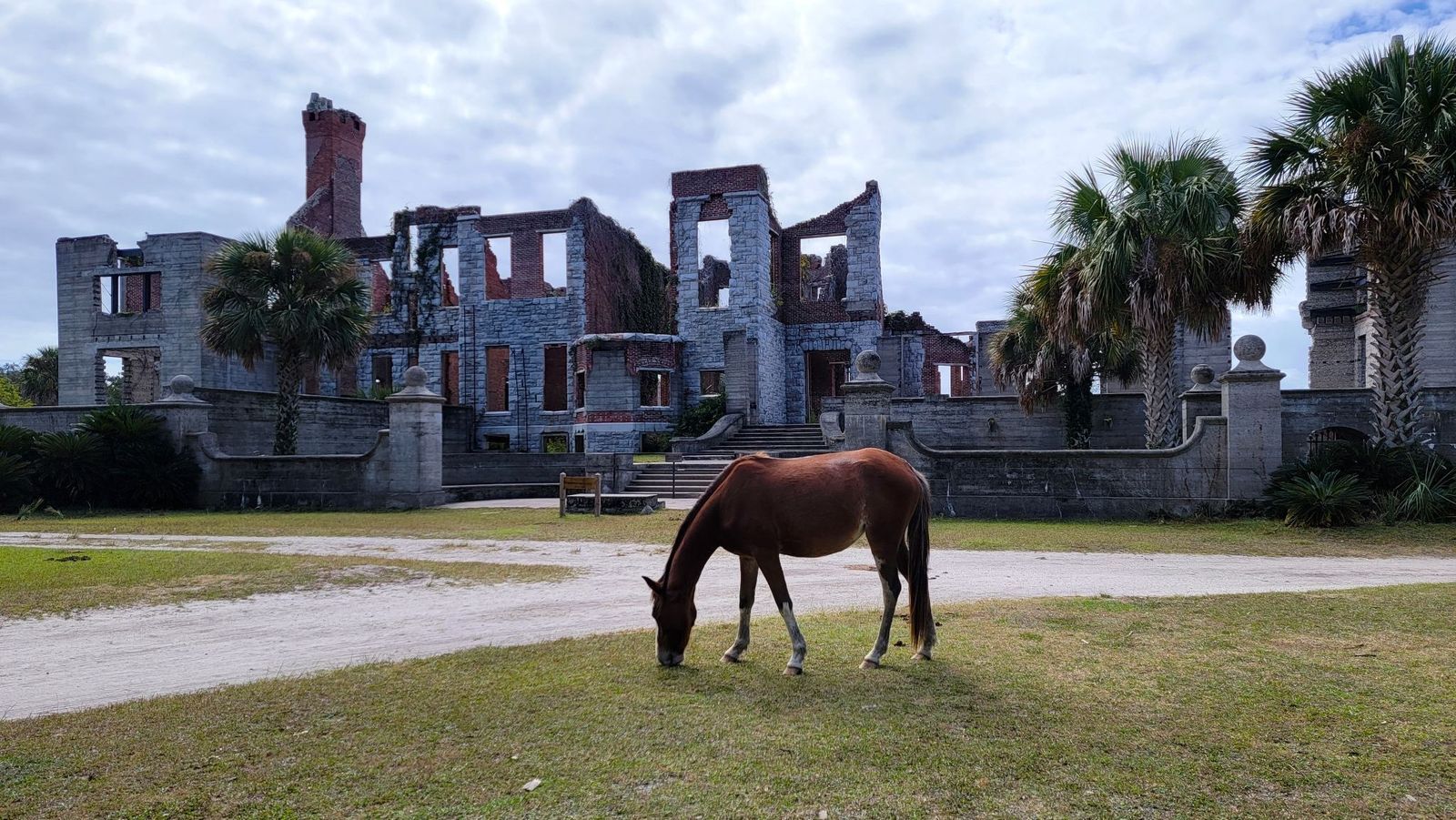
On Georgia’s Cumberland Island, the ruins of Dungeness recall the Carnegie family. Thomas Carnegie, brother of Andrew, began a 59-room mansion in 1884, and his family came to own about 90 percent of the island. They left in 1925, and a fire destroyed the house in 1959.
Dungeness had earlier lives: a hunting lodge from 1736 and a tabby mansion built by Nathanael Greene’s widow in 1803. Since 1972, the ruins have been part of a national seashore, where wild horses wander nearby.
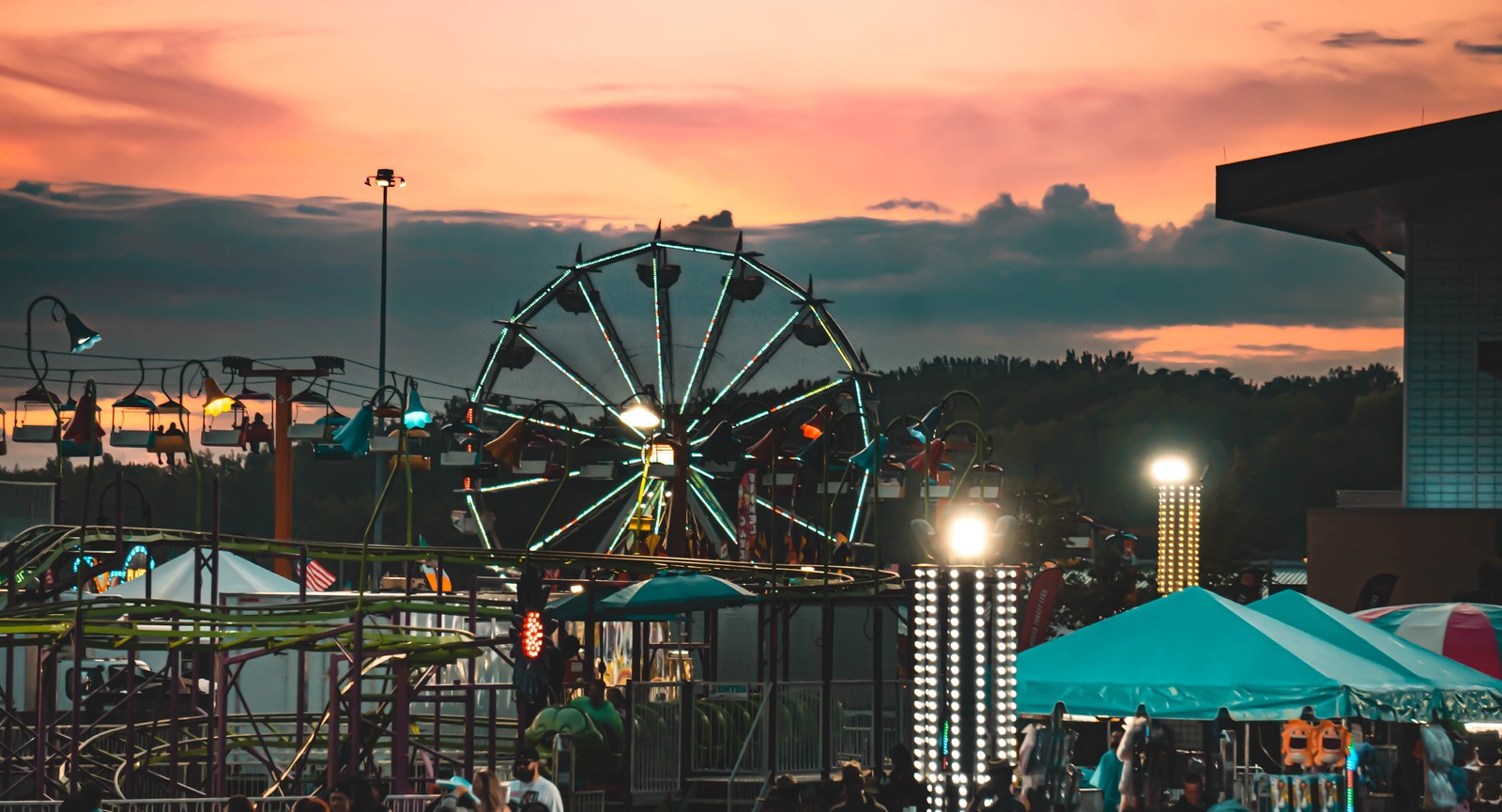
Some of these state fairs have seriously weird attractions
 Culture
State fair attractions
10 State Fairs that show off the best of America
Few things bring back summer memories quite like a day at the state fair. The smell of funnel cakes, prize-winning pies, and the sound of a Ferris wheel turning are all part of the experience. But some have their own unique appeal and attractions. Did you know about the giant cowboy mascot at the Dallas State Fair? Or the customized 90-pound butter sculptures in the Minnesota State Fair? Each with its own quirks, here are 10 beloved state fairs you should visit.
State Fair of Texas
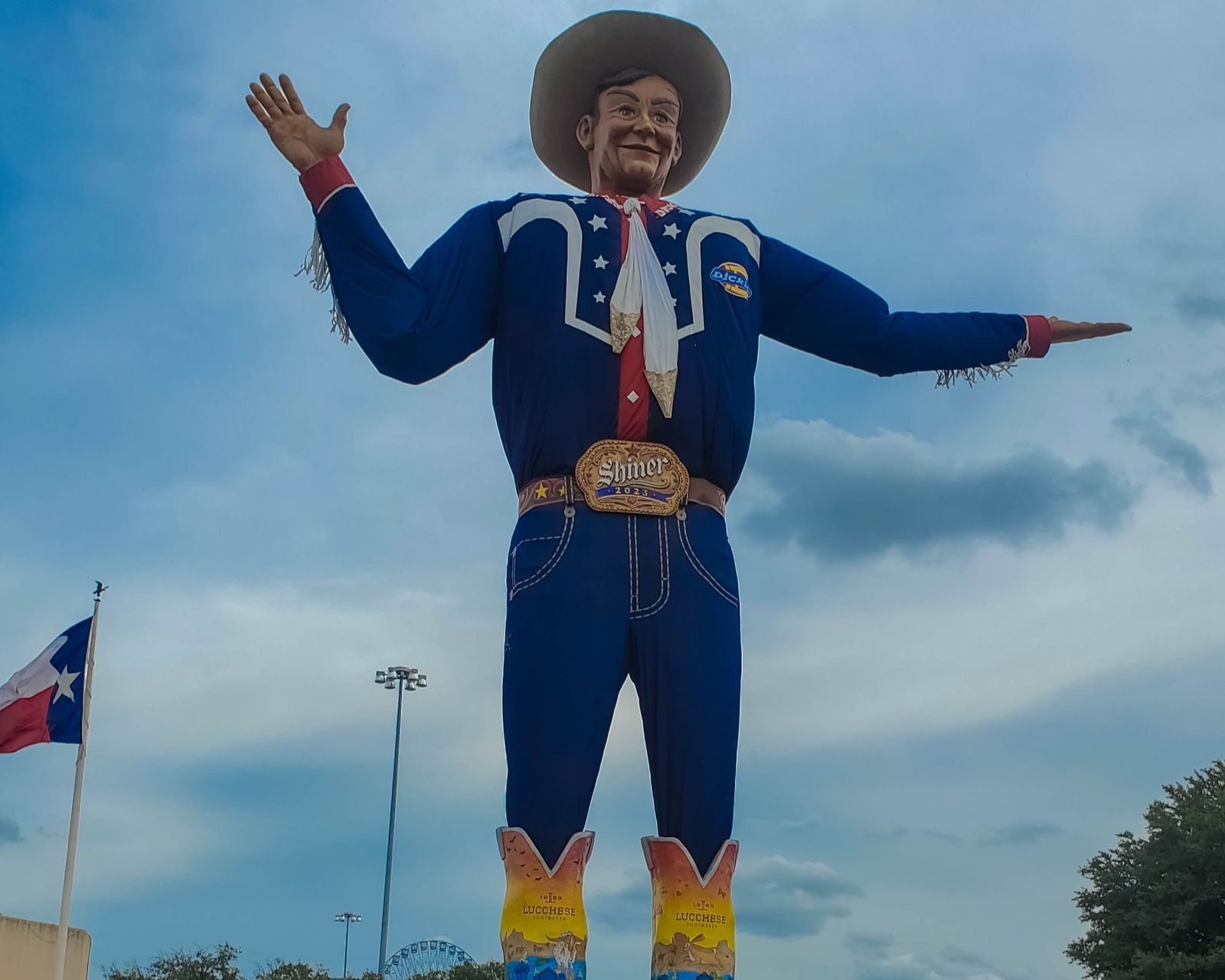
Have you ever seen a 55-foot cowboy? Then you haven’t been to the State Fair of Texas in Dallas. Since 1886, when two rival fairs merged into one, it has become one of the biggest and most famous in the country. More than 2 million people visit the fair each year to see Big Tex (the giant cowboy statue), try the fair’s inventive, over-the-top deep-fried food, and catch the annual Texas–Oklahoma football game at the Cotton Bowl.
Minnesota State Fair
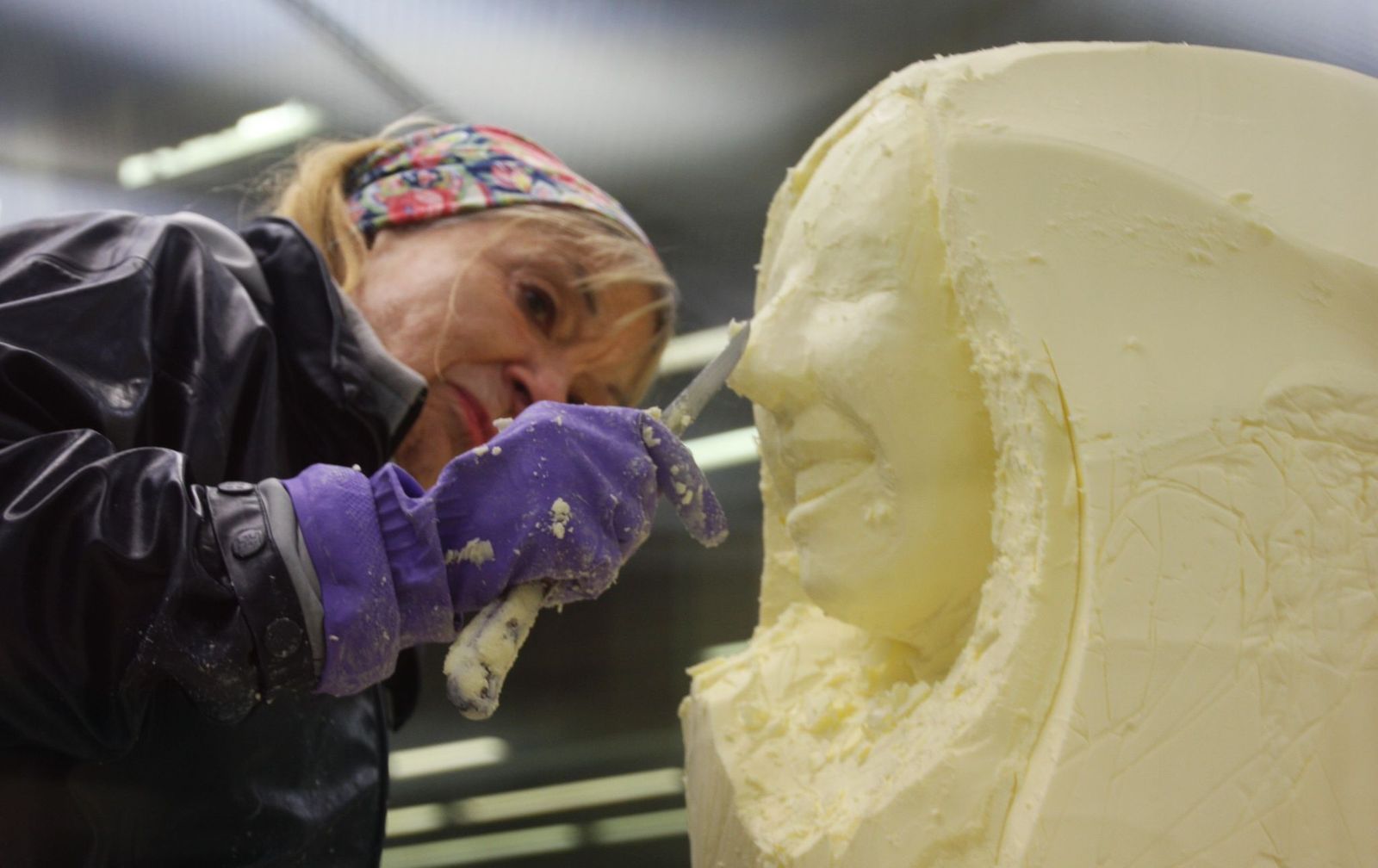
Have you ever had your face carved into a 90-pound block of butter? This is the prize you get if you are one of the finalists in the Minnesota State Fair’s Midwest Dairy Princess Kay of the Milky Way competition.
Minnesota held its first official State Fair in 1859, just one year after becoming a state. The event began as a showcase for agriculture that evolved into one of the largest fairs in the U.S., with roughly 177,000 visitors per day. The fair is also famous for its food-on-a-stick creations and Sweet Martha's Cookie Jar.
Iowa State Fair
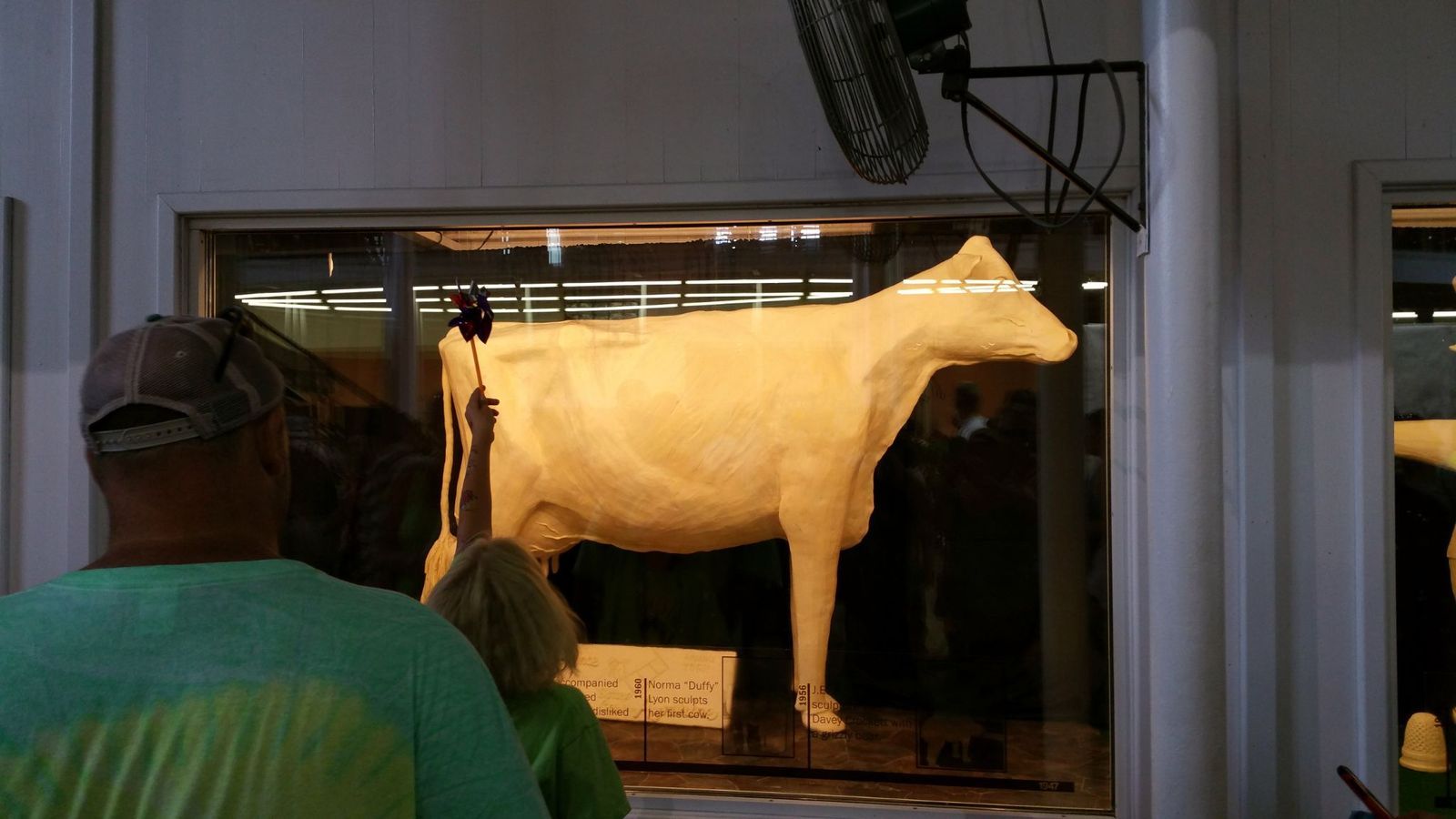
You don’t see a Butter Cow every day unless you attend the Iowa State Fair. Now held in Des Moines, the fair dates back to 1854. One of its signature attractions is the Butter Cow, a life-size sculpture made from 600 pounds of Iowa butter.
But the cow isn’t the only butter statue at the Iowa State Fair. Over the years, artists have created everything from Elvis Presley and John Wayne to Harry Potter and the Peanuts gang. More than a million people visit the fair every year to attend livestock shows, agricultural exhibits, concerts, food competitions, and more.
Tulsa State Fair
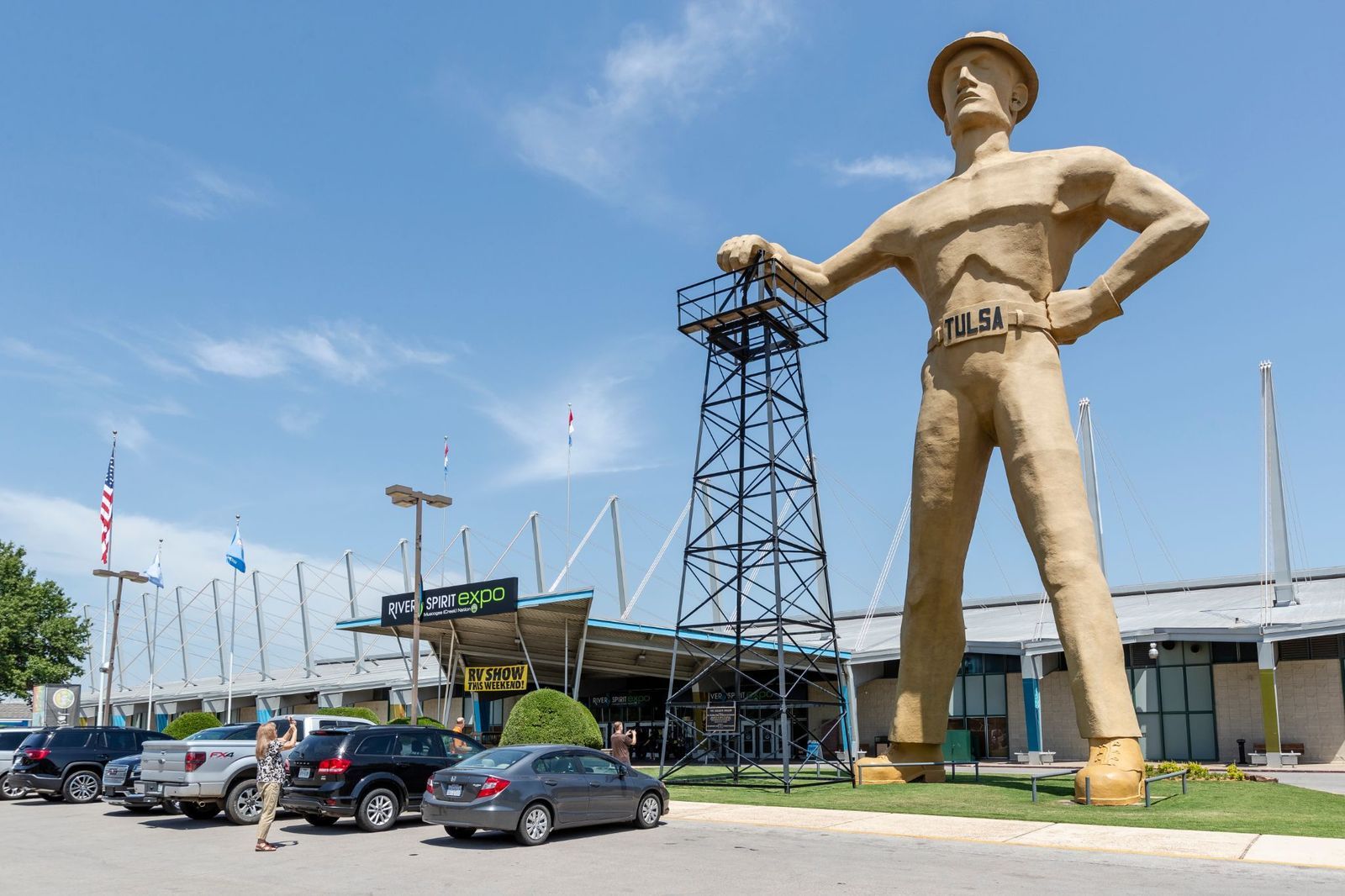
What's the one attraction you can't miss at the Tulsa State Fair? Most likely, it's the 76-foot-tall oilman statue standing right at the entrance. The fair began in 1903, but this massive statue came about later. In 1966, the 76-foot Golden Driller was built for the International Petroleum Exposition.
But there’s another landmark worth visiting at the fair: the historic Expo Square Pavilion, an Art Deco arena built in 1932 that can seat 6.311 people. The fair runs for 11 days and features livestock shows, carnival rides, games, and other classic fair attractions.
Wisconsin State Fair

If you have a sweet tooth, the Wisconsin State Fair may be the right place for you. Held in West Allis, this fair dates back to 1852 and is famous for its giant cream puffs—visitors eat around 300,000 cream puffs every year.
But the fair is more than just cream puffs; guests can check out some unique attractions like the Sporkies food competition, watch races at the historic Milwaukee Mile, and animal contests like rabbit long-jump and classic pig races.
The Big E
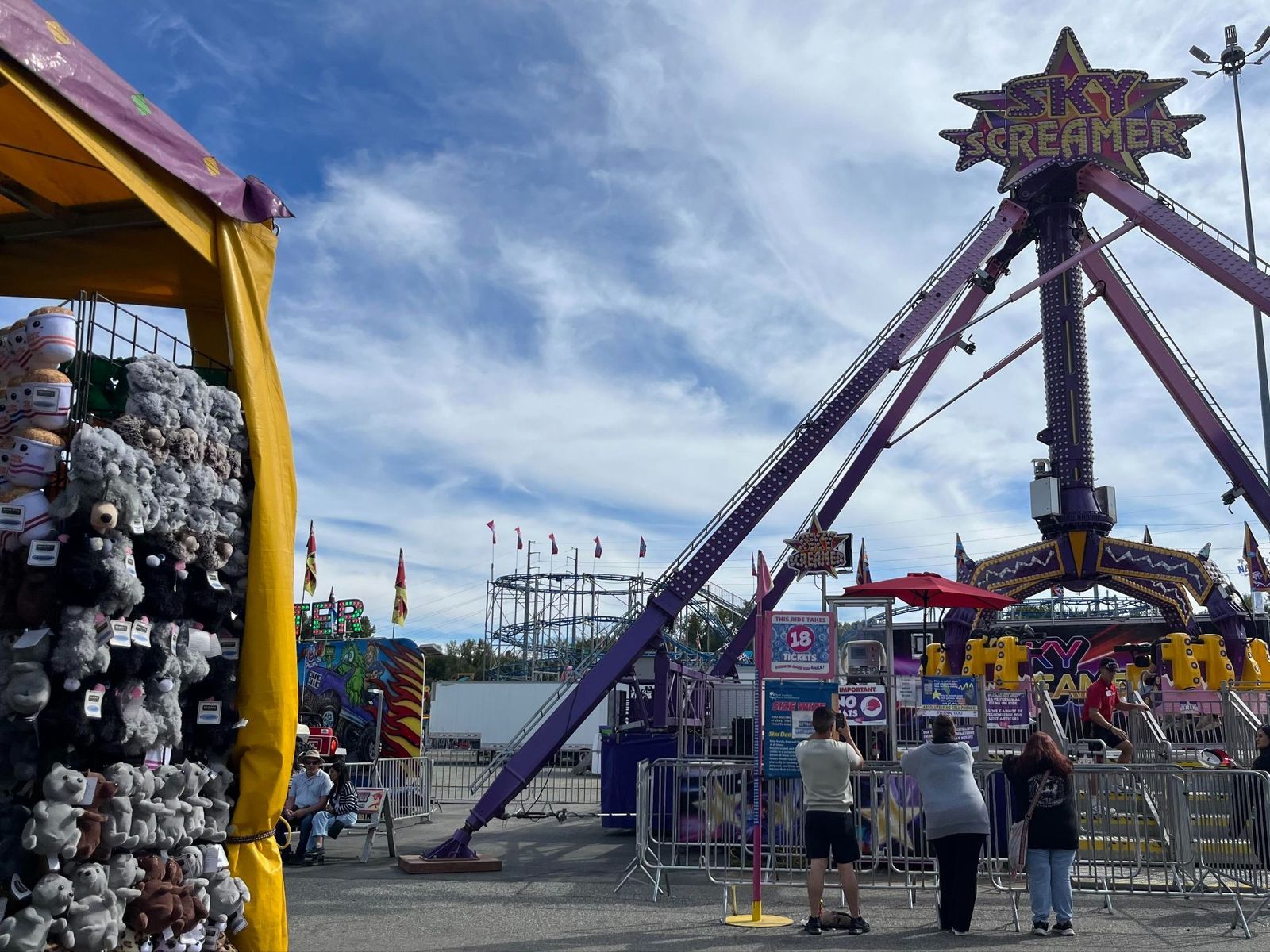
Did you know you could visit all six New England states in one day? You can do just that at the Big E, aka the State Fair of New England, held in West Springfield, Massachusetts. This 17-day fair brings the New England states together in its famous Avenue of States, where folks can see state-themed buildings and buy local products.
The fair began in 1917 as a way to promote agriculture, industry, education, and commerce across New England and grew into one of the largest and most unusual fairs in the country.
Washington State Fair
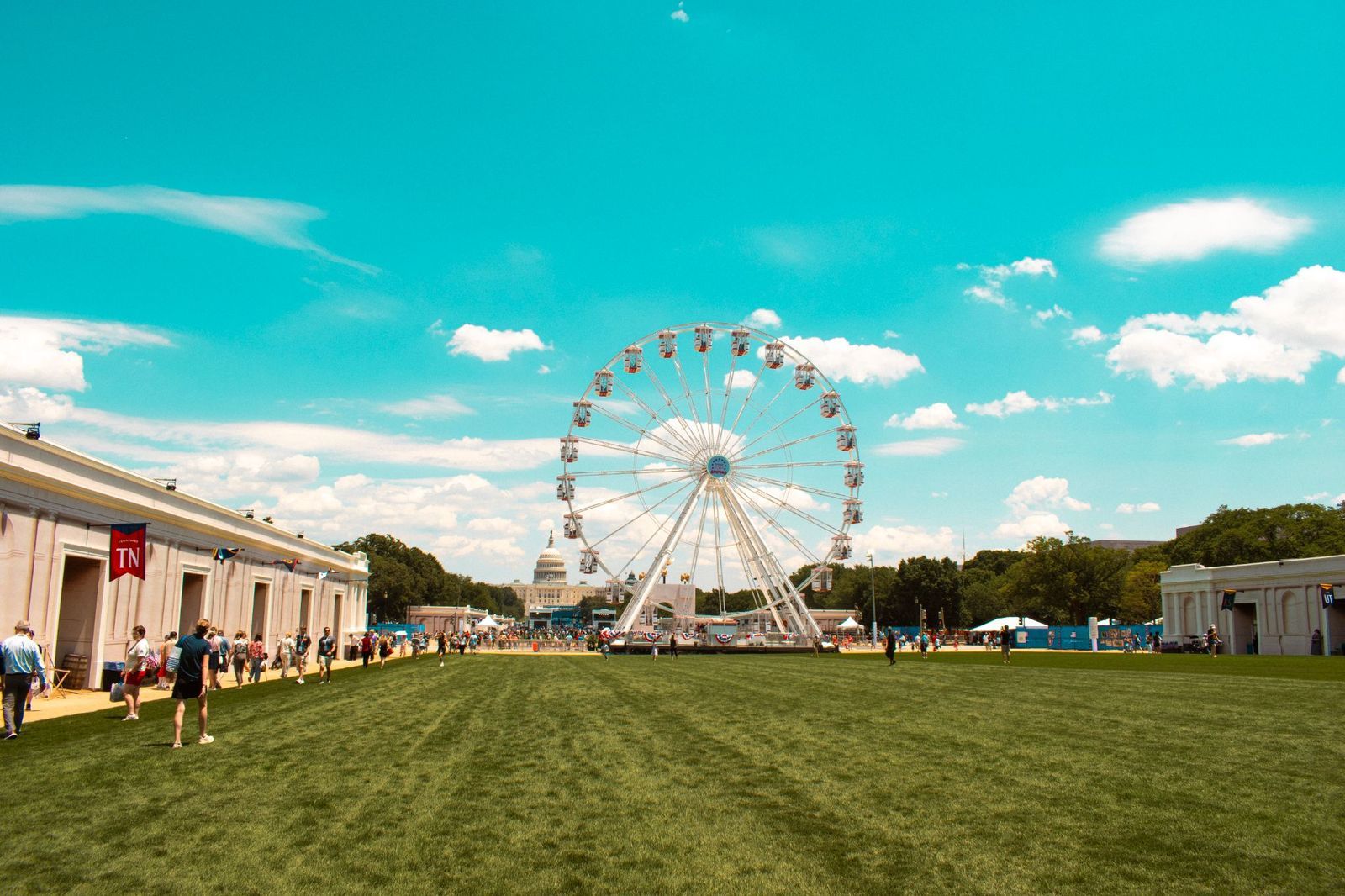
Imagine a scone so famous that a state fair celebrates its 100th anniversary. That's what happened at the Washington State Fair in Puyallup. The famous Fisher Scones originated in 1911 and have been the fair’s signature food since 1915. They are served warm with butter and raspberry jam, and in 2011 the fair celebrated the scones’ 100th anniversary and the sale of its 100 millionth scone.
The first Washington State Fair was held in 1900. Today, in addition to its famous scones, the fair is known for its concerts, rodeo, carnival rides, fair food, and livestock shows.
Arizona State Fair
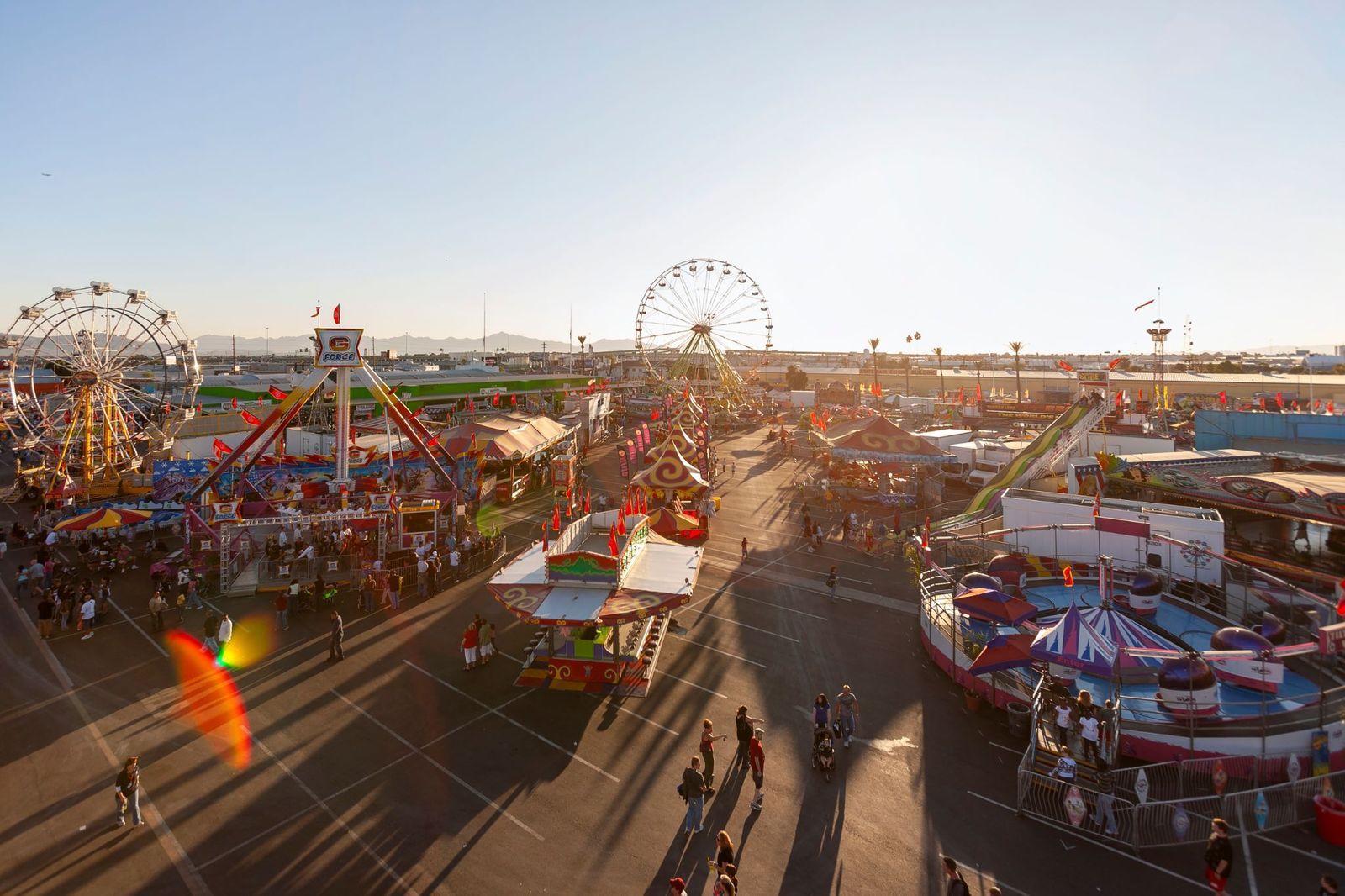
Did you know the Arizona State Fair existed before Arizona was even a state? The event began in 1884, nearly 28 years before Arizona officially became the 48th U.S. state. It started as an agricultural gathering in Phoenix that eventually grew into a celebration of Arizona’s culture.
Unlike many state fairs, this one takes place in the fall, from October to early November. One of the fair’s most notable landmarks is the Veterans Memorial Coliseum, which has hosted iconic people like Elvis Presley, Cher, and even Pope John Paul II.
North Carolina State Fair
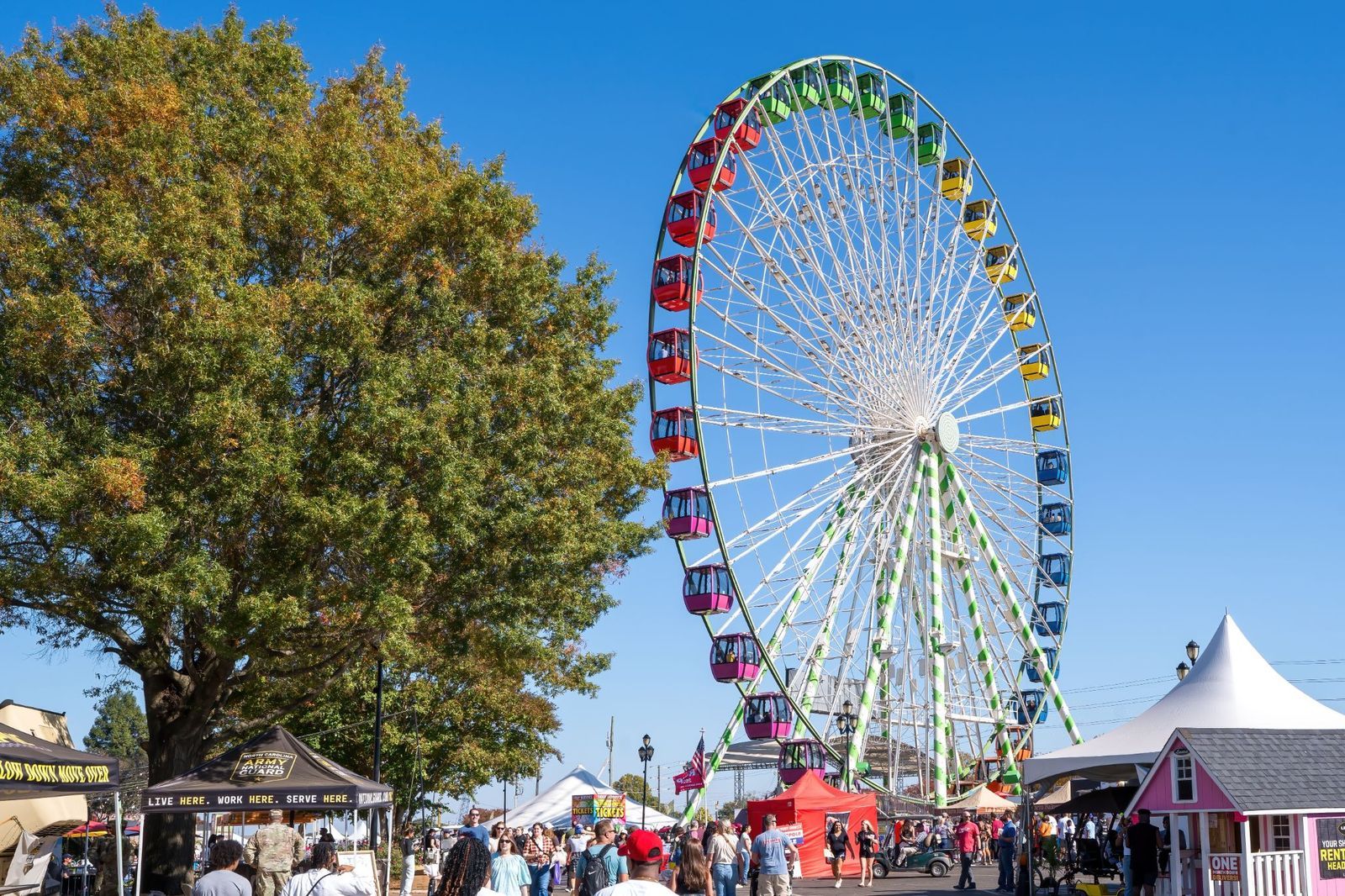
The North Carolina State Fair is 173 years old, but were you aware that it shut down during the Civil War? The fair began in 1853 as a way to promote better farming and agricultural innovation. In 1861, however, the fairgrounds in Raleigh were repurposed as a training camp for Confederate soldiers and later housed the Fairgrounds Hospital.
The fair returned in 1869 and has remained a state tradition ever since, welcoming some famous visitors, such as President Theodore Roosevelt in 1905, who gave a speech to fairgoers.
Oklahoma State Fair
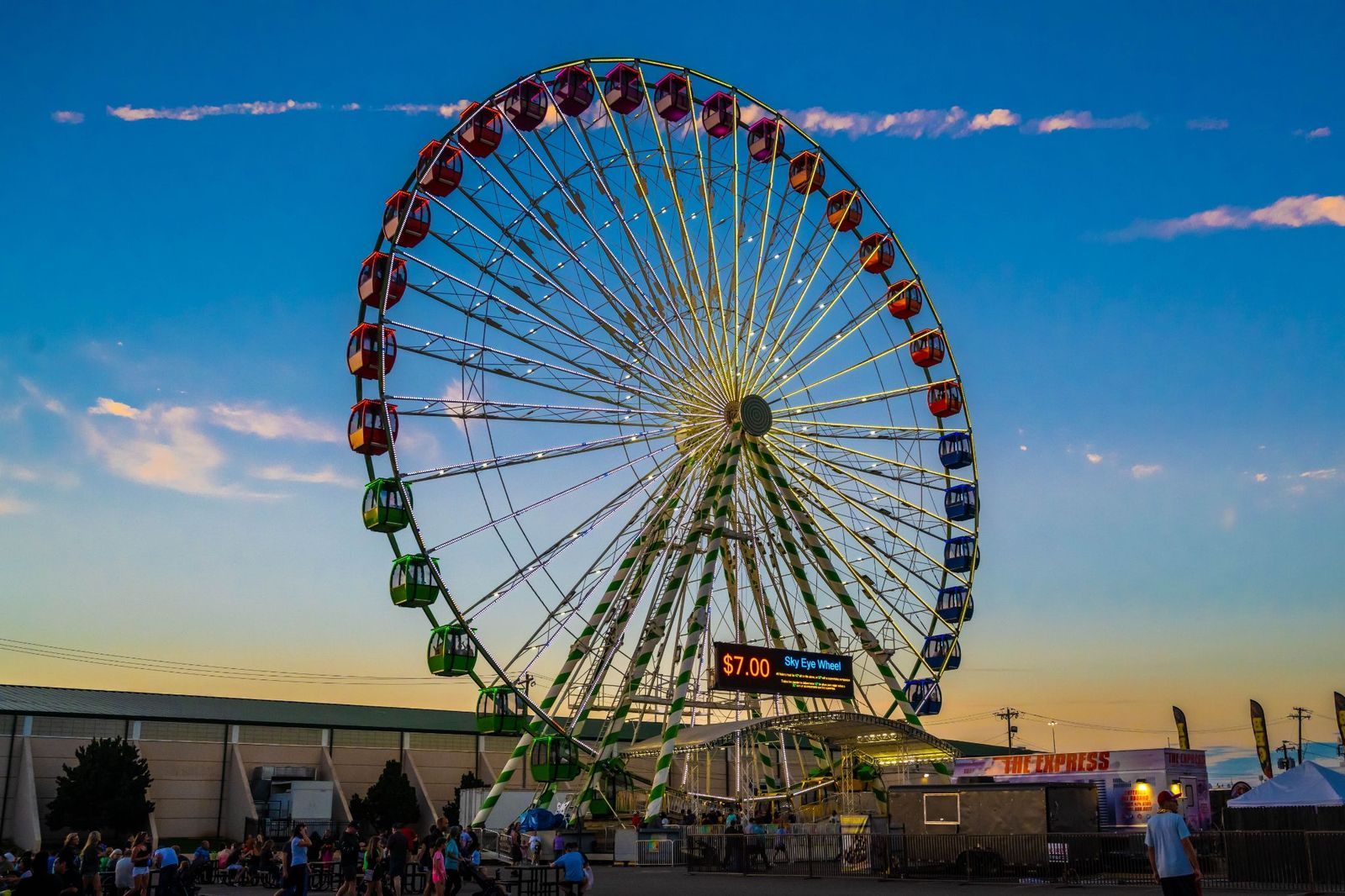
The Oklahoma State Fair opened in 1907, just six weeks before Oklahoma officially became the 46th state. This fair has made it through difficult periods, including World War II, when many fairs and other venues closed, but the Oklahoma State Fair managed to keep going.
In January 2026, the fair added a new landmark to OKC Fair Park: the Bolt Tower, a 72-foot sculpture that includes a 3D-printed time capsule filled with photos and memories connected to the fair.
10 bizarre traditions at famous tourist spots and the reasons behind them
 Landmarks
Weird rituals
When in Rome... Odd traditions tied to specific destinations
Tourists love copying what they see others do. Arrive at spots like the Trevi Fountain, and you might have to get in line to toss a coin. Step into the Epidaurus Theatre in Greece, and you’ll have to wait until others are done whispering to try the acoustics yourself. People will even queue for an hour to attempt to bend backwards on the floor and kiss the Blarney Stone in Ireland. How did these very strange traditions begin? Read on to learn 10 site-specific odd rituals.
People shouting "Elmer!" at sundown at Yosemite National Park, USA
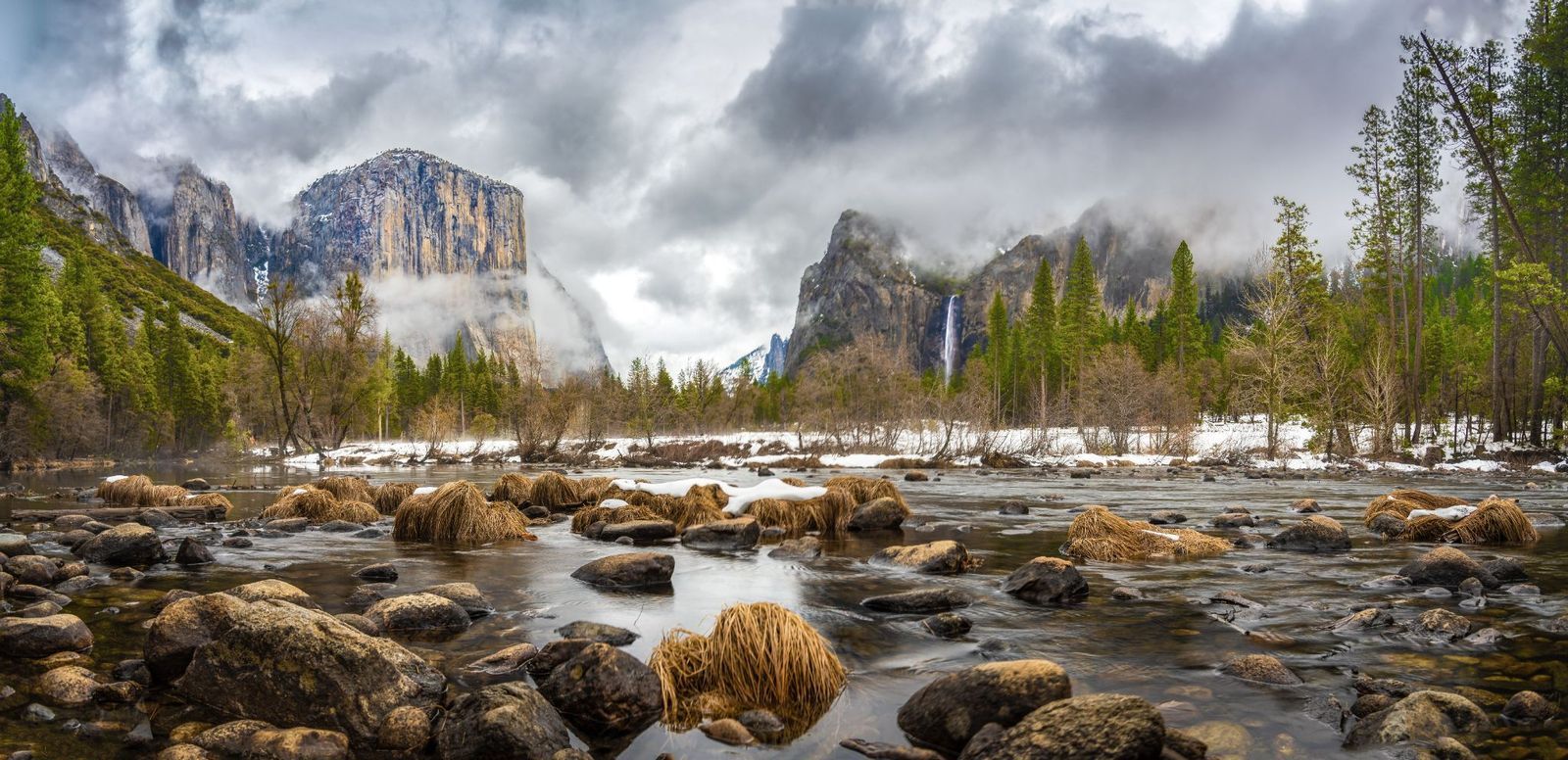
Every summer evening in Yosemite Valley, as the campfires die down, someone in one of the campgrounds shouts it into the dark: "ELLLLMEERRR!" And it always gets an answer.
Suddenly, the valley erupts into dozens of voices from different camps echoing the name back. The tradition has been going on since at least the 1930s, and no one knows exactly how it started. Nobody knows who Elmer was, either, but that’s part of the joke. The most popular legend says a boy named Elmer went missing in the woods one summer, and nearby campers started calling his name.
Another version claims he was a park ranger disfigured in the Yosemite Firefall who now haunts the camp looking for a new face, and if you shout his name, he'll know you're a friend and leave you alone. The National Park Service has officially acknowledged that the tradition exists, even though they have no explanation for it either.
Swearing nonsensical oaths at Highgate, London
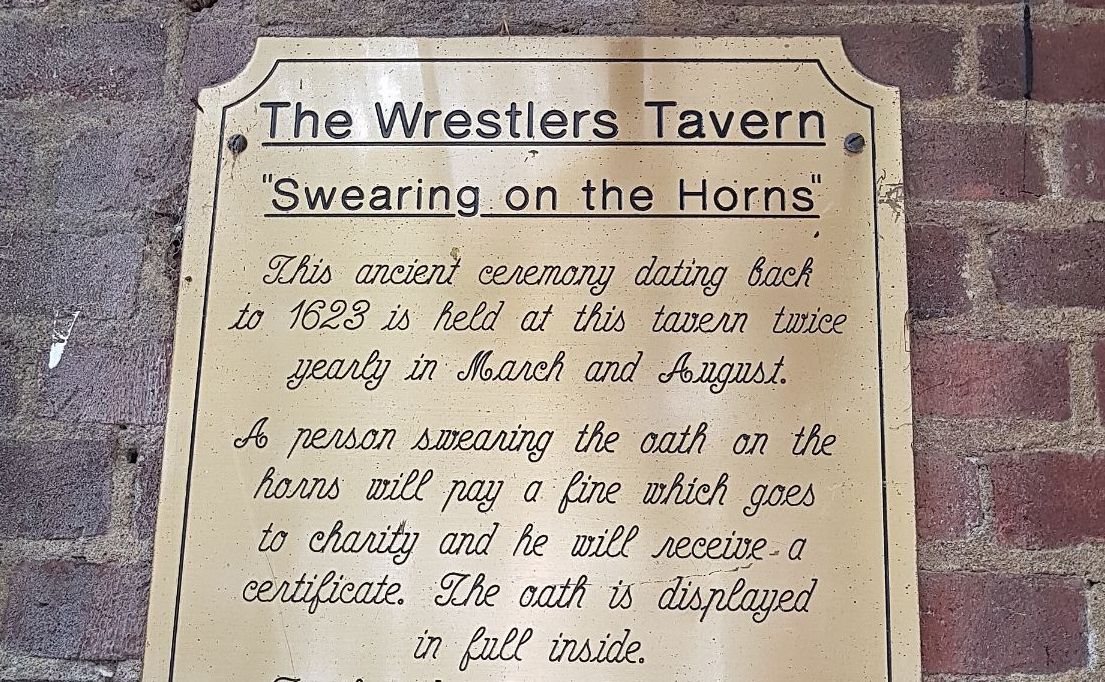
In the village of Highgate in north London, a pub tradition has been running since the 17th century that makes absolutely no sense. At taverns like The Wrestlers and The Flask, visitors can be sworn in as a "Freeman of Highgate" by reciting an oath of pure gibberish before a landlord dressed in ceremonial costume, then kissing a set of ram's horns.
The rewards are famous for their uselessness. They include the right to free drinks whenever you are penniless in the village, and the right to sleep in a local ditch if you first evict whichever pig is occupying it. If there are three pigs, you may only remove the middle one and sleep between the others.
Lord Byron swore the oath and referenced it in his poem "Childe Harold’s Pilgrimage." The ceremony was revived in recent years at The Wrestlers, where the horns and the full text of the oath still hang on the wall.
Putting hands into the Mouth of Truth in Rome
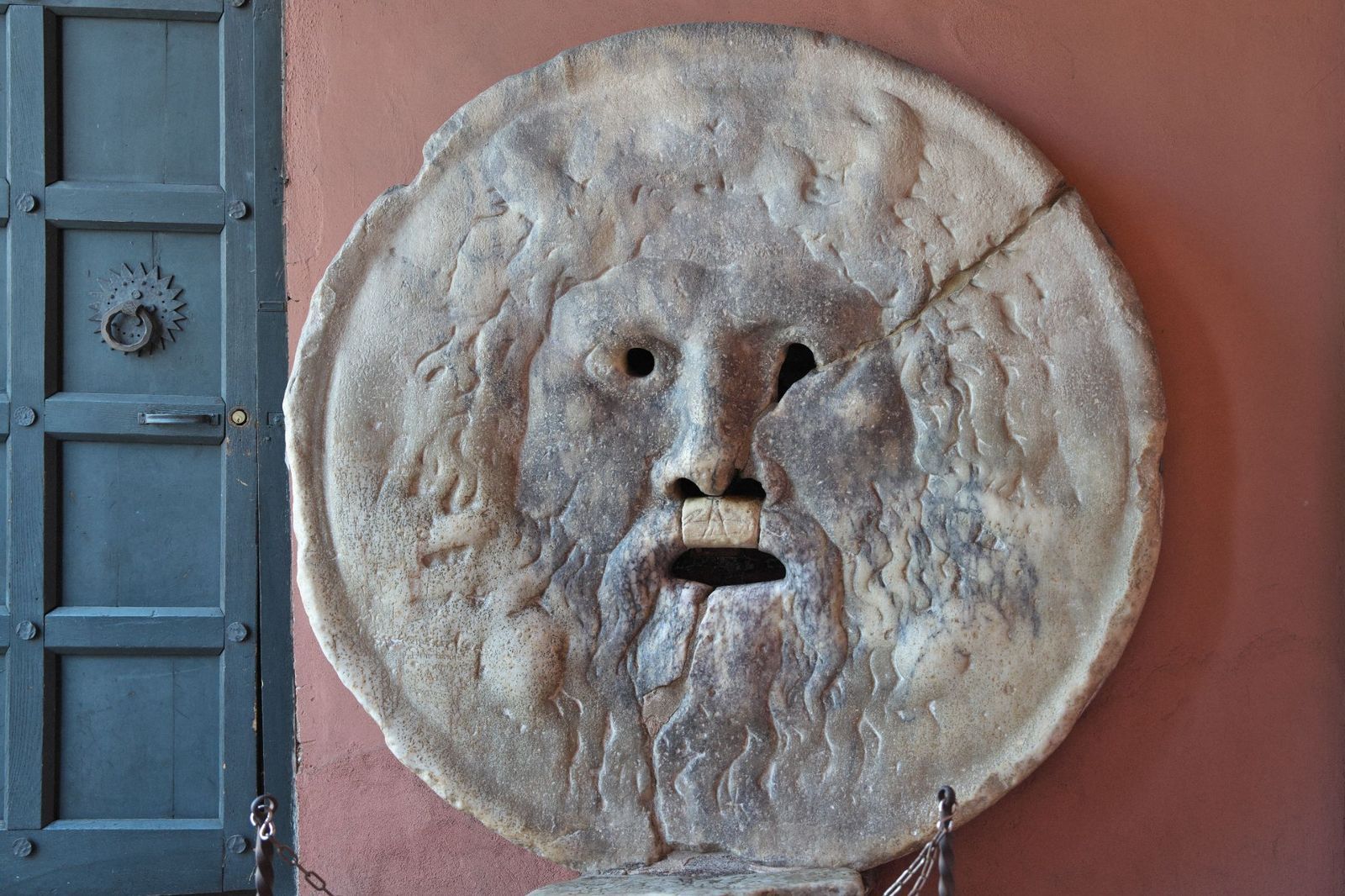
Long before Gregory Peck used it to terrify Audrey Hepburn in the film Roman Holiday, the Bocca della Verità had already been frightening people for roughly a thousand years. The ancient marble disc has sat at the entrance to the Basilica of Santa Maria in Cosmedin since the 13th century, though it was carved sometime in the 1st century CE, possibly as a drain cover for Rome's great sewer.
The legend, documented as far back as 1485, holds that any liar who places their hand inside its gaping mouth will lose it. Medieval husbands reportedly brought their wives here to prove their fidelity. The scene in Roman Holiday in which Peck hid his hand up his sleeve and pretended it had been bitten off, causing Hepburn's genuine shriek of terror, made the Bocca world-famous in 1953. Tourists now queue for up to two hours to stick their hand in and pose for the photo.
Sticking gum at the Seattle Gum Wall, USA
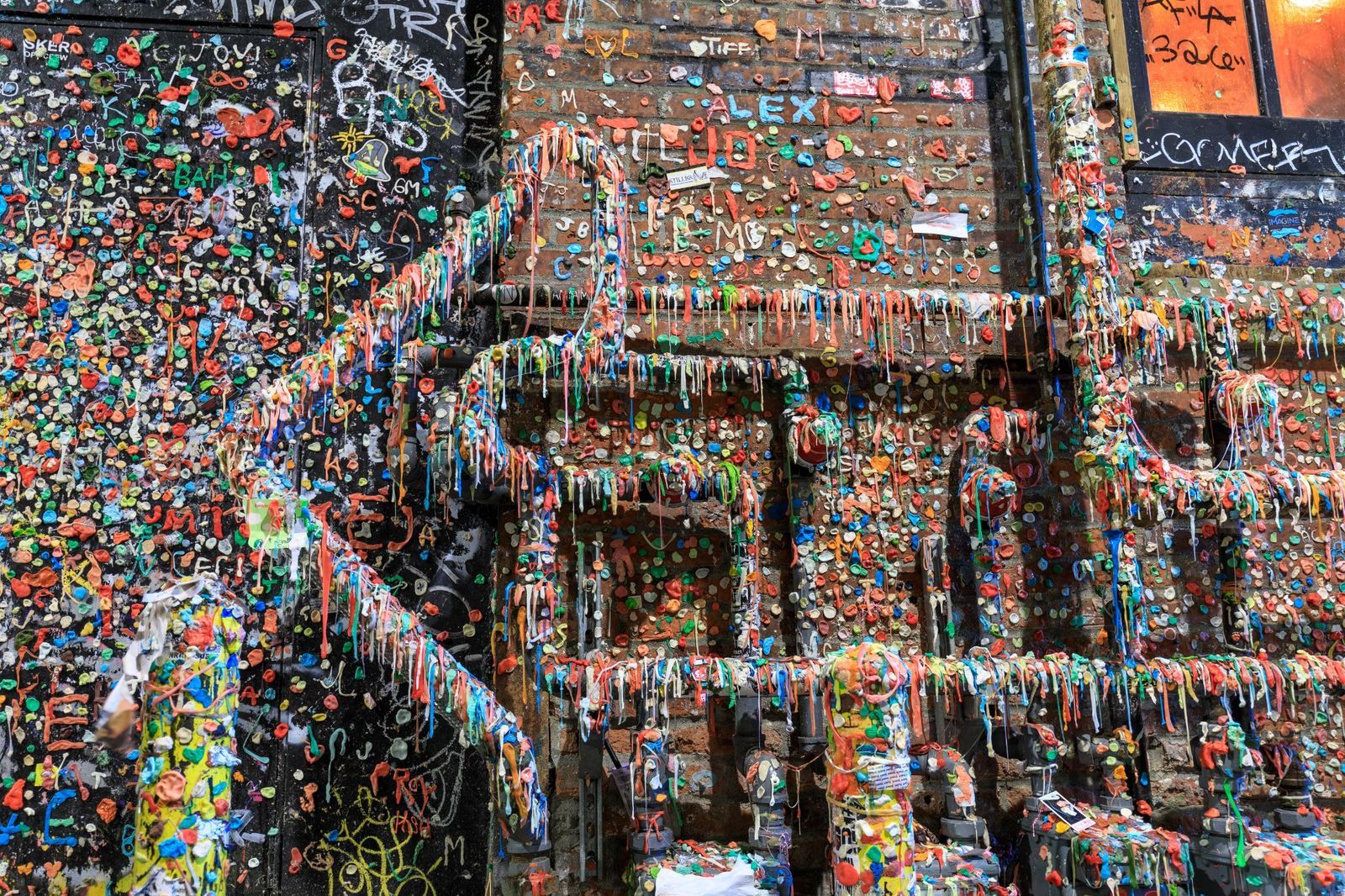
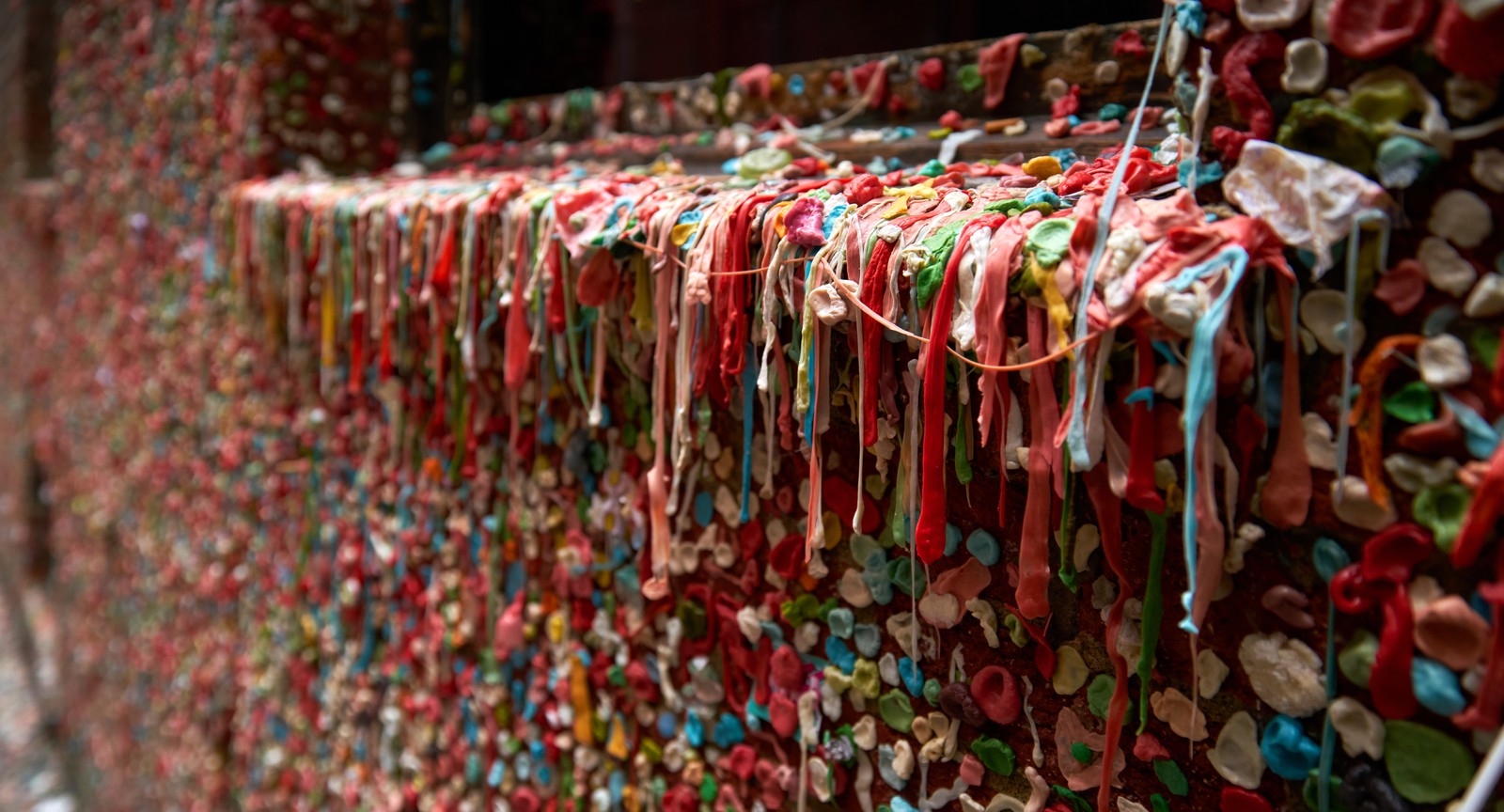
In 1993, people waiting in line for an improv comedy show at the Market Theater in Seattle's Post Alley started pressing their chewed gum to the brick wall outside. Management had the wall scraped clean. But the gum came back in the following show nights.
Locals carried out this back-and-forth until 1999, when the area authority gave up entirely and officially declared the wall a tourist attraction. Today, the Gum Wall stretches over 50 feet long and more than six feet high, covered in a thick, technicolor crust of chewed bubble gum from visitors around the world.
It’s consistently ranked among the germiest tourist attractions on earth. The wall is periodically cleaned to protect the historic brickwork underneath, but it doesn’t stay clean for long. In 2015, a full cleaning took 130 hours and removed over 2,350 pounds of gum, but it was rebuilt by passing tourists in about five months.
Kissing the lips of the Victor Noir statue in France
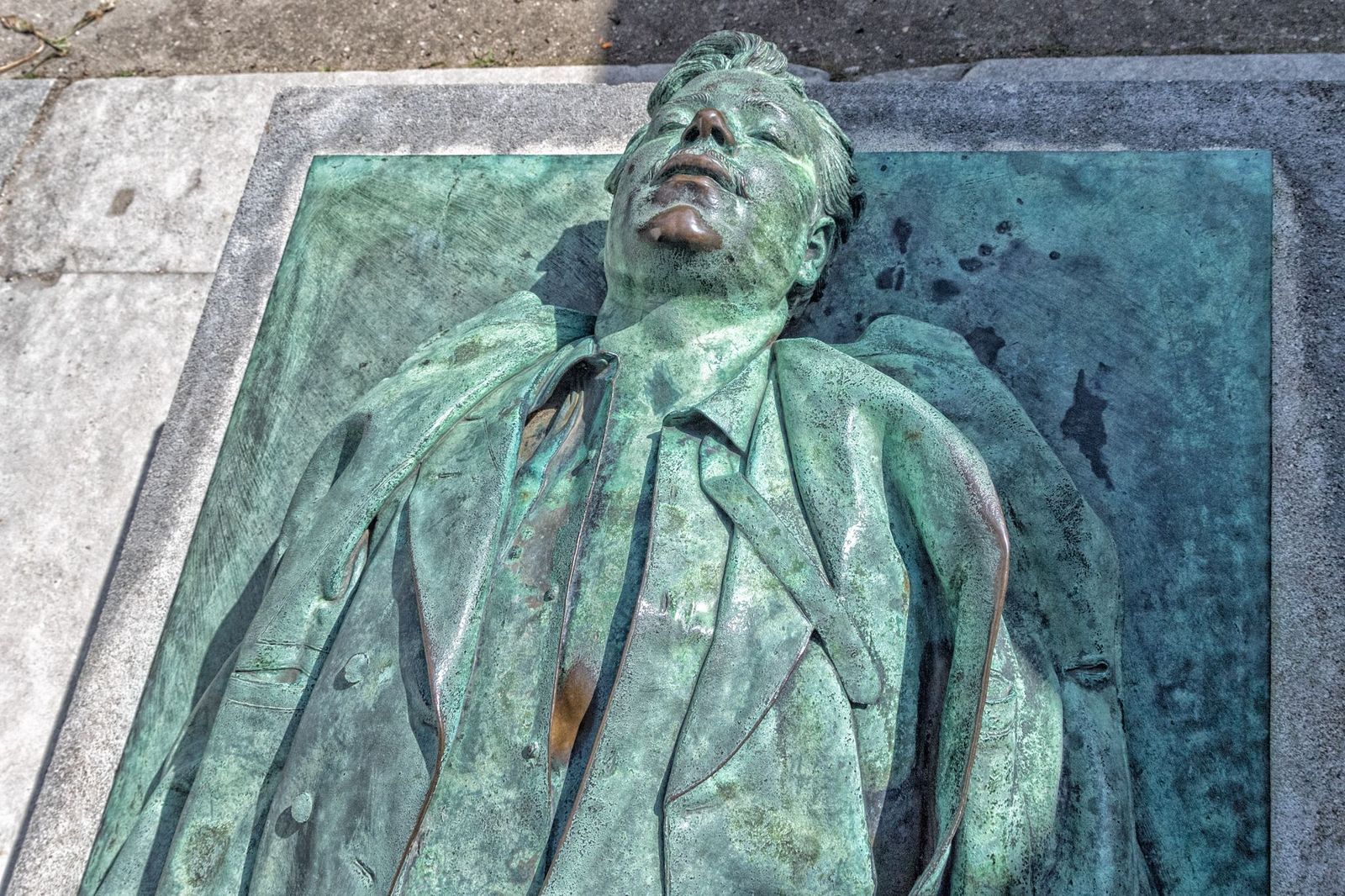
Victor Noir was 21 years old and working as a journalist for a radical Paris newspaper when, in 1870, he was shot dead by Prince Pierre Bonaparte, a cousin of Napoleon III. This happened in a dispute over a dueling arrangement Bonaparte had with Noir’s boss. His murder was so politically explosive that nearly 100,000 people attended his funeral procession, outraged that the prince was later acquitted.
Two decades later, when the Third Republic had the journalist's body moved to Père Lachaise cemetery, sculptor Jules Dalou created a life-size bronze of Noir lying exactly as he fell on the street, hat beside him. For reasons no one has fully explained, the statue became a symbol of good fortune in love, and the tradition of kissing his bronze lips took hold.
His lips are now worn to a bright gold shine against the rest of the oxidized green statue. In 2004, city authorities erected a fence around the tomb to stop the practice, but the public protested until it came down.
Writing love letters to Juliet in Verona, Italy
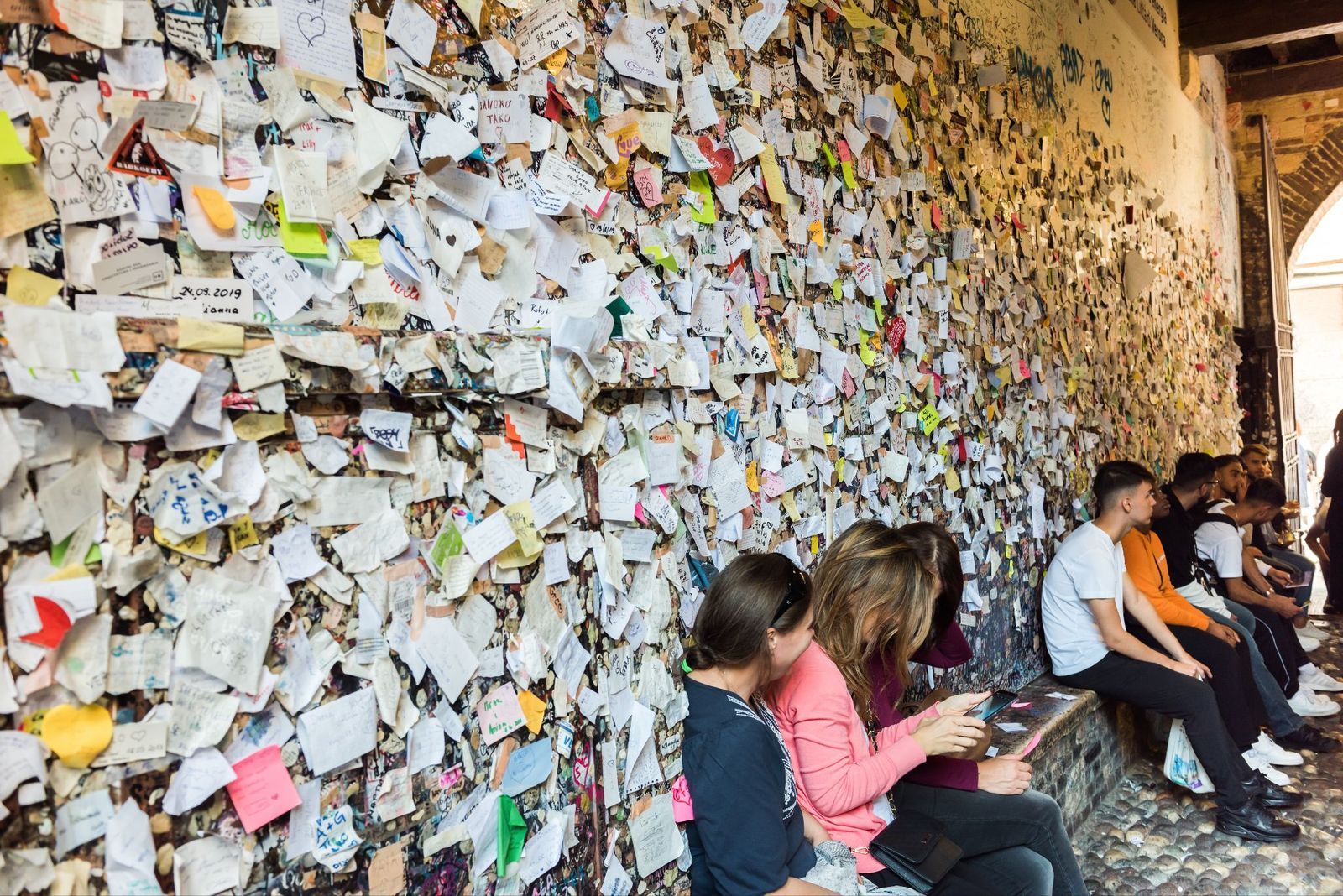
Juliet Capulet never existed, and Shakespeare almost certainly never visited Verona before or after writing Romeo and Juliet. And yet thousands of people each year write heartfelt letters addressed to "Juliet, Verona, Italy."
Each of them is answered. The tradition began in the 1930s: visitors were leaving love letters at Juliet’s Tomb, a nameless and empty crypt in Verona that had popularly become a pilgrimage site honoring the tragic fictional character. Ettore Solimani, the caretaker of the site, began collecting the letters visitors left behind and writing back. He signed them "Juliet's Secretary." This led to the Club di Giulietta, formally founded in 1972, which now has around 50 volunteer secretaries who reply to roughly 10,000 letters a year in over a dozen languages.
The 2010 film Letters to Juliet, starring Amanda Seyfried, introduced the tradition to a global audience and significantly increased the mail volume.
Weekly Siesta Key Drum Circle, Florida, USA
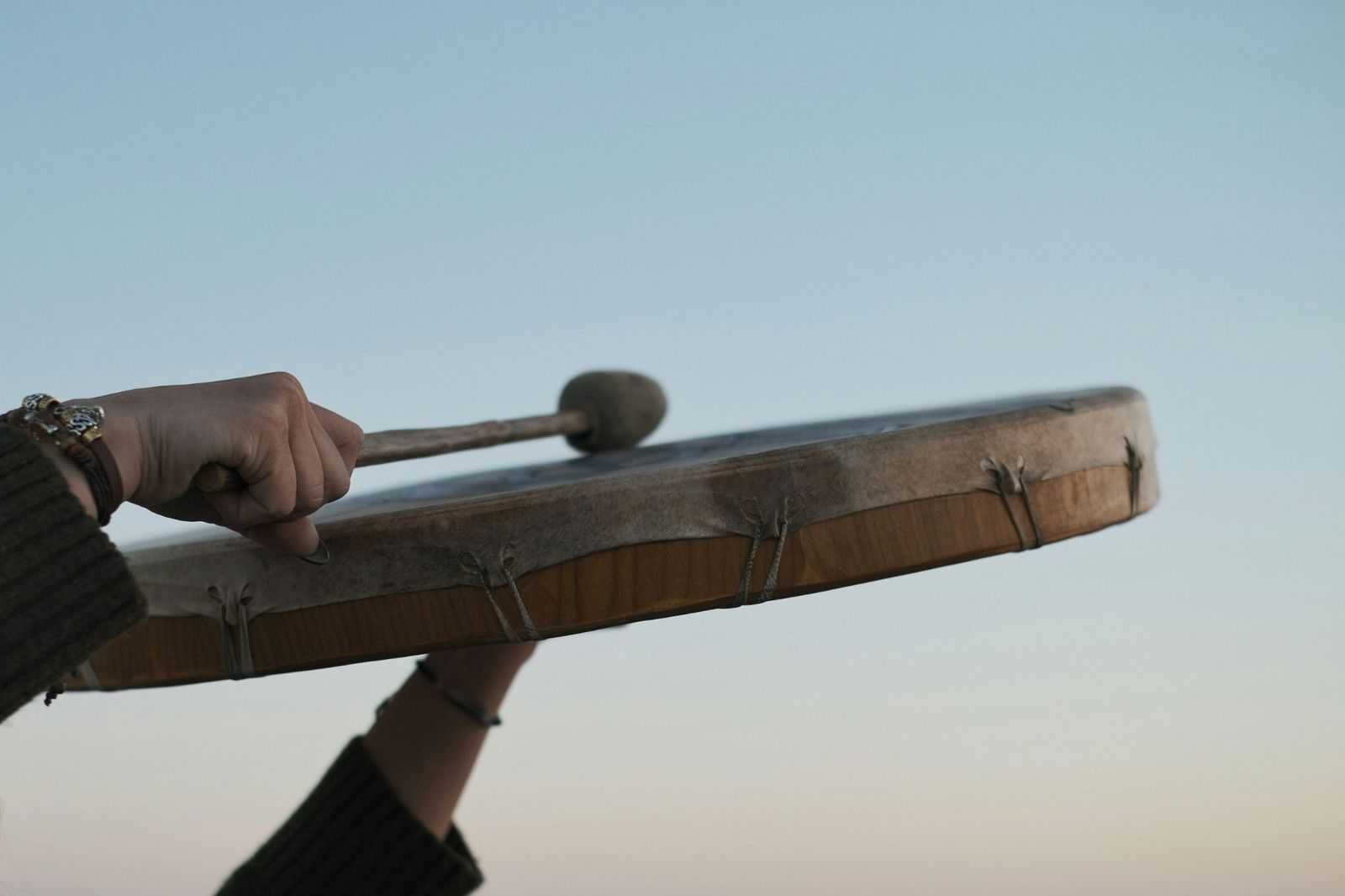
In March 1996, a man named David Gittens gathered about a dozen friends on Siesta Beach on Florida's Gulf Coast to drum together and mark the spring equinox. Thirty years later, that gathering has transformed into a weekly tradition. Every Sunday evening, an hour before sunset, people converge on Siesta Beach; musicians with djembes, congas, and tambourines, dancers with hula hoops, families with children, and tourists who stumbled into a show they only half understand.
By peak season, the crowd can reach a thousand people. There are no tickets, no stage, no vendors, no amplification, and no organizers.
Kissing the Blarney Stone in County Cork, Ireland
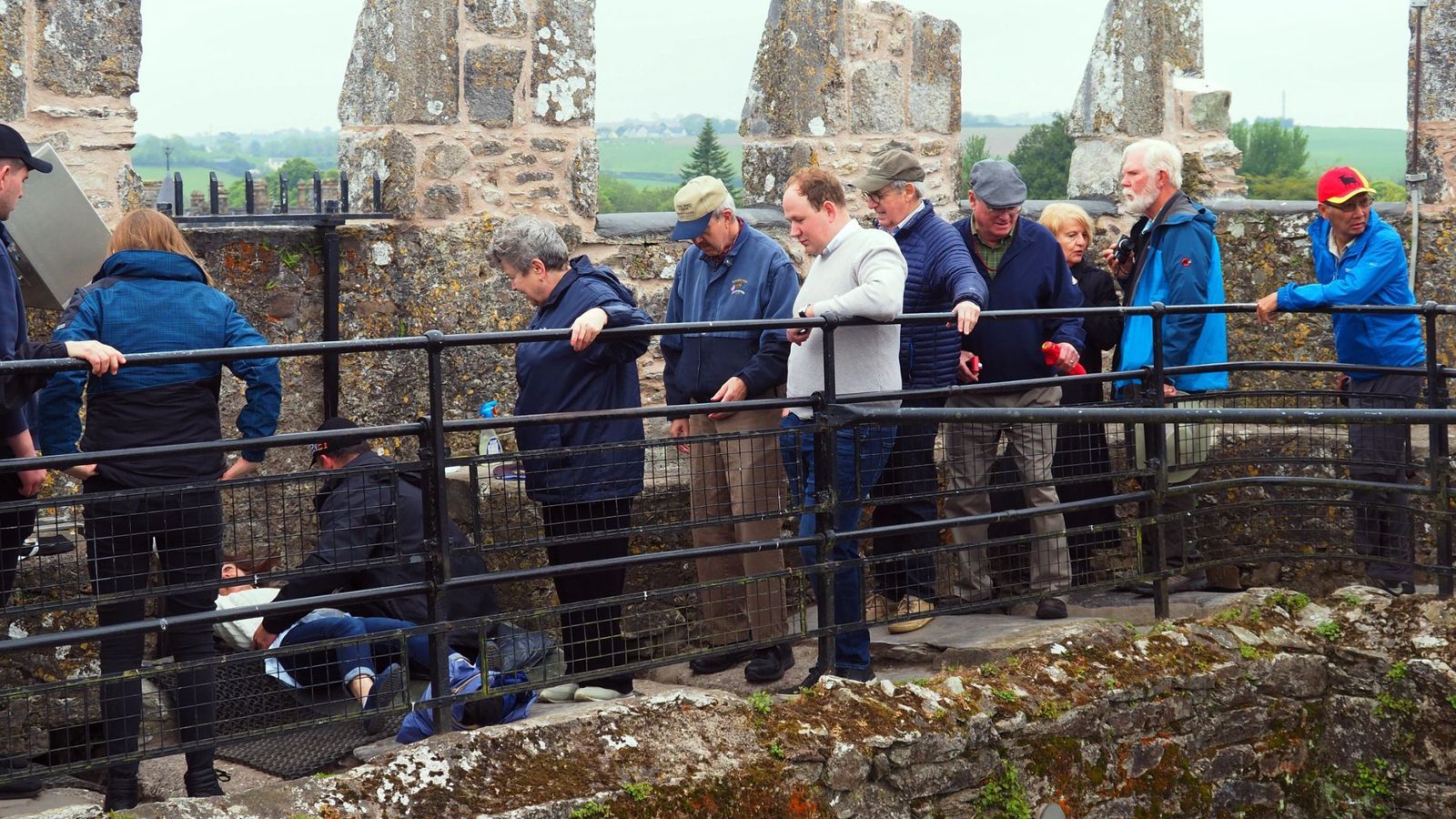
The Blarney Stone promises the gift of eloquence. It is said that if you manage to kiss it, you’ll gain the ability to speak well, charm effortlessly, and talk your way out of any situation. The price is modest: you simply have to climb to the top of a 15th-century castle, lie on your back, lean backwards over the edge of the battlements 90 feet above the ground, and press your lips to a stone set into the parapet below.
About 400,000 people a year do it, assisted by a staff member called "Butter Fingers," whose job is to hold your legs. The legend traces back to Cormac Laidir MacCarthy, builder of the castle, who was facing a hopeless legal dispute around the year 1446. He prayed to the goddess Clíodhna, who told him to kiss the first stone he found in the morning, then go to court and speak. As legend has it, he did, and he won.
Whispering at the Epidaurus Stage in Peloponnese, Greece
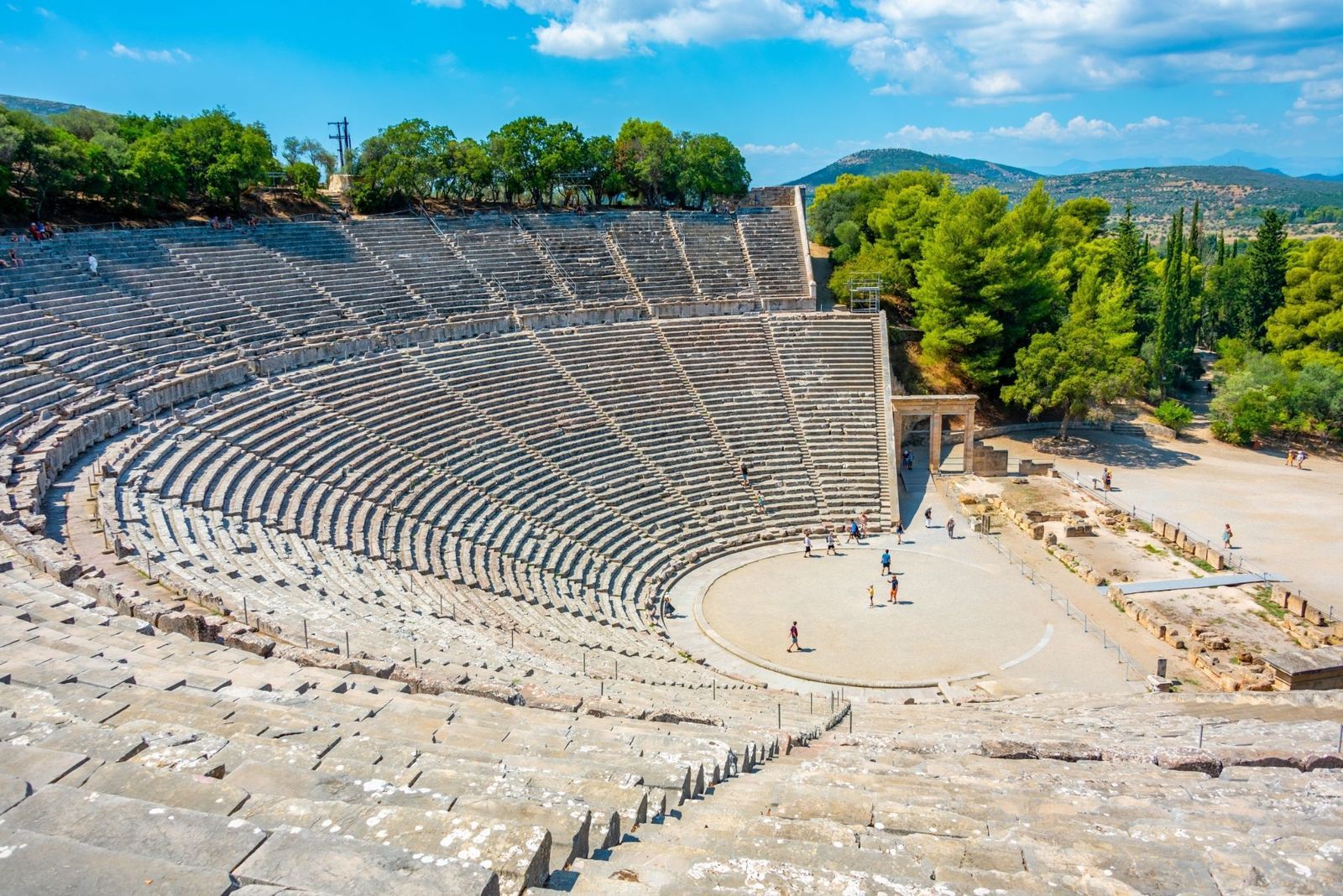
The Theatre of Epidaurus was built in the 4th century BC as part of a healing sanctuary dedicated to Asclepius, the Greek god of medicine. Today, it seats around 14,000 people on limestone tiers that rise in a perfect semicircle from the stage.
Every day, without any official encouragement, tourists perform a ritual: one person walks to the center of the ancient stage while their companions climb as high as they can go, and then the person on stage tears a piece of paper, strikes a match, or whispers. The people in the highest row hear it perfectly.
The acoustics are so precise that researchers from Georgia Tech spent years trying to explain them, eventually determining that the limestone seats themselves act as acoustic filters, absorbing low-frequency background noise while reflecting high-frequency sound from the stage with uncanny clarity.
Locking love to bridges in Paris, France
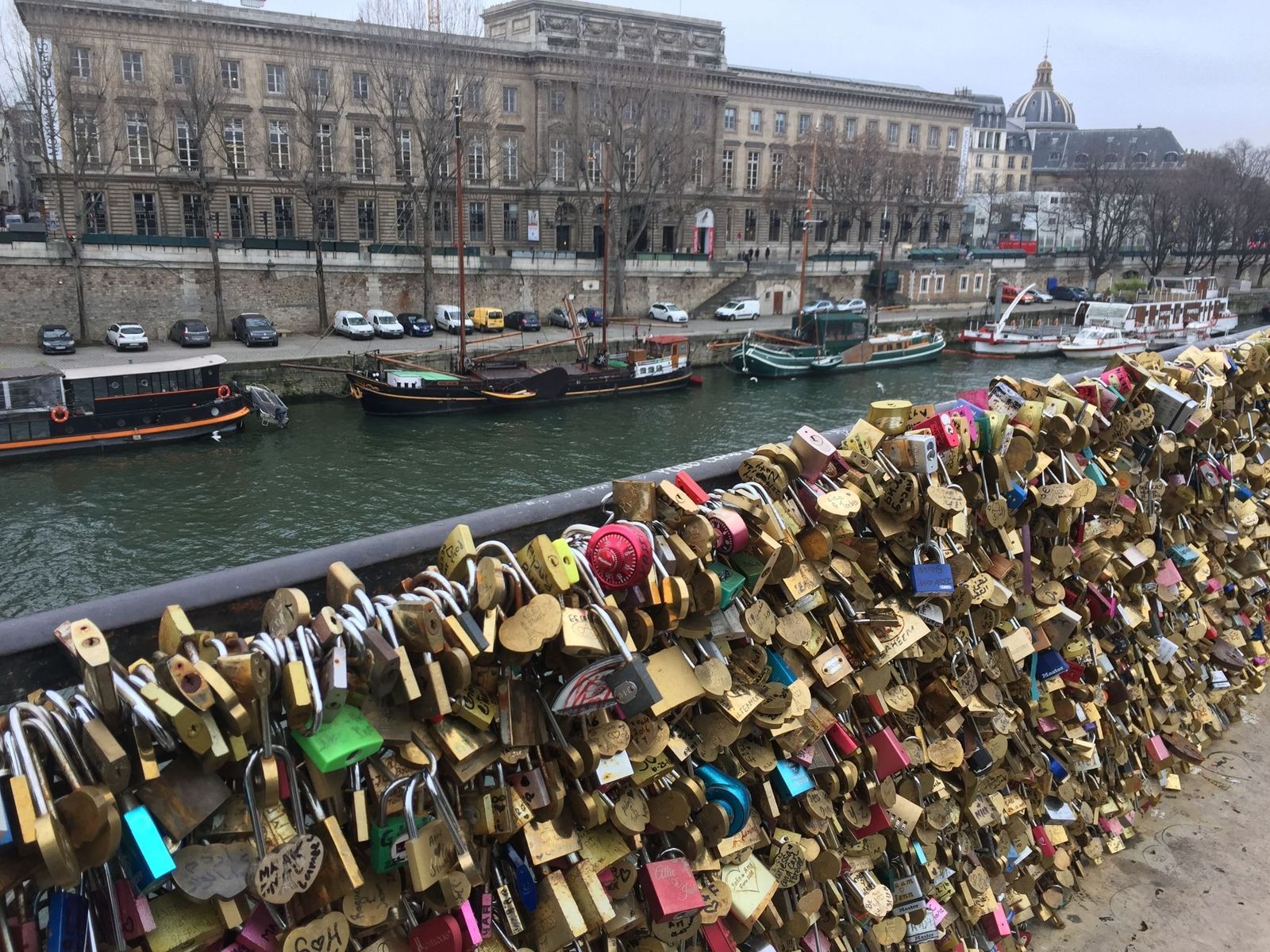
A couple attaches a padlock to the iron railings of a Parisian bridge, tosses the key into the Seine below, and thus symbolically seals their love. Nobody is quite sure when or why the ritual started. Some say it began in the early 2000s, with the practice spreading rapidly through social media.
By 2014, the Pont des Arts had become one of the most visited spots in Paris, and its railings were covered with heavy padlocks. The accumulated locks weighed 45 tonnes, the equivalent to 20 elephants. Eventually, a part of the bridge’s railing collapsed. In 2015, the city resolved to remove all of the padlocks and install glass panels to prevent the practice from returning.
This only resulted in couples finding other railings across the city to lock their love in; the tradition continues on the Pont de l'Archevêché behind Notre-Dame to this day.
Keep wandering
There’s always
more to explore
 General
Did you know that you can see another galaxy without a telescope?
5 min.
Read Now
Why do pros take amazing photos even with a smartphone? 12 tips explained
4 min.
Read Now
Do you still need a paper boarding pass? 10 must-know flying rules
5 min.
Read Now

Board the plane, do this right away, and land comfortably
6 min.
Read Now