The day the music died: The song that said goodbye to early rock 'n' roll
 General
Tune: Radio America
The day the music died: The song that said goodbye to early rock 'n' roll
Most of us have a song that takes us straight back to a certain time and place. For some, it’s "Take Me Home, Country Roads." For others, it’s "Sweet Home Alabama" or "American Pie." Hear a few lines, and you’re back in your parents’ car with the radio on. Here are 10 classic songs about America and the surprising stories behind them.
"Sweet Home Alabama", Lynyrd Skynyrd, 1974
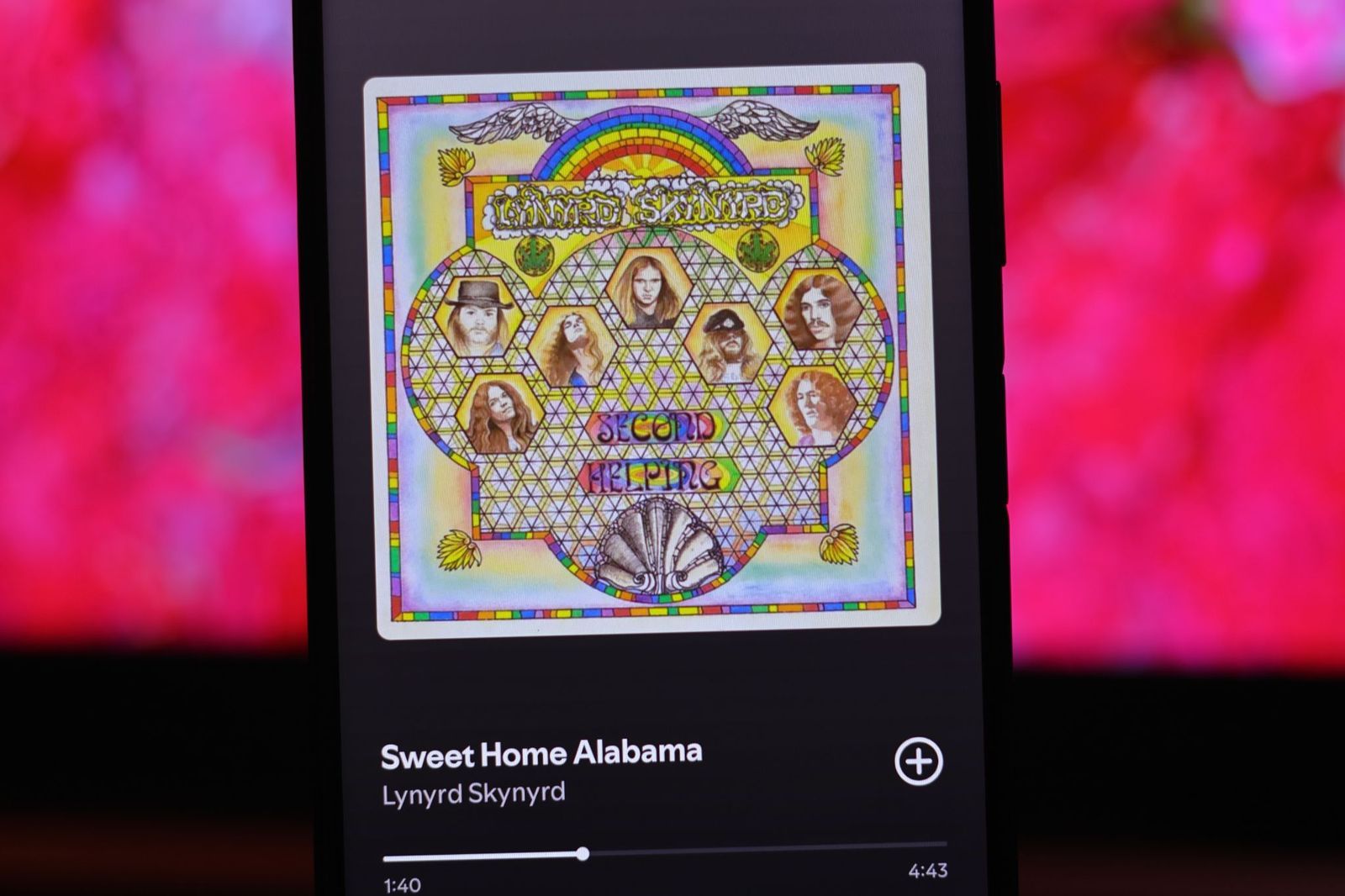
"Sweet Home Alabama" came out in 1974 and became Lynyrd Skynyrd's biggest hit, reaching No. 8 on the Billboard Hot 100. If you listen closely to its lyrics, you'll notice the band calls out Neil Young: "Well, I hope Neil Young will remember." The song is actually a response to two earlier Young songs, "Southern Man" and "Alabama." Both are about racism in the South, and Lynyrd Skynyrd felt they unfairly generalized the whole region as racist.
Fun Fact: Years later, Neil Young admitted he liked "Sweet Home Alabama," and that it was a fair response.
"American Pie", Don McLean, 1971
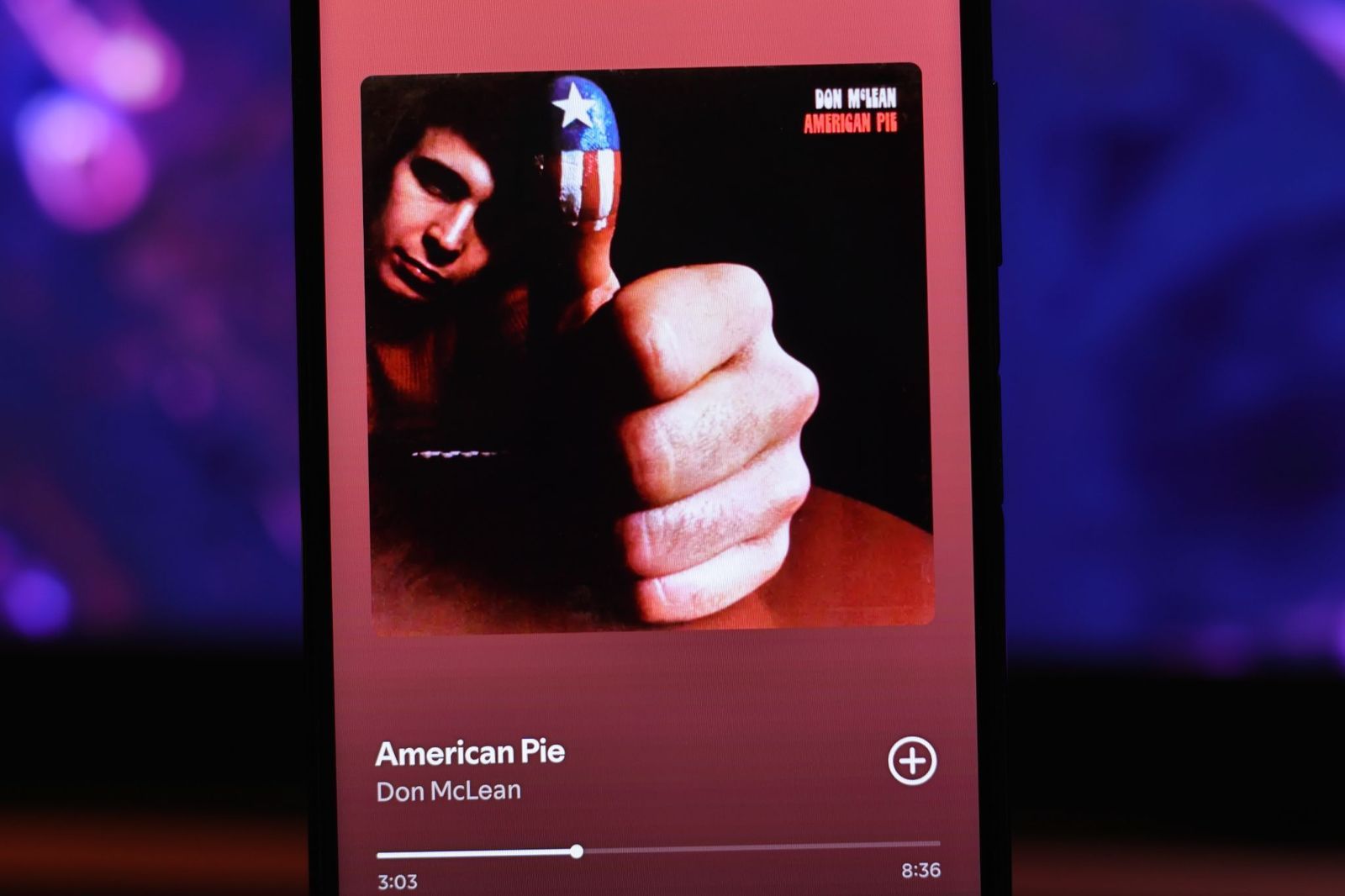
Released in 1971, Don McLean’s "American Pie" centers on the tragedy remembered as "the day the music died." In the winter of 1959, Buddy Holly, Ritchie Valens, and J.P. Richardson, a.k.a. the Big Bopper, were on tour flying across the Midwest, and just minutes after takeoff, their plane crashed in a cornfield outside Clear Lake, Iowa. All three young stars died, along with the pilot, Roger Peterson.
McLean was just 13 at the time, and, to him, that day marked the end of the innocent early years of rock 'n' roll. He wrote "American Pie" when he was 24. The song is full of strange images and mysterious characters, and tells how much America changed, culturally, politically, and otherwise, during the turbulent 1960s.
"Take Me Home, Country Roads", John Denver, 1971
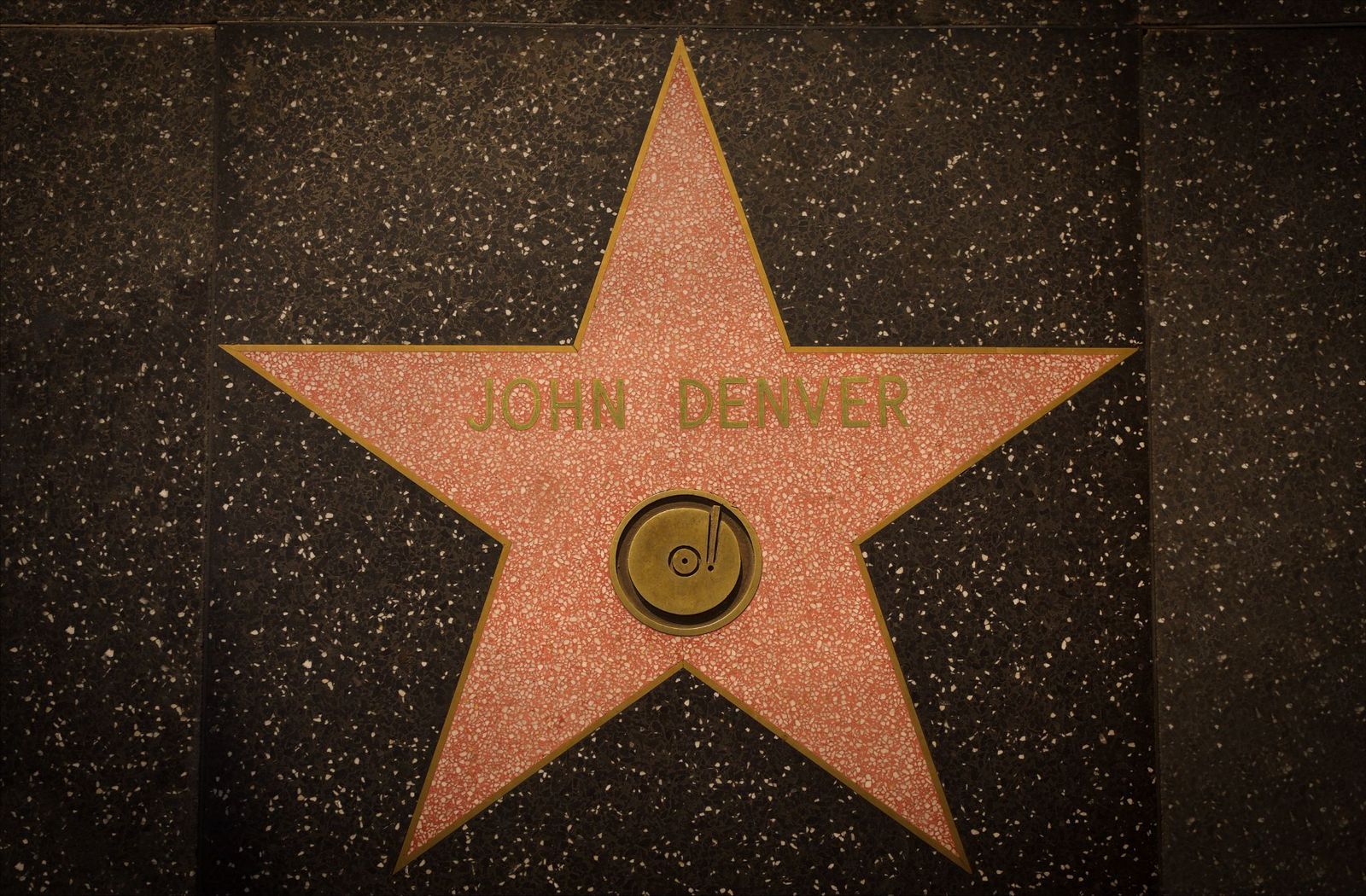
Even though it's been West Virginia's official song since 2014, anyone can picture their own hometown when hearing "Take Me Home, Country Roads." And that's what the song is about: being far away and wanting to go home.
The funny part is that the songwriters barely knew West Virginia. Bill Danoff and Taffy Nivert were a folk-rock duo and married couple that usually performed near Washington, D.C. They wrote most of the song and picked the Blue Ridge Mountains and the Shenandoah River because it sounded beautiful, although both are mostly in Virginia, not West Virginia. In 1970, they played it for John Denver; he released his now-canonical recording the next year.
"Hotel California", The Eagles, 1977
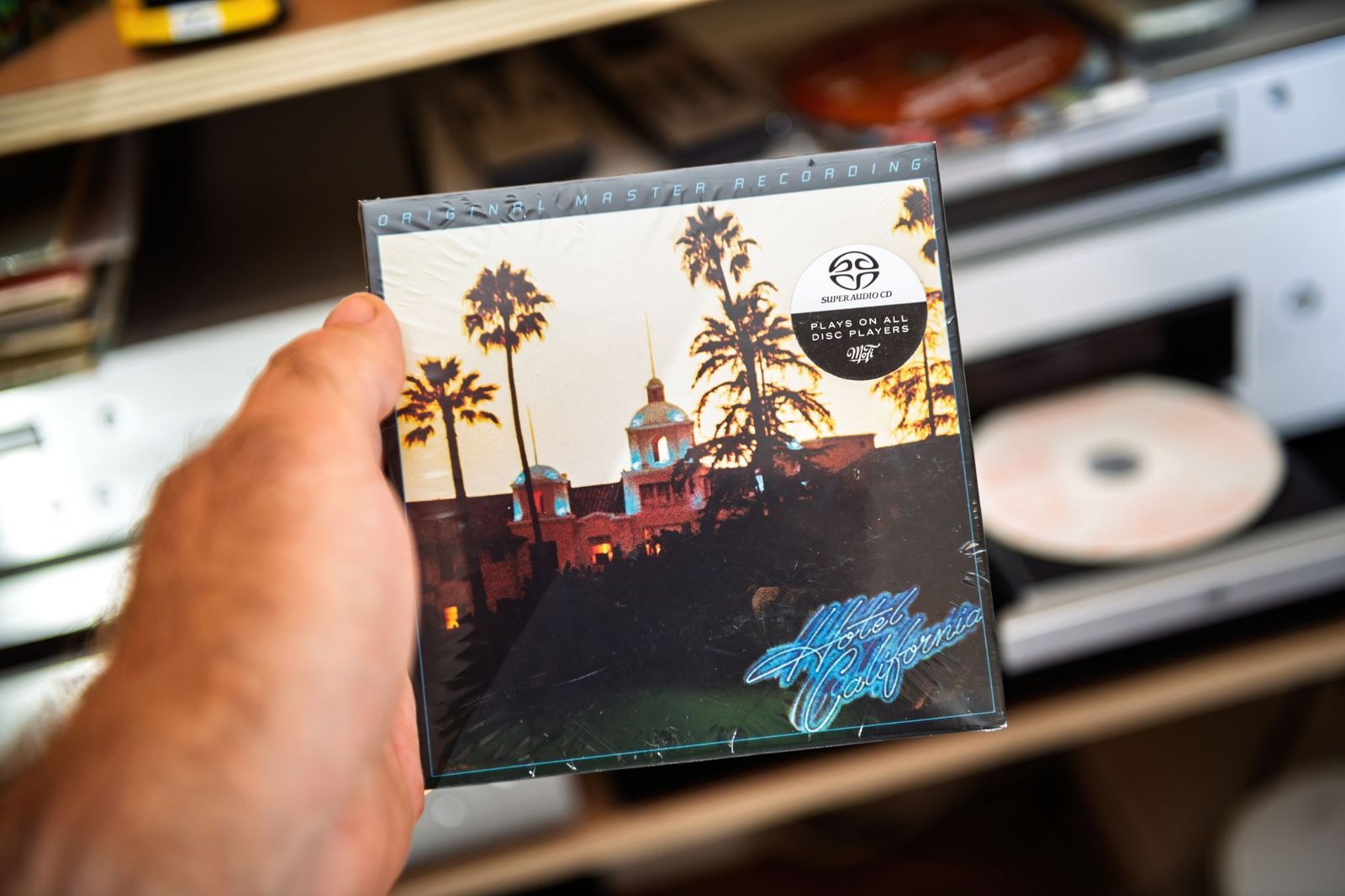
"Hotel California" is the Eagles' most famous song. It hit No. 1 on the Billboard Hot 100 in 1977, and it won the Grammy for Record of the Year in 1978.
Glenn Frey, the band's co-lead singer and frontman, said the band wanted the song to feel like an episode of The Twilight Zone. The classic is about materialism and excess and the byproducts of the American Dream. California is the setting, but the story could happen anywhere in America.
"Born in the U.S.A.", Bruce Springsteen, 1984

Bruce Springsteen’s "Born in the U.S.A." came out in 1984 and reached No. 9 on the Billboard Hot 100. The song tells the story of a Vietnam War veteran who, when he comes home, can't find a job and gets no help from the government. He went overseas to fight for his country, and now he feels like that same country has left him behind.
Still, plenty of people heard it as a patriotic anthem. It's easy to see why, with the loud drums and the big synthesizer sound. The misinterpretation got bigger when President Ronald Reagan praised Springsteen during a 1984 re-election campaign speech in Springsteen’s native New Jersey, saying the song carried a message of hope.
"New York, New York", Frank Sinatra, 1980
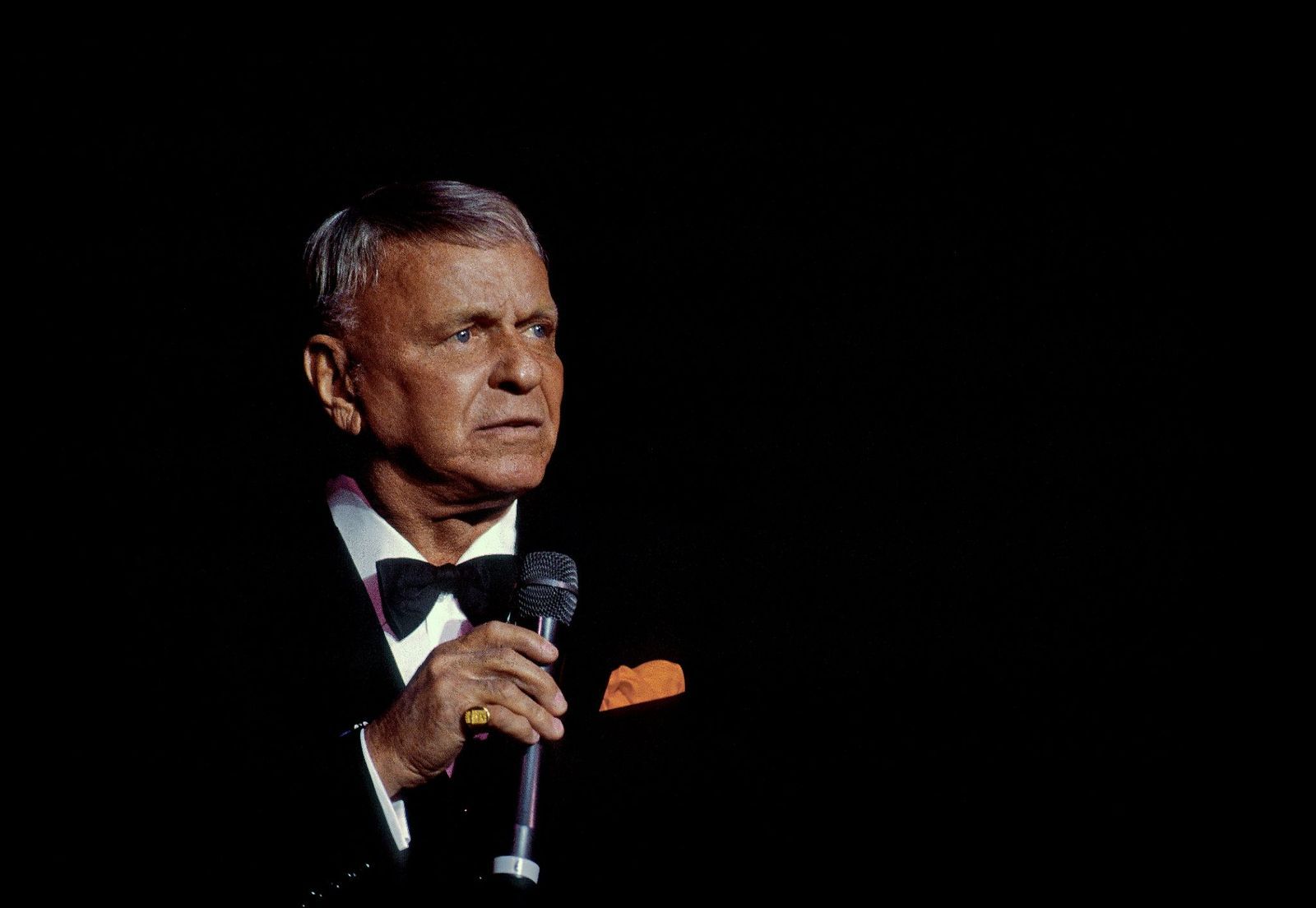
The song was first written for Martin Scorsese's 1977 movie New York, New York, where Liza Minnelli sang it in the finale. But Frank Sinatra turned it into a classic. He started singing it in his 1978 concerts, and audiences loved it so much that it became the standard finale song at all of his shows. In 1979, he recorded it and even changed a few words — but his version is the most famous.
The song captures the spirit of New York. The idea is simple: if you can succeed in New York, you can succeed anywhere. It's also about the city that never sleeps, where everything moves fast, and nobody waits for you.
"Georgia on My Mind", Ray Charles, 1960
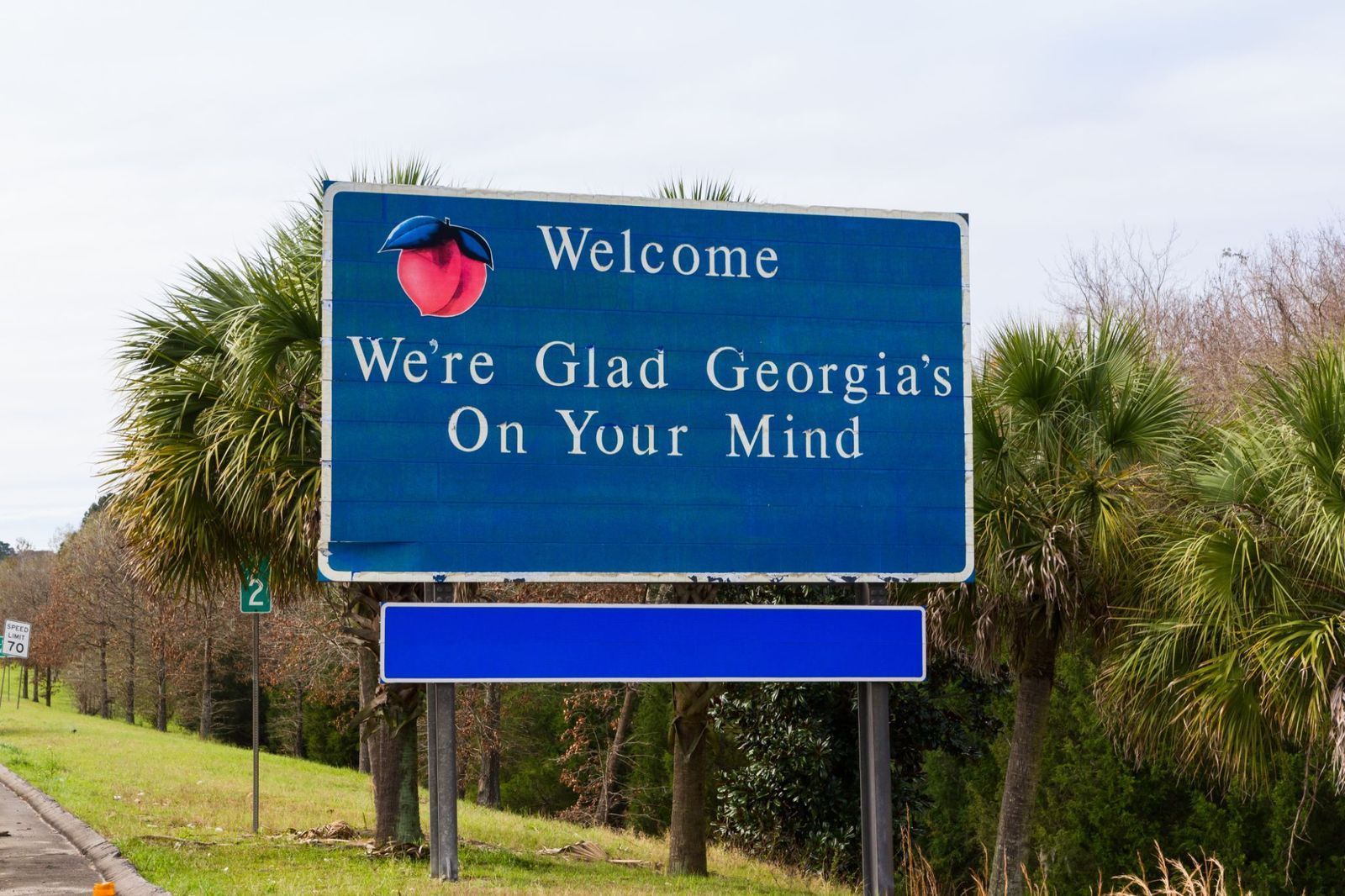
Ray Charles was born in Georgia, and he made "Georgia on My Mind" a legend. But the song wasn't written by Georgians. Composer Hoagy Carmichael and lyricist Stuart Gorrell were both from Indiana. Their friend, saxophonist Frankie Trumbauer, suggested a song about the South and suggested: "Georgia, Georgia..." The lyrics were vague on purpose, so "Georgia" could be a woman or a place. Carmichael recorded it on September 15, 1930.
Thirty years later, Ray Charles gave it the famous makeover with a full orchestra for his album The Genius Hits the Road. His version came out in September 1960, and in 1979, Georgia made it the official state song. That day, Ray Charles sang it live at the state legislature.
"(Get Your Kicks on) Route 66", Nat King Cole, 1946
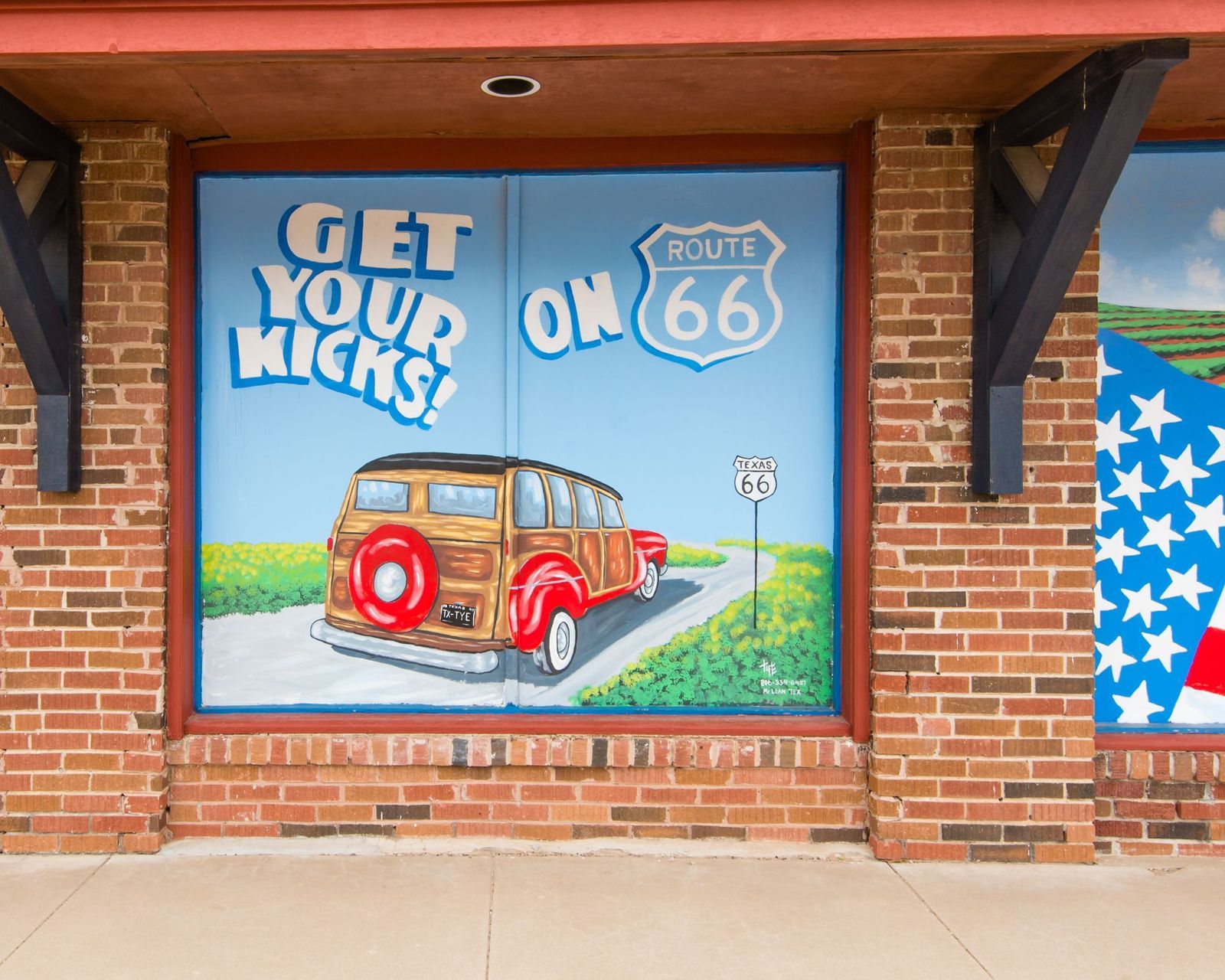
Our favorite cross-country tune wasn’t originally written for Route 66. Back in 1946, young songwriter Bobby Troup quit his job and drove from Pennsylvania to Los Angeles with his wife, Cynthia, hoping to make it in Hollywood. He had an idea for a song about Route 40. But once they picked up Route 66, Cynthia whispered, "Get your kicks on Route 66." Troup loved the line. He dropped the Route 40 idea and started writing about Route 66 instead, adding the names of the towns they passed along the way.
Once they got to California, Troup finished the song and played it for Nat King Cole. The Nat King Cole Trio recorded it that same year, and it climbed into the Top 20 on the pop charts. After that, Bing Crosby and the Andrews Sisters recorded it, and Chuck Berry did too. Even the Rolling Stones made it the opening song on their very first album, The Rolling Stones, in 1964.
"This Land Is Your Land", Woody Guthrie, 1940
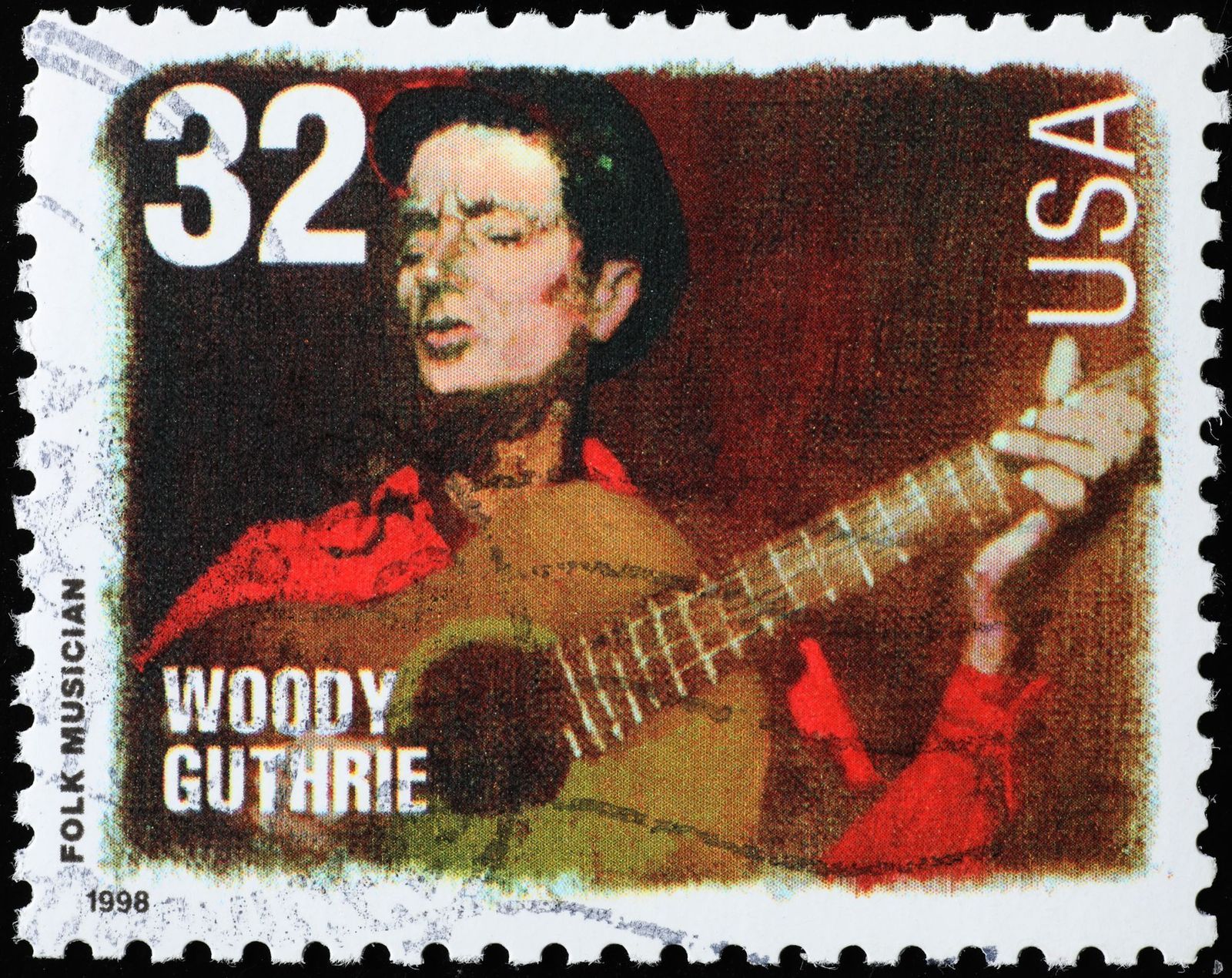
Long before every kid in America learned it in school, "This Land Is Your Land" was meant to be a protest song, an answer to Kate Smith's version of Irving Berlin's "God Bless America." In the late 1930s, amidst the Great Depression, Woody Guthrie felt that the song ignored the hard times many Americans were going through. His song expresses that the land belonged to everyone, not just to the people with money. Guthrie first called it "God Blessed America for Me" and later changed the name.
He wrote it in February 1940, but it wasn't released until 1951. To avoid political trouble, some of the original verses were left out. One verse was about a "Private Property" sign blocking his path, and another described hungry people waiting outside a relief office. Since then, it has been sung by his friend Pete Seeger, Bruce Springsteen, and the Mormon Tabernacle Choir, and some even call it America's other national anthem.
"God Bless the U.S.A.", Lee Greenwood, 1984
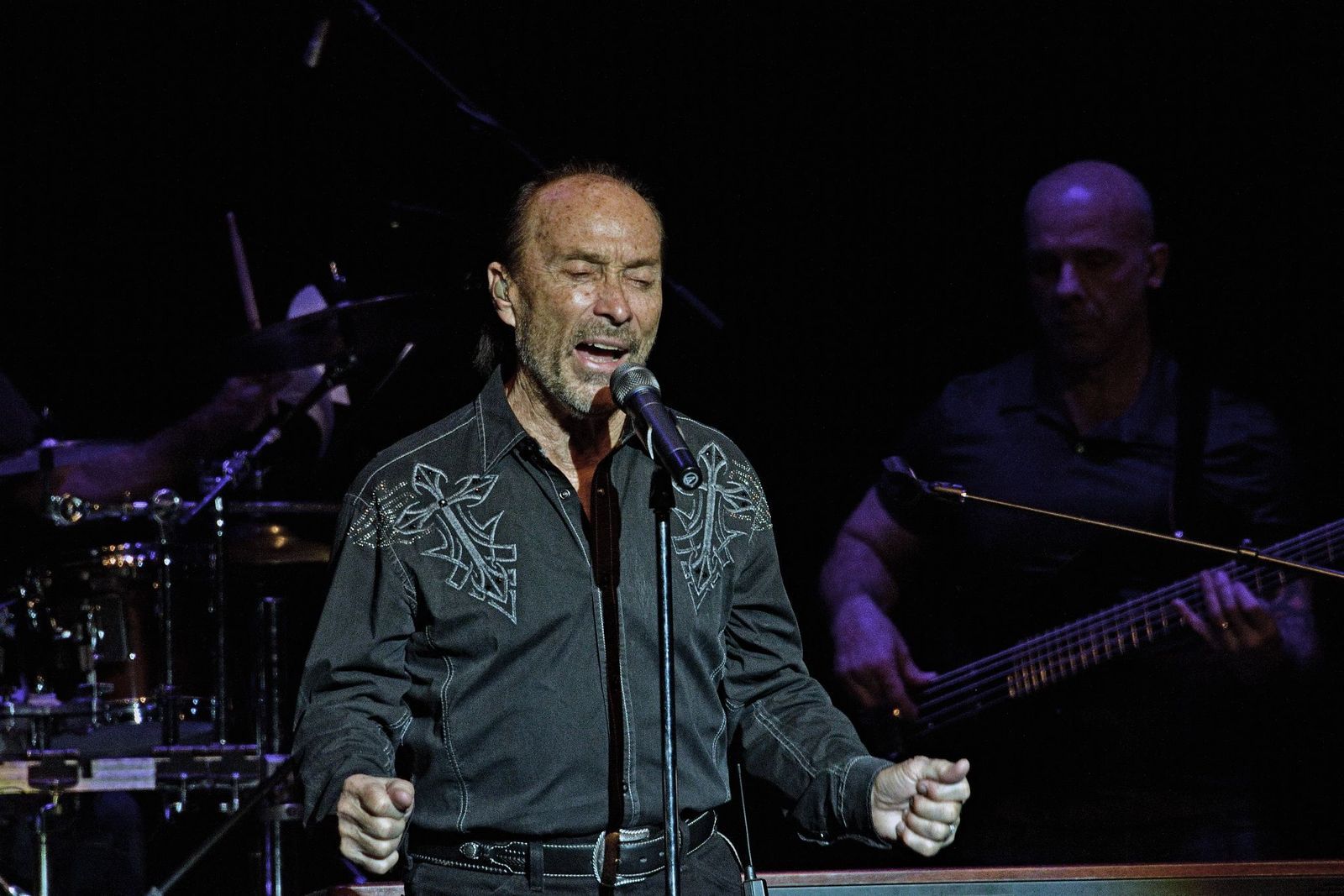
Lee Greenwood wrote "God Bless the U.S.A." on his tour bus in 1983, and it came out the next year. It became a country hit and won Song of the Year at the 1985 CMA Awards. It was also played at the 1984 Republican National Convention, where Ronald Reagan was nominated for a second term. From then on, it was everywhere.
The song didn’t fade away. It hit the charts again during the Gulf War in 1991, and after 9/11 in 2001. It's played at military ceremonies, presidential events, ball games, and just about every Fourth of July fireworks show.
Here's why this particular airport worker can't be over 56 years old
Sky-high mysteries
The small action that prevents hundreds of aviation disasters
There’s an entirely different world going on at 35,000 feet. The sky is full of highways, a single universal clock, and a language every pilot understands, no matter where they took off from. Your pilot isn't flying solo either. Air traffic controllers, the quiet masters of that hidden world, are working behind the scenes on every leg of your trip, long before you even board. If you’re curious to know what’s happening up there while you’re watching a movie and sipping some coffee, here are 10 things about air traffic control you’ve probably never heard.
A few minutes’ delay might prevent a disaster

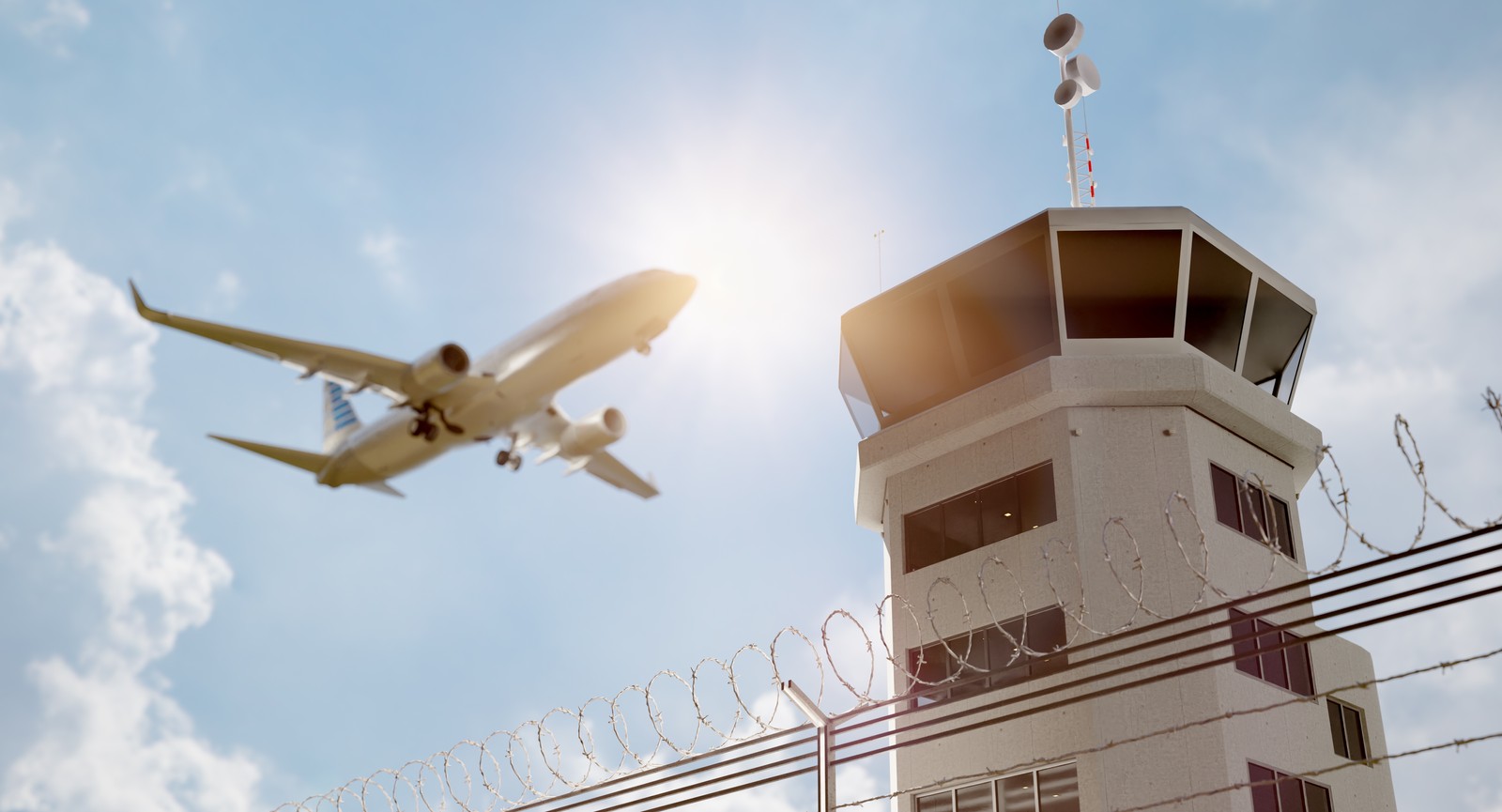
Almost everyone has experienced circling above an airport and wondering why the plane is not landing. While it may feel frustrating for you, those extra minutes are often part of a carefully planned safety procedure: The holding pattern.
A holding pattern is a racetrack-shaped flight path assigned by air traffic control when an airport becomes temporarily unavailable. Heavy traffic, thunderstorms, poor visibility, or an aircraft still occupying the runway can all trigger one. Controllers carefully space airplanes at different altitudes while they wait for conditions to improve. Instead of rushing several aircraft toward the same runway, the system creates an orderly queue in the sky until landing can resume safely.
The absolute age limit for controllers is mathematically locked

Many professions allow people to work well into their sixties or beyond, but air traffic control follows a different philosophy. The job demands constant concentration, quick calculations, and split-second decision-making abilities, so the Federal Aviation Administration established unusually strict age requirements.
Applicants generally must be hired before turning 31, with a few exceptions for certain experienced candidates, and most controllers working for the FAA must retire at age 56. The rule exists because research has shown that maintaining peak cognitive performance is especially important in this kind of high-pressure environment. Controllers also undergo regular medical examinations and ongoing training throughout their careers to ensure they remain fit for their job.
Sky intersections are named after pop culture and cartoon characters
Aviation is all about numbers and calculations, and there’s no place for mistakes. But there is humor in the least expected places. Inside flight management computers, there are thousands of five-letter waypoint names, and many have become favorites among pilots and controllers.
Around Orlando, where countless flights arrive every day, several waypoints pay tribute to Disney characters. Aircraft may pass through fixes named PIGLT, HKUNA, MTATA, and other playful references before lining up for landing. These names comply with the international requirement that GPS waypoints contain five letters, but the pop culture references also make them easier to remember.
There’s a special controller for each phase of flight

While being the safest mode of transportation, planes are an engineering wonder, and it takes a lot of steps to be performed safely. Nobody expects one person to do it all. Your flight was handed from one specialist to another, each one focused on a specific part of the journey.
A ground controller guides the plane from the gate to the runway. A tower controller takes over for takeoff and the climb out of the airport’s immediate airspace. From there, an approach or departure controller manages the plane as it climbs higher, before handing it off to an en route, or center, controller who tracks it across long stretches of the sky. As the plane nears its destination, the sequence runs in reverse. Each controller is trained for that specific task, which means your flight is never watched by just one person from gate to gate.
Everybody speaks the same language

Picture a German pilot landing in Tokyo, or a Brazilian pilot flying into Paris. Different countries, different native languages, and yet somehow, they all manage to understand each other instantly on the radio frequency. That’s not sheer luck.
The International Civil Aviation Organization requires English as the standard language for international aviation communication, paired with a strict set of standardized phrases known as radiotelephony phraseology. Numbers are spoken digit by digit, letters use the familiar alphabet of Alpha, Bravo, Charlie, and instructions follow set patterns so nothing gets lost in translation or garbled over a noisy radio. This phraseology was developed specifically in 1951 to avoid the kind of ambiguity that plain conversational English can create, especially in life-or-death situations.
There are invisible highways in the sky
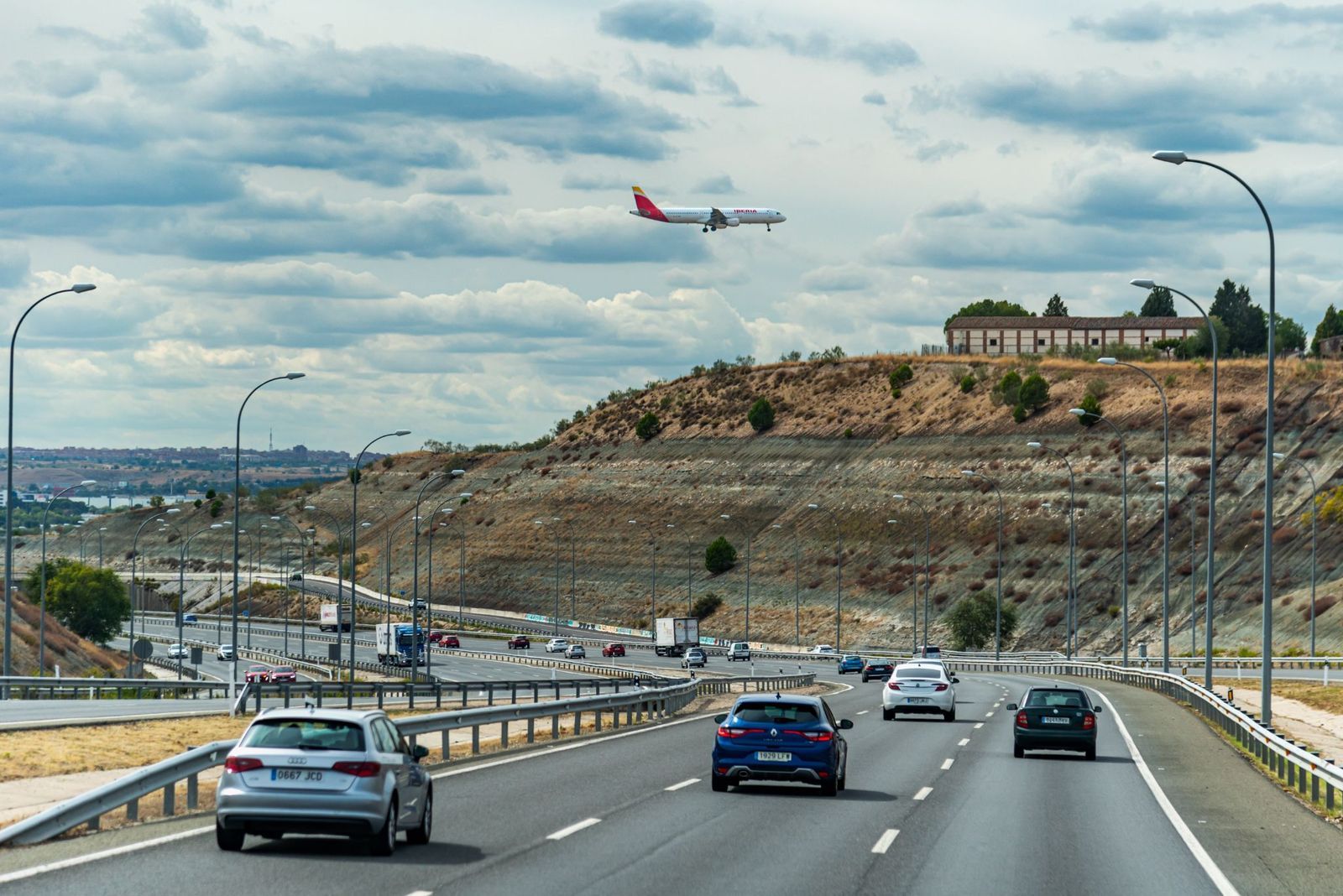
You probably think that, when a plane leaves the airport, the pilots simply point the nose toward the destination and fly in a straight line. But reality is far from that. Commercial aircraft travel along an enormous network of invisible airways across the globe, like the highways you drive across the country.
These routes are built from carefully mapped navigation points and geographic coordinates. In the U.S., they are managed by the Federal Aviation Administration, while similar systems exist worldwide. Modern aircraft rely on GPS and advanced navigation computers, but they still follow the designated highways to keep thousands of flights safely separated. Instead of wandering freely through the sky, every aircraft follows a carefully planned path that controllers monitor from takeoff to landing.
There's one critical document that pilots must send to ATCs before each flight

Before a family road trip, someone usually checks the map, the weather, and where to stop for gas. Airlines go through a much more detailed version of that process before every departure.
Long before passengers settle into their seats, pilots and airline dispatchers submit an official flight plan to air traffic control. This document outlines the intended route, cruising altitude, estimated flight time, fuel calculation, alternate airports, and important information about the aircraft and emergency equipment. Controllers use it to coordinate traffic and anticipate potential conflicts well before the airplane ever reaches the runway.
Cardinal direction matters for more than just pointing the aircraft the right way
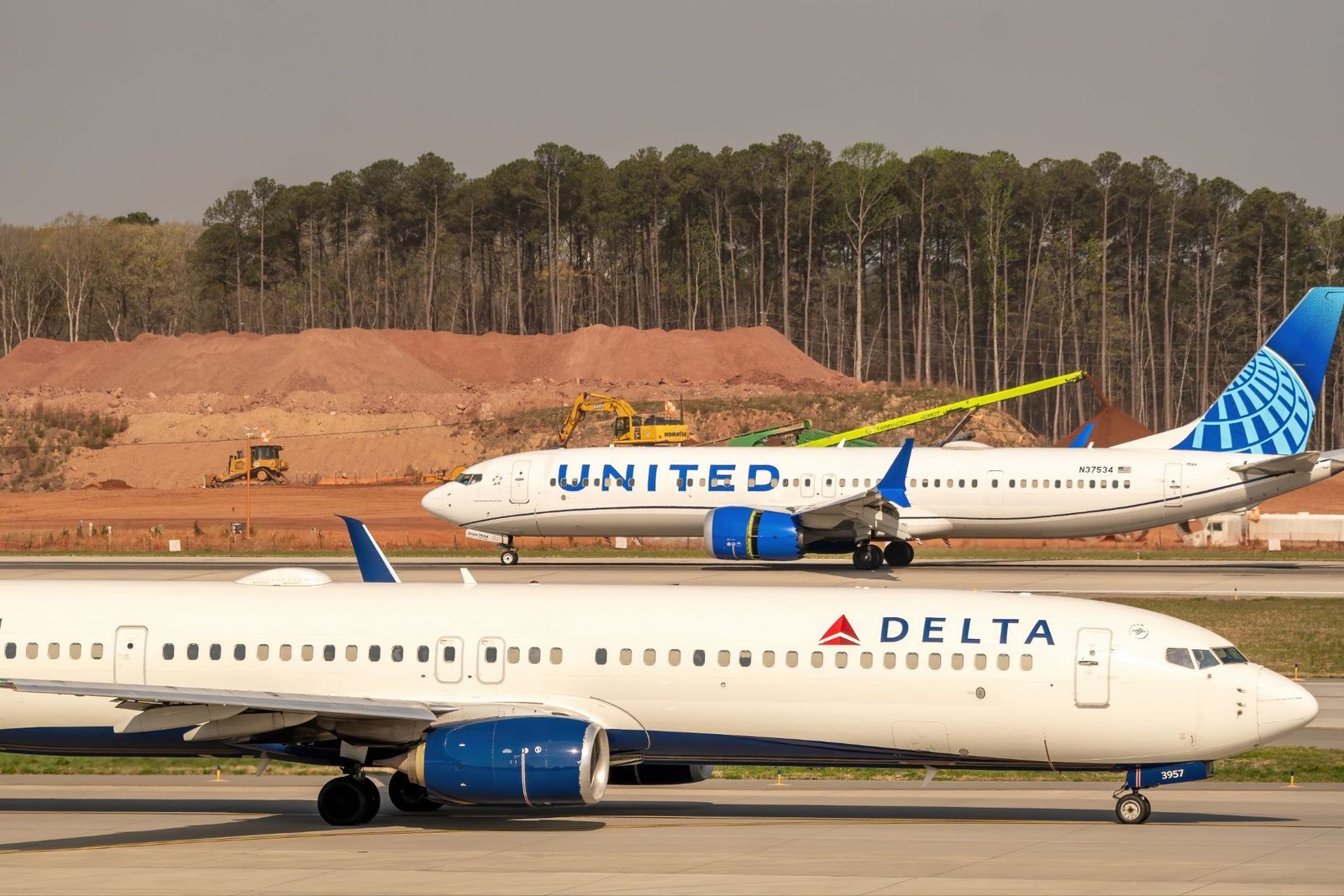
If you’ve ever wondered how two airplanes flying toward each other at 35,000 feet manage not to collide head-on, you’re not alone, and it has nothing to do with pilots having extraordinary sight. It comes down to a very simple rule.
Aircraft flying in an easterly direction cruise at odd-numbered flight levels, such as 35,000 or 37,000 ft. Westbound flights, instead, use even-numbered levels like 36,000 or 38,000 feet. The system follows the semicircular rule, adopted internationally to reduce the chance of opposing aircraft meeting at the same altitude. Controllers still monitor every flight, but this built-in separation provides another layer of protection.
All of global aviation runs on a single, universal time zone
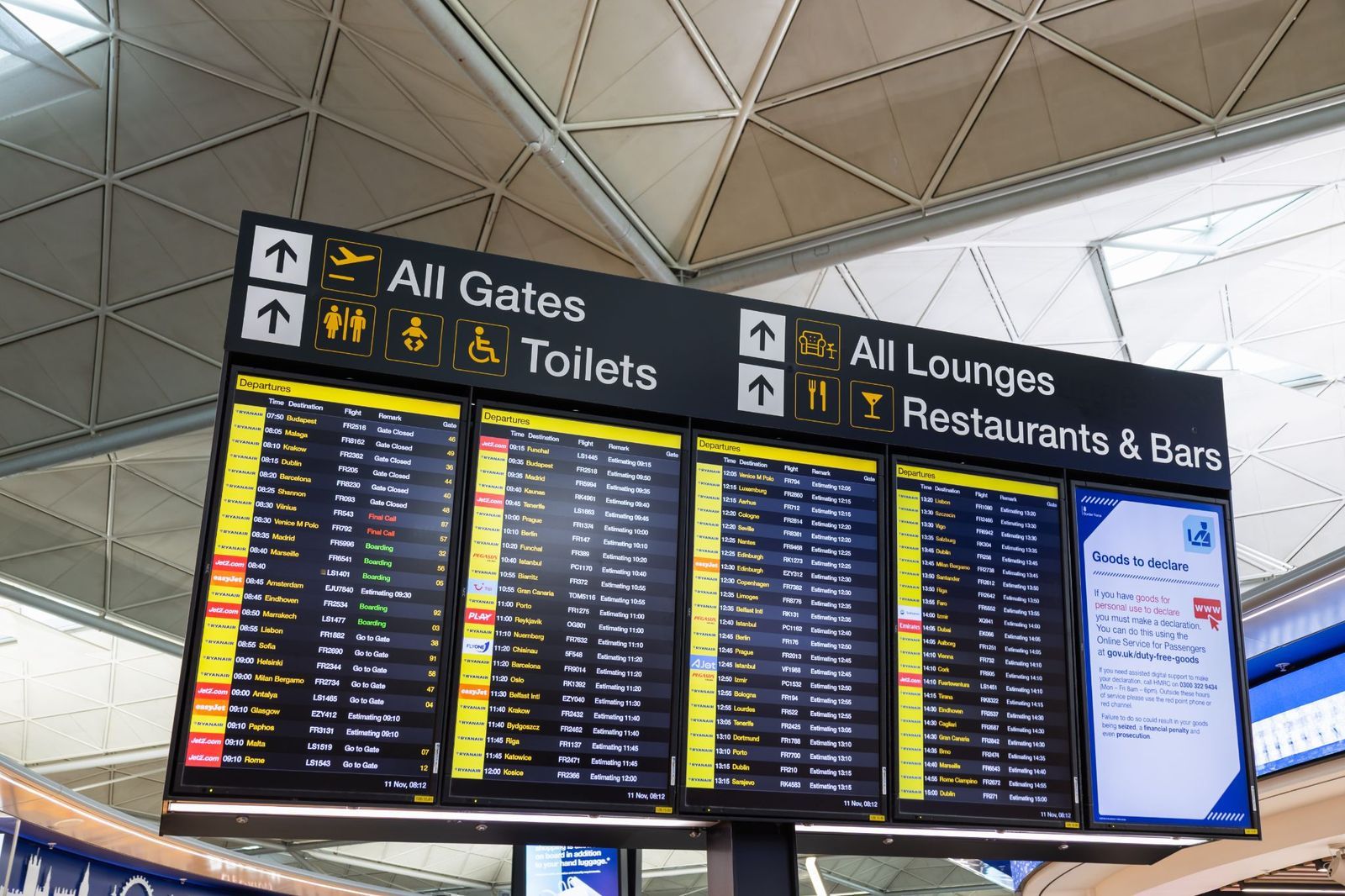
Trying to coordinate a family phone call across three time zones can be confusing enough. Now imagine thousands of aircraft crossing oceans, continents, and the International Date Line every day. Aviation solved that challenge by putting the entire industry on the same clock.
Pilots and controllers use Coordinated Universal Time, better known in aviation as Zulu Time. Whether an aircraft is departing Tokyo, crossing the Atlantic, or landing in Chicago, every flight plan, weather report, and controller instruction refers to the same time standard. Using one universal clock eliminates confusion caused by daylight saving time and local time zones, allowing precise coordination as flights move from one country's airspace to another.
A simple, low-tech light gun is the ultimate backup during a total blackout

With today’s sophisticated radar and digital communications, it’s easy to assume airports rely entirely on electronics. Surprisingly, one of aviation’s oldest tools is still ready for emergencies when radios stop working.
Air traffic control towers keep a specialized signal light gun that projects bright beams of colored light directly toward an aircraft. If a pilot loses radio communication, controllers can issue instructions using green, red, or flashing white signals. A steady green, for example, clears an aircraft to land or take off depending on the situation. A red, instead, means continue circling or the more traditional stop.
Keep wandering
There’s always
more to explore
The real reason why TSA agents empty your bottle of water
6 min.
Read Now
 Culture
The town that changed its name over a ghost story: Best Halloween cities
7 min.
Read Now
 History

These 10 mysteries were solved. So why do we still believe them?
6 min.
Read Now
Did Sinatra really sing for the Mafia in Cuba? 10 wild hotel stories
8 min.
Read Now