The town that changed its name over a ghost story: Best Halloween cities
 Culture
Where to go for Spooky Season
The town that changed its name over a ghost story: Best Halloween cities
Long before Halloween became a competition for the biggest decorations and the best costume, it was tied to ghost stories, folklore, and the supernatural world. And in some towns, those old stories are still part of the atmosphere today. From haunted hotels to above-ground cemeteries, here are 10 places where Halloween is the most wonderful time of the year.
Salem, Massachusetts: America's most famous witch town
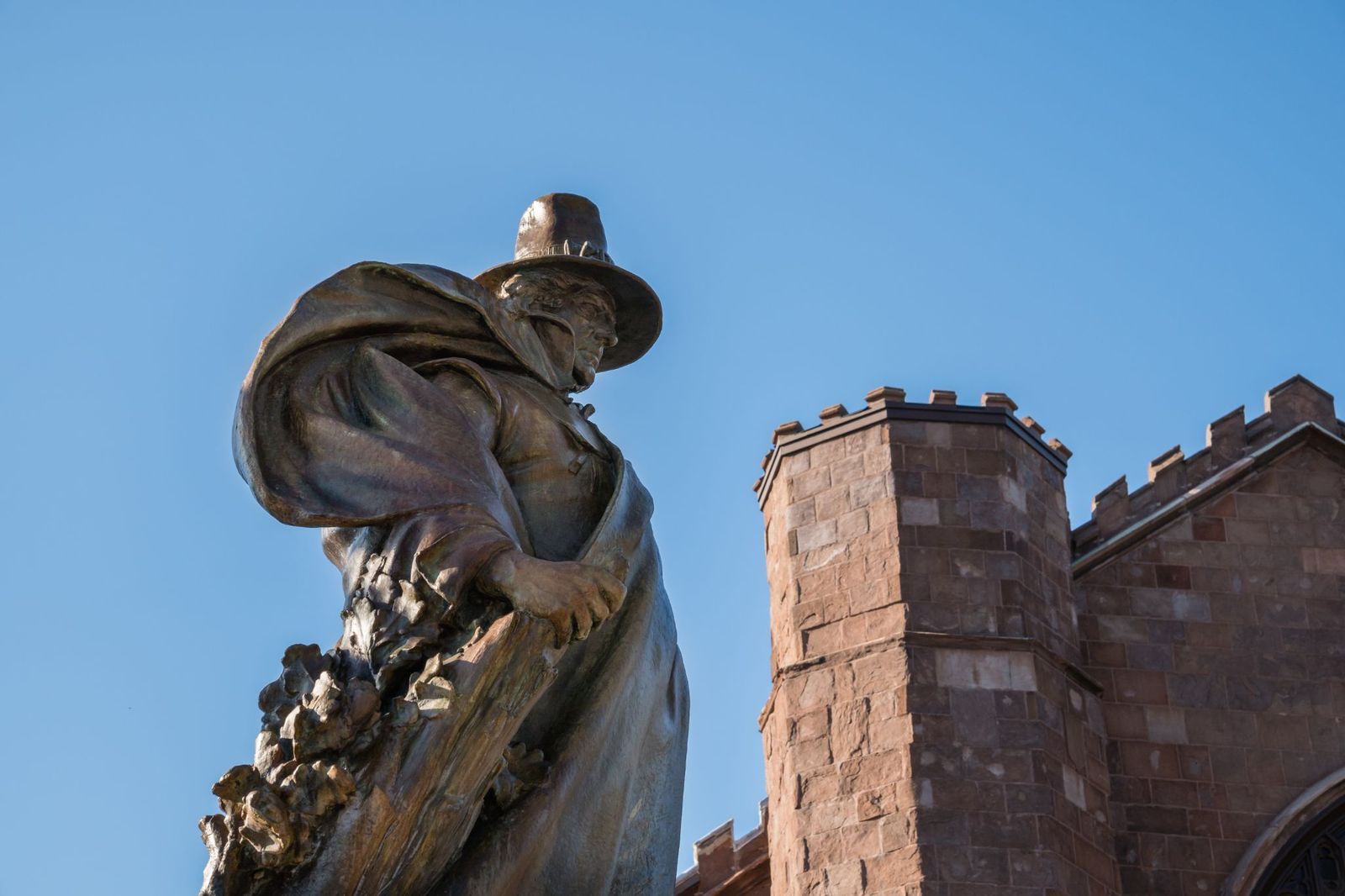
If you’re a Halloween fan, or simply enjoy a good fall getaway, Salem, Massachusetts, might be an ideal destination during the Spooky Season. Known as the "Halloween Capital of the World," the city of about 45,000 residents takes on a completely different atmosphere every October.
Internationally infamous for the tragic 1692 witch trials, Salem has a dark history that the city began embracing and turning into a tourist attraction about 300 years later. In 1982, the first Salem Haunted Happenings took place as a Halloween-weekend festival that brought locals and visitors together. Today, it has grown into a month-long celebration throughout October, with ghost tours, psychic readings, costumes, and historical attractions. And the crowds are enormous: more than a million visitors come to Salem each October, creating serious congestion downtown.
Sleepy Hollow, New York: The home of the Headless Horseman
In the late 18th century, in a quiet, haunted valley in New York State called Sleepy Hollow, a schoolteacher hoping to marry a wealthy local woman was riding home from a party when he found himself pursued by a terrifying figure on horseback, with one peculiar feature: he had no head.
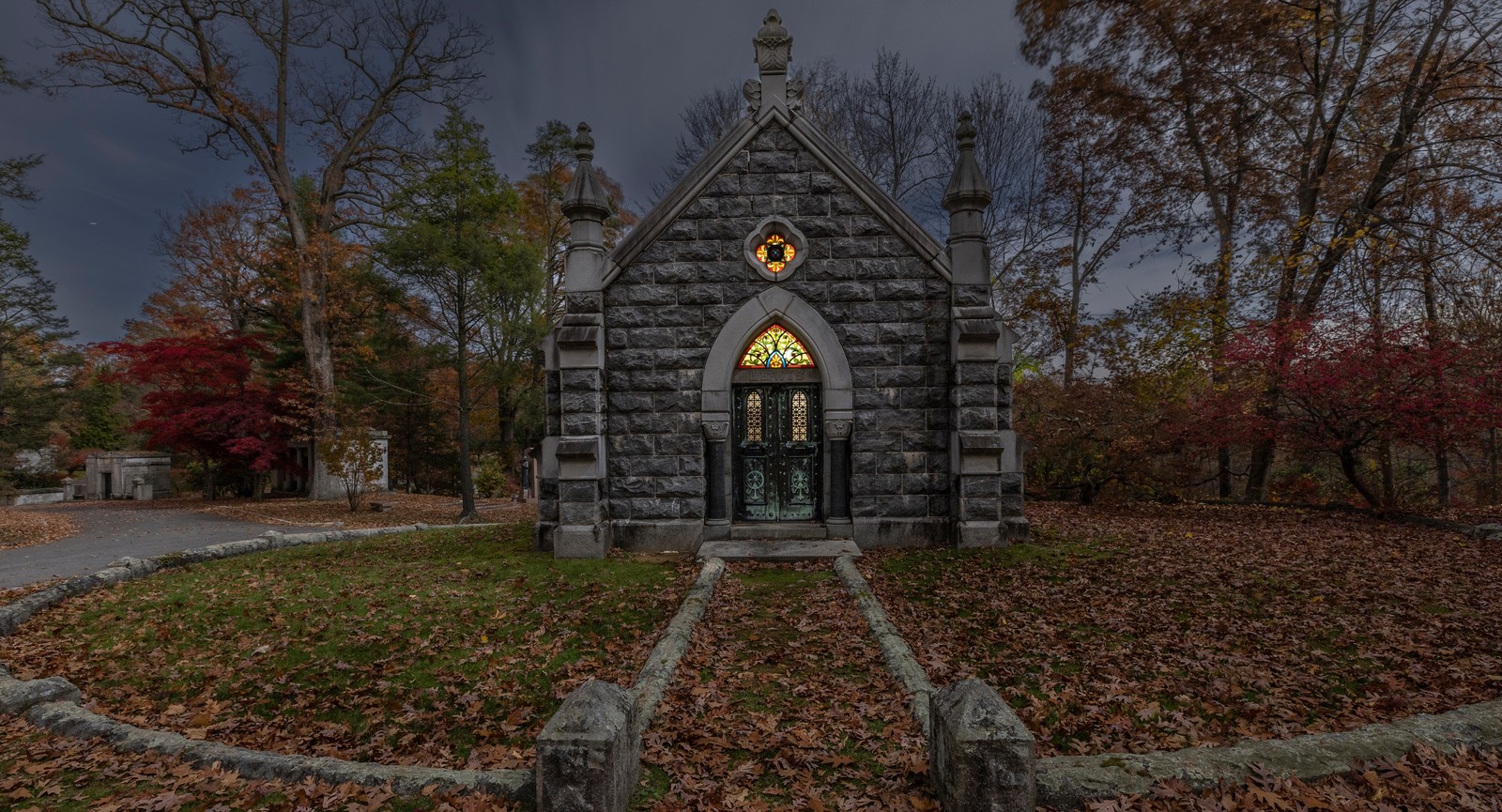
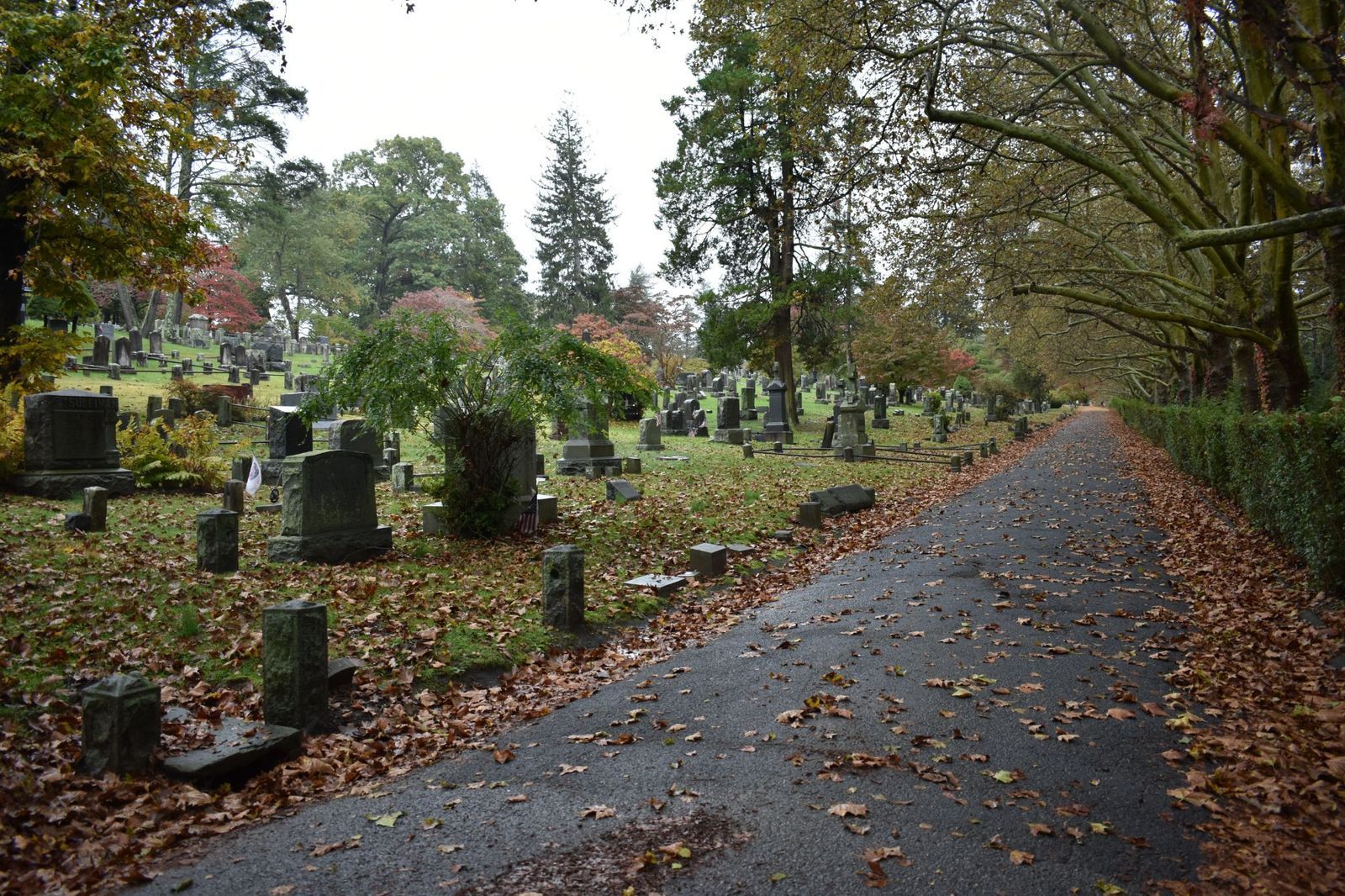
None of this happened in real life; it came from Washington Irving’s famous 1820 short story, "The Legend of Sleepy Hollow." However, the tale had such an impact that the area where it was set—originally incorporated as North Tarrytown—renamed itself Sleepy Hollow in 1996. Today, the town embraces its Headless Horseman legacy, especially in October, when spooky attractions, street fairs, costume runs, and events at sites like the 17th-century Old Dutch Church and Sleepy Hollow Cemetery fill the season with thousands of glowing carved pumpkins, candlelit walks, and costumed headless horsemen patrolling the grounds.
New Orleans: Where history and the supernatural meet
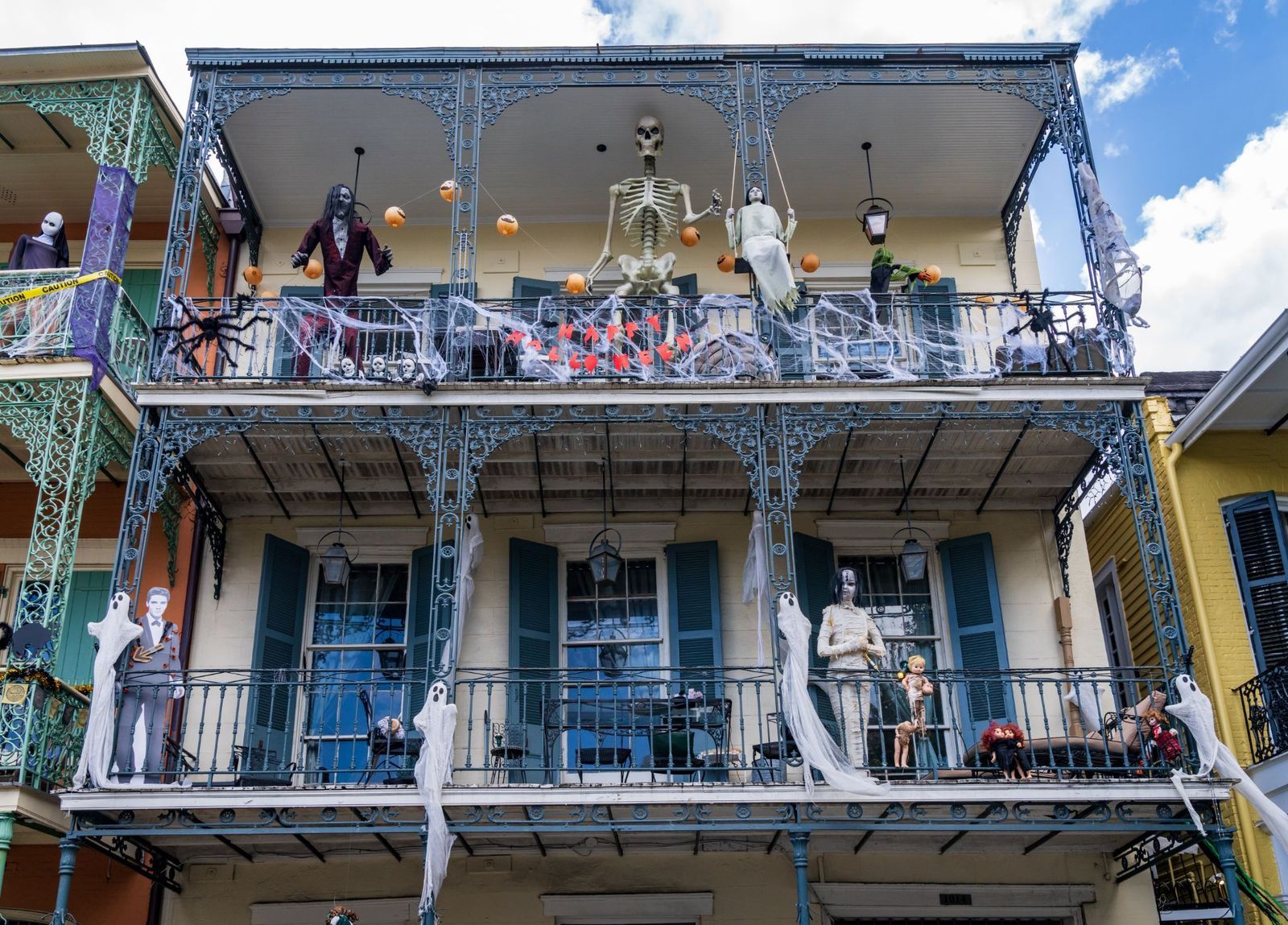
We all know New Orleans as the birthplace of jazz and home of Mardi Gras, but its haunted history, occult traditions, and legendary celebrations also make it one of the most fascinating Halloween destinations in the country.
The city’s reputation for being haunted is rooted partly in its tragic history, from devastating yellow fever epidemics in the 18th and 19th centuries to major colonial fires that destroyed large parts of the city. But beyond its real history, the city has plenty of myths and legends of its own, with vampire lore among the most famous. The author Anne Rice, who was born in New Orleans and drew on its architecture, cemeteries, and dark atmosphere for her 1976 novel Interview with the Vampire, further cemented the city’s supernatural image. Today, Halloween is celebrated with the same kind of energy as Mardi Gras, including parties, parades, street events, and tours through the above-ground tombs of New Orleans’ famous Cities of the Dead.
Estes Park, Colorado: The place that inspired Stephen King
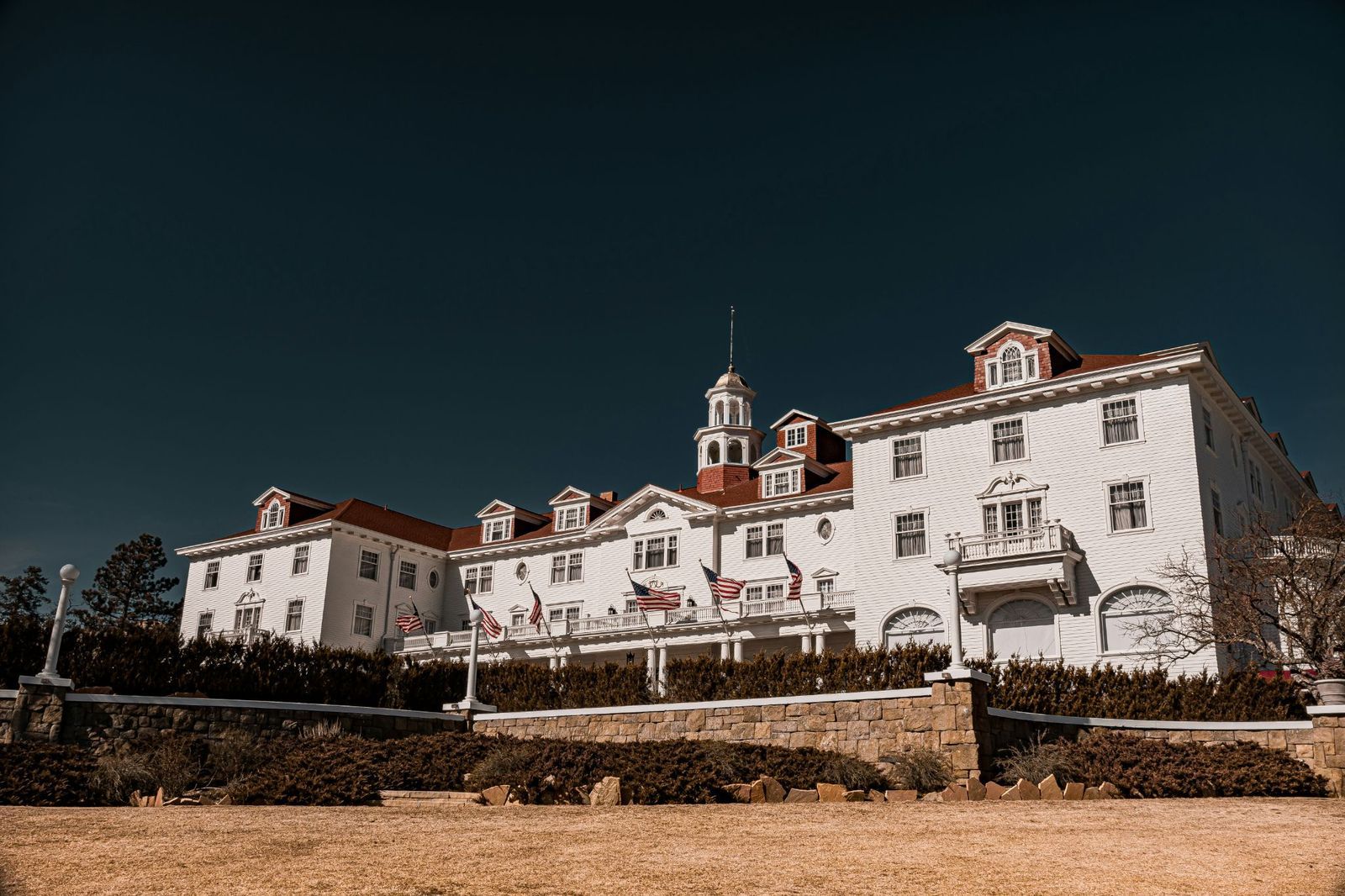
It’s hard not to think of Jack Nicholson and his unforgettable "Here’s Johnny!" scream when we talk about The Shining (1980), one of the most shocking horror films of the 20th century. But that famous scene began with Stephen King’s original novel, published in 1977.
What’s even more interesting is that the eerie hotel that inspired King’s story actually exists, and it’s right here in Estes Park, Colorado. The Stanley Hotel hosted King and his wife Tabitha in 1974, and what he experienced there helped inspire the novel. The best part is that the hotel is still open today, capitalizing on its spooky reputation every October with ghost tours and rooms associated with reported paranormal activity. And it’s not just the hotel; the entire town of Estes Park joins the season with Halloween events, costume parties, ghost tours, and other spooky attractions.
Dublin: Where the roots of Halloween go back centuries
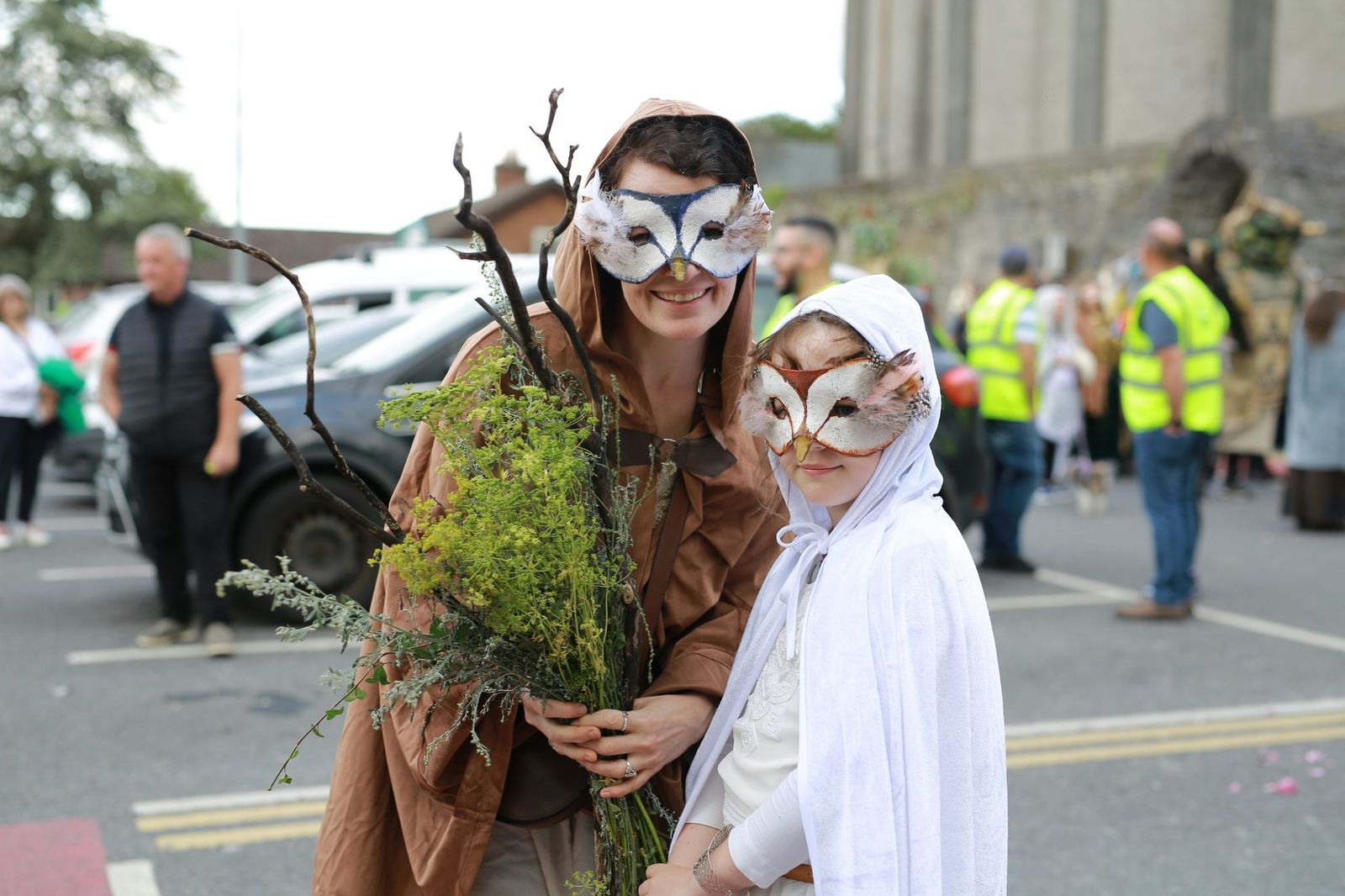
Halloween may seem like a modern holiday, but its roots reach back about 2,000 years to the ancient Celtic festival of Samhain, held from October 31 to November 1 in what is now Ireland, Scotland, and parts of Britain.
Samhain marked the transition from the harvest season to dark winter, and the Celts believed that on this night, the boundary between the living and the dead became blurred. Spirits, both friendly and hostile, could cross over, so people came up with a practical solution: they disguised themselves in animal skins and masks to frighten away anything that might mean them harm. This old tradition is widely considered one of the roots of modern Halloween, making Ireland especially connected to the holiday. Dublin, in particular, mixes modern nightlife and costume parties with its long tradition of Celtic storytelling and folklore, including incredible experiences like the Ghostbus Tour, which explores the city’s dark history.
Gettysburg, Pennsylvania: A battlefield with a haunted reputation
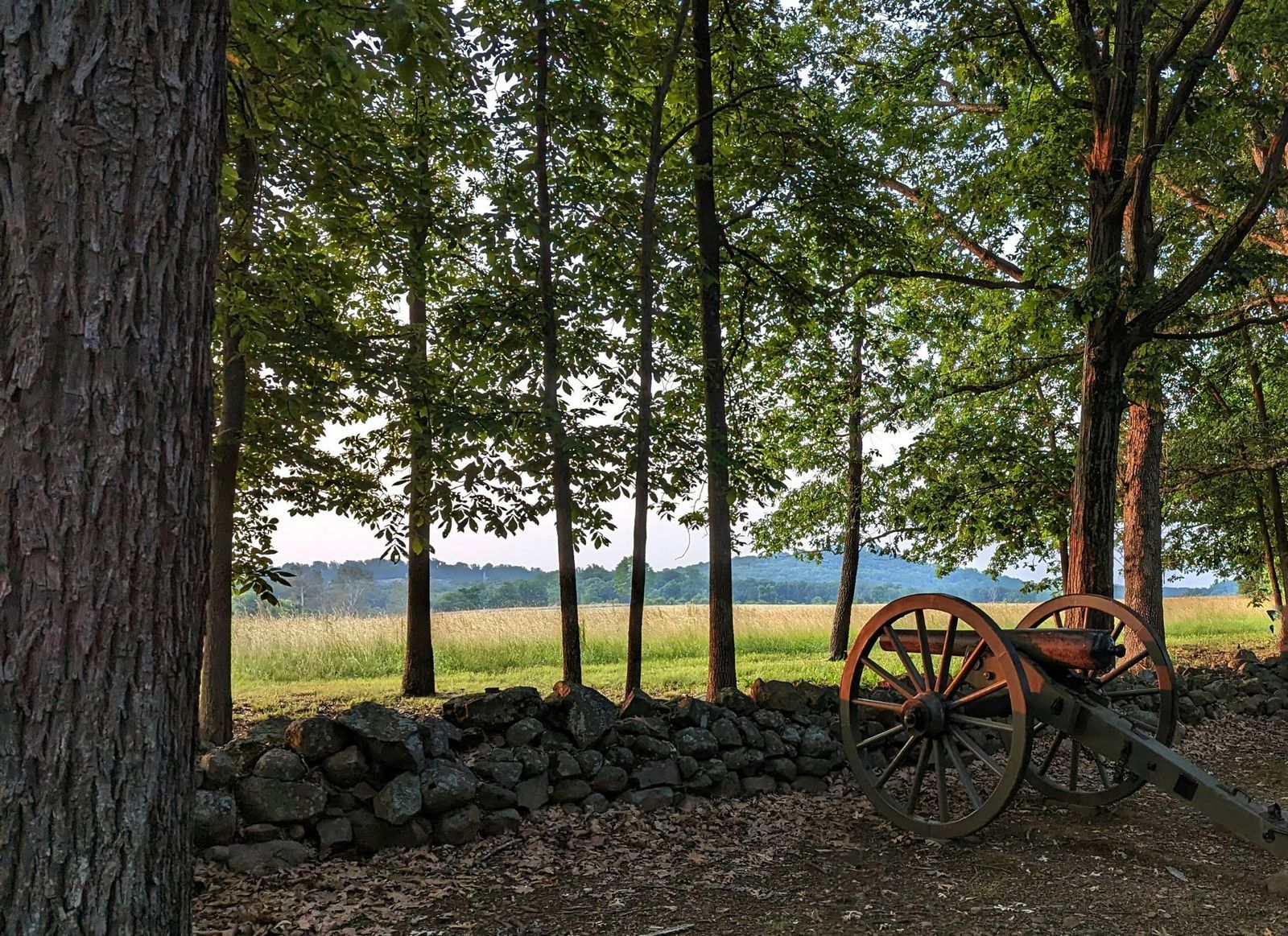
Gettysburg, Pennsylvania, comes alive in October with a mix of history, local traditions, and ghost stories tied to its Civil War past.
The town was the site of the 1863 Battle of Gettysburg, widely considered the bloodiest battle of the Civil War. And that history has never really disappeared. Historians and paranormal investigators have linked the battle’s tragic events to countless legends of ghostly activity, while visitors and locals have reported phantom cannon fire, marching footsteps, and apparitions at places like Devil’s Den and Gettysburg College for more than a century. Rather than shy away from those legends, Gettysburg has embraced them, filling October with events like the annual Gettysburg Halloween Parade in downtown Lincoln Square, complete with costume contests, dance parties, and floats.
Transylvania, Romania: Home of Dracula
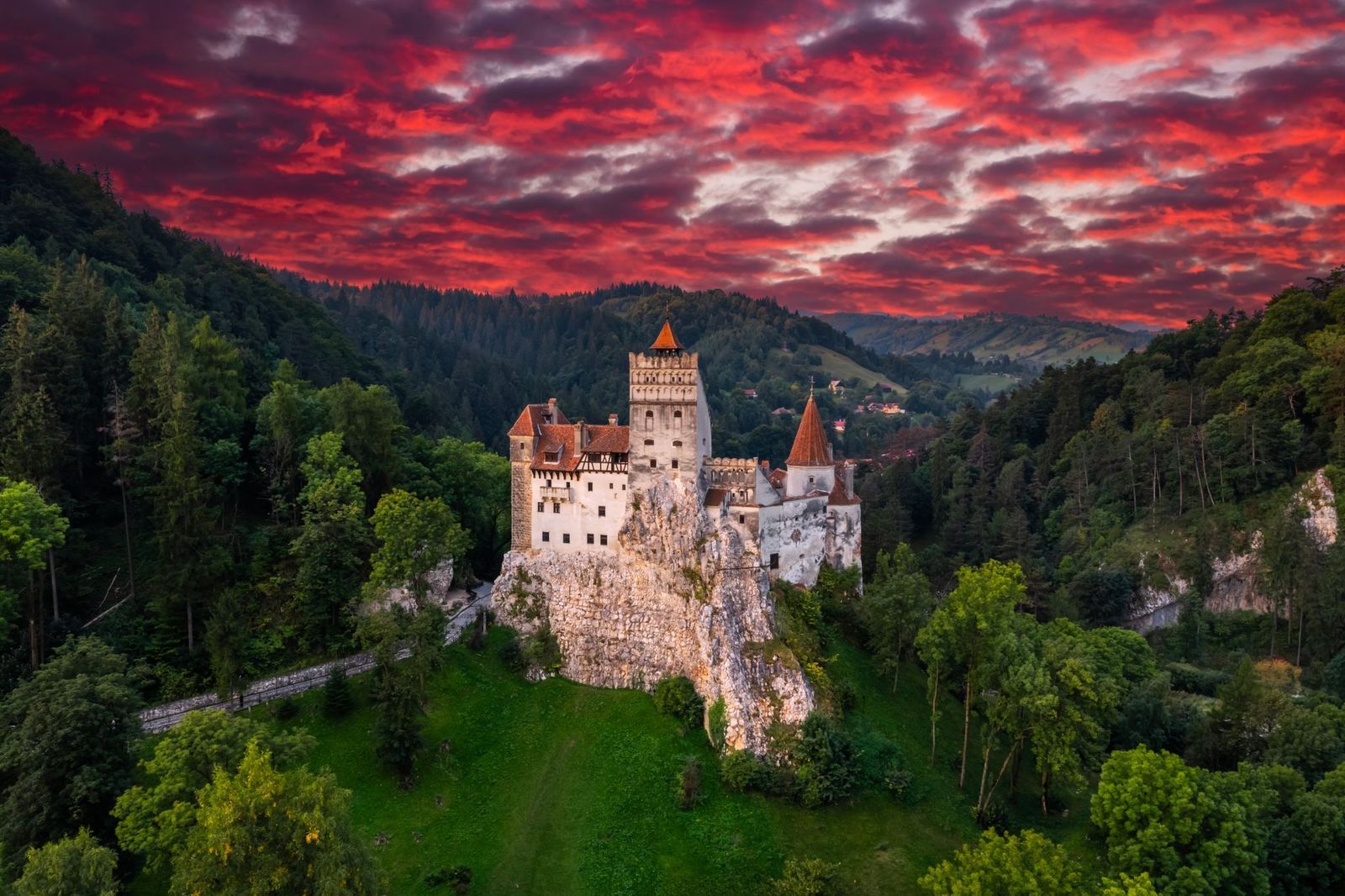
Transylvania is the fictional home of the immortal protagonist of Bram Stoker’s 1897 Gothic novel Dracula, and the region is associated with the historical ruler whose name inspired the character: Vlad the Impaler, a 15th-century prince. With the world’s most famous vampire tied to its name, it’s hard for Transylvania to treat Halloween like any other holiday.
The region doesn’t have to create a mysterious atmosphere; it’s already part of the landscape. With its medieval towns, Gothic architecture, misty landscapes, and dramatic mountains, it already looks like something from a horror story. Among its most famous attractions is Bran Castle (also known as Dracula’s Castle), a medieval fortress that bears too much resemblance to the castle described in Stoker’s novel. Particularly in October, the castle leans into that reputation with costume parties, theatrical performances, and torchlit nighttime tours, giving visitors a taste of the legend.
Savannah, Georgia: Built over cemeteries
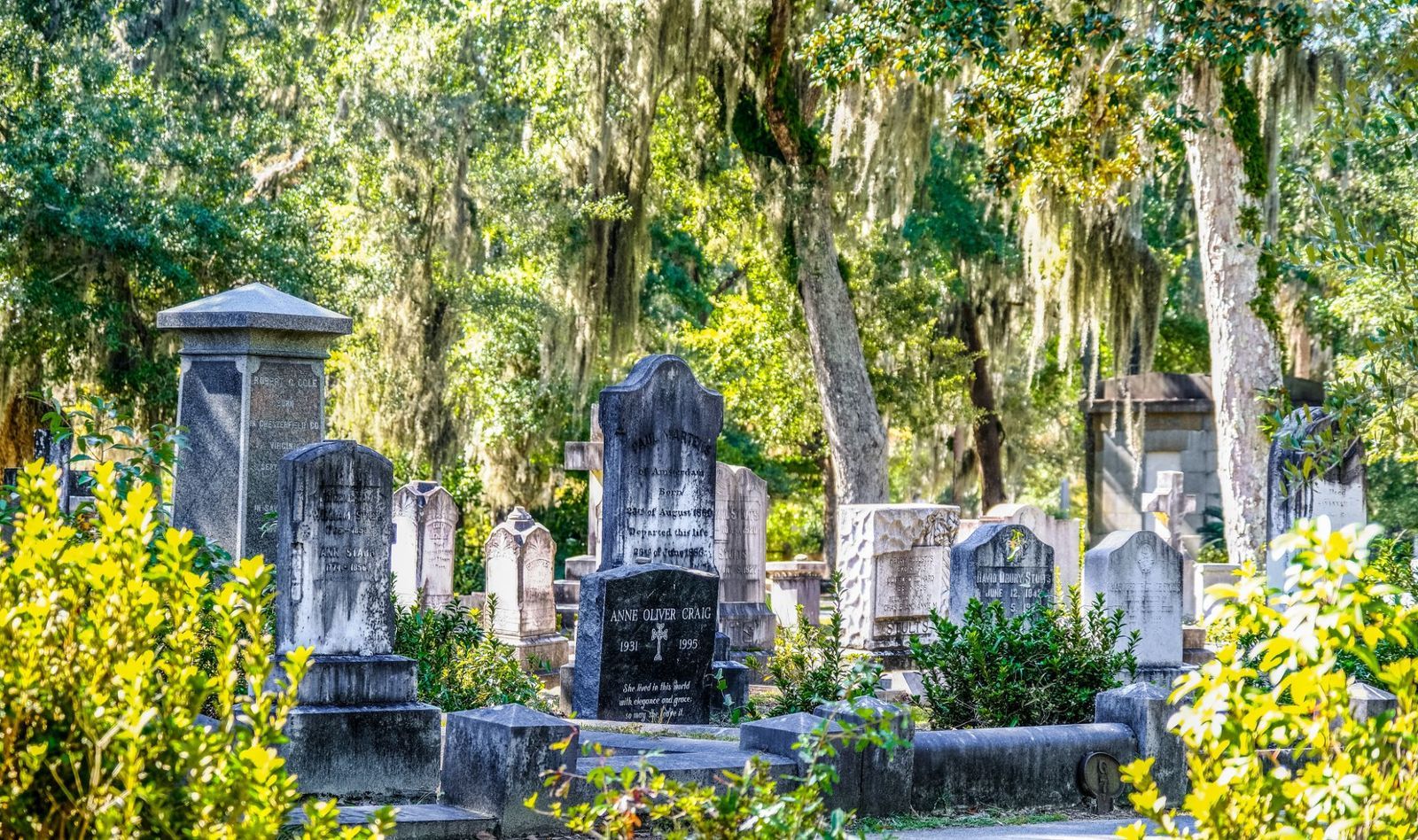
Savannah, Georgia, is widely considered one of the most haunted cities in the United States.
The city was the site of the 1779 Siege of Savannah, an extremely bloody battle of the American Revolutionary War in which a Franco-American force failed to recapture the city. Then, during the 19th century, yellow fever killed thousands of Savannah residents, leaving countless stories of tragedy behind. But perhaps the most unusual detail is that many of Savannah’s 22 public squares and parks were built over former burial grounds. Today, the cobblestone streets, historic squares, and massive oak trees draped in Spanish moss make all the ingredients for its distinctive "Southern Gothic" atmosphere, which takes on an especially eerie feel in October.
Oaxaca, Mexico: A different way to celebrate the dead
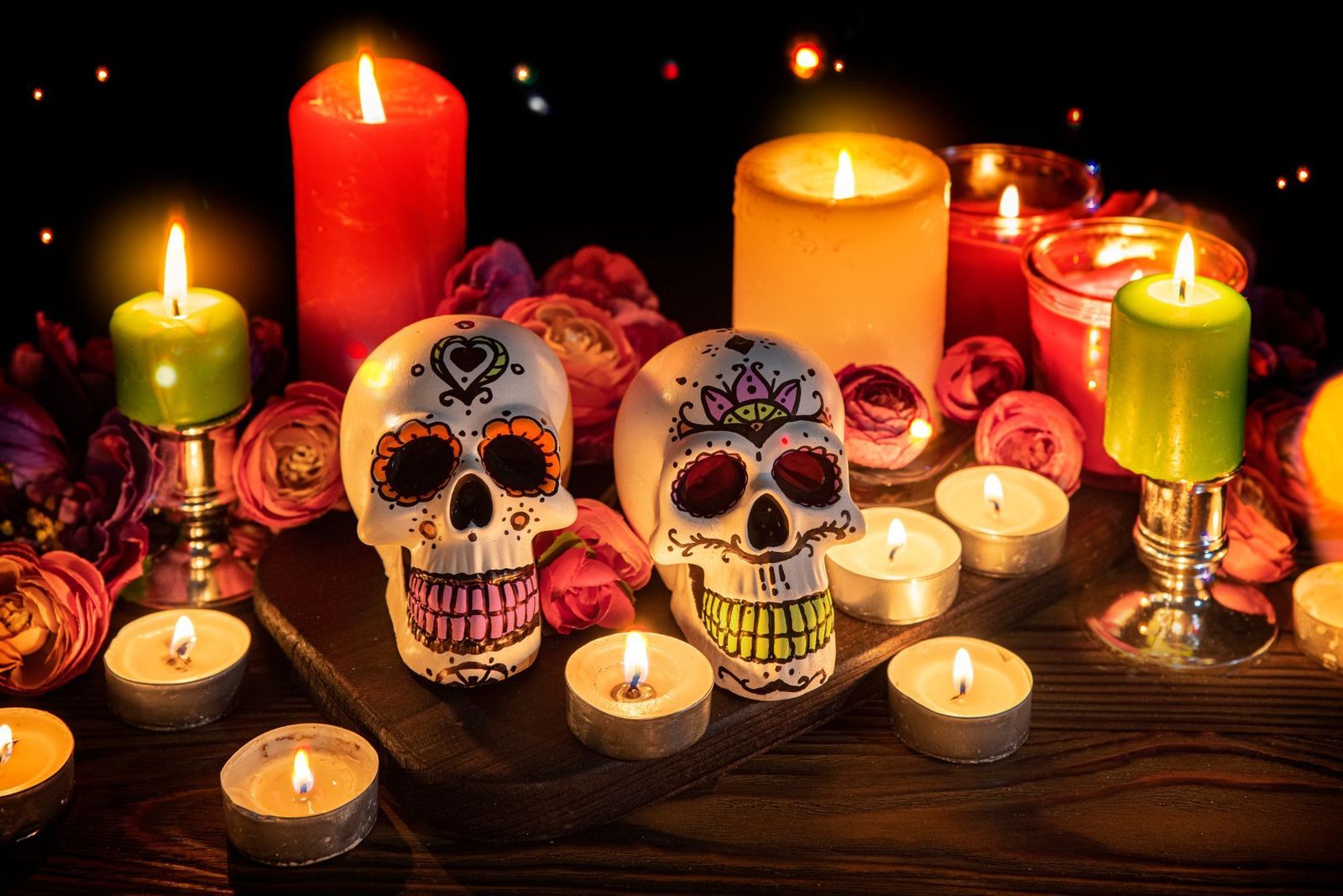
Halloween doesn’t have to be all about the spooky. At this time of year, when the boundary between the living and the dead is said to blur, some places celebrate in a very different way.
El Día de los Muertos (Day of the Dead) is a Mexican celebration held on November 1 and 2, when families welcome the souls of deceased relatives for a joyful reunion. The tradition has roots in Indigenous cultures of the region, including the Aztecs, Maya, and Toltecs, who viewed death not as an ending, but as part of the cycle of life. The city of Oaxaca, located in the southern part of the country, is widely considered its cultural heart. Along with feasts, streets and plazas fill with bright orange marigolds and giant puppet processions called calendas, while families clean and decorate graves to honor their loved ones. The result is striking: cemeteries glow with thousands of candles as families gather around music, food, and stories.
Paris: The fascinating world beneath its streets
Known as the romantic "City of Lights," Paris isn’t usually the first place that comes to mind for dark stories. But it has plenty of them.
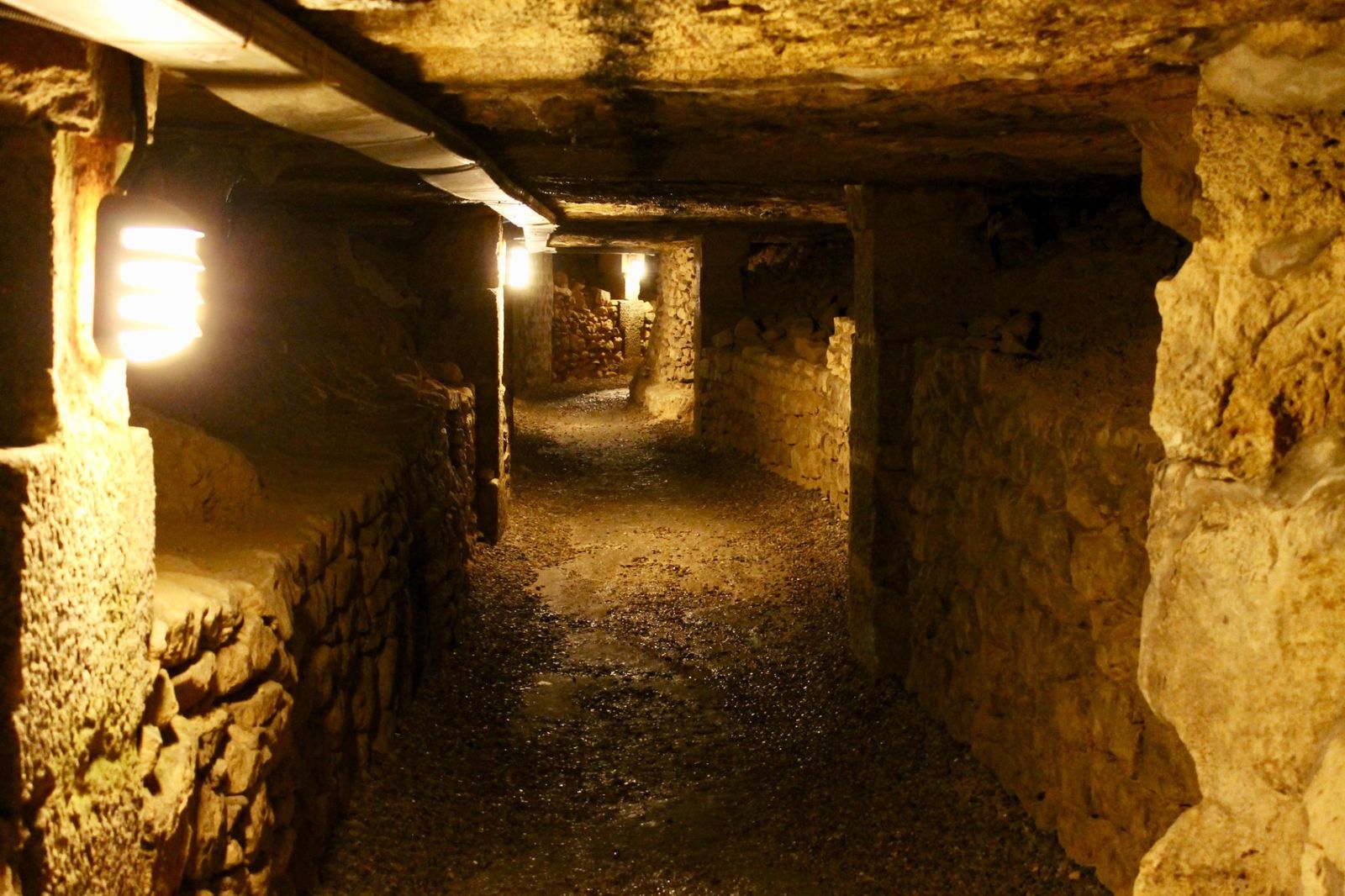
If parties aren’t your thing and you’d rather experience Halloween through history, Paris has a fascinating option beneath its streets: the famous Catacombs of Paris. These underground ossuaries hold the remains of more than six million people, moved there beginning in 1786 after Parisian cemeteries became dangerously overcrowded. Rather than leave the bones in piles and close the space, workers arranged skulls and bones into patterns for public viewing. Since 1809, visitors have descended a long spiral staircase about 65 feet underground to explore roughly one mile of these special tunnels.
The one thing your National Park pass won't cover: Mount Rushmore
 Landmarks
Visit the National Parks
Mount Rushmore 101: The tips that change the whole experience
You've seen Mount Rushmore in pictures your whole life, but there's nothing quite like standing in front of those famous faces. The park receives approximately two million visitors a year, and for good reason; it’s glorious. But that many people can also be overwhelming. The good thing is that, with a few changes and the right information, the experience can be completely different. When the best time to arrive is, what your park pass actually covers, and where to go for the best views and the extra activities: Here’s all you need to know to do it right.
Understand the fees
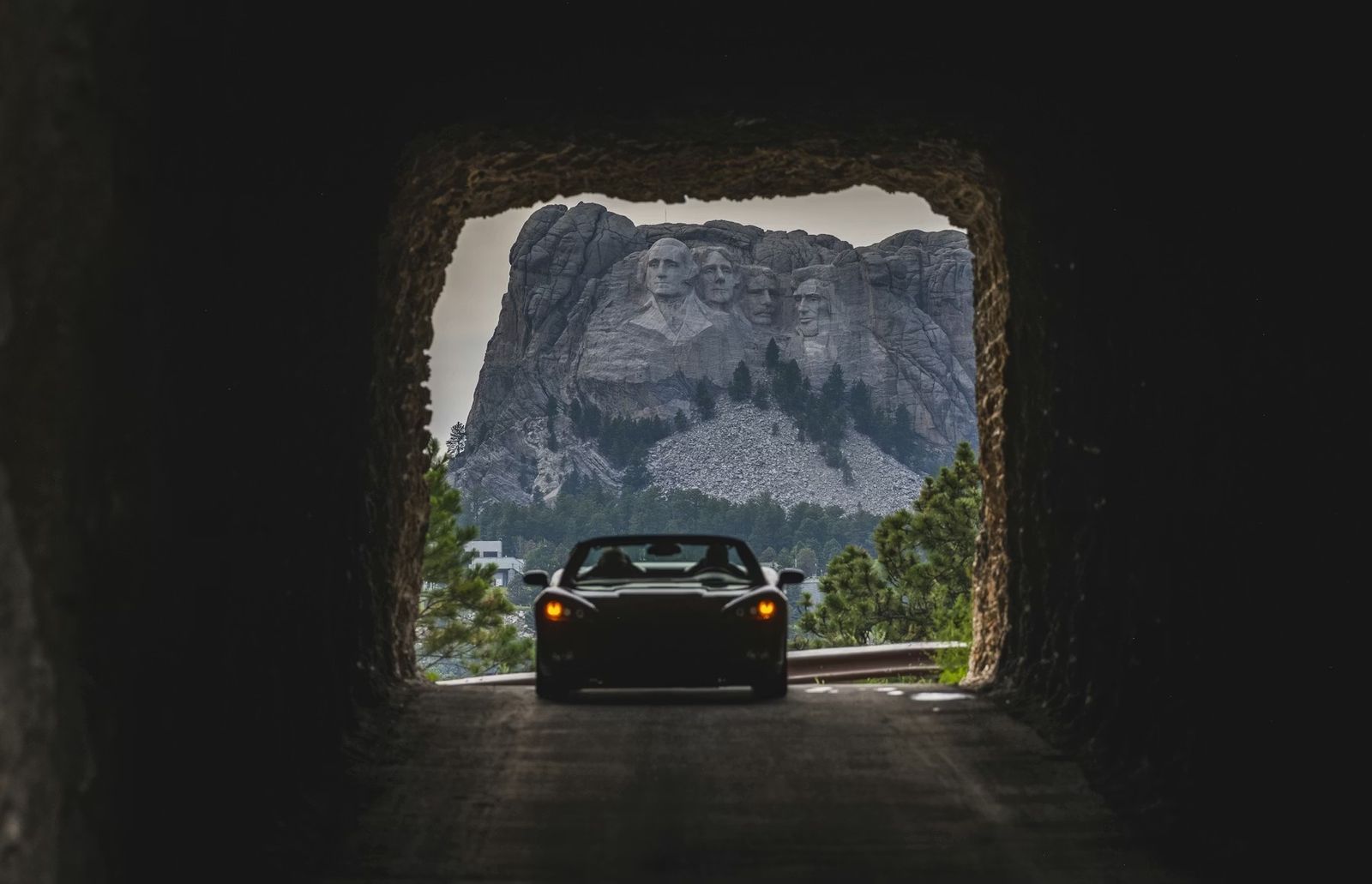
There’s no admission fee to see Mount Rushmore itself, which is always good news. However, there is a parking fee, and it applies to pretty much everyone. Even if you have a National Park pass, it won’t cover parking here.
Parking fees can be paid with cash or most major credit cards. As of July 2026, rates are $10 per vehicle, $5 for seniors (62 and older), and free for active-duty military personnel. It's good to know before you arrive and save yourself some frustration.
What’s the best time to go?
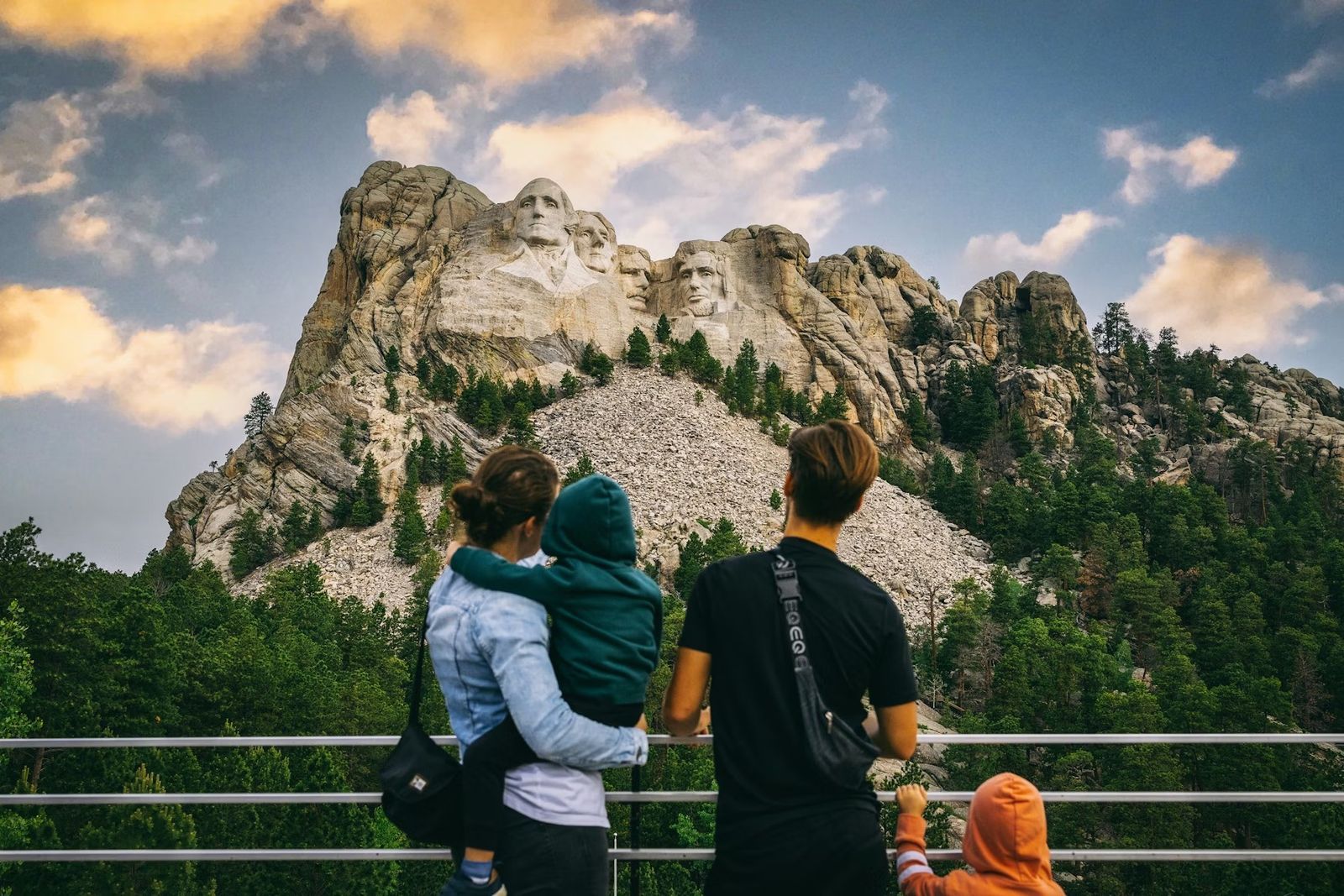
If you’ve ever shown up somewhere "fashionably late" and paid the price, you’ll understand this one. Considering it’s one of the most visited spots in the U.S., Mount Rushmore gets busy fast, especially in the summer months.
The sweet spot is around 8 in the morning: the air is cooler, the crowds are thin, and the morning light hits the faces just right for photos. By mid-morning, tour buses start rolling in, and the peaceful feeling fades. If you enjoy a quieter pace, early is the way to go here.
30 minutes is not enough
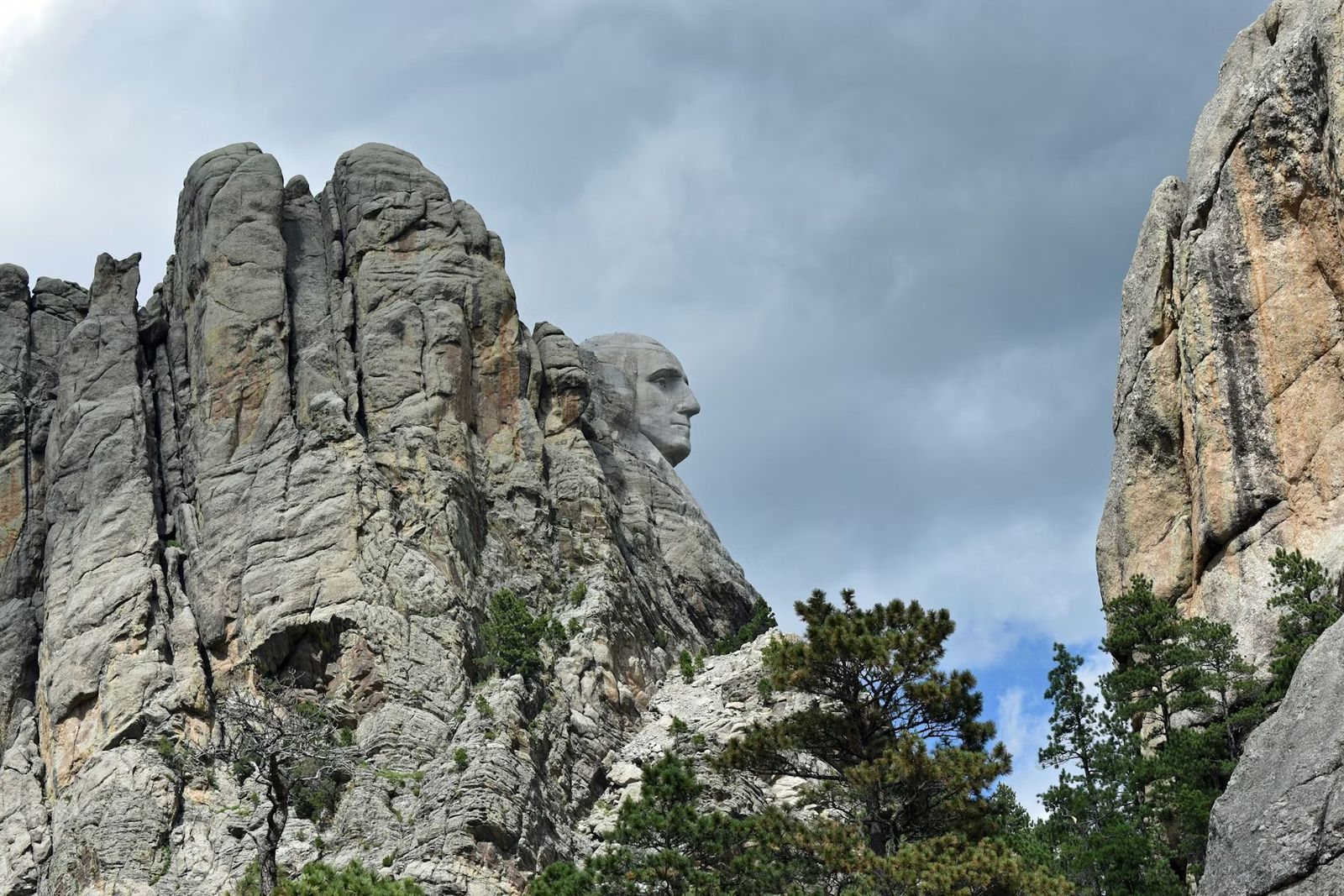
If you think a visit to Mount Rushmore is simply standing in front of the faces, snapping a quick picture, and moving on, think again. Yes, you can see Mount Rushmore in half an hour; plenty of people do, but you’d be missing out. It’s a good idea to give yourself one to two hours to fully enjoy Mount Rushmore, because while the famous faces are the main attraction, there’s much more to see and do.
You’ll have enough time to stroll along the main promenade, explore the exhibits, and take a walk on the Presidential Trail. The park also includes ranger talks, lighting ceremonies, and special events that you can check on mountrushmorememorial.com.
Stay for the evening
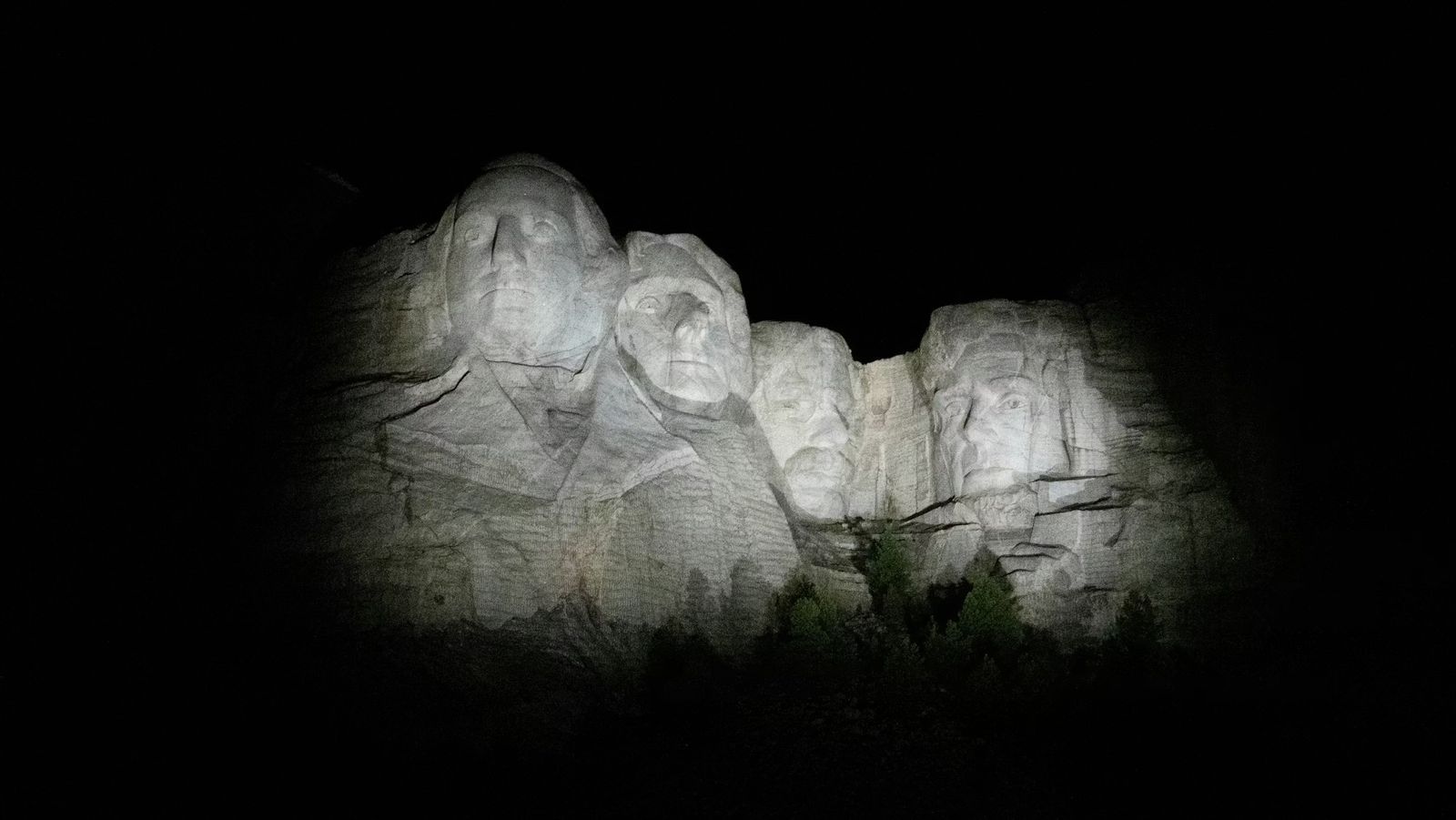
The monument is impressive, but wait until you see it at night. Every evening, between 8:00 and 8:30 p.m., there’s a lighting ceremony that takes place year-round. Following the sunset, the event includes a majestic turn-on of 1,600 individually focused LEDs, offering a new view of the site.
From late May through the end of September, you can also follow a park ranger to the outdoor amphitheater, where there’s a moving 45-minute program that begins at 9:00 p.m. and narrates the history of the carving, the presidents, and the country. The program concludes with the national anthem and a flag-folding ceremony.
Why these four presidents?
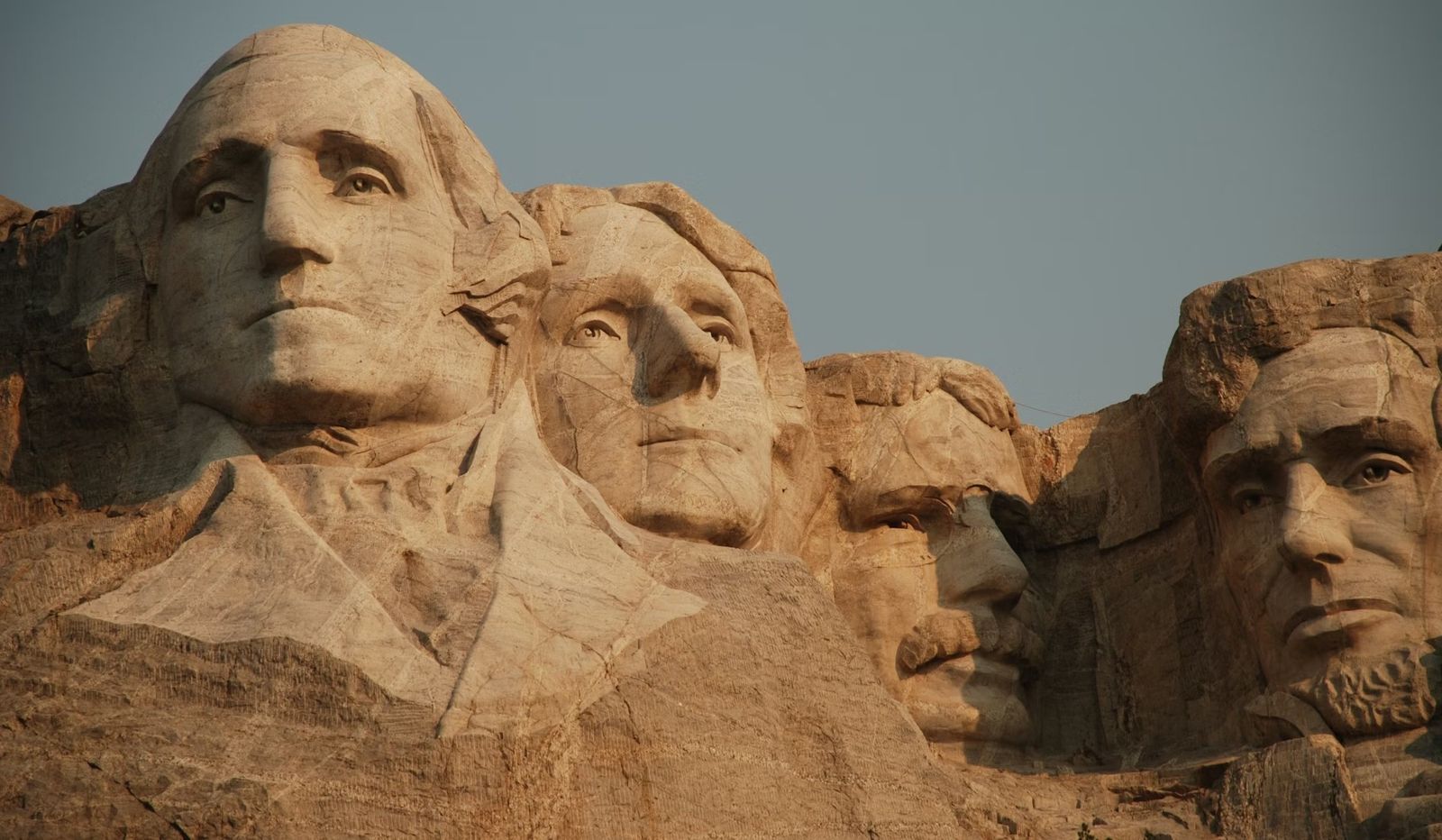
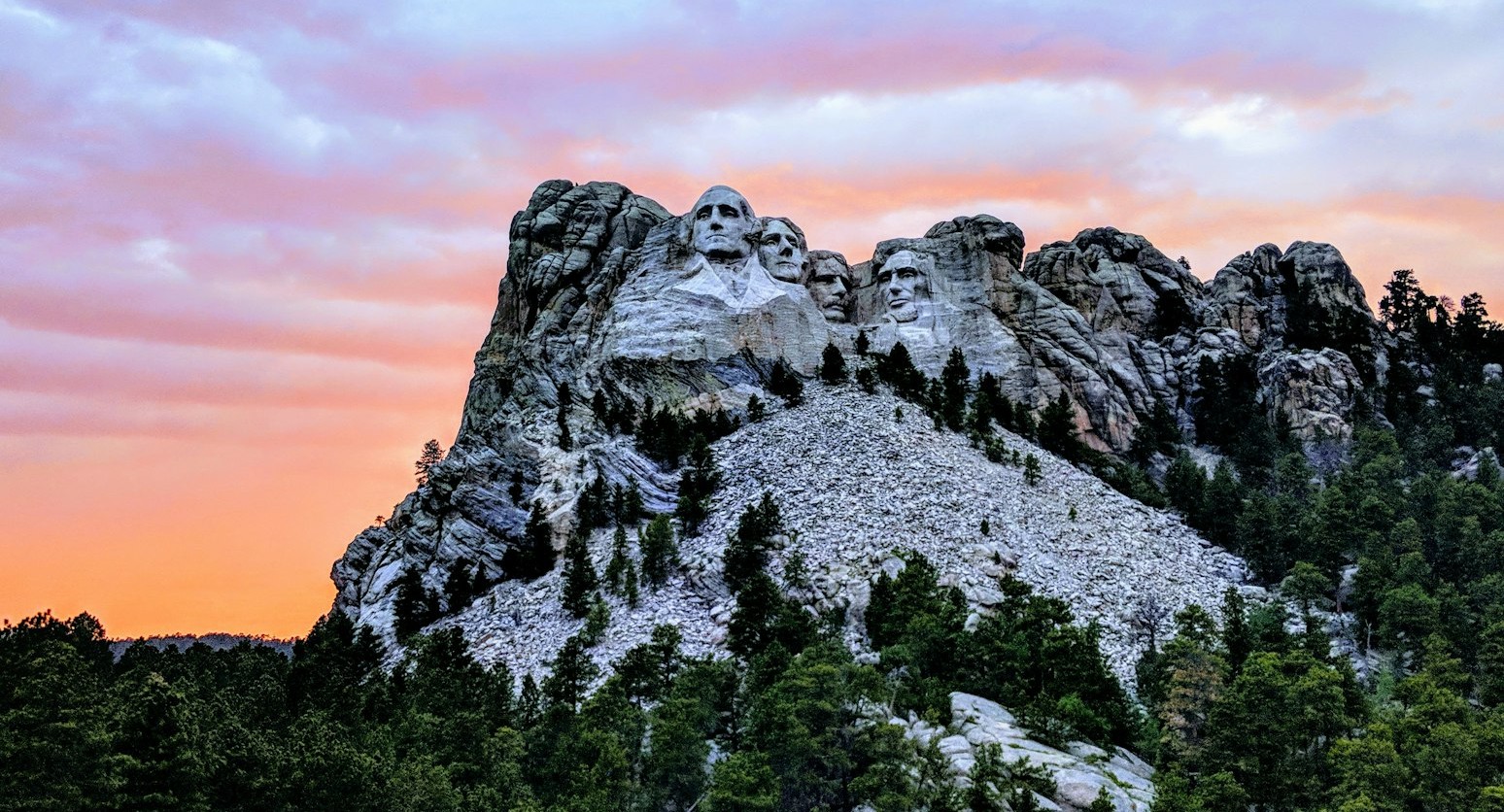
Of all the presidents America has seen, why did Gutzon Borglum, the sculptor, choose these four? From his perspective, the four presidents carved into the mountain represented the most important chapters in American history.
George Washington stands for the nation’s birth, not just as the first president but as the leader of the Revolutionary War. Thomas Jefferson represents expansion; beyond the Declaration of Independence, he was also responsible for the Louisiana Purchase and opened the door to territorial growth. Abraham Lincoln, in turn, was selected as a representative of preservation. He led the nation through the Civil War, and his leadership kept the U.S. together while abolishing slavery. And, finally, Theodore Roosevelt was the main figure of development; his presidency pushed the country into the modern era.
Join ranger programs
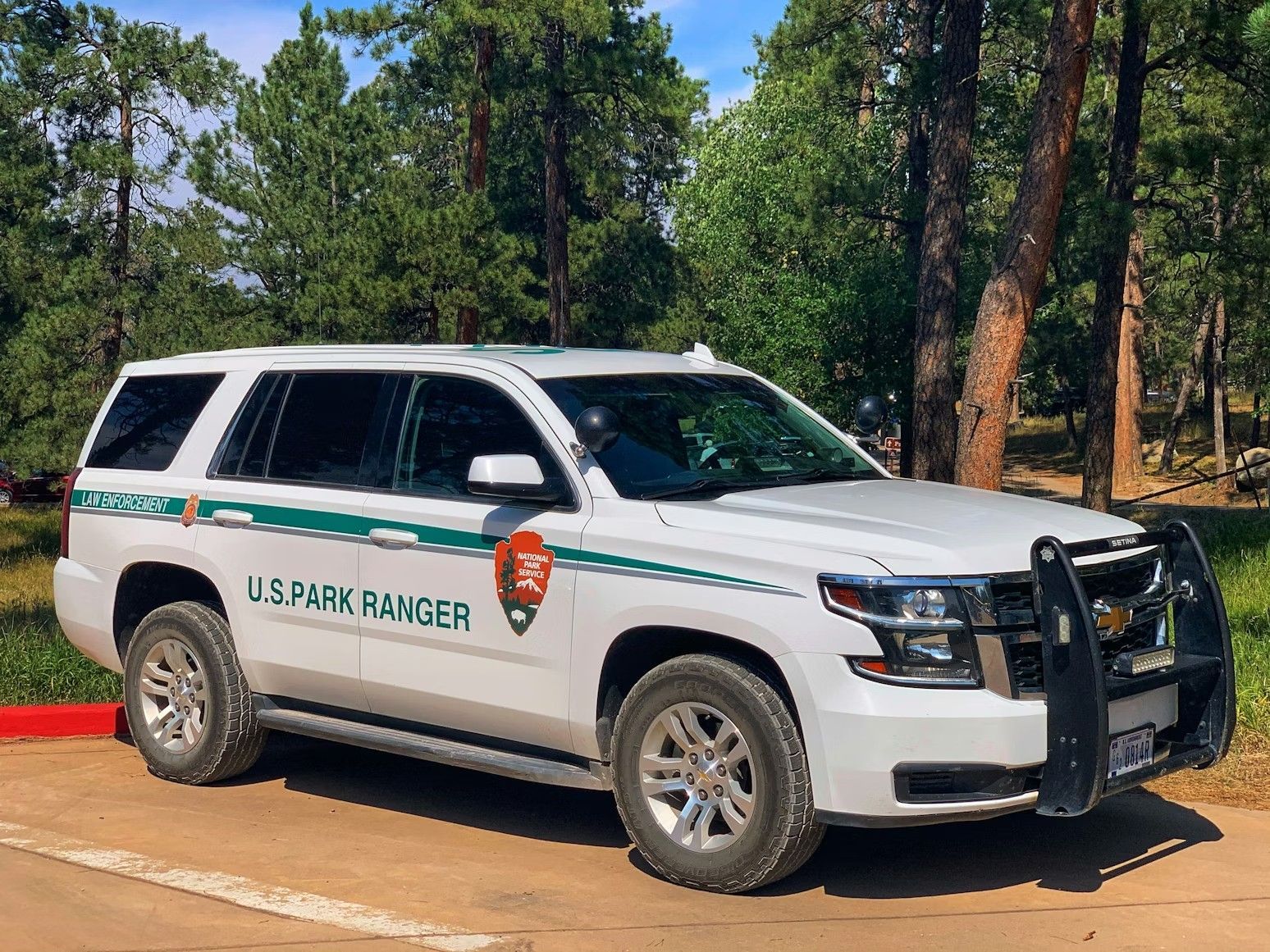
Once you’ve taken in the main view, you can join a variety of ranger programs, which give you a closer connection to the site beyond the photos. All these programs are available throughout the day and don’t require a reservation.
One option is the Hoop Dance performance, in which you can follow hoop dancers for an hour of dancing and storytelling. This program runs for 45 to 60 minutes, and it’s interactive. If you’re visiting during the summer months, the Youth Exploration Area is a nice addition. This shorter program of about 10 to 30 minutes is designed to take you around different parts of the park while you learn about natural, cultural, and historical aspects of the memorial. A complete schedule of programs is available within the Memorial at the Information Center, Lincoln Borglum Visitor Center, and the event calendar on the website.
Avenue of the Flags
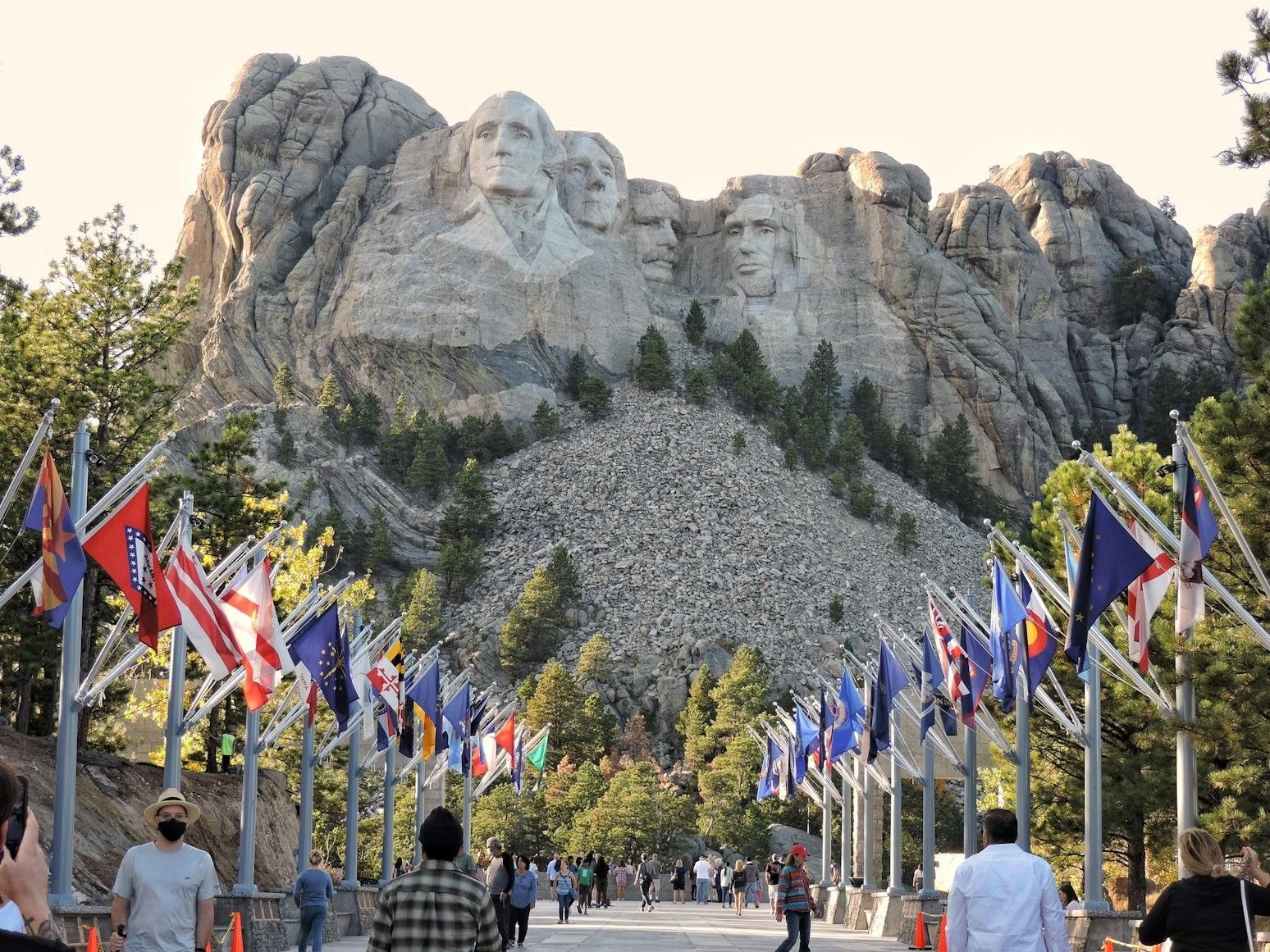
Right after you enter the park, there’s something easy to walk past if you’re in a hurry, but it’s worth slowing down for. The Avenue of Flags was added to the park as part of the U.S. Bicentennial celebration in 1976, and it lines the path with 56 flags arranged in alphabetical order.
The flags represent the 50 states, the District of Columbia, and the territories and commonwealths (Puerto Rico, Guam, American Samoa, U.S. Virgin Islands, and Northern Mariana Islands).
Presidential Trail
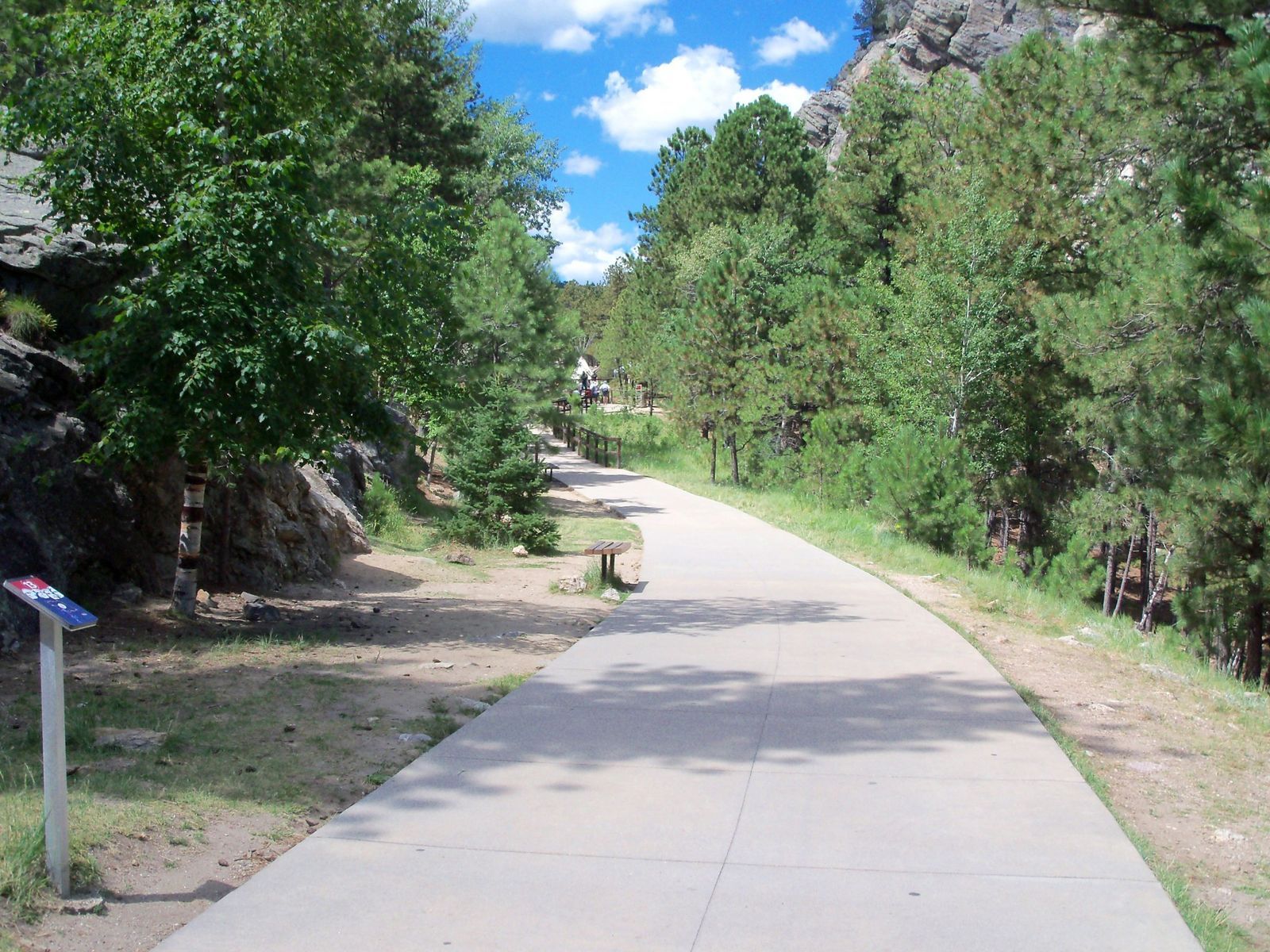
If you want to feel like you’ve actually experienced Mount Rushmore, not just seen it, this is the walk to take. The Presidential Trail is a 0.6-mile loop trail that gets you closer to the base of the monument and offers angles you won’t see from the main viewing area.
The first 0.2 miles is flat and wheelchair-accessible. The remaining 0.4 miles of the trail lead away from the mountain to the Sculptor’s Studio and are not accessible for people with mobility impairments since it consists of 422 stairs. It’s perfect to take time, stop for photos, and enjoy the perspective.
Sculptor’s Studio and Museum
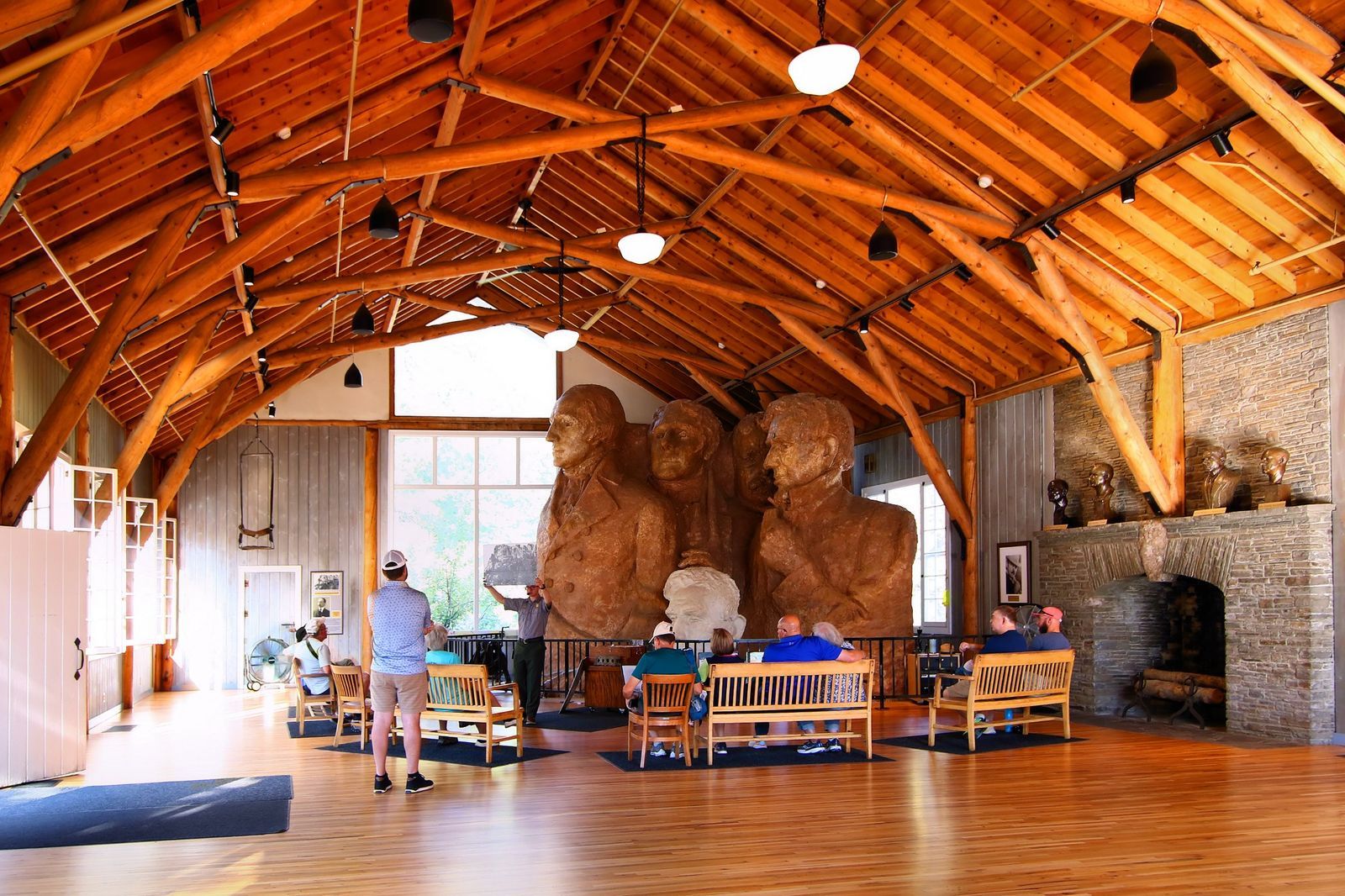
Rome wasn't built in a day, and neither was this park. The Sculptor’s Studio is where the story behind the memorial comes to life. Located along the Presidential Trail, this place was built to allow Borglum to oversee the monument's final stages of carving closely. Today, it offers visitors a detailed look at how they pulled this off between 1939 and 1941.
Moreover, you’ll be able to see a scale model of the monument and get a better sense of the original vision and the challenges they faced carving into a mountain. There’s also a museum in the main visitor center for those who want to delve deeper into the monument’s construction.
Nearby attractions
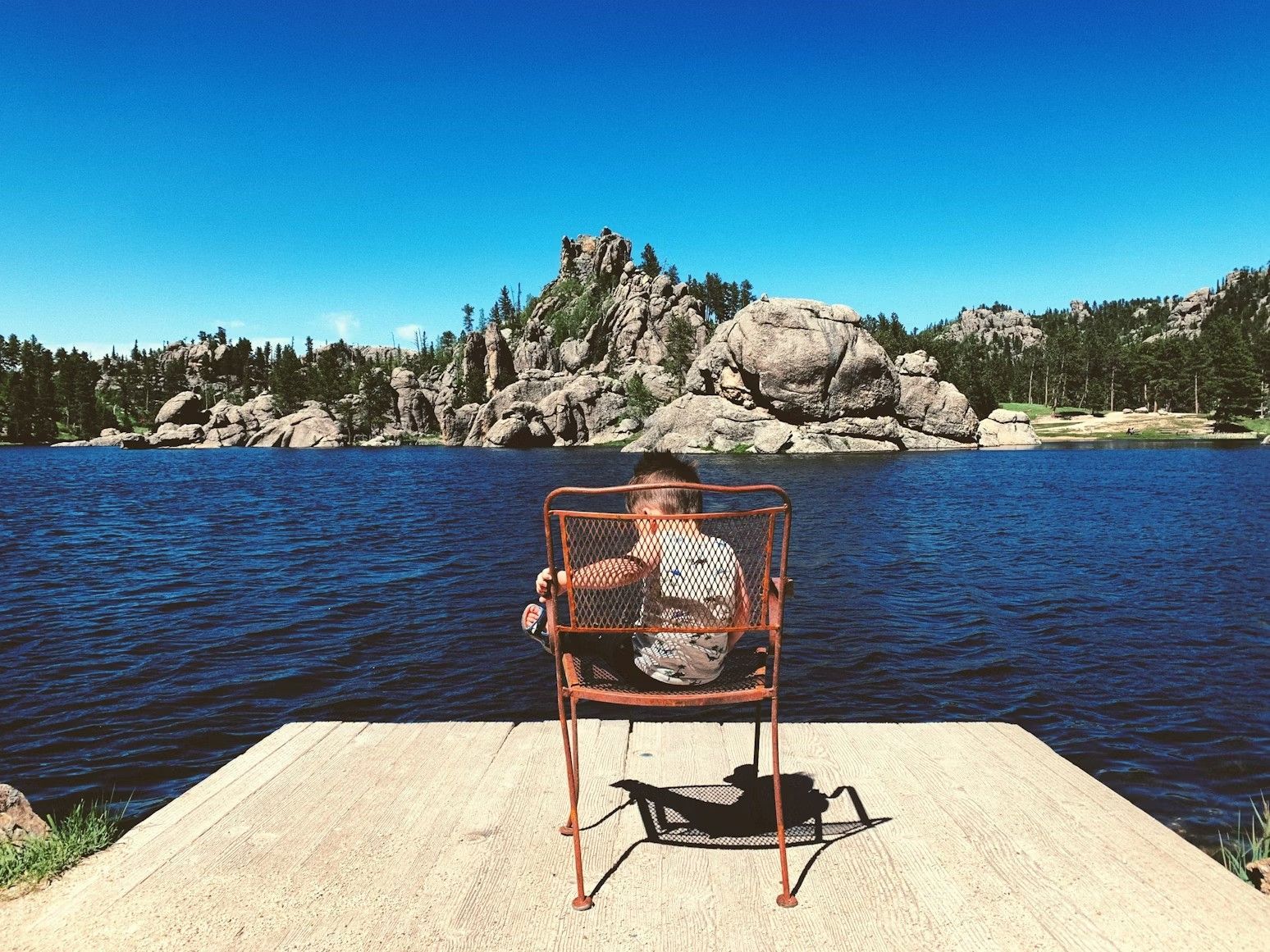
If you've made the trip to Mount Rushmore, it's worth taking a little extra time to explore the surrounding area. There's plenty more to see beyond the memorial itself. Located 27 miles South of Mount Rushmore, you can visit Custer State Park, a 71,000-acre park in the Black Hills, home to abundant wildlife and adventure, where you can go camping, hiking, biking, swimming, fishing, or relaxing.
South of Custer State Park, another option is Wind Cave National Park. Book a tour of Wind Cave to go through more than 84 miles of underground caves. Access is by a ranger-guided tour, and all tours leave from the Visitor Center within the National Park. Finally, five miles North of Custer Park is Crazy Horse Memorial. Sculptor Korczak Ziolkowski began work on this colossal tribute to Lakota hero and leader Crazy Horse in 1948, and it is still under construction.
Keep wandering
There’s always
more to explore
 General

Why are hard landings sometimes the perfect landings?
6 min.
Read Now

Air Force One isn't a plane at all: secrets uncovered
6 min.
Read Now
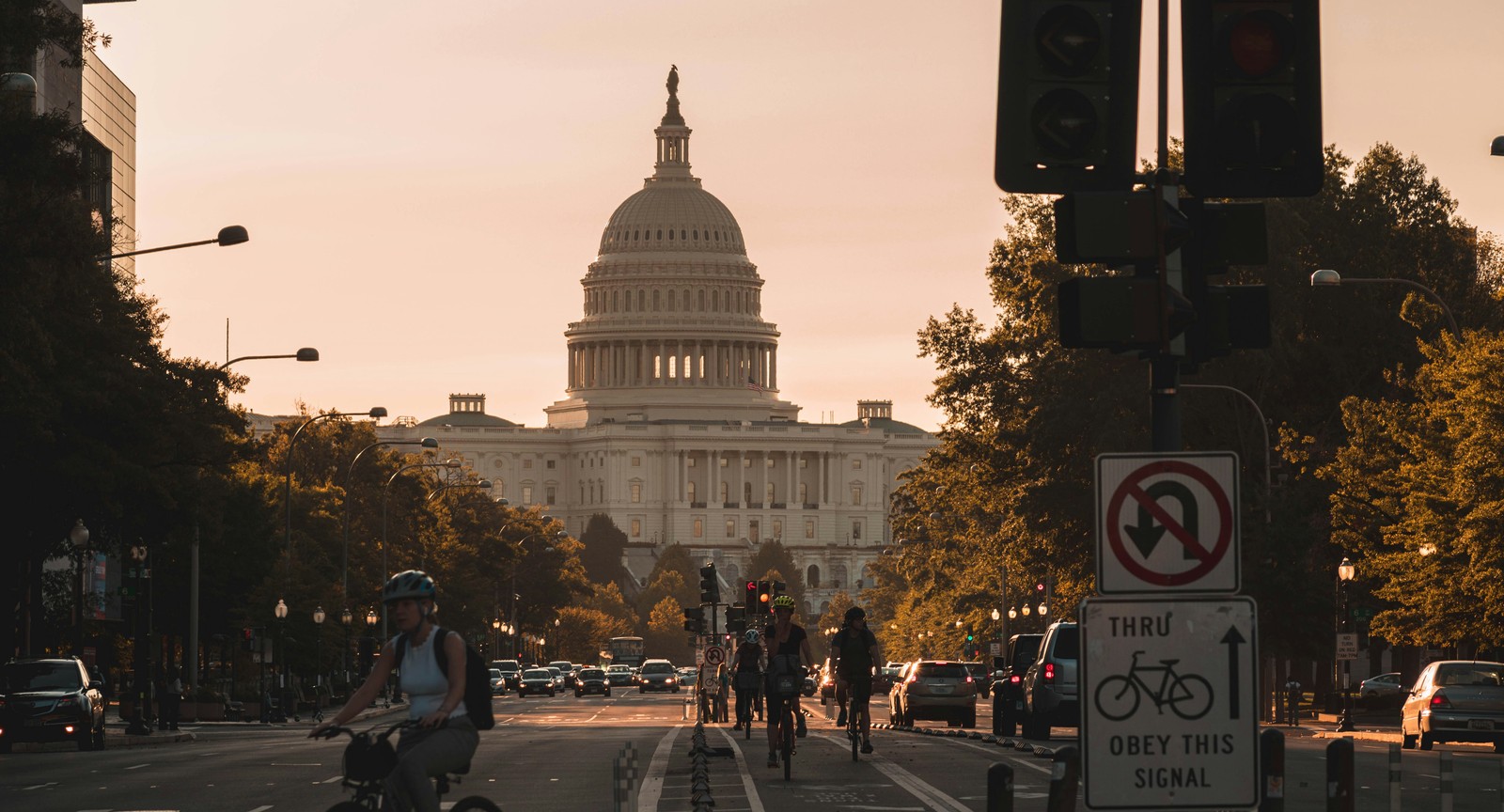
10 capitals that are not their country's most famous cities
4 min.
Read Now
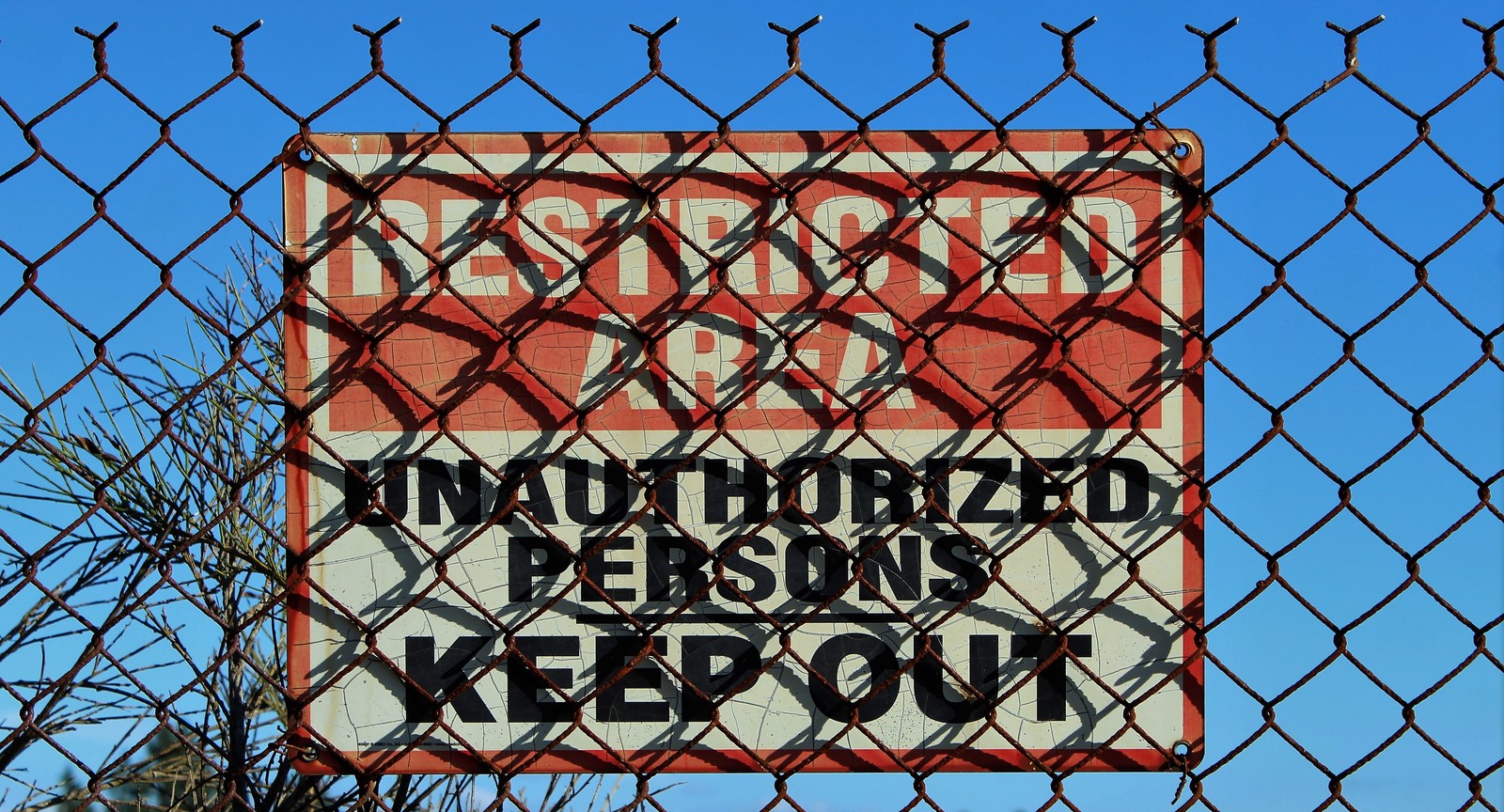
Entry denied: What's behind the places you will never get to visit
7 min.
Read Now