10 capitals that are not their country's most famous cities
 Culture
Capitals vs. non-capitals
10 capitals that are not their country's most famous cities
We tend to assume that a country’s most important city also serves as its capital, but that’s not always the case. In some countries, capital cities are the result of a compromise between rival regions, while in others, certain cities end up being more important, well-known, or culturally relevant than the capital. Here are ten countries with a city (or two) more important than the capital.
United States
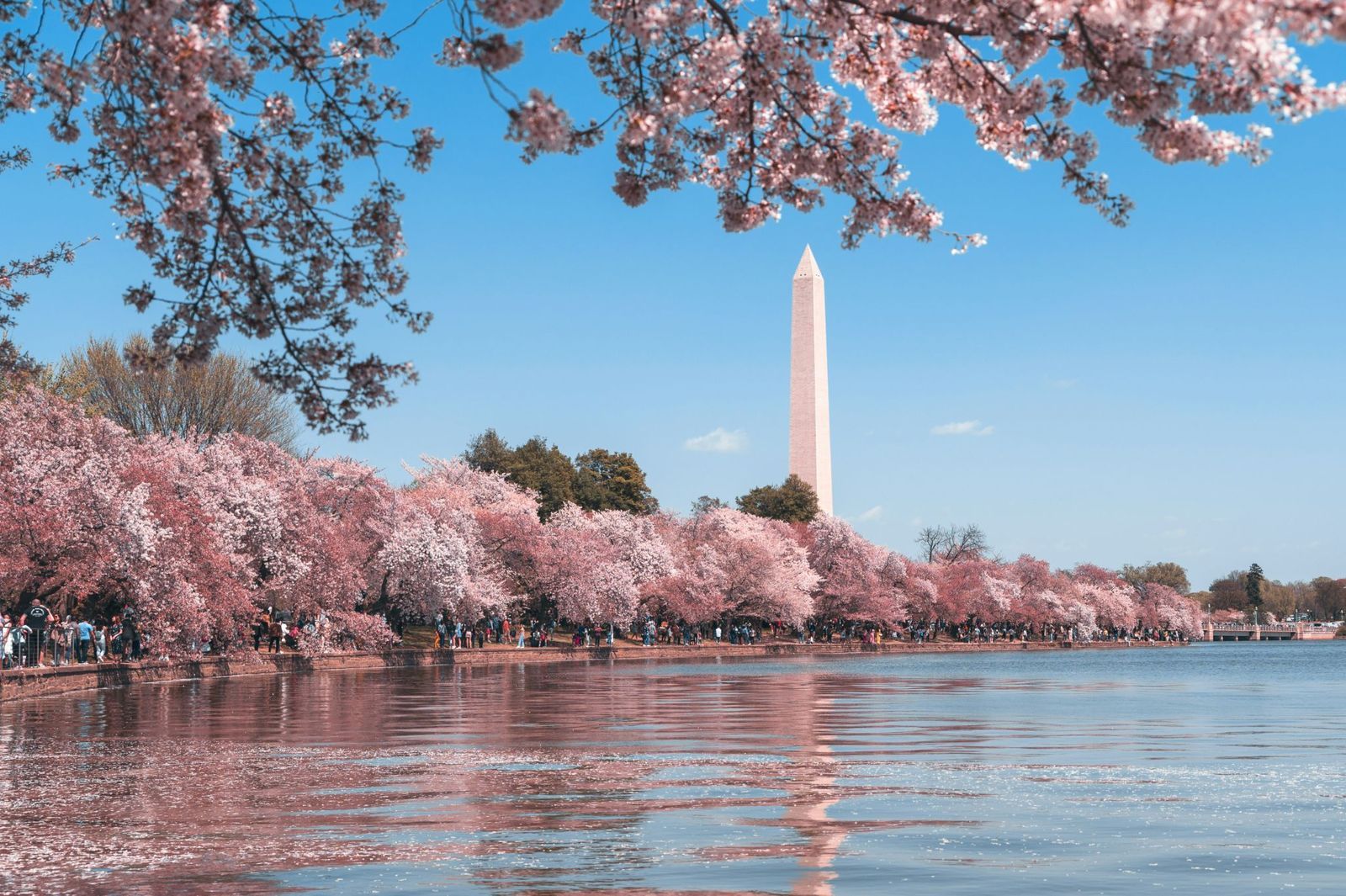
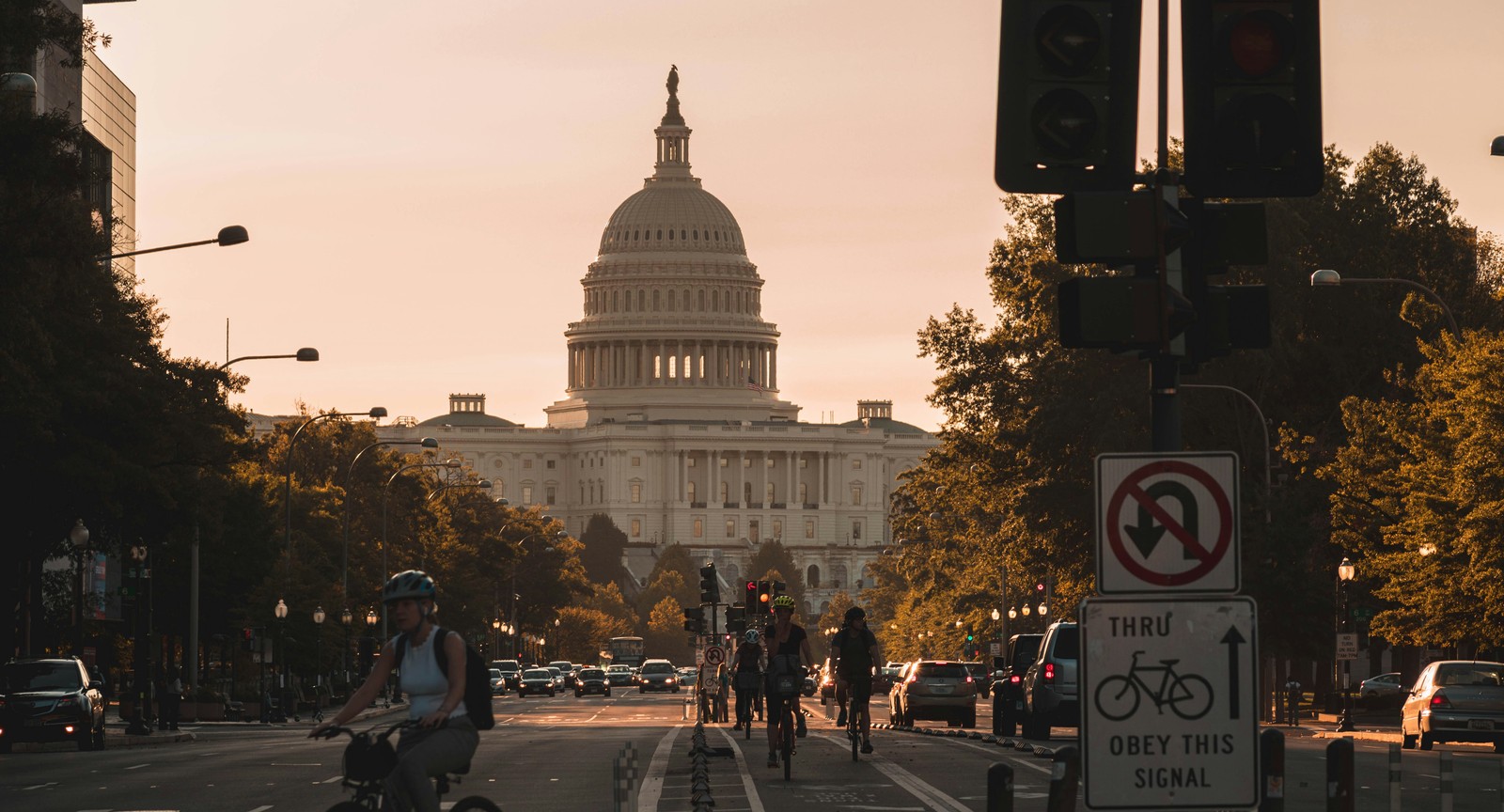
There’s no denying that, on a global level, New York is America’s most famous city, besides being its most populous. The construction and location of Washington, D.C., was the result of a compromise between the states after the Revolutionary War and, while it is the political center of the U.S., it is surpassed by New York when it comes to finance, art, and culture.
Canada
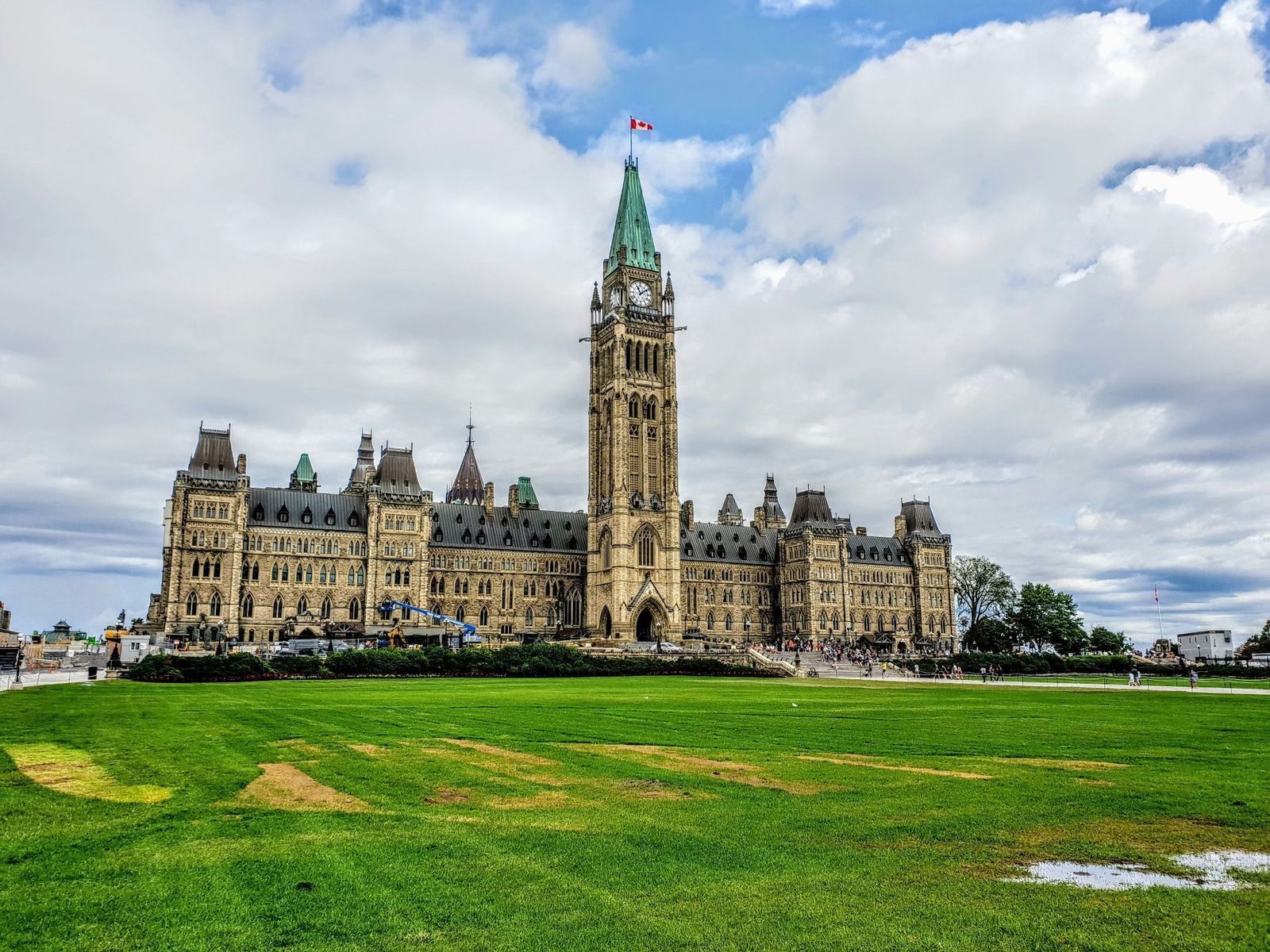
When asked about Canada’s capital, many would instinctively answer Toronto. Ottawa might serve as a political capital and house the main government buildings, but Toronto holds the financial reins, is the most populous Canadian city, and is a few decades older than the capital.
Australia

Unless they’re studying for a geography quiz, how many people remember that Canberra is Australia’s capital city? Sydney and Melbourne are the first Australian cities that come to mind, since they’re older, more populous, and more relevant culturally and economically. This importance played a key role in the establishment of the capital in 1912. To avoid any conflict that could result from choosing either of the two cities as a capital, the government decided to establish a new city. The Australian Constitution stated that it should be established in the state of New South Wales, but at least 100 miles away from Sydney, the state capital, so the Canberra territory (177 miles from Sydney and 402 miles from Melbourne) was chosen.
Brazil
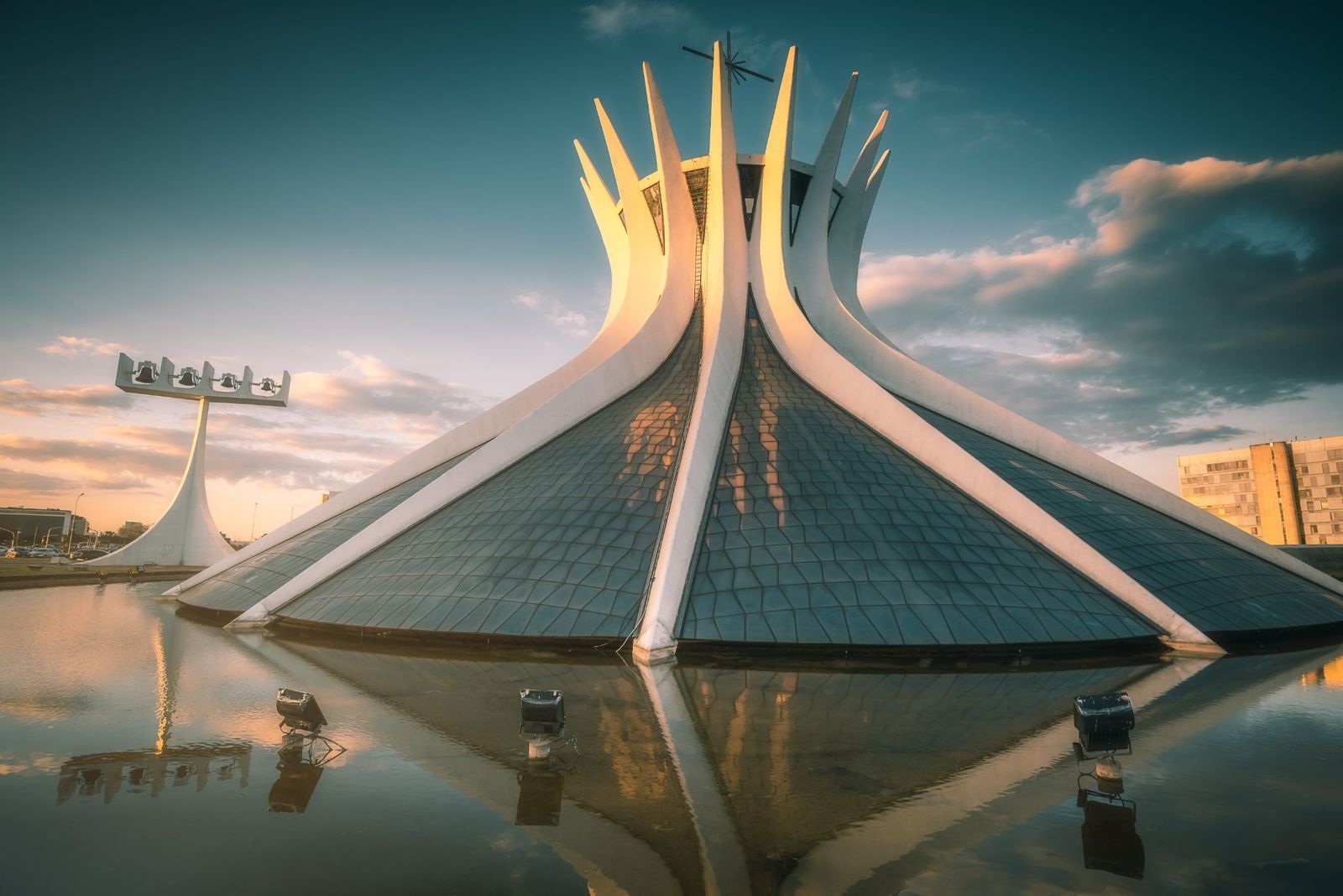
Brazil gives us another example of compromise: Rio de Janeiro is the center of Brazilian culture and tourism, as well as the former capital of the Brazilian Empire, while São Paulo is the largest city and the financial center of the country. Plans to relocate the capital city existed since the 19th century, but it wasn’t until the 1950s that the construction of Brasilia started. Famously shaped like a plane, Brasilia is the country’s third-largest city and its political center.
India
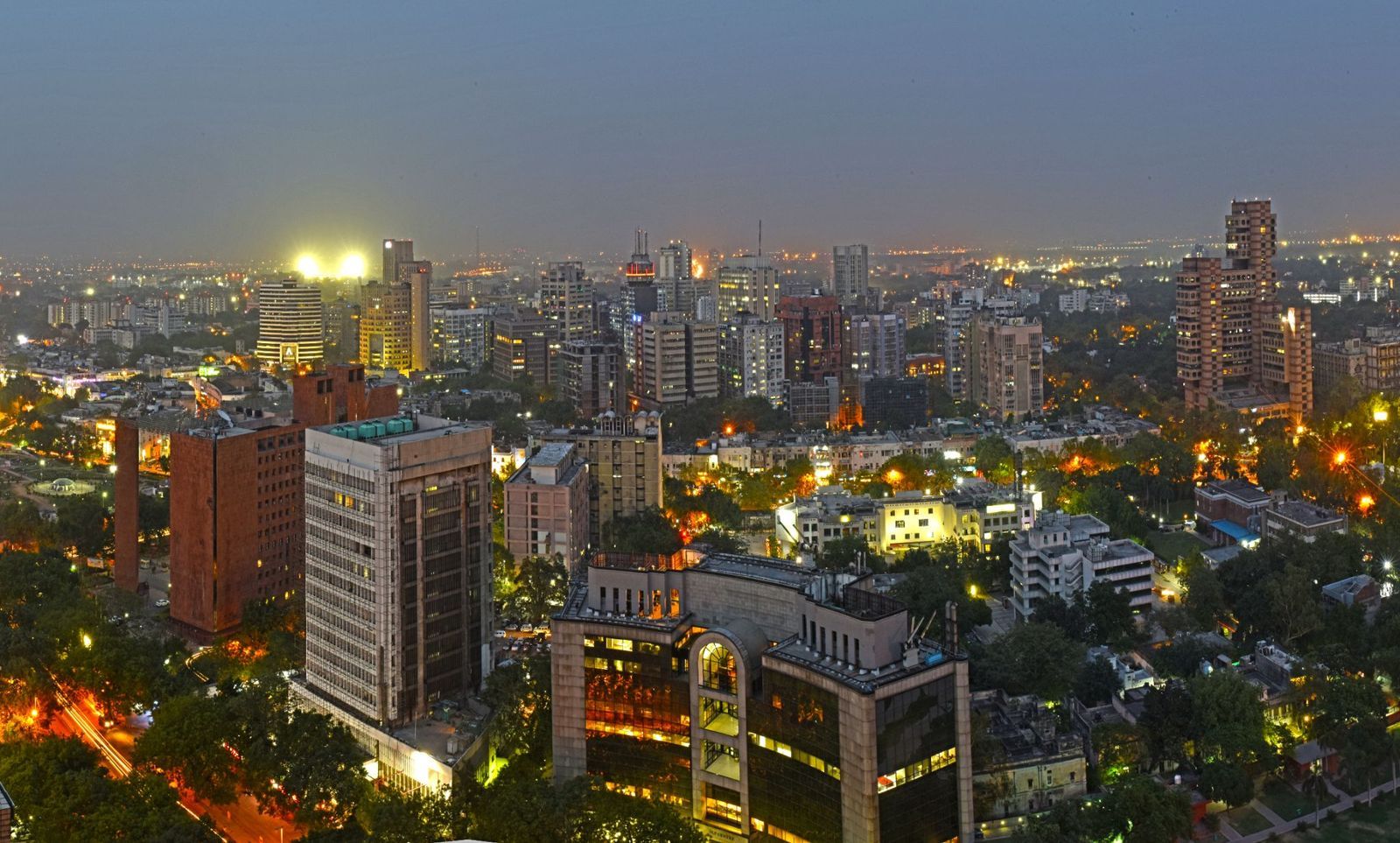
New Delhi might be India’s capital city and house all branches of the Indian government, but Mumbai (formerly known as Bombay) is not only four centuries older, but also the head of the nation’s economy and of the Bollywood industry. The former British capital, Kolkata (formerly Calcutta), is the main cultural center and the home of several scientific and educational institutions.
Switzerland

Unlike other less-famous capital cities, Bern, the Swiss capital, is quite old, dating back to the 12th century, but there’s no doubt that Zurich and Geneva are more widely known and more relevant when it comes to finance, diplomacy, and technology. In reality, Switzerland doesn’t have a designated capital by law, but Bern, as the seat of the Parliament and other important government bodies, has served as a de facto capital city since the late 19th century.
China
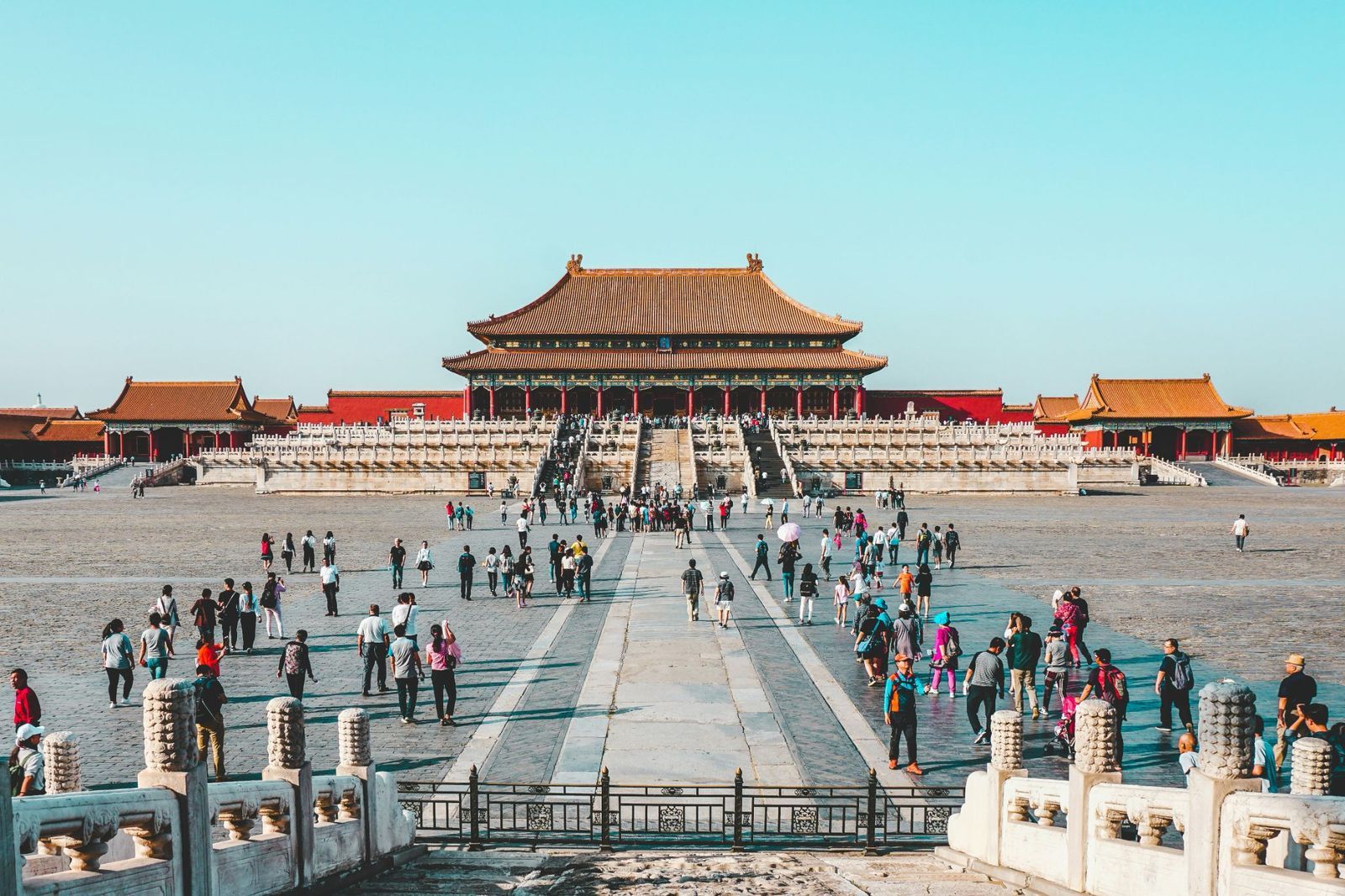
No one would say that Beijing, the Chinese capital, is less important than other Chinese cities. As the political and cultural capital, as well as the Old Imperial capital, Beijing is renowned and world-famous. The city of Shanghai, however, is often considered just as important as Beijing, as China's economic powerhouse.
Turkey
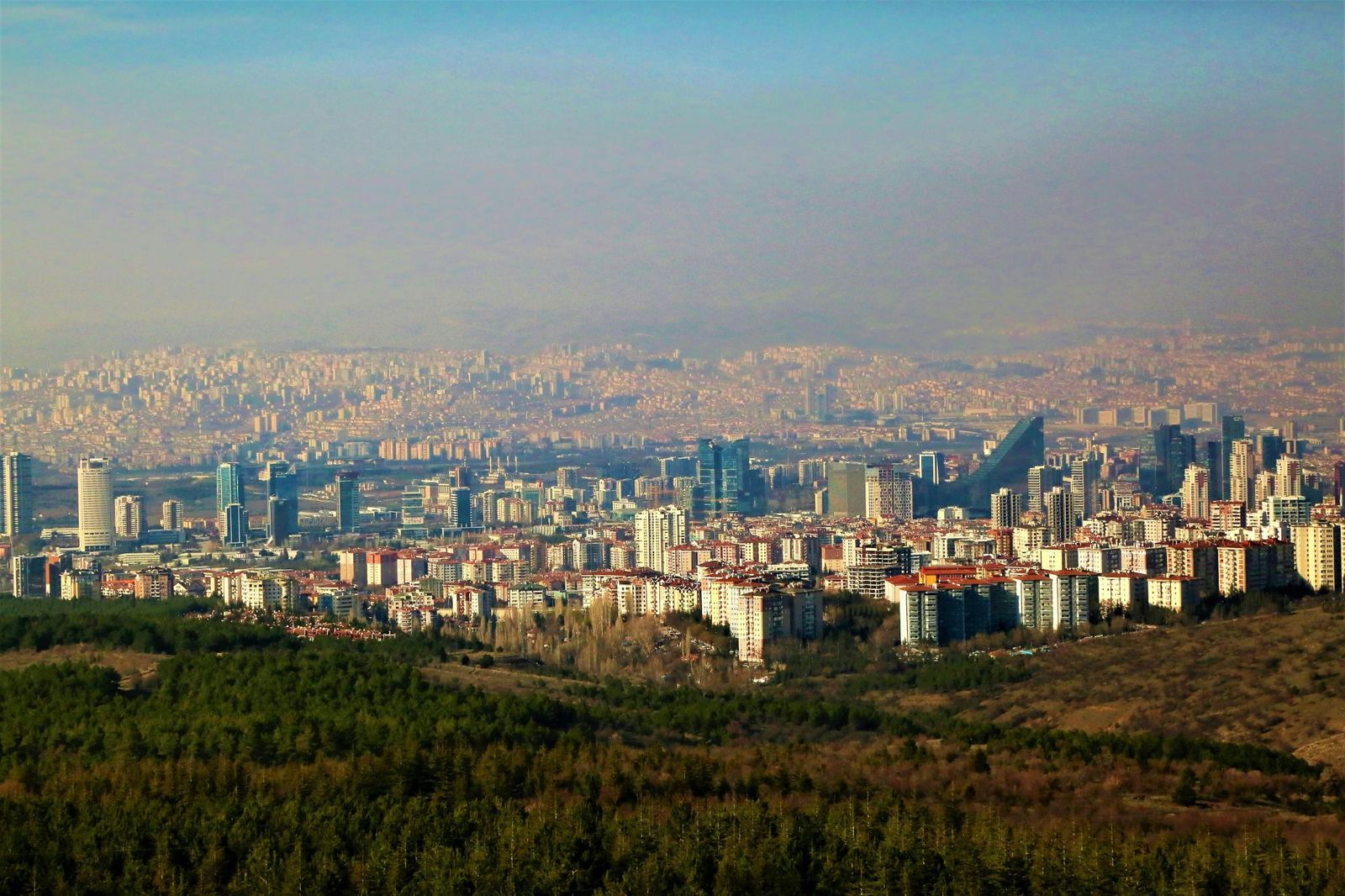
Known as Constantinople from 330 to 1930, Istanbul is, no doubt, Turkey’s most significant city, historically, economically, and culturally. A bridge between Europe and Asia, and a melting pot of cultures, the old capital of the Byzantine and Ottoman Empires is a cultural and commercial center, as well as a highly popular tourist destination. Why is it not the capital city, then? After the War of Independence (1919-1923), the city of Ankara, which had served as a central military and nationalist center, was chosen to symbolize a new start.
Morocco

Even when they’re not the most dominant city, most capitals are among their country’s largest cities. Rabat, the Moroccan capital, ranks 7th, behind cities like Casablanca (the economic center), Fez (the cultural center), or Marrakesh (the main tourist hub). Rabat was established as an administrative center in 1912, while Morocco was still a French protectorate, due to its strategic location and its proximity to Fez, the traditional seat of power. After Morocco regained independence in 1956, Rabat was kept as the capital for the sake of continuity.
The Netherlands
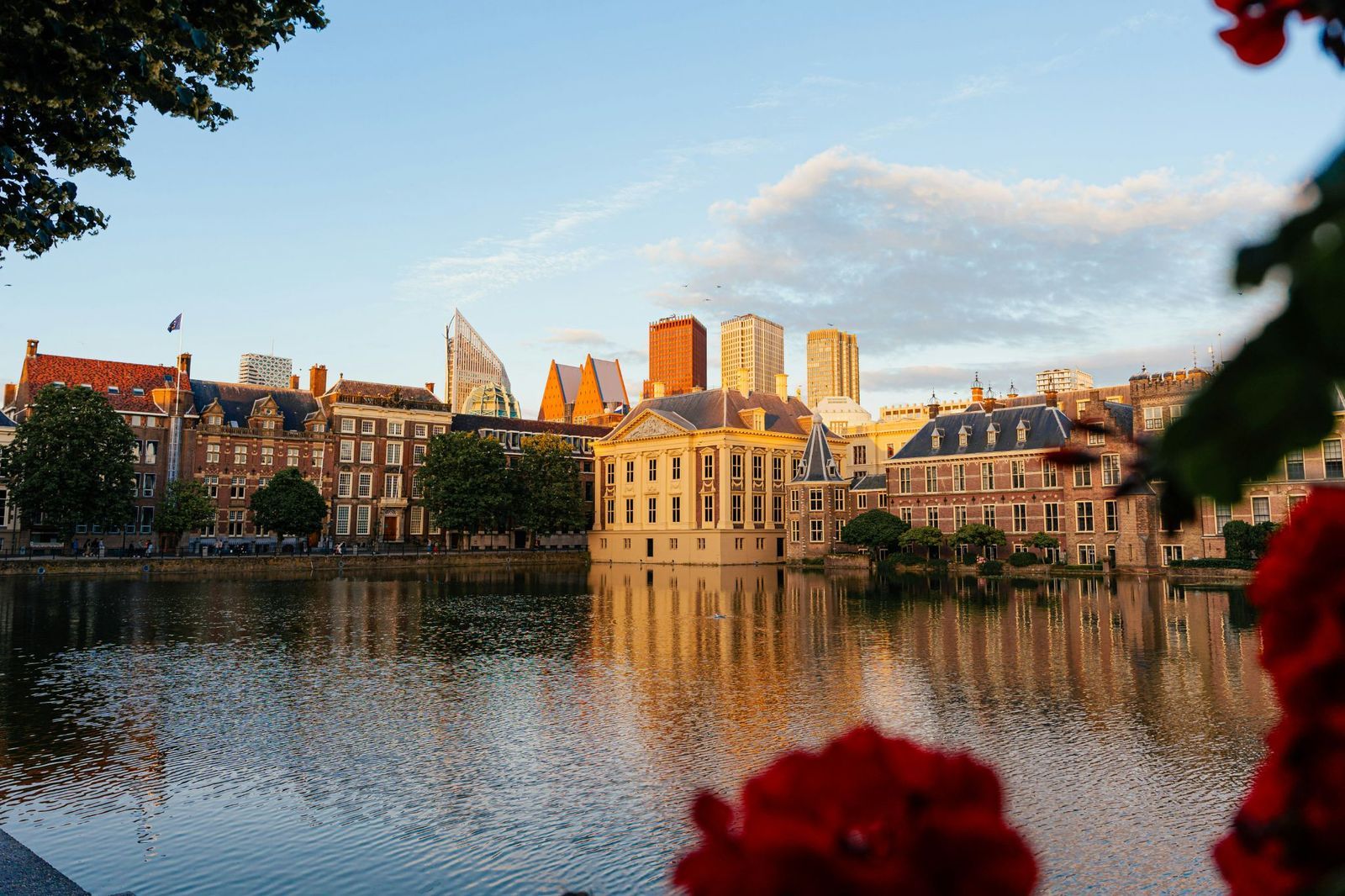
Technically, Amsterdam is the Netherlands’ capital and its most well-known city, so why is it included on this list? Because it is one of two capitals, and undoubtedly the most well-known of the two. The other is its political and administrative capital, The Hague, which is the seat of the International Court of Justice.
It’s not your imagination: Airplane legroom has shrunk, and here's why
 General
Perks we miss
From blankets to free drinks: Remember when airlines used to do that?
Remember when flying felt different? A hot meal arrived without asking, there was enough legroom to stretch out, a pillow and blanket were always waiting at your seat, and you flipped through the in-flight magazine while sipping a complimentary drink. It was not luxury back then; it was just how flying used to be. Over the years, many of those little comforts quietly disappeared, replaced by fees and upgrades. From free checked bags to seat selection, here are 10 airline perks many travelers miss the most.
Free checked bags
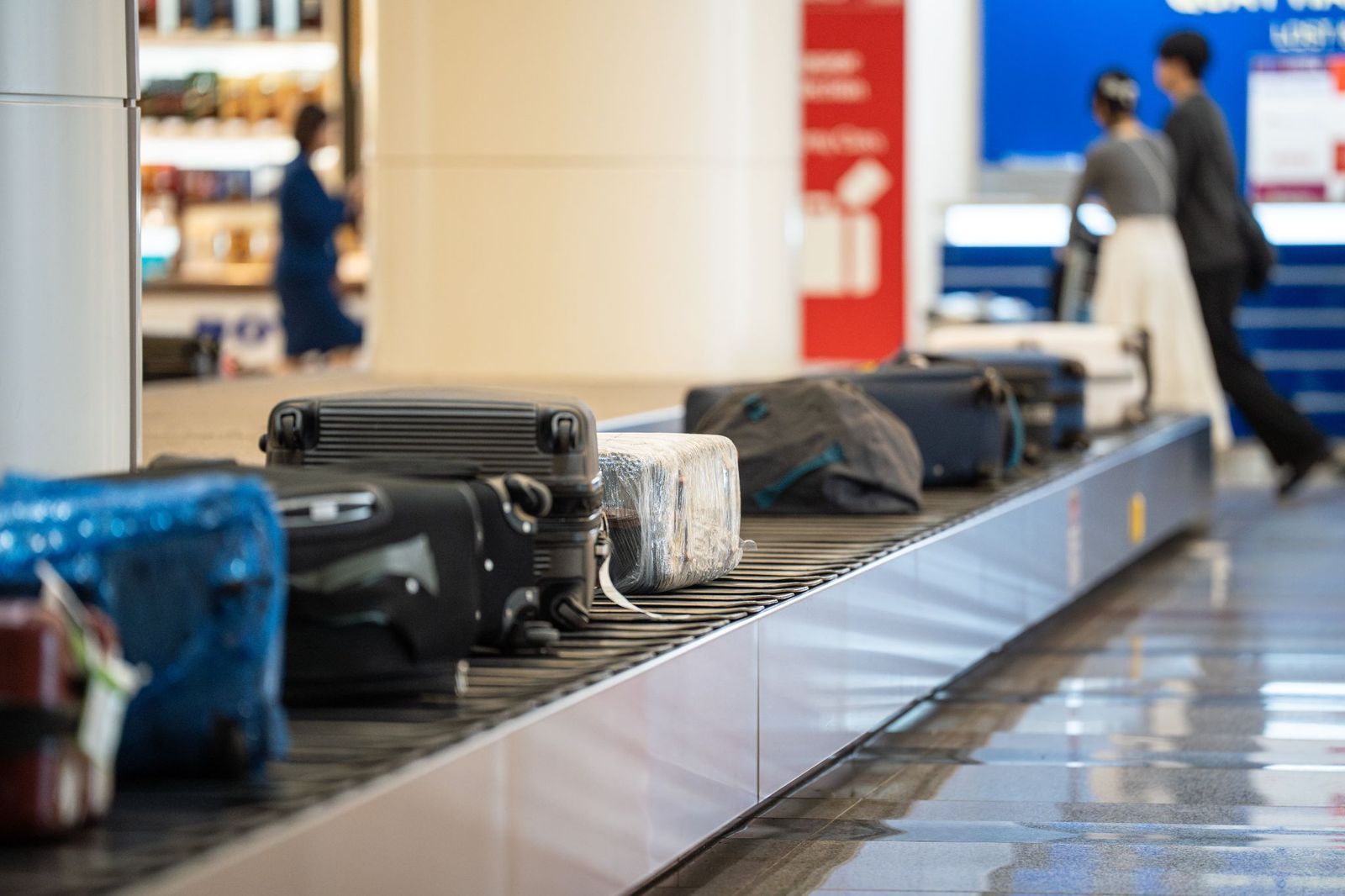
There was a time when booking a flight was just simpler. You called the airline or stopped by its office, bought your ticket, picked your seat, and you were ready to go. While today's online booking has made travel faster and more practical, a few familiar perks have quietly disappeared along the way.
One of the biggest changes has been checked baggage. For decades, bringing a suitcase was simply part of the ticket price. As long as it met the airline's weight limit, you packed what you needed and checked it without a second thought. Today, on many flights, a free checked bag is no longer included with standard economy fares, and travelers often pay an additional fee. Fortunately, most airlines still include at least one carry-on bag at no extra charge on standard economy tickets.
Complimentary in-flight meals
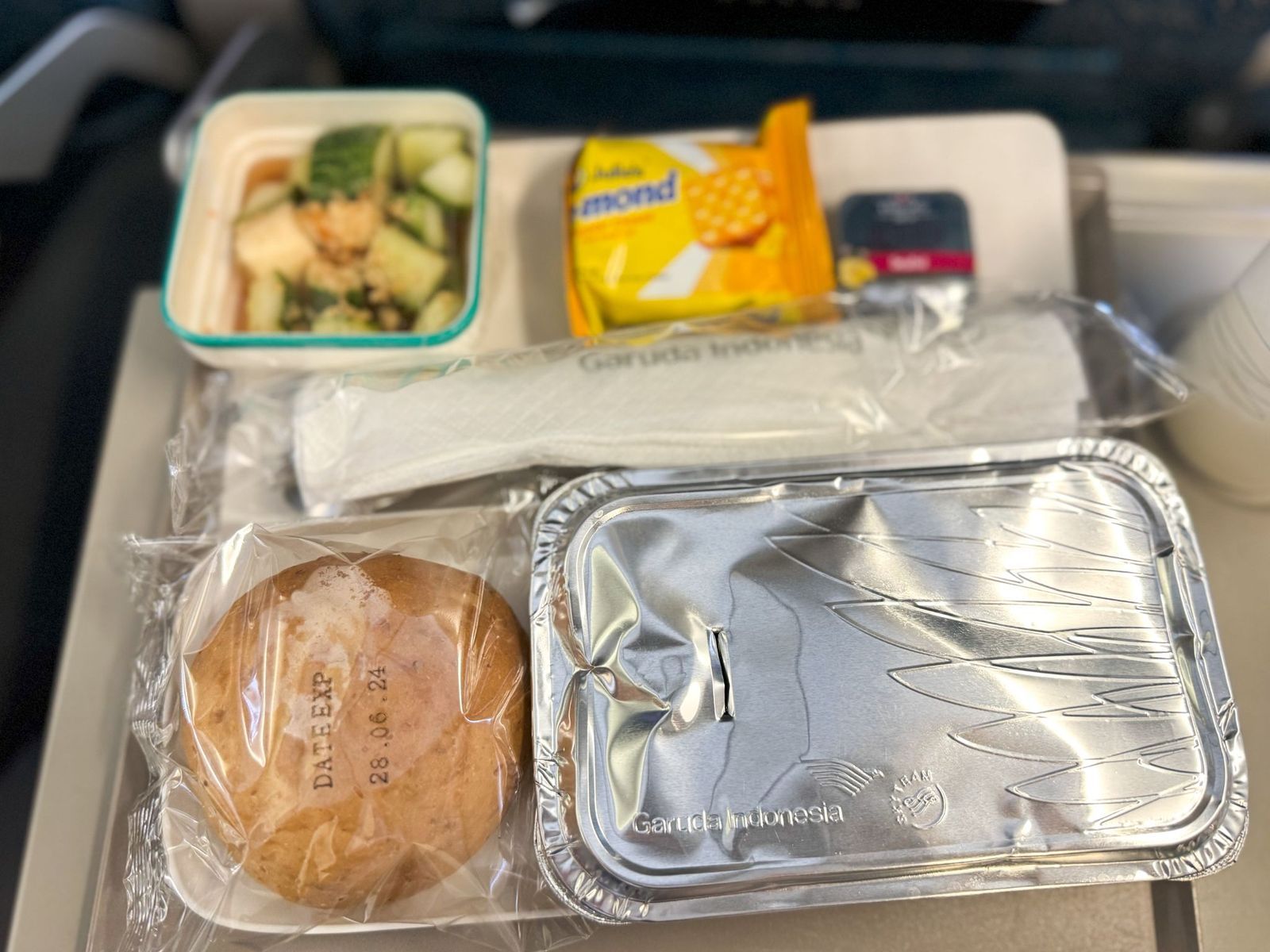
Remember peeling back the foil from a hot meal, even on a short flight? Back then, stepping onto almost any airplane felt like the vacation had already begun.
Hot meals are still standard on most long-haul international flights and in premium cabins, but they've largely disappeared from domestic and short-haul economy flights. Much of that change traces back to the Airline Deregulation Act of 1978, signed by President Jimmy Carter. The law ended federal control over fares and routes, allowing airlines to compete freely. Instead of competing by offering more onboard extras, many carriers focused on lowering ticket prices. Over time, complimentary hot meals became one of the first perks to fade from most economy flights.
Plenty of legroom
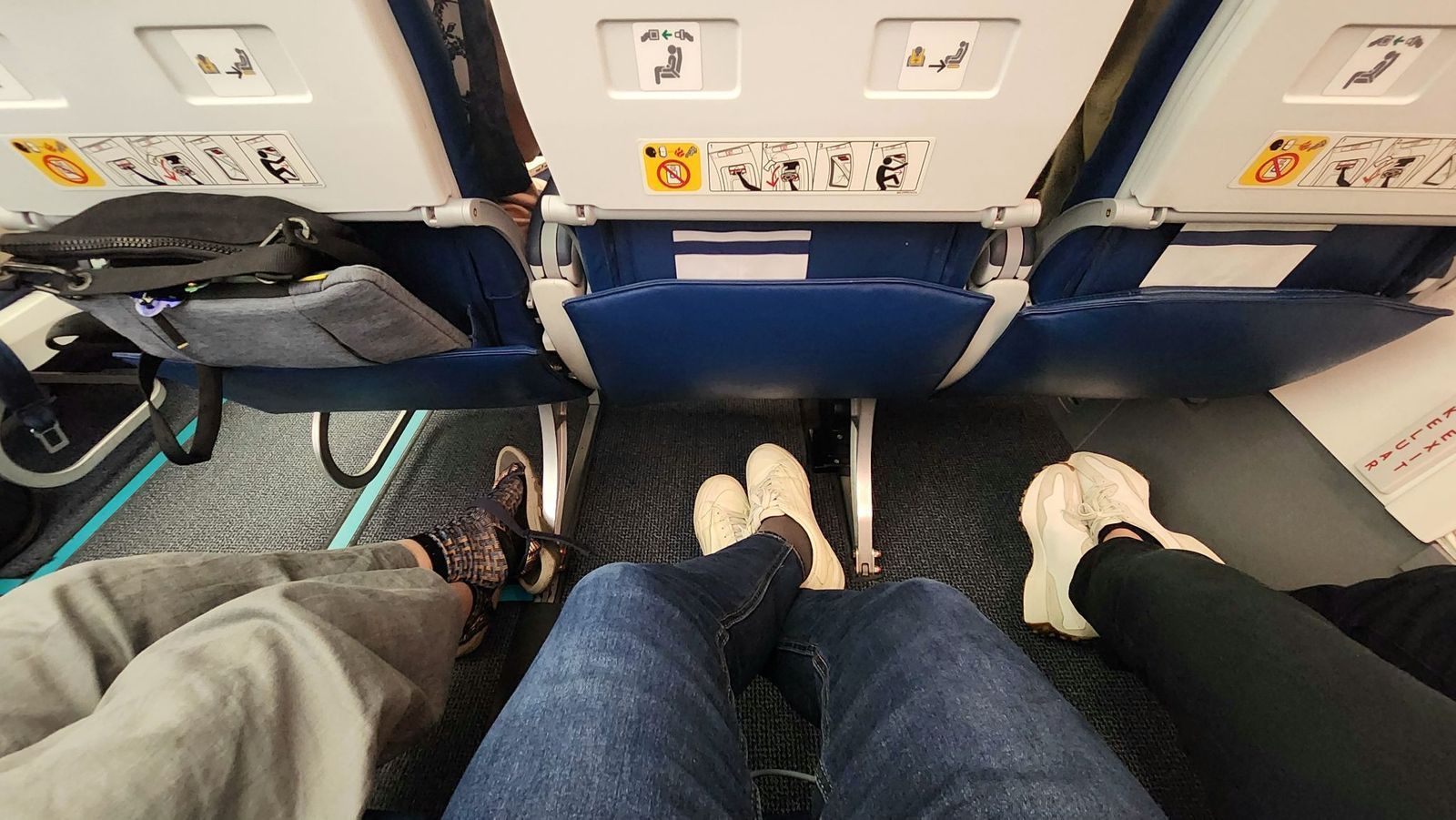
Have you ever settled into your seat and wondered, "Were airplanes always this cramped?" Well, as it turns out, they weren't.
Over the years, standard economy seats have steadily lost legroom. In the 1970s, the typical economy seat offered about 35 inches of seat pitch (the distance between one seat and the seat in front of it). Today, that space is usually around 30–31 inches on major US airlines, and on some low-cost carriers, it can be as little as 28 inches. While those few inches may not sound like much, they make a big difference on a long flight. The change followed airline deregulation in 1978, when carriers shifted their focus from offering the most comfortable experience to presenting the lowest fares, and one of the easiest ways to keep prices down was to fit more seats onto each airplane.
Free alcoholic drinks
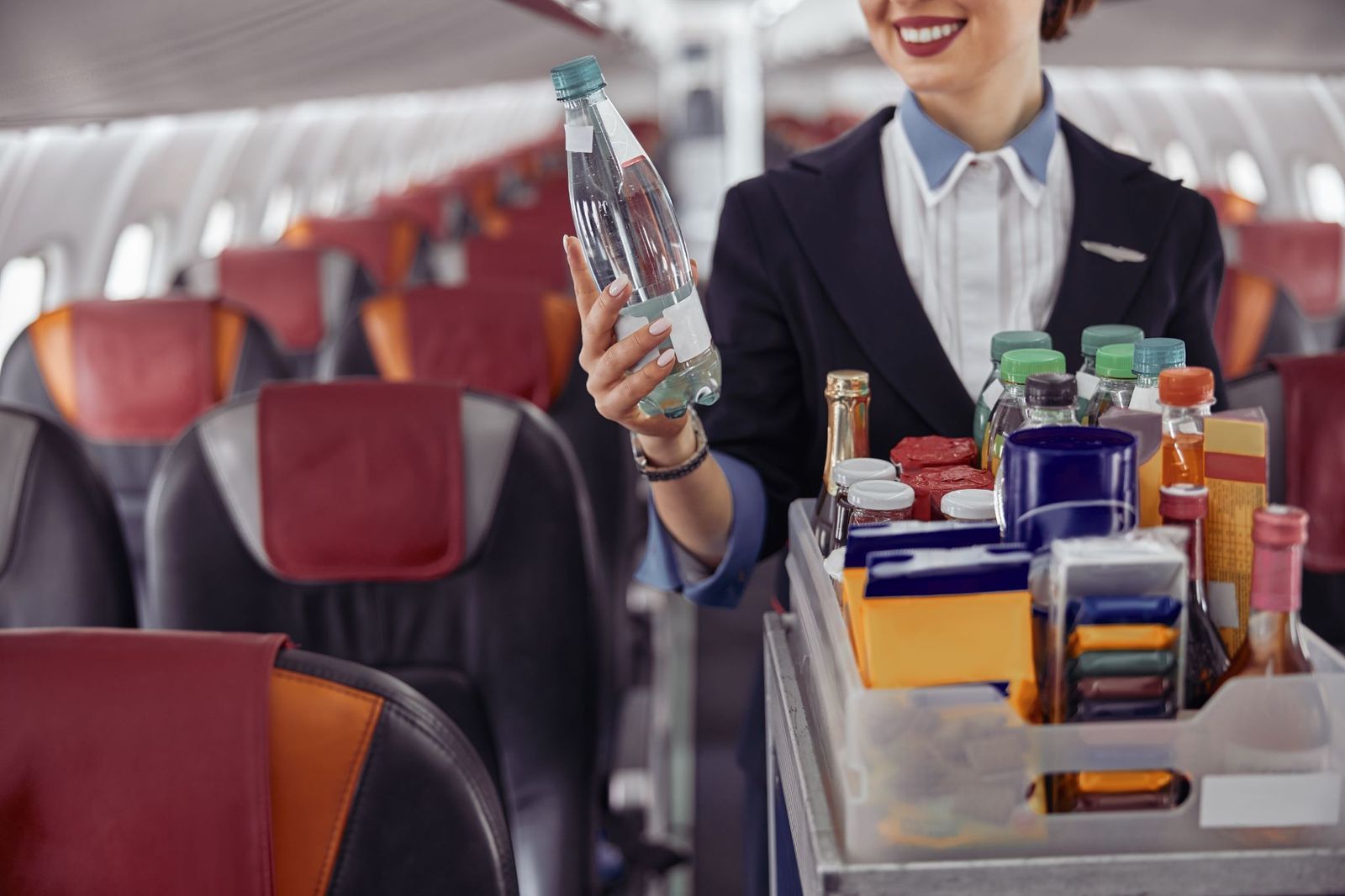
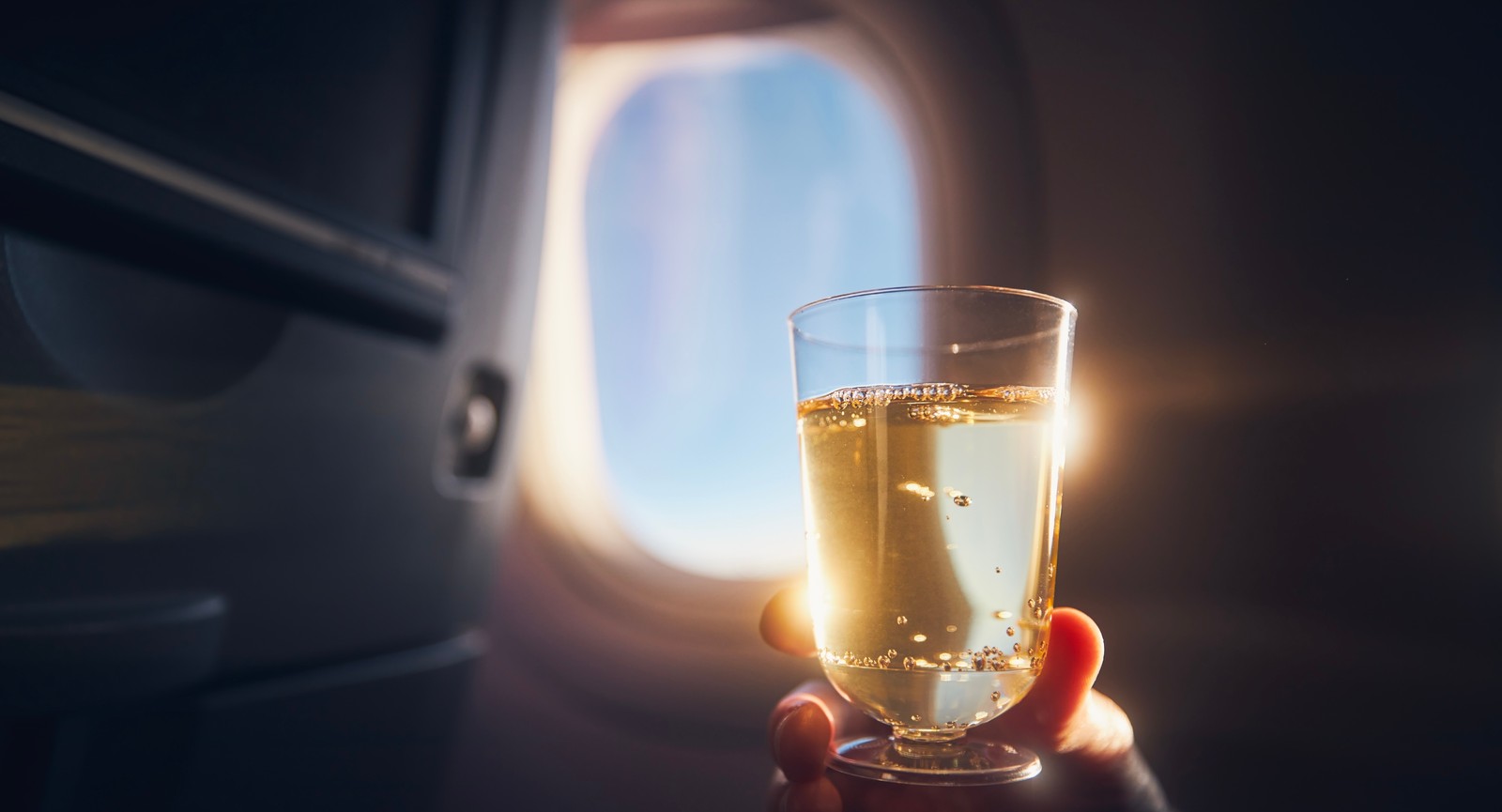
In past decades, ordering a cocktail, a beer, or a glass of wine on a flight, even a short one, was a really common part of the experience.
Today, complimentary alcoholic drinks have largely disappeared from economy class on domestic and short-haul flights, remaining mostly a business, first-class, or long-haul international perk. Cost-cutting and the rise of à la carte pricing definitely played a role, but they aren't the whole story. Airlines have also tightened alcohol service in response to a growing number of in-flight incidents involving intoxicated passengers, from disruptive behavior to confrontations with flight crews. Together, those changes have turned what was once a routine travel tradition into a luxury treat.
Blankets and pillows
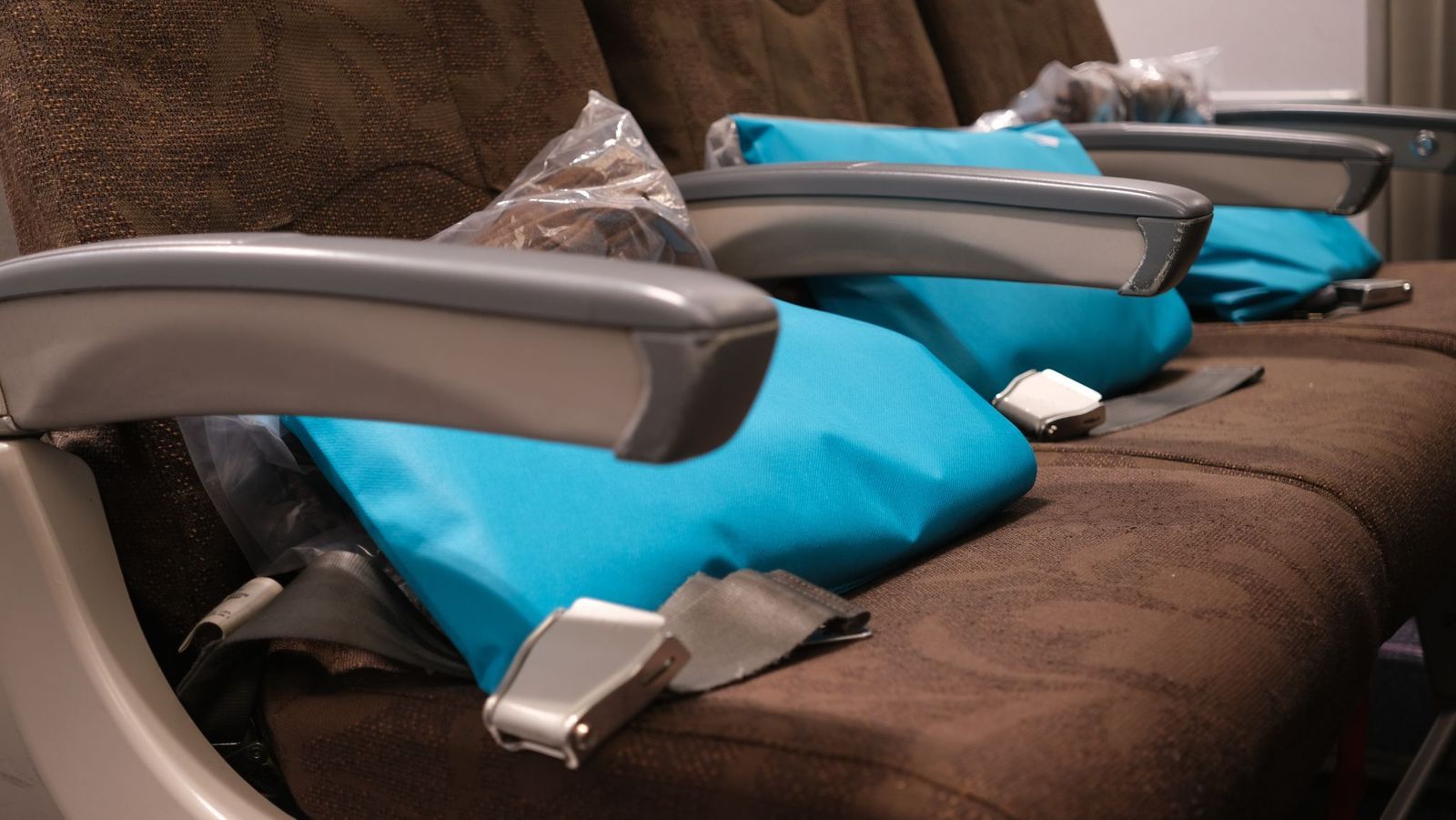
There was something reassuring about settling into your seat after takeoff, wrapping yourself in that classic airline blanket, and leaning back on the little pillow waiting for you.
For much of the second half of the 20th century, complimentary pillows and wool or fleece blankets were standard on nearly every flight, regardless of class. But today, they're largely reserved for long-haul international routes and premium cabins. As airlines came under greater financial pressure in the 2000s, many began trimming onboard extras to reduce costs and aircraft weight. In addition, concerns about hygiene during outbreaks such as H1N1 accelerated this change, making the practice of collecting, laundering, and redistributing blankets and pillows on short flights even less convenient.
Free seat selection
Booking your favorite seat was simply part of buying a plane ticket. Whether you preferred the window, the aisle, or a spot near the front, you picked your seat without paying an extra dime.
That began to change in the mid-to-late 2000s, when soaring fuel prices and the global financial crisis forced airlines to find new ways to generate revenue while keeping advertised fares competitive. At the same time, the rapid growth of low-cost carriers showed that many travelers were willing to trade a few conveniences for a cheaper ticket. Airlines soon realized that charging extra for popular seats, such as window, aisle, and exit-row seats, was a simple way to boost income without increasing the base fare.
In-flight magazines
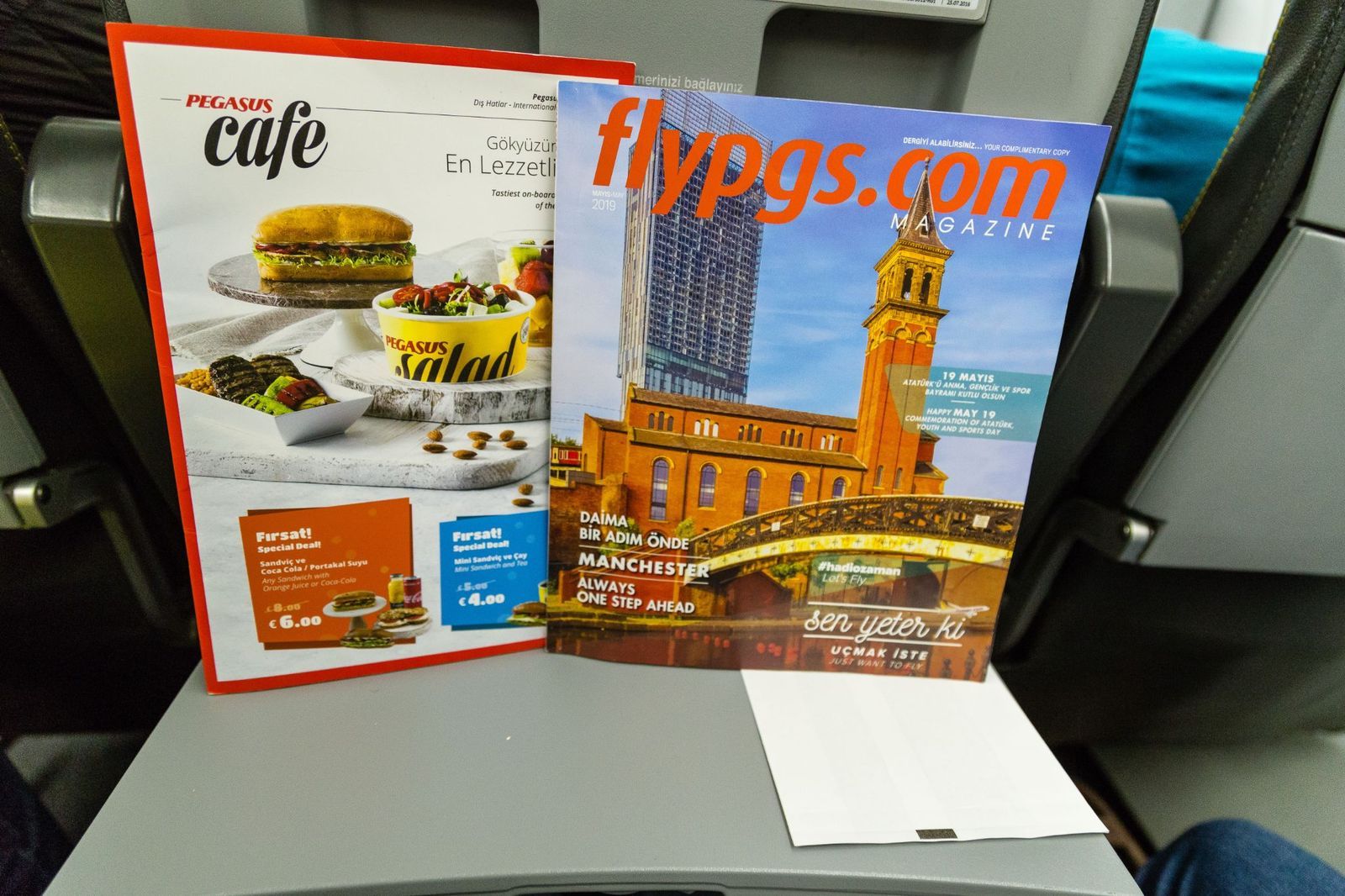
If you flew in the past decades, you probably remember reaching into the seatback pocket and flipping through the in-flight magazine before takeoff.
The tradition began in 1952, when Pan American World Airways introduced the first in-flight magazine, Clipper Travel. Before long, airline magazines became a familiar sight, filled with travel stories, destination guides, and advertisements that generated valuable revenue for airlines. But then technology changed everything. As smartphones, tablets, laptops, onboard Wi-Fi, and seatback entertainment became commonplace, fewer passengers picked up the magazine. Airlines also discovered that removing thousands of printed copies reduced aircraft weight, helping save fuel. Thus, what was once a standard part of every flight, regardless of class, has now become a rare find.
Listening to the cockpit radio
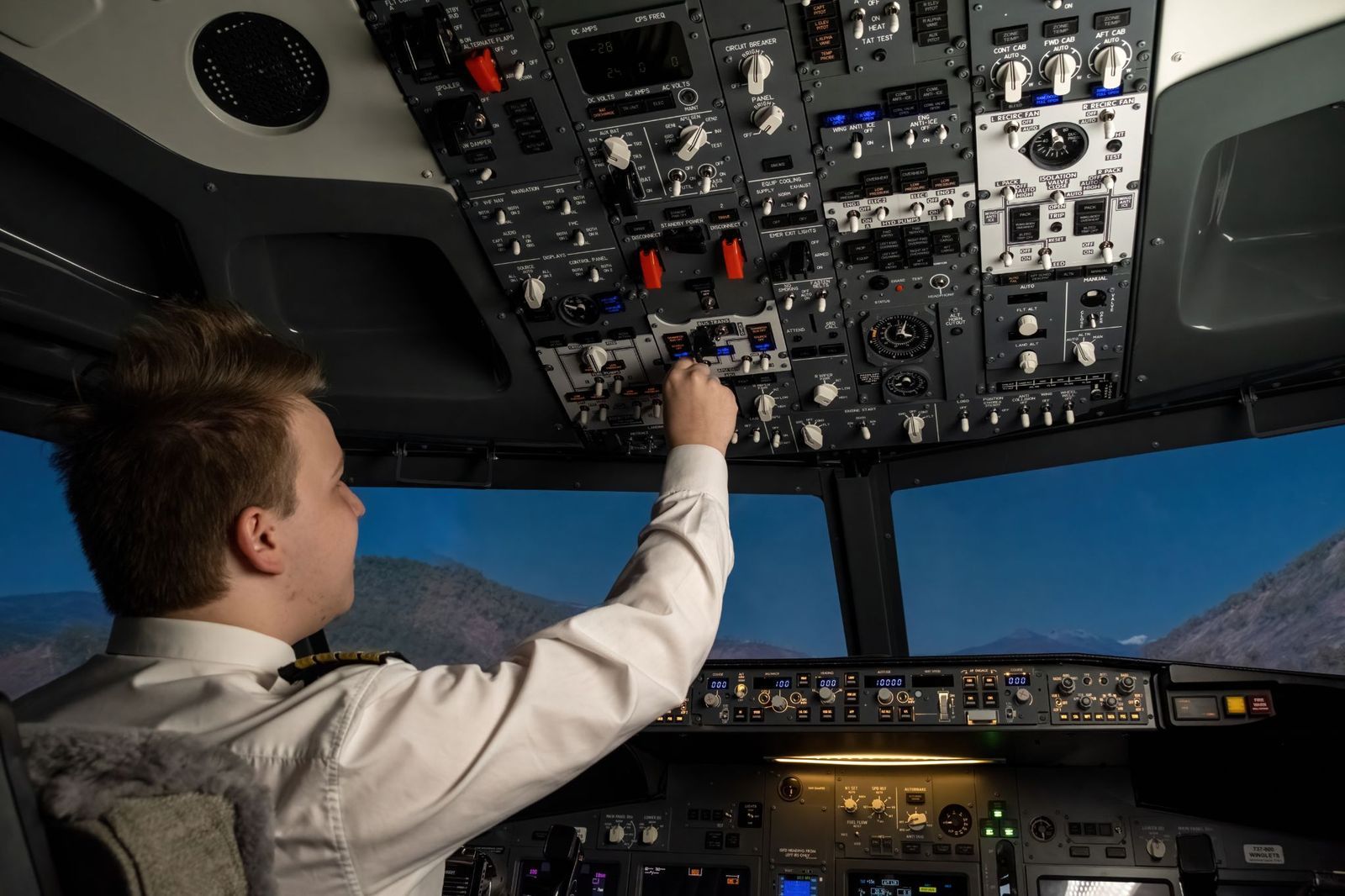
Today, listening to what pilots are saying or discussing during a flight sounds almost impossible, but a couple of years ago, passengers could hear the conversation happening in the cockpit.
For decades, airlines such as United Airlines offered an in-flight feature known as Channel 9 (later renamed "From the Flight Deck"), which allowed passengers to listen live to air traffic control (ATC) communications between their pilots and ground controllers. For aviation fans, it was a fascinating behind-the-scenes look at how flights operate; for nervous travelers, it could provide reassurance by hearing the calm, professional voices of the crew. Unfortunately, the feature has become increasingly rare, as many modern captains choose to keep it turned off.
Economy amenity kits
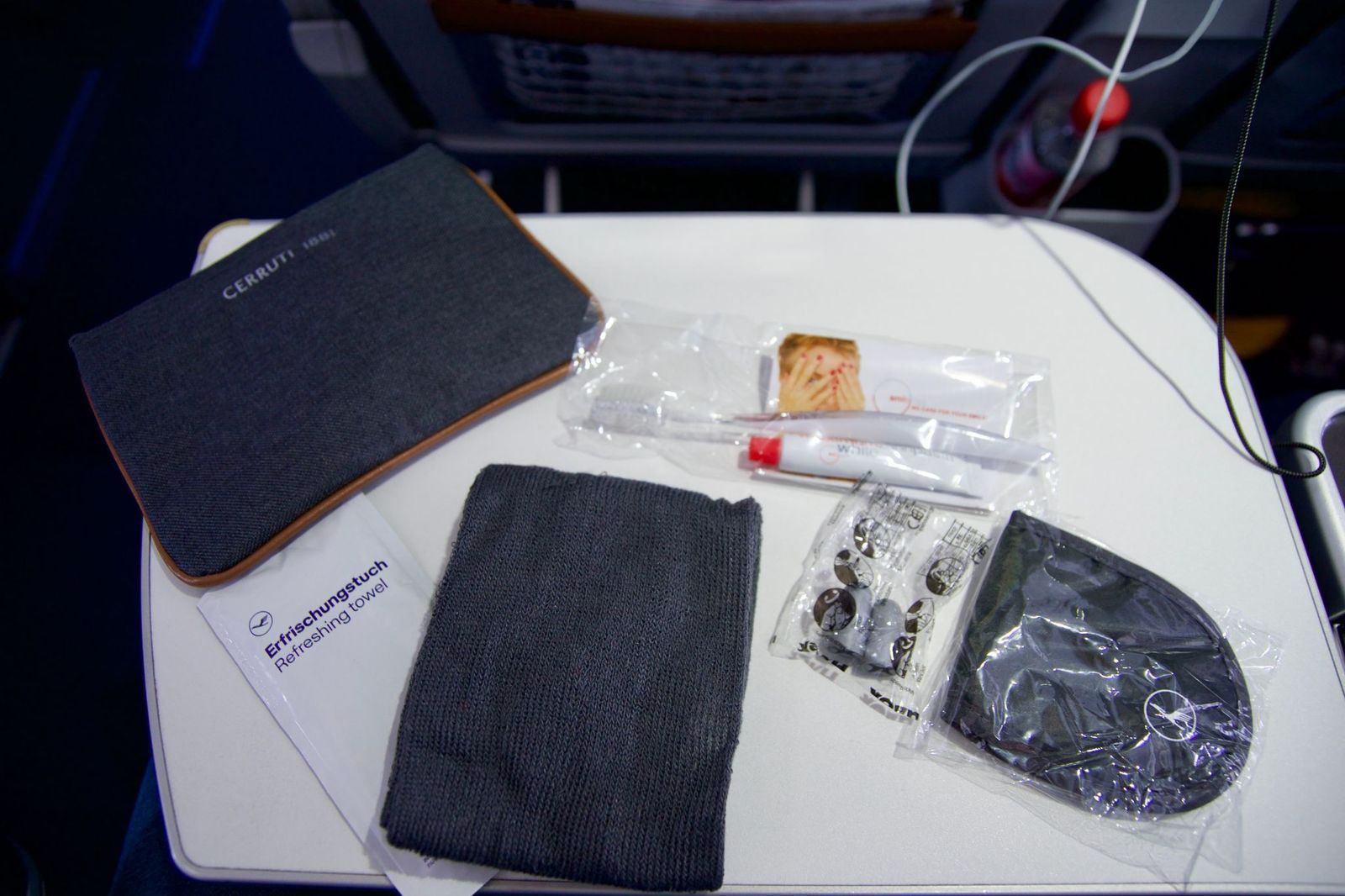
During the early years of commercial aviation, airlines offered small comforts to make flying easier. From the 1930s through the 1950s, passengers received simple items like cotton balls and chewing gum to help with noisy, unpressurized cabins. As air travel became more popular, those gestures evolved into more elaborate amenity kits, including combs, toothbrushes, and razors packaged in branded pouches.
The biggest change came in the 1980s, when deregulation and rising competition pushed airlines to cut costs. Amenity kits gradually became a premium-cabin perk rather than a standard feature. Environmental concerns also played a role, as millions of single-use plastic items created significant waste. Today, many airlines keep basics like toothbrushes, toothpaste, and eye masks available upon request instead of placing a kit at every seat.
A mile earned for a mile flown
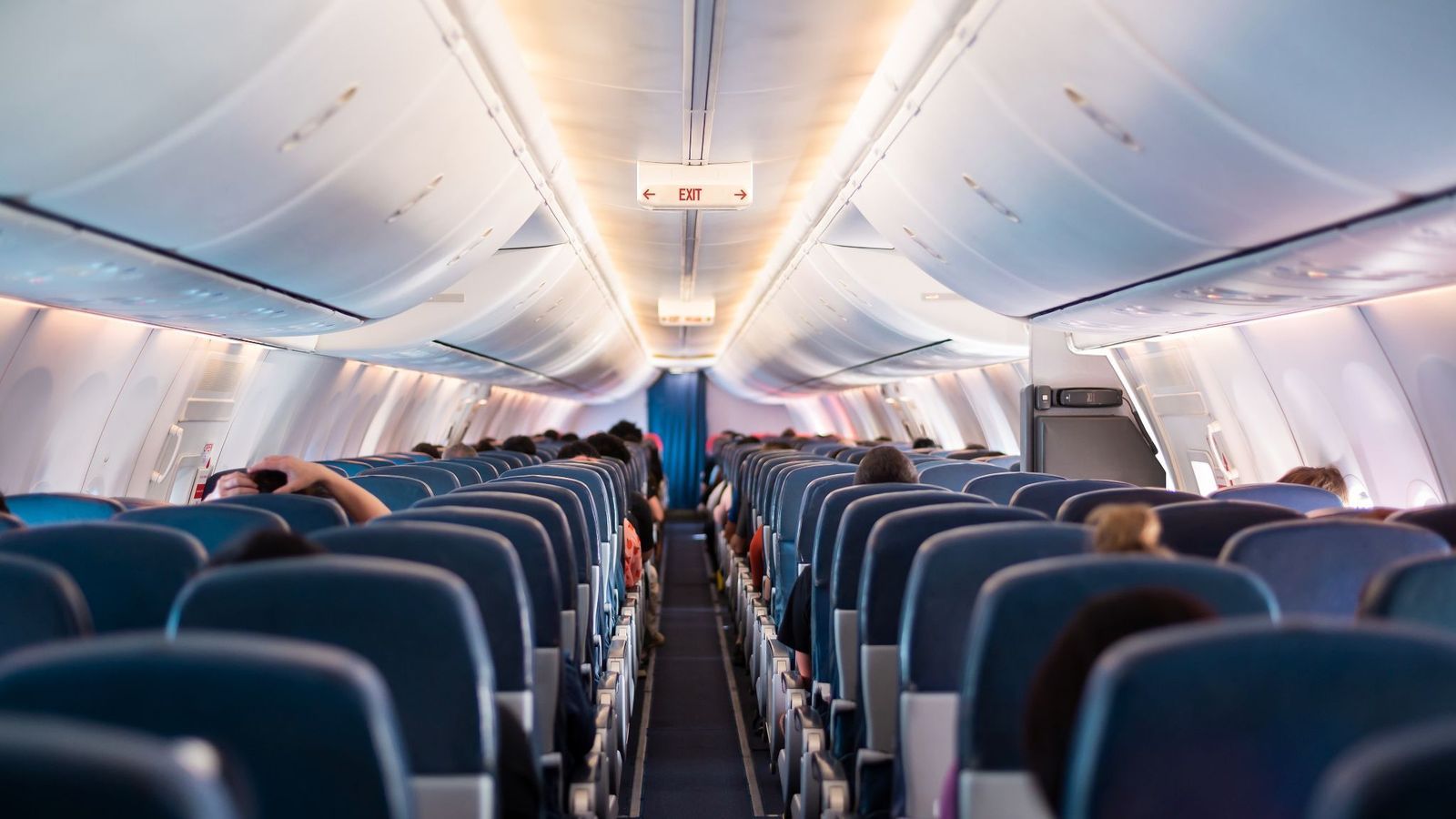
Not long ago, every mile you flew brought you one mile closer to your next vacation. No matter which ticket you bought, every trip helped build your frequent-flyer balance.
Today, that has changed. While traditional mileage earning still exists on many fares, the Basic Economy tickets on several major US airlines earn few miles, or none at all. Over the past decades, airlines have shifted many loyalty programs away from rewarding distance flown and toward rewarding dollars spent. The goal is to encourage travelers to book higher fares and to reward their biggest spenders and co-branded credit cardholders. For many longtime travelers, it marked the end of the simple rule they grew up with: the farther you flew, the more you earned.
Keep wandering
There’s always
more to explore
These towns look fake, but they're real: Too pretty to be true
3 min.
Read Now
 Geography

A fan of seaside vacations? Here are 10 seas to choose from
4 min.
Read Now

Your feet do what!? No one tells you what outer space does to your body
6 min.
Read Now

This highway crosses 42 bridges over open water
7 min.
Read Now