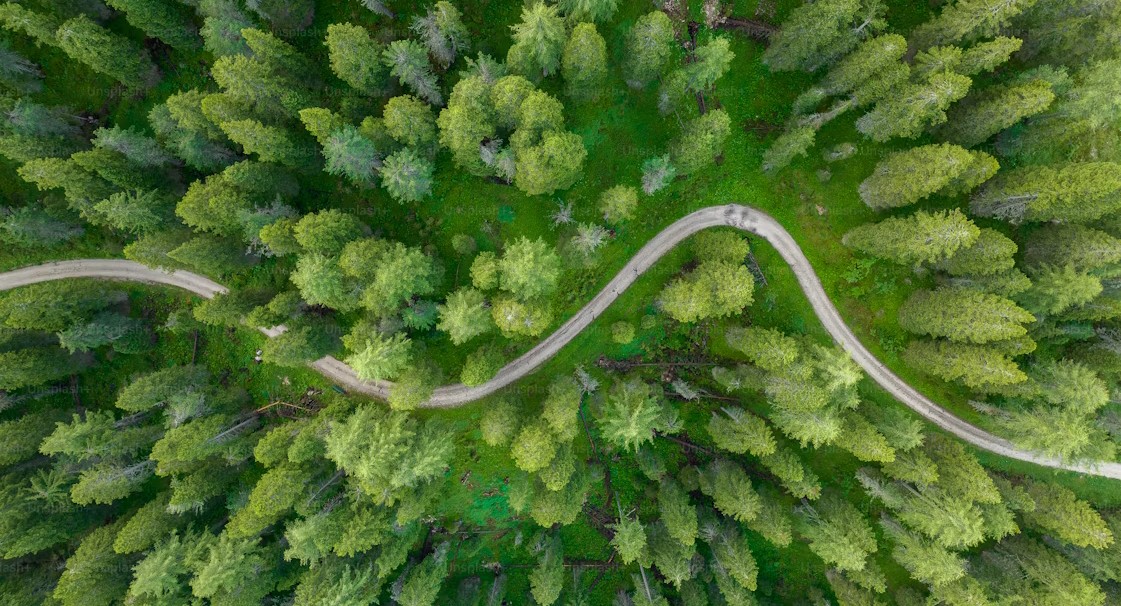
This highway crosses 42 bridges over open water
 Geography
Worth the drive
This highway crosses 42 bridges over open water
A road can be much more than a way to get somewhere. Some take you through mountains and along dramatic coastlines, while others cross deserts or link places that once seemed worlds apart. From America’s legendary Route 66 to the ancient Silk Road, these are the routes that turned the journey itself into an unforgettable part of the adventure.
Route 66 (USA)
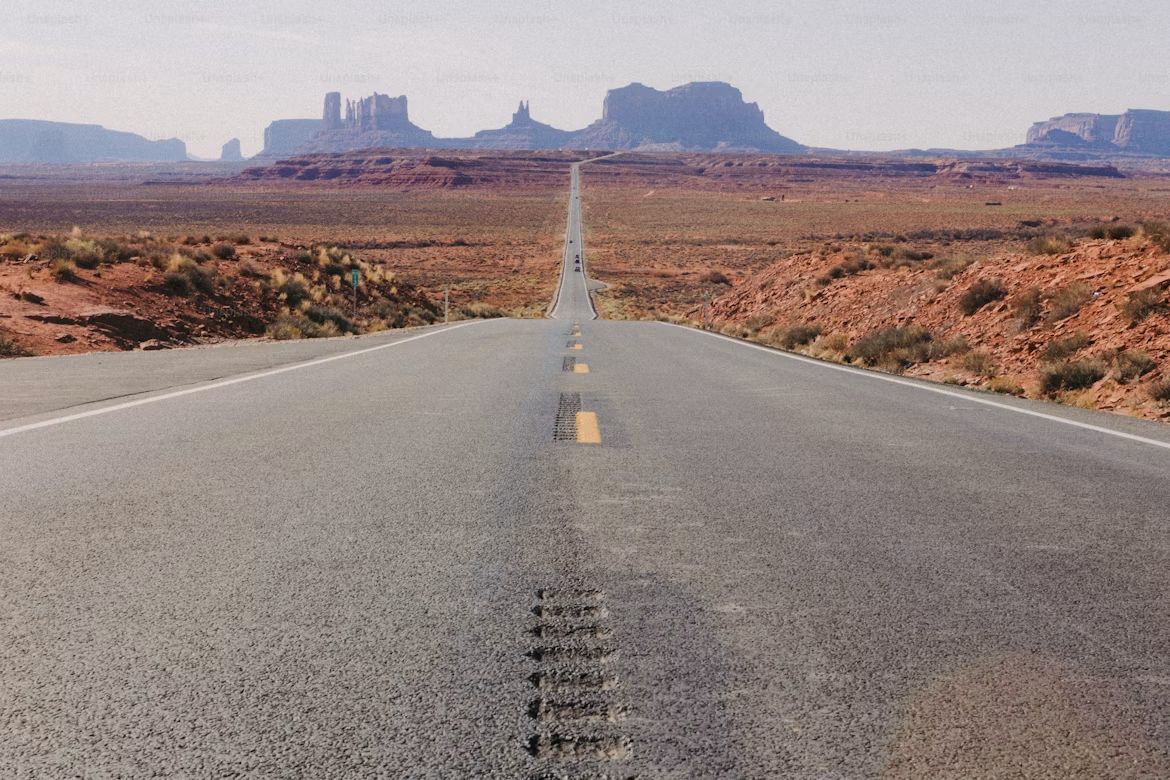
Few roads are as closely tied to the American road trip as Route 66. Created in 1926, the original highway stretched about 2,400 miles from Chicago, Illinois, to Santa Monica, California, crossing eight states on its way west. The route passed through farmland, small towns, the Great Plains and the deserts of the Southwest, with stops such as the Painted Desert and Petrified Forest along the way.
Route 66 became famous not just for where it went, but for what it represented: freedom, mobility and the romance of the open road. Its diners, gas stations, motels, and roadside attractions became part of American popular culture. The highway was officially decommissioned in 1985, but many original sections and historic businesses remain, keeping the "Mother Road" alive for modern road-trippers.
The Pacific Coast Highway (California, USA)
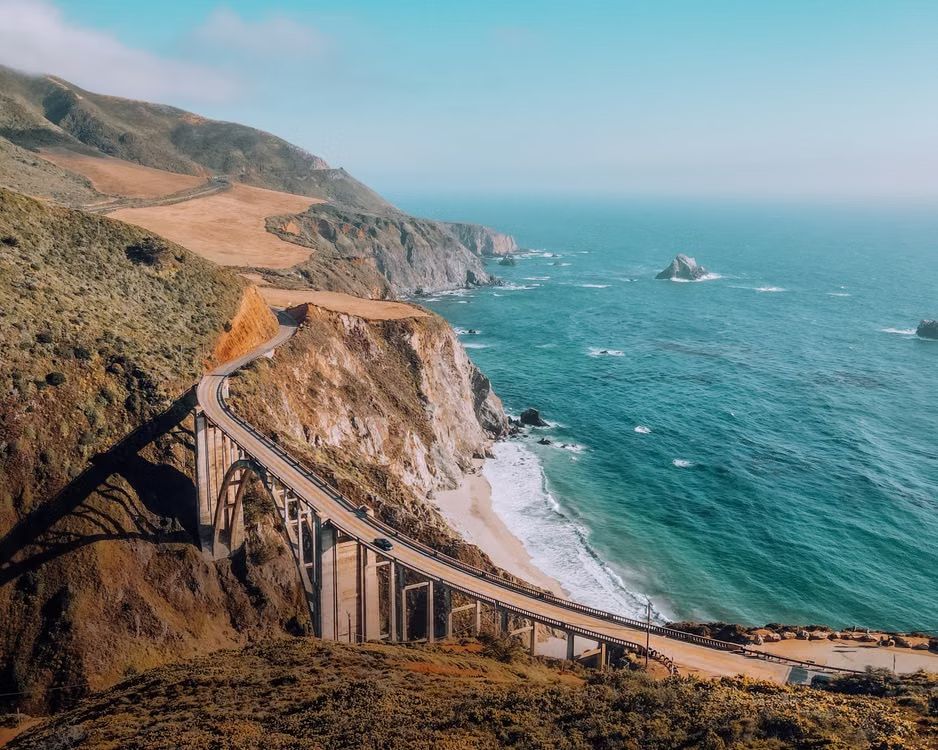
California's Highway 1 follows the Pacific coastline from Dana Point in Orange County north to Leggett in Mendocino County. Along the way, it passes through some of the state's most recognizable coastal landscapes, including Big Sur, dramatic cliffs, beaches, and forested stretches.
The road is famous for the feeling of driving with the Pacific almost constantly in view. Around Big Sur, steep cliffs meet the ocean, while towns such as Monterey and Carmel-by-the-Sea add history, restaurants, and places to stop along the way. More than a practical route, Highway 1 has become one of California's defining scenic drives, and one of the classic American road trips.
The Amalfi Coast Road (Italy)
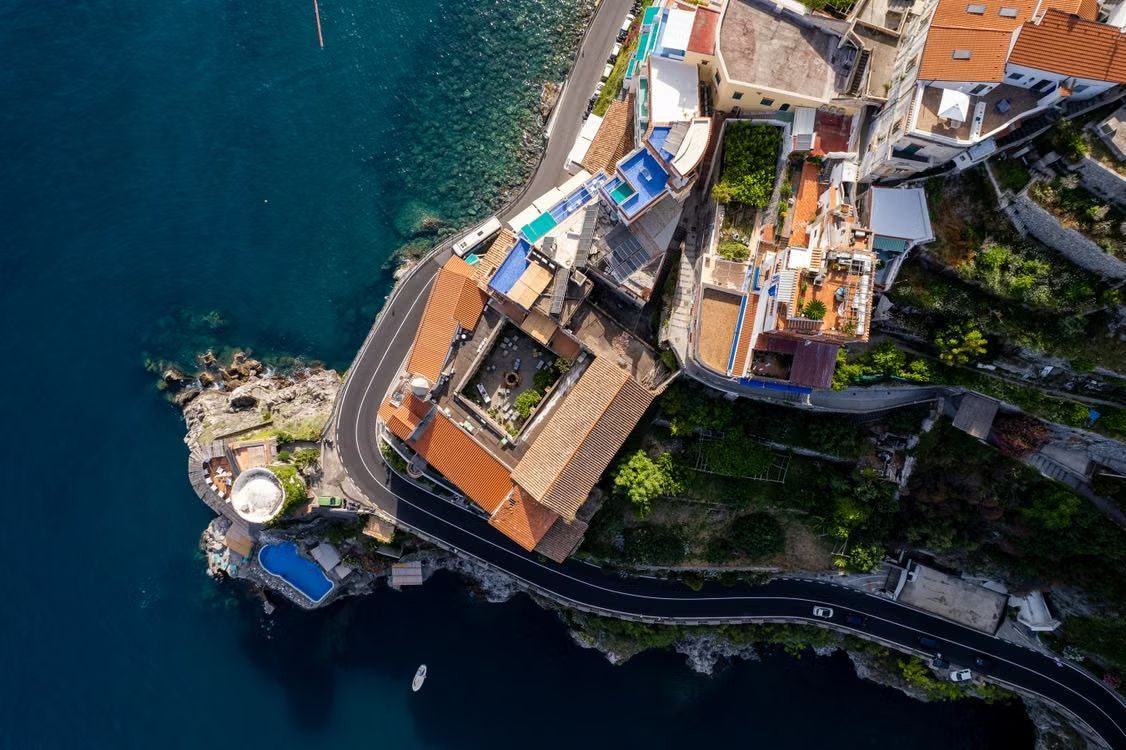
On Italy's southern coast, the SS 163 winds along the steep slopes of the Amalfi Coast between Vietri sul Mare and Positano. The roughly 25-mile road passes through or near famous towns including Cetara, Maiori, Amalfi, and Praiano, with the Mediterranean often visible far below. Around every hairpin turn, there are new views of pastel-colored houses, green hills, and the sea.
Beautiful as it is, the drive can be a challenge. The road is narrow and winding, with sharp curves, buses and scooters sharing the route, making the journey as memorable as the scenery. Its dramatic setting, cliffside towns, and constant views over the Mediterranean have made it one of Italy's most famous coastal roads.
The Great Ocean Road (Australia)
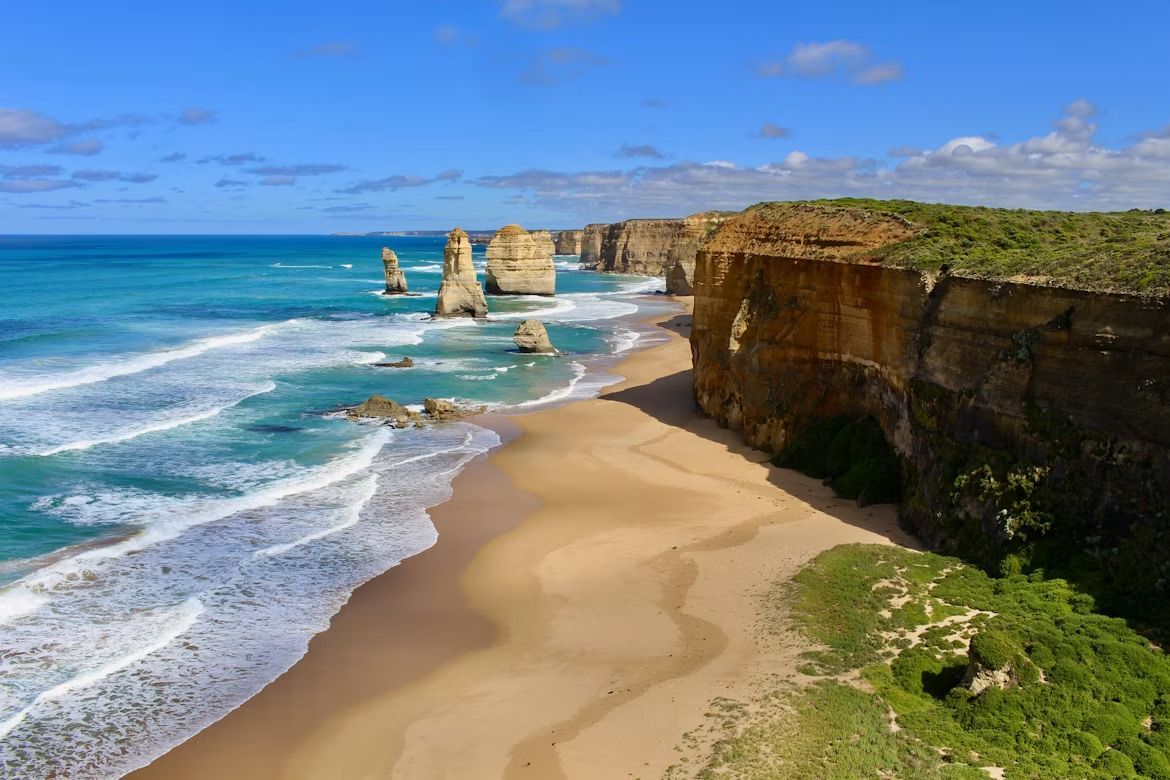
Australia's Great Ocean Road runs for about 151 miles along the coast of Victoria, beginning in the surf town of Torquay and ending at Allansford near Warrnambool. The route follows beaches, cliffs and forested landscapes, with some of the country's best-known coastal scenery along the way.
One of its biggest highlights is the Twelve Apostles, a collection of limestone stacks rising dramatically from the Southern Ocean. But the road has another story worth knowing: it was built between 1919 and 1932 by more than 3,000 returned servicemen as a memorial to those who served in World War I, which makes the Great Ocean Road not only a scenic drive but Australia's largest war memorial.
The Ring Road (Iceland)
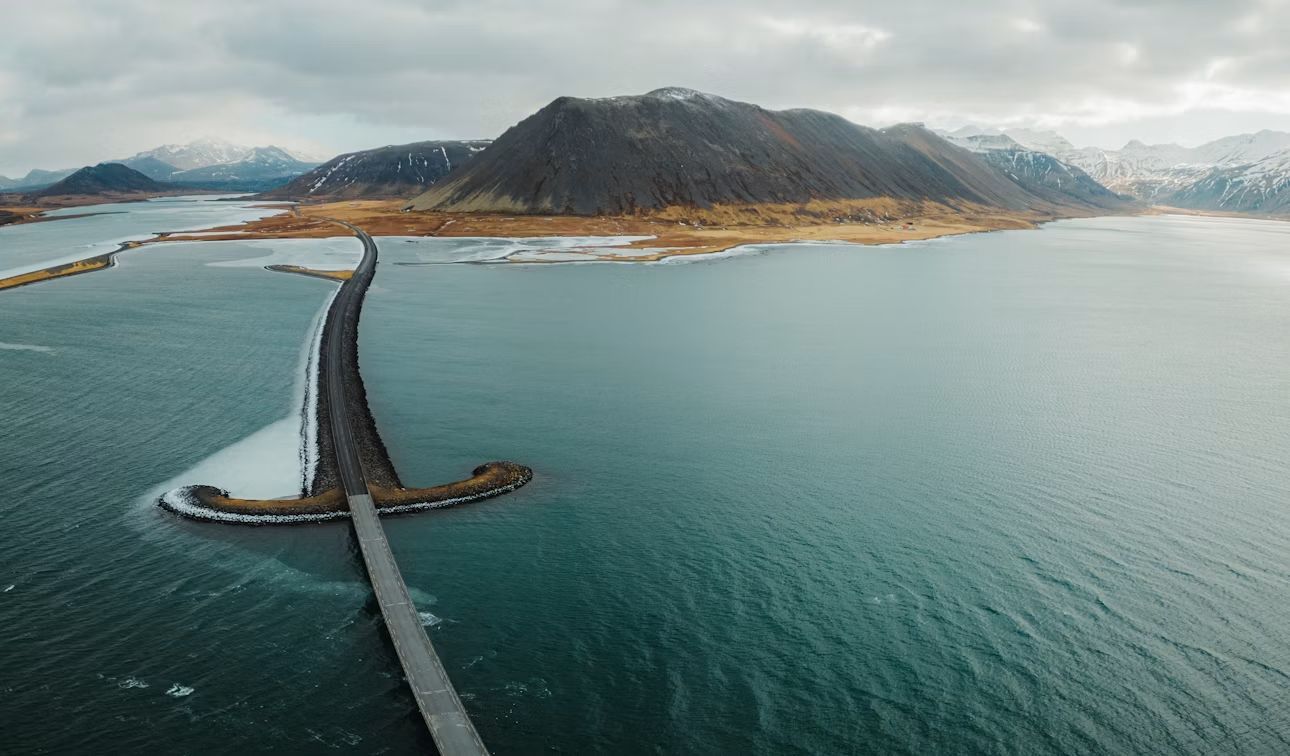
Iceland's Route 1, better known as the Ring Road, forms a giant loop around most of the island. The road is about 827 miles long and connects many of Iceland's main communities, including Reykjavík, Akureyri and Höfn. Because it’s a loop, there is no traditional beginning or ending point; travelers can join it at several places around the country.
What makes the route special is the extraordinary variety packed into one journey. Depending on the section, drivers can encounter waterfalls, black-sand beaches, glaciers, volcanic landscapes, fjords, and geothermal areas. It’s one of the easiest ways to experience Iceland's changing scenery without following a single out-and-back route, which is why it has become a classic road trip for visitors.
The Garden Route (South Africa)
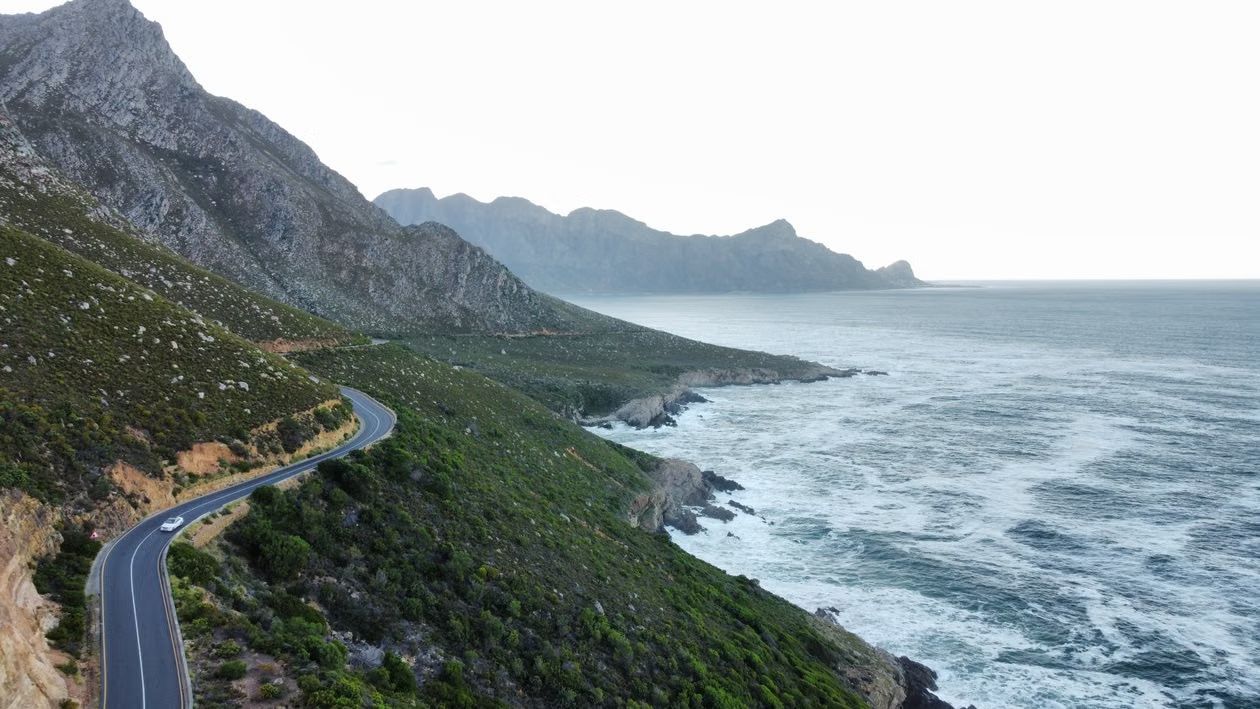
South Africa's Garden Route runs along the southern coast from Mossel Bay in the Western Cape to Storms River in the Eastern Cape. The route covers roughly 185 miles, with the Indian Ocean on one side and the Outeniqua and Tsitsikamma mountains on the other. Along the way, travelers encounter beaches, cliffs, lakes, rivers, and coastal towns such as Knysna and Plettenberg Bay.
The region is known for its remarkable plant life, including fynbos, a diverse vegetation type with thousands of plant species, many found nowhere else. Wildlife ranges from colorful birds and monkeys to marine life along the coast, while parts of the area are protected within the Garden Route Biosphere Reserve. Its combination of scenery, wildlife, and easy-to-drive roads has made it a popular road-trip destination.
The Stelvio Pass (Italy)
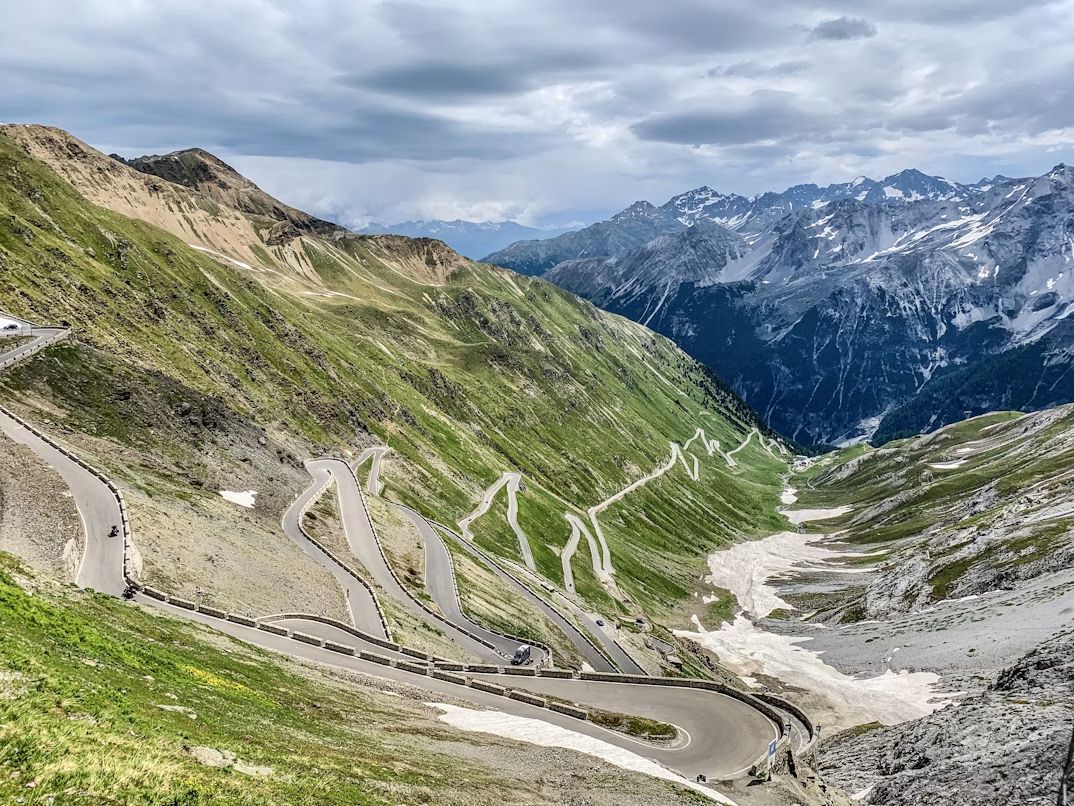
High in the Italian Alps, the Stelvio Pass rises to 9,055 feet above sea level, making it Italy's highest paved mountain pass. The road connects the Valtellina valley with Val Venosta and is famous for its remarkable series of 88 hairpin bends.
The drive is as much about the road as it is about the scenery. From the lower valleys, the route climbs dramatically toward the pass, with mountain peaks and alpine landscapes surrounding the winding pavement. Cyclists have also made Stelvio legendary, thanks in part to its demanding climbs and appearance in major cycling events. Today, it attracts drivers, cyclists and travelers simply looking for one of Europe's most memorable mountain roads.
The Overseas Highway (Florida Keys, USA)
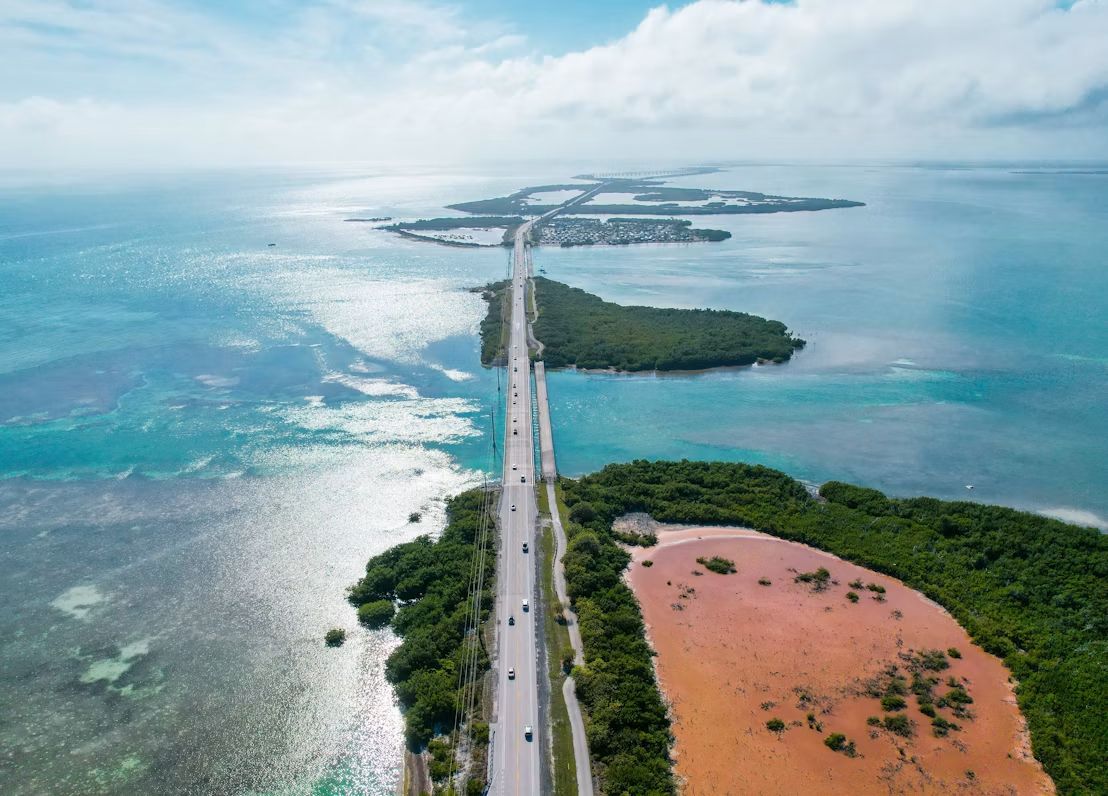
South of mainland Florida, U.S. Highway 1 turns into the Overseas Highway, a 113-mile route linking the Florida Keys from Key Largo to Key West. The road crosses 42 bridges over open water, creating the unmistakable sensation of driving across the sea.
One of the most famous stretches is the Seven Mile Bridge, which connects Knight's Key near Marathon with Little Duck Key. Along the way, travelers pass through Key Largo, Islamorada, Marathon, and the Lower Keys before reaching Key West. The route is famous for turning a drive between islands into the main attraction, with tropical water and open skies surrounding the road for much of the journey.
The Karakoram Highway (Pakistan and China)
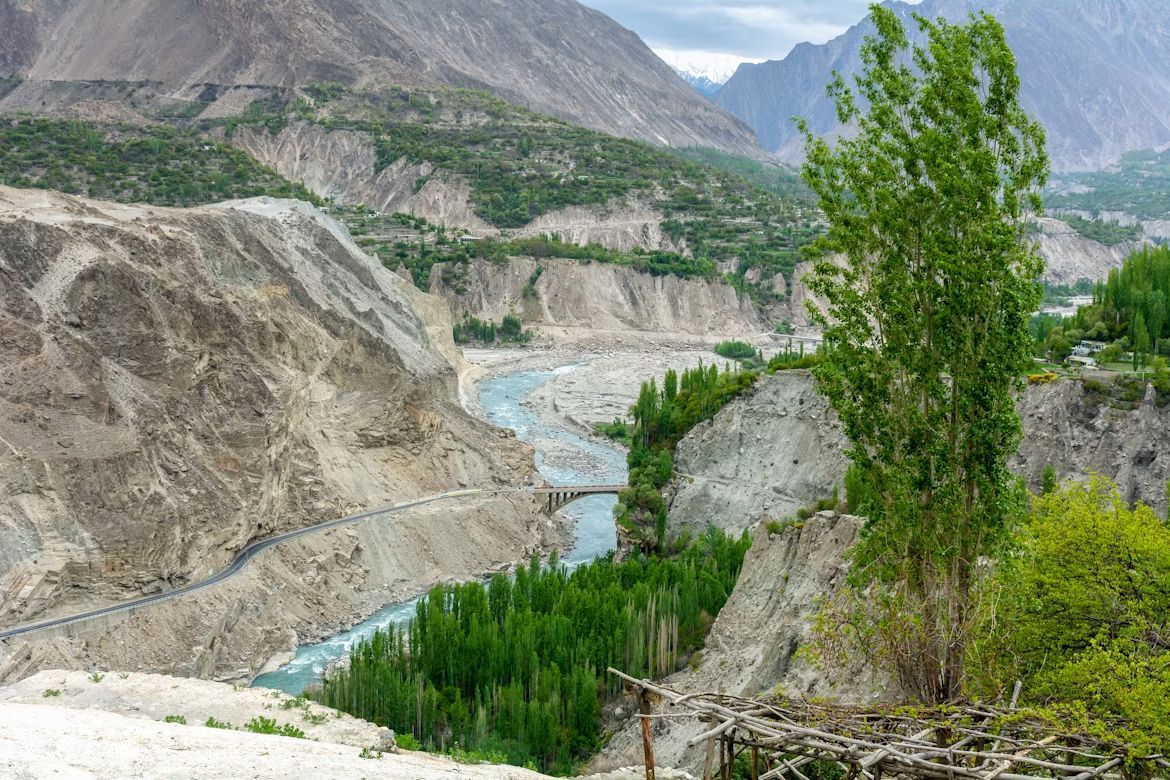
The Karakoram Highway connects Pakistan and China, stretching about 810 miles through some of the world's highest mountain terrain. It crosses the border at Khunjerab Pass before continuing into China's Xinjiang region. At 15,466 feet above sea level, Khunjerab Pass is the highway's highest point, making this the highest paved international road in the world.
Building a road through this rugged terrain took about 20 years and required cutting through some of the world's highest mountain ranges. The highway follows parts of the ancient Silk Road and passes through the Karakoram, Himalayas, and Hindu Kush, with towering peaks and deep valleys along the way. Often called the "Eighth Wonder of the World," it’s both a remarkable engineering achievement and a spectacular mountain journey.
The Transfăgărășan (Romania)
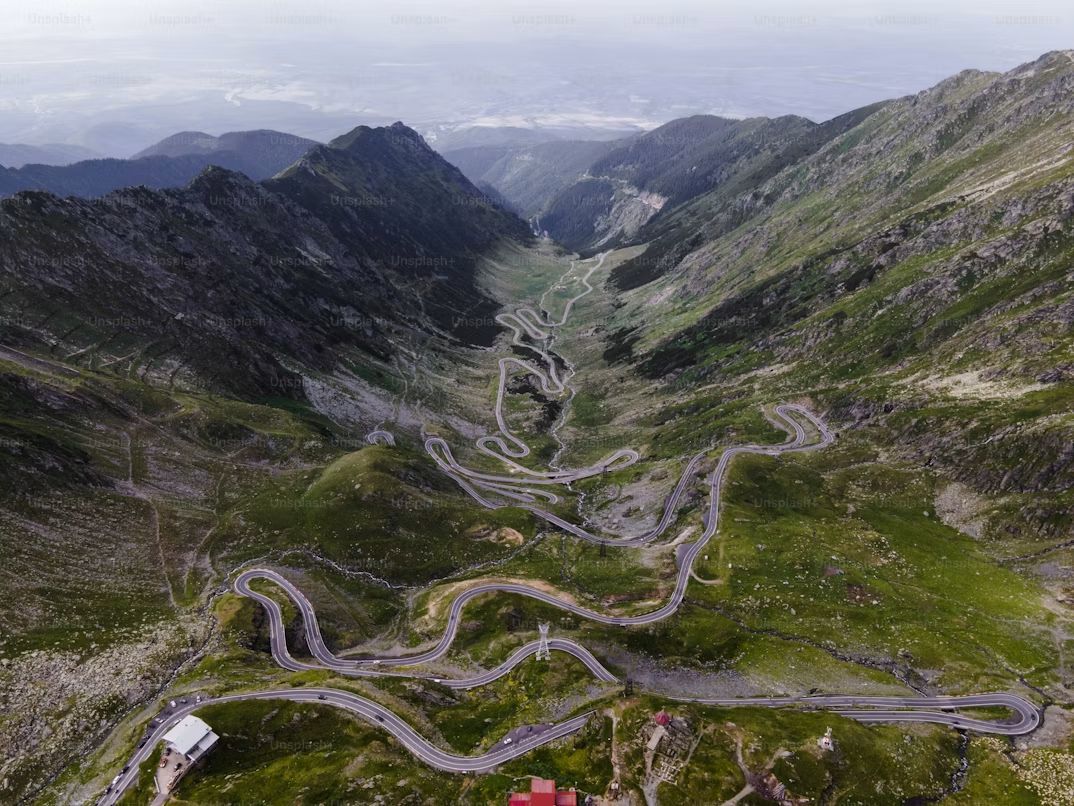
Cutting across Romania's Făgăraș Mountains, the Transfăgărășan is a spectacular mountain highway running between the area near Pitești and the Transylvanian side near Cârțișoara. The road stretches for more than 93 miles, climbing through the Carpathians with tunnels, switchbacks, and dramatic changes in elevation.
One of its standout points is Bâlea Lake, a glacial lake at about 2,034 meters above sea level. Nearby, the road reaches its highest point and passes through a landscape of alpine meadows, waterfalls, and rugged peaks. The Transfăgărășan became internationally famous after being featured on BBC's Top Gear, whose presenters praised its spectacular curves and mountain scenery.
The Atlantic Road (Norway)
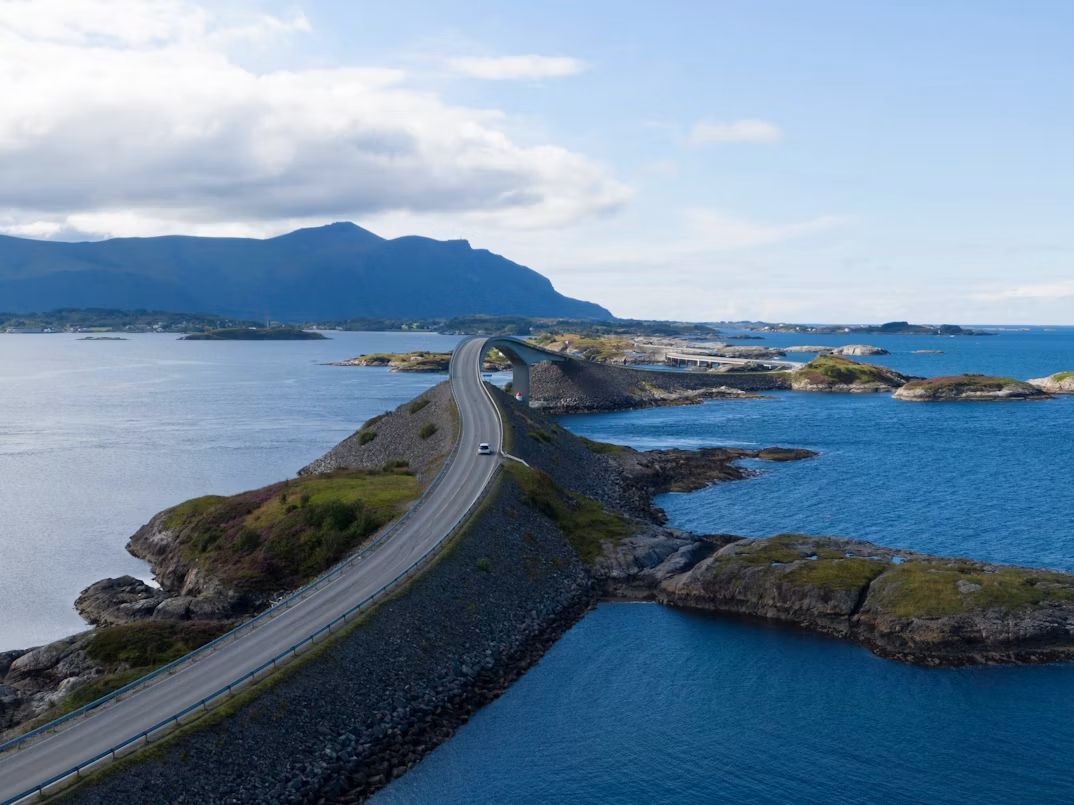
Norway's Atlantic Road is a short but unforgettable route along the country's northwest coast. The scenic stretch runs for about 22 miles from Kårvåg near Kristiansund to the fishing village of Bud, crossing a series of small islands and skerries along the way.
Its signature feature is the collection of seven bridges that leap between islands, with the ocean immediately around them. Stormy weather can make the landscape particularly dramatic, while calmer days reveal fishing villages, rocky shores and distant mountains. The road's striking combination of natural scenery and engineering has made it one of Norway's best-known scenic routes and even a filming location for productions including the 2021 James Bond film No Time to Die.
The Silk Road (Historic route through Asia)
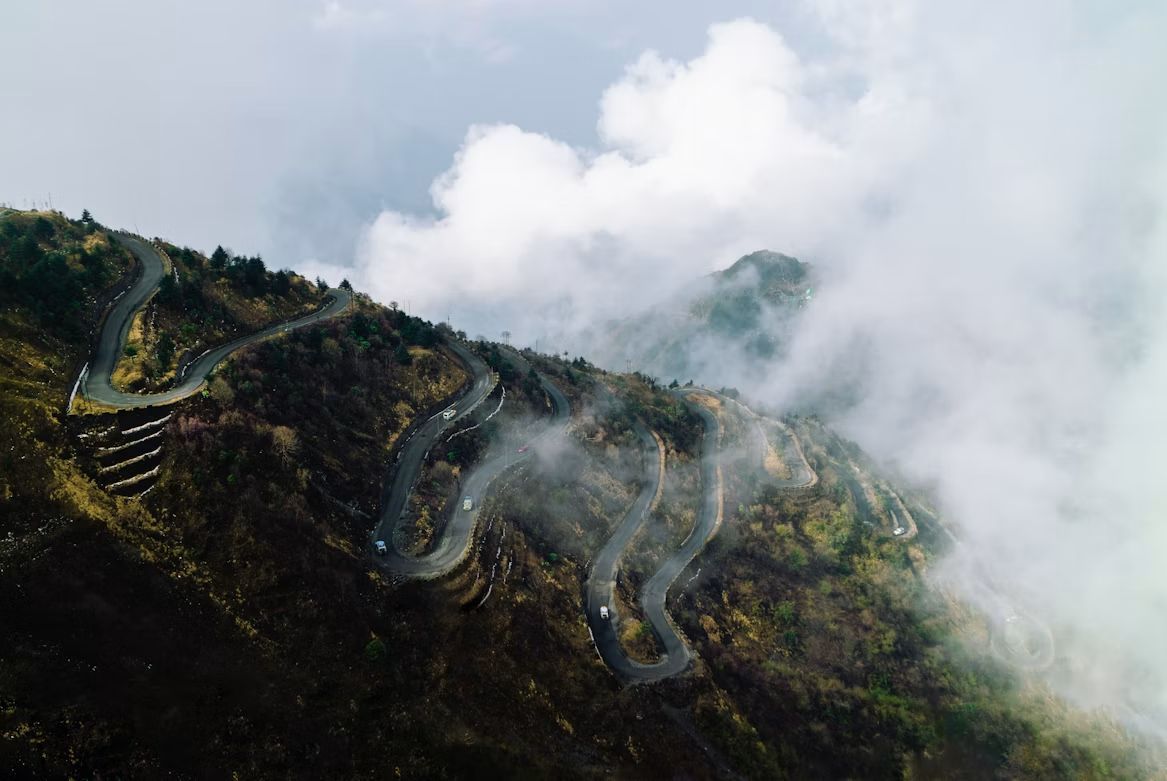
The Silk Road is not a single road but a vast network of historic trade routes that connected China with Central Asia, the Middle East and Europe. The network covered more than 21,000 miles across its various routes, with major paths stretching from eastern China through Central Asia and toward the Mediterranean. Today, the original routes survive only in sections, archaeological sites, and historic cities along their paths.
For centuries, merchants used these routes to transport silk, spices, precious goods, and other products between distant regions. But goods were not the only things that traveled: religions, languages, technologies, art, and ideas also moved along the network. Its importance comes from this enormous exchange between different cultures, which helped shape the history of Asia, the Middle East, and Europe.
Checked bag vs carry-on: What should go where?
 General
The art of packing
Are you a frequent flyer? Always pack this in your carry-on
Packing for a flight is complicated in itself, but once you factor in baggage rules, it can be a headache. Airport security regulations and airline policies might seem overwhelming, but knowing some main guidelines will make the process much less stressful. Let’s have a look at what you should keep in your hand luggage, what is not allowed, and what always has to go in your checked bag.
Keep a change of clothes with you

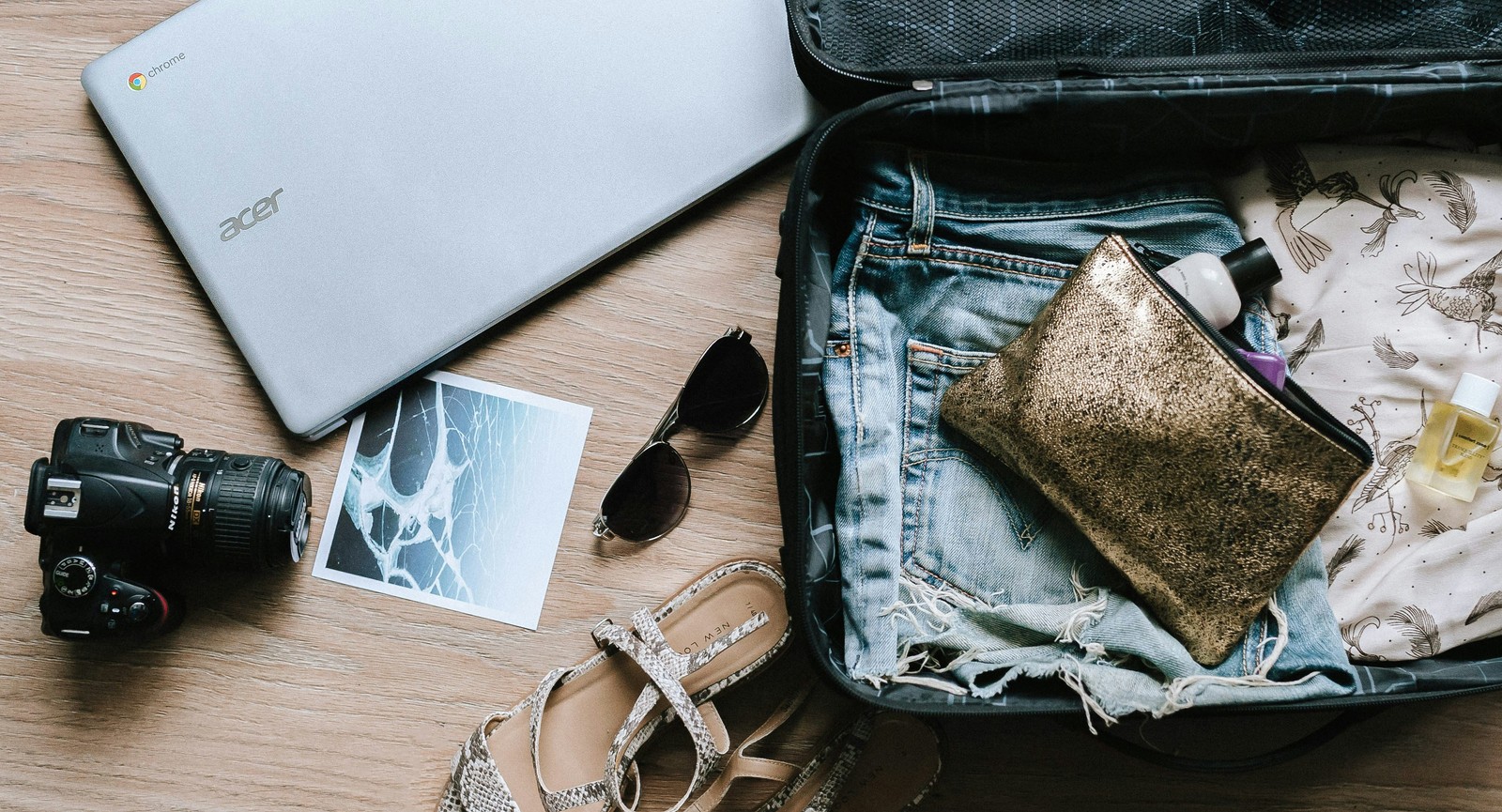
Keeping extra clothes handy might seem less important than other items in this list, but several situations warrant it. Think lost luggage, accidental spills, or a totally different weather upon arrival. It might seem a waste of space, but it can be a lifesaver.
Careful with your wallet

As a general rule, it’s always advisable to keep valuables such as money, jewelry, or electronics with you, as most airlines’ travel insurance will only cover items in your hand luggage. If you need to pack valuable objects in your checked luggage due to size or safety restrictions, make sure to check the airline’s insurance or consider getting special coverage to safeguard them.
What about liquids?

If you wish to pack liquids in your carry-on—this includes gels, creams, and permitted aerosols—, they must be packed in 3.4-ounce (or less) containers. Most airports will also require these containers to be placed inside a transparent, resealable bag. While there are no set restrictions for the amount of liquids in the checked luggage, there might be an established limit for alcoholic beverages or hazardous liquids.
Be mindful of fragile items
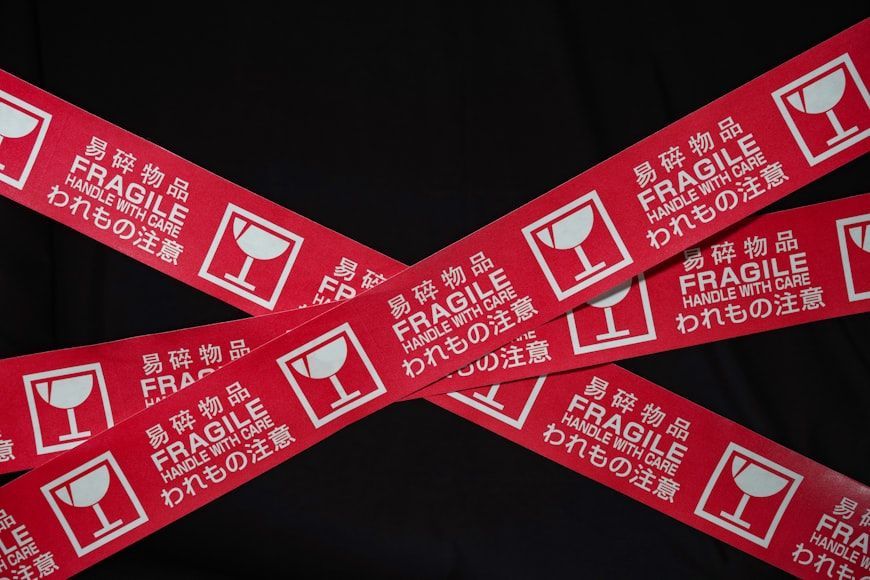
Like with valuables, it’s always better to pack fragile items, such as ceramic souvenirs or prescription glasses, in your hand luggage. However, this is not always possible due to size restrictions—imagine a work of art or a musical instrument. While you can request special stickers to be placed on the item at check-in, this won’t always guarantee the item will be safe. For extremely delicate objects, you might need to consider special shipping.
Where do toiletries go?

There are no restrictions on the toiletries you can carry in your checked luggage. However, if you want to pack toiletries in your carry-on, remember that all creams, serums, gels, pastes, and aerosols are considered liquids and will have to be packed in 3.4-ounce containers and placed in a transparent, resealable bag.
If it's personal, keep it close

Where would you keep your personal documents when travelling, if not with you? While this is obvious for IDs, passports, and other travel-related documents, it is less so for other kinds of documents. Important paperwork that is not travel-related should be treated as any other valuable item. If losing or damaging it will result in significant trouble, it should be kept with you.
Not a fan of plane food?
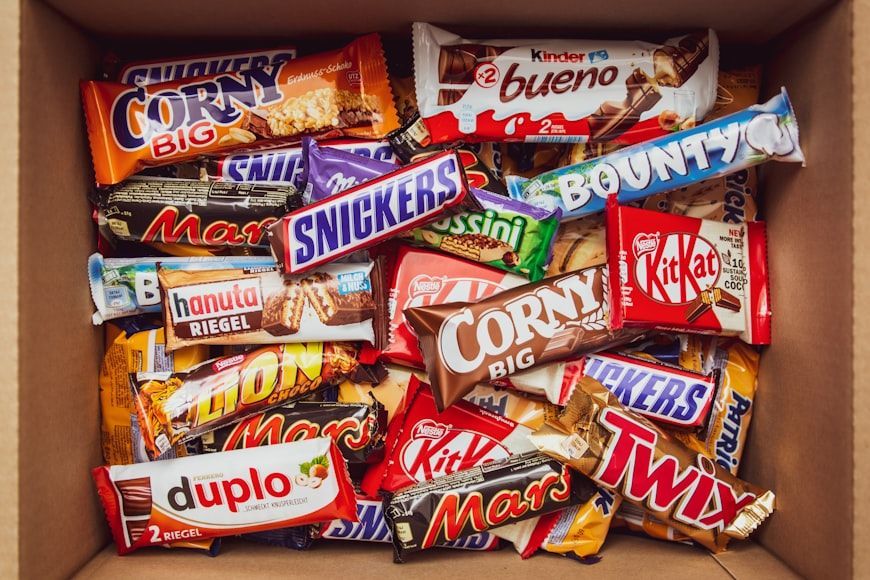
Most airlines will allow you to bring your own snacks and solid food on the plane, but it’s always best to double-check the company’s policy. For beverages, all drinks are usually allowed, provided that they follow the guidelines for liquids we mentioned above—although alcoholic drinks can’t be consumed during the flight. Yet, these rules don’t apply to the food and drinks that you buy after going through the security check.
Baby on board

Baby items are not bound by other rules, such as the liquid restriction. Formula, frozen breast milk, and baby food are always allowed (in reasonable amounts) even if they are packed in containers bigger than 3.4 oz. However, it’s always best to check the airport and airline’s specific policies regarding these items and their storage.
Traveling with tools

Tools vary widely in size, shape, and purpose, so there are several rules regarding what you are allowed to keep in your hand luggage. Some guidelines to consider: power tools and sharp objects must always go in your checked baggage, though some smaller scissors are sometimes allowed in your carry-on. In the U.S., other tools are generally allowed, provided they are 7 inches or less in length—though this rule varies in other parts of the world. When in doubt, always check the airline’s safety regulations.
Health comes first

Similar to baby stuff, medical items are not bound by rules regarding liquids or sharp objects, but they should be declared at the security checkpoint so they can be properly inspected. This applies to medical devices and machines as well. For essential medication, it’s always best to keep it in your carry-on.
Where should electronics go?

While it’s always safer to keep your electronics with you, these items can be kept either in your checked or hand luggage. The only exceptions are power banks and spare batteries, which should always be kept in the hand luggage to avoid potential fire risks.
Keep wandering
There’s always
more to explore

Why do hotels have bed scarves, two peepholes, and bathroom phones?
6 min.
Read Now

Your feet do what!? No one tells you what outer space does to your body
6 min.
Read Now
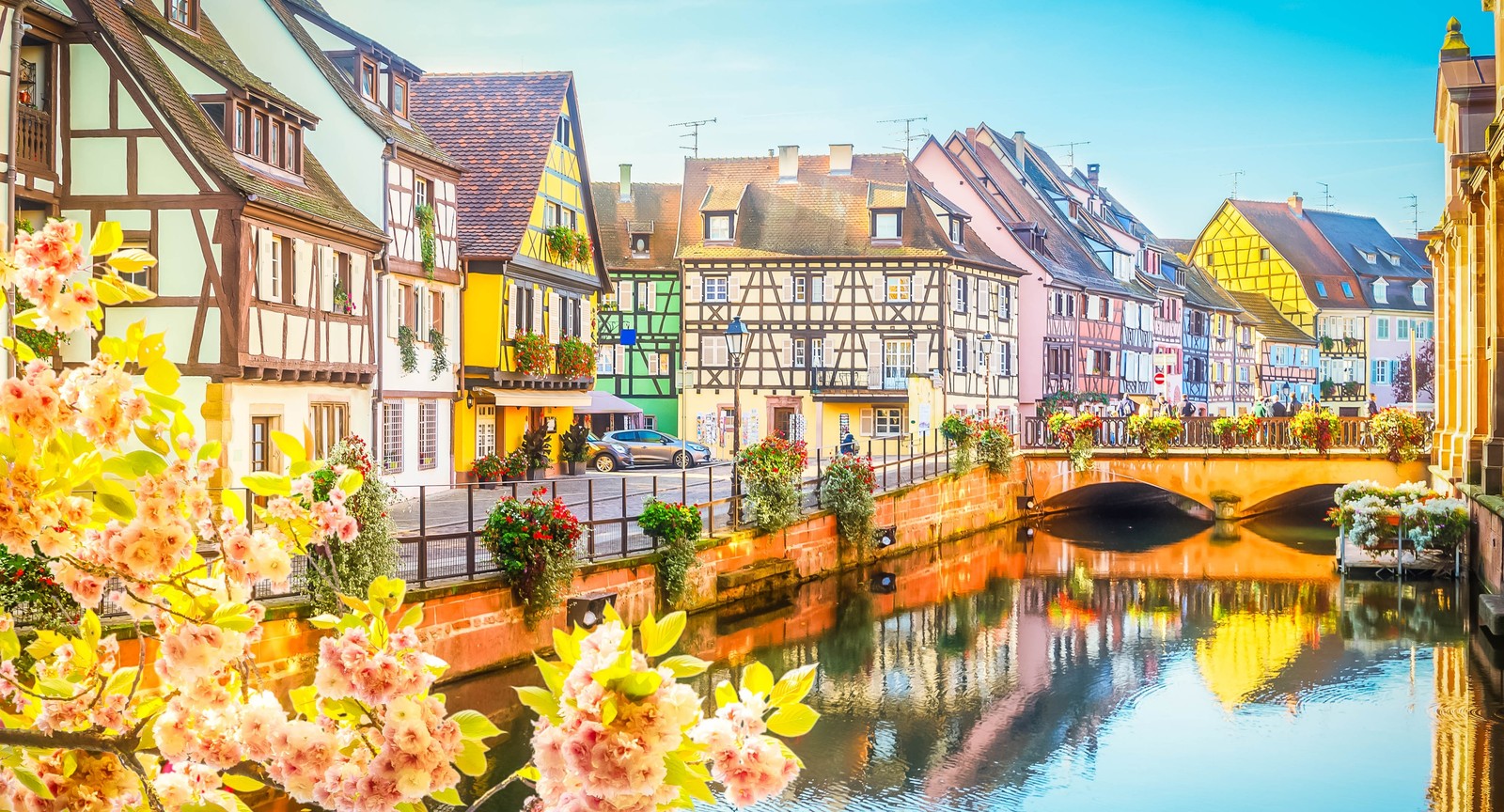
These towns look fake, but they're real: Too pretty to be true
3 min.
Read Now
The dirtiest spot on your plane isn't the bathroom
6 min.
Read Now