These towns look fake, but they're real: Too pretty to be true
 General
Storybook towns
These towns look fake, but they're real: Too pretty to be true
There's something a city keeps alive when it refuses to tear down its old buildings. It's not just architecture; it's an entire way of life. The recipes, the festivals, the slow rhythm of a town square that hasn't changed hands in centuries. Walk through Colmar, where pastel half-timbered houses lean over quiet canals, or Rothenburg ob der Tauber, still tucked behind its complete medieval walls, and you get the sense that time stood still; it’s quite like wandering into a fairy tale. Here are 10 places that'll give you that same storybook shiver.
Colmar, France
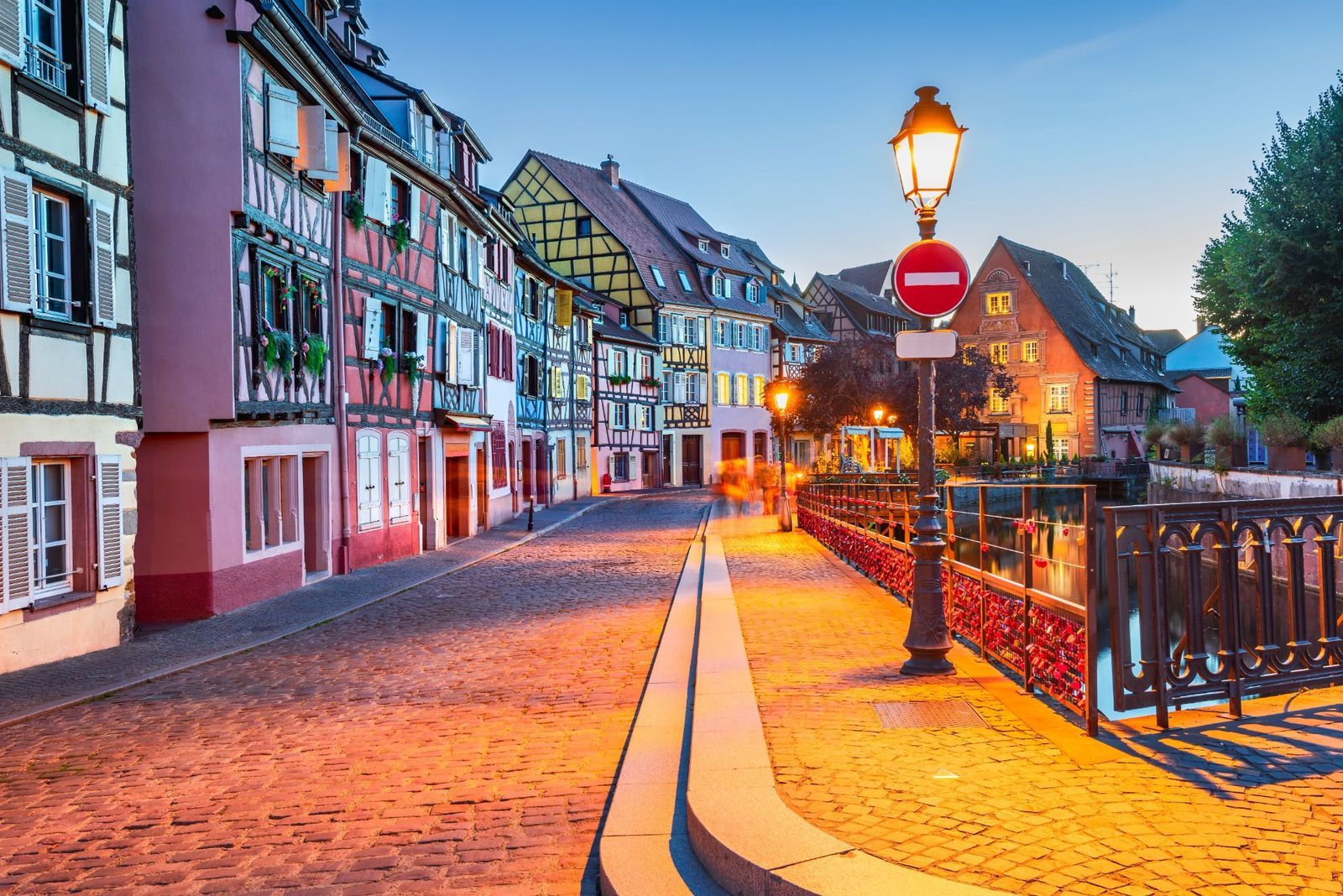
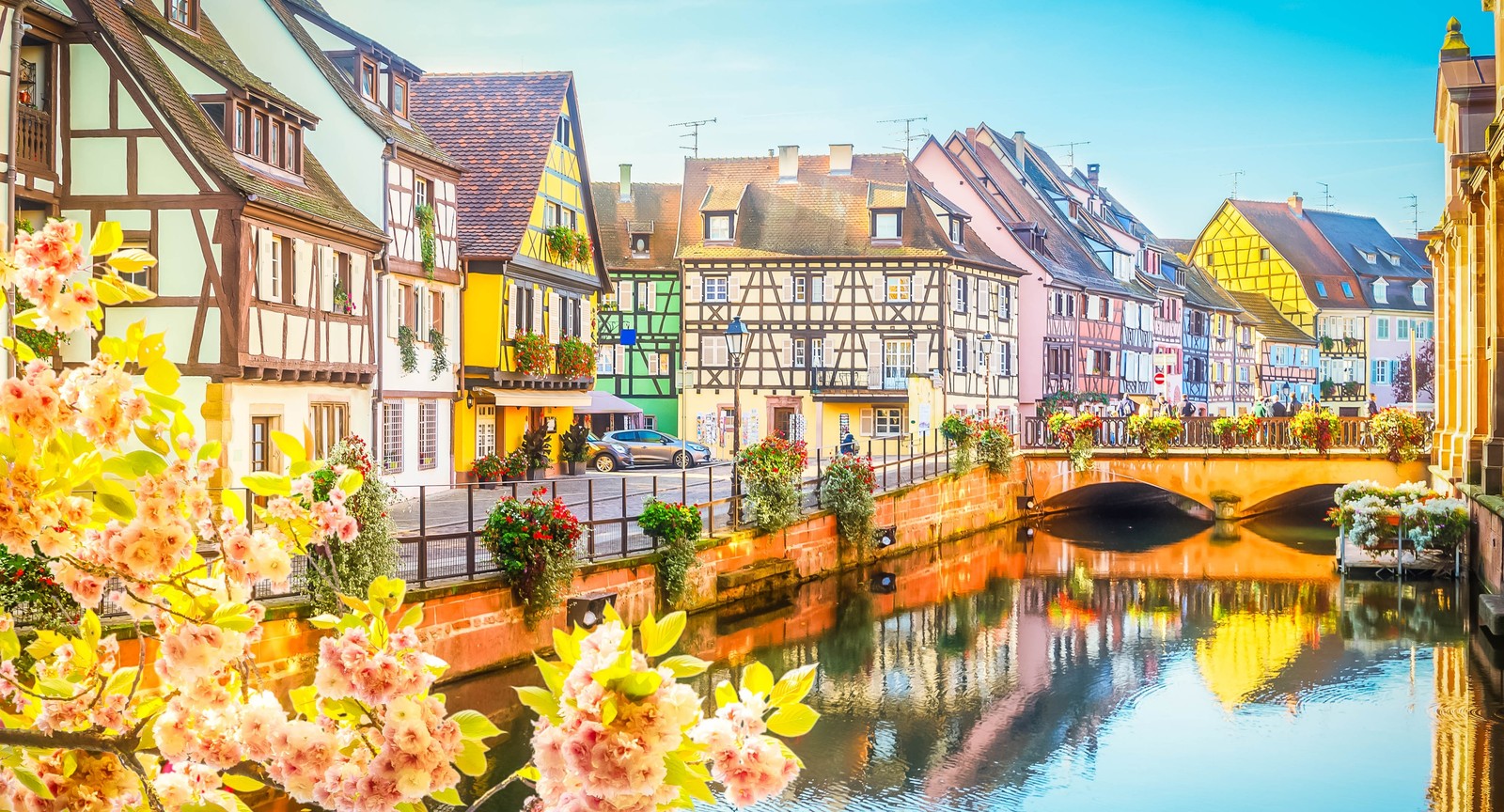
Picture yourself drifting along Colmar's Little Venice canal in a flat wooden boat, gazing up at pastel pink, blue, and yellow houses with exposed timber beams, some dating back to the 1500s. Window boxes overflow with geraniums. Locals still shop at open-air markets selling Alsatian wine and gingerbread.
Disney animators reportedly used it as inspiration for Beauty and the Beast's village.
Shirakawa-go, Japan
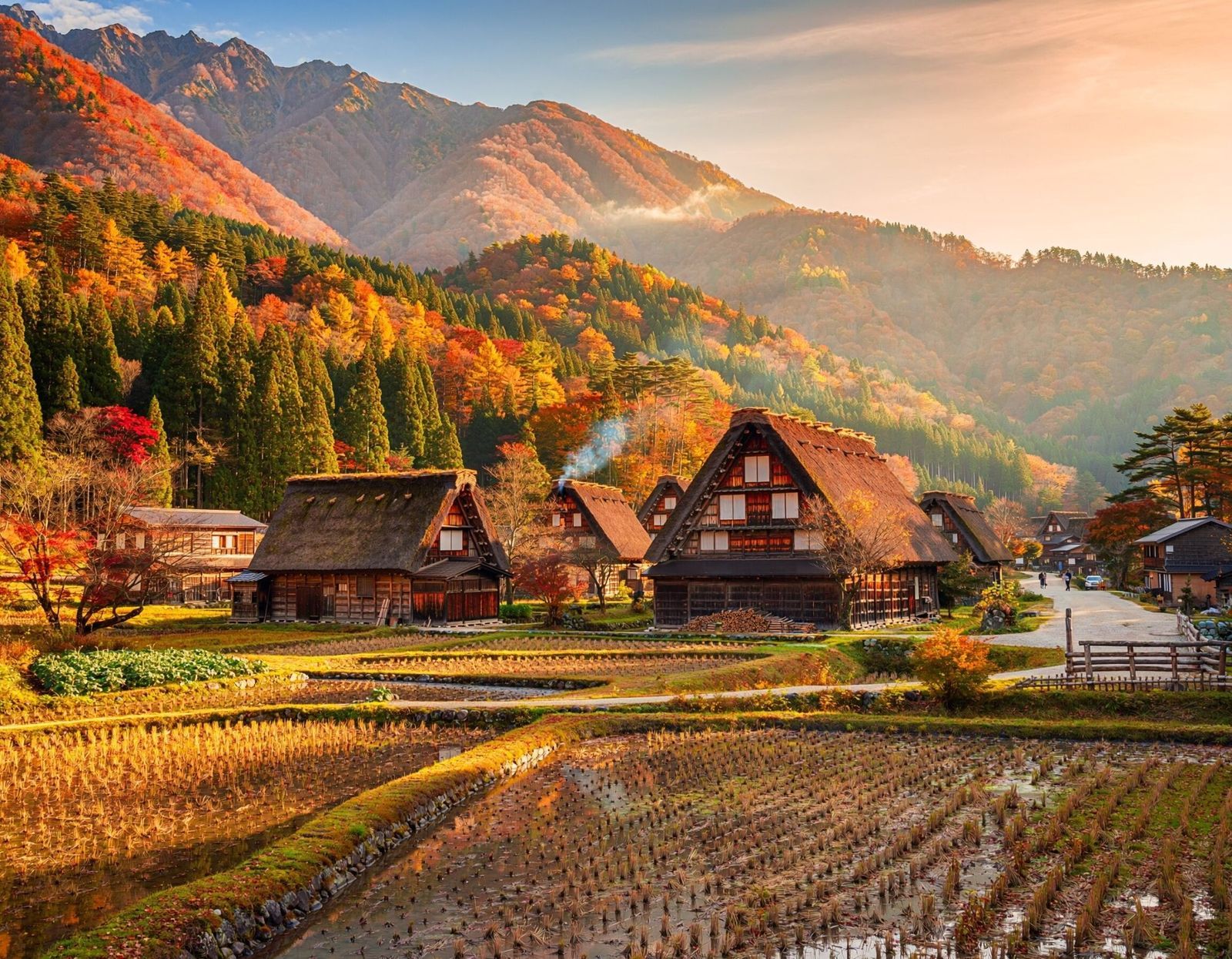
These steep, thatched-roof farmhouses, some over 250 years old, were built without a single nail, using techniques designed to survive brutal mountain snowfall. Visit in winter when the village lights up at dusk, snow piled high on those dramatic roofs, and you'll remember it forever. Locals still gather to rethatch roofs together, a tradition called "yui."
Tallinn, Estonia
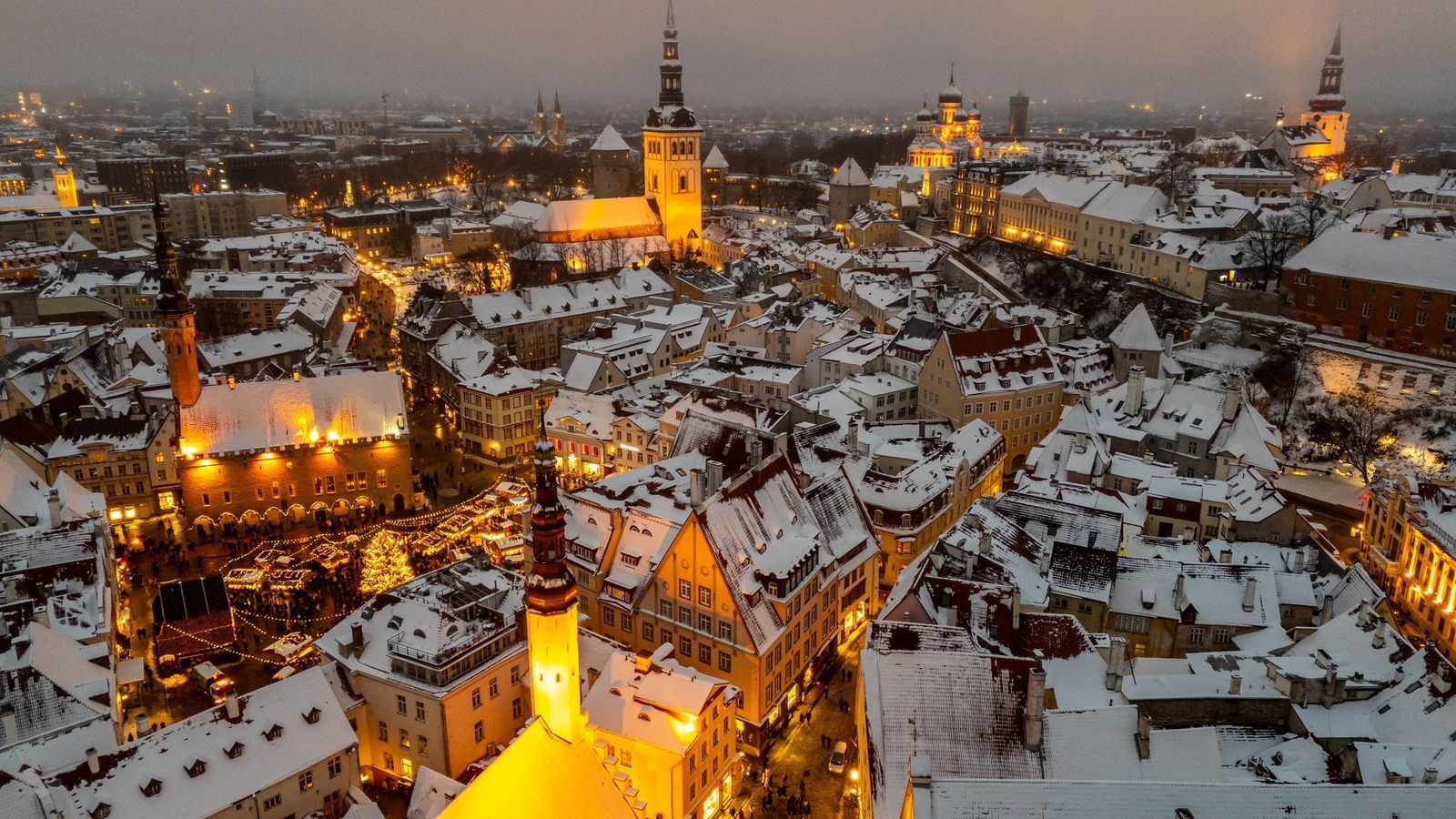
Enter through one of the old stone gates, and you're inside a nearly unbroken medieval wall lined with red-roofed watchtowers built in the 1300s. Wander Tallinn's Old Town square, where merchants have traded goods for 700 years, then warm up with mulled wine at a tavern styled like a knight might stumble in any minute.
Rothenburg ob der Tauber, Germany
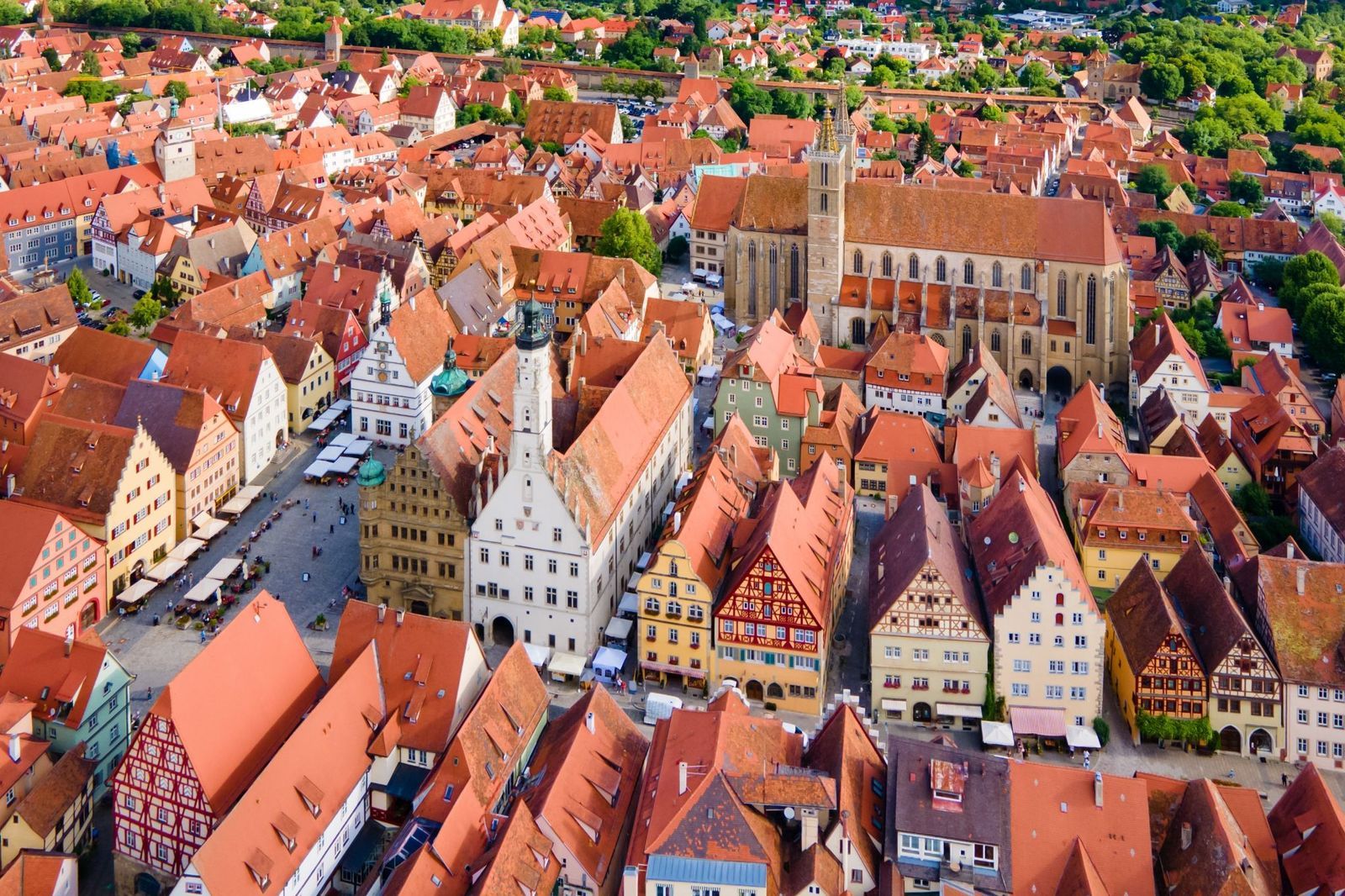
Walk the complete 13th-century ramparts encircling this walled Bavarian town, and you're literally tracing the same stone path medieval watchmen patrolled. Below, crooked lanes wind past half-timbered shops selling handmade ornaments year-round. Climb the Town Hall tower for sweeping views, then duck into a bakery for a "schneeball," a local pastry that's been made here since the 1400s.
San Gimignano, Italy
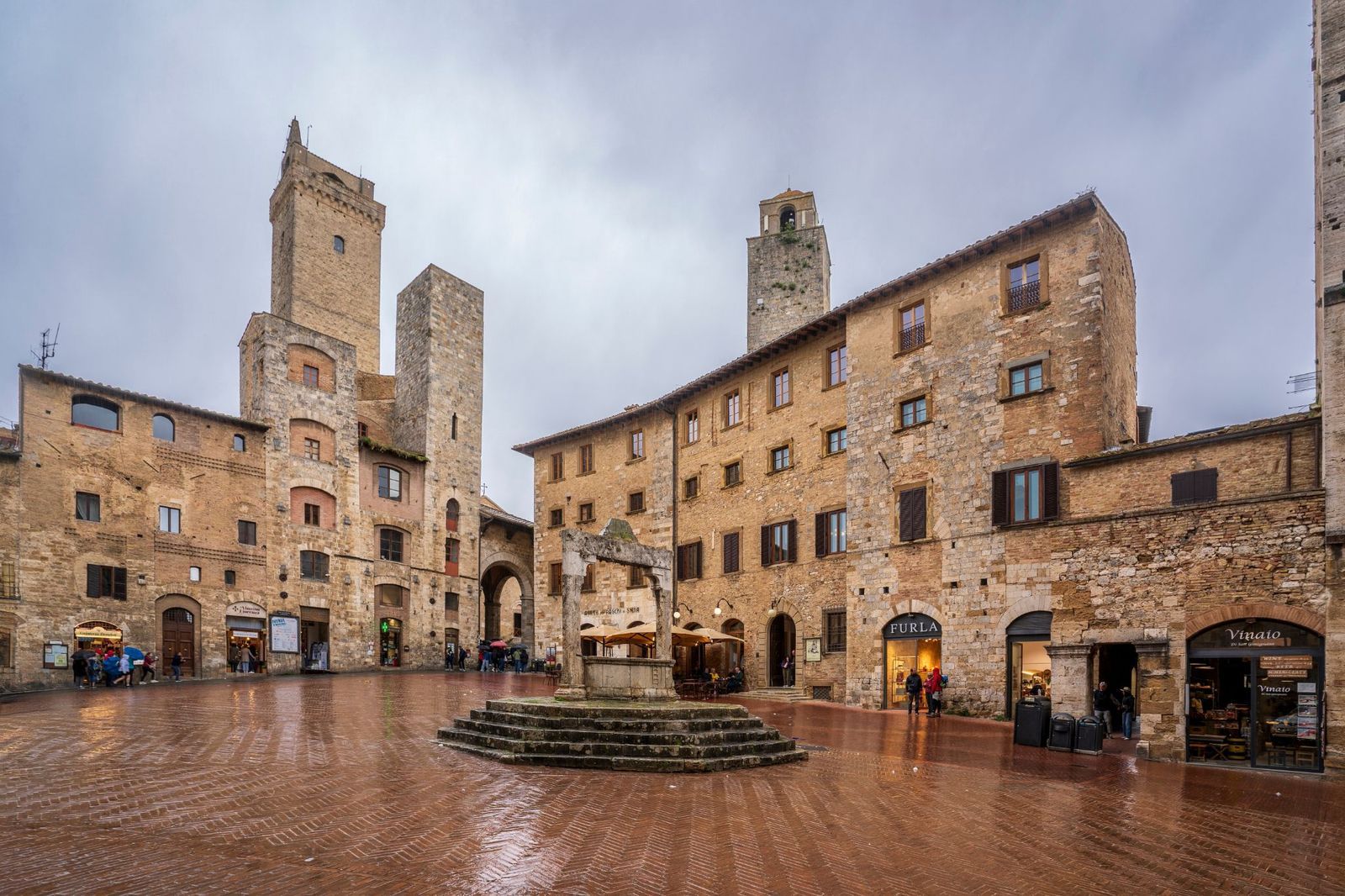
Wealthy medieval families here literally built towers to outdo their neighbors, and 14 still stand from an original 72. Climb one for Tuscan hillside views, then wander below among stone houses to sample the town's famous saffron dishes and creamy gelato, said by some to be Italy's best. It's a skyline that hasn't budged much since the 1300s.
Bruges, Belgium
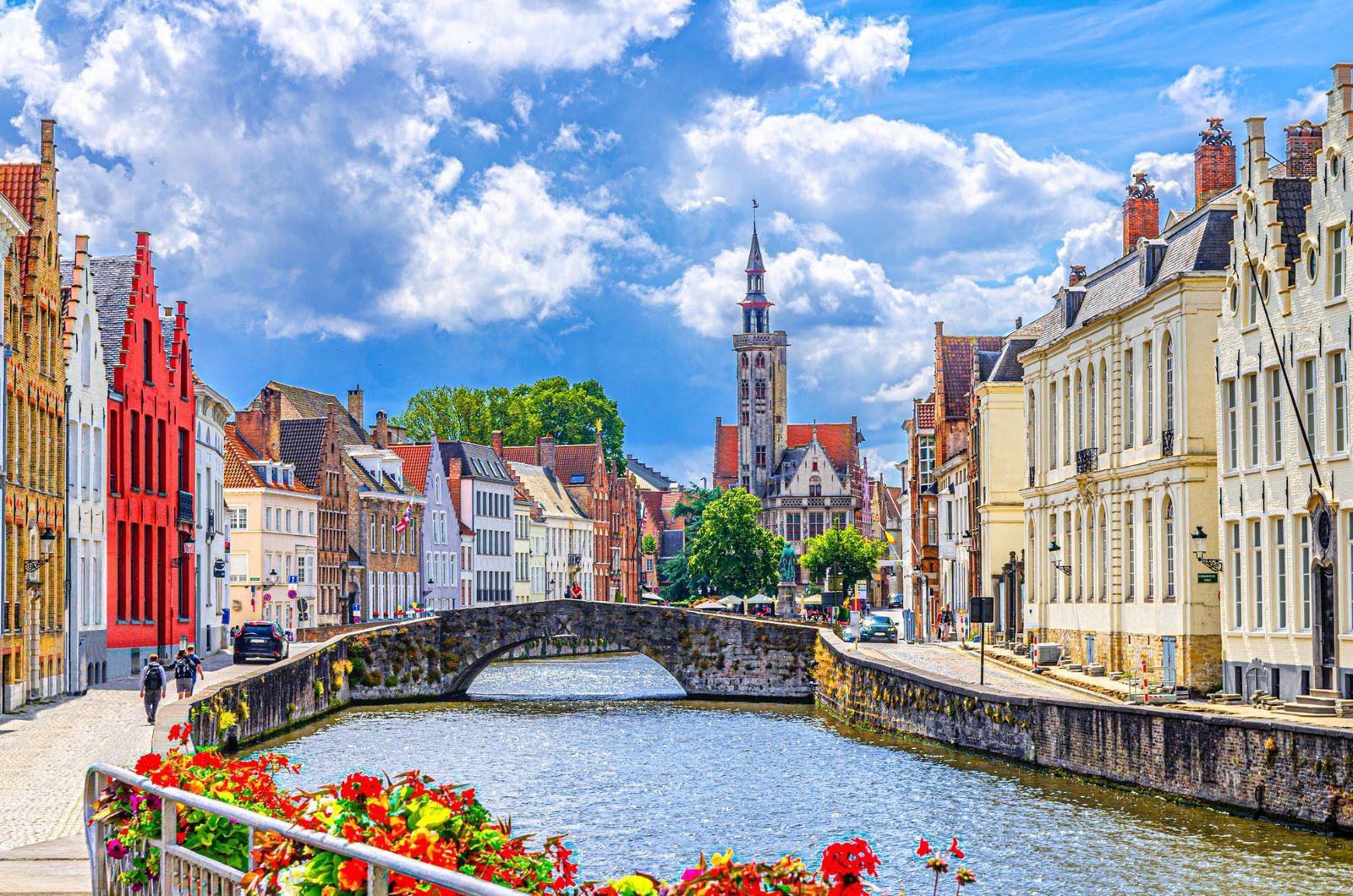
Rent a bike and pedal along Bruges' quiet canals, past Gothic belfries that have chimed since the 1200s and brick guildhalls once run by wealthy medieval merchants. Stop for a waffle, then climb the 366 steps of the Belfry tower for panoramic views. The whole city looks like it's under a preservation spell.
Hallstatt, Austria
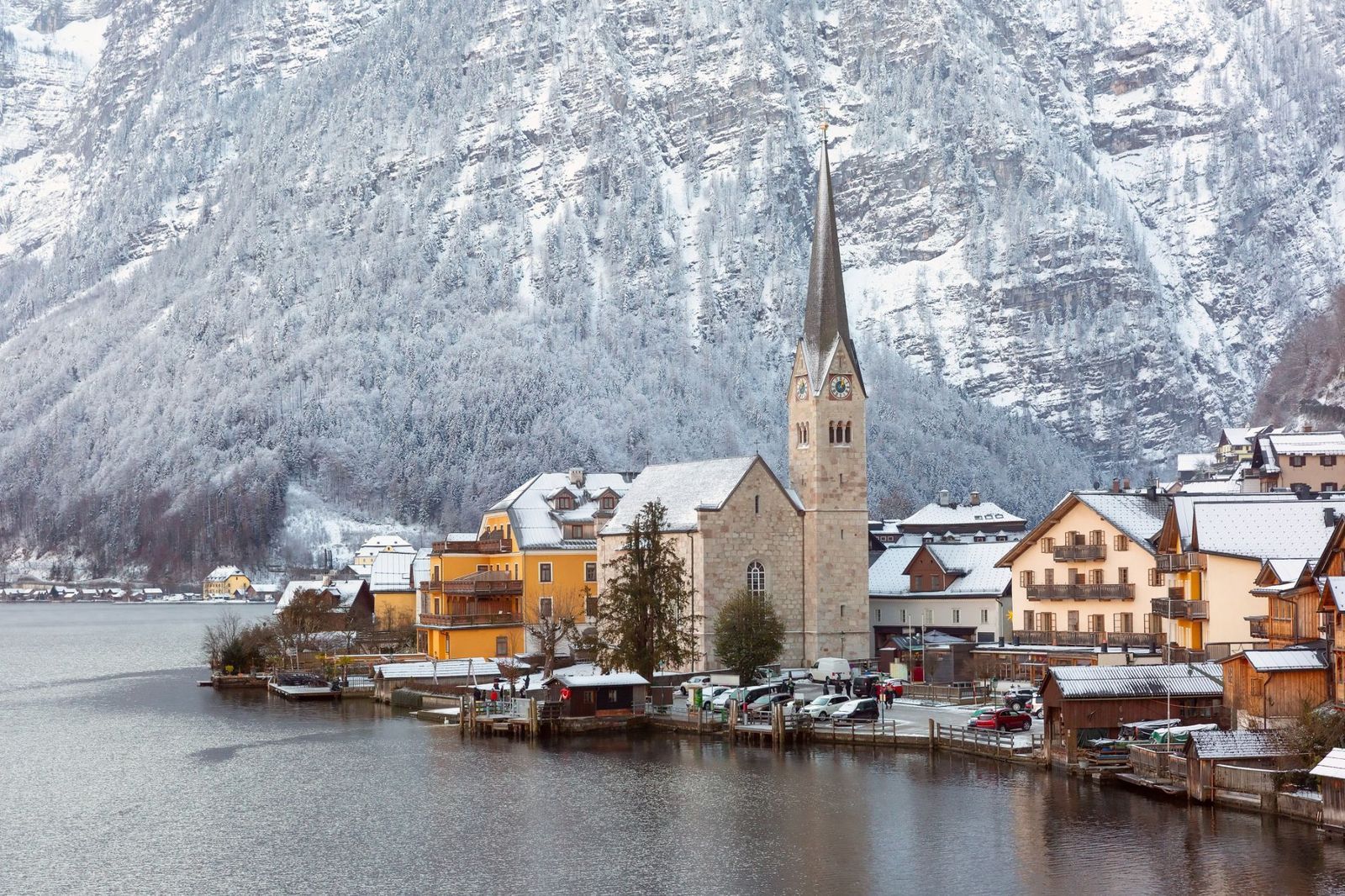
Imagine waking to fog lifting off an alpine lake, revealing centuries-old wooden chalets stacked dramatically up the mountainside. Hallstatt has been inhabited since the Bronze Age, thanks to nearby salt mines. Ride the funicular up for postcard photos, then wander the tiny lakeside square where church bells still mark the hour.
Sighișoara, Romania
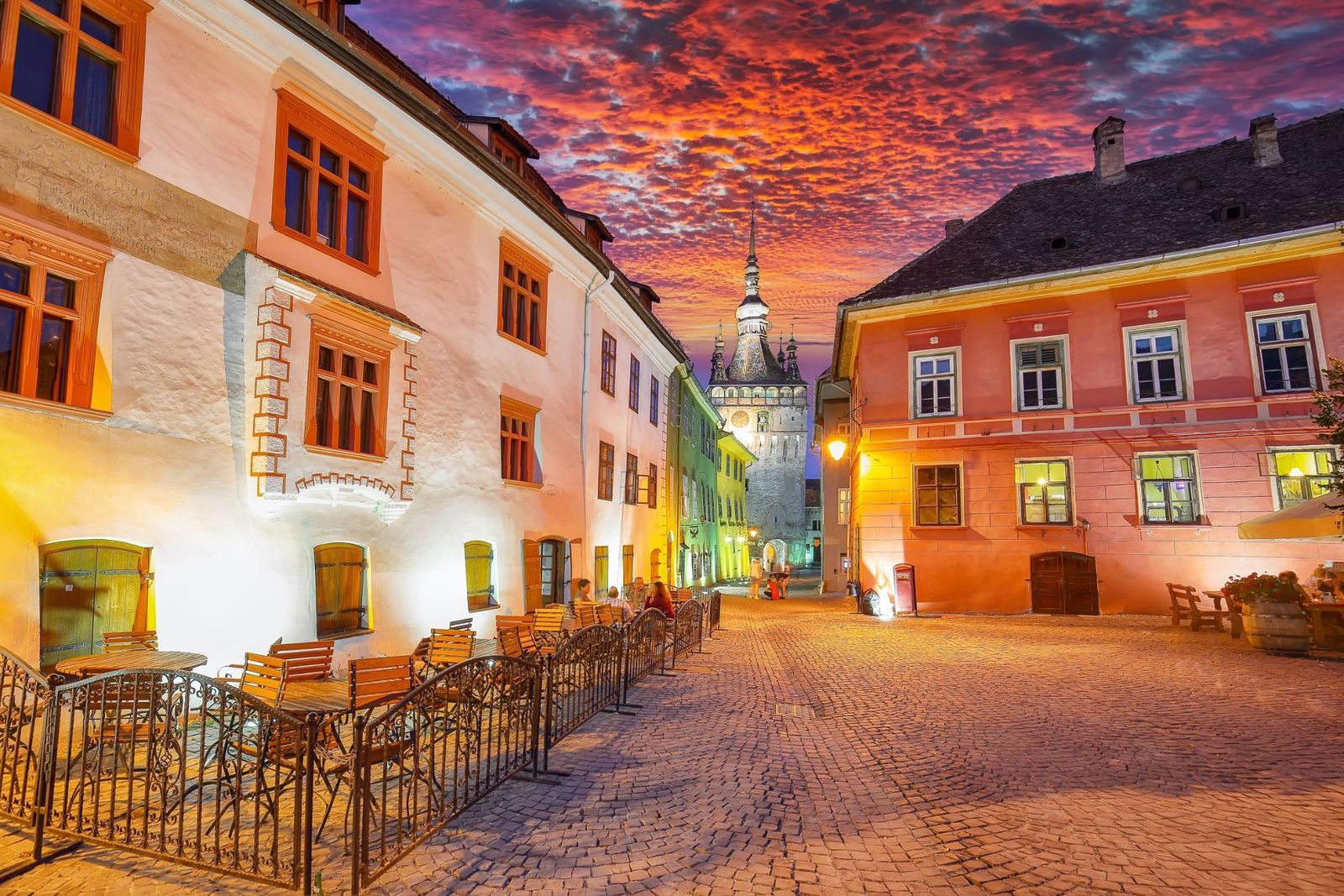
This fortified Transylvanian town, founded by German craftsmen in the 12th century, is where Vlad the Impaler (yes, that Dracula inspiration) was reportedly born. Stroll cobblestone streets lined with mustard-yellow and rust-colored houses, climb the covered wooden staircase to the hilltop church, and grab a coffee in the main square, surrounded by centuries of guild history.
Riga, Latvia
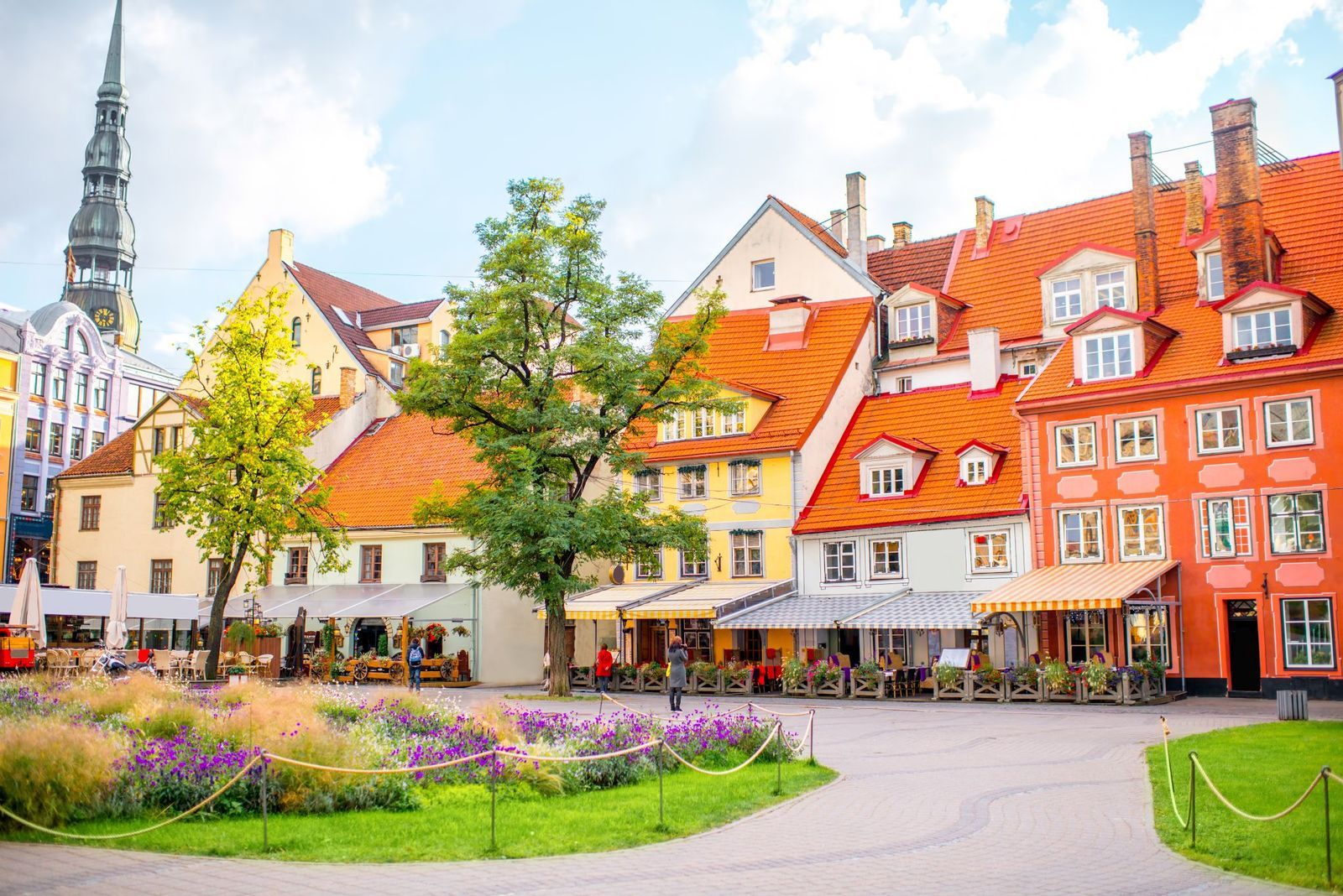
Riga's Art Nouveau district will make your neck sore from looking up. Built mostly between 1904 and 1914, these buildings burst with sculpted faces, swirling florals, and dramatic peacocks carved right into the stone. Grab a walking map, wander Alberta Street, and play a game of "spot the gargoyle" while sipping coffee at a sidewalk café below.
Český Krumlov, Czech Republic
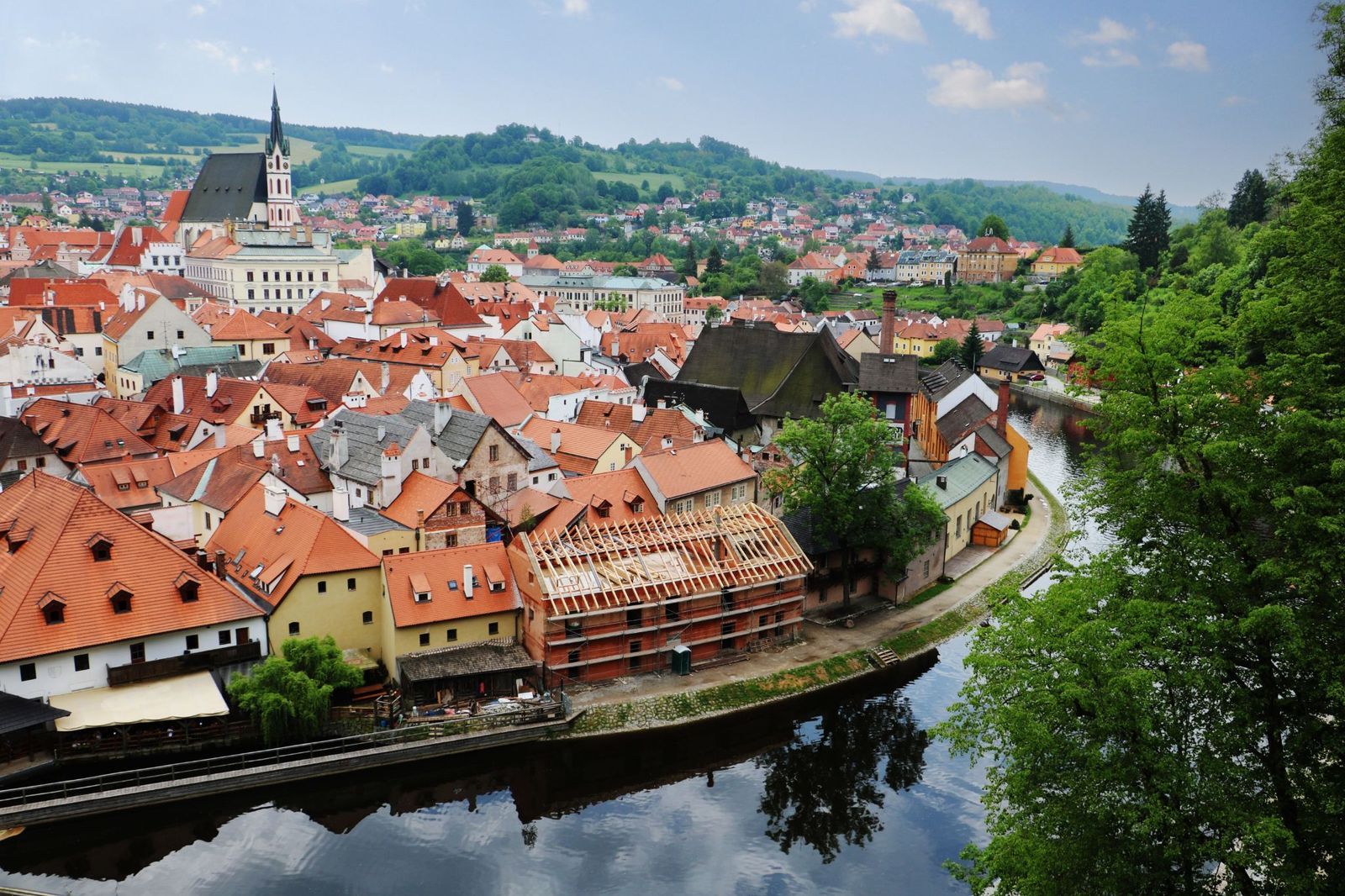
The Vltava River loops so tightly around this town that you can practically see the whole thing from one spot. Renaissance and Baroque buildings, many from the 1500s, crowd together in soft pastels below a hilltop castle. Rent a canoe, float the bend, and admire rooftops that haven't changed much since nobles roamed them.
The American food bucket list: 10 classics to try
American favourite plates
The American food bucket list: 10 classics to try
Some foods do more than satisfy hunger or please the palate; they carry deep-rooted traditions shaped by their regions, local communities, and the brands that have grown around them. Behind these dishes are rivalries and stories of resilience and ingenuity. Today, tasting each city or state's favorite dish is just as important as seeing its tourist attractions, and it offers a deeper way to experience our country. Here are 10 of America’s most-loved plates.
Barbecue in Texas
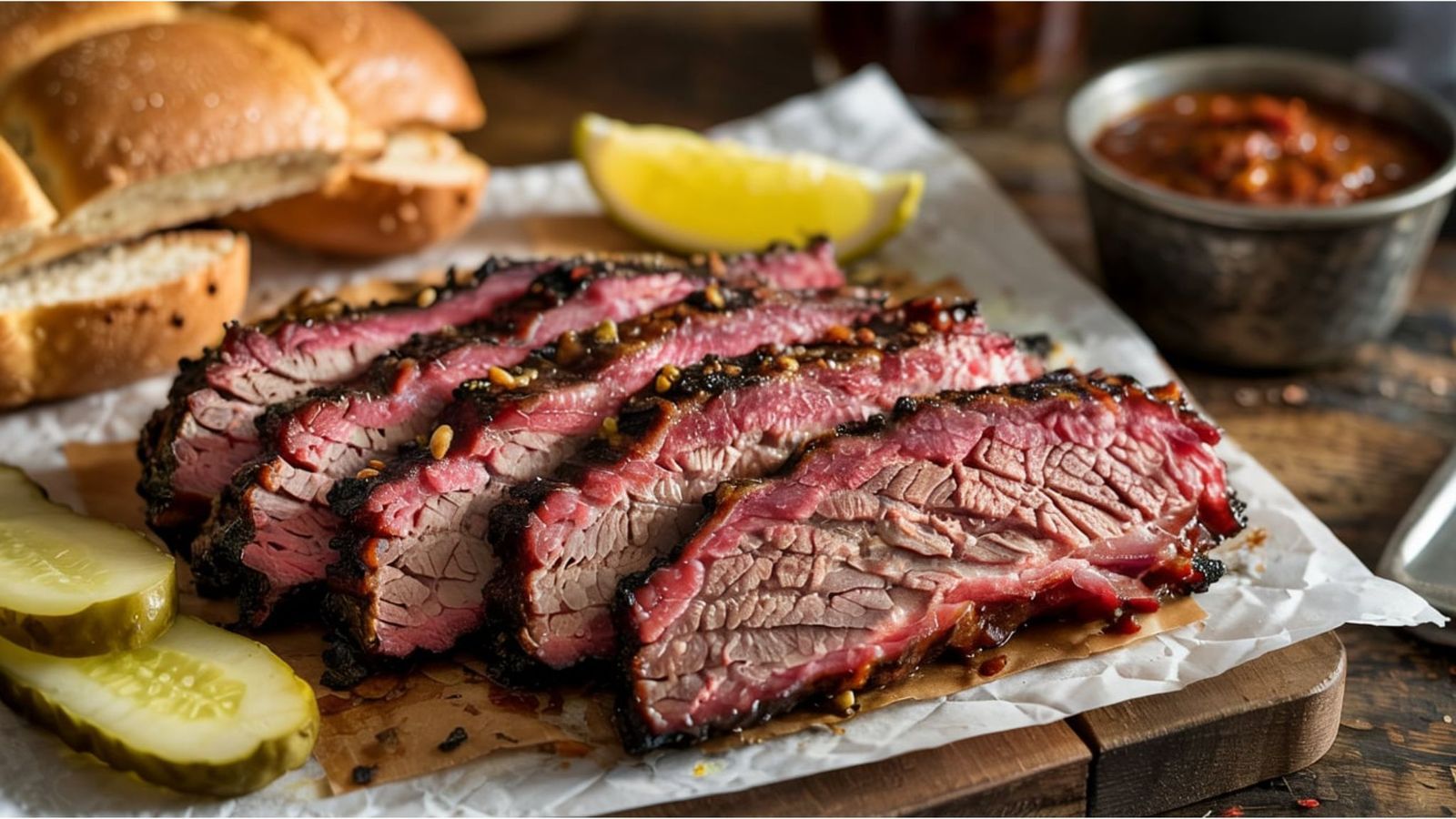
In Texas, barbecue is more than a meal; it’s serious business, and it’s all about the meat. Brisket is the undisputed star of Texas barbecue, cooked slowly over hardwood, usually post oak, until the meat is tender and the outside forms a dark, flavorful crust.
Central Texas barbecue mostly relies on salt, pepper, smoke, and a long cooking time, with garlic and dried onion used as seasonings. East Texas often serves chopped beef with more sauce, while South Texas may include barbacoa and Mexican flavors. West Texas usually cooks meat over direct heat in an open pit, creating a faster and more rustic style. Burnt Bean Co. in Seguin, Goldee's Barbecue in Fort Worth, and LeRoy and Lewis Barbecue in Austin are must-try spots.
Deep-Dish Pizza in Chicago
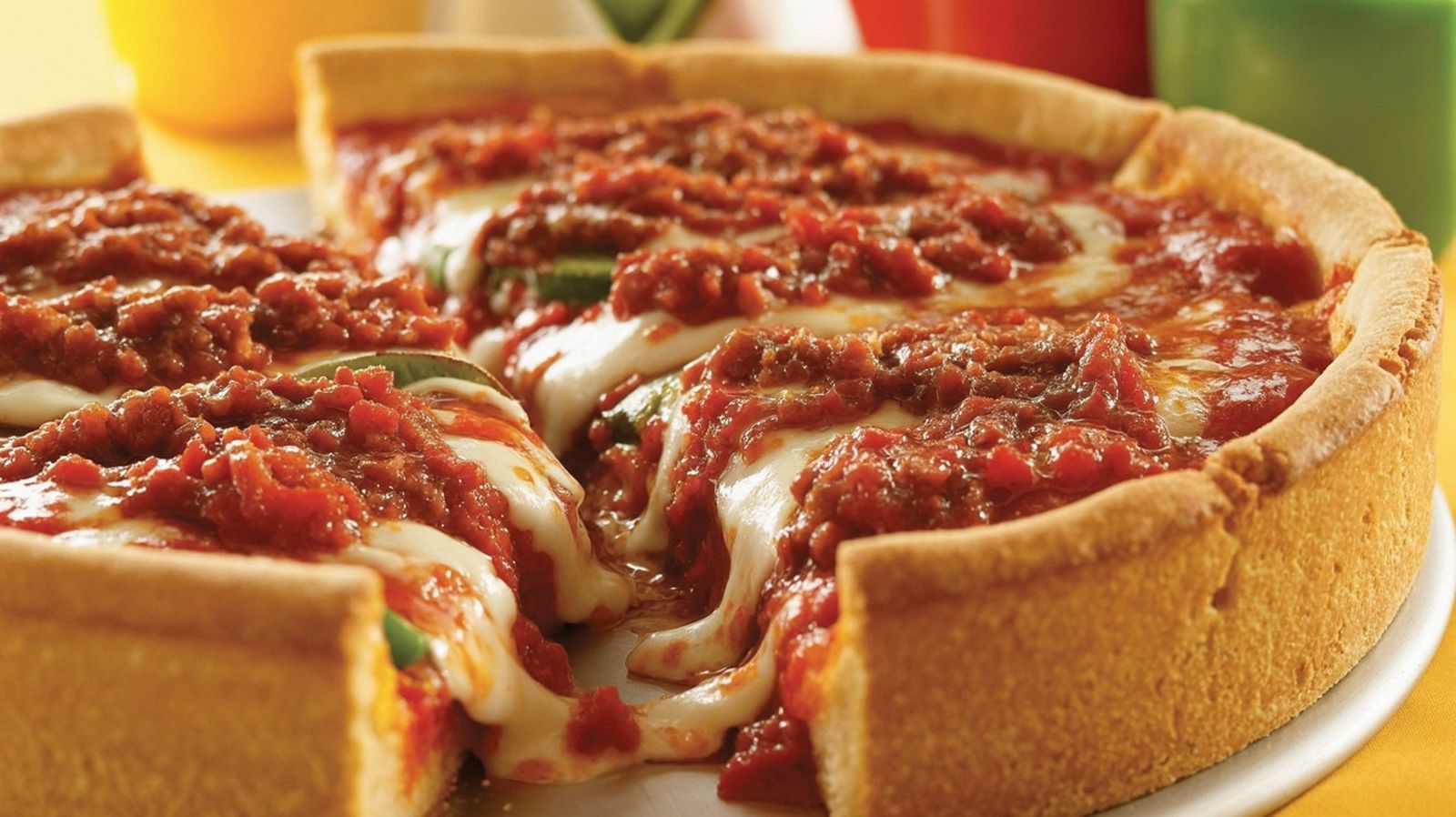
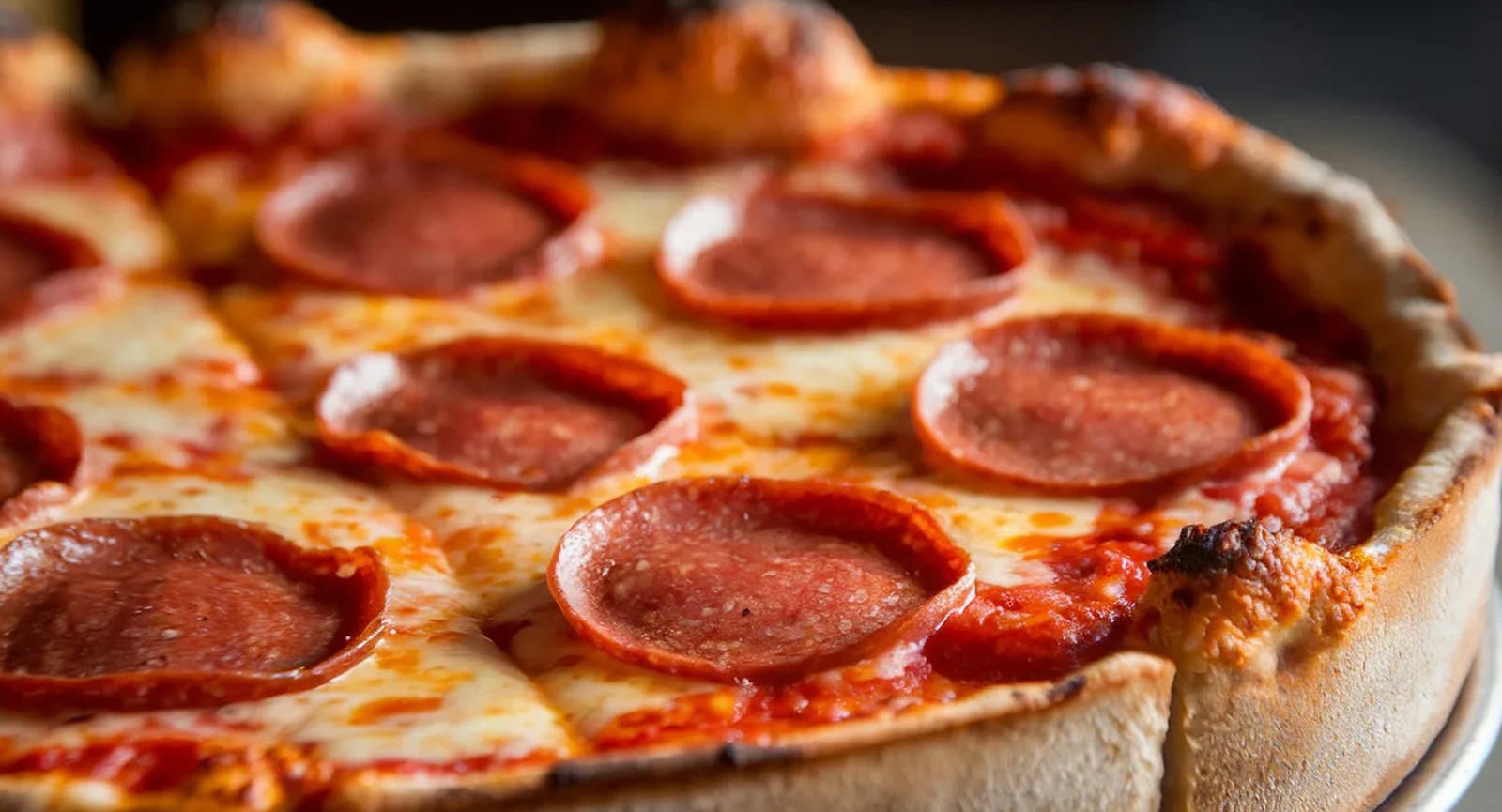
Is it a pizza or a pie? Chicago-style definitely breaks all the rules about how pizza should look and taste. With its tall, crisp crust and inverted layers, with cheese on the bottom and meat on top, this dish was invented in the 1940s to offer a warm, filling meal.
It quickly became one of Chicago's must-try dishes, with variations such as stuffed pizza, which includes an extra layer of dough, and pizza pot pie, a hybrid between Chicago-style pizza and chicken pot pie. Giordano's and Gino's East are two classic Chicago restaurants that will not disappoint visitors looking to try this unconventional but substantial pizza.
New York Pizza in New York City
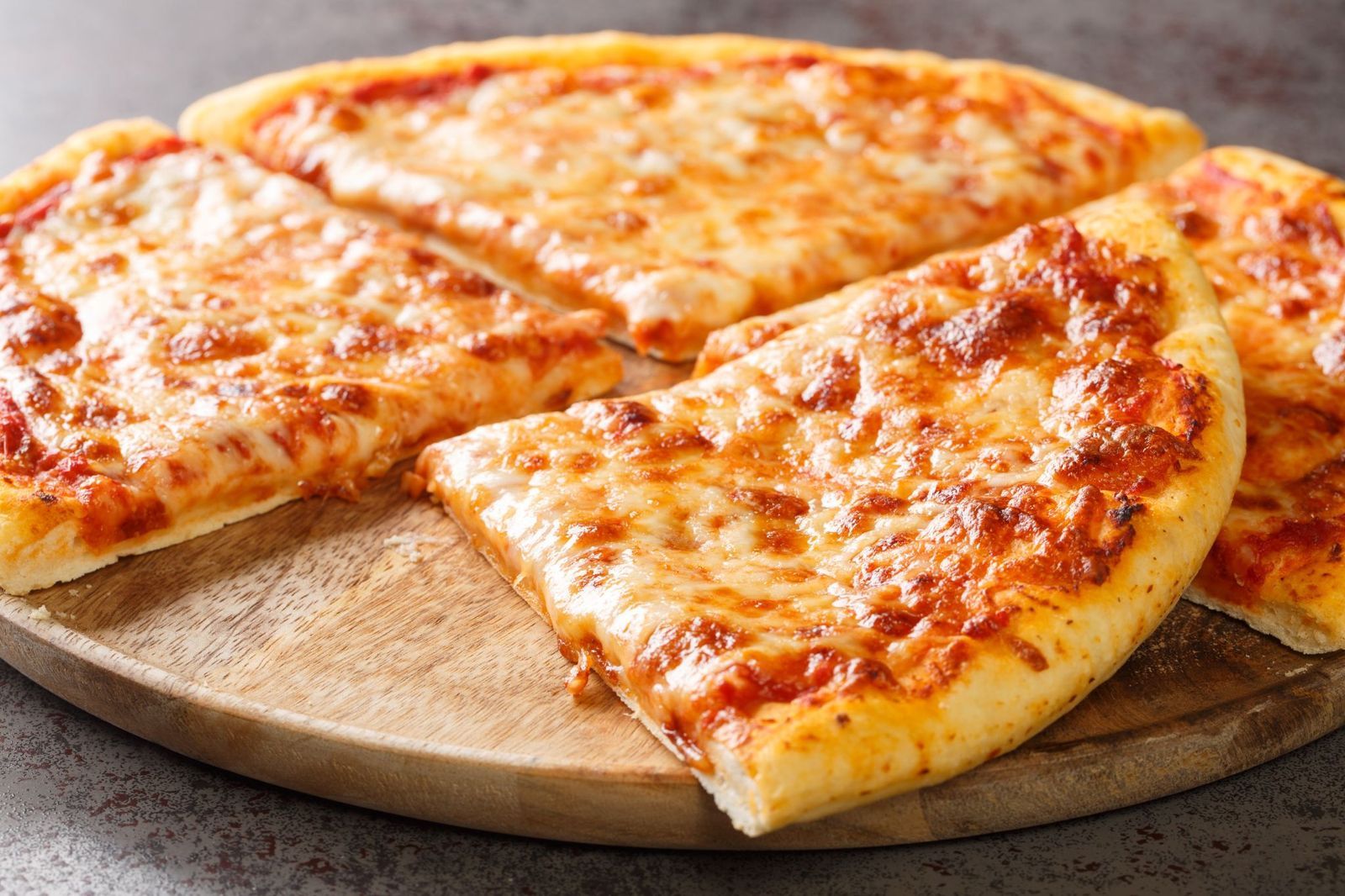
New York-style pizza is often considered one of the best because of its balance of crust, sauce, and cheese. It has a thin, crisp base that is strong enough to hold the toppings but still easy to fold and eat by hand. The sauce is usually made with fresh tomatoes, while low-moisture mozzarella is added in just the right amount without covering the edge of the crust.
Together, these elements make it an ideal lunch on the go, an everyday necessity in New York life. When visiting the Big Apple, you can’t miss Lombardi's, America's first pizzeria, Joe's Pizza in the West Village, or L'Industrie Pizzeria, which has locations in Williamsburg and the West Village. You also can’t go wrong with any slice place you come across.
Cheesesteaks in Philadelphia
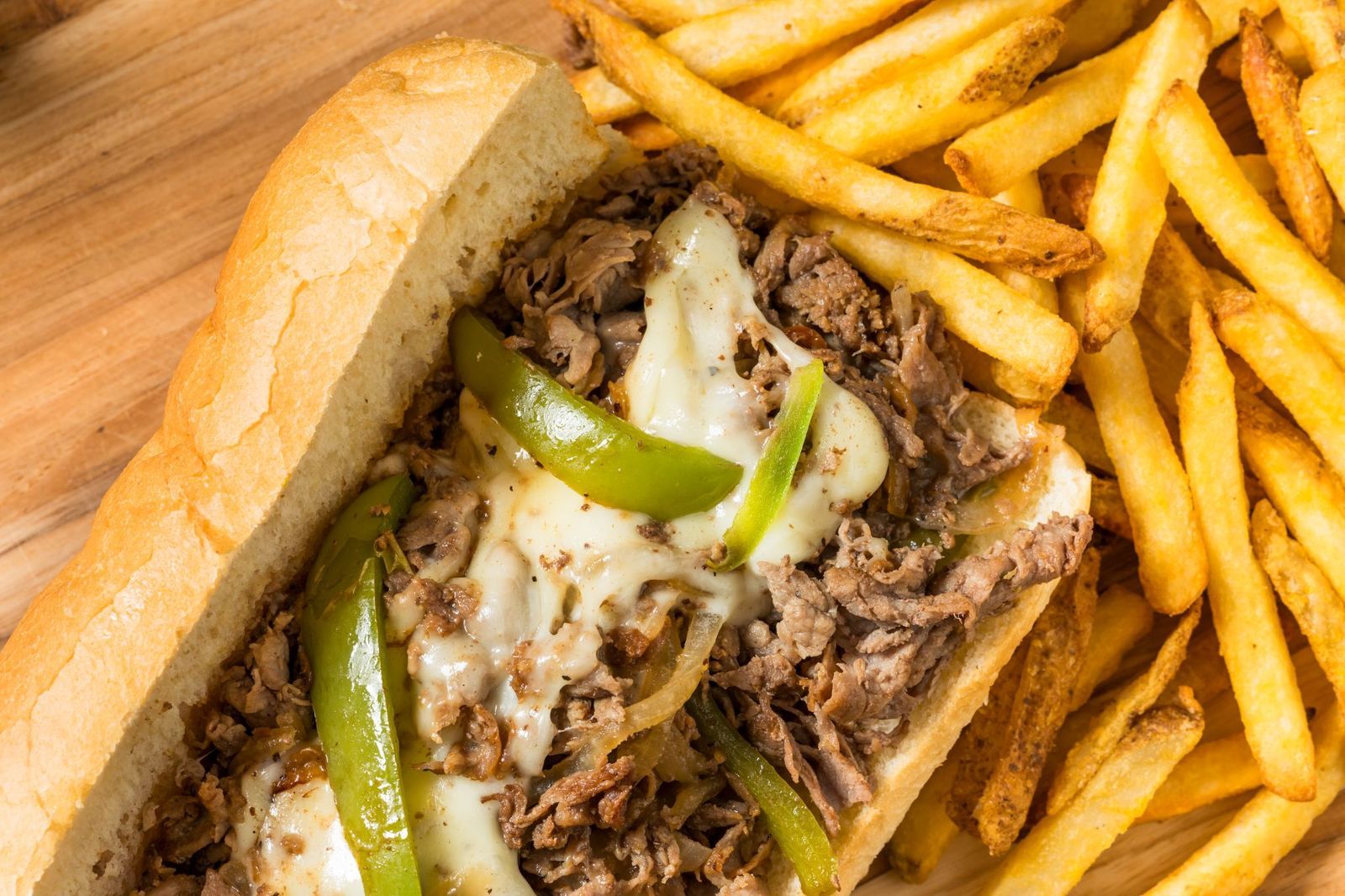
When arriving in Philadelphia and asking locals where to have your first Philly cheesesteak, you will probably hear divided opinions. There is a legendary but still contemporary debate over which cheesesteak is the best: Geno's or Pat's. Pat Olivieri, the owner of Pat's, is believed to be the original creator of the recipe back in 1930: hot beef and melted cheese on a long, flaky roll. Geno's opened in 1966 directly across from Pat's, with both shops located in South Philadelphia. At Pat's, the steak is served in thin slices, the cheese melts right into the meat, and the sandwich is served open-faced. Geno's version has thicker strips with a chewier texture. The recipe is not the only difference between the shops, though; Pat's has a retro atmosphere, while Geno's has a more modern, brightly lit look.
Lobster Rolls in Maine

Lobster is one of Maine's strongest industries, and the state is one of the country's best-known lobster suppliers. Today, the lobster roll, a staple made with lobster meat, mayonnaise or butter, and a hot dog-style bun, is a luxury delicacy and a must-try when visiting Maine, but this was not always the case.
Back in colonial times, lobster was considered "poor man's food" and was fed to enslaved people and prisoners until the late 1870s, when tourism in the area increased because of the railroads and demand for seafood grew exponentially. A lobster roll road trip in Maine should definitely include Red's Eats in Wiscasset, Five Islands Lobster Co. in Georgetown, and The Clam Shack in Kennebunkport.
Gumbo in New Orleans

Gumbo is a taste of New Orleans history. This one-pot stew is made with meat or shellfish, vegetables, and herbs. It may be thickened with okra, file powder, or roux, and its essential base consists of onions, bell peppers, and celery.
Its origins lie at the intersection of African, Native American, and European cultures, dating back to when Louisiana became a French colony around 1719. Since Louisiana is home to large Creole and Cajun populations, there is no doubt that both traditions influenced gumbo’s recipe. Commander's Palace in the Garden District is a classic choice for Creole gumbo, while Casamento's serves some of the best seasonal dishes.
Clam Chowder in Boston

Some of the best creations were born out of necessity, not just imagination. That is the story of clam chowder in Boston, Massachusetts, where early settlers in the 1700s, attempting to imitate English and French shellfish stews, created soups using abundant local ingredients such as clams from the Massachusetts coast.
The common recipe often included salt pork, potatoes, onions, and milk or cream. It quickly became a popular dish among New England fishermen working on boats, and became so popular that the city celebrates the annual Boston Chowderfest. For the best classic chowder, go to Summer Shack or Little Whale Oyster Bar in the Back Bay neighborhood.
Key Lime Pie in Florida
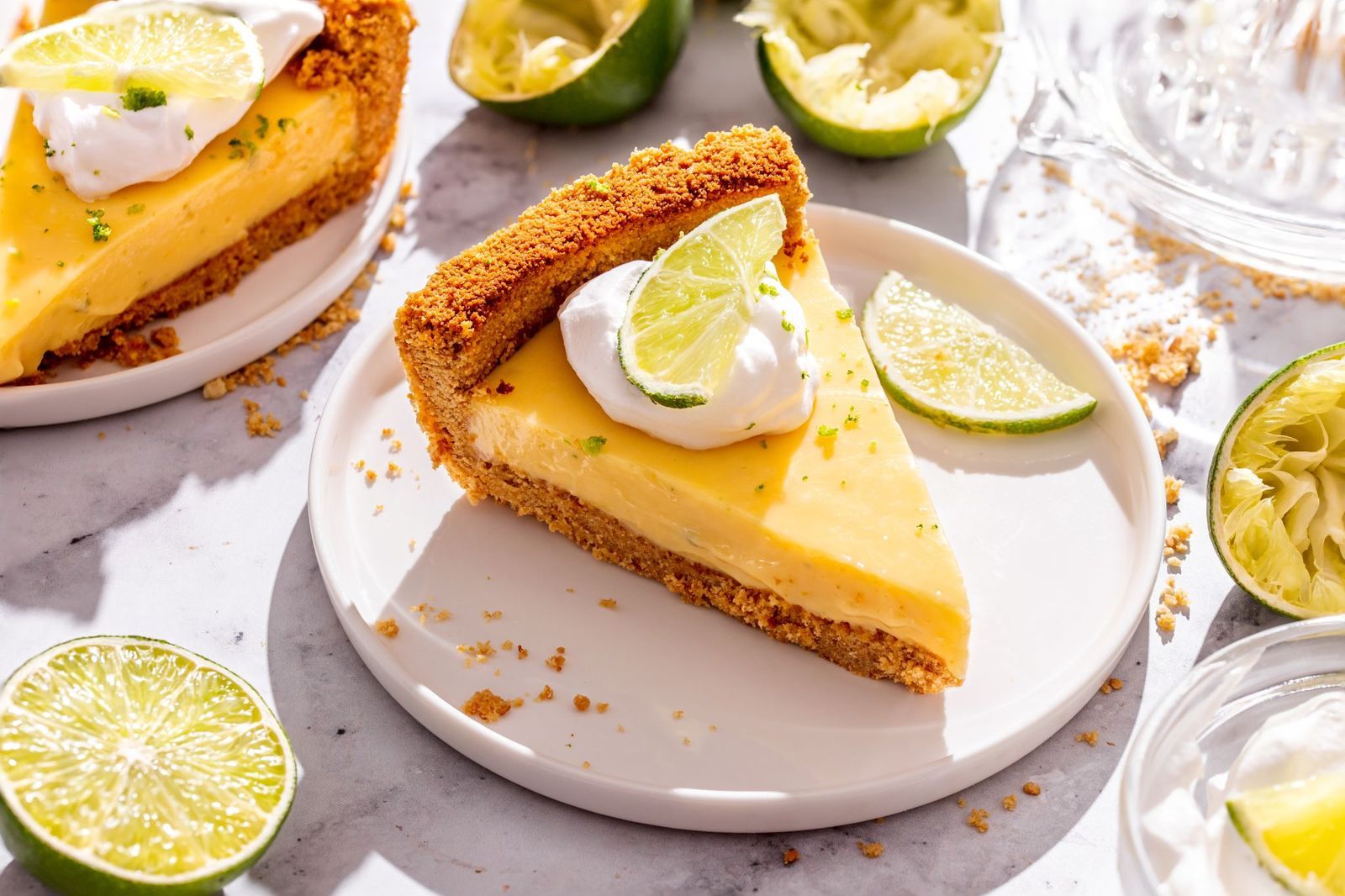
Since 2006, Key Lime Pie has been the official state pie of Florida, but its roots in the area date back to the 1800s, when fishermen mixed egg yolks, sweetened condensed milk, and tart key lime juice.
The dessert’s secret is all about the milk. Back in the 1800s, dairy milk spoiled quickly without refrigeration; instead, condensed milk could last through the South Florida summer. Traditionalists still argue whether the browned meringue topping or the whipped cream is the perfect match for Florida’s favorite dessert. Locals' and visitors' essentials are Kermit’s Key Lime and Blue Heaven shops.
Hot Chicken in Nashville
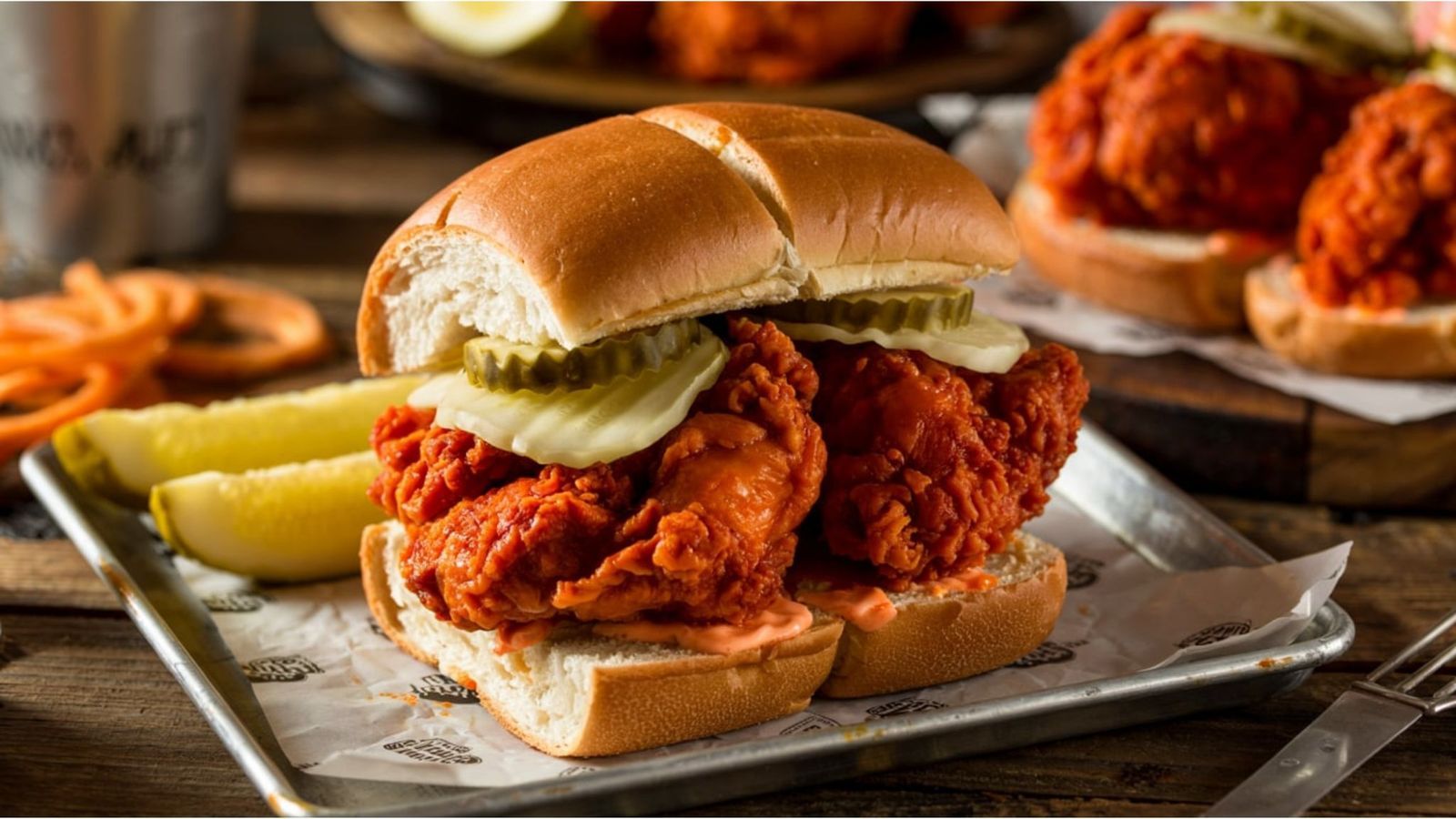
Fried chicken gets a fiery twist in Nashville. Unlike the standard recipe, where spices are added during preparation, hot chicken gets its bold flavor and mouth-searing heat after it is fried. Hot frying oil or melted butter is used to create a concentrated mixture of cayenne pepper, brown sugar, garlic, and other spices, which is then brushed onto the crispy chicken.
The birthplace of this spicy dish is South Nashville, within the city's African American community. Prince's Hot Chicken Shack, originally called BBQ Chicken Shack, is the original hot chicken shop. It is believed to have opened in 1945 after a woman tried to punish her cheating boyfriend by making his fried chicken extremely spicy.
Green Chile in New Mexico

With at leastaround 400 years of tradition in the area, this distinctive spicy ingredient is added to almost every meal in New Mexico. The town of Hatch is known as the "Chile Capital of the World" because its chiles grow in the valley's nutrient-rich soil and ideal climate.
It has also hosted the Hatch Chile Festival since 1971 to celebrate its signature crop. Green chile is best served with enchiladas, tamales, burritos, and even huevos rancheros. The Original Cocina Azul and Sadie's are favorite New Mexico spots.
Keep wandering
There’s always
more to explore
Why can't you take rocks home from some vacation spots?
5 min.
Read Now

Why do hotels have bed scarves, two peepholes, and bathroom phones?
6 min.
Read Now
Most tourists never find these London spots hiding in plain sight
3 min.
Read Now
 Geography
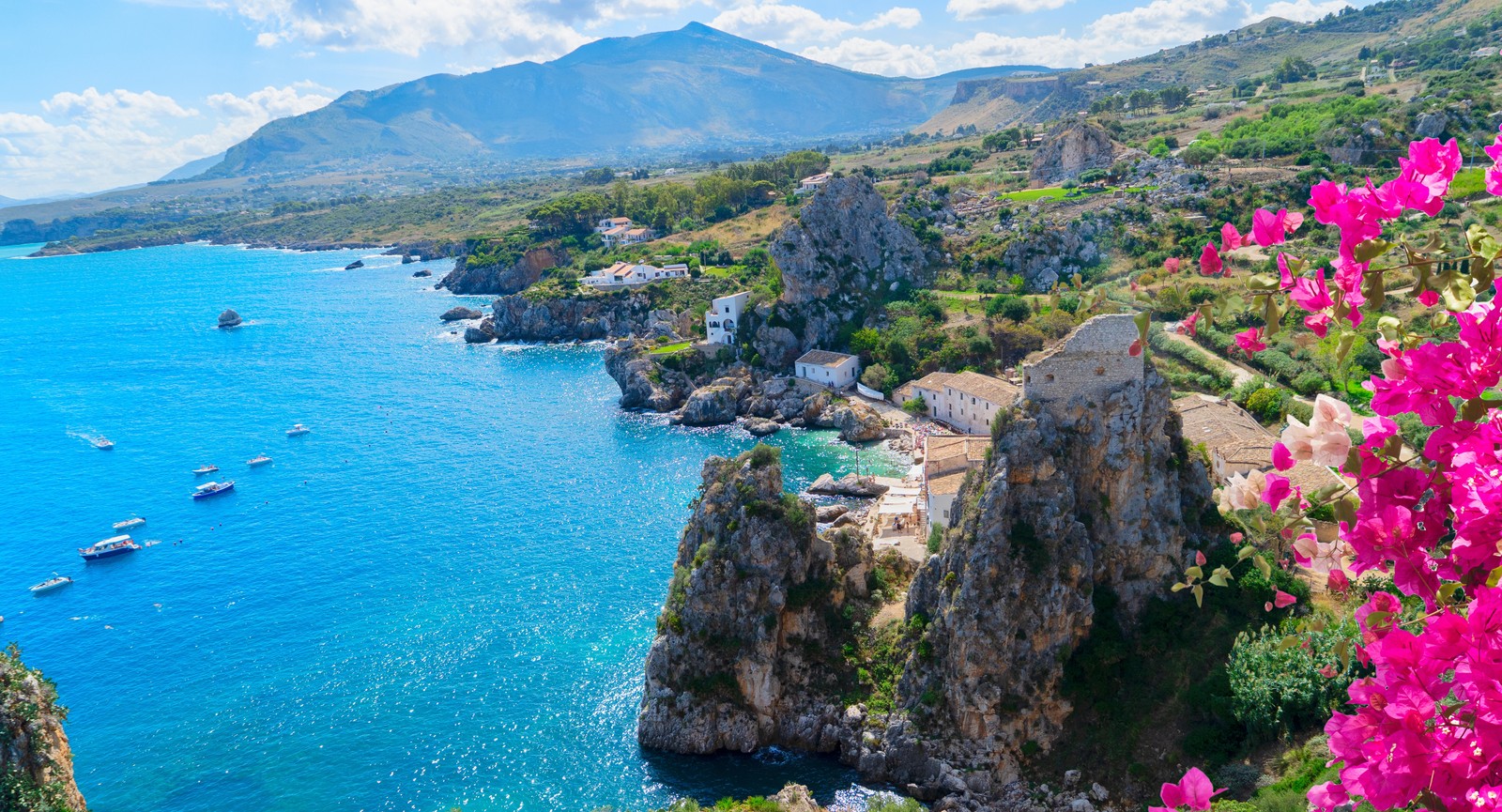
A fan of seaside vacations? Here are 10 seas to choose from
4 min.
Read Now