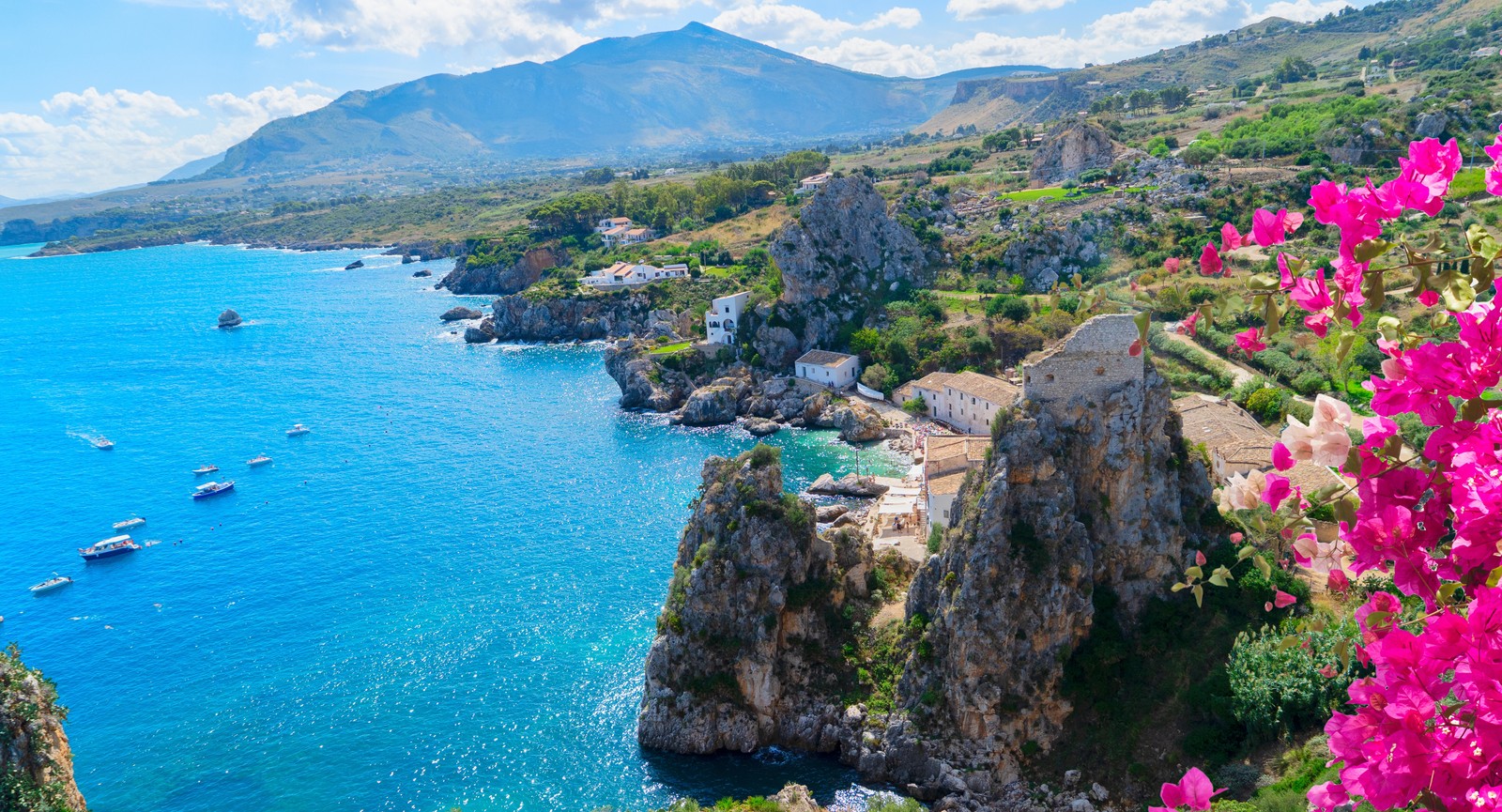
A fan of seaside vacations? Here are 10 seas to choose from
 Geography
A sea for everyone
A fan of seaside vacations? Here are 10 seas to choose from
There are as many different types of seaside destinations as there are seas around the world, each with unique attractions. From warm blue waters and tropical sunshine to secluded coastal cities or Arctic landscapes, a seaside vacation can be as relaxing or as exciting and adrenaline-packed as the sea that you choose to visit. Here are 10 vacation-worthy seas around the world.
Caribbean Sea
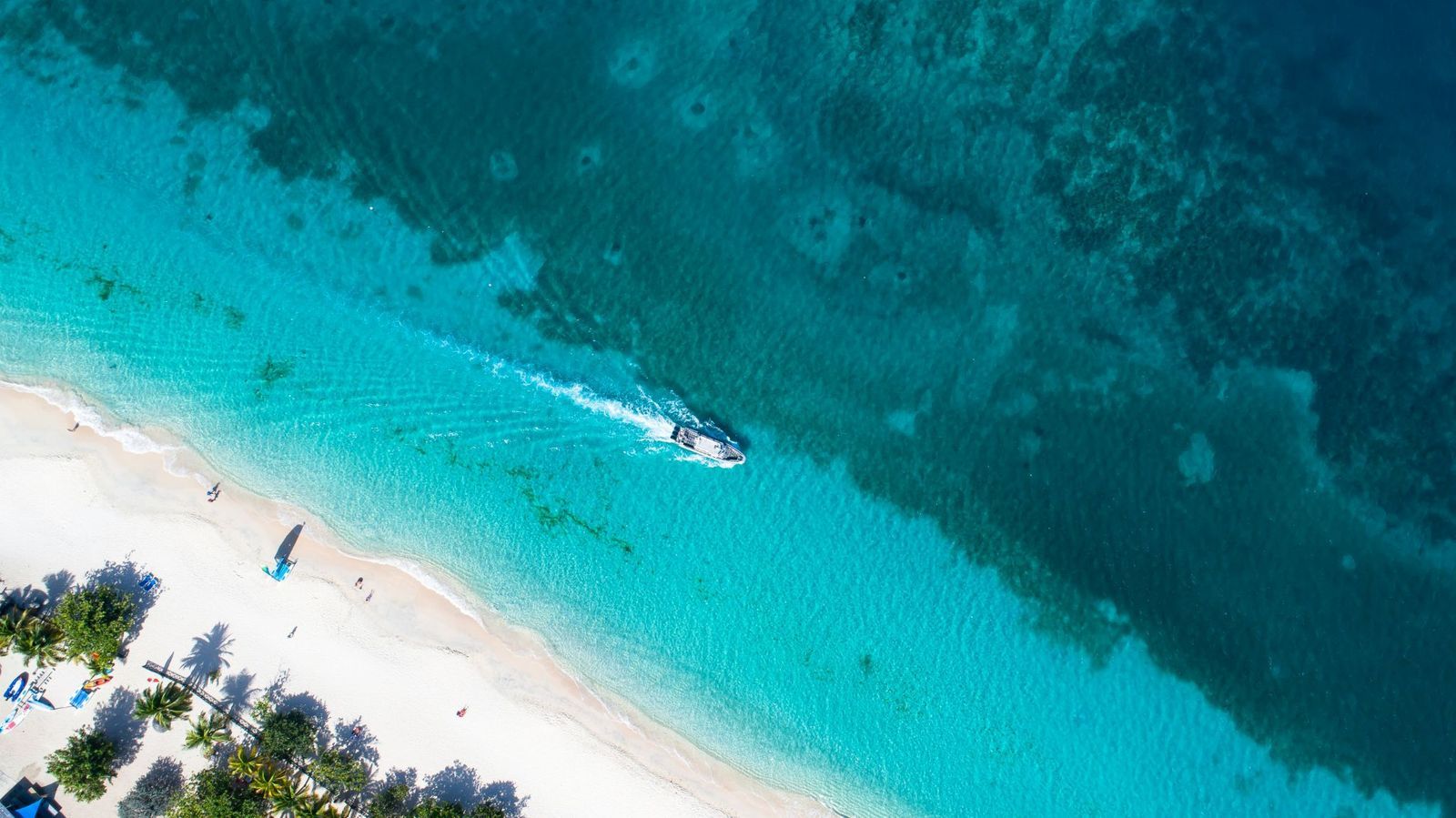
Part of the North Atlantic Ocean, the Caribbean Sea is one of the largest seas in the world, encompassing the Antilles and northern South America. Its warm, clear waters, white-sand beaches, and year-round tropical climate make it a top choice for tourists around the world, with Aruba, St. Lucia, Dominican Republic, Bahamas, Jamaica, and Curaçao among its top destinations for snorkeling, scuba diving, hiking, and relaxing on the beach.
Mediterranean Sea
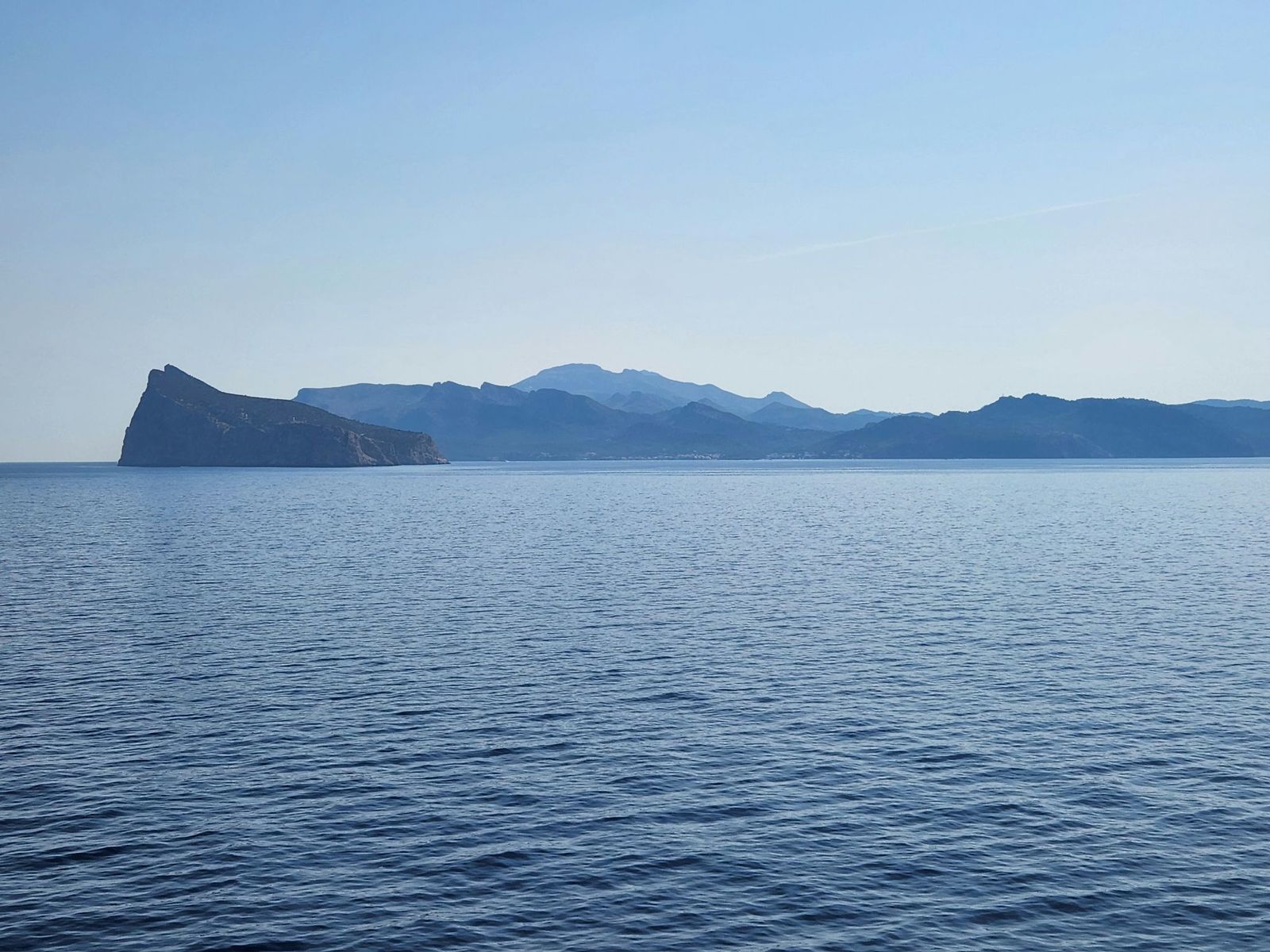
Surrounded by Europe, Africa, and Asia, the Mediterranean offers a wide array of attractions, from secluded beaches to history-packed cities and small, relaxed islands. Barcelona, Istanbul, Athens, Rome, Algiers, and Alexandria are among the most visited Mediterranean cities, famous for their cuisine, archaeological sites, and architecture, while Sicily, Mallorca, and Ibiza are some of its popular island destinations for enjoying calm beaches, snorkeling, and sailing.
Red Sea
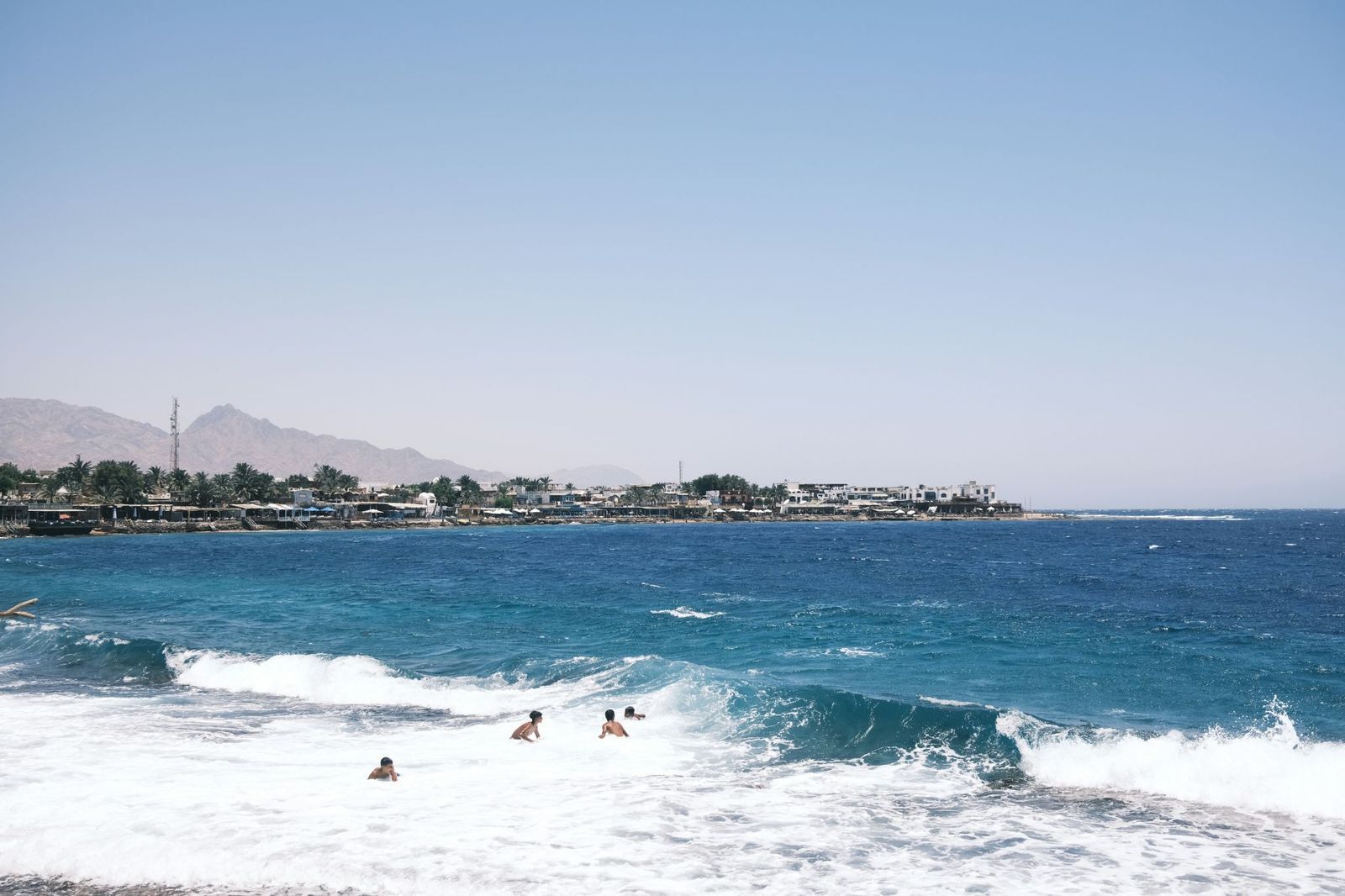
Lying between Africa and the Arabian Peninsula, the Red Sea might not be the first to come to mind when talking about tourist destinations, but it offers clear waters, pristine islands, vibrant coral reefs, and a rich marine biodiversity, as well as multiple luxurious resorts and historic spots along its coast, perfect for diving, windsurfing, and enjoying nature. Among its main tourist destinations, we can find Hurghada and Sharm El Sheik in Egypt, Jeddah in Saudi Arabia, and Aqaba in Jordan.
Adriatic Sea
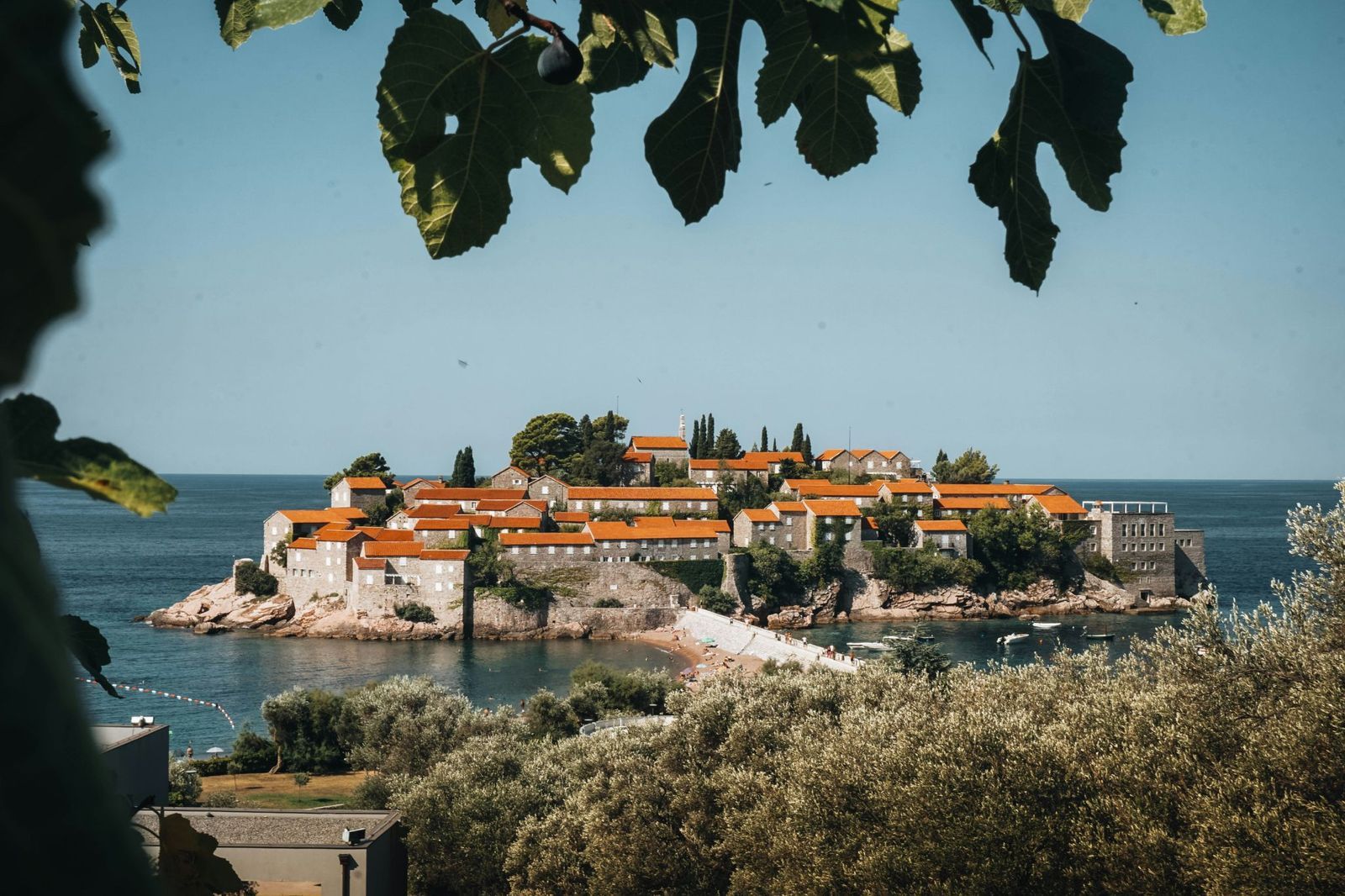
Located between the Italian Peninsula and the Balkans, the Adriatic is renowned for its crystal waters, medieval cities such as Dubrovnik, picturesque towns like Split or Rovinj, and major ports such as Venice, Bari, and Trieste. Featuring sandy beaches and limestone cliffs on its Italian side, and pebble-covered shores on the opposite shore, the Adriatic offers relaxing resorts, historic destinations, and stunning natural landscapes.
Sea of Japan/East Sea
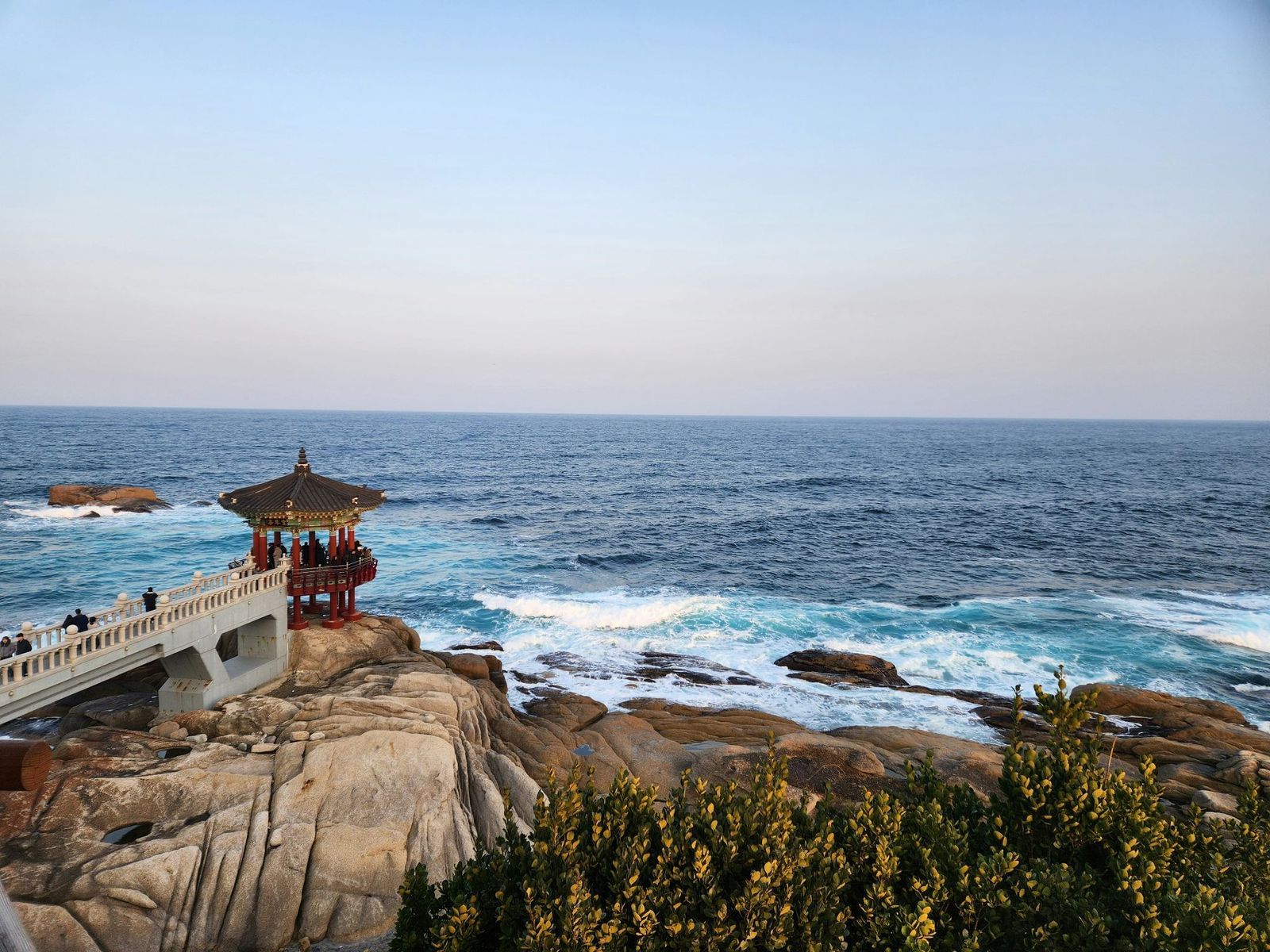
Bordered by the Japanese archipelago to the south and east, by the Korean Peninsula to the west, and by Russia to the north, the Sea of Japan (also known as the East Sea) is famous for its calm waters. Its Japanese coasts offer coastal towns with bustling seafood markets and hot springs, while on the Korean Peninsula you can find scenic rock formations, hillside villages, and surfing spots. The city of Vladivostok, the volcanic Kamchatka peninsula, and Sakhalin Island are the main destinations along the Russian coast.
Coral Sea
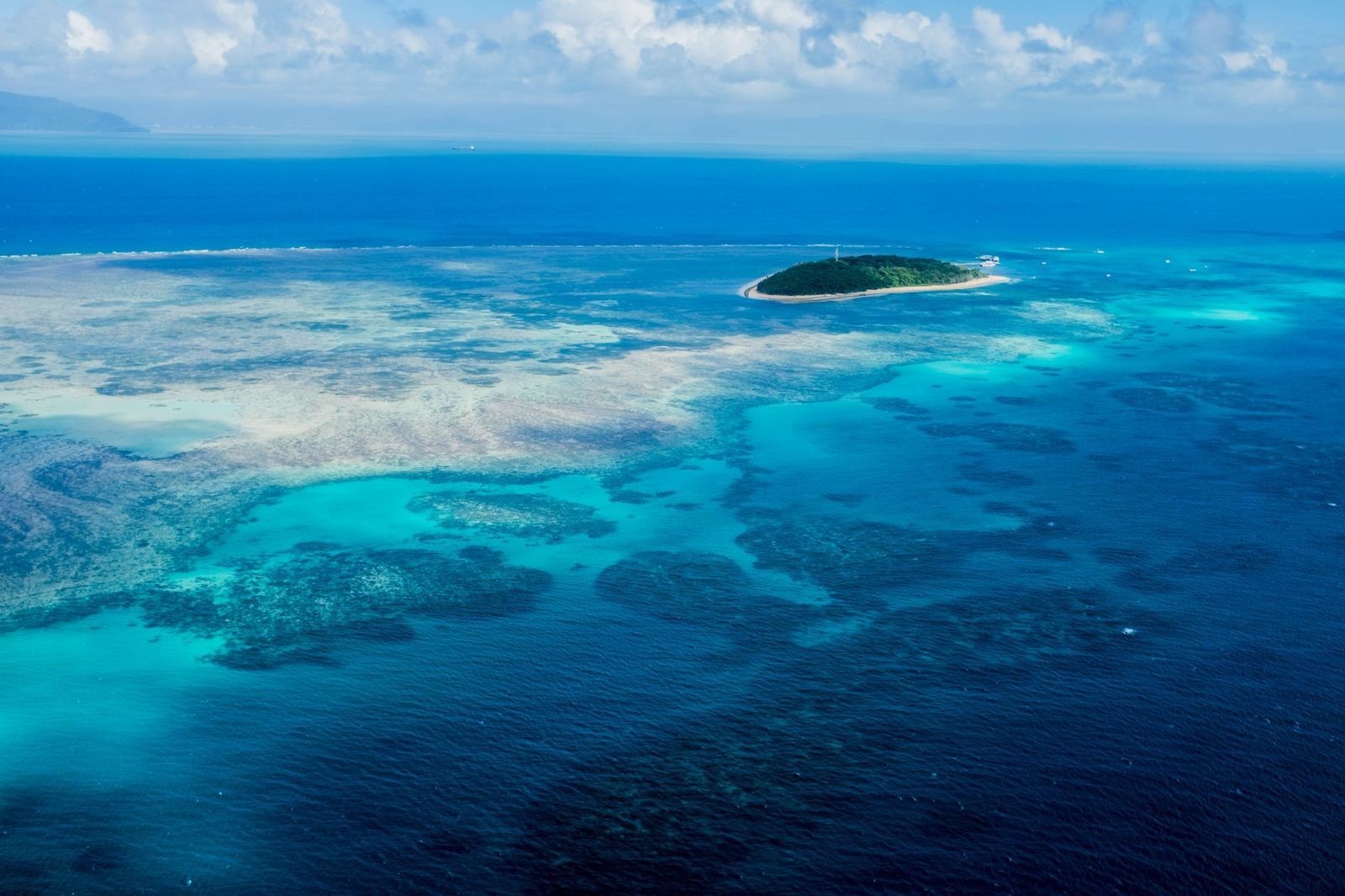
Located off the northeast coast of Australia, the Coral Sea is famous for its Great Barrier Reef, the largest reef system in the world, considered one of the top destinations for scuba diving and remote reef exploration. In addition to the Reef, the Coral Sea is home to several stunning islands, which can be visited for snorkeling, wildlife watching, or to enjoy their pristine beaches.
Aegean Sea
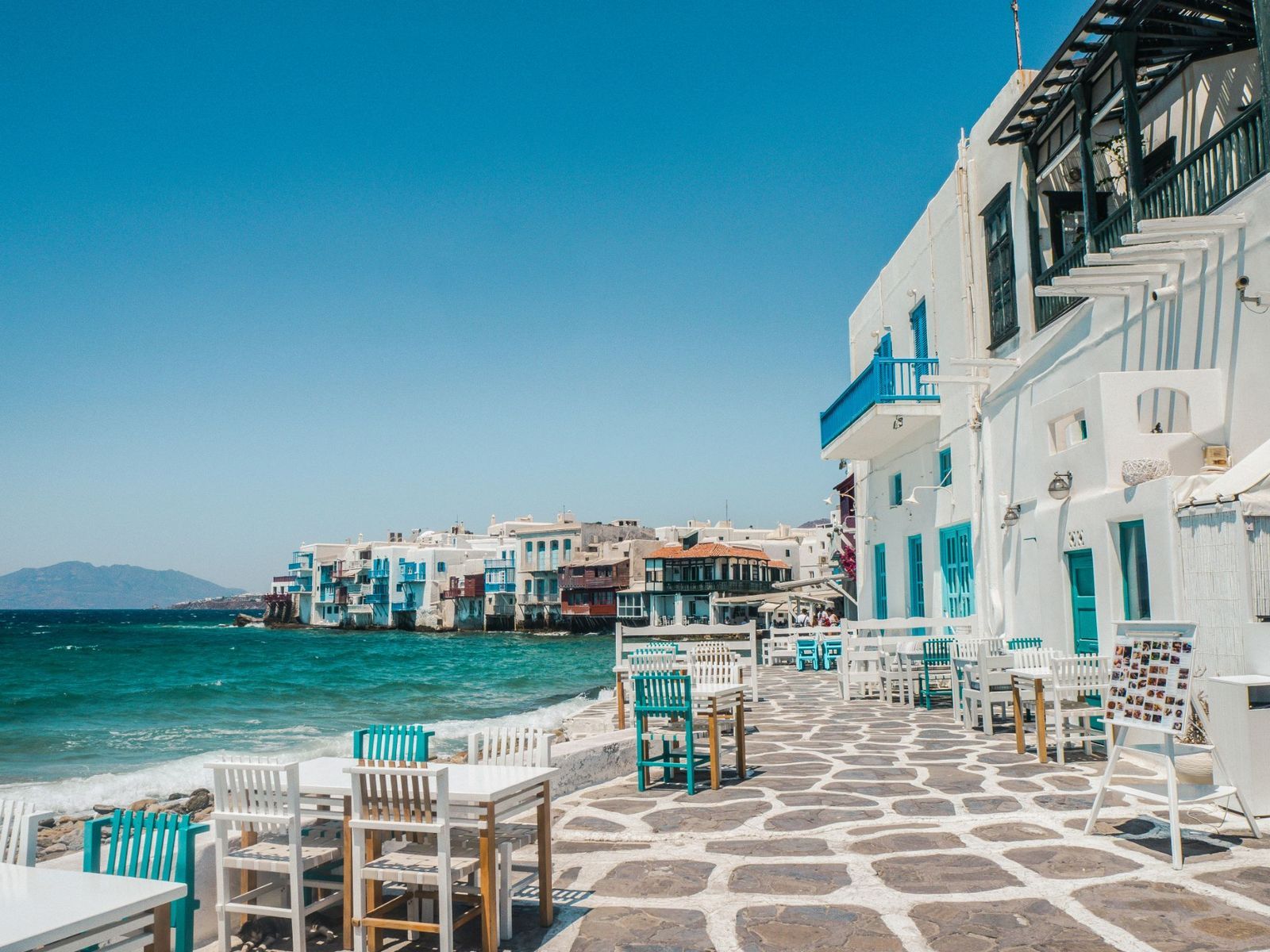
An embayment of the Mediterranean Sea, the Aegean Sea sits between Greece and Turkey, and is home to several islands, such as Santorini, Crete, Mykonos, Naxos, or Rhodes, famous for their history, blue-roofed villages, and pebbled beaches. With clear blue waters, the Aegean is perfect for relaxing beach escapades, island hopping, sailing, or exploring ancient ruins.
Bering Sea
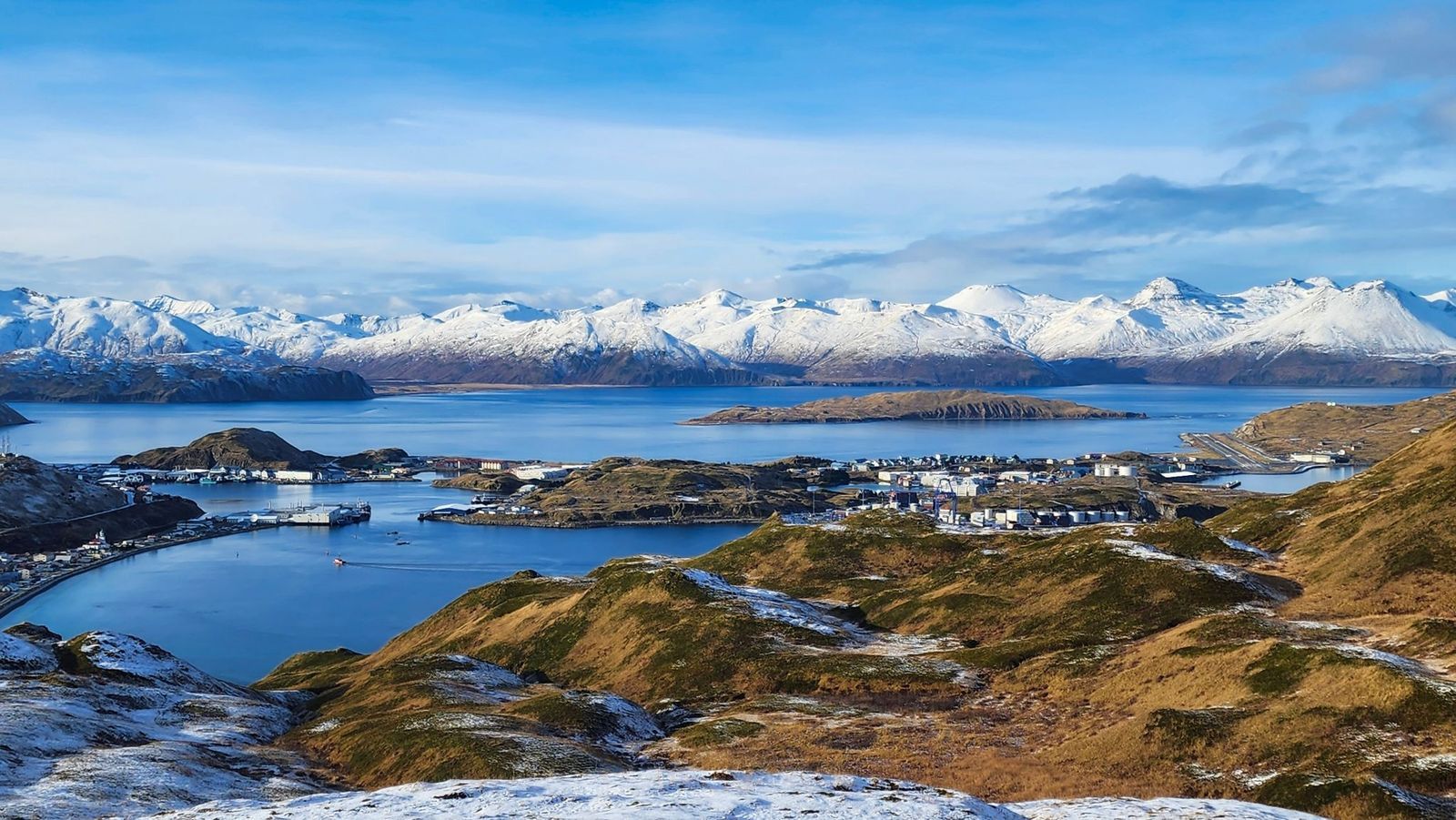
Unlike other entries on this list, the Bering Sea is not the destination for those wanting to relax under the sun. Bordered by the Alaskan Peninsula to the east and by Russia to the west, it is partially frozen during winter, with temperatures between 34°F and 41°F during the summer. Despite the harsh climate, there is a wide variety of activities available for tourists, such as fishing excursions, remote wildlife expeditions, historical island tours, or sightseeing cruises.
Baltic Sea
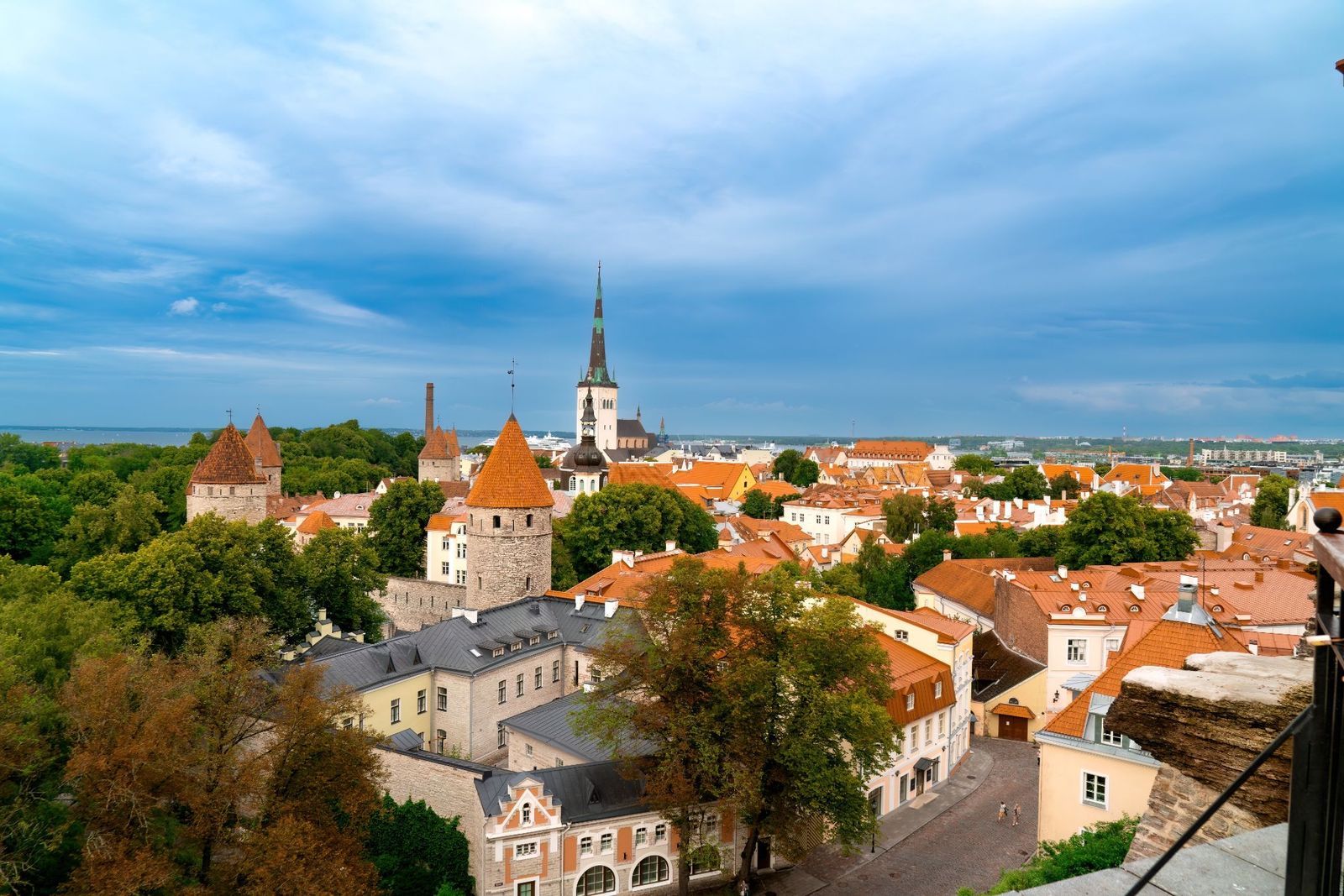
Enclosed by the Scandinavian Peninsula and Central Europe, the Baltic Sea is known for its coastal medieval cities and its breathtaking nature. From history-packed cities with centuries-old architecture, such as Tallinn or Riga, to sandy islands like Rügen or Gotland, and luscious national parks, Baltic Sea destinations are perfect for nature lovers and history enthusiasts.
Dead Sea
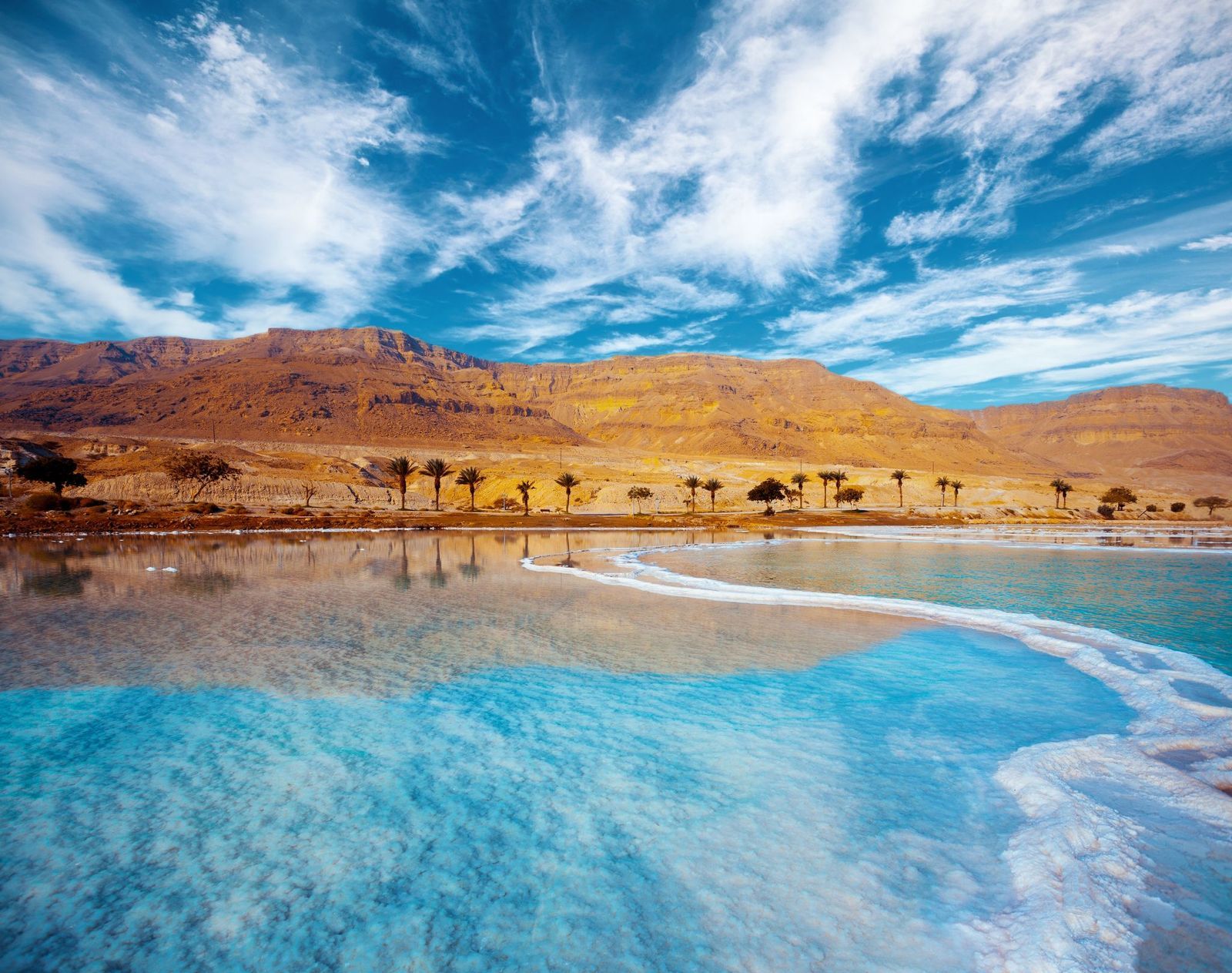
While the historical and archeological appeal of the Dead Sea might seem obvious to many, it might come as a surprise that this salt lake in the Jordan Rift Valley is also a popular spa destination. Besides exploring the Masada historical ruins or the Ein Gedi and Wadi Mujib natural reserves, you can experience floating in the ultra-saline water and enjoying the therapeutic benefits of the Dead Sea mud.
The minibar trick that charges you before you even open it
 General
Hotel tips
What hotels don't tell you: 10 rules that can cost you money
Travel is full of surprises. Sometimes you meet people who end up staying in your life. Sometimes a place turns out to be even more beautiful than it looked in the photos. But not every surprise is a good one, especially when extra hotel charges show up in the bill and don’t seem to make sense at first. Here are 10 hotel rules that can catch travelers off guard and help them avoid unnecessary frustration.
Paying extra for air conditioning
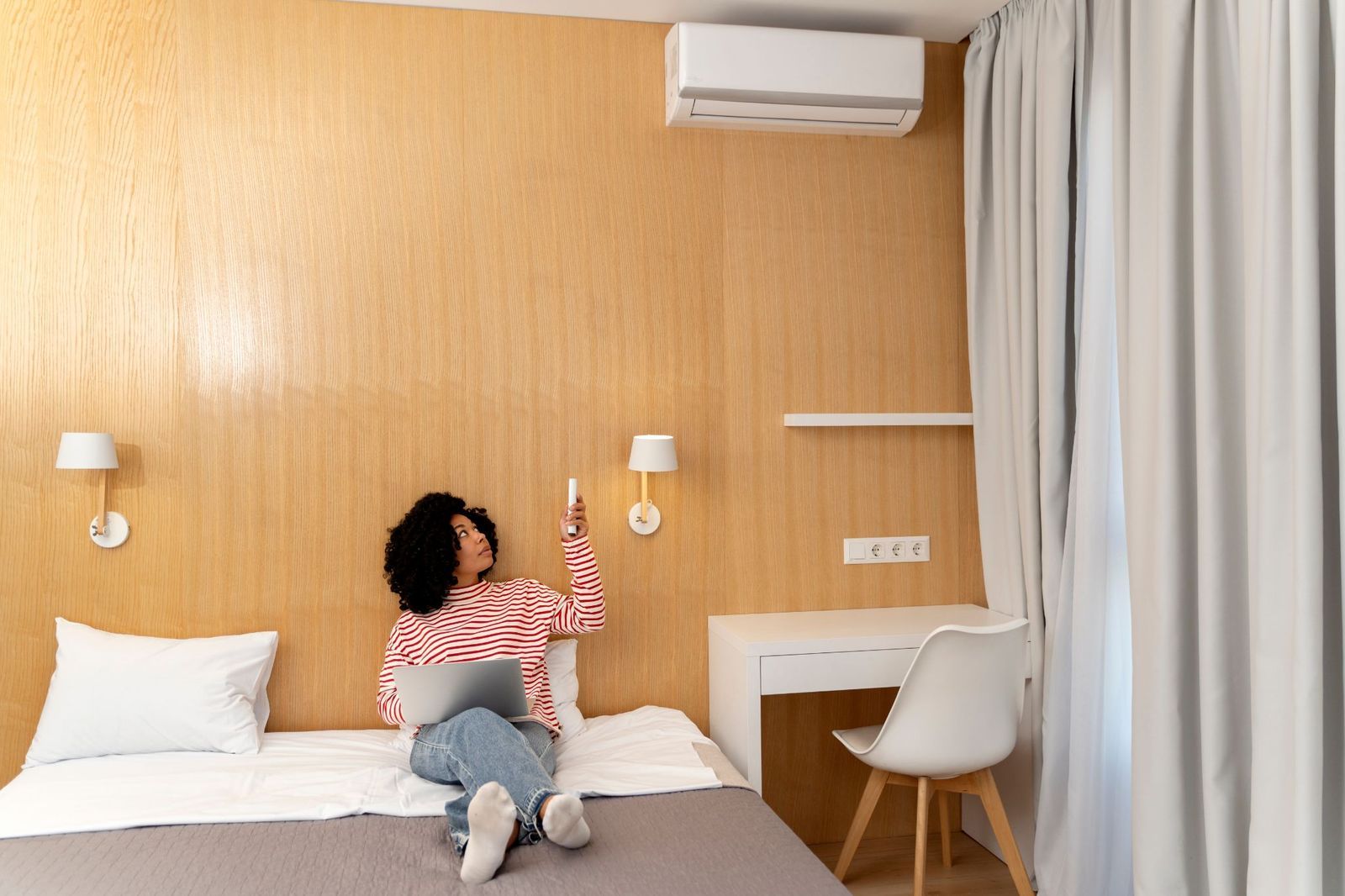
Picture yourself on a summer vacation in Greece. The heat is stifling, and locals tell you that temperatures reach these high levels every year. When the hotel bill arrives, you find an extra air-conditioning fee you didn’t even know existed. In some places, certain hotels may charge extra for air conditioning, especially where energy costs are high.
The best way to avoid this is to check the policy before booking. "However, you're always better off booking directly through the official website. Confirm before booking; in the "amenities" section of travel booking sites, check if air conditioning is listed as included. If you can’t find it, it is probably an extra charge. Another option could be upgrading to a slightly more expensive room. Premium rooms usually include this service in the standard rate, which can be cheaper than the fee itself.
Paying for minibar items
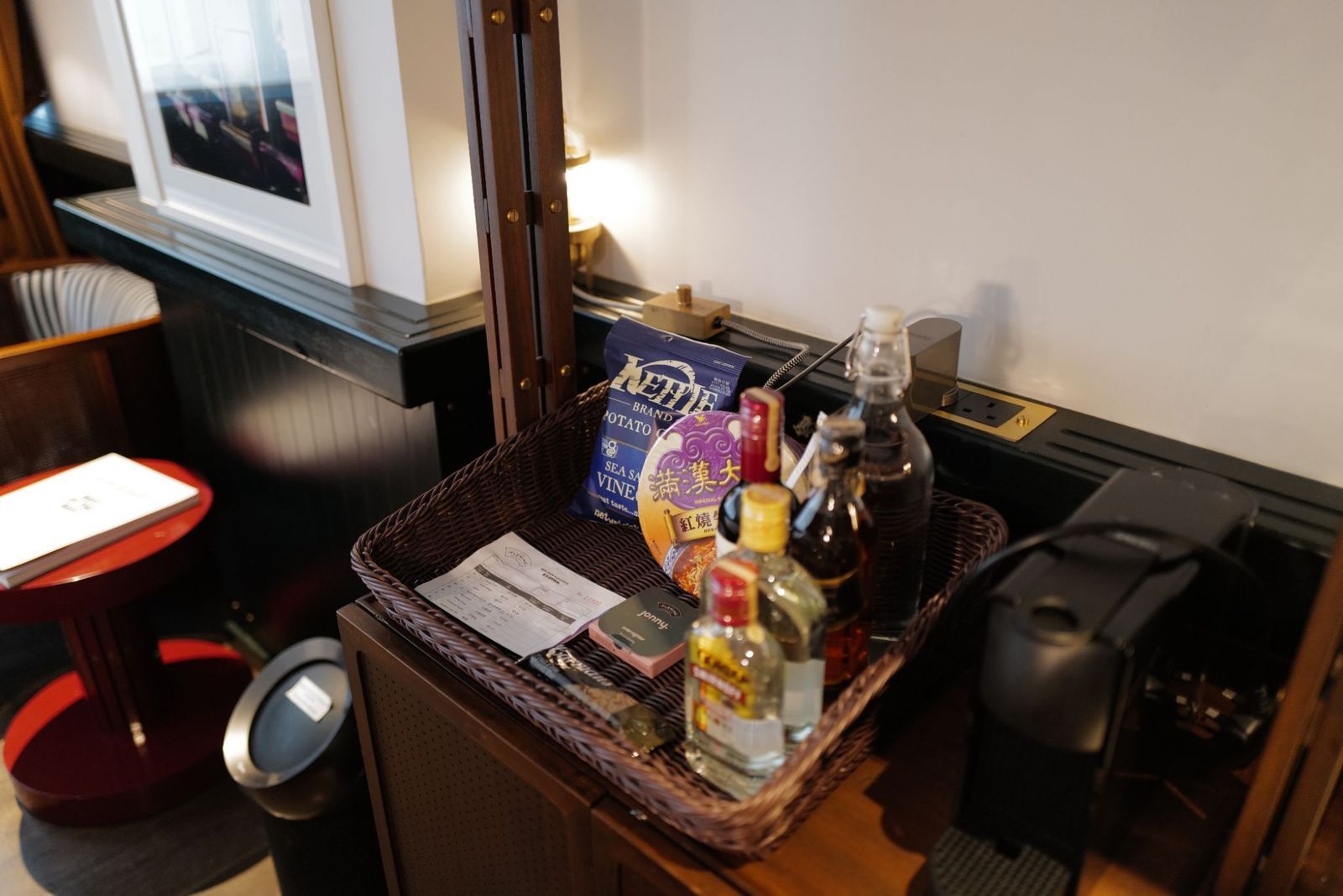
Hotel minibar items carry heavy markups with prices much higher than regular retail prices, because guests are paying for convenience, and that’s no surprise. However, in some hotels, newer technology has changed how these items are billed.
Many modern minibars use infrared or weight sensors to track inventory, so when you pick up an item to read the label or move it to make space for your own drinks, the system may charge you instantly. To avoid inconveniences, you should ask for an empty fridge at the reception desk, and be careful not to buy identical items to replace what’s in the minibar fridge, because staff are trained to track expiration dates and specific item codes.
Completing a check-in and check-out inspection

This step is easy to miss, but it can be one of the most important ways to avoid hassle and unexpected costs. When you arrive at your hotel room, do a quick check: turn on the TV, test the lamps, water pressure, power outlets, air conditioning, toilet flushing, and contact maintenance right away if something isn’t working properly. This is the best way to avoid misunderstandings and unfair charges at the end of your stay.
Before checking out, always look under the bed, inside closets and drawers, on nightstands, and on the bathroom floor. Even if you think you have packed everything, you may still find something you missed, and it could be valuable enough to justify the cost of going back or having it shipped home.
Losing your passport
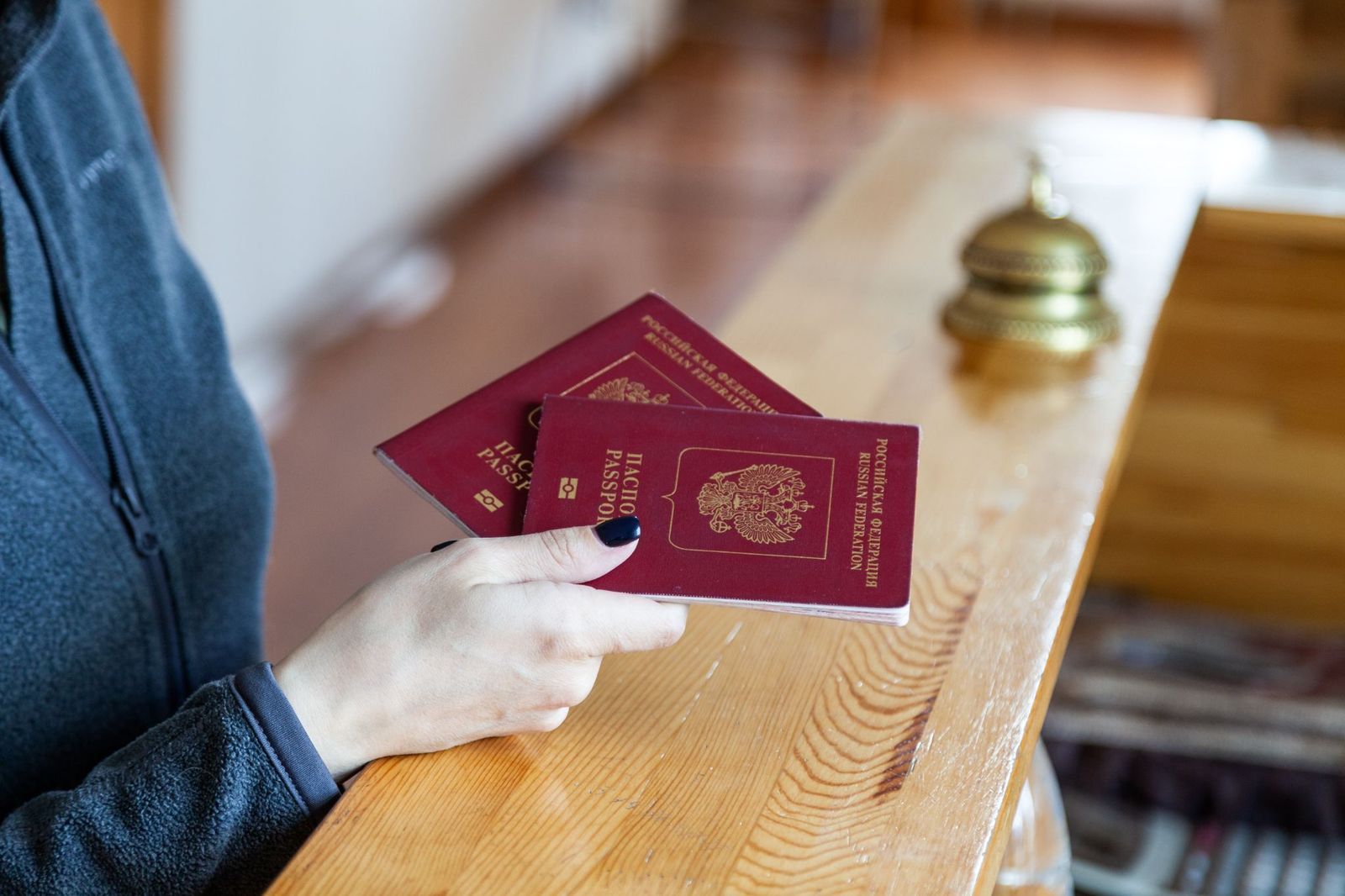
Losing a passport can also become an expensive travel problem. If the wrong person gains access to your passport, the chances of identity theft or fraud increase. You may have to pay replacement or emergency-document fees, take new passport photos, travel to an embassy or consulate, and change flights or hotel reservations while waiting for the paperwork.
It is usually safer to carry a clear photocopy of your passport and keep the original in the room safe. Hotel staff may need to see the original to verify your identity or complete local registration requirements, but they should normally return it after recording the necessary details.
Bringing visitors to your room

Bringing someone up to your room is not always as simple as it may seem. Some hotels have strict visitor policies for security and occupancy reasons, and sometimes because of local registration rules. A friend, relative, or guest may need to show ID at the front desk, be added to the room record, or leave before a certain hour.
These rules can surprise travelers who expect a hotel room to be as private as their own apartment. But hotels are responsible for everyone inside the building and may request each visitor’s information, even if the person only plans to stay briefly. Ignoring the policy could result in an extra guest fee, a penalty, or even the cancellation of the reservation.
Showing ID for every guest

Most hotels are required to register every person staying in the room, not just the person who made the reservation. Travelers who are used to checking in under one name and simply adding a second guest without much paperwork could find this unusual.
However, the front desk may ask for passports or official ID from everyone in the room, even family members or travel companions. If someone isn’t listed on the booking, the hotel may ask to update the reservation, charge an extra fee, or refuse access until the guest is properly registered.
Paying a local tourist tax
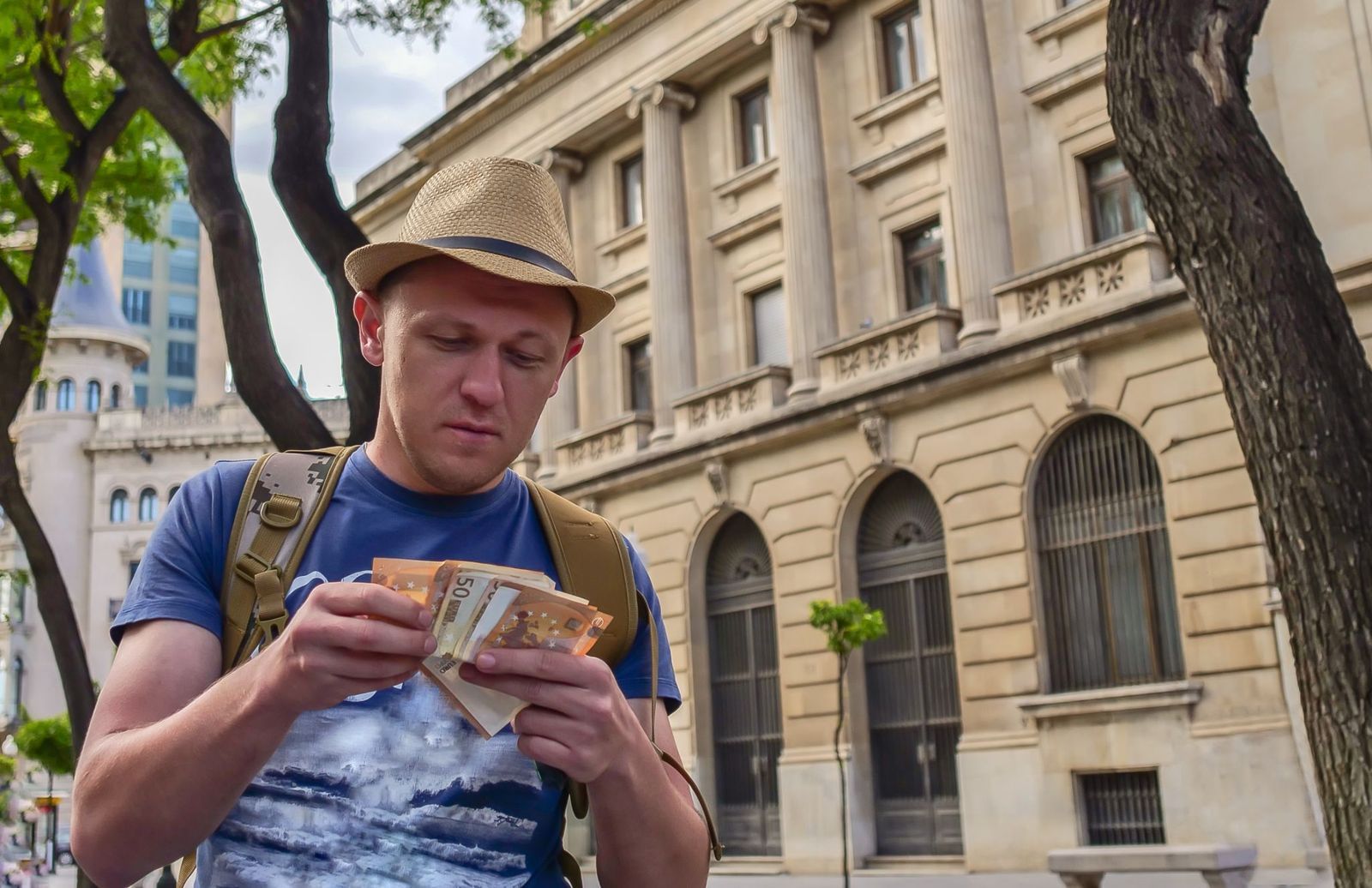
The Local Tourist Tax is a mandatory, government-applied levy charged per person, per night. They are generally required to be paid in the local currency, and it is better to have some cash because small properties often don’t accept local taxes with cards. If you refuse to pay it, your accommodation has the right to refuse your check-in or withhold your keys.
Following strict quiet hours
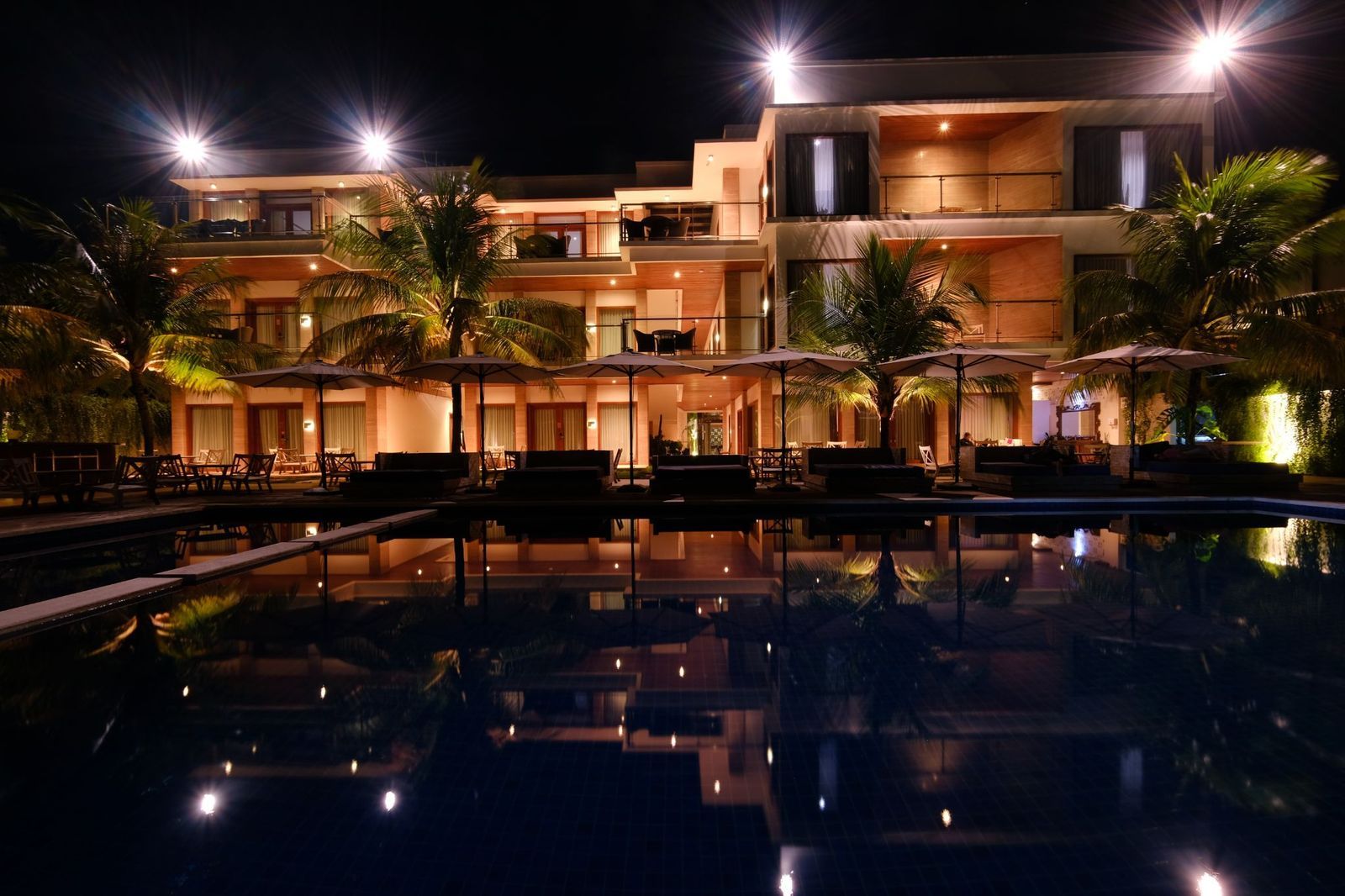
Most hotels take nighttime quiet hours seriously. It often runs from 10:00 pm to 7:00 am, and guests are expected to keep volume levels to a minimum in rooms and corridors during this period. If you’re in your hotel room and the noise at night is disturbing, you can contact the front desk and let the night staff handle the situation. If the issue persists, you may ask for a room change, a later check-out, or compensation for the disturbance.
But if you are the guest causing the disruption, you could receive a fine or an extra charge added to your bill the following day. Repeated complaints may even lead the hotel to ask you to leave.
Following pool towel rules
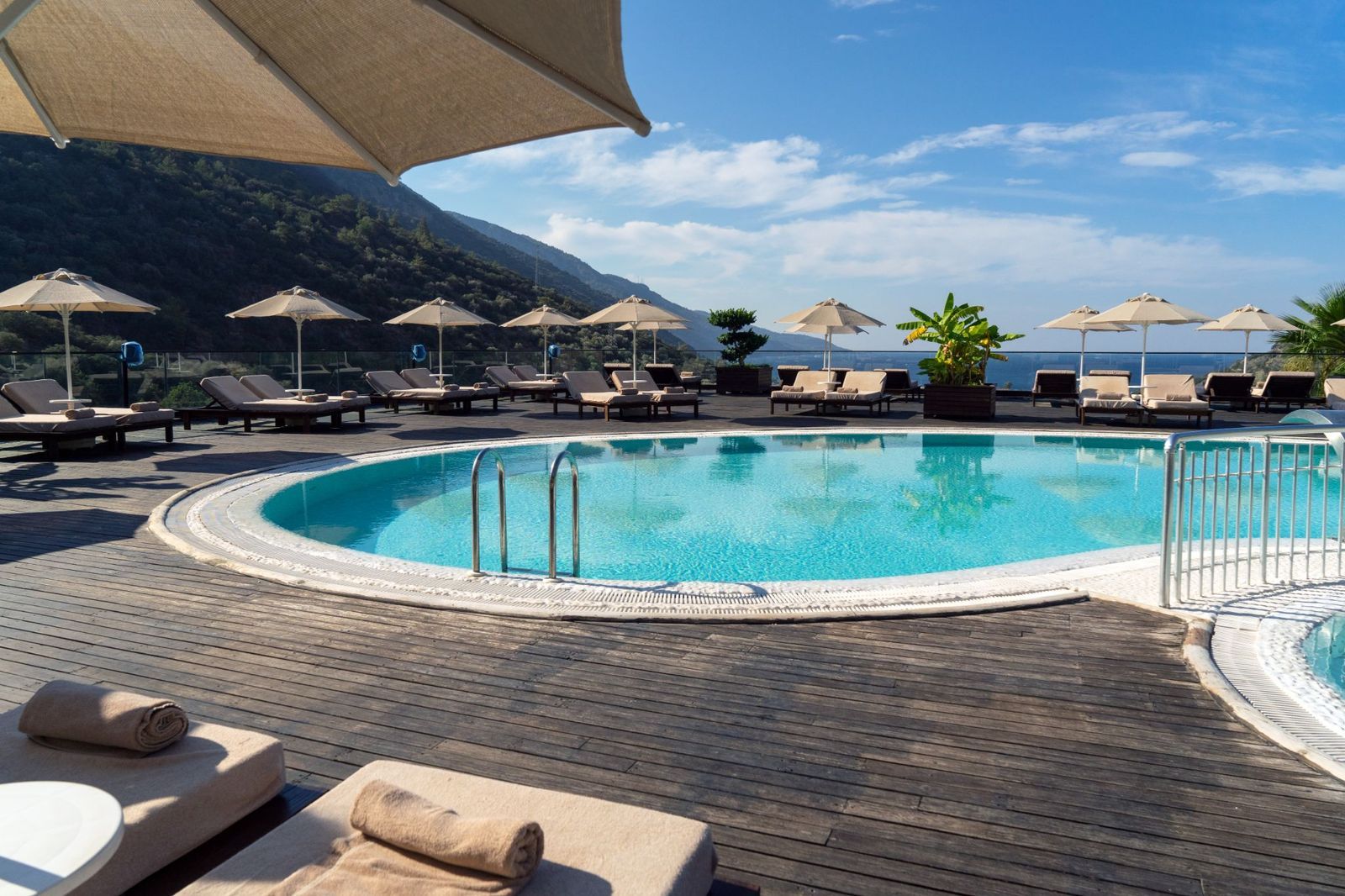
Hotel pool towels are their own separate issue. They should be kept separate from bath towels at all times, and bath towels shouldn’t be taken to the pool area either. Guests should check whether there is a designated spot in the pool area for used pool towels, so they don’t bring them back to the room. Some hotels may also charge guests who take more pool towels than their room allowance. Also, a common but often unspoken hotel rule is that you shouldn’t reserve a lounge chair with only your pool towel for more than an hour if no one is around.
Using shared bathrooms
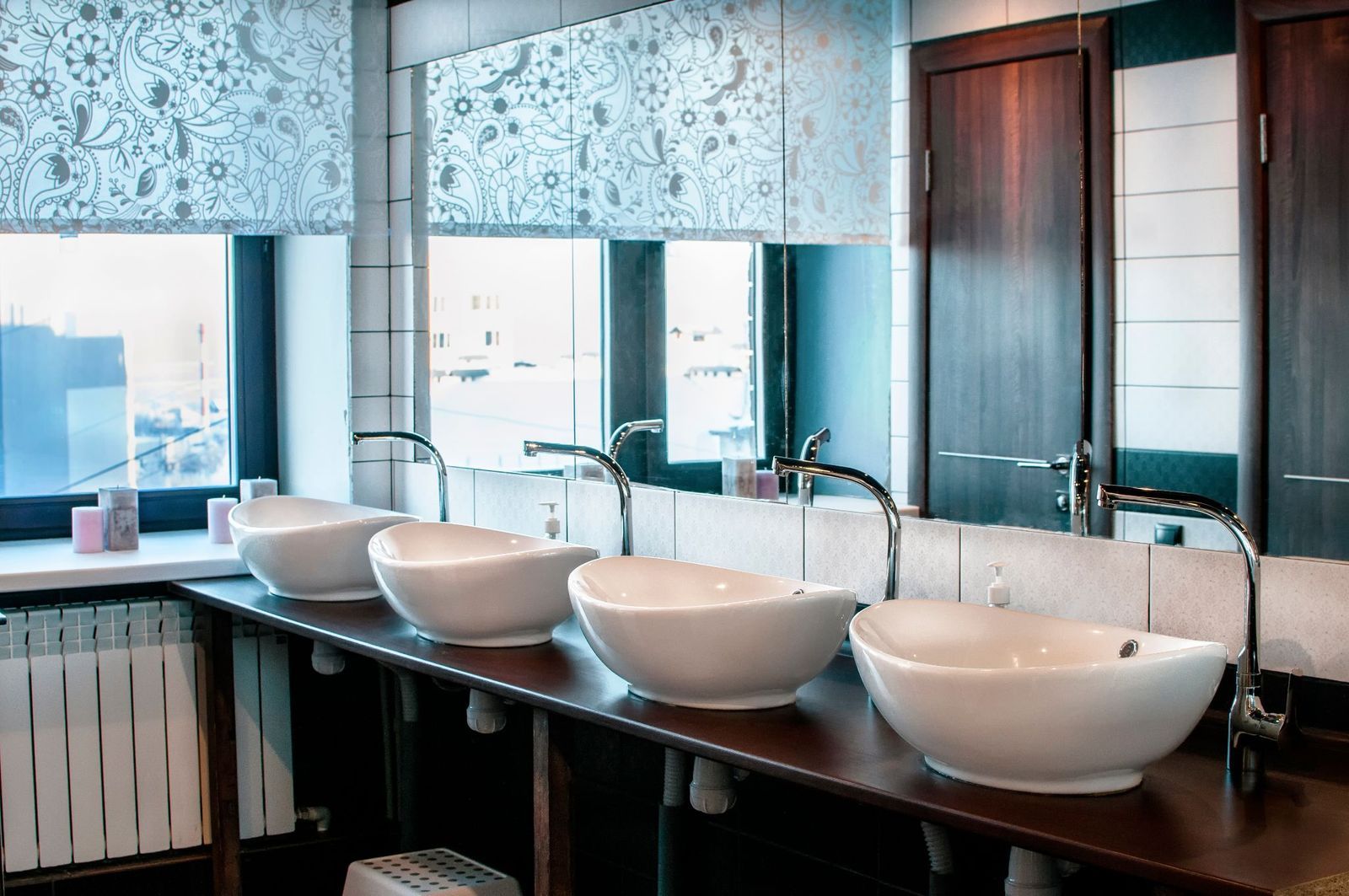
In many destinations, especially in Europe, booking a private room doesn’t necessarily mean you will have a private bathroom. In smaller hotels, guesthouses, and budget accommodations, rooms are often designed mainly as places to sleep, while several guests share bathrooms located in the hallway.
A private bathroom may cost extra or only be available with a larger, more expensive room. Before booking, check whether the listing says "private bathroom," "ensuite," or "shared bathroom." Otherwise, you may arrive expecting complete privacy and discover that the shower and toilet are shared with other guests.
Keep wandering
There’s always
more to explore
 Landmarks
The construction mistake that made this tower famous
5 min.
Read Now
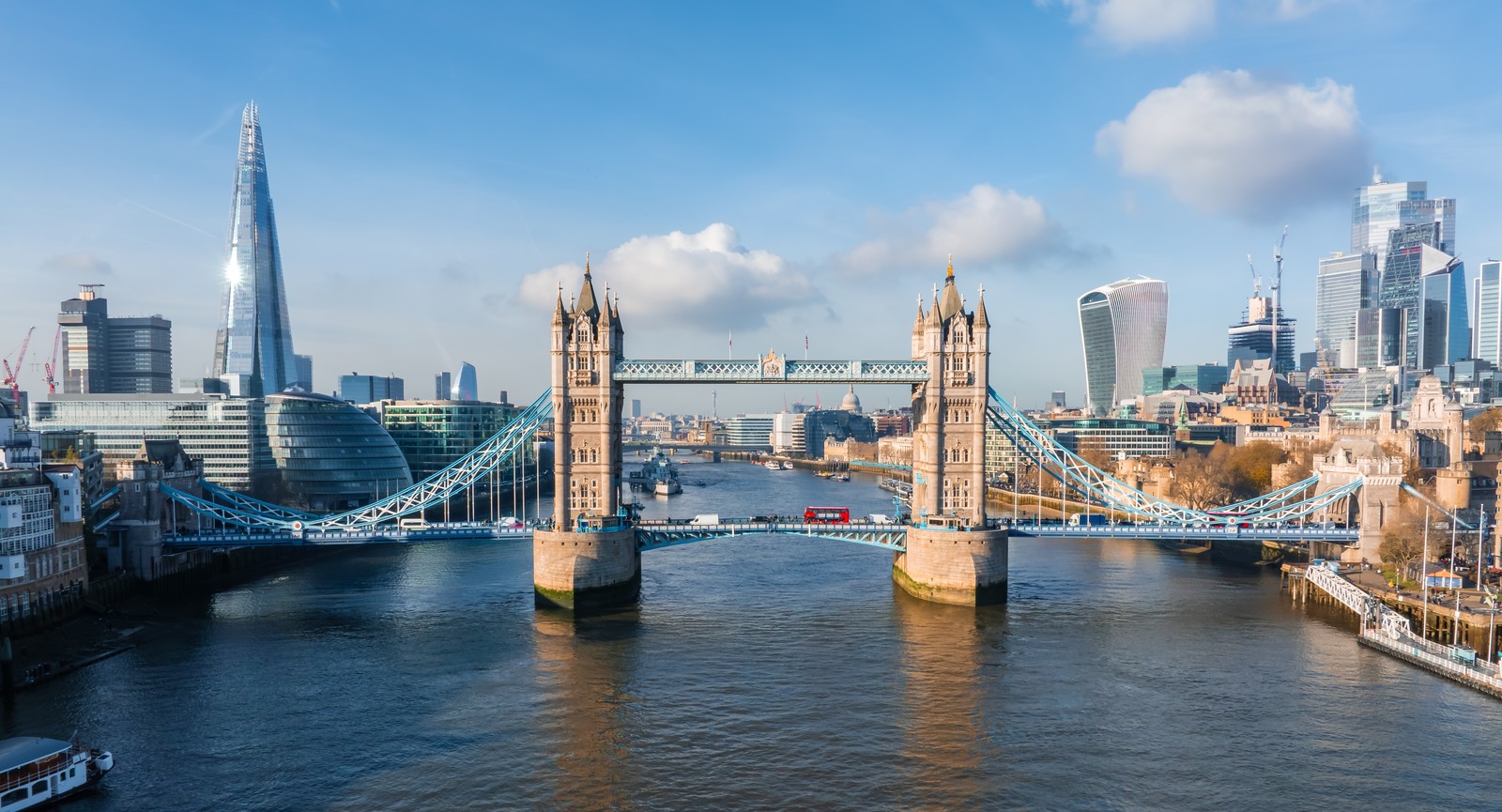
Most tourists never find these London spots hiding in plain sight
3 min.
Read Now

Why do hotels have bed scarves, two peepholes, and bathroom phones?
6 min.
Read Now
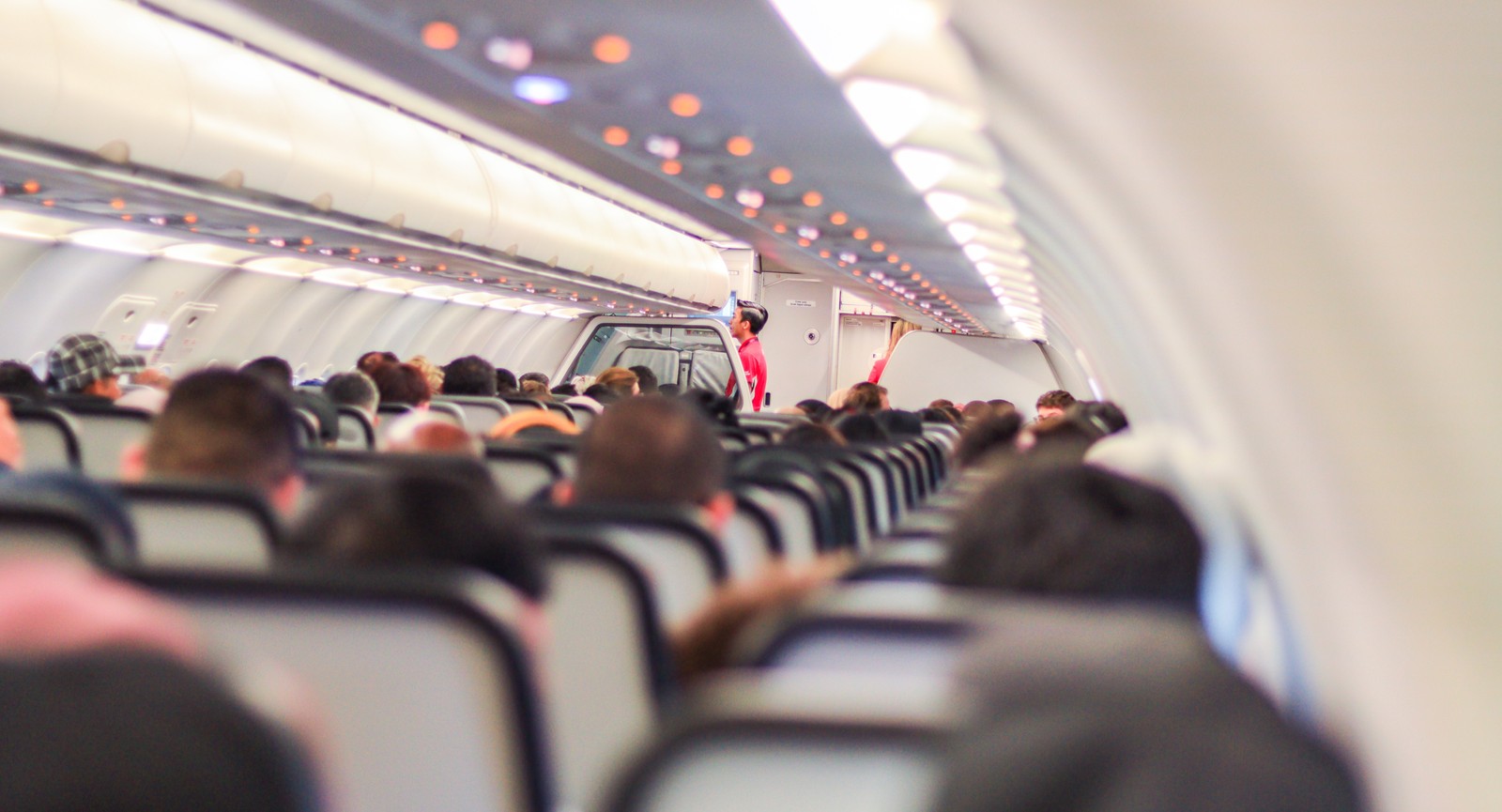
The dirtiest spot on your plane isn't the bathroom
6 min.
Read Now