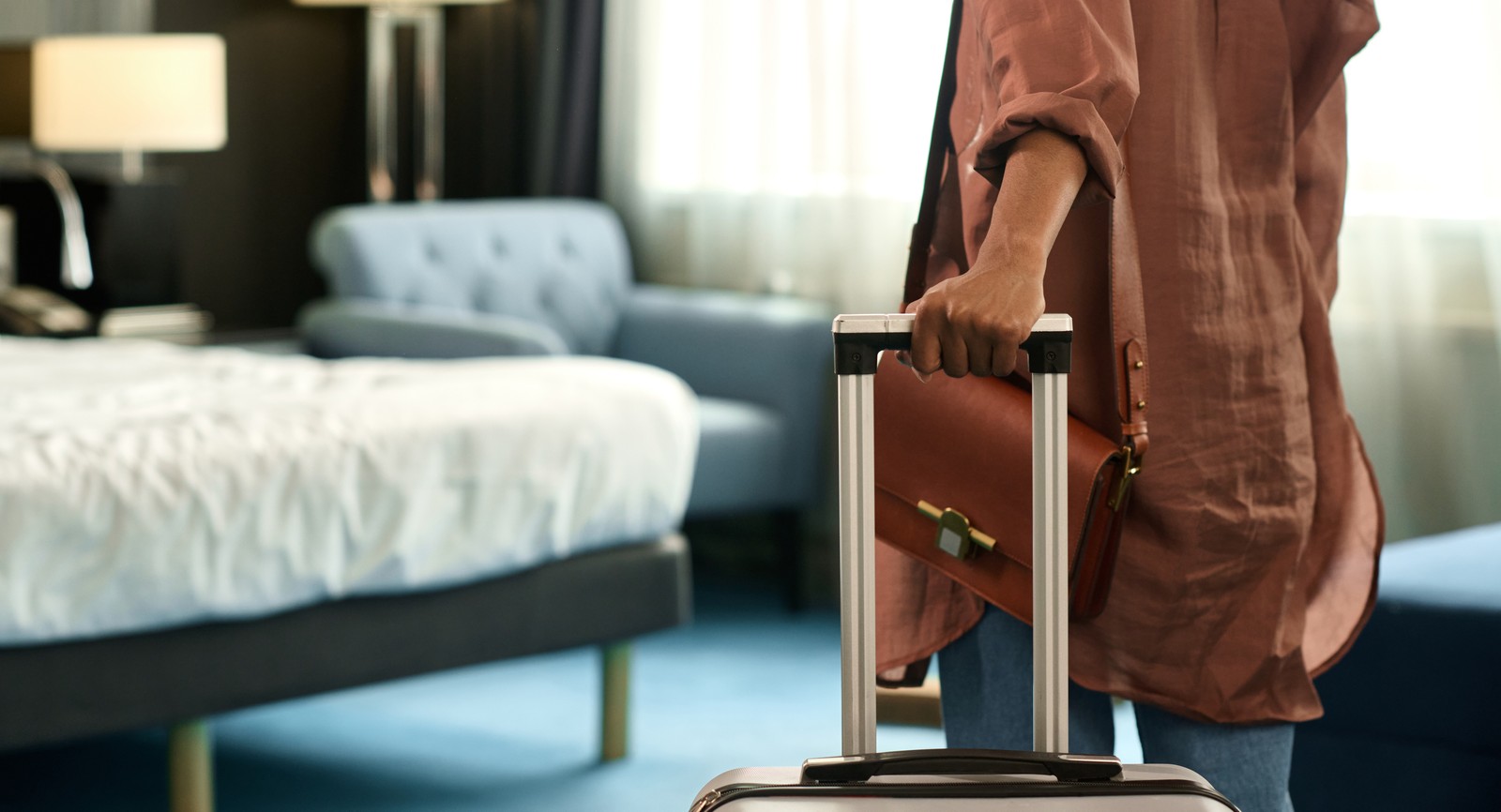
Why do hotels have bed scarves, two peepholes, and bathroom phones?
 General
Hidden perks
Why do hotels have bed scarves, two peepholes, and bathroom phones?
A hotel room can seem pretty straightforward: a bed, some curtains, a bathroom, and maybe a desk if you are lucky. But look a little closer, and you will find objects whose purposes are surprisingly easy to miss. That colorful strip across the bed is not necessarily just decoration, the second peephole on the door is not there by accident, and the mysterious cord stretched across some showers has a decidedly low-tech job. From features designed for emergencies to leftovers from an earlier era of travel, here is what 12 familiar hotel-room objects are really doing there.
That piece of fabric across the bottom of the bed
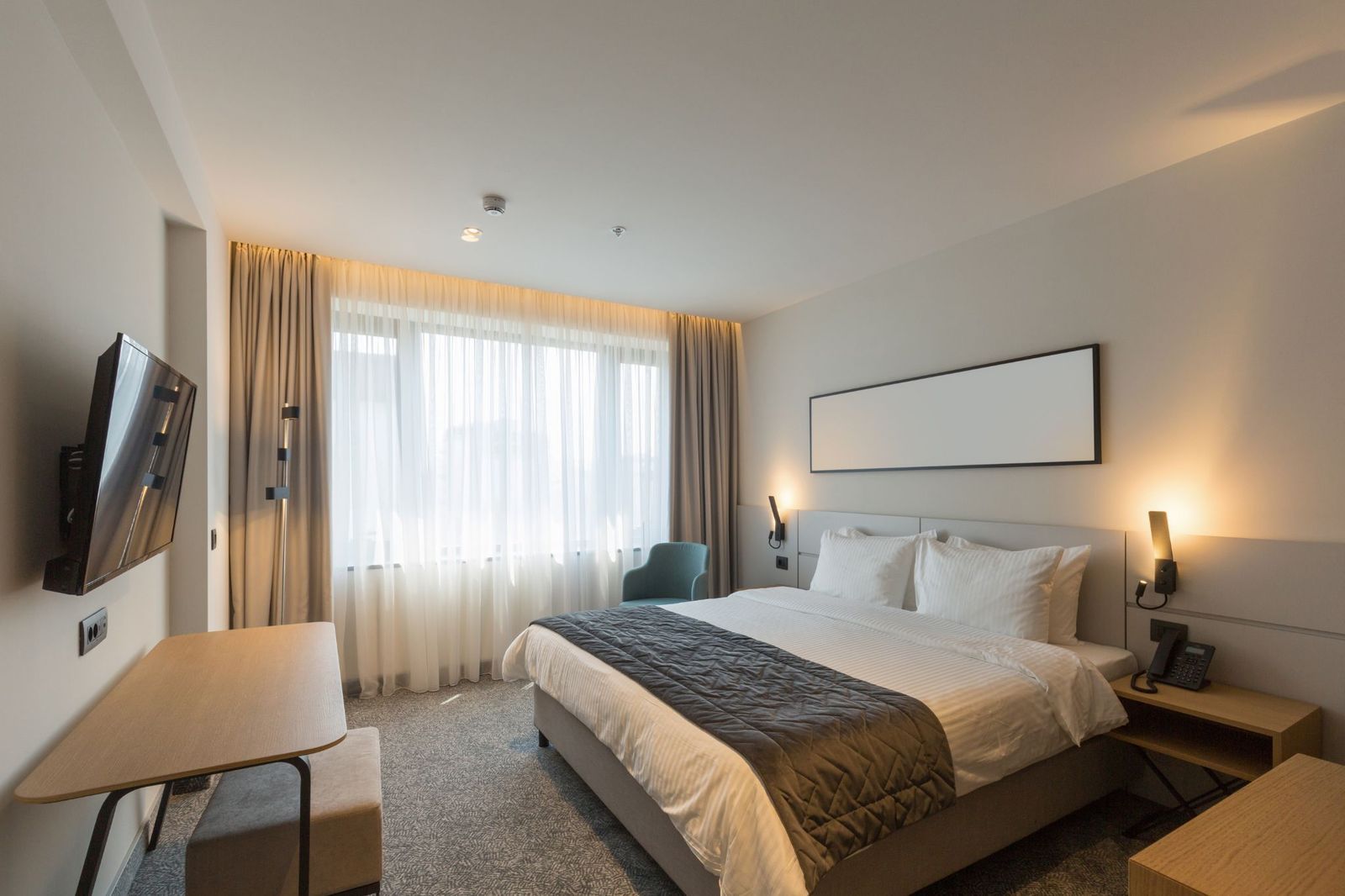
It is usually called a bed runner or bed scarf, and adding a splash of color to an otherwise white hotel bed is only part of its job. Its position at the foot of the bed happens to be useful, too: that is exactly where guests are likely to place their feet, bags, coats, or other belongings.
Think about where your suitcase has been before it reaches the room: airport floors, sidewalks, trunks, baggage belts, and train stations. The runner provides a convenient barrier between those things and the main bedding, while being much easier to remove and clean than a full bedspread.
Folding rack for suitcases
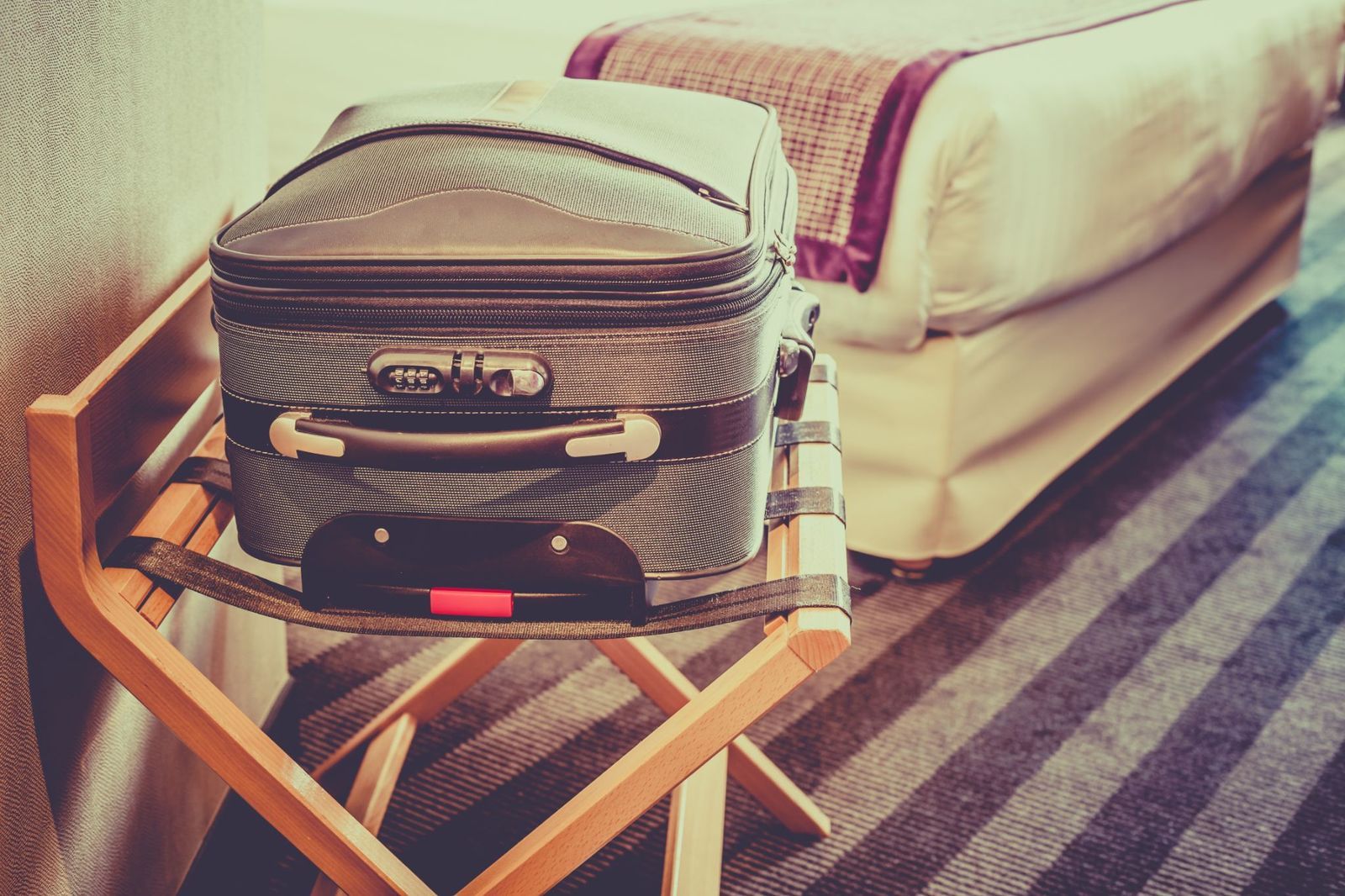
The folding stand hiding in a corner or closet is a luggage rack, and using it means you do not have to crouch on the floor every time you need something from your suitcase. There is also a less obvious reason not to throw your bag straight onto the bed.
The U.S. Environmental Protection Agency recommends inspecting hotel luggage racks for bed bugs and then using them to keep luggage off beds and floors. The EPA also suggests checking the mattress and headboard when you arrive.
Second lock
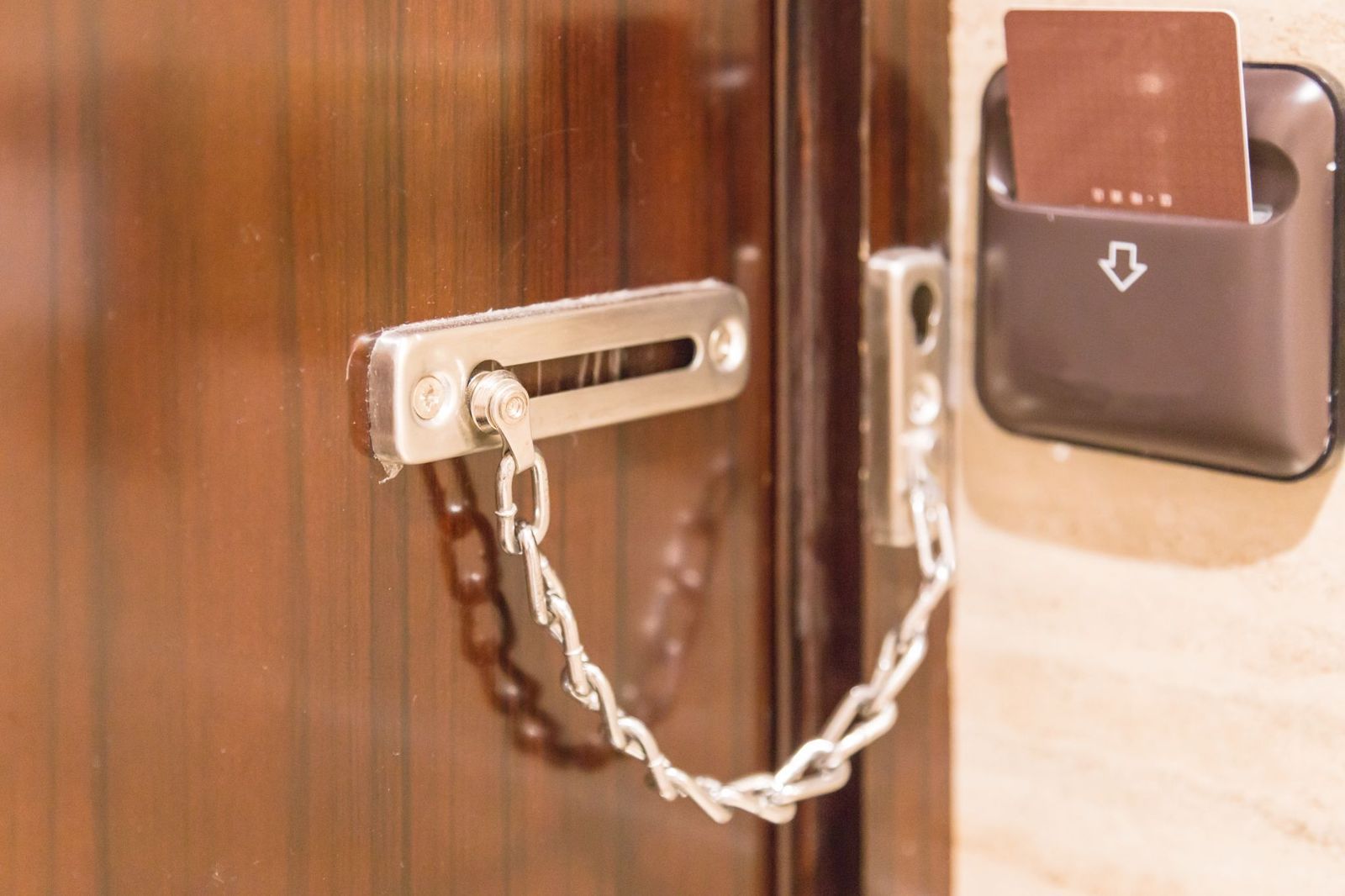
Your keycard-controlled lock keeps people without an authorized key from opening the hotel-room door. The deadbolt, security chain, swing bar, or night latch on the inside adds another layer of protection that you control once you are in the room.
Some swing-bar designs also let you partially open the door without immediately giving someone outside unrestricted access. Hotels, however, have to balance privacy with emergencies. Staff may need a way to enter if a guest is incapacitated or there is another urgent situation, and specialized emergency-access tools exist for some types of secondary latches. Your room may be private, but it cannot become completely inaccessible.
Two peepholes
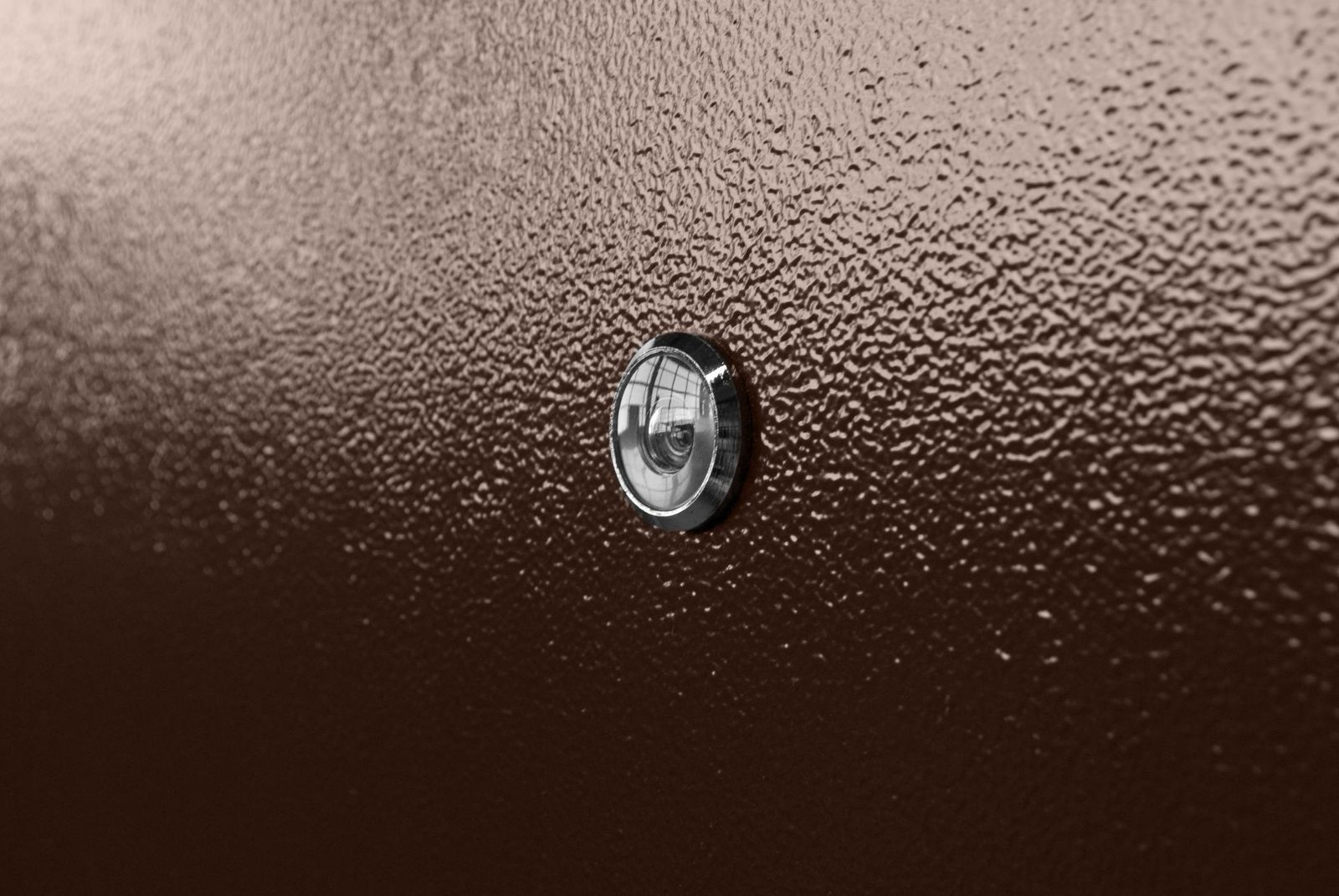
If you have ever noticed two door viewers, one above the other, there is a simple reason for the lower one: accessibility. A peephole positioned comfortably for a standing adult can be far too high for a guest using a wheelchair or for someone of shorter stature.
The ADA National Network has described two viewers, including one at a lower height, as a best practice for certain accessible hotel rooms. Some hotels explicitly advertise the feature in their accessible accommodations.
The keycard slot helps save energy
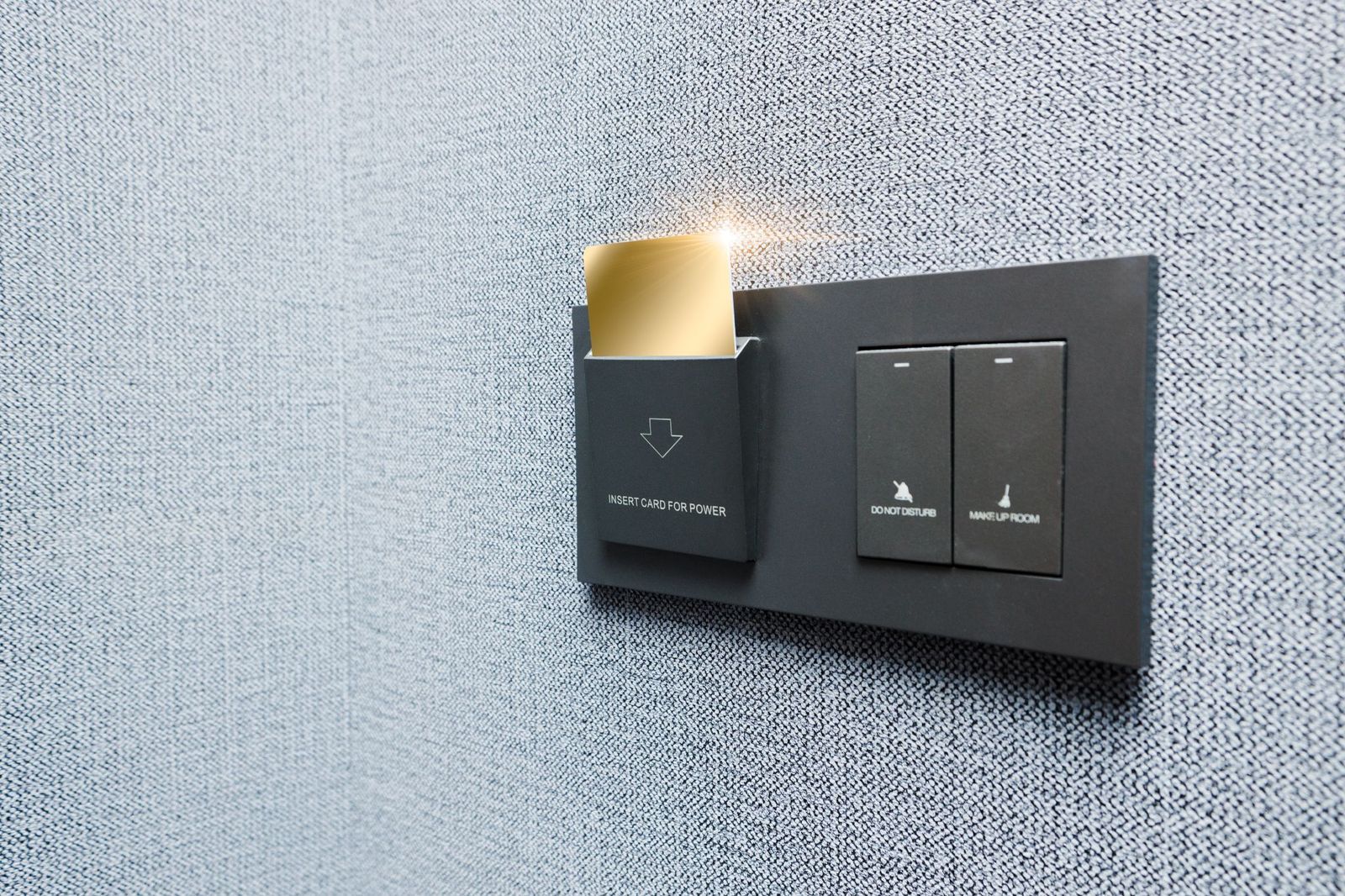
In many hotels, particularly outside the United States, you can walk into your room, flip every light switch, and get absolutely nothing, until you notice a mysterious slot by the door. Insert your room keycard, and suddenly the electricity comes to life.
These systems use the card as a simple indication that the room is occupied. When the guest leaves and removes it, selected lights, outlets, or heating and cooling systems can shut down or reduce their operation, sometimes after a delay. The U.S. Department of Energy has documented its extensive use in Europe and Asia. One hotel case study cited by the department reported an annual energy-cost reduction of about 10 percent.
The map on the door
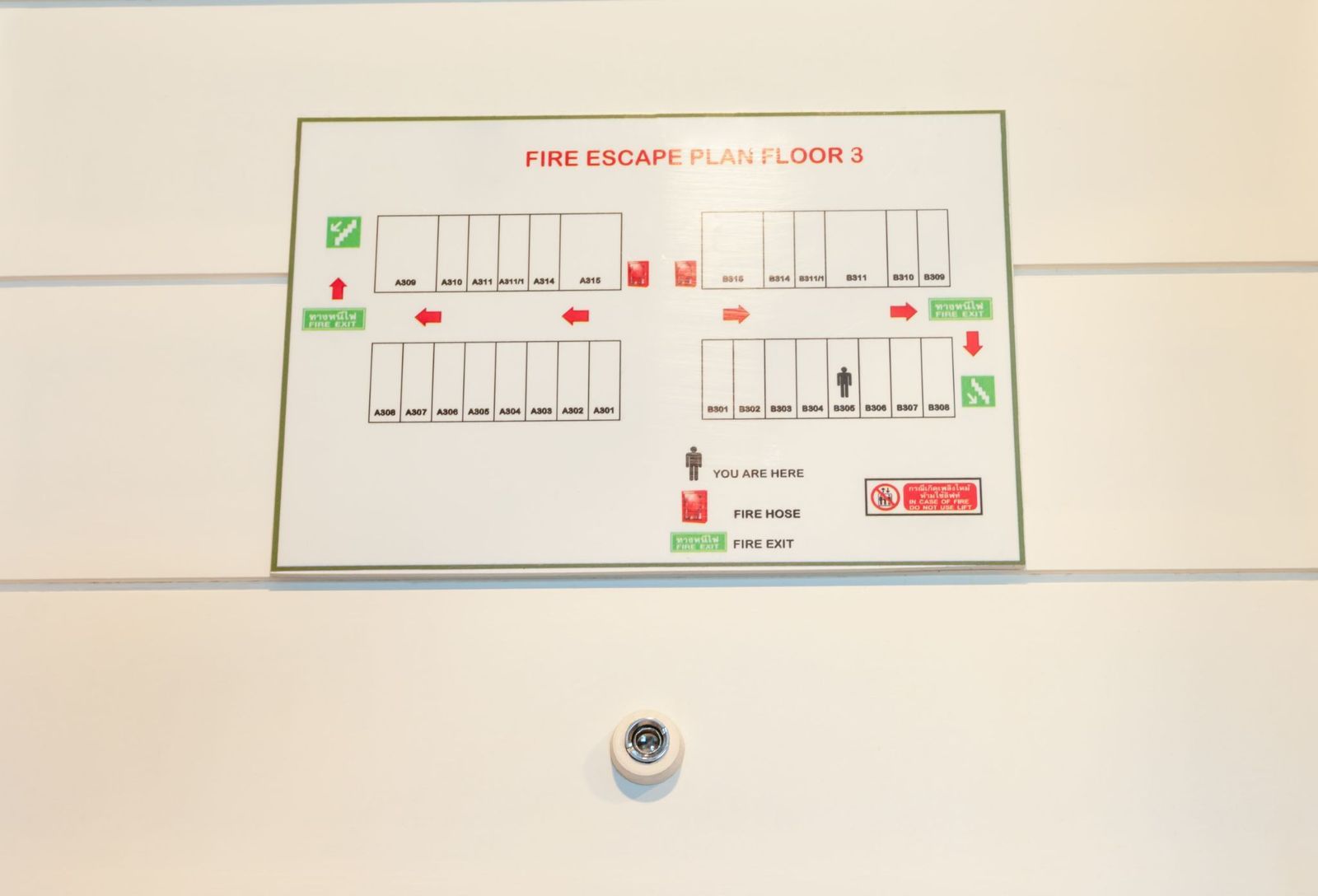
That little evacuation diagram is easy to ignore when you are dropping your bags and wondering where to eat. In an actual fire, however, you could be trying to escape an unfamiliar building through darkness or smoke, which is a terrible time to start figuring out where the stairs are.
The U.S. Fire Administration advises hotel guests to study the evacuation plan, identify the two closest exits, and locate fire alarms. It offers an especially useful trick: count the number of doors between your room and the exits. If smoke makes the corridor difficult to see, you may still be able to navigate by counting doorways as you move.
That shower cord is a clothesline
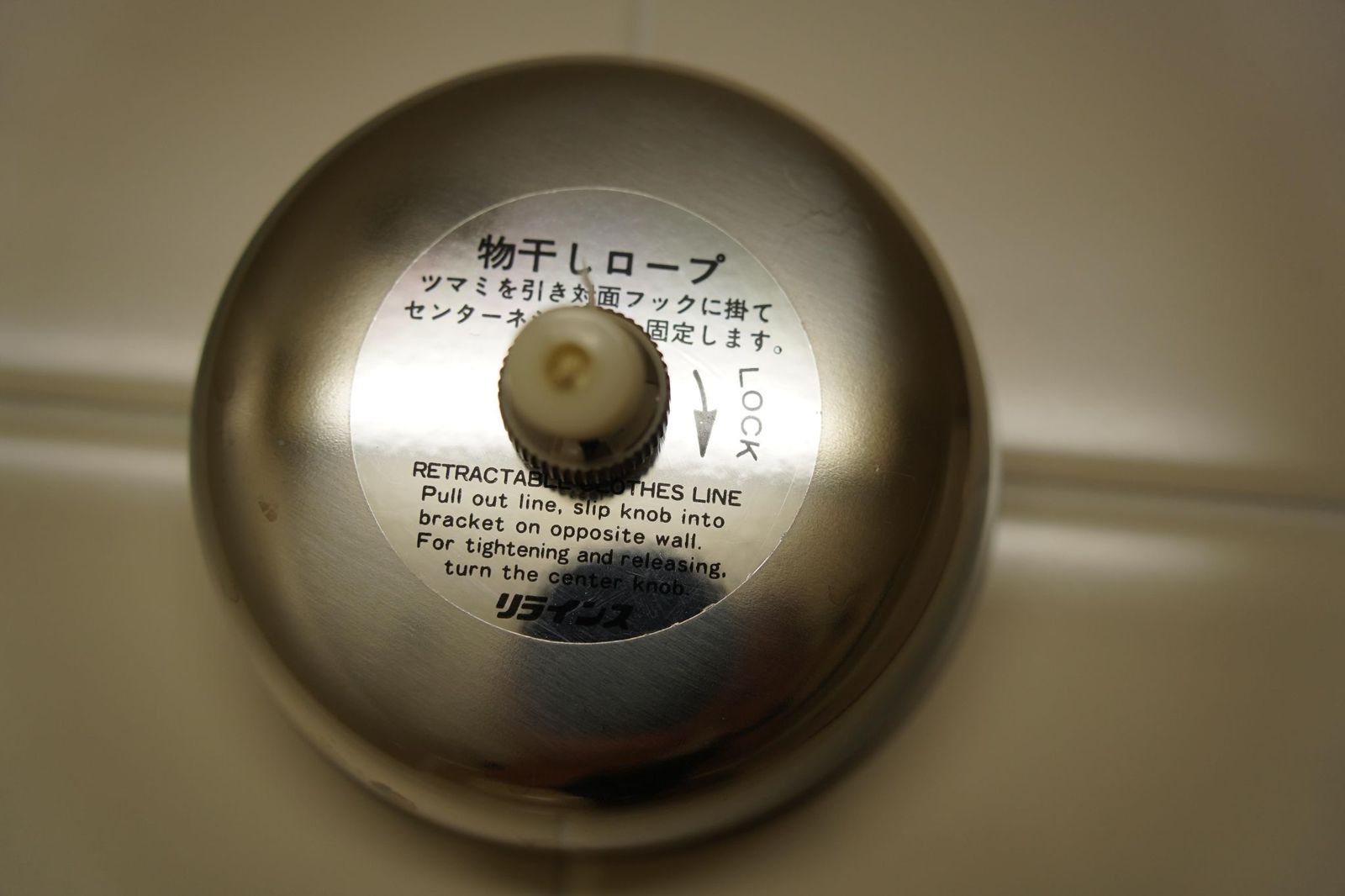
Some hotel bathrooms contain a small fitting on one wall with a cord that pulls all the way across the bathtub or shower. It can look like part of an alarm, emergency system, or plumbing fixture. Its real purpose is considerably simpler.
It is a retractable clothesline. Pull it out, attach it to the fitting on the opposite wall, and you have somewhere to hang a wet swimsuit, socks, underwear, or clothes you washed in the sink. When you are finished, the line disappears back into its housing. Putting it over the bathtub or shower also means dripping water falls where the bathroom was designed to get wet rather than onto the floor or carpet.
Bottle opener on the bathroom wall
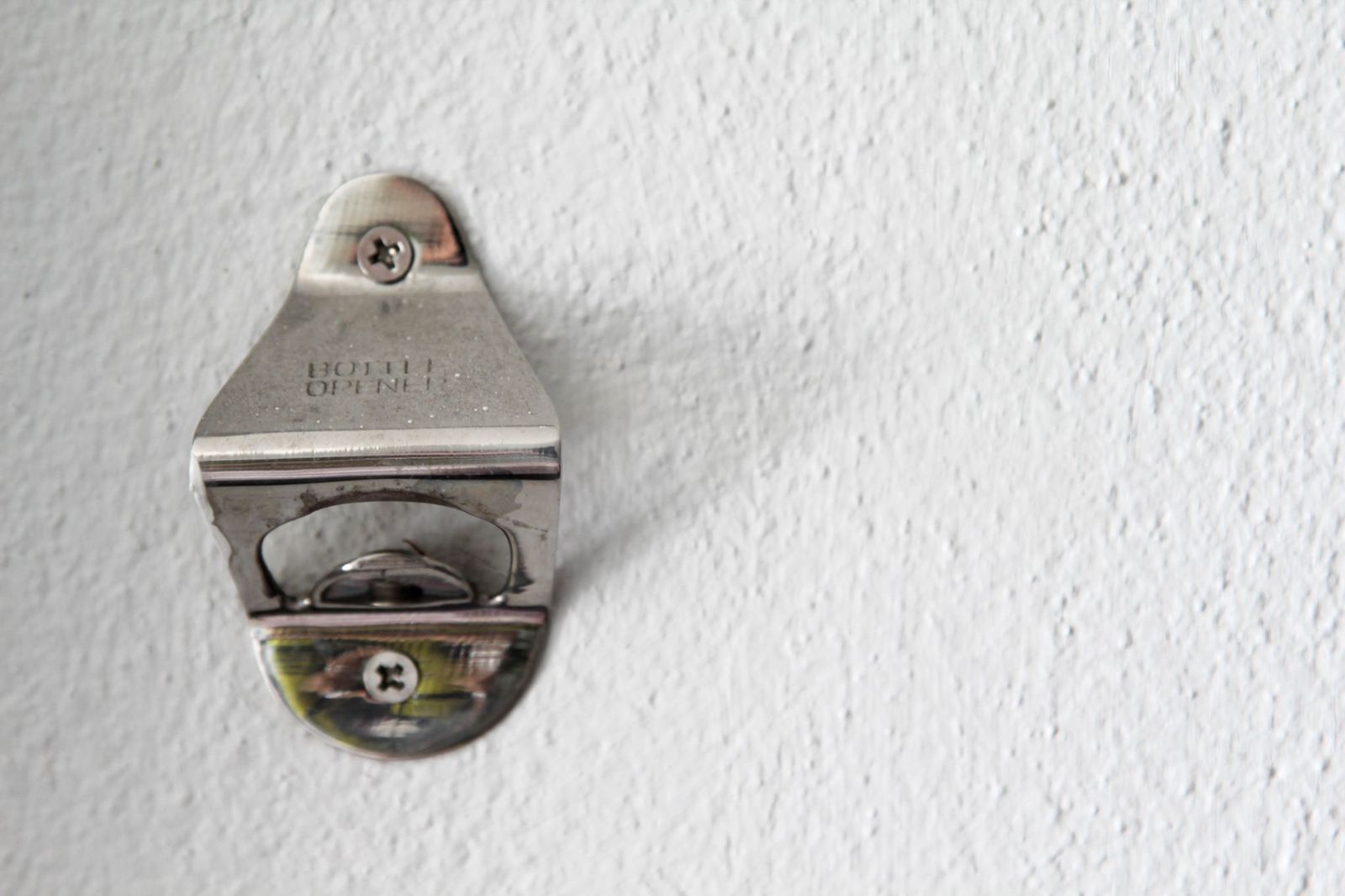
Travelers occasionally discover a strange little metal fixture permanently screwed to the wall of an older hotel or motel bathroom. If it looks suspiciously like an old-fashioned bottle opener, that is because it probably is one.
Fixed bottle openers made sense when capped glass bottles were an everyday part of drinking sodas, beer, and other beverages, and hotel-room standards have continued to include bottle openers long after portable versions became commonplace.
Telephone beside the toilet
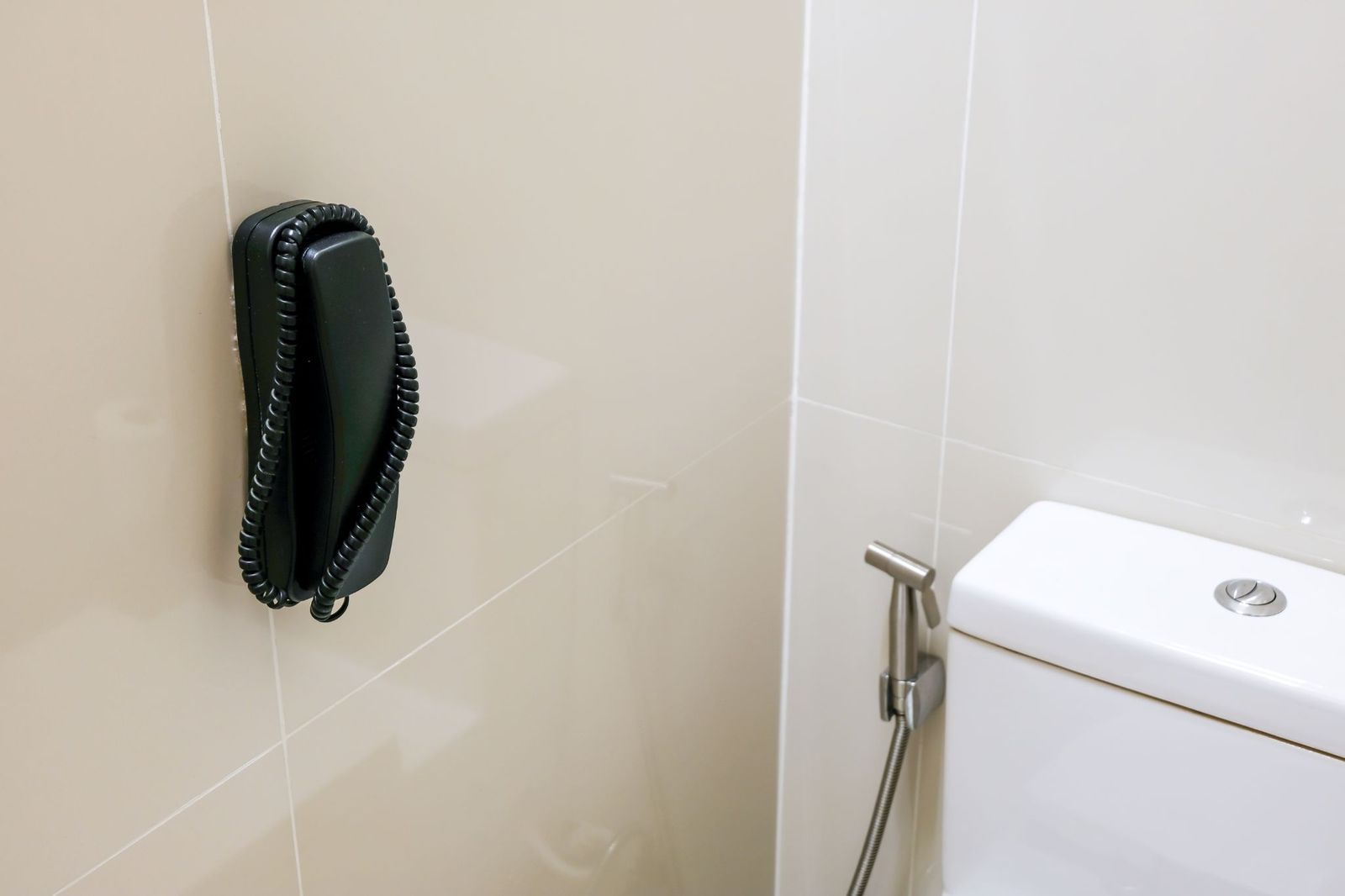
A landline within arm's reach of the toilet looks almost comical in the smartphone era. But there was a time when answering a call from the bathroom could legitimately feel like an upscale convenience.
Bathroom phones became associated with higher-end hotels, and older American hotel-rating criteria even treated them as one of the amenities associated with luxury properties. They also provided a way to call hotel staff without leaving the bathroom, potentially useful if someone fell or became ill. Smartphones eventually made the feature largely redundant, but some hotels still have them.
Locked door connecting rooms
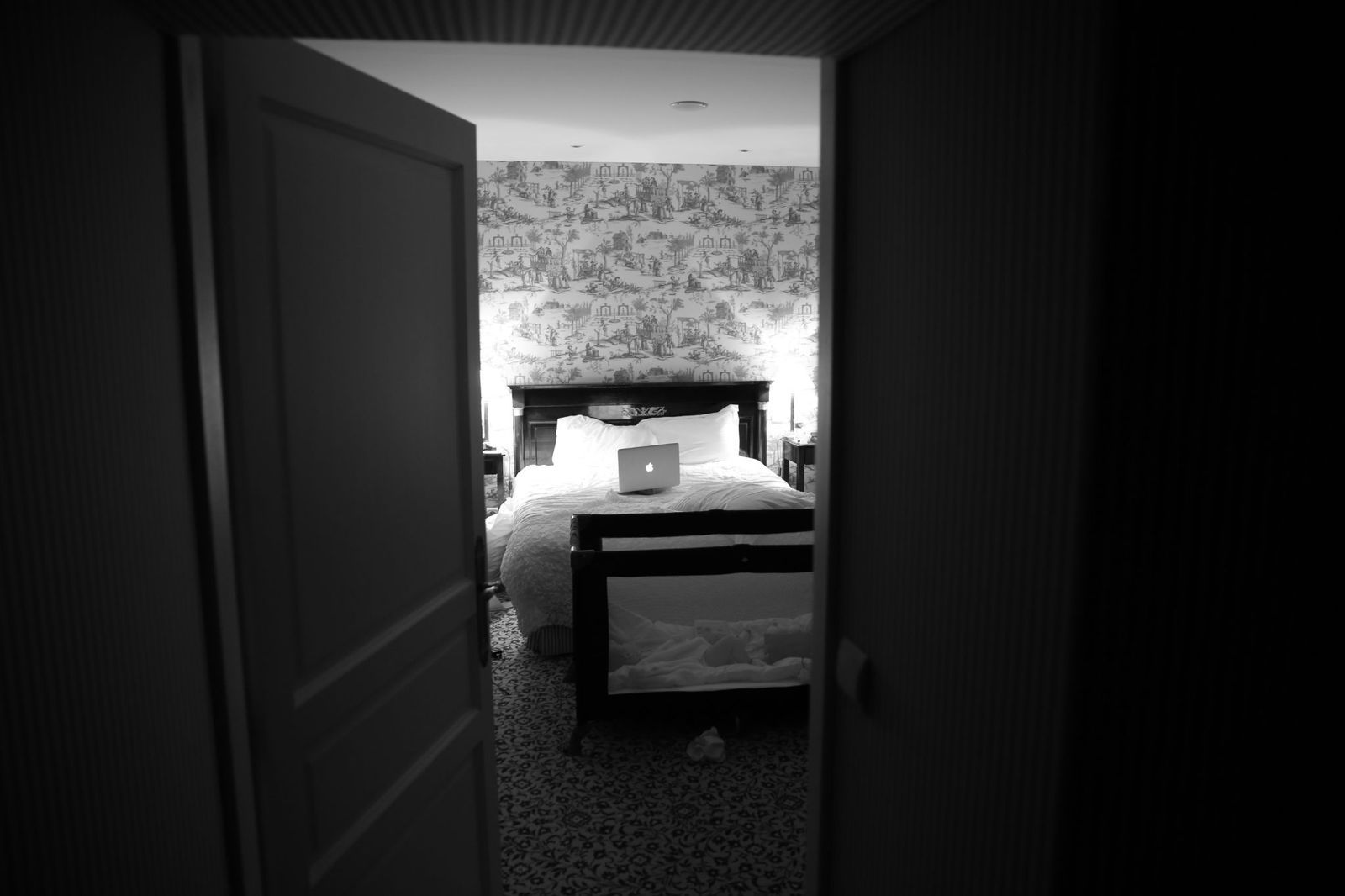
You did not book a suite, yet there is a locked door in your room that apparently leads straight into somebody else's. It is there so the hotel can sell the rooms separately to strangers today and connect them for a family or group tomorrow.
Connecting rooms can have doors on both sides of the opening, allowing each room's occupant to control access from their own side. When both are unlocked, the two independent rooms effectively become one larger accommodation without anyone having to step into the hallway. This also explains a useful booking distinction: "connecting" rooms specifically have an interior connection, while hotels may use "adjoining" or "adjacent" simply to mean rooms located next to or near each other.
Two curtain layers
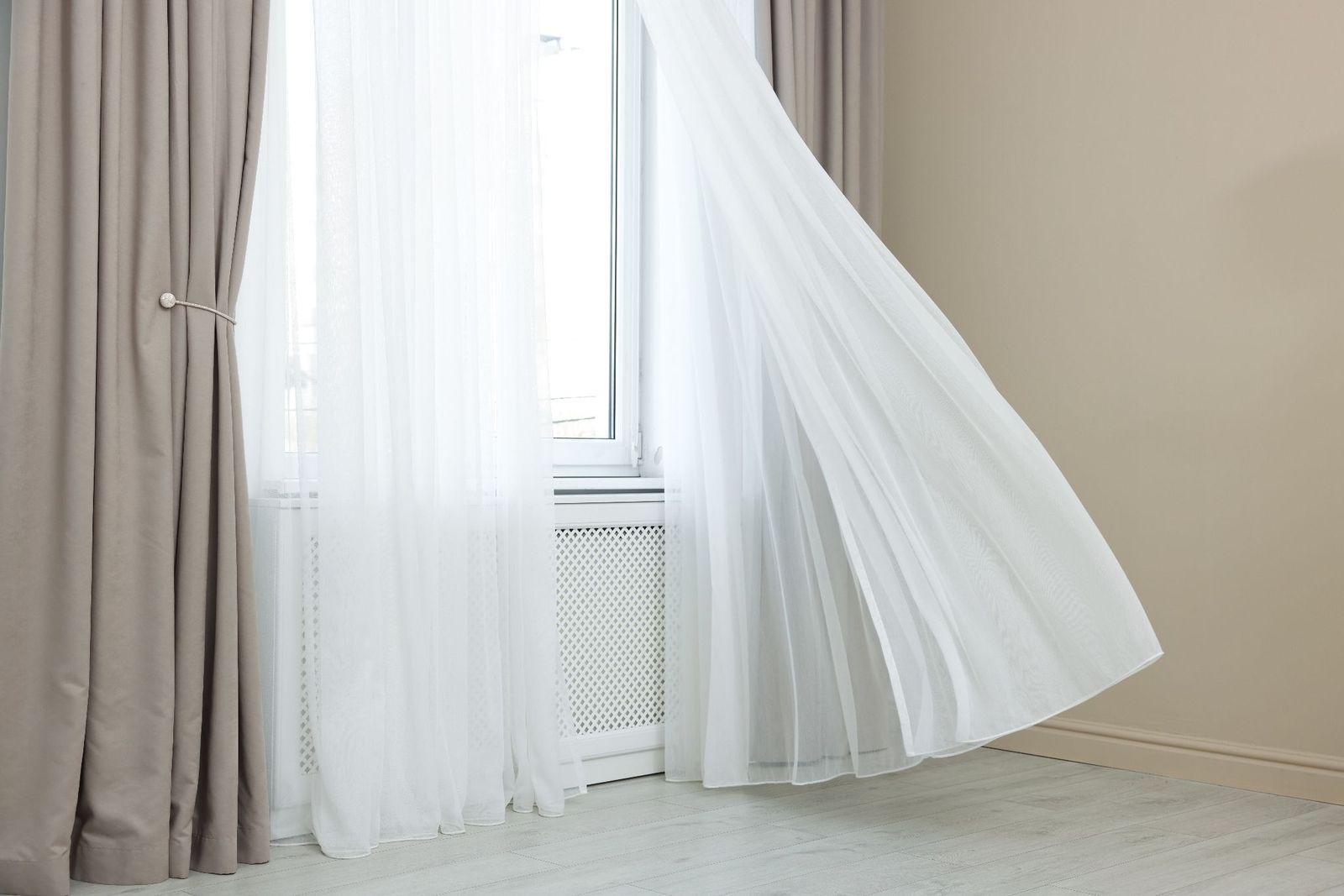
Pull back the heavy hotel curtains, and you will often find a second, almost transparent set underneath. The sheer curtains allow daylight into the room while reducing glare and providing a degree of privacy during the daytime. That can save you from choosing between sitting in darkness and giving the building across the street a perfect view of your room.
The heavier blackout curtains have the opposite assignment: block as much outside light as possible when you want to sleep and provide stronger privacy. They are particularly useful for travelers battling jet lag, streetlights, very early sunrises, or unusual sleeping schedules.
Ice bucket
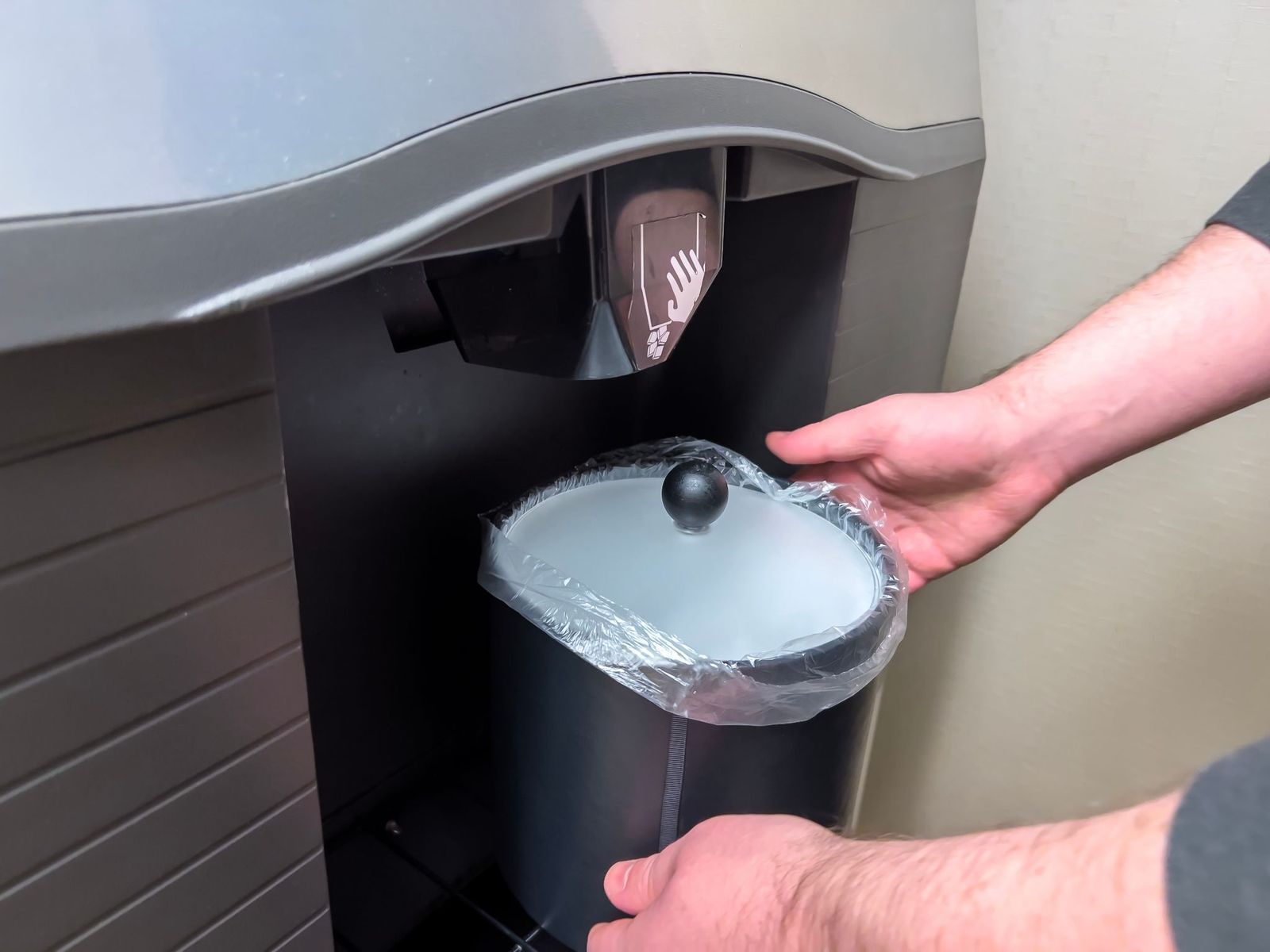
Why fetch ice from a machine down the hall when there is already a refrigerator in the room? Because the two amenities do different things. A mini-fridge keeps things cool; an ice bucket gives you a ready supply of ice for drinks or lets you rapidly chill a bottle without waiting for the refrigerator to do the work.
The humble bucket also carries a little piece of American hotel history. Holiday Inn founder Kemmons Wilson built his business around predictable roadside accommodations after a disappointing family trip in 1951. Decades later, even with refrigerators humming in hotel rooms, that bucket remains a small survivor of an earlier age of American travel.
These travel expenses are worth every penny—and the ones to skip
To splurge or not to splurge?
The biggest travel mistake isn't what you’re spending—it’s where
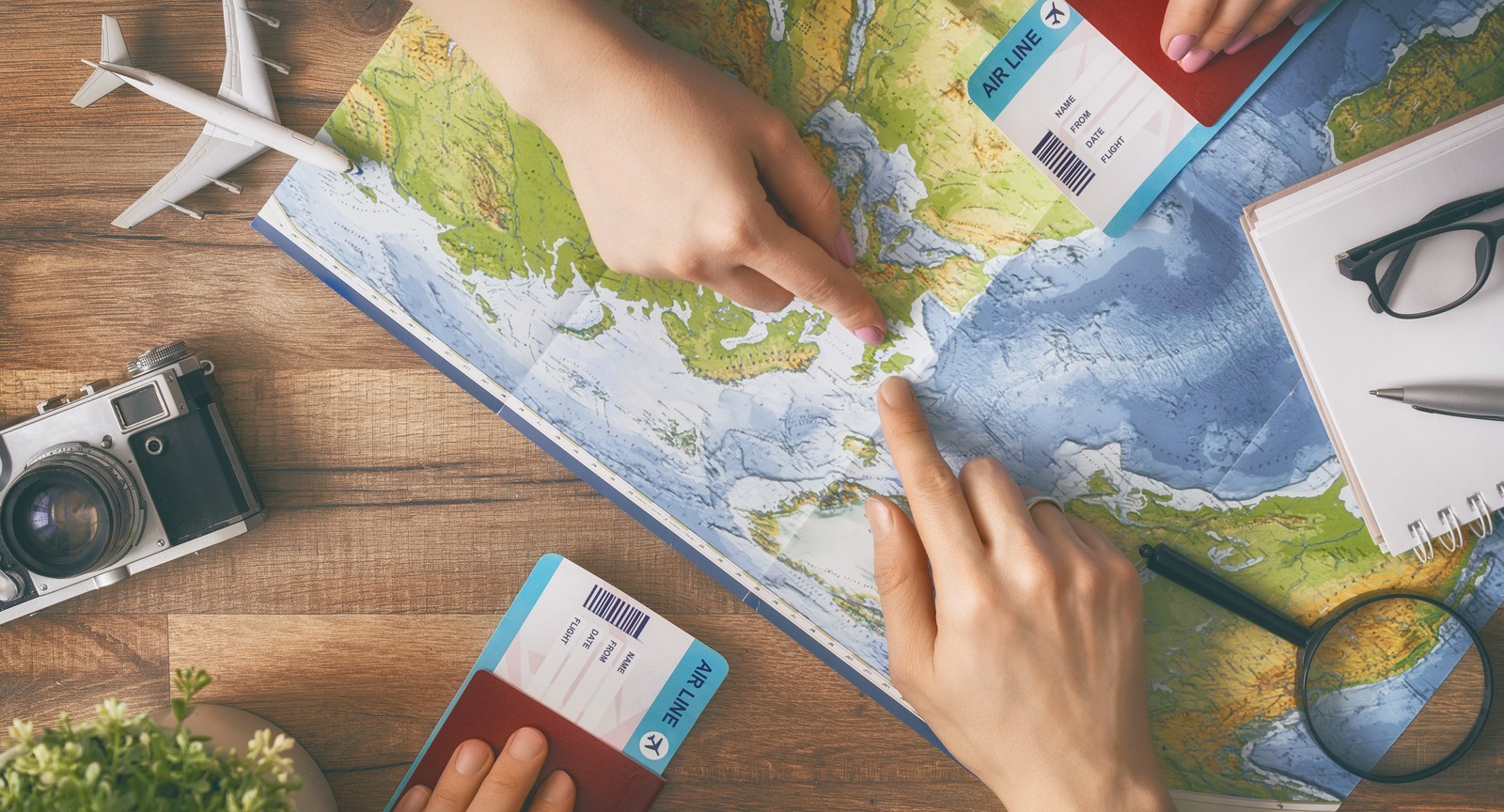
Vacations are supposed to be about fun, not spreadsheets. But when money is involved, a little planning can make a huge difference. Why pay extra for a first-class seat on the flight to an all-inclusive resort, where you'll spend the next ten days relaxing anyway? Or why save a few dollars by skipping travel insurance, only to risk spending thousands if something goes wrong? Not every travel expense is worth the splurge. Here’s our guide.
Flights
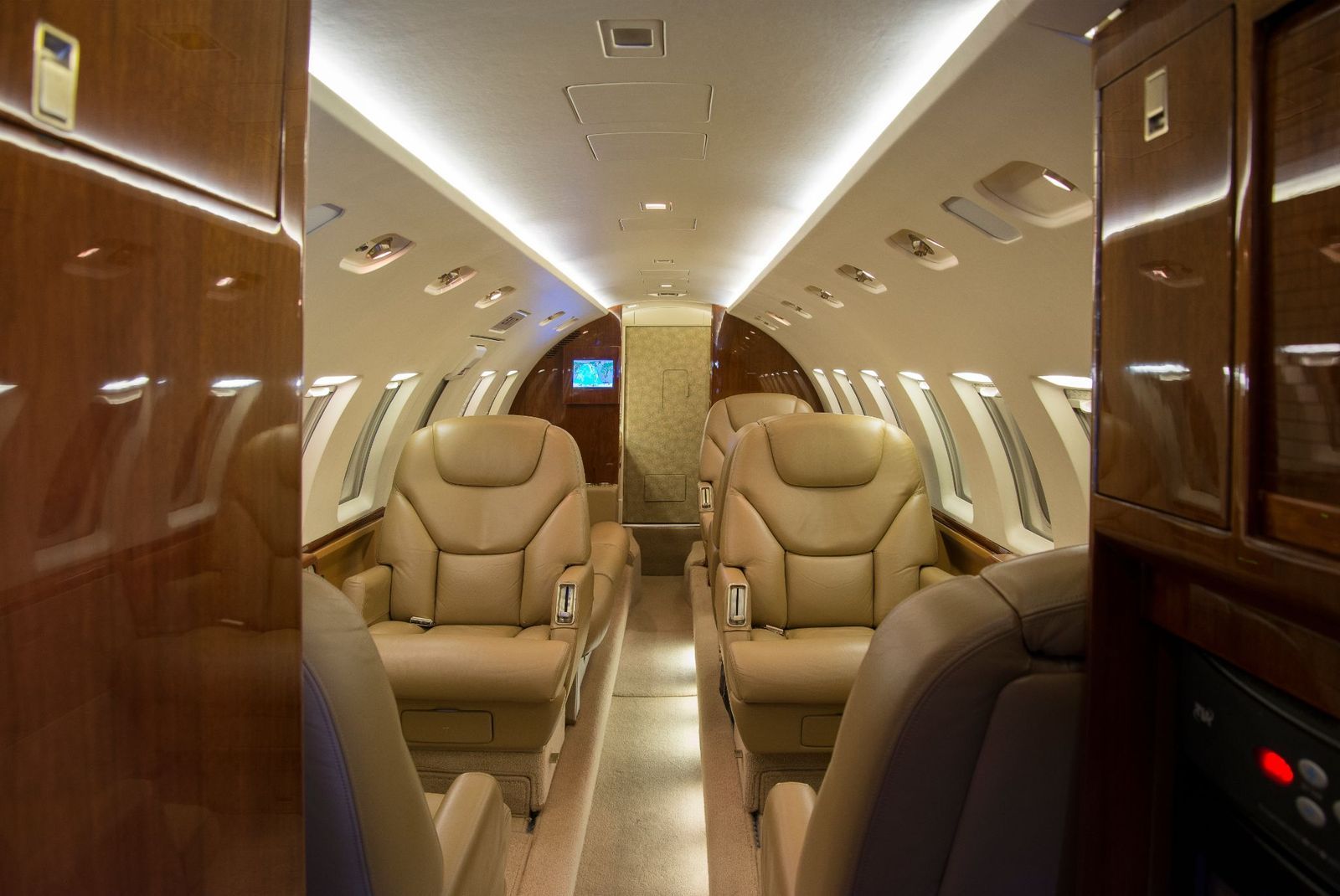
If you’re flying to a beach resort where you’ll spend the next week lounging by the pool, consider upgrading your return flight instead. You’ll already be relaxed, and ending the vacation with a comfortable trip home lets that feeling last a little longer. But if you’re landing in a busy destination where you’ll immediately start sightseeing, changing hotels, or catching trains, the outbound flight is the better investment. Arriving well-rested can make the first few days of your trip much more enjoyable. The best upgrade isn’t the most expensive one—it’s the one that helps you the most.
Luggage
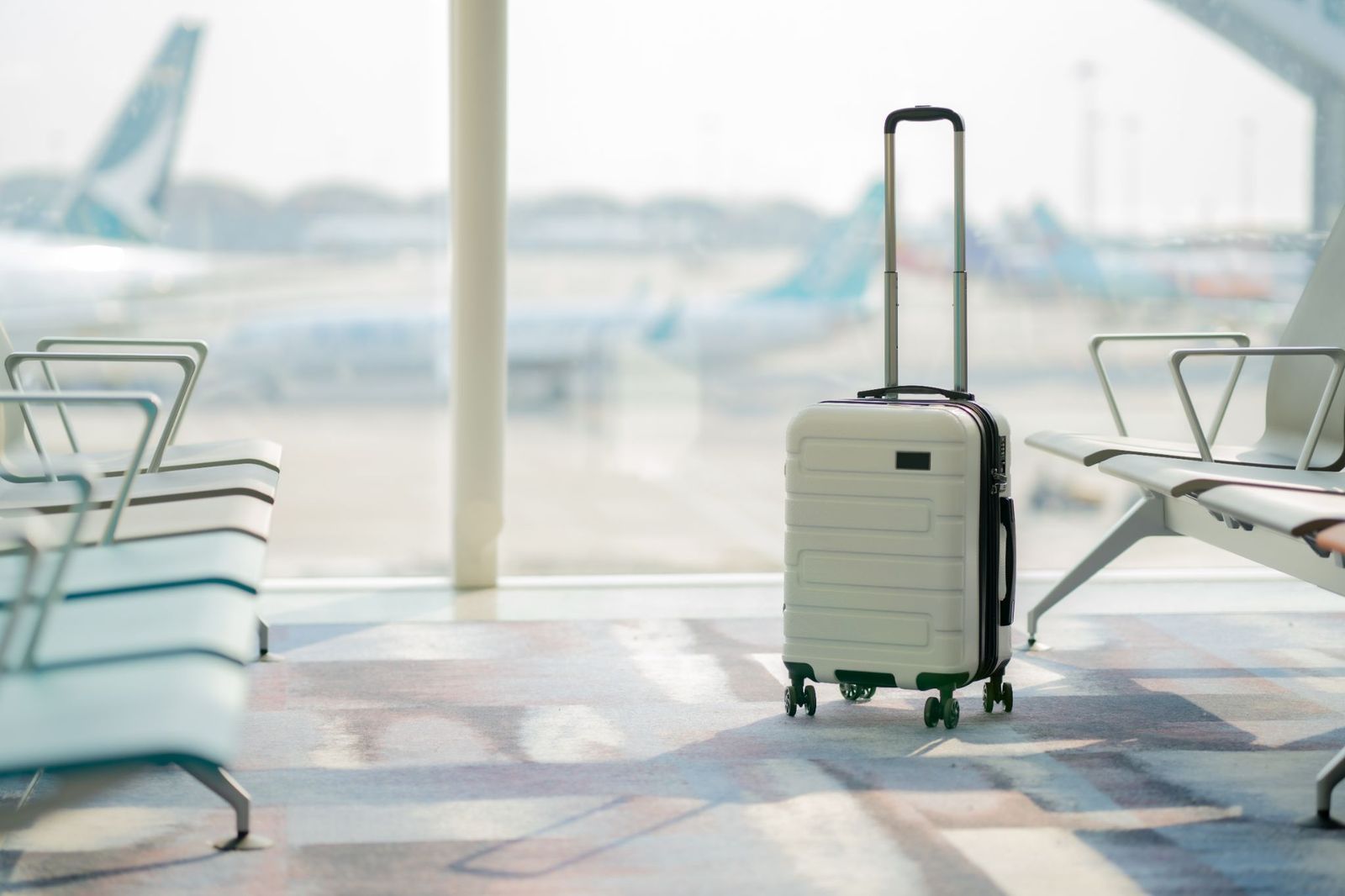
Expensive checked luggage usually isn’t the smartest purchase. It gets tossed onto baggage carts, stacked in cargo holds, and handled by several different people before it reaches the baggage carousel. If you’re going to spend extra money, put it toward a sturdy, well-made carry-on instead. You’re the one handling it; you’ll use it on almost every trip, and it protects the items you care about the most. Save on the suitcase you won't even see during the flight, and invest in the one that stays with you.
Accommodations
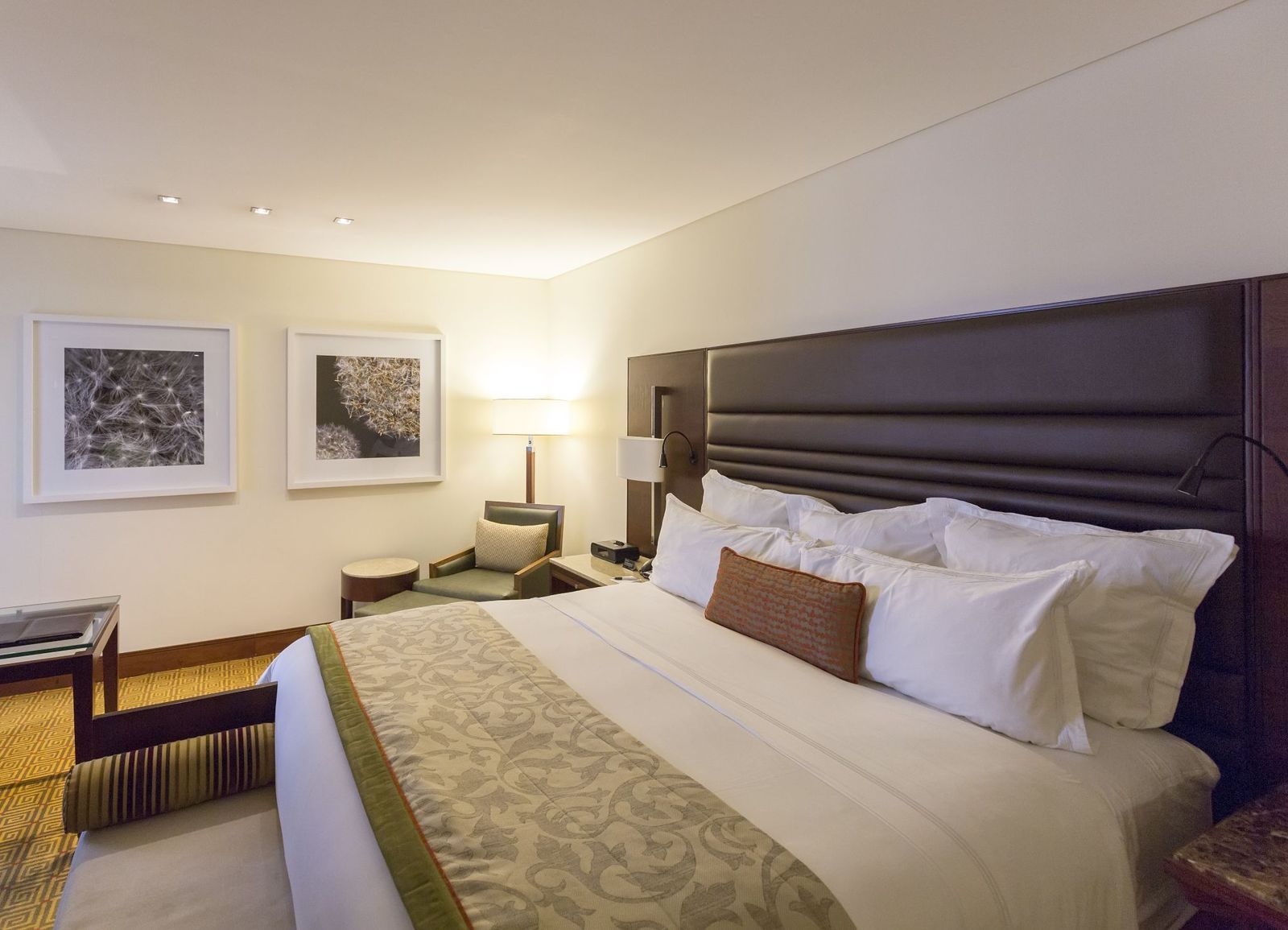
If you're staying at a beach resort, a mountain retreat, or another destination designed for relaxation, a nicer hotel can absolutely be worth the extra money. Comfortable rooms, good service, a great pool, and inviting common areas become part of the vacation itself. However, in places like Rome, Paris, or London, chances are you’ll leave early every morning and come back late every evening. In those cases, a clean room, a comfortable bed, and a good shower are all you really need.
Travel insurance
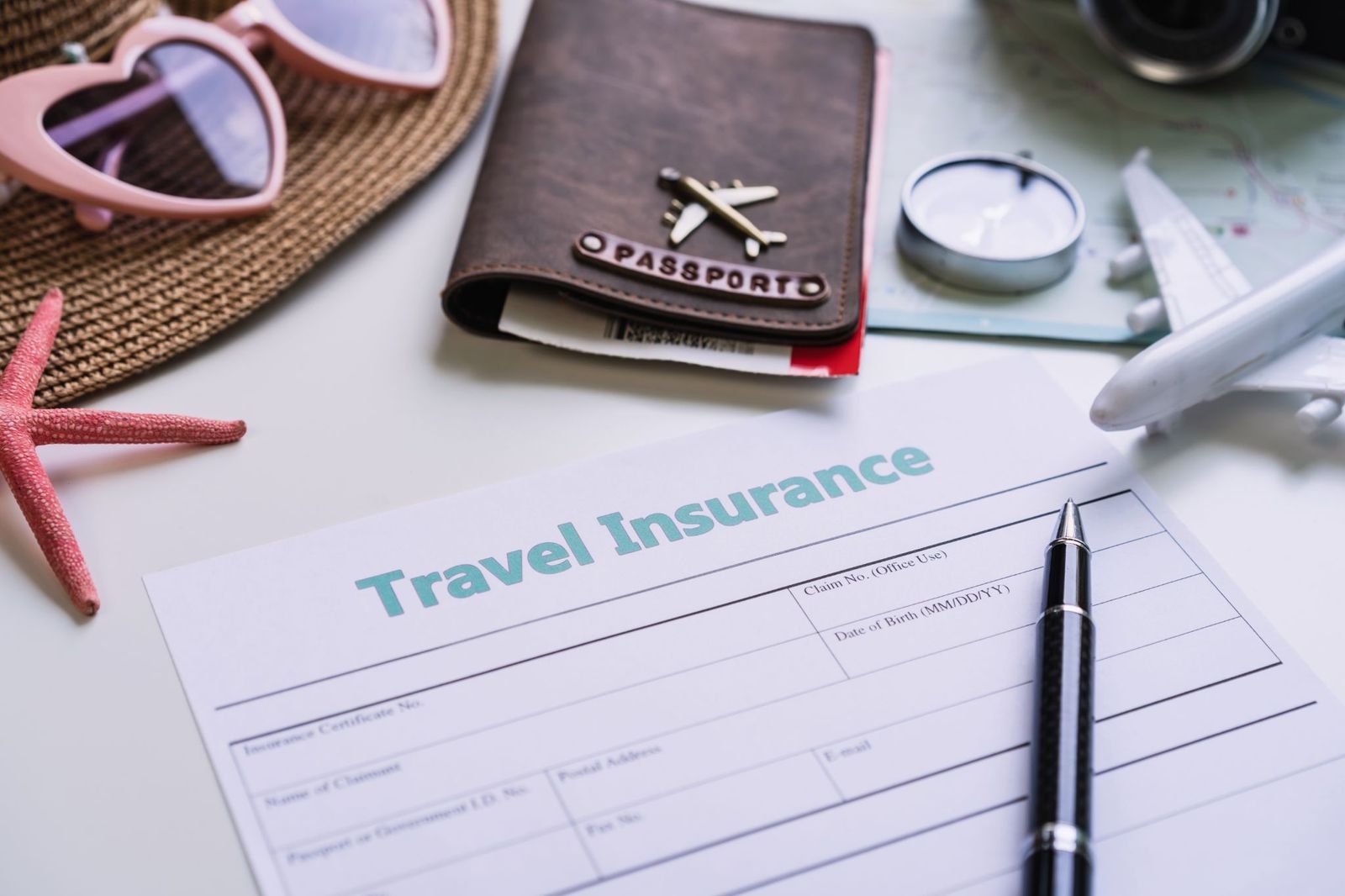
Most vacations go exactly as planned, but all it takes is one medical emergency, one canceled flight, or one lost suitcase to turn a dream trip into an expensive headache. Medical treatment abroad can cost thousands of dollars, and unexpected delays often create extra expenses. Travel insurance acts as a financial safety net. Most of the time, you won’t need it. But if something does go wrong, it can solve problems in hours that might otherwise cost you days of stress and far more money. Some travel expenses are optional. This isn’t one of them.
Guided tours

For famous landmarks with rich history—places like the Colosseum or The Louvre—a smaller or private tour is often worth the extra money. A knowledgeable guide can completely change the experience by explaining details you’d never notice on your own. For getting a general feel for a city, though, free walking tours are often an excellent value. You’ll cover several neighborhoods, hear interesting stories, and gain unique new perspectives. At the conclusion of the tour, simply tip what you think the experience was worth. In general, $10 or $20 per person is enough, but that’s entirely up to you.
Airport transportation
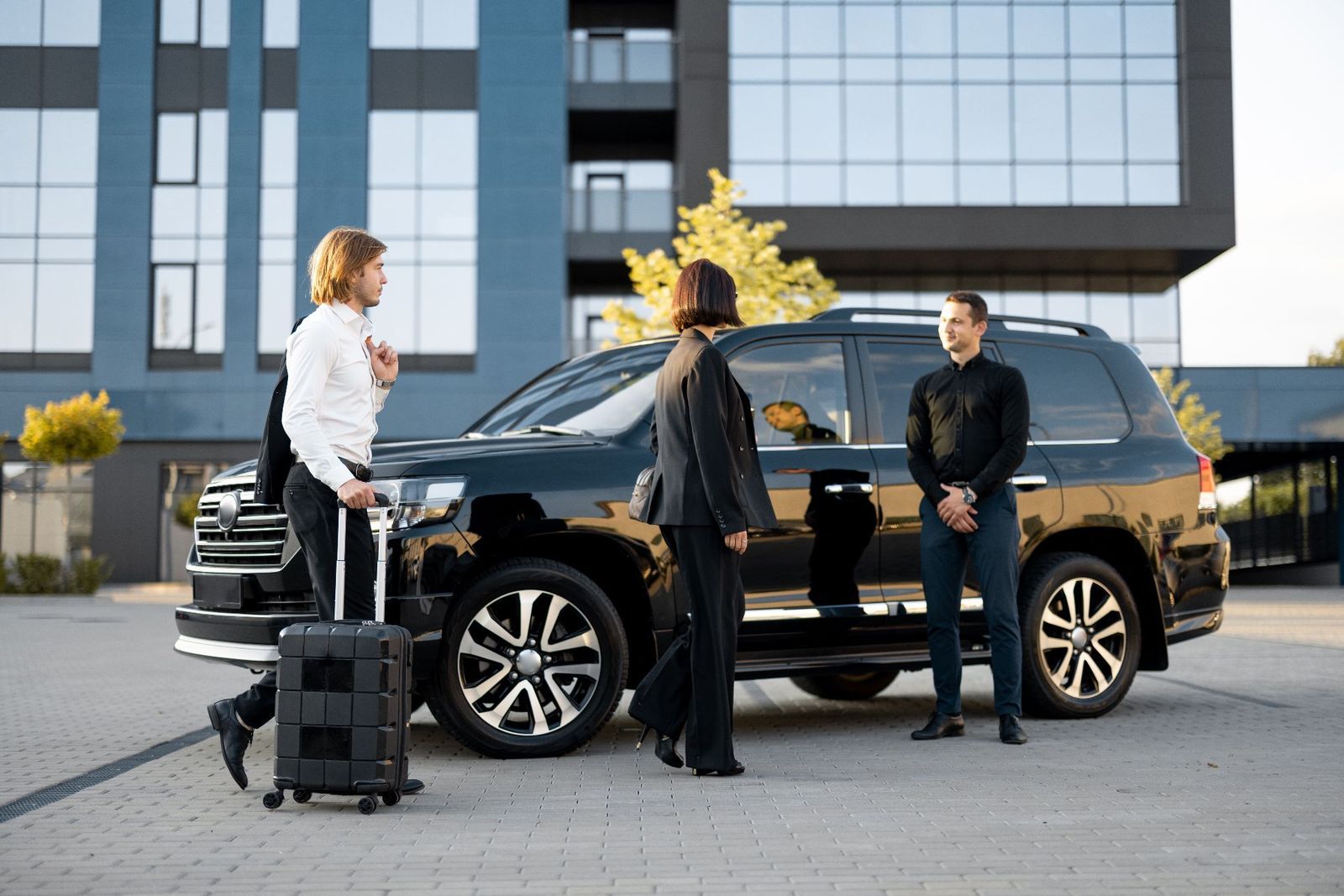
After a long international flight, paying for a driver can remove a lot of stress. Someone is waiting for you, your luggage is handled, and you arrive at your hotel without worrying about getting lost or hauling heavy bags through a busy street. The return trip is different. By then, you’ve learned the local transit system, you’re rested, and you’re far more comfortable finding your way around. Not every expense is about luxury; some are for peace of mind.
Dining
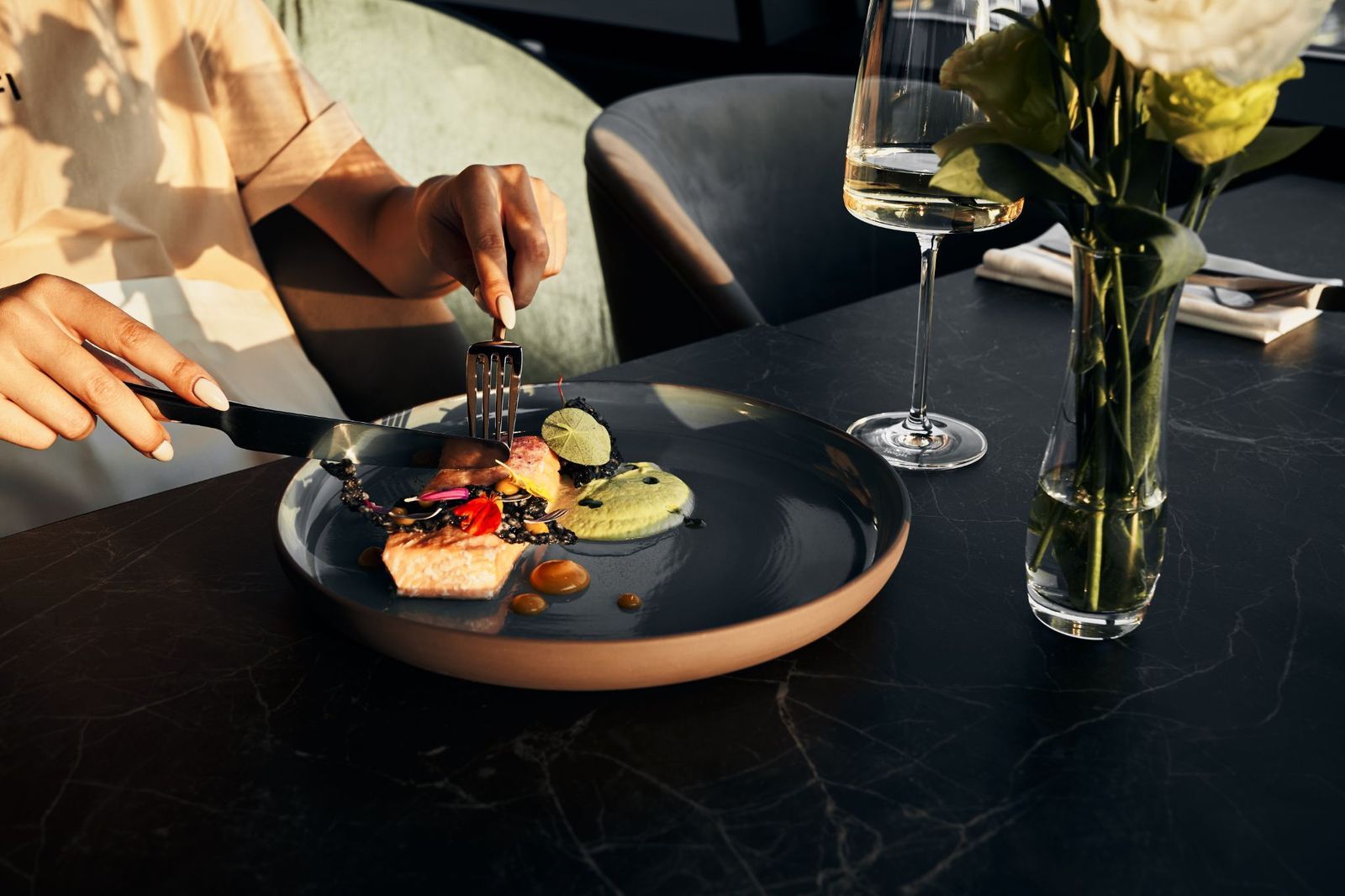
Treat yourself to one outstanding, high-end restaurant that showcases the local cuisine at its very best. Then, for the rest of the trip, eat where the locals do. Not only because it will be cheaper, but also because they know where the good food is. Street food, neighborhood cafés, bakeries, and food markets often serve incredible meals for a fraction of the price. Not only will you save money, but you’ll probably enjoy a more authentic experience too.
Attraction passes
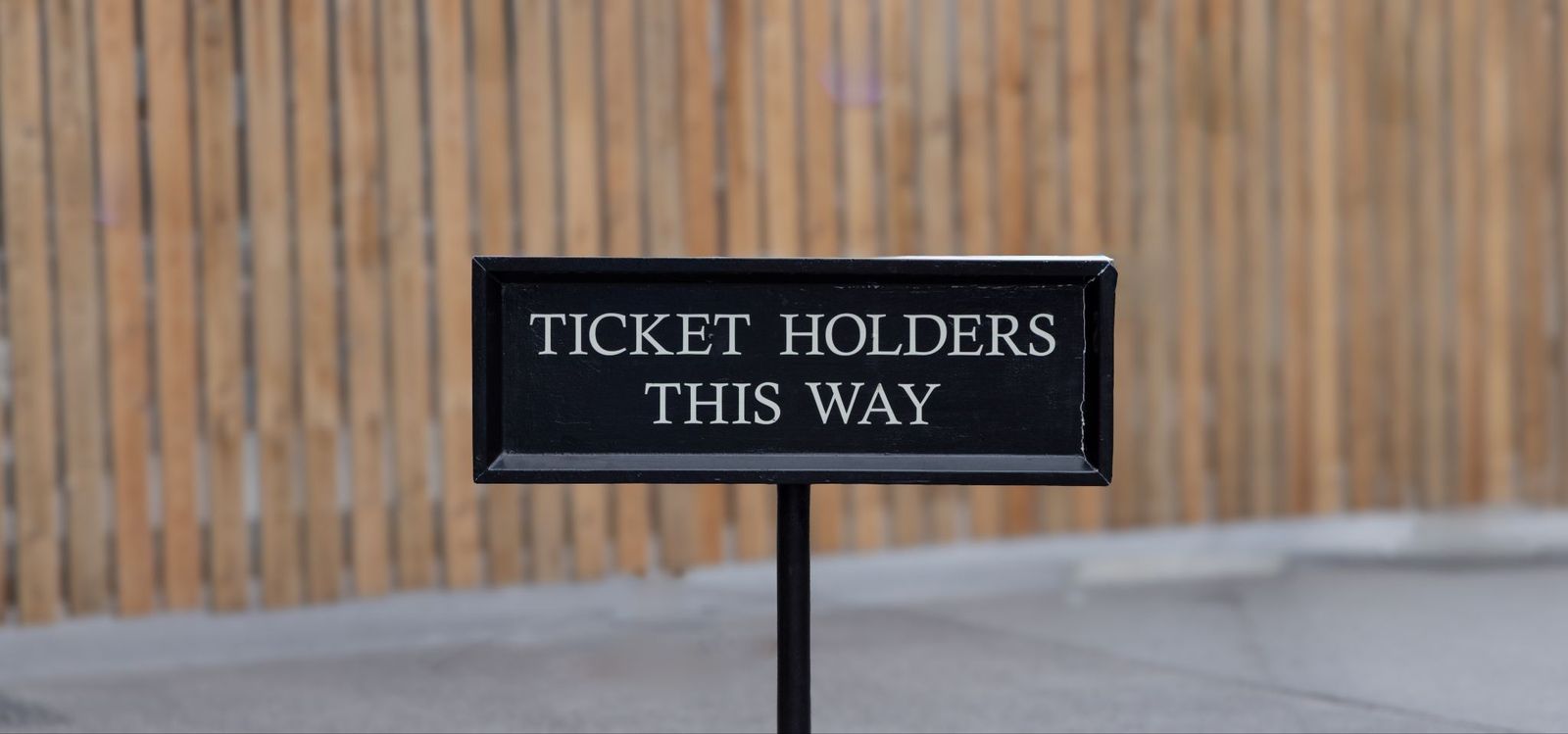
Skip-the-line tickets can seem expensive when you’re booking them, but what you’re really buying isn’t just faster entry; it’s more time to enjoy your trip. Those extra hours can be spent visiting another museum, relaxing, or simply wandering the streets instead of standing behind a rope barrier. When time is limited, buying your time back is often one of the smartest travel investments you can make.
Hotel breakfast

Hotel breakfasts are convenient, but they’re also one of the easiest ways to spend more than you need to. Unless breakfast is reasonably included in the room price, consider walking a few blocks to a neighborhood café instead. You’ll usually pay much less, enjoy fresher local specialties, and start your day surrounded by locals.
Connectivity

Instead of relying on your home carrier, buying a digital eSIM before your trip is one of the smartest travel purchases you can make. Setup only takes a few minutes, and you’ll have affordable data for maps, translation apps, restaurant searches, and keeping in touch with family. Similar to travel insurance, whatever you choose, this is an expense you want to make, as good connectivity is also a way to stay safe abroad.
Keep wandering
There’s always
more to explore
This mysterious monument is 6,000 years older than Stonehenge
5 min.
Read Now
 Culture
What happens to tourist towns after everyone goes home?
5 min.
Read Now
Most tourists never find these London spots hiding in plain sight
3 min.
Read Now
The dirtiest spot on your plane isn't the bathroom
6 min.
Read Now