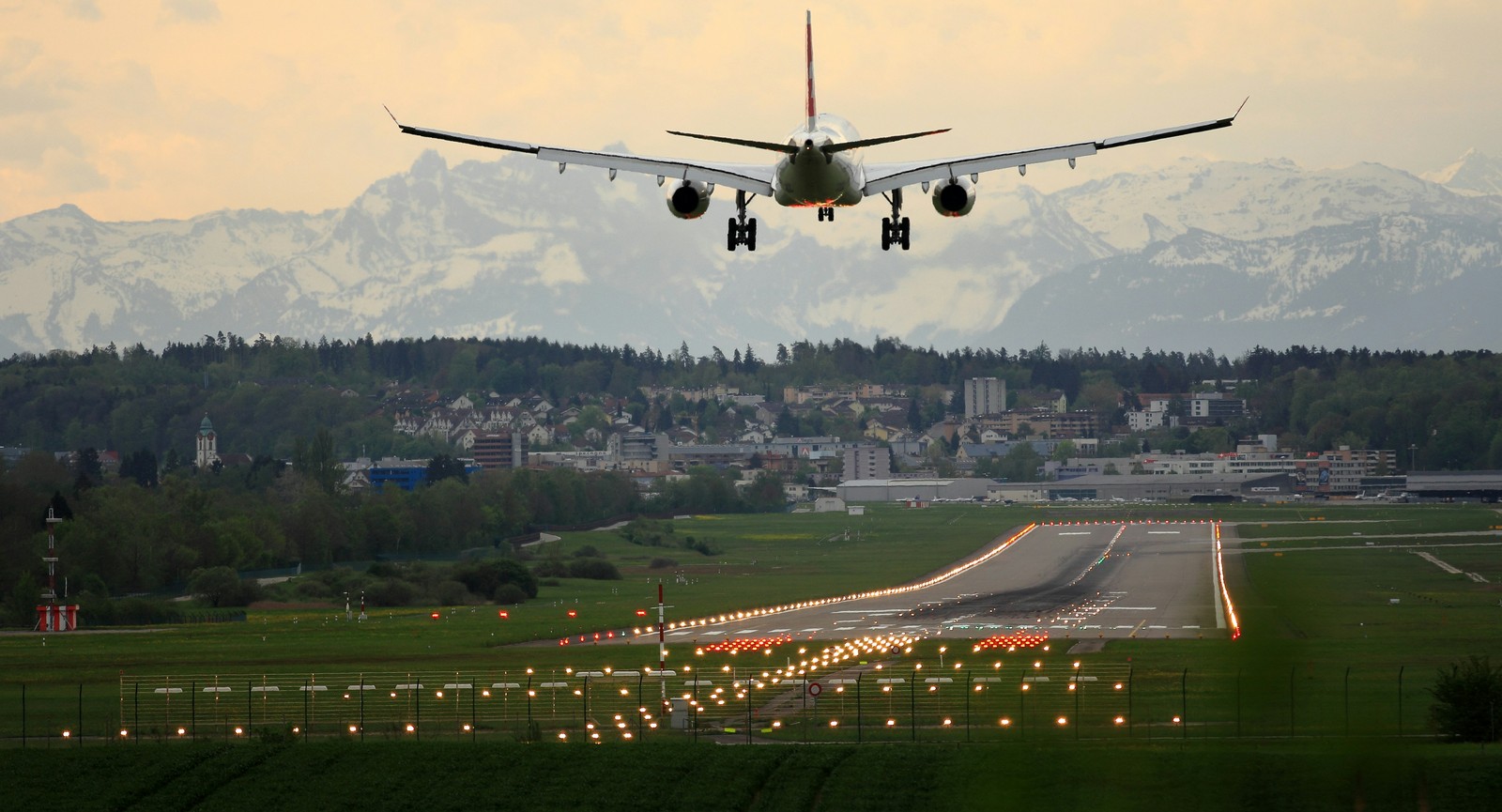
Why are hard landings sometimes the perfect landings?
 General
Do you like flying?
Why are hard landings sometimes the perfect landings?
You can see the city below, the seat-belt sign is on, and everything suggests you should be on the ground in minutes. Then the plane turns. And turns again. Landing is the most carefully choreographed part of an airline flight, and many small and unpredictable changes can disrupt the plan. Some of the things that happen next may seem alarming from your seat, but are ordinary precautions designed for exactly these situations.
Your plane probably isn’t circling the airport
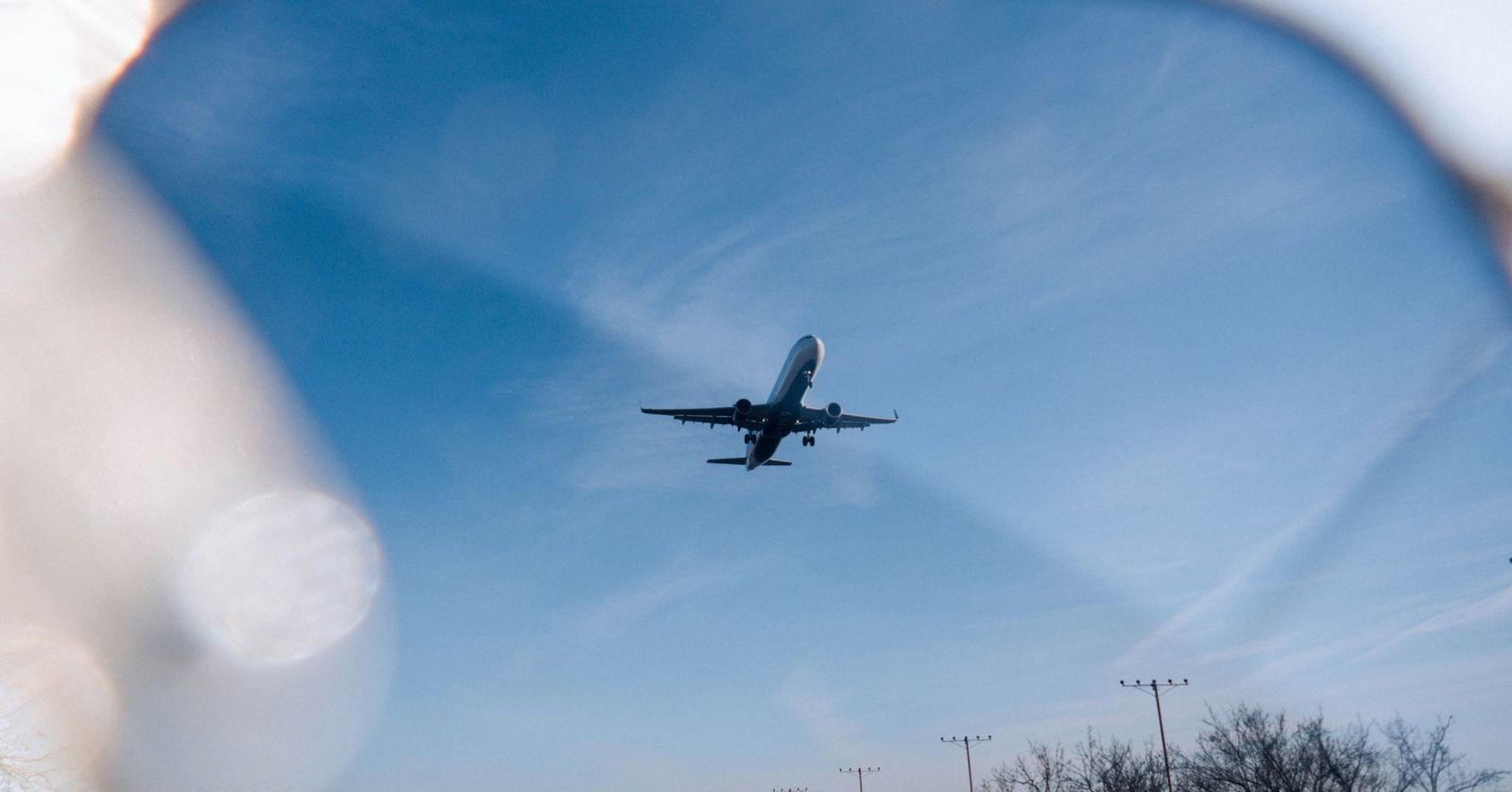
When a plane is "circling," it may actually be flying a holding pattern or following a longer route assigned by air traffic control. A traditional hold resembles a racetrack more than a circle, with straight sections connected by turns. It lets aircraft wait in protected airspace until they can continue their approach.
The reason could be traffic, weather, a temporarily unavailable runway, or another delay on the ground. During severe thunderstorms affecting northeastern U.S. airports on August 7, 2019, the FAA recorded 171 airborne flights holding and another 217 diverting. Waiting can’t continue forever, either: every extra lap burns fuel, eventually making another airport the better option.
Getting close to the runway doesn’t mean you have to land
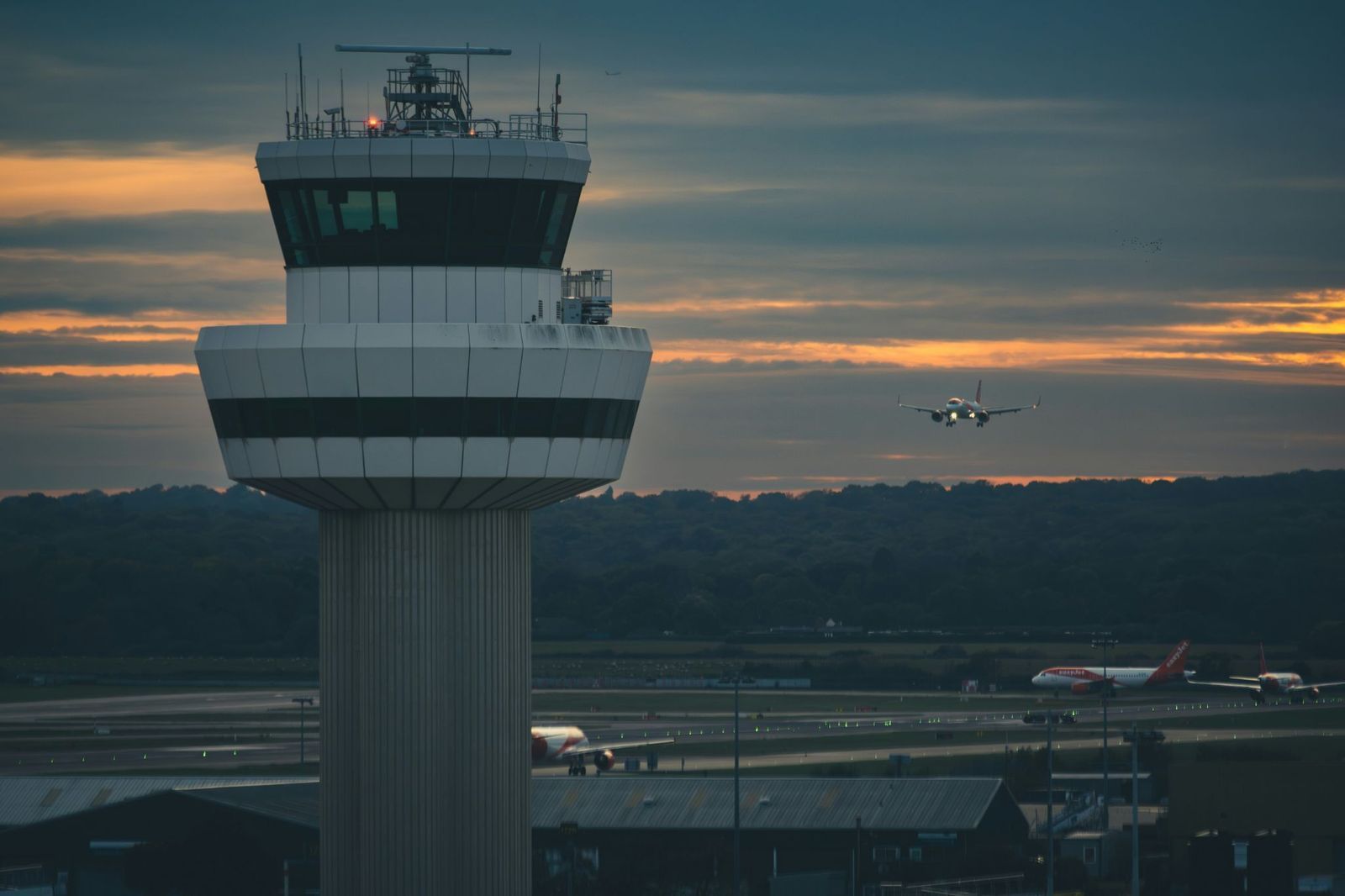
Few things get passengers' attention faster than descending toward the runway, hearing the engines suddenly roar and feeling the aircraft climb steeply away. The maneuver is called a go-around, and the FAA considers it a safe and routine procedure.
Pilots perform a go-around because the approach has become unstable, another aircraft hasn't cleared the runway, visibility has deteriorated, or the wind has changed unexpectedly. Air traffic control can also instruct them to do it.
Your destination can change while you’re in the air
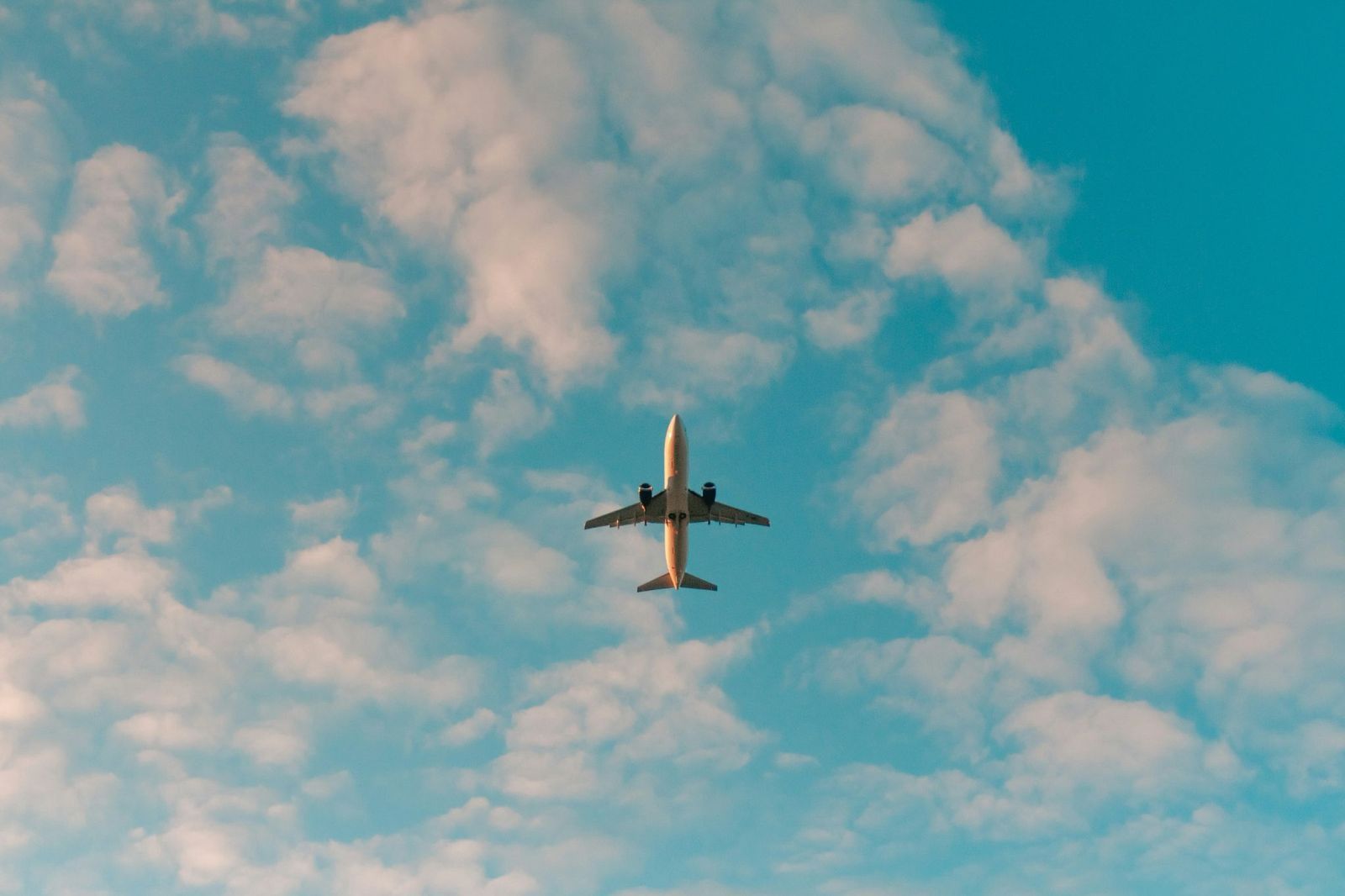
A diversion can lead to an unexpected visit to a city not on your itinerary. Severe weather is an obvious reason, but airports can also become temporarily unsuitable because of runway closures, technical problems, emergencies, or deteriorating conditions.
Fuel plays an important role in the decision. Aircraft can’t spend unlimited time waiting for thunderstorms or fog to clear. Airline flights are planned with contingencies, including situations in which another airport may be needed. The 2019 thunderstorm disruption that caused 171 flights to hold also sent 217 aircraft to alternate airports.
A runway can look perfect and still be unusable
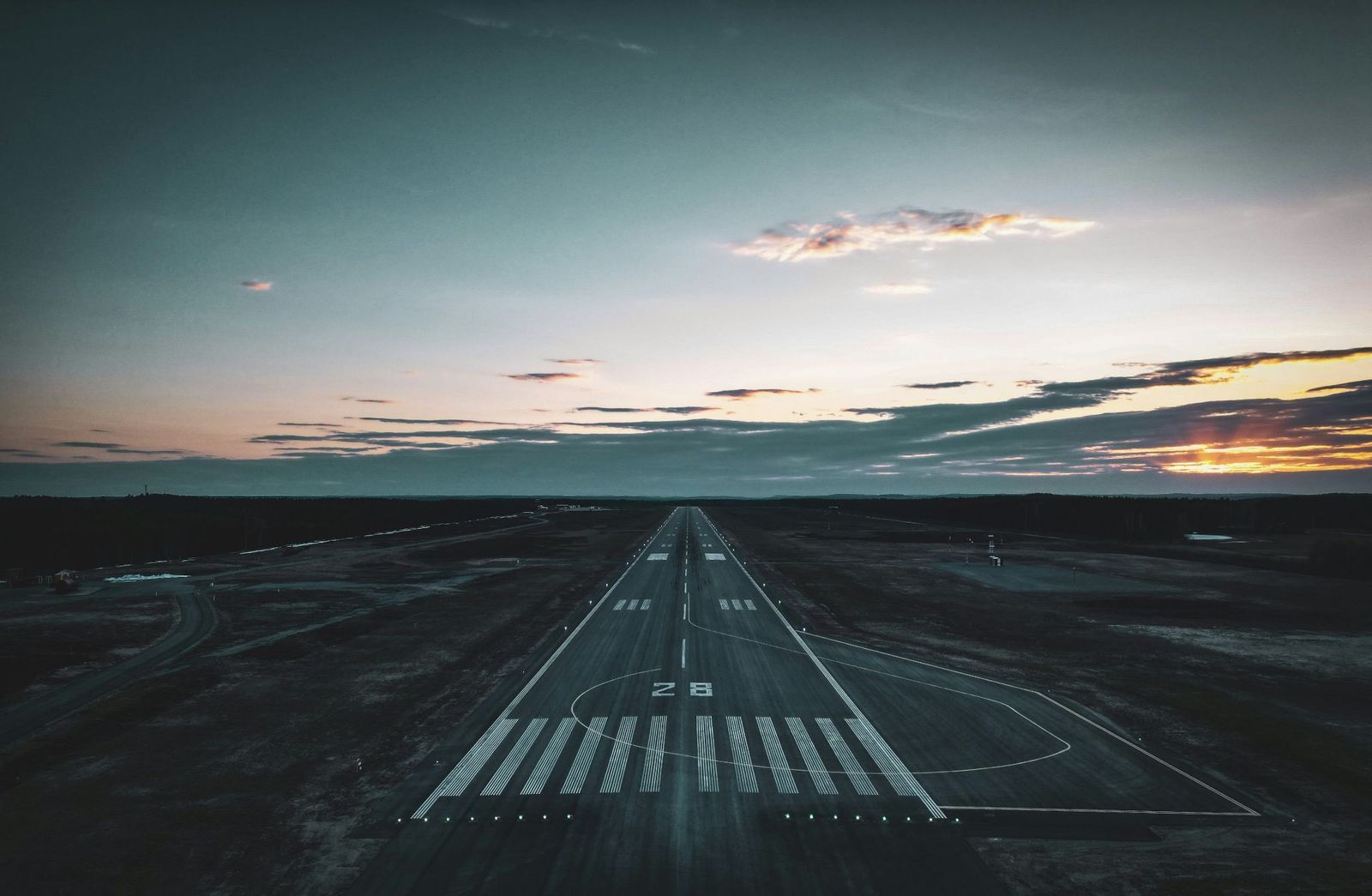
From an airplane window, an empty strip of pavement may appear perfectly ready for landing. But airport personnel may know something you can’t possibly see. A disabled aircraft, maintenance work, pavement damage, snow, ice, or an inspection can all temporarily close a runway.
Then there’s foreign object debris, or FOD. It can be anything from broken pavement and metal fragments to tools or pieces shed by aircraft. Even relatively small objects can cause serious damage when struck by a tire or sucked into an engine. Airports fight FOD with inspections, sweepers, blowers, magnetic equipment, and, in some cases, automated detection systems.
Blue skies don’t necessarily mean quiet wind
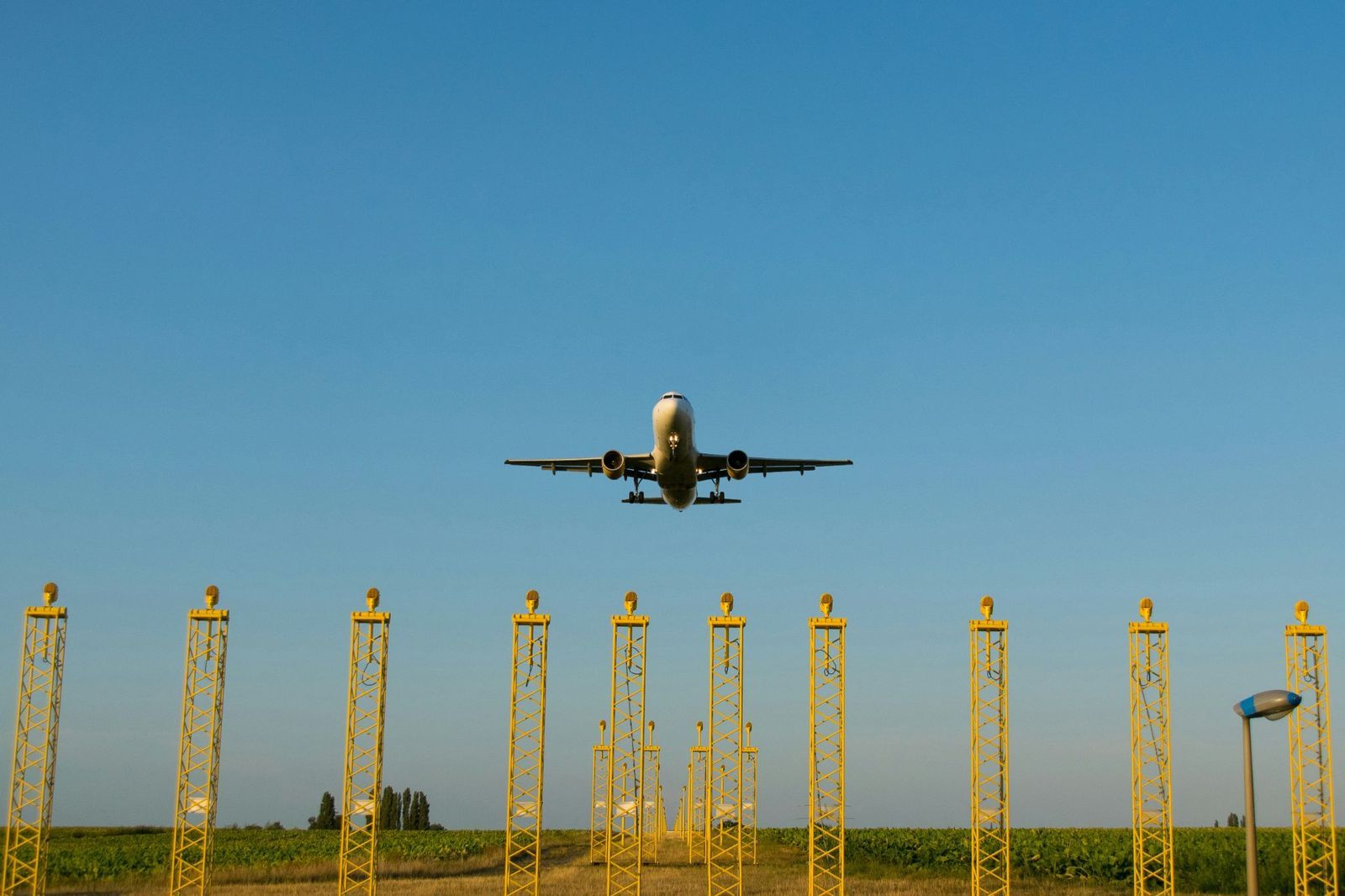
A beautifully sunny afternoon can still produce conditions unsuitable for landing. What matters isn't simply whether the wind is strong, but where it’s coming from. A crosswind blows across the runway rather than conveniently along it.
Pilots compensate by approaching at an angle, which can make an airplane appear strangely crooked compared with the runway below. Before touchdown, they use established techniques to align the aircraft appropriately. But aircraft and operators have crosswind limits or restrictions, and wet or slippery surfaces can make the acceptable margin smaller. If the crosswind is too strong, the crew may have to go around, use another runway, or divert.
Not all planes can land with the same amount of fog
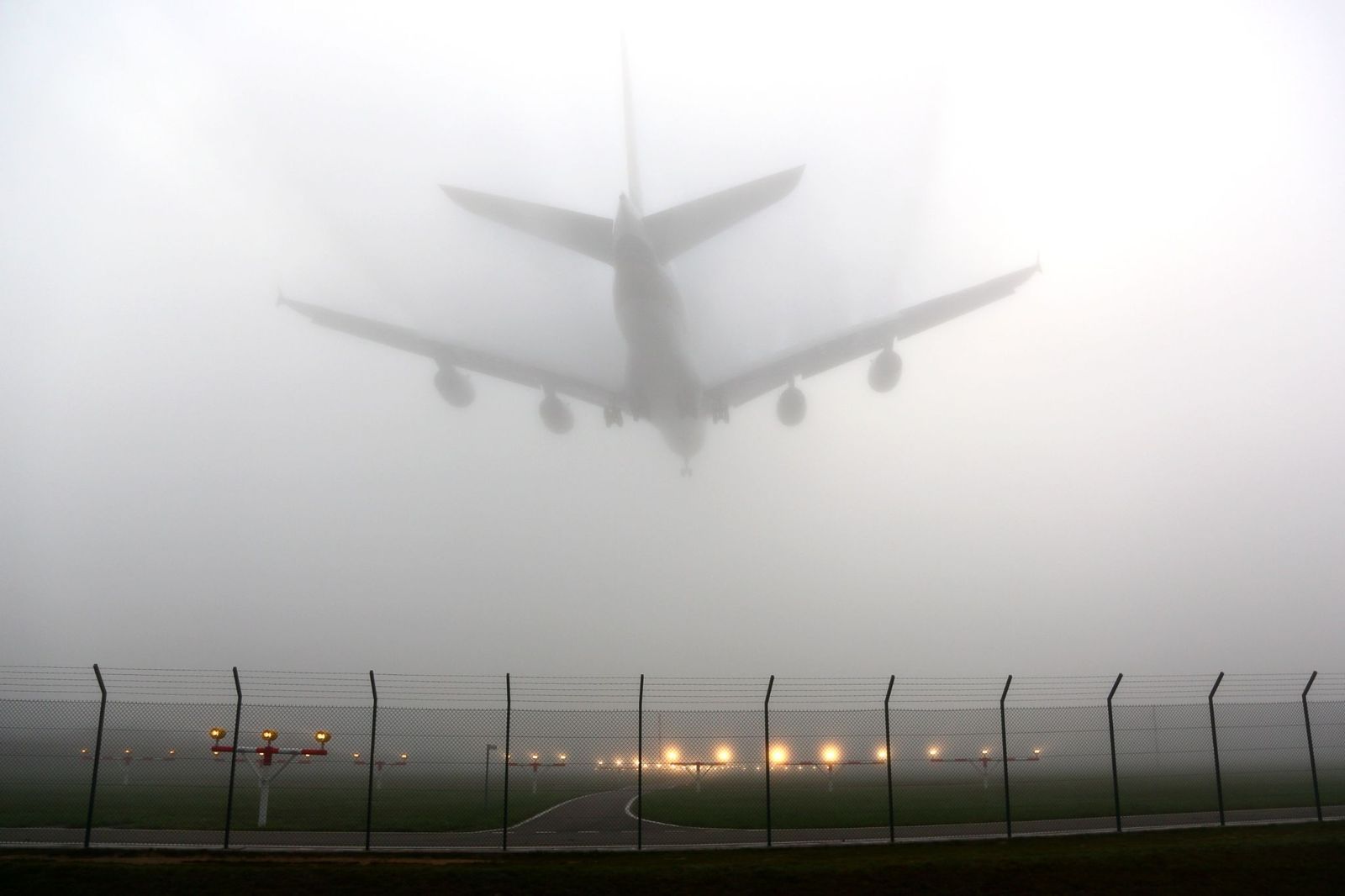
Watching another aircraft disappear through the fog while your flight waits can seem inexplicable. It doesn't necessarily mean the other pilots are willing to take greater risks. Aircraft and approaches can have different low-visibility capabilities and minimums.
Landing in very poor visibility can depend on the aircraft's equipment, airport systems, runway, type of approach, operational authorization, and crew qualifications. Airports can also measure runway visual range, or RVR, near important portions of the runway rather than relying on someone's impression of how foggy it looks.
Arriving late can determine whether an airport can receive an aircraft
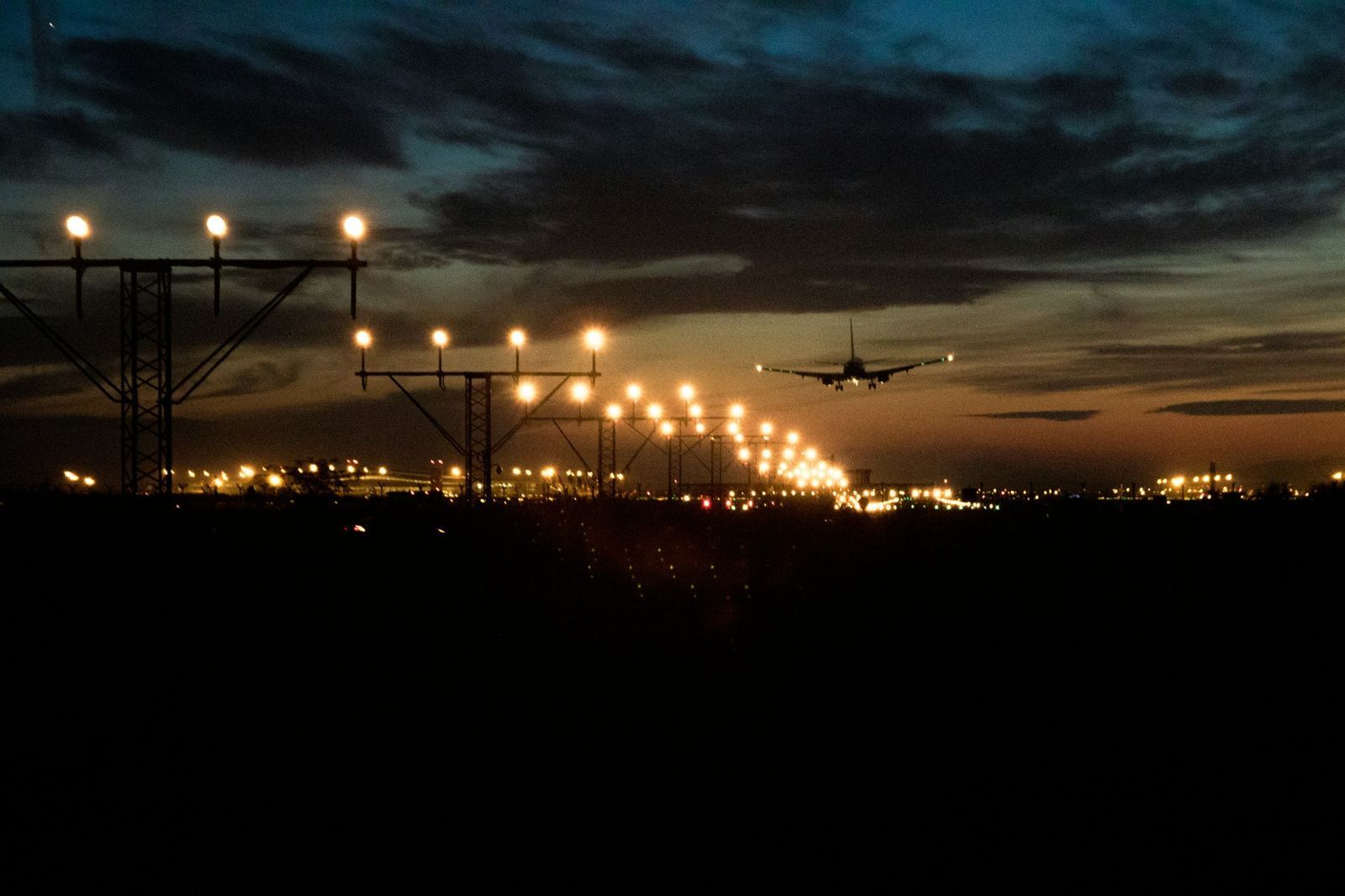
A few hours of delay can occasionally create an entirely new problem: night restrictions. Airports near heavily populated areas may restrict nighttime operations to reduce aircraft noise, and those rules vary considerably from one airport to another.
Britain provides a notable example. Heathrow has had night-flight restrictions since 1962, Gatwick since 1971 and Stansted since 1978. Their modern rules include restrictions during a nighttime quota period rather than simply locking the airport at a particular minute. Exceptions and dispensations can also exist for emergencies or serious disruption. Still, a flight arriving much later than planned can encounter operating restrictions that didn't exist at its scheduled arrival time, and may sometimes have to go elsewhere.
A runway can be closed by a deer

Birds and airplanes are an infamous combination, but airport wildlife problems can be considerably larger. Gulls, waterfowl and birds of prey are hazards, but so are mammals, including deer.
FAA data recorded 1,210 collisions between U.S. civil aircraft and deer from 1990 through 2019. Airports therefore manage wildlife habitat as part of aviation safety, controlling vegetation, food sources, and other features that attract animals. If wildlife gets onto or dangerously close to an active runway, operations may be interrupted while the problem is cleared.
Airports can change directions
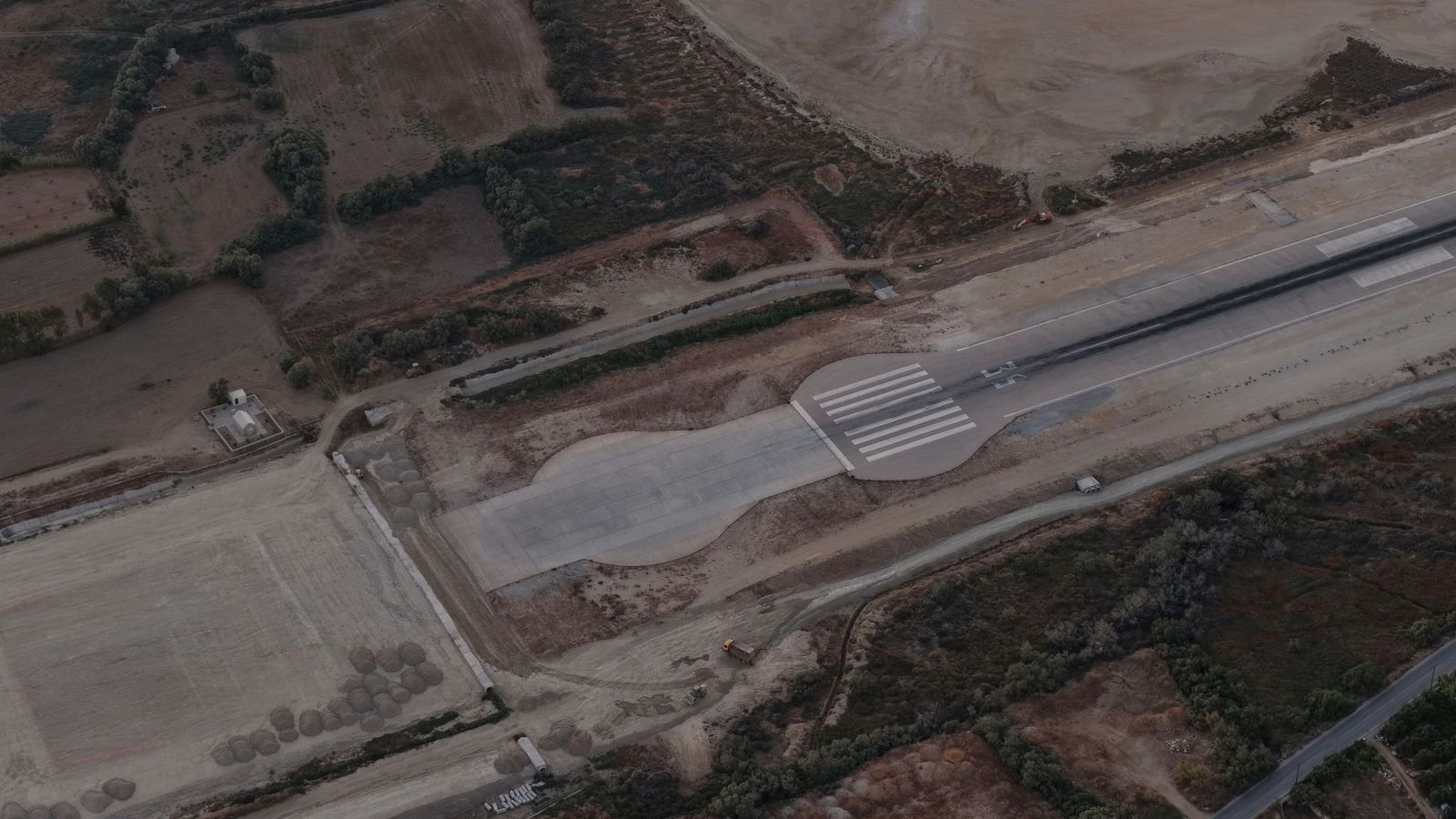
Runways aren't necessarily used in the same direction all day. Because aircraft generally benefit from taking off and landing into the wind, a substantial change in wind direction can lead air traffic control to change the airport's runway configuration.
The FAA normally favors a runway aligned with the wind once winds reach certain levels, although traffic, noise procedures, and other operational considerations also matter. At a busy airport, switching directions is far more complicated than telling the next airplane to turn around. Streams of arriving and departing aircraft must be reorganized and safely separated.
A somewhat hard landing can be what pilots intended
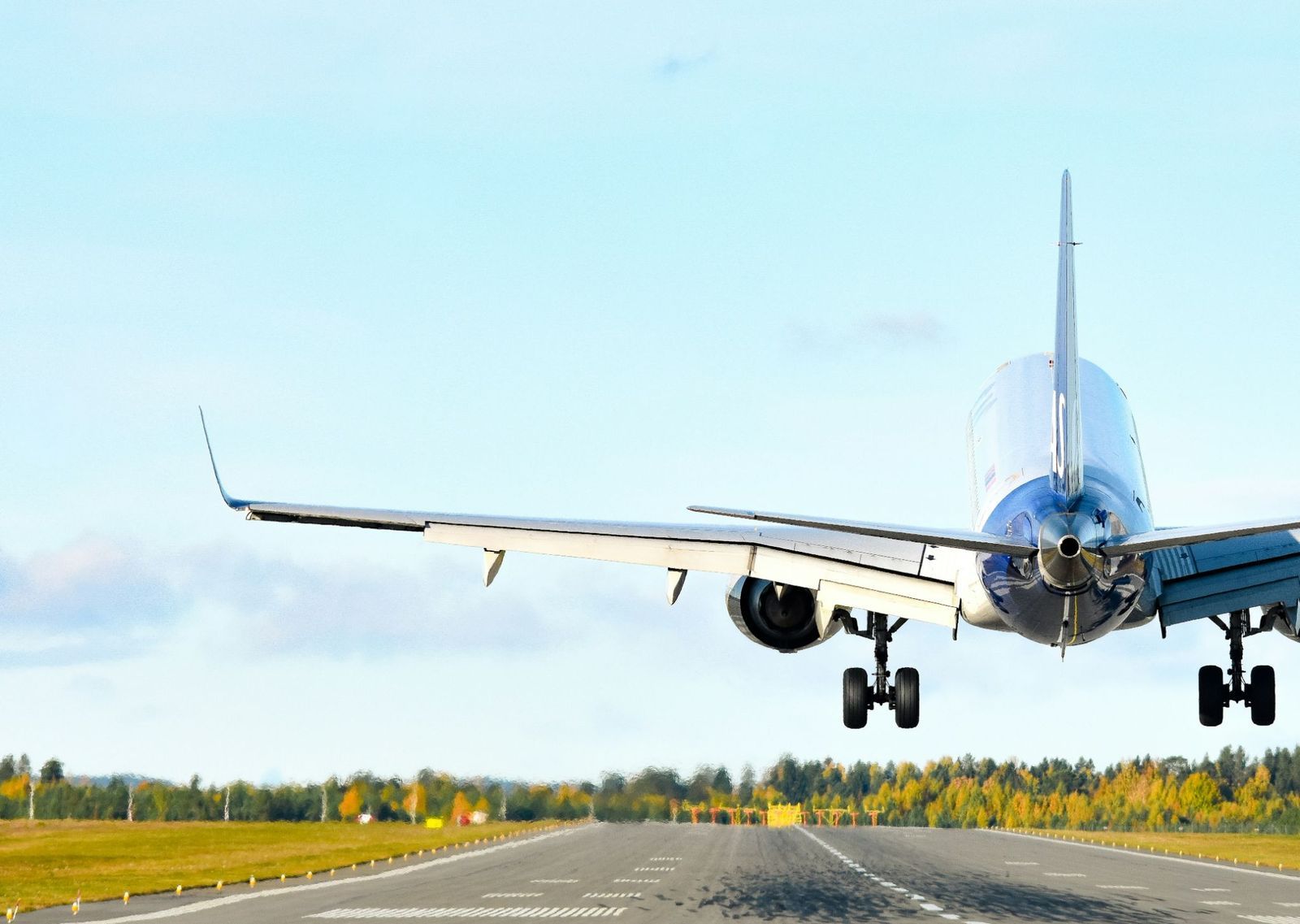
Passengers tend to judge landings by smoothness. A barely perceptible touchdown earns admiration; a hard one may earn nervous looks. But smoothest and safest are not always synonymous.
On wet or contaminated runways, getting the wheels positively onto the surface matters. Airbus guidance recommends an early, firm touchdown under some contaminated-runway conditions so wheel spin-up and braking can occur promptly. Pilots also need to put the aircraft down in the correct part of the runway rather than floating along in pursuit of an impressively gentle arrival.
Early returns can create odd weight problems
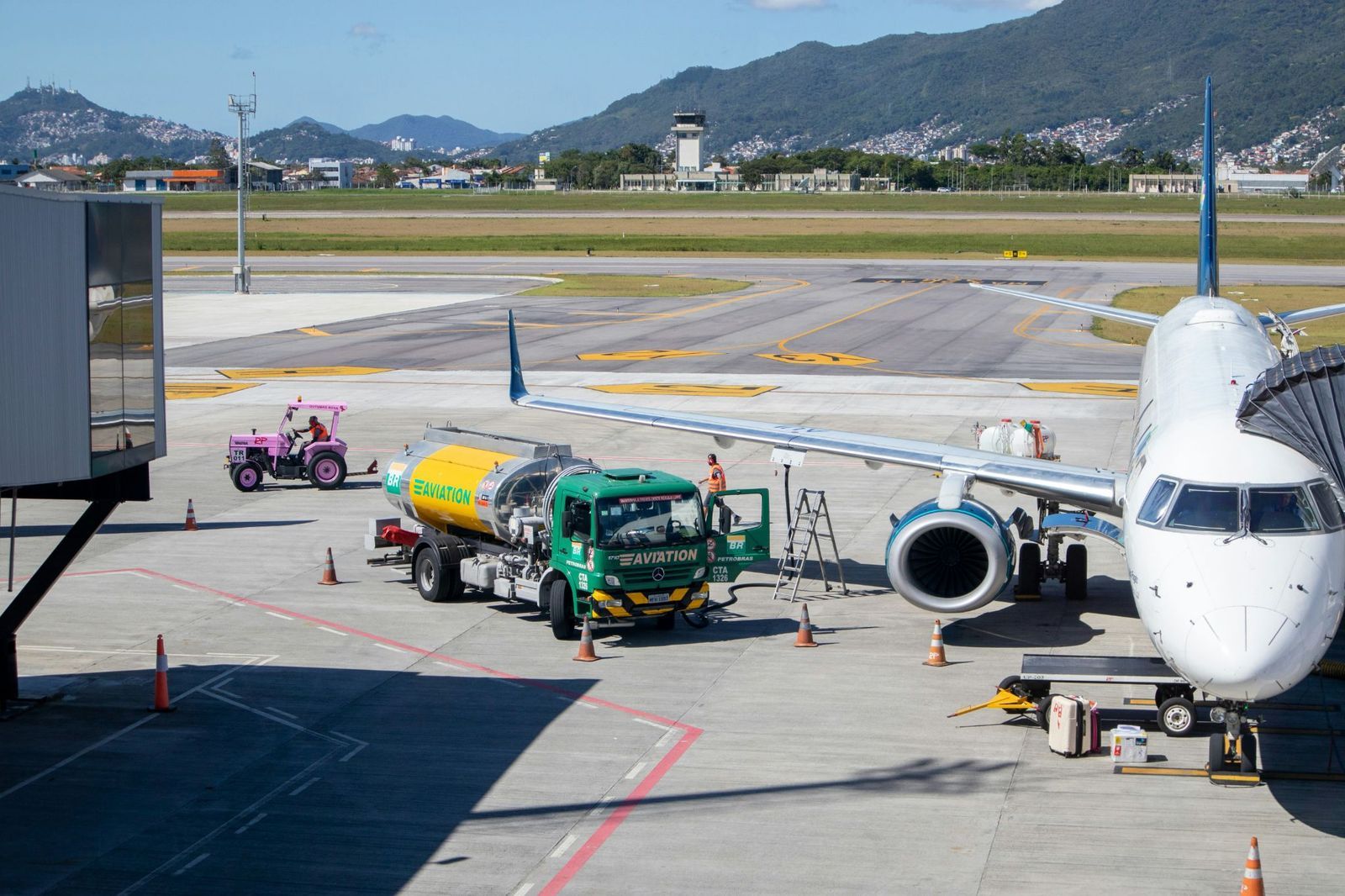
Long-haul aircraft can depart carrying enormous quantities of fuel because they are expected to burn much of it before landing. If something causes the airplane to return shortly after takeoff, it may still be heavier than its normal maximum landing weight.
Some large aircraft can jettison fuel to reduce that weight. But fuel dumping is not automatic, and many airplanes can’t do it at all. Depending on the circumstances and aircraft, pilots may instead remain airborne to burn fuel or make an overweight landing. Waiting isn't always preferable: if the reason for returning is urgent, getting the aircraft safely onto the ground can matter more than reaching its ideal landing weight.
Waiting fire trucks are not always cause for concern
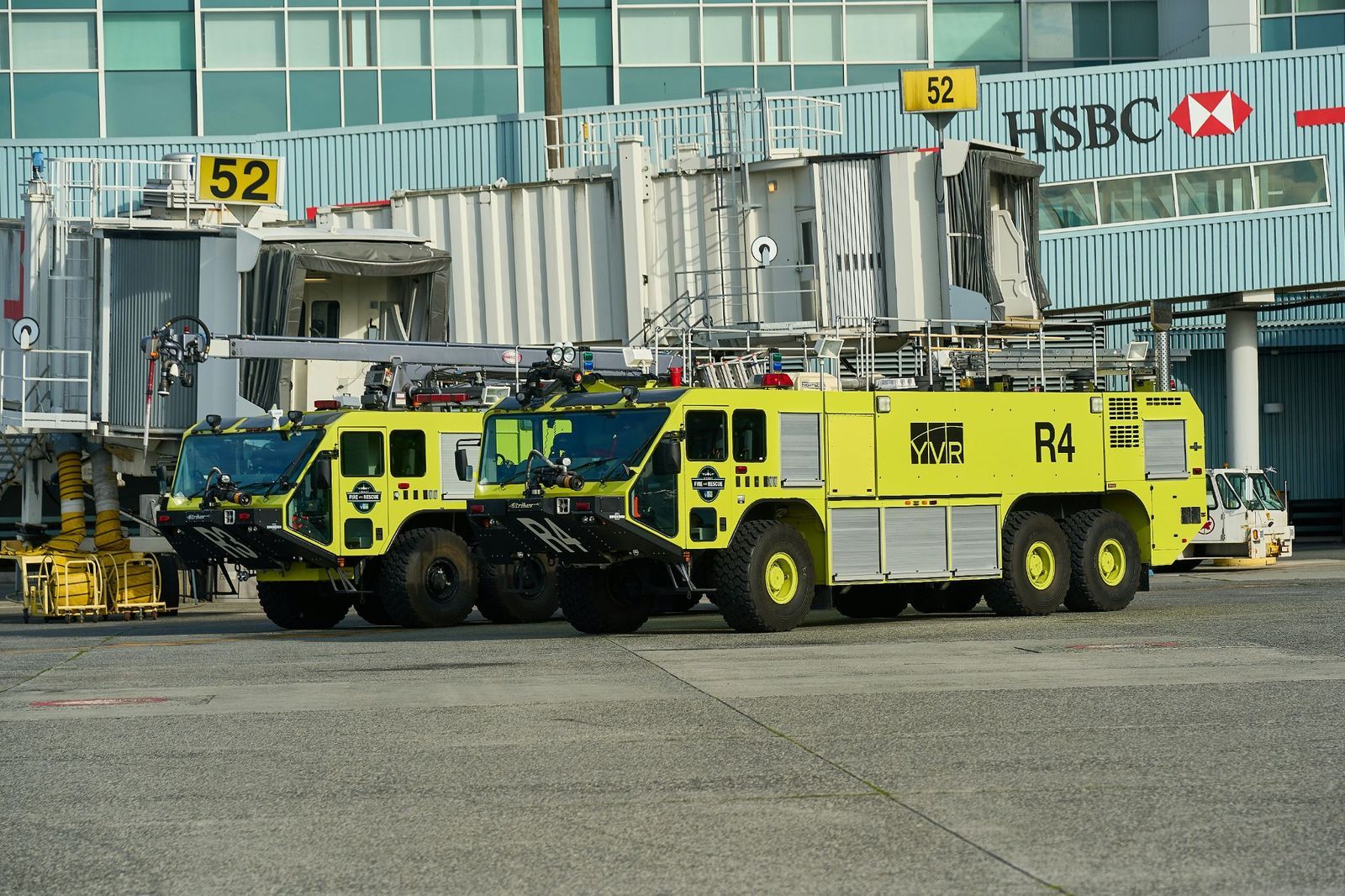
Looking out the window and seeing fire engines stationed beside the runway can be deeply unsettling. Yet airport rescue crews don't need to see flames before preparing for trouble. In fact, positioning them before an aircraft lands is precisely the point.
Aircraft Rescue and Fire Fighting crews may be placed on standby after pilots report an abnormal indication, mechanical concern, hydraulic problem, unusual odor, bird strike, or another condition that warrants extra precautions. Having emergency vehicles waiting nearby simply means that if the situation does deteriorate, specialized crews are already in position rather than racing across the airport after the fact.

These surprises catch the most experienced travelers off guard
Trip surprises ahead
This is what could go wrong on your next trip and how to fix it
Travel pulls you out of the same old routine, gets your brain working in new ways, and reminds you the world is bigger and more interesting than you thought. But even the best-planned trips throw curveballs, like longer lines than you bargained for, or a destination that turns out to be far safer (or riskier) than what you believed. A little know-how about those kinds of surprises goes a long way toward keeping your trip fun instead of frustrating.
Crowds and lines you don't anticipate
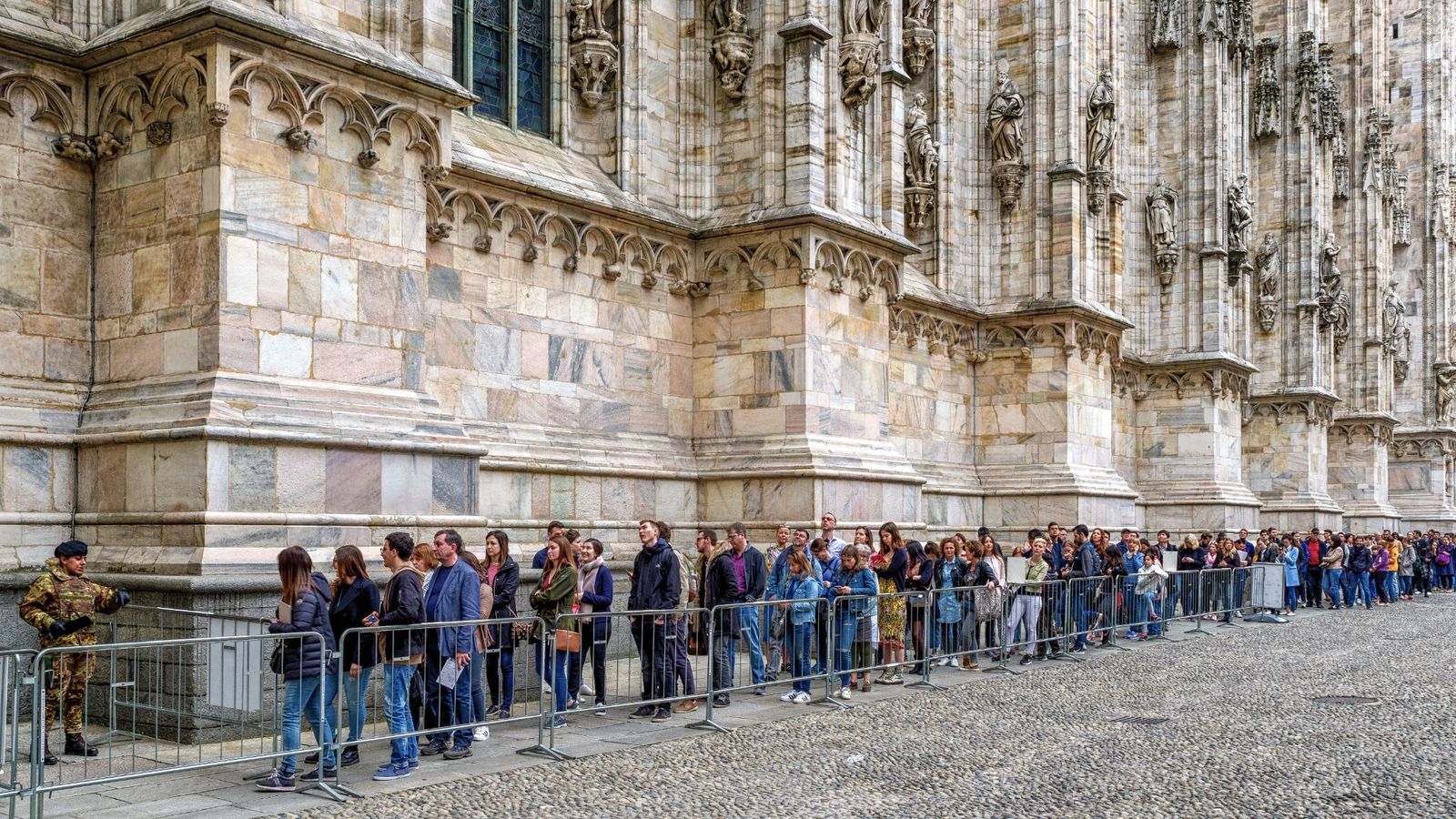
Picture yourself thrilled to finally see the Mona Lisa, then arriving at a two-hour line snaking around the museum. You'd imagined a quiet stroll through the galleries, not a human traffic jam. Unexpected crowds eat your vacation time and patience.
The fix: book timed-entry tickets online weeks ahead and go first thing in the morning. Do this, and you'll spend your precious hours actually seeing the art.
The cost of "free" walking tours

Say you join a "free" tour in Barcelona, love every minute of it, then panic when the guide mentions tips at the end and you're out of cash. These tours run on tips, not charity; guides expect roughly $10-$20 per person. Skipping this detail leaves you embarrassed or shortchanging someone's livelihood.
Solve it by researching the tipping norm beforehand and carrying small bills. Then you can enjoy the tour guilt-free and reward a guide who earned it.
Tipping customs that differ wildly by country

What if you tip generously at a restaurant in Tokyo, only to have the confused server chase you down to return the money? Tipping there can feel insulting. Meanwhile, skipping a tip in the U.S. is a real offense. Getting this wrong causes awkwardness or unintentional rudeness.
Again, a quick search on local tipping etiquette before you land fixes it instantly. Knowing the custom lets you show respect the right way, wherever you are.
Safety perceptions vs. reality

Imagine almost crossing an entire country off your list because of decades-old headlines about danger, then discovering a walkable, welcoming place once you actually arrive. News coverage often exaggerates risk in specific spots while ignoring how safe the rest of a place actually is. This mismatch can make you avoid wonderful destinations, or wrongly let your guard down elsewhere.
Solve it by checking your government's travel advisories and asking recent visitors directly. You'll travel with realistic confidence instead of needless fear or false comfort.
All-inclusive resorts: hidden costs and limitations

Suppose you book an all-inclusive in Mexico expecting everything’s covered, and then find out premium tequila, the spa, and the sunset catamaran tour all cost extra. "All-inclusive" often means basics only, and surprise charges can blow your budget.
Read the fine print before booking, and call the resort with specific questions about what's excluded. Doing this upfront means no unpleasant bill shocks at checkout, and you can budget properly for the extras you actually want.
Language barriers in "English-friendly" destinations

Consider assuming English will carry you through the Netherlands, and then you hit a wall ordering lunch in a small village bakery outside Amsterdam. Popular destinations aren't uniformly bilingual, especially outside city centers, and this can leave you stuck or misunderstood.
Learn a handful of key phrases before you go—"hello", "please", "thank you", "where's the bathroom?" Locals almost always light up when you try their language, even badly, and that little effort tends to earn you warmer service and genuine goodwill.
Weather surprises (Ireland's rain, desert cold nights)
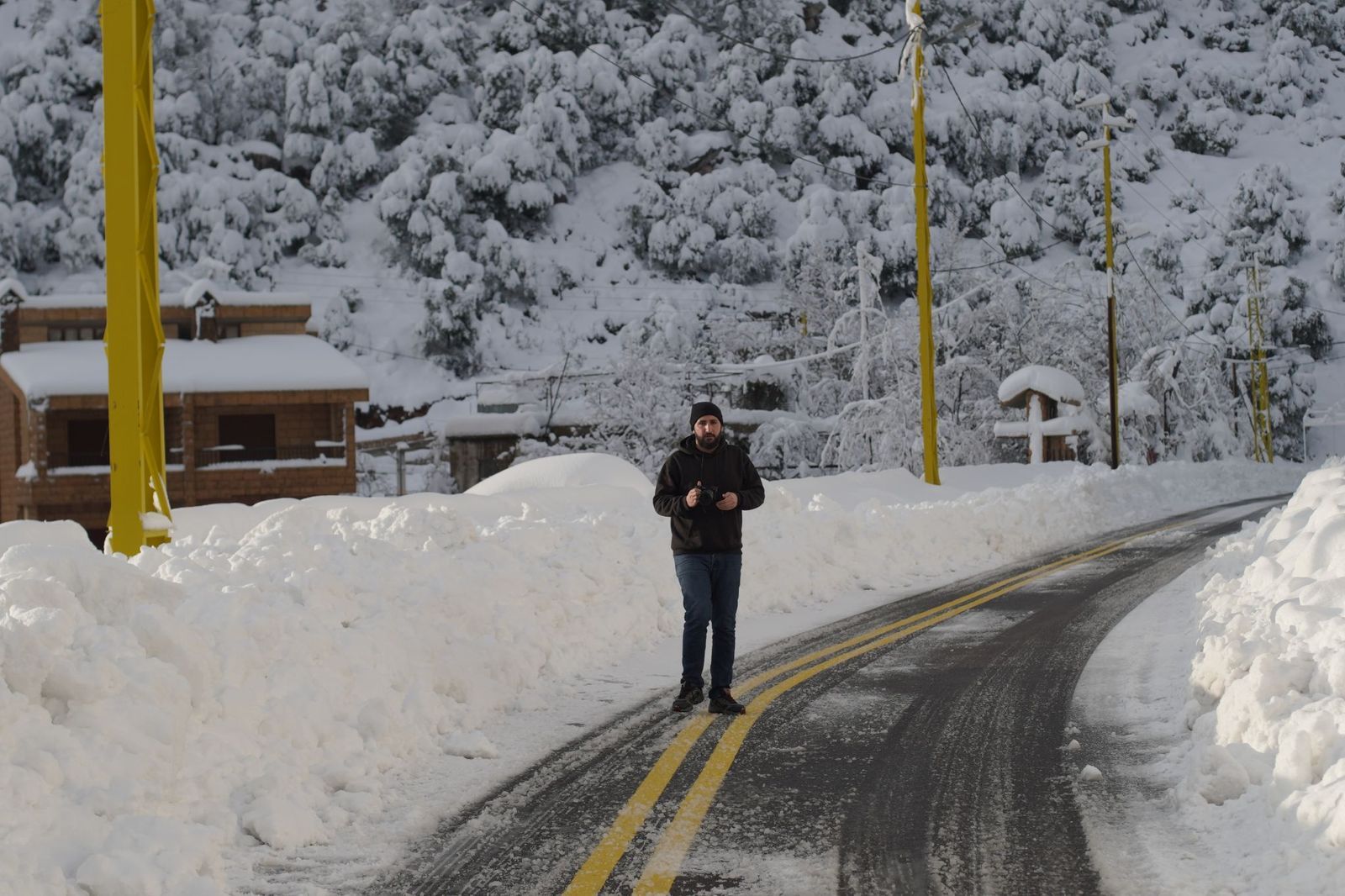
Visualize packing only shorts and t-shirts for a Moroccan desert trip, then shivering through nights that drop near freezing once the sun sets. Guidebook images rarely show a destination's full weather range. This mismatch means you're either soaked, sunburned, or freezing when you didn't expect it.
Research seasonal highs and lows before packing, and bring layers. You'll stay comfortable through the day's surprises instead of shopping for emergency sweaters abroad.
Jet lag is worse traveling east vs. west

Say you feel fine flying from New York to Los Angeles but are wrecked for days flying from New York to Rome. Eastward travel fights your body's natural clock harder than westward travel, making jet lag noticeably worse. This can wreck the first days of a trip you paid good money for.
Shift your sleep schedule a few days before departure and get sunlight first thing at your destination. You'll adjust faster and actually enjoy those first precious vacation days.
Local holidays that shut down entire cities

Imagine landing in Rome mid-August expecting a bustling capital, only to find shops shut and restaurants closed for Ferragosto, a national holiday. Local holidays can quietly empty out a destination you traveled far to see.
Check a country's holiday calendar before booking dates. Doing so lets you either avoid the shutdown or lean into it, since holidays often bring festivals and celebrations worth experiencing too.
Overtourism can affect bucket-list sites

Picture dreaming of a romantic, quiet Venice, but finding yourself shuffling shoulder-to-shoulder through roped-off alleys with thousands of other tourists. Iconic destinations are often victims of their own fame, and overcrowding can flatten the magic you traveled for.
Visit shoulder seasons, go early morning, or explore nearby lesser-known towns instead. You'll get the beauty without the crowds, often at a lower cost too.
Airport transfer scams to watch out for
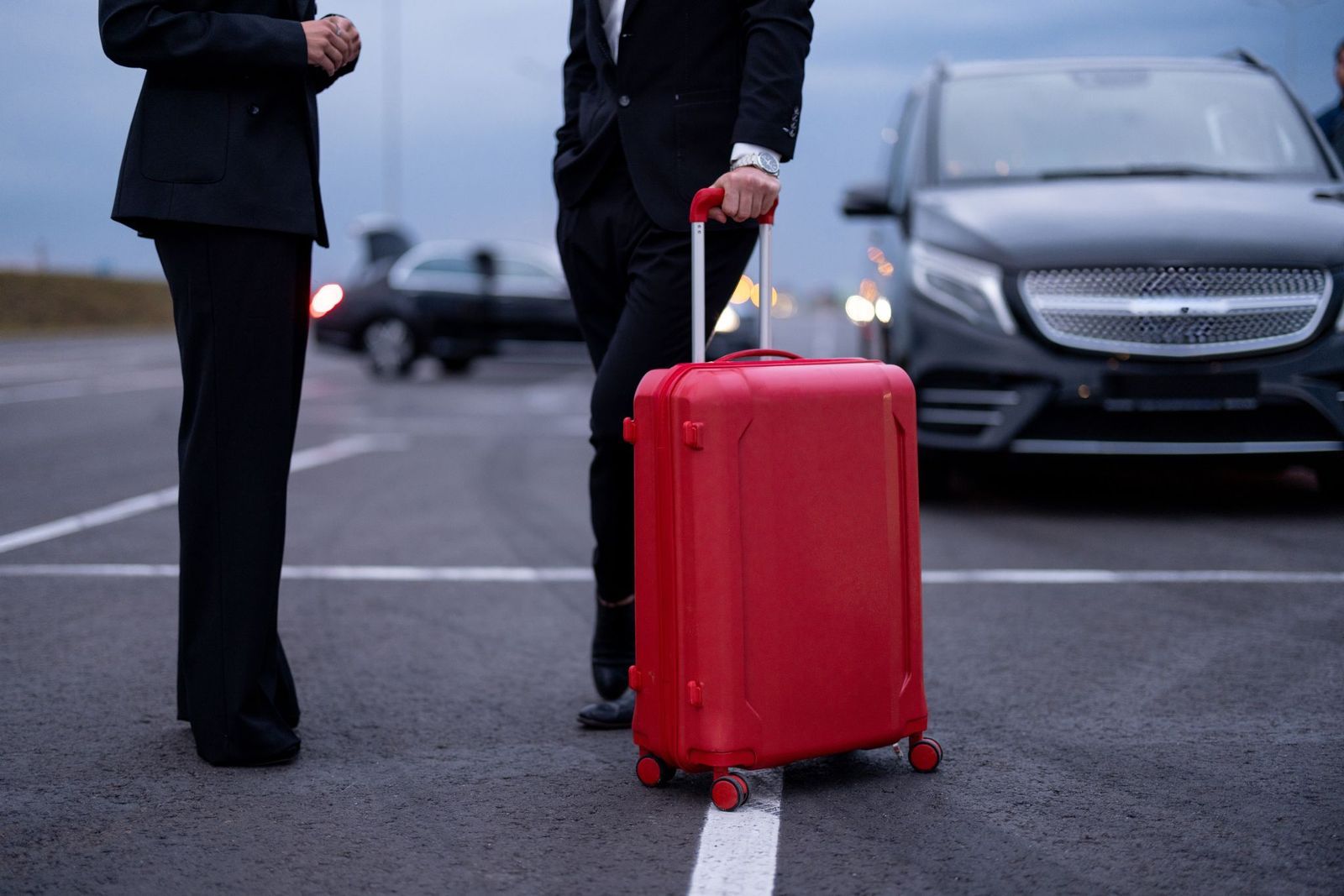
What if you step off your flight in Cancún, hop into an unofficial taxi outside baggage claim, and get overcharged triple the normal fare before you realize what happened? Scammers target tired, disoriented travelers right at arrival.
Book a licensed transfer or ride app in advance, or head straight to the official taxi stand. Arriving with a plan means you start your trip relaxed instead of ripped off.
Keep wandering
There’s always
more to explore
 Culture

The town that changed its name over a ghost story: Best Halloween cities
7 min.
Read Now
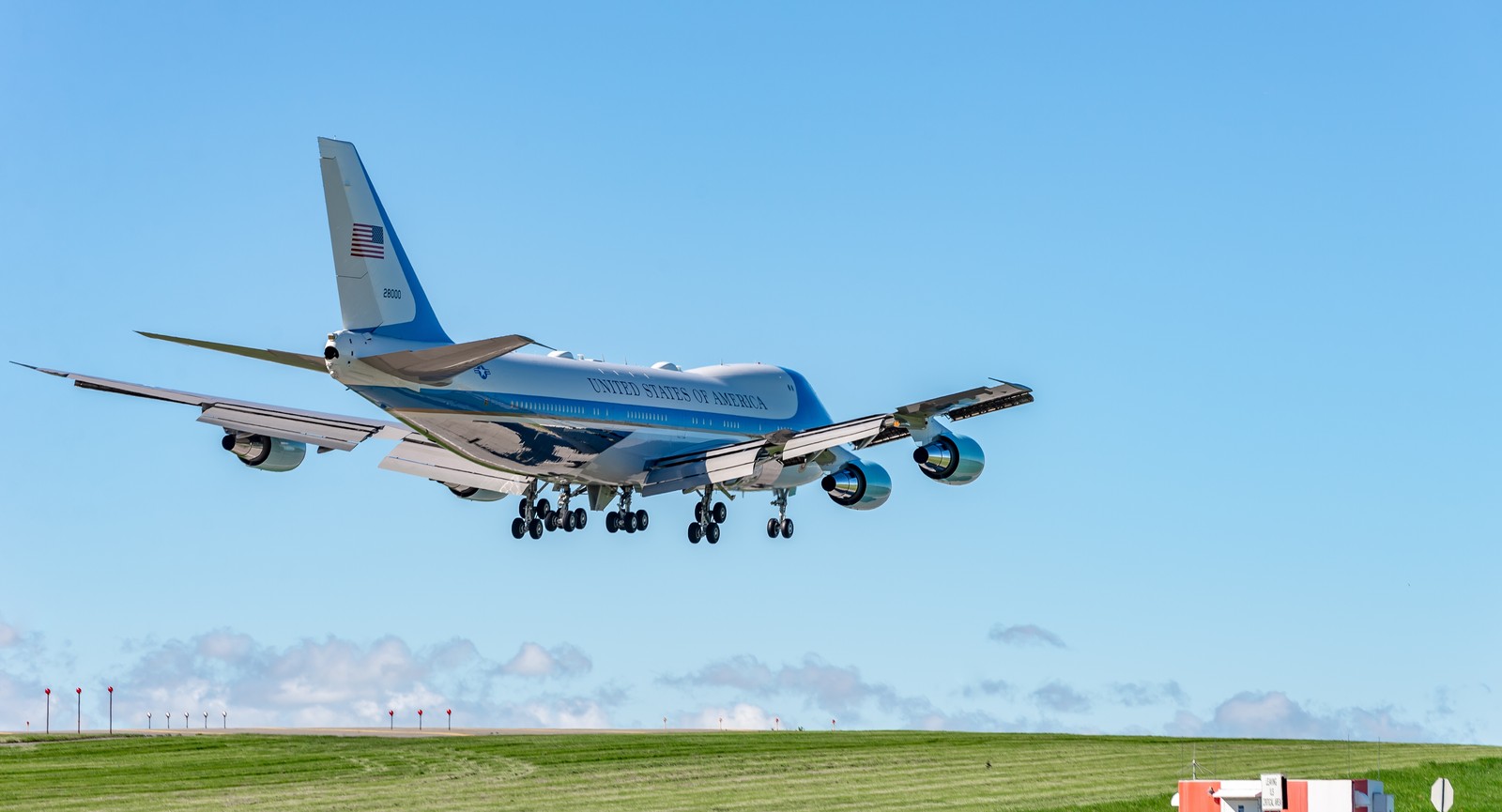
Air Force One isn't a plane at all: secrets uncovered
6 min.
Read Now

10 capitals that are not their country's most famous cities
4 min.
Read Now
Entry denied: What's behind the places you will never get to visit
7 min.
Read Now