Entry denied: What's behind the places you will never get to visit
 General
No tourists allowed
Entry denied: What's behind the places you will never get to visit
Today, almost any place in the world is just a few clicks away. You can book a trip to the other side of the planet in minutes or take a virtual tour of a famous museum from your home. But in some places, no matter how much money, fame, or technology you have, you just can’t get in. That's the case with the 10 places on this list. You may never get to see them in person, but the stories behind them are worth knowing.
The Torch of the Statue of Liberty, New York
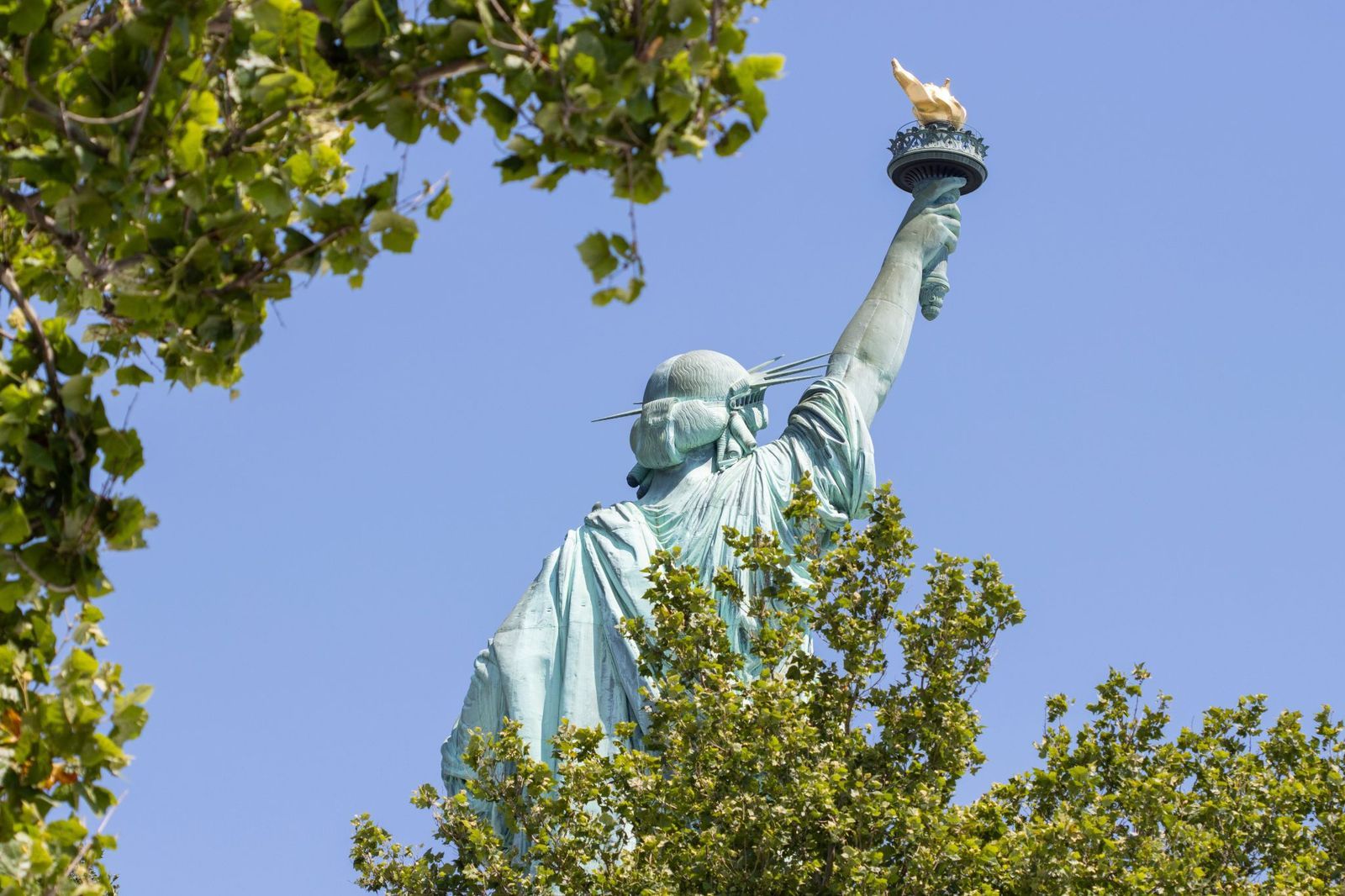
Can you imagine standing on the little balcony around Lady Liberty's torch, about 300 feet up? People actually used to do that. Designed by French sculptor Frédéric-Auguste Bartholdi, the statue was a gift from France and a symbol of their alliance during the American Revolution. Moved to New York Harbor in 1886, early visitors could climb a narrow ladder up her arm to reach the torch.
But that ended in 1916 when a group of German saboteurs blew up a huge stash of ammunition at Black Tom, a pier in nearby Jersey City, and flying debris damaged the statue's arm. The torch has stayed closed ever since, mostly for safety reasons, since the only way up is still that narrow ladder.
Fun fact: the torch you see today isn't even the original. It was replaced in 1986, and the old one sits in the Statue of Liberty Museum on the island.
The restricted areas around Area 51, Nevada
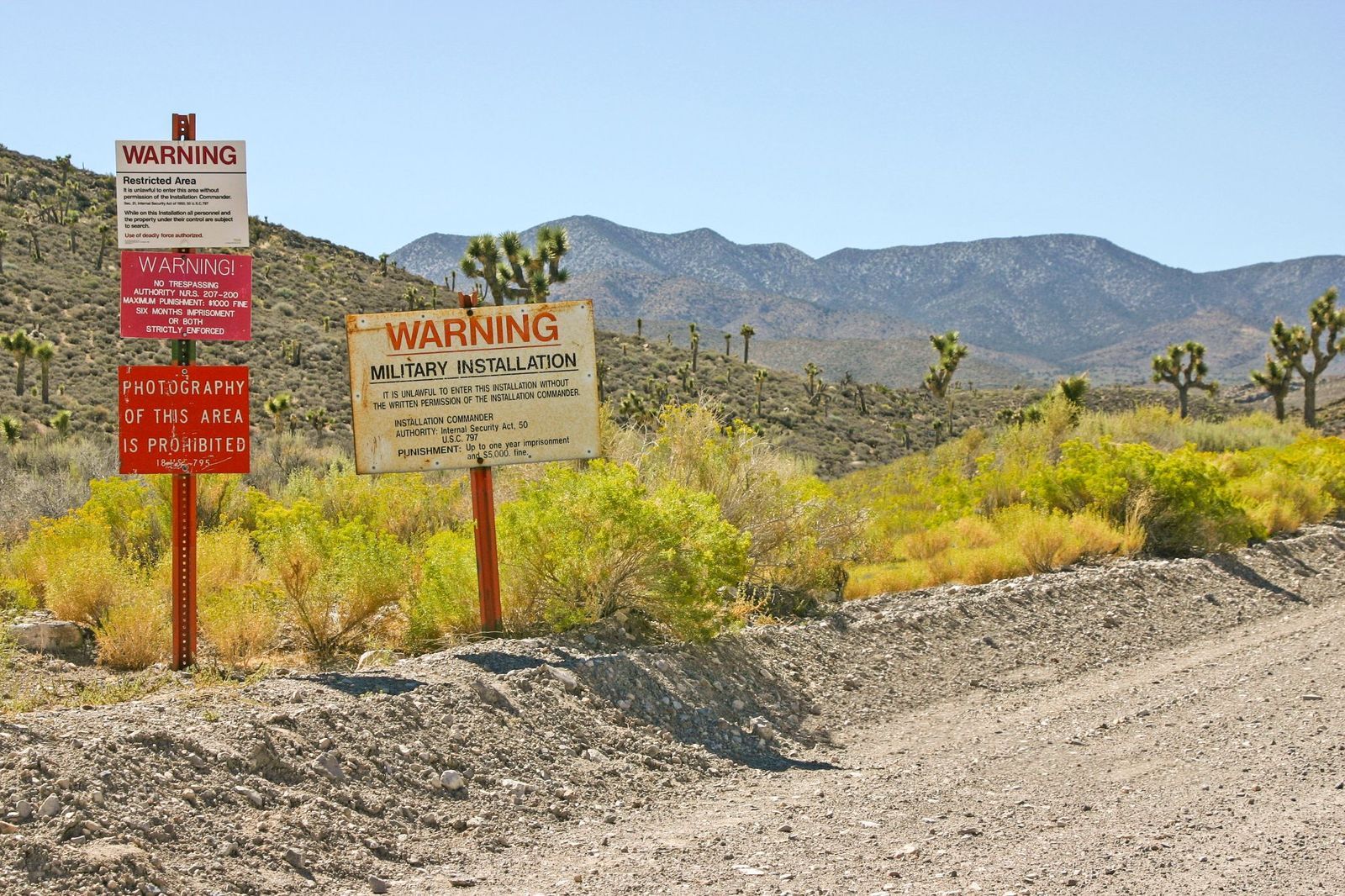
The real story behind the restricted areas around Area 51 starts in 1955, when the CIA and the aerospace company Lockheed needed a hidden place to test a new spy plane, the U-2. They chose a dry lake called Groom Lake, in Nevada’s desert roughly 80 miles north of Las Vegas. The base also tested the A-12 spy plane and the F-117 stealth fighter. Believe it or not, the government didn't officially admit Area 51 existed until 2013.
It's still an active, top-secret Air Force site, so it is no surprise the public isn't welcome. Signs at the property’s edge warn that photos are banned and, before 2015, warnings stated that "use of deadly force" was authorized.
The Gold Vault at Fort Knox, Kentucky
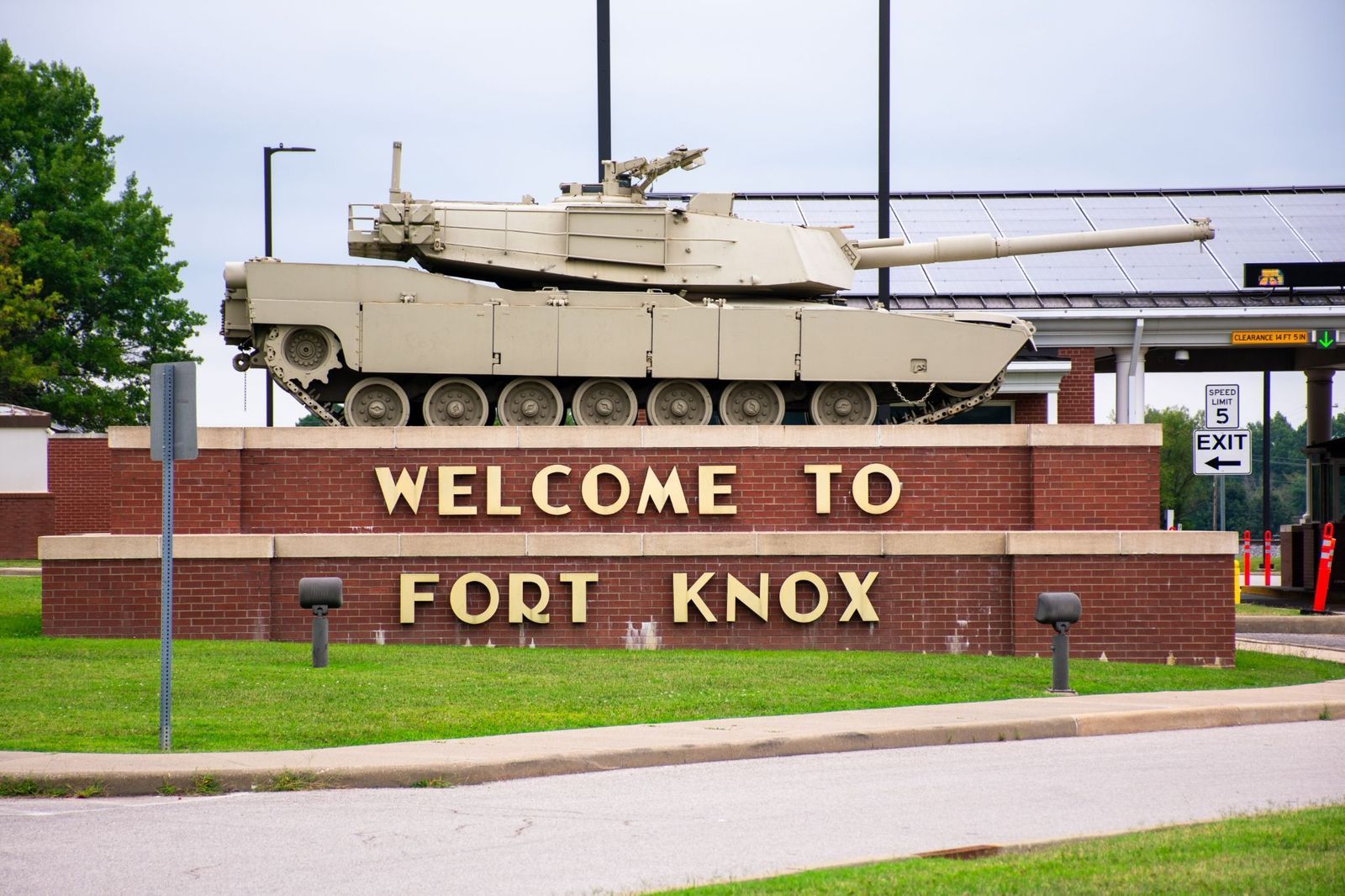
"Safe as Fort Knox" isn't just an old saying. The famous gold vault, officially called the U.S. Bullion Depository, sits on the Army post at Fort Knox, about 35 miles south of Louisville. The Treasury finished building it in December 1936 to store the nation's gold. During World War II, it also kept the Declaration of Independence, the Constitution, and the Bill of Rights. Movie fans know it from Goldfinger (1964), where James Bond has to stop a villain's plan to wreck America's gold supply.
The U.S. Mint has prohibited the visits. Outsiders have been allowed inside only twice. The first, in 1974, journalists and members of Congress toured the vault after rumors about missing gold. The second was in 2017, when Treasury Secretary Steven Mnuchin stopped by with Kentucky officials.
The Hall of Records at Mount Rushmore, South Dakota
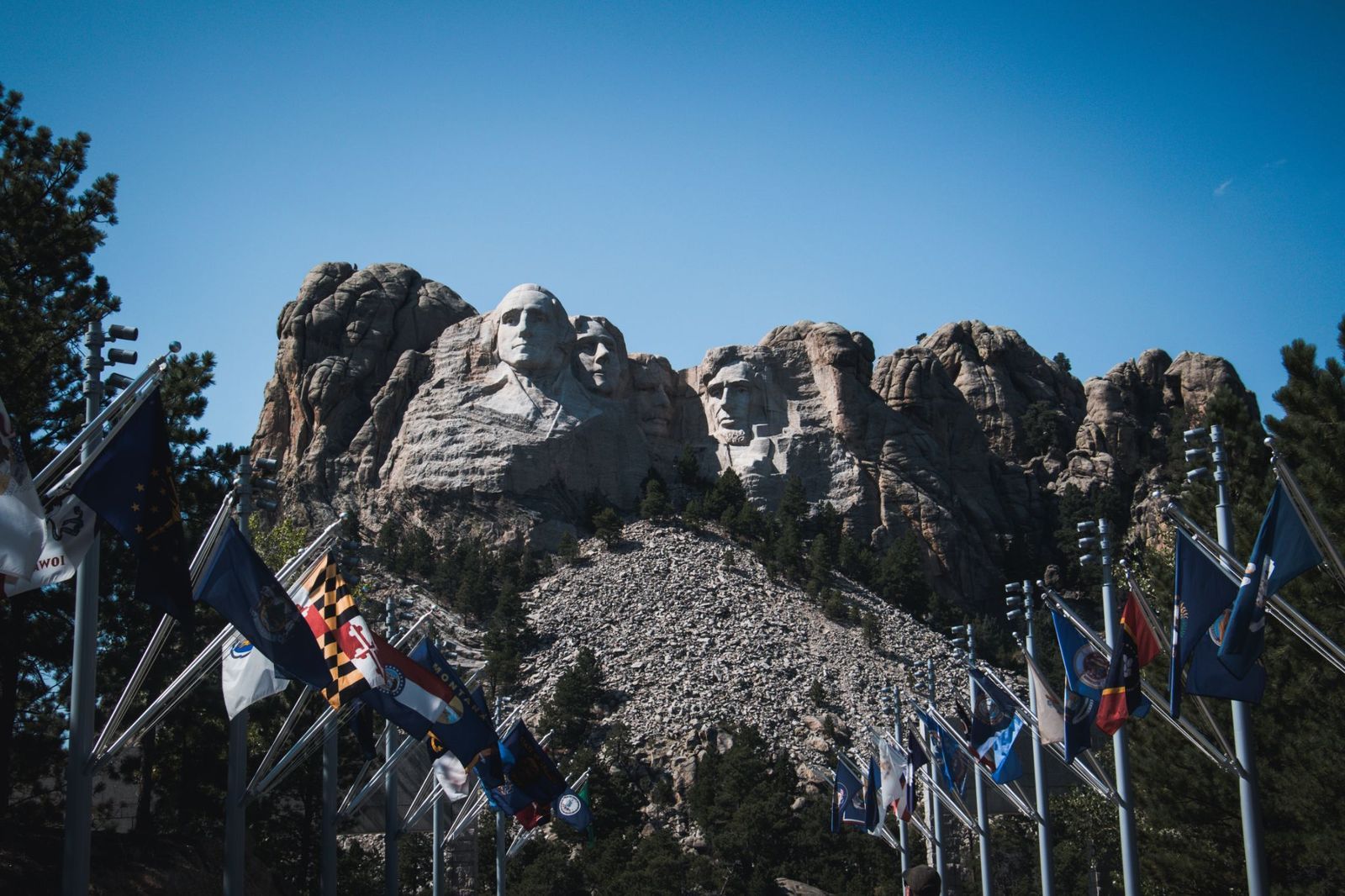
At Mount Rushmore, behind Lincoln's head, a secret room exists. Gutzon Borglum, the same sculptor who carved the four presidents, started blasting it out in 1938. He wanted a grand hall to store copies of the Declaration of Independence and the Constitution, along with America's story, for future generations. But the federal government was paying for almost all the work, and in 1939 it stopped the project to finish the faces first. Borglum died in 1941, and the hall stayed as a rough tunnel 70 feet deep.
In 1998, the National Park Service, along with Borglum’s family, installed a titanium vault in the tunnel floor and then put 16 porcelain panels with the text of the Declaration of Independence, the Constitution, and the Bill of Rights, plus the story of the presidents, the sculptor, and the monument. It isn’t open to the public; the climb is dangerous, and the vault was always meant to stay closed.
North Brother Island, New York City
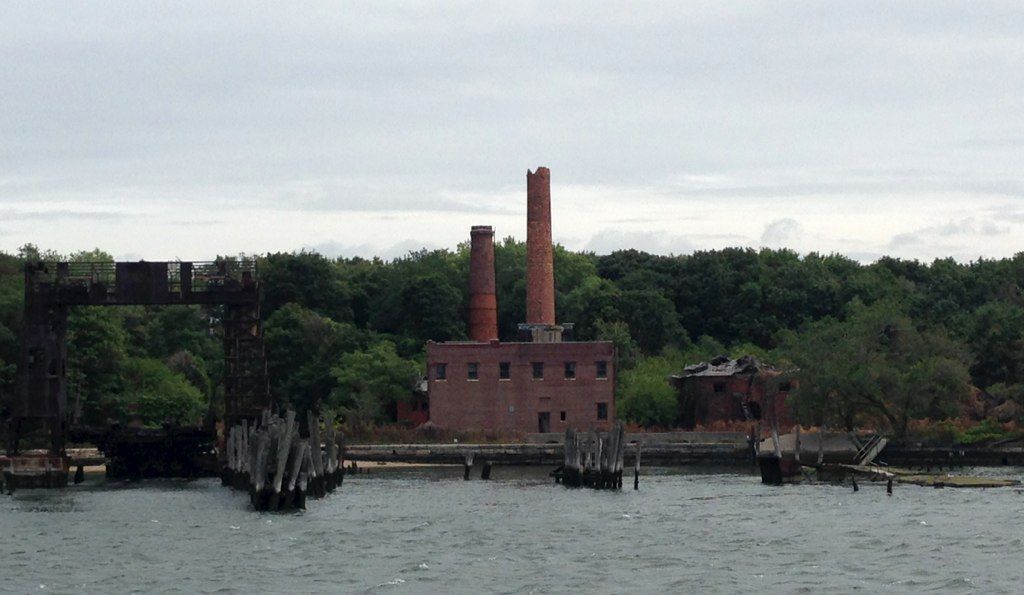
In the East River, between the Bronx and Rikers Island, sits a small island most New Yorkers have never been on. It's only about 20 acres, and it has a long story of isolation. In the 1880s, the city moved Riverside Hospital there to keep people with contagious diseases like smallpox away from everyone else. The island also saw one of New York's worst disasters when the steamboat General Slocum caught fire and ran aground on its shore, and more than 1,000 people died in 1904. After the hospital closed, the island was used for veterans' housing after World War II and then for a treatment center for teens with drug problems, until it shut down in 1963.
After that, everyone left, and wildlife started to grow. Today NYC Parks protects the island as a bird sanctuary. The hospital buildings are also falling apart and are dangerous to visit. Only people with a special research permit are allowed, but never during nesting season.
Niihau, Hawaii
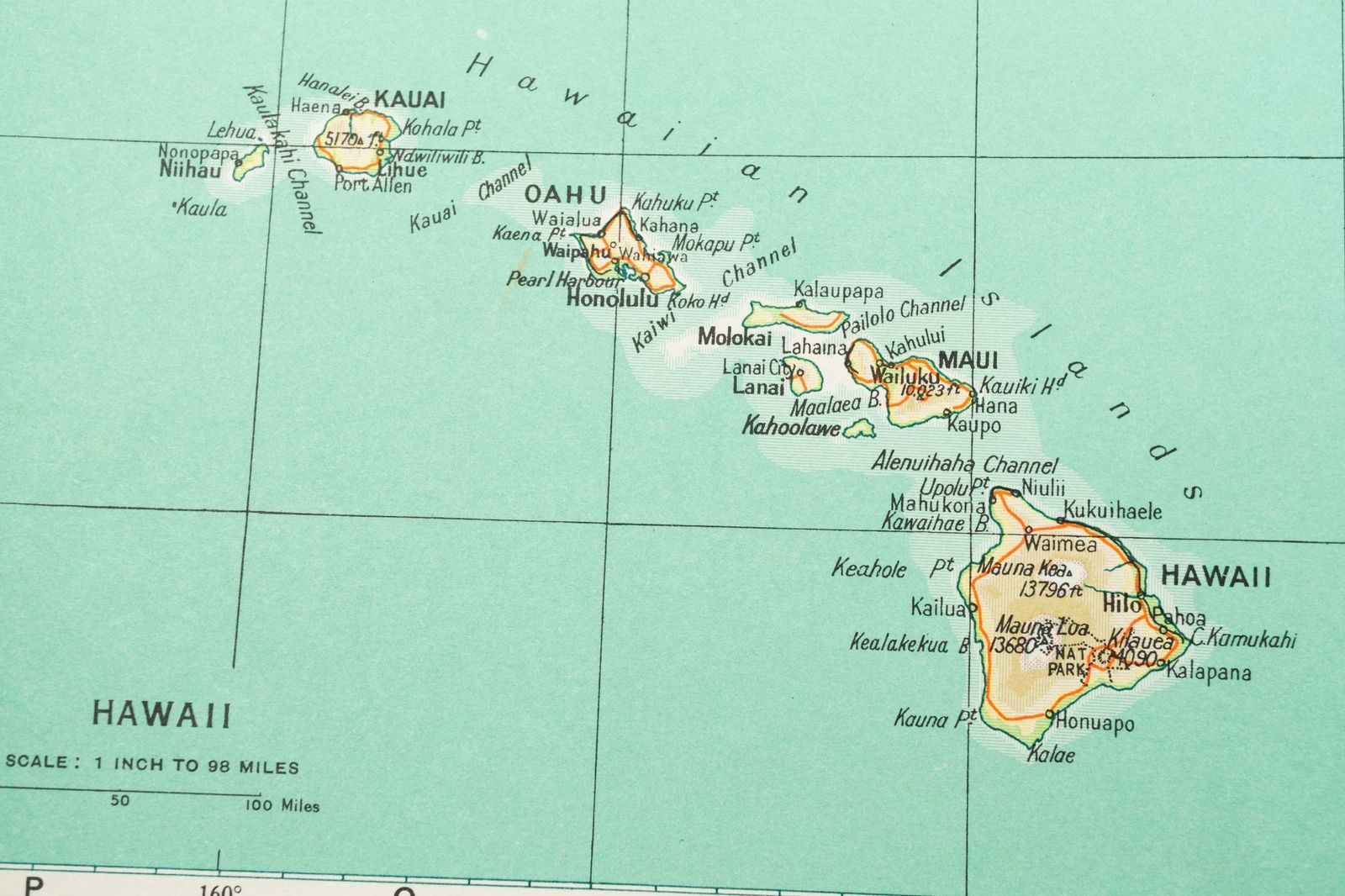
Elizabeth Sinclair, a Scottish woman, bought Niihau, a Hawaiian island about 17 miles off Kauai, in 1864. She bought it for $10,000 in gold from King Kamehameha V to raise cattle and sheep, and her descendants, the Robinson family, still own it today.
People call Niihau "the Forbidden Isle" because the Robinsons keep outsiders away to protect the island's way of life. The residents are mostly Native Hawaiian, and Hawaiian is still their everyday language. Homes there still run on solar power and rainwater. Only family, guests, government officials, and Navy personnel can go there. However, since 1987, a small number of supervised tours and hunting licenses are offered.
The original Lascaux Cave, France
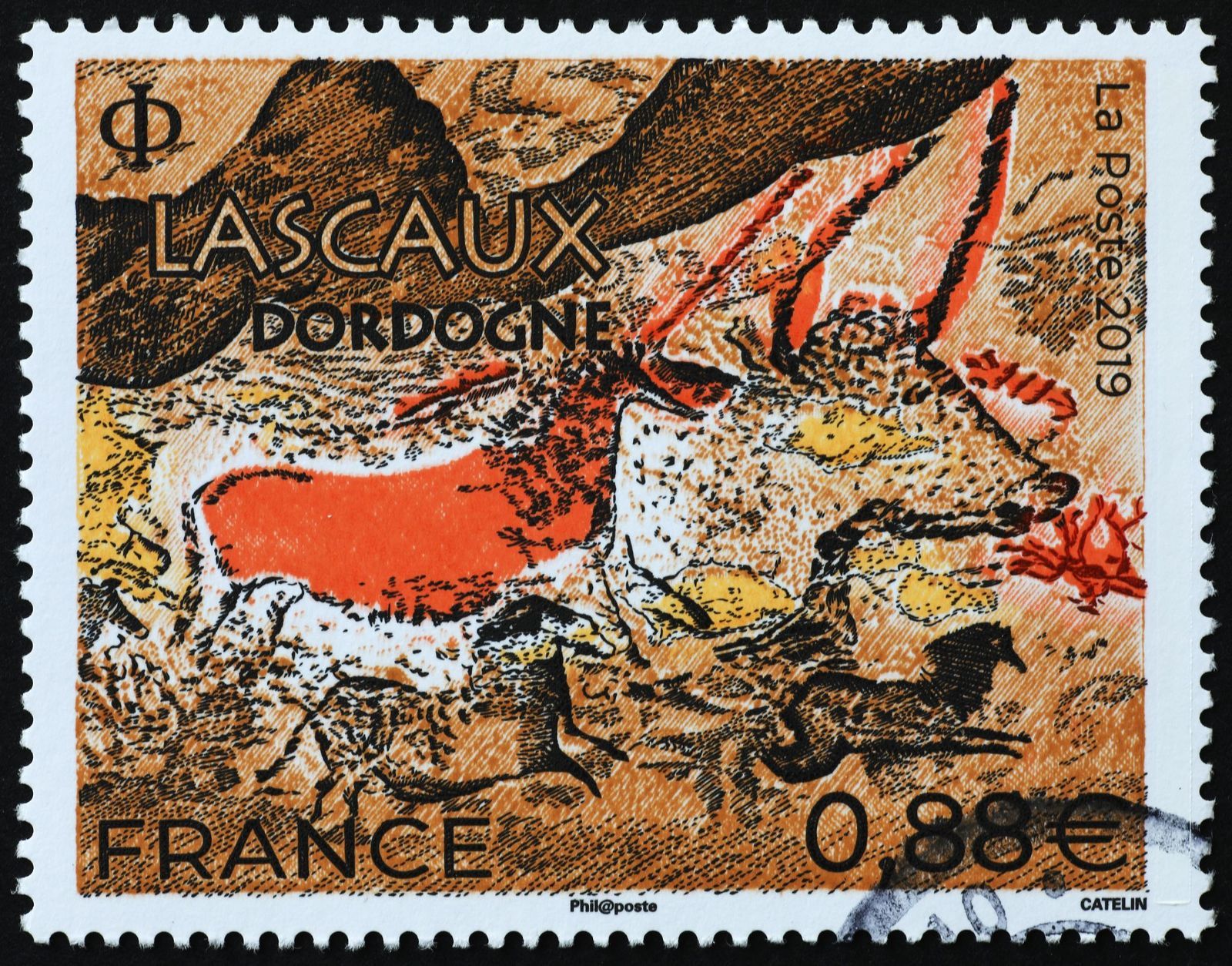
In September 1940, four teenagers and a dog were poking around a hole in the ground near the village of Montignac, in southwestern France, when they suddenly found a cave covered with paintings of animals. Anthropologists later discovered that Ice Age people painted those walls about 17,000 years ago, recording the animals they hunted or aimed to hunt. The paintings use perspective techniques, and some even seem to be in motion.
The cave opened to the public in 1948, and quickly became a favorite among locals and visitors. But more than a thousand visitors a day came by, bringing in heat, moisture, and carbon dioxide from their breath, and green algae started spreading across the walls. So, France's culture minister closed it for good in 1963. However, the Lascaux IV is available to the public: a full-size replica that opened in 2016, and it's also extraordinary.
North Sentinel Island, India
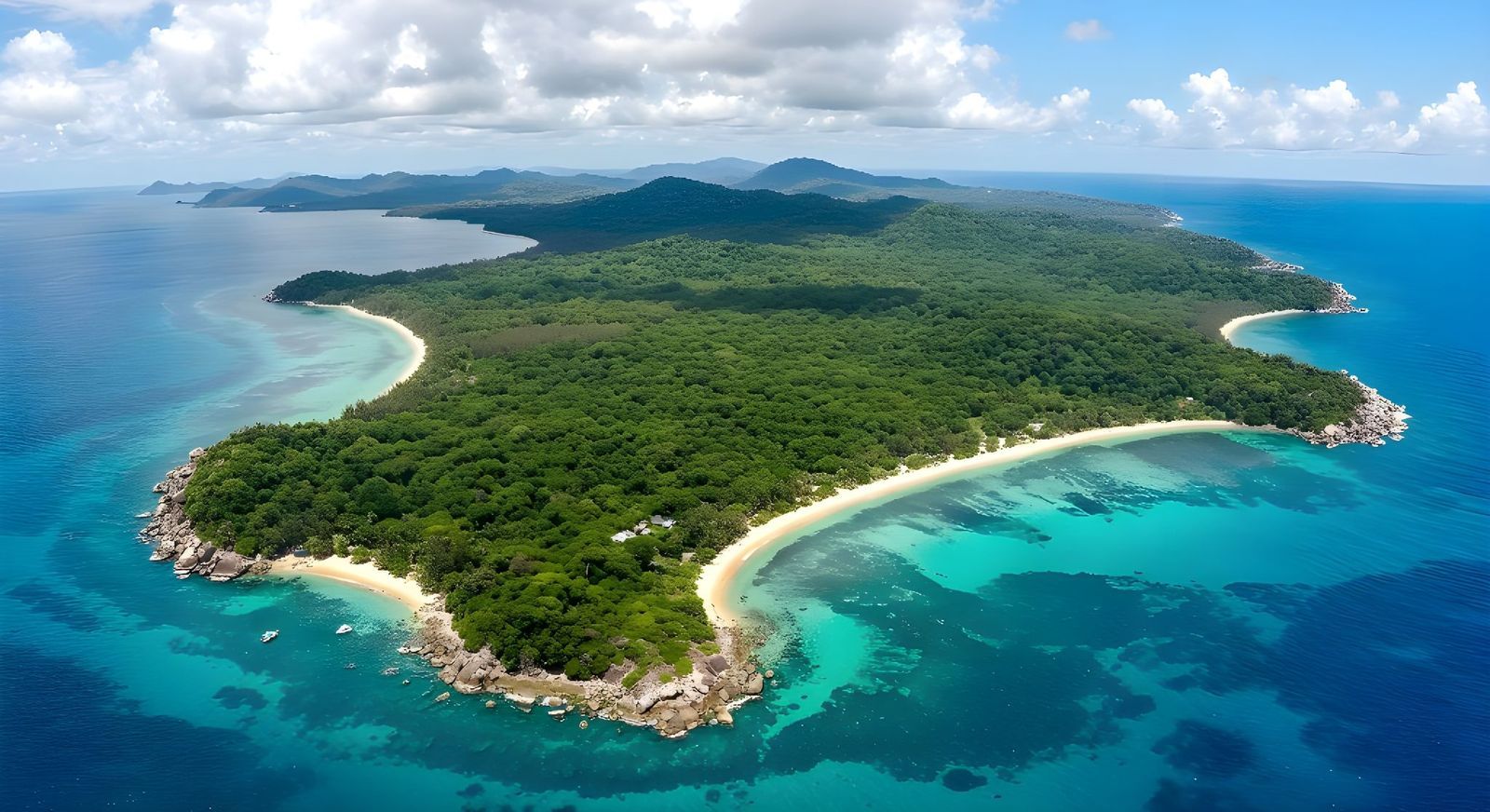
In the Bay of Bengal, part of India's Andaman and Nicobar Islands, lives one of the world’s last isolated tribes. The Sentinelese have resided on this small, forested island for thousands of years. They hunt and fish, and they don't accept visitors. India has protected this decision by law since 1956.
It's illegal to go within about 3 miles of the island because common illnesses like the flu or measles could wipe out a group that has never built up immunity; this has already happened to other tribes in the region after contact with outsiders. They also defend their shores with bows and arrows. In 2018, an American missionary named John Allen Chau was killed after sneaking onto the island.
Qin Shi Huang’s Tomb, China
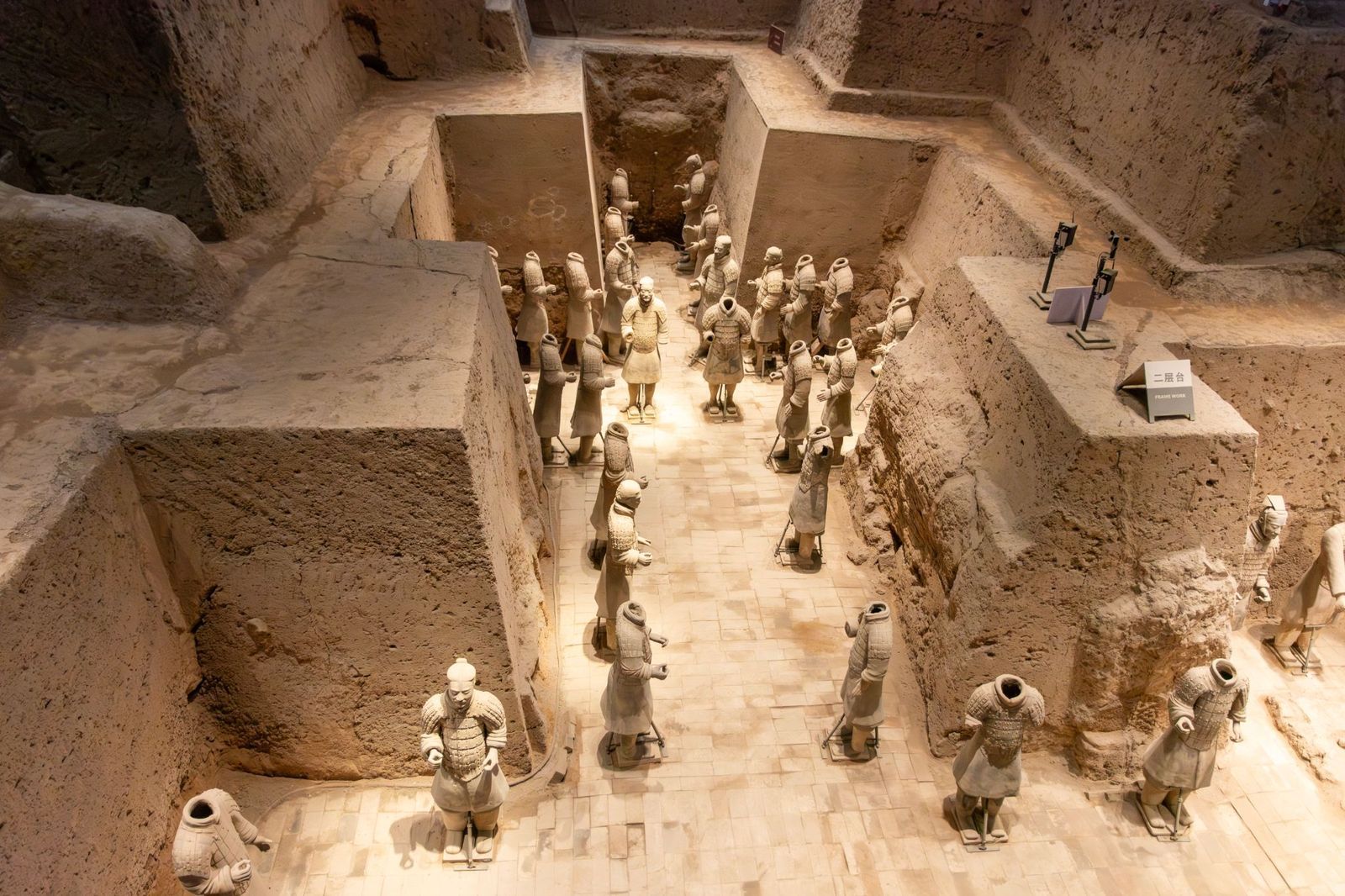
Qin Shi Huang united China in 221 BC and became its first emperor. His tomb sits near today's Xi'an, and it is believed that around 700,000 workers built it and that it held rivers of flowing mercury. The goal was to give the emperor an underground empire to rule in the afterlife, and he even got an army to protect it. In 1974, farmers digging about a mile from the tomb found the Terracotta Army, around 8,000 life-size soldiers buried to guard the emperor forever.
Archaeologists have been digging around the tomb ever since, but they've never opened the emperor's actual burial chamber. The main reason is mercury: soil tests around the tomb show high mercury levels, suggesting the flowing mercury rivers might have been real. The other reason is preservation. When the terracotta soldiers were dug up, their colors flaked off with air contact, and experts worry the same thing could happen to whatever is inside the tomb.
The public climb at Uluru, Australia
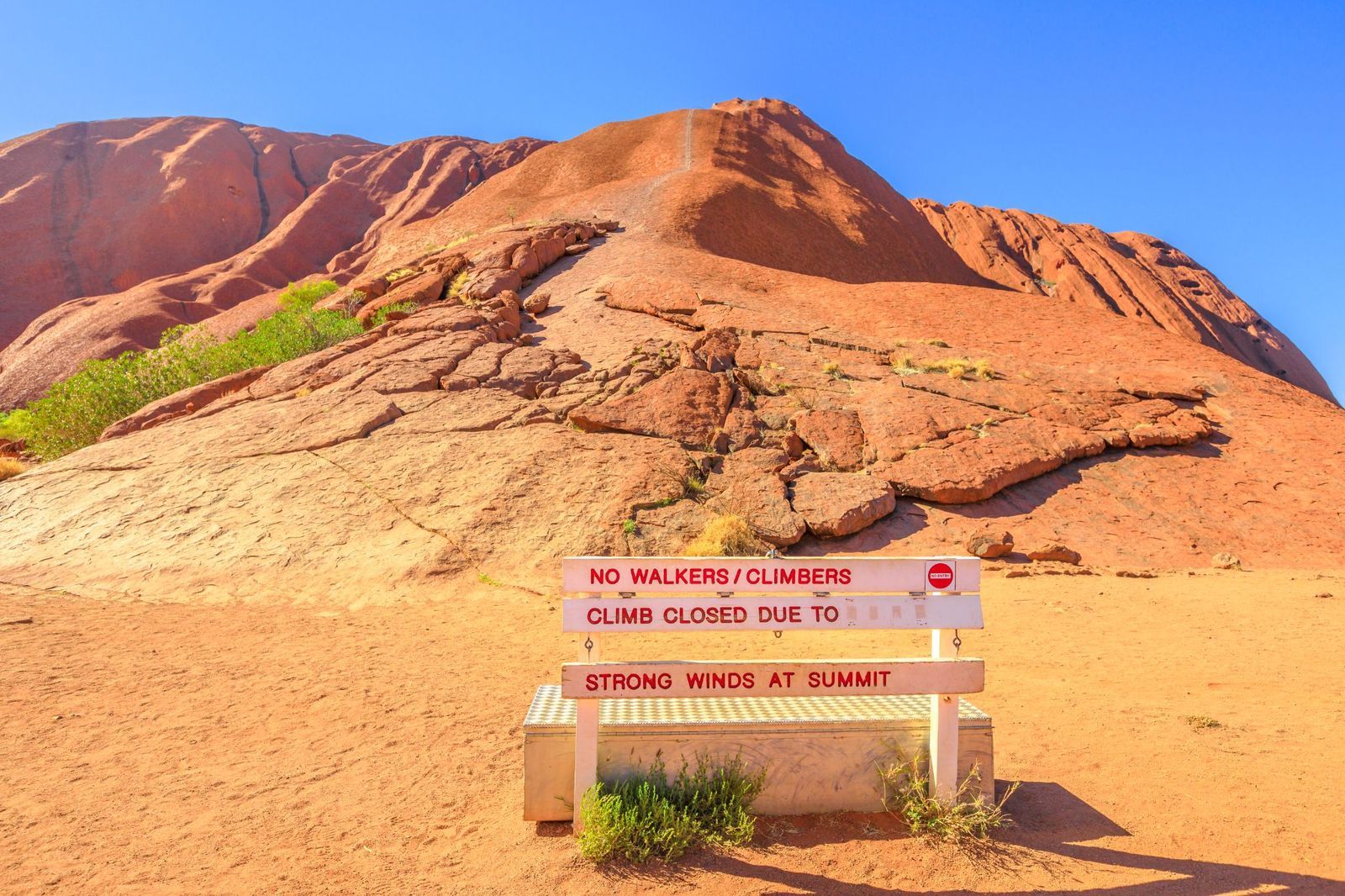
Uluru is a huge red sandstone rock rising about 1,100 feet above the desert in Australia’s Northern Territory. Many older travelers may remember it as Ayers Rock, the name British explorer William Gosse gave it in 1873. Adventurous tourists began climbing it in the late 1930s, and by 1964, officials added a chain for them to hold on. For decades, climbing to the top was one of the most popular things to do on a trip to Australia.
But the climb was always a problem for the Anangu, the Natives who live around Uluru. The rock is sacred to them, and their traditional law doesn't allow people to climb it. In 1985, the Australian government returned ownership of the land to the Anangu, and they began running the park together, and prohibition signs asked visitors not to climb. Also dangerous, the climb itself was dangerous; more than 30 people died on it over the years. By 2017, the rock closed, and visitors can now only walk on its base.
No flights, no lines, no stress. A smart way to see the world from home
Travel weekly
No flights, no lines, no stress. A smart way to see the world from home
What if you could explore the world without leaving your house? You’ve probably felt it: that urge to pack a bag, catch a flight, and wake up somewhere new. But reality hits differently; budgets, health, and everyday life don’t always allow you to do it. Does that mean the adventure has to stop? Not a chance. Keep reading; here are a few ideas to get you closer to your next "trip."
Binge-watch travel-themed content

Watching TV is a part of our everyday life, but instead of going back to the same old show, why not choose shows and documentaries that show you the world? Binge-watching travel-themed content can be really inspiring.
Try The Reluctant Traveler on Apple TV+, where Eugene Levy steps outside his comfort zone to visit some of the world’s most remarkable hotels while discovering the people, places, and cultures around them. For something with a different edge, Anthony Bourdain: Parts Unknown on Prime Video offers a more unfiltered perspective. Hosted by Anthony Bourdain, the series blends politics, food, and culture, going far beyond sightseeing to deliver a candid look at life in cities around the globe.
Get lost in a good travel book
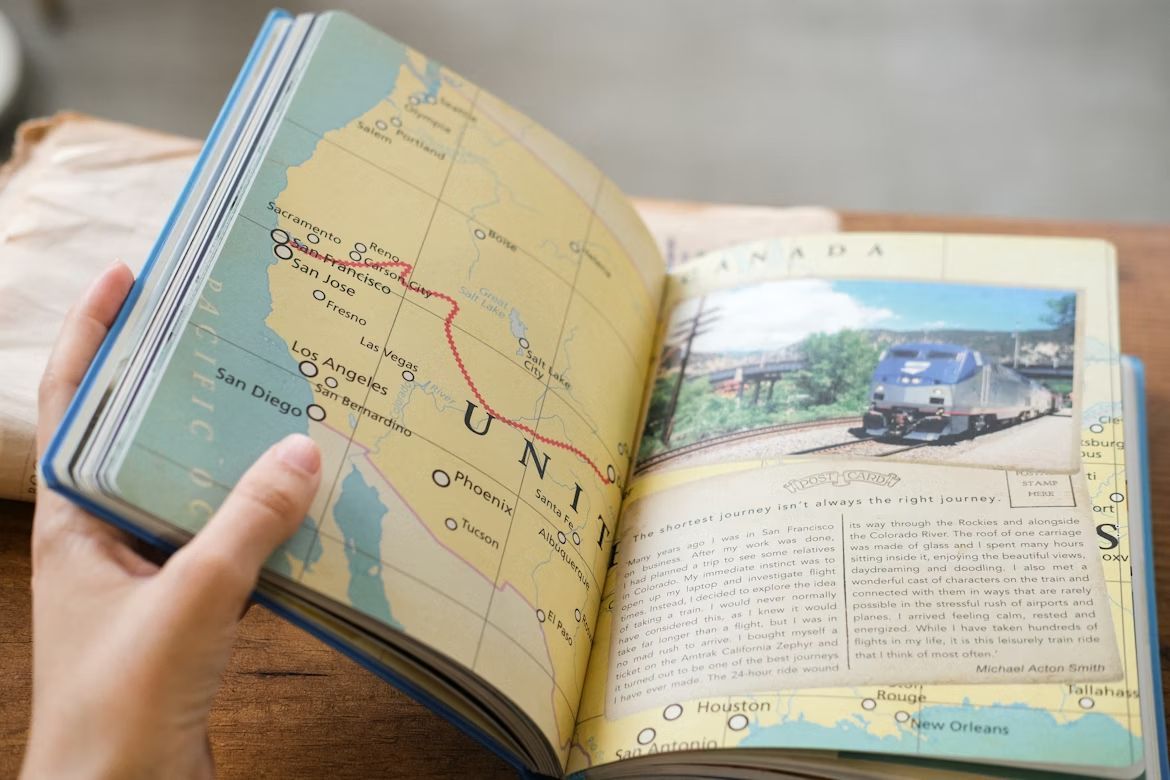
Literature can take us wherever we want. Books can carry us into imagined or fantasy worlds, but they can just as easily bring real destinations into our house.
Travel-themed books do more than simply entertain; they combine detailed descriptions of a place with regional customs, relationships, and more. In Eat, Pray, Love, Elizabeth Gilbert takes you from Italy’s pasta-filled streets to Bali’s calm retreats. Meanwhile, Into the Wild by Jon Krakauer immerses you in raw, untamed landscapes. If you want more options, try memoirs about life abroad, collections of travel essays, or even historical journeys. The goal isn’t just reading, it’s going somewhere without moving an inch.
Practice learning a new language

One of the most interesting things about traveling abroad is getting in touch with a foreign language, but you don’t need a plane ticket to say your first words in Italian or French.
Learning a language brings you closer to a place before you even arrive. Apps like Duolingo or Babbel make it easy to practice useful phrases like ordering coffee in French or asking for directions in Spanish. Try setting a small goal: learn how to introduce yourself, order a meal, or ask for the check. Even 15–20 minutes a day adds up—and it makes future travel feel more real.
Add globally-inspired recipes to your cooking

The kitchen is the heart of every culture, and learning to cook authentic dishes can feel like traveling exactly to where the dish originated.
Try homemade pasta with a simple tomato sauce inspired by southern Italy, a fragrant Thai curry, or classic fish and chips. Cookbooks like Mastering the Art of French Cooking by Julia Child can guide you step by step, while others introduce spices and techniques you may never have used before. Even something small, like learning to make proper guacamole or a traditional Greek salad, can open the door to a new culture.
Add travel inspiration to your space
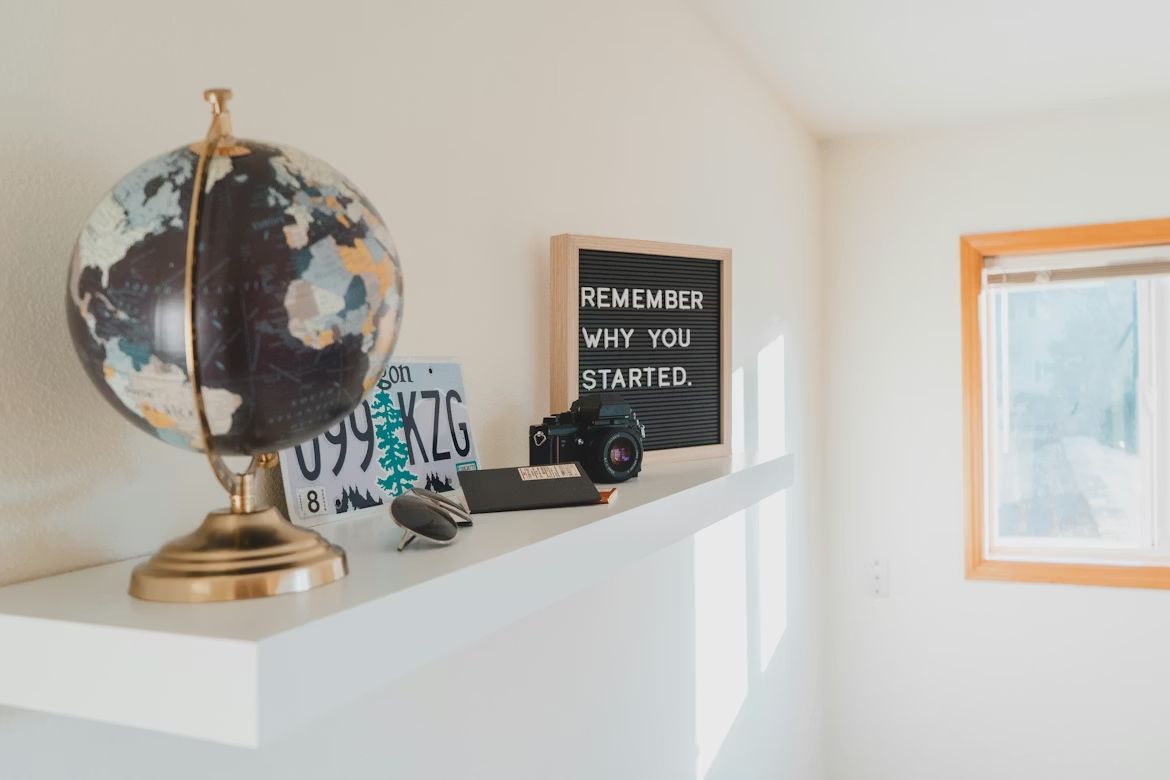
You glance up from your desk and see the same walls every day. What if they reminded you of where you want to go? Your home should be a reflection of where you’ve been and where you’re going.
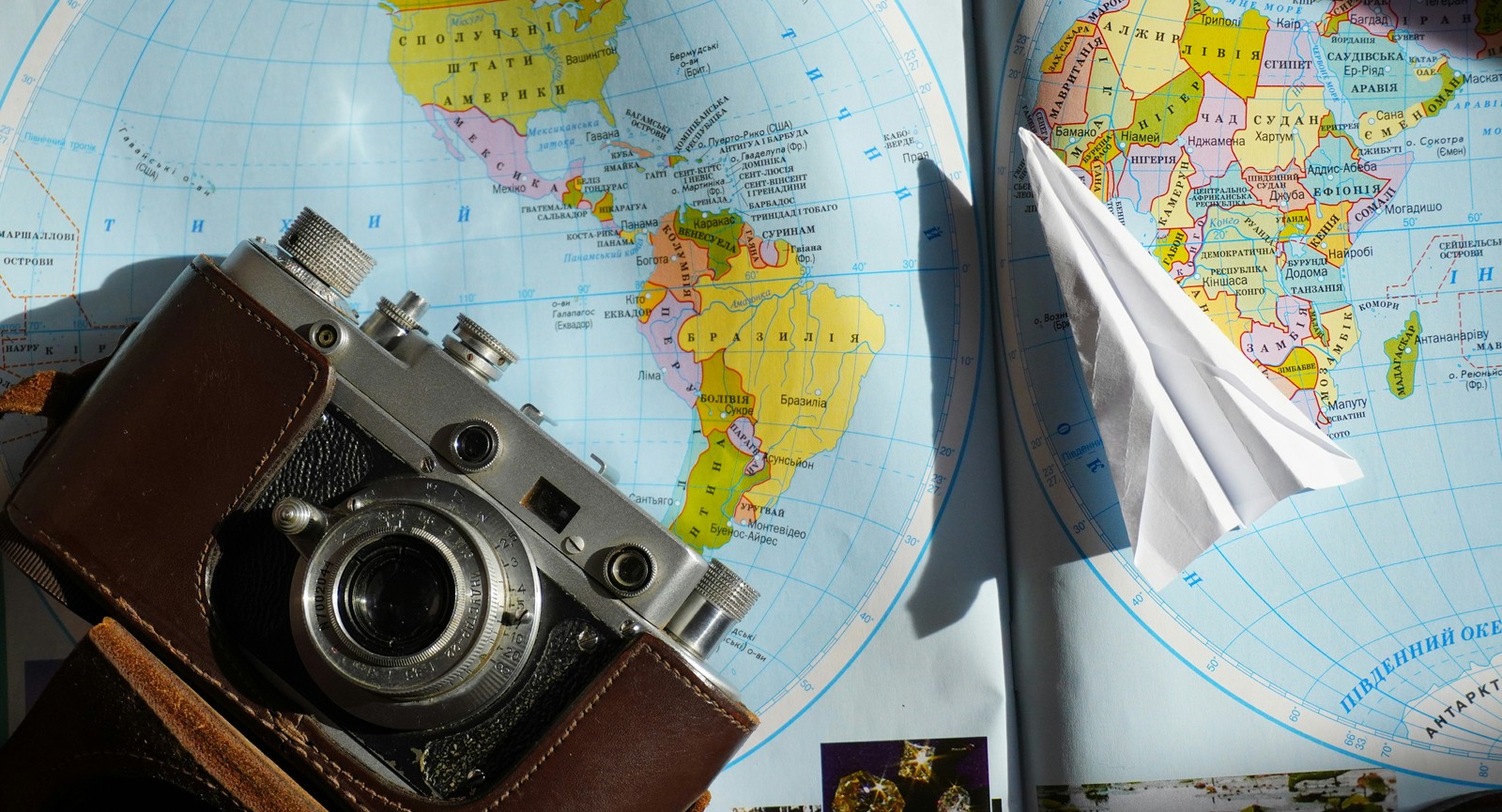
A few thoughtful touches can shift the mood of a room. Hang a vintage map, frame photos of places like the Amalfi Coast, or display souvenirs from past trips. Even switching your phone or laptop wallpaper to a beach in Bali or the streets of Paris can change your mindset. Surrounding yourself with these visual cues keeps your dreams front and center and makes your home feel like the starting point of your next great escape.
Blend up a tropical smoothie or cocktail
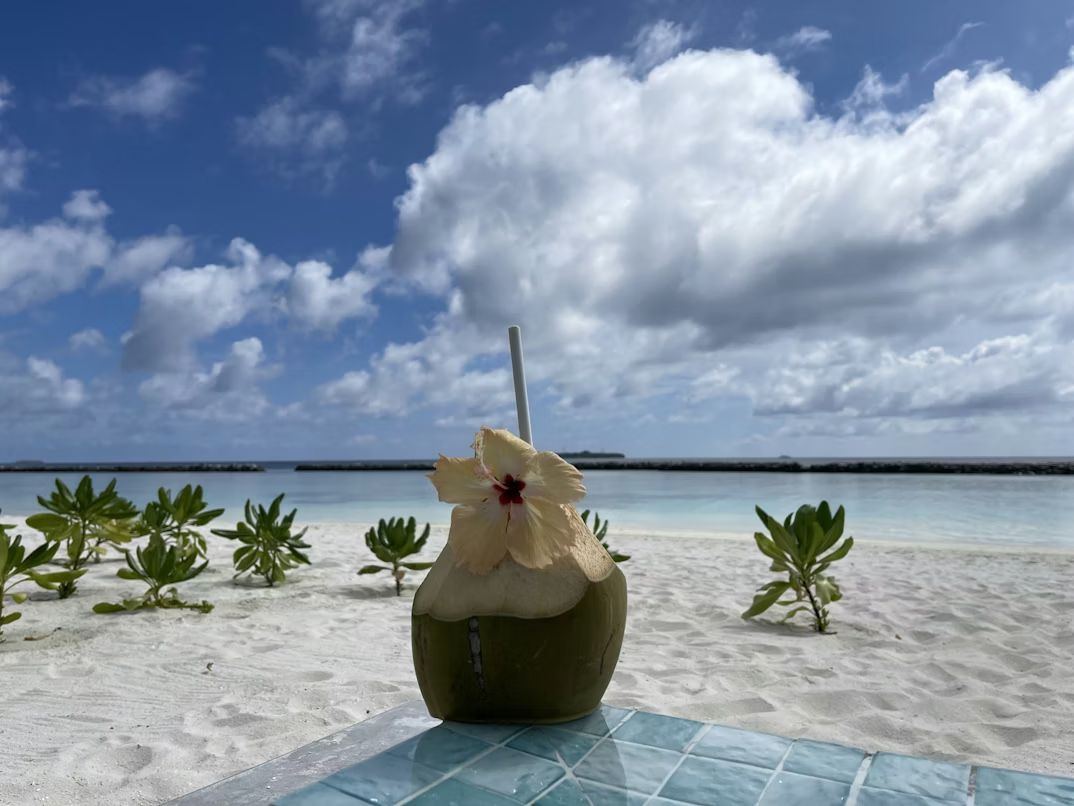
It’s a warm afternoon, and instead of another cup of coffee, you’re craving something different, something that feels like vacation. That’s when a simple drink can do the trick. There’s a certain magic in vacation-inspired flavor.
Blend pineapple, mango, and coconut milk for a refreshing smoothie, or mix a classic mojito with mint and lime. If you’re feeling adventurous, try flavors like passion fruit or a splash of mezcal for something smoky and unexpected. Of course, it’s not the same, but flavors are a simple yet delicious way to mentally check out of the daily chores and get into a seaside state of mind.
Host a themed dinner party at home
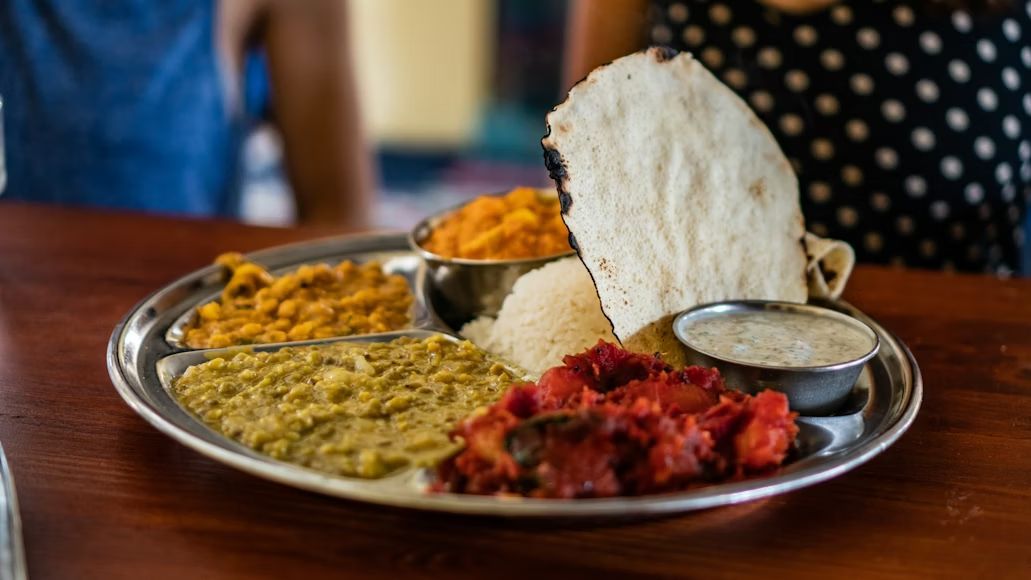
When you think of a vacation, you think of the food you’ll have the minute you arrive. Travelling is all about tasting local dishes, but why wait for a plane ticket when you can have a taste of Tokyo with some sushi rolls or a bite of Paris with some Coq au Vin delivered right to your front door? If cooking is not your thing, hosting a themed dinner party is a great way to break the routine and travel the world. Order from that local ethnic spot you’ve been so curious about and transport your taste buds across the ocean for the cost of a delivery fee.
Start a bucket list journal
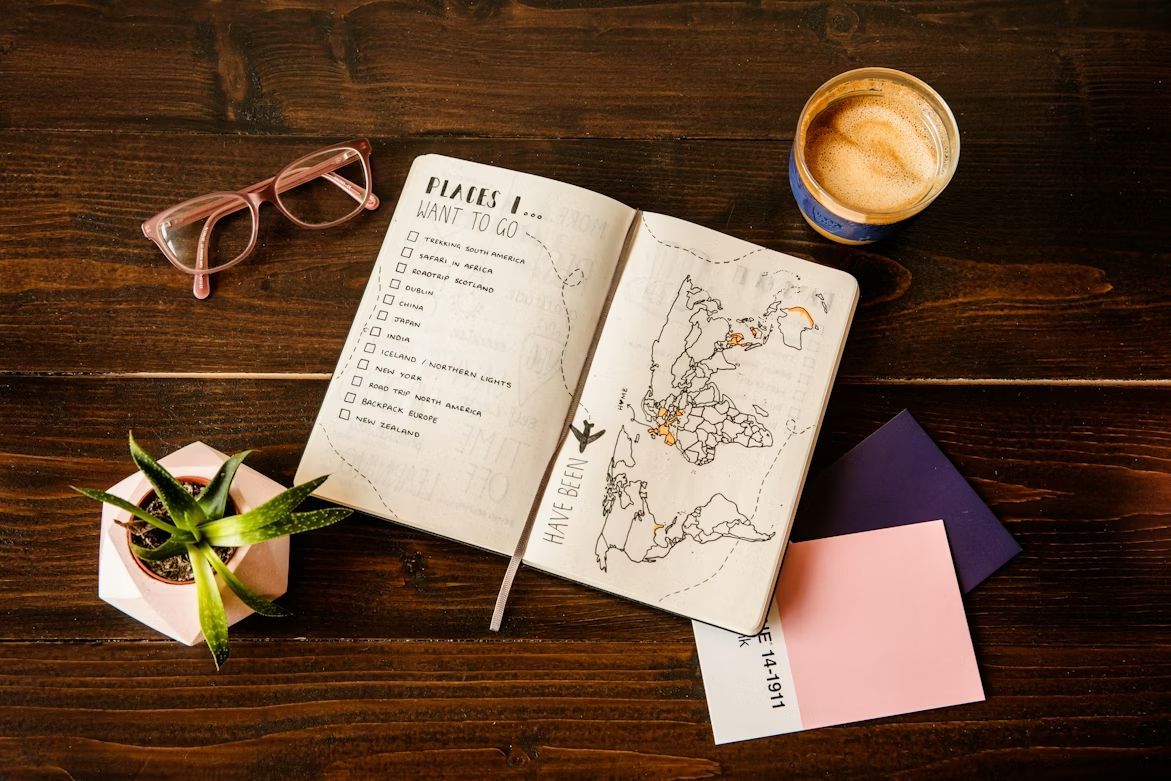
Every great journey starts with a pen and a piece of paper. Starting a bucket list journal is more than just a list of names; it’s about keeping your hope and motivation alive.
A bucket list journal turns vague wishes into something tangible. List destinations, must-see landmarks, and even specific experiences, like watching the sunset in Santorini or taking a train through the Swiss Alps. When you put those goals on paper, they are not simple "someday" wishes; they start to become a plan.
Go on a virtual journey
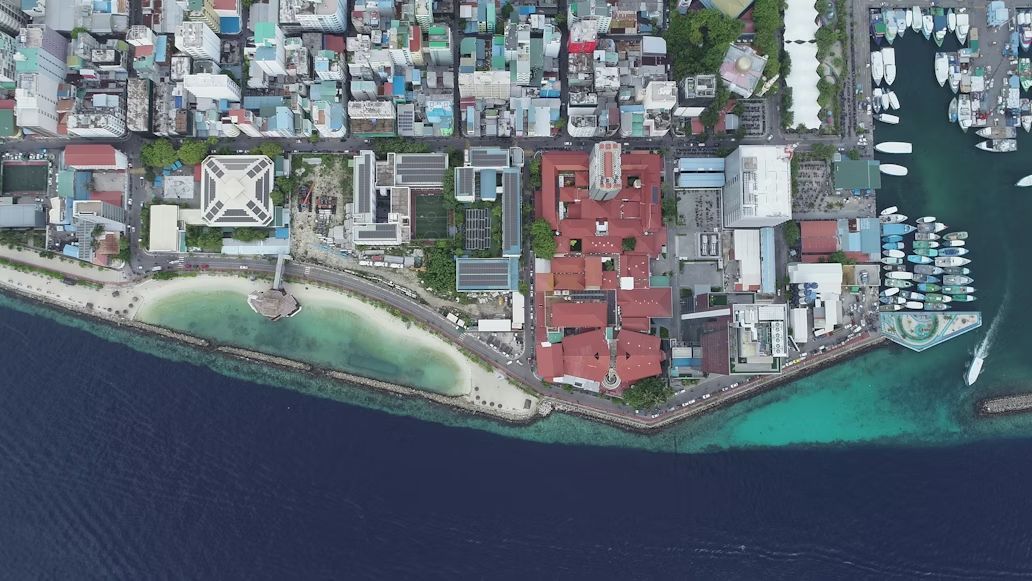
Living in the digital era has many pros, one of which is that the entire planet is at our fingertips. Tools like Google Earth allow you to virtually walk through the streets of Rome or along the Great Wall of China. Many world-class museums, like the British Museum in London, England, or the Uffizi Galleries in Florence, Italy, offer stunning online tours that let you get closer to the art than you ever could in person. It’s not the same, but sometimes, that’s enough to satisfy the urge to explore.
Start earning points and miles
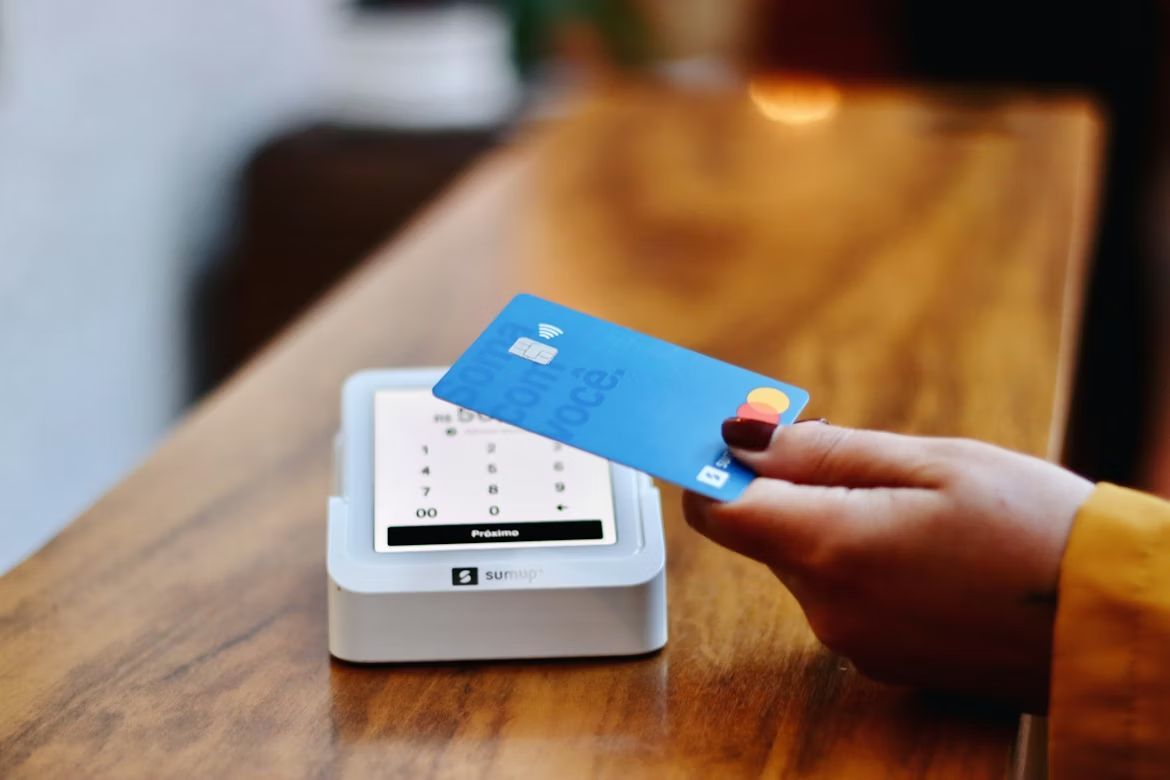
Maybe you’re not traveling right now, but in the future, you will be glad you planned ahead.
Take a closer look at your credit card or loyalty programs. Many offer points or miles that can be redeemed for flights, hotel stays, or upgrades. With a bit of strategy, like using one card for everyday purchases, you can slowly build toward a trip without extra spending. It’s a way to keep your travel plans moving, even while you’re staying put.
Keep wandering
There’s always
more to explore
 History
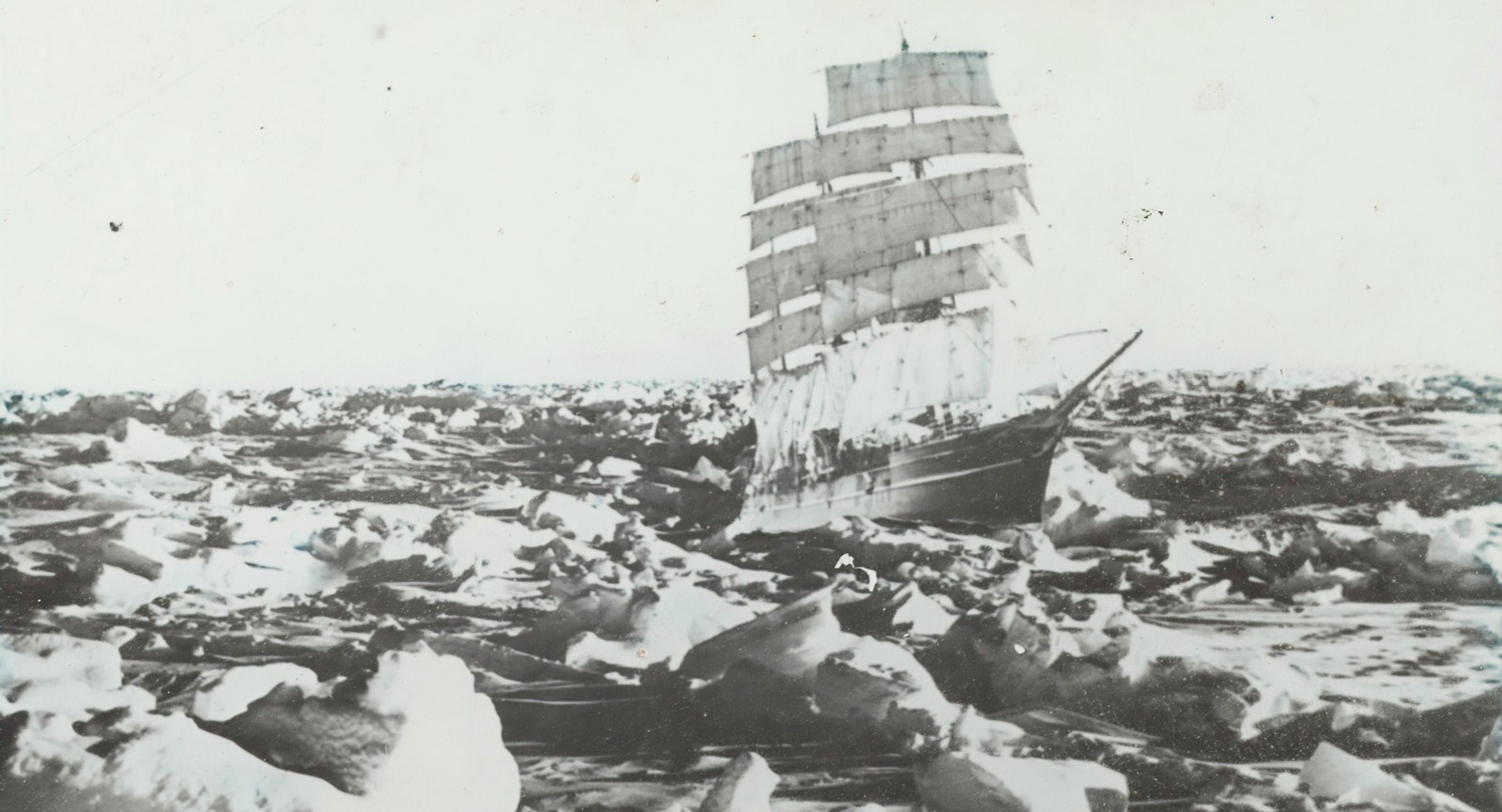
Man vs. Ice: Did you know about the Franklin and Shackleton expeditions?
6 min.
Read Now
 Geography
This highway crosses 42 bridges over open water
7 min.
Read Now
 Culture
10 capitals that are not their country's most famous cities
4 min.
Read Now

Air Force One isn't a plane at all: secrets uncovered
6 min.
Read Now