The real reason why TSA agents empty your bottle of water
 General
Dos and don’ts
The real reason why TSA agents empty your bottle of water
Airport security can turn a simple trip into an obstacle course. A full bottle of water, loose change in your pocket, or the wrong pair of shoes can slow you down before you even reach the gate. After years of watching travelers fumbling through checkpoints, TSA officers have shared specific dos and don’ts, easy-to-follow basic tricks that will guarantee you go through the security checkpoint more smoothly. From what actually slows the line down to the app most flyers have never opened, these 10 tips are worth following.
Don’t bring water to the security line
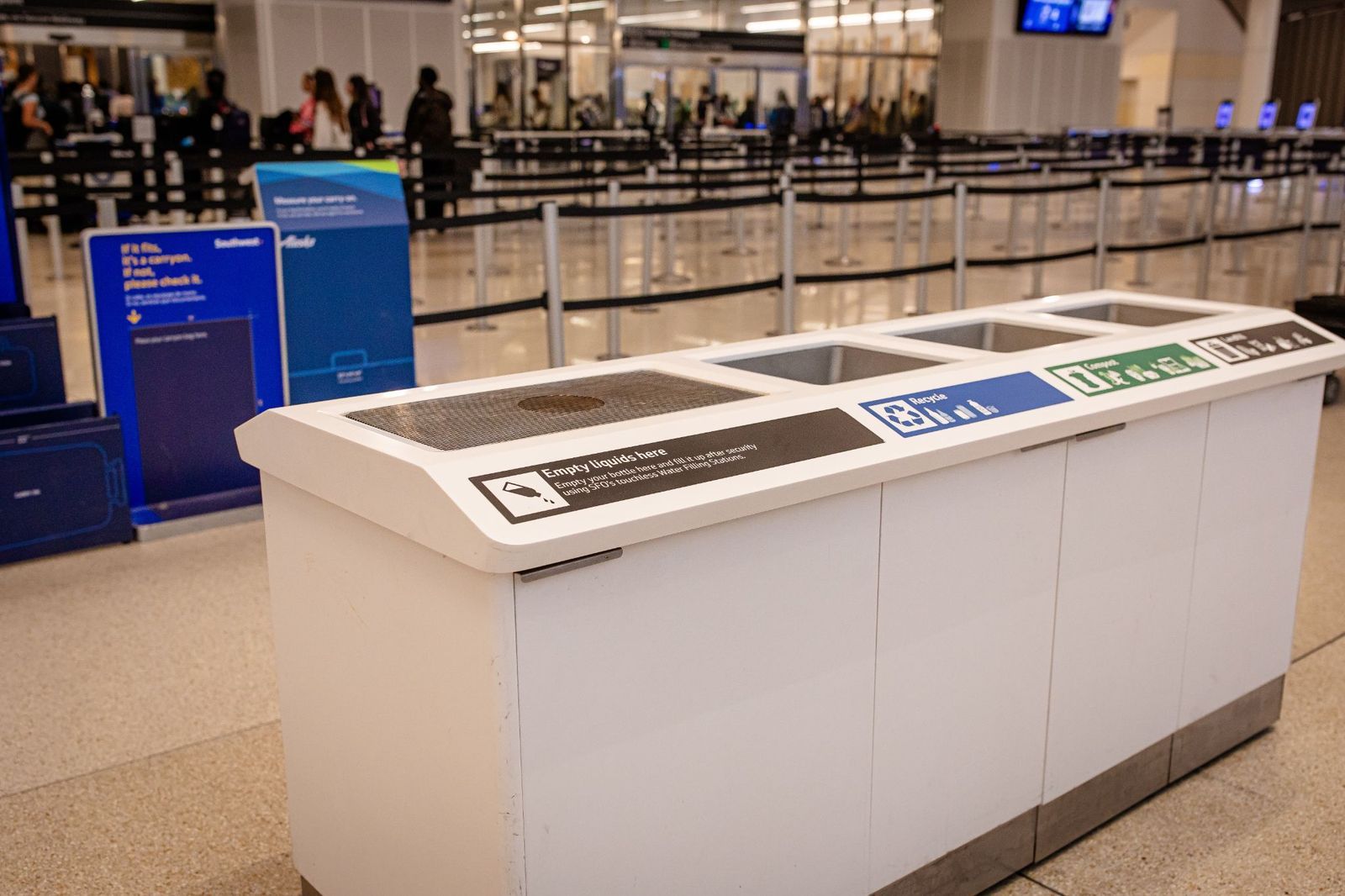
That bottle of water you grabbed before leaving home may feel like a logical thing to bring to a flight, but a full one can become a checkpoint problem.
Under TSA’s 3-1-1 rule, liquids in carry-on bags must be in containers of 3.4 ounces or less. A regular bottle of water is far larger, so you cannot simply carry it through security. The easy solution is to empty it before reaching the checkpoint. TSA specifically allows beverage containers, including empty water bottles, through screening. Once you’re past security, refill it at a fountain or water station before boarding the plane. The old habit of carrying a full bottle to the checkpoint can mean stopping, dumping it, and repacking it while everyone behind you waits.
Prepare for security check
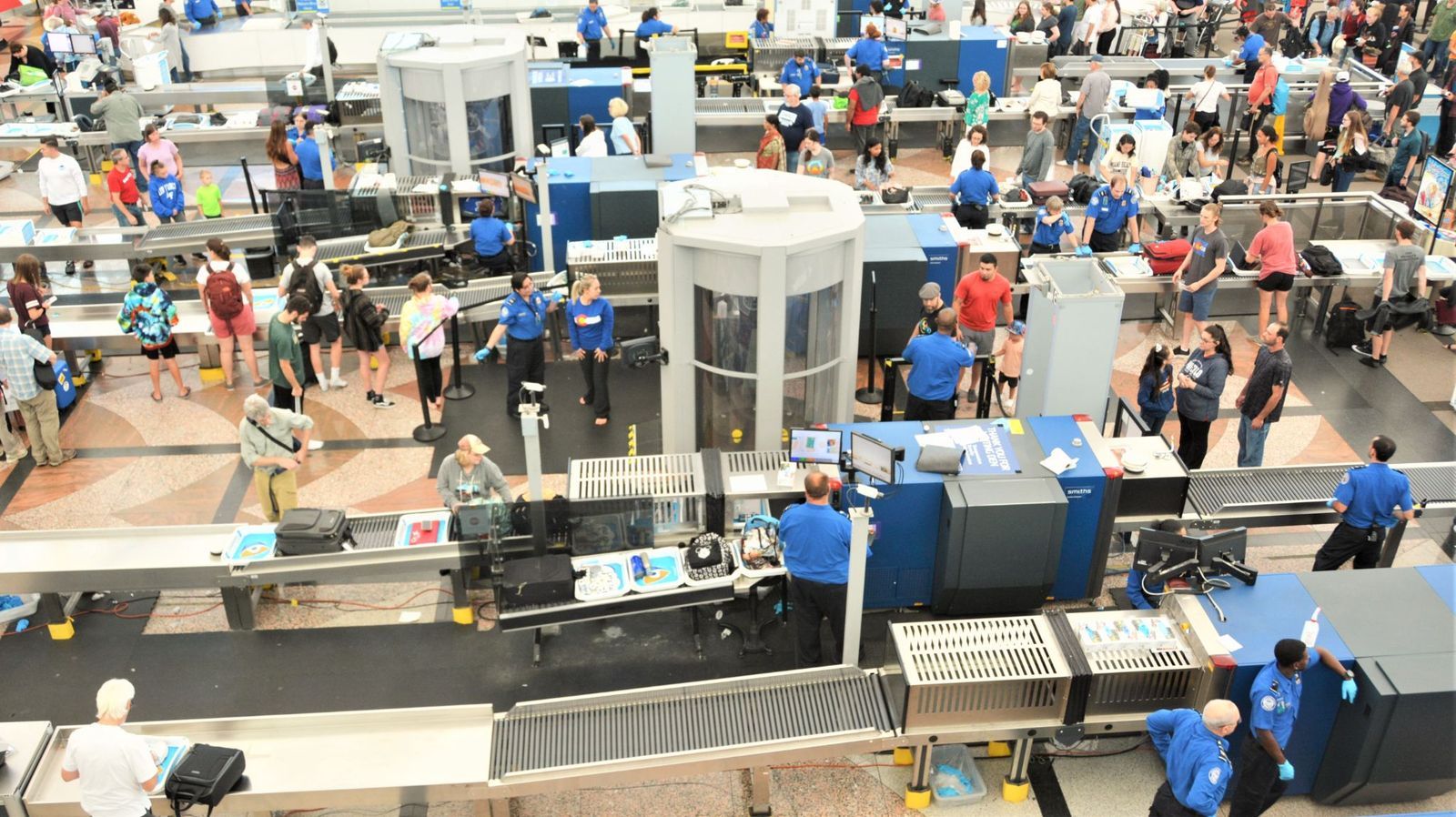
Airlines recommend arriving at an airport two or three hours before your flight for many reasons, and this is one of them. It’s a good habit to get to the security checkpoint already prepared instead of doing it once the officer asks you to place your belongings in the bin.
Use lines or free time before that to prepare. Take a moment to check your jacket pockets for keys, coins, tissues, and other odds and ends. Have your identification and boarding pass ready, and make sure the items that need to come out of your bag are easy to reach. A little preparation in the queue can save a surprising amount of fumbling at the belt.
Wear simple outfits
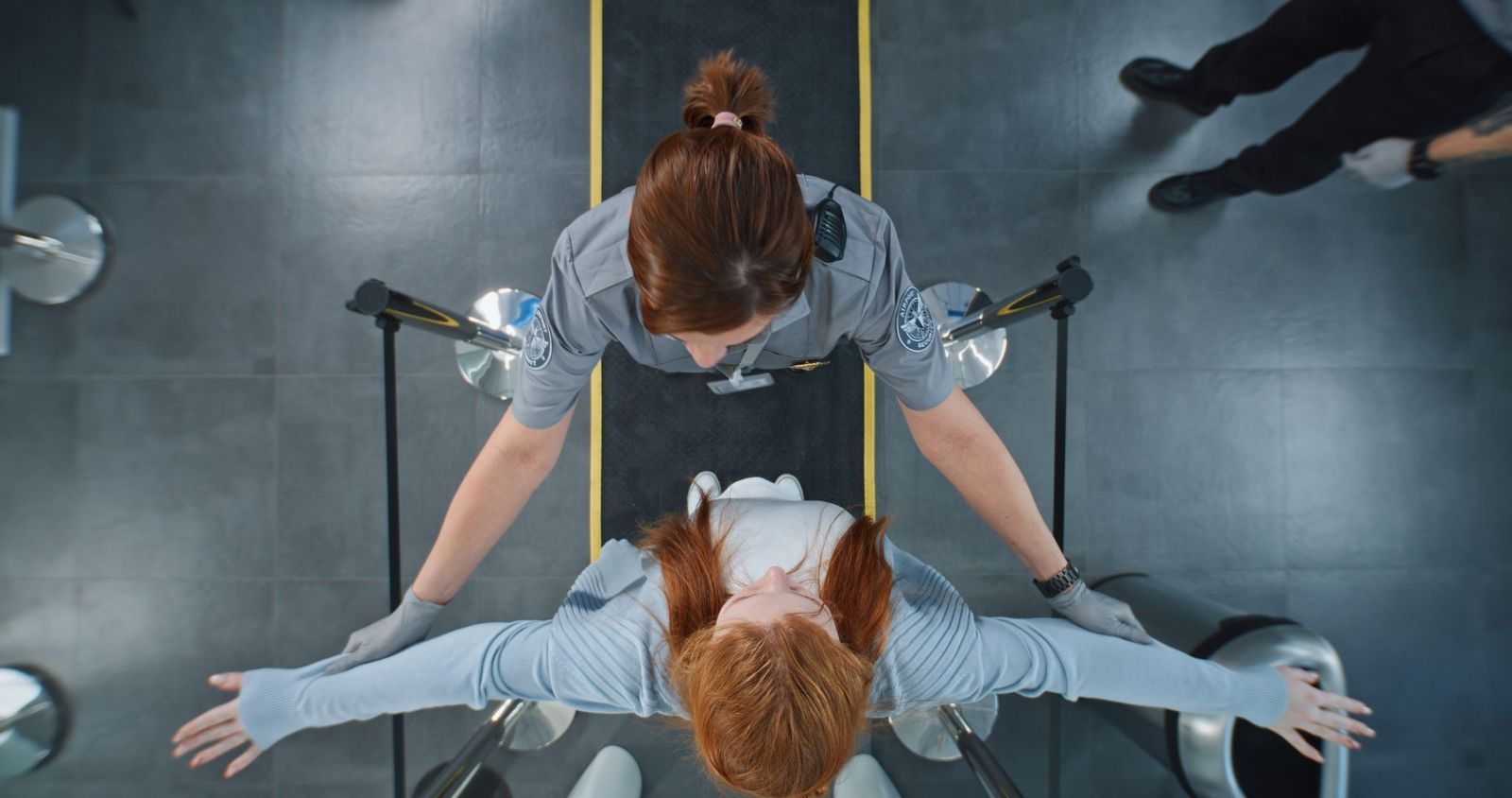
What to wear to the airport can make a difference when it’s time to go through security.
Even if there are no strict rules concerning which shoes to wear or what jewelry to avoid, some clothing choices can mean extra time at the checkpoint. Large coats, heavy layers, belts, watches, bracelets, and other metal accessories may need to be removed or examined separately. TSA advises travelers to remove bulky outerwear and empty their pockets before screening. A simple outfit with fewer layers and accessories can make the process easier. You can always add that favorite sweater back on once you’re through.
Don’t joke about explosives, hijacking, or any other sinister plots
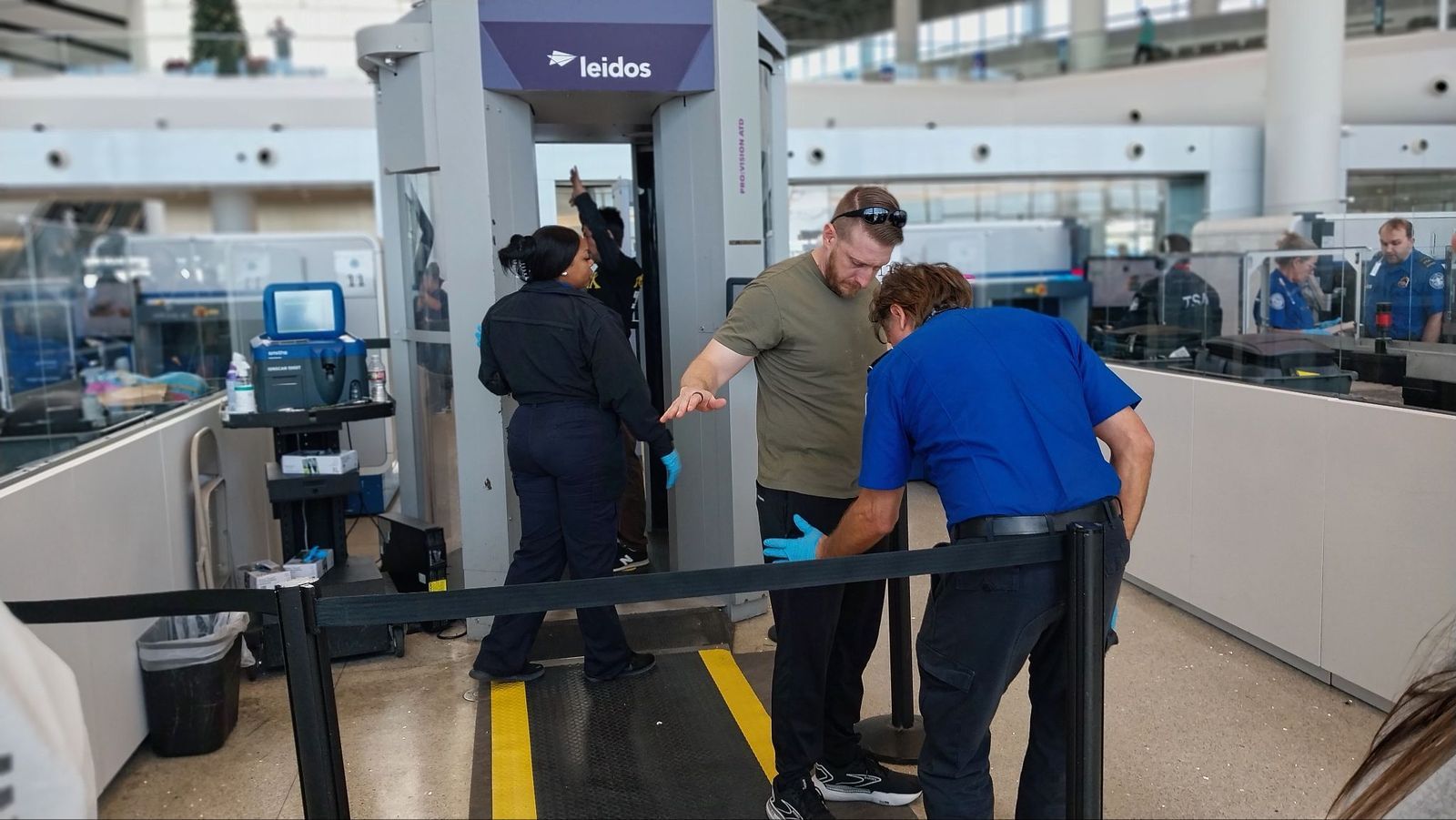
Airport security is one place where an innocent joke can land very badly.
TSA officers are trained to identify suspicious behavior and potential threats, and passengers are expected to cooperate with screening personnel. Joking about bombs, explosives, hijacking, or other attacks can lead to additional attention and delays, even when the speaker insists it was "just a joke." The safest approach is simple: treat the checkpoint seriously, answer questions honestly, and leave dark humor for somewhere far away from the security line.
Don’t stick your ID or ticket in your mouth
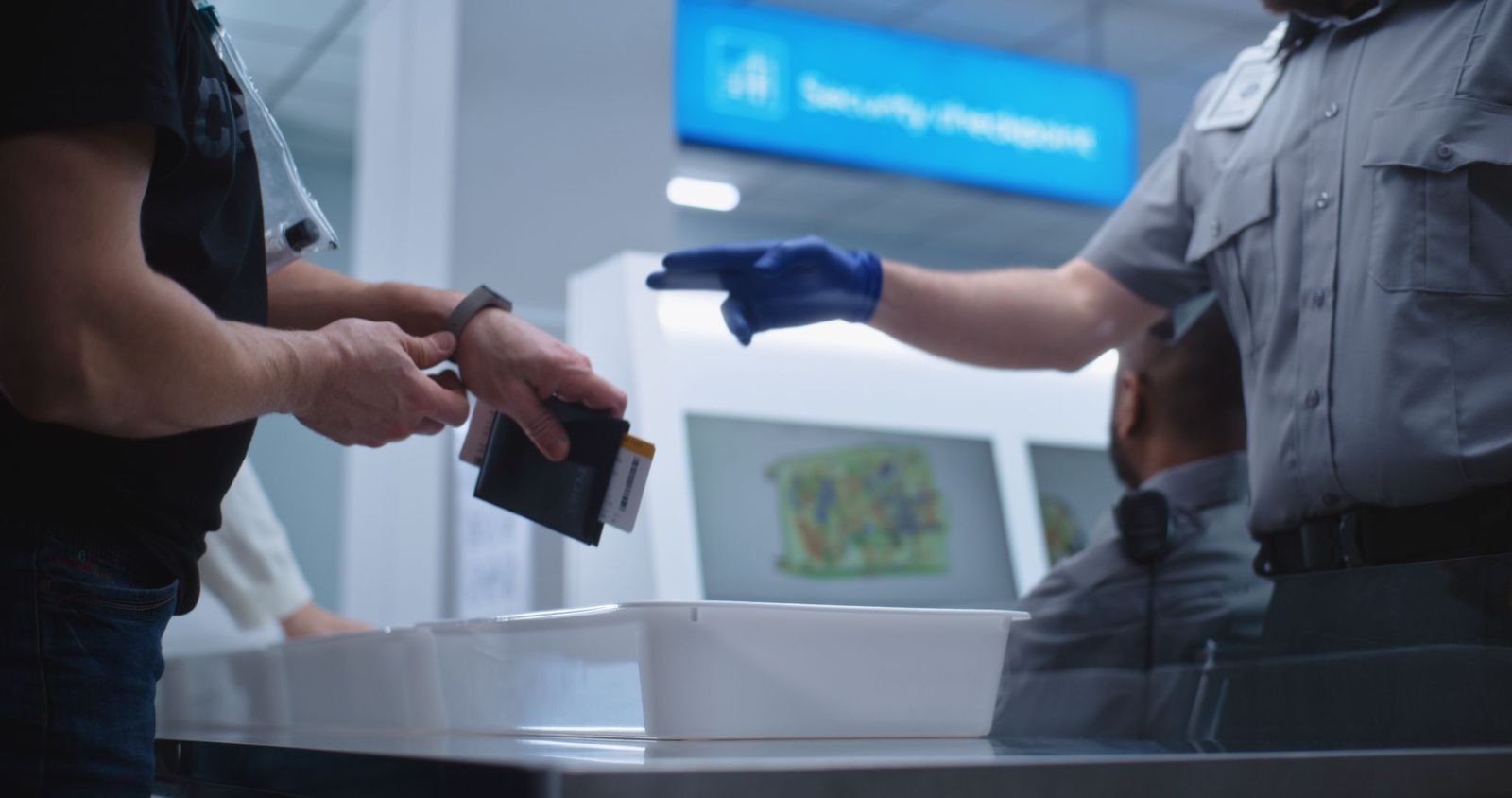
The whole airport situation can make anyone juggle: suitcase in one hand, jacket in the other, boarding pass between the teeth while trying to free up a hand. TSA strongly recommends avoiding this.
Travel documents are handled several times during a trip, and there’s no reason to add an unnecessary germ-sharing habit at the checkpoint. Besides, TSA requires adult travelers to present acceptable identification, and offices may also verify boarding information. Keep your ID and boarding pass in a small, accessible pocket or holder instead. That makes them easier to present and guarantees the documents will be safe while navigating security.
Don’t put small, loose items directly on the X-ray belt
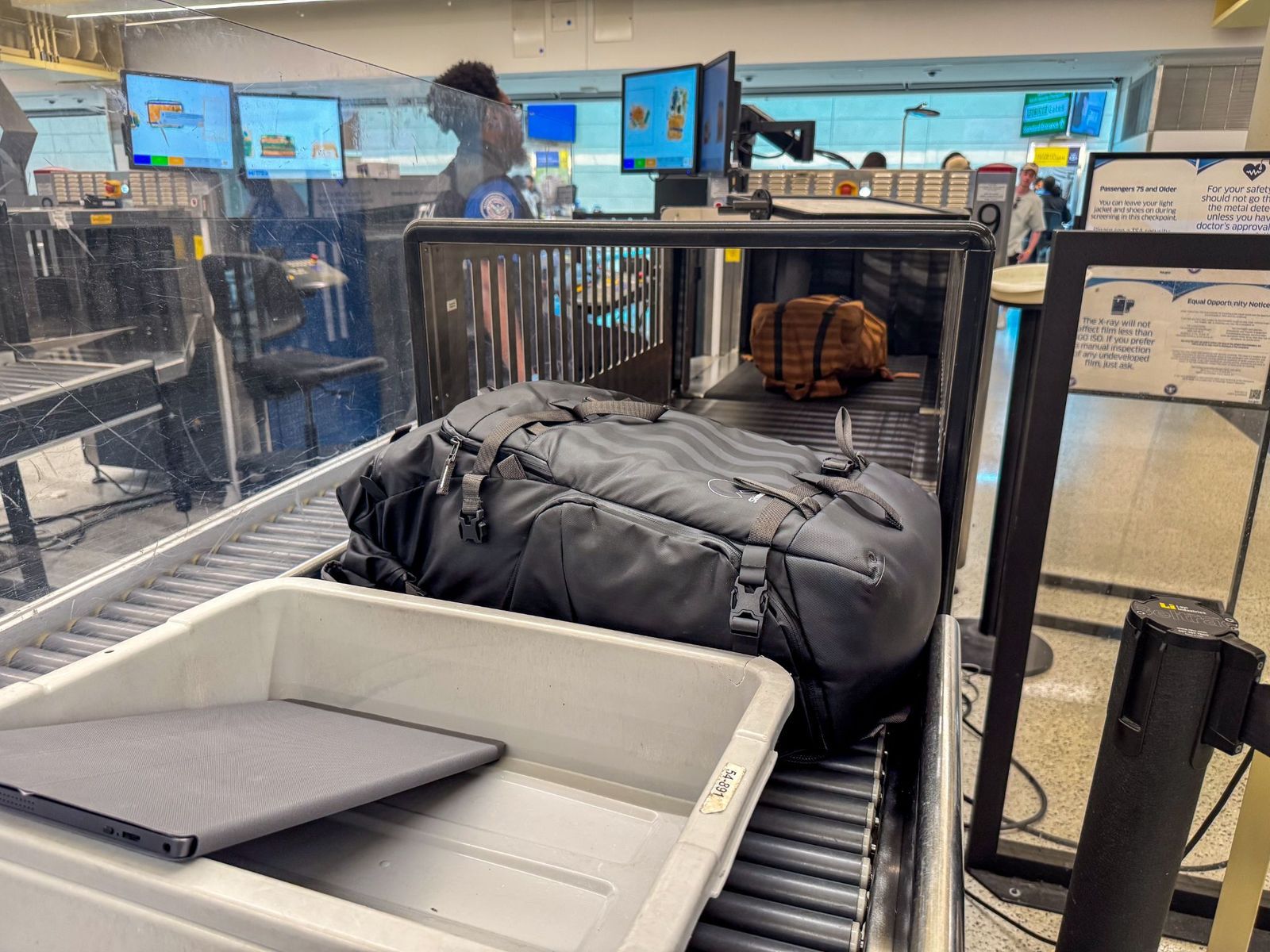
Keys, coins, watches, and other tiny belongings have a remarkable talent for disappearing at the worst possible time.
TSA’s standard screening checklist tells passengers to empty their pockets and place items in the appropriate screening container or their carry-on. Putting loose objects directly onto a moving conveyor can make them harder to track and easier to leave behind. A better routine is to keep small valuables together in one place, preferably inside your carry-on. TSA also advises passengers to check the bins after screening and collect all their belongings. That final glance matters, especially when one’s rushing to keep the line moving and catch a flight.
Don’t put children or pets on the X-ray belt either
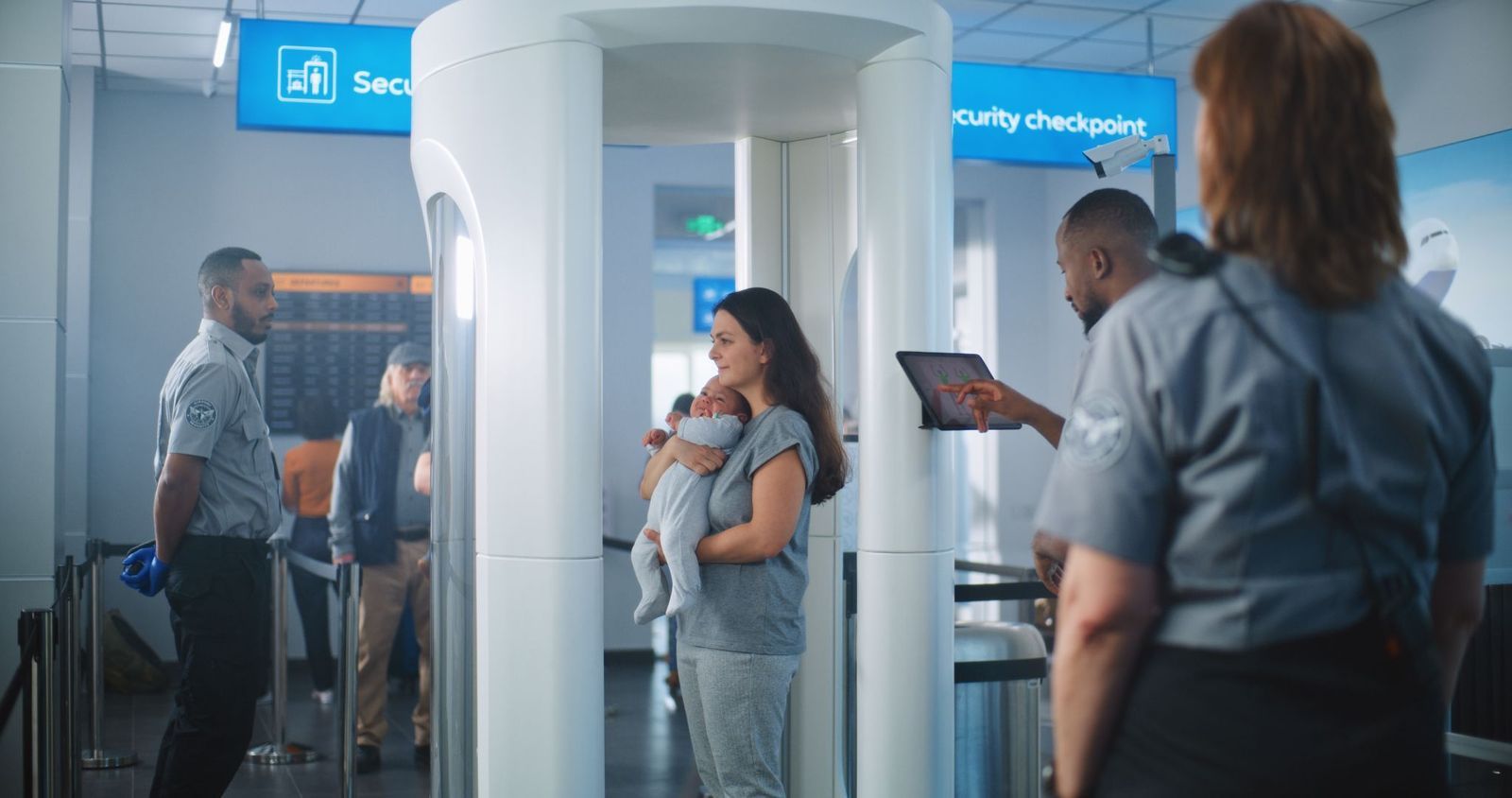
The X-ray machine is for your belongings, not your kids or furry travel companions. And crazy as it sounds, TSA agents have seen it happen.
TSA screens children through the passenger screening process rather than sending them through the baggage X-ray equipment. Pets have their own procedure, too. TSA says pets must be removed from their carriers, while the empty carrier itself goes through the X-ray machine. A leash can help you keep control of a pet while carrying it through the metal detector. The same basic rule applies to strollers and other equipment: the equipment can be screened, but you should never place a human or animal on the conveyor belt.
Utilize the TSA PreCheck program
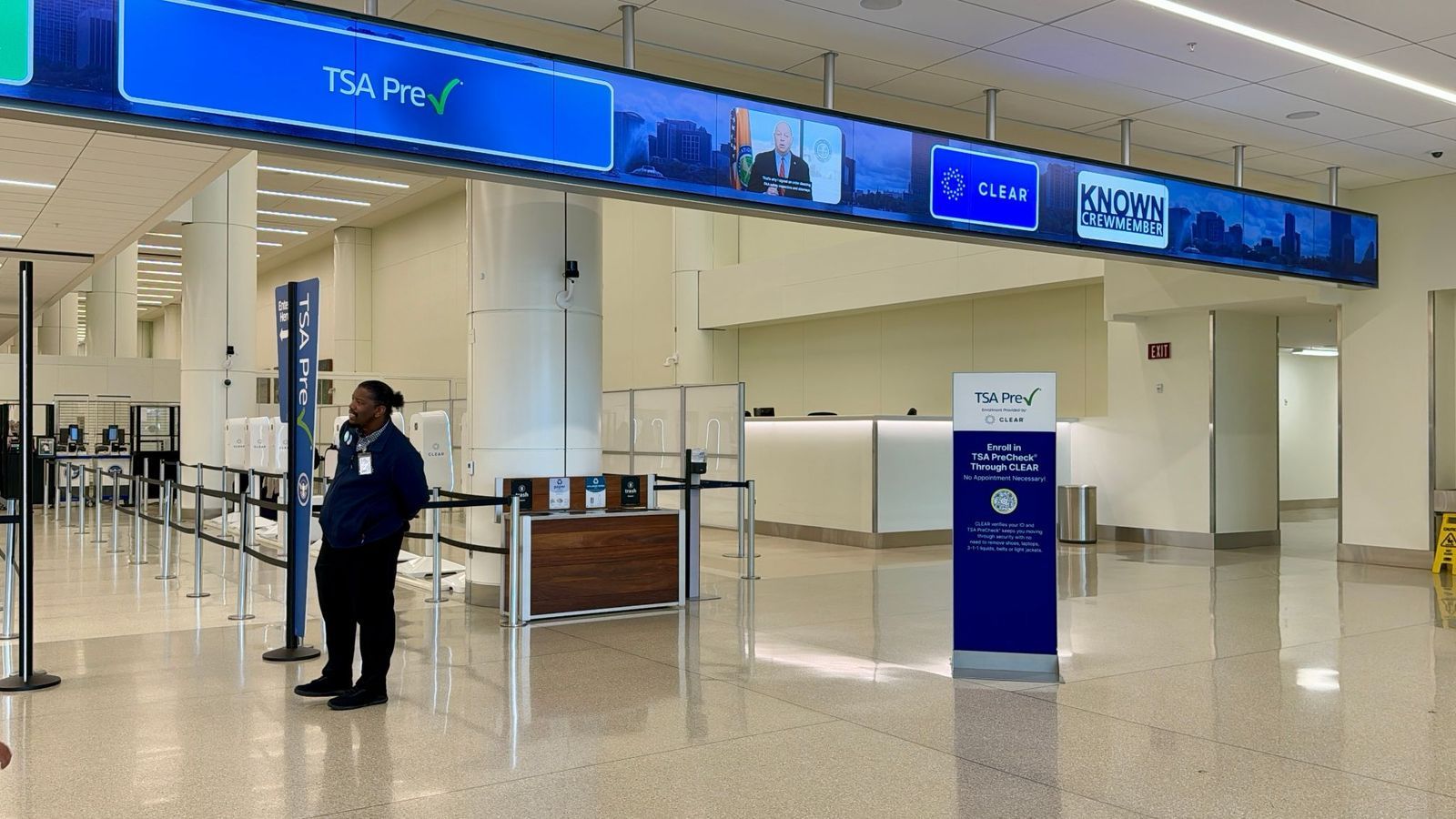
If you regularly fly within the U.S., TSA PreCheck can change the rhythm of your airport routine.
The expedited program is designed for eligible, vetted travelers and uses dedicated screening lanes at participating airports. Unlike standard screening, PreCheck generally lets travelers keep their belts and light jackets on, and, considering it’s used by frequent flyers, the lane moves quickly. That can mean considerably less unpacking at the checkpoint. It is not a guarantee of skipping security or avoiding additional screening, however. TSA notes that unpredictable security measures remain in place. For frequent travelers, the program is worth investigating before the next trip.
Keep your phone in your bag
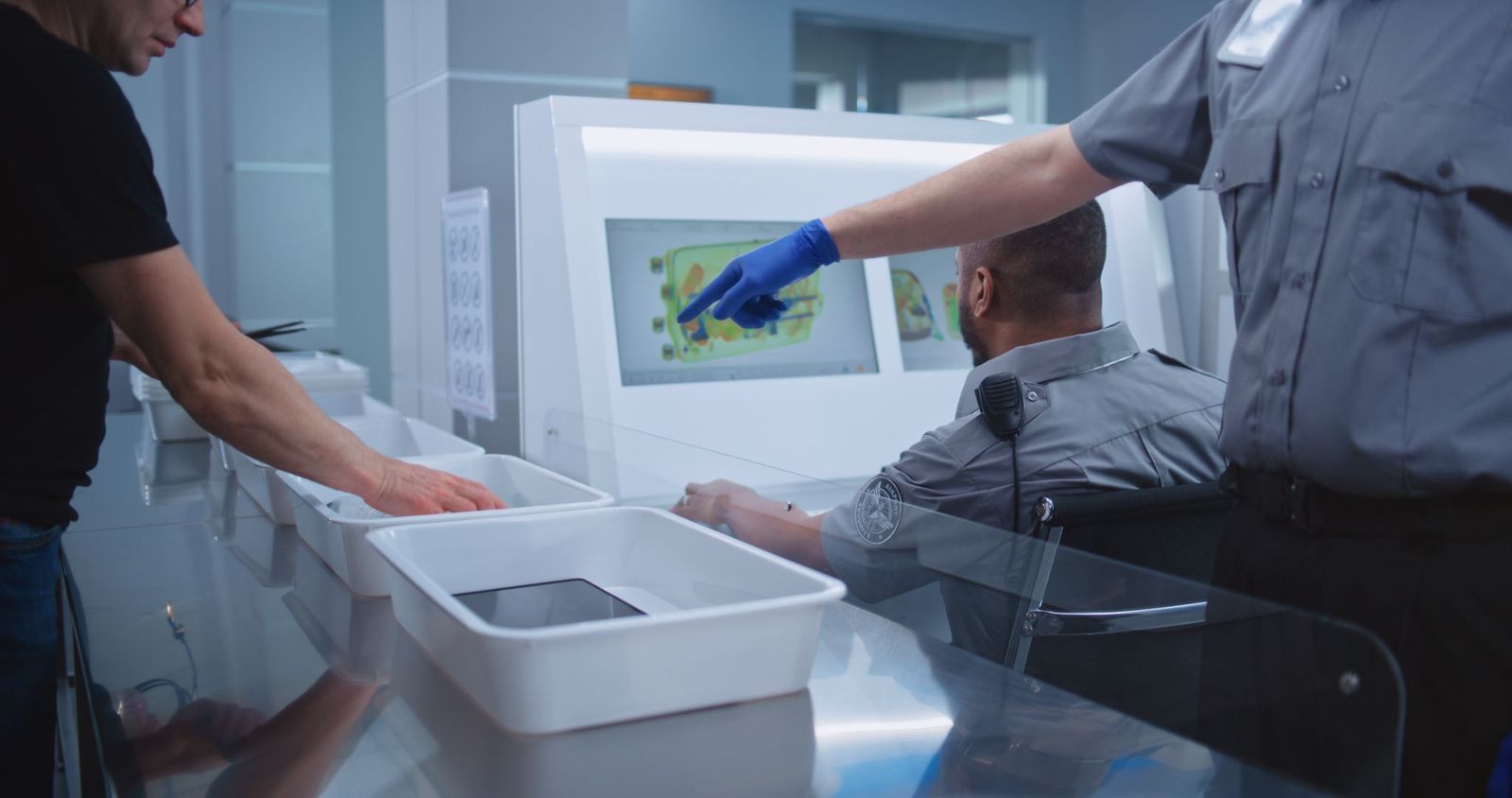
Your phone is one of the last things you want to misplace at an airport.
Rather than adding it to the pile of watches, keys, and other belongings in a screening bin, TSA’s travel checklist allows passengers to place personal items in their carry-on. In standard screening, passengers must empty their pockets, while larger electronics such as laptops and tablets generally need to be removed and screened separately. Your phone is different. Keeping it secured inside your bag can make the process simpler and give you one less small item to remember when you walk away from the checkpoint. Just make sure you can retrieve it when needed.
Download the myTSA app
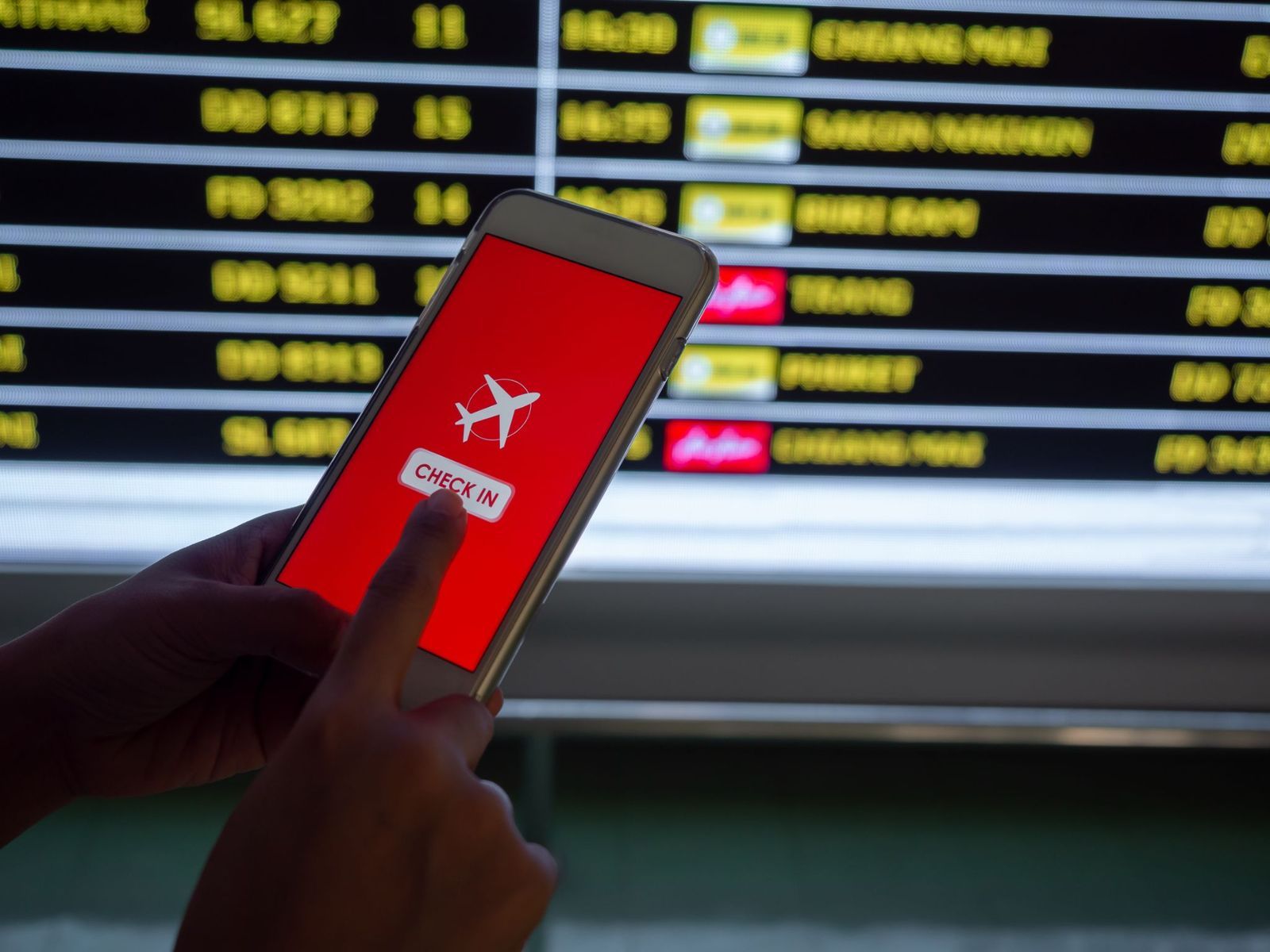
Before you leave for the airport, your phone can tell you quite a bit about what’s waiting for you there.
The official myTSA app has several features that can come in handy when planning your departure. One of the best ones is the "What can I bring?" feature that tells you where to pack an item, helping you avoid surprises at the checkpoint. It can also provide an estimated security wait time at your airport, show flight delays, and let you know when the TSA PreCheck lane is open. So instead of wondering whether that unusual item belongs in your carry-on or checked bag, you can check before leaving home. The app turns a few common airport unknowns into information you can use to plan accordingly.
The secret behind 10 real places people are too afraid to visit
Where fear lives
Would you actually go there? 10 creepy places most people refuse to visit
Would you go where others have fled in fear or vanished without a trace? From abandoned prisons to cursed islands, these locations have one thing in common: people don’t come back the same, and even locals refuse to go near them after dark. If you dare, let’s uncover 10 of the scariest places in the world.
Eastern State Penitentiary (USA)
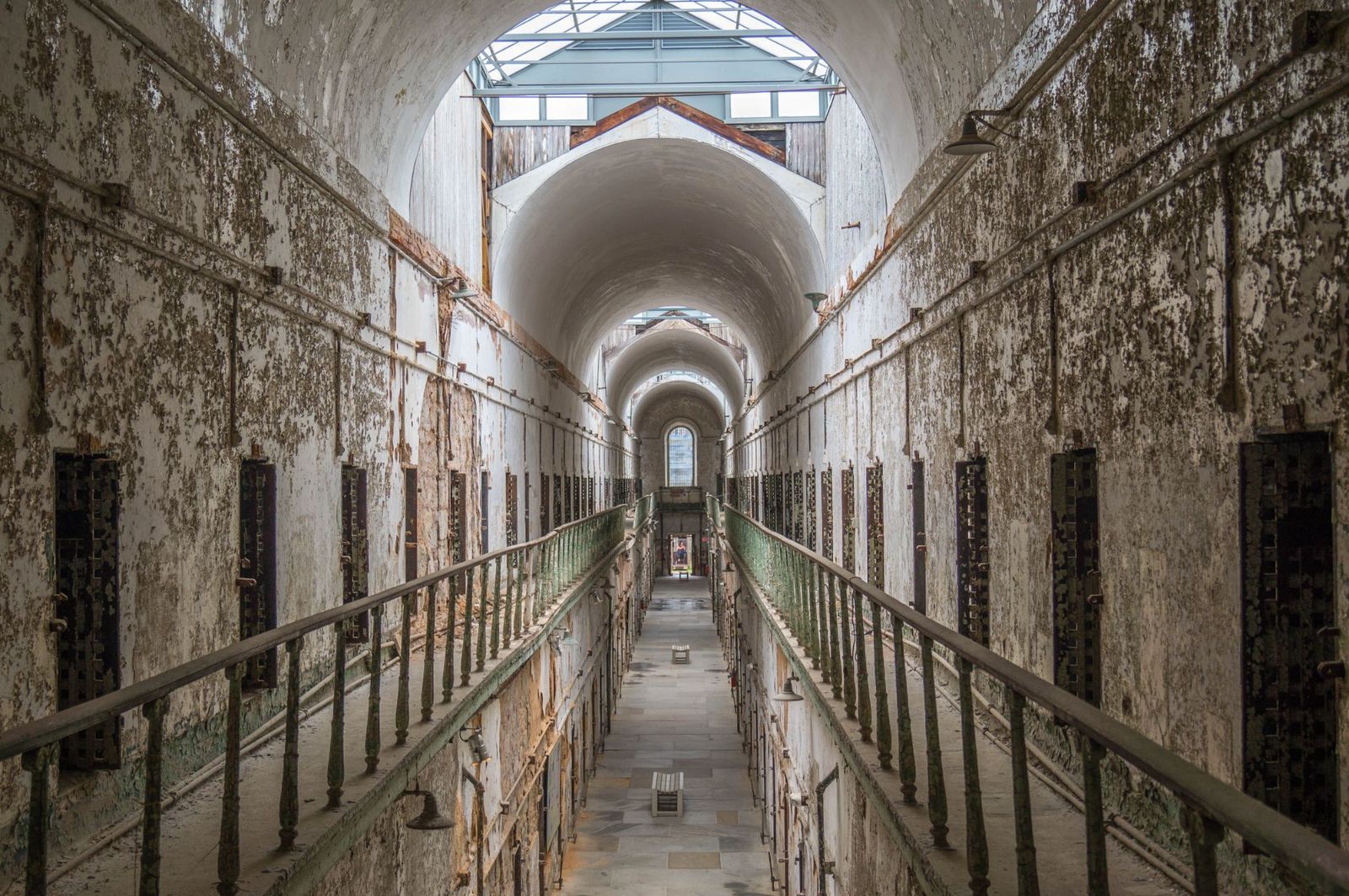
Believe it or not, Eastern State Penitentiary in the U.S. was the world's first penitentiary, designed to inspire true remorse through brutal solitary confinement and some of the harshest punishments imaginable, so harsh that many went insane as a result.
Even notorious mobster Al Capone claimed he was haunted there by the ghost of one of his victims. Located in Philadelphia and opened in 1829, shadowy figures are said to still pace the empty corridors to this day.
Island of the Dolls (Mexico)

Have you ever felt so frightened that you heard whispers and sensed objects moving on their own? That’s precisely what many visitors to the Island of the Dolls in Mexico have reported.
Located in the Xochimilco canals south of Mexico City, the spooky floating garden is officially recognized as home to one of the largest collections of haunted dolls in the world, adorned with thousands hanging from the trees; some decaying, others eyeless, all terrifying.
Skinwalker Ranch (USA)
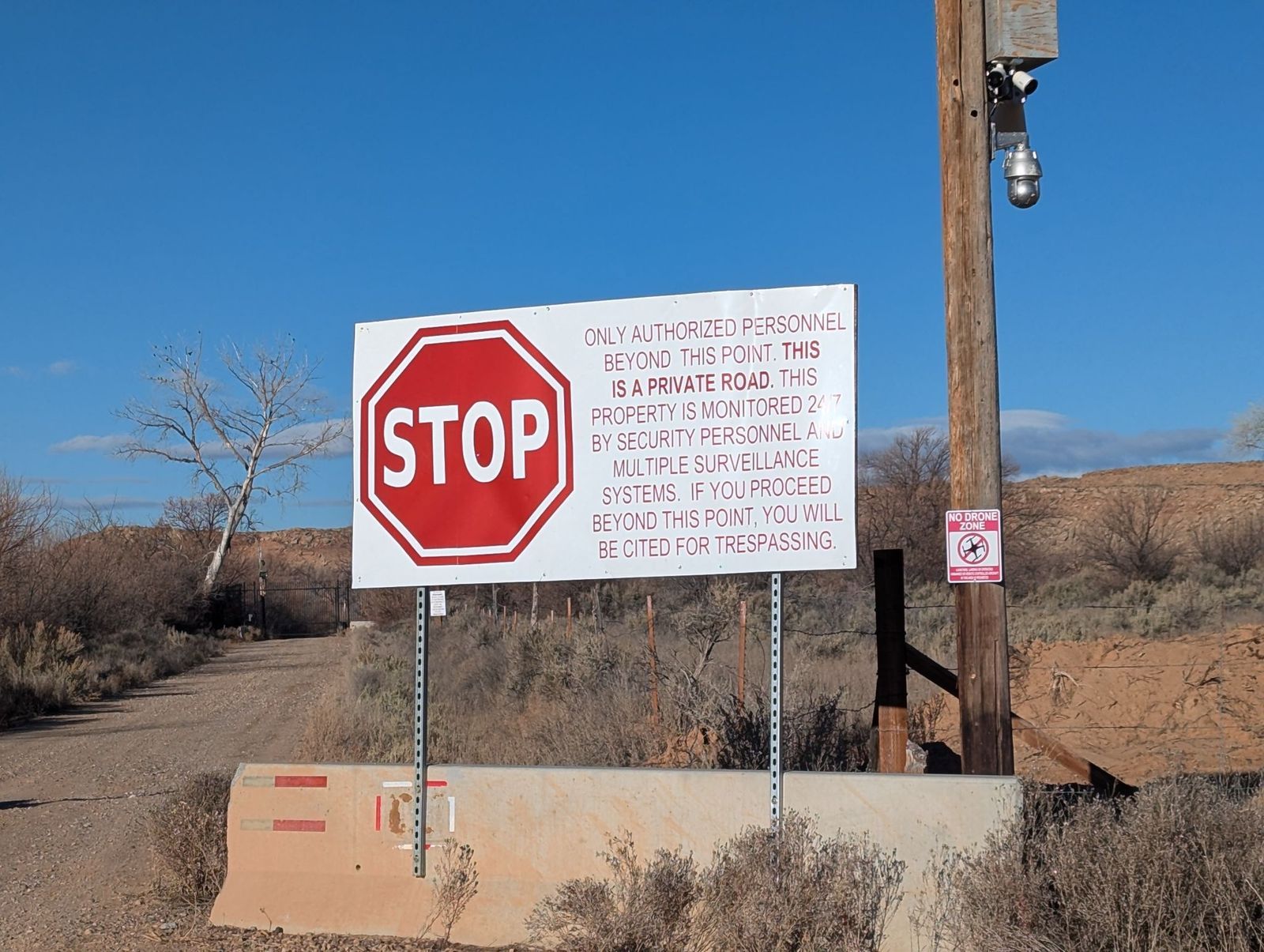
Because of persistent reports of UFO sightings and invisible forces causing sudden equipment failures and illnesses, the highly secure site of Skinwalker Ranch remains almost entirely off-limits to the public.
It is a 512-acre property located in the Uinta Basin of Utah, where the Gorman family moved in the 1990s and fled soon after due to countless unexplained experiences. Local folklore attributes the ranch’s eerie reputation to the "Skinwalker," a shape-shifting witch from Navajo mythology who is said to roam the land.
Hoia Baciu Forest (Romania)
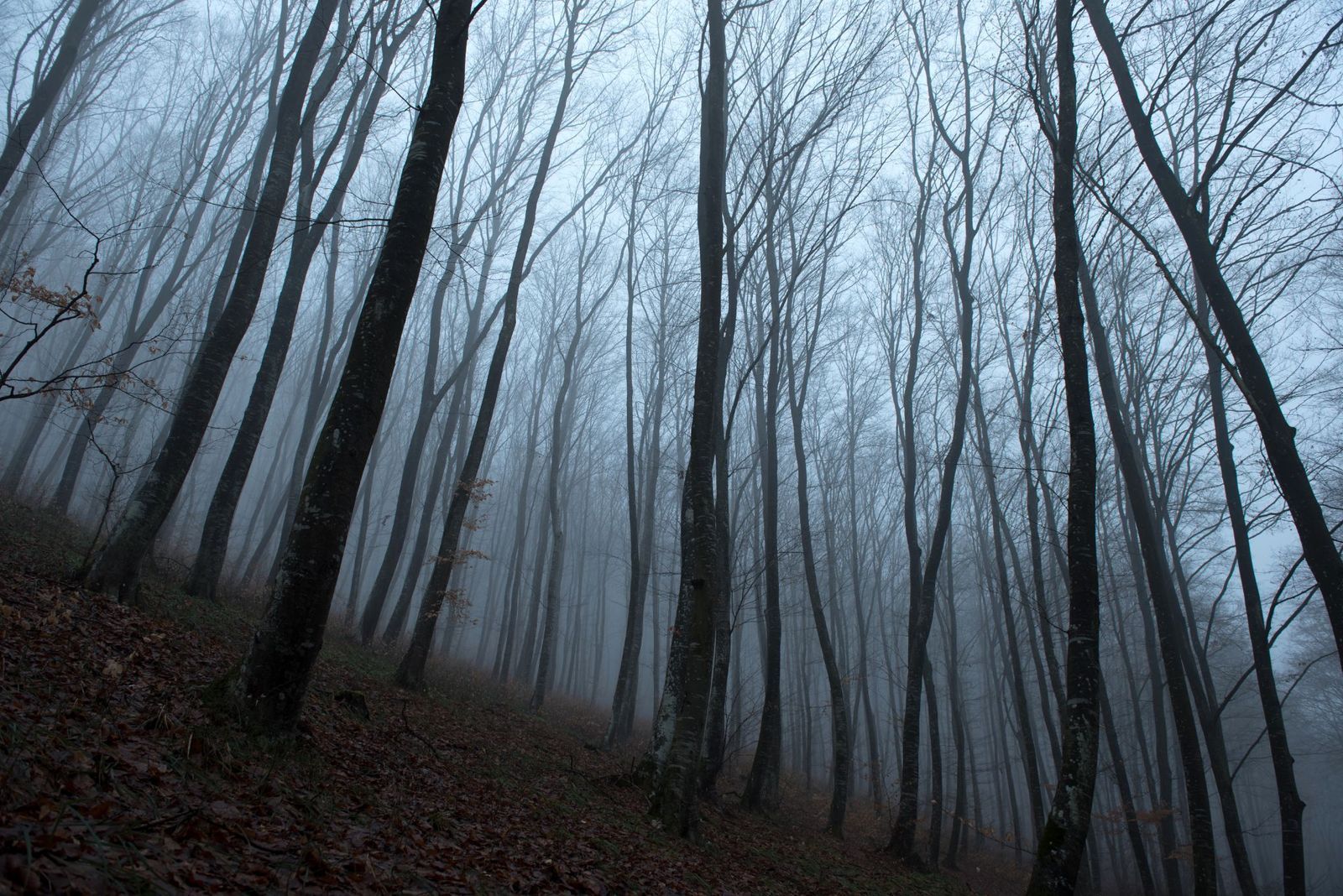
If you were told that the forest got its name from a local shepherd who vanished without a trace alongside his flock of 200 sheep, would you believe it? And that at the center of the woods lies a perfectly circular clearing where no vegetation can grow, despite soil tests being unable to explain it, would you want to visit?
This is what the Hoia Baciu Forest in Romania is all about. Even so, easy-to-follow hiking trails are available, although guided tours are recommended, as it's easy to become disoriented when you enter.
Poveglia Island (Italy)
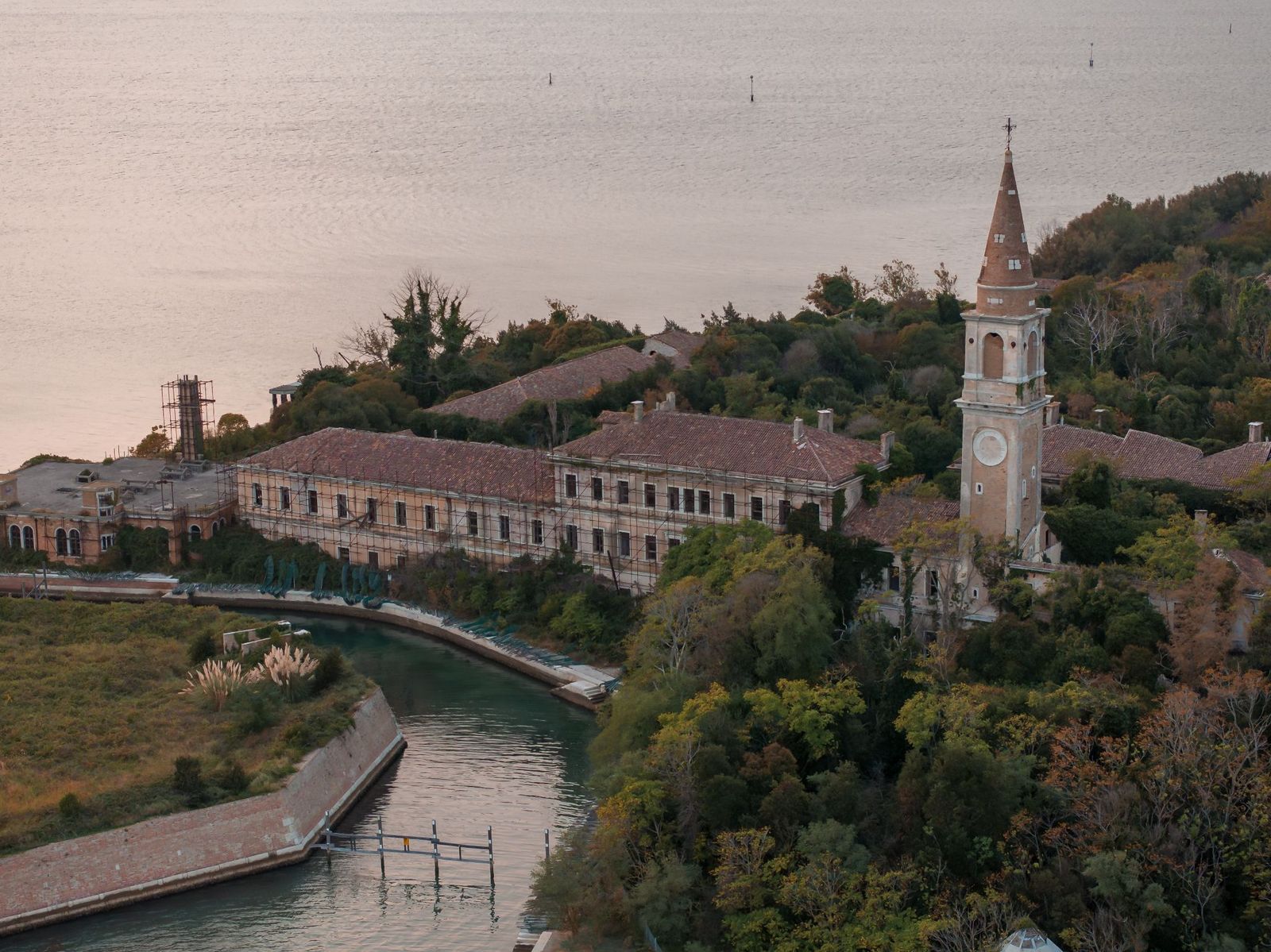
This is a place with such a dark history that even if you want to visit, you can’t. Poveglia Island, located between Venice and Lido in Italy, is off-limits to the public primarily due to severe safety hazards and its horrific history.
During the bubonic plague outbreaks, Poveglia was the final destination for the sick and dying. It initially served as a quarantine station, and later as a psychiatric ward. To this day, even local Venetian fishermen continue to avoid the area.
Bhangarh Fort (India)
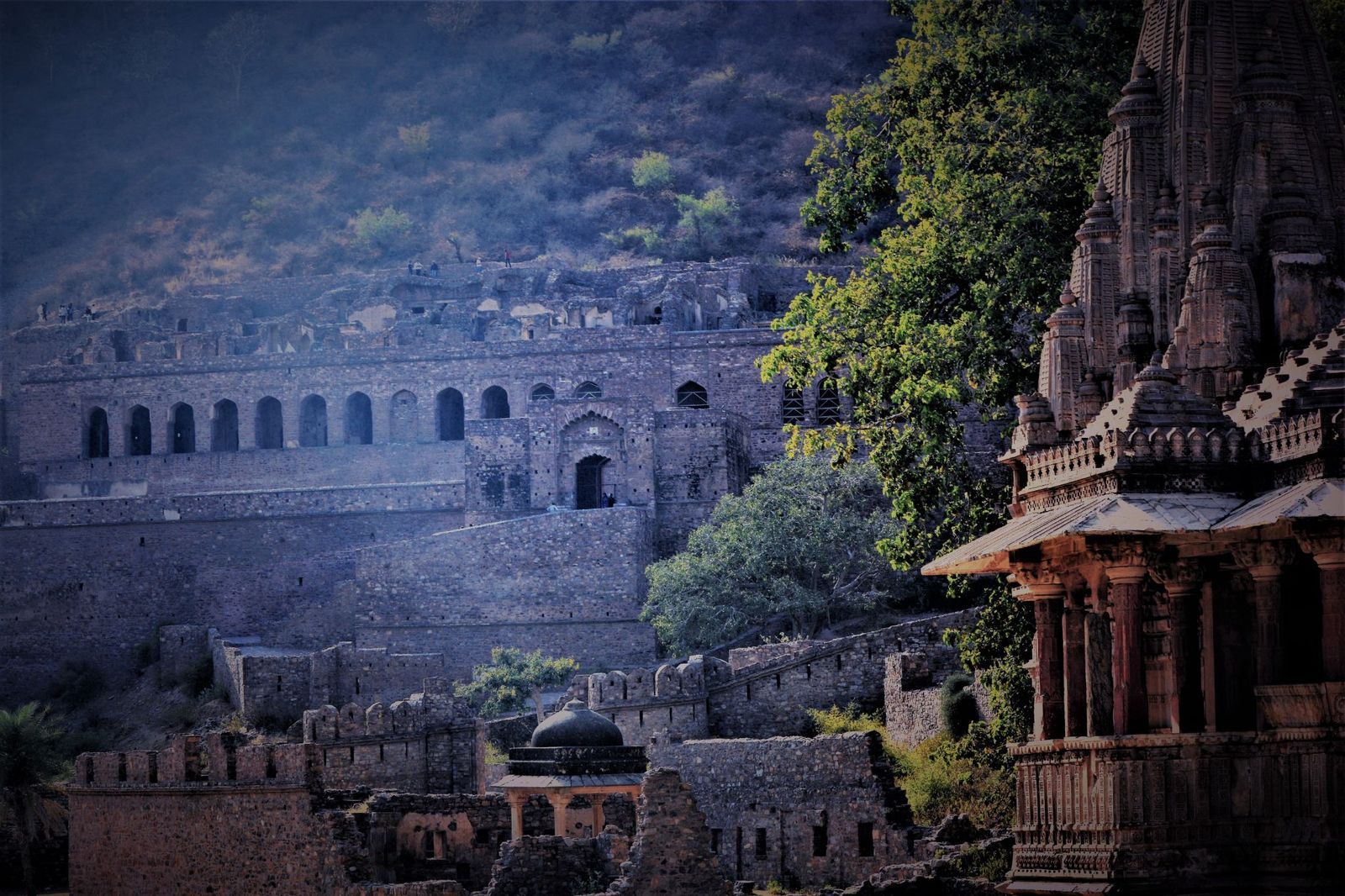
Have you ever arrived somewhere and immediately felt like you should leave? Many people have that reaction at Bhangarh Fort in India, which is widely known as "India’s most haunted place."
It was built in the 17th century by Raja Madho Singh, and since then, several paranormal legends have been recorded. Because it's widely believed to be haunted, the Archaeological Survey has officially banned entry between sunset and sunrise.
Edinburgh Vaults (Scotland)
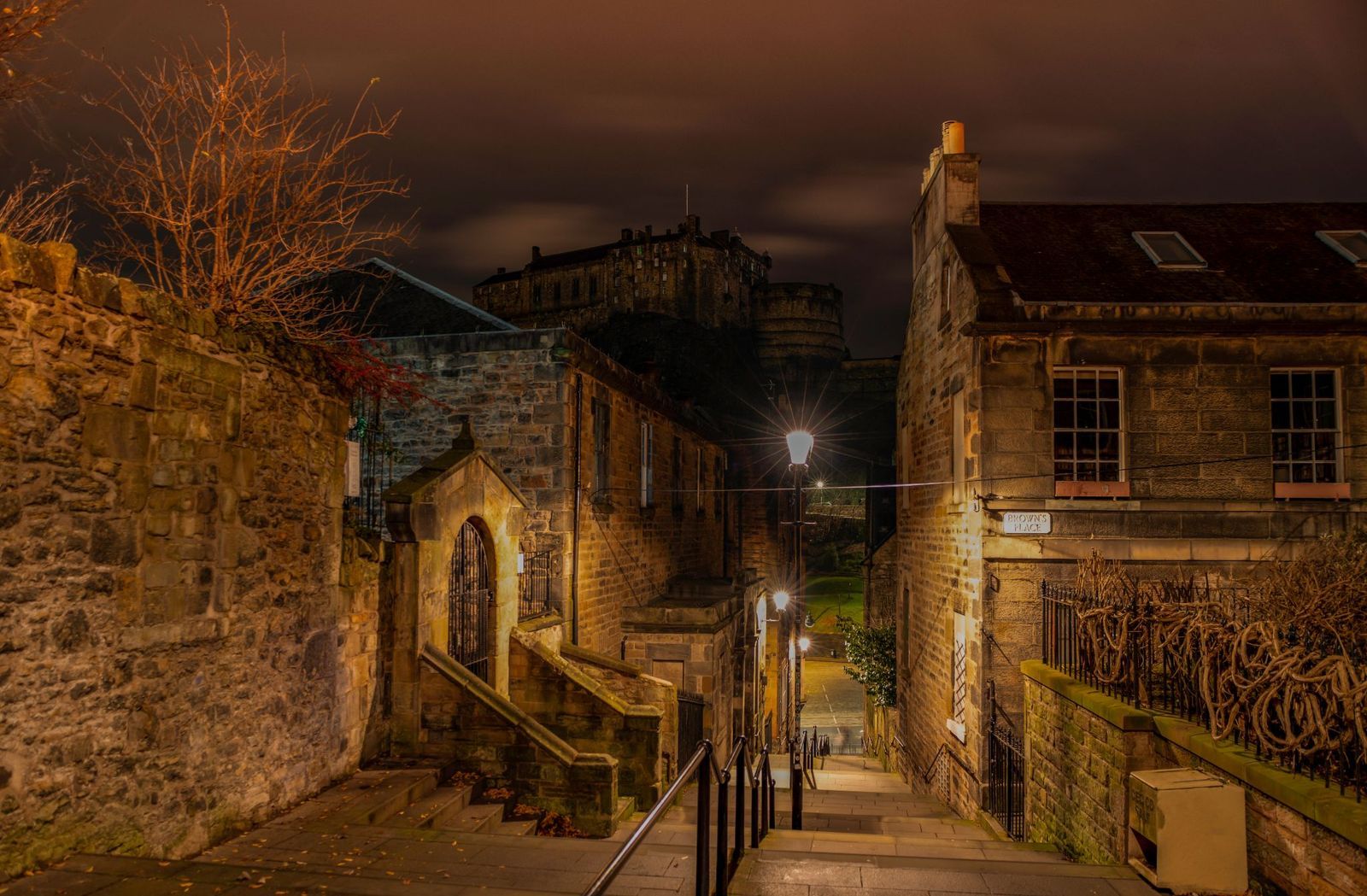
When going for a walk, we don’t often think about what lies under our feet. But maybe we should, at least when in Scotland. The Edinburgh Vaults are a perfect example, as they lie beneath the bustling streets of Edinburgh.
They are a subterranean labyrinth built in 1788 that originally housed taverns and cobblers, until the freezing, pitch-black chambers flooded and became a squalid slum and a hideout for grave robbers. Sealed off in the 1800s and rediscovered in the 1980s, visitors often report feeling sudden physical touches and seeing apparitions such as a man named "Mr. Boots."
Hashima Island (Japan)
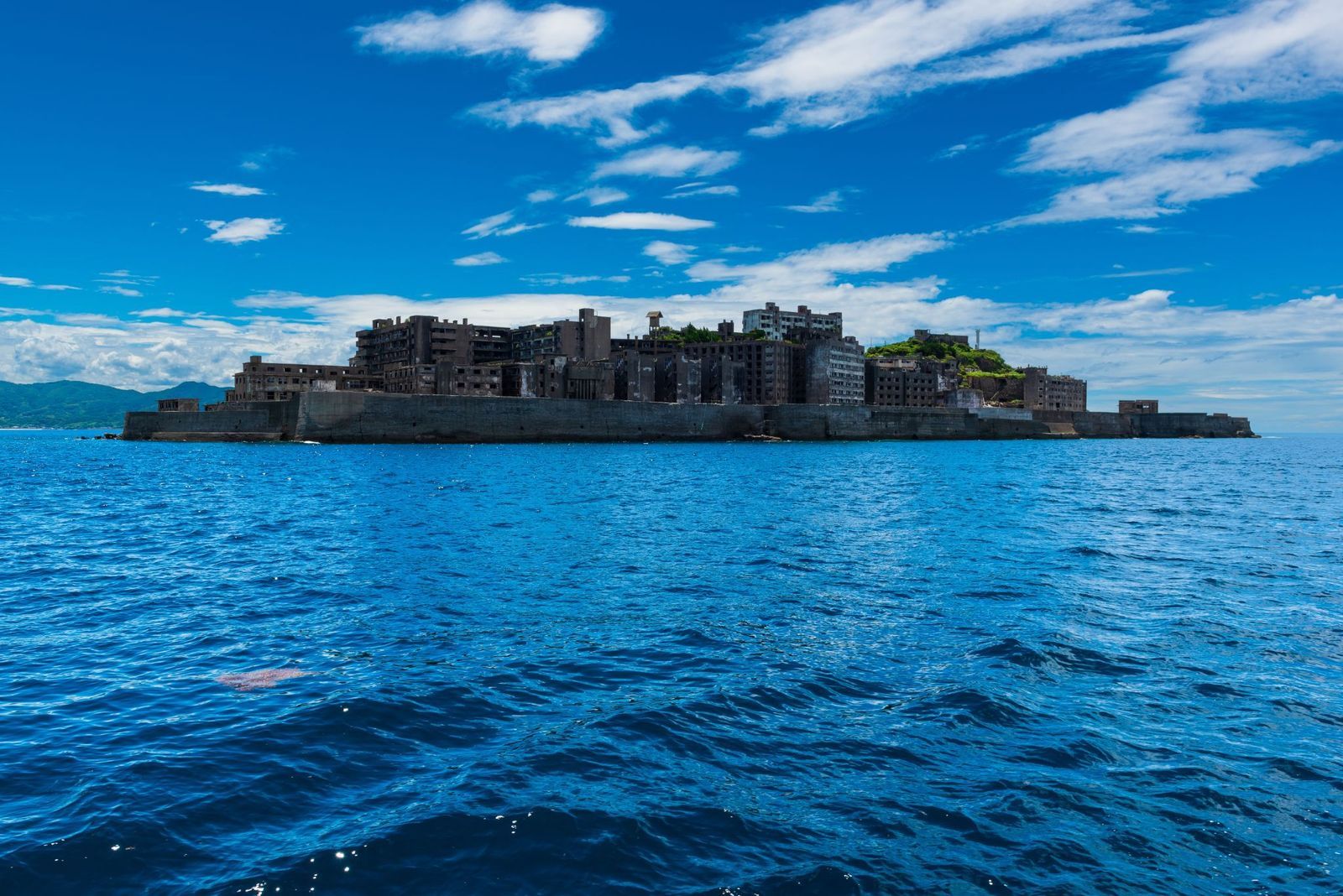
Hashima Island is a former coal-mining facility that once housed over 5,000 people, making it one of the most densely populated places in the world. When the mine closed in 1974, residents fled overnight, leaving behind an eerie and crumbling ghost town.
To this day, the island has a post-apocalyptic time capsule feel, due to TV sets and bicycles still littering the collapsing buildings.
Cinco Saltos (Argentina)
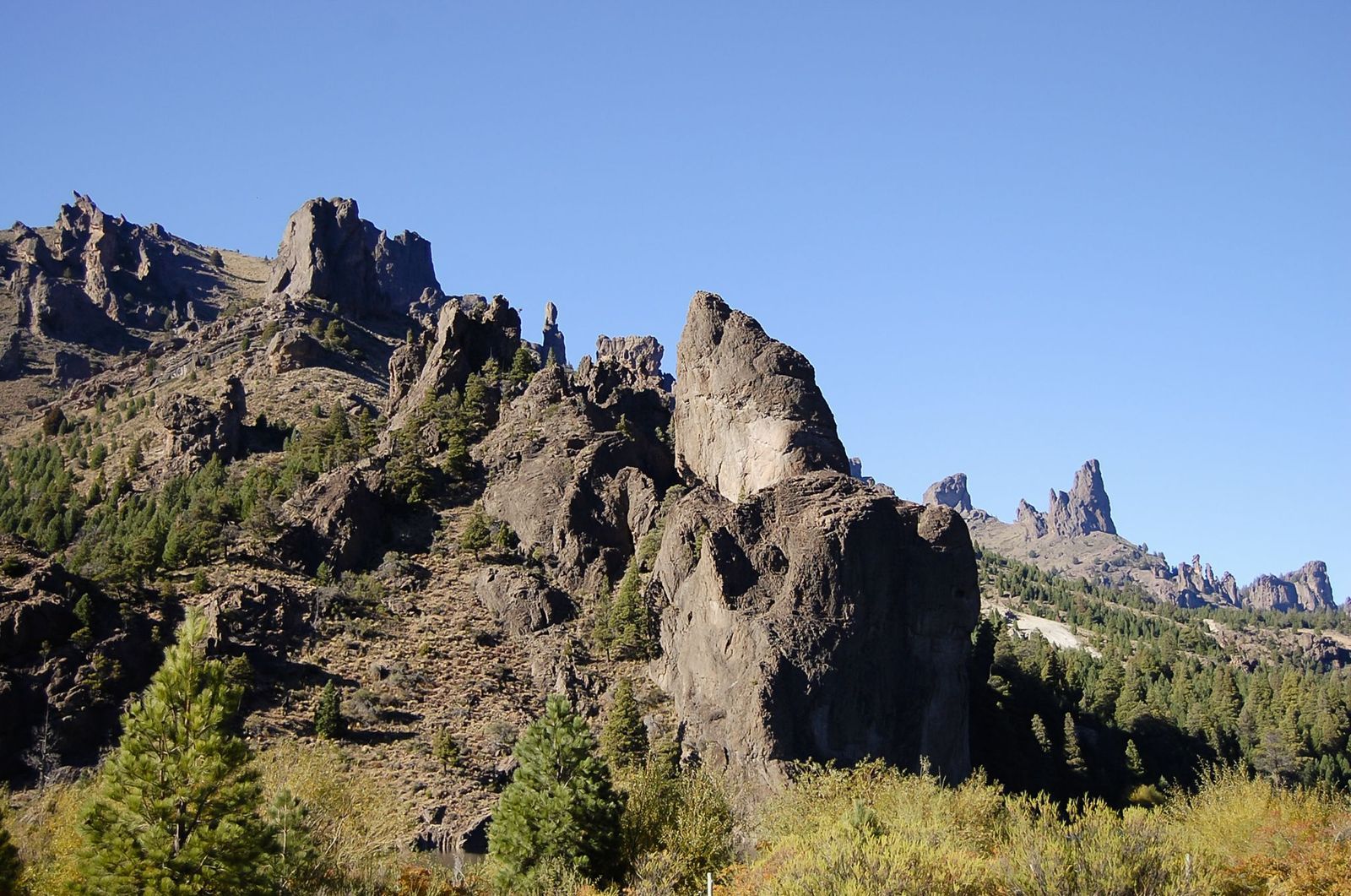
Cinco Saltos, a city located in the province of Río Negro, Argentina, is often dubbed the "City of Witches." It is a legendary site for alleged black magic and occult rituals, deeply intertwined with urban legends about the nearby Lake Pellegrini, reportedly haunted by a woman's ghost.
Paranormal investigators go as far as avoiding the sunless ravine known as "Bajo Negro" (the Black Hollow), and even locals refuse to set foot there after dark.
San Clemente (Chile)
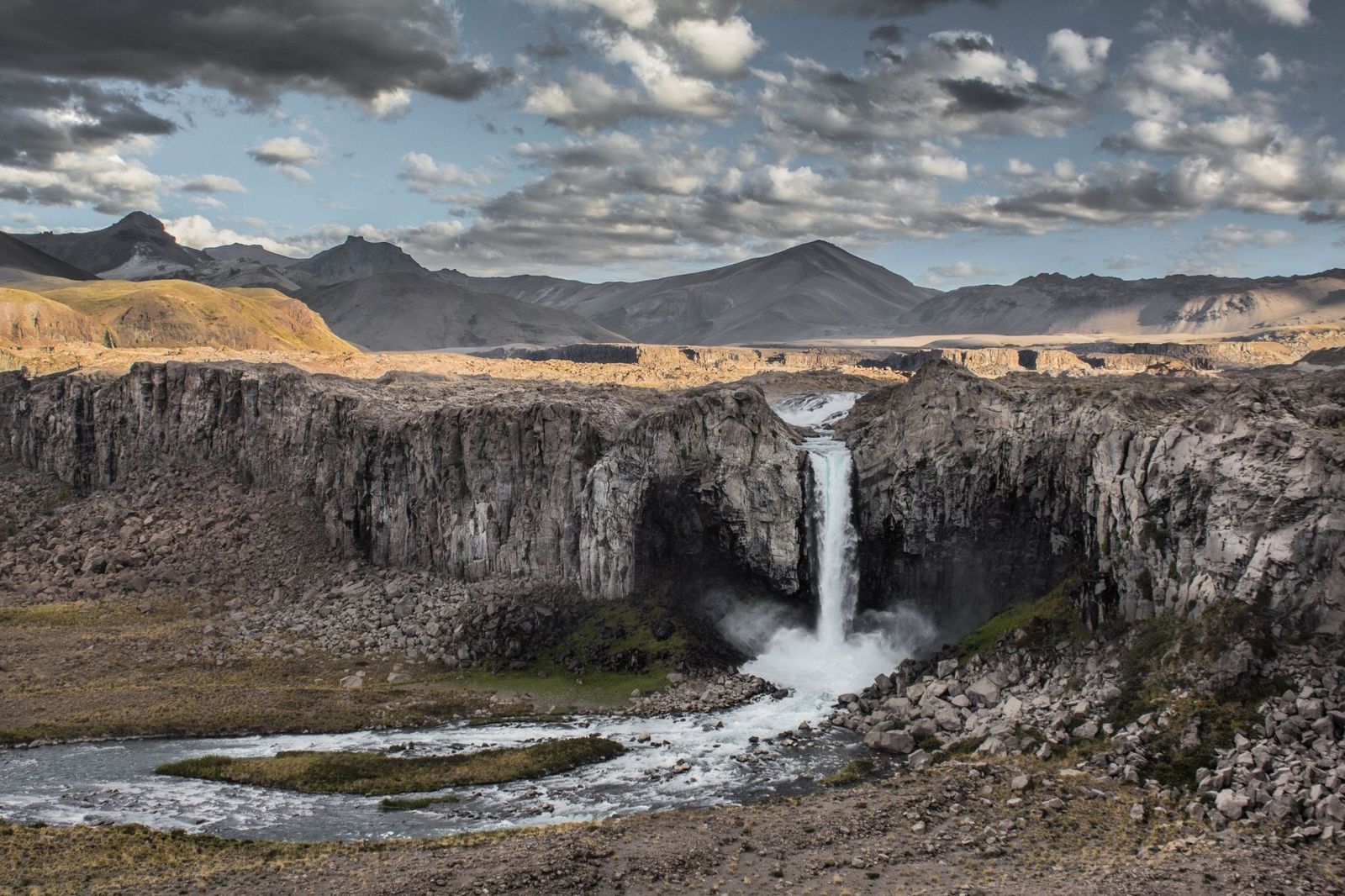
San Clemente, in Chile, is a world-renowned destination for UFO enthusiasts. Local legends and paranormal enthusiasts even claim that the remote formation serves as an extraterrestrial landing strip, and that it was built by an ancient civilization of aliens.
Located in the Andes Mountains, the area requires an intense five-hour trek or horseback ride to reach.
Keep wandering
There’s always
more to explore
 History
Did Sinatra really sing for the Mafia in Cuba? 10 wild hotel stories
8 min.
Read Now
Was Moby-Dick a real whale? These marine stories have real backgrounds
6 min.
Read Now
 Culture

Why did the radio refuse to play Bob Dylan's "Like a Rolling Stone"?
4 min.
Read Now
What passengers never see after midnight on a cruise ship
4 min.
Read Now