Was Moby-Dick a real whale? These marine stories have real backgrounds
 History
Some monsters are real
Was Moby-Dick a real whale? These marine stories have real backgrounds
The sea has always been a natural inspiration for books and film. Giant creatures emerge from the depths, ships disappear in storms, sailors mutiny, and castaways somehow survive years alone. But some of the most famous maritime tales didn't begin entirely in a writer's imagination. Behind fictional captains, sea monsters, shipwrecks, and terrifying scenes are real sailors and disasters that were sometimes even stranger than what they inspired. Let’s take a look at 10 cases where real maritime history generated classic books and movies.
Moby Dick: A whale really did sink a ship
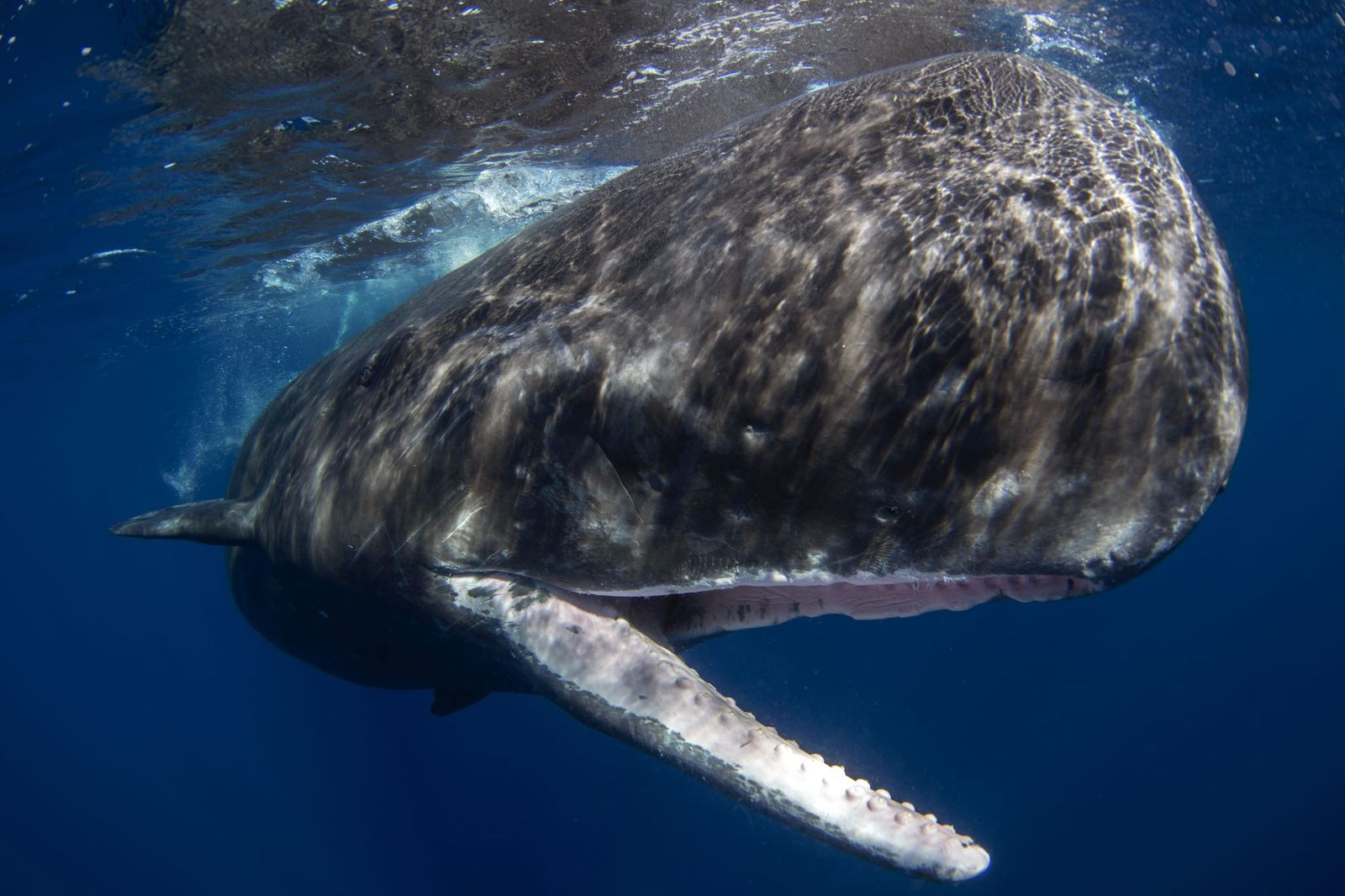
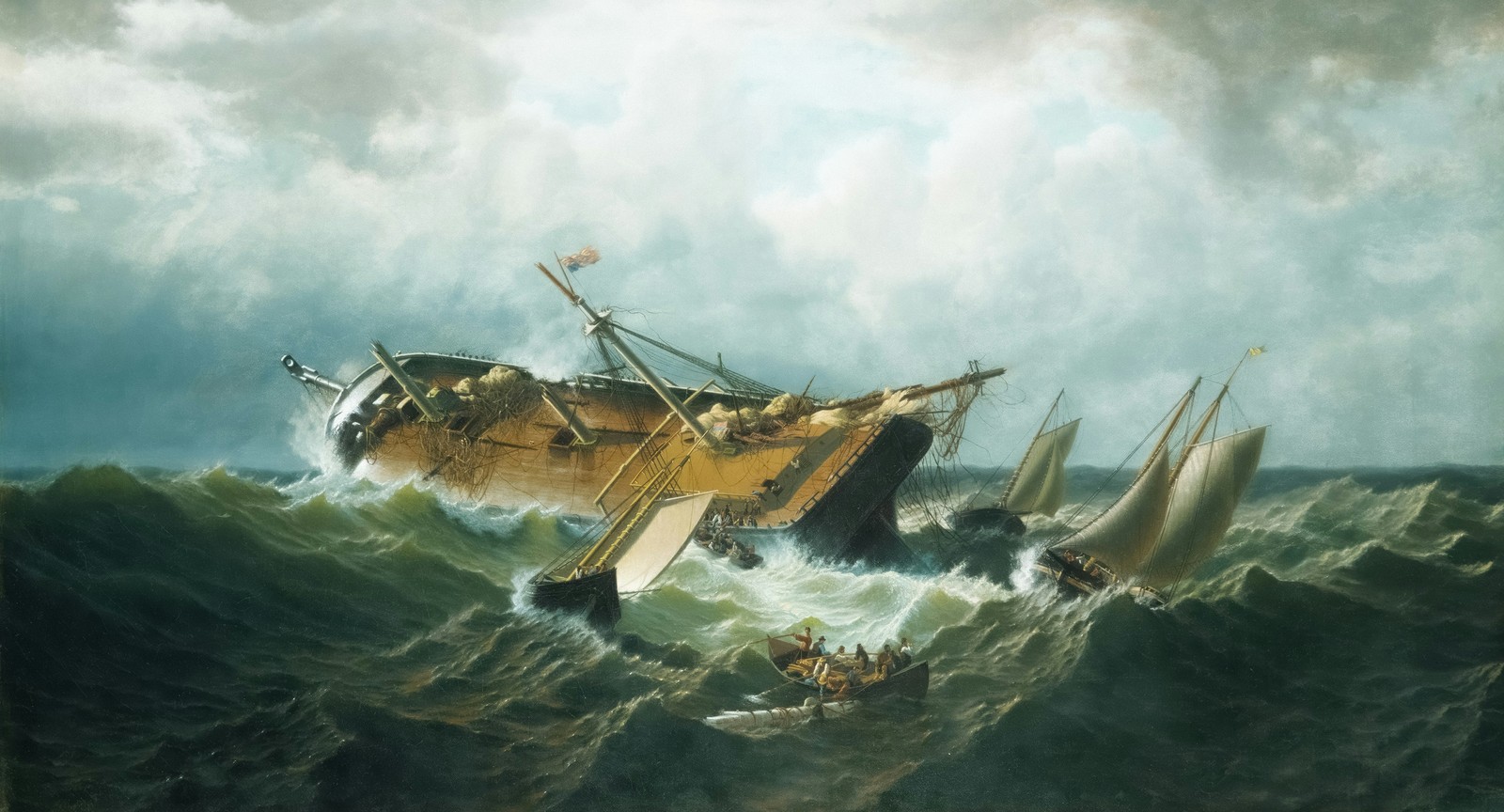
When Herman Melville had a furious sperm whale destroy the Pequod in Moby-Dick, he had a remarkable real disaster to draw from. On November 20, 1820, the Nantucket whaleship Essex was cruising thousands of miles into the Pacific when a huge sperm whale repeatedly rammed the vessel. The battered ship filled with water and sank, leaving 20 men stranded in small whaleboats far from land.
The sinking was only the start of their nightmare. After more than 90 days at sea, starvation became so severe that some survivors resorted to cannibalism. Only eight men ultimately survived. First mate Owen Chase published an account of the ordeal in 1821, and years later, while working aboard a whaling ship himself, Melville met Chase's son William, who gave him a copy. The real whale attack would eventually make its way into what is often called the greatest American novel of all time, published in 1851.
Robinson Crusoe: A castaway really did survive four years alone on an island

Robinson Crusoe's lonely island wasn't entirely a product of Daniel Defoe's imagination. In 1704, Scottish sailor Alexander Selkirk was put ashore on Más a Tierra, an isolated Pacific island hundreds of miles off Chile. Selkirk had argued that his ship, the Cinque Ports, was dangerously unseaworthy and decided he would rather remain behind than continue aboard. The ship sailed away without him.
It turned out to be a surprisingly good decision: the Cinque Ports later sank. Selkirk, meanwhile, survived alone for four years and four months, hunting goats and living off the island's resources until he was rescued in 1709. Captain Woodes Rogers later described finding a man clad in goatskins. Selkirk's remarkable story became one of the inspirations associated with Defoe's 1719 novel, and much later, in 1966, Más a Tierra was officially renamed Robinson Crusoe Island.
Jaws: the shark panic was real
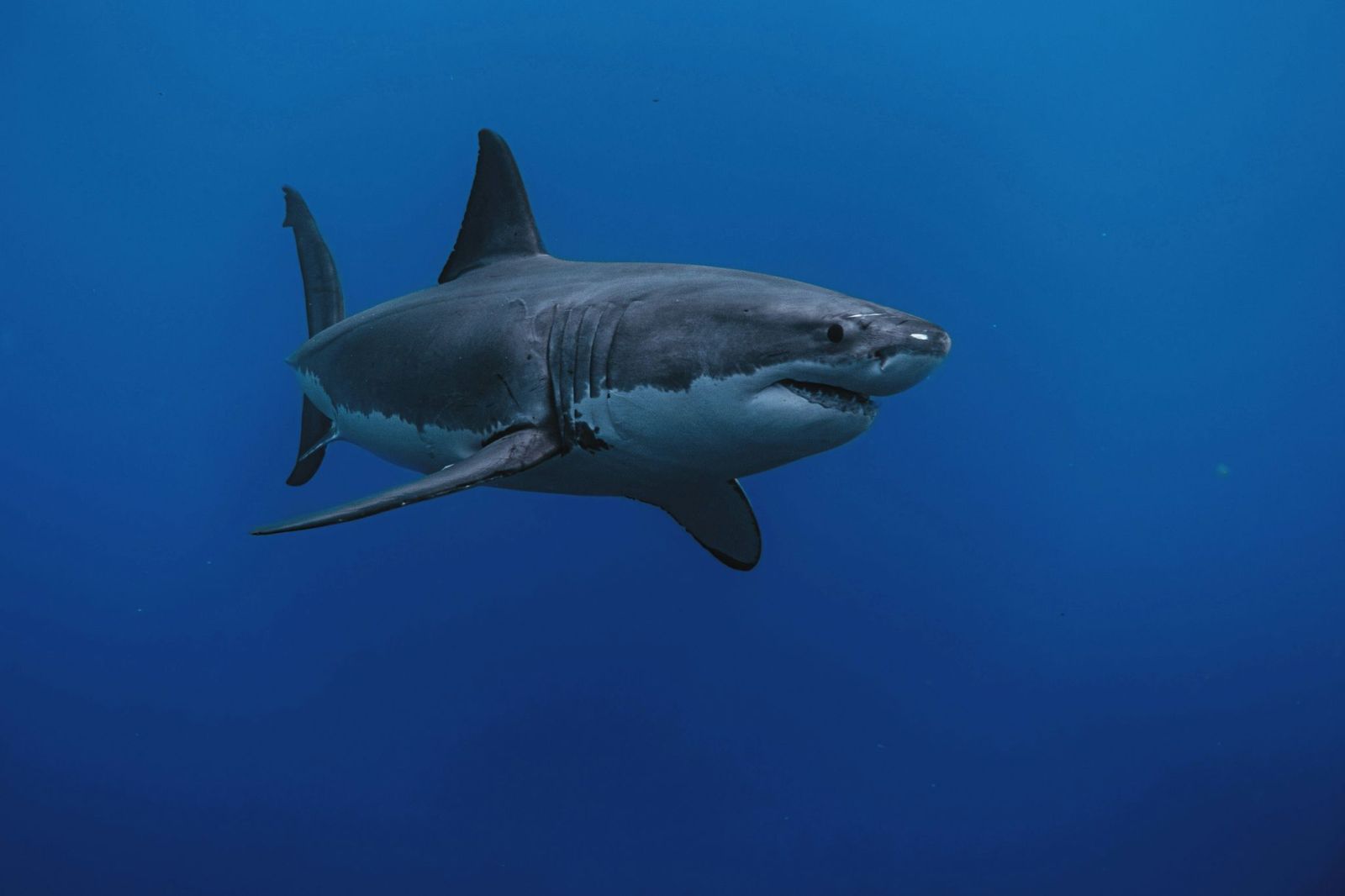
Nearly six decades before Jaws made moviegoers nervous about entering the ocean, a series of attacks terrified the New Jersey coast. Between July 1 and 12, 1916, sharks attacked five people, killing four. Two incidents occurred at seaside resorts, but the strangest attacks came later in Matawan Creek, where people were attacked miles from the open ocean.
The events produced the sort of public panic that would later feel eerily familiar to Jaws audiences. Beaches erected protective barriers, rewards were offered for sharks, and fishermen joined the hunt. The attacks are often described as an inspiration for Peter Benchley's 1974 novel and Steven Spielberg’s subsequent 1975 blockbuster, although Benchley later disputed a direct connection.
20,000 Leagues Under the Sea: The sea creature was real
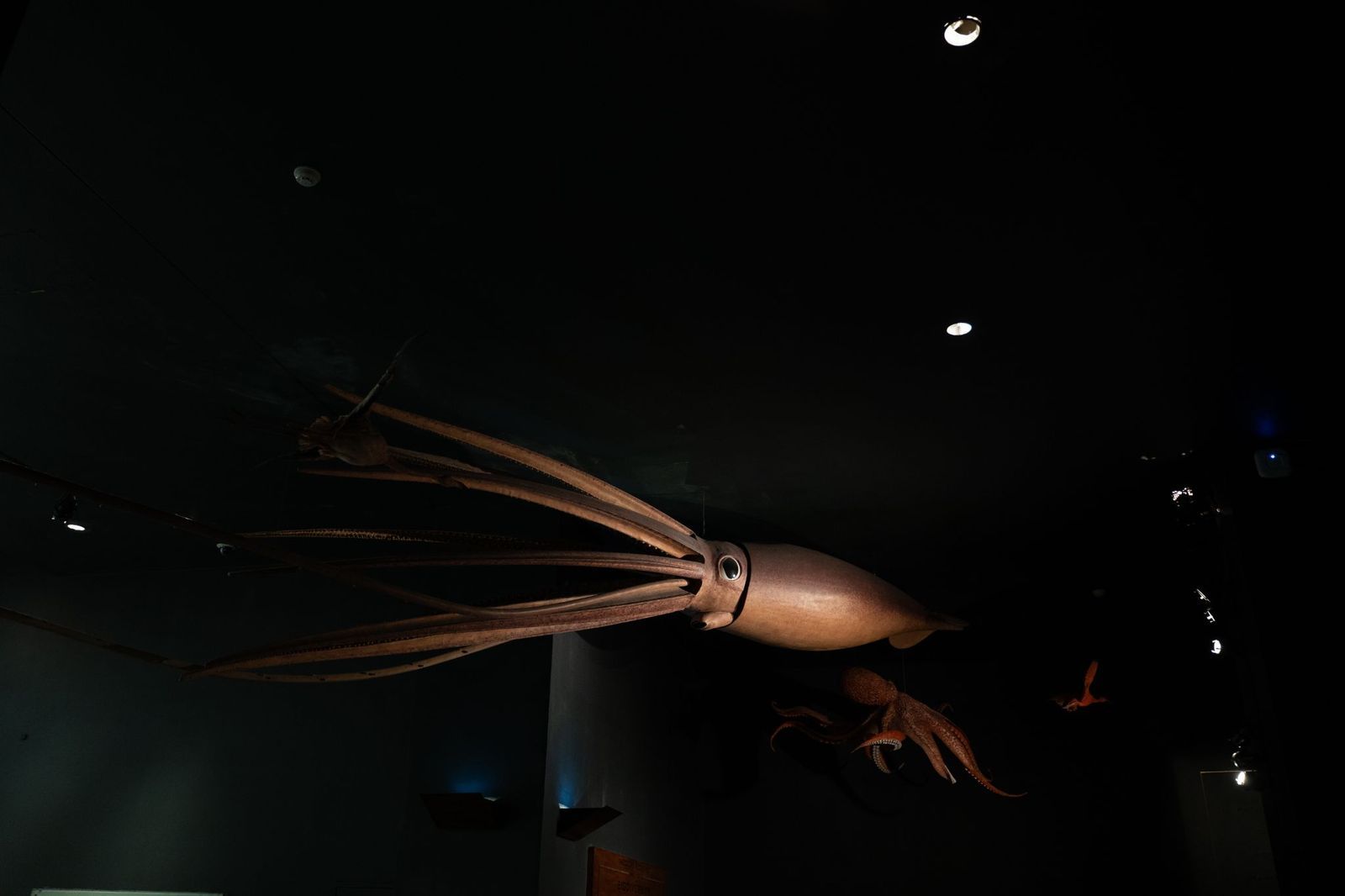
Jules Verne didn't have to invent giant tentacled creatures from scratch. In 1861, the French naval vessel Alecton encountered an enormous squid near the Canary Islands. Its crew attempted to capture the animal, attacking it and eventually looping a rope around it. But when they tried hauling it aboard, the rope sliced through its soft body and most of the creature disappeared back into the sea.
Reports like this helped move the giant squid from the realm of sailors' monsters toward scientific reality, and the Alecton encounter became associated with Verne's spectacular cephalopod scene in 20,000 Leagues Under the Sea, published in 1870. Giant squid are real deep-ocean animals, but for centuries humans rarely encountered intact specimens.
Mutiny on the Bounty: It really happened
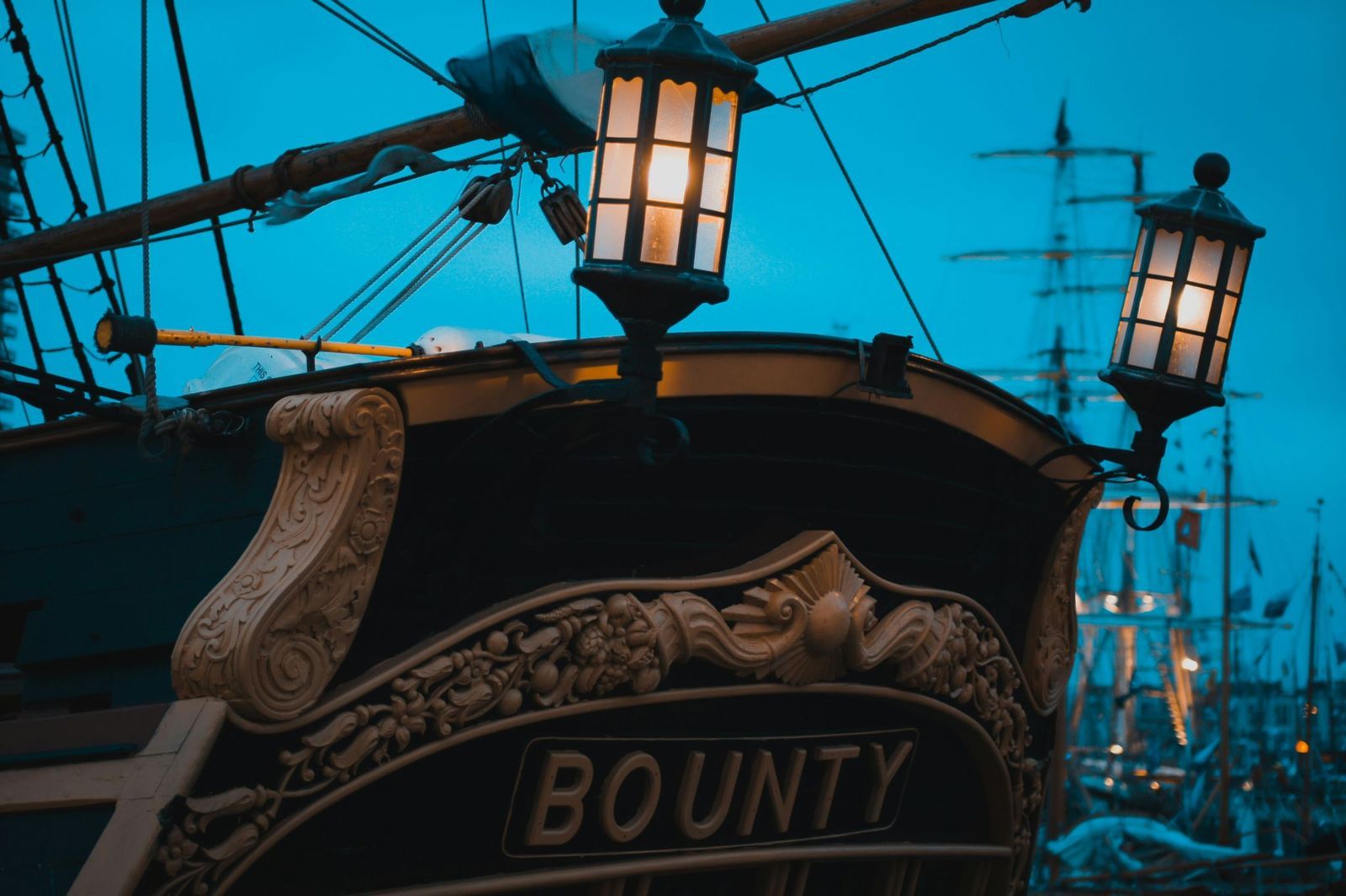
HMS Bounty left Britain in 1787 on what sounded like an ordinary imperial assignment: sail to Tahiti, collect breadfruit plants, and carry them to the West Indies. Instead, the voyage produced one of history's most famous mutinies. After spending months in Tahiti, some crewmen were reluctant to return to the harsh routines of naval life. On April 28, 1789, Fletcher Christian and fellow mutineers seized control of the ship from Lieutenant William Bligh.
Christian forced Bligh and 18 loyalists into a small boat with limited provisions. Yet Bligh pulled off an extraordinary feat, navigating roughly 3,600 nautical miles to Timor in 41 days. Christian and several mutineers eventually hid on remote Pitcairn Island, where they burned the Bounty. Since 1932, generations of novels and movies dramatized the story, but its most important aspects were true.
Master and Commander: Jack Aubrey was inspired by a real person
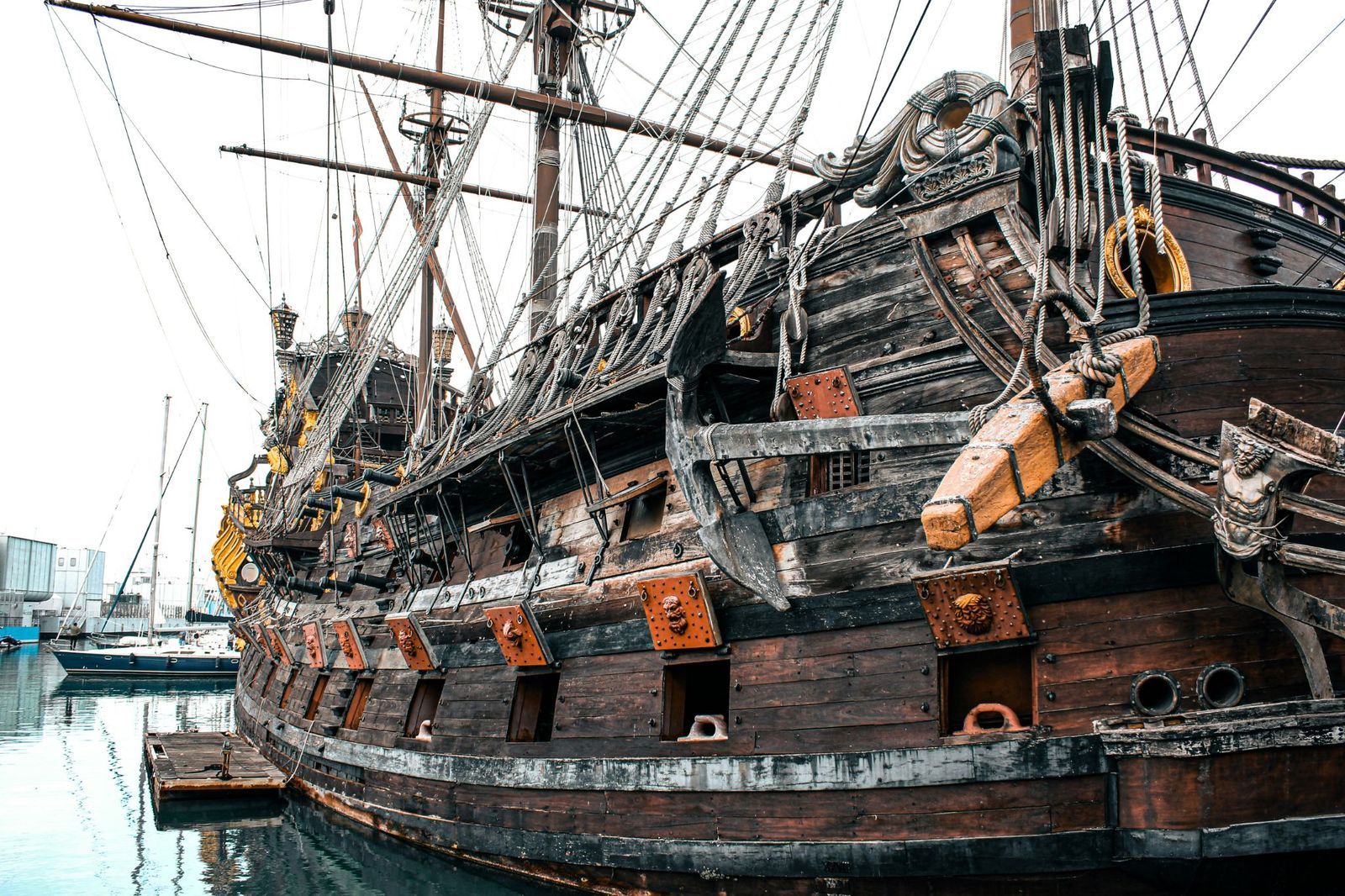
Captain Jack Aubrey's exploits in Patrick O'Brian's novels can sometimes seem too audacious for reality. But one of O'Brian's major historical models was a Royal Navy officer whose actual career was astonishing enough to inspire more than one fictional hero: Thomas Cochrane.
Born in 1775, Cochrane became famous for aggressive and unconventional naval operations during the Napoleonic era, frequently taking on forces that appeared stronger than his own. His adventures helped inspire O'Brian's Aubrey in 1969´s Master and Commander.
"The Rime of the Ancient Mariner": A sailor really shot an albatross
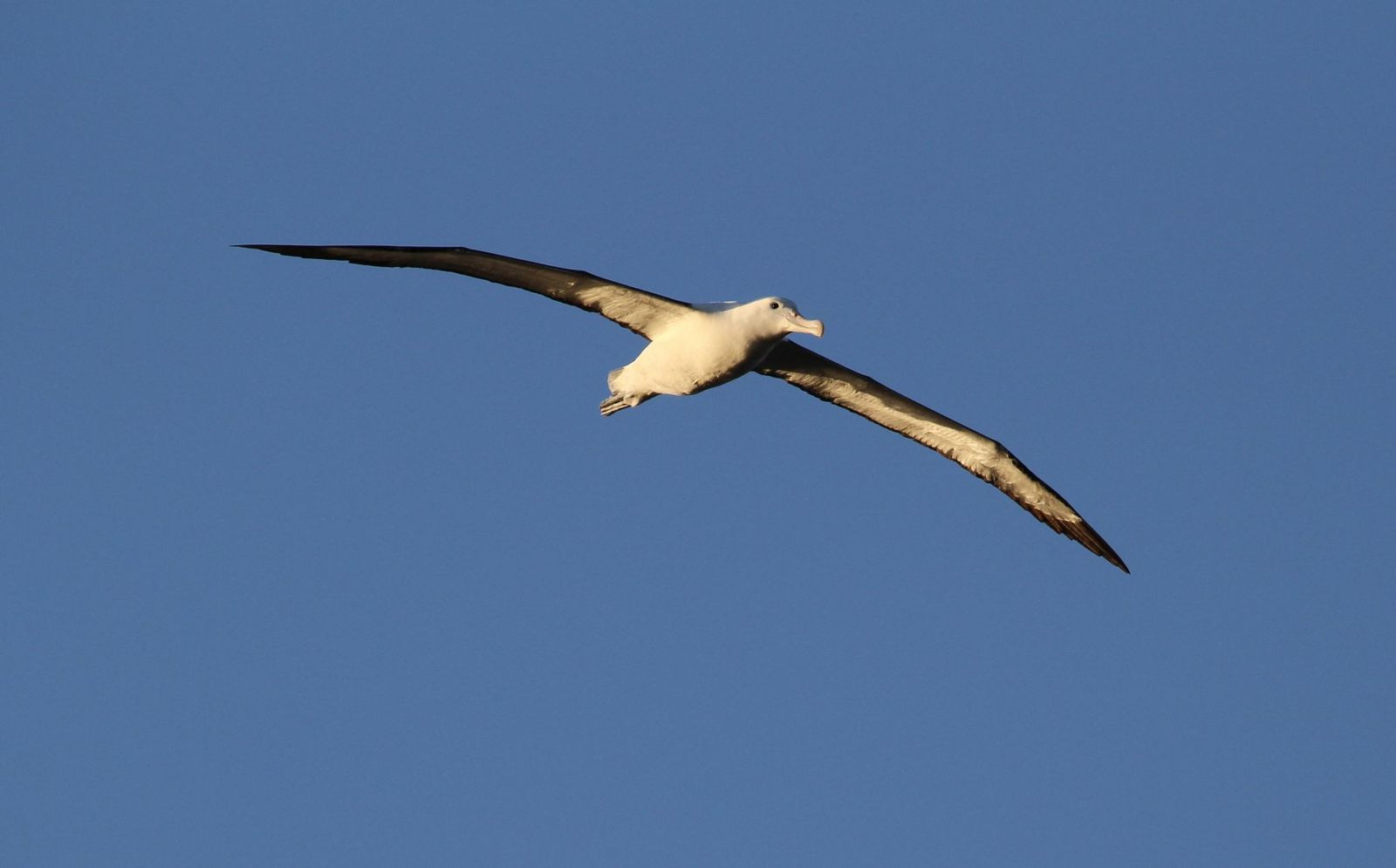
In the 1798 poem, a sailor kills an albatross, bringing disaster upon his ship and eventually wearing the dead bird around his neck. Strange as the episode sounds, part of it can be traced to a real voyage. Poet William Wordsworth later recalled reading Captain George Shelvocke's account of a journey around Cape Horn before helping Samuel Taylor Coleridge develop the poem we know today.
In Shelvocke's 1726 account, sailor Simon Hatley became convinced that an albatross following the ship was a bad omen. He shot the bird. Wordsworth remembered suggesting that Coleridge use the incident and have supernatural forces punish the sailor for the killing.
The Perfect Storm: the fishing boat really disappeared
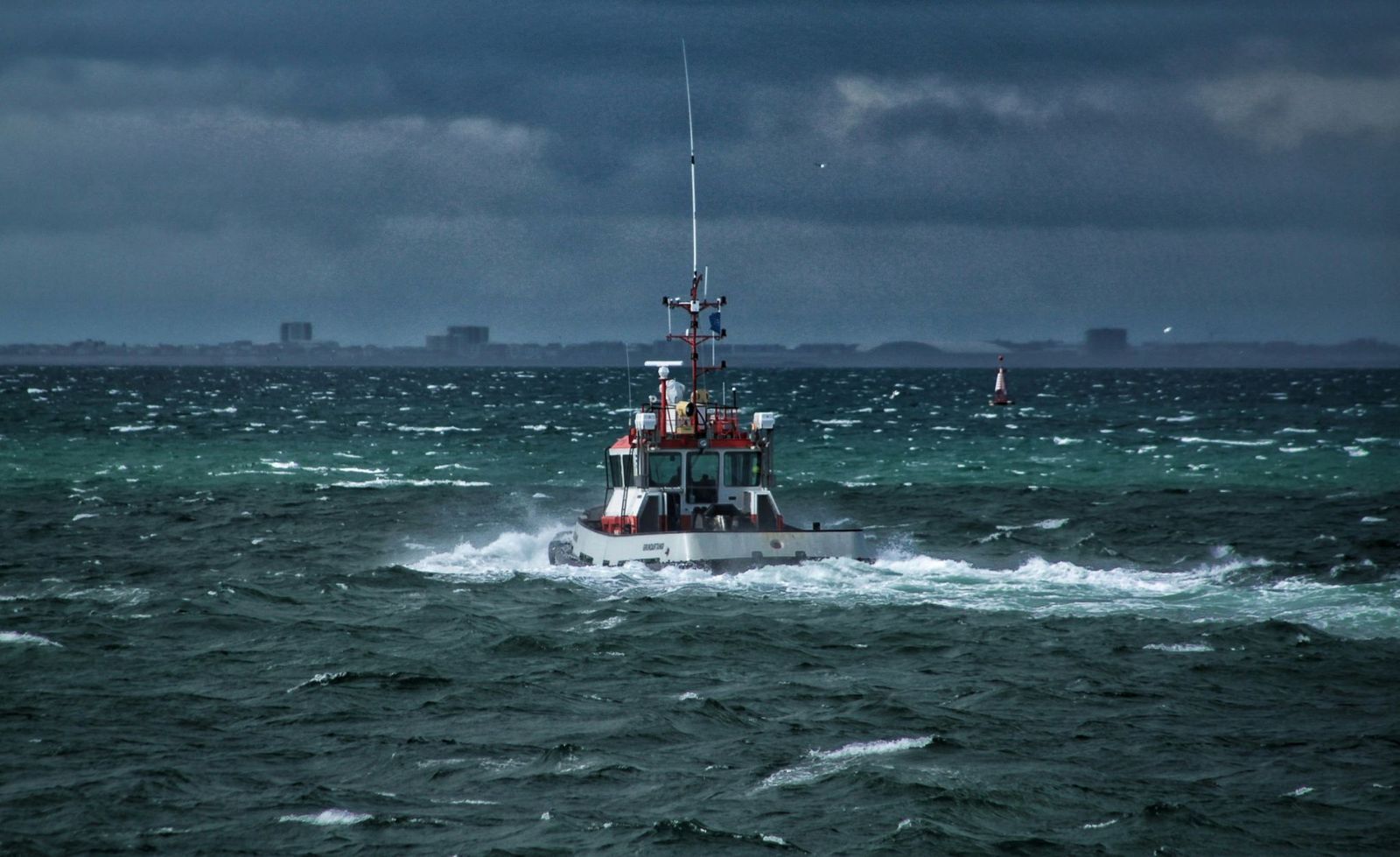
The story behind The Perfect Storm differs from the others because Sebastian Junger's 1997 book was nonfiction. But the later Hollywood film dramatized a disaster whose final moments aren´t really known, as it´s stated in the book. In October 1991, the 72-foot fishing vessel Andrea Gail was returning from the North Atlantic with six men aboard when it encountered an extraordinary convergence of dangerous weather systems.
The boat's last reported position was roughly 180 miles northeast of Sable Island. Then it vanished. An emergency beacon eventually washed ashore, but the vessel and its crew were never recovered. The storm itself was so unusual that National Weather Service meteorologist Bob Case famously called it the "Perfect Storm."
The Poseidon Adventure: A real ocean liner almost capsized
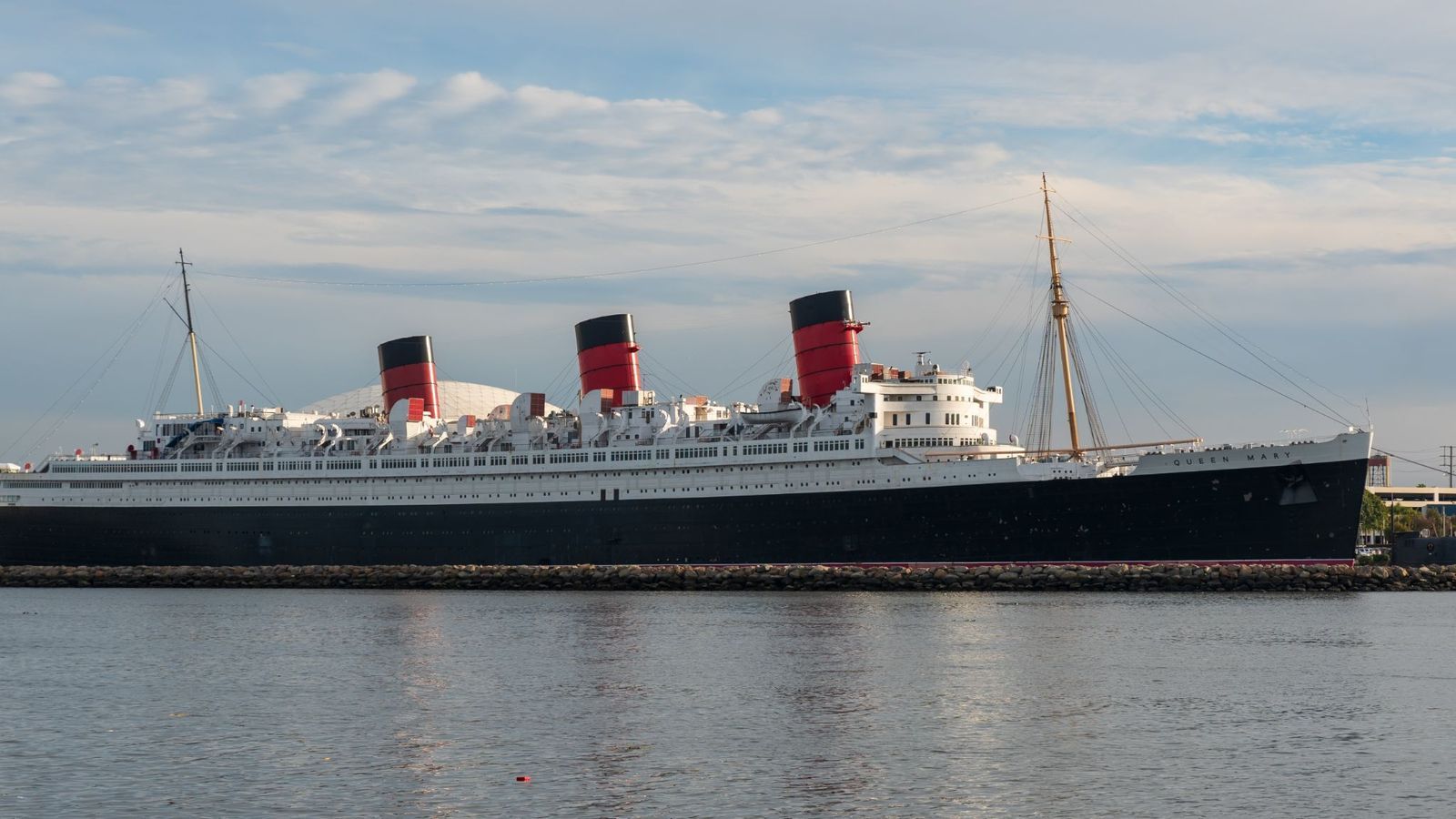
While the idea of passengers trapped inside an upside-down ocean liner sounds like pure Hollywood, author Paul Gallico drew inspiration from a frightening experience aboard the Queen Mary. During a rough Atlantic crossing in 1937, enormous waves caused the liner to roll dramatically, sending dishes, furniture, and even passengers sliding across the dining room. Gallic later transformed that memory into the 1939 novel, The Poseidon Adventure.
He took his research even further, studying the interiors of the sister ship Queen Elizabeth and reportedly examining photographs upside down to imagine how the trapped passengers might escape the capsized vessel. When the movie was filmed in 1972, the story came full circle, as parts of the production were filmed inside the actual Queen Mary.
Das Boot: the author sailed aboard the actual submarine
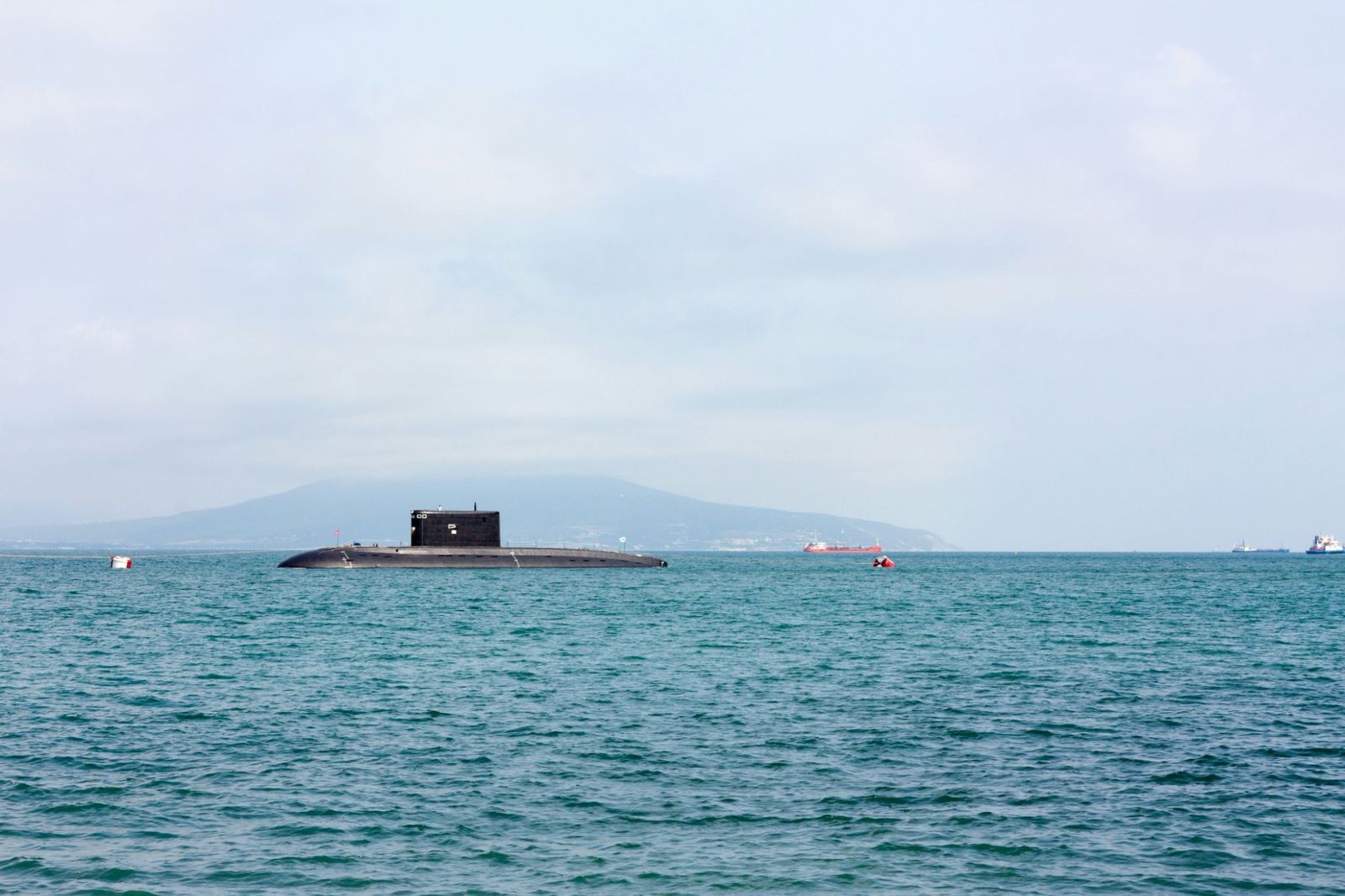
The suffocating tension aboard the submarine in the 1981 German film Das Boot feels authentic for a good reason: the original book’s author, Lothar-Günther Buchheim, had experienced U-boat warfare himself. In 1941, the 23-year-old German naval war correspondent joined U-96 on a combat patrol in the Atlantic under commander Heinrich Lehmann-Willenbrock. He lived among its crew in the same cramped, dangerous conditions he would later recreate in his 1973 novel.
His experiences included storms, depth-charge attacks, and the exhausting routines of men packed inside a submarine for weeks. The novel and film were fictionalized, but their claustrophobic world had a very real foundation.

What is the safest seat on a plane? This study reveals the answer
 General
Aviation in numbers
This plane flew for 64 days straight. This is how pilots did it
You don’t board a plane thinking about aviation history. Few wonder what year was the safest to fly, how many lives were lost in the deadliest aviation disaster, or when passengers enjoyed the first in-flight movie. And have you ever wondered just how long the longest nonstop flight has lasted? Probably not, but aviation history is full of numbers, records, and quirks that are surprising to say the least. Here are 10 of them.
The longest flight ever lasted over two months

Today, you can take a flight that lasts from 18 to 24 hours. That’s long, but it’s nothing compared to the longest flight without touching the ground ever recorded. It happened in the winter of 1958, when Robert Timm, a former WWII pilot and slot machine mechanic from Las Vegas, convinced the owner of the Hacienda Hotel, Warren Bayley, to fund an attempt at the flight endurance record, hoping the publicity would draw more gamblers to the casino.
Timm and his co-pilot, John Cook, took off from McCarran Fields in a modified Cessna 172 nicknamed Hacienda on December 4, 1958, and did not land again until February 7, 1959. To stay aloft, a truck sped beneath them along a closed stretch of highway near Blythe, California, twice a day, pumping fuel up through a hose while ground crews passed food and supplies up in a bucket on a rope. When they finally landed, 64 days, 22 hours, and 19 minutes later, they had covered roughly 150,000 miles, and their record still stands today.
The deadliest aviation incident happened on the ground
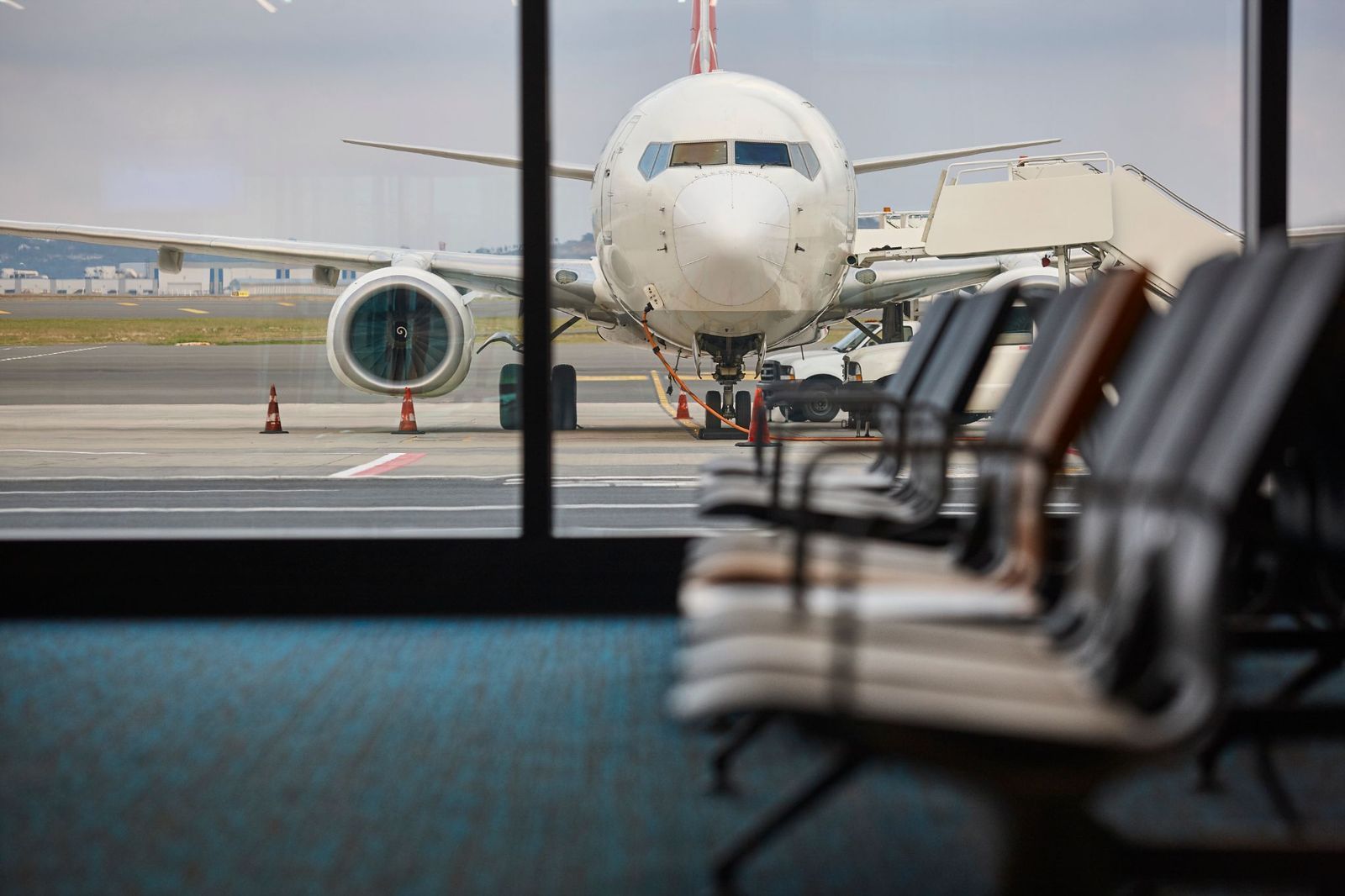
You may think of aviation’s worst tragedies happening high in the sky, but history’s deadliest one never left the ground.
On March 27, 1977, a bomb threat at Gran Canaria’s airport diverted several flights, including two Boeing 747s, to the smaller Los Rodeos Airport on the nearby island of Tenerife. As dense fog rolled in that afternoon, a KLM 747 began its takeoff roll, believing it had clearance, while a Pan Am 747 was still taxiing down the very same runway, hidden by the fog. The two aircraft collided at around 150 miles an hour, killing all 248 people aboard the KLM plane and 335 of the 396 aboard the Pan Am jet. The disaster, which claimed 583 lives in total, remains the deadliest accident in aviation history, and it led directly to major changes in cockpit communication procedures still used by every airline today.
The safest seats are at the back

Every time you book a flight, picking a seat can feel like a small bet on your own safety, even if the odds are overwhelmingly in your favor either way.
In 2023, aviation professor Doug Drury of Central Queensland University in Australia revisited a TIME magazine investigation published in 2015 that had analyzed 35 years of aircraft accident data to figure out which seats actually did best when something went wrong. The data showed that middle seats in the rear third of the plane had the lowest fatality rate, at 28% compared with 44% for aisle seats in the middle of the cabin. Drury explained the logic in an article for The Conversation, noting that having passengers seated on both sides provides a kind of human buffer, while seats near the wings sit closer to the fuel tanks. However, none of this changes the fact that flying remains extraordinarily safe.
The first in-flight movie was in 1925

Mid-flight movies today are almost a must for any long flight, but the first in-flight movie was an experiment that terrified its own organizers back in 1925.
That April, Imperial Airways loaded a 35 mm film projector and a screen onto a covered Handley Page bomber departing Croydon Aerodrome in London, despite the fact that the film stock of that time was made of highly flammable nitrate. The twelve passengers aboard watched The Lost World, a dinosaur adventure based on the novel by Sherlock Holmes creator Arthur Conan Doyle, who reportedly saw the film with his own family and enjoyed it. Since the half-hour flight took place in daylight, the pilot had to steer through clouds just to darken the cabin enough for the picture to be visible, while music was radioed in live from the Berlin Philharmonic to a single onboard speaker. Risky as it was, nothing caught fire, and the flight earned its place as the first in-flight movie in aviation history.
The longest commercial passenger flight is 19 hours long
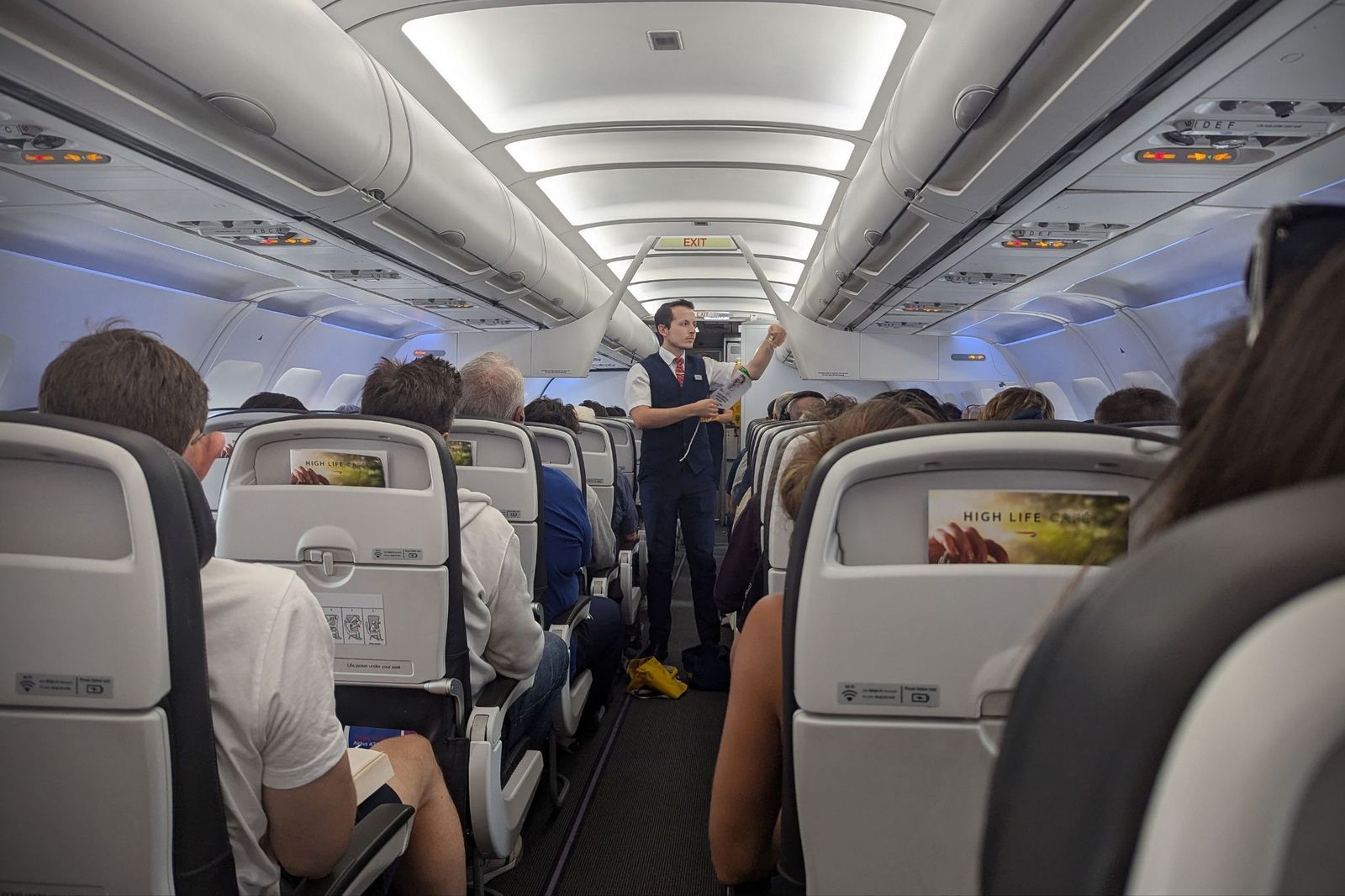
You may think a five-hour flight is endless, but imagine what passengers who buckle in for nearly a full day in the air must feel. On November 9, 2020, Singapore Airlines resumed the world’s longest scheduled nonstop commercial route, flying 15,349 kilometers between New York’s JFK Airport and Singapore’s Changi Airport.
The airline uses a specially modified Airbus A350-900 built for ultra-long range flying, with extra fuel tanks that push the aircraft’s endurance past 19 hours in the air. There’s no economy class on board, since the extra weight of additional seating would eat into the fuel capacity needed to make the distance. Passengers who book the route are essentially agreeing to spend the better part of a day and night airborne, covering a distance equivalent to more than 38,000 laps of a standard running track before touching down on the other side of the world.
2023 was the safest year for flying

Every time a plane crash makes the headlines, it feels like flying has gotten more dangerous, even though the statistics always say otherwise. However, 2023 was a remarkable year for aviation.
During that year, roughly 37.7 million commercial flights operated worldwide, and for the first time in recorded aviation history, not a single passenger died in a commercial jet crash anywhere on the planet. The one exception involved a turboprop plane in Nepal, which crashed and killed 68 passengers and four crew members, a tragedy that, in any case, falls into a separate category from large passenger jets due to differences in how those aircraft are built and regulated. Aviation safety experts pointed to decades of improvements in pilot training, aircraft design, and air traffic technology as the reasons behind the milestone.
The oldest pilot ever was 97 years old

If you’ve ever renewed a driver’s license, you know that feeling of being asked to prove that you can still see the road clearly. Now imagine doing that for an airplane, every year, for most of a century.
Clarence Cornish grew up in Fort Wayne, Indiana, and first took to the skies in 1918 at age 19, training in a biplane during the final months of WWI. Cornish went on to manage Fort Wayne’s municipal airport, serve at the Army Air Forces headquarters during WWII, and become Indiana’s first director of its Aeronautics Commission. Starting in 1968, he began an annual tradition of renting a plane every year to fly over Indianapolis in honor of his first flight decades earlier. On December 4, 1995, Guinness World Records recognized him as the world’s oldest active pilot, at 97 years old. He died just 18 days later, having spent 77 years at the controls.
The world's tallest woman caught her first-ever flight in 2022

When you board a plane, you probably don’t think about whether you’ll fit in the seat. However, for Rumeysa Gelgi, a Turkish woman recognized by Guinness World Records as the tallest living woman at 7 ft, 0.7 inches, that simple act had never been possible.
In September 2022, Turkish Airlines arranged to change that, removing six economy seats across three rows on a flight from Istanbul to San Francisco and installing a stretcher so Gelgi could lie down for the 13-hour journey. Medical staff traveled with her to help manage the trip. Afterward, Gelgi posted online that the experience had been flawless from start to finish, and said it wouldn’t be her last flight, having waited 25 years for her first one.
The youngest pilot to go around the globe was 17 years old

Most 17-year-olds are focused on getting a driver’s license, not circling the entire planet by themselves. Mack Rutherford, born in June 2005, to a British father and Belgian mother, both pilots themselves, earned his own pilot’s license at just 15, making him the youngest licensed pilot in the world at the time.
Inspired by his older sister Zara, who had become the youngest woman to fly solo around the globe earlier that year, Mack departed from Sofia, Bulgaria, on March 23, 2022, in a small ultralight aircraft equipped with extra fuel tanks. Over the next five months, he crossed 52 countries and five continents, flying only in daylight and occasionally grounded by weather, before landing back in Sofia on August 24, 2022, almost a month after turning 17. The moment he stepped off the plane, his sister was there to hand him his own Guinness World Record certificate.
The oldest commercial plane in service is over 50 years old
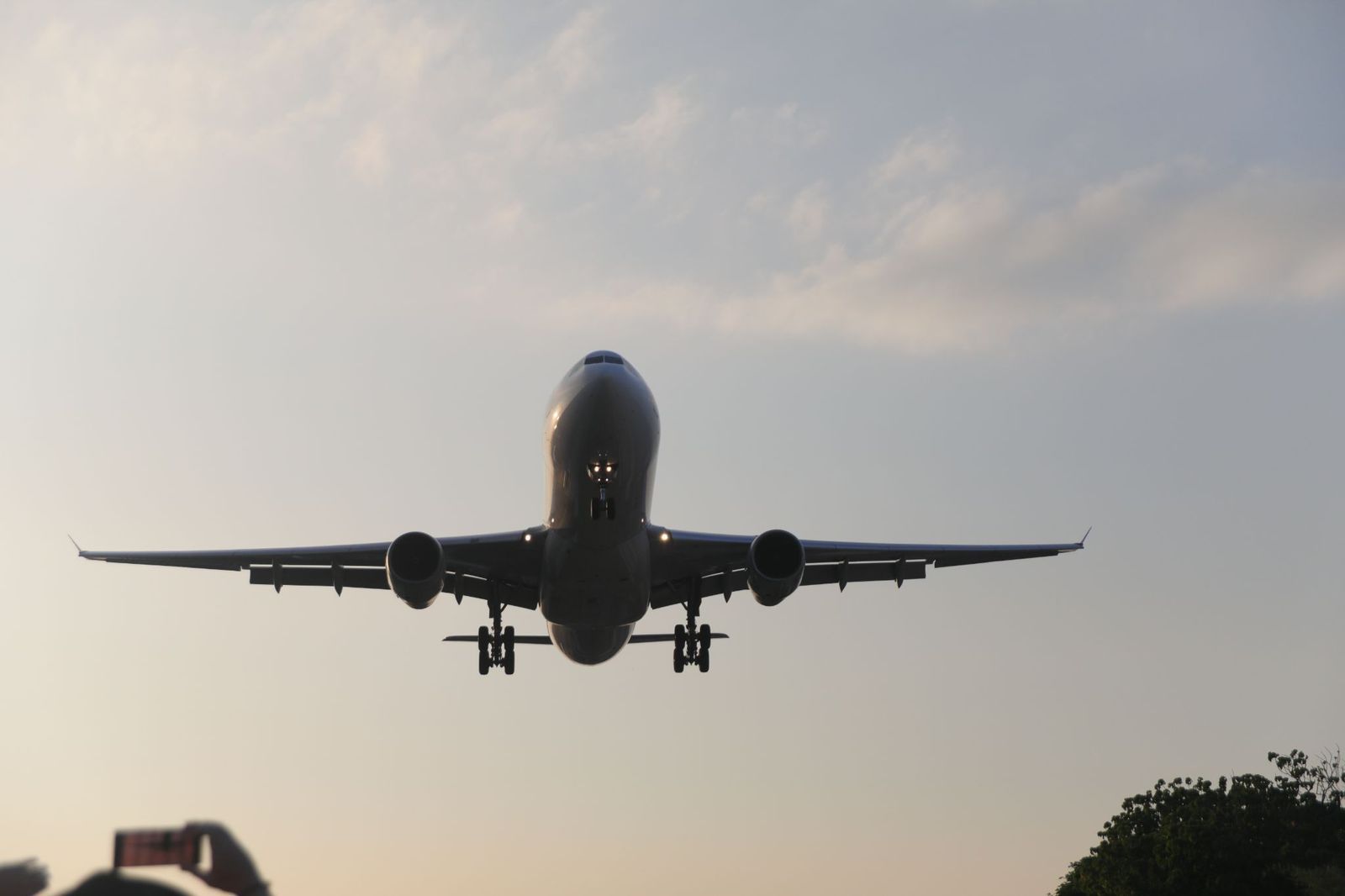
Step onto most Boeing 737 flights today, and chances are you’re boarding a plane built sometime in the last 15 years. That’s not the case for one particular aircraft still flying passengers and cargo through northern Canada.
Registered C-GNLK, this 737 rolled off Boeing’s assembly line in Renton, Washington, in 1974 and was delivered new to the Dutch carrier Transavia that same year. Over the following decades, it changed hands more than a dozen times, flying briefly for airlines in the U.S. before spending years in Europe. In 2014, the Canadian charter airline Nolinor Aviation acquired it, fitting it with a gravel kit that lets it land on unpaved runways in the country’s far north. More than 50 years after it left the factory, it remains by most accounts the oldest jet airliner still in active commercial service anywhere in the world.
Keep wandering
There’s always
more to explore
 Geography

You've heard about tourist traps: these destinations are the opposite
4 min.
Read Now

Your carry-on may get flagged according to this new rule
6 min.
Read Now

Entry denied: What's behind the places you will never get to visit
7 min.
Read Now
 Culture

The town that changed its name over a ghost story: Best Halloween cities
7 min.
Read Now