Why did the radio refuse to play Bob Dylan's "Like a Rolling Stone"?
 Culture
Why did the radio refuse to play Bob Dylan's "Like a Rolling Stone"?
Hitting the open highway for a long journey can be one of the best feelings in the world. But a truly great road trip isn’t complete without a great playlist. You’ll need songs that reflect both the changing scenery and the range of emotions you’ll experience throughout the drive. To help you build the ultimate driving soundtrack, here are 10 songs that were born for the road.
"On the Road Again" (Willie Nelson)
There’s no better way to start a journey than playing this absolute classic. "On the Road Again", released in August 1980, puts you in the right headspace before leaving home behind to see new places with good company.
Willie Nelson wrote this carefree acoustic tune after a movie executive asked him to compose a track for the film Honeysuckle Rose, in which he starred as an aging country singer. The song became a major hit and earned Nelson a Grammy Award.
"Like a Rolling Stone" (Bob Dylan)
When you want a song that feels epic, Bob Dylan’s masterpiece is a must. "Like a Rolling Stone" allows you to settle into the driver’s seat and just lose yourself in the music.
Released in July 1965, radio stations initially refused to play it because its six-minute runtime was too long for a standard pop single. However, its rebellious lyrics and electric rock sound broke the rules of popular music and changed rock history forever.
"Take Me Home, Country Roads" (John Denver)
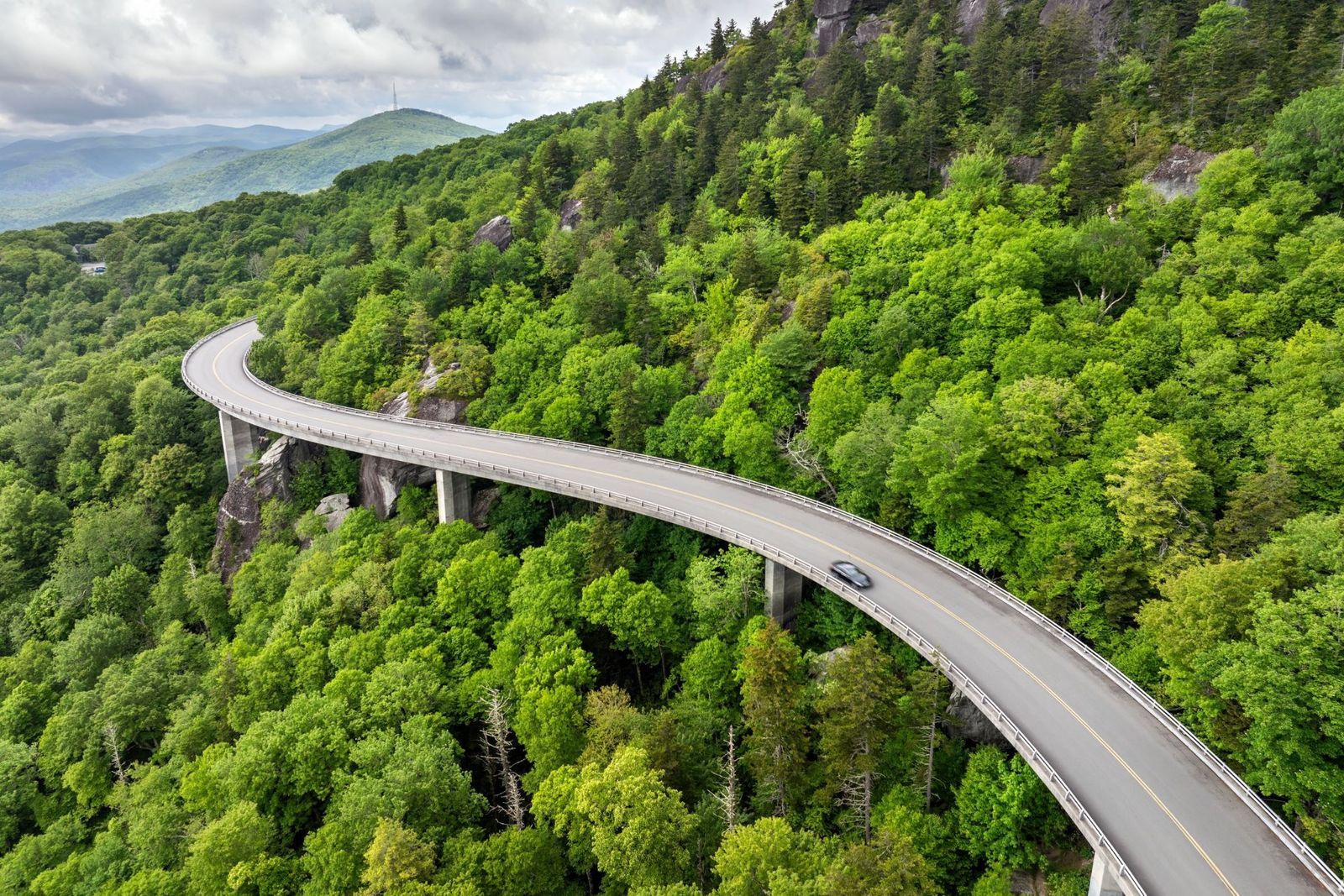
If your road trip takes you past rolling green hills, quiet rivers, or mountain passes, put this track on your playlist. Songwriters Bill Danoff and Taffy Nivert originally started writing it in late 1970, initially thinking about giving it to Johnny Cash.
When John Denver heard a rough version after a concert in April 1971, he begged to help finish it and recorded it for his album Poems, Prayers & Promises. "Take Me Home, Country Roads" became a worldwide hit and eventually an official state anthem for West Virginia; no matter who’s traveling with you, everyone in the car will be chanting the chorus.
"America" (Simon and Garfunkel)
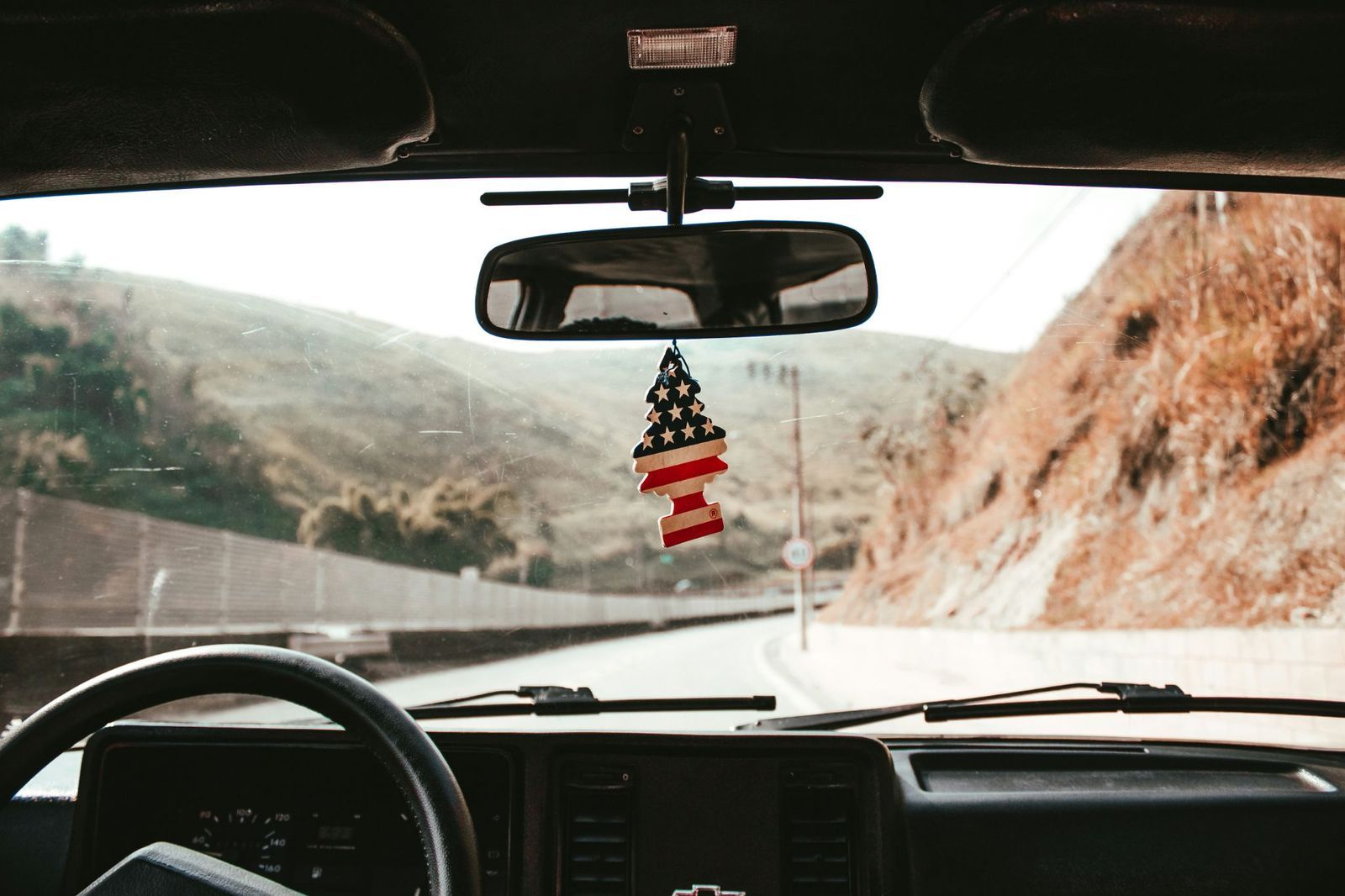
For those long stretches of highway where the miles just seem to never end, you need a song that slows the pace down. Paul Simon wrote this poetic folk song after taking an actual cross-country bus and hitchhiking trip with his girlfriend Kathy Chitty in the summer of 1964. "America" was recorded four years later for Simon and Garfunkel’s 1968 album Bookends.
"Fast Car" (Tracy Chapman)
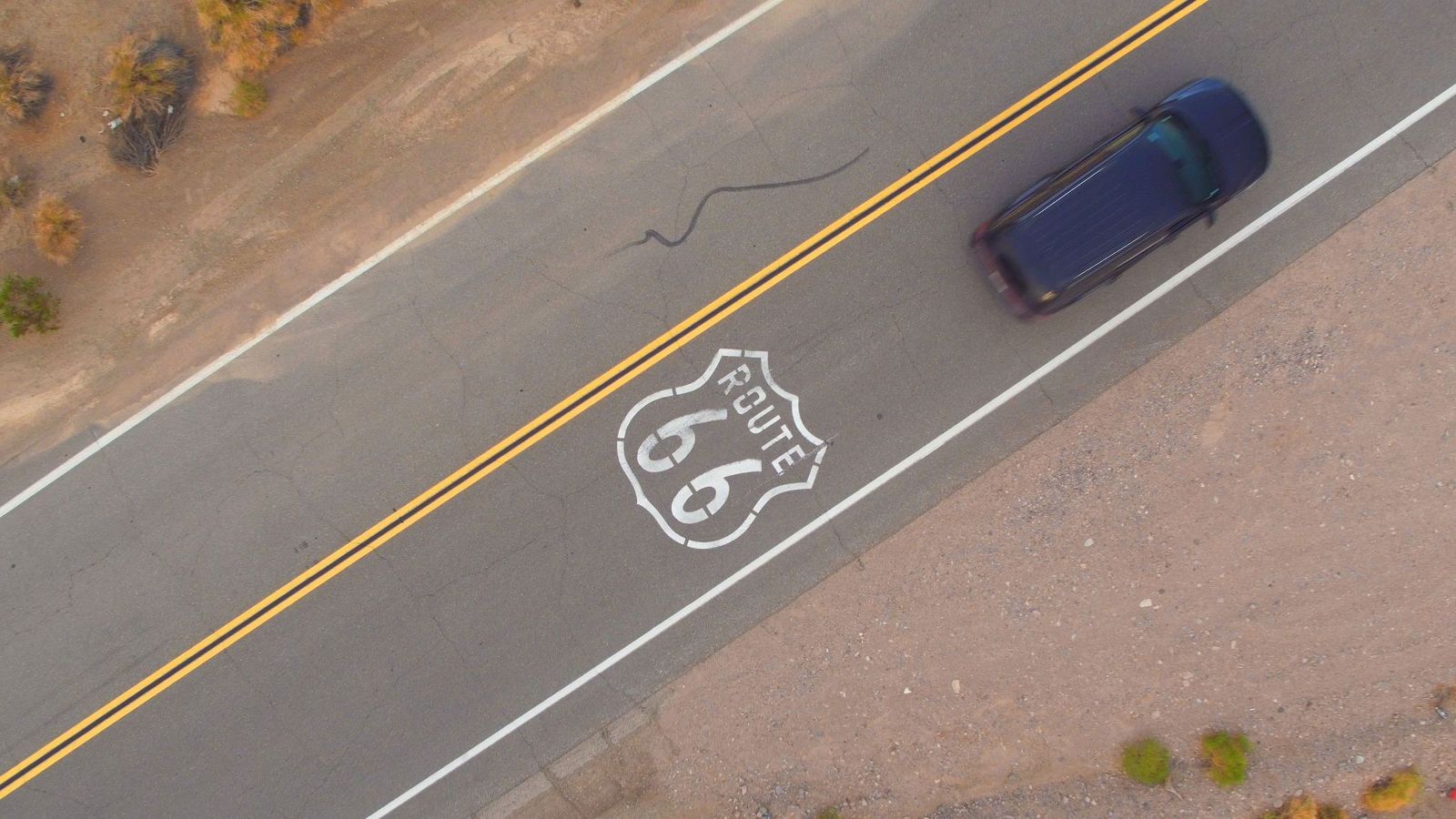
There's a powerful sense of longing in Tracy Chapman’s voice that resonates when you’re staring out a car window. Released as her debut single in April 1988, this heartbreaking acoustic gem was written entirely by then-unknown Chapman.
Her career exploded overnight after she performed it at Nelson Mandela’s 70th birthday tribute concert in London on June 11, 1988, putting the song into the global top ten. Its gentle rhythm builds slowly, making "Fast Car" the perfect tune to listen to when travelling across the country.
"Go Your Own Way" (Fleetwood Mac)
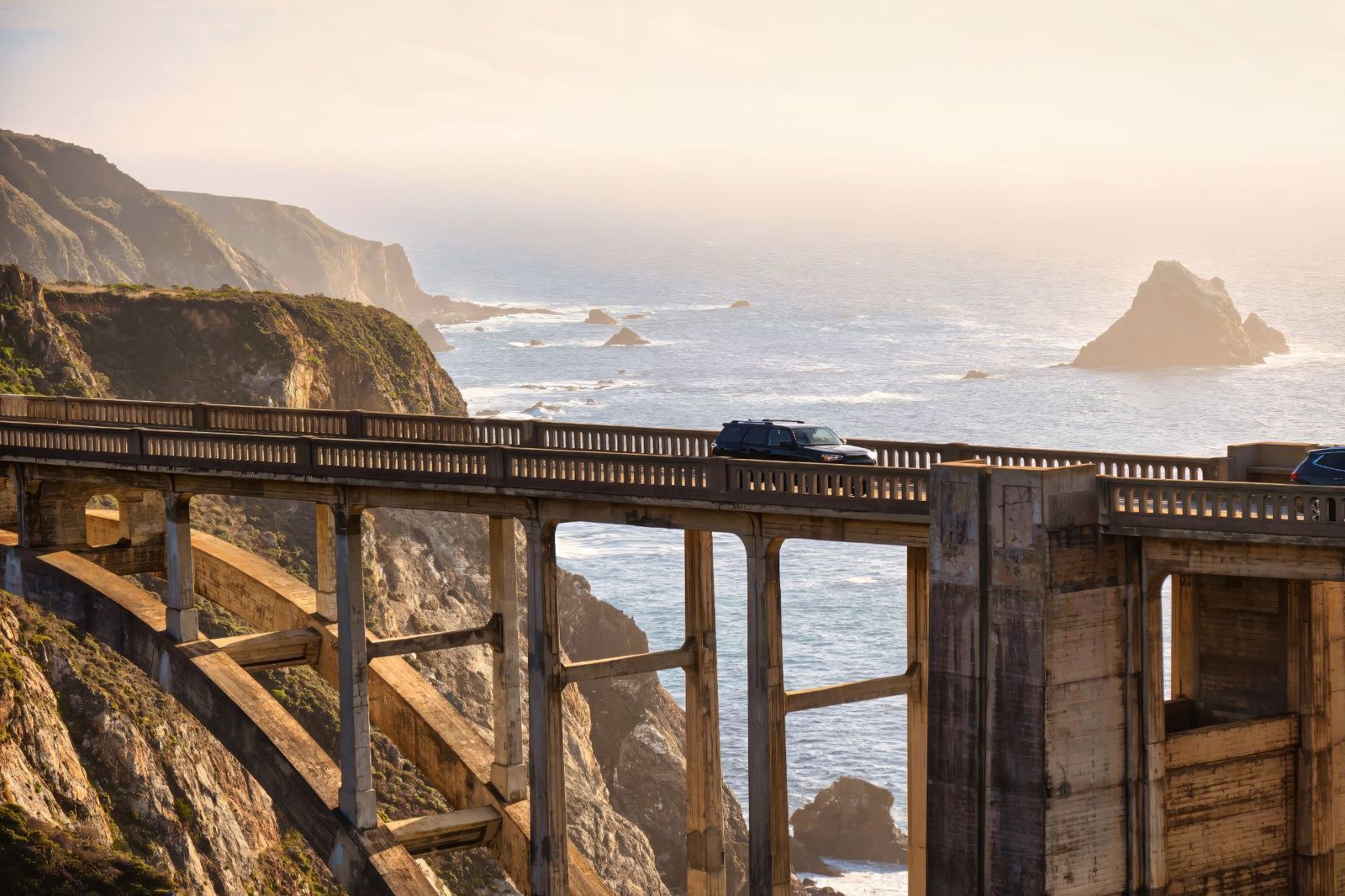
Sometimes you need a burst of energy to keep you awake and alert when driving during the later hours. Released in December 1976 as the lead single from their blockbuster Rumours album, this song was written by guitarist Lindsey Buckingham.
At the time of recording, Fleetwood Mac was experiencing some interpersonal turmoil, and Buckingham wrote the lyrics about the painful breakup of his relationship with bandmate Stevie Nicks. Despite its soaring rock guitars, "Go Your Own Way" is a melancholic tune that will transport you to past loves.
"Sweet Home Alabama" (Lynyrd Skynyrd)
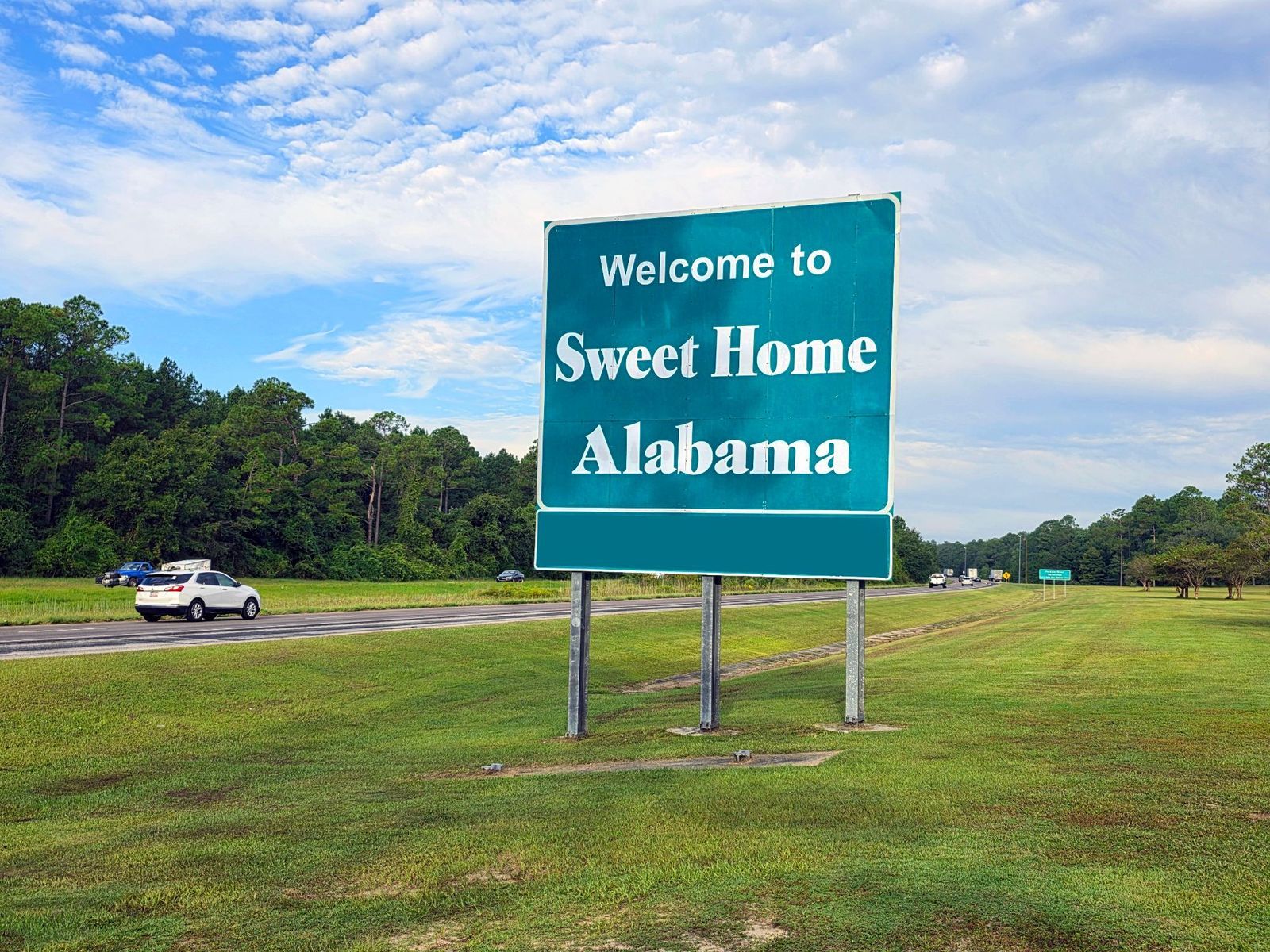
When you want pure classic rock energy, Lynyrd Skynyrd's southern anthem is the way to go. The instantly recognizable guitar riff automatically makes you roll down the car windows and turn up the volume.
Released in June 1974, the song was written as a fun musical response to two songs by folk artist Neil Young ("Southern Man" and "Alabama"), which Skynyrd felt unfairly generalized the entire American South. Despite the banter, Young and the band remained mutual fans and lifelong friends.
"Hotel California" (The Eagles)
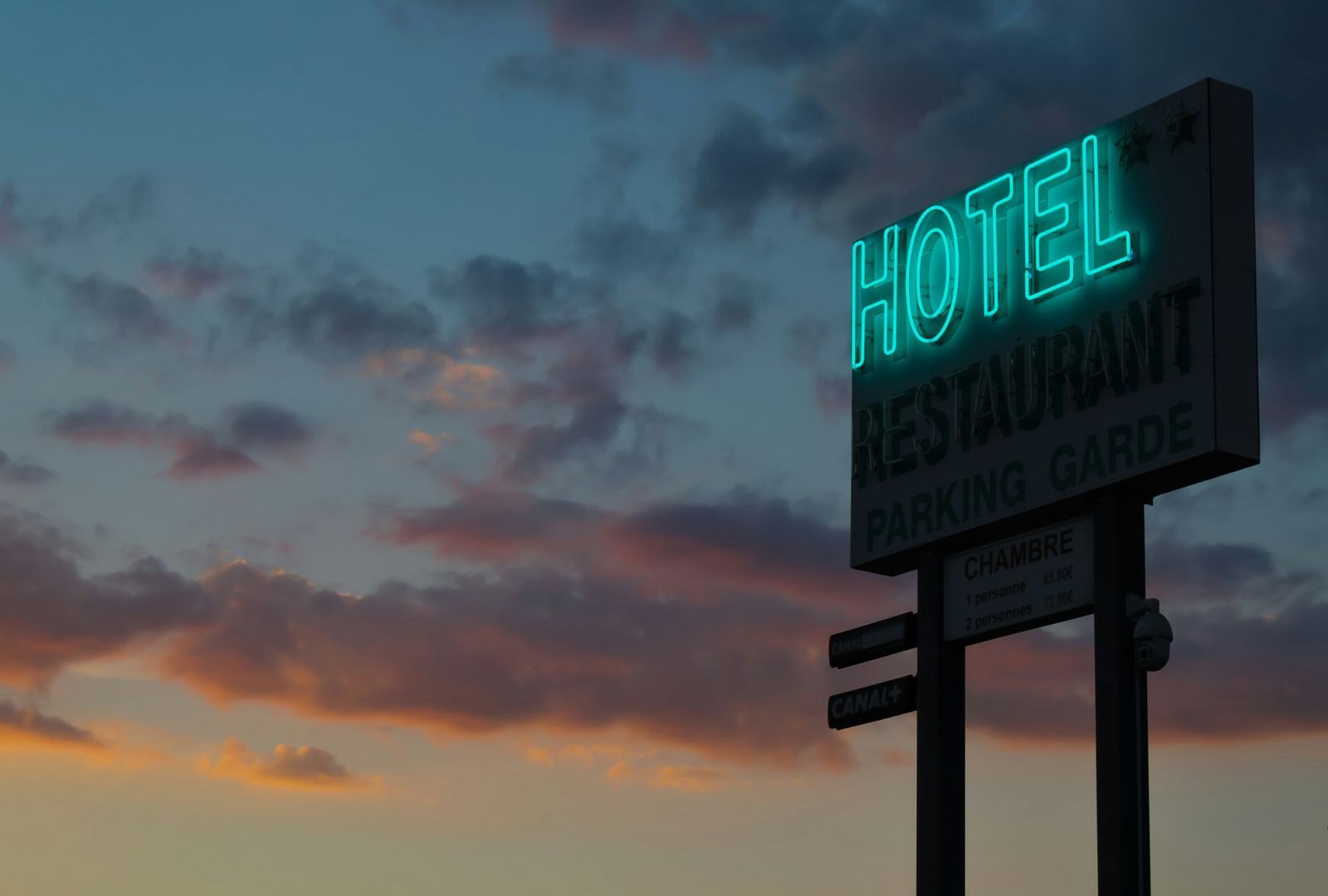
As the sun starts setting over the horizon, the vibe in the car may start to shift. That’s the exact moment to put on "Hotel California", released in December 1976 as the title track of the Eagles’ smash album.
Written by Don Felder, Don Henley, and Glenn Frey, the mysterious lyrics have sparked endless fan theories over the decades, though the band has explained it as a metaphorical commentary on the dark side of the American dream and the excesses of the Los Angeles music scene.
"Drive" (The Cars)
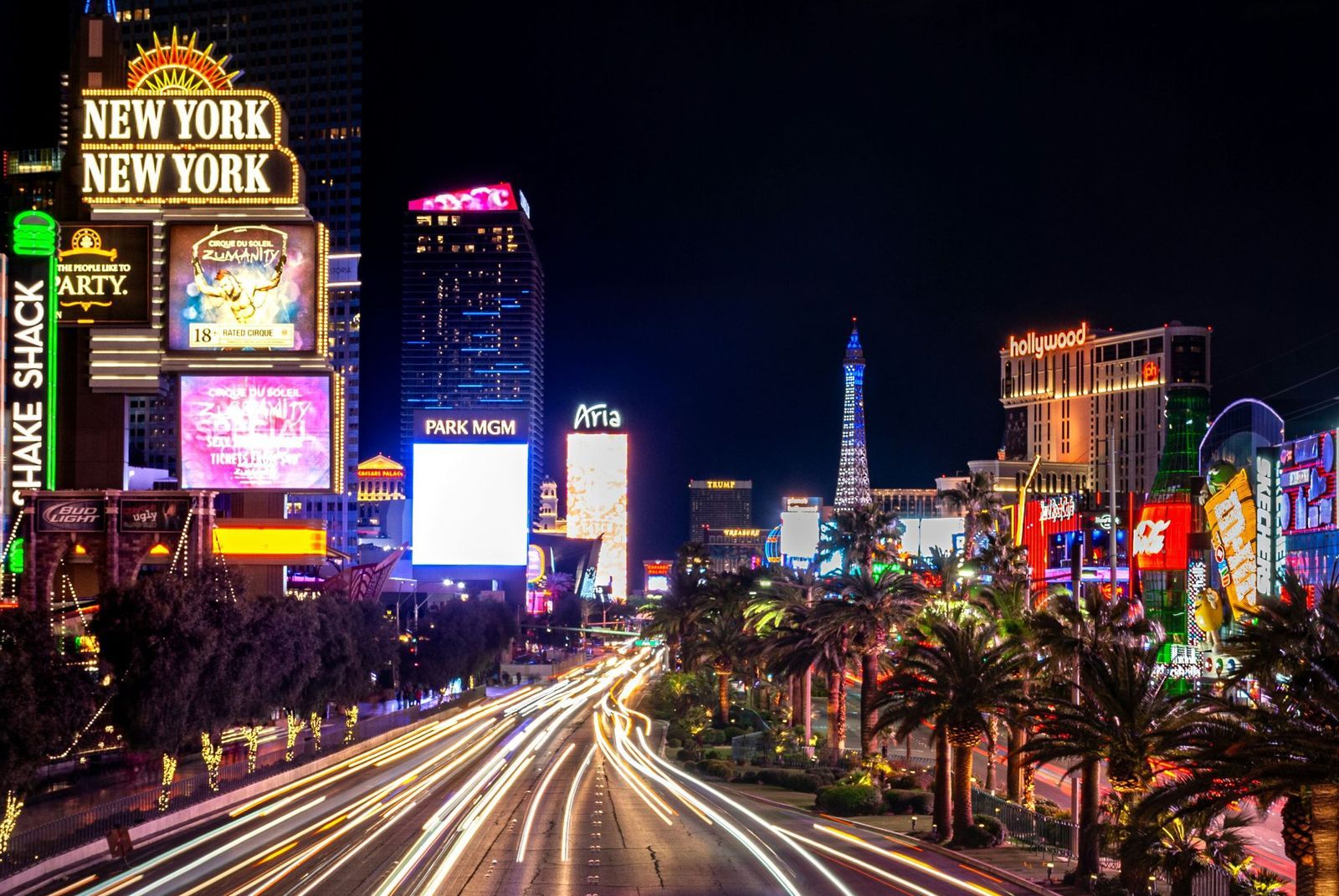
If you find yourself driving into a city after dark, surrounded by glowing neon signs and highway streetlights, play "Drive". Written by The Cars’ frontman Ric Ocasek, produced by mega producer Robert John "Mutt" Lange and released in July 1984, the song was included on the band’s fifth studio album, Heartbeat City. In an atypical move, backing band member Benjamin Orr—rather than Ocasek—took over the lead vocals, contributing a haunting yet tender futuristic mood.
"The Long and Winding Road" (The Beatles)
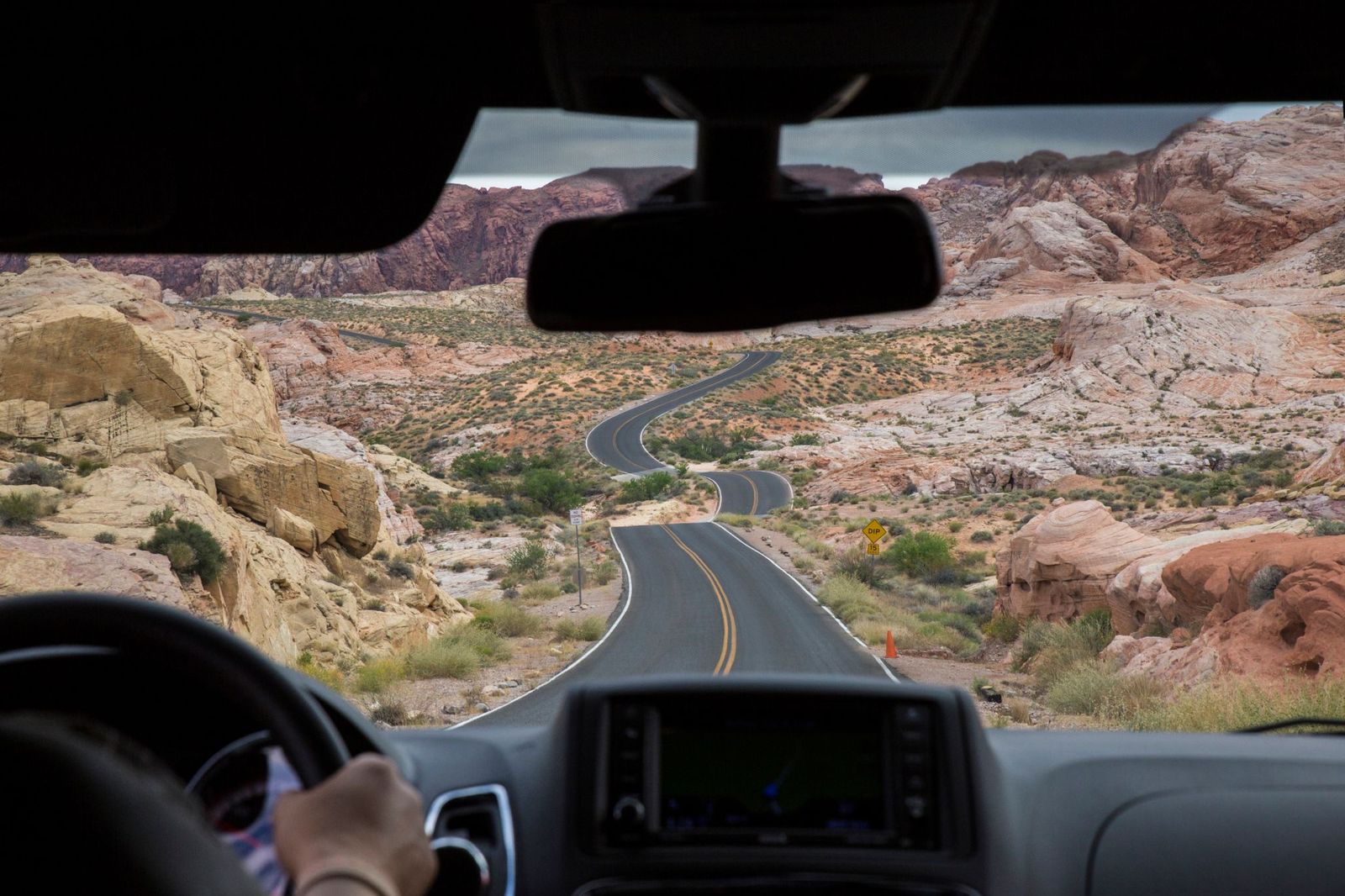
Every great adventure eventually must come to an end. Paul McCartney composed this piano ballad at his Scottish farm in 1968, imagining it being sung by an artist like Ray Charles. It was recorded in January 1969 during the tense sessions for what would become the Let It Be album.
Legendary producer Phil Spector later added orchestral strings and a choir without McCartney’s permission. Despite its controversial history, "The Long and Winding Road" is still a comforting song for the final miles of your trip.
The Constitution was hammered out here with only candles and quills
 Landmarks
Where history began
These are the places behind history's biggest moments
Some places on Earth just hit different. This is where humans looked at "impossible" and said "hold my beer." From a beach on the North Carolina coast to a launch pad in Florida, ordinary folks did extraordinary things, and the world was never the same. Buckle up, we're taking a quick trip through the spots where magic actually happened.
Moon landing: Cape Canaveral, FL
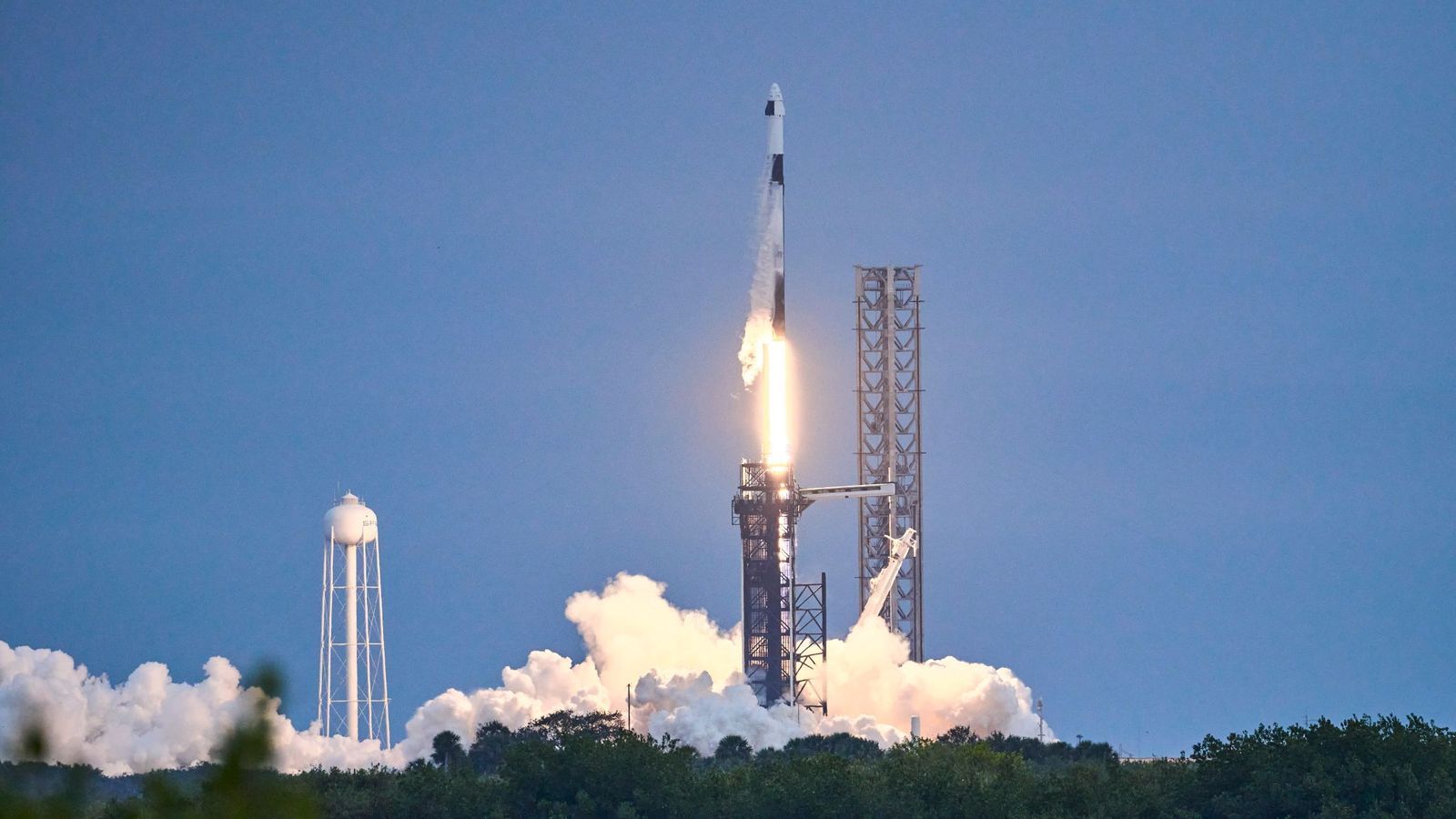
This is where NASA spent years perfecting every bolt and calculation before strapping three guys to a rocket the size of a skyscraper. On July 16, 1969, Apollo 11 blasted off from here, headed for the moon. Four days later, Neil Armstrong took "one small step," and humanity became a species that visits other worlds. Not bad for government work.
Independence Hall: Philadelphia, PA
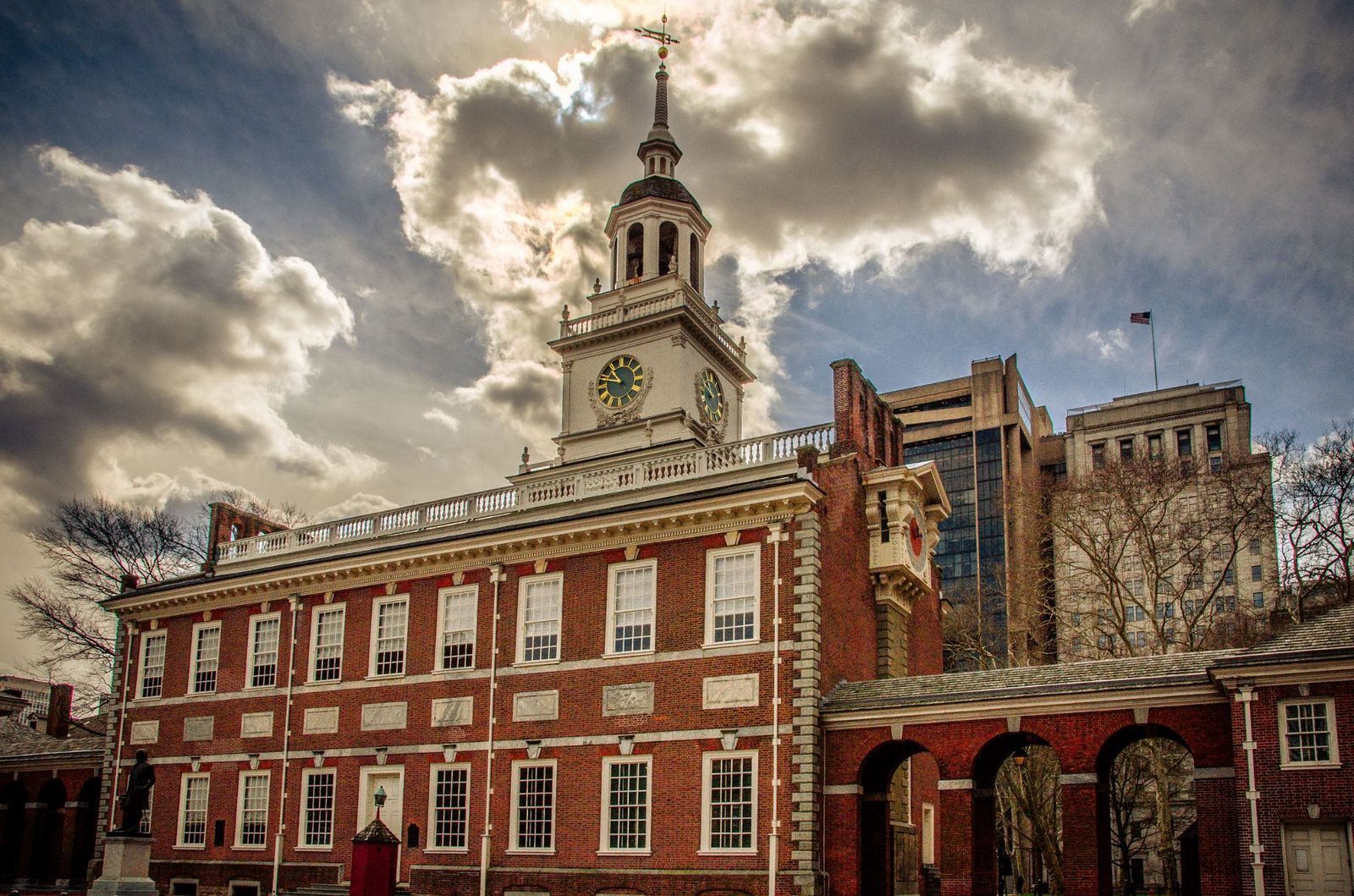
Inside this brick building, a room full of delegates spent weeks debating every word before hammering out the Declaration of Independence in 1776, then the Constitution in 1787. No shortcuts, no do-overs: just candles, quills, and stubbornness. The whole American experiment was born right here.
Wright Brothers: Kitty Hawk, NC
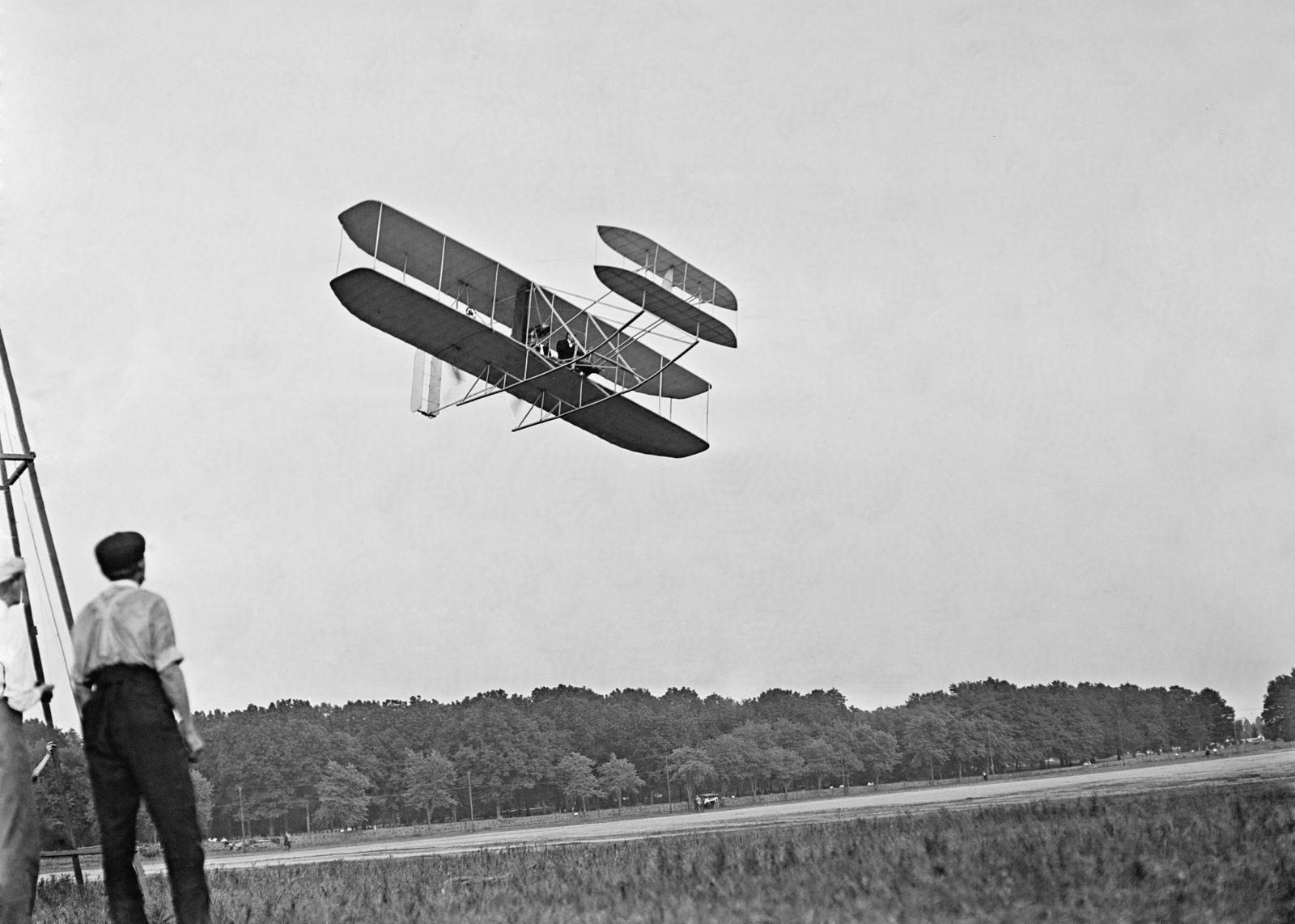
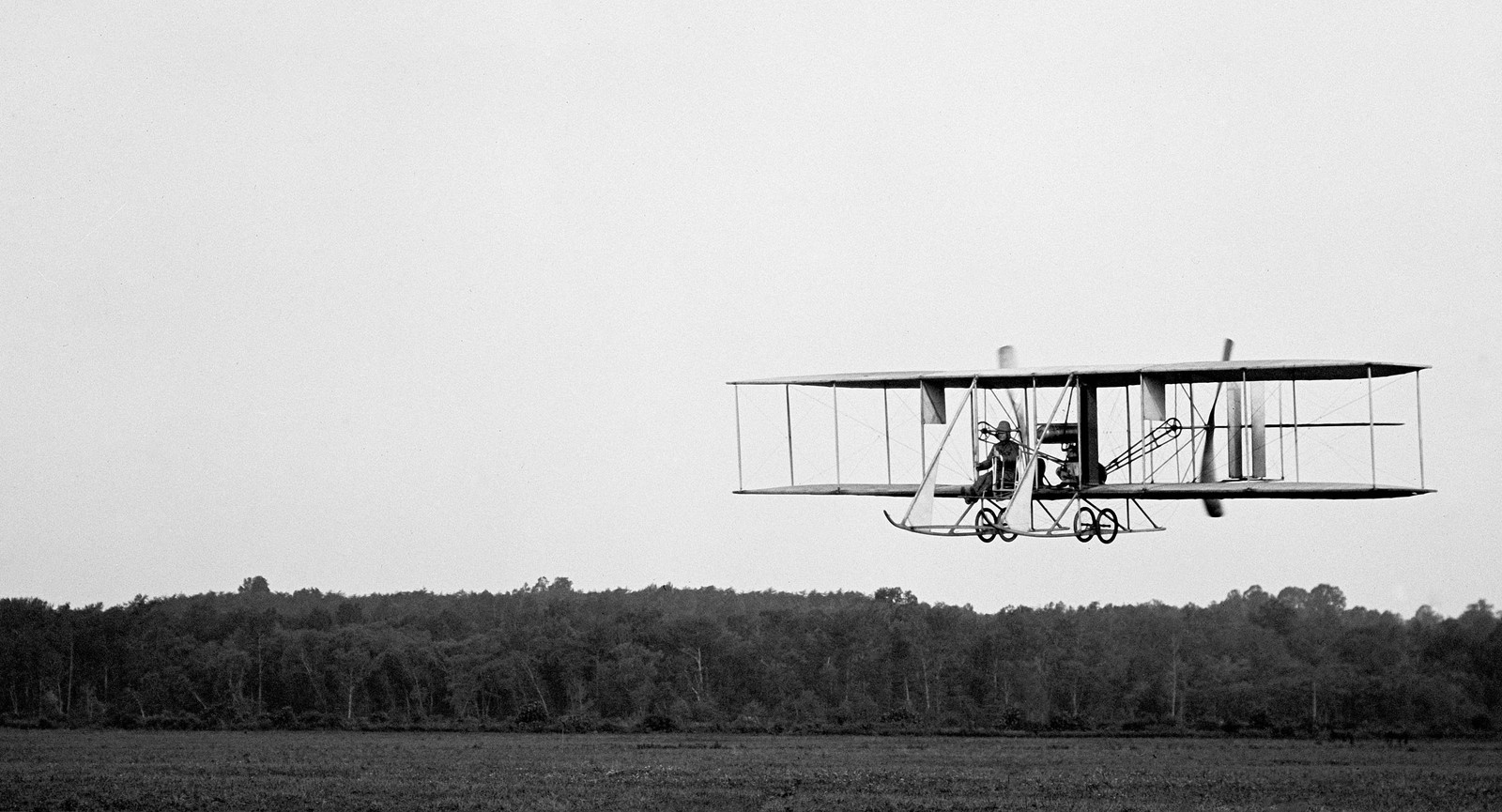
Two bicycle mechanics from Ohio dragged a flimsy contraption of wood and fabric onto windy sand dunes in 1903. Orville flew it for 12 seconds, but it worked, and today boarding a plane with technology light-years beyond that is as ordinary as grabbing a coffee. Talk about a glow-up.
The Pyramids of Giza: Egypt
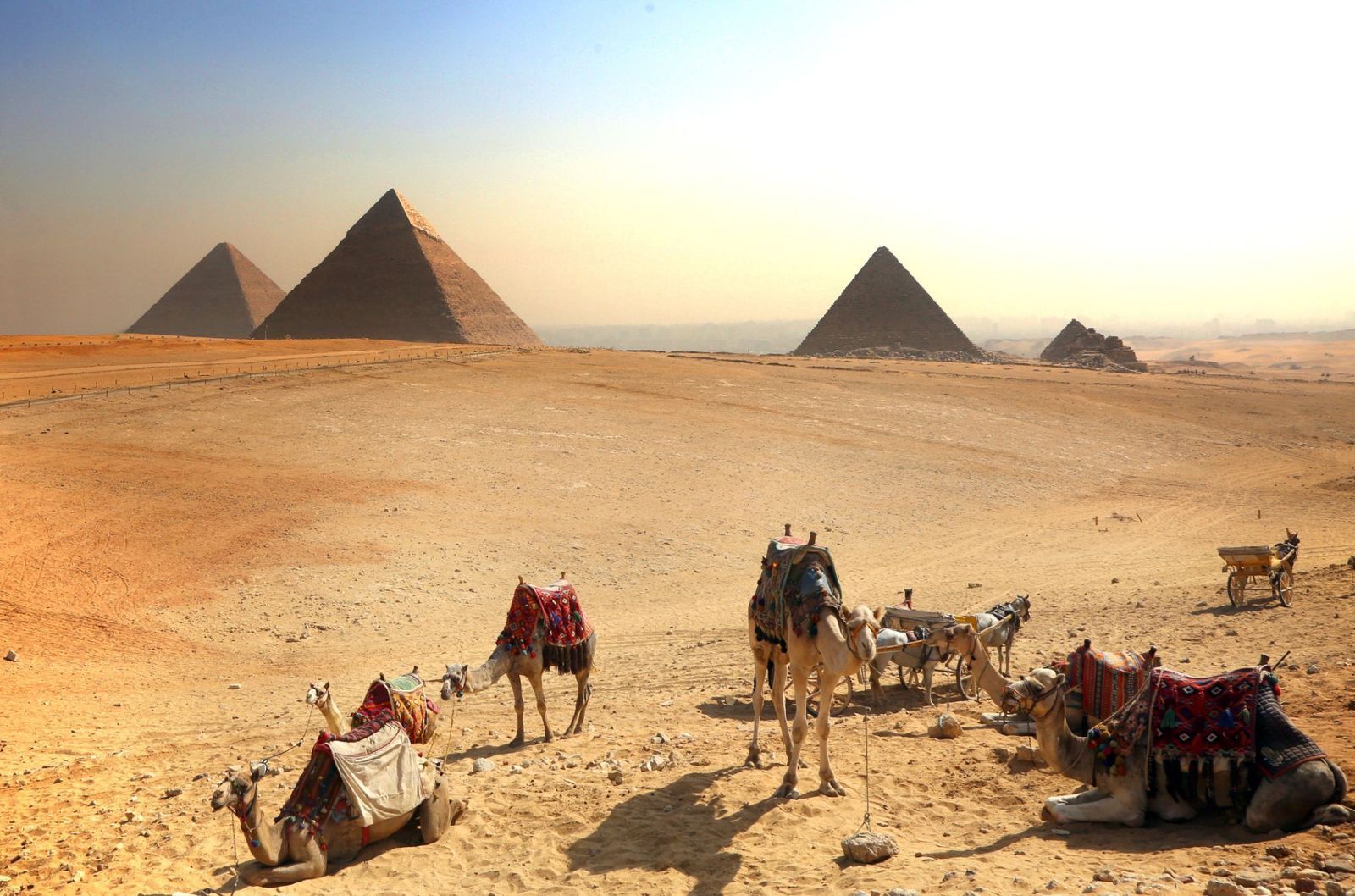
Over 4,500 years ago, ancient Egyptians stacked millions of massive stone blocks into perfectly aligned pyramids, with no cranes, no trucks, no modern tools. The Great Pyramid remained the tallest man-made structure on Earth for almost 3,800 years.
Standing before them, it's hard not to feel the sheer scale of what human hands and minds once achieved.
Gettysburg Battlefield: PA
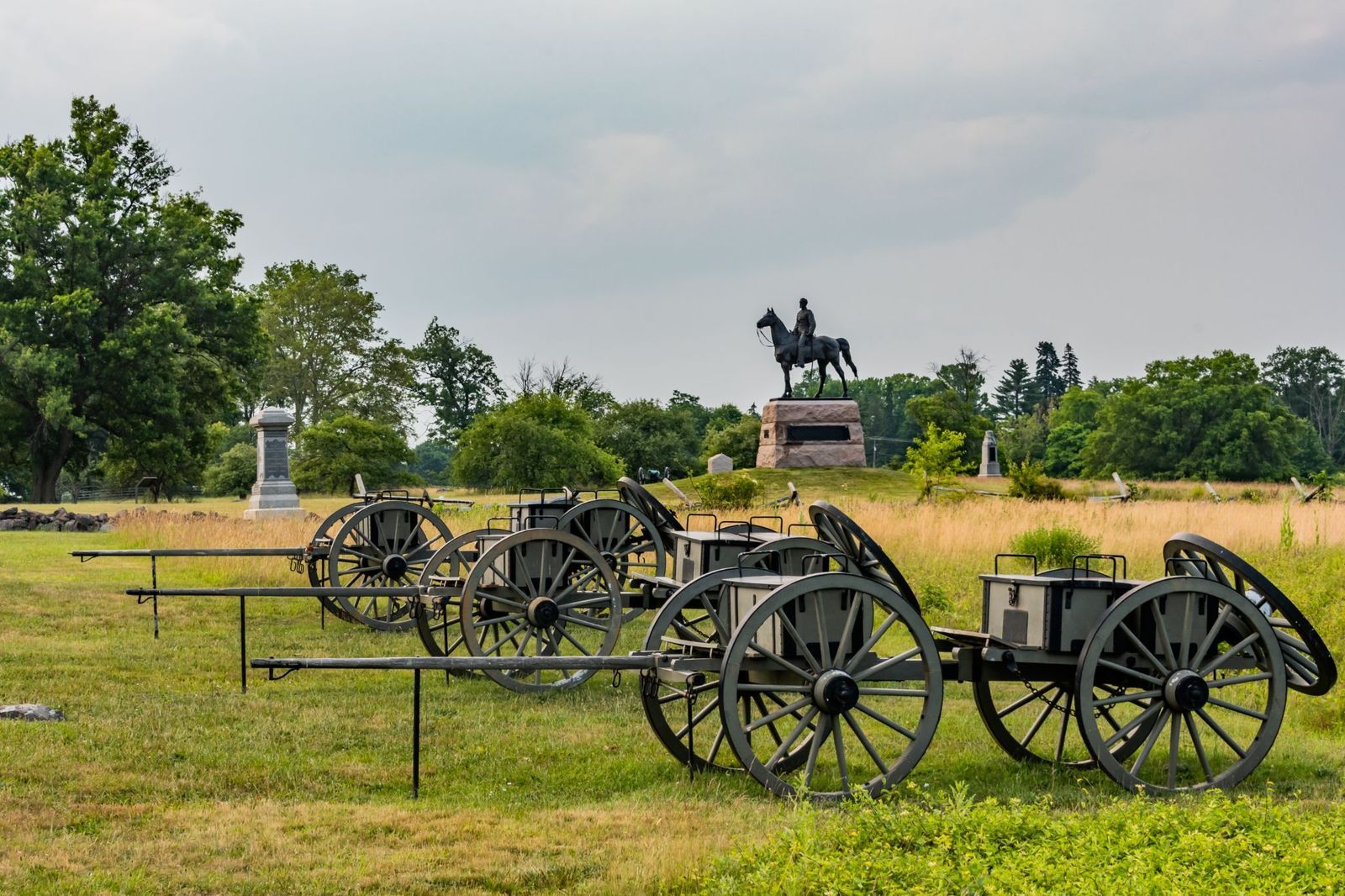
For three brutal days in July 1863, Union and Confederate armies collided across these fields, leaving over 50,000 casualties. It became the Civil War's turning point. Months later, Lincoln stood here and delivered the Gettysburg Address in just two minutes: 272 words that redefined what the nation was fighting for, and still echo today.
The Great Wall of China
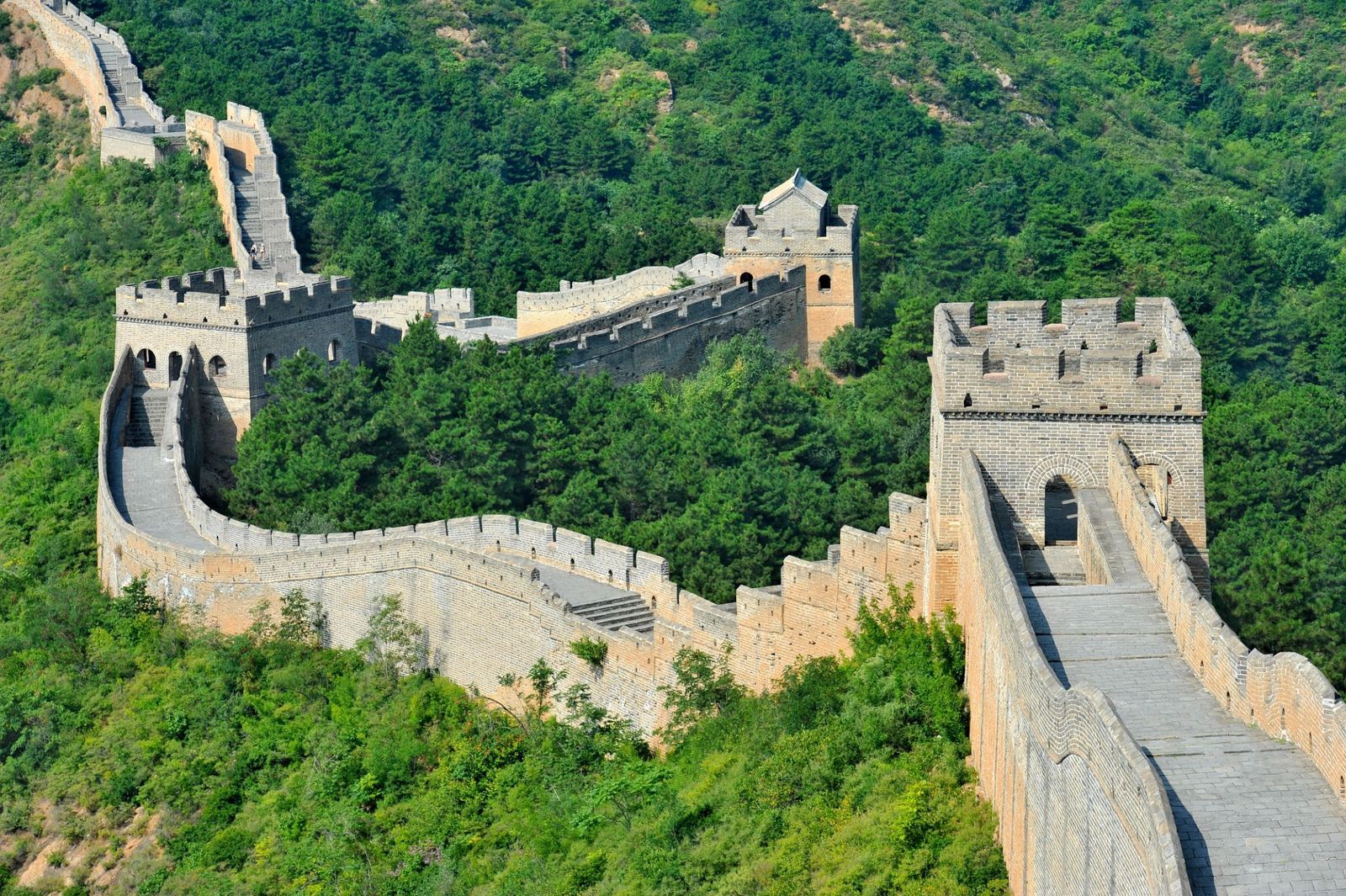
Stretching thousands of miles across mountains and deserts, building it took over 2,000 years and multiple dynasties, starting around the 7th century BC. Meant to protect against invasion, it became one of humanity's greatest collective undertakings. Parts of it remain visible even from space.
The Alamo: San Antonio, TX
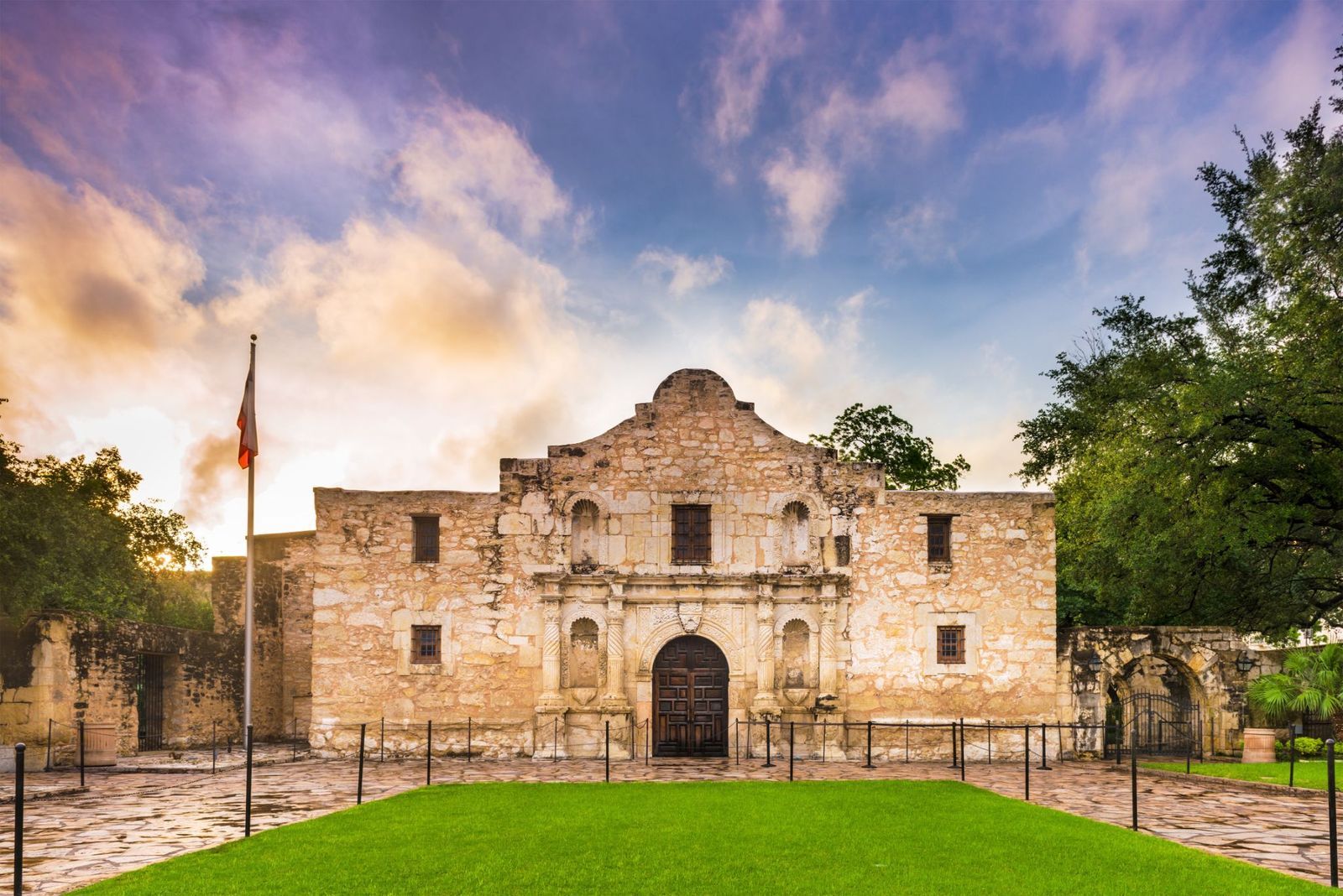
In 1836, a small band of Texan defenders held out against a much larger Mexican army for 13 days inside this old mission. They ultimately lost the battle, but "Remember the Alamo" became the rallying cry that helped Texas win its independence weeks later. It was a defeat that fueled a nation's resolve.
Berlin Wall: Germany
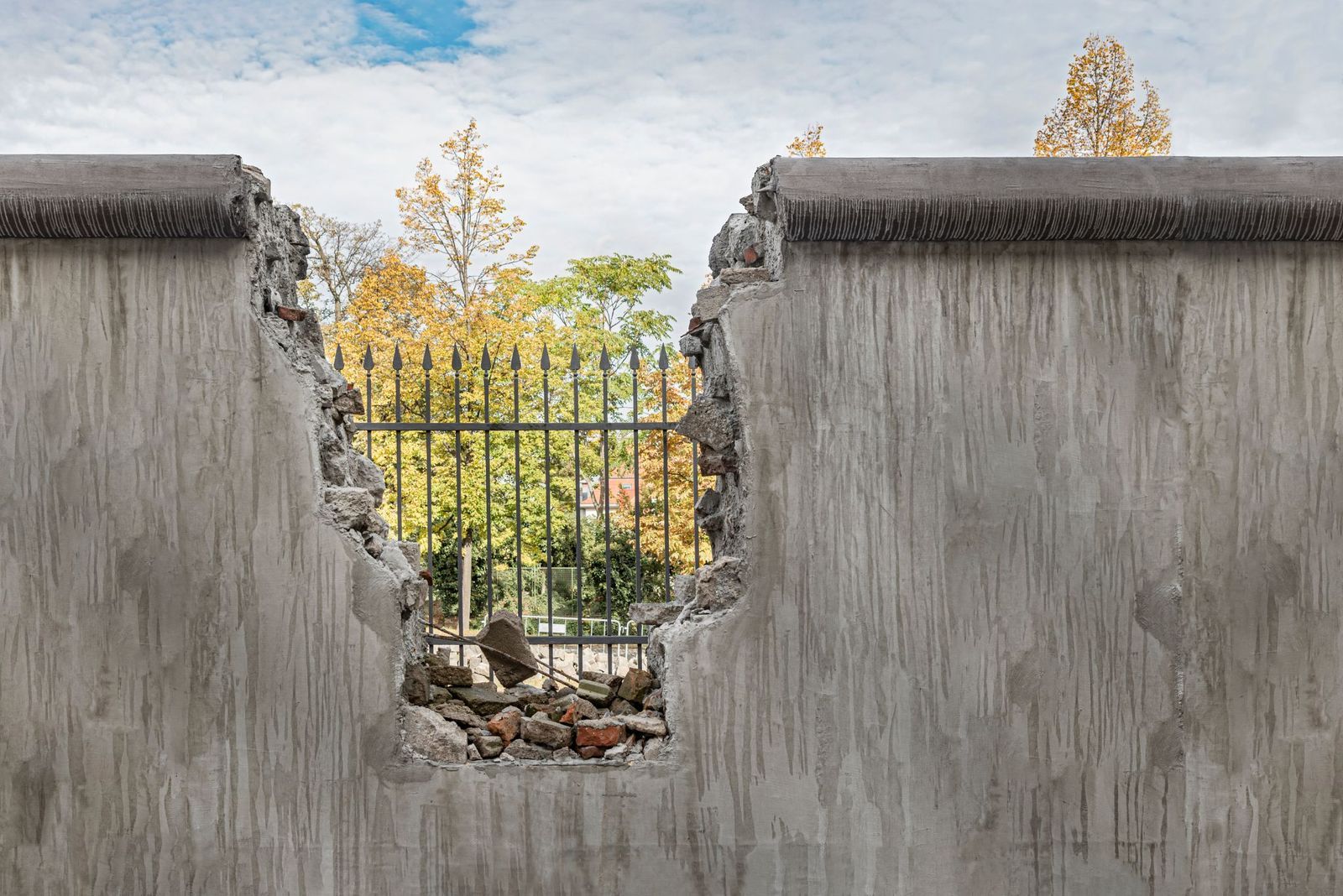
For 28 years, the concrete Berlin Wall divided the city and stood as the defining symbol of the Cold War. In 1987, President Ronald Reagan famously stood before it and demanded, "Tear down this wall!"
Two years later, on November 9, 1989, a massive bureaucratic mix-up by an East German official led citizens to believe the border was open immediately. Huge, peaceful crowds rushed the checkpoints, and overwhelmed guards opened the gates. Joyful Germans from both East and West flooded through, celebrating together and taking hammers to the concrete wall, marking the beginning of the end of the Soviet bloc.
Machu Picchu: Peru
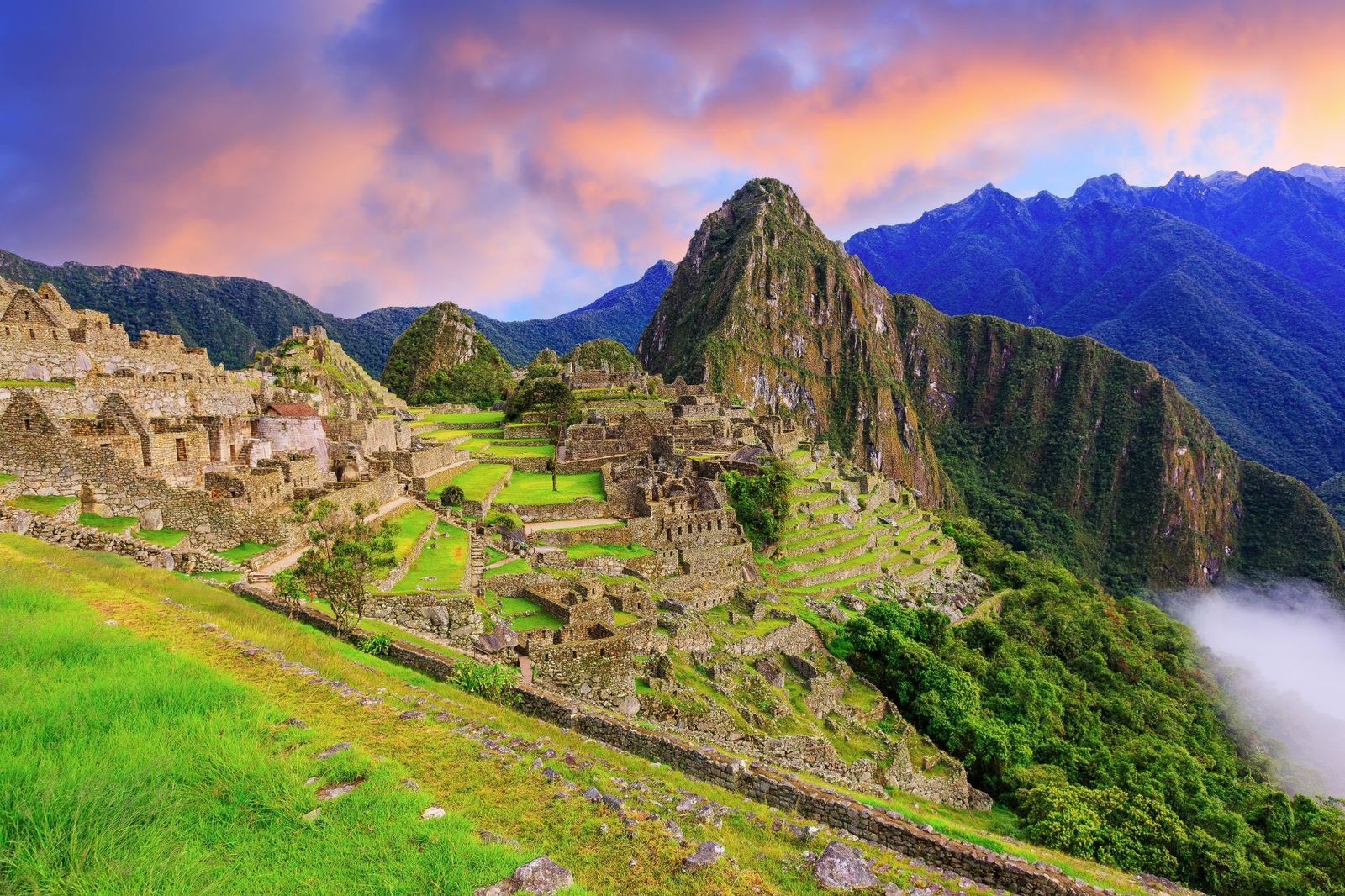
Perched high in the Andes Mountains, this 15th-century Incan city sat hidden from the outside world for centuries until its discovery in 1911. No mortar holds the stones together, just precision engineering that continues to impress experts today. It stands as proof of the sophistication of ancient civilizations.
D-Day Beaches: Normandy, France
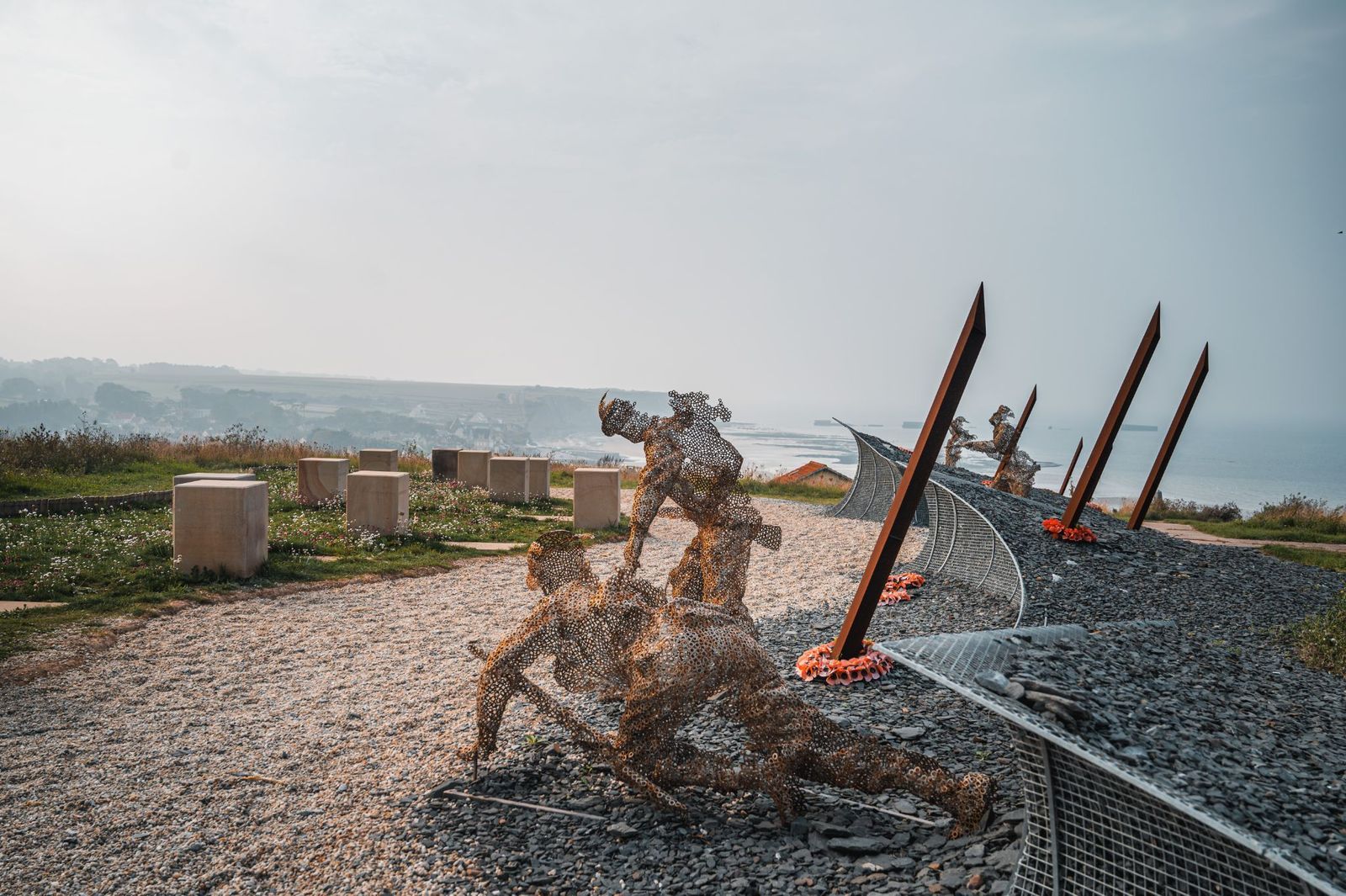
On June 6, 1944, thousands of Allied troops stormed these beaches under heavy gunfire to begin liberating Europe from Nazi control. It was the largest seaborne invasion in history. The courage shown here turned the tide of World War II, and standing on that sand today, the weight of it is still palpable.
Ellis Island: New York Harbor
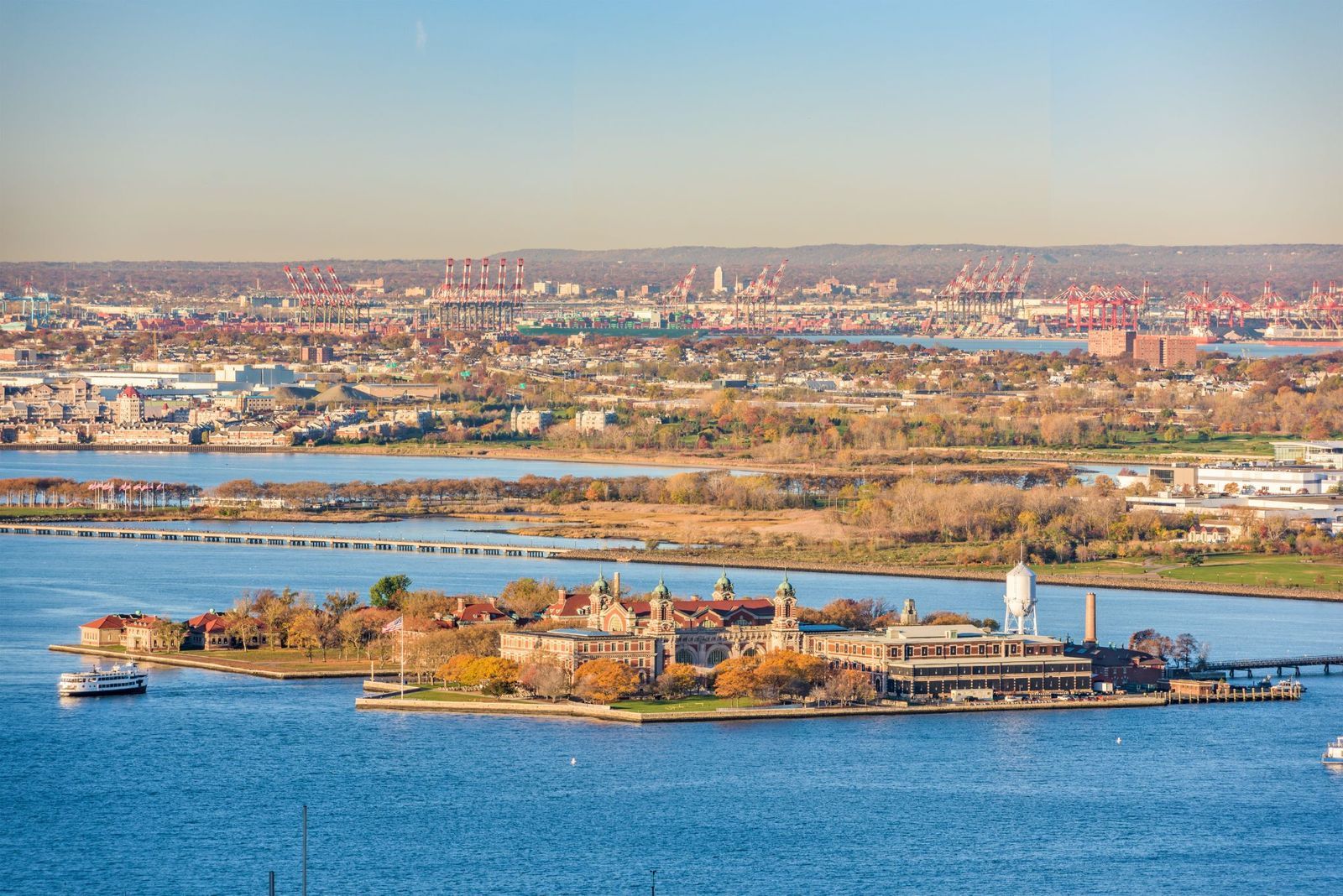
Between 1892 and 1954, over 12 million immigrants passed through this island's halls, hoping for a new life in America. Nervous, exhausted, and hopeful, they became the ancestors of roughly 40% of Americans today. It stands as the entry point to one of the greatest chapters of American history.
Selma's Edmund Pettus Bridge: Alabama
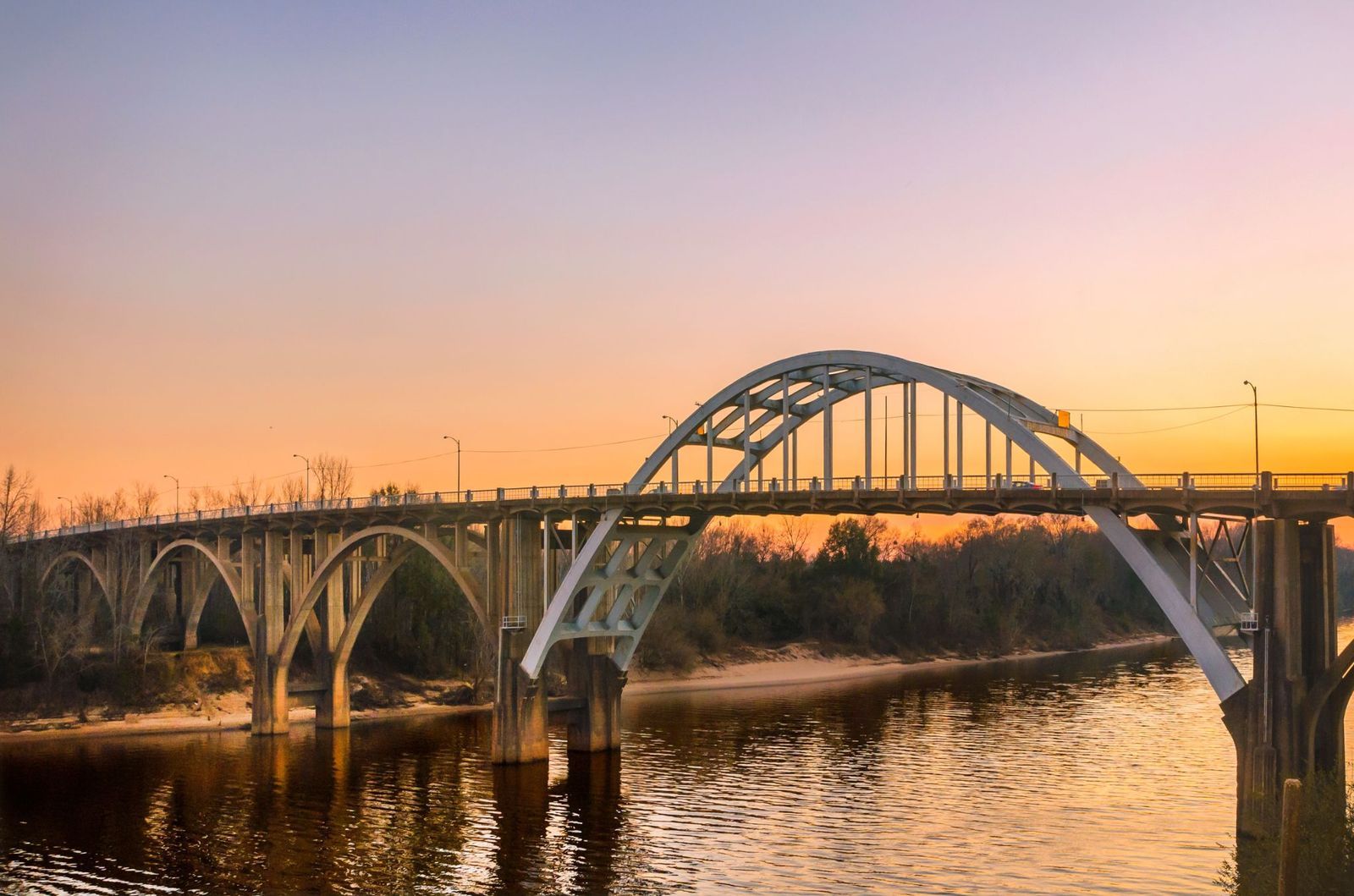
In March 1965, peaceful civil rights marchers were violently attacked while crossing this bridge on what became known as "Bloody Sunday." The images shocked the nation and helped push Congress to pass the Voting Rights Act months later. A bridge meant to connect two towns helped connect a nation to its founding promises.
Keep wandering
There’s always
more to explore
 General
Entry denied: What's behind the places you will never get to visit
7 min.
Read Now

Where the Hobbit really lives, and the Von Trapp family had their house
5 min.
Read Now
Your carry-on may get flagged according to this new rule
6 min.
Read Now
 Geography
This highway crosses 42 bridges over open water
7 min.
Read Now