Where the Hobbit really lives, and the Von Trapp family had their house
 General
Step into movies
Where the Hobbit really lives, and the Von Trapp family had their house
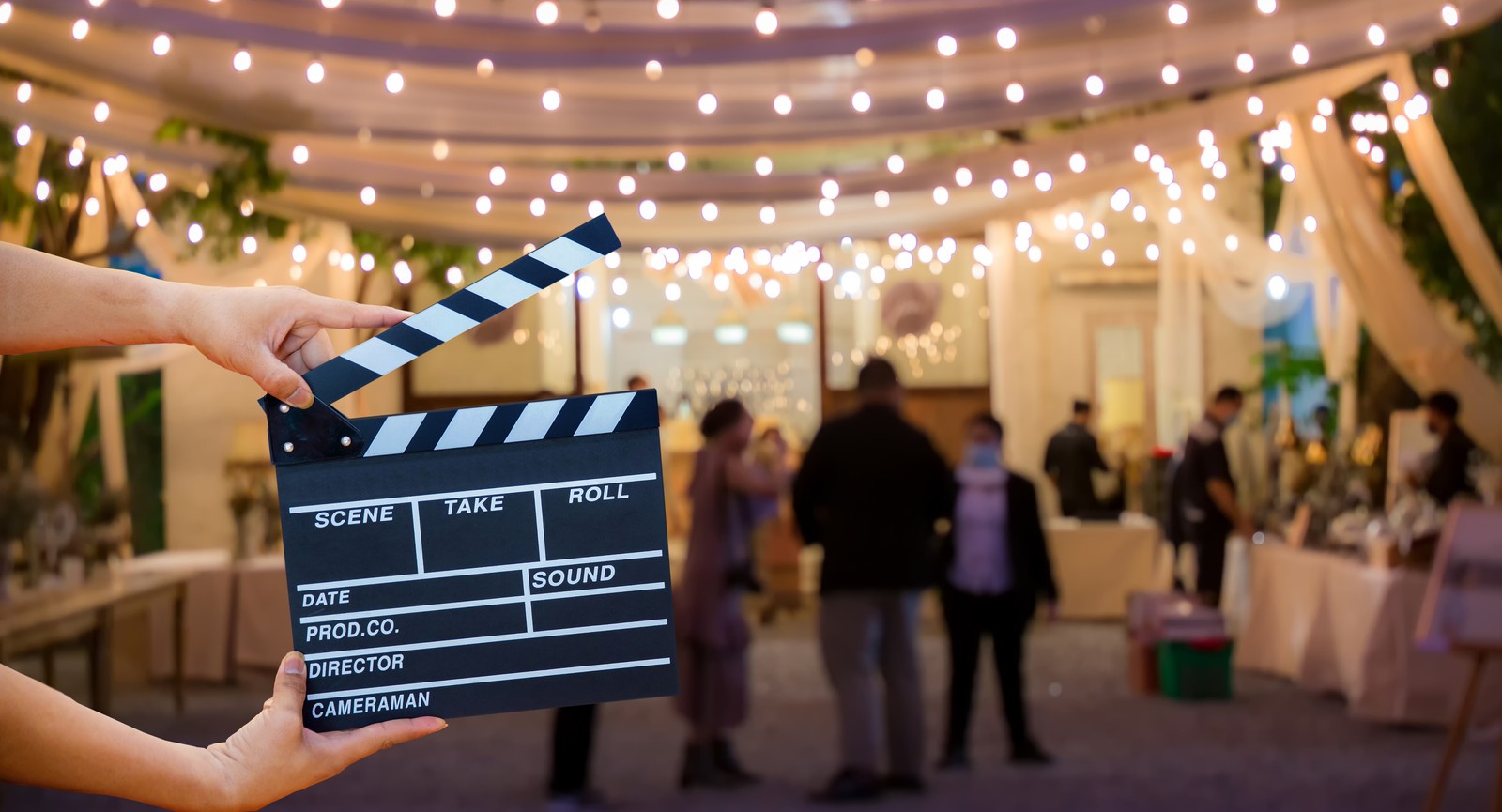
There’s something about seeing the real-life locations where your favorite movies were shot or took place. From the streets of Paris and NYC to timeless Western settings and Hobbiton, here are the stunning real-world places that brought iconic films to life—and how to plan your visit.
New York City, in Breakfast at Tiffany’s

If you want to go for a walk around the famous Breakfast at Tiffany’s locations, released in 1961 and based on Truman Capote’s best-selling novel of the same name, New York City is the place to go. Start by heading to Fifth Avenue and 57th Street, outside the flagship Tiffany & Co., with a cup of coffee in a paper cup and a pastry in hand; just like Holly Golightly (Audrey Hepburn) did in the opening scene, while wearing her famous black Givenchy dress and sunglasses.
After that, you can stroll to 169 E 71st St on the Upper East Side, where the exterior of Holly's brownstone apartment was filmed. Finally, head to the Central Park location where Paul (George Peppard) meets Doc Golightly (Buddy Ebsen) near the park’s 72nd Street entrance, by the famous toy sailboat pond.
Rome, in Roman Holiday
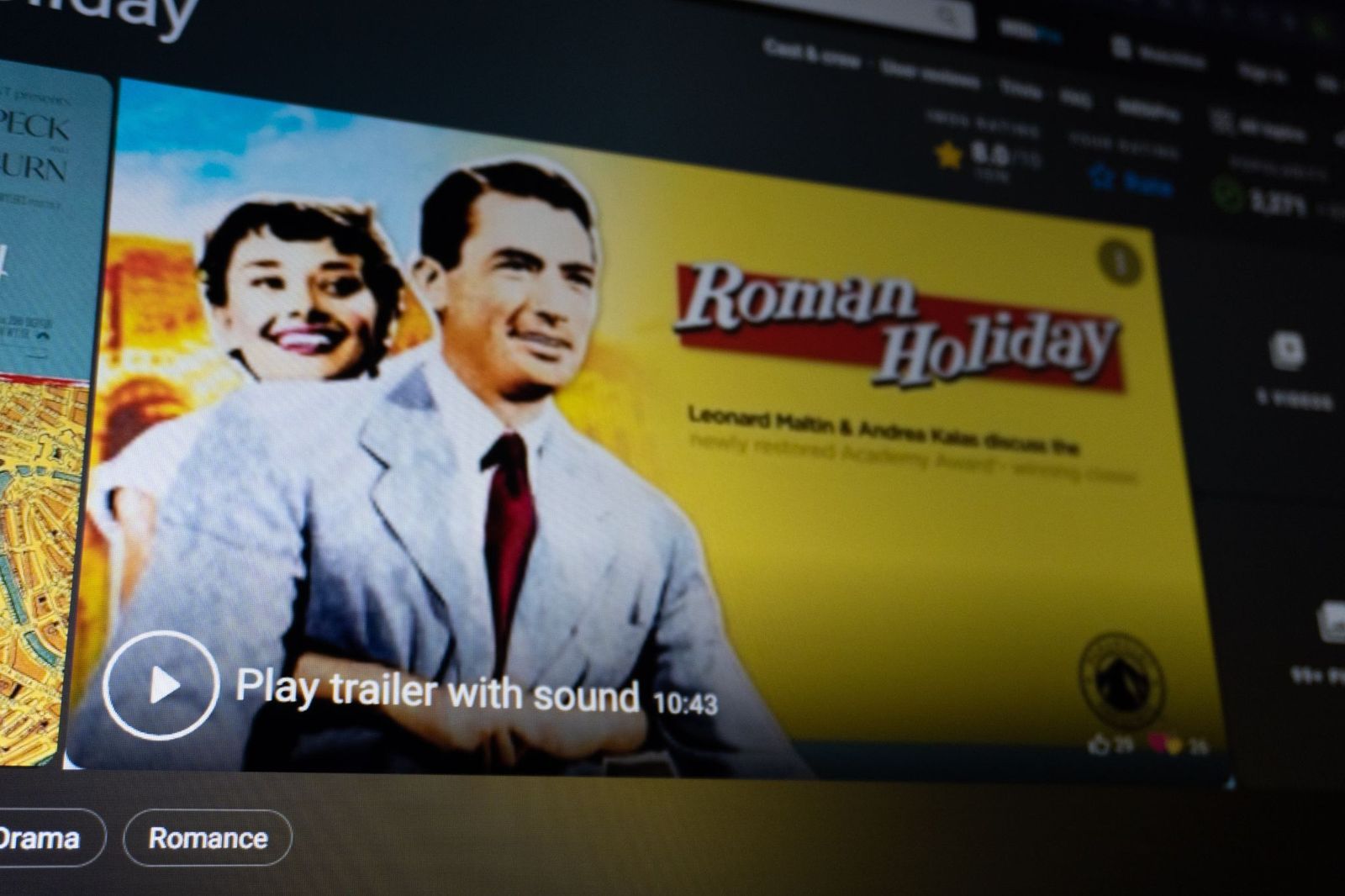
Rome features several iconic locations in the 1953 classic Roman Holiday. Among the iconic filming locations are the Spanish Steps, where Princess Anne (Audrey Hepburn) relaxes and eats gelato on these famous 18th-century stairs.
Another spot is the Mouth of Truth (Bocca della Verità), where Joe Bradley (Gregory Peck) and the Princess encounter the ancient stone face at the portico of the Basilica of Santa Maria in Cosmedin, and, of course, the Trevi Fountain, where Joe and the Princess stop.
Monument Valley, Arizona, in Stagecoach
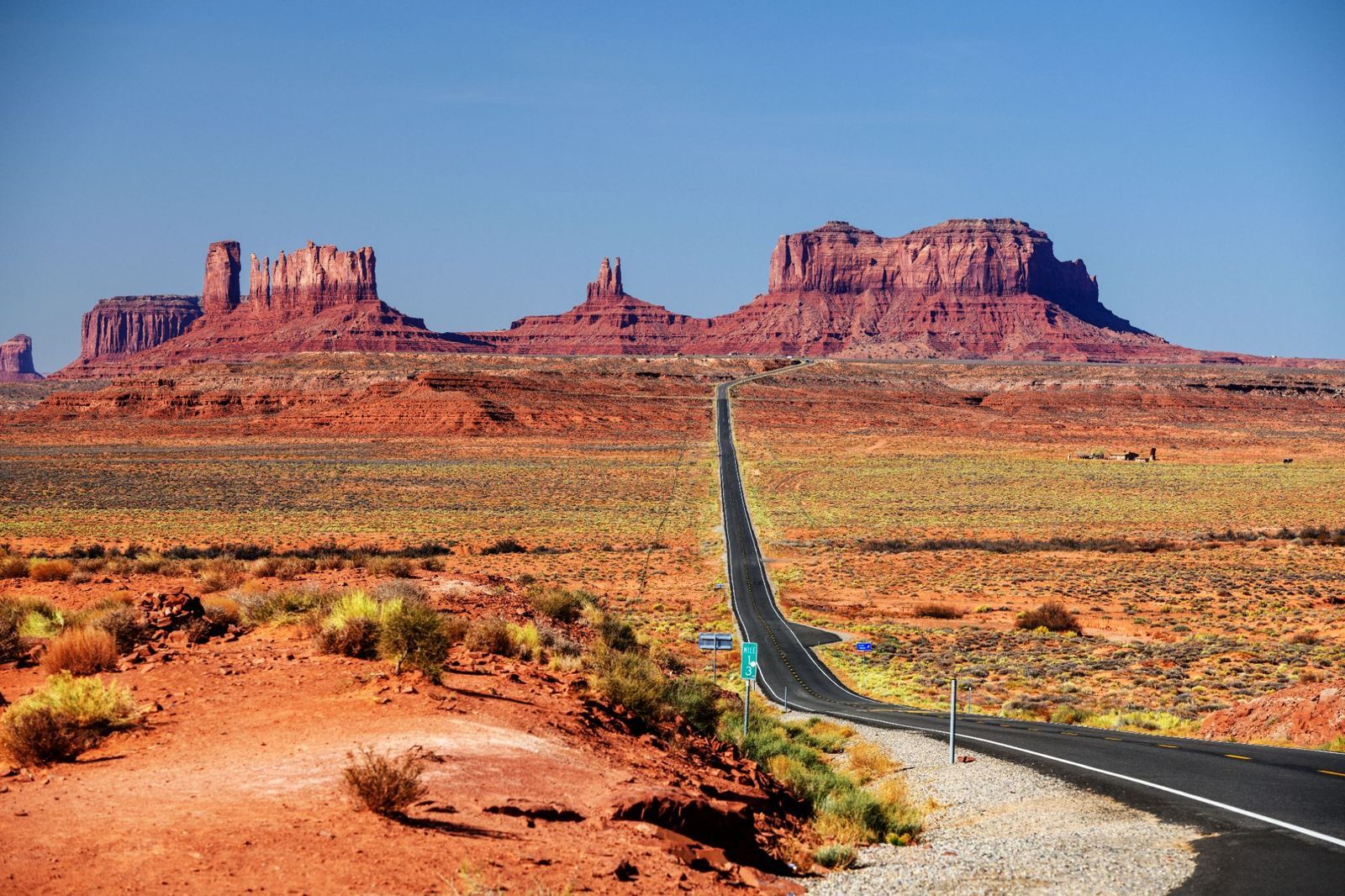
Director John Ford made Monument Valley famous by shooting his landmark Western Stagecoach there in 1939, helping establish John Wayne as a major Hollywood star. Its stunning red-sand desert region straddles the Arizona-Utah border and has become one of the defining images of the American West on film.
Located on the Navajo Nation Reservation, the valley extends from northeastern Arizona into southeastern Utah, and the Navajo Nation Parks Department manages it as a tribal park. Standout features include a scenic 27-kilometer dirt loop drive and guided tours by local Navajo operators.
Salzburg, Austria, in The Sound of Music
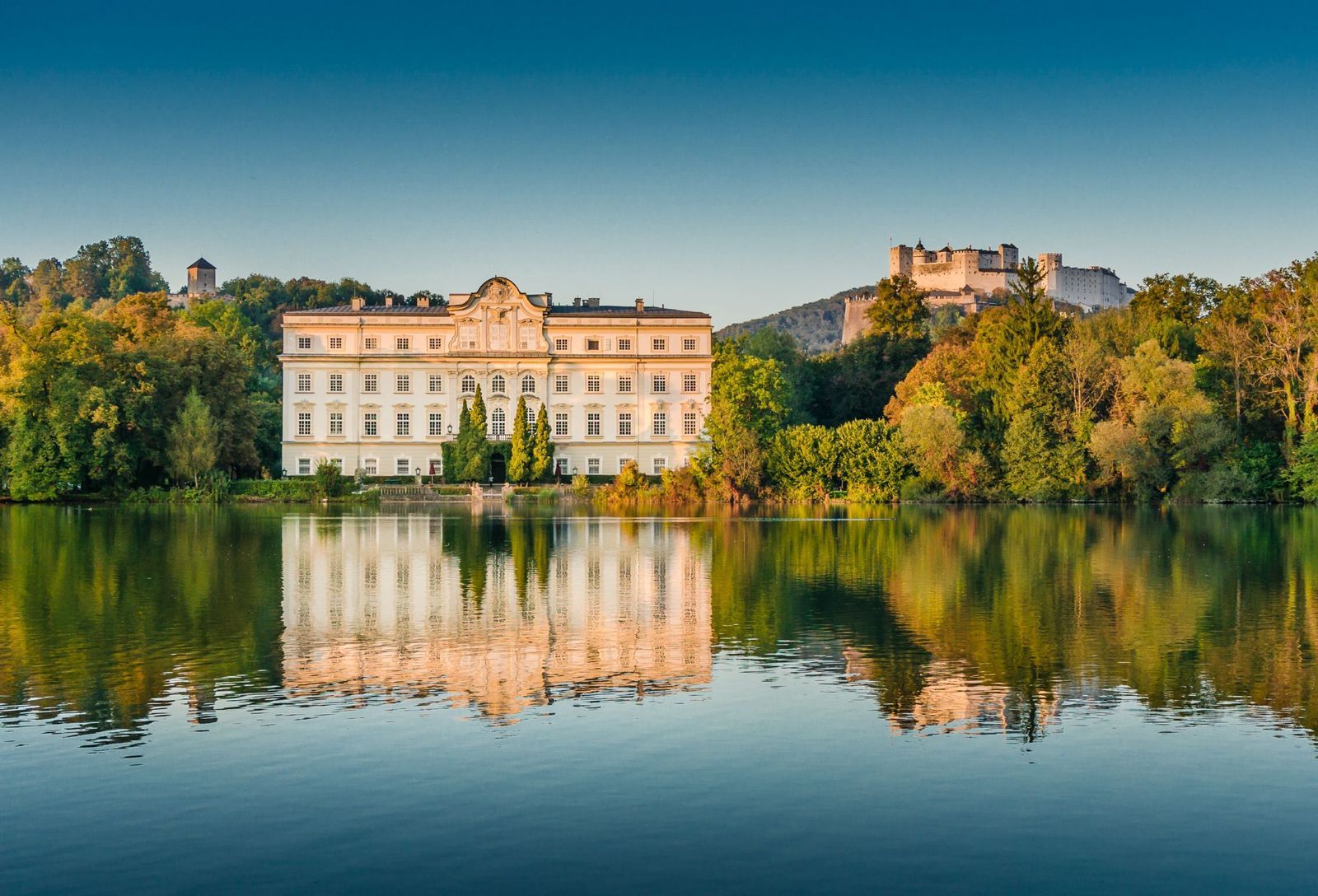
Who could forget Julie Andrews singing "The hills are alive with the sound of music" as Maria? This scene, and many other emblematic moments from 1965’s The Sound of Music, were filmed in or inspired by locations in and around Salzburg, Austria.
For example, the majestic Schloss Leopoldskron was the backdrop for the von Trapp family home, where the children fell into the lake. In another scene, Maria and the children sing "Do-Re-Mi" at the Mirabell Gardens while dancing around the Pegasus Fountain and jumping on the hedge stairs. The Hellbrunn Palace houses the famous glass gazebo where Liesl and Rolf danced and sang "I am 16, going on 17…", and the Mondsee Abbey, located 30 minutes outside Salzburg, is where the wedding scene was shot.
Paris in Amélie

You can visit several real-life locations in Paris featured in 2001’s Amélie, mostly centered in the bohemian Montmartre neighborhood. One of the most famous is the Café des Deux Moulins, at 15 Rue Lepic, which is the actual café where Amélie (Audrey Tautou) worked as a waitress. Stop by for a coffee or order a crème brûlée to crack with a spoon, just like in the movie.
Other options are the Canal Saint-Martin, a 19th-century tree-shaded waterway in eastern Paris where Amélie goes to skip stones, and Studio 28, located at 10 Rue Tholozé; this historic single-screen Montmartre cinema is where Amélie watches people in the audience.
Petra, Jordan, in Indiana Jones and the Last Crusade
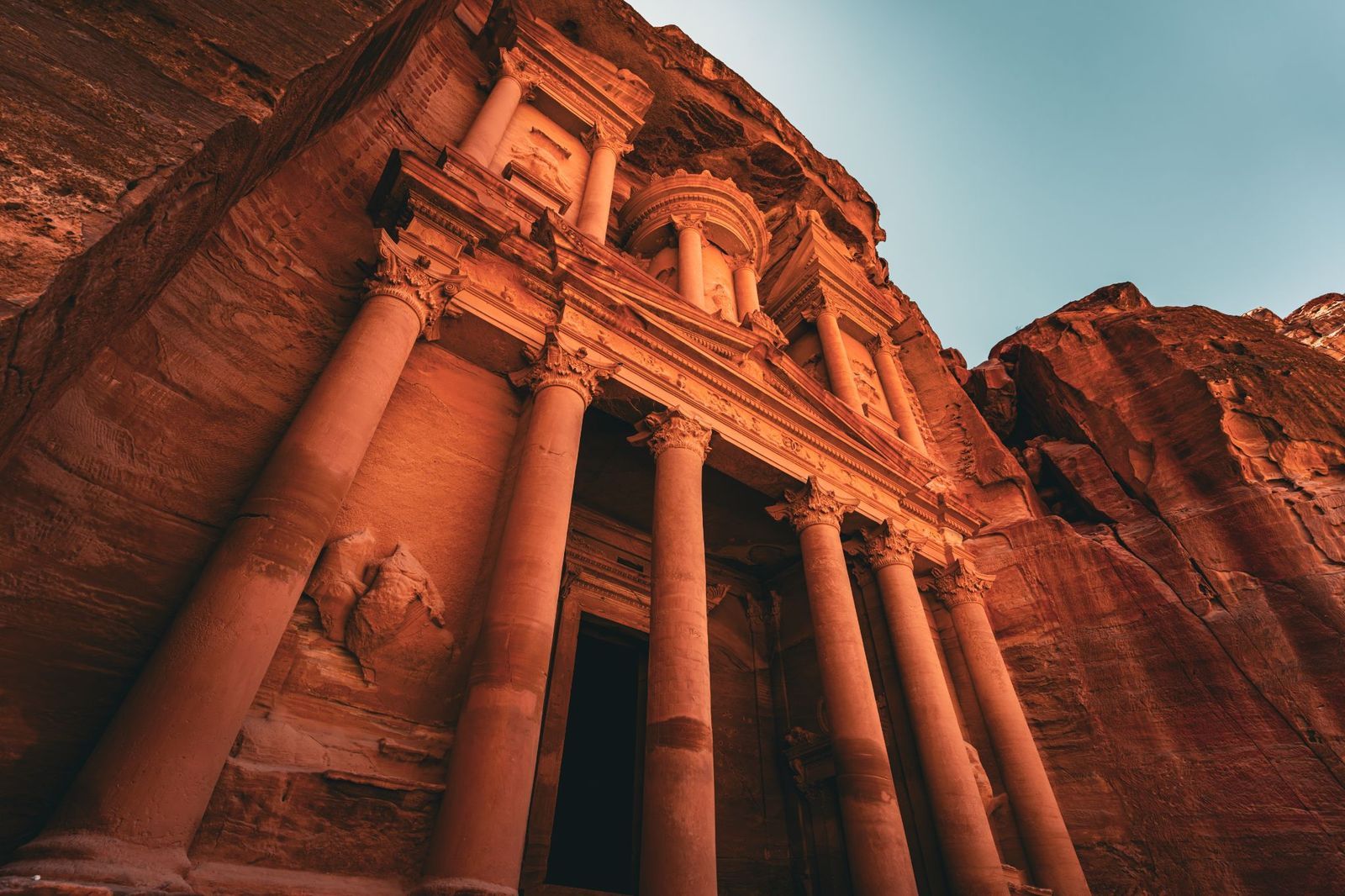
The majestic Petra, Jordan, served as the fictional "Canyon of the Crescent Moon" where the Holy Grail was kept in Indiana Jones and the Last Crusade, released in 1989.
The massive, ornate facade carved directly into the rose-red sandstone cliffs, is the most famous site in Petra. Built by the Nabataeans over 2,000 years ago, it served as a royal tomb and temple rather than a hiding place for the Holy Grail. Nowadays, visitors can walk through the Siq, a long and narrow canyon, just like in the movie. It’s recognized as one of the New Seven Wonders of the World.
Skopelos, Greece, in Mamma Mia!
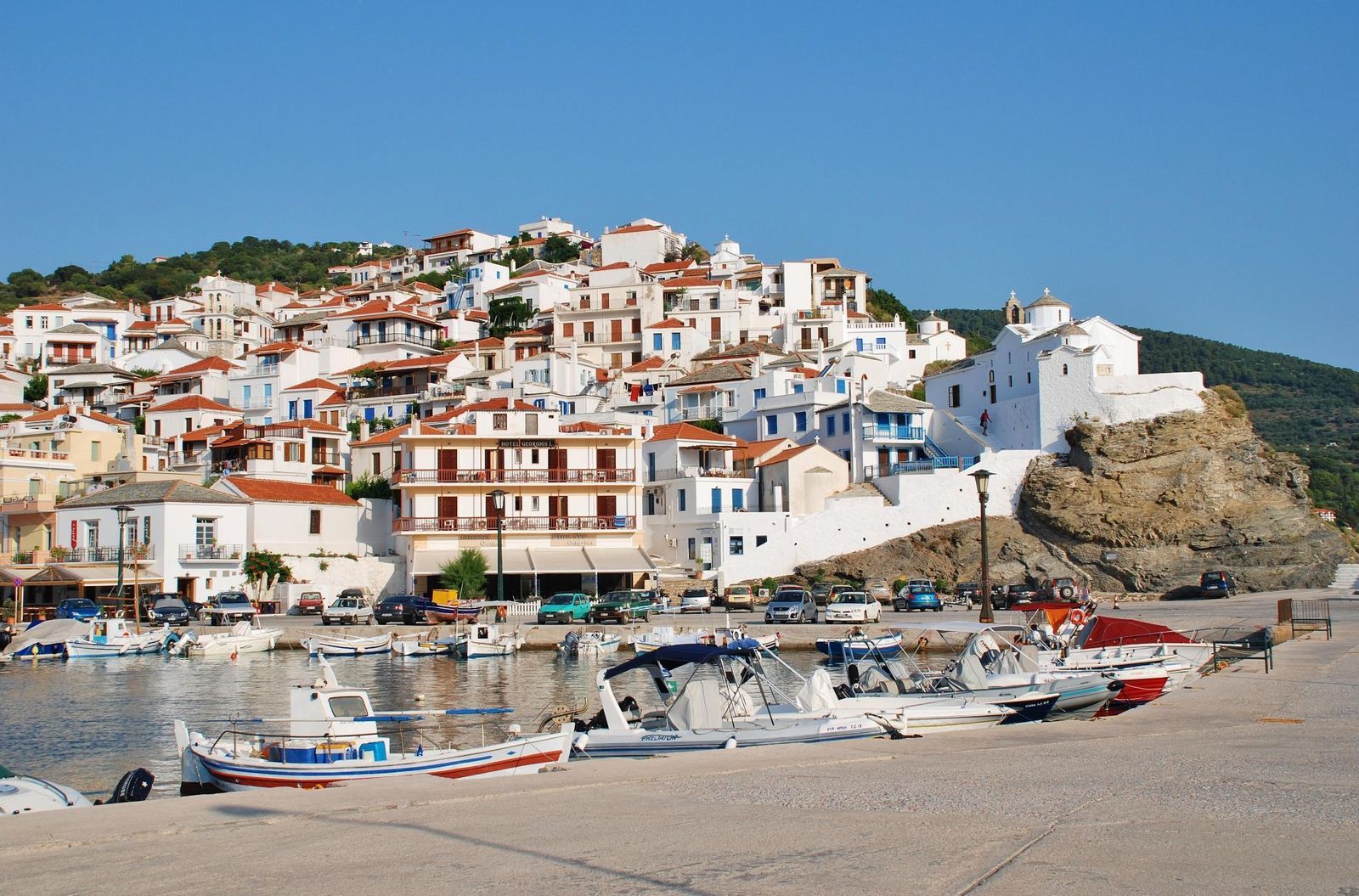
You know the ABBA soundtrack by heart, but if you head over to Skopelos, Greece, would you identify the spots where 2008’s Mamma Mia! was filmed? Fortunately, we know exactly where to look.
Skopelos served as the primary real-life setting for the fictional island of Kalokairi in Mamma Mia!, based on the hit Broadway musical. For example, the Agios Ioannis Kastri Chapel, a tiny clifftop church with nearly 200 steps carved into the rock, is where the famous wedding scenes and "The Winner Takes It All" performance were filmed. And don’t forget Cape Amarandos with its pine-covered cliffs featured in scenes like "Our Last Summer" and Sophie Sheridan (Amanda Seyfried) reading her mother's diary.
Dubrovnik, Croatia, in Star Wars: The Last Jedi
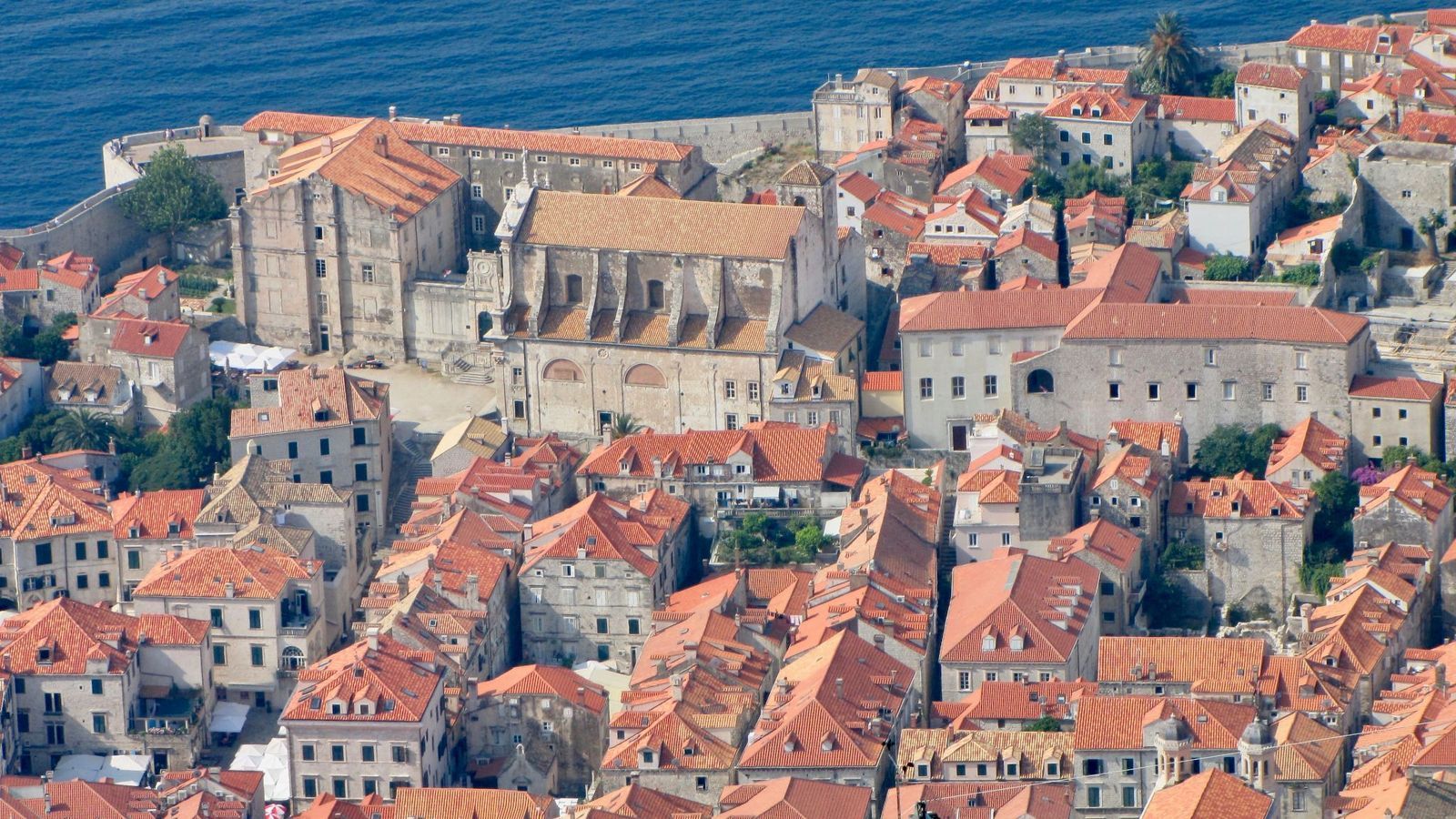
The historic Old Town of Dubrovnik in Croatia provided a key backdrop for 2017’s blockbuster film Star Wars: The Last Jedi. Specifically, this Croatian city stands in for the glitzy casino city of "Canto Bight."
The main limestone-paved street, Stradun, and surrounding areas were transformed into sleek, futuristic streets where Finn and Rose carried out their mission, thanks to production teams relying on a mix of physical and digital illusions (including practical set dressings and CGI). The city is also famous for portraying King's Landing in Game of Thrones. So, whether you’re a Star Wars fan, a Game of Thrones fan, or both, Dubrovnik belongs on the list.
Ushuaia, Argentina, in The Revenant
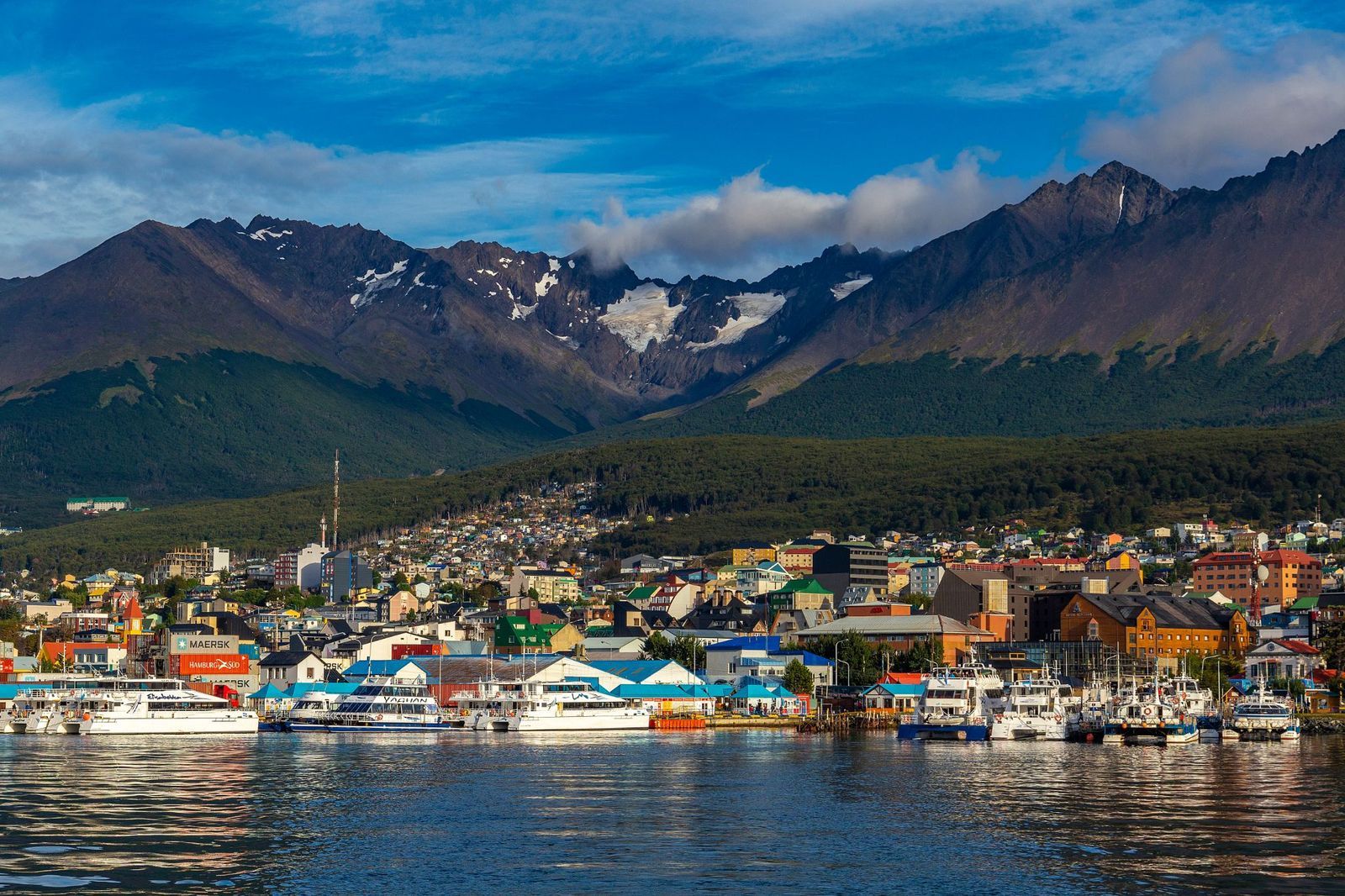
Ushuaia, Argentina, served as the stunning backdrop for the intense closing showdown in 2015’s The Revenant. Scenes were shot along the banks of the Olivia River near National Route 3 outside of Ushuaia.
The production was originally filmed in Alberta, Canada, but a sudden lack of snow forced director Alejandro González Iñárritu to relocate the crew to the southernmost tip of South America to finish the movie. The brutal final fight sequence between Hugh Glass (Leonardo DiCaprio) and John Fitzgerald (Tom Hardy) was filmed here in the snow-covered Patagonian landscape.
Matamata, New Zealand, in The Lord of the Rings
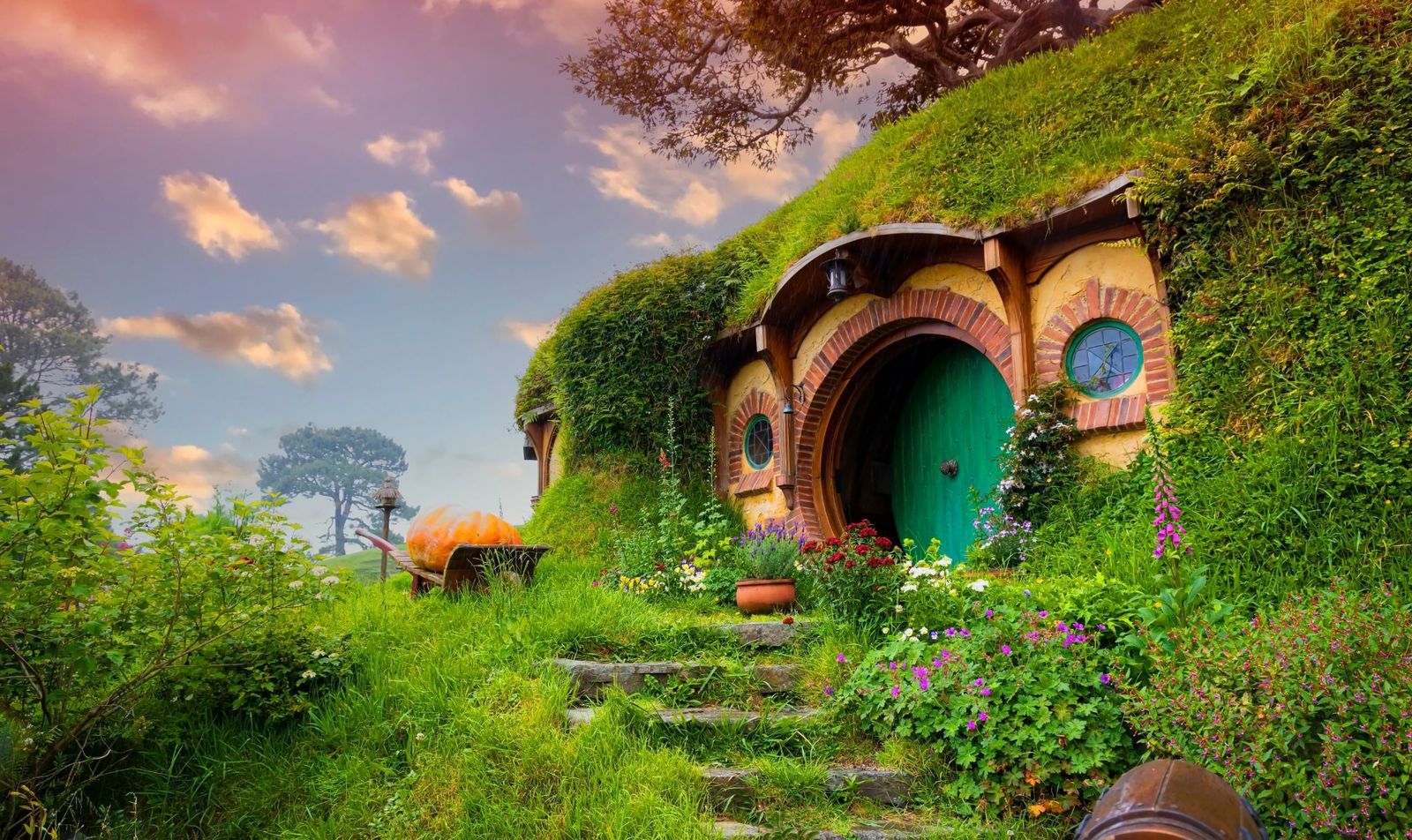
Matamata, New Zealand, is the real-life location of the Shire and the Hobbiton movie set from The Lord of the Rings, the beloved fantasy saga created by J.R.R. Tolkien and adapted for several films by Peter Jackson from 2001 onwards.
The rolling green pastures of the Shire in real life are part of a working sheep and dairy farm in the Waikato region near Matamata. The crews built 39 temporary hobbit holes for the original trilogy, then permanently reconstructed the set in 2009 for The Hobbit trilogy, which began with The Hobbit: An Unexpected Journey in 2012. If you’re thinking of heading over, take note that visitors can walk past Bag End, cross the stone bridge, and even have a drink at the Green Dragon Inn.
It’s not your imagination: Airplane legroom has shrunk, and here's why
Perks we miss
From blankets to free drinks: Remember when airlines used to do that?
Remember when flying felt different? A hot meal arrived without asking, there was enough legroom to stretch out, a pillow and blanket were always waiting at your seat, and you flipped through the in-flight magazine while sipping a complimentary drink. It was not luxury back then; it was just how flying used to be. Over the years, many of those little comforts quietly disappeared, replaced by fees and upgrades. From free checked bags to seat selection, here are 10 airline perks many travelers miss the most.
Free checked bags
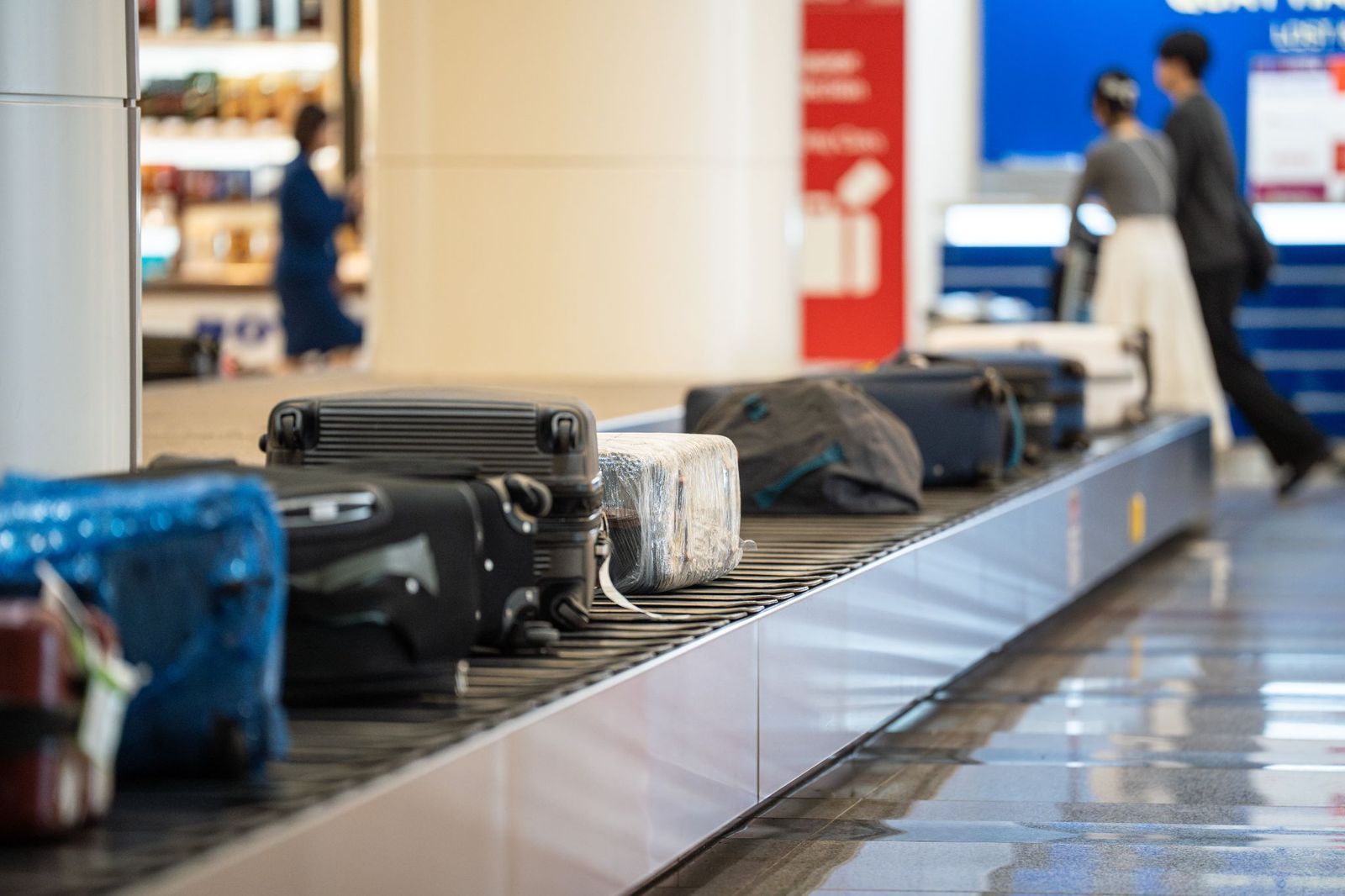
There was a time when booking a flight was just simpler. You called the airline or stopped by its office, bought your ticket, picked your seat, and you were ready to go. While today's online booking has made travel faster and more practical, a few familiar perks have quietly disappeared along the way.
One of the biggest changes has been checked baggage. For decades, bringing a suitcase was simply part of the ticket price. As long as it met the airline's weight limit, you packed what you needed and checked it without a second thought. Today, on many flights, a free checked bag is no longer included with standard economy fares, and travelers often pay an additional fee. Fortunately, most airlines still include at least one carry-on bag at no extra charge on standard economy tickets.
Complimentary in-flight meals
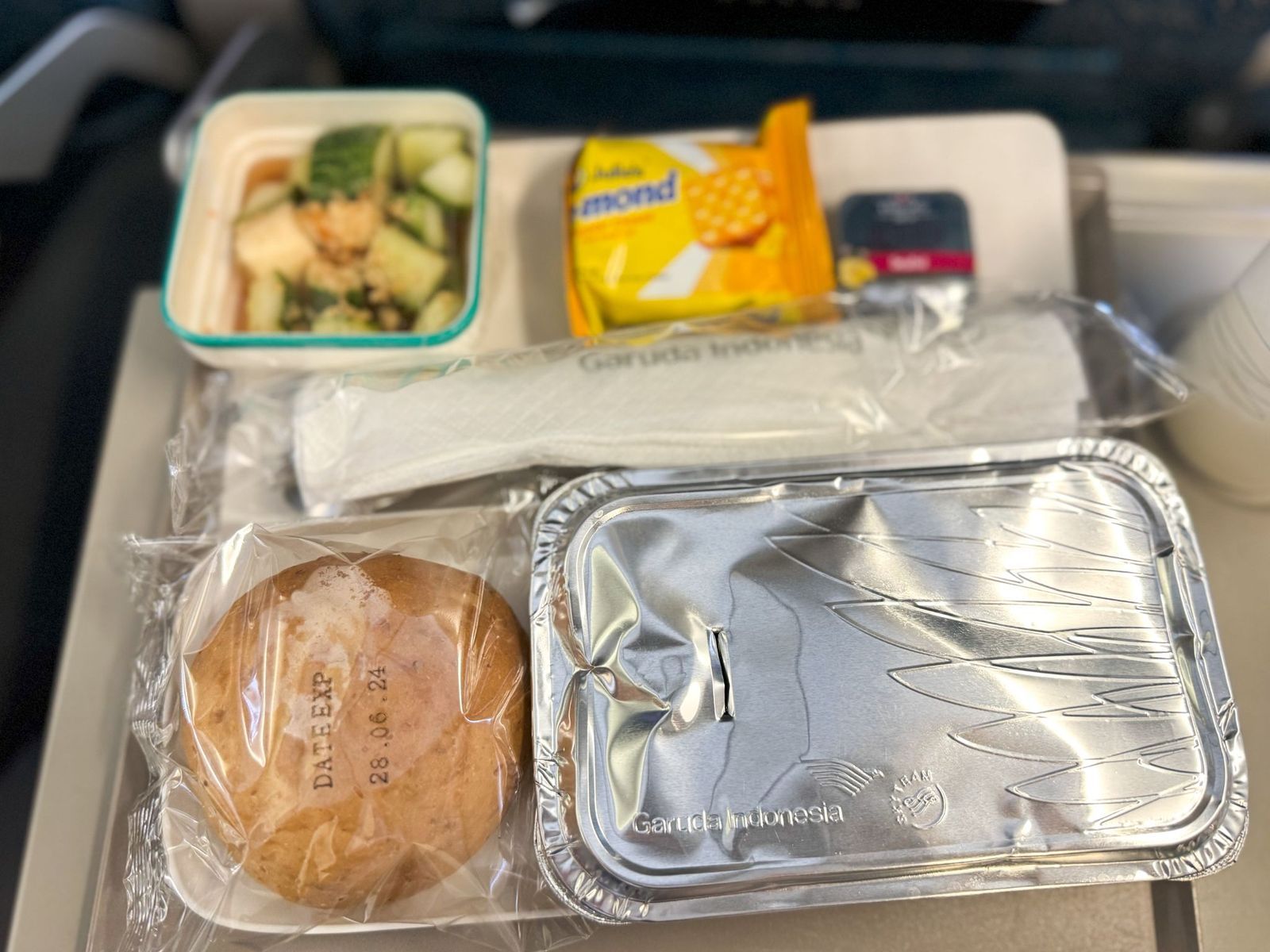
Remember peeling back the foil from a hot meal, even on a short flight? Back then, stepping onto almost any airplane felt like the vacation had already begun.
Hot meals are still standard on most long-haul international flights and in premium cabins, but they've largely disappeared from domestic and short-haul economy flights. Much of that change traces back to the Airline Deregulation Act of 1978, signed by President Jimmy Carter. The law ended federal control over fares and routes, allowing airlines to compete freely. Instead of competing by offering more onboard extras, many carriers focused on lowering ticket prices. Over time, complimentary hot meals became one of the first perks to fade from most economy flights.
Plenty of legroom
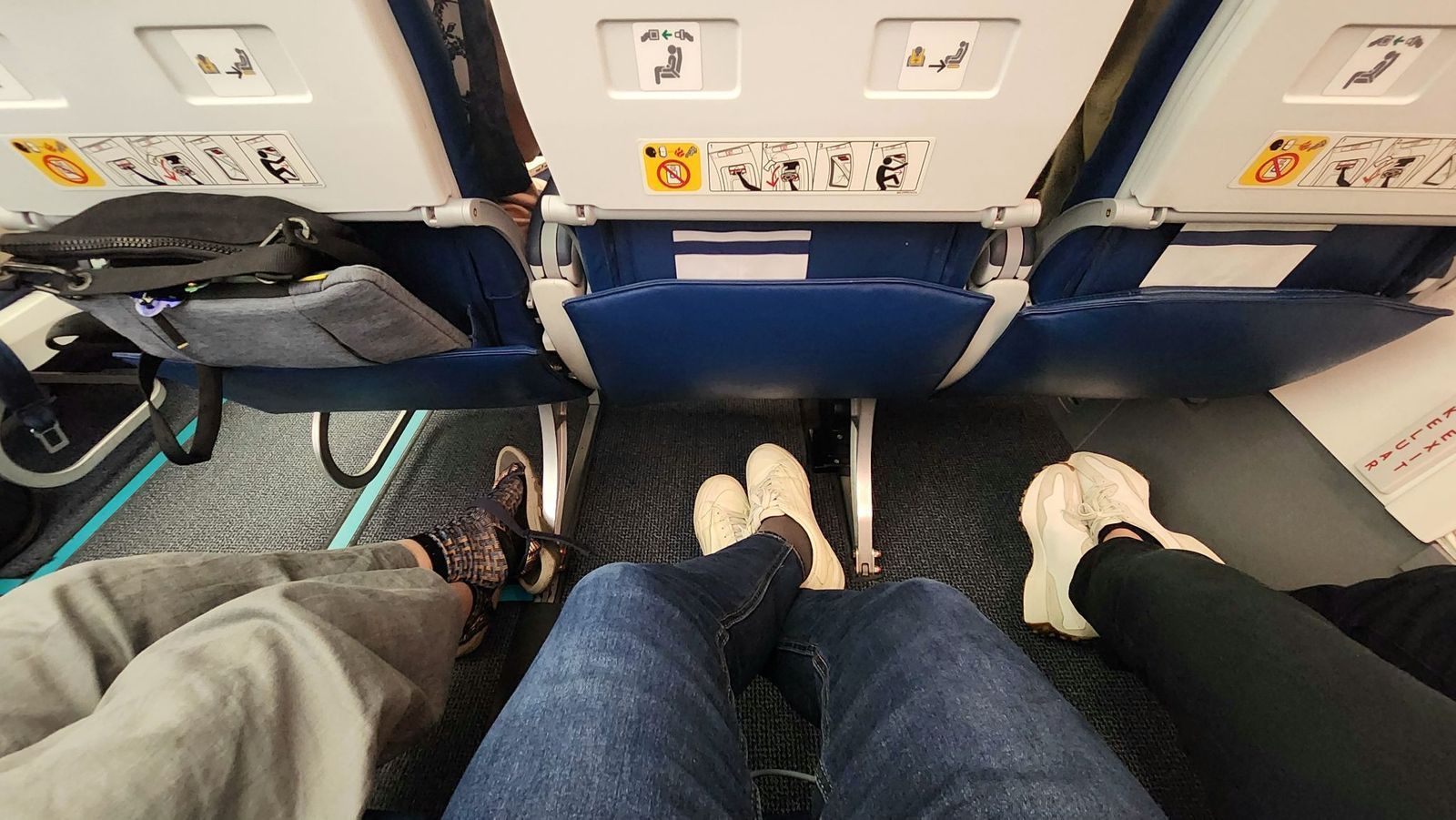
Have you ever settled into your seat and wondered, "Were airplanes always this cramped?" Well, as it turns out, they weren't.
Over the years, standard economy seats have steadily lost legroom. In the 1970s, the typical economy seat offered about 35 inches of seat pitch (the distance between one seat and the seat in front of it). Today, that space is usually around 30–31 inches on major US airlines, and on some low-cost carriers, it can be as little as 28 inches. While those few inches may not sound like much, they make a big difference on a long flight. The change followed airline deregulation in 1978, when carriers shifted their focus from offering the most comfortable experience to presenting the lowest fares, and one of the easiest ways to keep prices down was to fit more seats onto each airplane.
Free alcoholic drinks
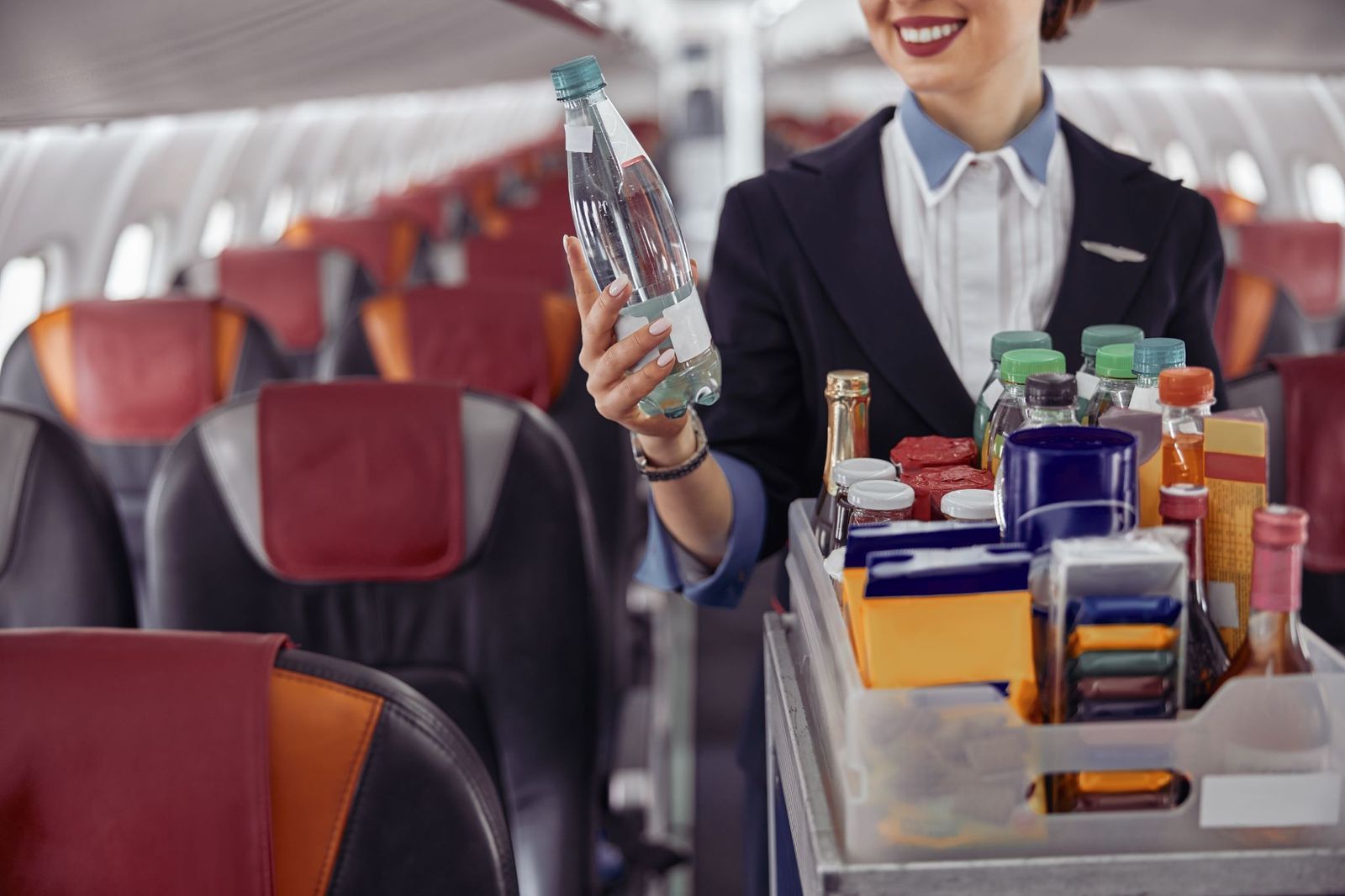
In past decades, ordering a cocktail, a beer, or a glass of wine on a flight, even a short one, was a really common part of the experience.
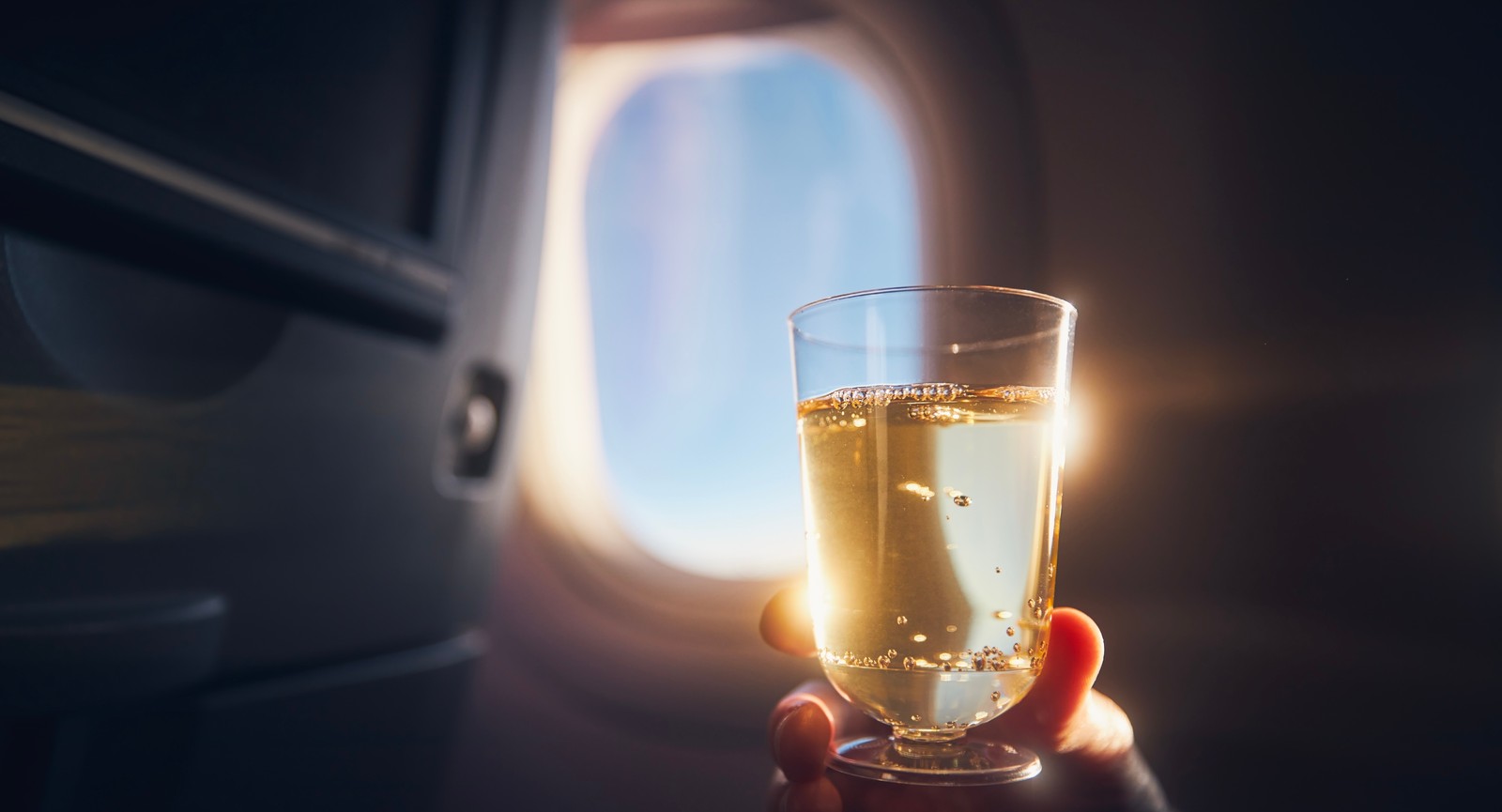
Today, complimentary alcoholic drinks have largely disappeared from economy class on domestic and short-haul flights, remaining mostly a business, first-class, or long-haul international perk. Cost-cutting and the rise of à la carte pricing definitely played a role, but they aren't the whole story. Airlines have also tightened alcohol service in response to a growing number of in-flight incidents involving intoxicated passengers, from disruptive behavior to confrontations with flight crews. Together, those changes have turned what was once a routine travel tradition into a luxury treat.
Blankets and pillows
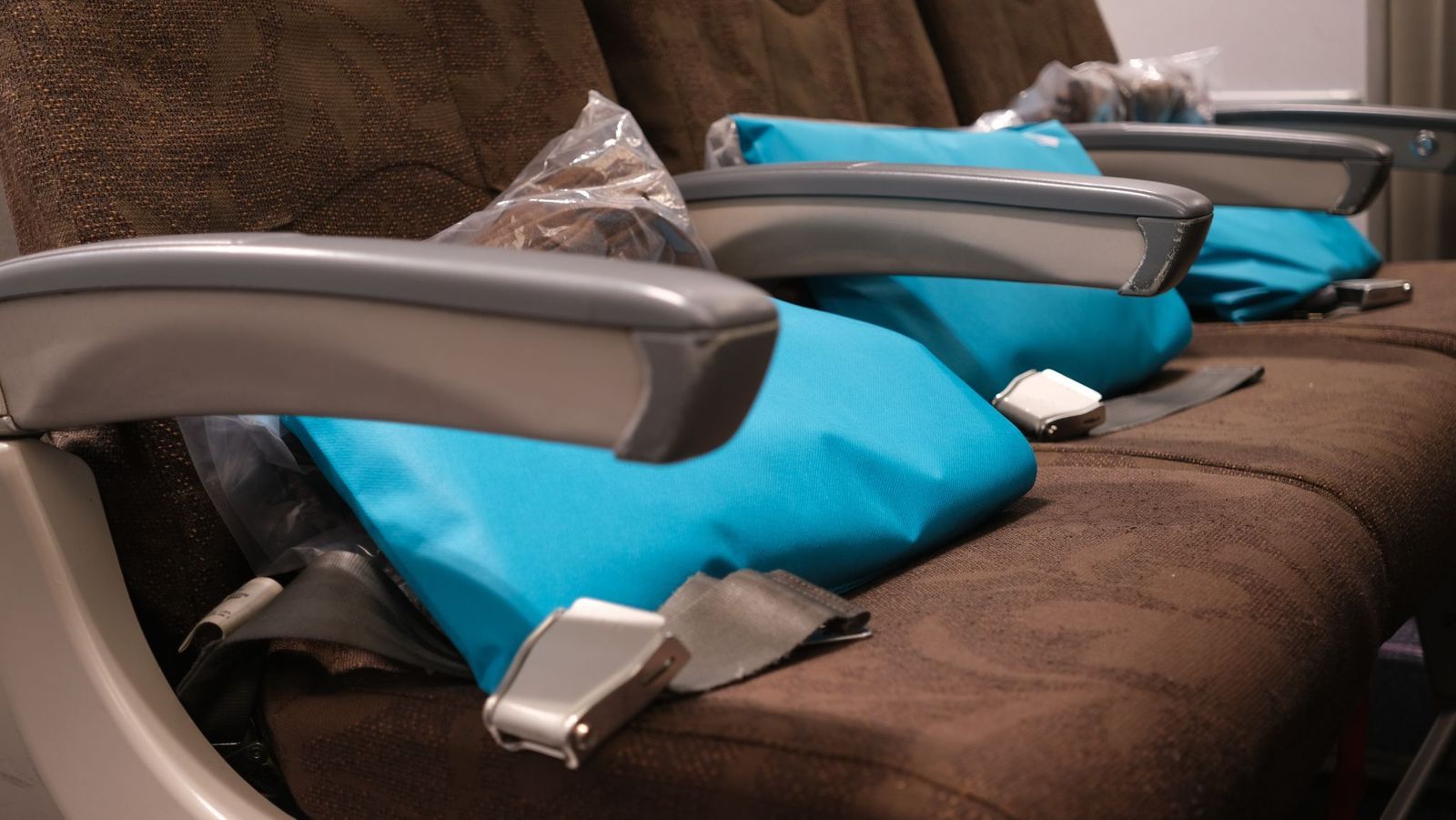
There was something reassuring about settling into your seat after takeoff, wrapping yourself in that classic airline blanket, and leaning back on the little pillow waiting for you.
For much of the second half of the 20th century, complimentary pillows and wool or fleece blankets were standard on nearly every flight, regardless of class. But today, they're largely reserved for long-haul international routes and premium cabins. As airlines came under greater financial pressure in the 2000s, many began trimming onboard extras to reduce costs and aircraft weight. In addition, concerns about hygiene during outbreaks such as H1N1 accelerated this change, making the practice of collecting, laundering, and redistributing blankets and pillows on short flights even less convenient.
Free seat selection
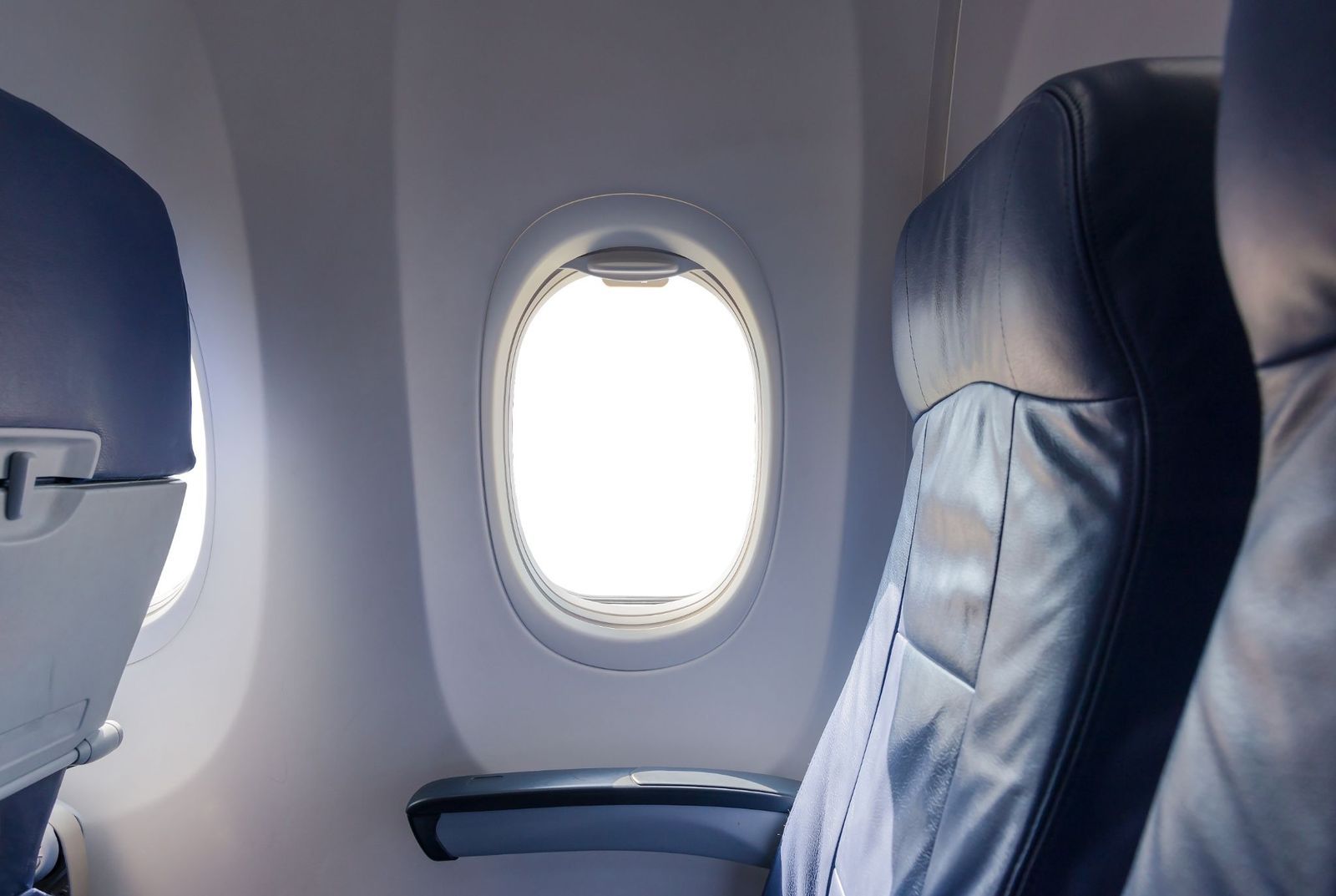
Booking your favorite seat was simply part of buying a plane ticket. Whether you preferred the window, the aisle, or a spot near the front, you picked your seat without paying an extra dime.
That began to change in the mid-to-late 2000s, when soaring fuel prices and the global financial crisis forced airlines to find new ways to generate revenue while keeping advertised fares competitive. At the same time, the rapid growth of low-cost carriers showed that many travelers were willing to trade a few conveniences for a cheaper ticket. Airlines soon realized that charging extra for popular seats, such as window, aisle, and exit-row seats, was a simple way to boost income without increasing the base fare.
In-flight magazines
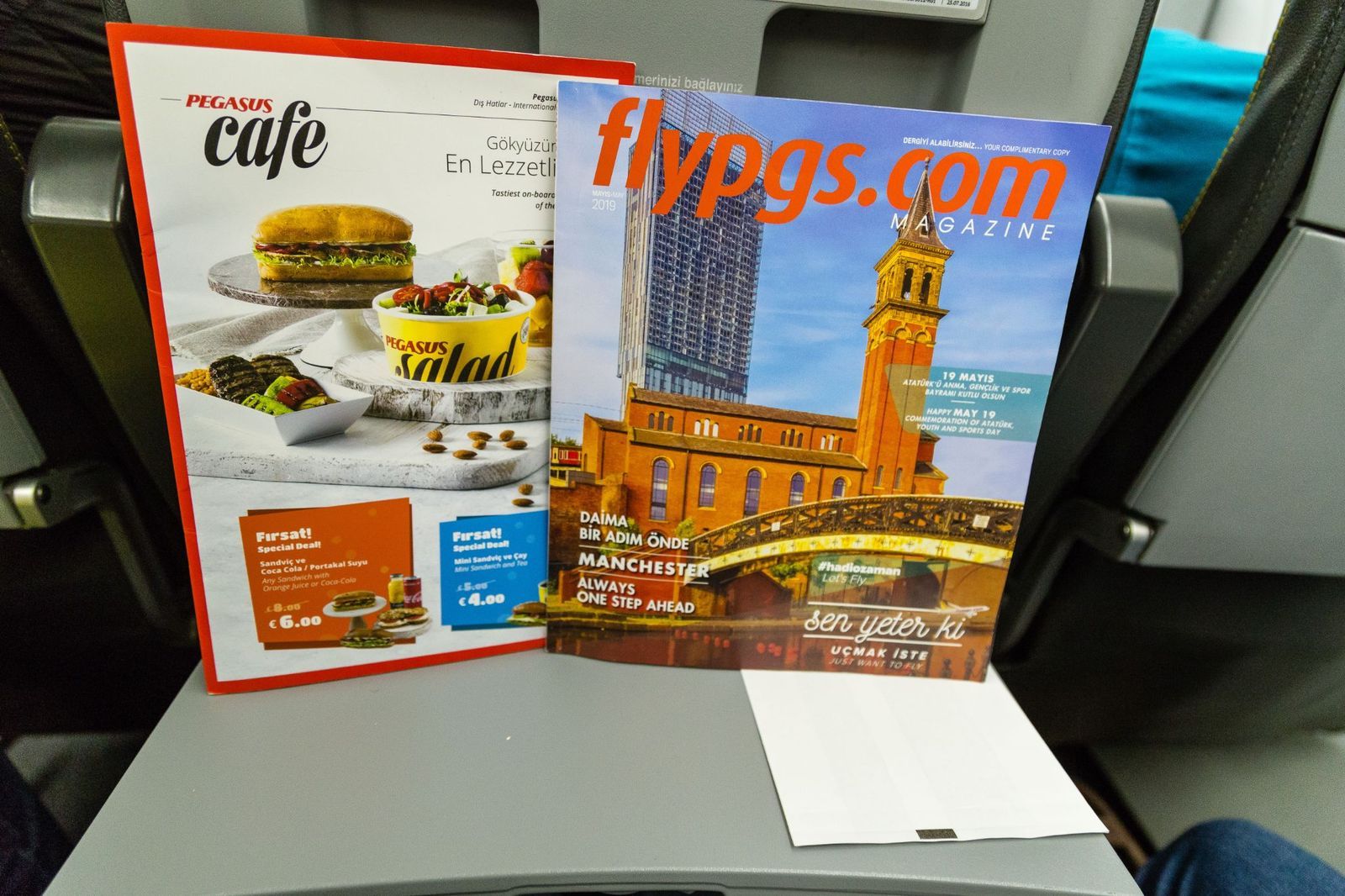
If you flew in the past decades, you probably remember reaching into the seatback pocket and flipping through the in-flight magazine before takeoff.
The tradition began in 1952, when Pan American World Airways introduced the first in-flight magazine, Clipper Travel. Before long, airline magazines became a familiar sight, filled with travel stories, destination guides, and advertisements that generated valuable revenue for airlines. But then technology changed everything. As smartphones, tablets, laptops, onboard Wi-Fi, and seatback entertainment became commonplace, fewer passengers picked up the magazine. Airlines also discovered that removing thousands of printed copies reduced aircraft weight, helping save fuel. Thus, what was once a standard part of every flight, regardless of class, has now become a rare find.
Listening to the cockpit radio
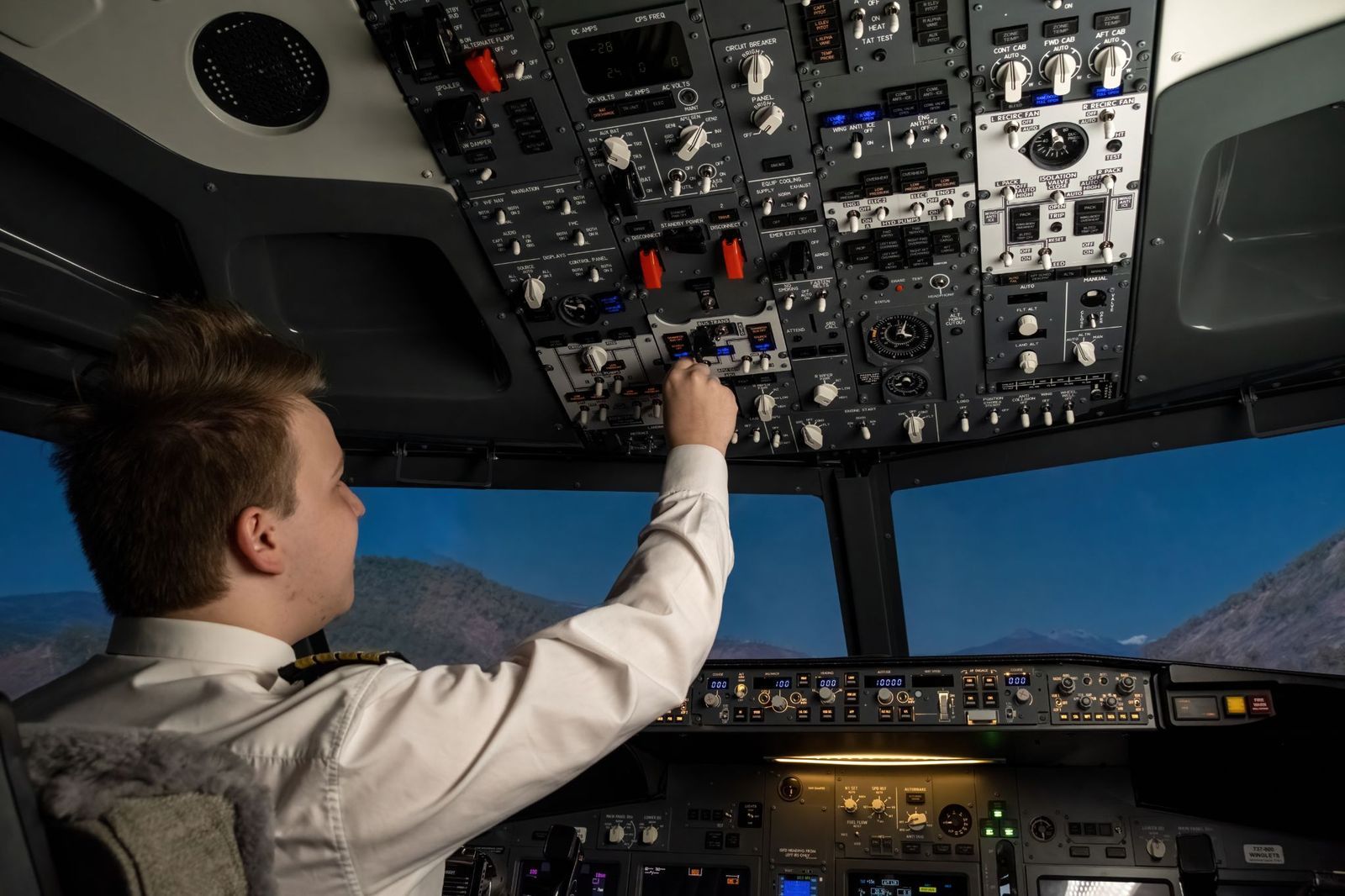
Today, listening to what pilots are saying or discussing during a flight sounds almost impossible, but a couple of years ago, passengers could hear the conversation happening in the cockpit.
For decades, airlines such as United Airlines offered an in-flight feature known as Channel 9 (later renamed "From the Flight Deck"), which allowed passengers to listen live to air traffic control (ATC) communications between their pilots and ground controllers. For aviation fans, it was a fascinating behind-the-scenes look at how flights operate; for nervous travelers, it could provide reassurance by hearing the calm, professional voices of the crew. Unfortunately, the feature has become increasingly rare, as many modern captains choose to keep it turned off.
Economy amenity kits
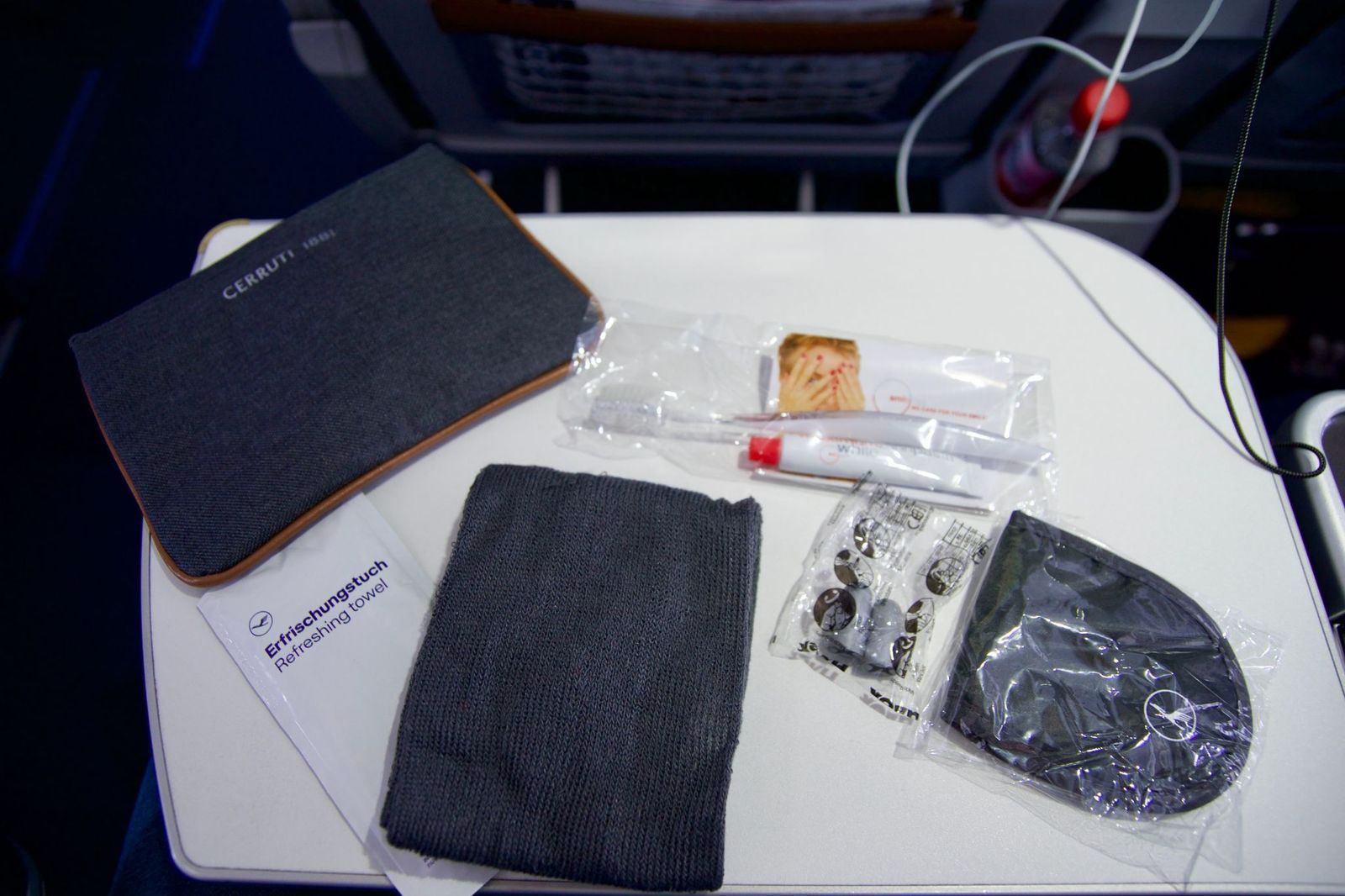
During the early years of commercial aviation, airlines offered small comforts to make flying easier. From the 1930s through the 1950s, passengers received simple items like cotton balls and chewing gum to help with noisy, unpressurized cabins. As air travel became more popular, those gestures evolved into more elaborate amenity kits, including combs, toothbrushes, and razors packaged in branded pouches.
The biggest change came in the 1980s, when deregulation and rising competition pushed airlines to cut costs. Amenity kits gradually became a premium-cabin perk rather than a standard feature. Environmental concerns also played a role, as millions of single-use plastic items created significant waste. Today, many airlines keep basics like toothbrushes, toothpaste, and eye masks available upon request instead of placing a kit at every seat.
A mile earned for a mile flown
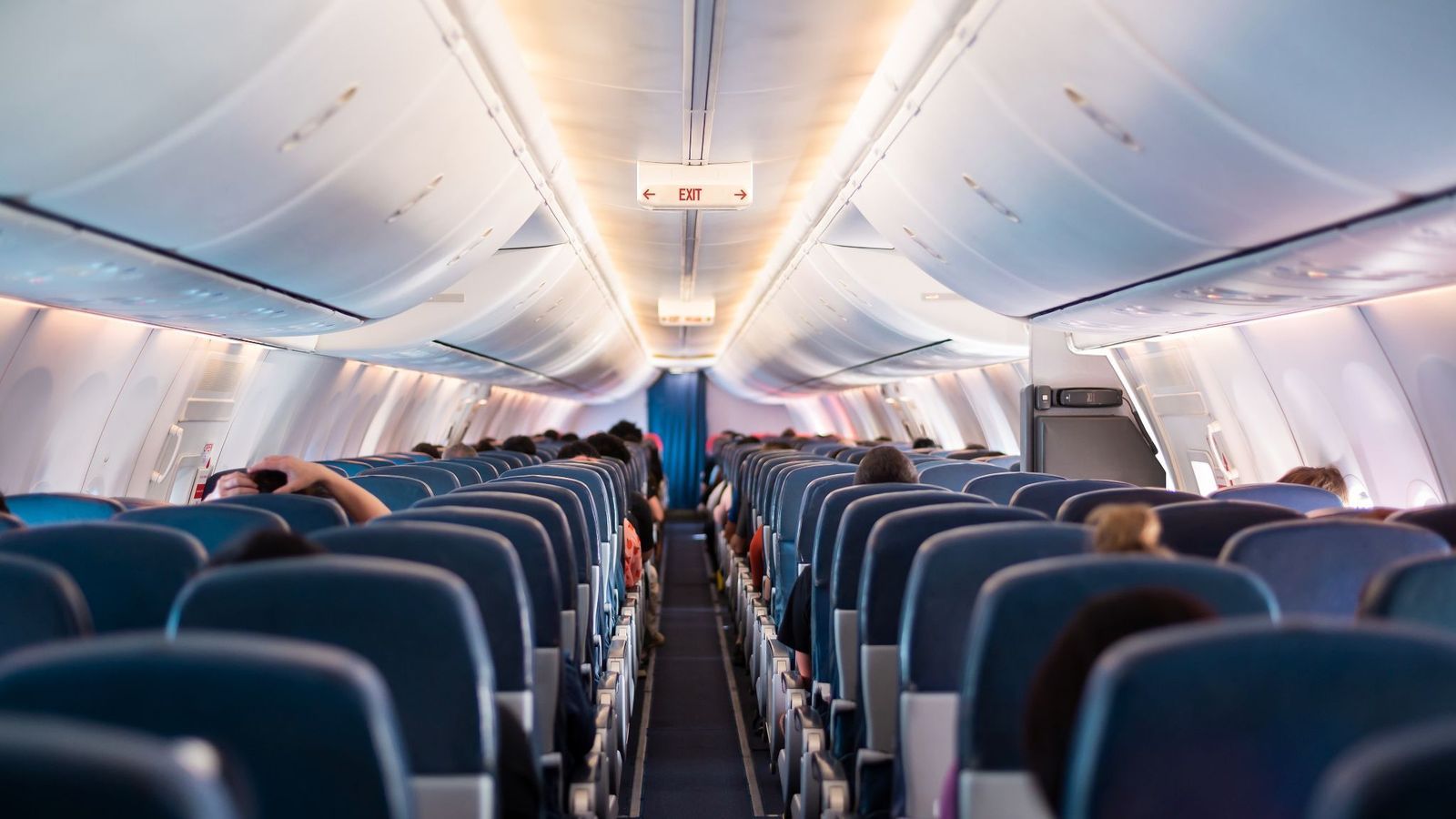
Not long ago, every mile you flew brought you one mile closer to your next vacation. No matter which ticket you bought, every trip helped build your frequent-flyer balance.
Today, that has changed. While traditional mileage earning still exists on many fares, the Basic Economy tickets on several major US airlines earn few miles, or none at all. Over the past decades, airlines have shifted many loyalty programs away from rewarding distance flown and toward rewarding dollars spent. The goal is to encourage travelers to book higher fares and to reward their biggest spenders and co-branded credit cardholders. For many longtime travelers, it marked the end of the simple rule they grew up with: the farther you flew, the more you earned.
Keep wandering
There’s always
more to explore
These towns look fake, but they're real: Too pretty to be true
3 min.
Read Now
 Geography
A fan of seaside vacations? Here are 10 seas to choose from
4 min.
Read Now
Your feet do what!? No one tells you what outer space does to your body
6 min.
Read Now
This highway crosses 42 bridges over open water
7 min.
Read Now