Did Sinatra really sing for the Mafia in Cuba? 10 wild hotel stories
 History
Hotels and their strangest guests
Did Sinatra really sing for the Mafia in Cuba? 10 wild hotel stories
A famous painter had sheep brought to his hotel room. A rock star blew up a toilet. And a famous mystery writer disappeared for 11 days, only to turn up at a hotel under a false name. Hotels may be where we go to relax, but for some of the biggest names in music, art, and literature, they became the backdrop for some truly wild stories. From John Lennon and Yoko Ono’s famous bed-in to Frank Sinatra performing for Mafia bosses and The Beatles causing chaos at the Plaza, these are 10 unforgettable hotel stories that actually happened.
John Lennon and Yoko Ono’s bed-in for peace
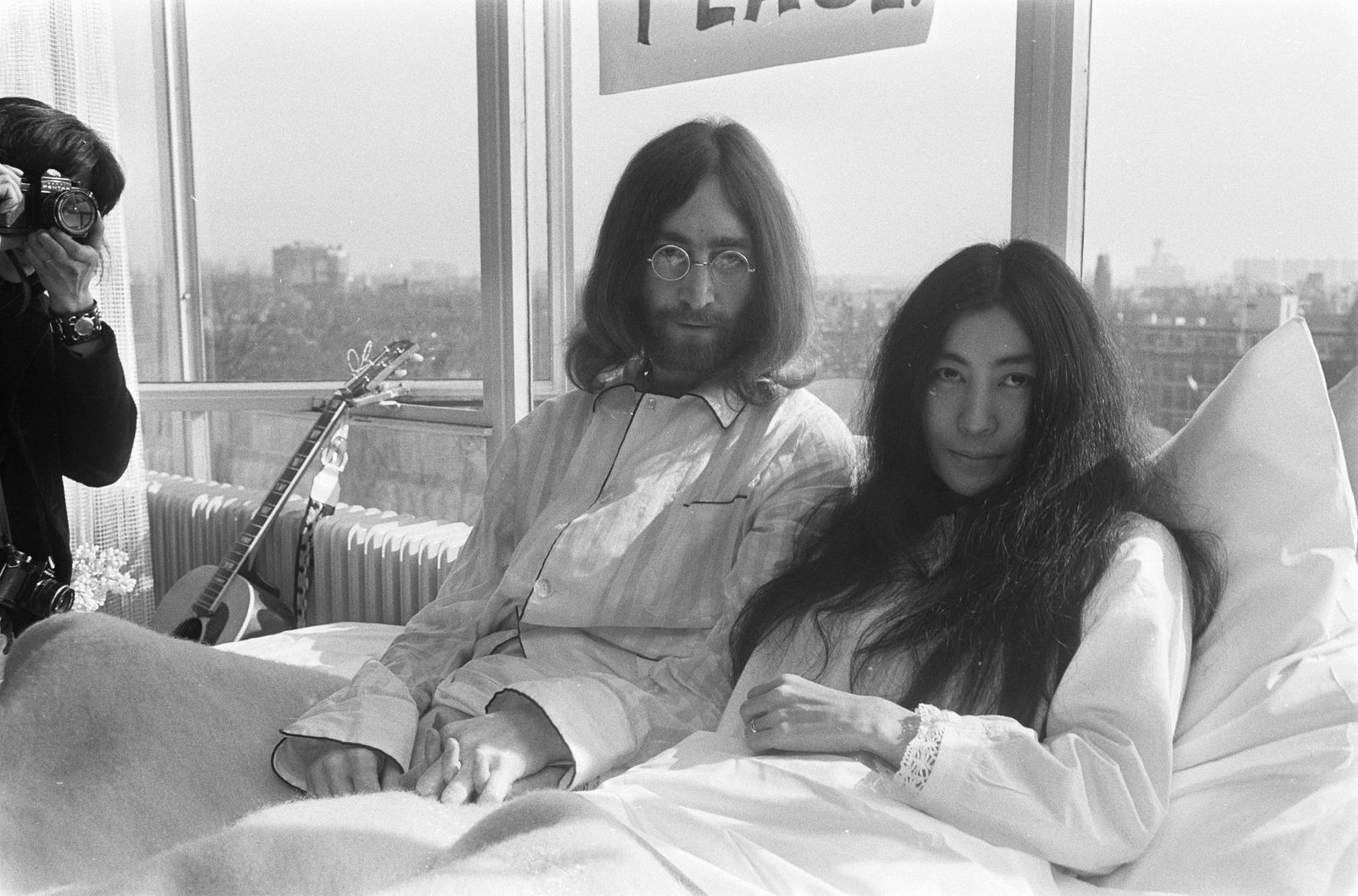
John Lennon and Yoko Ono had the whole world watching when, on May 26, 1969, they checked into Suite 1742 at the Fairmont The Queen Elizabeth in Montreal, Canada. But they weren’t there to enjoy the hotel’s amenities and views.
They spent an entire week sitting in bed up to 12 hours a day, wearing pajamas and speaking to the international press about world peace. The protest lasted until June 2, and during their stay, they wrote and recorded "Give Peace a Chance," which became an anthem of the anti-Vietnam War movement. Interestingly, Montreal wasn’t their first choice. Lennon had been barred from entering the U.S. after a 1968 cannabis conviction, so they initially planned to go to the Bahamas. But when they discovered that the hotel twin beds were cemented to the floor and the heat was unbearable, they changed plans and chose Canada instead.
Stephen King's spooky night at the Stanley Hotel
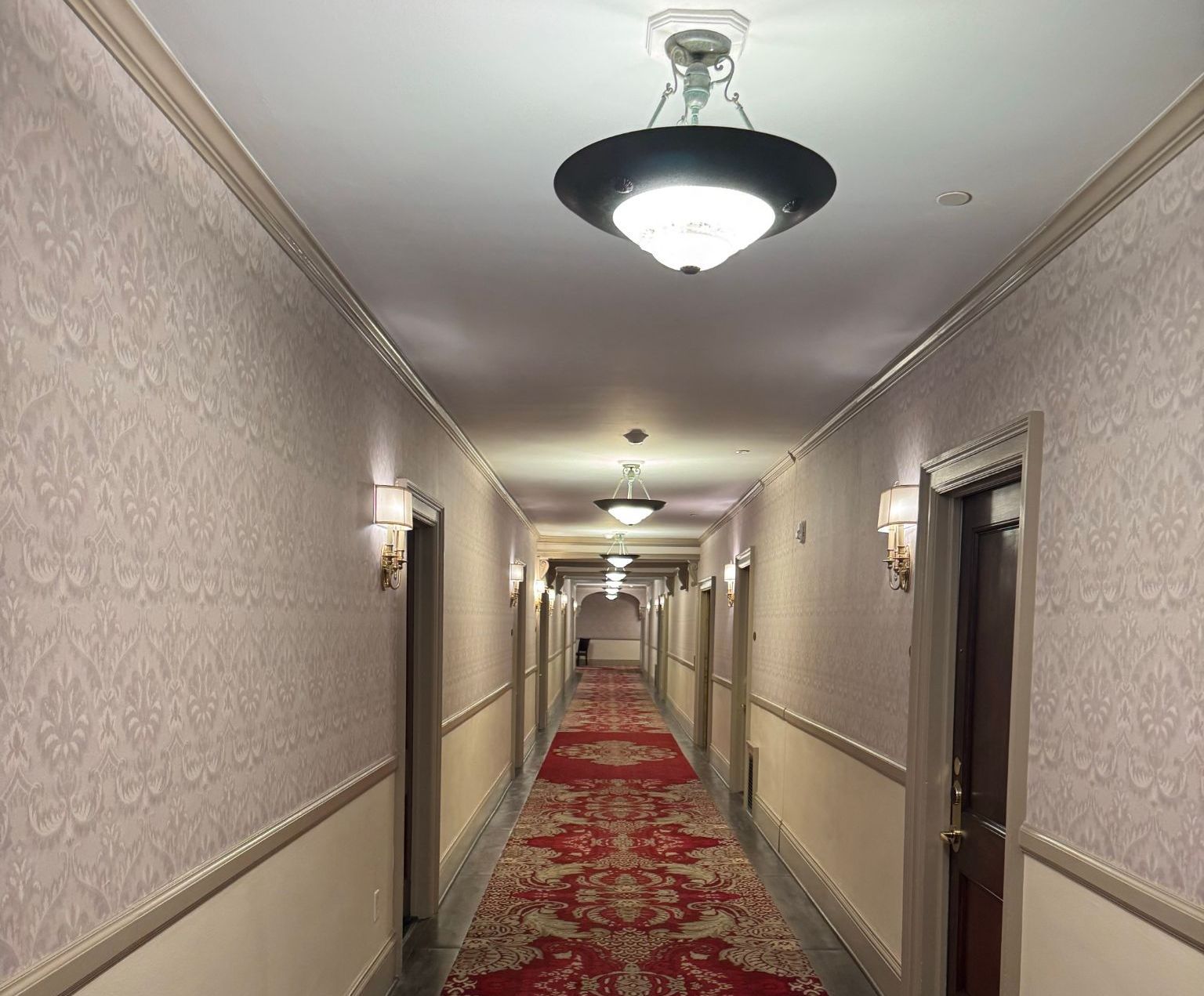
A single night at The Stanley Hotel in Estes Park, Colorado, inspired Stephen King to write the terrifying The Shining (1977).
In October 1974, King and his wife Tabitha checked into Room 217, but their stay was far from peaceful. There was one unusual detail: as the place was closing down for the winter season, they were the only guests in the 140-room hotel. King later admitted that the empty hotel’s silence and echoing halls unsettled him, and that night, he had a terrifying nightmare in which his 3-year-old son ran through the hallways, chased by a fire hose. He woke up in a cold sweat and looked out the window toward the Rocky Mountains. As he finished a cigarette, the story that would become The Shining was already coming together.
Agatha Christie’s 11-day disappearance
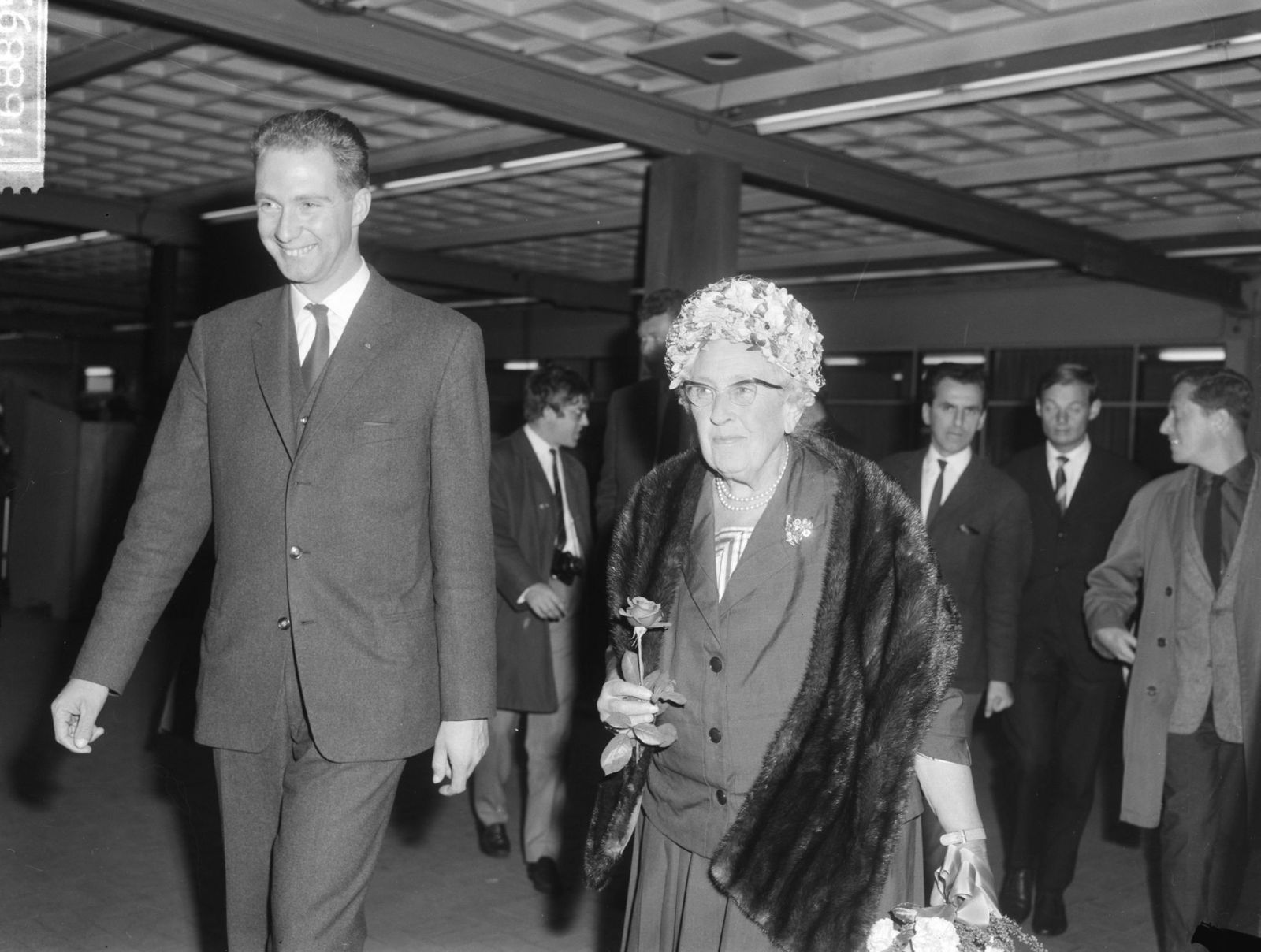
Agatha Christie was already a famous mystery writer when, on December 3, 1926, she disappeared from her home in Sunningdale, Berkshire, after putting her daughter to bed.
For 11 days, hundreds of police officers and thousands of volunteers searched across the country. Even Sir Arthur Conan Doyle, the creator of Sherlock Holmes, tried to help by consulting a medium. On the morning of December 4, Christie’s abandoned car was found near a chalk quarry in Surrey, about 15 miles from her home. Inside were a fur coat, a suitcase filled with clothes, and an expired driver’s license. She was found safe on December 14 at the Swan Hydropathic Hotel in Harrogate, Yorkshire, where she had checked in under the name Teresa Neele, the same surname as her husband’s mistress, Nancy Neele. The author claimed she had no memory of what happened and never fully explained her moves.
The Beatles taking over an entire wing
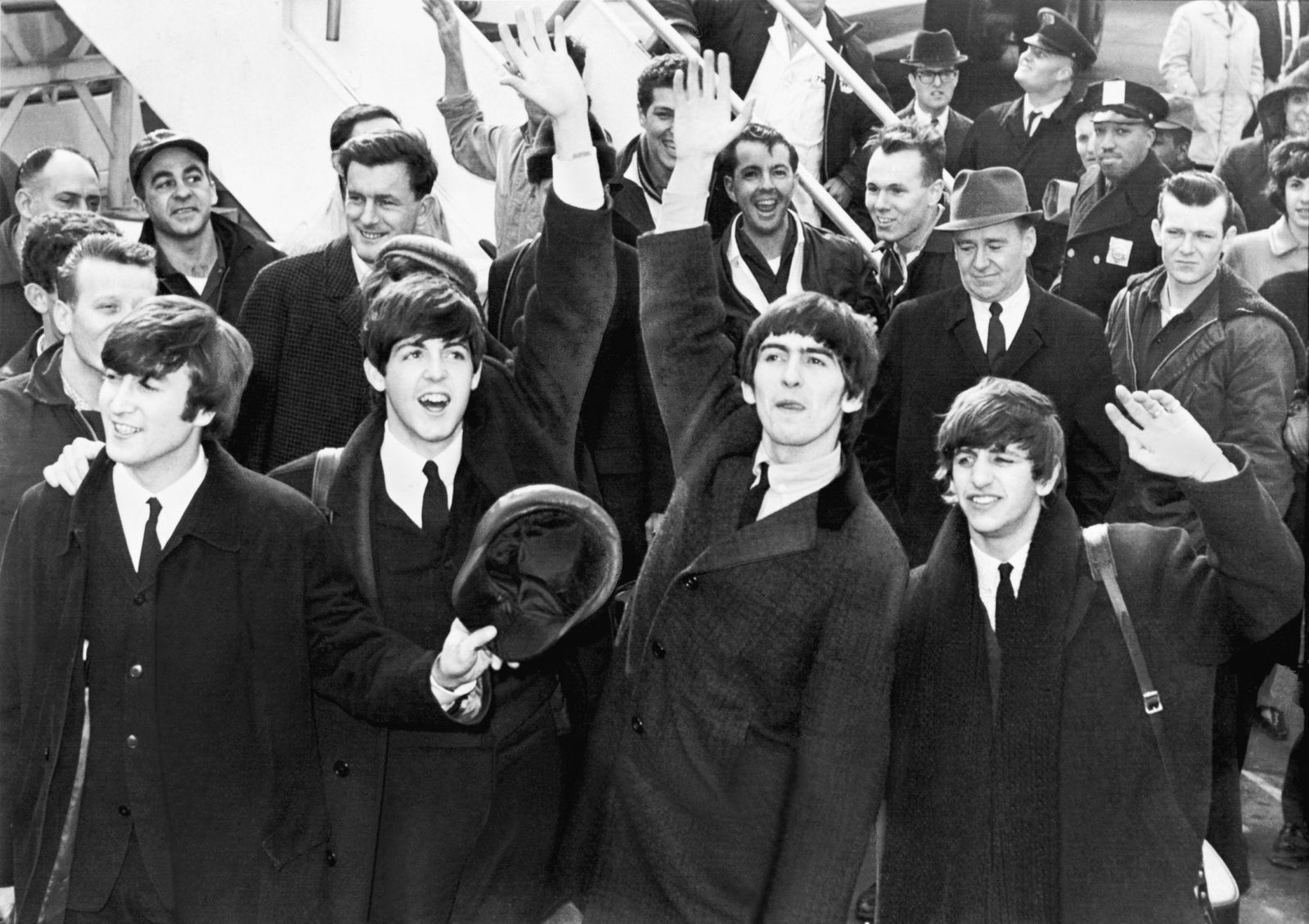
One of the most memorable moments in music history was The Beatles’ arrival in America in 1964.
The Fab Four landed at New York’s JFK Airport on February 7, greeted by thousands of screaming fans. The loud crowds followed them to their hotel, the famous Plaza, where fans surrounded the building and waited outside for a glimpse of the band. With their Ed Sullivan Show appearance just two days away, The Beatles needed some privacy from the chaos. So they took over a massive 11-room suite on the 12th floor, enough space to stay together and keep fans and reporters at a distance. But the hotel staff reportedly got more than they bargained for. They had expected "English businessmen," not thousands of fans, nonstop phone calls, and media madness. After the Beatles’ stay, The Plaza reportedly made it clear they weren’t welcome back.
Keith Moon's toilet explosion
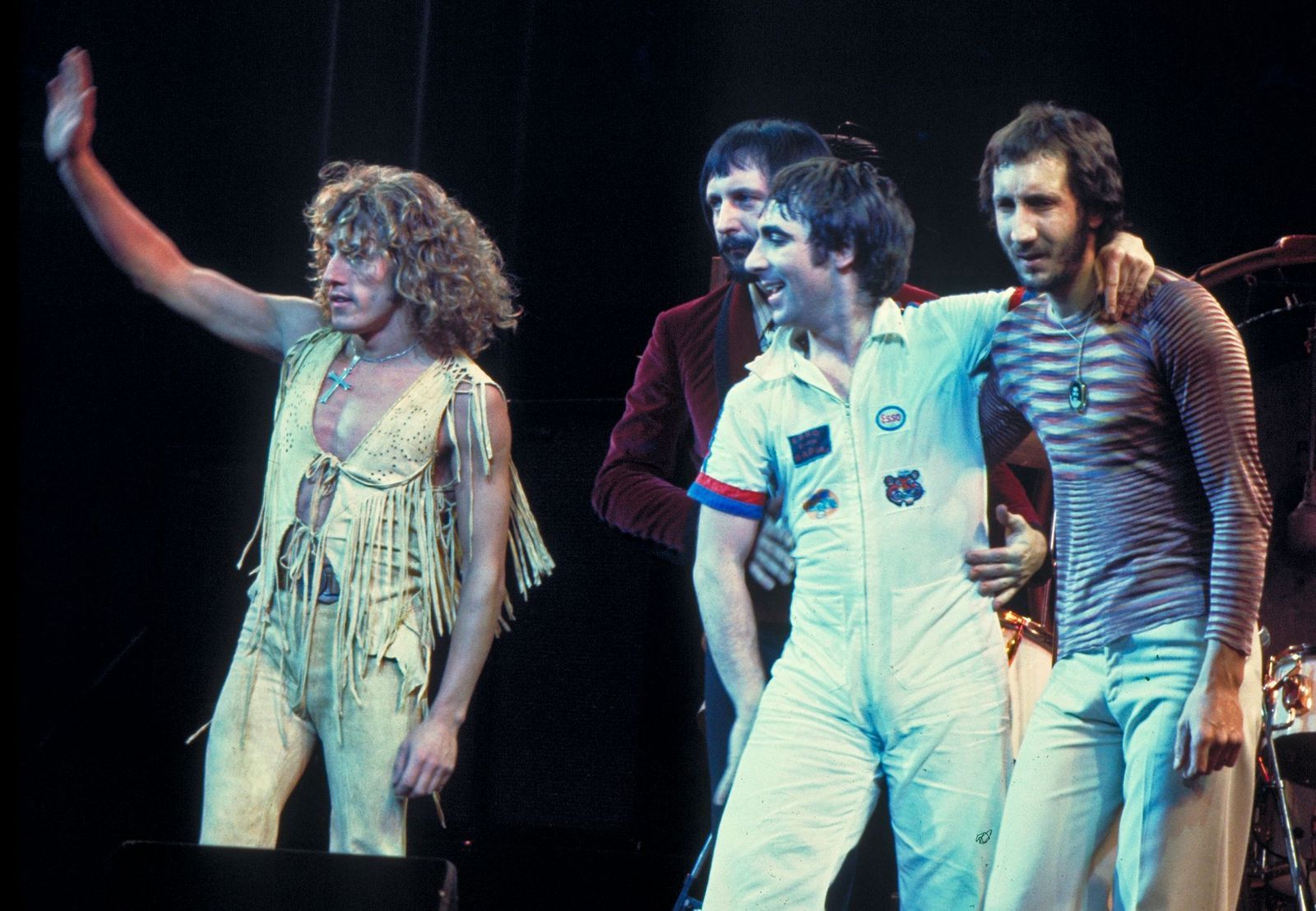
Admiring a rock star on stage is one thing, but serving one at a hotel is another. The staff at the Holiday Inn in Flint, Michigan, learned that the hard way when The Who came to town in 1967.
On August 23, 1967, drummer Keith Moon turned 21 while the band was on tour in America. He celebrated in true rock ’n’ roll style, with a wild party that included a massive food fight, a five-tier birthday cake, emptied fire extinguishers, damaged furniture, and even a Lincoln Continental driven into the hotel pool. To top it all off, Moon managed to blow up a toilet, sending broken porcelain and water flying everywhere. The band left their hotel stay with a lifetime ban from all Holiday Inn properties and a huge $24,000 bill to pay for damages, equivalent to roughly $240,000 today.
Led Zeppelin racing motorcycles in the hallways
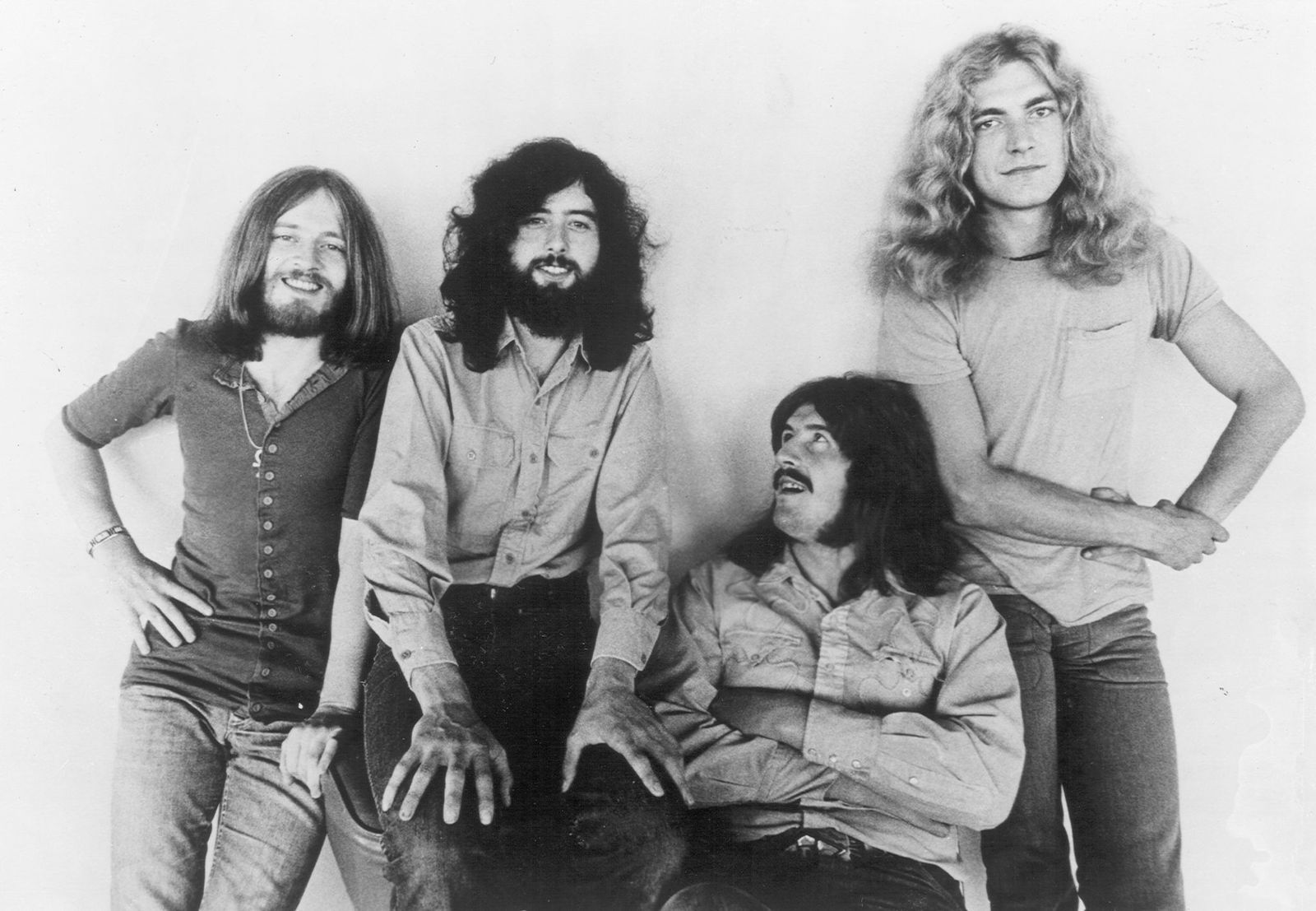
Can you imagine checking into a hotel and finding a rock band riding motorcycles through the hallways? As crazy as it sounds, if you were staying in Los Angeles in the ’70s, it could have happened to you.
Led Zeppelin arrived at the Andaz West Hollywood (then known as the Continental Hyatt House or "Riot House") on May 29, 1973, just two days before drummer John Bonham’s birthday. After a huge show at the L.A. Forum on May 31, the band gave Bonham a brand-new Harley-Davidson motorcycle. That night, things got a little out of hand at the afterparty, and the motorcycle’s first ride wasn’t exactly on the highway, but through the hotel hallways. The Riot House was already known for its chaotic atmosphere, but even the band couldn’t leave without consequences: they reportedly left with a $2,500 damage bill, about $18,500 today.
The Mafia Summit at the Hotel Nacional de Cuba
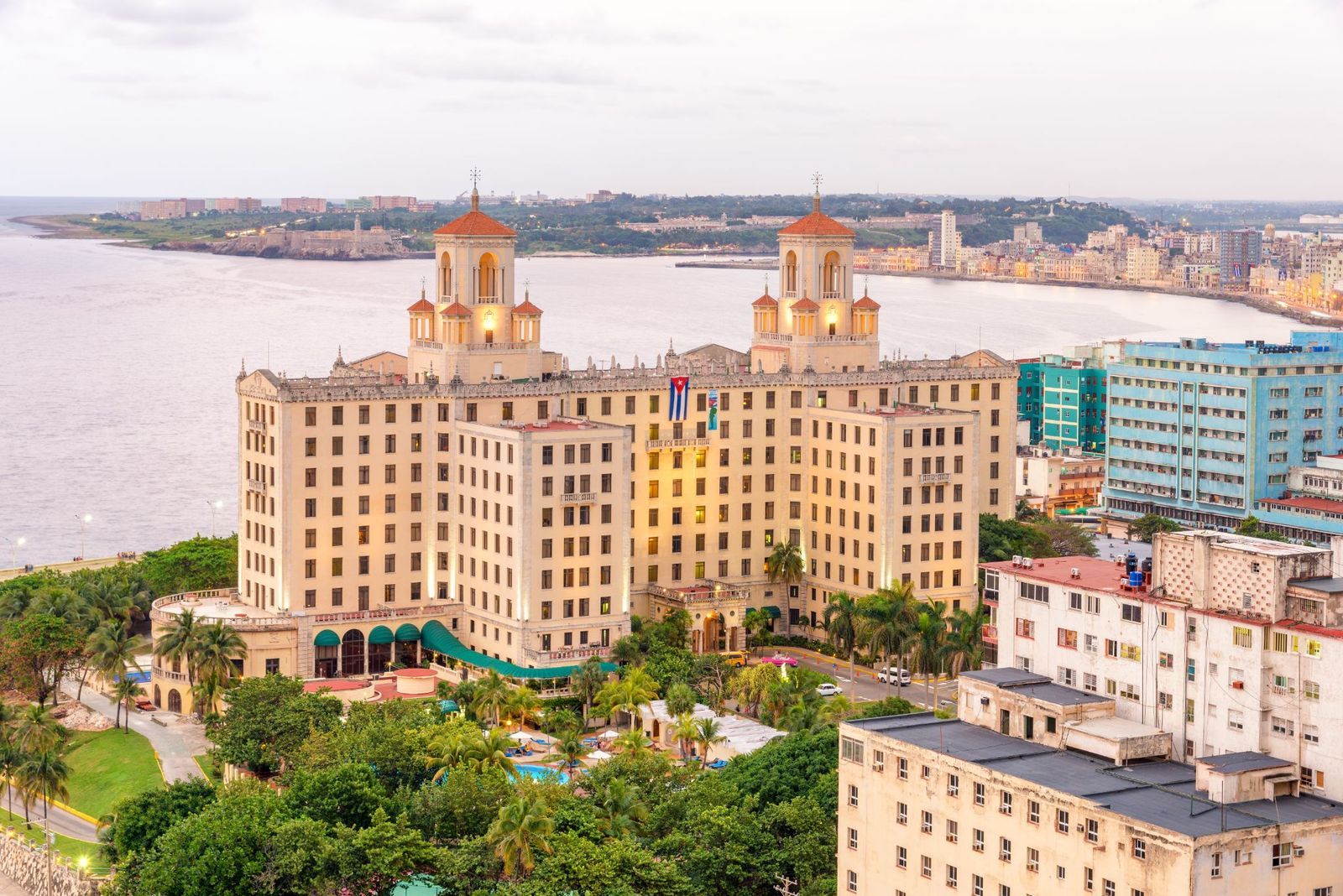
Have you heard of the 1946 Mafia Summit in Cuba? The meeting was so notorious that it led Francis Ford Coppola to later recreate parts of it in The Godfather Part II (1974).
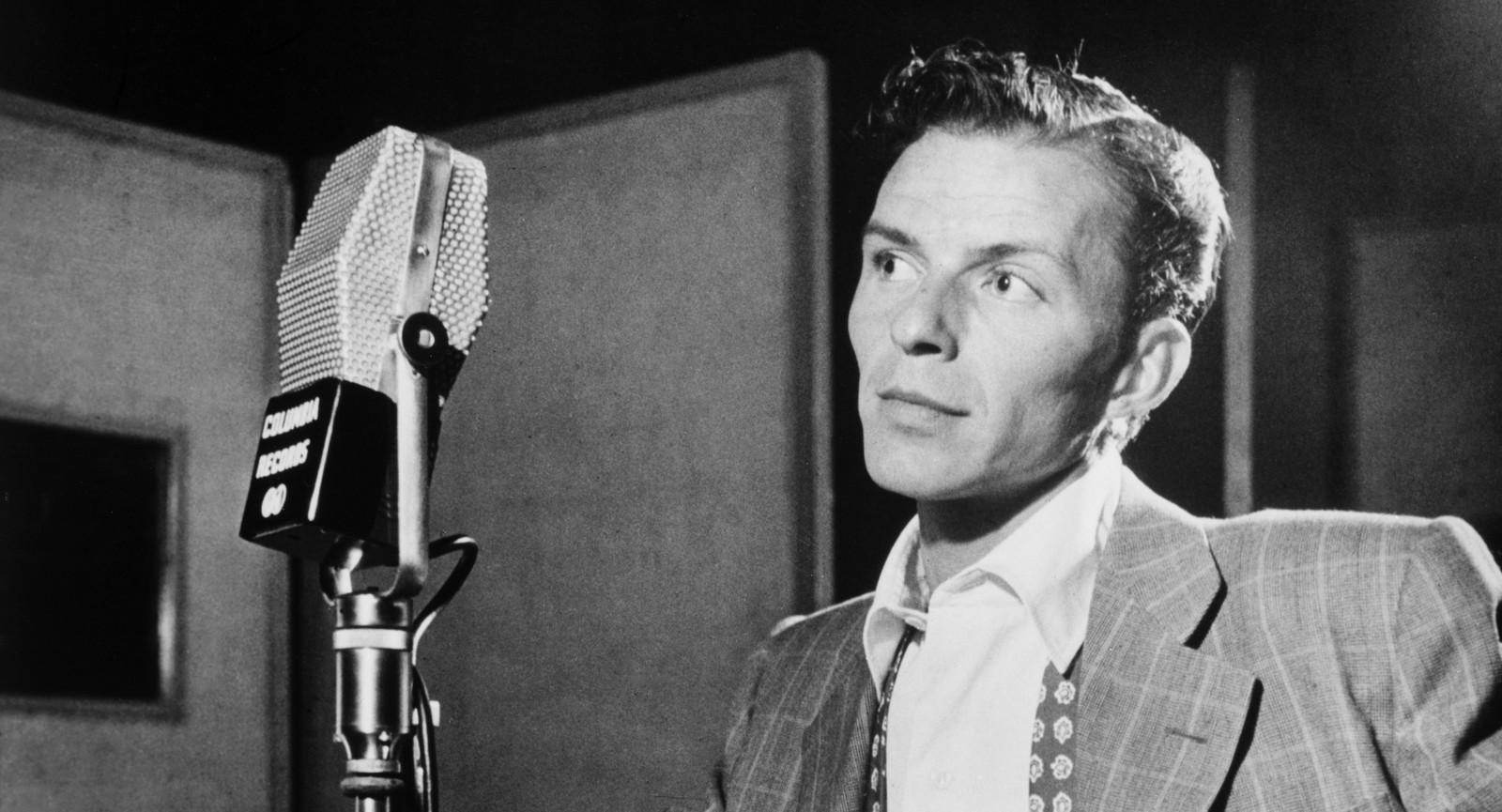
During the week of December 22, 1946, the Hotel Nacional de Cuba hosted the Havana Conference, the most important crime summit since the 1929 Atlantic City Conference. Organized by mob bosses Charles "Lucky" Luciano and Meyer Lansky, the gathering brought dozens of Mafia leaders to Havana. To avoid attracting attention, the mobsters took over much of the luxury hotel, which had 473 rooms and suites across eight floors. They even used a gala honoring Frank Sinatra as a cover for the gathering. The interesting part is that Sinatra actually flew to Havana, stayed in the hotel, and performed for the mobsters during dinners. He later claimed he had no idea he was performing for a major Mafia gathering.
Howard Hughes’ extreme fear of germs
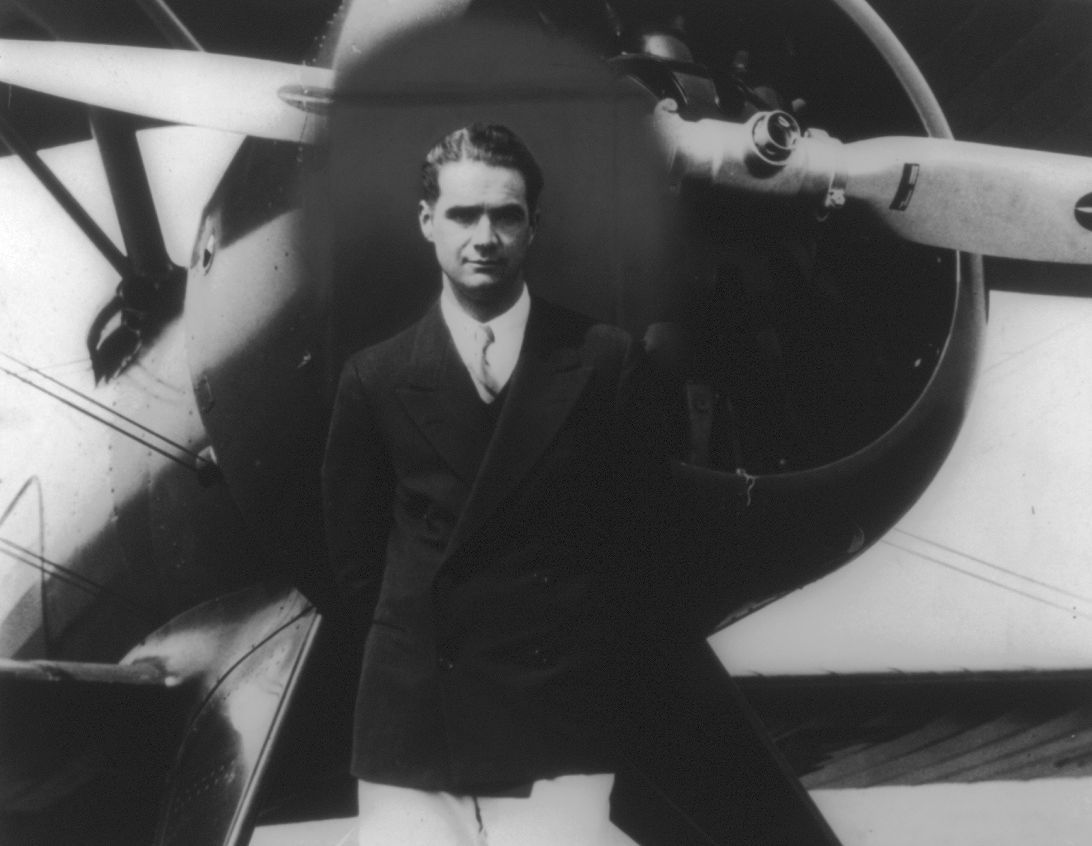
Imagine being so afraid of germs that you’d rather have your food left in a tree than risk seeing another person. That was reportedly the reality for billionaire Howard Hughes, famously portrayed by Leonardo DiCaprio in Martin Scorsese’s 2004 film The Aviator.
As Hughes grew older, his fear of germs became increasingly severe. He became obsessed with avoiding contamination, taking extreme precautions around other people and slowly pulling away from public life. He stayed on and off at the Beverly Hills Hotel for three decades, from the 1940s to the 1970s, sometimes renting as many as nine bungalows at once to avoid encountering other guests. Although this part of the story has never been confirmed, one of the hotel’s most bizarre accounts claims he had staff leave his roast beef sandwiches in the fork of a nearby eucalyptus tree so he could get them without seeing another person.
Salvador Dalí's room full of flies
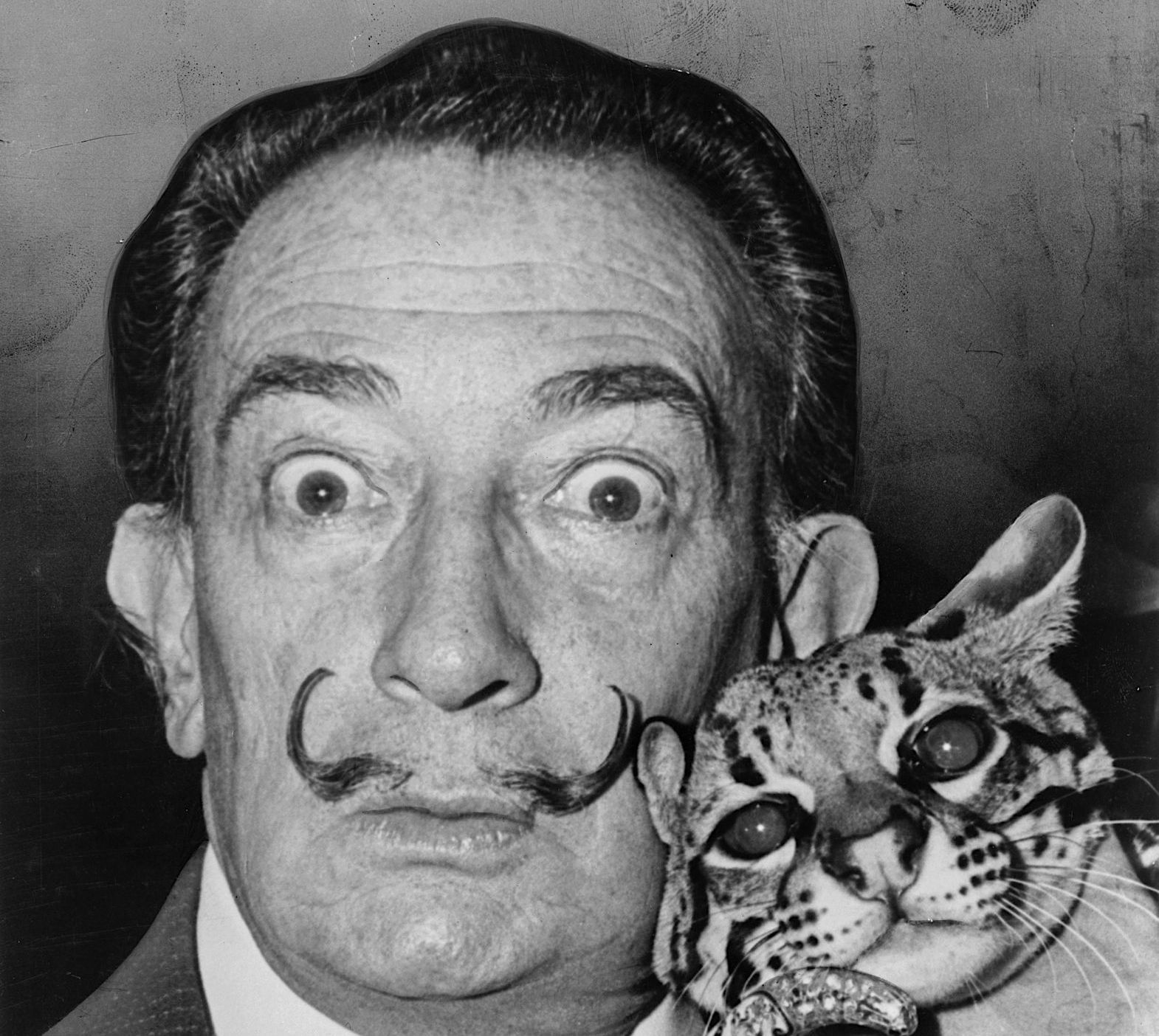
Best known for The Persistence of Memory (1931), Salvador Dalí was one of the most famous Surrealist artists, but his life was as surreal as his art.
The artist stayed at Paris’s Hotel Le Meurice for at least a month every year from the late 1950s until around 1980. But having Dalí as a guest was never ordinary. One day, he asked hotel staff to catch wild flies in the nearby Tuileries Garden, offering five francs for every fly they brought him. They actually went and did it. Another time, he ordered a herd of sheep to his room, then pulled out a pistol and fired blank rounds at them. He also reportedly rented an entire floor so he could ride his bicycle through the hallways. Despite the mess, the staff had a soft spot for Dalí. He was generous with tips and often gave the workers lithographs signed by him. Today, the hotel continues to pay tribute to him through its main restaurant, Le Dalí.
The Army had to kick Billy Idol out

In 1989, after a painful breakup, Billy Idol headed to Thailand for a vacation, but it turned out to be anything but relaxing.
Staying at the prestigious Oriental Hotel (now the Mandarin Oriental) in Bangkok, Idol spent several weeks smashing televisions, shattering glass doors and windows, and destroying custom-made Thai teak furniture. He reportedly caused between $150,000 and $250,000 in damage, roughly $405,000 to $675,000 today. But the biggest problem came when Idol refused to leave. The hotel had to call in the army, who reportedly sedated him, carried him out, and put him on a flight out of the country.
10 air passenger rights airlines hope you never find out about
 General
10 air passenger rights airlines hope you never find out about
Navigating the complexities of air travel often leaves passengers feeling at the mercy of airline policies, flight delays, and unexpected disruptions. However, international aviation regulations grant air travelers extensive protections. Despite these safeguards, millions of travelers fail to claim the assistance or monetary compensation they are owed simply because they are unaware of the rules. Keep reading to learn ten critical rights that every traveler should know before arriving at the airport terminal.
Right to information if the delay is at least 2 hours
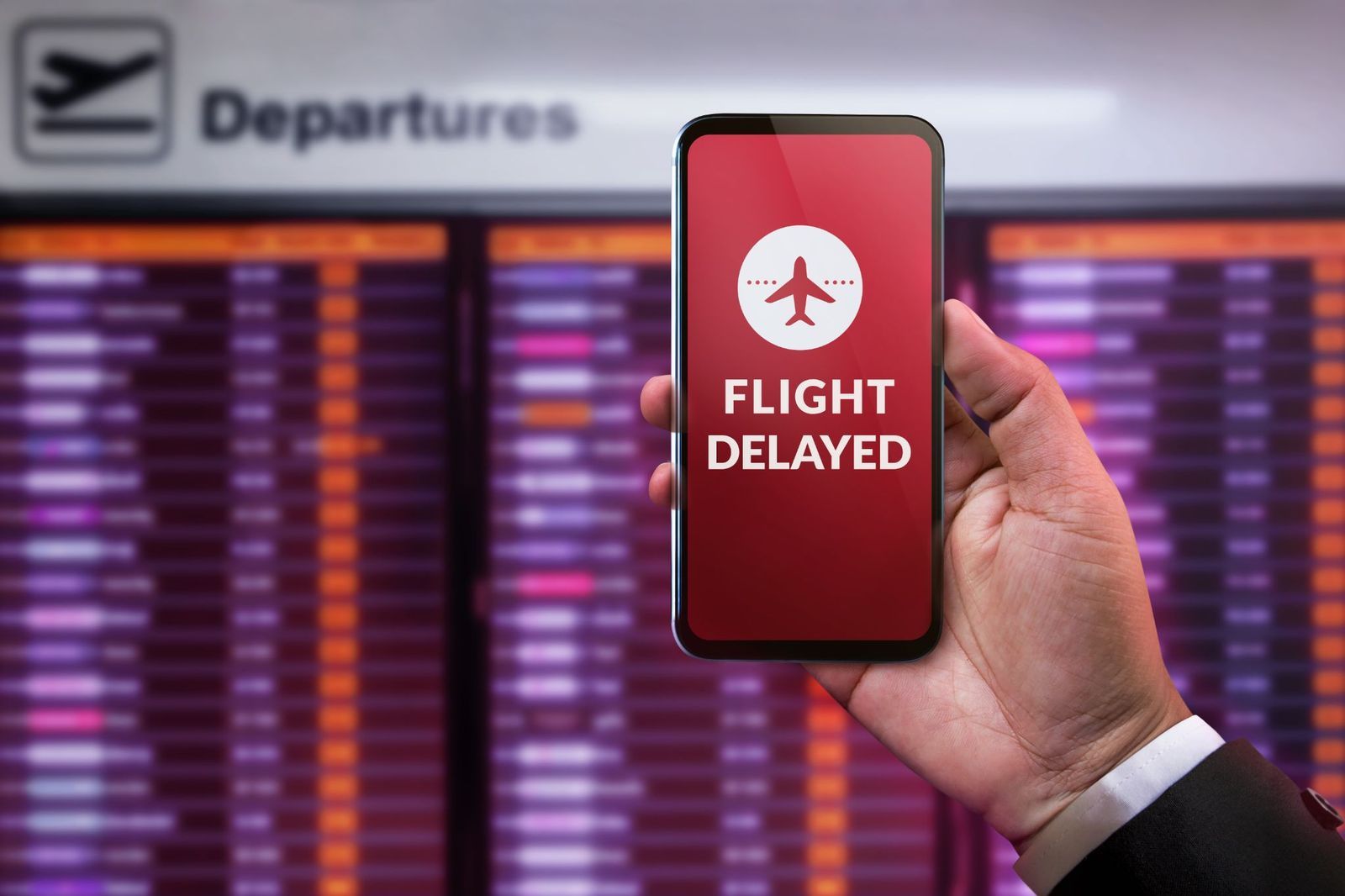
When a flight suffers a delay of two hours or more, the operating airline is legally obligated to provide passengers with clear, written documentation detailing their customer rights. This notice must include the criteria for receiving assistance, meals, and potential financial compensation.
Airlines can’t leave travelers waiting at the boarding gate without updating them on the situation. If a delay reaches the two-hour mark, passengers have the right to request news from airport staff regarding the expected time of departure and the underlying cause of the disruption.
Right to reimbursement for delays of more than 5 hours
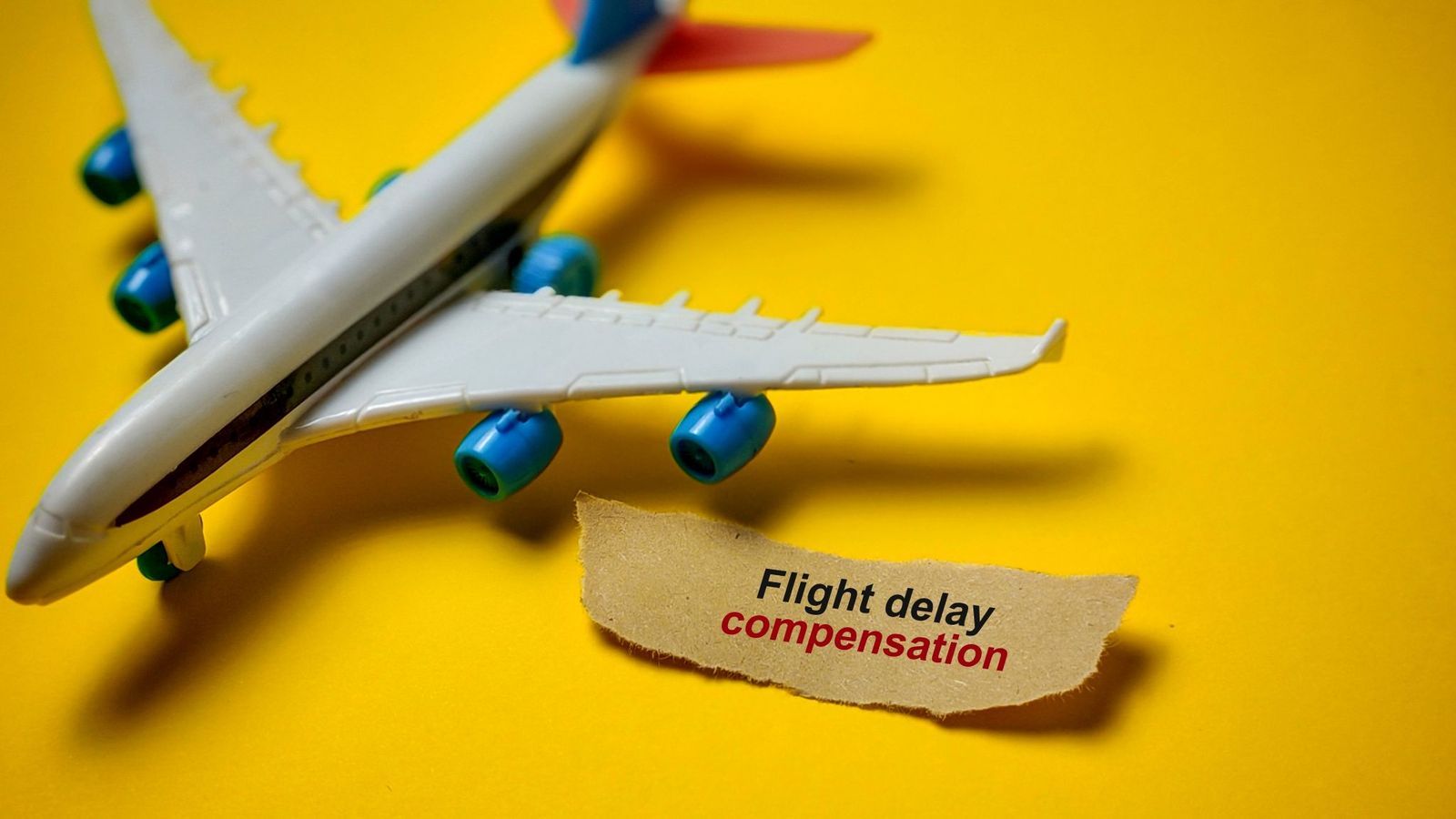
When a delay goes beyond five hours, the flight disruption is legally considered a severe impact on the traveler’s itinerary. At this point, passengers are no longer required to wait for the aircraft to depart.
If you choose not to travel after a five-hour delay, you have the right to claim a full refund for the unused ticket within seven days. Furthermore, if the delay occurs during a connecting flight and the purpose of your journey suffers, the airline must provide a free return flight to your original point of departure.
Right of care
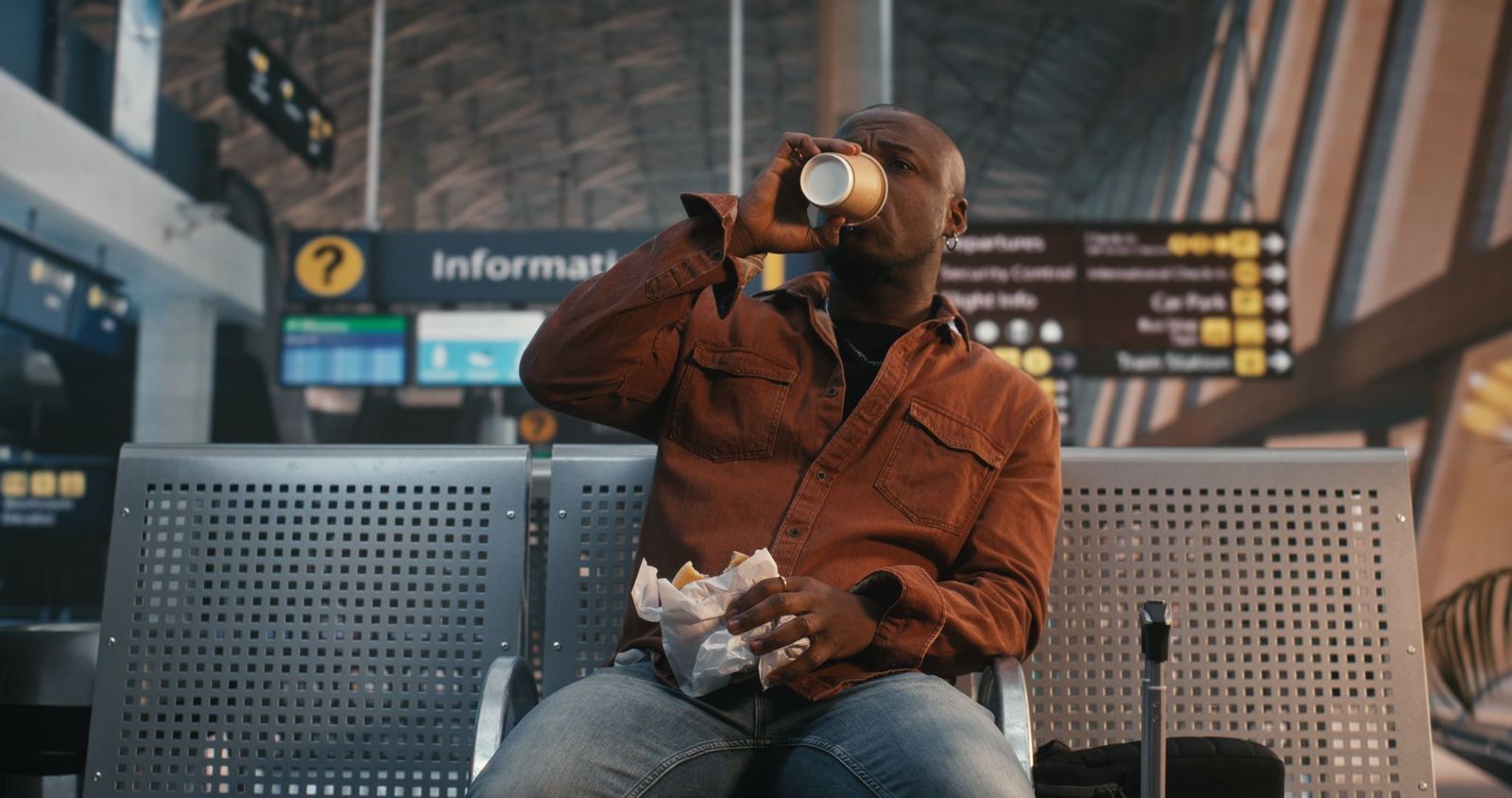
If a flight delay extends beyond a specific time threshold—typically two hours for short flights and four hours for long flights—passengers can automatically claim their right of care.
Under this protection, the airline must provide: food and drinks (vouchers or complimentary meals and refreshments proportional to the waiting time); communication access (telephone calls or Wi-Fi); overnight hotel stay (if the departure time is pushed to the following day, the carrier must arrange and pay for accommodation, as well as complimentary transportation between the airport and the hotel).
Right to financial compensation

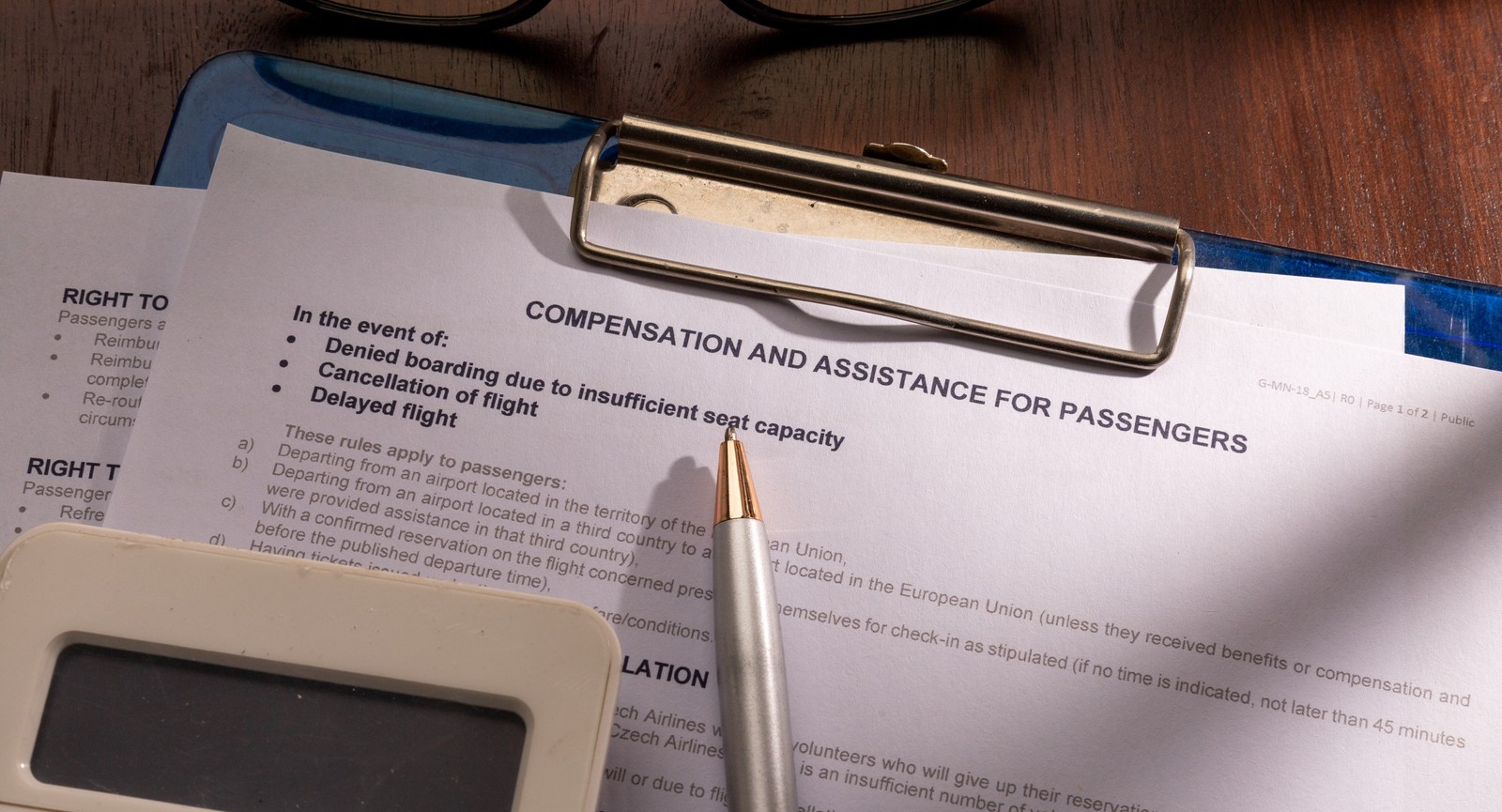
Beyond basic care and refunds, passengers are often entitled to direct monetary compensation if their flight arrives at the final destination three hours or more later than scheduled, or if the flight is canceled on short notice.
Unless the disruption was caused by "extraordinary circumstances" outside the carrier’s control (such as severe weather, air traffic control restrictions, or security risks), fixed compensation ranges from $270 to $650, depending on the total flight distance. Operational technical issues and airline staff shortages do not count as extraordinary circumstances, meaning the company remains liable for payment.
Protection against schedule changes notified under two weeks
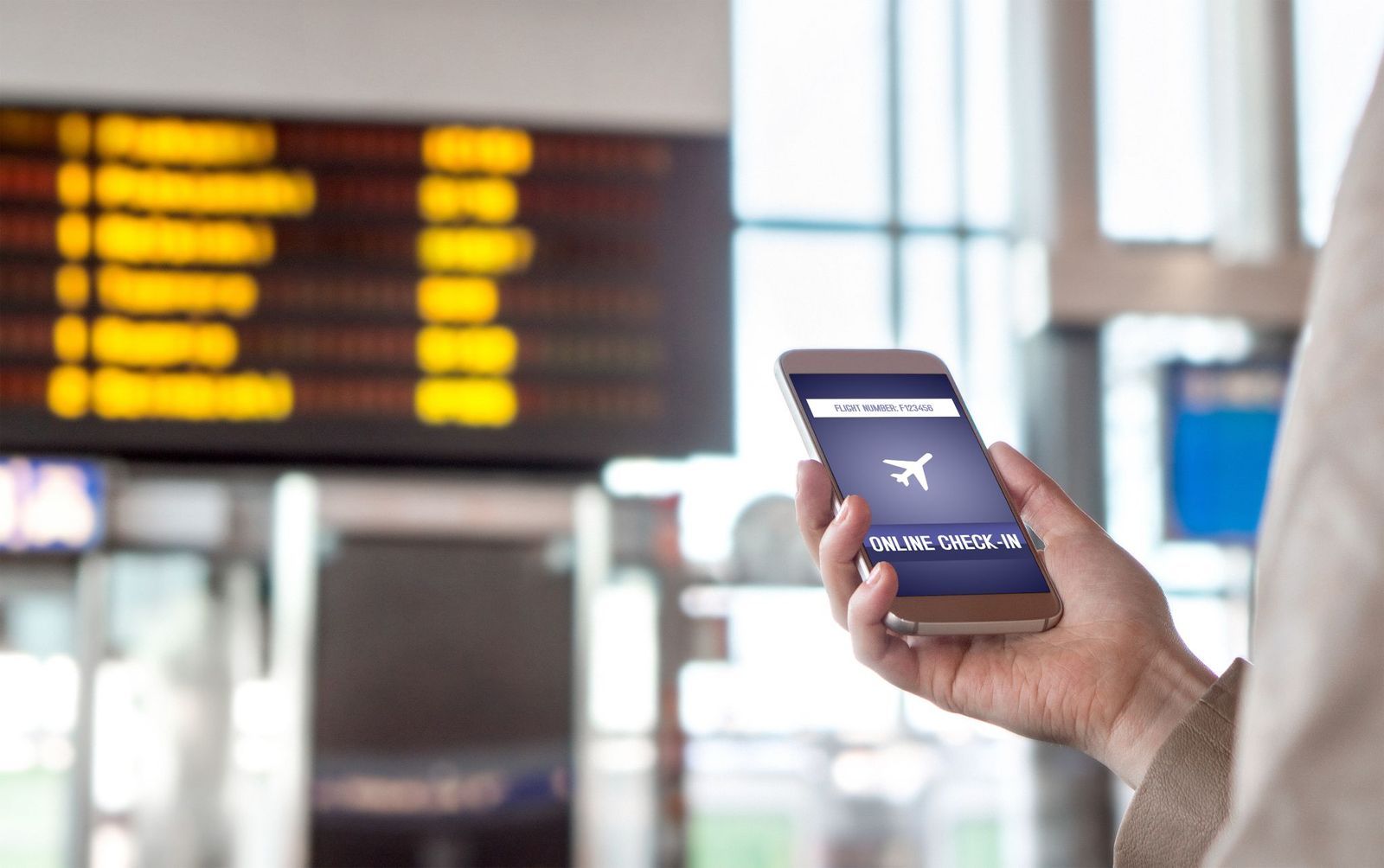
Airlines frequently adjust their flight schedules months in advance. However, if an airline changes your flight time or cancels your original booking with less than 14 days’ notice prior to the departure date, specific protections apply.
If the new schedule alters your arrival or departure time significantly, you don’t have to accept the change. You have the right to choose between: rebooking onto an alternative flight under comparable conditions; receiving a full monetary refund for the ticket; or claiming financial compensation if the alternative flight time differs significantly from your original booking.
Guaranteed check-in and ticket issuance up to 45 minutes prior

Although airlines recommend arriving two to three hours before departure, formal regulations dictate that check-in desks and ticket counters must accept passengers who arrive up to 45 minutes prior to the scheduled departure time.
If a passenger presents themselves at the airport counter or online portal at least 45 minutes before departure with valid travel documents, the airline is obligated to process the check-in and issue a boarding pass. Refusing check-in to a passenger who meets this deadline without a valid reason constitutes improper denied boarding.
Protection against involuntary denied boarding (overbooking)
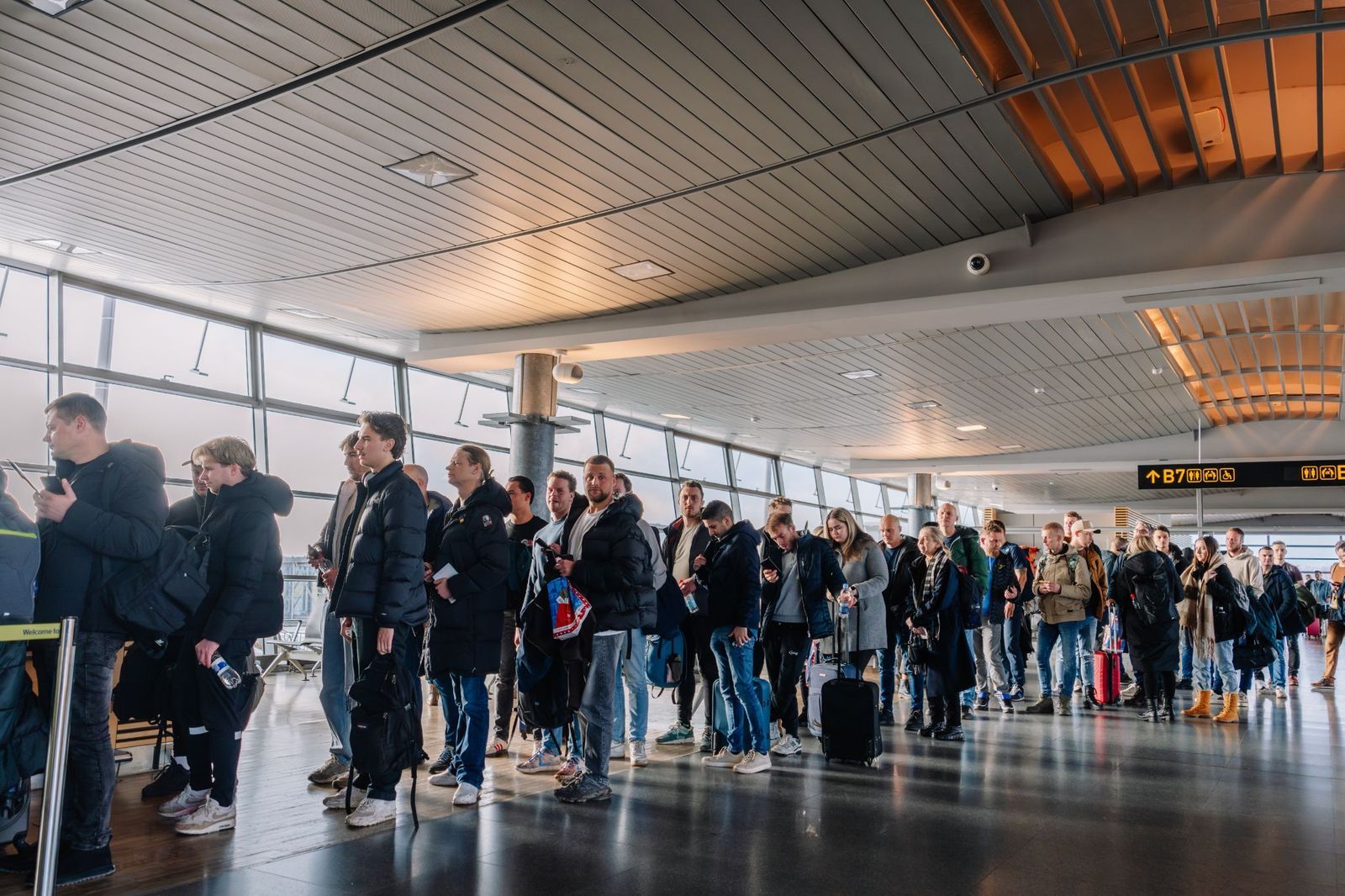
Airlines often overbook flights to compensate for no-show passengers. However, if every passenger with a ticket arrives and the airline denies boarding involuntarily, affected travelers are protected by strict rules.
First, the airline must ask if any volunteers are willing to surrender their seats in exchange for benefits. If you are denied boarding against your will despite arriving at the gate on time, you are entitled to: cash compensation; choose between a full refund or immediate rebooking on the next available flight; full right of care (meals, hotel, transit) while waiting for the alternative flight.
Compensation for delayed baggage
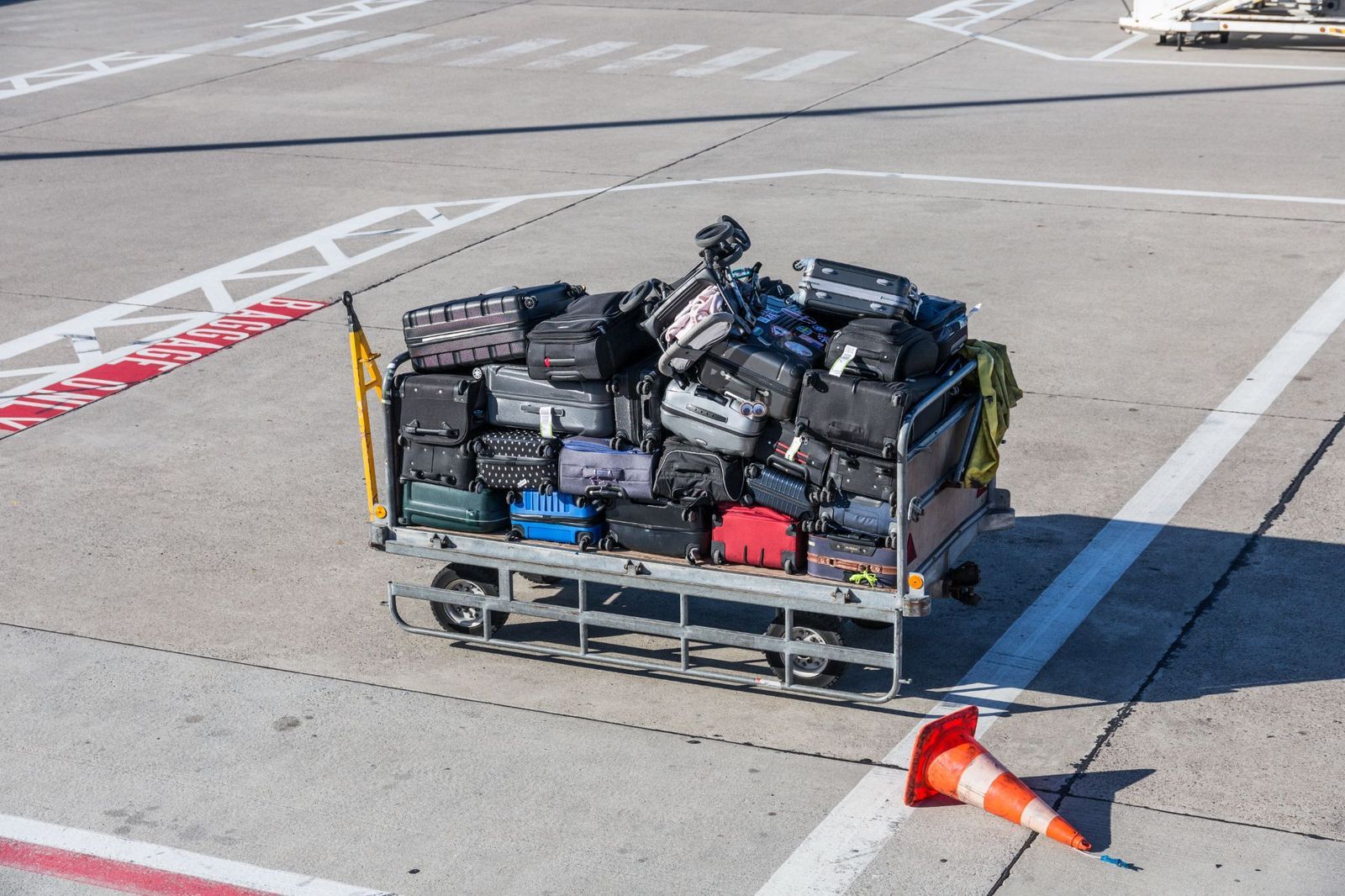
If your checked luggage fails to arrive at your destination, the airline is responsible for covering the costs of any necessary purchases.
Passengers are entitled to buy basic essentials—such as toiletries, underwear, a change of clothes, and phone chargers—until their bag is delivered. To claim these expenses, you have to file a Property Irregularity Report (PIR) at the airport baggage service desk immediately before leaving the airport. Remember to keep all receipts and submit a written claim to the airline within 21 days of receiving the delayed bag.
Compensation for lost baggage
Under the International Montreal Convention, checked baggage that remains missing for more than 21 days is officially declared lost.
Once a bag is presumed lost, the airline must compensate the passenger for the total value of the lost suitcase and its contents, roughly $1,700 to $1,800 USD per passenger. To maximize your payout, maintain a detailed packing list and retain receipts or proof of value for expensive items.
Travel rights for pregnant women up to 32 weeks
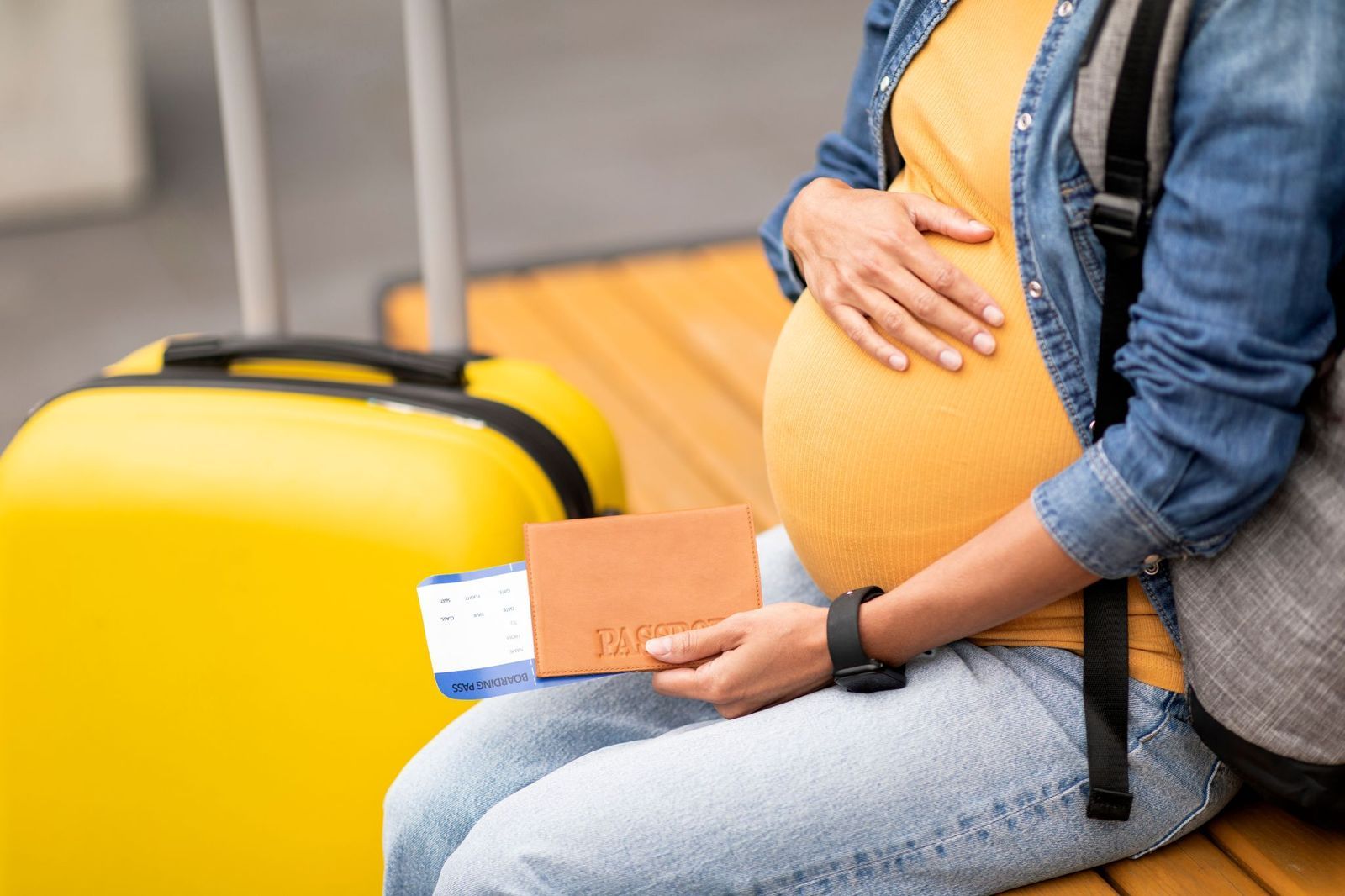
A widespread myth suggests that pregnant travelers must present a doctor’s letter during any stage of pregnancy. In reality, standard international aviation guidelines allow pregnant women to fly up to 32 weeks of gestation without a medical certificate.
Though individual airline policies vary between 28 and 36 weeks, expectant mothers under 32 weeks can’t be denied boarding solely due to pregnancy unless clear safety or health complications are evident at check-in.
Keep wandering
There’s always
more to explore

Was Moby-Dick a real whale? These marine stories have real backgrounds
6 min.
Read Now
 Culture

The town that changed its name over a ghost story: Best Halloween cities
7 min.
Read Now
Entry denied: What's behind the places you will never get to visit
7 min.
Read Now
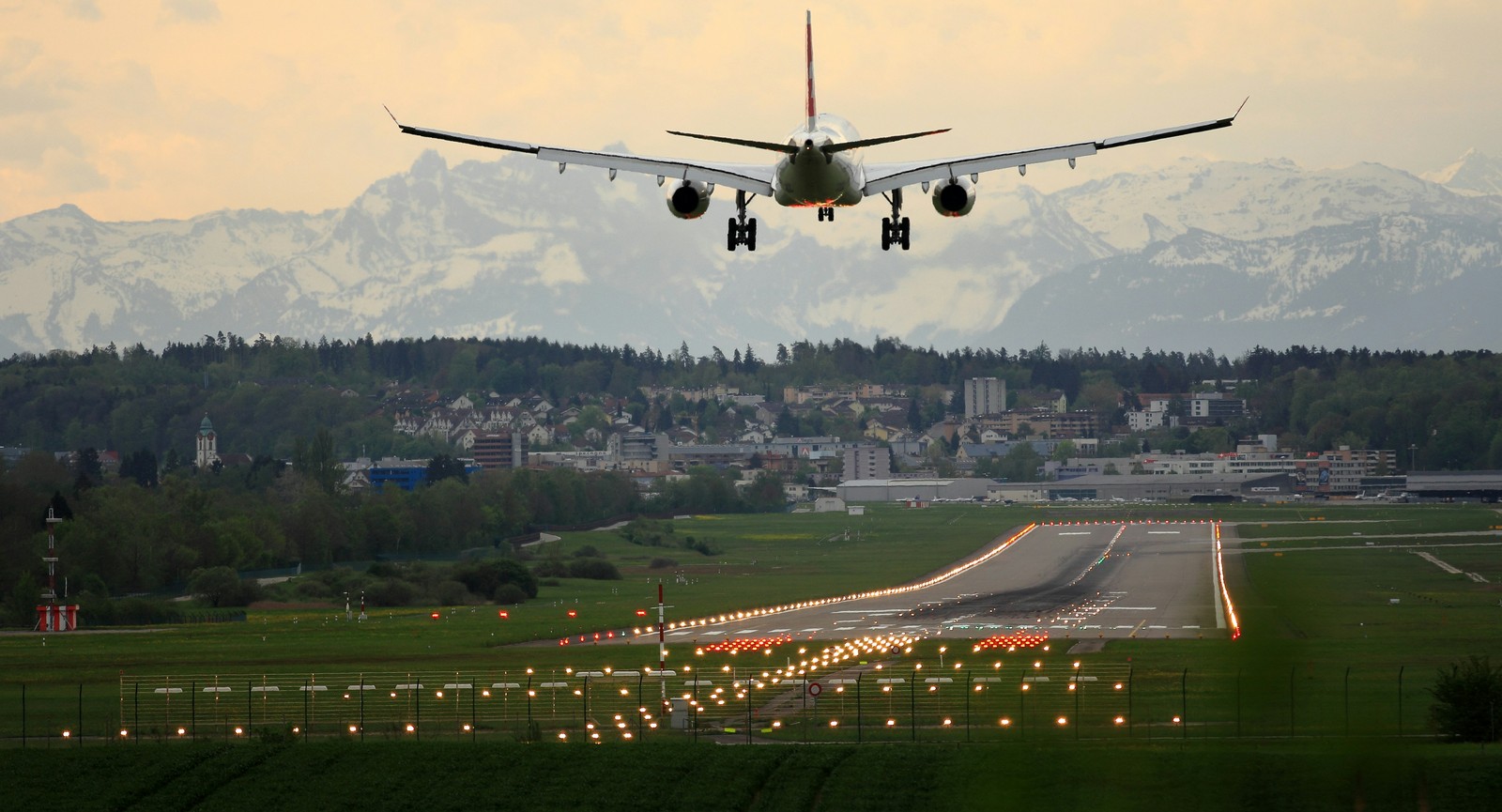
Why are hard landings sometimes the perfect landings?
6 min.
Read Now