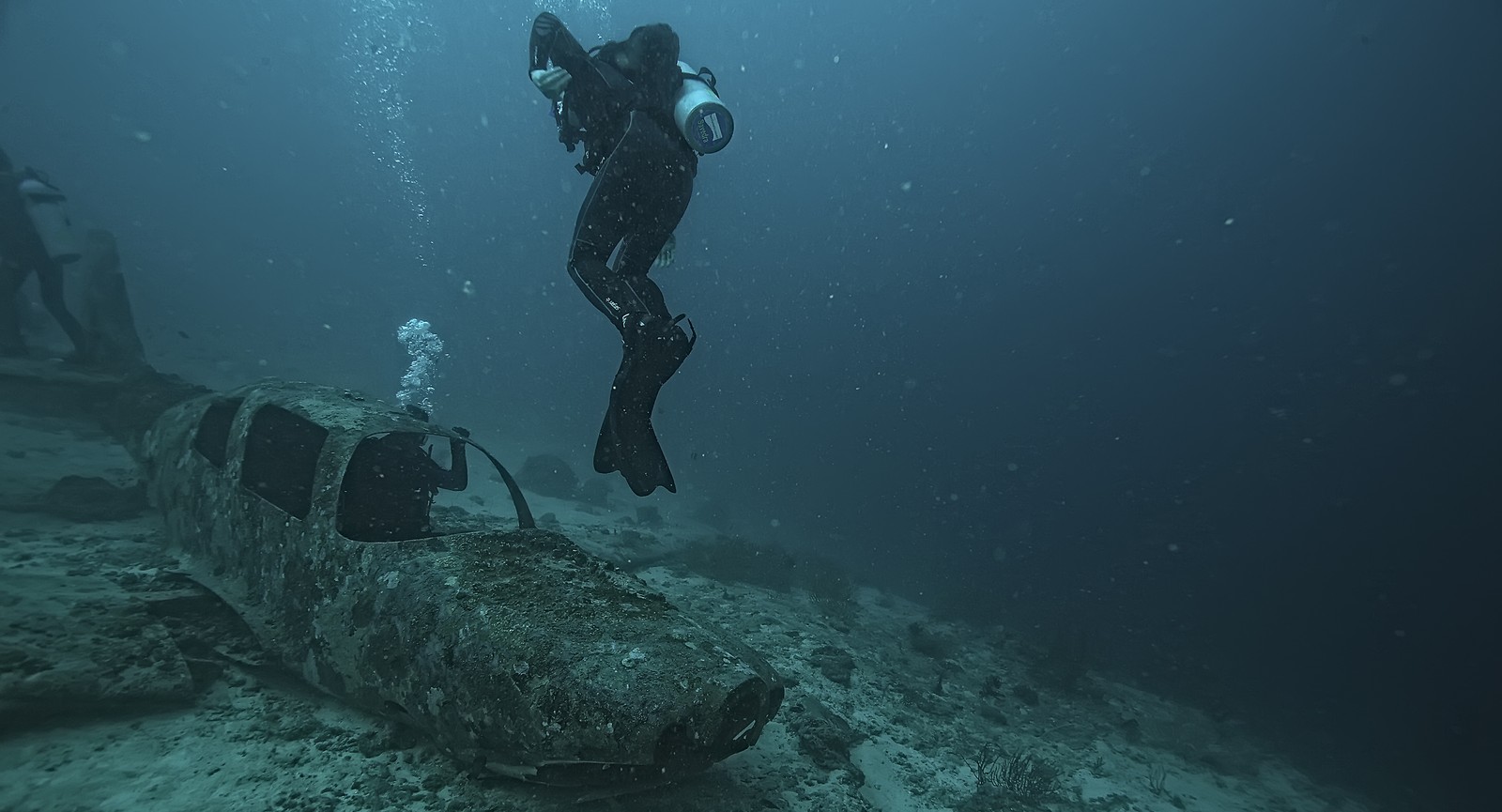
These 10 mysteries were solved. So why do we still believe them?
 History
I want to believe
These 10 mysteries were solved. So why do we still believe them?
Some mysteries have captured the public imagination so intensely that they survive long after science has found a perfectly reasonable explanation. Rocks still seem to sail across a desert by themselves, a waterfall in Antarctica appears to run with blood, and cars apparently roll uphill against gravity. In other cases, ships lost for more than a century have finally been found. Here are 10 famous puzzles whose answers are now much clearer, but their legends refuse to die.
Death Valley’s sailing stones
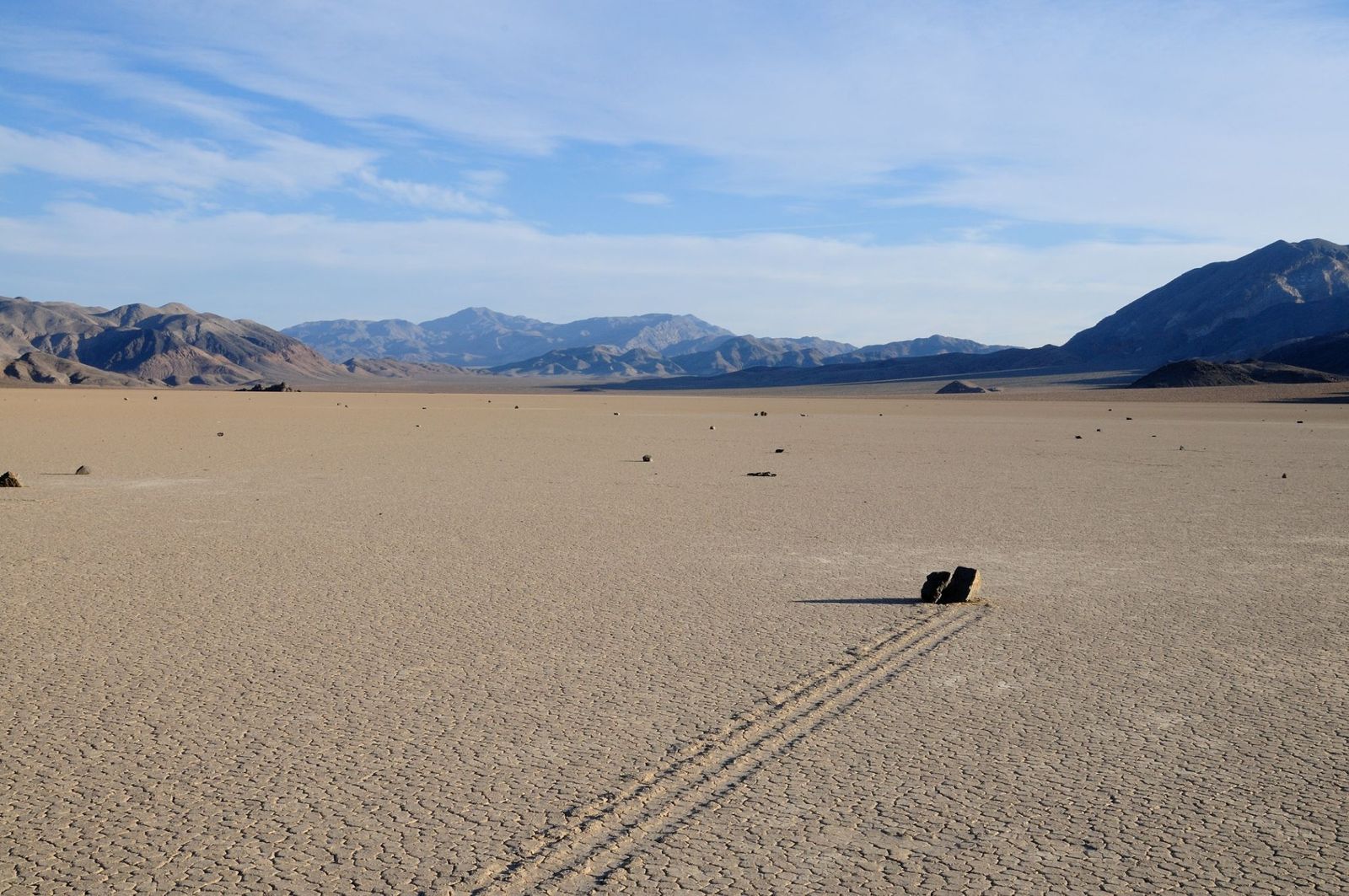
For decades, visitors to Death Valley’s Racetrack Playa found rocks sitting at the ends of long trails carved into the desert floor. Some were surprisingly heavy, yet nobody seemed to catch them moving. Explanations ranged from powerful winds to thick ice, and, inevitably, more imaginative theories.
Researchers finally watched it happen in 2013, explaining the phenomenon once and for all. After rain filled the playa with shallow water, freezing nights created thin sheets of ice around the rocks. Morning sun broke the ice into floating panels, and gentle winds pushed them across the slick mud, nudging rocks along at walking speed or slower. On one December day, scientists saw more than 60 stones move.
Devil’s Kettle disappearing water
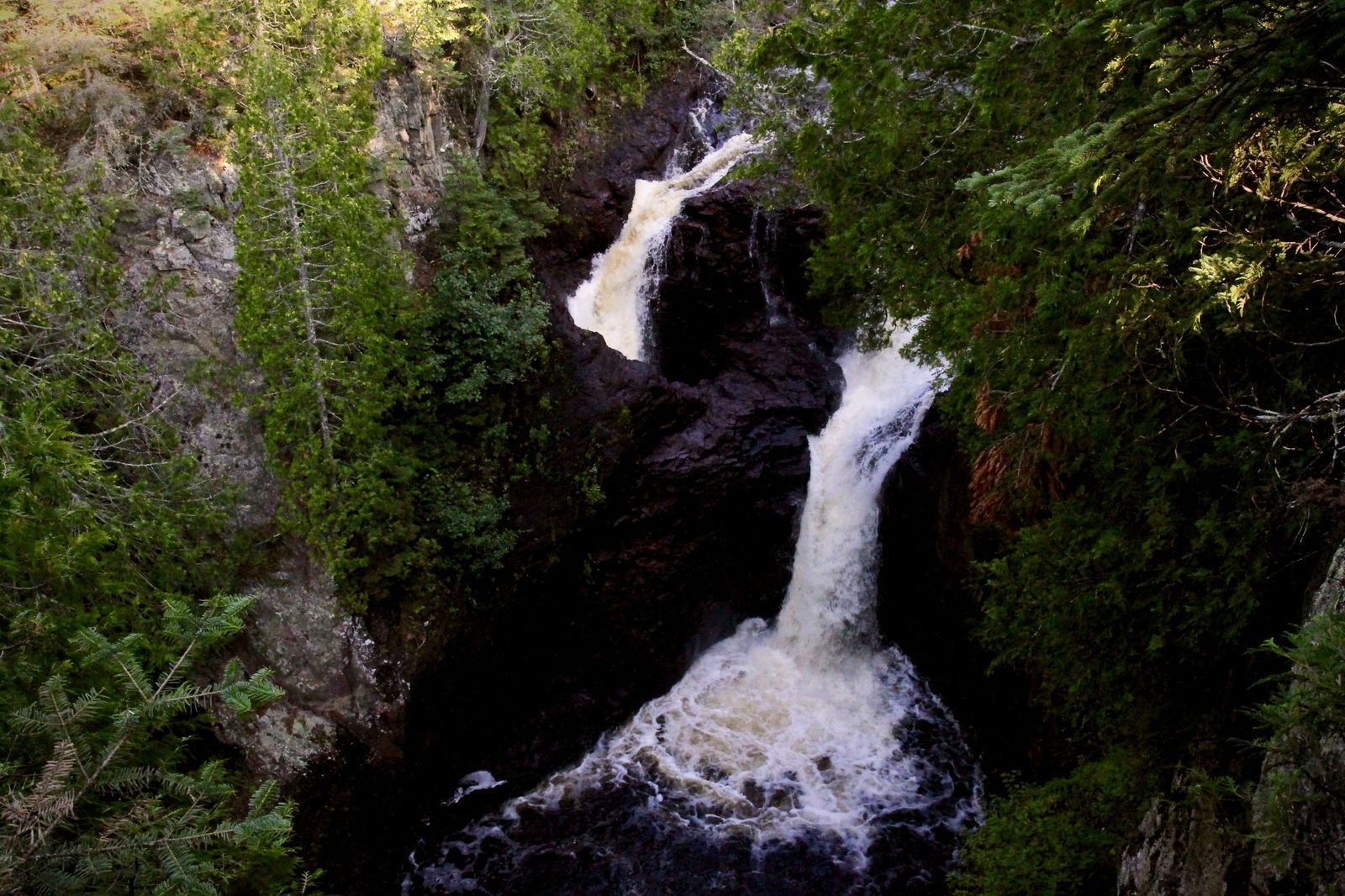
At Devil’s Kettle Falls in Minnesota, the Brule River splits in two. One side tumbles normally over a waterfall, while the other plunges into a deep rocky hole and seems to disappear. For years, visitors wondered whether the water entered an underground river or somehow traveled beneath the landscape toward Lake Superior.
Minnesota hydrologists tested the mystery by measuring the river. They recorded about 123 cubic feet of water per second above the falls and 121 below, a difference within the margin of measurement. In other words, the supposedly missing water was still there. It simply rejoins the Brule downstream, while objects tossed into the turbulent kettle can become trapped or broken apart.
The Bermuda Triangle
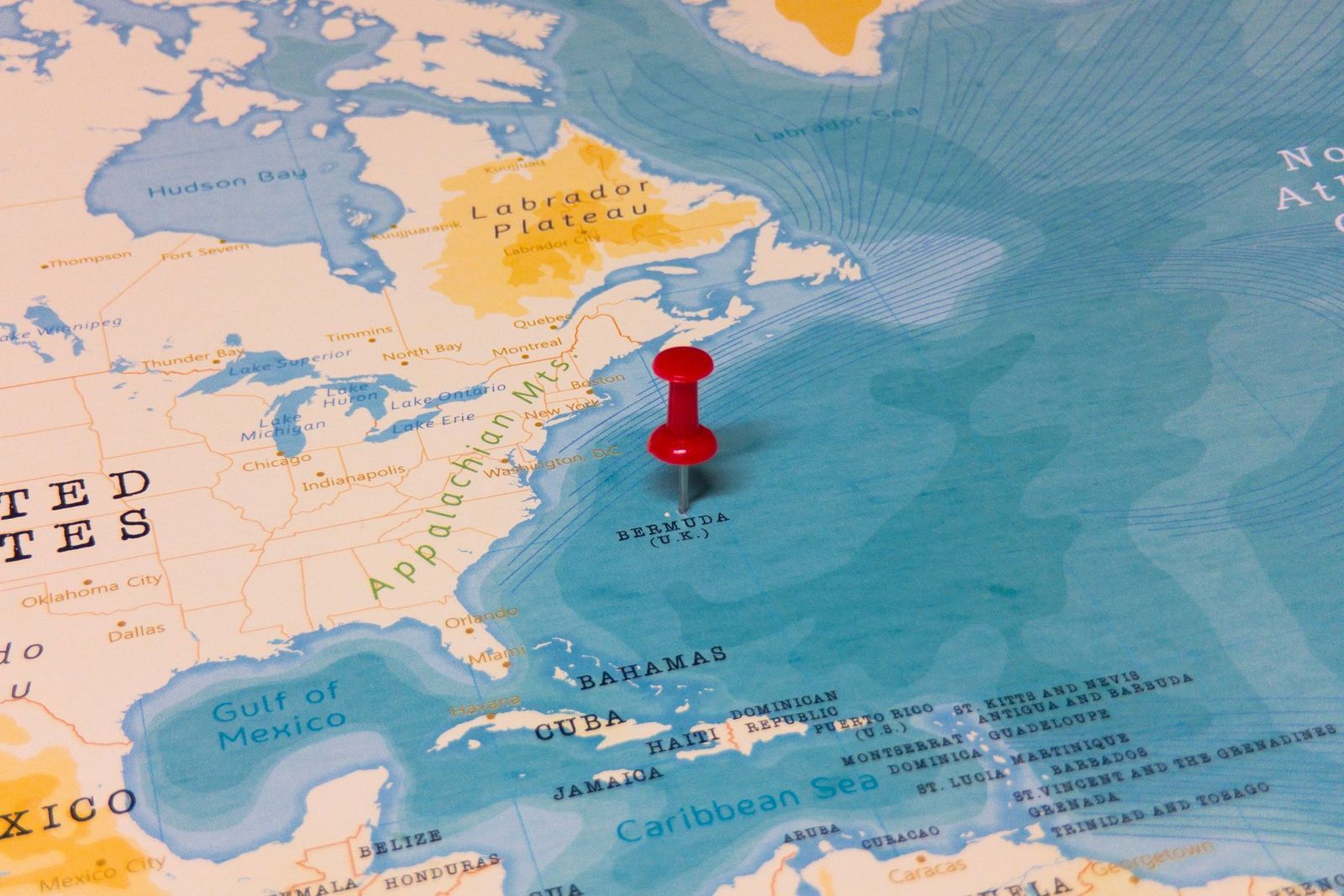
Ships and airplanes supposedly vanish with unusual frequency inside the Bermuda Triangle, the loosely defined Atlantic region between Florida, Bermuda and Puerto Rico. Stories have blamed everything from magnetic anomalies to underwater forces, and decades of books and television programs have turned the Triangle into one of the world's most famous mysteries.
There's a simpler problem with the legend: authorities have found no evidence that disappearances occur there unusually often. NOAA points to ordinary hazards such as hurricanes, rapidly changing weather, the Gulf Stream, shallow waters, and human navigation errors. Even the name is less official than many assume: the U.S. Board on Geographic Names does not recognize the Bermuda Triangle as a geographic feature.
The Eye of the Sahara
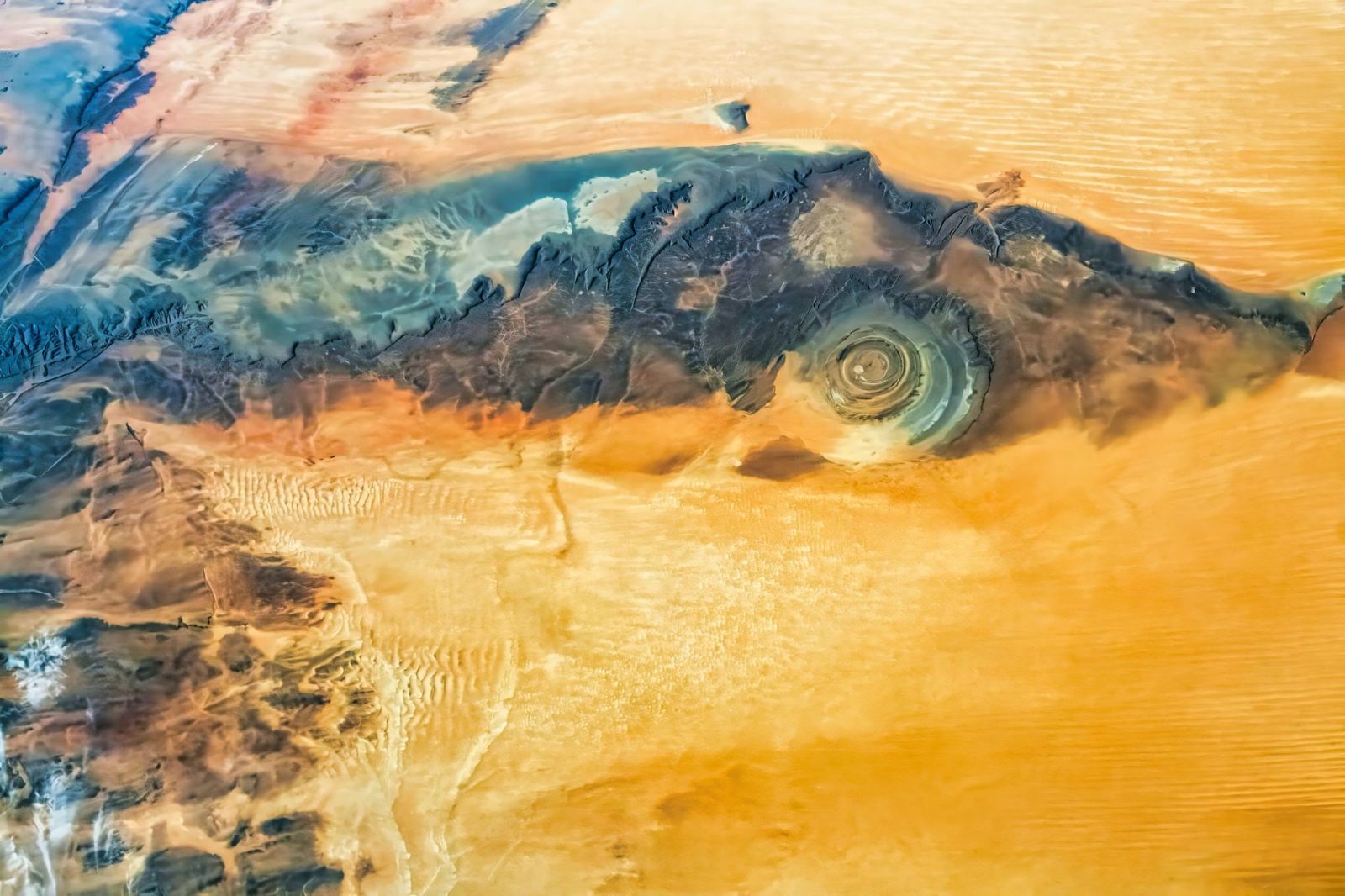
Seen from space, Mauritania's Richat Structure resembles an enormous bull's-eye carved into the Sahara. Its concentric rings stretch roughly 25 miles across, making it look remarkably like a scar left by a gigantic meteorite. Scientists once considered an impact origin, and its appearance has encouraged plenty of more exotic explanations.
Geology tells a different story. The Eye is an eroded geological dome, formed when layers of rock were uplifted and then exposed by erosion over immense spans of time. Harder and softer layers weathered differently, producing its spectacular rings. Astronauts helped make the feature famous after photographing it from orbit during the Gemini-era spaceflight program between 1961 and 1966.
Gravity hills
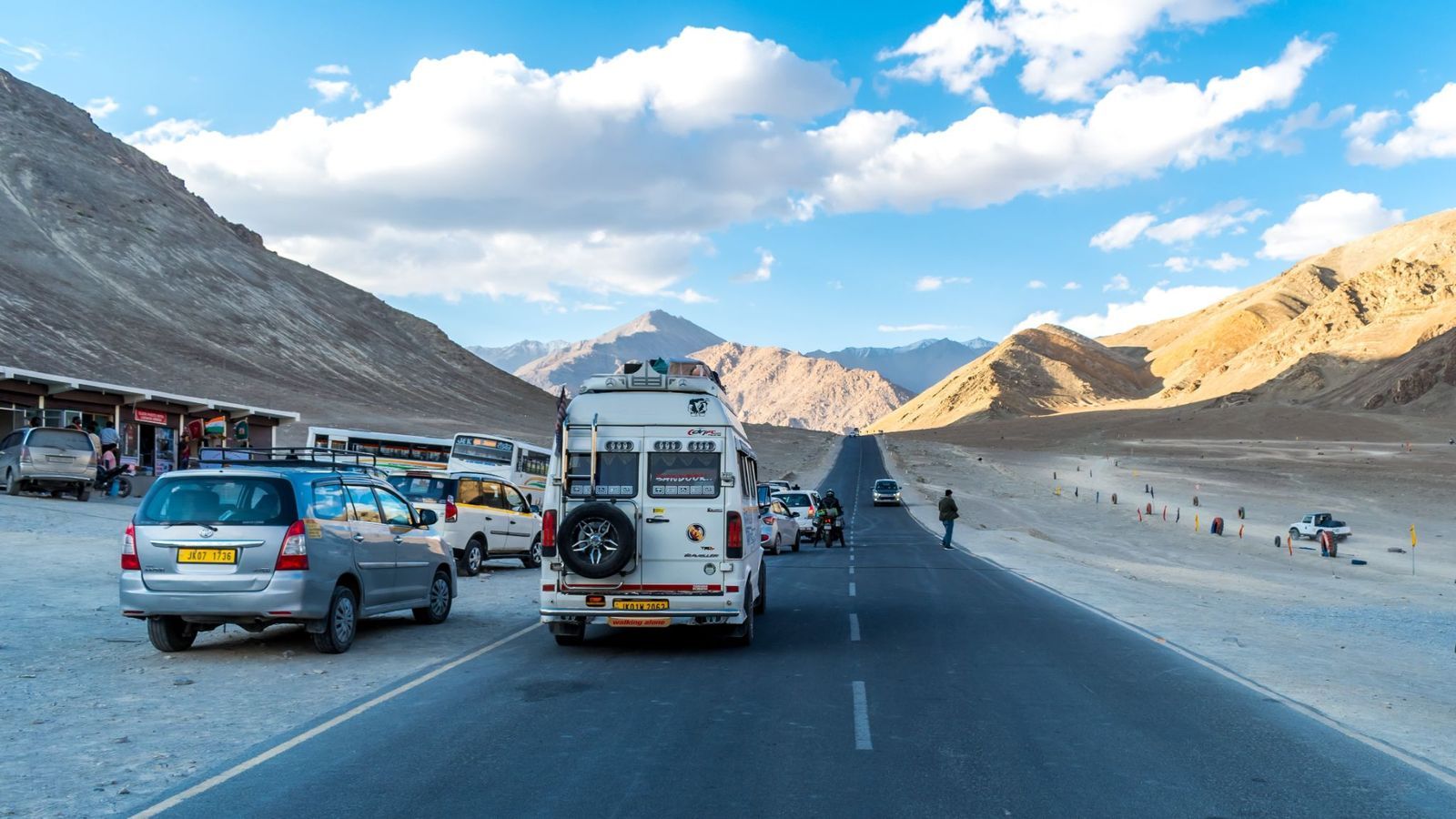
Stop your car at the right place on certain roads, put it in neutral, and something apparently impossible can happen: the vehicle seems to roll uphill. These locations have acquired names such as Magnetic Hill, Mystery Hill and Spook Hill, sometimes accompanied by legends explaining the strange force pulling vehicles upward.
Gravity, however, never stopped working. Experiments have shown that the surrounding landscape can fool our brains about which direction is truly level. A road that looks uphill is actually sloping gently downward. Without a reliable horizon, or with misleading slopes nearby, our visual system gets the angle wrong. The car is obeying gravity perfectly; it's our eyes that think otherwise.
Blood Falls, Antarctica
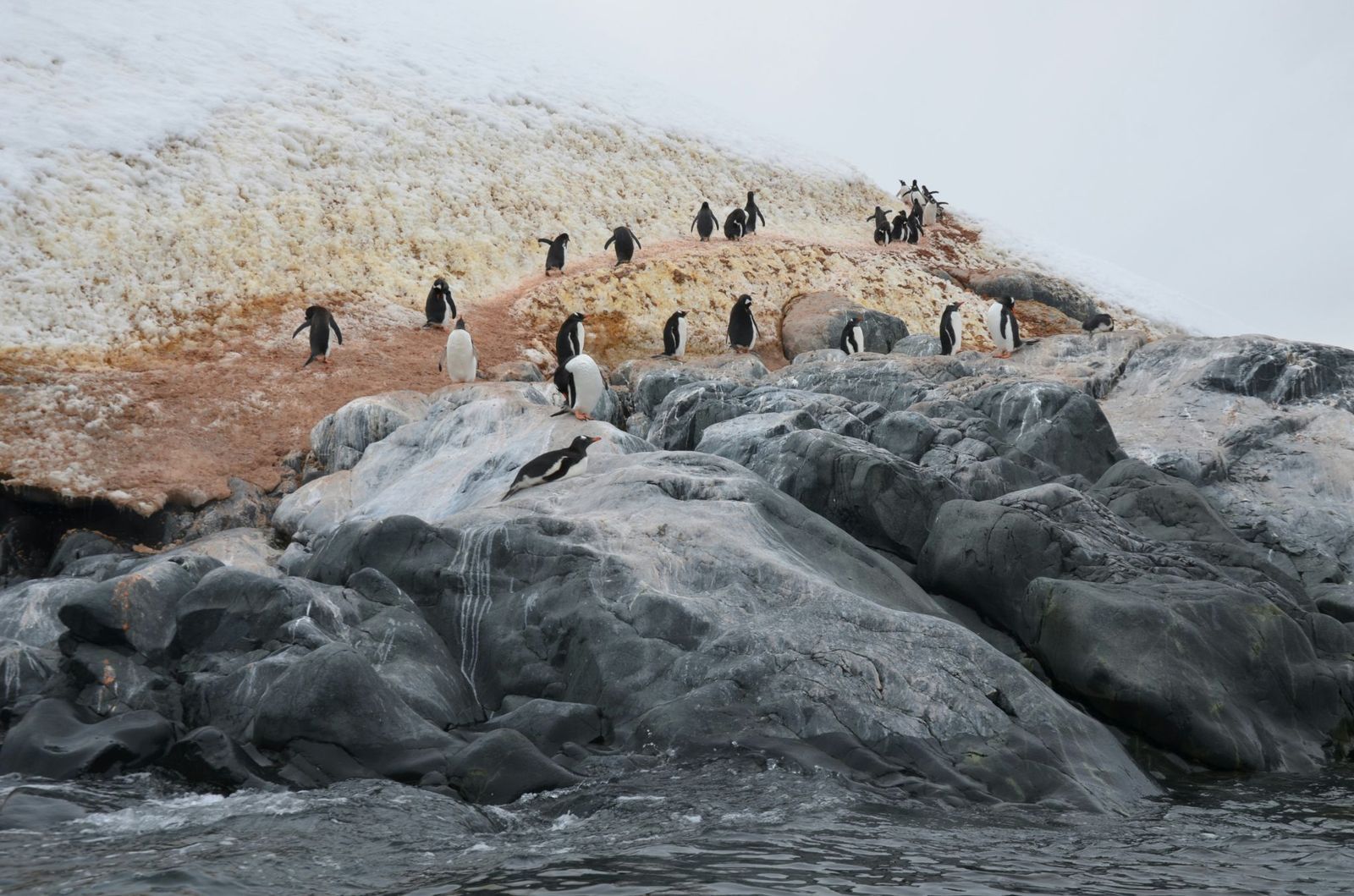
A glacier bleeding into the Antarctic wilderness sounds like something invented for a horror movie. Yet Taylor Glacier really does release an eerie red liquid at Blood Falls in the McMurdo Dry Valleys. When explorers encountered the phenomenon in the early 20th century, its strange color naturally demanded an explanation.
The liquid is an extremely salty, iron-rich brine flowing from within the glacier. Its high salt concentration helps keep it liquid at temperatures where ordinary water would freeze. When the iron-rich brine emerges and encounters the outside environment, chemical reactions produce its rusty red appearance.
The Franklin Expedition
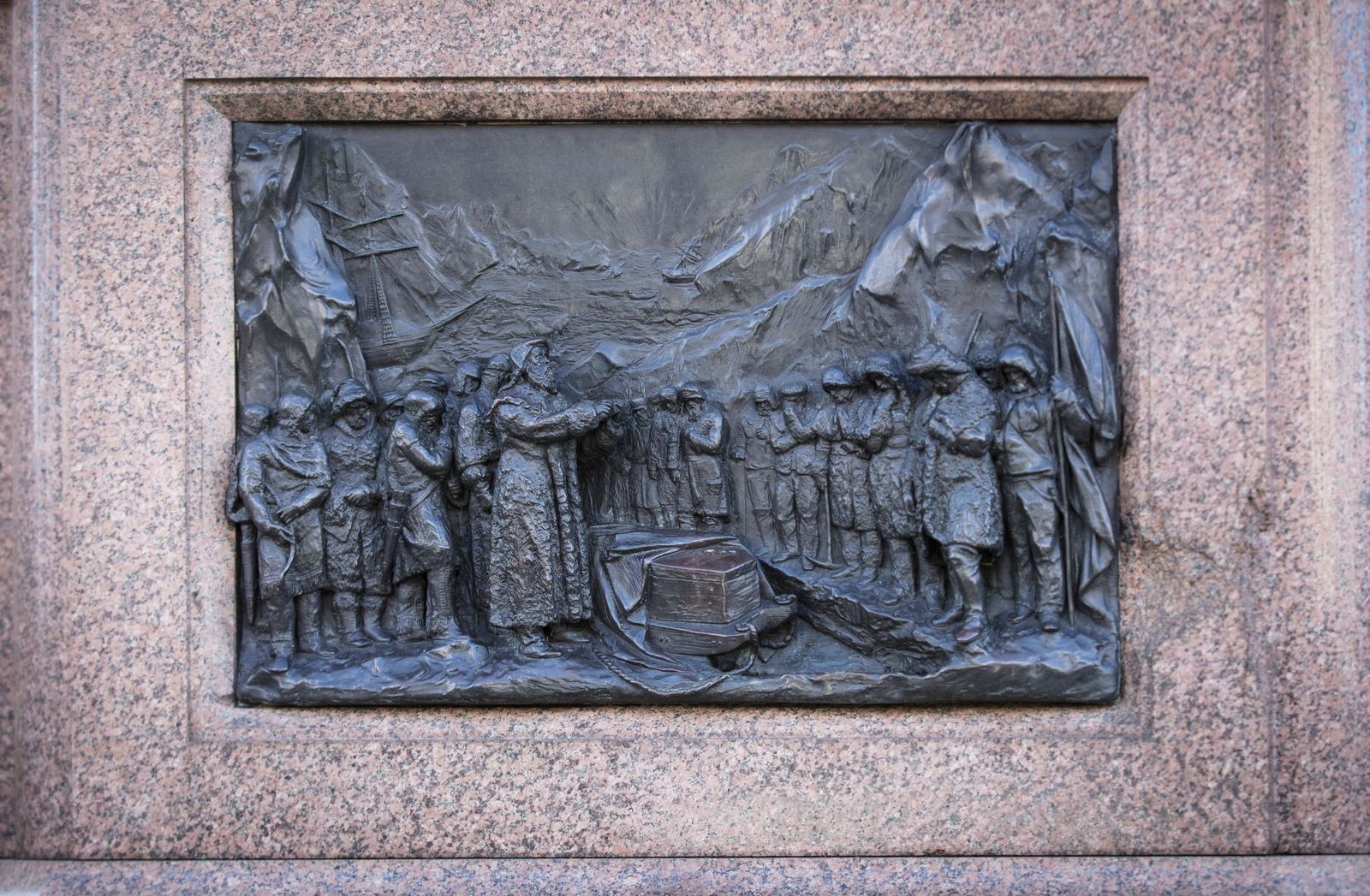
Sir John Franklin sailed from England in 1845 with HMS Erebus and HMS Terror, hoping to complete the Northwest Passage. Both ships became trapped in Arctic ice, and the surviving crew eventually abandoned them. None of the 129 men who continued into the Arctic returned, and the location of the ships became one of exploration history's greatest mysteries.
More than 160 years later, that part of the mystery was solved. Parks Canada found Erebus in 2014 and Terror in 2016 in the Canadian Arctic in the waters surrounding King William Island in Nunavut, not deeper than 79 feet. Modern sonar and underwater archaeology played major roles, but so did something much older: Inuit oral histories that had preserved knowledge about the ships for generations. Questions about the expedition's final months remain, but its two legendary missing vessels are no longer missing.
How Easter Island’s moai could "walk"
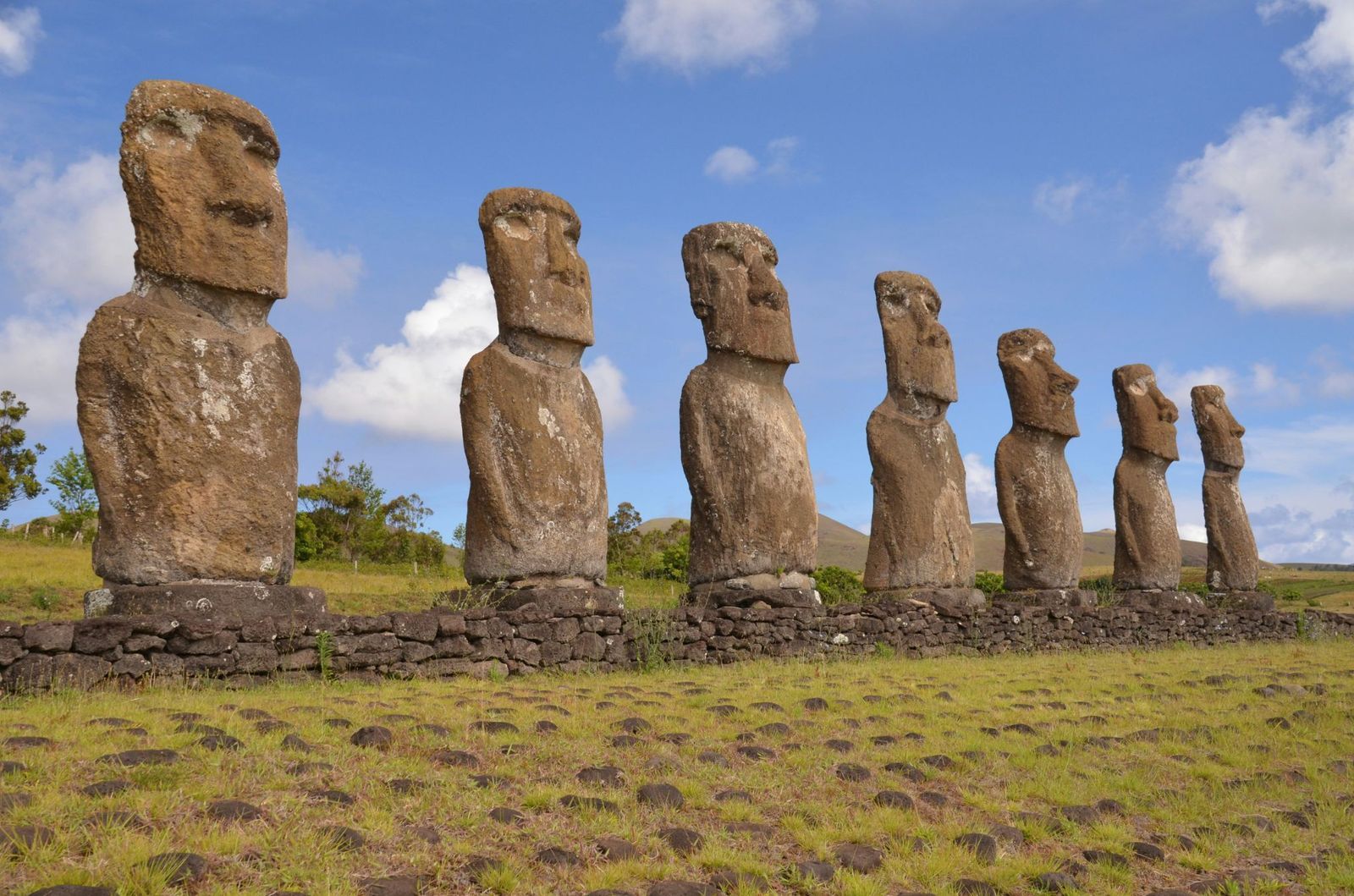
Rapa Nui's enormous moai posed an obvious question: how did islanders without modern machinery transport statues weighing several tons? Intriguingly, local oral traditions said that the statues had "walked" to their destinations. For generations, that sounded more like legend than an engineering description.
Experiments have shown that the idea is remarkably practical. Researchers attached ropes to a multi-ton replica standing upright and had teams alternately pull its sides while another rope stabilized it. The statue rocked from side to side and shuffled forward, effectively "walking." It doesn't prove every original moai traveled this way, and transportation remains debated, but it demonstrates that the old tradition describes something physically possible.
The Dyatlov Pass avalanche mystery
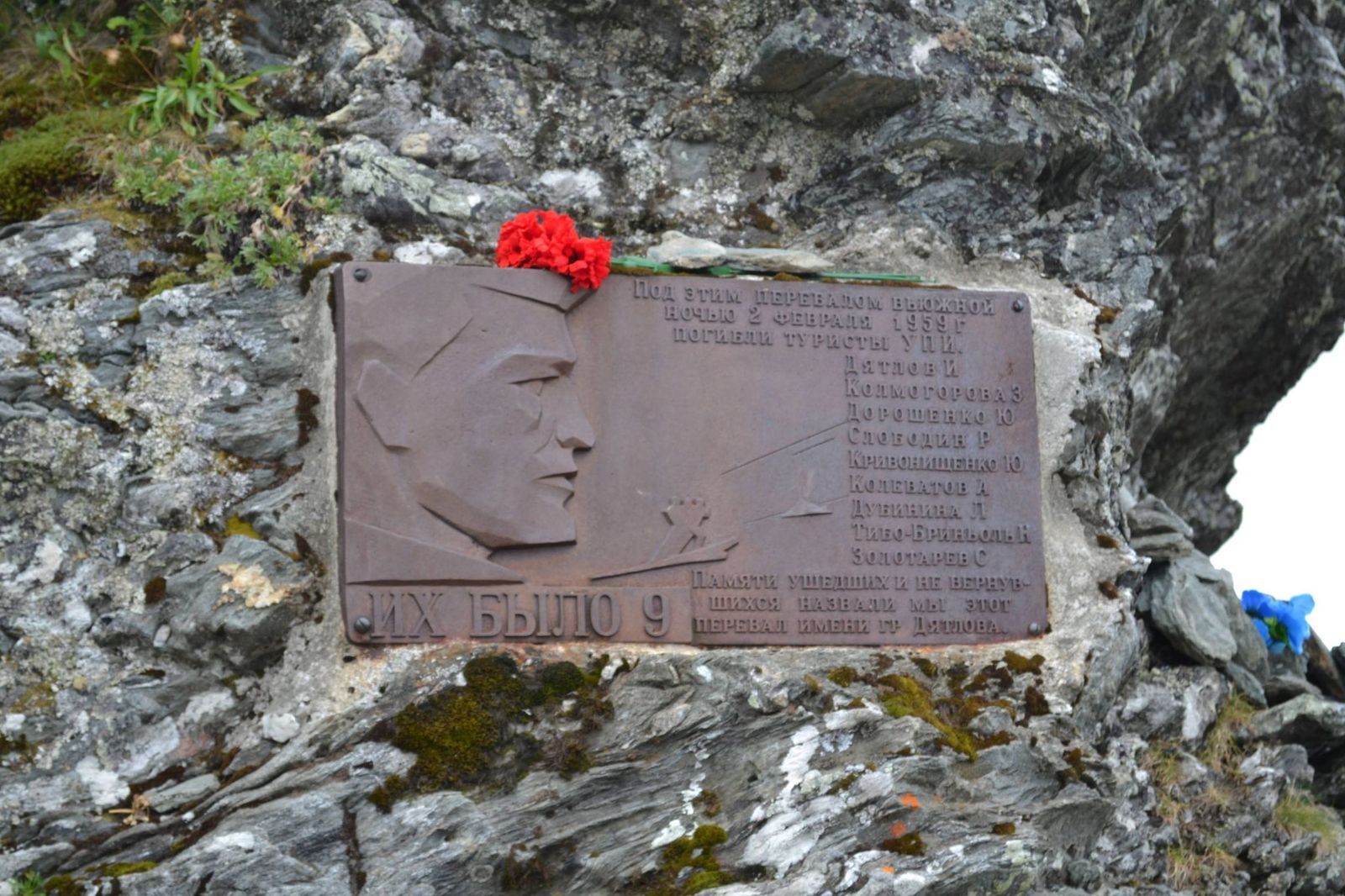
When nine hikers died in Russia's Ural Mountains in 1959, the circumstances seemed baffling. Their tent had apparently been cut open from inside, some fled into temperatures below −13°F without adequate clothing, and several suffered severe injuries. With no obvious explanation, the Dyatlov Pass incident became fertile ground for increasingly extraordinary theories.
Modern research has made a much less exotic explanation surprisingly plausible. Computer modeling showed how cutting into the slope for the campsite, combined with wind-driven snow accumulation, could have triggered a delayed slab avalanche capable of causing serious injuries. Later fieldwork confirmed avalanche conditions in the area. It cannot reconstruct every event that night with certainty, but a once-dismissed natural explanation now fits much of the evidence.
Why Old Faithful keeps erupting
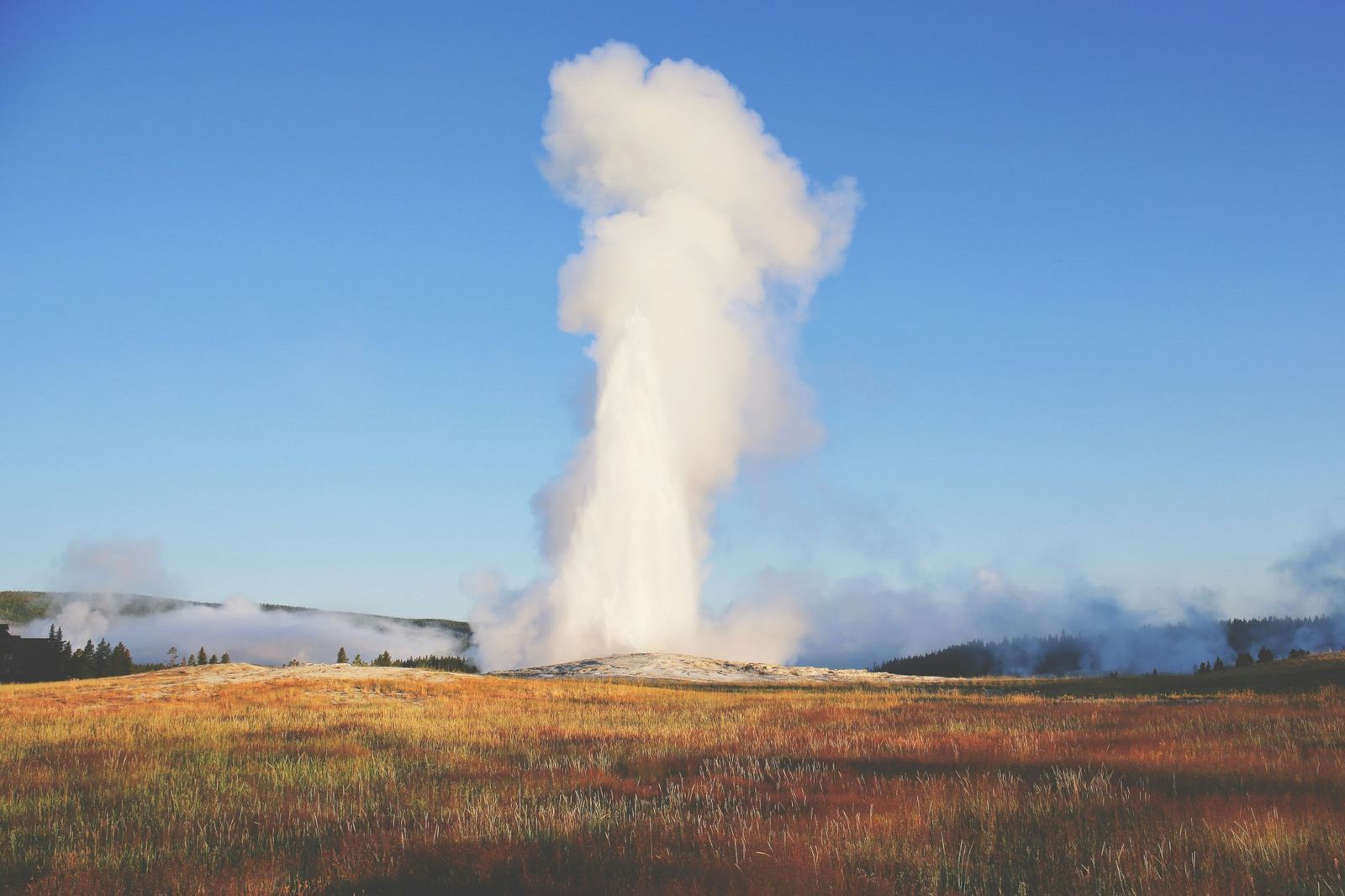
Yellowstone's Old Faithful seems almost mechanical. Water and steam suddenly blast from the ground, the geyser quiets down, and after another 90-minute interval the process begins again. Its predictability made it famous, but what's happening underground is less like a clock than a giant natural pressure cooker.
Water from rain and snow seeps underground and is heated by Yellowstone's geothermal system. Narrow passages prevent the heated water and steam from escaping freely, allowing pressure to build. Eventually, some water rises, pressure below drops, and superheated water rapidly turns to expanding steam, driving an eruption.

10 Incredible, death-defying miracles around the world
 General
10 incredible, death-defying miracles around the world
Survival stories turn the impossible into reality. They give us hope and remind us of our strength. They raise questions we thought were answered. So if you’re currently worried about something, or maybe feel a little scared from time to time, check out these 10 courageous stories that prove there's always a light, no matter how dark things can get.
Trapped in a cave with no way out
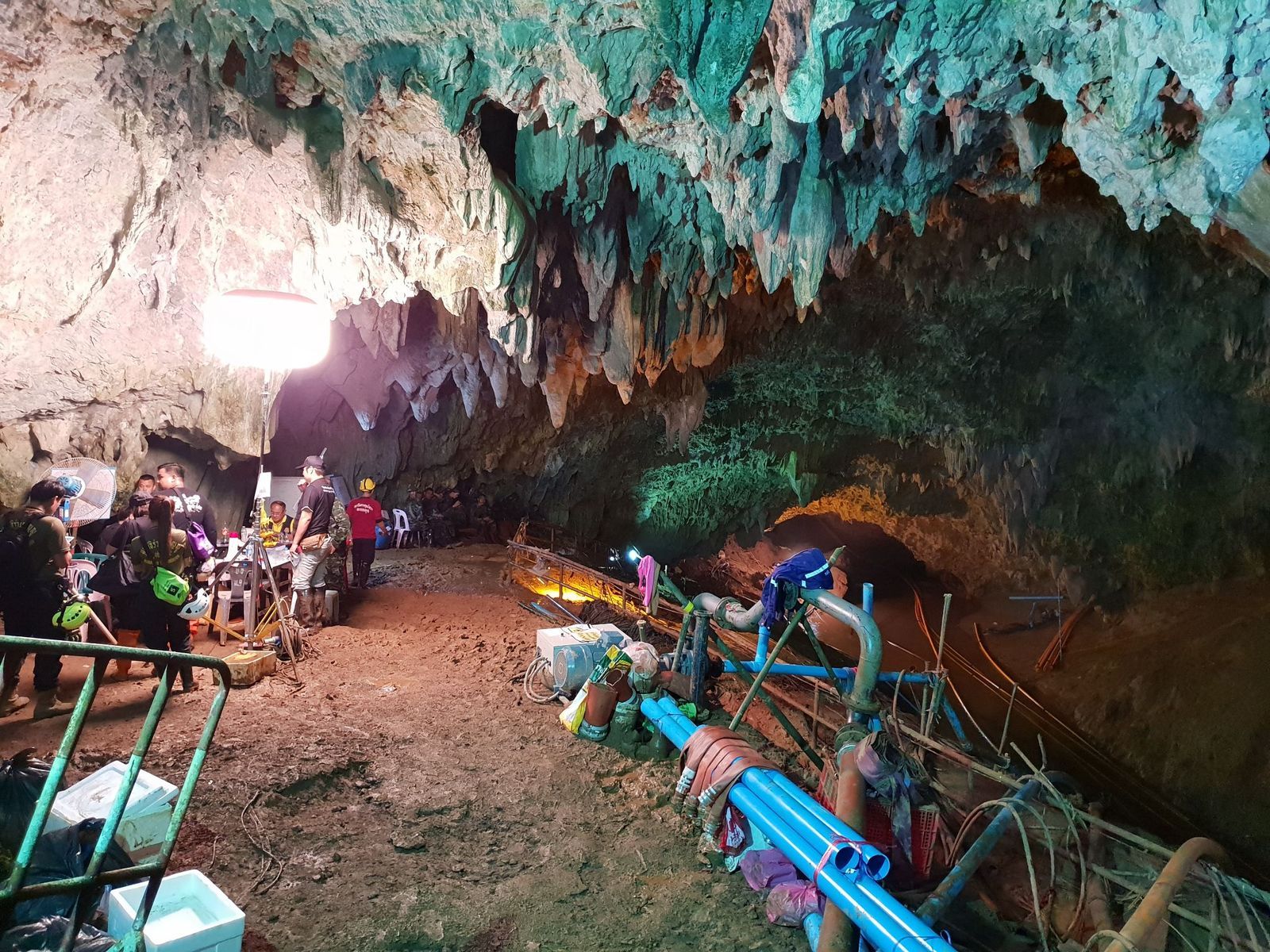
The Tham Luang cave rescue was an unprecedented mission. In June 2018, 12 boys (aged 11-16) and their 25-year-old soccer coach were trapped in a flooded cave in Chiang Rai, Thailand.
The soccer team had entered for a simple exploration until an unexpected monsoon flooded the cave while they were still inside, blocking their only exit and trapping them 2.5 miles underground. After nine days without food, they were found alive by two British cave divers who then needed to take them out one at a time. After days of pumping water from the cave system, the boys were given oxygen masks and safely brought to the cave entrance via the underwater escape route.
40 days alone in the Amazon
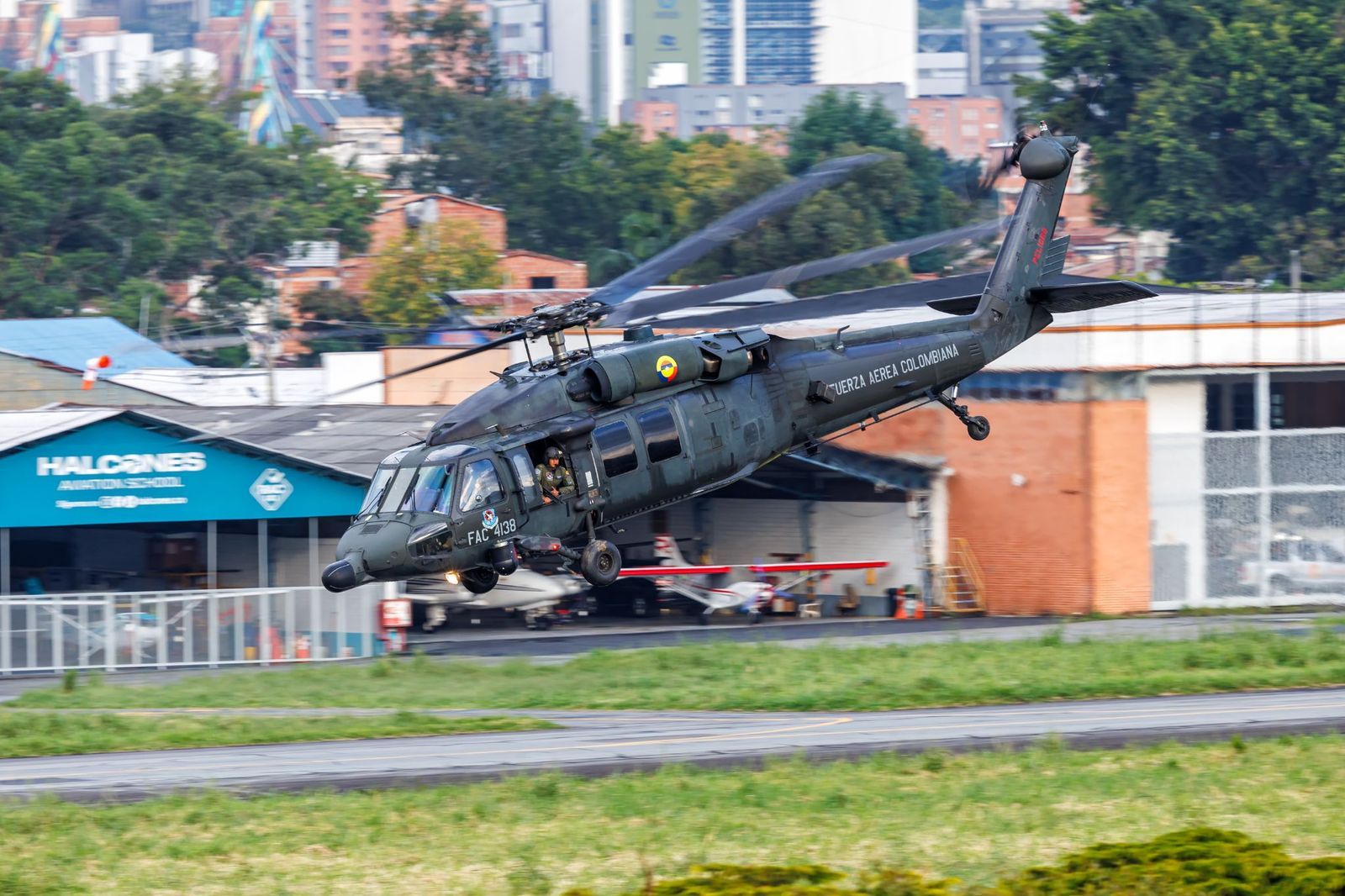
Four Indigenous siblings, aged 13, 9, 4, and 11 months, survived 40 days alone in the Colombian Amazon jungle after a fatal plane crash. The 2023 rescue is one of the most impactful in modern history.
The crash led to the immediate death of all adults on board, including the pilot and the children's mother. Having survived, the eldest sister became the children’s leader, using her ancestral knowledge of the jungle to keep her siblings alive until they were rescued by "Operation Hope," which included Colombian military personnel and 200 Indigenous volunteers who understood the terrain.
69 days beneath the desert
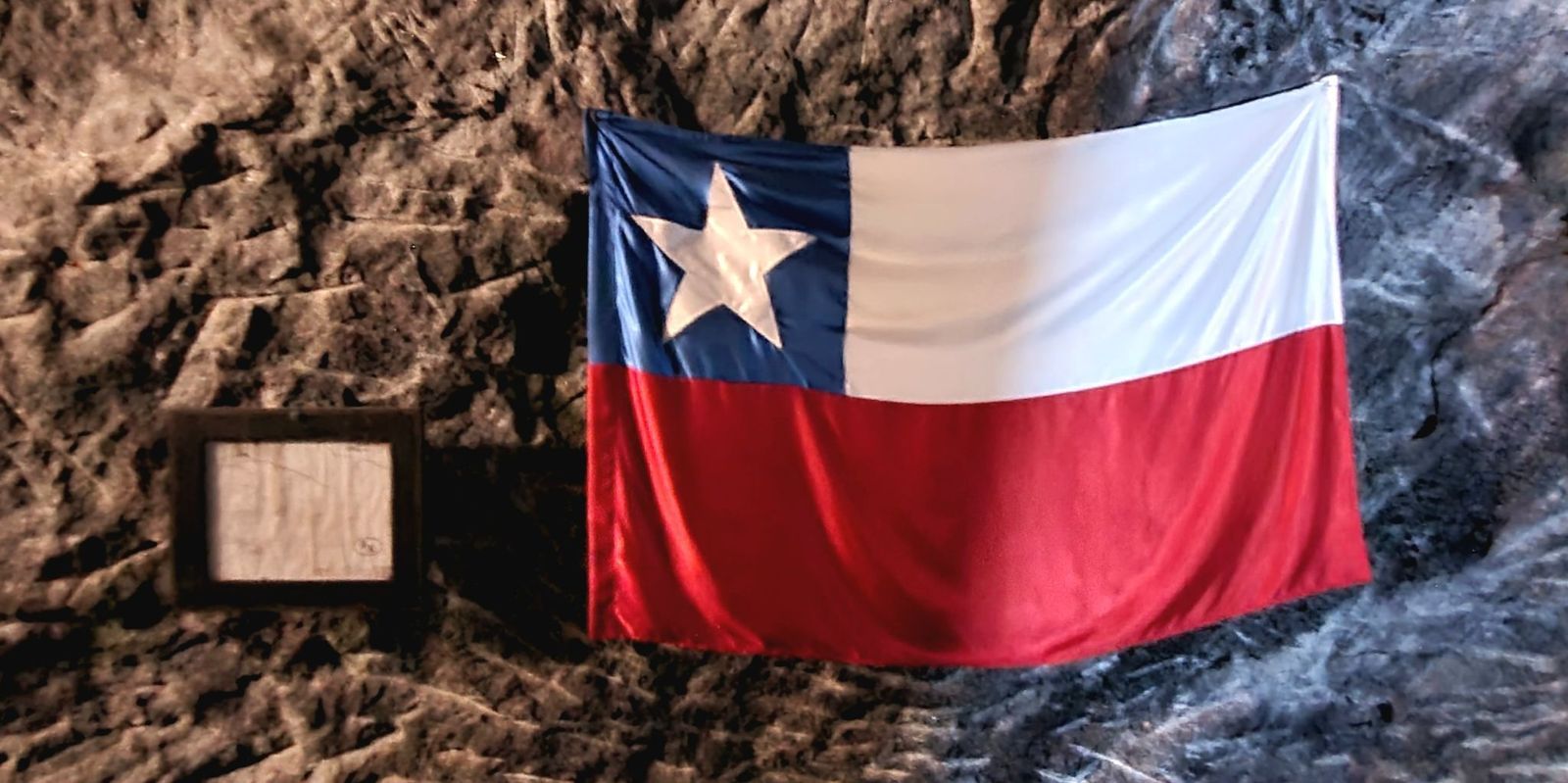
Thirty-three miners were trapped 2,300 feet underground, from August to October 2010, when a catastrophic cave-in occurred at the San José mine in the Atacama Desert in northern Chile. They were working to extract gold and copper when a rock collapse sealed the exit. A second collapse blocked ventilation shafts that could’ve been used as a way out.
During the first 17 days, they survived with no contact with the outside world, strictly rationing tiny portions of tuna, a single biscuit, and sips of milk every 48 hours. In total, they endured 69 days of stifling heat and extreme starvation before an unprecedented international rescue mission, which included a custom metal capsule designed by NASA engineers, brought them all safely to the surface, one by one.
72 days in the frozen Andes
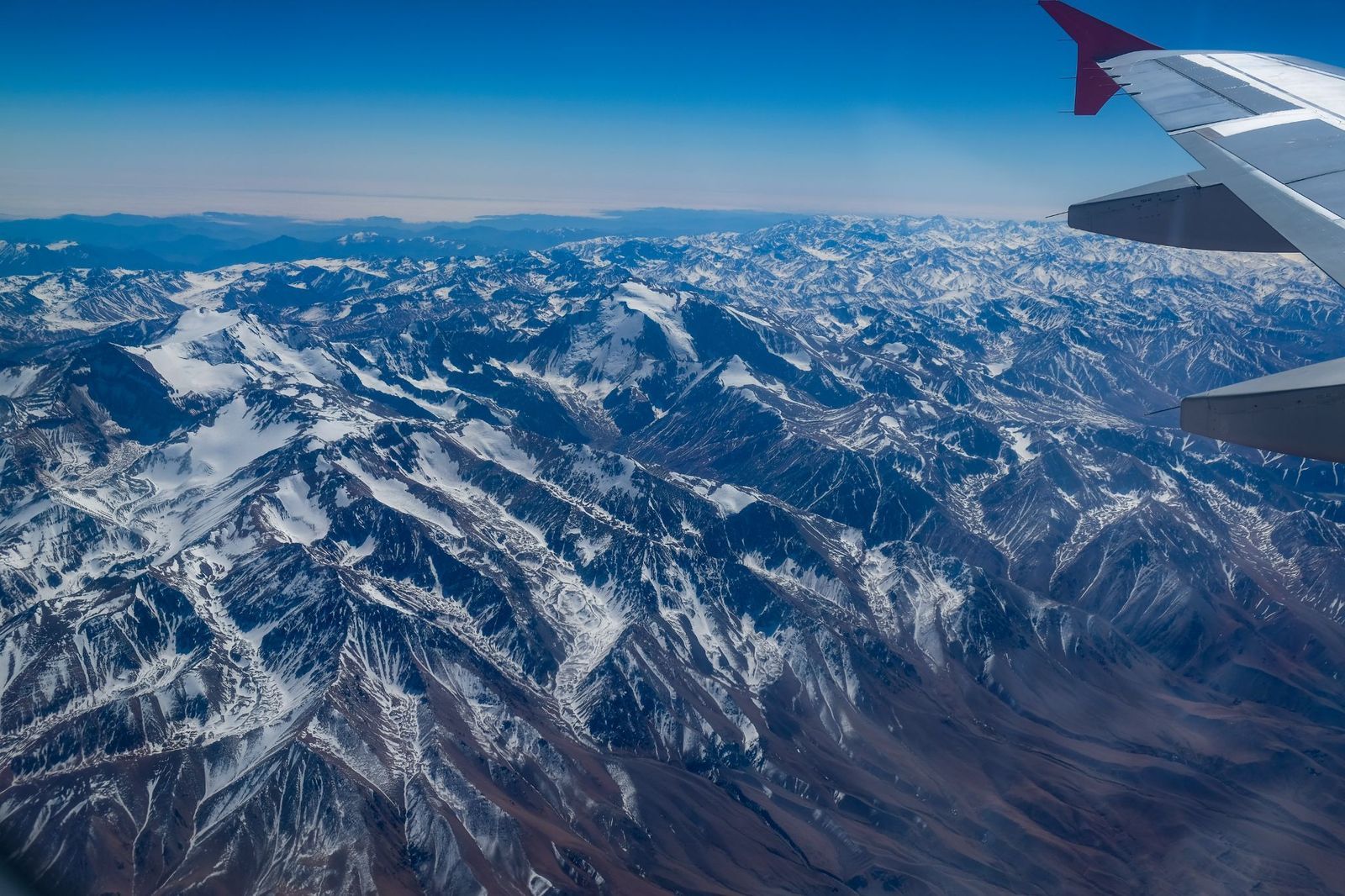
Uruguayan Air Force Flight 571 crashed in the Andes Mountains on October 13, 1972, while carrying 45 passengers and crew. The 16 survivors, all either players or closely connected to the Uruguayan rugby team on board, faced sub-zero temperatures, starvation, and an avalanche before being rescued 72 days later.
This was made possible by two of the survivors who decided to head out on a grueling 10-day mountain trek to find help. On December 20, 1972, they finally came across a muleteer named Sergio Catalán, who alerted the authorities. A couple of days later, Chilean Air Force helicopters flew into the mountains and successfully brought them back.
The girl who fell 10,000 feet and lived
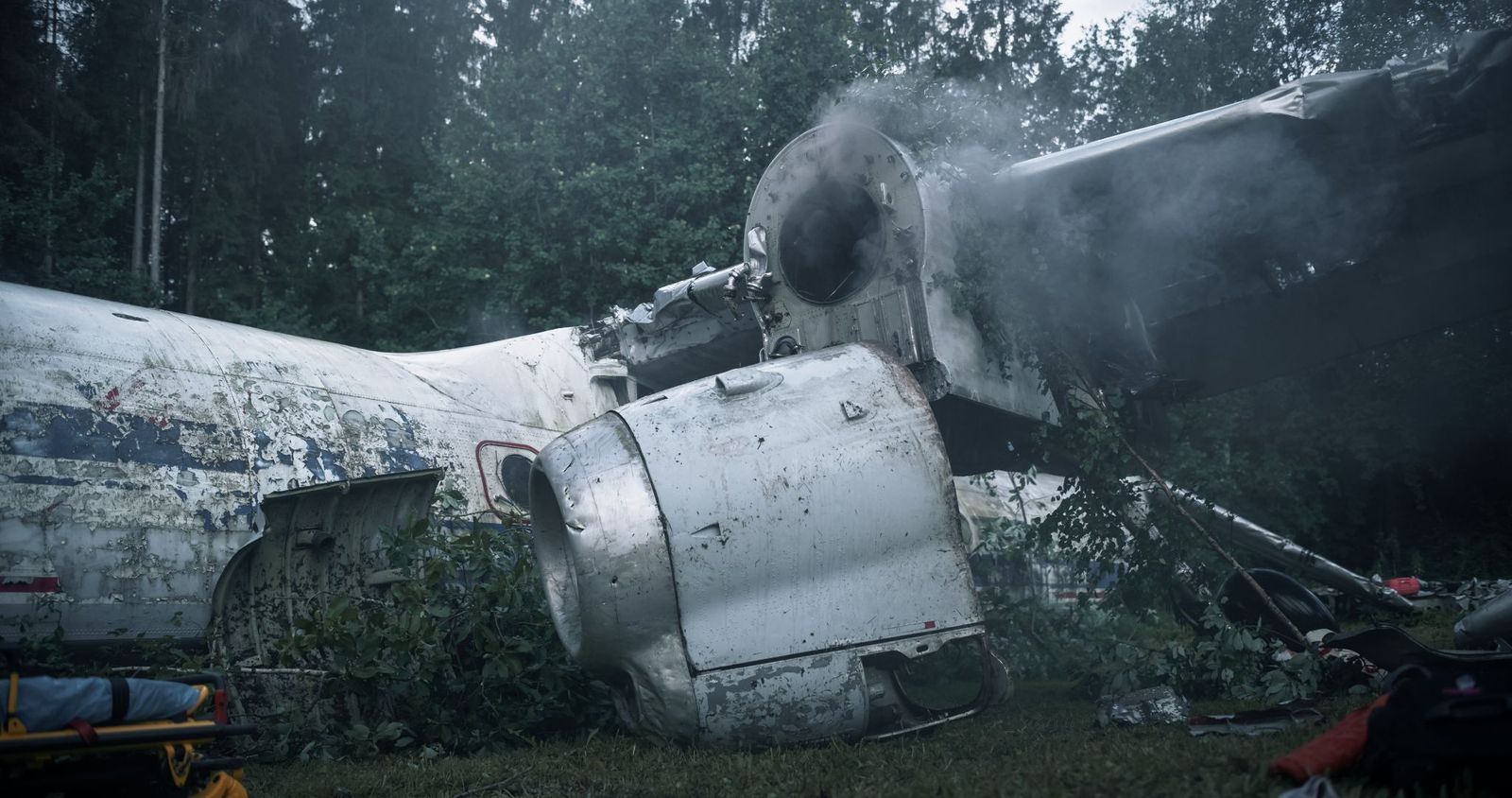
LANSA Flight 508 disintegrated over Peru on December 24, 1971, when it was unexpectedly struck by lightning. There was only one survivor: 17-year-old Juliane Koepcke. She was traveling with her mother to visit her father, a zoologist working in the Amazon.
Strapped to her row of seats, she fell 10,000 feet directly into the dense jungle. She survived the fall with minor injuries and spent 11 excruciating days navigating the wilderness before being rescued by local lumbermen who found her at a hut she had discovered the night before. They gave her initial care and then took her by canoe over several hours to a local village. She was finally flown by a small plane to a hospital in Pucallpa, where she was reunited with her father.
Trapped underwater with just one pocket of air
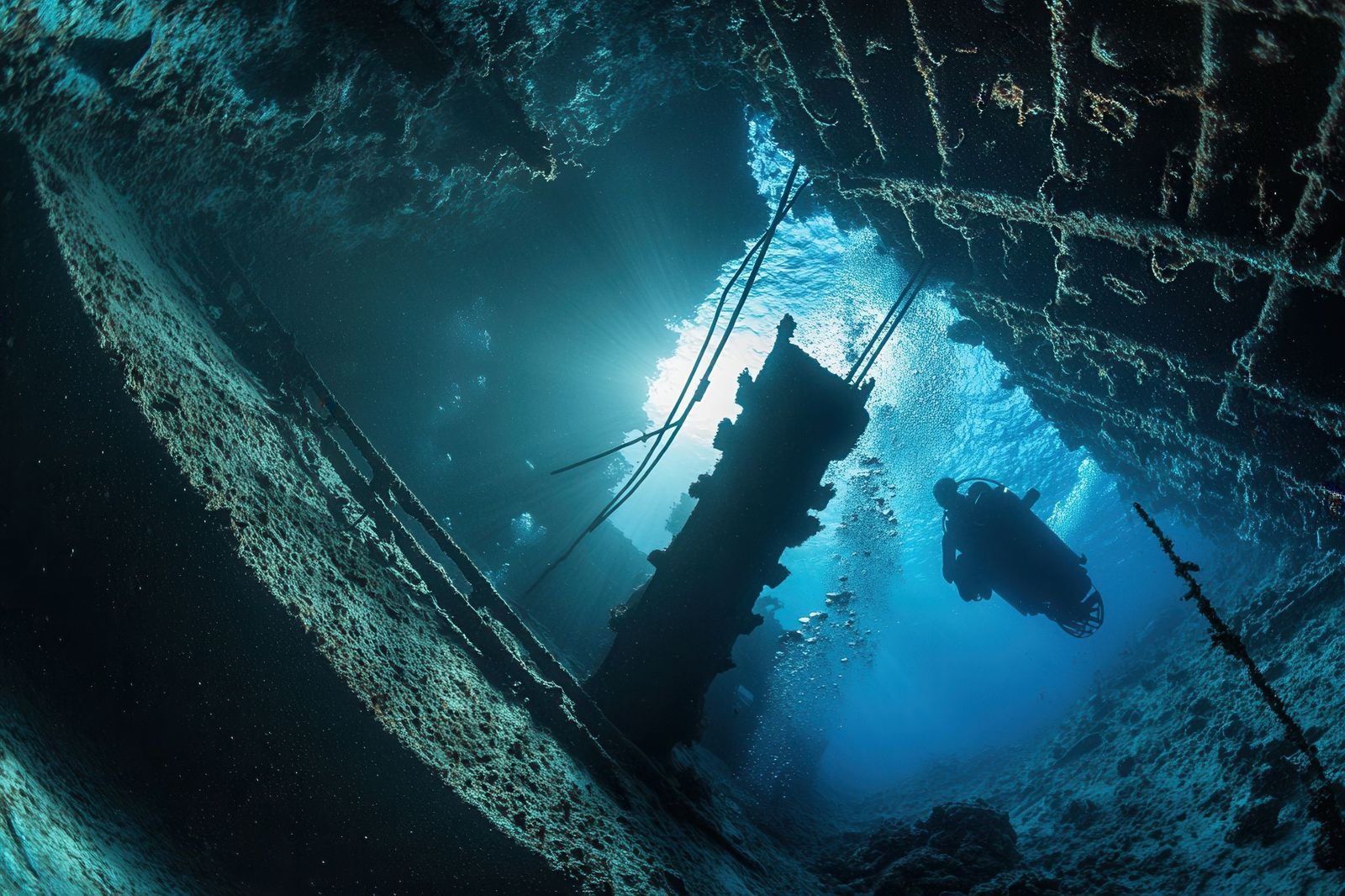
Following the capsizing of the Jascon-4 tugboat just off Nigeria's coastline, Harrison Okene, a 29-year-old local cook, managed to survive for more than 60 hours underwater by finding a four-foot air pocket in a flooded bathroom, 98.4 feet below the surface. His 11 crewmates, unfortunately, did not survive.
She fell from 30,000 feet without a parachute
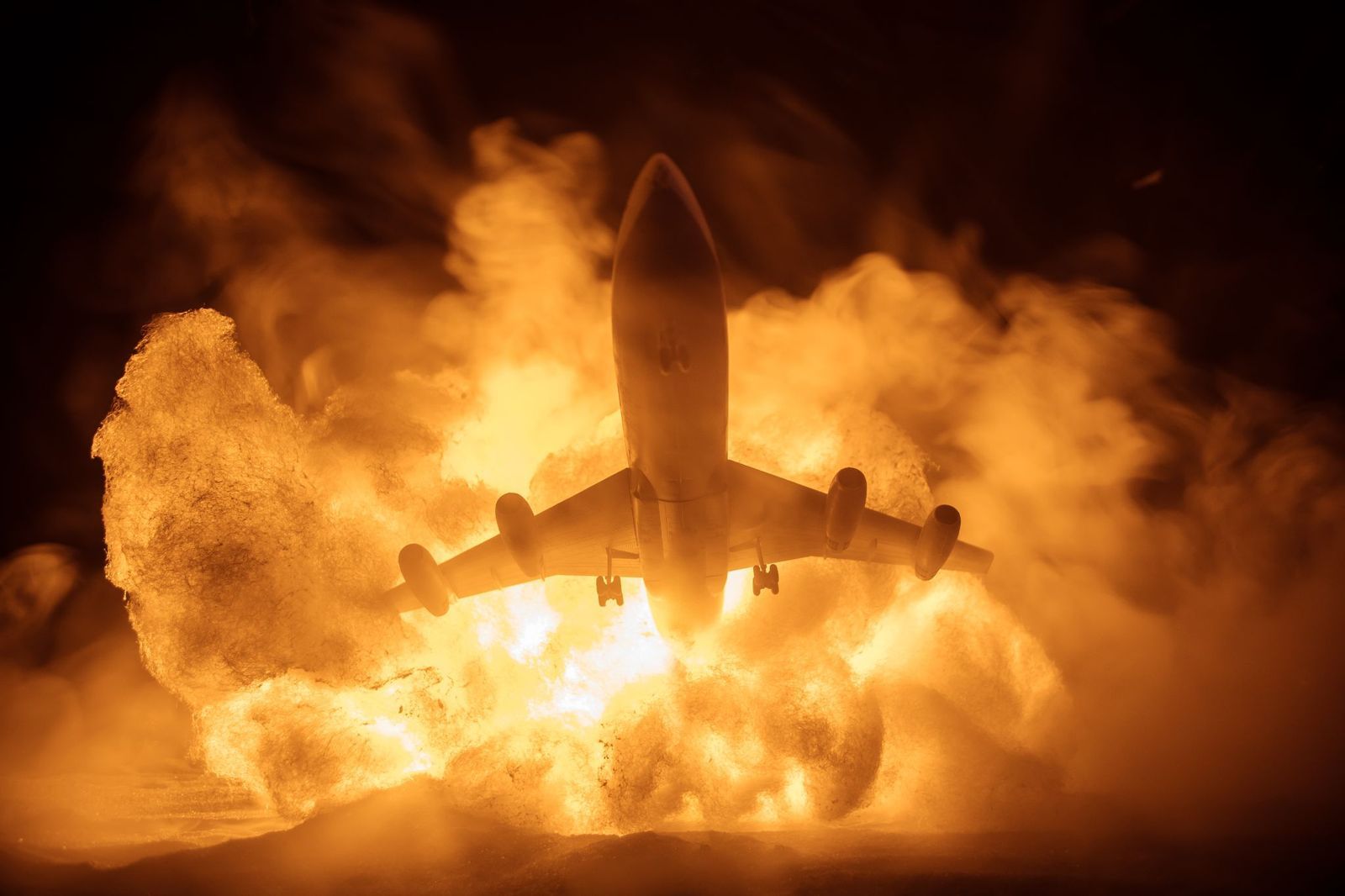
Vesna Vulović holds the Guinness World Record for surviving the highest fall of 30,000 feet without a parachute on January 26, 1972, following a suspected bomb explosion inside a passenger's briefcase 46 minutes into the flight aboard JAT Flight 367.
She was a Serbian flight attendant on board and the sole survivor among the 28 passengers and crew. Against all odds, she woke from her coma and regained her ability to walk in 10 months, before returning to work for the airline.
The rope was cut… but he didn’t die
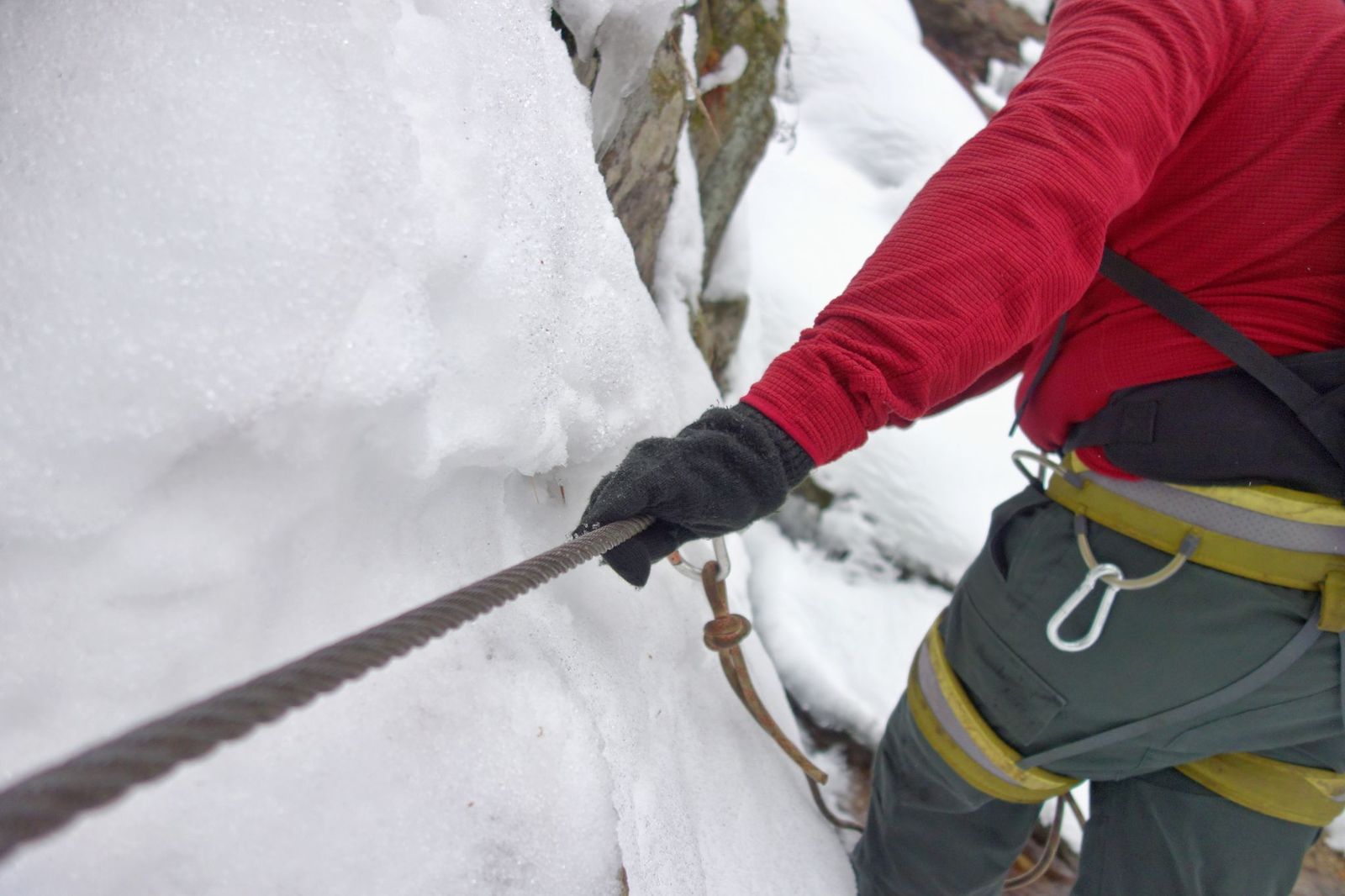
Two British mountaineers, Joe Simpson and Simon Yates, achieved the first ascent of the west face of Siula Grande, standing 20,814 feet tall in the Peruvian Andes. But on their descent, Simpson shattered his leg when he slipped down an ice cliff.
While lowering Simpson during a brutal storm, Yates was forced to make the "impossible choice" of cutting the rope and leaving him stranded in a crevasse. Against all odds, Simpson miraculously survived and crawled back to base camp three days later.
A 47-story fall that should have been fatal
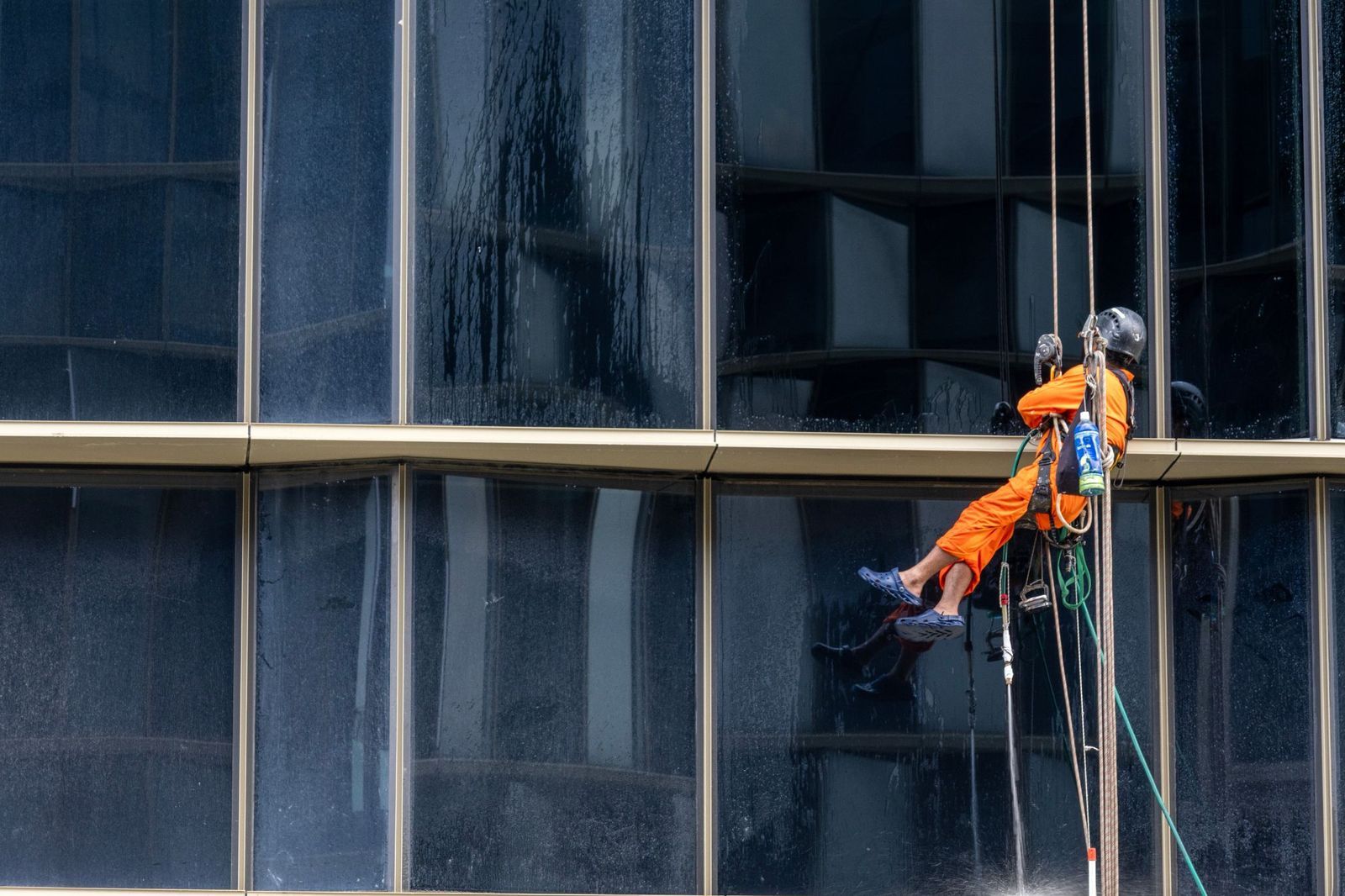
Alcides Moreno defied modern medical science by surviving a 47-story fall that would have been fatal for most people. He was working as a window cleaner alongside his brother in a skyscraper in New York.
When he began descending, the rope that supported him snapped, and he fell to the ground for over 17 helpless seconds. The rescue team reached him as soon as they could and found he had multiple fractures, but, against all odds, was conscious. Despite the surgeries he needed, his final recovery is considered to this day a "miracle."
Stranded in ice… then came an 800-mile escape
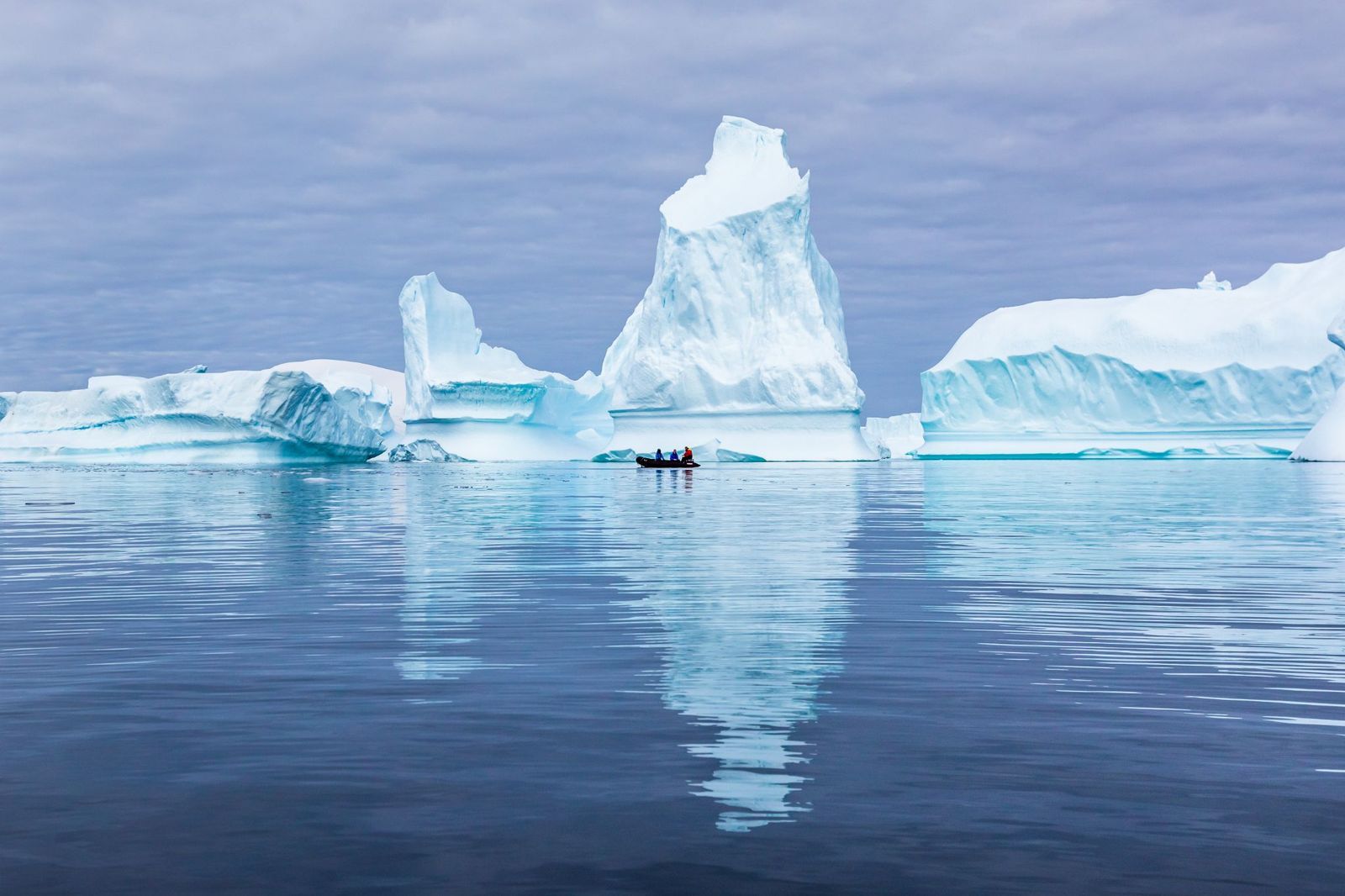
Endurance was the name of an expedition ship to Antarctica that later became trapped and crushed by a pack of ice in the Weddell Sea. Sir Ernest Shackleton, the leader of the Trans-Antarctic Expedition, alongside Captain Frank Worsley and a 26-member crew, was left stranded on drifting ice.
Through expert guidance and relentless determination, he led everyone on an 800-mile lifeboat journey across the Southern Ocean to South Georgia Island, ultimately resulting in a rescue mission that saved them all.
Keep wandering
There’s always
more to explore
 Culture

Why did the radio refuse to play Bob Dylan's "Like a Rolling Stone"?
4 min.
Read Now
What passengers never see after midnight on a cruise ship
4 min.
Read Now
Was Moby-Dick a real whale? These marine stories have real backgrounds
6 min.
Read Now

Did Sinatra really sing for the Mafia in Cuba? 10 wild hotel stories
8 min.
Read Now