
Ten airports where you will actually want to arrive early
 General
Ten airports where you will actually want to arrive early
Years ago, airport shopping meant buying some cheap souvenir and a tiny bottle of overpriced water. Today, major international airports have transformed their terminals into massive shopping centers that easily rival premium malls. If you happen to fly out of any of these ten airports, you’ll discover luxury designer fashion, local gourmet treats, and unique regional souvenirs all in one place before you even leave the ground.
London Heathrow, United Kingdom
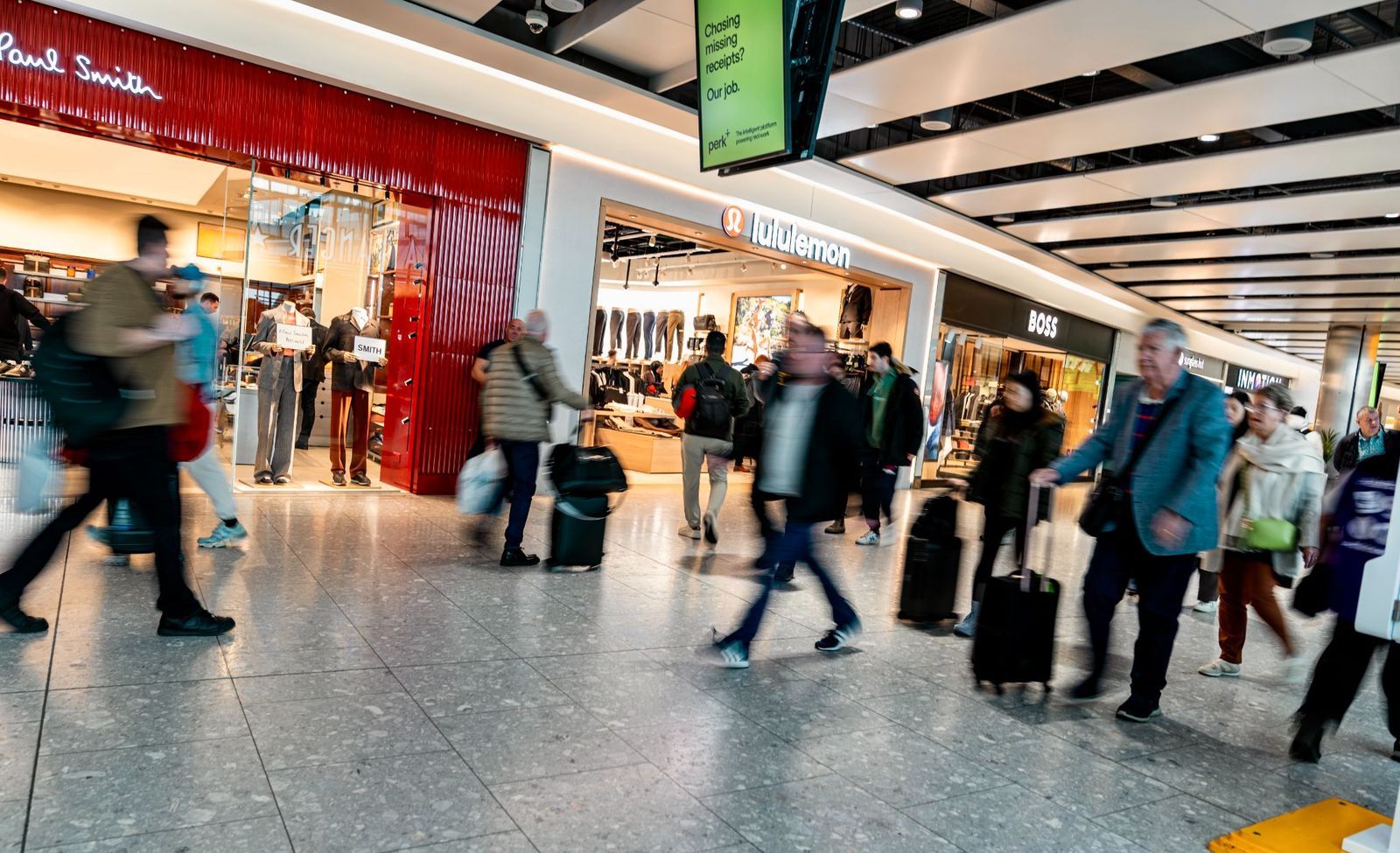
London Heathrow is often listed as number one in airport shopping rankings. Across its massive terminals (especially Terminal 5), passengers can browse an amazing mix of high-end fashion houses, luxury designers, beauty counters, and specialty duty-free stores. Because millions of international travelers pass through every year, the shopping selection is designed to suit every taste, whether you’re looking for designer accessories or quality souvenirs.
Denver International Airport, United States

The largest airport in the U.S. by land area, Denver International stands out for its distinct mountain spirit. Beyond standard travel gear, the airport features unique local businesses and art galleries, like Mangelsen Images of Nature, which showcases stunning wildlife photography. Here you’ll also find rugged outdoor apparel, handcrafted Western jewelry, and locally made Colorado snacks and beverages.
Singapore Changi, Singapore
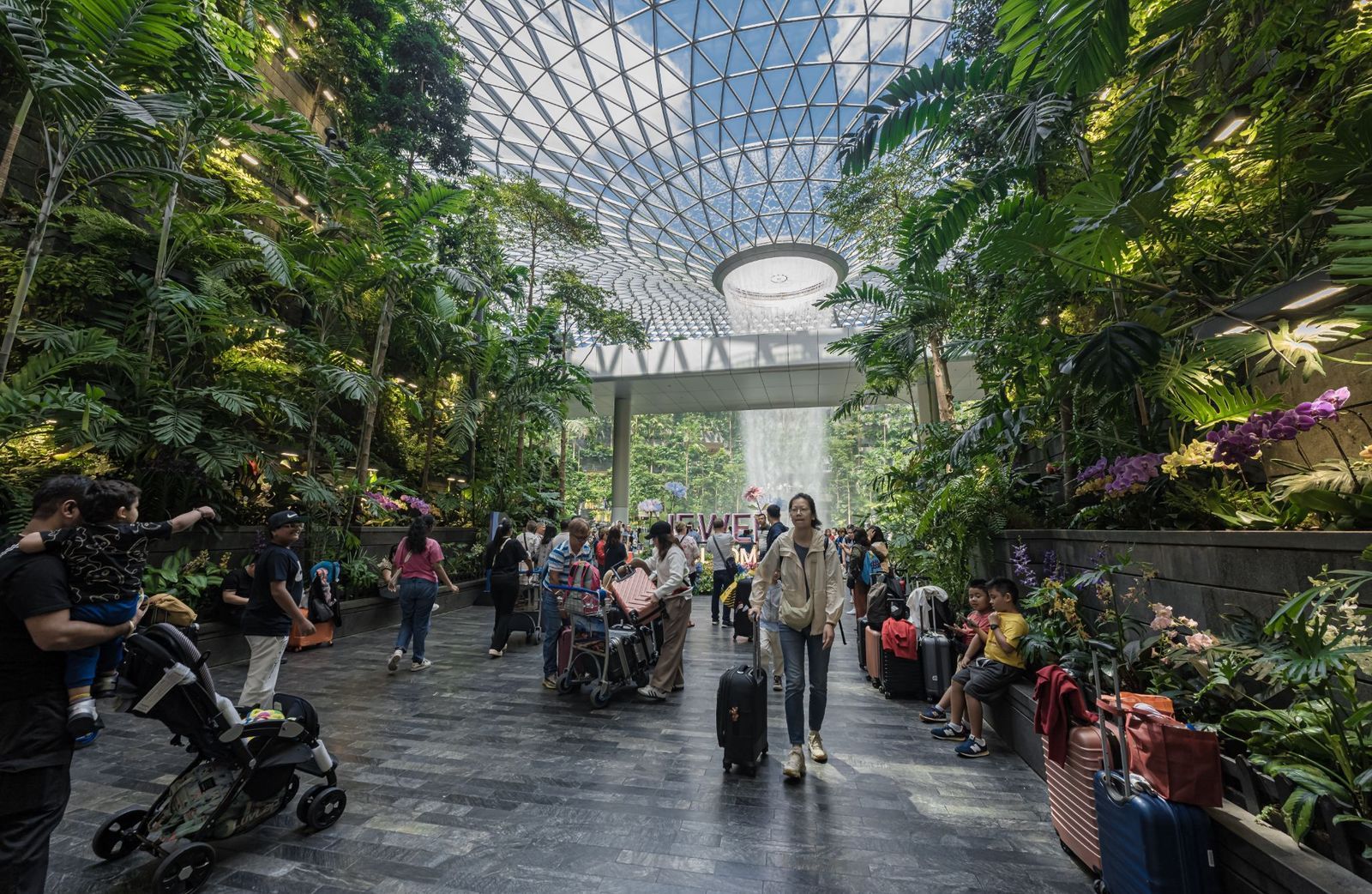
Singapore Changi feels more like a futuristic shopping resort than an airport. Changi combines modern architecture with a large variety of luxury fashion, watches, cosmetics, and electronics. Travelers with long layovers can spend hours exploring the retail areas where they’ll find prestigious brands alongside unique Singaporean confectionery and specialty products.
Paris Charles de Gaulle, France

If you want a final peek of Parisian chic before boarding your flight home, Charles de Gaulle is the place to be. France’s most important airport gives travelers direct access to legendary French perfume brands, luxury cosmetics, gourmet wine, and high-fashion accessories. The terminals are designed to feel like a Parisian boulevard, making it a glamorous destination to treat yourself to premium French goods while waiting for your boarding call.
Dallas-Fort Worth, United States

As one of America’s busiest travel hubs, Dallas-Fort Worth is perfect for travelers looking for a taste of Western style. There are some local stores perfect for picking up authentic cowboy hats, handcrafted leather boots, and custom belt buckles. Alongside these regional shops, you’ll find national fashion brands and premium accessories.
Rome Fiumicino, Italy
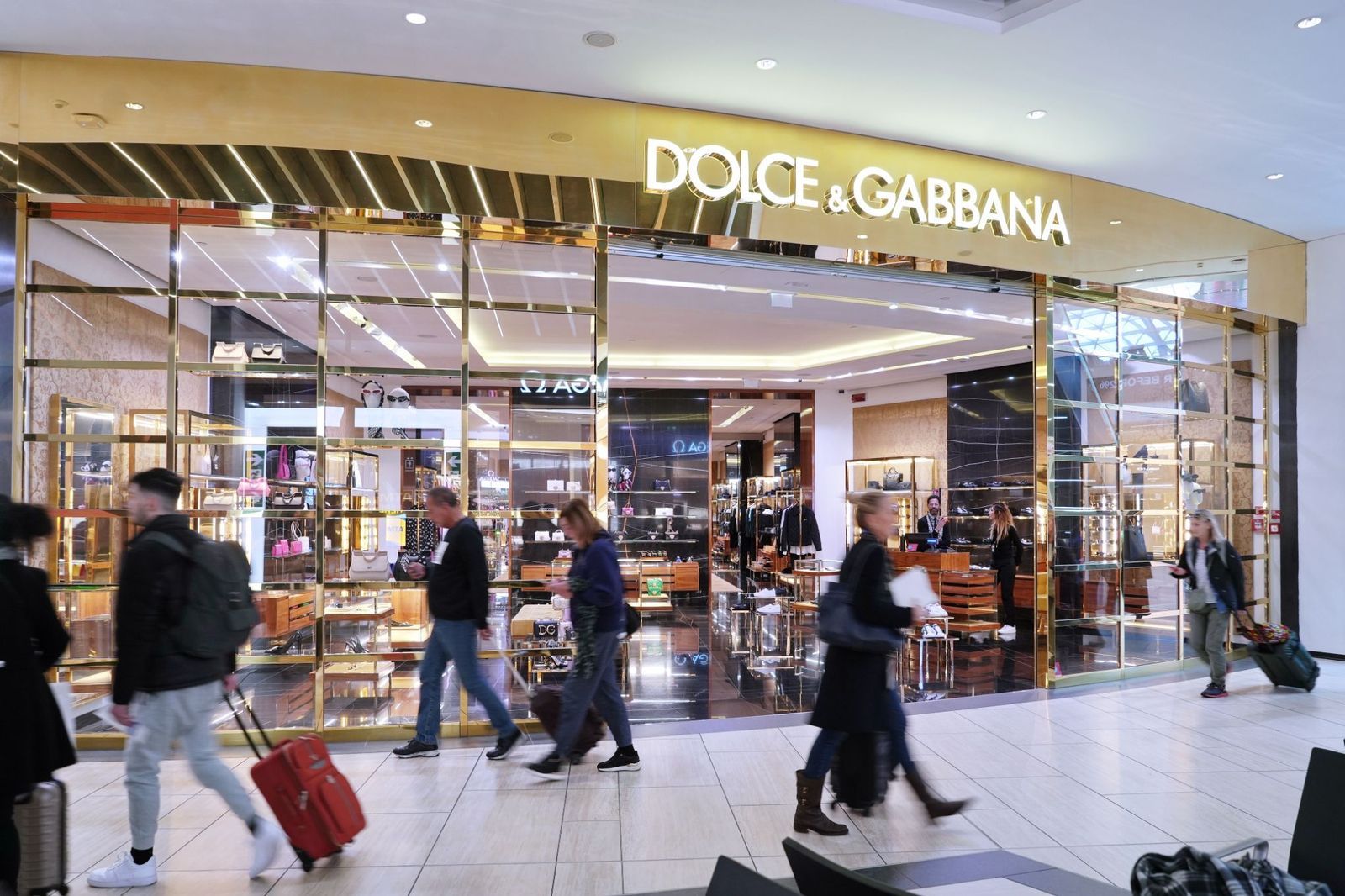
As one of Italy’s most important shopping destinations, Rome Fiumicino brings Mediterranean elegance to the departure gates. Italy is famous for its global fashion influence, and its airport fittingly offers travelers access to premium apparel, leather goods, luxury accessories, and gourmet food items. It’s the ultimate spot to buy a great leather bag or artisan chocolates before heading home, saving you the trouble of shopping through the busy streets of Rome.
Nashville International Airport, United States
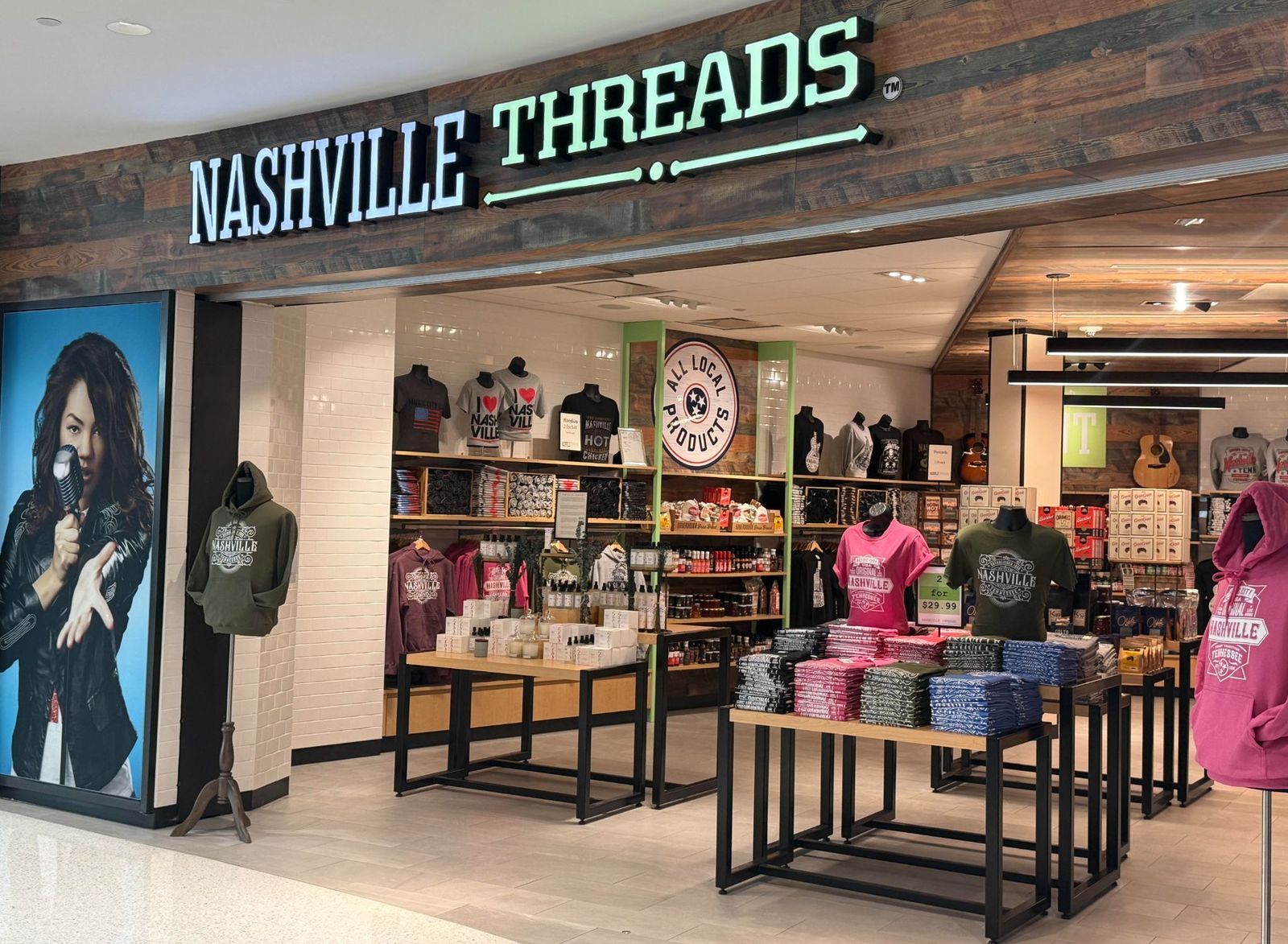
Nashville International is all about celebrating Music City. Walk through the terminals and you’ll find unique brands like Nashville Threads and Gulch Goods, offering handmade guitar straps, clothing designed by local artists, and sweet treats like Goo Goo clusters. This airport captures the creative energy of Nashville so well that you might actually look forward to arriving early for your flight.
Hong Kong International Airport, Hong Kong
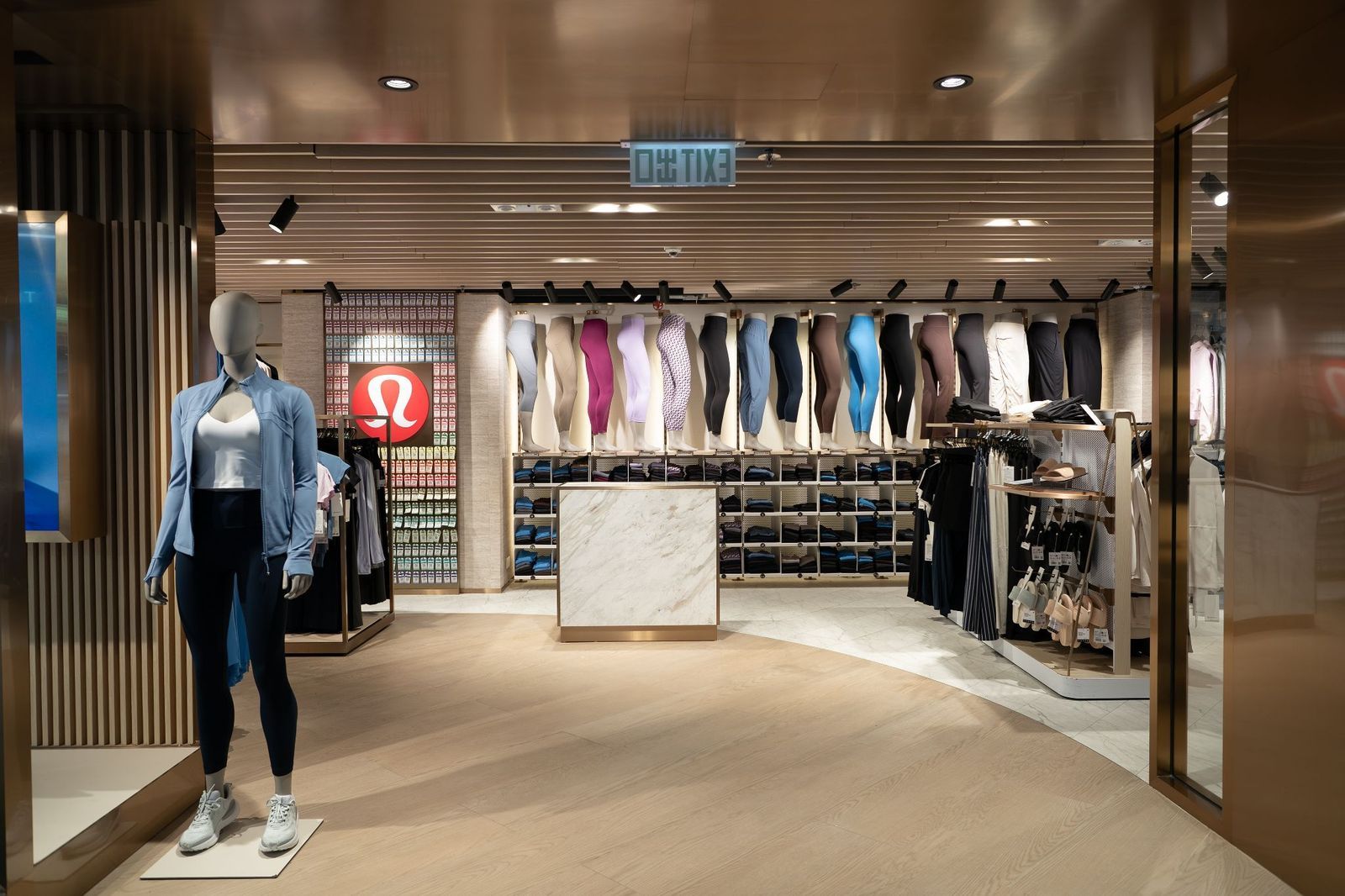
Hong Kong is known for being a shopping paradise, and its international airport has the same reputation. Ranking near the top worldwide, this airport offers luxury jewelry, high-end watches, cutting-edge electronics, and designer fashion. For transit passengers catching a connecting flight through Asia, the modern layout makes it incredibly easy to browse world-class stores without ever leaving the terminal.
San Francisco International Airport, United States
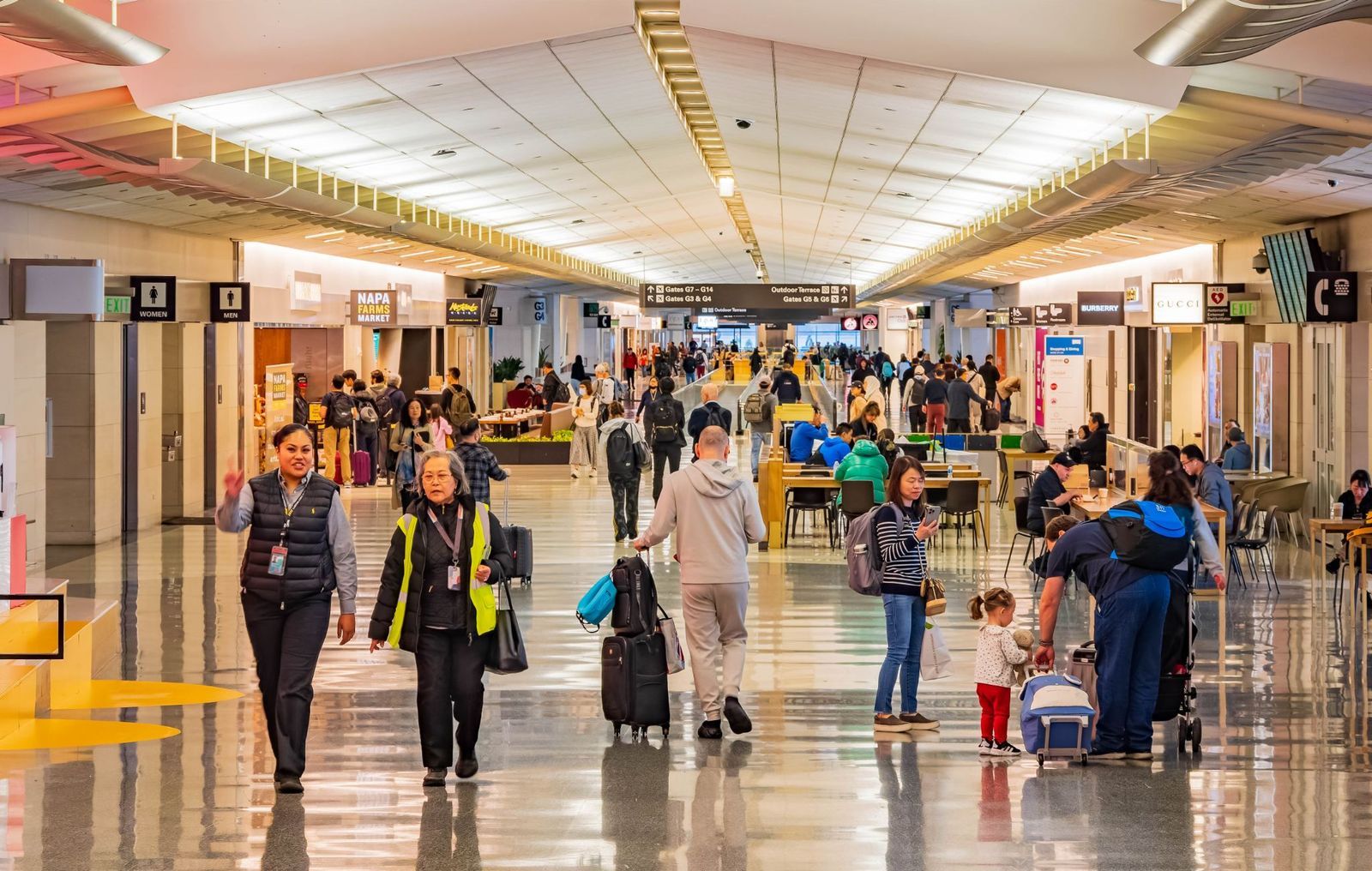
San Francisco International’s shopping experience blends sophisticated urban style with West Coast cool. At this airport, you can find luxury brands like Burberry and Hermès, but also local art galleries like the Mosaic Gallery and specialty shops offering California wines, artisanal chocolates, and modern home decor. It’s a beautifully designed space that makes browsing during a layover so much fun.
Toronto Pearson International Airport, Canada
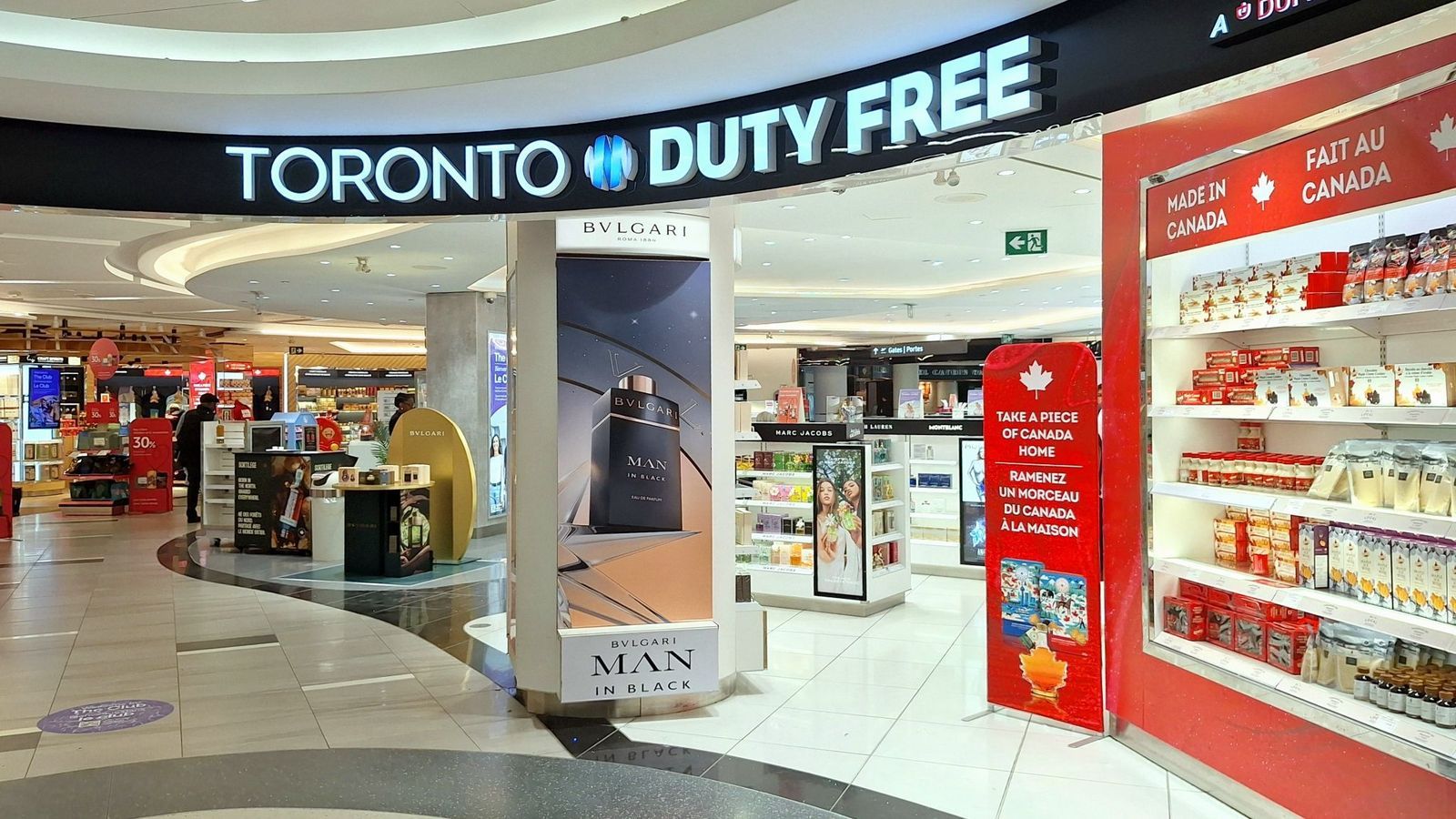
Toronto Pearson offers extensive Duty-free shops across its international terminals. Travelers can find designer names like Coach, Burberry, Gucci, and Michael Kors, but also a large selection of premium cosmetics and fragrances. For those looking for a taste of the Great White North, the shops also stock "Tastefully Canadian" gourmet products, local souvenirs, and maple treats.
Could you handle 162 steps inside the Statue of Liberty?
Travel experiences
Postcards hide the stairs: spots that make tourists work for the view
The Statue of Liberty’s crown, the Leaning Tower of Pisa, and St. Peter’s Dome are some of the most visited landmarks of the world. Postcards usually show the reward of arriving at its highest viewpoints, but not the work it takes to get there. That means climbing old spiral staircases, passing through tunnels, or tackling hundreds of steps. These 10 destinations prove that sometimes the best travel views require a little extra effort.
The Statue of Liberty Crown, New York City, United States
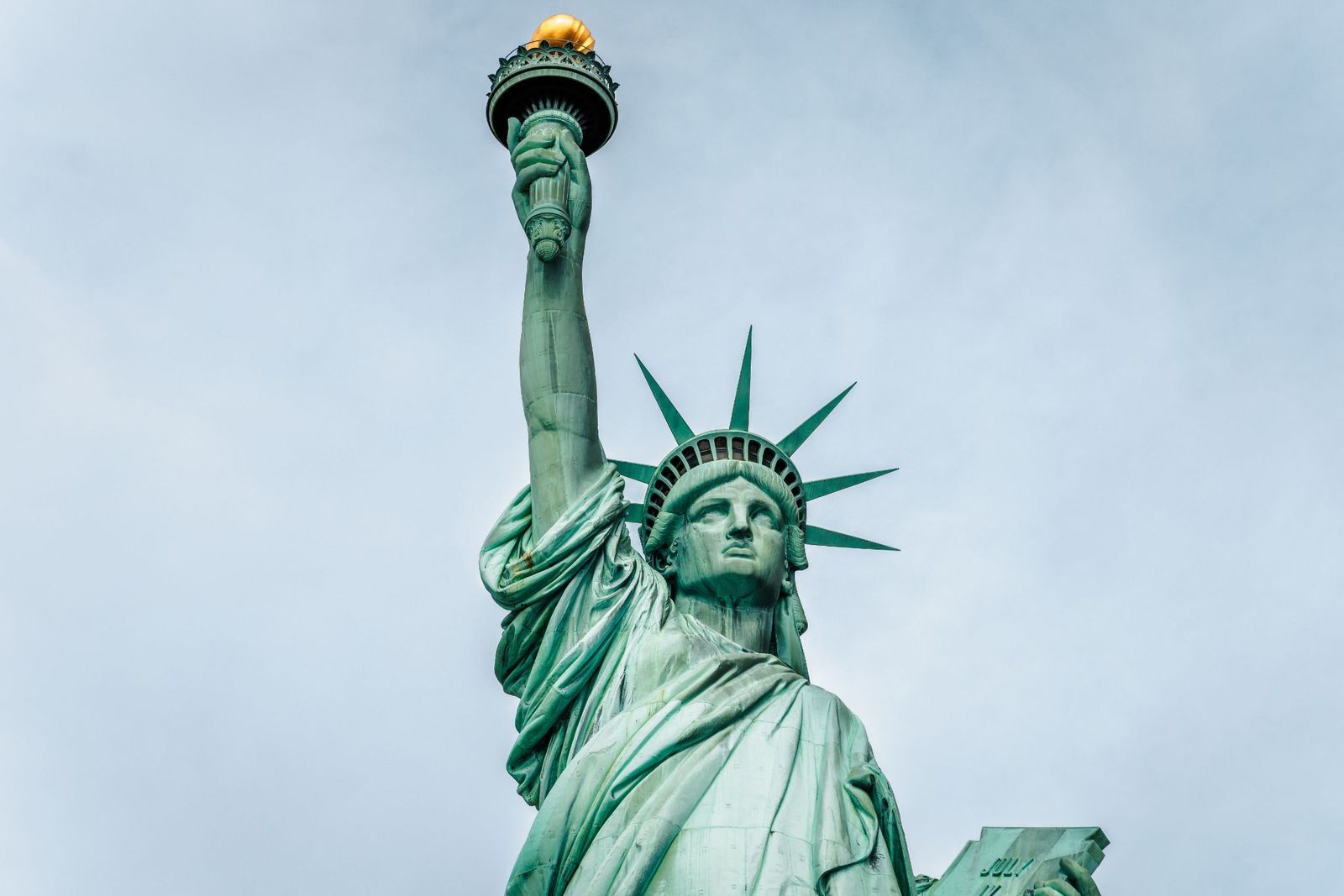
When you arrive at Liberty Island, the Statue of Liberty’s crown doesn’t seem very far away until you decide to make your way up there. After reaching the pedestal, crown ticket holders still have to climb 162 narrow steps inside the statue. The staircase is tight and winding, and there is no elevator for this final part. Space is limited, crown tickets often sell out early, and bags aren’t allowed on the stairs. Always check the National Park Service rules before your visit, and bring as few personal belongings as possible.
The Leaning Tower of Pisa, Pisa, Italy
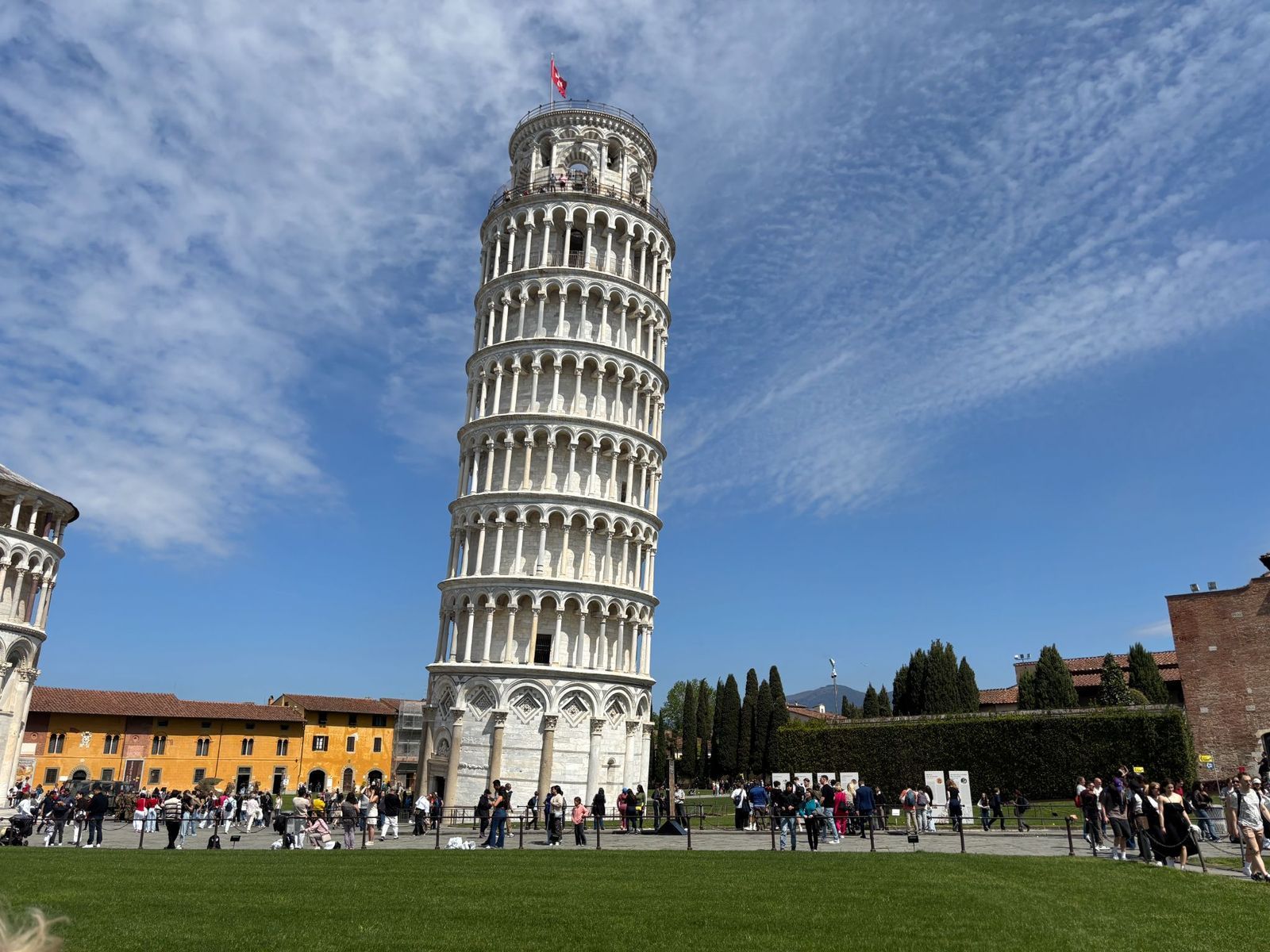
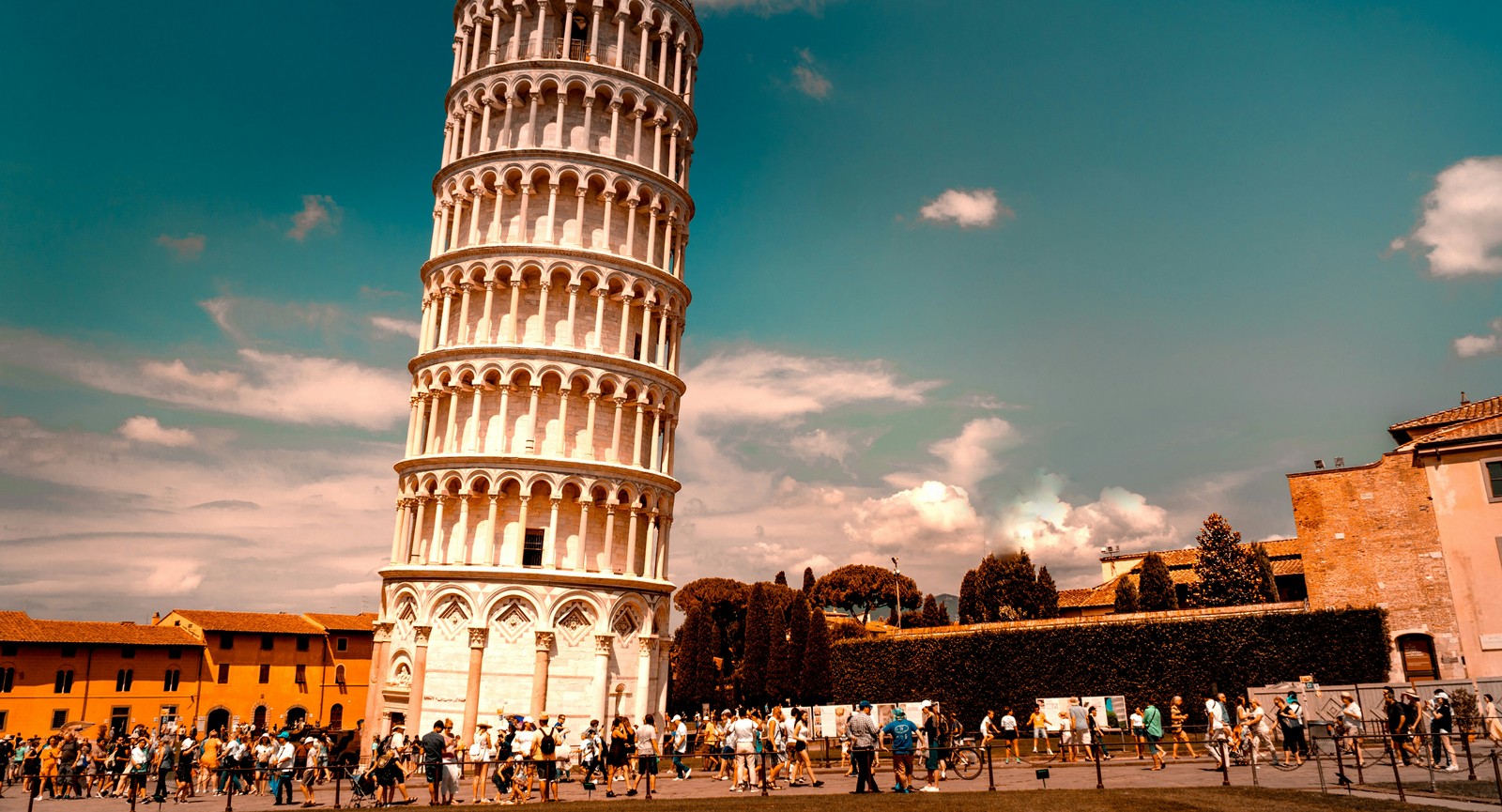
Most visitors first see the Leaning Tower of Pisa from the lawn and take the classic photo that makes it look like they are holding it up. But finding the perfect angle is probably the easiest part of the experience. Climbing inside is a different story.
The climb has 251 steps, and some of them are uneven and slippery. Because the staircase curves through the leaning tower, you may feel slightly off balance as you go up. Construction began in 1173, and the tower was built as the bell tower of Pisa Cathedral, officially known as the Cathedral of Santa Maria Assunta. Tickets are timed; children under eight are not allowed, and arriving late could mean losing your spot.
St. Peter’s Dome, Vatican City
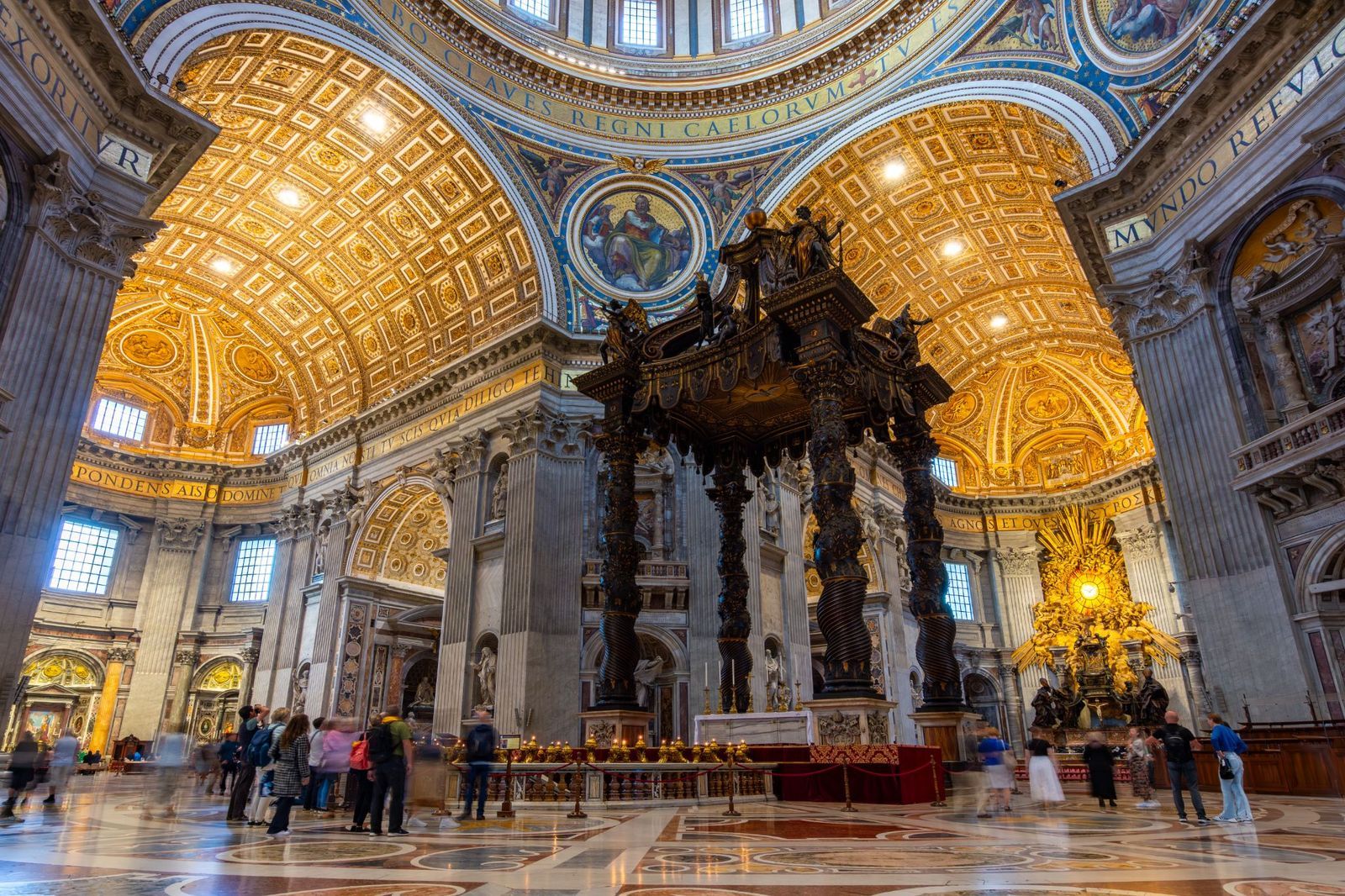
In Vatican City, St. Peter’s Dome rises high above the basilica and its famous square. The elevator only covers part of the climb, stopping at the terrace, leaving 320 more steps to the top. Without the elevator, the full climb continues with 551 narrow steps, because the staircase follows the dome’s curved shape.
Michelangelo began working on the dome in 1547, and Giacomo della Porta completed it in 1590. Visiting the basilica is free, but climbing the dome requires a separate ticket, and visitors must keep their shoulders and knees covered.
The Sydney Harbour Bridge, Sydney, Australia
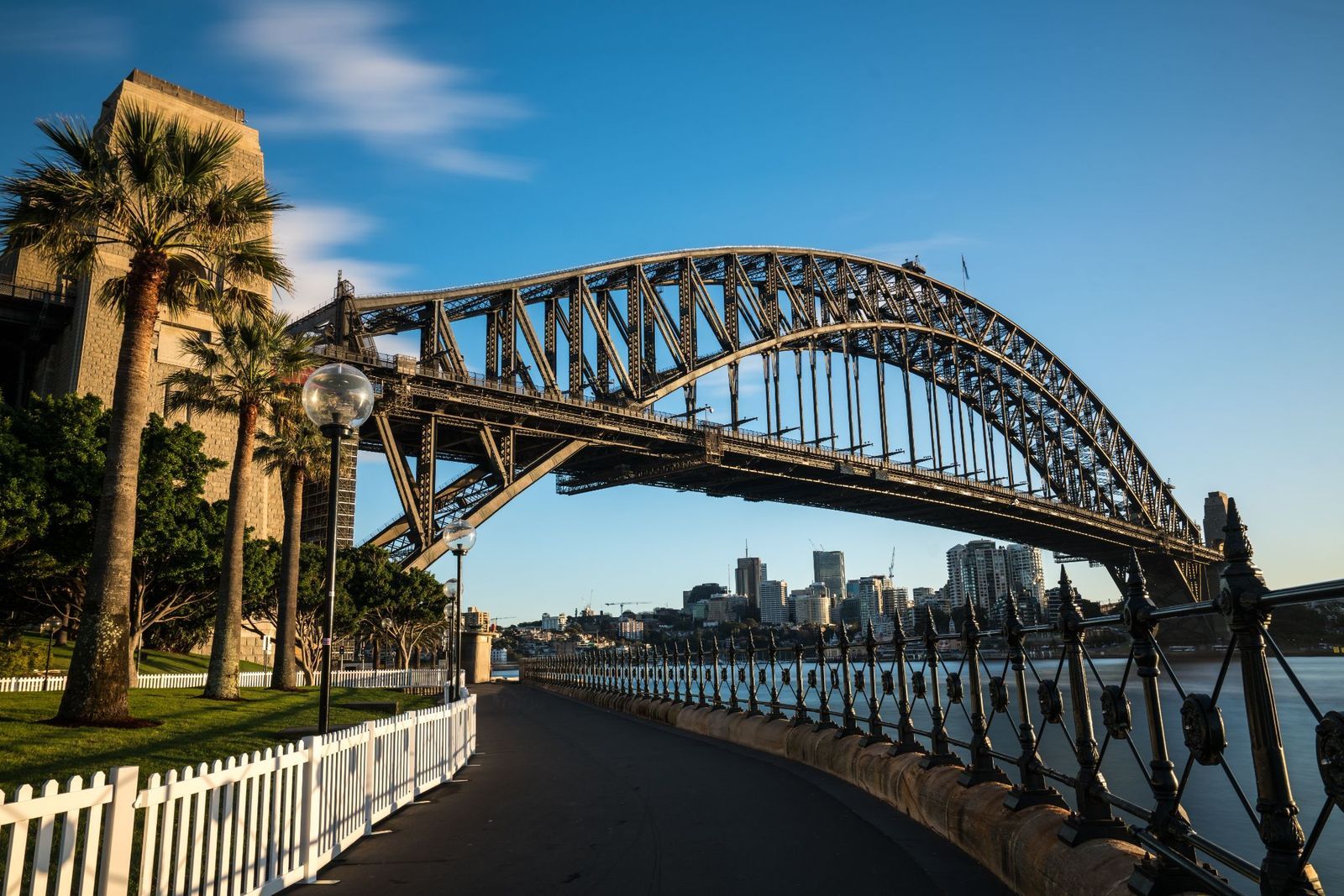
While the cruise through Sydney Harbour gives you a classic view of the bridge and Opera House, the Bridge Climb takes visitors directly onto the bridge. The standard Summit Climb includes about 1,332 stairs, catwalks, narrow passages, and four 16-foot ladders on the way up, followed by four more on the descent.
The bridge opened in 1932, but its upper sections were built for maintenance access, not casual sightseeing. Climbers wear supplied safety equipment and can’t carry phones or personal cameras. Those uncomfortable with ladders can select the Summit Insider route, although it still includes about 1,002 stairs.
The Arc de Triomphe, Paris, France
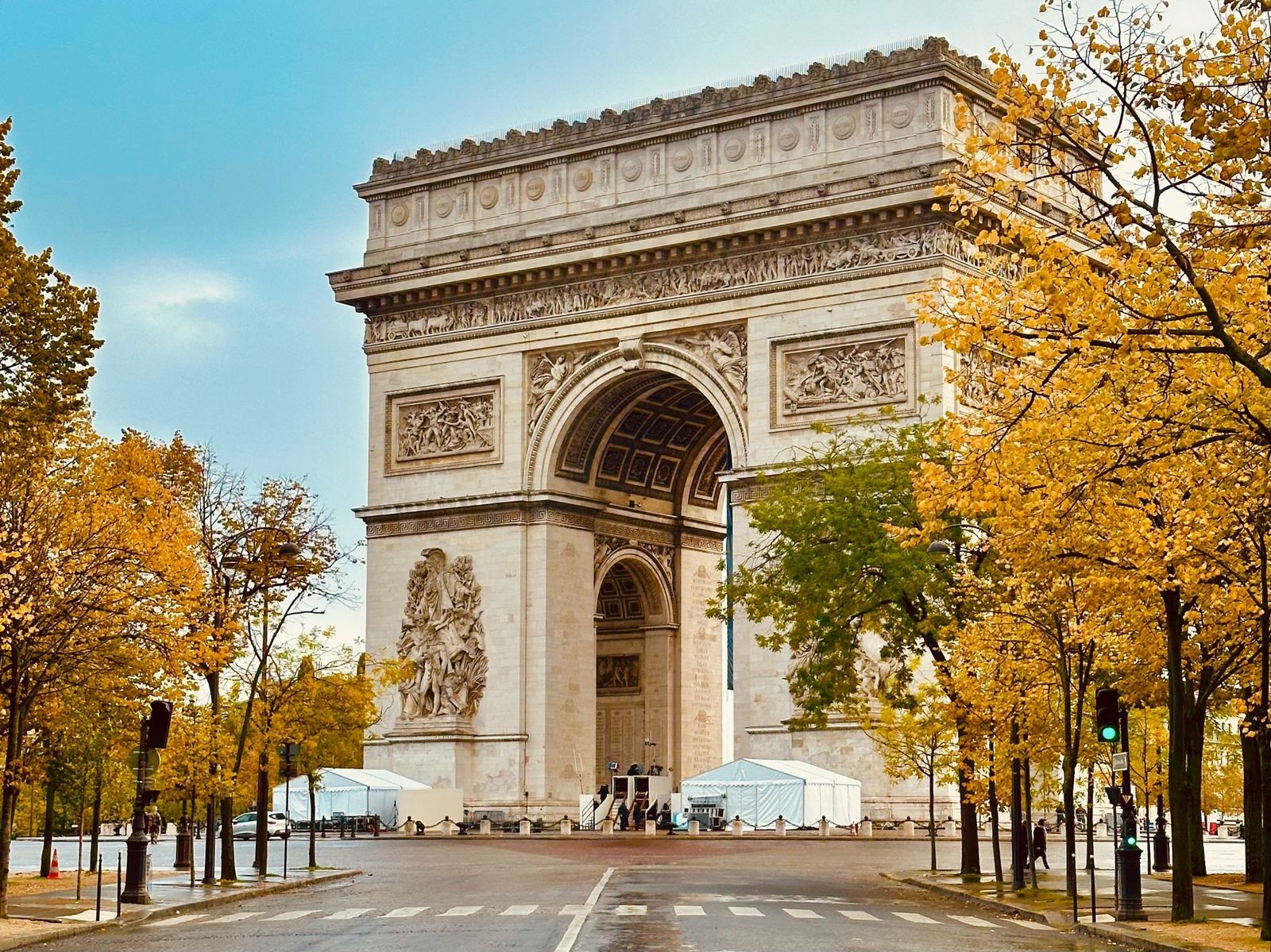
The Arc de Triomphe was commissioned by Napoleon I after one of his greatest military victories, and it was finally inaugurated in 1836 after three decades of construction. More than two centuries later, visitors still have to work for the view from the top.
The way to the rooftop becomes a long spiral through one of the monument’s massive supports. The terrace sits at the end of 284 steps. A lift is available for people who need it, but the regular visitor route is by staircase. Before the climb, use the underground Passage du Souvenir to reach the monument, because the surrounding traffic circle isn’t a great part of the experience.
The Bunker Hill Monument, Boston, United States
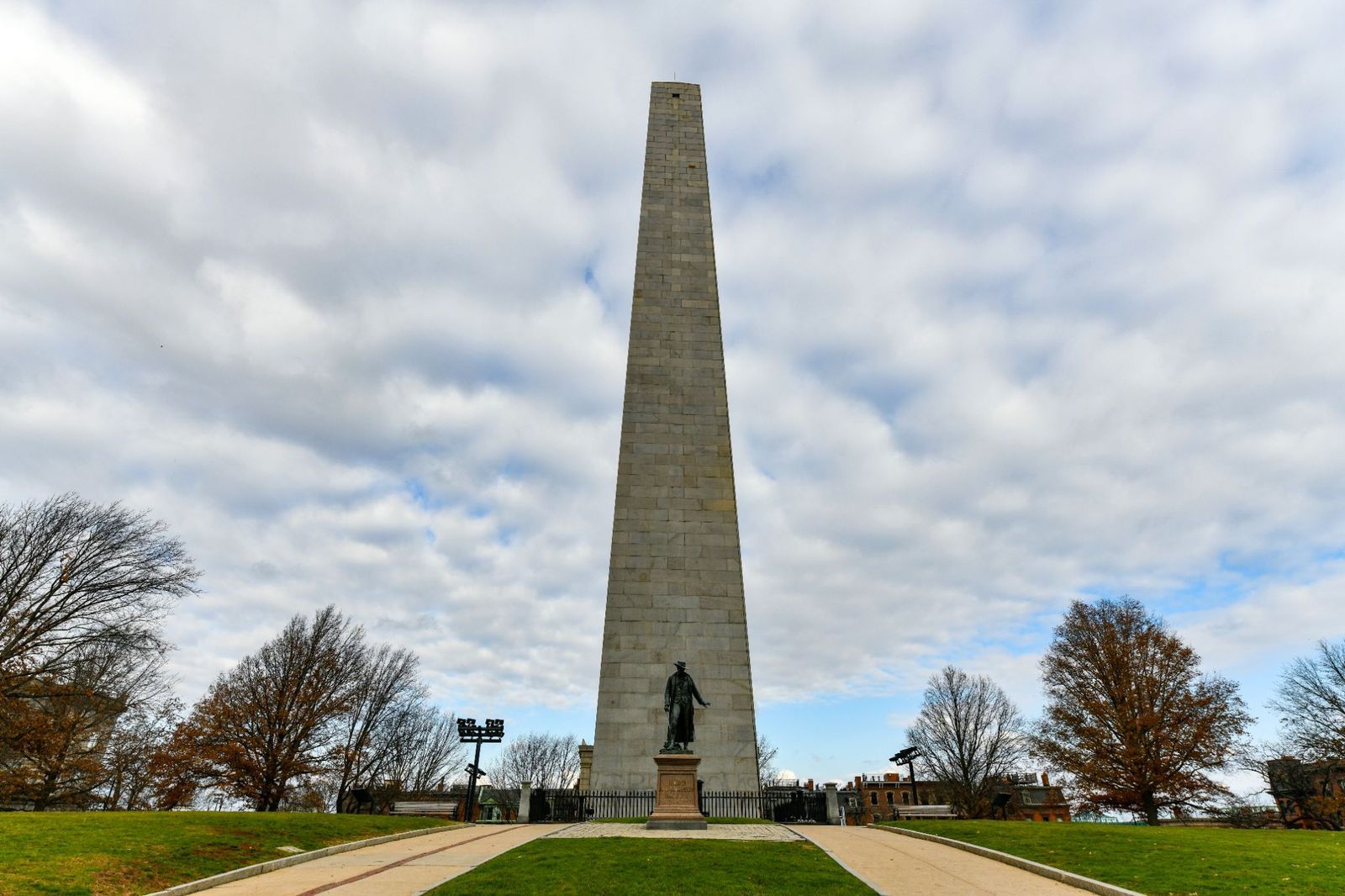
The Freedom Trail leads visitors straight to the Bunker Hill Monument in Charlestown. From there, the sightseeing turns into a 294-step climb. The monument has no elevator, partly because it was completed in 1842, long before one could be added easily to such a narrow structure.
It opened with a major dedication ceremony on June 17, 1843. Admission is free, but only 25 people may enter at once, and climbing could be suspended due to weather or safety conditions. The nearby lodge offers live views from the top for anyone who prefers to stay at ground level.
Brunelleschi’s Dome, Florence, Italy
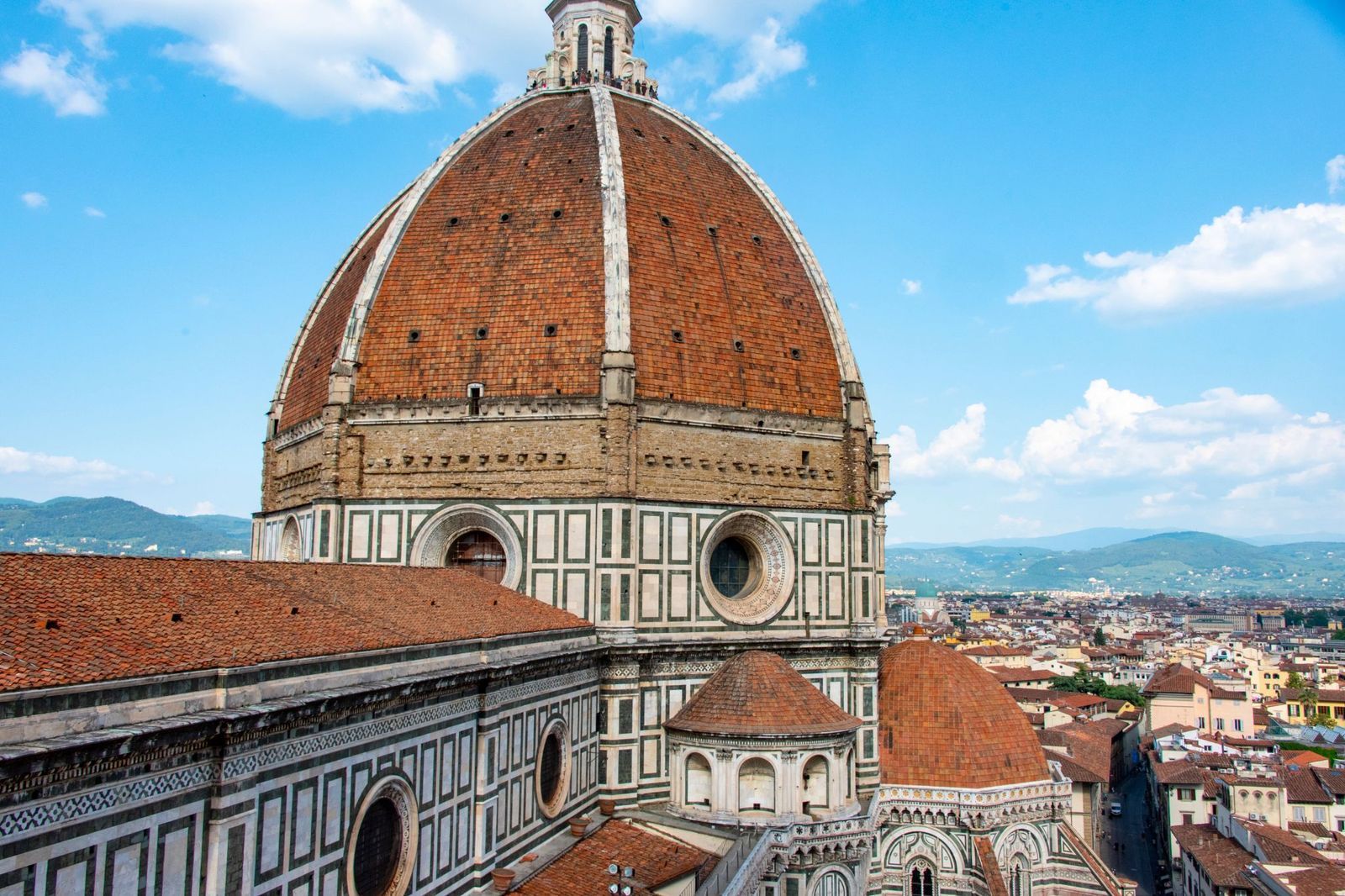
In Florence’s Piazza del Duomo, the huge red-tiled dome is one of the city’s most famous sights. What visitors can’t see from below is that the dome has two shells, with a narrow passage running between them.
To reach the top, visitors climb 463 steps through that hidden space, and there is no elevator. Filippo Brunelleschi built the dome between 1420 and 1436 using an innovative design that avoided the massive wooden supports usually needed at the time. That historic structure also means steep stairs and tight spaces today. Entry requires a timed Brunelleschi Pass, and backpacks and larger bags must be stored before the climb.
St. Paul’s Cathedral Dome, London, United Kingdom
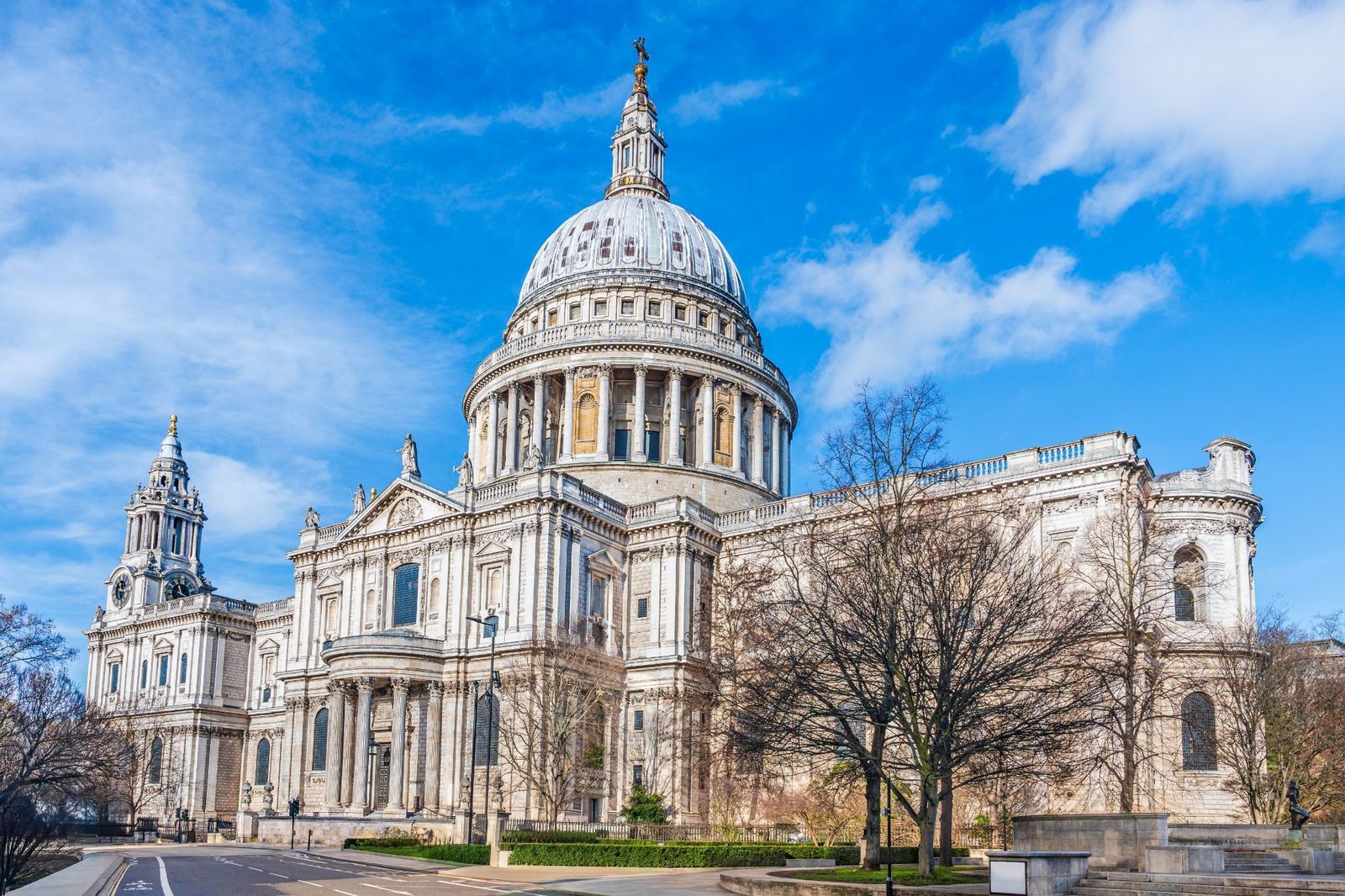
In the City of London, not far from the Thames and directly across the Millennium Bridge from Tate Modern, stands St. Paul’s Cathedral. Its dome is one of the area’s most recognizable sights, but getting to the top takes much more effort than just looking at it from below.
The Whispering Gallery comes after 257 steps, the outdoor Stone Gallery after 376, and the small Golden Gallery after a total of 528. The present cathedral was designed by Christopher Wren and built between 1675 and 1710 after the Great Fire of London destroyed its predecessor. Check the cathedral’s official calendar before visiting because gallery access and final entry times can differ from general sightseeing hours.
Diamond Head, Honolulu, United States
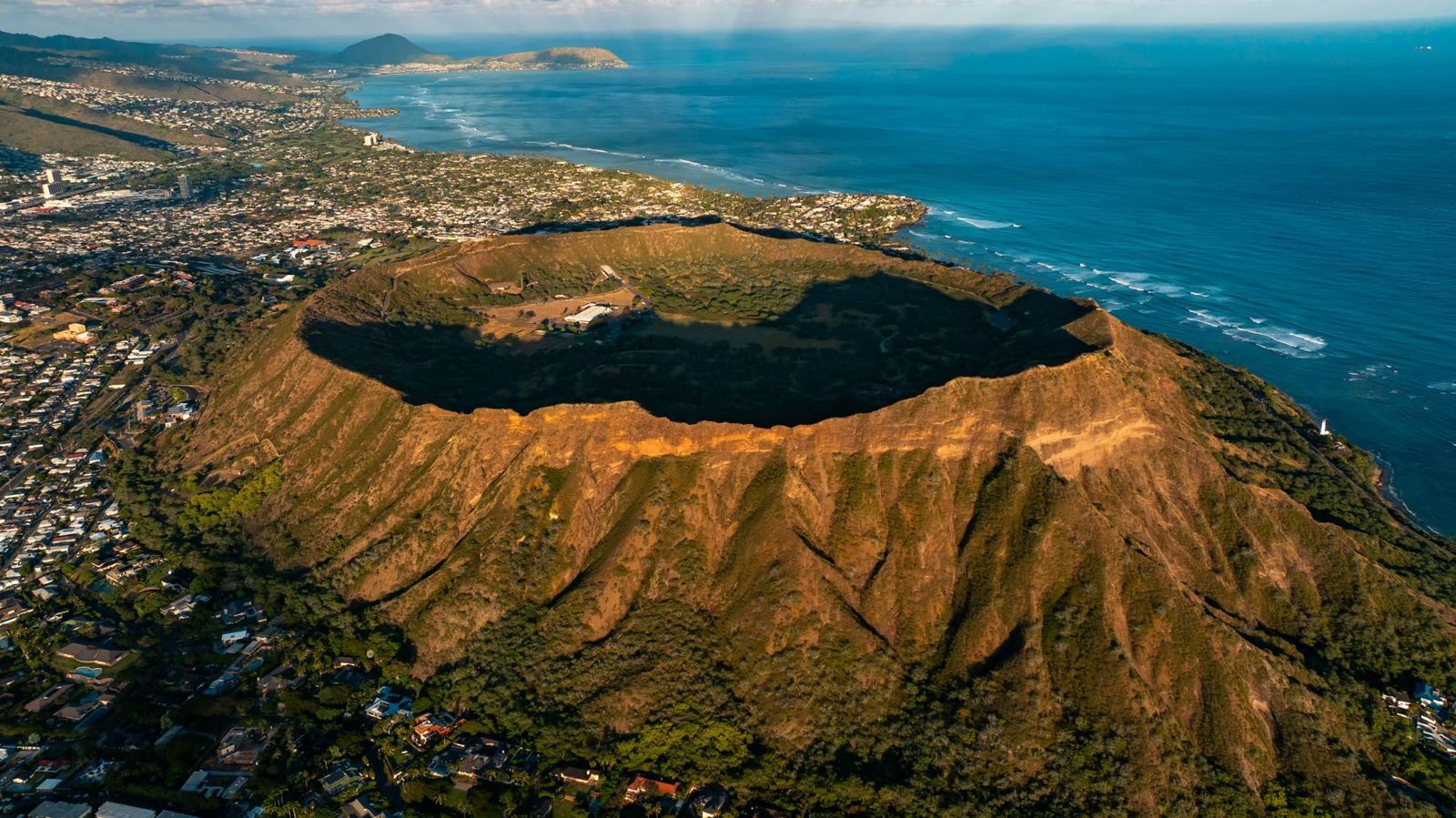
Just east of Waikiki, Diamond Head rises above Honolulu’s coastline as one of the city’s must-visit landmarks. The hike up Diamond Head starts inside the crater and gradually gets harder. Before reaching the coastal view, visitors pass through the summit trail that begins gently enough, but the broad coastal panorama comes only after switchbacks, steep stairways, and a long passage through the crater’s military history.
The round-trip trail covers 1.6 miles and gains 560 feet in elevation. Along the way, hikers pass through a lighted 225-foot tunnel, and the final tenth of a mile is especially steep and dominated by stairs. The route was built in 1908 for Oʻahu’s coastal defense system, and the summit fire control station was completed in 1911. Nonresidents need advance entry reservations, and the state recommends sturdy shoes, water, a hat, and sunscreen.
Mont-Saint-Michel Abbey, Normandy, France

Seen across the bay, Mont-Saint-Michel rises from the water like a glorious medieval castle. By crossing the causeway, you get to the village entrance, and the abbey awaits above a maze of sloping lanes and stone staircases. Travelers climb almost 300 steps to reach the abbey, and there are no ramps or elevators in either the village or the monument.
The vertical layout reflects its long history as a religious settlement. Benedictine monks arrived in 966, and construction of the Romanesque abbey church began in 1023, turning the mount into a major pilgrimage destination. The shuttle reduces the walk from the distant parking areas, but it can’t remove the final ascent, so it’s better to leave enough time and energy for the climb itself.
Keep wandering
There’s always
more to explore

The day the music died: The song that said goodbye to early rock 'n' roll
6 min.
Read Now
 History

These 10 mysteries were solved. So why do we still believe them?
6 min.
Read Now

Did Sinatra really sing for the Mafia in Cuba? 10 wild hotel stories
8 min.
Read Now

Was Moby-Dick a real whale? These marine stories have real backgrounds
6 min.
Read Now