Don’t take that feather home: knowing these 10 rules can save you a fine
 General
Enjoy the experience
Don’t take that feather home: knowing these 10 rules can save you a fine
A smooth stone from a national park, a feather found beside a trail, or a pretty shell from the beach seems like the perfect free souvenir, right? Not necessarily. What you can take depends on what it is, where you found it, and sometimes where you're taking it. Here are 10 prime examples of natural, would-be souvenirs you should avoid taking with you.
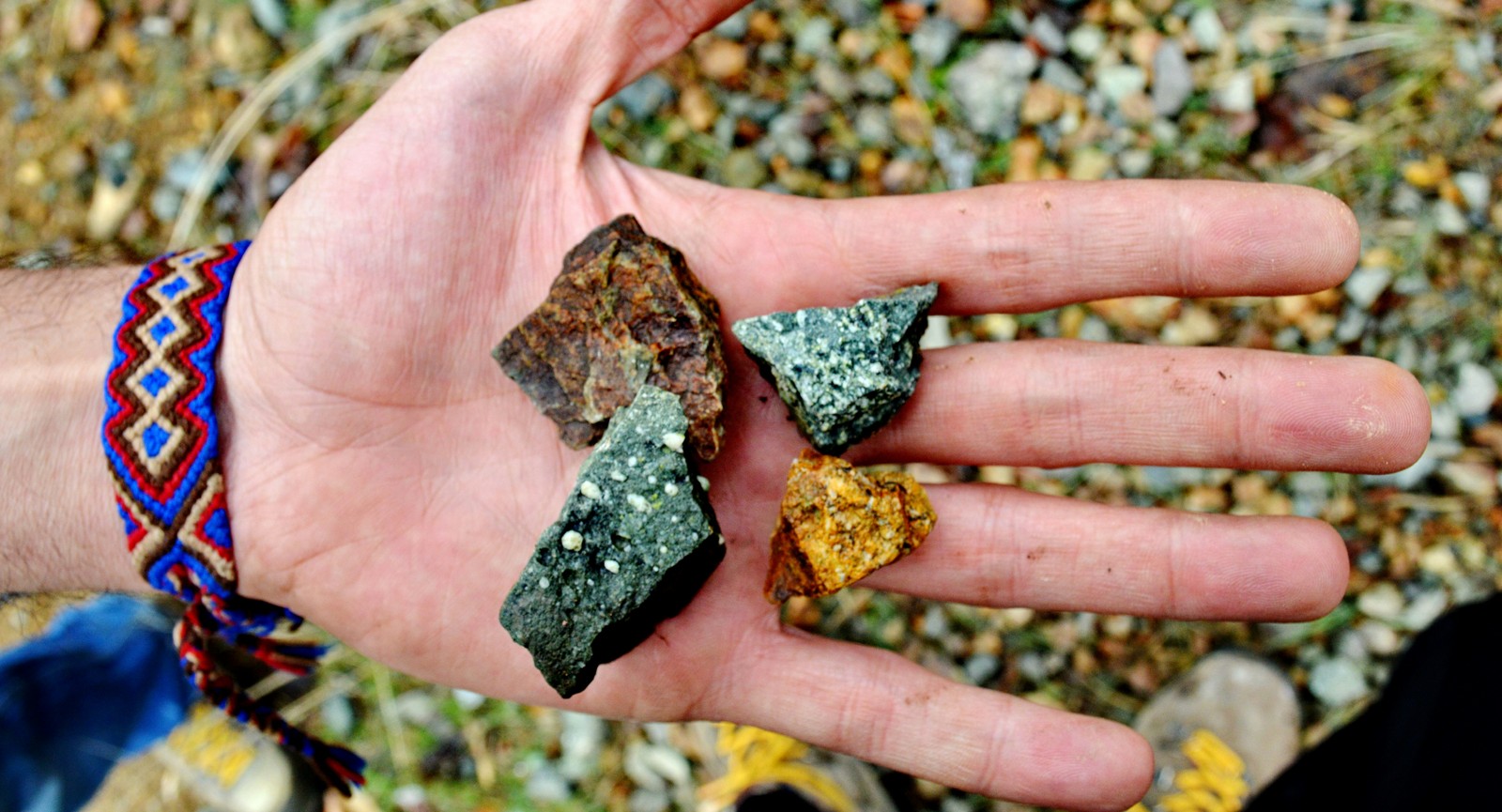
Rocks, petrified wood, and fossils
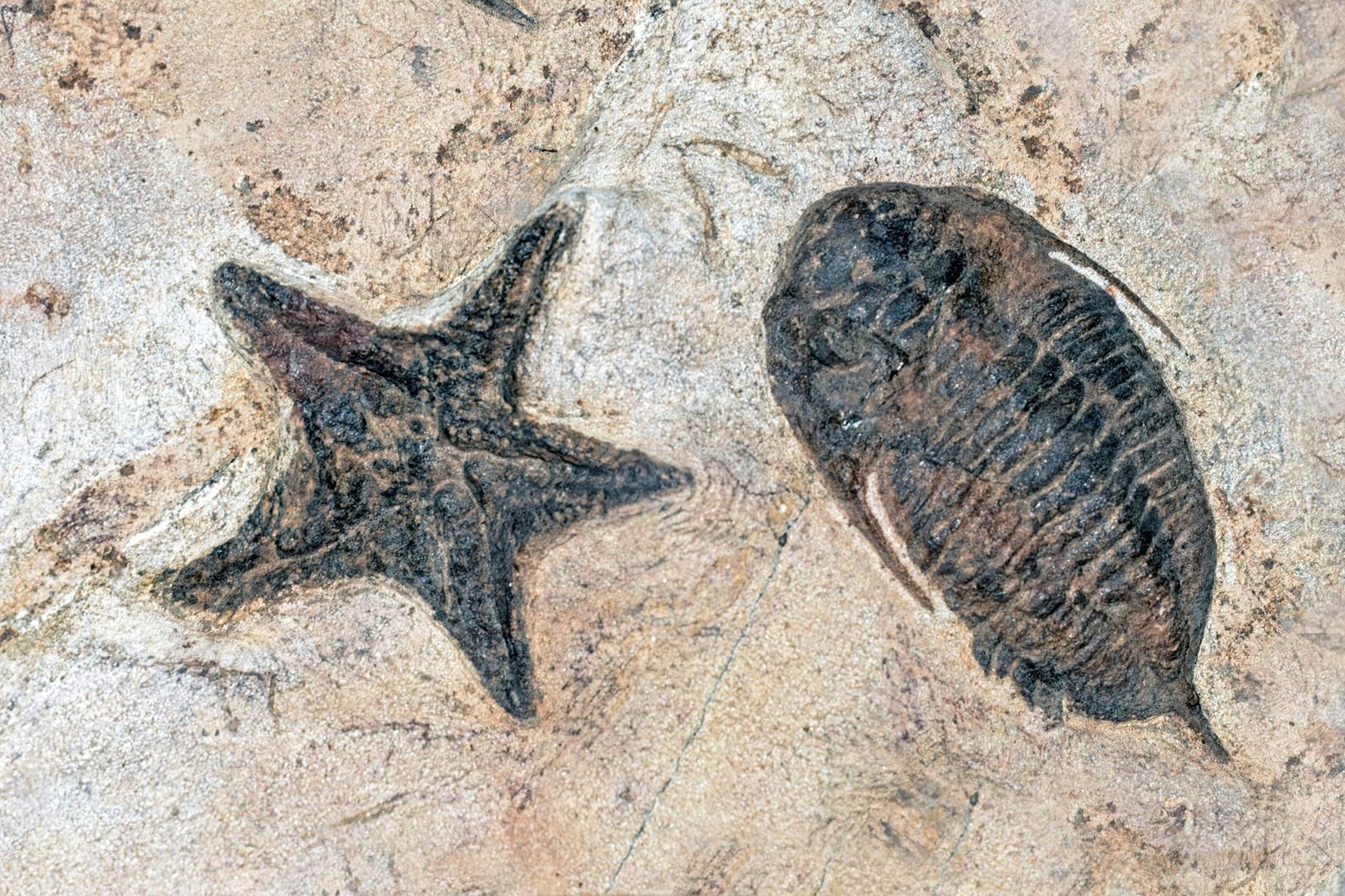
That little rock in your pocket may seem insignificant, but national parks generally aren't places where visitors can collect geological souvenirs. National Park Service regulations protect rocks and minerals from removal unless a particular exception applies. Fossils receive similar protection because they're not simply interesting old objects: where a fossil was found can be part of its scientific value.
Petrified Forest National Park, in Arizona, makes the problem especially easy to understand. Its spectacular petrified logs began as trees more than 200 million years ago and eventually became largely quartz. Visitors aren't allowed to take pieces home. With hundreds of thousands of people visiting annually, allowing everyone to pocket even a little would eventually strip away the very resource they came to see. If you discover a fossil in a national park, photograph it, note its location, leave it in place, and tell a ranger.
Arrowheads and pottery fragments
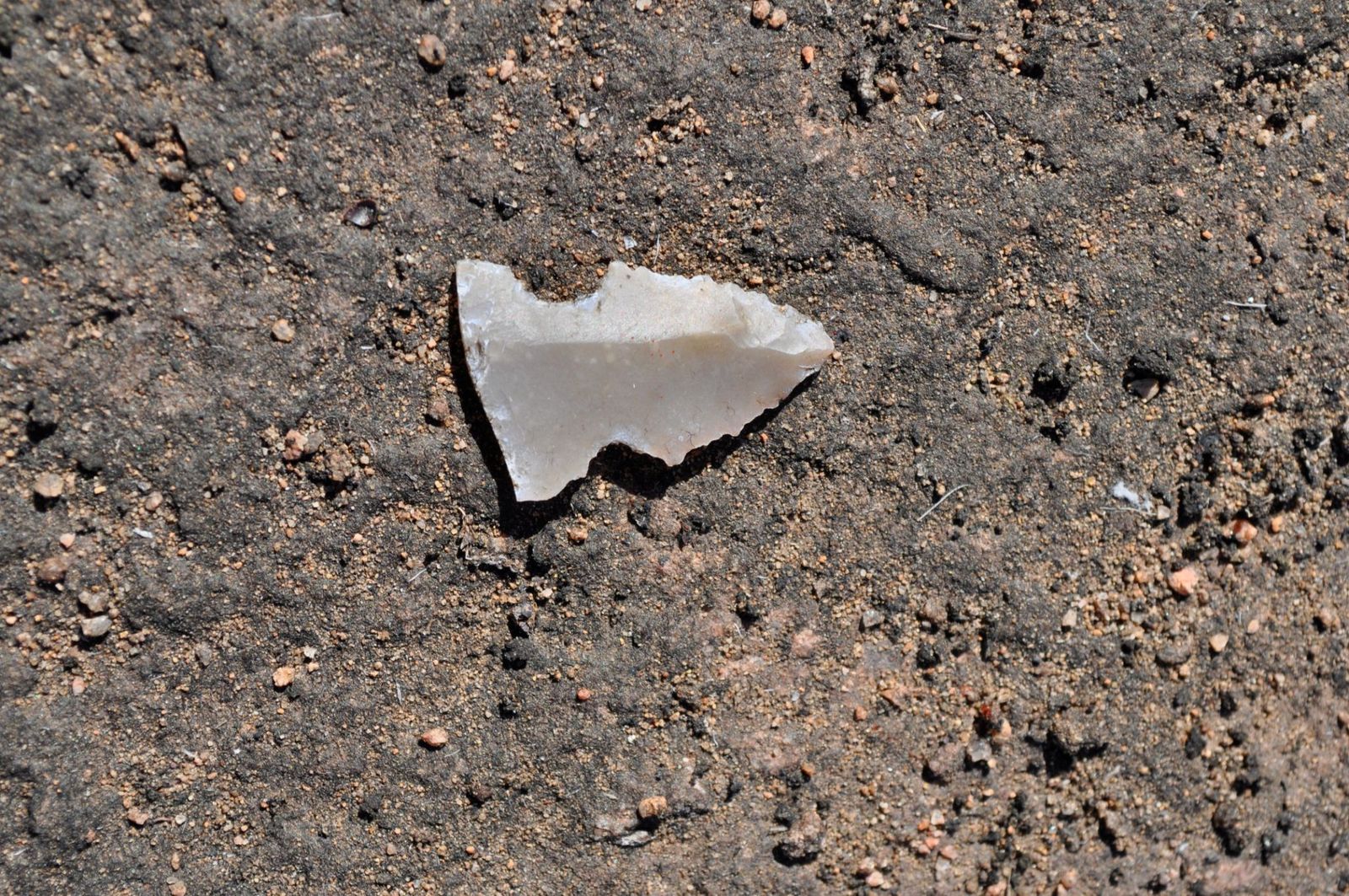
Archaeological resources on federal and Indian lands receive legal protection. Even an object that looks like historical junk can matter. An old bottle, piece of metal, or fragment of pottery may help establish how people lived at a particular site. The best response to an unexpected archaeological discovery is similar to finding a fossil: photograph it where it is, record the location, and leave the artifact there.
Flowers and plants

Picking one wildflower hardly feels like damaging a national park. But imagine thousands of visitors doing the same. Flowers produce seeds for future plants, while the plants themselves provide food for wildlife.
Rules differ from place to place, and some parks specifically allow limited collection of certain berries, nuts, or other natural products. That doesn't mean visitors can assume an ordinary-looking plant is fair game. Protected areas exist partly so natural processes can continue with as little interference as possible.
Feathers
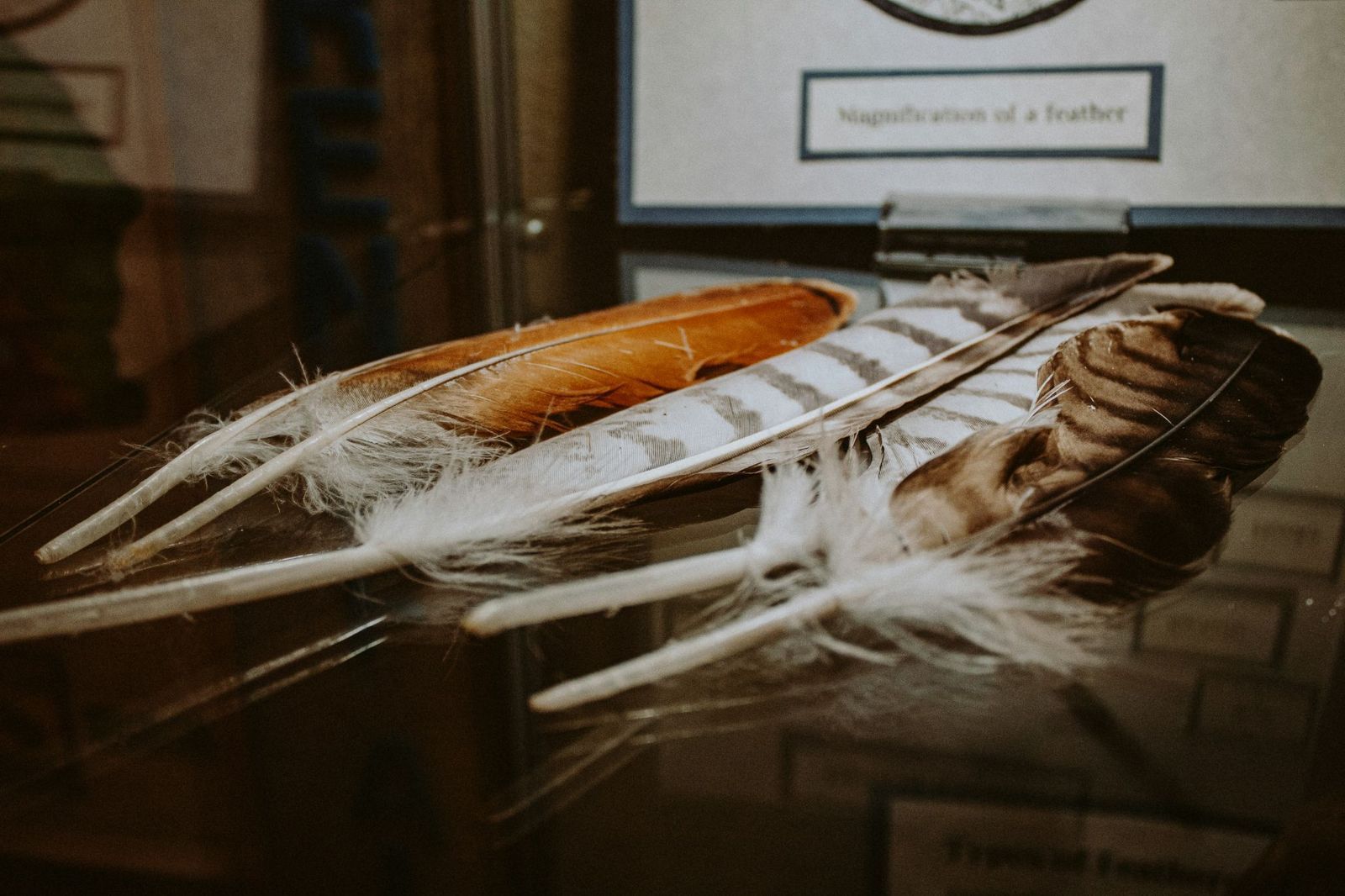
Finding a beautiful feather on the ground doesn't necessarily mean you can legally keep it. The Migratory Bird Treaty Act protects a huge range of native migratory birds in the U.S., and federal protections can extend to their feathers and other parts.
Eagles are subject to additional federal protections. There are specific legal exceptions and permitting systems, including provisions involving Native American religious practices, but an ordinary tourist shouldn't assume that a naturally shed feather is automatically theirs to take.
Seashells
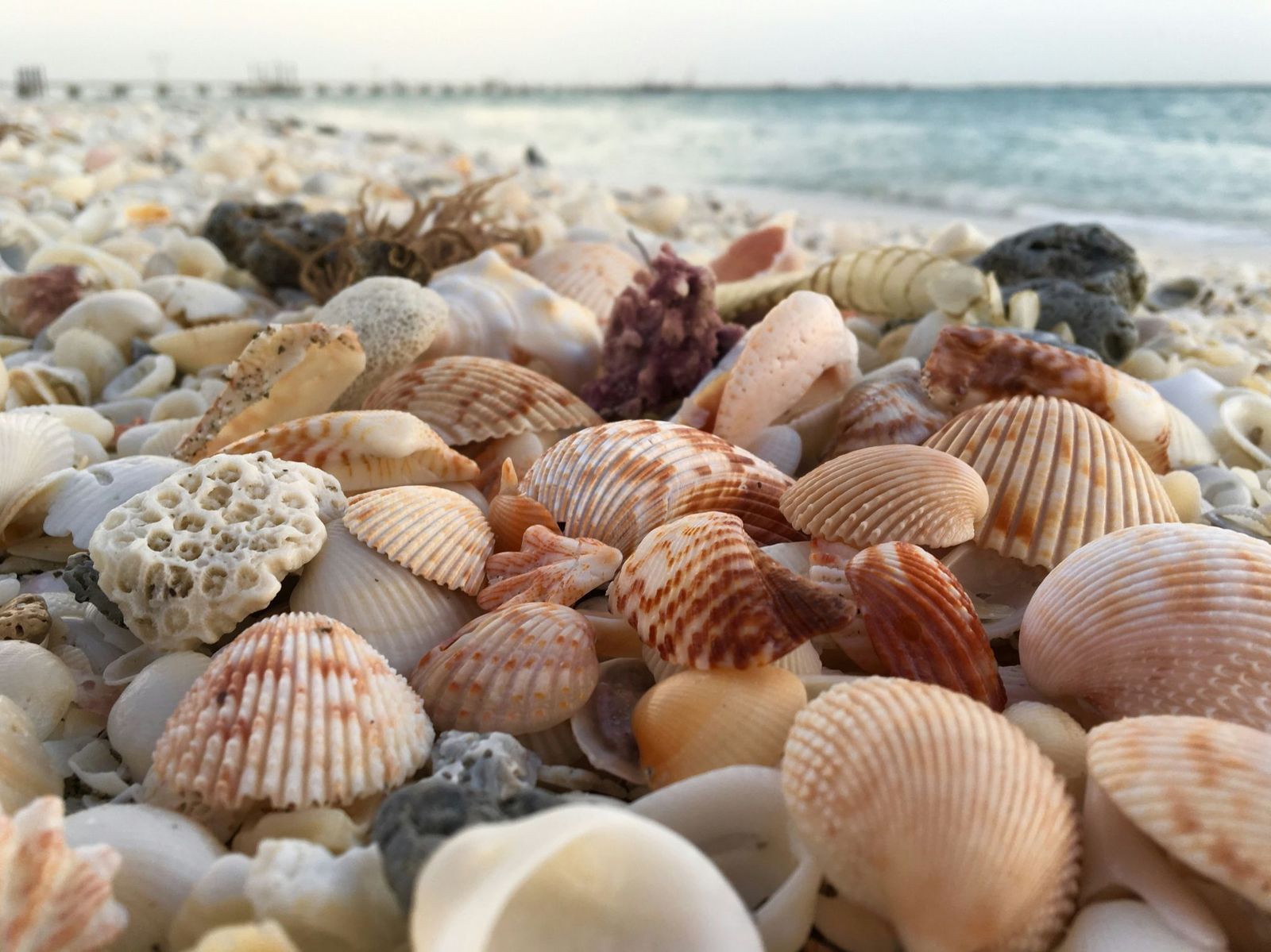
Seashells demonstrate why there is no single rule for natural vacation souvenirs. At some beaches, collecting empty shells is perfectly legal within specified limits. At others, collecting natural objects may be restricted or prohibited. Even National Park Service sites have different rules: Georgia’s Cumberland Island, North Carolina’s Cape Lookout, and Texas’ Padre Island, for example, permit limited quantities under their own regulations.
There's another important detail hiding inside the shell: make sure nobody is home. Protected beaches that permit shell collecting commonly specify unoccupied or uninhabited shells. A shell isn't merely beach decoration; it may still contain a mollusk or provide a home for another creature.
Driftwood

A weathered piece of driftwood can make an attractive decoration back home, but whether you can remove it depends on where you're standing. Some protected shorelines prohibit visitors from taking natural material. Others allow limited driftwood collection under specific circumstances. Cape Cod National Seashore in Massachusetts, for example, permits driftwood from designated areas to be collected for campfire fuel.
And driftwood isn't necessarily useless debris waiting for someone to pick it up. Large pieces of wood can trap sediment, help stabilize portions of shoreline, absorb wave energy, and provide habitat.
Coral

It may look like an unusually beautiful stone, but coral isn't a rock. Corals are animals, and the reef structures they create can take decades or longer to develop. Removing or trading coral can therefore be regulated by local conservation laws, wildlife protections, and international trade rules.
That doesn't mean every piece of coral jewelry in the world is illegal. Species, origin, permits, and local laws matter, and there are legally managed coral fisheries. But coral products are exactly the sort of vacation purchase that deserves checking before money changes hands.
Sea-turtle shell souvenirs
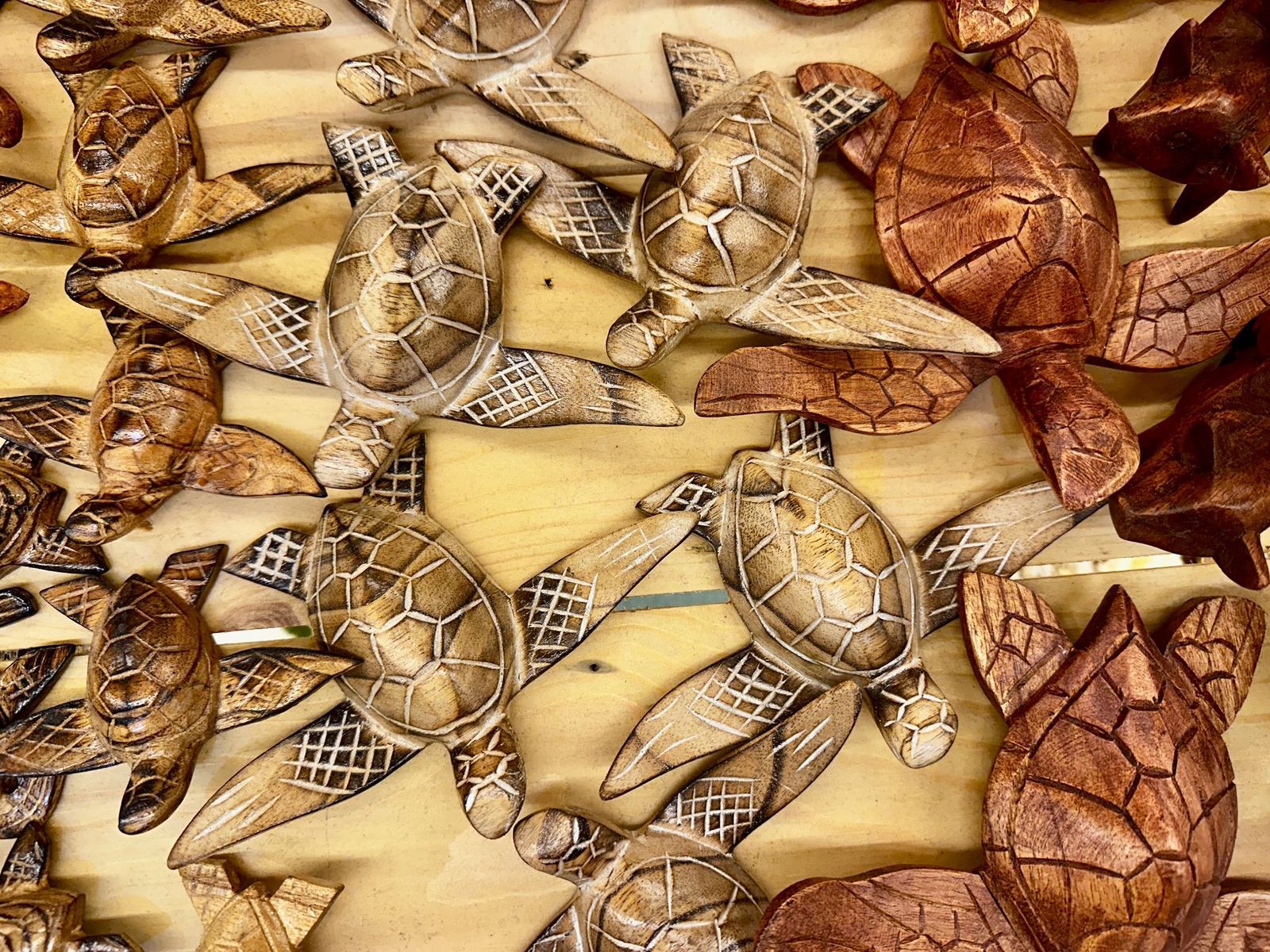
Those mottled brown-and-gold combs, bracelets, and ornaments traditionally called "tortoiseshell" may have a troubling origin. Much genuine tortoiseshell came not from tortoises at all, but from hawksbill sea turtles, whose beautifully patterned shells made them particularly valuable to the souvenir and decorative trades.
Hawksbills are protected under the U.S. Endangered Species Act, and sea turtles are covered by strict international trade protections. Illegal trade hasn't disappeared simply because those protections exist. Travelers can still encounter jewelry, combs, eyeglass frames, and decorative pieces made from turtle shell. Therefore, if you find one of these items, it’s advisable to steer clear of it and perhaps look for a more innocent souvenir.
Ivory and other wildlife products
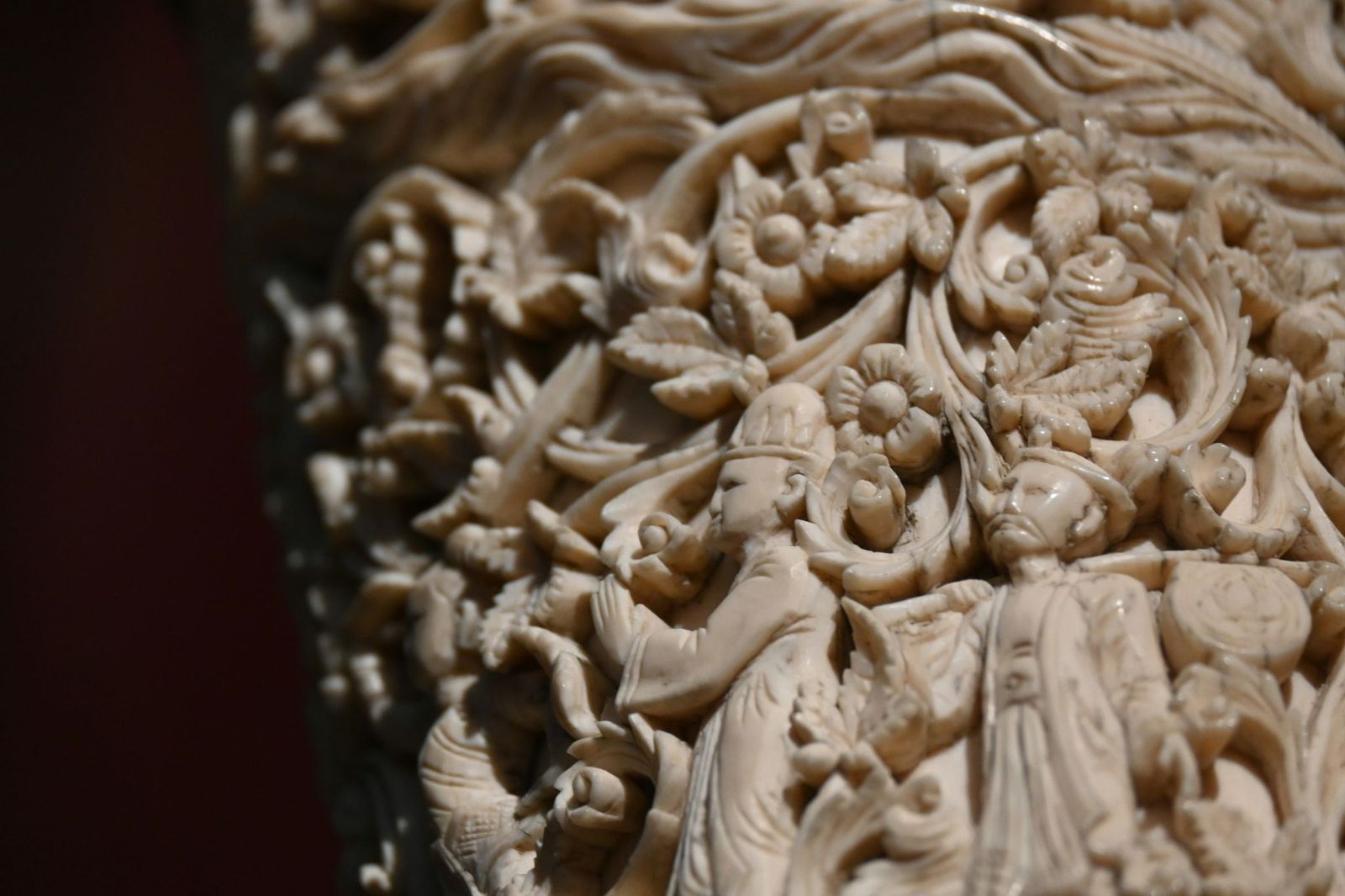
Ivory may be the best-known problematic wildlife souvenir, but it’s far from the only one. Vacation purchases can contain protected animal material in forms that aren't immediately obvious: skin, fur, feathers, scales, shell, teeth, claws, bone, horn, or coral can all bring wildlife regulations into the picture.
U.S. wildlife authorities have encountered everything from sea-turtle jewelry and reptile leather to ivory carvings and protected coral products. And this creates a trap for travelers: buying an item legally, or at least openly, in another country doesn't automatically make importing it into the U.S. legal.
Seeds, plants, and agricultural souvenirs
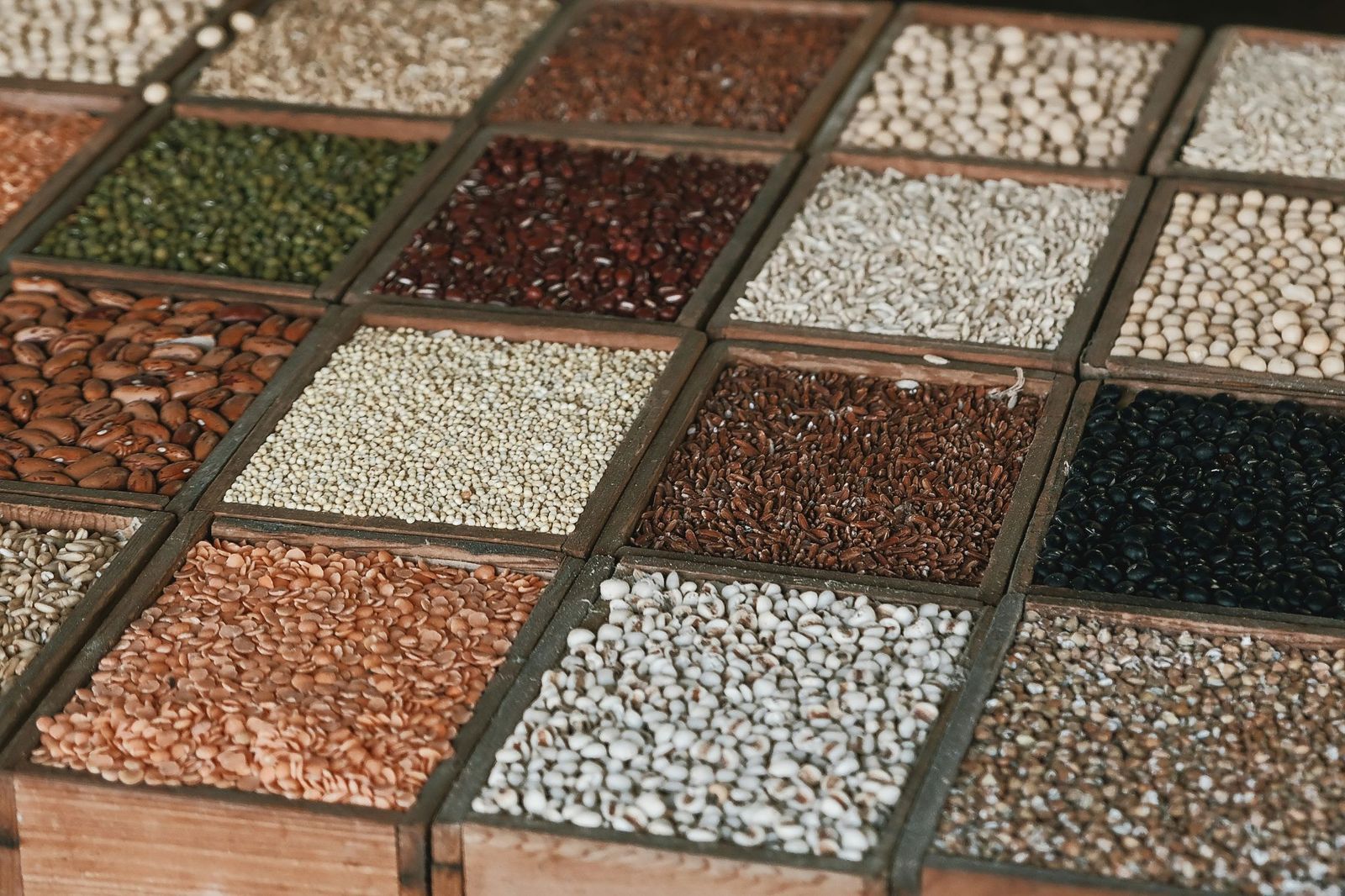
A packet of seeds might be one of the least menacing things imaginable. To agricultural inspectors, however, plants and plant products can be vehicles for insects, fungi, diseases, and invasive species capable of damaging crops and ecosystems. That's why travelers entering the U.S. are required to declare agricultural products and may find that some seemingly harmless souvenirs are restricted.
The rules can reach far beyond obvious live plants. Seeds, cuttings, fruits, vegetables, soil, and other plant materials can all be subject to requirements. The United States even uses specially trained detector dogs to sniff out agricultural products hidden in passenger luggage.
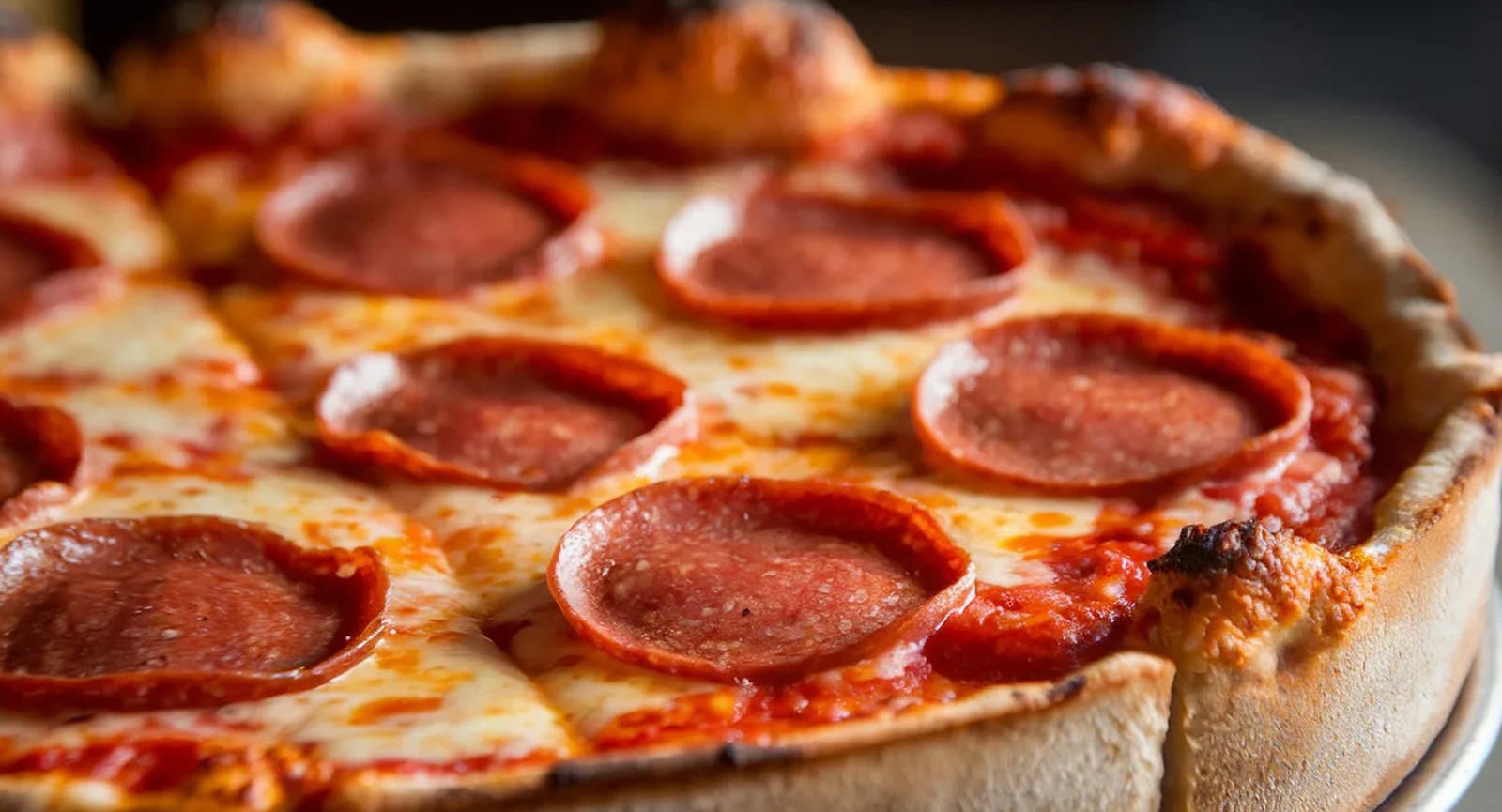
The American food bucket list: 10 classics to try
American favourite plates
The American food bucket list: 10 classics to try
Some foods do more than satisfy hunger or please the palate; they carry deep-rooted traditions shaped by their regions, local communities, and the brands that have grown around them. Behind these dishes are rivalries and stories of resilience and ingenuity. Today, tasting each city or state's favorite dish is just as important as seeing its tourist attractions, and it offers a deeper way to experience our country. Here are 10 of America’s most-loved plates.
Barbecue in Texas
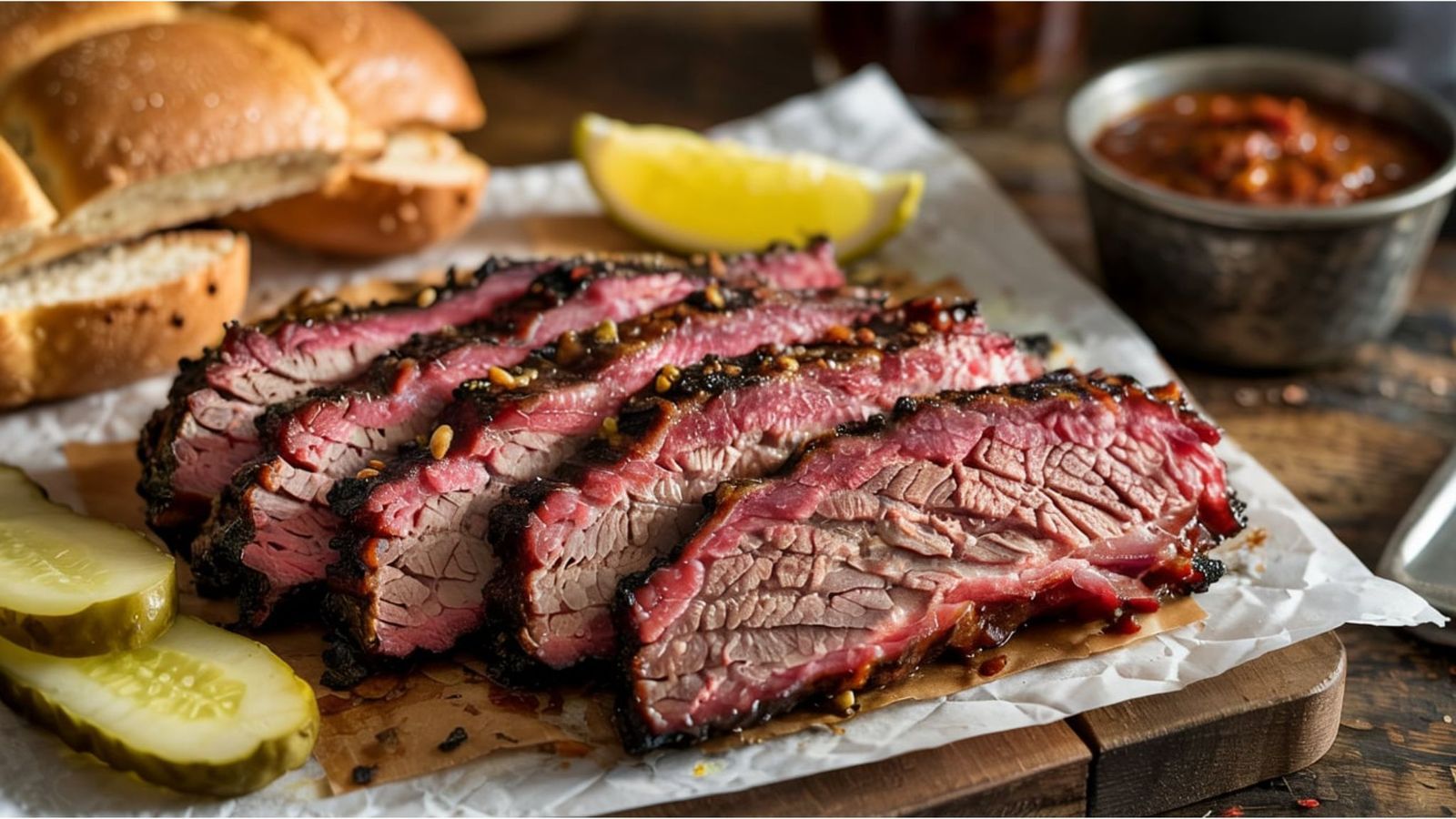
In Texas, barbecue is more than a meal; it’s serious business, and it’s all about the meat. Brisket is the undisputed star of Texas barbecue, cooked slowly over hardwood, usually post oak, until the meat is tender and the outside forms a dark, flavorful crust.
Central Texas barbecue mostly relies on salt, pepper, smoke, and a long cooking time, with garlic and dried onion used as seasonings. East Texas often serves chopped beef with more sauce, while South Texas may include barbacoa and Mexican flavors. West Texas usually cooks meat over direct heat in an open pit, creating a faster and more rustic style. Burnt Bean Co. in Seguin, Goldee's Barbecue in Fort Worth, and LeRoy and Lewis Barbecue in Austin are must-try spots.
Deep-Dish Pizza in Chicago
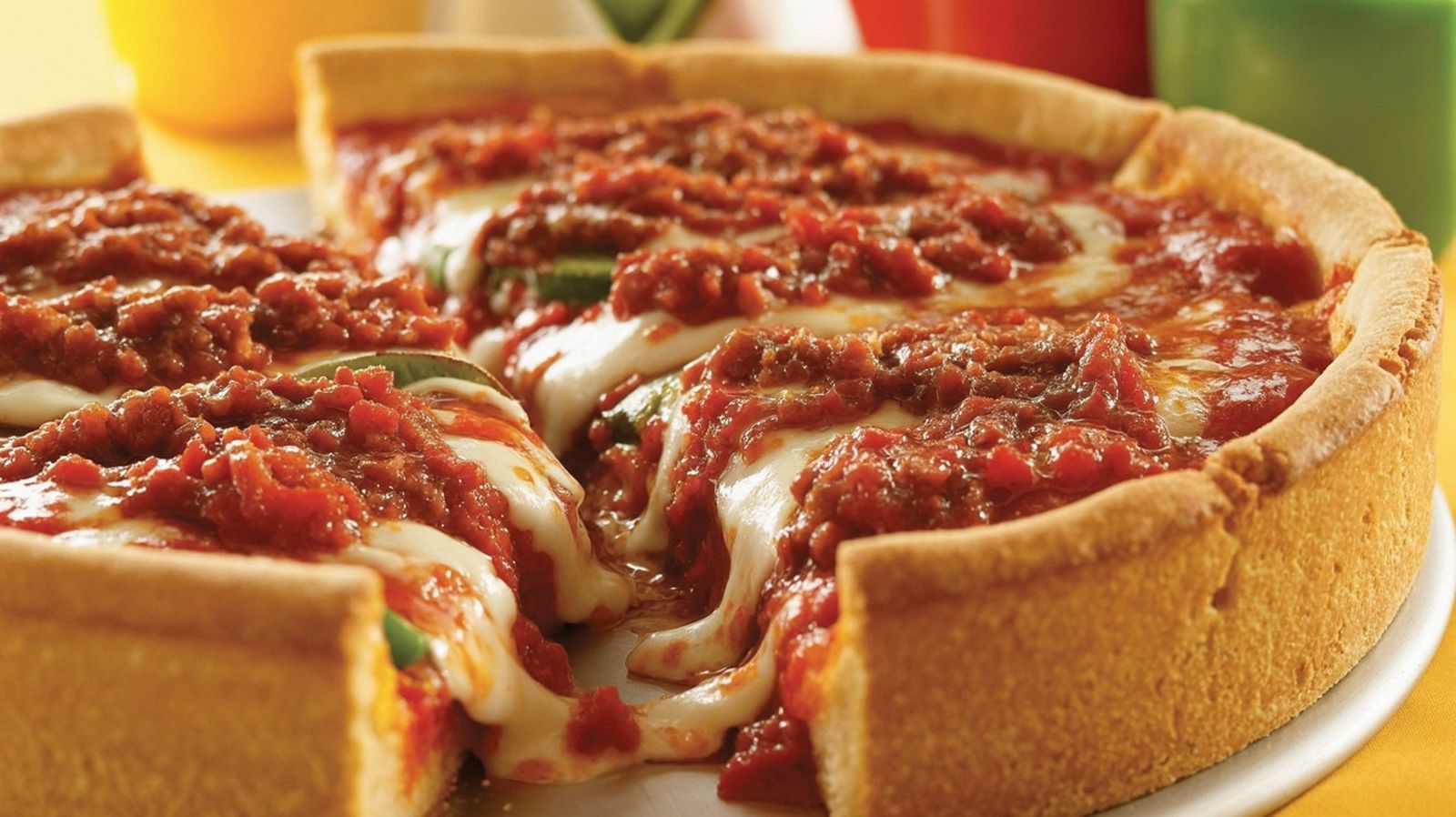
Is it a pizza or a pie? Chicago-style definitely breaks all the rules about how pizza should look and taste. With its tall, crisp crust and inverted layers, with cheese on the bottom and meat on top, this dish was invented in the 1940s to offer a warm, filling meal.
It quickly became one of Chicago's must-try dishes, with variations such as stuffed pizza, which includes an extra layer of dough, and pizza pot pie, a hybrid between Chicago-style pizza and chicken pot pie. Giordano's and Gino's East are two classic Chicago restaurants that will not disappoint visitors looking to try this unconventional but substantial pizza.
New York Pizza in New York City
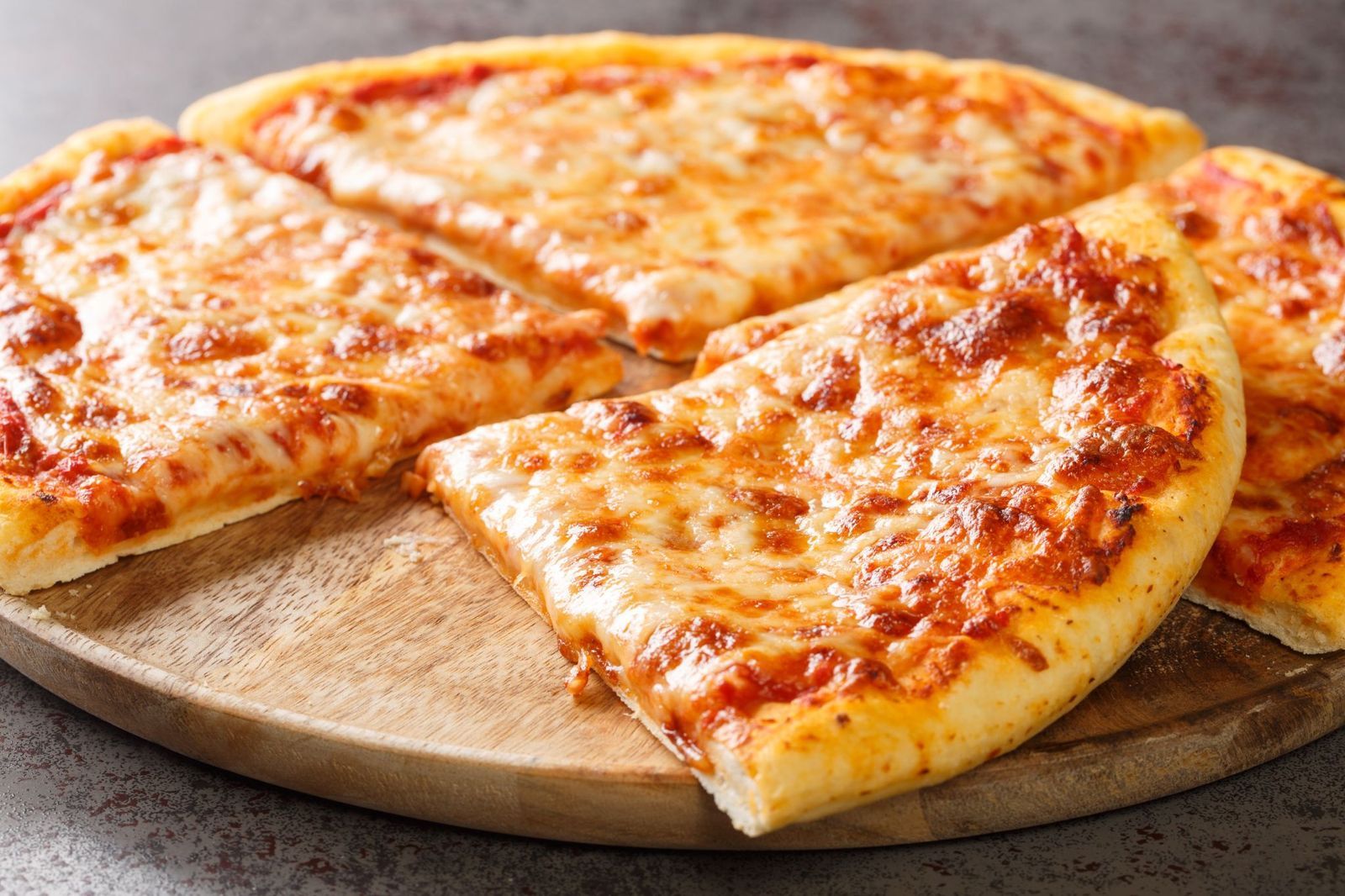
New York-style pizza is often considered one of the best because of its balance of crust, sauce, and cheese. It has a thin, crisp base that is strong enough to hold the toppings but still easy to fold and eat by hand. The sauce is usually made with fresh tomatoes, while low-moisture mozzarella is added in just the right amount without covering the edge of the crust.
Together, these elements make it an ideal lunch on the go, an everyday necessity in New York life. When visiting the Big Apple, you can’t miss Lombardi's, America's first pizzeria, Joe's Pizza in the West Village, or L'Industrie Pizzeria, which has locations in Williamsburg and the West Village. You also can’t go wrong with any slice place you come across.
Cheesesteaks in Philadelphia
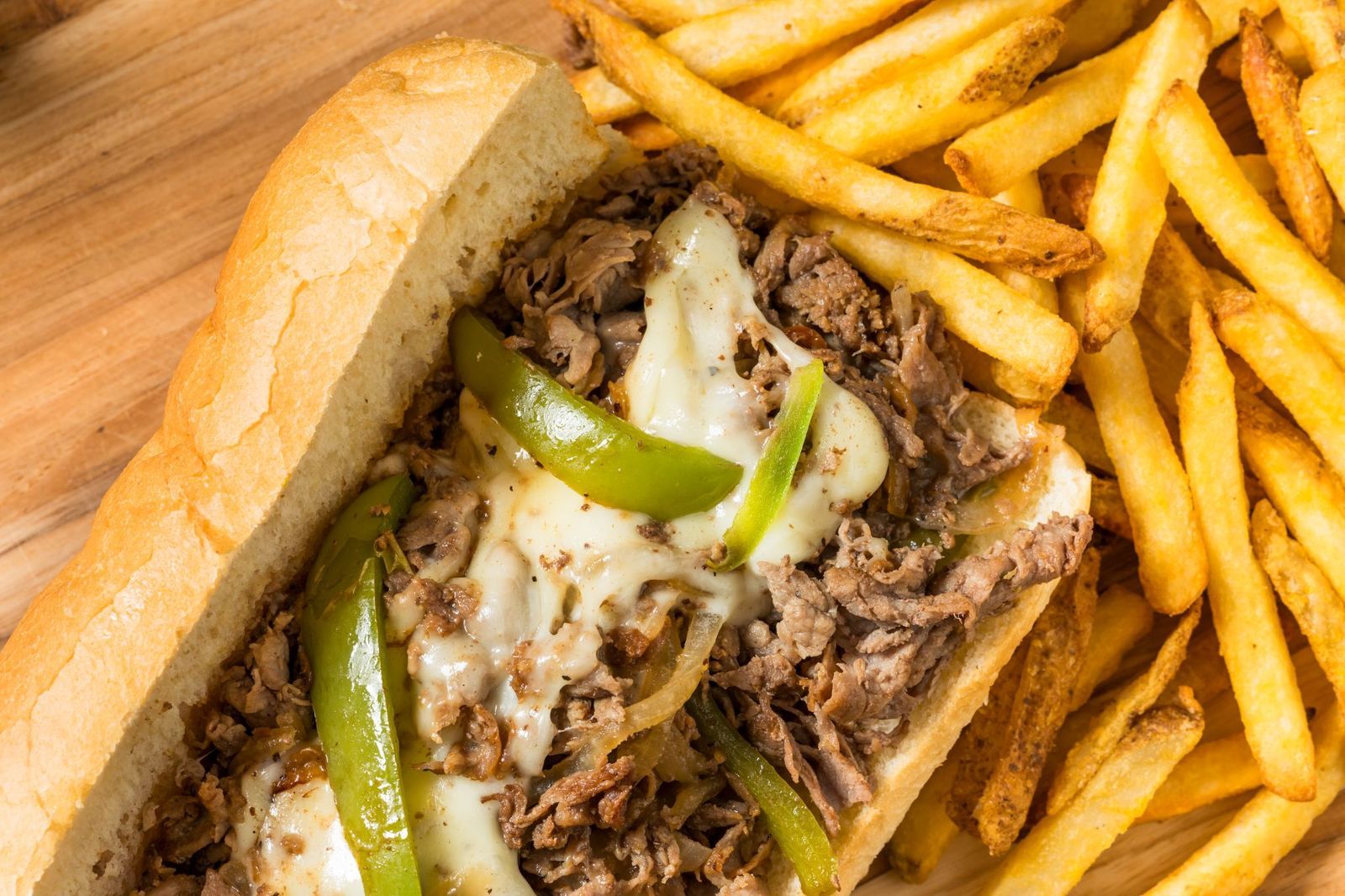
When arriving in Philadelphia and asking locals where to have your first Philly cheesesteak, you will probably hear divided opinions. There is a legendary but still contemporary debate over which cheesesteak is the best: Geno's or Pat's. Pat Olivieri, the owner of Pat's, is believed to be the original creator of the recipe back in 1930: hot beef and melted cheese on a long, flaky roll. Geno's opened in 1966 directly across from Pat's, with both shops located in South Philadelphia. At Pat's, the steak is served in thin slices, the cheese melts right into the meat, and the sandwich is served open-faced. Geno's version has thicker strips with a chewier texture. The recipe is not the only difference between the shops, though; Pat's has a retro atmosphere, while Geno's has a more modern, brightly lit look.
Lobster Rolls in Maine
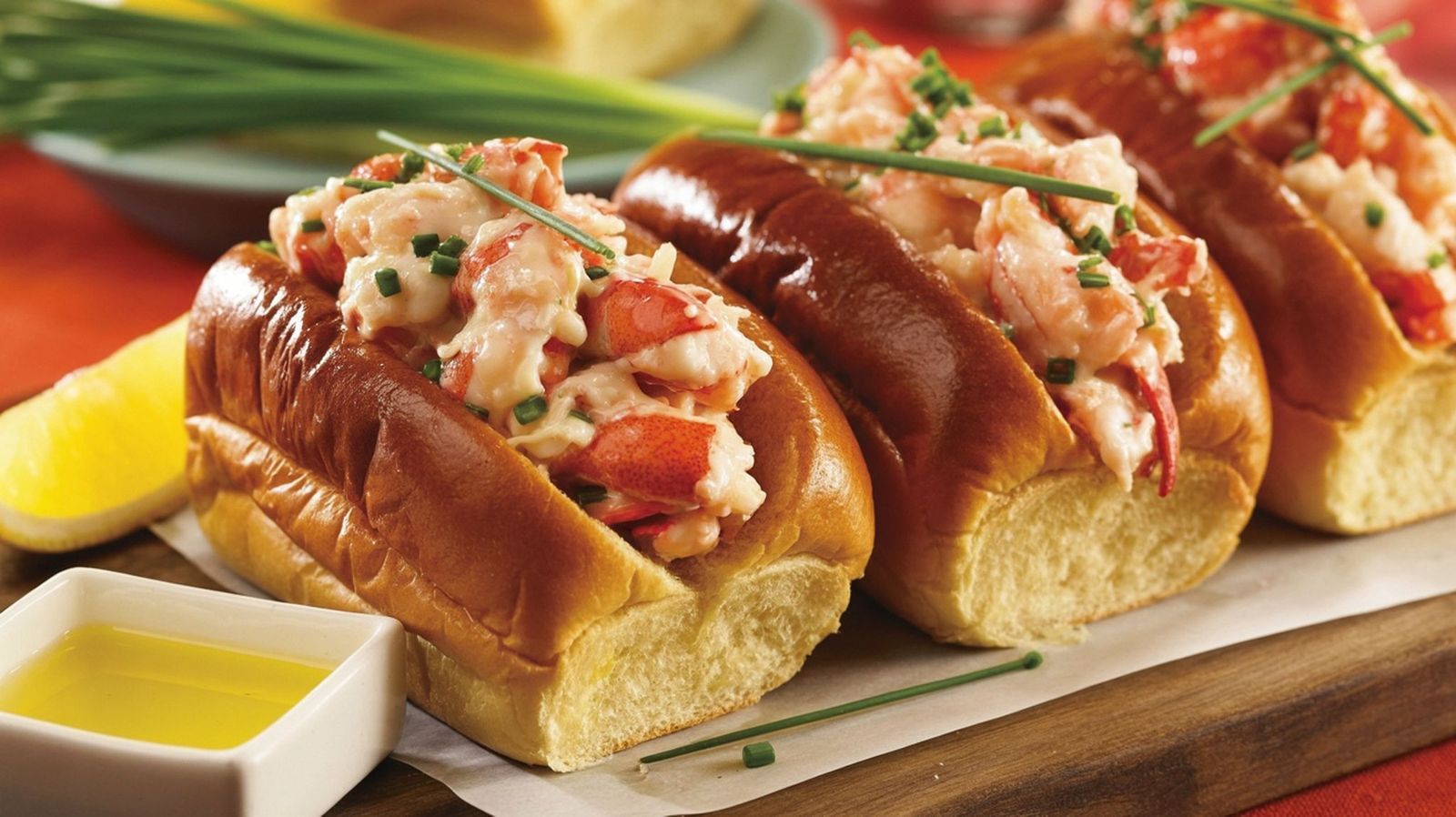
Lobster is one of Maine's strongest industries, and the state is one of the country's best-known lobster suppliers. Today, the lobster roll, a staple made with lobster meat, mayonnaise or butter, and a hot dog-style bun, is a luxury delicacy and a must-try when visiting Maine, but this was not always the case.
Back in colonial times, lobster was considered "poor man's food" and was fed to enslaved people and prisoners until the late 1870s, when tourism in the area increased because of the railroads and demand for seafood grew exponentially. A lobster roll road trip in Maine should definitely include Red's Eats in Wiscasset, Five Islands Lobster Co. in Georgetown, and The Clam Shack in Kennebunkport.
Gumbo in New Orleans
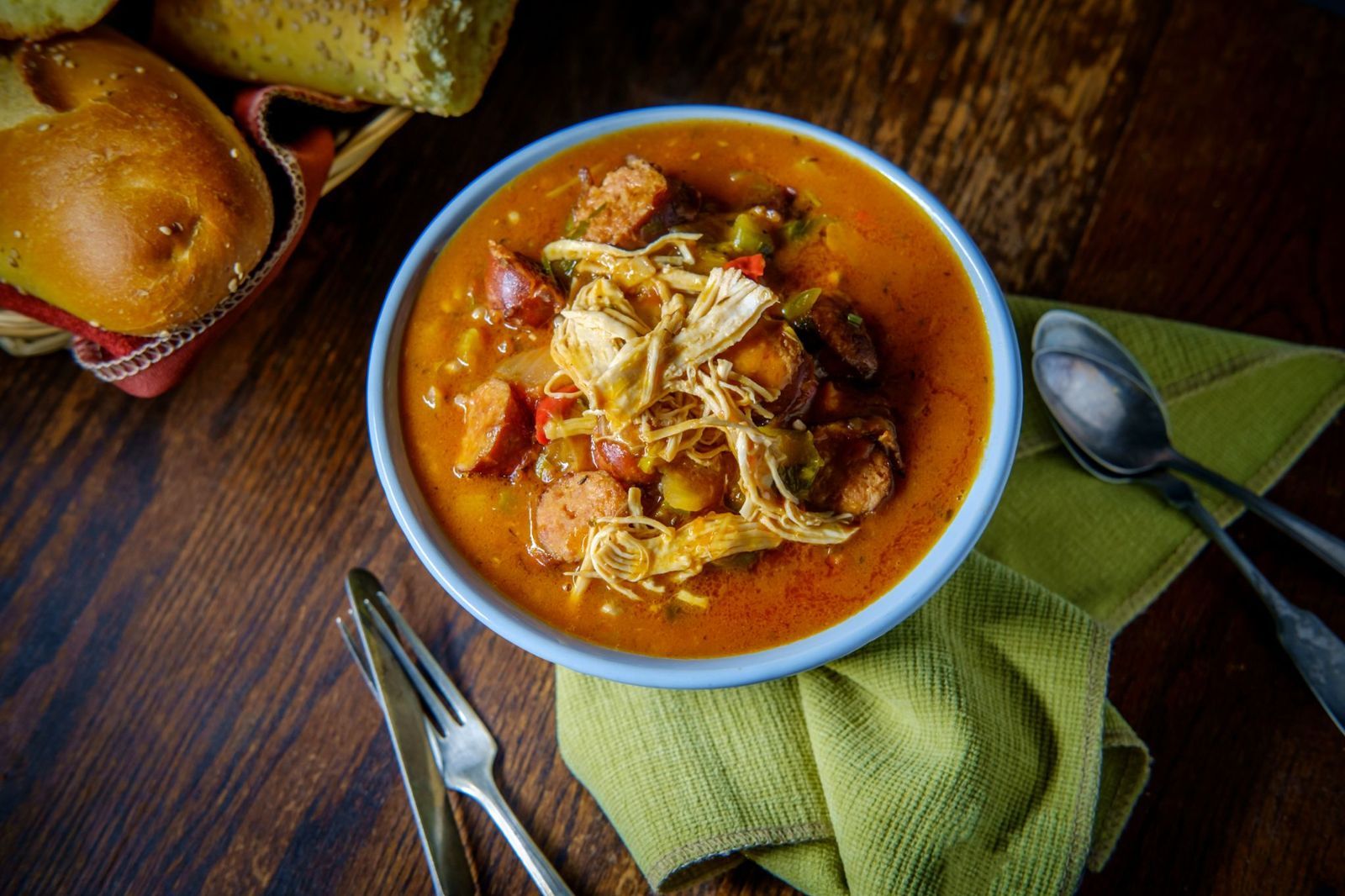
Gumbo is a taste of New Orleans history. This one-pot stew is made with meat or shellfish, vegetables, and herbs. It may be thickened with okra, file powder, or roux, and its essential base consists of onions, bell peppers, and celery.
Its origins lie at the intersection of African, Native American, and European cultures, dating back to when Louisiana became a French colony around 1719. Since Louisiana is home to large Creole and Cajun populations, there is no doubt that both traditions influenced gumbo’s recipe. Commander's Palace in the Garden District is a classic choice for Creole gumbo, while Casamento's serves some of the best seasonal dishes.
Clam Chowder in Boston
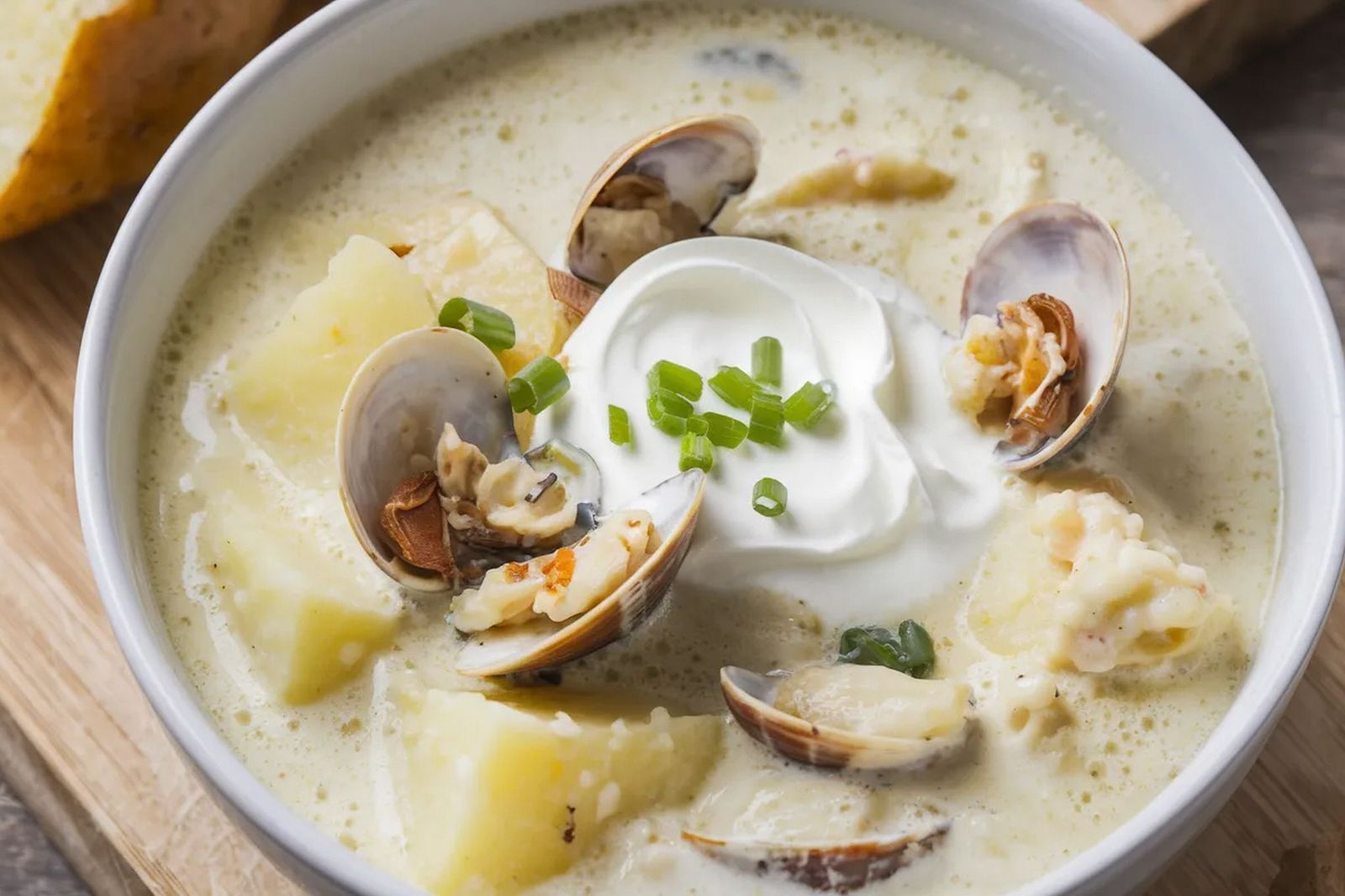
Some of the best creations were born out of necessity, not just imagination. That is the story of clam chowder in Boston, Massachusetts, where early settlers in the 1700s, attempting to imitate English and French shellfish stews, created soups using abundant local ingredients such as clams from the Massachusetts coast.
The common recipe often included salt pork, potatoes, onions, and milk or cream. It quickly became a popular dish among New England fishermen working on boats, and became so popular that the city celebrates the annual Boston Chowderfest. For the best classic chowder, go to Summer Shack or Little Whale Oyster Bar in the Back Bay neighborhood.
Key Lime Pie in Florida
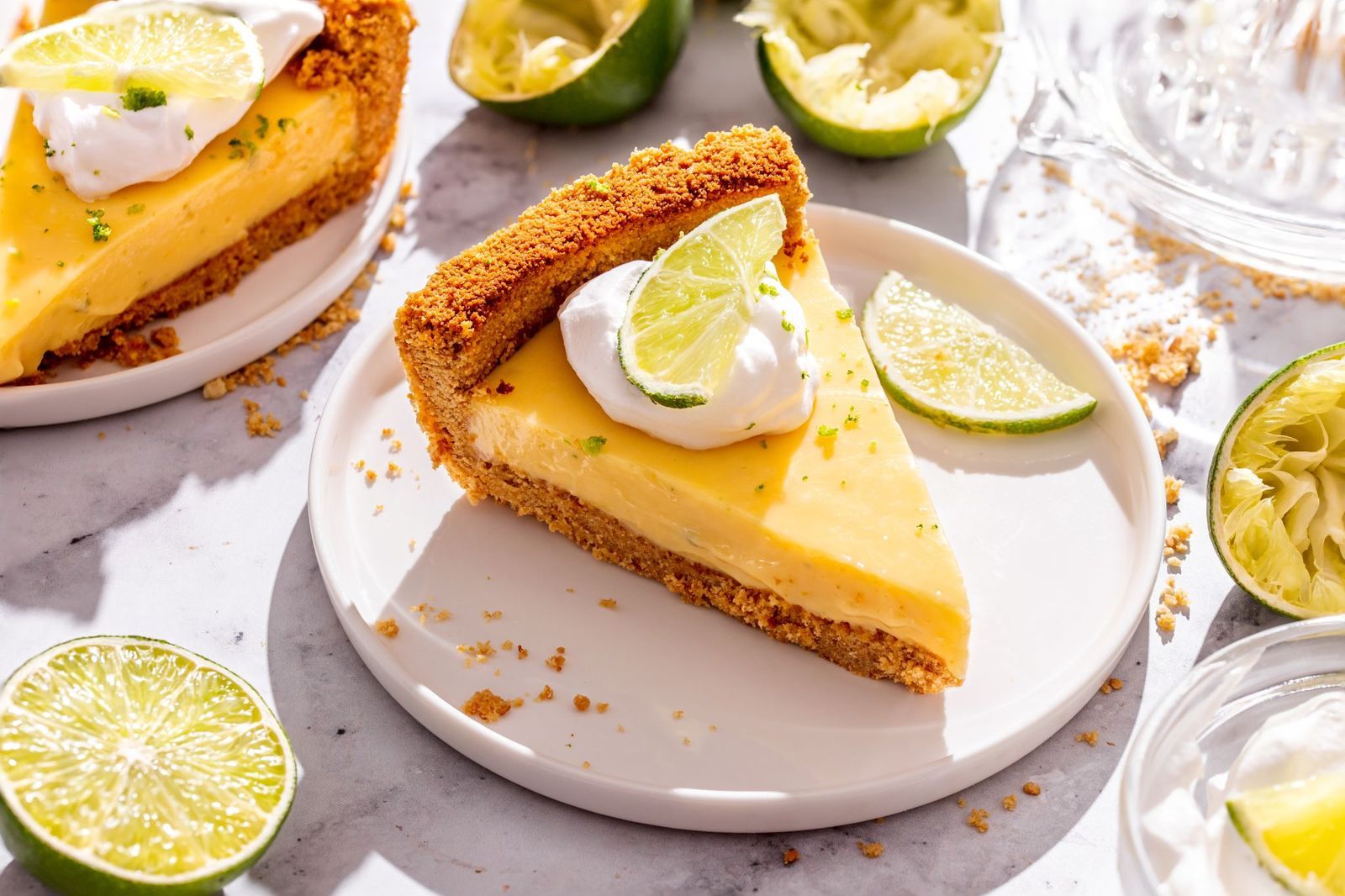
Since 2006, Key Lime Pie has been the official state pie of Florida, but its roots in the area date back to the 1800s, when fishermen mixed egg yolks, sweetened condensed milk, and tart key lime juice.
The dessert’s secret is all about the milk. Back in the 1800s, dairy milk spoiled quickly without refrigeration; instead, condensed milk could last through the South Florida summer. Traditionalists still argue whether the browned meringue topping or the whipped cream is the perfect match for Florida’s favorite dessert. Locals' and visitors' essentials are Kermit’s Key Lime and Blue Heaven shops.
Hot Chicken in Nashville
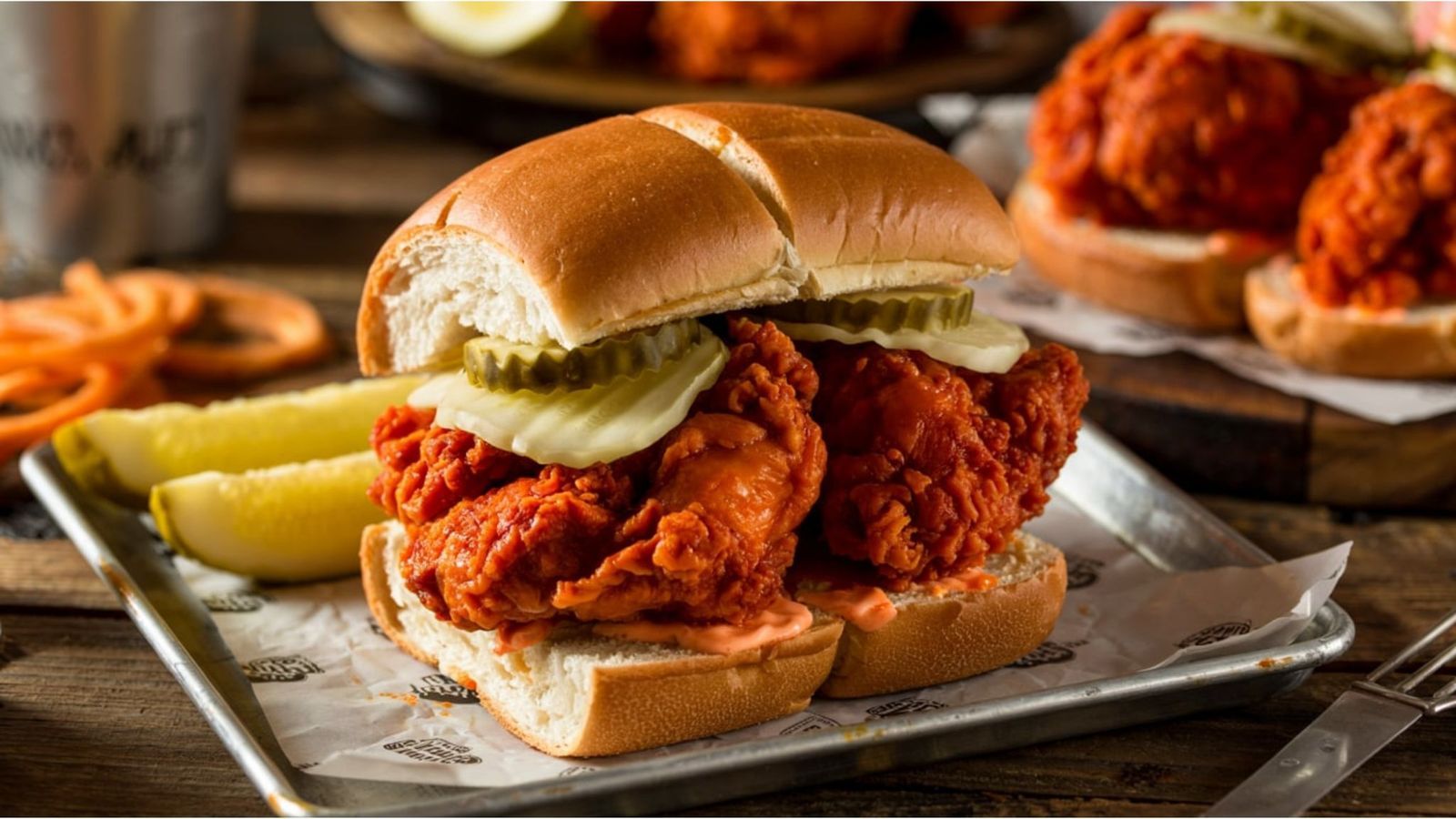
Fried chicken gets a fiery twist in Nashville. Unlike the standard recipe, where spices are added during preparation, hot chicken gets its bold flavor and mouth-searing heat after it is fried. Hot frying oil or melted butter is used to create a concentrated mixture of cayenne pepper, brown sugar, garlic, and other spices, which is then brushed onto the crispy chicken.
The birthplace of this spicy dish is South Nashville, within the city's African American community. Prince's Hot Chicken Shack, originally called BBQ Chicken Shack, is the original hot chicken shop. It is believed to have opened in 1945 after a woman tried to punish her cheating boyfriend by making his fried chicken extremely spicy.
Green Chile in New Mexico
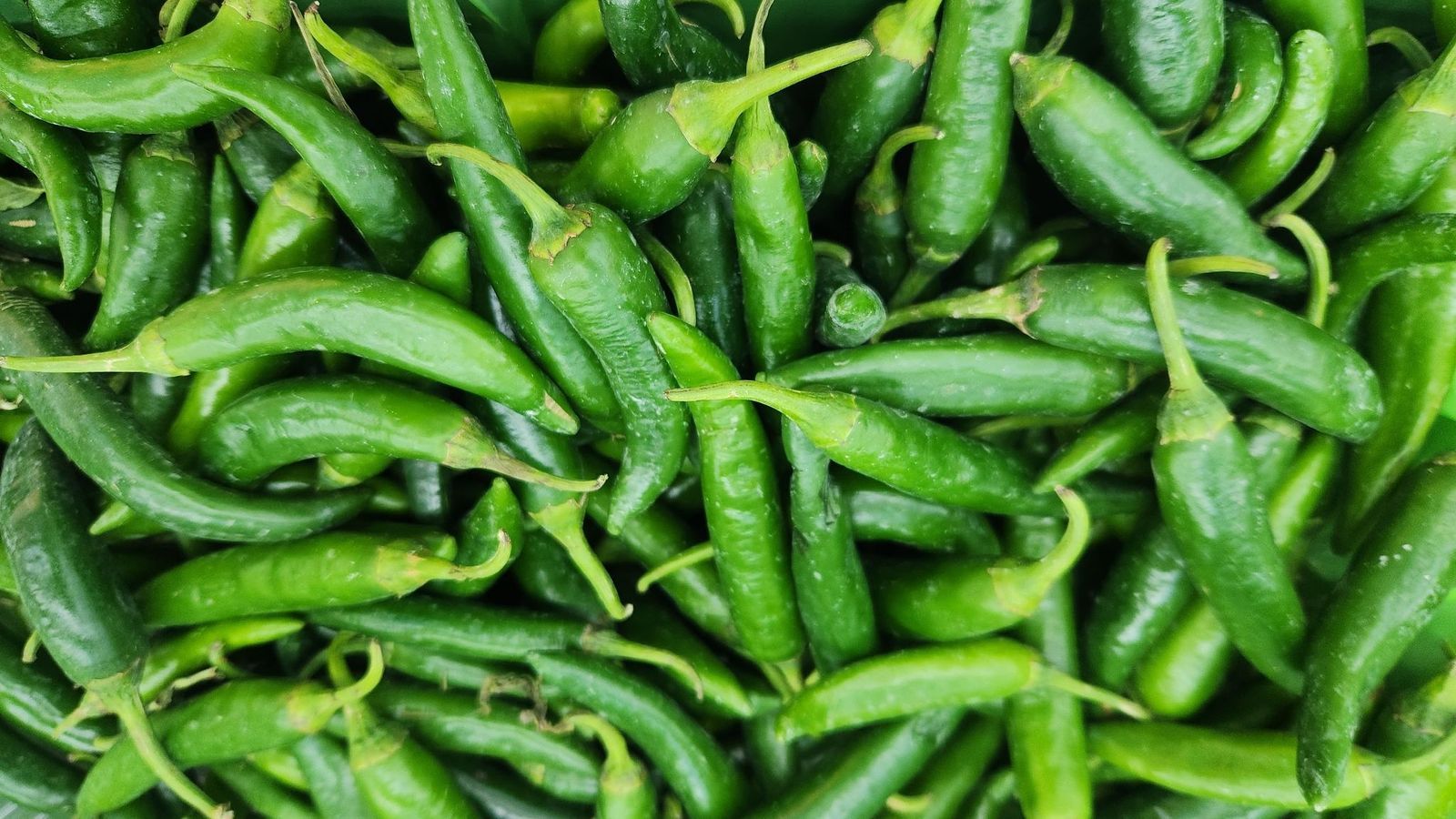
With at leastaround 400 years of tradition in the area, this distinctive spicy ingredient is added to almost every meal in New Mexico. The town of Hatch is known as the "Chile Capital of the World" because its chiles grow in the valley's nutrient-rich soil and ideal climate.
It has also hosted the Hatch Chile Festival since 1971 to celebrate its signature crop. Green chile is best served with enchiladas, tamales, burritos, and even huevos rancheros. The Original Cocina Azul and Sadie's are favorite New Mexico spots.
Keep wandering
There’s always
more to explore

These towns look fake, but they're real: Too pretty to be true
3 min.
Read Now

Why do hotels have bed scarves, two peepholes, and bathroom phones?
6 min.
Read Now

Most tourists never find these London spots hiding in plain sight
3 min.
Read Now
 Geography

A fan of seaside vacations? Here are 10 seas to choose from
4 min.
Read Now