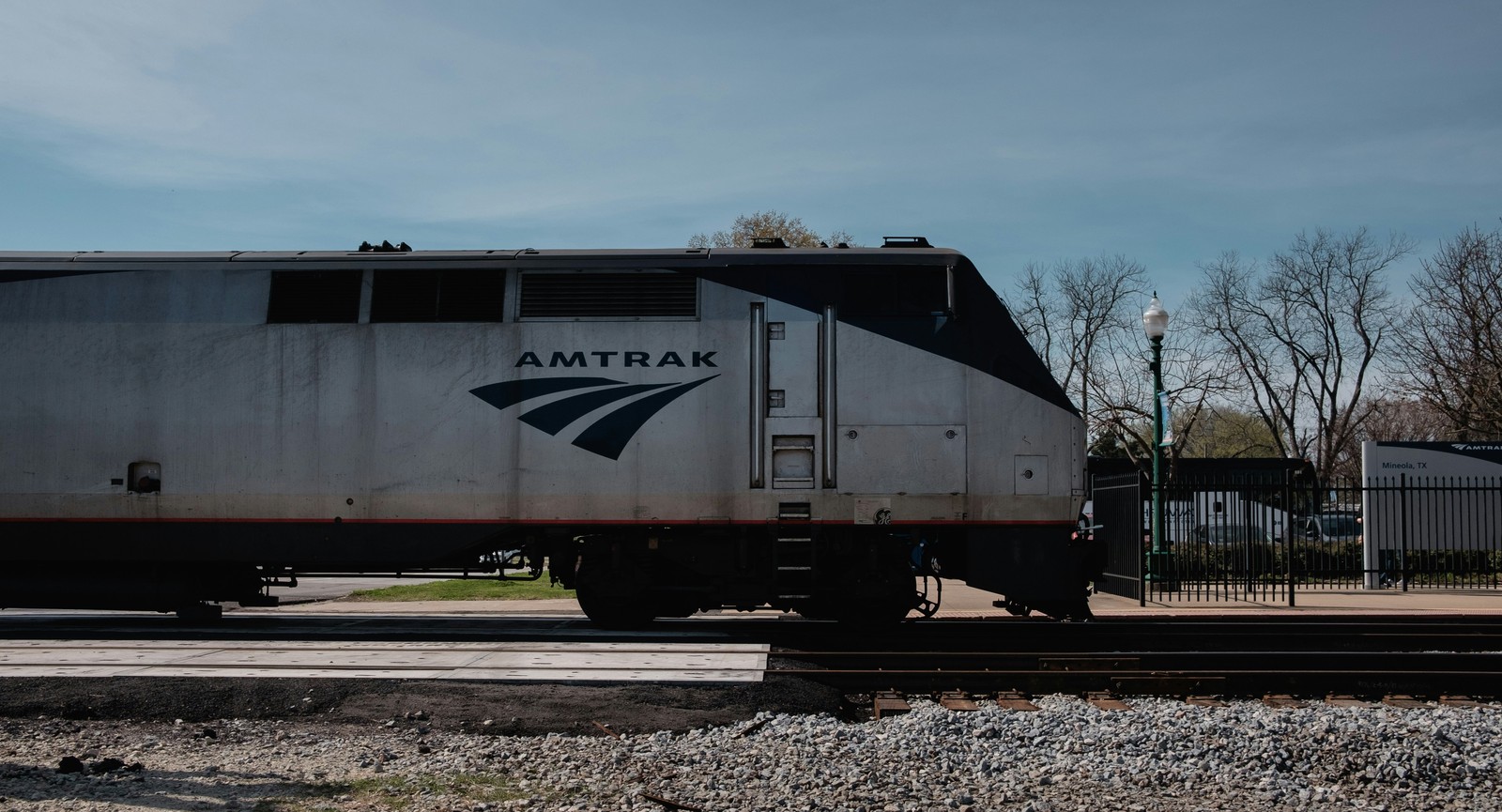
12 things everyone should know before riding on an Amtrak train
 General
Are you a train enthusiast?
12 things everyone should know before riding on an Amtrak train
Train travel in the U.S. follows a different rhythm than flying, and a slower pace is part of its appeal. With wide seats, scenic routes, and fewer rigid rules, Amtrak rewards travelers who know what to expect. These tips help first-timers and occasional riders feel prepared, relaxed, and ready to enjoy the journey.
Arrive earlier than you think
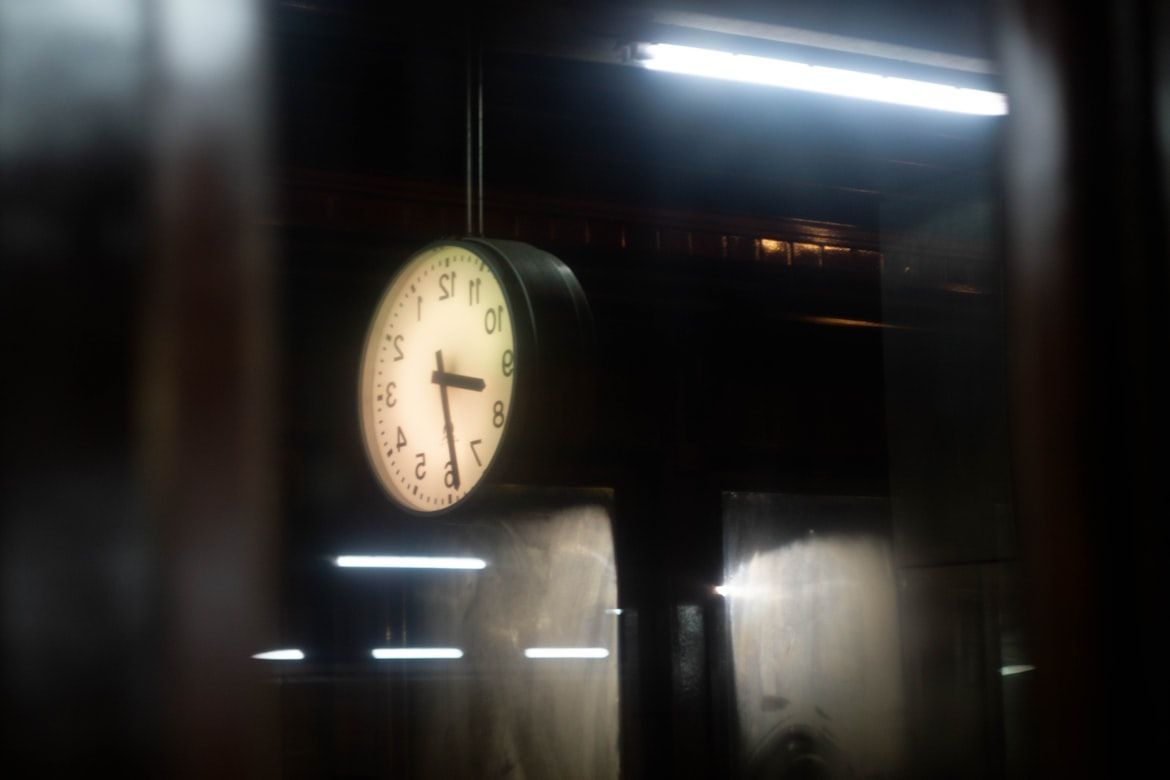
Amtrak stations are generally calmer than airports, but timing still matters. Most routes recommend arriving at least 30 minutes before departure, especially if you need assistance or have checked luggage. Platforms and boarding areas are often announced shortly before departure rather than posted far in advance.
Arriving early gives you time to listen for announcements, find the correct boarding area, and settle in without rushing. It’s also helpful if the station layout is unfamiliar or larger than expected.
Boarding is announced, not assigned
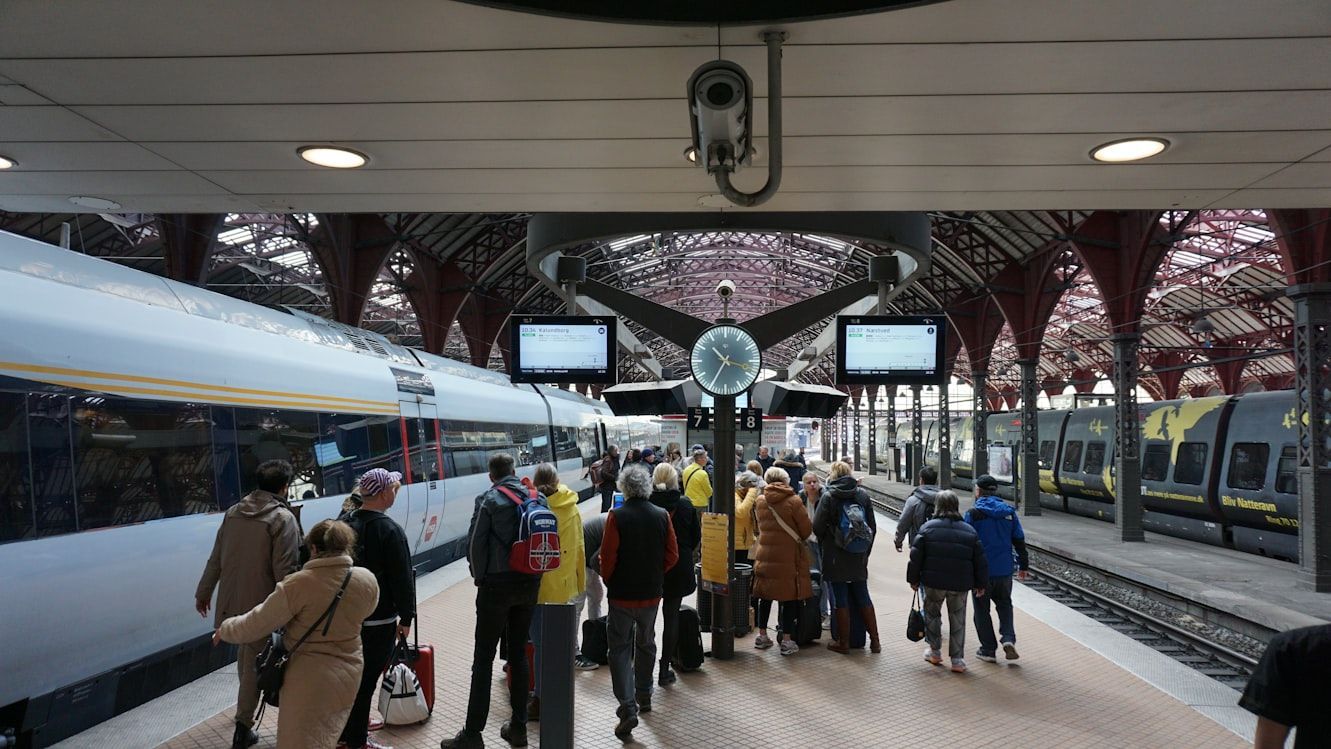
Unlike airlines, Amtrak often boards by announcement rather than fixed gate numbers. Conductors or station staff call passengers forward when the train is ready, sometimes only 10–15 minutes before departure. Paying attention is key.
Staying near the waiting area and listening carefully ensures you won’t miss your call. At smaller stations, boarding may happen directly from the platform with minimal signage or warning.
Seating rules vary by route
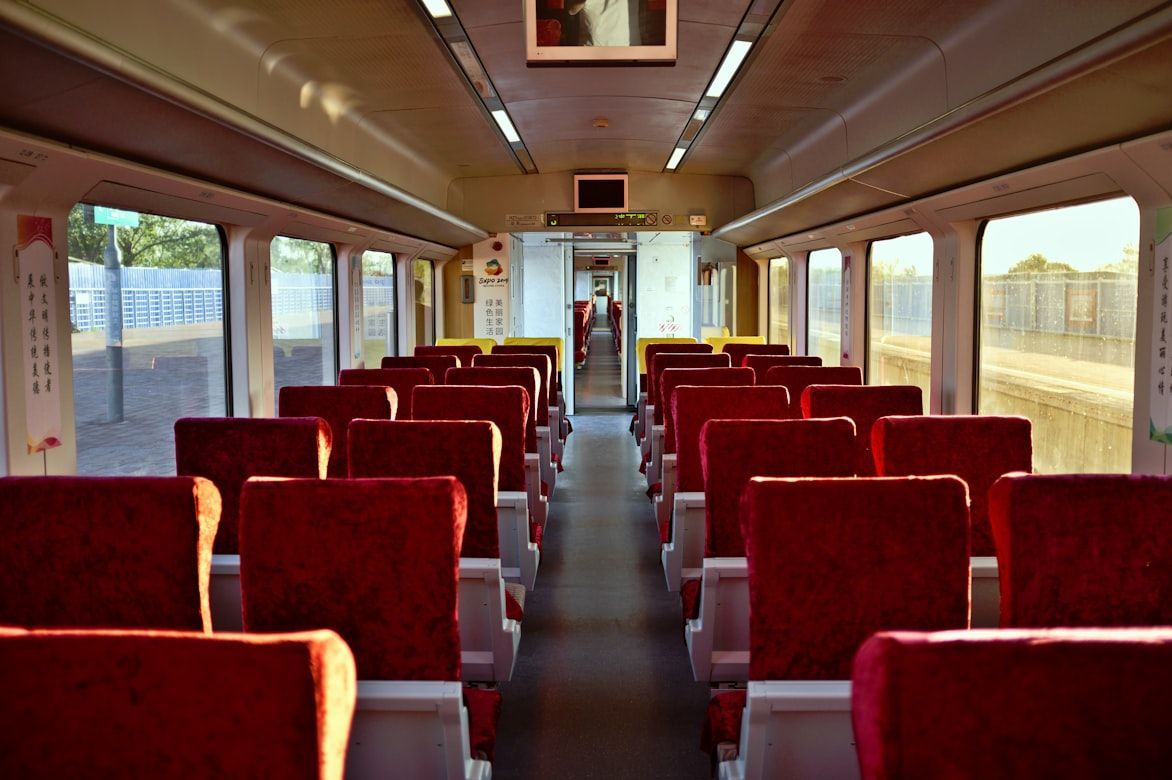
Some Amtrak routes use assigned seating, while others allow open seating within your ticketed class. Conductors may direct you to a specific car based on your destination or how full the train is.
If you’re traveling with a companion, boarding early improves your chances of sitting together. Once the train fills up, switching seats later may not be permitted or encouraged.
Pack your carry-on carefully
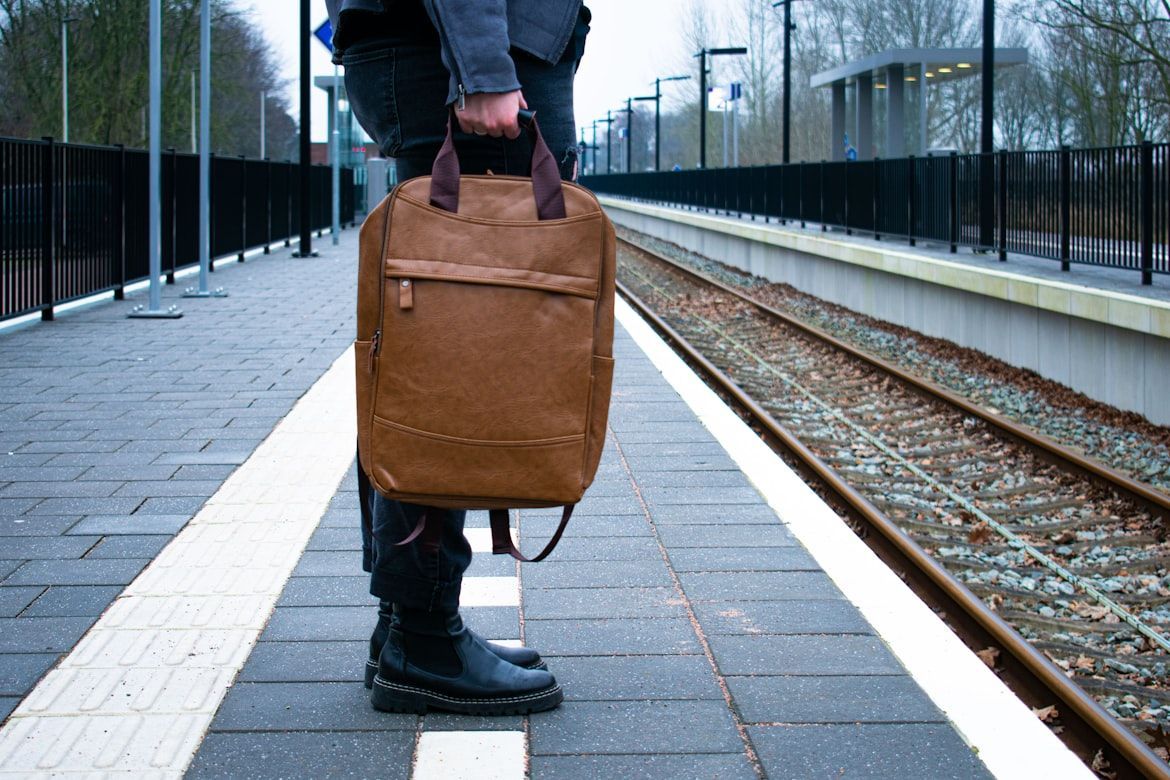
Amtrak allows generous baggage limits, but you won’t have access to checked bags once onboard. Important items like medications, snacks, chargers, documents, and a light jacket should stay with you at your seat.
Overhead racks are roomy, but aisles must remain clear. Soft bags are often easier to manage than hard suitcases, especially when lifting items overhead.
Delays are common
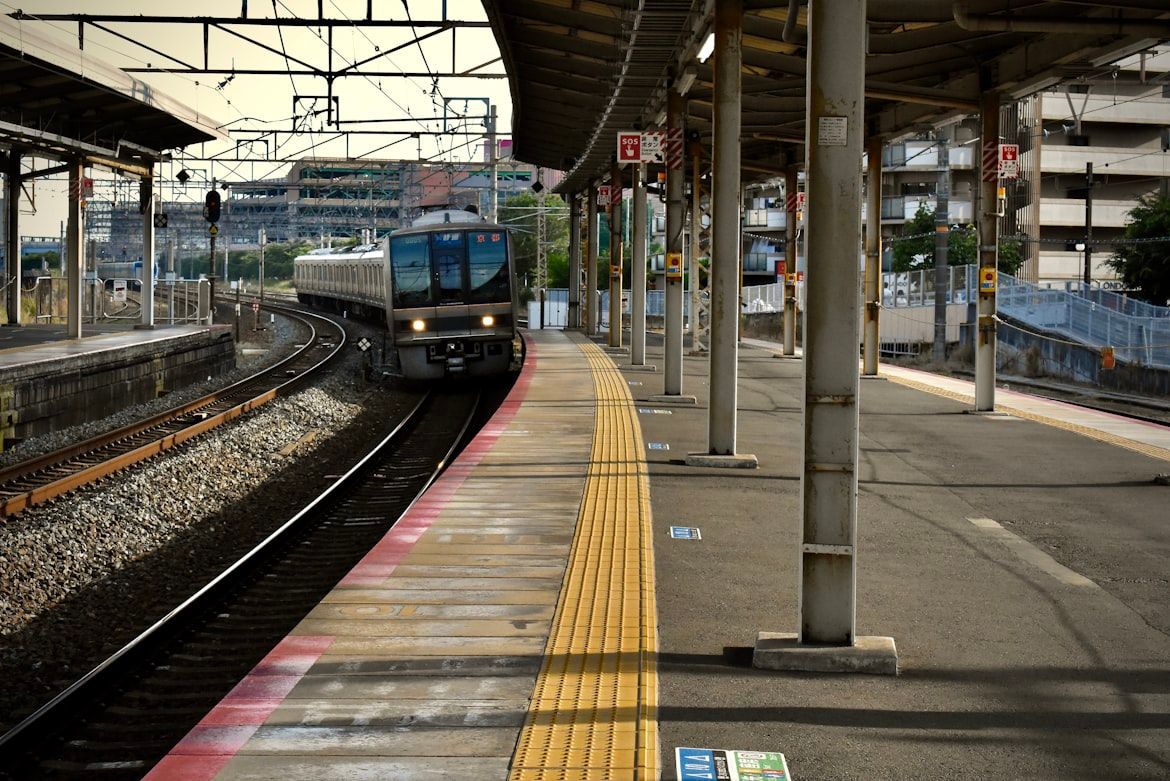
Amtrak trains frequently share tracks with freight trains, which can cause delays beyond the railroad’s control. Even well-planned trips may arrive later than scheduled, especially on long-distance routes.
Building flexibility into your plans helps reduce frustration. The upside is that delays usually occur while you’re already seated comfortably, rather than standing in line or waiting at a gate.
Bring comfort items
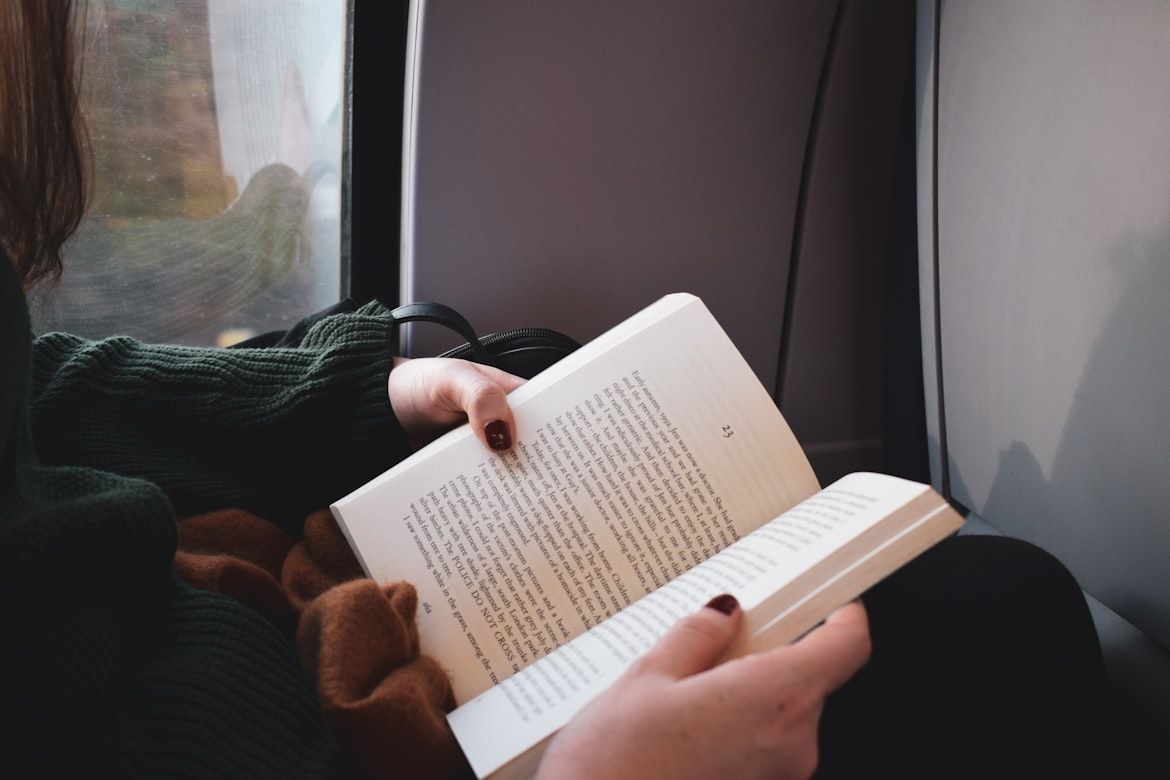
Seats are wider than plane seats, but long journeys feel more comfortable with a few personal touches. A book, a small pillow, a light blanket, a refillable water bottle, or an eye mask can make a noticeable difference.
Power outlets are common but not guaranteed at every seat. Having a charged phone or a small backup battery ensures your entertainment remains available throughout the trip.
Listen to announcements
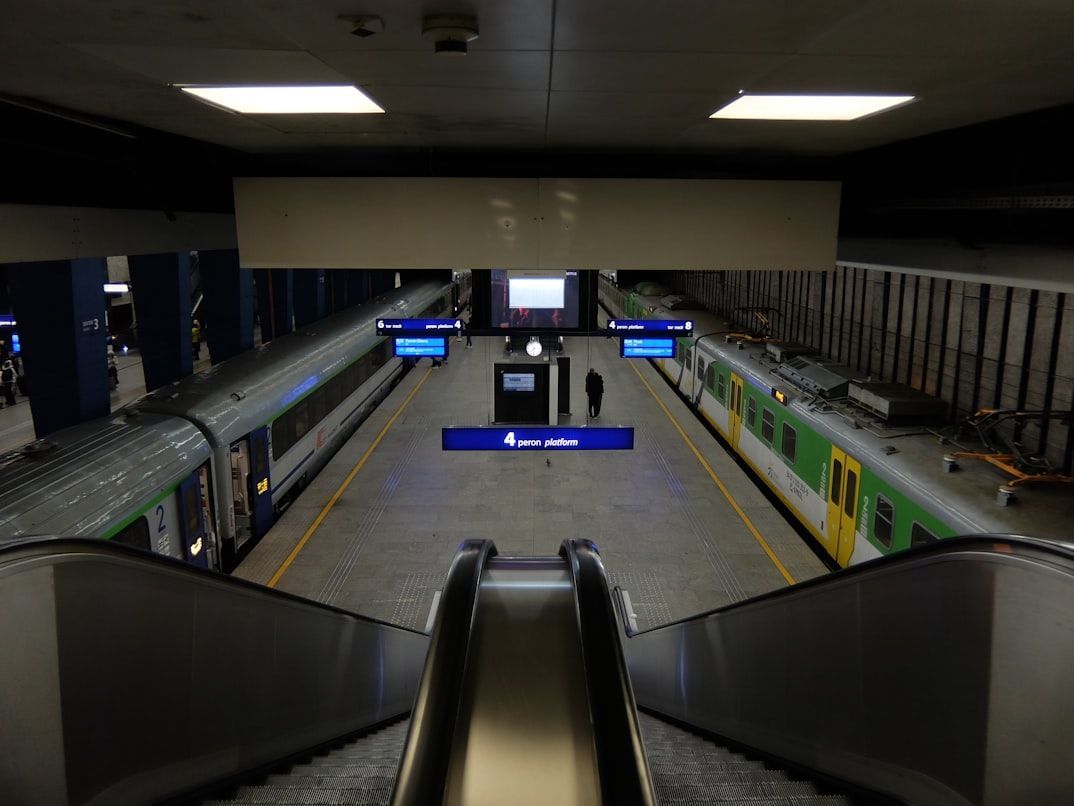
Conductors announce upcoming stops, longer breaks, and dining information over the public-address system. These announcements matter and may be your only warning before a stop arrives.
Volume and clarity vary by car, so staying alert helps avoid missing stations or meal-service windows. This is especially important during nighttime or quieter portions of the trip.
Walking is allowed
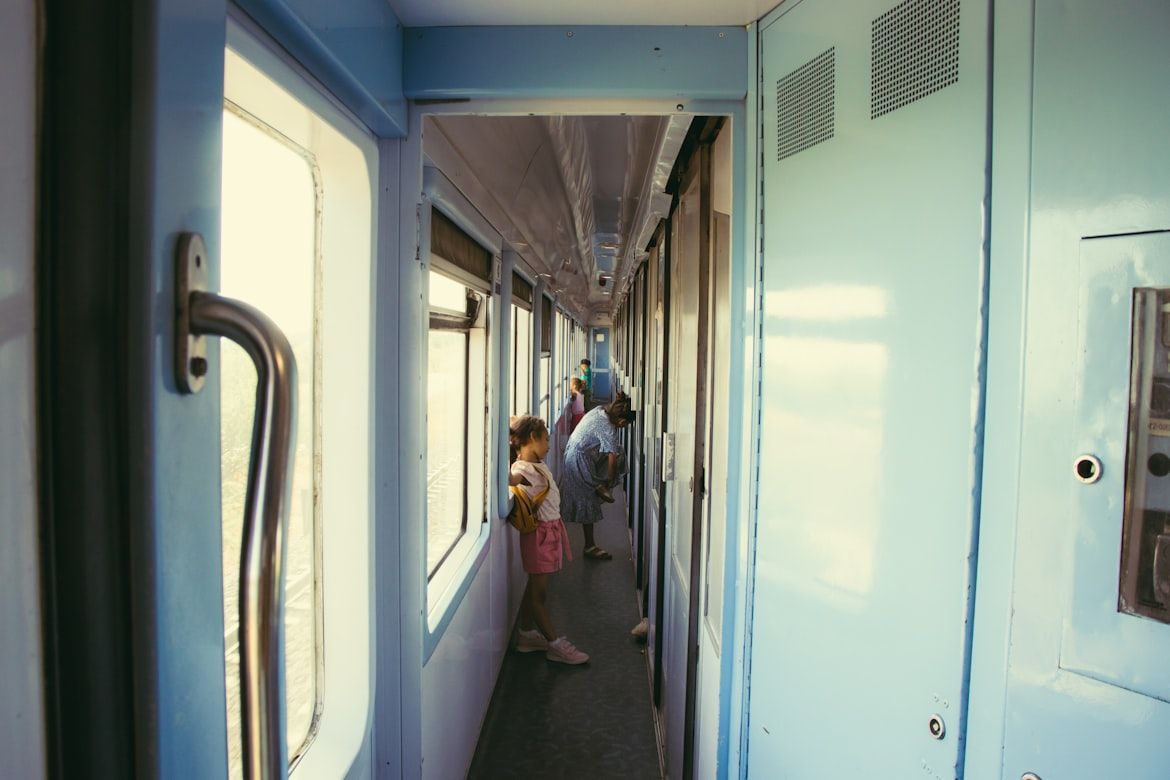
One advantage of train travel is the freedom to stand up and move around. You can visit the café or observation car and stretch your legs during the journey.
Always use handrails when walking between cars, especially while the train is moving. Trains can sway unexpectedly, particularly on curves or when switching tracks.
Expect compact restrooms
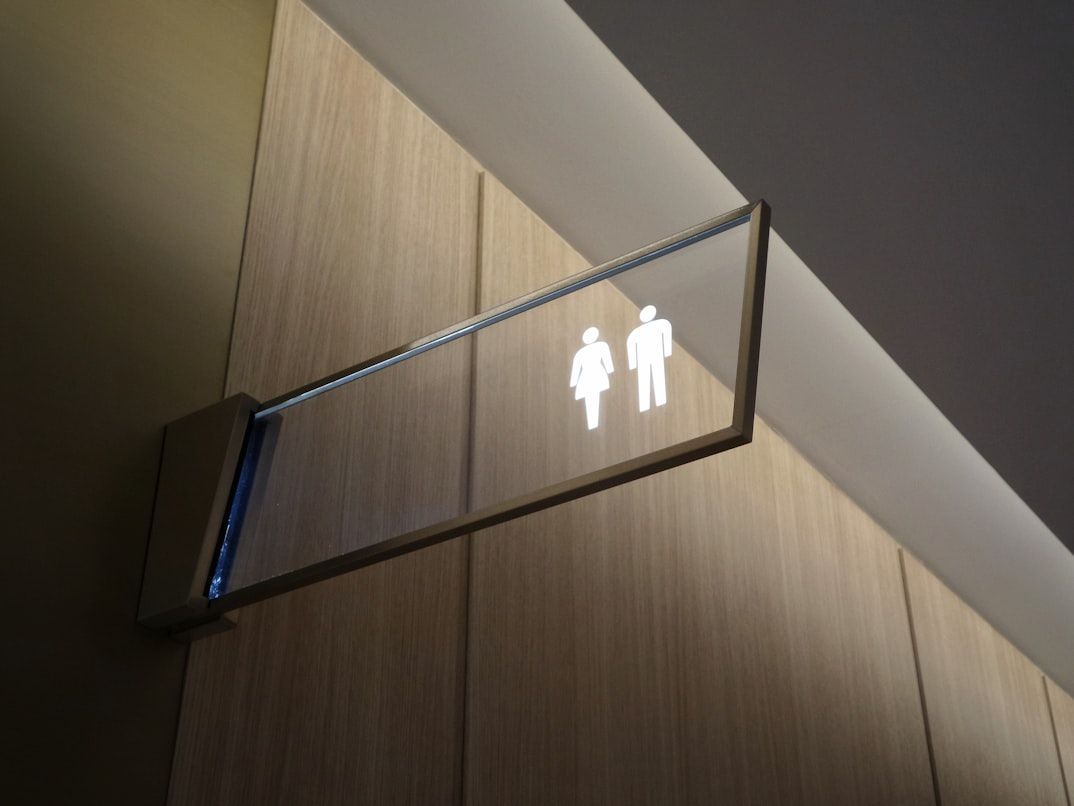
Every Amtrak car has restrooms, but they are functional rather than spacious. Bringing small personal items, such as hand sanitizer or tissues, can make visits more comfortable.
On overnight routes, restrooms tend to be busiest in the morning. Visiting earlier or later than peak times can help you avoid lines and crowded conditions.
Scenery is part of the journey
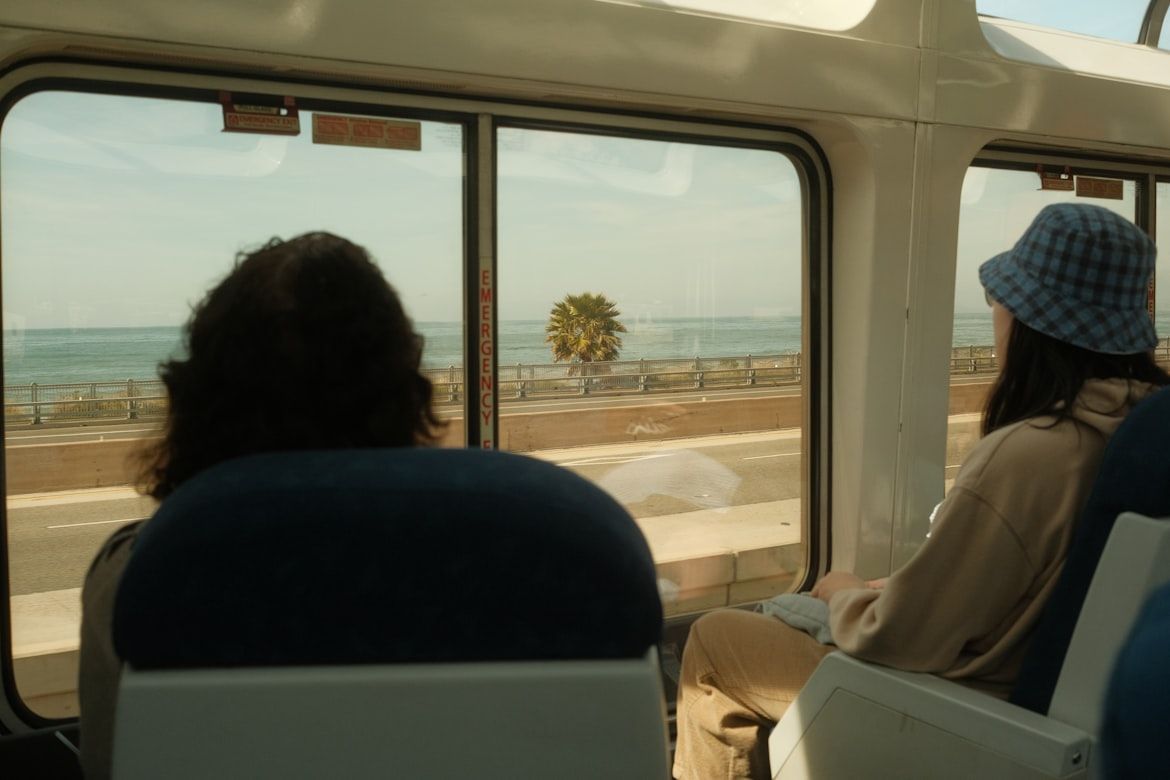
Many Amtrak routes pass rivers, mountains, farmland, and historic towns rarely seen from highways. Some trains include observation cars with large panoramic windows.
Seats aren’t assigned based on the view, so feel free to move when permitted. Daylight stretches often become the most memorable part of the entire journey.
Download the Amtrak App

The official Amtrak app stores digital tickets, shows real-time train status, and provides updates about boarding or delays. It’s especially useful at larger stations.
Even travelers who prefer paper tickets benefit from having the app as a backup. It offers peace of mind when schedules change unexpectedly.
Know the quiet and dining car rules
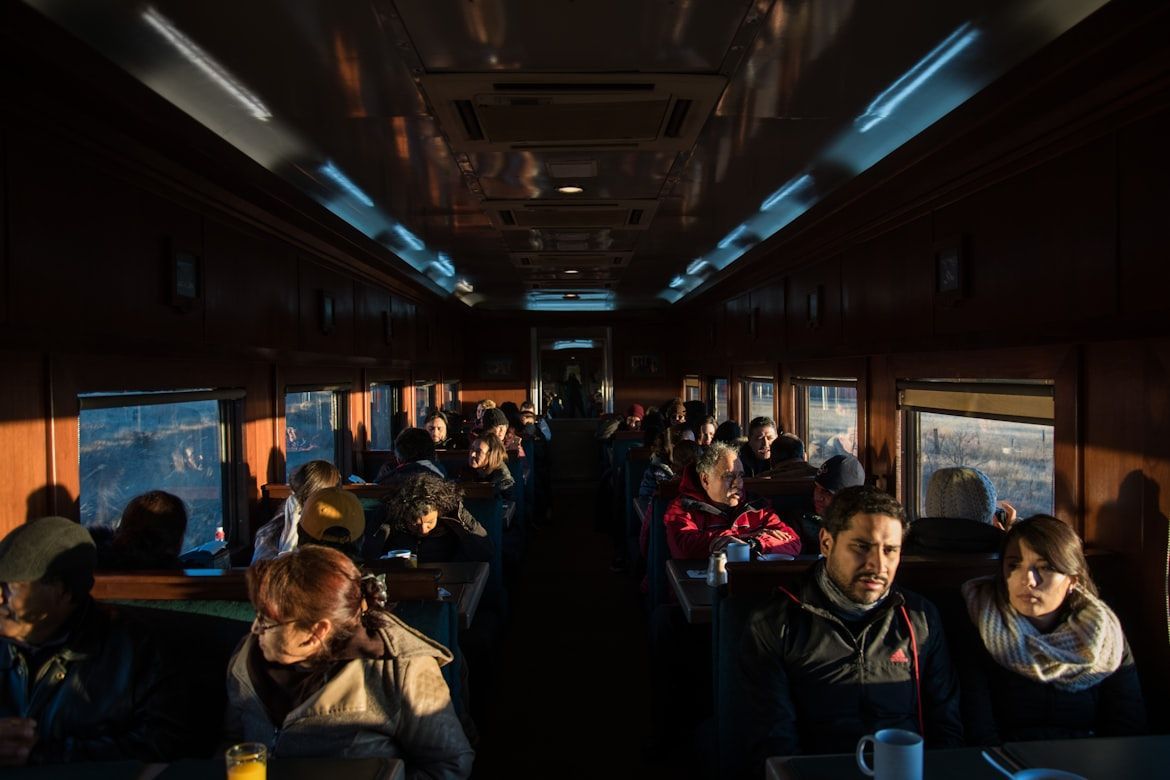
Quiet cars are designed for low voices, muted devices, and peaceful travel. They’re ideal for reading or resting but not for phone calls or conversations.
Dining and café cars follow their own schedules and customs. Knowing where talking is welcome helps everyone enjoy the ride more comfortably.
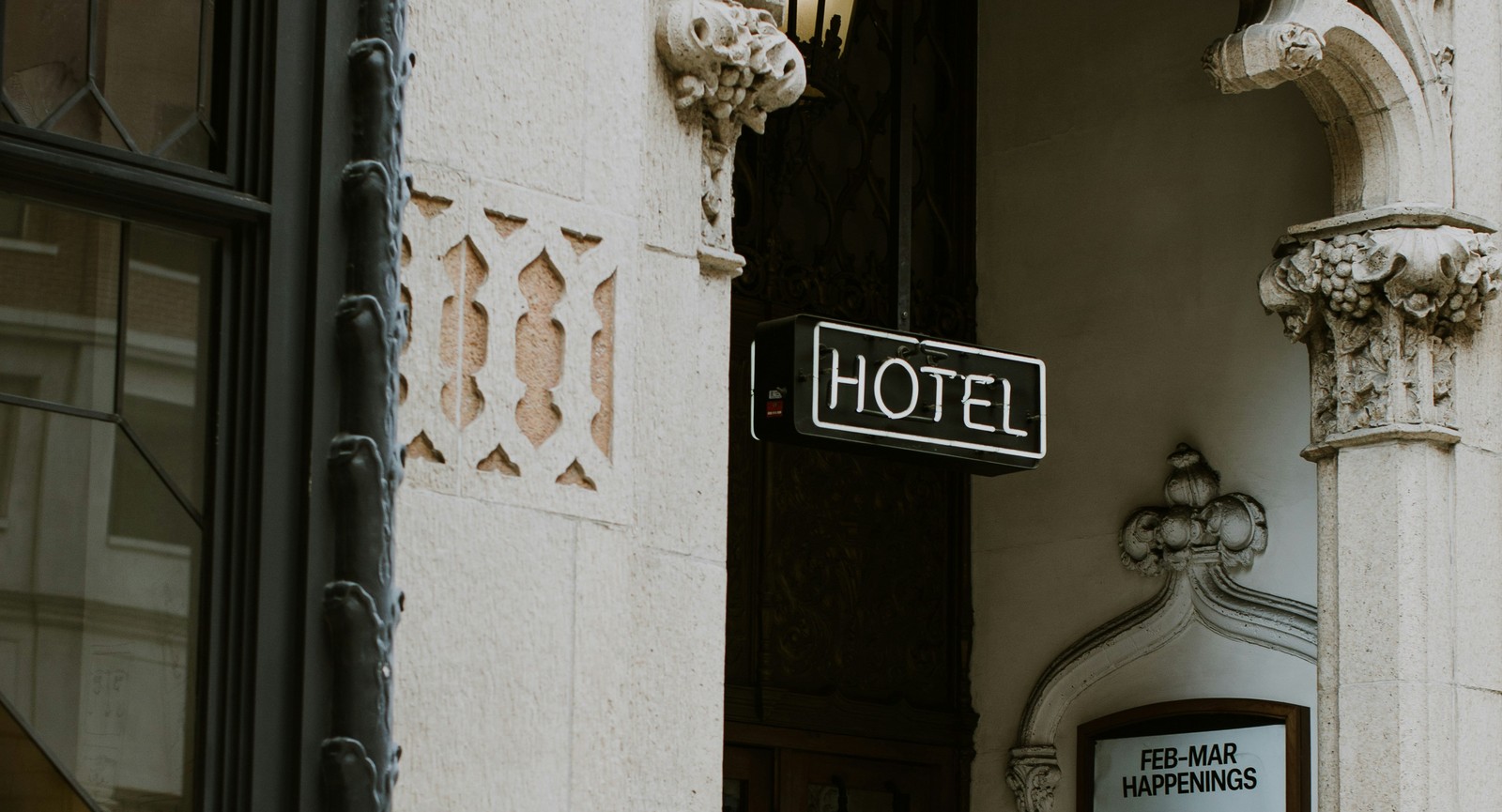
A hotel that melts away? And that's not the craziest one on the list!
Book a room
A hotel that melts away? And that's not the craziest one on the list!
Most hotels try to blend in. These do the exact opposite. Around the world, some hotels have decided that a bed and a bathroom are not enough. They turn sleep into an experience, whether that means waking up to wildlife at your window or spending the night inside a plane. Love them or question them, these themed hotels prove one thing: Boring was never the goal.
LEGOLAND Hotel, Windsor, England
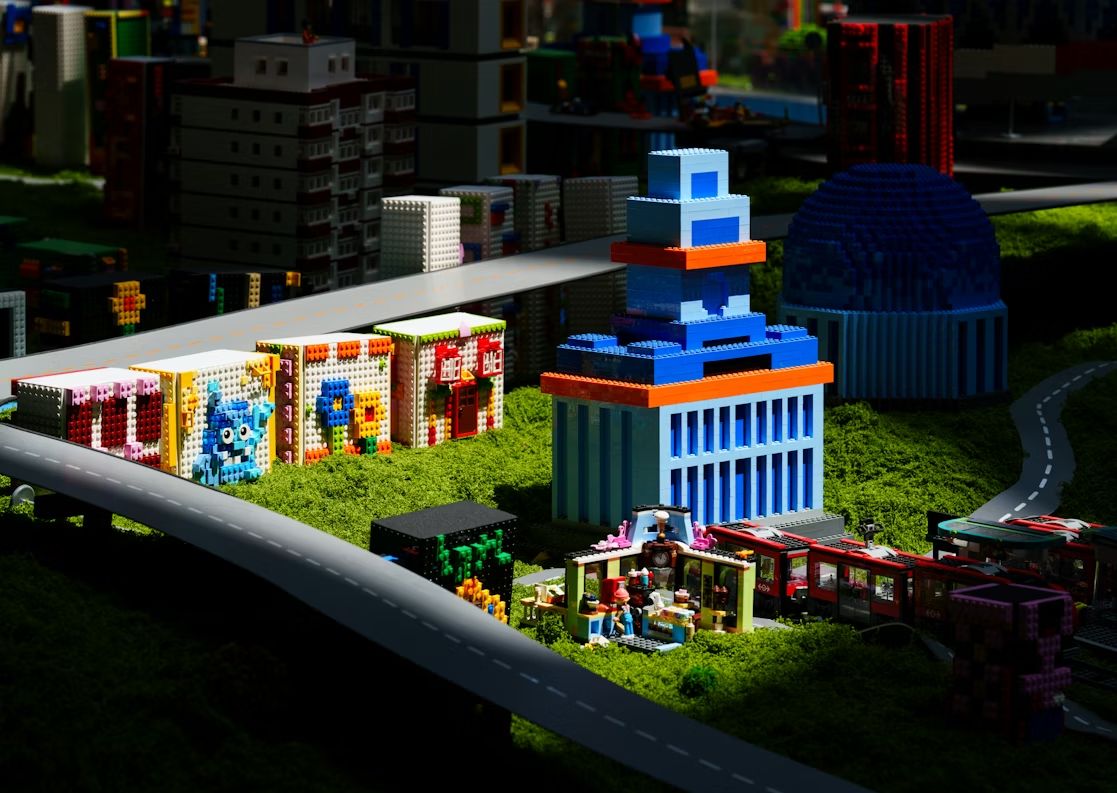 Image: Declan Sun
At the LEGOLAND Hotel, creativity takes center stage. Rooms follow themes like pirates and knights, with colorful Lego creations everywhere you turn. It is playful without being overwhelming, and the attention to detail keeps adults entertained too. Even first-time Lego fans tend to leave impressed. This is just one location, but there are many more!
Dog Bark Park Inn, Cottonwood, Idaho, USA
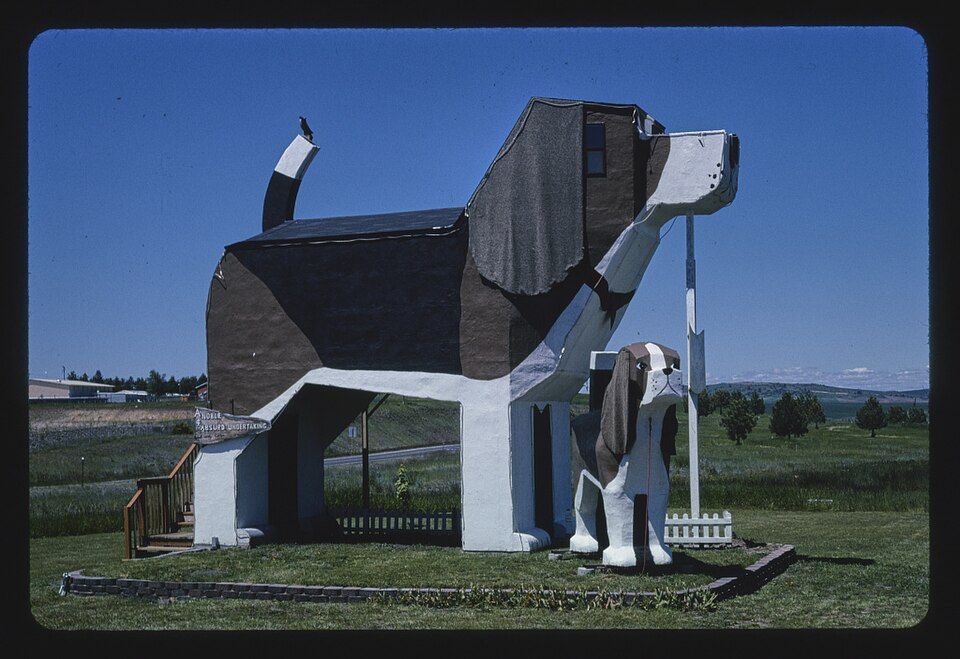 Image: The Library of Congress from Washington, DC, United States, No restrictions, via Wikimedia Commons
Dog Bark Park Inn is shaped like a giant beagle, complete with cozy rooms inside. It feels quirky in the best possible way, especially for animal lovers. The setting is relaxed and welcoming, and the experience is more charming than outrageous. You come for the novelty and stay for the friendliness.
Giraffe Manor, Nairobi, Kenya
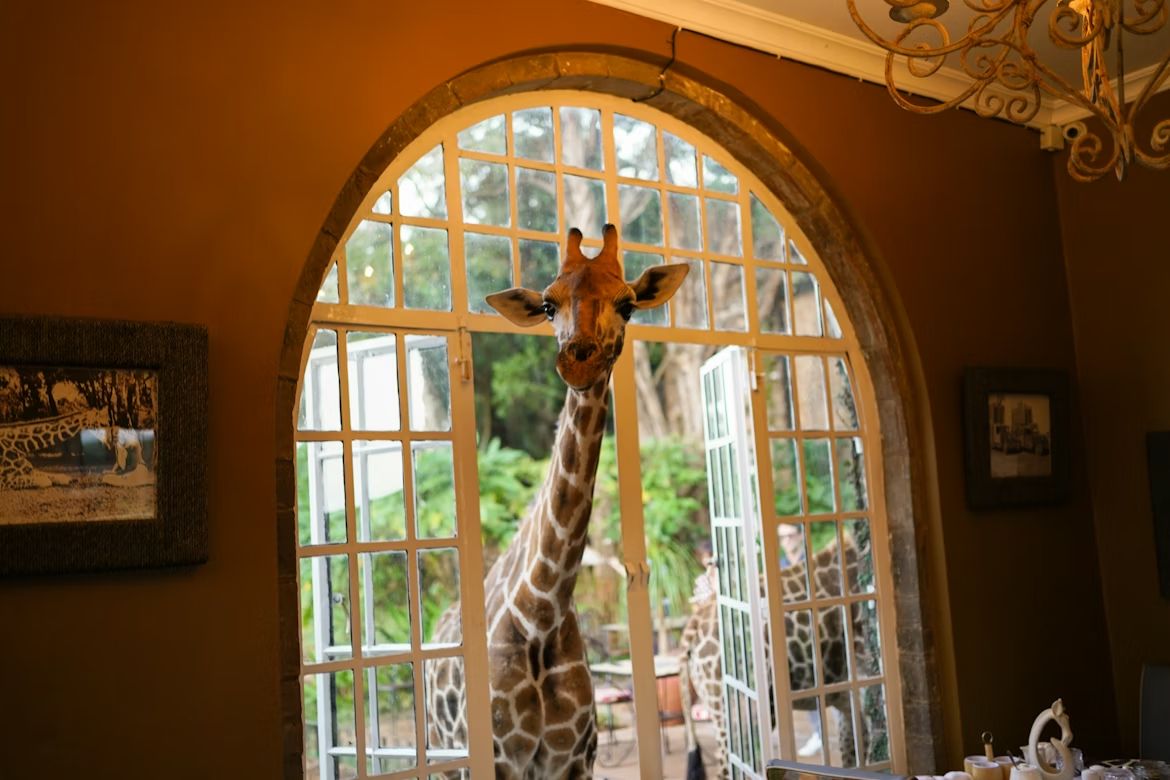 Image: Jason Zhao
It’s called Giraffe Manor for a reason, you know? In this place, giraffes roam the grounds and often lean through windows during breakfast. The building itself is elegant and historic, balancing playful moments with genuine comfort. Sharing a meal with wildlife turns an ordinary morning into a lifelong memory.
Hotel Costa Verde, Manuel Antonio, Costa Rica
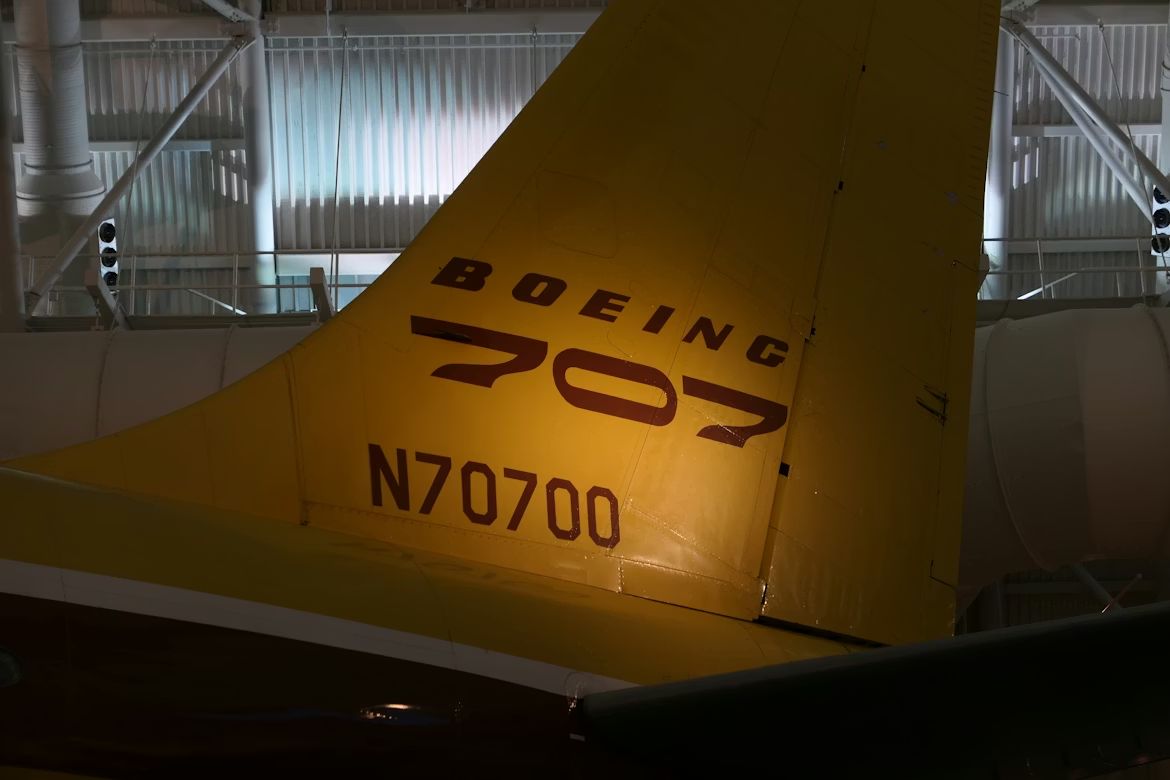 Image: Ugi K.
The name doesn’t say much, but this one is something special. A retired Boeing 727 now serves as a luxury suite perched above the rainforest. At Hotel Costa Verde, guests sleep where airline passengers once sat, surrounded by jungle sounds and ocean views. The plane interior is fully renovated, blending aviation history with tropical comfort in a way that feels both clever and adventurous.
Clown Motel, Tonopah, Nevada, USA
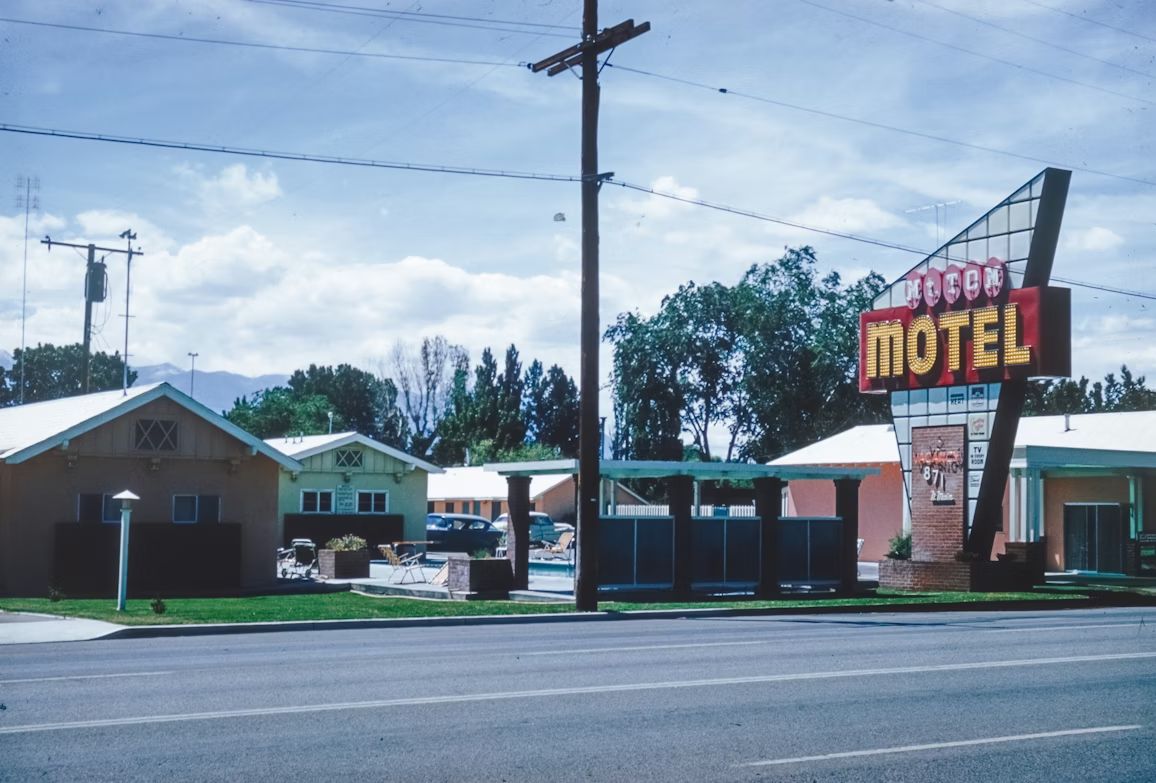 Image: Annie Spratt
The Clown Motel fully commits to its theme, with clown decor filling the rooms and hallways. It honors its reputation with a wink and a sense of humor. Yes, it is a little odd, but that is exactly the point. Guests come more for the story than the luxury, and they leave with one to tell.
Noah’s Ark Hotel, Hong Kong
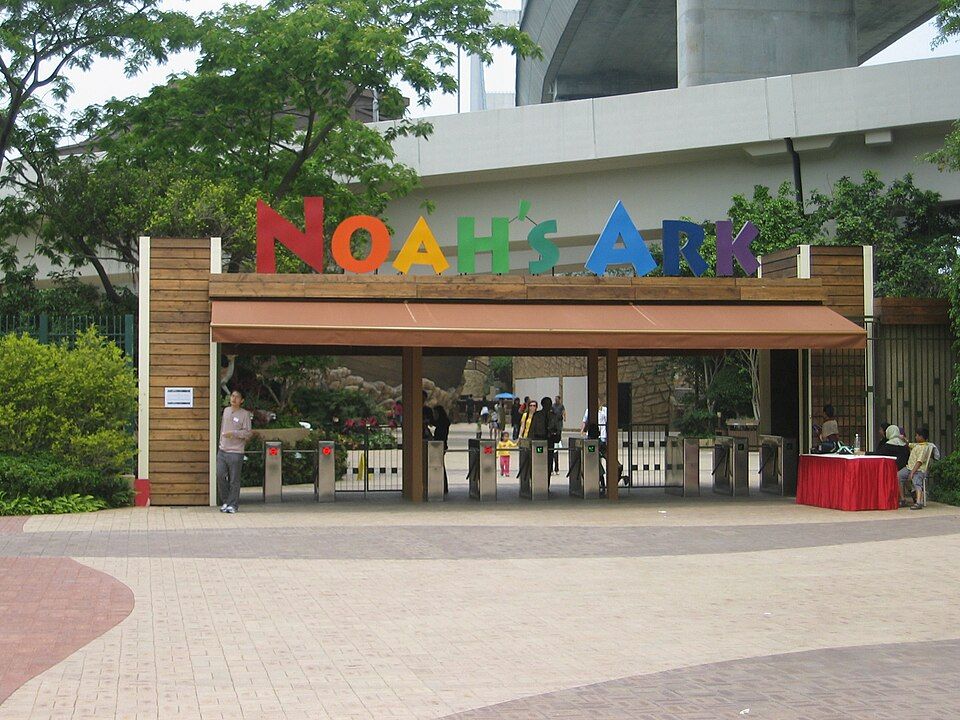 Image: Ricky36, Public domain, via Wikimedia Commons
Built to resemble the famous ark, this large hotel and attraction brings a well-known story to life in a modern way. You don’t have to imagine it anymore; you can actually book a room in it! Inside, rooms are comfortable and bright, while exhibits focus on science, nature, and exploration.
Cartoon Network Hotel, Tainan, Taiwan
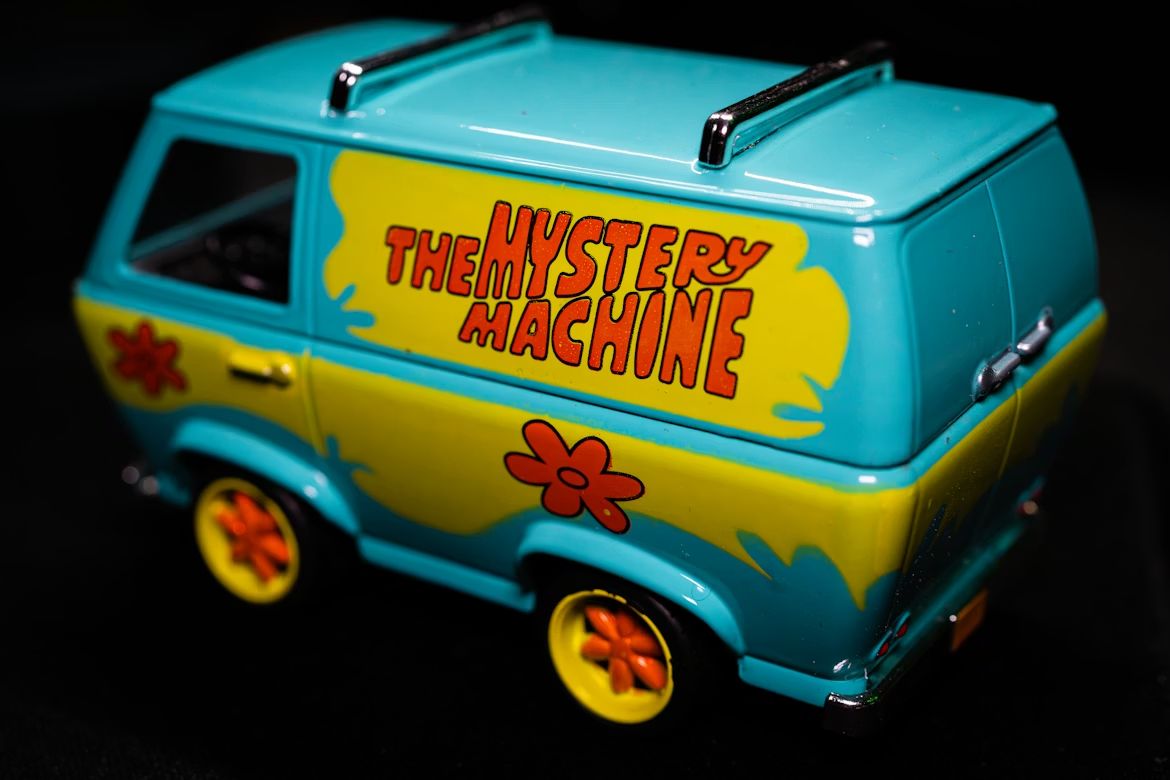 Image: Brandon Salabarría
The Cartoon Network Hotel turns animated favorites into full-sized room themes. Each floor celebrates different characters, with bright colors and playful details everywhere you look. It is cheerful, energetic, and impossible to take too seriously. Even guests who did not grow up with cartoons often find themselves smiling at the sheer commitment.
Icehotel, Jukkasjärvi, Sweden
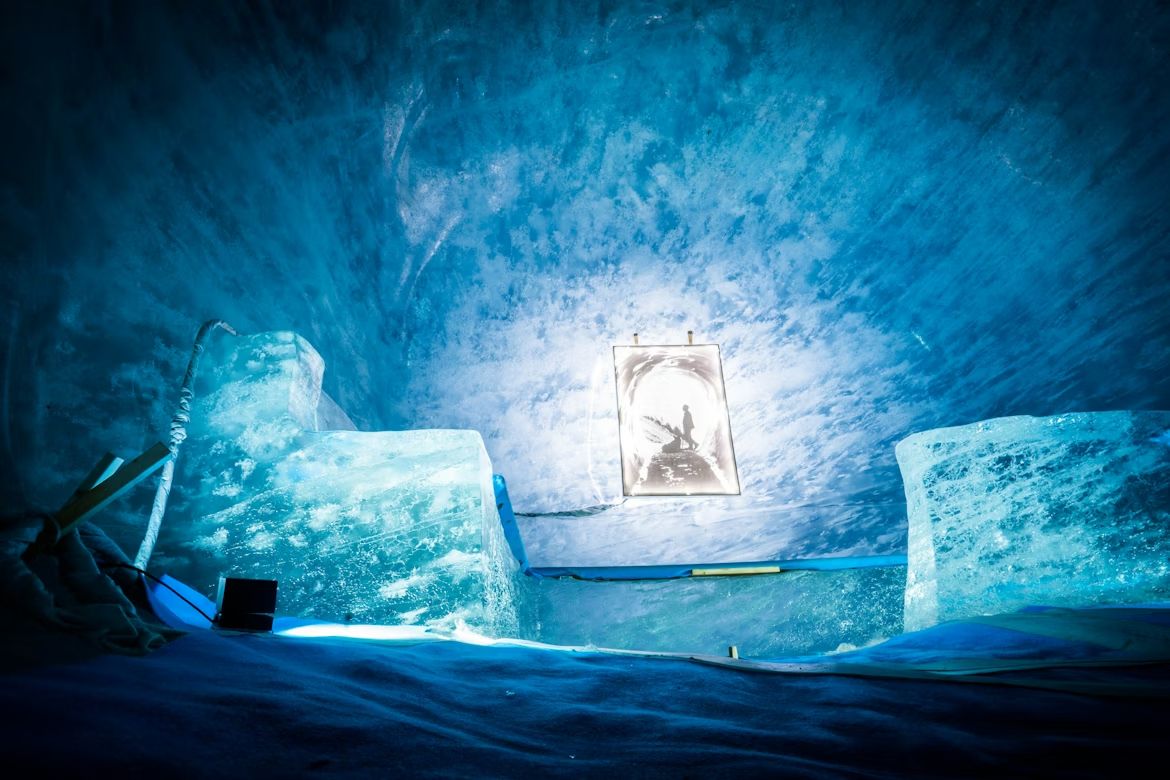 Image: Karim Ben Van
Every winter, the Icehotel is rebuilt from frozen river ice. Rooms are carved by artists, and no two seasons look the same. Guests sleep on ice beds topped with thermal sleeping bags. The crazy thing about this place is that, by spring, the hotel melts away like a snowman. It is rebuilt every single year by different artists who are invited to give life to their icy design!
V8 Hotel, Stuttgart, Germany
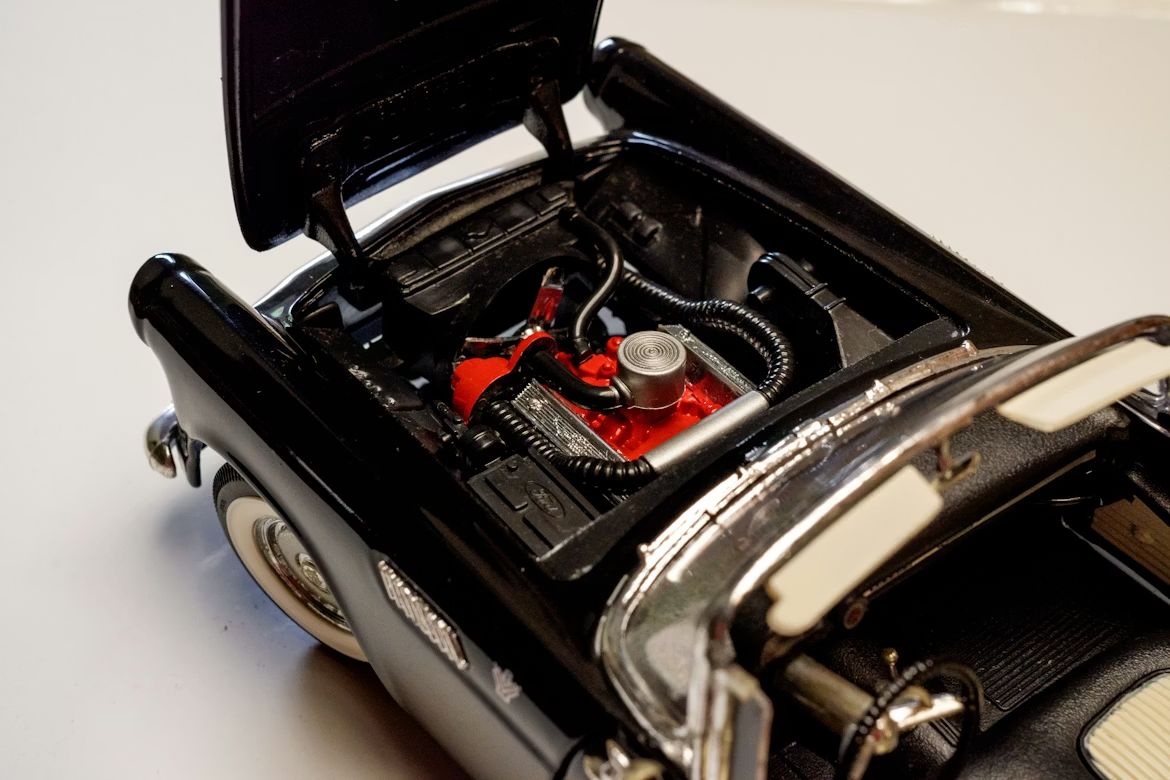 Image: Marc Grande
The V8 Hotel in Stuttgart is a dream for anyone who loves classic automobiles. Some rooms feature beds shaped like vintage cars, while others lean into racing history with bold colors and mechanical details. Even if you are not a car expert, the playful design makes the stay feel energetic and nostalgic all at once.
La Balade des Gnomes, Durbuy, Belgium
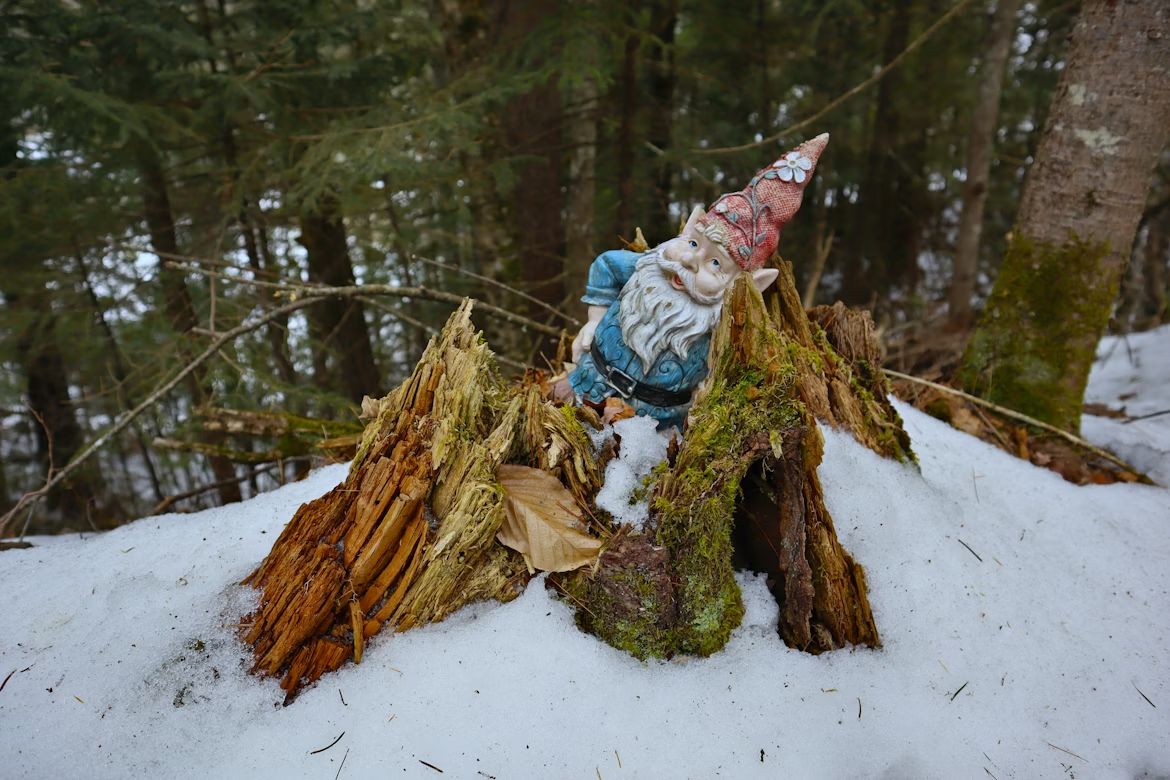 Image: CodeShady
La Balade des Gnomes looks like it was designed for fairy tales. Rooms feature curved walls, fantasy themes, and whimsical details that make reality feel far away. Each space tells a different story, so choosing a room is half the fun. Once inside, the atmosphere feels cozy and definitely magical.
Keep wandering
There’s always
more to explore
 Landmarks
The construction mistake that made this tower famous
5 min.
Read Now
Most tourists never find these London spots hiding in plain sight
3 min.
Read Now
Why do hotels have bed scarves, two peepholes, and bathroom phones?
6 min.
Read Now
Your feet do what!? No one tells you what outer space does to your body
6 min.
Read Now